


Celebrities Who Publicly Called Out Colorism on Live Television

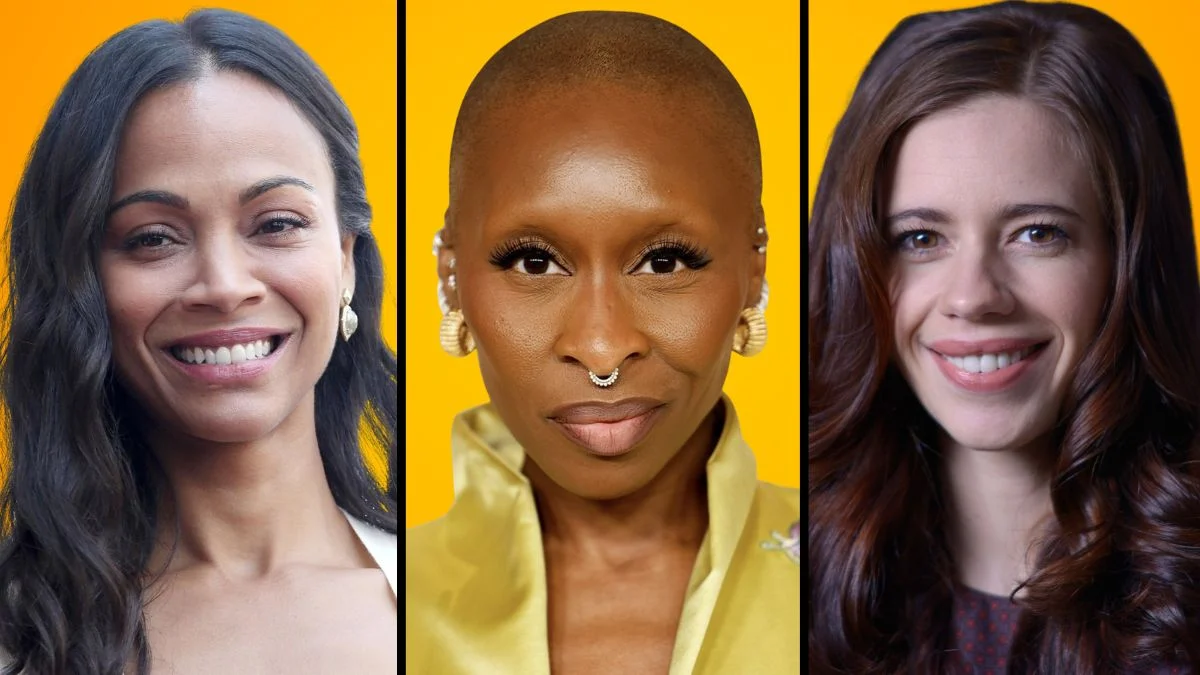


During her acceptance speech at the Essence Black Women in Hollywood Luncheon, Lupita Nyong’o delivered a powerful message about dark skin and beauty. The speech was broadcast to millions and addressed a young fan who felt she needed lighter skin to be successful. Nyong’o shared her own insecurities growing up and how she prayed for lighter skin before finding validation in others. Her vulnerability on such a public platform sparked a global conversation about beauty standards.
Viola Davis
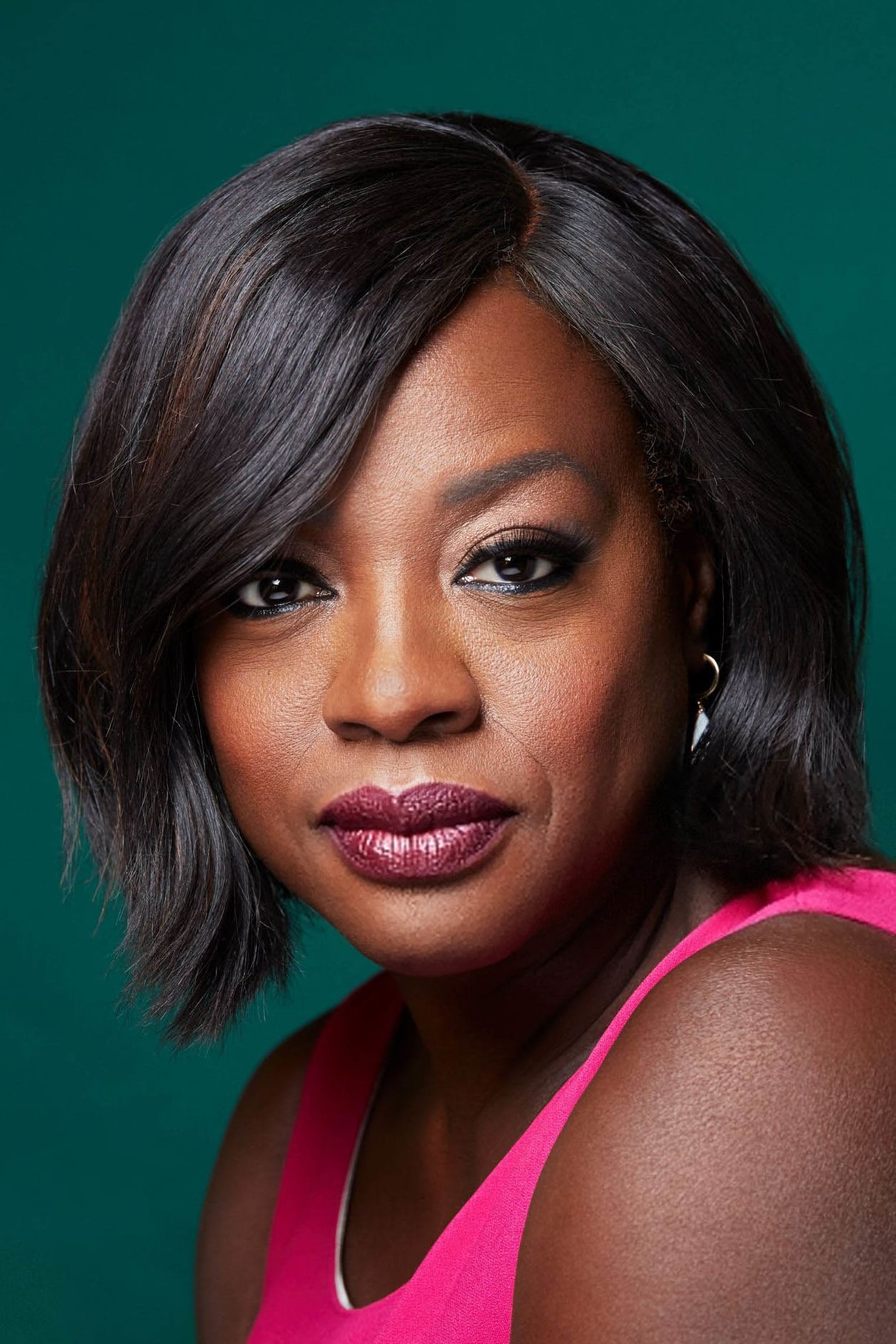
Viola Davis has frequently used her time on talk shows and red carpets to address the lack of opportunities for dark-skinned actresses. She famously stated in an interview that the only thing separating women of color from anyone else is opportunity. Davis has criticized the paper bag test and the limited roles available to women with her complexion. Her advocacy often highlights how colorism affects pay equity and billing in major motion pictures.
Zendaya

Zendaya often uses her platform during televised interviews to acknowledge her privilege as a light-skinned Black woman. She has stated that she is the industry’s acceptable version of a Black girl and works to open doors for her darker-skinned peers. The actress openly discusses how colorism allows her to access roles that are often denied to women with deeper skin tones. Her commentary challenges casting directors to broaden their scope of beauty and talent.
Tannishtha Chatterjee
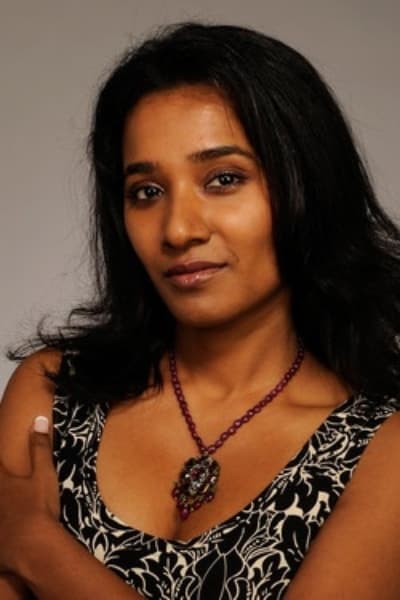
Indian actress Tannishtha Chatterjee took a firm stand when she walked out of the popular comedy show ‘Comedy Nights Bachao’ after being roasted for her skin tone. She later spoke to news outlets about how the jokes were not harmless fun but rather deep-seated prejudice disguised as humor. Chatterjee expressed her disappointment that national television was being used to perpetuate the idea that fair skin is superior. Her public exit forced the network to apologize and started a debate about colorism in Indian media.
Nandita Das
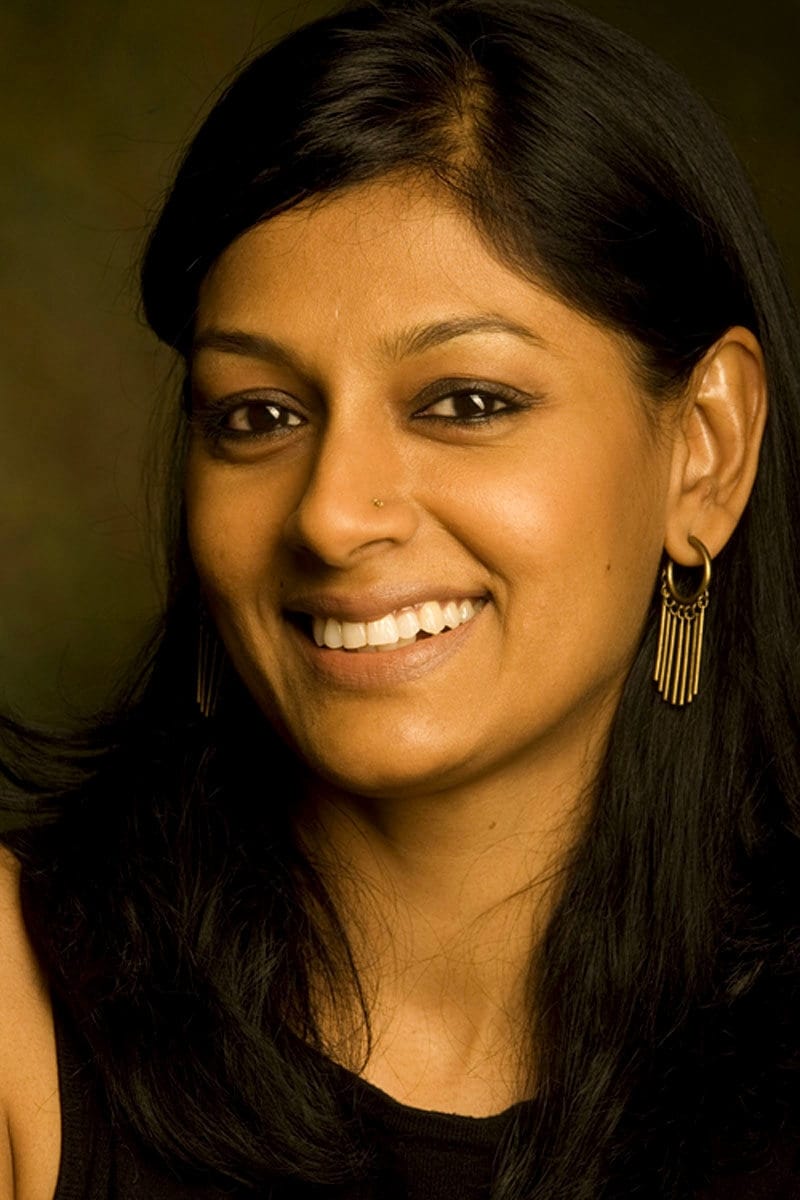
As the face of the Dark is Beautiful campaign, Nandita Das has appeared on numerous news channels to fight against the stigma associated with dark skin in India. She consistently calls out the film industry for darkening actors to play villains or poor characters while lightening leads. Das urges audiences to reject the notion that success is tied to fairness. Her interviews serve as educational moments regarding the psychological impact of colorism on young girls.
Thandiwe Newton

During an emotional interview, Thandiwe Newton broke down in tears while apologizing to darker-skinned actresses for taking roles that should have gone to them. She acknowledged that her light skin has made her a beneficiary of colorism in Hollywood. The actress expressed deep regret for how the industry has used her to represent all Black women. Her candid admission on camera resonated with many who feel erased by colorist casting practices.
Priyanka Chopra Jonas
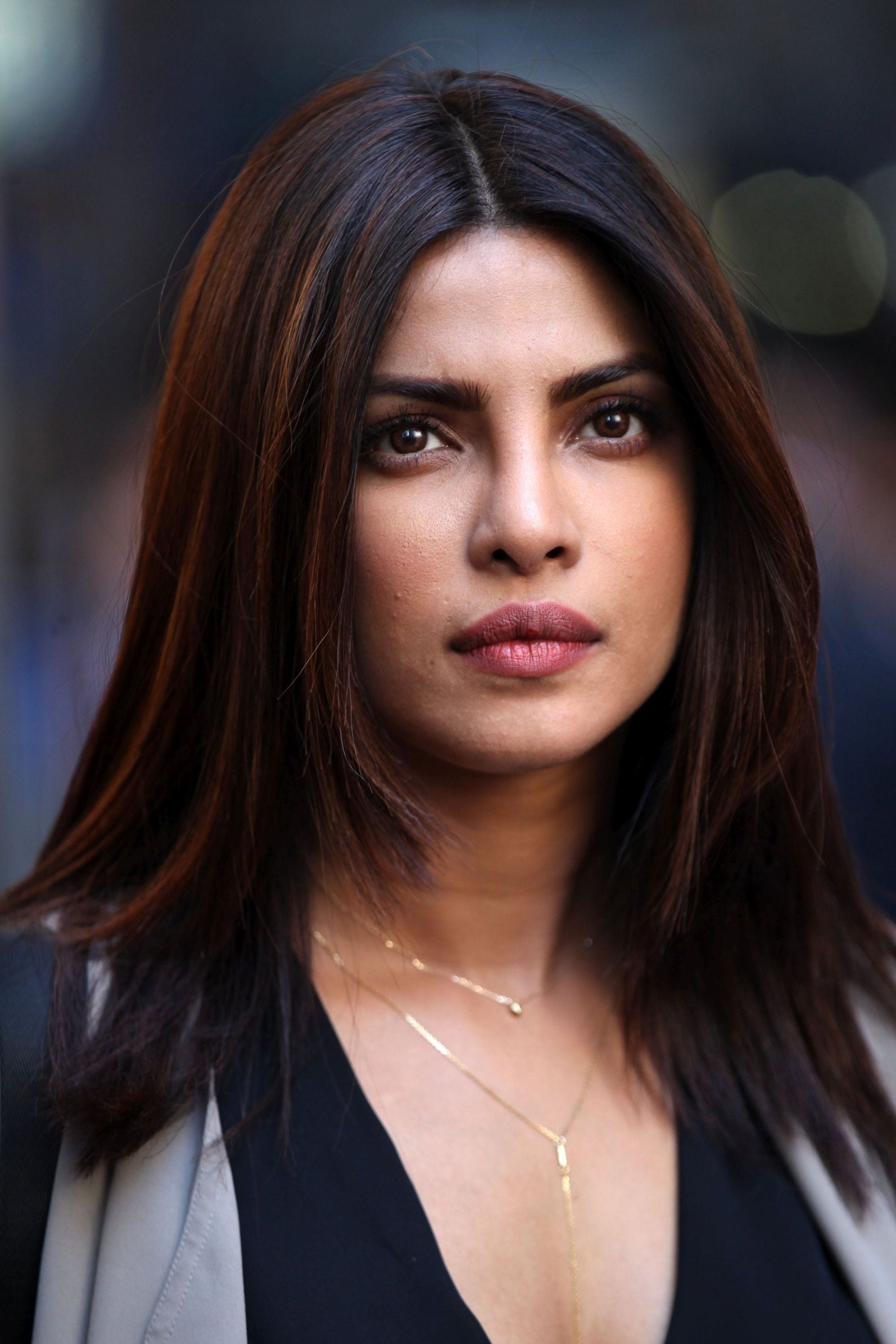
In a televised interview, Priyanka Chopra Jonas expressed regret for endorsing skin-lightening creams early in her career. She admitted that she used to believe dark skin was not pretty because of the societal pressure she grew up with in India. The actress explained how moving to Hollywood gave her a different perspective on representation and beauty. She now uses her global platform to speak against the very products she once advertised.
Abhay Deol
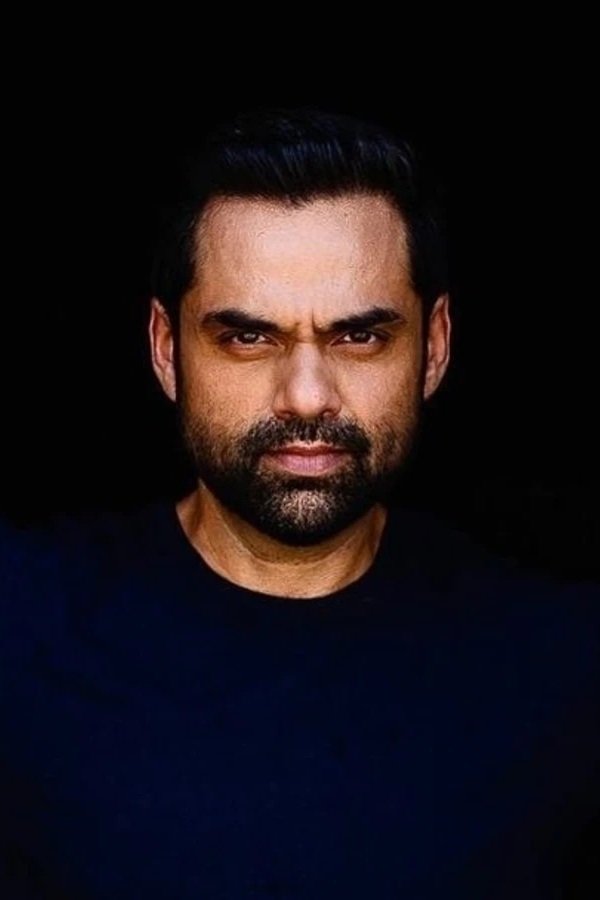
Bollywood actor Abhay Deol sparked a media firestorm that played out on news channels after he criticized his peers for endorsing fairness creams. He called out specific actors by name and dismantled the messaging behind their advertisements. Deol argued that these endorsements demean the majority of the Indian population who have darker skin. His bold move encouraged other celebrities to take a public pledge against promoting skin lightening products.
Keke Palmer

Keke Palmer has utilized her hosting gigs and guest appearances to discuss the nuances of colorism in the music and film industries. She once explained during a radio and television simulcast how colorism creates a divide within the Black community itself. Palmer noted that people often perceive her differently than her darker-skinned peers which affects the types of roles she is offered. She advocates for unity while refusing to ignore the disparities that exist based on skin tone.
Gabrielle Union
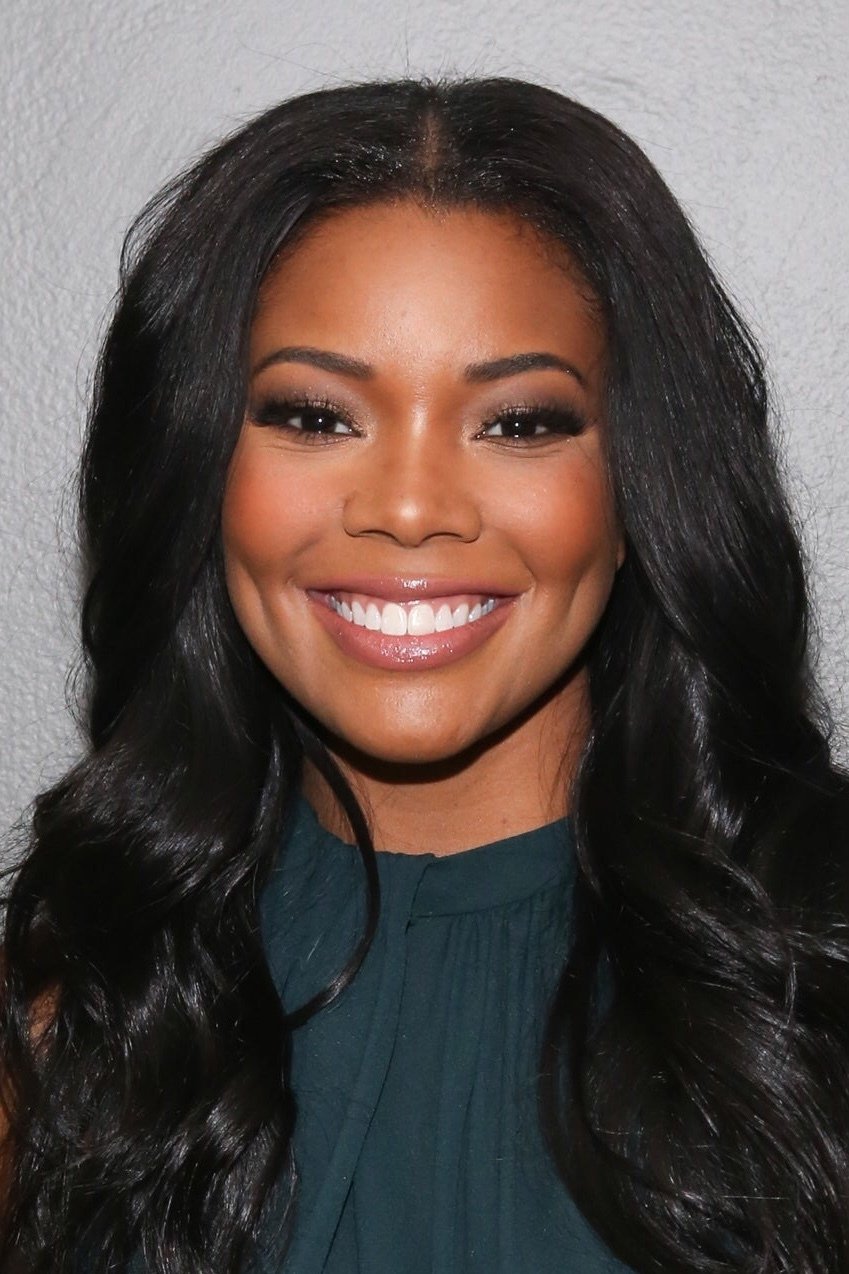
Gabrielle Union has been a vocal critic of the toxic culture at ‘America’s Got Talent’ where she reportedly faced complaints about her hairstyles and appearance. She took her grievances to the public and detailed how racially insensitive environments perpetuate colorism and discrimination. Union frequently discusses how dark-skinned women are often labeled as difficult or angry in media narratives. Her transparency has pushed networks to reevaluate their workplace environments.
Lin-Manuel Miranda
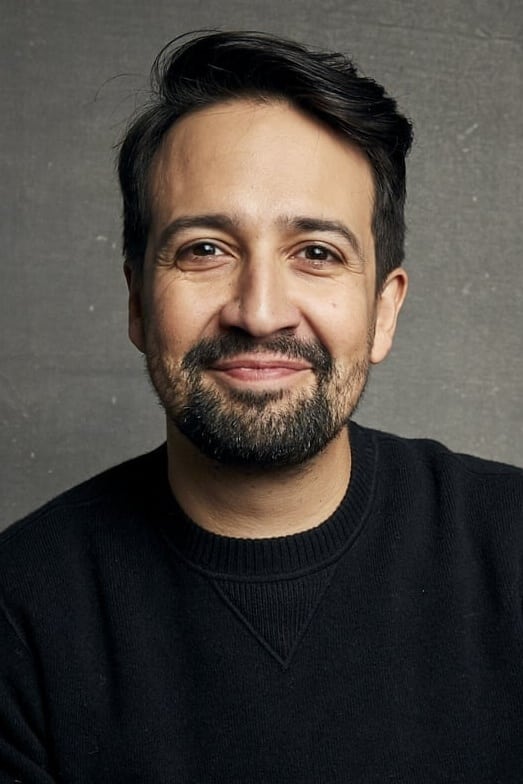
Following the release of ‘In the Heights’, creator Lin-Manuel Miranda appeared in a video interview to address the backlash regarding the lack of dark-skinned Afro-Latinos in leading roles. He publicly apologized for the erasure and admitted that the casting did not accurately reflect the diversity of Washington Heights. Miranda listened to the criticism and promised to do better in his future projects. The televised apology was a rare moment of a major creator validating claims of colorism.
Yara Shahidi
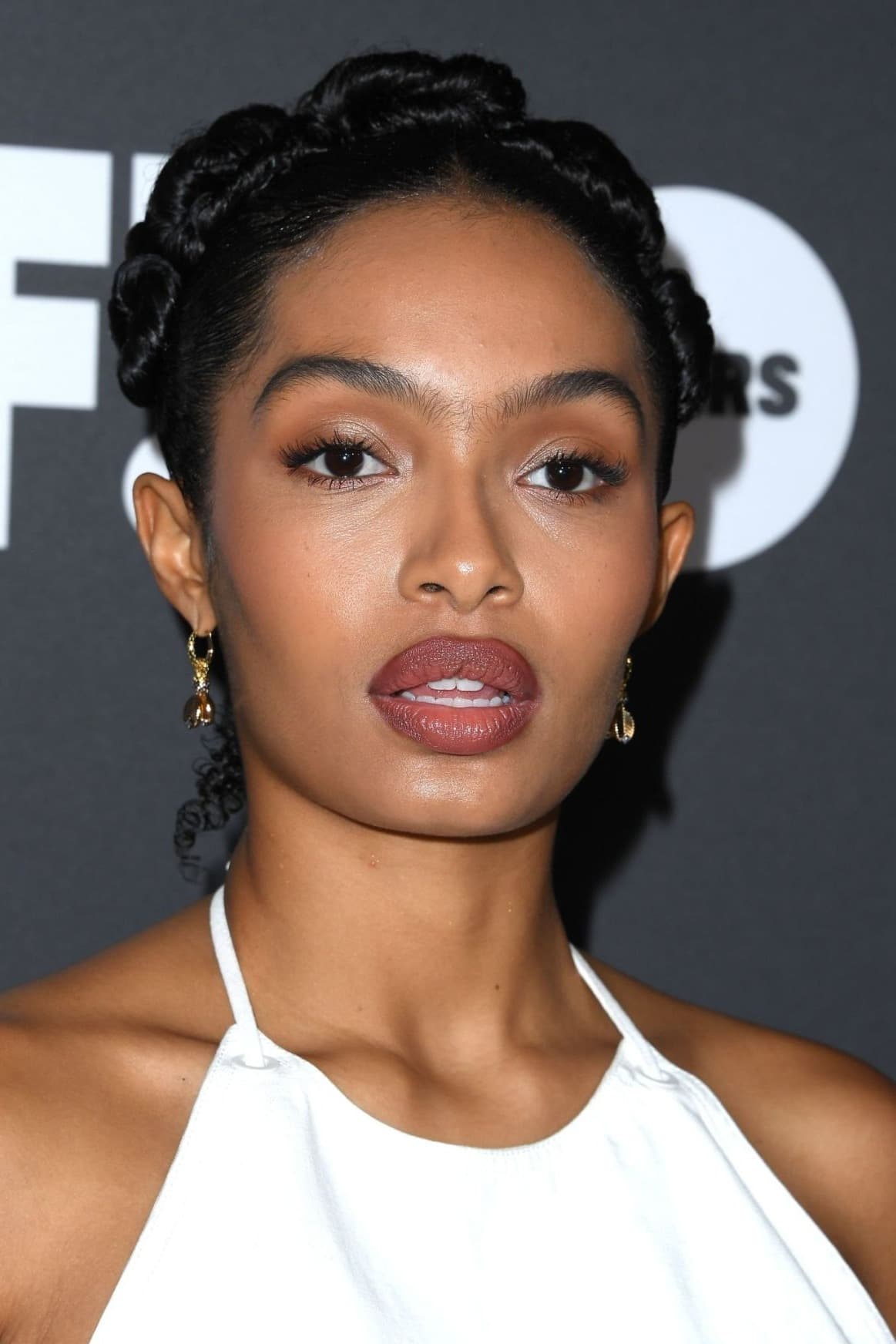
Yara Shahidi frequently discusses her heritage and the privileges she is afforded as a mixed-race actress with lighter skin. During interviews about her show ‘Grown-ish’, she has emphasized the importance of surrounding her character with a diverse cast of varying skin tones. Shahidi aims to disrupt the single narrative often assigned to Black women on television. She uses her visibility to champion stories that center on darker-skinned women who are often sidelined.
Beverly Naya
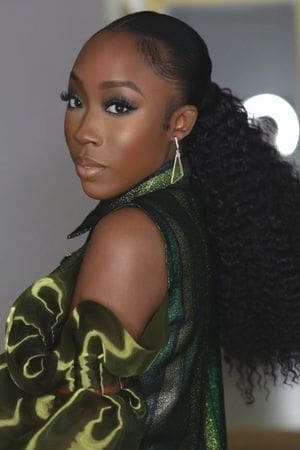
Nollywood actress Beverly Naya produced the documentary ‘Skin’ to explore the problem of colorism in Nigeria. She went on various press tours and television segments to discuss the alarming rates of skin bleaching in Africa. Naya revealed her own struggles with self-esteem and the bullying she endured for her complexion. Her work aims to redefine beauty standards in an industry heavily influenced by Eurocentric ideals.
Kelly Rowland
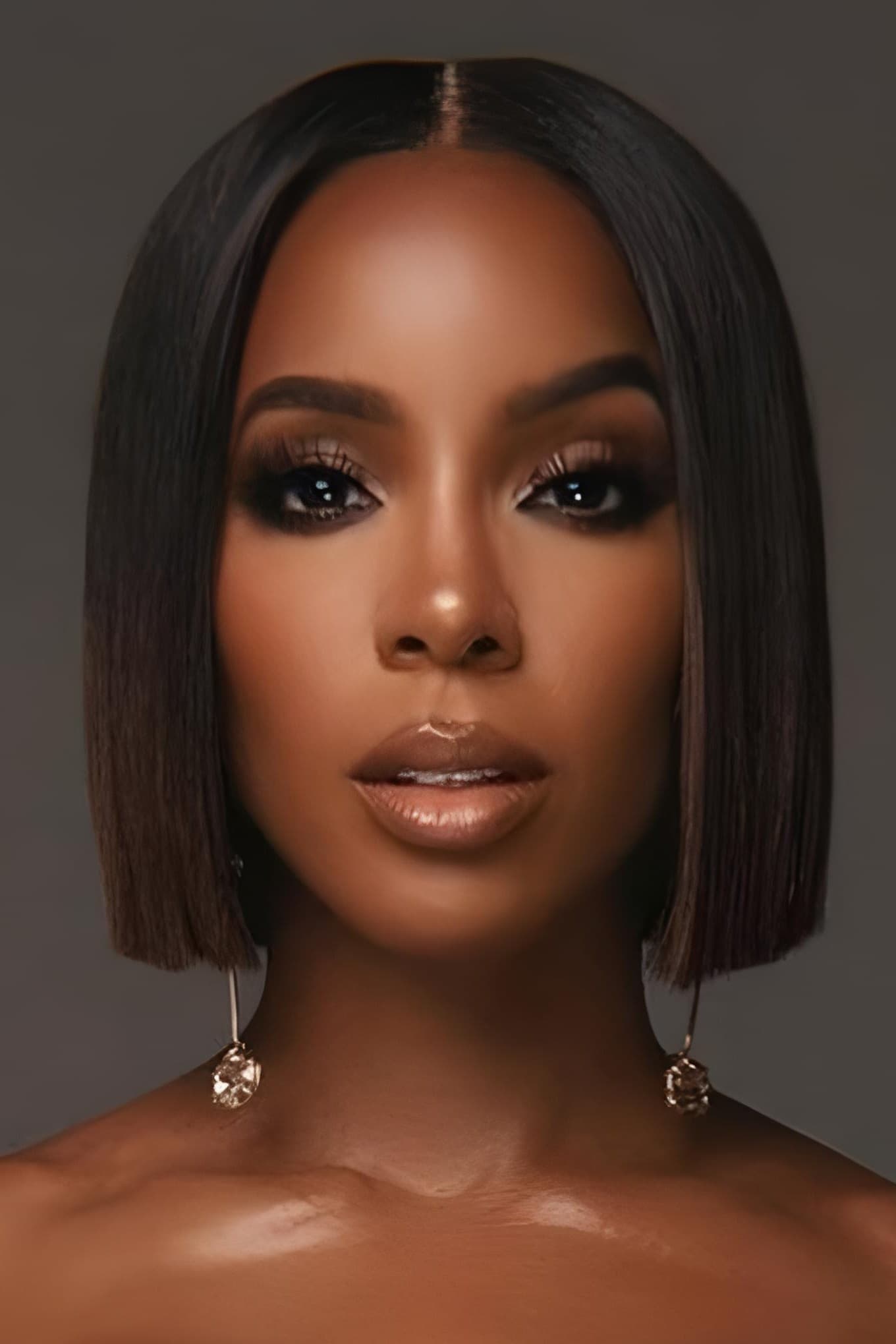
Singer and actress Kelly Rowland has spoken openly on television about the advice she received to bleach her skin early in her career. She credits Beyoncé’s mother for helping her embrace her chocolate complexion when she felt insecure. Rowland now mentors young dark-skinned girls on her reality competition shows to ensure they feel seen and beautiful. She uses her mentorship role to combat the industry bias that favors lighter singers.
Laz Alonso
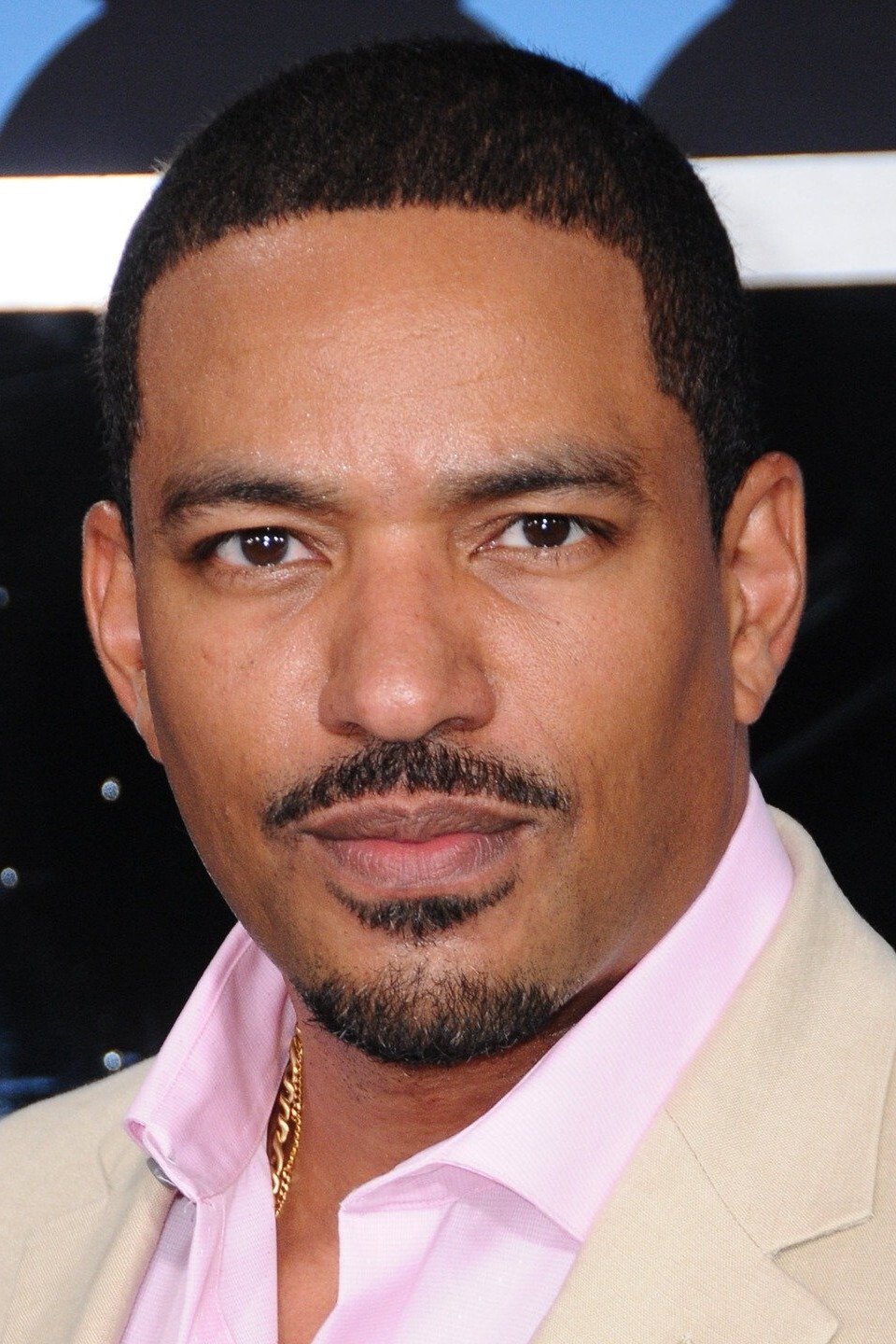
Actor Laz Alonso has used his platform on shows like ‘Hollywood Unlocked’ to discuss the erasure of Afro-Latinos in media. He argues that the Latin community often hides its Black members due to internalized colorism and colonialism. Alonso challenges the idea that Latino identity is separate from Black identity. His conversations often highlight the need for darker-skinned Latinos to be visible in Spanish-language media.
Gina Torres
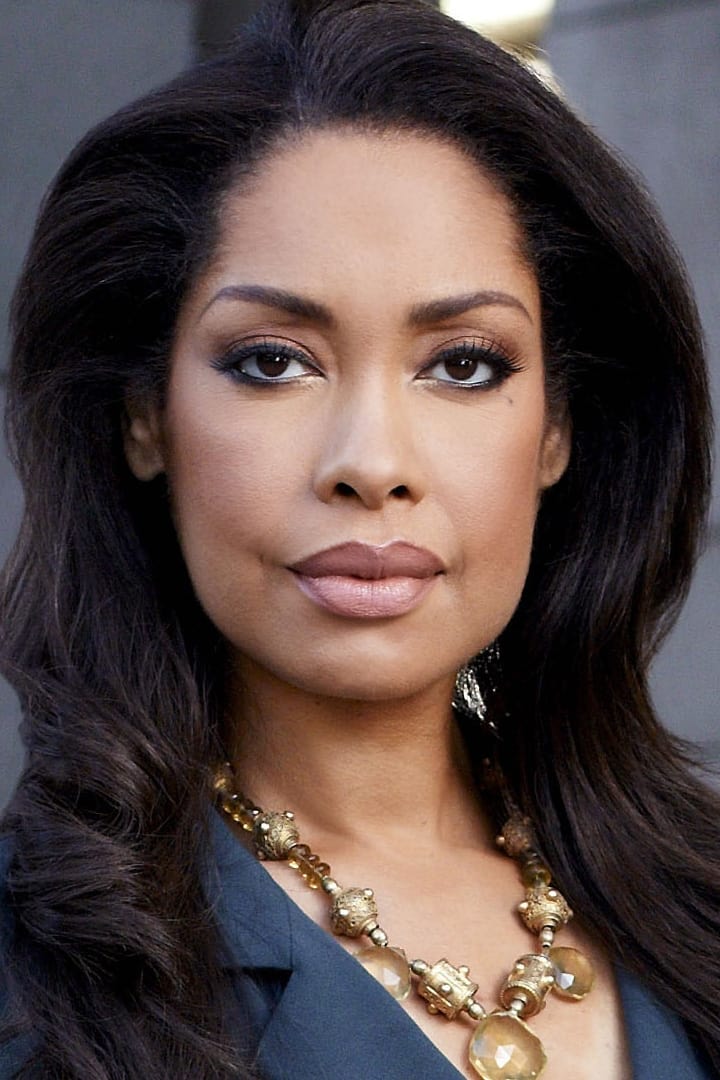
Gina Torres has given interviews stating that she occupies a difficult space where she is considered too dark for many Latin roles but not Black enough for others. She spoke on ‘The Daily Show’ about the confusion casting directors face when presented with an Afro-Latina. Torres has had to fight to have her heritage recognized on screen without compromising her identity. She highlights how colorism limits the spectrum of stories that get told about the Latin experience.
Yalitza Aparicio
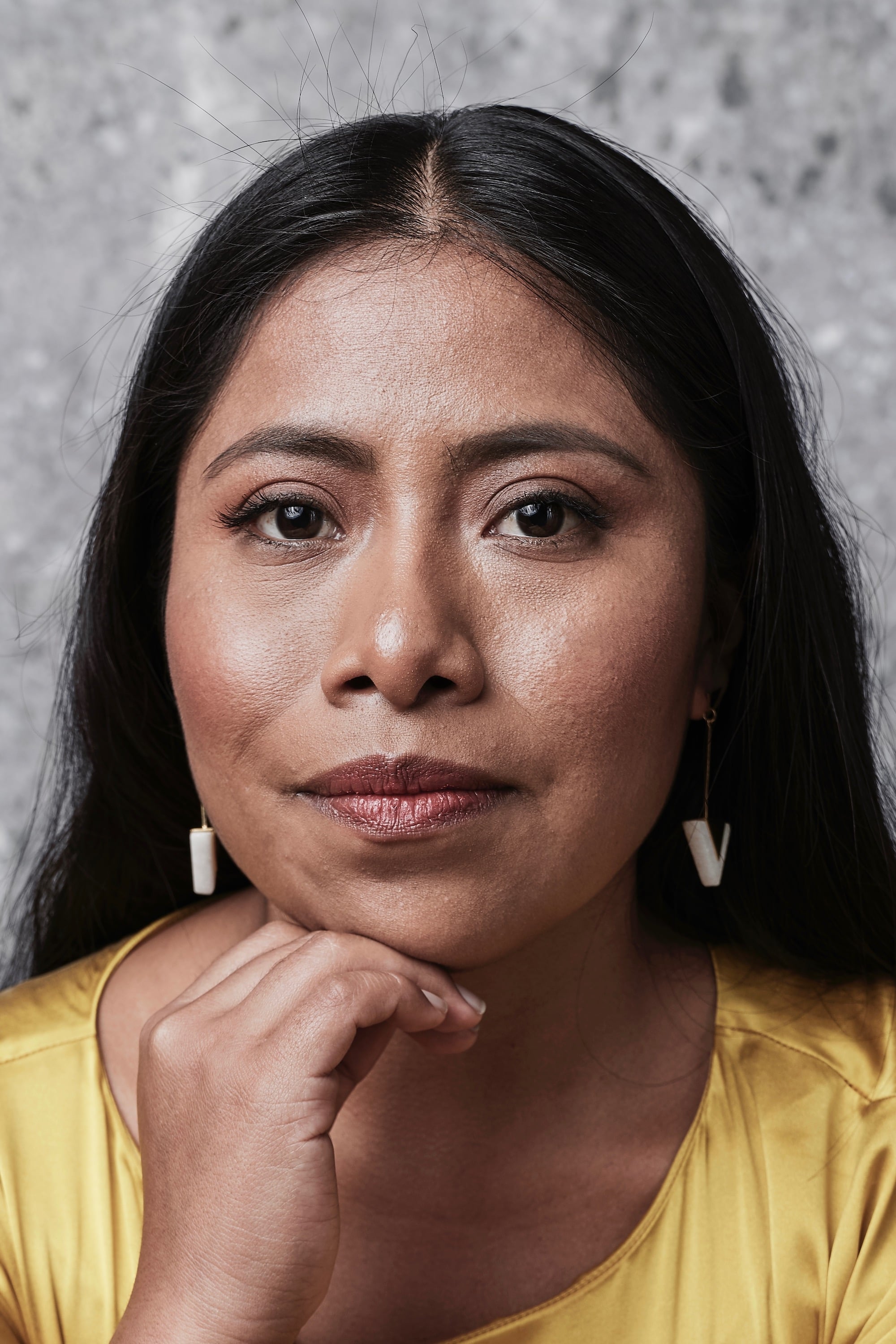
After her breakout role in ‘Roma’, Yalitza Aparicio faced a barrage of racist and colorist attacks which she addressed in various broadcast interviews. She used the negative attention to spark a dialogue about Indigenous representation and the value of brown skin. Aparicio stated that she is proud of her heritage and refuses to let derogatory comments silence her. Her grace under fire brought global attention to the deep-seated colorism in Mexican society.
Sai Pallavi
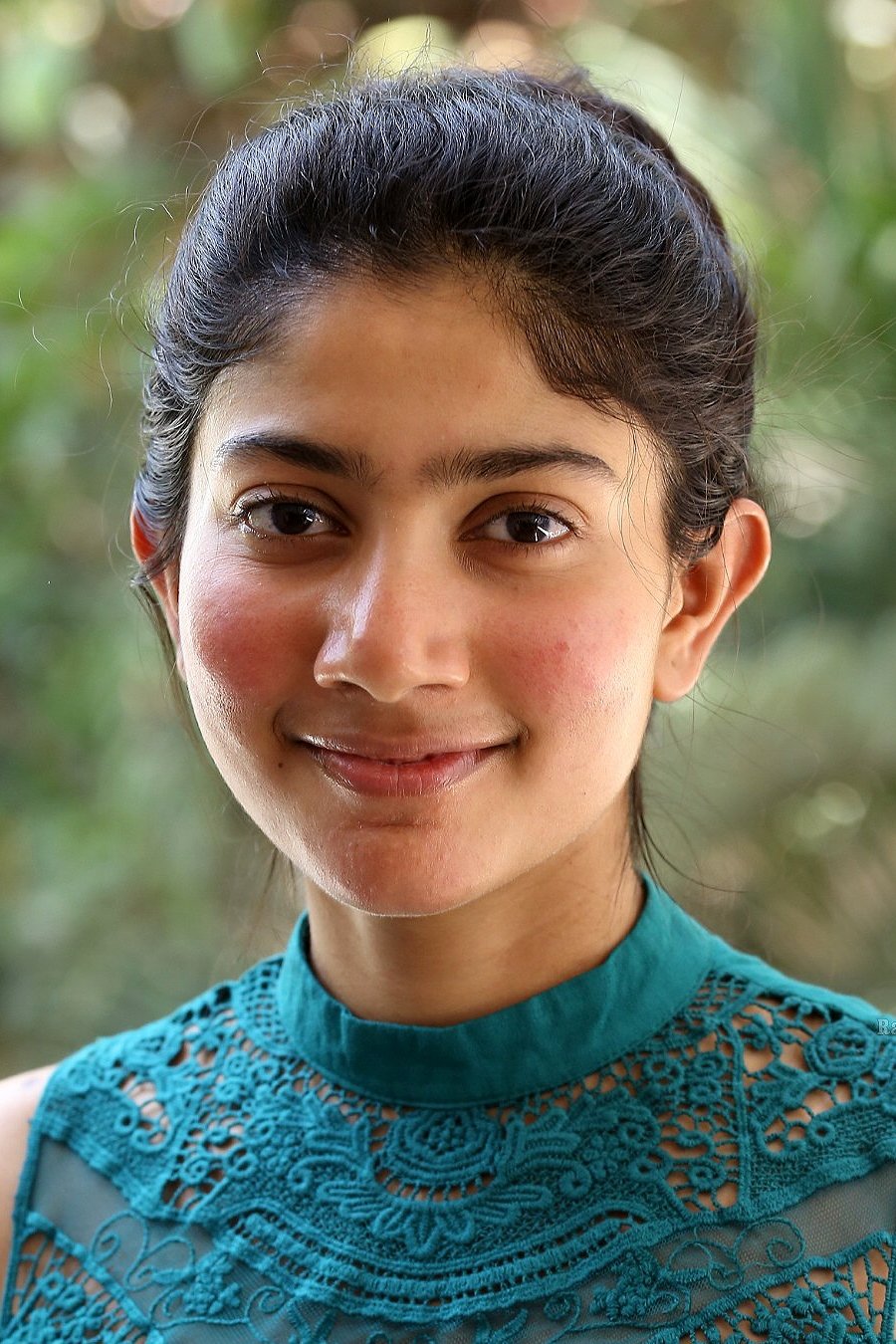
Indian actress Sai Pallavi made headlines and was discussed on news panels after she turned down a lucrative deal to endorse a fairness cream. She questioned what the ad would tell young girls about their natural skin tone and worth. Pallavi stated in interviews that she would rather be known for her talent than for promoting insecurity. Her refusal was a significant moment for South Indian cinema where fair skin is often idolized.
Nawazuddin Siddiqui
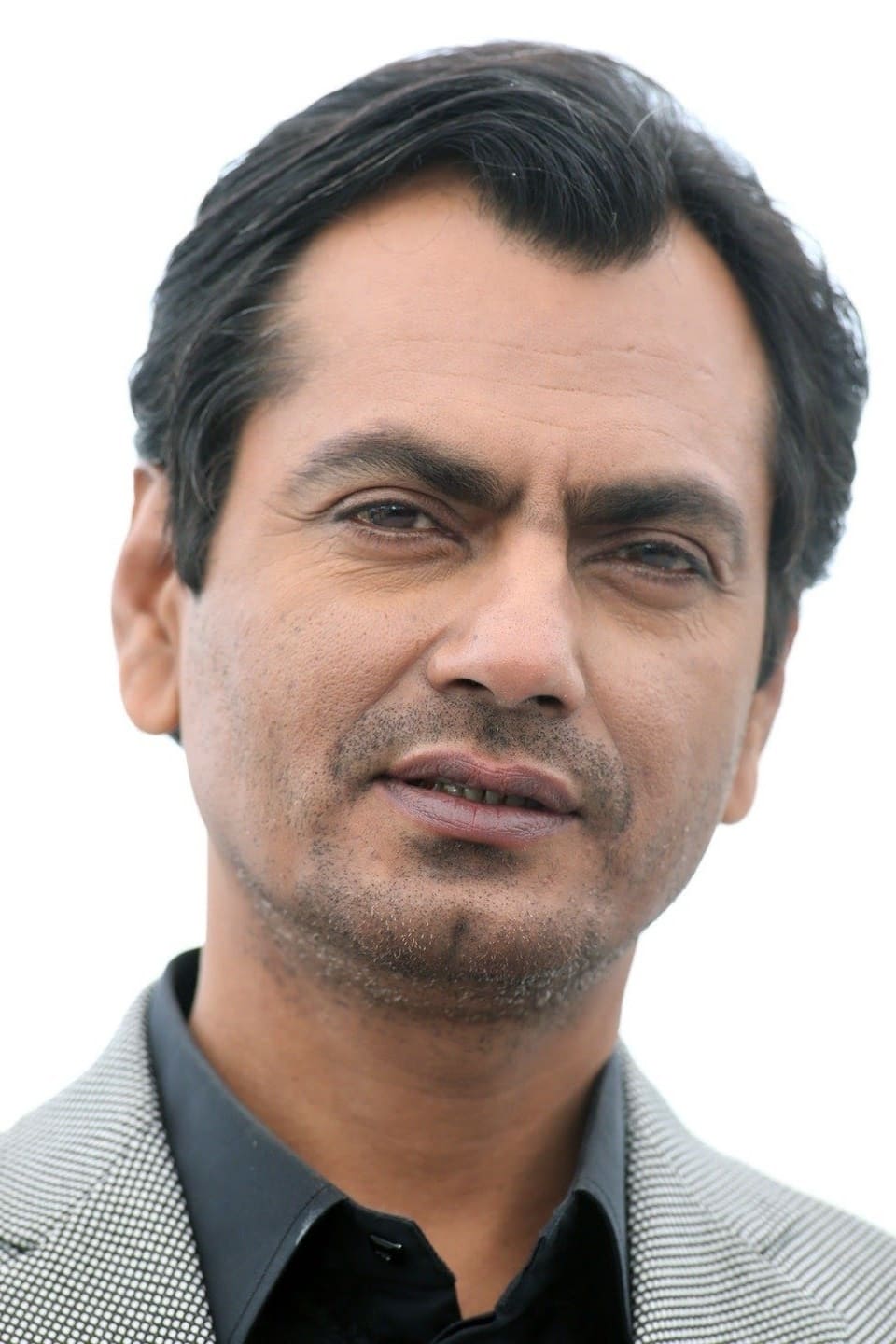
Nawazuddin Siddiqui has given candid television interviews expressing his frustration with Bollywood’s obsession with fair skin. He revealed that he was often rejected from leading roles because he did not fit the conventional look of a hero. Siddiqui pointed out that the industry relies on skin color rather than acting ability to determine star power. His success has become a beacon of hope for actors who do not fit the traditional mold.
Danielle Brooks
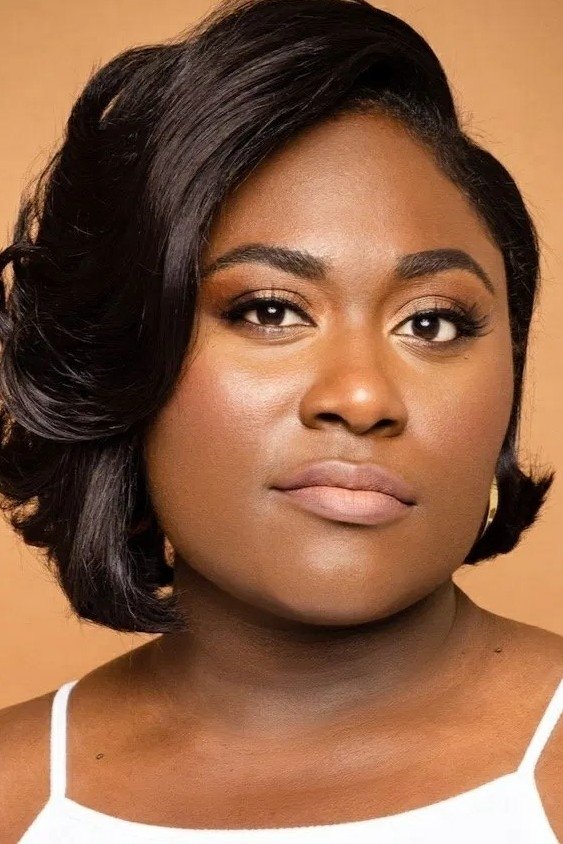
‘Orange is the New Black’ star Danielle Brooks has used her time on talk shows to discuss the importance of seeing dark-skinned women as love interests. She emphasized that her character was one of the few representations of a dark-skinned woman being desired and loved on television. Brooks challenges writers to create fully fleshed-out human beings rather than stereotypes for actors of her complexion. She advocates for a media landscape where dark skin is associated with softness and beauty.
Lupita Nyong’o
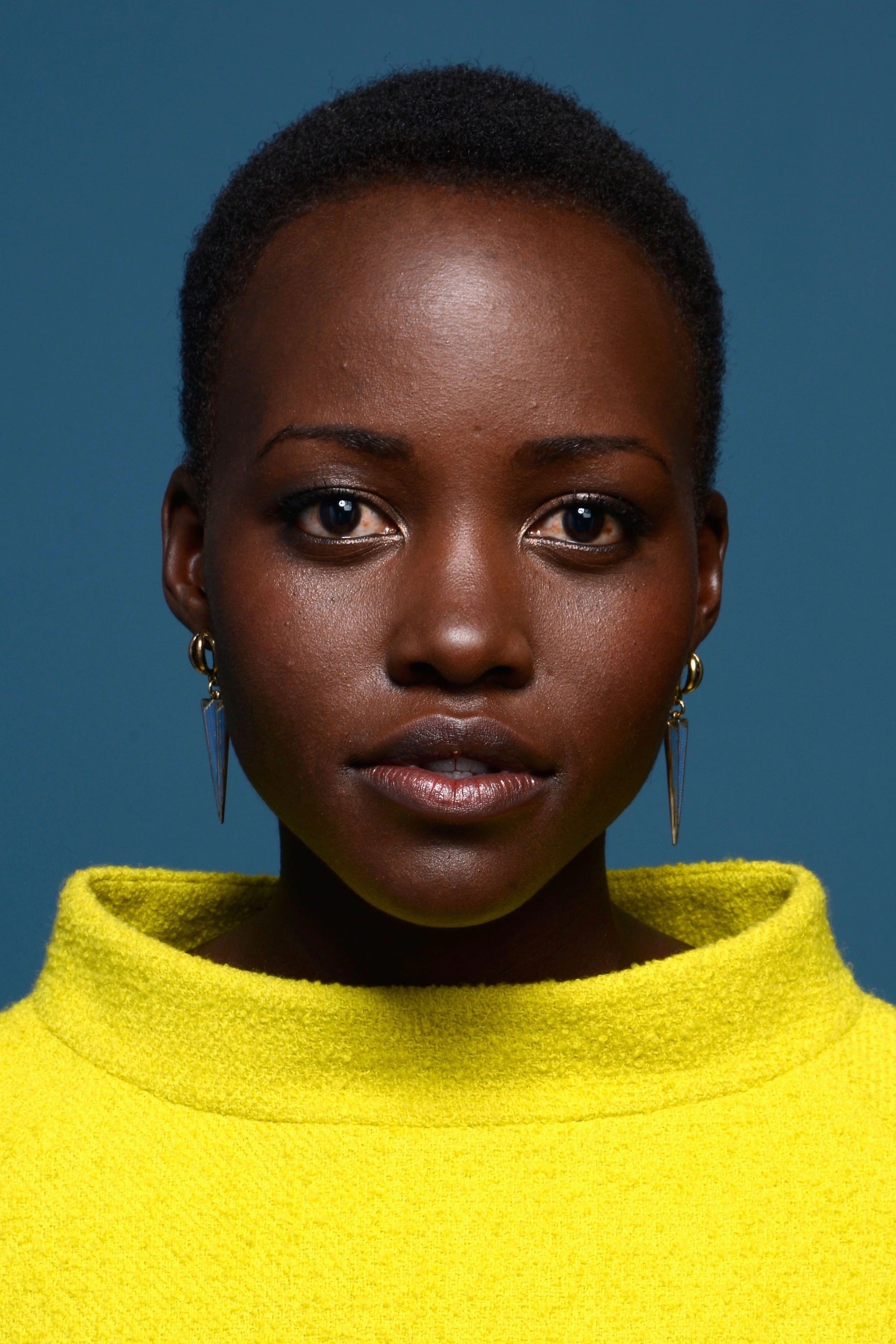
Lupita Nyong’o continues to be a primary voice against colorism and wrote a children’s book to address the issue directly. During the press tour for ‘Sulwe’, she appeared on morning talk shows to explain how colorism affects children at a very young age. She shared personal stories of feeling unbeautiful and how she wants to protect the next generation from that pain. Her televised readings and discussions have provided tools for parents to talk about skin tone with their kids.
Taraji P. Henson
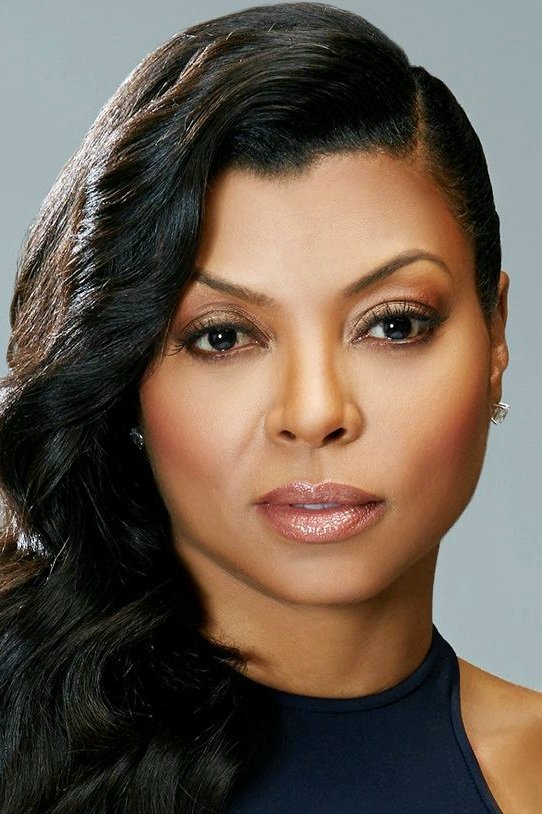
Taraji P. Henson has spoken about the pay disparity she faces compared to her lighter-skinned or white peers. In emotional interviews, she has detailed the exhaustion of fighting for her worth despite her proven track record. Henson connects these issues to the devaluation of Black women in Hollywood. She uses her promotional tours to demand respect and equity for actresses of all shades.
Whoopi Goldberg
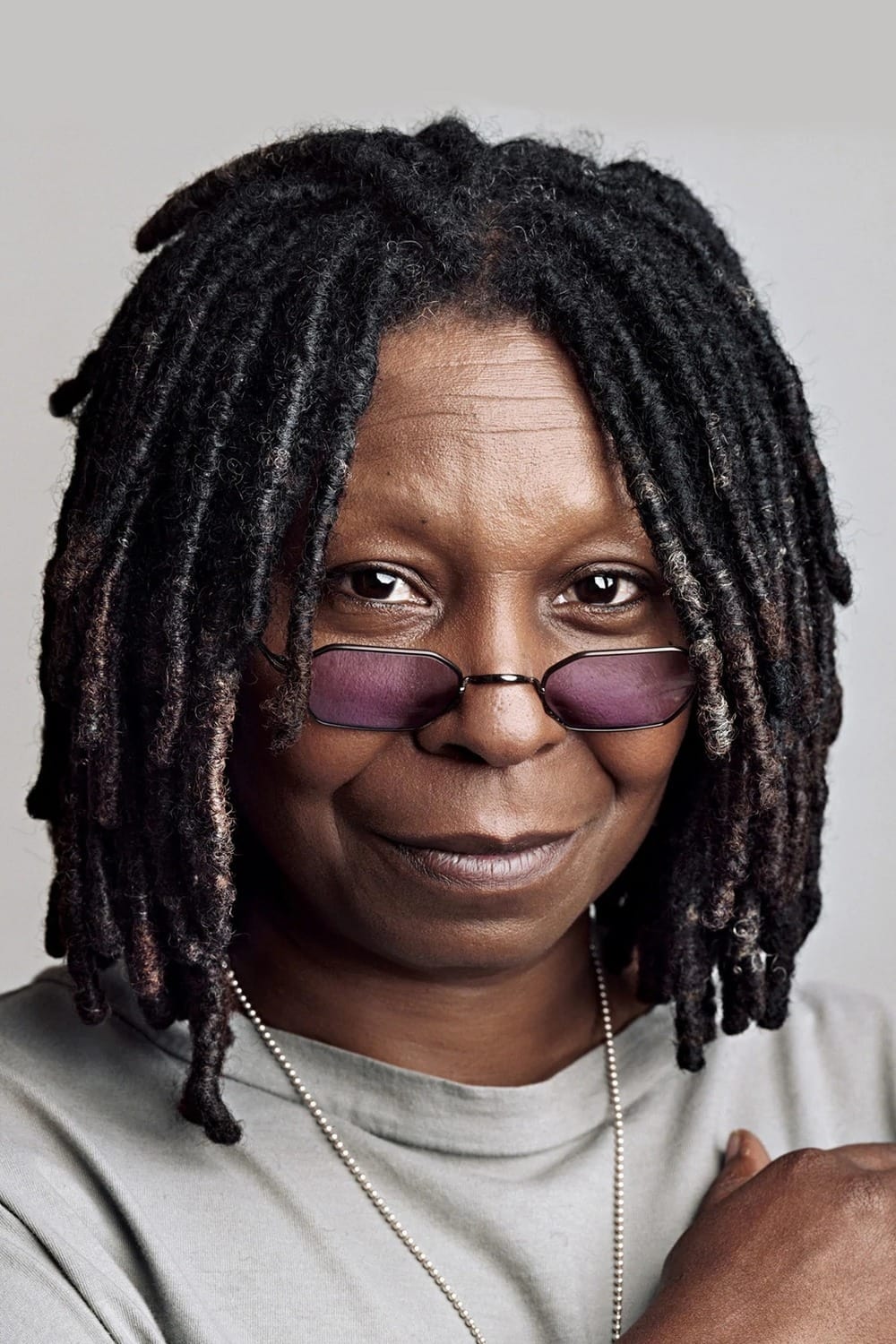
As a moderator on ‘The View’, Whoopi Goldberg frequently engages in live debates about race and colorism in America. She often corrects guests or co-hosts who overlook the specific struggles of dark-skinned women. Goldberg uses her long-standing career to provide historical context on how the industry has shifted but still has a long way to go. Her live commentary ensures that the topic remains in the mainstream consciousness.
Amber Riley
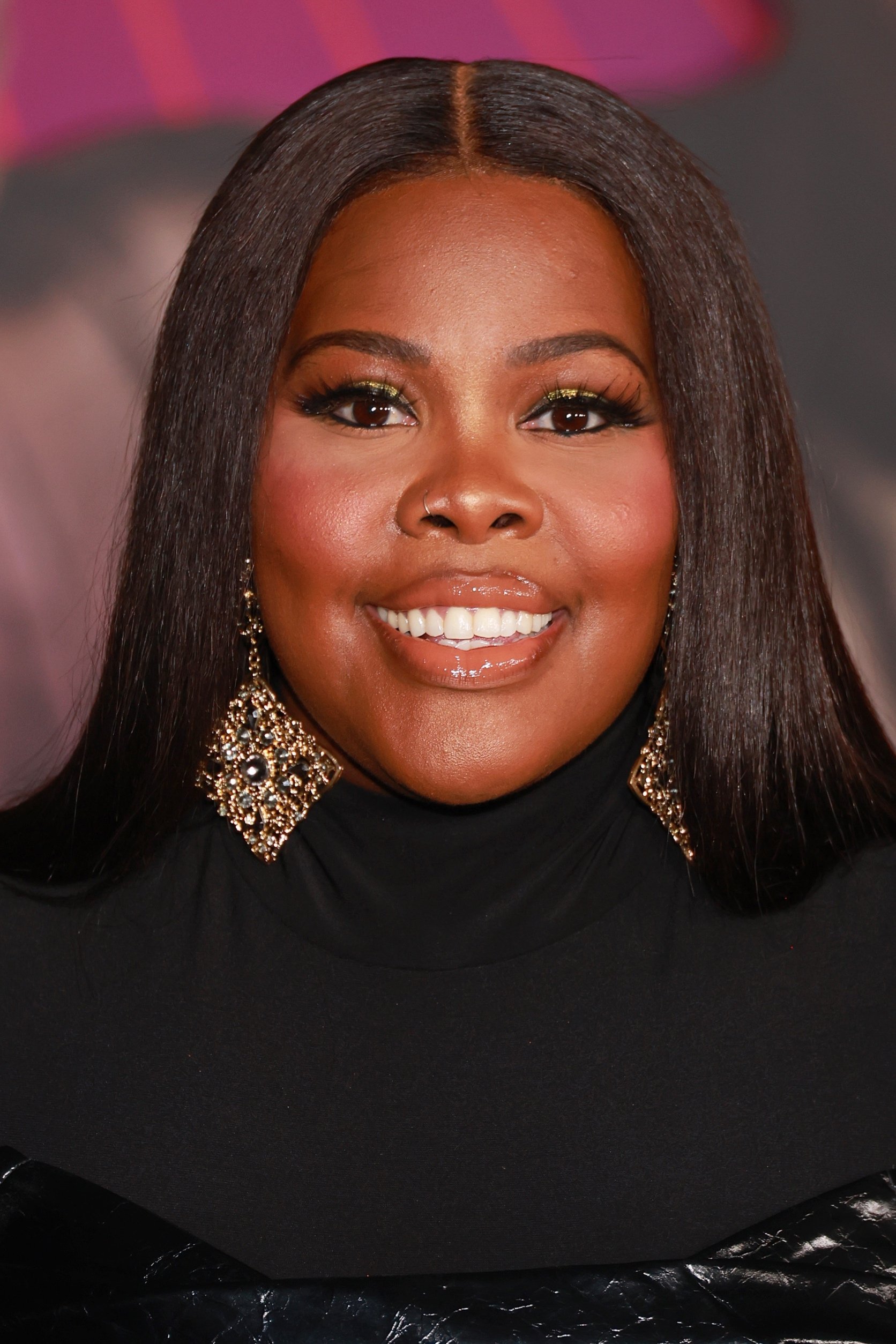
Amber Riley has spoken out about being the dark-skinned sidekick on ‘Glee’ and having to fight for her solo moments. She discussed on talk shows how her talent was often secondary to the look the showrunners wanted. Riley advocates for dark-skinned women to be the main characters of their own stories rather than accessories to others. She encourages the industry to see the star power in women who look like her.
Dascha Polanco
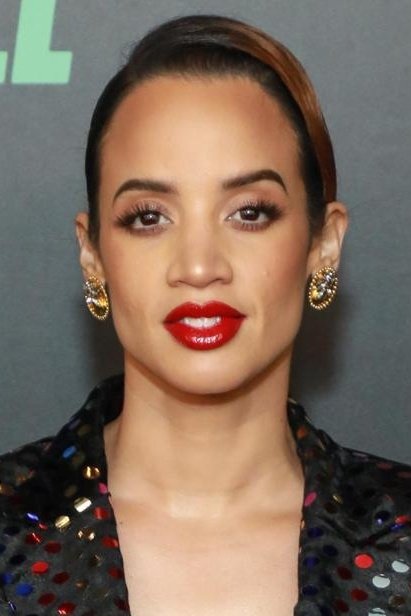
‘In the Heights’ actress Dascha Polanco joined the conversation about Afro-Latino erasure during the film’s press run. She validated the feelings of those who felt excluded and spoke about the complexity of casting in Hollywood. Polanco highlighted the need for more inclusive decision-makers behind the scenes to prevent such oversights. She used the controversy to educate viewers on the diversity of the Dominican Republic.
Zoe Saldaña
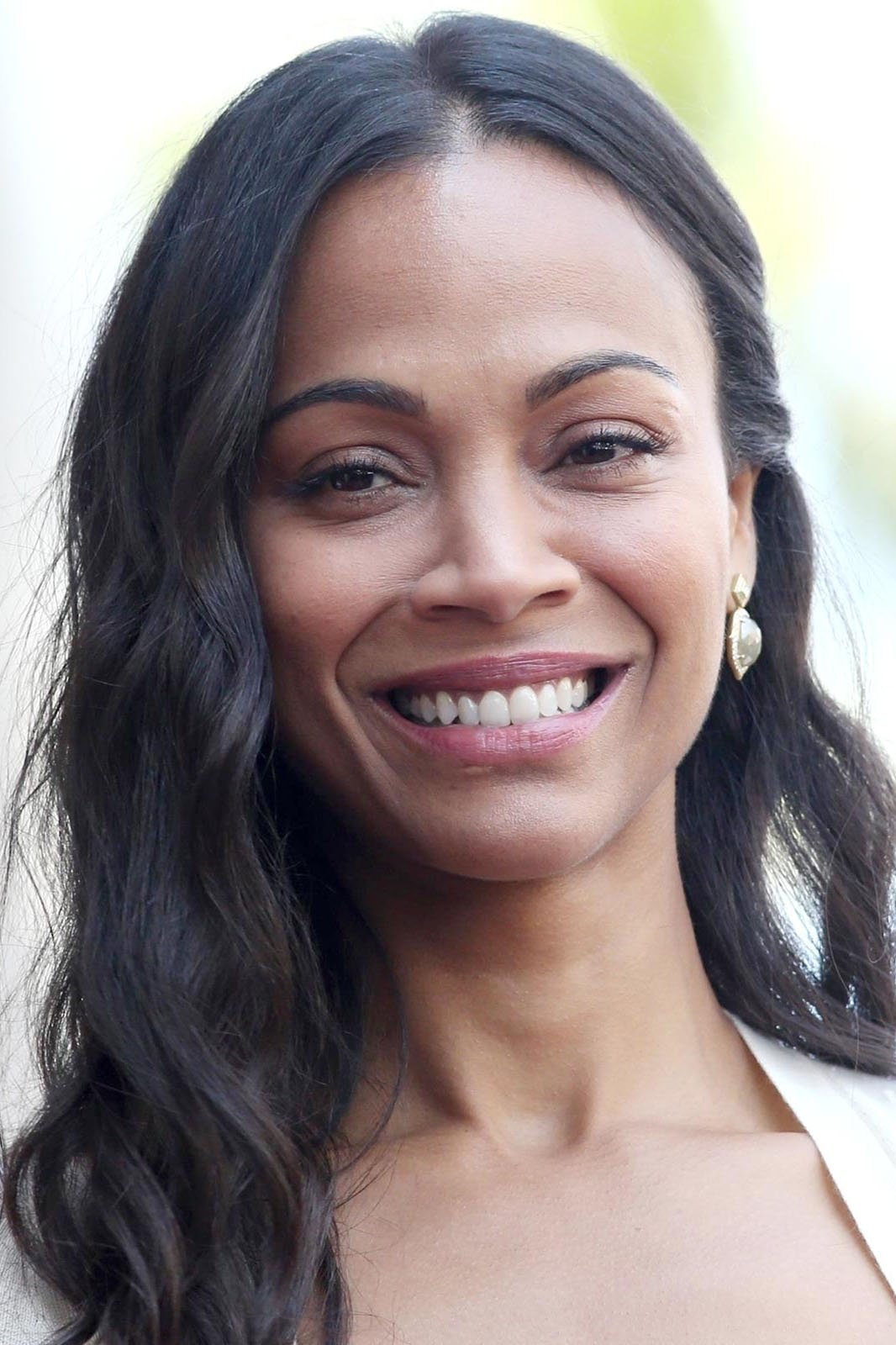
Zoe Saldana issued a tearful public apology for playing Nina Simone in a biopic that required her to darken her skin. In an interview, she admitted that she should have done everything in her power to ensure a dark-skinned actress was cast instead. Saldana acknowledged that her casting contributed to the erasure of dark-skinned women’s history. Her regretful admission was a rare instance of an A-list star validating the complaints of colorism against herself.
Daniel Kaluuya
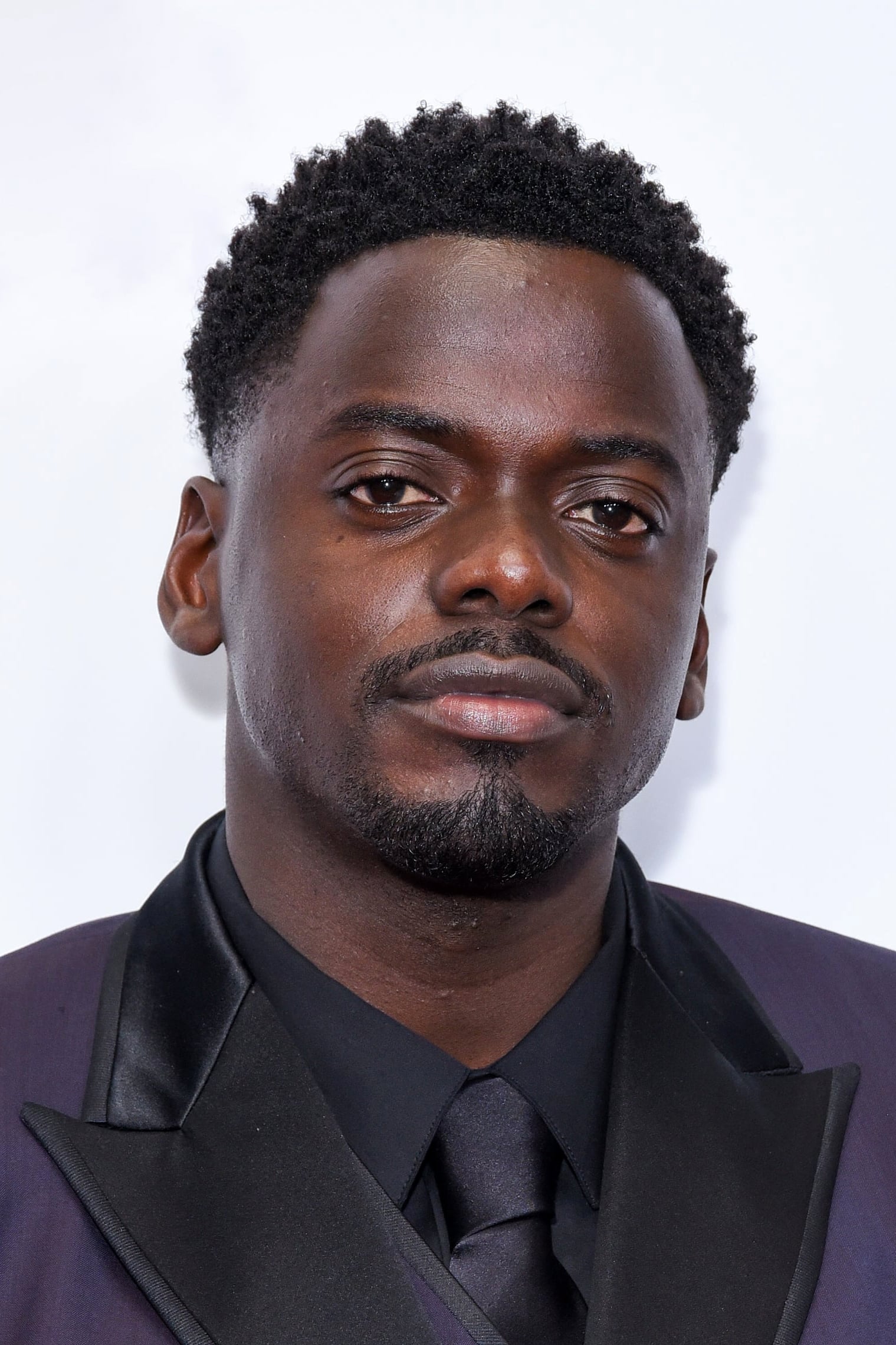
Daniel Kaluuya has addressed the tensions between Black British and African American actors including discussions on skin tone. While promoting ‘Get Out’, he spoke on talk shows about the universal experience of being a dark-skinned Black man in western society. Kaluuya emphasizes that colorism affects men as well regarding who is seen as a threat versus a hero. He pushes for a unified front to dismantle the systemic barriers that affect all Black actors.
John Boyega
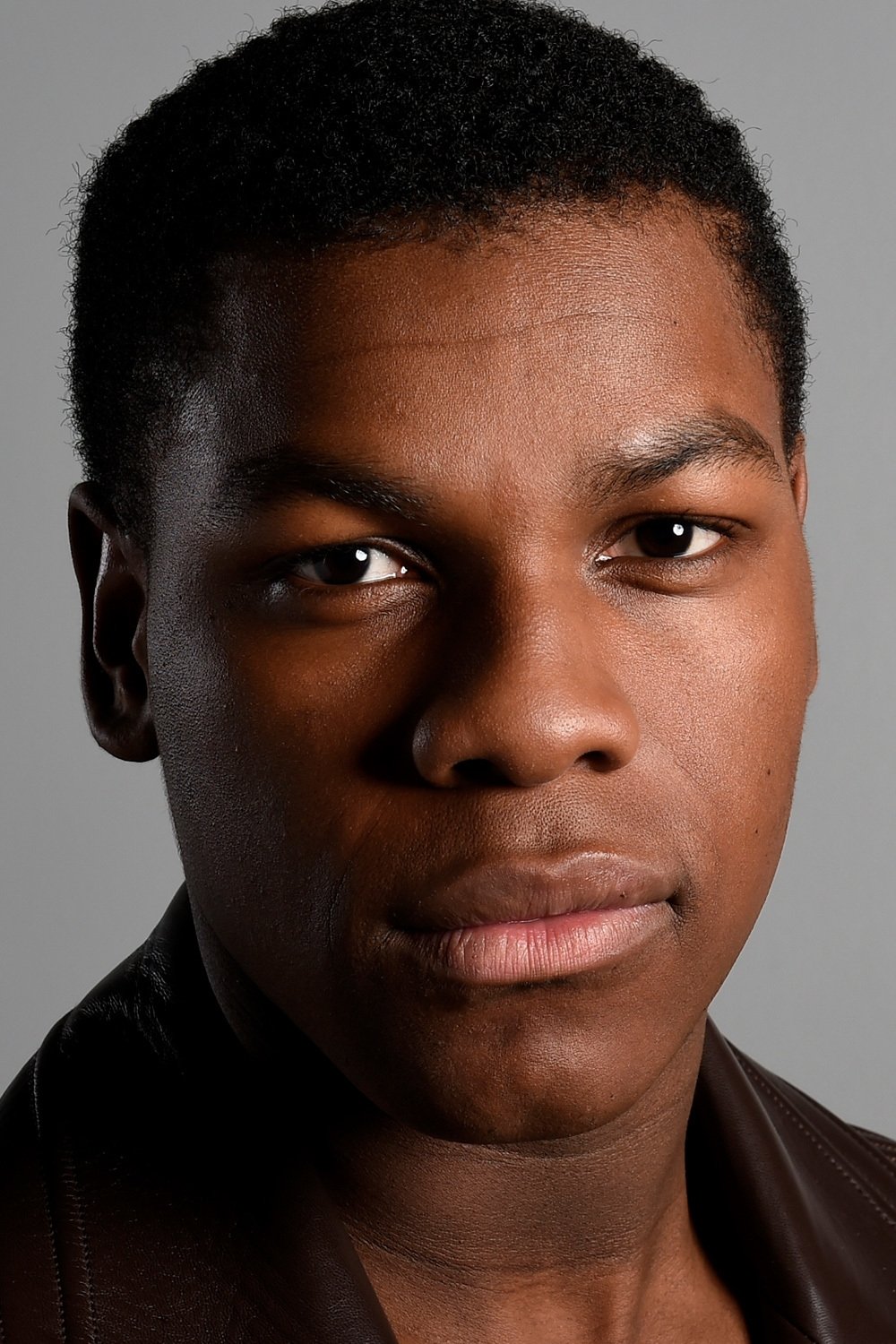
During the Black Lives Matter protests, John Boyega gave an impassioned speech that was broadcast globally where he questioned if he would have a career after speaking out. He has since given interviews criticizing how dark-skinned characters are often sidelined in major franchises like ‘Star Wars’. Boyega actively pushes studios to protect and elevate their actors of color. He refuses to be silent about the marketing strategies that minimize dark-skinned leads.
Michaela Coel
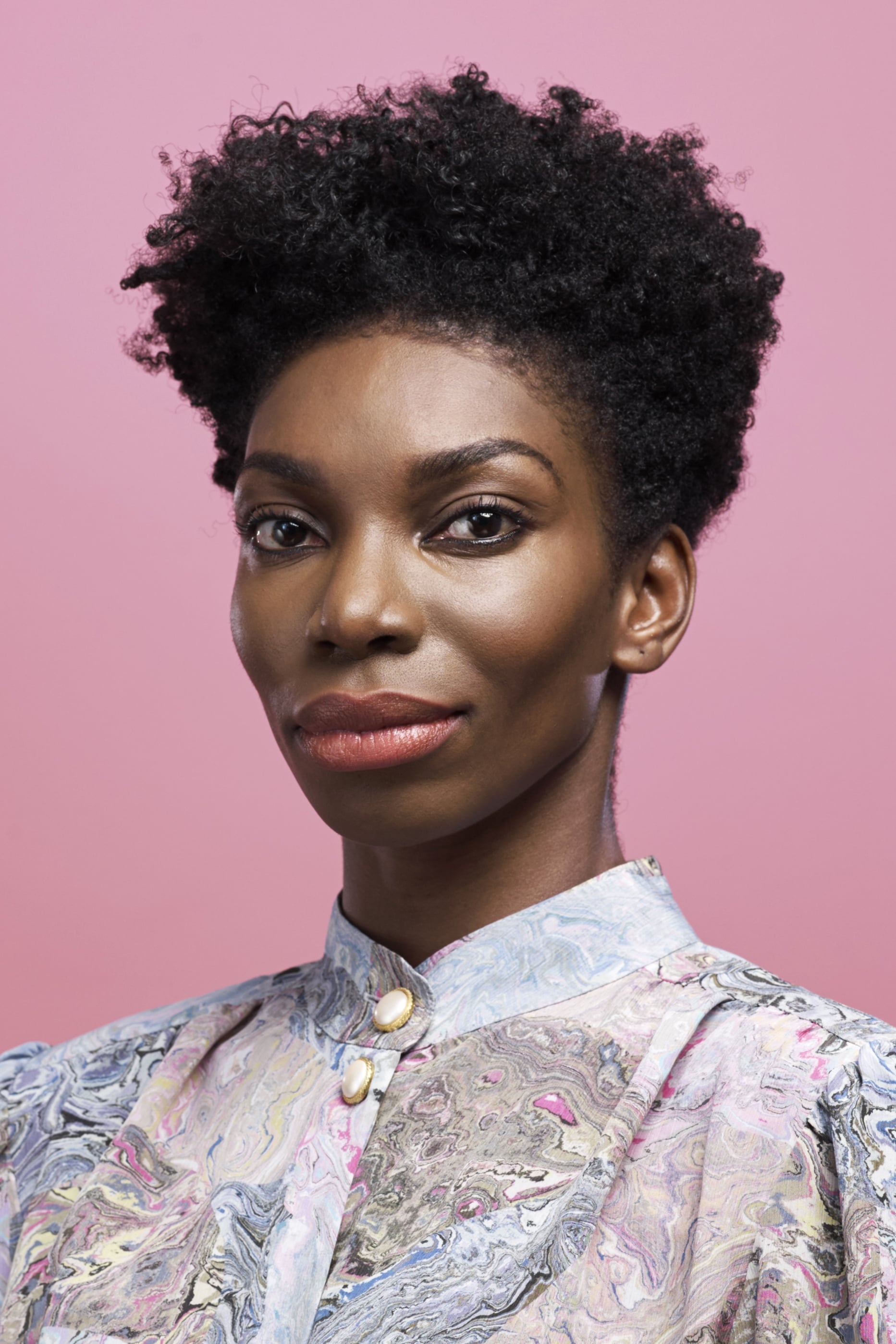
Michaela Coel used her lecture at the Edinburgh TV Festival to discuss the racism and colorism she faced in the British television industry. She detailed instances where she was treated differently than her lighter counterparts. Coel creates work that centers dark-skinned women to counter the lack of representation she saw growing up. Her speech was widely covered and sparked changes in how British networks approach diversity.
Cynthia Erivo
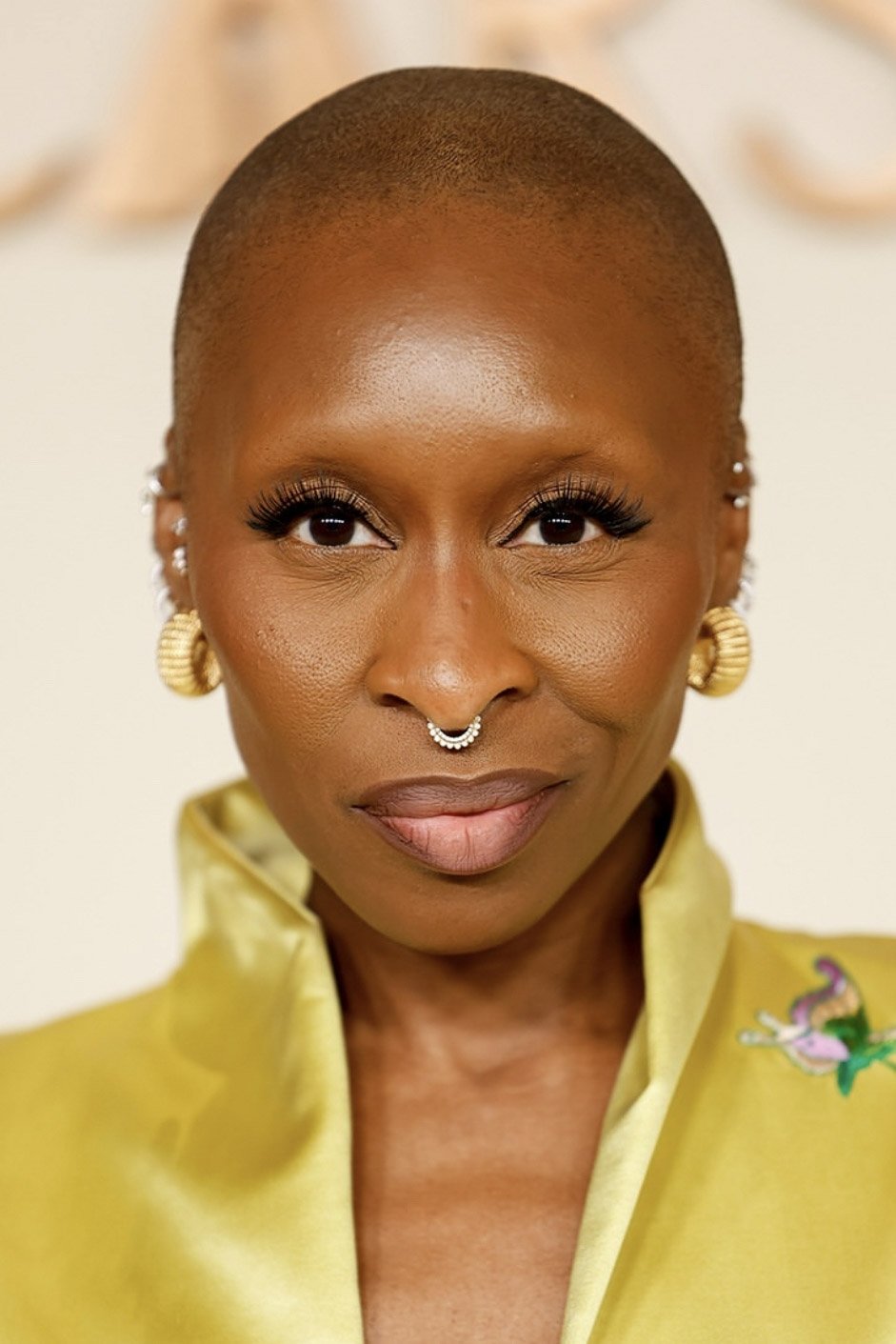
Cynthia Erivo faced backlash for playing Harriet Tubman and addressed the colorism critiques during her press tour. She engaged in conversations about the lineage of African Americans versus Africans but also the unity needed among dark-skinned women. Erivo stated that she put her heart into the role to honor Tubman regardless of the online discourse. She continues to advocate for complex roles for women with her skin tone.
Tika Sumpter
Tika Sumpter created the spinoff ‘Mixed-ish’ and spoke on talk shows about the importance of addressing colorism within families. She wanted to explore how a dark-skinned mother navigates raising mixed-race children in a color-conscious world. Sumpter often reflects on her own experiences in Hollywood where she has had to carve out her own lane. She champions storylines that do not shy away from the uncomfortable realities of skin tone bias.
Ryan Michelle Bathe
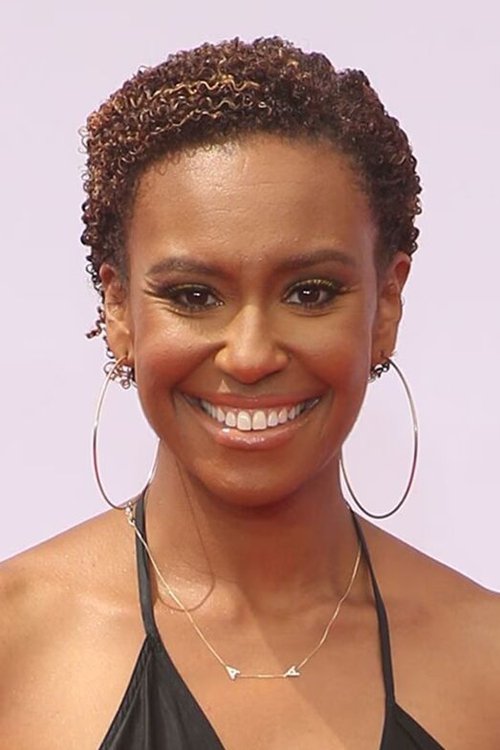
Ryan Michelle Bathe has appeared on panels and shows to discuss the specific brand of colorism she faces as a light-skinned Black woman. She acknowledges her privilege but also discusses the erasure of Black identity that comes with it. Bathe advocates for difficult conversations within the community to heal the wounds caused by centuries of division. She emphasizes that acknowledging privilege is the first step toward equity.
Marsai Martin
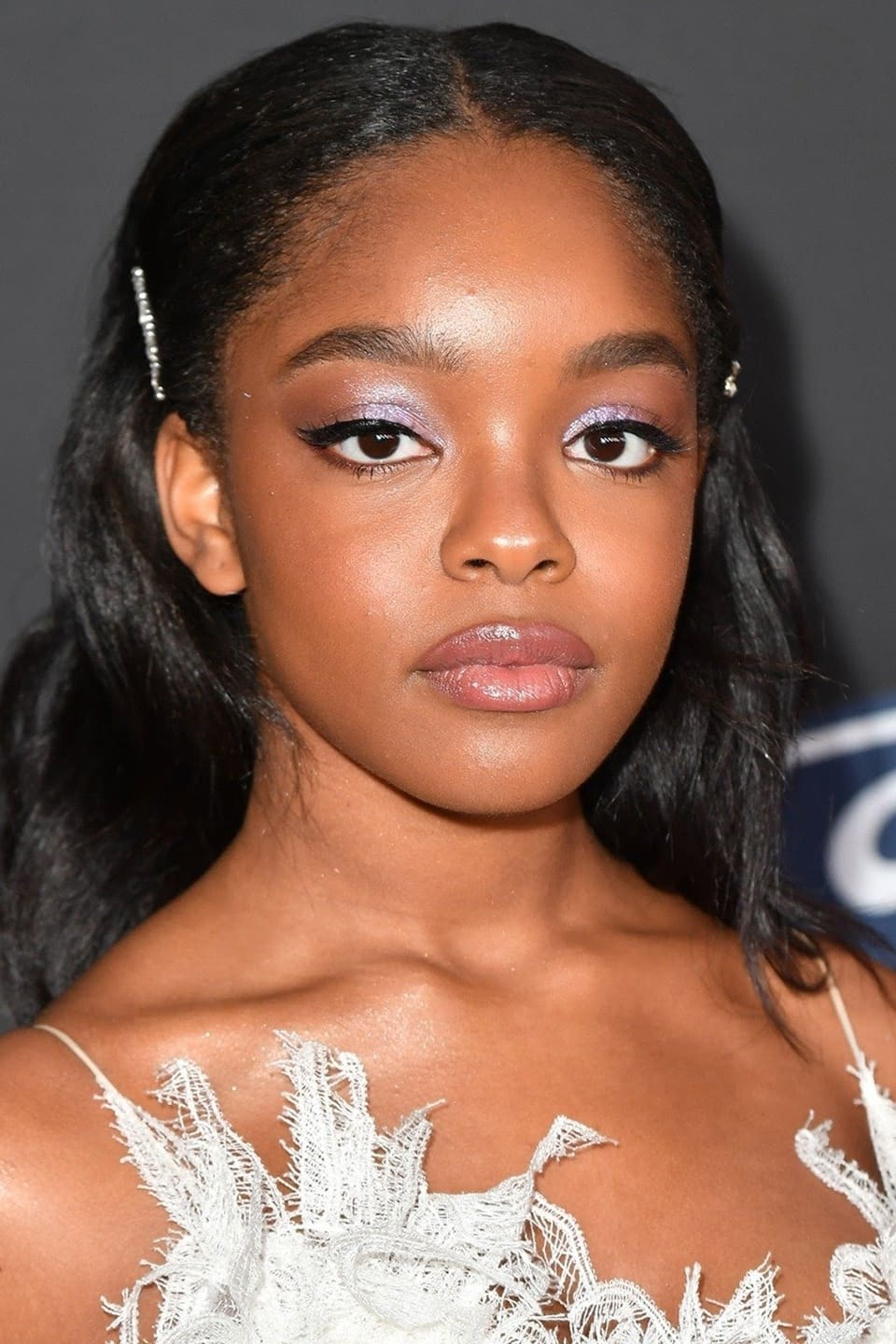
Young actress Marsai Martin was instrumental in the ‘Black-ish’ episode that tackled colorism directly. She spoke in behind-the-scenes features and interviews about how the script reflected her real-life fears and experiences. Martin expressed that she wanted dark-skinned girls to know they are beautiful despite what society tells them. Her involvement ensured the topic was handled with the sensitivity of someone who lives it.
Jennifer Hudson
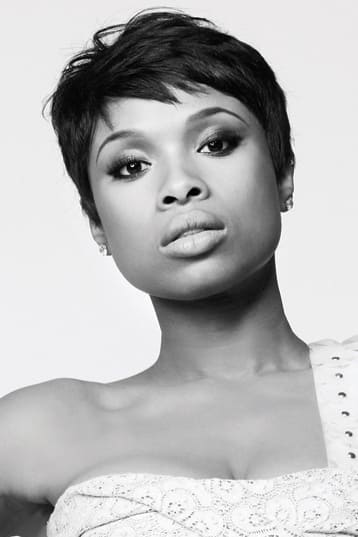
Jennifer Hudson has used her talk show to uplift dark-skinned women and share her own journey of self-acceptance. She frequently compliments her guests on their “melanin” and creates a space where dark skin is celebrated. Hudson recalls the early days of her career where her look was considered unconventional for a pop star. She now stands as an EGOT winner who refused to change her appearance to fit a mold.
Bipasha Basu
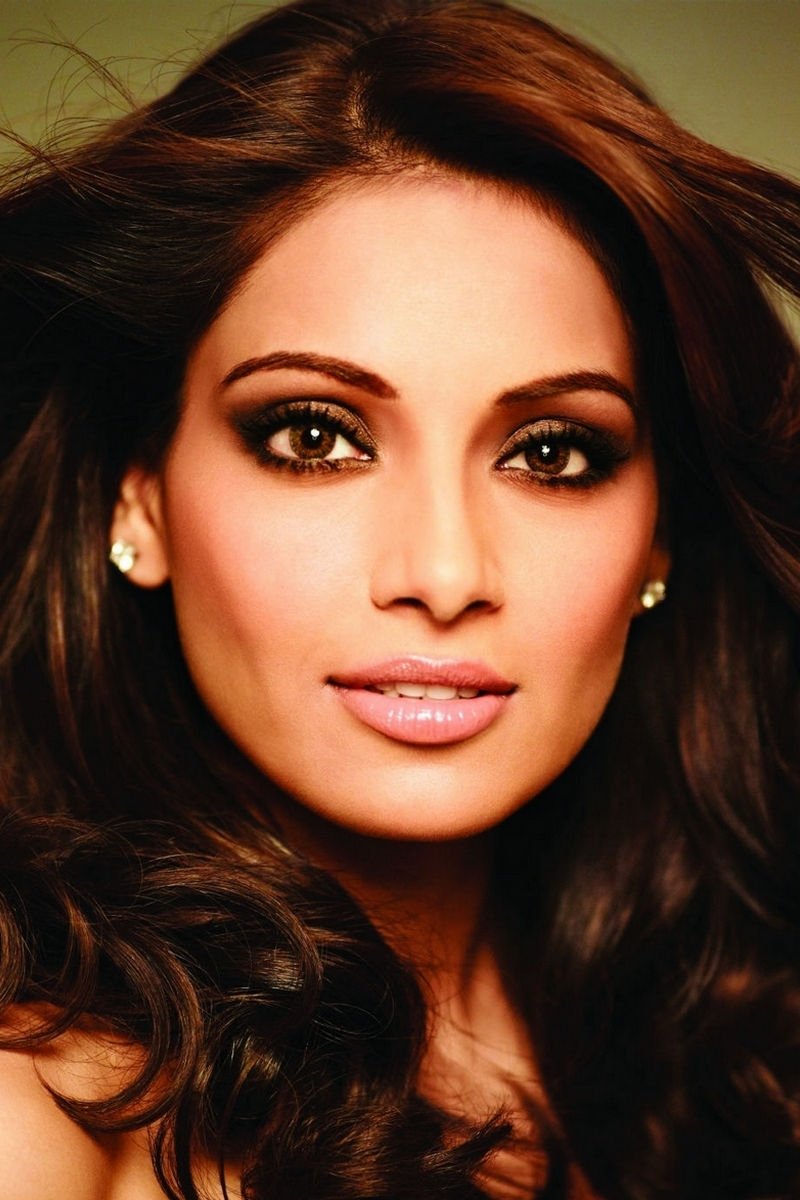
Bollywood star Bipasha Basu has famously spoken about being described as “dusky” in almost every media headline. She expressed frustration on news channels that her skin color was always a qualifier for her beauty. Basu refused to let the label hold her back and became a sex symbol in an industry that favored pale skin. She openly criticizes the obsession with fairness that plagues Indian cinema.
Kalki Koechlin
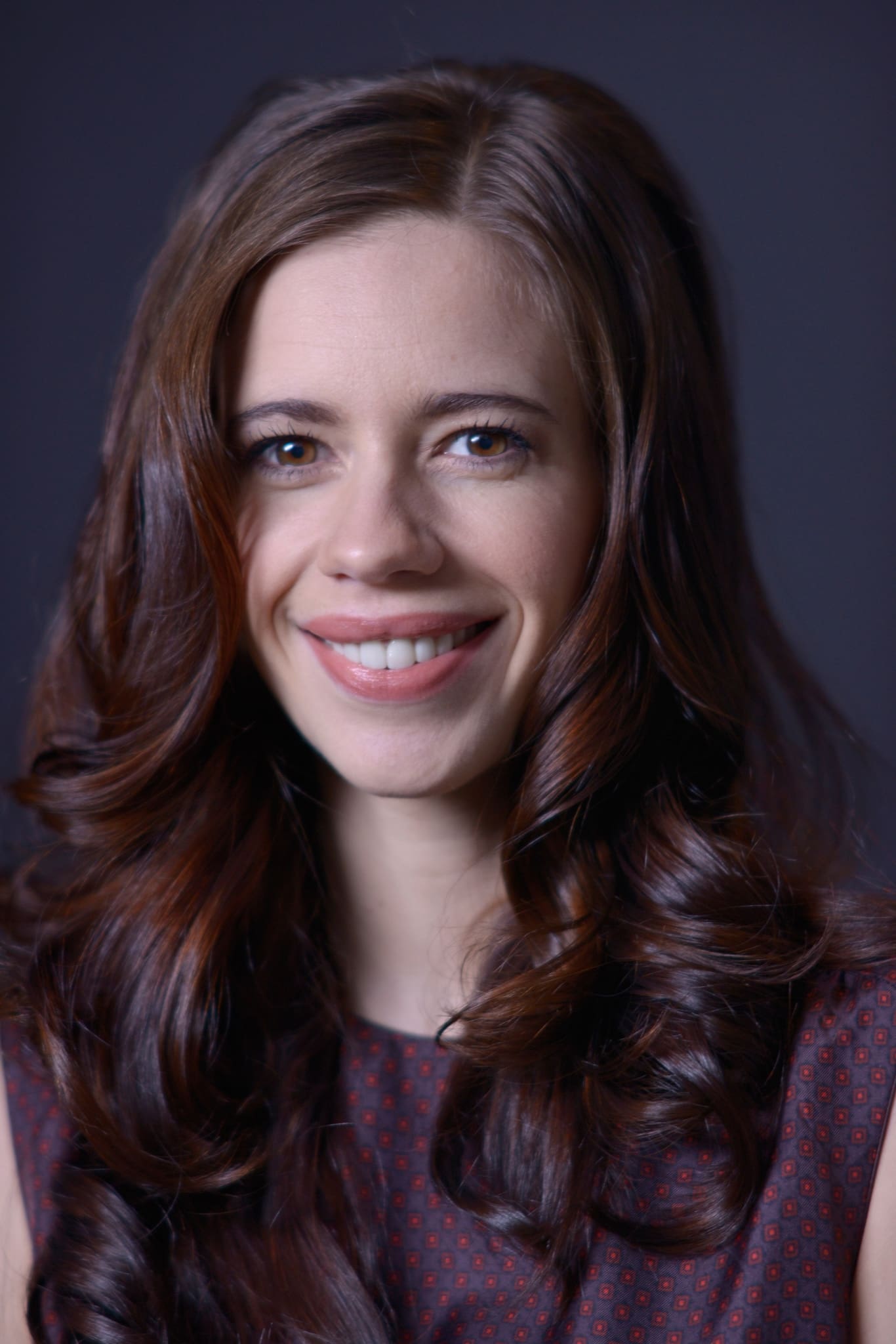
Kalki Koechlin has used her interviews to discuss the “white skin privilege” she experiences in India as a woman of French descent. She has pointed out that she gets roles and treatment that darker-skinned Indian actresses do not receive. Koechlin uses her outsider perspective to mirror the colorist attitudes of the industry back to the public. She advocates for more authentic casting that represents the true diversity of the country.
Swara Bhasker
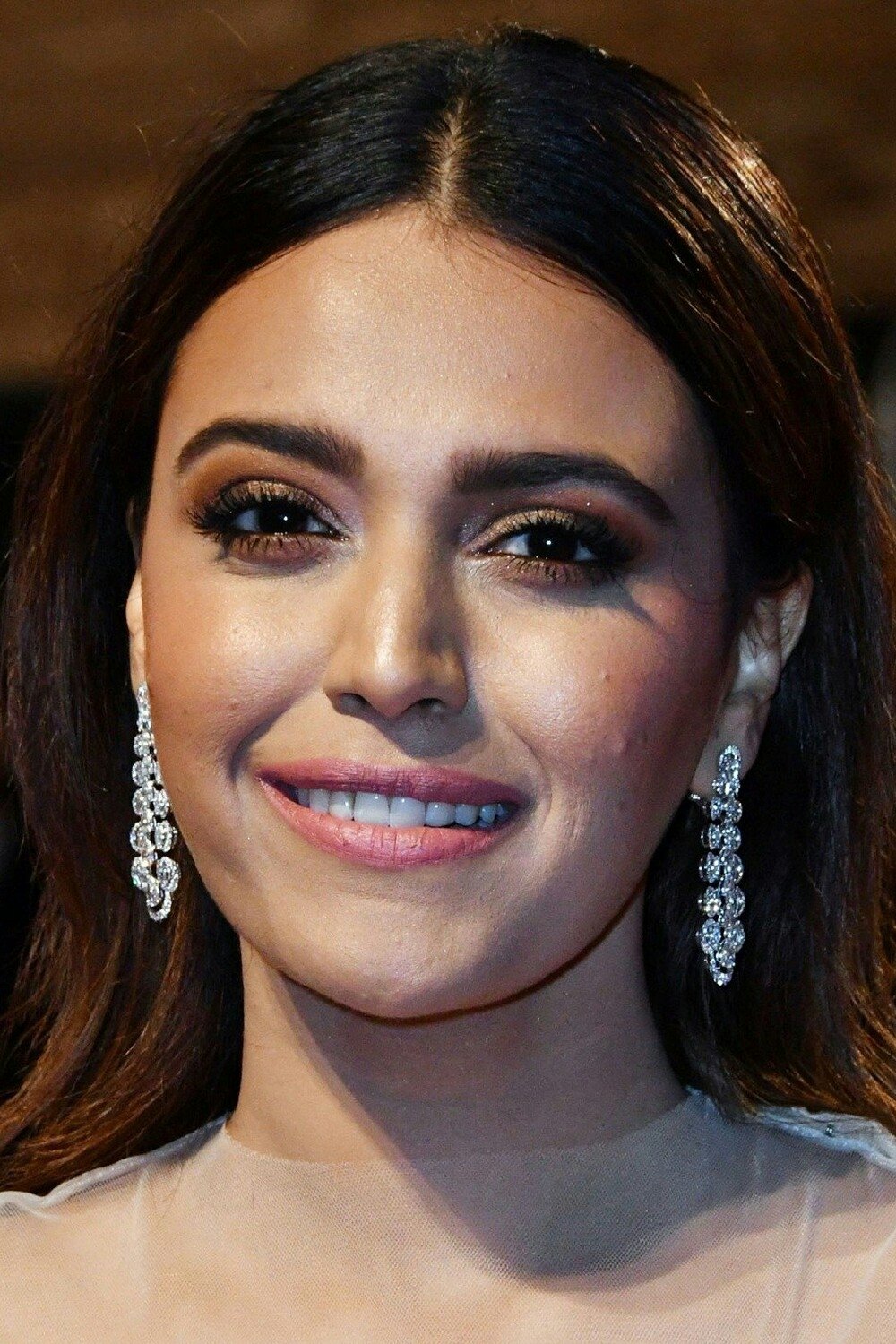
Swara Bhasker is a fierce critic of fairness creams and has denounced them on social media and television debates. She believes that these products plant the seeds of racism and low self-esteem in young girls. Bhasker refuses to endorse such brands and encourages her fans to love their natural complexion. She argues that celebrities have a moral responsibility to stop perpetuating these harmful ideals.
Esha Gupta
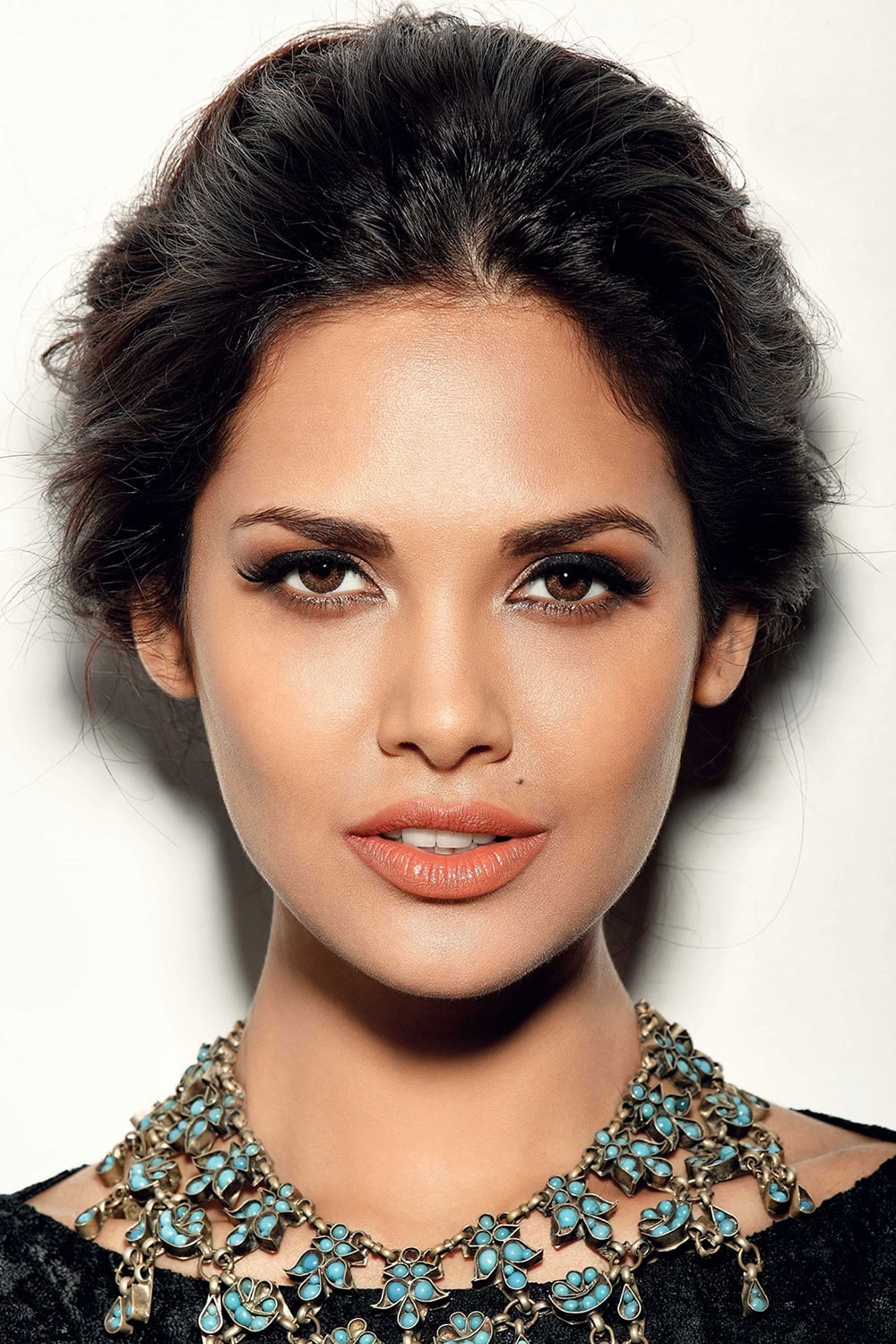
Actress Esha Gupta has spoken out against the bullying she received for her darker skin tone. She revealed in interviews that she was advised to get skin lightening treatments to advance her career. Gupta refused the advice and chose to embrace her natural look. She continues to inspire women to be comfortable in their own skin despite industry pressure.
Tyrese Gibson
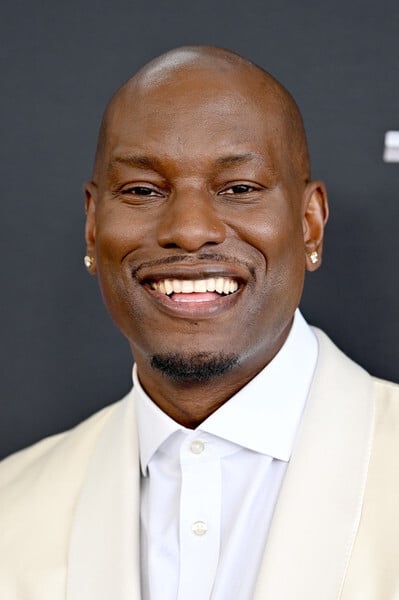
Tyrese Gibson has frequently sparked controversy and conversation with his videos discussing colorism in the Black community. While his comments have often been met with criticism, he brought the topic of light-skinned versus dark-skinned privilege to the forefront of social media and entertainment news. He has debated the topic on various platforms and addressed how it affects relationships and casting. His polarizing takes often force a public dialogue on the issue.
Meagan Good
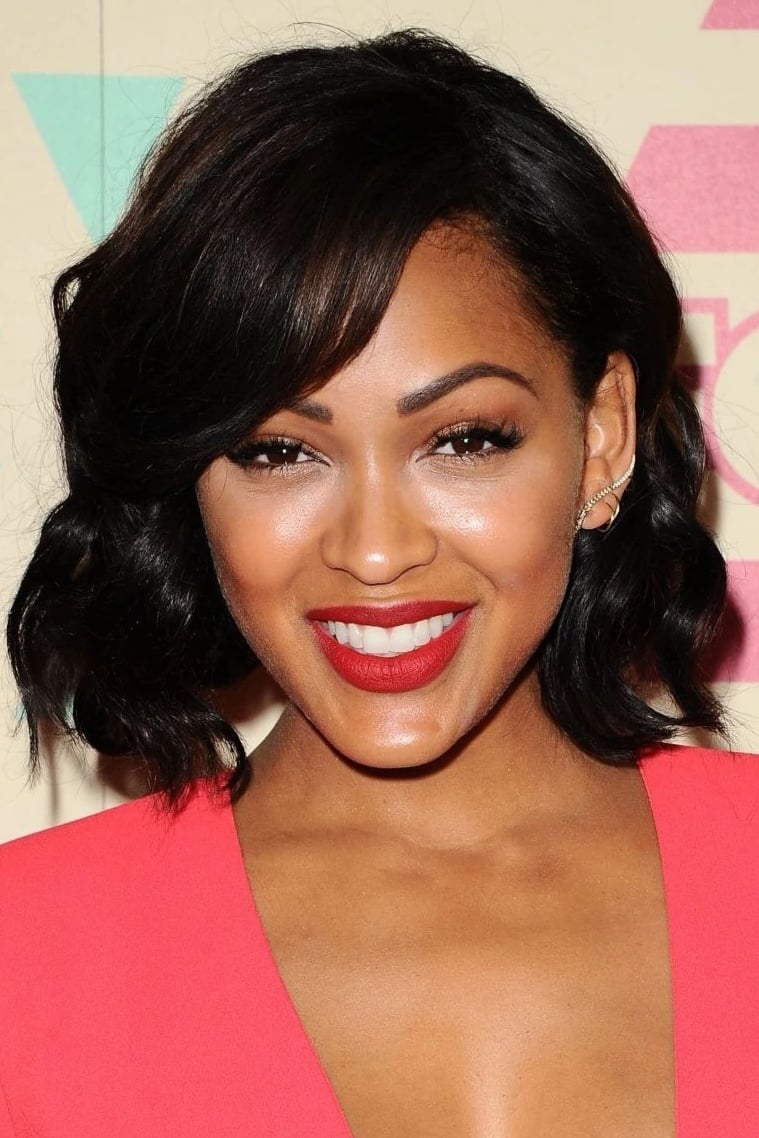
Meagan Good has had to address rumors of skin bleaching on television and used the opportunity to talk about self-love. She denied the accusations and spoke about how lighting and makeup can alter appearances. Good discussed the pressure women face to look a certain way and the damaging scrutiny regarding skin tone. She emphasized that she loves her brown skin and wants others to do the same.
Halle Berry
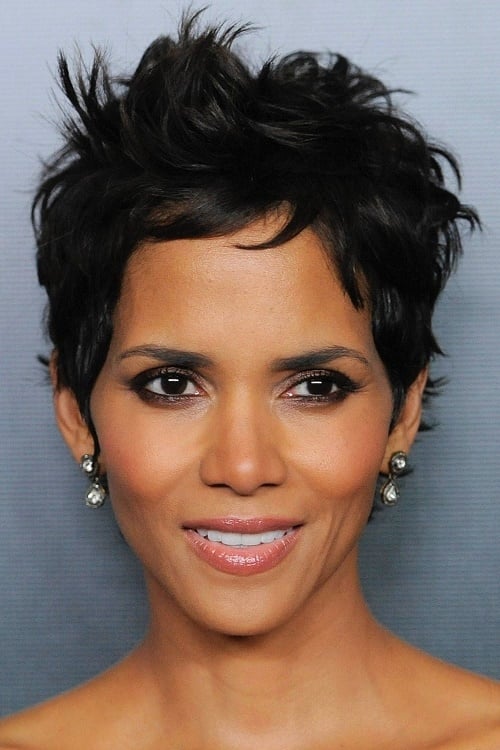
Halle Berry has acknowledged in interviews that her lighter skin made her transition into Hollywood easier than it was for her darker peers. She famously dedicated her Oscar win to the dark-skinned actresses who came before her and those standing beside her. Berry has stated that she wants to see the door remain open for all women of color. She recognizes that she was a beneficiary of a colorist system and works to support greater diversity.
Logan Browning
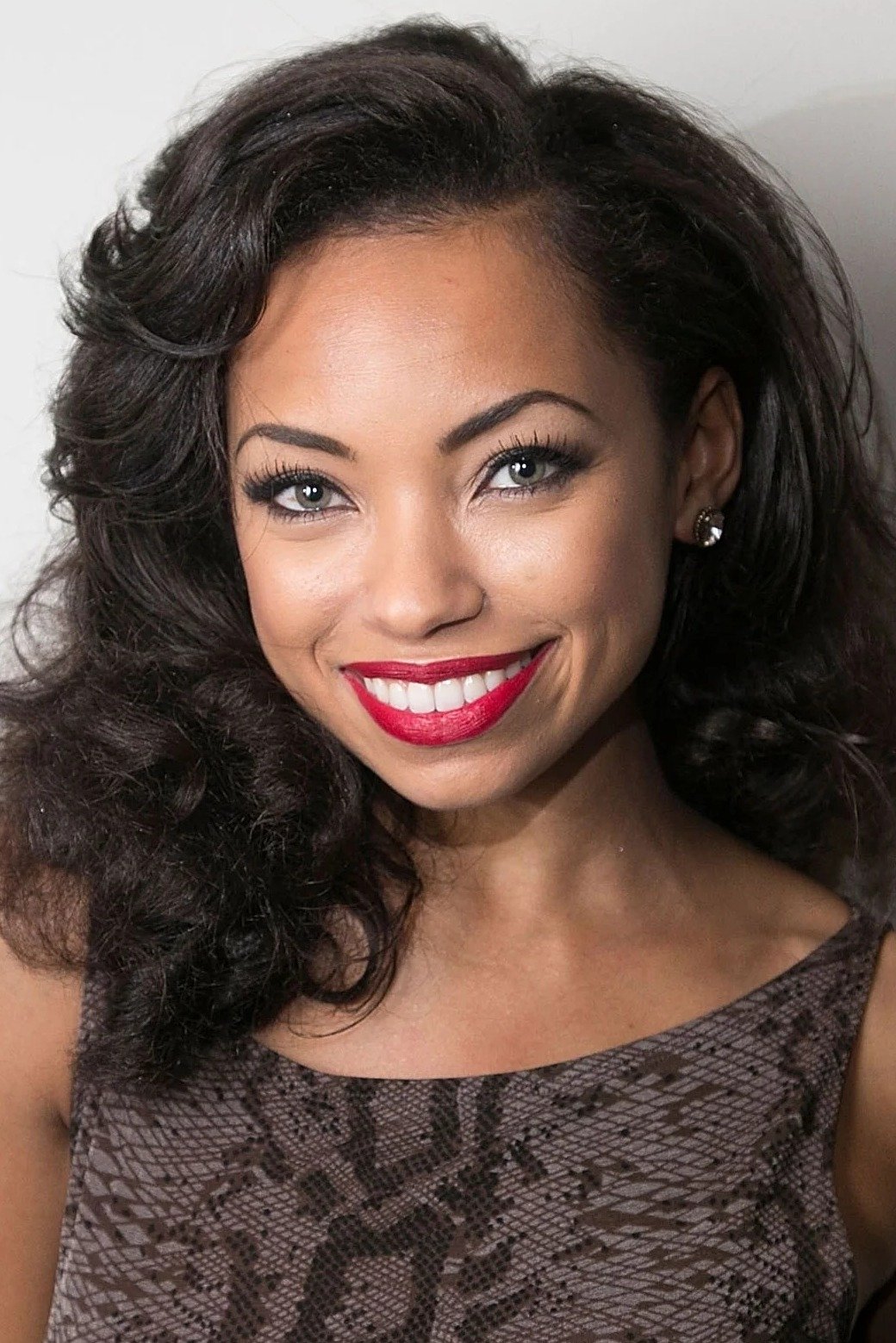
Star of ‘Dear White People’, Logan Browning has discussed the colorism storyline her character navigates on the show. She participated in press tours explaining the complexities of being a biracial woman who is sometimes viewed as an outsider by both Black and white communities. Browning emphasizes that colorism is a tool of division that needs to be dismantled. She uses her role to facilitate conversations about identity and privilege.
Asia Jackson
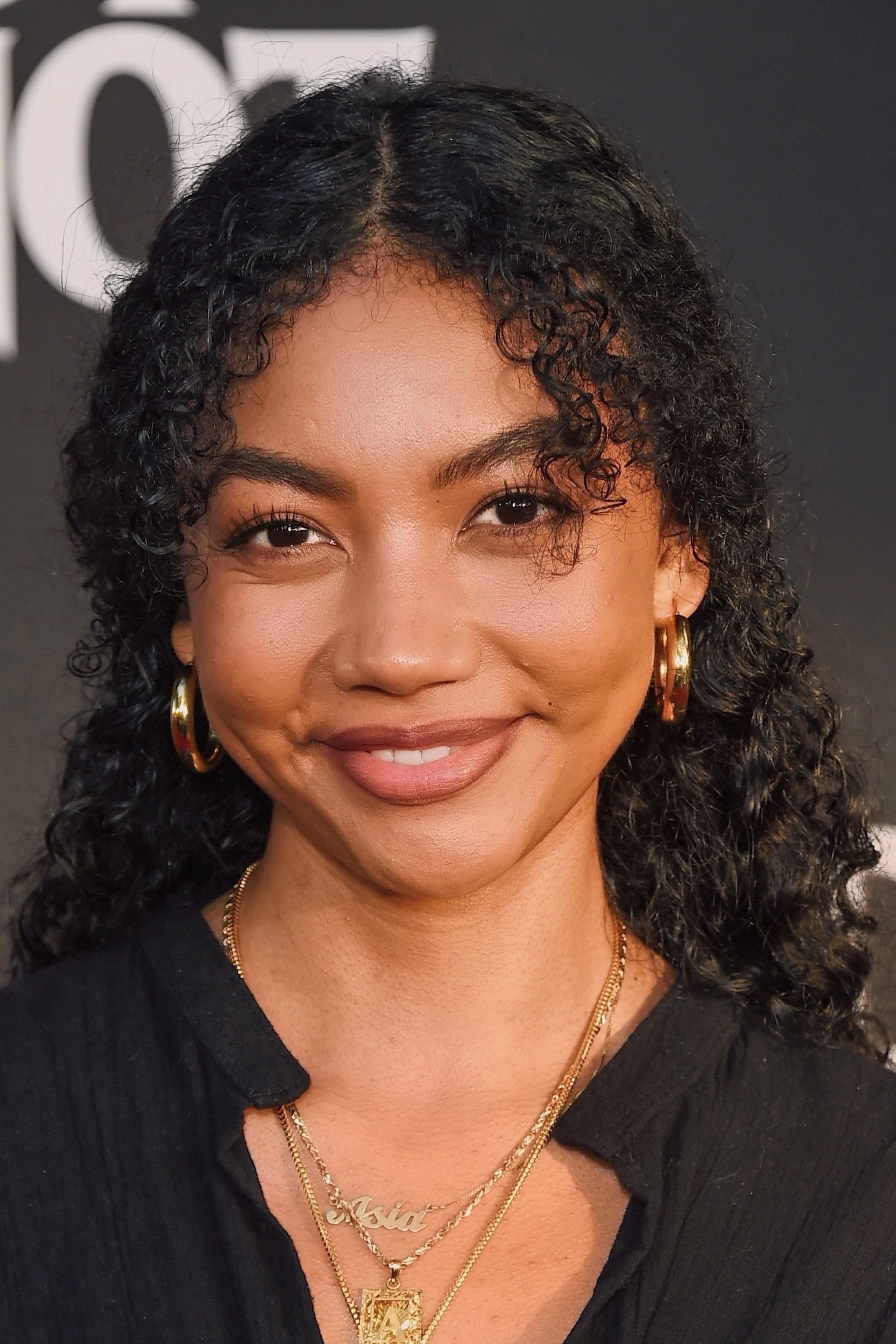
Asia Jackson created the #MagandangMorenx campaign to challenge colorism in the Filipino community. She has appeared on digital news platforms to discuss how the media in the Philippines idolizes white skin. Jackson shares her experience of being bullied for her dark skin and how she reclaimed her power. Her movement has empowered thousands of Filipinos to embrace their natural skin tone.
Share your thoughts on these moments and let us know if we missed any powerful speeches in the comments.