


Celebrities Who Refuse to Do Press Interviews

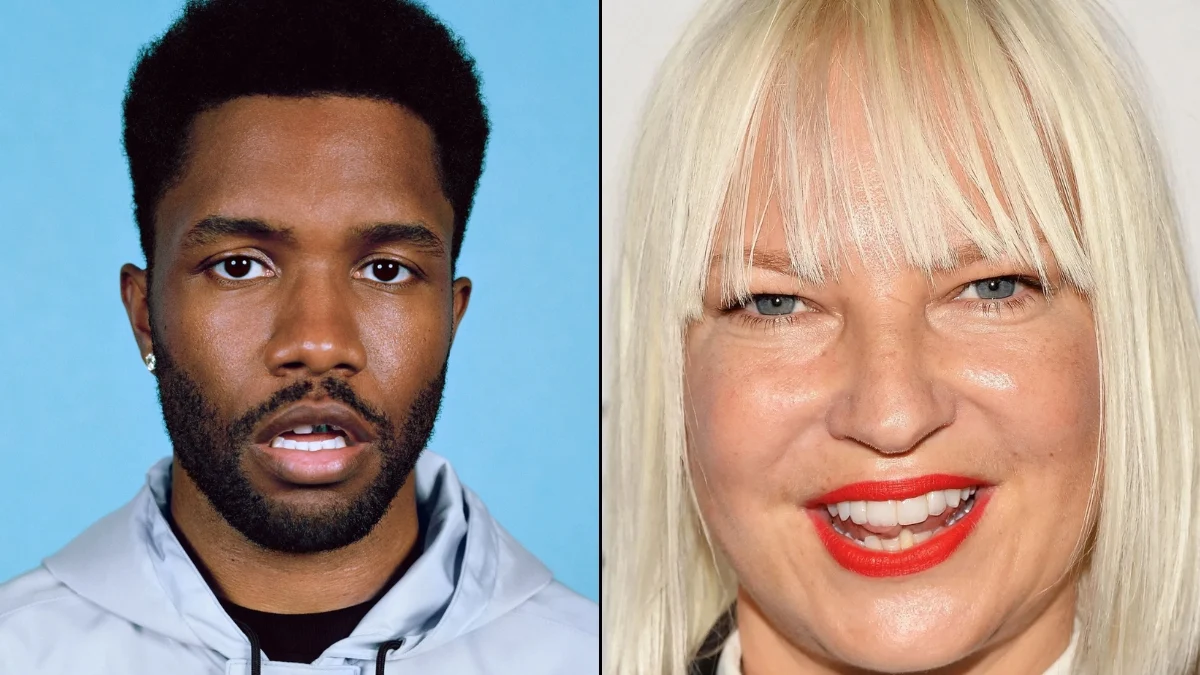


While most actors and musicians consider the press circuit a mandatory part of their contracts, a select group of high-profile stars consistently chooses to opt out. These individuals prioritize their privacy, mental health, or creative control over the traditional promotional requirements of the entertainment industry. By bypassing junkets, talk shows, and magazine features, they maintain a level of mystique that has become increasingly rare in the digital age. This refusal to engage with the media often forces studios and labels to find alternative, non-traditional ways to market their projects.
Adam Sandler
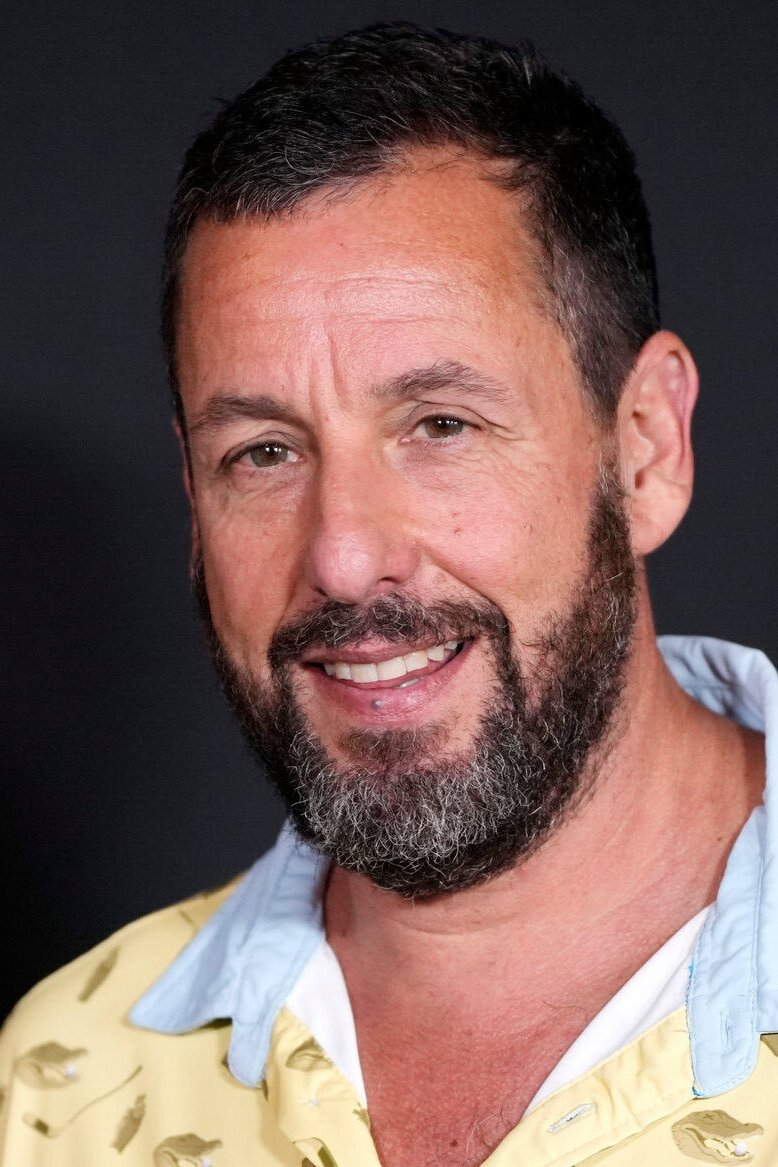
For many years, Adam Sandler maintained a strict policy against participating in print interviews for his film projects. This decision originated from his perception that critics were overly harsh toward his work, leading him to believe that speaking with journalists was counterproductive. While he appeared on talk shows to promote movies like ‘The Waterboy’ or ‘Big Daddy’, he largely avoided long-form journalistic profiles for nearly fifteen years. In recent years, he has softened this stance to promote specific projects like ‘Uncut Gems’, but his history of media avoidance remains a notable part of his career.
Beyoncé
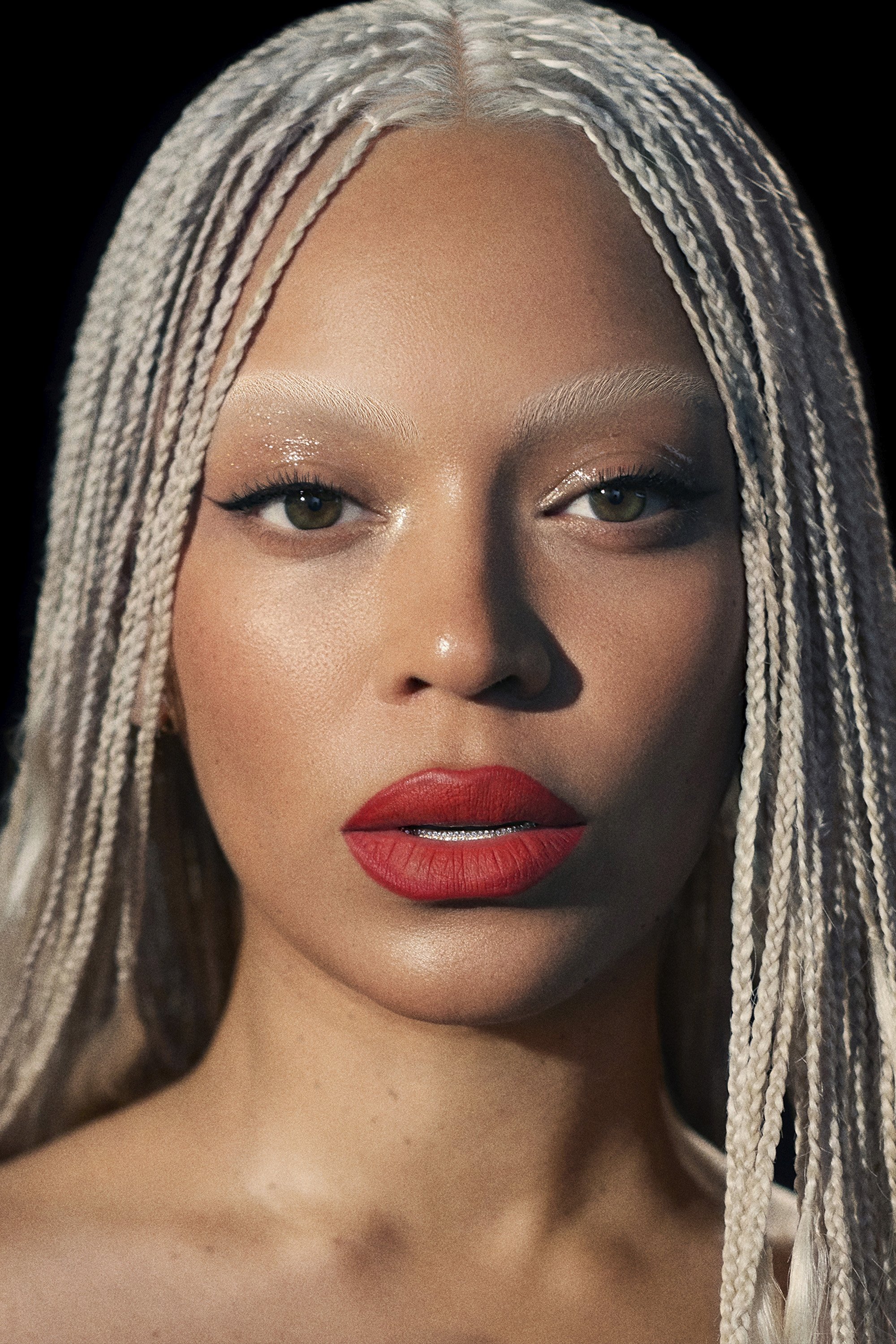
Beyoncé shifted her approach to media relations around 2013, opting to stop giving traditional sit-down interviews for several years. Even when appearing on the covers of major publications, she would provide personal essays or curated photoshoots instead of engaging with a reporter. This strategy allowed her to control her narrative entirely without the intervention of a third-party interviewer or potential misquotation. Her promotional cycles for albums like ‘Lemonade’ relied on visual storytelling and social media rather than the standard press junket. She eventually broke this silence for specific projects, but her “no-interview” era redefined celebrity branding.
Bill Murray
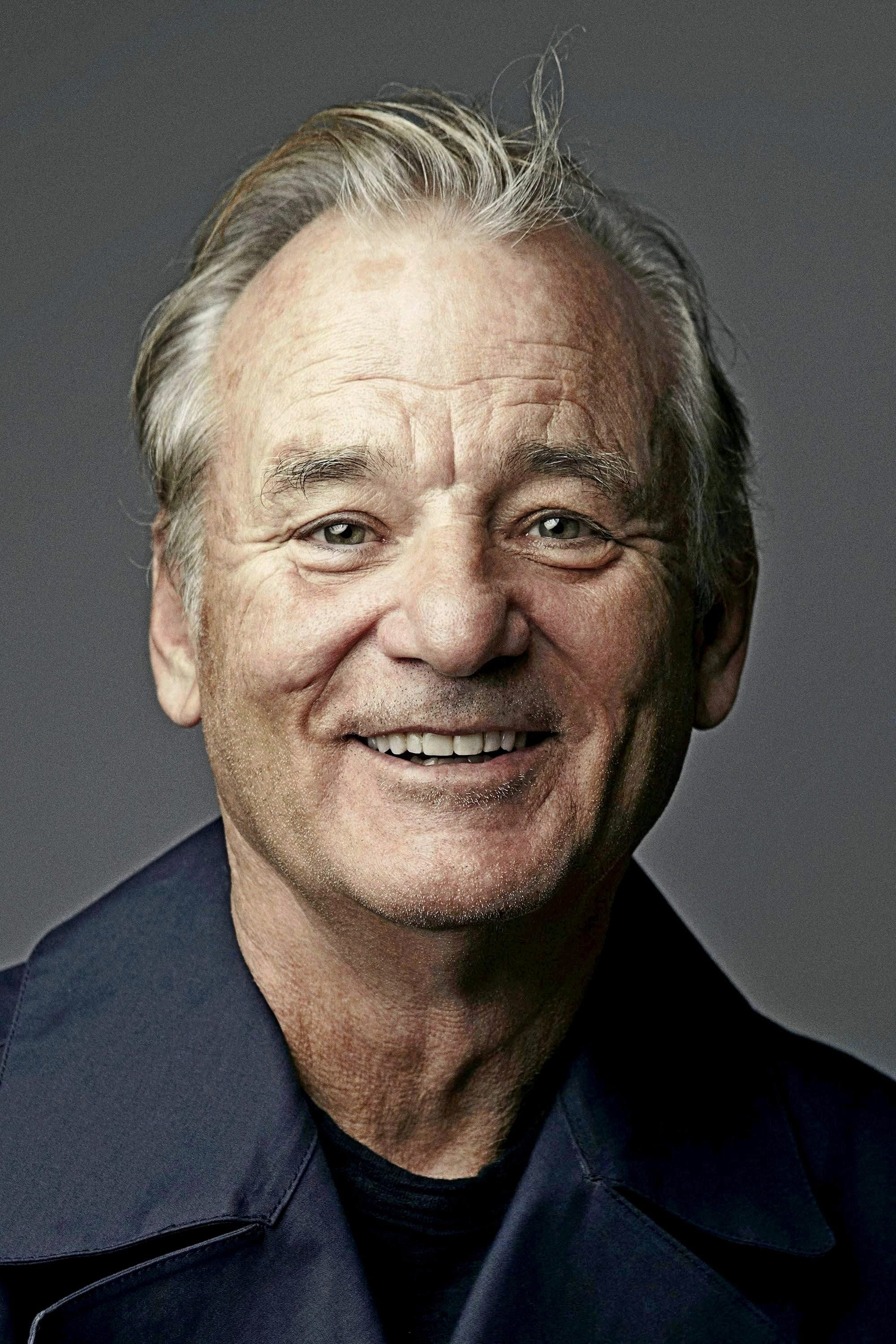
Bill Murray is famously difficult to reach for press or even for potential film roles because he does not employ a publicist or an agent. Instead, he utilizes a private 1-800 number where filmmakers and press outlets can leave messages that he may or may not return. This lack of professional representation means he rarely participates in organized press tours for his projects. Studios often have no way of guaranteeing his presence at promotional events or junkets for films like ‘The French Dispatch’. His absence from the traditional media circuit has become a defining characteristic of his enigmatic public persona.
Mary-Kate and Ashley Olsen
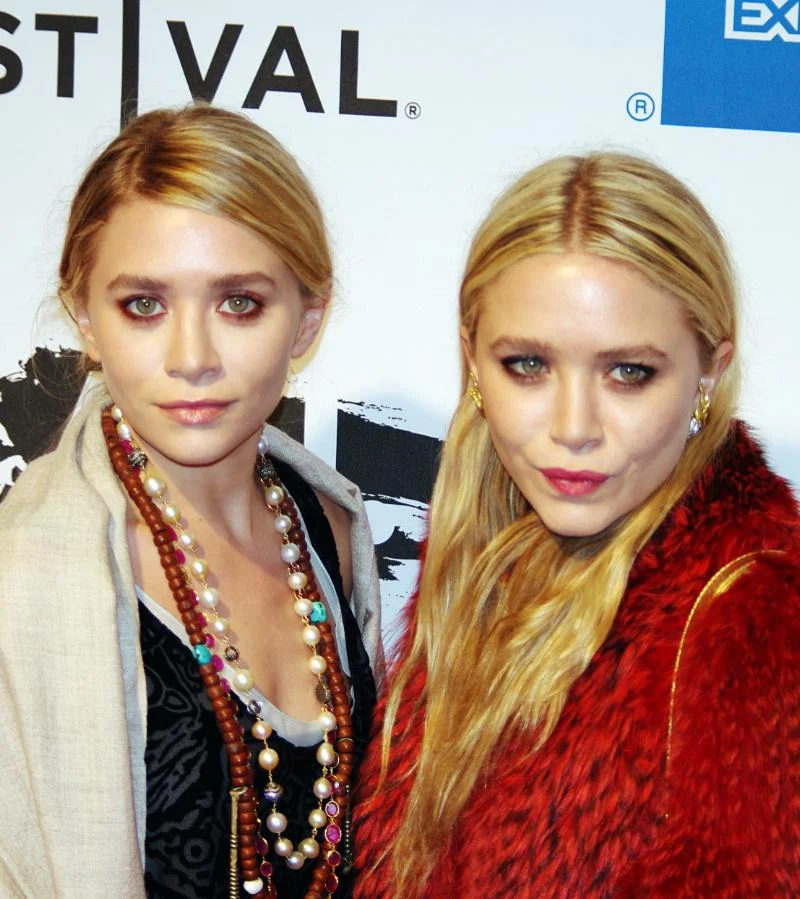
After retiring from acting to focus on their fashion brand, Mary-Kate and Ashley Olsen stepped away from the entertainment press entirely. They have consistently refused to do interviews regarding their past television and film work, such as ‘Full House’ or ‘New York Minute’. Their focus remains strictly on their business ventures, and they rarely grant media access even for those projects. This transition from child stars to private designers involved a total withdrawal from the Hollywood promotional machine. They maintain a policy of extreme privacy that keeps them out of the contemporary tabloid and entertainment news cycle.
Frank Ocean
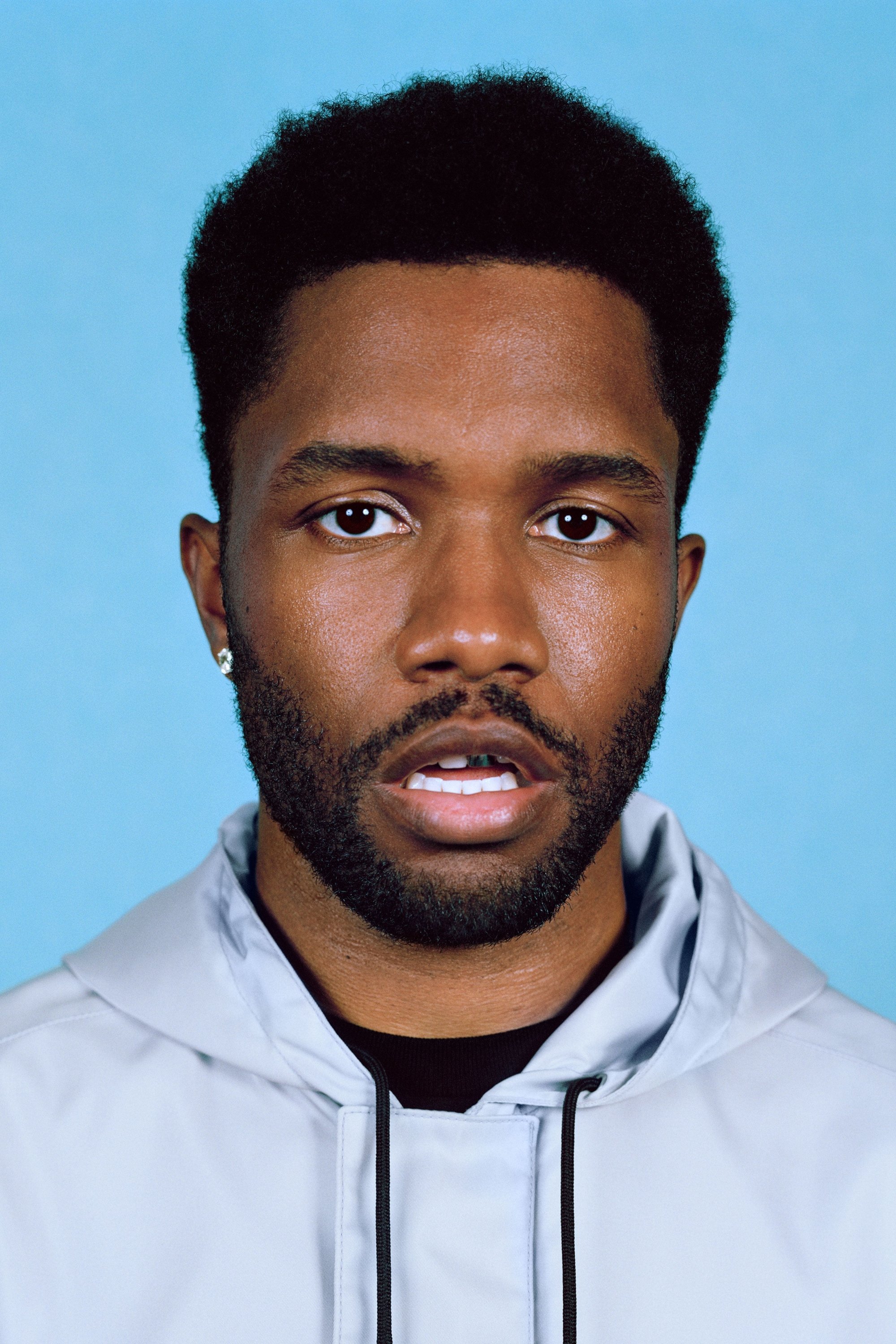
Frank Ocean is known for his elusive nature and frequently avoids the press during the release of his musical projects. He rarely grants interviews to explain the themes of his work, preferring to let the music speak for itself. When he does communicate with the public, it is often through personal blog posts or his own independent zines rather than through traditional media outlets. This refusal to engage in the standard promotional cycle for albums like ‘Blonde’ has created an aura of mystery around his creative process. His occasional public appearances are highly curated and strictly on his own terms.
Zayn Malik
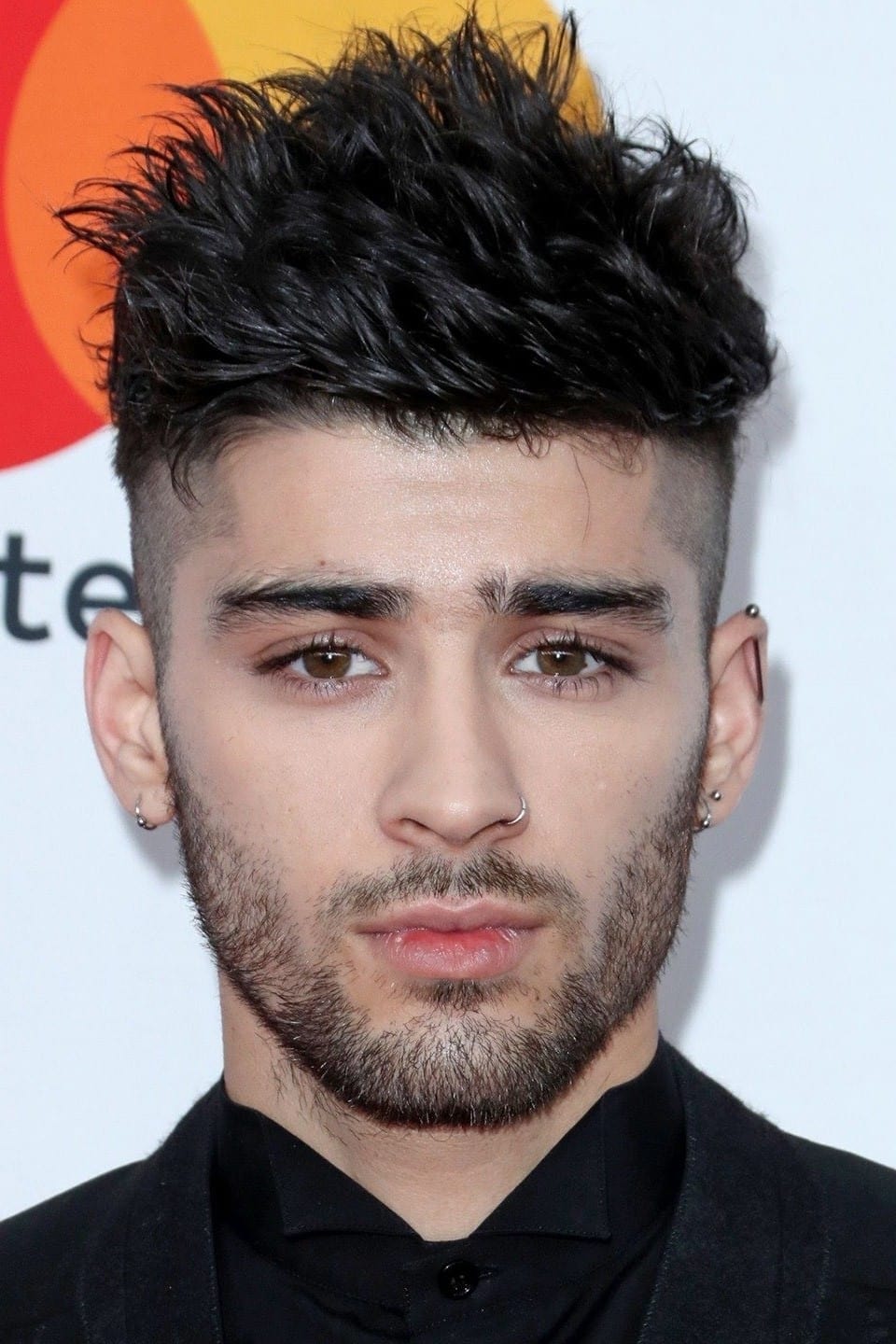
Since departing from One Direction, Zayn Malik has been candid about his struggle with anxiety, which often leads him to avoid press interviews. He has missed numerous high-profile promotional opportunities and live performances to protect his mental well-being. While he participates in occasional magazine features, he generally avoids the intense scrutiny of live television interviews. This approach allows him to promote his solo music projects while maintaining the boundaries necessary for his health. His team often relies on social media and digital platforms to reach his fanbase without the need for traditional media interaction.
Mo’Nique
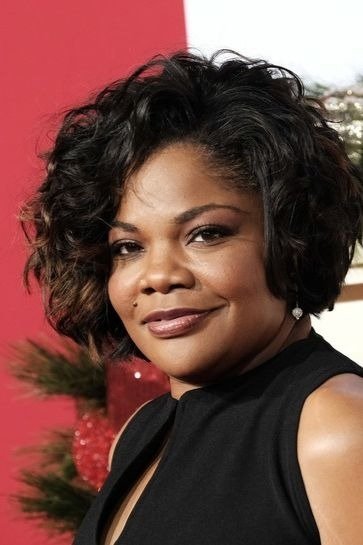
During the awards season for the film ‘Precious’, Mo’Nique famously refused to participate in the traditional promotional campaign and press junkets. She argued that since she had already completed her acting work, she should not be required to do additional promotional labor without extra compensation. This stance caused significant tension with the film’s producers and director Lee Daniels, who claimed her refusal harmed the film’s visibility. Despite the controversy, she eventually won the Academy Award for her performance, though she later claimed her refusal to “play the game” led to her being blackballed. This incident remains one of the most high-profile examples of a performer rejecting the established press circuit for a major project.
Terrence Malick
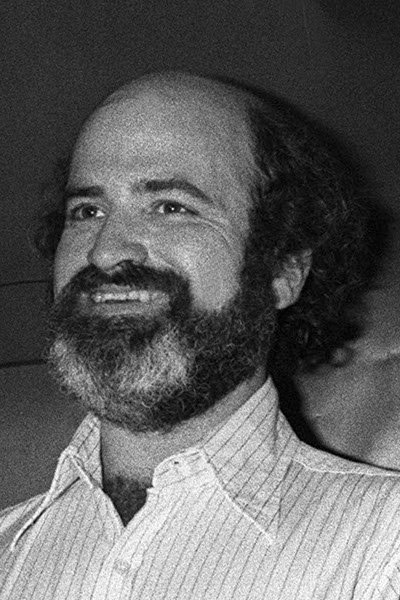
Director Terrence Malick is legendary for his total avoidance of the media and public spotlight. He does not participate in press junkets, give interviews, or even allow current photographs of himself to be used for promotional purposes. When ‘The Tree of Life’ won the Palme d’Or at Cannes, the director was notably absent from the press conference and the stage. This refusal to engage with the press has created a significant mystique around his work and his personal life. His films are released with zero input from the director himself, leaving interpretation entirely to the audience.
Sia
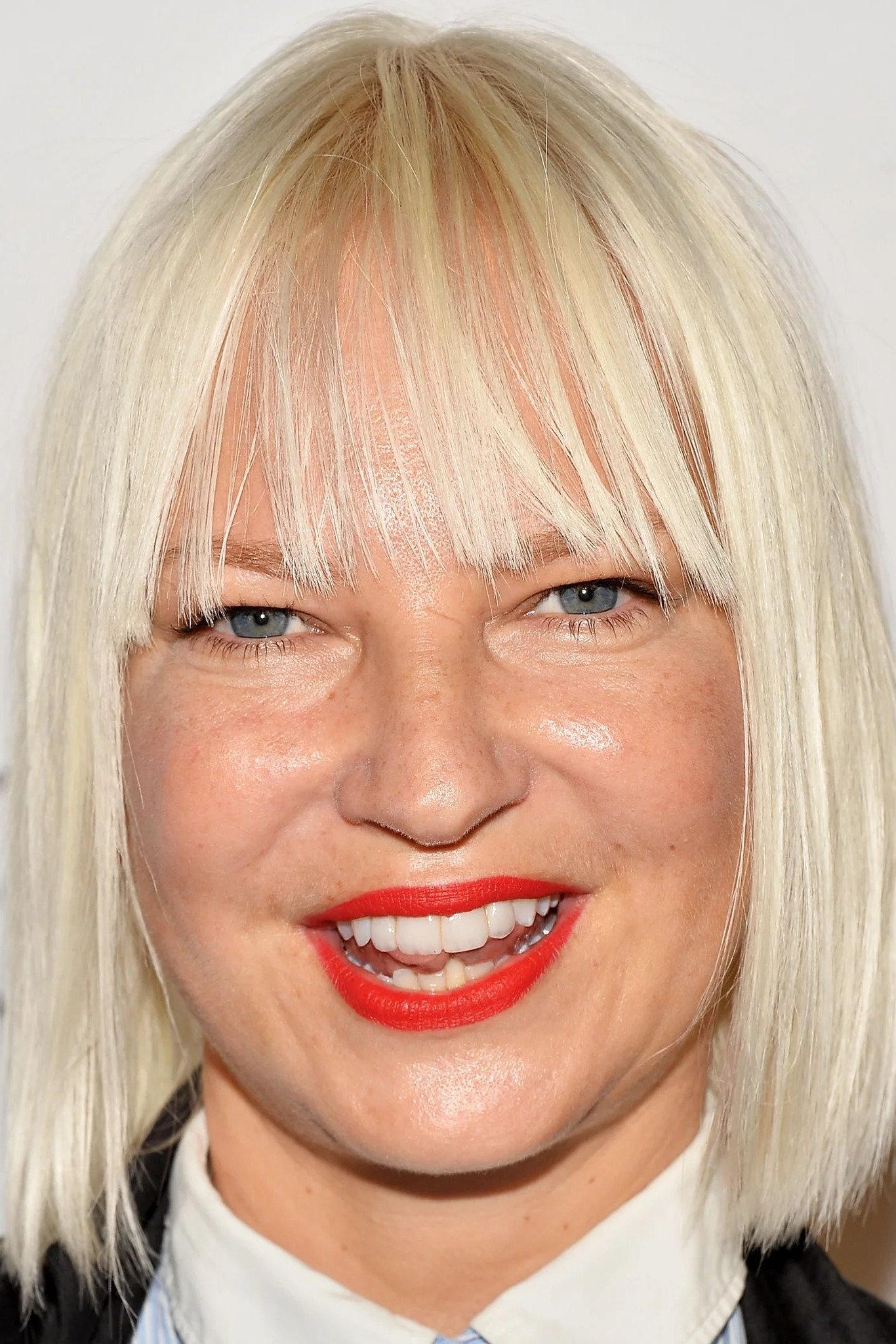
During the height of her solo career, Sia utilized large blonde wigs to obscure her face and avoid the traditional celebrity spotlight. She frequently refused to do face-to-face televised interviews, often sitting with her back to the camera or using surrogates to speak for her. This was a deliberate choice to maintain anonymity and avoid the pressures of fame while promoting her musical projects. Although she has occasionally appeared without the wig in recent years, she remains highly selective about her media engagements. Her refusal to participate in the standard visual aspect of press helped her maintain a private life despite her global success.
Kate Bush
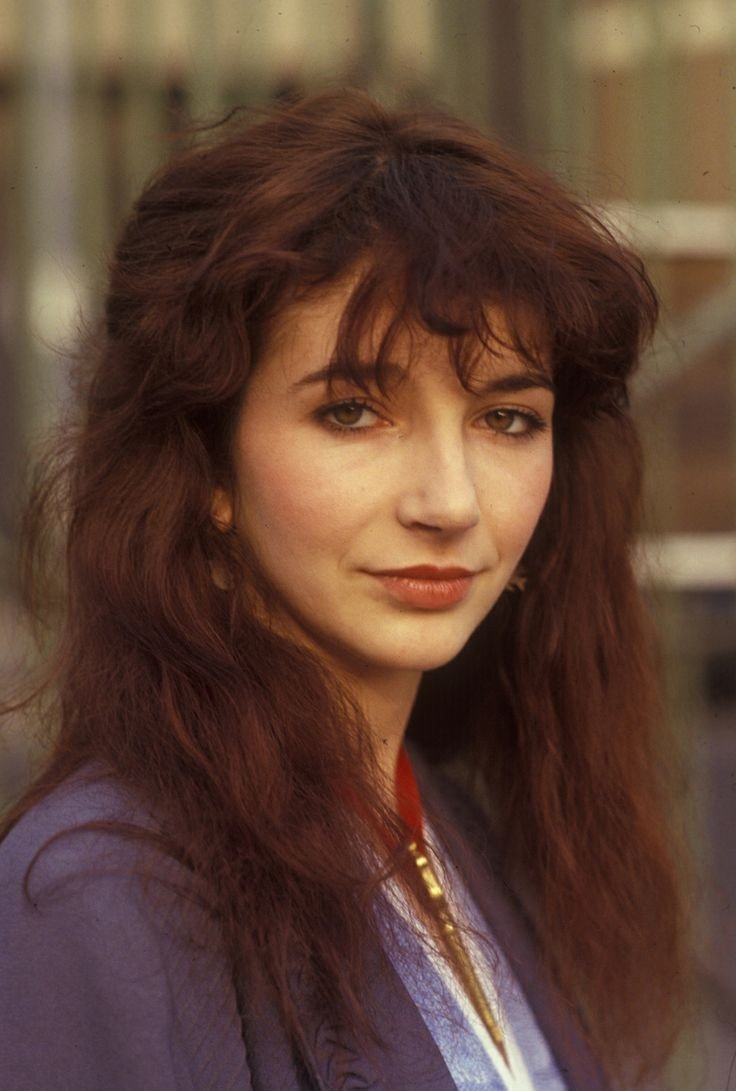
Legendary musician Kate Bush is well-known for her extreme privacy and her refusal to engage with the press for decades. Following her ‘Tour of Life’ in 1979, she largely withdrew from the public eye and stopped doing traditional interviews to promote her albums. When she released ‘Aerial’ after a twelve-year hiatus, she did not participate in the standard media circuit, preferring to let the music stand on its own. Even during her 2014 residency, she maintained a strictly controlled relationship with the media. This reclusive nature has only added to the mythos surrounding her influential career in the music industry.
Tell us what you think about these celebrities and their media-free approach in the comments.