


20 Celebrities Who Were Emancipated From Their Parents




Some stars took the unusual step of legally becoming independent from their parents while still teenagers, often to resolve family conflicts or to meet strict labor rules on film and TV sets. Emancipation can allow young performers to sign their own contracts, manage their earnings, and set work schedules that minors usually can’t. The decisions below came from a mix of personal, financial, and professional reasons. Here are notable celebrities who went that route and what changed for them afterward.
Drew Barrymore

Drew Barrymore became legally independent as a young teen after growing up as a child star with heavy media attention. Emancipation allowed her to manage her own career and finances and to live separately from her family. With the ability to sign contracts herself, she transitioned from child roles to more mature parts. She later launched her own production company and continued working steadily in film and television.
Macaulay Culkin

Macaulay Culkin secured legal independence in his mid-teens following disputes about control of his earnings from blockbuster films. Emancipation gave him authority over his trust and business matters. He stepped back from acting for a period to focus on his personal life away from the spotlight. As an adult he returned selectively to entertainment and creative projects on his own terms.
Jena Malone

Jena Malone pursued emancipation to gain more control over her work and income after early success in film. The change let her negotiate roles directly and meet production demands that are difficult for minors. She continued to build a career in independent and studio projects with greater autonomy. Emancipation also helped her manage education and travel around shooting schedules.
Ariel Winter

Ariel Winter obtained emancipation as a teenager after a lengthy court process concerning her guardianship. The legal status allowed her to make her own decisions about education, healthcare, and work. It also meant she could oversee contracts and finances related to her TV and voice-acting roles. She has since balanced acting with studies and advocacy work.
Juliette Lewis

Juliette Lewis became legally independent in her early teens to work full-time as an actor. Emancipation enabled longer set hours than child labor laws typically allow and simplified contract approvals. This helped her transition quickly into substantial film and television roles. She continued to diversify into music while maintaining control of her professional choices.
Michelle Williams

Michelle Williams sought emancipation in her mid-teens to move for acting opportunities and handle her own agreements. The status let her sign contracts without parental approval and manage school arrangements around filming. She steadily accumulated credits that led to major TV and film roles. The legal independence also helped her oversee finances early in her career.
Rose McGowan

Rose McGowan’s emancipation came after a turbulent childhood and gave her the ability to live on her own and work as she chose. With the legal change, she could agree to roles and manage her income directly. She built a film and TV résumé while also pursuing fashion and writing. Emancipation provided clearer control over personal and professional decisions.
Corey Feldman

Corey Feldman became emancipated in his mid-teens amid concerns over the handling of his earnings and career. The move put contractual and financial decisions in his hands. He continued acting in film and television while branching into music. Emancipation also let him advocate for better protections for young performers.
Jaime Pressly

Jaime Pressly obtained legal independence as a teenager to pursue international modeling work that required travel without a guardian. Emancipation allowed her to sign modeling and later acting contracts herself. It also simplified visas and scheduling obligations abroad. She eventually transitioned into television roles while maintaining control over her career path.
Dominique Swain

Dominique Swain became emancipated as a young teen to meet production needs for demanding film shoots. The status permitted longer workdays and direct contract approvals that minors typically can’t handle. It helped her secure key roles early and continue working consistently. She later moved between independent films and mainstream projects with more flexibility.
Taylor Momsen

Taylor Momsen secured emancipation in her mid-teens as she shifted focus from acting to fronting a touring rock band. The change allowed her to manage recording and travel commitments and to sign music agreements. She retained control over merchandising, licensing, and performance schedules. Emancipation also eased the logistics of balancing education with full-time creative work.
Alicia Silverstone

Alicia Silverstone’s early career included securing legal independence to accommodate rigorous filming needs as a minor. Emancipation simplified contracts and allowed longer set hours under industry rules. It also gave her direct oversight of income and professional choices. She went on to headline films and later broadened into producing and writing.
Courtney Love

Courtney Love became legally independent in her teens after a difficult upbringing and frequent moves. Emancipation let her live on her own and sign performance and recording agreements. She built early momentum in music scenes before forming a successful band. The legal status also gave her control over touring and financial management.
Edward Furlong

Edward Furlong’s emancipation followed rapid early success and complex guardianship and financial arrangements. With legal independence, he could sign contracts and manage income without third-party control. He continued to work in film while navigating adulthood in the public eye. Emancipation also clarified decision-making around travel and publicity.
Bijou Phillips

Bijou Phillips pursued emancipation in her mid-teens after starting modeling and acting at a young age. The change allowed her to live independently in New York and later Los Angeles. It simplified international travel and contract negotiations tied to fashion and film work. She continued acting in features while managing her own business affairs.
Natasha Lyonne

Natasha Lyonne became legally independent as a teen after beginning a career in film and television at a young age. Emancipation gave her authority over contracts and work schedules. She continued to secure roles in both independent and mainstream projects. The status also aided her in handling education alongside professional commitments.
Willa Holland

Willa Holland obtained emancipation in her later teens while working regularly in television. The legal change simplified on-set scheduling and contract approvals typical for adult performers. She maintained steady roles that required extensive filming hours. Emancipation also streamlined travel and promotional obligations.
Tatum O’Neal

Tatum O’Neal’s emancipation came after years of working in film as a child and navigating family disputes. Legal independence put control of contracts and finances in her hands. She continued acting on her own terms in both movies and television. The change also helped manage publicity and personal decision-making.
Corey Haim
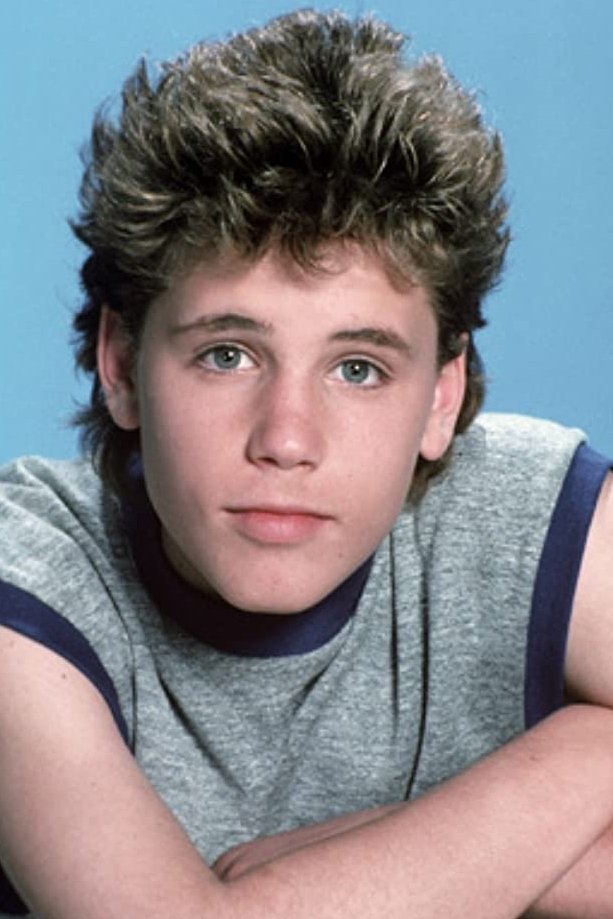
Corey Haim pursued legal independence as a teen during an intense period of work and media attention. Emancipation allowed him to control contracts and professional commitments directly. He continued acting in films while managing his own earnings. The move also clarified who could authorize travel and promotional appearances.
Milla Jovovich

Milla Jovovich became emancipated in her mid-teens after starting in modeling and film at a very young age. The status allowed her to work adult hours on sets and to sign agreements without a guardian. It helped her bridge from youth roles to more substantial parts. Emancipation also eased international travel tied to fashion and film work.
Share the names you think we missed in the comments so we can add more examples everyone’s curious about!