


Celebrities Who Were Told Their Personal Brand Was “Too Traditional”




The entertainment industry often prioritizes cutting-edge trends and modern aesthetics, leaving many performers to navigate critiques regarding their personal image. For some actors and musicians, a “traditional” brand is initially viewed as a barrier to commercial success or cultural relevance. Whether it is a classic physical appearance, a vintage musical style, or a commitment to formal acting techniques, these celebrities faced industry pressure to modernize their personas. However, many of these individuals eventually found success by embracing the very qualities that were once labeled as outmoded.
Jon Hamm
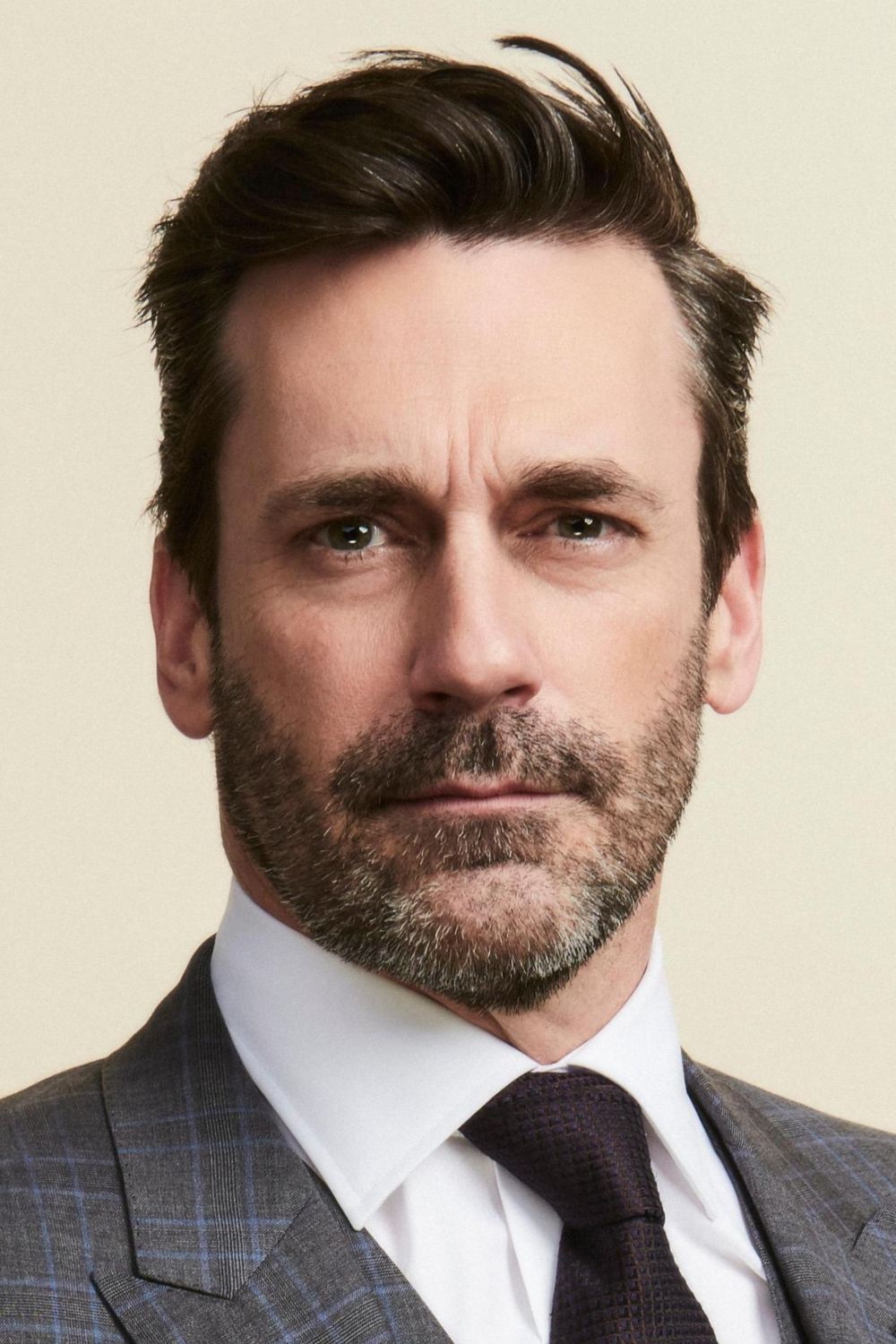
Before his breakthrough in ‘Mad Men’, Jon Hamm was frequently told his appearance was too traditional for the early 2000s. Casting directors often remarked that he looked like he belonged in a different era, making it difficult for him to secure contemporary roles. This “old-fashioned” brand was considered a liability in a market favoring younger, trendier aesthetics. Hamm eventually utilized this specific feedback to inhabit the role of Don Draper, transforming his classic look into a professional asset.
Michael Bublé
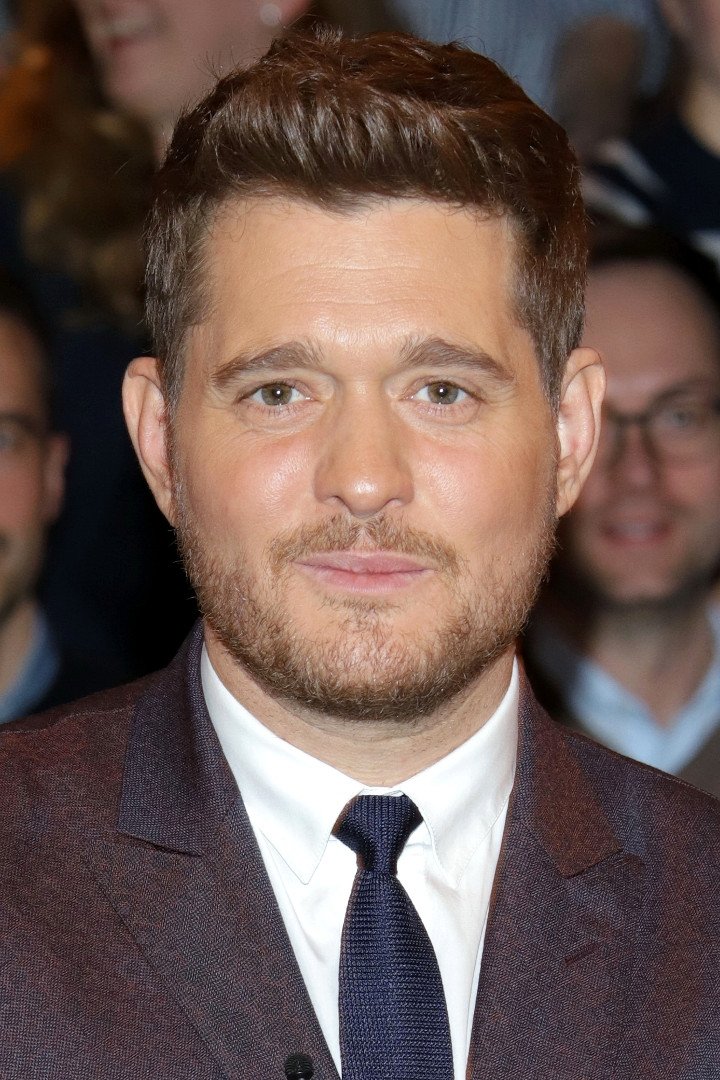
Early in his career, Michael Bublé was frequently warned that his musical style was too traditional for the modern market. Record executives were hesitant to sign an artist focused on the Great American Songbook and big band arrangements. They believed that his personal brand would not resonate with a younger audience accustomed to pop and hip-hop. Bublé persisted with his classic image and eventually became a multi-platinum success by filling a niche that others had deemed obsolete.
Lana Del Rey
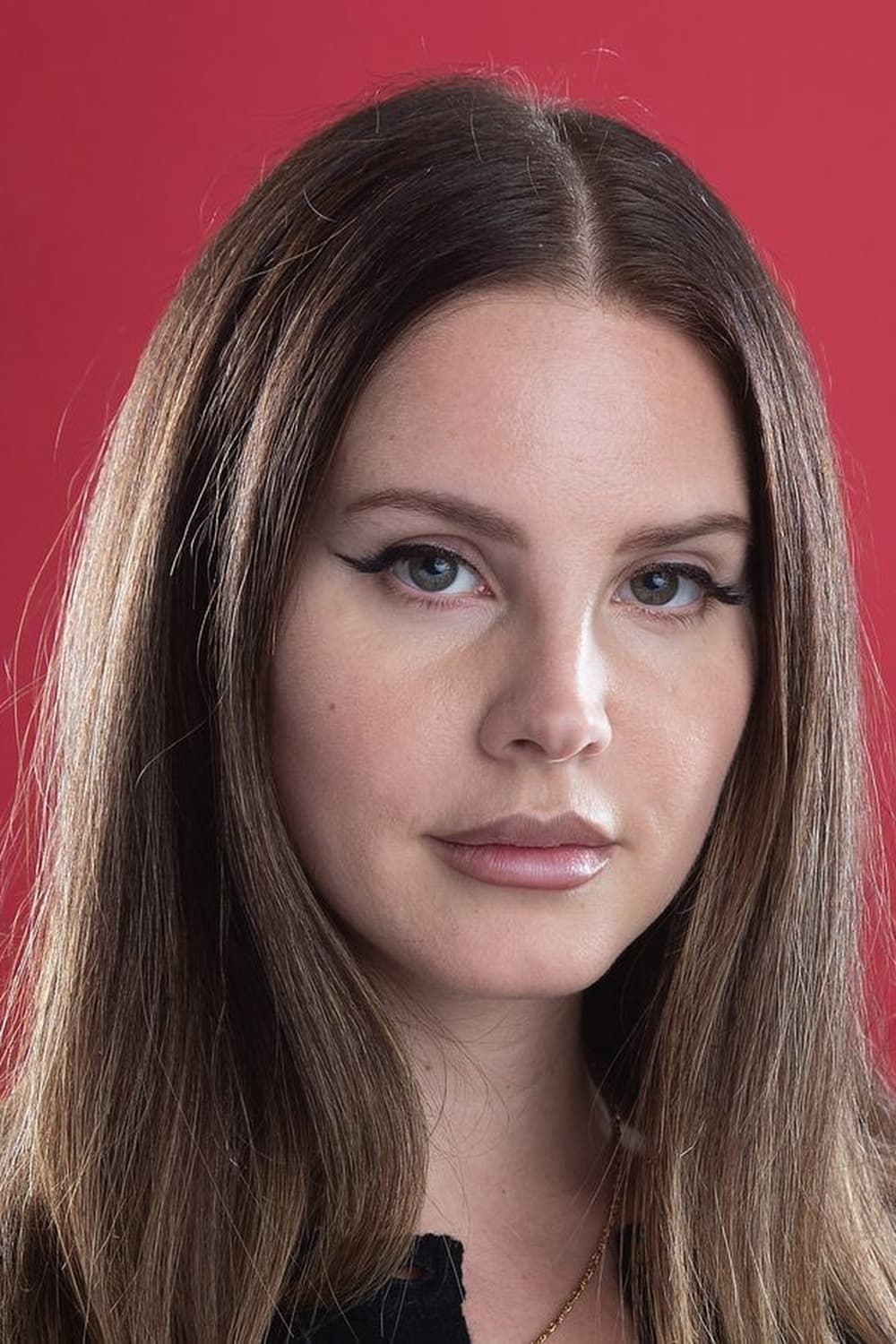
When Lana Del Rey first emerged, critics and industry insiders often labeled her aesthetic as too retro-reliant. Her persona, which drew heavily from 1950s and 1960s Americana, was seen by some as a calculated but “too traditional” gimmick. There were concerns that her brand was too anchored in the past to maintain longevity in the fast-paced digital music era. However, her consistent dedication to this vintage identity helped her establish a unique and influential subgenre within alternative pop.
Adele
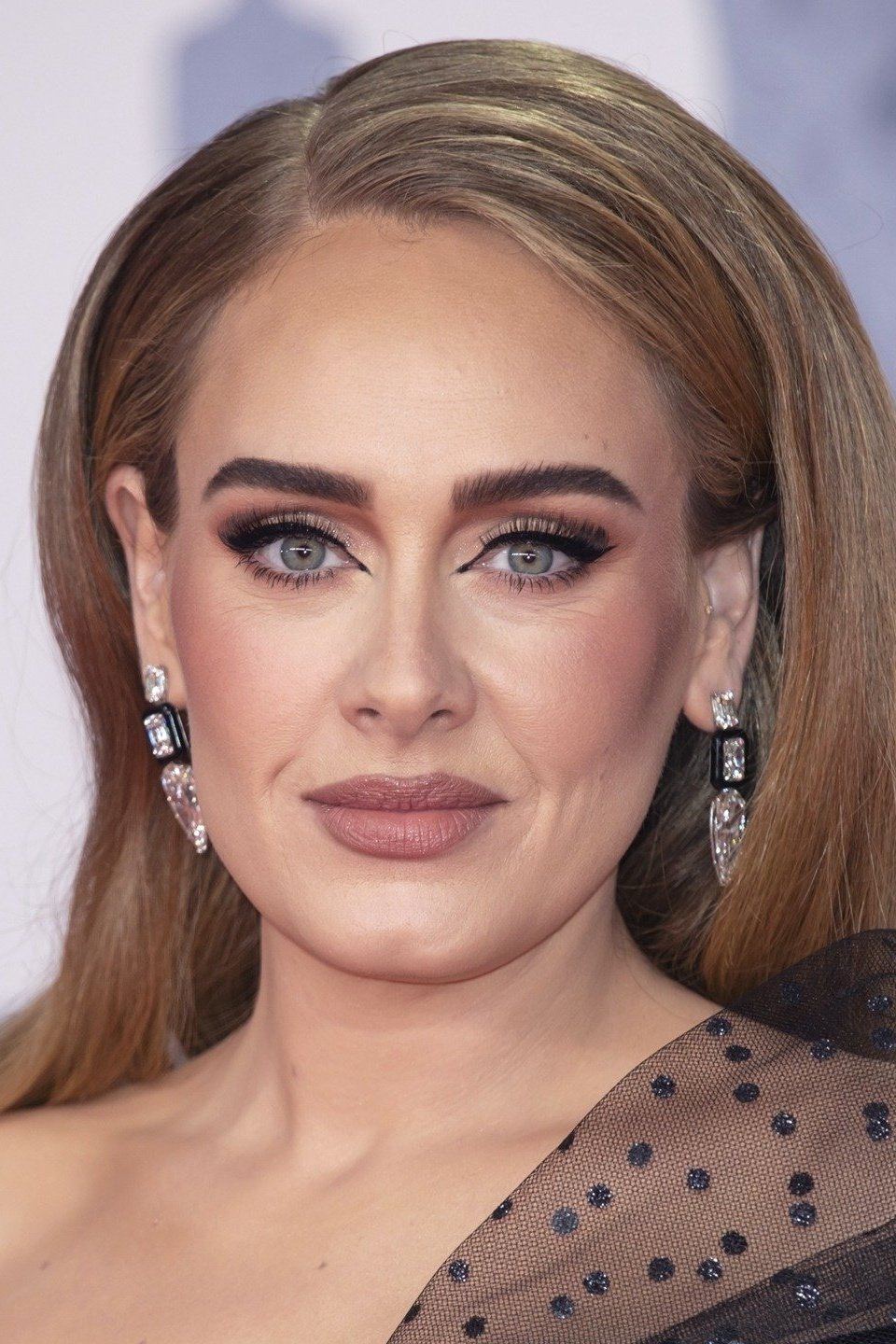
Adele faced early feedback suggesting that her soulful, traditional vocal style might struggle to find a place on modern radio. During the peak of electronic dance music and highly produced pop, her emphasis on classic balladry was viewed as a commercial risk. Her personal brand, which focused on vocal talent rather than contemporary dance choreography or flashy visuals, was initially seen as too conventional. The massive success of ’21’ proved that there was a global appetite for her timeless approach to music.
John Legend

John Legend’s early career was marked by his “old soul” brand, which some industry professionals felt was too traditional for the R&B landscape of the early 2000s. His focus on piano-driven melodies and classic songwriting was a departure from the synth-heavy tracks dominating the charts. Collaborators noted that he had to fight to keep his sound authentic while being pressured to adopt more modern production techniques. He eventually successfully merged his traditional foundations with modern sensibilities to become an EGOT winner.
Henry Cavill
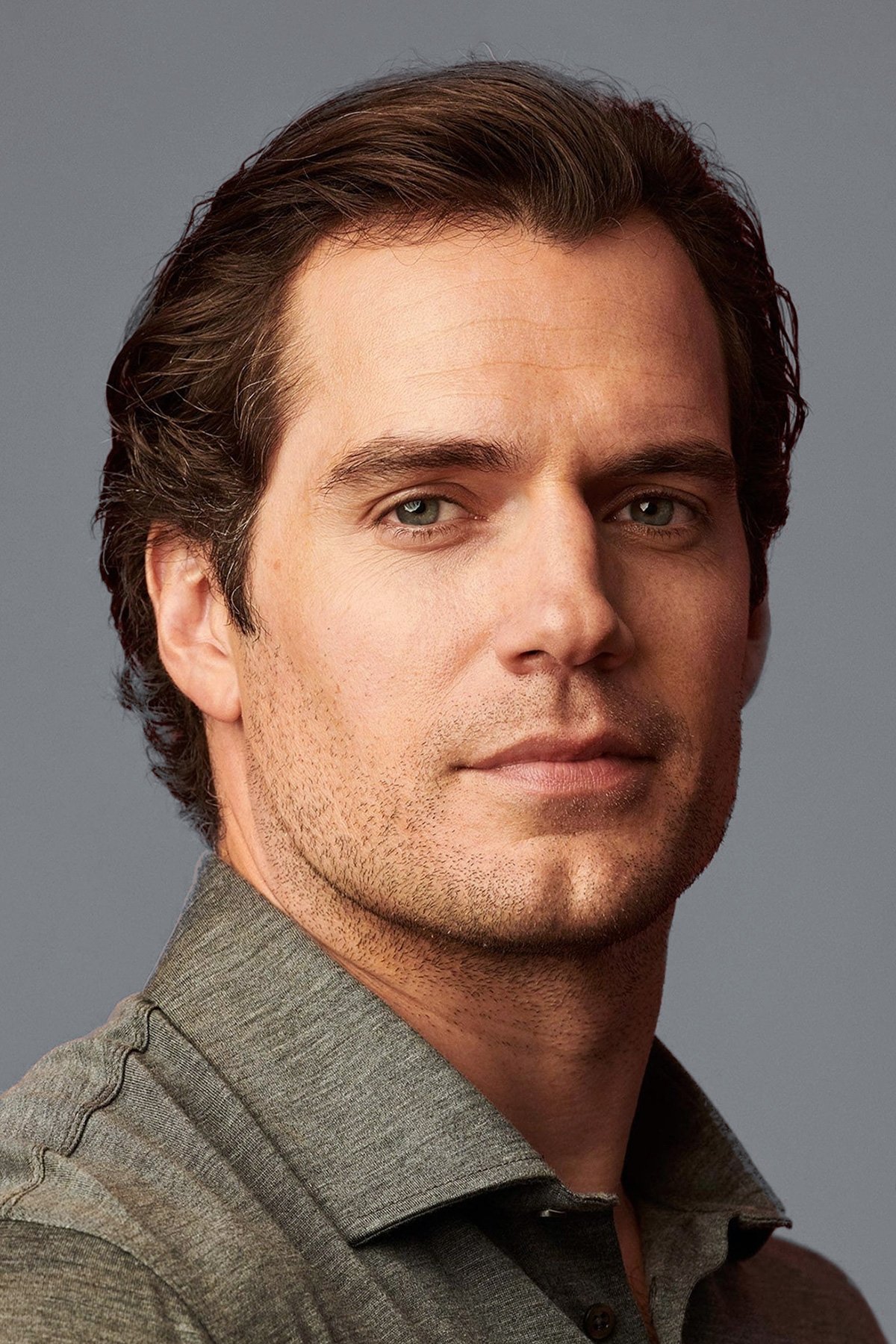
Henry Cavill has often been described by casting directors as having a “classic” or “traditional” leading man look that felt out of place in certain modern roles. Early in his career, this perceived traditionalism allegedly cost him roles in grittier, more contemporary projects. Critics noted that his physical brand was more suited to the Golden Age of Hollywood than the edgy trends of the 2000s. This specific quality eventually made him the ideal candidate for ‘Man of Steel’, where he revitalized a traditional superhero icon.
Josh Groban
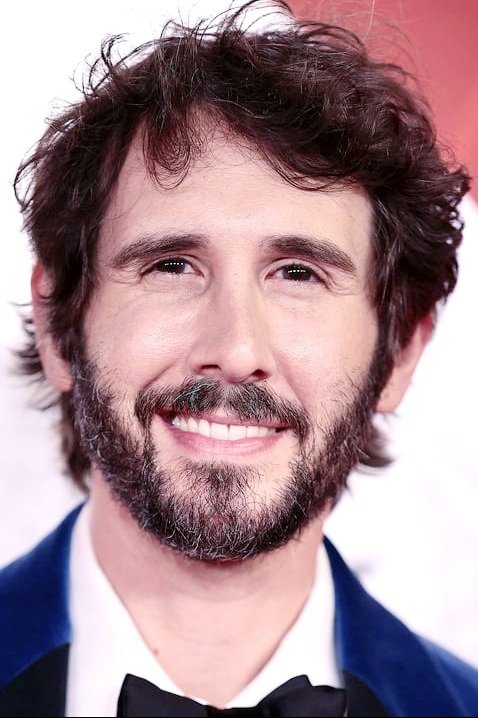
Josh Groban was told early on that his operatic, traditional pop brand would be difficult to market to a mainstream audience. Radio programmers were skeptical that a young artist focused on classical crossover music could achieve significant commercial success. His image was seen as too formal and “safe” compared to the rebellious pop stars of the era. Despite these concerns, Groban built a massive following by leaning into his traditional strengths and theatrical background.
Dita Von Teese
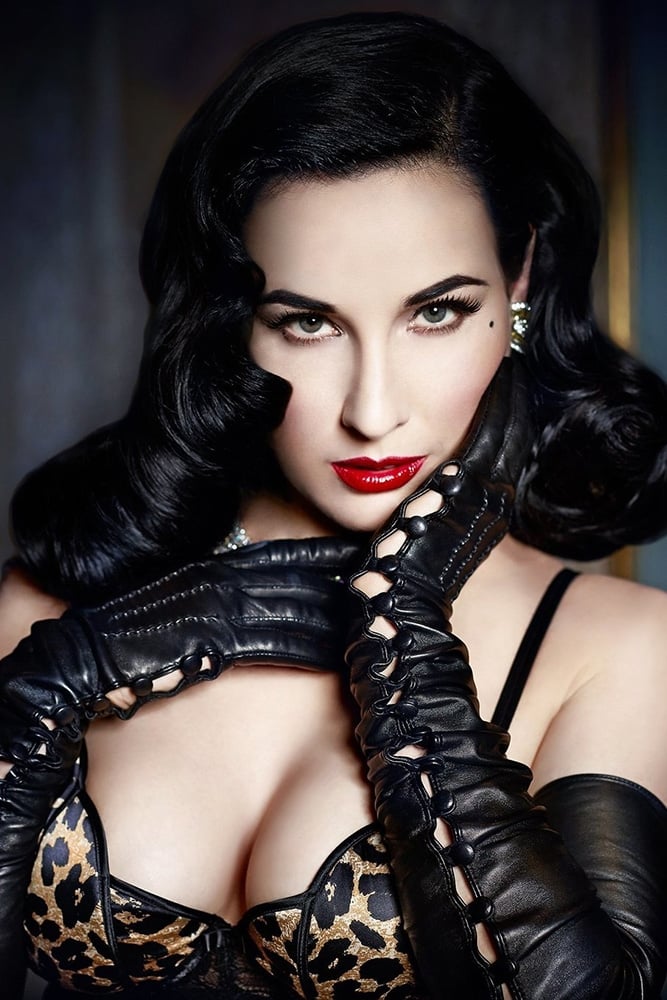
Dita Von Teese built her entire career around a vintage brand that many industry observers initially dismissed as too niche and traditional. Her commitment to 1940s-style glamour and classic burlesque was seen as a relic of the past rather than a viable modern career path. Critics suggested that her refusal to adapt to contemporary fashion trends would limit her mainstream appeal. Instead, she became a global icon by strictly maintaining her traditional aesthetic across all media platforms.
Norah Jones
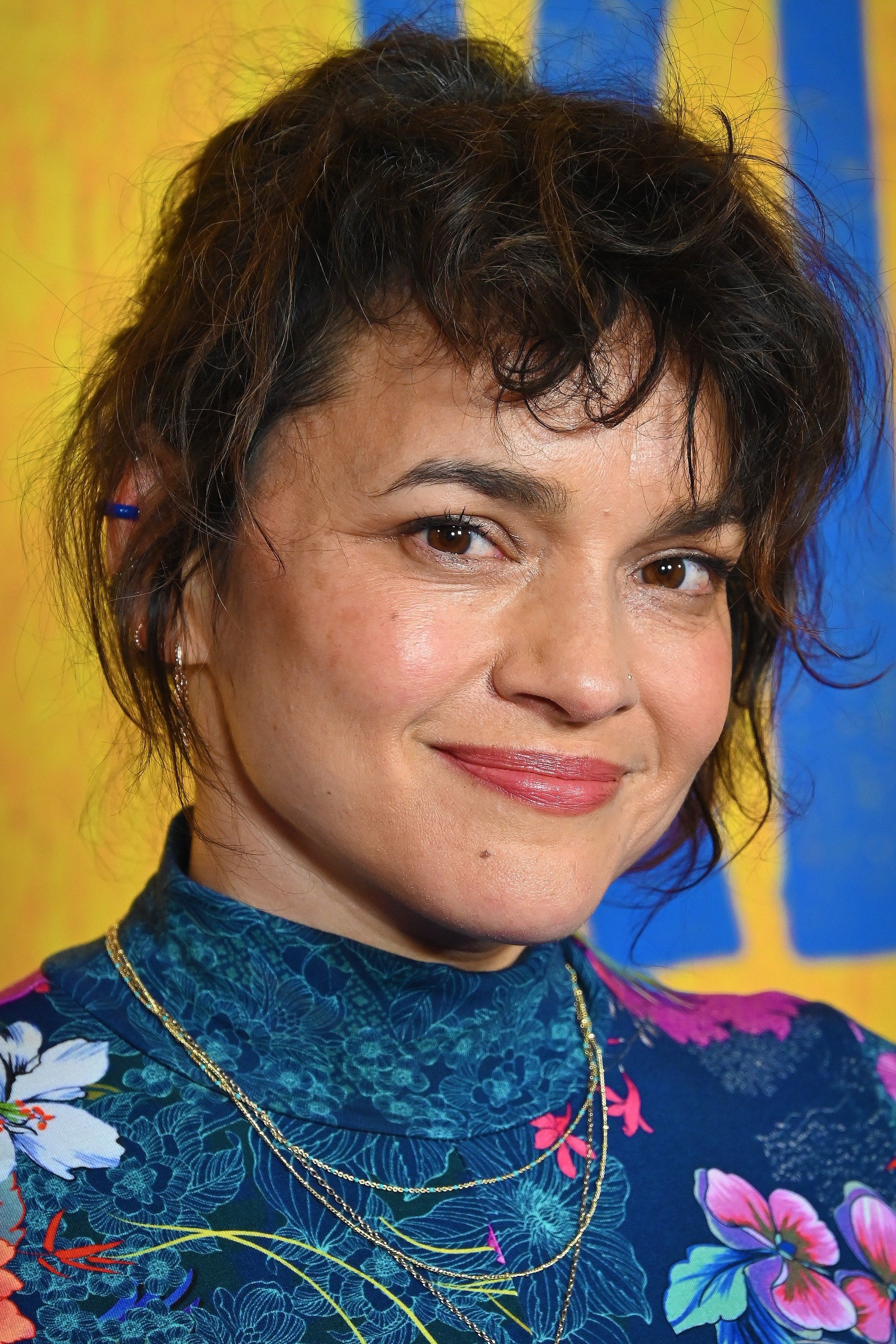
When Norah Jones released ‘Come Away with Me’, many industry insiders felt her jazz-influenced, traditional style was too quiet for the modern market. The music industry at the time was dominated by high-energy pop and nu-metal, making her acoustic brand seem out of step with current trends. Some advisors suggested she lean into more contemporary sounds to ensure radio play. Her refusal to change her traditional approach resulted in a diamond-certified album and multiple Grammy Awards.
Harry Connick Jr.
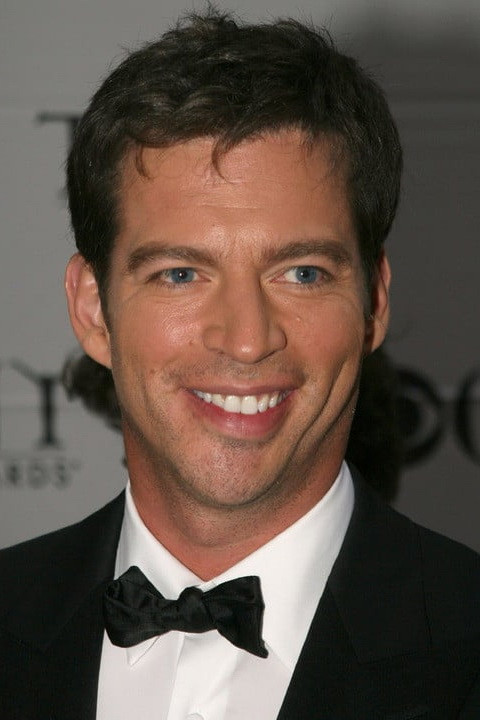
Harry Connick Jr. faced significant skepticism when he chose to focus on traditional jazz and swing during the late 1980s. Producers were concerned that his brand was too “old school” to appeal to a generation raised on rock and synth-pop. He was frequently encouraged to modernize his sound to fit into the contemporary adult contemporary genre. By sticking to his traditional musical roots, he helped spark a revival of big band music in popular culture.
Seth MacFarlane

While known for his subversive comedy, Seth MacFarlane’s personal brand as a vocalist is rooted in traditional swing and big band music. He has often shared that music industry professionals found his interest in the Great American Songbook to be too traditional for a modern entertainer. Despite the popularity of ‘Family Guy’, there were doubts that his musical persona could stand on its own without the comedy. He has since released several Grammy-nominated albums that celebrate his traditional musical influences.
Tom Hiddleston
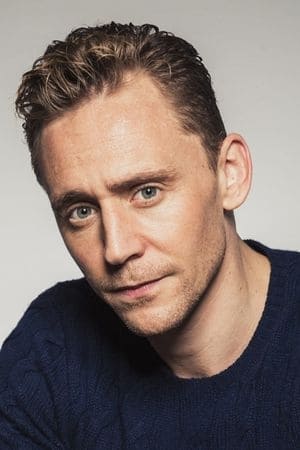
Tom Hiddleston has spoken about early career feedback that suggested his classically trained, traditional acting style was “too theatrical” for film. Casting agents sometimes viewed his Shakespearean background as a barrier to being cast in modern, gritty dramas. There was a perception that his brand was too formal and lacked the “everyman” quality desired by contemporary Hollywood. He eventually used that traditional training to bring a complex, Shakespearean depth to the role of Loki in ‘Thor’.
Katherine Heigl

During the height of her film career, Katherine Heigl was often branded as the quintessential lead for traditional romantic comedies. While this brand brought her immense success, she later noted that the industry’s perception of her as a “traditional” rom-com star became restrictive. She was told her brand was too synonymous with a specific, conventional archetype, making it hard to transition into more diverse roles. This traditional pigeonholing eventually led to a shift in her career trajectory as the genre’s popularity waned.
George Clooney

In his early years, George Clooney was often dismissed as a traditional television actor who lacked the edge for a successful film career. Critics felt his suave, old-fashioned persona was better suited for the small screen than for the gritty movie trends of the 1990s. He was frequently told that his “classic Hollywood” brand was a thing of the past. Clooney eventually leaned into this persona, becoming one of the few actors to successfully bridge the gap by embracing his traditional leading man status.
Reese Witherspoon
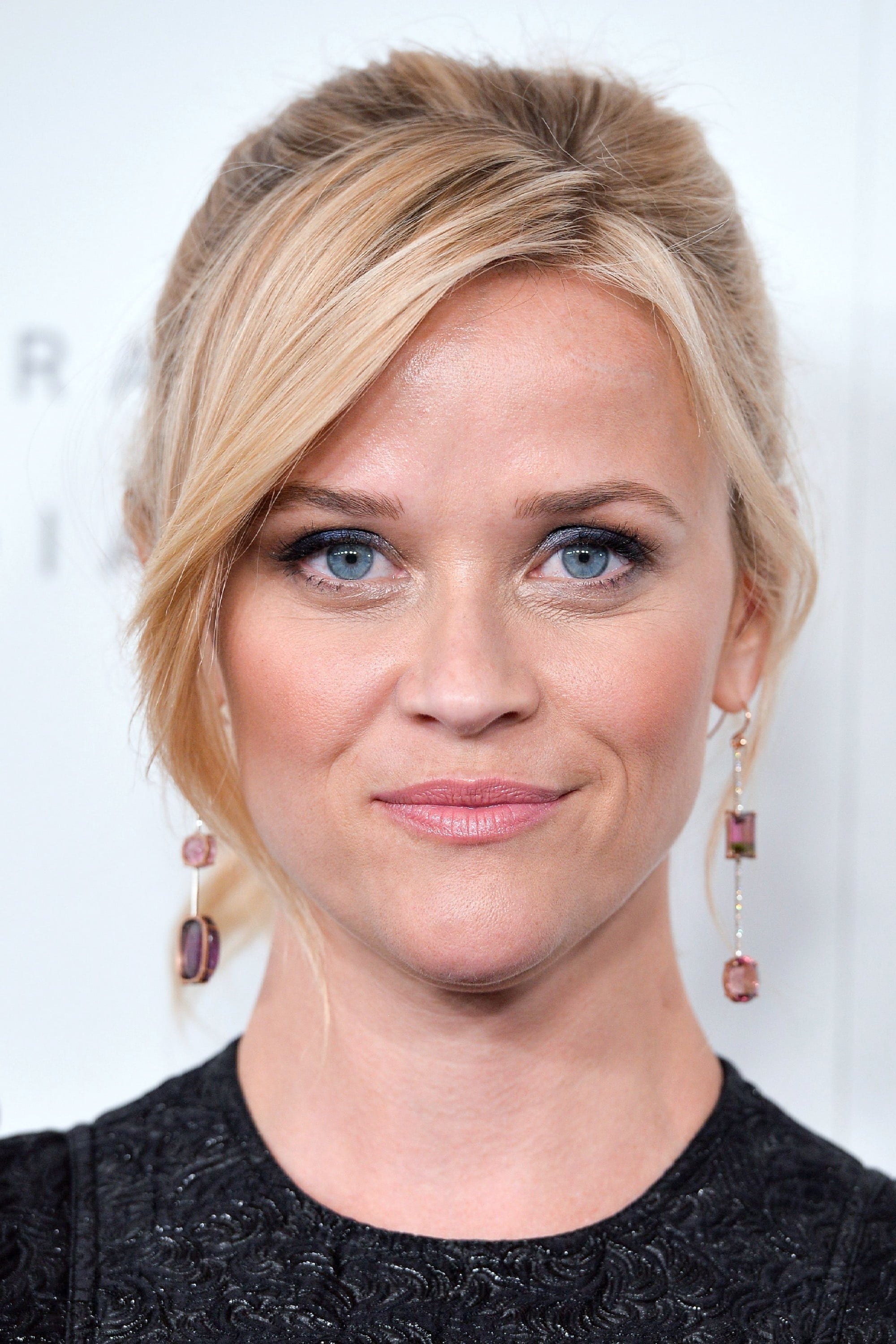
Reese Witherspoon faced early critiques that her “Southern Belle” image and traditional appearance would limit her to specific, safe roles. Industry insiders suggested that her personal brand was too conventional to allow for a versatile career in dramatic film. She was often encouraged to shed her polished image to fit into the “indie” aesthetic of the late 1990s. Witherspoon eventually used her production company to redefine her brand, proving that her traditional roots could coexist with complex, modern storytelling.
Anne Hathaway
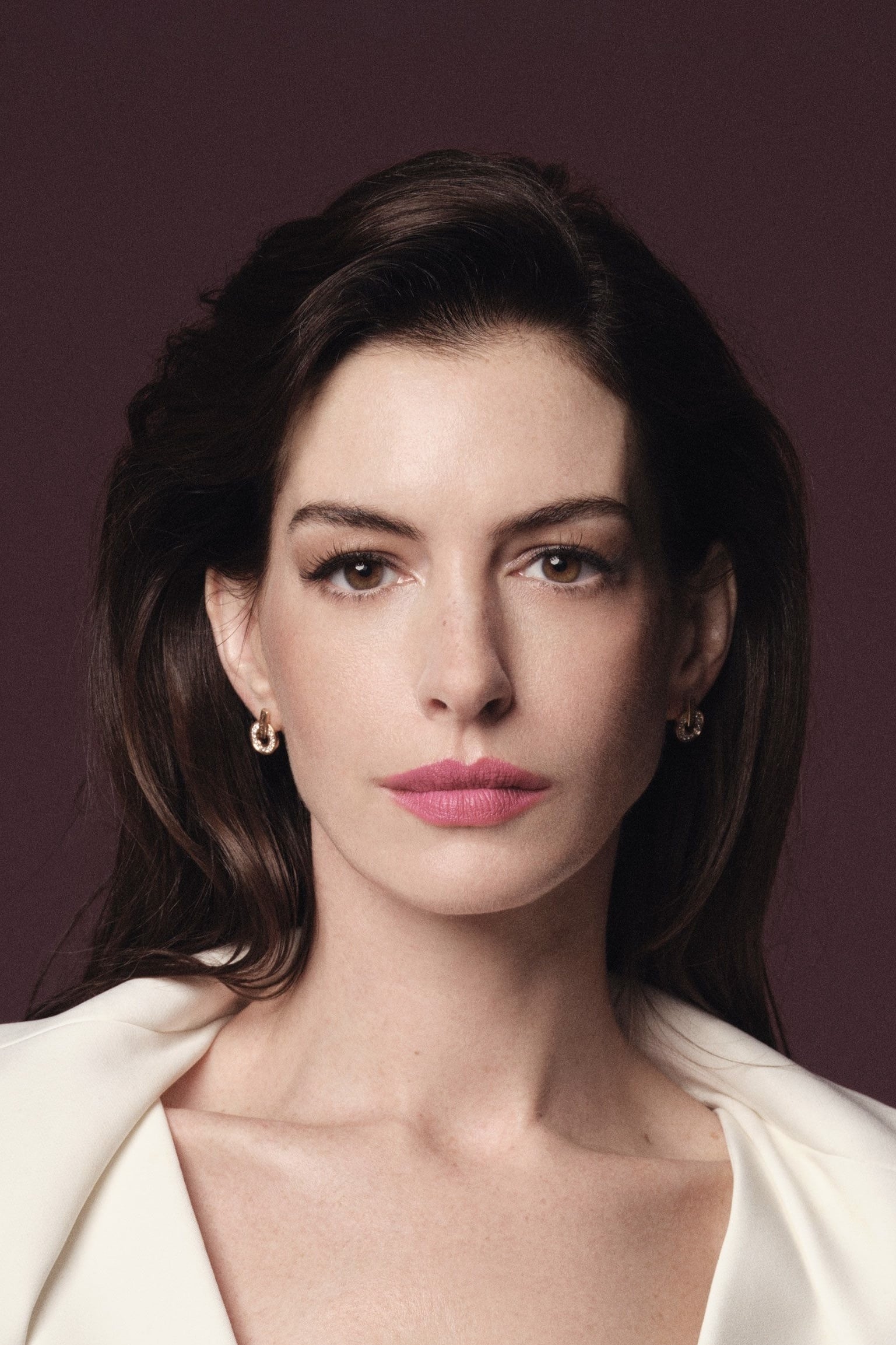
Anne Hathaway has frequently dealt with the perception that her personal brand is “too traditional” or “too earnest.” Early in her career, her theater-kid background and polished public persona were sometimes criticized as being out of touch with more cynical modern trends. Industry commentators often labeled her image as “too perfect” or conventional, which led to a period of public backlash. She has since discussed the challenges of navigating an industry that sometimes devalues traditional professionalism in favor of “edginess.”
Gwyneth Paltrow
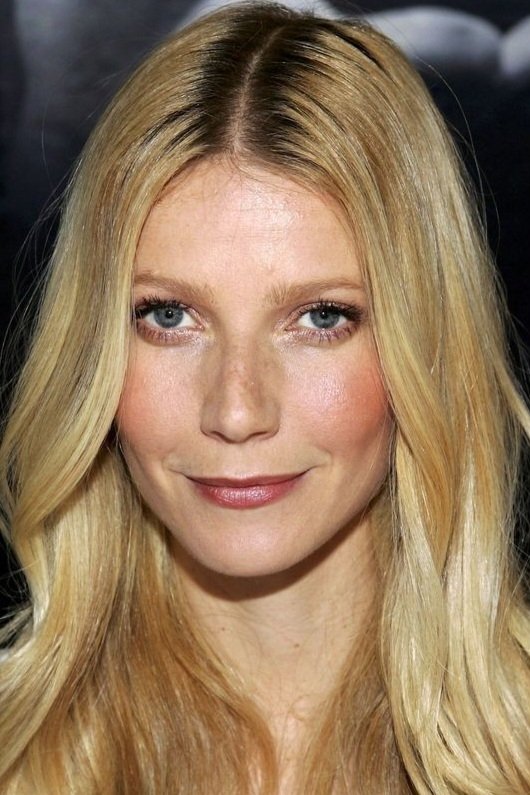
Gwyneth Paltrow’s brand has often been described as “traditionally aspirational,” a quality that has drawn both praise and criticism. Early in her career, she was seen as the classic Hollywood blonde, a brand some found too conventional for the rising alternative cinema movement. Critics argued that her image was too rooted in traditional privilege to remain relatable to modern audiences. She eventually leveraged this traditional perception to build her lifestyle brand, ‘Goop’, which leanly heavily into aspirational aesthetics.
Emily Blunt

Emily Blunt was told early on that her look and acting style were particularly suited for traditional period dramas. This feedback initially made it difficult for her to be considered for modern action or contemporary comedy roles. Casting directors saw her as a “classical” English actress, which she felt was a limiting brand in a globalized market. She successfully broke this mold by taking on diverse roles in ‘The Devil Wears Prada’ and ‘Edge of Tomorrow’, moving beyond her traditional beginnings.
Patrick Wilson
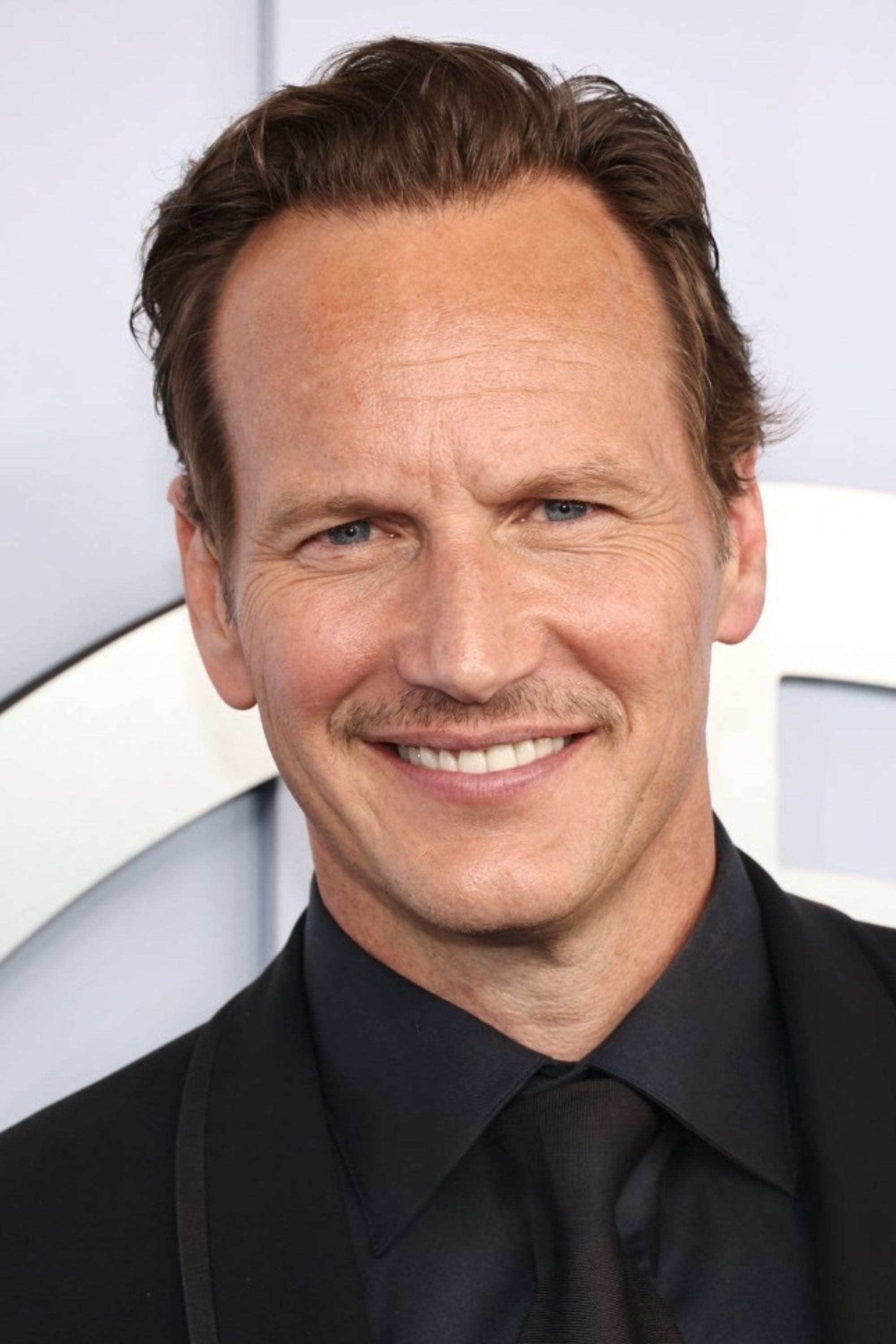
Patrick Wilson is often cited as having a “traditional” leading man brand that has seen him frequently cast in roles set in the mid-20th century. He has noted that his clean-cut appearance sometimes made it difficult to land contemporary, “grungy” roles in the early stages of his career. Industry professionals often viewed his brand as too safe or “old school” for modern blockbusters. His success in the ‘The Conjuring’ franchise and ‘Insidious’ proved his traditional look was perfectly suited for the classic horror genre.
Jennifer Aniston
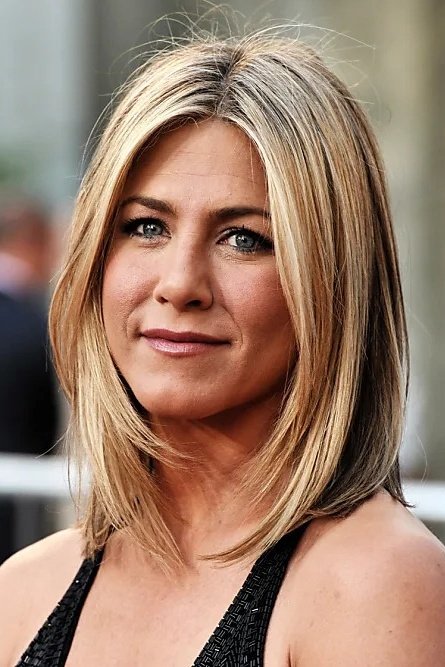
Following the success of ‘Friends’, Jennifer Aniston faced the challenge of being branded as the traditional “girl next door.” Many in the industry felt her brand was too closely tied to the conventional sitcom archetype to allow for a successful transition into serious film. She was often told that her image was too safe and traditional to work in grittier or more experimental cinema. Over several decades, she has managed to expand her brand while still maintaining the classic appeal that first made her famous.
Zac Efron
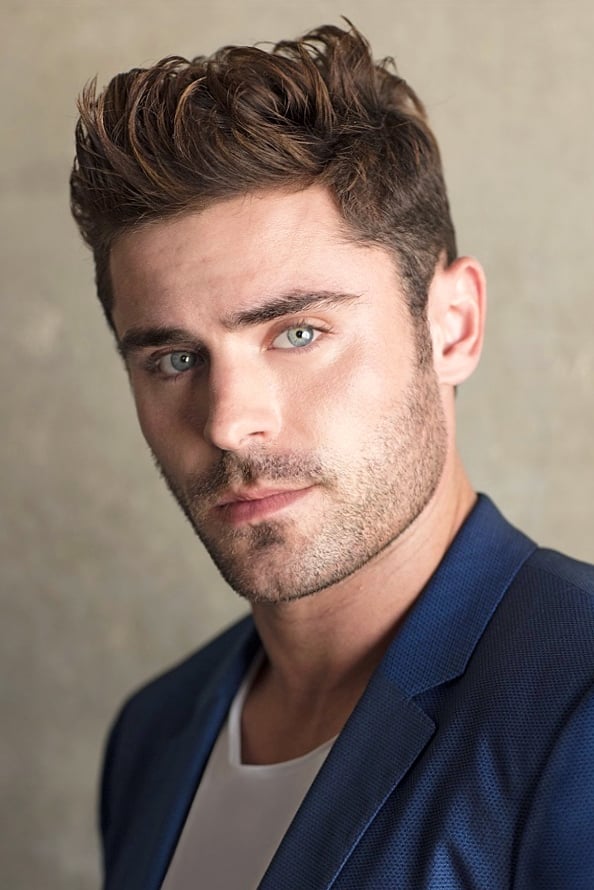
After rising to fame in ‘High School Musical’, Zac Efron was heavily branded as a traditional teen idol. He faced significant skepticism from the industry when he attempted to transition into more mature and varied roles. Critics and agents suggested his “clean-cut” traditional brand was a barrier to being taken seriously as a dramatic actor. He spent years intentionally choosing darker, non-traditional roles to distance himself from the conventional image that defined his early career.
Blake Lively
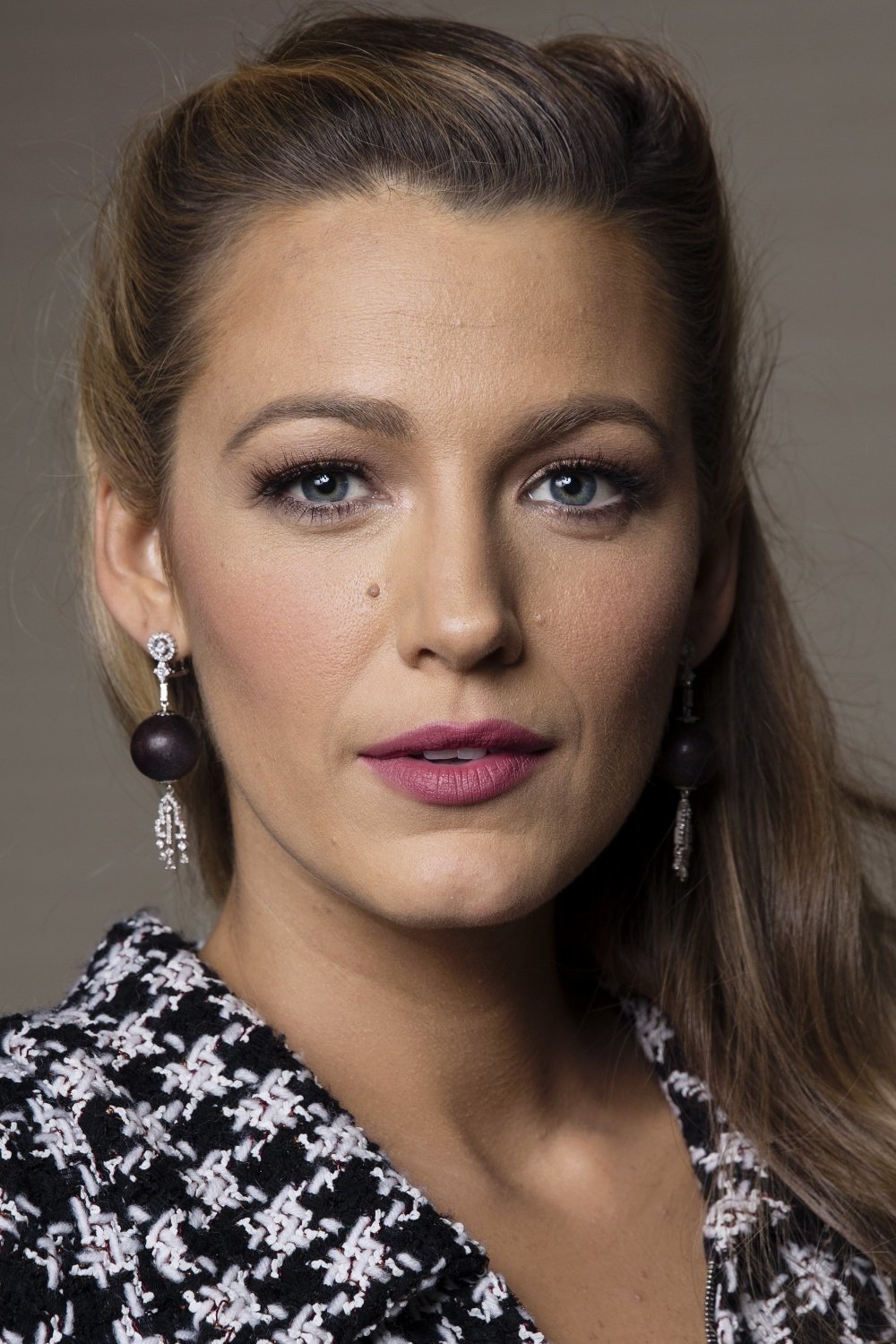
Blake Lively’s personal brand is often associated with traditional Hollywood glamour and high-fashion aesthetics. Early in her career, some industry analysts suggested that her “Golden Girl” image was too conventional and might prevent her from being cast in more grounded, realistic roles. Her brand was seen as more suited for magazines than for gritty, character-driven cinema. Lively has since balanced this traditional glamour with diverse roles in films like ‘The Shallows’ and ‘A Simple Favor’.
January Jones
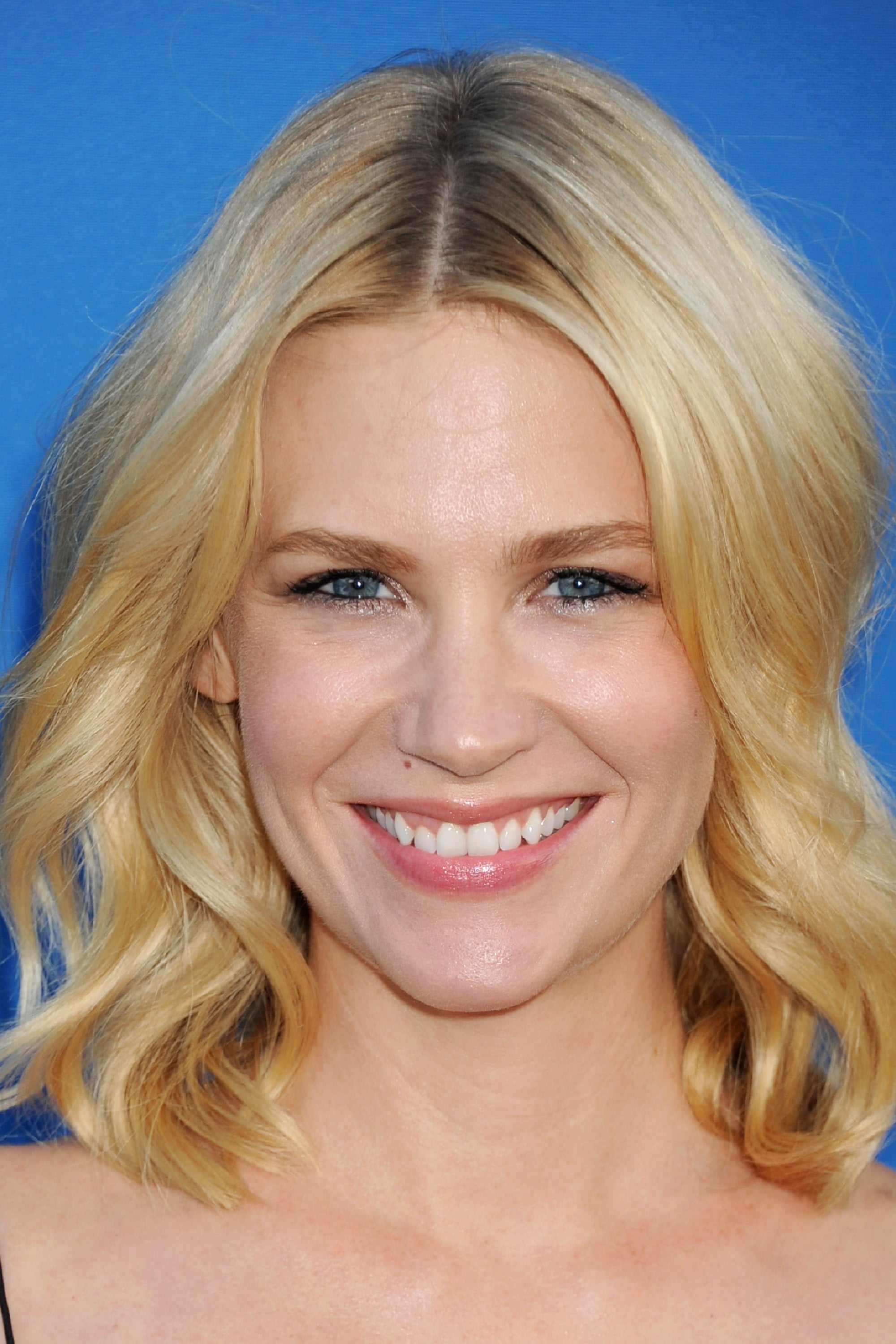
January Jones became widely known for her role in ‘Mad Men’, which cemented her brand as a traditional “Hitchcock blonde.” While this brought her acclaim, she has spoken about the difficulty of moving away from that classic, icy persona. Producers often viewed her brand as too tied to a specific 1960s traditionalism, making it hard for her to secure modern roles. She has worked to subvert this image by taking on projects that contrast with her established traditional aesthetic.
Hugh Jackman

When Hugh Jackman was first cast as Wolverine in ‘X-Men’, many fans and insiders felt his brand was “too musical theater” and traditional for a gritty superhero. His background in classical performance and stage musicals was seen as a contradiction to the rugged, animalistic nature of the character. There were concerns that his polished, traditional training would not translate to the screen. Jackman’s long tenure in the role eventually proved that his disciplined, traditional approach was a major factor in the character’s success.
Julianna Margulies

Julianna Margulies faced industry feedback that her brand was too synonymous with traditional network television. After her success on ‘ER’, she was told that her professional image was too conventional for the burgeoning era of prestige cable drama. Critics suggested she was a “traditional” TV lead who might not fit into the more experimental television landscape of the 2000s. She successfully challenged this notion by starring in ‘The Good Wife’, which bridged the gap between traditional and modern television storytelling.
Rose Byrne

Rose Byrne has noted that early in her career, she was often pigeonholed into “proper” and traditional roles due to her refined image. Casting directors frequently saw her as the “classical” beauty, which limited her opportunities in the comedy genre. She was told her brand was too serious and traditional to be funny or relatable in modern sitcoms or films. Her breakout performance in ‘Bridesmaids’ shocked many industry insiders by completely subverting her traditional brand.
Matt Bomer
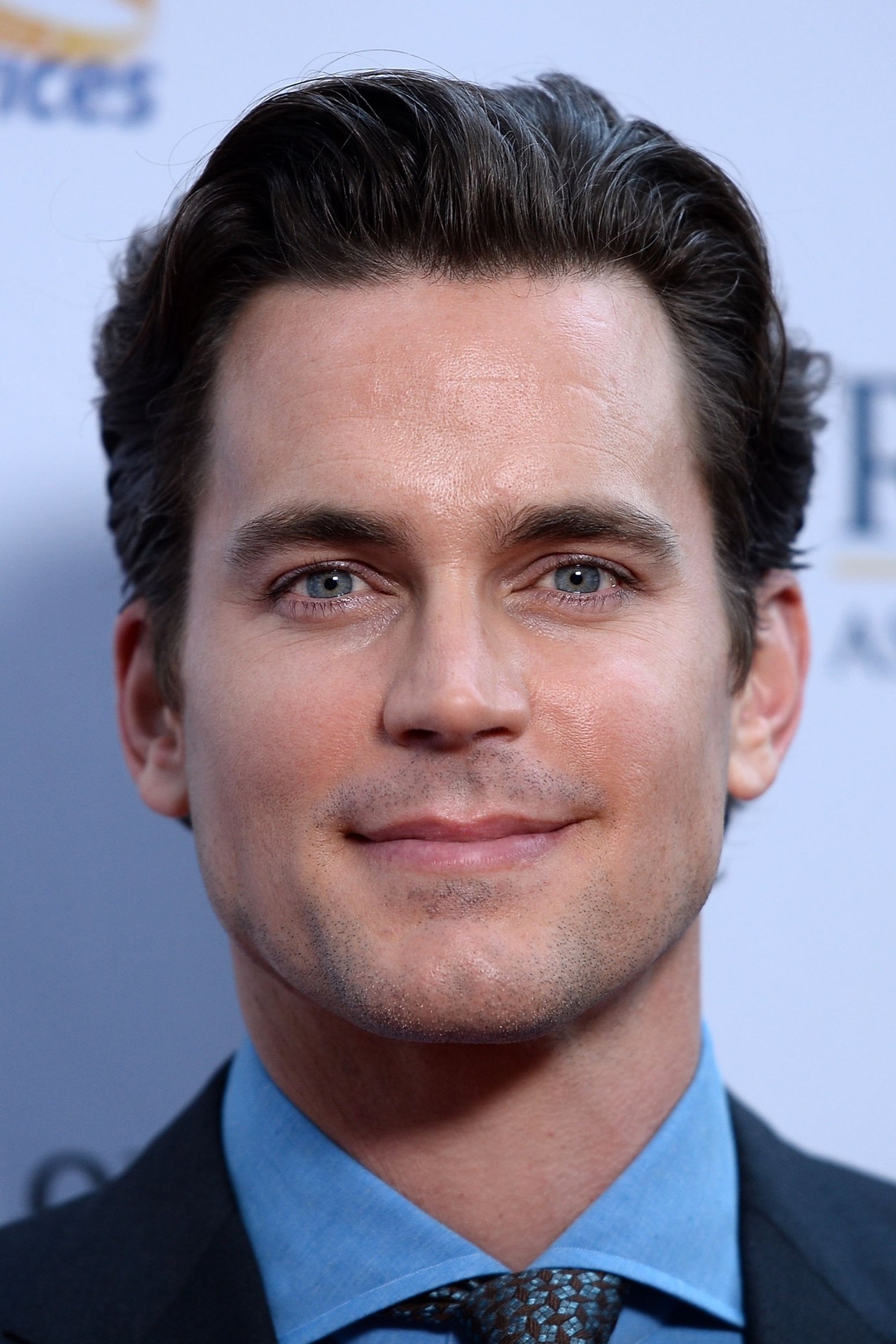
Matt Bomer’s physical appearance has frequently been described by industry professionals as “traditionally perfect” or “classically handsome.” He has mentioned in interviews that this brand sometimes hindered his ability to get “everyman” roles or grittier parts early in his career. Producers often felt his look was too traditional for contemporary, realistic dramas where a more “rugged” or “imperfect” appearance was preferred. Bomer eventually found success by utilizing his classic look in ‘White Collar’ while taking on challenging, non-traditional roles in projects like ‘The Normal Heart’.
James Marsden
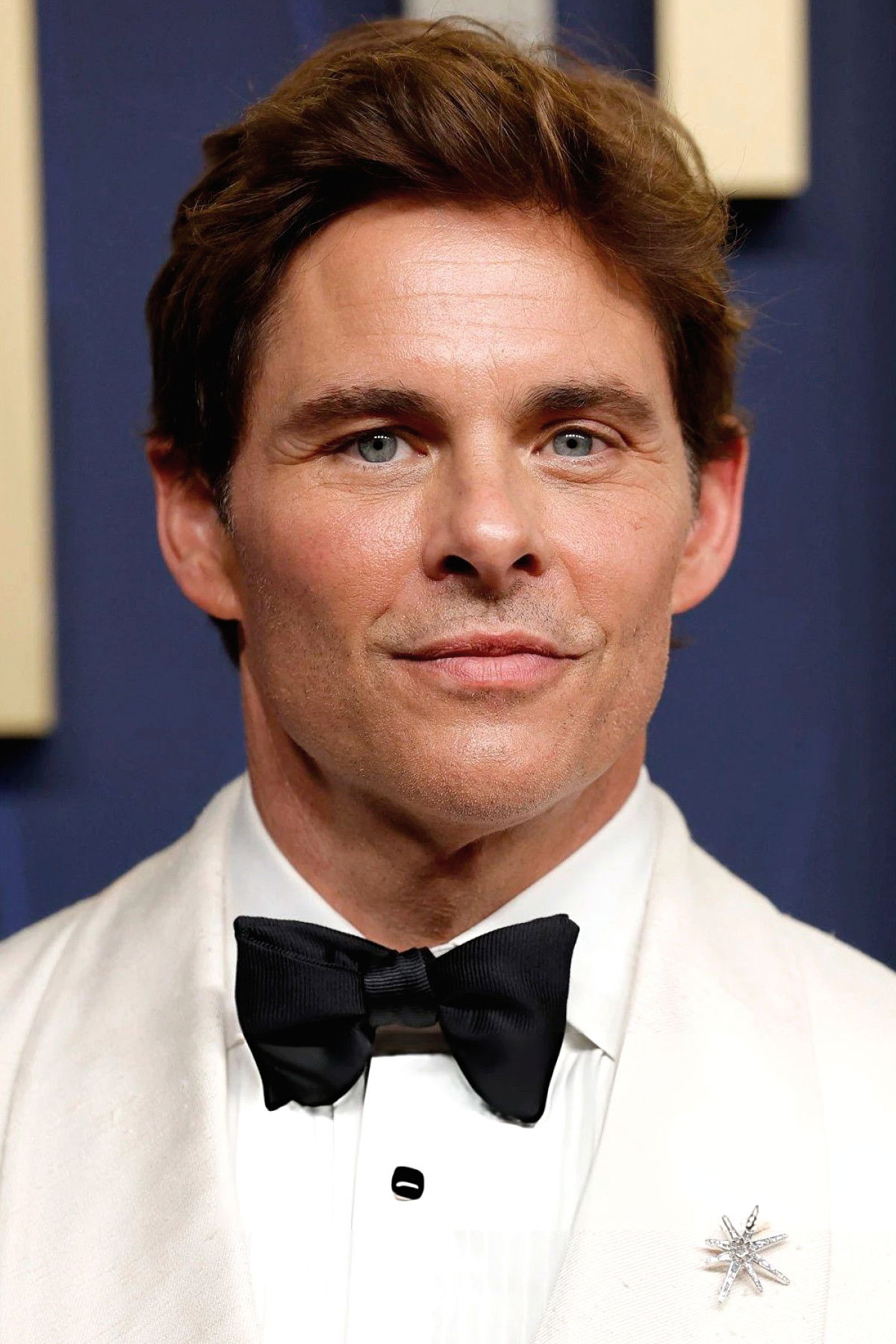
James Marsden spent a large portion of his early career being cast as the “traditional” boyfriend or the “classic” prince, often in a way that saw him losing the girl. Industry insiders viewed his brand as the safe, conventional choice, which sometimes prevented him from landing more complex or edgy leads. He was frequently told his look was too traditional and “Disney-like” for modern audiences seeking anti-heroes. He has since poked fun at this brand in ‘Enchanted’ and taken on more varied roles to diversify his professional image.
Christopher Reeve
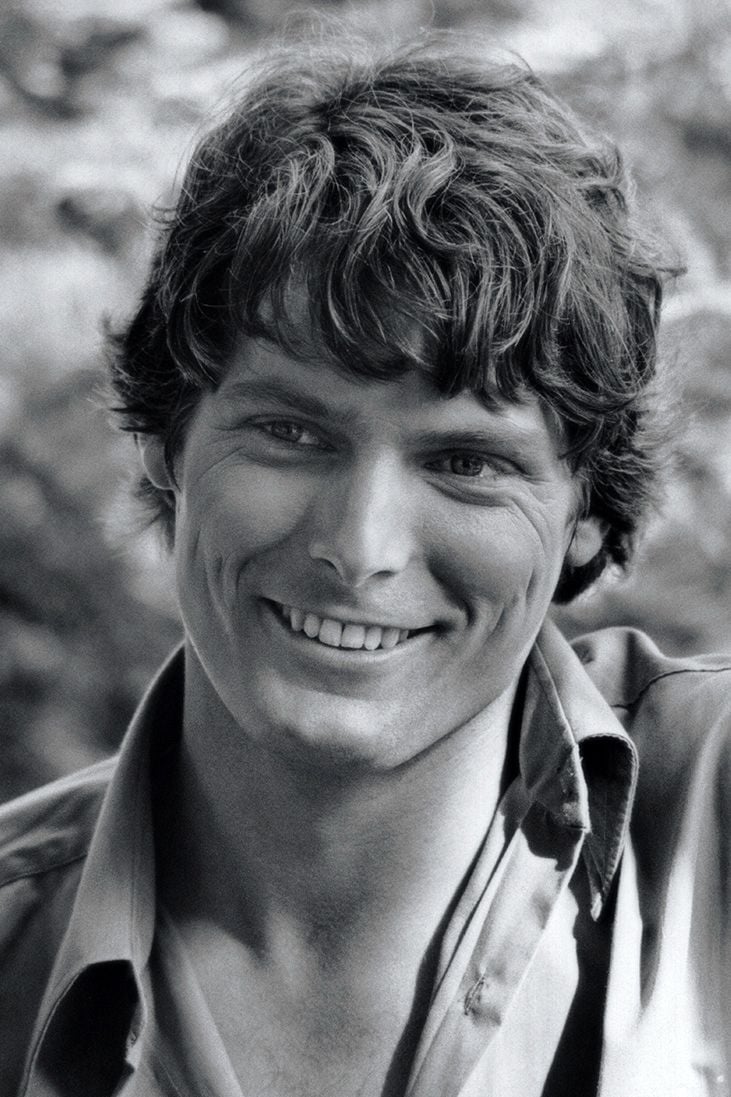
When Christopher Reeve was cast in ‘Superman’, he was the embodiment of the traditional hero, but he later faced challenges with that very brand. After the success of the film, he found it difficult to convince producers he could play anything other than a conventional, virtuous lead. He was often told his personal brand was too synonymous with traditional morality and strength. He spent much of his career seeking out darker, more complex roles in theater and film to prove his range beyond his traditional superhero persona.
Brendan Fraser
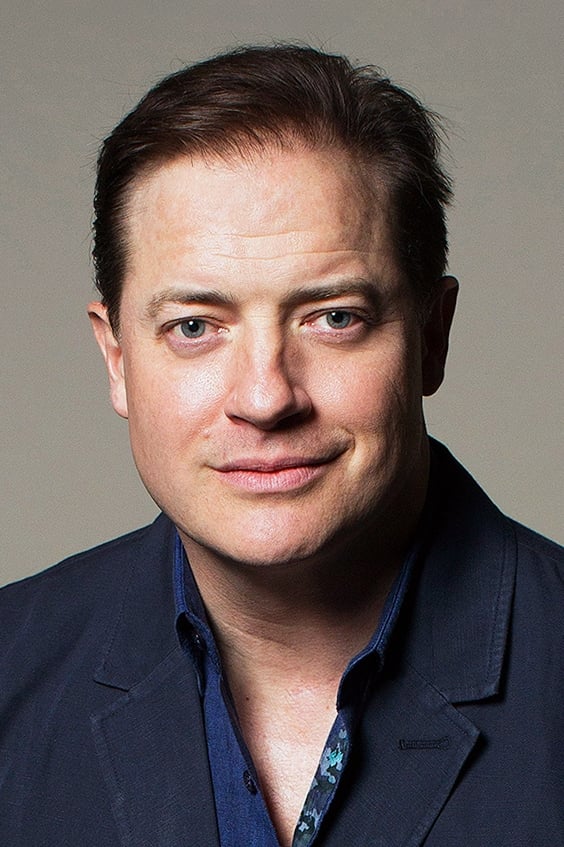
In the 1990s, Brendan Fraser was the go-to actor for the “traditional action hero” with a comedic twist. However, as the industry shifted toward more cynical and dark protagonists in the 2000s, his earnest, traditional brand began to fall out of favor. He was often told that his “wholesome” image was no longer what modern audiences wanted in an leading man. His recent career resurgence, often called the “Brenaissance,” saw him finally being celebrated for the depth and vulnerability that lay beneath his traditional leading man exterior.
Please share your thoughts on which of these celebrities successfully transformed their traditional image in the comments.