


Celebrities Who Were Universally Canceled for Running Scams on Their Own Fans



The rise of celebrity-driven marketing and digital assets has created a unique environment where public figures can directly influence the financial decisions of their followers. From failed luxury festivals to fraudulent cryptocurrency ventures, many stars have leveraged their platforms to promote projects that ultimately left their audiences with significant losses. While some celebrities faced heavy fines from regulatory bodies, others experienced permanent damage to their reputations and careers. This phenomenon highlights the evolving nature of celebrity accountability in an era where fan trust is often treated as a liquid asset.
Ja Rule
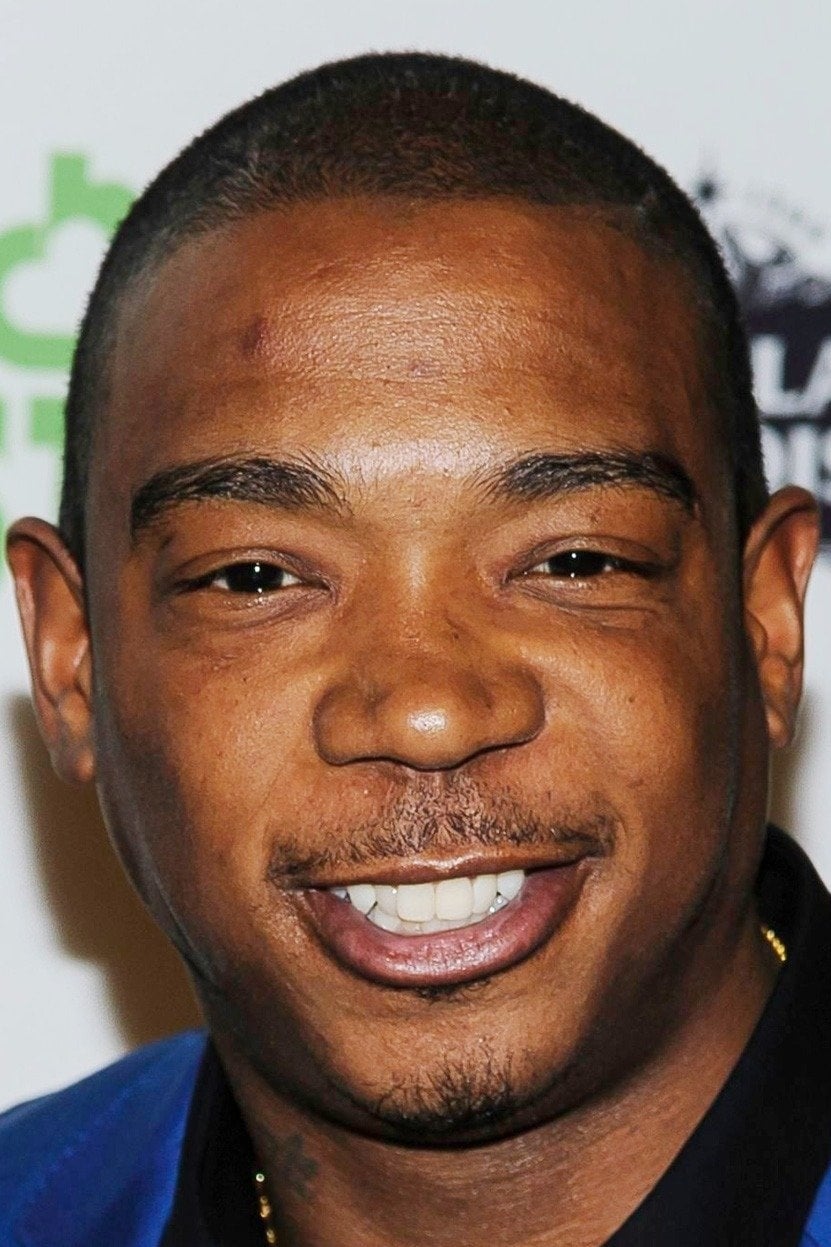
As a co-founder of the ‘Fyre Festival’, Ja Rule faced immense public backlash for his role in promoting the fraudulent event to his music fans. He appeared in promotional videos and social media posts, insisting the festival would be a revolutionary cultural moment. When the event collapsed, he faced numerous lawsuits alongside his partner, though he maintained he was also a victim of the mismanagement. Despite his claims of innocence, his reputation was severely tarnished by the sight of fans stranded in a makeshift campsite. The rapper eventually faced legal battles that lasted for years following the festival’s ultimate failure.
Tana Mongeau
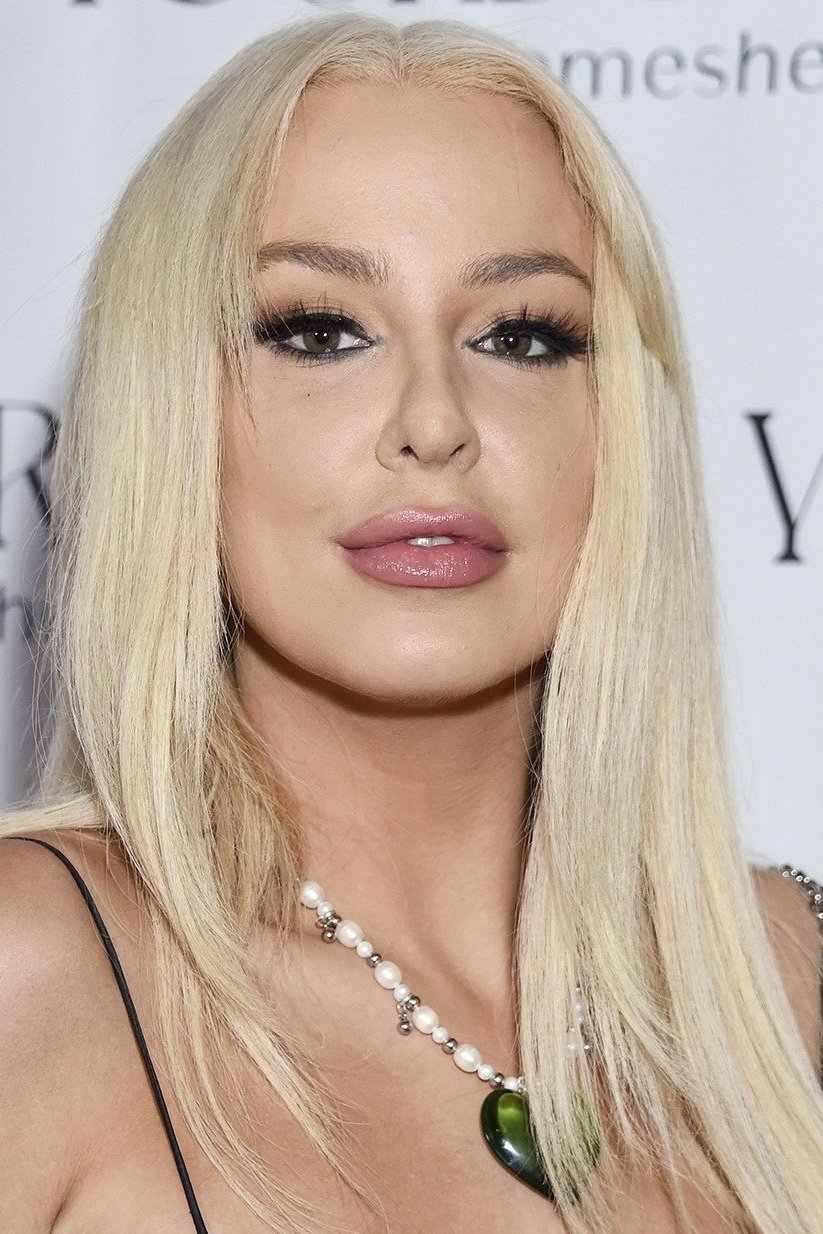
YouTube star Tana Mongeau attempted to launch her own convention titled ‘TanaCon’ as a direct competitor to the established VidCon. Fans paid for high-tier tickets that promised meet-and-greets and exclusive access, but the venue was significantly undersized for the number of tickets sold. Thousands of people were left standing in the sun for hours without water, leading to heatstroke and general safety concerns. The event was shut down by the fire marshal on its first day, resulting in a public apology video from the creator. Many fans expressed feelings of betrayal after being promised a premium experience that was never physically possible.
Logan Paul
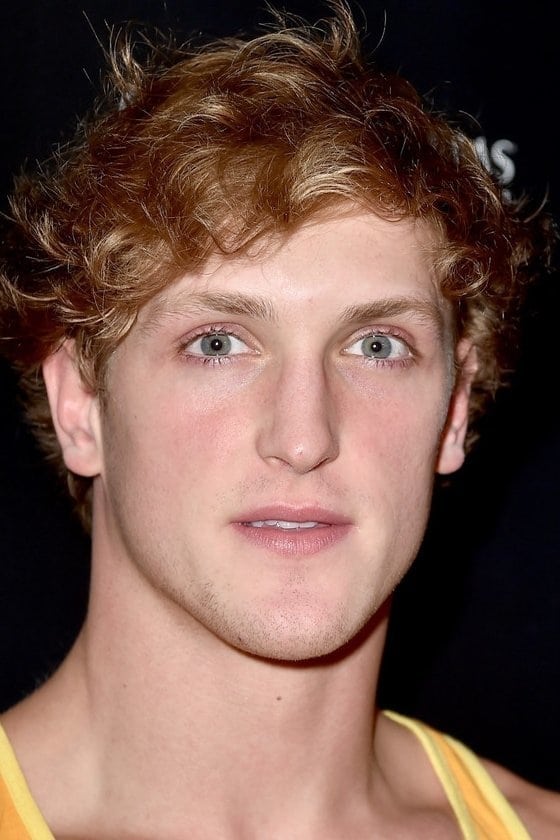
Logan Paul faced intense scrutiny for his involvement in the cryptocurrency project ‘CryptoZoo’, which was marketed as a play-to-earn game. He encouraged his massive young audience to invest in digital eggs that would hatch into valuable NFT animals. However, the game remained largely unplayable and features promised during the promotion phase never materialized for the investors. Following a multi-part investigative series by other creators, Paul eventually announced a refund plan for disappointed fans. This controversy remains one of the most cited examples of influencer-led digital asset failures in recent history.
Kim Kardashian
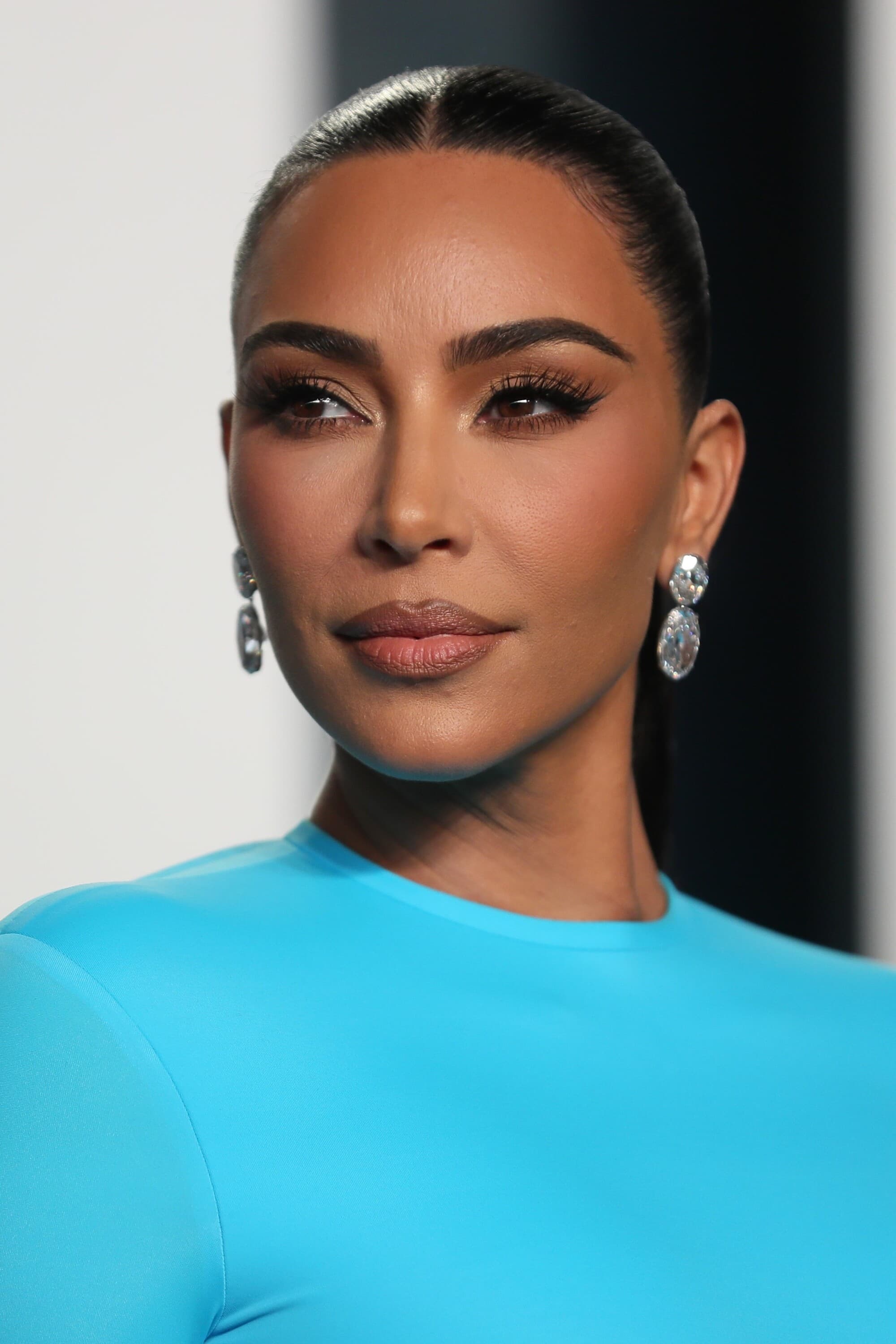
Kim Kardashian was fined $1.26 million by the SEC for her role in promoting ‘EthereumMax’ on her Instagram account. She failed to disclose that she was paid $250,000 to post about the crypto asset, which is a violation of federal securities laws. Many of her followers invested in the token based on her endorsement, only to see its value drop by over 90 percent. The settlement included an agreement that she would not promote any crypto assets for a period of three years. This case served as a landmark warning to other celebrities about the legal requirements for financial endorsements.
Soulja Boy
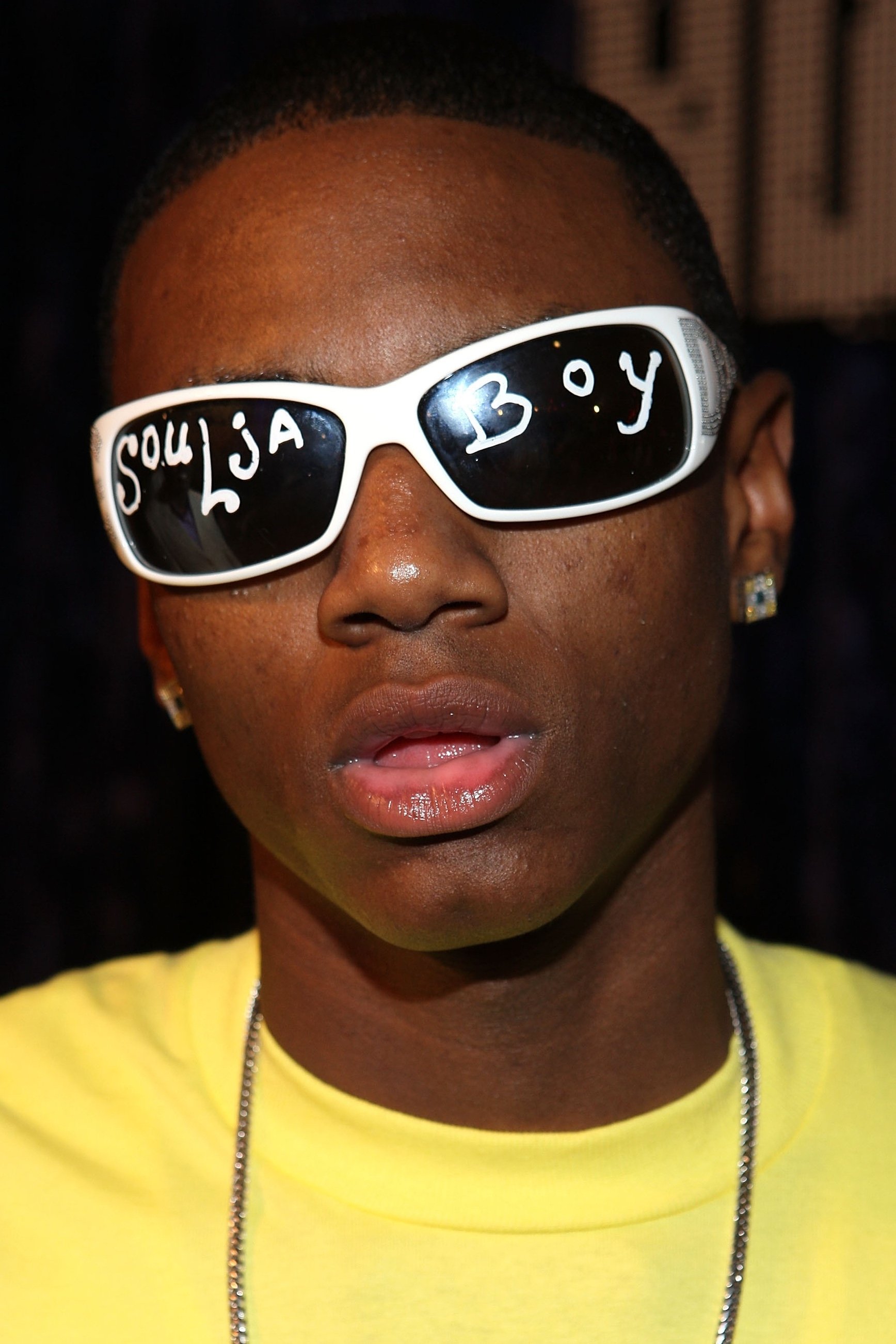
Rapper Soulja Boy attempted to enter the tech industry by selling a series of “SouljaGame” consoles to his fans. These devices were quickly identified as cheap, rebranded emulators that were being sold at a massive markup from their original price on overseas websites. He faced potential legal action from major gaming companies like Nintendo over the inclusion of copyrighted games on the systems. After a brief period of defiant marketing, the consoles were pulled from his website entirely. Fans who purchased the systems reported issues with quality and software that did not match the initial advertisements.
DJ Khaled
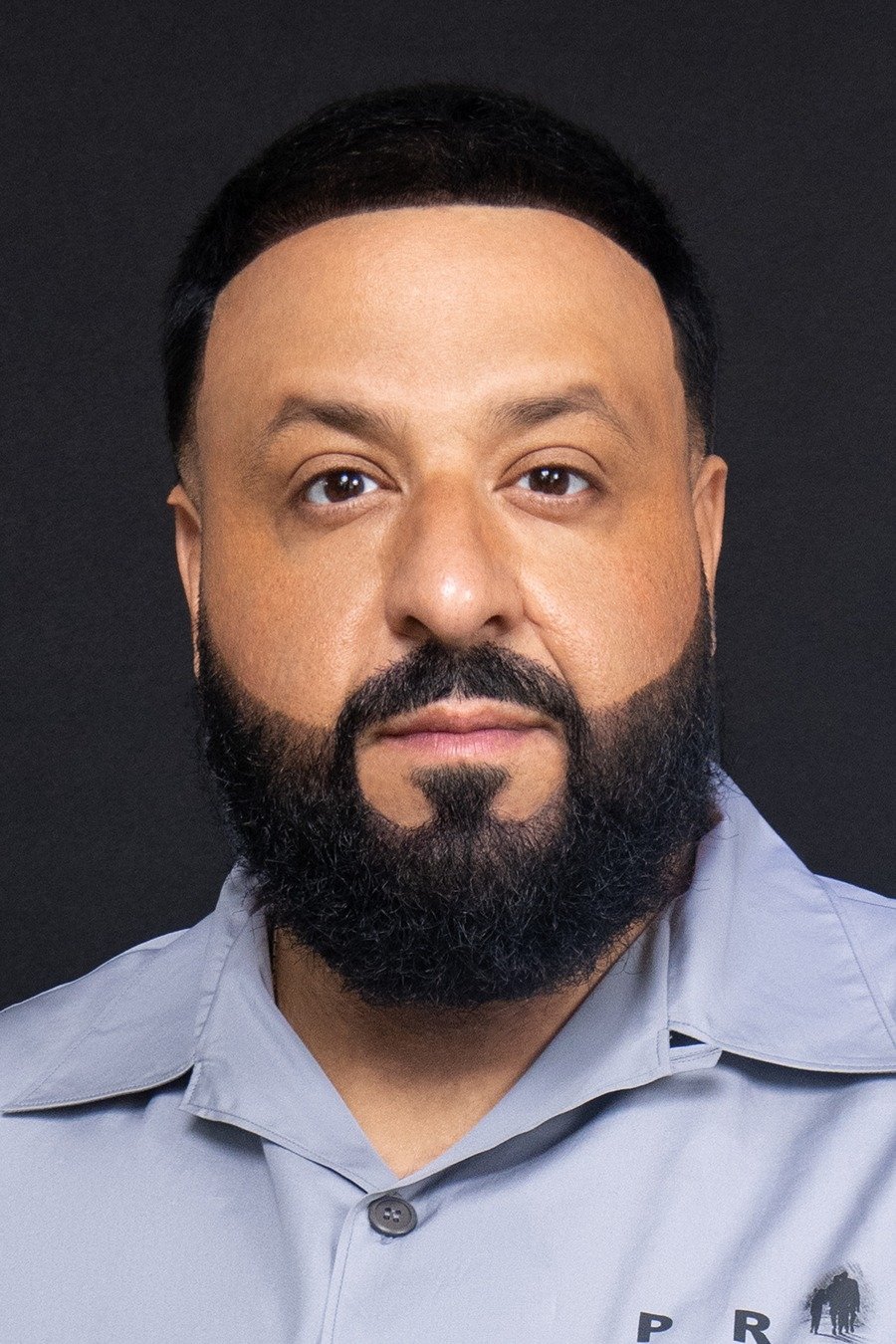
DJ Khaled was another high-profile figure caught up in the ‘Centra Tech’ ICO scandal alongside other celebrities. He promoted the fraudulent crypto project to his fans on social media without disclosing that he was a paid spokesperson. The founders of the project were later arrested and charged with orchestrating a massive fraud scheme that deceived investors. Khaled agreed to pay a substantial fine to the SEC and was barred from promoting securities for two years. His involvement demonstrated how easily major stars could lend unearned legitimacy to predatory financial schemes.
Steven Seagal
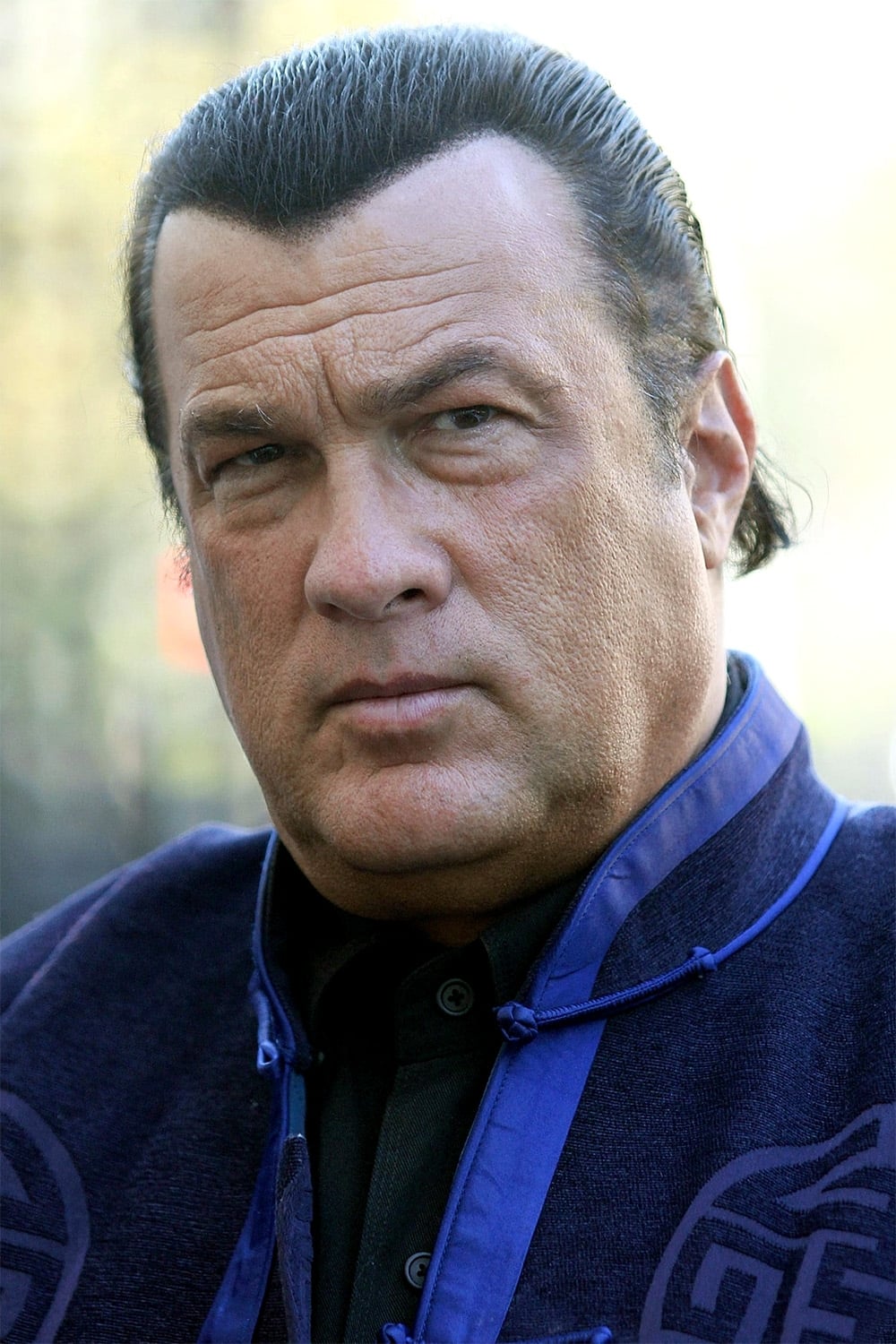
Actor Steven Seagal was charged by federal regulators for failing to disclose that he was promised $1 million in cash and tokens to promote ‘Bitcoiin2Gen’. He served as the brand ambassador for the cryptocurrency, encouraging his fans to invest in what he claimed was a superior digital asset. The project eventually collapsed, and Seagal was forced to pay over $300,000 in penalties and interest. He was also issued a ban from promoting any securities or digital assets for several years. This incident added to the actor’s string of controversies and highlighted the risks of celebrity-led investment schemes.
T.I.
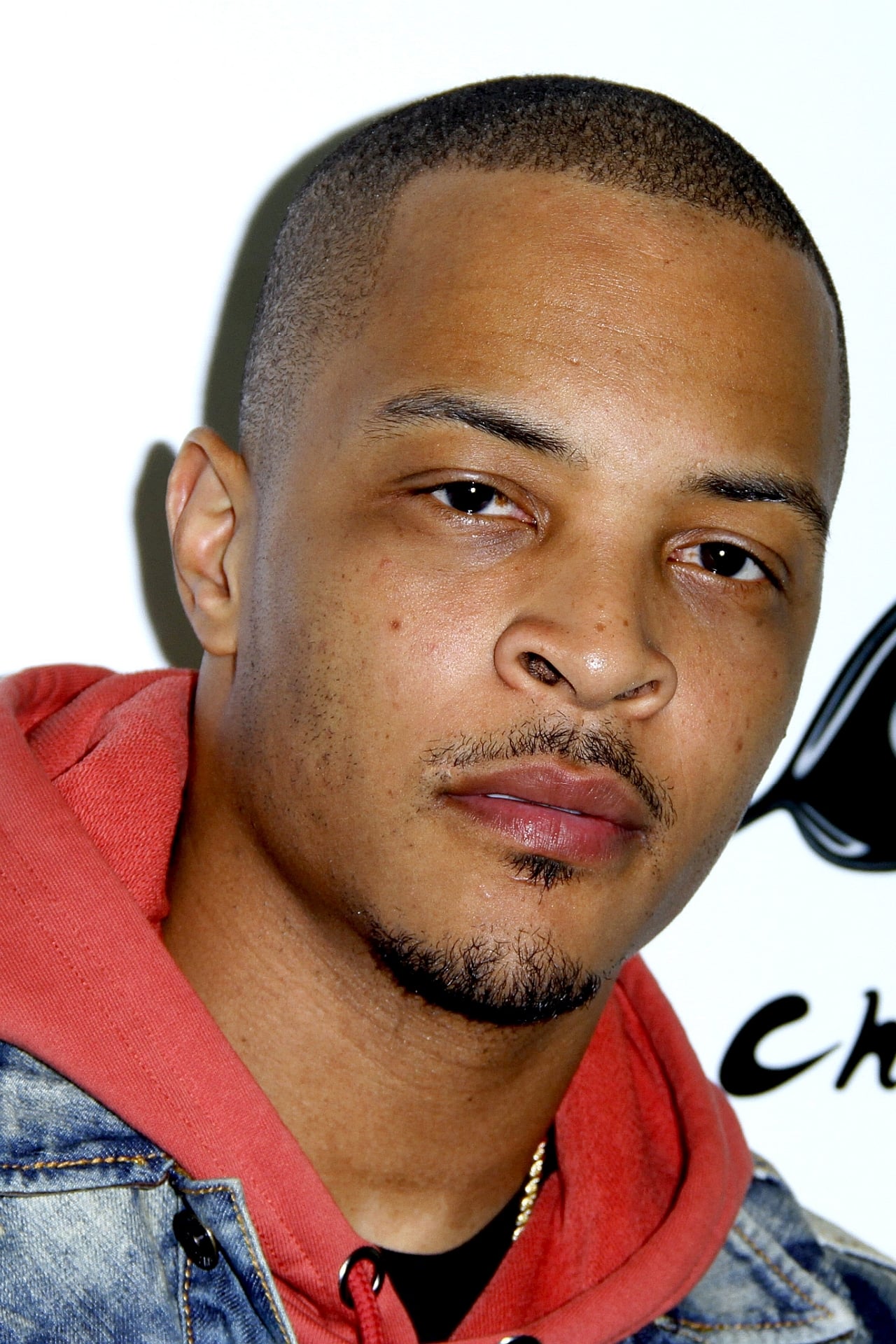
Rapper T.I. was charged by the SEC for his role in promoting a fraudulent cryptocurrency known as ‘FLiK’. He utilized his social media presence to encourage fans to buy into the ICO, claiming it was a revolutionary platform for the entertainment industry. The project turned out to be a deceptive venture that misled investors about its business prospects and leadership. T.I. eventually reached a settlement with the SEC that included a five-year ban from participating in similar offerings. Many fans who invested based on his endorsement felt betrayed by the lack of transparency.
Akon
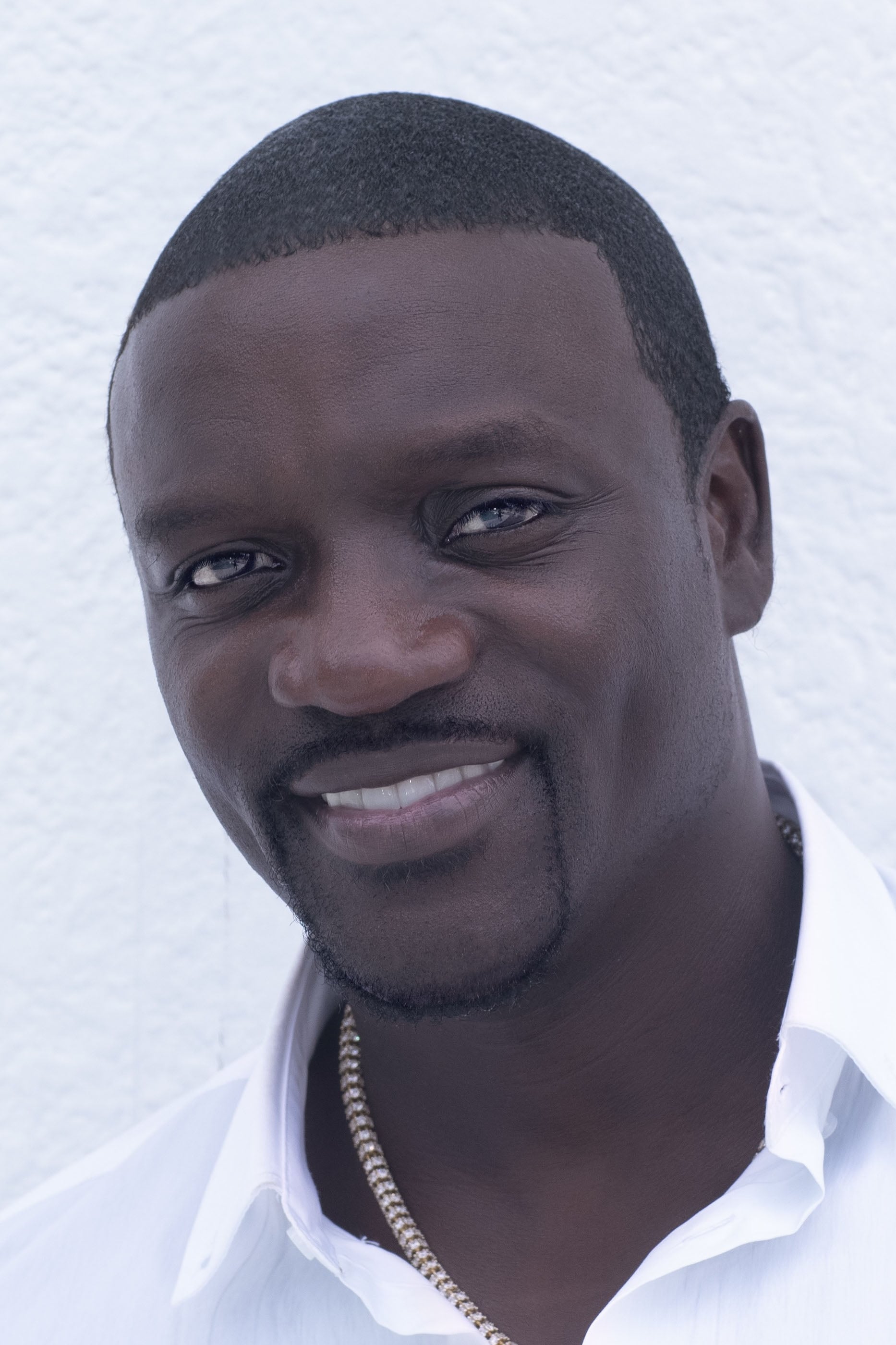
Akon faced heavy criticism and accusations of running a “ponzi scheme” regarding his ambitious project, ‘Akoin’. He promoted the digital currency as the central economic engine for his proposed “Akon City” in Senegal. While he marketed the project as a humanitarian effort to empower African citizens, very little progress has been made on the actual city infrastructure. Investors and fans expressed concern when the token’s value remained volatile and the promised utility never materialized. Critics have pointed out that the project largely benefited Akon’s personal brand while failing to deliver on its grand promises.
Lindsay Lohan
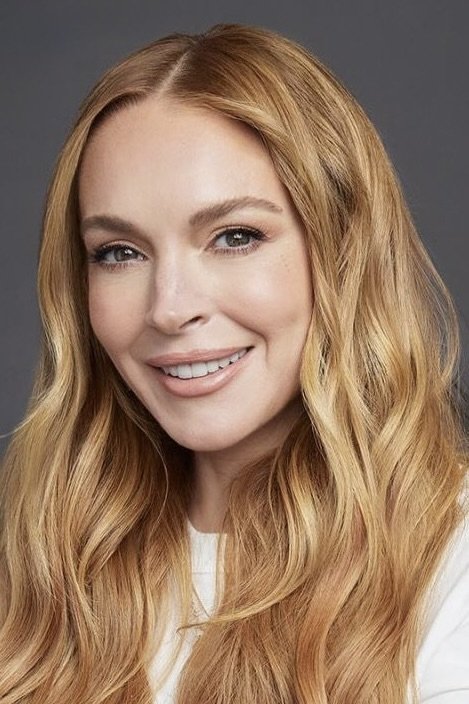
Lindsay Lohan was among a group of celebrities charged by the SEC for illegally touting ‘Tron’ and ‘BitTorrent’ crypto assets. She promoted the tokens to her followers without disclosing that she had received payment for the advertisements. The SEC emphasized that these actions misled investors into thinking the endorsements were unbiased and based on personal belief in the technology. Lohan settled the charges by paying a fine and agreeing to cease such promotions. The incident was part of a larger crackdown on influencers who utilized their fame to pump digital assets.
Caroline Calloway

Influencer Caroline Calloway faced a massive backlash after selling tickets for a series of “creativity workshops” that failed to deliver. Fans paid $165 to attend events that promised flowers, personalized letters, and vegan meals provided by Calloway herself. The tour was quickly described as a disaster, with many events being canceled or moved to locations that lacked the promised amenities. Calloway was accused of exploiting her fanbase for quick cash without having the logistics in place to support the events. The controversy turned her into a symbol of the “scammer” archetype within influencer culture.
Ne-Yo
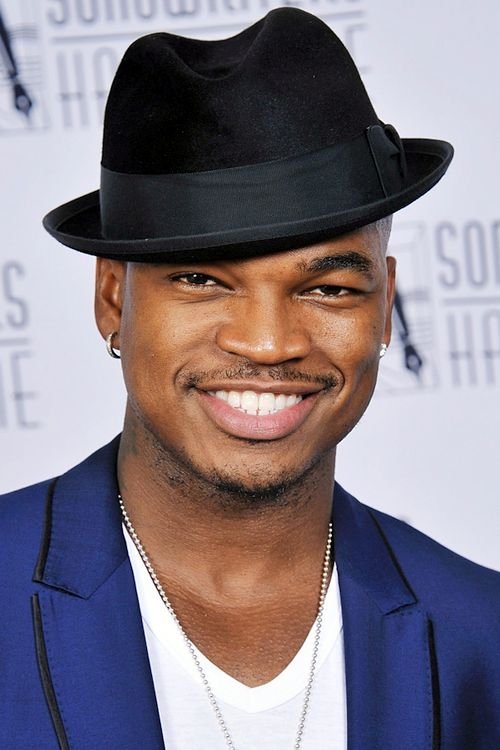
Singer Ne-Yo was cited by the SEC for his involvement in promoting ‘EthereumMax’ to his audience. Like other celebrities involved in the project, he failed to disclose the financial compensation he received for his social media posts. The promotion led fans to invest in a token that was later scrutinized for its lack of utility and suspicious price movements. Ne-Yo eventually settled with regulators, paying a fine for the non-disclosure. The incident served as another example of the music industry’s problematic ties to unregistered securities promotions.
Austin McBroom
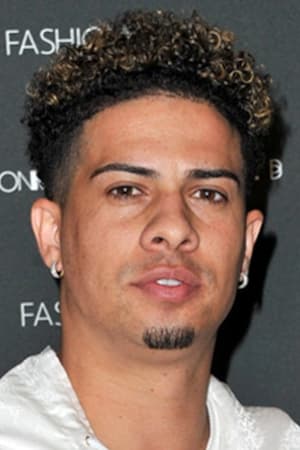
Austin McBroom, of the Ace Family, faced accusations of scamming fans during the ‘Ace Fest’ event. Attendees complained that the high ticket prices did not match the actual experience, which many described as a glorified carnival with long lines and few attractions. Additionally, McBroom was involved in a “Social Gloves” boxing event where several fighters claimed they were not paid as promised. Fans and participants alike voiced their frustration over the lack of transparency regarding the event’s finances. These controversies led to a significant loss of trust in the family’s brand and business ventures.
Jake Paul
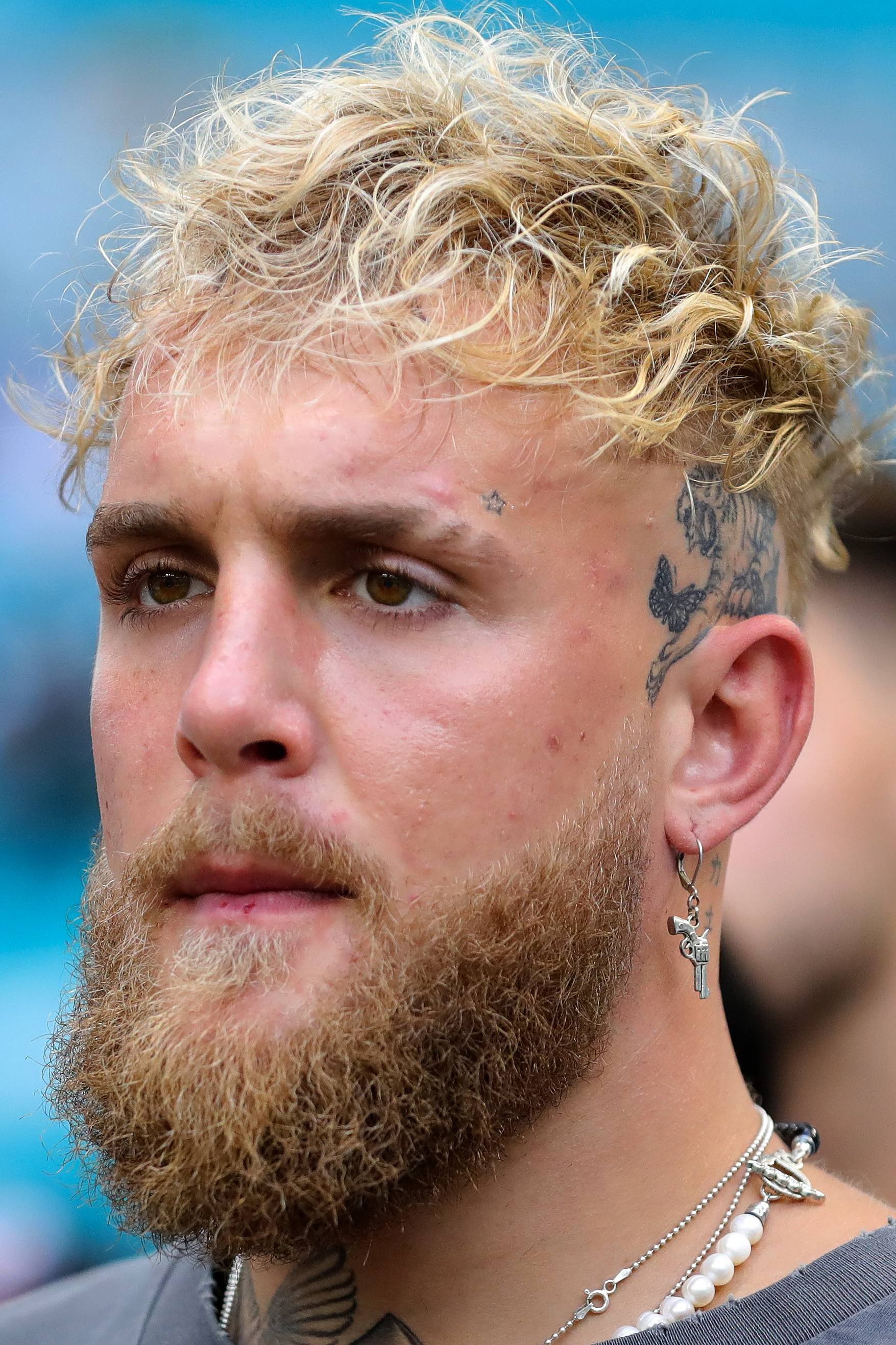
Jake Paul has been linked to several controversial promotions, including the ‘Safemoon’ cryptocurrency and various mystery box websites. He was named in a class-action lawsuit alleging that he and other influencers participated in a pump-and-dump scheme regarding the ‘Safemoon’ token. His promotion of the site ‘MysteryBrand’ also drew fire, as critics argued it was a scam that misled fans about the odds of winning luxury items. Despite the backlash, Paul has continued to pivot between different business ventures, often facing new allegations of deceptive marketing. His history with these projects has made him a frequent target for investigative journalists.
Paris Hilton
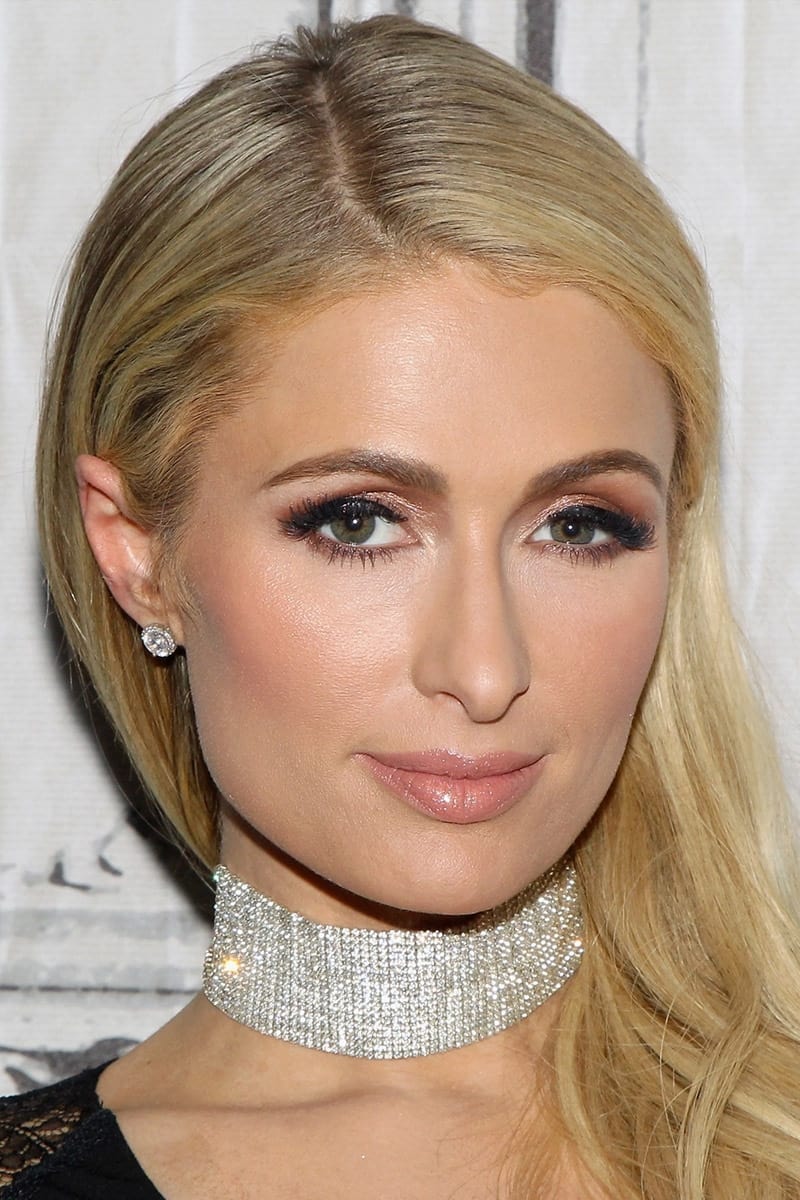
Paris Hilton was one of the early celebrities to face scrutiny for promoting an Initial Coin Offering called ‘LydianCoin’. The project’s founder was facing legal issues at the time, which led critics to warn Hilton’s fans about the risks of the investment. While she eventually deleted her promotional posts, the incident highlighted her willingness to attach her name to unvetted financial projects. She later became a vocal proponent of NFTs, though her past involvement with ‘LydianCoin’ remained a point of contention for skeptics. Her influence helped bring crypto schemes to a more mainstream, fashion-focused audience.
Tyga
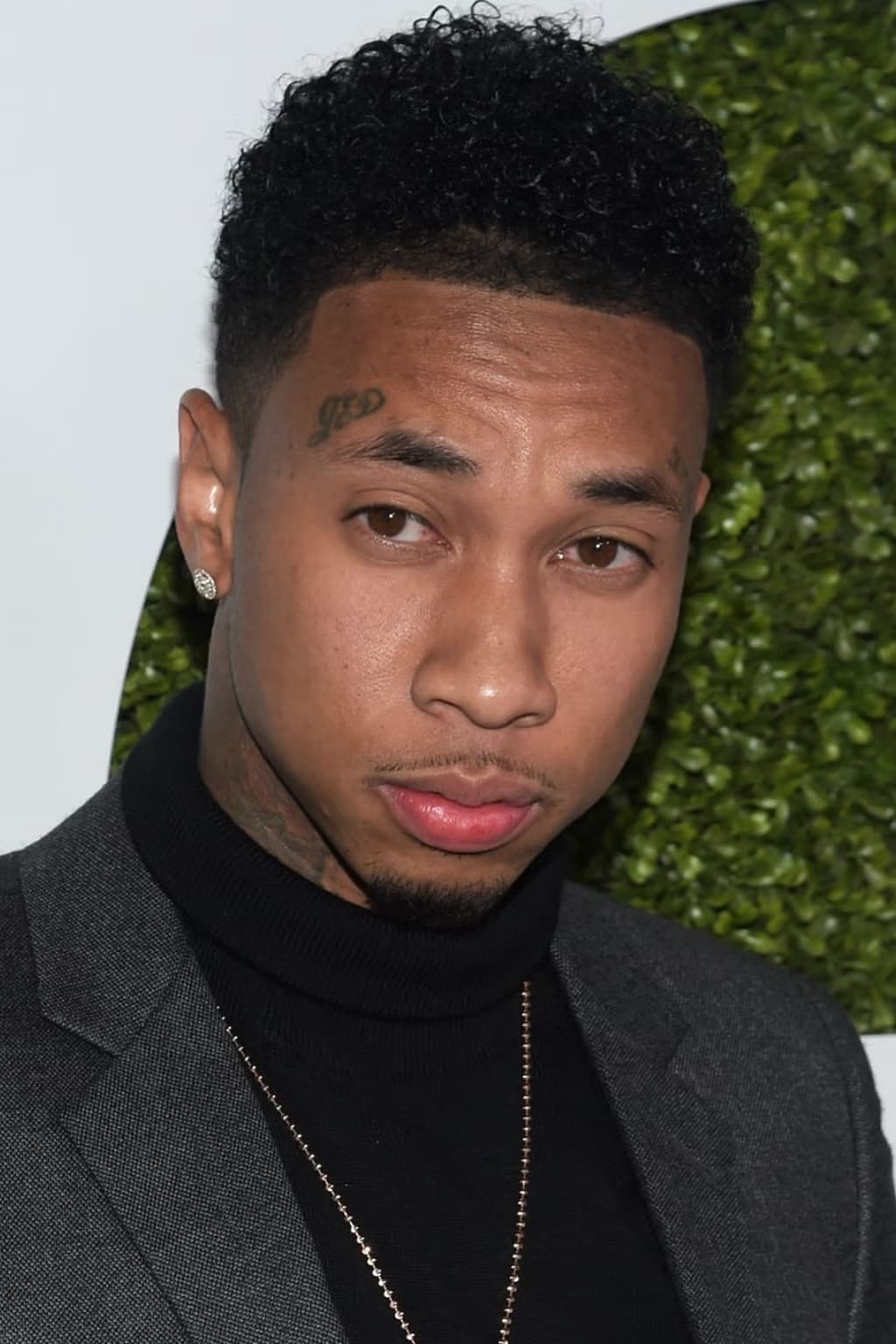
Rapper Tyga has faced numerous allegations regarding his promotion of various NFT and cryptocurrency projects that failed to deliver. He was involved in the promotion of ‘EthereumMax’ alongside other high-profile figures, contributing to the hype that eventually left fans with losses. Critics have pointed out that he frequently promotes digital assets without providing clear disclosures or long-term support for the projects. These actions have led to a reputation for engaging in “cash grab” promotions that exploit his fanbase’s interest in emerging tech. His involvement in these schemes has been frequently cited in legal discussions surrounding influencer liability.
Larry David
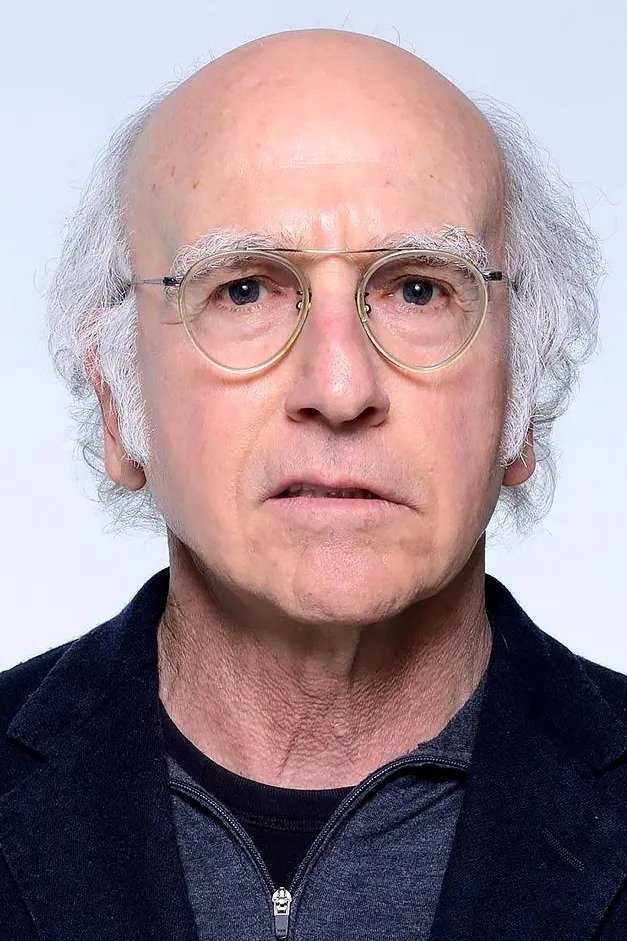
Larry David appeared in a high-budget Super Bowl commercial for ‘FTX’, which ironically told viewers not to “miss out” on crypto. Following the exchange’s collapse, David was named in a massive class-action lawsuit filed by investors who lost money on the platform. The lawsuit argued that the celebrity endorsements gave ‘FTX’ a veneer of safety and legitimacy that it did not deserve. While David has expressed regret over his participation in the ad, fans who lost their savings remained critical of his role in the marketing campaign. This incident serves as a cautionary tale for celebrities who endorse complex financial products they may not fully understand.
Tom Brady
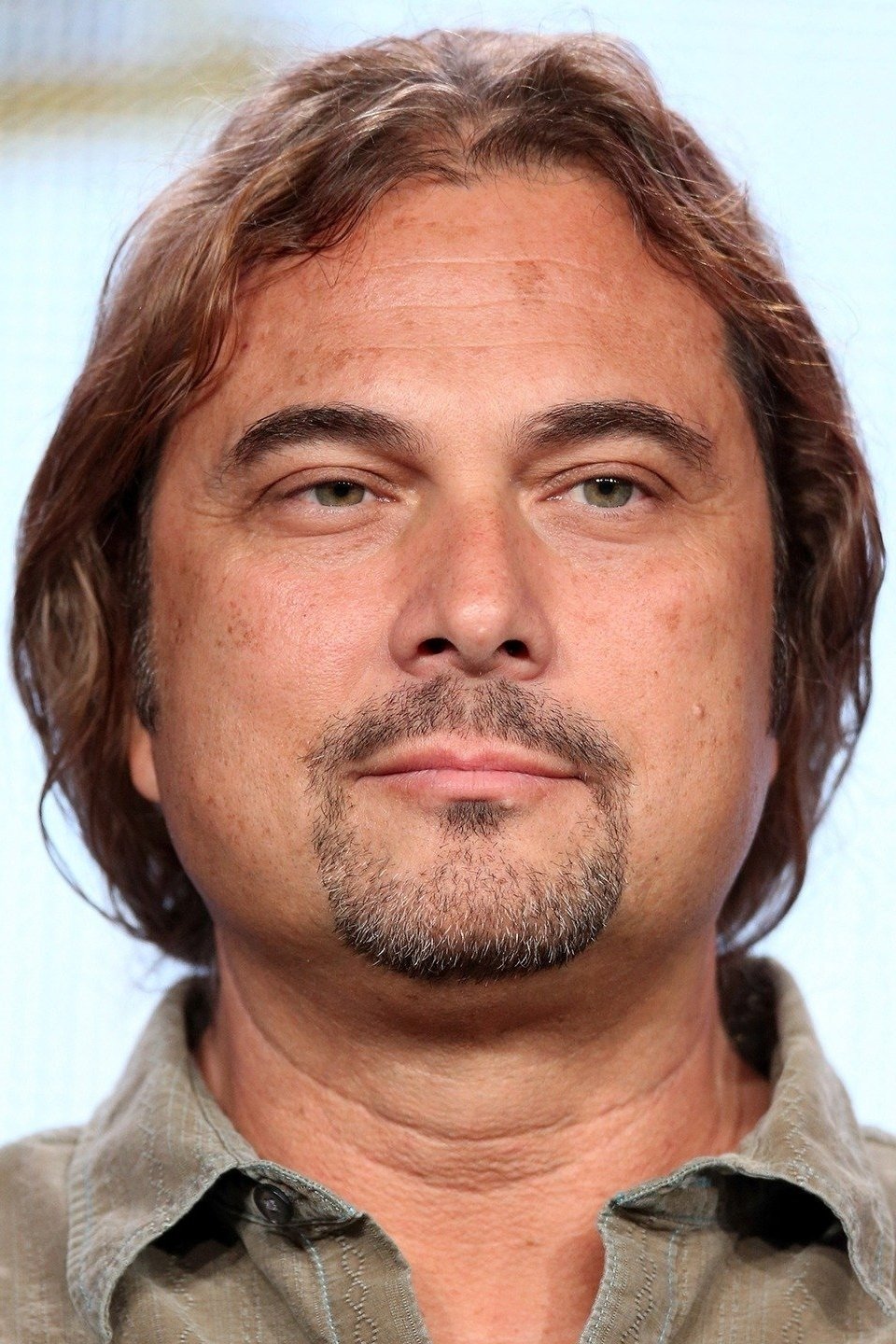
Tom Brady served as a global brand ambassador for ‘FTX’ and even took an equity stake in the company. He appeared in numerous advertisements alongside his then-wife, encouraging fans to use the exchange for their digital asset trading. When ‘FTX’ filed for bankruptcy and the fraudulent nature of the business was revealed, Brady’s reputation took a significant hit. He was named as a defendant in legal actions brought by disgruntled investors who felt his endorsement was misleading. The collapse of the exchange resulted in a total loss of the equity he had been granted as payment.
Madonna
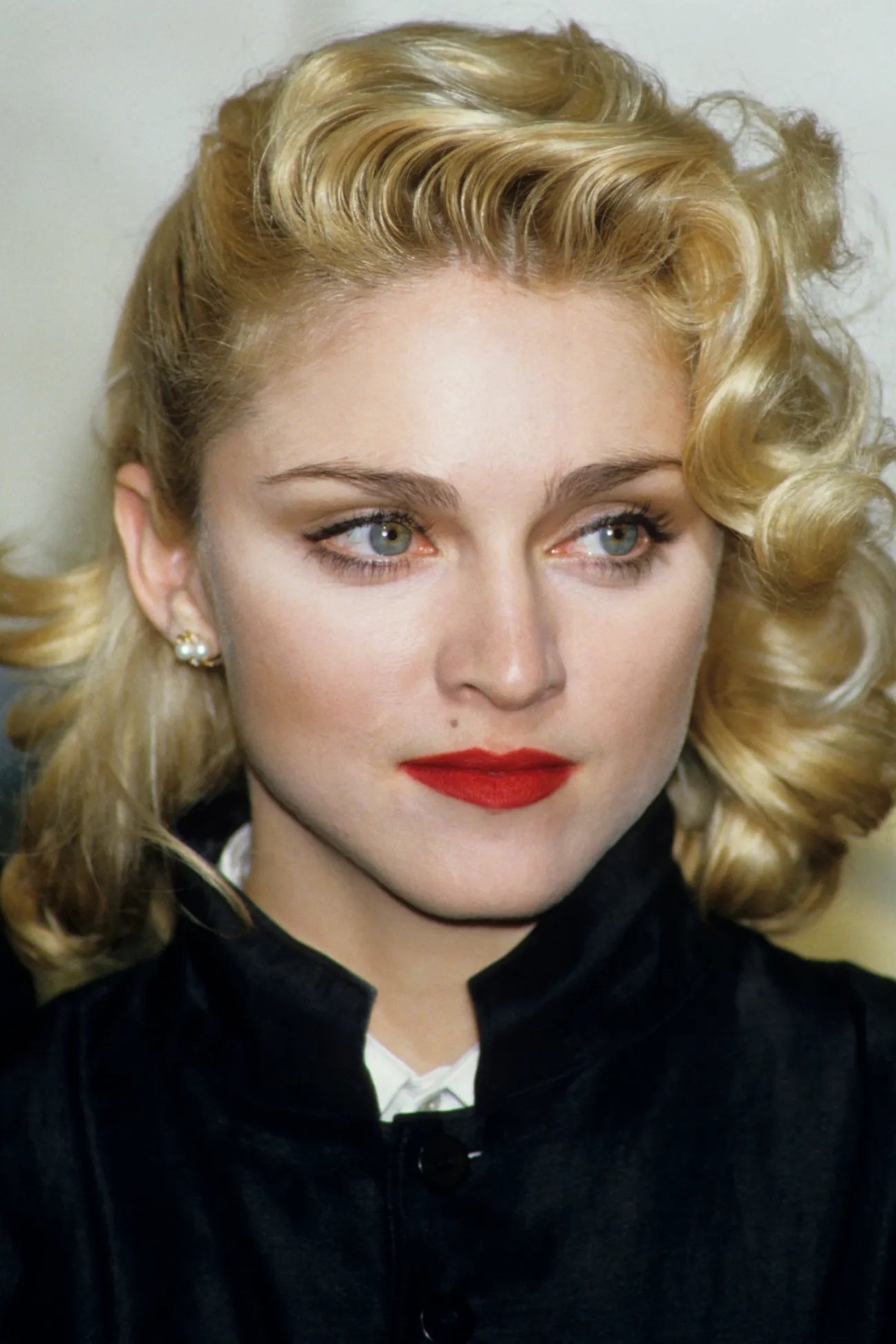
Madonna was named in a class-action lawsuit regarding the deceptive promotion of ‘Bored Ape Yacht Club’ NFTs. The lawsuit alleged that she and other celebrities were involved in a coordinated scheme to artificially inflate the value of the digital assets. Fans who bought into the hype at peak prices saw the value of their investments crater shortly after. It was alleged that the celebrities were given the NFTs for free or through undisclosed arrangements to create a false sense of demand. This legal battle brought significant attention to the lack of transparency in the high-end NFT market.
Justin Bieber
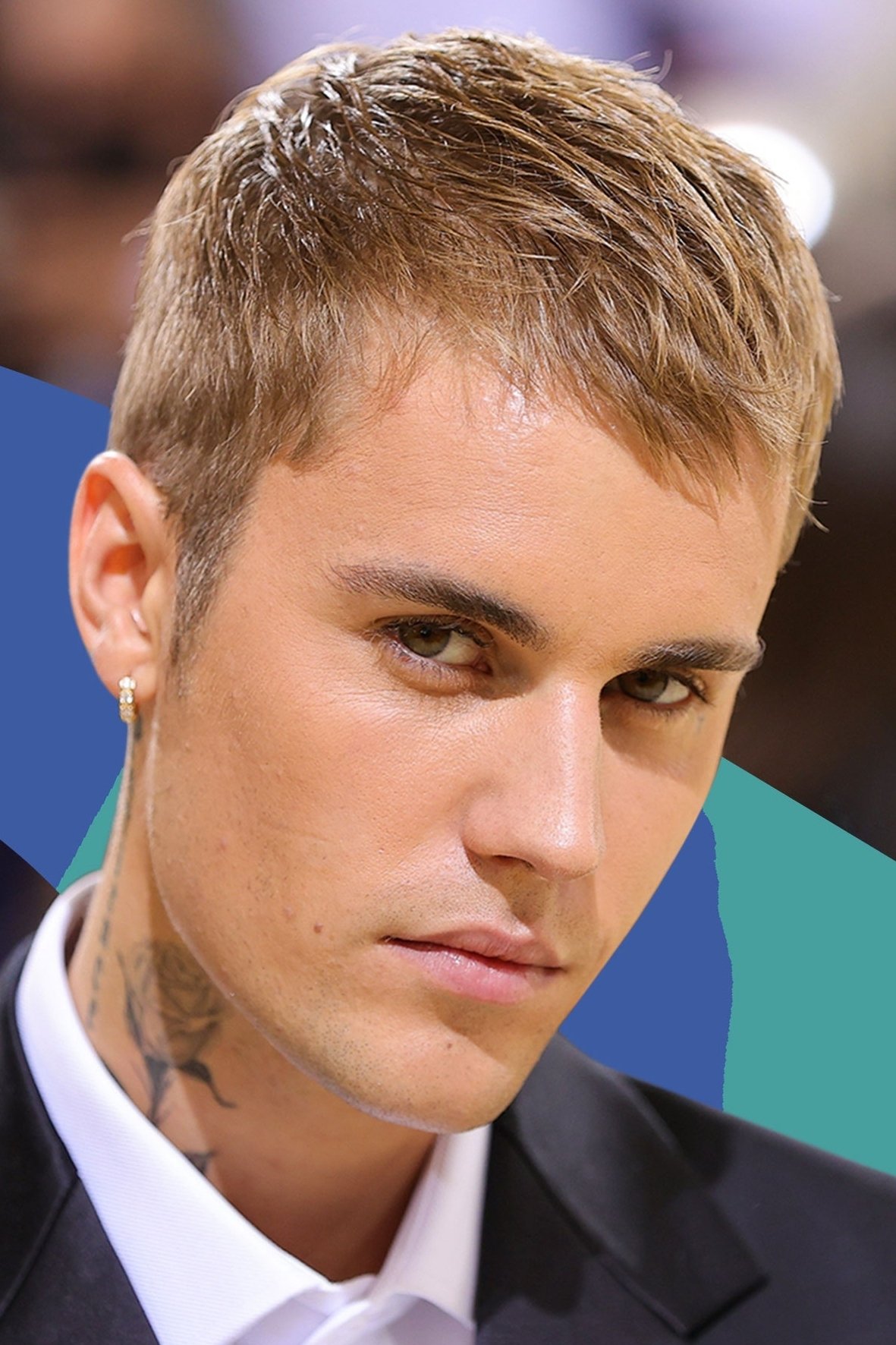
Justin Bieber faced legal challenges for his role in promoting ‘Bored Ape Yacht Club’ NFTs to his millions of followers. Like Madonna, he was accused of participating in a misleading marketing campaign that failed to disclose his actual relationship with the project. He famously purchased an ape for over $1 million, a move that many financial experts called an irrational investment meant to drive up public interest. When the NFT market cooled, the value of the assets promoted by Bieber fell drastically, leaving many fans in financial ruin. The lawsuit against him highlighted the potential for celebrities to manipulate volatile markets.
Gwyneth Paltrow
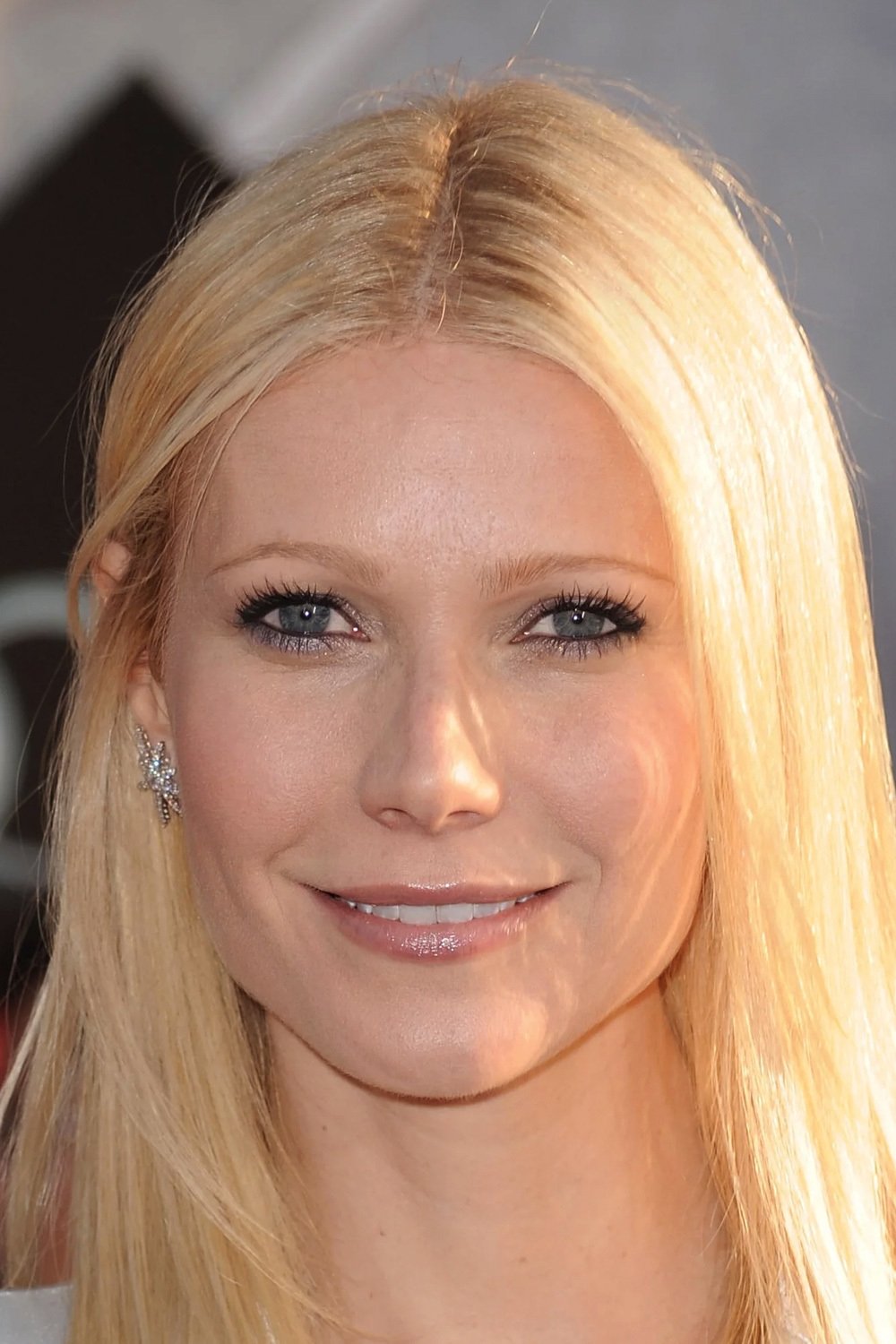
Through her brand ‘Goop’, Gwyneth Paltrow has faced numerous accusations of selling “snake oil” products with deceptive health claims. The company was forced to pay a $145,000 settlement for making unscientific claims about products like the “yoni egg.” Critics argued that Paltrow leveraged her celebrity status to sell overpriced and potentially dangerous items to a vulnerable audience seeking wellness solutions. While she has built a massive business empire, she remains a controversial figure in the health and wellness space. Many former fans have criticized her for prioritizing profit over scientific accuracy.
Stephen Curry
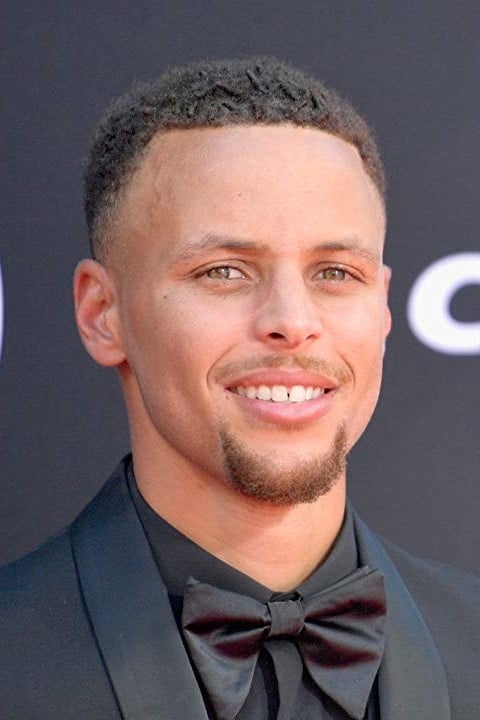
NBA star Stephen Curry was among the celebrities named in the ‘FTX’ class-action lawsuit following the exchange’s downfall. He had a partnership with the company and appeared in marketing materials that promoted the exchange as a safe way to enter the crypto market. When the platform’s fraud was uncovered, Curry’s endorsement was cited as a major factor in convincing retail investors to deposit their funds. Despite his clean-cut image, the association with a multibillion-dollar scam caused a rift with some of his followers. His legal team has worked to distance the athlete from the intentional fraud committed by the company’s executives.
Share which of these celebrity scandals surprised you the most in the comments.