


Celebrities Whose HIV/AIDS Diagnosis Shocked Fans

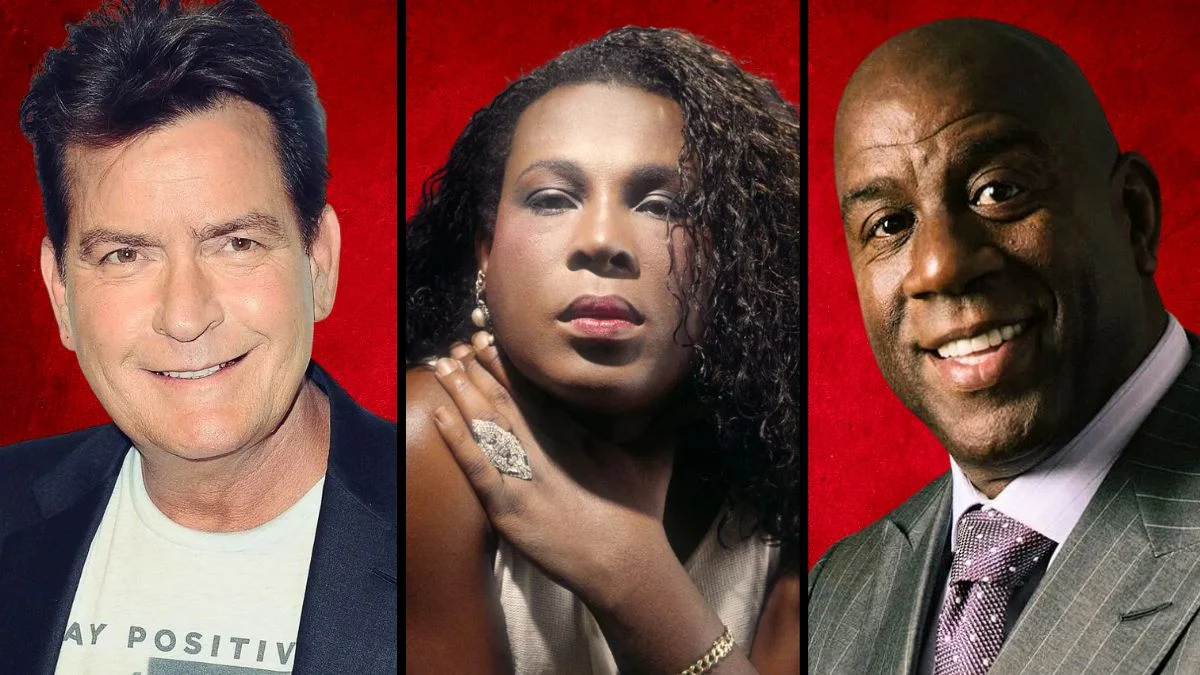


News of a celebrity’s serious health condition can travel fast, but some announcements still stop people in their tracks. When well known stars shared an HIV or AIDS diagnosis, it changed how many fans saw the illness and pushed conversations about testing, treatment, and stigma into the mainstream. These moments were often deeply personal, yet they also carried public impact because of who these people were and how widely their stories were followed.
This list looks at public figures across music, film, television, sports, fashion, and art whose disclosures or AIDS related deaths made headlines and surprised audiences. Each entry highlights verifiable milestones like dates of announcements, major career context, and the actions they took afterward, including advocacy and philanthropy that helped modernize public understanding.
Magic Johnson
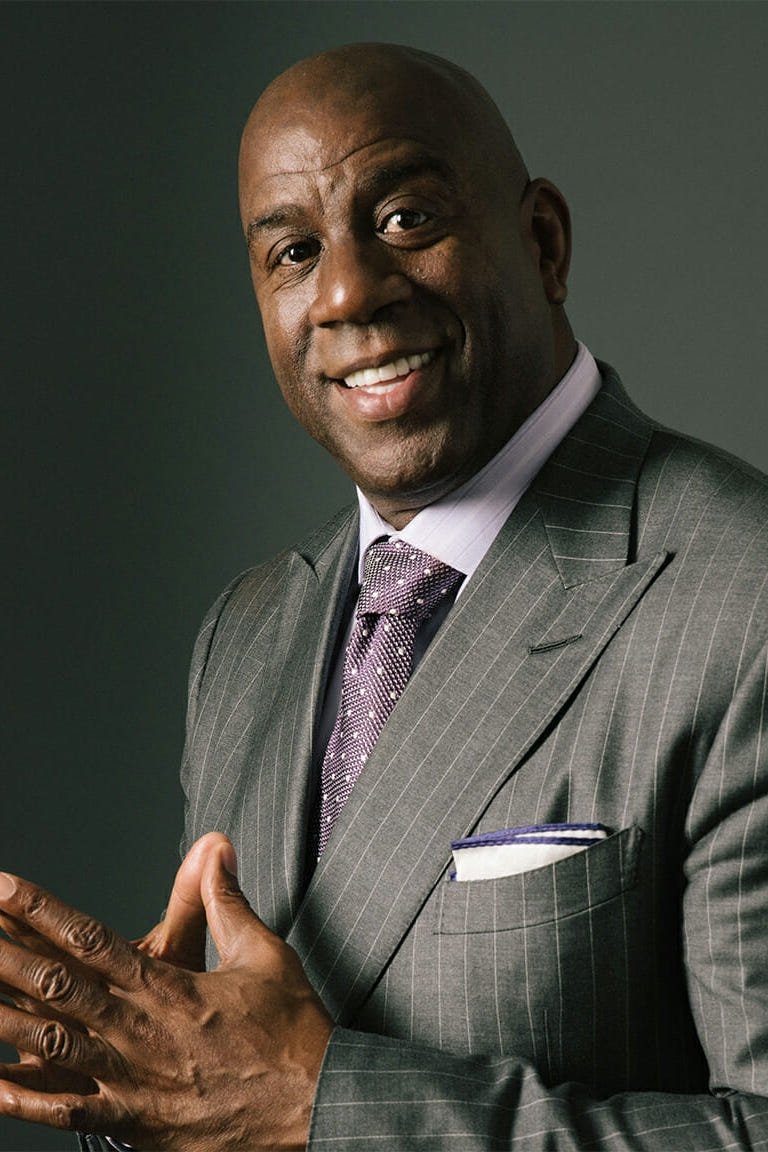
On November 7, 1991, Los Angeles Lakers star Earvin Magic Johnson announced that he was HIV positive and would retire from the NBA. The news arrived when HIV was still widely misunderstood, and his statement urged people to learn about safer sex and testing. Johnson later returned for the 1992 NBA All Star Game and won MVP, then played on the United States Men’s Olympic basketball team known as the Dream Team that summer.
Johnson began antiretroviral therapy as options improved and started the Magic Johnson Foundation to support HIV education and prevention. He went on to build businesses and serve as an advocate for routine testing, often pointing to the effectiveness of modern treatment in helping people live long and active lives.
Freddie Mercury
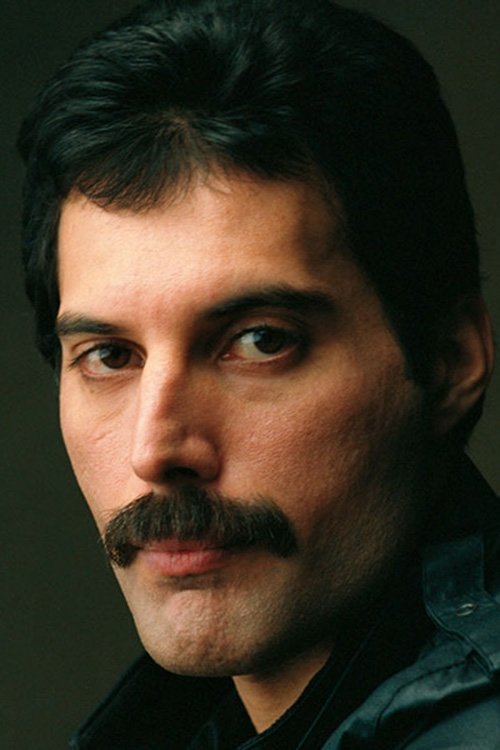
Queen frontman Freddie Mercury confirmed he had AIDS on November 23, 1991, after years of intense speculation about his health. He died the following day in London, and the official cause was bronchial pneumonia resulting from AIDS. The public confirmation and the timing of his death drew global attention to the human toll of the epidemic.
Bandmates and friends organized the Freddie Mercury Tribute Concert for AIDS Awareness in 1992, which raised funds for research and support services. The Mercury Phoenix Trust was created in his memory and has funded projects worldwide focused on prevention and care.
Rock Hudson
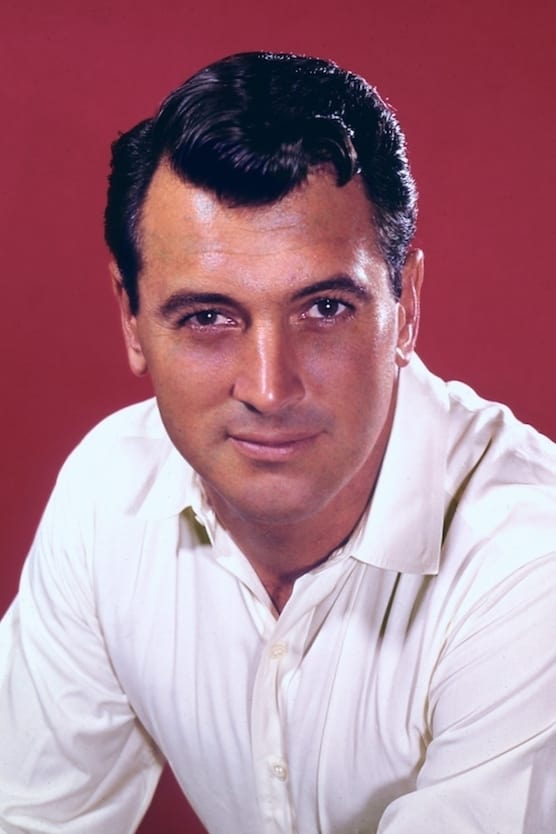
Actor Rock Hudson disclosed he had AIDS in July 1985, becoming one of the first major Hollywood figures to confirm a diagnosis. He died on October 2, 1985, and the announcement is widely credited with shifting public awareness by putting a familiar face on the disease at a time of rampant misinformation.
Hudson’s situation prompted media outlets and policymakers to devote more attention to research funding and compassionate care. His friend Elizabeth Taylor subsequently helped launch the American Foundation for AIDS Research and became a leading advocate for patients and prevention.
Charlie Sheen
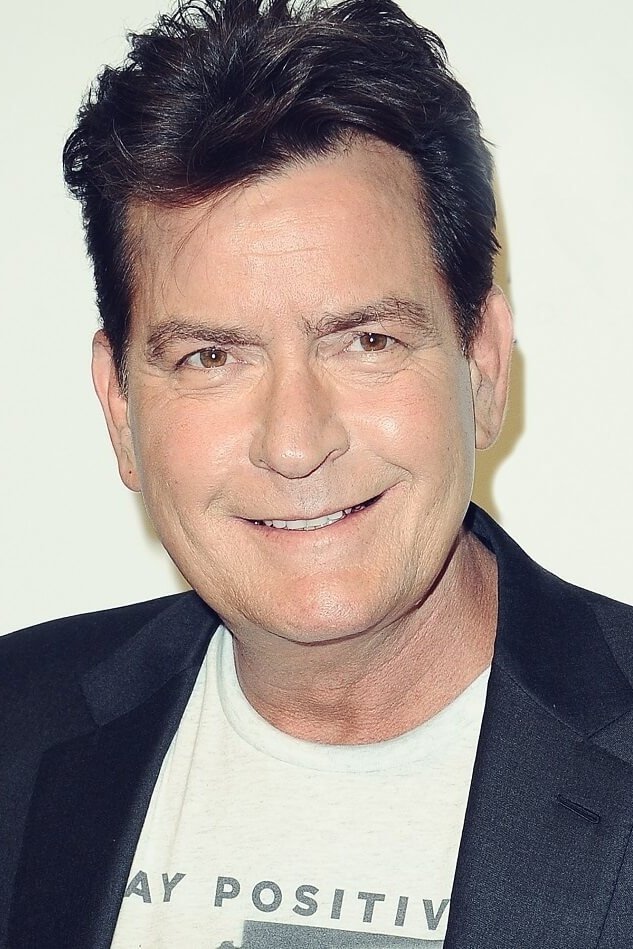
Actor Charlie Sheen revealed in November 2015 that he was HIV positive and had been receiving treatment. He described beginning therapy soon after learning his status and working with physicians to maintain an undetectable viral load through antiretroviral medications.
The disclosure sparked widespread discussion of privacy, disclosure obligations, and modern HIV treatment. Sheen’s doctors publicly explained the concept of viral suppression and how regular therapy can prevent transmission, which helped bring clinical facts into mainstream conversation.
Eazy-E
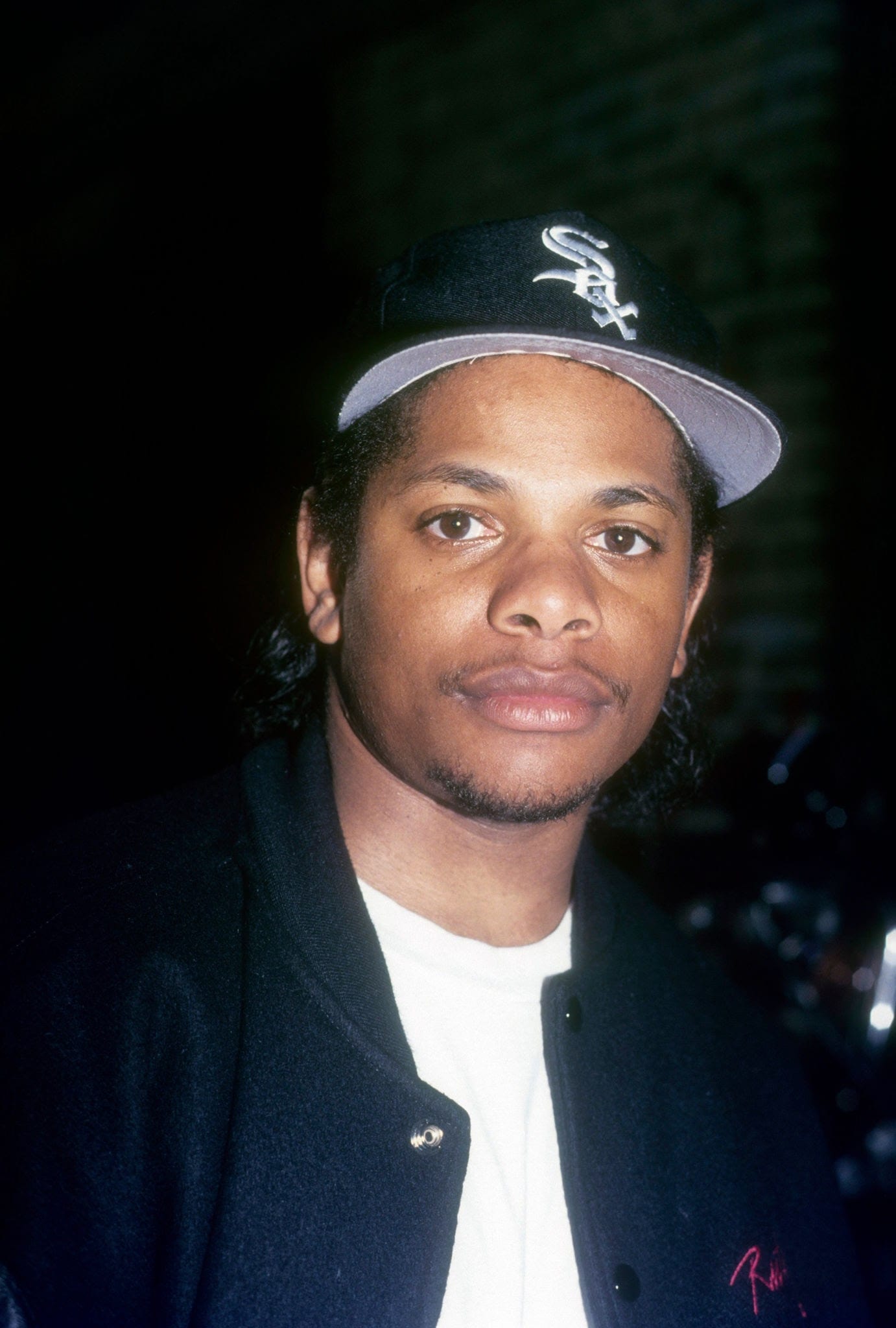
Rapper Eazy E announced in March 1995 that he had been diagnosed with AIDS after being hospitalized in Los Angeles. He died on March 26, 1995, only weeks after the public statement. The rapid progression and his age drew significant attention and led to memorials across the music community.
His final message encouraged fans to learn about HIV and protect themselves. Family and collaborators later organized tribute releases and events that directed proceeds toward awareness campaigns and community health programs.
Arthur Ashe

Tennis champion Arthur Ashe announced in April 1992 that he had AIDS, which he believed resulted from a blood transfusion during heart surgery. Ashe had already undergone two major heart procedures and had long been active in public service. He died on February 6, 1993, from AIDS related pneumonia.
Ashe used his platform to promote education and compassionate care. The Arthur Ashe Foundation for the Defeat of AIDS supported research and public health initiatives, and ESPN established the Arthur Ashe Courage Award to honor individuals whose actions reflect his example.
Greg Louganis
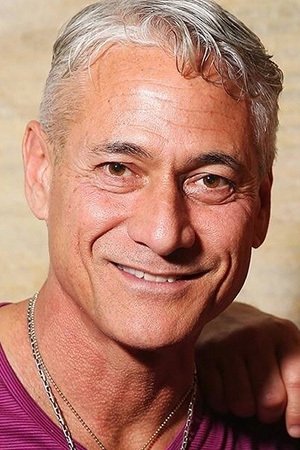
Olympic diver Greg Louganis learned he was HIV positive in 1988, months before the Seoul Games, and publicly shared his status in 1995. During the Olympics he struck his head on the springboard in preliminaries, received medical attention, and went on to win gold medals in both his events. His later disclosure helped clarify medical protocols and safety practices for athletic competitions.
Louganis became an advocate for testing, treatment access, and anti stigma education. He has spoken about adherence to therapy and the importance of regular medical care, highlighting how advances in medication transformed long term health for people living with HIV.
Robert Reed

Actor Robert Reed, known for playing Mike Brady on the TV series ‘The Brady Bunch’, died in 1992. His death certificate later noted HIV infection as a contributing condition along with cancer. Public confirmation after his death surprised many viewers who grew up with his television persona.
The revelation prompted retrospectives about his career and discussions about privacy and disclosure in the entertainment industry. It also served as a reminder that HIV affected people across generations and professions, including those who did not publicly discuss their personal lives.
Pedro Zamora
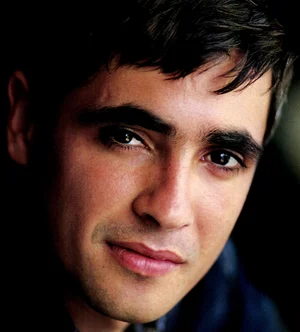
Pedro Zamora brought HIV education to prime time television through ‘The Real World’ in San Francisco in 1994. He openly discussed living with HIV, his relationship, and his advocacy work during the season. He died on November 11, 1994, hours after the season finale aired.
Zamora’s on screen candor helped many viewers understand safe sex, testing, and the importance of empathy for those living with the virus. Scholarships and programs were established in his name to support outreach, and his story is often cited as a turning point in youth focused HIV education.
Liberace
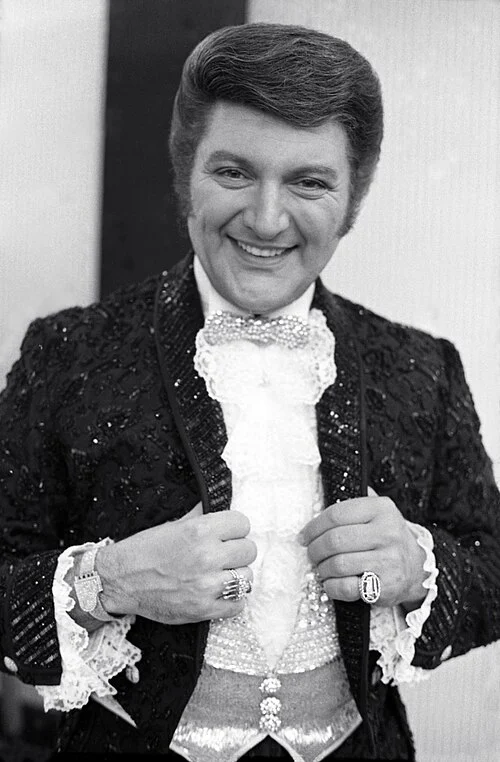
Entertainer Liberace died on February 4, 1987. While initial statements referenced heart failure, an autopsy later confirmed he had died from complications related to AIDS. The confirmation drew extensive media coverage due to his fame and the secrecy that surrounded his final months.
The case spurred public debate about disclosure practices and privacy rights for people with serious illnesses. It also encouraged more factual reporting about AIDS and contributed to an increased appetite for clear medical information in the press.
Gia Carangi

Supermodel Gia Carangi rose to prominence in the late 1970s and early 1980s. She died on November 18, 1986, from AIDS related complications at a time when public understanding of the disease was limited. Her death is often recognized as one of the earliest high profile cases in the fashion industry.
Carangi’s story later informed educational efforts about addiction, HIV risk, and access to care. Retrospectives have examined how stigma and limited treatment options shaped outcomes during that period and how prevention strategies evolved in response.
Rudolf Nureyev

Ballet icon Rudolf Nureyev died on January 6, 1993, from AIDS related complications. His illness became more widely known near the end of his life, and his death was reported worldwide because of his stature in dance and the arts.
Nureyev’s foundation later supported young dancers and arts institutions, while also funding medical research and patient services. His case highlighted the impact of HIV on the international arts community and encouraged support for wellness programs within cultural organizations.
Keith Haring
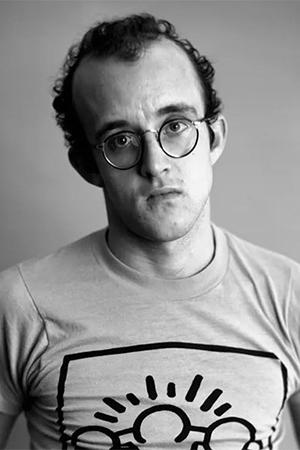
Artist Keith Haring was diagnosed with AIDS in 1988 and died on February 16, 1990. He established the Keith Haring Foundation in 1989 to fund AIDS organizations and children’s programs, ensuring that proceeds from his work supported education and care.
Haring used public art to communicate health messages and partnered with service groups on awareness campaigns. His legacy includes grants to community based organizations that provide testing, treatment navigation, and prevention education.
Sylvester
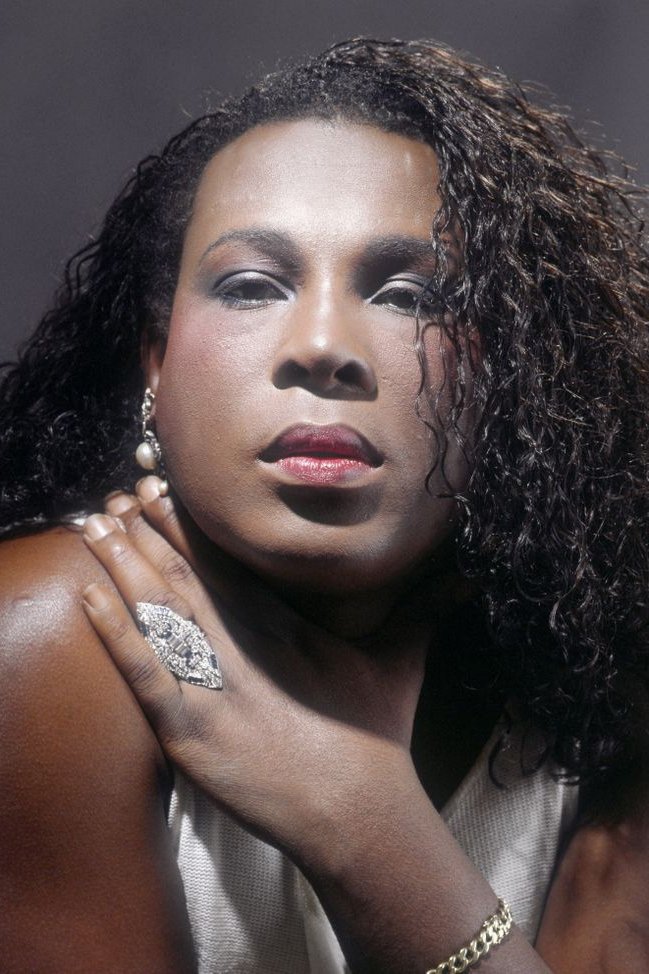
Singer Sylvester, known for his disco hits, died on December 16, 1988, from AIDS related complications. He had requested that proceeds from future album sales benefit local HIV service groups, and memorial events in San Francisco drew attention to community needs.
His estate worked with nonprofits to support care and prevention. The music community used his story to promote compassionate messaging and to encourage fans to seek testing and medical support when needed.
Klaus Nomi

Performer Klaus Nomi, a pioneer of new wave and performance art, died on August 6, 1983, from AIDS related complications. He was among the first widely known performers in New York’s downtown scene to be identified in connection with the disease.
Nomi’s death underscored the early impact of AIDS on creative communities and prompted benefit shows that raised funds for patient care. His recordings and stage imagery continued to draw interest, helping later generations learn about the history of the epidemic through music and art.
Robert Mapplethorpe
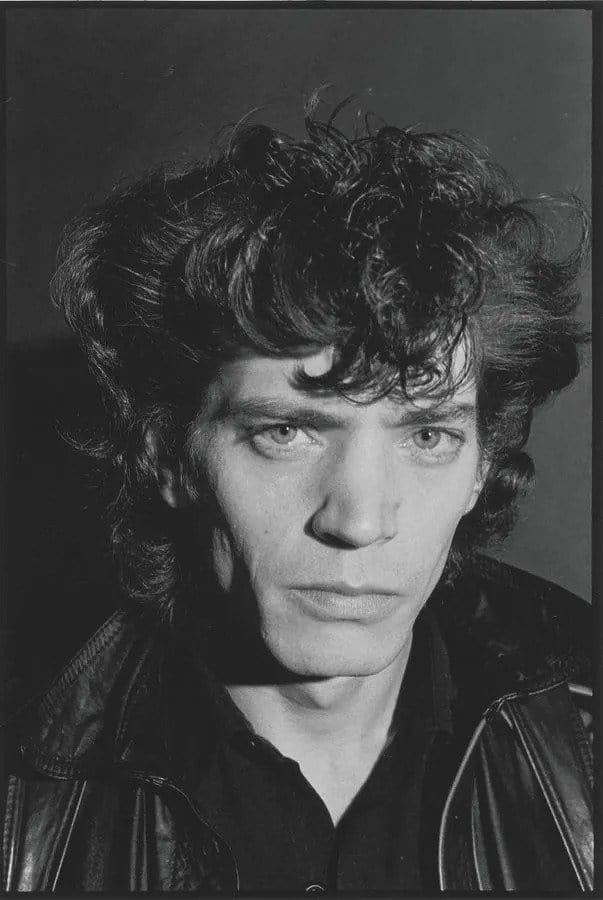
Photographer Robert Mapplethorpe died on March 9, 1989, from AIDS related complications. As his health declined, he established the Robert Mapplethorpe Foundation to support museums and medical research, a mission that continues through grants and exhibitions.
The foundation has funded HIV research and supported institutions that steward his work. His public battle with the illness created opportunities for galleries and nonprofits to educate visitors about testing and treatment alongside art programming.
Mykki Blanco
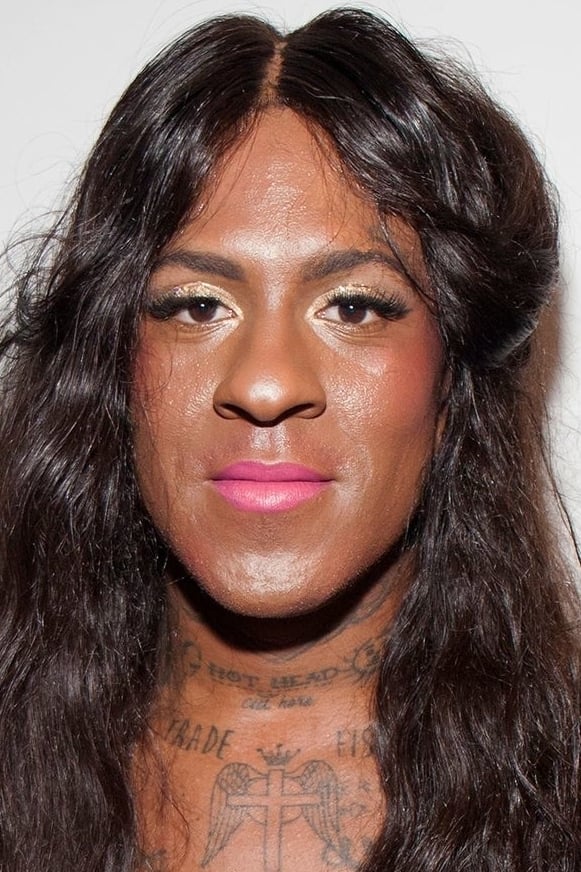
Artist Mykki Blanco disclosed in 2015 that they were HIV positive, sharing the news on social media and in interviews. Blanco described accessing consistent medical care and continuing to record and tour while managing their health.
Their openness encouraged conversations about stigma in music and the importance of regular treatment. Blanco has spoken about viral suppression and the value of supportive healthcare providers, amplifying current science in a language fans could understand.
Jonathan Van Ness
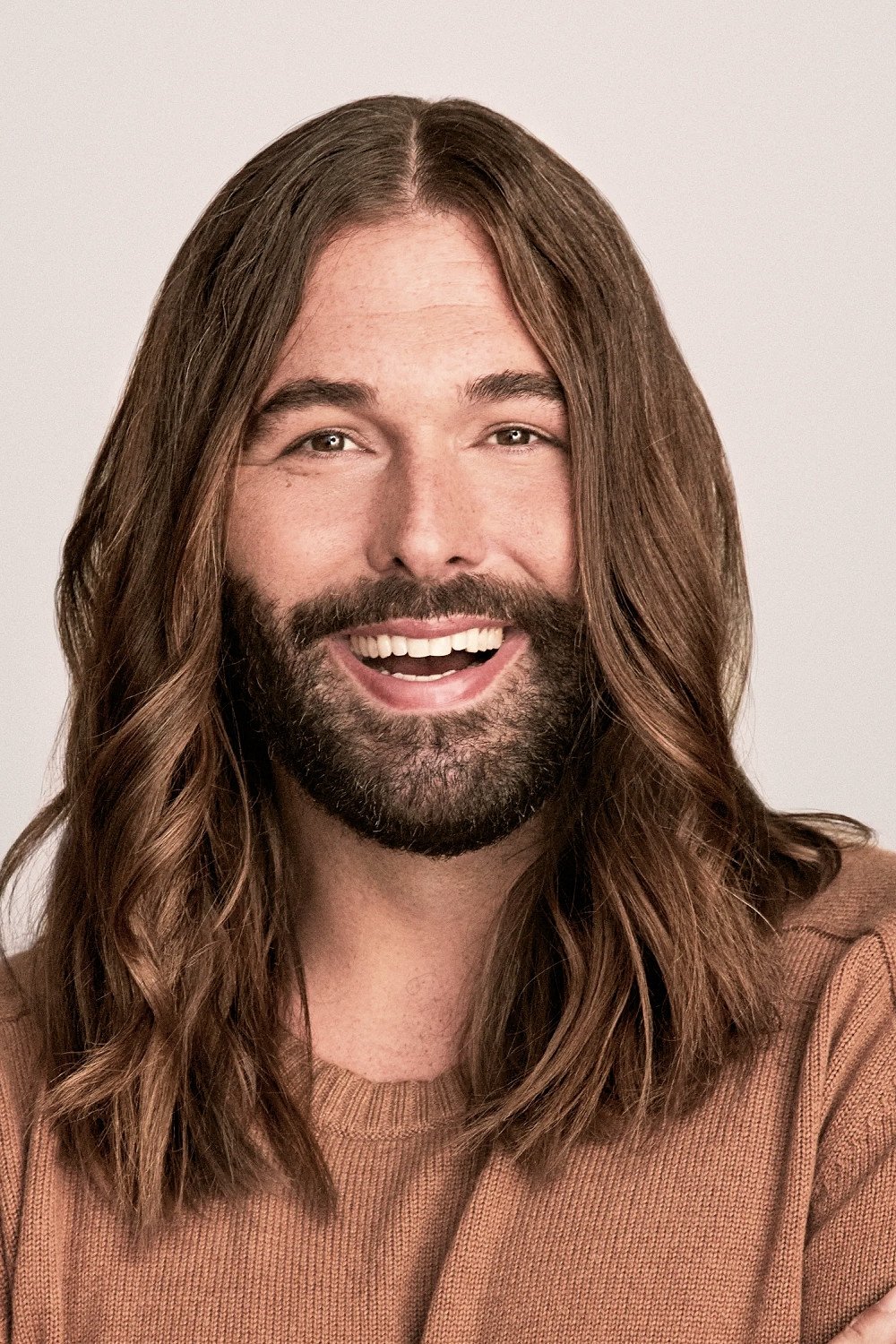
Television personality Jonathan Van Ness shared in 2019 that they were living with HIV, discussing the diagnosis in a memoir and interviews. Van Ness explained how consistent antiretroviral therapy led to an undetectable viral load and emphasized the importance of routine testing.
They partnered with advocacy groups to promote education about prevention strategies and treatment adherence. Van Ness also highlighted the role of community clinics and affordable access to medication in helping people maintain long term health.
Conchita Wurst

Performer Conchita Wurst revealed in 2018 that she was living with HIV and on treatment that kept her viral load undetectable. She said she decided to make the information public after being threatened with exposure and chose to do so on her own terms.
Her statement helped expand public understanding of modern HIV care and the concept of undetectable equals untransmittable. She continued performing and supported organizations focused on testing, counseling, and patient support.
Gareth Thomas
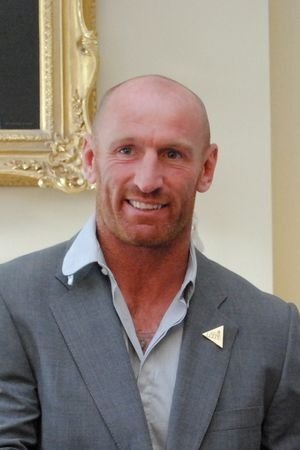
Welsh rugby legend Gareth Thomas announced in 2019 that he was living with HIV and receiving treatment. He described maintaining an undetectable viral load through regular therapy and spoke about the need to replace fear with factual information.
Thomas worked with health services to promote rapid testing and to reach people who might avoid clinics due to stigma. His disclosure emphasized that athletes and fans alike benefit from accurate education and access to care.
Share the names we missed in the comments and tell us which stories helped you learn something new about HIV testing, treatment, or support.