


Celebrities With Bipolar Disorder

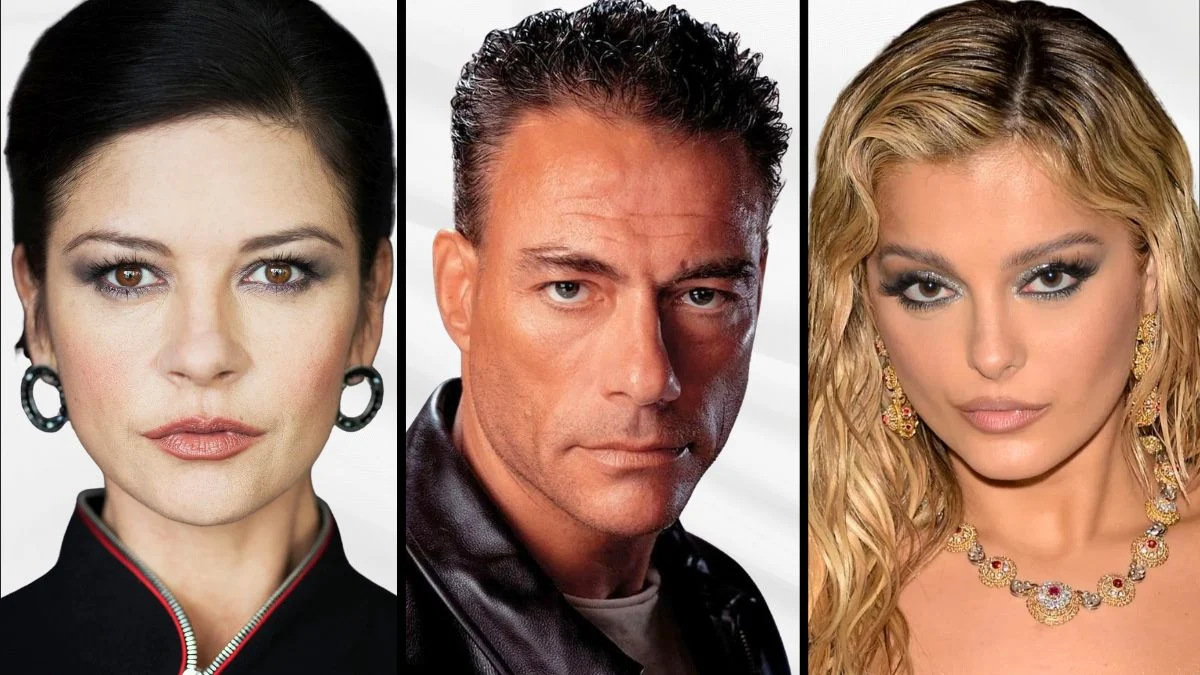


Bipolar disorder is a mood condition that involves shifts between periods of high energy and low mood, and it affects people in every community and profession. Many public figures have chosen to share their diagnoses so others can better understand symptoms, treatments, and day to day management.
The celebrities below have spoken openly about bipolar disorder in interviews, books, documentaries, or public statements. Their experiences highlight medical care options like medication and therapy, practical coping tools such as sleep routines and support networks, and advocacy efforts that expand access to mental health resources.
Demi Lovato

Demi Lovato has discussed receiving a bipolar diagnosis after seeking treatment as a young adult. Lovato has described using a combination of medication, therapy, and structured daily habits to manage mood swings and to maintain stability while touring and filming.
Lovato launched mental health campaigns that encourage screening and treatment, including partnerships that provide educational materials for families and schools. Lovato regularly shares relapse prevention strategies like tracking sleep, monitoring stress, and staying connected with clinicians and peers in recovery communities.
Selena Gomez

Selena Gomez publicly shared a bipolar diagnosis in 2020 and emphasized the value of learning accurate information from medical professionals. Gomez has explained how understanding the condition helped guide conversations about medications, therapy options, and long term care planning.
Gomez created the Rare Impact Fund through her company to help bring mental health services and education to young people. The initiative supports school based resources, crisis support tools, and training that helps students and caregivers recognize symptoms and seek timely care.
Kanye West
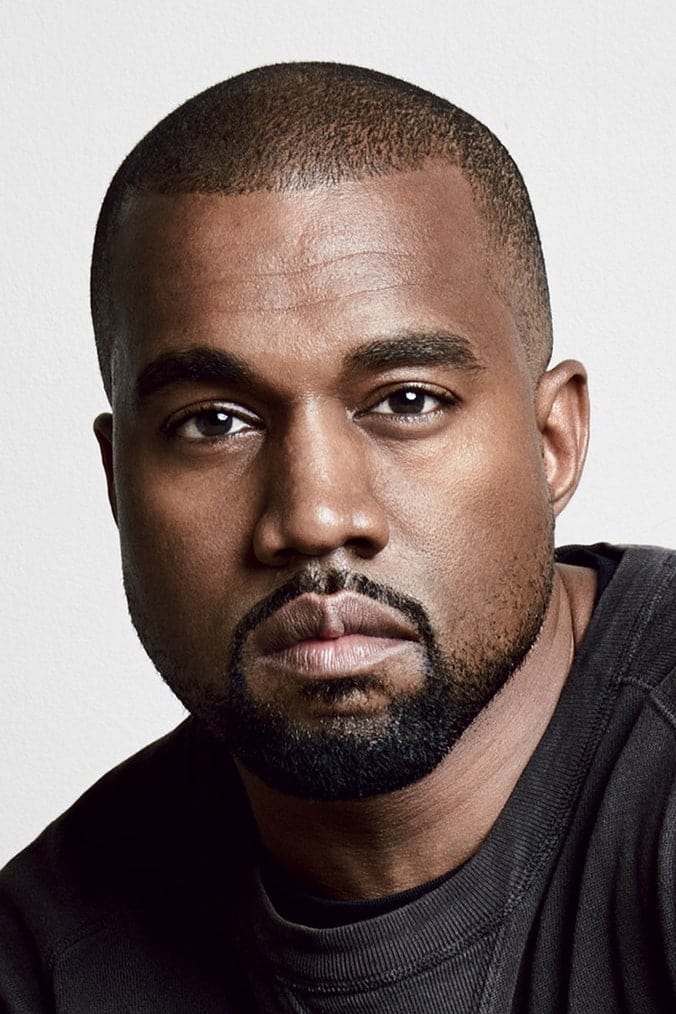
Kanye West, also known as Ye, has spoken about his bipolar diagnosis in interviews and through references in his music. He has described periods of elevated mood and the importance of medical oversight, and he has discussed how treatment plans may change over time based on clinical advice.
West’s public comments have brought attention to the need for accessible psychiatric services and family support. He has spoken about sleep and routine as key parts of symptom management and has encouraged open conversations about hospitalization, medication adherence, and ongoing evaluation by doctors.
Mariah Carey

Mariah Carey revealed a bipolar II diagnosis and explained that she pursued treatment after years of symptoms. Carey has described using therapy and medication to stabilize mood and to manage stress during demanding work schedules.
Carey’s disclosure has helped raise awareness of bipolar II, which features hypomanic episodes and periods of depression. She has highlighted the role of professional monitoring, realistic workload planning, and boundaries that protect rest and recovery.
Carrie Fisher
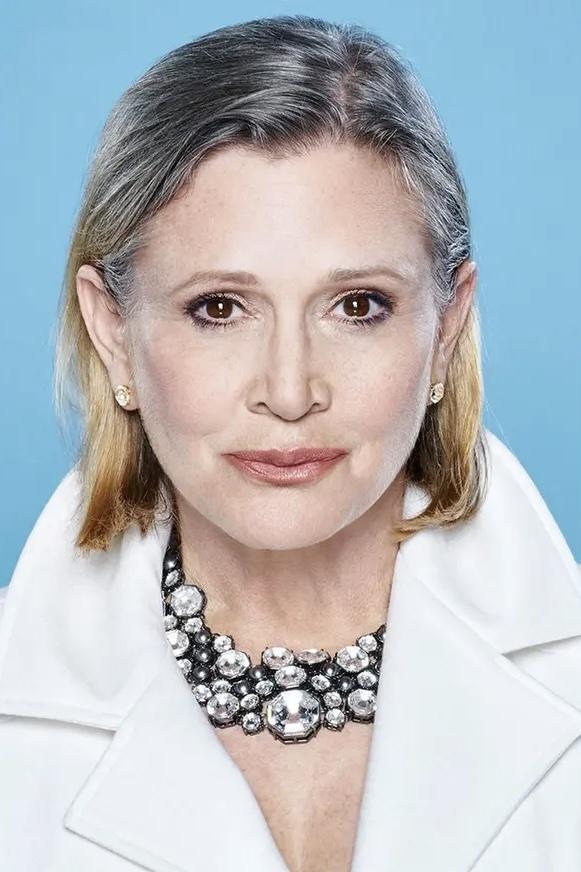
Carrie Fisher lived with bipolar disorder for decades and spoke about the condition in books and on stage. Fisher described a treatment plan that included medication and, at times, electroconvulsive therapy, and she emphasized the importance of consistent medical follow up.
Fisher used her platform to advocate for affordable care and accurate information about mood disorders. Her stage show and HBO special ‘Wishful Drinking’ increased public understanding by explaining symptoms, side effects, and the value of peer support communities.
Catherine Zeta-Jones
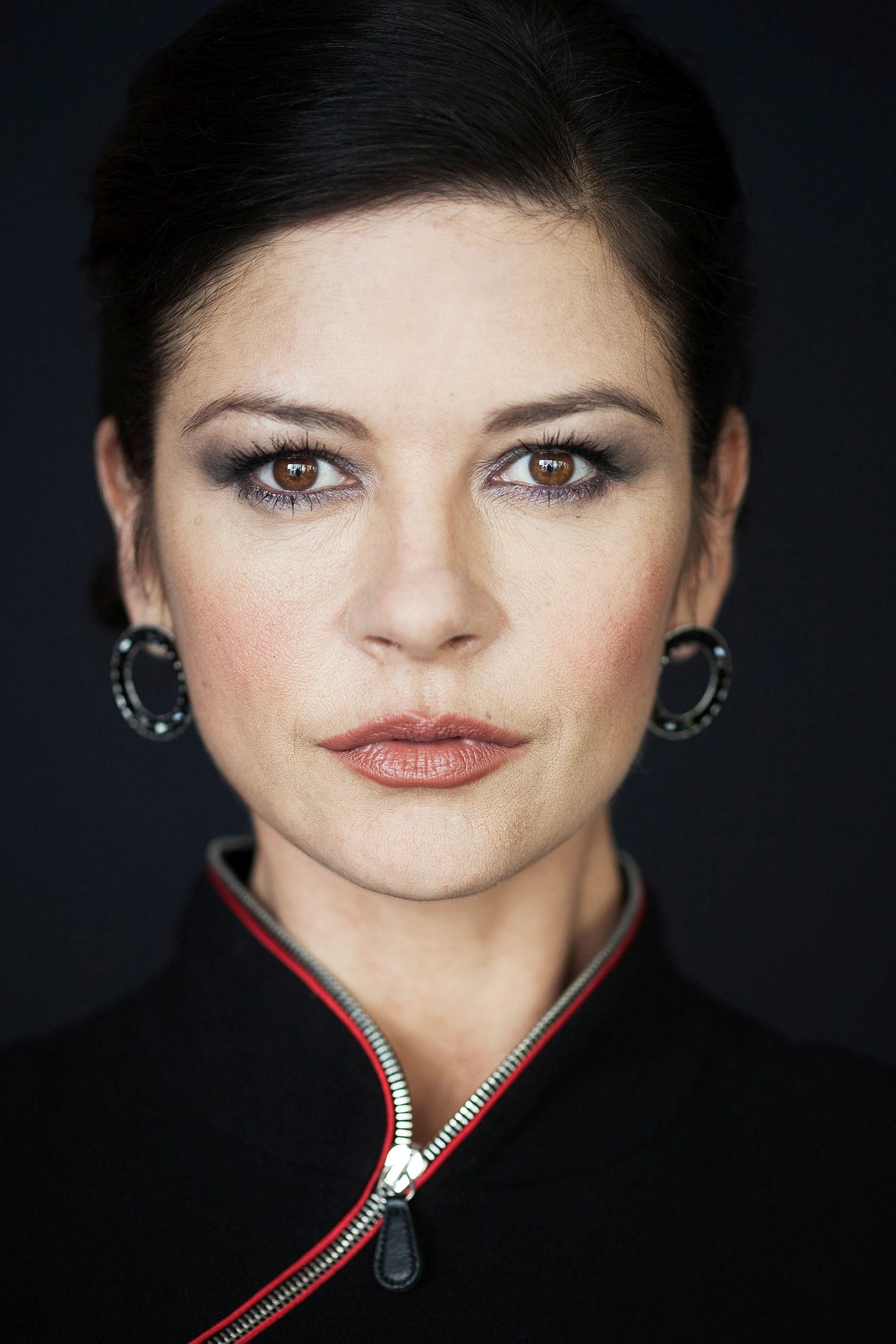
Catherine Zeta Jones shared that she has bipolar II and sought inpatient care during periods when symptoms intensified. She has discussed tracking early warning signs, maintaining regular sleep, and staying in contact with clinicians to adjust treatment when needed.
Her openness helped many people recognize that care plans can include brief hospital stays as part of responsible management. Zeta Jones has highlighted how family education, stress reduction, and medication combined with therapy can support long term wellness.
Stephen Fry
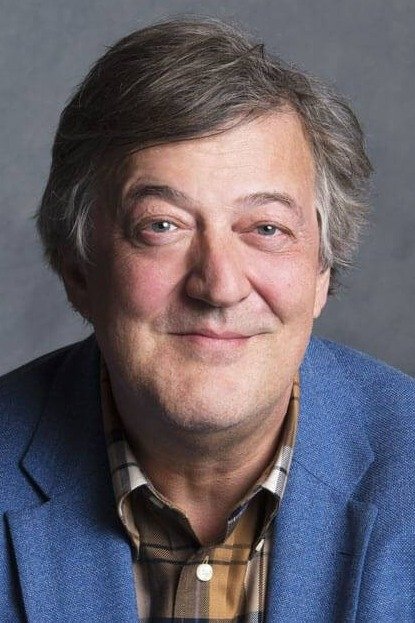
Stephen Fry documented his experience with bipolar disorder in the BBC program ‘Stephen Fry: The Secret Life of the Manic Depressive’. Fry explained diagnostic categories, described manic and depressive episodes, and interviewed clinicians and patients to show a range of treatments.
Fry has continued advocacy through follow up programs and public talks that promote early assessment and evidence based care. He underscores practical tools such as mood diaries, routine setting, and crisis plans that outline steps to take if symptoms escalate.
Richard Dreyfuss
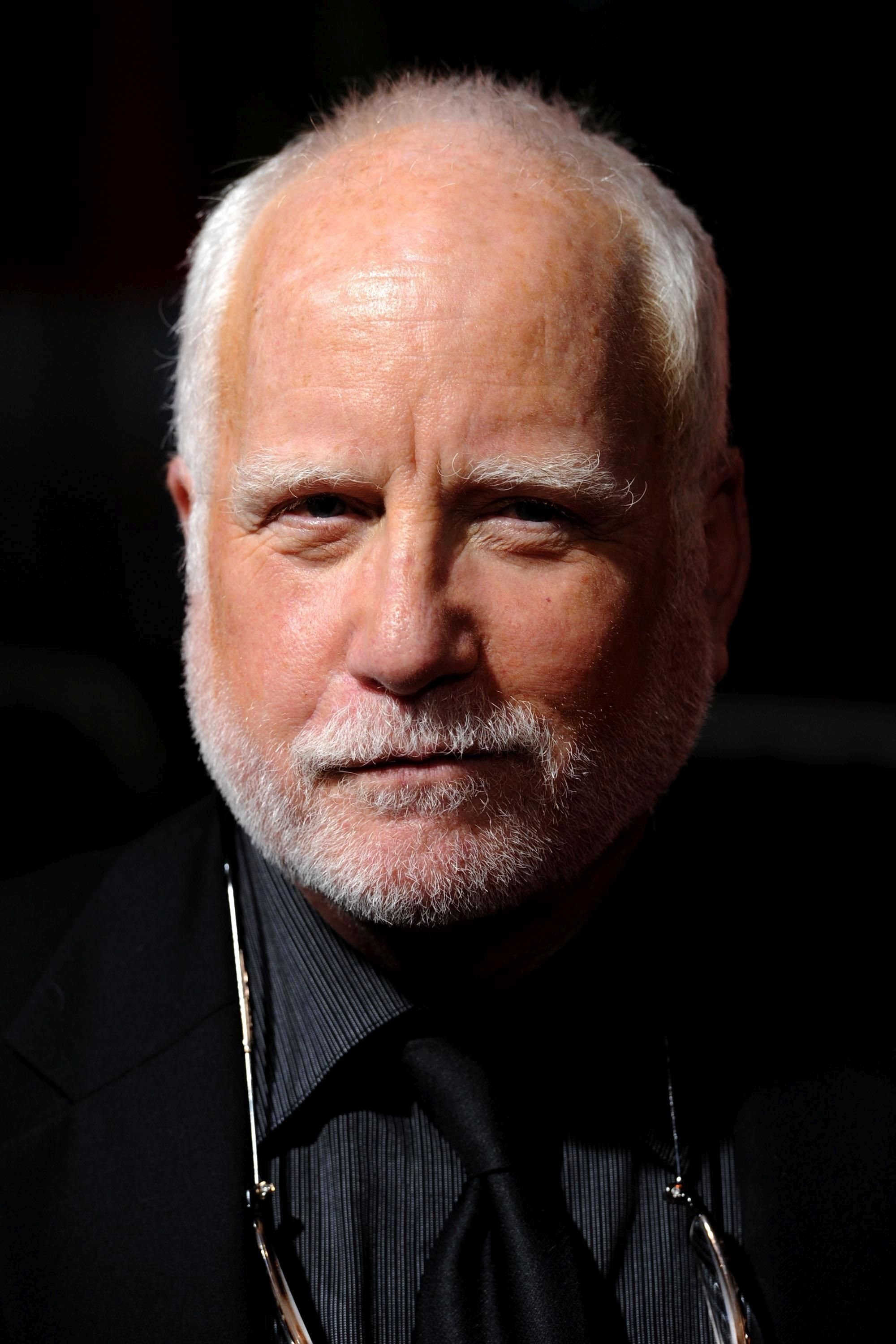
Richard Dreyfuss has spoken about living with bipolar disorder and the stability that treatment brought to his life. He has described working with psychiatrists to find effective medications and the importance of adherence to achieve steady results.
Dreyfuss often addresses the stigma surrounding serious mental illness and encourages regular check ins with health providers. He points to education for families and coworkers as a way to create supportive environments that make symptom management easier.
Jean-Claude Van Damme
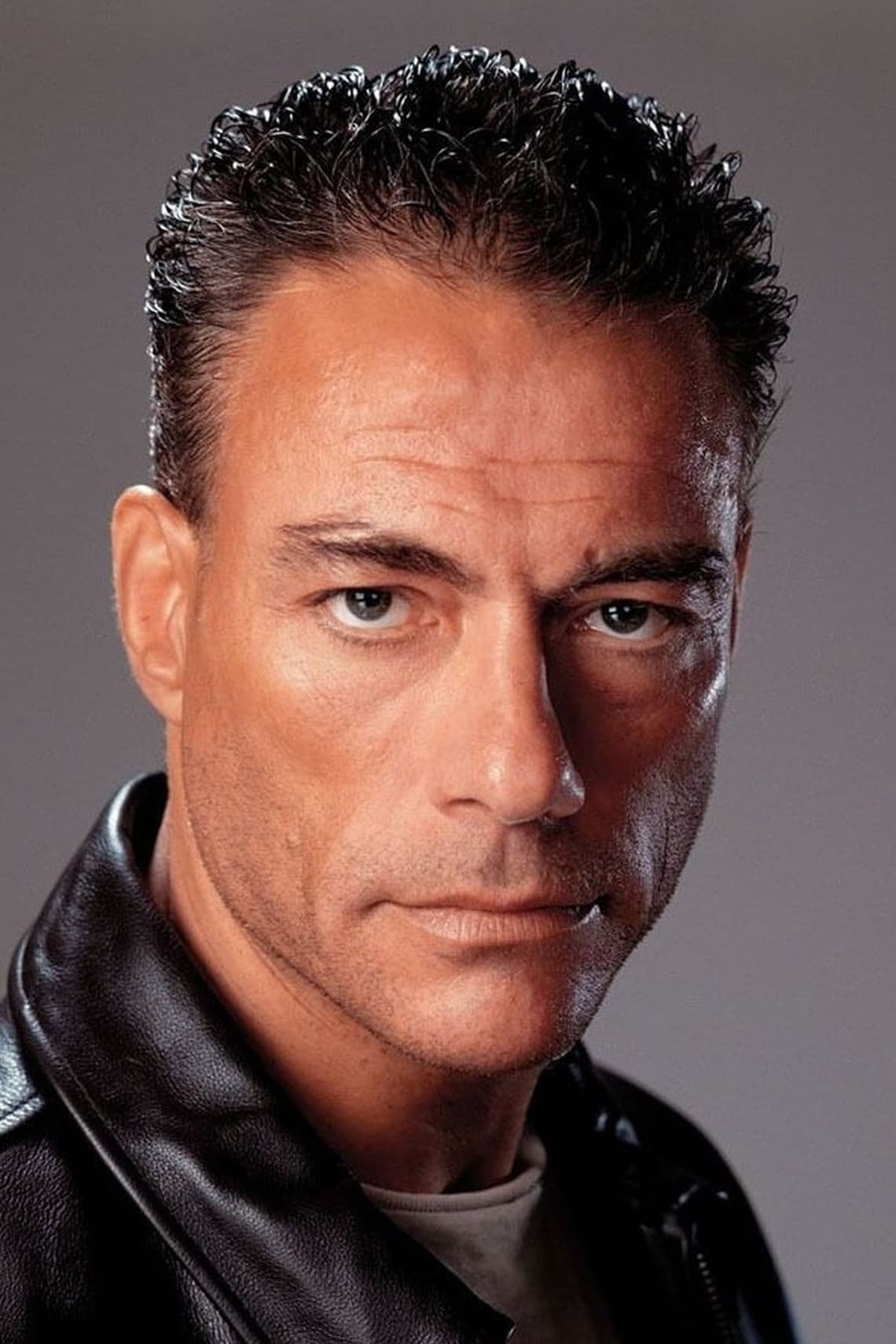
Jean Claude Van Damme has said he was diagnosed with rapid cycling bipolar disorder and later found medication that helped reduce severe mood shifts. He has discussed trying different treatments before arriving at a plan that improved daily functioning.
Van Damme emphasizes that individualized care is essential because medications and dosages vary from person to person. He also notes the benefits of structured fitness routines, stress management, and open communication with loved ones about triggers and warning signs.
Patty Duke
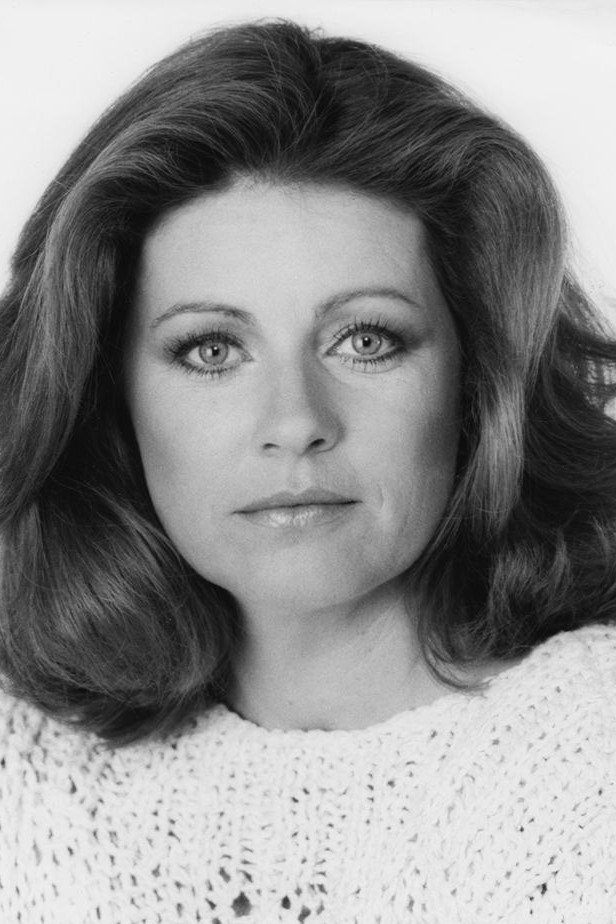
Patty Duke disclosed her diagnosis and wrote extensively about managing bipolar disorder. She described how receiving the correct diagnosis allowed her to begin effective treatment that included mood stabilizing medication and psychotherapy.
Duke became a prominent mental health advocate and worked with organizations to educate the public about symptoms and treatment. She promoted practical steps such as keeping regular medical appointments, recognizing early signs of mood change, and creating an emergency plan with trusted contacts.
Vivien Leigh
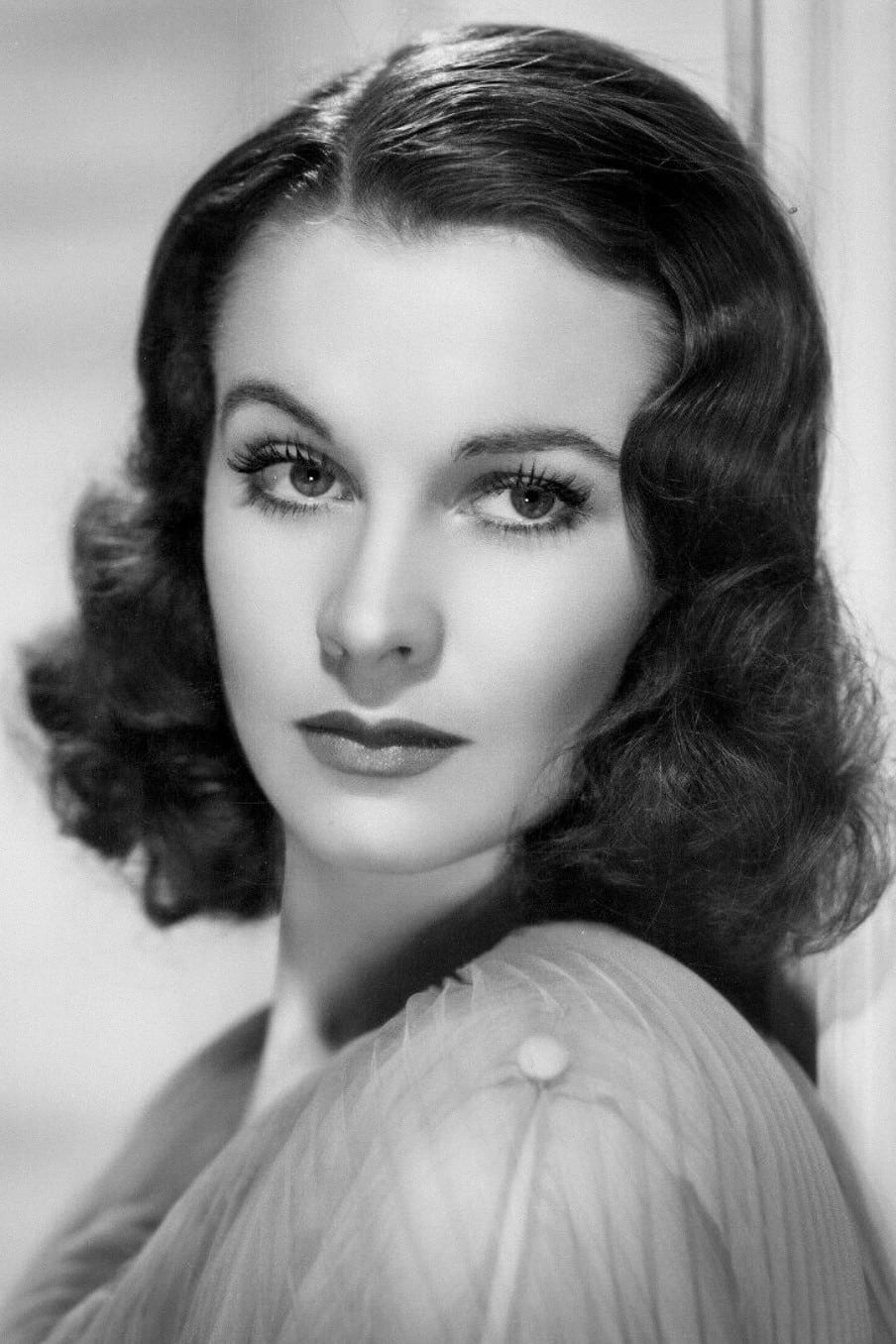
Vivien Leigh experienced episodes that were later understood as part of bipolar disorder, and she received treatments available at the time, including hospital based care. Accounts of her life describe periods of high energy and deep depression that affected work schedules.
Leigh’s history illustrates how understanding and treatments have evolved, leading to more effective medications and outpatient options today. Her story helps people see the importance of compassionate support at work and at home when symptoms interrupt daily life.
Linda Hamilton
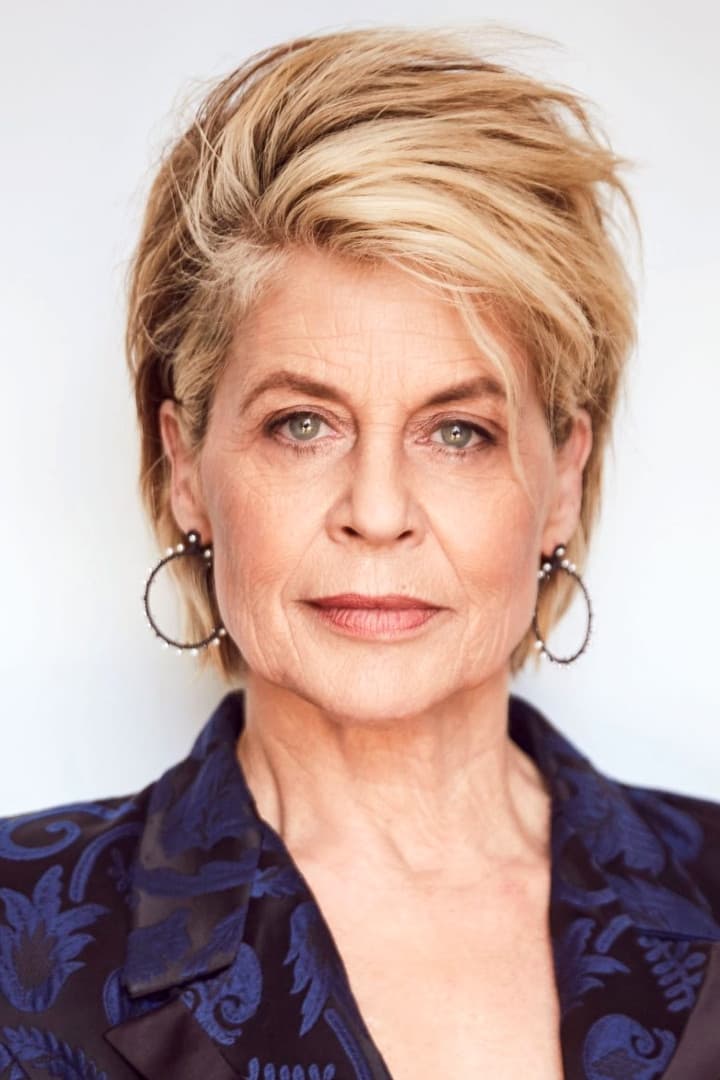
Linda Hamilton went public about her bipolar diagnosis and explained that years of symptoms improved significantly after starting treatment. She described a plan that included medication, therapy, and lifestyle changes that supported consistent sleep and stress control.
Hamilton has encouraged others to pursue evaluation and not to delay care due to stigma. She highlights the value of patient education, collaboration with providers, and a reliable support circle that understands relapse prevention steps.
Maurice Benard
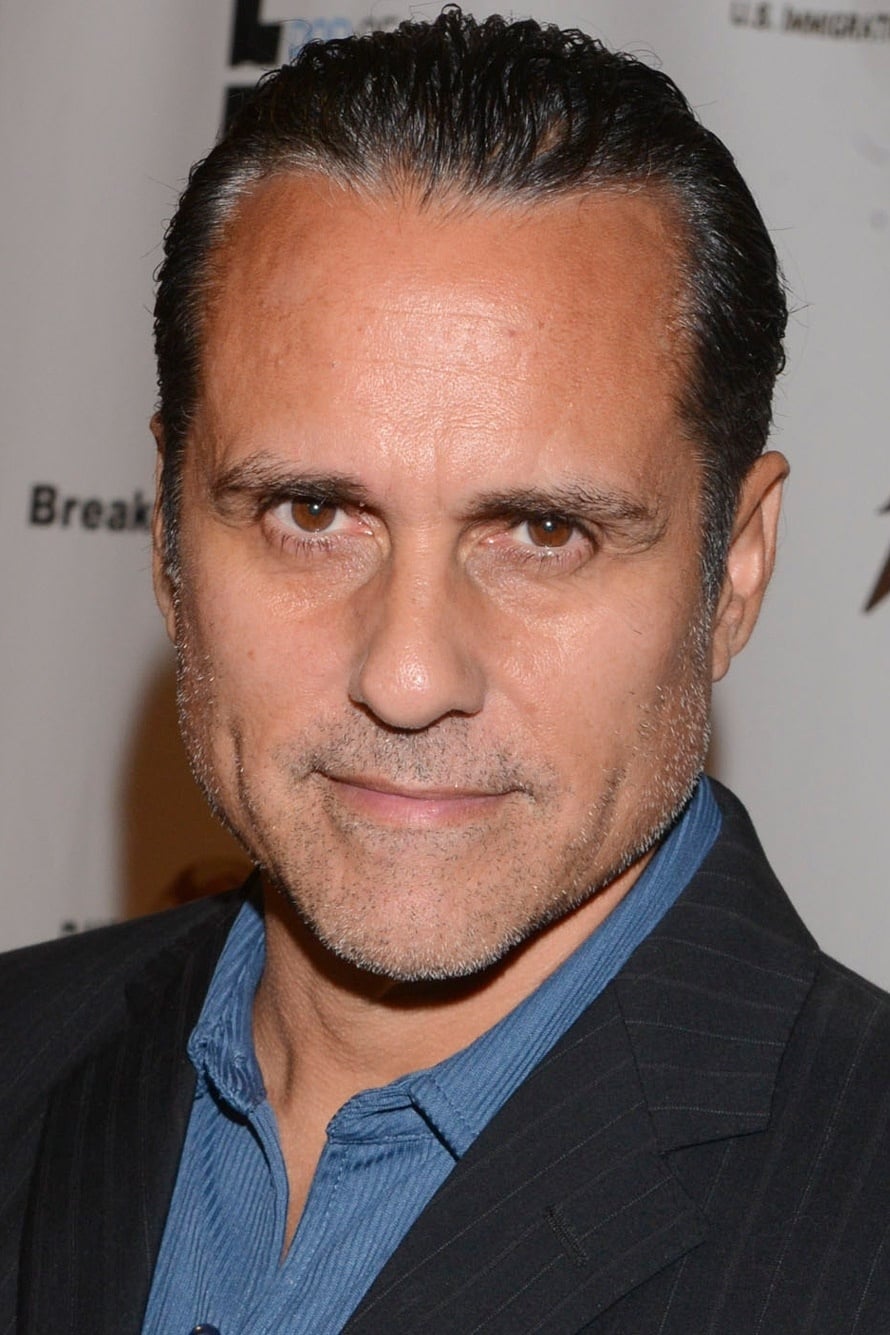
Maurice Benard has bipolar disorder and worked with writers to incorporate the condition into his character on ‘General Hospital’. He has explained how accurate portrayals can help viewers recognize symptoms and understand that treatment is available.
Benard participates in outreach that focuses on family education, warning signs, and recovery tools. He discusses medication management, therapy, and the benefit of peer support, and he points to the importance of advocating for oneself during medical appointments.
Halsey
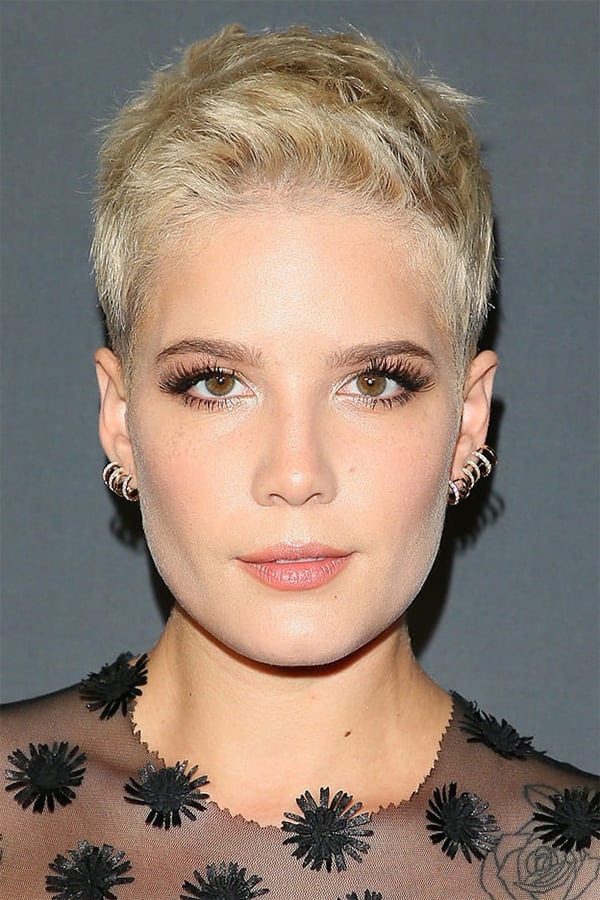
Halsey has spoken about being diagnosed with bipolar disorder as a teenager and about building a sustainable routine while working in a high pressure industry. Halsey describes collaborating with clinicians to balance medications, travel schedules, and sleep.
Halsey supports mental health initiatives that expand access for young people and shares resources that encourage early help seeking. The artist emphasizes practical strategies like keeping a symptom journal, planning breaks, and communicating needs to managers and teams.
Bebe Rexha

Bebe Rexha publicly shared a bipolar diagnosis and explained how understanding the condition shaped decisions about treatment and creative work. Rexha has discussed medication with medical supervision and the role of therapy in building long term coping skills.
Rexha uses social media and interviews to encourage fans to seek professional care and to learn how symptoms can be managed. She highlights the value of consistent sleep, stress reduction, and a supportive network that knows how to respond if symptoms intensify.
Share your thoughts in the comments about other public figures who have helped you learn more about bipolar disorder.