


Celebs Facing Backlash for Defending Problematic Classic Films



Celebrities often find themselves in hot water when they choose to stand by controversial films or casting choices. While some movies achieve classic status, modern audiences frequently reevaluate them through a contemporary lens that highlights problematic themes. Actors and directors who defend these works argue for artistic preservation or historical context, but their stances often ignite fierce public debate. The following list explores various figures in Hollywood who faced significant criticism for supporting polarized projects.
Whoopi Goldberg
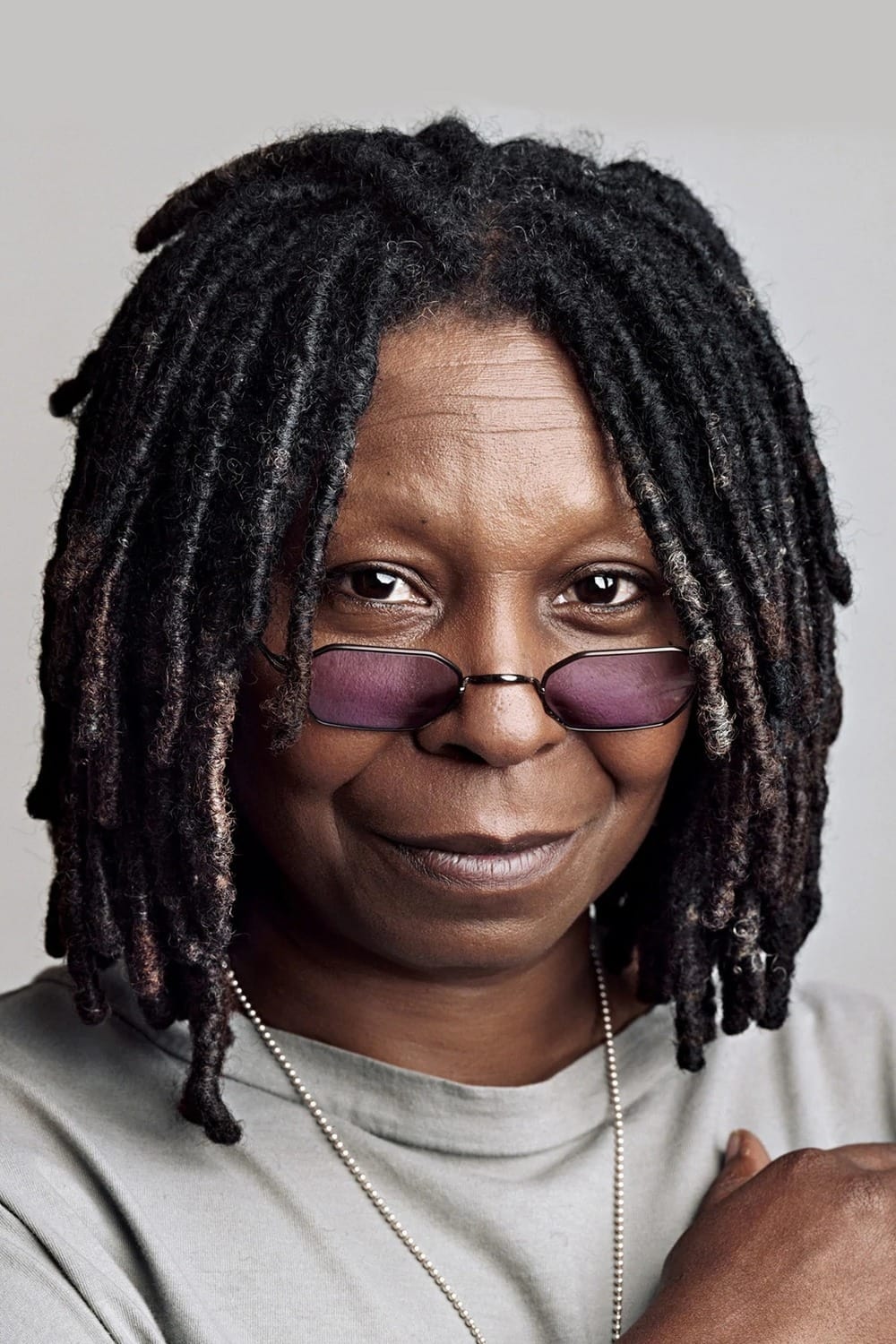
Whoopi Goldberg has repeatedly defended ‘Song of the South’ (1946) despite its controversial reputation. She argued that the film should be available to the public to encourage dialogue about history rather than being buried. The actress stated that hiding the movie pretends that the racism of that era never happened. Critics pushed back by citing the harmful racial stereotypes depicted in the Disney film. Goldberg maintained that understanding the past requires facing uncomfortable art.
Ben Stiller
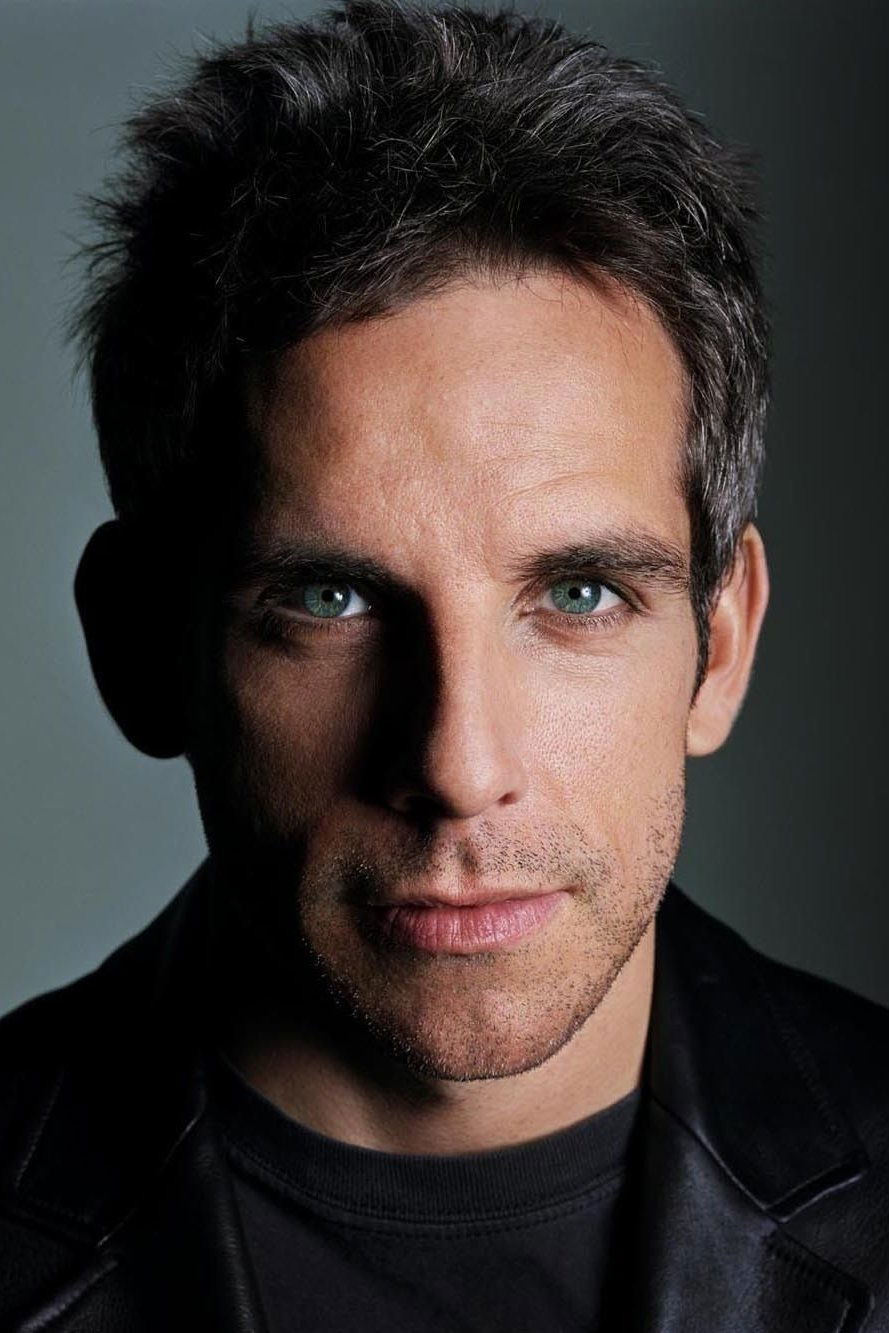
Ben Stiller has consistently refused to apologize for ‘Tropic Thunder’ (2008) amid claims that it mocks people with intellectual disabilities. He stands by the film as a satire of Hollywood actors and their extreme methods. The director and star emphasized that the jokes were aimed at the industry rather than marginalized groups. Social media users frequently demand he retract the movie, but Stiller insists he is proud of the work. He believes the context of the comedy justifies the controversial content.
Robert Downey Jr.
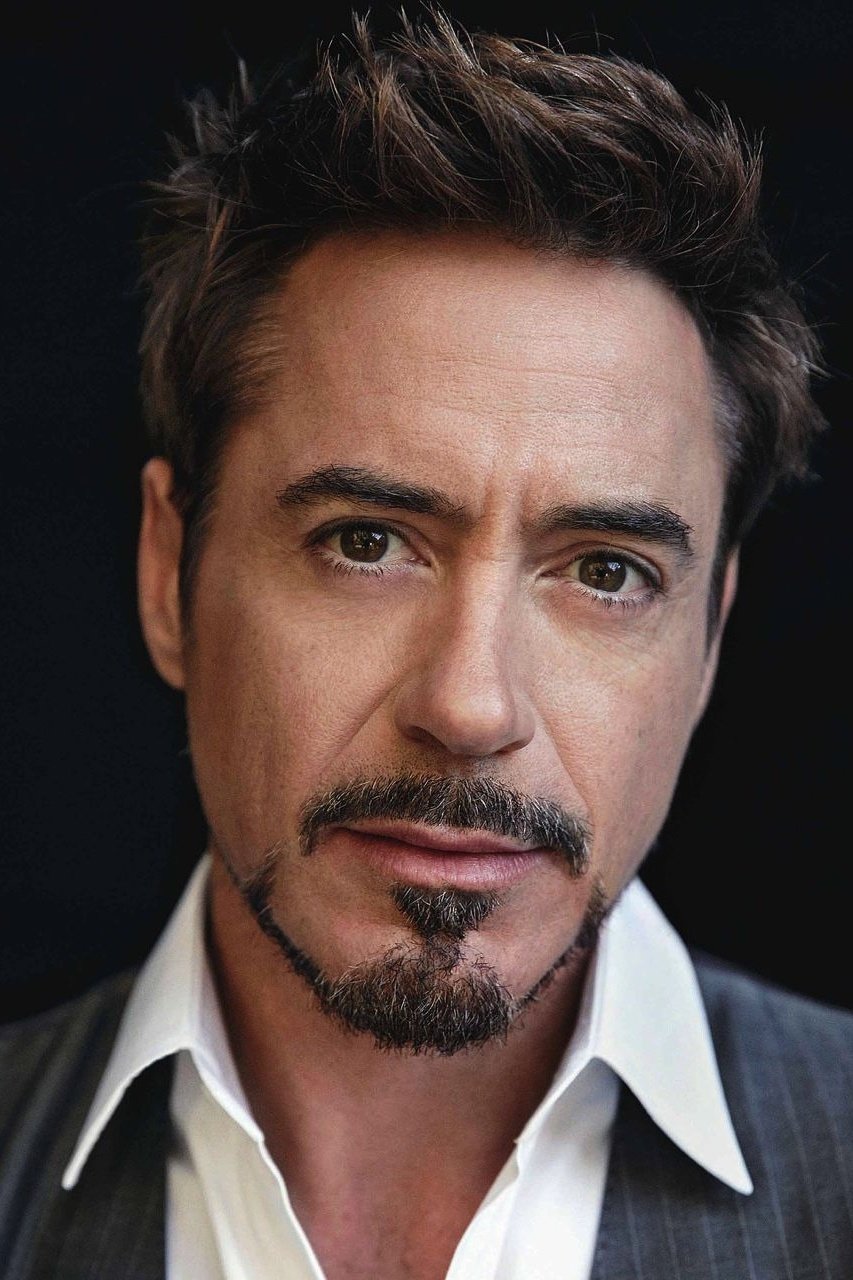
Robert Downey Jr. faced intense scrutiny for his role involving blackface in ‘Tropic Thunder’ (2008). He defended the creative choice by explaining that he was playing a white actor who problematically darkened his skin for a role. Downey argued that the character was a critique of method acting and Hollywood ignorance. He admitted that the role was a massive risk that could have destroyed his career. The actor continues to view the performance as a successful satirical statement.
Mel Brooks
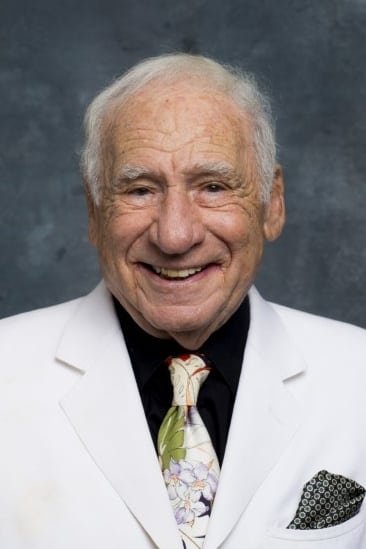
Mel Brooks has famously defended ‘Blazing Saddles’ (1974) against modern sensibilities that might deem it offensive. The comedy legend argued that political correctness would make it impossible to film the movie today. He stated that the frequent use of racial slurs in the script was necessary to depict the villains as ignorant. Brooks believes that comedy requires a level of fearlessness that current cultural standards often suppress. Fans continue to debate whether the satire translates effectively to new generations.
Mickey Rooney
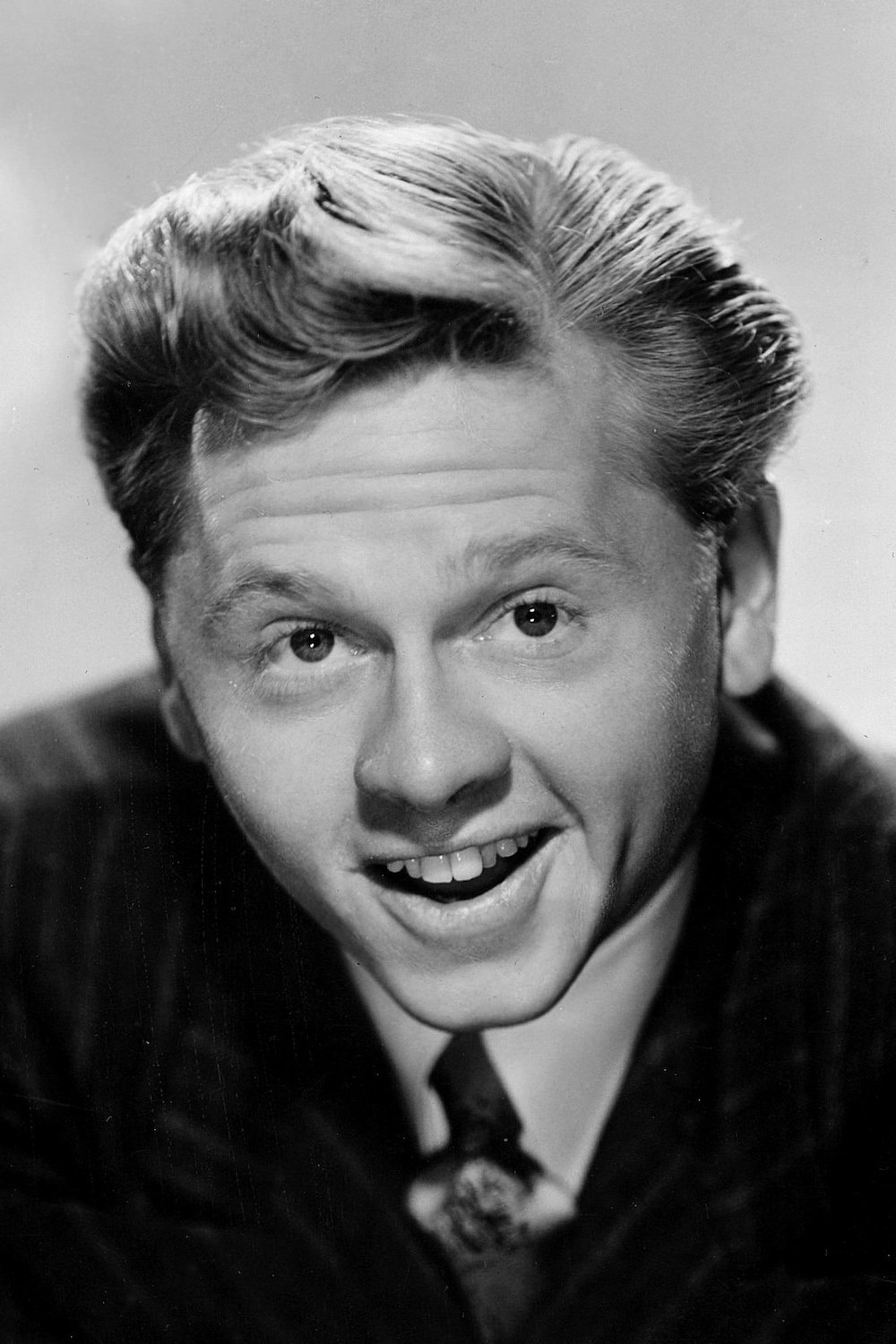
Mickey Rooney spent decades defending his portrayal of Mr. Yunioshi in ‘Breakfast at Tiffany’s’ (1961). The role is widely considered one of the most offensive examples of yellowface in cinema history. Rooney insisted that he was hired to play a comedic caricature and never intended to hurt anyone. He expressed sadness that the character became a symbol of racism rather than comedy. The backlash against his performance has permanently tarnished the legacy of the film.
Bernardo Bertolucci
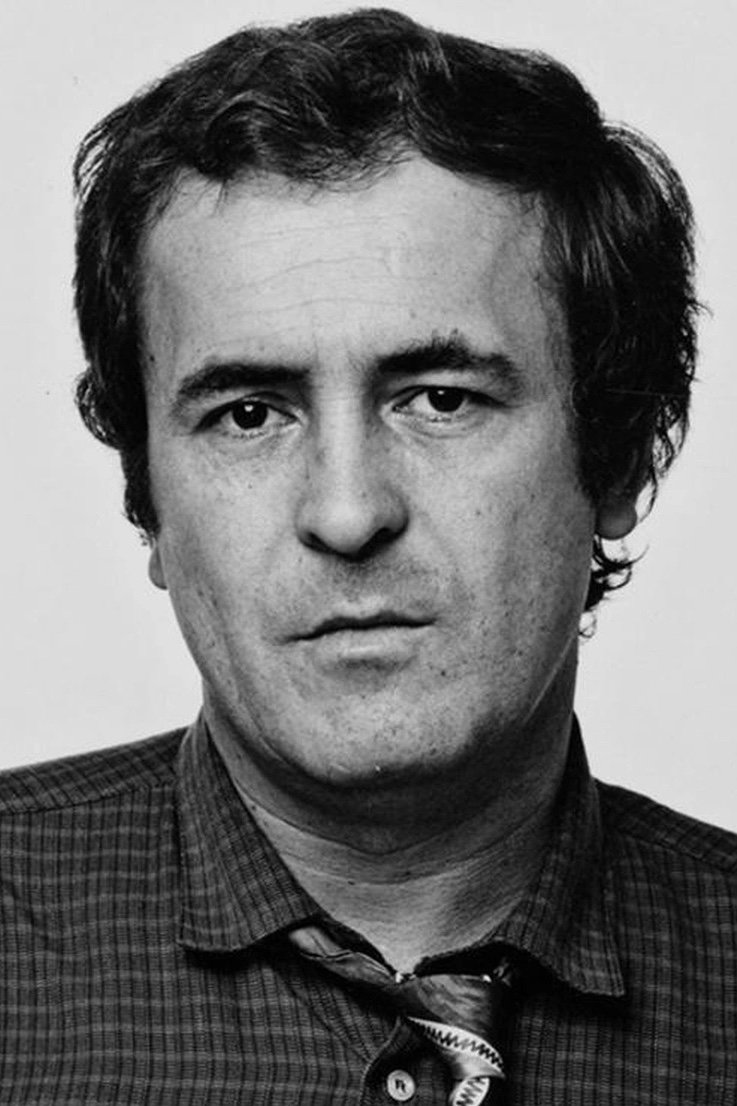
Director Bernardo Bertolucci faced a storm of criticism years after the release of ‘Last Tango in Paris’ (1972). He admitted in an interview that the infamous butter scene was filmed without the full consent of actress Maria Schneider. Bertolucci defended the decision by claiming he wanted her reaction as a girl rather than an actress. This admission led to widespread condemnation from the film industry and the public. He argued that artistic authenticity justified the psychological manipulation.
Alec Baldwin
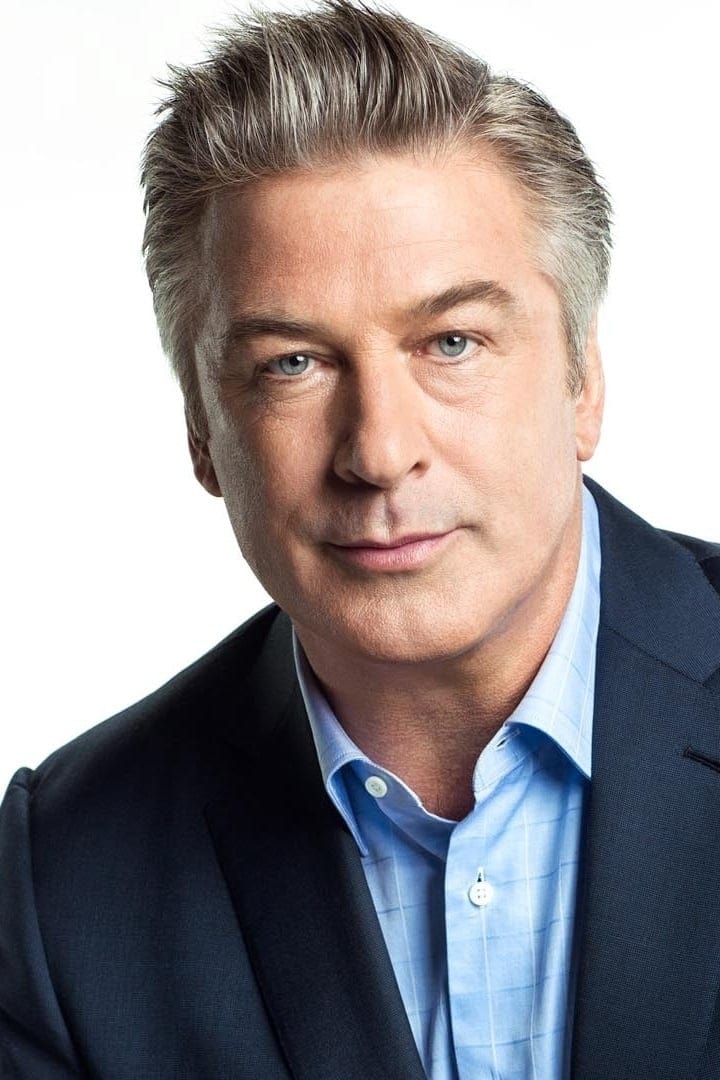
Alec Baldwin faced backlash for defending the artistic merit of ‘Last Tango in Paris’ (1972) after the controversy regarding the director resurfaced. He argued that the film remains a masterpiece regardless of the ethical issues behind the scenes. Baldwin criticized the modern tendency to judge historical art by current moral standards. His comments were met with anger from those who felt he was dismissing the trauma experienced by Maria Schneider. The actor maintained that separating the art from the artist is essential.
Quentin Tarantino
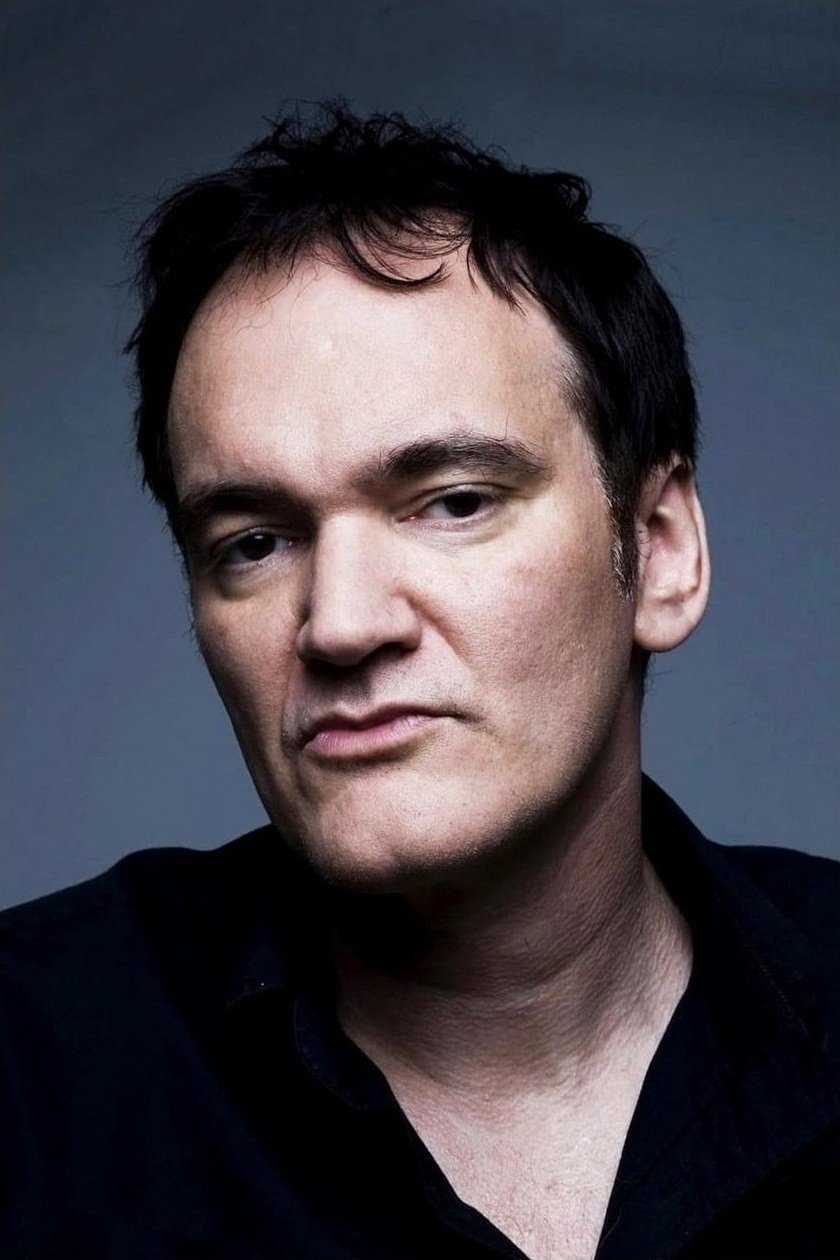
Quentin Tarantino has aggressively defended his use of racial slurs in ‘Django Unchained’ (2012). He argued that sanitizing the language would be dishonest to the historical time period of the film. Critics felt the excessive use of the N-word was gratuitous and insensitive. Tarantino insisted that he would not let critics dictate how he writes his characters. The director claims that his stylistic choices are necessary to portray the ugliness of slavery.
Samuel L. Jackson
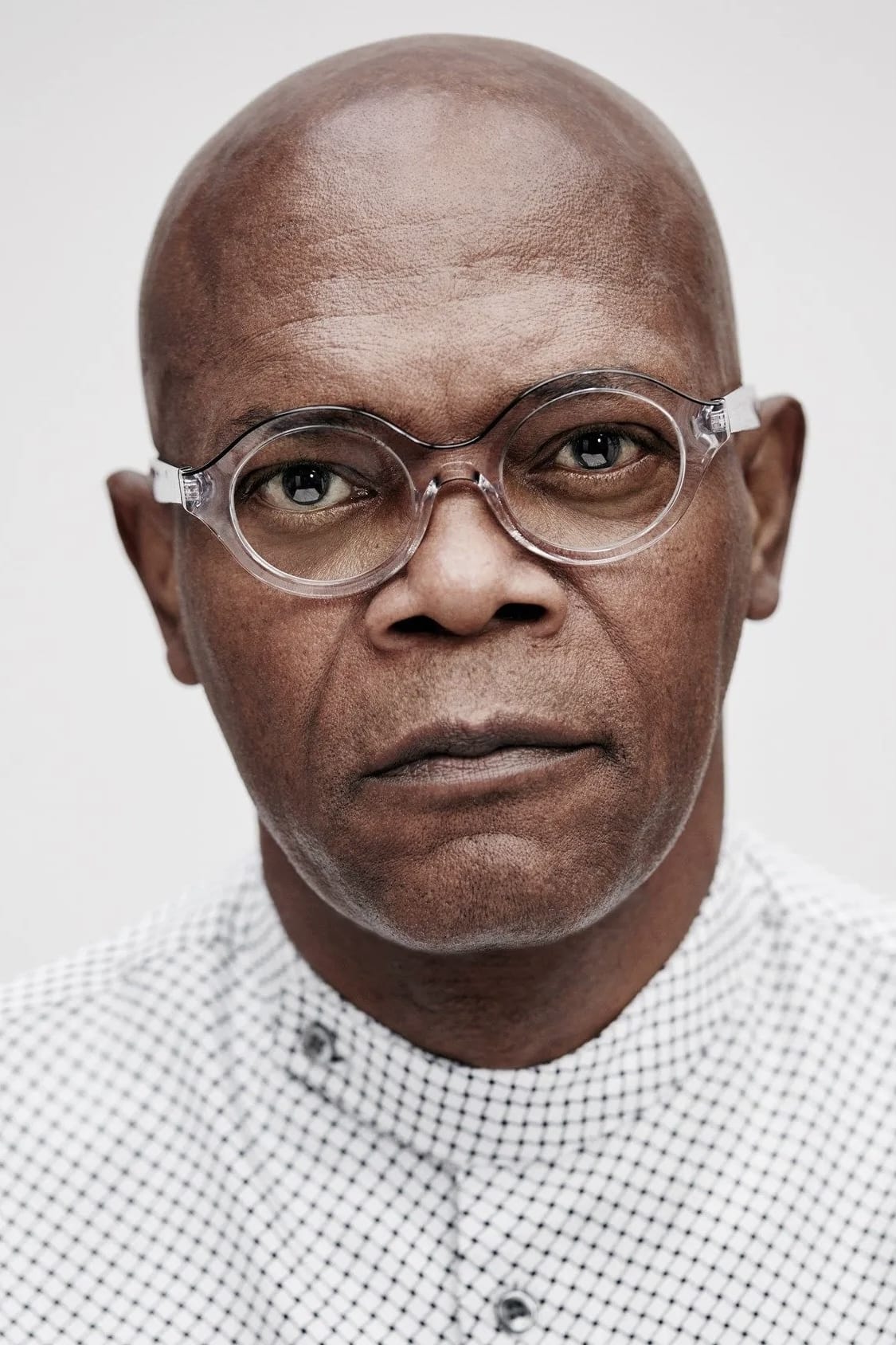
Samuel L. Jackson stood by Quentin Tarantino regarding the dialogue in ‘Django Unchained’ (2012). He stated that the language was appropriate for the context and that critics were overreacting. Jackson argued that the film provided a cathartic revenge fantasy that required brutal honesty. He dismissed complaints from other filmmakers who called the movie disrespectful to ancestors. The actor remains a staunch supporter of Tarantino’s unfiltered writing style.
Ridley Scott
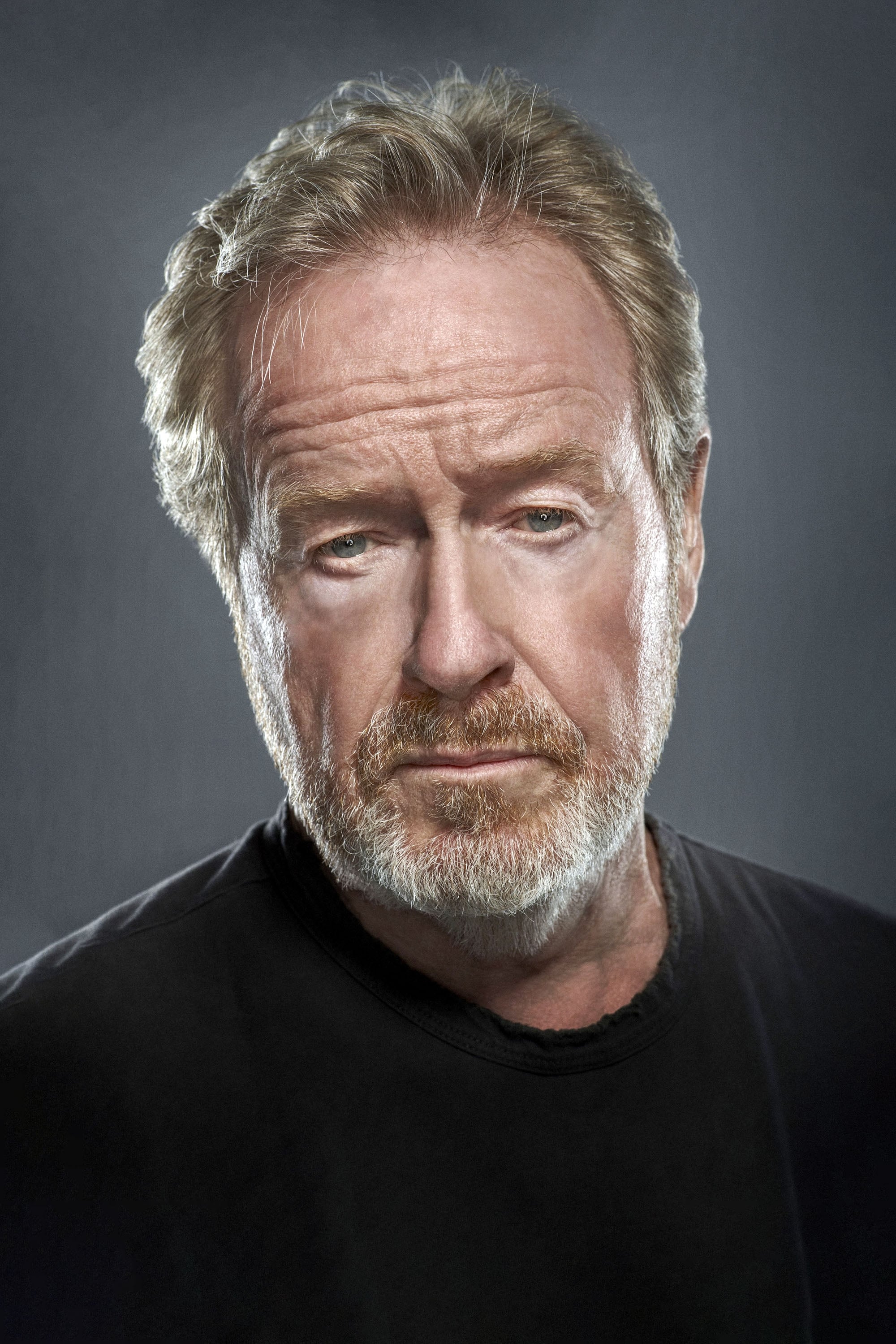
Ridley Scott faced accusations of whitewashing for the casting in ‘Exodus: Gods and Kings’ (2014). He defended his choice to cast white actors in Egyptian roles by citing financial necessities. Scott claimed that he could not finance a film of that budget without lead actors who were known commodities. This explanation angered many who felt it prioritized profits over representation. The director dismissed the backlash as a misunderstanding of the film business.
Christian Bale
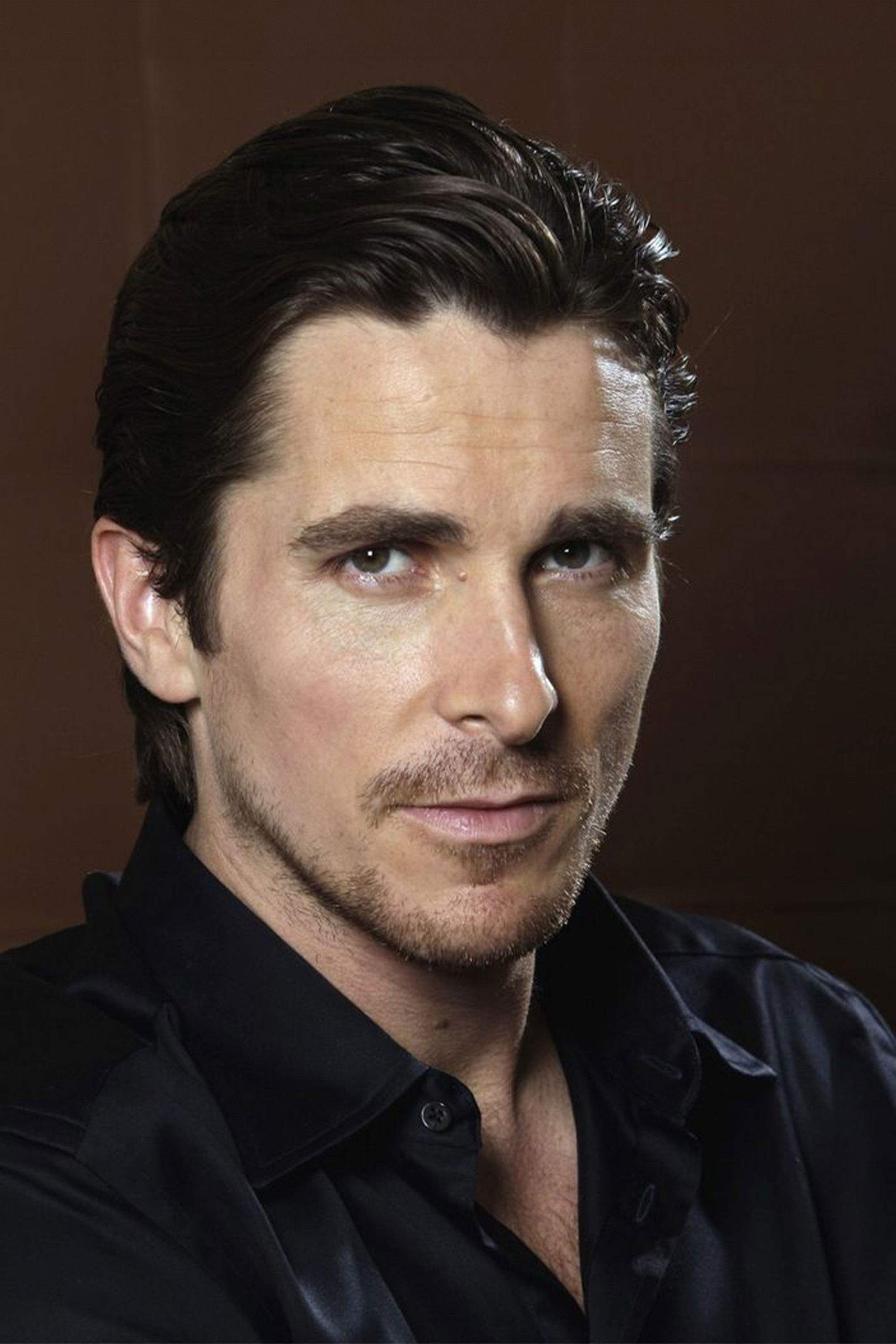
Christian Bale defended the casting choices in ‘Exodus: Gods and Kings’ (2014) alongside his director. He supported Ridley Scott by suggesting that the film would not have been made without the established star power. Bale acknowledged the conversation about diversity was important but felt the criticism of the film was misplaced. He expressed hope that the industry would eventually support big-budget films with diverse leads. The actor stood by his performance despite the cultural controversy.
Scarlett Johansson
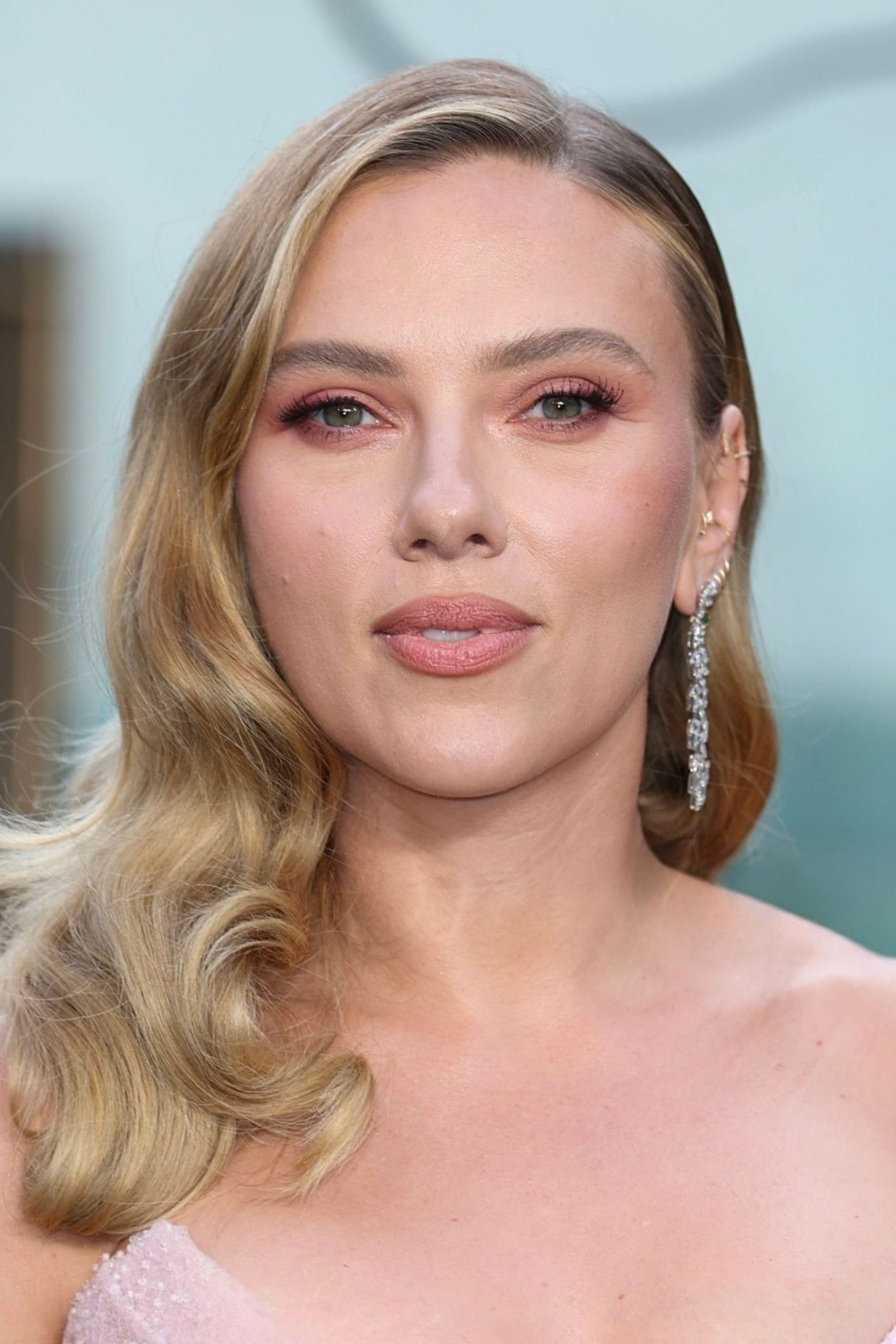
Scarlett Johansson faced global backlash for accepting the lead role in ‘Ghost in the Shell’ (2017). Critics accused the production of whitewashing a character that was originally Japanese in the source material. Johansson defended her casting by stating she was playing a cyborg with a synthetic body rather than a specific race. She argued that the character represented a unique identity experience devoid of ethnicity. The film struggled at the box office largely due to this casting controversy.
Johnny Depp
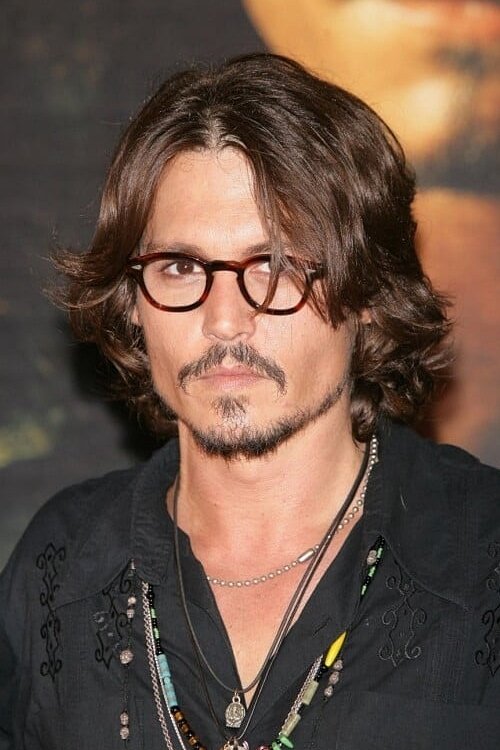
Johnny Depp faced heavy criticism for playing Tonto in ‘The Lone Ranger’ (2013). He defended the performance by claiming he wanted to subvert the sidekick stereotype and give the character dignity. Depp cited his own alleged Native American ancestry as a connection to the role. Native American advocacy groups felt the portrayal relied on outdated tropes and redface. The actor insisted his intentions were to honor the culture rather than mock it.
Armie Hammer
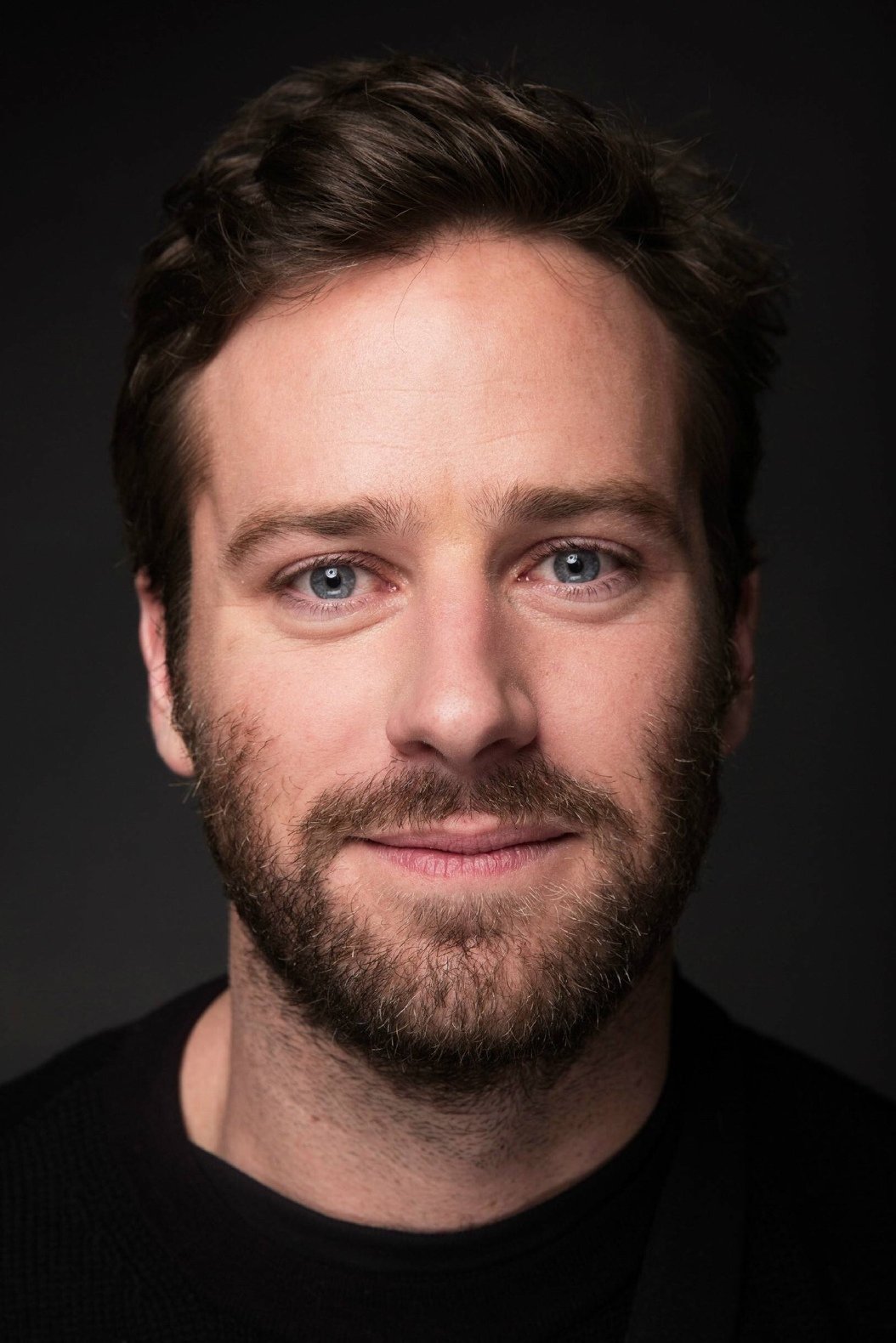
Armie Hammer supported his co-star regarding the controversy surrounding ‘The Lone Ranger’ (2013). He argued that the film was being unfairly judged before audiences had a chance to see the actual story. Hammer stated that the production went to great lengths to work with tribal leaders for accuracy. He dismissed the bad press as a result of critics wanting the film to fail. The actor maintained that the movie was a misunderstood adventure film.
Clint Eastwood
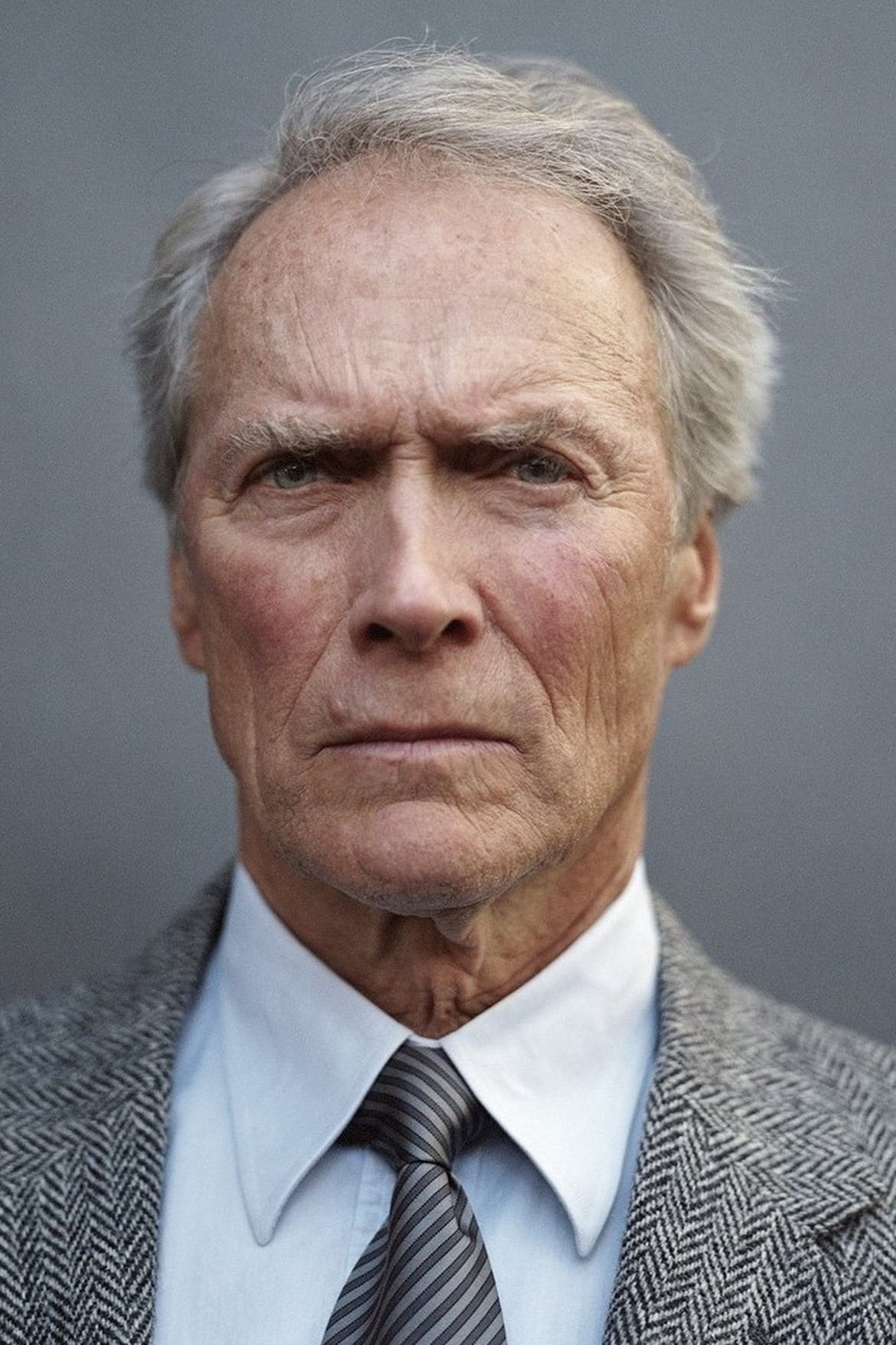
Clint Eastwood defended the racial slurs used by his character in ‘Gran Torino’ (2008). He argued that the offensive language was realistic for a man of that generation and background. Eastwood criticized the younger generation for being too sensitive to words in a fictional context. He stated that the character’s arc required him to start as a bigot to show growth. The film remains popular despite ongoing debates about its script.
Martin Scorsese
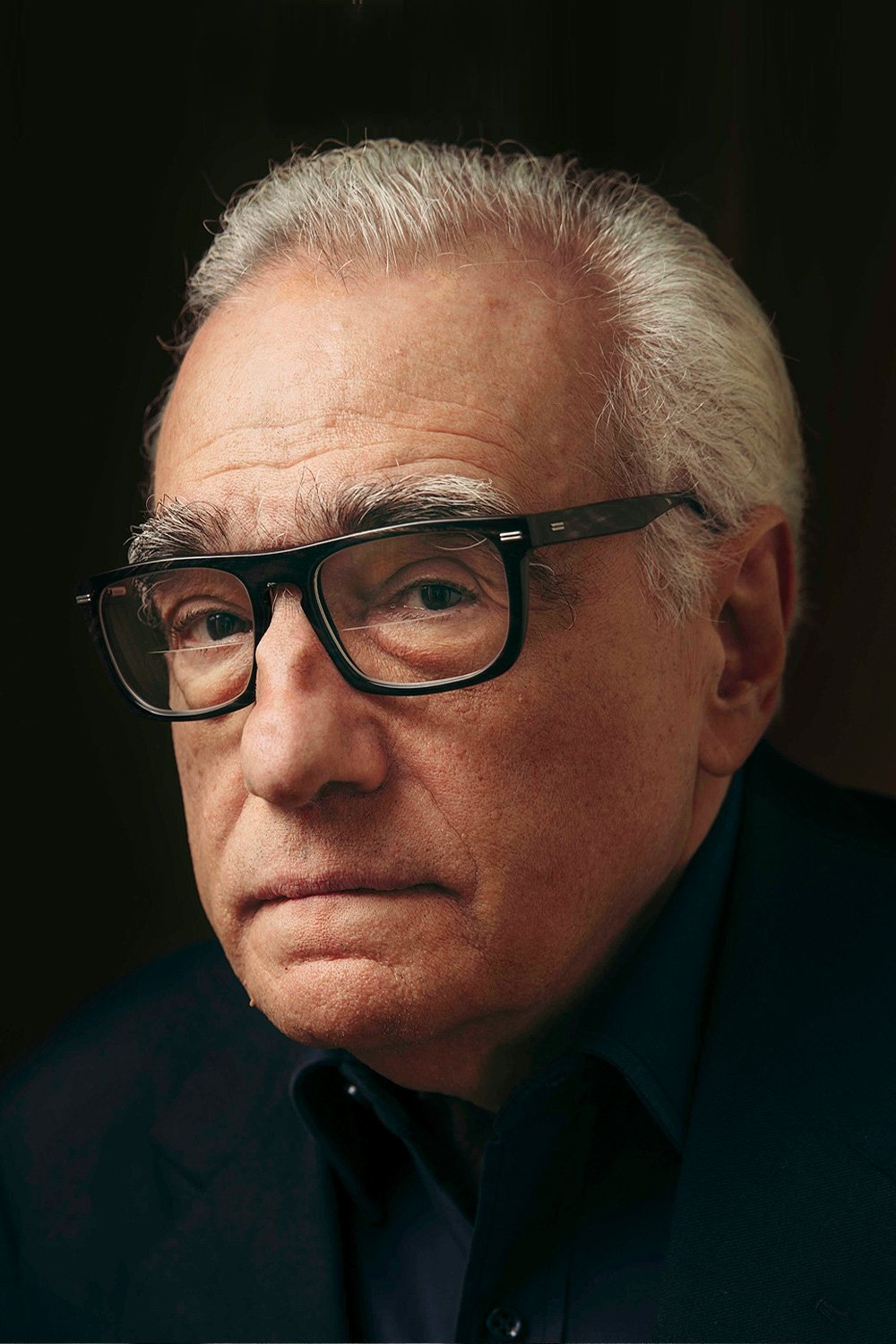
Martin Scorsese faced backlash for the lack of moral condemnation in ‘The Wolf of Wall Street’ (2013). Critics argued that the film glorified the criminal lifestyle of Jordan Belfort. Scorsese defended the movie by saying it was not his job to preach to the audience. He believed that showing the seductive nature of greed was more powerful than a moralizing tale. The director trusted the audience to understand that the behavior depicted was wrong.
Leonardo DiCaprio
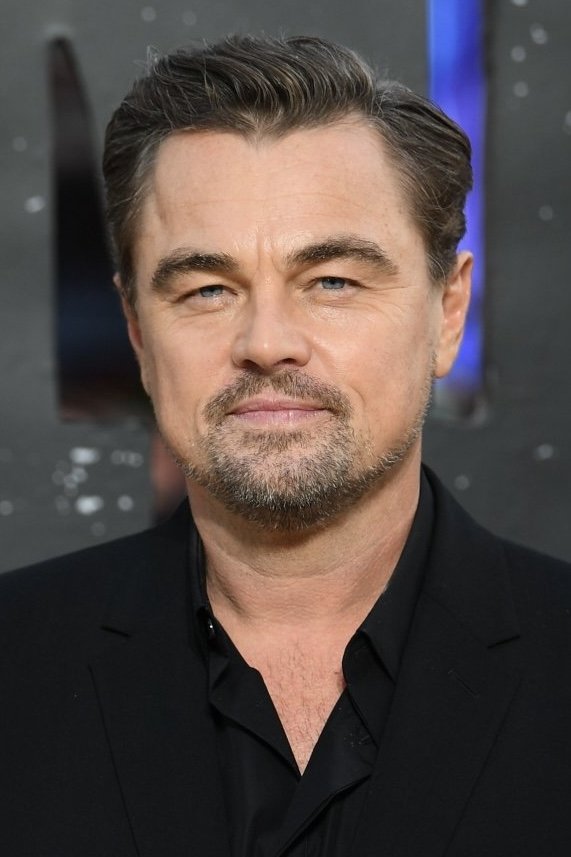
Leonardo DiCaprio defended ‘The Wolf of Wall Street’ (2013) against accusations that it promoted bad behavior. He argued that the film was a cautionary tale rather than an endorsement of excess. DiCaprio stated that the crew approached the story as a reflection of a broken system. He felt that sugarcoating the events would have done a disservice to the truth. The actor stood by the film as an important critique of American capitalism.
Todd Phillips
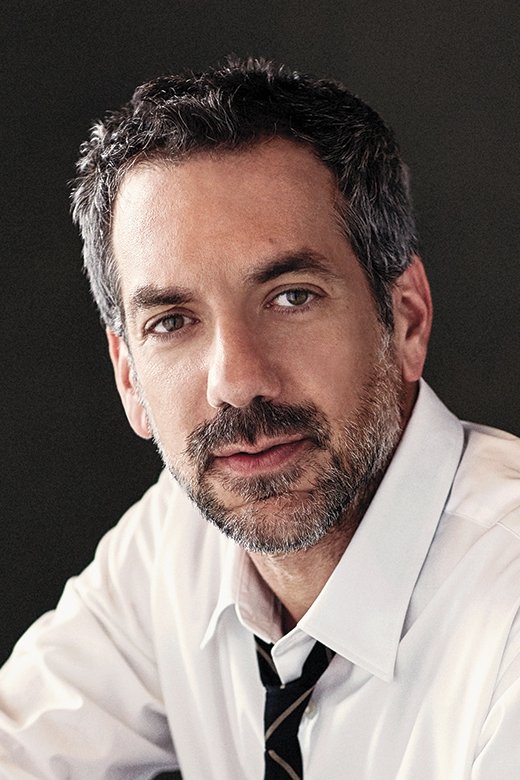
Todd Phillips faced concerns that ‘Joker’ (2019) would incite real-world violence. He defended the film by arguing that art is meant to be complicated and provoke difficult conversations. Phillips criticized the media for manufacturing a controversy before the film was released. He stated that the movie was about a lack of empathy in society rather than a call to anarchy. The director refused to edit the film to appease critics.
Joaquin Phoenix
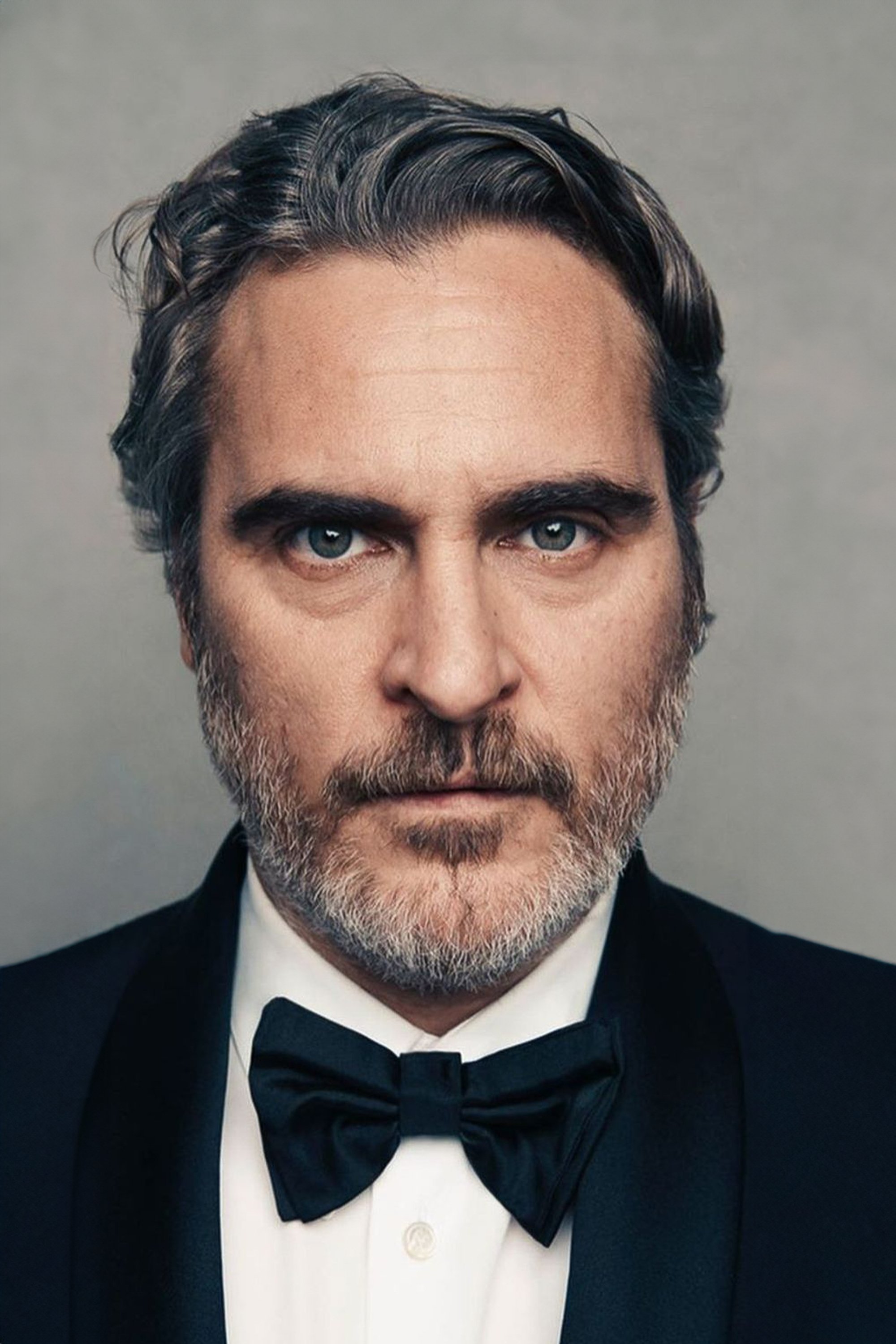
Joaquin Phoenix walked out of an interview when asked if ‘Joker’ (2019) might inspire mass shooters. He later defended the film by stating that filmmakers cannot be responsible for how disturbed individuals interpret art. Phoenix argued that the audience is capable of distinguishing right from wrong. He believed the film explored mental illness in a necessary and raw way. The actor maintained that the backlash was largely unfounded.
Viggo Mortensen
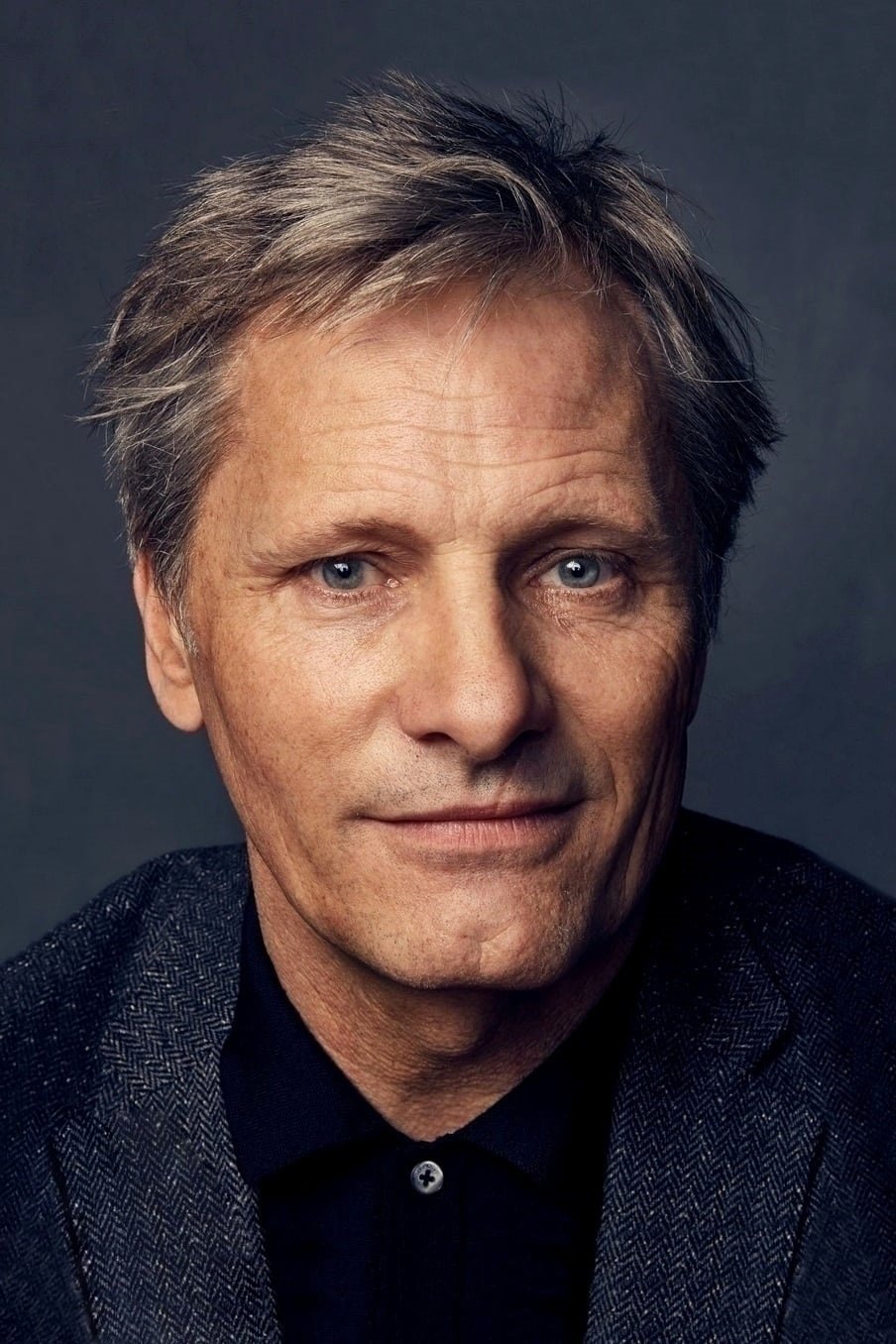
Viggo Mortensen defended ‘Green Book’ (2018) against claims that it utilized the white savior trope. He argued that the criticism was unfair and ignored the true friendship depicted in the story. Mortensen stated that the filmmakers had good intentions and worked hard to be respectful. He felt that the negative narrative surrounding the film overshadowed its message of unity. The actor stood by the project throughout awards season.
Peter Farrelly
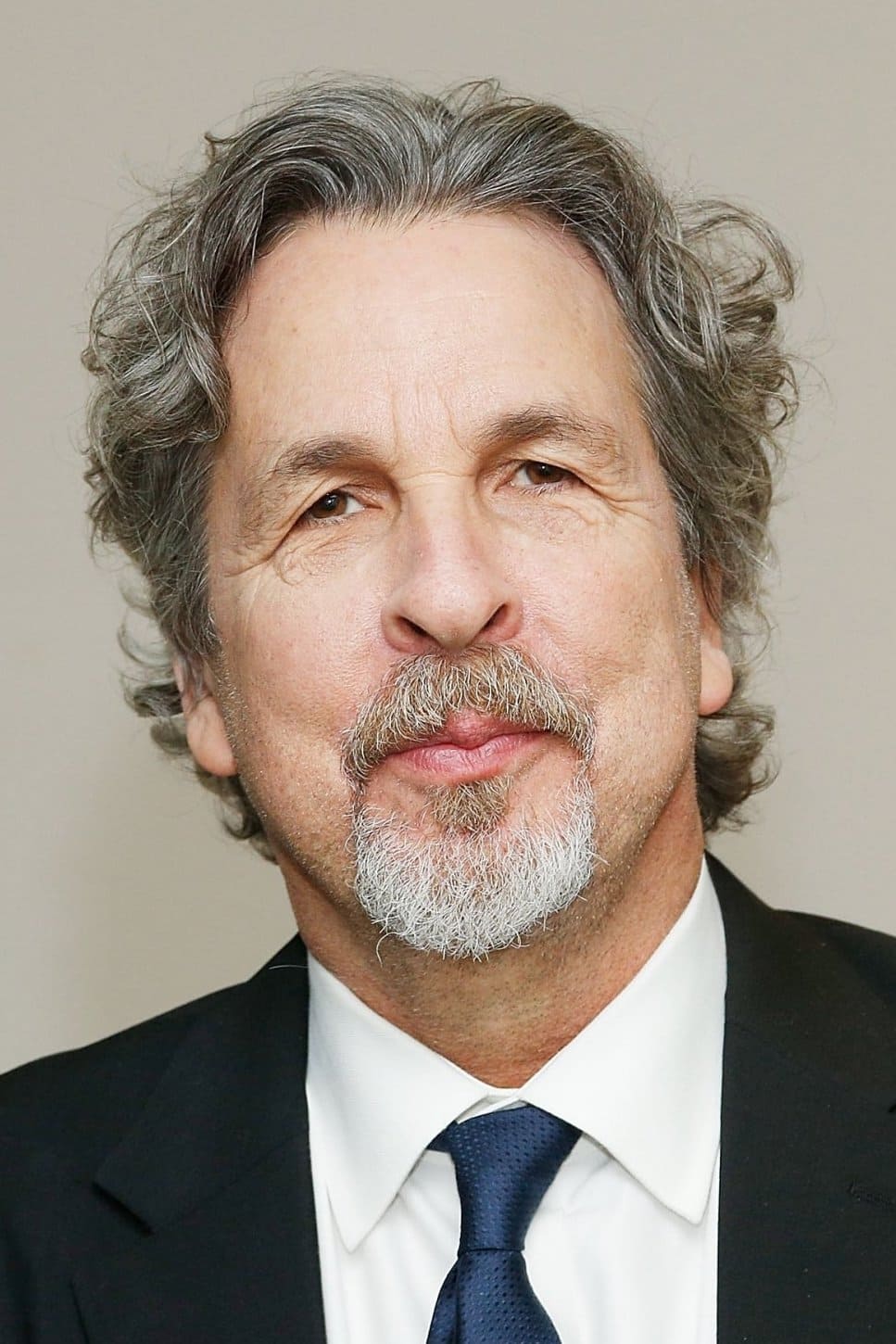
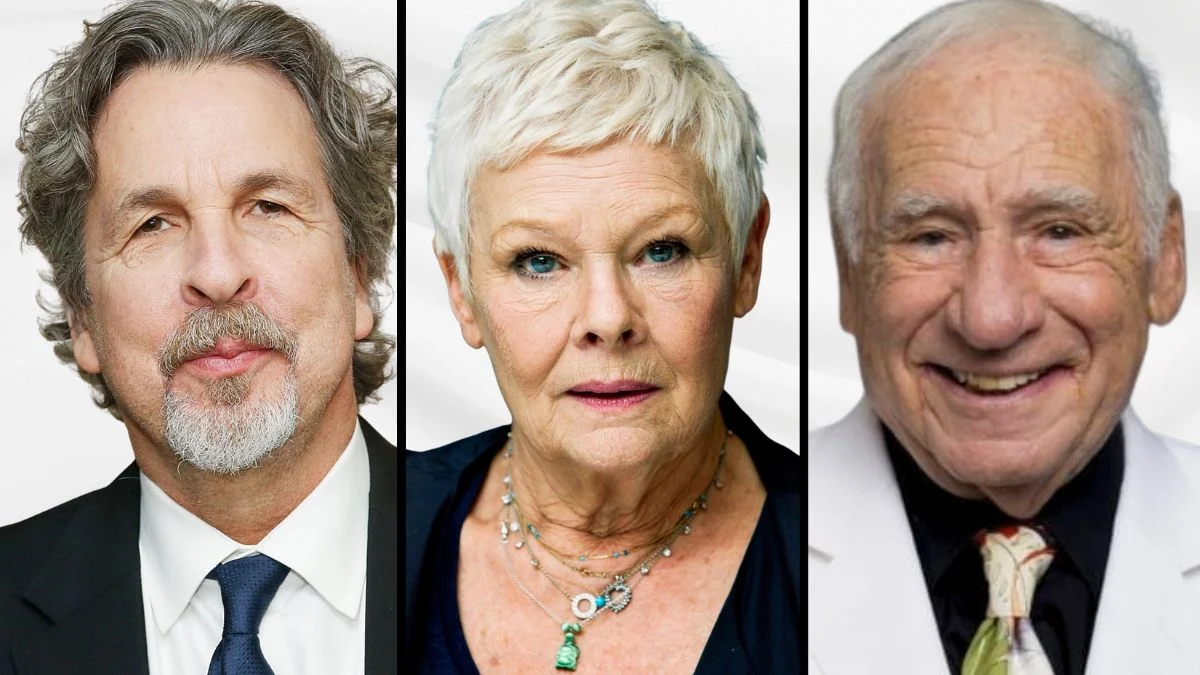
Director Peter Farrelly defended ‘Green Book’ (2018) after the family of Dr. Don Shirley disputed the film’s accuracy. He claimed that he utilized audio tapes and interviews to construct the narrative honestly. Farrelly argued that the backlash was a result of the political climate rather than the quality of the film. He expressed regret that the family was unhappy but stood by the screenplay. The film won Best Picture despite the lingering controversy.
Kathryn Bigelow
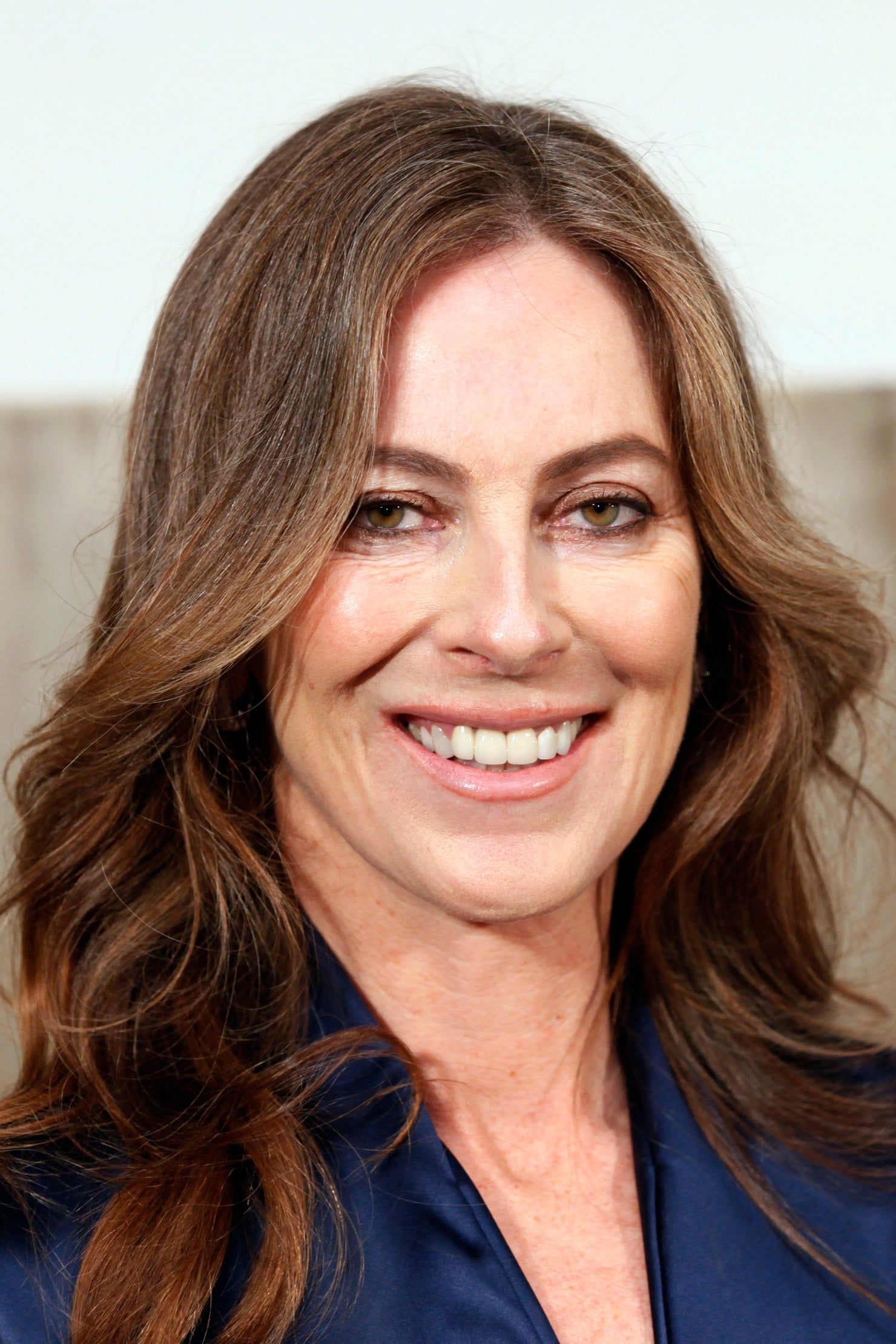
Kathryn Bigelow faced intense scrutiny for the depiction of torture in ‘Zero Dark Thirty’ (2012). Critics argued that the film suggested torture was effective in finding Osama bin Laden. Bigelow defended the scenes as a neutral journalistic depiction of history. She stated that showing a harsh reality does not equate to endorsing it. The director maintained that she had a duty to show the brutality of the manhunt.
Jessica Chastain
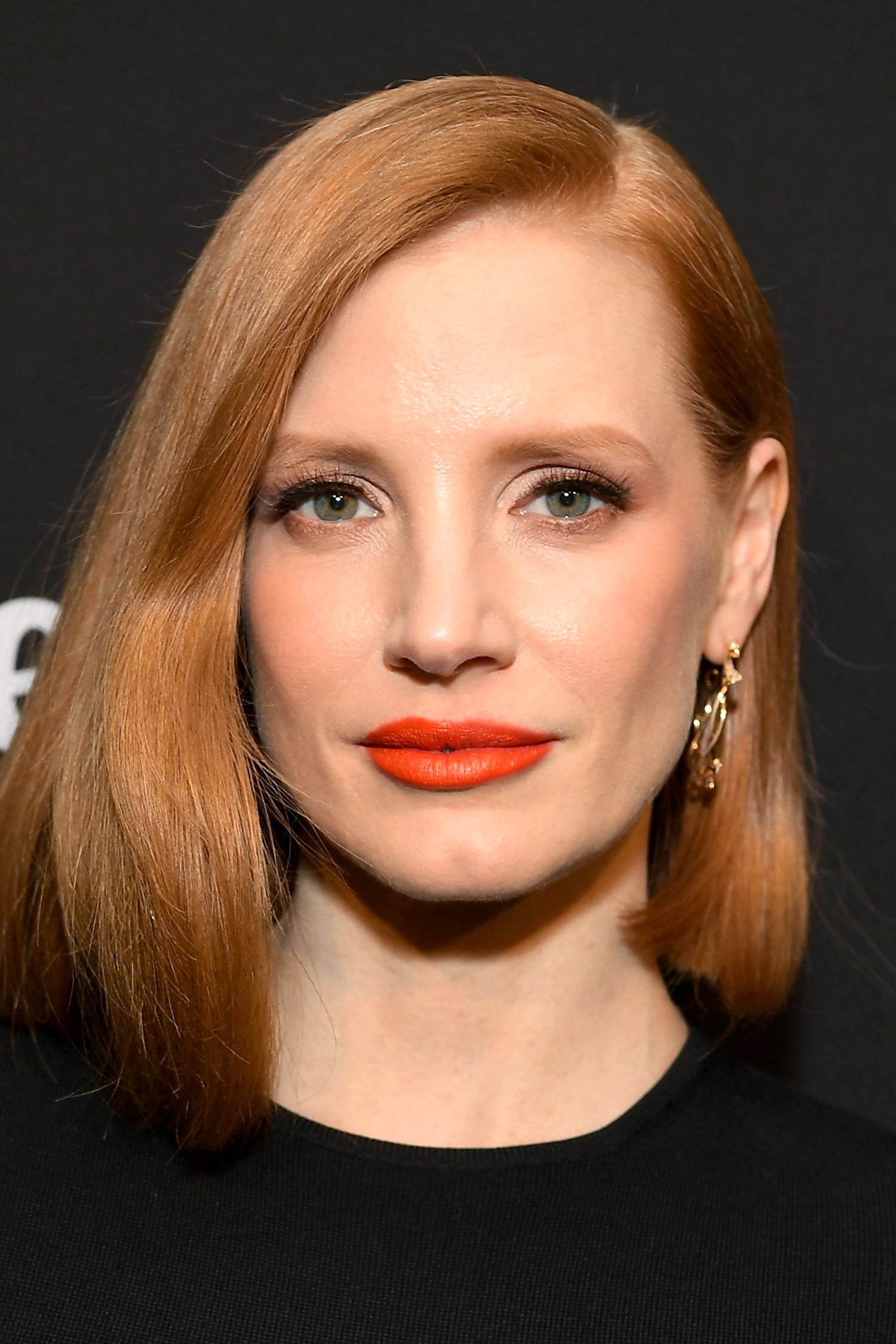
Jessica Chastain supported Kathryn Bigelow regarding the controversy over ‘Zero Dark Thirty’ (2012). She argued that the film was being unfairly politicized by people who had not seen it. Chastain stated that her character represented the intelligence work that actually solved the case. She defended the film as an important historical document. The actress felt the backlash distracted from the artistic achievement of the movie.
Matt Damon
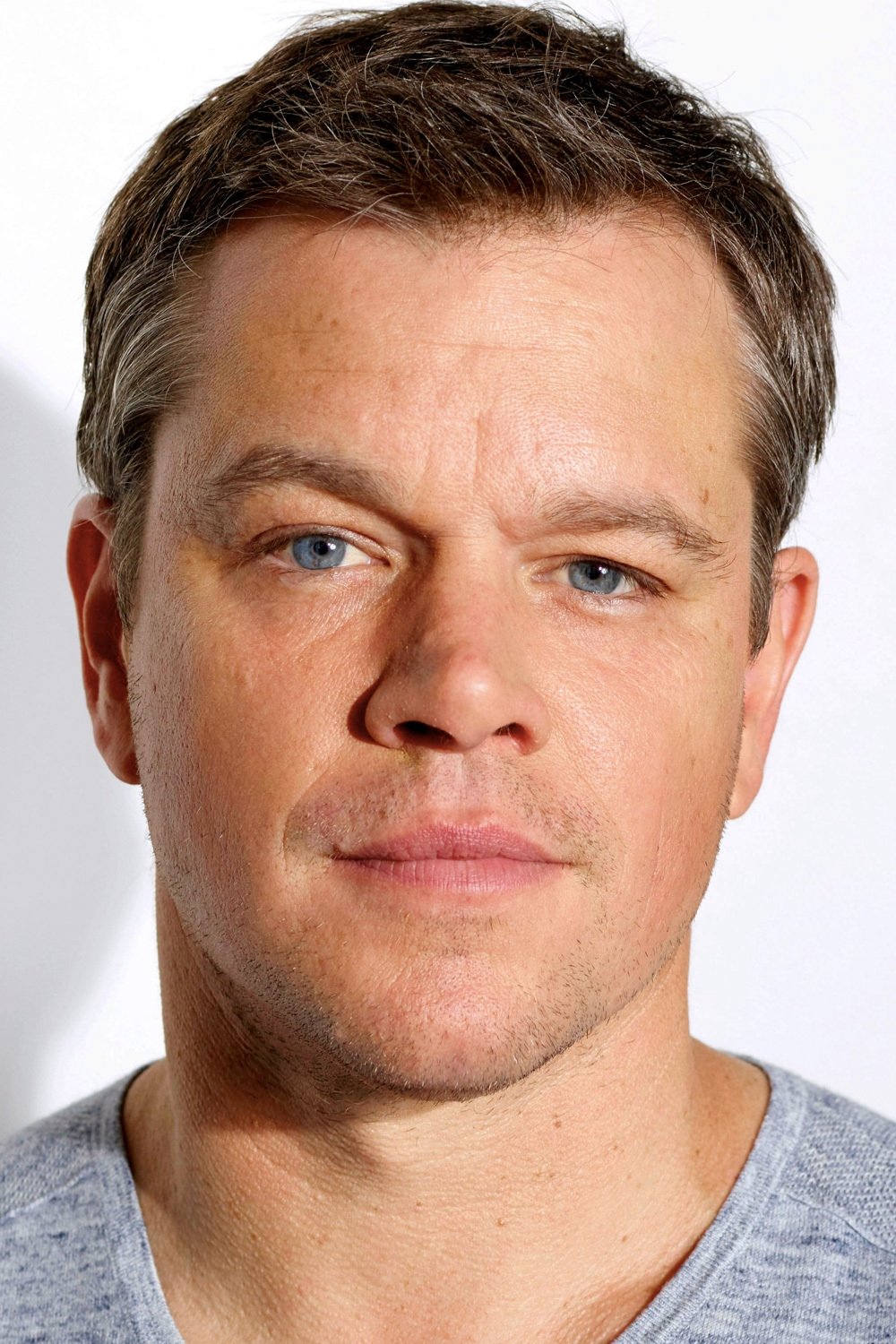
Matt Damon faced criticism for his role in ‘The Great Wall’ (2016) regarding the white savior narrative. He defended the film by explaining that the story was a fantasy and he was not playing a Chinese character. Damon argued that the accusations of whitewashing were based on a teaser trailer rather than the full movie. He stated that he takes casting issues seriously but felt this specific complaint was baseless. The actor expressed frustration with the “clickbait” nature of the controversy.
Javier Bardem
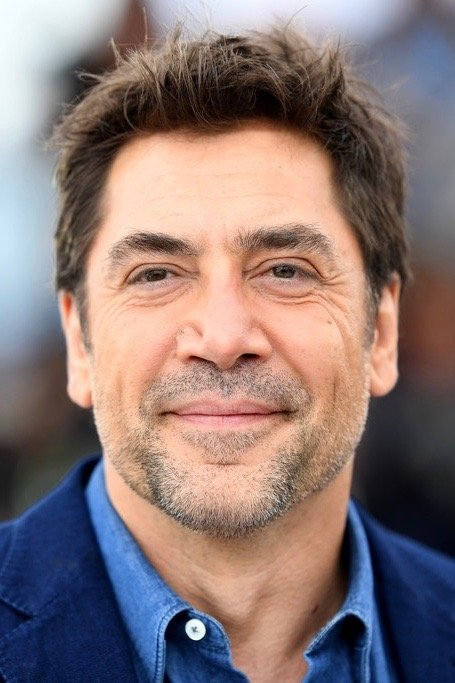
Javier Bardem defended his casting as Desi Arnaz in ‘Being the Ricardos’ (2021). Critics questioned why a Spanish actor was playing a Cuban icon. Bardem argued that an actor’s job is to transform into people they are not. He stated that excluding him based on his specific heritage sets a dangerous precedent for creativity. The actor maintained that his performance honored the spirit of Arnaz.
Aaron Sorkin
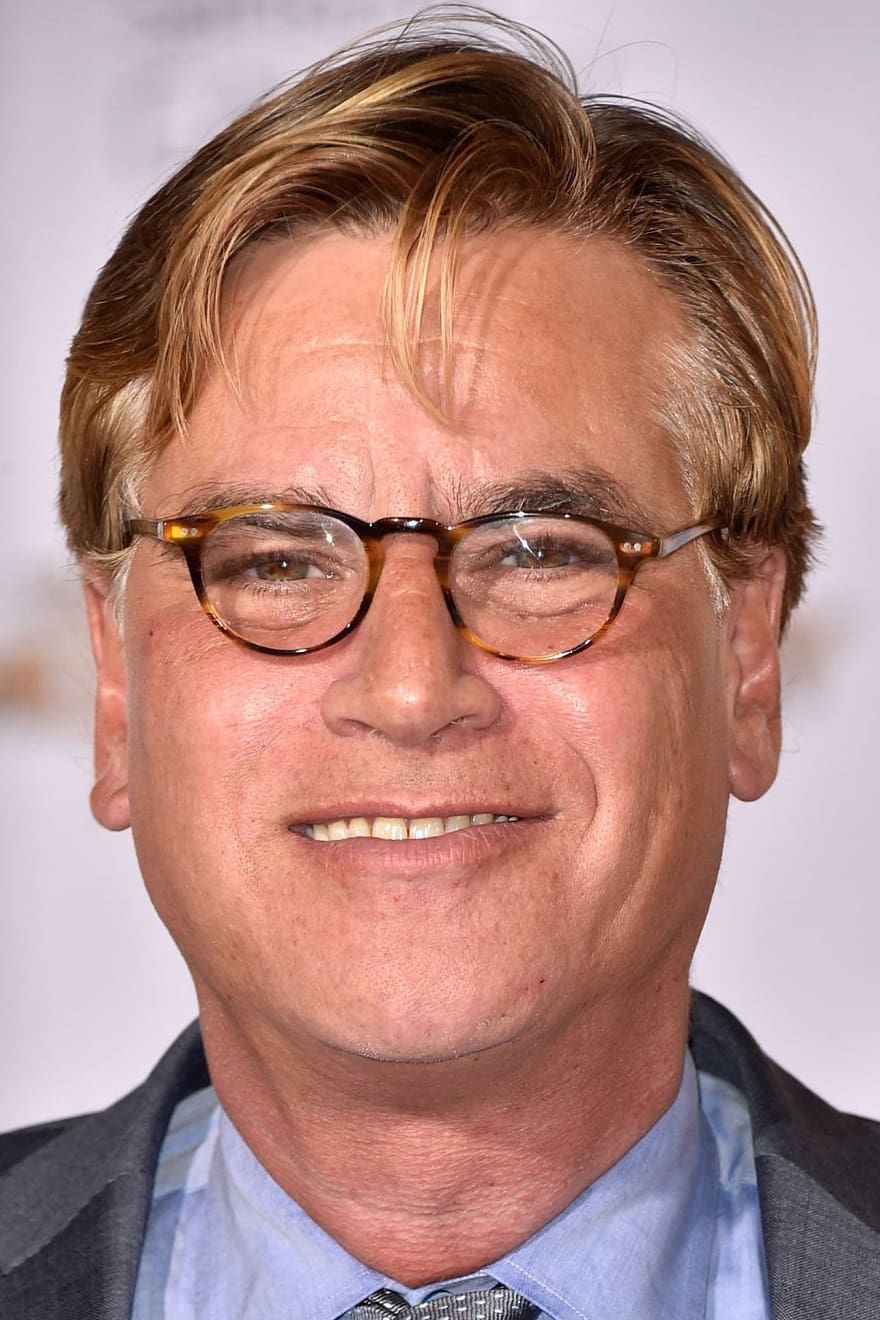
Director Aaron Sorkin defended casting Javier Bardem in ‘Being the Ricardos’ (2021). He argued that he was not looking for a physical impersonation but for an actor who could capture the essence of the character. Sorkin dismissed the “identity politics” criticism as detrimental to storytelling. He stated that acting is about playing someone else by definition. The director stood firmly by his choice of lead actor.
Lars von Trier
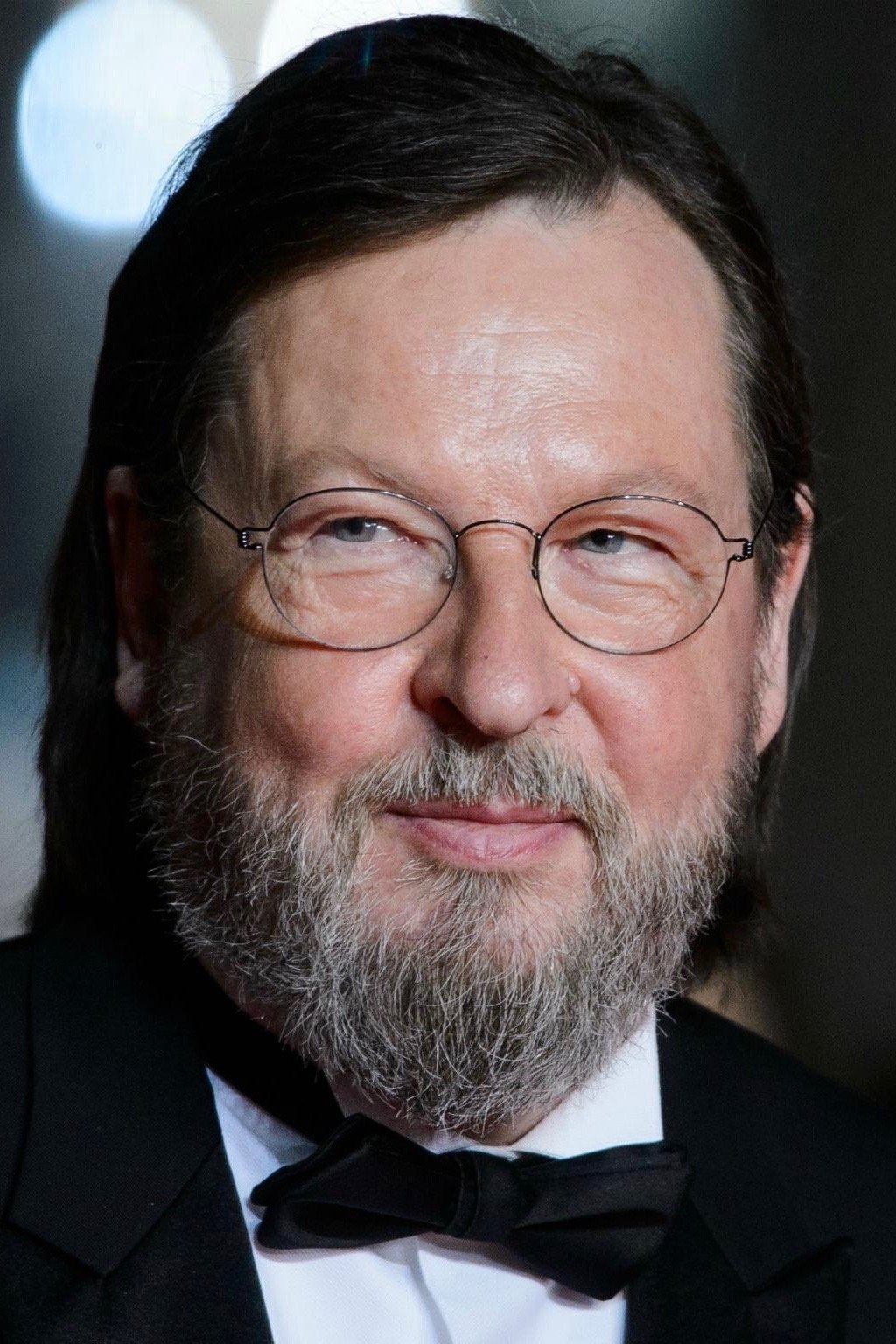
Lars von Trier defended the extreme violence in ‘The House That Jack Built’ (2018). Mass walkouts occurred at the Cannes Film Festival due to scenes involving the mutilation of women and children. Von Trier argued that he makes films to make people think and feel uncomfortable. He stated that art should not be safe or sanitized for the audience. The director seemed to embrace the hatred the film received.
Gaspar Noé
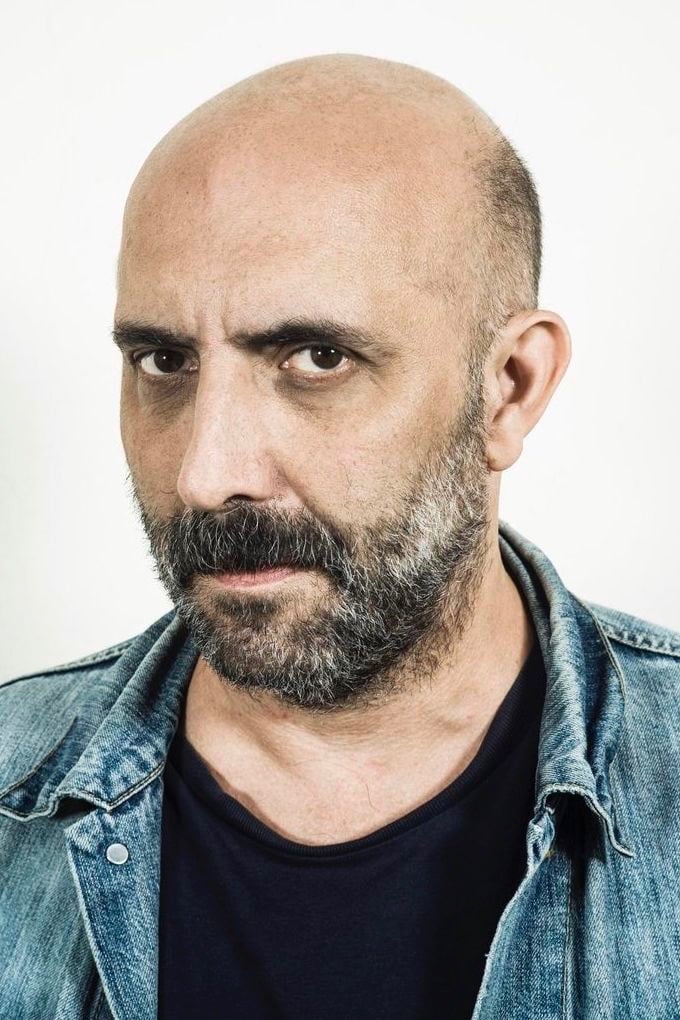
Gaspar Noé has frequently defended the brutal rape scene in ‘Irréversible’ (2002). He argued that violence in cinema should be repulsive rather than stylized or fun. Noé stated that he wanted the audience to feel the true horror of the act. He dismissed critics who called the film exploitative trash. The director maintains that the film is a moral statement against violence.
Vincent Gallo
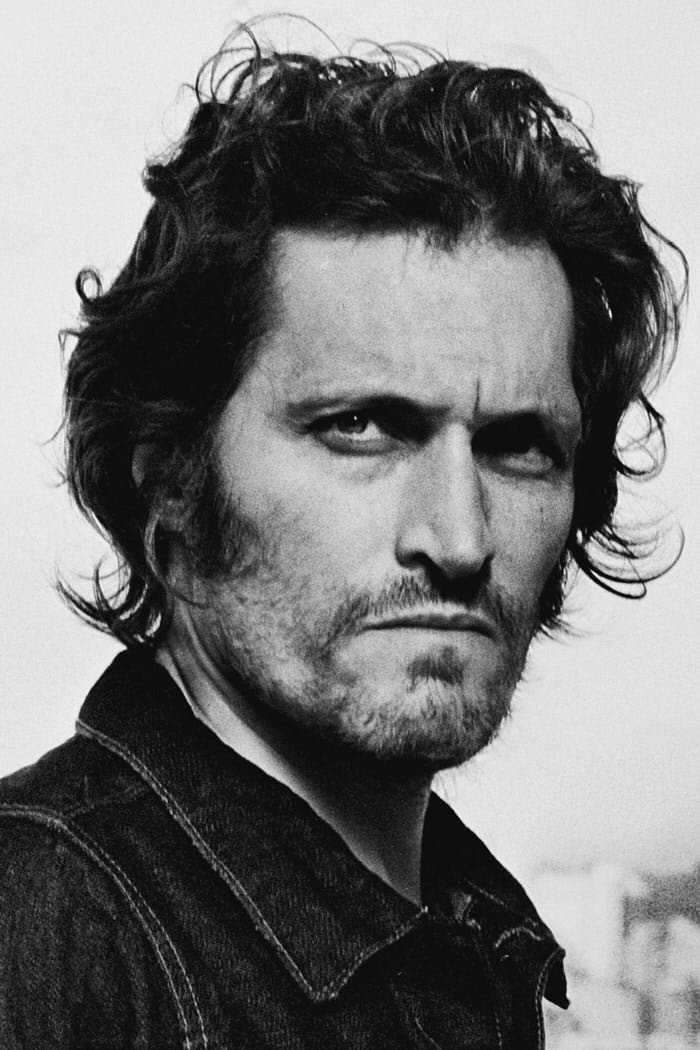
Vincent Gallo defended his film ‘The Brown Bunny’ (2003) after Roger Ebert called it the worst film in Cannes history. The movie features a graphic, unsimulated oral sex scene that shocked audiences. Gallo argued that the scene was essential to the emotional vulnerability of the character. He engaged in a public feud with Ebert but stood by his artistic choices. The film remains a cult oddity due to Gallo’s uncompromising defense.
Paul Verhoeven

Paul Verhoeven has defended ‘Showgirls’ (1995) for decades despite it being a critical bomb. He argued that the film was a satire of the American dream that audiences misunderstood. Verhoeven stated that the over-the-top acting and nudity were intentional stylistic choices. He embraced the film’s later success as a camp classic. The director insists the movie is more intelligent than critics gave it credit for.
David Fincher
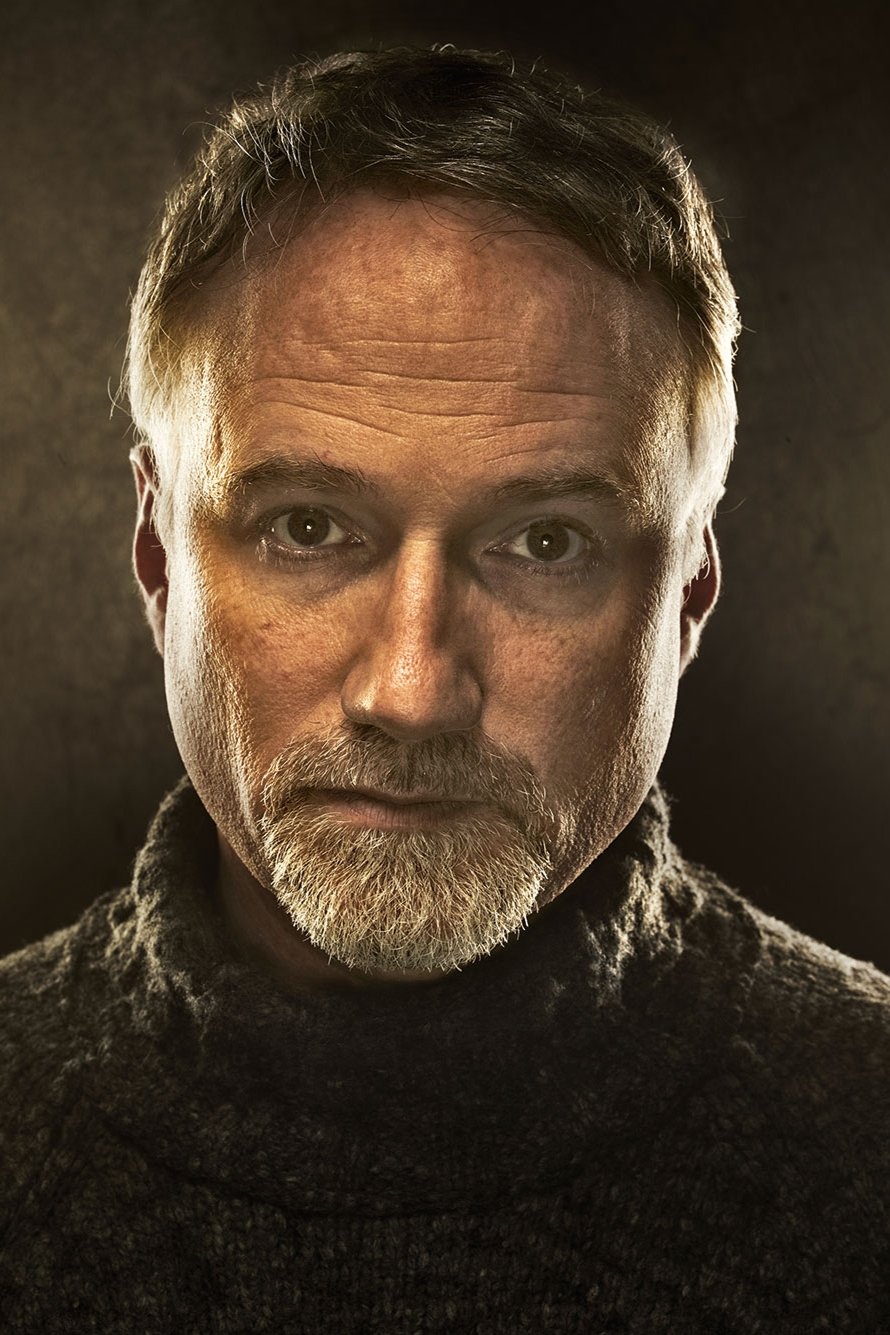
David Fincher has defended ‘Fight Club’ (1999) against claims that it promotes toxic masculinity and fascism. He argued that the film is a satire of those very concepts. Fincher stated that the protagonist’s journey is meant to show the emptiness of that ideology. He expressed surprise that some fans took the film’s rules literally. The director maintains the movie is a critique of male aggression, not a celebration of it.
Darren Aronofsky
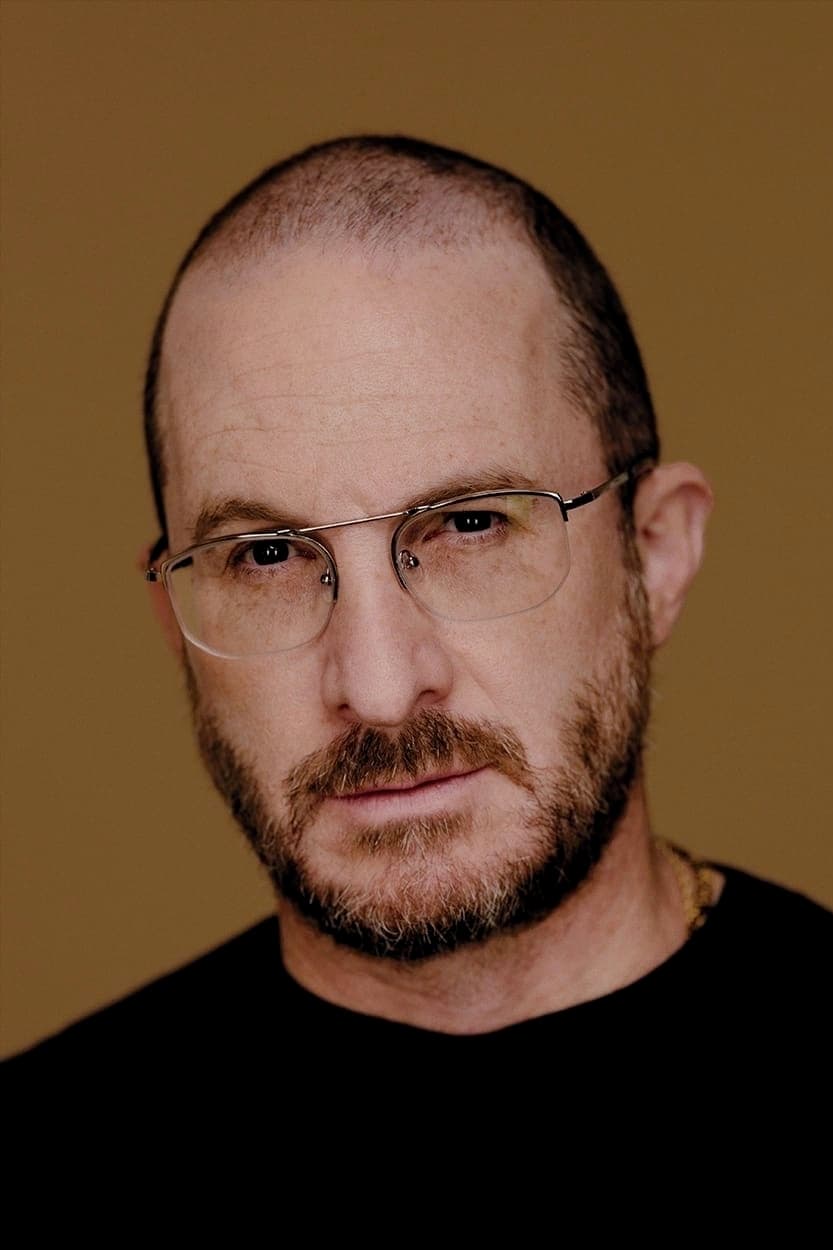
Darren Aronofsky defended ‘Mother!’ (2017) after it received a rare ‘F’ CinemaScore from audiences. He argued that the film was designed to be an intense assault on the senses. Aronofsky stated that the allegorical violence was necessary to deliver his environmental message. He accepted that the film was divisive but stood by its aggressive tone. The director believed the strong reaction proved the art was effective.
Jennifer Lawrence

Jennifer Lawrence defended ‘Mother!’ (2017) alongside her director. She argued that the graphic nature of the film was vital to the story they were telling. Lawrence stated that the movie was unique and brave for taking such risks. She acknowledged the film was difficult to watch but felt it was important art. The actress remained proud of the polarized reception.
John Cleese
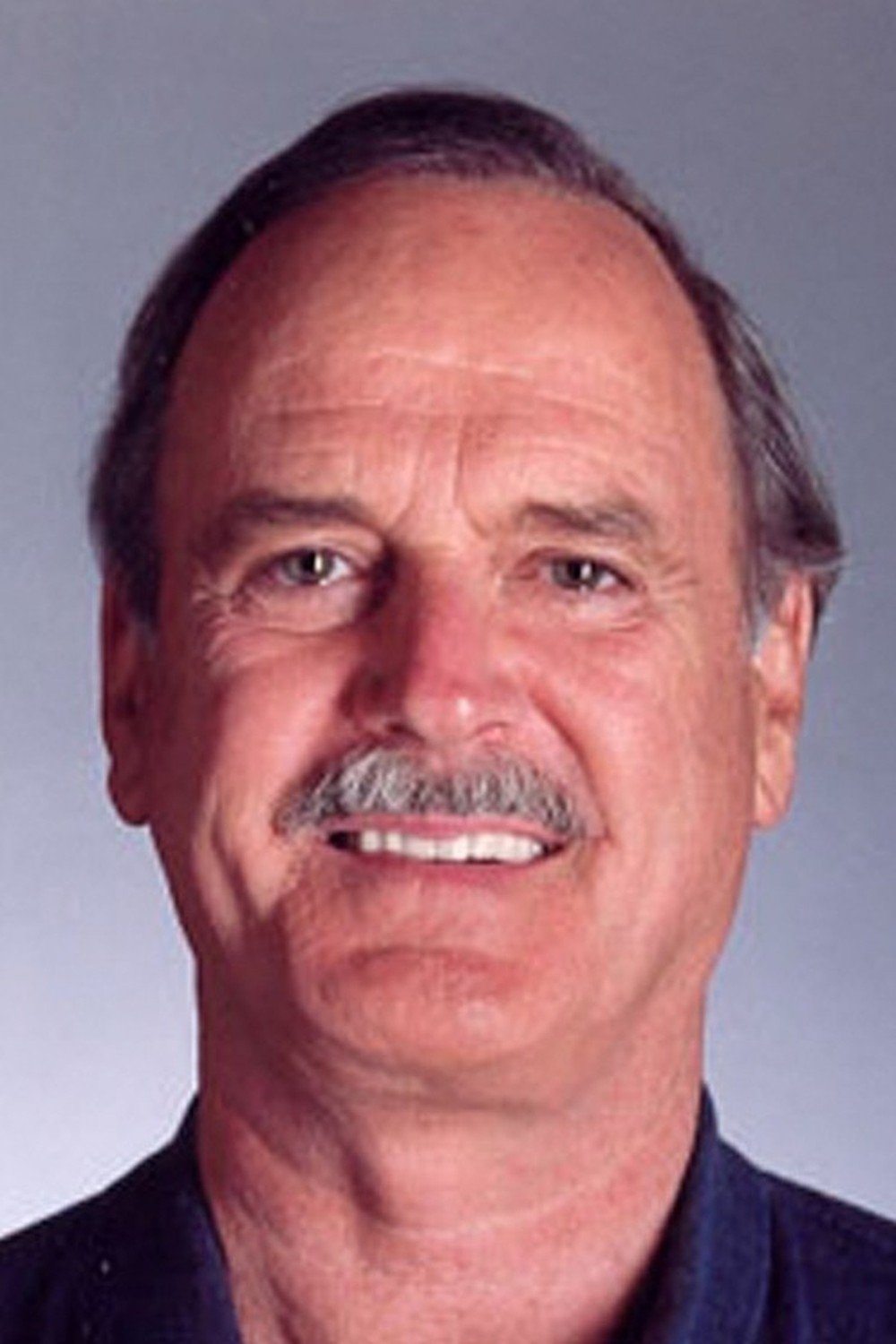
John Cleese has spent years defending ‘Monty Python’s Life of Brian’ (1979) against accusations of blasphemy. He argued that the film mocks religious hypocrisy rather than faith itself. Cleese stated that the protests against the film only helped its box office numbers. He continues to criticize “cancel culture” for threatening the existence of such comedy. The comedian believes that nothing should be off-limits for humor.
Terry Gilliam
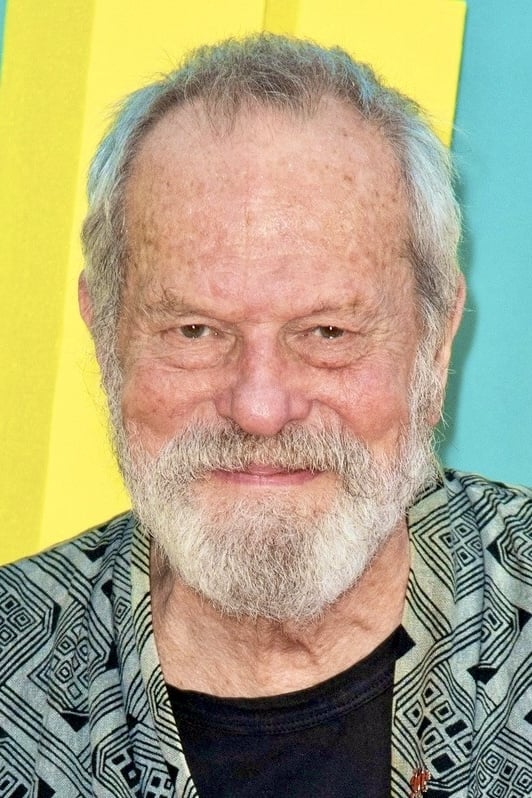
Terry Gilliam has joined his Monty Python cohorts in defending their catalog against modern censorship. He specifically defended the more offensive jokes in their films as products of their time and style. Gilliam argued that comedy requires a victim and that being offended is part of life. He criticized the BBC for placing content warnings on their classic work. The director maintains that sanitizing old comedy destroys its purpose.
Queen Latifah
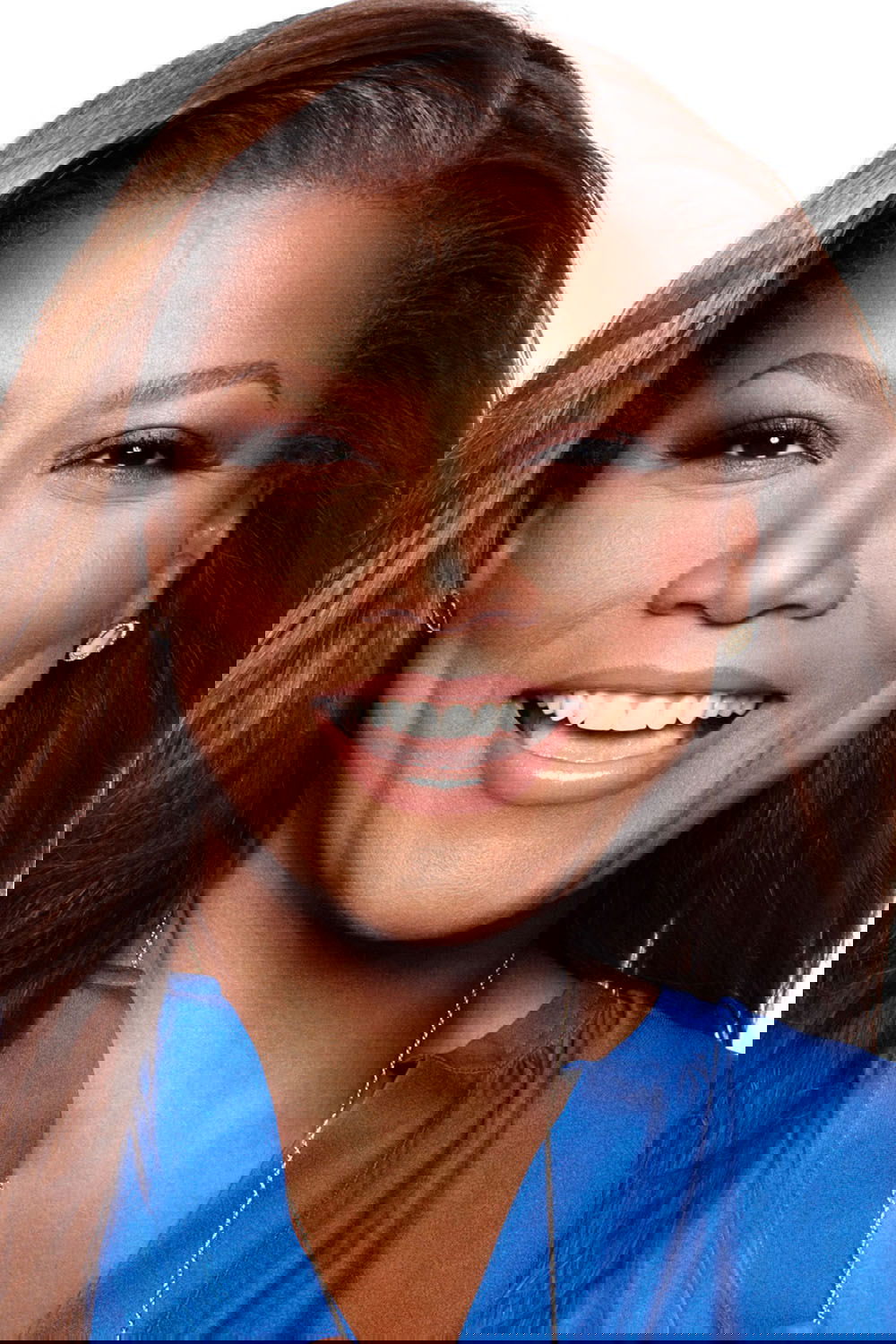
Queen Latifah defended ‘Gone with the Wind’ (1939) when HBO Max temporarily removed it to add historical context. She argued that the film should remain available so people can see where society has been. Latifah stated that erasing the movie would be like erasing history. She believed that the film serves as a necessary reminder of the past. The actress advocated for adding disclaimers rather than banning the art.
Hattie McDaniel
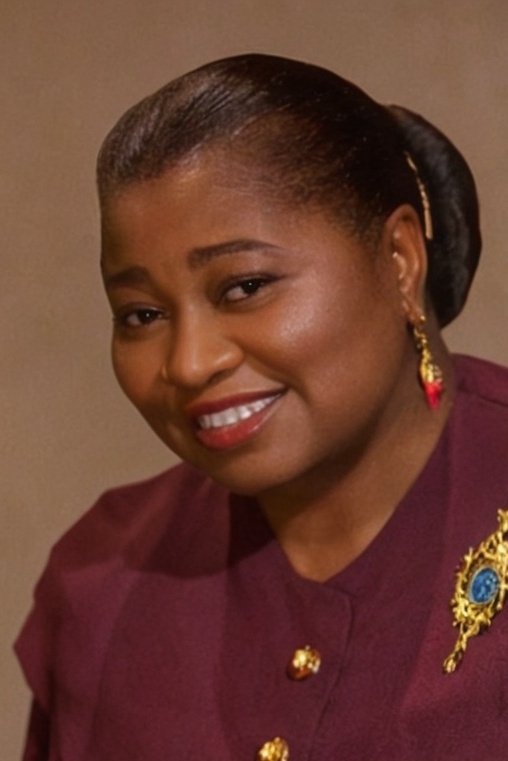
Hattie McDaniel defended her role in ‘Gone with the Wind’ (1939) against the NAACP, who criticized her for playing a maid. She famously argued that she would rather play a maid for a high salary than be one for low pay. McDaniel stated that her performance opened doors for other Black actors in Hollywood. She felt that her presence in a major studio film was a step forward. The actress stood by her work until the end of her life.
Olivia de Havilland

Olivia de Havilland defended the legacy of ‘Gone with the Wind’ (1939) throughout her long life. She argued that the film was a product of its time and should be appreciated for its craft. De Havilland felt that the cast and crew created something historically significant. She dismissed modern attempts to discredit the film’s artistic merit. The actress viewed the movie as a beloved classic rather than a political statement.
Casey Affleck
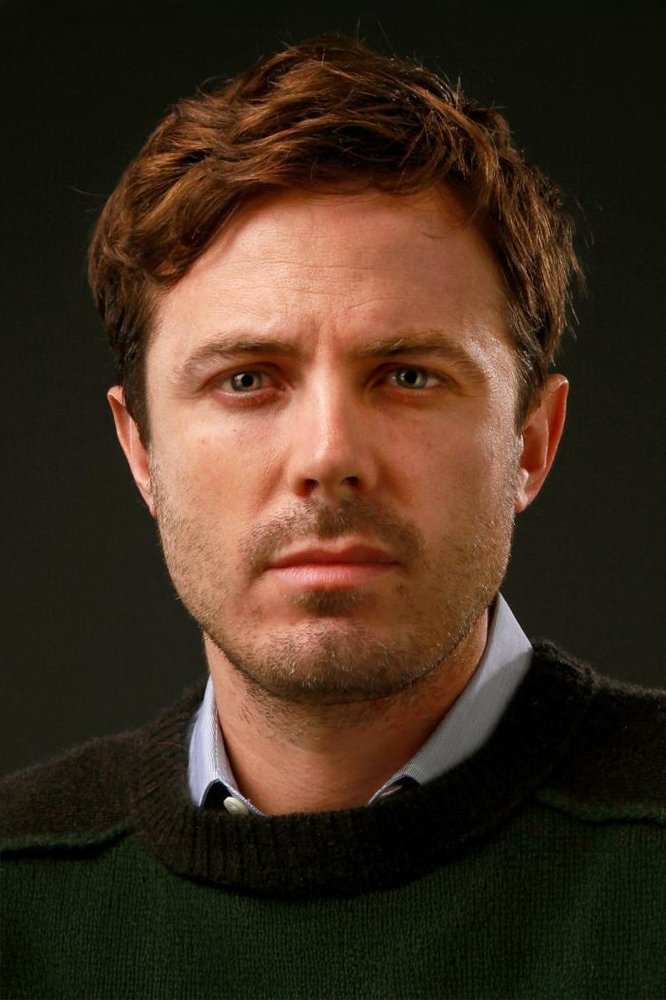
Casey Affleck defended the mockumentary ‘I’m Still Here’ (2010) despite the chaos it caused. The film faced backlash for tricking the public and for the behavior on set which led to lawsuits. Affleck argued that the deception was necessary to make the statement about celebrity culture. He claimed the project was a piece of performance art. The actor stood by the final product despite the damage it did to his public image.
Judi Dench
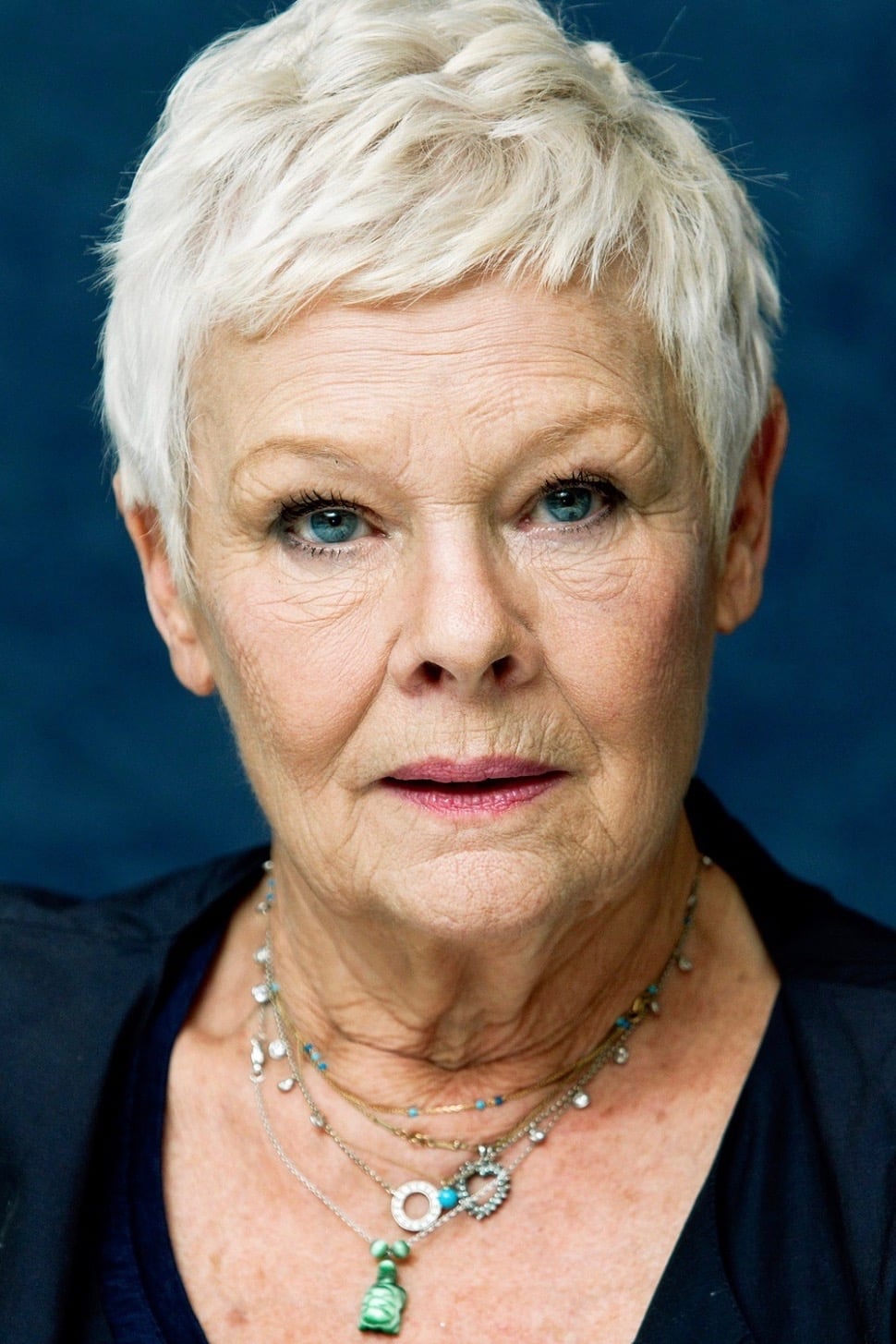
Judi Dench faced backlash for defending the film legacy of Harvey Weinstein. She argued that films like ‘Shakespeare in Love’ (1998) should not be erased because of the producer’s crimes. Dench stated that the work of hundreds of artists should not be punished for the actions of one man. She emphasized the importance of separating the art from the individual. Her comments drew ire from those who felt she was protecting a predator’s legacy.
Share your opinion on these controversial defenses in the comments.