


Celebs Slammed For Hyping Diversity While Casting Only Light-Skinned Leads

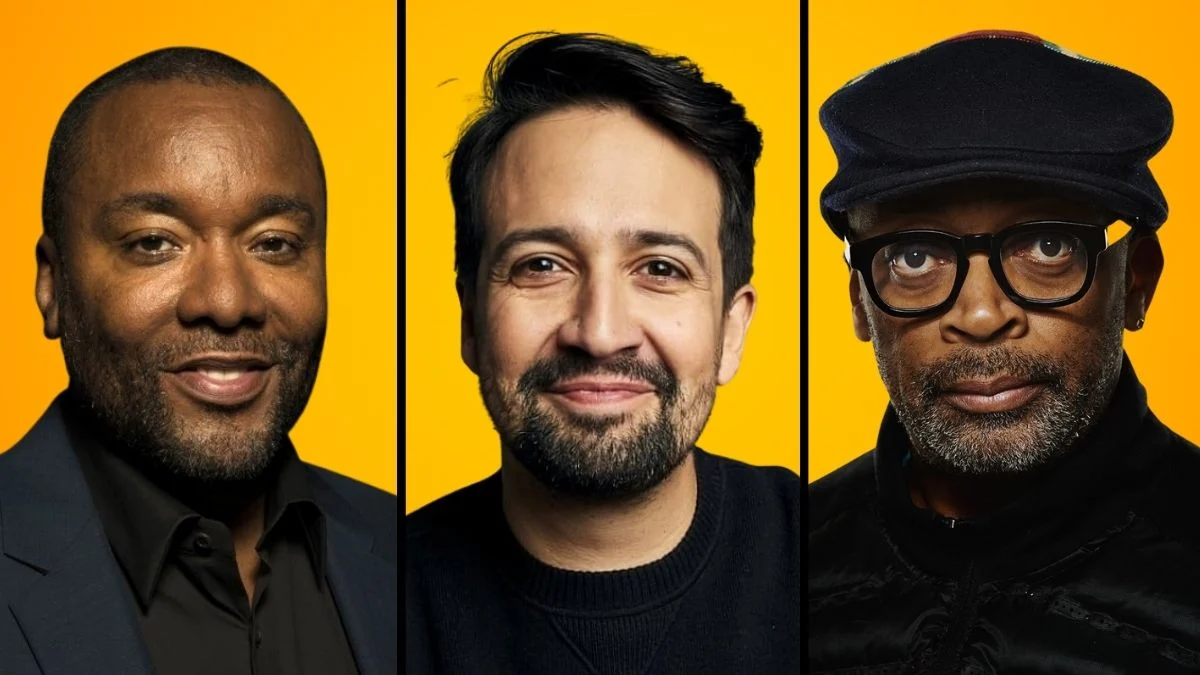


The entertainment industry has faced increasing pressure to represent the true diversity of the global population. While many high profile celebrities advocate for inclusion on public stages their production choices sometimes spark intense debate. Critics often point out a pattern where projects claiming to celebrate specific cultures primarily feature light skinned actors in lead roles. This phenomenon has led to accusations of colorism and a failure to provide opportunities for dark skinned performers. The following list examines several public figures who have faced scrutiny for this perceived disconnect between their advocacy and their casting decisions.
Lin-Manuel Miranda
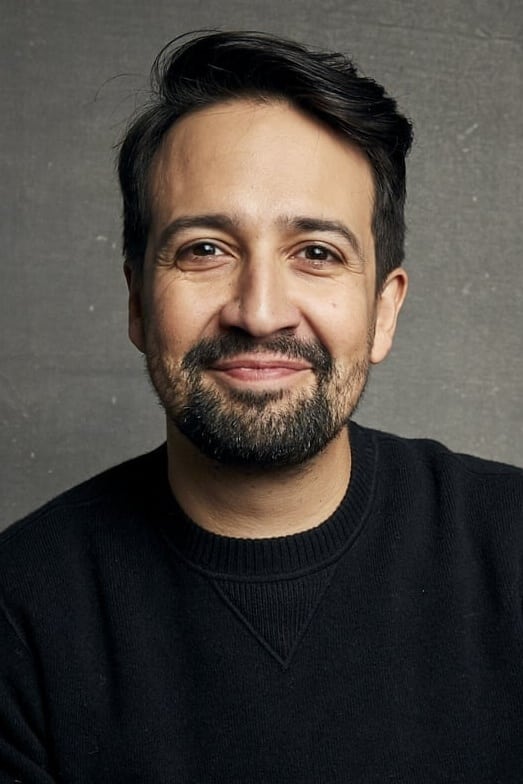
The creator faced significant backlash following the release of the film adaptation of ‘In the Heights’ because of a lack of dark skinned Afro Latino representation. Critics noted that the main cast consisted primarily of light skinned actors despite the movie being set in Washington Heights. This neighborhood is known for its diverse population of Dominicans and other Caribbean groups with varying complexions. Miranda eventually issued a public apology acknowledging that his attempt to celebrate his community fell short in the area of colorism. He committed to doing better in future projects to ensure a more inclusive reflection of the community.
Kenya Barris
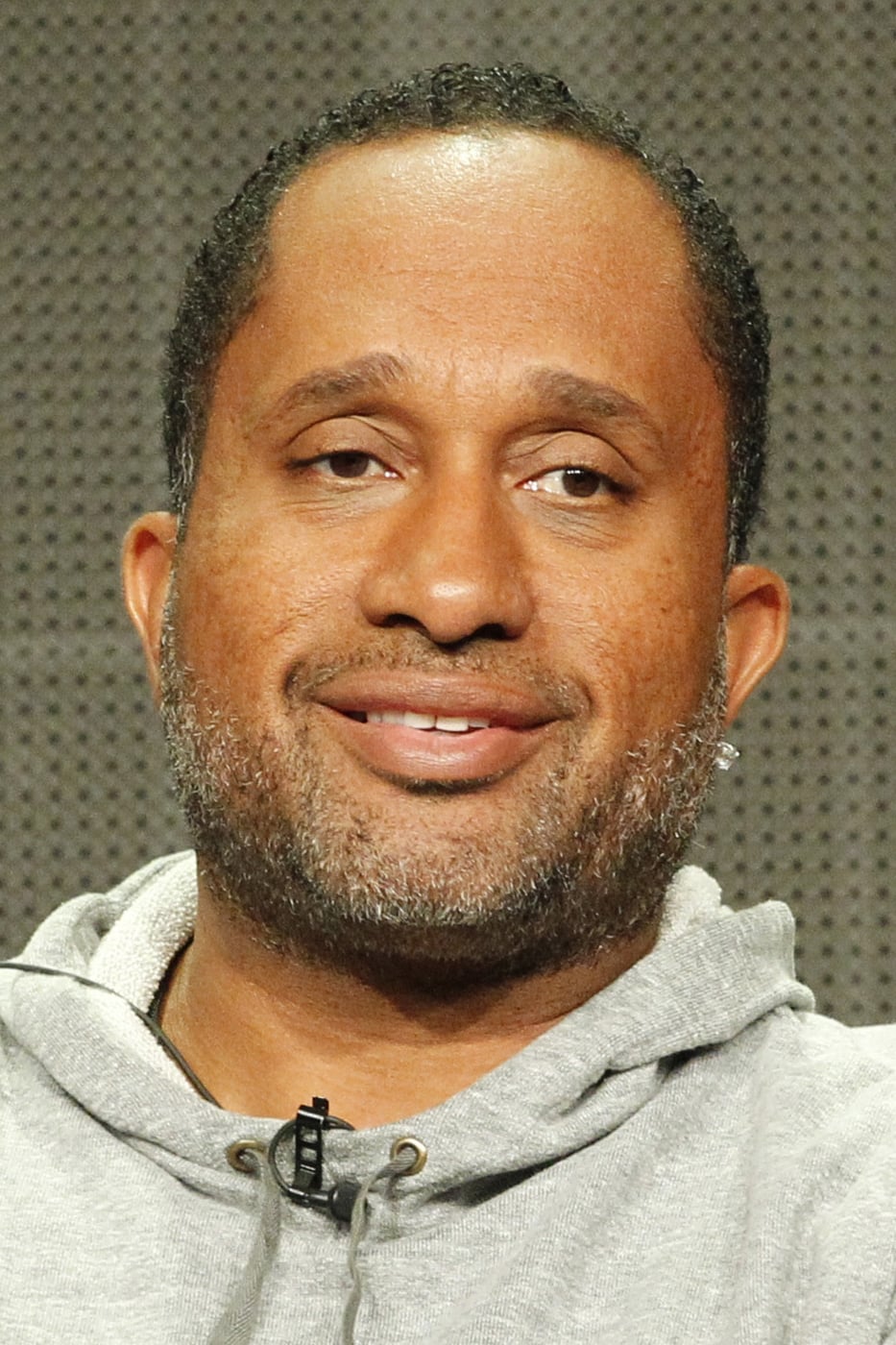
This producer has frequently been at the center of social media debates regarding the casting choices in his various television series. Shows like ‘Blackish’ and its spin offs often feature light skinned leads which led to accusations of colorism in his storytelling. Barris has spoken about his own family as an inspiration for these characters but many viewers feel he ignores the visibility of dark skinned Black families. The criticism resurfaced with the release of the film ‘You People’ on streaming platforms. Audiences continue to pressure him to expand the range of complexions featured in his high profile productions.
Tyler Perry
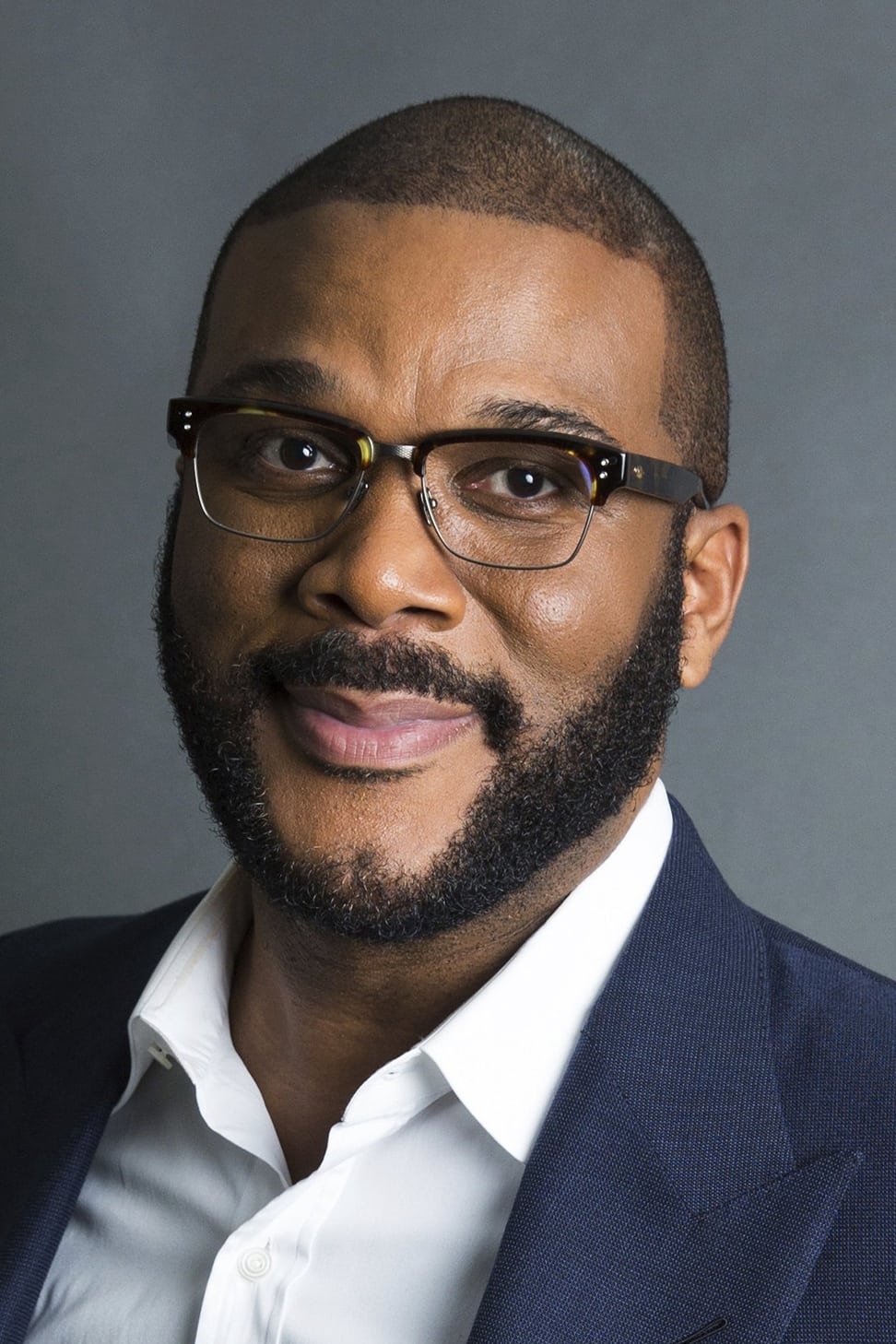
The media mogul has built an empire creating content specifically for Black audiences but he is not immune to criticism regarding skin tone representation. Observers have pointed out that the romantic leads and protagonists in many of his films and television shows tend to be light skinned. This pattern has led to discussions about the internal biases present within Black media production. While Perry has provided numerous jobs for Black actors he is often asked to reconsider the diversity of complexions within his lead roles. He continues to produce a high volume of content while fans advocate for more balanced representation.
Lee Daniels
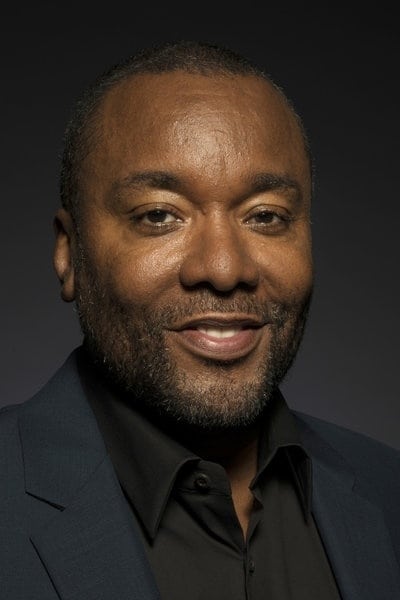
As the creator of massive hits like ‘Empire’ this director has been scrutinized for the way he depicts Black families and their dynamics. Some viewers noticed a trend where the primary characters and love interests in his work are lighter in complexion. This observation sparked a larger conversation about the systemic preference for light skinned actors in Hollywood even within Black led productions. Daniels has defended his choices by citing artistic vision and the specific needs of the characters. However the discourse surrounding colorism remains a persistent part of the critique of his filmography.
Shonda Rhimes
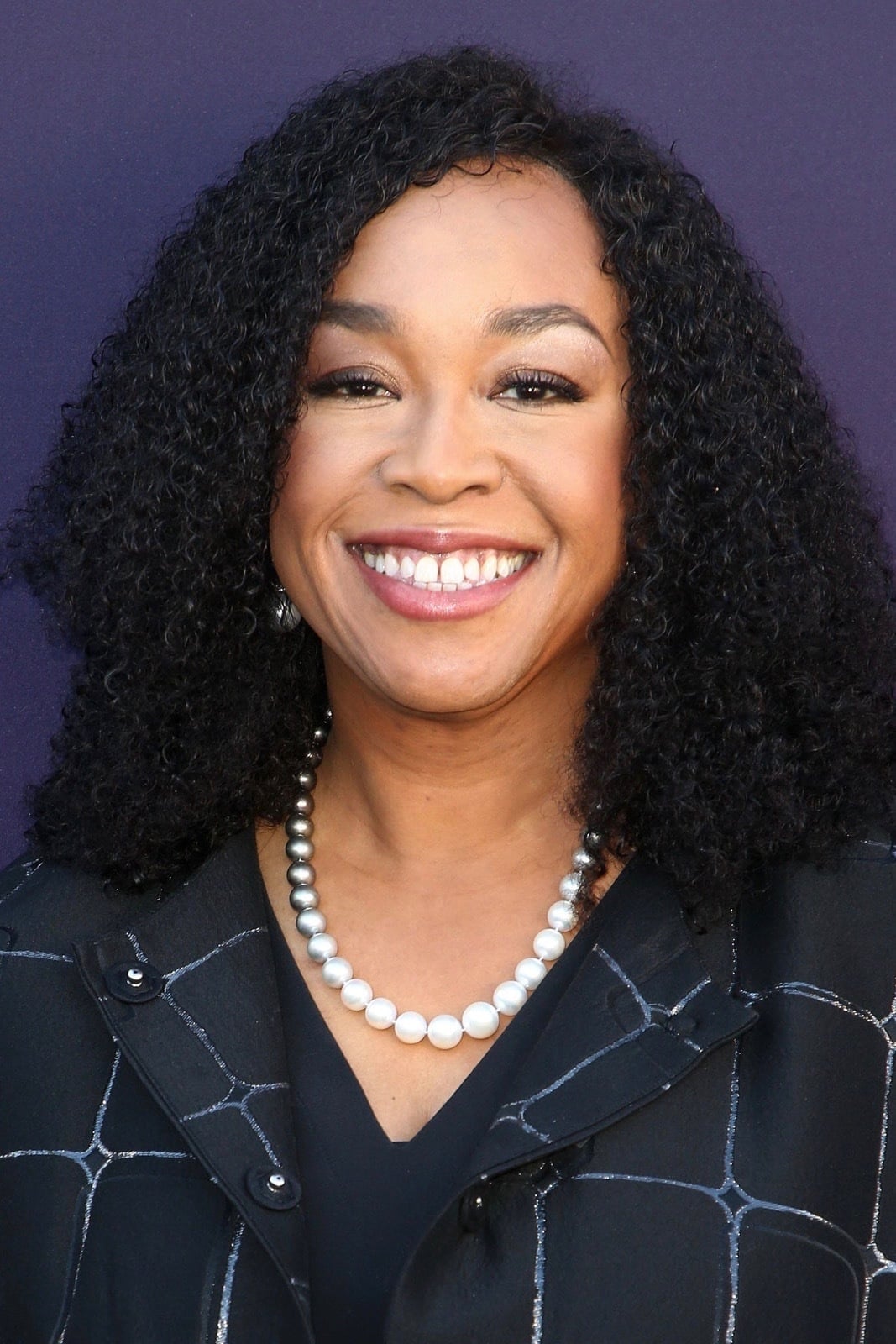
The powerhouse producer behind ‘Grey’s Anatomy’ and ‘Bridgerton’ is often praised for her diverse ensembles. However some critics have highlighted that the male romantic leads in her most popular series are frequently light skinned or mixed race. This led to questions about whether her vision of desirability excludes dark skinned Black men from primary romantic roles. Rhimes has broken many barriers for women of color in the industry and has a long history of inclusive casting. Still the specific nuances of colorism within her romantic dramas continue to be analyzed by media scholars.
Mindy Kaling
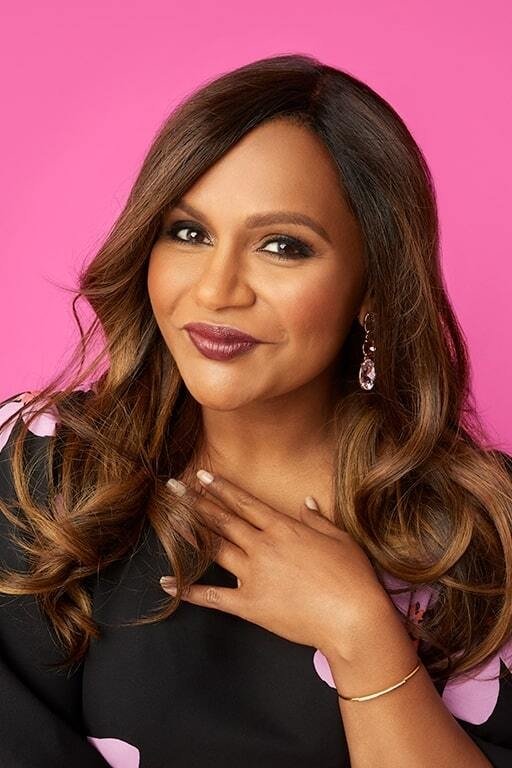
This writer and actress has faced ongoing criticism for the casting of romantic interests and leads in her various television series. Shows like ‘The Mindy Project’ and ‘Never Have I Ever’ have been called out for a perceived preference for light skinned or non Indian love interests for the protagonists. Critics argue that while she provides visibility for South Asian women she does not always extend that same representation to the broader community. Kaling has addressed these critiques by emphasizing her personal experiences and the comedic nature of her shows. Despite her success the conversation about the limitations of her diversity efforts persists online.
Spike Lee
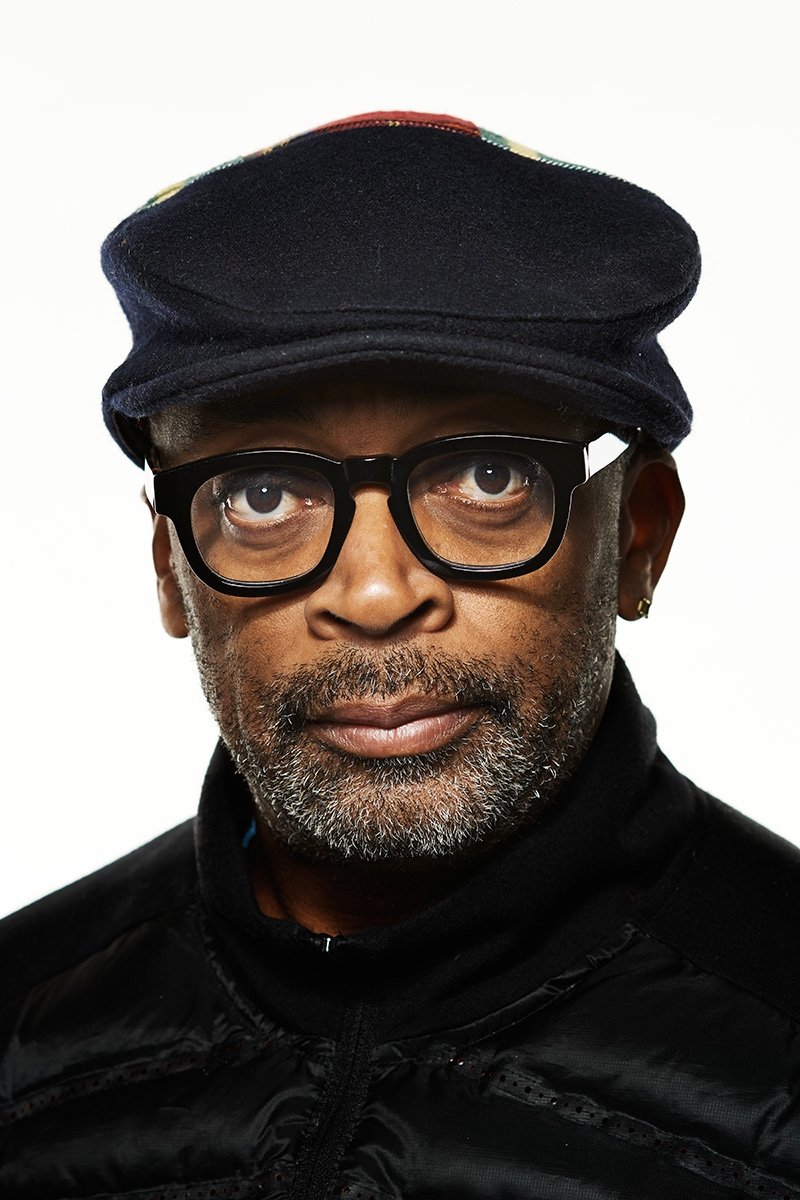
The legendary director has explored the themes of colorism throughout his career starting with the film ‘School Daze’. While he often addresses the social hierarchy based on skin tone he has still faced scrutiny for the casting of his female leads. Some critics argue that he tends to cast light skinned women in the roles of love interests across many of his projects. This pattern has sparked discussions about whether his work reinforces the very biases he seeks to critique. Lee remains a vocal advocate for Black cinema while fans keep a close eye on the representation within his narratives.
Jennifer Lopez
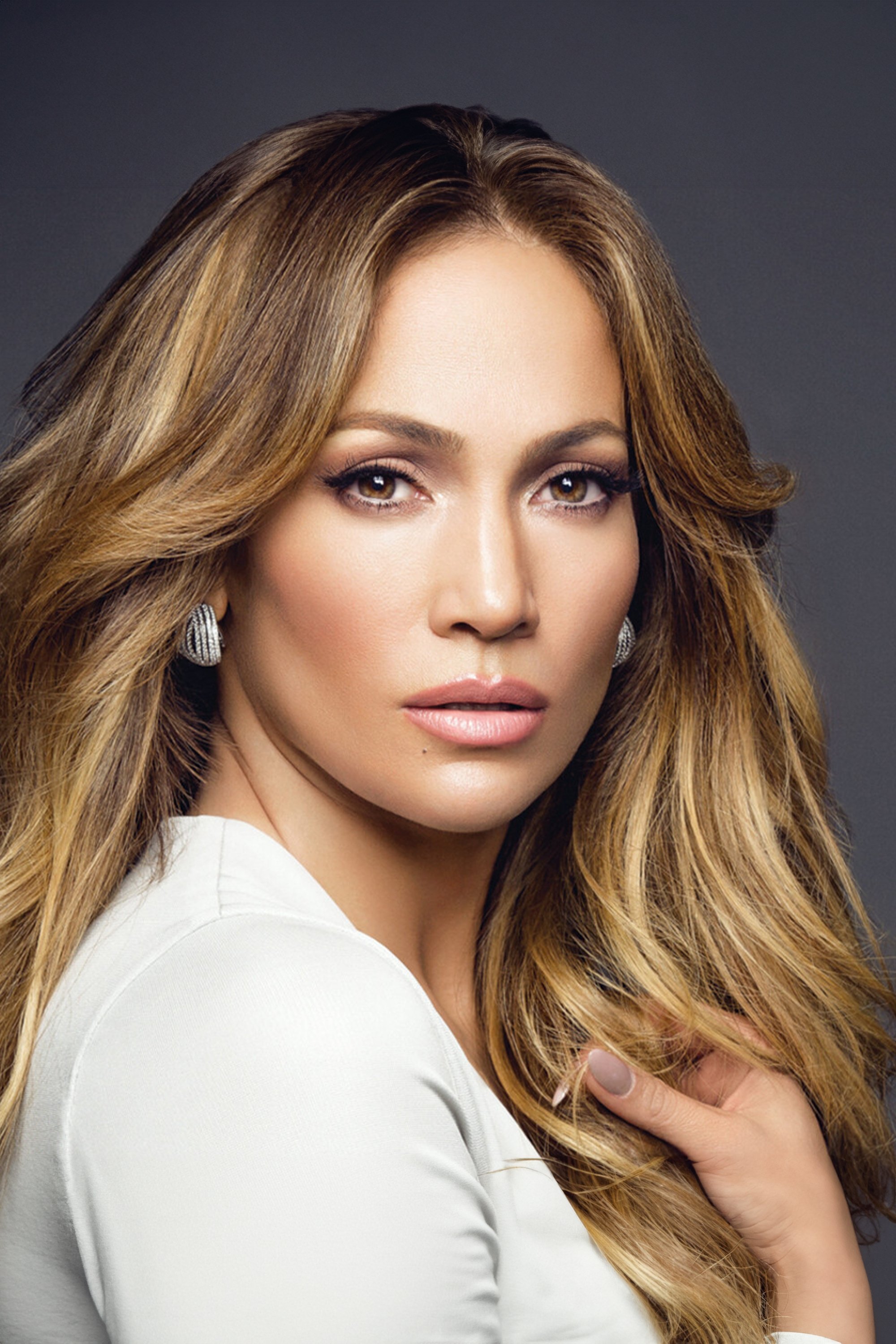
As a producer and actress she has often championed for more Latinx representation in Hollywood films. However her projects like ‘Marry Me’ and ‘Shotgun Wedding’ have been criticized for focusing on light skinned or white passing Latinx characters. Critics suggest that this narrow view of the community excludes the millions of Afro Latino and Indigenous Latino individuals who are often invisible in mainstream media. Lopez has used her platform to open doors for many in the industry through her production company. Yet the push for a more comprehensive representation of Latinx identities remains a central point of feedback from her audience.
Eva Longoria
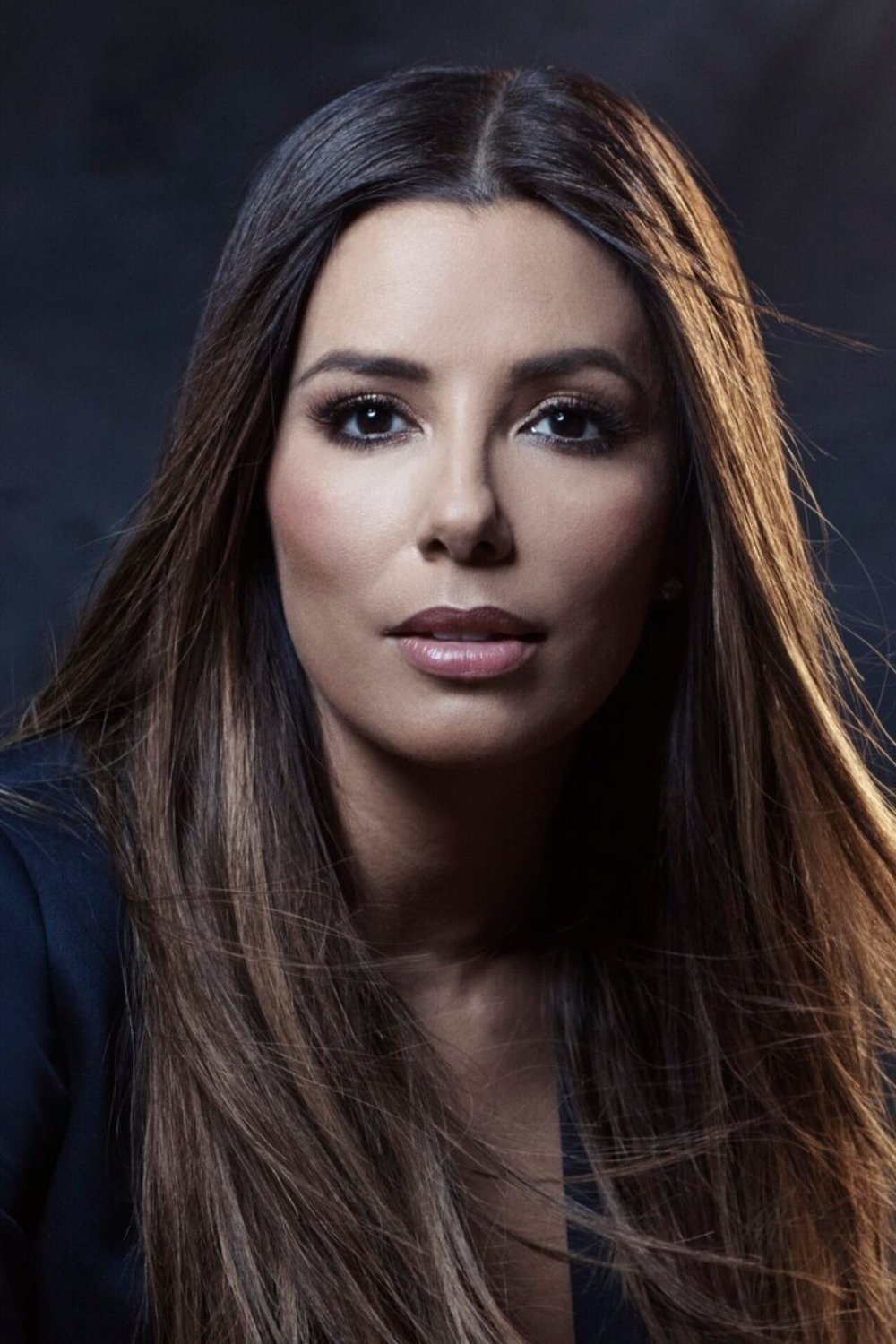
The actress and director has been a vocal proponent for diversity behind and in front of the camera. When she directed ‘Flamin’ Hot’ she faced questions about the casting of the lead characters and the broader representation of the Chicano community. Some activists noted that the cast did not fully reflect the diverse range of skin tones found within the Mexican American population. Longoria has emphasized the importance of telling authentic stories and creating opportunities for brown actors. Her efforts are widely respected though the nuance of colorism within these stories is a topic of ongoing debate.
Lena Waithe
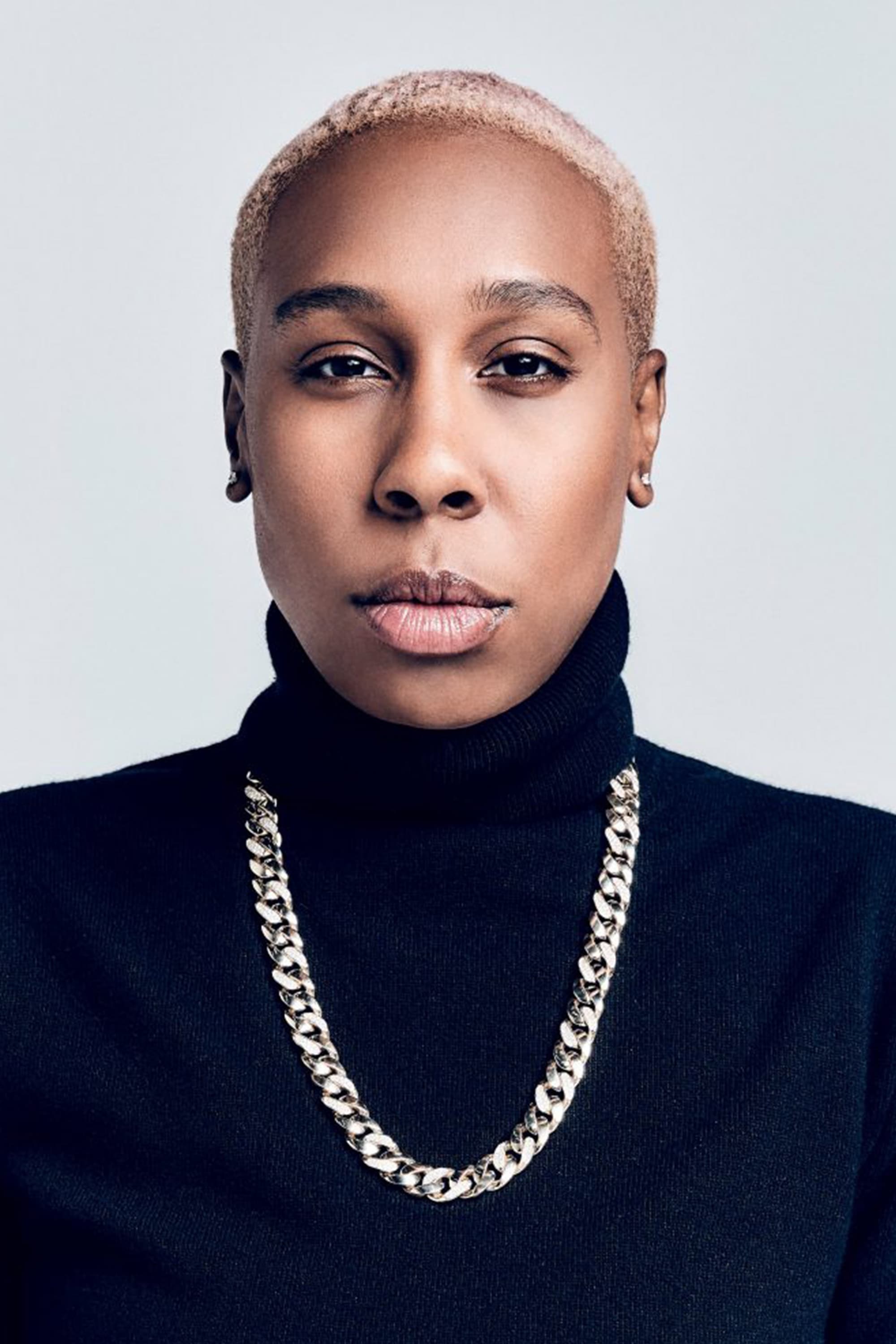
Known for her advocacy for Black and LGBTQ+ representation this writer and producer has also faced claims of colorism. Projects like the series ‘The Chi’ have been examined for how they depict the various residents of the South Side of Chicago. Some viewers felt that the more prominent and desirable roles were consistently given to light skinned actors. Waithe has spoken about the importance of telling raw and honest stories about the Black experience. As she continues to expand her influence her casting choices are frequently held up to the standard of the diversity she promotes.
Ryan Murphy
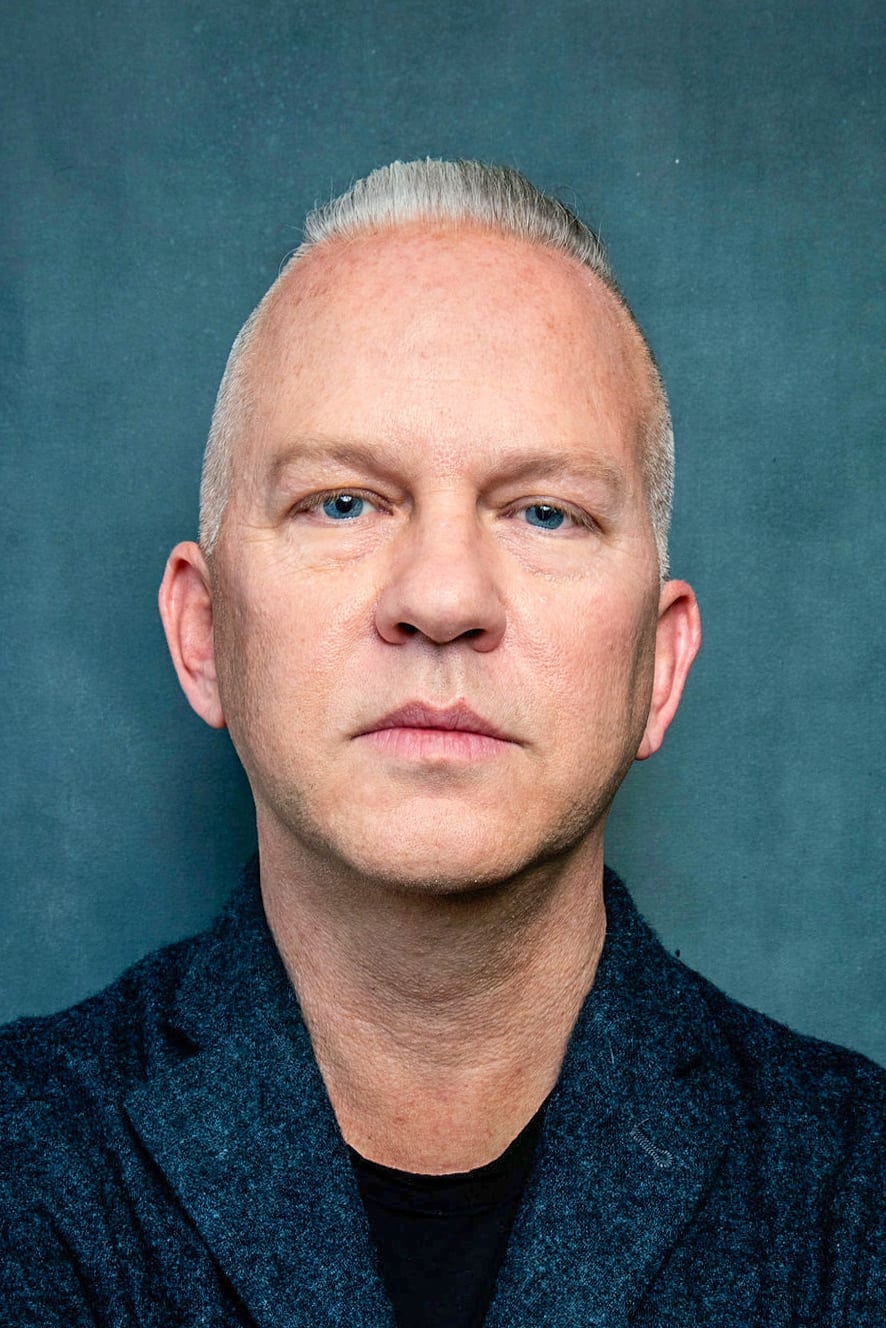
The prolific creator of ‘Glee’ and ‘American Horror Story’ is known for his commitment to diverse casting in his productions. Despite this reputation he has been criticized for centering light skinned actors of color in his most successful series. This has led to accusations that his version of diversity is palatable to white audiences but ignores those with darker complexions. Murphy has made strides in featuring trans and queer actors in prominent roles which has been celebrated. Nonetheless the intersection of race and skin tone remains a point of contention for many of his fans.
Will Smith
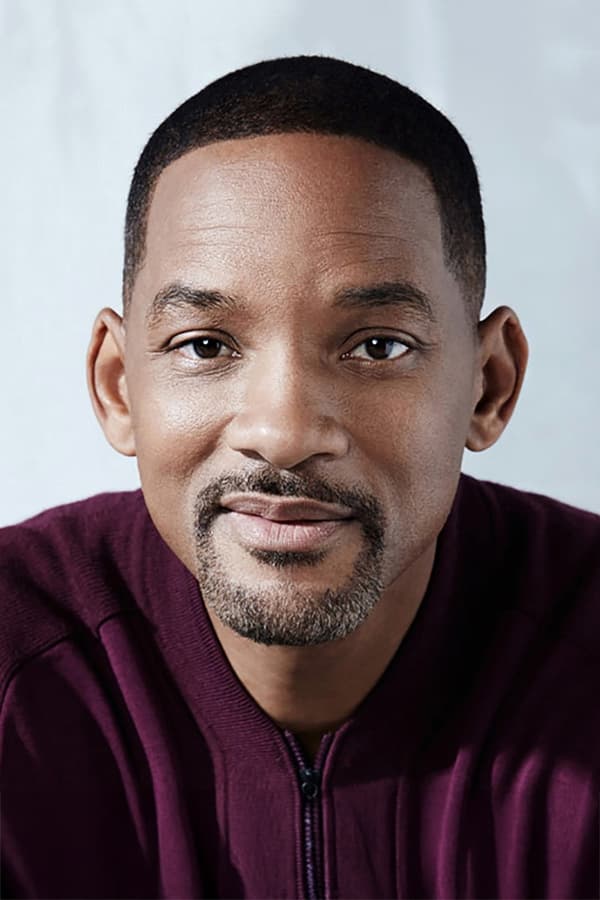
As a producer through his company he has the power to shape the narratives of many high budget projects. The casting of the film ‘King Richard’ sparked a major debate when he was chosen to play the father of Venus and Serena Williams. Some critics argued that a dark skinned actor should have been cast to accurately represent the real life figure. This sparked a broader conversation about his production company and its choices regarding skin tone in its various ventures. Smith has long been one of the most powerful Black men in Hollywood and his influence on representation is constantly monitored.
Michael B. Jordan
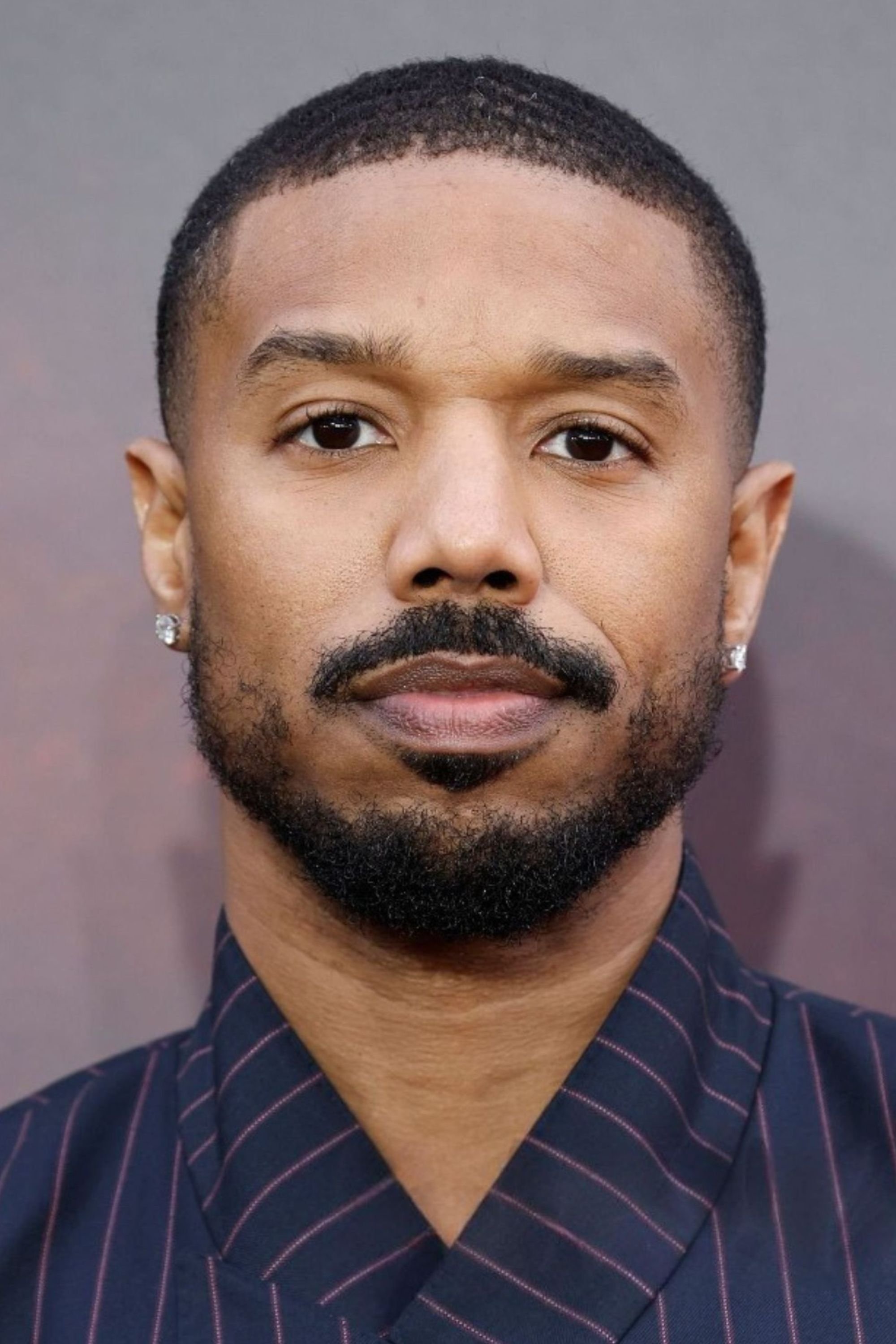
The actor and producer has been vocal about his desire to change the landscape of Hollywood through his company Outlier Society. While he has implemented inclusion riders he has still faced questions about the lack of dark skinned women as love interests in his films. This specific criticism has been directed at projects where he has significant creative control over the casting process. Jordan has expressed a commitment to diverse storytelling and has supported many upcoming talents. The discussion around colorism in his romantic leads continues to be a recurring theme in social media commentary.
Issa Rae
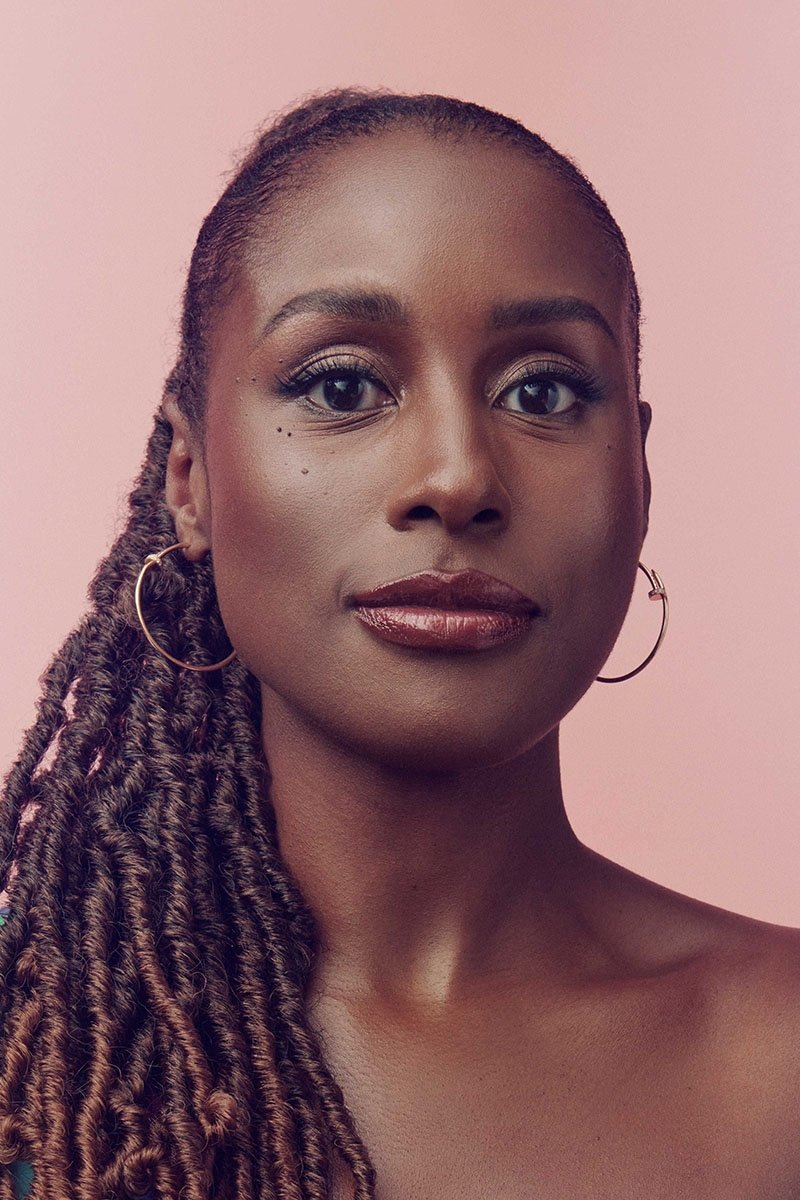
Early in the run of ‘Insecure’ there were discussions about the casting of the male love interests and the overall skin tone balance of the cast. While she eventually showcased a wide range of complexions some viewers felt the initial focus leaned toward lighter skinned actors. Rae has been a pioneer in creating space for Black women to tell their own stories with humor and heart. She has often addressed the complexities of being a Black creator in a system that favors certain looks. Her later work has been praised for its broader range of representation but the early critiques are still remembered.
Donald Glover
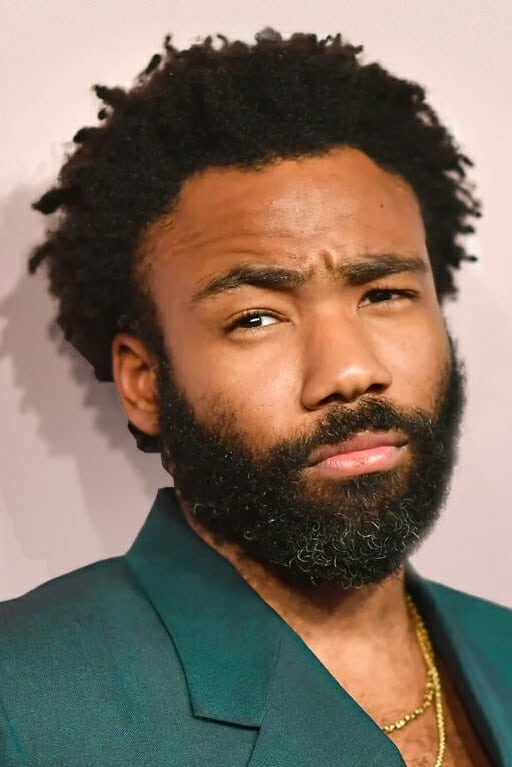
The creator of ‘Atlanta’ has been criticized for the way he depicts Black women in his critically acclaimed series. Critics pointed out a lack of dark skinned women in significant or positive roles throughout the various seasons of the show. Glover has addressed these criticisms in interviews sometimes with humor and other times with defensive stances. This has led to a divide among fans who appreciate his unique storytelling but want to see more variety in his casting. His influence on modern television is undeniable but the colorism debate remains a part of his professional legacy.
Jordan Peele
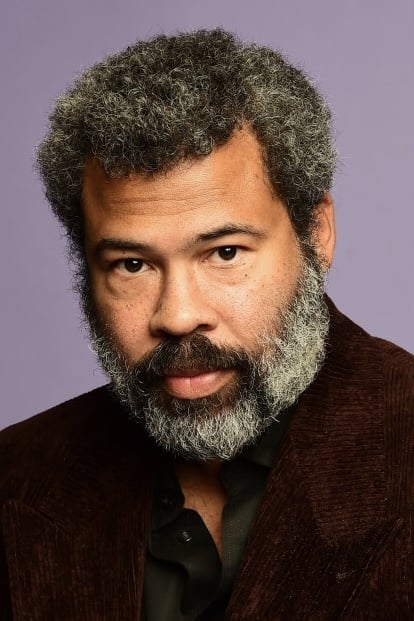
While he is celebrated for revolutionizing Black horror his films have also been part of the conversation on colorism. Some audience members noted that the leads in ‘Get Out’ and ‘Us’ were light skinned or mixed race which sparked a dialogue about the visibility of dark skinned actors. Peele has been credited with opening doors for Black actors in a genre where they were previously marginalized. He has expressed a clear intention to center Black protagonists in his work to combat the lack of diversity in Hollywood. The nuances of skin tone representation within his films are frequently analyzed by critics and fans alike.
Ava DuVernay
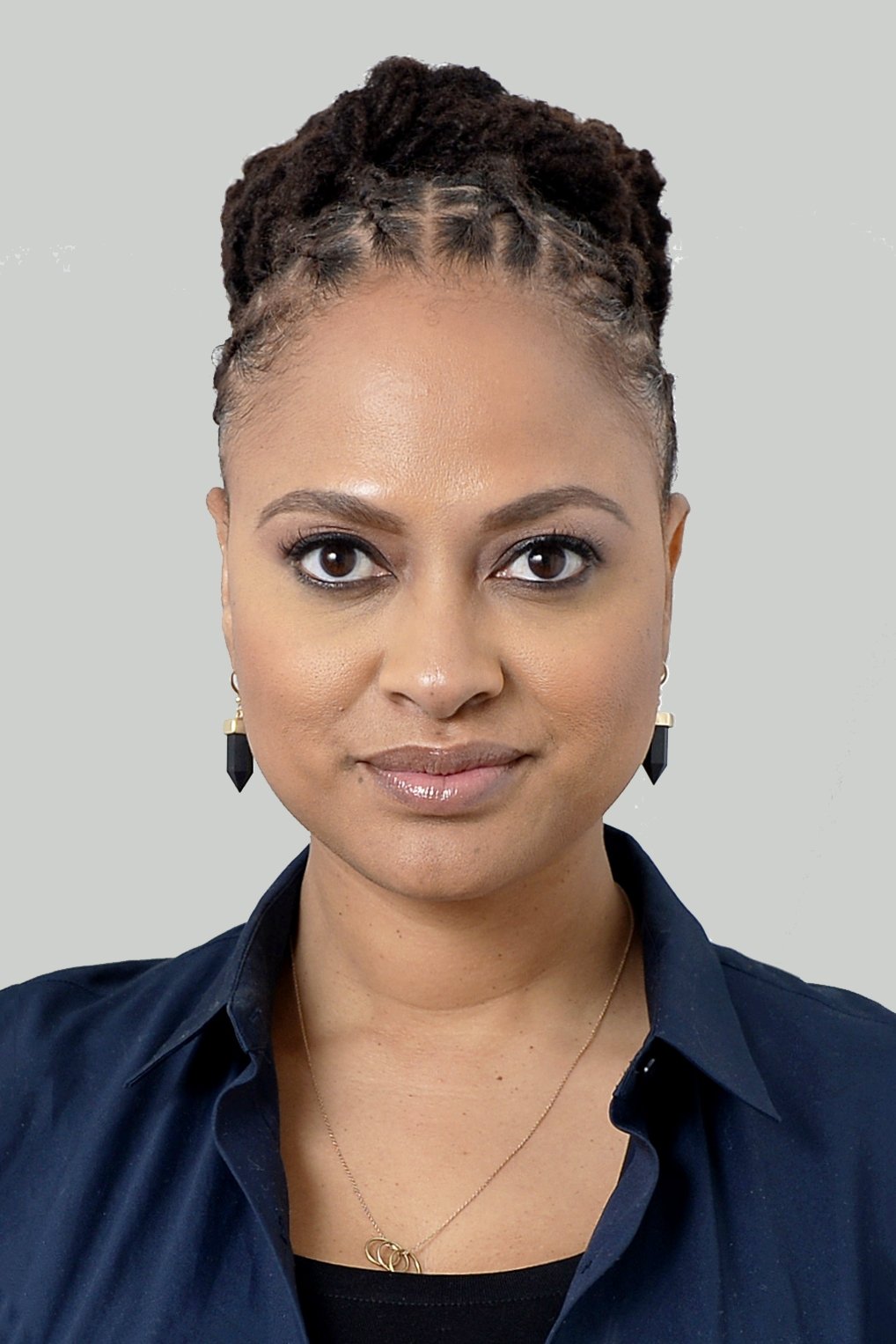
The filmmaker is a leading voice for equity in Hollywood and has worked extensively to promote Black creators. However some of her casting choices in projects like ‘When They See Us’ were scrutinized for not perfectly matching the skin tones of the real life individuals. This led to a broader discussion about whether light skinned actors are prioritized even in biographical dramas. DuVernay has defended her casting by focusing on the talent and the emotional resonance of the performances. Her commitment to social justice and representation is a hallmark of her career despite these specific criticisms.
Quinta Brunson
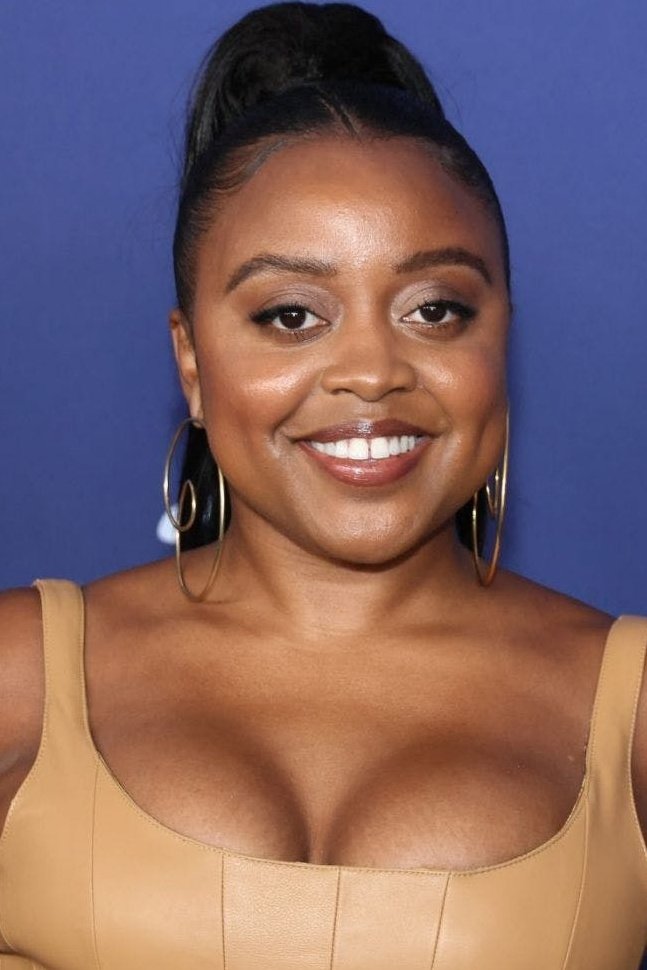
The creator of ‘Abbott Elementary’ has been praised for the diversity of her cast but some viewers have looked at the skin tones of the main romantic leads. Discussions have emerged on social media about whether the show follows a trend of favoring light skinned pairings. Brunson has been very active in engaging with her audience and has built a show that celebrates the Black community in many ways. She has successfully brought a wide array of Black characters to primetime television. The ongoing conversation about colorism is something that many creators in her position face as they navigate success.
Beyoncé
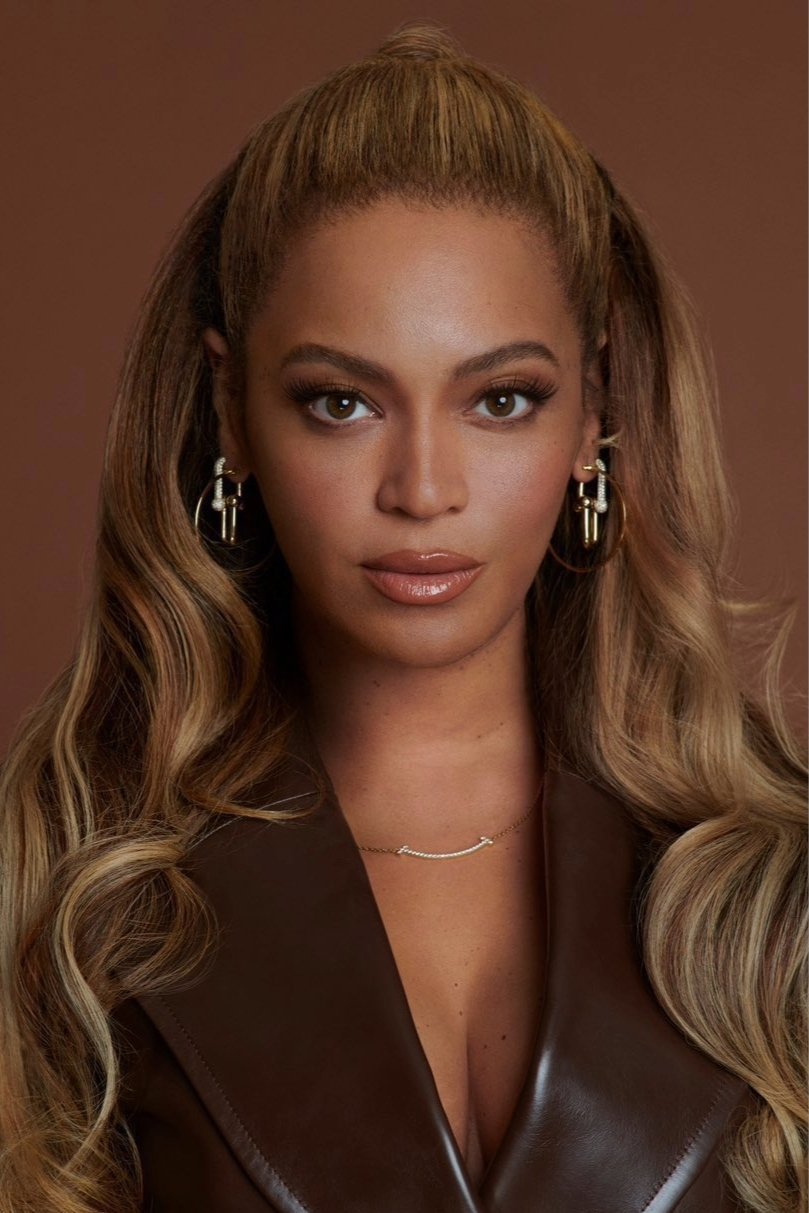
During the release of ‘Black Is King’ there was a significant online debate regarding the representation of dark skinned people. While the visual album was a global celebration of African heritage some critics felt that light skinned performers were given more screen time and prominence. This critique was surprising to some given her career long history of celebrating Black beauty in all its forms. Her team and fans pointed out the many dark skinned individuals featured throughout the project to counter these claims. This moment highlighted how even the most influential icons are held to high standards of skin tone inclusivity.
Rihanna
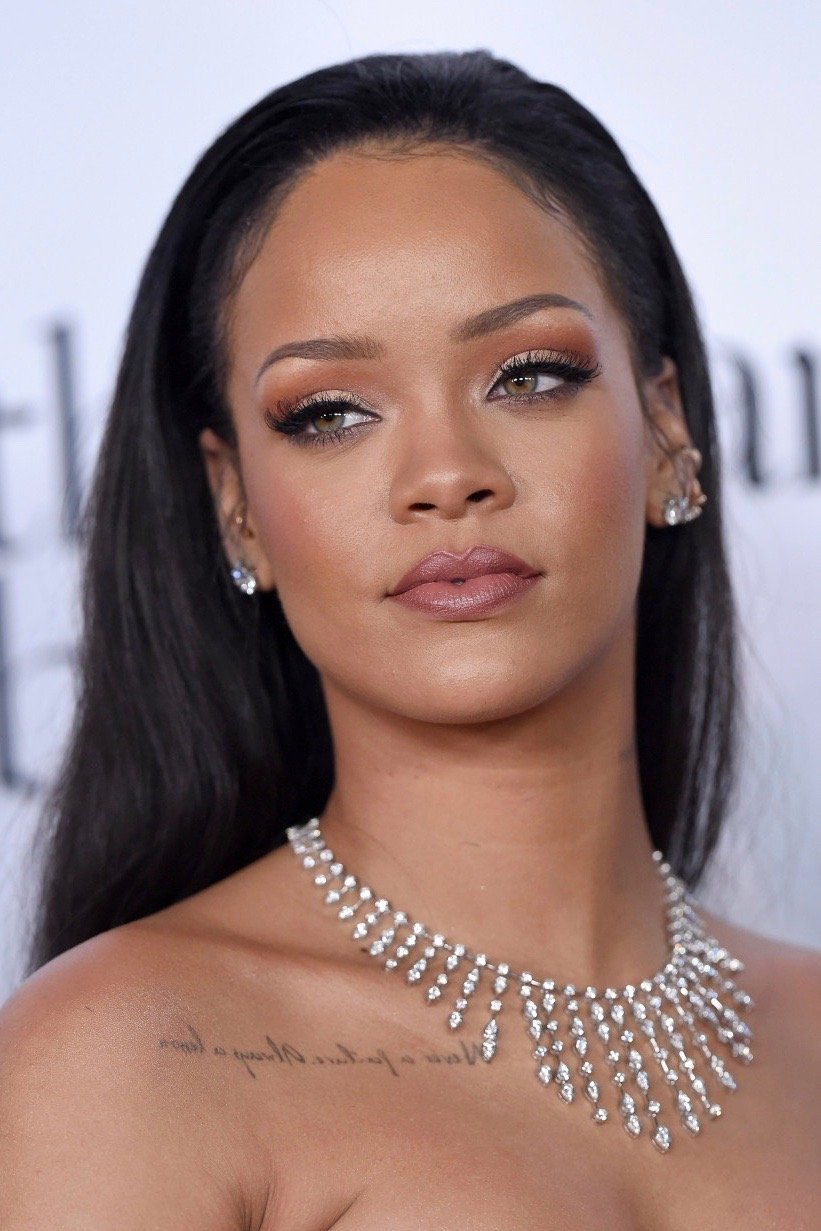
Her brand Savage X Fenty is often cited as a gold standard for inclusivity in the fashion and beauty industries. However even she has faced minor critiques for the casting of her runway shows and promotional campaigns. Some observers suggested that the most high profile spots were still often reserved for light skinned models or celebrities. Rihanna has generally been lauded for featuring a massive range of body types and complexions across her various business ventures. The focus on her casting reflects the high expectations the public has for her continued leadership in diversity.
Selena Gomez
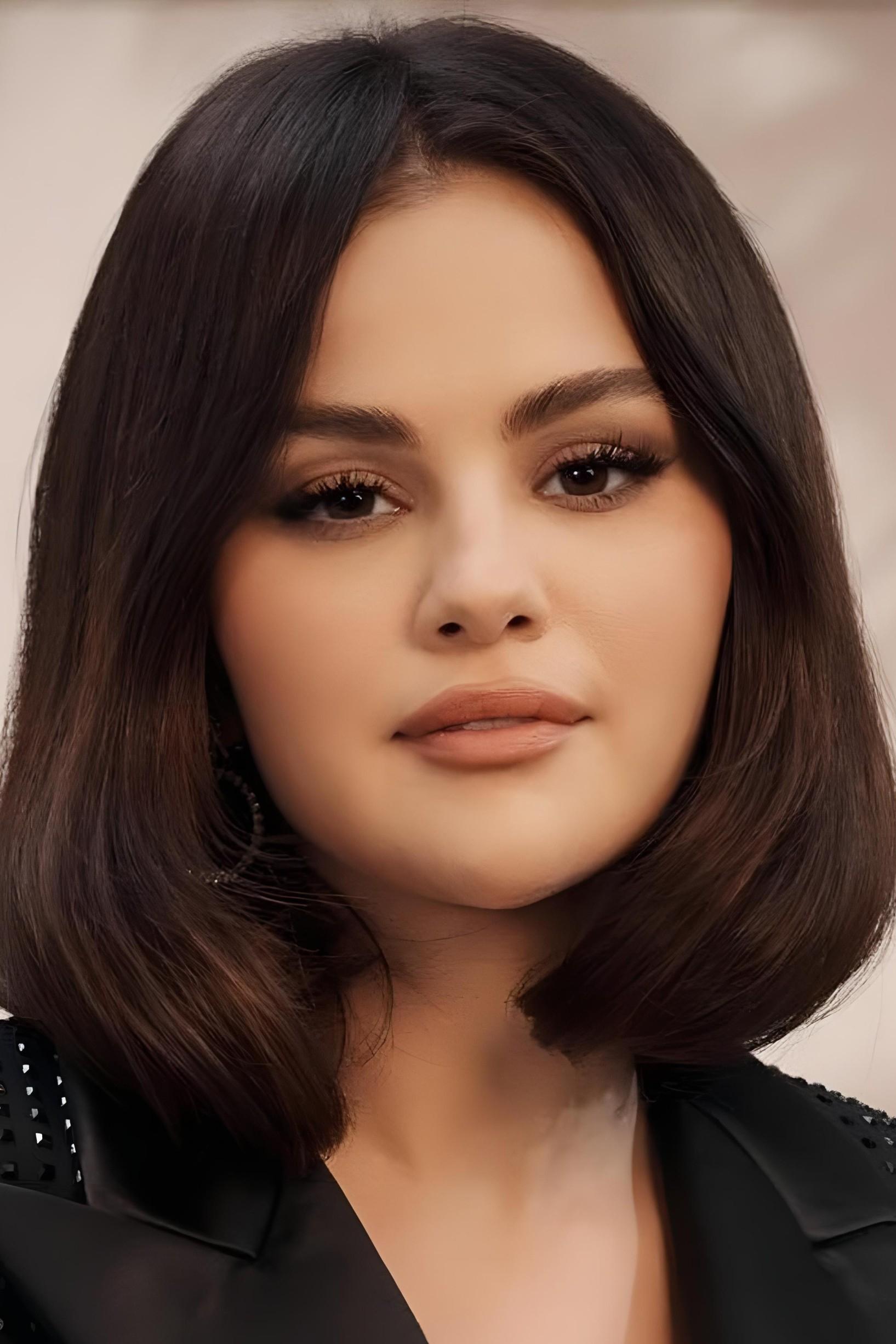
As a producer on shows like ’13 Reasons Why’ and ‘Only Murders in the Building’ she has been a part of conversations about Hollywood diversity. Critics have noted that her production choices often feature a predominantly white or light skinned cast. While she has advocated for better representation for the Latinx community some feel her projects do not always reflect this in the lead roles. Gomez has used her platform to discuss mental health and social issues extensively. Her role as a producer is an area where fans hope to see more expansion in terms of color diversity.
Priyanka Chopra Jonas
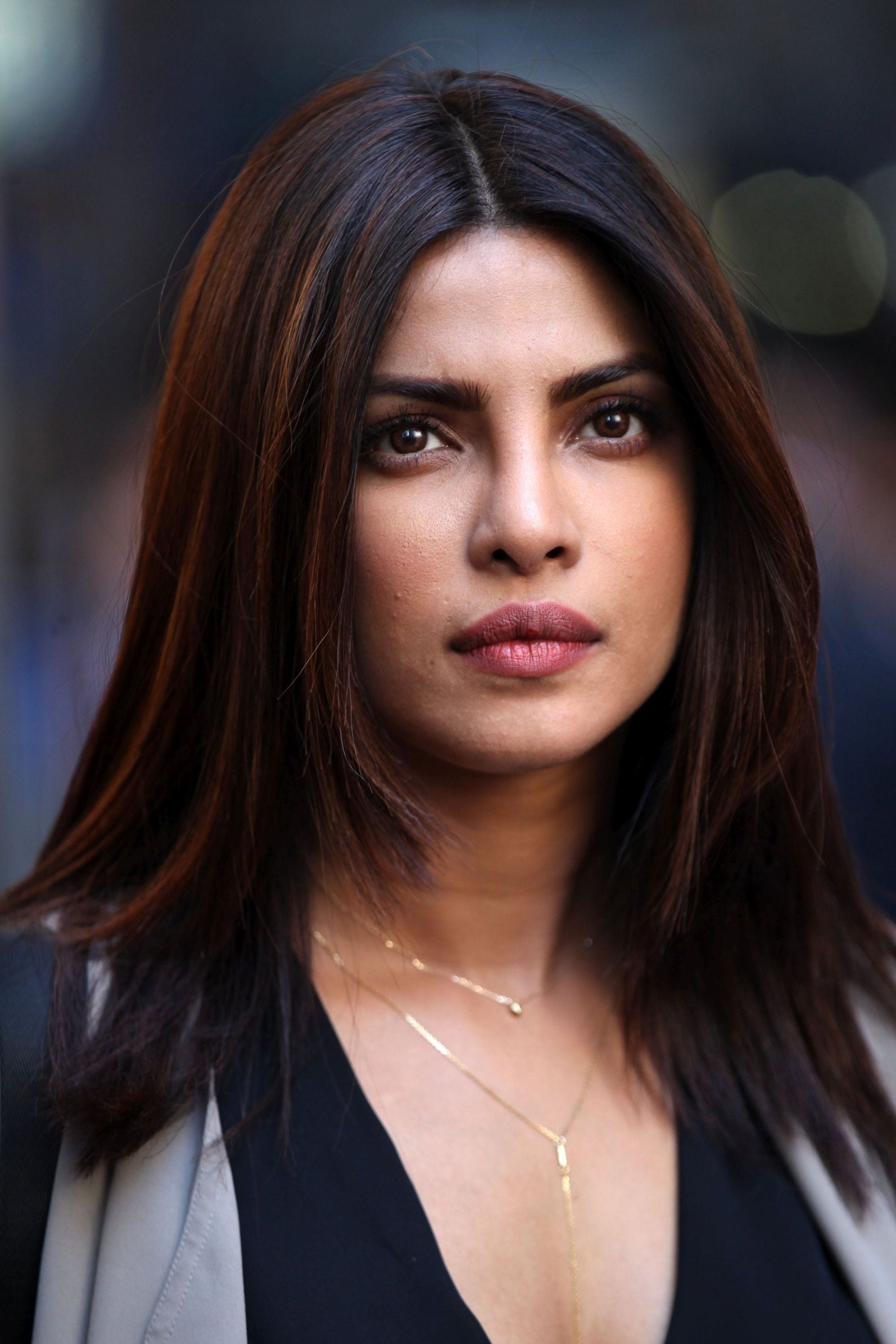
The global star has often spoken about the need for more South Asian representation in major Hollywood productions. She has faced criticism however for appearing in projects that some feel promote a narrow definition of Indian beauty. In both her Bollywood and Hollywood careers the casting of light skinned leads has been a recurring point of contention. Critics argue that her advocacy should include more support for dark skinned South Asian actors who face additional barriers. Chopra continues to be a bridge between different film industries while navigating these complex cultural discussions.
Deepika Padukone
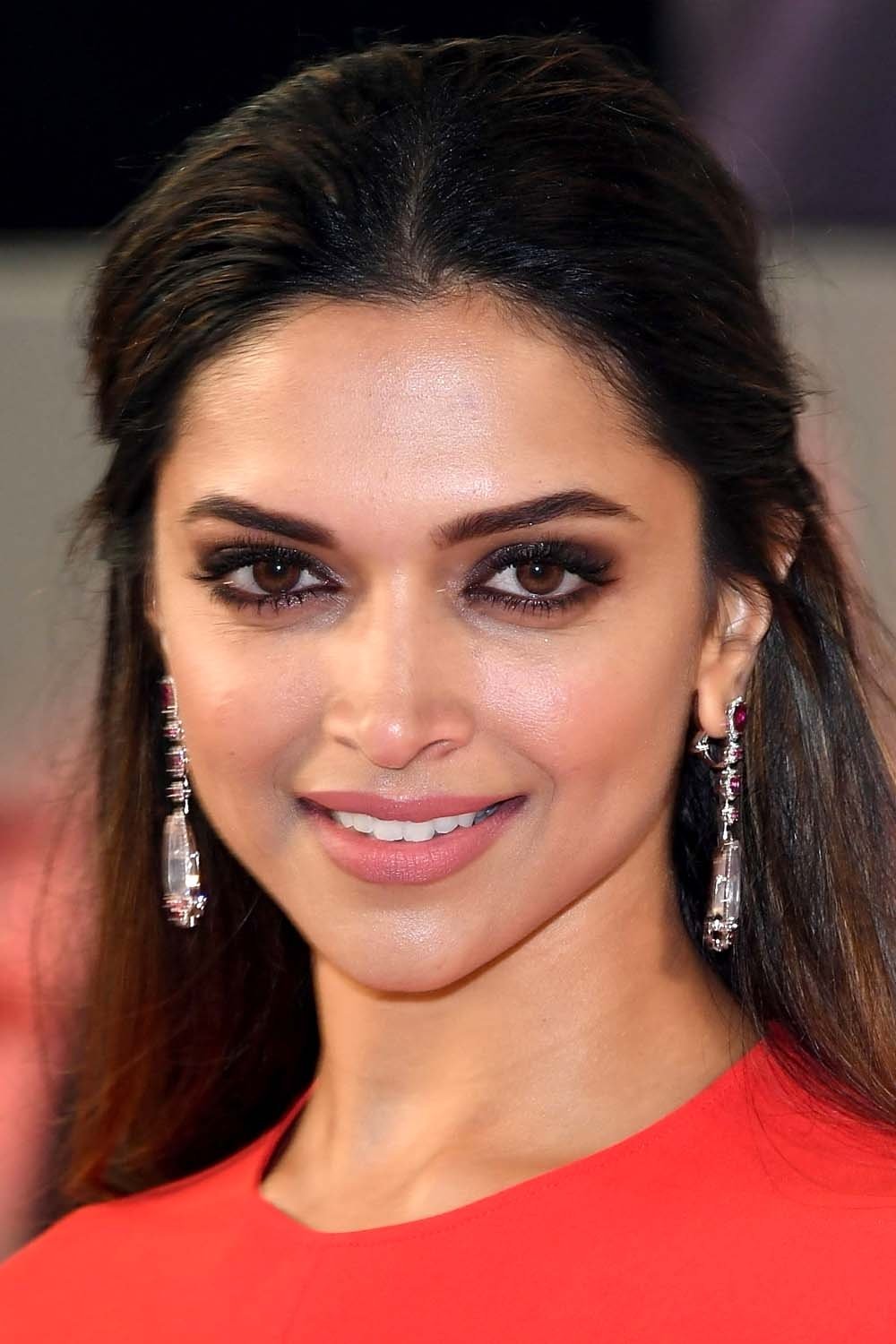
As one of the highest paid actresses in India she has immense influence over the projects she chooses and produces. Like many in the Indian film industry she has been scrutinized for the prevalence of light skinned actors in her films. The issue of colorism is deeply rooted in the region and she has faced calls to use her power to challenge these norms. While she has participated in global diversity campaigns her filmography often reflects the traditional preferences of the industry. Her fans continue to look for her to lead the charge in diversifying the range of skin tones on screen.
Anthony Anderson
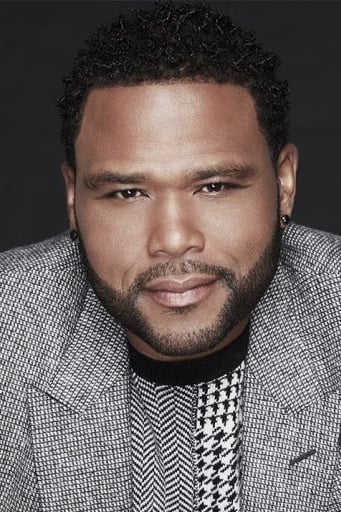
As an executive producer and star of ‘Blackish’ he was instrumental in shaping the show that sparked many colorism debates. The series was often called out for its central family being predominantly light skinned. While the show tackled many social issues some viewers felt it missed the mark on addressing skin tone bias within the Black community. Anderson has been a staple in Black entertainment for decades and has helped launch many careers. His work remains a focal point for discussions about how Black families are portrayed on network television.
Gabrielle Union
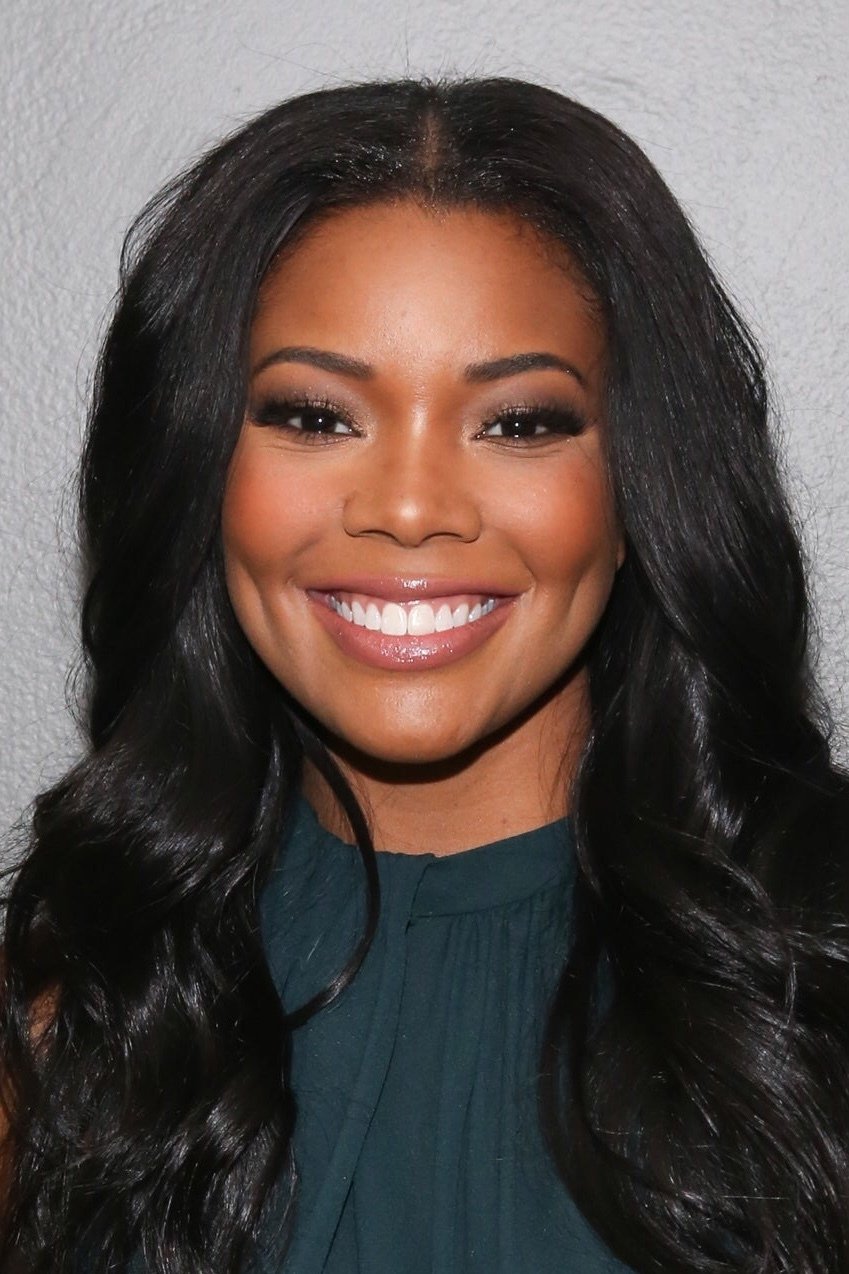
The actress and producer has been very vocal about the challenges faced by Black women in the industry. She has spoken out against the lack of opportunities for those with darker skin tones in many of her interviews. However some critics have pointed out that her own production choices have not always broken away from the preference for light skinned leads. Union has been a champion for equity and has frequently used her social media to highlight diverse talent. The balance between her public advocacy and the realities of production casting is a topic of interest for her followers.
Kevin Hart
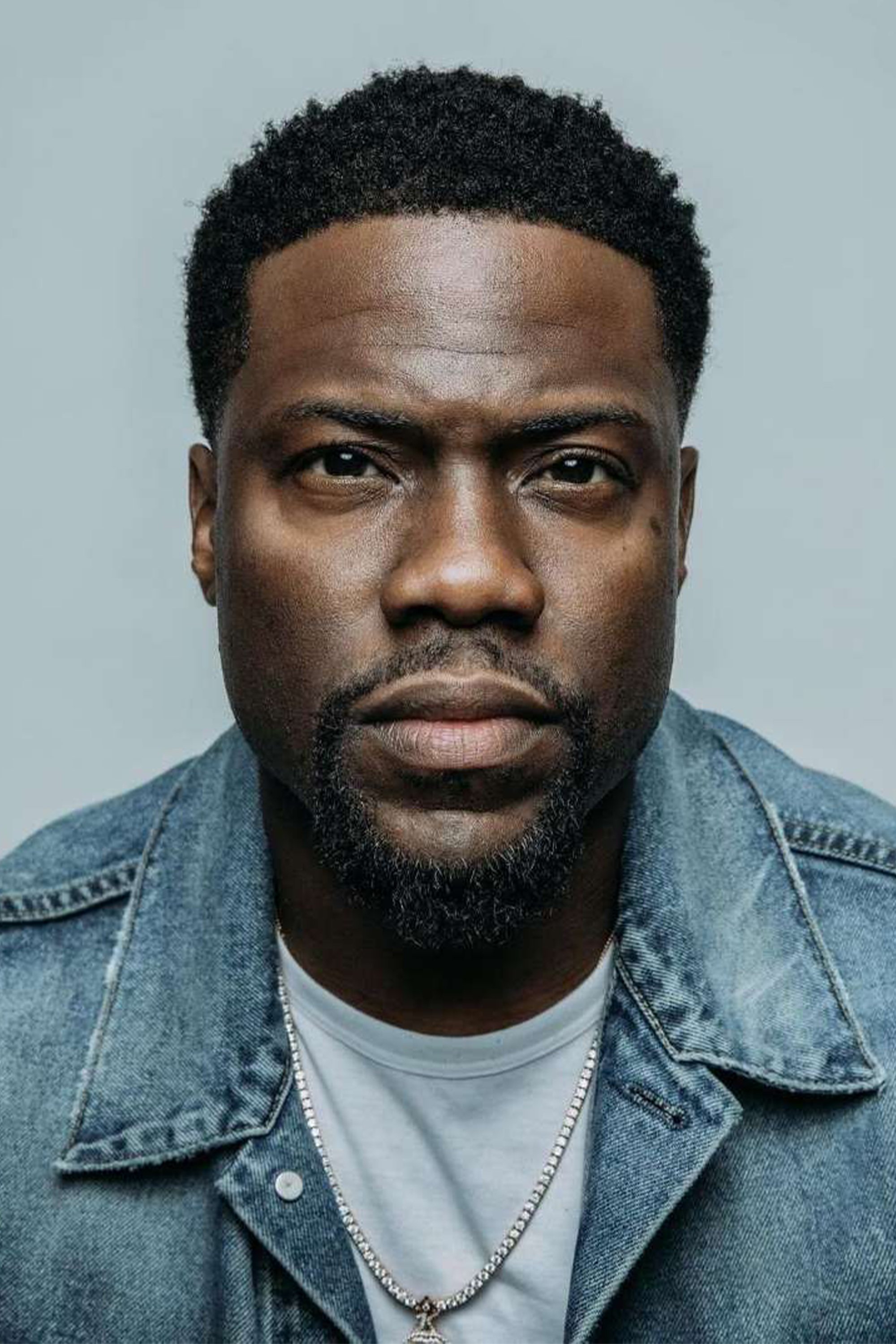
Through his company Hartbeat Productions he has become one of the most prolific producers in the comedy world. Some critics have noted that the women cast as love interests in his films are almost exclusively light skinned. This has led to accusations that his productions follow the traditional Hollywood tropes regarding beauty and desirability. Hart has built a massive global brand and has provided many opportunities for comedians of color. Nevertheless the specific issue of colorism in his casting remains a consistent theme in the feedback he receives from audiences.
Jamie Foxx
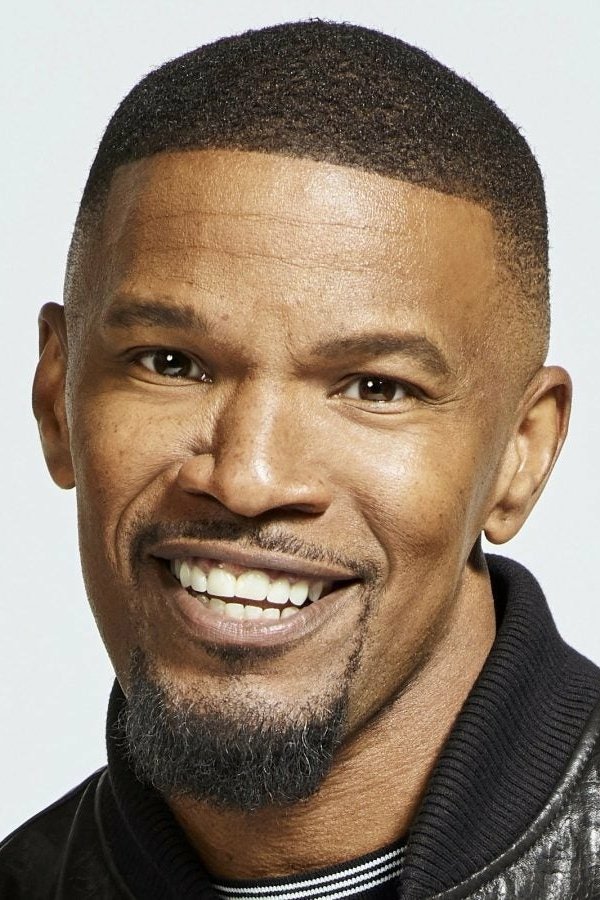
The multi talented performer has transitioned into a powerful producer with influence over many film and television projects. Similar to other leading Black men in the industry he has faced scrutiny for the casting of female leads in his productions. Observations have been made that light skinned actresses are often prioritized for prominent roles in his work. Foxx has a long history of supporting Black talent and has won numerous awards for his performances. The discussion around skin tone in his projects highlights the broader industry trends that many want to see changed.
Jay-Z

As the founder of Roc Nation he has significant influence over the music and film projects that come out of his camp. While he is a champion for Black ownership and financial empowerment his visual projects have sometimes been critiqued for colorism. Similar to the feedback given to ‘Black Is King’ some of his collaborations have been analyzed for how they distribute screen time among different skin tones. Jay-Z has used his platform to advocate for social justice and criminal justice reform. His influence on the culture means his casting choices are always under a microscope.
Mary J. Blige
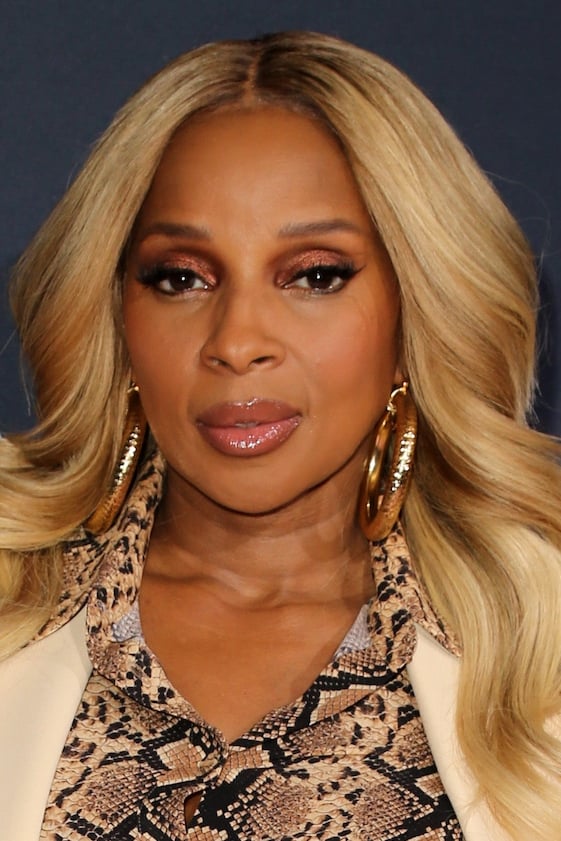
The legendary singer has moved into producing and acting in major projects like the ‘Power’ universe spin offs. Some fans have noted that the casting in these high drama series often leans toward light skinned actors for the most glamorous roles. This observation has sparked dialogues about the persistence of colorism in urban dramas and crime series. Blige is an icon who has inspired generations with her music and her journey. Her work as a producer is seen as another way for her to shape the culture though casting remains a point of debate.
Alicia Keys
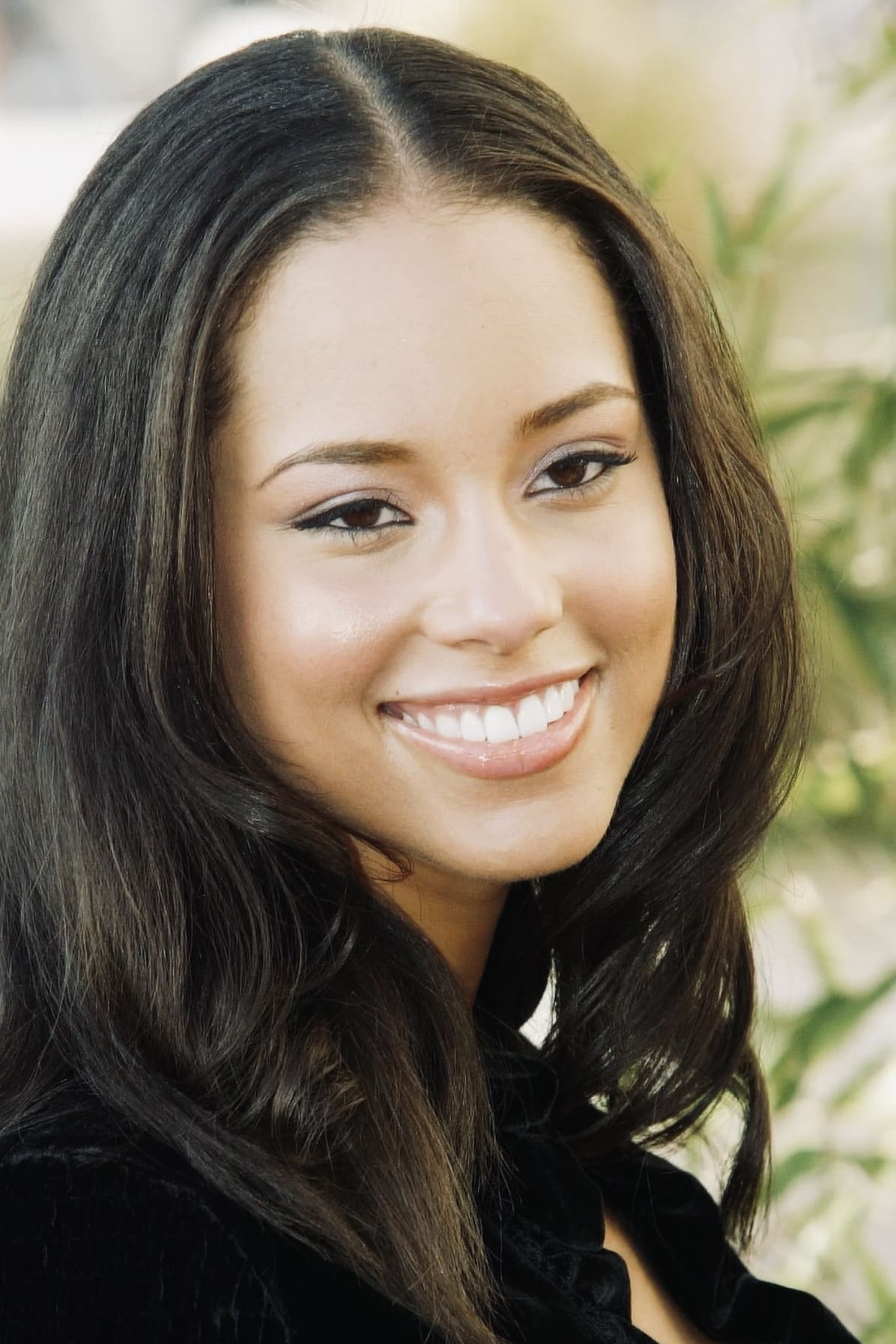
As a producer of Broadway shows and films she has focused on telling stories of resilience and heritage. Some critics have pointed out that her projects often feature a cast that is primarily light skinned or mixed race. This has led to questions about the inclusion of dark skinned performers in the stories she chooses to bring to life. Keys has always promoted a message of self love and natural beauty through her music and public image. Her foray into production is a significant step in her career that brings new scrutiny to her representation choices.
Pharrell Williams
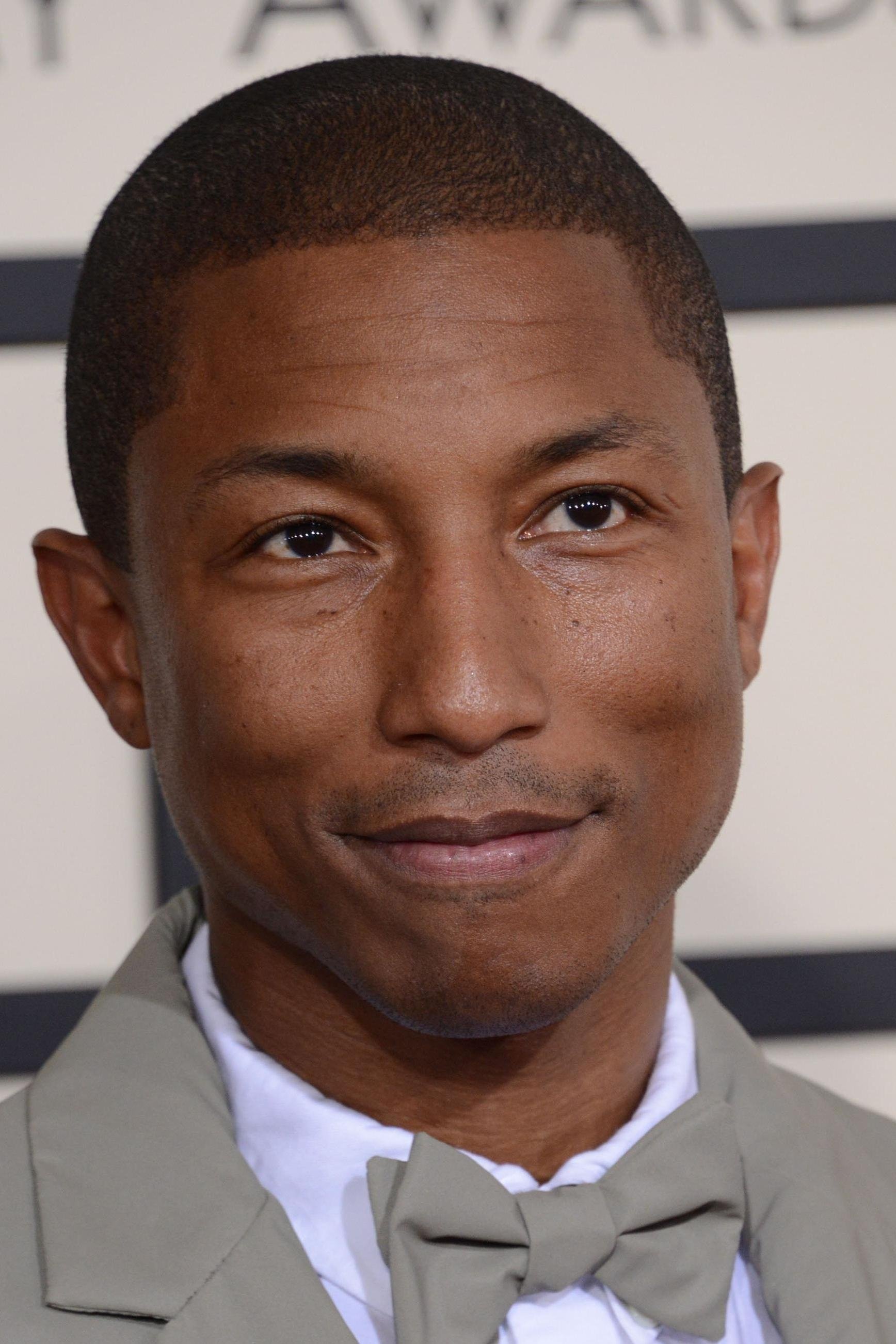
The producer and fashion icon has been a vocal advocate for the Black Ambition initiative and other diversity efforts. However his visual projects and fashion collaborations have sometimes been called out for a lack of dark skinned representation. Critics argue that his aesthetic often favors a specific light skinned look that aligns with high fashion standards. Williams has been a major force in the industry for over two decades and has influenced countless artists. His commitment to diversity is well known but the execution in his casting is often debated.
John Legend

Through his production company Get Lifted Film Co he has brought many important stories to the screen. Some observers have noted that the casting in his projects sometimes follows the industry trend of favoring light skinned leads. This has led to discussions about how even socially conscious production companies can fall into common casting pitfalls. Legend has been a strong advocate for various social causes and uses his music for activism. His role as a producer gives him the power to challenge these norms and his fans hope to see more dark skinned representation in his future work.
Common
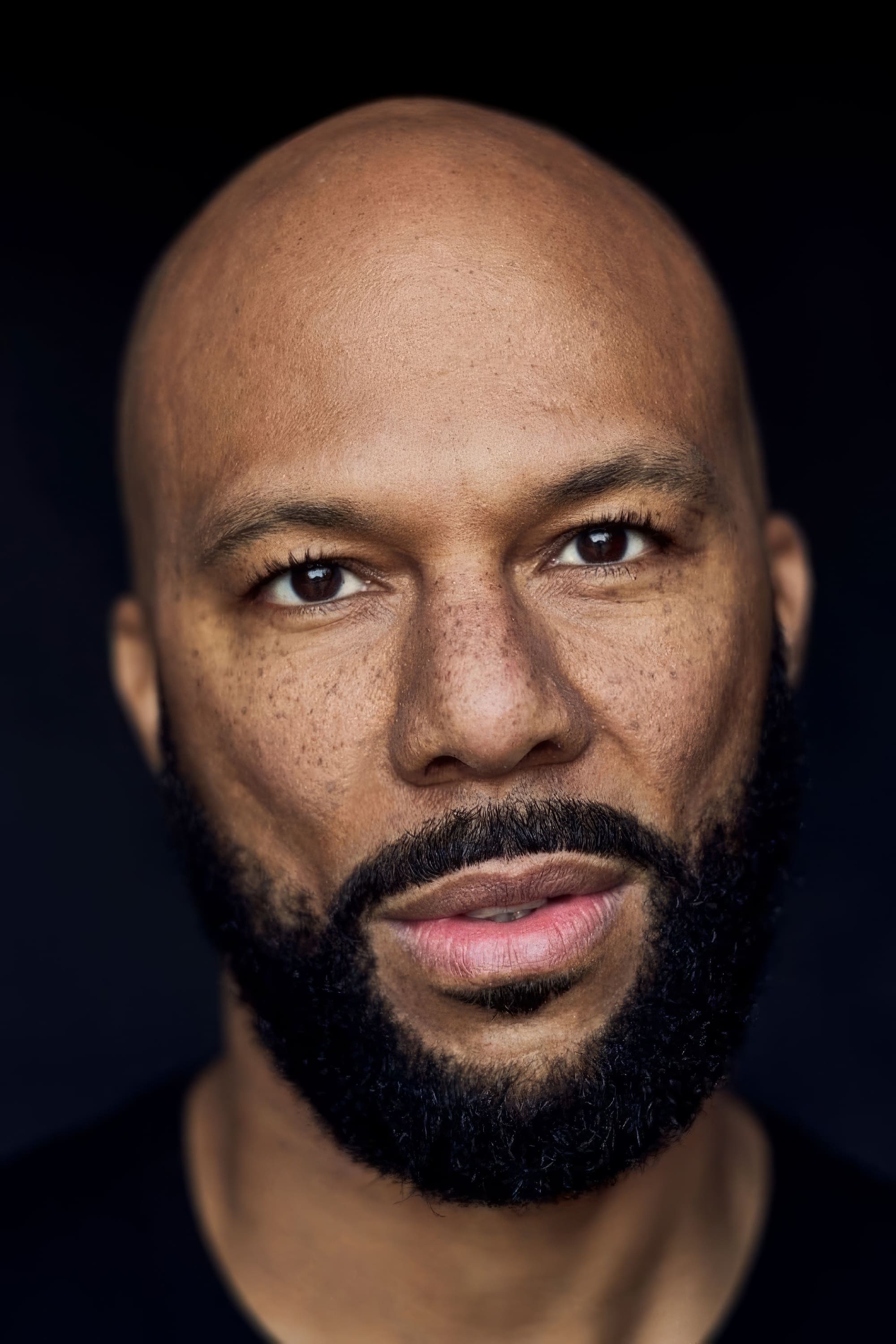
The rapper and actor has become a respected producer who often focuses on stories of social relevance. Critics have pointed out that the casting in some of his projects tends to feature light skinned actors in the primary romantic roles. This has sparked conversations about the internal biases that exist even within projects aimed at Black empowerment. Common has spent his career advocating for peace and positive change within the community. His production work is an extension of this mission and fans continue to watch for more diverse skin tone representation.
Idris Elba
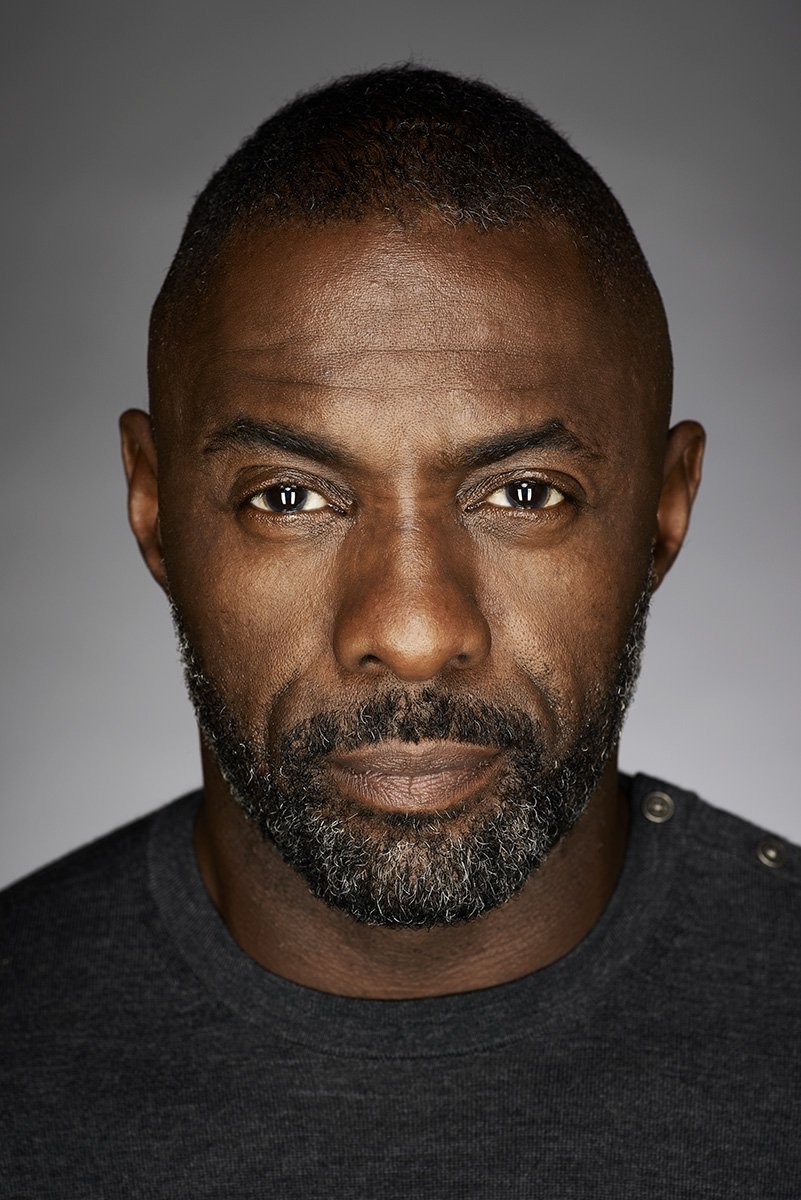
As a producer with his company Green Door Pictures he has aimed to bring more diverse stories to a global audience. Some viewers have noted that the casting in his productions often highlights light skinned performers in lead positions. This observation has led to critiques about the missed opportunities for dark skinned actors within his projects. Elba has been a major advocate for diversity in the British film industry and has spoken before Parliament on the issue. His influence is substantial and his casting decisions are a key part of the ongoing diversity conversation.
Viola Davis
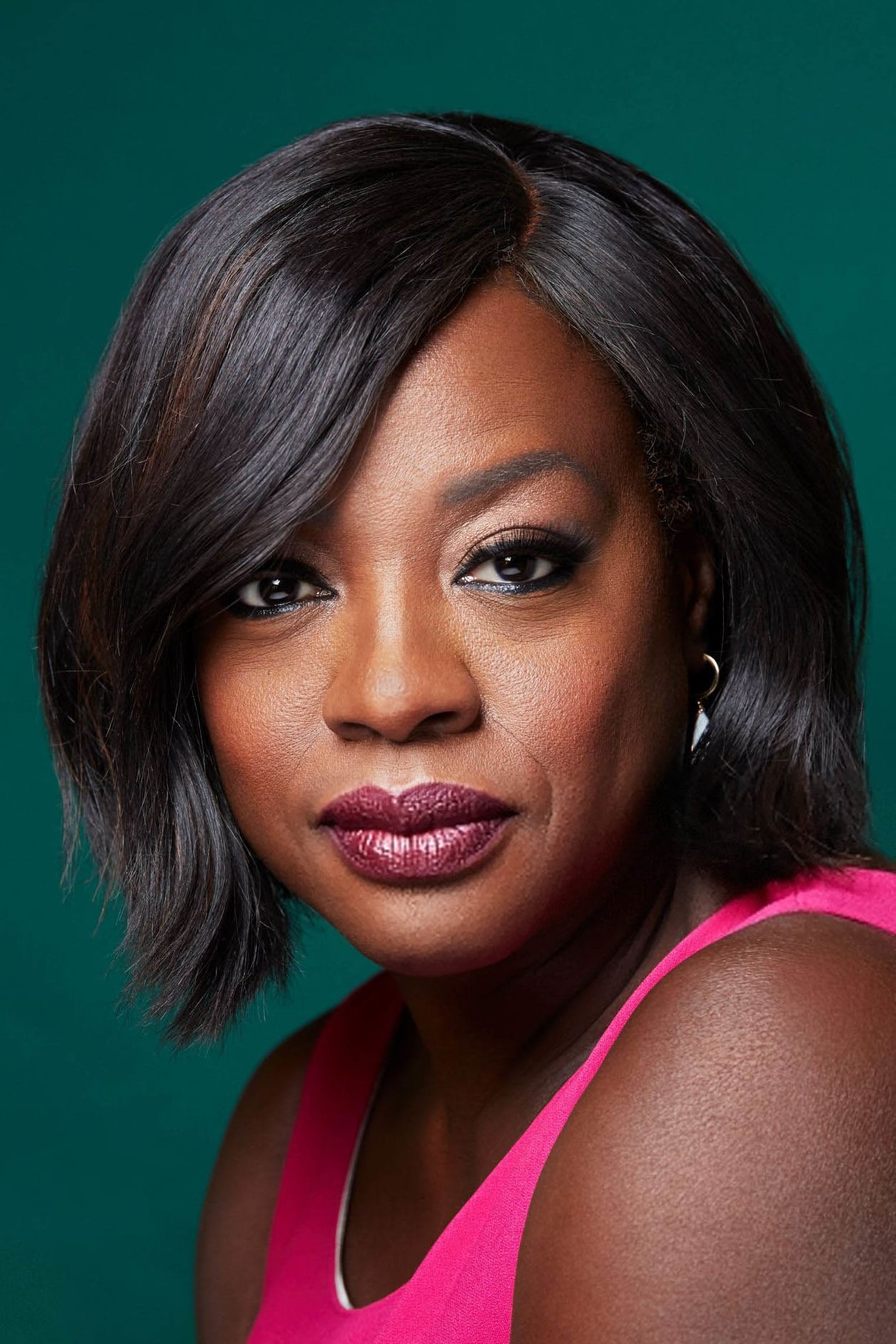
Through JuVee Productions she has made it her mission to provide roles for people who are often marginalized in Hollywood. Despite this she has faced some scrutiny regarding the balance of skin tones in her cast ensembles. Critics occasionally point out that light skinned actors still occupy many of the significant supporting roles in her productions. Davis has been one of the most vocal critics of colorism in the industry and has shared her own struggles as a dark skinned woman. Her production company is seen as a beacon of hope for many though the pressure for perfect representation remains.
Kerry Washington
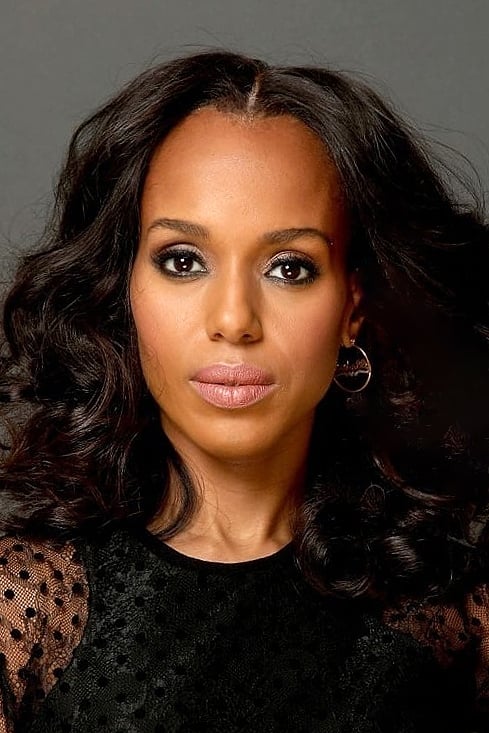
As the head of Simpson Street she has produced several successful films and television series that center on diverse experiences. Some discussions have arisen regarding the skin tone of the leads in her projects like ‘Little Fires Everywhere’. Critics have noted a pattern that sometimes favors light skinned actors for complex and multi layered roles. Washington has used her platform to fight for political and social change throughout her career. Her production work is highly regarded and she remains a central figure in the dialogue about Hollywood inclusion.
Taraji P. Henson
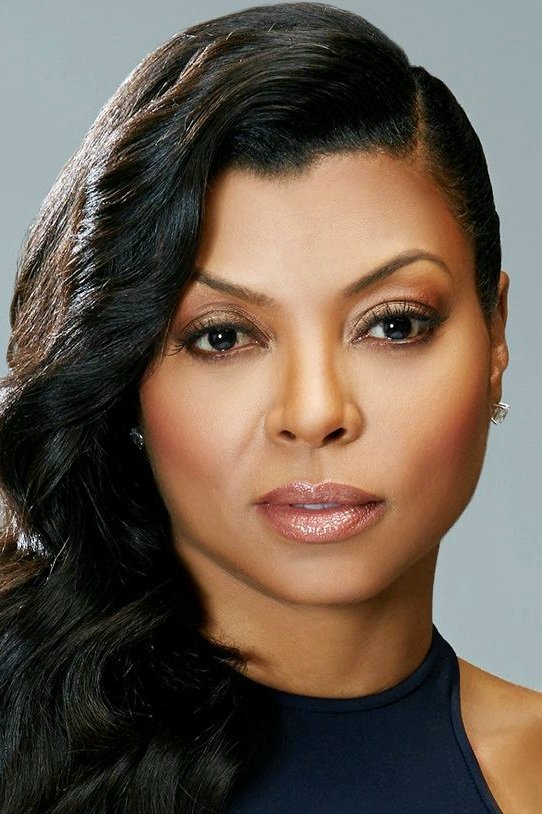
The actress has launched her own production company to create more opportunities for Black storytellers. Some of the projects associated with her have been scrutinized for the way they cast romantic leads and family members. Observers have noted that the industry preference for light skinned actors sometimes appears in her work as well. Henson has been a powerful advocate for mental health and equity for Black women in entertainment. As she continues to produce more content her casting choices will likely remain a topic of public interest.
Regina King
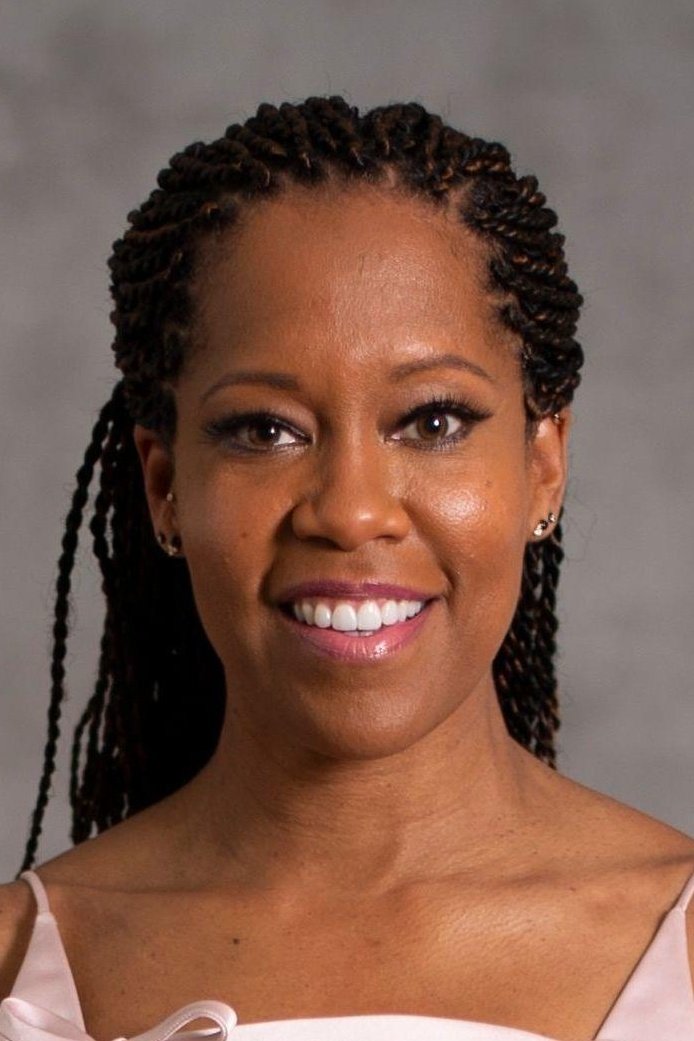
After her directorial debut and success in production she has become a major player in the industry. While she is praised for her visionary storytelling some critics have examined the skin tone diversity within her casts. Discussions have occurred about whether her projects consistently provide leading roles for dark skinned actors. King has had an illustrious career and is known for her commitment to excellence in all her endeavors. Her transition into directing and producing gives her the chance to further influence the landscape of representation.
Oprah Winfrey
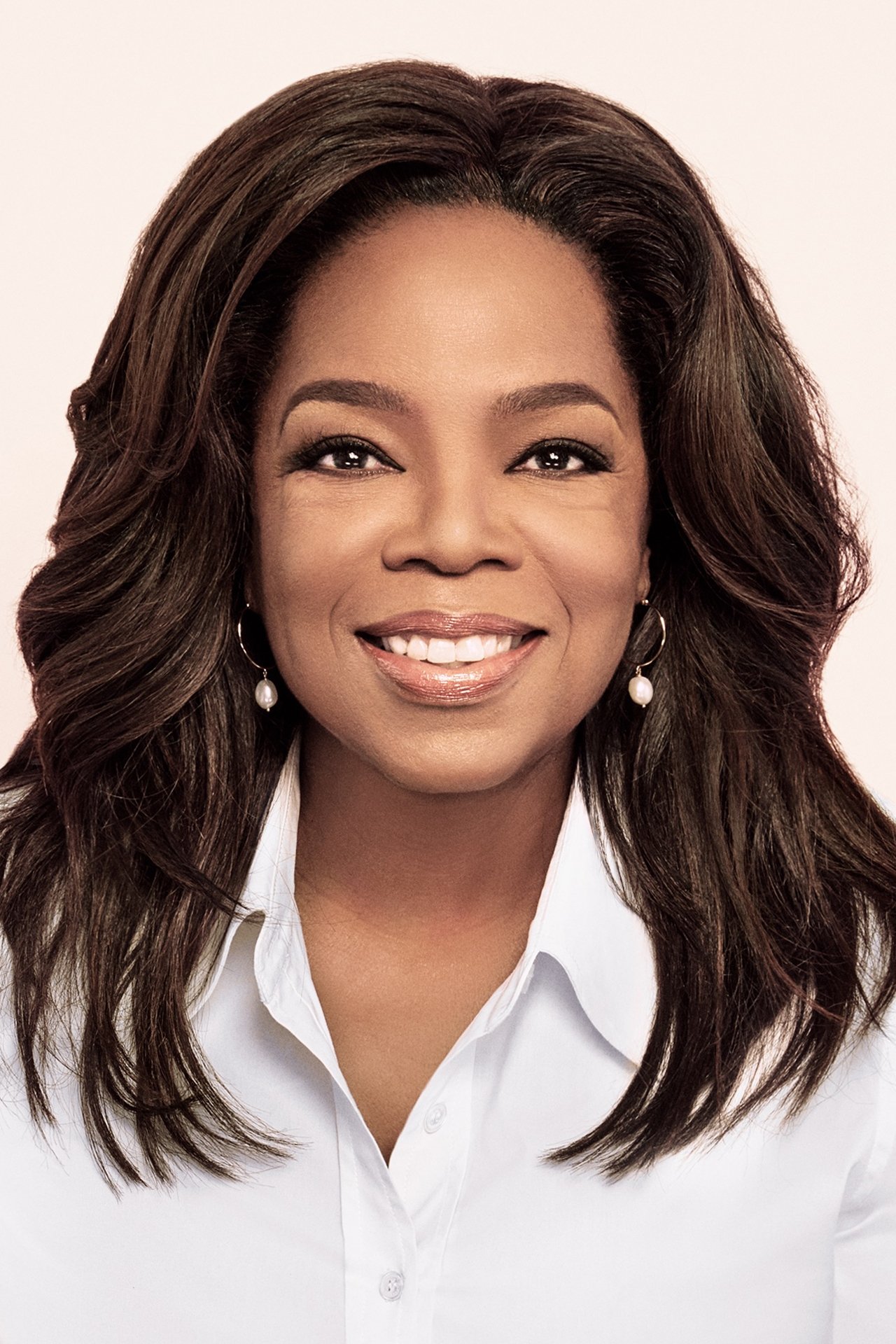
As one of the most powerful people in media her production company Harpo has shaped decades of content. She has faced criticism over the years for the casting in her films and series like ‘Greenleaf’ where some felt colorism was present. Critics argue that her massive influence could be used to more aggressively challenge the preference for light skinned actors. Winfrey has been a champion for Black literature and history throughout her life. Her projects are always highly anticipated and the representation within them is a recurring theme of discussion.
Steven Spielberg
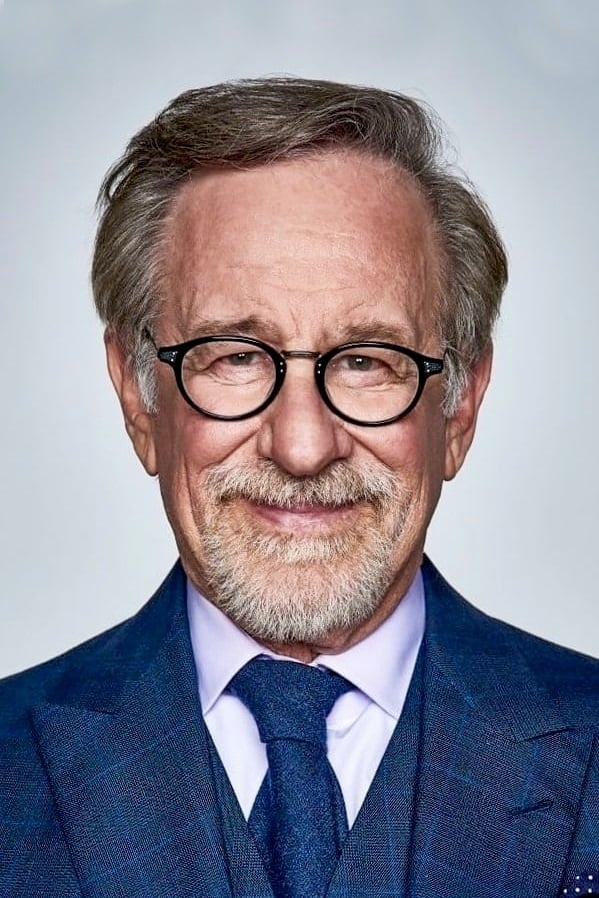
The legendary director faced significant scrutiny for his casting of the 2021 adaptation of ‘West Side Story’. While he aimed for more authentic Latinx representation critics noted that the lead roles were primarily filled by light skinned or white passing actors. This sparked a large conversation about the exclusion of Afro Latinos from a story set in a diverse New York City neighborhood. Spielberg expressed a desire to right the wrongs of the past film but many felt he missed a crucial element of modern diversity. The debate highlighted the complexities of representing the Latinx community on the big screen.
Please share your thoughts on the impact of colorism in modern casting in the comments.