


Celebs Who Advocated For Better Pay Equity Across Races

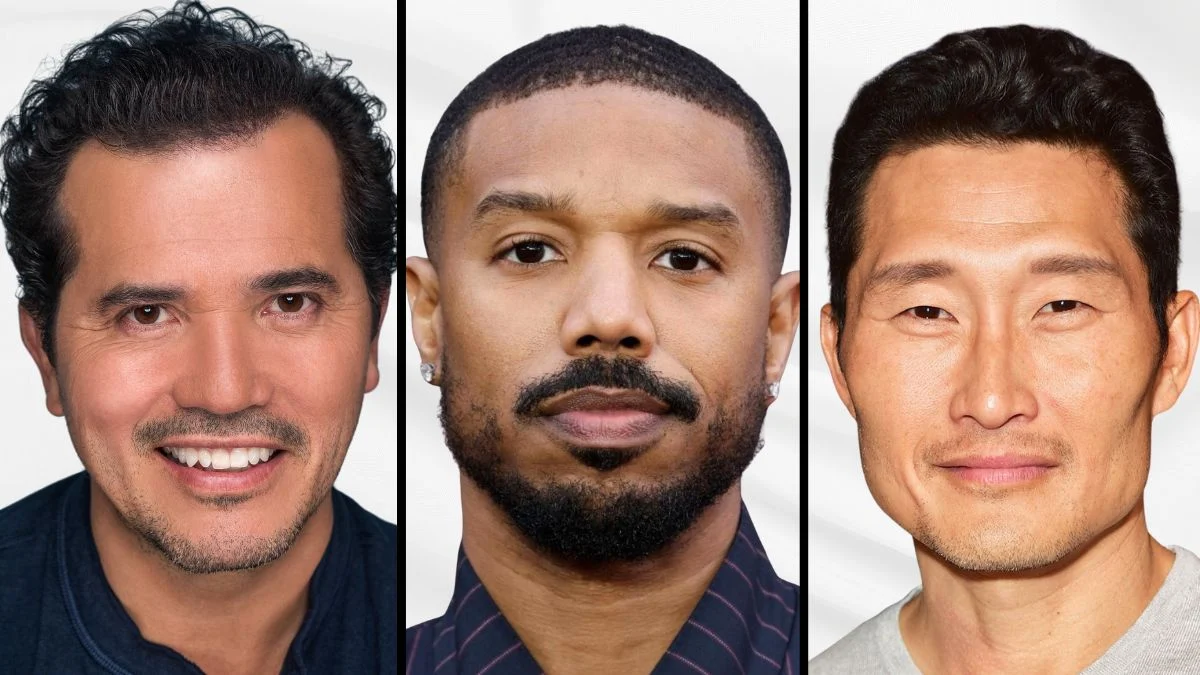


Pay disparities continue to plague the entertainment industry with significant gaps often falling along racial lines. Many prominent figures have stepped forward to demand equal compensation for actors of color who perform at the same level as their white counterparts. These celebrities use their platforms to expose systemic financial inequality within Hollywood and the music industry. Their advocacy involves contract holdouts and public statements that shed light on closed-door negotiations. This collective push strives to ensure that talent and box office draw determine compensation rather than demographics.
Viola Davis
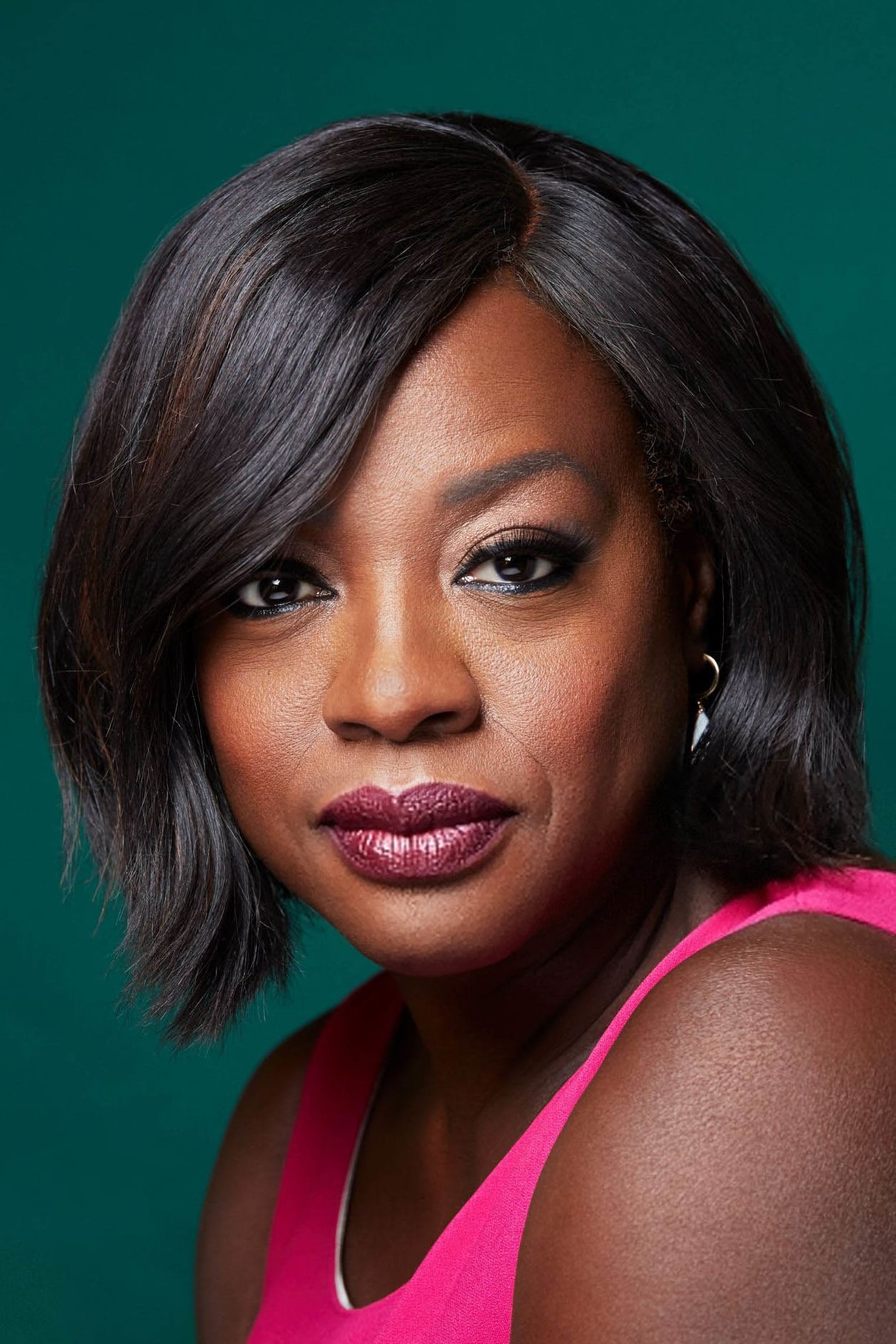
Viola Davis has frequently addressed the significant pay gap facing Black women in Hollywood despite her status as an EGOT winner. She publicly stated that she is often compared to Meryl Streep or Julianne Moore in talent yet her compensation does not reflect that standing. The actress emphasized that women of color rarely get paid what they are worth even when they possess top credentials. Her speeches have highlighted how opportunity and access remain the primary barriers to financial equity. Davis continues to demand compensation commensurate with her critical acclaim and box office performance.
Taraji P. Henson
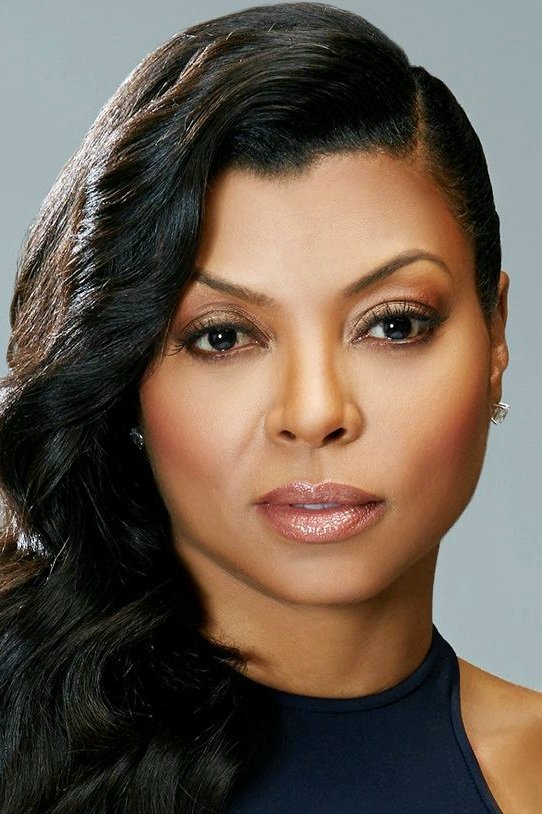
Taraji P. Henson revealed her struggles with pay equity during the release of her memoir and subsequent press tours. She disclosed that she received significantly less than the standard asking price for her role in ‘The Curious Case of Benjamin Button’ despite having a pivotal part. Henson noted that she had to cover her own location expenses which further reduced her earnings from the film. The actress explained that staying quiet about these disparities often perpetuates the cycle of underpayment for Black actors. She remains a vocal advocate for fair pay structures in both film and television.
Octavia Spencer
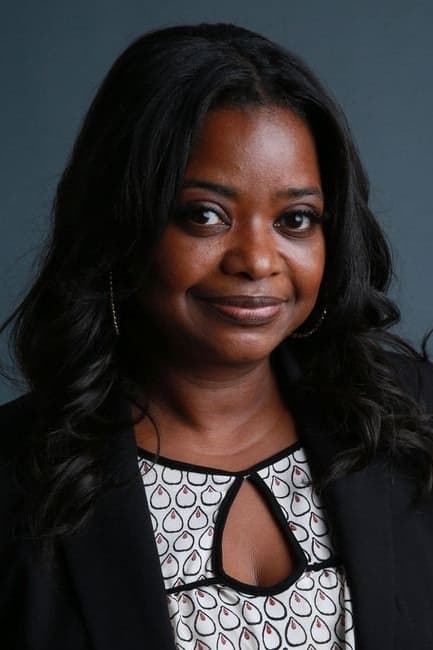
Octavia Spencer took a stand for wage equality during negotiations for a project she shared with Jessica Chastain. She informed Chastain about the compounding pay gap that women of color face compared to white women. This conversation led to a joint negotiation strategy that resulted in significantly higher salaries for both actresses. Spencer publicly shared this story to illustrate how allyship can effectively close racial wage gaps. Her transparency encouraged other actors to discuss salaries and leverage their collective power.
Jessica Chastain
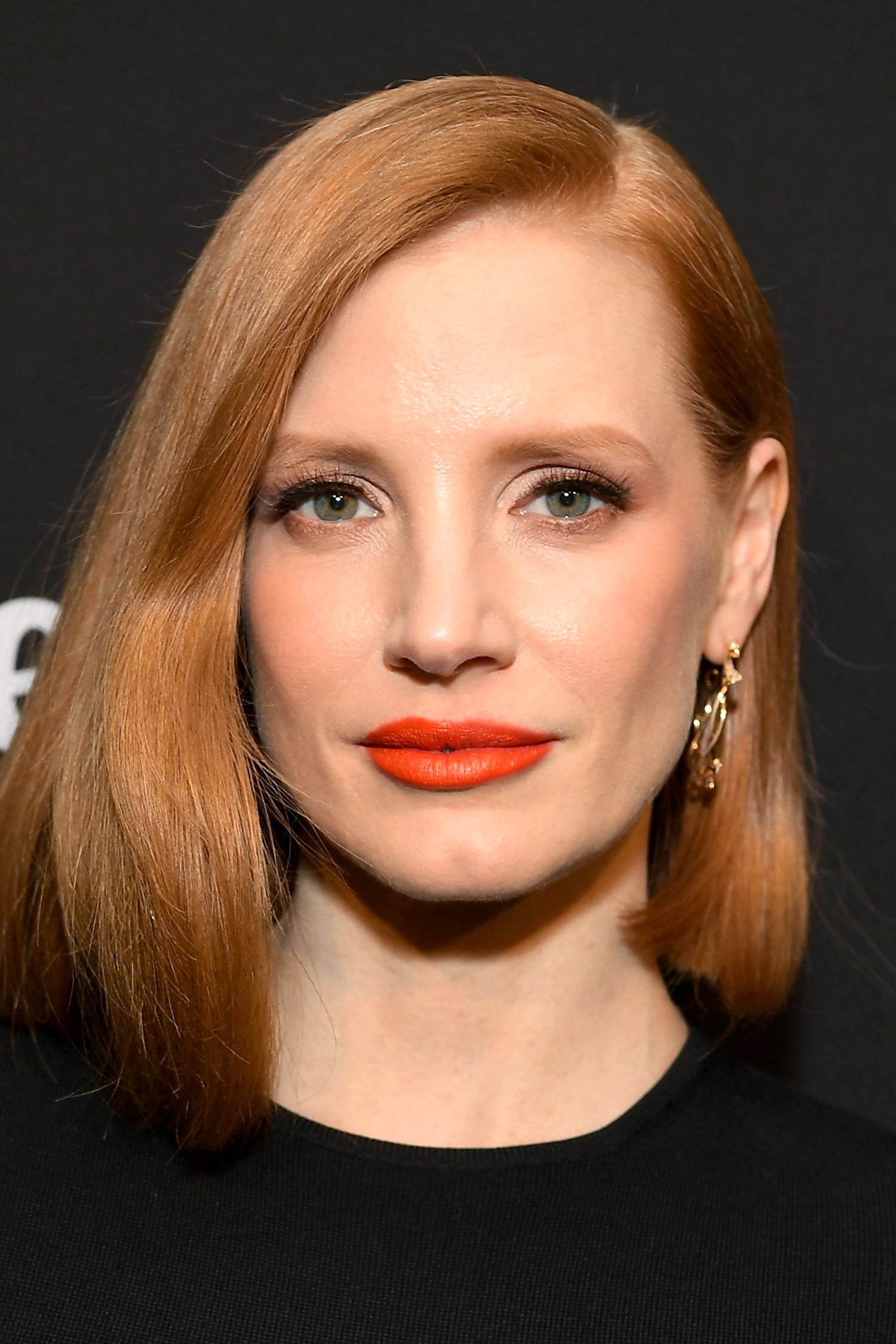
Jessica Chastain utilized her privilege to advocate for racial pay equity after a conversation with Octavia Spencer. She learned that Spencer was being offered far less than she expected despite her Oscar-winning status. Chastain decided to tie her own deal to Spencer’s to ensure they earned the same amount for their work on the holiday comedy. Her actions reportedly increased Spencer’s salary by five times the original offer. This move set a precedent for white actors to actively participate in closing the racial wealth gap in Hollywood.
Daniel Dae Kim
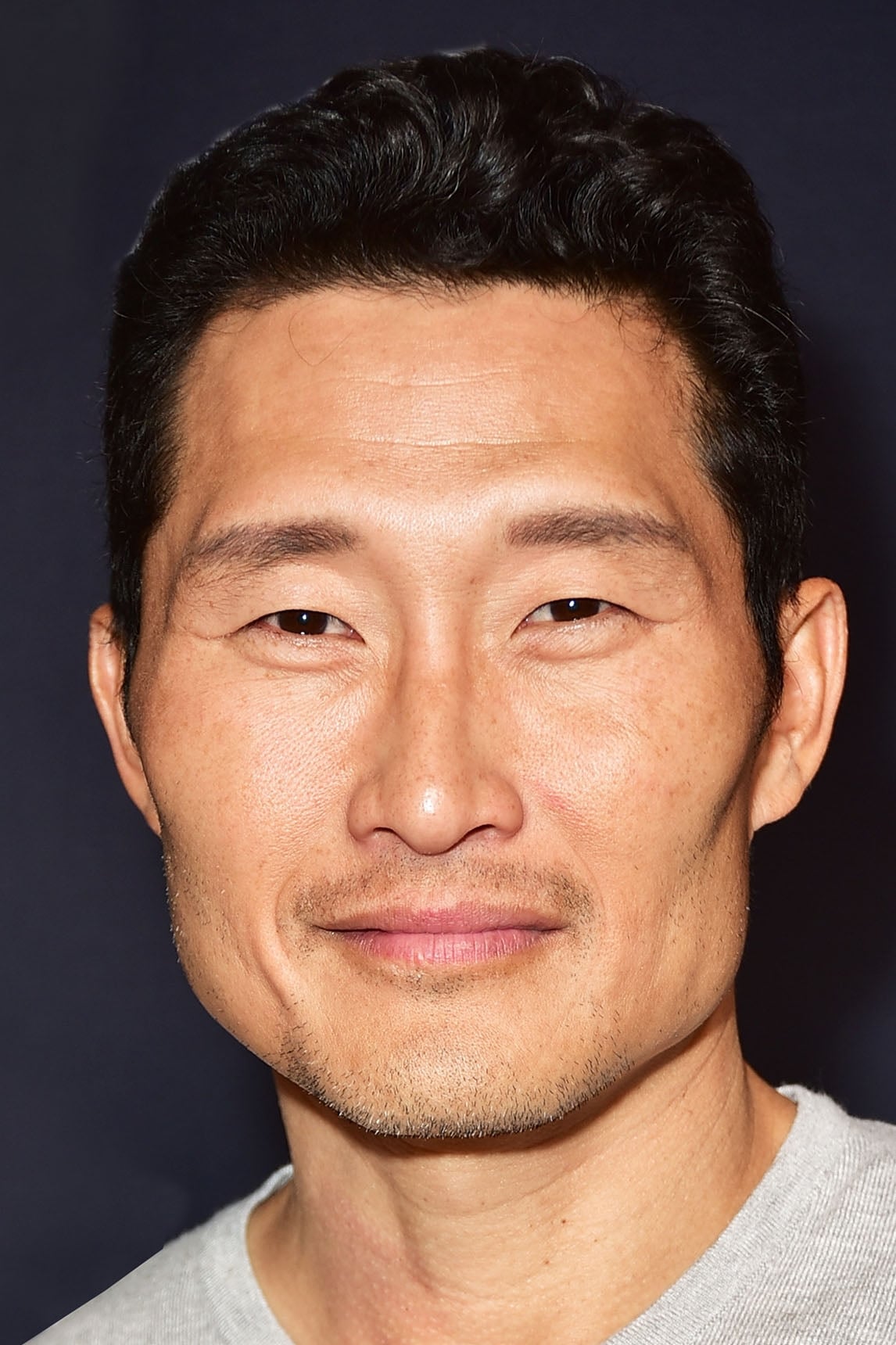
Daniel Dae Kim made headlines when he chose to leave the hit series ‘Hawaii Five-0’ after seven seasons. He and his co-star Grace Park sought pay parity with their white co-stars who received higher salaries and backend deals. The network refused to match the offers given to the other original cast members. Kim publicly stated that the path to equality is rarely easy but necessary to travel. His departure sparked a major industry conversation about the valuation of Asian American actors in lead roles.
Grace Park
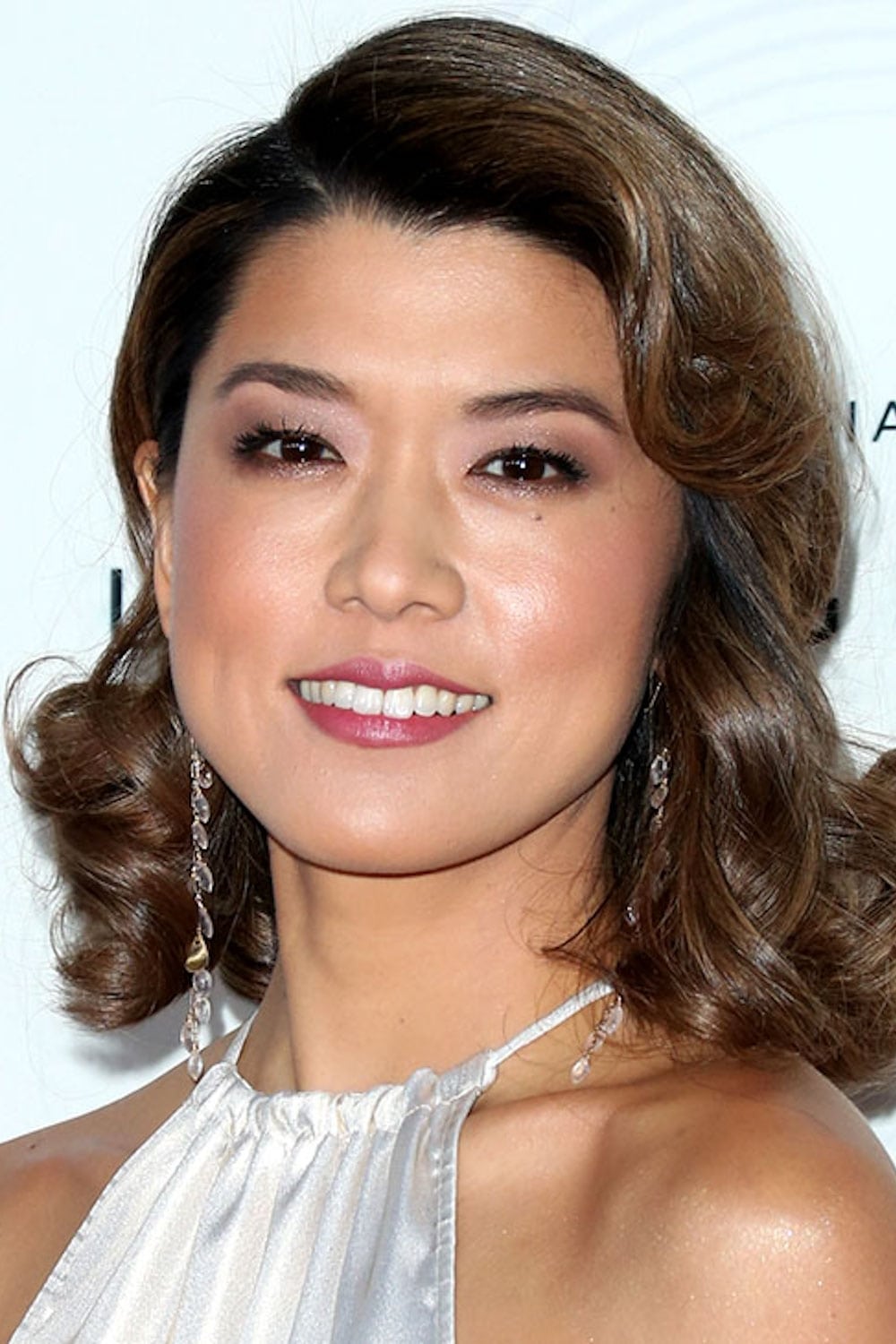
Grace Park stood in solidarity with Daniel Dae Kim during contract negotiations for ‘Hawaii Five-0’. The actress held out for a salary equal to her white male counterparts after years of contributing to the show’s success. When the network failed to meet her terms she chose to walk away from the long-running procedural. Her decision highlighted that Asian American actresses often face a double bind of racial and gender pay gaps. Park maintained professionalism while making a firm statement about her worth in the industry.
Mo’Nique
Mo’Nique called for a boycott of Netflix after receiving a lowball offer for a comedy special. She compared her offer to the multi-million dollar deals secured by Dave Chappelle and Amy Schumer. The comedian argued that her resume and legendary status warranted a comparable paycheck regardless of race or gender. She filed a lawsuit alleging racial and gender discrimination which resulted in a settlement with the streaming giant. Her battle forced the industry to reevaluate how it values legacy Black talent in the streaming era.
Wanda Sykes
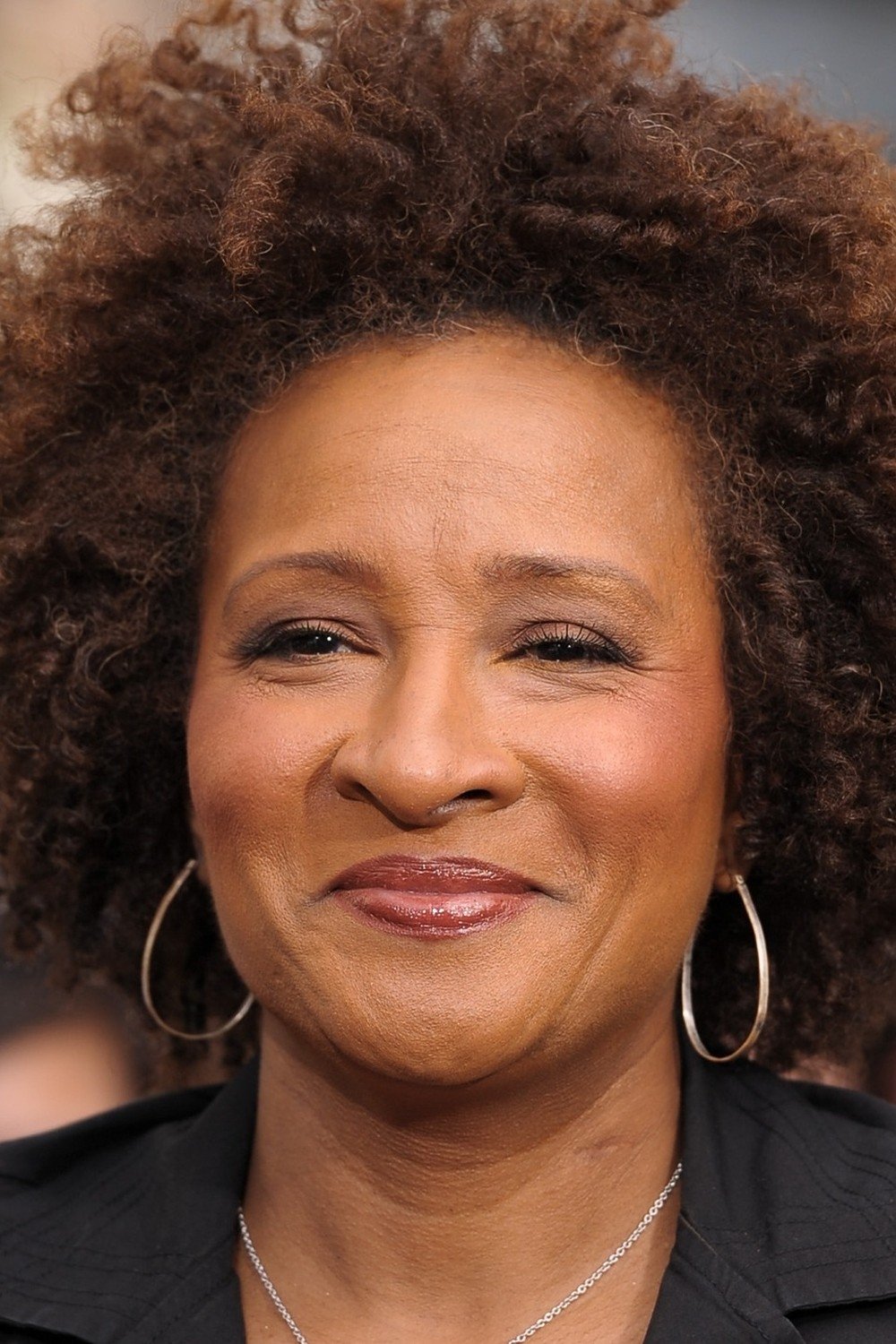
Wanda Sykes revealed that she rejected a Netflix offer that she felt was offensively low compared to other comedians. She noted that the offer was less than half of what Amy Schumer reportedly negotiated for a leather special. Sykes pointed out that she has been a touring comic for decades and deserves compensation that reflects her tenure. Her refusal contributed to the broader discussion about algorithmic bias in determining payouts for Black entertainers. She eventually released her special with the platform after likely securing better terms.
Arden Cho

Arden Cho turned down a role in the ‘Teen Wolf: The Movie’ revival due to significant pay disparity. Reports surfaced that she was offered half the per-episode salary of her three white female co-stars. Cho confirmed the decision on social media and received support from fans and fellow actors. Her choice shed light on how ensembles often underpay the sole actors of color despite their equal contribution to the story. This move empowered other young actors to reject unequal pay even when it involves nostalgic franchises.
Tracee Ellis Ross
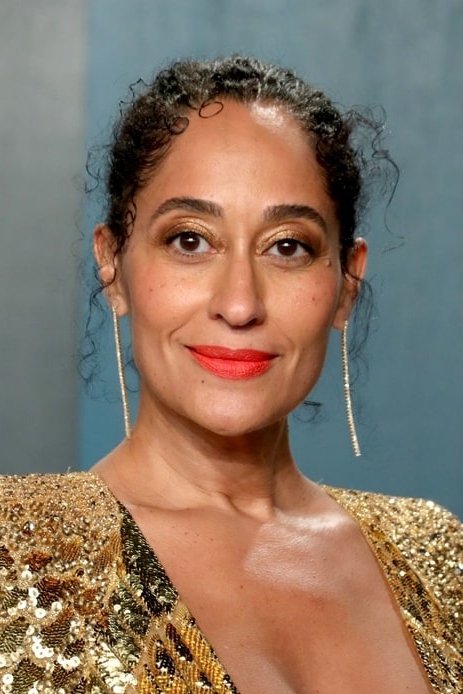
Tracee Ellis Ross engaged in a publicized negotiation for her role on the sitcom ‘Black-ish’. She reportedly threatened to appear in fewer episodes if her salary was not increased to match her on-screen husband Anthony Anderson. The actress highlighted that her character was equally essential to the success of the show. Her advocacy brought attention to the gender pay gap that exists even within predominantly Black casts. Ross ultimately secured a significant raise and continued her work as a producer and lead.
Djimon Hounsou
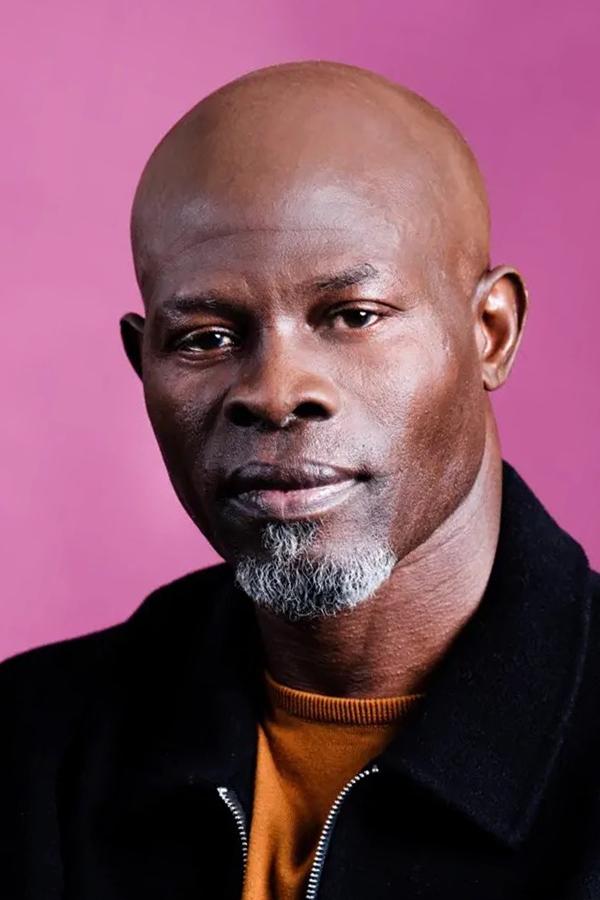
Djimon Hounsou expressed frustration regarding his financial standing despite decades of work in major blockbusters. He stated in interviews that he still struggles to make a dollar despite receiving multiple Academy Award nominations. Hounsou noted that studios often claim they have limited budgets when negotiating with him. He emphasized that accolades have not translated into the same financial security afforded to his white peers. His candidness exposed the reality that prestige does not always equal pay equity for African actors.
John Leguizamo
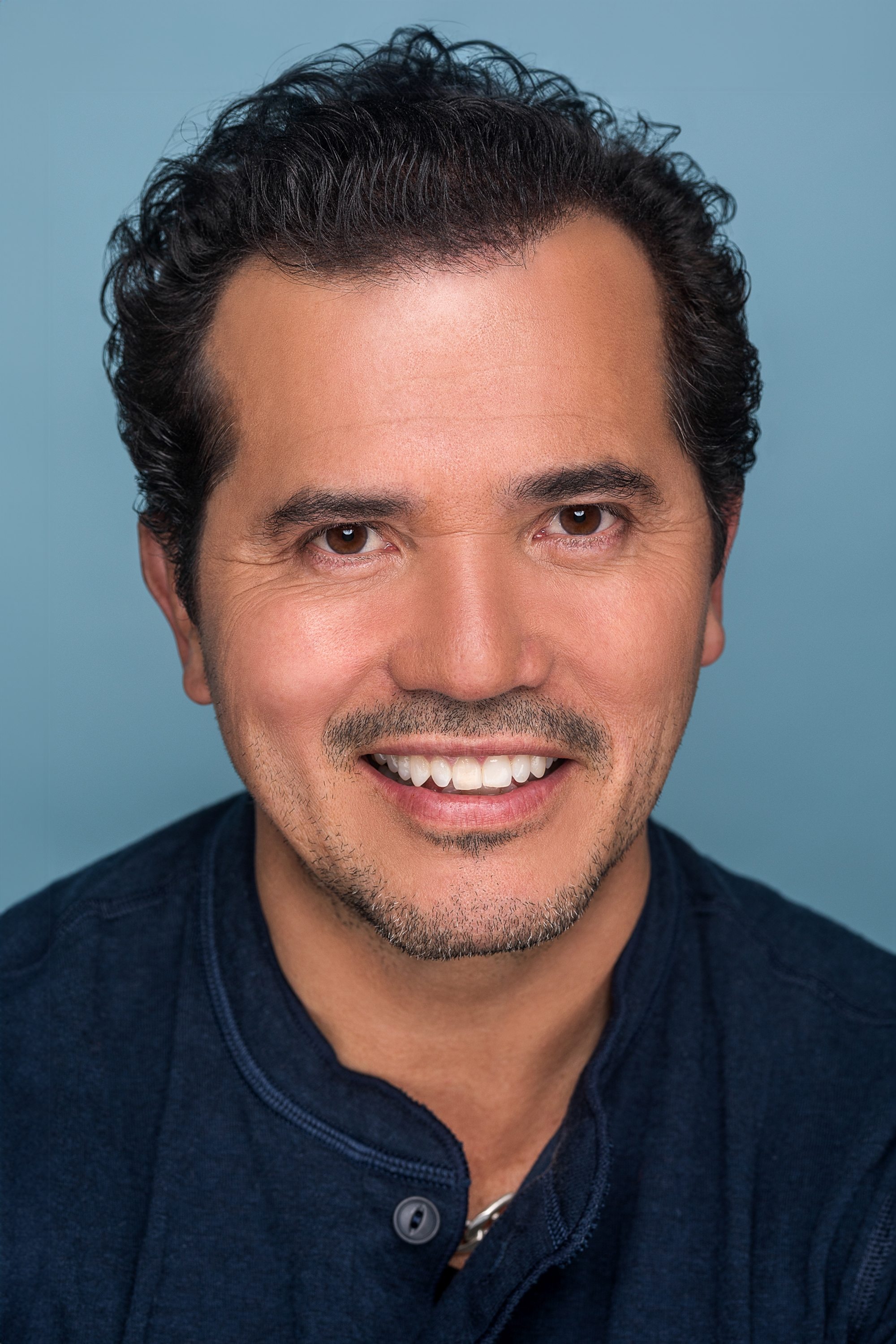
John Leguizamo has spent his career fighting for Latino representation and fair compensation in Hollywood. He frequently criticizes the industry for casting non-Latino actors in Latino roles while underpaying actual Latino talent. Leguizamo has written op-eds and spoken on panels about the economic exclusion of the Latinx community. He urges executives to greenlight stories written by Latinos to ensure the money flows back into the community. His advocacy links accurate representation directly to economic equity.
Gabrielle Union
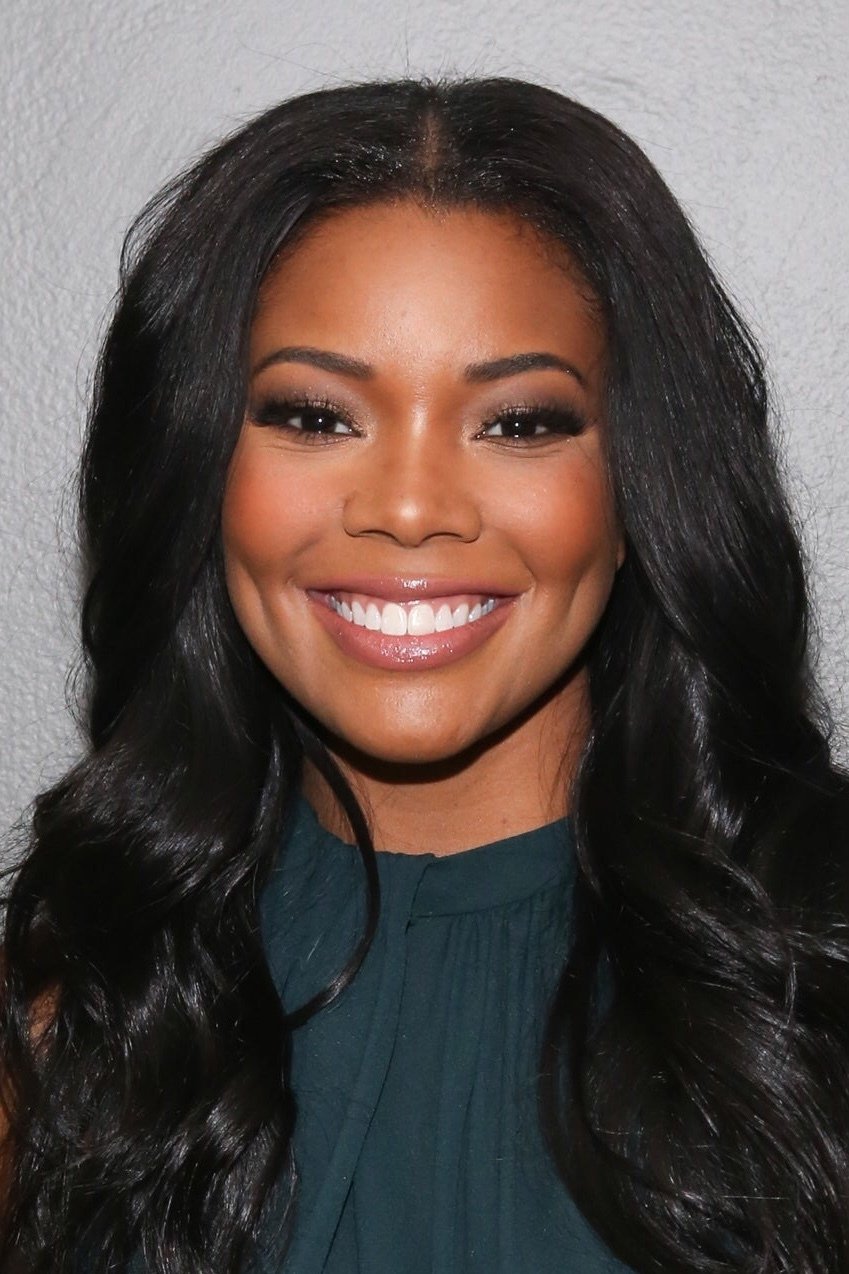
Gabrielle Union has been a fierce advocate for workplace equality and fair pay throughout her career. She filed a harassment complaint against the producers of ‘America’s Got Talent’ that included concerns about the treatment of employees of color. Union has also spoken about the need for transparency in salaries to prevent studios from lowballing Black actresses. She emphasizes that financial equity is a crucial component of a safe and respectful work environment. Her actions have pushed production companies to be more accountable for their corporate culture.
Priyanka Chopra Jonas

Priyanka Chopra Jonas has discussed the disparity in pay she faced when transitioning from Bollywood to Hollywood. She noted that she was paid significantly less than her male co-stars early in her American career. The actress revealed that she finally received pay parity for her role in the series ‘Citadel’. She credited the changing landscape and the work of female executives for this milestone. Chopra Jonas continues to advocate for global pay equity for South Asian actors.
Terrence Howard
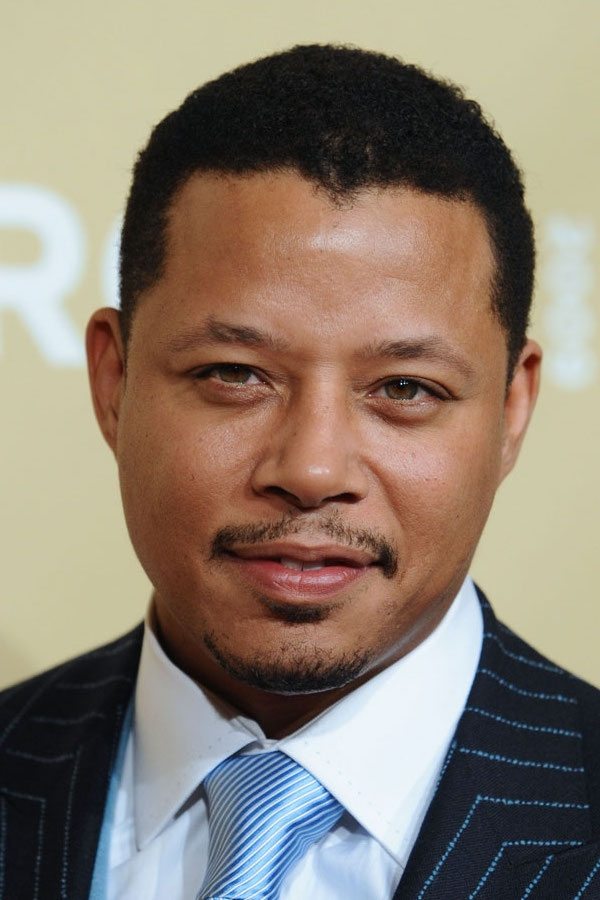
Terrence Howard was the highest-paid actor in the first ‘Iron Man’ film before being replaced. He stated that the studio demanded he take a massive pay cut for the sequel to fund salary increases for others. Howard refused the reduction and argued that he should be paid according to his initial contract. His departure from the Marvel Cinematic Universe became a cautionary tale about contract vulnerability. The incident remains a prominent example of pay disputes involving Black leading men in franchises.
Anthony Mackie
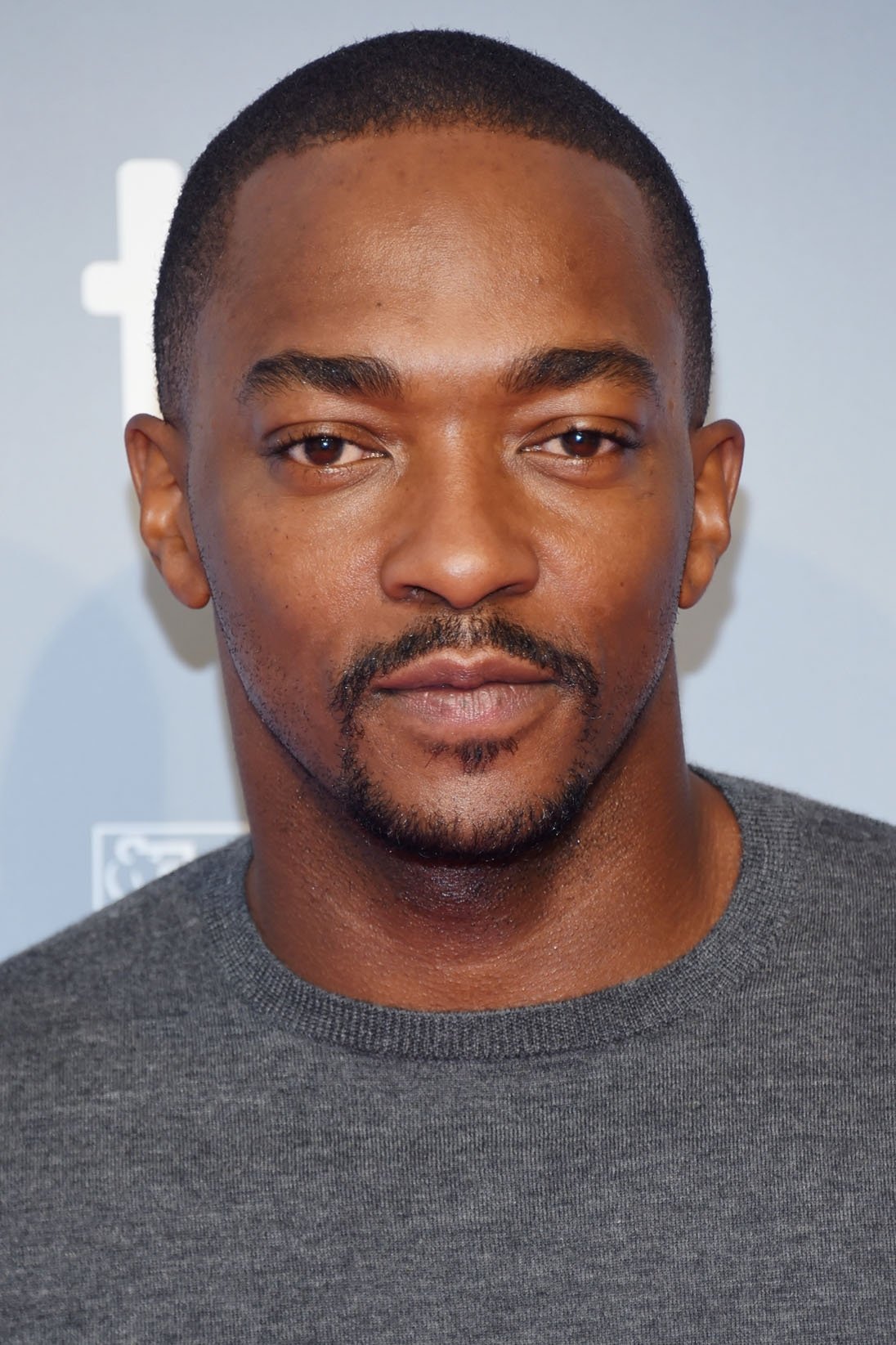
Anthony Mackie has spoken openly about the lack of diversity behind the camera and its impact on economic equity. He criticized major studios for only hiring Black crew members for specific “Black movies” rather than across all productions. Mackie argues that true equity comes from spreading the financial opportunities to all levels of production. He uses his position as a leading man to push for diverse hiring practices that create wealth. His goal is to normalize the presence and fair payment of Black professionals in all departments.
Chadwick Boseman
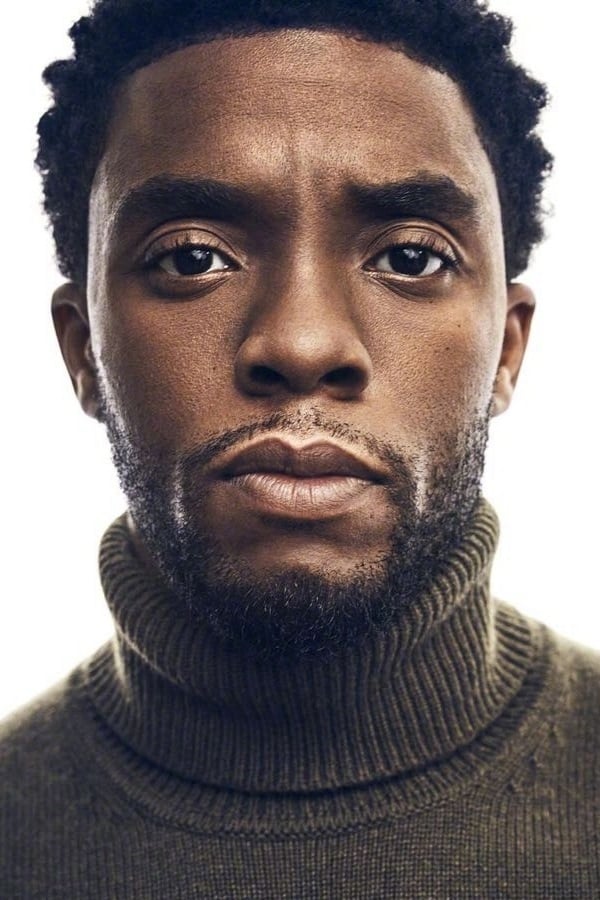
Chadwick Boseman demonstrated a commitment to pay equity through direct action on the set of ’21 Bridges’. Co-star Sienna Miller revealed that Boseman donated a portion of his own salary to her so she could meet her asking price. He did this because the studio refused to pay her what she requested. Boseman argued that she deserved the money for her work and contribution to the film. This act of generosity highlighted the systemic issues that require actors to subsidize each other to achieve fairness.
Ellen Pompeo
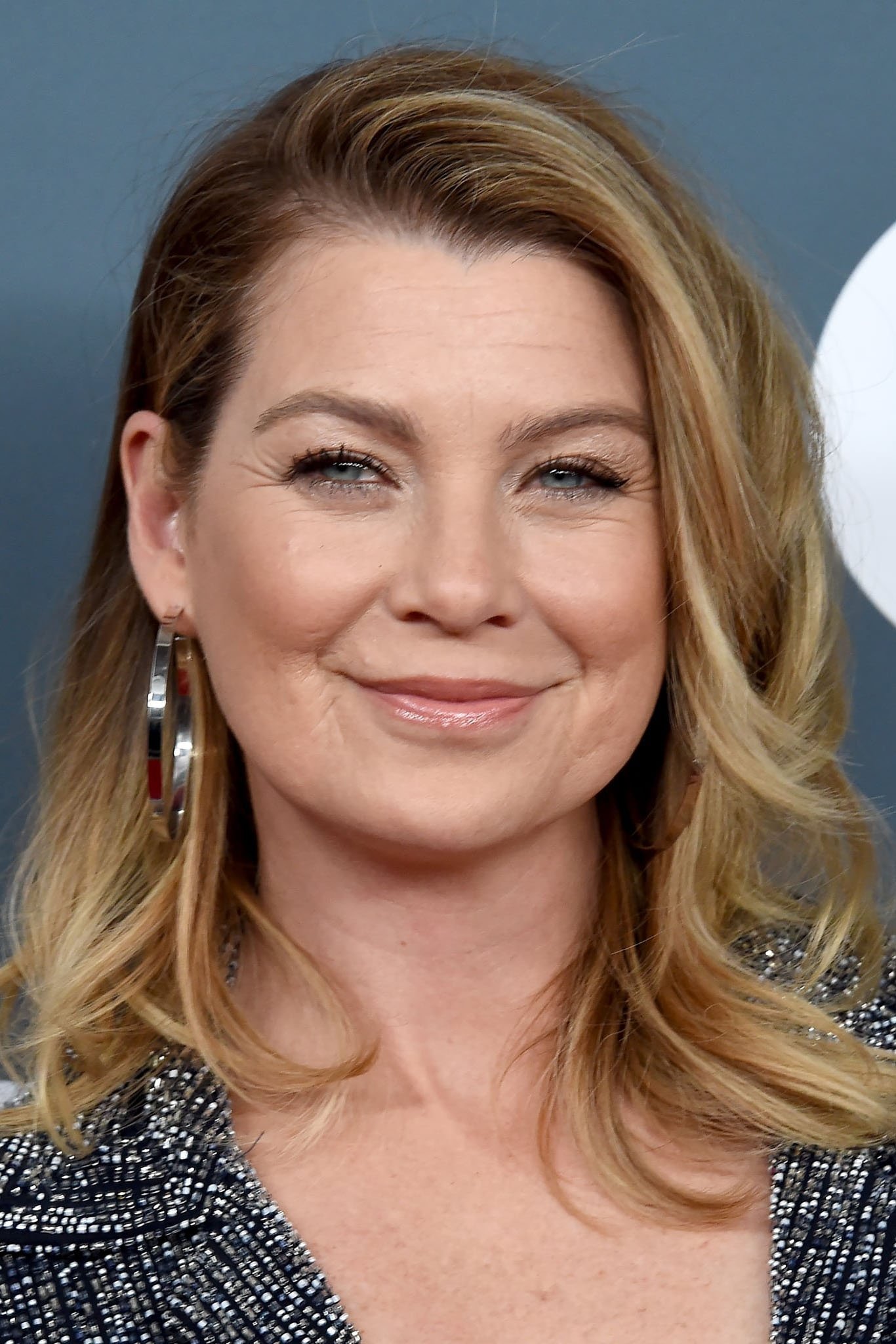
Ellen Pompeo used her platform on ‘Red Table Talk’ to discuss racial pay disparities with visibility. She acknowledged that while she fought for her own high salary she also witnessed the struggle of Black women in the industry. Pompeo encouraged white actors to speak up when they see their co-stars of color being underpaid. She emphasized that secrecy only benefits the studios and hurts the actors. Her allyship involves normalizing money conversations to expose unfair discrepancies.
Michael B. Jordan
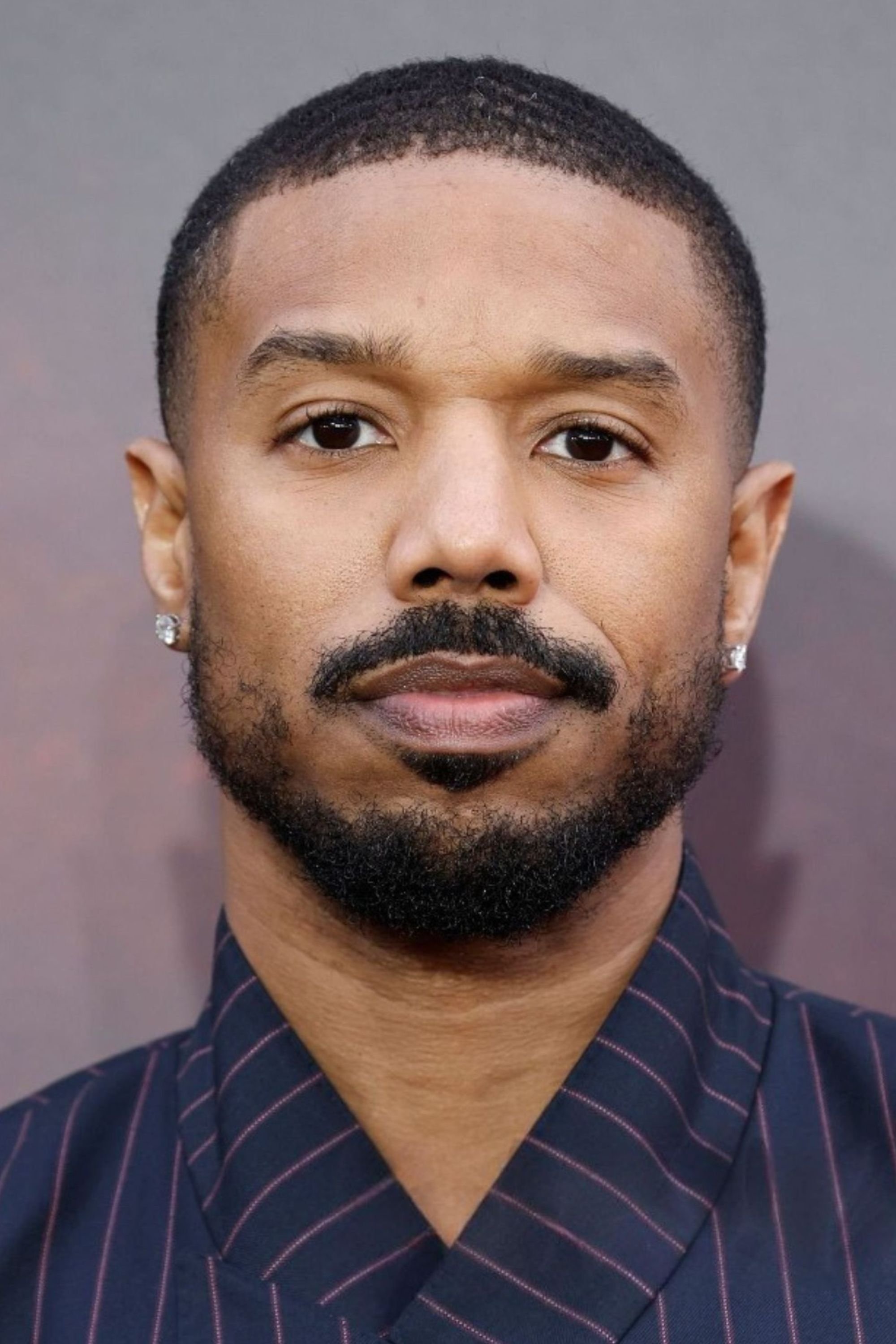
Michael B. Jordan adopted an inclusion rider for his production company to ensure diverse hiring. This legal clause mandates that cast and crew members reflect the demographics of the real world. By enforcing this rider he ensures that women and people of color receive job opportunities and fair wages. Jordan aims to create a pipeline for diverse talent to enter the industry and build sustainable careers. His structural approach tackles the root cause of the wealth gap in entertainment.
Regina King
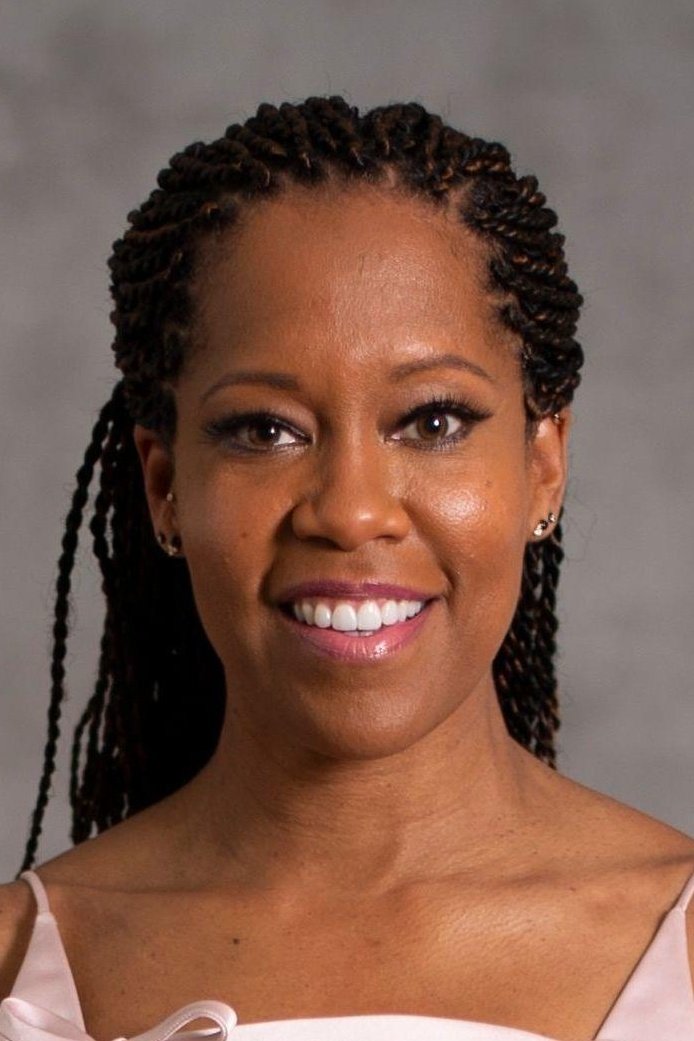
Regina King made a public pledge to ensure that fifty percent of her production workforce is female. She actively works to hire people of color for key positions that command higher salaries. King acknowledges that she has the power to change the economic reality for those on her sets. She urges others in positions of power to stop talking about diversity and start hiring. Her focus is on creating economic agency for marginalized groups through employment.
Idris Elba
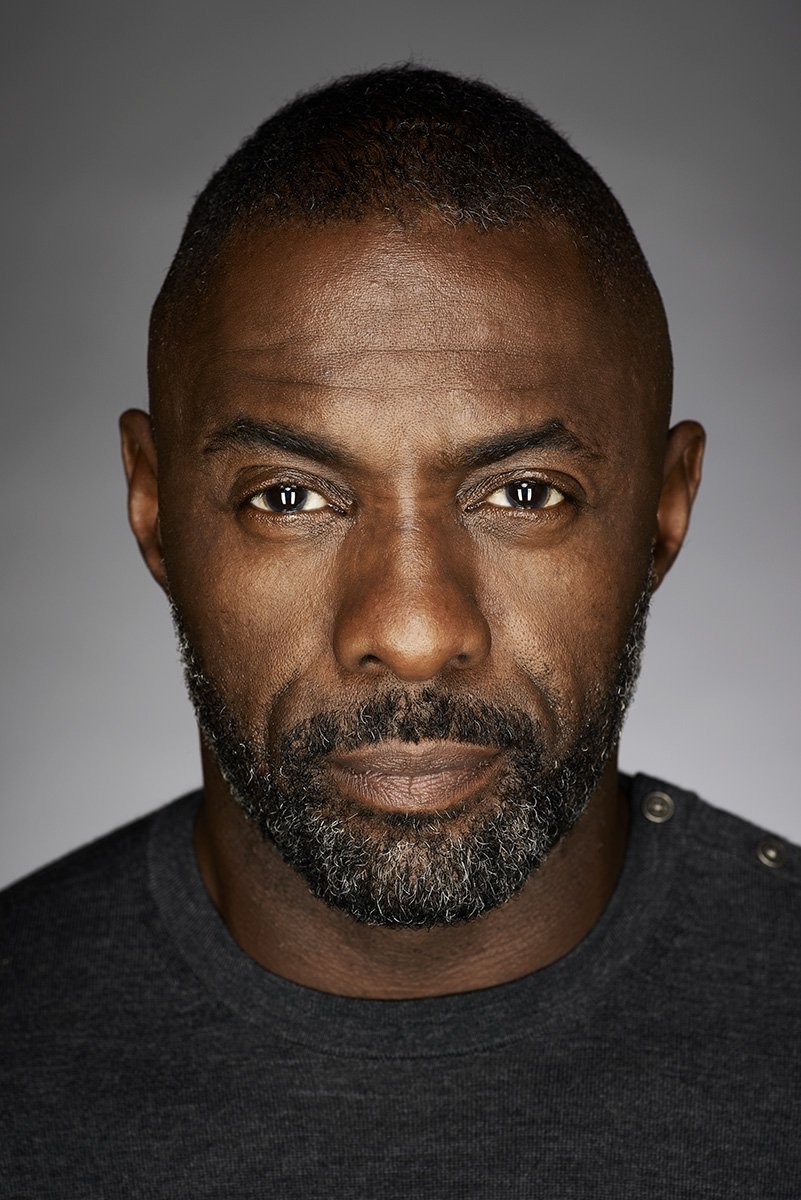
Idris Elba has spoken about the difficulty Black British actors face in finding consistent and well-paid work in the UK. He noted that many must move to America to achieve financial success and professional respect. Elba advocates for the British film industry to invest more in diverse stories and talent. He argues that the talent drain will continue until pay and opportunities are equalized. His commentary sheds light on the global nature of racial pay disparities.
Queen Latifah
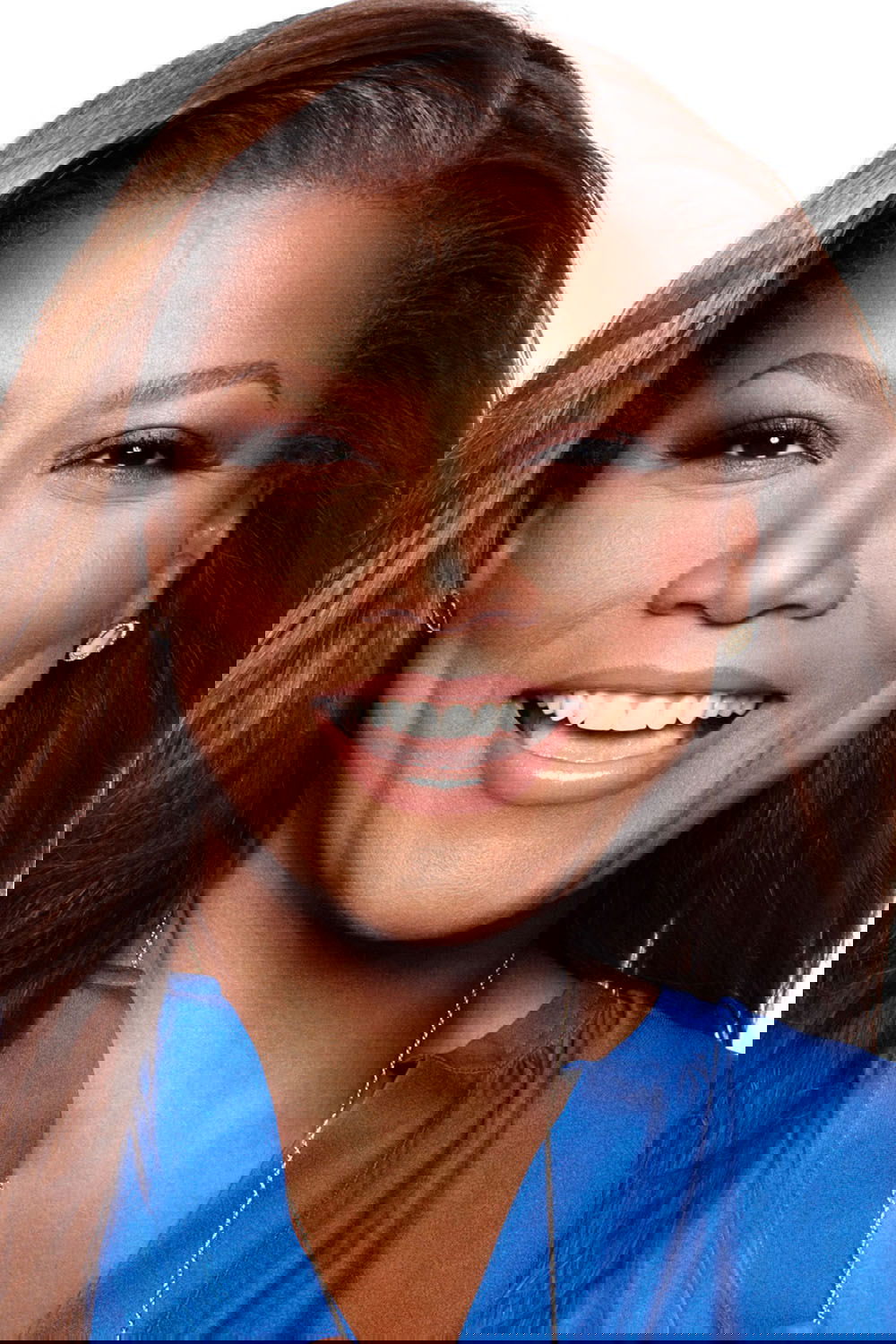
Queen Latifah has long been a proponent of ownership and fair pay for hip-hop artists and actors. As a producer she ensures that the talent involved in her projects is compensated fairly regardless of race. She speaks frequently about the importance of women of color controlling their own financial destinies. Latifah uses her leverage to secure producer credits which allows her to oversee budget distribution. Her career model serves as a blueprint for achieving equity through executive power.
Chris Rock
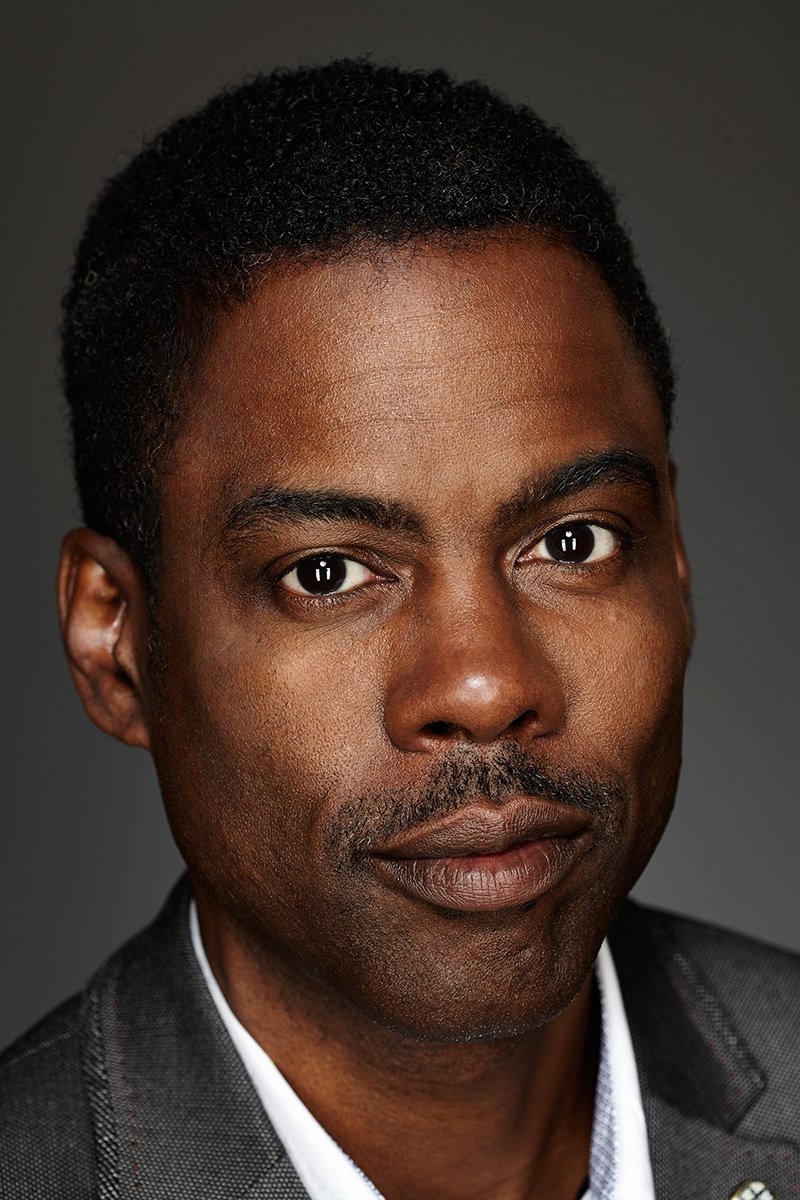
Chris Rock penned a famous essay regarding the limited opportunities and pay for Black people in Hollywood. He argued that Hollywood is a “white industry” where Black talent is often hired as a token rather than a core investment. Rock highlighted that true equity involves Black people having the power to greenlight projects. He pointed out that even the most successful Black comedians often have to jump through more hoops than their white peers. His sharp critique focused on the structural exclusion that prevents wealth accumulation.
Thandiwe Newton

Thandiwe Newton has been vocal about the exploitation she faced early in her career regarding pay and treatment. She recently negotiated for equal pay on ‘Westworld’ after seasons of critical acclaim. Newton creates a transparent environment on her sets to ensure younger actors of color do not face the same hurdles. She views pay equity as a form of respect and validation for one’s craft. Her advocacy is deeply personal and rooted in protecting the next generation.
Halle Berry
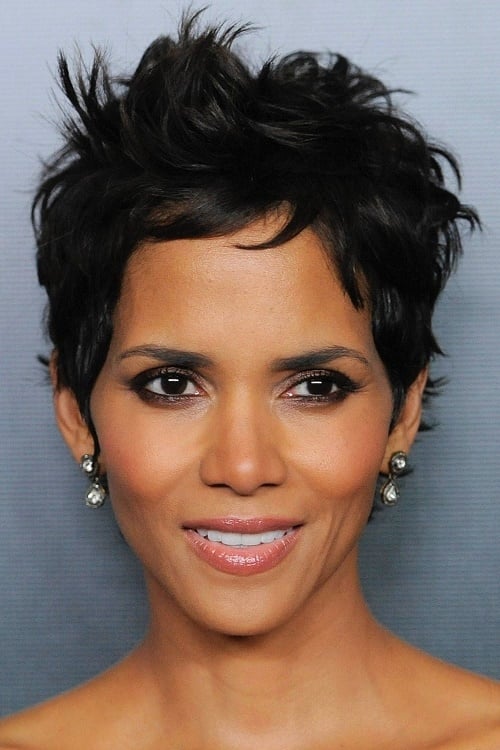
Halle Berry has discussed the fight to maintain her quote after winning an Academy Award. She noted that the “Oscar bump” in salary that white actresses receive did not manifest the same way for her. Berry has had to consistently prove her box office viability to justify her paycheck. She advocates for actors to remain firm in their negotiations to establish their market value. Her persistence has kept her among the highest-paid actresses despite industry resistance.
Kerry Washington
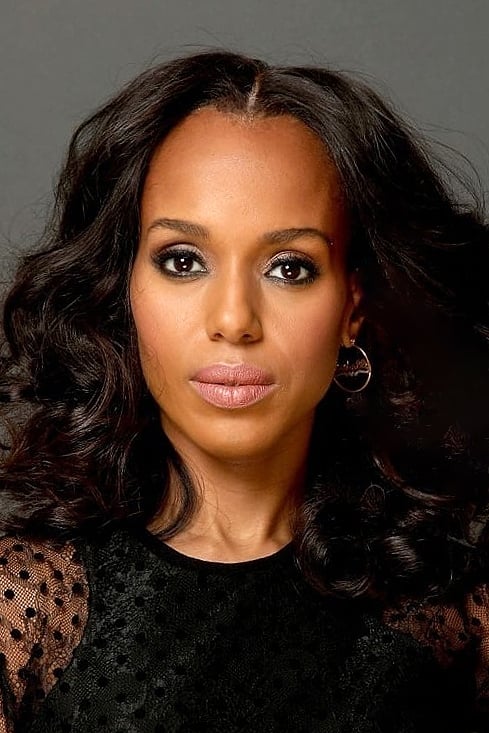
Kerry Washington leverages her production company to create equitable work environments. She speaks about the importance of “equity” over “equality” to address historical disadvantages. Washington ensures that her contracts include provisions for fair treatment and compensation for her team. She actively supports unions and organizations that fight for standard wages for all performers. Her work extends beyond her own paycheck to the financial health of the entire crew.
Michelle Yeoh
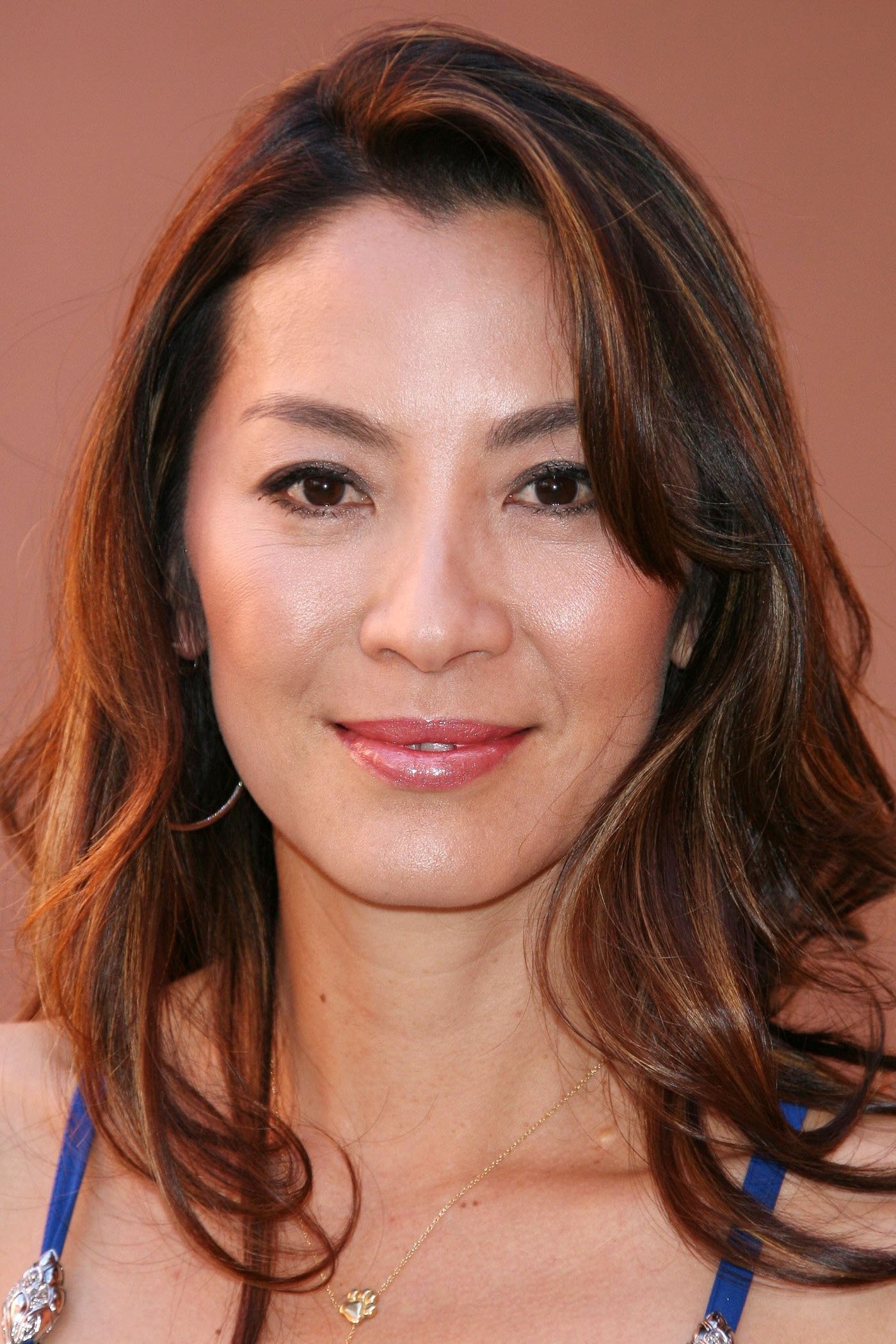
Michelle Yeoh has spoken about the long road to receiving top billing and commensurate pay in Western cinema. She highlighted the struggle of being typecast or sidelined which limited her earning potential for years. With the success of ‘Everything Everywhere All At Once’ she emphasized the importance of seizing opportunities to demand fair value. Yeoh advocates for Asian actors to challenge the limited roles often assigned to them. Her recent success has become a rallying cry for valuing veteran actors of color.
America Ferrera
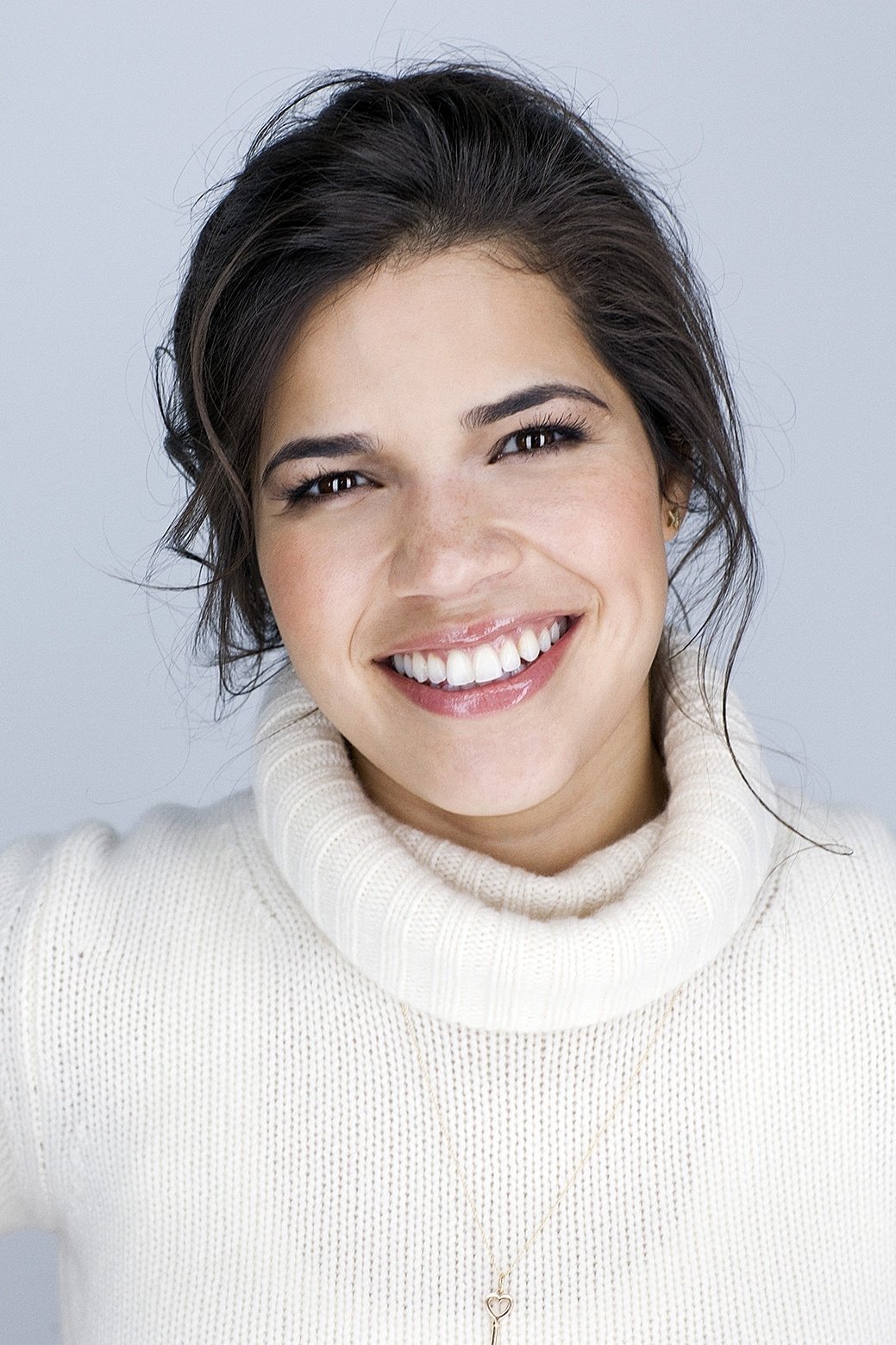
America Ferrera has been a consistent voice for Latinx representation and equal pay. She founded organizations that aim to increase the visibility and economic power of the Latino community. Ferrera argues that the industry leaves money on the table by underinvesting in Latino stories and talent. She pushes for systemic change that sees Latinos in executive roles where budget decisions are made. Her advocacy connects cultural representation directly to economic justice.
Eva Longoria
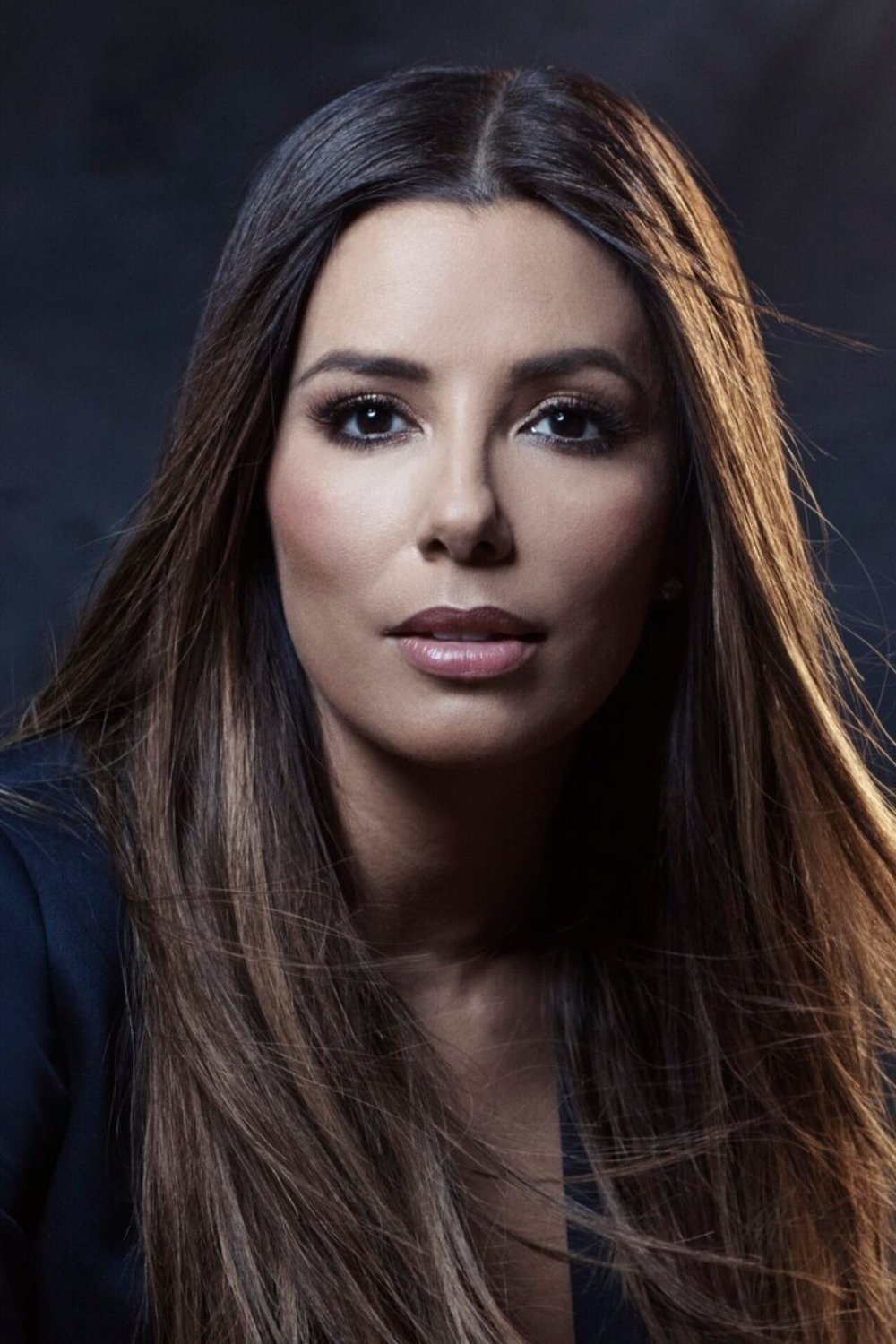
Eva Longoria utilizes her producing power to correct pay imbalances for Latinx creators. She has spoken about the need to build a “pipeline” of talent that is ready to step into high-paying roles. Longoria emphasizes that mentorship must include financial literacy and negotiation skills. She actively produces projects that employ Latinos in front of and behind the camera. Her goal is to create generational wealth within the Latino entertainment community.
Rosie Perez
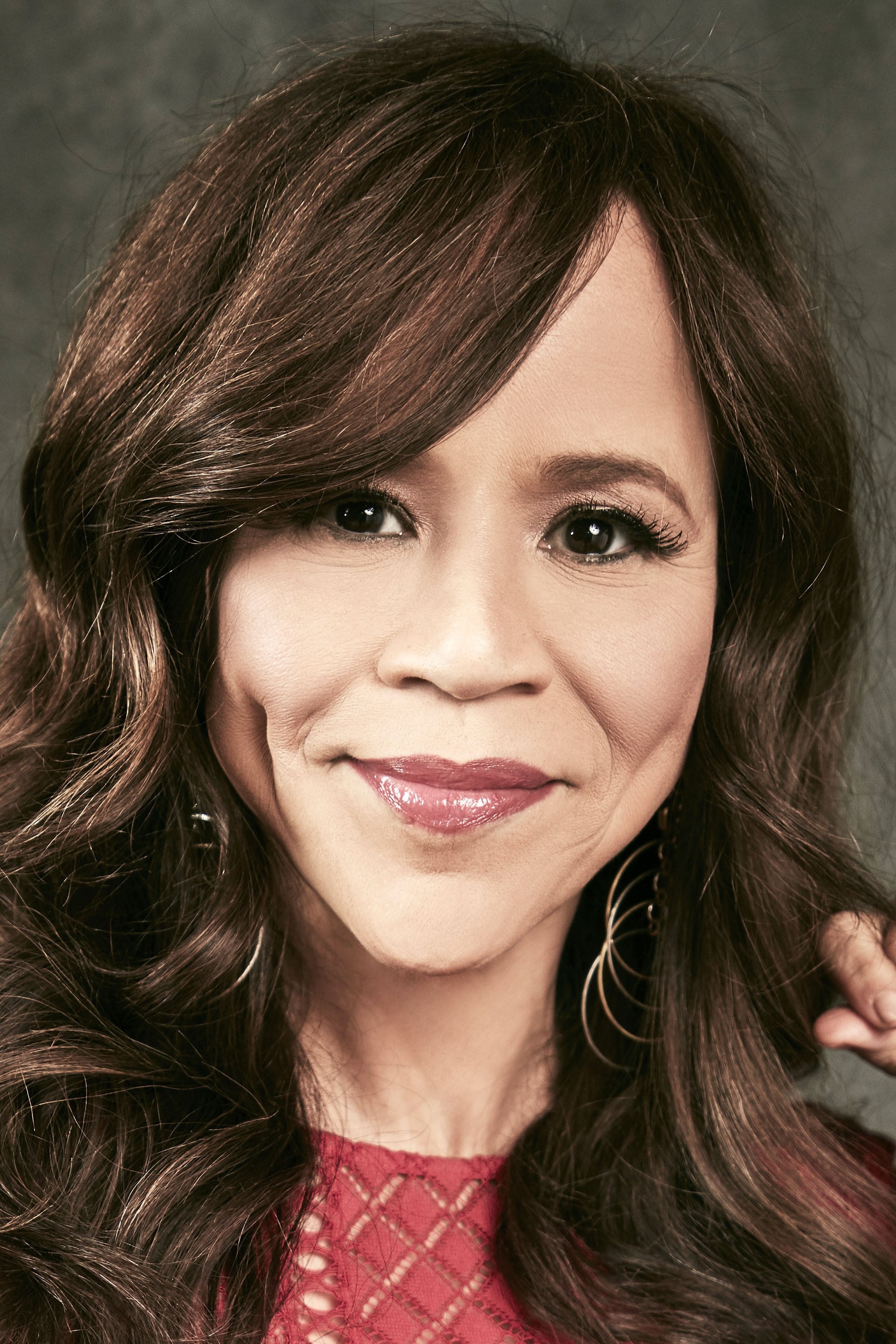
Rosie Perez has fought against the poverty wages often paid to dancers and background actors of color. She has sued for fair royalties and compensation for her work in the music industry. Perez speaks candidly about how the industry extracts culture from communities of color without paying for it. She demands that artists be compensated for their intellectual property and likeness. Her advocacy is rooted in the labor rights of the most vulnerable performers.
Naomie Harris
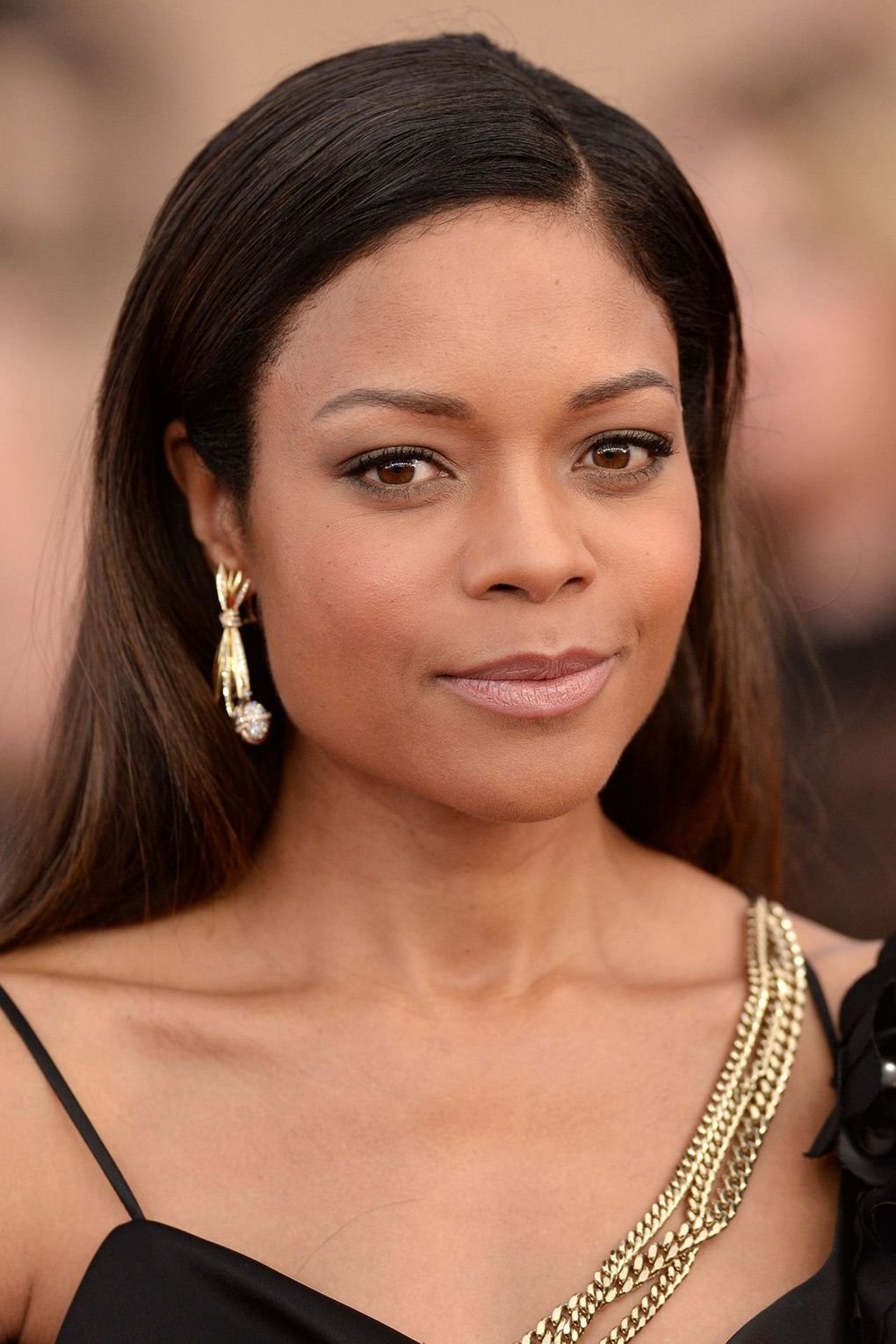
Naomie Harris has discussed the importance of transparency in closing the pay gap. She stated that knowing what her co-stars earn is essential for fair negotiation. Harris supports the idea of open salary discussions to prevent studios from exploiting racial biases. She advocates for standardizing pay scales based on screen time and role significance. Her pragmatic approach focuses on data and open communication.
Robin Thede
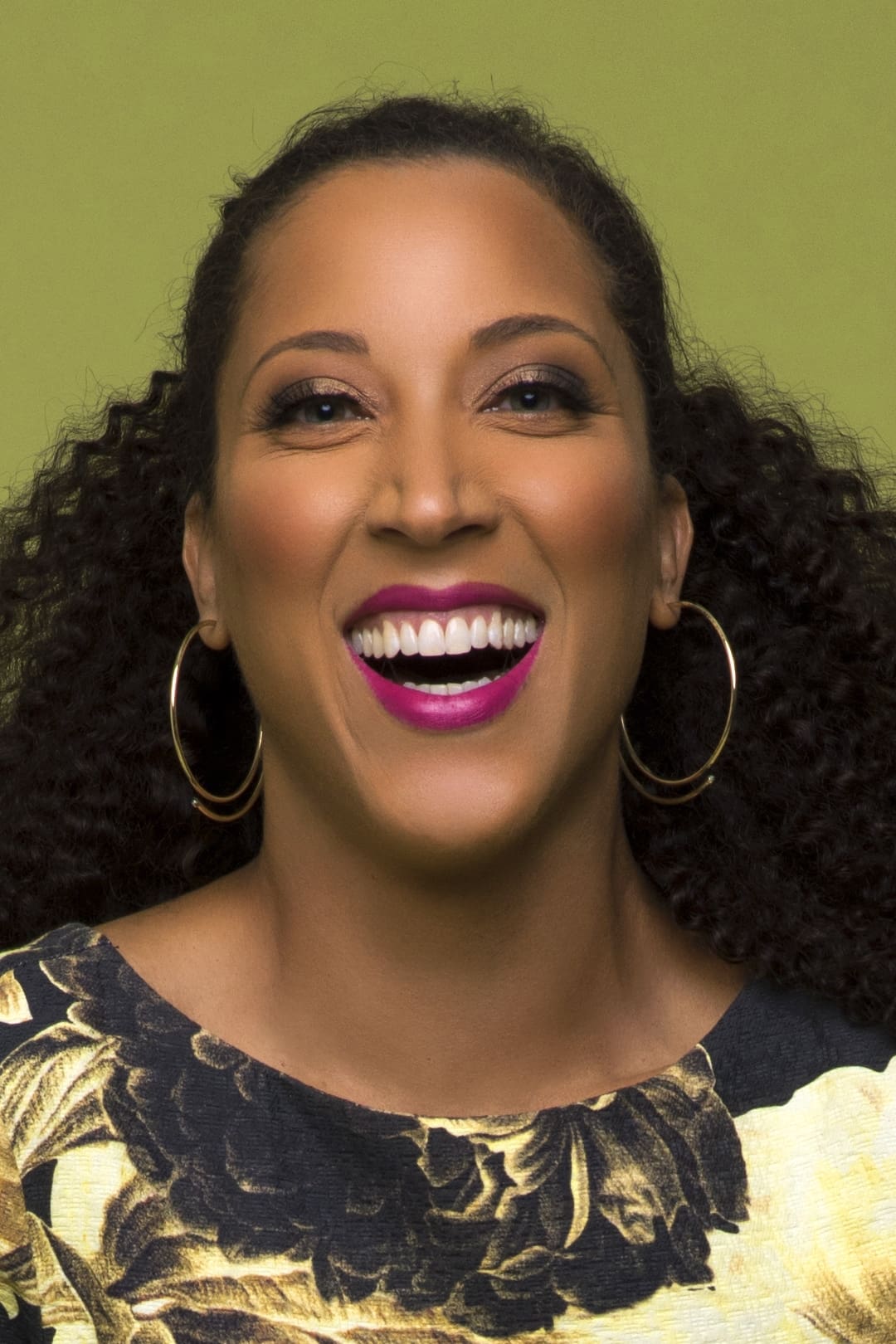
Robin Thede advocates for pay equity by employing and promoting Black women in sketch comedy. As the creator of ‘A Black Lady Sketch Show’ she ensures her writers and actors are paid union rates and treated with respect. Thede speaks about the difficulty Black women face in breaking into the comedy writers’ room. She uses her show as a proof of concept that diverse teams are profitable and deserve top-tier investment. Her leadership directly creates financial opportunities for dozens of women.
Yvette Nicole Brown
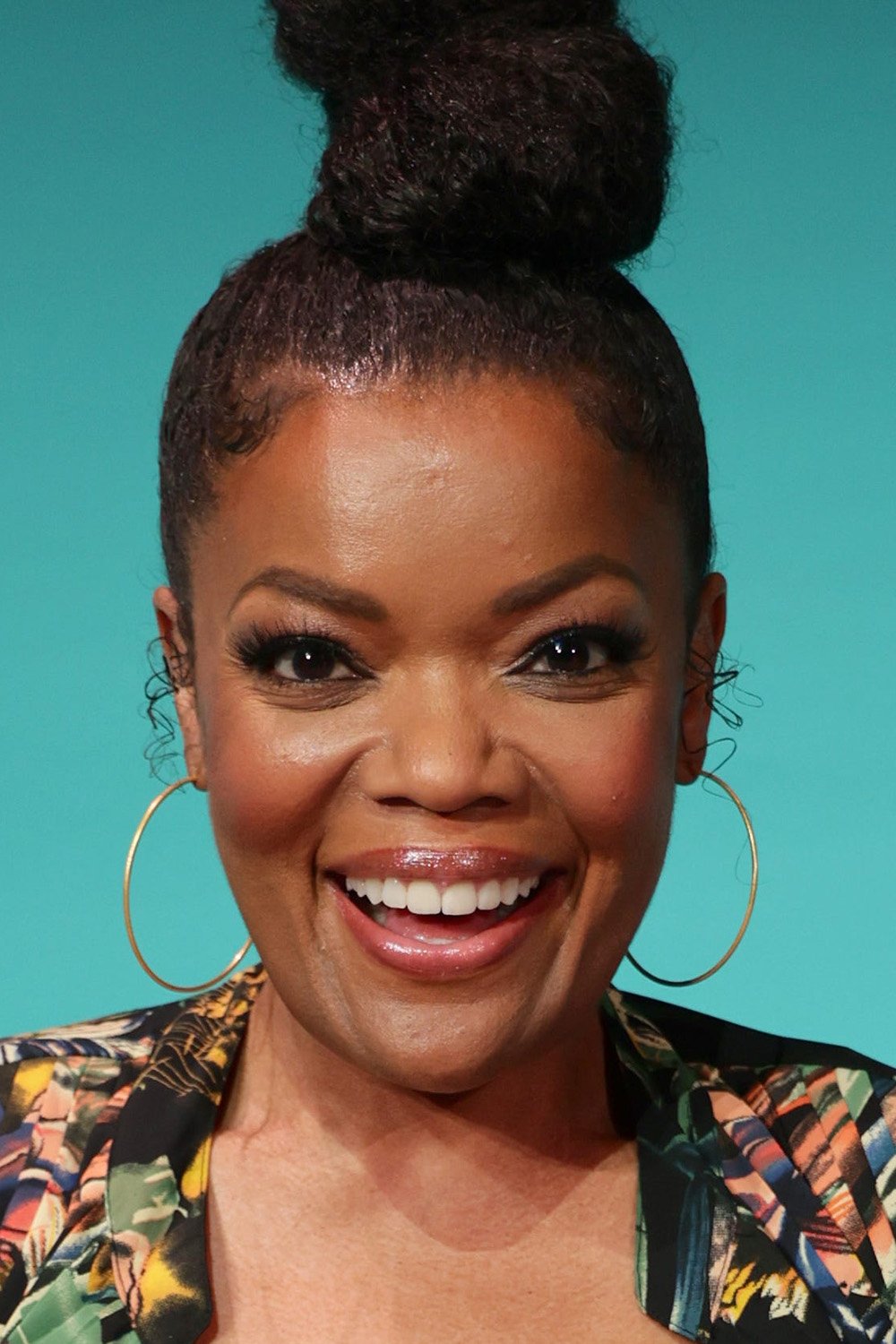
Yvette Nicole Brown frequently speaks about the “Black tax” in Hollywood where actors of color are expected to do more for less. She advocates for better residuals and fair treatment for character actors who sustain the industry. Brown uses her social media presence to educate aspiring actors about contracts and unions. She highlights that pay equity is not just for A-listers but for working actors trying to make a living. Her voice represents the working class of the acting profession.
Orlando Jones
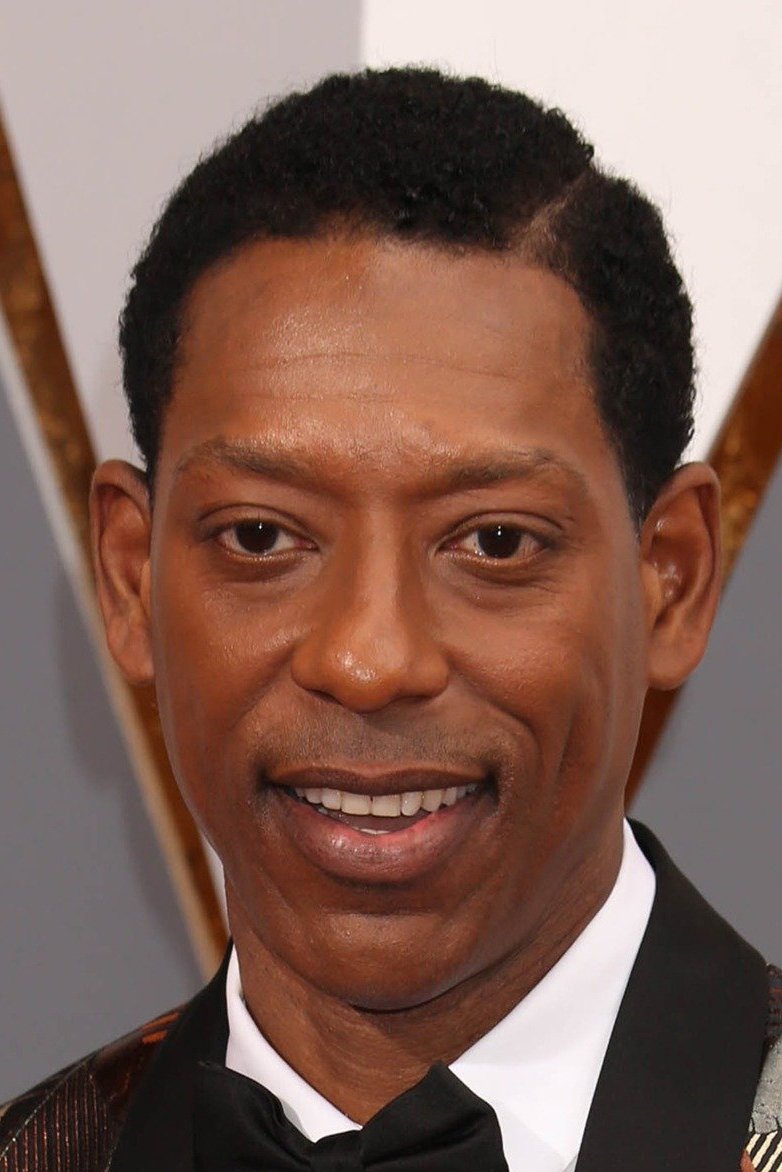
Orlando Jones was fired from ‘American Gods’ and spoke out about the racial bias involved in the decision. He revealed that he was also serving as a writer and producer without proper compensation or credit initially. Jones criticized the production for failing to value the contributions of the Black characters and creatives. His public statement exposed how shows often exploit actors of color for “clout” while mistreating them behind the scenes. He demanded accountability and respect for the work he put into rewriting his character’s arc.
Share your thoughts on these advocacy efforts and the state of pay equity in the comments.