


Celebs Who Are Way Poorer Than You Think




Money stories about famous people tend to travel faster than the facts. Headlines focus on big paydays and massive deals while the day to day reality is shaped by contracts, taxes, managers, lawyers, agents, and the costs of keeping a public life on the road. Royalties take time to arrive, touring expenses eat into grosses, and back end promises can pay out years after the hype fades.
This list looks at stars whose real finances were more complicated than fans assumed. Public filings, court cases, tax issues, and uneven earning patterns show how fast fortunes can change. The point is simple. Perception often lags behind what actually happens when careers cool, liabilities pile up, or income shifts from the spotlight to smaller streams.
50 Cent

The rapper and producer filed for Chapter 11 reorganization in 2015 after a damages judgment and other creditor claims made cash flow a problem even with strong brand recognition. The filing detailed assets and liabilities and led to a court supervised plan that restructured what he owed and how it would be repaid.
Since then his income has leaned on producing and executive work in television including the expanding ‘Power’ universe. Those deals typically pay through salaries, producer fees, and performance based bonuses rather than the giant upfront checks people imagine, which keeps earnings steady but also spreads them over time.
T-Pain

The singer has talked openly about losing a large fortune after a string of bad real estate bets and spending during the late 2000s. He described how advances and hit records felt limitless until taxes, maintenance, and carrying costs on multiple properties caught up.
He rebuilt through touring, streaming era collaborations, and gaming content, which pay differently than radio era hits. Live shows bring immediate income but have crew, travel, and production expenses, while digital revenue comes in smaller monthly deposits that are sensitive to algorithm shifts and catalog performance.
Nicolas Cage
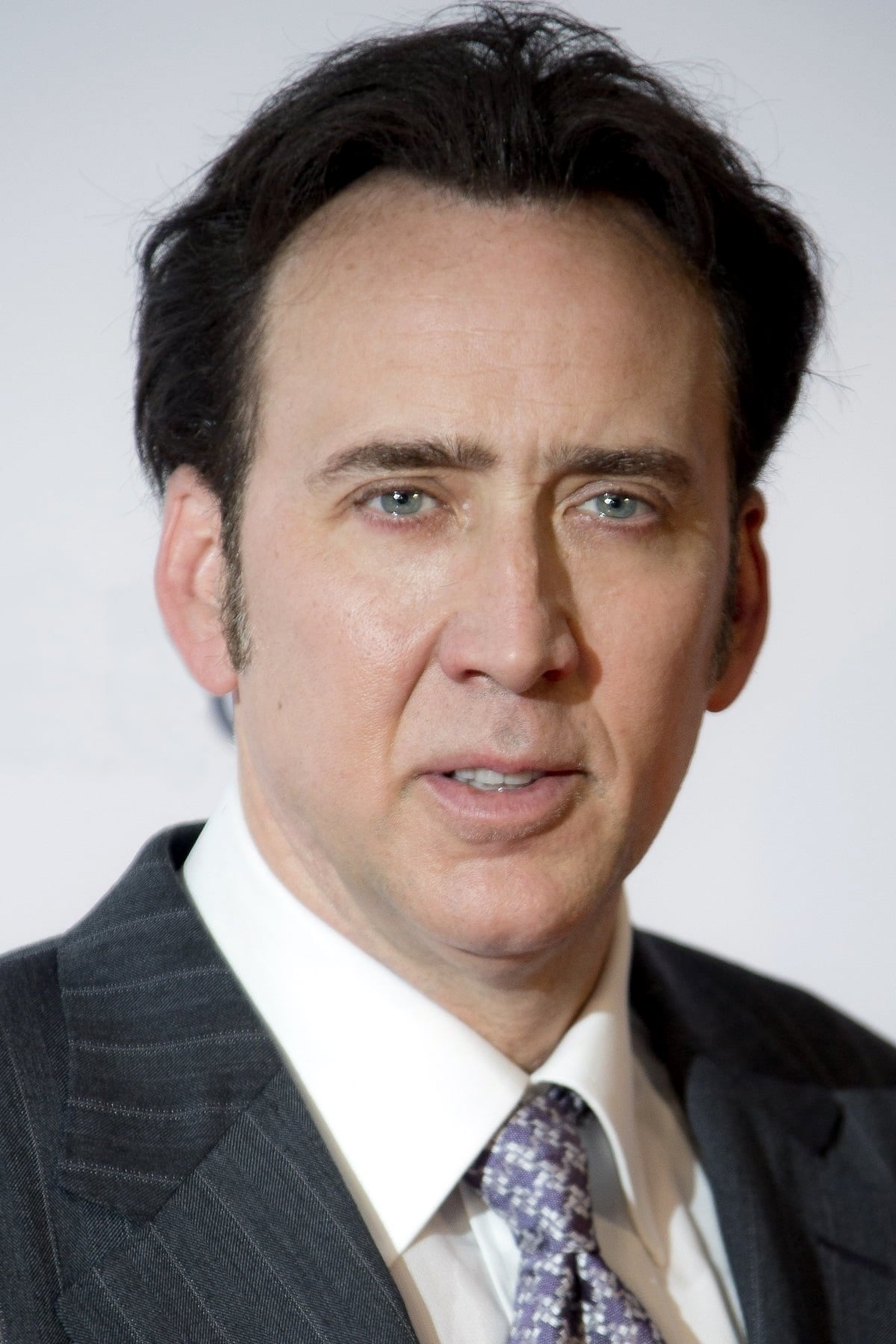
The actor faced significant tax liabilities in the late 2000s and sold multiple homes, vehicles, and collectible assets to cover what he owed. He stayed active by taking a high volume of roles, which stabilized income but did not mirror the peak era salaries that shaped public assumptions.
Royalties from past films are generally modest unless the title remains a long tail hit. That means most cash comes from new work and occasional back end, so the perception of endless blockbuster money does not match the reality of paying down debts and funding a busy release schedule.
Johnny Depp
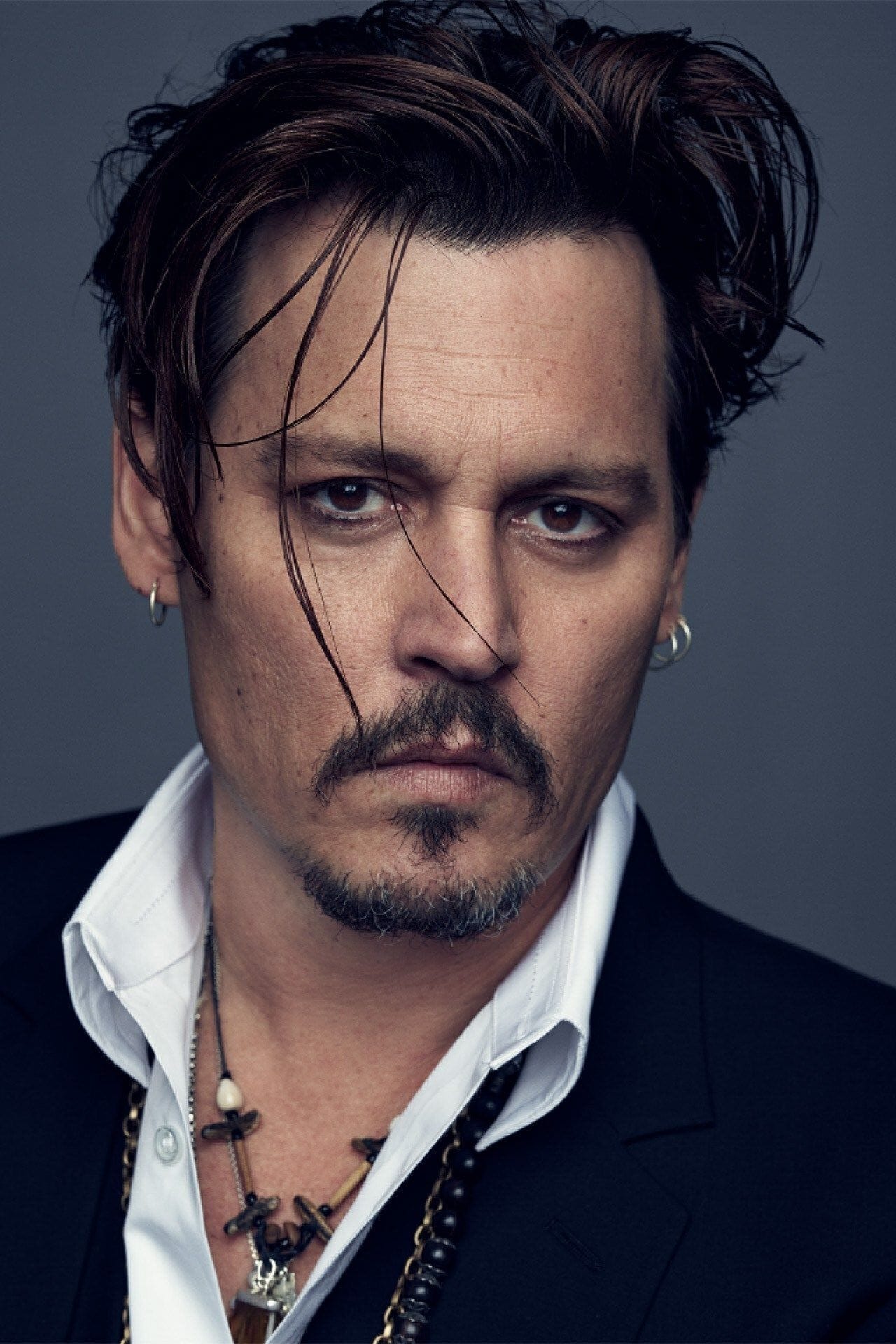
A long legal fight with former business managers highlighted how fees, interest, and lifestyle overhead can drain headline earnings. Later litigation and settlements added years of legal spending to a career that still draws large checks but also carries heavy professional costs.
Touring with a band, endorsements, and film work diversify income, yet each stream has middlemen and time lags. Residuals arrive on a distribution schedule, touring nets shrink after production and travel, and brand deals milestone payments depend on deliverables and campaign timelines.
Mike Tyson
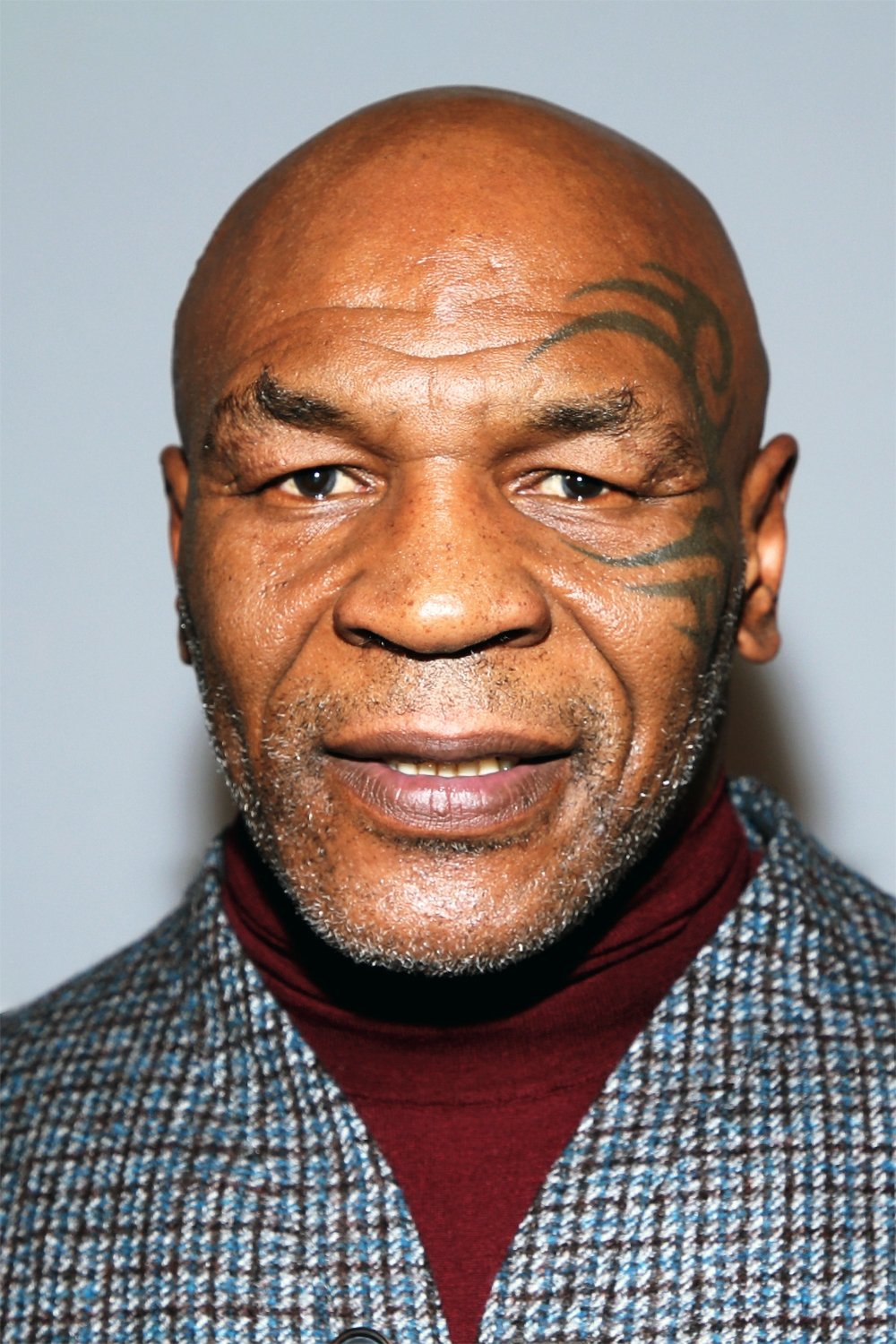
Despite staggering career purses, the boxer filed for bankruptcy in the early 2000s with debts that eclipsed his available cash. Managerial splits, promoter cuts, and taxes reduced take home pay long before legal obligations and judgments further narrowed what remained.
Later stage income came from appearances, exhibitions, a one man show, and media projects. Those checks are steady rather than spectacular, which helps service obligations but does not recreate the explosive fight night pay that many fans still picture.
MC Hammer
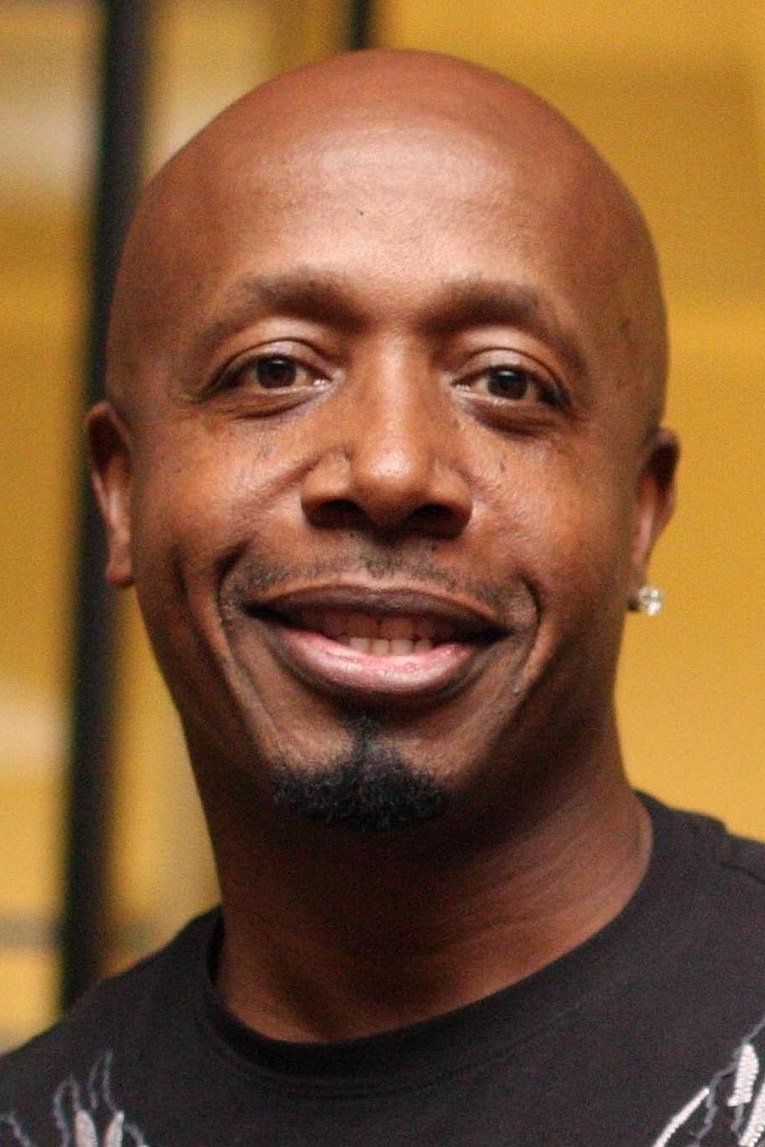
A huge early 1990s run ended with a bankruptcy filing after payroll, touring overhead, and large purchases outgrew music income. His case showed how a big crew, multiple properties, and generous giving can overwhelm even chart topping royalties once radio spins slow down.
He kept working through television, commercials, tech advising, and live performances. Those roles provide consistent income, but they replace a short burst of peak earnings with a diversified mix that is smaller on a per project basis and easier to misread from the outside.
Wesley Snipes
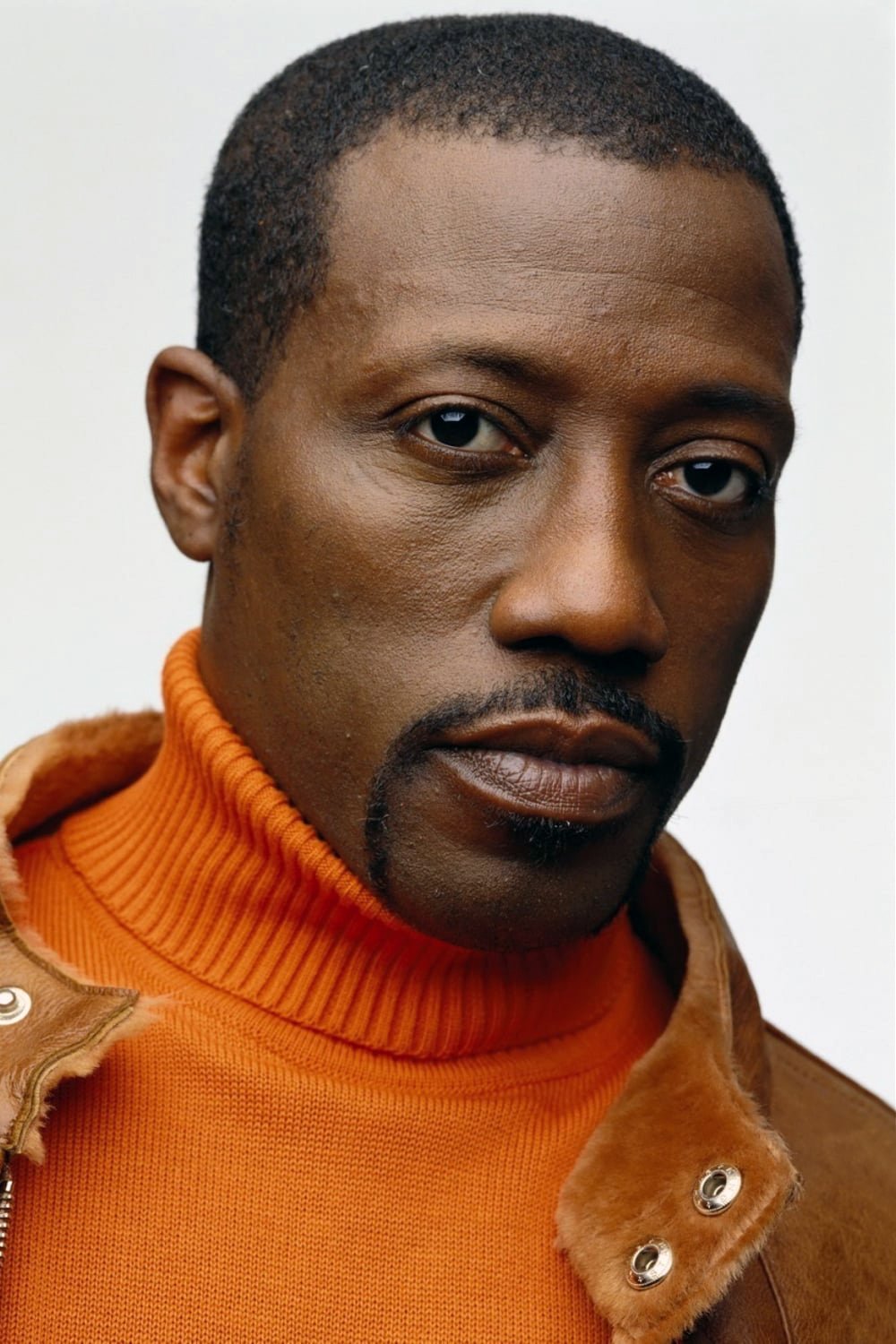
A tax prosecution and prison time in the late 2000s stalled a strong career and left sizable obligations to the government. Coming back required taking roles as they arrived and resolving liabilities through payment plans rather than relying on a single comeback check.
Film salaries are often front loaded and split across agents, lawyers, and taxes, while residuals depend on licensing deals. That structure makes steady work valuable but also means the dramatic numbers fans remember from a franchise peak are not the baseline years later.
Lil’ Kim

The rapper filed for Chapter 13 bankruptcy in 2018 to reorganize debts that included tax obligations and a mortgage. Court documents outlined a plan to keep her home and restructure what she owed through scheduled payments linked to her ongoing earnings.
Show money, merchandising, and catalog royalties generate income, but those streams are irregular. Tours pay when dates happen, merch margins fluctuate with demand, and older tracks spike only when a placement or viral moment hits, which complicates long term budgeting.
Kim Basinger

A 1990s breach of contract case tied to the film ‘Boxing Helena’ led to a bankruptcy filing while appeals played out. Around the same time she exited an investment group that bought a small Georgia town and then sold at a loss, which underscored how illiquid assets can strain cash.
Her later career included steady work and endorsement deals, yet the big picture never returned to the early peak that shaped public expectations. Residuals from older films are governed by guild formulas, which means reliable checks rather than windfall money.
Toni Braxton

The singer filed for bankruptcy in the late 1990s amid a now famous dispute about recording contracts and recoupment, then filed again in 2010 after a medical issue forced a Las Vegas show cancellation. Both cases showed how label advances and show guarantees can unravel when costs are charged back to the artist.
She recovered by touring, television appearances, and catalog strength, but the payment structure is more measured than fans think. Performance fees are strong yet episodic, and streaming royalties on classic songs are predictable but not explosive without a new sync or revival.
Gary Busey

A 2012 Chapter 7 filing listed debts that exceeded available assets after years of medical issues and inconsistent acting work. The petition explained how irregular income and high expenses can collide when new roles do not arrive on schedule.
Convention appearances, reality television, and supporting parts provide income in smaller packets. These checks are meaningful but do not reflect the star salary era that magazine profiles freeze in time, which is why the gap between perception and reality lingers.
Terrell Owens
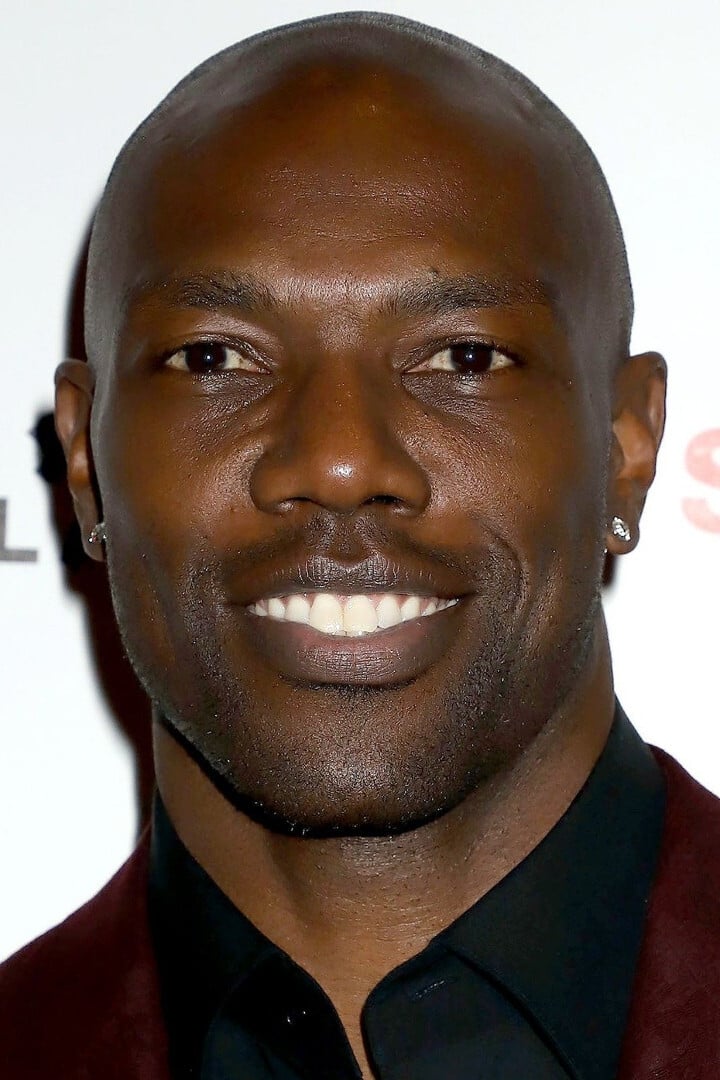
Post NFL earnings dropped quickly while child support, real estate costs, and investment losses remained. Public court hearings documented how hard it is to match retired income to obligations built during peak seasons.
Broadcasting, speaking, and short lived football stints created a patchwork of revenue. Each opportunity pays well on a per day basis but cannot replicate a full season salary, which makes careful budgeting essential once roster checks stop.
Allen Iverson
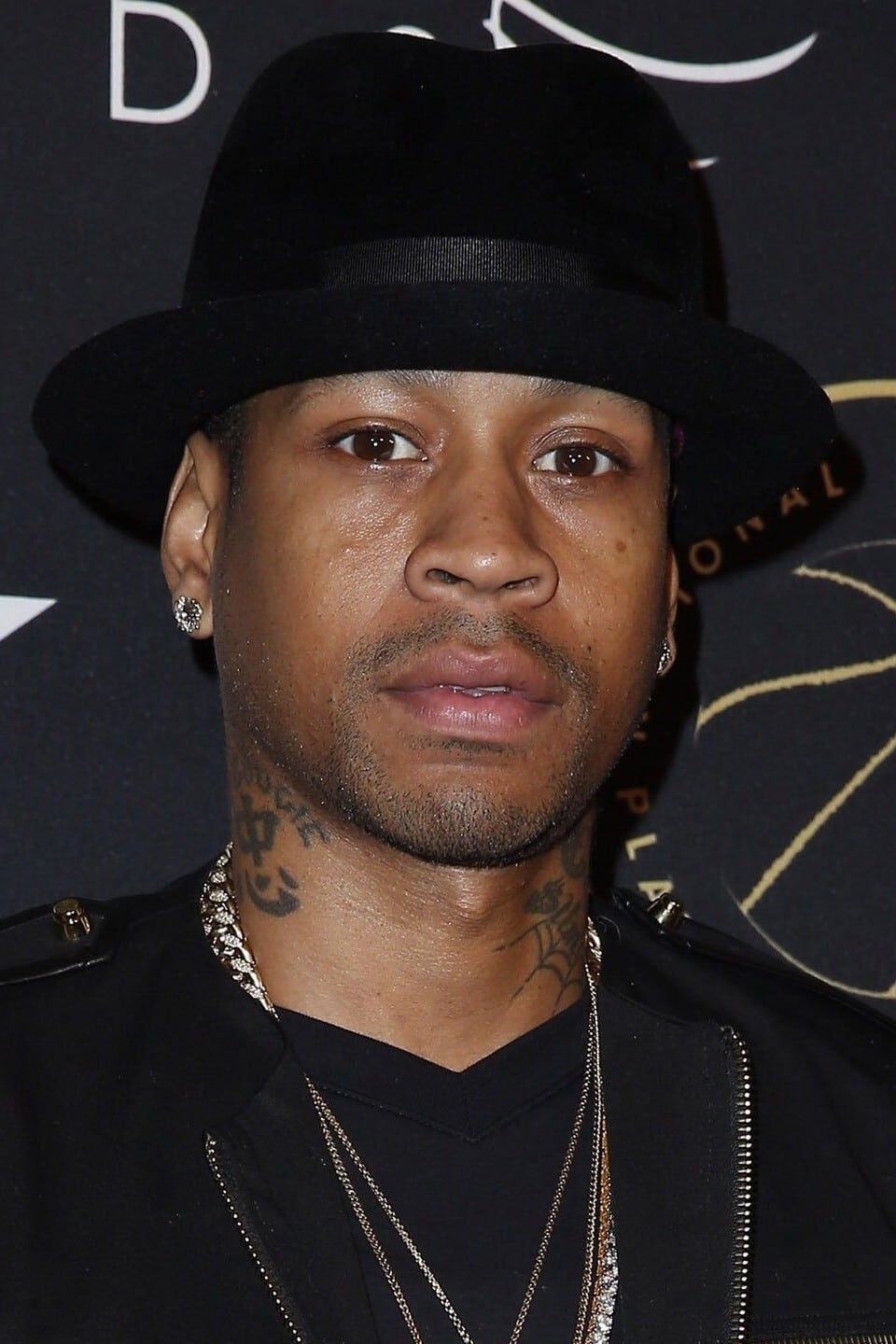
The former NBA MVP faced lawsuits, divorce costs, and reports of heavy spending during retirement years. A trust from a shoe deal is set to unlock at a set age, which helps long term security but does not solve short term cash needs when other income slows.
Appearance fees, memorabilia signings, and team ambassador roles add money in bursts. These events pay for specific dates, then end, so cash management matters more than it did when game checks arrived every two weeks during the season.
Evander Holyfield
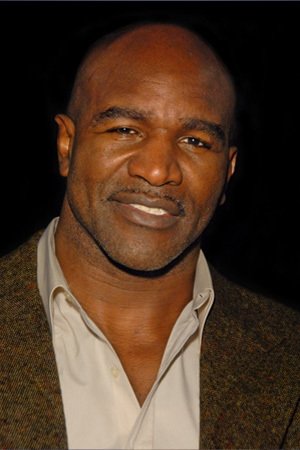
Foreclosure actions against his large Georgia home and public claims for unpaid obligations showed how fixed costs can outlast paydays. Selling assets brought in cash but also signaled how quickly maintenance and taxes can weigh on even legendary careers.
Post career income came from endorsements, reality television, and licensing his name. Those arrangements pay on delivery and performance, which helps but rarely matches the scale of championship fight purses from earlier years.
Sinbad

The comedian filed for bankruptcy in 2013 with substantial tax debt after years of touring and television work. His case illustrated how unpaid taxes grow through penalties and interest until they eclipse what episodic entertainment income can comfortably cover.
Stand up tours and corporate gigs pay well but have travel, crew, and booking costs that reduce the net. When health issues later limited appearances, the importance of resolving old obligations became even clearer for maintaining financial stability.
Lindsay Lohan

Tax liens and legal expenses in the early 2010s squeezed cash during a period when film roles were sporadic. Work shifted toward endorsements and paid appearances, which paid well in the moment but did not build the kind of recurring income a steady series role can create.
A later return to acting brought new checks including a holiday lead in ‘Falling for Christmas’. Those deals help, yet money from streaming films arrives through negotiated fees rather than long running syndication, which keeps earnings more modest than the old tabloid image suggests.
Stephen Baldwin

He filed for bankruptcy in 2009 while also facing state tax charges that were resolved through a plea and a repayment plan. Court records and hearings showed the strain of back taxes combined with uneven acting income after early career highs.
Income in the years since came from reality television, faith based projects, and speaking. These markets can be dependable but are smaller than studio franchise work, which narrows the gap between public perception and the actual balance sheet.
Scott Storch

The producer declared bankruptcy in 2015 after years of heavy spending and substance issues wiped out a large run of hit making income. Publishing and producer points on classic tracks still pay, yet they are divided among writers and partners and trail off without new placements.
He rebuilt by working with rising artists and landing fresh credits. Modern producer money is diversified across advances, flat fees, and a slice of master revenue, which is healthier long term but far less spectacular than the peak era checks fans remember.
Chris Tucker

Tax liens and court filings over the past decade detailed large debts tied to earlier earnings. After stepping back from film work, he focused on stand up tours and selective roles, which brought solid paydays but not the nonstop franchise level money the public assumed.
Touring delivers strong gross receipts but every show has promoter splits, venue fees, and production costs before the artist gets paid. Streaming specials add a lump sum but do not create the residual river that long running television provides, which keeps income more measured.
Kelly Rutherford

The actor filed for bankruptcy in 2013 as a high profile custody battle generated heavy legal fees on both sides of the Atlantic. Court documents showed how attorney costs and travel mounted far beyond what a single series paycheck could offset once a show ends.
Since then she has worked across television and fashion partnerships to stabilize income. These projects pay in installments and appearance fees rather than long term syndication, which makes budgeting more precise and leaves less room for the misconceptions that swirl around fame.
Share the names you would add to this list in the comments so we can compare notes on the biggest perception gaps.