


Celebs Who Backed Boycotts That Ended Up Boosting Sales

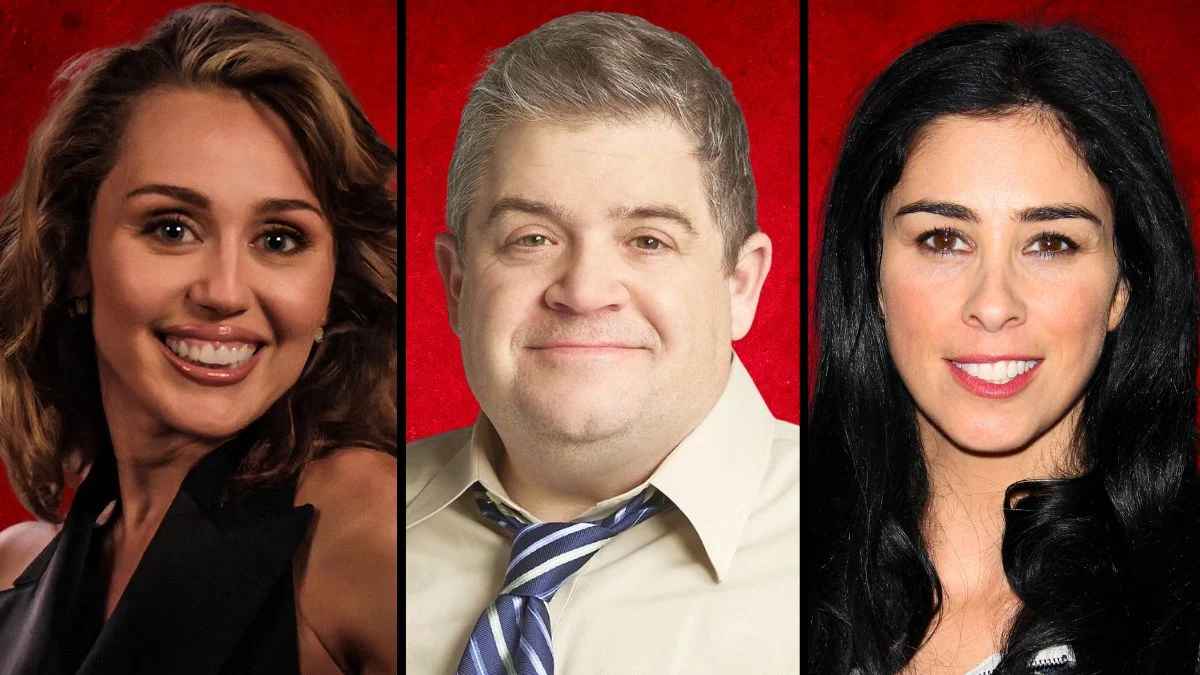


Public boycotts are a common occurrence in the modern entertainment and corporate landscape as celebrities use their influence to sway consumer behavior. While these movements are often intended to impact a company bottom line they sometimes produce the opposite effect by generating massive amounts of free publicity. When a prominent figure speaks out against a product it can trigger a counter-reaction from supporters who rush to purchase the items in solidarity. This phenomenon frequently results in record-breaking sales and increased brand loyalty for the targeted businesses. The following celebrities participated in or led boycotts that ultimately helped the companies they were targeting achieve greater financial success.
Chrissy Teigen

Chrissy Teigen joined a social media movement to boycott Goya Foods after the company leadership expressed support for the sitting president in 2020. She encouraged her millions of followers to switch to other brands for their household groceries and kitchen staples. Instead of a decline the company experienced a massive surge in sales due to a counter-campaign by loyalists. Retailers across the country reported that the products were flying off the shelves faster than usual. The attempt to hurt the brand financially resulted in a significant boost to its market presence and long-term visibility.
John Leguizamo
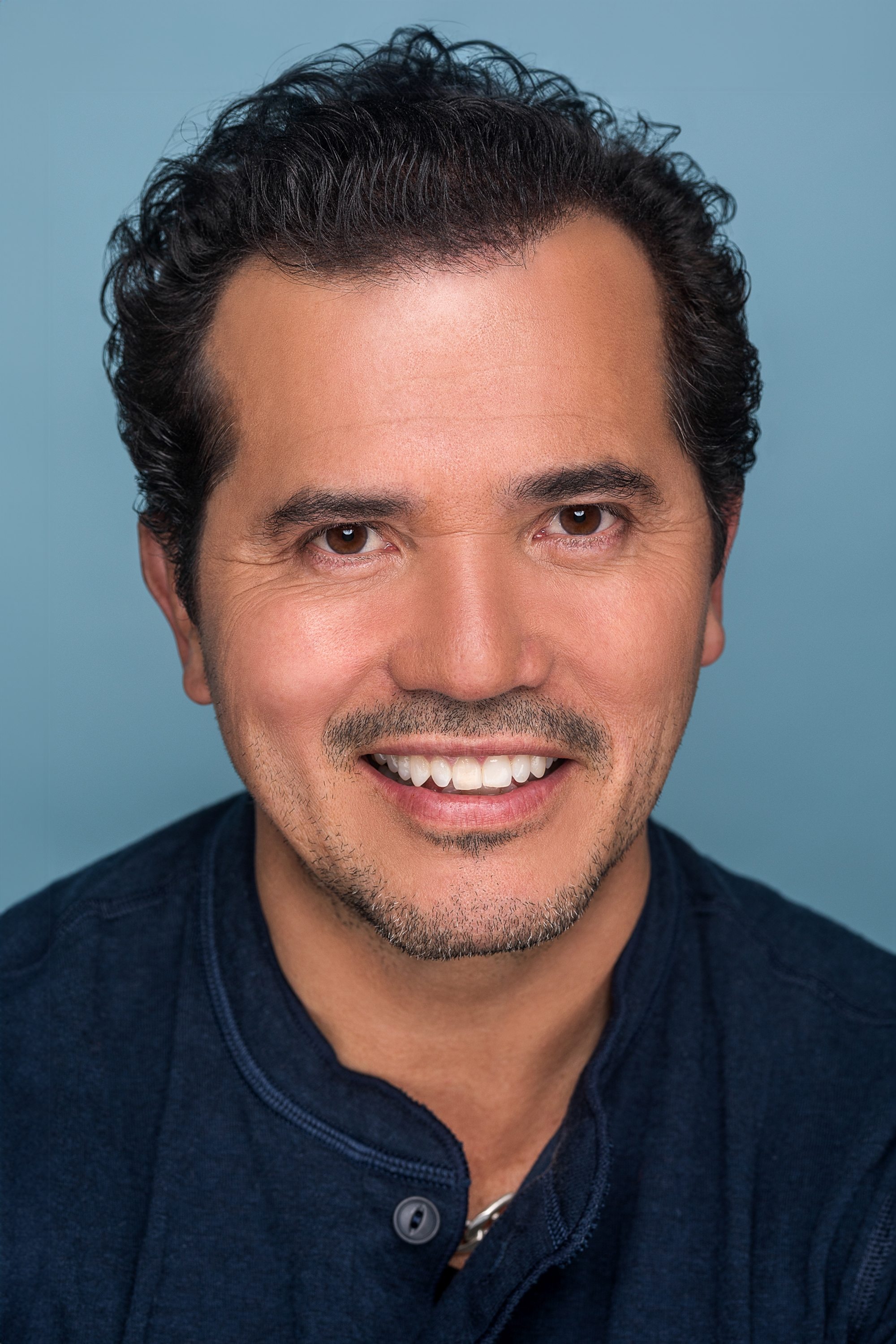
John Leguizamo publicly criticized the casting of ‘The Super Mario Bros. Movie’ because he felt it lacked sufficient diversity in the leading roles. He stated that he would not be watching the film and urged his fans to join him in skipping the animated project. The movie went on to become a massive global phenomenon and earned over one billion dollars at the box office. Audiences around the world flocked to theaters despite the actor vocal disapproval of the voice cast. This success made the film one of the most profitable animated features in the history of cinema.
Sarah Silverman
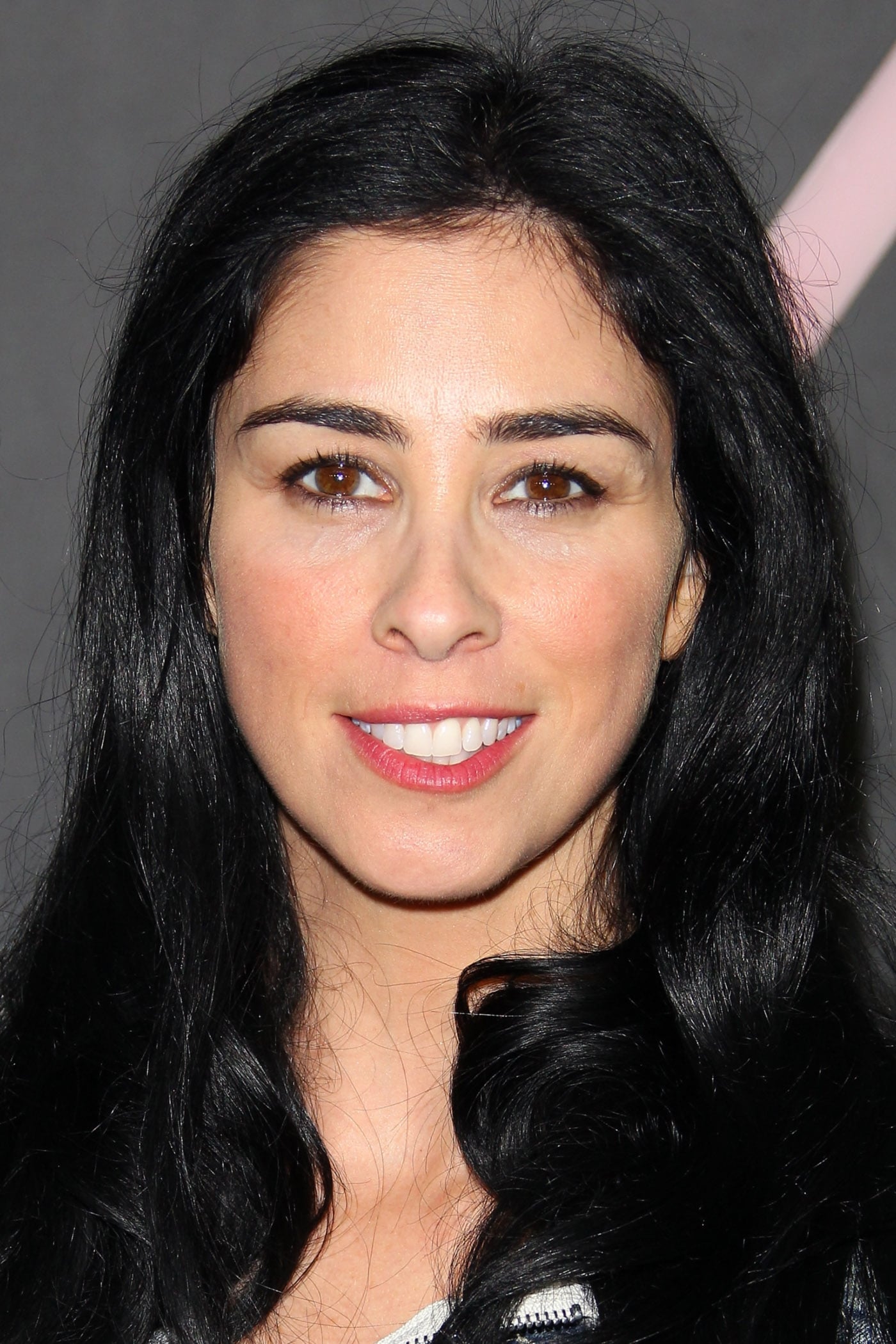
Sarah Silverman was a vocal participant in the long-standing boycott against Chick-fil-A due to the company history of donations to specific social organizations. She used her platform to highlight her opposition and encouraged consumers to find alternative fast food options. During the height of these public protests the restaurant chain actually saw its revenue grow significantly year over year. It eventually became the third-largest fast food chain in the United States by total sales volume. The high level of public discourse seemed to solidify the brand popularity with its core customer base.
Ben Shapiro
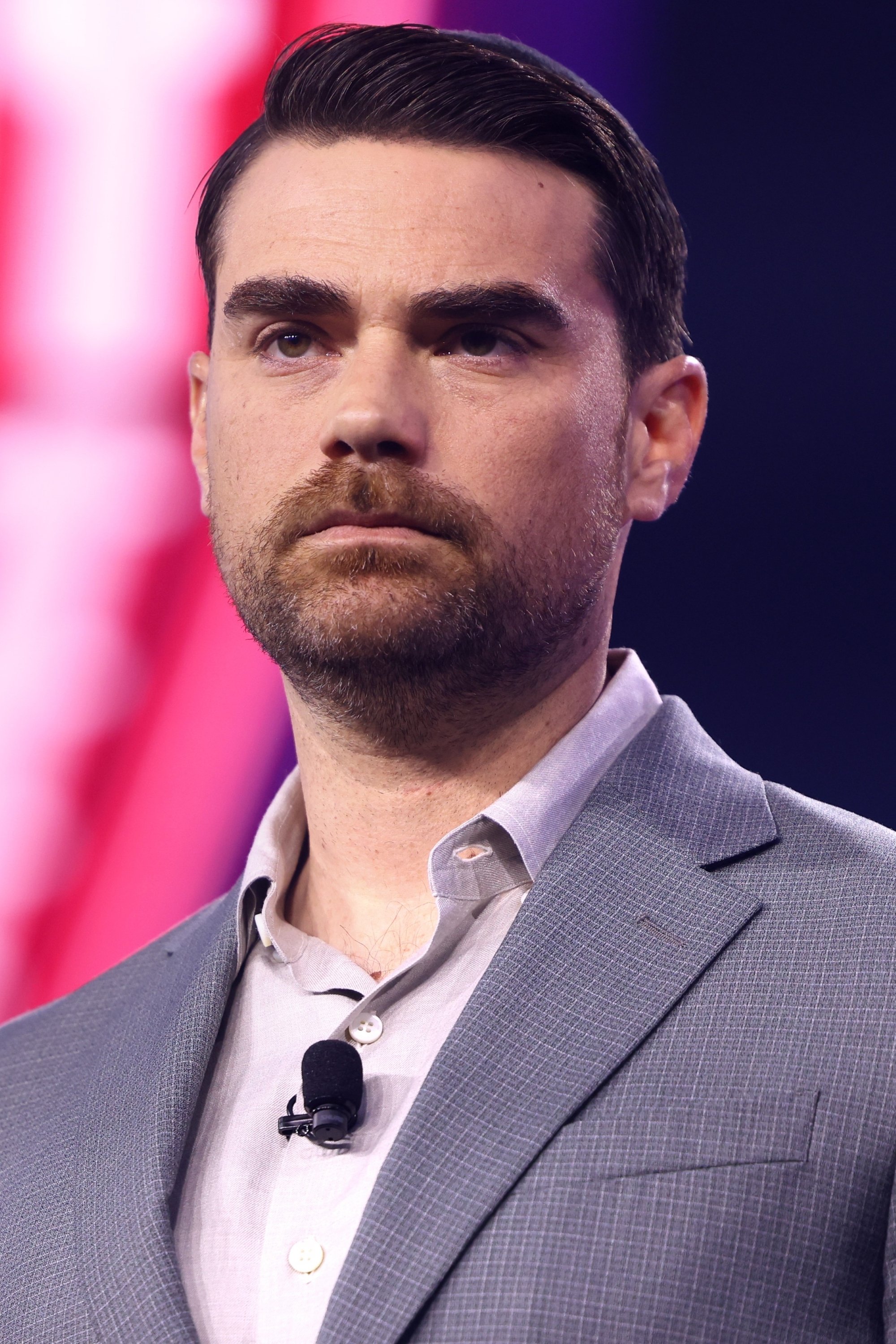
Ben Shapiro posted a viral video where he criticized the themes of the ‘Barbie’ movie and predicted its failure at the box office. He went as far as burning several dolls to show his commitment to the boycott of the film. The movie defied all negative predictions and became the highest-grossing film of the year. It surpassed one billion dollars in global ticket sales and revitalized interest in the entire toy line. His public opposition provided additional marketing heat that only served to draw more people into theaters to see the project.
Alyssa Milano

Alyssa Milano announced that she was trading in her Tesla for a different electric vehicle to protest the management of the social media platform X. She encouraged others to follow her lead and stop supporting the automotive brand and its associated tech companies. Tesla reported record-breaking delivery numbers and continued to dominate the electric vehicle market shortly after her announcement. The public nature of her protest appeared to have little impact on the global demand for the vehicles. Many consumers continued to prioritize the technology over the political stances of the company leadership.
Patton Oswalt
Patton Oswalt was among the many comedians who spoke out against Chick-fil-A and supported a boycott of the establishment. He utilized social media to criticize the corporate culture and the stances taken by the ownership. Despite the pushback from the entertainment community the chain continued to expand its footprint and increase its annual profits. The company remained one of the most profitable per-unit franchises in the entire food industry. The controversy surrounding the brand appeared to have the unintended effect of increasing its overall brand recognition and customer loyalty.
Debra Messing

Debra Messing took to social media to call for a boycott of Goya Foods after the company executive praised the administration during a public event. She shared information about alternative brands and urged her fans to clear their pantries of the product. The result was a massive spike in sales as a counter-movement took hold among consumers who disagreed with her stance. Goya leadership later noted that the controversy provided the brand with millions of dollars in free advertising. The products reached a wider audience than they had in previous years.
Rosie O’Donnell
Rosie O’Donnell was an early supporter of the movement to stop purchasing Goya products following the CEO comments at the White House. She joined a group of high-profile activists who believed a financial hit would send a strong message to the company. The boycott quickly transformed into a buycott as supporters of the CEO began purchasing the items in bulk. This surge in demand led to record-breaking sales figures for the company during that fiscal quarter. The public outcry did not achieve its goal of diminishing the financial standing of the business.
George Takei
George Takei voiced his strong opposition to Chick-fil-A and supported various campaigns to keep the chain from opening in certain locations. He argued that the company values were not aligned with modern social progress and called for a general boycott. The restaurant chain continued to see massive lines at its locations and opened numerous new stores across the country. Sales figures indicated that the public demand for the food far outweighed the impact of the celebrity-led protests. The brand remains a dominant force in the quick-service restaurant industry today.
Ed Helms
Ed Helms publicly stated that he would no longer support Chick-fil-A and encouraged others to consider the impact of their spending. His stance was part of a larger wave of celebrity disapproval that aimed to change the corporate behavior of the brand. The chain responded by focusing on its service and product quality which led to even higher levels of customer satisfaction. Financial reports showed that the brand revenue continued to climb throughout the period of the boycott. The efforts of the entertainment industry did not lead to the intended financial decline of the company.
Miley Cyrus

Miley Cyrus used her massive social media presence to speak out against the business practices of various fast food chains including Chick-fil-A. She encouraged her young audience to be more conscious of where they spent their money and to support more inclusive brands. The targeted company continued to report stellar growth and remained a top choice for consumers in the United States. Sales data showed that the brand was actually gaining market share during the height of the controversy. The star influence did not translate into a meaningful reduction in the company profits.
Hasan Piker
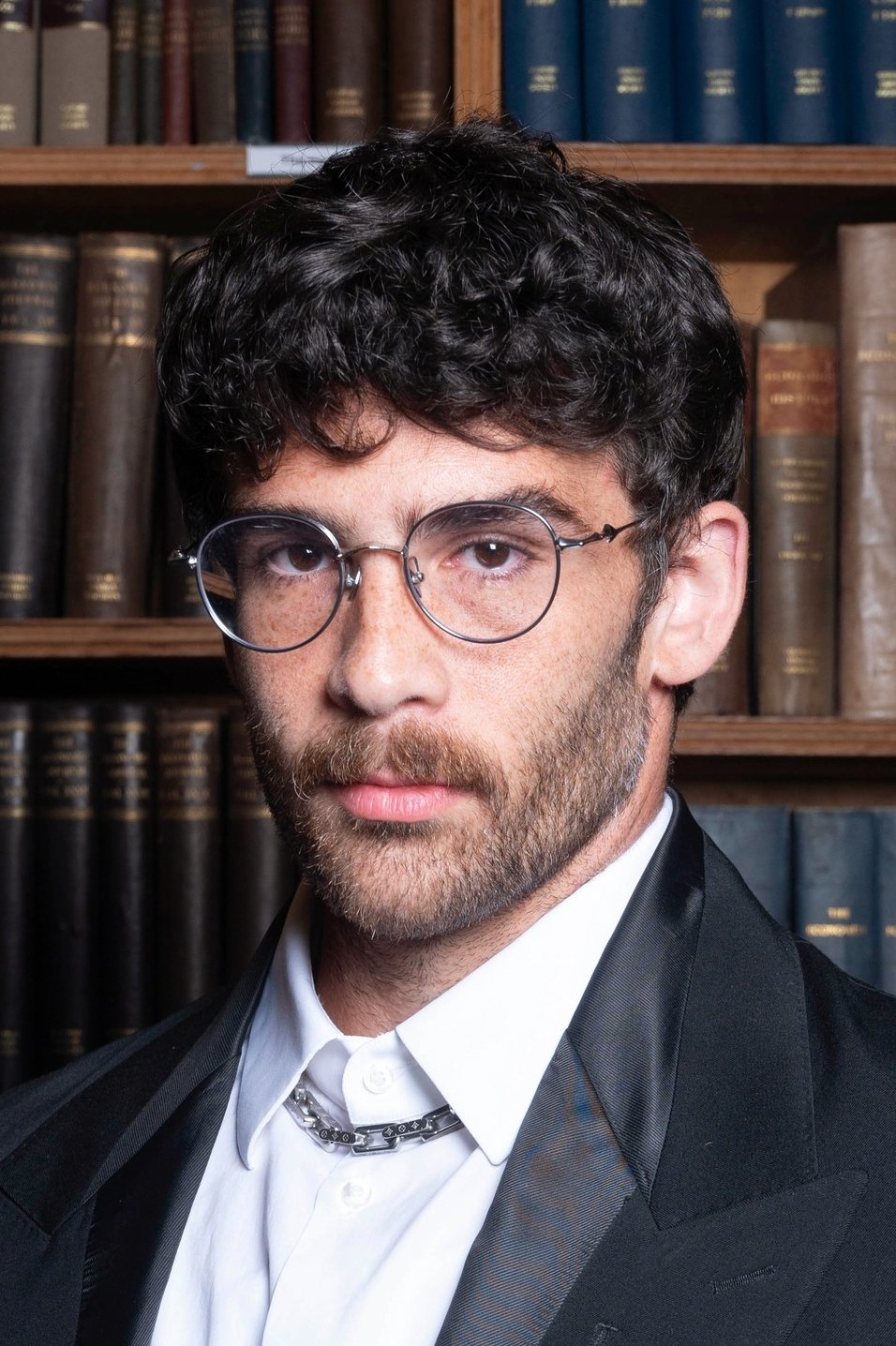
Hasan Piker was a prominent voice in the campaign to boycott ‘Hogwarts Legacy’ due to the controversial views of the author associated with the franchise. He and other streamers encouraged gamers to skip the title to avoid providing financial support to the creator. The game went on to sell over twenty million copies in its first year and became the best-selling title of the year. It broke multiple records for engagement and sales on various gaming platforms. The widespread debate only increased the visibility of the game to a broader audience of consumers.
Bill Maher
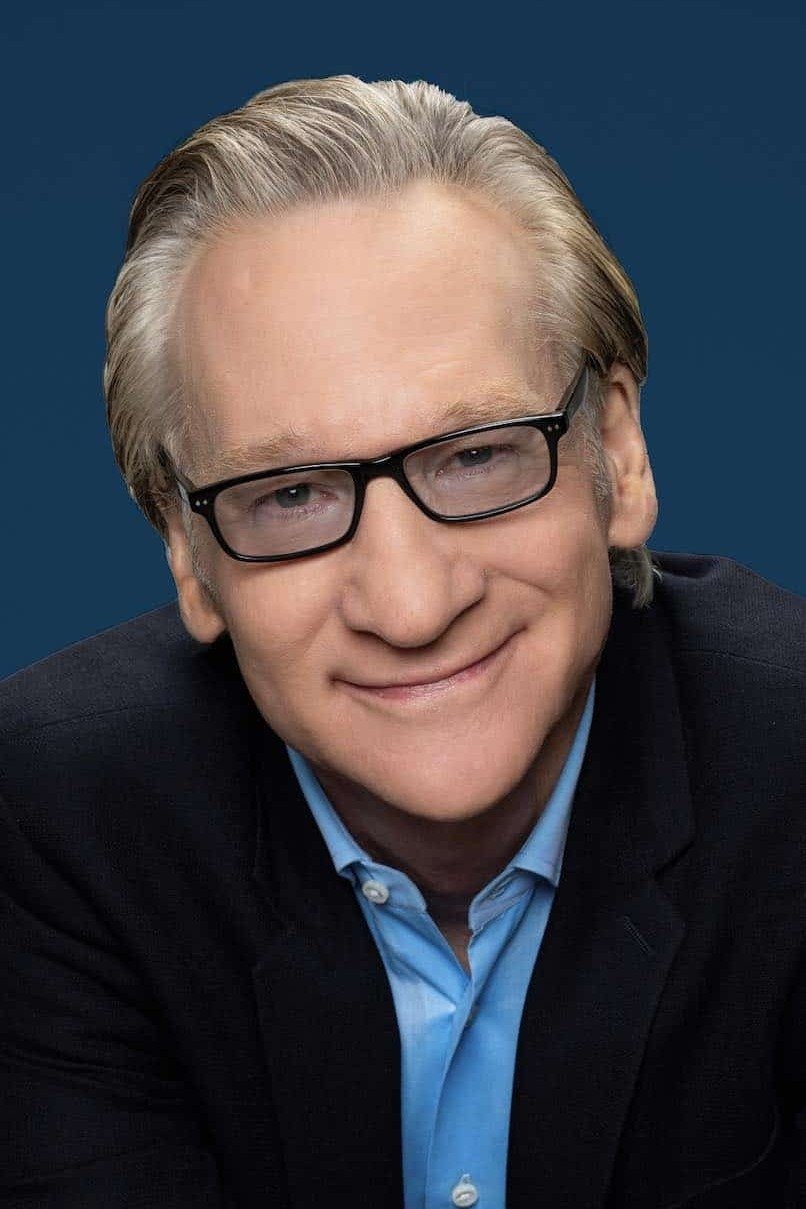
Bill Maher criticized the ‘Barbie’ movie on his social media and television platforms by calling it preachy and divisive. While he did not explicitly call for a boycott his negative review encouraged a segment of his audience to dismiss the film. The movie went on to break multiple box office records and was praised by both critics and general audiences. It became a cultural phenomenon that drove massive sales in both ticket booths and retail merchandise. His disapproval did not prevent the film from becoming a historic commercial success.
James Woods
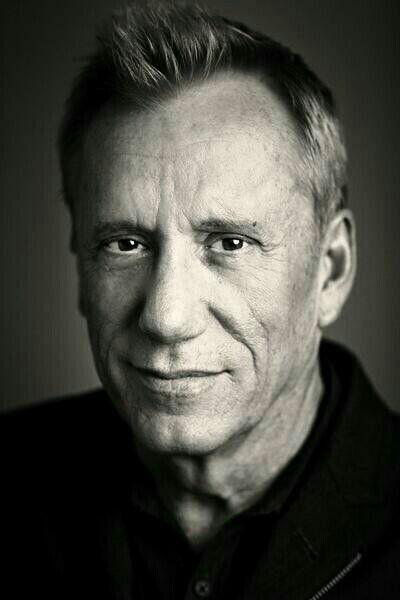
James Woods was one of the first celebrities to call for a boycott of Nike after the brand released an ad campaign featuring Colin Kaepernick. He posted images suggesting he would no longer wear the products and urged his followers to dump their stock in the company. Nike saw an immediate boost in online sales and its stock price reached an all-time high shortly after the campaign launched. The controversy created a massive amount of brand engagement that resonated with a younger demographic. The company eventually reported billions of dollars in added brand value from the move.
Julianne Moore
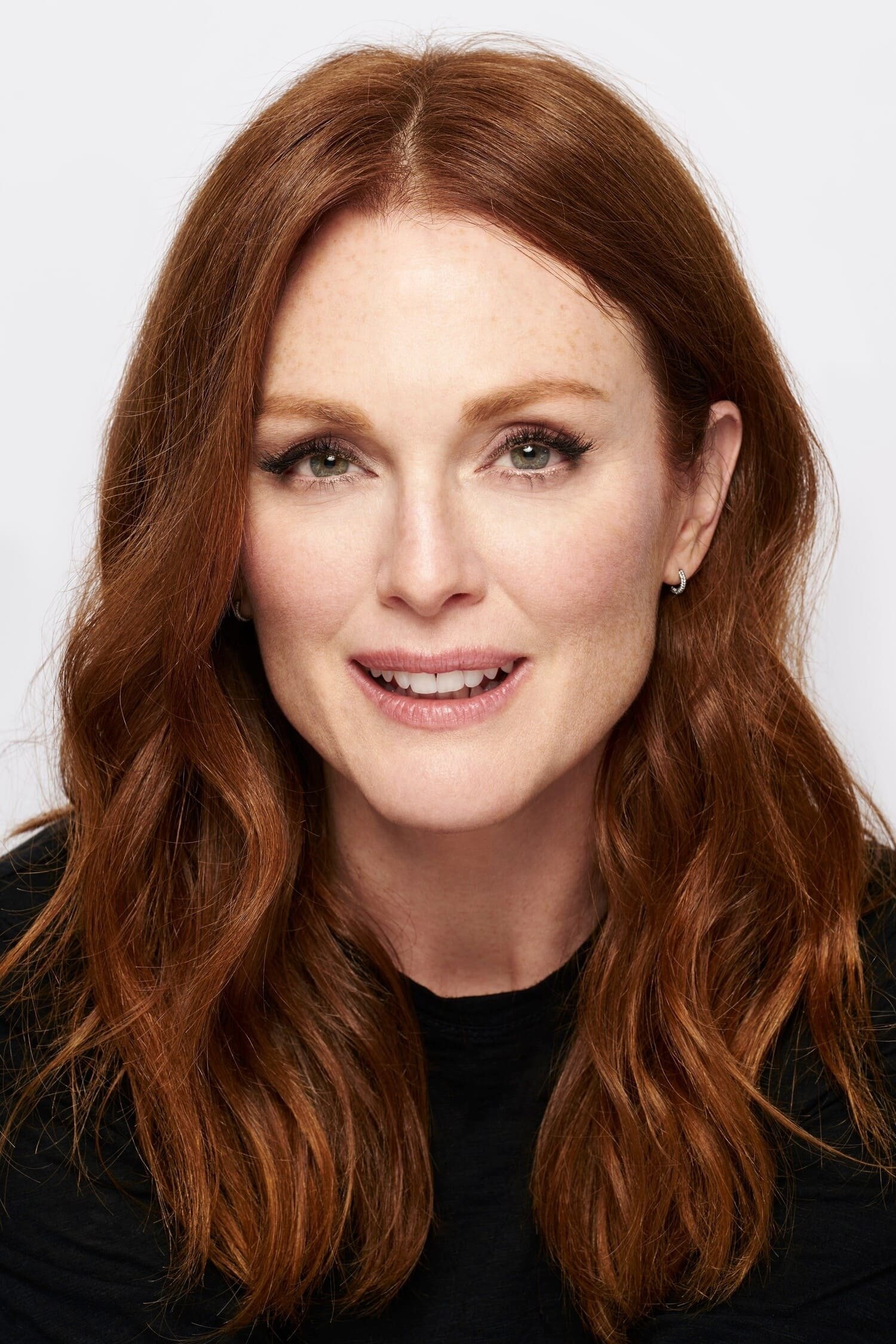
Julianne Moore lent her voice to the boycott of Goya Foods by sharing posts that encouraged people to seek out minority-owned alternatives. She believed that the company leadership was out of touch with the concerns of its primary consumer base. Data from the following months showed that the company was performing better than ever in terms of units sold. The political divide created by the boycott actually introduced the product to a whole new segment of shoppers. The brand emerged from the controversy with a more diverse and engaged customer base.
Jim Carrey
Jim Carrey voiced his support for a boycott of In-N-Out Burger after it was revealed that the company had donated to a specific political party. He tweeted about his disapproval and suggested that people should find other places to get their burgers. The popular West Coast chain continued to see long lines at its drive-thru windows and reported consistent growth. Fans of the brand appeared to prioritize the quality of the food over the political donations of the owners. The boycott attempt failed to make a dent in the company massive popularity or its annual revenue.
Billy Porter
Billy Porter spoke out against the release of ‘Hogwarts Legacy’ and supported the activist movement to boycott the project. He emphasized the importance of standing by one community and urged fans of the magical world to move on to other franchises. The game became one of the fastest-selling titles in the history of the publisher and dominated the charts for months. Millions of players purchased the game despite the vocal opposition from high-profile figures in the entertainment industry. The project commercial success proved that the franchise remained a powerhouse in the market.
Cynthia Nixon
Cynthia Nixon supported a boycott of Kellogg products after the company was involved in a labor dispute with its workers. She encouraged her followers to buy from other cereal brands until the company met the demands of its employees. While the strike caused some internal shifts the company overall sales and market position remained strong throughout the year. The brand was able to weather the public relations storm without a significant loss in its total annual revenue. Consumers continued to purchase the well-known household brands at a steady rate.
Jameela Jamil

Jameela Jamil was a vocal supporter of the movement to boycott ‘Hogwarts Legacy’ and used her platform to educate followers on the reasons behind the protest. She encouraged a total social media blackout of the game to prevent it from gaining any more traction. The title ended up being the most viewed game on several streaming platforms and broke multiple sales records. The campaign to silence the game ended up generating even more discussion and curiosity from the general public. It finished the year as a top-performing product in the global gaming industry.
Zachary Quinto
Zachary Quinto expressed his frustration with Chick-fil-A and supported various initiatives to boycott the brand. He joined a long list of actors who felt the company corporate stance was a reason to stop purchasing their food. The restaurant chain continued its upward trajectory and solidified its spot as one of the most successful fast food businesses in America. Sales grew by billions of dollars in the years following the initial celebrity-led protests. The brand remains a favorite among a wide variety of demographics across the country.
Rose McGowan

Rose McGowan joined the public outcry against Goya Foods and shared messages that encouraged a permanent shift away from the brand. She used her activist background to call for a meaningful financial consequence for the company actions. Instead of failing the company reported that it was struggling to keep up with the increased demand for its products. The boycott attempt was widely cited as an example of the counter-effect where a protest leads to a sales boost. Goya continues to be a staple in millions of homes despite the high-profile backlash.
Chelsea Handler

Chelsea Handler supported a boycott of Equinox and SoulCycle after it was reported that a major investor in the companies was hosting a high-profile political fundraiser. She stated that she would be canceling her memberships and encouraged her followers to do the same. While some individuals did leave the clubs both brands maintained a high level of membership and continued their expansion into new markets. The long-term financial health of the fitness companies remained stable despite the initial wave of negative press. The luxury fitness brands proved to be resilient to the celebrity-led protest.
Indya Moore
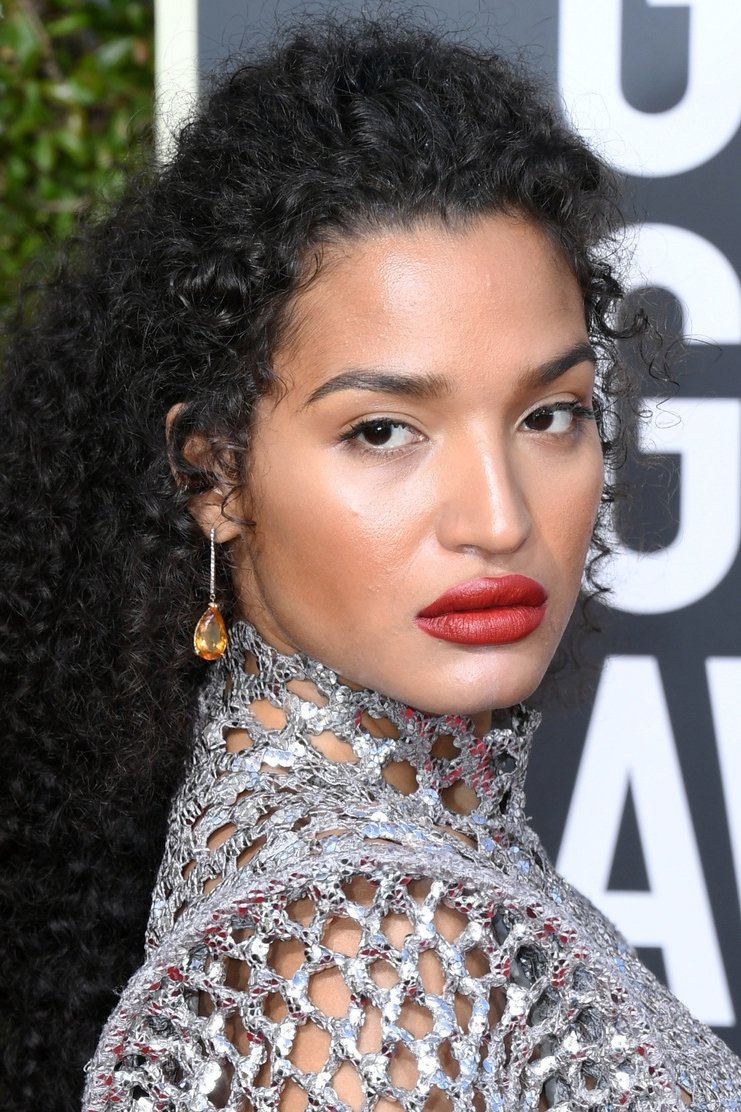
Indya Moore was one of the primary voices calling for a boycott of ‘Hogwarts Legacy’ during its development and release period. They urged fans to consider the social impact of their purchases and to reject the game entirely. The game went on to achieve historic sales numbers and received positive reviews from the gaming community. It became a massive financial win for the developers and the associated media companies. The boycott did not prevent the game from reaching the top of the global sales charts.
Mark Hamill
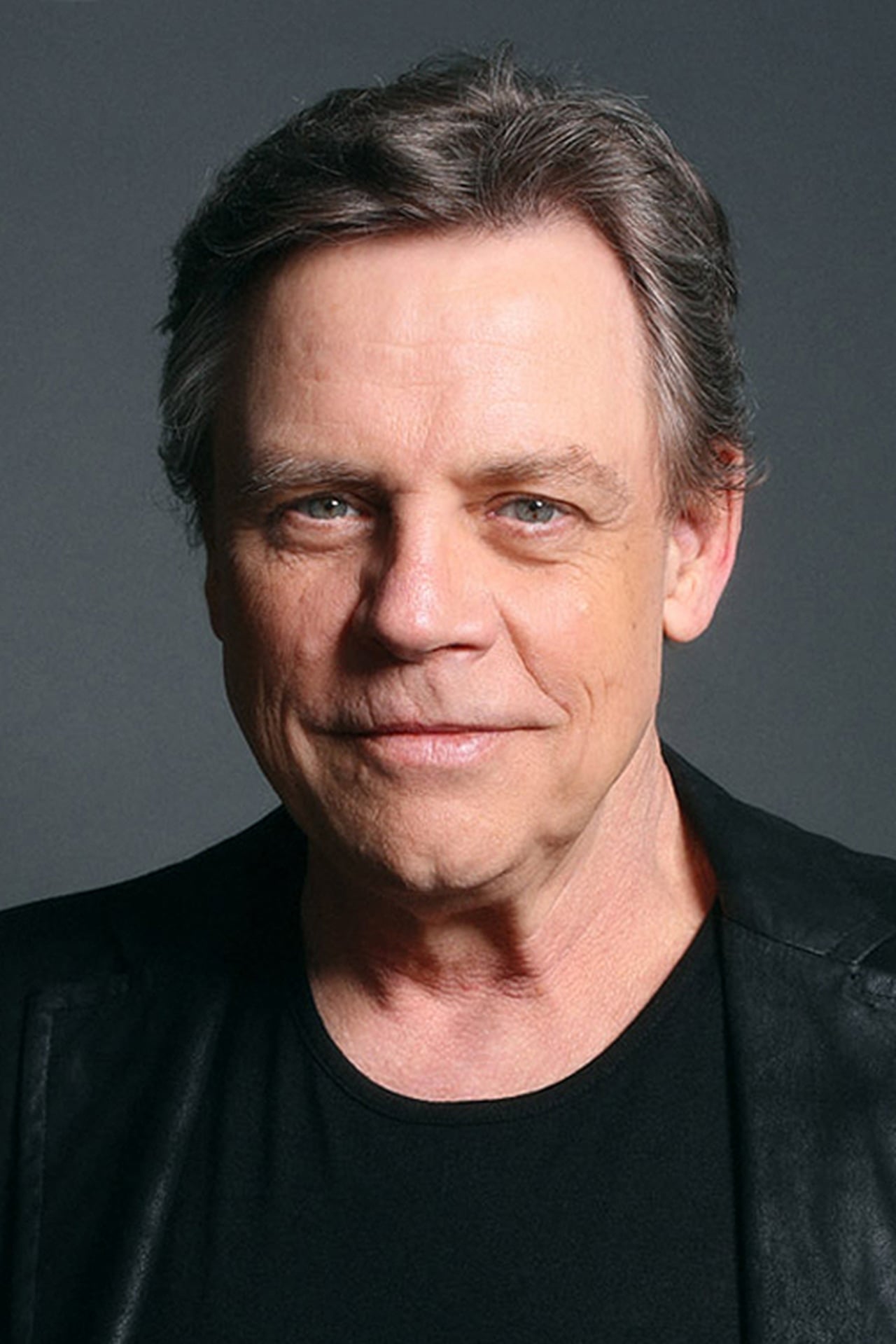
Mark Hamill has been a vocal critic of the changes made to the social media platform X and has supported various efforts to leave or boycott the service. He frequently highlights issues with the platform management and encourages his followers to seek out other digital spaces. Despite the departure of some high-profile users the platform remains a central hub for global conversation and news. Data has shown that engagement levels and user activity have remained significant throughout the period of criticism. The platform continues to be a primary tool for marketing and public interaction for brands worldwide.
Stephen King
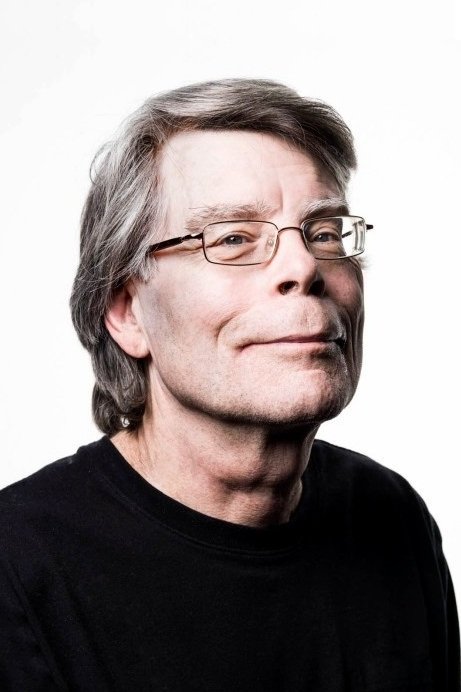
Stephen King has expressed his disapproval of the subscription models and management choices at X by threatening to leave the platform multiple times. His comments inspired many of his readers to also voice their frustration and consider boycotting the service. The platform has continued to evolve and maintain a large base of active users who rely on it for real-time information. While some advertisers pulled back the service has found new ways to generate revenue and stay relevant. The author vocal complaints have not resulted in the collapse or mass exodus he suggested might happen.
Piers Morgan
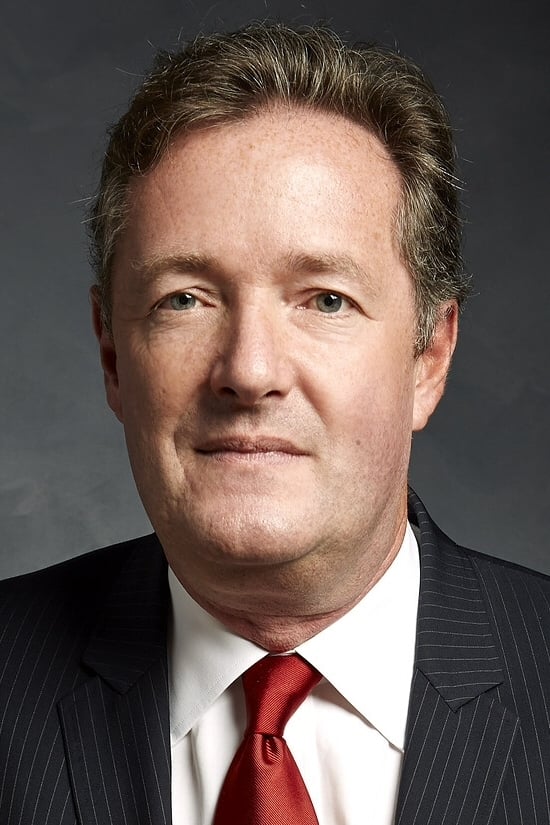
Piers Morgan was a leading critic of the ‘Barbie’ movie and used his column and show to argue against its message. He suggested that the film was an attack on certain demographics and predicted that it would alienate a large portion of the audience. The movie went on to become a massive hit with all demographics and broke the billion-dollar mark faster than many previous blockbusters. It was praised for its creativity and became a cultural landmark for the year. His criticism only added to the immense buzz that drove people to the theaters.
Ted Nugent
Ted Nugent was a vocal supporter of the Nike boycott and criticized the brand for its choice of advertising partners. He claimed that the move would be the end of the company dominance in the athletic apparel market. Nike reported a massive increase in revenue and a strengthened relationship with its core consumers shortly after his comments. The brand stock price continued to rise and it remained the undisputed leader in the industry. The boycott he supported ended up being a major win for the company marketing department.
Jon Voight
Jon Voight joined the chorus of voices calling for a boycott of Nike and expressed his disappointment with the direction of the brand. He urged his fans to support companies that aligned more closely with his personal values. Nike responded by doubling down on its marketing strategy which resulted in a significant boost in sales among younger consumers. The company global reach and financial power only seemed to grow in the wake of the controversy. The boycott did not result in the financial damage that the actor had hoped for.
Kristy Swanson

Kristy Swanson used her social media platform to promote the boycott of Nike and shared images of people destroying their gear. She believed that the public would move away from the brand in large numbers due to the controversy. Nike actually saw its market value increase by billions of dollars during the following year. The brand ability to attract new customers through the controversy was a major factor in its continued success. The celebrity-led boycott was ultimately overshadowed by the company strong financial performance.
Robert Davi
Robert Davi was another celebrity who publicly backed the boycott of Nike and criticized the corporate decisions of the brand. He believed that the company had lost touch with its traditional customer base and would suffer as a result. Instead of suffering Nike saw a historic rise in its digital sales and overall brand engagement. The company marketing campaign is now studied as a successful example of how controversy can drive profit. The efforts to boycott the brand were ultimately ineffective at stopping its growth.
Sebastian Croft

Sebastian Croft was a cast member in ‘Hogwarts Legacy’ who publicly apologized for his involvement and supported the sentiments behind the boycott. He spoke out about his regrets and encouraged fans to follow their own moral compass regarding the purchase. The game remained a massive success and was the top-selling product in multiple international markets. His comments did not appear to slow down the momentum of the game sales or its popularity on social media. The project became one of the defining hits of the decade in the gaming industry.
Sophia Bush

Sophia Bush was a vocal supporter of the boycott against Equinox and SoulCycle and shared her decision to leave the clubs with her followers. She highlighted the political affiliations of the company leadership as her primary reason for the protest. The fitness brands were able to maintain their premium status and continued to attract new members in major cities. The financial impact of the boycott was temporary and did not lead to any major closures or long-term losses. The companies remain leaders in the boutique fitness industry.
Jonathan Van Ness
Jonathan Van Ness spoke out against the ownership of SoulCycle and Equinox and encouraged his audience to find more inclusive places to exercise. He used his platform to raise awareness about the political donations of the company investors. Despite the initial wave of cancellations both brands reported strong membership numbers in the following years. The controversy appeared to have little effect on the overall demand for the luxury fitness experience. The companies continued to expand their offerings and maintain their market share.
Busy Philipps
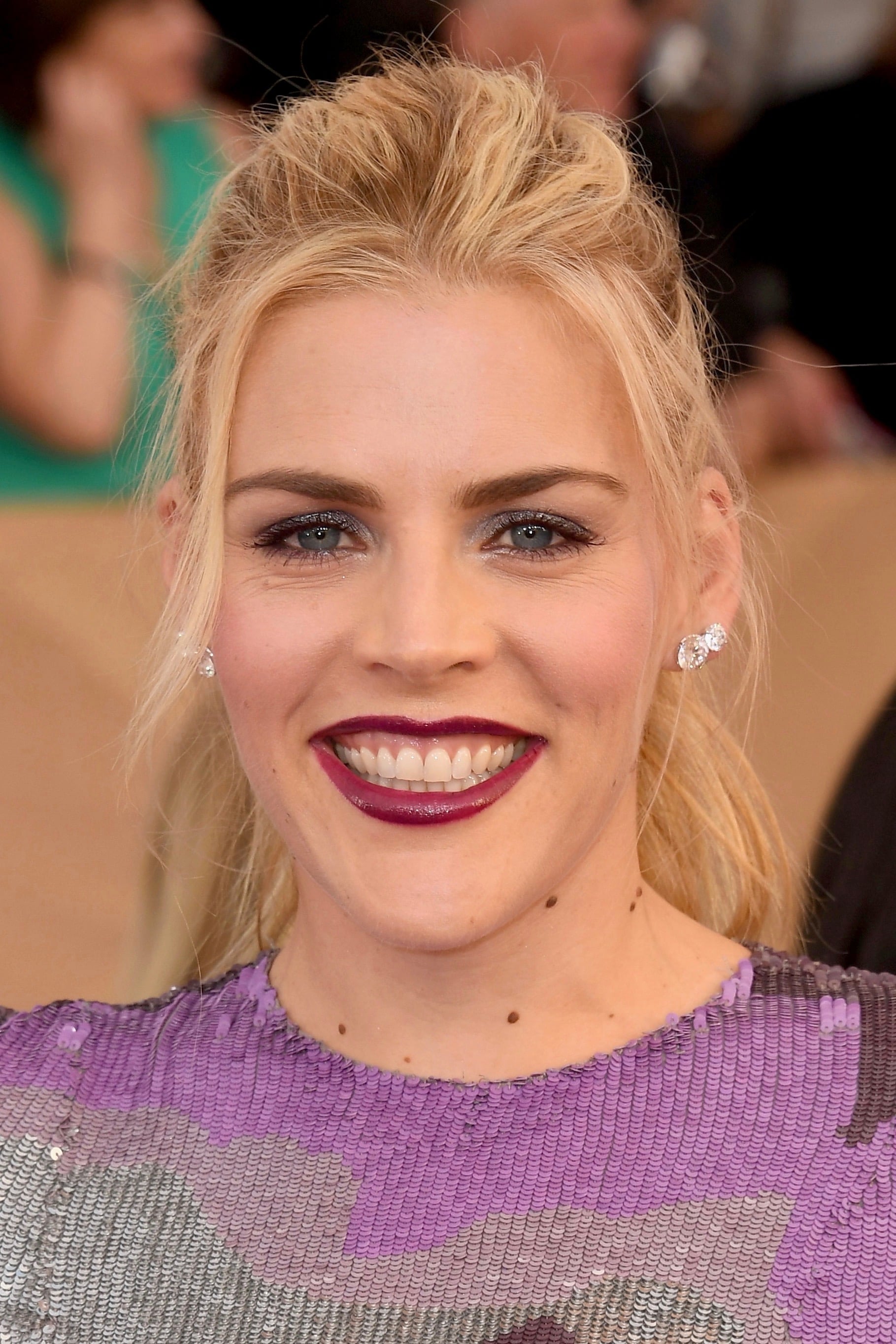
Busy Philipps announced her support for the Equinox boycott and shared her personal experience of leaving the gym. She encouraged her fans to be more conscious of where their membership fees were going. The gyms continued to operate with high capacity and remained popular choices for celebrities and fitness enthusiasts alike. The long-term growth of the company was not significantly impacted by the wave of high-profile departures. The brand remains a prominent name in the high-end fitness market.
Samantha Bee
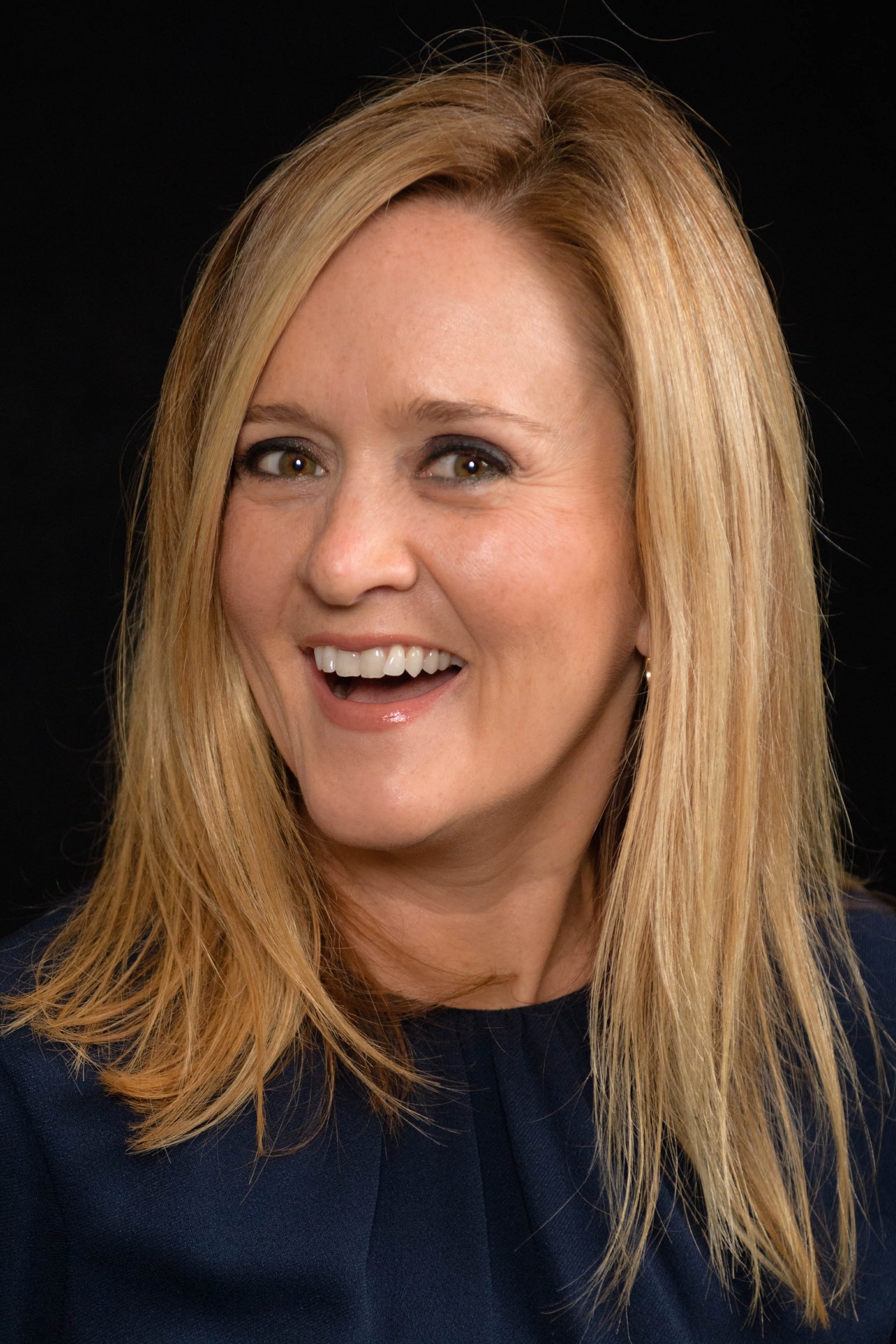
Samantha Bee used her platform to criticize Chick-fil-A and supported various grassroots movements to boycott the restaurant. She highlighted the contrast between the company public image and its corporate donations. The chain continued to experience explosive growth and became a staple in parts of the country where it had previously not existed. Its annual revenue numbers continued to break records despite the ongoing criticism from the entertainment world. The boycott did not stop the company from becoming a dominant player in the food industry.
Tituss Burgess
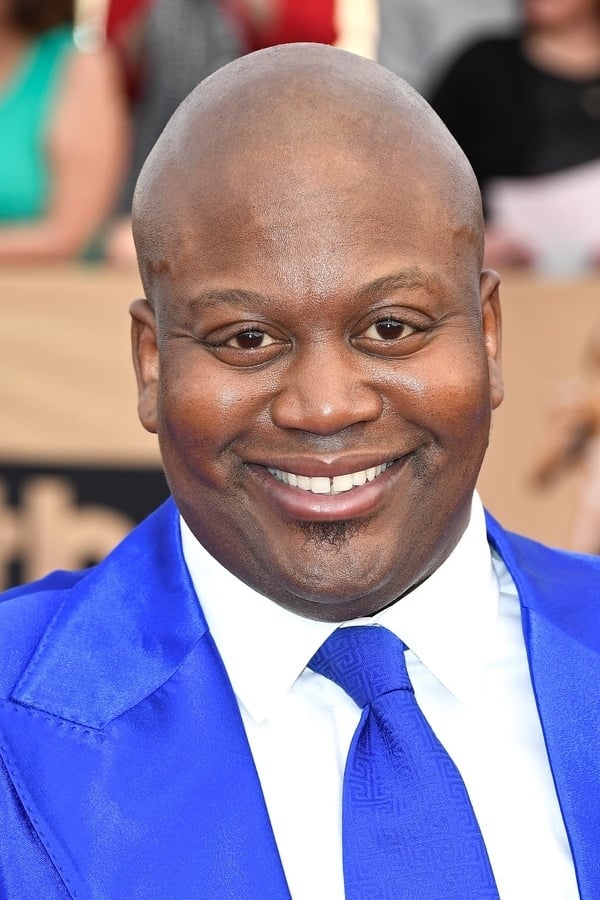
Tituss Burgess was among the celebrities who spoke out against the ownership of Equinox and supported the boycott of the fitness clubs. He voiced his concerns about the political influence of the company leadership and encouraged a move to other fitness centers. The clubs remained successful and continued to attract a high-end clientele in major urban centers. The controversy did not lead to a lasting financial downturn for the parent company. The brands have continued to thrive in the years since the protest.
Bette Midler
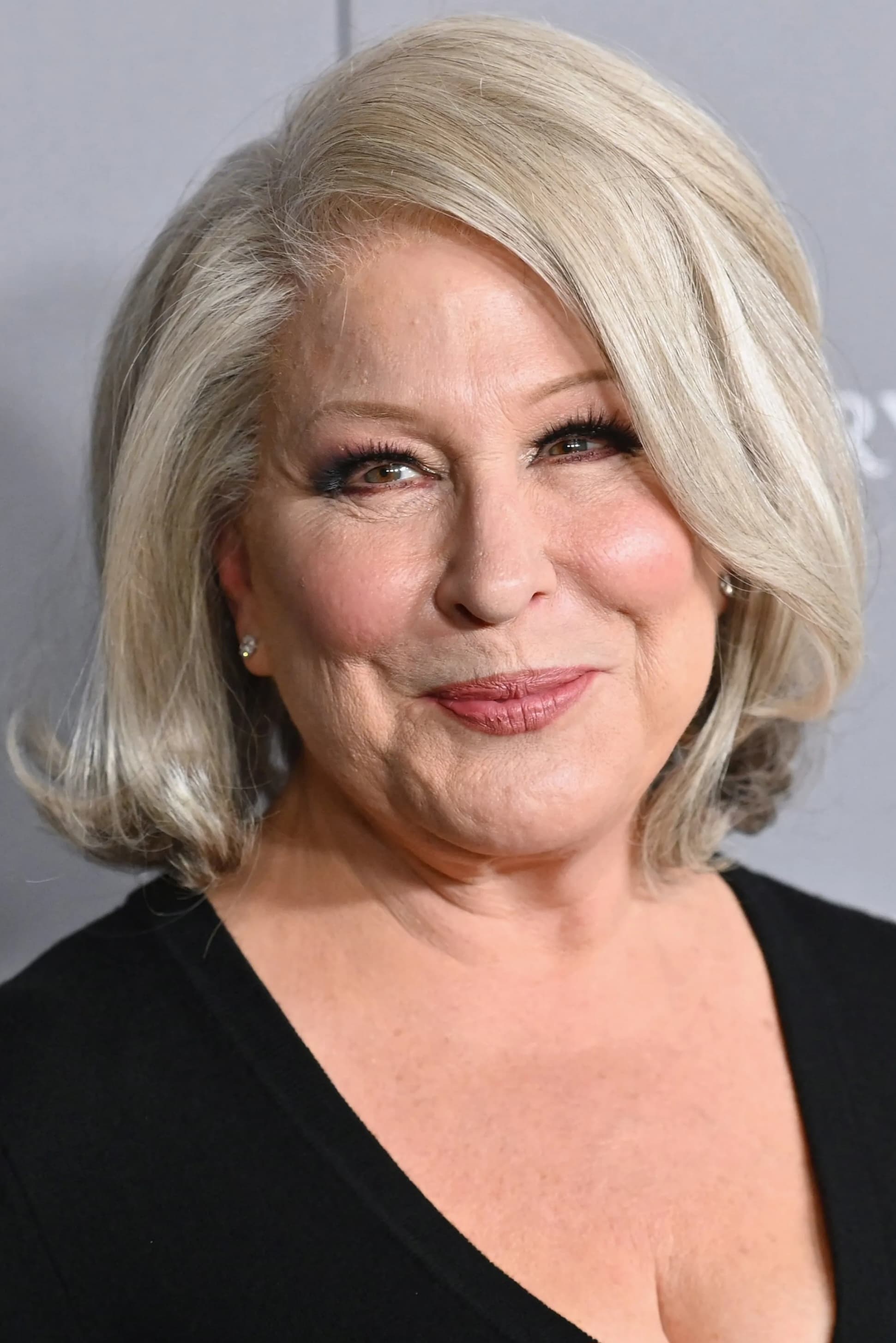
Bette Midler has been a frequent critic of various brands including Chick-fil-A and has supported efforts to boycott the chain. She often uses her social media to point out the reasons why she believes the company should be avoided. The restaurant has consistently seen its sales rise and has maintained one of the highest customer loyalty ratings in the industry. The public disapproval of the brand by figures like Midler has not prevented it from achieving massive commercial success. The chain is now a multibillion-dollar leader in the global market.
Mark Ruffalo
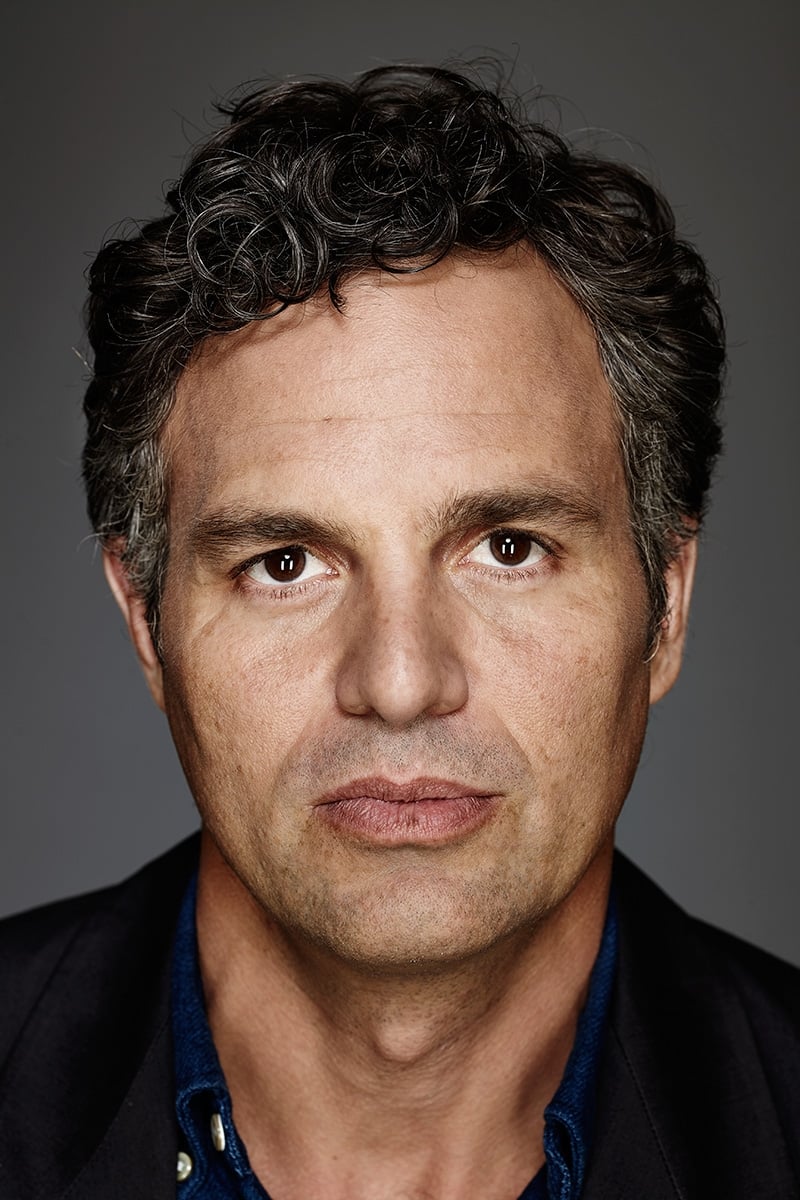
Mark Ruffalo has supported various boycotts including those against large corporate entities like Starbucks and certain tech companies. He uses his activism to call for better corporate responsibility and fair practices. Despite these efforts the targeted companies have generally seen their revenues increase as they expand into new global markets. The public demand for the products often outweighs the impact of the social movements he supports. His activism has raised awareness but has not significantly altered the financial trajectory of these major corporations.
Shailene Woodley

Shailene Woodley encouraged her followers to close their accounts at major banks like JP Morgan Chase to protest their investment in specific infrastructure projects. She participated in public demonstrations and used her platform to advocate for a mass divestment. The bank reported a steady increase in total assets and revenue during the years following the protest. Its position as a leading global financial institution remained unchanged despite the celebrity-led movement. The attempt to impact the bank financial standing through a consumer boycott was largely unsuccessful.
Share your thoughts on these celebrity boycotts in the comments.