


Celebs Who Backed “Traditional” Casting and Sparked Huge Debates




The ongoing conversation regarding casting in major film and television productions has become a central point of discussion for critics and industry professionals. Many audiences now prioritize authentic representation when stories involve marginalized communities or specific ethnic backgrounds. Some prominent celebrities have expressed support for traditional casting methods where actors are chosen primarily for their ability to portray a character. These public statements often highlight the fundamental nature of performance as a craft of transformation and artistic interpretation. The ensuing debates highlight a growing tension between creative freedom and the push for social inclusion in modern entertainment.
Scarlett Johansson
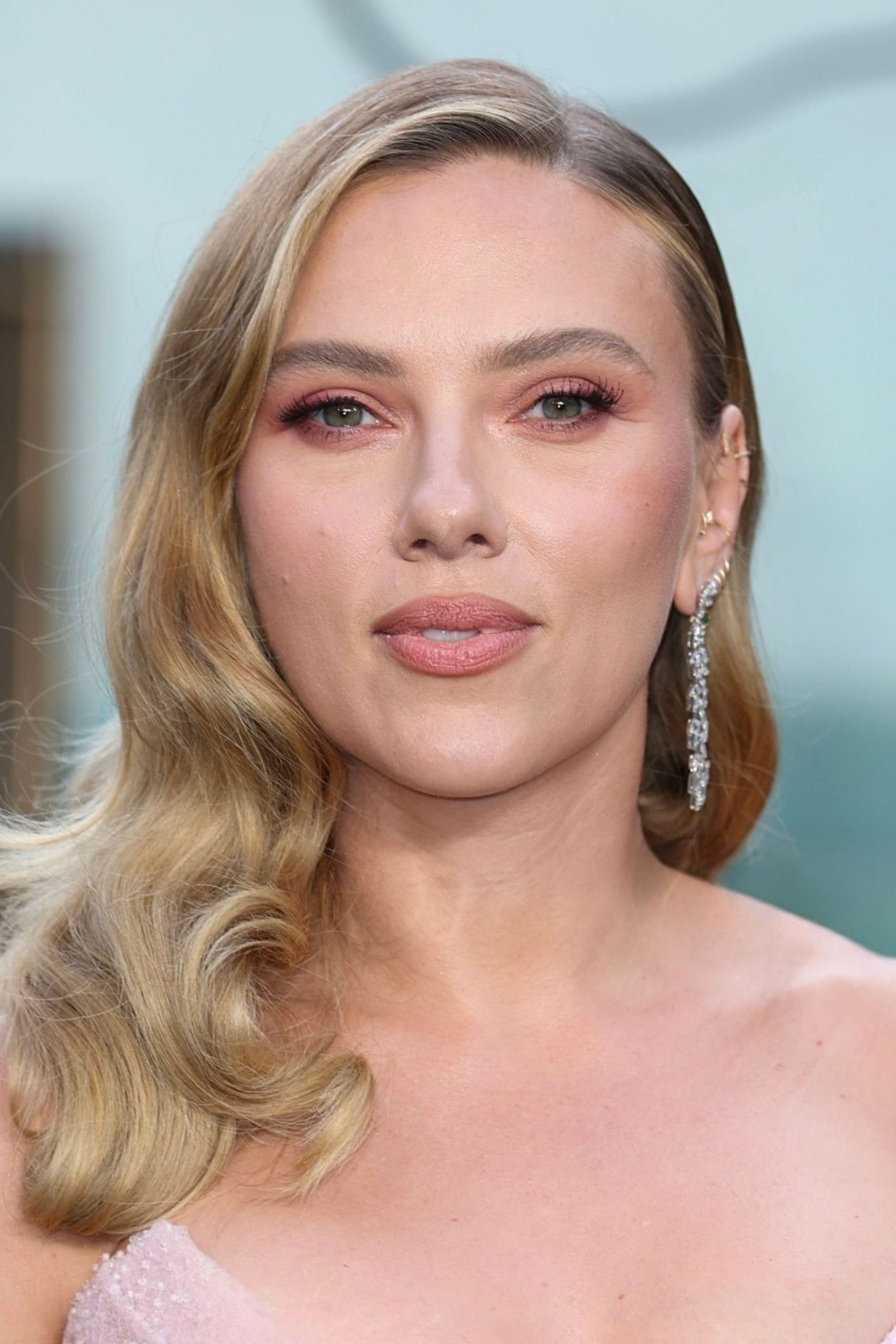
Scarlett Johansson faced significant criticism when she was cast as a character originally depicted as Japanese in the film ‘Ghost in the Shell’. She initially defended her choice by suggesting that she should be allowed to play any person or even a tree if she chose to do so. This comment ignited a widespread discussion about the lack of opportunities for Asian actors in lead roles. The actress eventually withdrew from another project where she was set to play a transgender man following further public pressure. She later acknowledged the complexity of the issue and the importance of diverse casting in the industry.
Bryan Cranston
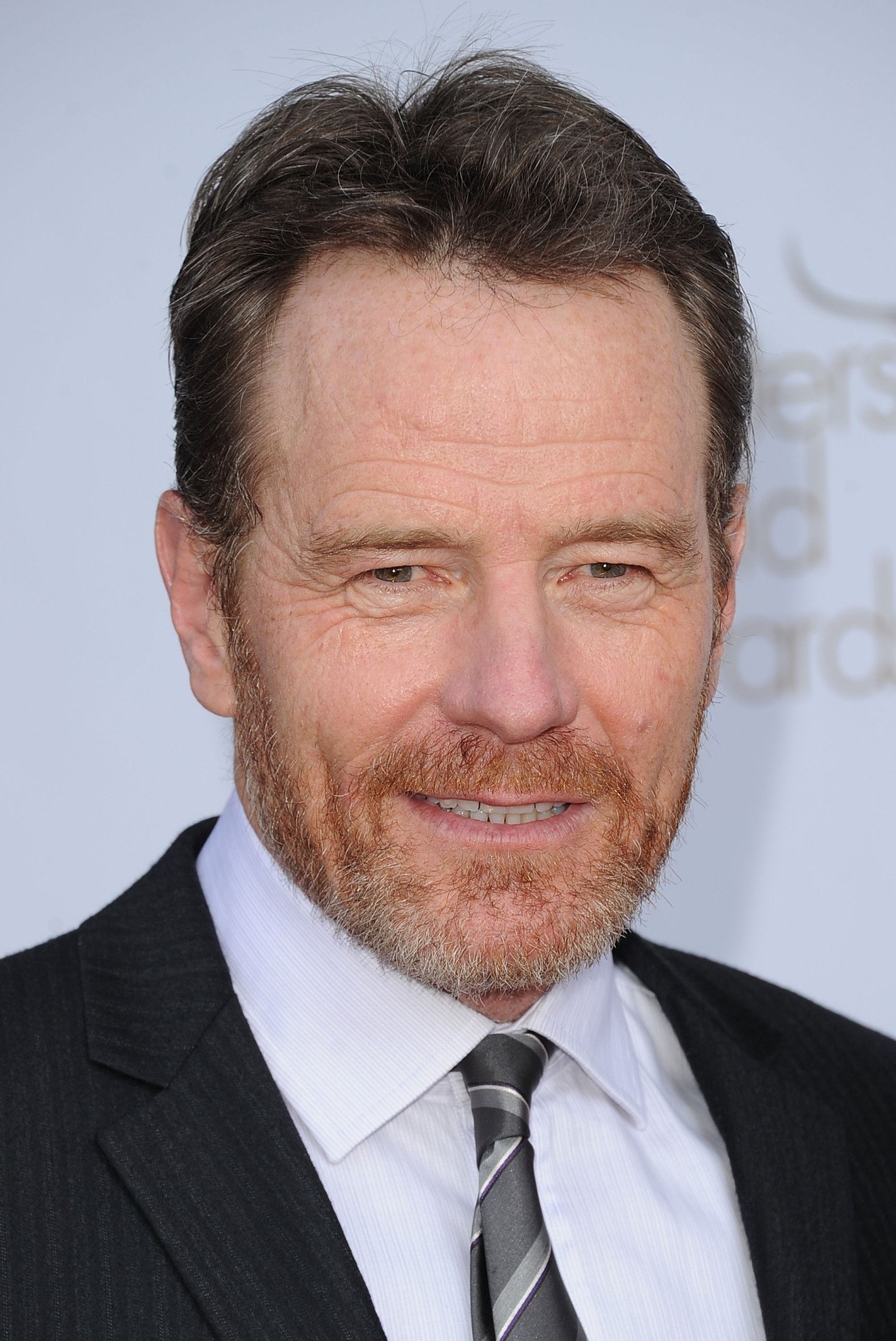
Bryan Cranston portrayed a billionaire with quadriplegia in the film ‘The Upside’. He defended his decision to take the role by stating that he is an actor and that the job involves being someone he is not. The casting choice sparked a debate about the lack of representation for disabled performers in Hollywood. Cranston suggested that if he were only allowed to play people like himself his career would be very limited. He noted that the perspective of the production was to find the best possible performer for the specific story.
Cate Blanchett
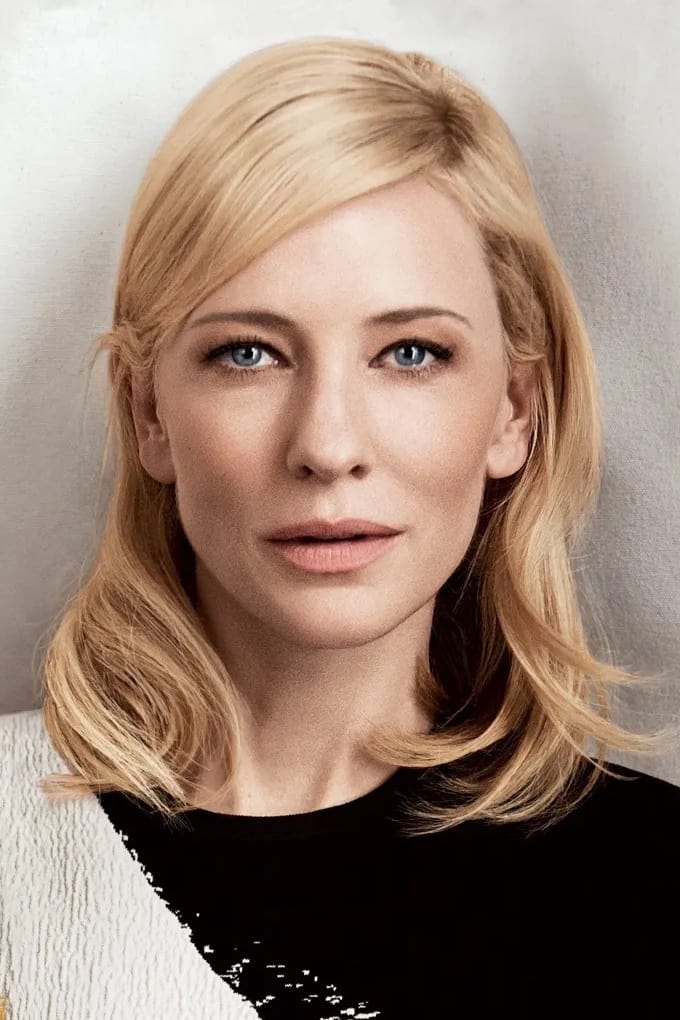
Cate Blanchett has expressed her belief that actors should be able to play roles that do not align with their own identities or experiences. During a film festival panel she stated that she will fight to the death for the right to suspend disbelief. She argued that the essence of acting is the ability to step into the shoes of someone else regardless of their background. Her comments were seen as a defense of traditional performance art against the rising trend of identity based casting requirements. This perspective generated significant conversation regarding the limits of artistic expression in a changing cultural landscape.
Eddie Redmayne
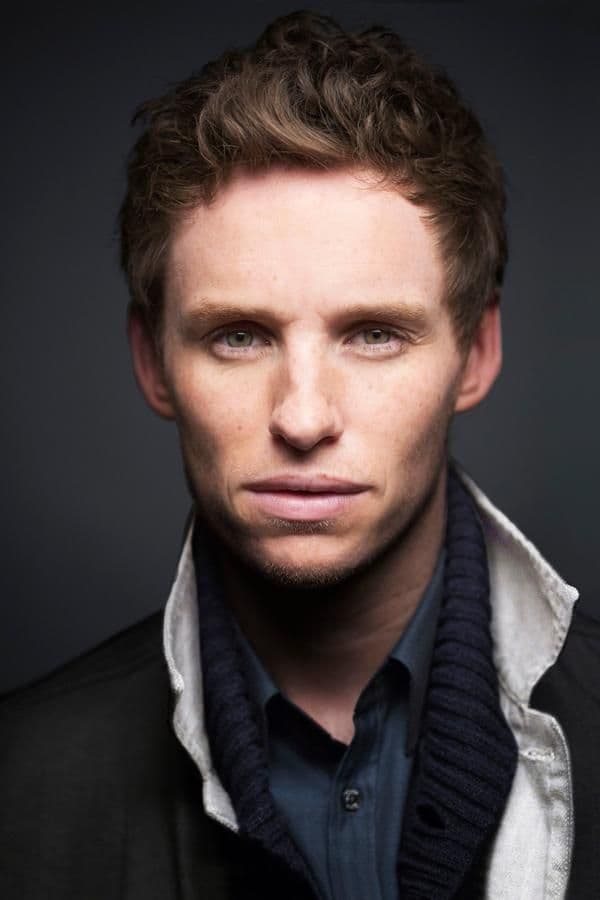
Eddie Redmayne received an Oscar nomination for his portrayal of a transgender pioneer in ‘The Danish Girl’. At the time of the release he spoke about his extensive research and his desire to represent the character with sensitivity. Critics argued that the role should have gone to a transgender actress to ensure authentic representation. Redmayne later reflected on the experience and stated that he would not take the role if it were offered to him today. His journey through this controversy highlights the shifting standards for casting in historical dramas.
Halle Berry
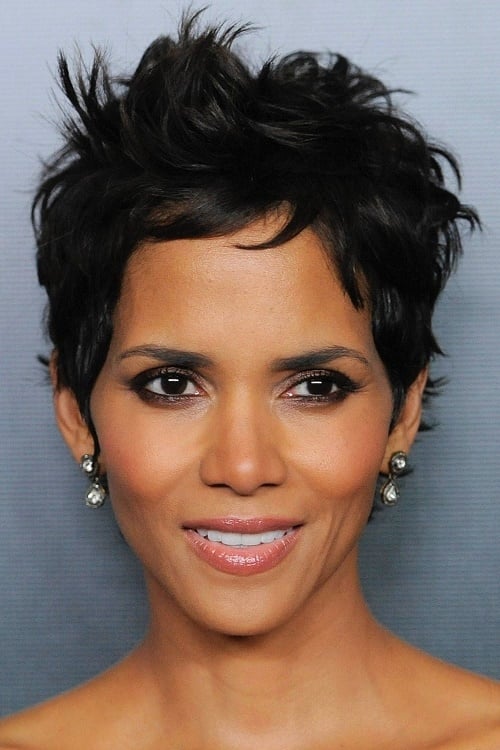
Halle Berry was initially cast to play a transgender man in an upcoming film project and expressed her excitement about the role. She stated that she wanted to understand the world of the character and tell a story that was important. After facing intense criticism from the LGBTQ community she decided to step down from the production. She issued an apology and acknowledged that the transgender community should have the opportunity to tell their own stories. This incident served as a high profile example of how quickly casting decisions can become major public debates.
James Corden
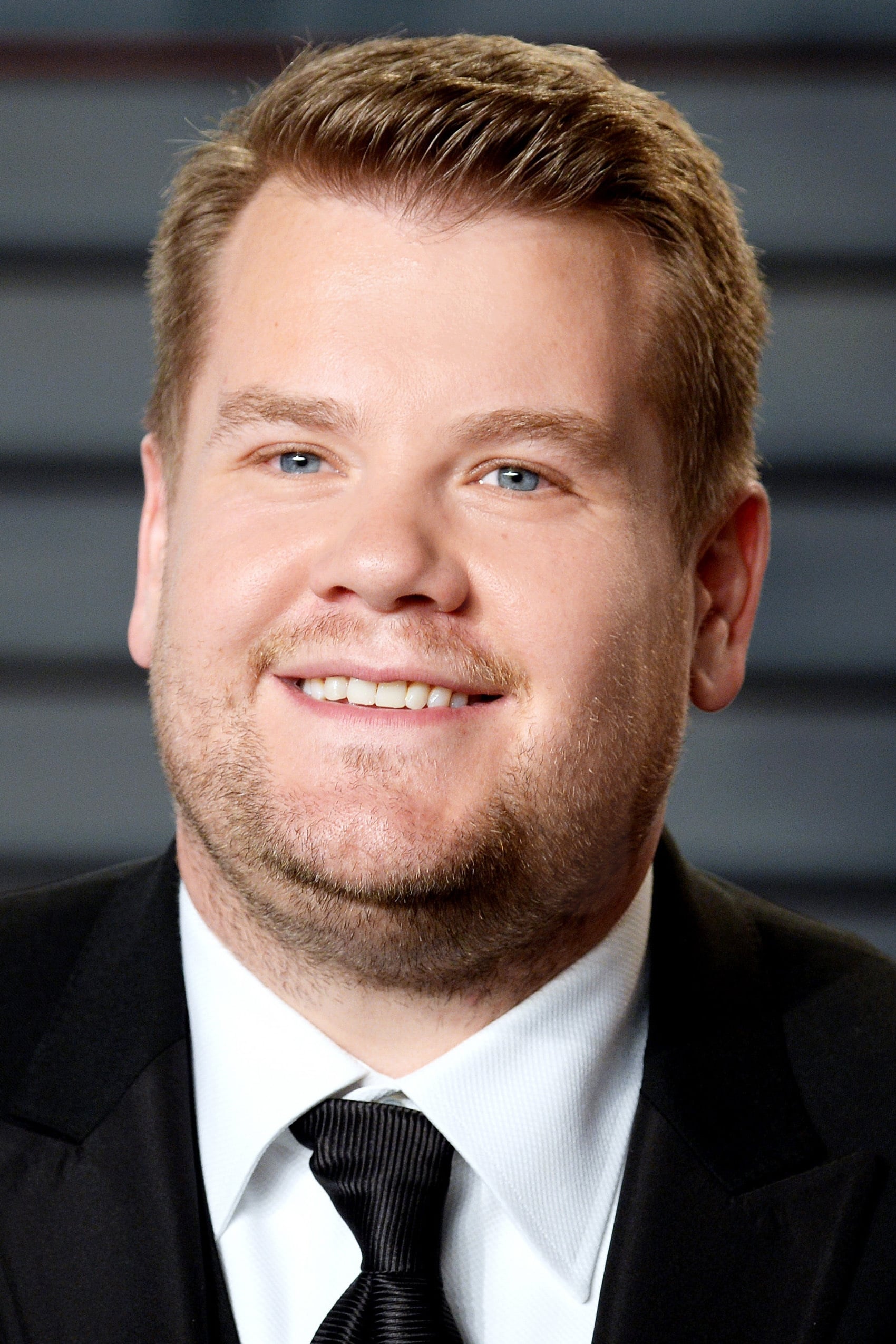
James Corden played a gay character in the musical film ‘The Prom’ despite being a straight man in real life. His performance was criticized by some reviewers for relying on stereotypical mannerisms that were seen as insensitive. The director defended the casting by saying that Corden was the right fit for the specific energy of the character. Many advocates argued that gay actors are often overlooked for lead roles and should have been considered for the part. The debate centered on whether the quality of the performance outweighed the need for lived experience in the role.
Jared Leto
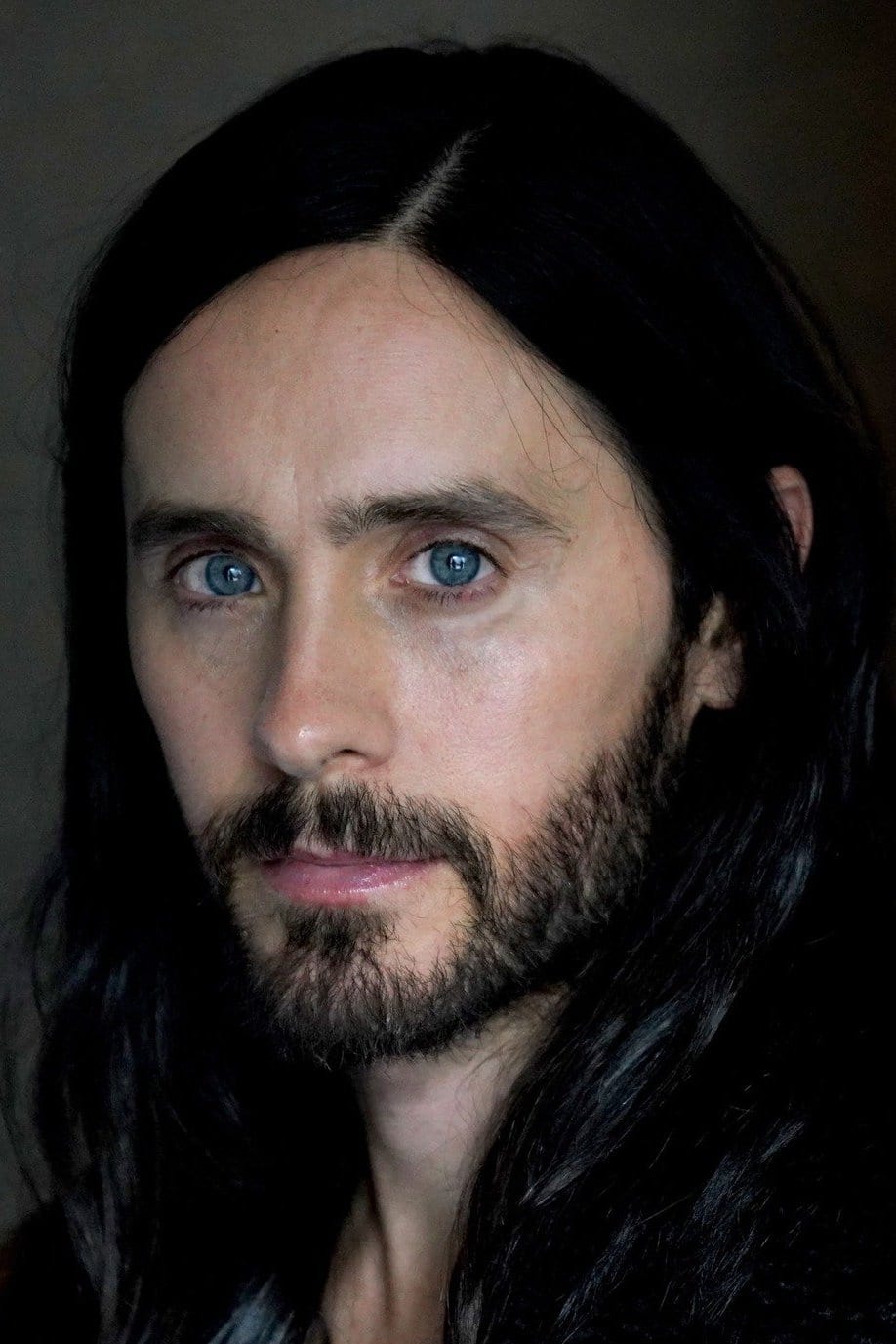
Jared Leto won an Academy Award for his performance as a transgender woman in the film ‘Dallas Buyers Club’. He spent months in character and underwent a physical transformation to portray the struggles of the character during the AIDS crisis. While many praised his dedication others argued that the role should have been a platform for a transgender performer. Leto defended the craft of acting and the ability to disappear into a role that is vastly different from one’s own life. This casting remains one of the most frequently cited examples in the ongoing debate over identity and representation.
Jim Parsons

Jim Parsons has spoken about the casting of straight actors in gay roles and expressed a nuanced view on the matter. He stated that he believes anyone should be able to play any role if they are the best person for the job. Parsons noted that his own experience as a gay man in Hollywood has informed his perspective on the industry. He suggested that while representation is important the primary goal of any production should be the quality of the acting. His comments were seen as a balanced take on a frequently polarizing subject in the entertainment world.
John Cleese
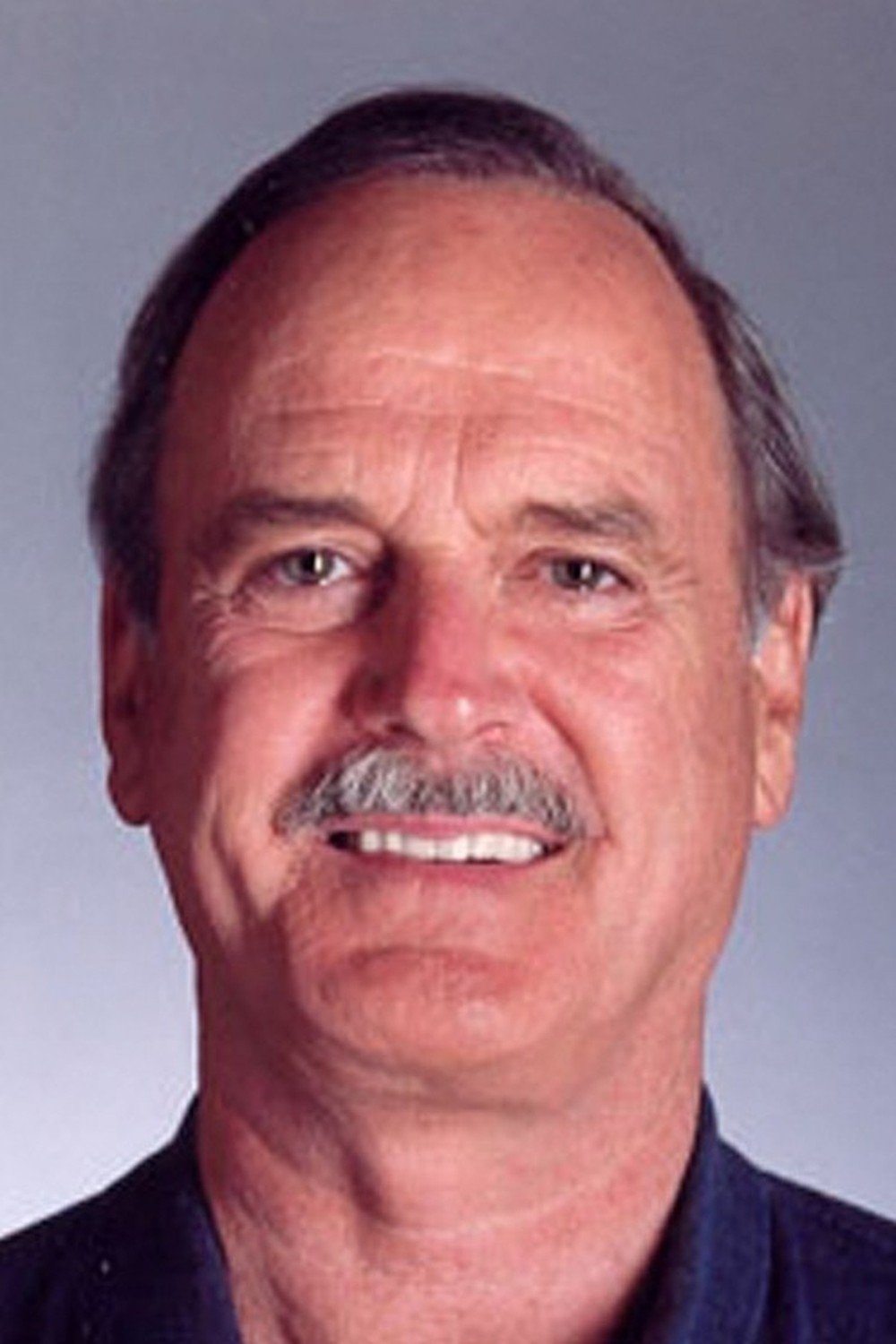
John Cleese has been a vocal critic of modern casting trends that prioritize diversity over traditional merit. He has argued that the pressure to meet representation quotas can interfere with the creative process and the humor of a project. Cleese suggested that comedy should be free to explore all characters without the fear of social repercussions. His comments have often sparked controversy on social media platforms and led to heated discussions about political correctness. He remains a prominent figure in the debate over the preservation of traditional artistic standards.
Judi Dench
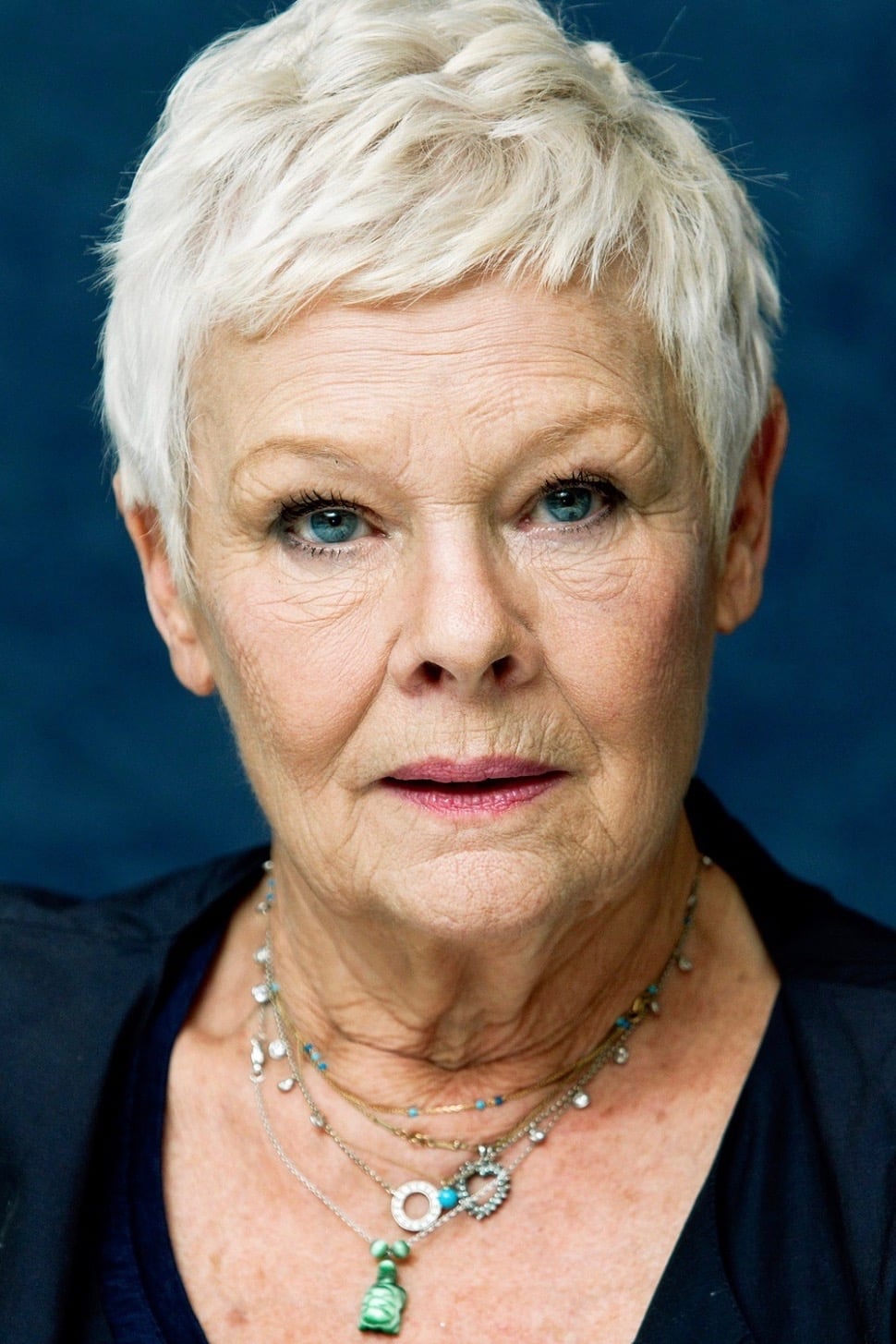
Judi Dench defended the casting of actors in roles that do not match their personal identities during a discussion about theater and film. She expressed concern that strict casting requirements could limit the creative possibilities for performers. Dench emphasized that acting is about imagination and the ability to portray a wide range of human experiences. Her long career has seen her play many different types of characters which she believes is the core of the profession. Her stance reflects a traditional view of the theatrical arts where the talent of the actor is the most important factor.
Julianne Moore
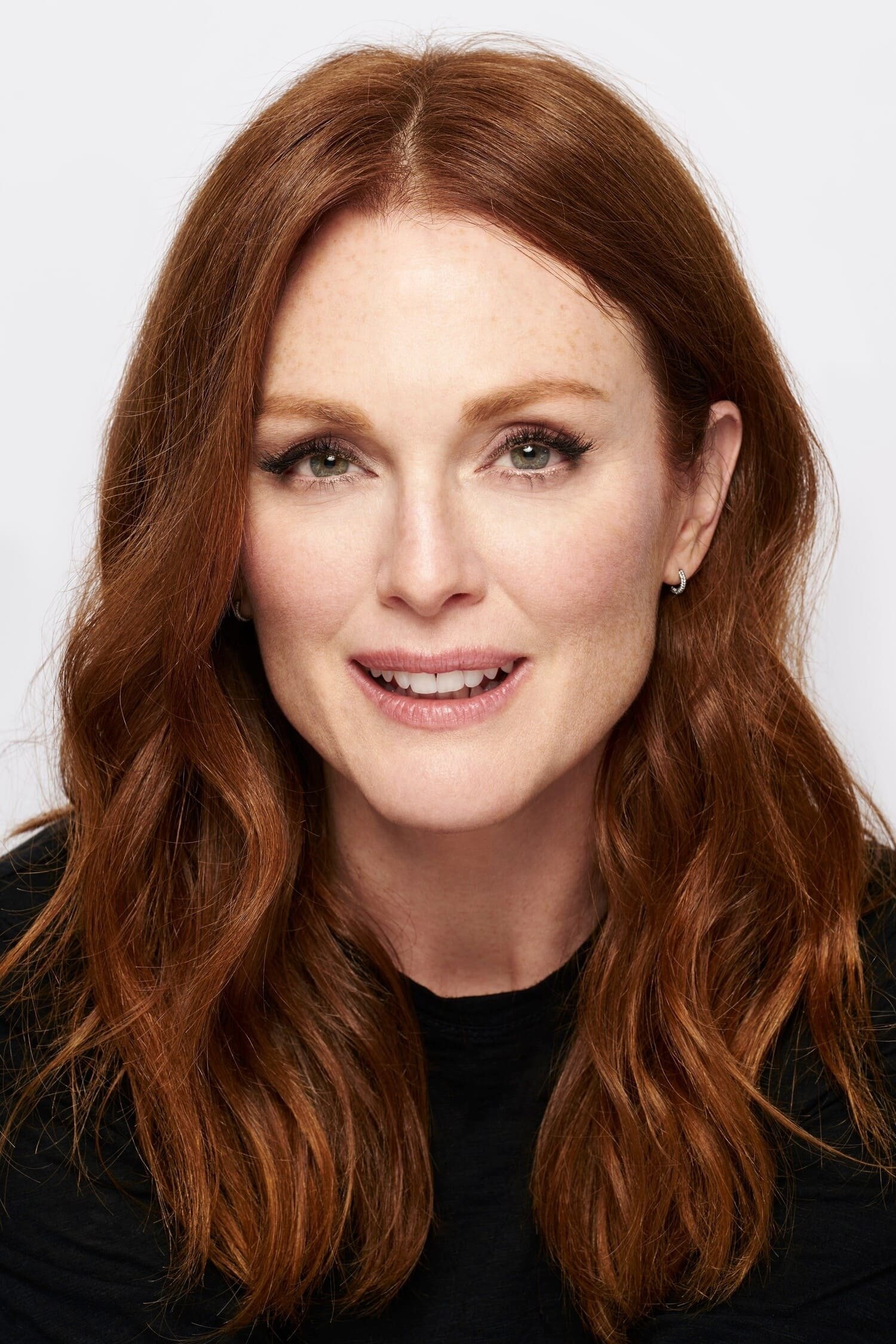
Julianne Moore played a lesbian character in the film ‘Freeheld’ and was asked about the ethics of straight actors playing queer roles. She stated that she believes in the power of empathy and the ability of actors to connect with universal human emotions. Moore argued that the goal of the film was to bring attention to a significant civil rights issue regardless of the actors’ personal lives. Critics pointed out that queer actors still struggle to find work while straight actors are often celebrated for playing queer roles. The debate surrounding her performance highlighted the complex relationship between stardom and representation.
Matt Damon
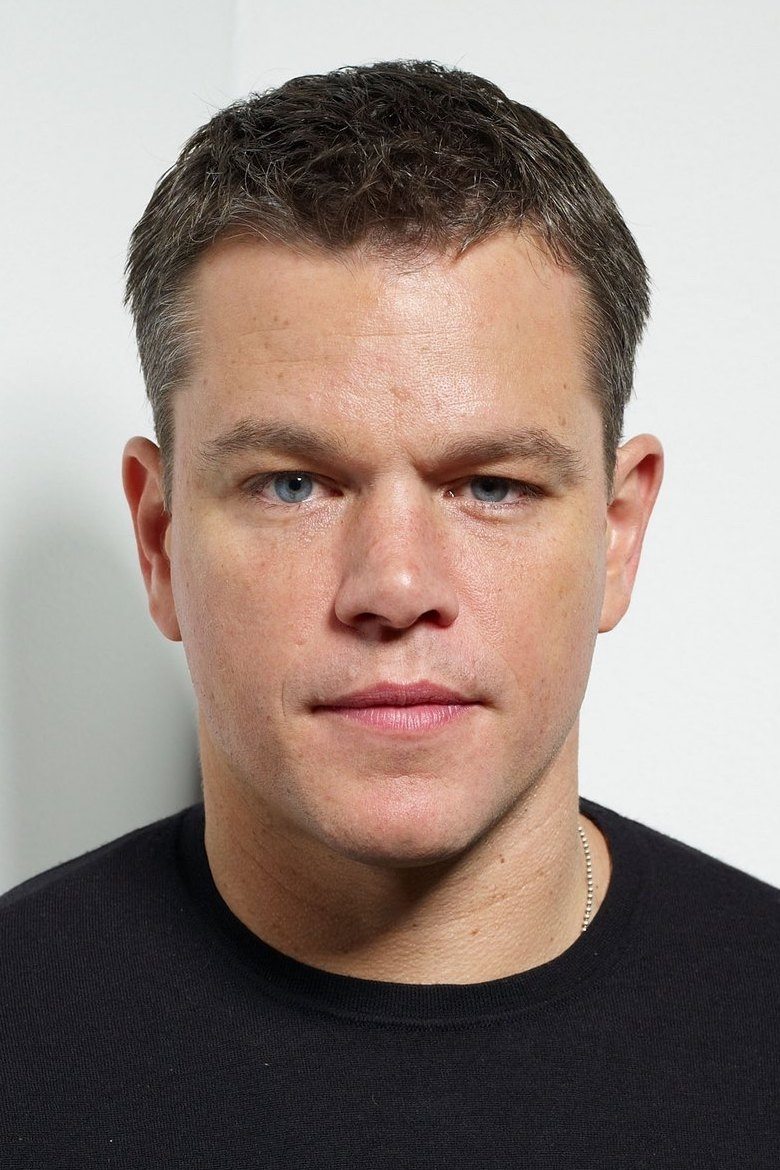
Matt Damon sparked a major debate when he made comments about diversity and casting during a reality television show about filmmaking. He suggested that the focus should be on the diversity of the characters in the script rather than the diversity of the actors behind the scenes. These remarks led to an immediate backlash from audiences and industry peers who felt he was dismissing systemic issues. Damon later clarified his position and apologized for any offense caused by his statements. The incident brought renewed attention to the power dynamics involved in casting major Hollywood productions.
Neil Patrick Harris
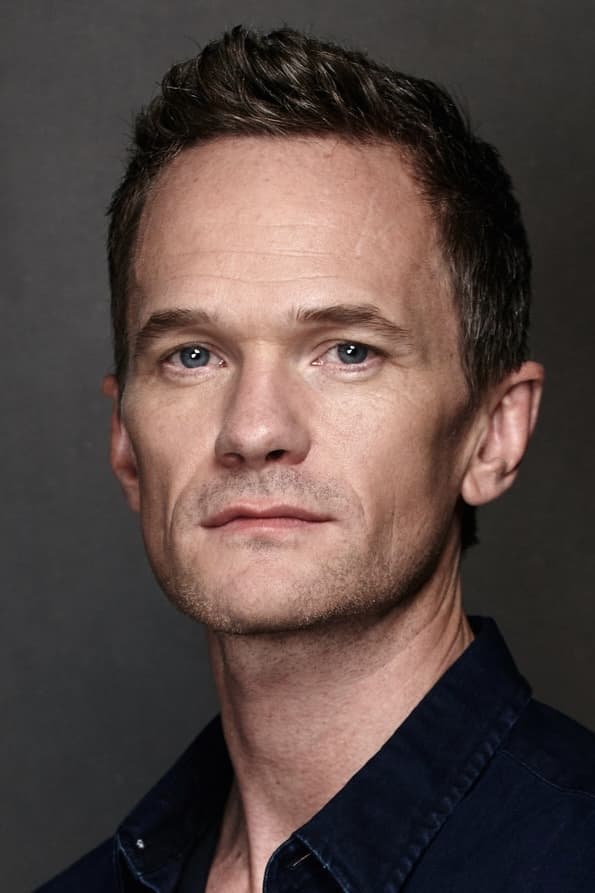
Neil Patrick Harris has shared his perspective on straight actors playing gay roles and has been supportive of the practice. He stated that he finds it interesting to see how actors interpret characters who have different sexual orientations than their own. Harris noted that he has played many straight characters throughout his career and believes the reverse should also be possible. He emphasized that the focus should always be on the caliber of the acting and the effectiveness of the storytelling. His views are often cited by those who support a more flexible approach to casting in the industry.
Ridley Scott
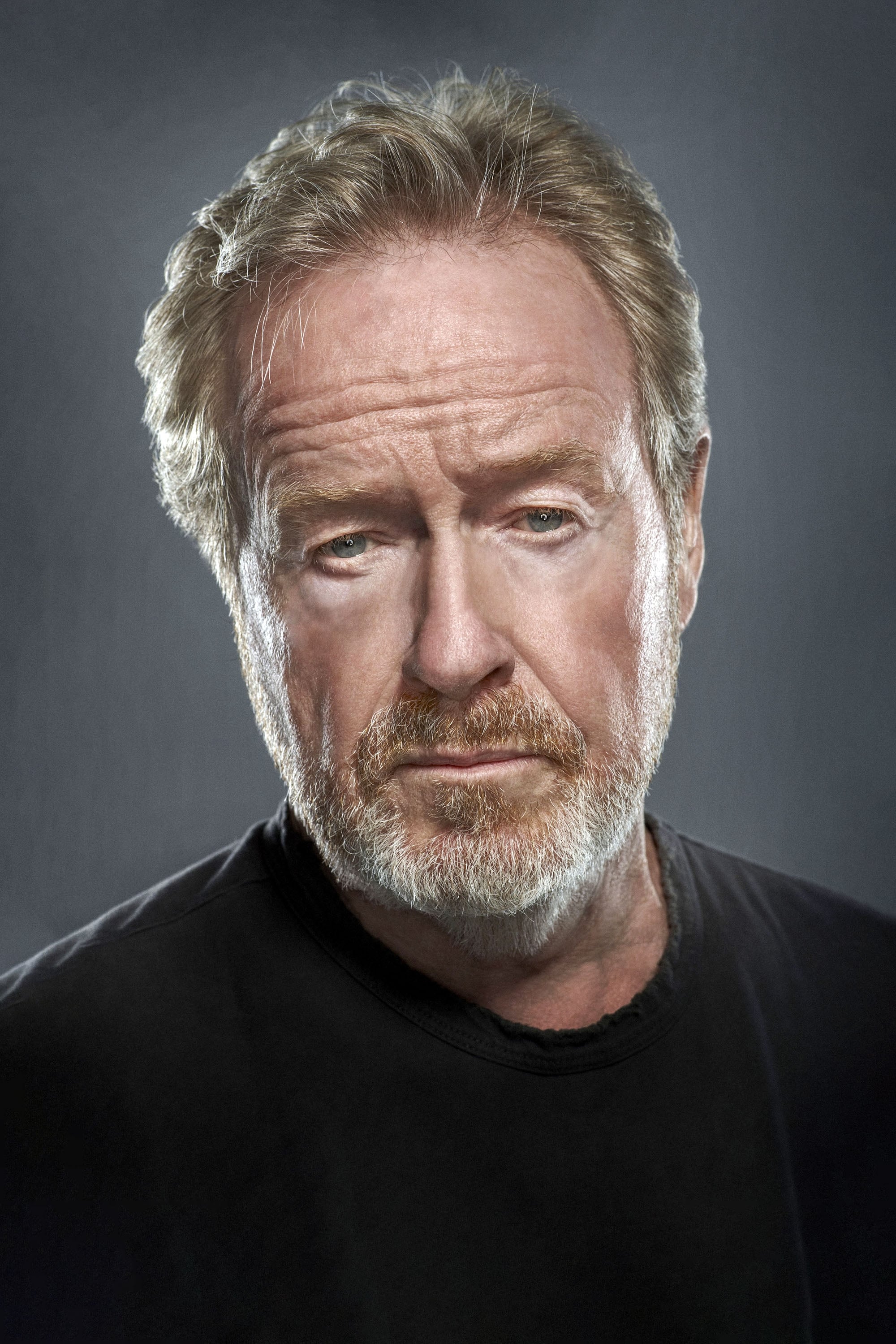
Ridley Scott faced intense criticism for casting white actors in lead roles for his historical epic ‘Exodus: Gods and Kings’. He defended his decision by explaining the financial realities of big budget filmmaking and the need for bankable stars. Scott stated that he could not get the film funded if the lead actors were not recognizable to a global audience. This led to a large scale debate about whitewashing in historical dramas and the responsibility of directors to be accurate. The film became a lightning rod for discussions about racial representation in blockbuster cinema.
Rooney Mara
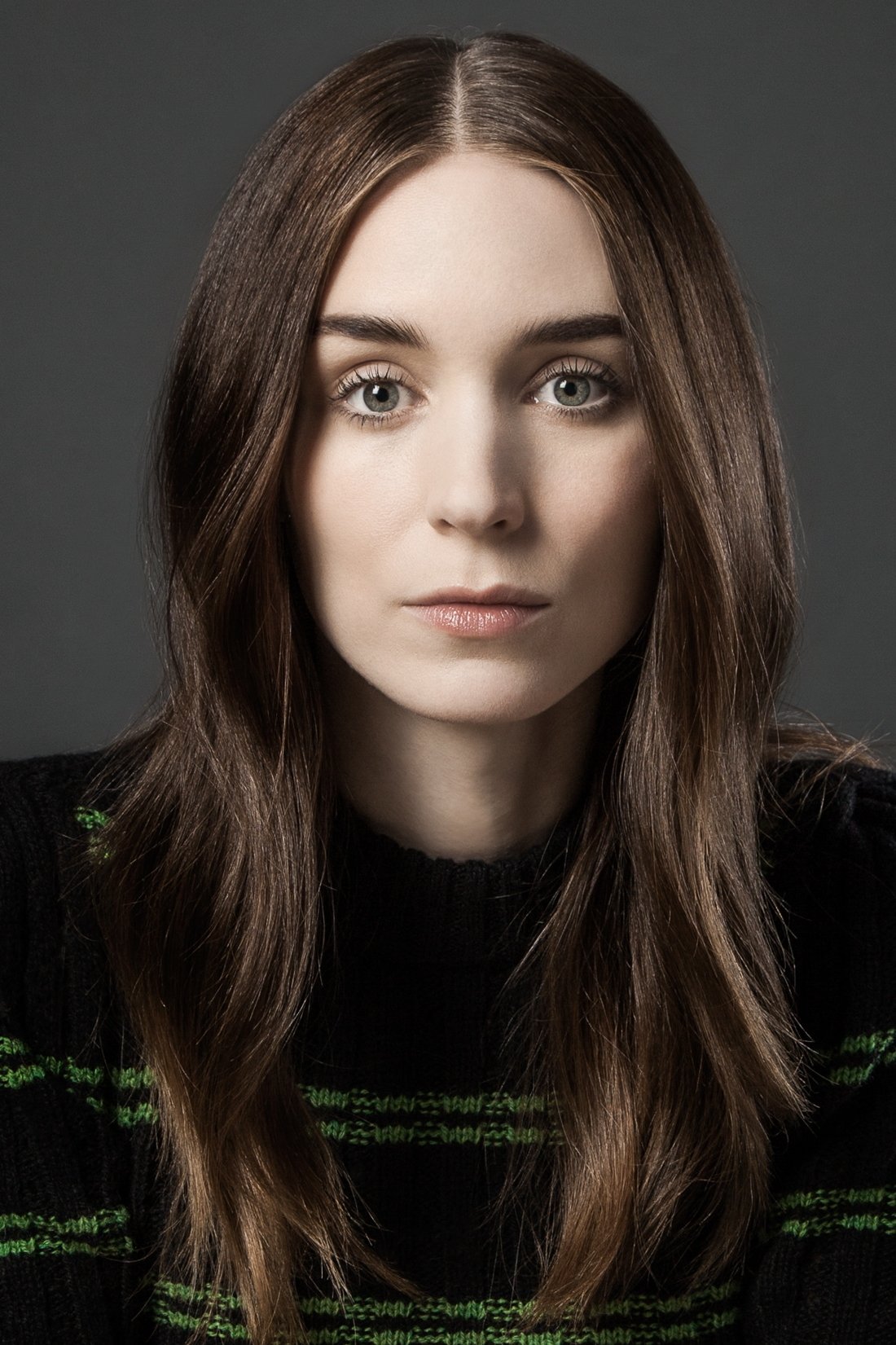
Rooney Mara expressed regret over her role as Tiger Lily in the film ‘Pan’ which was originally a Native American character. She initially took the role because she believed in the vision of the director but later realized the negative impact of the casting. Mara stated that she understands why people were upset and that she would be more careful in the future. The controversy surrounding her casting contributed to a broader conversation about the erasure of indigenous people in film. Her public reflection on the role showed a shift in how actors view their participation in traditional casting.
Sean Penn
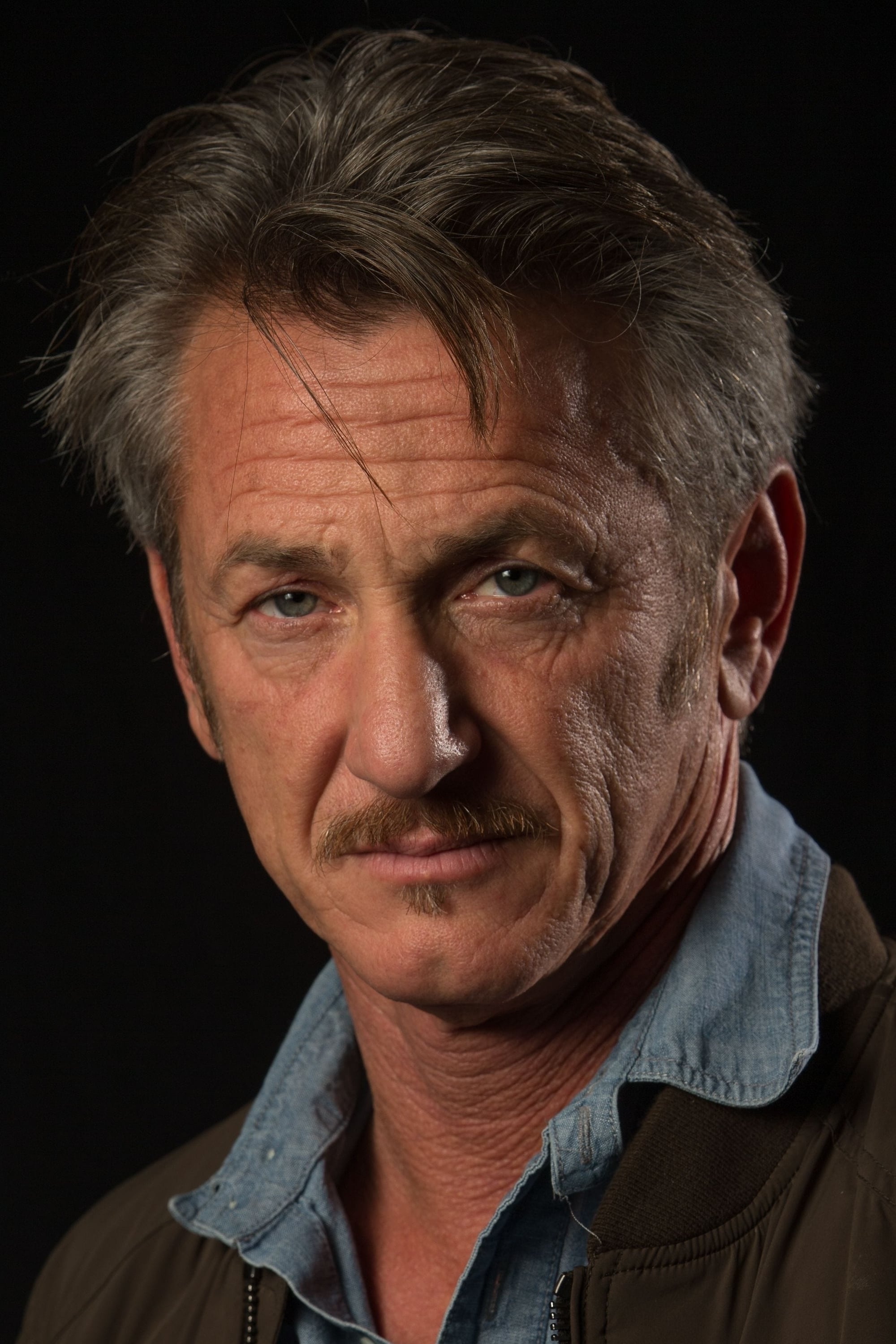
Sean Penn won an Oscar for playing the iconic gay activist Harvey Milk in the film ‘Milk’. He has defended the right of actors to take on roles that are different from their own lived experiences as a core part of the profession. Penn argued that the performance was a tribute to the legacy of the person he was portraying. Many advocates for representation noted that while his performance was excellent it did not solve the problem of underrepresentation for queer actors. The debate emphasized the difference between a high quality performance and the structural issues of the film industry.
Tilda Swinton
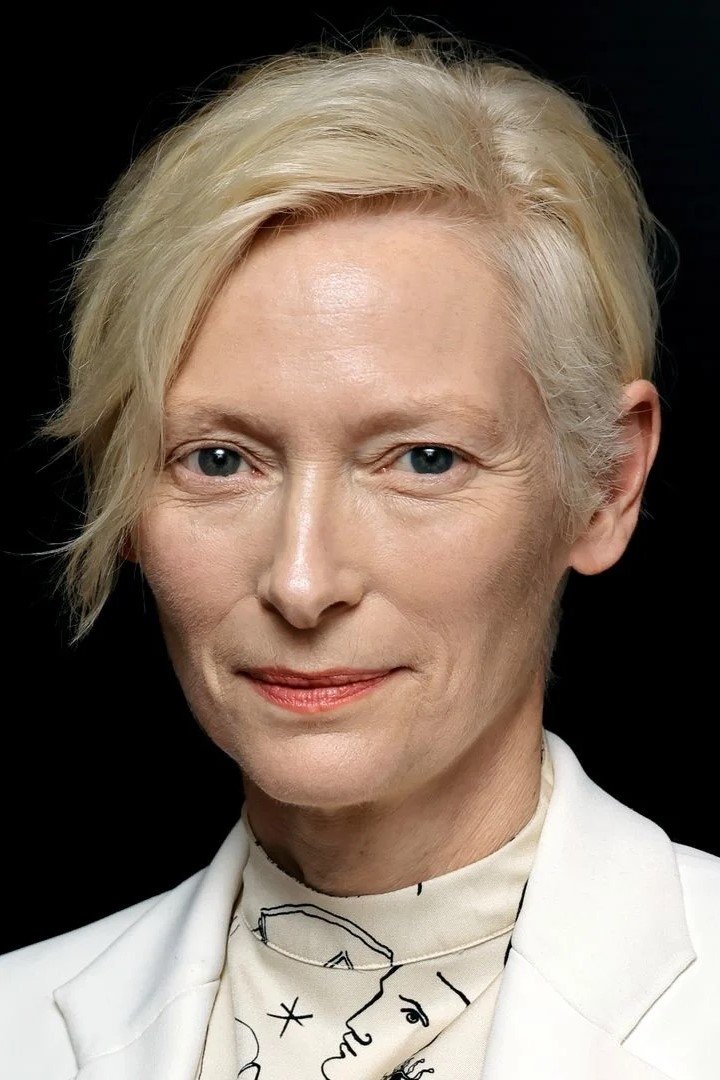
Tilda Swinton was cast as the Ancient One in ‘Doctor Strange’ a character that was originally depicted as a Tibetan man in the comics. She defended the casting by stating that the character was reimagined as a Celtic woman to avoid certain stereotypes. This decision sparked a debate about the replacement of Asian characters in major franchises even when the intention is to be progressive. Swinton engaged in a public exchange with other actors to explain the creative choices made by the production team. The situation highlighted how difficult it can be to navigate traditional casting in a modern context.
Tom Hanks
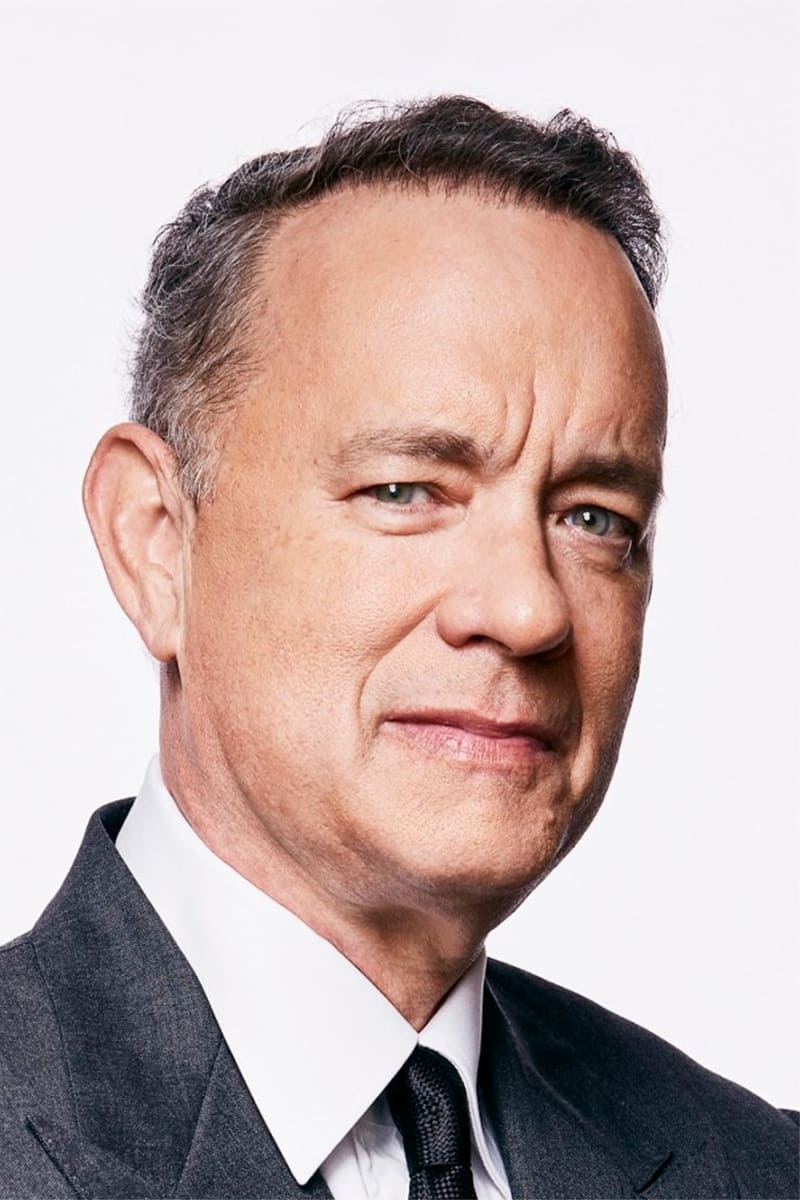
Tom Hanks played a gay man with HIV in the film ‘Philadelphia’ and earned an Academy Award for the role. In recent years he has stated that he would not be able to play that role today because audiences would demand a gay actor for the part. He noted that the world has changed and that the requirement for authenticity has become more prominent. His retrospective comments reflect a growing consensus in Hollywood that certain roles belong to specific communities. This acknowledgment from a major star signaled a significant shift in the debate over traditional casting.
Viggo Mortensen
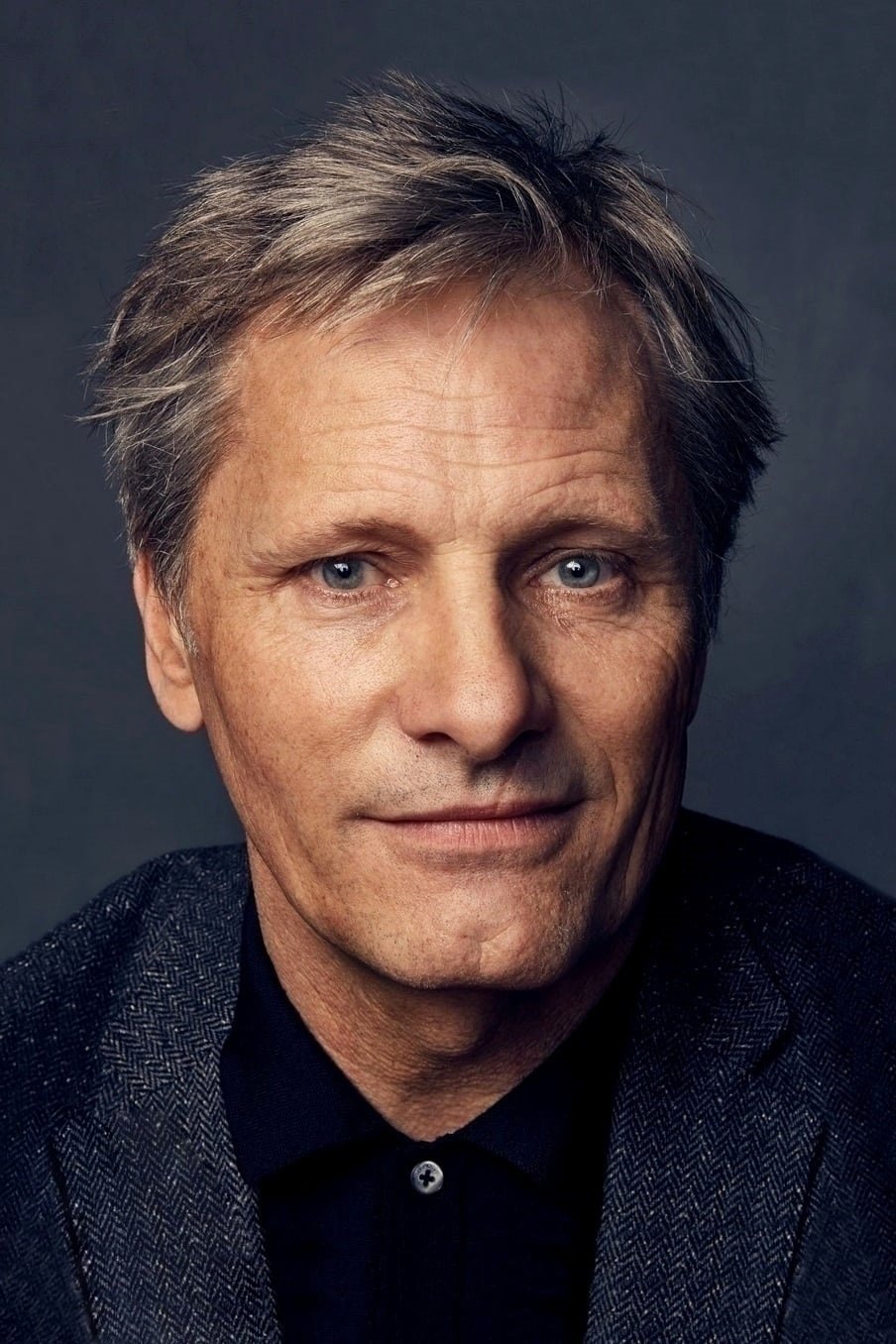
Viggo Mortensen directed and starred in the film ‘Falling’ where he played a gay man. He defended his casting by stating that people should not assume they know his personal sexual orientation based on his public life. He argued that the private lives of actors should remain private and should not dictate the roles they are allowed to play. This stance sparked a conversation about the boundaries of privacy and the expectations of representation in independent film. Mortensen maintained that the integrity of the story was the most important element of the project.
Zoe Saldaña
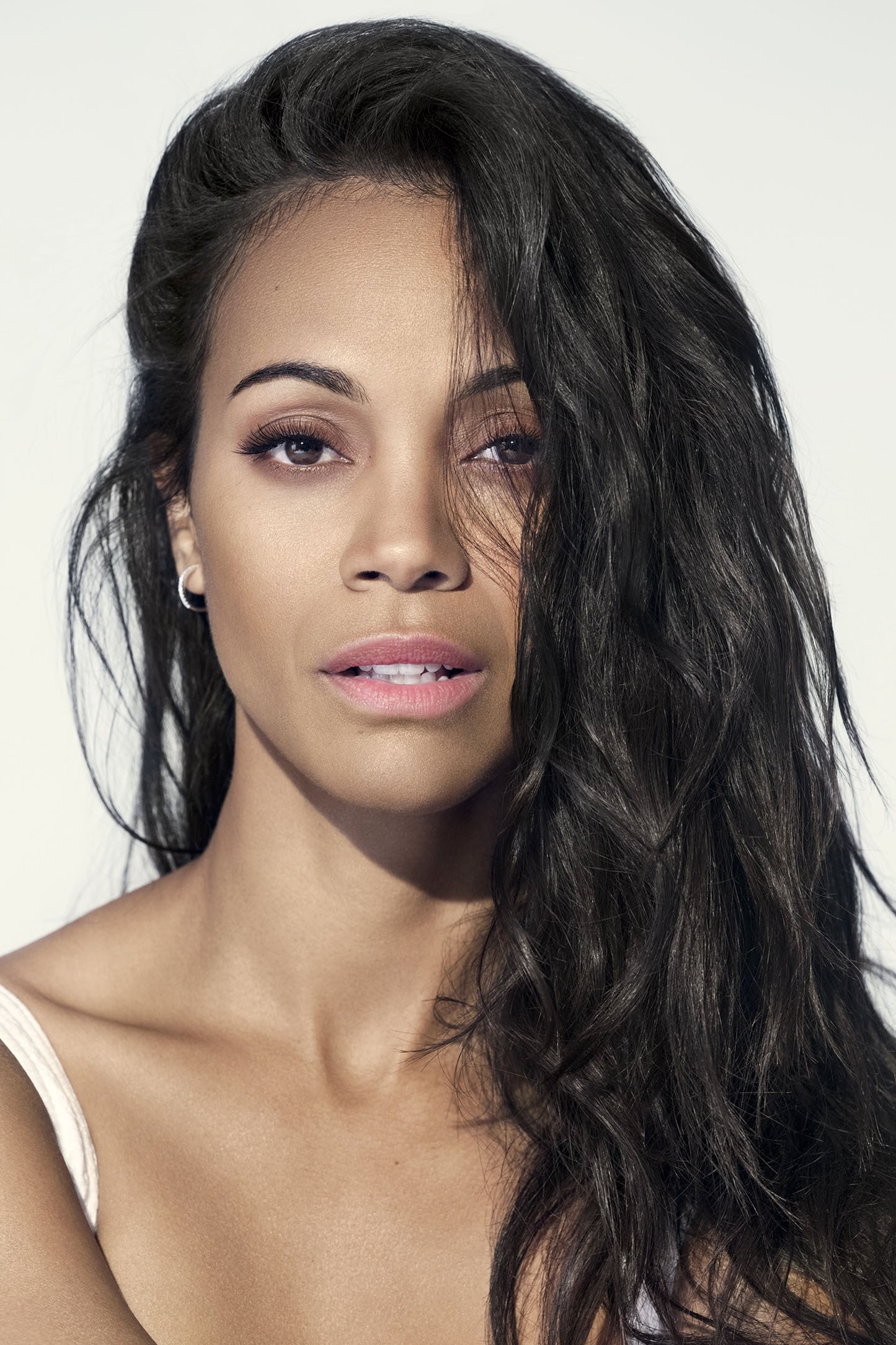
Zoe Saldana faced significant backlash for her portrayal of the singer Nina Simone in the biographical film ‘Nina’. The controversy centered on the use of skin darkening makeup and prosthetic features to make her resemble the legendary artist. Saldana initially defended the role by saying she wanted to honor Simone’s legacy and bring her story to a wider audience. Years later she expressed deep regret for the decision and apologized for taking a role she felt she was not right for. This case remains a prominent example of the debates surrounding colorism and casting in Hollywood.
Brendan Fraser
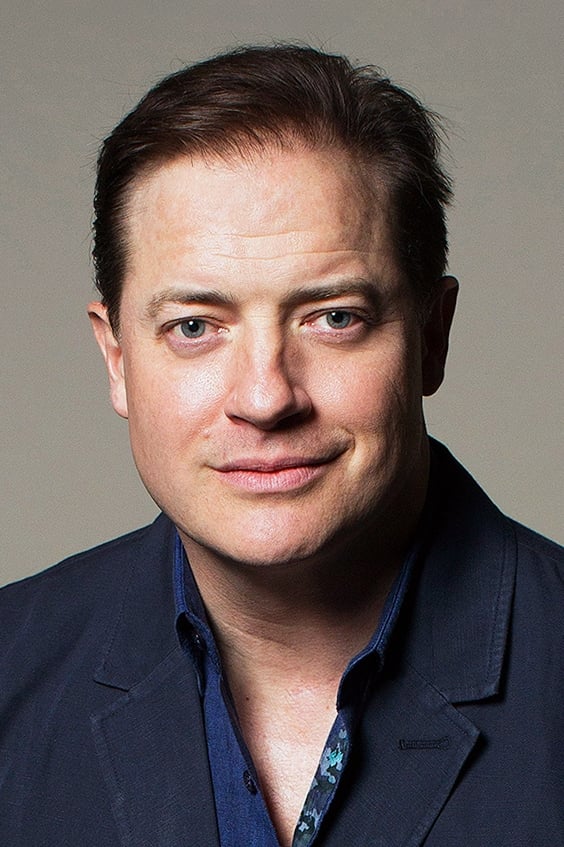
Brendan Fraser received widespread acclaim and an Academy Award for his role in ‘The Whale’ where he played a severely obese man. The use of a fatsuit and prosthetics for the role sparked a debate about whether an actor of that size should have been cast instead. Fraser defended the production by highlighting the technical skill involved in creating the look and the emotional depth of the character. Some critics argued that the portrayal was a form of caricature rather than authentic representation. The discussion centered on the ethics of using physical transformations to tell sensitive human stories.
Helen Mirren
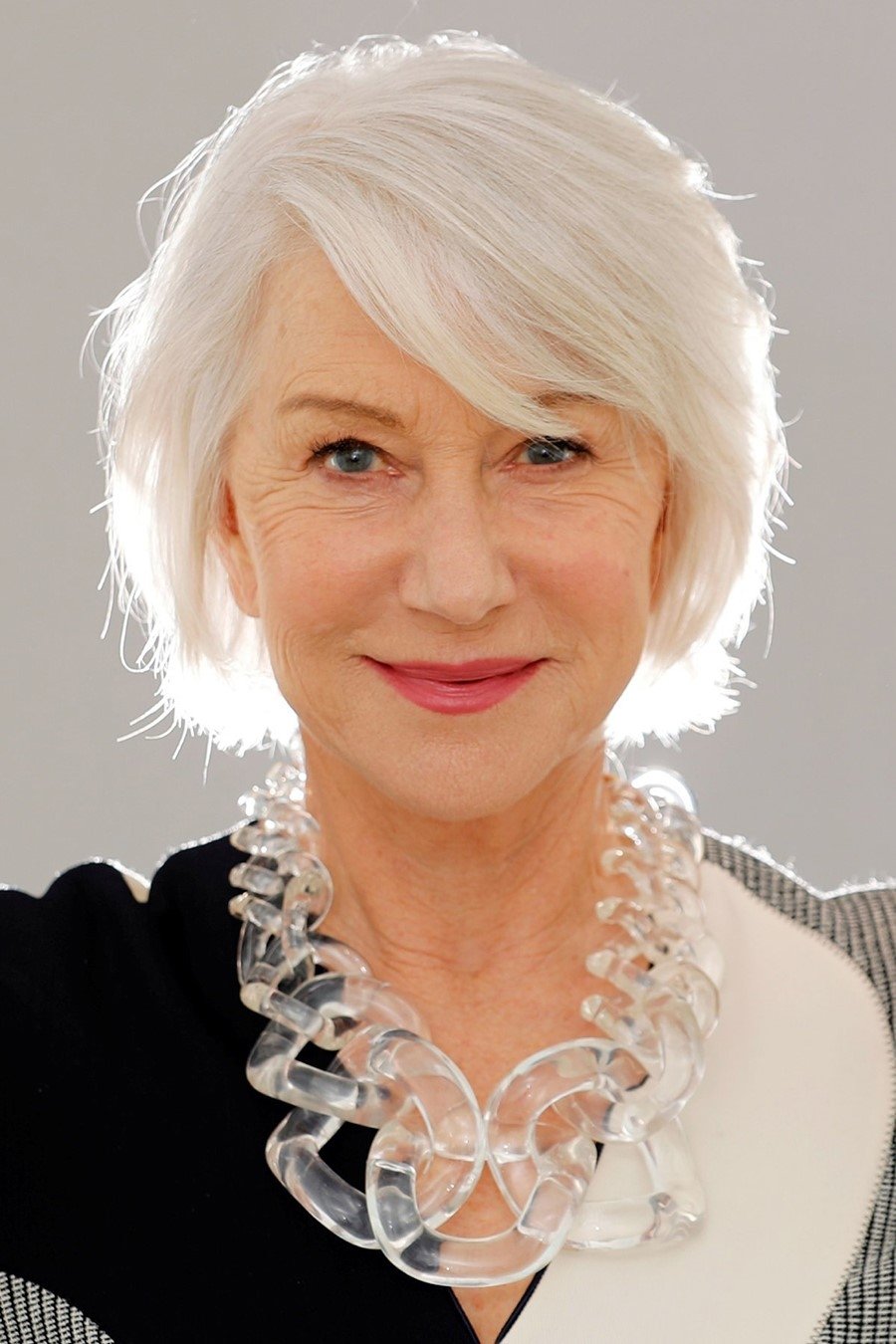
Helen Mirren was cast to play the Israeli Prime Minister Golda Meir in the biographical film ‘Golda’. The casting of a non Jewish actress to play such a prominent Jewish figure led to a public debate about cultural representation. Mirren defended her role by stating that she felt a deep connection to the character and the history of the era. She noted that the director of the film was Jewish and supported her casting as the best choice for the vision of the project. This sparked a conversation about the importance of religious and ethnic heritage in biographical filmmaking.
Bradley Cooper
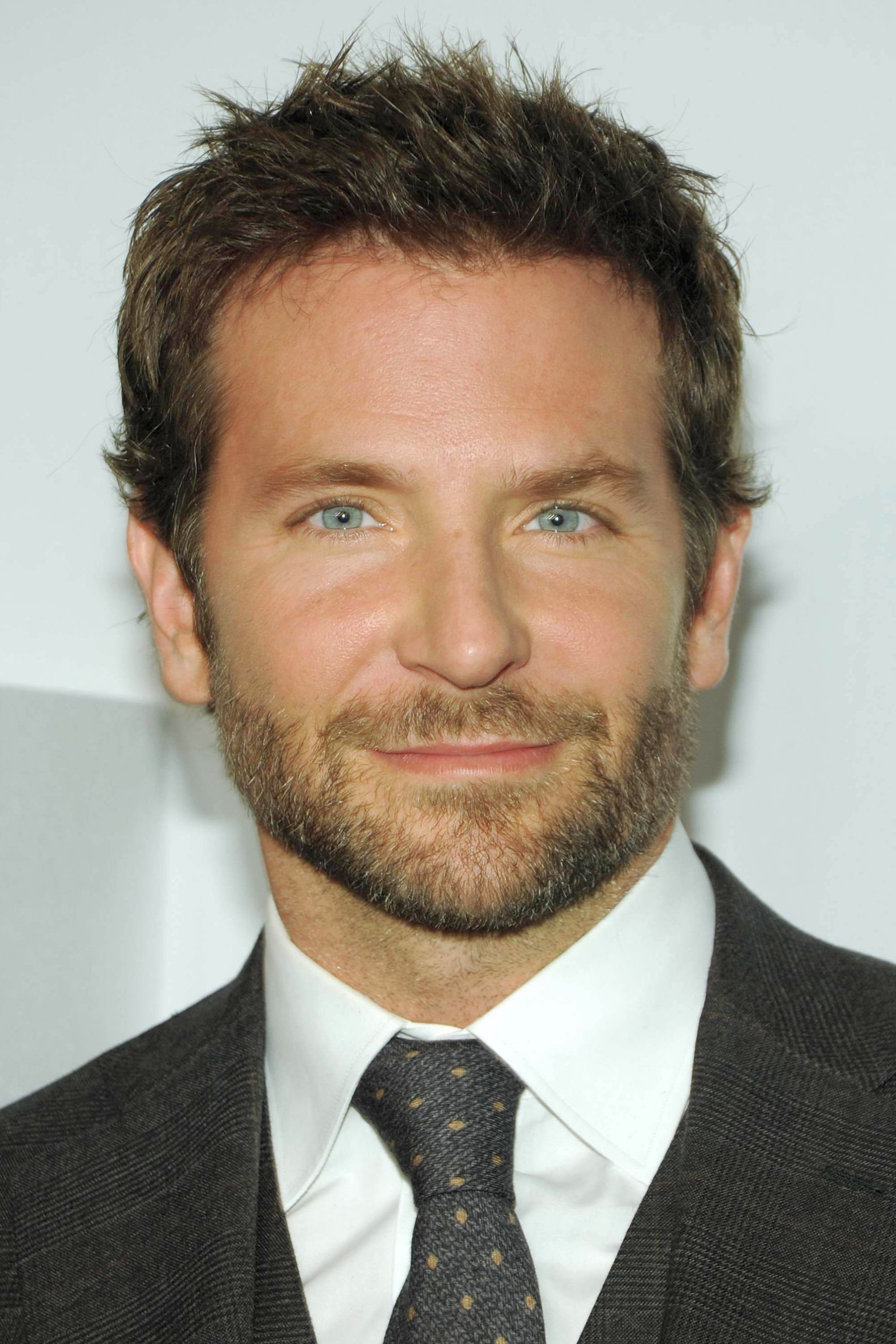
Bradley Cooper faced criticism for using a prosthetic nose to portray the composer Leonard Bernstein in the film ‘Maestro’. Many people argued that the prosthetic was an unnecessary and potentially offensive depiction of Jewish features. Cooper and the family of Bernstein defended the choice as a way to achieve a physical likeness for the biographical portrayal. The debate highlighted the fine line between artistic transformation and the use of physical stereotypes. Despite the controversy the film was a major contender during the awards season and sparked a broad discussion on makeup in film.
Anne Hathaway
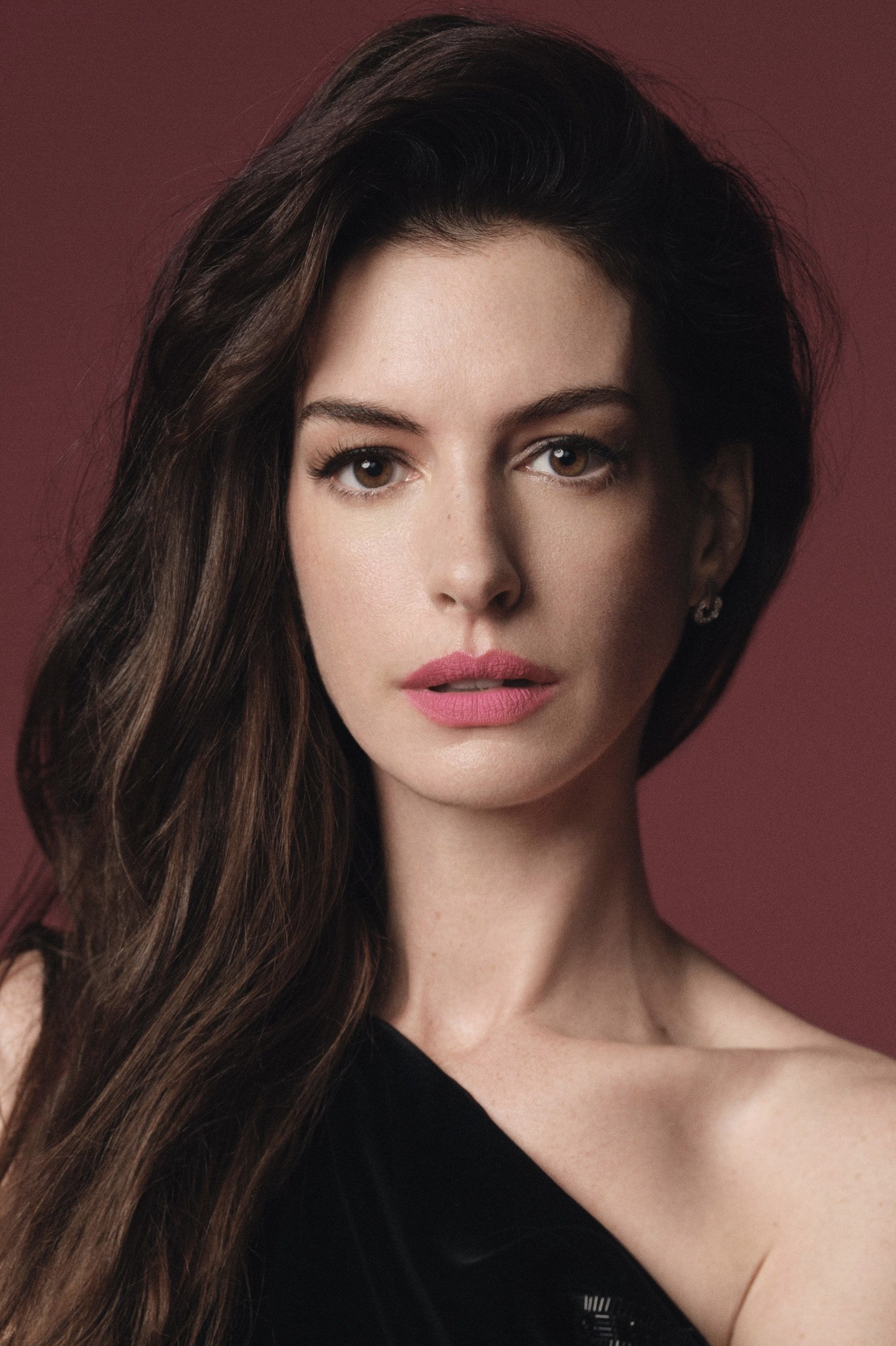
Anne Hathaway portrayed the Grand High Witch in the remake of ‘The Witches’ and the character featured physical deformities on her hands. This casting and design choice were criticized by the disability community for associating limb differences with evil characters. Hathaway and the studio issued an apology and stated that they did not intend to cause harm or perpetuate negative stereotypes. The situation showed how traditional casting and character design can have unintended consequences for specific groups. It led to a broader conversation about how disability is portrayed in fantasy films.
Armie Hammer
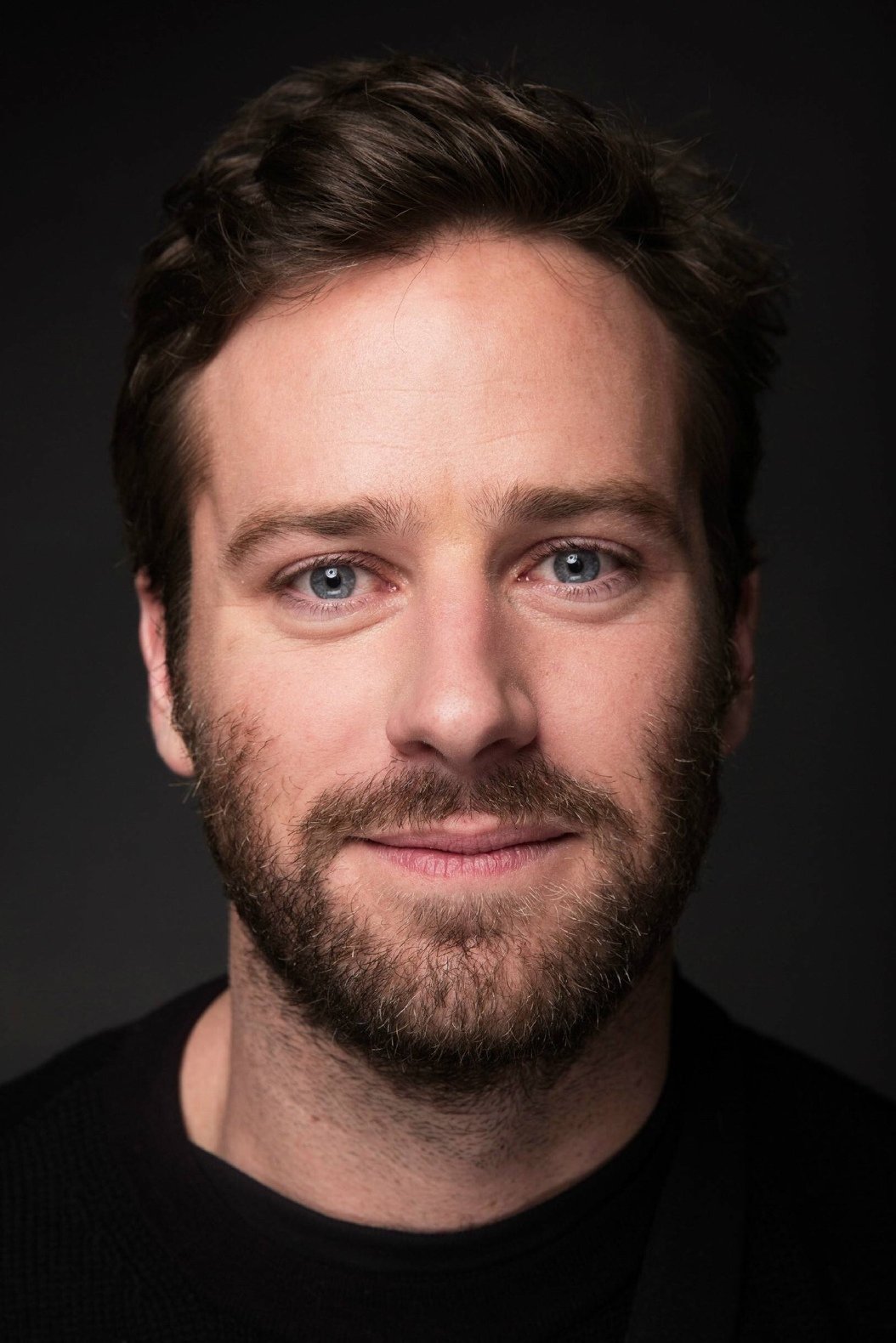
Armie Hammer starred in ‘Call Me by Your Name’ as a man in a relationship with another man which sparked discussions about straight actors in queer roles. He defended the film by emphasizing the universal nature of the love story and the chemistry between the leads. Hammer argued that the focus should be on the emotional truth of the performance rather than the personal lives of the actors. While the film was a critical success some advocates felt it was another example of straight actors taking opportunities from the LGBTQ community. The debate centered on whether the beauty of the film justified the casting choices.
Ben Affleck
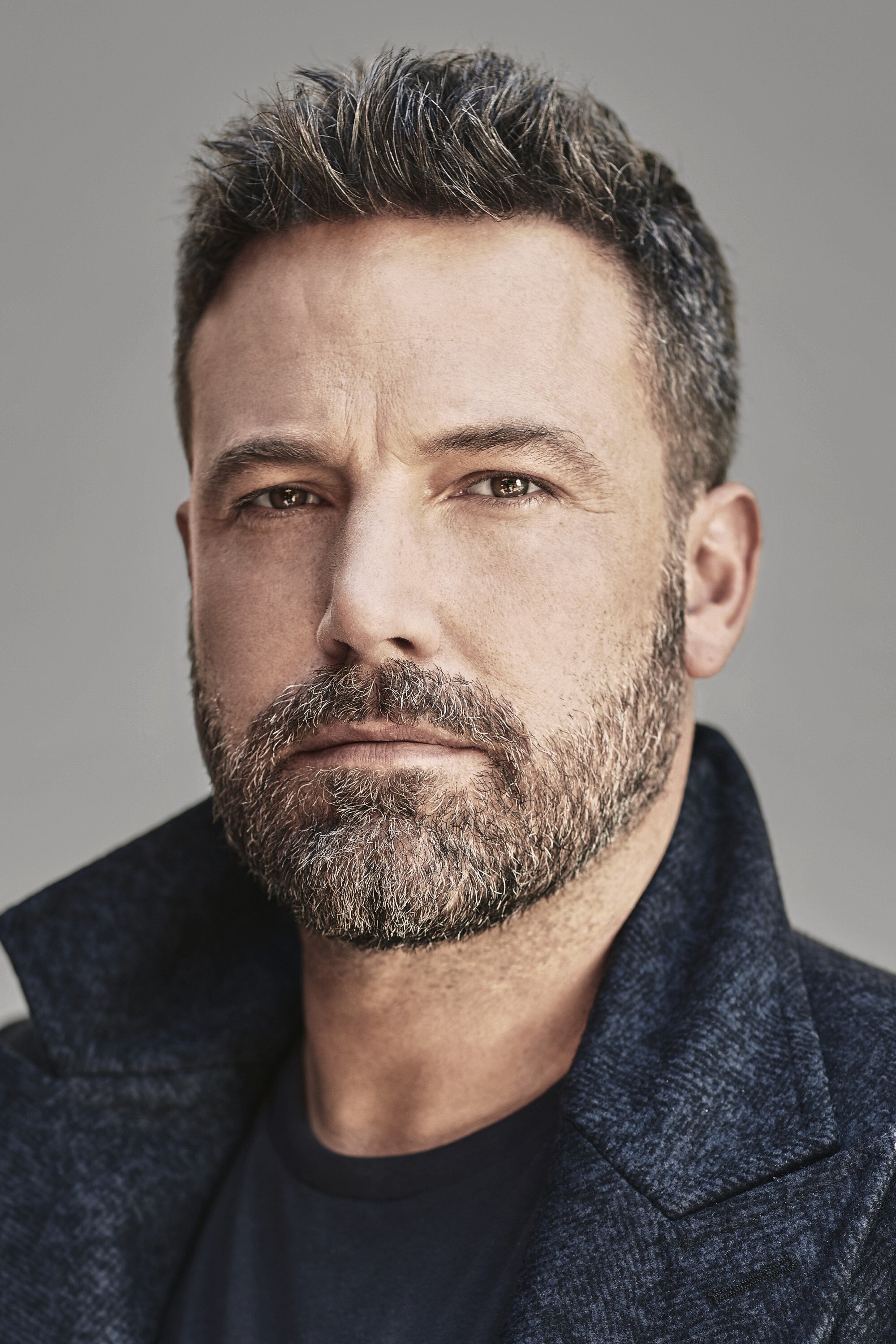
Ben Affleck directed and starred in ‘Argo’ where he played a character based on the real life CIA operative Tony Mendez who was of Mexican descent. The decision to cast himself instead of a Latino actor led to criticisms regarding the erasure of ethnic identity in historical films. Affleck did not focus on the ethnicity of the character during the production and instead emphasized the heroic nature of the story. Critics argued that this was a missed opportunity to provide a high profile role for a Latino performer. The debate highlighted the frequent practice of casting major stars in roles regardless of the real person’s heritage.
Gary Oldman
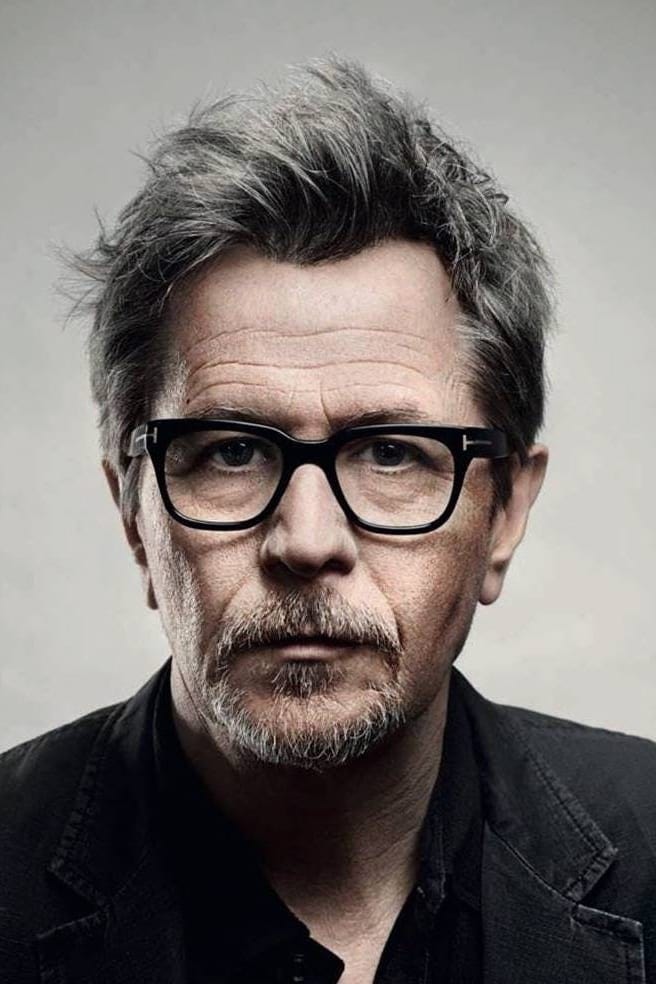
Gary Oldman won an Oscar for his transformation into Winston Churchill in the film ‘Darkest Hour’. He has consistently defended the idea that actors should be judged solely on their ability to embody a character through craft and technique. Oldman believes that the physical and psychological transformation is the highest form of acting. His comments often reflect a traditionalist view that rejects the need for identity based casting in favor of artistic excellence. This perspective is frequently supported by fans of classical acting methods who value the versatility of the performer.
Jake Gyllenhaal
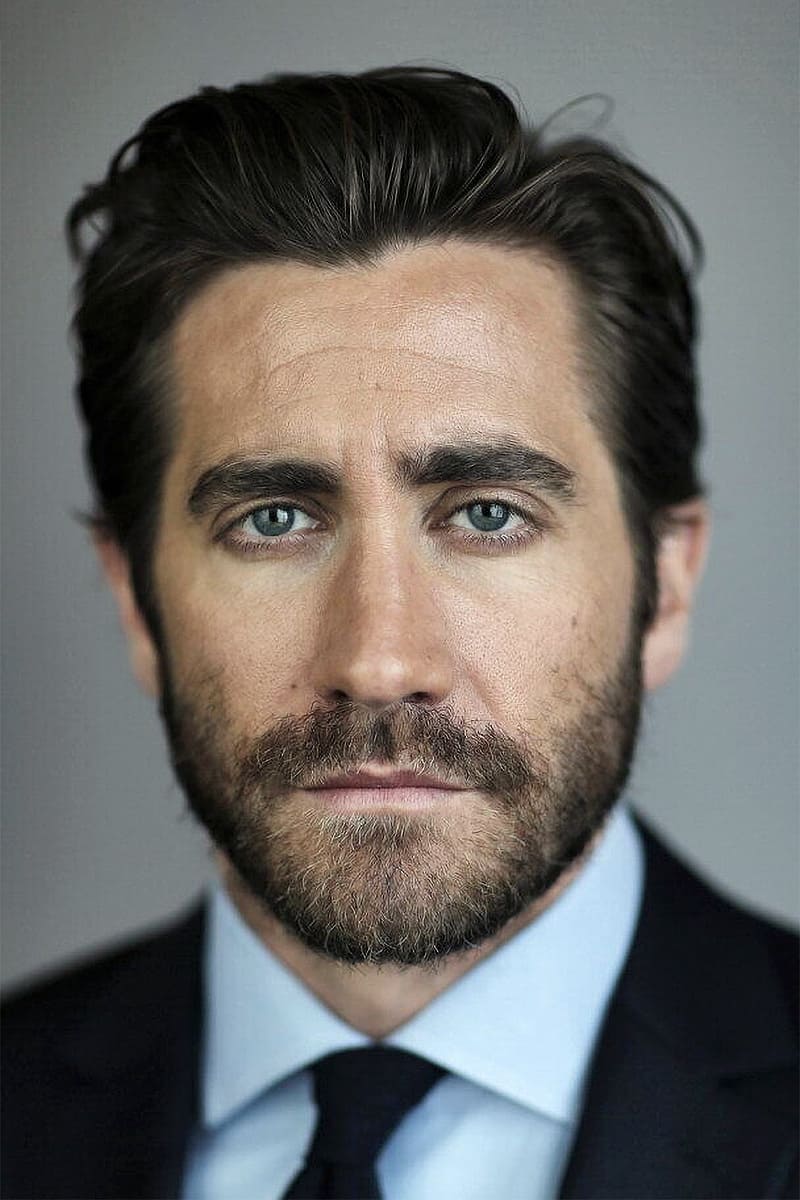
Jake Gyllenhaal was cast as the lead in ‘Prince of Persia’ which led to accusations of whitewashing since the character was of Middle Eastern descent. He later admitted that the role was not the right fit for him and that he learned a lot from the experience. At the time of the release the production defended the choice by focusing on the star power needed for a big budget action film. This incident is often cited as a turning point for how audiences react to the casting of white actors in non white roles. It sparked a lasting debate about the responsibility of actors to vet the roles they are offered.
Hilary Swank
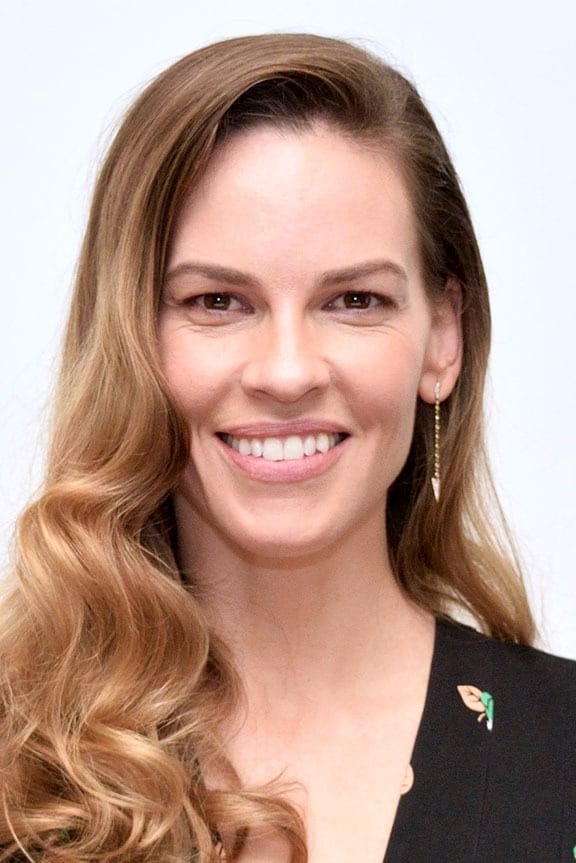
Hilary Swank won her first Academy Award for playing a transgender man in ‘Boys Don’t Cry’. She has spoken about the immense pressure and responsibility she felt while portraying a real person who suffered a tragic fate. At the time her casting was widely praised as a brave and transformative performance. In recent years the conversation has shifted toward the idea that transgender roles should be played by transgender actors. Swank has acknowledged these changes in the industry while remaining proud of the work she did to bring the story to life.
James Franco
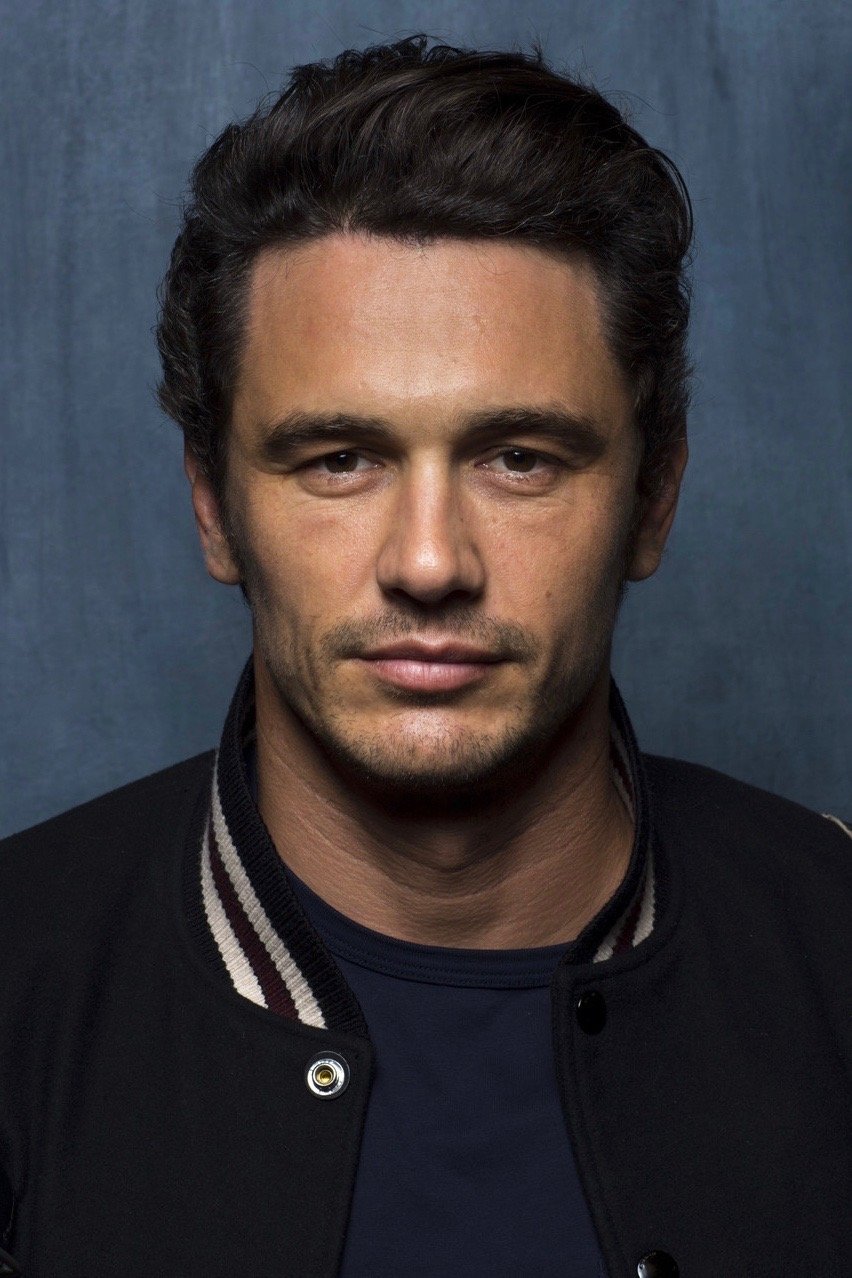
James Franco played a gay man in several films including ‘I Am Michael’ and ‘Milk’ and has defended his interest in queer stories. He stated that he is drawn to the complexity of the characters and the artistic challenges they present. Franco argued that his personal identity should not limit the types of stories he is allowed to tell as a filmmaker and actor. Some critics felt that his frequent portrayal of gay characters was a form of appropriation. The debate around his work highlighted the tension between personal interest and the need for authentic representation.
Jeffrey Tambor
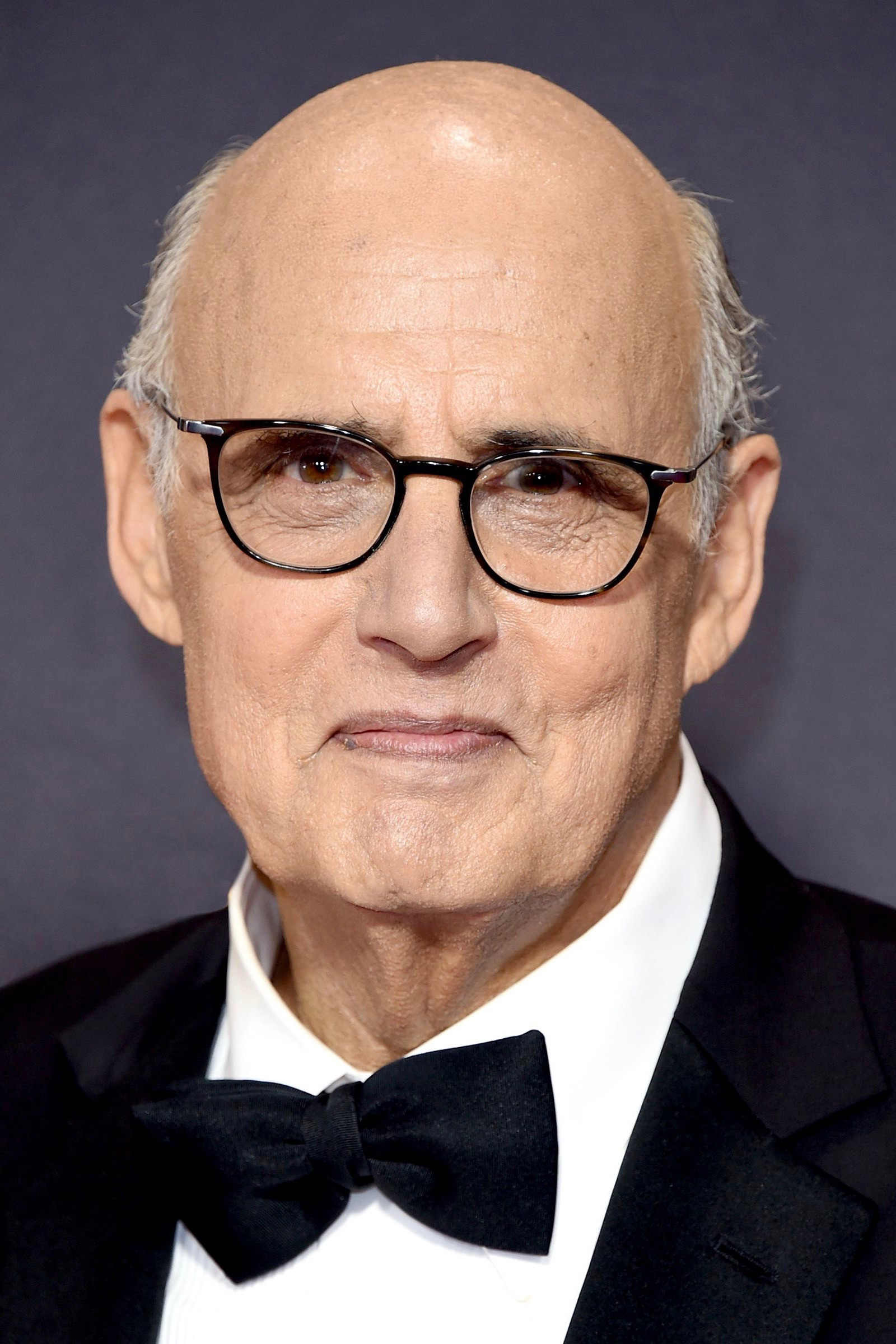
Jeffrey Tambor won multiple awards for his role as a transgender woman in the television series ‘Transparent’. He used his platform to advocate for more opportunities for transgender performers in the industry. Despite his advocacy he faced criticism for taking a role that many felt should have gone to a transgender actress. Tambor famously stated during an awards speech that he hoped he would be the last cisgender man to play a transgender woman. This comment was seen as a significant acknowledgment of the need for change in traditional casting practices.
Jonathan Groff
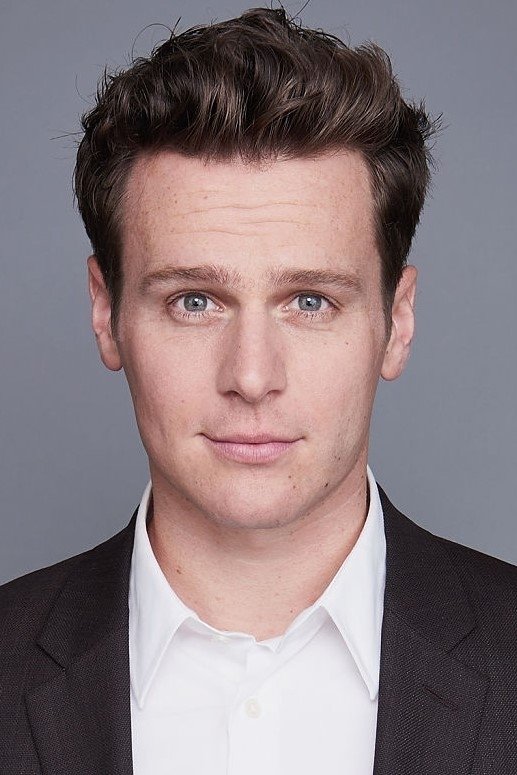
Jonathan Groff is an openly gay actor who has played both gay and straight roles throughout his successful career. He has expressed the view that the goal for all actors should be the ability to play any role regardless of their personal life. Groff believes that the industry is moving toward a place where identity is less of a barrier for all performers. His success in diverse roles is often used as an example of why casting should remain open and based on talent. He remains a positive figure in the ongoing discussion about the future of representation in Hollywood.
Joseph Fiennes
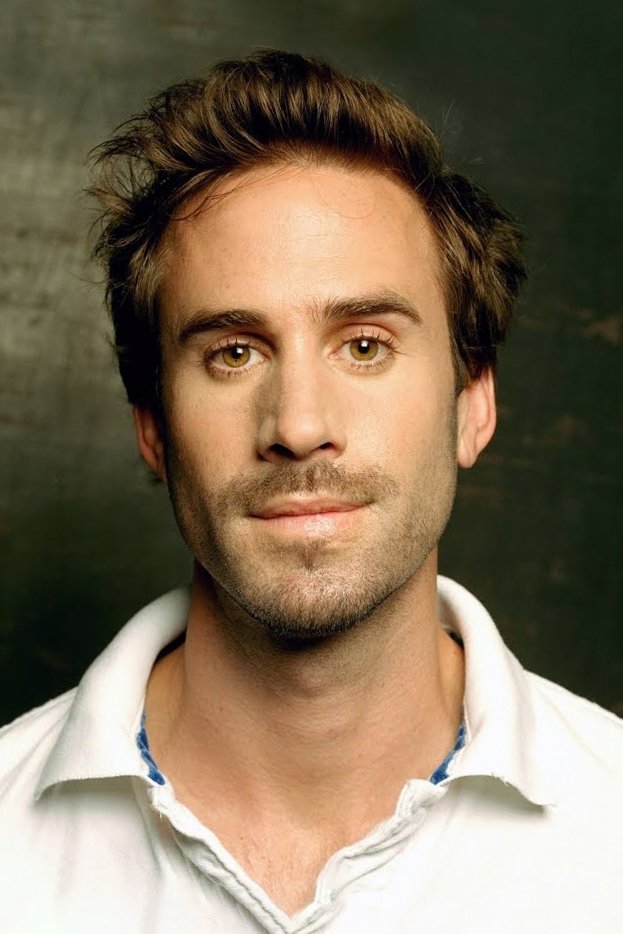
Joseph Fiennes was cast to play Michael Jackson in a British television comedy which caused an immediate and intense public outcry. The decision to cast a white actor as a Black icon was seen as highly offensive and a form of whitewashing. Fiennes defended the role by noting that the project was a lighthearted and fantastical take on a specific urban legend. Due to the extreme backlash the episode was never aired by the network. This incident demonstrated the clear limits of traditional casting when it comes to portraying real people of different races.
Meryl Streep
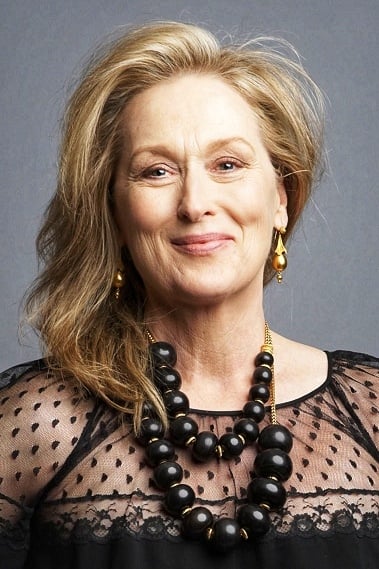
Meryl Streep is often cited as the ultimate example of an actor who can transform into any character regardless of their background. She has played a wide variety of roles including real historical figures like Margaret Thatcher and fictional characters from different walks of life. Streep has consistently supported the idea that the heart of acting is empathy and the search for a common humanity. Her career is often used to argue that the best actors should be allowed to take on any challenge. She remains a firm believer in the traditional standards of the acting profession.
Naomi Watts
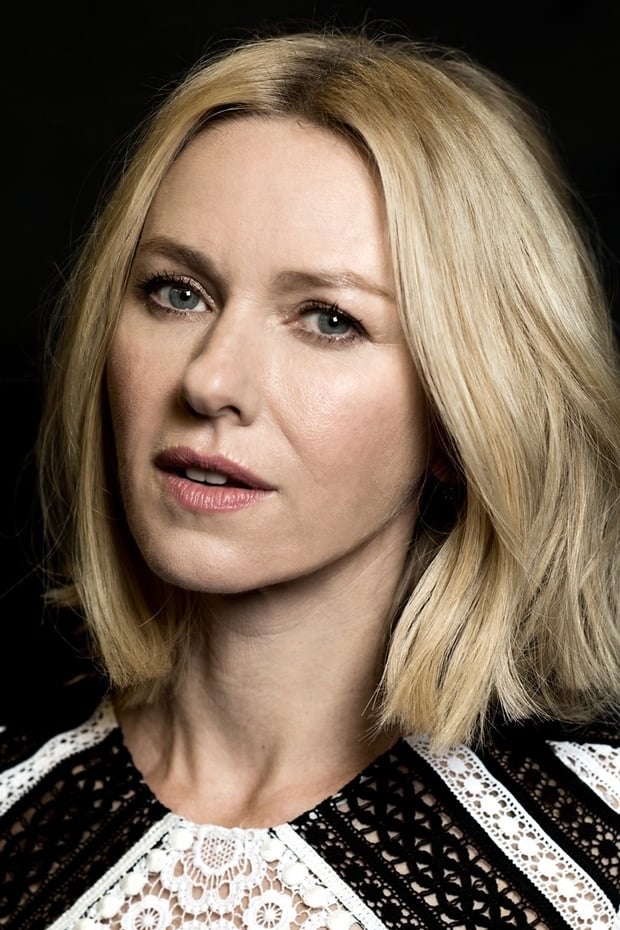
Naomi Watts played Princess Diana in the biographical film ‘Diana’ and faced scrutiny over her ability to capture the likeness of the royal icon. She defended her decision to take the role by stating that she wanted to explore the private side of a public figure. The film was criticized for its script and direction but the debate also touched on the difficulties of casting such a recognizable person. Watts expressed that she felt a great deal of pressure to get the performance right for the audience. The situation showed how traditional casting can be a double edged sword for major stars.
Natalie Portman
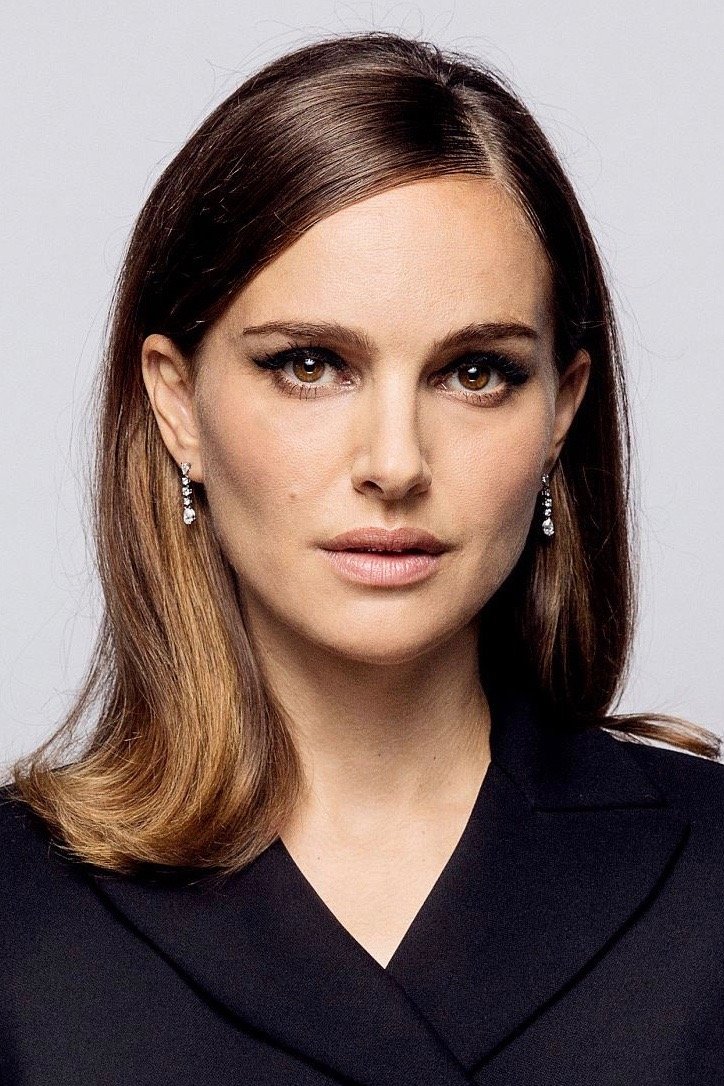
Natalie Portman won an Oscar for her role in ‘Black Swan’ where she played a professional ballerina. The production used a dance double for many of the complex sequences which sparked a debate about the authenticity of the performance. Portman defended the work she put into the role and the training she underwent to prepare. Critics argued that the film should have credited the professional dancer more prominently for her contribution. This debate centered on the definition of a performance and the use of doubles in traditional acting.
Nicole Kidman
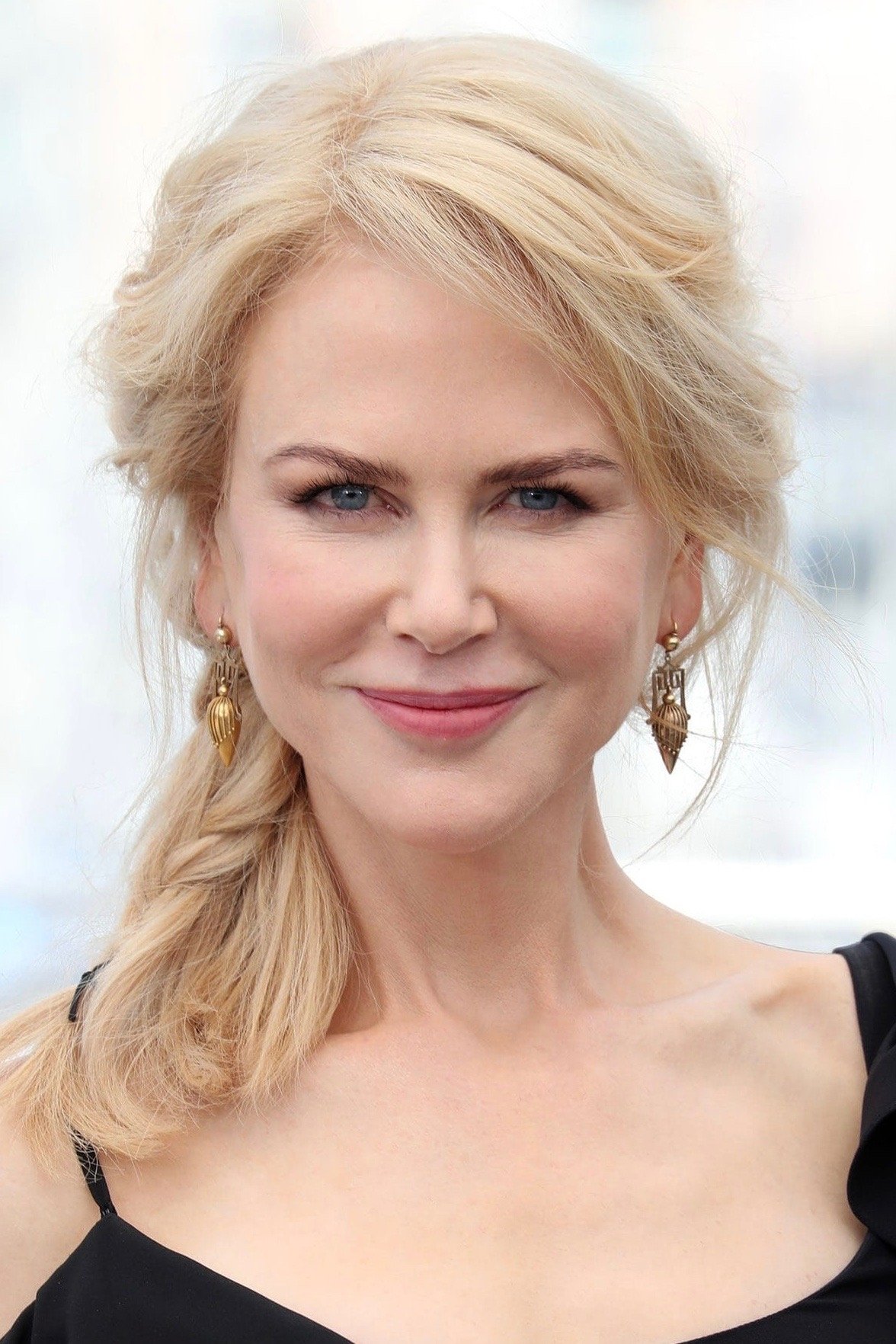
Nicole Kidman wore a prosthetic nose to play Virginia Woolf in ‘The Hours’ and won an Academy Award for her performance. She has defended the use of physical alterations as a way to get closer to the truth of a character. Kidman believes that the goal of the actor is to disappear completely into the role. Some people argued that the prosthetic was a distraction and that a different actress might have been a more natural fit. The debate around her transformation remains a classic example of the use of makeup in high level acting.
Robert Downey Jr.
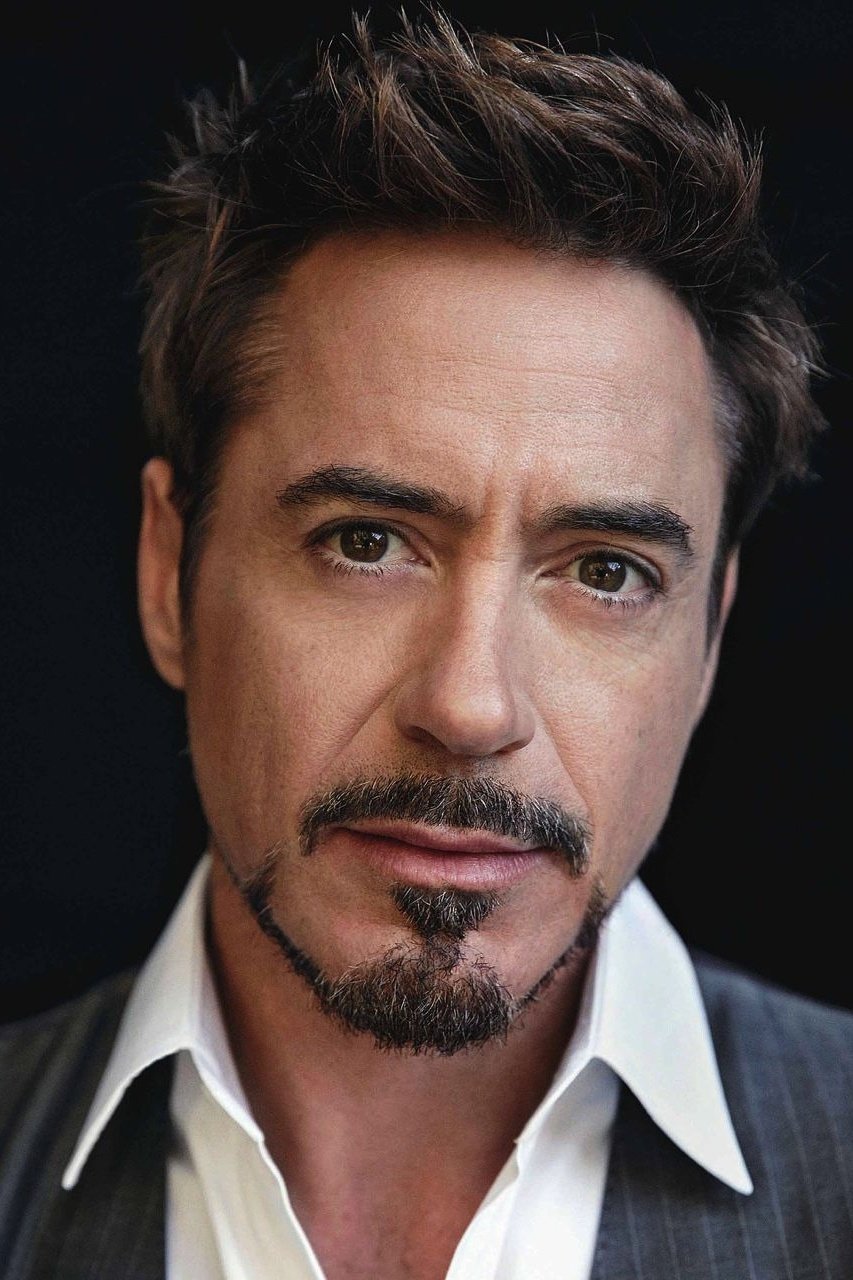
Robert Downey Jr. played a character who wore blackface for a satirical role in the comedy ‘Tropic Thunder’. He has defended the performance by stating that the film was a satire of the industry and the lengths that actors will go to for a role. While the performance was critically acclaimed and earned him an Oscar nomination it remains a subject of intense debate. Downey Jr. noted that he was hesitant to take the role but believed in the message of the film. The discussion surrounding this role often focuses on the boundaries of satire and traditional performance.
Russell Crowe
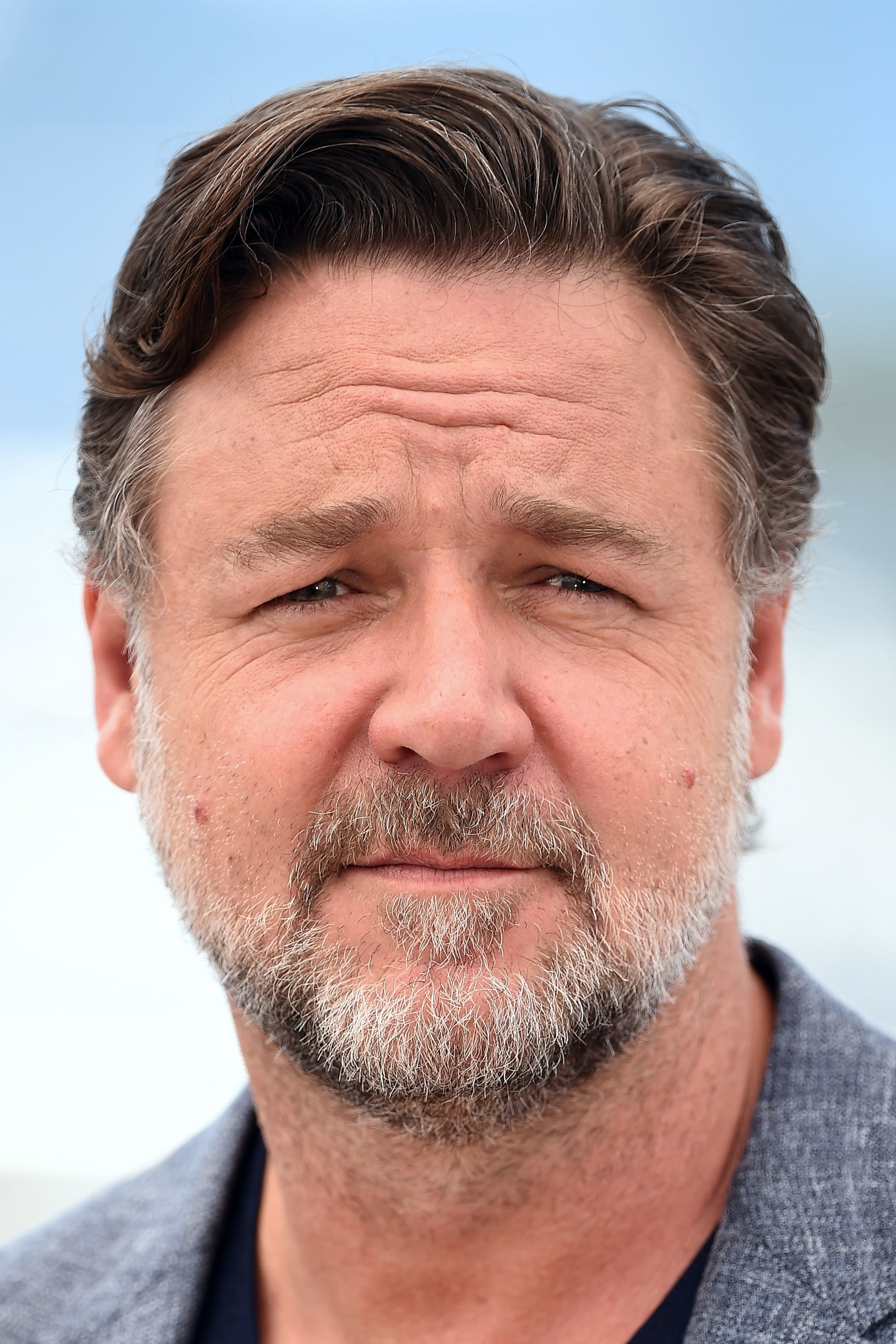
Russell Crowe played a character with schizophrenia in ‘A Beautiful Mind’ and his performance was widely praised by critics and audiences. The casting led to a discussion about whether actors who have experienced mental health issues should be prioritized for such roles. Crowe defended his approach by stating that he spent a significant amount of time researching the condition to ensure accuracy. He believed that his job was to provide a compassionate and realistic portrayal of the real life individual. This remains a key example of the debate over representation of mental health in cinema.
Stanley Tucci
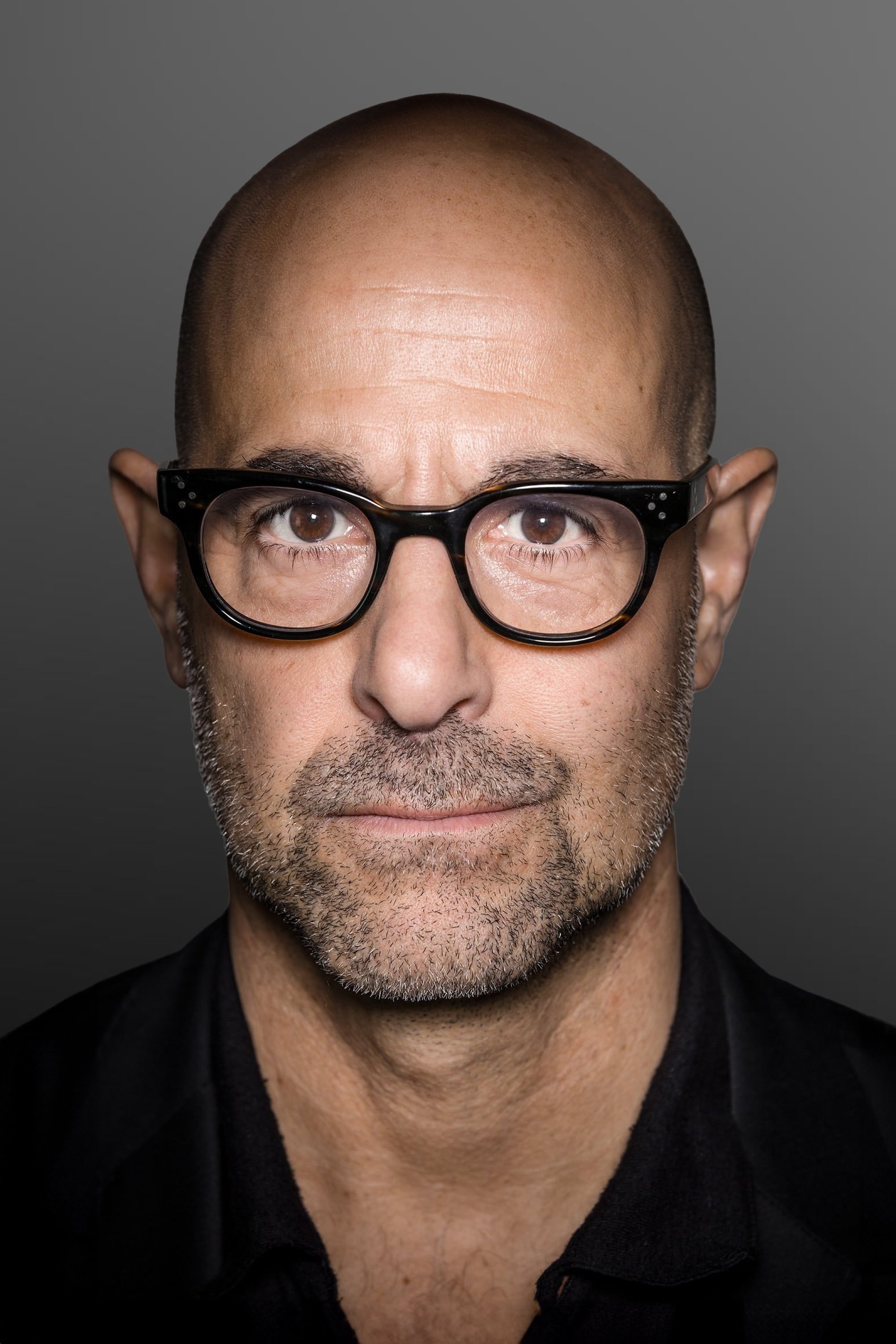
Stanley Tucci has played several gay characters throughout his career and has defended the practice of straight actors taking these roles. He stated that he is an actor and that the point of the profession is to play people other than yourself. Tucci argued that as long as the performance is respectful and well researched it should be acceptable. He noted that he has received a lot of positive feedback from the LGBTQ community for his portrayals. His comments reflect a belief in the traditional flexibility of the acting craft.
Timothée Chalamet
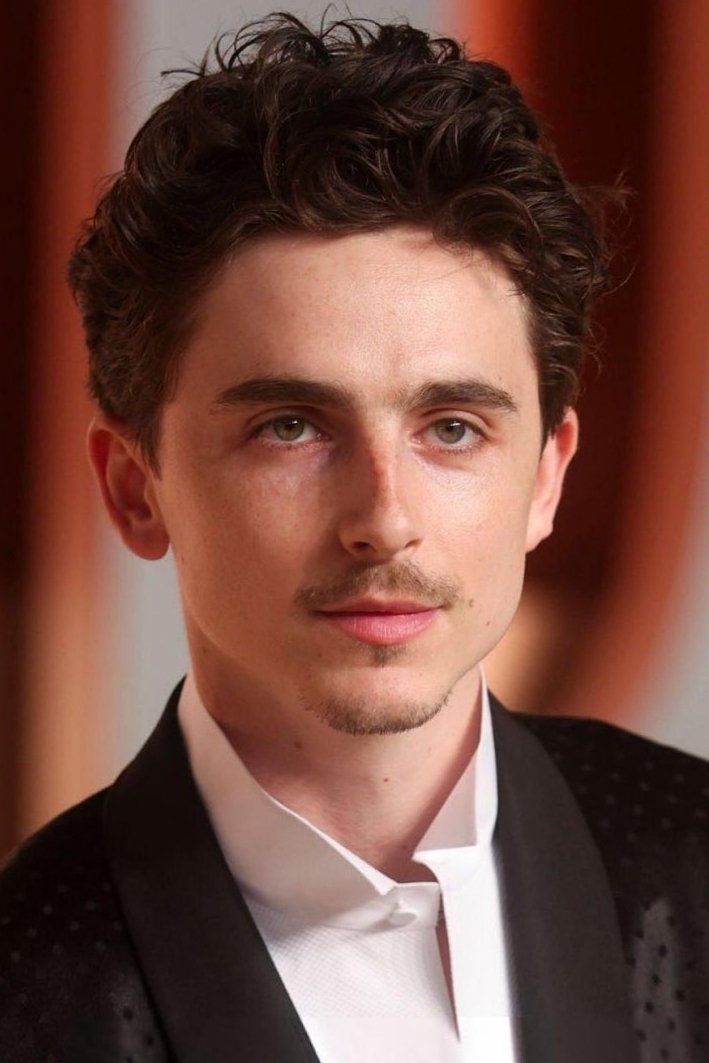
Timothée Chalamet rose to international fame for his role in ‘Call Me by Your Name’ where he played a young man discovering his sexuality. He has been supportive of the film and the way it handled the relationship between the two main characters. Chalamet argued that the story was about the universal experience of first love and heartbreak. Some critics questioned whether the role should have been given to an actor who identifies as queer. The debate around his casting highlighted the continued popularity of casting rising stars in breakthrough queer roles.
Tom Hardy
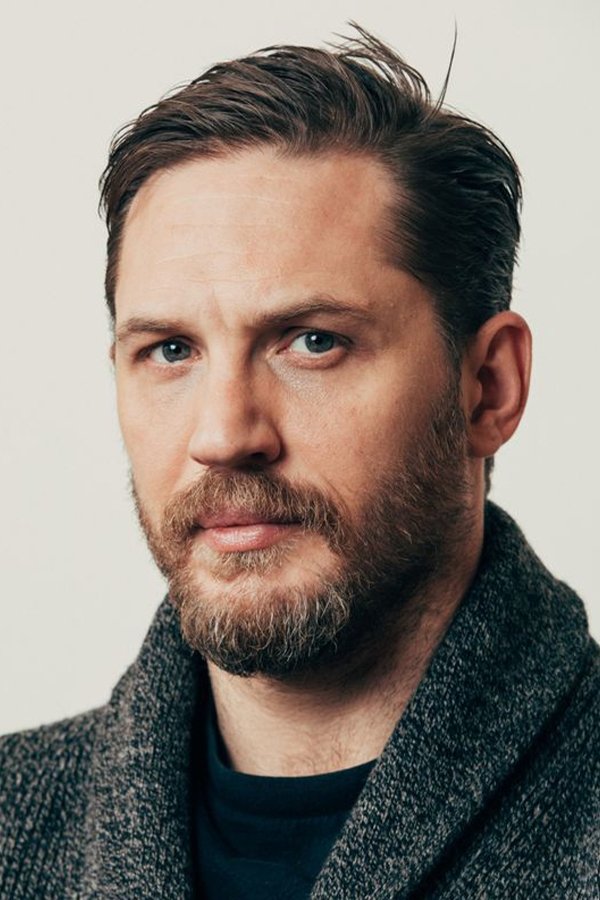
Tom Hardy played the real life criminal Charles Bronson in the film ‘Bronson’ and underwent a massive physical transformation. He has often spoken about the need to fully commit to a role regardless of how different the character is from his own life. Hardy believes that the physical demands of a role are just as important as the emotional ones. His intense acting style is often seen as a defense of the traditional method where the actor becomes the character. He remains a favorite among those who value high intensity and transformative performances.
Will Smith
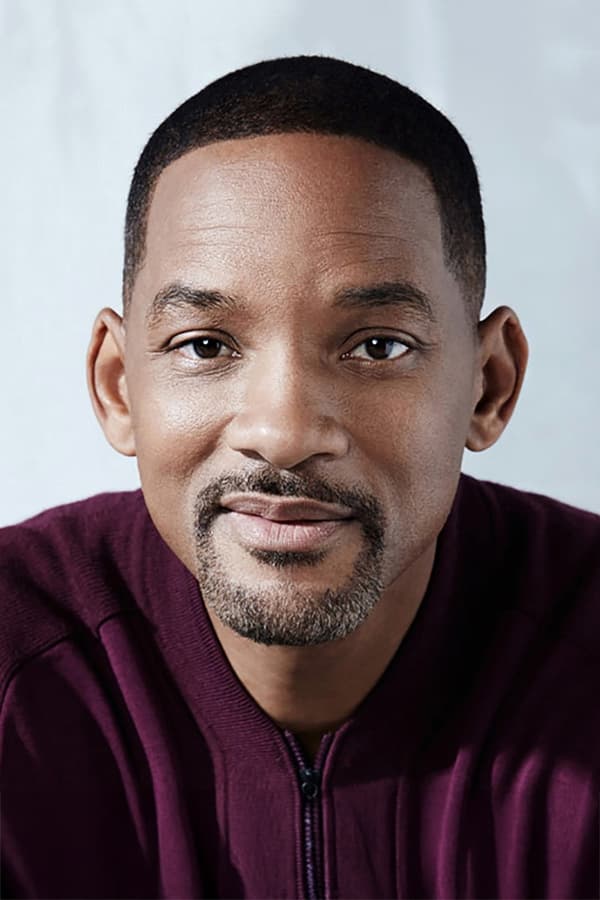
Will Smith played the father of Venus and Serena Williams in ‘King Richard’ and won an Academy Award for his performance. The casting was initially criticized by some who felt that a darker skinned actor should have been chosen to more accurately represent Richard Williams. Smith defended the role by focusing on the emotional core of the father daughter relationship and the universal themes of hard work. The controversy led to a broader discussion about colorism within the Black community and Hollywood. Smith maintained that his goal was to honor the family and their incredible story.
Andrew Garfield
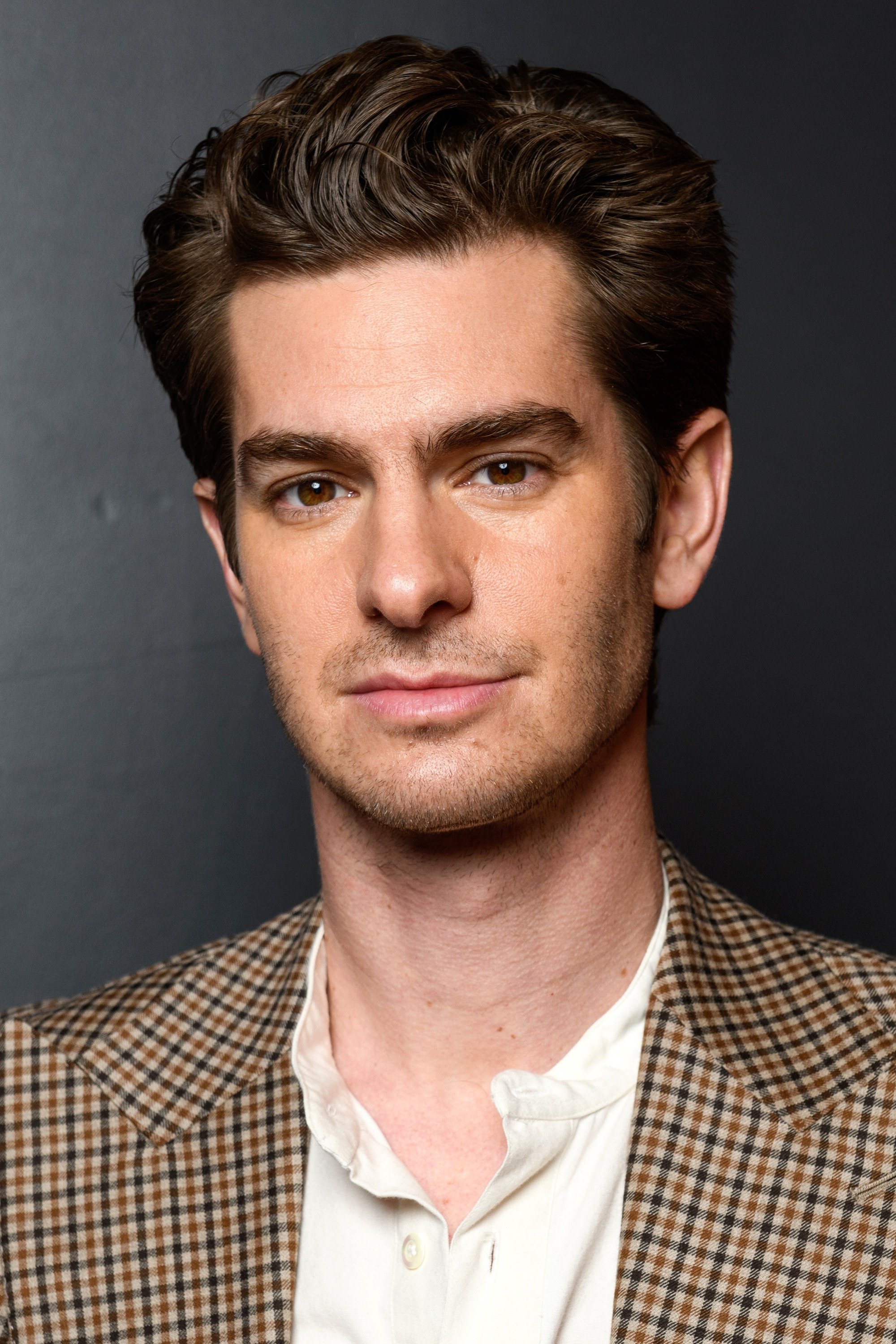
Andrew Garfield played a gay man in the play ‘Angels in America’ and faced questions about his right to take on such a significant role. He stated that he felt a deep responsibility to the community and spent a lot of time preparing and listening to stories. Garfield argued that the play is a masterpiece that should be accessible to all actors who are willing to do the work. His comments about being a gay man without the physical act sparked some confusion and debate in the media. He ultimately received high praise for his performance in the production.
Emma Stone

Emma Stone was cast as a character of Chinese and Hawaiian descent in the film ‘Aloha’ which led to a massive whitewashing controversy. She later expressed deep regret for the casting and apologized for her part in the project. Stone stated that she had become the butt of many jokes and learned a valuable lesson about the importance of representation. At the time of the release the director defended the choice by saying the character was based on a real person who looked like Stone. This incident is frequently cited as a major failure of traditional casting in the modern era.
Felicity Huffman
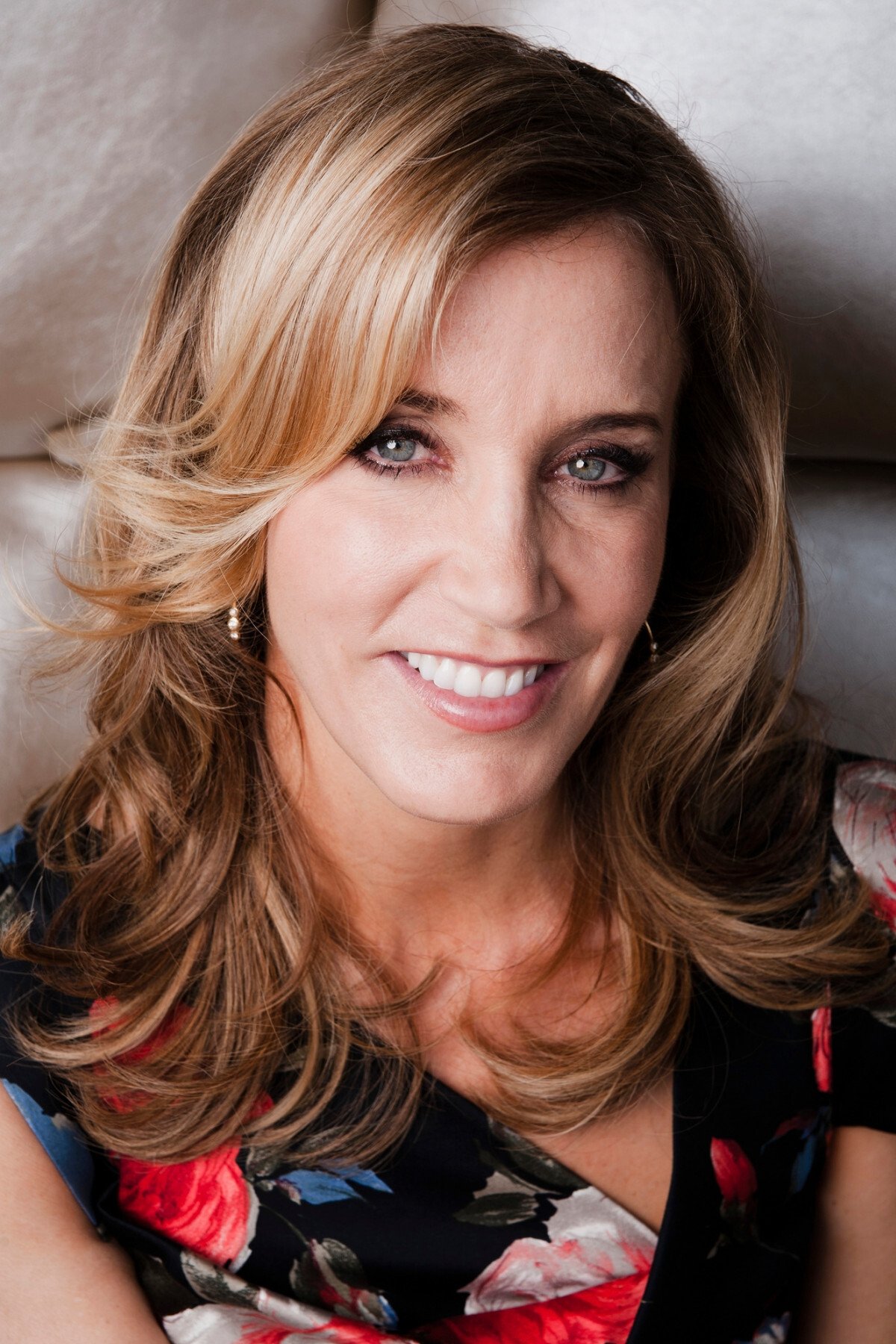
Felicity Huffman received an Oscar nomination for her role as a transgender woman in the film ‘Transamerica’. She spent a significant amount of time working with a voice coach and researching the experiences of transgender individuals. At the time the performance was considered a career defining achievement for the actress. In the years since the film was released the conversation has shifted toward the importance of casting transgender performers in these roles. Huffman has acknowledged the evolution of the industry and the need for more authentic representation.
Gwyneth Paltrow
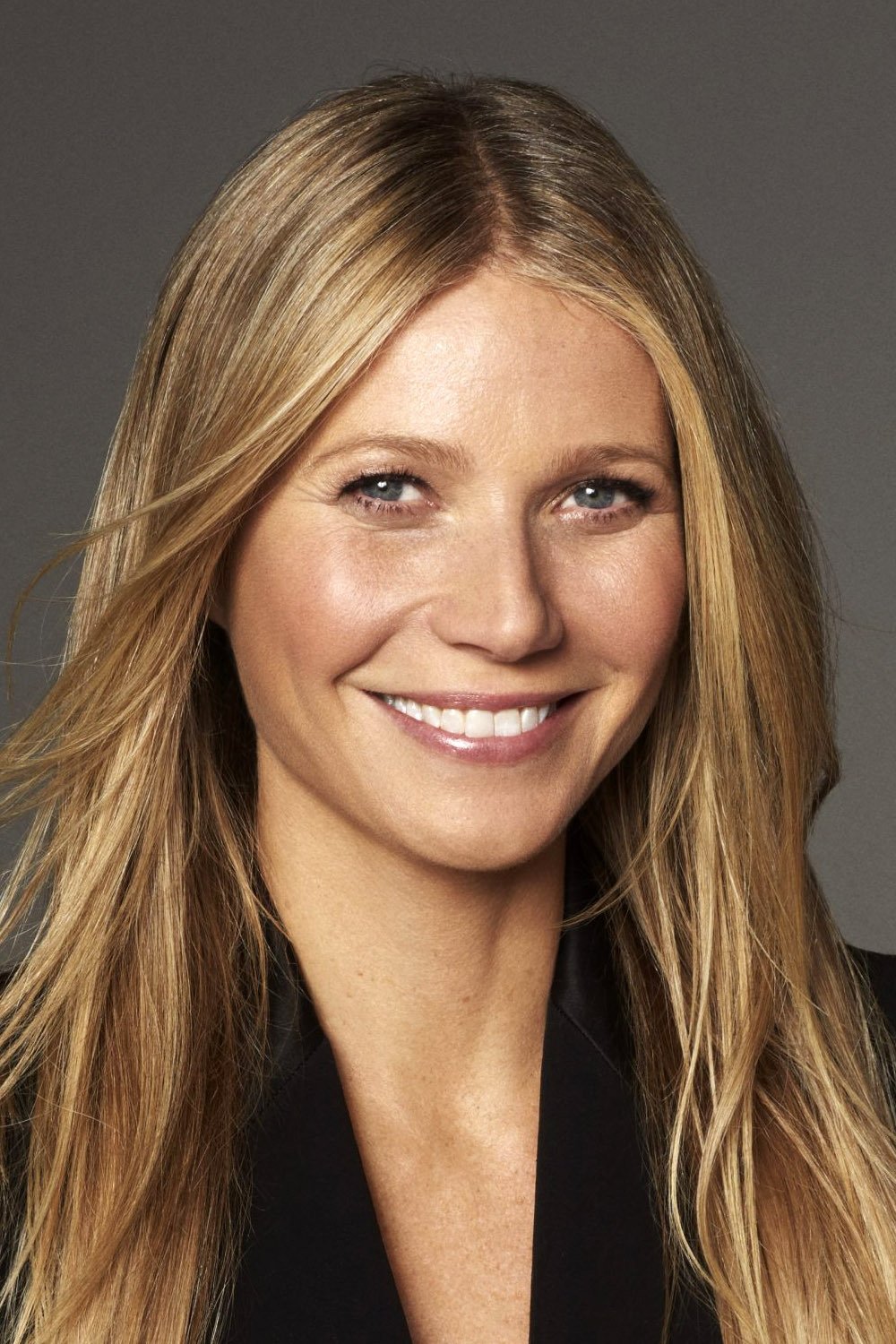
Gwyneth Paltrow played a character who was depicted as being very large in the comedy ‘Shallow Hal’ through the use of a fatsuit. She later described the experience as being very eye opening and stated that she felt invisible when she wore the suit in public. The film was criticized for using physical size as a comedic device and for not casting a plus size actress. Paltrow has since focused more on her lifestyle brand but the film remains a point of discussion in the debate over body representation. The controversy highlighted the issues with using prosthetics to portray different body types.
Heath Ledger
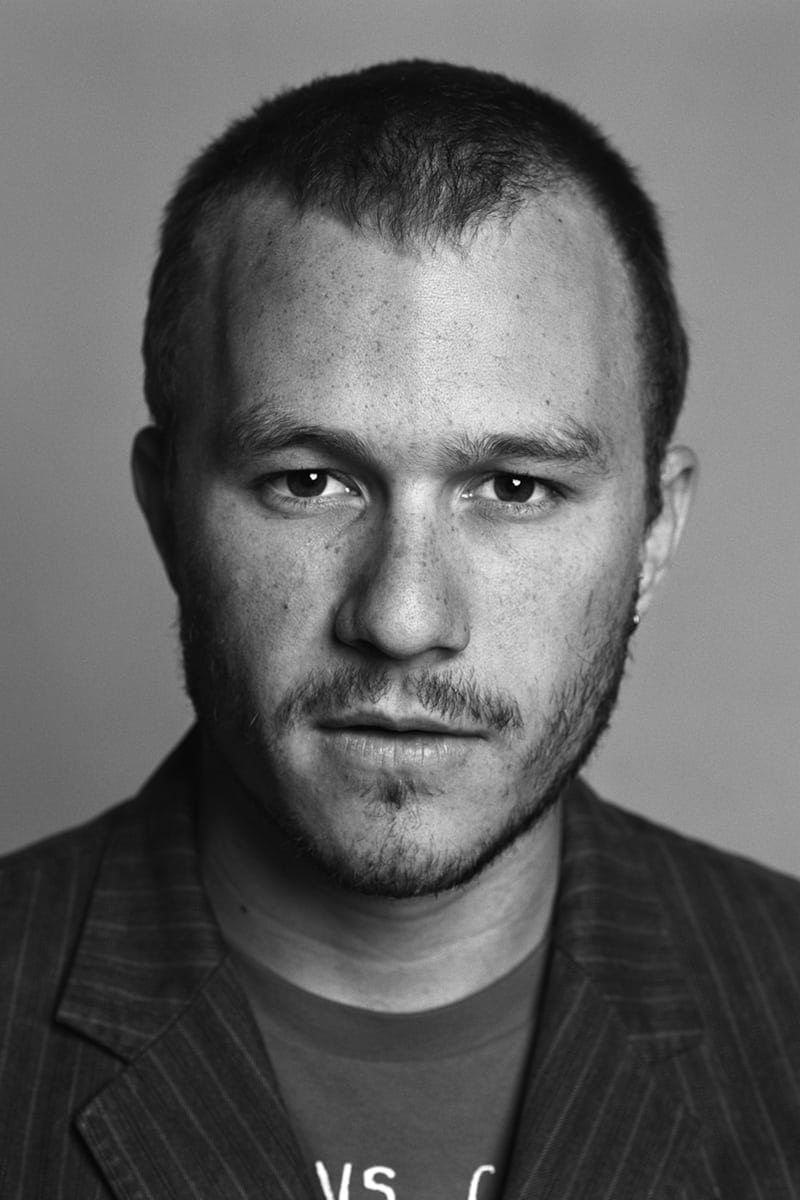
Heath Ledger gave an iconic performance as a gay cowboy in the film ‘Brokeback Mountain’ which broke many barriers in Hollywood. He defended the film against those who sought to label it as just a gay movie by focusing on the human elements of the story. Ledger believed that the film was a universal tragedy about the inability to be one’s true self. While the casting of two straight leads was debated it was also seen as a necessary step to get the film made at the time. His performance remains a landmark in the history of queer cinema and traditional casting.
Philip Seymour Hoffman
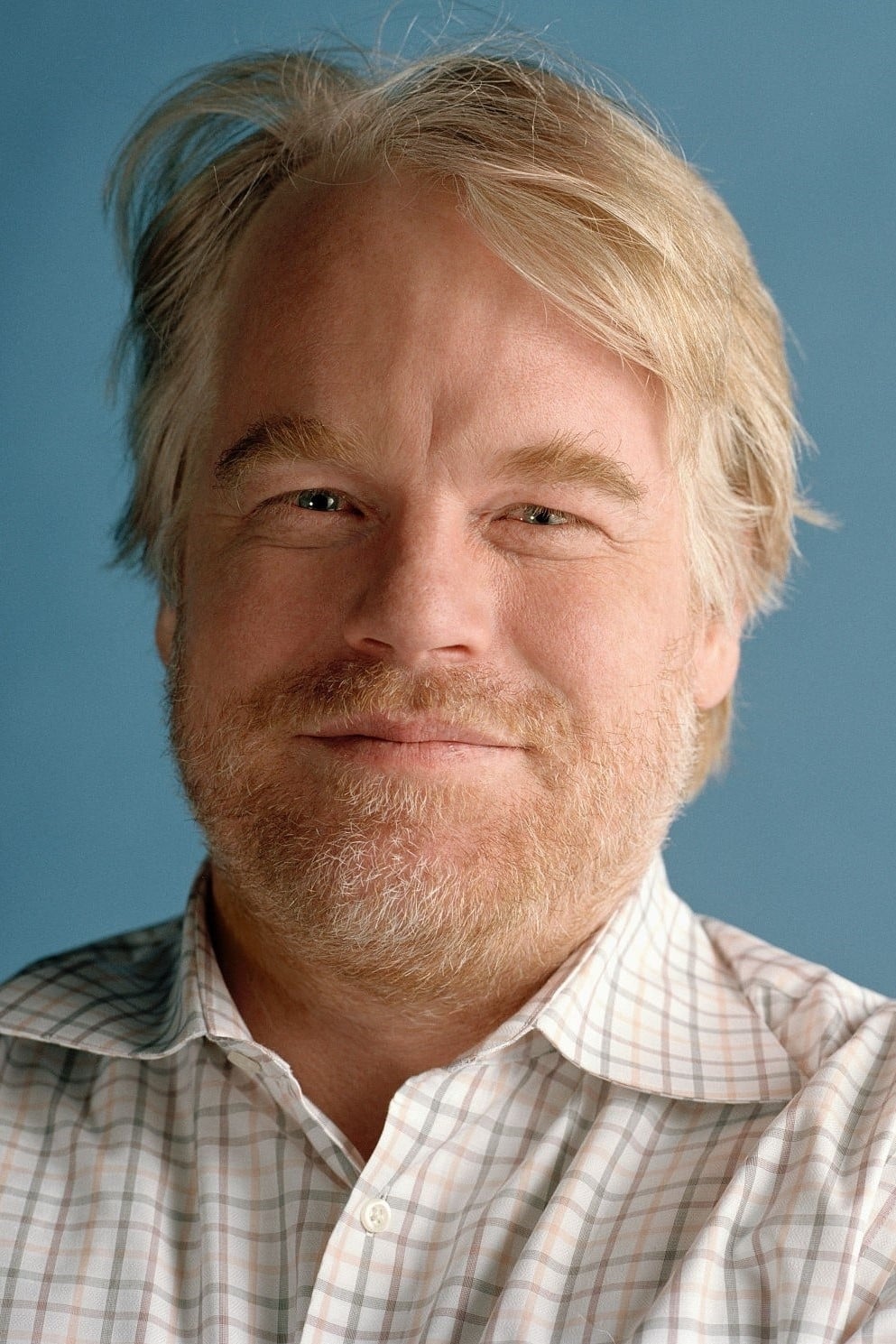
Philip Seymour Hoffman won an Academy Award for his portrayal of the writer Truman Capote in the film ‘Capote’. He was known for his incredible ability to disappear into characters who were often very different from himself. Hoffman believed that the job of the actor was to find the truth in any human being regardless of their flaws or background. His career is often held up as a standard for what traditional casting can achieve when paired with immense talent. He remains one of the most respected actors of his generation for his dedication to the craft.
Laurence Fox
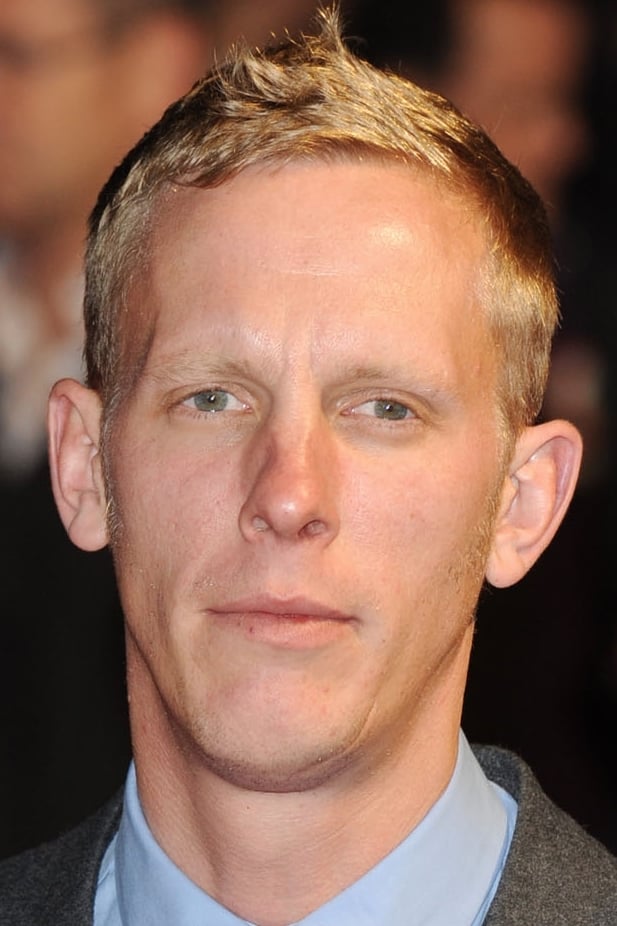
Laurence Fox has been a vocal opponent of what he describes as woke culture in the entertainment industry and its impact on casting. He has argued that the focus on diversity and representation is undermining the quality of storytelling and the merit of actors. Fox believes that roles should be given to the best performers regardless of their background or identity. His outspoken views have made him a controversial figure and have led to many public debates about the future of the industry. He remains a prominent critic of the shift away from traditional casting methods.
Share your thoughts on these casting choices in the comments.