


Celebs Who Boycotted Awards Over Political Snubs

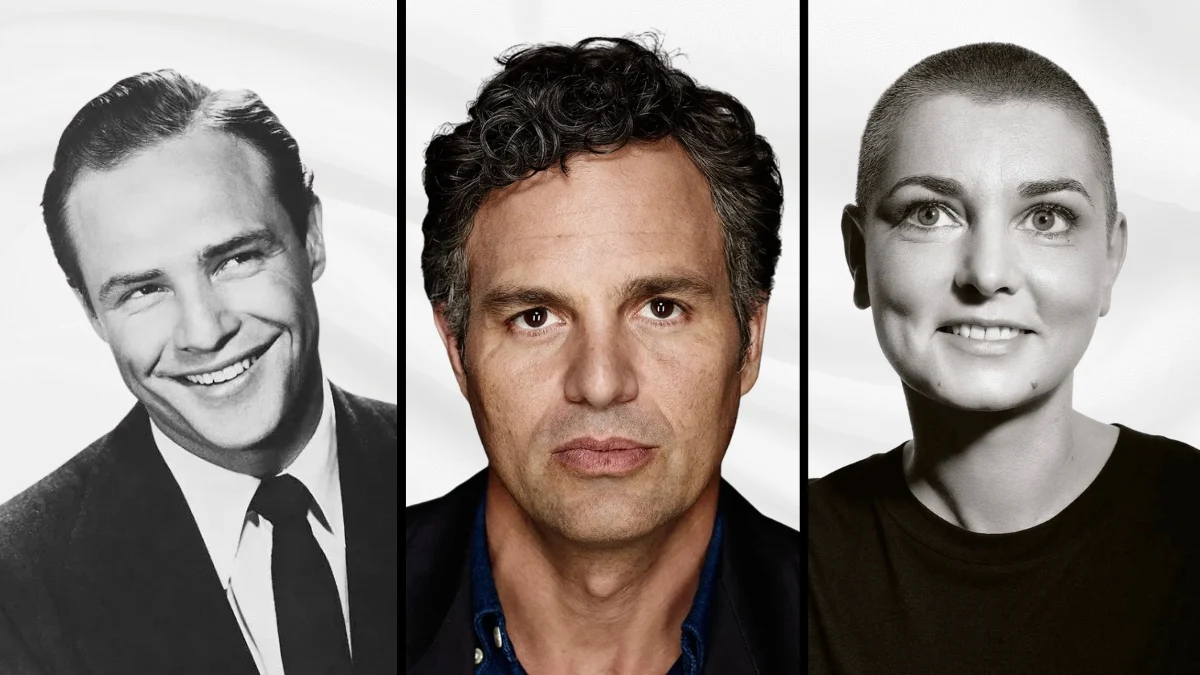


The history of major entertainment ceremonies is filled with moments of high tension and public defiance. While these events are designed to celebrate artistic achievement, they often become lightning rods for broader societal and industry issues. Many prominent figures have chosen to skip these prestigious nights to protest perceived injustices or systemic biases within the voting bodies. These boycotts range from individual acts of conscience to collective movements aimed at forcing institutional change. By absenting themselves from the spotlight, these celebrities have used their influence to highlight political and social concerns that extend far beyond the red carpet.
Marlon Brando
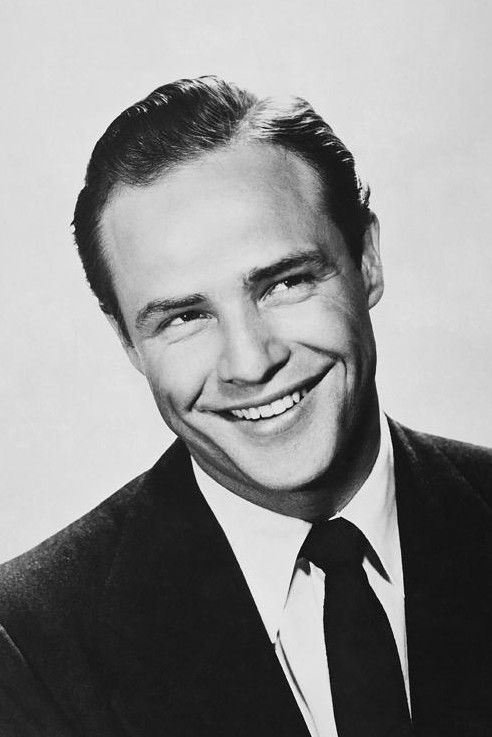
Marlon Brando famously refused his Academy Award for Best Actor for his performance in ‘The Godfather’ during the 1973 ceremony. He sent Apache activist Sacheen Littlefeather to the stage to decline the award on his behalf as a protest against the treatment of Native Americans in the film industry. The actor cited the Wounded Knee incident and the stereotypical portrayal of Indigenous people in Hollywood as his primary reasons for the boycott. This moment became one of the most controversial and memorable political statements in the history of the Oscars. It remains a landmark example of a high profile star using their platform to challenge social injustice.
Will Smith
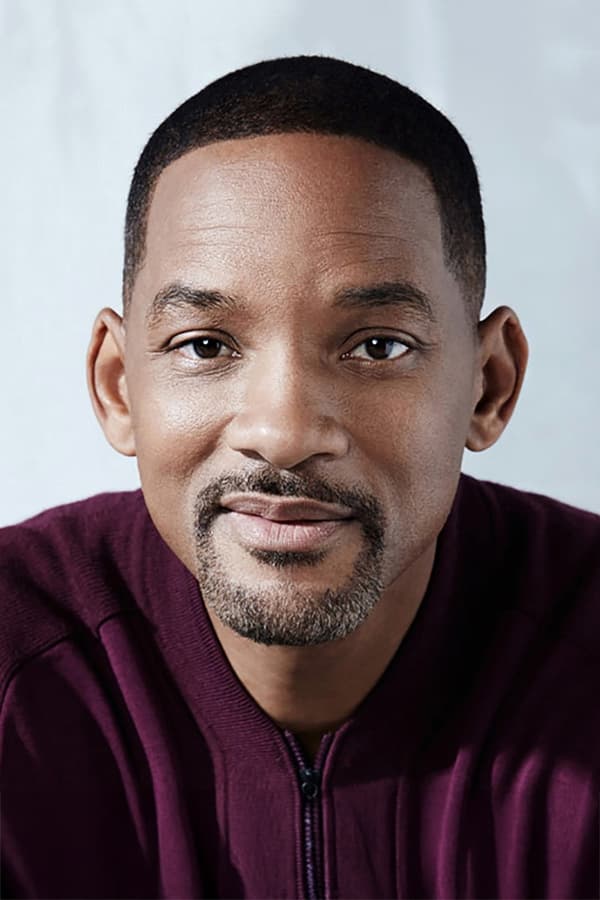
Will Smith announced he would not attend the 2016 Academy Awards following the lack of diversity among the acting nominees. He joined a growing movement known as the Oscars So White protest that highlighted the exclusion of performers of color. The actor stated that he felt uncomfortable attending the event when the nominations did not reflect the beauty of Hollywood. His decision was supported by several other industry leaders who called for immediate structural changes within the Academy. This boycott helped spark a multiyear effort to diversify the membership of the voting body.
Jada Pinkett Smith
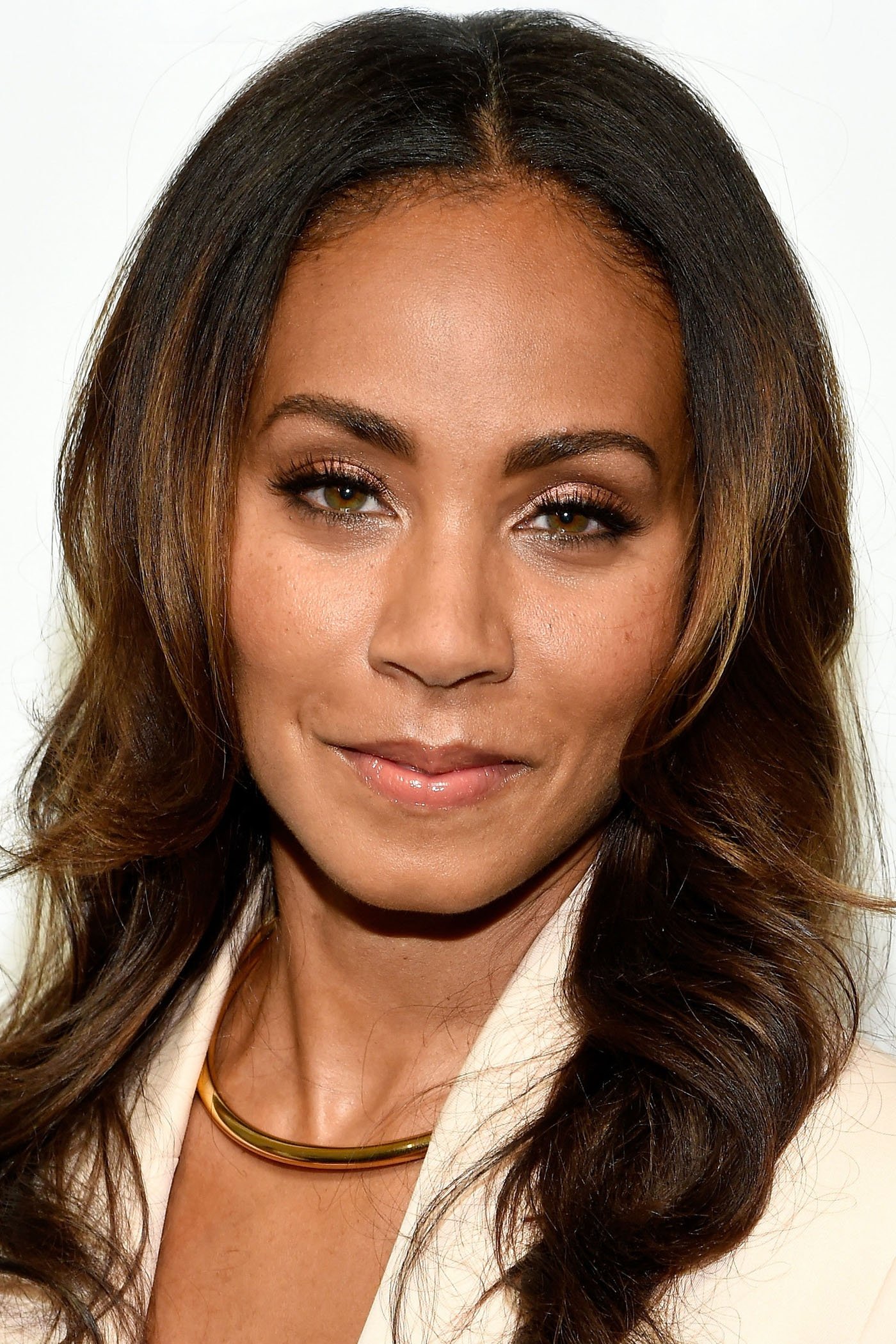
Jada Pinkett Smith was one of the first major stars to call for a boycott of the 2016 Academy Awards. She released a video expressing her disappointment that people of color were rarely recognized for their artistic achievements. The actress pointed out that acknowledging the industry without diverse representation felt like a validation of systemic exclusion. Her public stance was a primary catalyst for the widespread conversation regarding racial politics in the entertainment world. She chose to skip the event entirely to stand in solidarity with those who felt overlooked by the institution.
Spike Lee
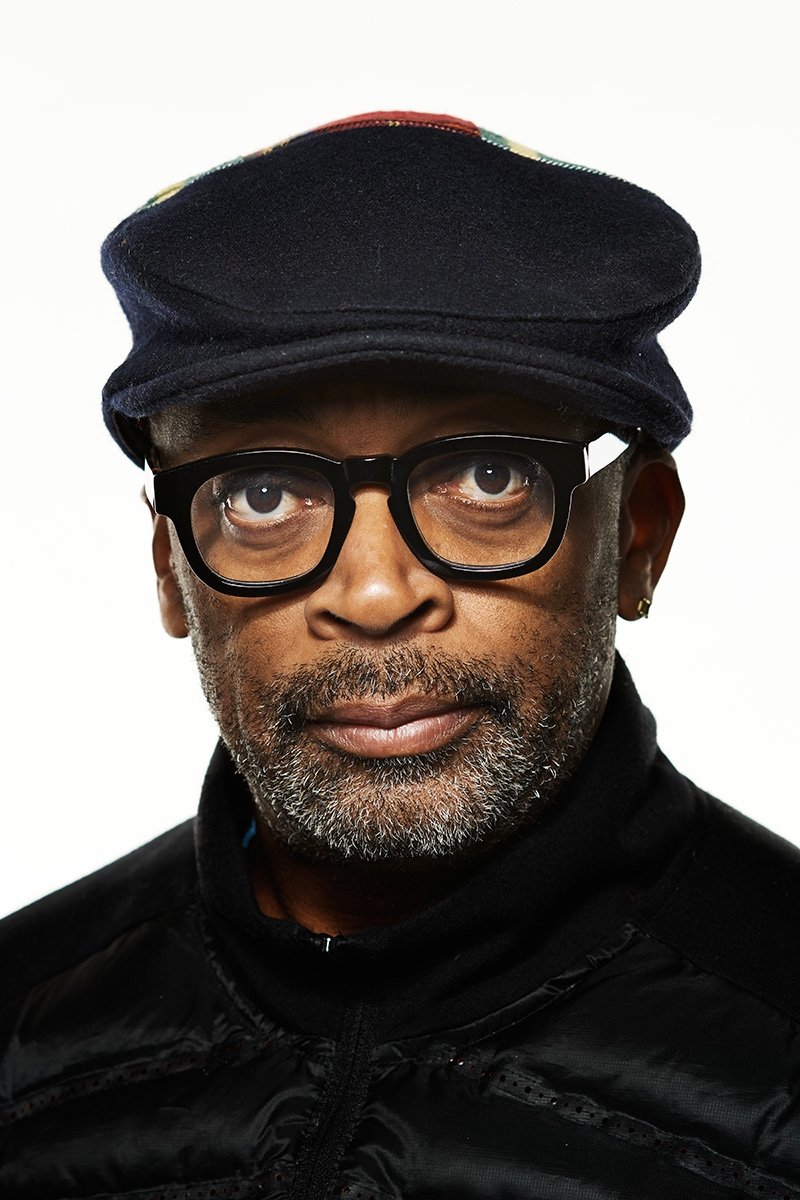
Spike Lee famously skipped the 2016 Oscars ceremony despite being scheduled to receive an Honorary Award. He expressed his frustration that for two consecutive years every one of the twenty acting nominees was white. The director questioned how it was possible for diverse talent to be consistently ignored by the industry. He stated that he could not support the event while such a glaring lack of representation persisted. His absence served as a powerful statement on the need for systemic reform in how films are evaluated and rewarded.
The Weeknd
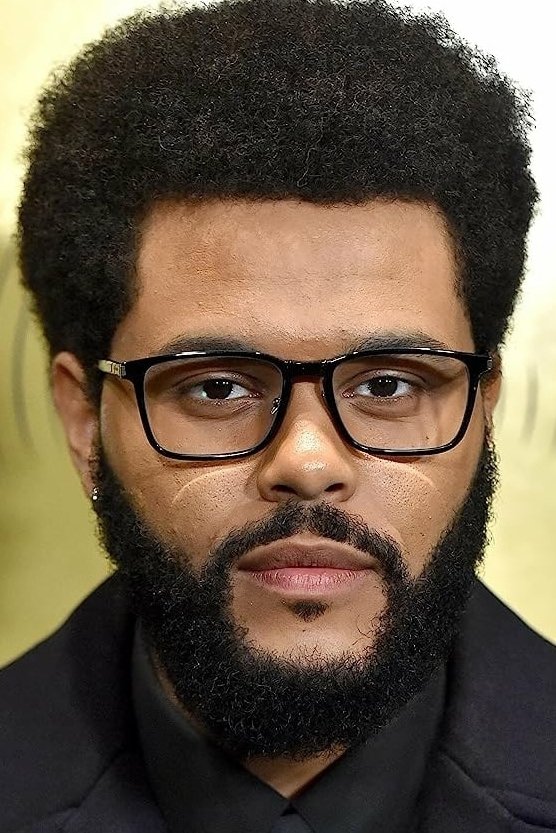
The Weeknd announced a permanent boycott of the Grammy Awards after his record breaking album ‘After Hours’ received zero nominations in 2021. He criticized the Recording Academy for what he described as a lack of transparency and the use of secret committees. The artist stated that he would no longer allow his label to submit his music for consideration until the process was reformed. This move highlighted ongoing concerns about the political inner workings and potential biases of the music industry. His protest significantly impacted the public perception of the awards and led to the eventual removal of the controversial secret committees.
Tom Cruise
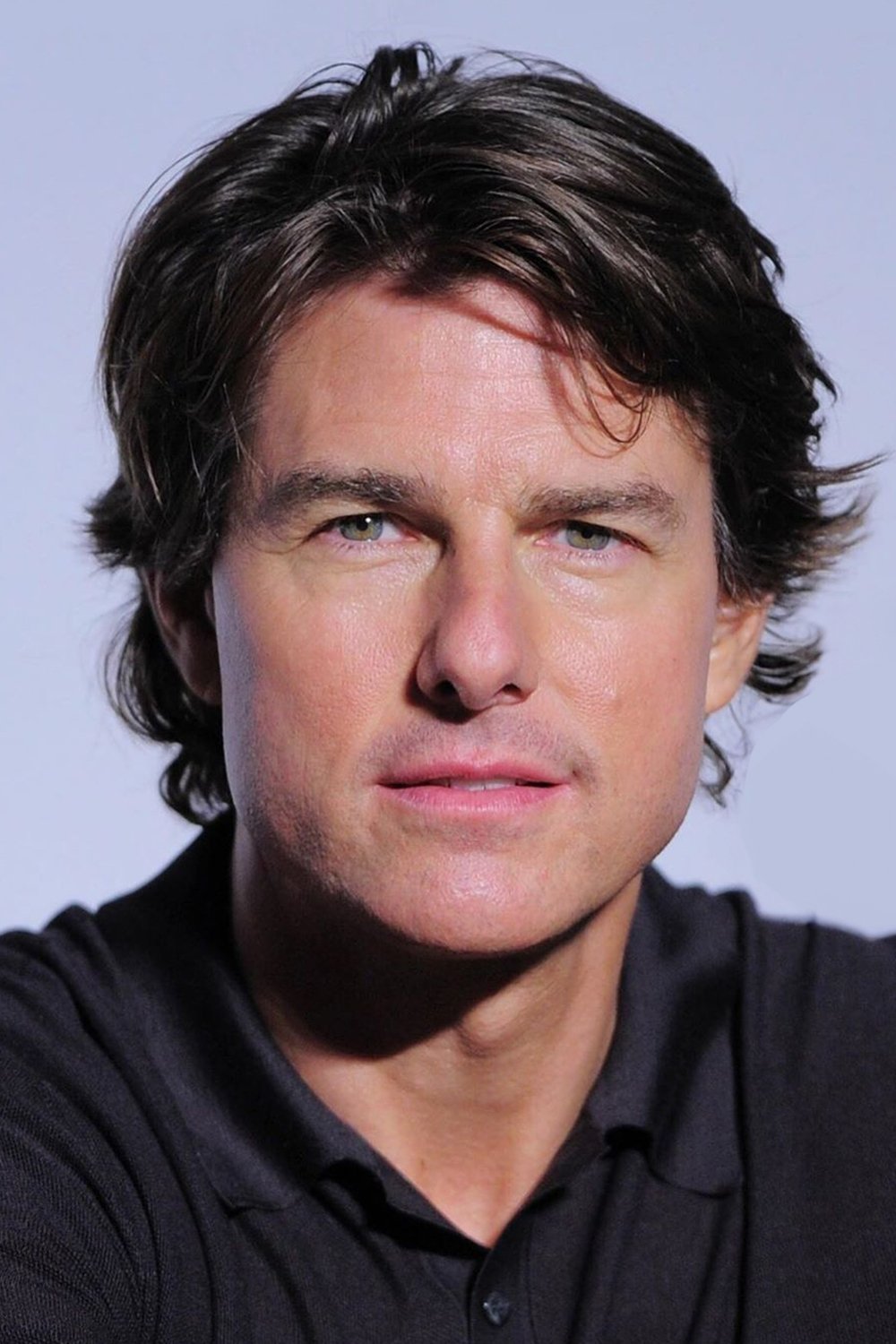
Tom Cruise took a drastic step in 2021 by returning his three Golden Globe trophies to the Hollywood Foreign Press Association. This action was a direct response to a series of reports detailing the lack of Black members and questionable ethical practices within the organization. The actor joined a large group of celebrities and studios who decided to cut ties with the association until significant reforms were implemented. His high profile boycott put immense pressure on the organization to address its diversity issues and internal politics. The move was seen as a turning point that forced the Golden Globes to undergo a massive restructuring.
Scarlett Johansson
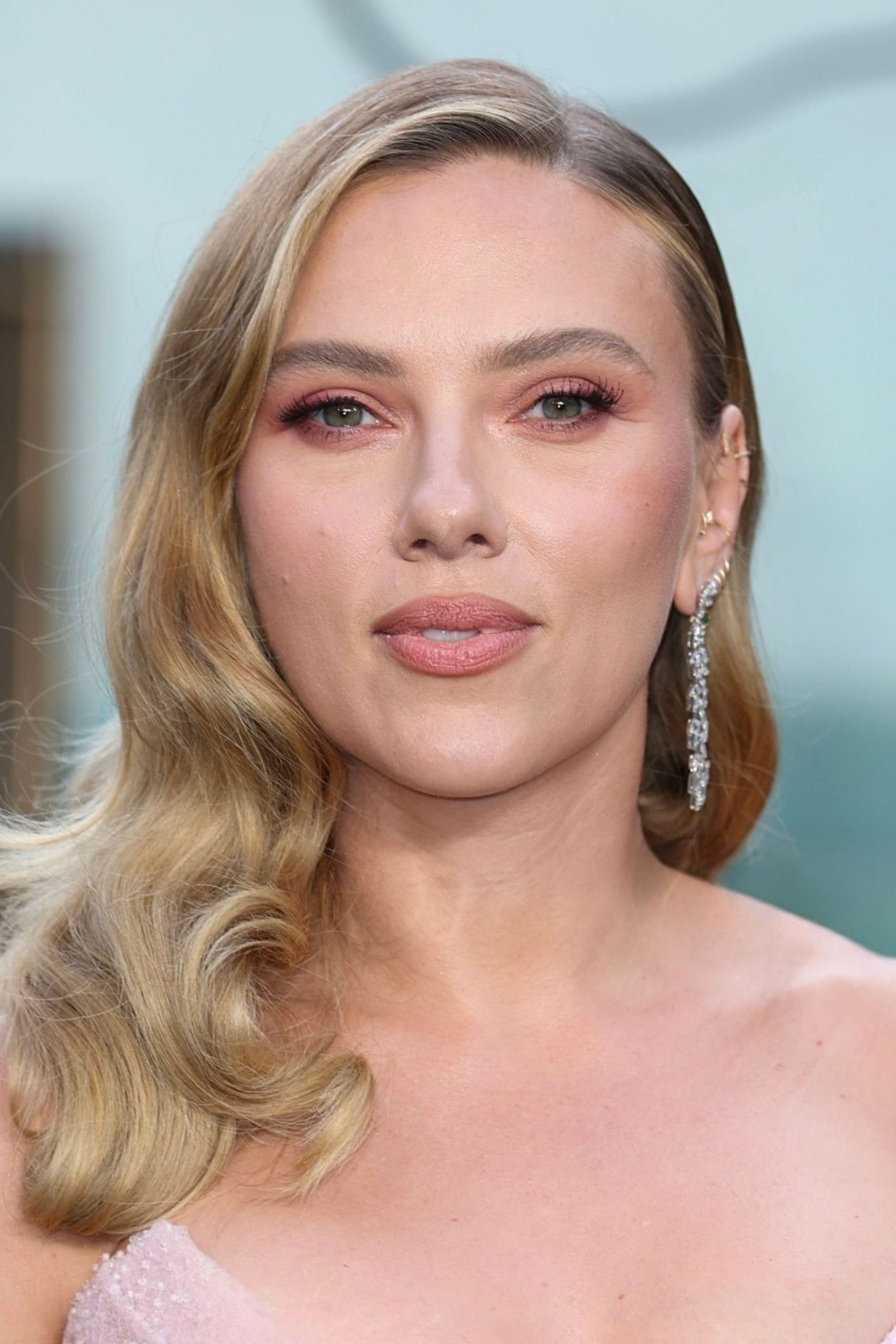
Scarlett Johansson publicly called for the industry to step back from the Golden Globes until the Hollywood Foreign Press Association addressed long standing issues. She cited her own experiences with sexist questions and behavior from members as a reason for her stance. The actress noted that the organization had a history of promoting a culture that was exclusionary and problematic for women and minorities. Her decision to boycott the ceremony was part of a broader effort to demand accountability and modern standards from awards bodies. She emphasized that meaningful change was required before she would consider participating in their events again.
Mark Ruffalo
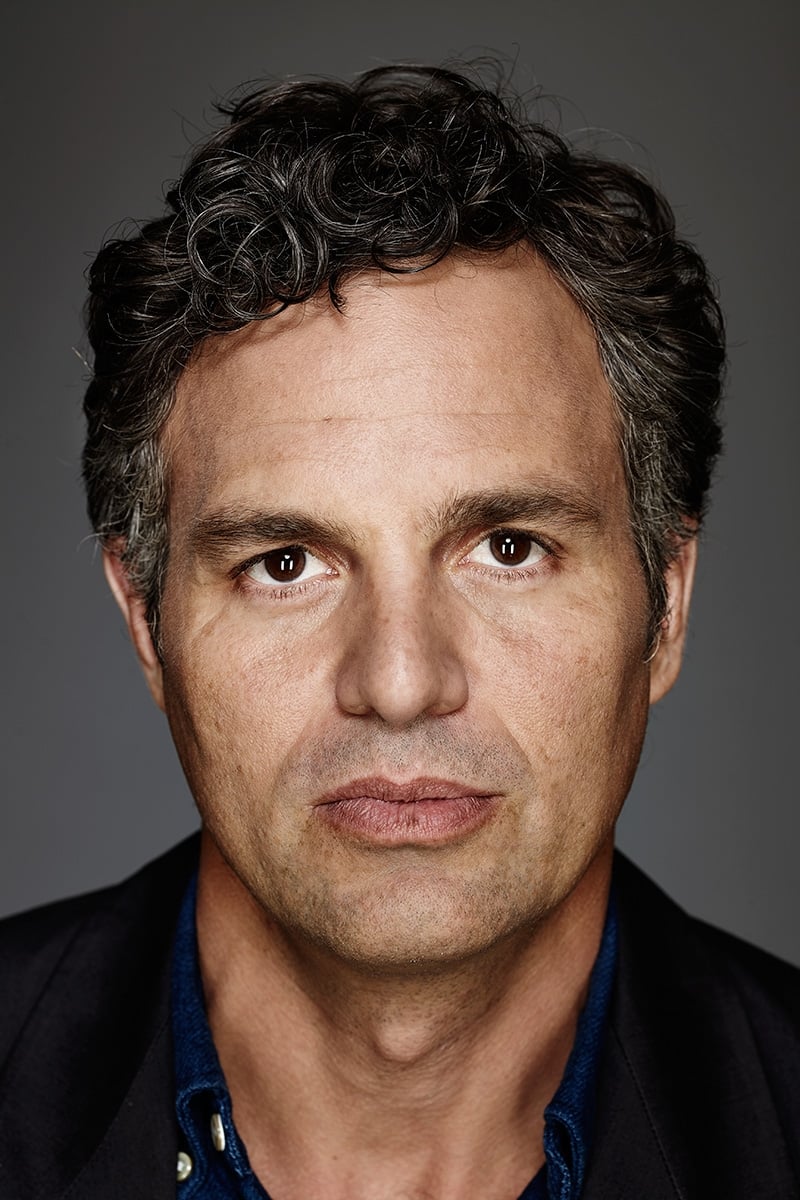
Mark Ruffalo expressed his support for the boycott of the Golden Globes by stating he could not feel proud of his past wins while the organization lacked diversity. He argued that the Hollywood Foreign Press Association needed to modernize its membership and correct its exclusionary practices. The actor highlighted that the industry had a responsibility to ensure that all voices were heard and respected. His refusal to engage with the ceremony underscored the growing consensus among prominent stars that the status quo was no longer acceptable. He remained firm in his position until the organization proved it was committed to genuine institutional reform.
George C. Scott
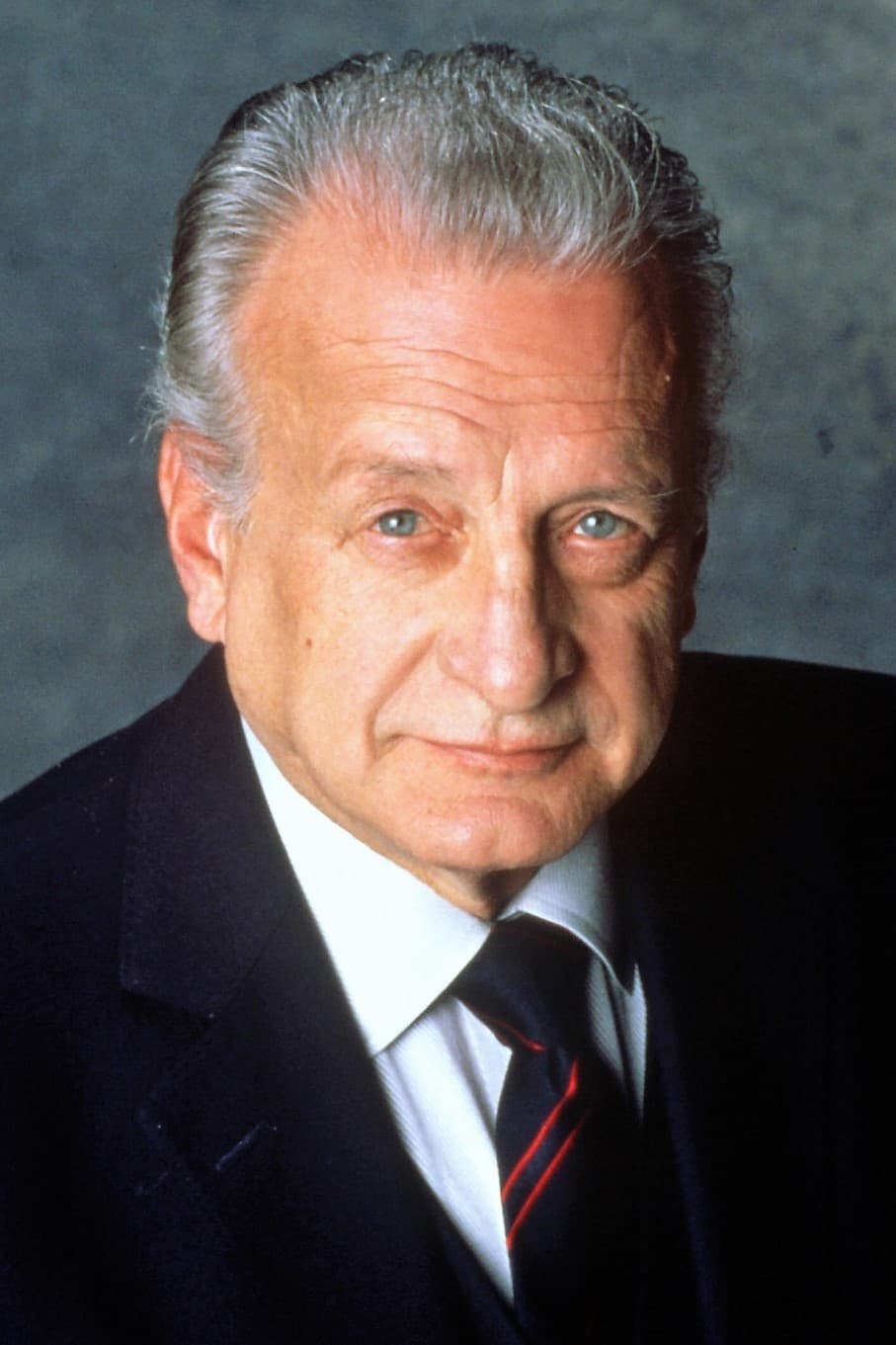
George C. Scott became the first actor to officially refuse the Academy Award for Best Actor for his role in ‘Patton’ in 1971. He had previously warned the Academy that he would not accept the honor and requested that his name be removed from the ballot. The actor described the entire awards process as a demeaning competition that was offensive to the artistic process. He famously stayed at his home in New York and watched a hockey game instead of attending the ceremony. His protest was a rejection of the industry politics that turned creative work into a public contest for status.
Woody Allen
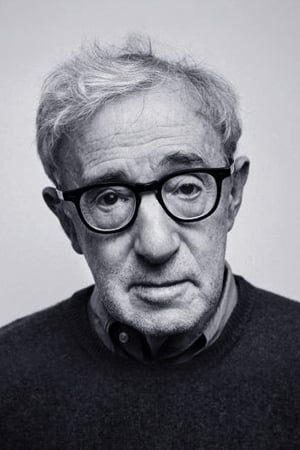
Woody Allen has consistently boycotted awards ceremonies for decades despite winning multiple Oscars for films like ‘Annie Hall’. He has long maintained that the concept of judging artistic work and ranking one film over another is inherently flawed. The director refuses to participate in the campaigning or attendance of these events as a matter of personal principle. He famously opted to play the clarinet at a jazz club instead of attending the ceremony where he won several major awards. His ongoing boycott is a quiet but firm protest against the competitive nature of the entertainment industry.
Mo’Nique
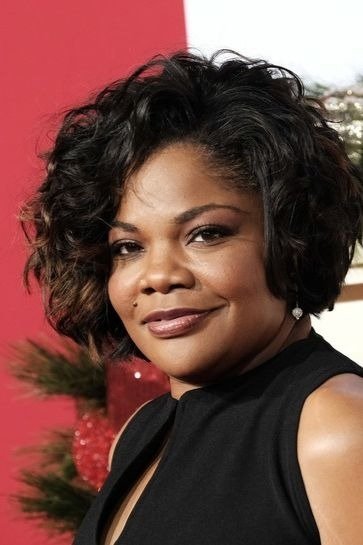
Mo’Nique faced significant industry backlash when she refused to participate in the traditional promotional campaign for the film ‘Precious’. She argued that actors should be paid for the extra labor involved in the awards season circuit rather than being expected to work for free. The actress claimed that her refusal to play the political game of Oscar campaigning led to her being blackballed by major studios for years. Despite the controversy she won the award for Best Supporting Actress but remained critical of the economic politics behind the scenes. Her experience highlighted the often unseen pressures and financial expectations placed on performers during the awards race.
Frank Ocean
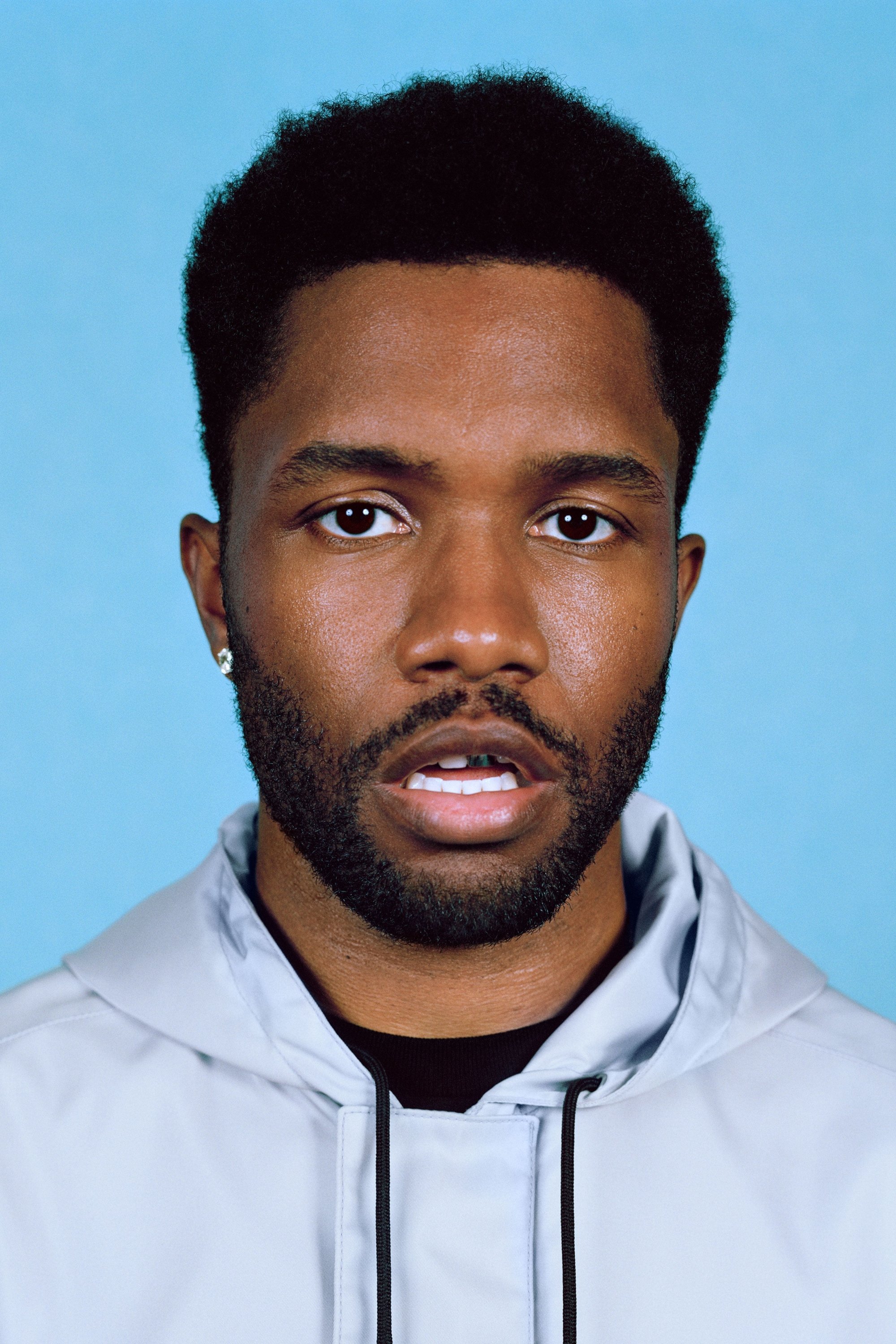
Frank Ocean decided not to submit his critically acclaimed album ‘Blonde’ for Grammy consideration as a form of protest in 2017. He stated that the institution did not seem to be representing very well the people who come from where he comes from and hold his values. The artist compared the boycott to a moment where he felt the need to take a stand against an out of touch system. He criticized the awards for failing to recognize the cultural shifts and the importance of young Black creators. His absence was a deliberate choice to devalue the award as a measure of his own success.
Zayn Malik
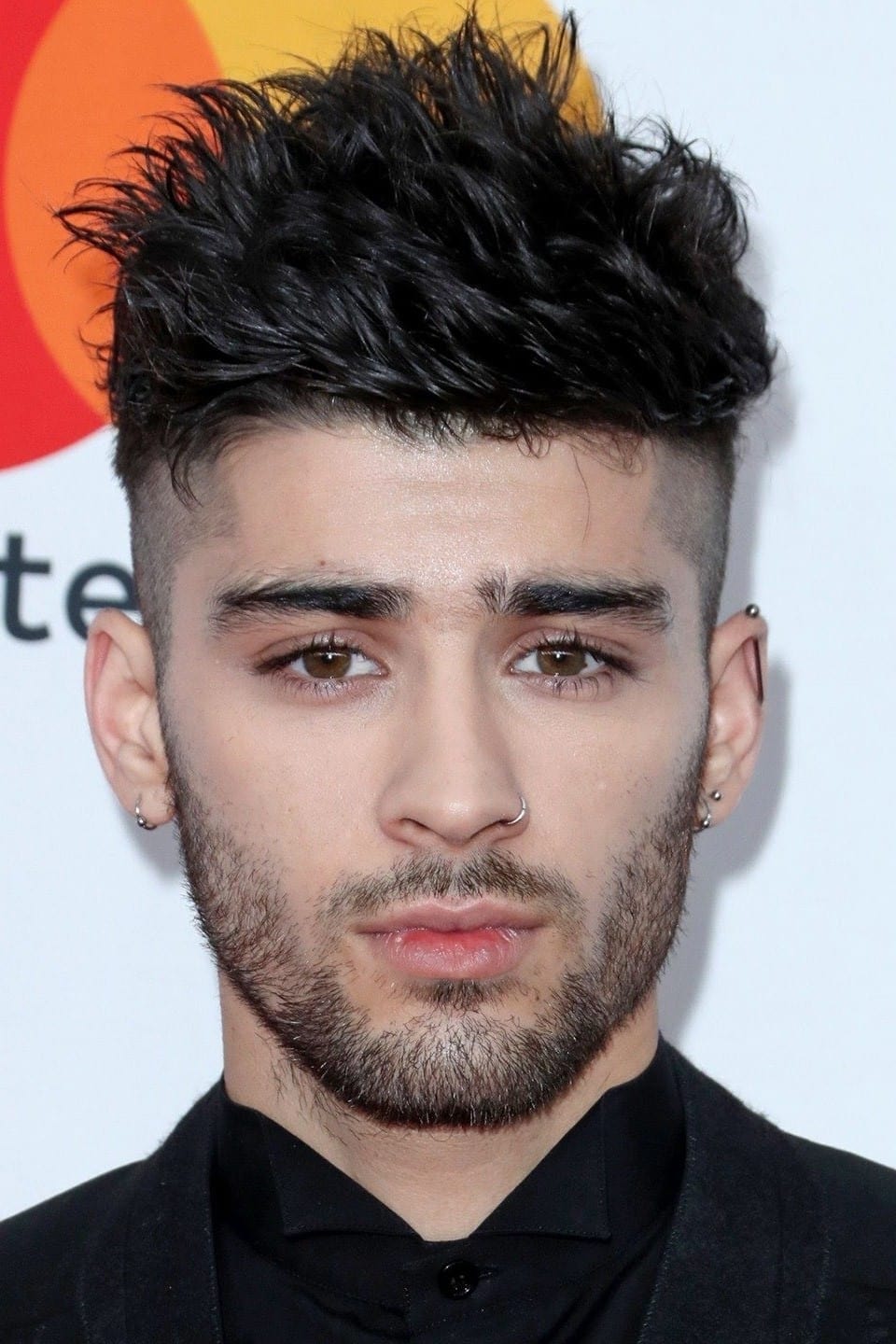
Zayn Malik used social media to voice his strong opposition to the Grammy Awards and their nomination process. He claimed that the system was influenced by personal networking and secret handshakes rather than purely musical merit. The singer encouraged others to join him in calling out the lack of transparency and the political nature of the voting committees. He argued that the awards did not provide a level playing field for all artists regardless of their industry connections. His public boycott was part of a larger wave of frustration from modern musicians who felt the institution was corrupt.
Drake
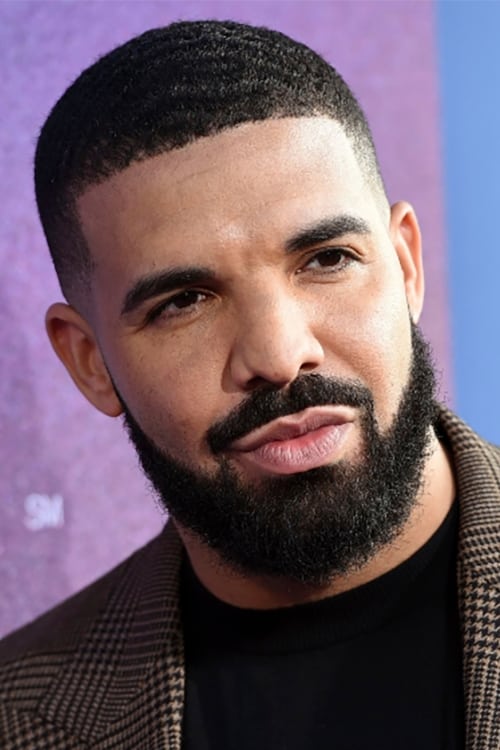
Drake has frequently expressed his skepticism toward the relevance and fairness of major awards shows like the Grammys. During his acceptance speech for ‘God’s Plan’ he told the audience that the awards were not the true measure of success for an artist. He later took the step of withdrawing his two nominations for the 2022 ceremony to further distance himself from the institution. The artist has argued that the politics of these organizations often fail to reflect the actual impact of music on the public. His boycott serves as a reminder that cultural influence and industry trophies are not always aligned.
Kendrick Lamar
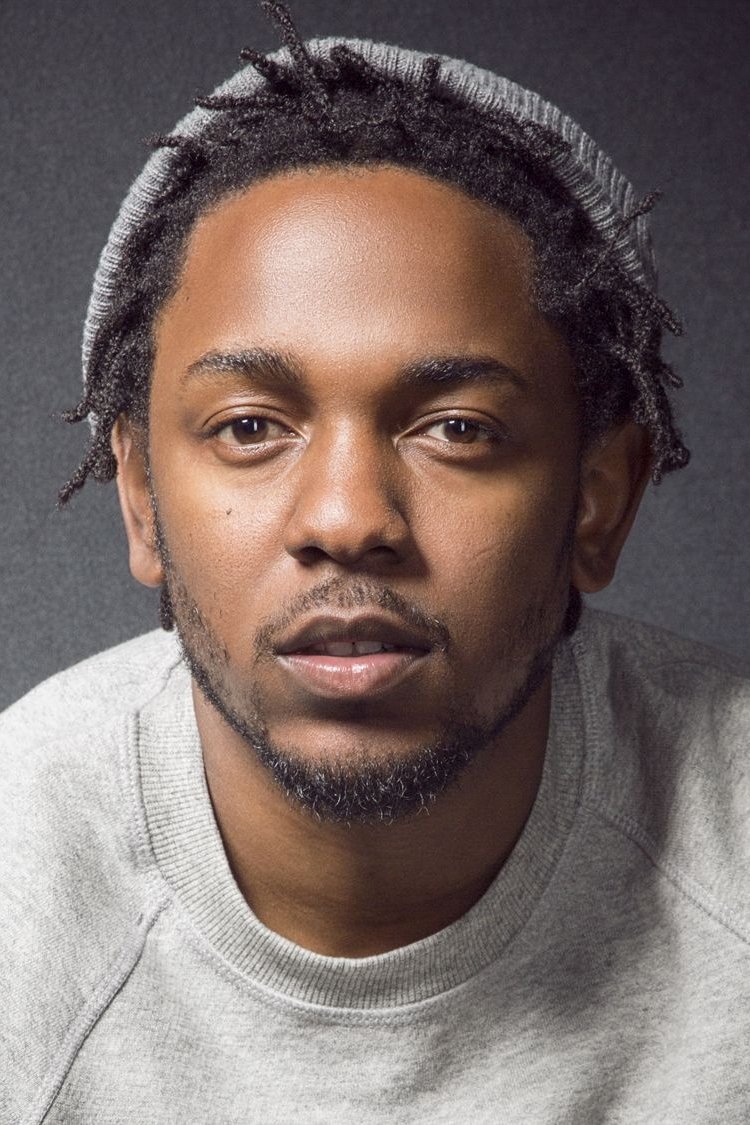
Kendrick Lamar reportedly declined an invitation to perform or attend the 2019 Grammy Awards despite being a major nominee. This decision followed a history of rap artists being excluded from top categories or relegated to genre specific segments. His boycott was seen as a quiet protest against the way the Recording Academy has historically treated hip hop culture. Many observers felt that the absence of such a prominent figure highlighted the ongoing disconnect between the academy and the most influential artists of the era. His choice to stay away emphasized that the prestige of the event was no longer a priority for him.
Childish Gambino
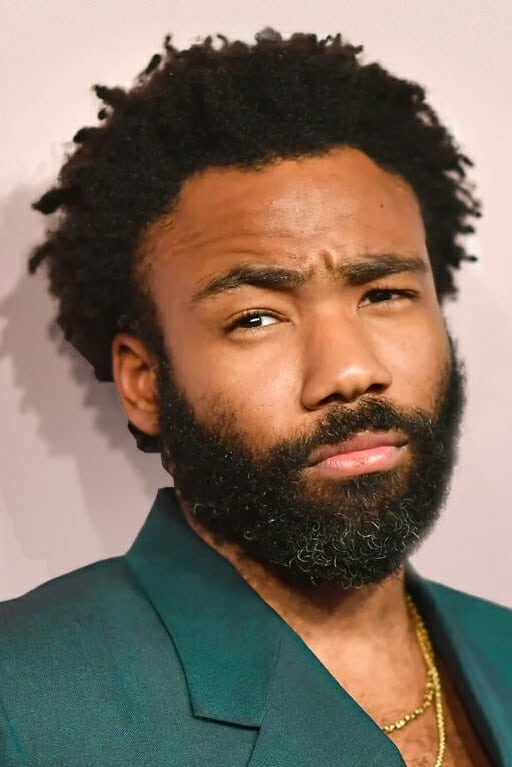
Childish Gambino chose not to attend the 2019 Grammys even though his song ‘This Is America’ was nominated for several major awards. The song eventually won Record of the Year and Song of the Year making it the first rap track to achieve those honors. His absence was interpreted as a statement on the lack of respect and representation for the hip hop community within the upper echelons of the music industry. By not showing up to accept the historic wins he underscored his critique of the institutions that govern artistic recognition. The move demonstrated that the artist was more concerned with the message of his work than the accolades it received.
Sinéad O’Connor
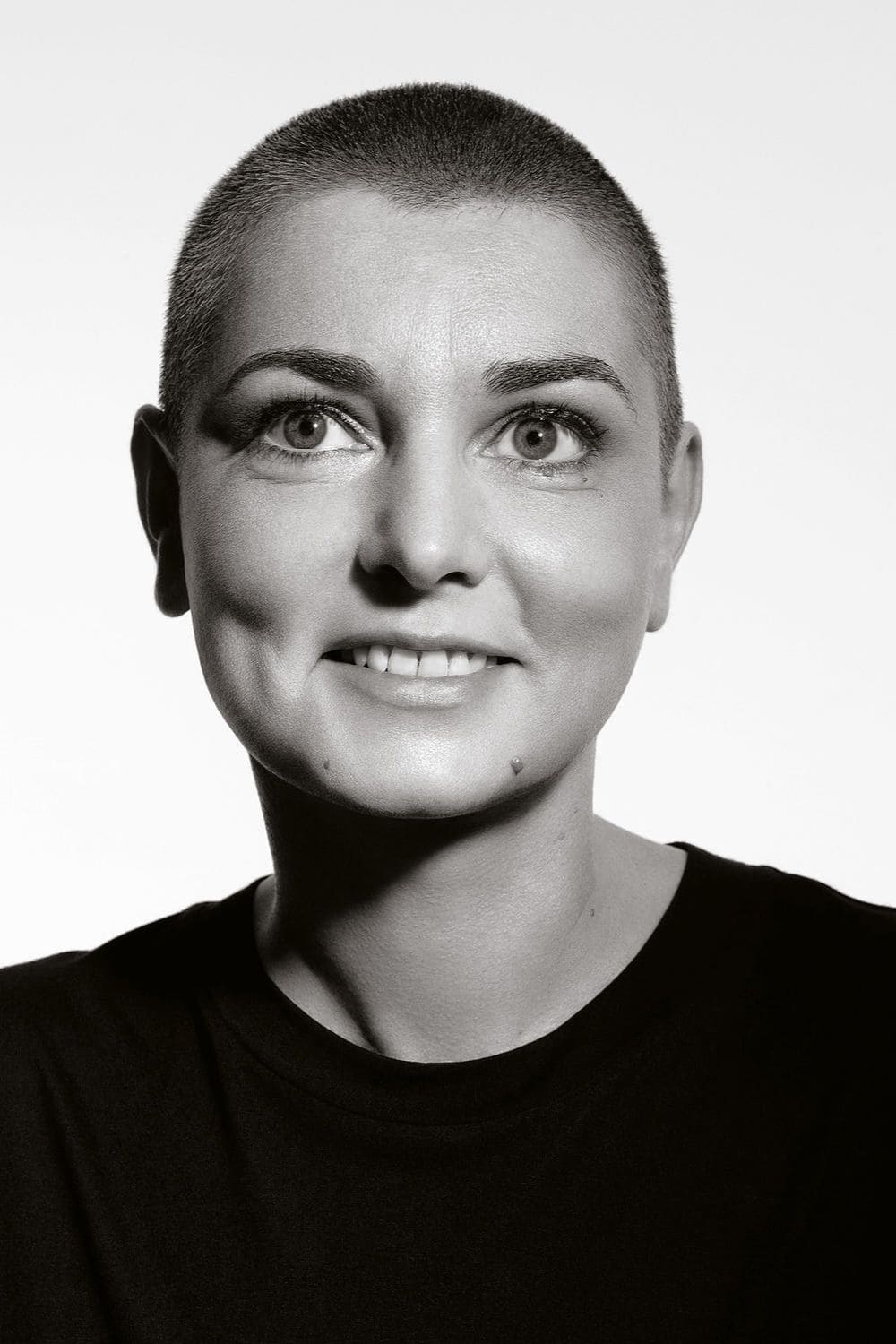
Sinead O’Connor became the first artist to refuse a Grammy Award after she was nominated for four honors in 1991. She wrote a letter to the Recording Academy stating that the awards were based on false and destructive commercial values rather than artistic integrity. The singer argued that the ceremony was a tool of a materialistic industry that ignored the true social and political power of music. She boycotted the event entirely to protest the commercialism that she felt had compromised the creative world. Her defiance remains one of the most significant political protests in the history of the music industry.
Ava DuVernay
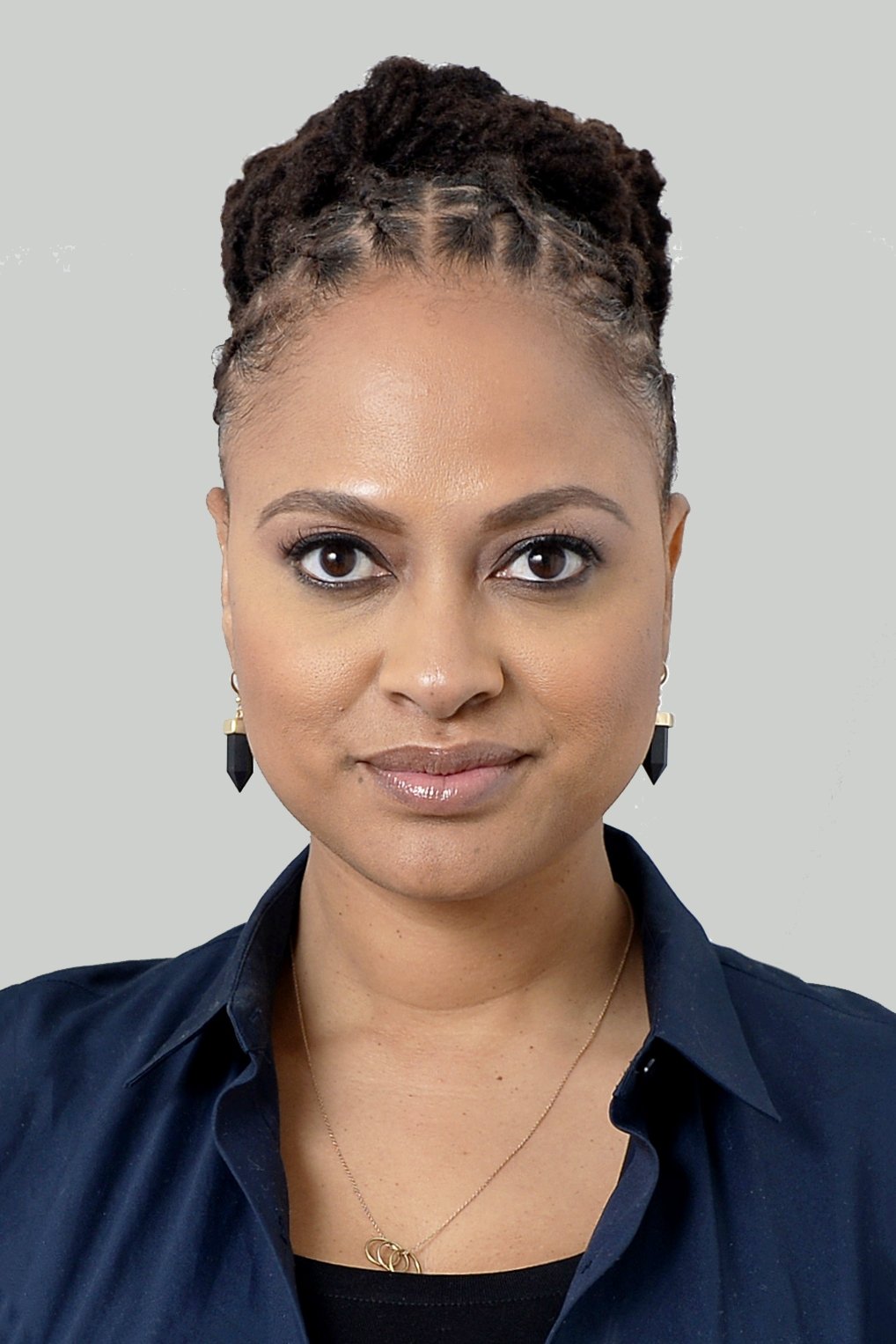
Ava DuVernay was a vocal supporter of the Oscars So White movement which sought to address the lack of diversity in the film industry. She highlighted how the exclusion of Black filmmakers and stories from major categories was a reflection of broader systemic issues. While her film ‘Selma’ was nominated for Best Picture she used the platform to speak out about the political gatekeeping that occurs during awards season. The director argued that the industry needed to change its voting demographics to truly represent the global community. Her public advocacy helped pave the way for major policy changes within the Academy regarding diversity and inclusion.
David Oyelowo
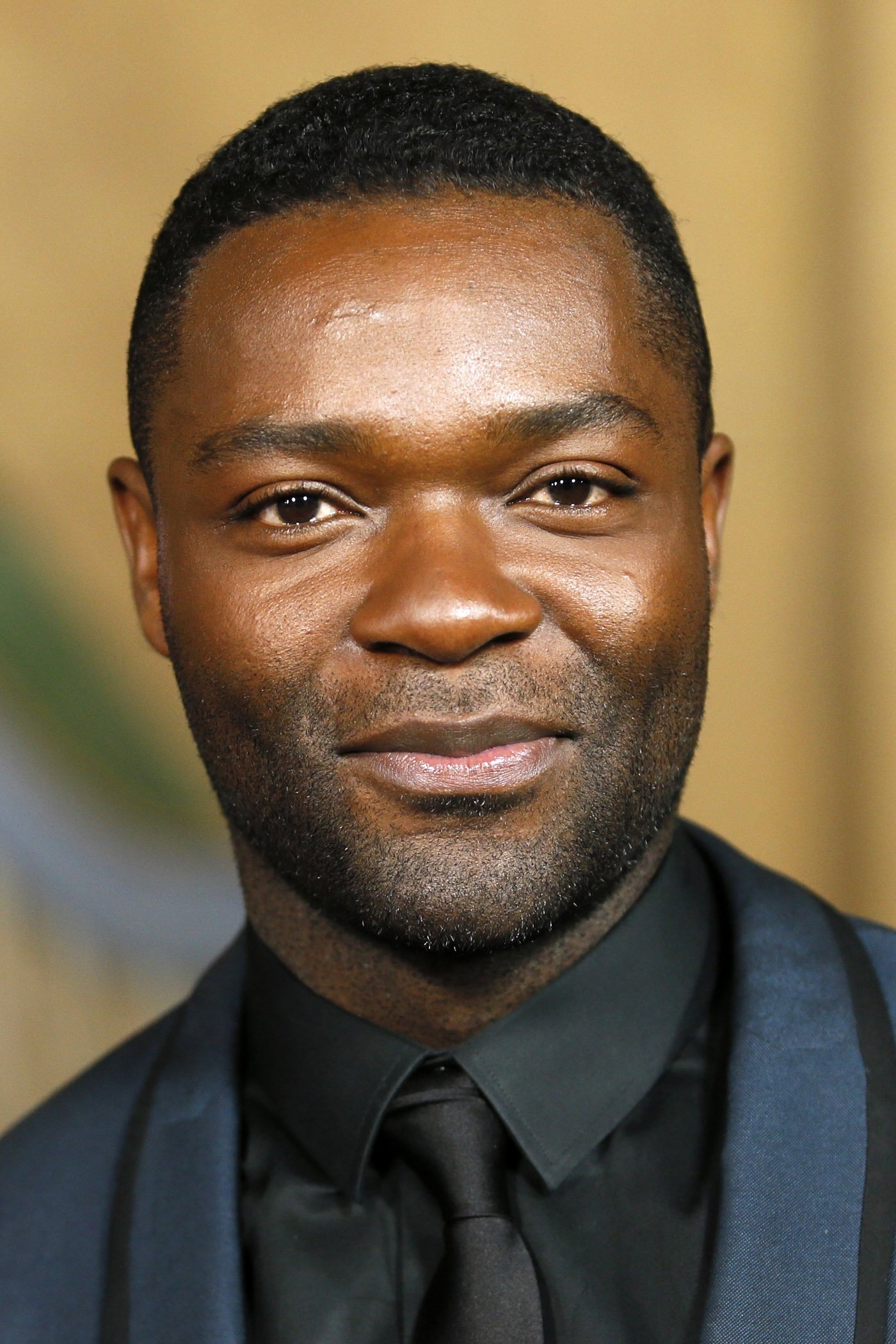
David Oyelowo spoke candidly about his disappointment with the Academy after his performance in ‘Selma’ was overlooked in the acting categories. He suggested that the snub was influenced by the political discomfort surrounding the film’s portrayal of civil rights history. The actor later participated in the 2016 boycott to protest the ongoing lack of representation for performers of color. He argued that the exclusion of diverse talent was not just a matter of taste but a reflection of institutional bias. His perspective provided a critical look at how historical narratives are valued by the Hollywood establishment.
Nicki Minaj

Nicki Minaj has long been a vocal critic of the politics behind the Grammy Awards and their nomination choices. She famously boycotted the ceremony after her hit song ‘Super Freaky Girl’ was moved from rap categories to pop categories. The artist argued that this reclassification was a deliberate attempt to limit her success and prevent her from winning in her primary genre. She pointed out that other artists were not subjected to the same rigid standards and called for more consistency and fairness. Her boycott highlighted the internal politics and category manipulation that can influence the outcome of the awards.
Please share your thoughts on these celebrity protests in the comments.