


Celebs Who Brilliantly Shut Down Transphobic Interviewers on Live Television

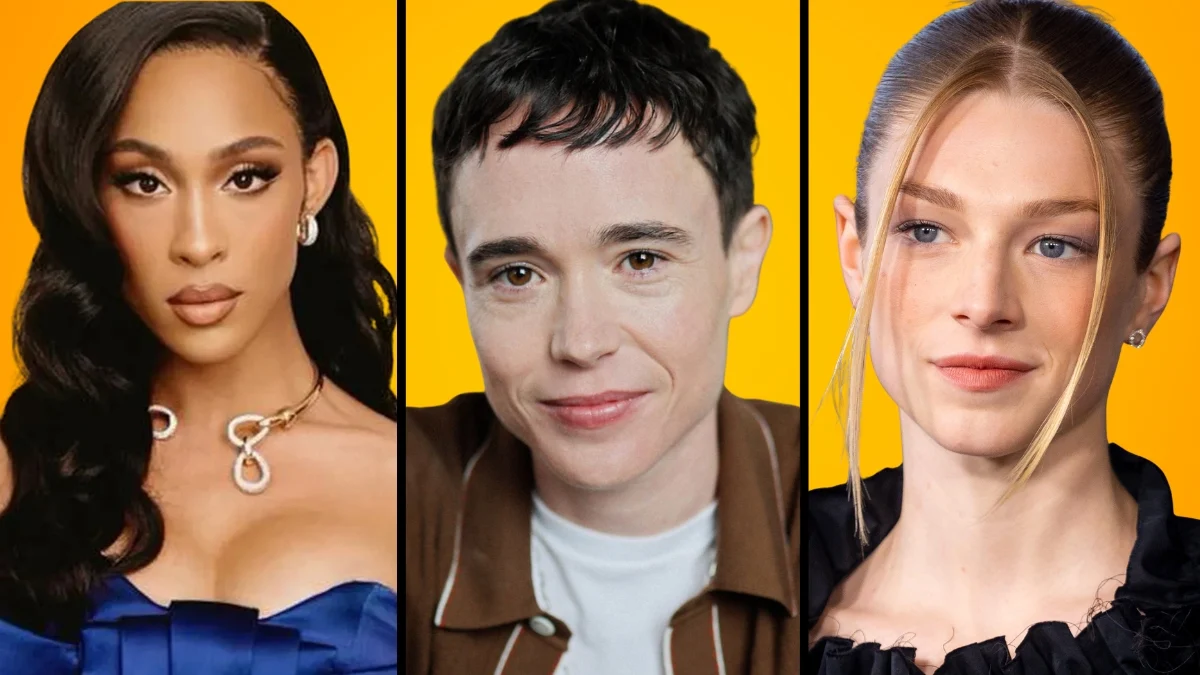


Media representation for the transgender community has evolved significantly, yet many celebrities still face invasive and inappropriate questioning during televised interviews. Throughout the years, high-profile figures have used these moments to correct misinformation, set boundaries, and advocate for their rights. These interactions often serve as educational opportunities for the public regarding the lived experiences of transgender and non-binary individuals. By standing their ground, these celebrities have helped shift the cultural conversation toward respect and professional decorum in the entertainment industry.
Laverne Cox
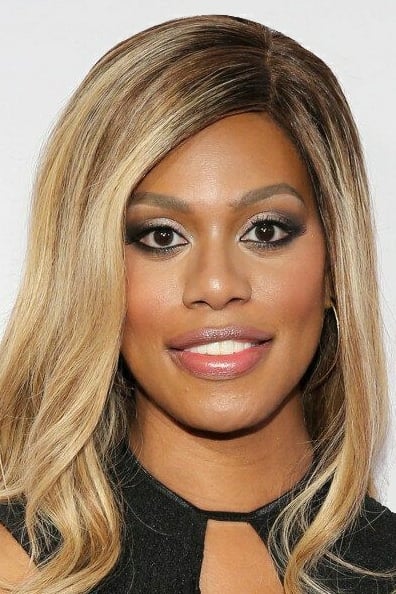
During a 2014 appearance on ‘The Katie Couric Show’, the actress was asked invasive questions regarding her surgical history. Cox refused to answer, instead explaining how focusing on bodies objectifies trans people and distracts from high rates of violence against the community. She used the platform to educate viewers on the systemic issues facing transgender individuals rather than satisfying personal curiosity. This moment is often cited as a turning point in how mainstream media outlets approach interviews with transgender guests.
Carmen Carrera
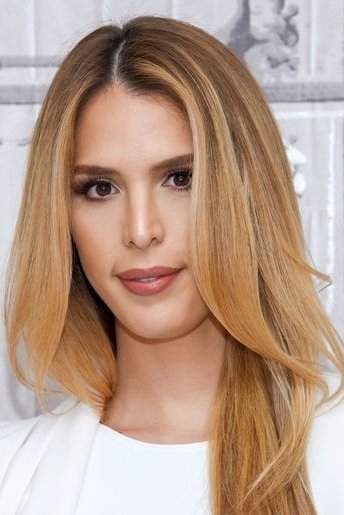
Appearing alongside Laverne Cox on ‘The Katie Couric Show’, Carrera was also subjected to questions about her physical transition. She redirected the conversation to her career as a model and her personal dignity, stating that such questions were not relevant to her professional life. Carrera’s firm stance highlighted the double standards often applied to transgender celebrities compared to their cisgender peers. Her refusal to engage with sensationalist questions set a precedent for future interviews involving the transgender community.
Janet Mock
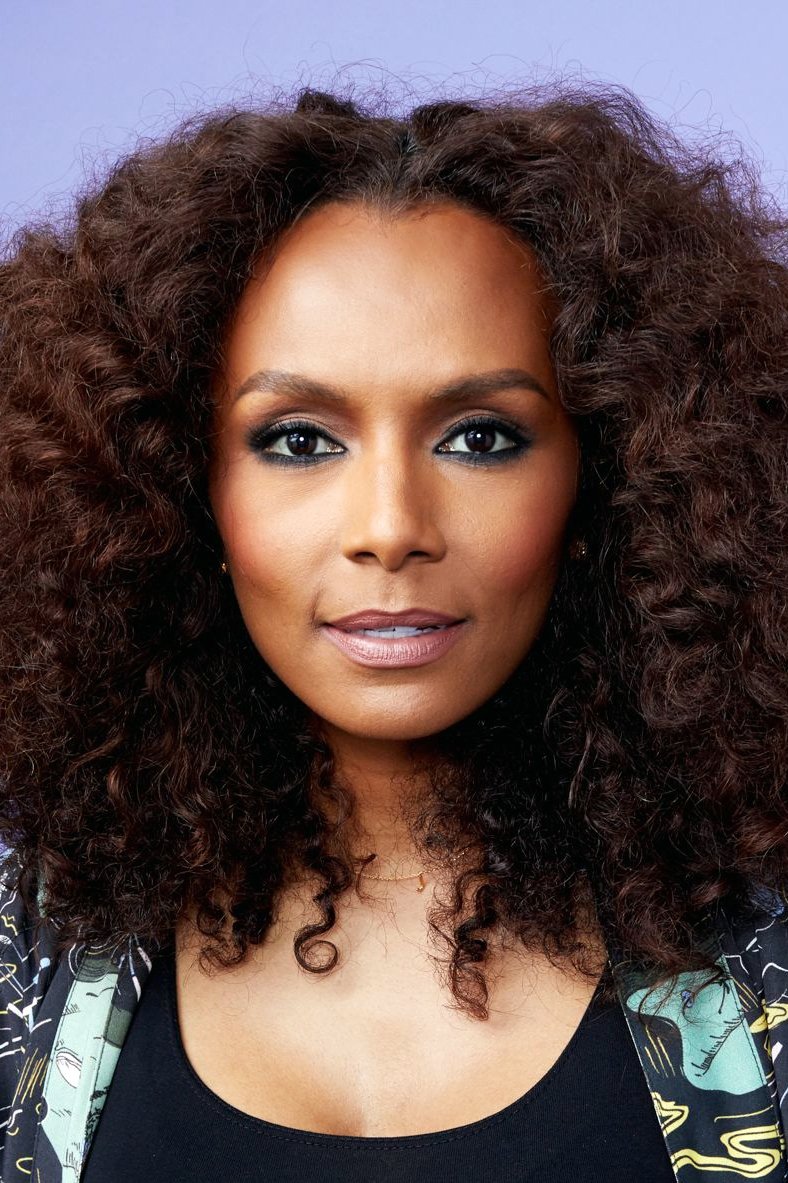
In a 2014 interview on ‘Piers Morgan Live’, Mock was confronted with sensationalist language and framing that focused on her life before transitioning. She later went on ‘CNN’ to explain how the interview’s production choices, such as on-screen captions, were reductive and harmful. Mock criticized the host for prioritizing a “sensationalized” narrative over her actual achievements as an author and advocate. Her critique forced a wider discussion about the ethics of interviewing transgender subjects in a respectful manner.
Munroe Bergdorf

As a frequent guest on ‘Good Morning Britain’, Bergdorf has repeatedly shut down hosts who use inflammatory or transphobic rhetoric for television ratings. She has consistently challenged the framing of debates concerning transgender rights and the validity of her identity. Bergdorf often redirects the conversation to address the structural inequality and racism that intersect with transphobia. Her ability to maintain composure while delivering factual rebuttals has made her a prominent voice in British media.
Paris Lees
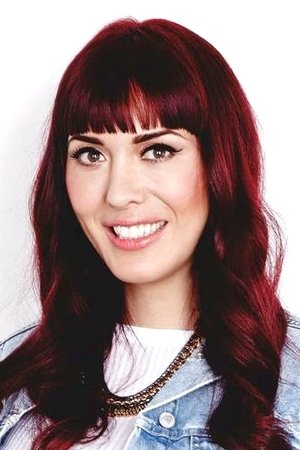
Lees appeared on the BBC program ‘Question Time’ and confronted a panel that was discussing transgender rights without sufficient nuance. She corrected misconceptions about the gender recognition process and the daily realities of trans people in the United Kingdom. Her presence on the show marked a rare instance of a transgender person being given the floor to challenge political figures directly on live television. Lees utilized the opportunity to demand that the media treat transgender lives with the same seriousness as any other political topic.
Dominique Jackson

During a press event for the series ‘Pose’, Jackson famously corrected an interviewer who appeared to struggle with appropriate terminology and respect. She emphasized that her existence is not a matter for debate and that she deserves respect as a woman and an artist. Jackson has often used her public appearances to remind the media that transgender women of color have historically led the fight for LGBTQ+ rights. Her powerful delivery often leaves interviewers silent as she asserts her self-worth and professional status.
Michaela Jaé Rodriguez
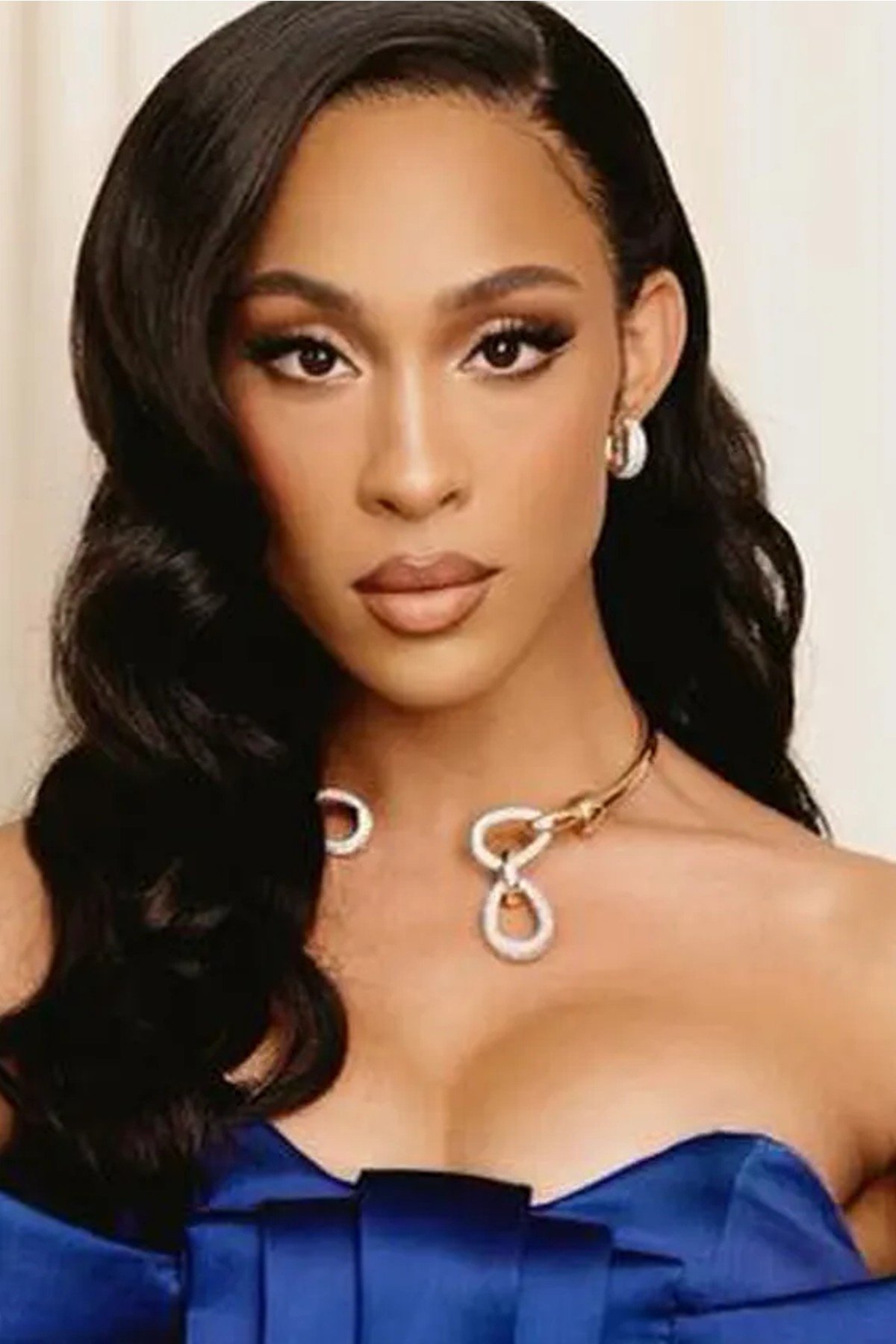
As the lead of ‘Pose’, Rodriguez has handled numerous interviews where the focus drifted toward her anatomy rather than her acting performance. She consistently steers the conversation back to the artistry of the show and the importance of authentic storytelling. Rodriguez has noted in various televised segments that being “the first” at many milestones should not invite invasive personal scrutiny. Her poise in the face of ignorant questioning has been praised by both fans and advocacy groups.
Indya Moore
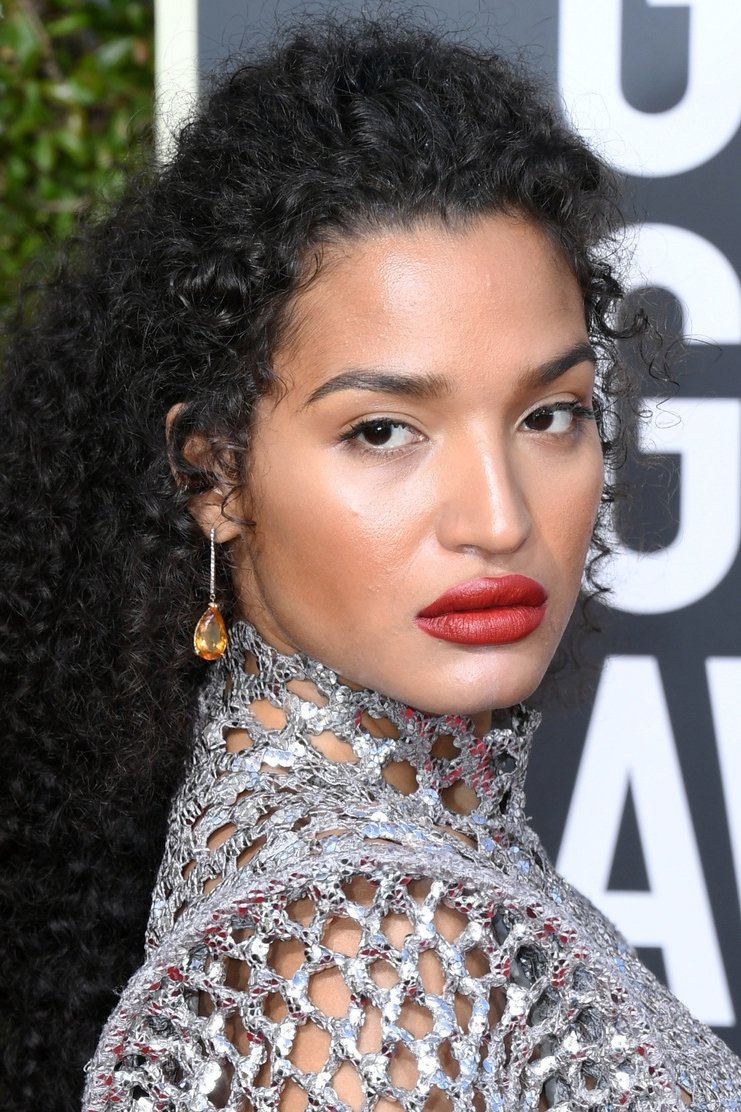
Moore has used several red carpet and television interviews to challenge the way media outlets frame the “struggle” of transgender people. They have corrected interviewers who focus on trauma, insisting instead on discussing trans joy and the creative process behind ‘Pose’. Moore has been vocal about how the press often exploits trans narratives for clickbait while ignoring the actual needs of the community. By setting these boundaries, they force the media to treat them as a complete artist rather than a curiosity.
Angelica Ross
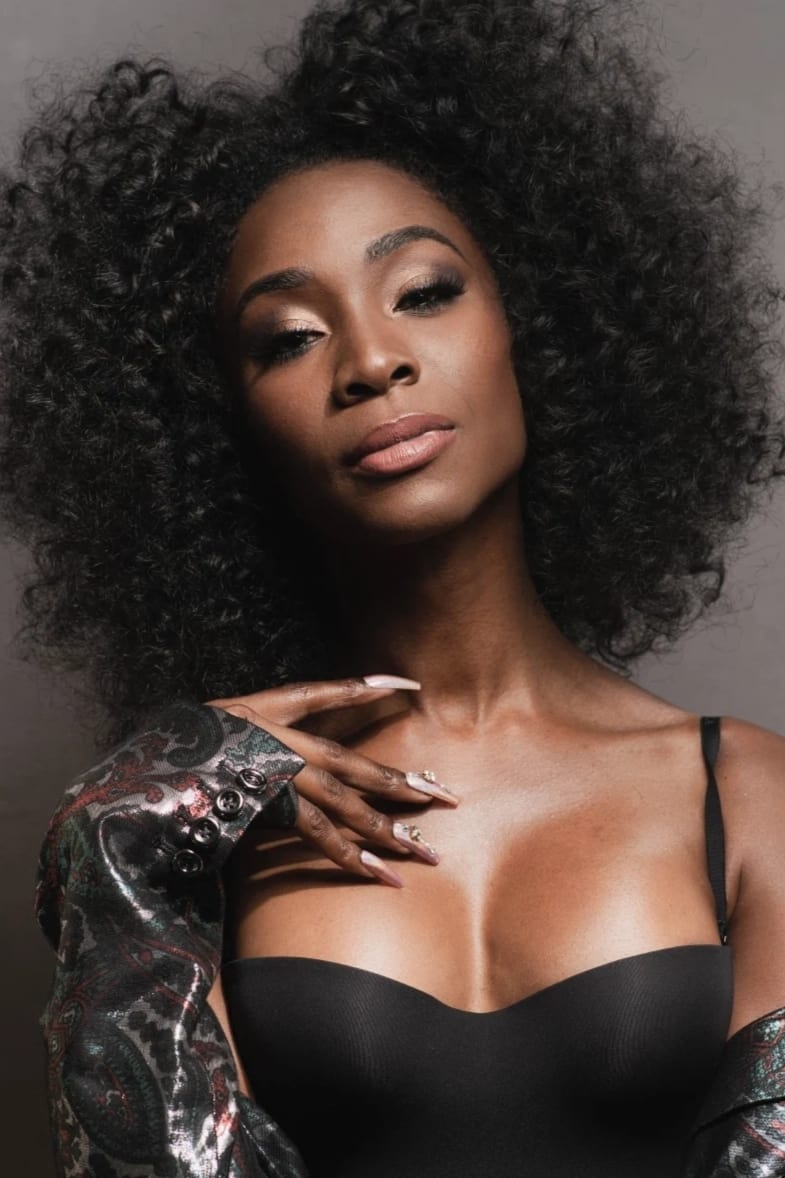
Ross is known for her sharp and articulate corrections when interviewers overstep boundaries or use outdated language. During various appearances, she has explained the difference between gender identity and medical transition, often shutting down inappropriate queries. She advocates for professional environments where transgender people can work without being interrogated about their personal histories. Ross’s background in technology and activism informs her precise and informative approach to media interactions.
Asia Kate Dillon

While promoting the series ‘Billions’, Dillon has frequently corrected interviewers regarding non-binary identity and the use of singular they/them pronouns. They have patiently but firmly explained the grammatical and social importance of respecting a person’s chosen pronouns on live television. Dillon’s presence has led to significant changes in how award ceremonies and media outlets categorize gender. Their refusal to let misgendering slide in interviews has set a new standard for non-binary representation.
Elliot Page
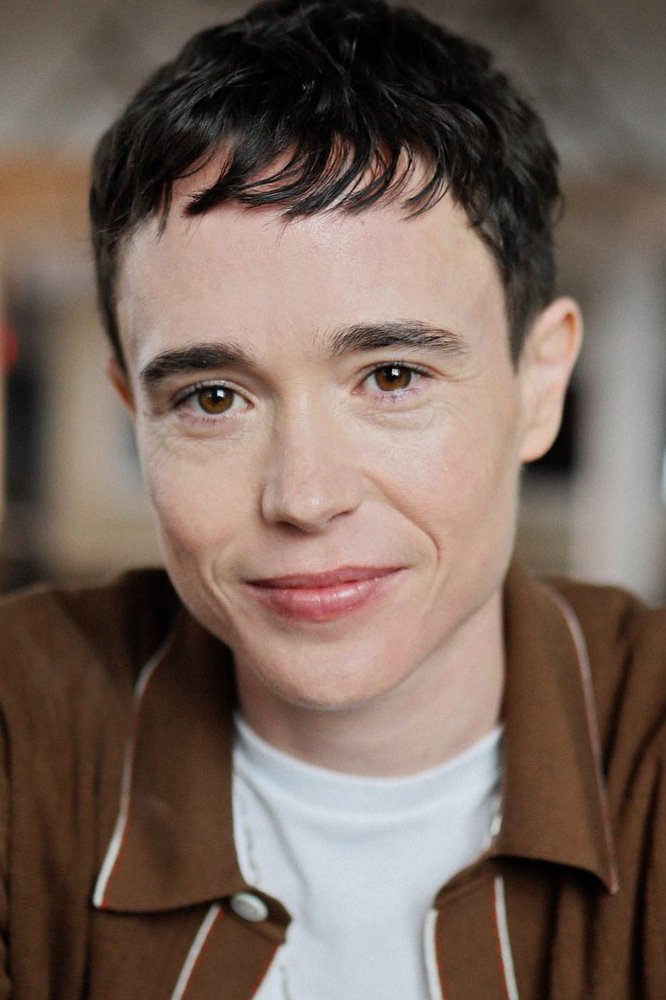
Following his transition, Page has addressed questions about his identity with clear boundaries and a focus on the importance of trans healthcare. In interviews for ‘The Umbrella Academy’, he has deftly avoided invasive personal questions while advocating for the protection of trans youth. Page has pointed out the legislative attacks on the community during major talk show appearances to shift the focus from himself to the larger movement. His calm and informative demeanor has helped humanize the trans experience for a global audience.
Jazz Jennings
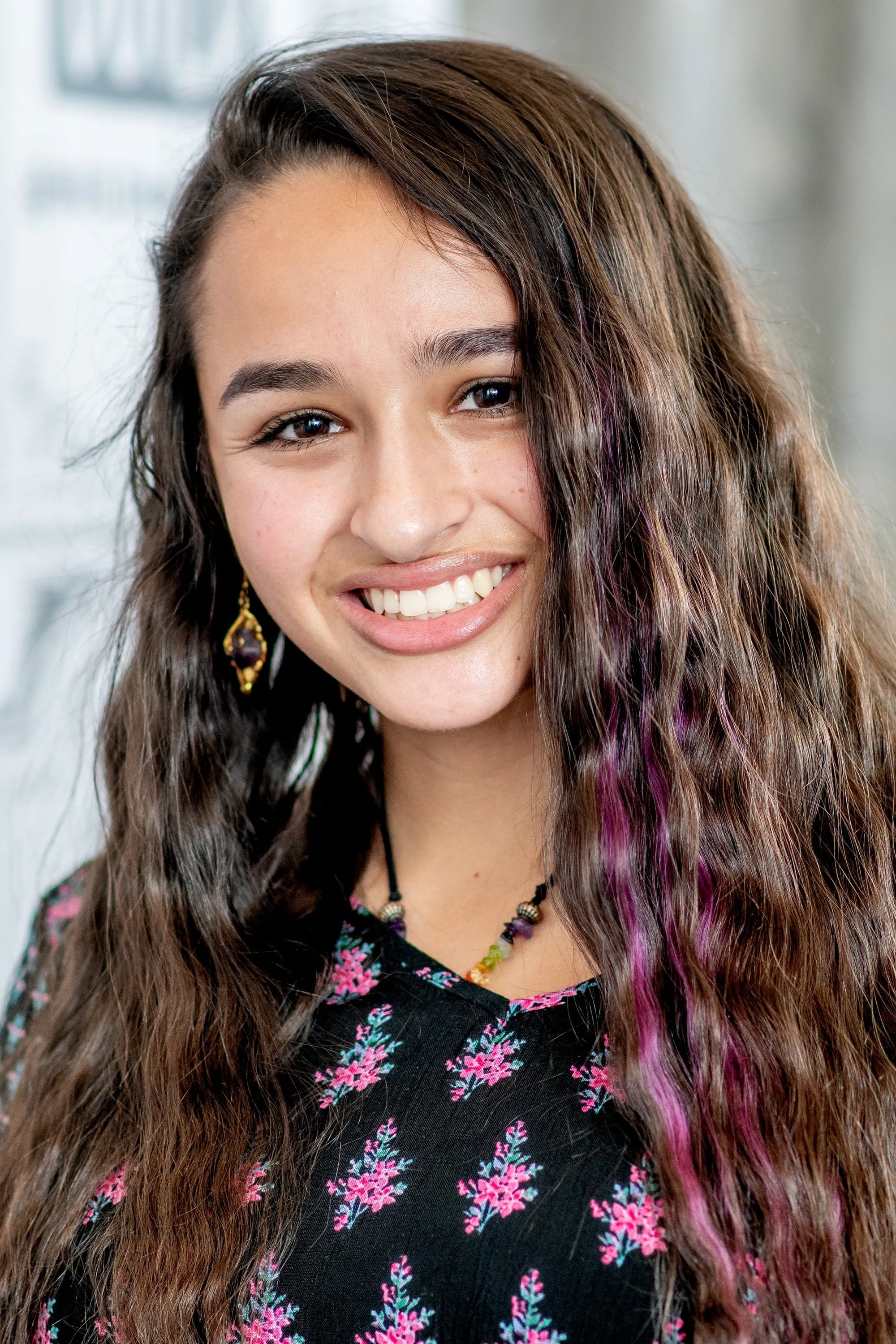
From a very young age, Jennings has dealt with news anchors who asked invasive questions about her childhood and medical journey. She has consistently answered with maturity and factual information, often correcting older hosts who lacked basic understanding of gender identity. As she grew older on the show ‘I Am Jazz’, she became even more adept at shutting down critics who appeared on news segments to challenge her right to exist. Her long history in the public eye serves as a record of media evolution and personal resilience.
Chaz Bono
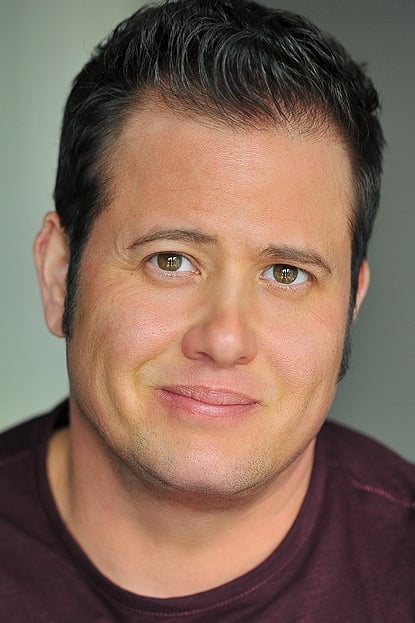
Bono faced intense and often hostile scrutiny during his time on ‘Dancing with the Stars’ and subsequent interviews on ‘Entertainment Tonight’. He consistently reframed the conversation toward his talent as a performer and the normalcy of his daily life. Bono frequently shut down attempts to make his participation in the competition a “political” statement rather than an artistic one. His visibility on mainstream television during the early 2010s helped pave the way for more nuanced discussions about trans men in media.
Trace Lysette
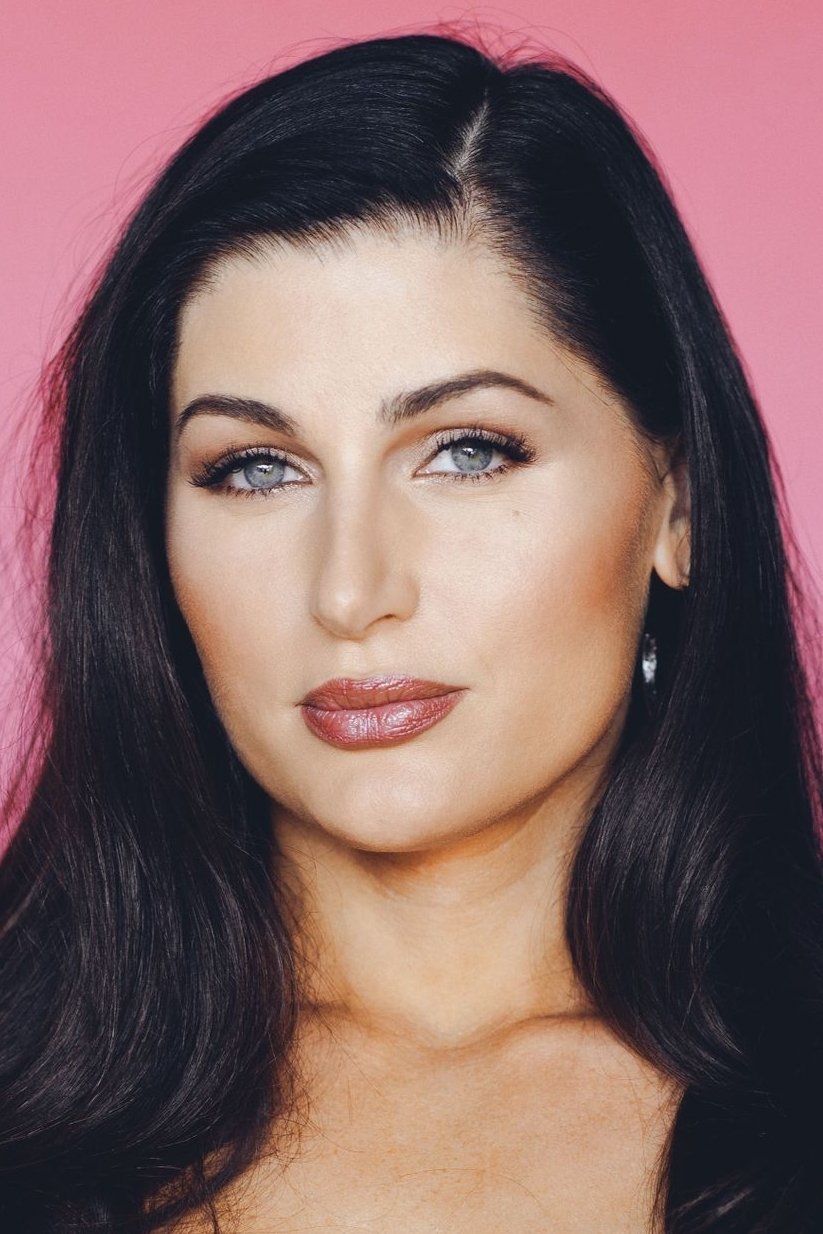
In interviews for ‘Transparent’ and the film ‘Hustlers’, Lysette has demanded respect and professional treatment from the press. She has spoken out against the industry’s tendency to cast cisgender actors in trans roles and has challenged interviewers who defend these practices. Lysette often shuts down invasive questions by highlighting the lack of safety and economic opportunity for trans people in Hollywood. Her advocacy has been instrumental in the “Trans is Beautiful” movement within the entertainment industry.
Andreja Pejić

Pejić, a high-fashion model, handled invasive questions about her body and surgery early in her career with grace and firm boundaries. During television interviews following her transition, she focused on her achievements in the fashion world rather than the details of her medical history. She has been vocal about the pressure placed on trans women to conform to specific beauty standards to be respected by the media. Pejić’s ability to navigate the cutthroat fashion industry while maintaining her integrity has been highly influential.
Alexandra Billings
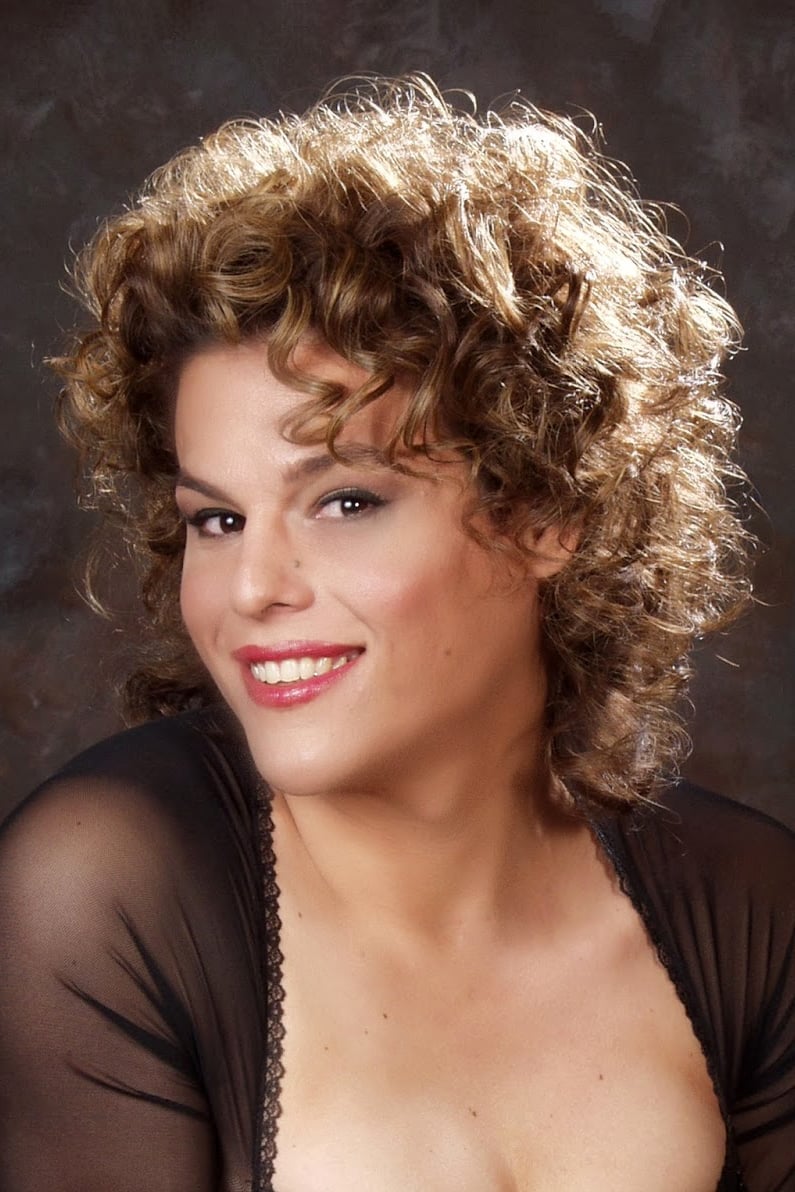
A veteran actress and educator, Billings has spent decades correcting industry professionals on the nuances of transgender representation. During interviews for ‘Transparent’, she often used humor and wit to shut down ignorant or repetitive questions. She has been a vocal critic of how the media sensationalizes trans lives for the sake of “drama.” Billings’s long career gives her a unique perspective that she uses to hold interviewers and producers accountable for their portrayals.
Jen Richards
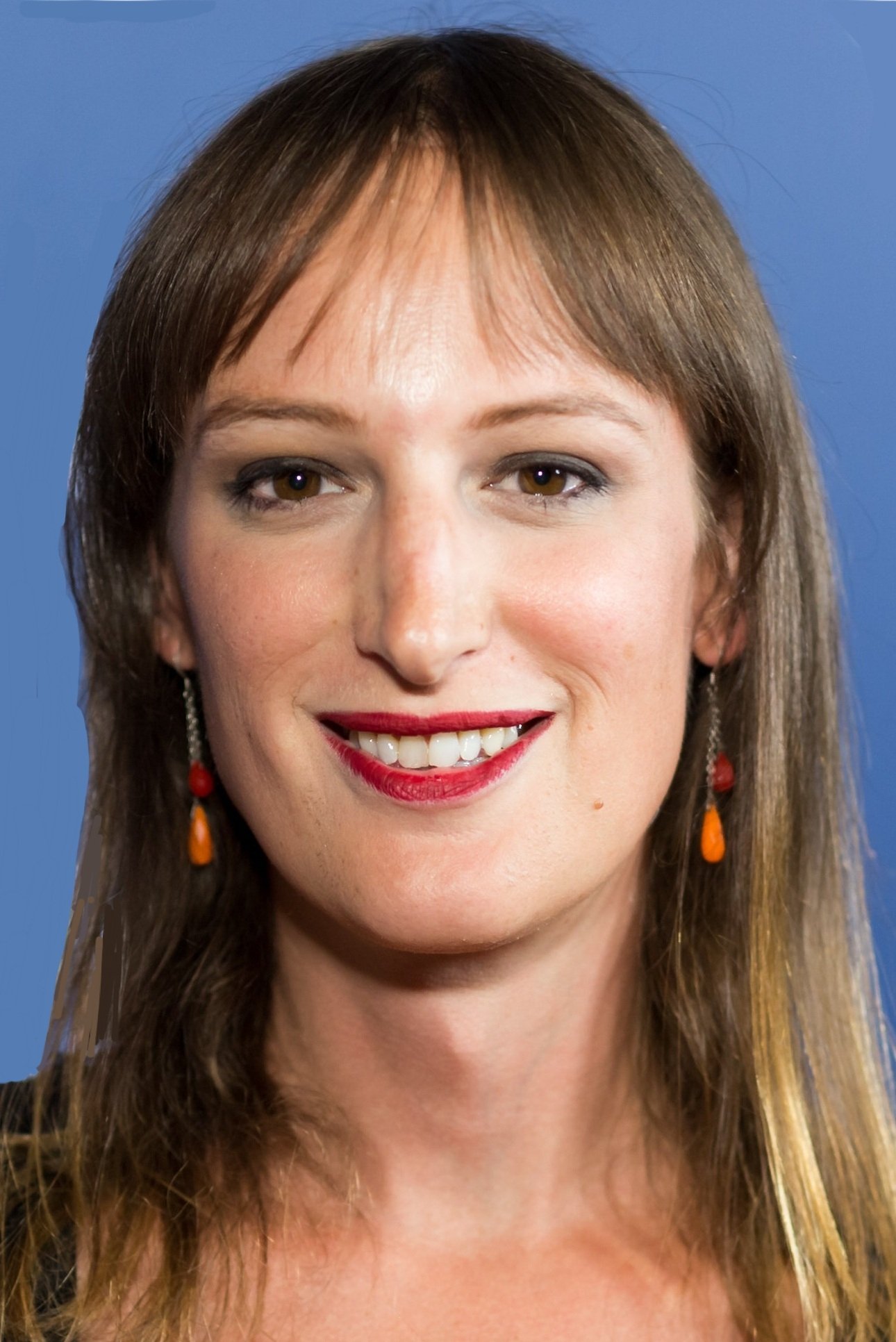
Co-creator of the series ‘Her Story’, Richards has frequently challenged interviewers on the lack of authentic casting in television and film. She has been a leading voice in explaining why “transface”—cisgender actors playing trans roles—is harmful to the community. In various televised discussions, she has shut down arguments that prioritize “big names” over authentic representation. Richards consistently directs the focus toward the talent and professional capability of transgender creators.
Hunter Schafer
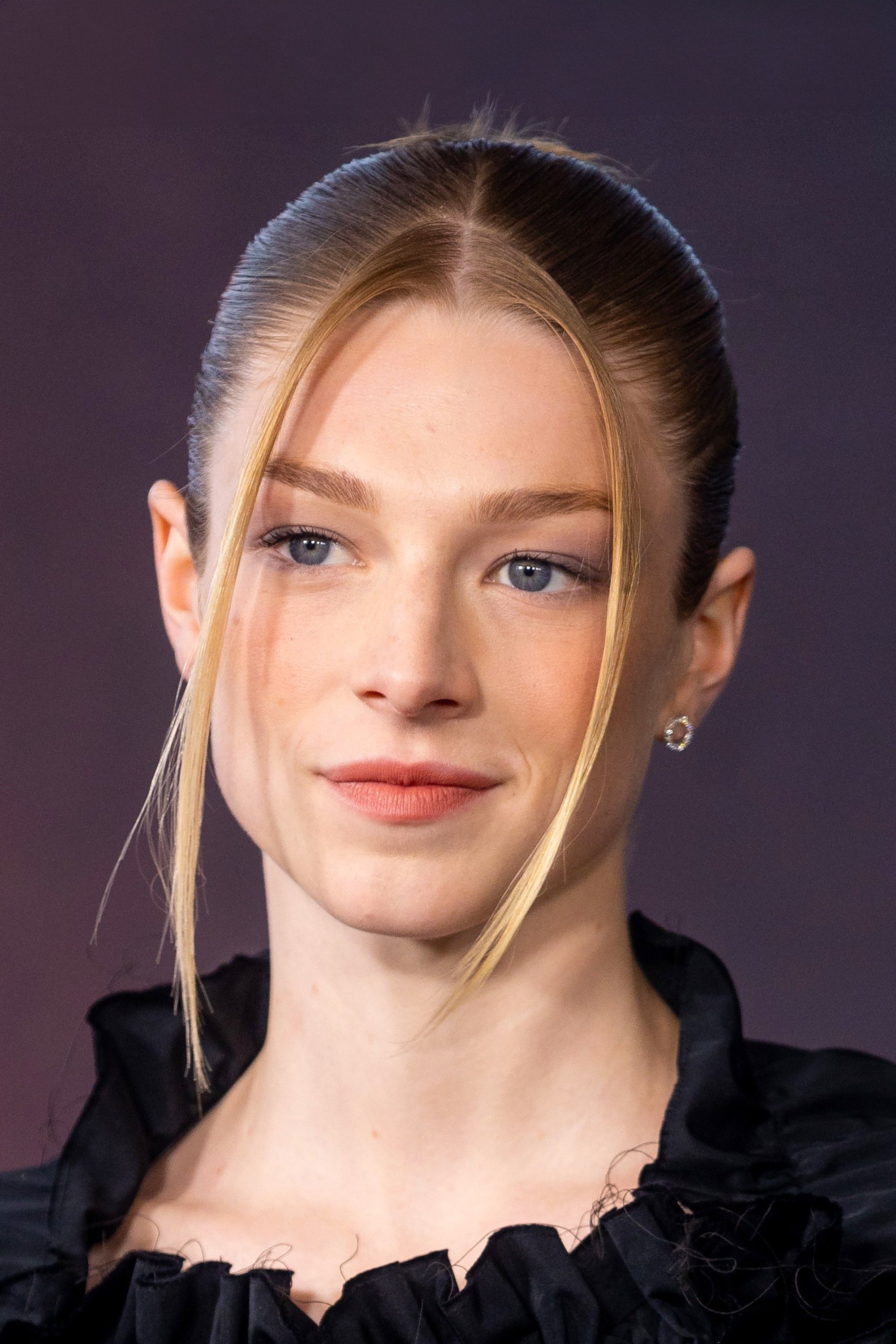
During press tours for the series ‘Euphoria’, Schafer has successfully navigated interviews by focusing on her character’s development and her own artistry. She has been known to sidestep invasive personal questions by bringing the conversation back to the themes of the show. Schafer’s presence in high-fashion and prestige television has allowed her to set a standard for how young trans celebrities are treated by the press. She emphasizes that her identity is just one part of her multifaceted career as an artist and model.
Kim Petras
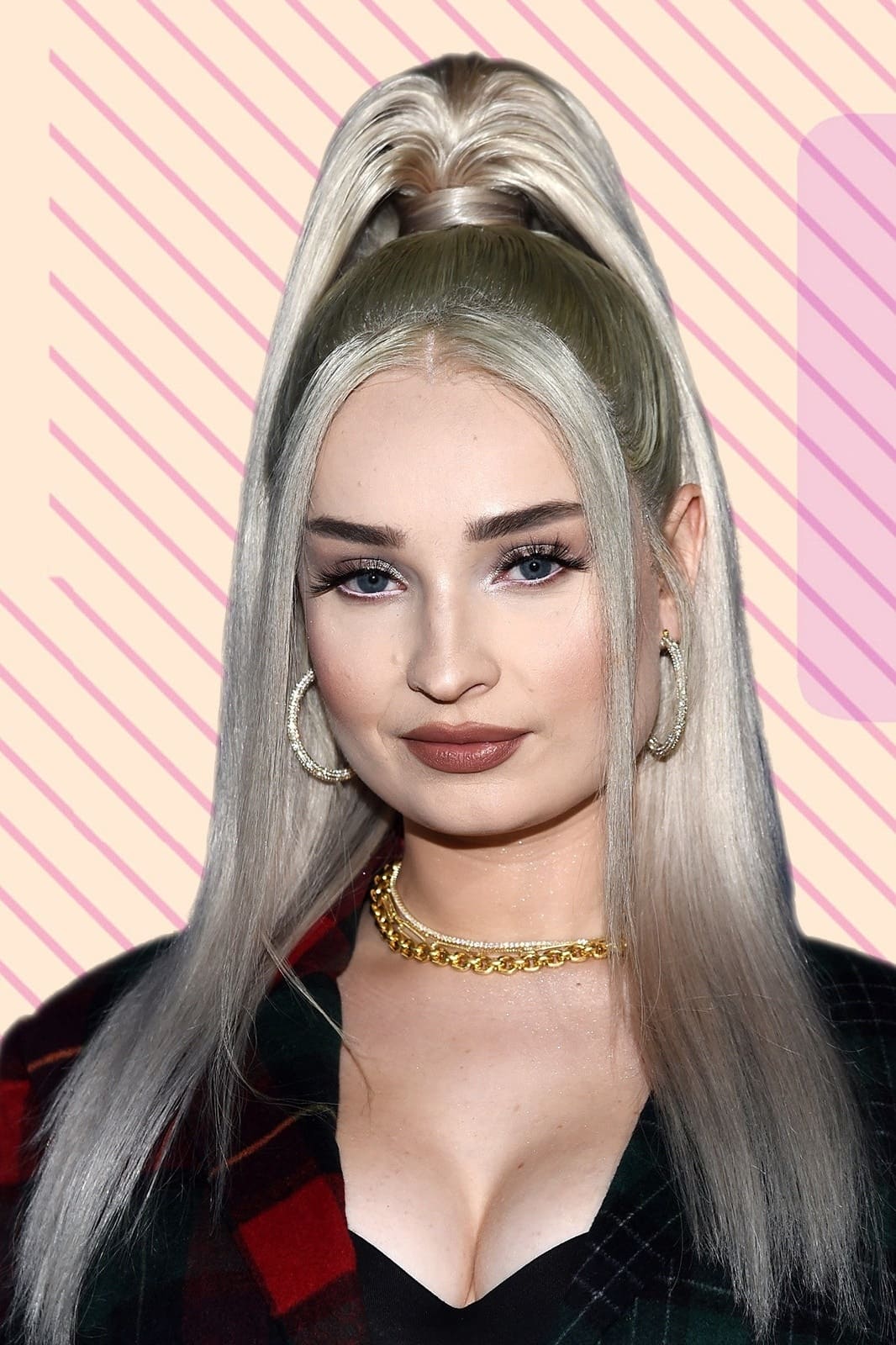
Petras often faces questions about being “the first” trans person to achieve various musical milestones or her medical history. She consistently redirects these inquiries to her music, songwriting, and artistic influences. Petras has stated in interviews that while she is proud of her identity, she wants to be recognized primarily as a pop star. Her refusal to let her gender identity overshadow her musical output is a recurring theme in her televised appearances.
Leyna Bloom
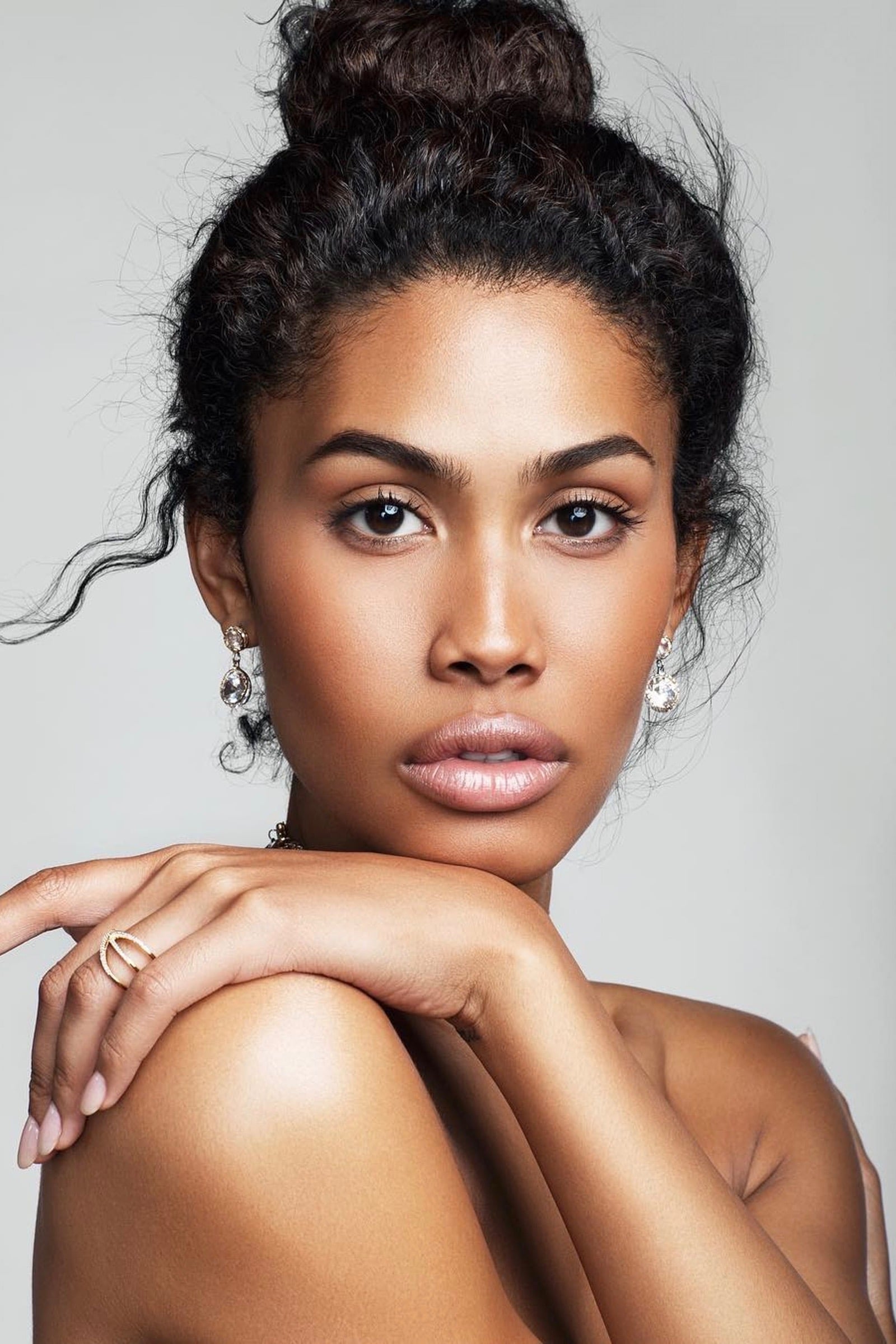
As the first transgender woman of color to appear on the cover of the ‘Sports Illustrated’ Swimsuit Issue, Bloom faced significant media attention. She used her interview circuit to shut down critics who questioned her inclusion and focused instead on the themes of grace and resilience. Bloom has been firm in correcting interviewers who attempt to categorize her solely by her transition rather than her work as an actor and model. She advocates for a world where trans women are seen as “the standard” of beauty and talent.
Amiyah Scott
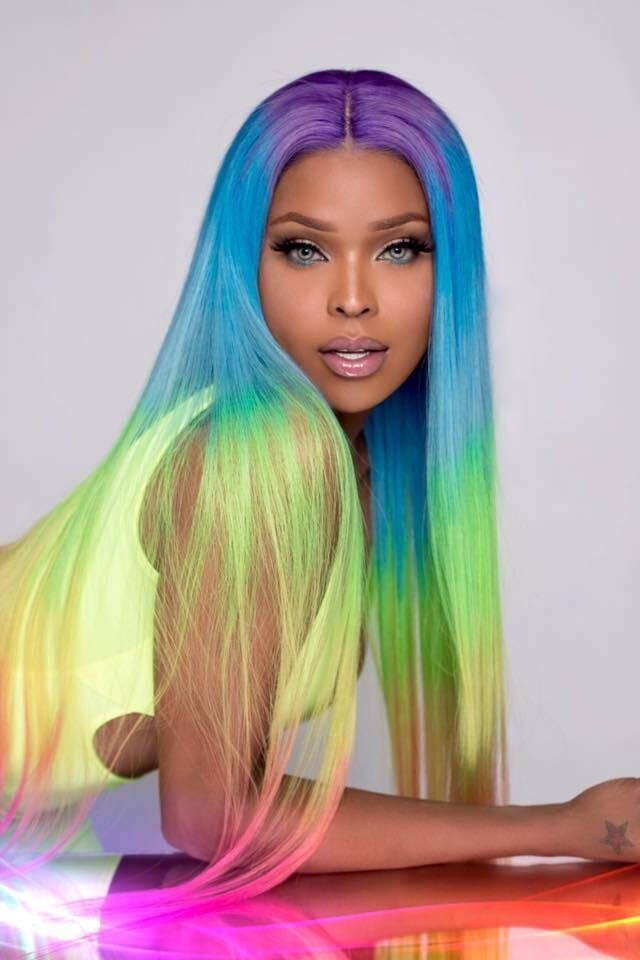
Known for her roles in ‘Star’ and ‘The Real Housewives of Atlanta’, Scott has a history of shutting down invasive questions with confidence. She has been vocal about the disrespect she sometimes faces from interviewers who treat her identity as a “plot point.” Scott emphasizes her self-made success and refuses to provide the “tragic” narrative that many media outlets seek. Her television presence has been a testament to the power of maintaining one’s agency in a scripted environment.
Nikita Dragun
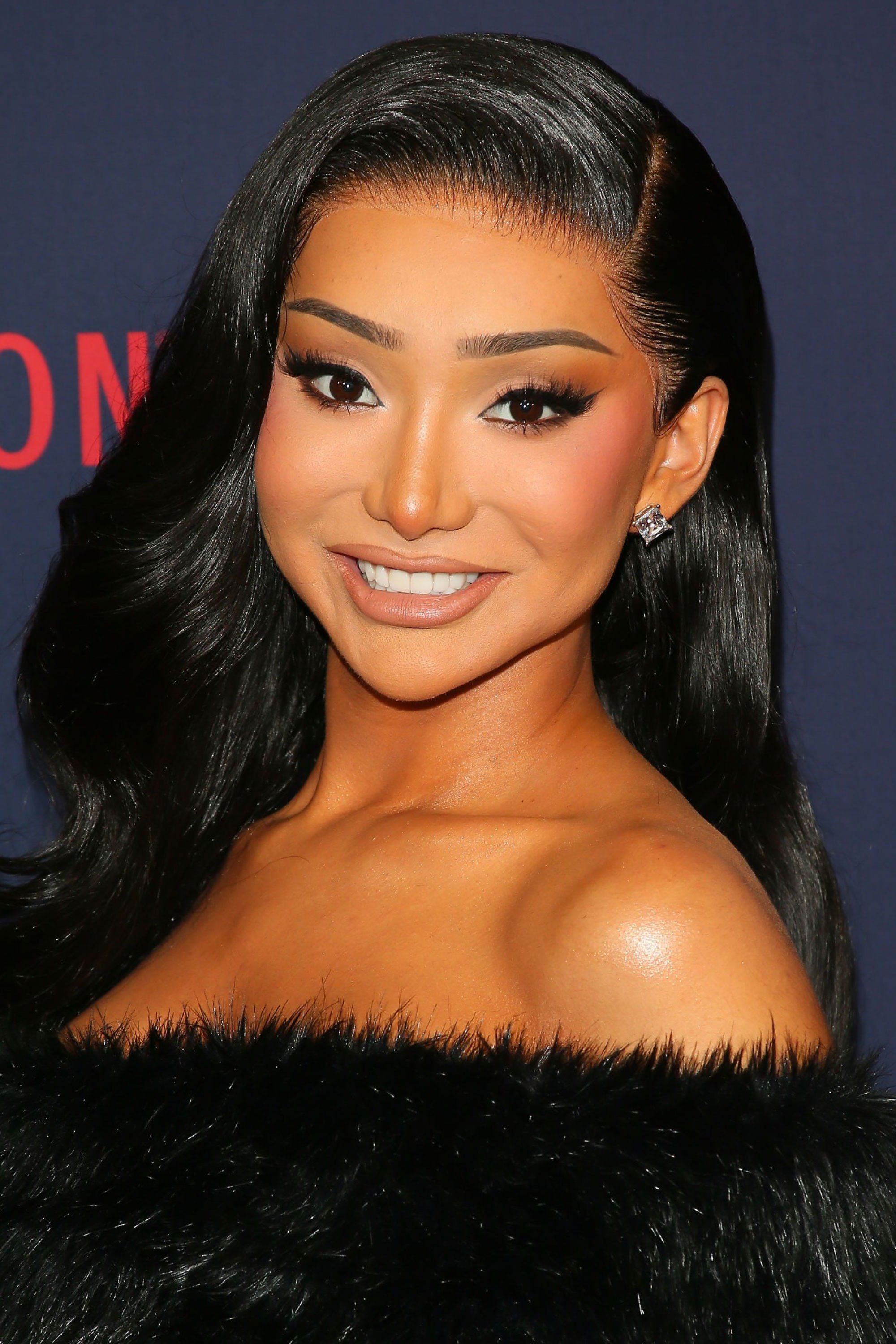
While often a controversial figure, Dragun has been consistent in shutting down transphobic rhetoric during her many television and digital appearances. She often uses her platform to address the double standards of beauty and the specific vitriol directed at trans women online. Dragun has confronted interviewers who attempt to mock her transition by turning the conversation into a lesson on confidence and business savvy. Her large following gives her significant leverage in how she chooses to engage with traditional media.
Chella Man
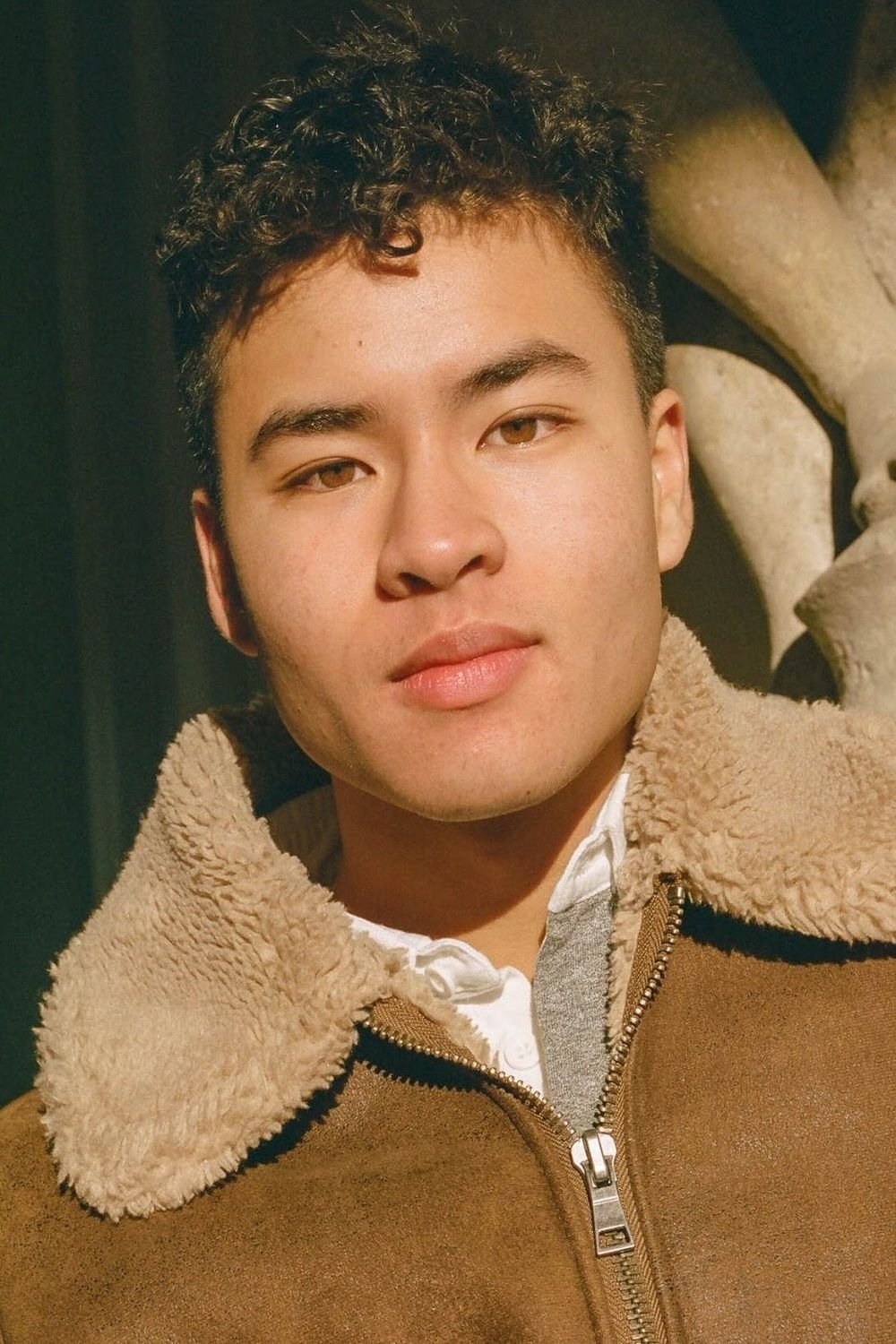
As a deaf, trans, and Jewish artist, Man provides a unique perspective that he defends during media appearances. He has corrected interviewers who struggle to understand the intersectionality of his identities. Man uses his platform to explain that his transition is a personal journey that should not be up for public debate or sensationalism. His focus remains on his art and his advocacy for disability rights and gender diversity.
Jake Zyrus

The singer, formerly known as Charice, faced a global media spotlight during his transition. He appeared in various international interviews where he shut down questions about his past image to focus on his new identity and vocal evolution. Zyrus has been open about the pressures of the music industry and has corrected hosts who tried to link his talent only to his “pre-transition” success. His journey has been a high-profile example of reclaiming one’s voice and identity in the public eye.
Ian Alexander
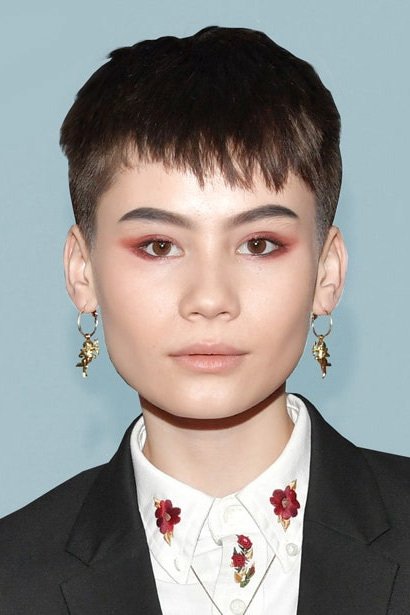
Known for ‘The OA’ and ‘Star Trek: Discovery’, Alexander has been a vocal advocate for non-binary and trans youth during his press tours. He has corrected interviewers on his pronouns and has spoken out against the lack of diverse roles in science fiction. Alexander focuses on the importance of seeing trans people in the future and in positions of power. His presence on major franchises allows him to challenge the status quo of Hollywood storytelling during televised segments.
Leo Sheng
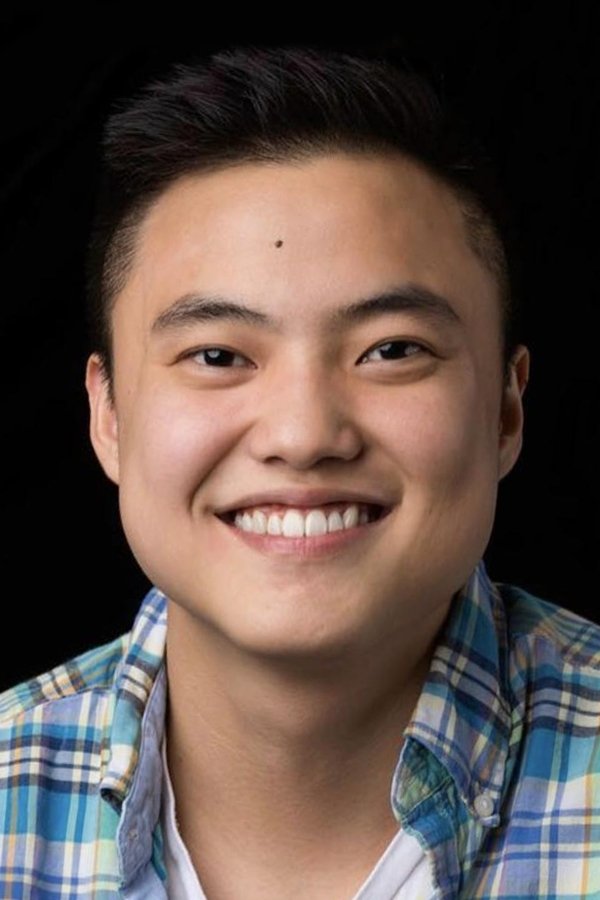
A star of ‘The L Word: Generation Q’, Sheng has used his platform to discuss the nuances of the trans masculine experience. He has been quick to correct interviewers who use incorrect terminology or who focus too heavily on physical changes. Sheng emphasizes the emotional and social aspects of transition and the importance of community support. His thoughtful responses have helped educate audiences on a segment of the trans community that is often overlooked in media.
Brian Michael Smith
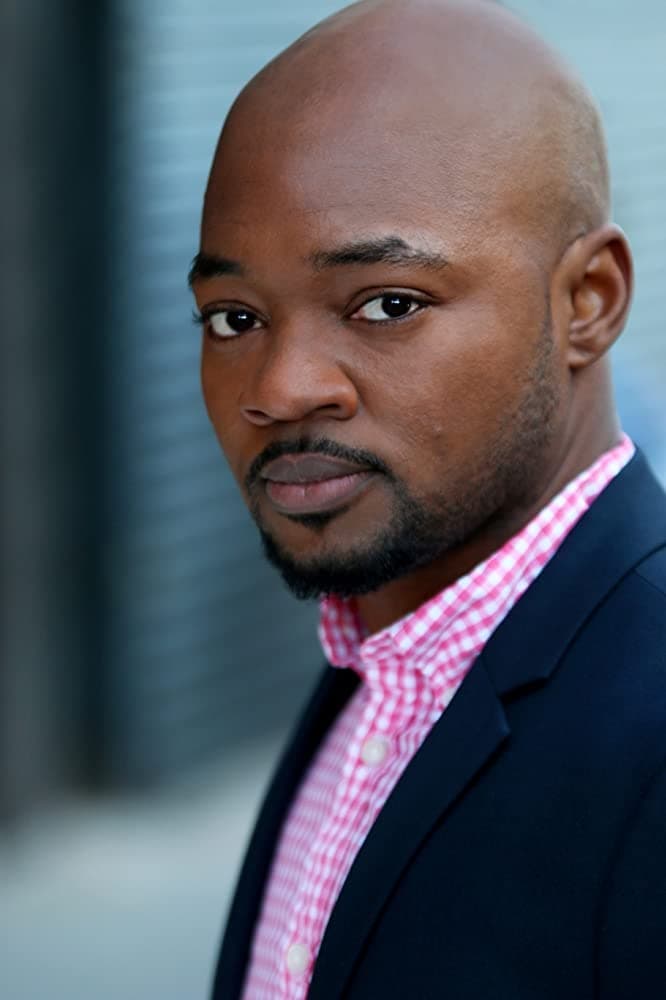
Smith made history on ‘9-1-1: Lone Star’ and has used his interviews to demand better representation for trans men. He has corrected interviewers who focus on the “shock value” of his transition, steering the conversation toward his decades of experience as an actor. Smith advocates for roles where being trans is a part of the character but not the entire story. His professional and grounded approach has made him a respected figure in both the acting and trans communities.
Josie Totah
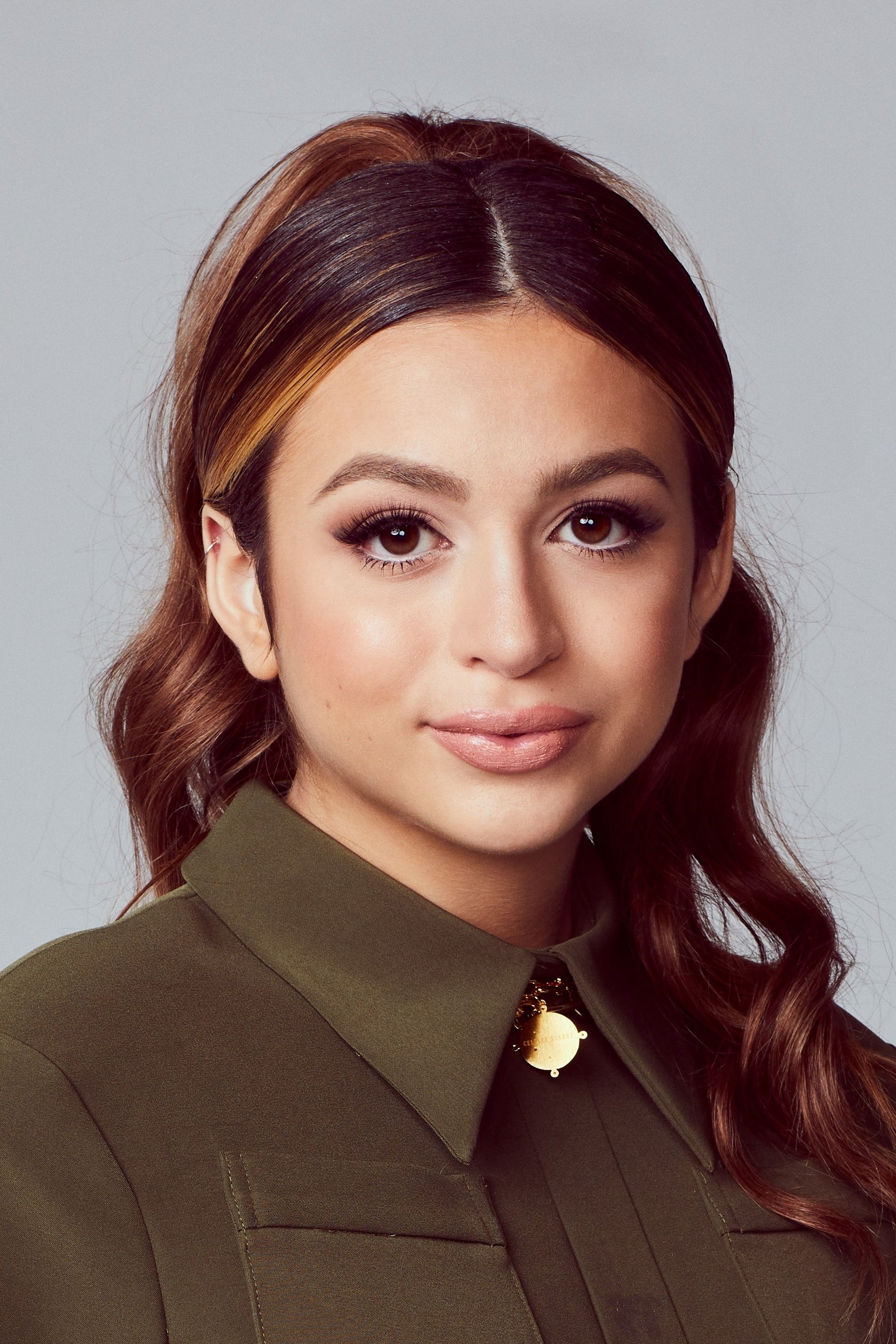
After coming out in an essay for ‘Time’, Totah appeared on various talk shows to discuss her transition and her career as a young actress. She has been adept at shutting down questions that attempt to treat her identity as a “phase” or a trend. Totah emphasizes that she has always known who she is and that the media’s understanding is what needs to catch up. Her wit and charm allow her to navigate potentially awkward interviews with ease and authority.
Please share your thoughts on these impactful media moments in the comments.