


Celebs Who Concealed Their Ethnicity to Succeed in Hollywood



Hollywood has a long history of shaping on screen identities that fit whatever the marketplace favored at the time. For many performers that meant changing names, tweaking backstories, adjusting accents, or even altering their appearance so casting directors and audiences would see them as less foreign. Studio publicists often guided these choices and early biographies quietly emphasized generic American origins over specific cultural roots.
The practice reached its peak during the studio era, but it never fully disappeared. Some actors sought broader opportunities by downplaying ethnic signals in credits or interviews, while others followed advice from agents who believed a different name would help them book work. The stories below show how individual careers intersected with industry pressures and with the ways Hollywood once handled identity.
Rita Hayworth
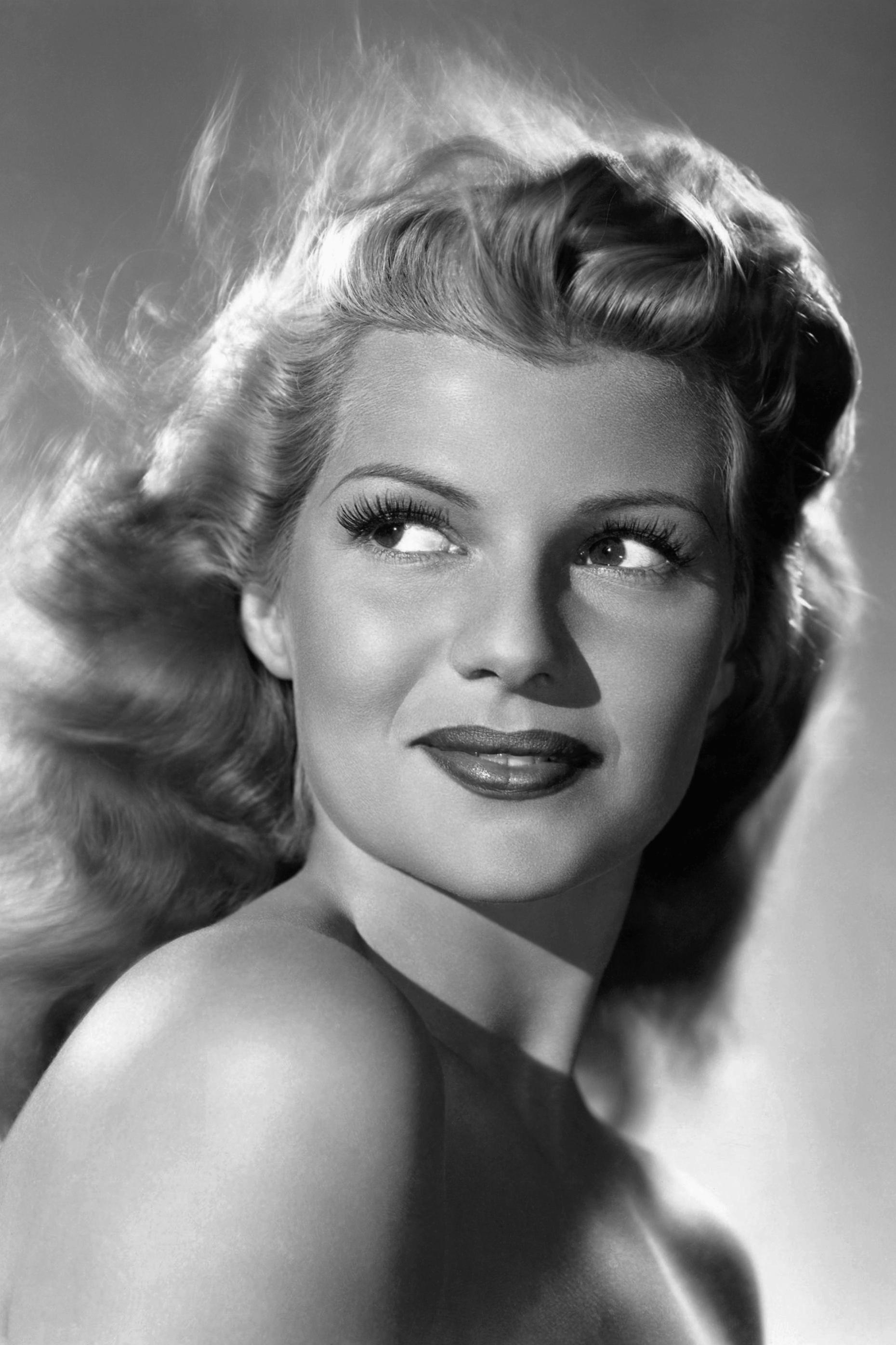
Rita Hayworth was born Margarita Carmen Cansino to a Spanish father and an American mother. Under studio direction she underwent painful electrolysis to raise her natural low hairline and dyed her hair red to move away from the Latin dancer image she had as a teenager. Columbia also guided the change from Margarita Cansino to Rita Hayworth, which helped casting directors view her as a mainstream romantic lead rather than as a specialty performer.
Publicity materials from her early star years highlighted an all American appeal and often left out her Spanish heritage. The makeover aligned her with the era’s expectations for a classic screen siren and opened doors to roles in films like ‘Gilda’ and ‘The Lady from Shanghai’.
Merle Oberon
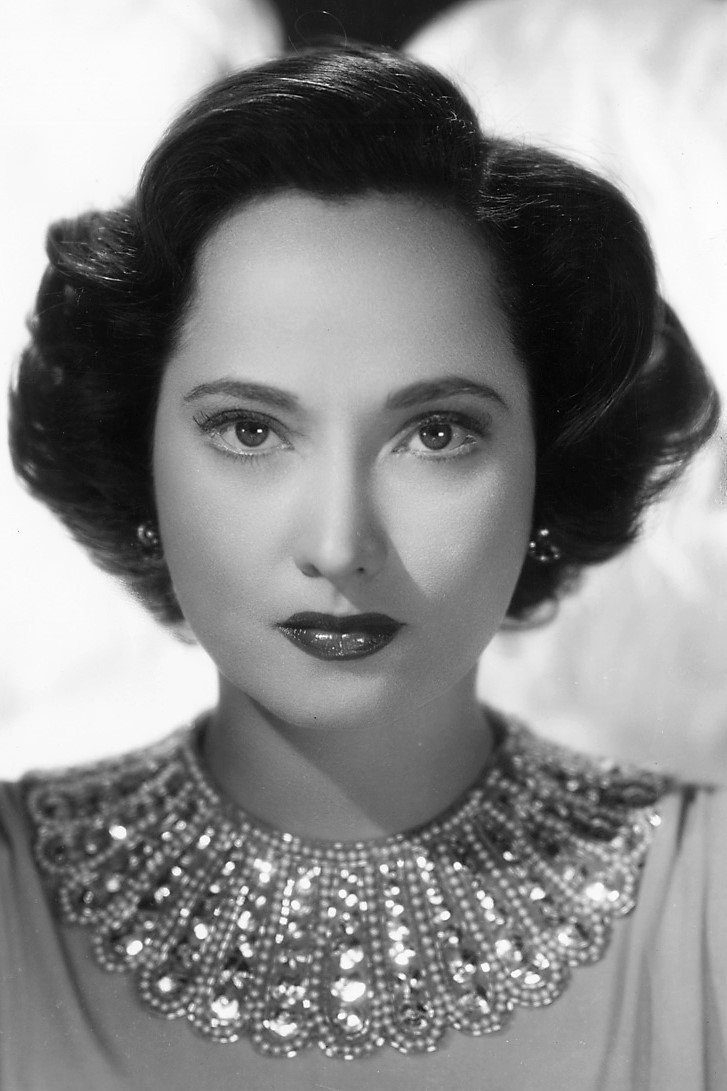
Merle Oberon was born in British India and had mixed South Asian and European ancestry. In the 1930s she presented herself as Tasmanian, a safer origin at the time for a rising actress in the British and American film industries. Studio publicity supported that narrative and biographical notes repeated it for years.
Makeup and careful lighting were used to standardize her appearance for the camera. The managed origin story and technical choices around cinematography helped Oberon secure roles opposite major stars in productions such as ‘Wuthering Heights’ and ‘The Scarlet Pimpernel’.
Natalie Wood
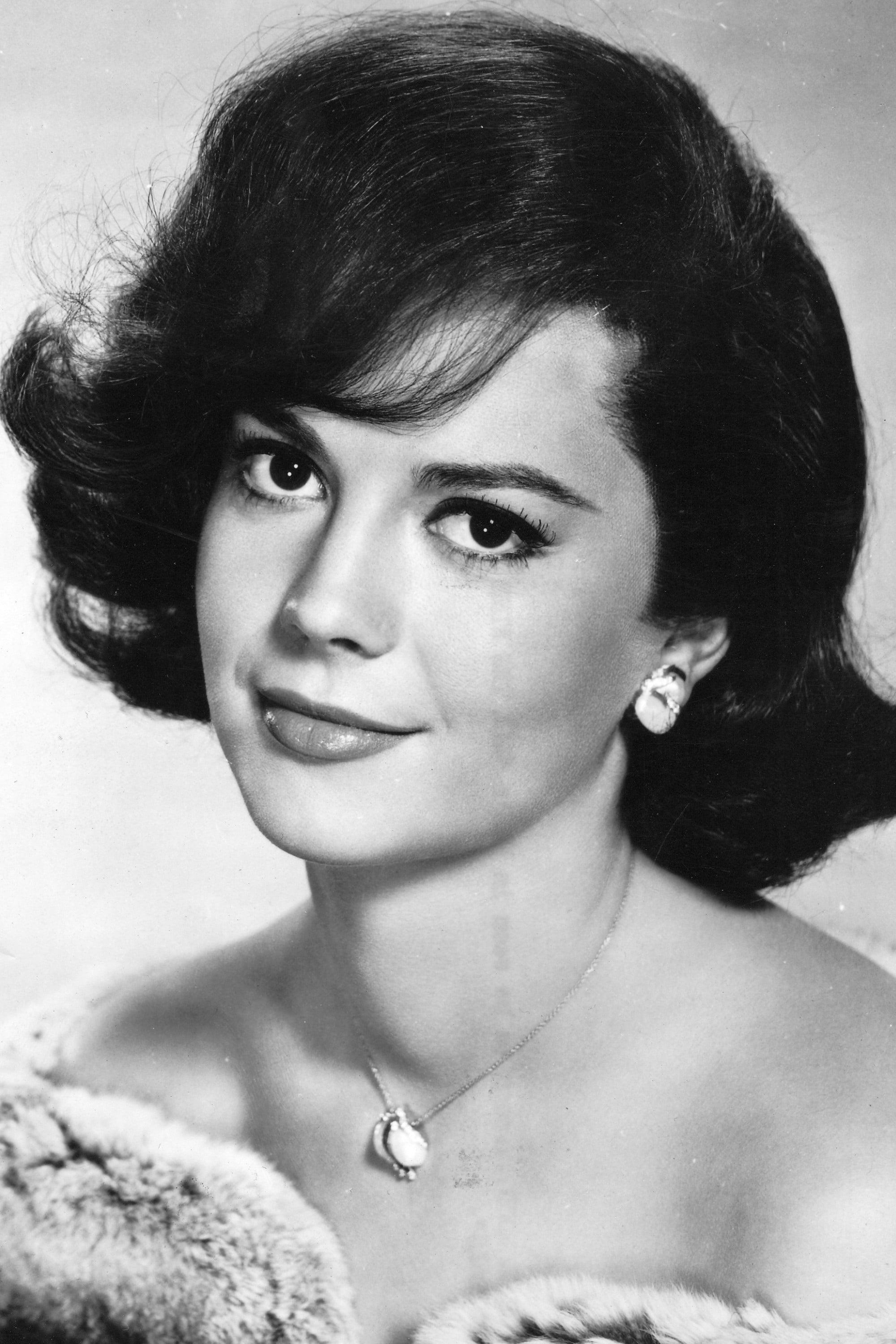
Natalie Wood entered Hollywood as Natalia Zakharenko, the daughter of Russian immigrants. Under studio management her name was changed to Natalie Wood, and early biographies simplified her background during a period when Cold War sentiments shaped public perception.
She took voice and diction training that reduced traces of her family’s language at home. The polished presentation helped her transition from child parts to adult roles in films such as ‘Rebel Without a Cause’ and ‘West Side Story’.
Tony Curtis
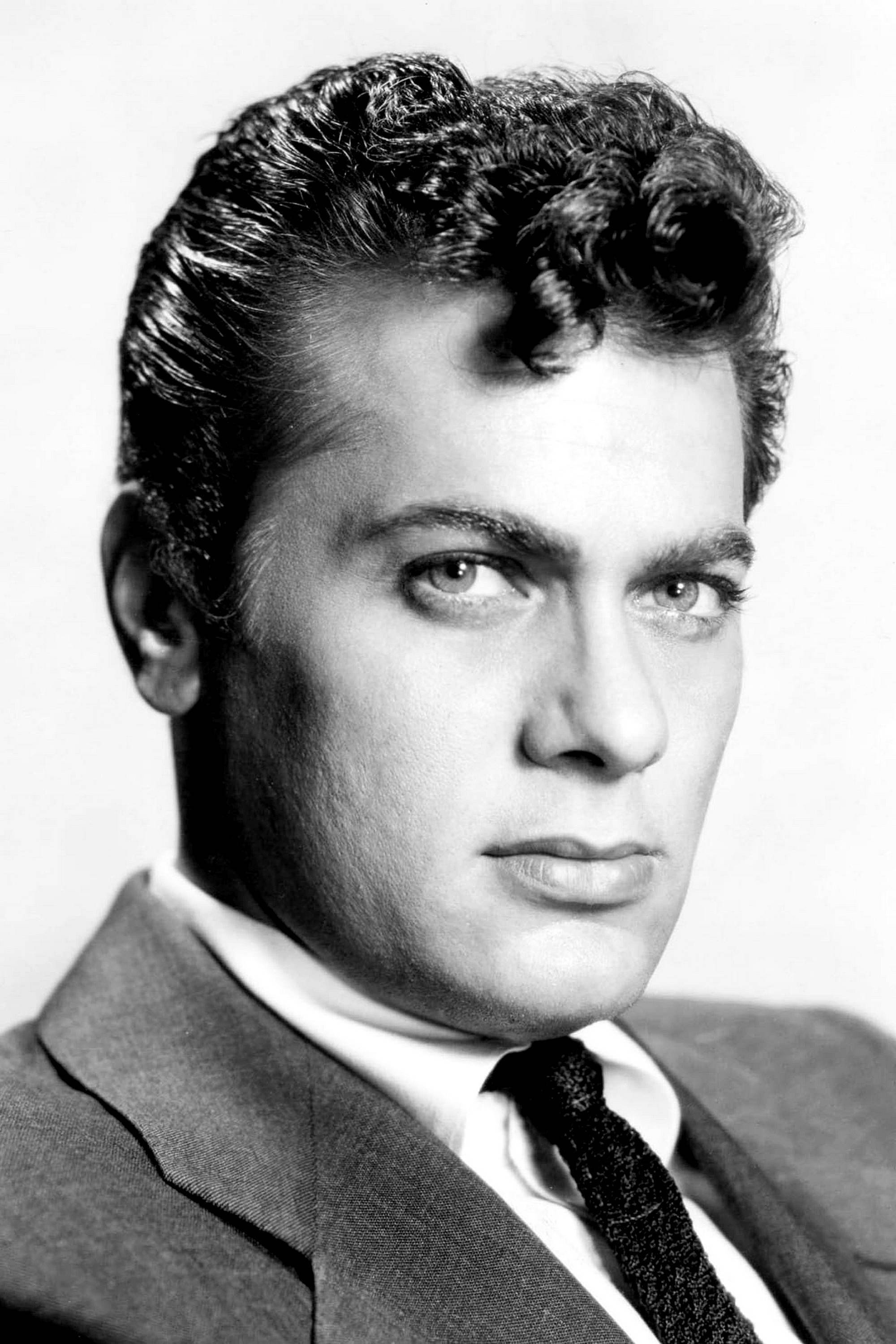
Tony Curtis was born Bernard Schwartz to Hungarian Jewish parents in New York City. Universal guided the change to Tony Curtis, a name that fit the studio’s leading man template and read cleanly on marquees across the country.
Press material for his first wave of starring roles foregrounded his urban upbringing and ambition while skipping explicit references to his family’s origins. The new screen identity supported a run of parts in films like ‘Some Like It Hot’ and ‘Spartacus’.
Kirk Douglas
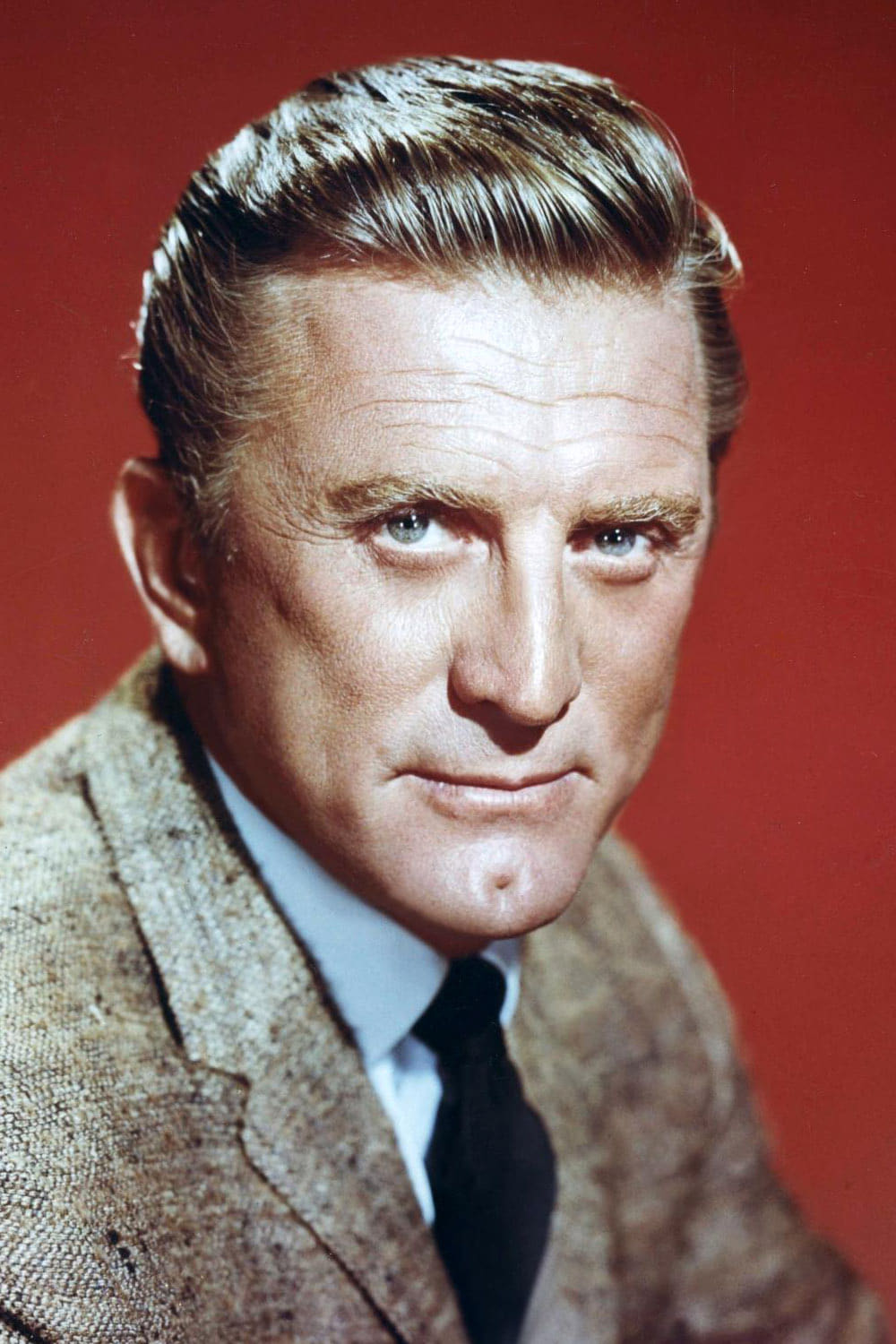
Kirk Douglas began life as Issur Danielovitch, the son of Russian Jewish immigrants. Before his film breakthrough he adopted the name Kirk Douglas, a choice that aligned with casting expectations for strong American protagonists.
Early career profiles emphasized his time on stage and his working class roots without dwelling on family background. The presentation helped him land a spectrum of roles in titles such as ‘Champion’ and ‘Paths of Glory’.
Lauren Bacall
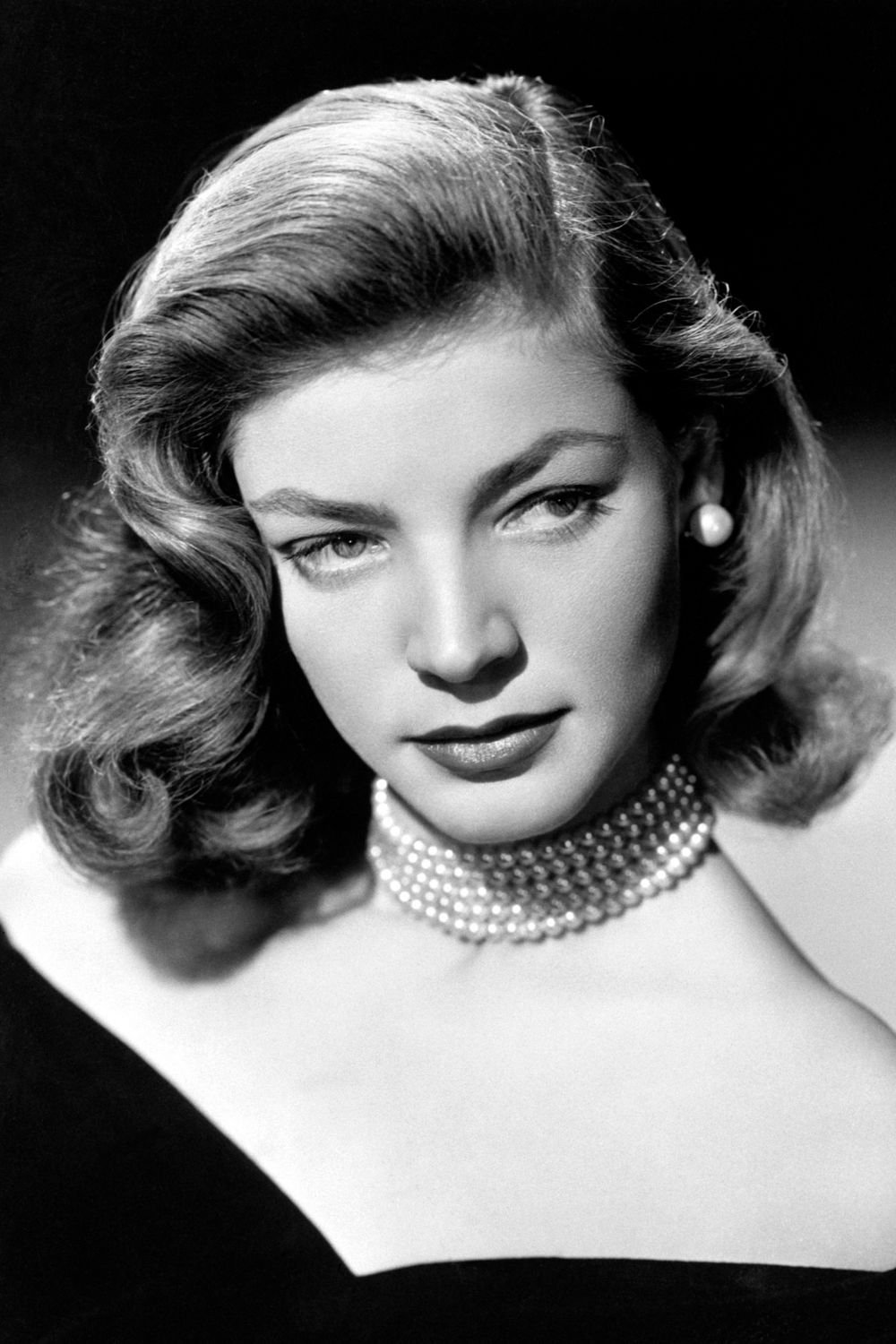
Lauren Bacall was born Betty Joan Perske to Jewish parents in New York. When she signed with a major studio the name Lauren Bacall appeared on posters and in magazines, and publicists crafted a streamlined origin story around a New York discovery.
Articles and interviews focused on her modeling past and her screen test rather than on ethnic specifics. The carefully framed persona supported her debut in ‘To Have and Have Not’ and her later work with Humphrey Bogart in ‘The Big Sleep’.
Jack Palance

Jack Palance was born Volodymyr Palahniuk to Ukrainian parents in Pennsylvania. As he moved from boxing and theater into film he adopted Jack Palance, a name that producers found easier to market and that fit the rugged archetype he often played.
Studio notes drew attention to his coal country childhood and his athletic background. The simplified profile aligned him with hard edged roles in films like ‘Shane’ and ‘Sudden Fear’.
Charles Bronson
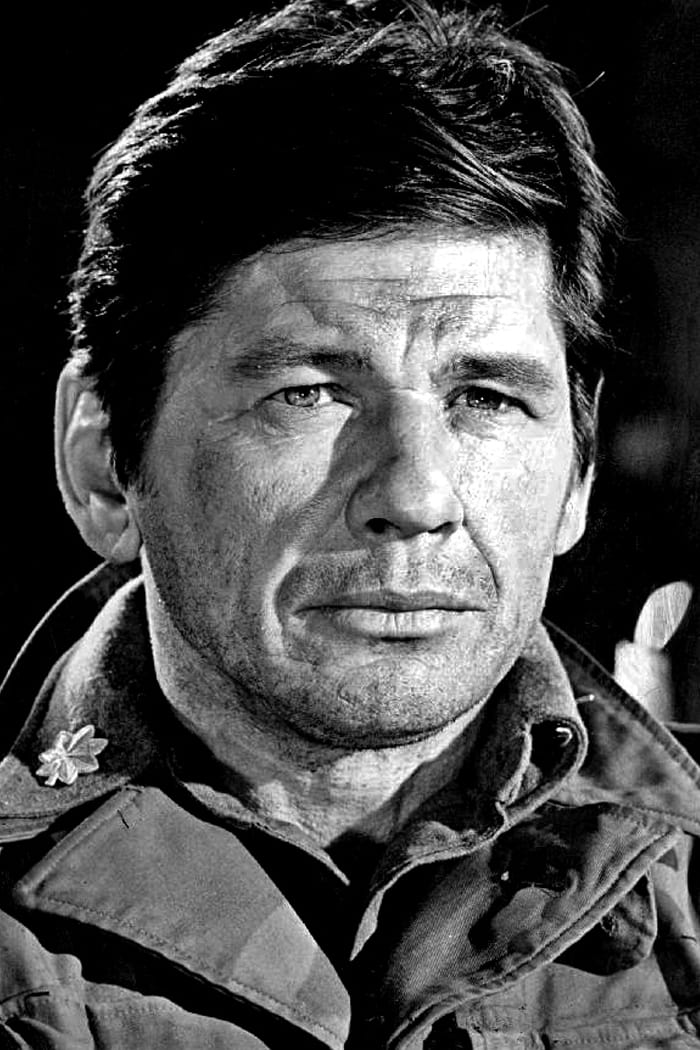
Charles Bronson entered the world as Charles Buchinsky in a Pennsylvania mining town to a family with Lithuanian roots. During the Red Scare he shifted to Bronson, a change that removed a surname many in the industry considered risky in that period.
Public campaigns centered on his blue collar upbringing and quiet toughness. The framing supported casting in action and thriller projects such as ‘The Magnificent Seven’ and ‘The Great Escape’.
Martin Sheen
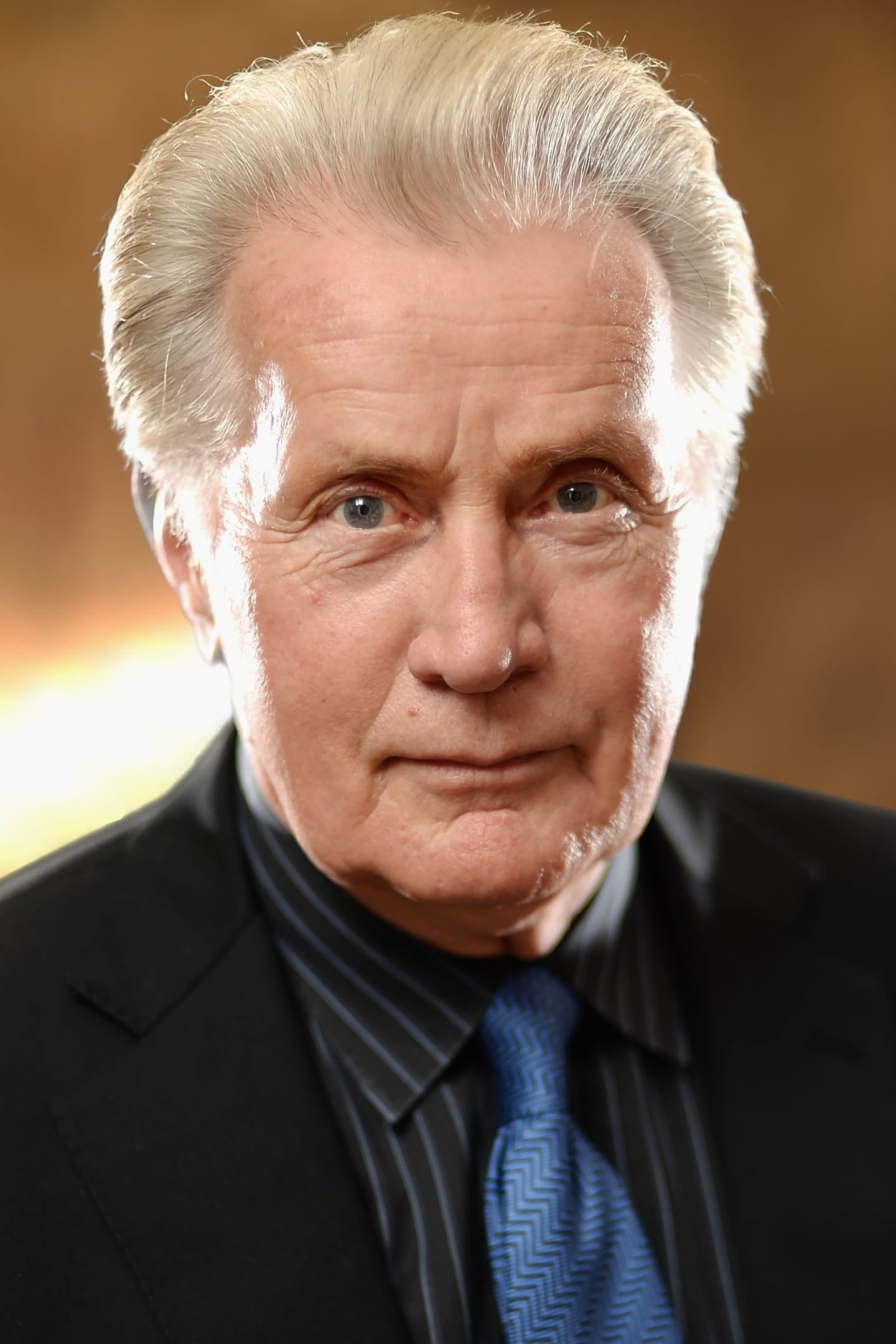
Martin Sheen was born Ramón Antonio Gerardo Estévez to a Spanish father and an Irish mother. He chose the stage name Martin Sheen early in his career after encountering barriers that he linked to his given name.
Contracts and credits carried the new name while legal documents retained Estévez. The separation allowed him to build a screen résumé that included ‘Badlands’ and ‘Apocalypse Now’ while his family name remained an important part of his personal identity.
Charlie Sheen
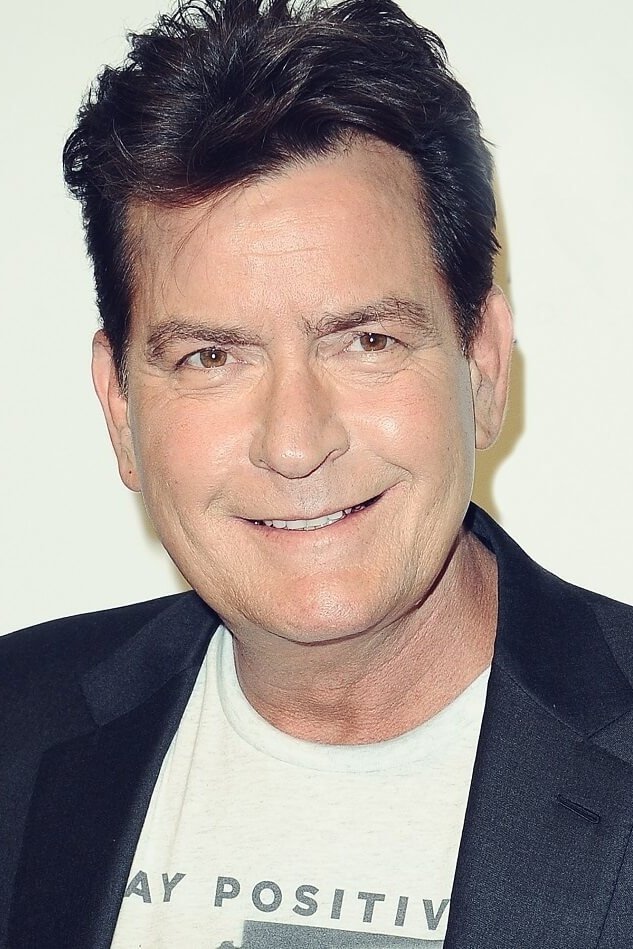
Charlie Sheen was born Carlos Irwin Estévez and followed his father into the business with the adopted surname. Credits and promotional materials used Charlie Sheen for most of his career, which matched the established brand in television and film.
For one project he briefly appeared as Carlos Estévez, highlighting the contrast between public identity and birth name. The long standing screen name accompanied successes in ‘Platoon’ and ‘Two and a Half Men’.
Ben Kingsley
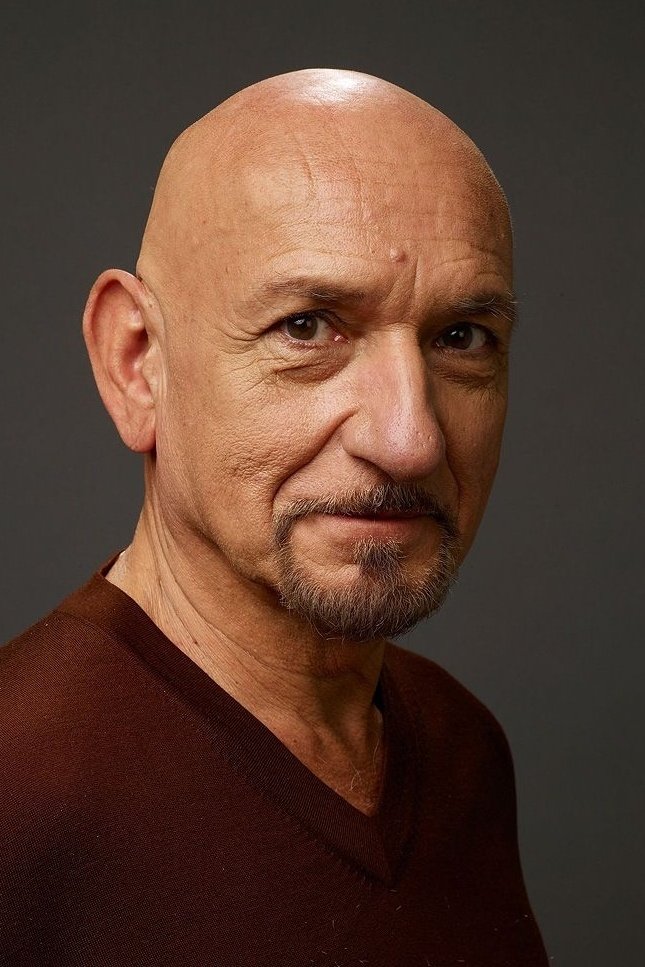
Ben Kingsley was born Krishna Pandit Bhanji in England to an Indian father and an English mother. He adopted Ben Kingsley as a young performer after advice that a different name would broaden opportunities in British theater and film.
Programs and early film credits highlighted his classical training and stage work. The streamlined name traveled with him into international cinema through roles in ‘Gandhi’ and ‘Schindler’s List’.
Natalie Portman
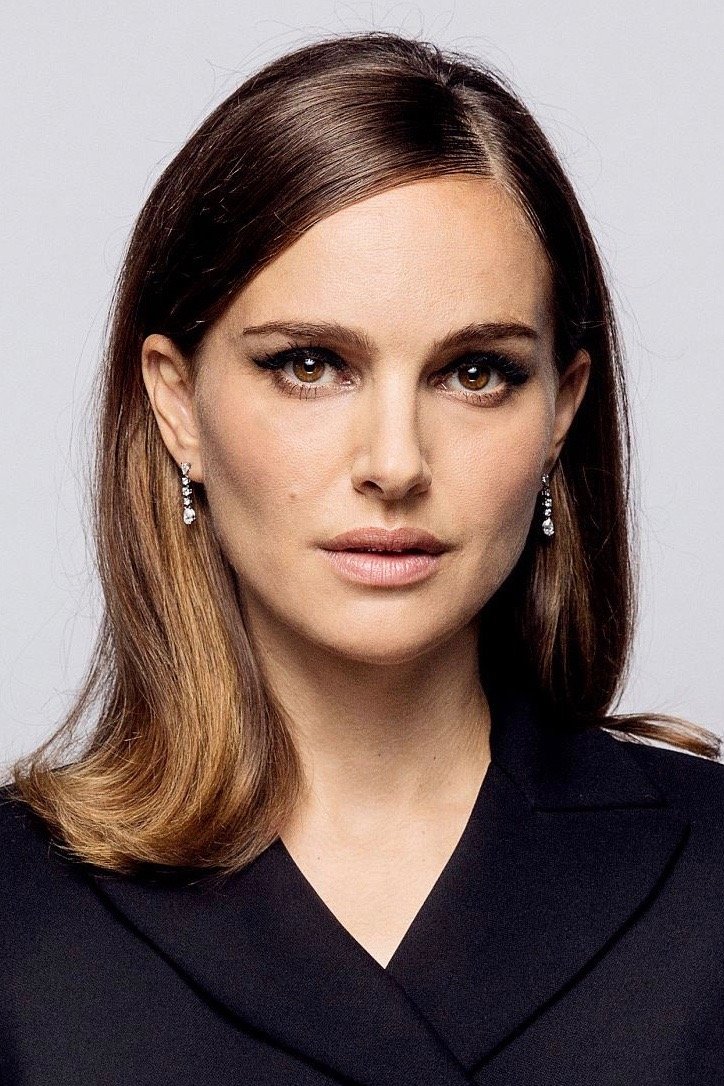
Natalie Portman was born Natalie Hershlag in Israel and moved to the United States as a child. She began acting under the surname Portman, a family name that protected her privacy and presented a simpler credit for casting and publicity.
Her academic work sometimes used her birth surname while screen credits stayed with Portman. The consistent stage identity accompanied early performances in ‘Leon The Professional’ and later films such as ‘Black Swan’.
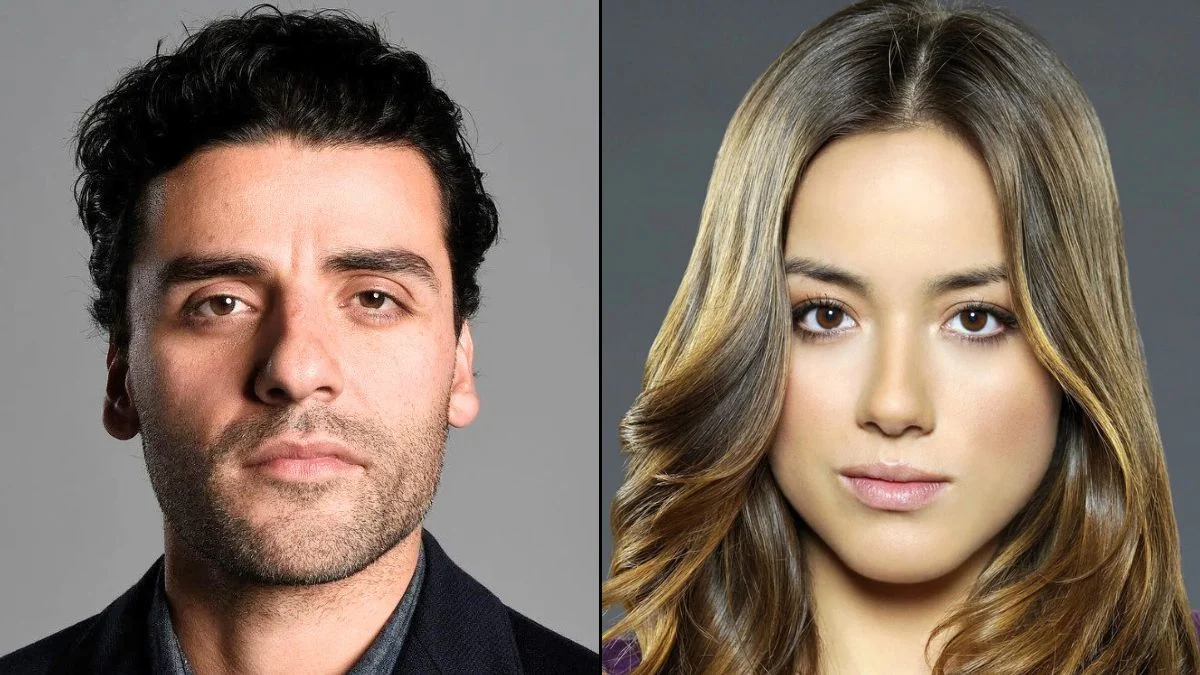
Oscar Isaac
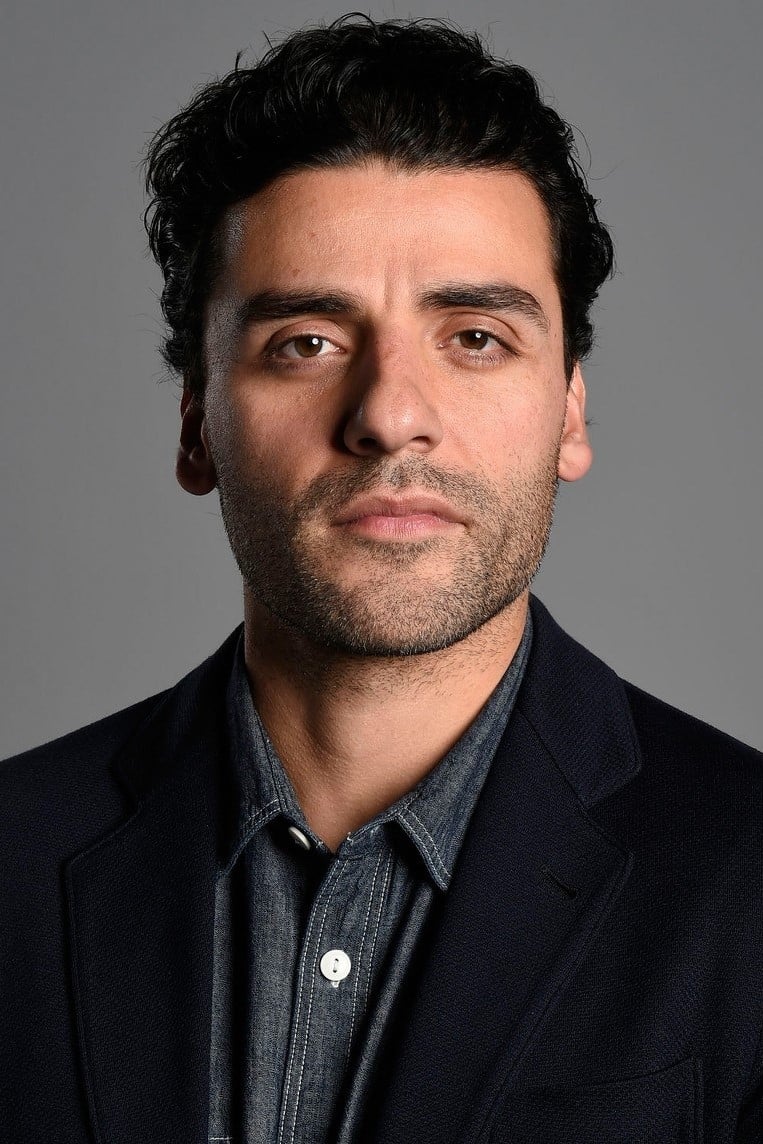
Oscar Isaac was born Óscar Isaac Hernández Estrada in Guatemala and grew up in the United States. He shortened his professional name to Oscar Isaac, explaining that the change helped him avoid typecasting in narrow categories for Latino actors.
Casting notices and credits listed the shorter name, which broadened the range of auditions he received. The decision preceded high profile work in ‘Inside Llewyn Davis’ and ‘Ex Machina’.
Chloe Bennet
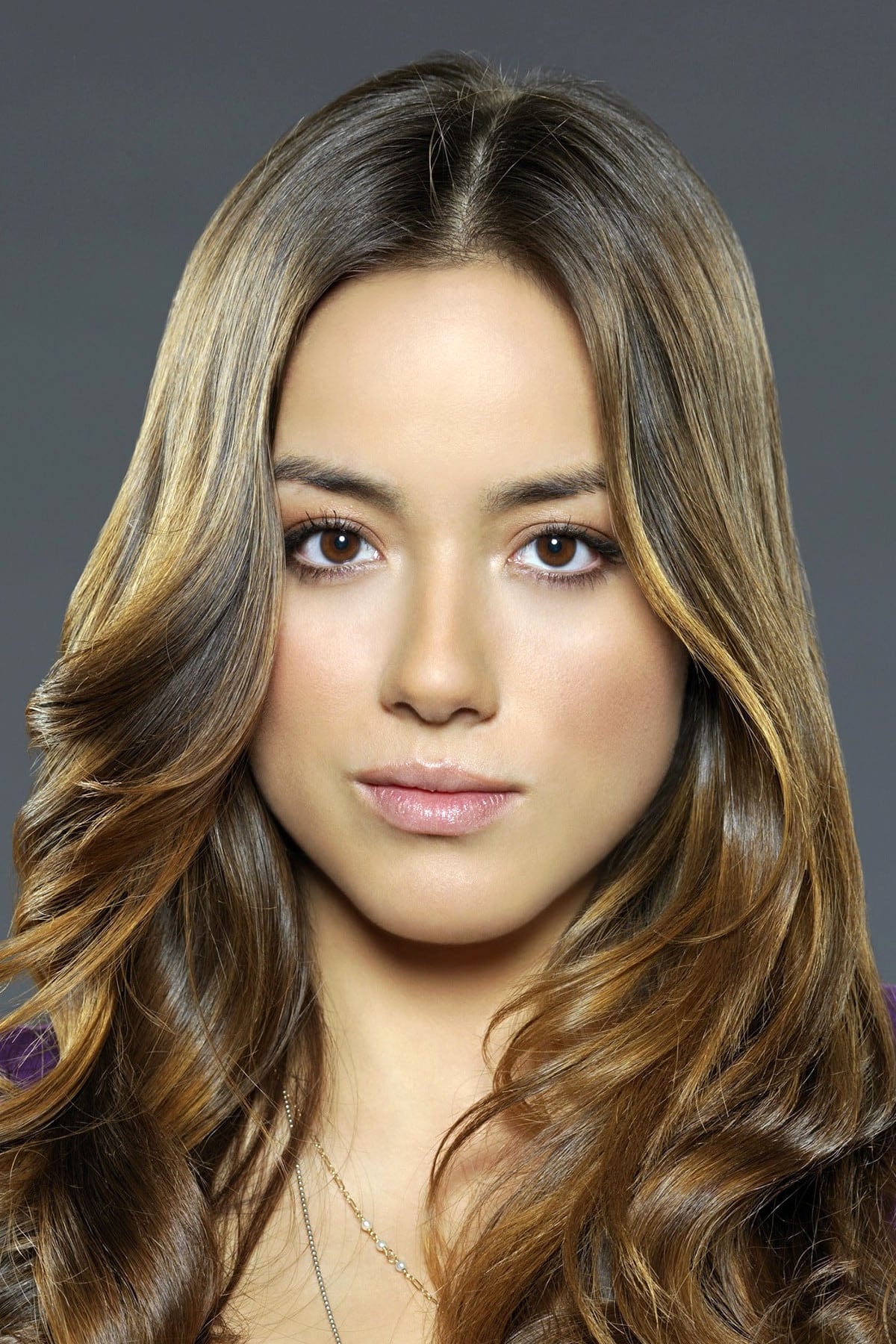
Chloe Bennet was born Chloe Wang to a Chinese father and an American mother. After encountering casting obstacles she adopted Bennet, taken from her father’s given name, and reported that she saw immediate changes in the responses she received.
Her credits and press interviews under the new name opened doors in television. That shift led to prominent work on ‘Agents of S.H.I.E.L.D.’ and music ventures in Asia and the United States.
Steven Bauer
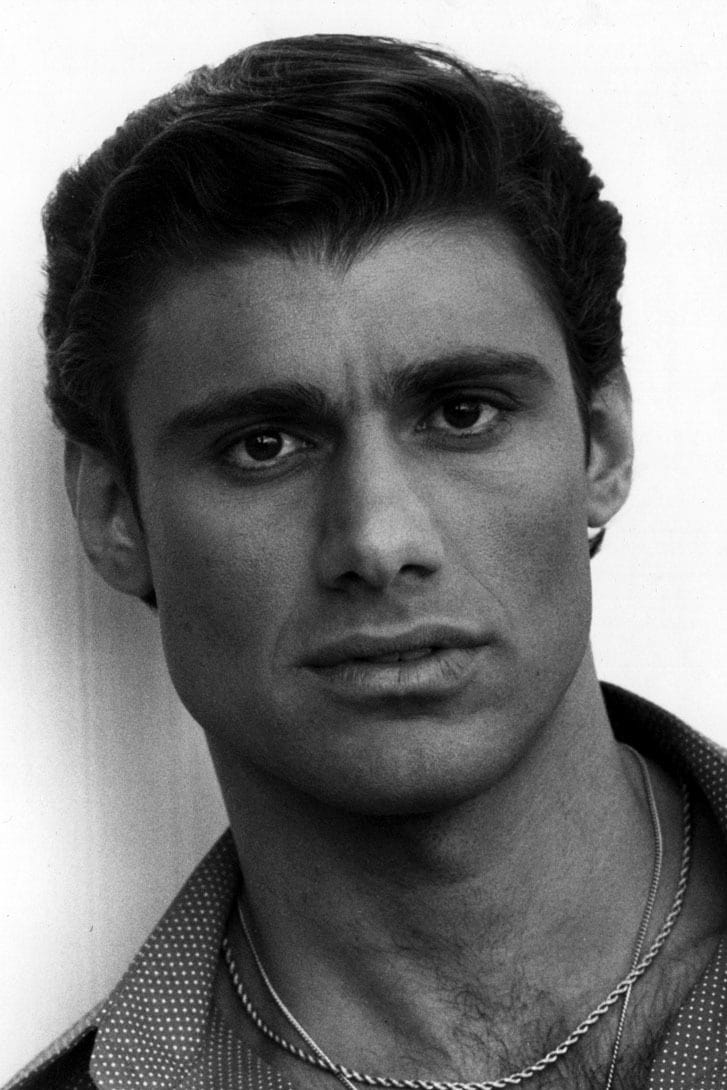
Steven Bauer was born Esteban Echevarría Samson in Cuba and emigrated to the United States. Early credits sometimes used Rocky Echevarría before he settled on Steven Bauer, a name that television producers considered easier for American audiences.
Publicity during his first major roles kept biographical notes minimal and focused on training and preparation. The updated screen name appeared on projects such as ‘Scarface’ and ‘Thief of Hearts’.
Michael Landon
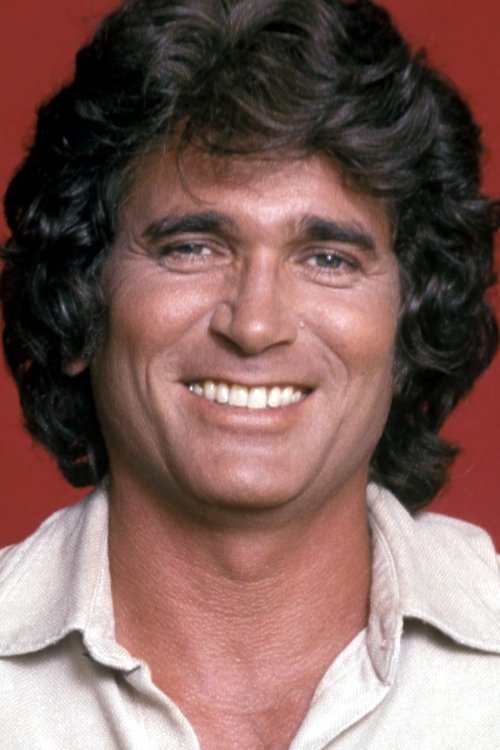
Michael Landon was born Eugene Maurice Orowitz to a Jewish father and a Catholic mother. He selected Michael Landon as his professional name while transitioning from athletics and small parts to larger roles on television.
Networks and magazines emphasized his wholesome image and frontier settings without exploring ancestry. The established persona carried through long running series like ‘Bonanza’ and ‘Little House on the Prairie’.
Edward G. Robinson
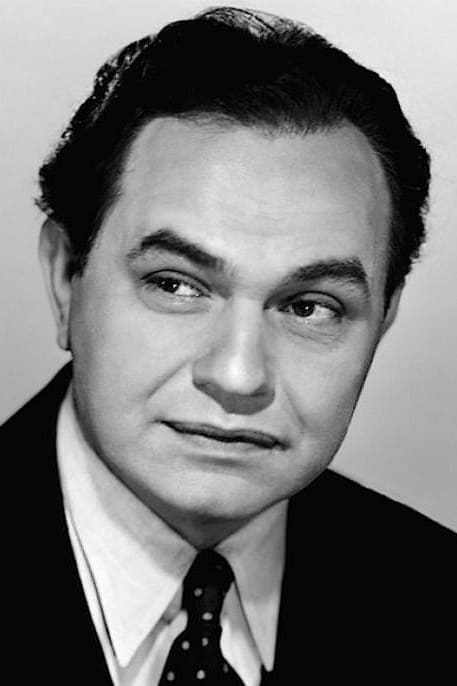
Edward G. Robinson began life as Emanuel Goldenberg in Romania and immigrated to the United States. He adopted the name Edward G. Robinson on stage, a move that aligned with casting practices in New York and later with studio preferences in Hollywood.
Film campaigns emphasized his distinctive voice and commanding presence. The revised name framed his career in titles such as ‘Little Caesar’ and ‘Double Indemnity’.
Judy Holliday
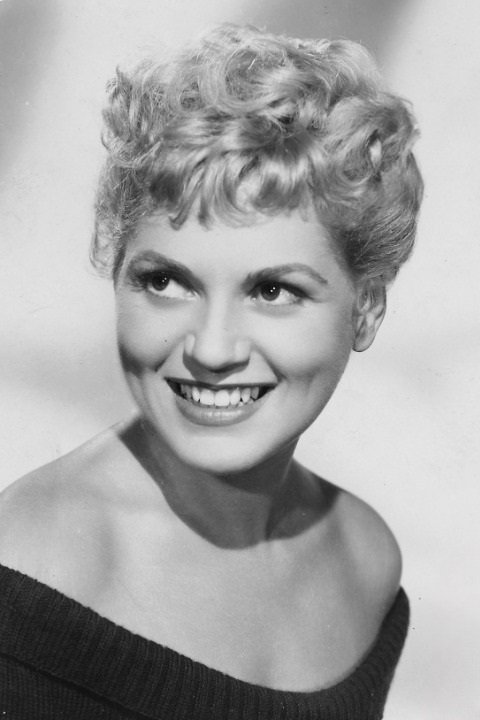
Judy Holliday was born Judith Tuvim to a Russian Jewish family in New York. As she moved from nightclub acts to Broadway she adopted the surname Holliday, which managers believed would be easier for audiences and producers.
Posters and playbills used the new name and simplified biographies. The branding accompanied her transition to film, including ‘Born Yesterday’ and ‘It Should Happen to You’.
Gene Wilder
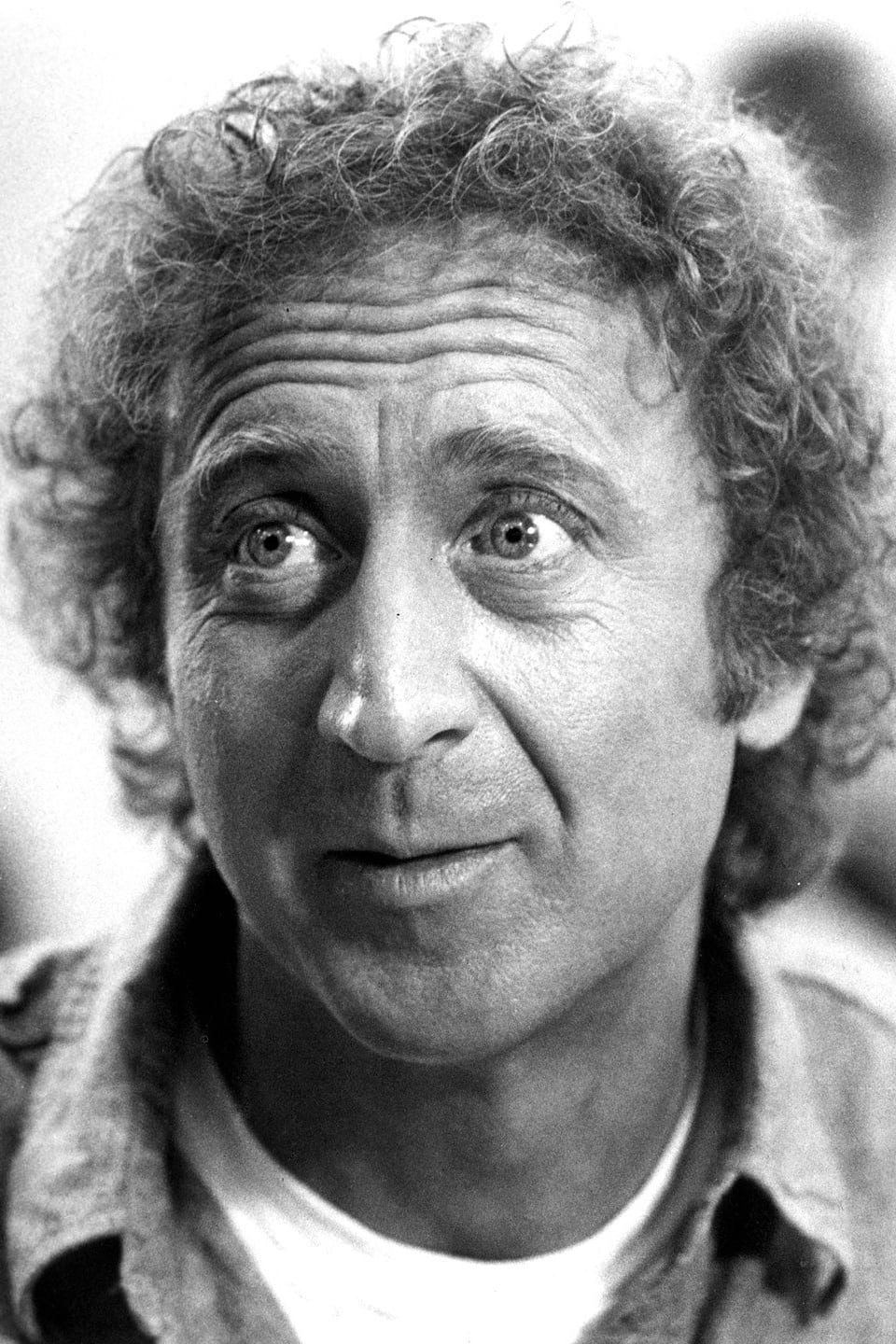
Gene Wilder entered the world as Jerome Silberman in Milwaukee. He chose Gene Wilder as a stage name after studying theater, selecting it for its sound and its fit with the roles he pursued in comedy and drama.
Credits and profiles presented him as a classically trained American actor with a gift for offbeat characters. The name became synonymous with performances in ‘Willy Wonka and the Chocolate Factory’ and ‘Young Frankenstein’.
Jerry Lewis
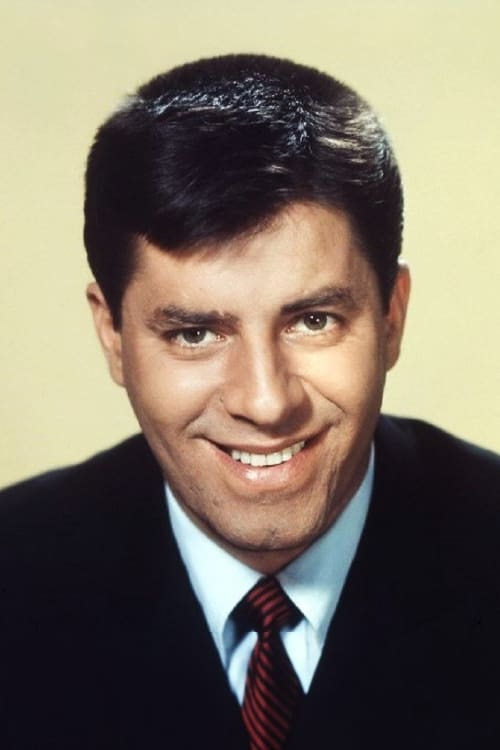
Jerry Lewis was born Joseph Levitch to a family of entertainers. He shortened his name while developing his act and carried it into film with Dean Martin, where studios favored concise, easily remembered billing.
Promotional materials centered on his nightclub success and his slapstick style. The familiar stage name fronted features such as ‘The Nutty Professor’ and ‘The Bellboy’.
Share the names you think belong on this list in the comments so we can keep the conversation going.