


Celebs Who Defended Blackface Scenes in Classic Films




The use of darkening makeup in cinema has a long and complicated history that remains a subject of intense public debate. While modern standards often view these portrayals as offensive, several prominent actors and filmmakers have defended the artistic or satirical intent behind these scenes. These defenses frequently focus on the historical context of the production or the specific narrative goals of the project. This list examines various public figures who have spoken in support of these controversial moments or their roles in classic and contemporary films.
Robert Downey Jr.
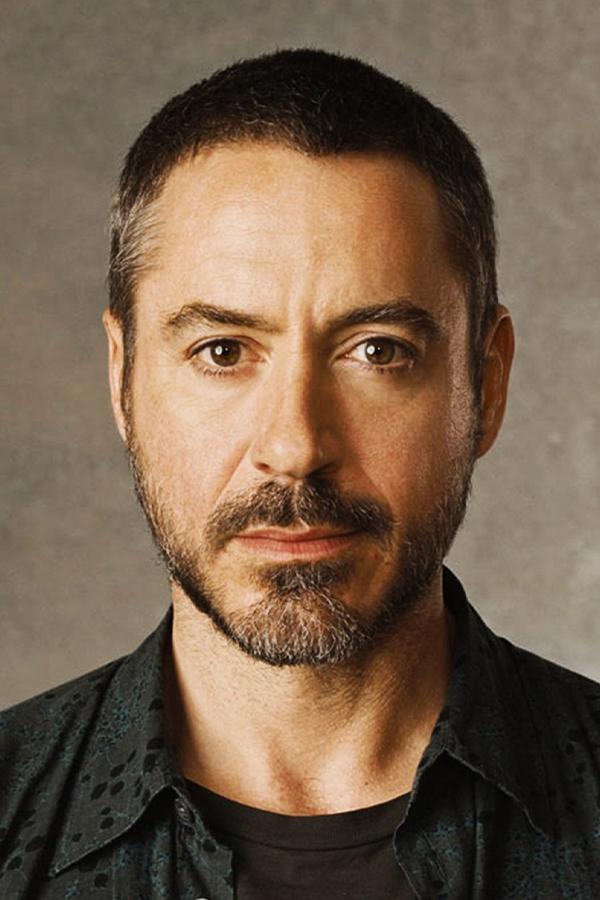
The actor portrayed the character Kirk Lazarus in the film ‘Tropic Thunder’ where he wore darkening makeup to play a method actor. He has frequently defended the performance by stating that the role was intended to mock the vanity of self important actors rather than a specific race. Downey Jr. noted that the vast majority of his Black friends found the performance humorous and understood the satirical nature of the film. He believes the movie remains a successful commentary on the absurdity of Hollywood tropes. The performance even earned him an Academy Award nomination for Best Supporting Actor.
Ben Stiller
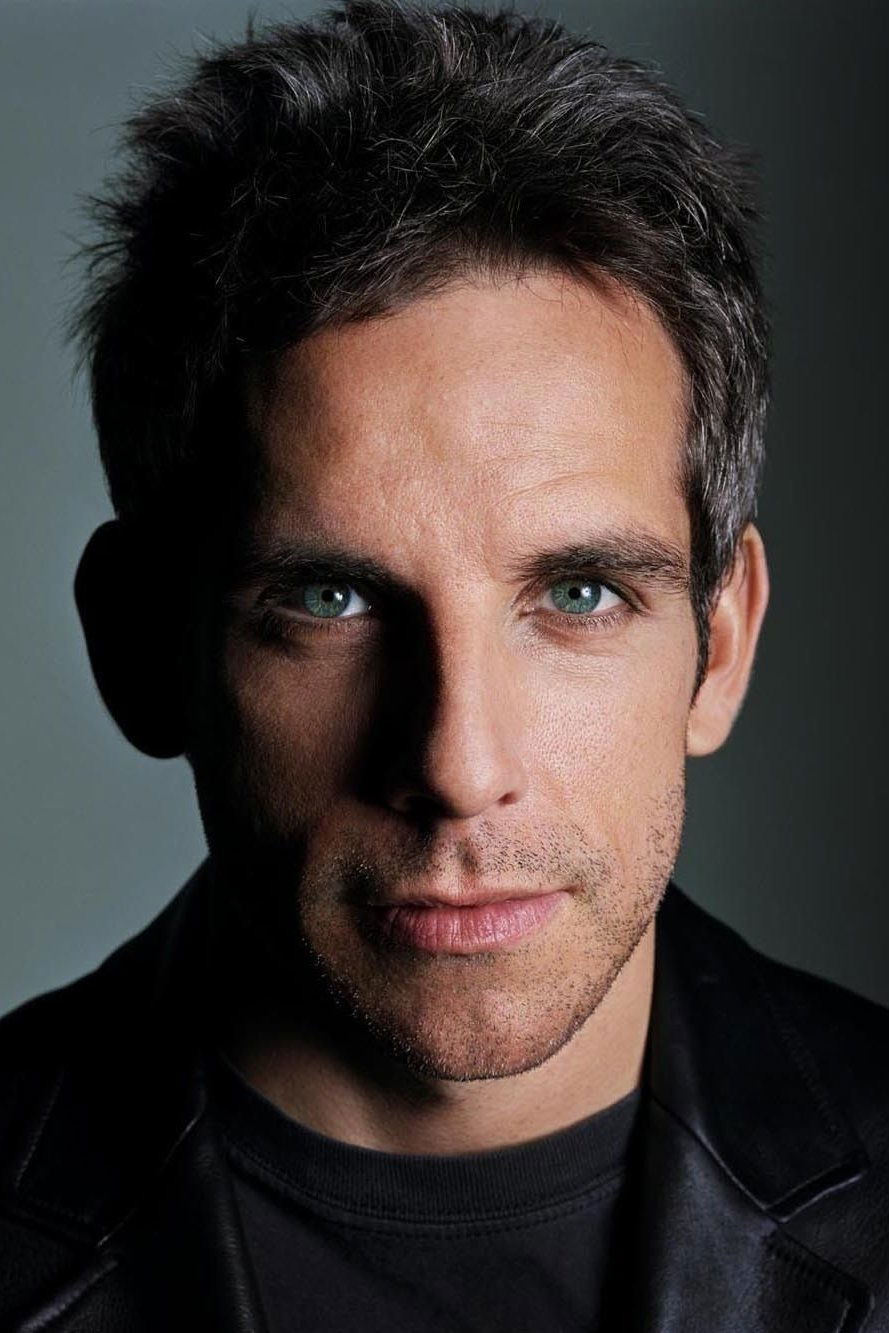
As the director and star of ‘Tropic Thunder’, Stiller has consistently stood by the creative choices made during the production of the film. He explained that the intent was always to lampoon the industry and the lengths to which actors go for awards. Stiller has pointed out that the film clearly positions the use of makeup as a ridiculous and offensive choice by the character. He maintains that the satire was directed at the entertainment business and its inherent flaws. The film continues to be cited in discussions about the boundaries of racial comedy.
Jamie Foxx
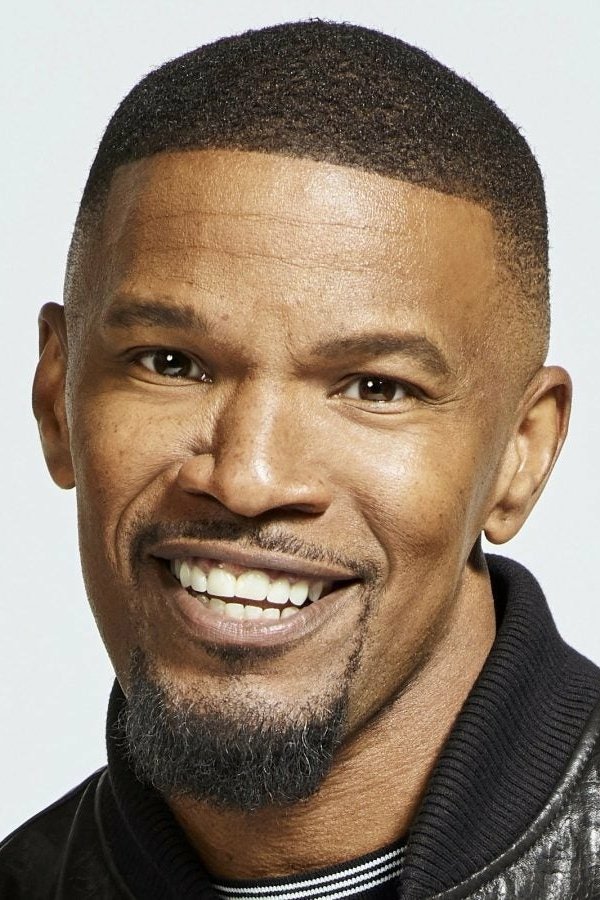
The Academy Award winner has publicly supported his co star regarding the controversial makeup used in ‘Tropic Thunder’. Foxx stated that he found the performance brilliant because it successfully satirized the ego of method actors in the industry. He argued that the intent behind the art is the most important factor when evaluating its impact on the audience. Foxx believes that people should be able to distinguish between a hateful caricature and a pointed piece of social commentary. He has encouraged audiences to appreciate the humor found in the absurdity of the character.
Whoopi Goldberg
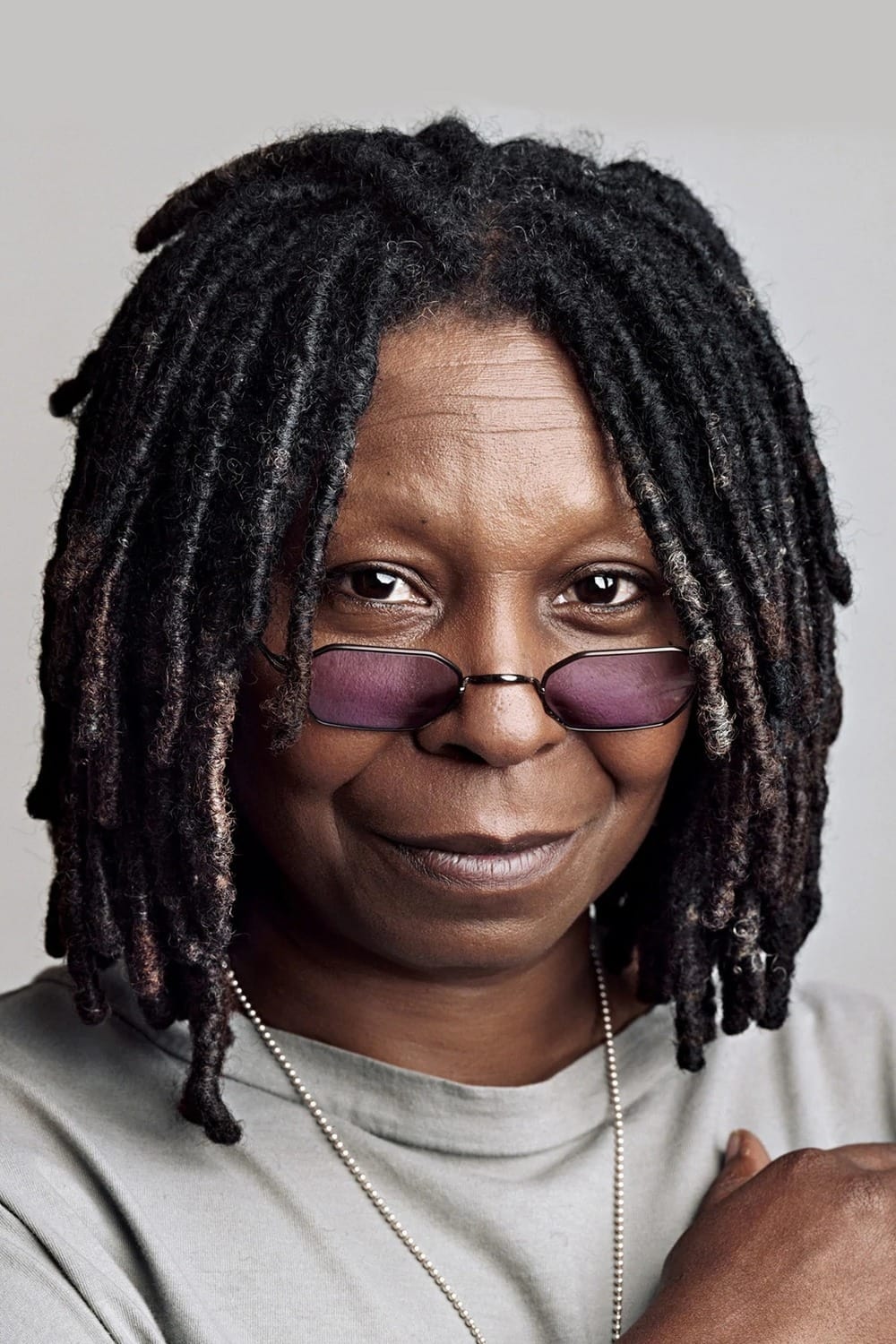
The legendary actress and comedian famously defended Ted Danson after his controversial appearance in darkening makeup at a Friars Club roast. She revealed that she actually helped write the material and encouraged the performance as a form of boundary pushing comedy. Goldberg argued that the context of a private roast allows for extreme humor that would not be acceptable in other settings. She maintained that the intent was not to degrade but to shock and provoke laughter within a specific comedic community. Her defense highlighted the distinction between public performance and private events.
Ted Danson
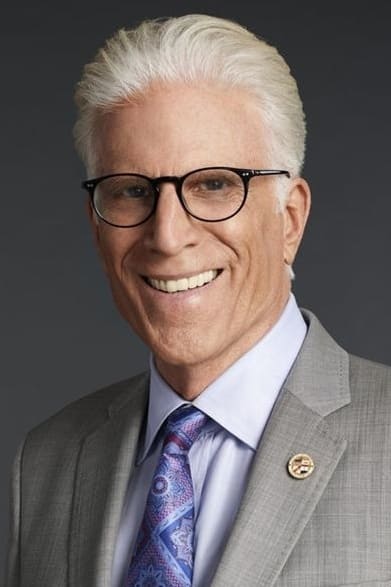
During the early nineties, Danson faced significant backlash for appearing in darkening makeup during a tribute to Whoopi Goldberg. He defended the choice by explaining it was part of a specific comedic bit designed for a private and irreverent audience. The actor expressed that the performance was meant to be a daring expression of his relationship with Goldberg at the time. He later acknowledged the pain the imagery caused but initially stood by the creative freedom of the roast format. This event remains one of the most cited examples of celebrity controversy involving racial imagery.
C. Thomas Howell
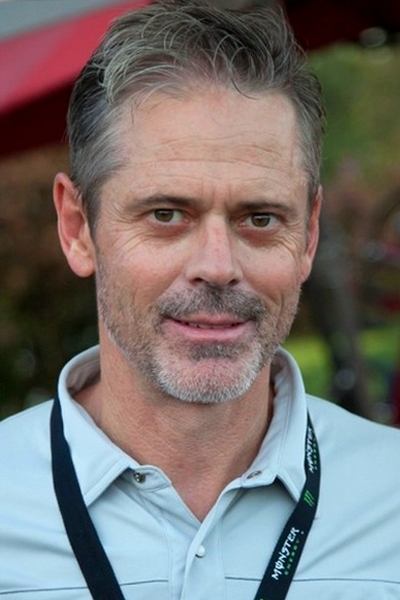
The star of the film ‘Soul Man’ has frequently defended the project despite the ongoing criticism regarding its central premise. He argues that the film was actually a critique of racism and aimed to show the challenges faced by Black students in higher education. Howell believes that the story was told with a good heart and intended to promote understanding through a comedic lens. He has stated in interviews that he does not regret making the film because of its underlying positive message. The movie remains a significant part of eighties cinema history and cultural discussions.
Dan Aykroyd
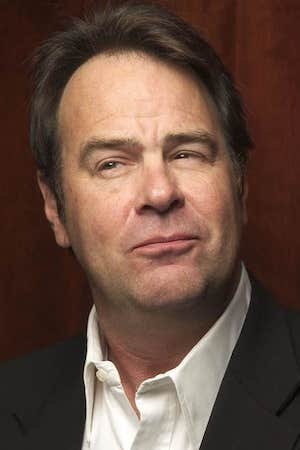
The actor has addressed the use of darkening makeup in the classic comedy ‘Trading Places’ by citing the era in which it was produced. He explained that the scene was intended to be a farcical moment involving character disguises within the plot. Aykroyd has mentioned that the industry had different standards for comedy and character work during the early eighties. He views the film as a product of its time that focused on social class dynamics through extreme humor. The movie continues to be celebrated as a comedy classic despite the controversial scene.
Sarah Silverman

The comedian has addressed a specific sketch from ‘The Sarah Silverman Program’ where she wore darkening makeup to explore racial themes. She defended the intent of the sketch by explaining it was designed to show the ignorance of her on screen persona. Silverman argued that the comedy was rooted in her character being misguided and socially unaware of the gravity of her actions. She later expressed a change in perspective but initially defended the satirical purpose of the material. Her work often pushes the boundaries of social norms through uncomfortable humor.
Laurence Olivier
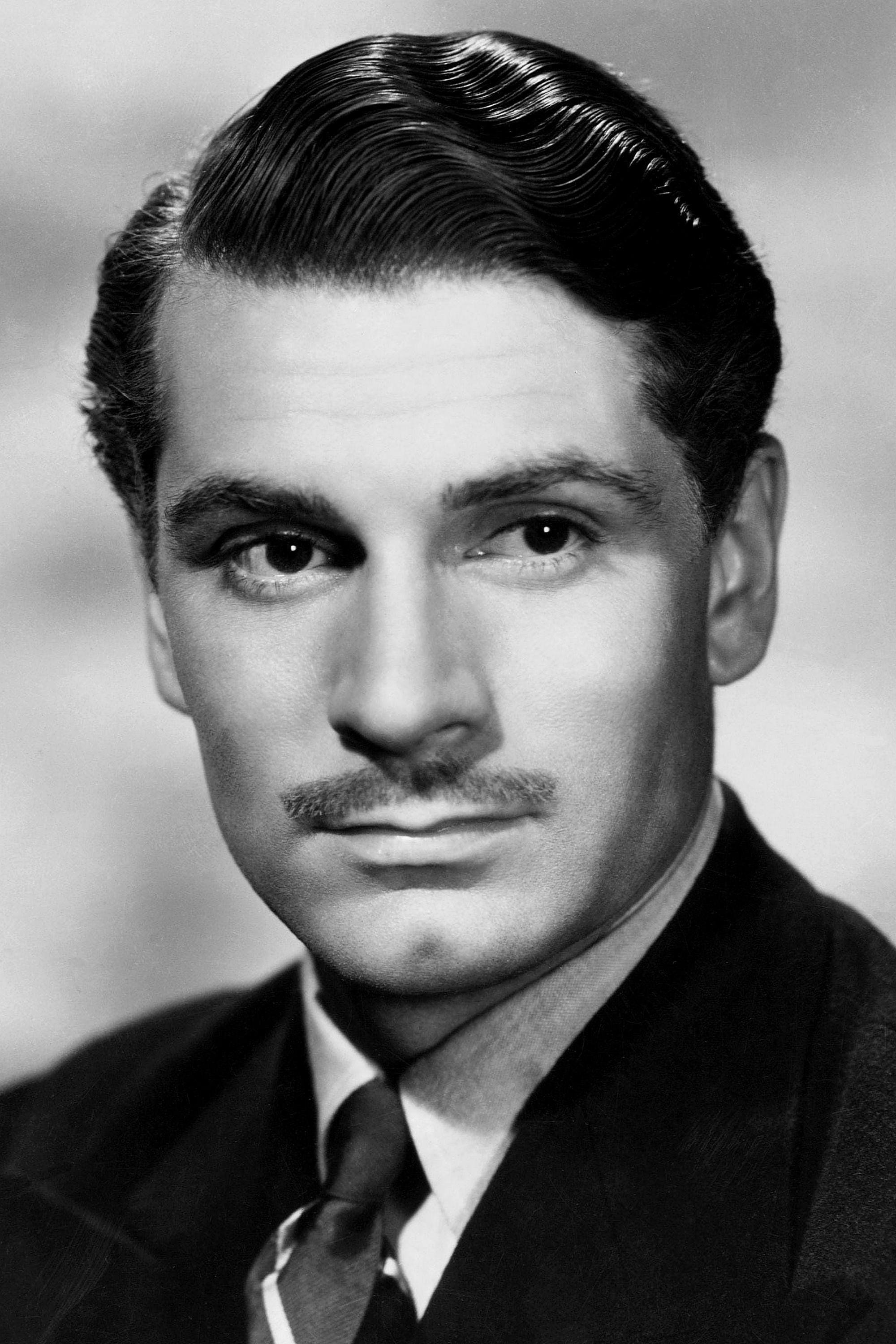
The esteemed actor portrayed the lead role in the film version of ‘Othello’ using heavy makeup to alter his appearance. Olivier defended the choice as a necessary step for achieving theatrical realism and honoring the original Shakespearean text. He believed that an actor should be able to transform into any character regardless of their own background. The performance was highly acclaimed at the time and received several prestigious award nominations. His portrayal is often studied as a primary example of traditional theatrical approaches to the role.
Orson Welles
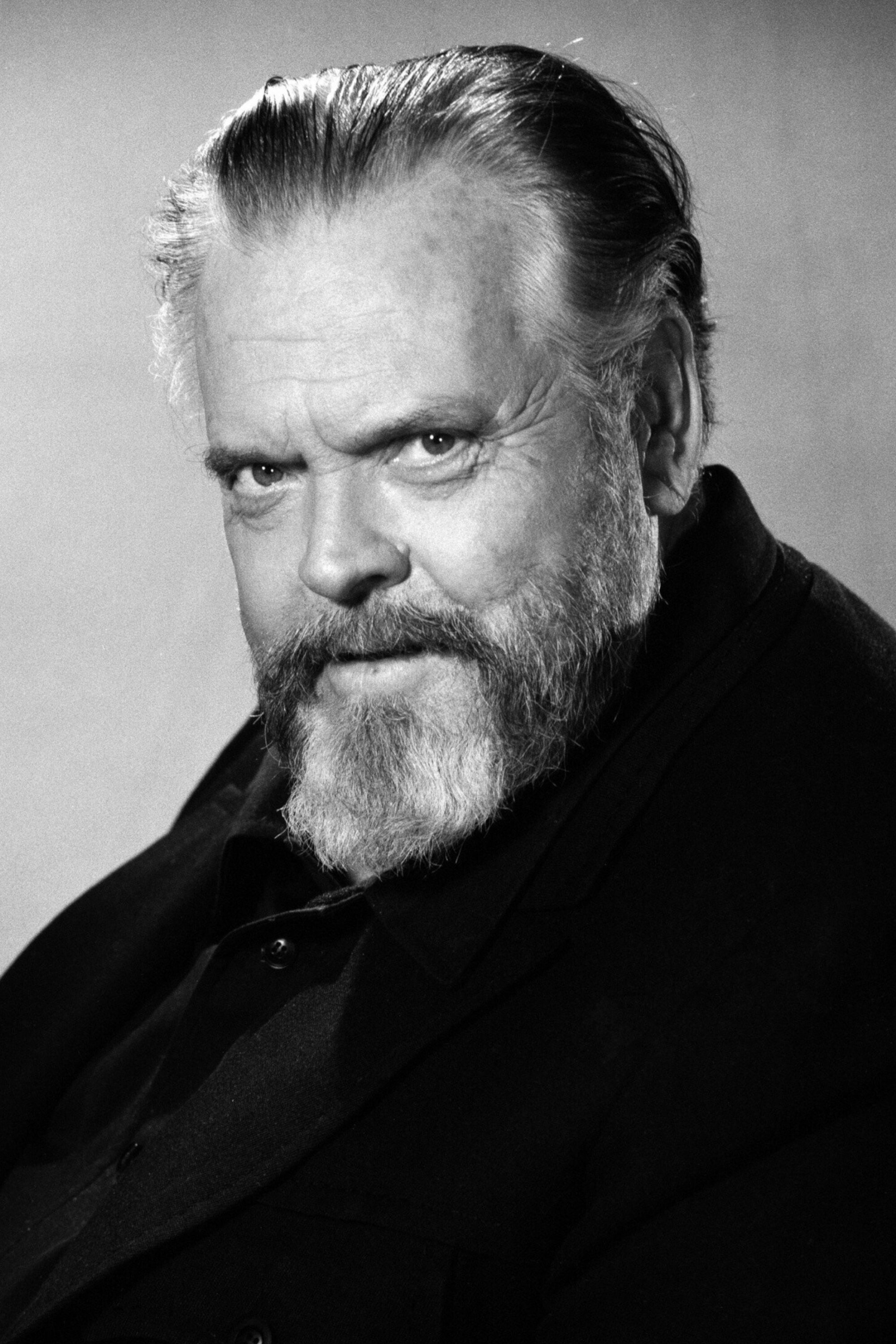
Welles directed and starred in a filmed version of ‘Othello’ where he utilized darkening makeup for the title character. He maintained that his vision for the film required a specific aesthetic that stayed true to the source material. The filmmaker viewed the makeup as a tool for storytelling that allowed him to inhabit the complex emotional landscape of the character. He defended the practice as a standard part of the acting craft during that period of cinema. The film is now recognized for its innovative cinematography and unique directorial style.
Billy Crystal
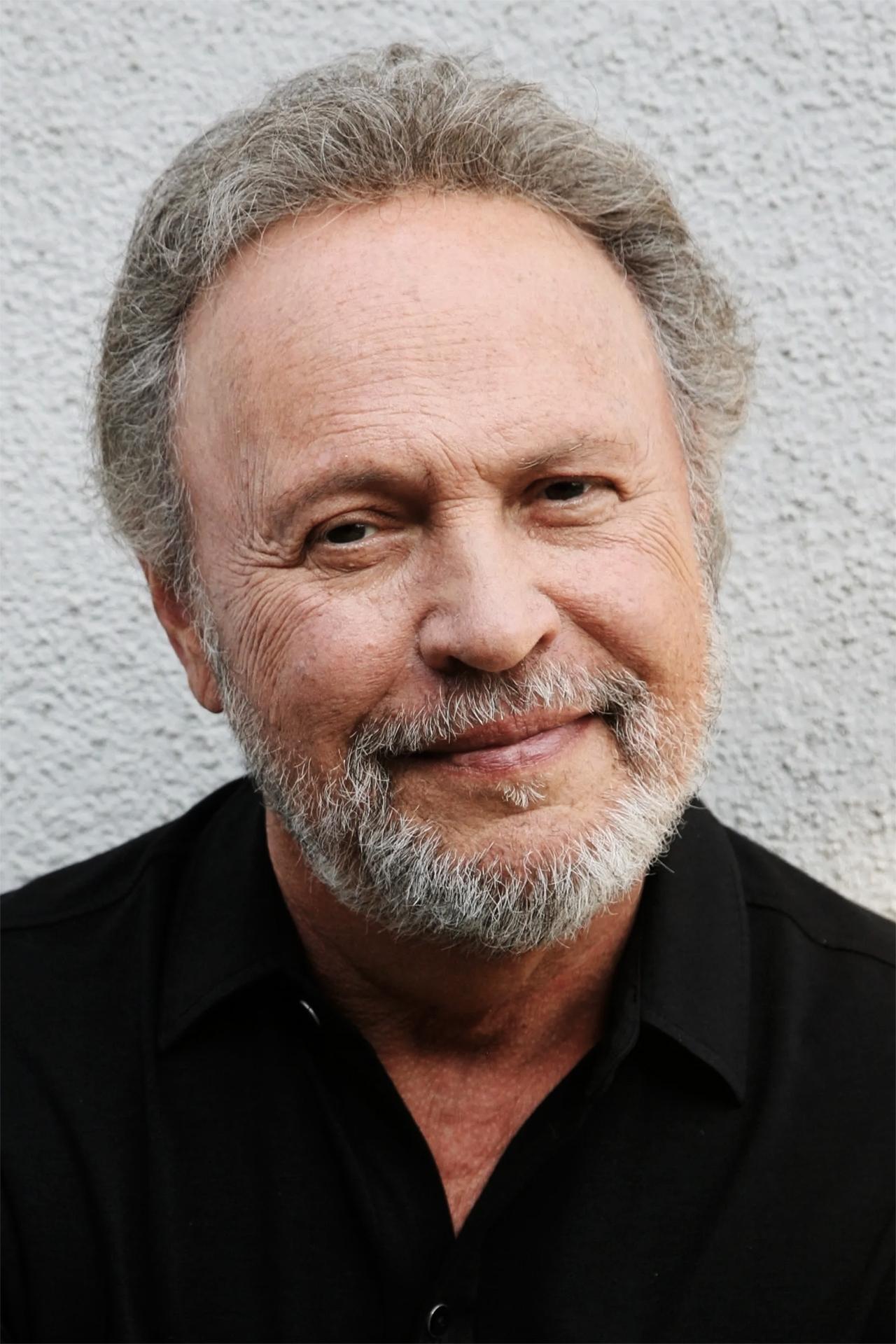
The comedian has used darkening makeup several times throughout his career to perform impressions of famous figures like Sammy Davis Jr. He has defended these performances by stating they were intended as heartfelt tributes to his friends and idols. Crystal argued that his impressions were born out of a deep respect and love for the performers he was mimicking. He has often spoken about the close personal bonds he shared with the individuals he portrayed on screen. Many of these sketches were part of major television broadcasts and award shows.
Gene Wilder
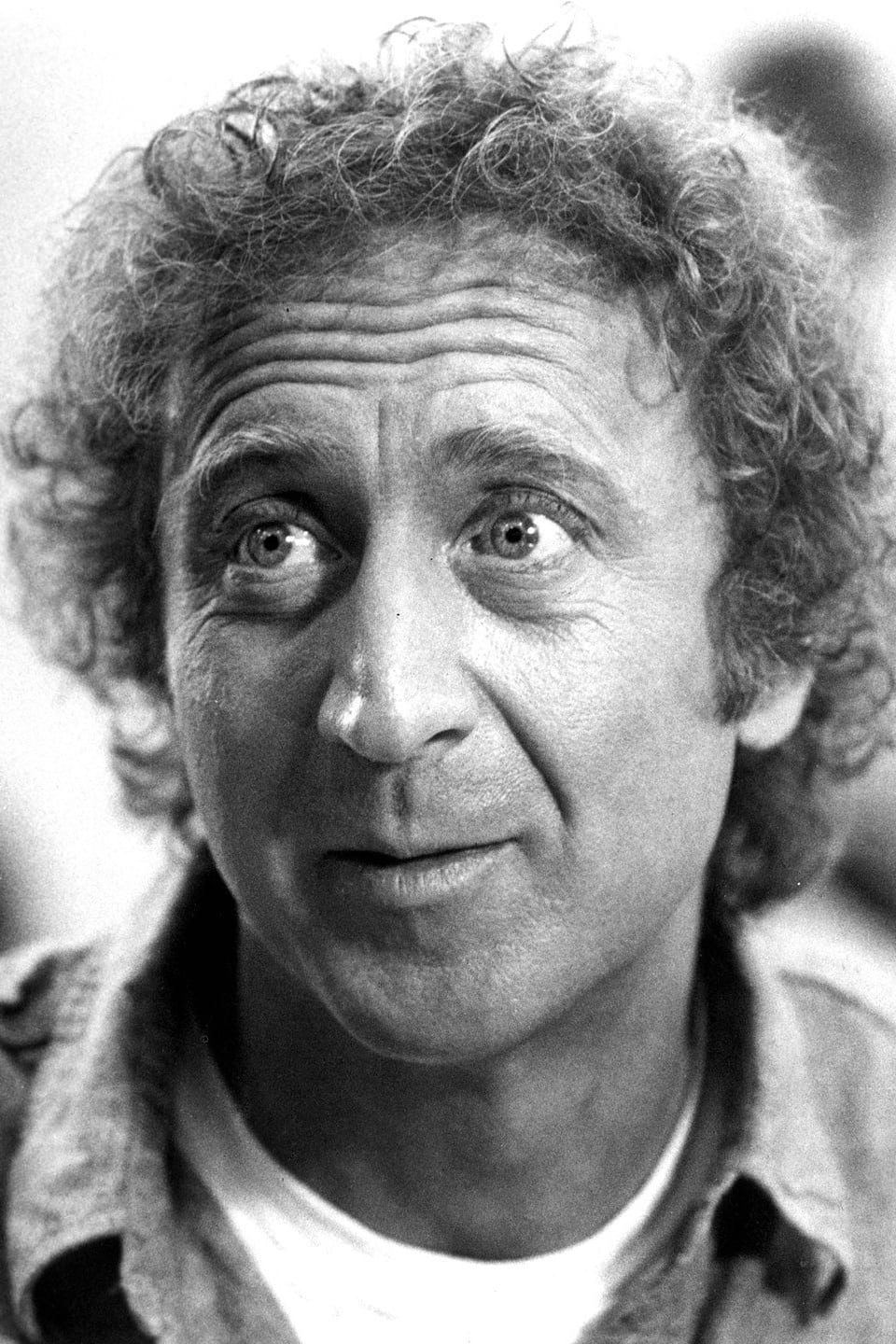
In the film ‘Silver Streak’, Wilder wore darkening makeup for a scene where his character attempts to hide from the authorities. He defended the scene as a purely narrative device that served the comedic tension of the plot. Wilder believed that the humor came from the character being out of his element rather than any racial mockery. The film was a major box office success and is often remembered for the chemistry between its lead actors. He maintained that the context of the story justified the use of the disguise.
Shirley Temple
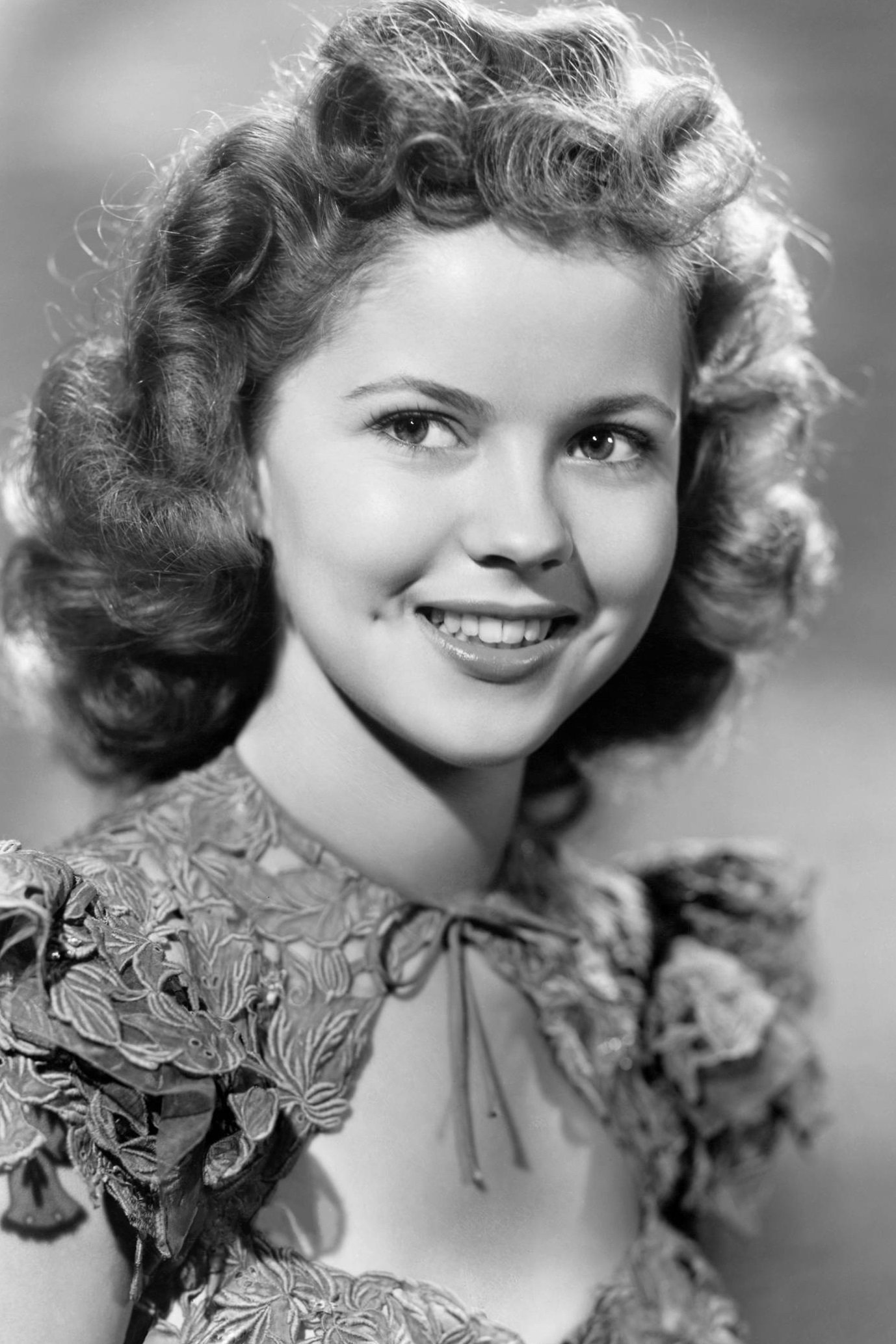
The child star appeared in darkening makeup in the film ‘The Littlest Rebel’ during a dance sequence. The production defended these scenes as reflections of the historical setting and the innocent nature of the characters. These moments were typical of the era and were intended to showcase the singing and dancing talents of the performers. Temple was one of the biggest stars in the world, and her films often included varied character portrayals. The movie remains a significant example of the Hollywood studio system during the mid thirties.
Judy Garland
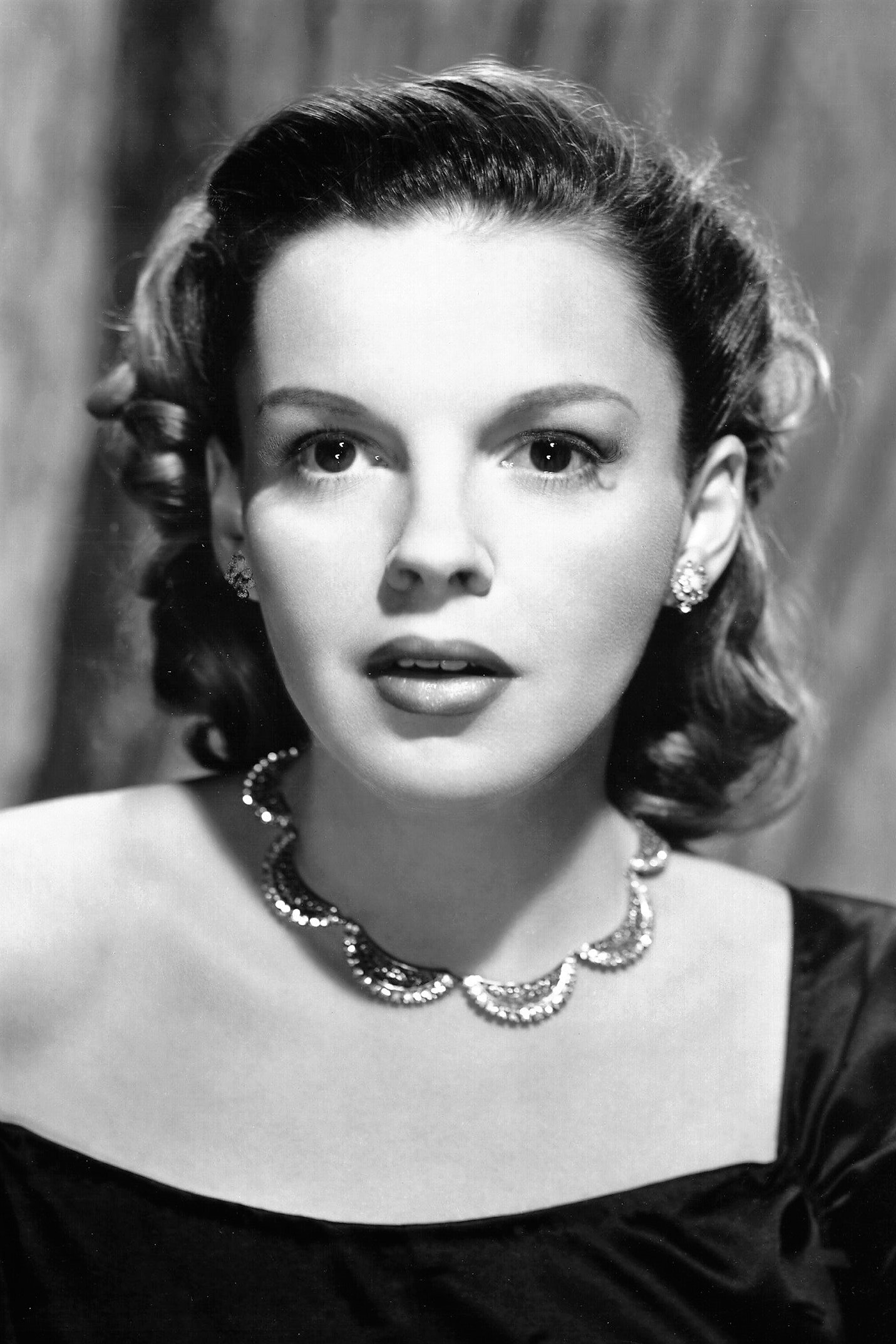
The legendary performer used darkening makeup in the film ‘Babes on Broadway’ as part of a musical number. The studio defended these sequences as standard variety show entertainment that appealed to audiences of the time. These performances were often seen as homages to the vaudeville tradition which was still influential in early cinema. Garland was known for her immense talent and her ability to perform a wide range of musical styles. The film is considered a quintessential example of the MGM musical genre.
Bing Crosby
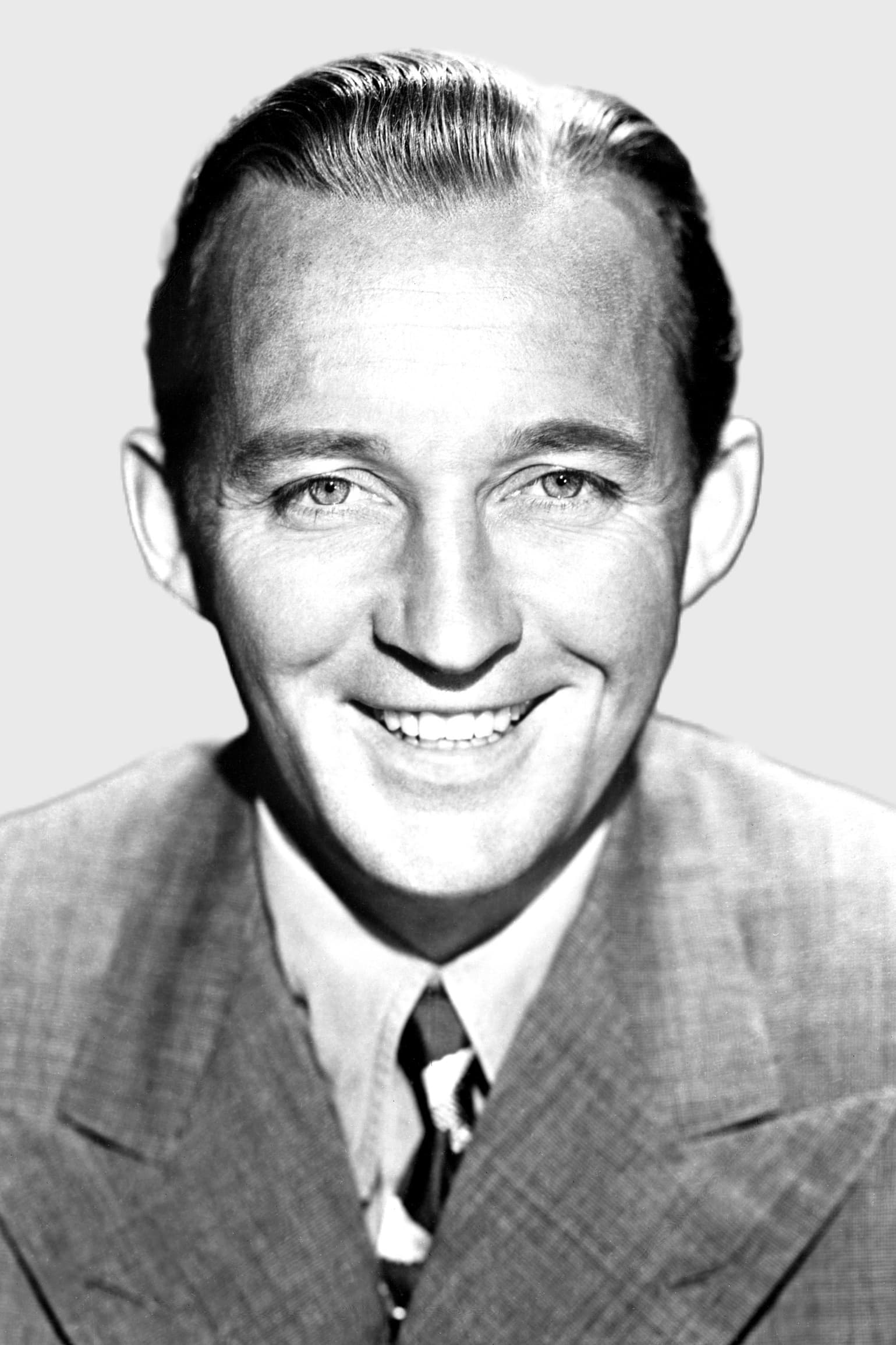
Crosby appeared in darkening makeup for a musical performance in the classic holiday film ‘Holiday Inn’. The production team defended the scene as a tribute to the historical minstrel style of entertainment popular in the nineteenth century. The film is best known for introducing the song White Christmas to the world. Crosby was a central figure in American entertainment and his films often featured elaborate musical sequences. Modern broadcasts of the film sometimes edit this specific scene due to its controversial nature.
Fred Armisen

The comedian defended the use of makeup to portray Barack Obama during several seasons of ‘Saturday Night Live’. He argued that the goal of the show is to provide political satire and that the makeup was necessary for the impression. Armisen believed that the focus of the performance was the mannerisms and speech patterns of the president. The show eventually moved away from this practice as the conversation around representation evolved. He continues to be recognized for his versatile character work on various television programs.
Jane Krakowski

The actress appeared in darkening makeup during several episodes of the comedy series ’30 Rock’. The show defended these scenes as satirical critiques of the entertainment industry and the vanity of its characters. The writers intended for the audience to find the character actions ridiculous and offensive within the context of the plot. Krakowski has spoken about the unique and often provocative humor that defined the series. The episodes were eventually removed from streaming services at the request of the show creators.
Jon Hamm
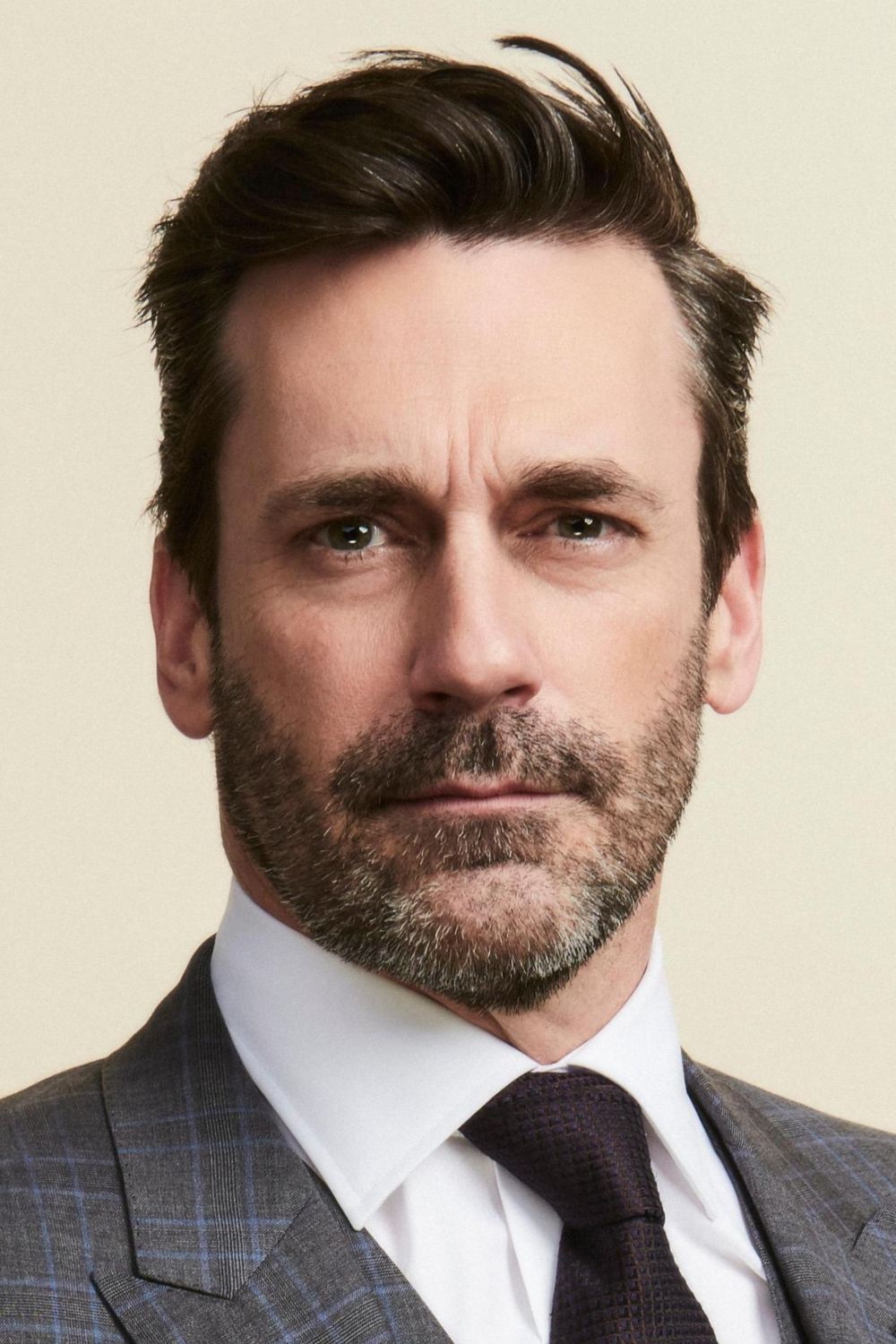
The actor participated in a live episode of ’30 Rock’ that featured a scene with darkening makeup. The defense for the scene rested on its intent to lampoon the history of television and its problematic past. Hamm played a character within a show that was meant to be outdated and culturally insensitive. The creative team argued that the humor was derived from the absurdity of the historical context. This specific episode was part of a larger effort to address the history of media through comedy.
Jimmy Fallon
The late night host addressed a past ‘Saturday Night Live’ sketch where he used makeup to portray Chris Rock. He initially defended the performance as part of the typical impression based comedy that the show is known for. Fallon explained that the goal was to celebrate the comedic style of a fellow performer. He later issued a public apology as cultural perspectives on the practice changed significantly. The incident has been a point of discussion in his career and the broader landscape of late night television.
Jimmy Kimmel
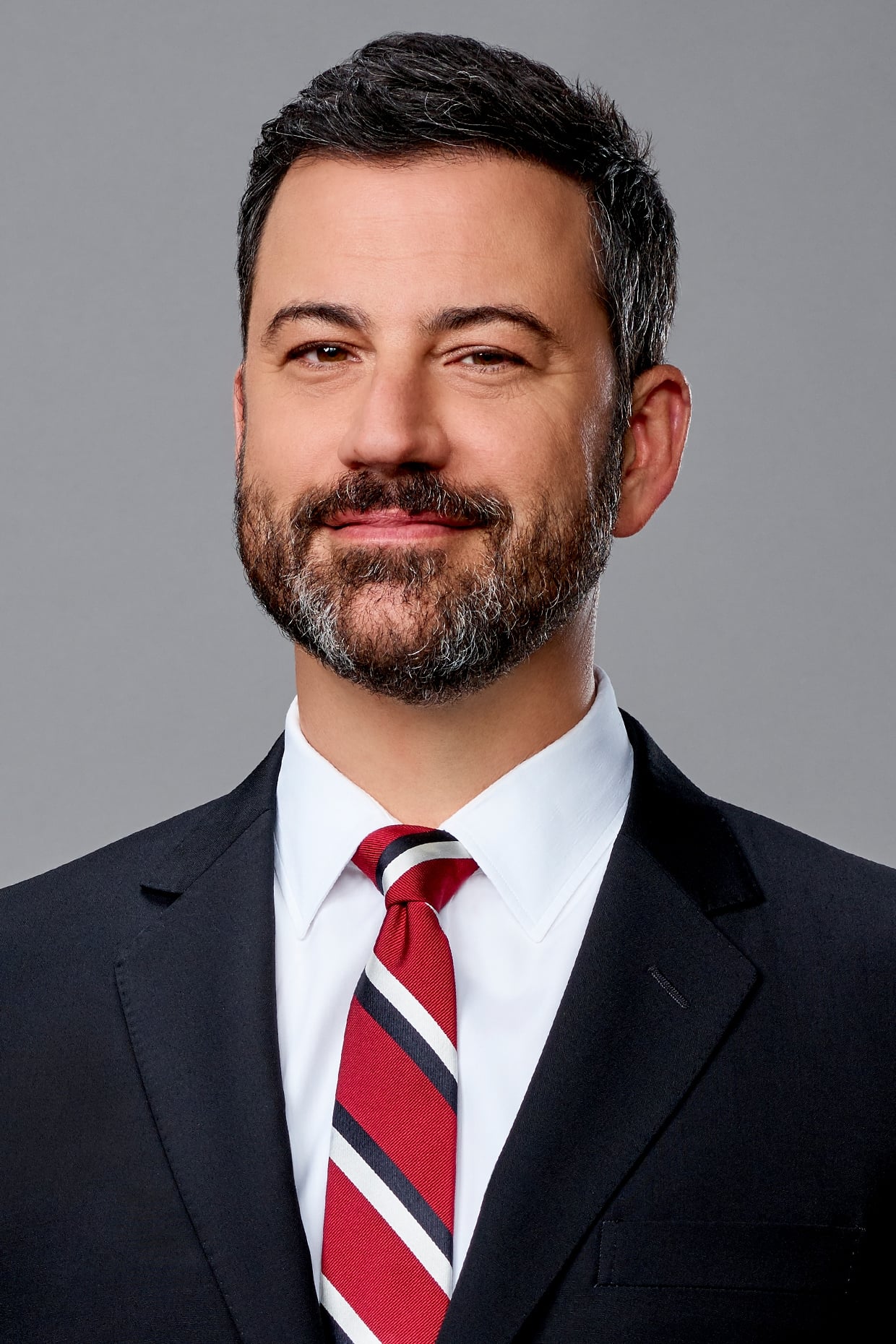
The comedian used darkening makeup on ‘The Man Show’ to portray figures like Karl Malone and Oprah Winfrey. He defended these sketches at the time as part of the irreverent and lowbrow humor that the program specialized in. Kimmel argued that the impressions were focused on the personalities of the celebrities rather than racial caricatures. He has since expressed regret for the material while acknowledging the context of the show during that period. His career has transitioned into more traditional late night hosting roles since then.
Justin Bieber

The singer faced criticism after an old video surfaced showing him making racial jokes and using controversial imagery. His team defended him by stating that he was very young at the time and did not understand the gravity of his actions. They argued that the footage did not reflect his true character or his mature views on race. Bieber himself issued a statement explaining that he had learned from his mistakes and was committed to growth. The incident served as a high profile example of the impact of past actions on modern celebrity status.
Megyn Kelly

The television personality faced a major career shift after defending the use of darkening makeup for Halloween costumes on air. She argued that the practice was considered acceptable during her childhood as long as it was part of a specific character. Kelly questioned why it had become a point of such intense controversy in recent years. Her comments led to significant public backlash and the eventual cancellation of her morning talk show. She has since moved into independent media and continues to discuss cultural issues.
Julianne Hough

The dancer and actress defended her choice of a Halloween costume that involved darkening her skin to portray a character from ‘Orange Is the New Black’. She initially stated that her intent was to honor the character and the performance of the actress she was mimicking. Hough argued that the costume was born out of a genuine admiration for the television show. She later apologized for the choice after realizing the historical weight of the imagery she had used. The situation sparked a wide discussion on the ethics of racialized costumes.
Robert De Niro
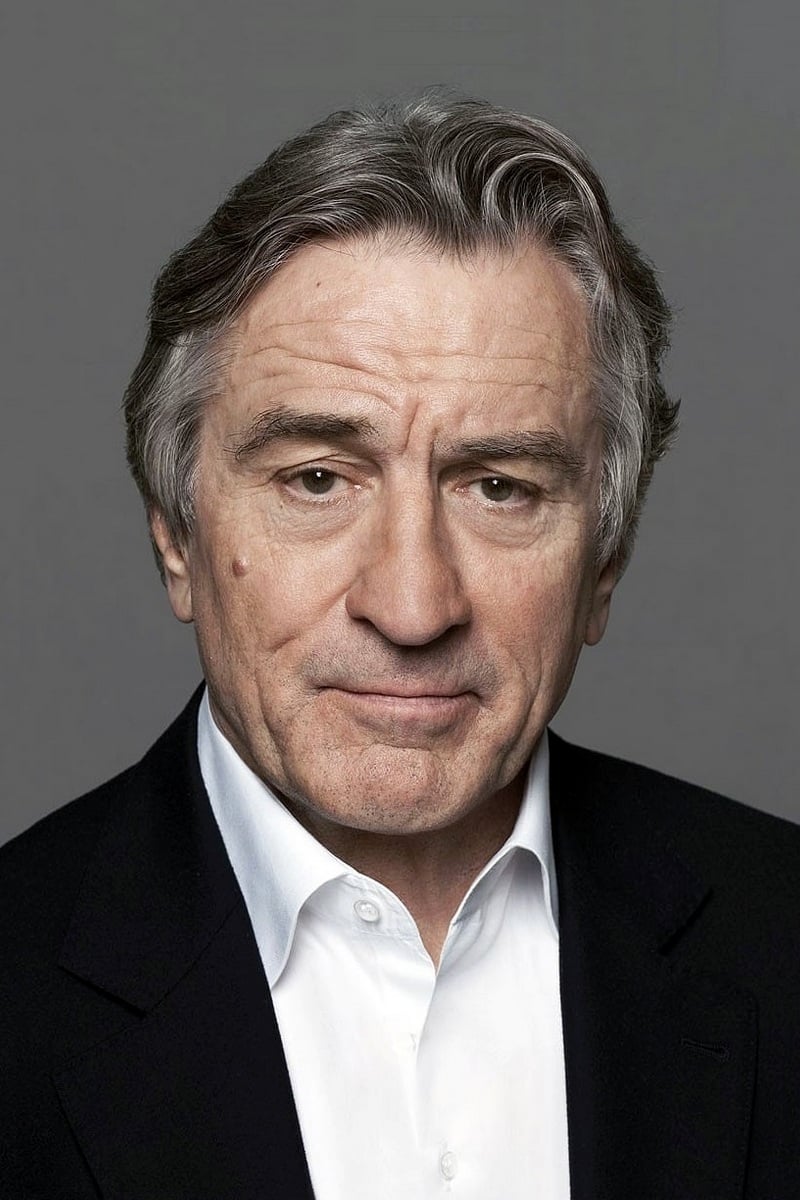
The veteran actor has spoken generally about the importance of artistic freedom and defended the intent of his peers in films like ‘Tropic Thunder’. He believes that comedy and drama should be allowed to explore uncomfortable territory without the fear of immediate censorship. De Niro has argued that the context of a story is the most important element when judging its content. He maintains that filmmakers should have the liberty to make bold choices in the pursuit of their craft. His long career has been defined by a commitment to intense and often provocative roles.
Jack Black
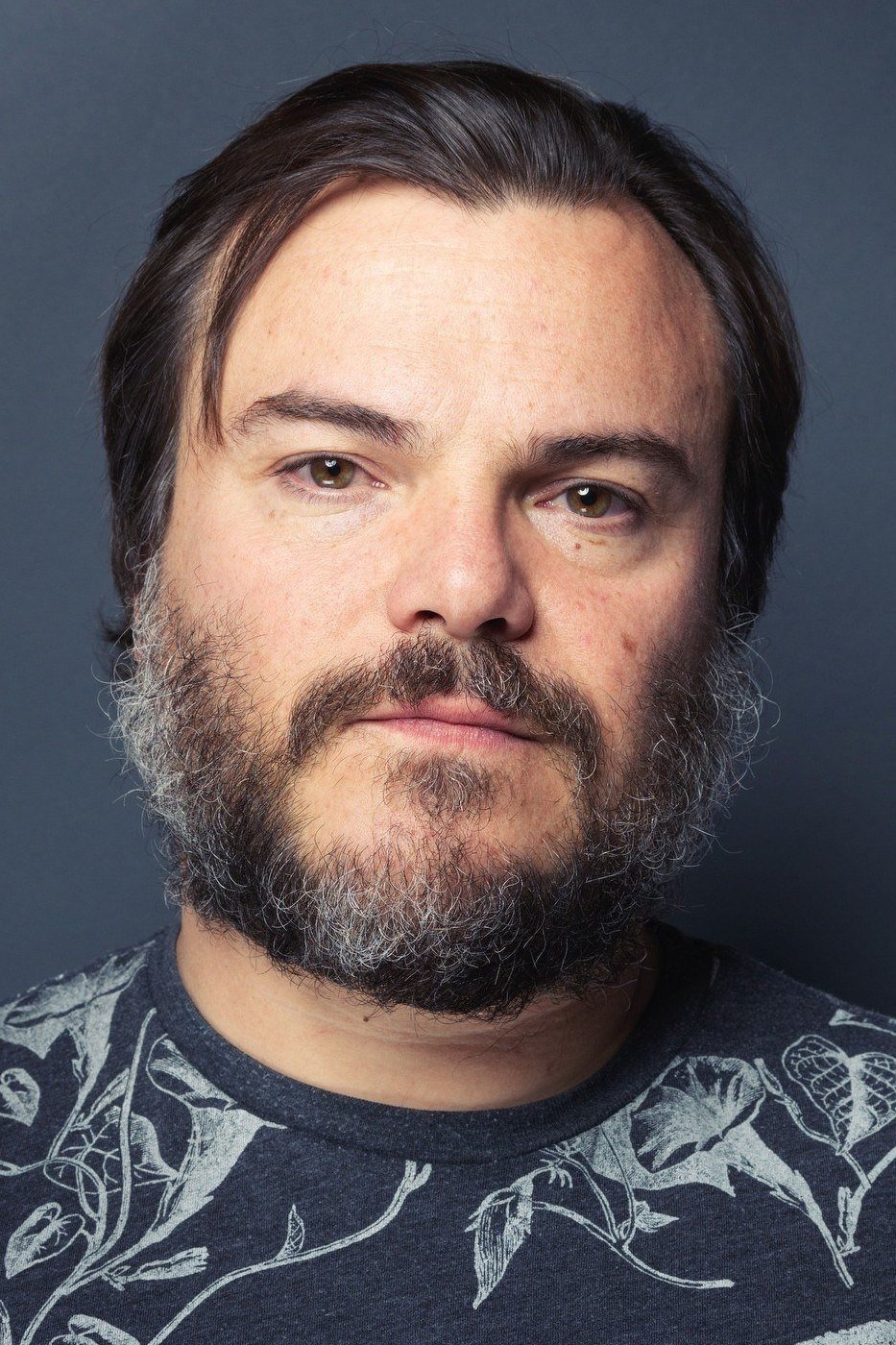
Black defended the satirical choices in ‘Tropic Thunder’ and praised the commitment of his co stars to the film vision. He argued that the movie was a sophisticated critique of the industry and that the controversial makeup was a key part of that message. The actor believed that the audience was smart enough to recognize that the film was mocking the actors rather than the race they were portraying. He has often spoken about the joy of working on a project that took such large creative risks. The film remains one of the most successful comedies of his career.
Alec Baldwin

The actor has defended the use of provocative humor in cinema by citing the need for satire to challenge social norms. He supported the creative decisions in ‘Tropic Thunder’ as a necessary way to highlight the absurdity of modern fame. Baldwin believes that the entertainment industry must be able to laugh at itself through exaggerated and sometimes offensive characters. He has often been a vocal advocate for the protection of artistic expression in all forms of media. His own work has frequently involved complex and satirically driven performances.
Seth Rogen

The filmmaker and actor has discussed the use of racial humor in comedy and defended the idea that intent should dictate how a scene is received. He believes that if the goal is to punch up or critique a system of power, the humor can be a valuable tool for social commentary. Rogen has pointed out that many classic comedies used extreme methods to make points about the world. He maintains that the evolution of comedy requires a constant dialogue between the creators and the audience. His production company has been behind many of the most popular comedies of the last decade.
Jonah Hill

Hill has supported the use of bold satirical elements in film by arguing that art should be allowed to push boundaries. He defended the performances in ‘Tropic Thunder’ by emphasizing that the joke was always at the expense of the ignorant characters. The actor believes that successful satire requires a certain level of discomfort to be effective. He has often sought out roles that challenge conventional storytelling and explore the complexities of human behavior. His career has seen a transition from broad comedy to critically acclaimed dramatic work.
Dave Chappelle
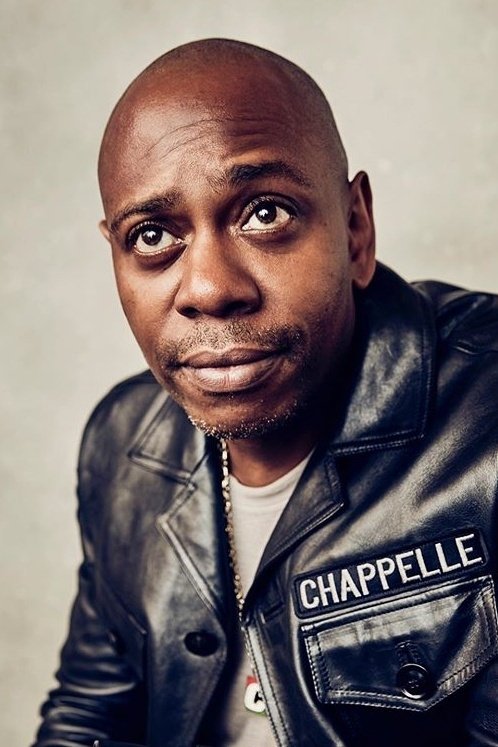
The comedian has frequently defended the use of racial stereotypes and makeup as a way to expose the absurdity of racism. He believes that by taking these tropes to their extreme, a performer can highlight the underlying issues in society. Chappelle argued that his own use of whiteface was a satirical mirror to the history of blackface in entertainment. He maintains that comedy is a sacred space where all topics should be open for exploration. His work continues to be at the center of national conversations about race and free speech.
Chris Rock
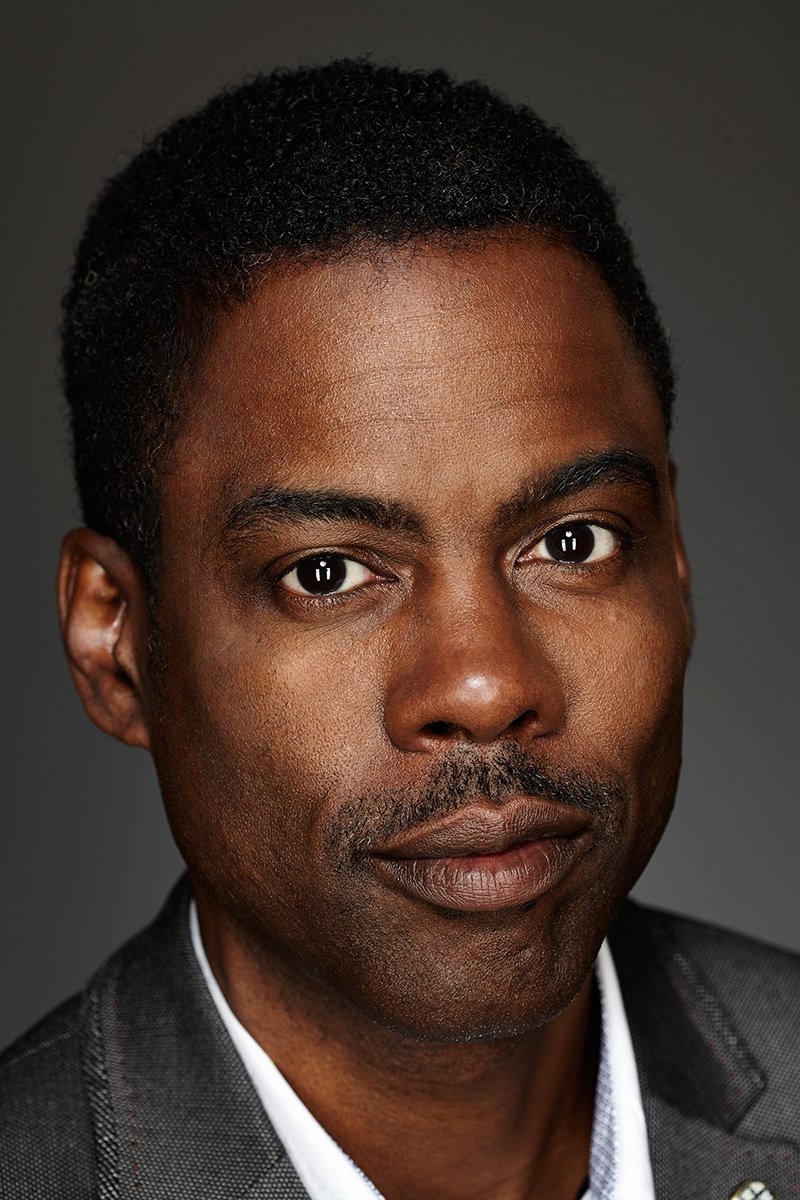
Rock has defended the right of comedians to use provocative imagery in the pursuit of a joke. He argued that the intent of a performer is what distinguishes a malicious act from a piece of comedy. The comedian has praised films that use satire to address difficult topics that other genres might avoid. He believes that the audience has a responsibility to understand the context and the target of the humor. Rock is widely considered one of the most influential voices in modern stand up comedy.
Bill Maher
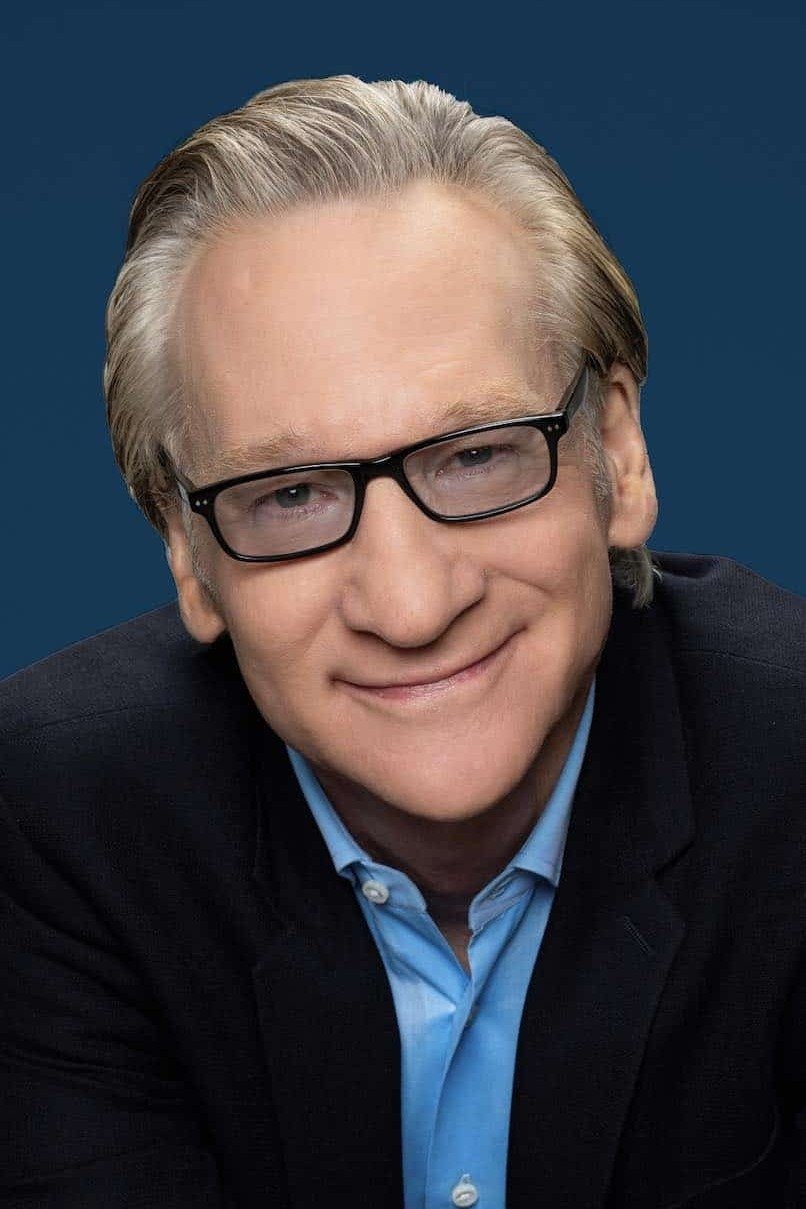
The political commentator and comedian has defended the use of darkening makeup in historical or satirical contexts. He argues that the modern focus on being offended has limited the ability of artists to tell honest or funny stories. Maher believes that the history of performance should be viewed with an understanding of the norms that existed at the time. He has often criticized what he describes as a culture of oversensitivity in the media. His long running show frequently features debates on the intersection of comedy and culture.
Spike Lee
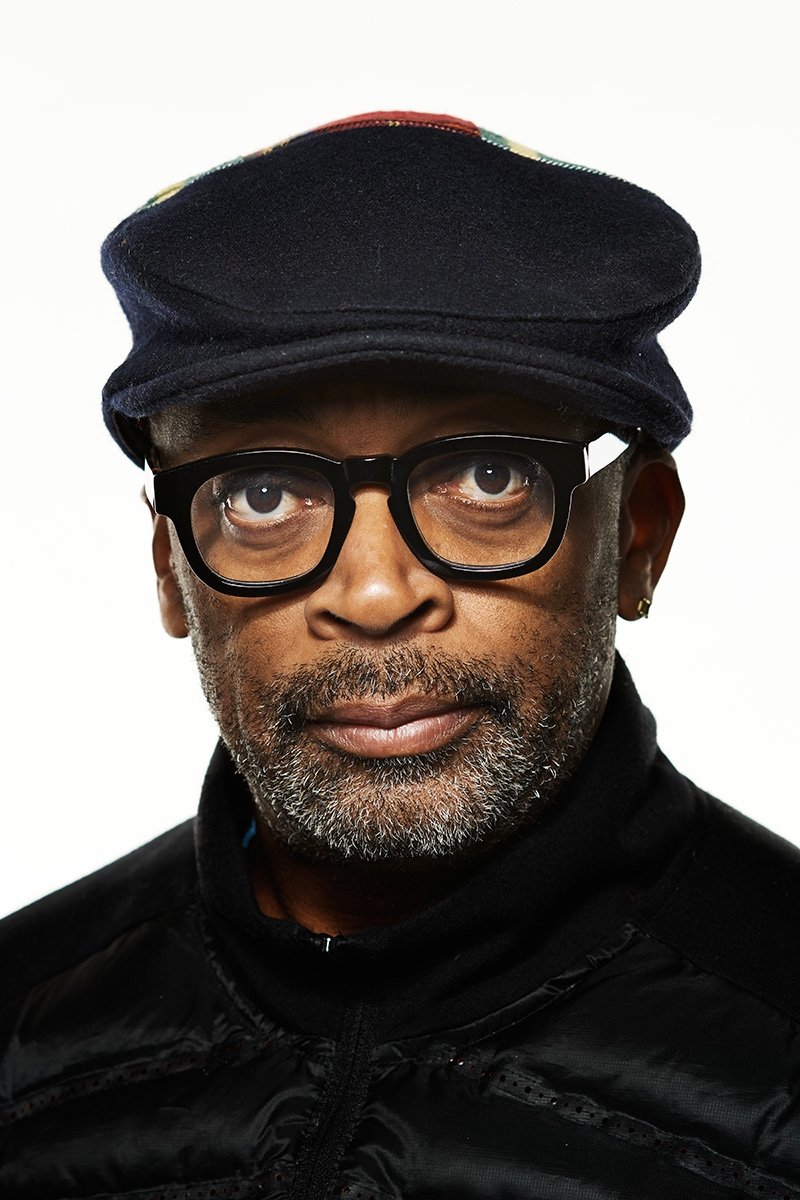
The director used darkening makeup in his film ‘Bamboozled’ to critique the history of the entertainment industry and its treatment of Black performers. He defended the use of the imagery as a necessary shock to the system that forced viewers to confront the reality of media representation. Lee argued that by showing the process and the result, he could expose the systemic issues within Hollywood. The film is a powerful piece of social commentary that remains relevant in modern discussions of race. He has spent his career using cinema to challenge the status quo.
Marlon Wayans
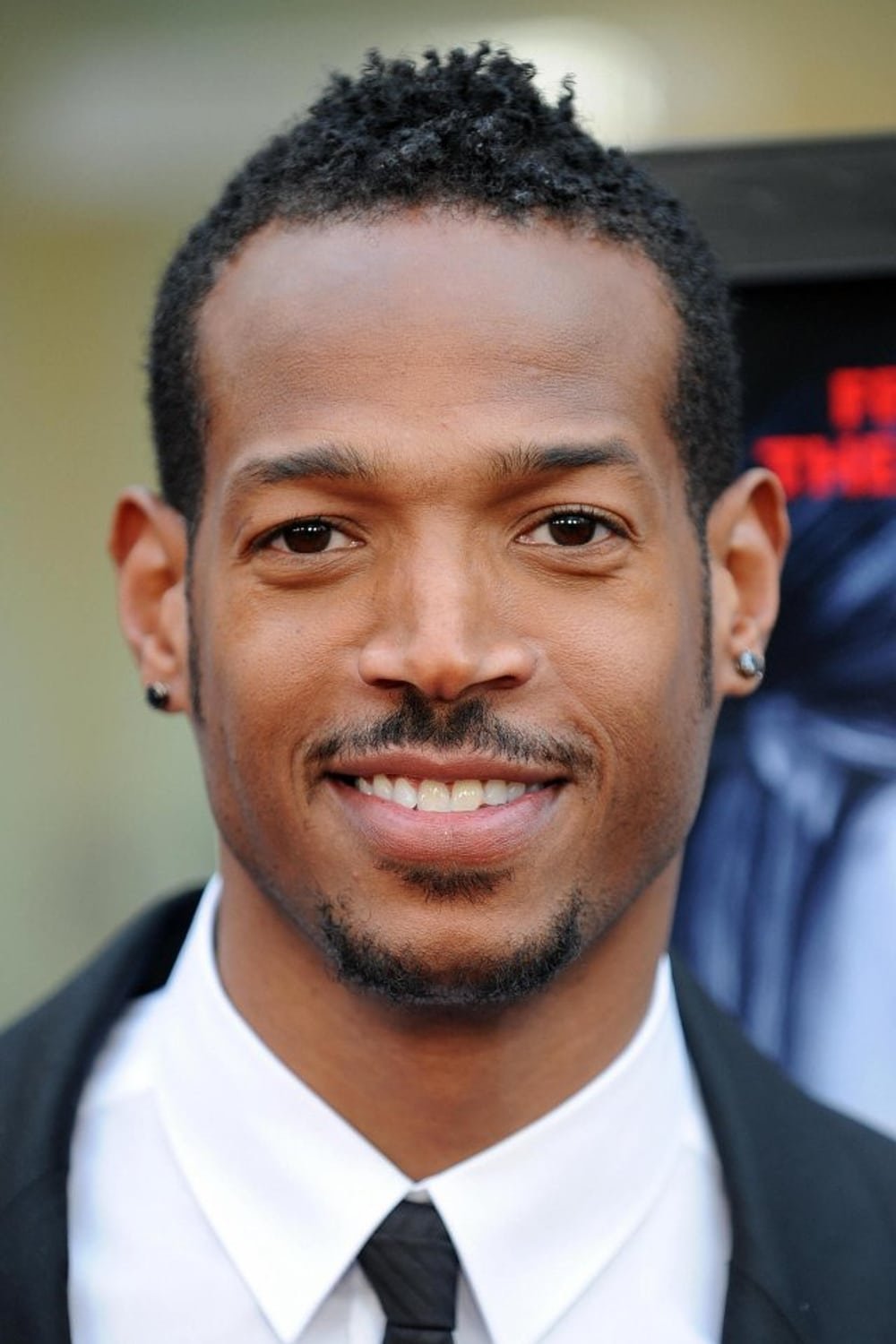
The actor defended the use of race swapping makeup in the film ‘White Chicks’ as a comedic tool for exploring social dynamics. He argued that the humor was derived from the physical transformation and the fish out of water scenario. Wayans believes that comedy should be a two way street where different groups can be lampooned for entertainment. The film was a significant commercial success and has developed a dedicated cult following. He maintains that the goal was always to provide broad and accessible humor for a diverse audience.
Shawn Wayans
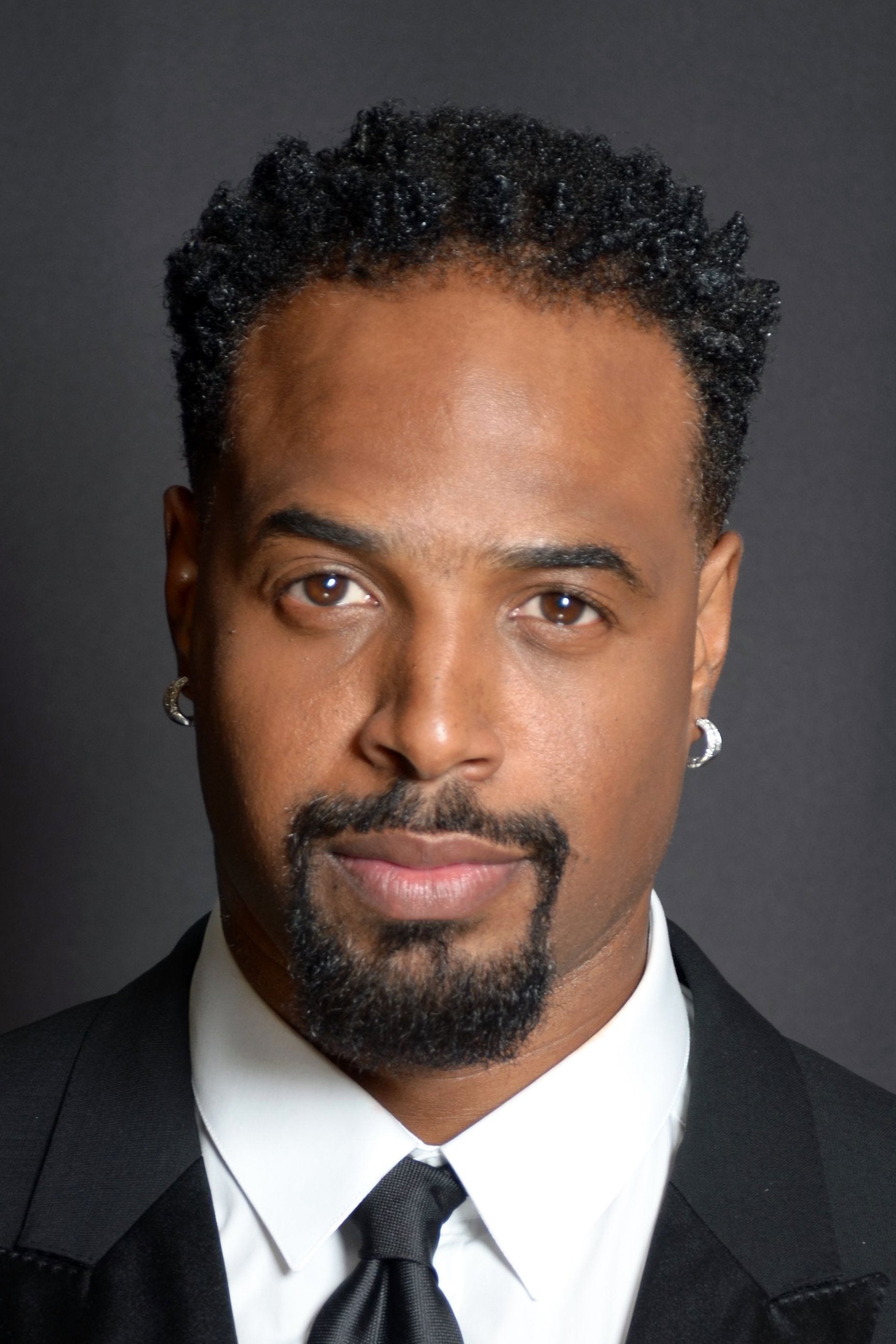
As a co creator and star of ‘White Chicks’, he defended the film as a lighthearted comedy that aimed to entertain through exaggerated characters. He explained that the makeup was a central part of the plot and was never intended to be a serious statement on race. Wayans believes that the success of the film proves that audiences enjoy seeing performers take on challenging physical roles. He has often spoken about the importance of family collaboration in his creative projects. The movie continues to be a staple of cable television and streaming platforms.
Jim Carrey
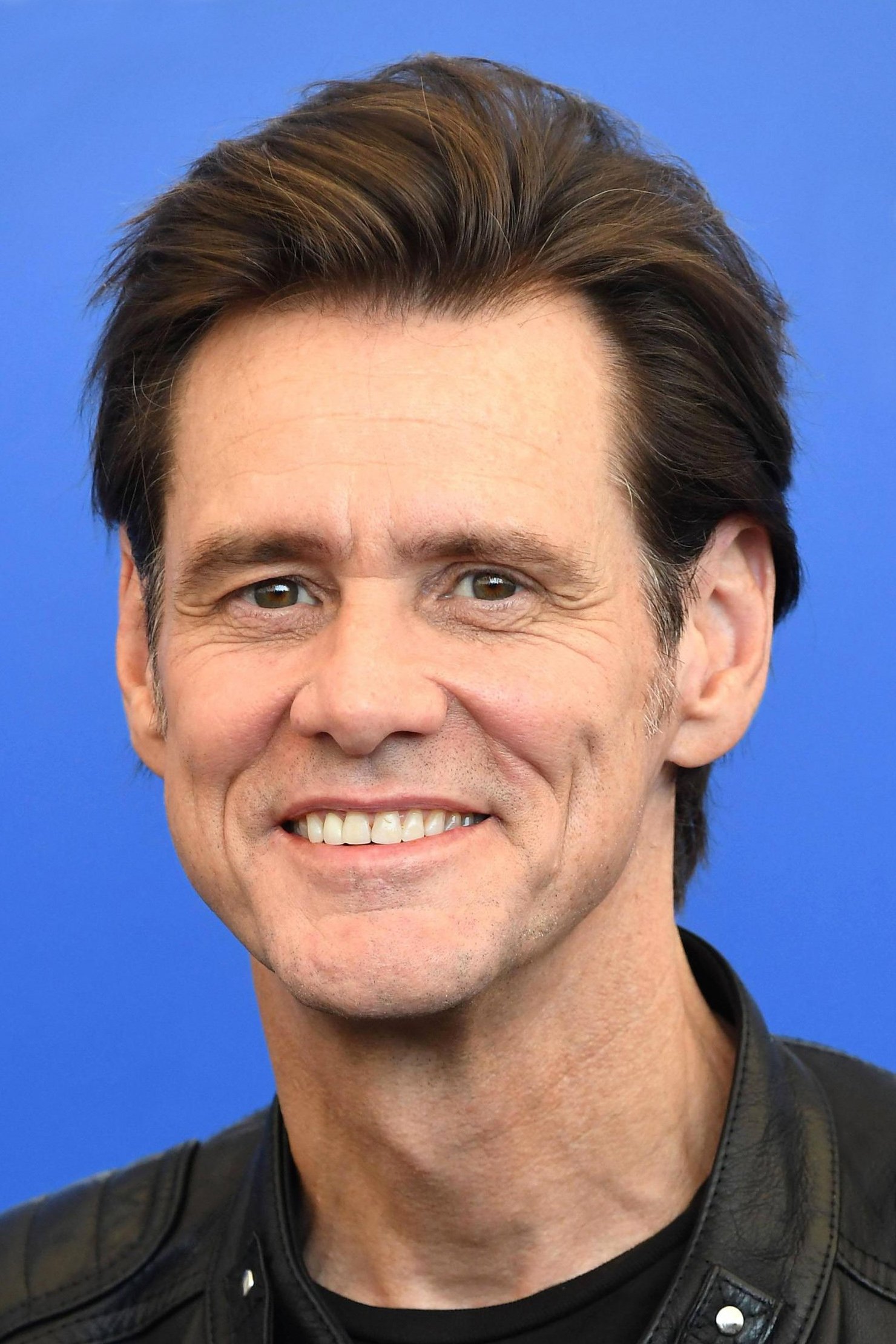
The actor used darkening makeup for various characters during his time on the sketch show ‘In Living Color’. He defended the performances as part of a high energy and subversive comedy environment that aimed to break rules. Carrey argued that the show was a collaborative effort that allowed performers of all backgrounds to play a variety of roles. He believes that the freedom to be truly ridiculous was what made the program a ground breaking success. His physical comedy and character work defined much of early nineties entertainment.
Eddie Murphy
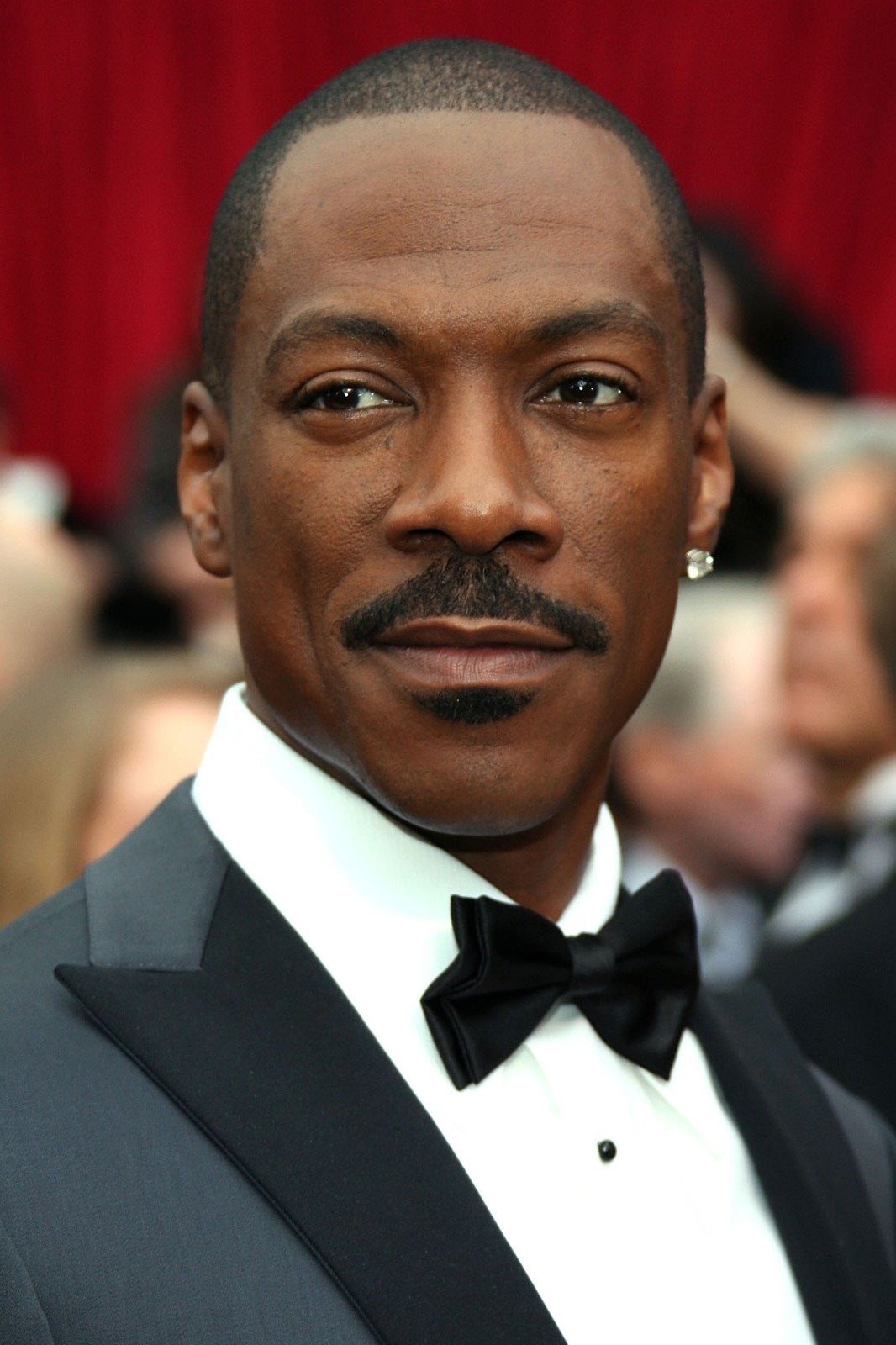
Murphy utilized whiteface and other makeup techniques in films like ‘Coming to America’ to play multiple characters within the story. He defended these choices as a way to showcase his range as a performer and to add layers of comedy to the film. The actor argued that the use of makeup allowed him to disappear into roles that the audience would not expect. He has often been praised for his ability to play various ages and ethnicities through the use of prosthetics. The film is considered one of the most successful and beloved comedies of his career.
Sacha Baron Cohen
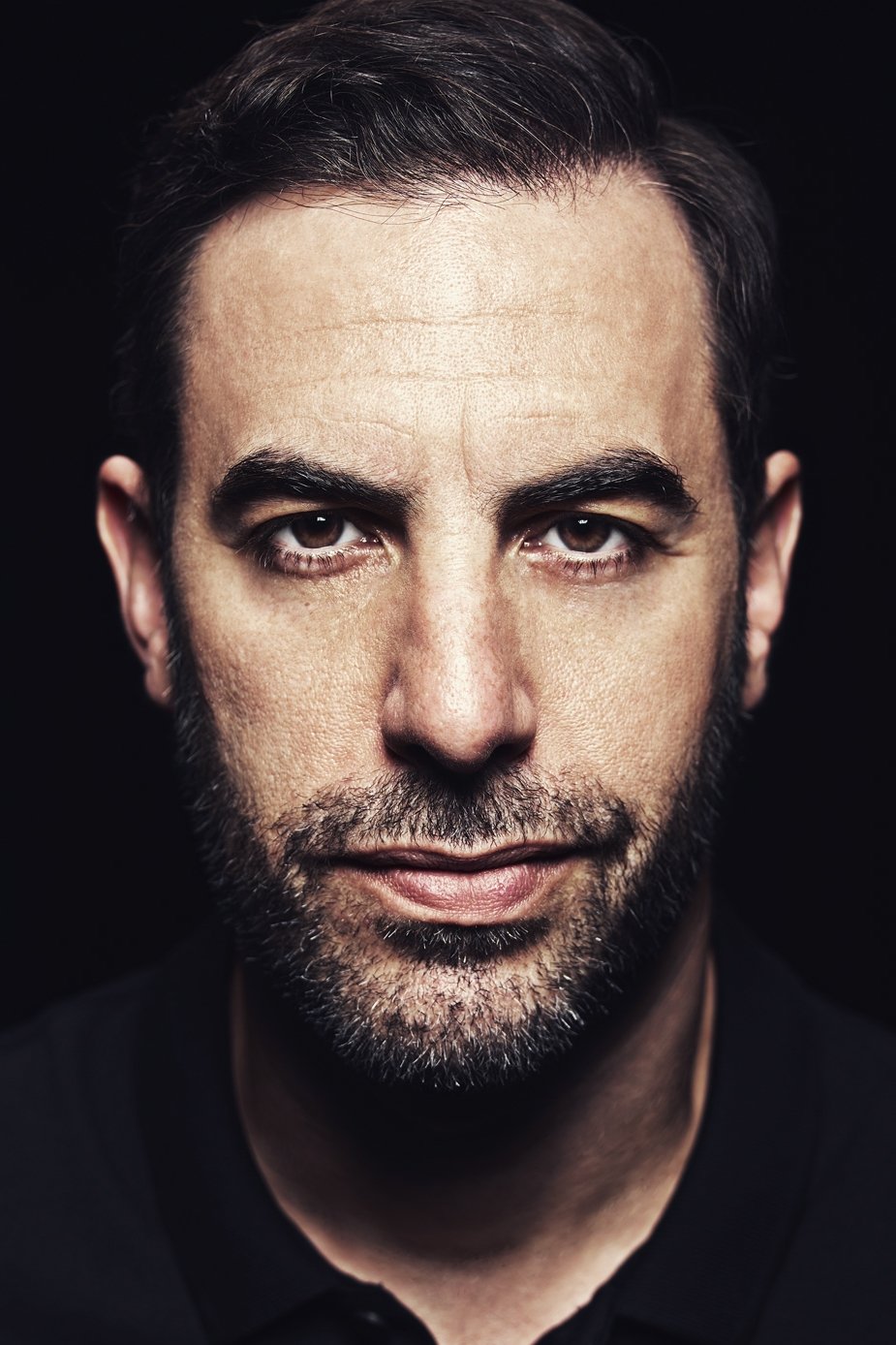
The actor has used various forms of makeup and disguises to portray characters that challenge social and political viewpoints. He defends his work by stating that the goal is to reveal the prejudices and biases of the people he interacts with. Baron Cohen believes that satire must be immersive and sometimes offensive to be truly effective at exposing the truth. His characters often walk a fine line between comedy and social experiment. He remains a controversial and highly influential figure in the world of satirical film.
George Burns
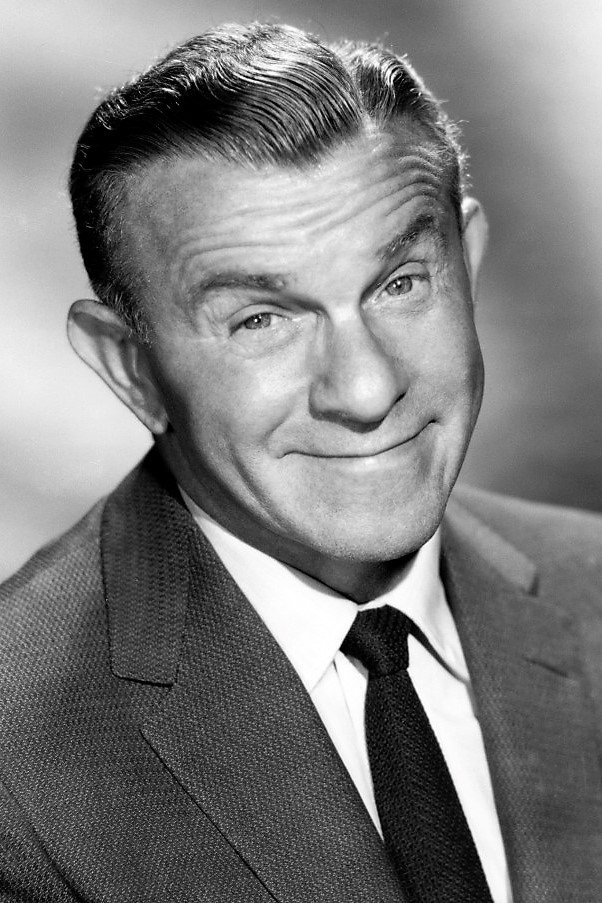
The legendary entertainer defended the traditions of vaudeville which often included the use of darkening makeup during his early career. He viewed the practice as a standard part of the variety show format that was accepted by the audiences of that time. Burns argued that the performers were focused on timing and delivery rather than social commentary. He lived through nearly a century of changes in the entertainment industry and often spoke about the evolution of comedy. His career spanned across stage and screen and radio.
Elizabeth Taylor
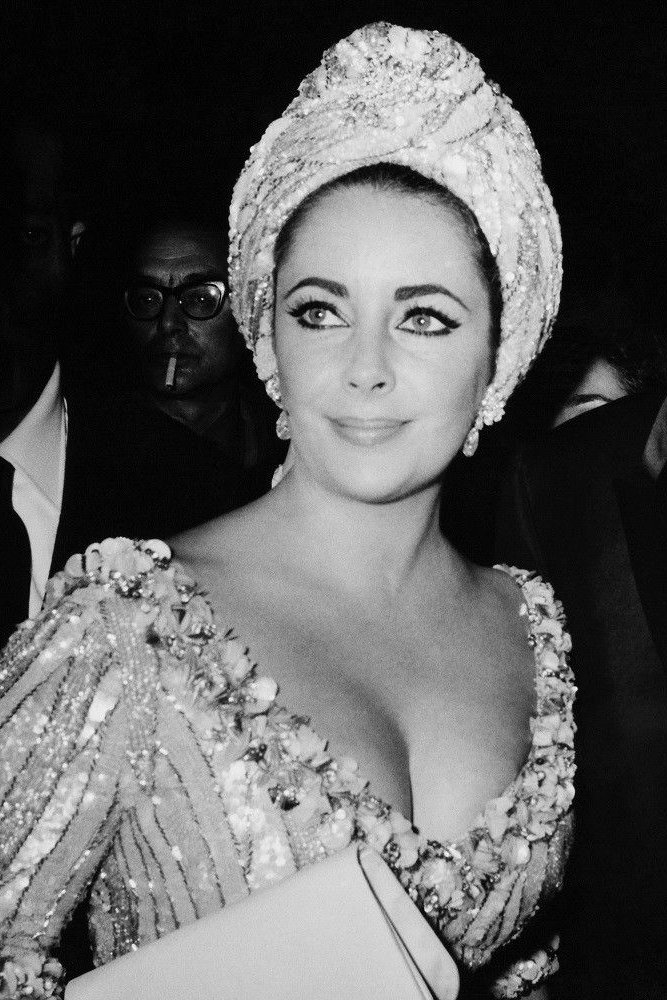
Taylor defended the heavy bronze makeup used in the film ‘Cleopatra’ as a way to provide historical accuracy to the character. The production team argued that the visual style was intended to reflect the opulence and the setting of ancient Egypt. The film was one of the most expensive and ambitious projects in the history of cinema. Taylor believed that her transformation was essential for the audience to believe in her portrayal of the legendary queen. The movie remains a landmark of the Hollywood epic genre.
Peter Sellers
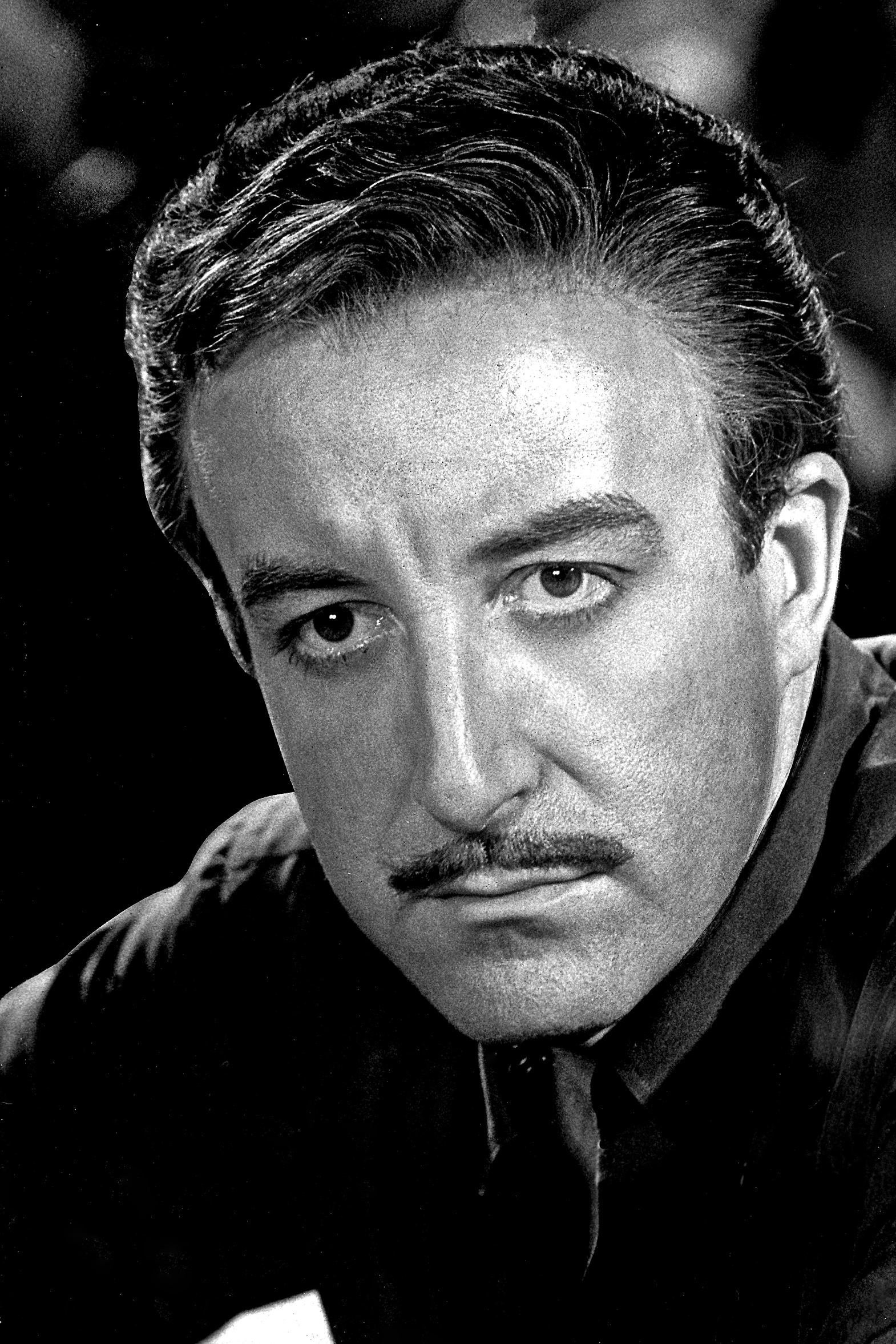
The actor used darkening makeup for his role in the comedy film ‘The Party’ where he played an accident prone Indian actor. He defended the performance as a character study that relied on physical comedy and situational humor. Sellers believed that his portrayal was a tribute to the gentle and well meaning nature of the character he created. The film is celebrated for its inventive gags and the improvisational style of the lead performer. It remains a significant part of the legacy of sixties comedy.
John Turturro
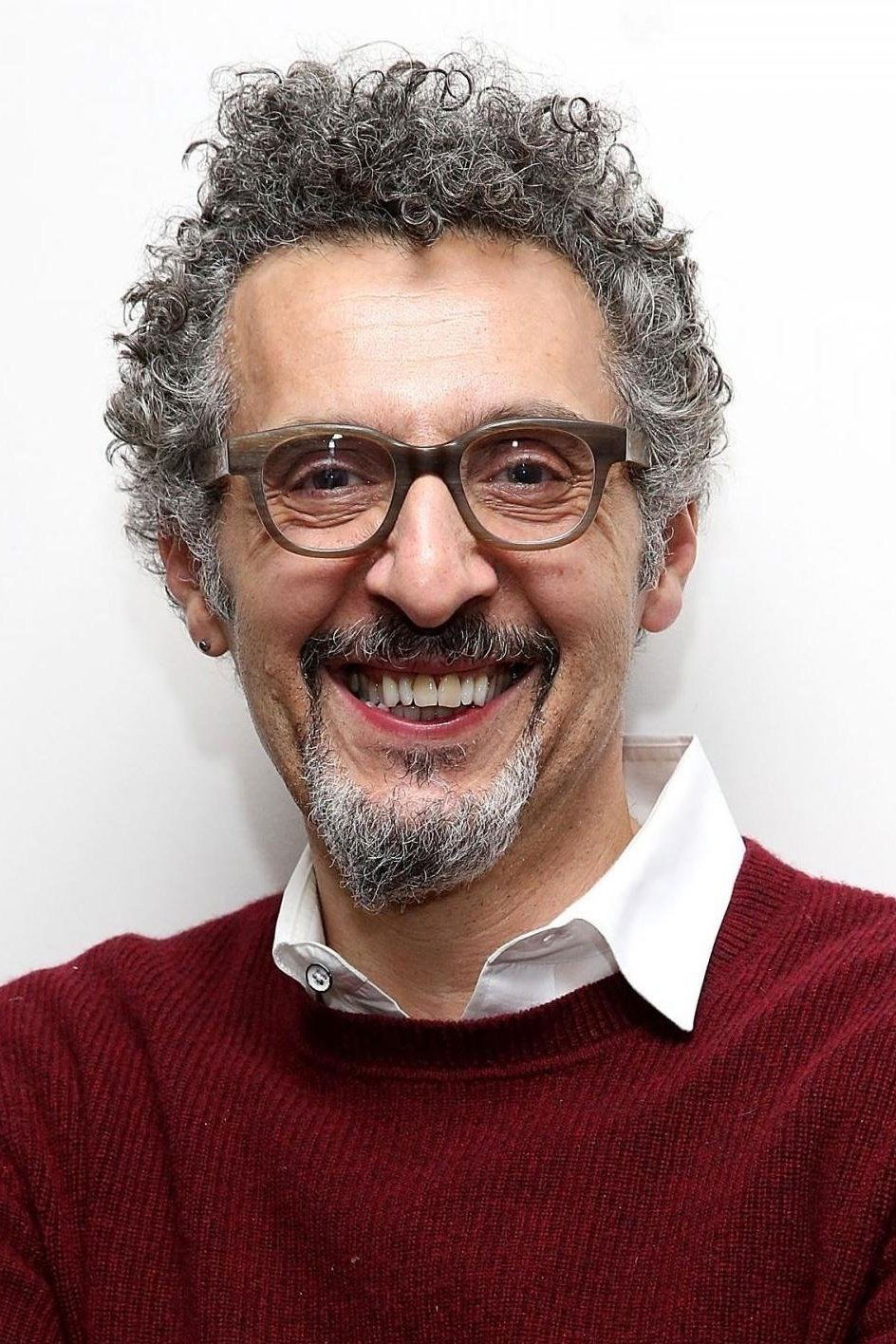
The actor has defended the use of character makeup in period pieces as a way to maintain the integrity of the story. He believes that performers should be allowed to use all the tools at their disposal to bring a character to life. Turturro has argued that the historical context of a film often dictates the visual choices made by the director. He is known for his intense dedication to his craft and his ability to play a diverse array of characters. His work has spanned independent cinema and major studio productions.
Steve Coogan

The comedian and actor has defended the use of character makeup in his satirical work by stating that it serves the needs of the narrative. He believes that the ability to transform into different people is a fundamental part of the acting profession. Coogan has often used his characters to critique the media and the nature of celebrity in modern society. He argues that as long as the intent is clearly defined, the audience will understand the purpose of the performance. His character Alan Partridge remains one of the most enduring figures in British comedy.
Robert Lindsay
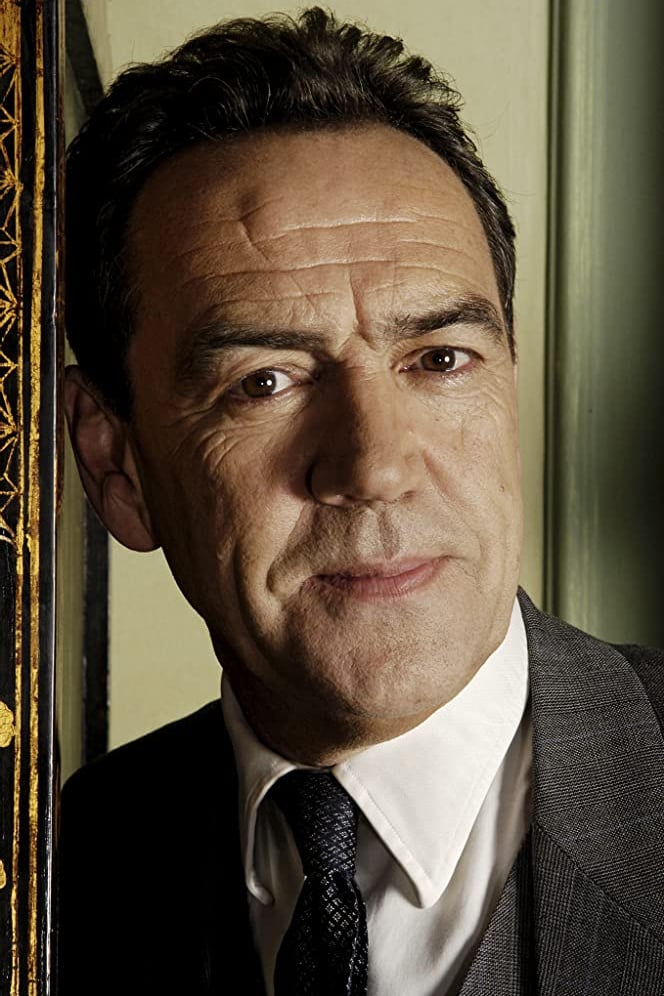
The actor defended his use of makeup in theatrical productions and television films as a way to honor the source material. He believes that the traditions of the stage provide a unique context where transformation is a key element of the experience. Lindsay has argued that the focus should be on the quality of the acting and the message of the play. He is a highly respected figure in the British acting community with a career that covers multiple genres. His performances have often been praised for their depth and technical skill.
David Walliams
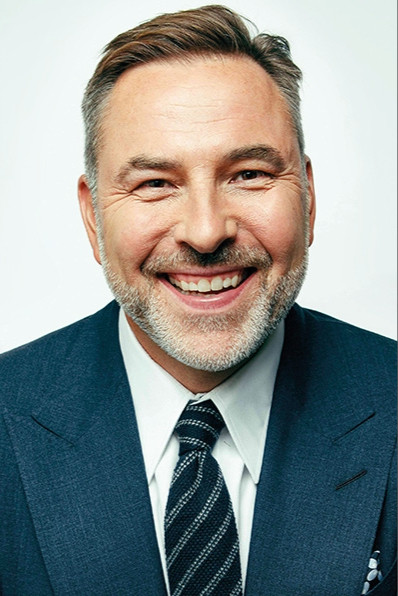
The comedian and author defended the characters in his sketch show ‘Little Britain’ which frequently used makeup for racial and gender portrayals. He argued that the show was intended to be a broad and surreal look at various types of people in the country. Walliams believed that the humor was rooted in the absurdity of the situations rather than any desire to cause harm. He has since acknowledged that some of the material has aged poorly but initially stood by the creative vision. The show was a massive cultural phenomenon during its original run.
Matt Lucas
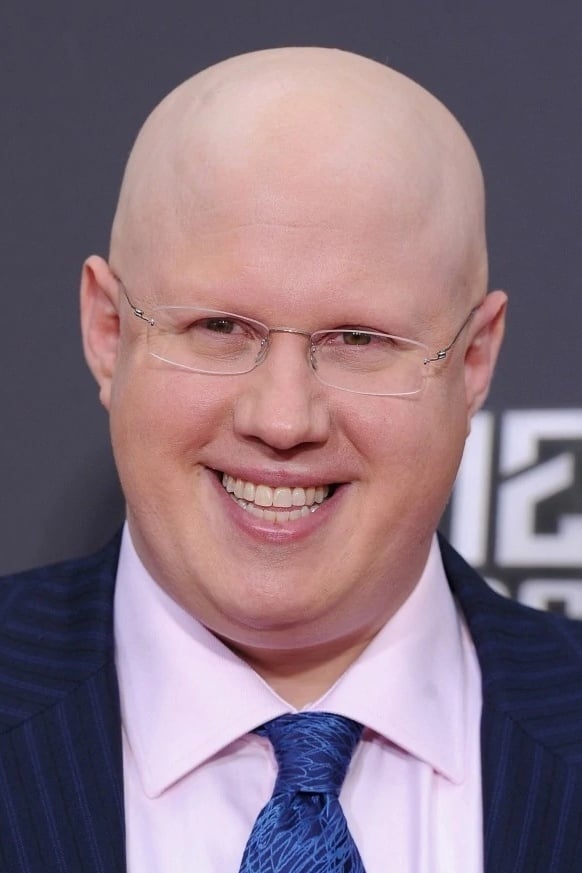
As the co creator of ‘Little Britain’, Lucas defended the show as a product of its time that aimed to be as inclusive and varied as possible. He explained that the use of makeup allowed the two leads to play dozens of different characters across the series. Lucas argued that the show was celebrating the eccentricities of human nature through an extreme comedic lens. He has often spoken about the challenges of making comedy that remains relevant as social standards change. His career has continued to thrive in both acting and writing roles.
Harry Enfield
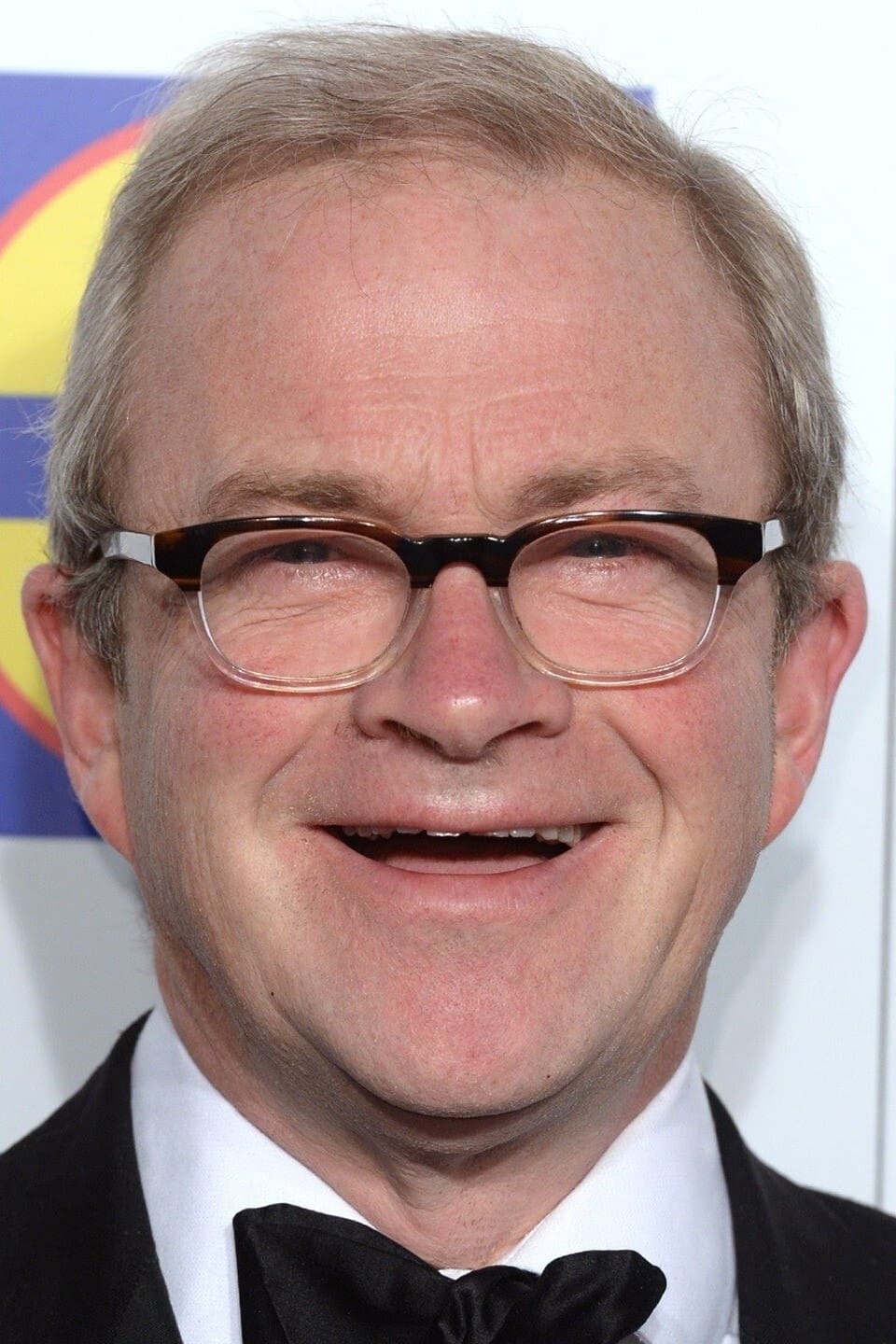
The British comedian has defended his use of character makeup by stating that it is a necessary part of the tradition of sketch comedy. He believes that performers should be able to spoof any part of society to create effective satire. Enfield has argued that his characters are based on observations of real people and their behavior in everyday life. He maintains that the goal of his work is to make people laugh by showing them a distorted version of reality. His sketches have been a major part of the television landscape for decades.
Sarah Jessica Parker
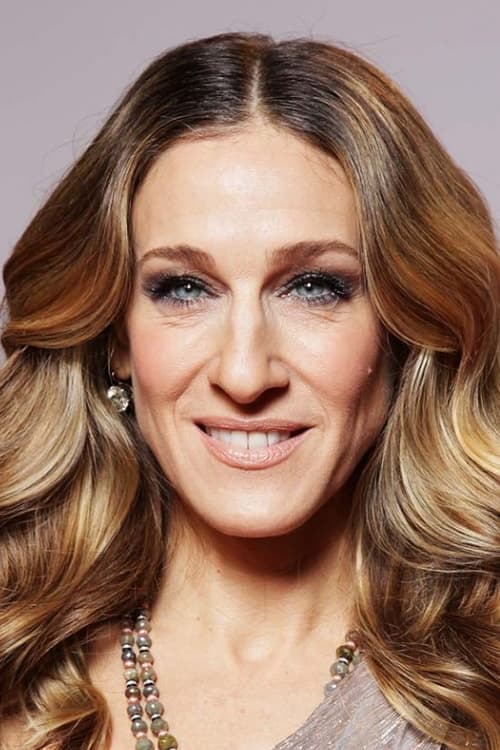
The actress has defended the historical content of classic films and the need to preserve them as they were originally created. She believes that while some scenes may be difficult to watch today, they serve as an important record of the culture of the time. Parker has argued that censoring the past prevents us from learning about the evolution of our society. She maintains that the context of a production is vital for understanding its place in history. Her career has included a wide range of roles in both television and film.
Helen Mirren
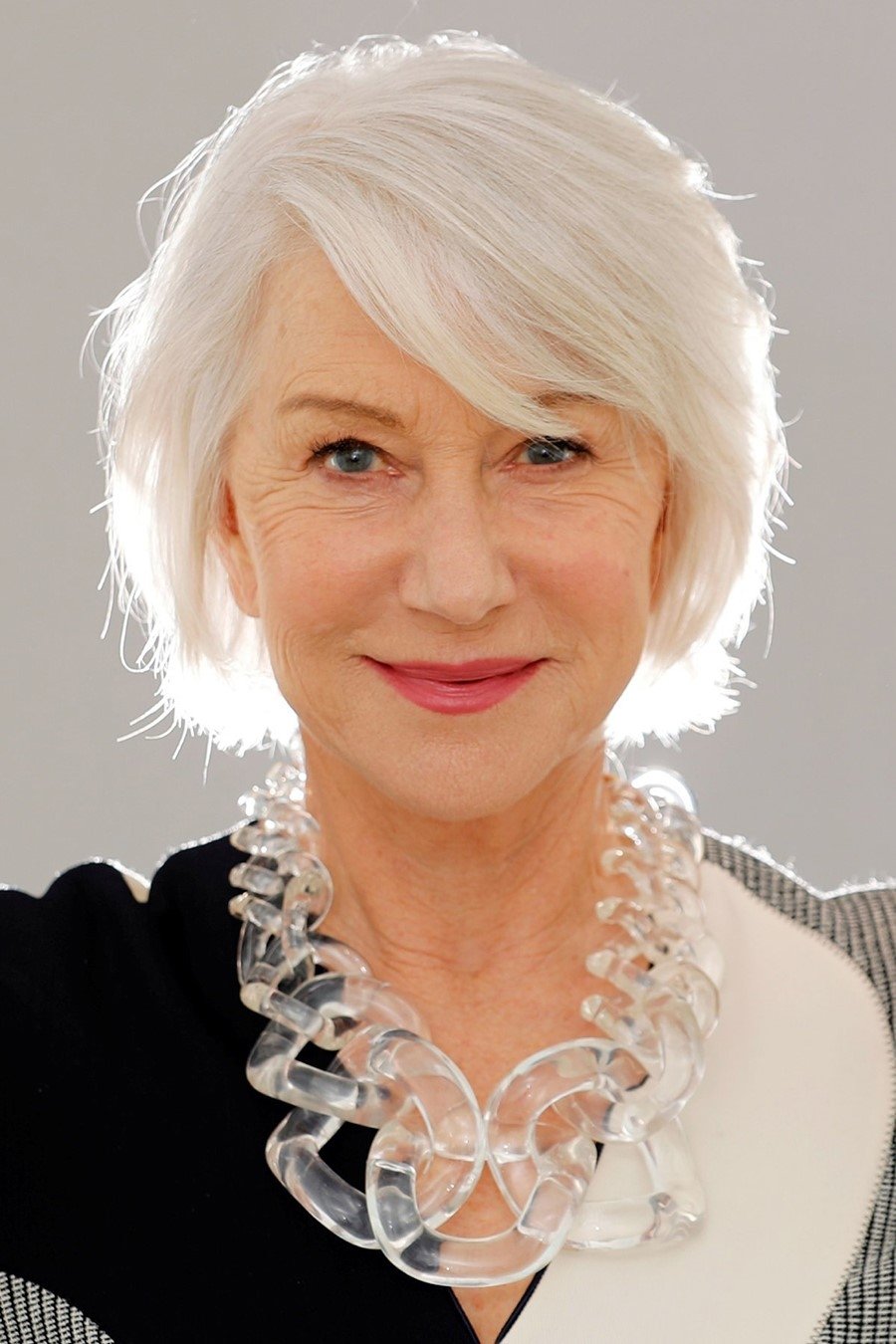
The Academy Award winner has spoken about the importance of artistic expression and the right of actors to take on diverse roles. She has defended the intent of filmmakers who use provocative imagery to tell a compelling story. Mirren believes that the audience should be challenged by the art they consume and that discomfort can lead to productive conversations. She has often been a vocal supporter of the creative freedom of her colleagues in the industry. Her long and distinguished career is a testament to her commitment to the craft of acting.
Judi Dench
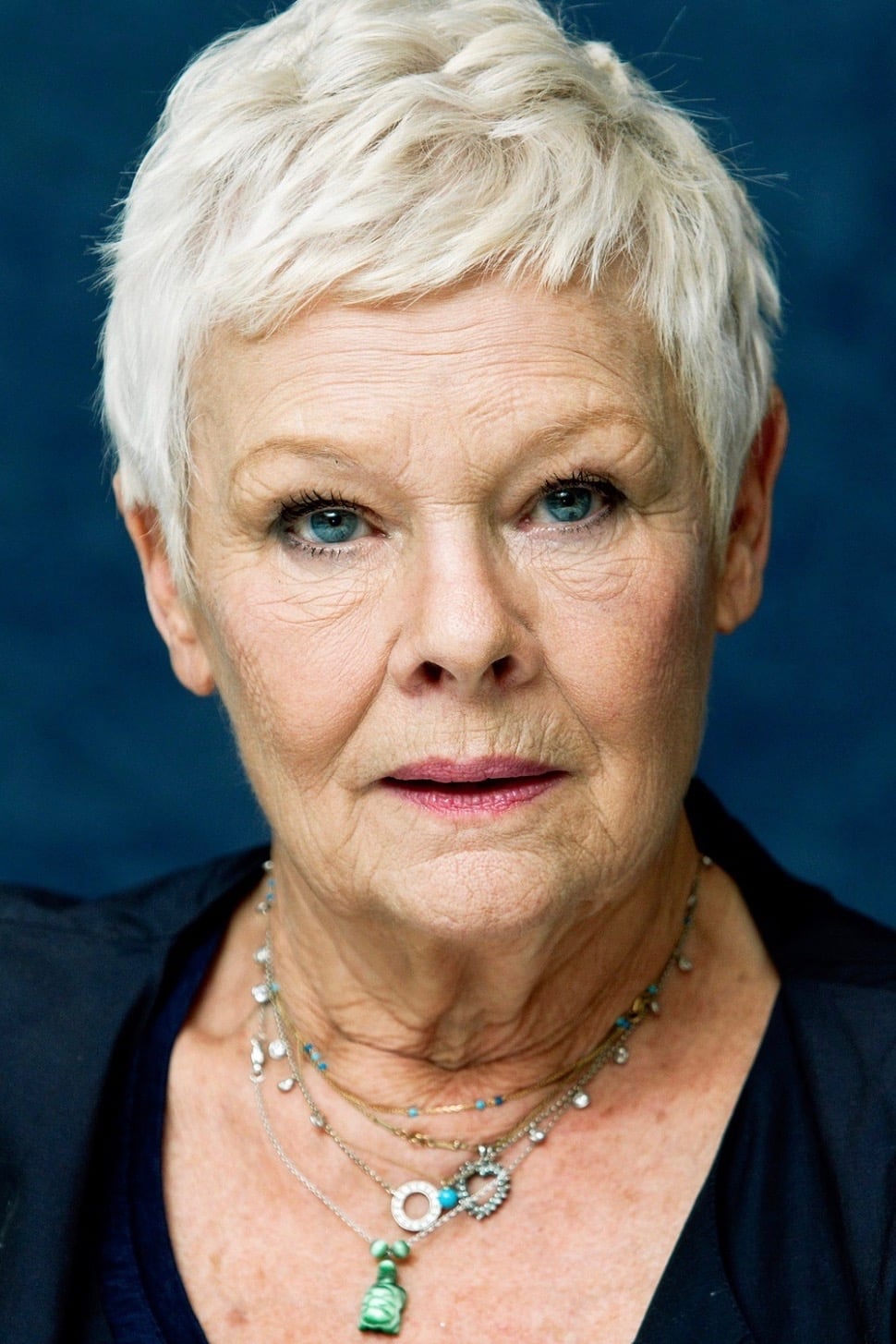
The esteemed actress has defended the history of the theater and the various ways that actors have portrayed characters throughout the centuries. She believes that the focus of any performance should be the emotional truth of the role. Dench has argued that the traditions of the stage are different from those of other media and should be respected as such. She is widely considered one of the greatest performers of her generation with a deep understanding of classical and modern drama. Her work continues to inspire actors and audiences around the world.
Michael Caine
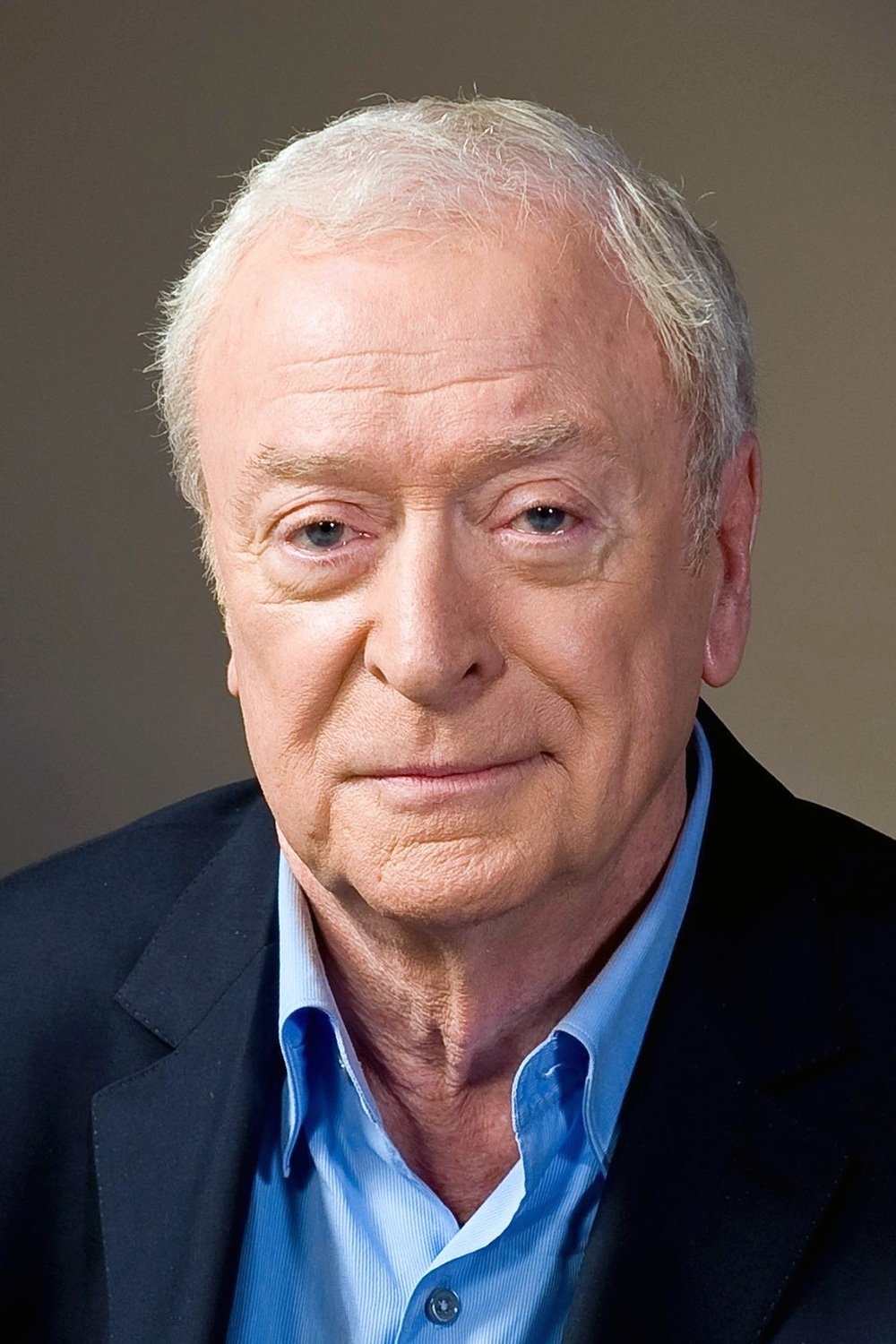
The veteran actor has defended the work of his peers and the creative choices made in classic cinema by citing the standards of the era. He believes that films should be judged within the context of the time they were produced rather than by modern metrics alone. Caine has argued that the goal of the industry has always been to provide entertainment and to tell stories that resonate with the audience. He maintains that the history of film is a rich and varied tapestry that includes many different perspectives. His legendary career has made him one of the most recognizable figures in world cinema.
Share your thoughts on these controversial classic film moments in the comments.