


20 Celebs Who Died With Big Secrets

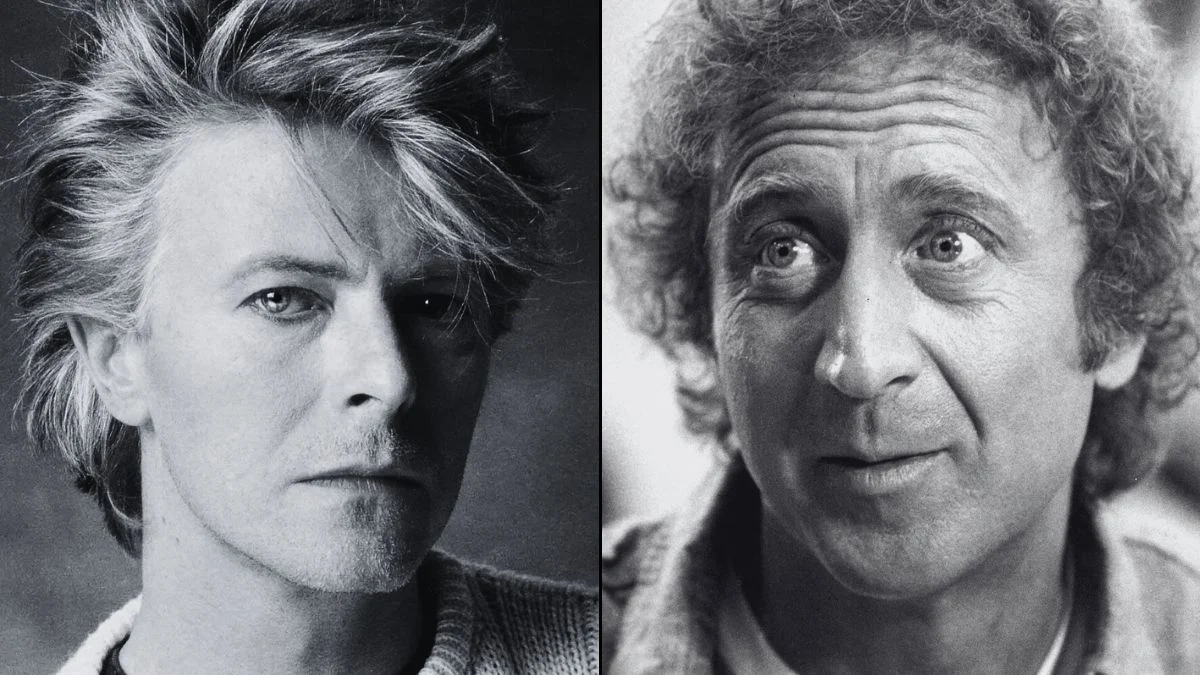


Some stars kept surprising parts of their lives out of the spotlight, and those details only surfaced after they were gone. From undisclosed illnesses to hidden generosity and private identities, these stories show how much famous people sometimes choose to keep for themselves. Here are well-known names whose passing revealed something the public never fully knew while they were alive.
Chadwick Boseman
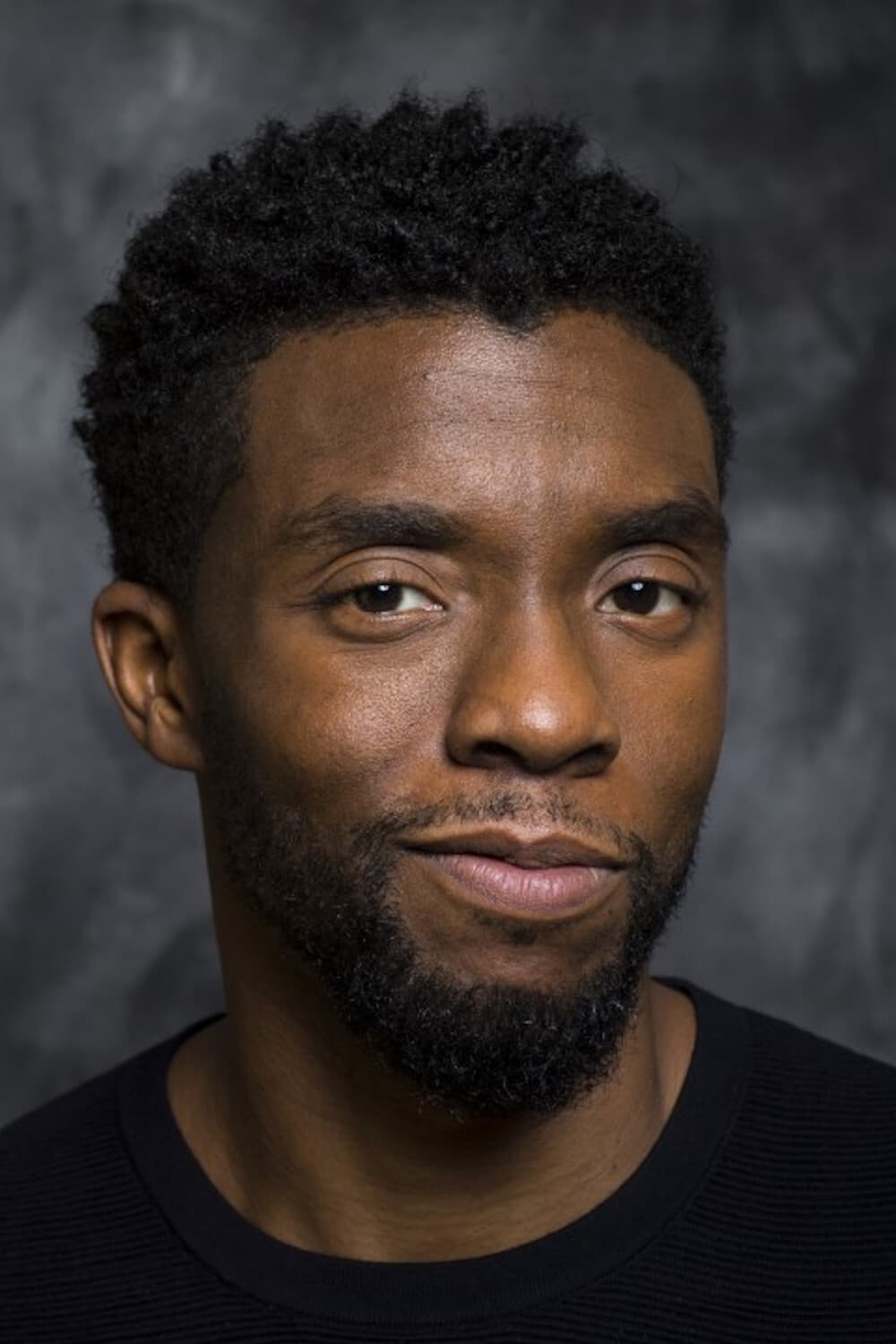
Chadwick Boseman privately battled colon cancer for several years while filming physically demanding roles. He continued visiting children’s hospitals and completing press tours without revealing his diagnosis. Only his family and a small circle of collaborators knew the truth. The announcement after his death explained his weight loss and grueling schedule that puzzled fans.
Virgil Abloh
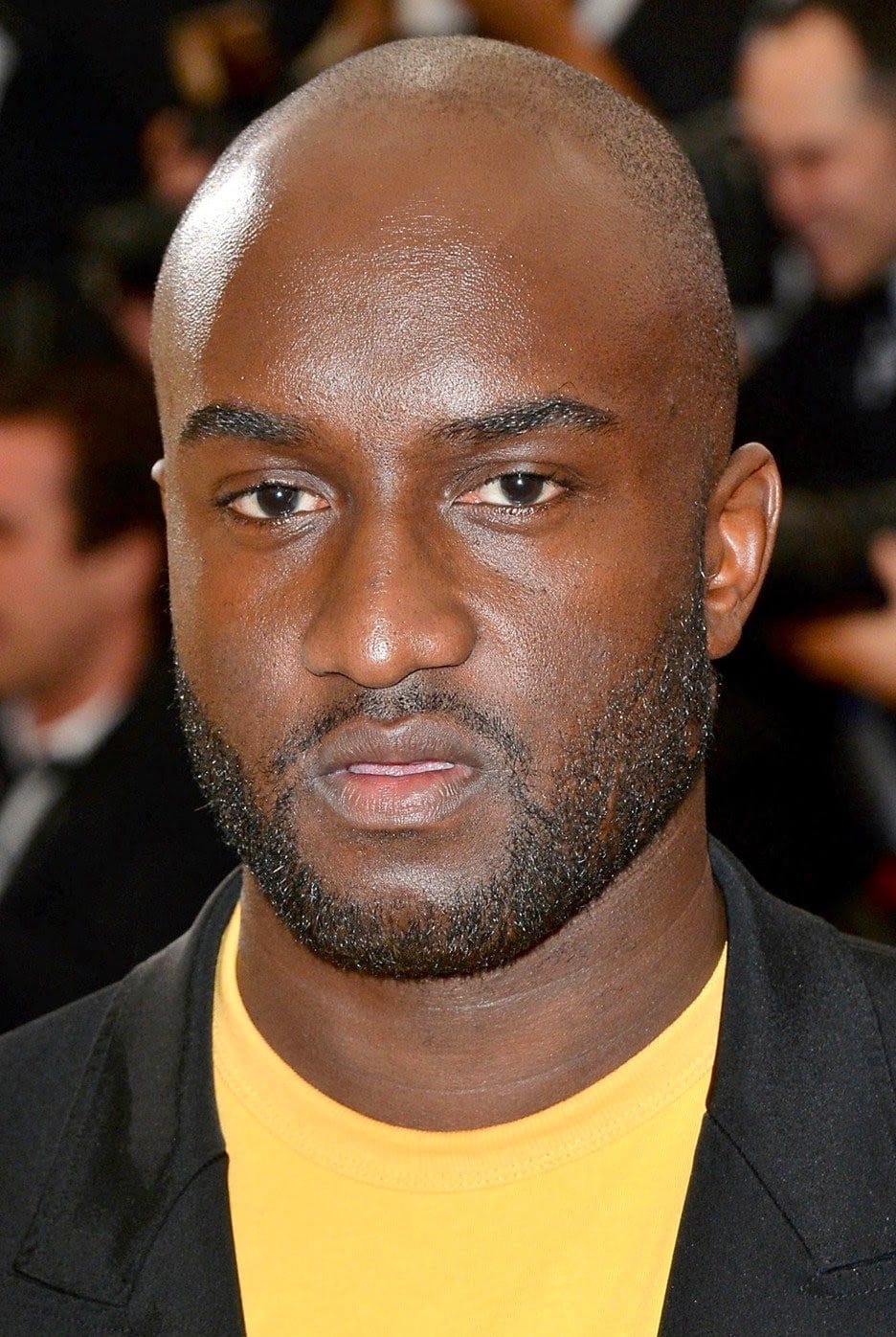
Virgil Abloh kept a rare and aggressive form of cancer private for years as he led major fashion houses and collaborated across music and design. He maintained a full slate of shows, product launches, and mentorship programs without disclosing his treatment. His team later shared that he preferred to work without the illness defining him. The posthumous tributes highlighted how much he accomplished while in quiet, intensive care.
David Bowie
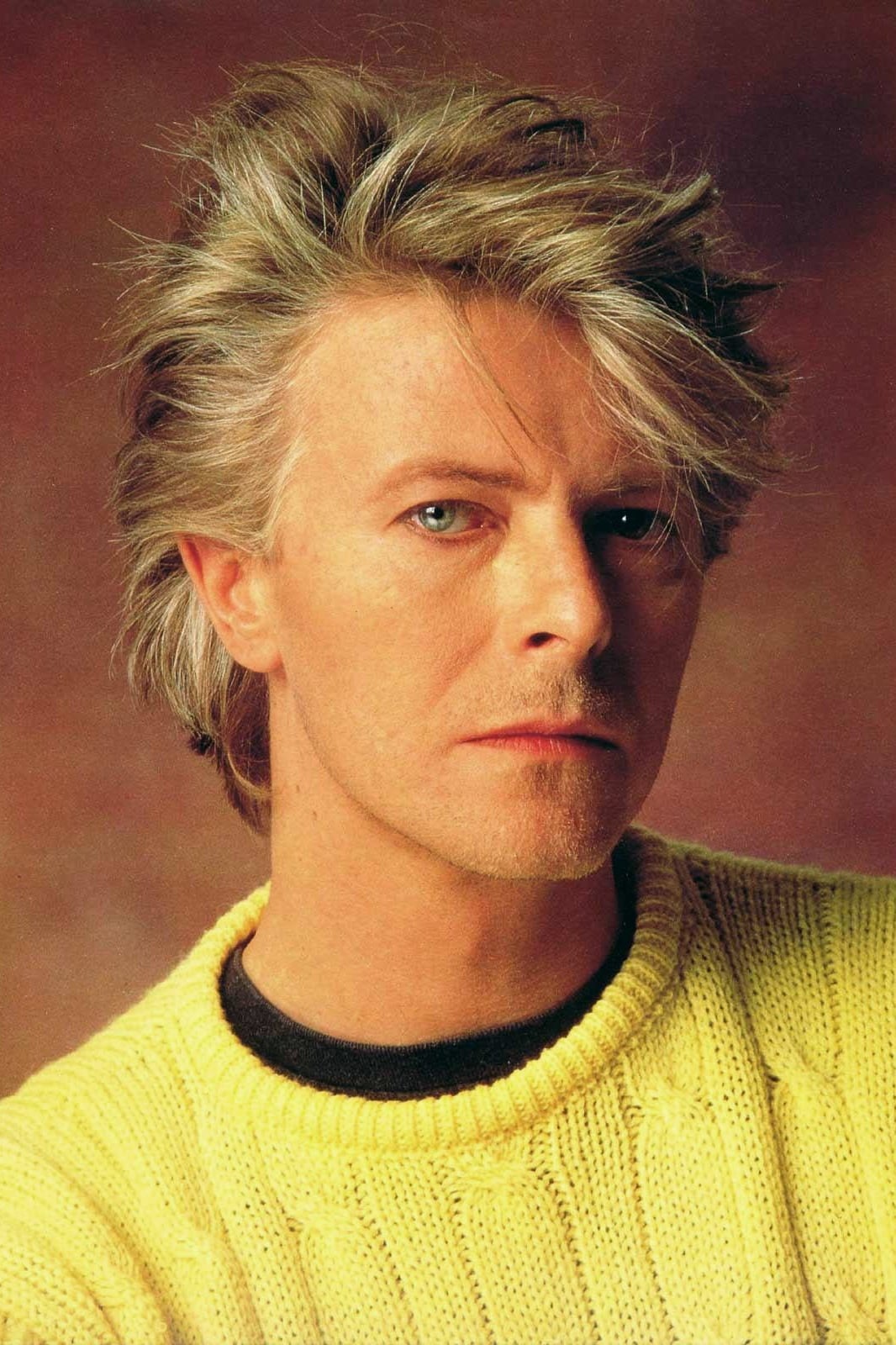
David Bowie recorded the album ‘Blackstar’ while undergoing treatment for liver cancer that he never announced publicly. The songs and visuals were carefully timed to arrive just before his death. Close collaborators said he wanted the work to speak for itself rather than making his illness a promotional focus. Fans later connected the album’s imagery to his final days.
Gene Wilder
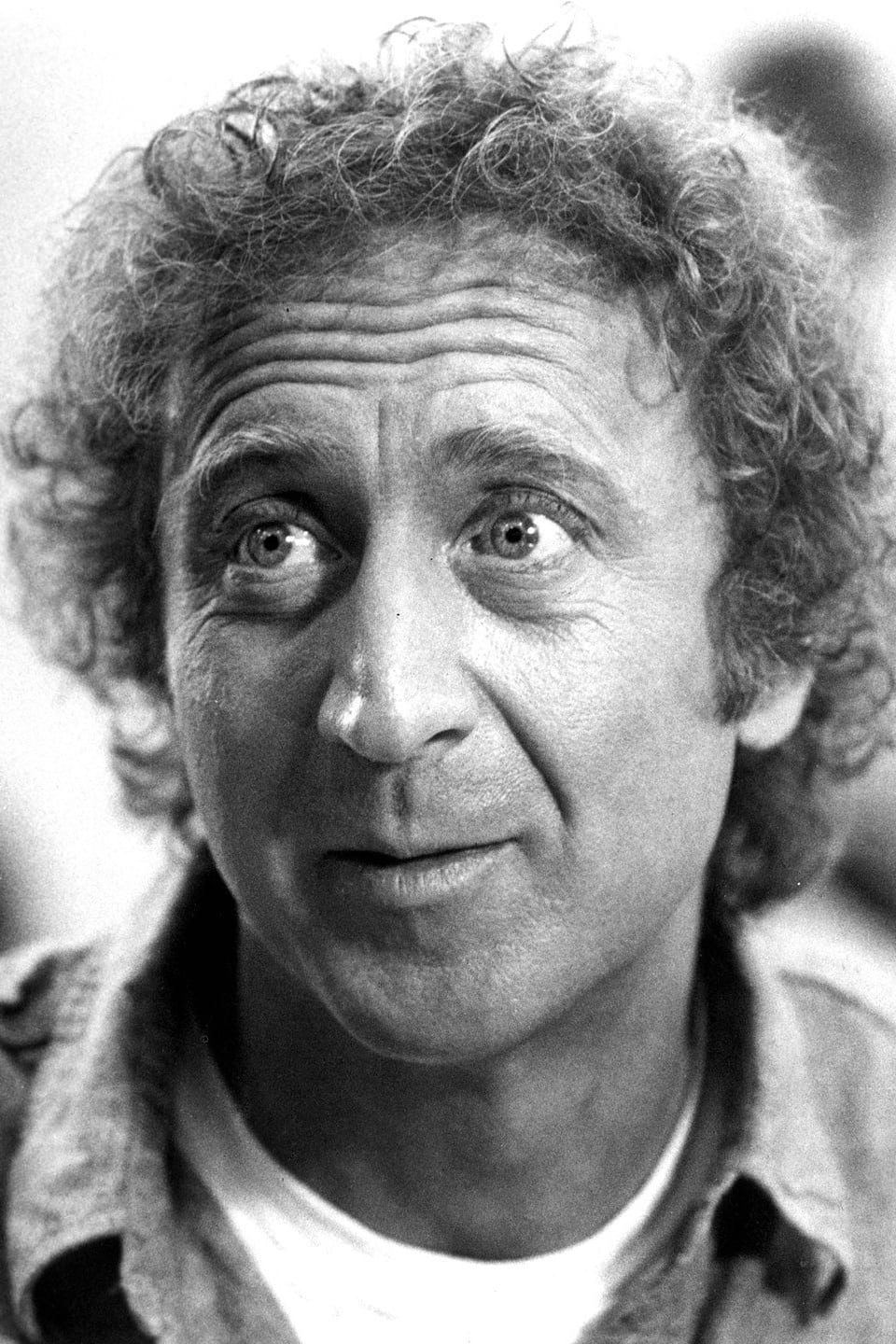
Gene Wilder lived with Alzheimer’s disease that he chose not to disclose to the public. His family explained that he kept it private to avoid distressing children who loved ‘Willy Wonka and the Chocolate Factory’. He continued appearing in select public moments without discussing his diagnosis. The news surfaced only in statements released after his death.
Alan Rickman

Alan Rickman was diagnosed with pancreatic cancer and did not share the diagnosis widely beyond family and close associates. He kept working on voice roles and projects that were in post-production. His final performances arrived without any public mention of his condition. The cause became known only through reports after he passed away.
Norm Macdonald
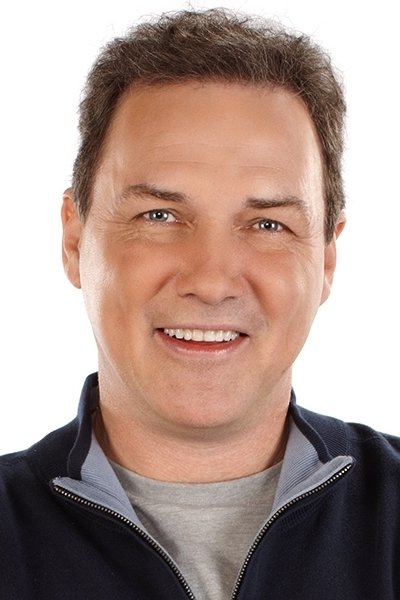
Norm Macdonald underwent a long, private fight with cancer that he never publicized. He kept performing stand-up and taping specials with a small team aware of his health situation. Friends later said he did not want the illness to shape how audiences viewed his jokes. The extent of his treatment became public only in obituaries and statements by those close to him.
Kelly Preston
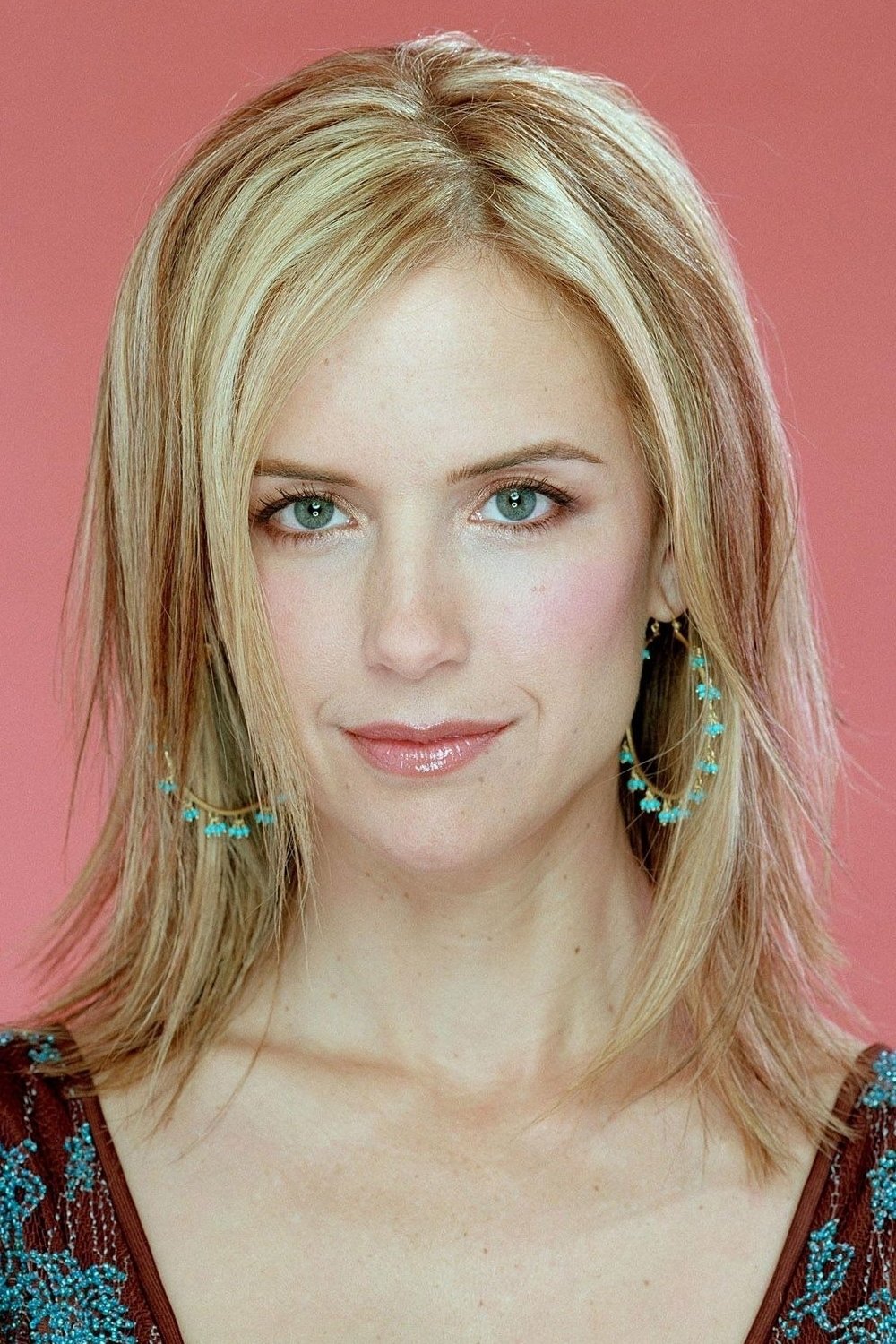
Kelly Preston lived with breast cancer that she and her family chose to keep private during her treatment. She continued working and appearing at events without disclosing the diagnosis. Her medical care was handled outside the spotlight. The news became public only when her family shared it after her death.
Aretha Franklin
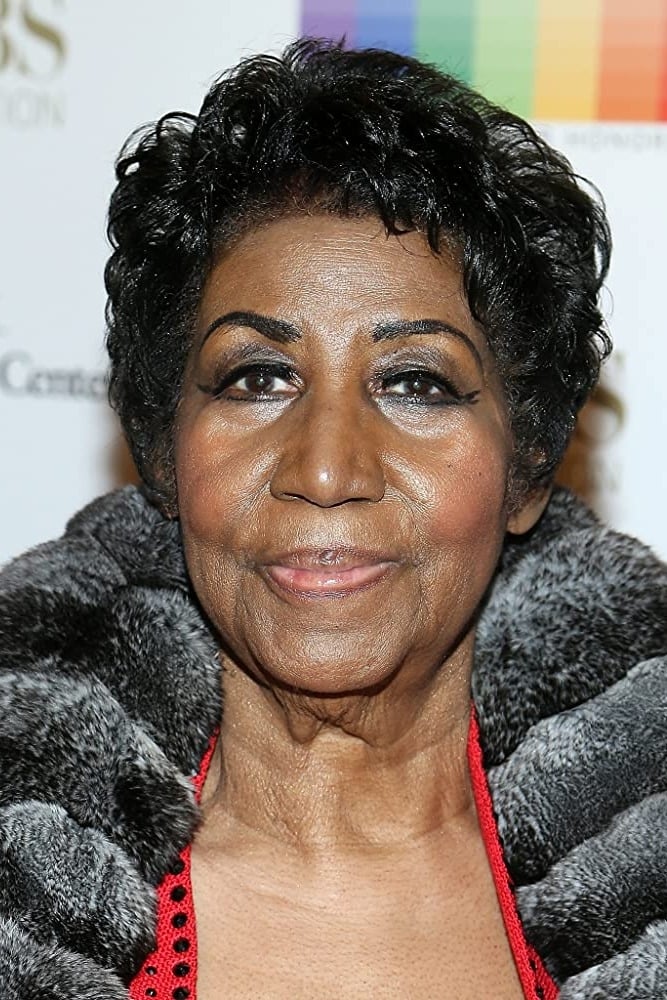
Aretha Franklin closely guarded details of her health in her final years and did not publicly confirm a specific diagnosis. She reduced touring and appearances while receiving treatment. After her death, court proceedings also revealed unexpected questions about handwritten wills and estate planning. The combination of private health struggles and paperwork added new layers to her story.
George Michael
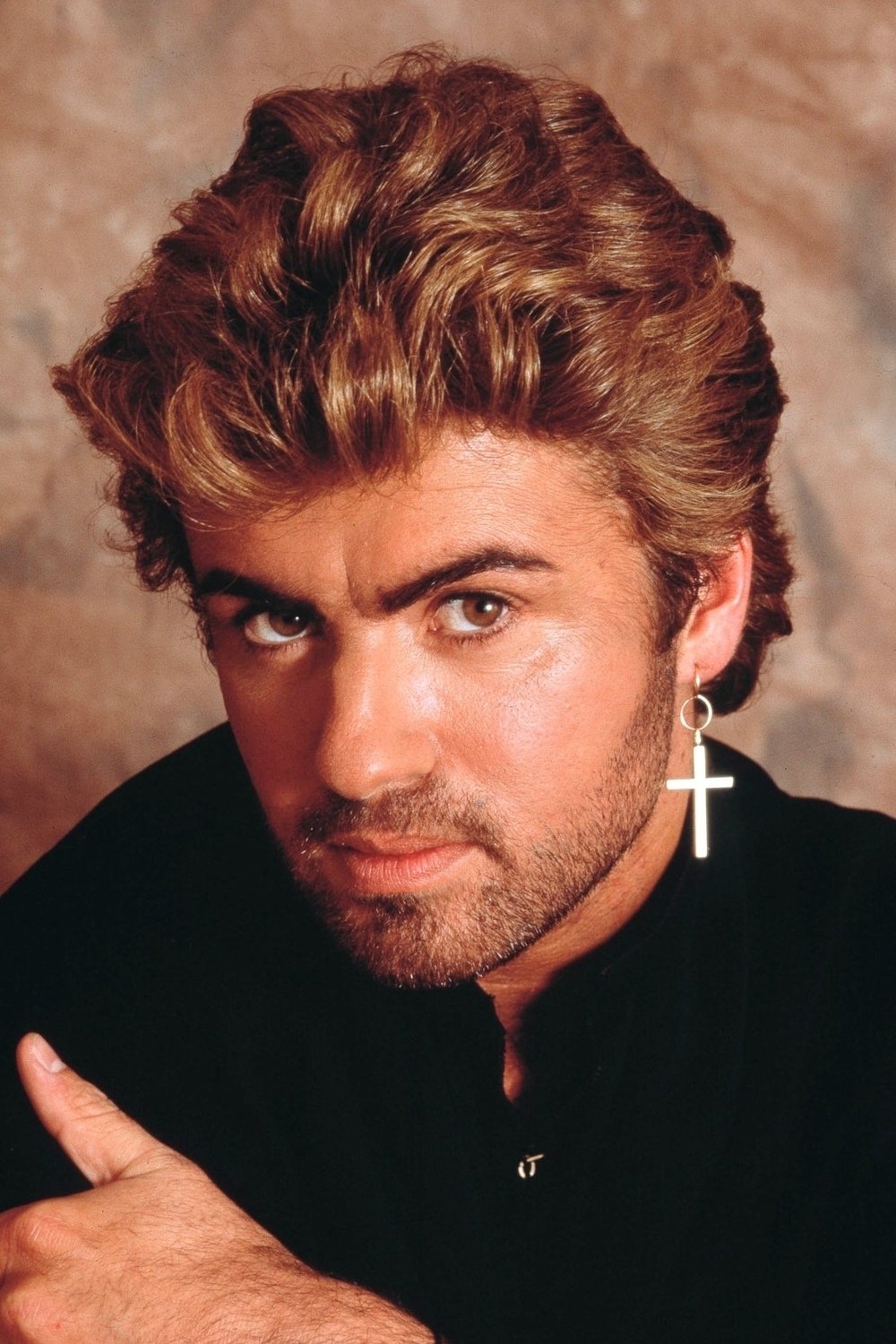
George Michael was known to make sizable donations and volunteer acts without publicity, often insisting on anonymity. After his death, charities and individuals shared previously unknown stories of his support. He had paid for medical treatments, education, and fundraising drives quietly behind the scenes. Much of this generosity only came to light through others’ testimonies.
Prince
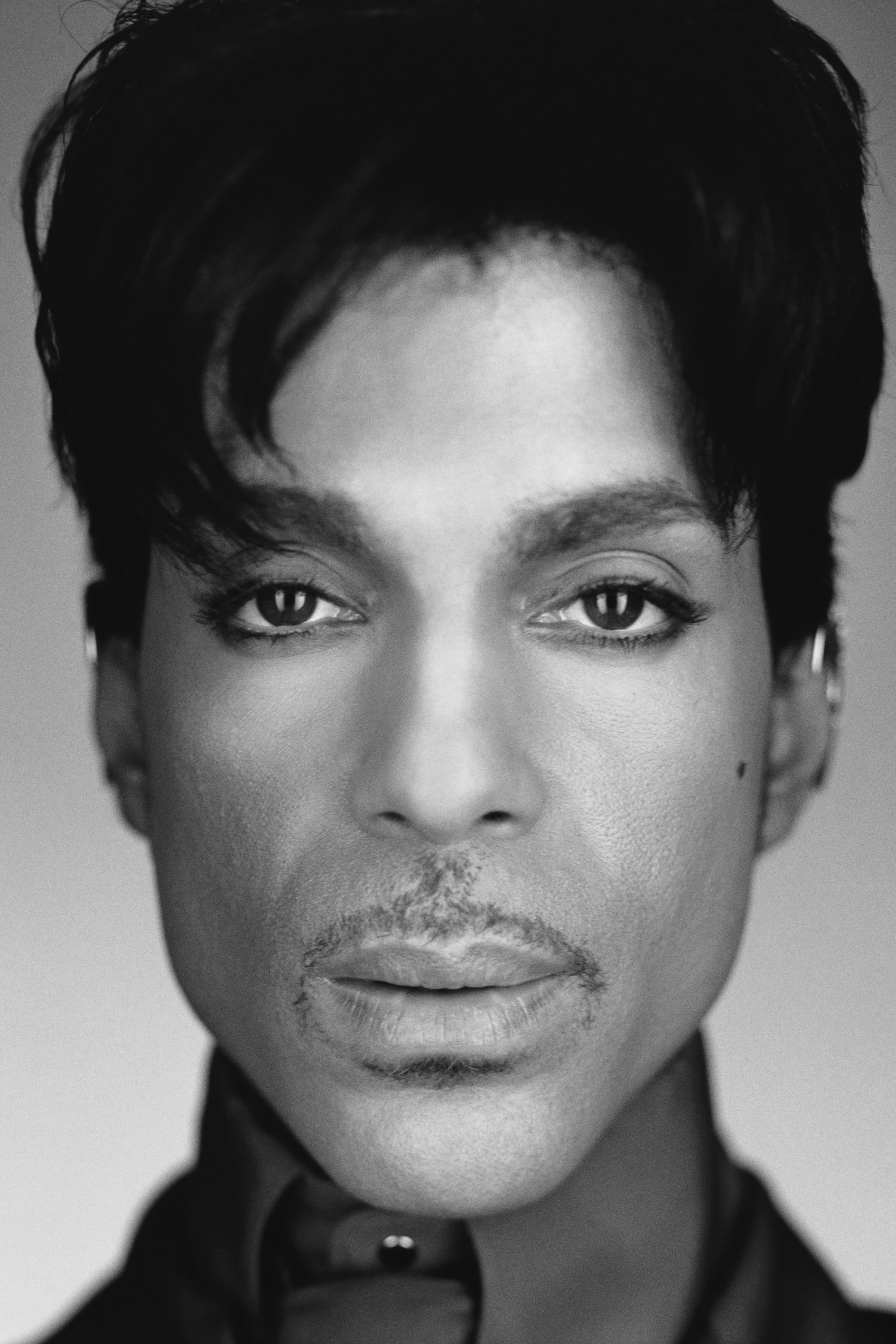
Prince kept significant medical and personal details private, including struggling with powerful prescription painkillers. Investigations after his death outlined the substances involved and how little public information existed about his condition. He had also made charitable contributions quietly through intermediaries. The private nature of his life meant most of this emerged only in official records and tributes.
Bob Ross
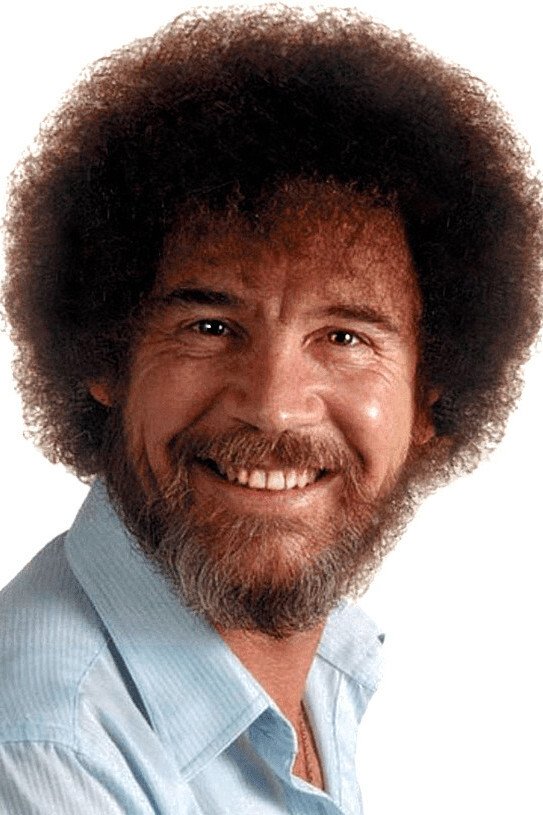
Bob Ross continued filming episodes of ‘The Joy of Painting’ with a calm on-air presence while dealing with lymphoma that he did not widely discuss. Viewers noticed he stopped mentioning parts of his personal life late in the series. His illness was known mainly to family and close colleagues. The broader public learned the details only after he died.
Freddie Mercury
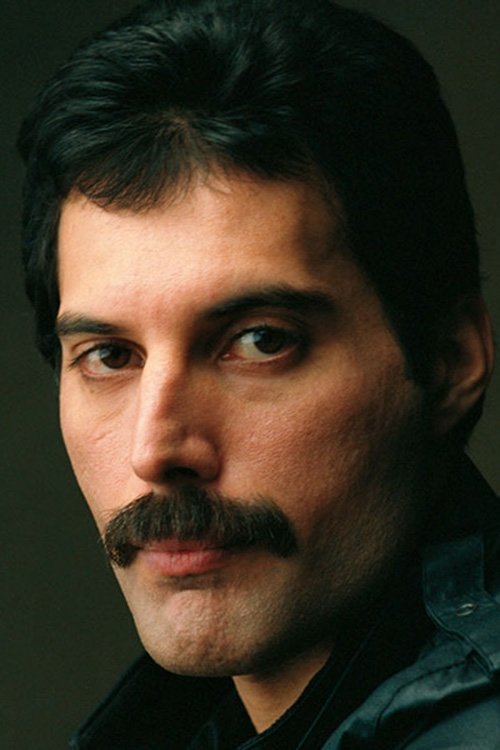
Freddie Mercury kept his HIV diagnosis private for years at a time when intense stigma surrounded the disease. He made a public statement about his condition only shortly before his death. Bandmates and management protected his privacy while continuing to release music. The late disclosure helped explain his reduced public appearances near the end.
Rock Hudson
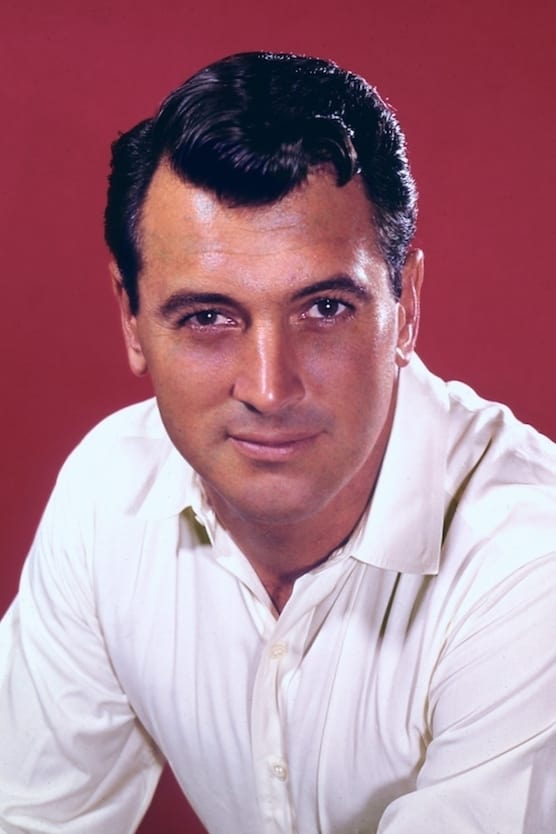
Rock Hudson’s AIDS diagnosis was initially kept from the public during a period of widespread misunderstanding about the illness. His health crisis and eventual acknowledgment brought global attention to HIV and changed coverage in entertainment media. The revelation reshaped public conversations about testing and treatment. Much of the early timeline became clear only as his condition worsened.
Robin Williams
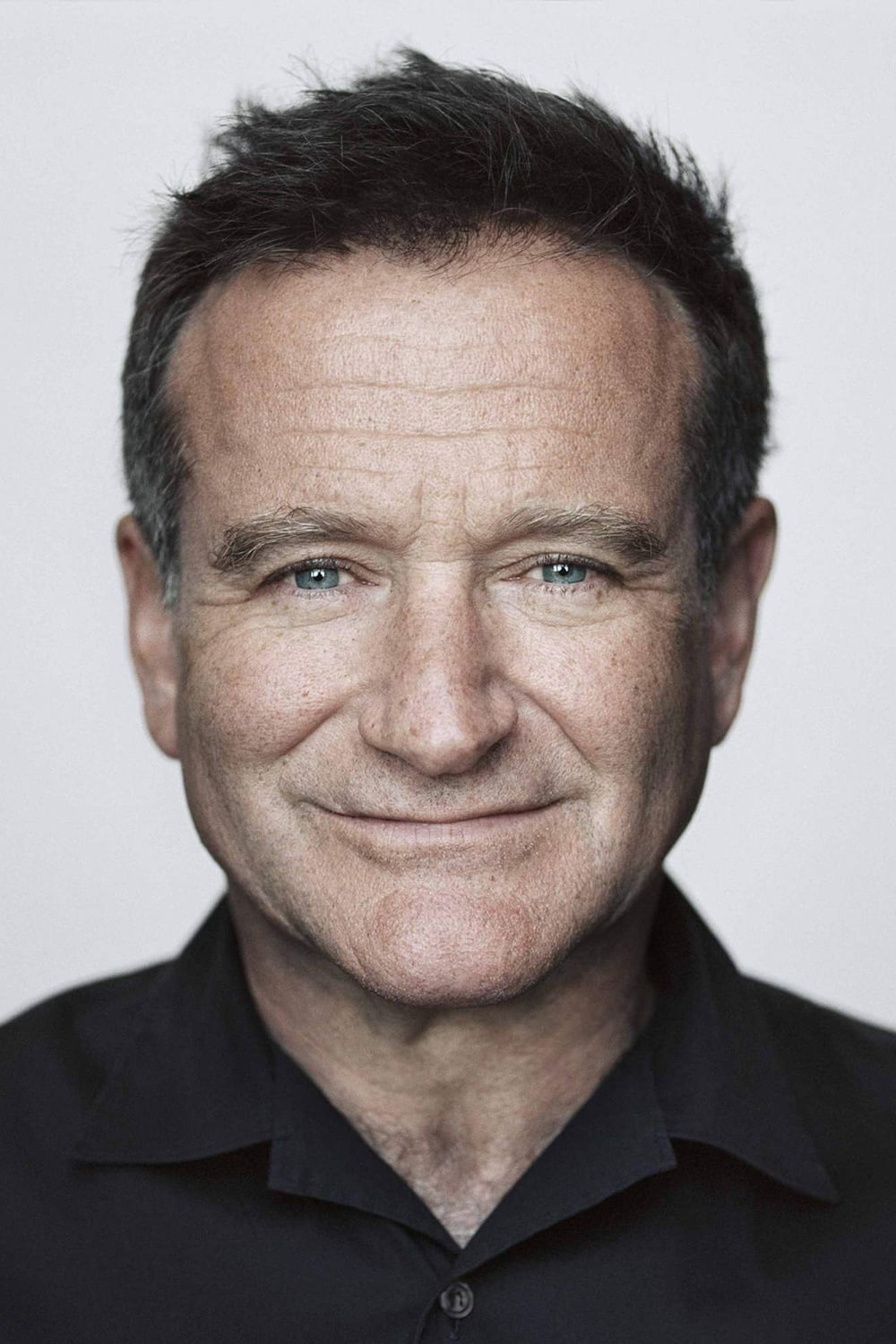
Robin Williams was posthumously found to have severe Lewy body dementia, a degenerative brain disease that was not diagnosed during his life. The condition explained his anxiety, insomnia, and cognitive fluctuations that puzzled doctors and family. Medical findings after his death clarified symptoms that had been attributed to other causes. This understanding reframed how fans and clinicians viewed his final year.
Steve Jobs
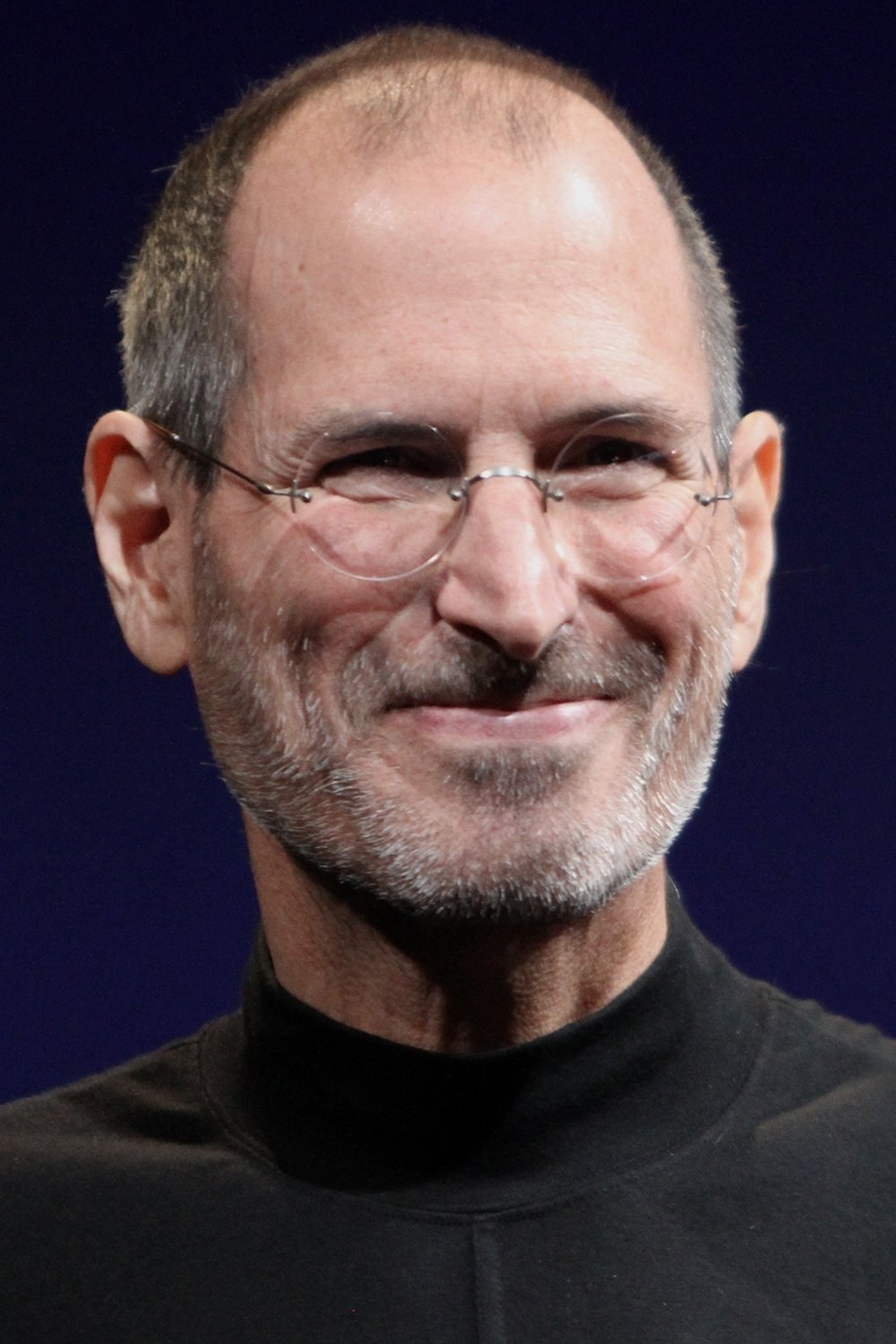
Steve Jobs kept many details of his pancreatic neuroendocrine tumor and treatment decisions private. He alternated periods of medical leave with returns to product announcements while revealing limited information. Corporate disclosures focused on leadership changes rather than specific medical updates. More about his care emerged through authorized biographies and records after his death.
Hedy Lamarr
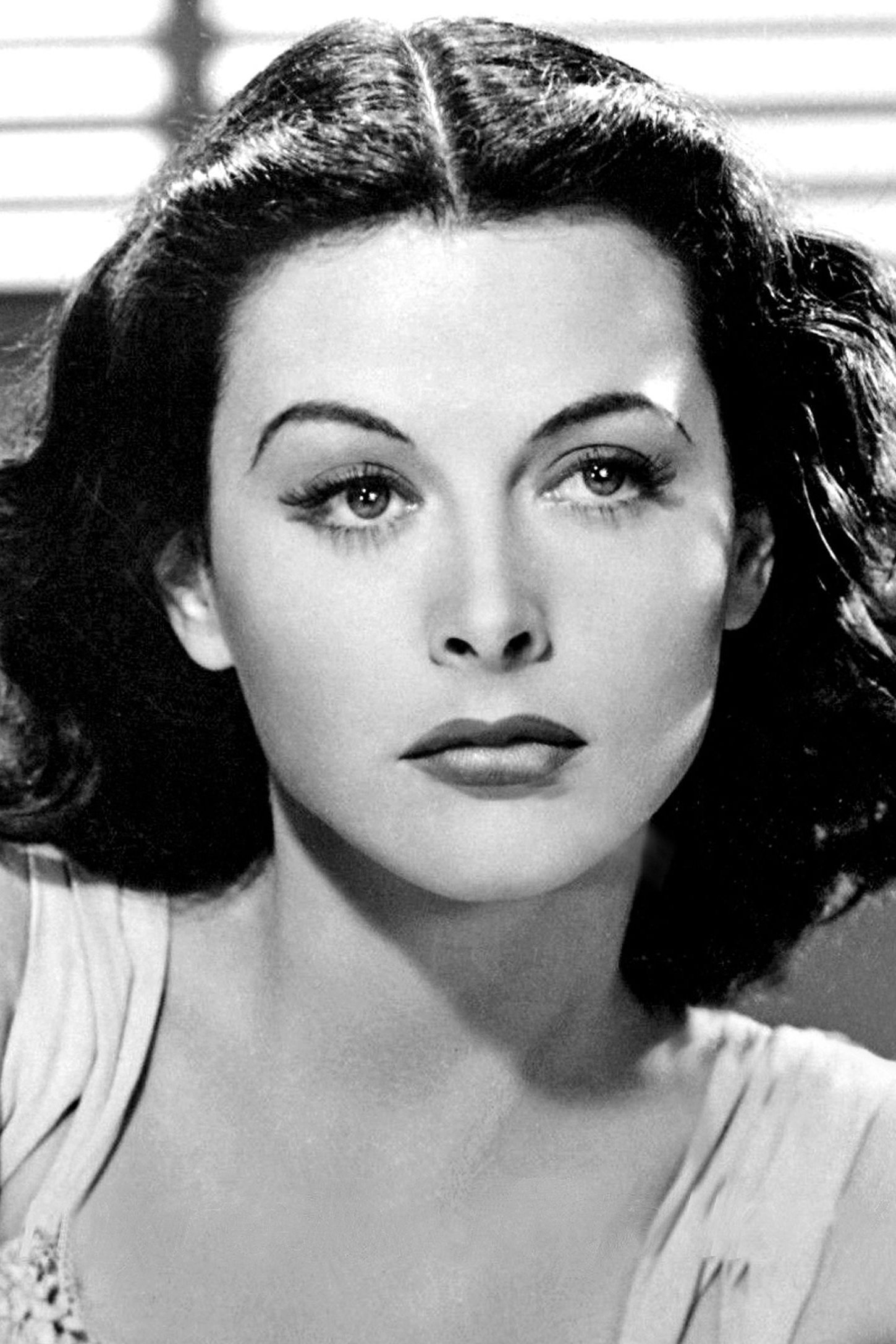
Hedy Lamarr was better known as a screen icon than as a co-inventor of frequency-hopping technology that anticipated modern wireless systems. Her technical work received little public credit during her lifetime. Wider recognition grew through declassified documents and later awards. The scope of her contribution was far greater than the public realized when she died.
Doris Day
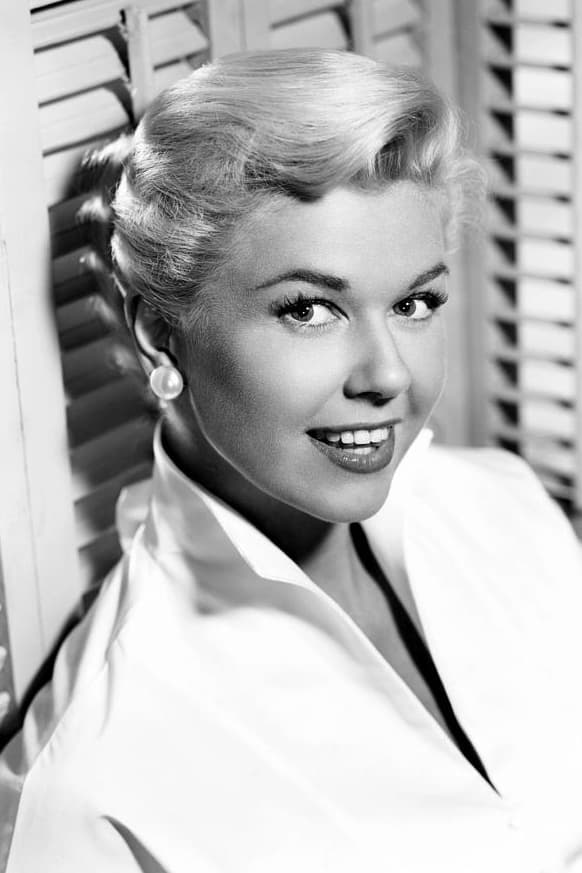
Doris Day carefully guarded her age and personal details throughout her career, preferring that the public focus on her work and animal advocacy. Official records later confirmed she was older than many biographies listed. She also kept aspects of her finances and estate planning out of the spotlight. Much of this became clearer only through statements after her passing.
Greta Garbo
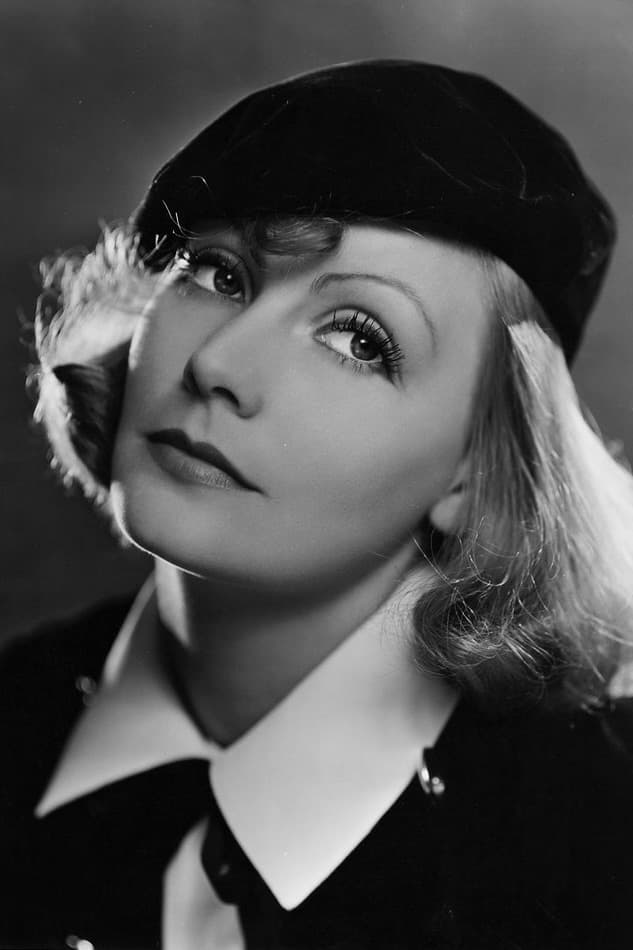
Greta Garbo lived a famously private life and kept her personal relationships and daily routines out of public view. After her death, archives and correspondence offered new insight into her preferences and close friendships. The material showed how intentionally she separated public image from private life. Many specifics were unknown to fans while she was alive.
MF DOOM
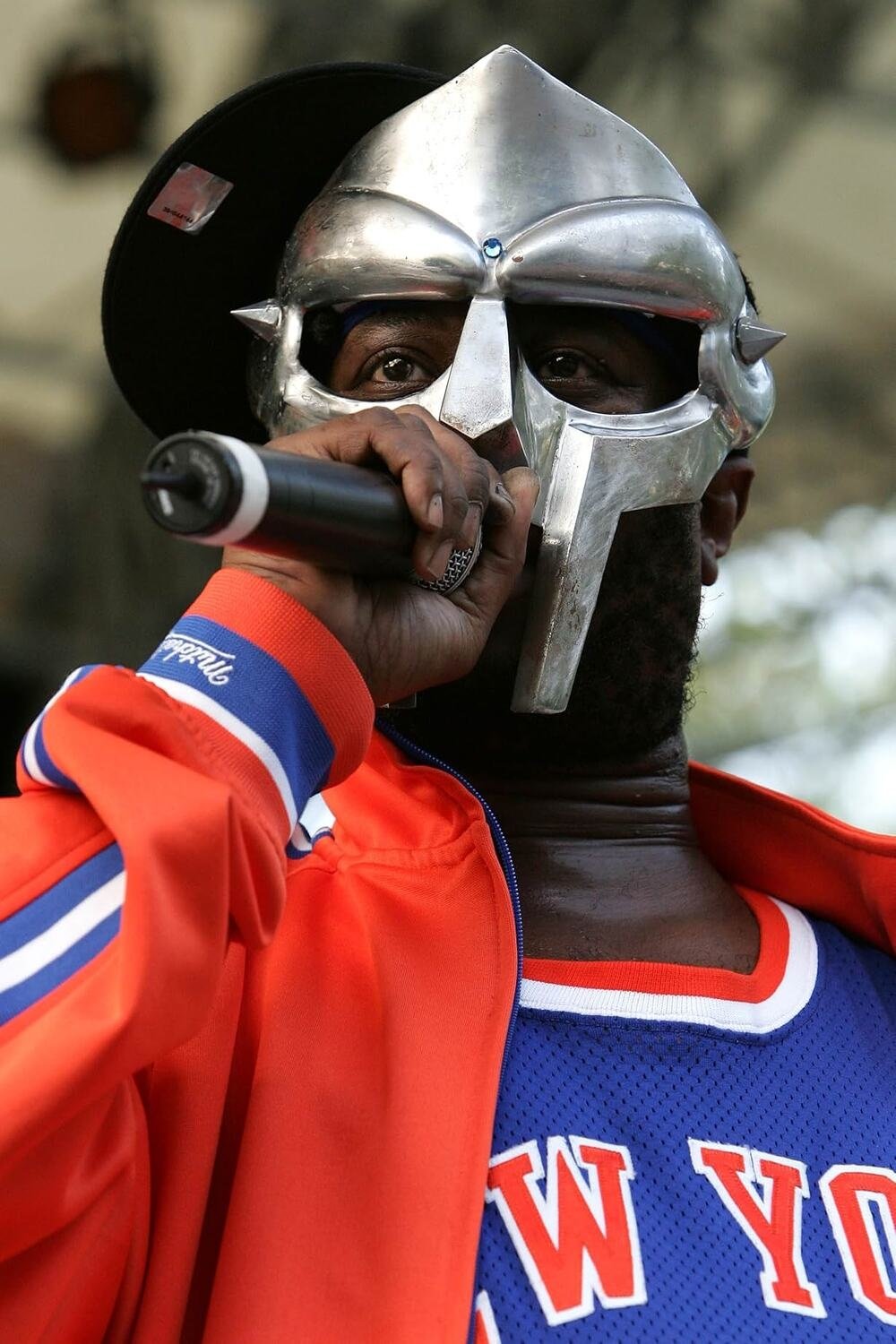
MF DOOM maintained a masked persona and closely guarded personal information, including his movements and family life. News of his death was announced by his family months after it happened, which surprised the music world. The delay reflected how carefully he controlled public access to his identity. His legacy included the decision to keep timelines and details private.
Anthony Perkins
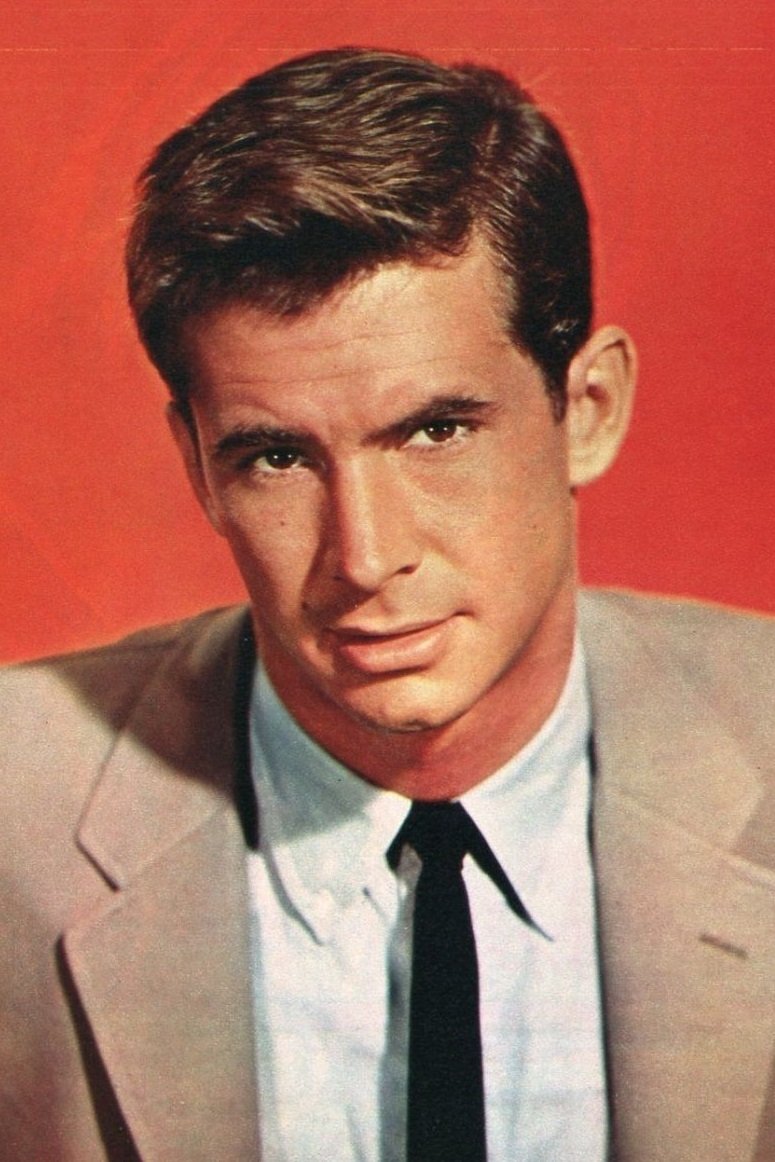
Anthony Perkins kept his AIDS diagnosis private at a time when many feared public disclosure. He continued working and protecting his family’s privacy while receiving treatment. The information became widely known only after his death through statements and reports. His case illustrated how public figures navigated stigma and confidentiality in that era.
Share the names you think we should add next, and tell us which story surprised you most in the comments.