


Celebs Who Faced Career Hits After Calling Out “Forced” LGBTQ+ Storylines

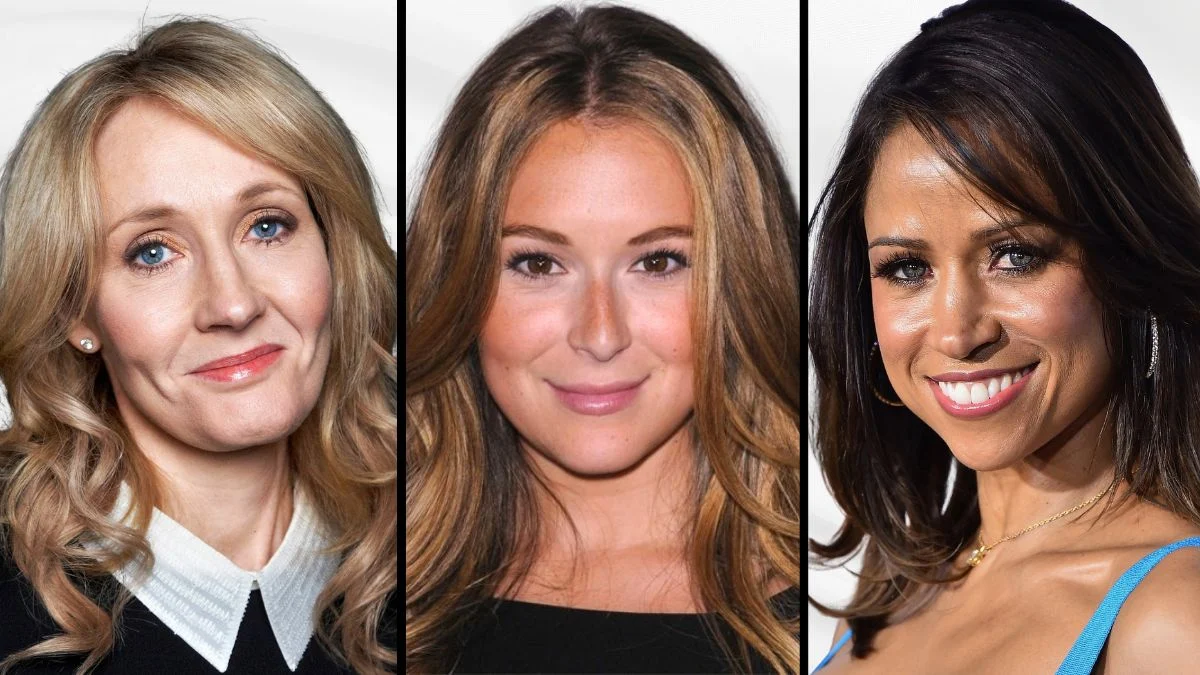


The landscape of modern entertainment has seen a significant shift toward diverse representation and inclusive storytelling across all platforms. While many viewers celebrate these changes some industry professionals have voiced concerns regarding the authenticity of these narratives. Several celebrities have publicly criticized what they describe as forced storylines leading to immediate and lasting impacts on their professional trajectories. This list explores notable figures who experienced career setbacks or shifts in public perception after speaking out against current industry trends. These instances highlight the ongoing debate between creative expression and shifting cultural expectations in Hollywood.
Candace Cameron Bure
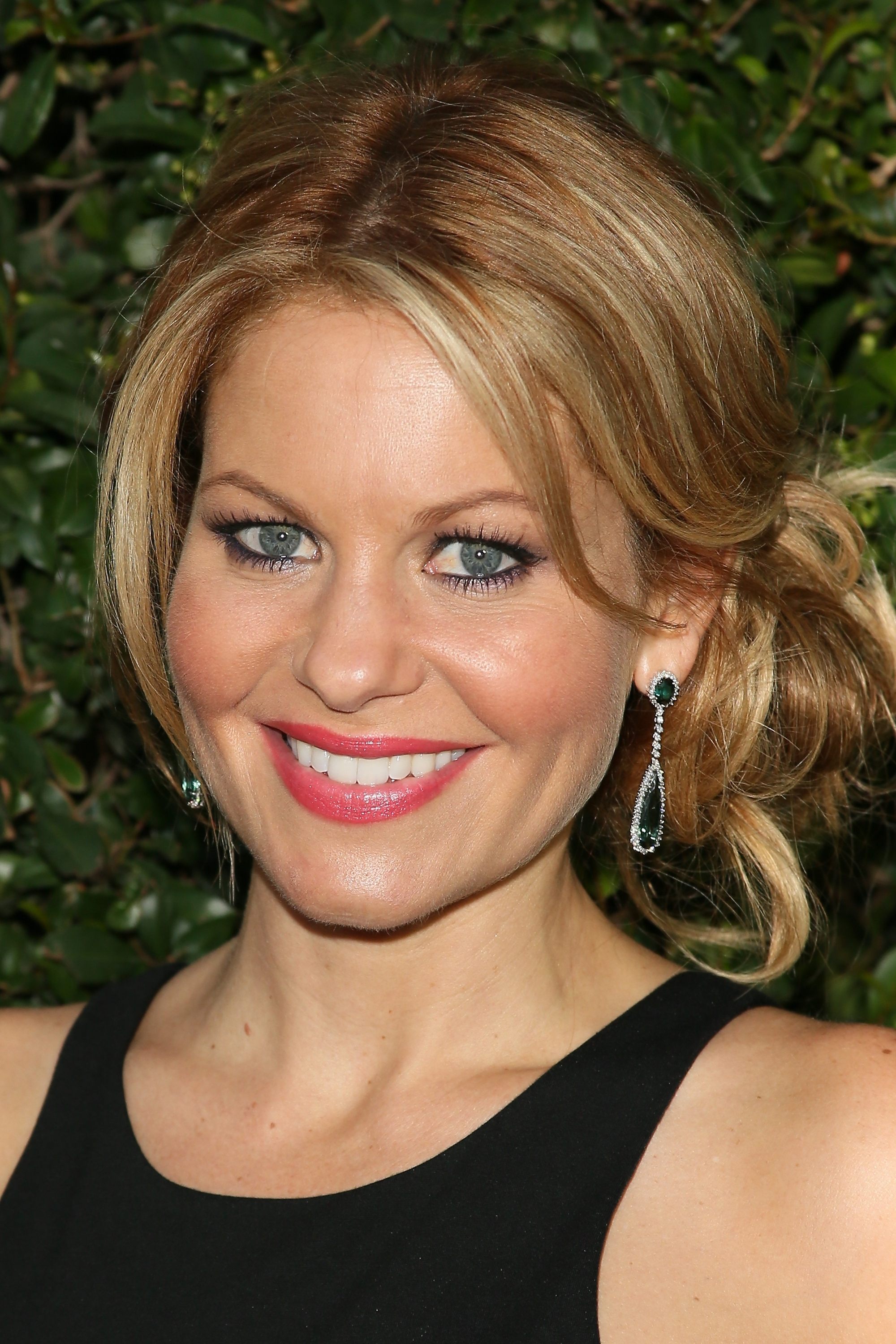
Candace Cameron Bure faced significant public scrutiny after announcing her move from the Hallmark Channel to Great American Family. She stated her desire to tell stories featuring traditional marriage which many interpreted as a rejection of inclusive casting. This transition followed the decision by Hallmark to feature its first same sex wedding in a holiday film. Several of her former colleagues expressed disappointment in her comments about the shift in industry standards. Her public image underwent a shift as she distanced herself from mainstream networks to focus on faith based content.
Gina Carano
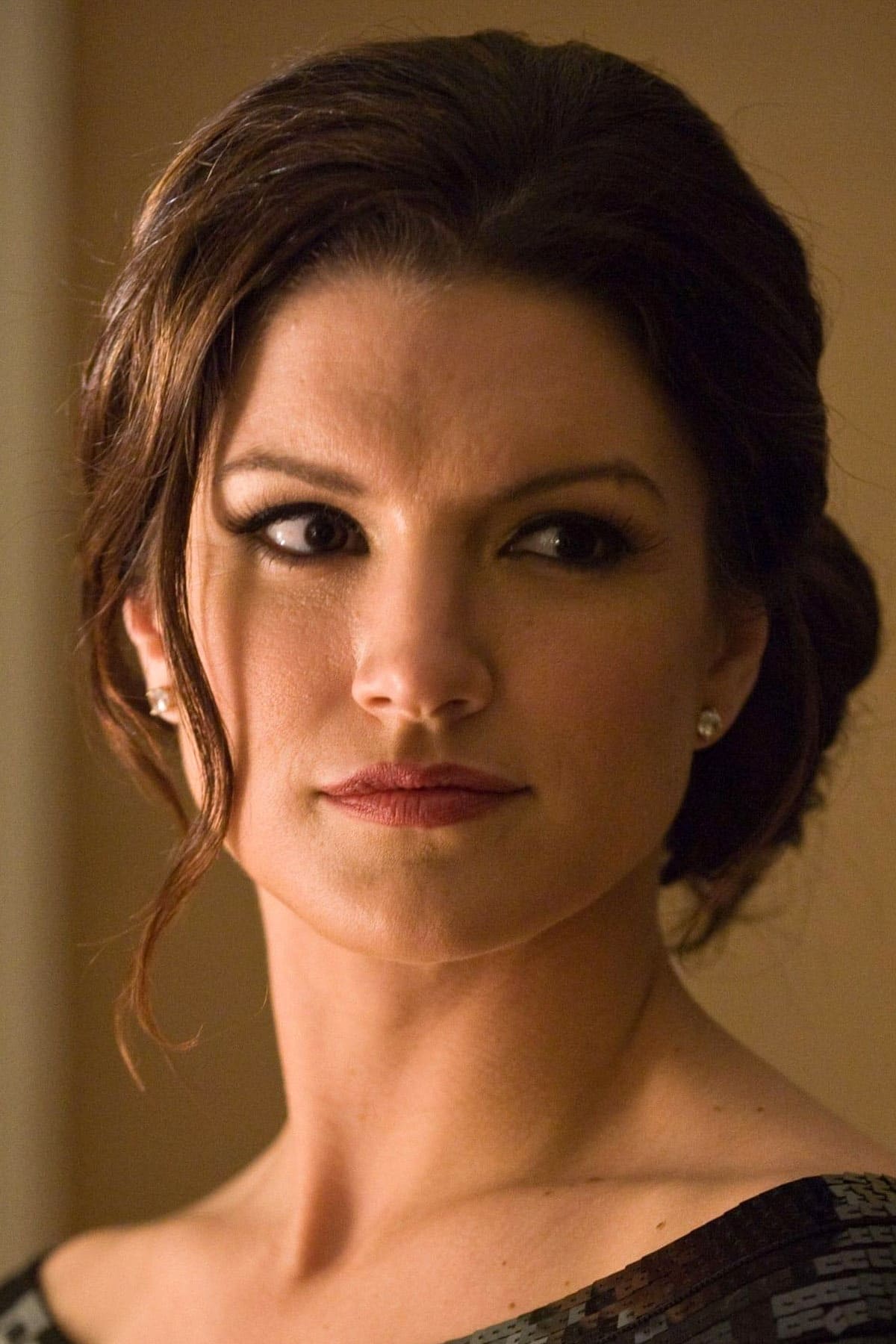
Gina Carano was removed from the cast of ‘The Mandalorian’ following a series of controversial social media posts regarding political and social issues. While her exit was tied to multiple factors she often criticized what she perceived as forced ideological narratives in the entertainment industry. Fans and critics engaged in heated debates over her dismissal from the Lucasfilm franchise. She later transitioned to working on projects with conservative media outlets to maintain her acting career. This shift highlighted the ongoing divide between major studios and stars with traditional perspectives.
Kevin Sorbo
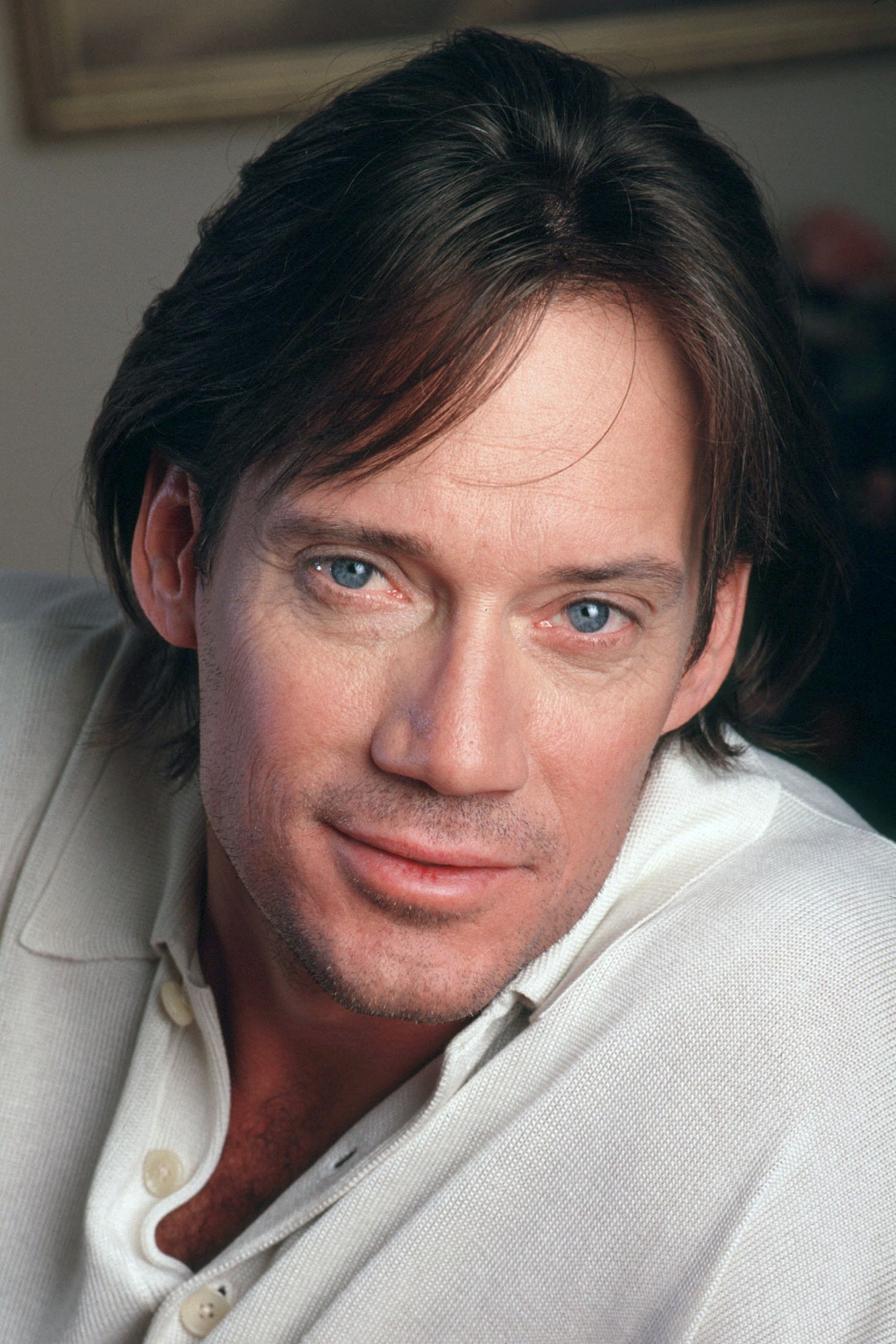
Kevin Sorbo has frequently voiced his frustration with the lack of traditional values in modern Hollywood productions. He often claims that his career was negatively impacted by his outspoken views on religious and social representation. The actor believes that mainstream studios prioritize specific social agendas over classic storytelling techniques. He now focuses primarily on independent Christian films where he can control the creative direction of his work. His exclusion from major franchise opportunities remains a point of discussion among his fanbase.
Neal McDonough
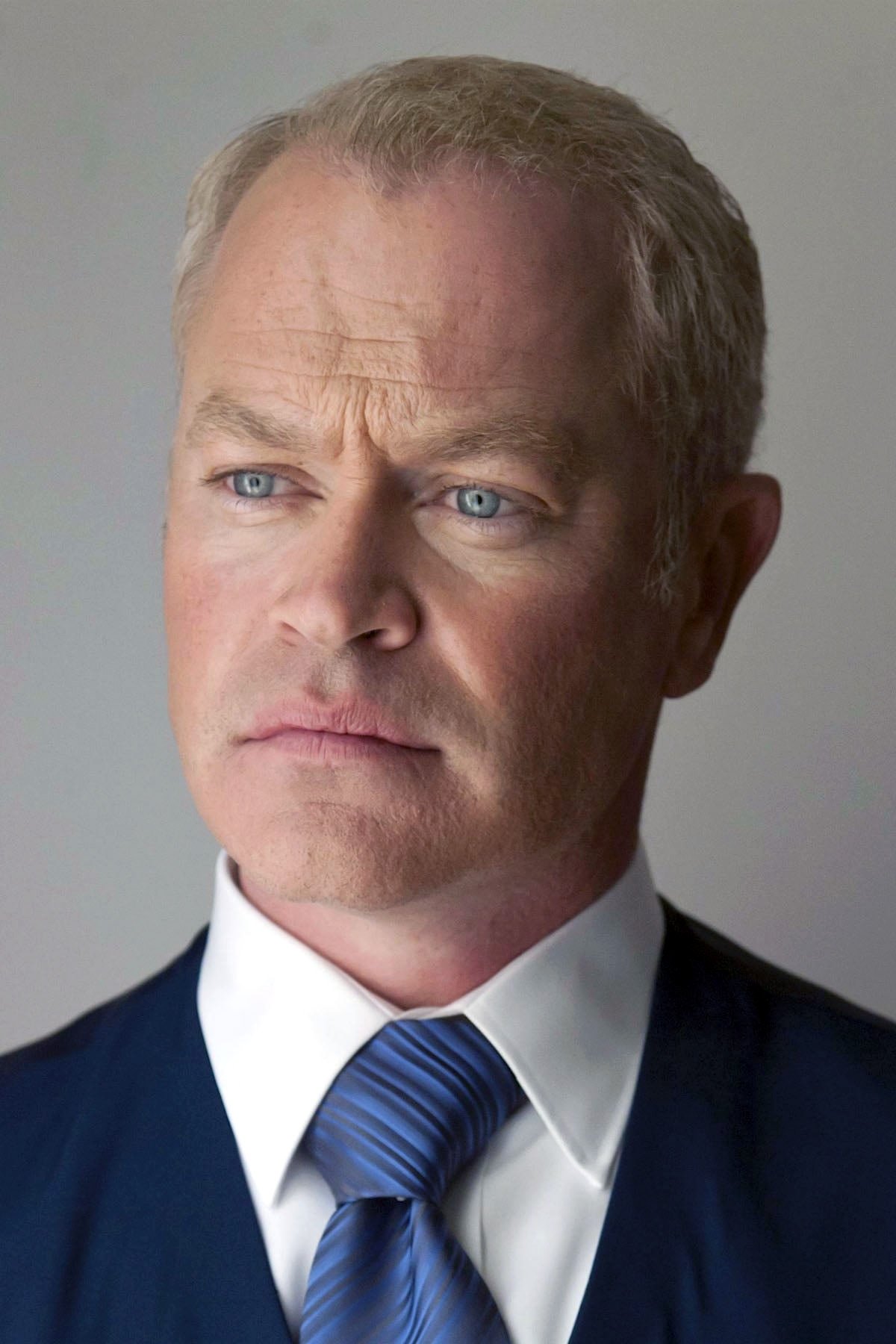
Neal McDonough is well known for his commitment to his faith which includes refusing to perform in sex scenes or on screen romances. He has spoken about being fired from the series ‘Scoundrels’ due to his refusal to compromise these personal boundaries. The actor has stated that his career suffered for several years as he was labeled difficult to cast in traditional lead roles. He eventually found success again by playing villains and characters in faith based productions that aligned with his values. His journey illustrates the challenges of maintaining strict personal convictions in the modern entertainment industry.
Kirk Cameron
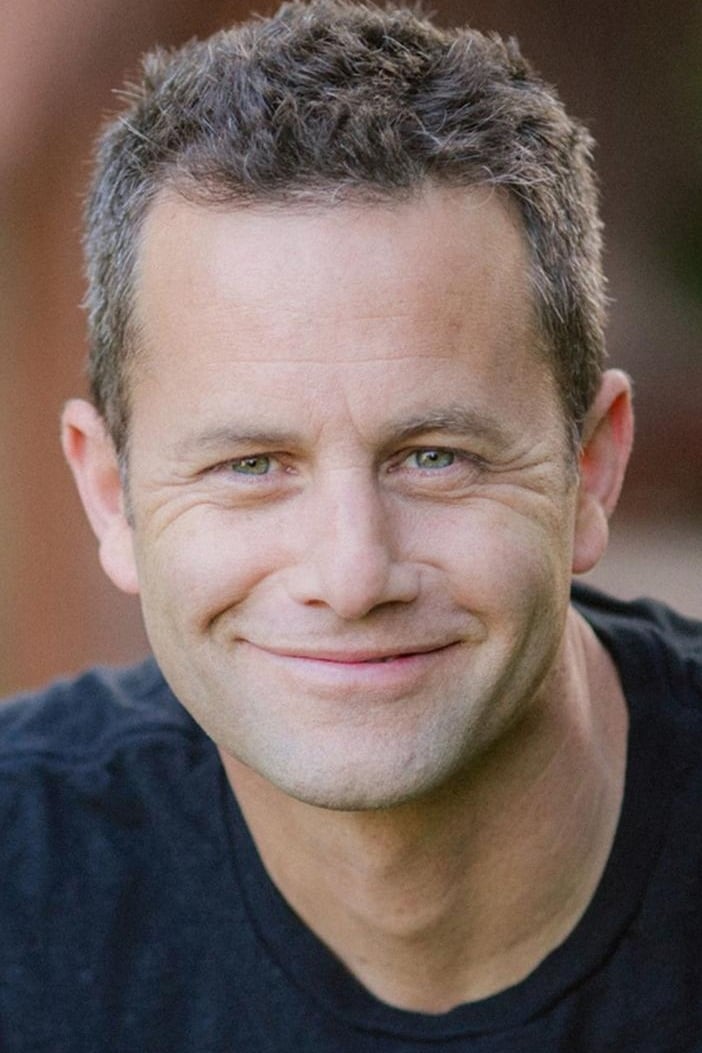
Kirk Cameron has transitioned from a teen idol to a prominent figure in religious media after criticizing mainstream television content. He frequently speaks out against what he views as the erosion of moral values in modern scripts and programming. His public stance led to a decrease in mainstream acting opportunities and a shift toward independent filmmaking. He now produces and stars in projects that prioritize spiritual themes over contemporary social trends. His career trajectory serves as a notable example of a celebrity choosing a niche market over secular fame.
J.K. Rowling
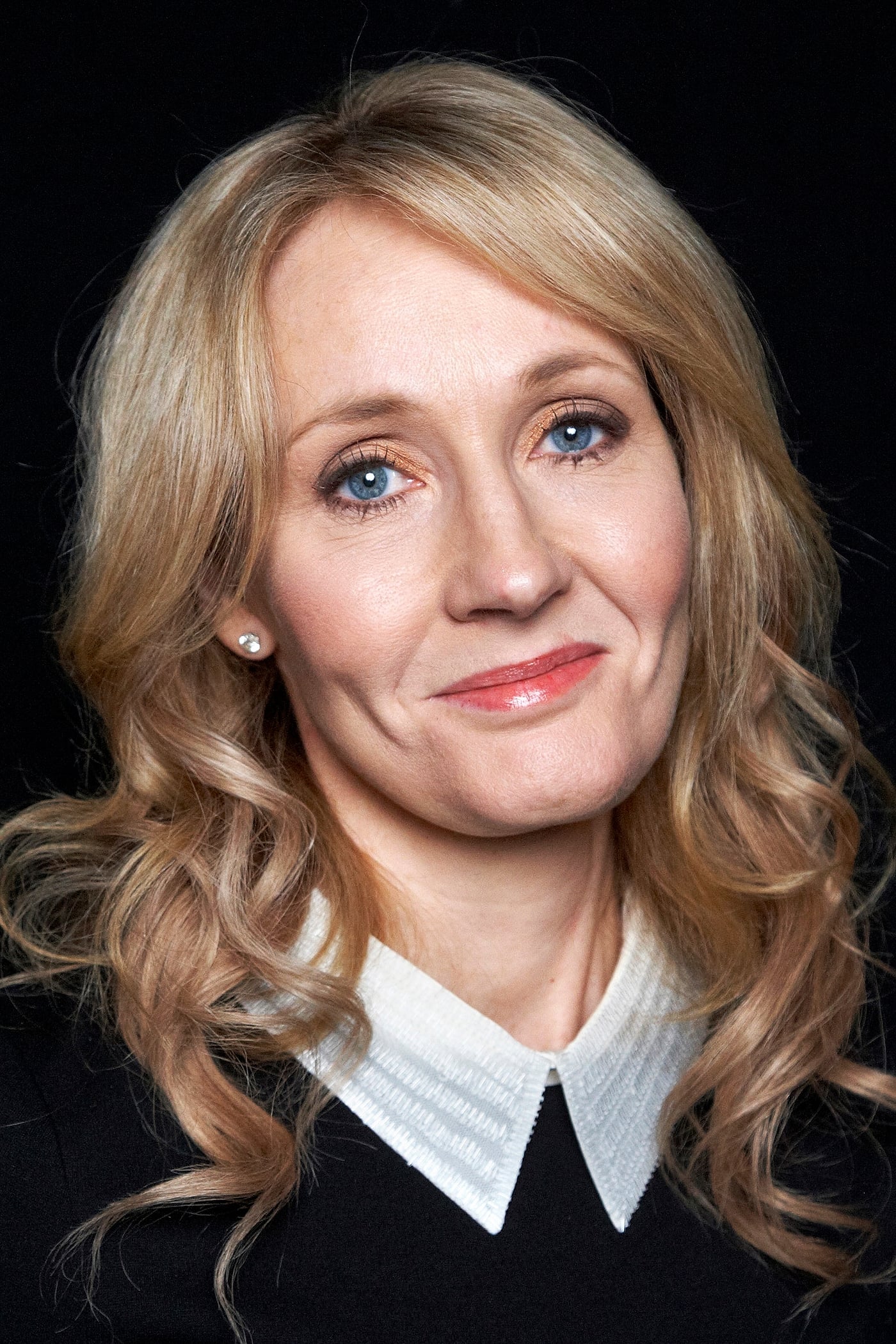
J.K. Rowling faced a massive wave of backlash after criticizing the inclusion of specific gender related terminology in media and public discourse. The author of the ‘Harry Potter’ series saw her public standing shift as fans and actors from the films distanced themselves from her views. Many critics argued that her comments targeted the transgender community and undermined inclusive progress. Despite the controversy she continues to defend her stance on biological sex and gender identity. Her professional relationships with several major entertainment entities became strained following these public statements.
Carlos PenaVega
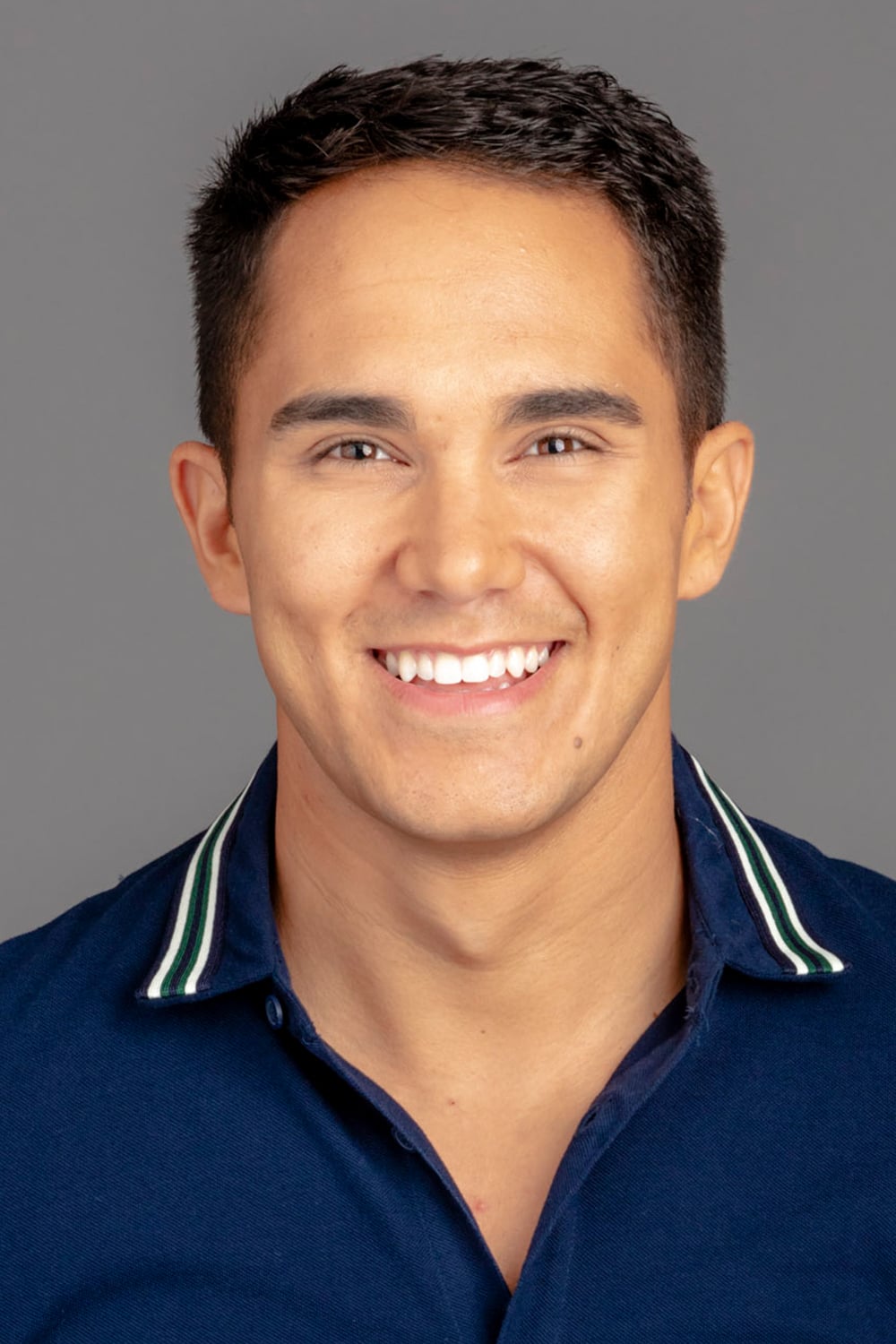
Carlos PenaVega and his wife Alexa have become vocal about their commitment to faith based entertainment in recent years. He has expressed discomfort with certain industry trends that he feels prioritize social messaging over family values. This shift in focus led to him taking fewer roles in mainstream television and film projects. He now collaborates frequently with networks that cater to audiences seeking traditional content. His career path reflects a conscious decision to step away from projects that conflict with his religious beliefs.
Alexa PenaVega

Alexa PenaVega rose to fame in the ‘Spy Kids’ franchise but has since moved toward the Christian film market. She has openly discussed her desire to avoid projects that feature what she considers forced or inappropriate storylines for families. This stance has limited her involvement in major studio productions that embrace modern social narratives. She often works alongside her husband on projects for the Great American Family network. Her career shift shows the growing demand for actors who prioritize specific values in their professional choices.
Victoria Jackson
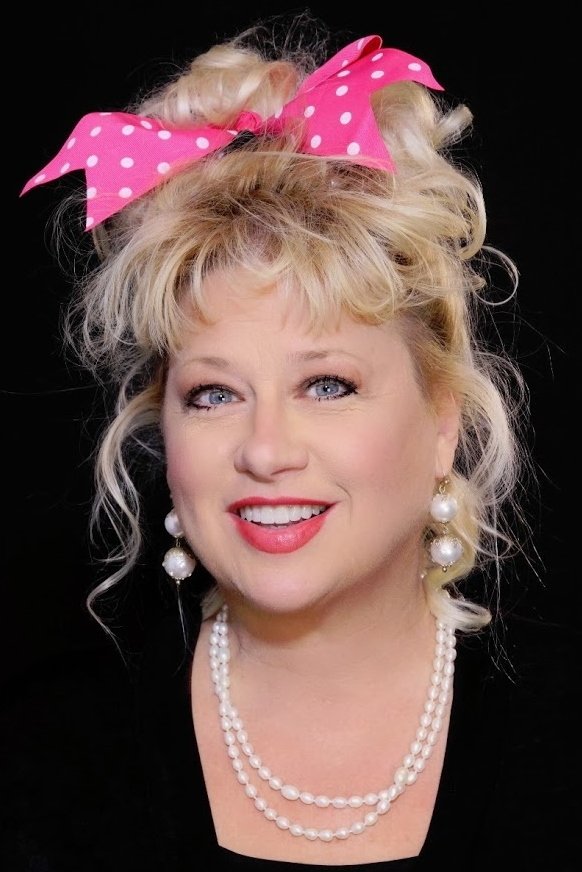
Victoria Jackson was a regular cast member on ‘Saturday Night Live’ before her political and social commentary affected her career. She has been a vocal critic of how modern media portrays religious and traditional viewpoints. Her outspoken nature regarding social issues led to fewer opportunities in mainstream comedy and television. She now focuses on independent projects and political activism to reach her audience. Her transition from mainstream star to niche commentator highlights the risks of challenging industry norms.
Isaiah Washington
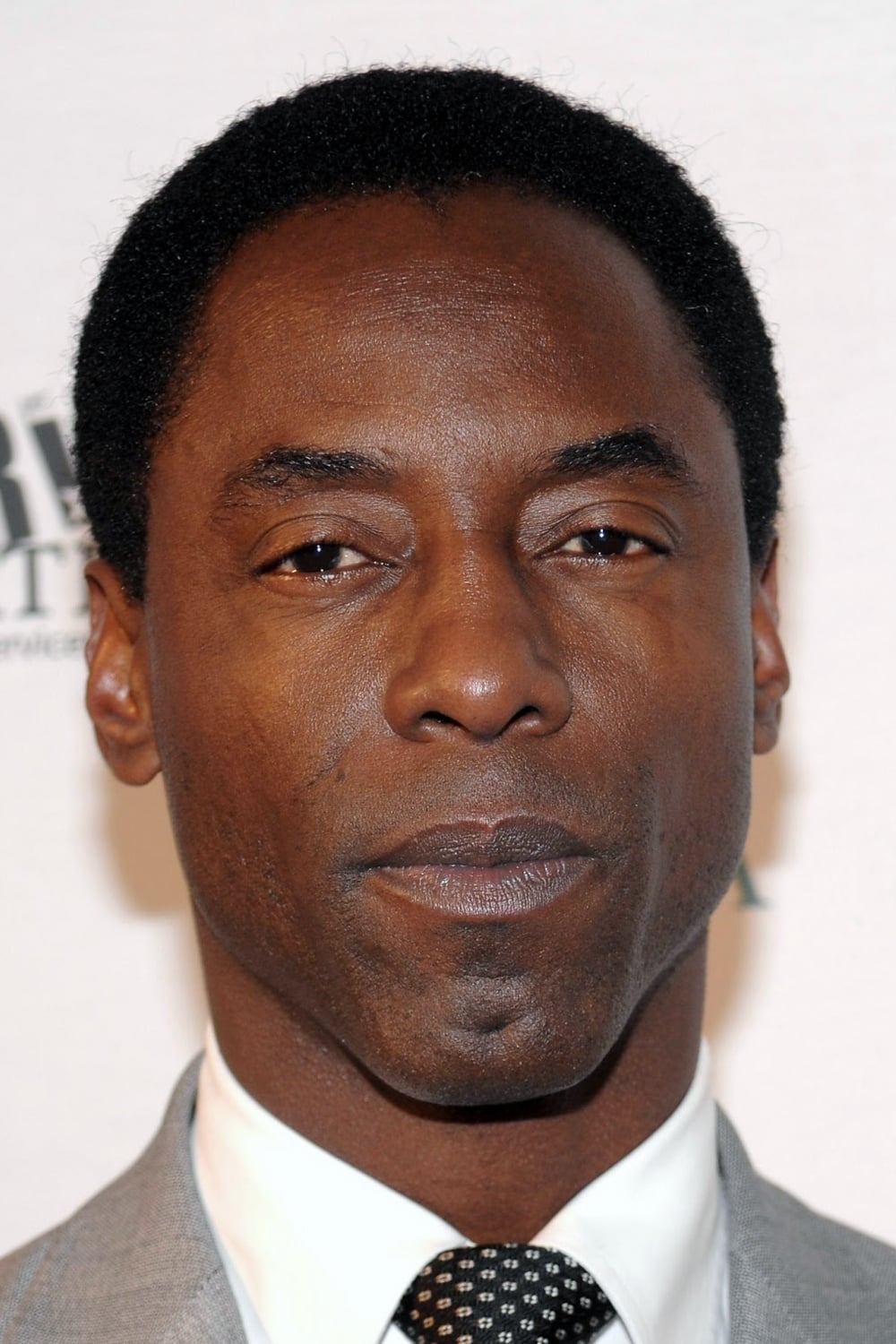
Isaiah Washington faced a major career setback following an on set incident involving a homophobic slur on ‘Grey’s Anatomy’. Although he apologized the fallout led to his termination from the hit medical drama. He later claimed that his attempts to explain the context of the situation were ignored by the industry. His career took years to recover as he moved into independent film and television roles. This event remains one of the most cited examples of a celebrity facing immediate consequences for comments regarding the LGBTQ community.
James Woods
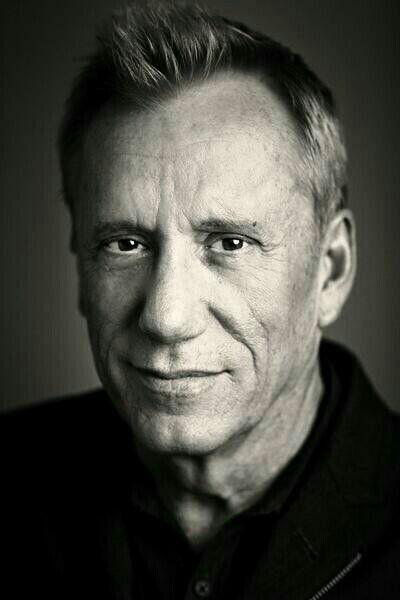
James Woods has long been a vocal critic of the political and social direction of the film industry. He has stated that his career was sidelined because he refused to stay quiet about his traditional views. The veteran actor frequently uses social media to challenge what he perceives as forced inclusion and ideological bias in scripts. His outspoken nature has resulted in a significant decrease in mainstream film roles over the past decade. He remains a polarizing figure who continues to prioritize his personal beliefs over professional advancement.
Kristy Swanson
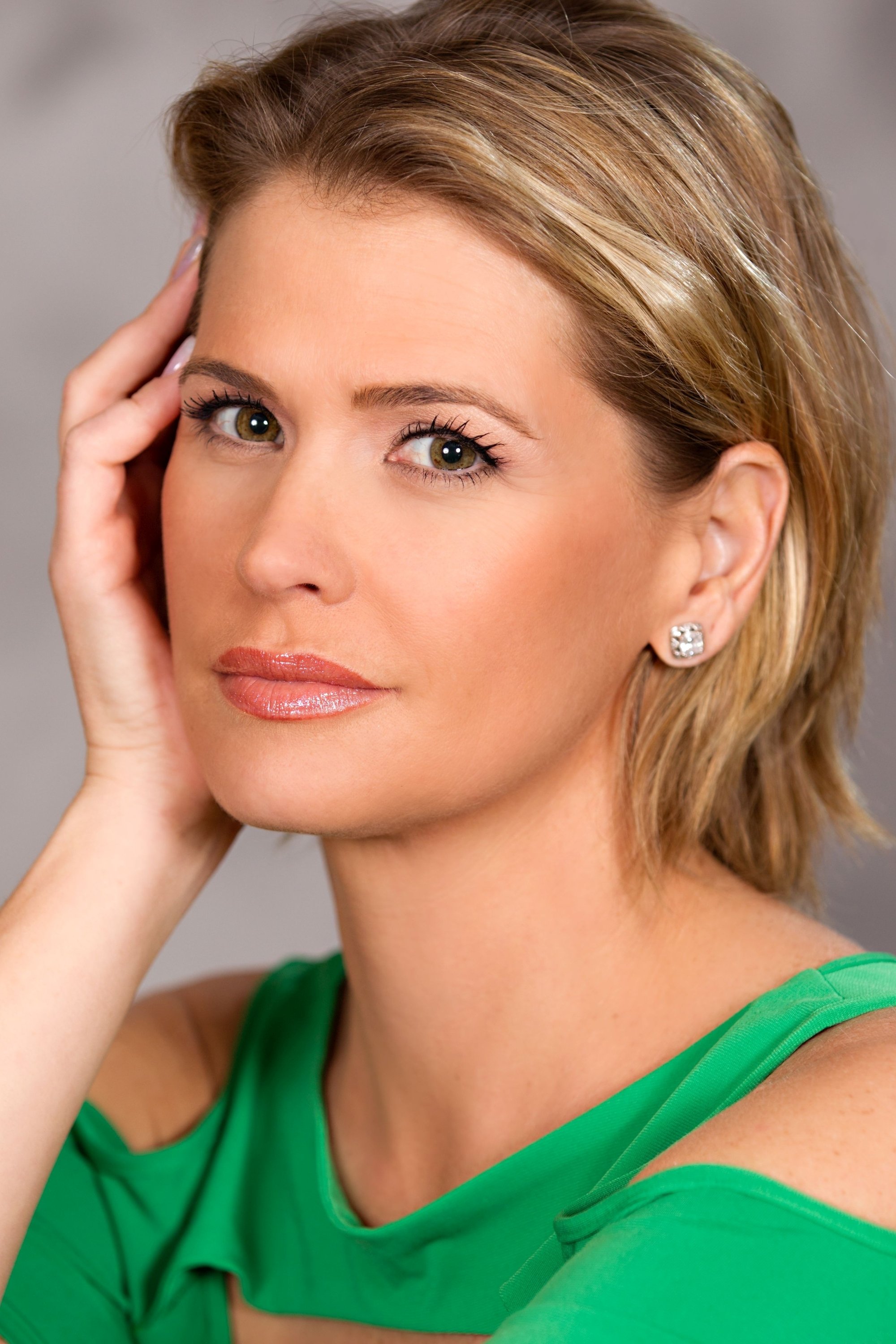
Kristy Swanson has voiced her support for traditional values and has often criticized the push for specific social narratives in film. The ‘Buffy the Vampire Slayer’ actress noticed a decline in offers from major studios as her views became more public. She has embraced her role as a conservative voice in Hollywood and frequently works on faith based projects. Her career shift reflects a broader trend of actors finding new homes in niche markets that share their perspectives. She continues to be active on social media where she discusses the impact of politics on the arts.
Dean Cain
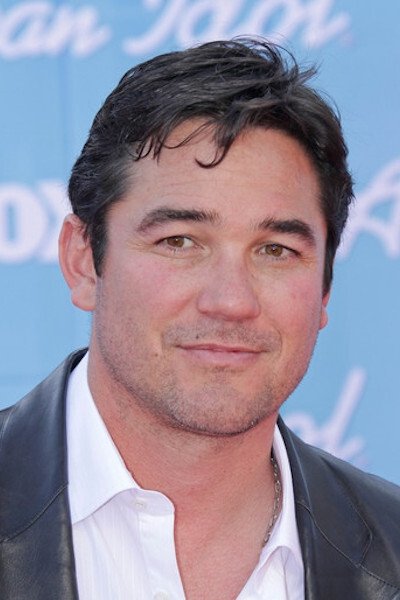
Dean Cain played Superman in ‘Lois and Clark’ and has since become a vocal critic of changes to classic characters. He notably criticized the decision to make a version of Superman bisexual calling it a move toward forced diversity. His comments sparked a debate about the preservation of established characters versus modern updates. While he continues to work he has seen a shift toward hosting and independent film roles. His perspective highlights the tension between legacy performers and the evolving standards of the comic book industry.
Stacey Dash
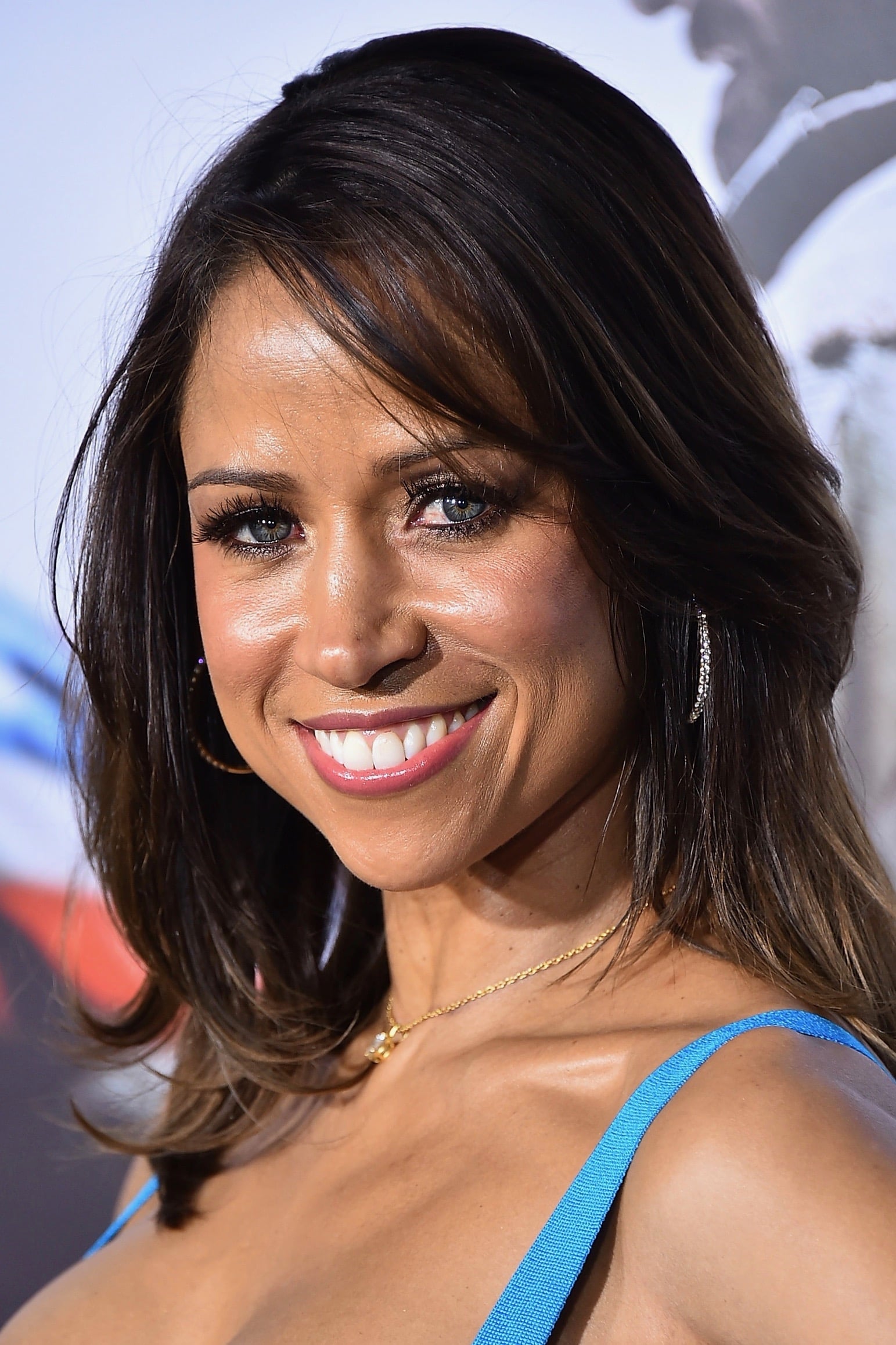
Stacey Dash experienced a significant career shift after she began sharing her conservative viewpoints on television. She frequently criticized what she viewed as unnecessary social engineering in media and entertainment. Her career as an actress slowed down as she transitioned into political commentary and news roles. She has since reflected on the backlash she received and how it changed her trajectory in the industry. Her story serves as a cautionary tale for many about the intersection of personal politics and Hollywood success.
Scott Baio
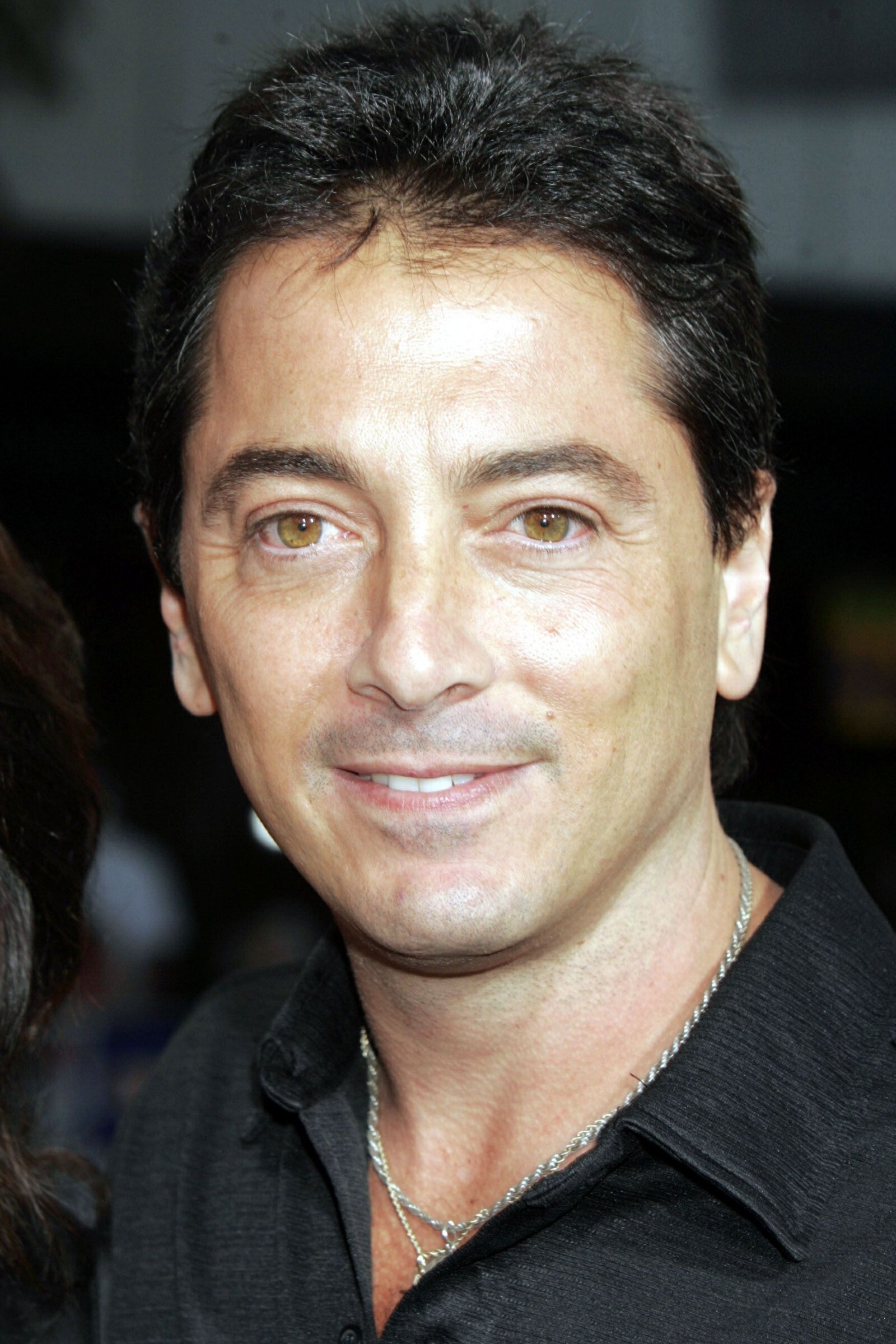
Scott Baio has been an outspoken supporter of traditional social structures and has often criticized modern media trends. The ‘Happy Days’ star claims that his professional opportunities diminished because he did not align with the industry’s social agenda. He has focused much of his recent work on independent projects and appearances that cater to a specific demographic. His public statements have often led to heated exchanges with other celebrities and critics. He remains committed to his views despite the perceived hit to his mainstream acting career.
Eduardo Verástegui
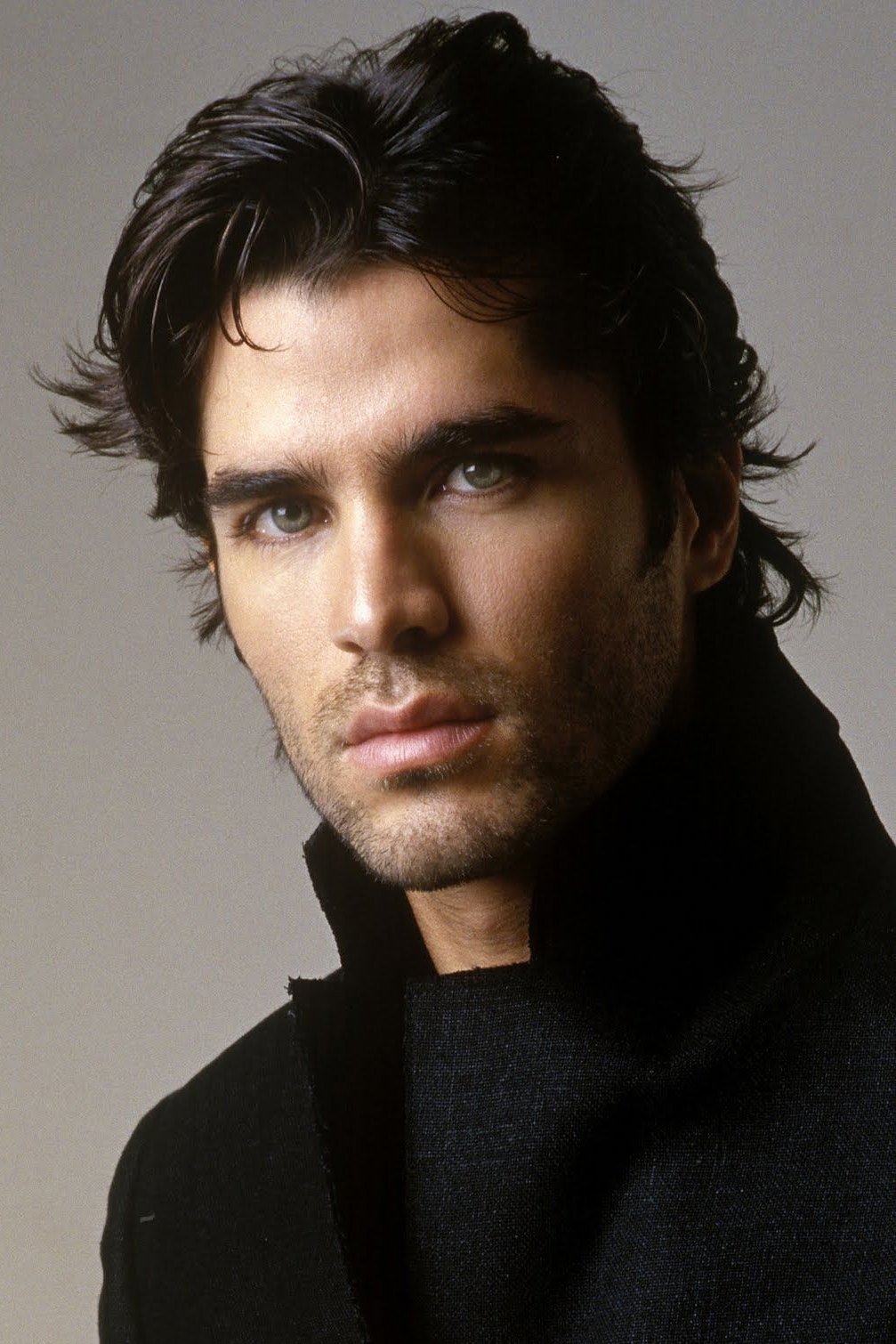
Eduardo Verástegui was once a major star in Latin American television before shifting his focus to faith based production. He has been vocal about his refusal to take roles that contradict his moral and religious convictions. This decision led to him leaving the mainstream soap opera circuit to produce films like ‘Bella’. He advocates for media that promotes traditional family structures and has faced criticism for his stance on social issues. His career highlights a successful pivot from secular stardom to a leadership role in conservative media.
Jim Caviezel
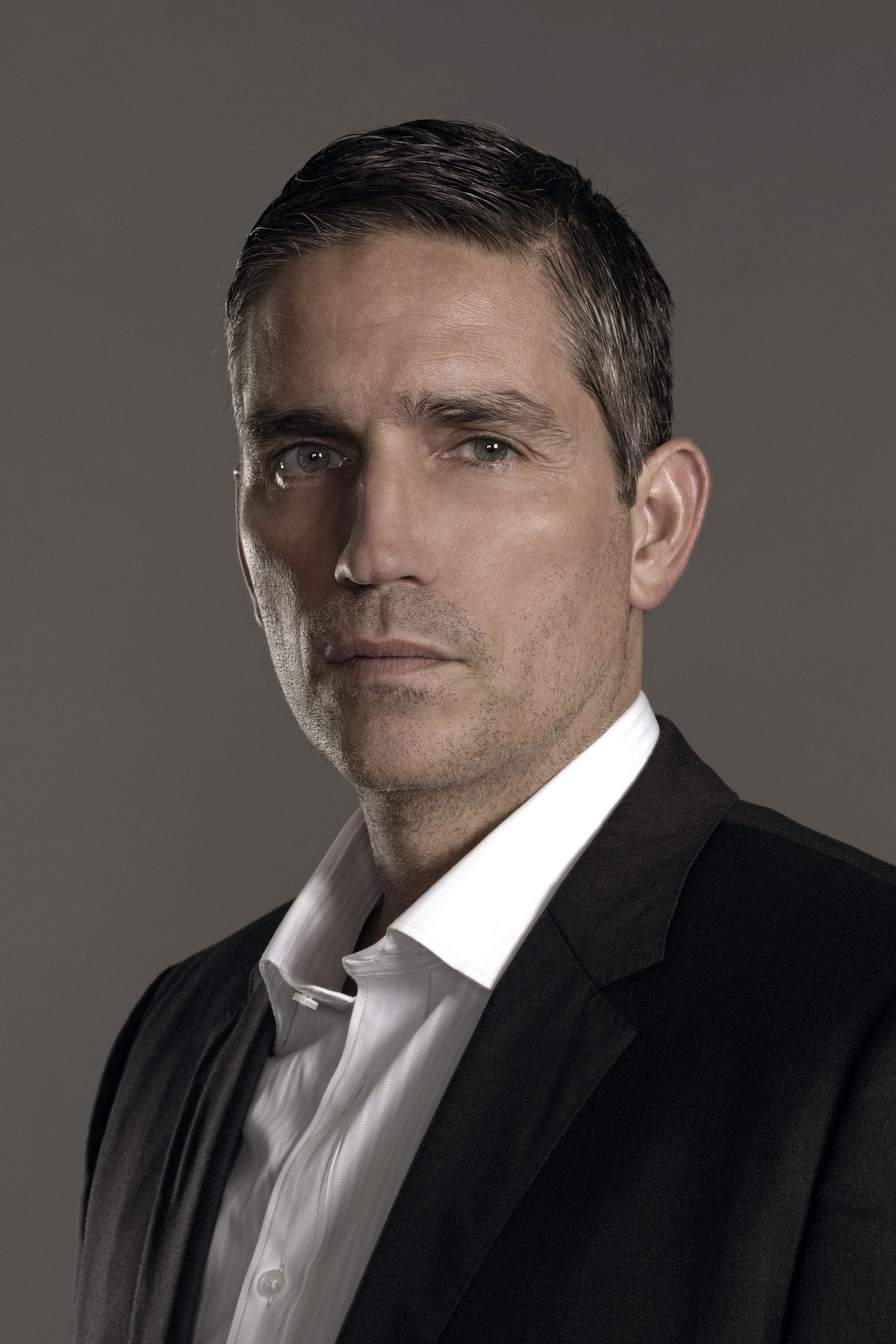
Jim Caviezel gained international fame for ‘The Passion of the Christ’ but has since become a controversial figure in Hollywood. He often discusses his belief that the industry suppresses stories that do not fit a specific secular or progressive narrative. His career has primarily shifted toward independent films and faith based projects that align with his worldview. He has become a prominent voice for those who feel the entertainment world has become too focused on modern social trends. His recent success with independent films shows the power of targeting specific audience segments.
John Schneider
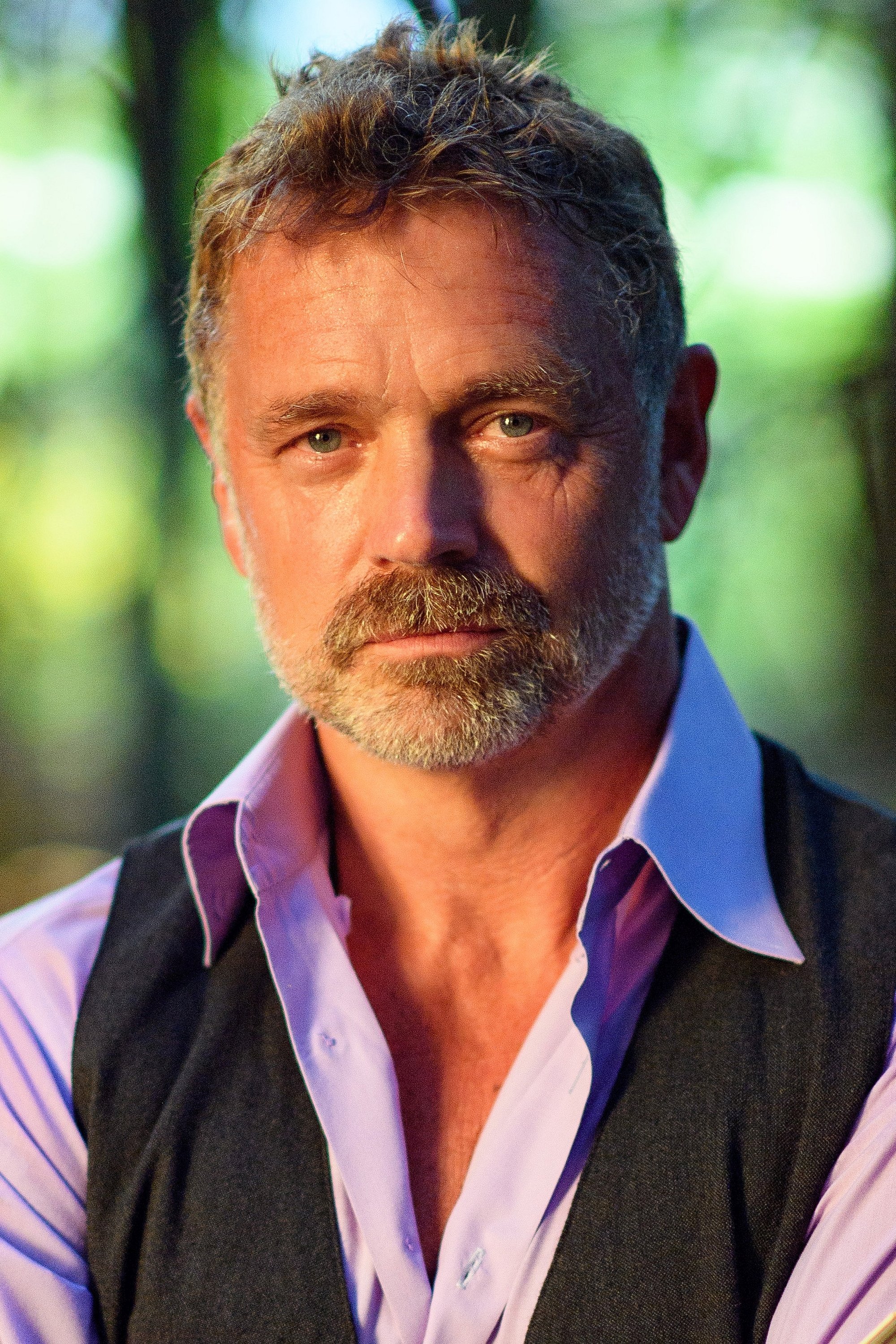
John Schneider has expressed his frustration with the current state of the entertainment industry and its focus on specific social themes. The ‘Dukes of Hazzard’ star believes that traditional storytelling is being lost in favor of political messaging. He has faced public backlash for his comments on social media regarding various cultural shifts. Schneider now operates his own film studio to create content that reflects his own values and creative vision. His journey underscores the move toward independent production among actors who feel marginalized by mainstream Hollywood.
Rob Schneider
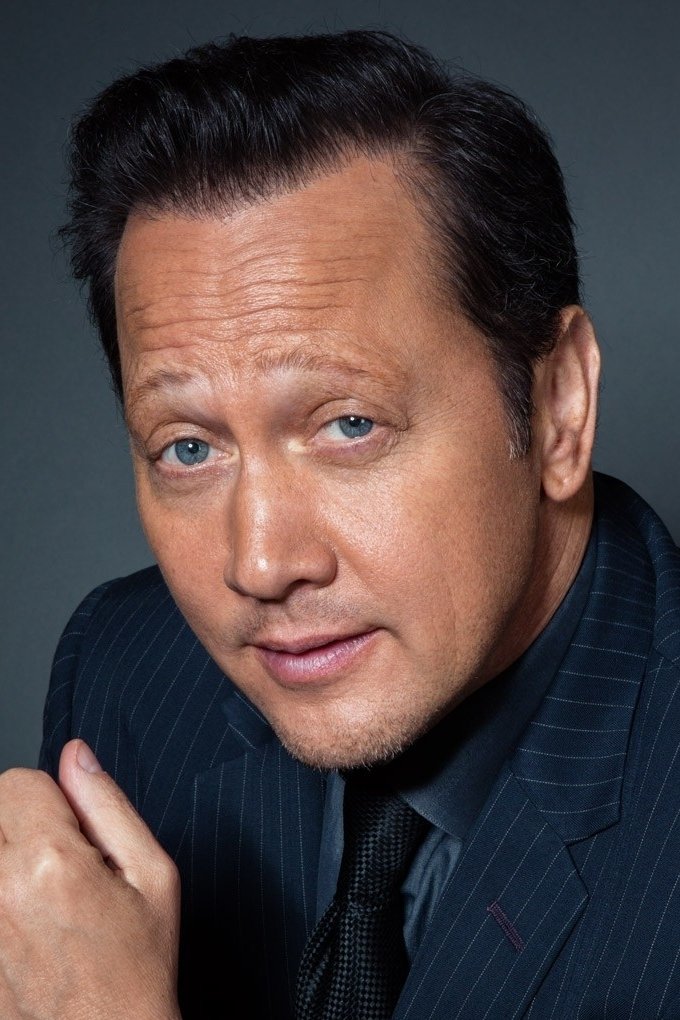
Rob Schneider has become a frequent critic of what he calls woke culture in the comedy and film industries. He has argued that the pressure to include specific social narratives has stifled creative freedom and humor. His transition from mainstream movie star to outspoken social commentator has led to a shift in his public reception. While he still performs stand up his mainstream film appearances have become less frequent. He continues to use his platform to challenge the prevailing social standards in contemporary media.
Sabina Hidalgo

Sabina Hidalgo of the global pop group Now United faced a wave of criticism following comments she made on social media. She expressed views that were interpreted as being unsupportive of the LGBTQ community and inclusive storylines. The resulting backlash from fans led to a period of silence and public apologies to manage her professional image. This incident illustrated how even international pop stars are held to high standards regarding social representation. Her career trajectory was briefly interrupted as she navigated the fallout from her statements.
Ricky Gervais
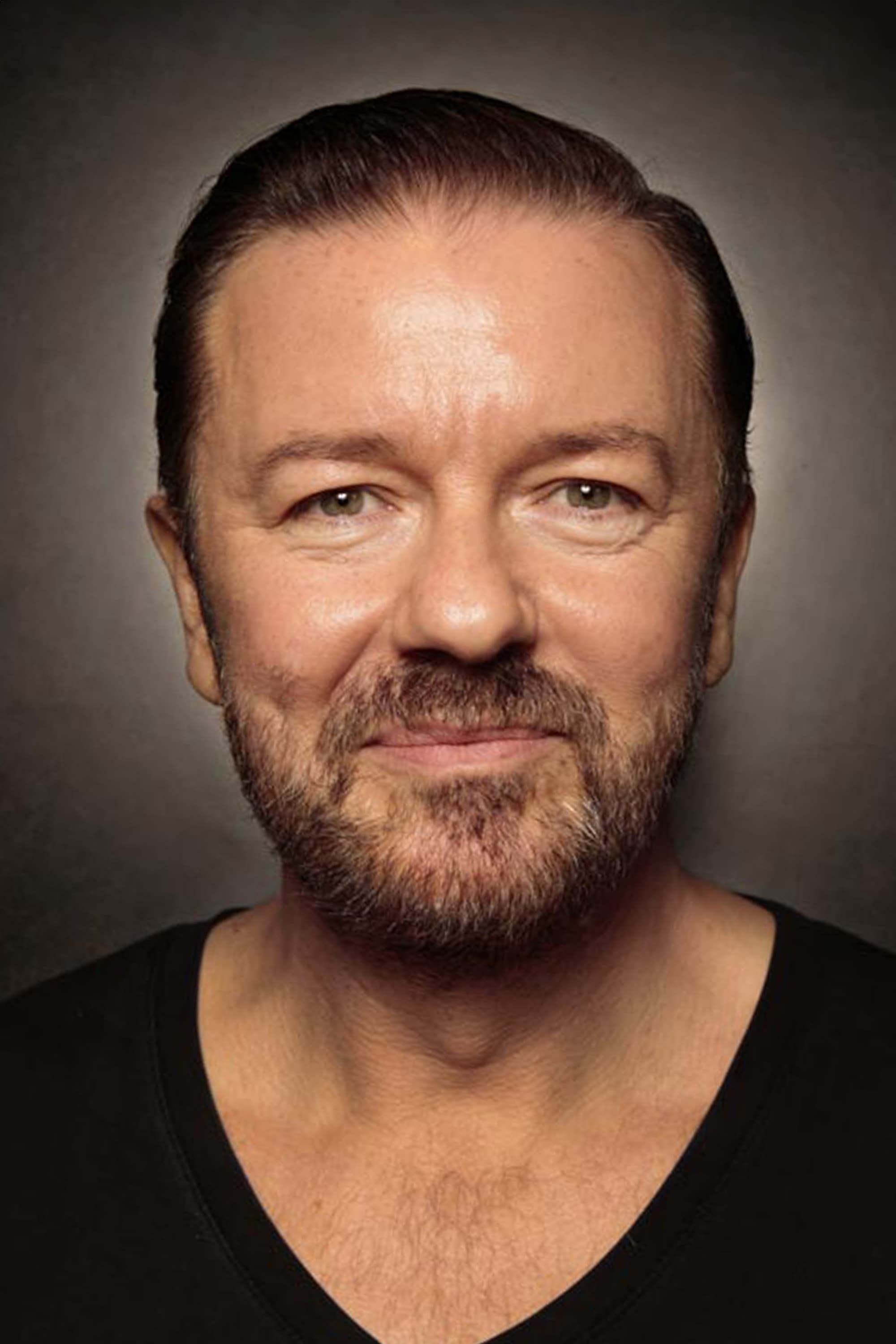
Ricky Gervais has faced significant criticism for his comedy specials on platforms like Netflix which often target modern social sensitivities. He has defended his work by arguing that no topic should be off limits for humor and satire. While his career remains highly successful he has become a frequent subject of calls for cancellation by various advocacy groups. He often mocks the idea of forced narratives and the pressure to conform to specific social guidelines. His stance has made him a leading figure in the debate over free speech in the entertainment industry.
Dave Chappelle
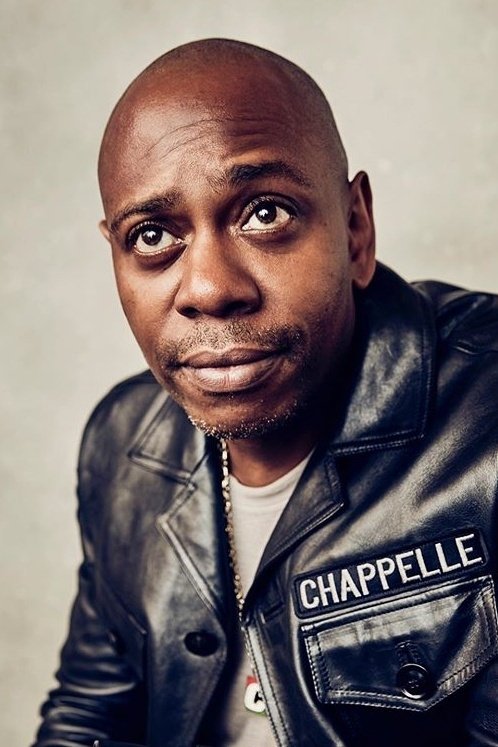
Dave Chappelle experienced intense public pushback following the release of his stand up specials that addressed gender identity and social trends. Many critics and employees at streaming platforms called for his content to be removed due to its perceived harm. Despite the controversy he has maintained a massive following and has refused to apologize for his creative choices. His situation highlighted the internal conflicts within major media companies regarding inclusive content versus creative autonomy. He remains one of the most successful and divisive figures in modern comedy.
Jon Voight
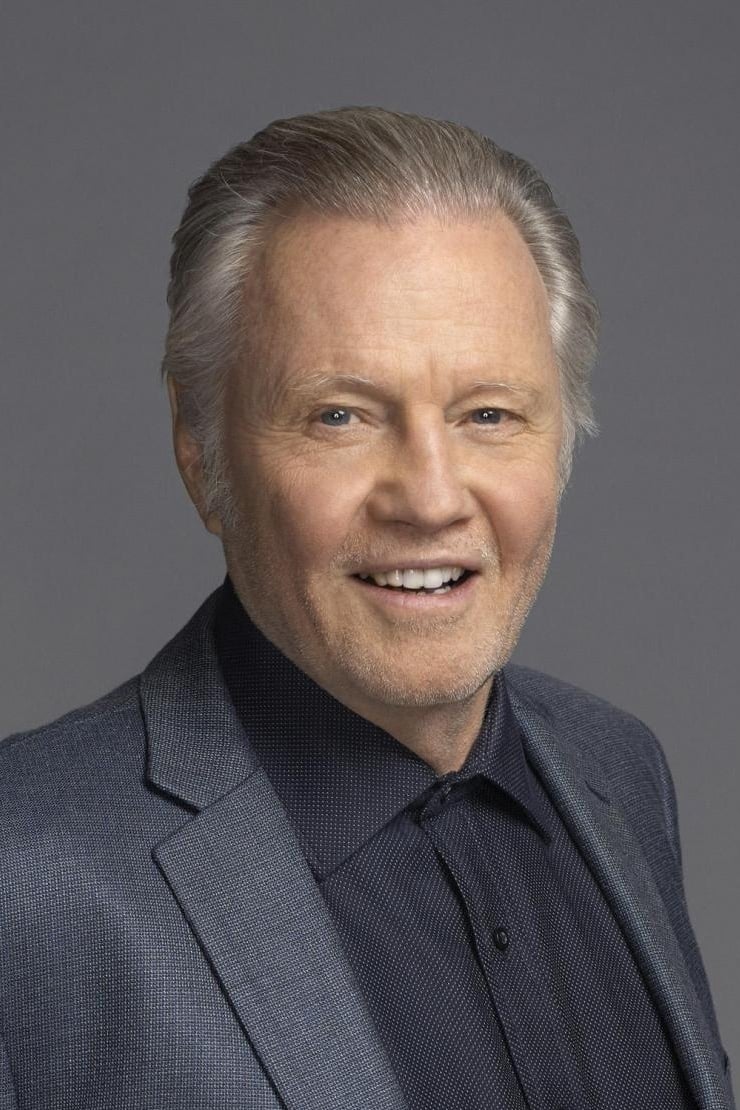
Jon Voight has been a vocal supporter of traditional values and has frequently criticized the social direction of modern Hollywood. The Oscar winning actor has stated that his career has been affected by his refusal to align with progressive industry standards. He often uses video messages to share his views on the importance of maintaining certain cultural narratives in film. While he still works in the industry his roles are often in projects that lean toward his personal political leanings. He remains a prominent example of a veteran actor who prioritizes his convictions over industry popularity.
Patricia Heaton
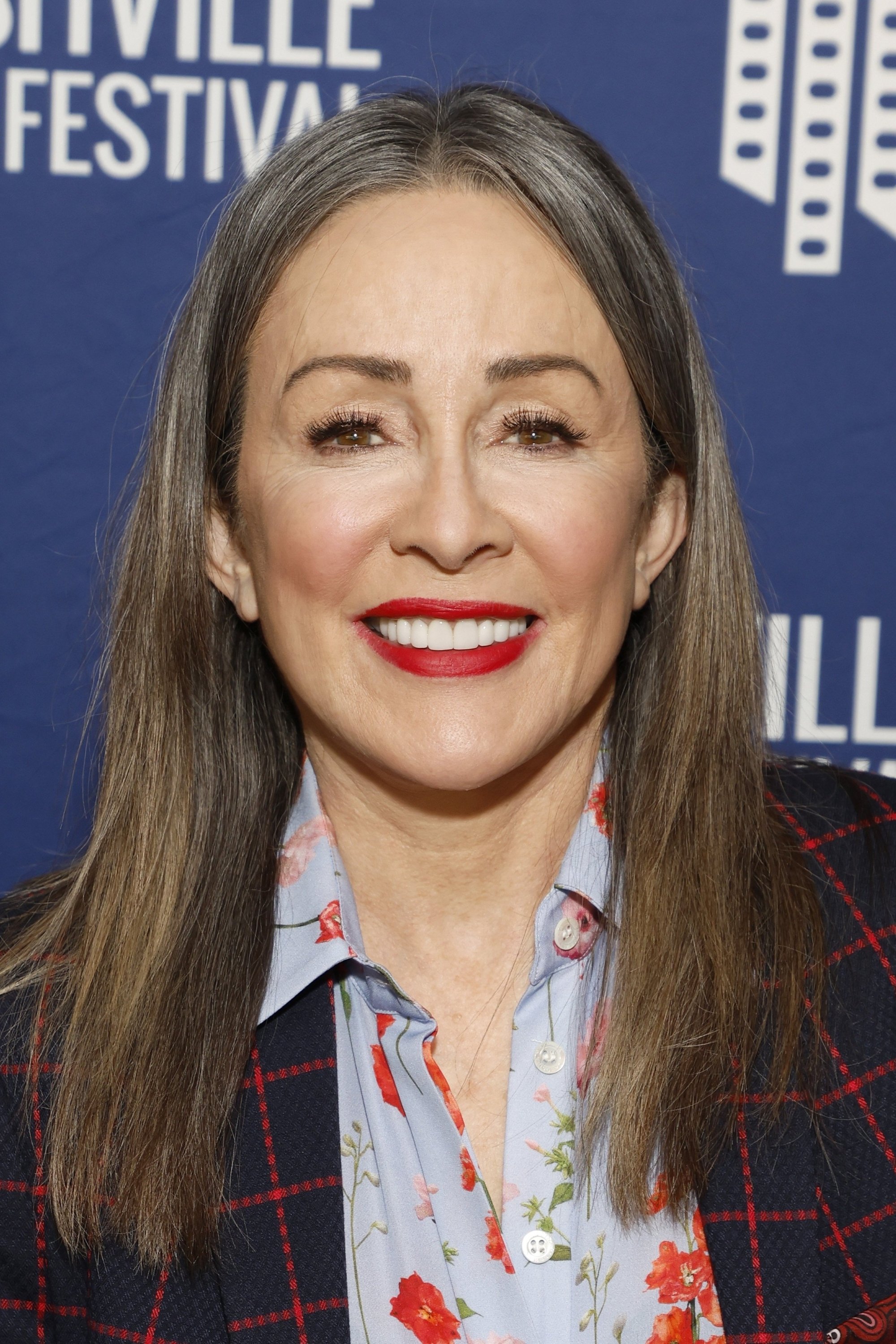
Patricia Heaton is known for her roles in hit sitcoms and has also been an outspoken voice for traditional values in the industry. She has expressed concern about the lack of diverse viewpoints regarding religious and social perspectives in television. While she has enjoyed a long and successful career she has noted the challenges of being a person of faith in Hollywood. She often uses her platform to support causes that align with her beliefs and to encourage more balanced storytelling. Her career shows that it is possible to maintain a mainstream presence while holding traditional views.
Manny Pacquiao

Manny Pacquiao is primarily a boxing legend but he has also had a career in film and television in the Philippines and abroad. He faced major international backlash and lost a lucrative partnership with Nike after making comments about same sex relationships. His remarks were criticized for being insensitive to the LGBTQ community and impacted his global brand as an entertainer. He apologized for the hurt caused but stood by his religious convictions regarding traditional marriage. This incident showed how personal views can have immediate and global financial consequences.
Tim Allen
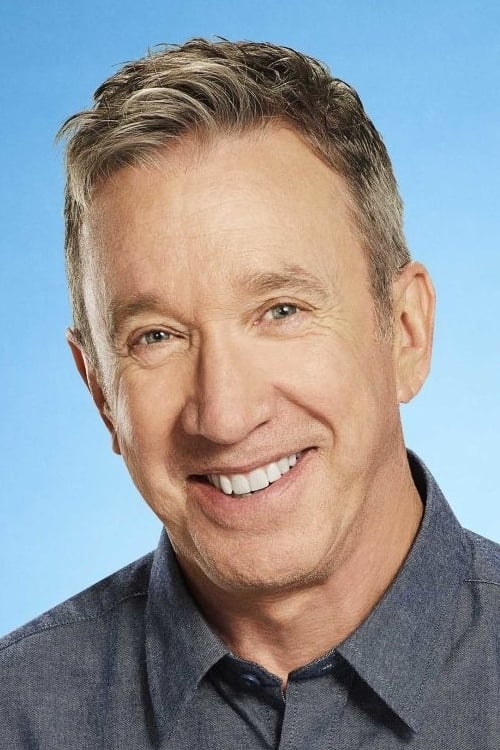
Tim Allen has often spoken about the challenges of being a conservative in the entertainment industry today. He has compared the pressure to conform to specific social narratives to living in a controlled environment. His show ‘Last Man Standing’ was famously cancelled by one network despite high ratings which many fans attributed to its traditional themes. He eventually found a new home for the show and has continued to work on projects that reflect his perspective. He remains a vocal critic of what he sees as a lack of creative diversity in Hollywood.
Zachary Levi
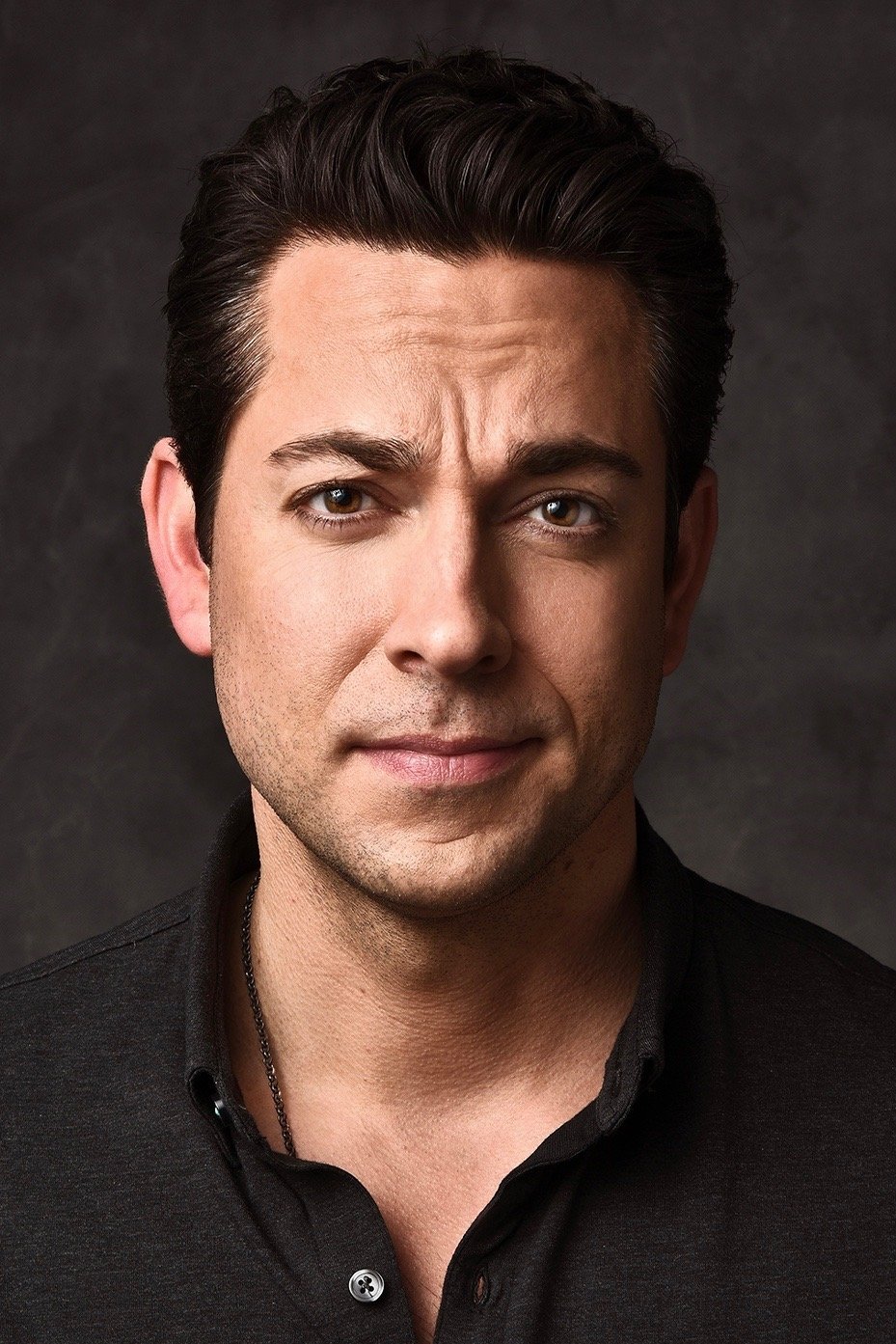
Zachary Levi sparked controversy after making comments that were interpreted as critical of specific corporate and social agendas in the film industry. The ‘Shazam’ star has been vocal about his frustrations with how modern blockbusters are managed and promoted. His public statements led to a mixed reaction from fans and industry insiders during the release of his major franchise films. He has advocated for more focus on quality storytelling rather than social messaging. His experience reflects the growing tension between stars and the studios that manage large scale franchises.
Stephen Baldwin

Stephen Baldwin has seen his career shift significantly as he moved away from mainstream Hollywood to focus on religious projects. He has been vocal about his belief that the industry is often hostile toward traditional and faith based perspectives. His public comments on social issues have led to fewer roles in major studio productions over the years. He now focuses on producing content that he feels provides a necessary alternative to modern entertainment. His career illustrates the divide between the Baldwin brothers and the different paths they have taken in the industry.
Melissa Joan Hart
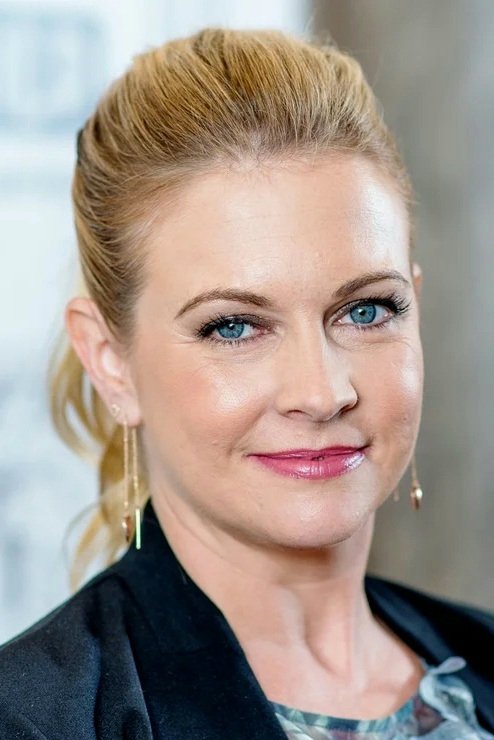
Melissa Joan Hart has navigated a long career in television but has also faced scrutiny for her views on social and religious issues. She has expressed a preference for projects that avoid certain modern social narratives in favor of family oriented content. While she continues to work frequently her move toward faith based films has been noted by critics and fans alike. She has spoken about the importance of her faith in guiding her professional decisions. Her career reflects the ongoing search for a balance between mainstream success and personal values.
Roseanne Barr
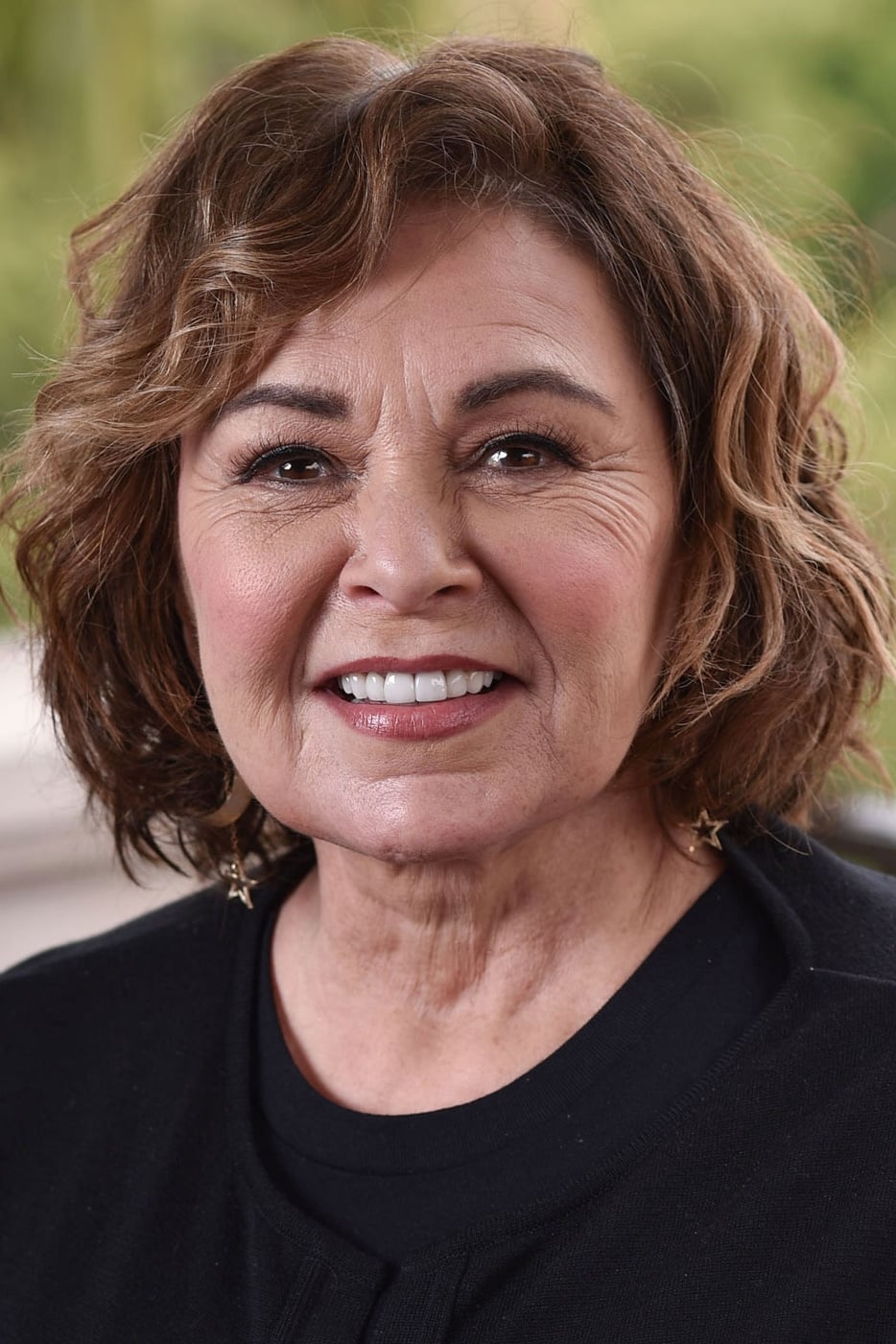
Roseanne Barr saw the revival of her hit show ‘Roseanne’ cancelled abruptly after a series of controversial social media posts. While the comments were varied she had often been a critic of the social and political direction of modern television. The fallout from her statements led to her character being killed off and the show being rebranded as ‘The Connors’. This remains one of the most high profile examples of a lead actress losing a major project due to public controversy. She has since moved her work to independent platforms to maintain her voice.
Mel Gibson
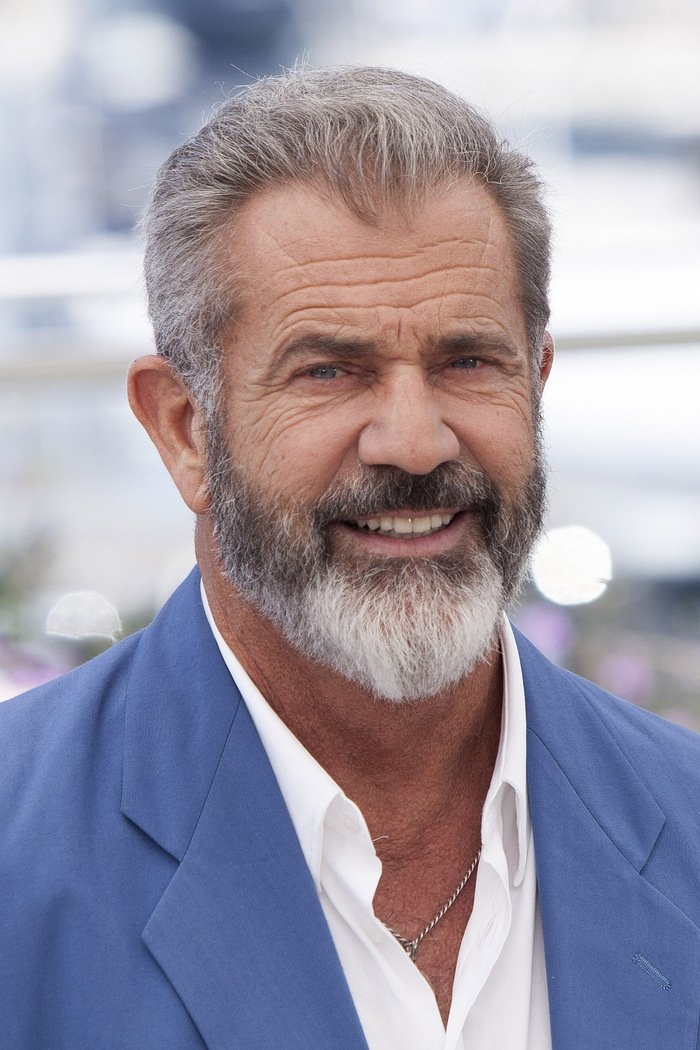
Mel Gibson has had a tumultuous relationship with the entertainment industry following several public controversies involving his personal views. He has often been a critic of how traditional and religious themes are handled in mainstream cinema. His projects like ‘The Passion of the Christ’ were seen as a challenge to the typical Hollywood narrative at the time. Despite a period of professional exile he has managed to find success as a director and actor in independent and major films. His career path shows the long term impact of public statements on a celebrity’s standing.
Clint Eastwood
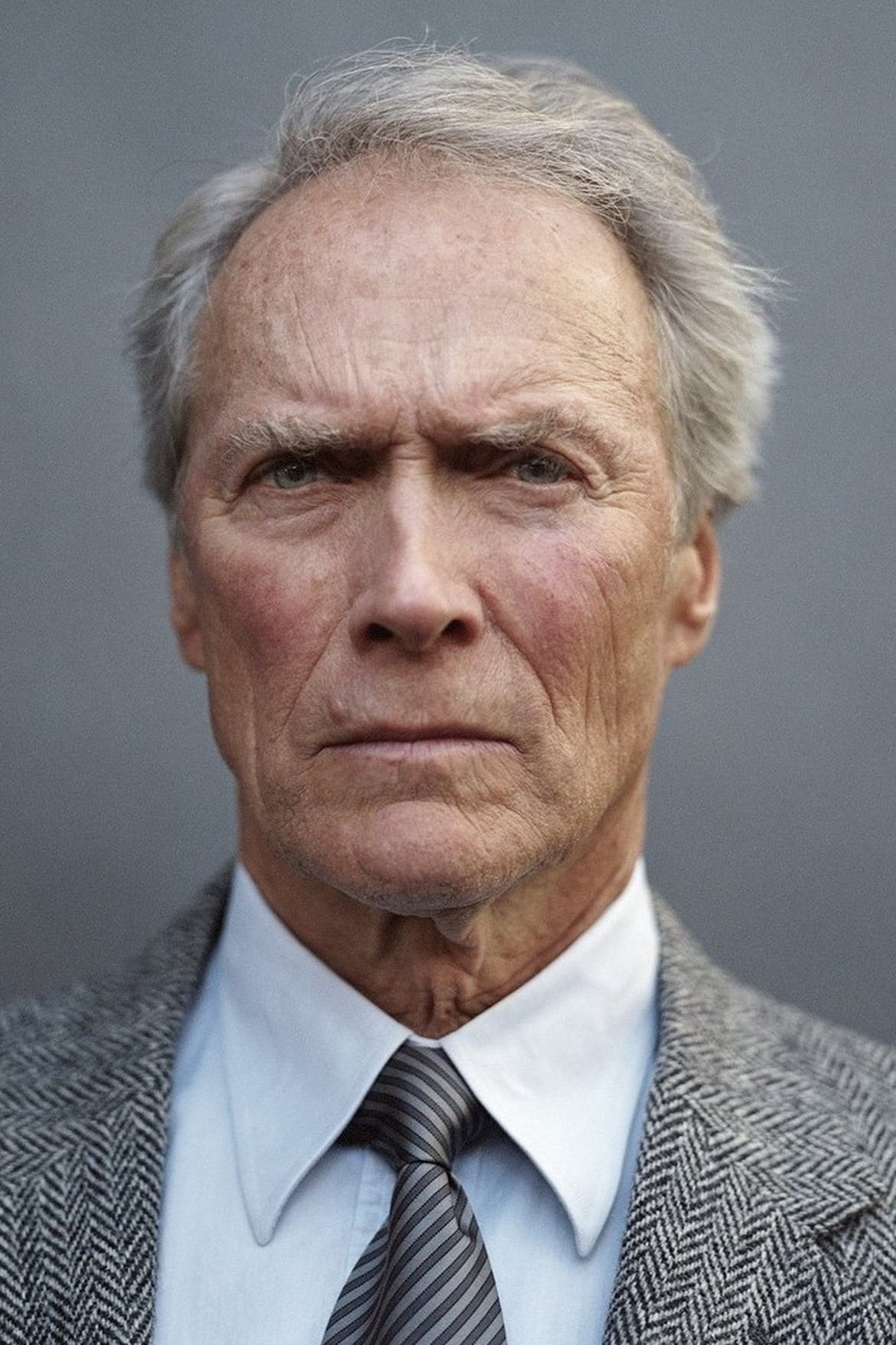
Clint Eastwood has long been a figure who challenges the social and political norms of the film industry. He has frequently criticized the push for what he views as political correctness in modern scripts and storytelling. While his status as a legend protects his career he has become a symbol for those who feel the industry has moved too far from traditional values. His films often explore themes that stand in contrast to current social trends in Hollywood. He continues to produce and direct work that reflects his unique and often traditional perspective.
Bill Maher
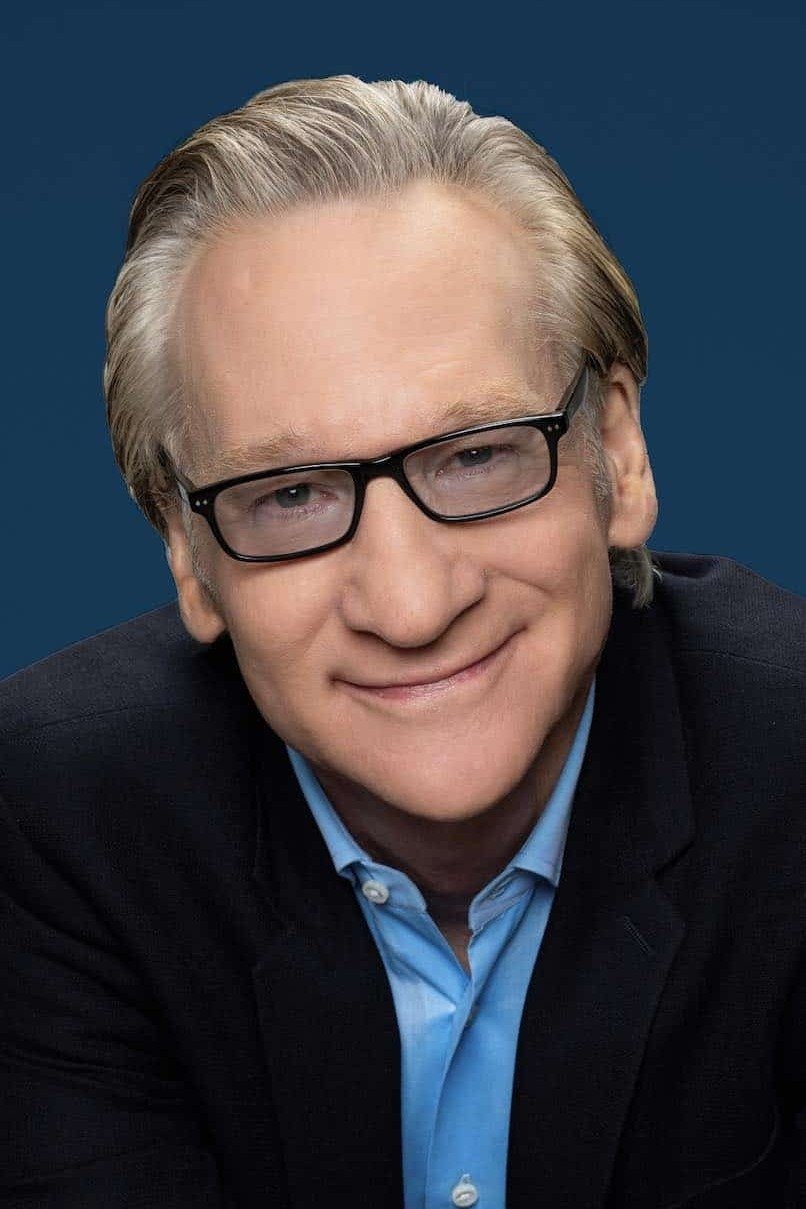
Bill Maher has been a consistent critic of what he perceives as the excesses of modern social progress in entertainment and media. He often uses his platform to challenge the implementation of specific narratives that he feels are forced or inauthentic. While his career as a host remains strong he has faced significant backlash from within his own industry for his views. He argues that the pressure to conform to specific social standards is damaging to comedy and creative expression. His perspective highlights the internal debates within the media world regarding social evolution.
Piers Morgan
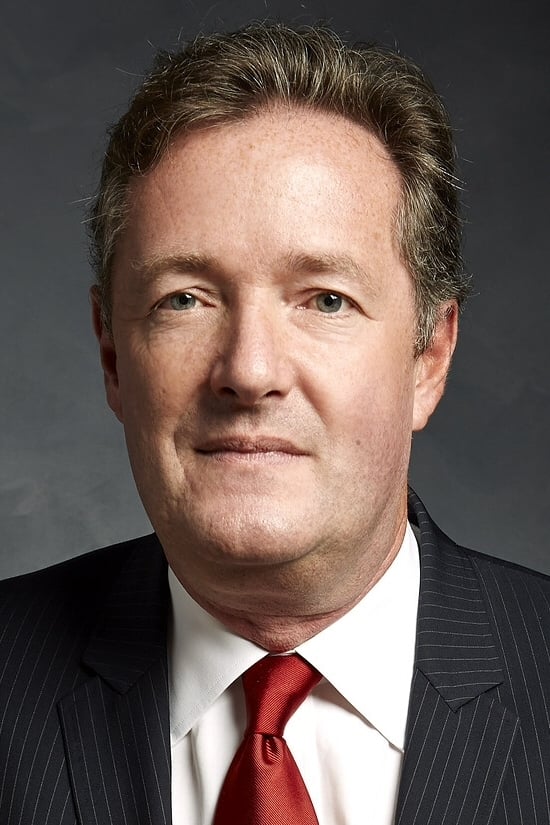
Piers Morgan left his role on ‘Good Morning Britain’ following a heated debate regarding his views on social and cultural issues. He has been a vocal critic of the shift toward inclusive narratives that he believes prioritize optics over substance. His departure was a major media event that sparked a wider conversation about free speech and professional consequences. He has since transitioned to a new global platform where he continues to challenge current social trends. His career move demonstrates the demand for voices that stand in opposition to mainstream media standards.
Sharon Osbourne
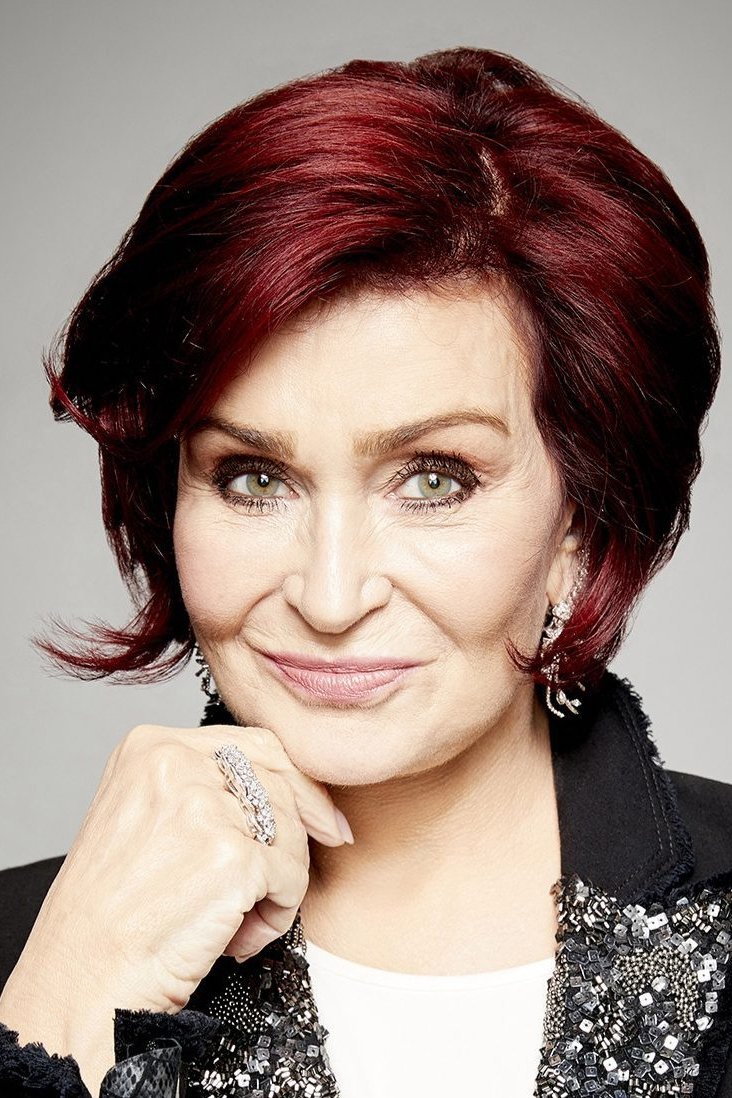
Sharon Osbourne left the show ‘The Talk’ after a controversial discussion regarding race and social perspectives. The incident began when she defended a colleague and escalated into a wider debate about her own views on social issues. The fallout led to her departure from the program and a significant shift in her professional standing in the United States. She has since been vocal about her experiences with what she describes as cancellation by the industry. Her story reflects the rapid and often permanent impact of public disagreements on social topics.
Kirstie Alley
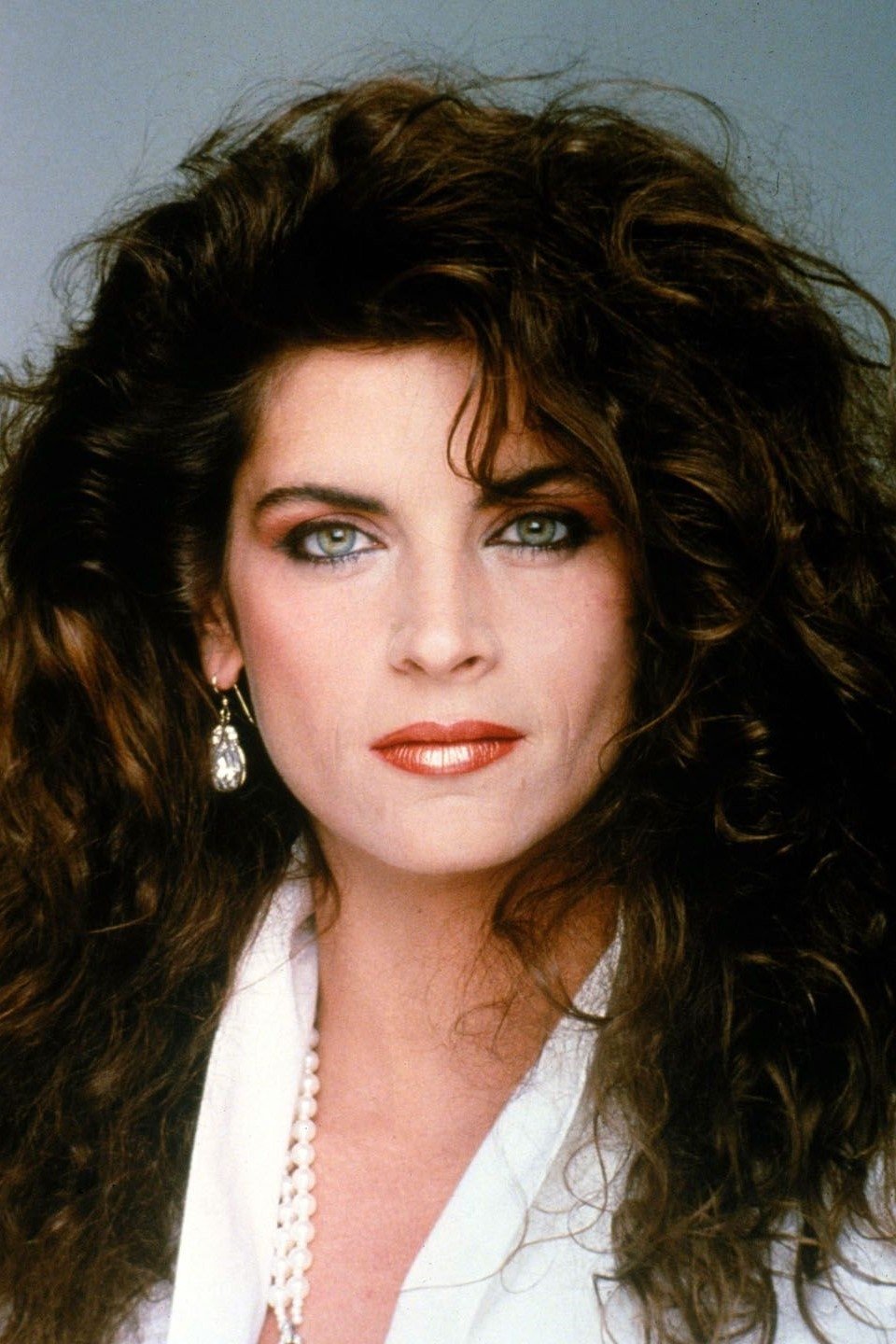
Kirstie Alley was an outspoken critic of the changing social standards in Hollywood during the latter years of her career. She frequently shared her views on social media regarding the impact of political messaging on the arts. Her comments often put her at odds with many of her peers in the industry and led to public debates. While she remained active her mainstream opportunities were often overshadowed by her public persona. She remained a steadfast advocate for her beliefs until her passing in 2022.
Angus T. Jones

Angus T. Jones was the highest paid child actor on ‘Two and a Half Men’ before he publicly criticized the show. He called the program filth and urged viewers to stop watching it after he experienced a religious awakening. His comments regarding the content of the show and its impact on culture led to his departure from the series. He largely stepped away from the entertainment industry to focus on his education and faith based initiatives. His exit remains a classic example of a star rejecting a major career for personal and moral reasons.
Please share your thoughts on how modern casting decisions and storylines affect the entertainment industry in the comments.