


Celebs Who Got Canceled for Questioning Pronoun Policies on Set

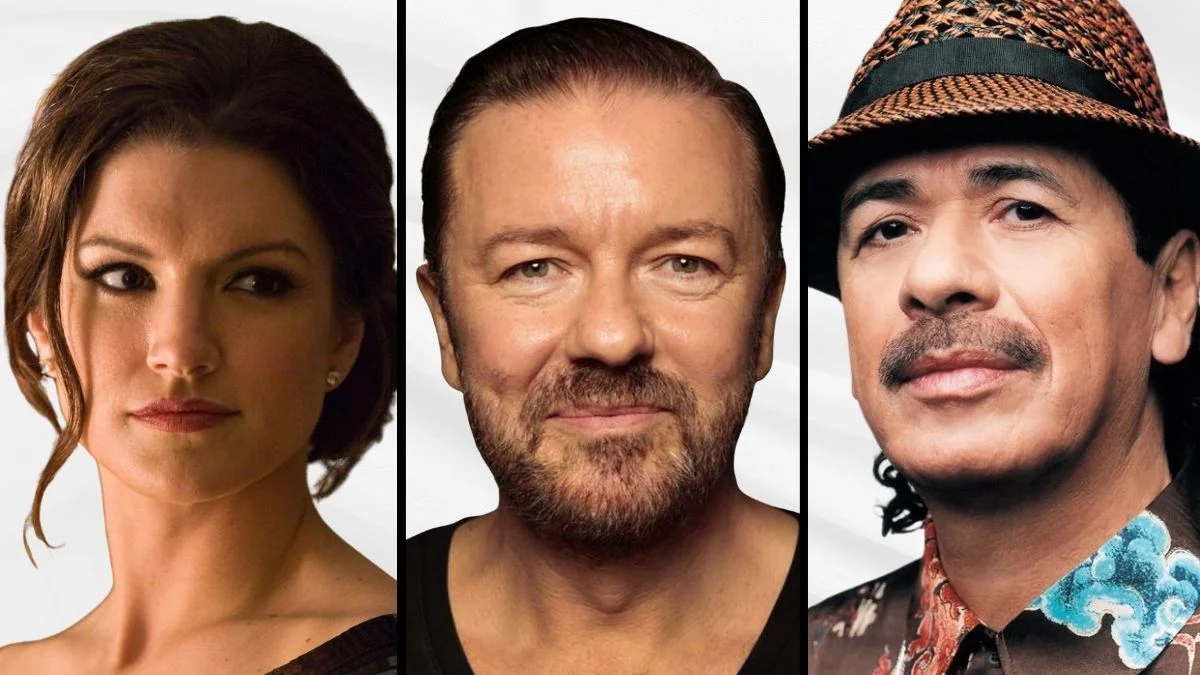


The entertainment industry has seen a significant shift in workplace culture over the last decade as studios implement new social guidelines and language protocols. Many actors and creators have found themselves at odds with these evolving standards particularly when it comes to gender identity and the use of preferred pronouns on set. While some view these policies as essential for inclusivity others argue they infringe upon personal beliefs or artistic freedom. This tension has led to public disputes and lost job opportunities for several high profile figures in Hollywood.
Gina Carano
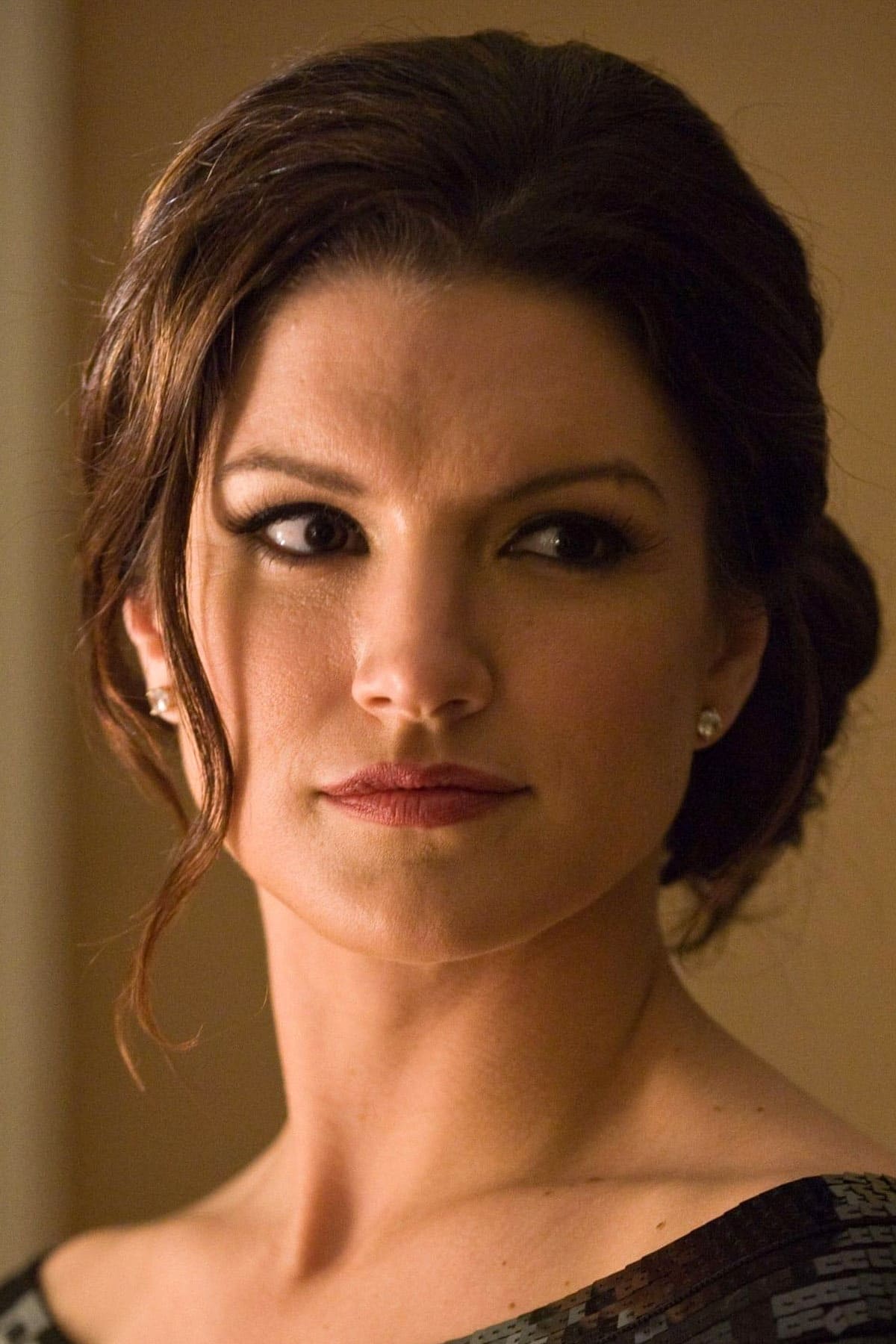
Gina Carano was a rising star in the ‘Star Wars’ universe before her professional relationship with Disney came to an abrupt end. The controversy began when she changed her social media bio to include beep bop boop instead of traditional pronouns. This move was interpreted by many as a mockery of transgender people and led to a viral campaign for her firing. Lucasfilm eventually released a statement saying her social media posts were abhorrent and unacceptable. She has since moved into independent film production and remains a vocal critic of industry diversity mandates.
J.K. Rowling
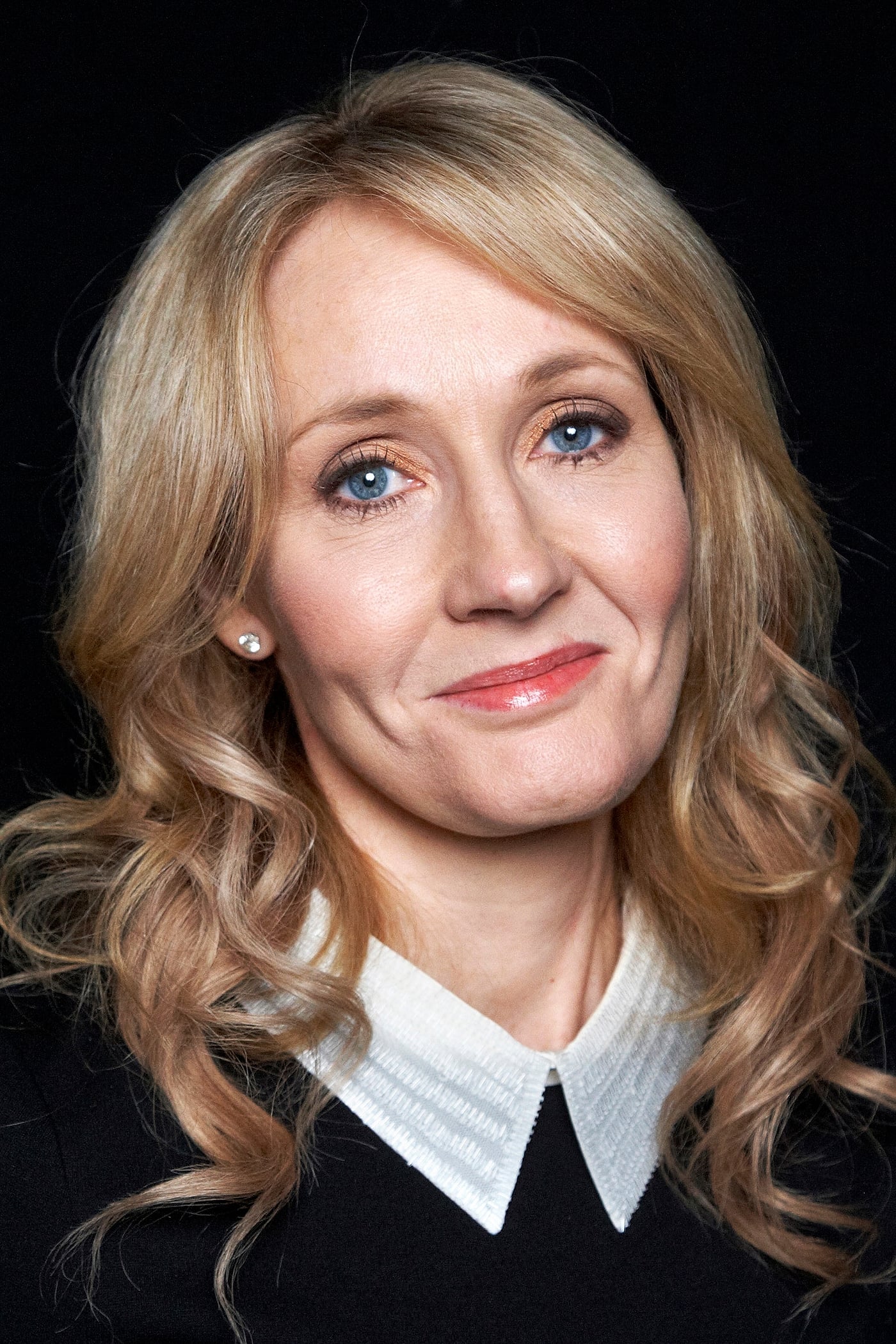
Although she is primarily an author J.K. Rowling faced significant professional consequences within the film industry due to her views on gender identity. Many actors from the ‘Harry Potter’ and ‘Fantastic Beasts’ franchises distanced themselves from her after she questioned the use of inclusive language for biological women. She was notably absent from the twentieth anniversary reunion special produced by HBO Max. While she continues to oversee her intellectual properties her public image has been drastically altered in the eyes of many fans. Her stance on the matter remains one of the most polarizing topics in modern pop culture.
Graham Linehan
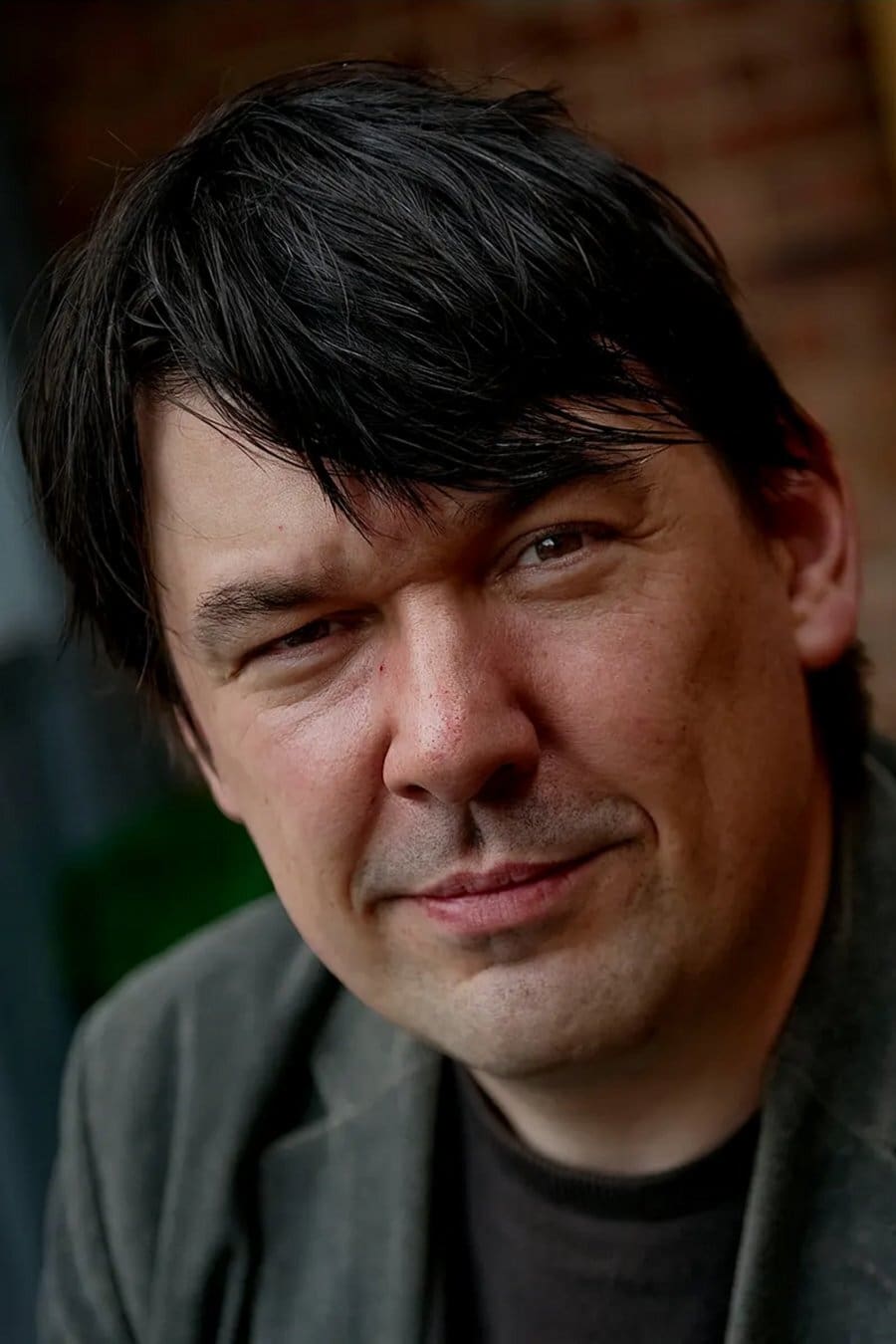
Graham Linehan was the celebrated creator of ‘Father Ted’ and ‘The IT Crowd’ until his career was halted by his activism regarding gender identity. He became deeply involved in debates about transgender rights and pronoun usage which led to his permanent suspension from several social media platforms. His professional opportunities dried up as production companies and agencies severed ties with him. He has spoken publicly about the personal and financial toll of being blacklisted by the comedy industry. Today he continues to advocate for his beliefs through independent channels and public appearances.
Laurence Fox
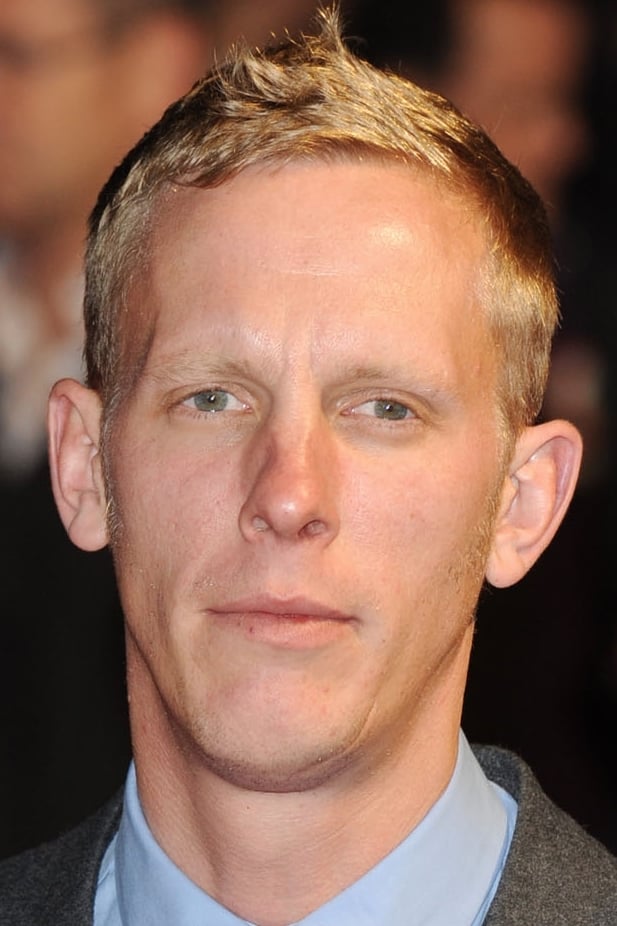
Laurence Fox was a successful actor known for his role in ‘Lewis’ before he transitioned into a career in politics and activism. His downfall in the acting world began when he expressed strong opposition to modern diversity policies and identity politics during a television appearance. He frequently criticized the use of gender neutral language and what he described as virtue signaling within the entertainment sector. After losing his talent agent and facing a lack of casting calls he founded the Reclaim Party to champion his views. He now focuses primarily on political commentary and cultural criticism.
Winston Marshall
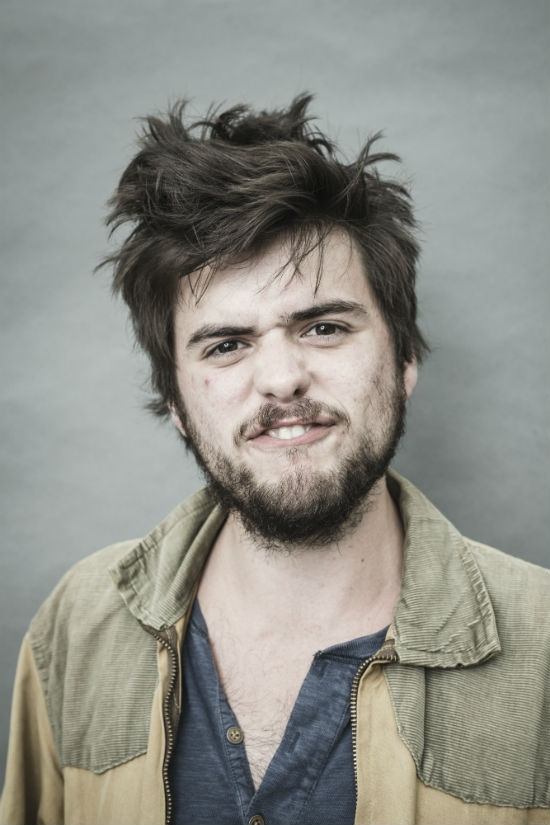
Winston Marshall was the lead guitarist for the globally successful band Mumford and Sons until he faced a massive backlash for his political views. The controversy started when he praised a book that questioned the tactics of various social movements and identity based policies. Fans and media outlets quickly criticized his stance leading him to issue an initial apology. He eventually decided to leave the band entirely to speak freely without compromising his bandmates. He now hosts a podcast where he discusses culture and free speech.
Alice Cooper
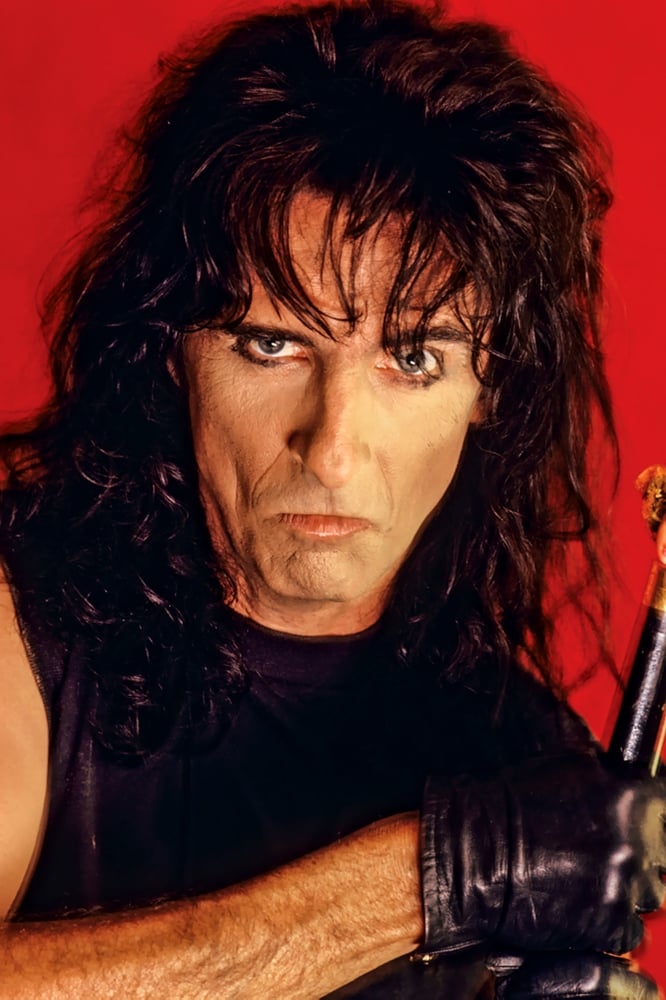
Rock legend Alice Cooper lost a lucrative partnership with a cosmetics brand following his comments on gender identity in an interview. He described the focus on pronouns and gender transition as a fad and expressed concerns about how it might confuse children. The company Vampyre Cosmetics quickly announced that they would no longer be collaborating with him on their makeup line. They stated that they stand with the LGBTQIA community and could not align with his views. Cooper remains a touring artist but his corporate appeal was visibly impacted by the remarks.
Macy Gray
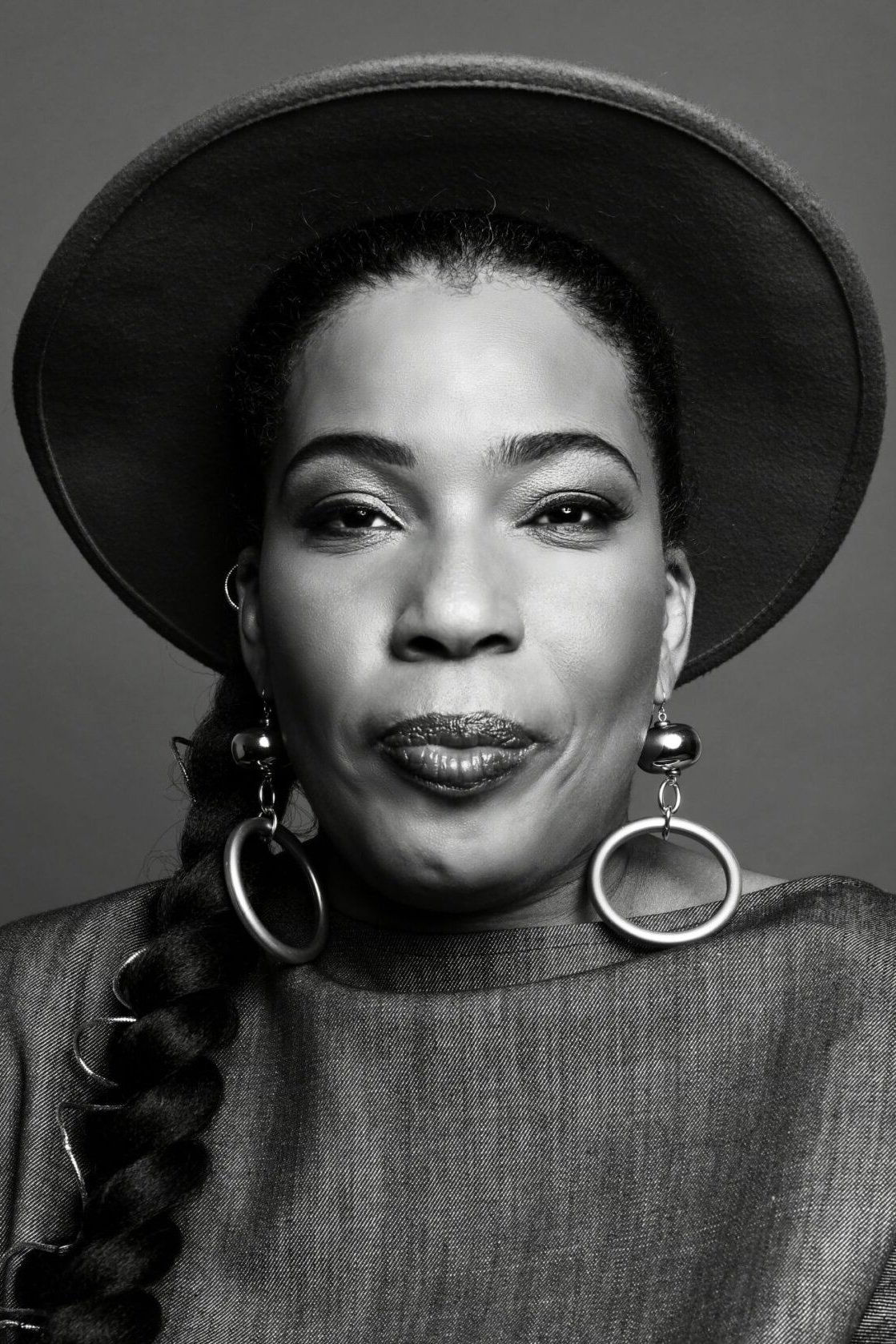
Soul singer Macy Gray faced a significant backlash after she appeared on a talk show and gave her definition of what makes a woman. She argued that changing one’s name or pronouns does not change their biological reality. The reaction from the public and the industry was swift and largely negative leading her to clarify her statements in subsequent interviews. She expressed her support for the transgender community but noted the difficulty of discussing sensitive topics in the public eye. The controversy temporarily overshadowed her musical career and upcoming projects.
Ne-Yo
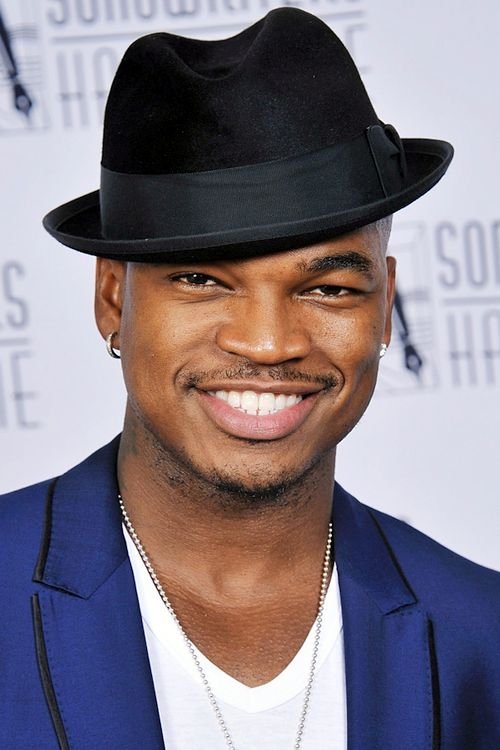
Ne-Yo is a Grammy winning artist who found himself in the middle of a social media storm after questioning the role of parents in gender identity decisions. He criticized the idea of children making life altering choices regarding their pronouns and physical transition. After facing intense pressure from fans and industry figures he initially posted an apology on his social media accounts. However he later retracted parts of the apology and stated that he stands by his original concerns about parenting. The situation illustrated the ongoing tension between traditional views and modern industry expectations.
Carlos Santana
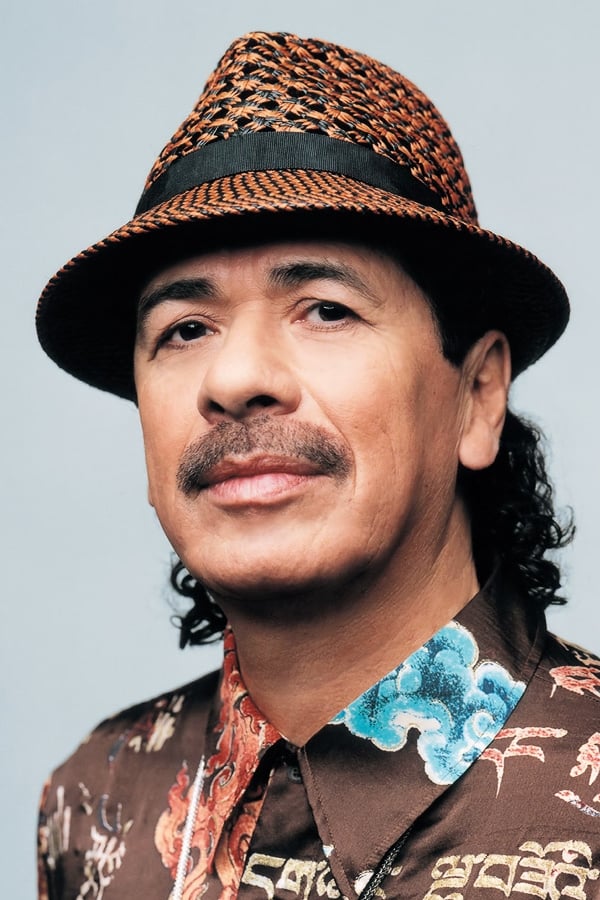
Guitarist Carlos Santana faced criticism after a video of him making comments about gender identity during a concert went viral. He stated that a woman is a woman and a man is a man and that whatever you do in the closet is your business. The musician later issued an apology on social media and expressed regret for any pain he caused. Many fans were disappointed by the remarks given his long history of promoting peace and unity. The incident sparked a conversation about the expectations for veteran artists in the modern era.
Ricky Gervais
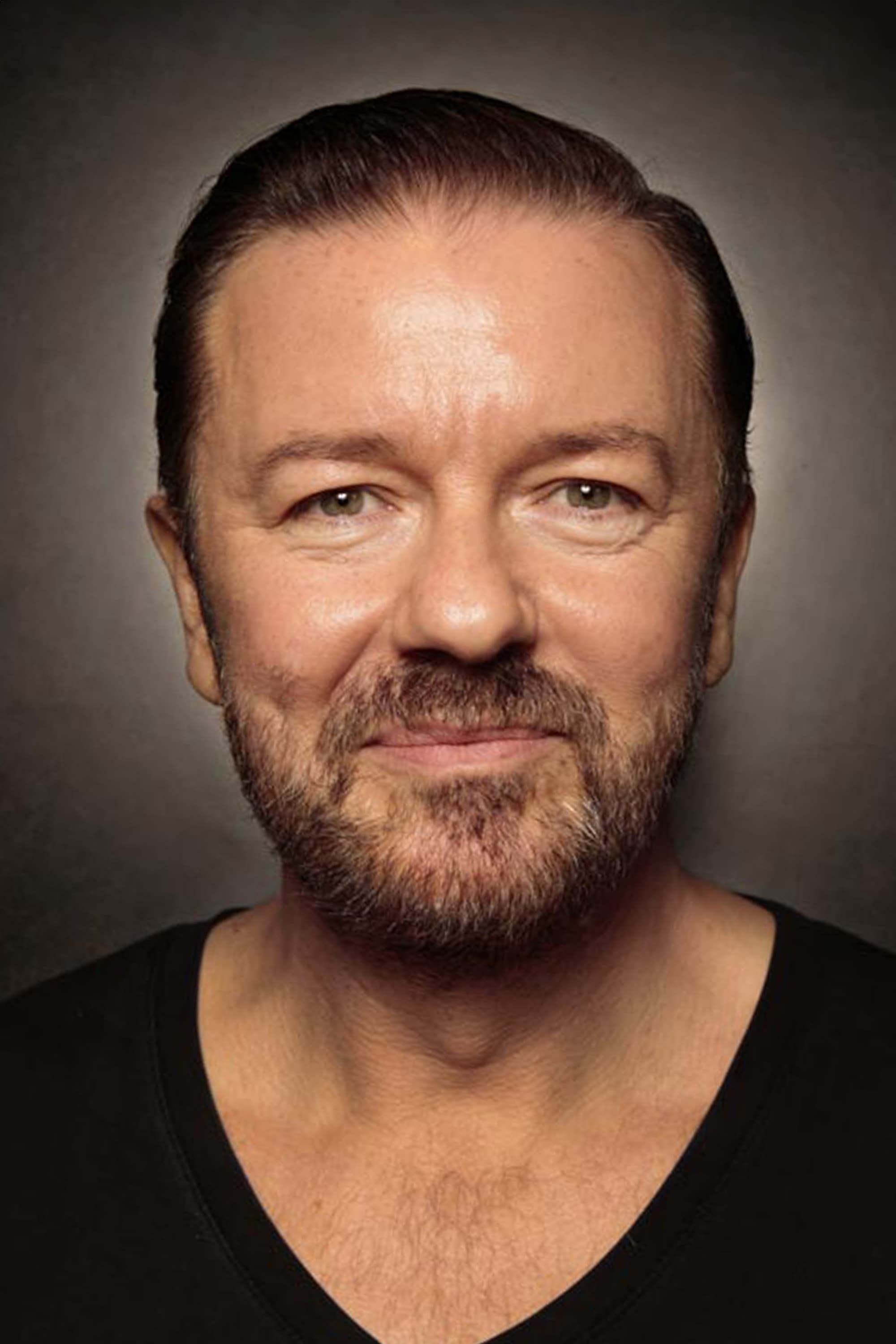
Ricky Gervais has faced multiple calls for cancellation due to the content of his standup specials like ‘SuperNature’. Critics argued that his jokes about gender identity and pronoun usage were transphobic and harmful to the community. Netflix stood by the comedian despite internal protests from some employees who felt the content violated company standards. Gervais has maintained that his job is to joke about everything and that no topic should be off limits. He continues to produce popular content while remaining a central figure in the debate over offensive comedy.
Dave Chappelle
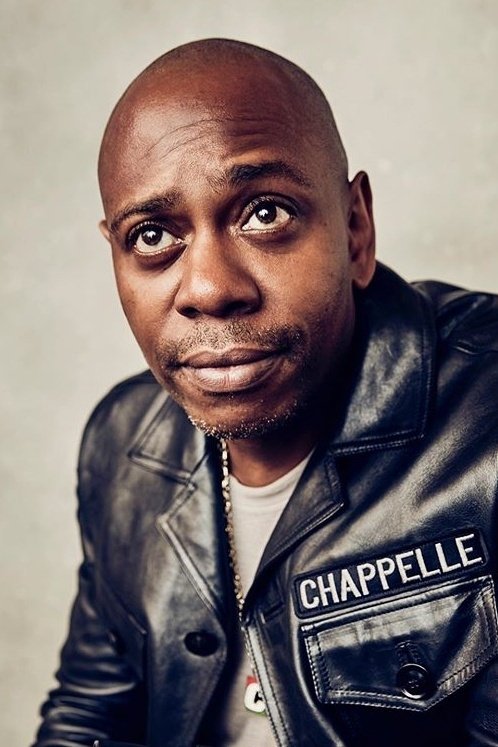
Dave Chappelle became the center of a massive industry controversy following the release of his special ‘The Closer’. He specifically addressed gender identity and declared himself a member of team terf while questioning modern language requirements. This led to a walkout by Netflix employees and a public demand for the special to be removed from the platform. The streaming giant refused to pull the content and defended Chappelle’s right to creative expression. The comedian has since incorporated the backlash into his subsequent performances.
Roseanne Barr
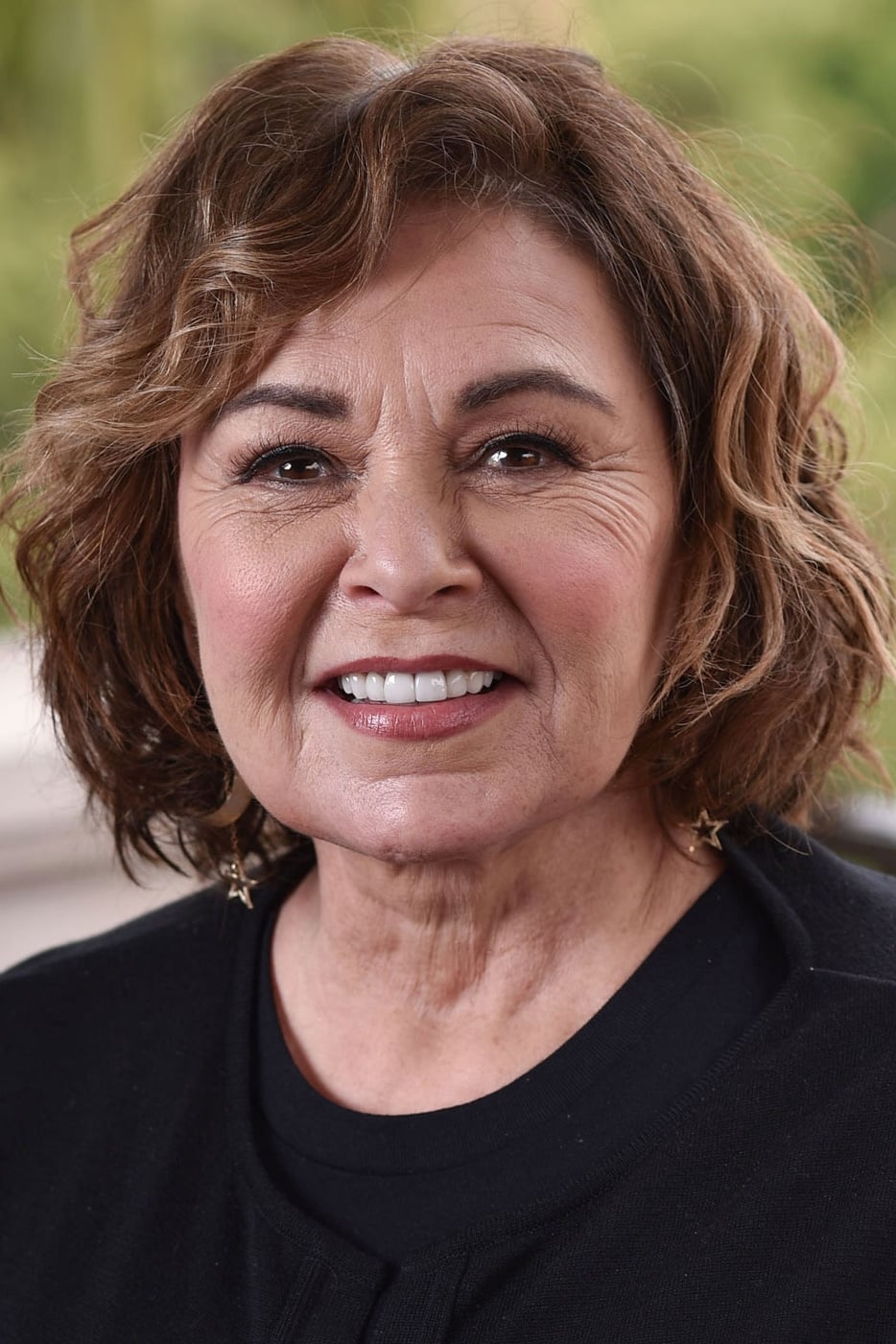
Roseanne Barr saw the revival of her self titled show ‘Roseanne’ canceled after she made a series of inflammatory remarks on social media. While the primary reason involved a specific tweet about a political figure her general stance against modern progressive language was well documented. She often expressed frustration with the changing cultural landscape and the new rules regarding identity and speech. Her removal from the show led to the creation of the spin off ‘The Conners’ which continued without her character. She remains a vocal critic of the way the industry handles dissent on social issues.
Kevin Sorbo
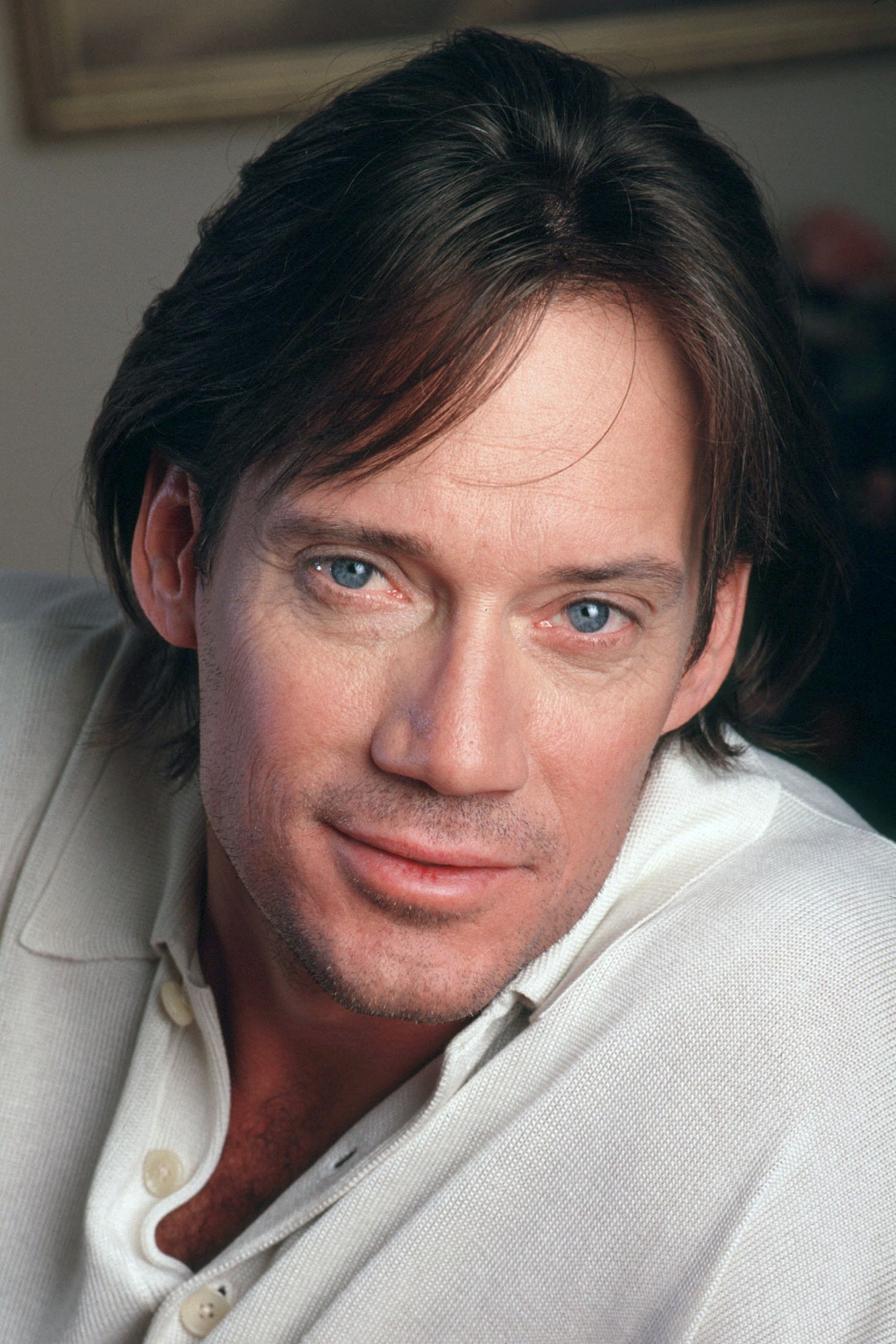
Kevin Sorbo has claimed that his acting career in mainstream Hollywood ended because of his conservative Christian beliefs. He frequently speaks out against gender neutral policies and the inclusion of modern identity politics in film and television. The actor argues that his refusal to conform to these industry standards led to him being blacklisted by major studios. He now focuses on producing and starring in faith based films that align with his personal values. His career trajectory is often cited by critics of Hollywood’s political environment.
Scott Baio
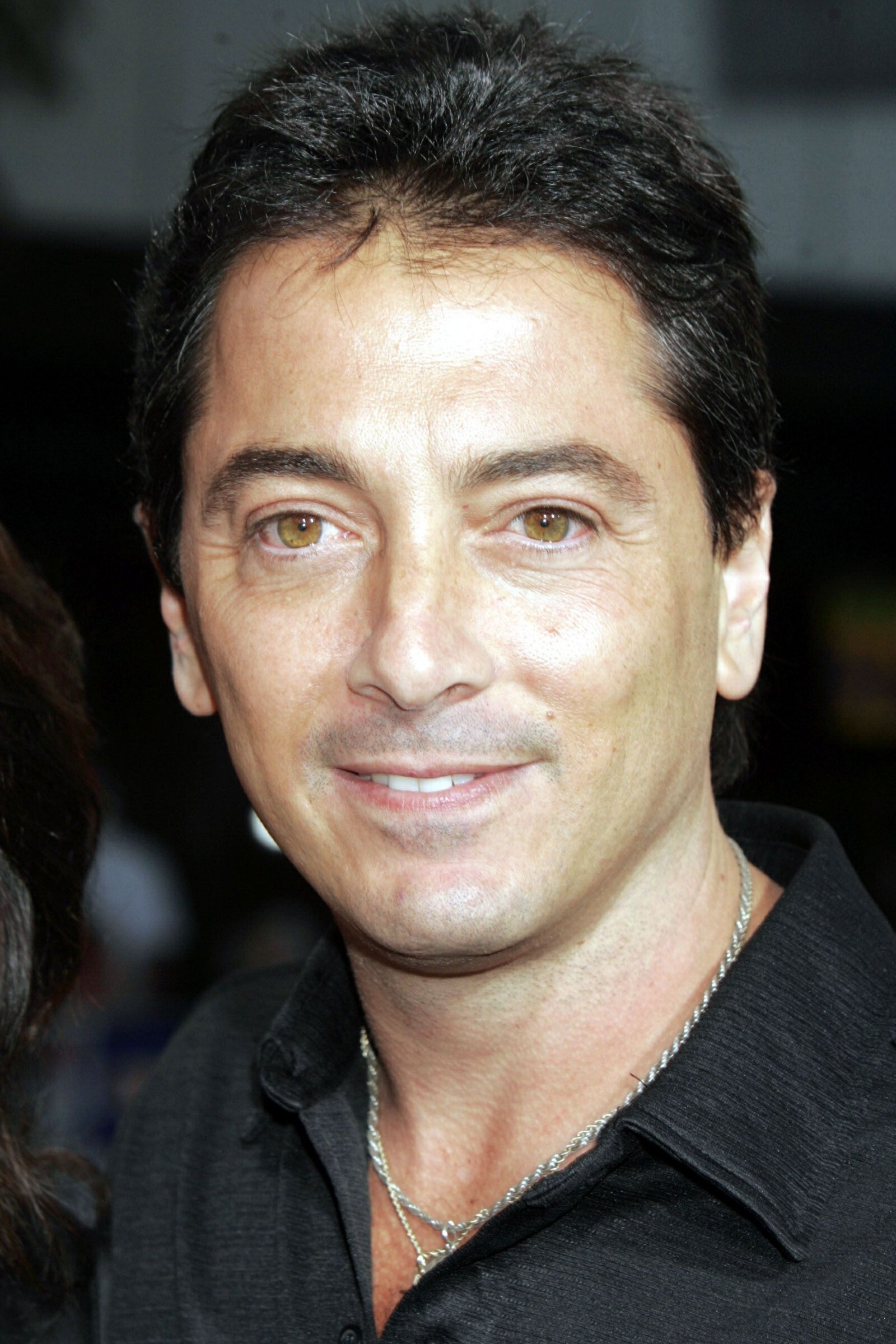
Scott Baio has experienced a significant decline in his television career as he became more vocal about his traditional views. He often uses his platform to criticize the direction of modern culture and the emphasis on identity based language. The actor has claimed that his stances have made him a target for harassment and have cost him professional connections. Despite the backlash he remains committed to his beliefs and frequently interacts with fans who share his concerns. He is most active on social media where he comments on current events.
Kirk Cameron
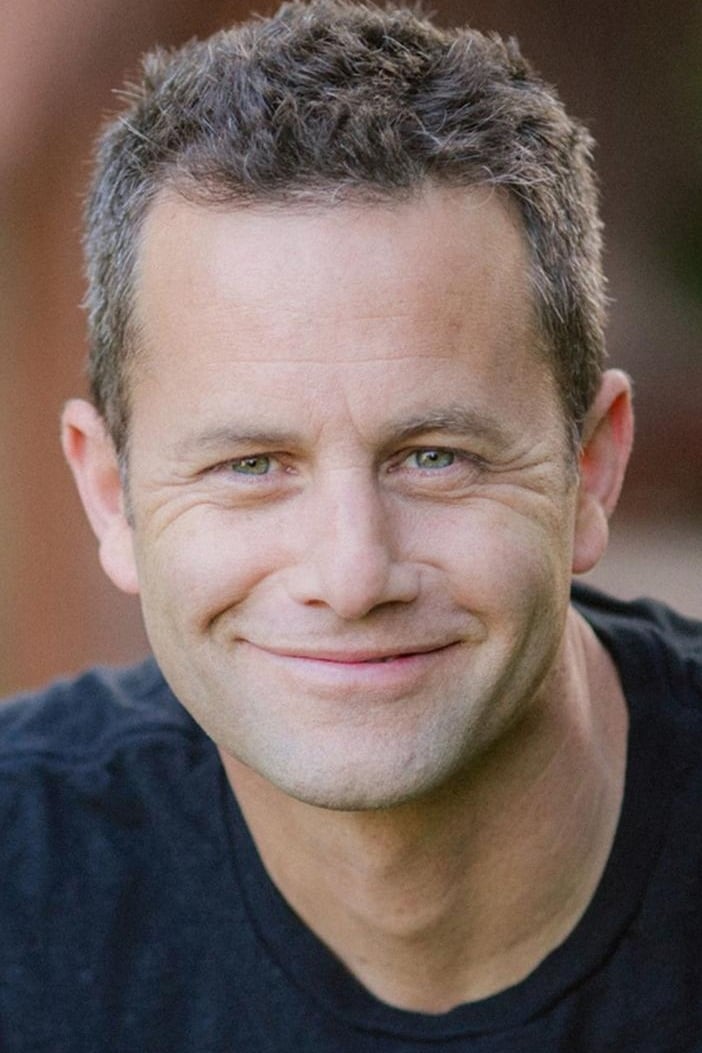
Kirk Cameron has faced various forms of professional pushback for his vocal stance on traditional family values and gender roles. He has been involved in public disputes over library programs and school policies that he believes undermine his religious convictions. While he remains a popular figure in the faith based film industry he is largely excluded from mainstream Hollywood projects. He has stated that he is comfortable with this separation and prefers to create content for a specific audience. His work often focuses on themes that contrast with modern social trends.
Candace Cameron Bure
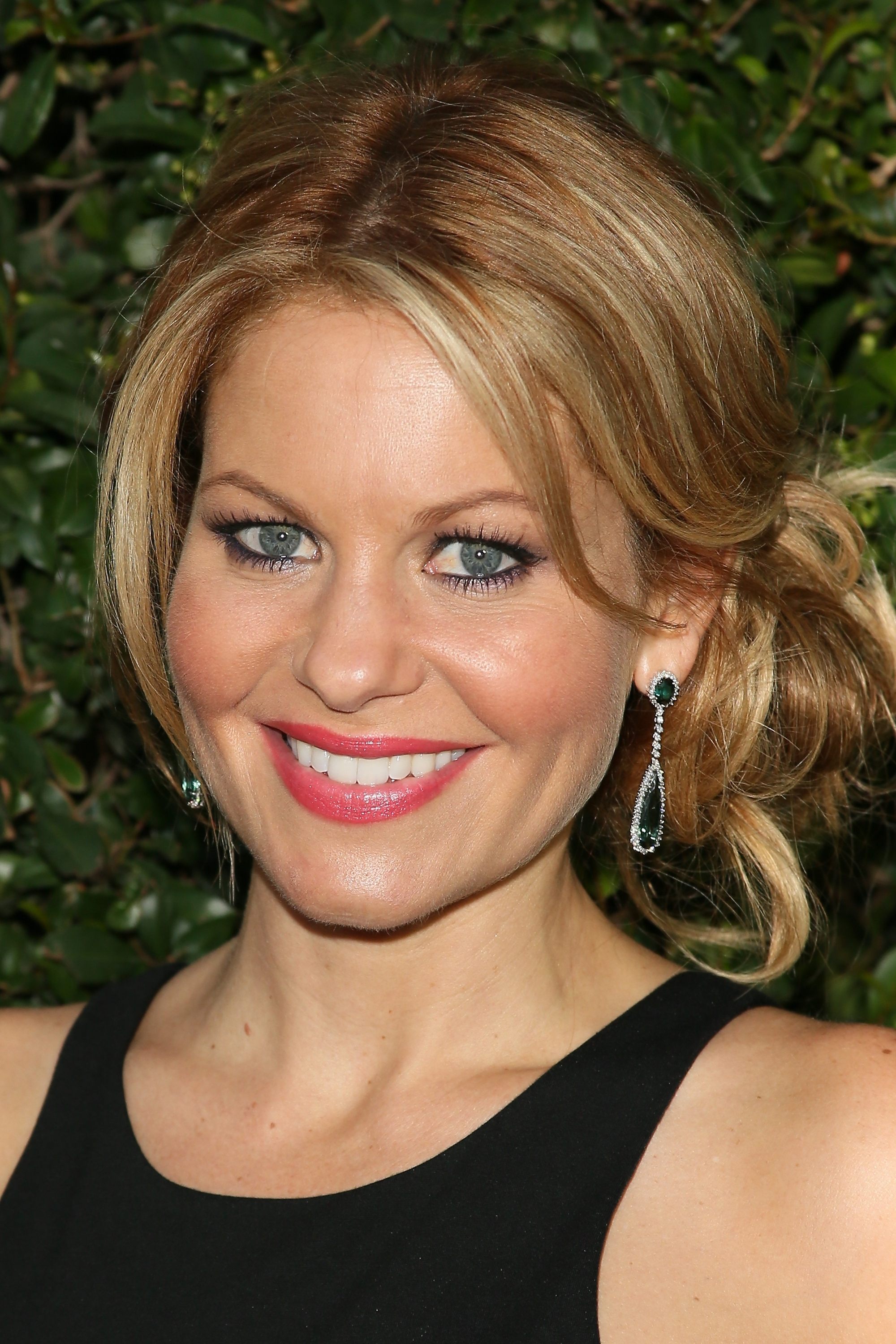
Candace Cameron Bure made headlines when she announced her departure from the Hallmark Channel to join Great American Family. She stated that her move was motivated by a desire to focus on traditional marriage and values that she felt were being sidelined. This decision led to significant criticism from peers who felt her comments were exclusionary toward the LGBTQIA community. While she was not fired her choice to leave a major network highlighted the growing divide over representation in media. She now serves as a chief creative officer for her new network.
James Woods
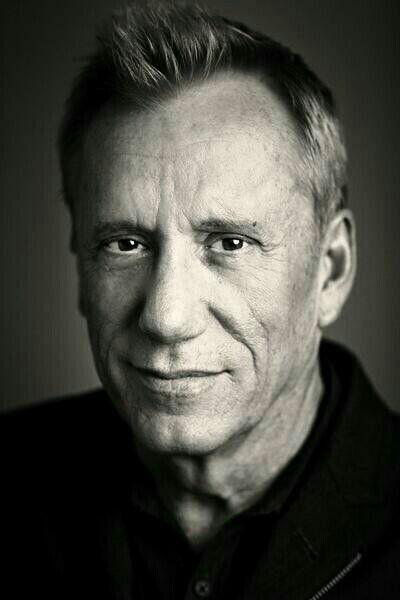
James Woods is a veteran actor who has been very vocal about his dissatisfaction with the political climate in the entertainment industry. He claimed that his talent agent dropped him via an email that referenced his outspoken conservative views. Woods frequently critiques modern language policies and what he views as the policing of speech on social media. His career has transitioned away from major studio films toward independent projects and political commentary. He remains one of the most prominent conservative voices in the industry.
Victoria Jackson
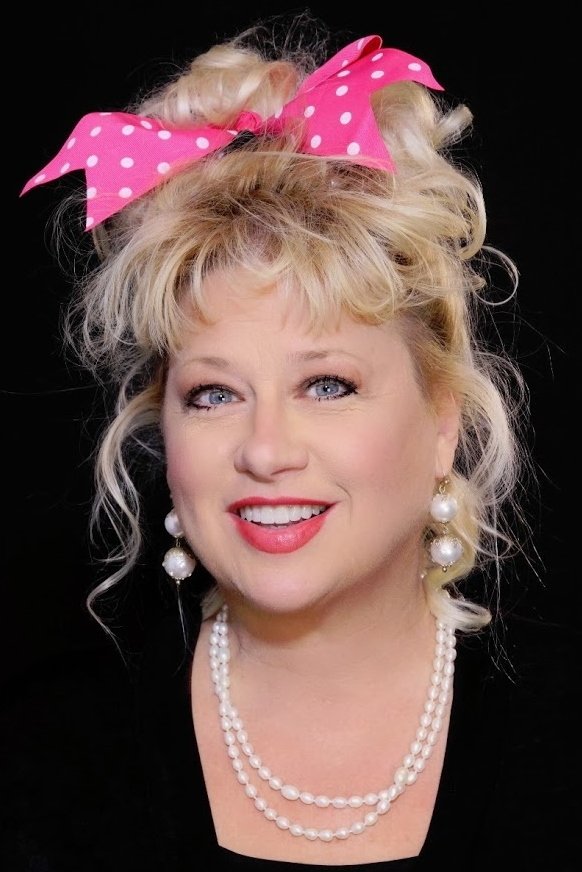
Victoria Jackson was a regular cast member on ‘Saturday Night Live’ who later became known for her conservative activism. She has frequently criticized the inclusion of gender identity topics in media and has spoken out against the use of preferred pronouns. Her views have led to friction with former colleagues and have largely kept her away from mainstream comedy circuits. She often uses her music and public appearances to share her perspective on the state of American culture. She remains a divisive figure among fans of her early work.
John Schneider
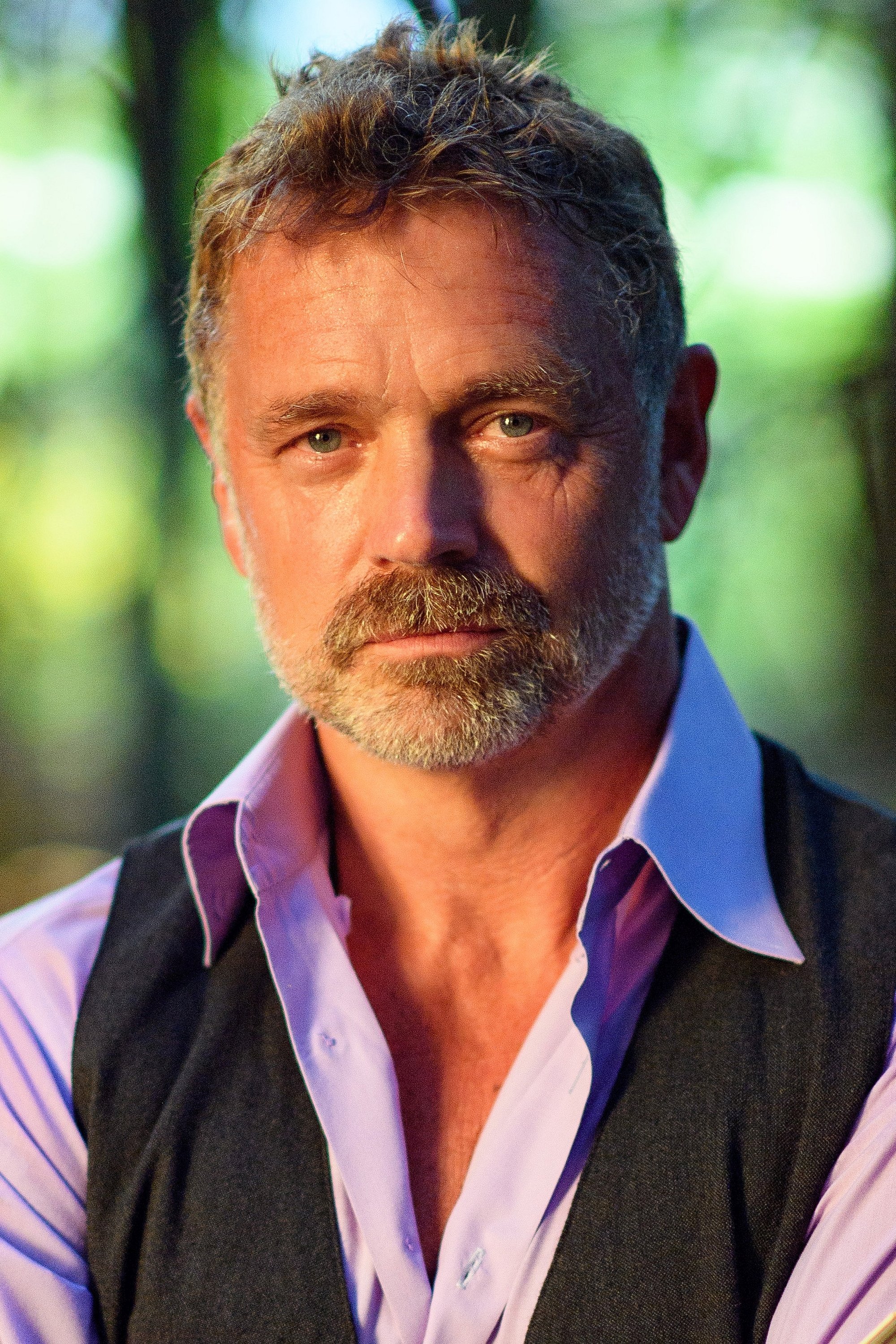
John Schneider has voiced his concerns about the impact of progressive policies on the entertainment industry and the broader culture. He has been critical of the way studios handle social issues and the pressure put on actors to conform to certain narratives. The ‘Dukes of Hazzard’ star has maintained a loyal fan base through independent projects and music despite his distance from mainstream Hollywood. He often discusses the importance of free speech and the dangers of groupthink in his public appearances. He continues to work in the industry on his own terms.
Stacey Dash
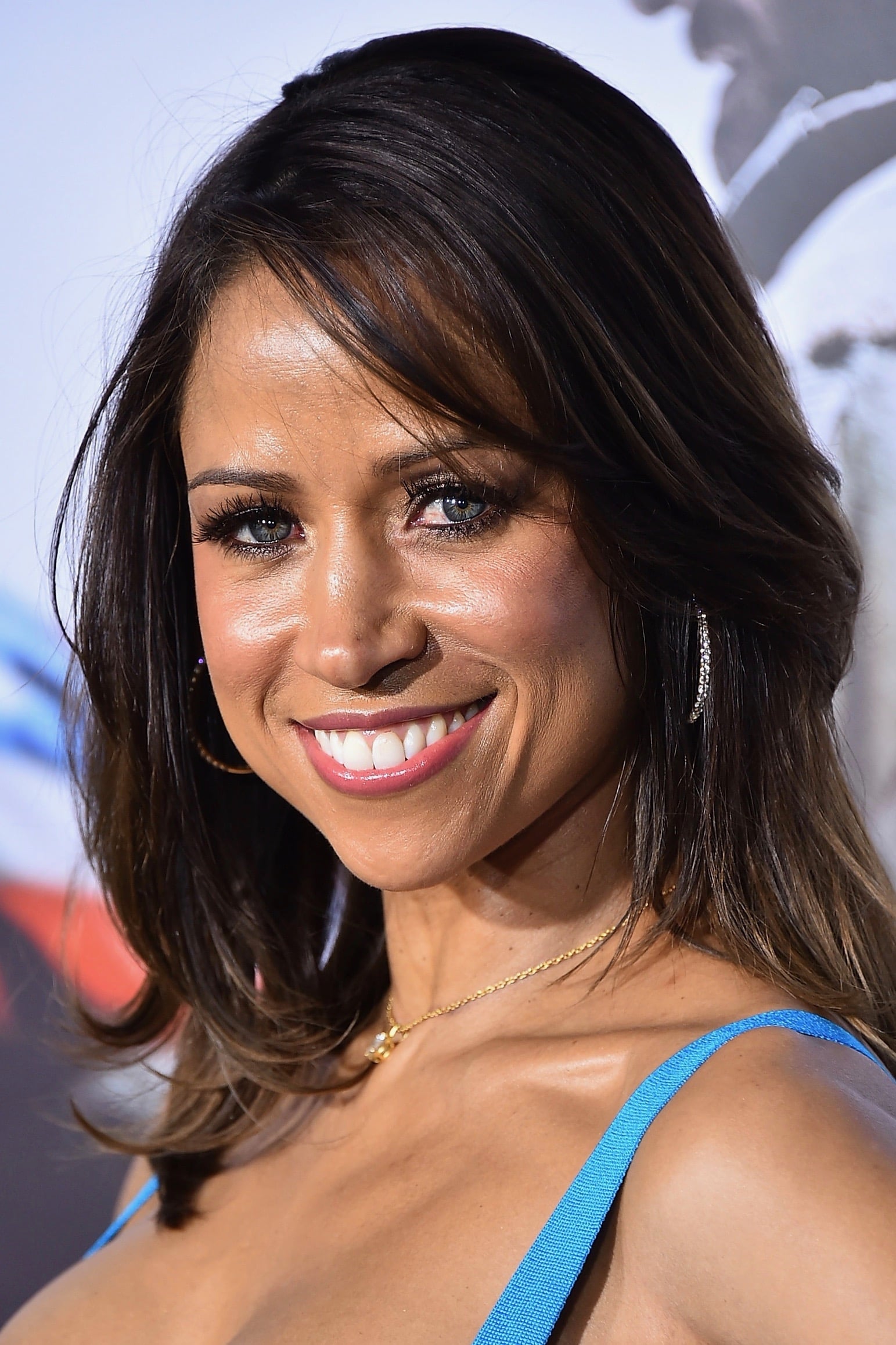
Stacey Dash faced a major professional backlash after she called for the elimination of various identity based awards and channels. She argued that these institutions promoted segregation and were inconsistent with a desire for true equality. Her comments on gender and identity led to her being distanced from major networks and losing her role as a commentator. She eventually apologized for some of her past remarks and stated that she was moving in a different direction. However her career in mainstream entertainment has not returned to its previous levels.
Isaiah Washington
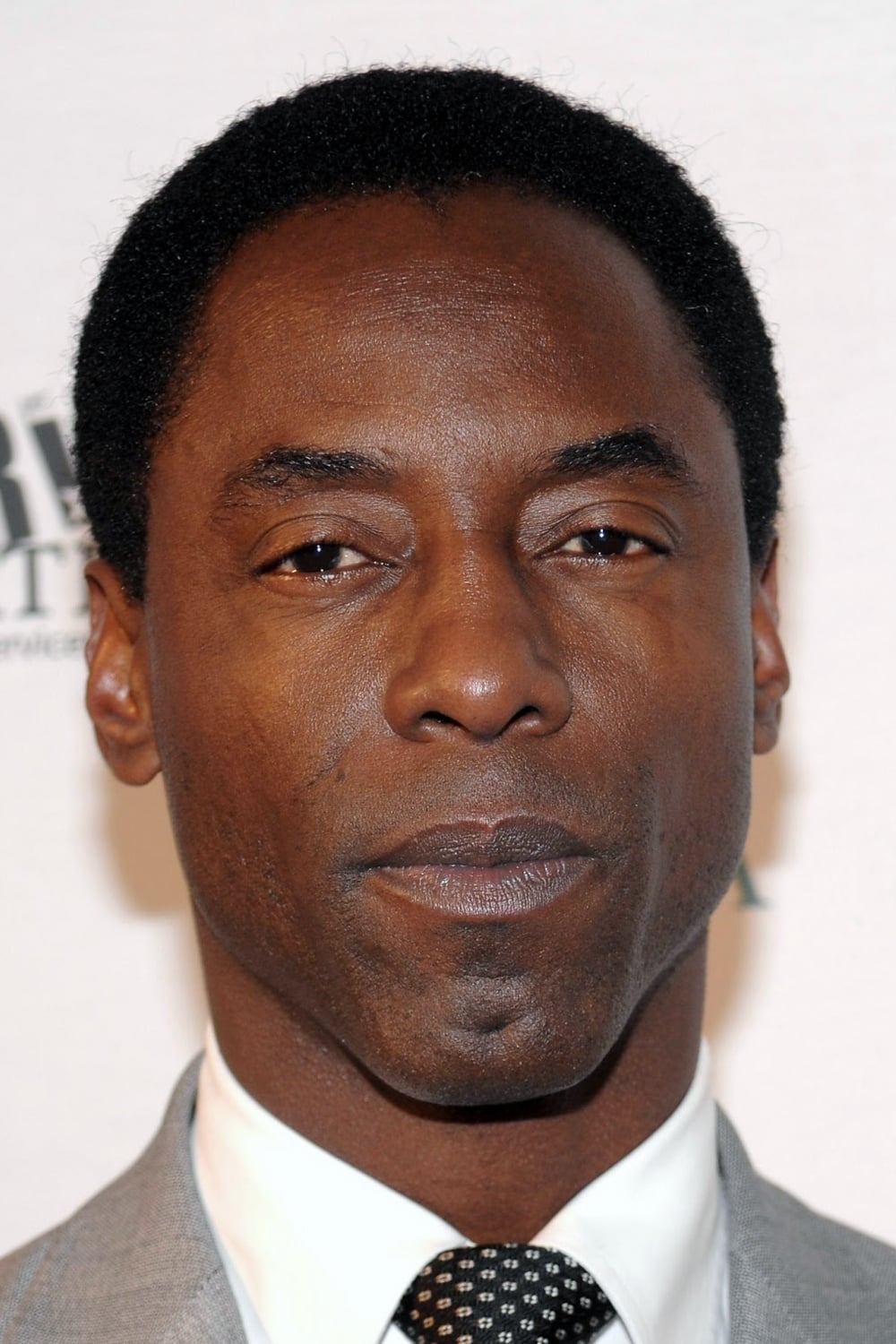
Isaiah Washington was a lead actor on the hit medical drama ‘Grey’s Anatomy’ until a behind the scenes altercation led to his dismissal. While the incident primarily involved the use of a slur against a co worker it touched on broader themes of identity and workplace conduct. The actor struggled to find consistent work in mainstream Hollywood for years following the scandal. He has since been vocal about his feelings of being blacklisted for his personality and views. His career serves as an early example of the industry’s zero tolerance policy for certain types of speech.
Rose McGowan

Rose McGowan was a key figure in the Me Too movement but later found herself at odds with other activists over gender identity issues. She was recorded in a heated argument with a transgender woman where she questioned the shared experiences of different groups. This incident led to significant criticism from within the progressive community and impacted her standing as an activist. She has since criticized what she describes as the performative nature of Hollywood’s social justice efforts. Her career has remained focused on independent advocacy and personal projects.
Bette Midler
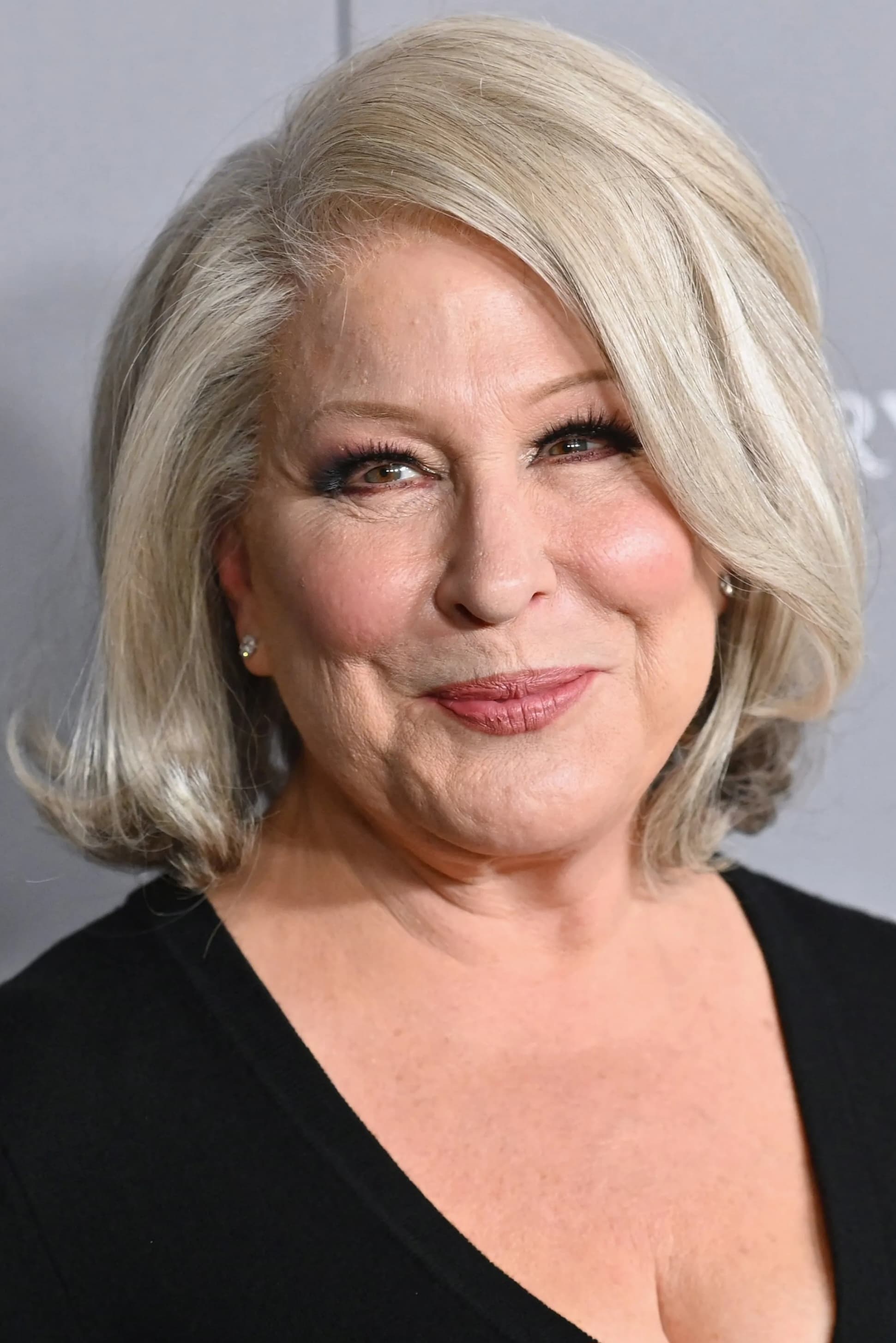
Bette Midler faced an unexpected wave of criticism when she tweeted about the use of inclusive terms like birthing people instead of women. Many fans and activists accused her of being transphobic and exclusionary toward the transgender community. She eventually clarified her comments and explained that she was concerned about the erasure of women’s unique experiences. Despite her long history of advocacy for progressive causes the incident showed how quickly icons can face backlash for questioning new language norms. She remains a prominent figure but the event marked a rare moment of friction with her fan base.
Martina Navratilova
Martina Navratilova is a tennis legend who has faced professional consequences for her views on gender and sports. She has been vocal about her opposition to transgender women competing in women’s sports and has criticized related language policies. This stance led to her being dropped from several advocacy roles and facing public condemnation from some sports organizations. She has maintained that her position is based on the biological fairness of competition. Her experience highlights the intensity of the debate over gender identity in professional environments.
Zachary Levi
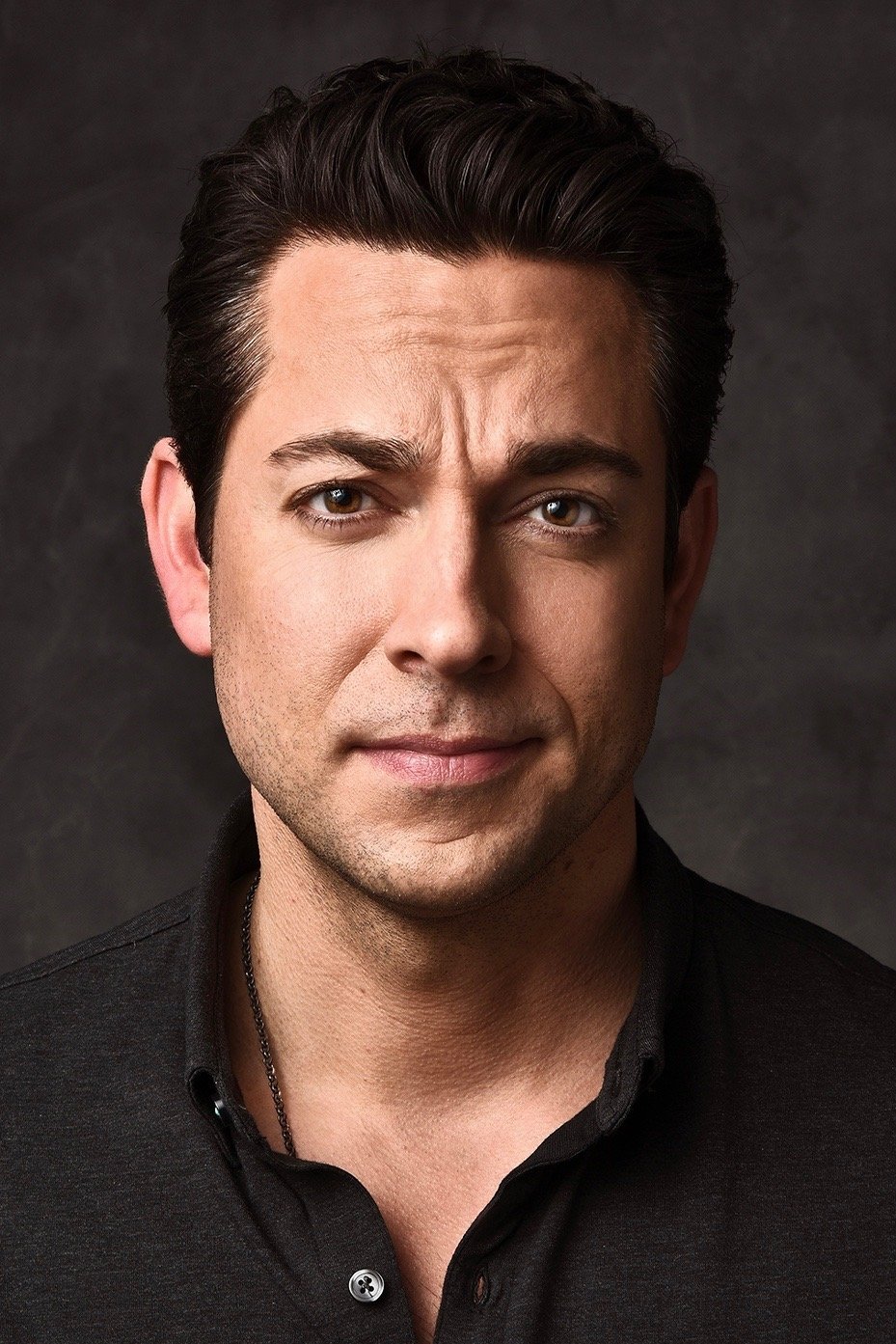
Zachary Levi faced a significant amount of online backlash after he shared a post that was critical of certain pharmaceutical companies and modern social trends. While not a direct statement on pronouns his general skepticism toward modern institutional policies led to calls for him to be removed from future superhero projects. Fans and critics debated whether his personal views should affect his career as a major film star. Levi defended his right to ask questions and expressed frustration with the polarizing nature of public discourse. He remains active in the industry but his public perception has become more complex.
John Cleese
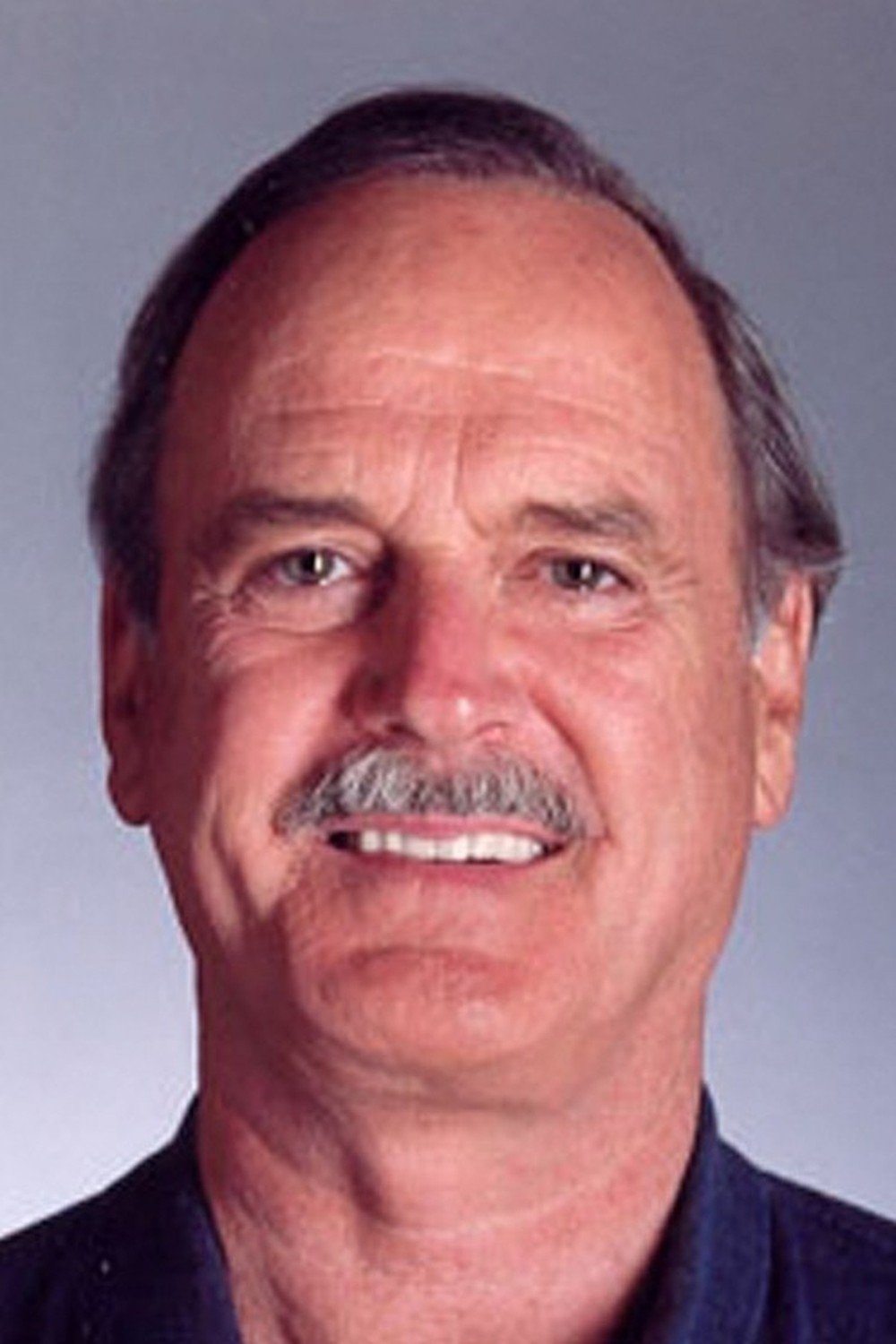
John Cleese has been an outspoken critic of what he describes as the stifling of creativity by political correctness. The comedy legend has specifically targeted the new rules regarding language and identity as being harmful to the art of satire. He even produced a documentary series exploring the impact of cancel culture on the modern world. Cleese has stated that he would not be able to make a show like ‘Monty Python’s Flying Circus’ in today’s environment. He continues to perform and speak out against what he views as an obsession with inclusive language.
Rob Schneider
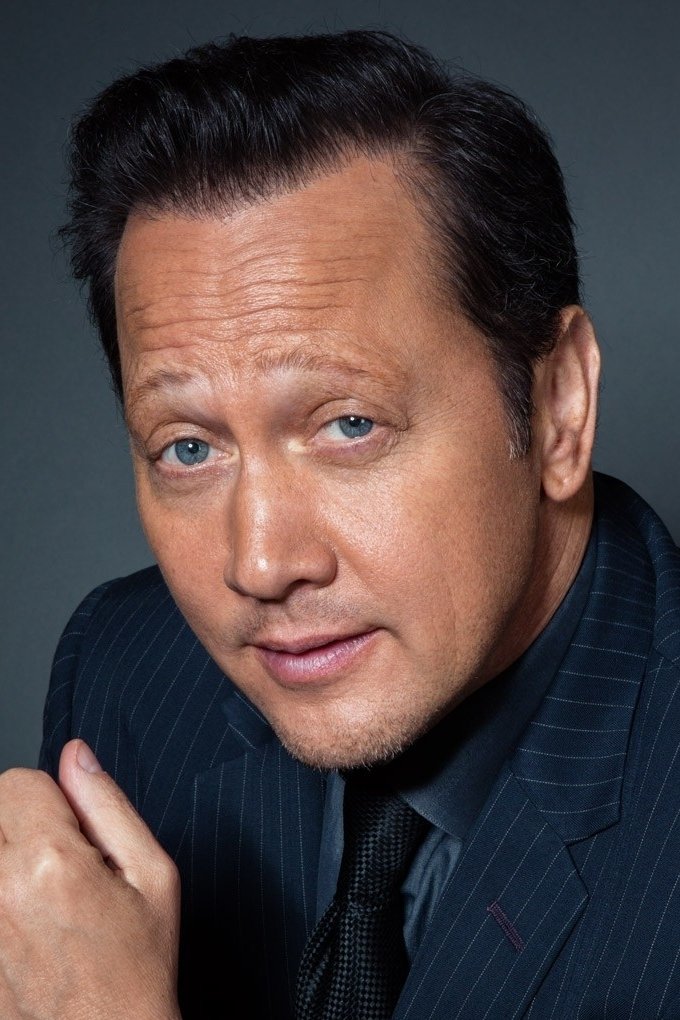
Rob Schneider has experienced several instances of being canceled or having his performances cut short due to his controversial material. He frequently includes jokes about gender identity and pronouns in his standup routines which has led to walkouts and venue complaints. The actor and comedian has stated that he refuses to censor his work to fit modern sensibilities. He has become a vocal supporter of other artists who have faced similar backlash for their views. His recent work has shifted toward platforms that cater to a more conservative or anti woke audience.
Bill Maher
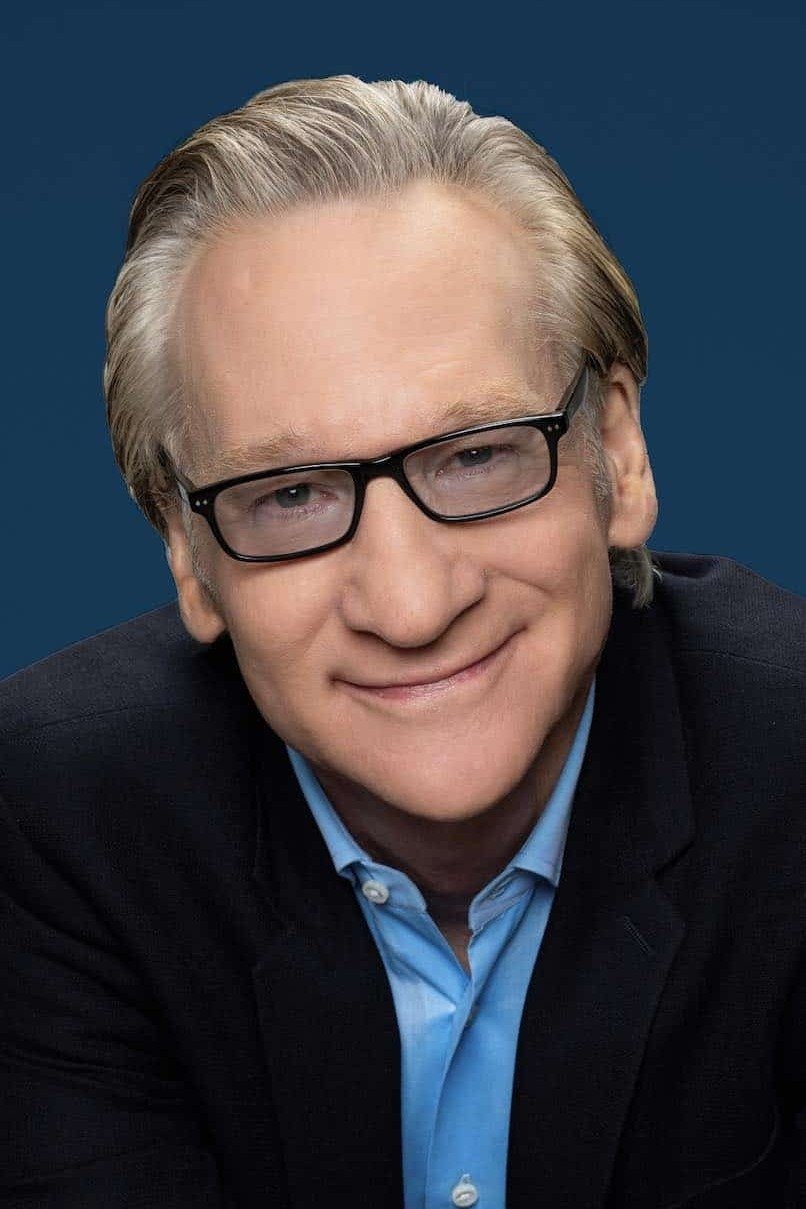
Bill Maher frequently uses his television show to criticize the use of preferred pronouns and what he views as the excesses of progressive culture. While he remains a prominent figure on HBO he faces constant calls for his removal from critics who find his views offensive. Maher argues that his show is one of the few places left where people can have an honest conversation about sensitive topics. He often points out the inconsistencies he sees in modern social policies and the pressure to conform. His willingness to challenge his own political side has made him a controversial figure in the industry.
Share your thoughts on these industry shifts and the impact on entertainment in the comments.