


Celebs Who Have Been Blacklisted by Major Fashion Designers

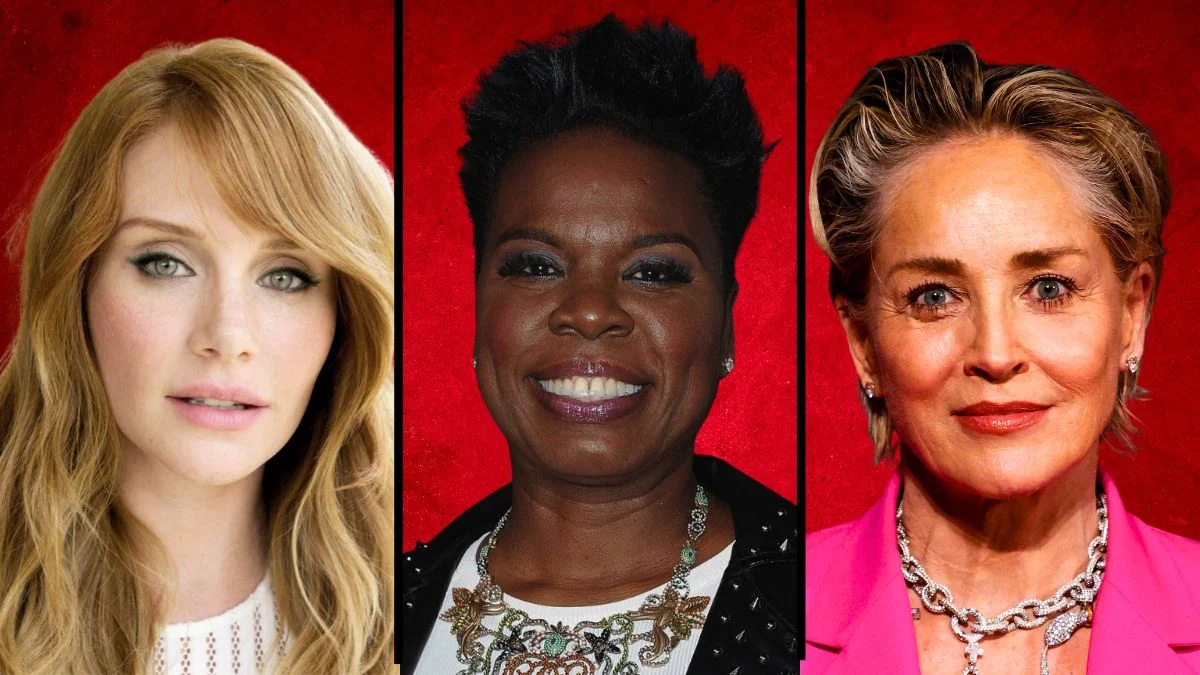


The relationship between high fashion and celebrity culture is often symbiotic but can become incredibly contentious when image or sizing creates a divide. While red carpet events appear seamless, many stars struggle to secure loans from luxury houses due to strict sample sizes or brand image concerns. Designers frequently refuse to dress A-list talent based on their body type or perceived lack of prestige in the industry. This exclusivity has led to public callouts and a shift in how stylists approach major awards shows. The following celebrities have openly discussed being rejected or ignored by major fashion labels during pivotal moments in their careers.
Beyoncé
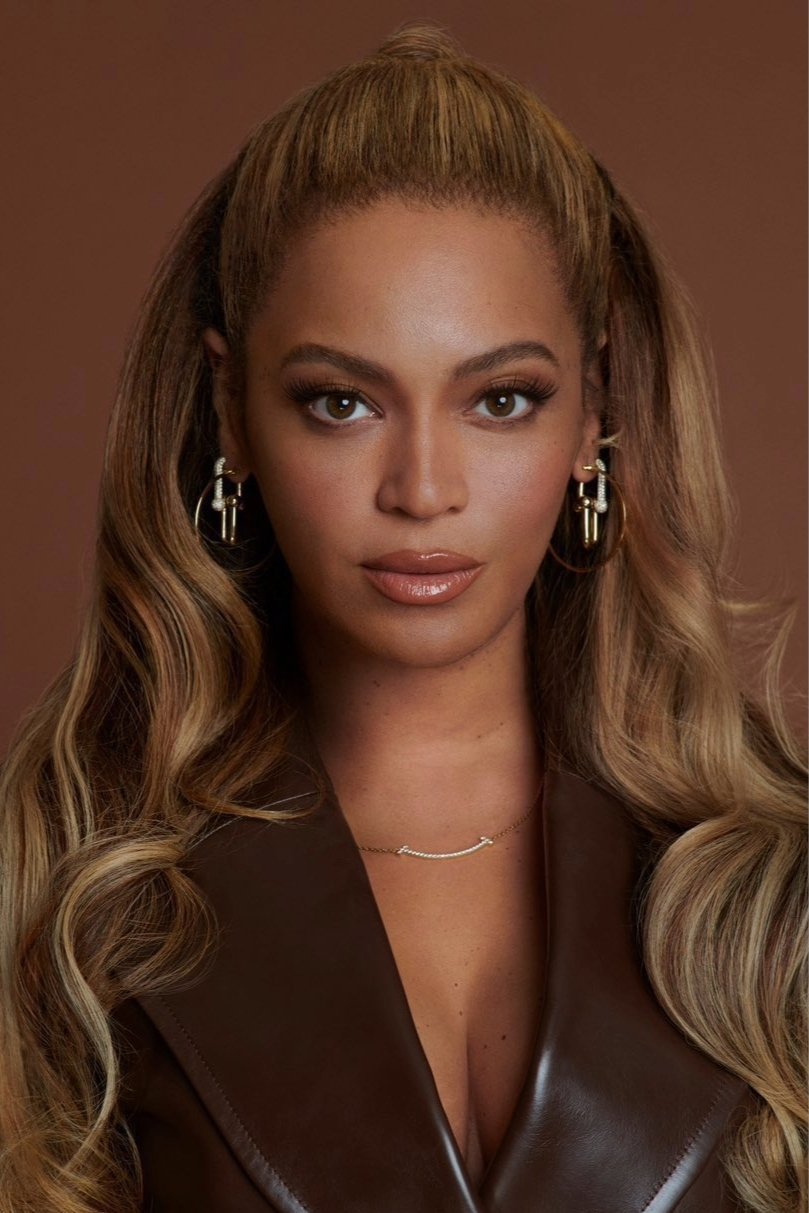
Tina Knowles famously designed outfits for Destiny’s Child because luxury brands refused to loan clothes to the group early in their careers. The singers were told that they did not fit the desired image for high-fashion marketing campaigns at the start of their fame. Designers eventually clamored to dress the star once she established herself as a global icon and fashion powerhouse. This initial rejection forced the group to create a unique aesthetic that influenced early 2000s fashion. Beyoncé later noted the irony of brands wanting to dress her only after she proved she did not need them.
Zendaya

Stylist Law Roach revealed that top fashion houses refused to dress the former Disney star during her early red carpet appearances. These brands told her team that she was not a priority and to come back when she had more success. Roach and Zendaya have since maintained a policy of not wearing the specific labels that snubbed her in the beginning. She is now considered one of the most influential figures in the fashion world and a top tier brand ambassador. Her team focused on emerging designers to build her style portfolio instead.
Melissa McCarthy
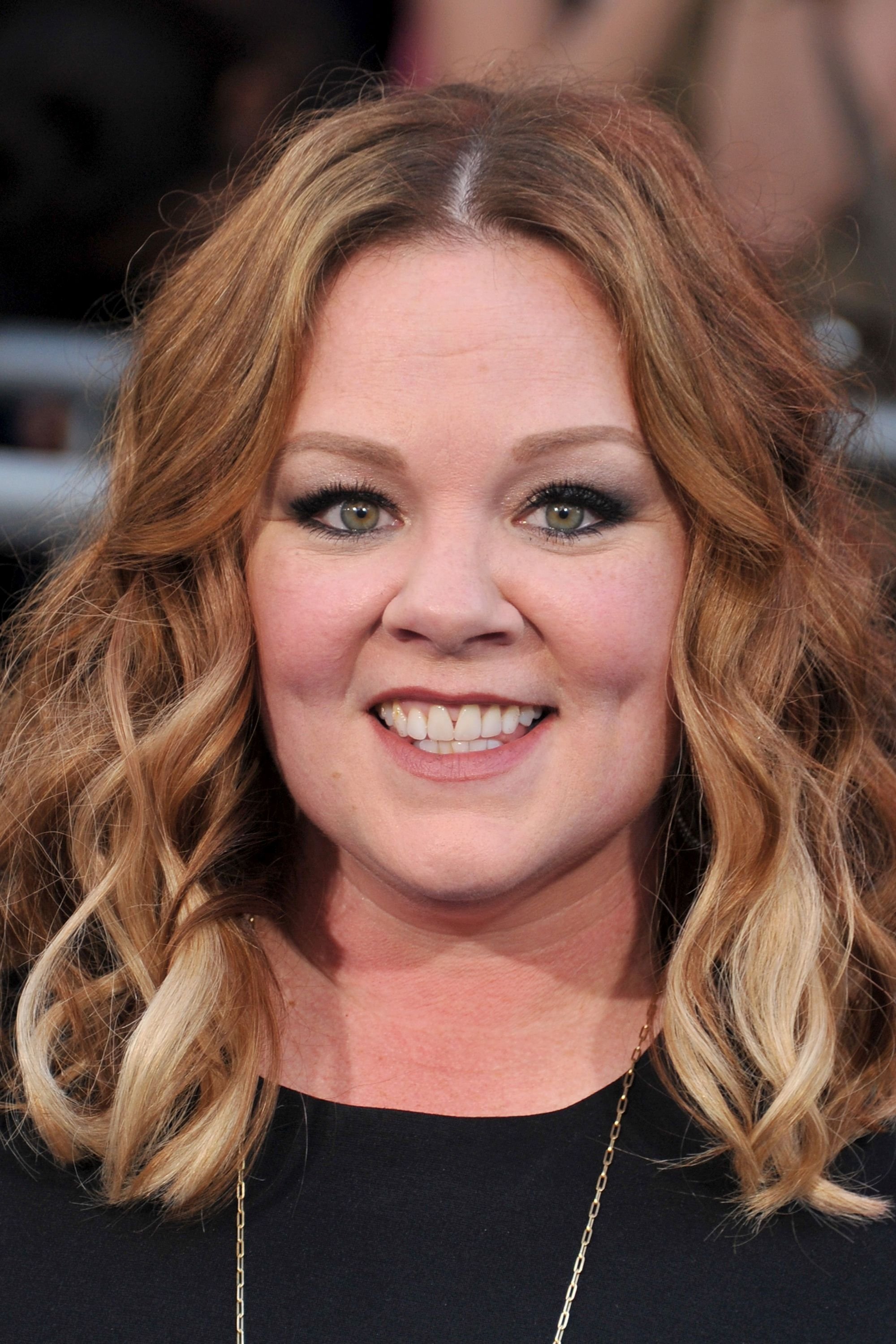
The comedic actress revealed that she asked five or six high-profile designers to dress her for the 2012 Academy Awards but they all said no. McCarthy noted that despite her nomination, brands were unwilling to work with her due to her size. She eventually worked with a plus-size designer to create her own look for the event. This experience inspired her to launch her own clothing line to make fashion more accessible. She has since become a vocal advocate for inclusivity in the industry.
Bebe Rexha
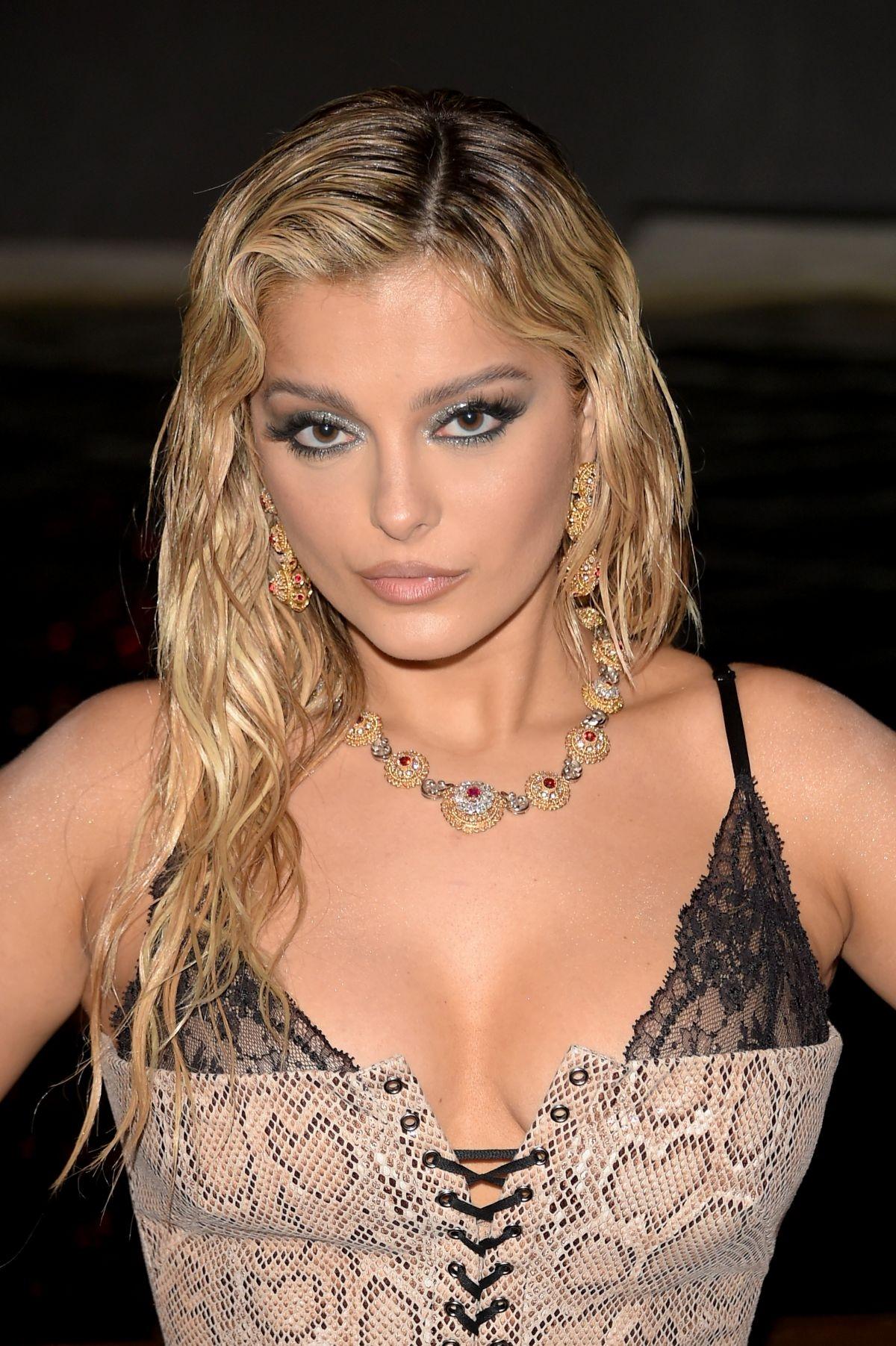
The singer took to social media to expose designers who refused to dress her for the Grammy Awards because she was a size 8. She explained that multiple creative directors considered her too big to wear their gowns on the red carpet. Rexha refused to name the specific brands but expressed her disappointment in their exclusionary standards. Her video went viral and prompted other designers to step forward with offers to dress her. She used the moment to encourage women to love their bodies regardless of industry opinions.
Leslie Jones
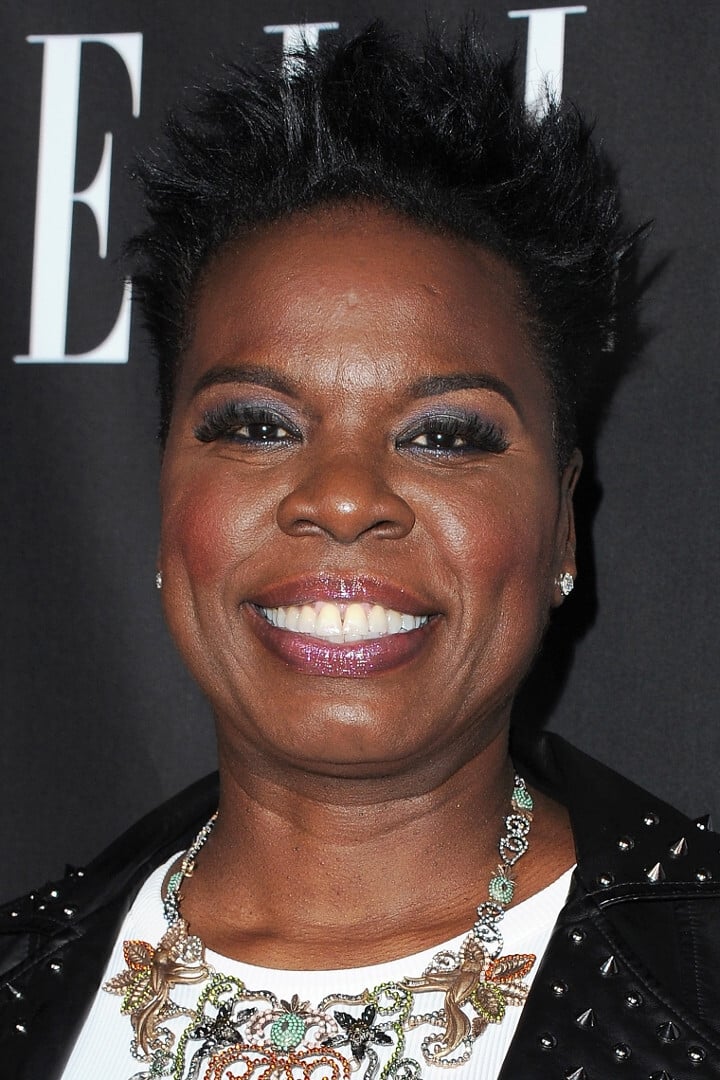
The ‘Ghostbusters’ (2016) star faced a fashion emergency when no designers would volunteer to dress her for the film’s premiere. She expressed her frustration on Twitter and noted that she would remember who refused to help her. Christian Siriano eventually stepped in to create a custom red gown for the event after seeing her post. The incident highlighted the lack of support for actresses who do not fit the traditional sample size mold. Jones praised Siriano for supporting women of all shapes and sizes.
Megan Mullally
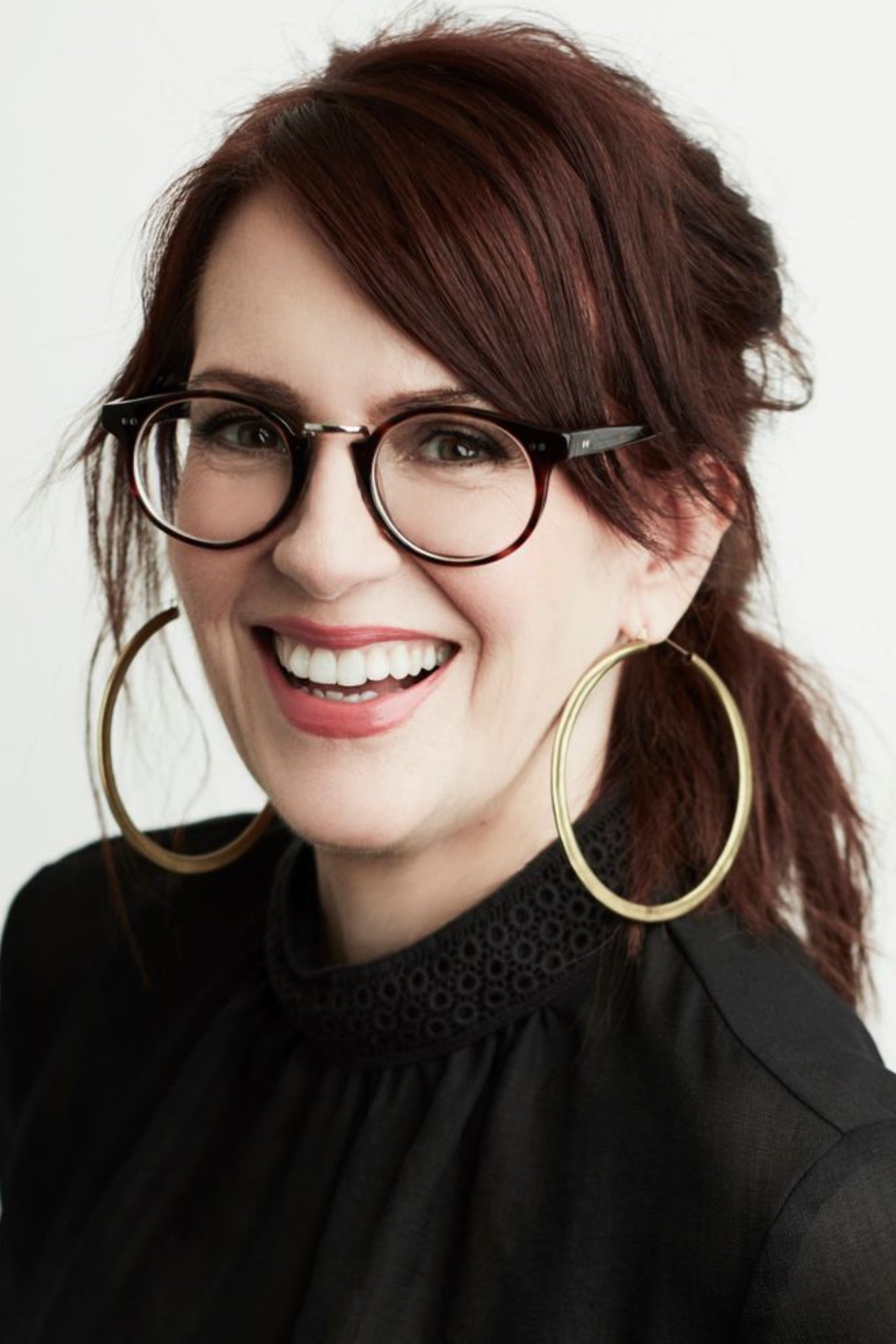
Designers refused to provide a dress for the actress when she was chosen to host the SAG Awards in 2019. Mullally ended up purchasing her own Alexander McQueen dress online to ensure she had something suitable for the ceremony. She noted that even with a high-profile hosting gig, brands were uninterested in styling her. The actress maintained a positive attitude and decided to bypass the showroom politics entirely. Her transparency shed light on the difficulties older actresses face in securing loans.
Ashley Graham
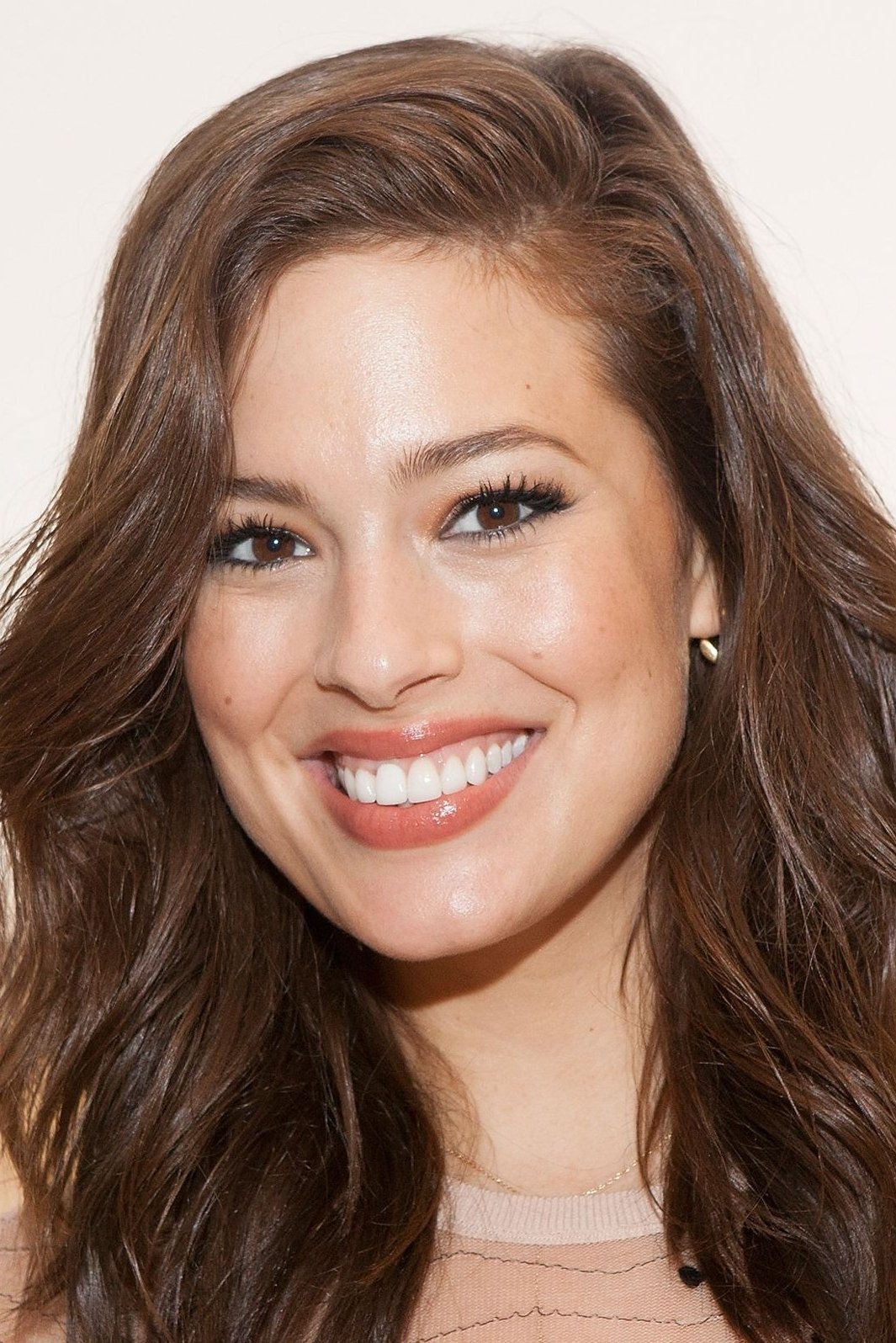
The supermodel missed the 2016 Met Gala because she could not find a designer willing to create a custom look for her. She explained that sample sizes simply did not fit and brands were not ready to accommodate her measurements. Graham has since become a fixture at the event as the industry slowly adapts to body diversity. She continues to challenge designers to expand their sizing for prestigious events. Her advocacy has forced many labels to reconsider their runway standards.
Rachel Bloom
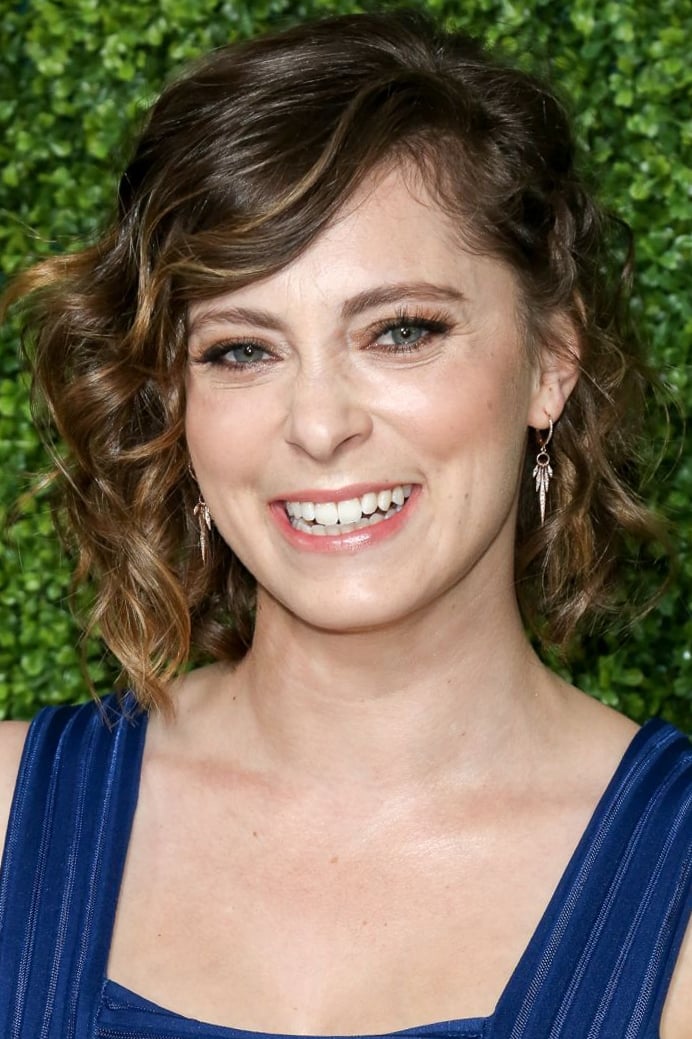
The ‘Crazy Ex-Girlfriend’ (2015–2019) creator bought a Gucci gown off the rack for the Emmy Awards because the brand would not lend to her. She told reporters on the red carpet that fashion houses often refuse to dress her due to her body type. Bloom was transparent about the purchase to normalize the struggle of finding red carpet attire. She utilized the moment to criticize the sample size limitations that exclude many television stars. Her honesty resonated with fans who appreciated her candor.
Christina Hendricks
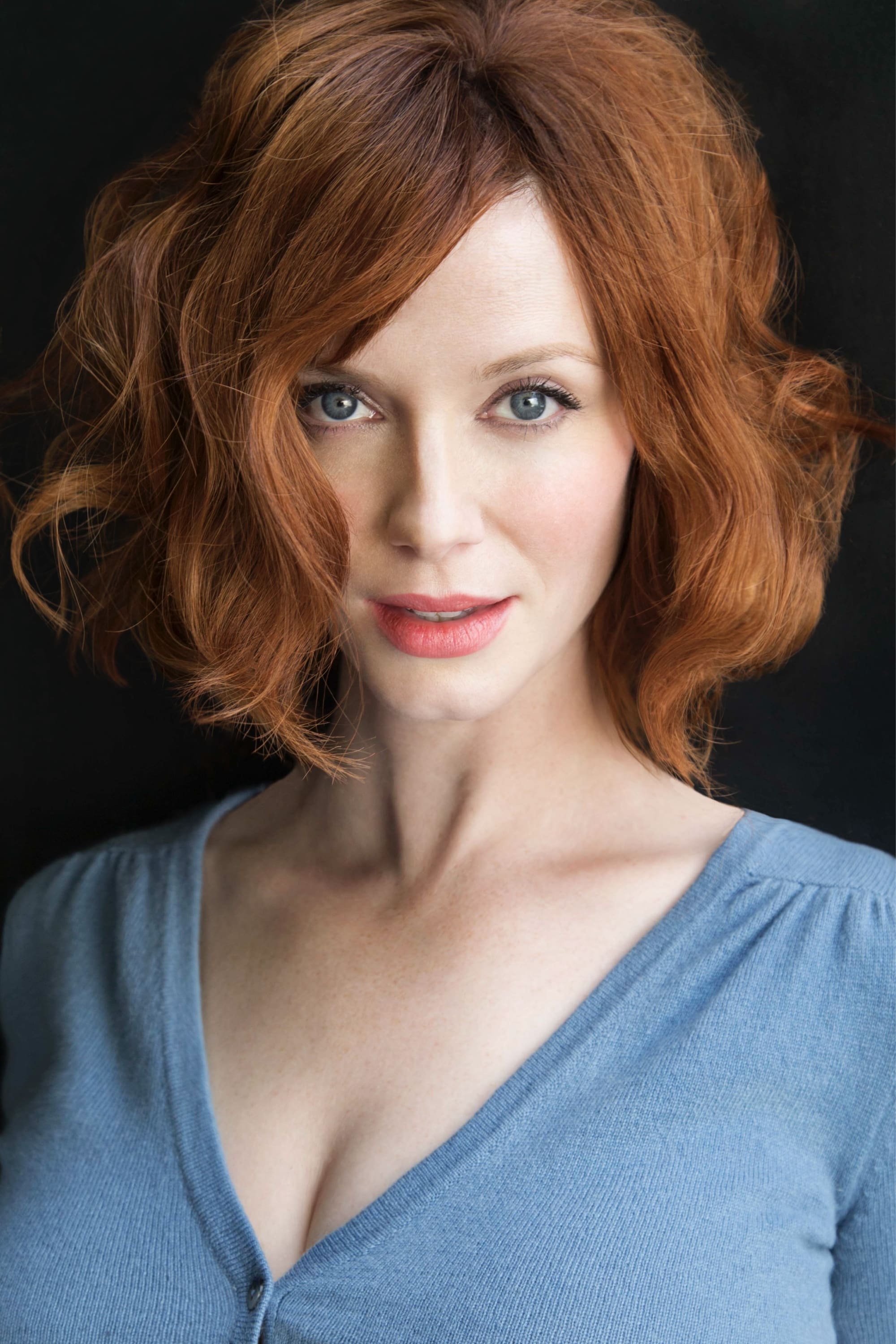
Despite her critical acclaim in ‘Mad Men’ (2007–2015), the actress struggled to find designers willing to loan her dresses. She famously stated that while people praised her acting, no one in the fashion industry would offer her clothing. Hendricks often relied on purchasing her own gowns or working with specifically accommodating designers like Christian Siriano. Her hourglass figure was celebrated by fans but ignored by the narrow standards of high fashion sample rooms. She navigated awards season with limited options compared to her co-stars.
Bryce Dallas Howard
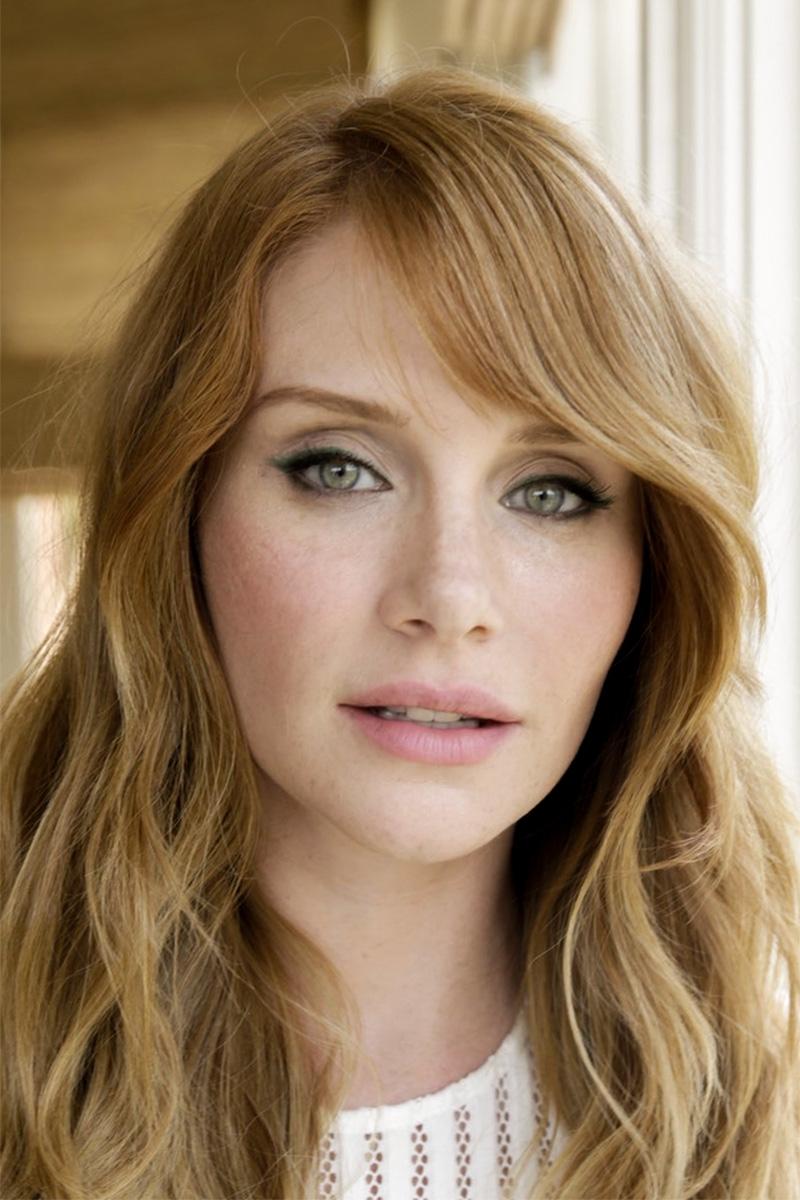
The actress frequently purchases her own dresses from department stores rather than relying on designer loans. She explained that she prefers having a variety of size options available immediately rather than hoping a sample fits. Howard has worn off-the-rack items to major events like the Golden Globes to avoid the stress of rejection. She openly discusses the practicality of buying clothes to bypass the exclusive showroom culture. Her approach highlights the disconnect between luxury lending and the needs of many actresses.
Dascha Polanco
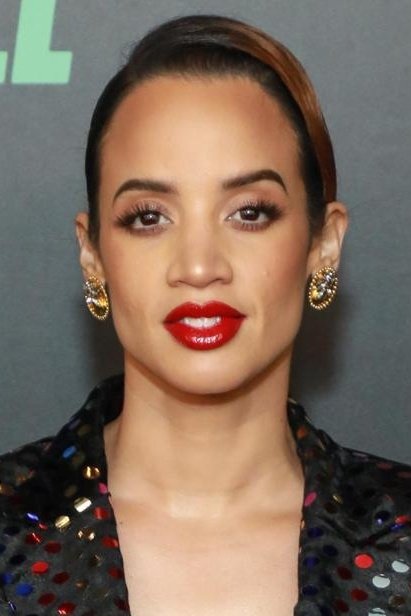
The ‘Orange Is the New Black’ (2013–2019) actress revealed that a high-end brand loved her on screen but refused to dress her due to her size. She expressed frustration that her money and fame were not enough to bridge the gap with certain designers. Polanco decided to only work with brands that embraced her curves and personality enthusiastically. She emphasized that she would not beg for clothes or try to fit into a mold that wasn’t hers. This stance solidified her reputation as a body-positive advocate.
Octavia Spencer
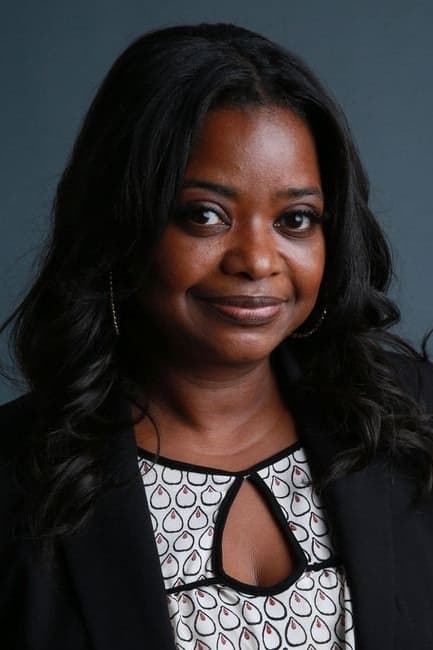
Following her Oscar win, the actress still found it difficult to secure gowns for the 2012 Golden Globes. She noted that she is short and chubby, which made designers reluctant to offer their services. Spencer eventually found a designer who made her feel beautiful, but the initial search was disheartening. She has since become a regular on best-dressed lists after finding partners who understand her silhouette. Her experience underscores the difficulties prominent actresses face even after winning the industry’s highest honors.
Jennifer Hudson
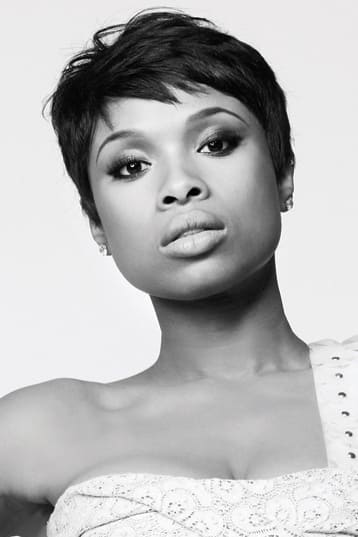
Before her weight loss, the Oscar-winning actress and singer faced significant hurdles in the fashion world. Stylists reported that finding gowns for her was a nightmare because showrooms simply did not carry her size. Hudson admitted that the industry treated her completely differently once she slimmed down. She noted the superficiality of designers who only became interested in her after her transformation. Her talent was undeniable, but the fashion world initially hesitated to associate with her image.
Hayden Panettiere
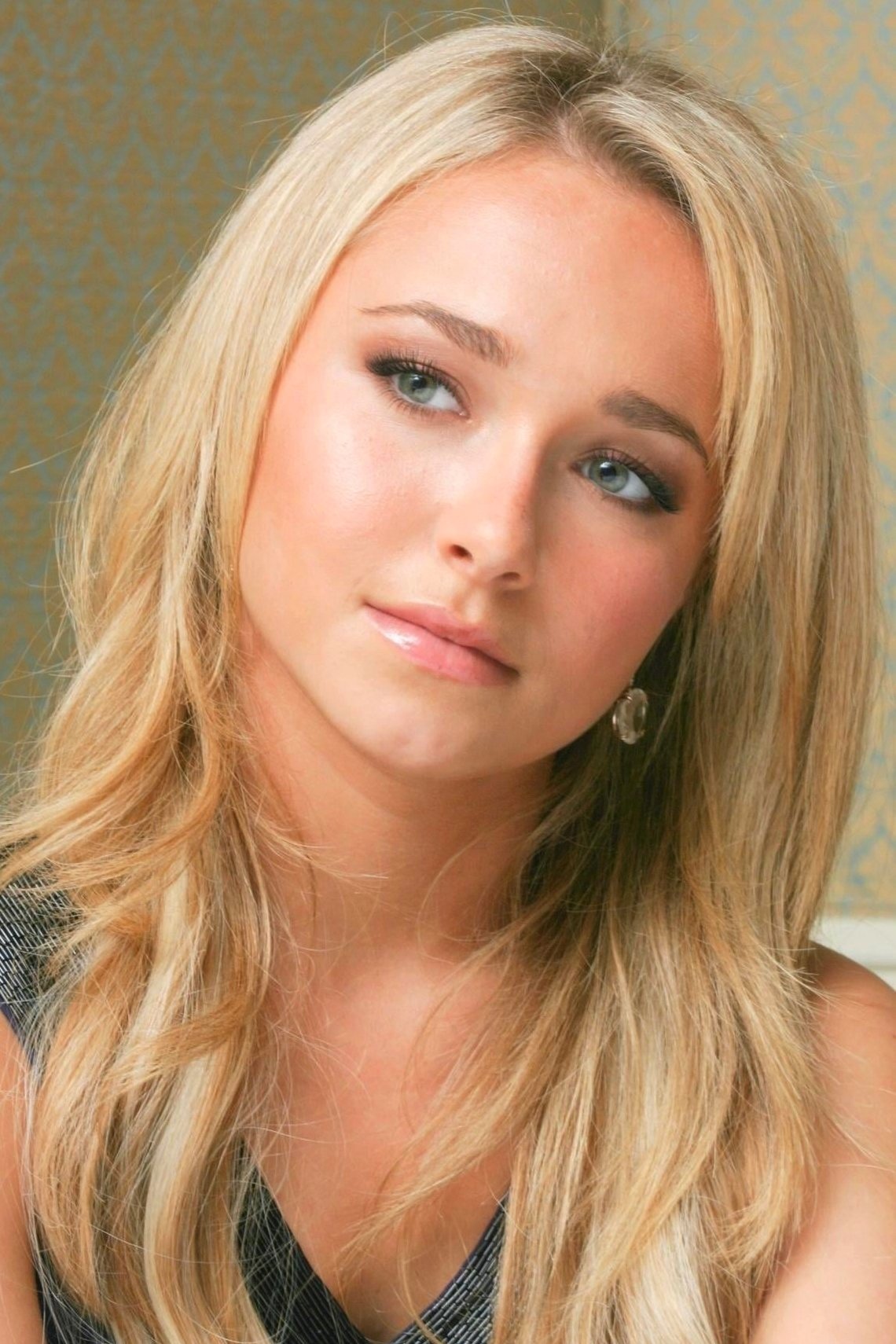
Tom Ford famously has a policy of dressing only one star per major awards show, leading to a snub for the actress. Panettiere liked a Tom Ford dress so much that she purchased it herself for the Golden Globes. The designer later sent her flowers and a note thanking her for wearing it, despite not loaning it officially. It was a rare instance of a star bypassing the exclusive lending system to wear what she wanted. The incident proved that celebrities often have to take matters into their own hands.
Miley Cyrus
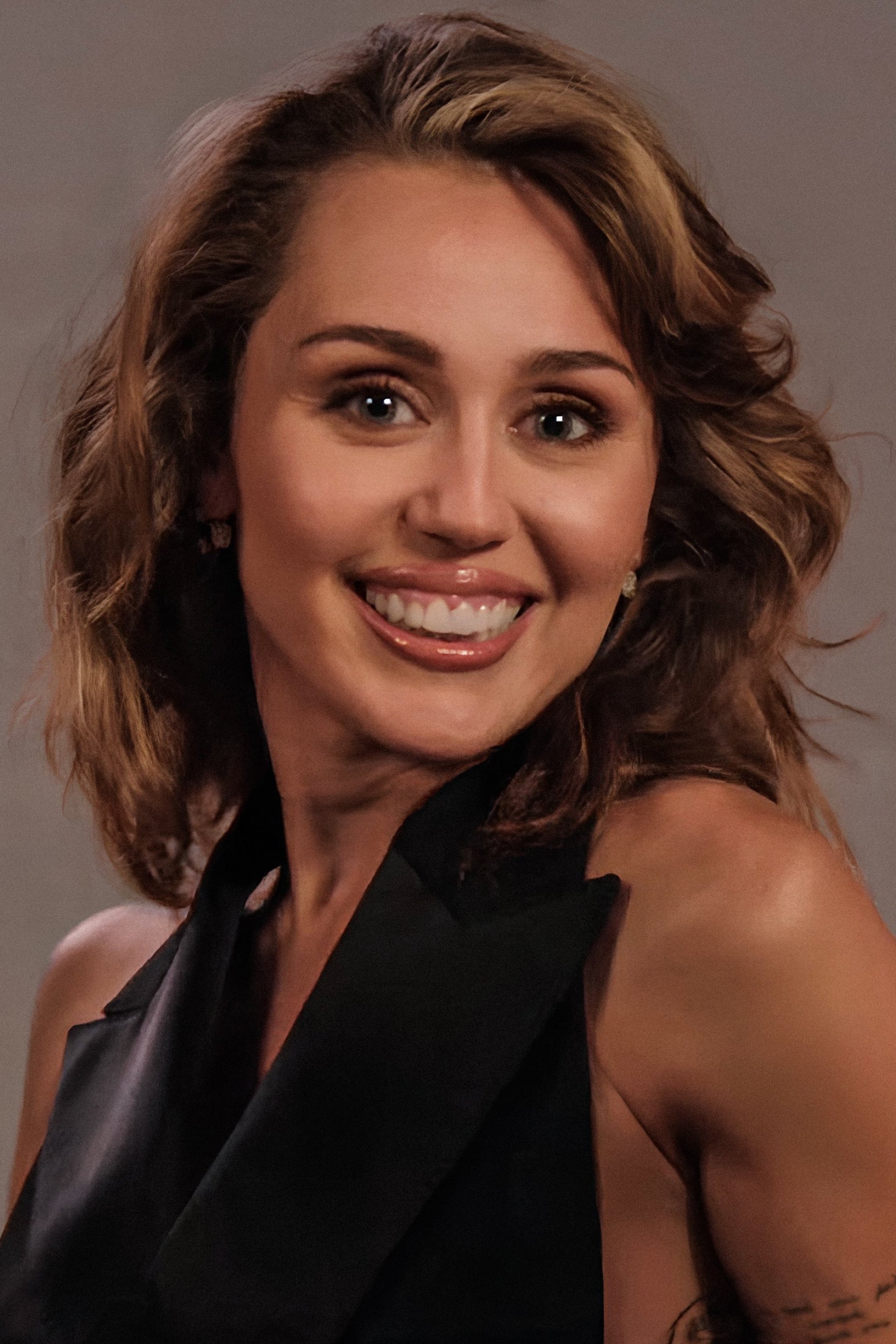
Stefano Gabbana of Dolce & Gabbana effectively blacklisted the singer after she criticized the brand’s politics on Instagram. She had congratulated her brother on walking their runway but disagreed with their company values. Gabbana responded by calling her ignorant and stating they did not need her or her brother’s association. The public feud resulted in a definitive separation between the pop star and the Italian fashion house. Cyrus has since avoided the brand entirely on the red carpet.
Sharon Stone
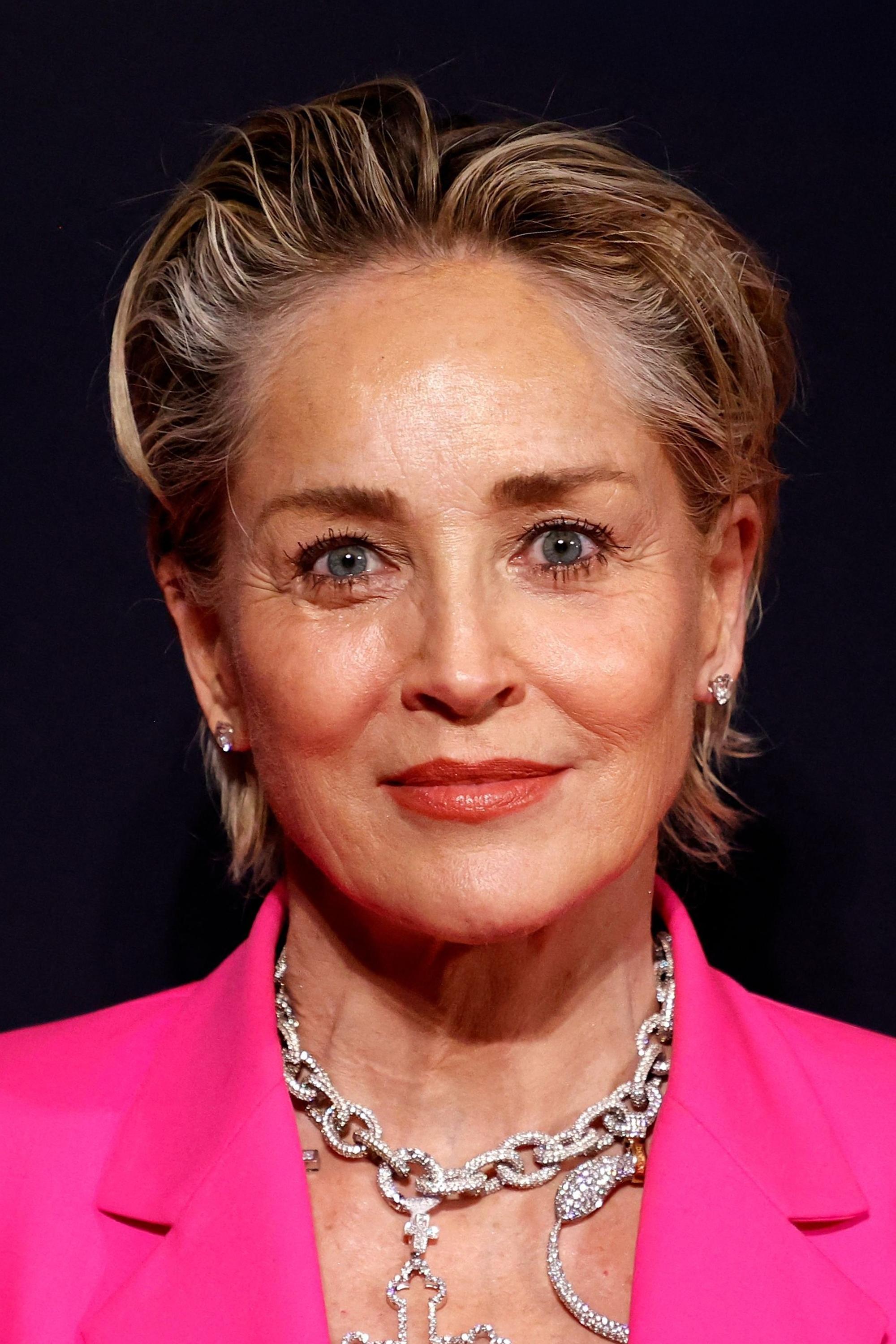
Christian Dior dropped the actress from their campaigns and distanced themselves after she made controversial comments about an earthquake in China. She suggested the disaster was bad karma, which caused a massive outcry in the Asian market. The luxury house immediately apologized to customers and removed her from advertisements in the region. Stone was effectively blacklisted by the brand to protect their international sales. This remains one of the most high-profile firings of a celebrity ambassador.
Ye
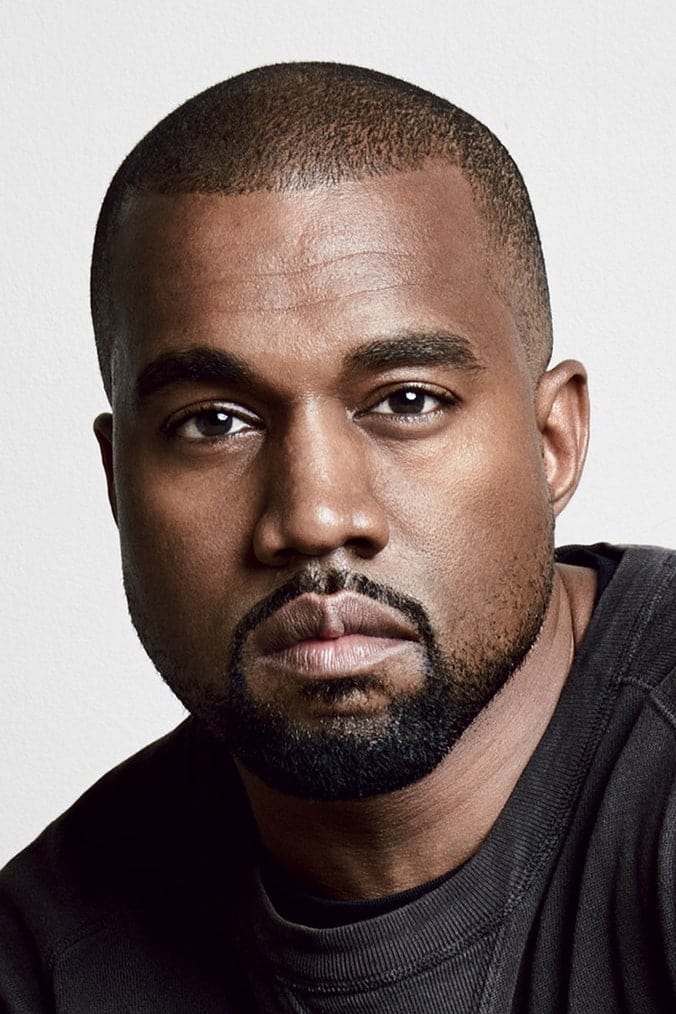
Balenciaga cut ties with the rapper and designer following a series of antisemitic comments and controversial behavior. The fashion house, which had a close collaborative relationship with him, removed all imagery of him from their website. Vogue and Anna Wintour also reportedly stated they would no longer work with him in any capacity. His behavior led to a swift and total excommunication from the high fashion circles he once dominated. Adidas and other major partners followed suit shortly after.
Melania Trump
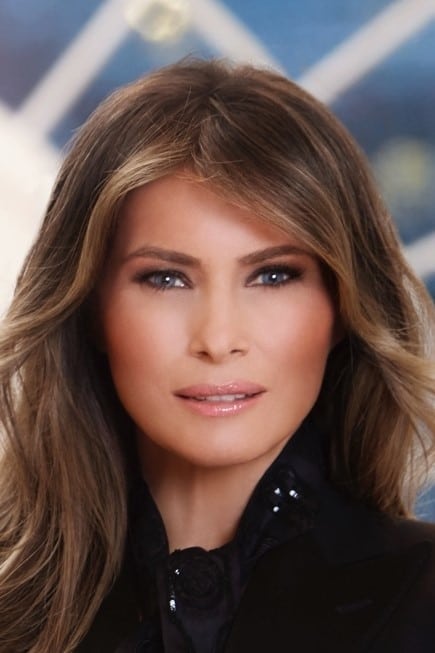
Many high-profile designers, including Marc Jacobs and Tom Ford, publicly stated they would not dress the former First Lady. Sophie Theallet wrote an open letter urging other designers to follow suit in a boycott based on political grounds. While she still wore luxury brands, she often had to purchase them rather than receiving direct loans or custom creations. The fashion industry largely distanced itself from her during her time in the White House. This was a sharp contrast to the embrace of previous First Ladies.
Heidi Klum
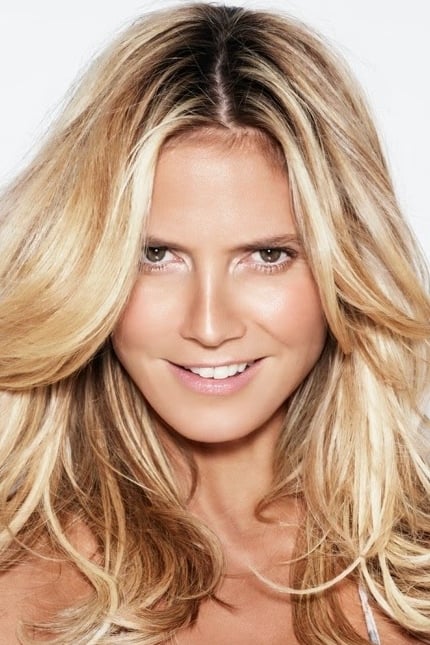
Despite being a supermodel, high fashion labels in Paris initially rejected her because she was considered too commercial. Karl Lagerfeld famously remarked that he did not know who she was and that she was too heavy for the runway. Klum found her massive success in commercial modeling and television rather than haute couture. She eventually won over the industry through sheer longevity and media dominance. Her career proved that commercial appeal could outweigh the approval of elite designers.
Tyra Banks

Similar to Klum, Banks faced criticism from high fashion designers who felt her curves were not suitable for the runway. She pivoted her career toward commercial work and Victoria’s Secret after realizing the couture world was closing doors. Banks has spoken candidly about the pressure to be dangerously thin to book shows in Milan and Paris. She eventually retired from high fashion to build her own media empire. Her blacklist experience motivated her to champion diverse beauty standards.
Kate Upton
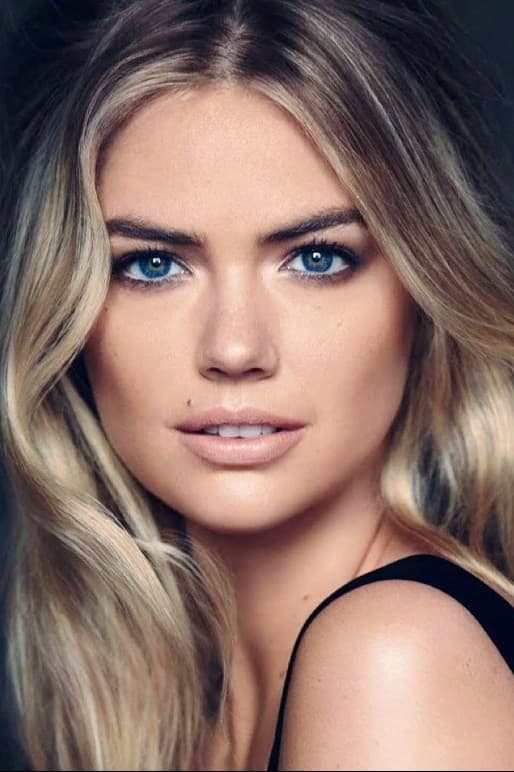
Victoria’s Secret casting director Sophia Neophitou famously stated that they would never use Upton because she looked like a “footballer’s wife.” The model was initially shunned by high fashion brands for having a body type that was considered too curvy for editorials. She broke through the industry barriers by landing the cover of Sports Illustrated and Vogue. Brands eventually had to acknowledge her popularity despite their initial snobbery. She successfully transitioned from commercial pariah to high-fashion cover star.
Cardi B
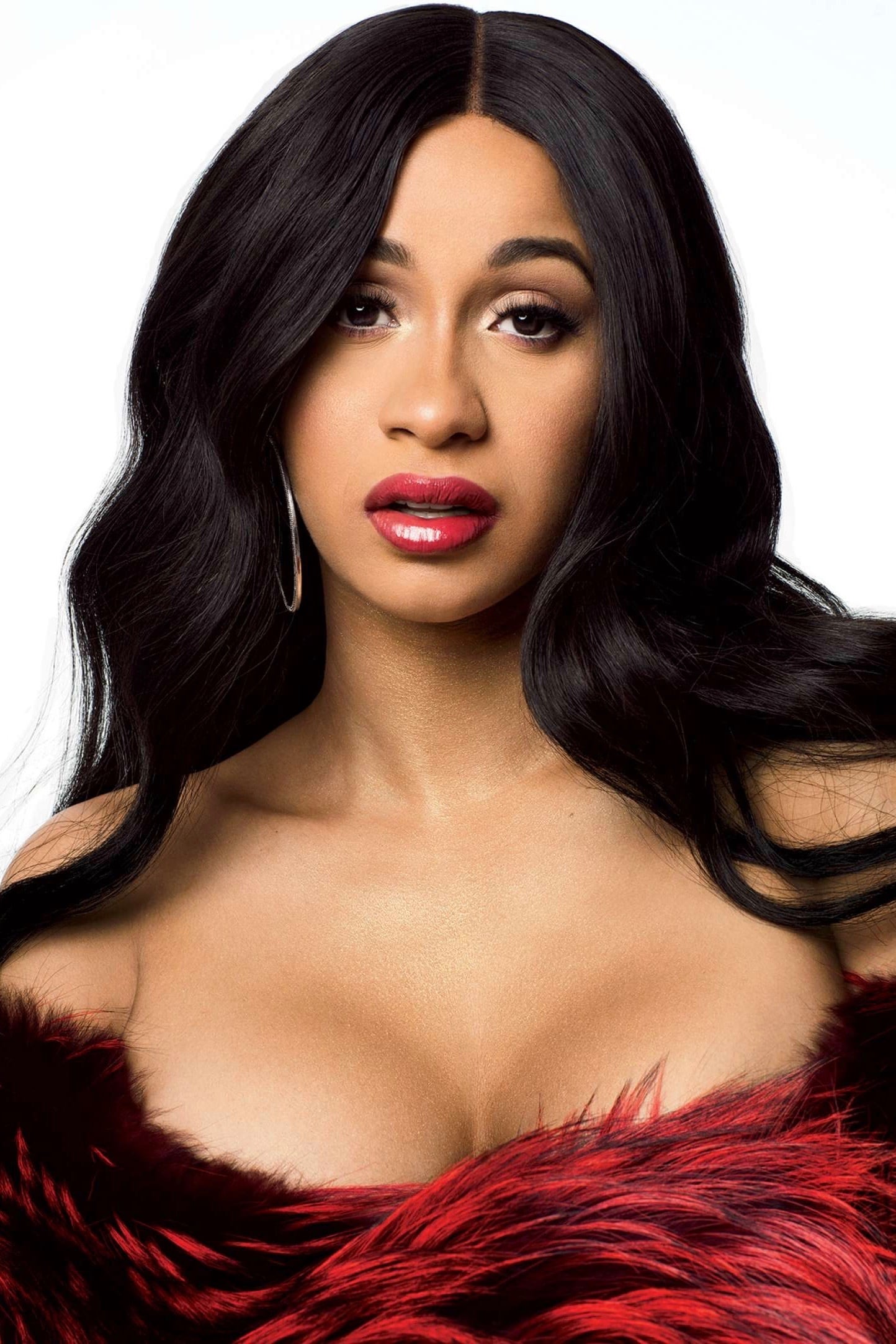
The rapper revealed that many designers ignored her requests for clothing before she hit number one on the Billboard charts. She noted that once she became undeniable in the music industry, the same brands that shunned her began sending gifts. Cardi has been vocal about the hypocrisy of the fashion industry regarding up-and-coming talent. She now works with some of the most exclusive houses in the world. Her style evolution is a direct result of proving her worth to the gatekeepers.
Jonah Hill

The actor discussed how difficult it was to get fashion brands to work with him before he became a style icon. He felt that his body type and comedic background made him undesirable to serious luxury labels. Hill eventually developed a unique personal style that forced the industry to take him seriously. He noted that the shift in perception only happened after he directed his own films and lost weight. Now, he is considered a trendsetter in menswear.
Kelly Osbourne
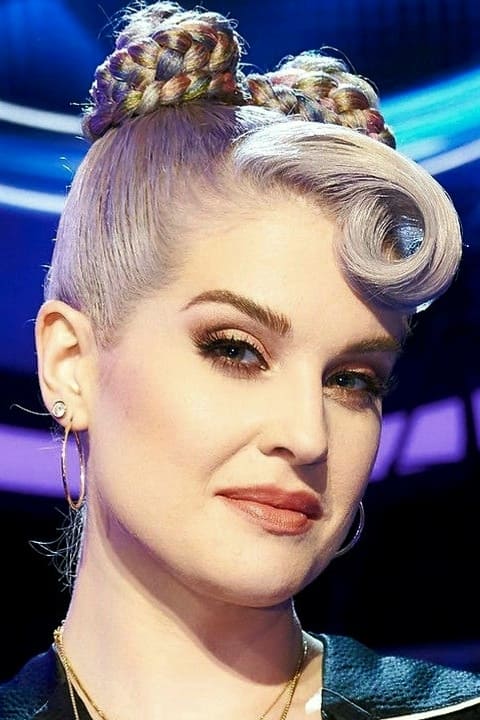
Before her weight loss, the television personality claimed that designers would not lend her clothes for events. She stated that the industry is incredibly fickle and only pays attention to women who fit a specific size profile. Osbourne felt invisible to stylists until she altered her appearance to fit their standards. She has used her platform to criticize the shallow nature of celebrity dressing. Her transformation highlighted the conditional love of the fashion world.
Lindsay Lohan
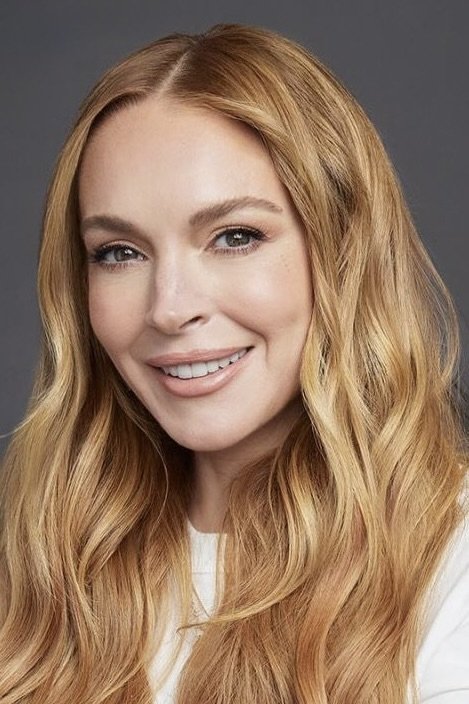
The actress was reportedly blacklisted by several designers and magazine editors due to her unreliable behavior on sets. Samples would often go missing or return damaged, leading showrooms to stop sending her clothes. High-profile stylists distanced themselves as her reputation for being difficult grew. Recovering her standing in the fashion world took years of rehabilitation and career rebuilding. Trust is a major currency in fashion loans, and she lost it for a significant period.
Snooki
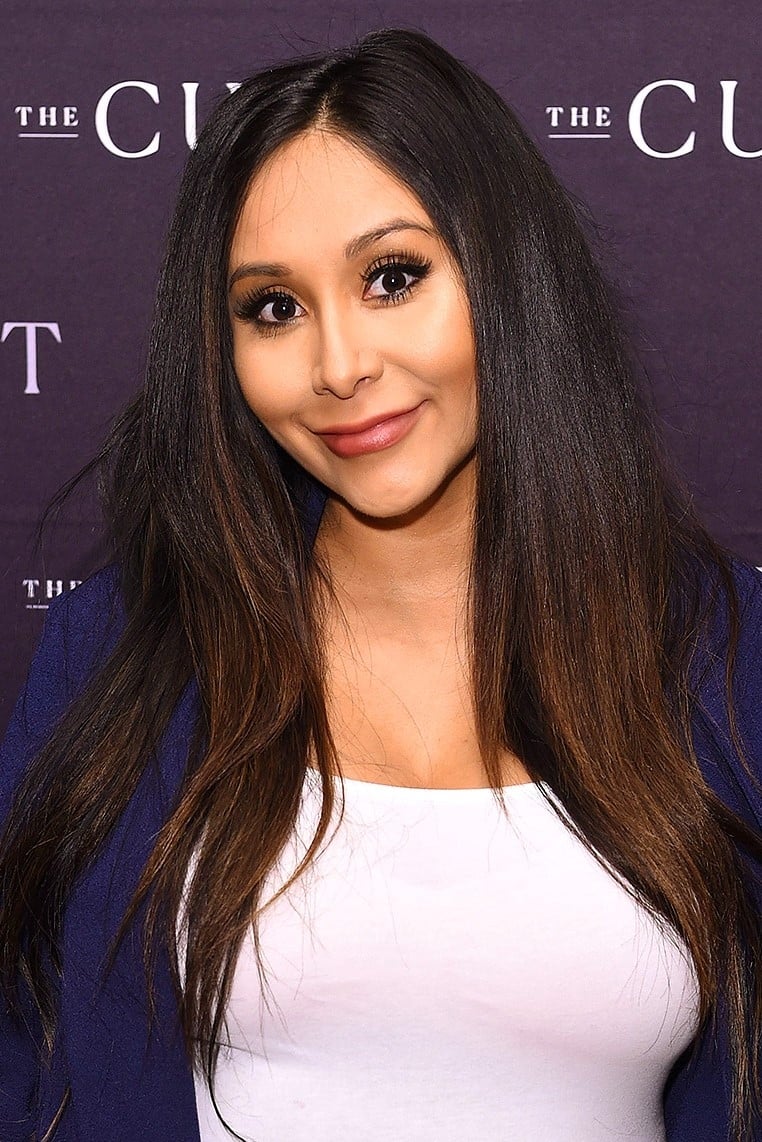
While not a traditional blacklist, luxury brands reportedly engaged in “unbranding” by sending her competitor’s bags to avoid association. The rumor suggests that high-end houses did not want the reality star seen wearing their merchandise. They feared her “Jersey Shore” image would devalue their exclusive reputation among wealthy clients. This reverse-endorsement strategy became a famous anecdote in fashion marketing. It highlighted the desperate measures brands take to control their public image.
Tiffany Haddish
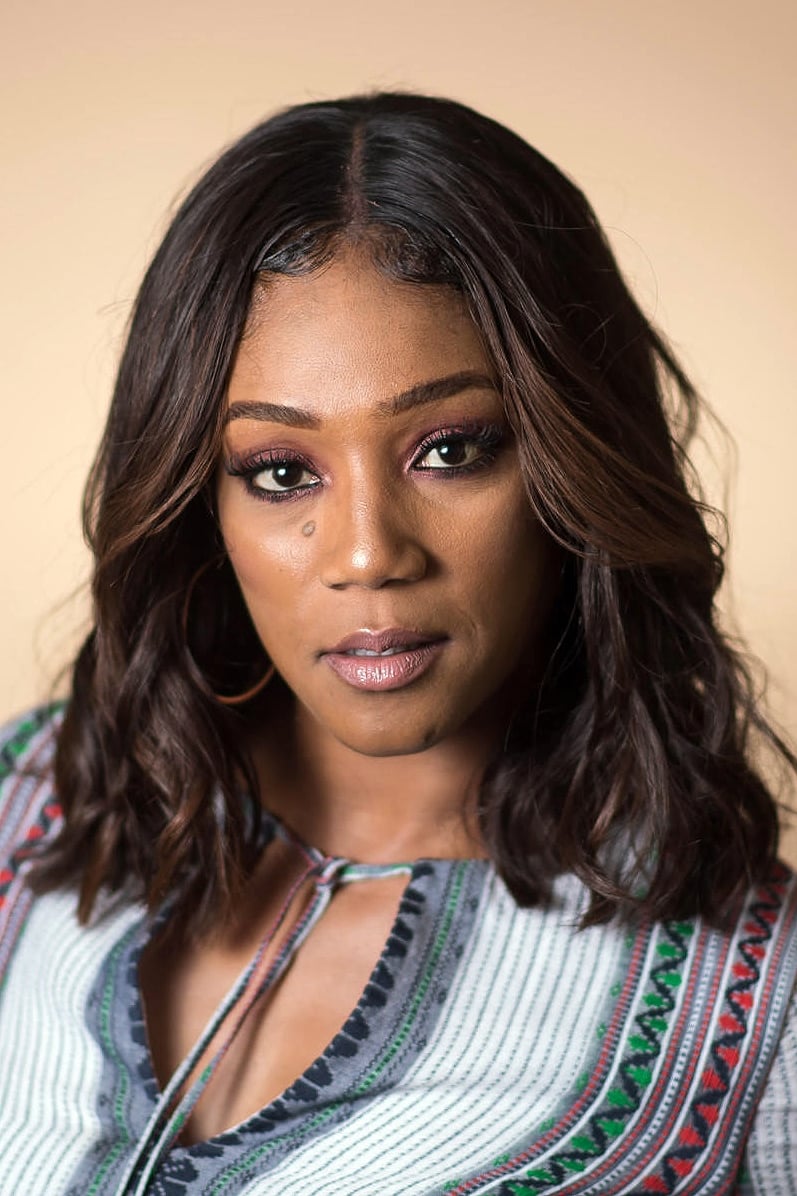
The comedian famously wore a white Alexander McQueen dress to multiple events because she spent thousands of dollars on it. She reasoned that since she paid for it herself without a loan, she should be able to wear it as much as she wanted. Haddish noted that designers were not lining up to dress her when she was just starting out. Her refusal to follow the “wear once” rule became a viral sensation. She challenged the wasteful nature of red carpet culture.
Gabourey Sidibe
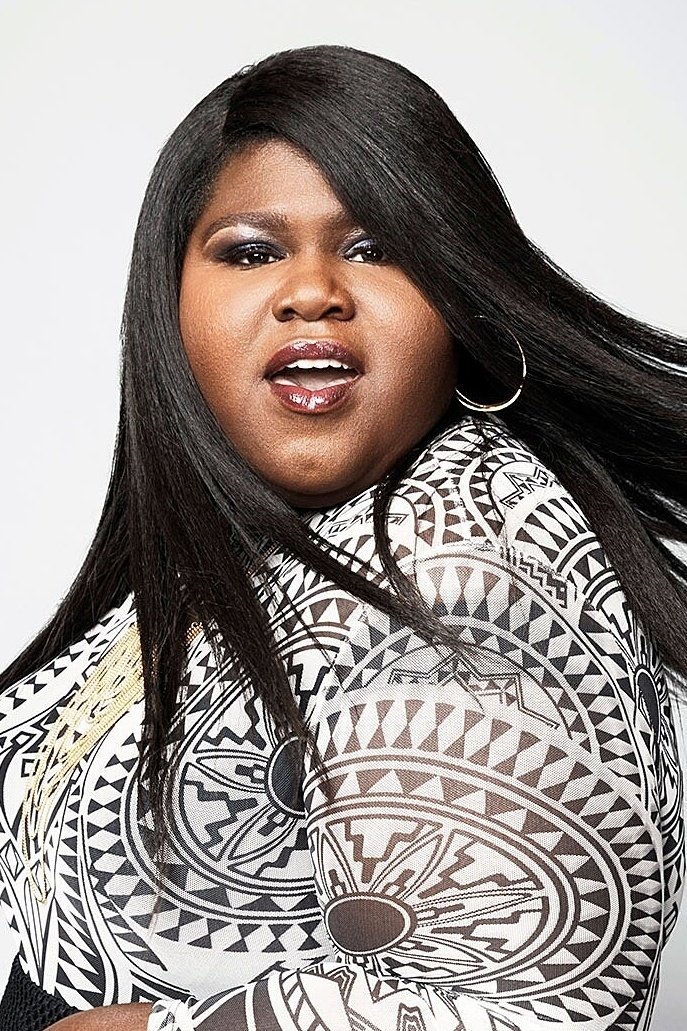
After her breakout role in ‘Precious’ (2009), the actress faced a cold shoulder from the fashion industry. Magazine covers often cropped her photo or shot her from the chest up to hide her body. She spoke about the difficulty of finding gowns for awards season when designers simply ignored her calls. Sidibe had to rely on a small circle of supportive brands while others turned away. Her presence on the red carpet was a victory against an industry that tried to exclude her.
Danielle Brooks
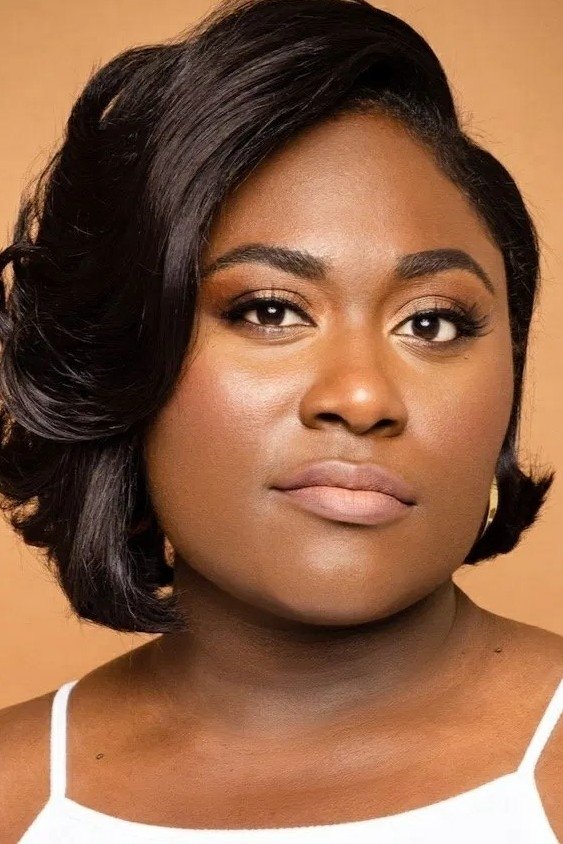
The actress expressed frustration that despite the success of her show, she struggled to find designers for the Tony Awards. She noted that being a size 14 made it nearly impossible to get loans from major luxury houses. Brooks eventually found a custom solution but spoke out about the unnecessary stress placed on curvier actresses. She highlighted that the average woman is her size, yet the industry refuses to represent them. Her advocacy continues to push for better representation in formal wear.
Amber Riley
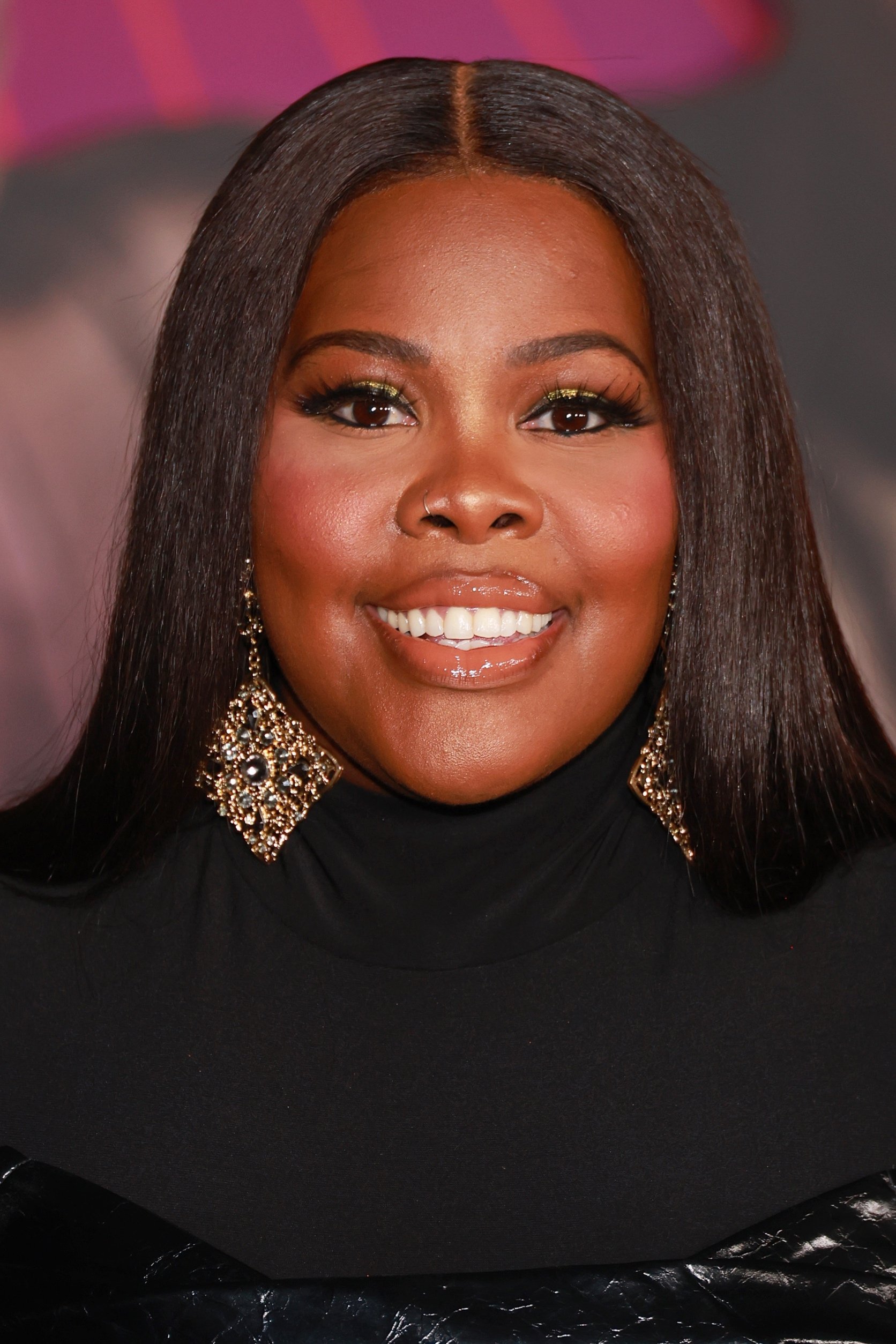
The ‘Glee’ (2009–2015) star has been vocal about the rejection she faced from stylists who refused to dress her. She mentioned that she was often told to just “buy something” because samples were not available. Riley criticized the industry for making plus-size talent feel like second-class citizens at major events. She has since found designers who celebrate her shape, but the early years were difficult. Her confidence on the red carpet came despite the industry’s lack of support.
Kim Kardashian
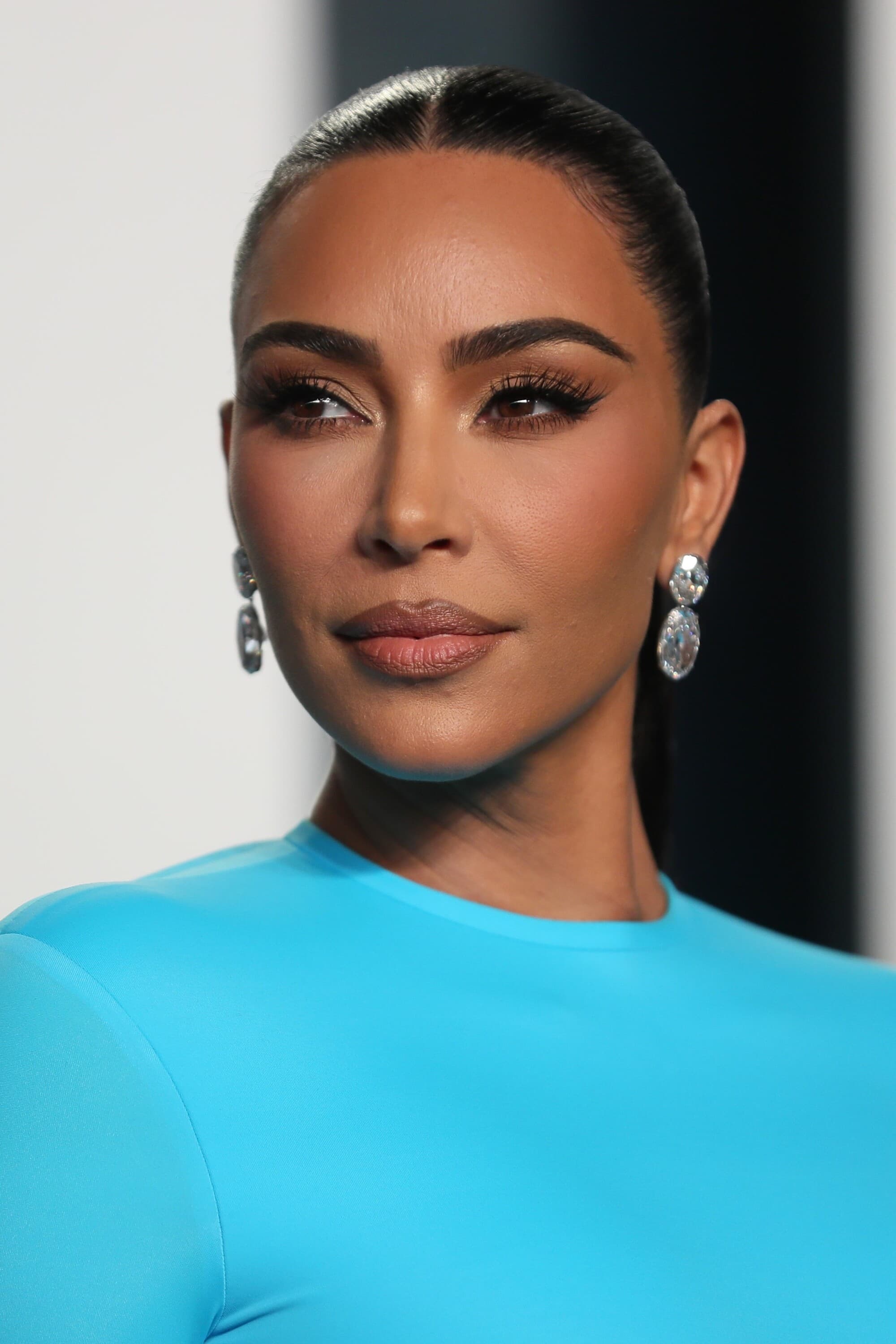
In the early stages of her career, many high fashion designers refused to lend clothes to the reality star. Stylists famously told her that she did not have the right image for couture brands. It took the intervention of her husband and relationships with designers like Riccardo Tisci to break the blacklist. She eventually graced the cover of Vogue, signaling a complete turnaround in her fashion status. Today, she is one of the most photographed women in luxury fashion.
Paris Hilton
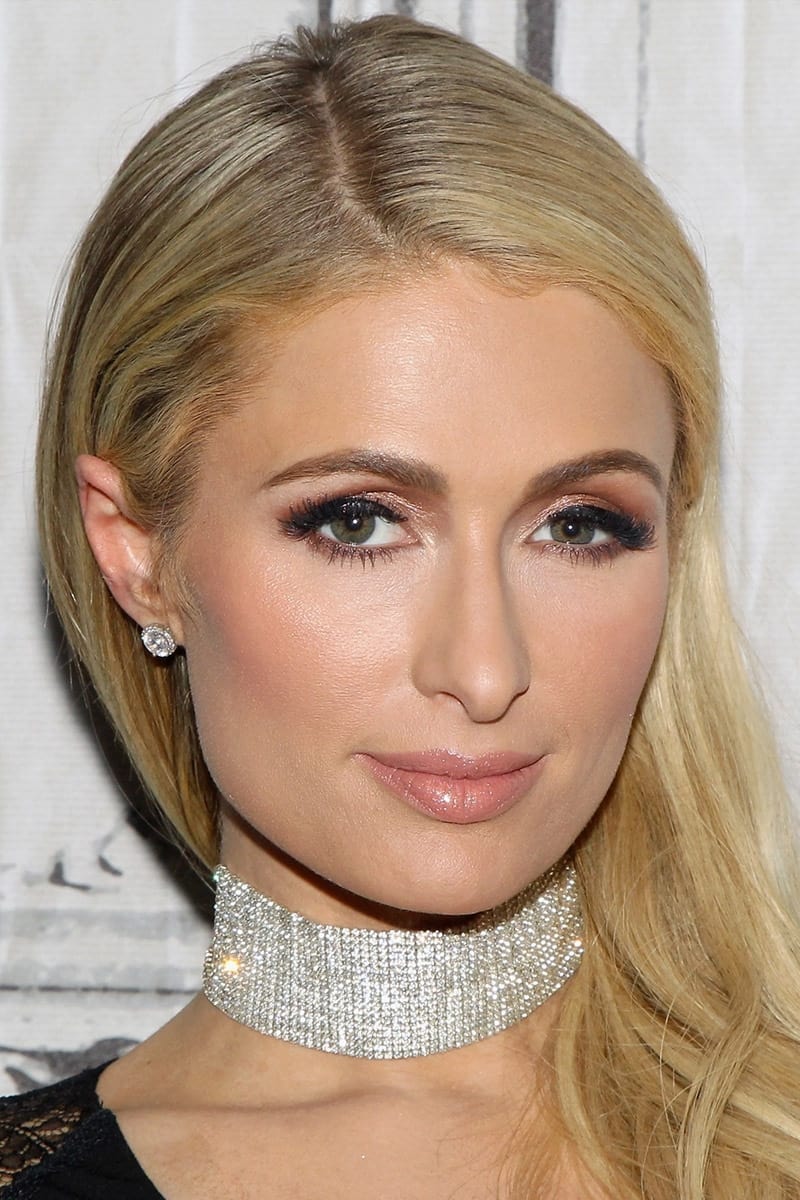
During the early 2000s, some ultra-exclusive brands hesitated to dress the heiress due to her tabloid reputation. While she had immense wealth, certain heritage houses felt she was too controversial for their image. Hilton often wore flashy, trend-heavy items rather than serious couture during this period. She eventually cultivated relationships with designers who embraced the “McBling” era she helped create. Her influence is now retrospectively celebrated by the same industry that once critiqued her.
Sheryl Lee Ralph

The Emmy-winning actress revealed that early in her career, she was told to leave a casting because she was not what they were looking for. Even decades later, she expressed that it was difficult to get top-tier designers to pay attention until her recent career resurgence. Ralph has spoken about the intersection of racism and sizeism in the fashion industry. She now commands the red carpet with regal looks that demand attention. Her persistence proved that style is timeless, even if designers are slow to catch up.
Aidy Bryant

The ‘Saturday Night Live’ (1975–Present) star spoke about the demoralizing process of photoshoots where only a rack of “tents” was available for her. She noted that high-end designers rarely provided options that were stylish or flattering for her size. Bryant eventually started her own clothing line to provide better options for women like her. She criticized the industry for forcing plus-size women to wear bland clothing. Her move to design was a direct response to the lack of industry support.
Mary Lambert
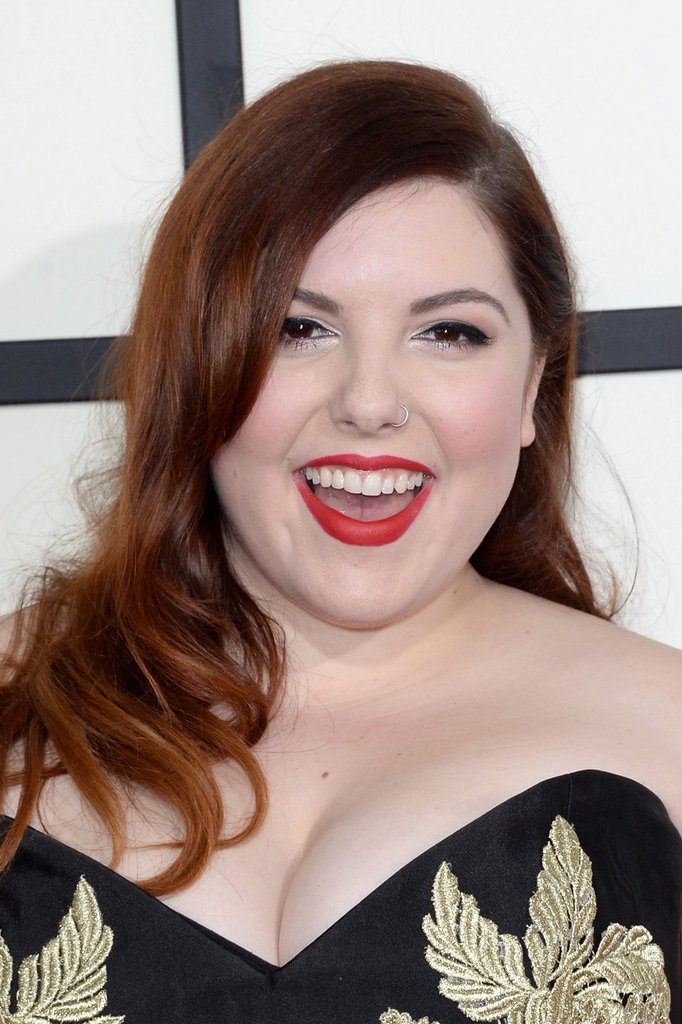
The singer-songwriter has detailed her struggles with being a plus-size woman in the music and fashion industries. She revealed that for the Grammys, she had to pay for her own dress because no designer would loan to her. Lambert used the opportunity to speak about the financial burden placed on artists who do not fit sample sizes. She noted that thin artists get free clothes while curvy artists must pay thousands. Her transparency highlighted the economic disparity caused by sizing bias.
Jennifer Coolidge
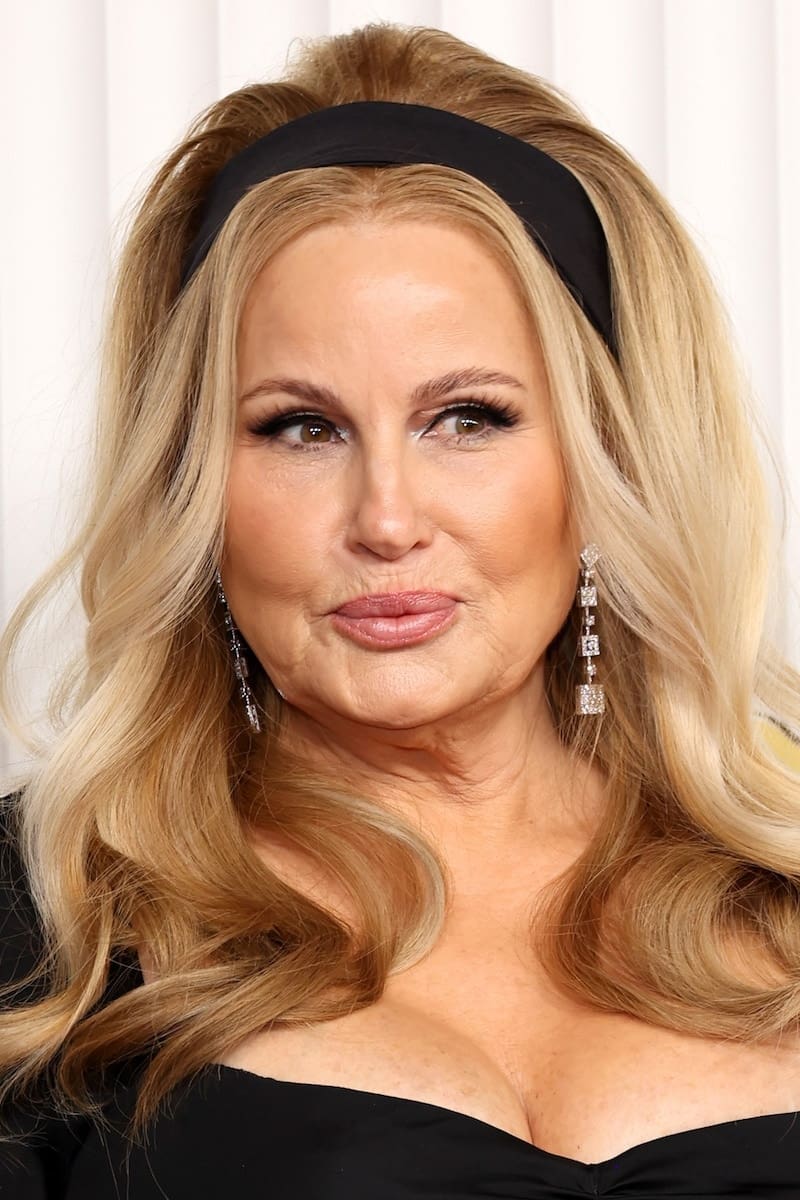
Despite her legendary status in comedy, the actress revealed that for years she was ignored by the fashion elite. She noted that designers only started offering to dress her after her role in ‘The White Lotus’ (2021–2025) garnered critical acclaim. Coolidge admitted she used to buy her own clothes for events because no one was interested in loaning to her. She expressed amusement at how quickly the industry changed its tune once she won an Emmy. Her resurgence forced the fashion world to finally pay respect.
Tell us which celebrity story surprised you the most in the comments.