


Celebs Who Lie About Their Ethnicity

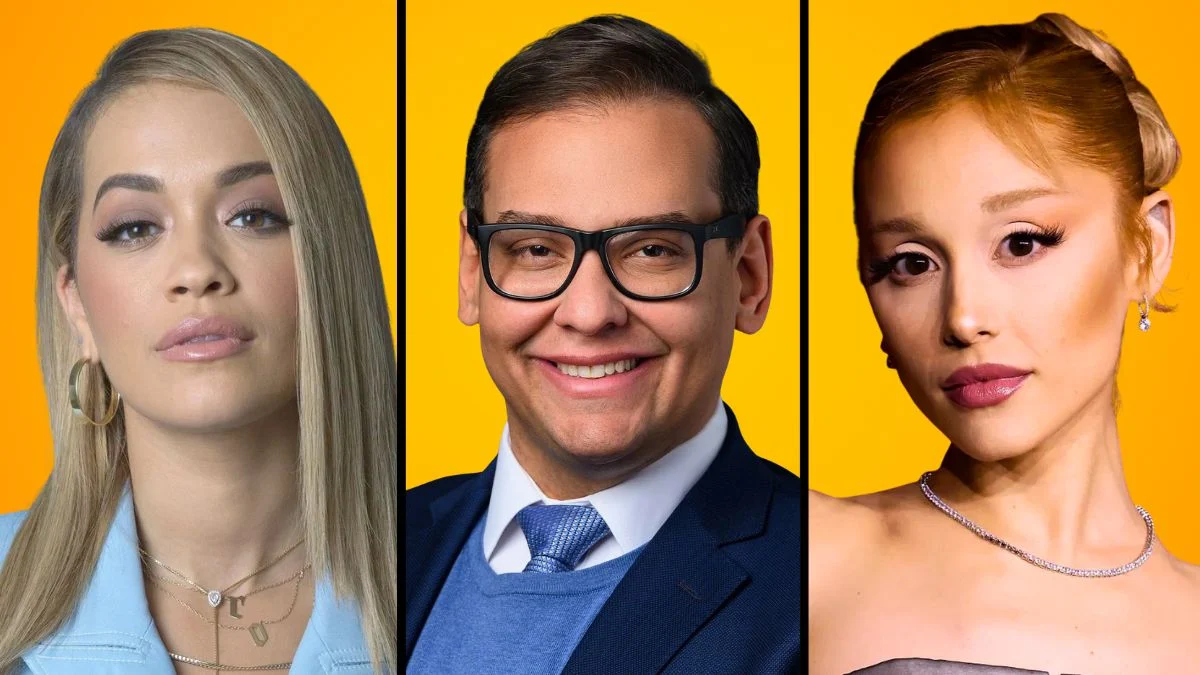


The entertainment industry is frequently home to complex stories regarding identity and heritage. While many celebrities celebrate their diverse backgrounds others have faced significant controversy for misrepresenting their roots. These instances often spark intense public debates about cultural appropriation and authenticity in the spotlight. From surprising revelations to long term deceptions these cases highlight the scrutiny public figures face regarding their personal histories.
Hilaria Baldwin

Hilaria Baldwin gained widespread attention when her claims of Spanish heritage were publicly questioned by internet users. Although she frequently spoke with a Spanish accent and appeared on magazine covers as a Latina star her birth name is actually Hillary Hayward Thomas. Investigations revealed she was born in Boston and both of her parents have deep American roots. Baldwin later clarified that she spent time in Spain during her childhood and considers herself bilingual. This controversy led to a wider discussion about the authenticity of celebrity personas.
Elizabeth Warren

Senator Elizabeth Warren faced intense scrutiny regarding her past claims of Native American ancestry. During her academic career she was listed as a minority in law school directories based on family stories about her heritage. Critics accused her of using these claims to gain professional advantages in the university system. A DNA test later showed very small amounts of Indigenous markers but the results were criticized by tribal leaders for being culturally insensitive. She eventually apologized for her previous identifications and the confusion they caused.
Iron Eyes Cody
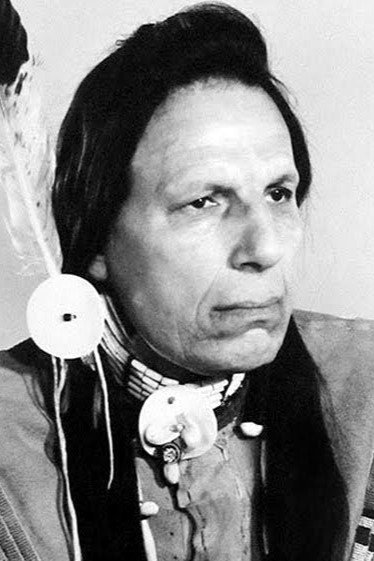
Iron Eyes Cody was one of the most famous faces representing Indigenous people in Hollywood for decades. He appeared in hundreds of films and the iconic crying Indian public service announcement during the early 1970s. While he lived his life as a Native American man a journalistic investigation revealed he was actually of Italian descent. His birth name was Espera Oscar de Corti and he had no biological ties to any Native American tribes. Despite the evidence Cody continued to claim his Indigenous identity until his death.
George Santos
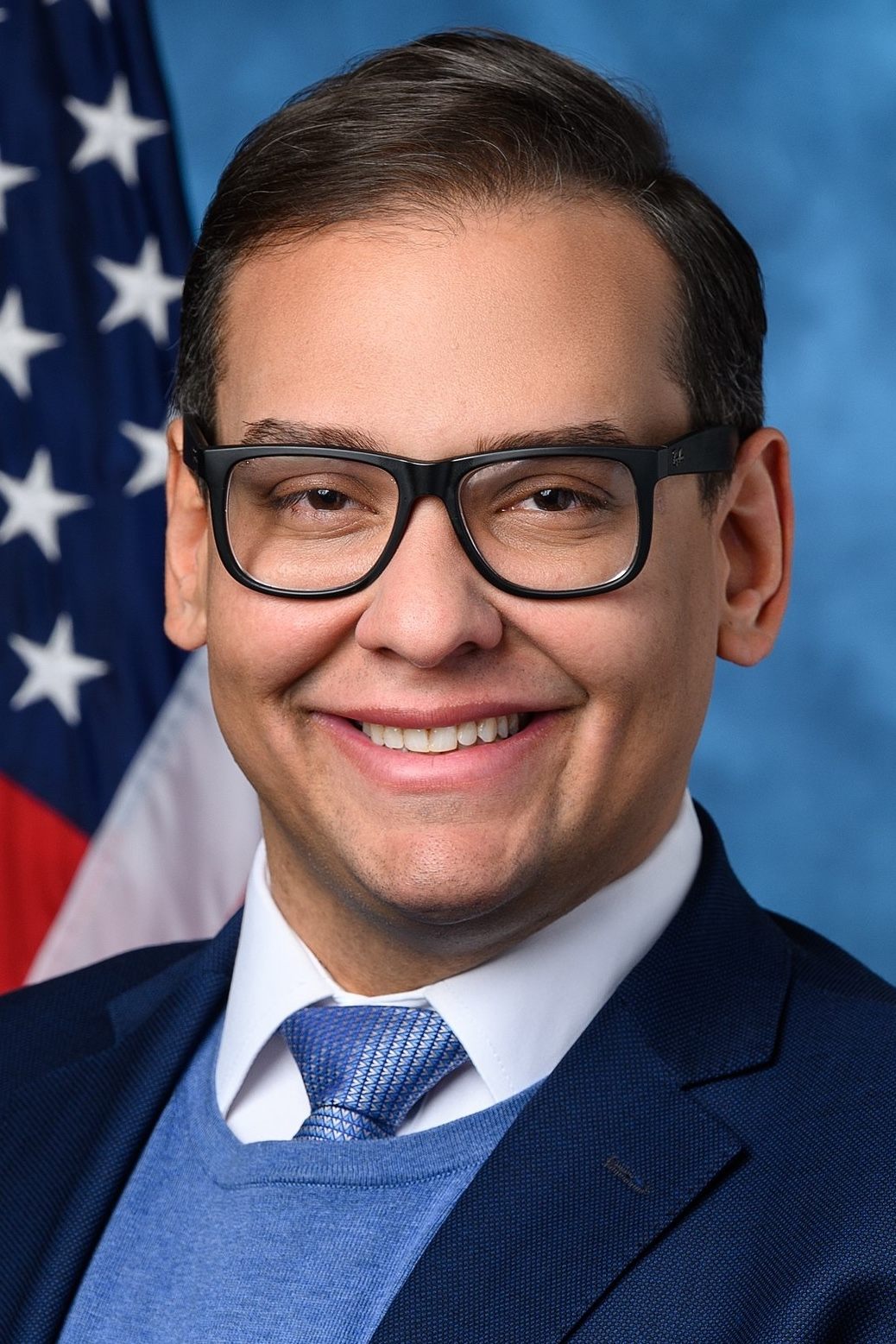
George Santos became a figure of intense public interest due to numerous fabrications regarding his life and family history. Among his many claims was the assertion that his grandparents were Jewish refugees who fled the Holocaust. Journalists investigated these claims and found no evidence of Jewish heritage or such family history in historical records. Santos later attempted to clarify his statement by saying he was Jew ish rather than Jewish. This particular claim was just one of many that led to his eventual expulsion from Congress.
Johnny Depp
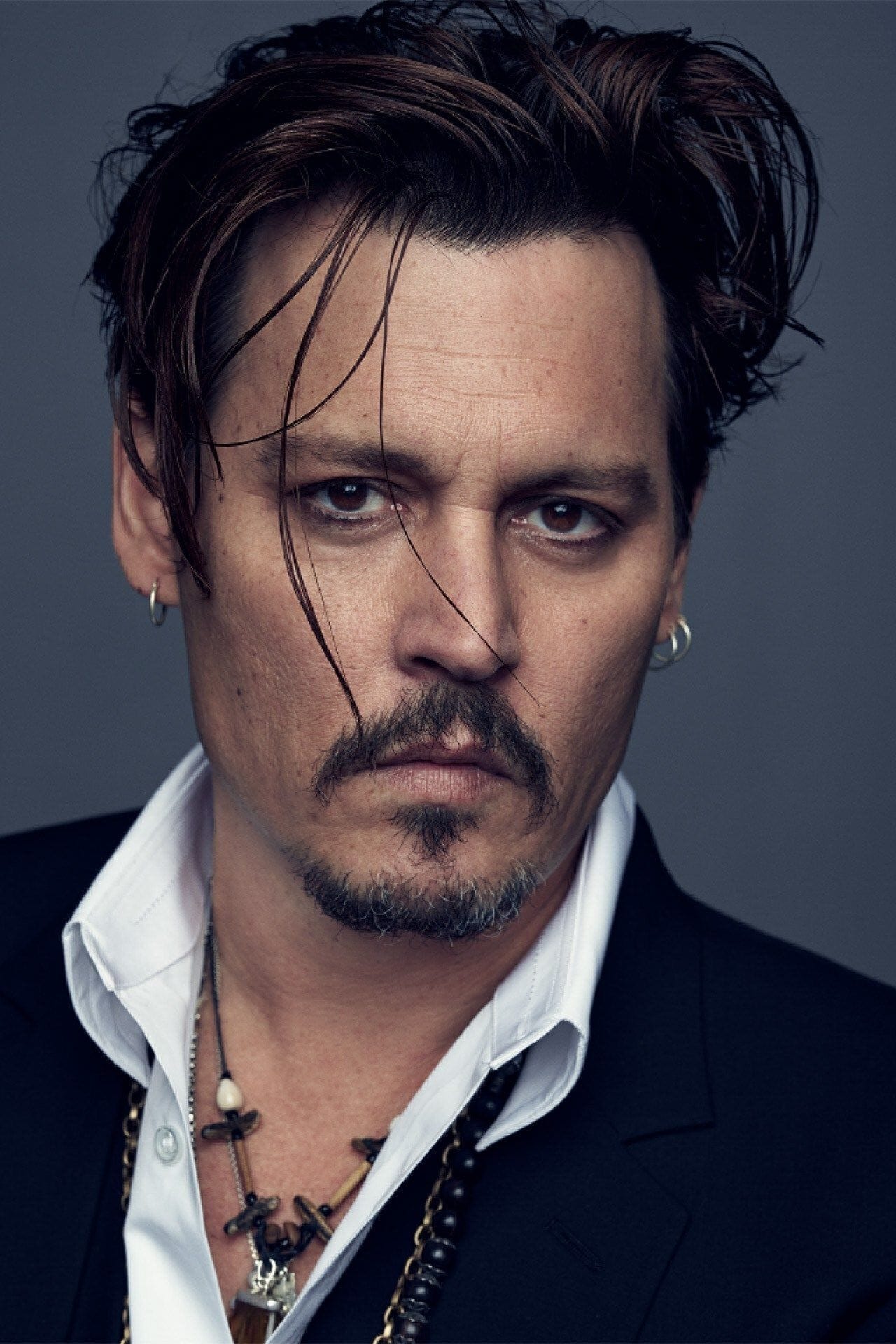
Johnny Depp has frequently claimed in interviews that he has Native American heritage specifically from the Cherokee or Creek tribes. These claims became a major point of discussion when he was cast as Tonto in the film ‘The Lone Ranger’ in 2013. Many Indigenous activists questioned the validity of his claims as there is no documented evidence of his ancestry in tribal records. While Depp was adopted as an honorary member of the Comanche Nation during the film production his biological claims remain unverified. The situation highlighted the issues of casting and cultural representation in blockbuster cinema.
Justin Bieber

Justin Bieber once claimed in an interview that he had a significant amount of Native American ancestry from the Inuit people. He suggested that his heritage was the reason he could get free gas in Canada which is a common misconception about Indigenous rights. Representative groups for the Inuit people quickly pointed out that his claims were inaccurate and based on stereotypes. Bieber did not provide any evidence to support his statements and eventually stopped mentioning the connection. The incident was seen as a lack of understanding regarding the diverse cultures of Canada.
Rita Ora
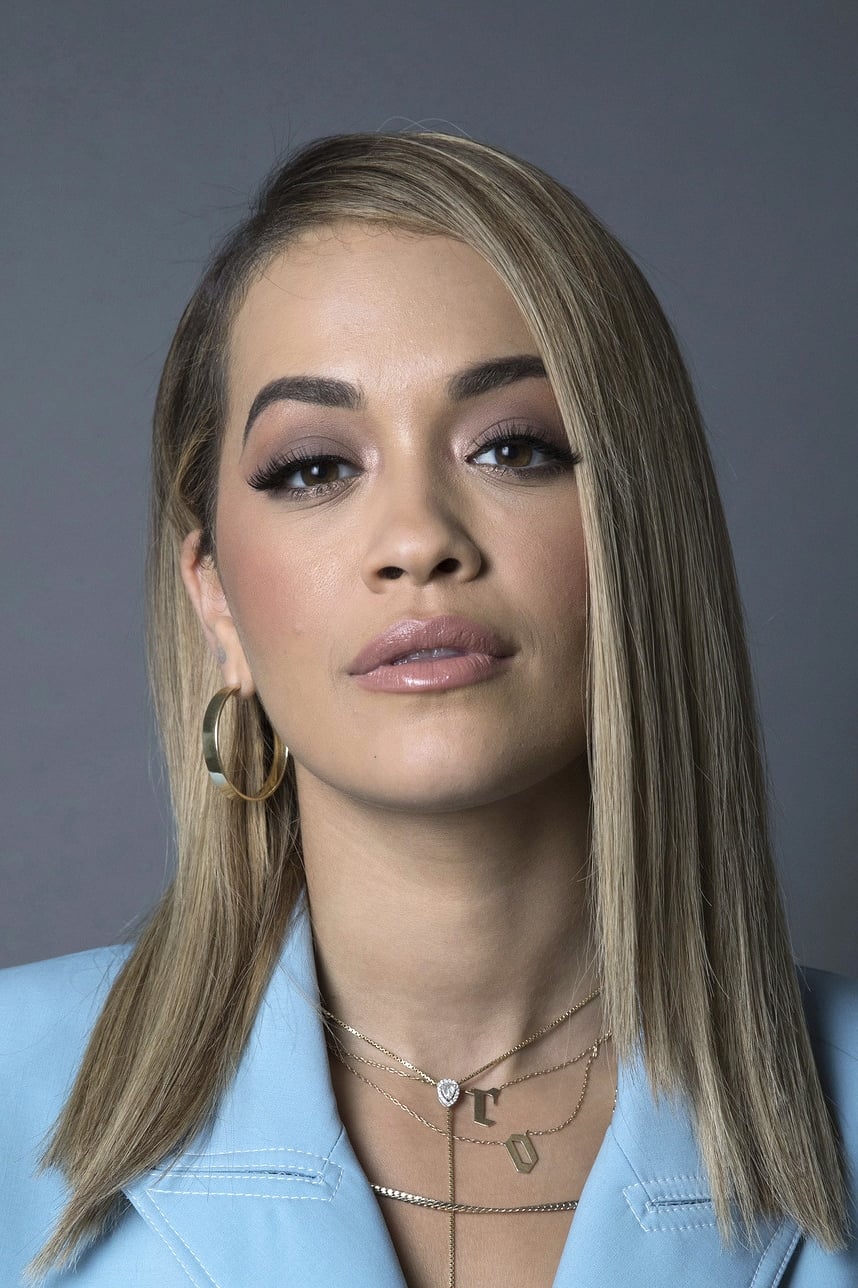
Rita Ora is a singer who has often been the subject of debate regarding her ethnic background. Many fans and media outlets initially assumed she was Black or of biracial heritage due to her style and aesthetic choices. Ora eventually clarified that she is actually 100 percent Albanian and was born in Pristina. Some critics have accused her of Blackfishing which is the practice of appearing to be Black through makeup and fashion. She has maintained that her look is simply a form of self expression.
Gwen Stefani
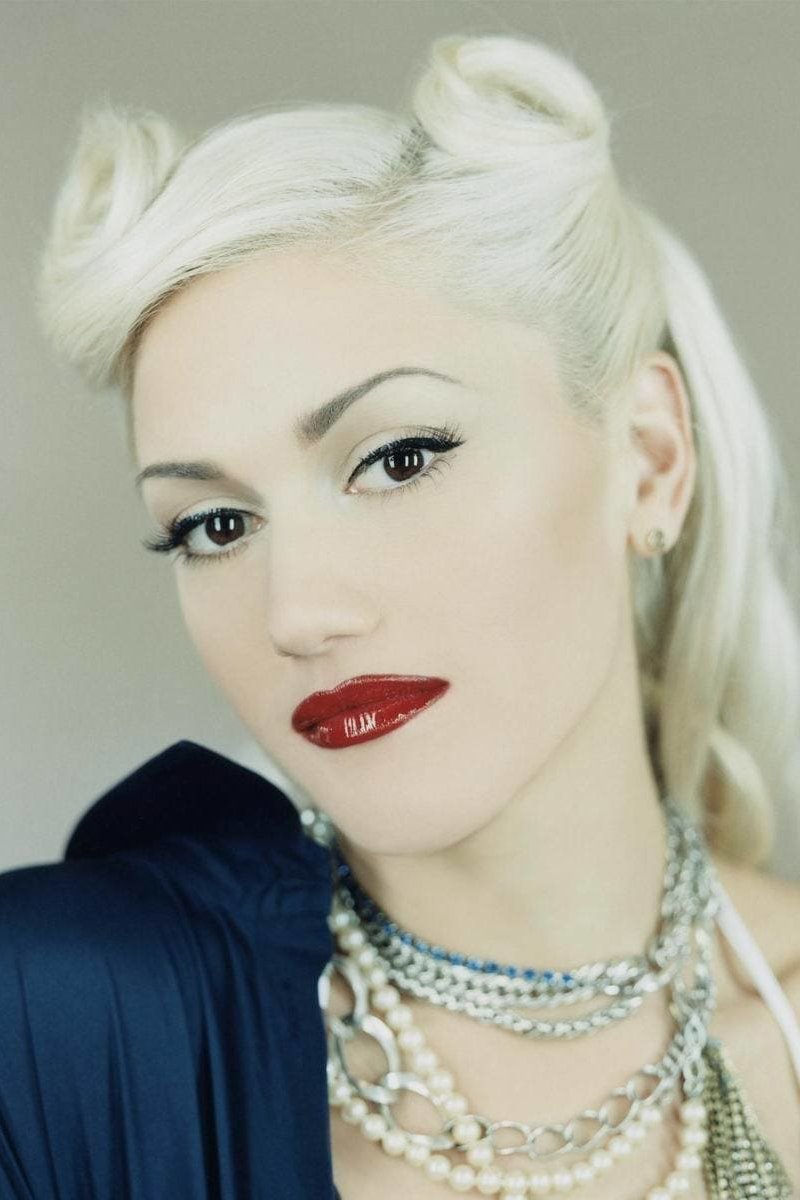
Gwen Stefani faced significant criticism during the mid 2000s for her use of the Harajuku Girls as backup dancers. This aesthetic was inspired by Japanese street culture but many felt it reduced the culture to a mere fashion accessory. In a recent interview she made the controversial statement that she is Japanese which she attributed to her father working at Yamaha. While she meant it as a way to express her love for the culture it was widely condemned as an erasure of her own Italian and Irish heritage. The backlash reignited discussions about cultural appreciation versus appropriation in pop music.
Iggy Azalea
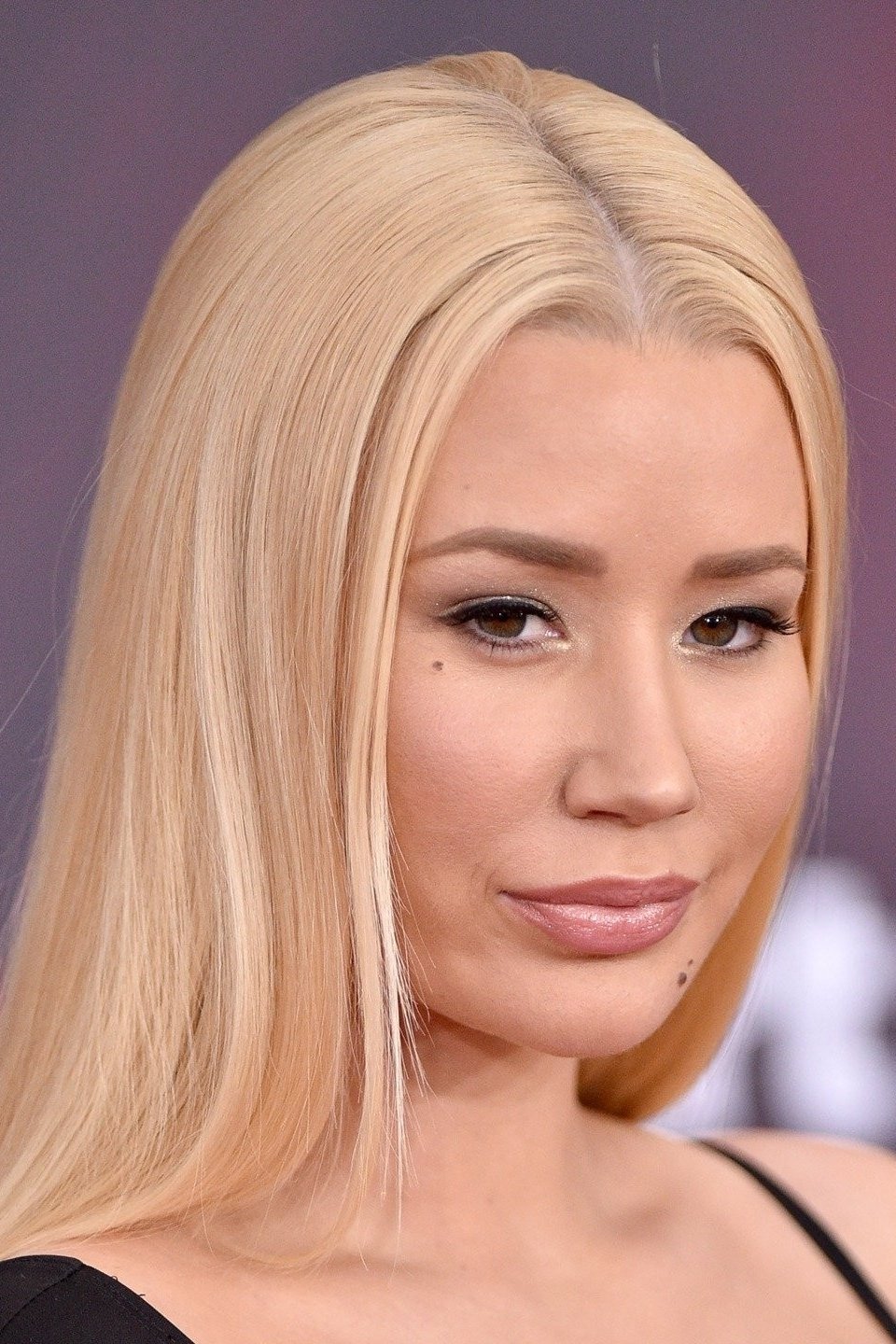
Iggy Azalea is an Australian rapper who rose to fame while using a vocal style and accent associated with the Southern United States. Many critics and fellow artists accused her of using a blaccent to gain credibility in the hip hop industry. While she never claimed to be Black her performance style led to accusations of cultural theft and identity performance. Azalea defended her style by stating that she was influenced by the music she loved since childhood. The debate over her authenticity followed her throughout her most successful years in the charts.
Ariana Grande
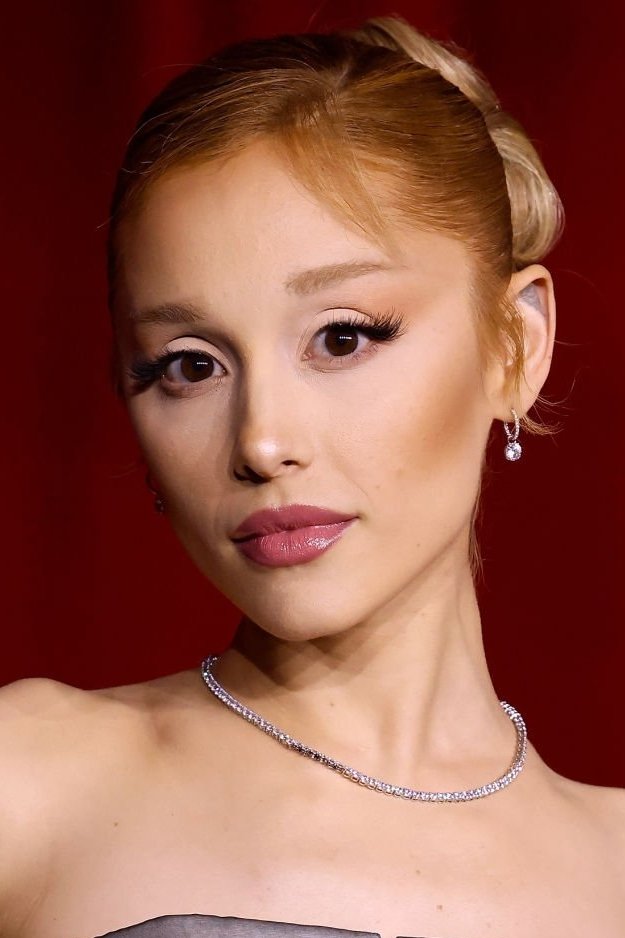
Ariana Grande has been at the center of several discussions regarding her shifting public image and skin tone. Over the years fans noted that her appearance seemed to transition from her natural fair skin to a much darker tan. This led to accusations of Blackfishing and attempts to appear racially ambiguous for marketing purposes. While she is of Italian descent many felt her aesthetic choices were misleading to the public. Grande has never directly addressed the lying accusations but has since moved toward a different look.
Awkwafina

Awkwafina is an actress and musician who faced heavy criticism for her use of African American Vernacular English in her early work. Critics argued that she adopted a specific persona that relied on Black cultural tropes for comedic effect. This sparked a debate about whether her performance was a form of identity deception or simply a reflection of her upbringing. She eventually released a lengthy statement addressing the concerns about her linguistic choices. Many remained unsatisfied with her explanation and continue to question her cultural influences.
Bhad Bhabie
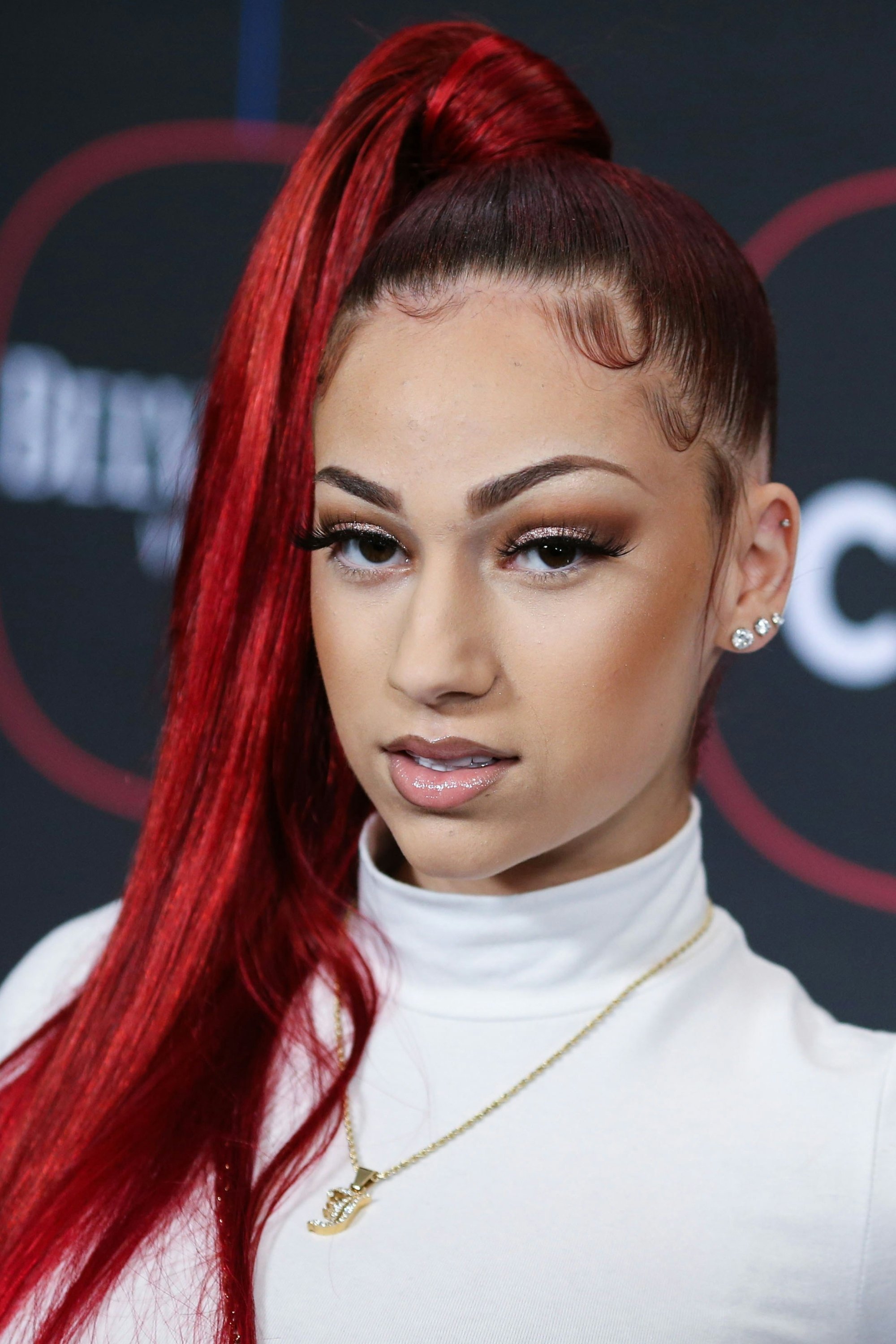
Bhad Bhabie first gained fame on a talk show where her accent and mannerisms were a central point of the interview. As her music career developed she was frequently accused of trying to pass as a person of color through her styling and tan. She often engaged in public arguments with critics who claimed she was profiting from Black culture while being white. Her responses were often defiant and she dismissed the idea that her appearance was misleading. The controversy remains a hallmark of her presence on social media.
Vanilla Ice
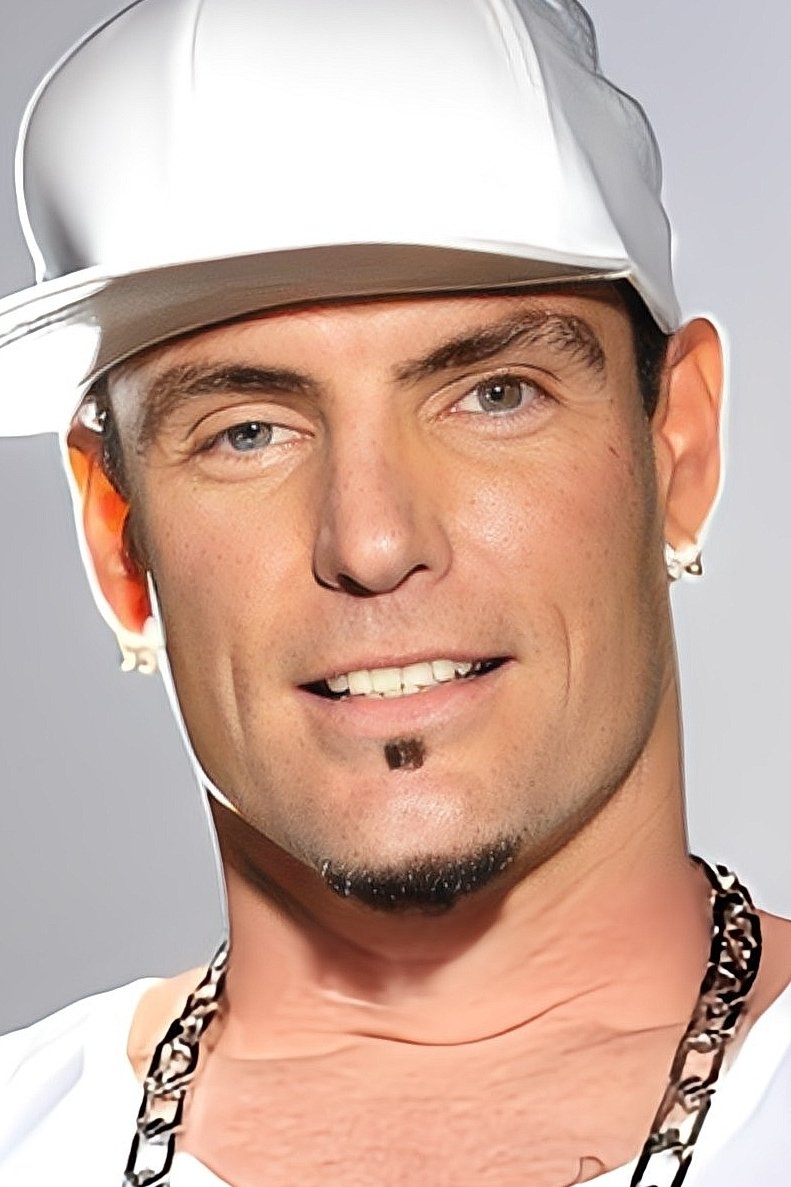
Vanilla Ice became a global superstar with a biography that claimed he grew up in the tough streets of Miami. His record label promotional materials suggested he had a background that matched the gritty themes of hip hop culture at the time. Journalists later discovered that he actually grew up in a middle class environment in Texas and attended a prestigious high school. The revelation of his real background damaged his credibility in the music industry for many years. He eventually admitted that the stories were exaggerated to fit a specific image.
Misha Defonseca

Misha Defonseca wrote a world famous memoir claiming she survived the Holocaust by living with a pack of wolves in the woods. Her story was translated into many languages and even adapted into a successful film. Years after the book became a bestseller it was revealed that she was not Jewish and had not lived with wolves. Defonseca was a Belgian woman who had spent the war years in a safe environment. She was eventually ordered by a court to return the millions of dollars she earned from the book.
Jesy Nelson

Jesy Nelson is a former member of the group Little Mix who faced significant backlash after releasing her debut solo single. Fans and critics accused her of Blackfishing because her skin tone appeared significantly darker and her hair style mimicked Black culture. The controversy reached a peak when she was criticized by her former bandmates in leaked messages. Nelson denied that she was intentionally trying to lie about her ethnicity or heritage. She stated that she had always been open about being a white woman who loves R and B music.
Ward Churchill
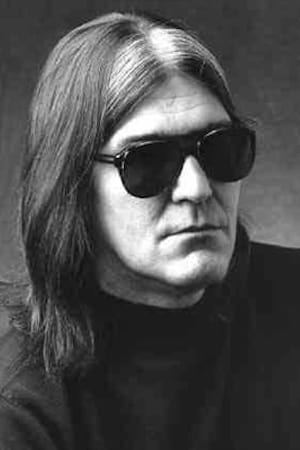
Ward Churchill was a professor of ethnic studies who gained notoriety for his controversial comments about the September 11 attacks. During the resulting public scrutiny his claims of being of Muscogee Creek and Cherokee descent were investigated. The tribes stated that he was not a member and had no verified heritage with their nations. Churchill was eventually fired from his university position for research misconduct unrelated to his heritage claims. However the controversy over his identity remained a central part of his public image.
Forrest Carter
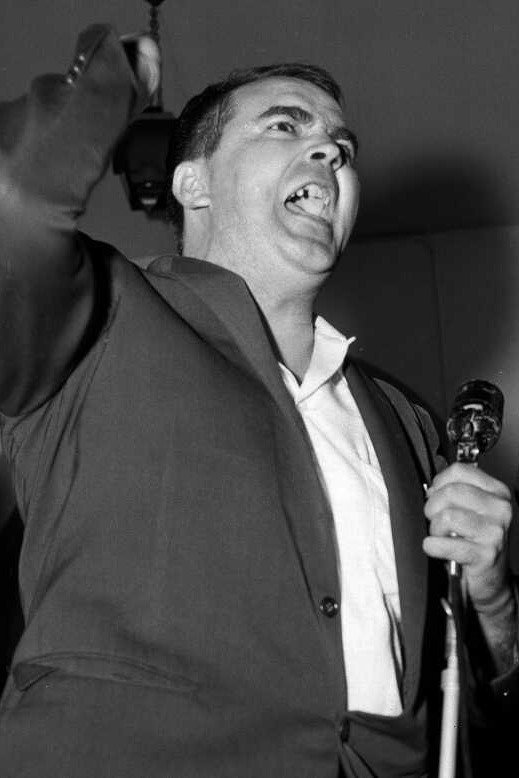
Forrest Carter was the author of the beloved book ‘The Education of Little Tree’ which claimed to be a true story about a Cherokee upbringing. The book was a massive success and was frequently recommended for its spiritual and cultural lessons. It was later revealed that Forrest Carter was a pseudonym for Asa Earl Carter who was a notorious white supremacist and KKK member. He had invented the persona to hide his past and reach a new audience with his writing. The revelation caused many to reevaluate the themes of the book.
Steven Seagal
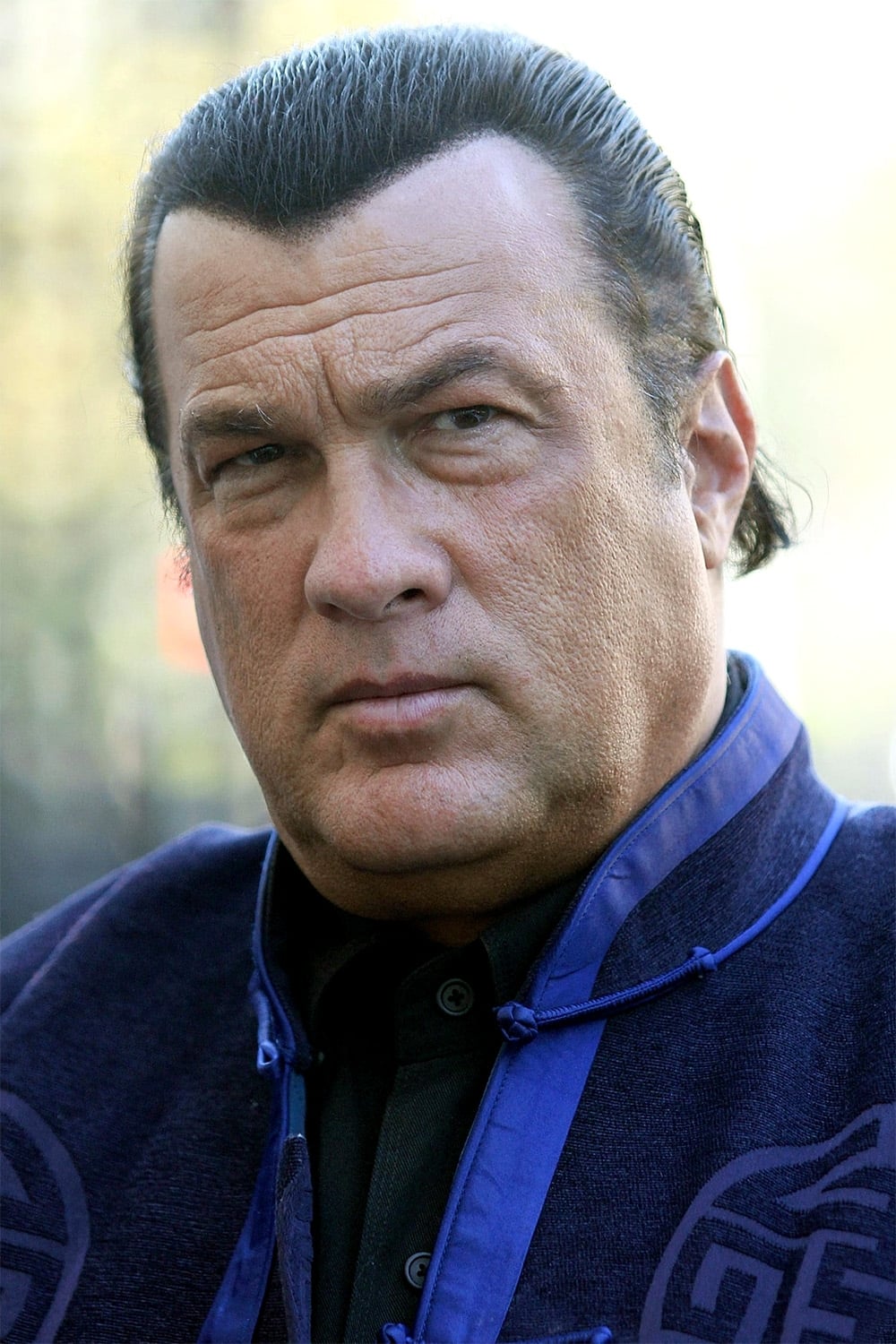
Steven Seagal is an action movie star who has made various claims about his heritage and upbringing throughout his career. He has frequently suggested that he has Italian Russian and even Native American roots depending on the interview. Seagal has also claimed a deep spiritual and cultural connection to Japan where he lived for several years. Many of his assertions regarding his lineage and his high ranking status in various organizations have been disputed by researchers. He remains a figure known for his eccentric and often unverifiable personal history.
Sacheen Littlefeather
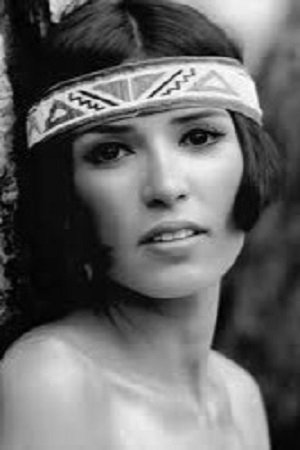
Sacheen Littlefeather became famous for refusing an Oscar on behalf of Marlon Brando to protest the treatment of Native Americans. She spent her entire life as an activist and representative of the Apache and Yaqui people. Following her death her biological sisters came forward to state that the family had no Native American heritage. They claimed that their father was actually of Mexican descent and that Littlefeather had fabricated her persona for her career. This revelation caused a significant divide among activists who had supported her for decades.
Nikita Dragun
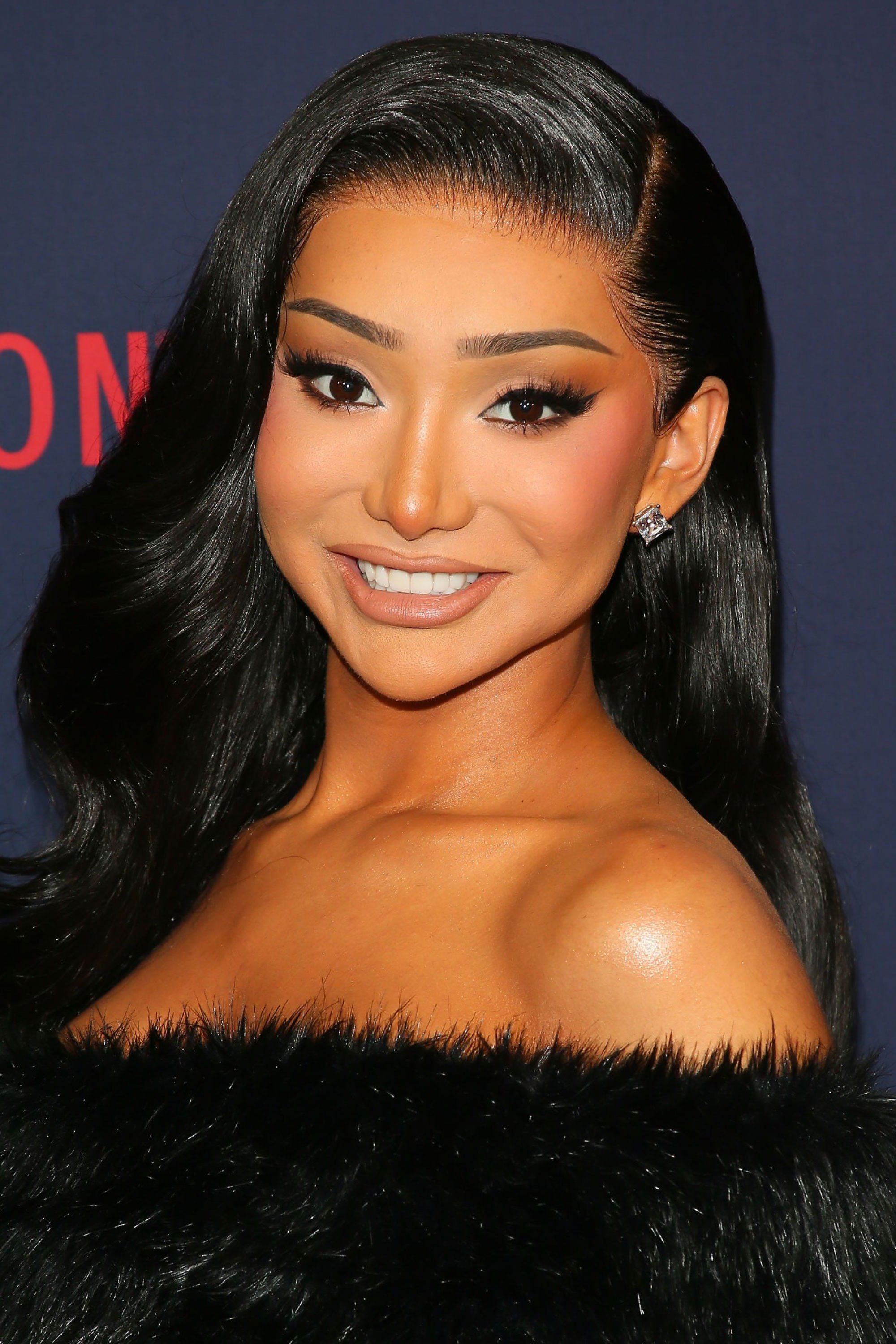
Nikita Dragun is a beauty influencer who has frequently been accused of Blackfishing and misleading her audience about her ethnicity. Some followers pointed out that her skin tone appeared to change dramatically in different promotional photos and videos. She is of Vietnamese and Mexican descent but critics felt she was leaning into a racially ambiguous aesthetic to gain more followers. Dragun has often responded to these accusations with humor or defiance on her social media channels. The debate over her presentation continues to be a recurring theme in her career.
Korla Pandit
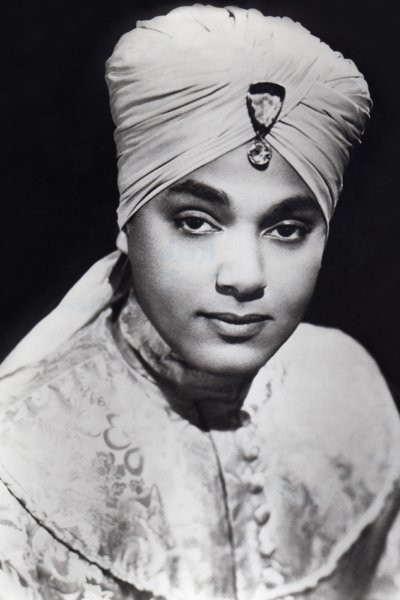
Korla Pandit was a famous television musician in the 1950s known for his turban and mysterious Indian persona. He was celebrated as a pioneer of exotica music and never spoke during his performances to maintain his mystic image. After his death in 1998 it was revealed that he was actually an African American man named John Roland Redd. He had reinvented himself to escape the racial barriers of the time and find success in the entertainment industry. His story is now seen as a fascinating example of self reinvention in mid century America.
Please share your thoughts on these celebrity identity controversies in the comments.