


Celebs Who Lost Everything Due to Addiction




Addiction has touched every corner of the entertainment world and beyond, leaving careers, families, and finances in pieces. These stories show how fast success can unravel when substance misuse takes hold, and how the fallout can include lost roles, canceled tours, legal trouble, and the kinds of financial and personal losses that are hard to recover from.
Each profile below focuses on concrete moments that marked a collapse. You will see the missed concerts, the contracts that disappeared, the estates that were tangled up by debt, and the tragedies that ended lives. This is a sober look at what happened, not a list of opinions, and it is meant to underscore the real world impact of addiction.
Judy Garland

Studio doctors introduced Judy Garland to stimulants and sleeping pills during her teen years to push production schedules, and dependency followed her into adulthood. Financial strain mounted as work became erratic, and she filed for bankruptcy while dealing with tax debt and unpaid obligations that built up during periods when she could not perform.
Canceled concerts and on set absences eroded her standing with studios and promoters. By the end of her life she was often hired for short runs that ended early when she could not deliver, which meant advances had to be returned and contracts were pulled, leaving little stability or savings.
George Best
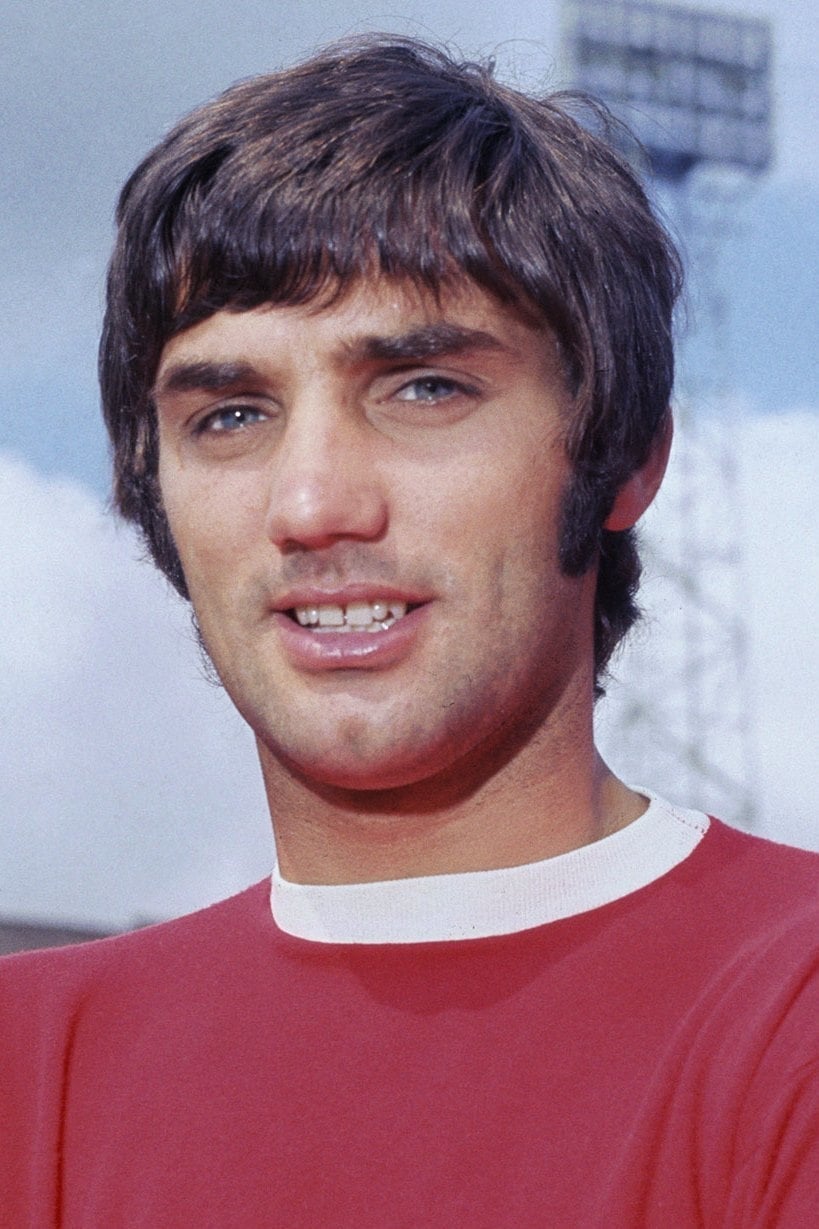
Football legend George Best struggled for years with alcoholism, which led to arrests for drunk driving and public incidents that damaged commercial opportunities after his playing career. Medical costs and time away from television work cut into his income during long hospital stays and treatment.
Best spoke openly about spending fortunes earned in the game and how drinking cost him business deals and consistent pundit work. In the final phase of his life he relied on public appearances that often fell through when health declined, and the loss of steady contracts left little financial security.
Whitney Houston

Whitney Houston’s voice defined a generation, but years of addiction coincided with missed rehearsals, delayed recording sessions, and tours that struggled to stay on schedule. Insurance for live shows became more complicated, and promoters reduced guarantees when performance reliability was in question.
Legal and financial disputes followed when projects failed to meet delivery timelines. Between a high profile divorce, stalled albums, and a reality series that highlighted personal turmoil, revenue shrank while costs rose, and the comeback window narrowed as health and consistency waned.
Amy Winehouse
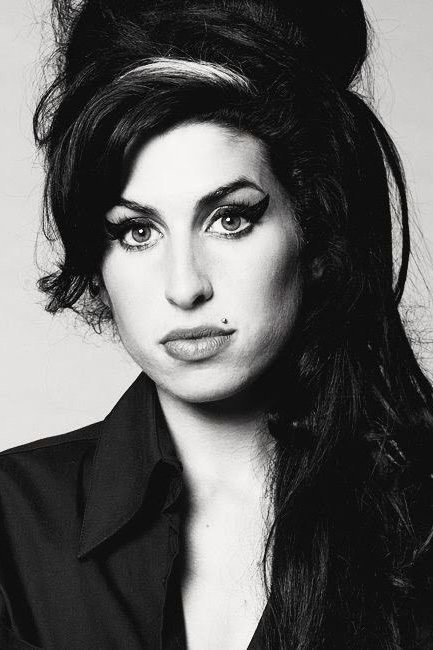
Amy Winehouse canceled shows at the height of her fame as addiction made touring unpredictable, and venues pulled dates when rehearsals fell apart. International travel plans were repeatedly changed, which meant nonrefundable expenses piled up while performance income disappeared.
Managers and insurers struggled to secure policies for large events without strict conditions, and brand partnerships backed away from new campaigns. The combination of medical emergencies, legal issues, and halted work streams left her finances exposed and her career momentum stalled.
Corey Haim

Corey Haim’s early success faded as addiction led to missed calls, unreliable set days, and conflicts with insurers that made casting him a financial risk. Producers who once pursued him for leading roles moved on when completion bonds became difficult to secure.
As steady acting income dried up, Haim sold memorabilia and smaller rights to keep up with living expenses. Projects that were touted as comebacks did not materialize because of health setbacks, and mounting debts signaled how far his prospects had fallen.
Anna Nicole Smith
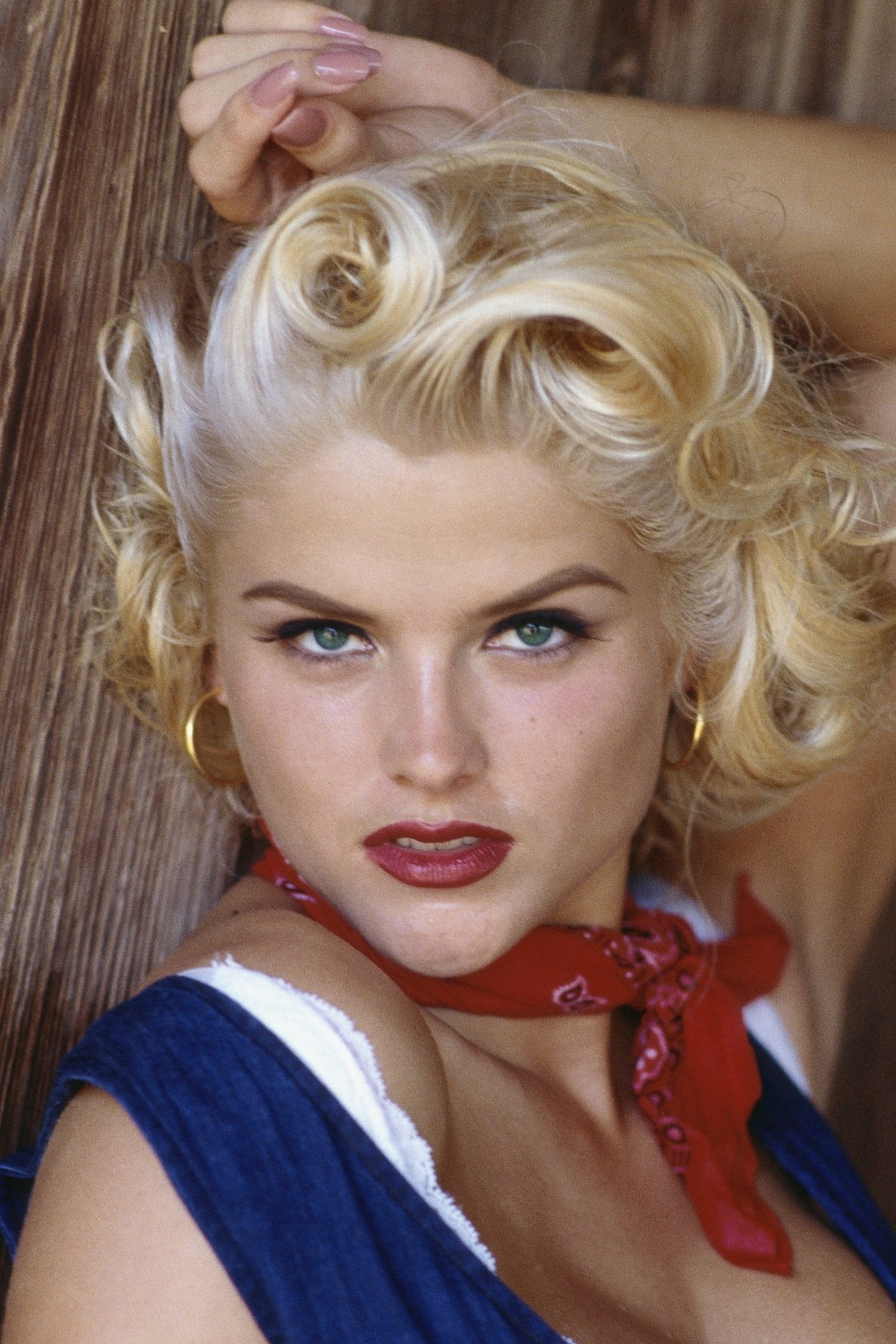
Anna Nicole Smith’s public struggles with prescription drugs affected court cases, custody issues, and lucrative endorsements that relied on dependable appearances. When she missed media bookings and brand events, contracts were terminated and fees were withheld.
Estate battles over inheritance turned more complex because of disputed timelines and contested filings. Legal costs rose while income streams were unstable, and the combination of personal turmoil and addiction left little room for sustained earnings.
Scott Weiland
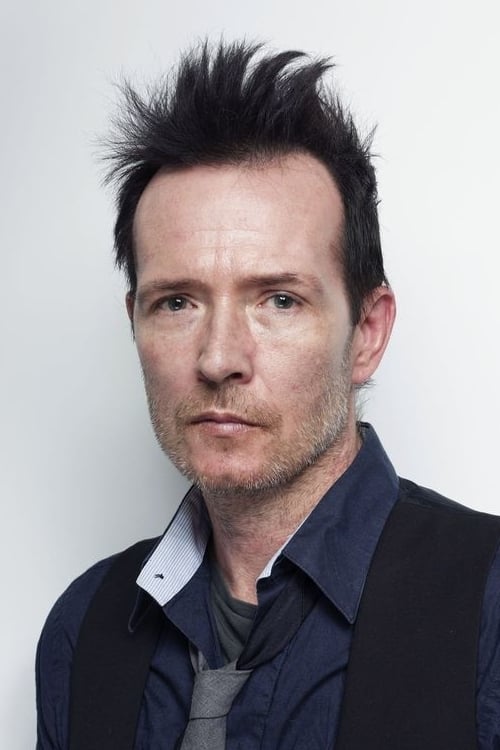
Scott Weiland was removed from multiple bands when addiction disrupted tours and recording schedules, which immediately cut off touring shares and merchandising splits. Promoters demanded stronger guarantees after no shows and shortened sets, shrinking the number of viable dates.
Royalty advances tied to delivery deadlines were clawed back when albums missed targets. Without consistent group work or solo runs that could stay on the road, cash flow collapsed, and legal disputes over band names and performance rights further drained resources.
Janis Joplin
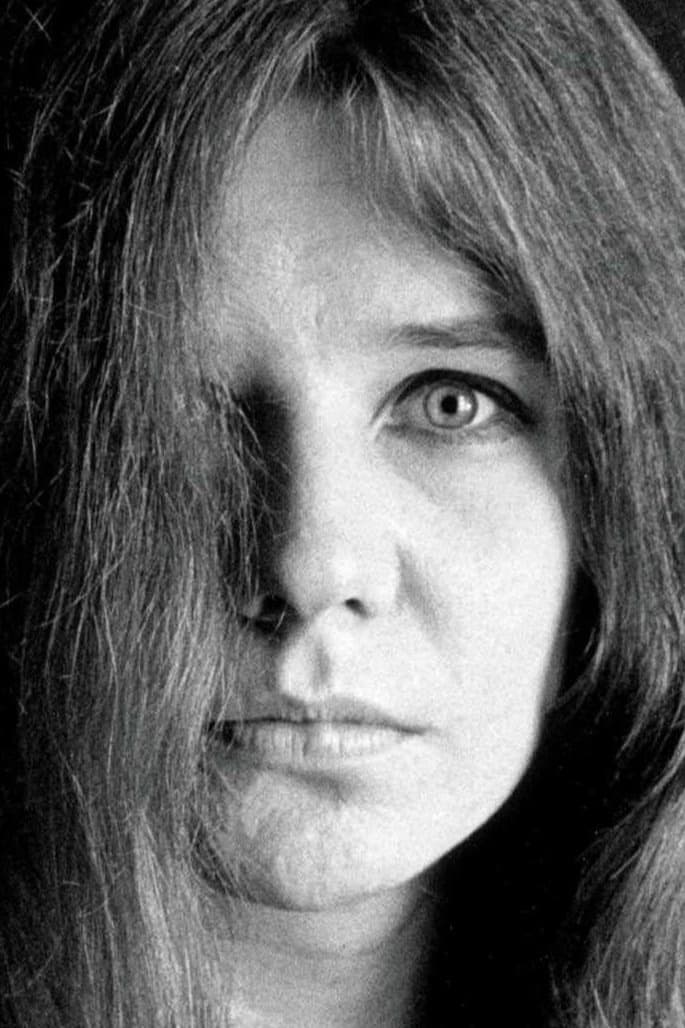
Janis Joplin’s heavy drug use led to erratic performances and studio sessions that needed costly rescheduling. Producers and engineers logged more hours than budgets allowed as takes were delayed, which reduced the funds left for promotion and touring support.
Canceled appearances meant promoters kept deposits and rebooked nights without her. The lack of a long run of tours and the sudden end of her career left estates sorting out contracts without the benefit of sustained catalog exploitation built over decades.
Jimi Hendrix
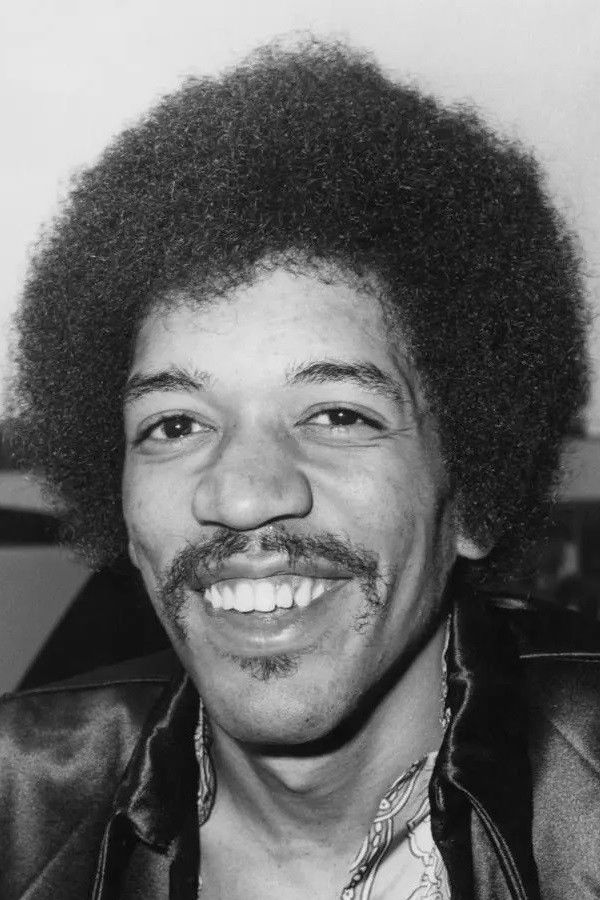
Jimi Hendrix faced drug related legal troubles that jeopardized international touring plans and required lawyer fees that were significant. Travel restrictions and courtroom dates cut into his ability to perform, which meant fewer ticket sales and less merchandise at key moments.
Management conflicts worsened as addiction issues complicated schedules and strained relationships with labels and promoters. Planned projects did not reach completion, and the momentum of his release cycle slowed, reducing income from what should have been prime years.
Kurt Cobain

Kurt Cobain’s heroin use brought canceled shows, medical emergencies, and late stage touring plans that could not be executed. Label timelines for recordings and videos slipped, which affected marketing campaigns that had been booked months in advance.
The pressure of being the center of a major band collided with unreliable health. When he could not meet obligations, the entire operation around him lost revenue, from crew to vendors, and the abrupt end to his career halted future royalties tied to long term plans.
Chris Farley
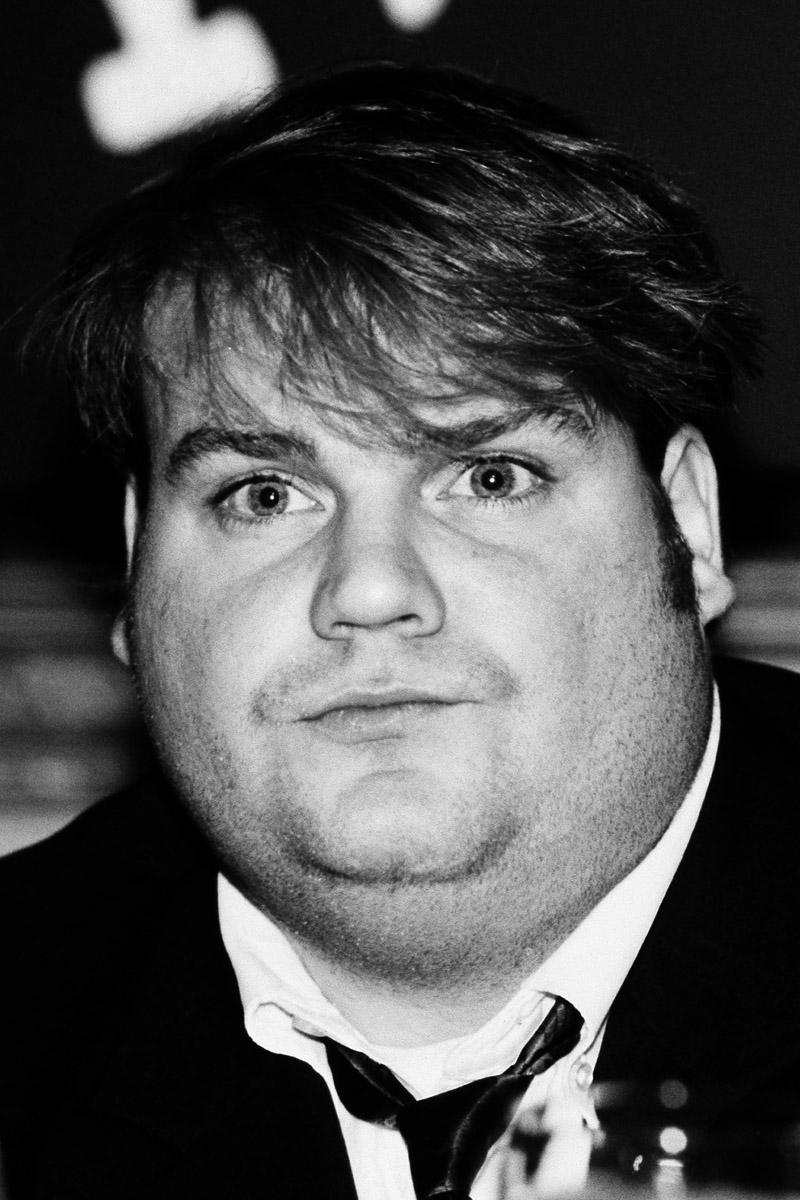
Chris Farley cycled through rehab and relapses while carrying major studio comedies that depended on his availability. When he missed shoots and struggled with insurance approvals, projects were reworked and future scripts were quietly redirected to other actors.
Canceled promotional tours reduced box office momentum and damaged relationships with studios that had lined up multi picture options. The loss of that pipeline took away the guaranteed fees and bonuses that would have built a financial buffer.
Philip Seymour Hoffman
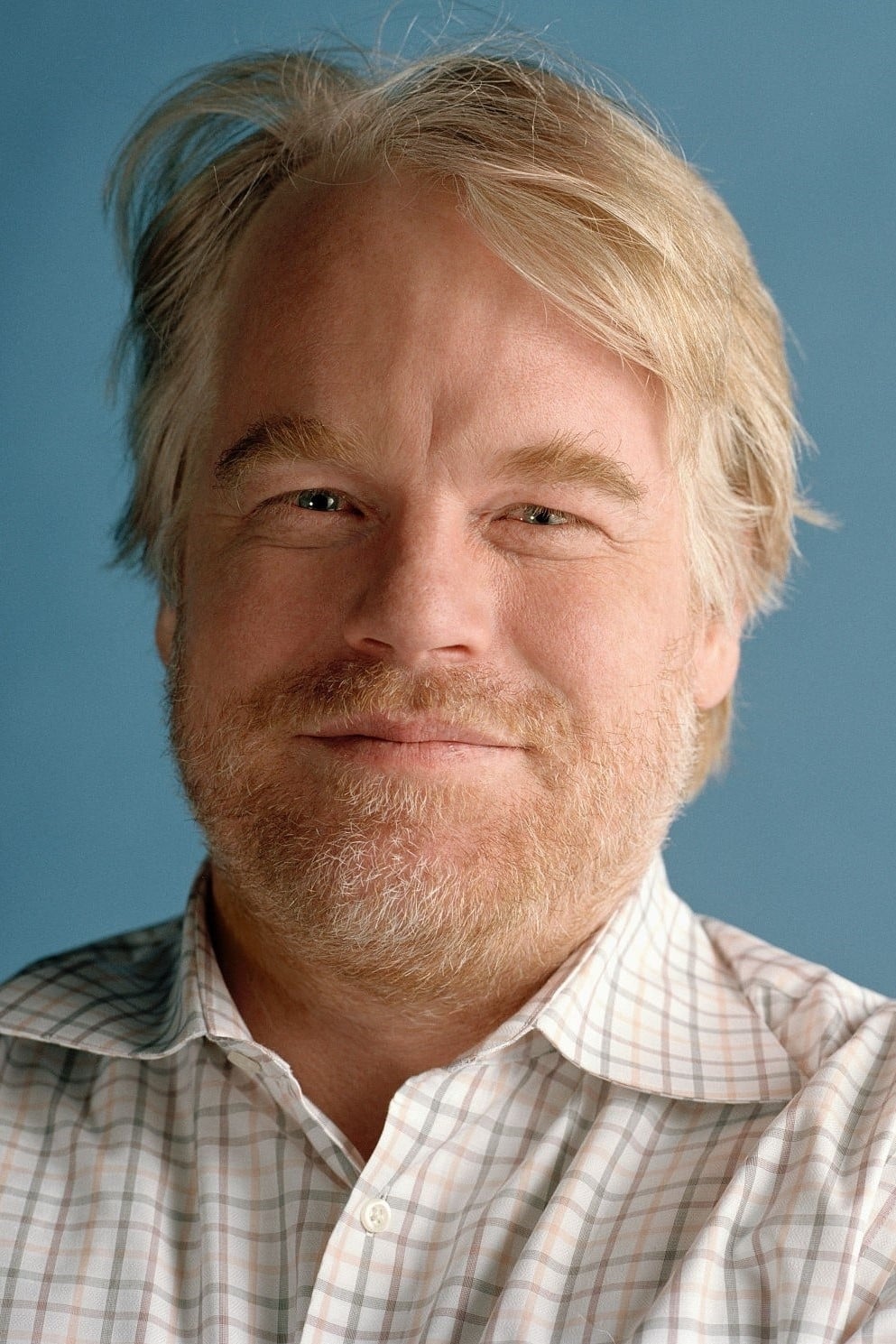
Philip Seymour Hoffman entered treatment more than once, and a relapse late in his life disrupted a carefully scheduled mix of films and stage work. Productions had to adjust shooting calendars and reshoots, which meant contractual penalties and costly delays.
Estate planning became more complex because projects in progress had unsettled backend arrangements. Royalties and participation points expected over years arrived in reduced form when scenes needed rewriting or were reassigned, narrowing the income his family might have counted on.
River Phoenix

River Phoenix’s overdose outside a nightclub paused active projects and left producers renegotiating insurance payouts. Productions that had built marketing around his name had to pivot and absorb reshoot costs, which pushed budgets past the point of profitability.
Endorsements and future casting offers disappeared overnight. The abrupt halt ended a rising career before long term royalties could stabilize finances, leaving fewer assets than would have existed with completed films and fulfilled contracts.
Mac Miller

Mac Miller spoke about addiction and recovery while maintaining a demanding release and tour schedule. Periods of relapse affected live performance reliability and led to medical crises that required cancellations, which cut into ticket revenue and festival fees.
Posthumous projects faced rights clearances and decisions about unfinished material. Without steady touring to support catalog growth, royalties did not get the bump that extended road work often provides for artists, narrowing the financial footprint that consistent live runs create.
Peaches Geldof

Peaches Geldof’s heroin use culminated in a fatal overdose, leaving behind young children and an estate that had to navigate unsettled obligations. Media agreements and fashion partnerships ended immediately, which removed ongoing fees linked to appearances and campaigns.
Her sudden death halted a growing career across television and writing. Without sustained publication schedules or long term contracts, earnings stopped abruptly, and family members were left to manage the costs that come with a public figure’s passing.
Lisa Robin Kelly
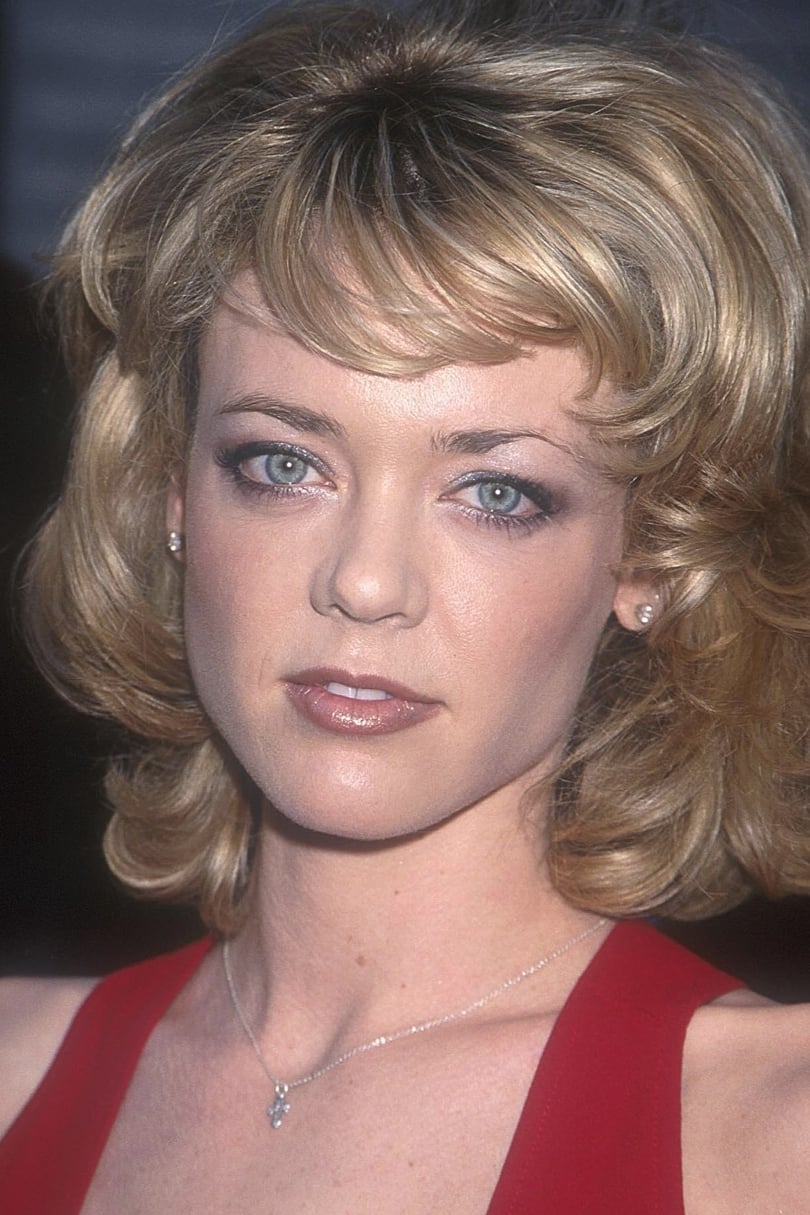
Lisa Robin Kelly left ‘That ’70s Show’ amid addiction struggles that made production planning difficult. Losing a role on a successful sitcom meant the end of steady network paychecks and residuals that would have grown with continued seasons.
Attempts to restart work were undermined by repeated arrests and rehab stays that interrupted any new momentum. Savings dwindled without reliable bookings, and legal costs plus medical expenses consumed what remained of her earnings.
Layne Staley
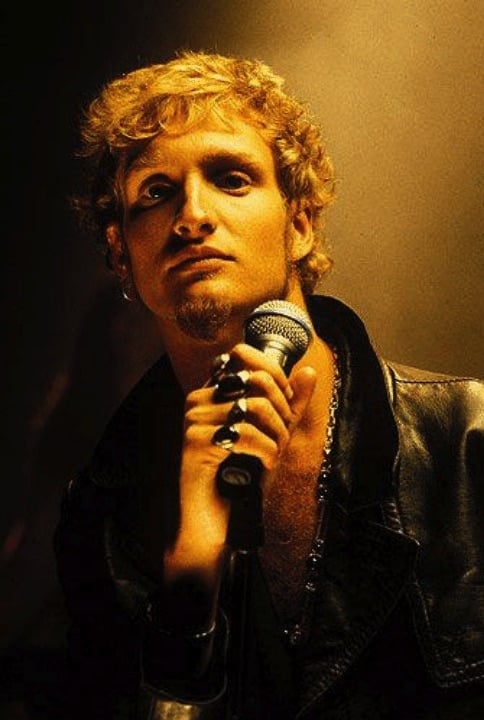
Layne Staley withdrew from touring as addiction worsened, which removed the main income source for a rock frontman. Without shows, merchandise sales dropped, and the band could not promote records at the level required to sustain mainstream success.
Isolation limited collaboration and studio time, and label advances tied to delivery schedules went unused or had to be repaid. The long absence from the road and the industry left his finances under pressure while health continued to decline.
Sid Vicious
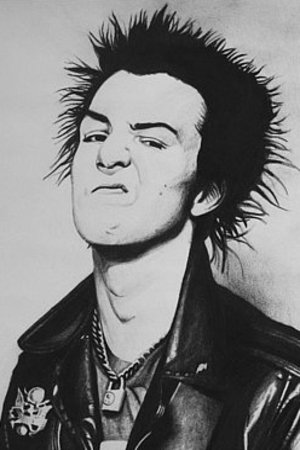
Sid Vicious faced heroin charges and jail time that stopped any chance of steady income. Legal fees rose quickly, and without touring or recording he had no way to replace funds spent on defense and bail.
The inability to secure visas and reliable bookings due to criminal proceedings further narrowed his options. By the time of his death, opportunities to monetize his notoriety were closed off by court restrictions and the absence of a deliverable show.
Prince

Prince developed a dependence on prescription painkillers after years of physically demanding performances. Medical issues and private treatment efforts disrupted travel and rehearsal plans, which reduced the number of high grossing live events that had been his financial backbone.
His unexpected death created a complex estate situation with vaults of unreleased music and contracts in flux. Without an established roadmap for those assets, revenue that might have supported long term plans was delayed by negotiations and legal work.
Tom Petty
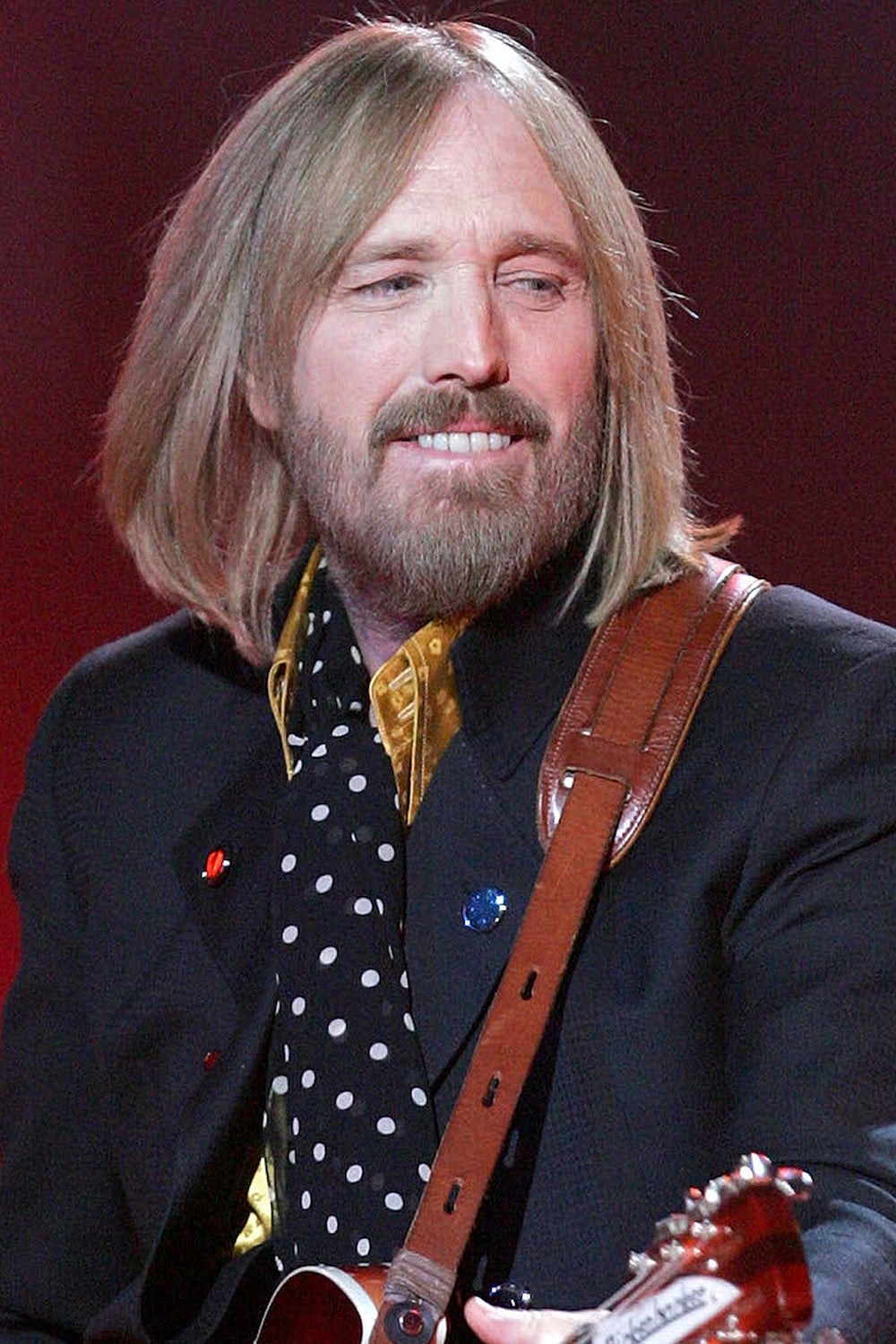
Tom Petty relied on pain medications while touring through injuries, and the combination contributed to his accidental overdose. His final tour ended with plans for rest that never came, and merchandise and live revenue ceased at the very moment his catalog was surging again.
The estate then had to sort through ongoing obligations with labels and publishers. Projects that were scheduled for release needed new timelines, which meant postponed income and complicated rights management across multiple stakeholders.
Share your thoughts below on which stories hit you hardest and what lessons readers should not ignore in their own lives.