


Celebs Who Secretly Wrote Policy Op-Eds Under Pseudonyms




Many famous figures in entertainment and literature have used their influence to shape public policy without revealing their true identities. By writing under pseudonyms these celebrities could advocate for specific political or social changes without the distraction of their fame. This practice allowed their arguments to be judged on their own merits rather than being filtered through a public persona. Some of these secret authors were only discovered years later through historical research or personal confessions. Today these hidden writings provide a unique look at the private political convictions of the world’s most recognizable faces.
Miles Taylor

This former government official published a high profile editorial about the inner workings of a presidential administration while keeping his identity secret. He used the name Anonymous to voice concerns regarding national security and the stability of the executive branch. The piece generated significant media attention and led to widespread speculation about the author’s identity for several years. He eventually revealed himself to discuss his motivations and his views on government ethics. This event remains a defining moment in the history of modern political commentary and whistleblowing.
Joe Klein
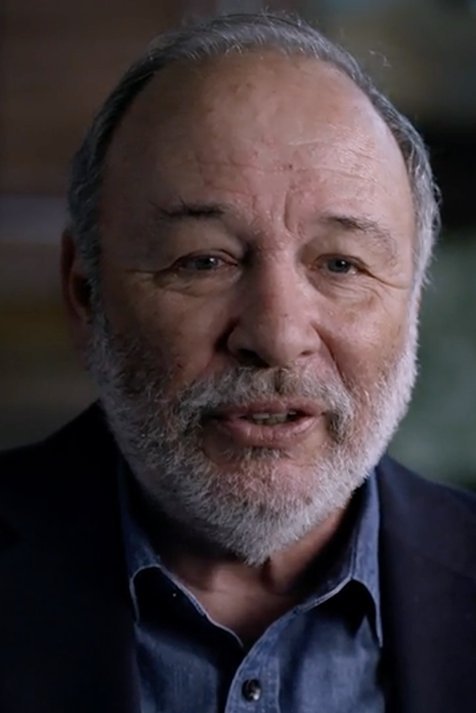
This political journalist became a subject of intense media scrutiny when he published a novel that heavily critiqued the culture of political campaigns. He initially denied being the author of the book which offered a thin disguise for real world policy makers and events. The work provided a detailed look at the inner workings of a presidential campaign and the ethical dilemmas involved in policy development. Eventually he admitted to being the writer after significant pressure from his peers in the media. His use of a pseudonym allowed him to provide a more candid look at political life than his standard reporting.
J.K. Rowling
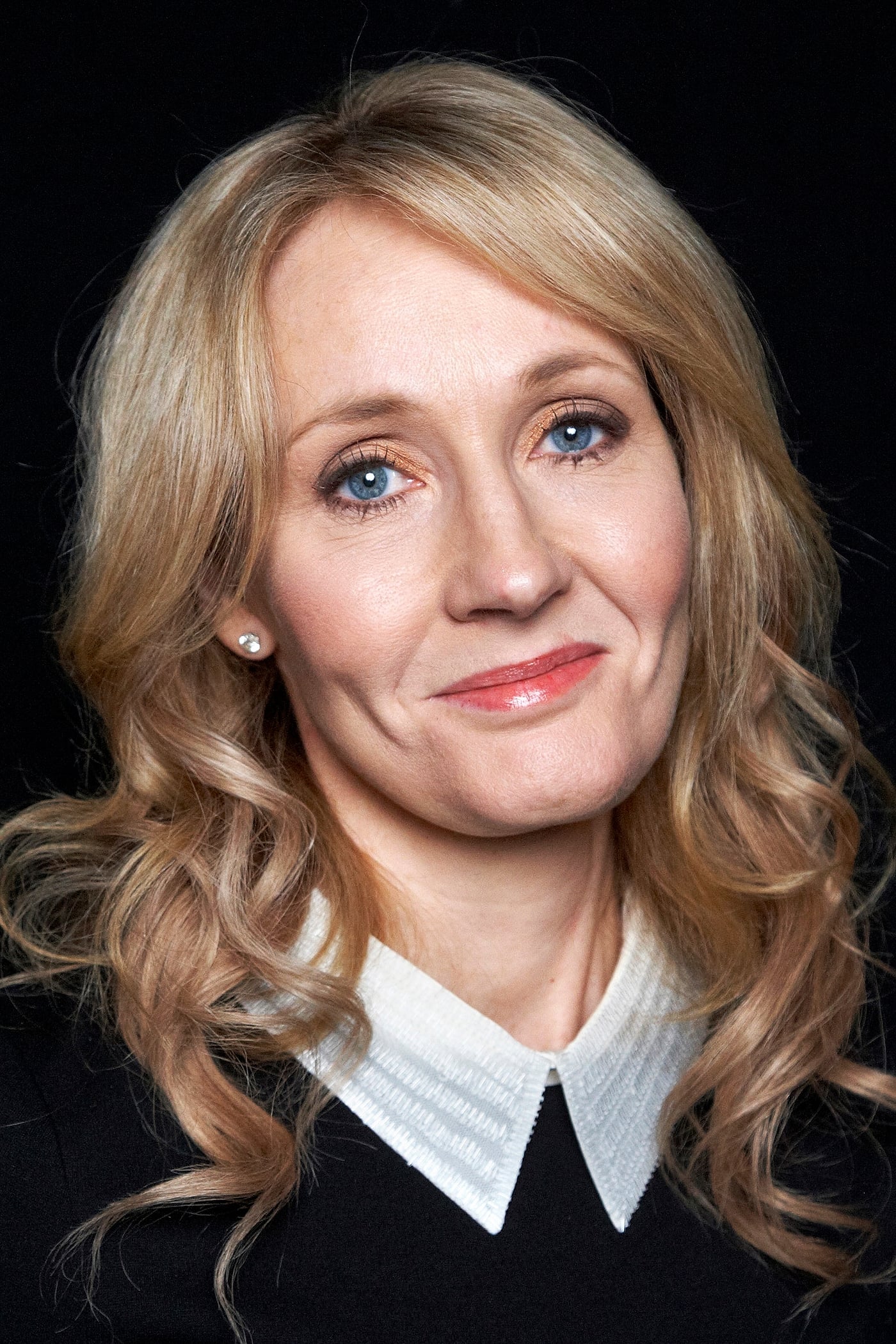
The world famous author used the pseudonym Robert Galbraith to write crime fiction and various social commentaries. While she is best known for her fantasy series she has also engaged in public debates regarding social policy and gender issues. By using a different name she sought to see if her work could stand on its own merit without the weight of her global fame. This allowed her to explore controversial topics with a degree of separation from her primary brand. Her true identity was eventually discovered by a forensic linguist who noticed similarities in her writing style.
Stephen King
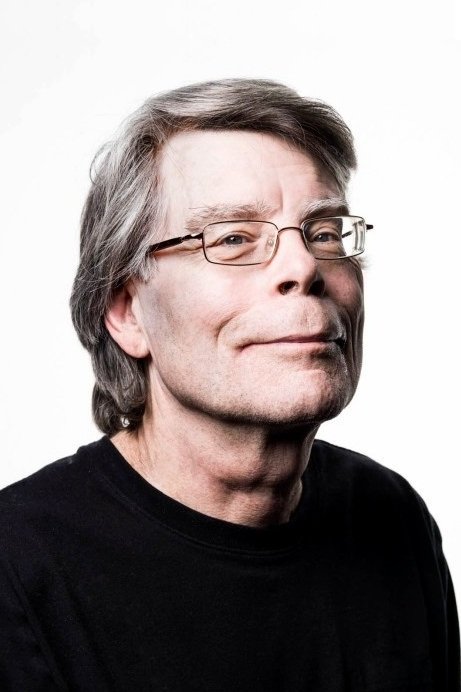
This legendary novelist wrote several books under the name Richard Bachman to see if his success was based on his talent or his famous name. Many of these stories contained sharp critiques of social policy and the impact of government surveillance on private citizens. The stories under this pen name were often darker and more politically charged than his mainstream work. By adopting a different persona he was able to publish more frequently without overwhelming his readers. The secret was eventually revealed when a persistent bookstore clerk noticed the similarities between the two authors.
Daniel Defoe
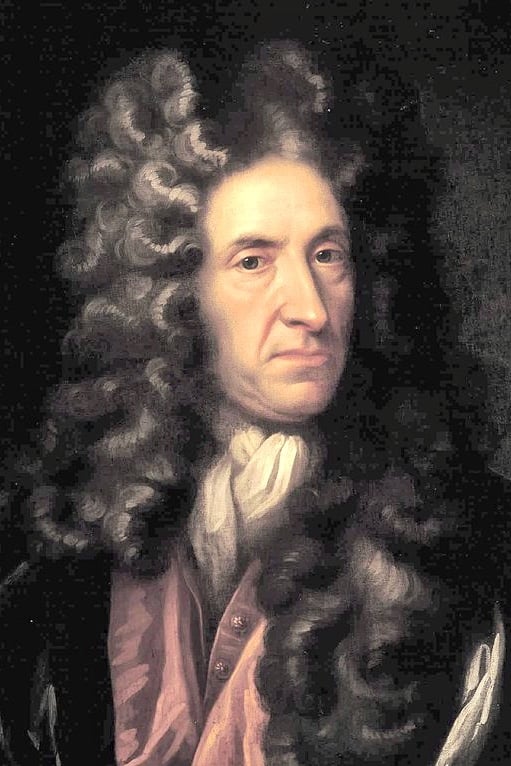
This prolific author used a variety of secret names to publish political pamphlets that challenged the status quo. He wrote extensively about trade policy and the importance of religious tolerance in a diverse society. By adopting different personas he could reach audiences with varying political leanings and persuade them to support specific reforms. His work often landed him in trouble with the authorities despite his attempts to remain anonymous. He is now remembered as a pioneer of both modern journalism and the use of the pseudonym for political advocacy.
George Orwell
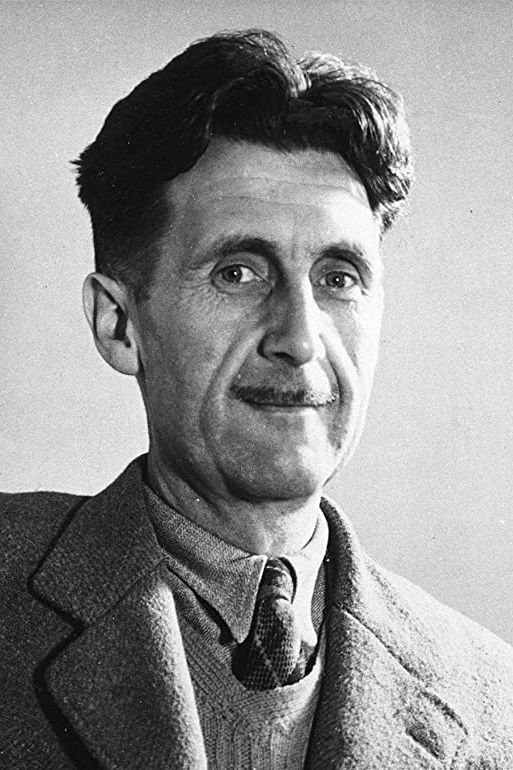
The author known for his political novels often used a pen name to publish essays about social policy and language. He believed that clear communication was essential for a functioning democracy and wrote extensively about the dangers of propaganda. By writing under a pseudonym he could critique the government without immediately being dismissed as a partisan figure. His work focused on the intersection of public policy and the rights of the individual. These writings helped shape the modern understanding of how political rhetoric influences legislation.
Mark Twain
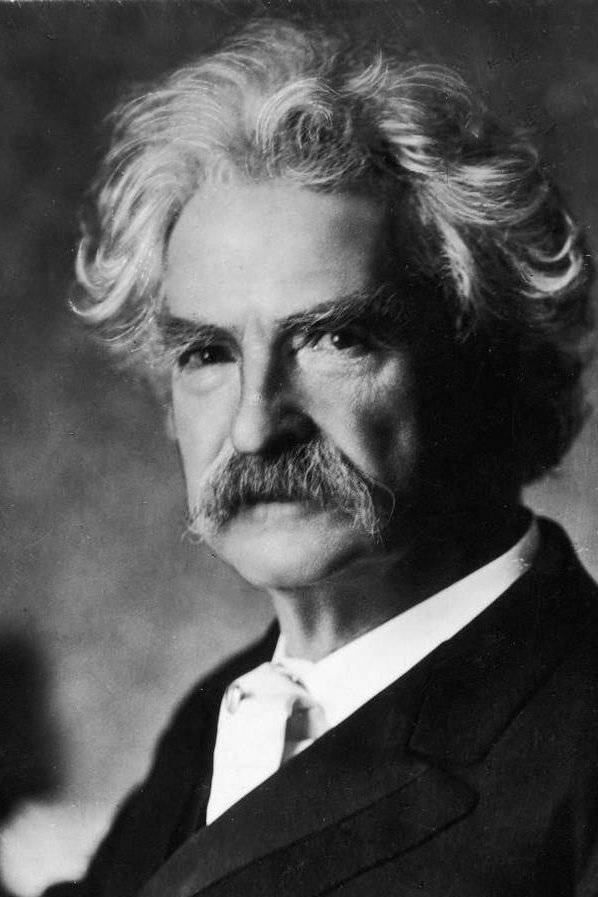
The celebrated humorist and author often used his platform to critique imperialist policies under various pen names. He was a vocal opponent of the war in the Philippines and wrote several op-eds that challenged the government’s expansionist agenda. By adopting a different persona he could express radical political views that differed from his public image as a simple storyteller. His writings on foreign policy and human rights were sharp and influential during his time. He remained committed to using his literary skills to highlight social and political injustices.
Romain Gary
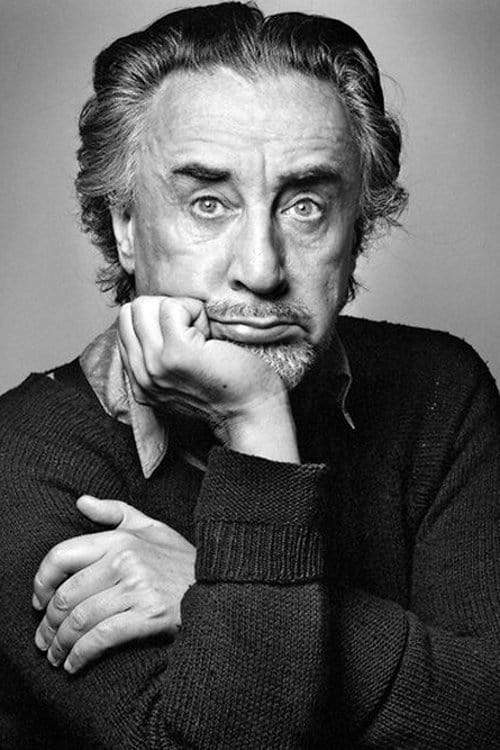
This celebrated author is the only person to ever win the most prestigious literary award in France twice under two different names. He used the pseudonym Emile Ajar to publish works that contained deep reflections on social policy and human nature. By hiding his identity he was able to reinvent his career and see if his writing would be judged fairly by critics. The deception was so effective that it caused a major scandal in the literary world when it was finally revealed. His work continues to be studied for its insights into the complexities of identity and public life.
William F. Buckley Jr.
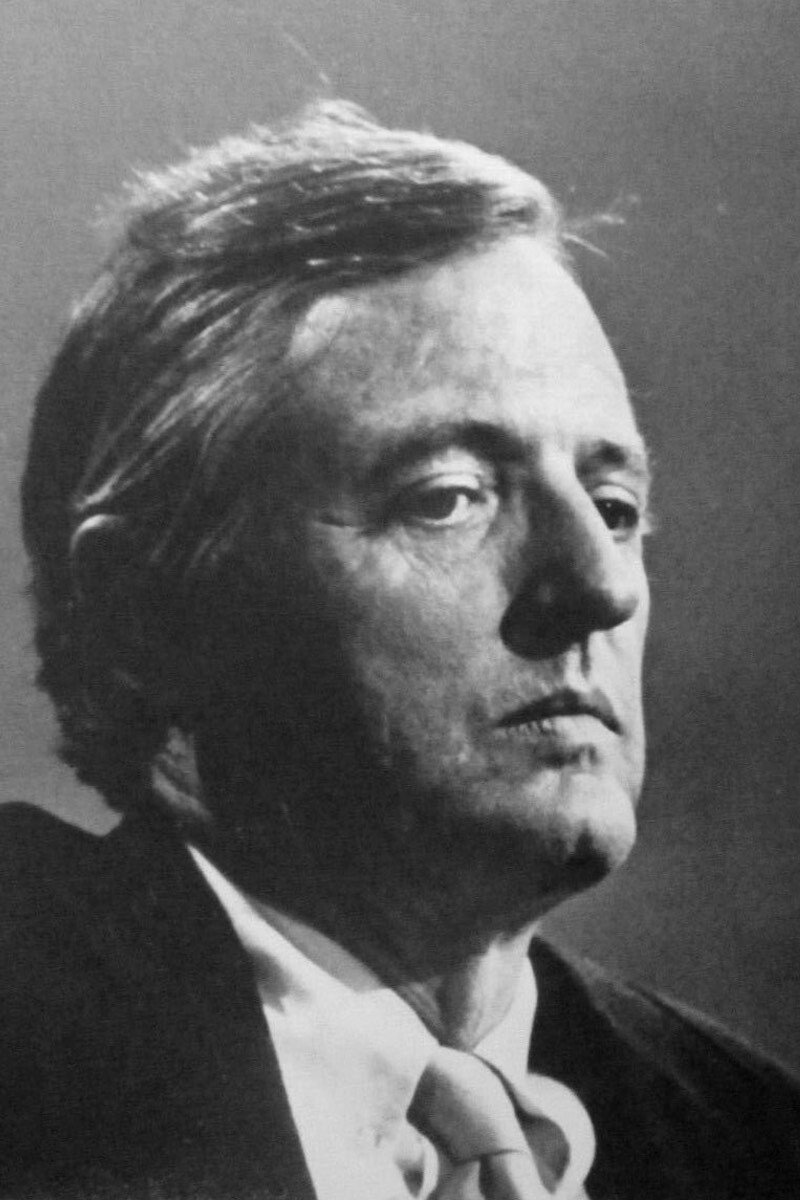
This influential editor and writer used various pseudonyms throughout his career to engage in different types of political debate. He often used these identities to publish op-eds that tested the reactions of his readers to new policy ideas. By hiding his famous name he could provoke a more honest discussion about the future of conservative thought. This practice allowed him to maintain his primary brand while exploring more radical or experimental political theories. His work was pivotal in defining the direction of modern political discourse in the United States.
Christopher Hitchens
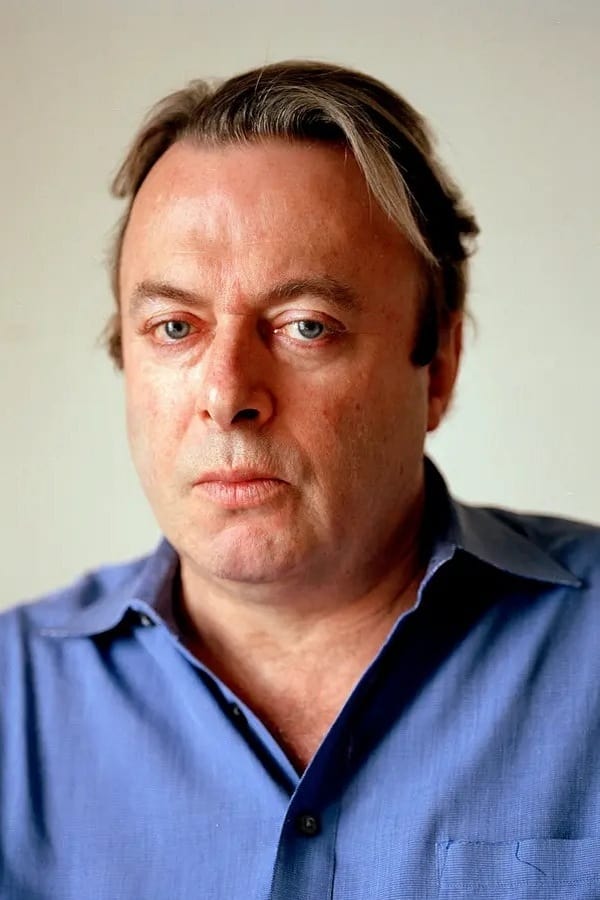
This prolific essayist and critic used a variety of names early in his career to publish sharp critiques of foreign and domestic policy. He was known for his uncompromising stance on civil liberties and the importance of secularism in government. By writing under different personas he could contribute to multiple publications and reach a wider variety of readers. His work often focused on the ethical implications of political decisions and the role of the intellectual in public life. He remained a vocal participant in policy debates until the end of his life.
Gloria Steinem
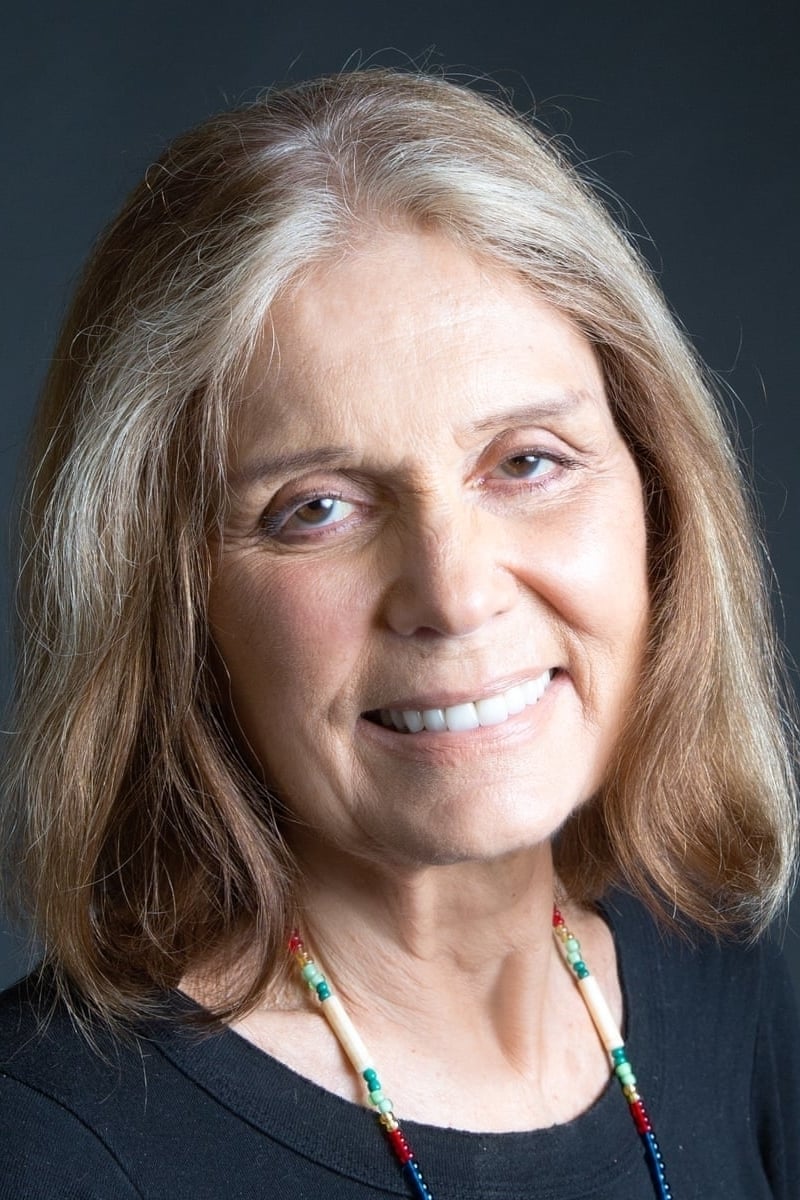
Early in her career this famous activist and journalist used a pseudonym to publish investigative reports on labor policy and gender issues. She wanted to ensure that her reporting was taken seriously and was not dismissed based on her gender or her growing fame. Her undercover work provided a unique look at the working conditions of women in various industries. By hiding her identity she was able to gather information that would have been impossible to access as a public figure. Her secret writings helped launch a movement for significant social and legal reform.
Hunter S. Thompson
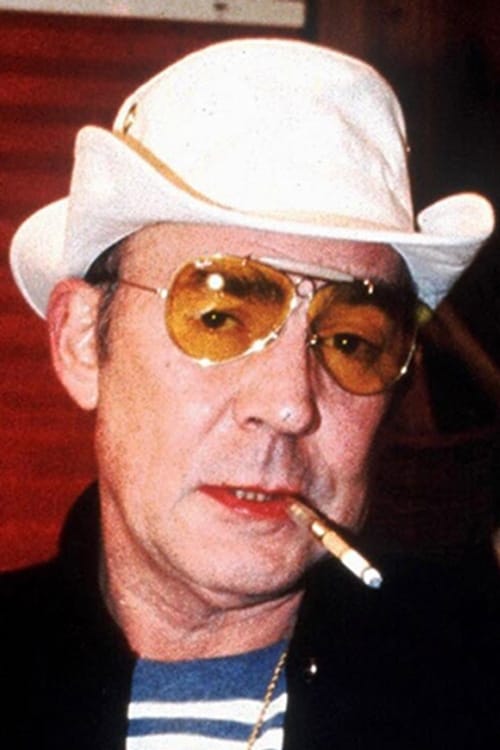
The creator of a unique style of investigative journalism frequently used different names to publish political commentary. He used these alter egos to report on the inner workings of political campaigns and the impact of government policy on youth culture. By adopting a different persona he could push the boundaries of traditional reporting and express more radical views. His writings were often deeply critical of the political establishment and the corruption of the American dream. He is remembered for his bold approach to political journalism and his use of the pseudonym as a tool for social critique.
George Bernard Shaw
This famous playwright and social critic used several different names to write about music and political policy. He was a dedicated advocate for social reform and used his writing to promote ideas about education and economic equality. By using pseudonyms he could engage in multiple debates simultaneously without confusing his public audience. His work often challenged the social norms of his time and called for significant changes to public policy. He remains one of the most prolific and influential writers to use a secret identity for social advocacy.
Oscar Wilde
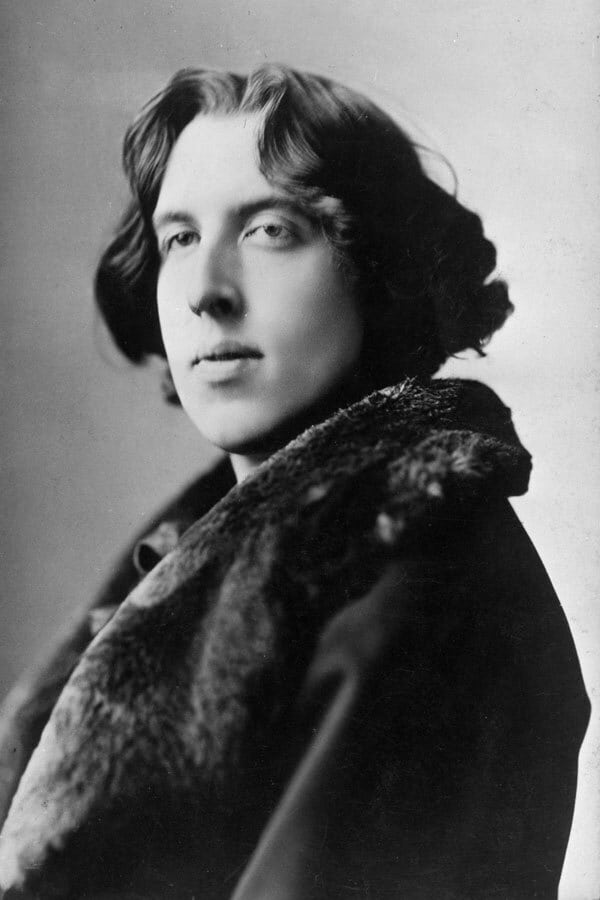
During his career this celebrated author used different names to publish essays on aesthetics and social policy. He argued for the importance of individual freedom and the need for a more compassionate approach to law and justice. By using a pseudonym he could explore controversial ideas that might have been risky to publish under his own name. His work often contained a sharp wit that he used to highlight the absurdities of the social and political systems of his era. Even after his identity was known his writings continued to influence public debates on human rights.
Gore Vidal
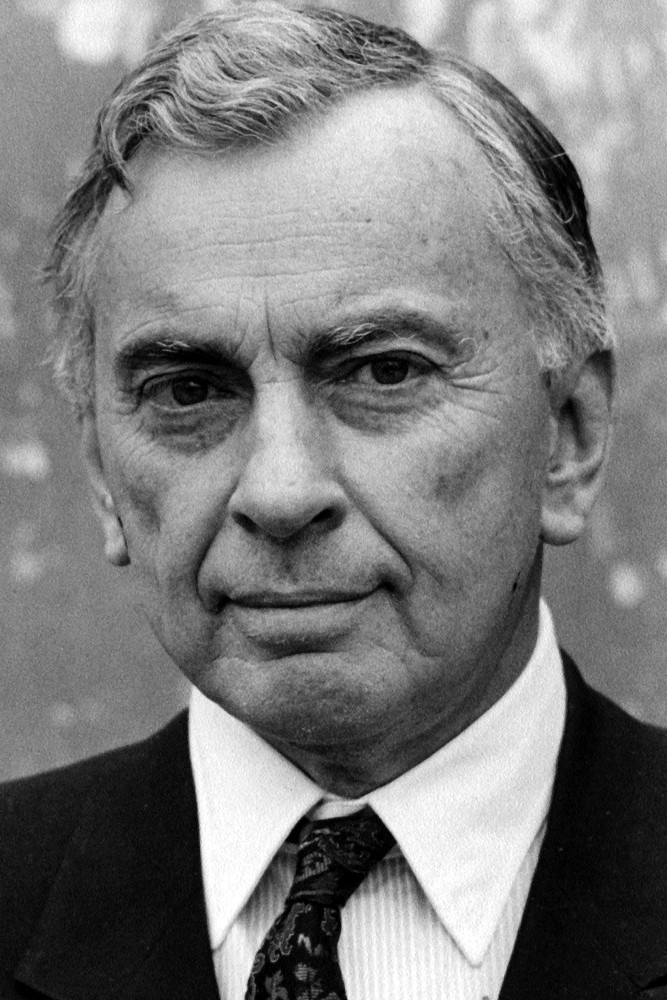
This famous writer and political commentator used several pseudonyms to publish novels and essays that touched on social issues. He was a vocal critic of American foreign policy and the structure of the political system. By adopting different identities he could write in various genres while maintaining a consistent focus on social reform. His work often explored the historical roots of contemporary policy problems and suggested radical solutions for the future. He is remembered as one of the most provocative and insightful political thinkers of his generation.
Michael Crichton
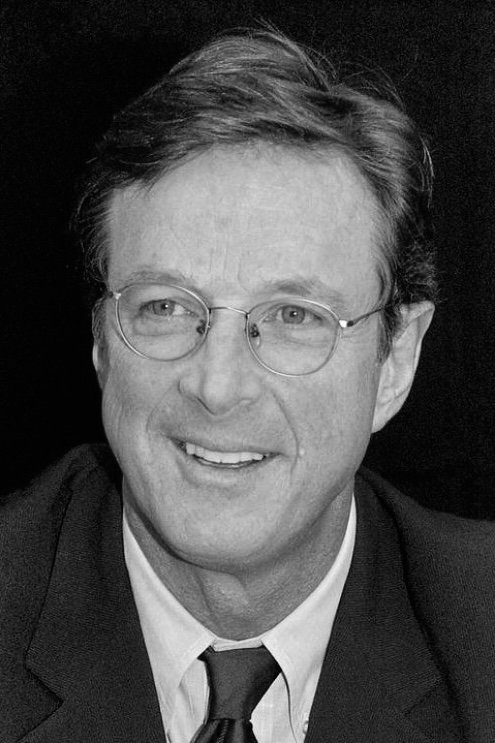
Before he became a household name for science fiction he used several pen names to write thrillers that touched on medical policy and ethics. He was deeply interested in the impact of technology on society and the need for better regulation of scientific research. By using a pseudonym he could explore these complex issues without the pressure of being a famous author. His early work provided a detailed look at the potential dangers of corporate influence on public policy. These themes would continue to appear in his more famous works throughout his career.
Isaac Asimov
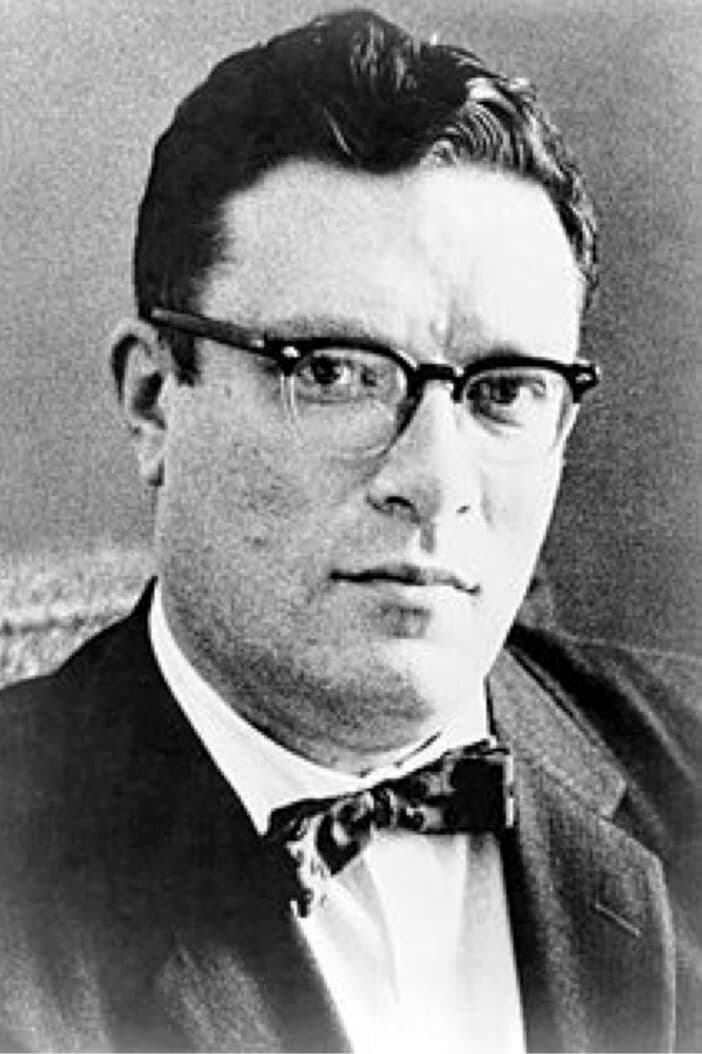
This prolific writer used a secret name to publish a series of books that explored the future of human society and technology. He was a strong advocate for the use of science to improve public policy and education. By writing under a pseudonym he could experiment with different storytelling techniques and reach a younger audience. His work often focused on the importance of rational thinking and the ethical use of technology. He remains one of the most influential figures in science fiction and a major proponent of scientific literacy.
Ray Bradbury
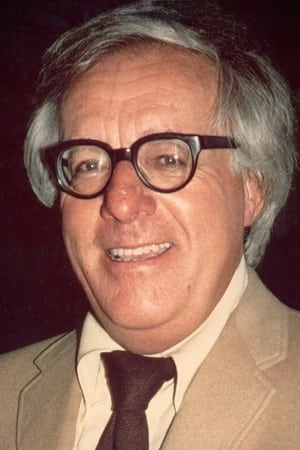
Early in his career this celebrated author used a pseudonym to publish stories that critiqued the impact of technology on social policy. He was concerned about the potential for government surveillance and the loss of individual privacy in a modern society. By hiding his identity he could explore these dark themes without alienating his growing audience. His writing often served as a warning about the potential consequences of ignoring the human element in policy making. He is now remembered as a visionary writer who used fiction to highlight important social and political issues.
Roald Dahl

This popular author used a pseudonym to publish several stories and essays that explored the darker side of human nature and social policy. He was known for his sharp wit and his ability to critique the injustices of society through humor. By using a different name he could address more mature themes that were separate from his famous children’s books. His work often focused on the importance of fairness and the need for children to be protected from unjust authority. He remains a beloved figure in literature who used his platform to advocate for social change.
Charles Dickens
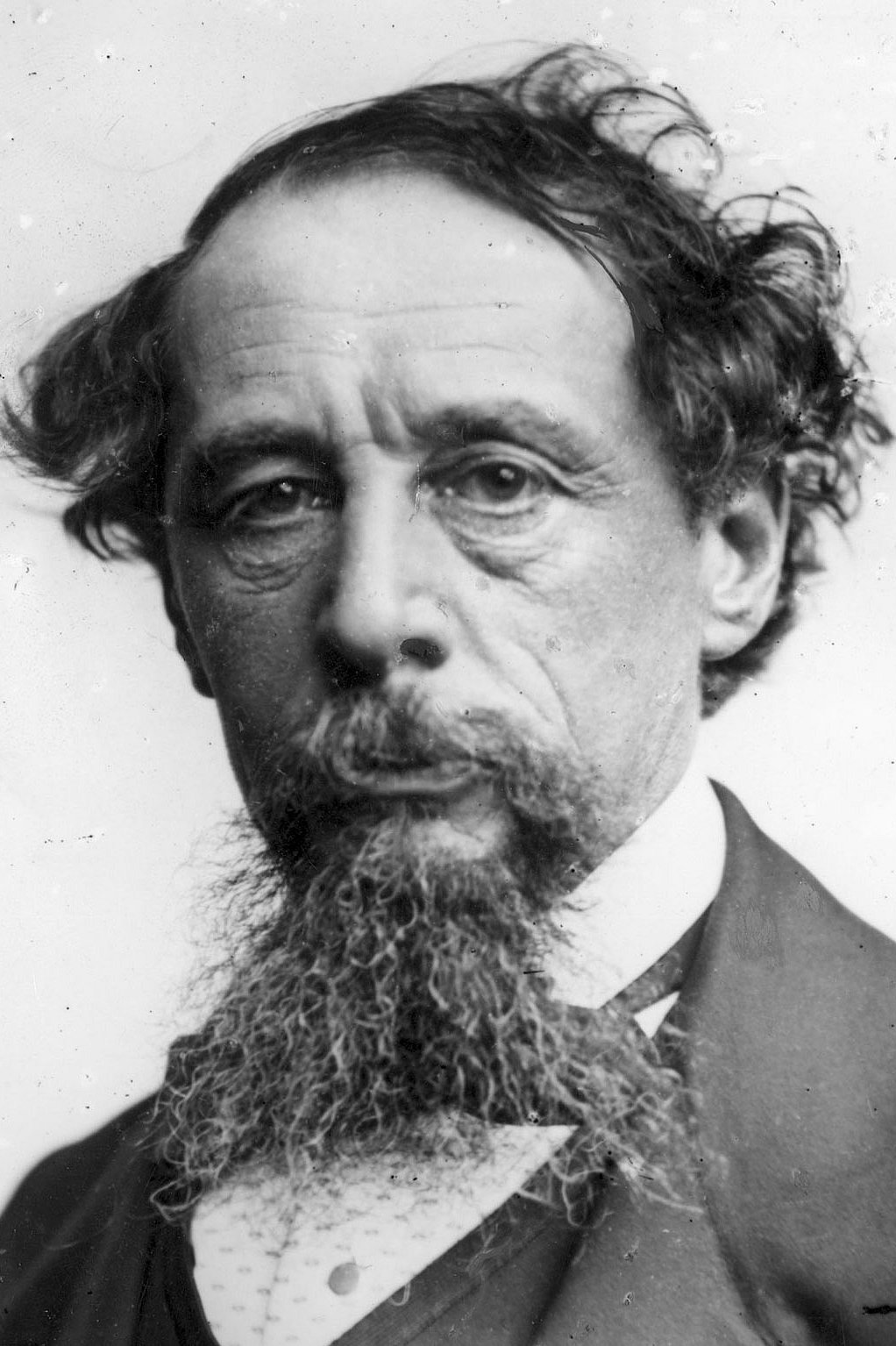
During his early career he used the name Boz to publish sketches that provided a detailed look at the social policies of his era. He was a vocal advocate for the poor and used his writing to highlight the need for prison reform and better working conditions. By using a pseudonym he could report on the realities of city life without the constraints of his later celebrity status. His work was instrumental in changing public perceptions of poverty and the role of the government in social welfare. He is now celebrated for his lifelong commitment to social reform through literature.
Winston Churchill
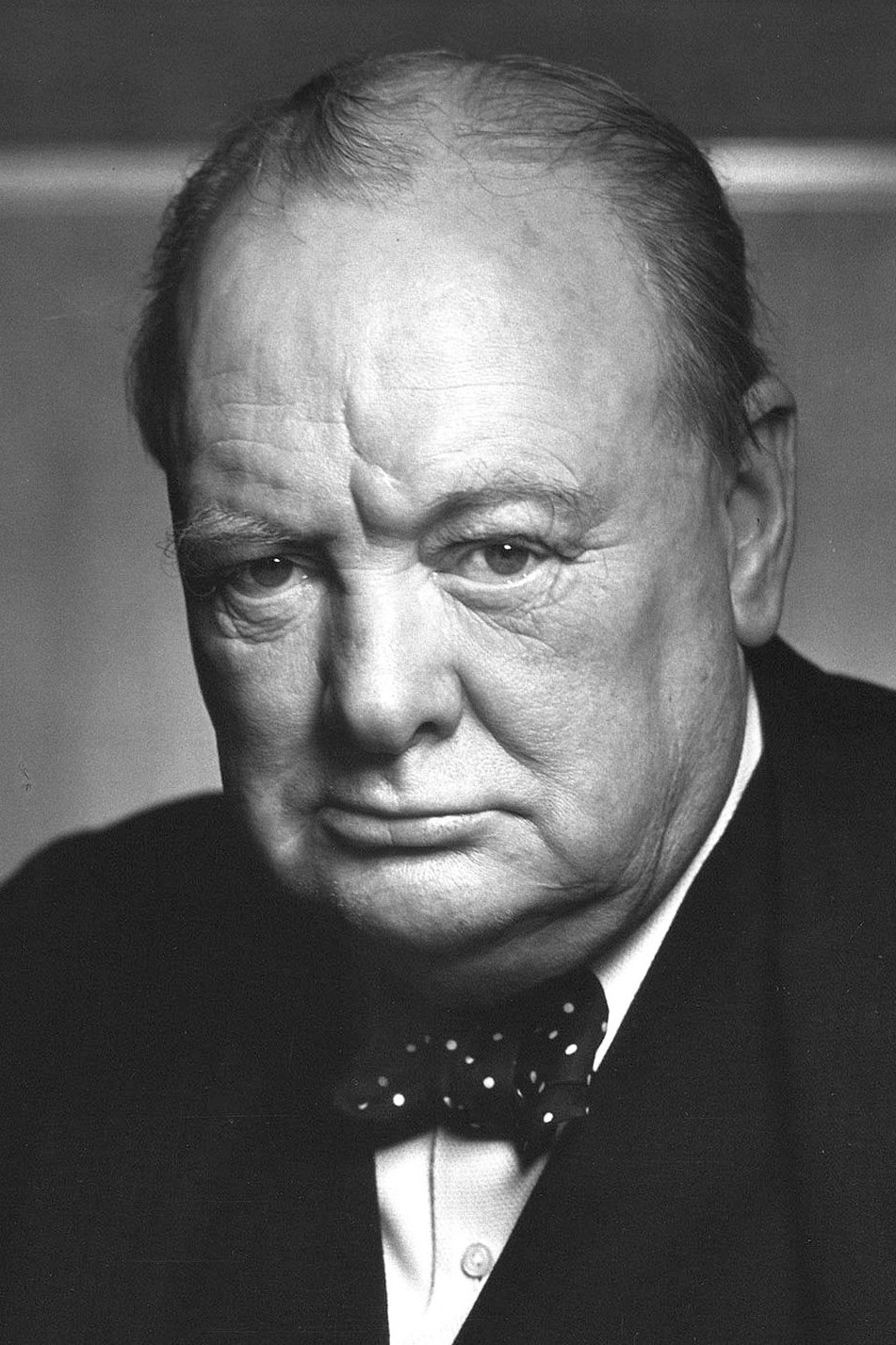
Before he became a world leader he used several pseudonyms to publish articles about military policy and international relations. He was a keen observer of global events and used his writing to advocate for a stronger national defense and strategic alliances. By writing under different names he could share his expertise without the limitations of his political office. His early work provided a foundational understanding of the geopolitical issues that would define his later career. He remains one of the most significant figures in history who used the written word to shape public policy.
James Otis
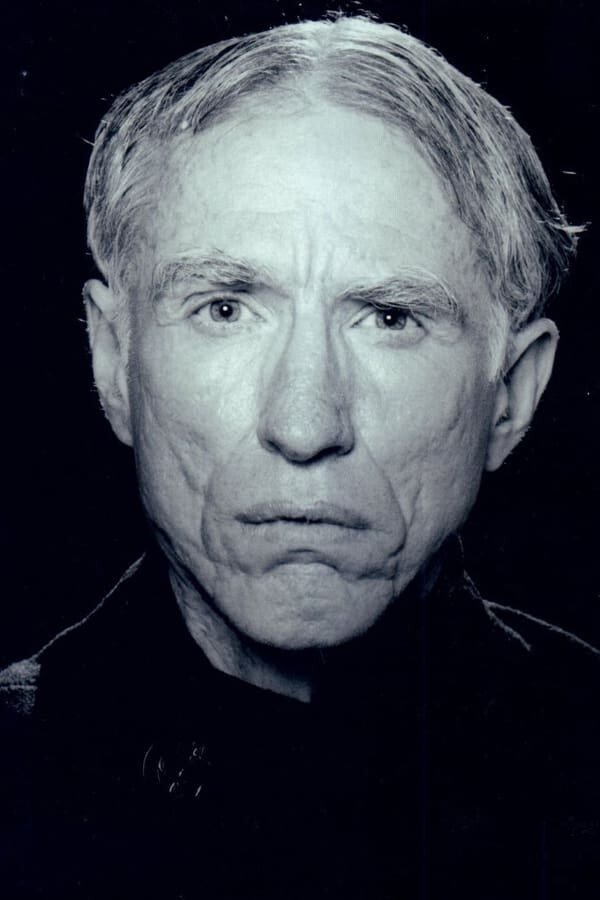
This legal expert and political leader used a pen name to publish influential essays on the limits of government power and the rights of the people. He was one of the first to argue that tax policy should be directly tied to political representation. By using a pseudonym he could challenge the authority of the colonial government while protecting his professional reputation. His work provided a legal framework for the arguments that would later lead to the American Revolution. He is remembered for his dedication to the principles of justice and the importance of transparent policy making.
Please share your favorite examples of celebrities using secret names for advocacy in the comments.