


Celebs Who Stopped Playing by the Rules

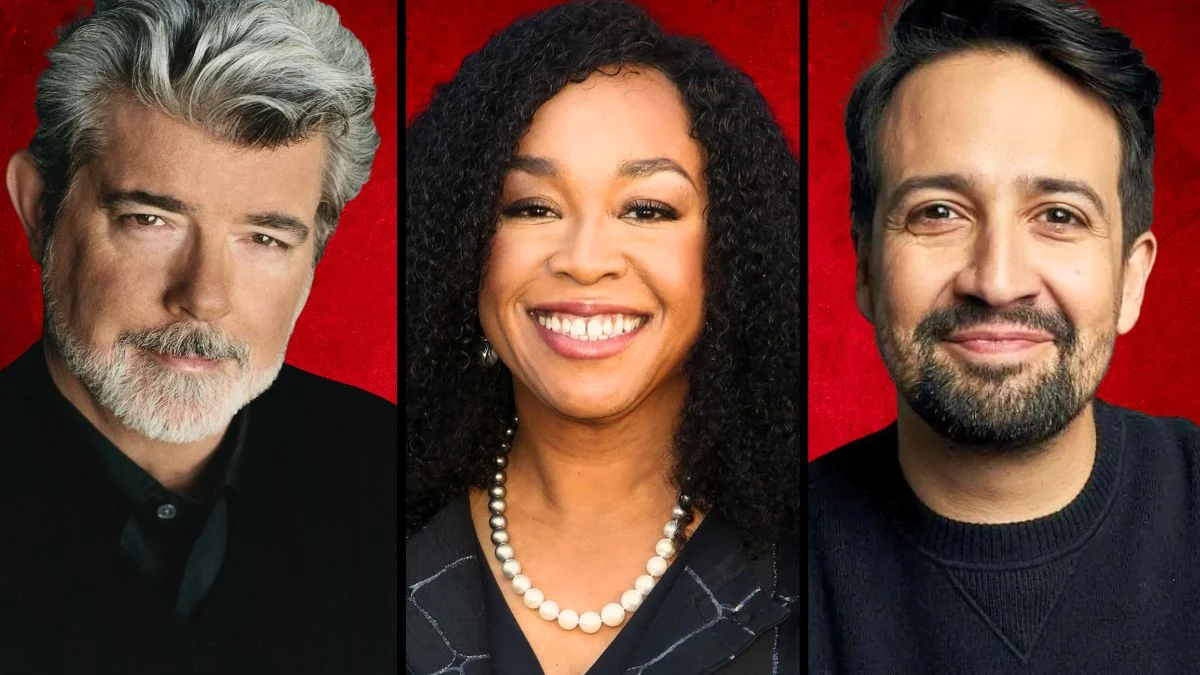


Some stars build careers by following the script. Others change the script completely. This list looks at celebrities who stopped using the usual playbook and rewrote how their industries work. They took ownership, reshaped deals, bypassed middlemen, and used new technology to reach fans in ways that felt direct and effective.
You will see tactics like re recording catalogs, surprise release strategies, independent financing, and creator owned studios. You will also see people who turned streaming rules into opportunities, who brought inclusion to the center of their business, and who proved that audiences will show up for bold ideas when the work is delivered with clarity and intent.
Prince

Prince fought for control of his master recordings and publishing in an era when most artists did not ask for that leverage. He changed his name to an unpronounceable symbol during a contract dispute and used the move to draw attention to ownership issues faced by recording artists. He distributed music through fan clubs and the internet early on and experimented with bundling albums with concert tickets to get music directly to listeners.
He financed and released projects on his own terms and built a vault of unreleased material that he controlled. His tours were produced with a lean team that could pivot quickly, and he frequently tested new sales models that cut down on intermediaries and put more revenue back into the creative process.
Taylor Swift

Taylor Swift decided to re record her early albums to control the new masters once the originals changed hands. She mapped out a multi year plan, recreated entire productions with her current team, and packaged each release with fresh content so fans had a clear reason to choose the newer versions.
She also shifted tour and merch drops to align with her direct to fan model. Her ticketing approach emphasized verified fans and timed presales to reduce bots, and her release campaigns used simple visuals and repeatable motifs so global audiences could follow along across platforms.
Beyoncé
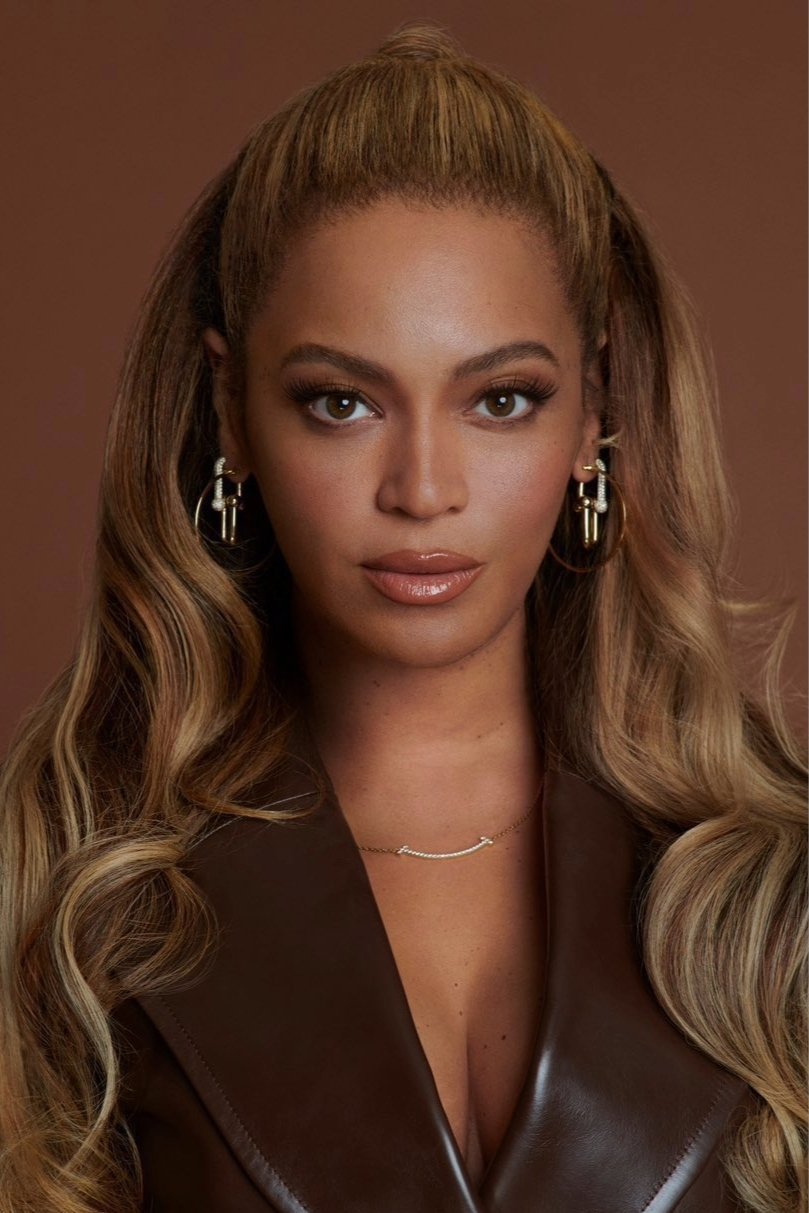
Beyoncé normalized the surprise album at mainstream scale with a full length release that arrived without traditional pre promotion. She extended the concept with visual albums that paired every track with a film component, which nudged platforms and networks to create space for long form music visuals.
Her tour rollouts use meticulous control of assets, short windows between announcement and delivery, and coordinated brand partnerships that support the creative concept. She has also used platform exclusives and later wide releases to balance reach with leverage during key windows.
Dave Chappelle
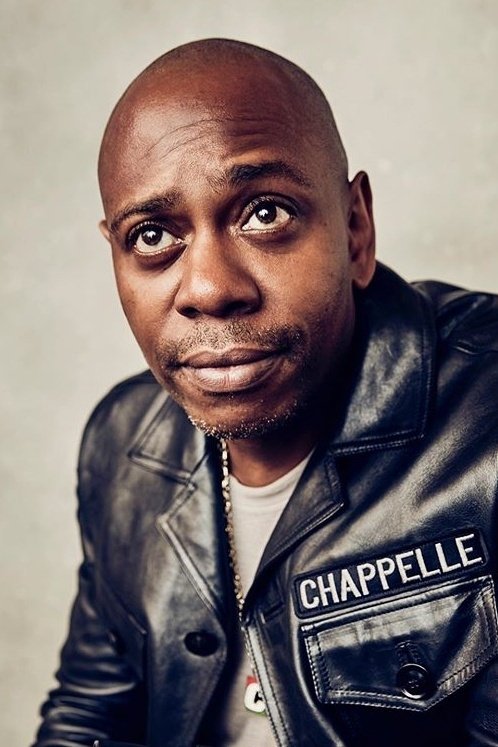
Dave Chappelle walked away from a hit series when he felt the production environment did not align with his values. He returned to stand up on his own timetable and later negotiated directly for specials that were released to streaming with significant creative control.
He has also spoken publicly about licensing and residual structures for past work and secured arrangements that better reflected his role in creating the series. His path showed how a performer can pause a lucrative format, rebuild an audience through live shows, and come back with terms that are clear and enforceable.
Chance the Rapper
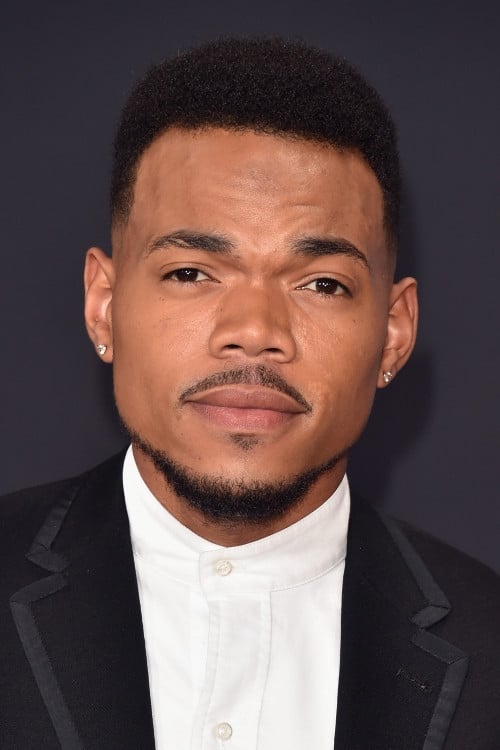
Chance the Rapper built momentum without signing to a traditional label and focused on digital distribution. His mixtape strategy leveraged streaming and downloads to reach a large audience, and he formed partnerships that preserved his ownership while still funding production and touring.
He used targeted merch drops, brand collaborations, and a strong hometown festival presence to diversify revenue. His successes demonstrated that a direct relationship with fans and a carefully managed independent team can produce major awards and arena scale tours without the legacy label structure.
Rihanna
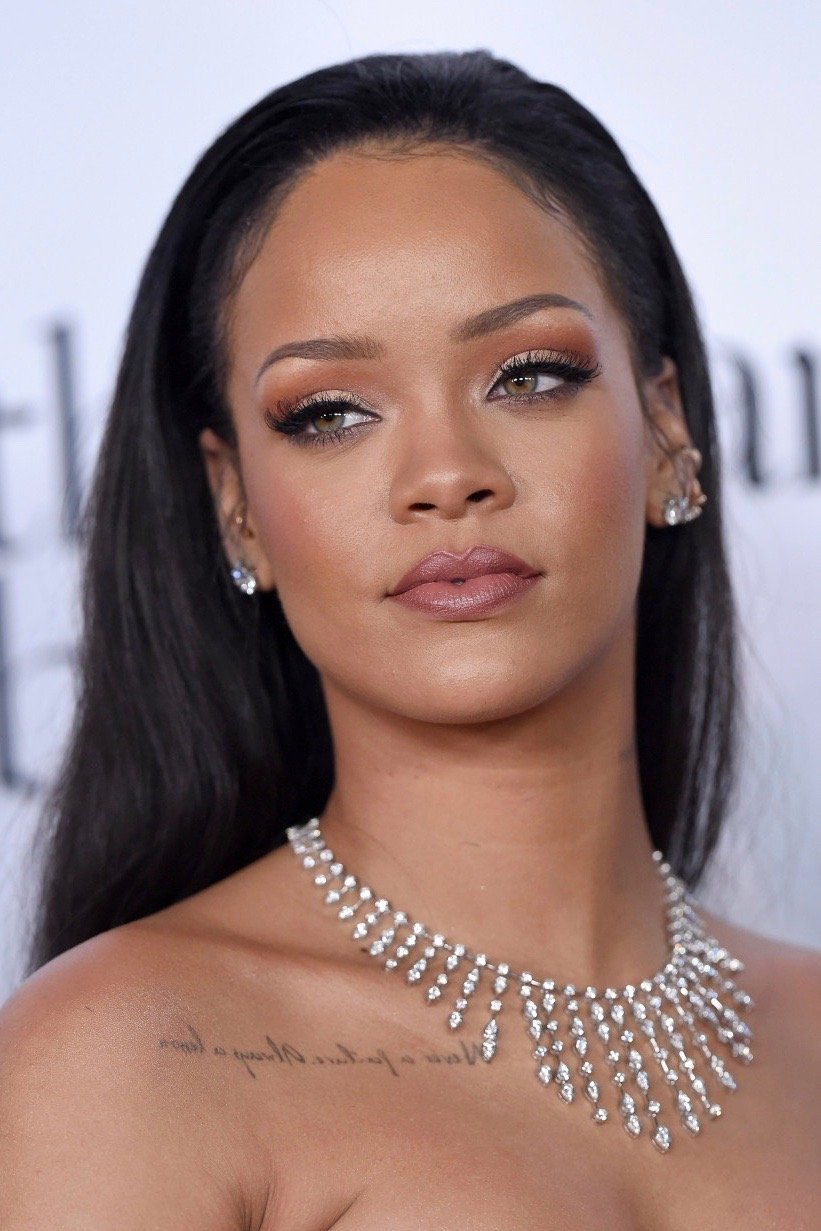
Rihanna launched Fenty Beauty with a wide foundation shade range that set a new baseline for inclusion. The brand started with direct to consumer channels alongside large retail partners and used clear product photography and easy shade matching tools to reduce friction at launch.
She extended the approach with Savage X Fenty and introduced runway style shows that were filmed and distributed as premium entertainment. The business now sits next to her music career as a major enterprise with data driven drops and frequent inventory updates that match audience demand.
Tyler Perry
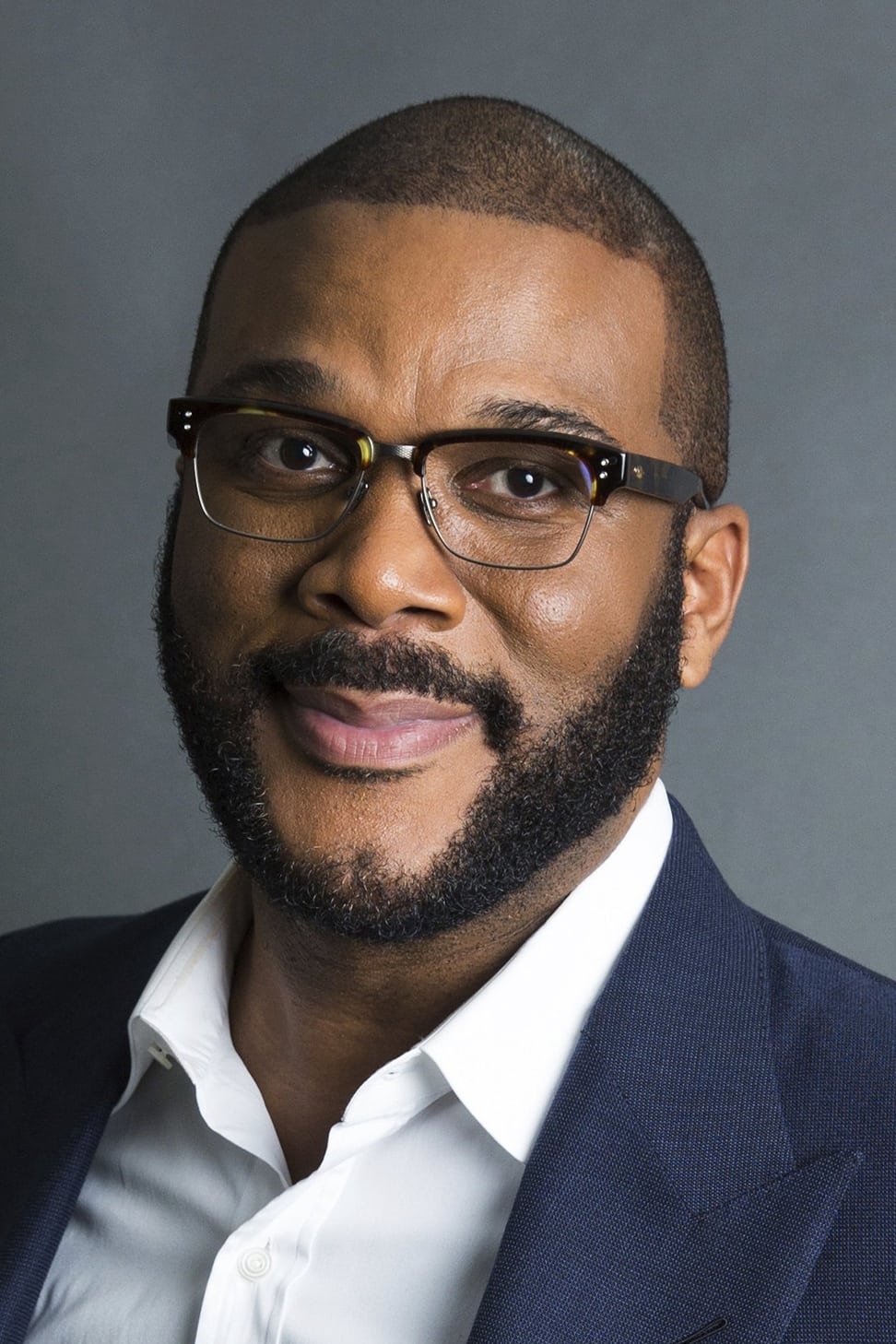
Tyler Perry financed early films with stage play revenue and built a direct pipeline to a loyal audience. He then opened Tyler Perry Studios on a large former military base in Atlanta and brought soundstages, backlots, and post production under one roof with full ownership.
He writes, directs, and produces at high volume and keeps production schedules tight, which lowers costs and keeps more value in house. He has made long term deals with distributors and streamers while holding on to creative control and physical infrastructure that many creators lease rather than own.
Shonda Rhimes
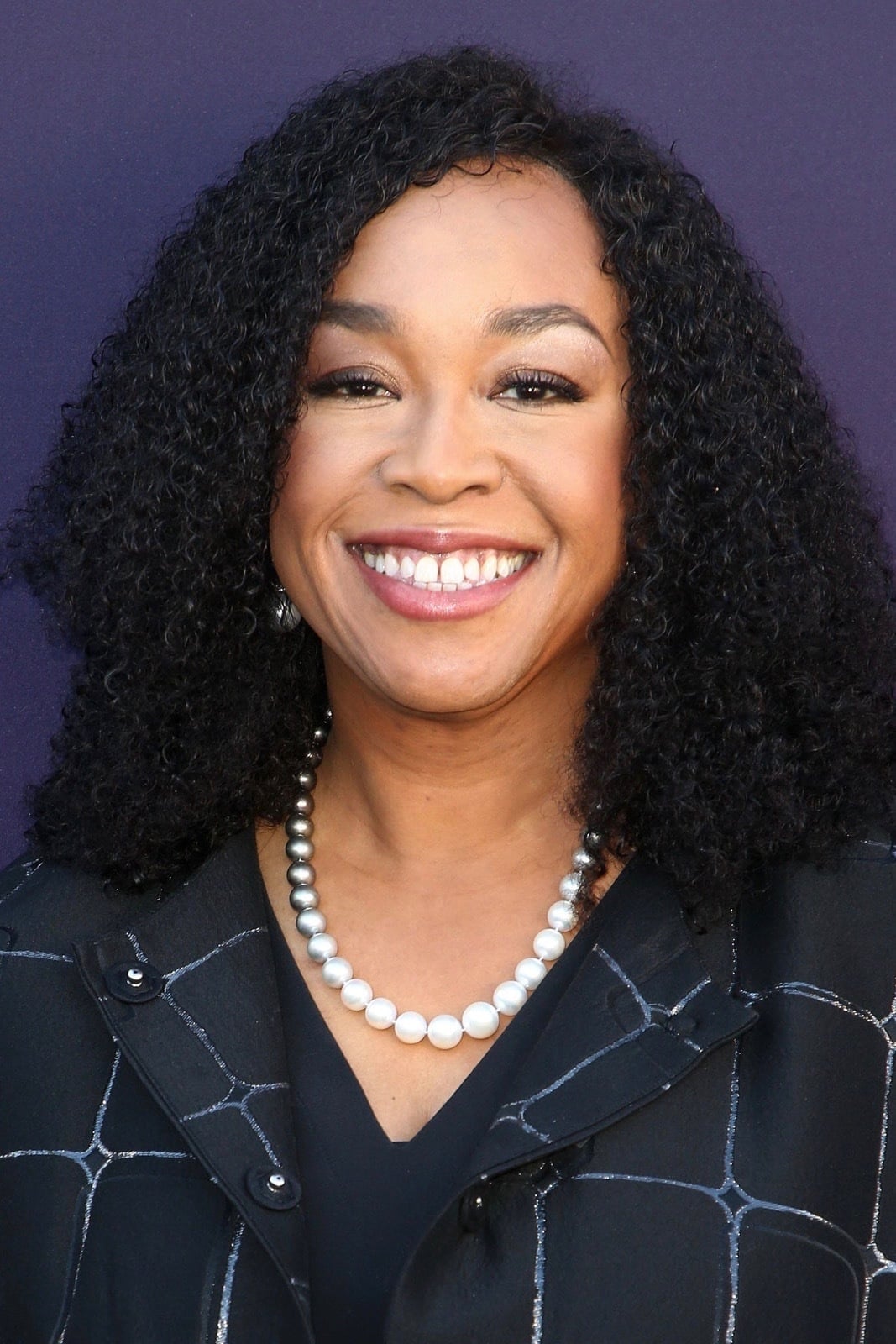
Shonda Rhimes created a production company that delivered multiple long running network hits, then moved her primary output to streaming with a major overall deal. She built writers rooms that could support several shows at once, including ‘Grey’s Anatomy’, ‘Scandal’, and later ‘Bridgerton’, and she standardized workflows that helped new showrunners grow inside the company.
Her approach to diverse casting and inclusive story leadership became a template inside studios. She also focused on global ready concepts, which made it easier for streaming platforms to market her series in many countries with minimal localization challenges.
Lin-Manuel Miranda
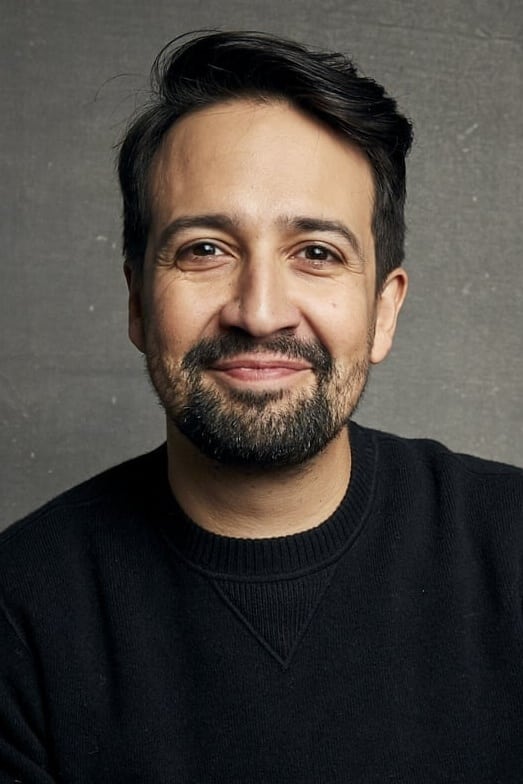
Lin-Manuel Miranda fused hip hop, pop, and musical theater in a Broadway environment that rarely centered that mix. He wrote and performed in a show that drove enormous advance sales and then leveraged cast albums and filmed performances to reach far beyond the theater district.
He expanded into film and television songwriting while keeping strong creative oversight, and he used limited run engagements and touring productions to maintain demand. His deals balance stage rights, publishing, and screen adaptations so the property lives in several formats without diluting the core brand.
Billie Eilish
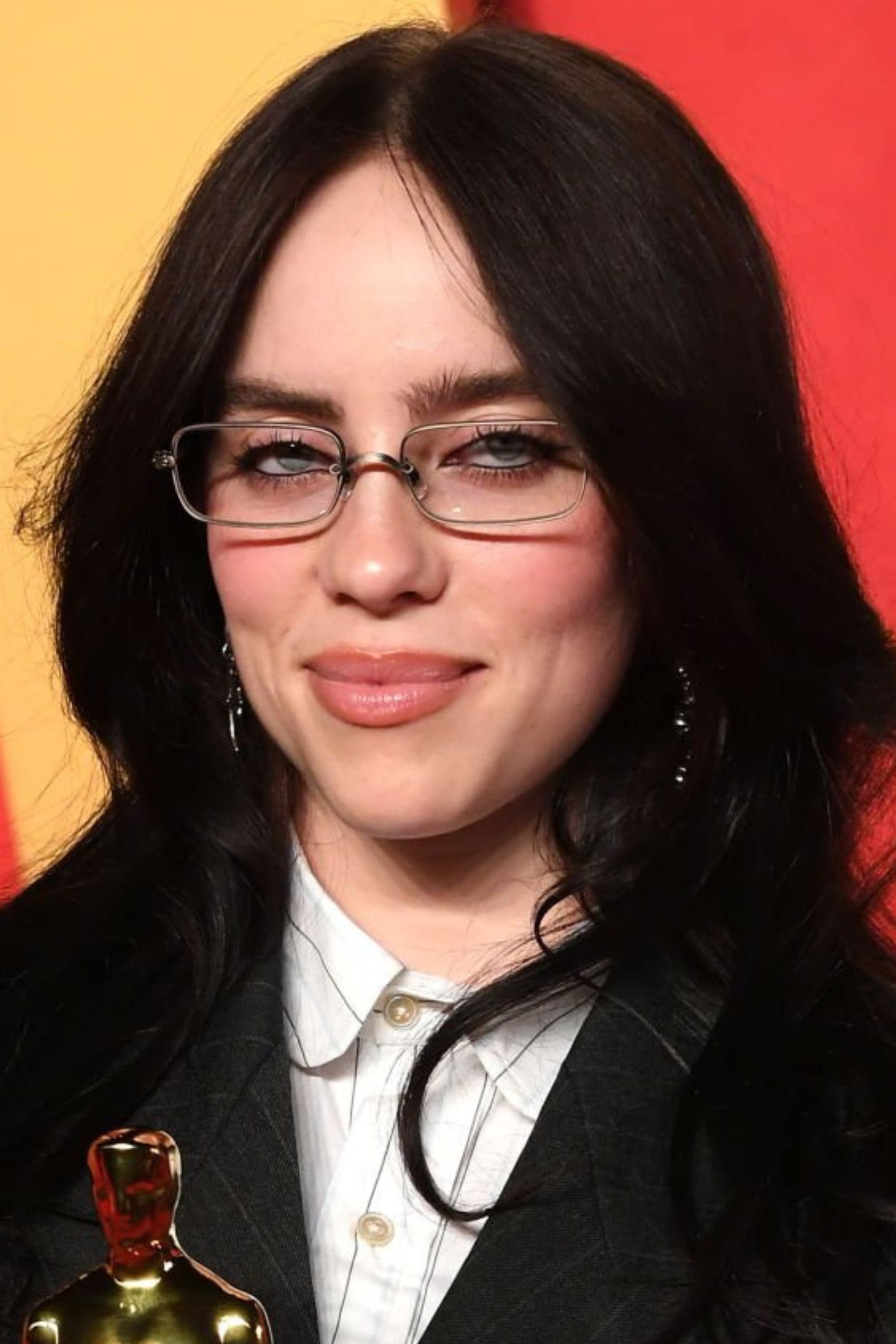
Billie Eilish recorded early music at home with a small team and kept her visual identity consistent across videos, photos, and live shows. She focused on high quality audio production and close collaboration with a single producer, which made her sound distinctive while keeping costs controlled.
Her rollouts emphasize short gaps between announcement and release, frequent touch points on social platforms, and tightly curated merch capsules. She also worked with sustainability measures on tours, including venue choices and materials, which aligned her business operations with clear values.
BTS
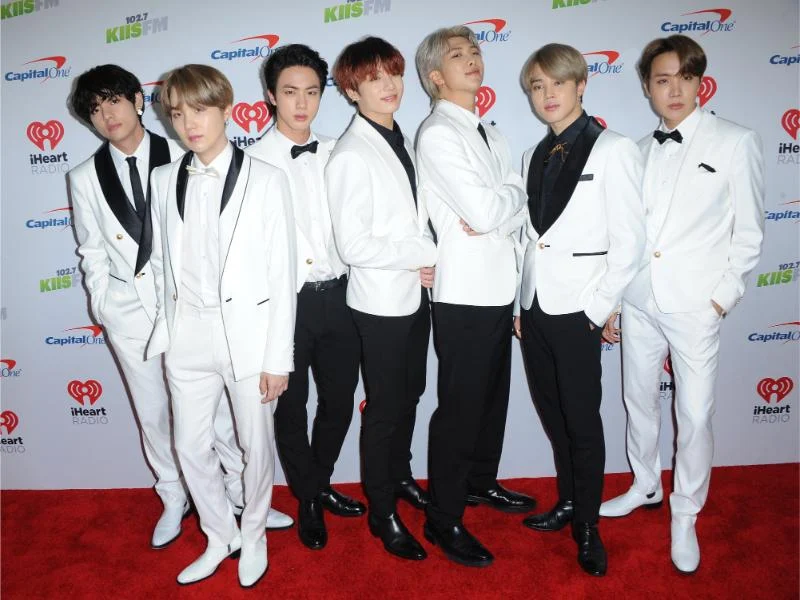
BTS built a global fandom through daily content, live streams, and behind the scenes footage long before stadium tours became the norm. The group released albums on a steady cadence and paired them with intricate choreography, which made performance videos shareable across platforms even without language fluency.
Their management structured fan memberships, limited edition drops, and event ticketing in ways that rewarded long term supporters. The group also collaborated across genres and markets, which opened doors for more non English language acts to chart globally and sell out large venues.
George Lucas
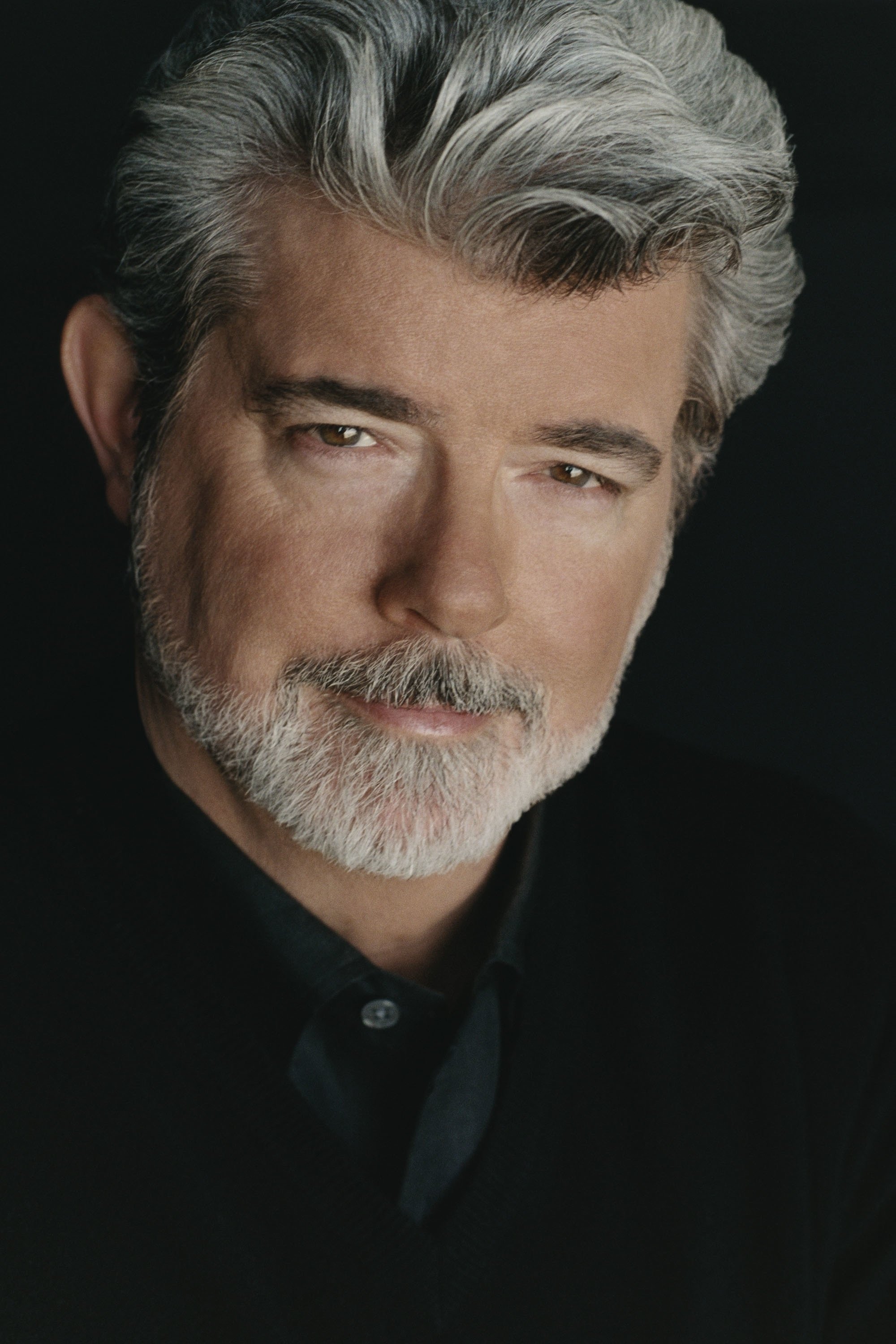
George Lucas retained merchandising and sequel rights for ‘Star Wars’, then financed ‘The Empire Strikes Back’ independently to protect creative control. He invested in visual effects and sound companies that later served the wider industry, which turned production tools into separate revenue streams.
He also pioneered digital editing and sound standards that became normal in post production. By building companies around key steps of the filmmaking process, he reduced reliance on third parties and kept innovation flowing back into his own projects.
Oprah Winfrey
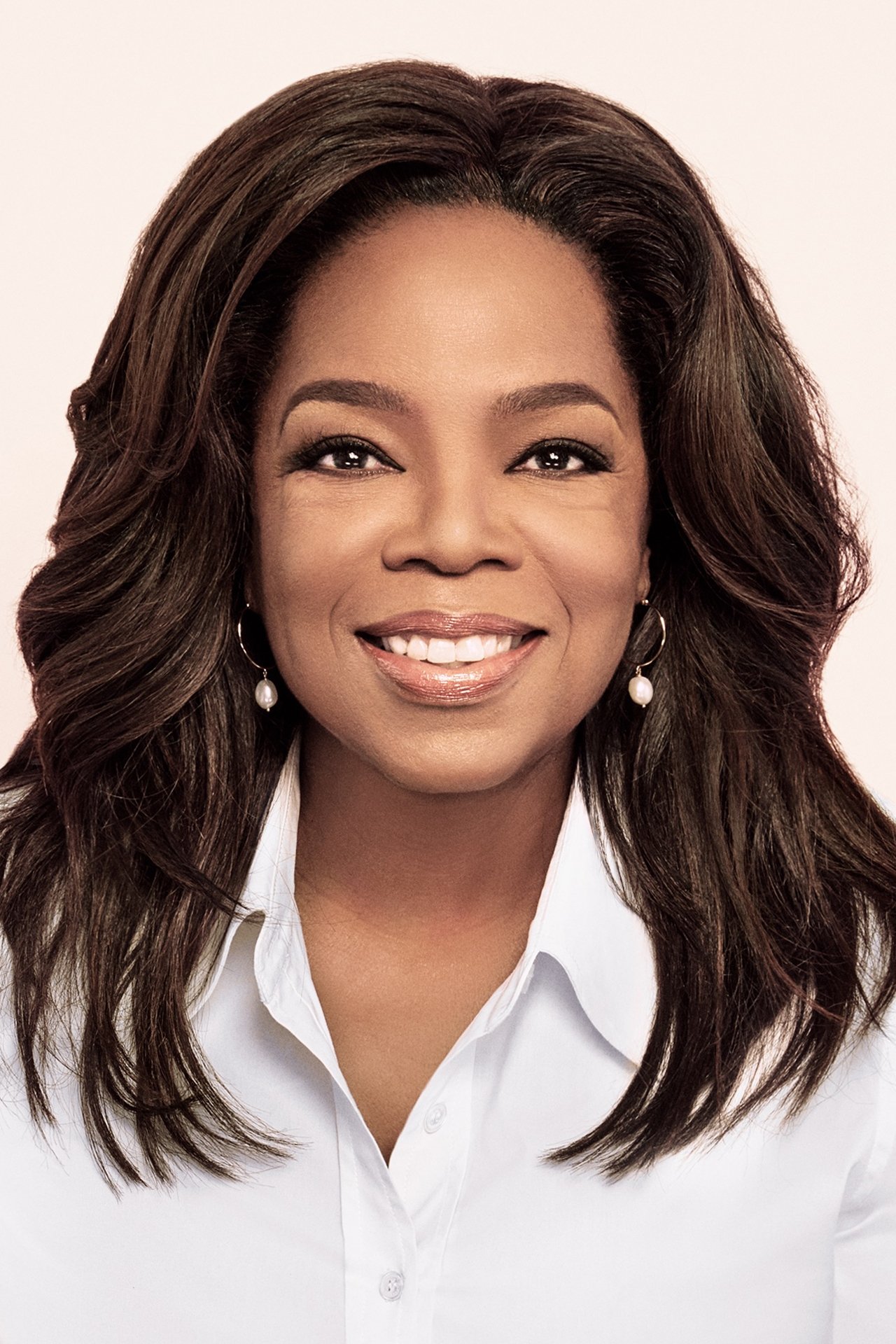
Oprah Winfrey turned ‘The Oprah Winfrey Show’ into a production ecosystem that she owned and then launched a television network with partners. She built Harpo as a hub for shows, films, and publishing and used that infrastructure to incubate new talent and formats.
Her book club and interview specials showed how a single platform could move audiences to new media quickly. She structured deals that gave her equity and veto power in ventures that used her name, which kept the brand consistent and protected over time.
Dolly Parton
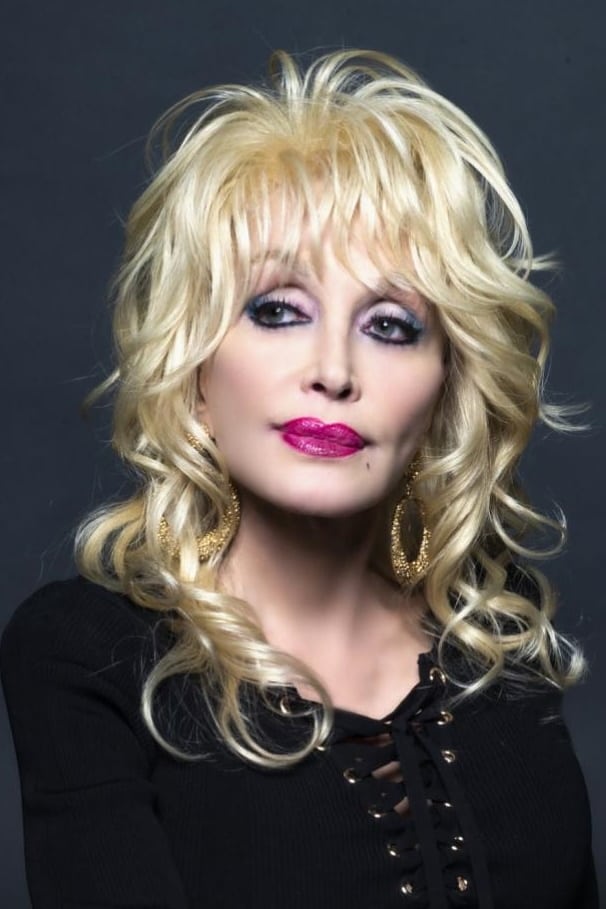
Dolly Parton held on to publishing for key songs and built a catalog that generated steady income across decades. When one of those songs became a massive hit for another artist, the decision to keep control paid off many times over without any need to renegotiate.
She diversified with Dollywood, touring, and philanthropy that includes a large scale book gifting program for children. By owning rights and investing in businesses tied to her home region, she created stability that does not depend on constant recording or touring cycles.
Reese Witherspoon
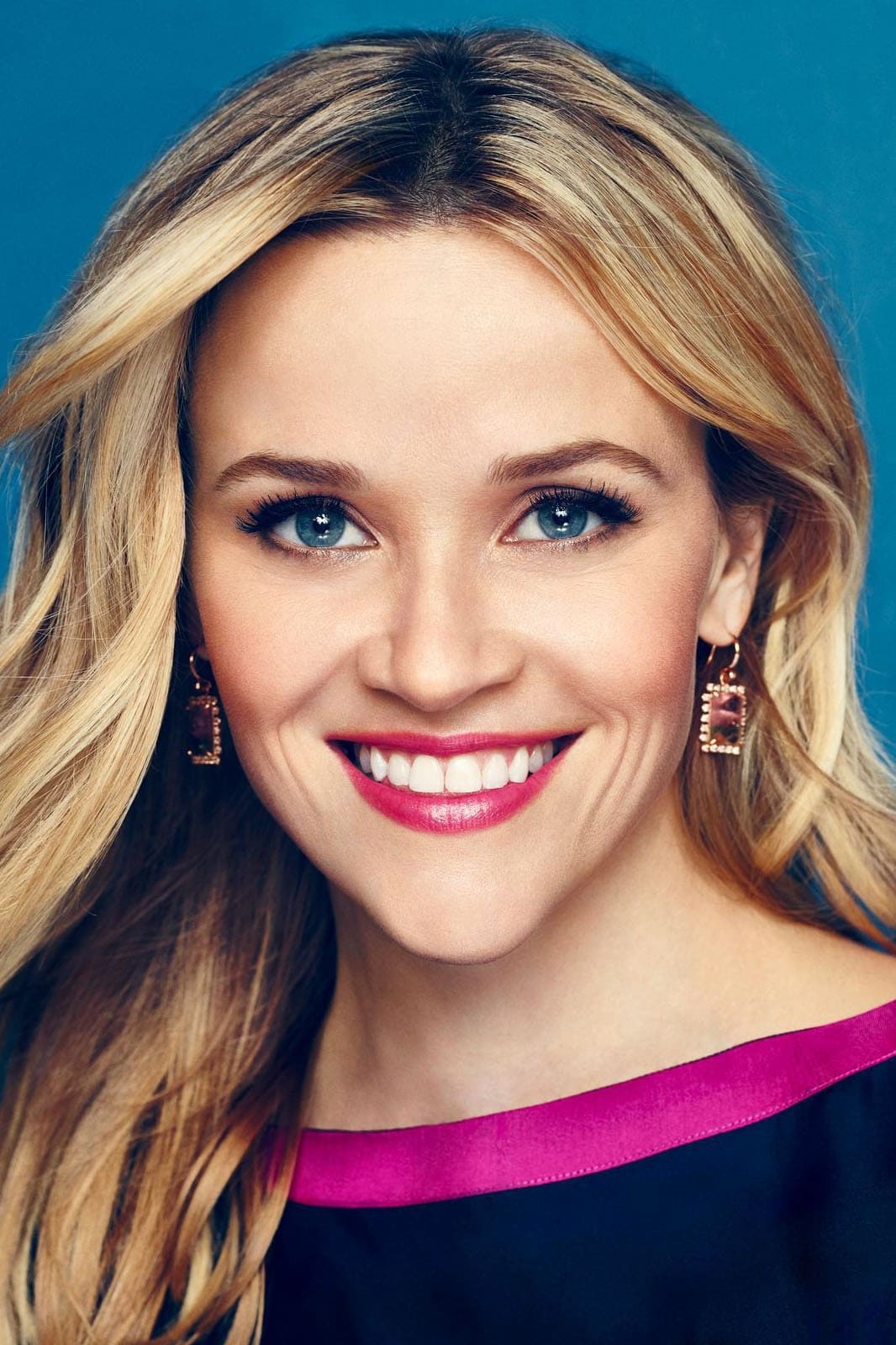
Reese Witherspoon founded Hello Sunshine to develop stories led by women and then produced hits like ‘Big Little Lies’. She focused on acquiring book rights early, attached herself as a producer or star when it made sense, and built a pipeline from option to series that moved faster than traditional studio timelines.
She later sold a majority stake in the company to fuel more projects while staying involved in decisions. Her model showed how an actor can create a development engine, package projects with top talent, and then close distribution deals from a position of strength.
Donald Glover

Donald Glover created ‘Atlanta’ with a distinctive voice and negotiated freedom to experiment with tone and structure. He kept parallel careers in music, acting, and producing, which gave him leverage to choose platforms that supported unusual ideas.
He later signed a wide ranging partnership that included series development and curated projects from other creators. By running multiple lanes at once with small trusted teams, he kept creative control and moved quickly when opportunities aligned.
Ava DuVernay
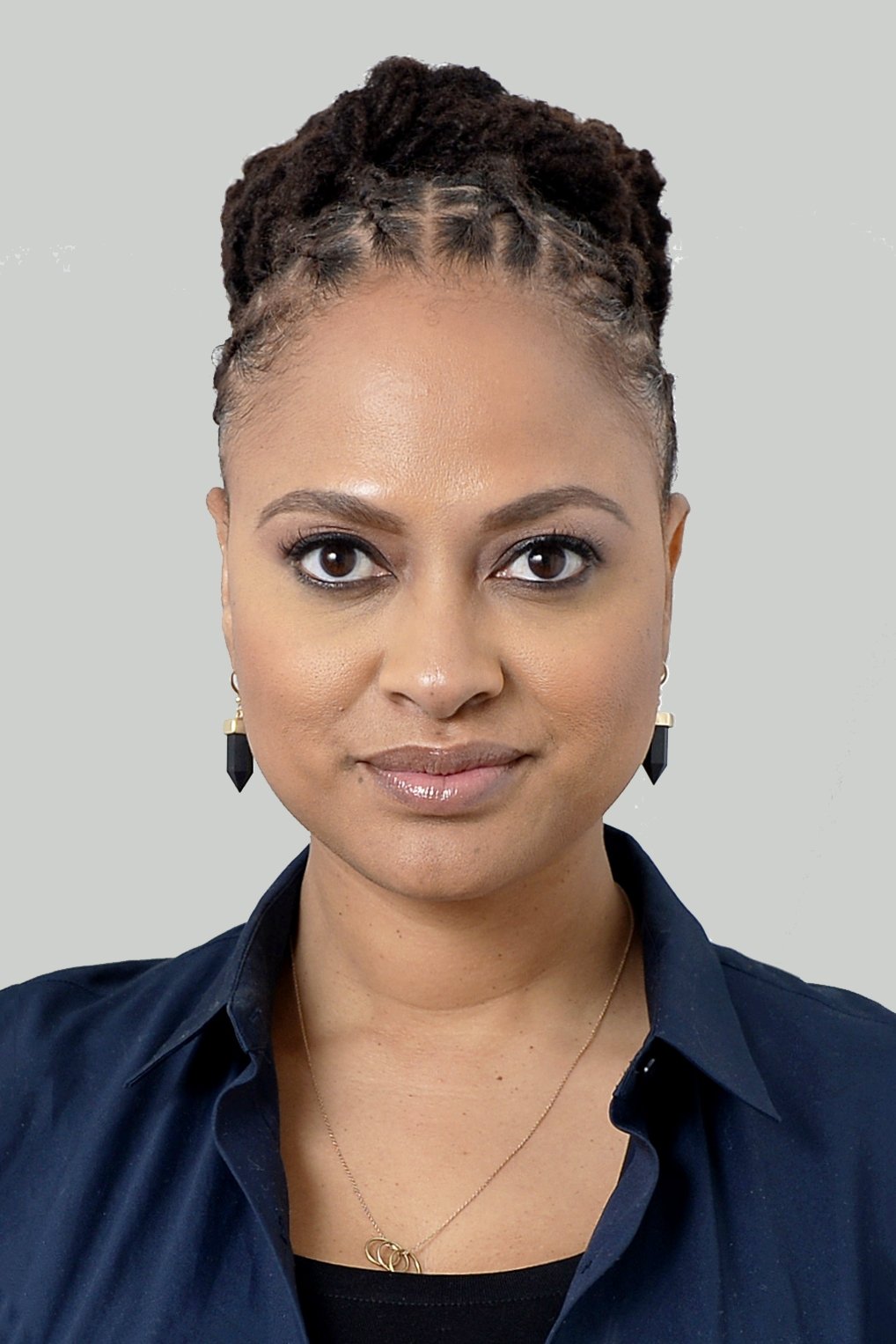
Ava DuVernay founded ARRAY to distribute films by women and people of color and to advocate for inclusive hiring. She paired this mission with directing and producing work such as ‘Selma’ and ‘When They See Us’, which brought attention to stories that large studios often overlooked.
ARRAY also runs a public programming center and education initiatives that connect filmmakers with resources. By building distribution and community alongside her own projects, she created a path that others can use when traditional pipelines are slow or closed.
Sacha Baron Cohen
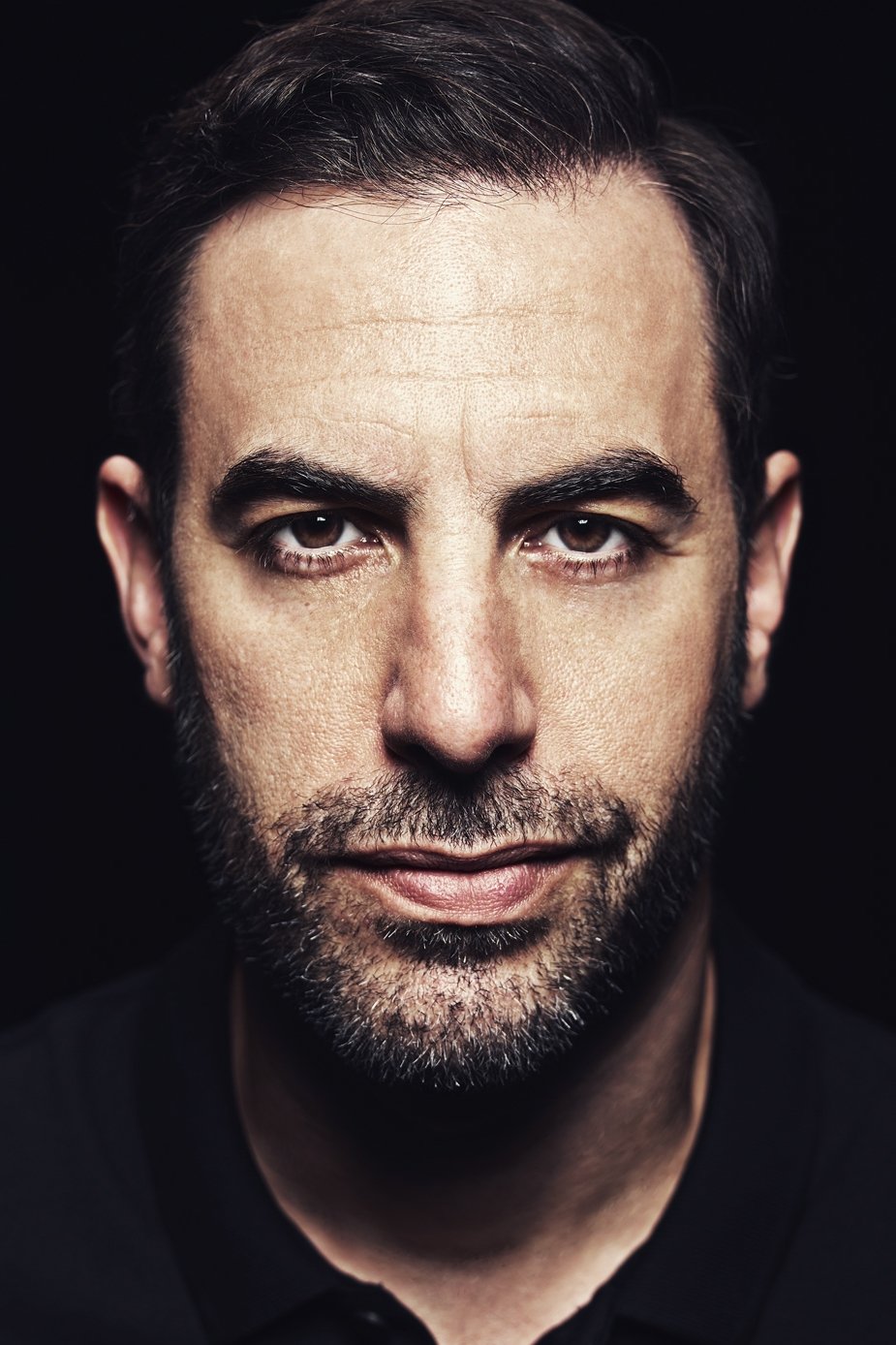
Sacha Baron Cohen used undercover characters in projects like ‘Borat’ and ‘Who Is America?’ to expose reactions from real people. He structured productions with legal and safety teams that could move quickly and protect footage while staying within the law.
His films and series rely on minimal crews, controlled environments, and post production workflows that secure sensitive material. The process shows how to execute high risk satire by planning releases, managing clearances, and maintaining tight control over every stage.
Tom Cruise
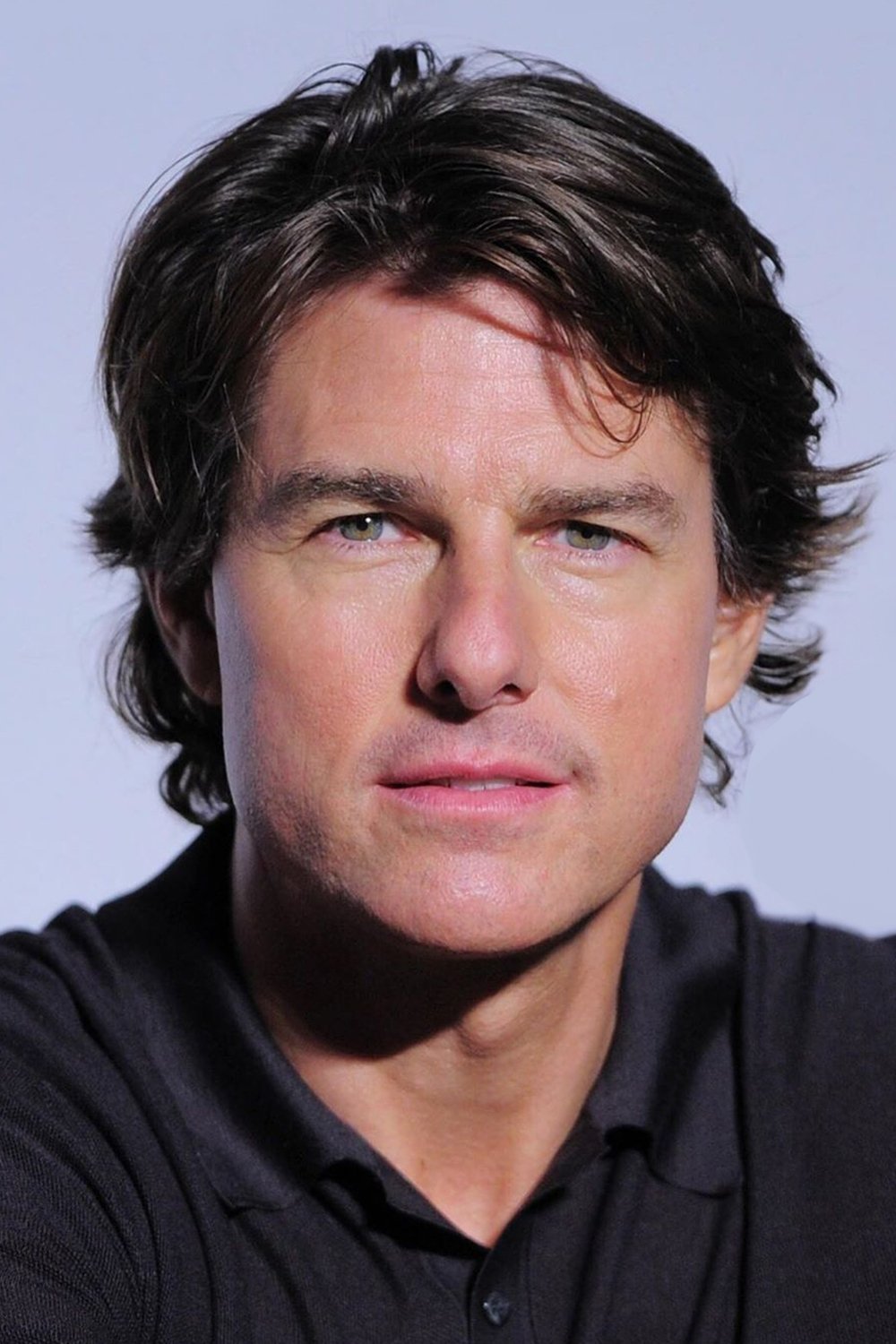
Tom Cruise is known for performing many of his own stunts in the ‘Mission: Impossible’ series, which requires unique training schedules and insurance planning. He works closely with directors and stunt coordinators to design sequences that can be captured in camera, which influences how crews plan locations and equipment.
He has also advocated for theatrical exhibition with premium formats and careful windowing before streaming. His approach aligns production, marketing, and release strategy around big screen impact, which has helped sustain event level attendance for action films.
Greta Gerwig
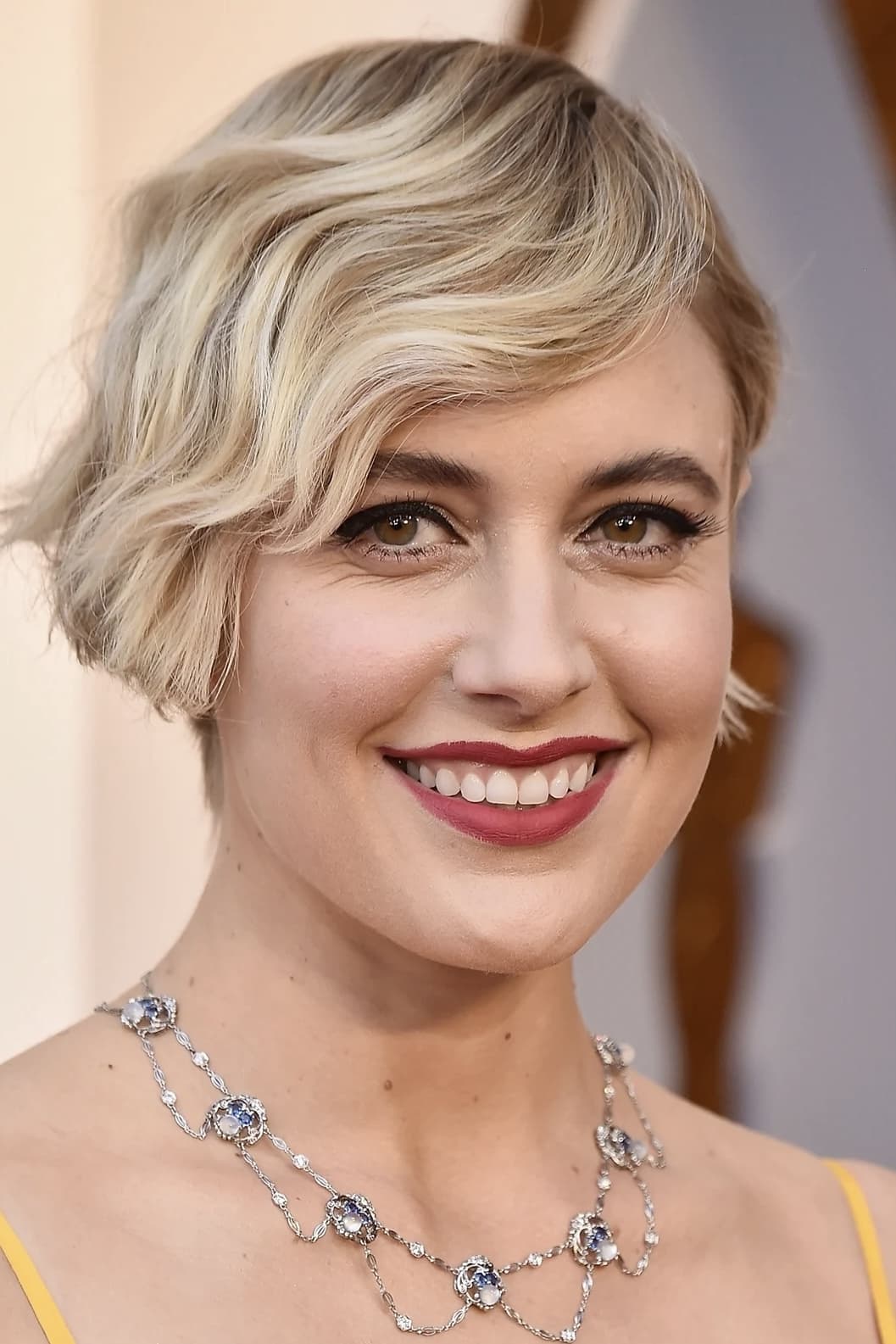
Greta Gerwig shifted from acting to writing and directing and delivered studio films like ‘Lady Bird’, ‘Little Women’, and ‘Barbie’ with strong authorial control. She worked with consistent collaborators, prepared detailed shot lists, and kept sets efficient so character driven storytelling could scale to larger budgets.
Her development process includes close work with costume, production design, and music early on, which keeps the finished film aligned with the script. By moving from indie features to global releases without losing her creative center, she showed a clear path for filmmakers who want both scale and voice.
Share your picks in the comments and tell us who else you think stopped playing by the rules.