


Celebs Who Used Their Platforms to Call Out Pay Disparities for Actors of Color

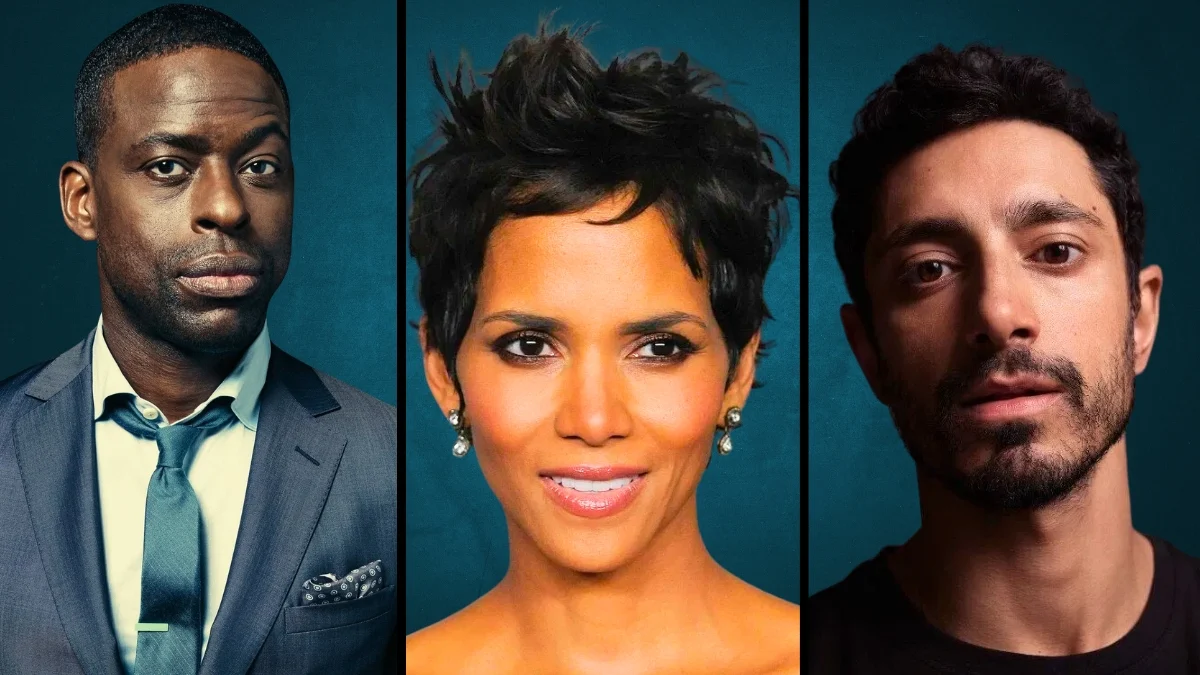


Many actors have used their public platforms to address the significant wage gaps that persist in the entertainment industry. These public figures highlight the financial differences between their compensation and that of their white counterparts. Their advocacy often leads to broader discussions about systemic inequality within Hollywood studios and production companies. By sharing their personal experiences, these celebrities aim to foster a more equitable environment for future performers of color.
Viola Davis
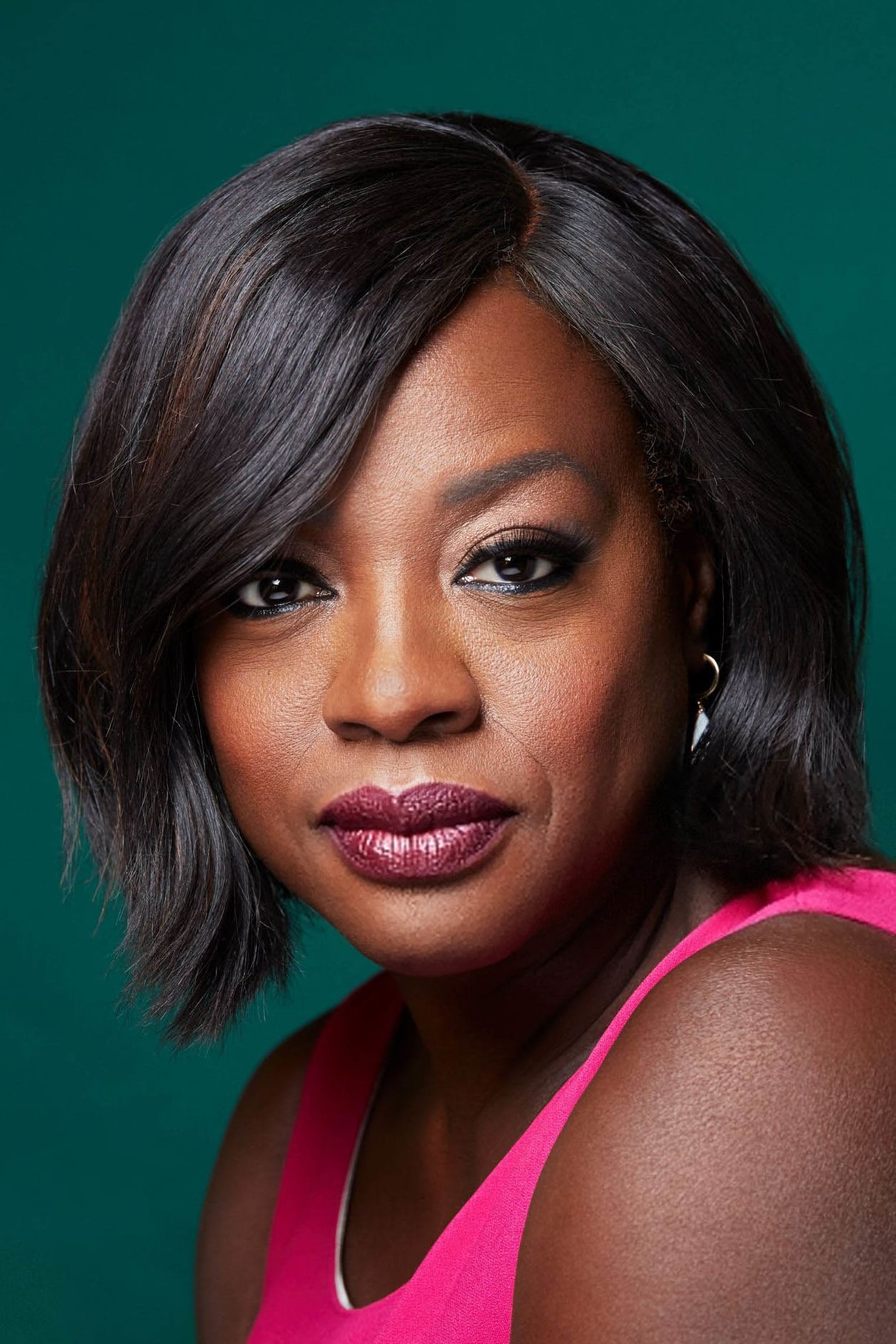
Viola Davis has frequently addressed the wage gap affecting Black women in the film industry. During various interviews, she pointed out that she has the same awards and experience as her white peers but receives significantly less pay. She compared her career trajectory to highly successful white actresses to illustrate the lack of financial parity. Davis emphasizes that her demand for equal pay is about being compensated for her professional worth and achievements.
Taraji P. Henson
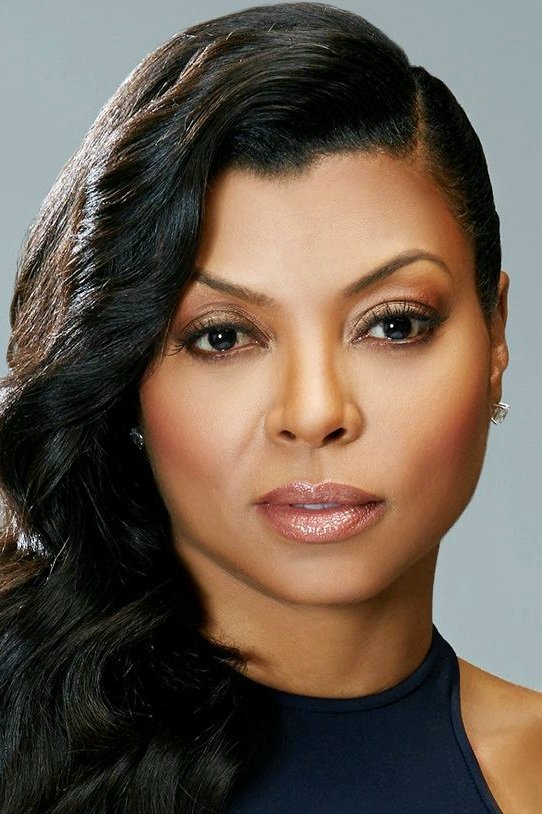
Taraji P. Henson spoke candidly about her low salary for the film ‘The Curious Case of Benjamin Button’ during her press tour for ‘The Color Purple’. She revealed that she was paid a fraction of what her costars received despite her prominent role and critical acclaim. Henson noted that the constant need to negotiate for fair wages becomes exhausting over a long career. Her transparency sparked a viral conversation about the treatment of veteran Black actresses in Hollywood.
Octavia Spencer
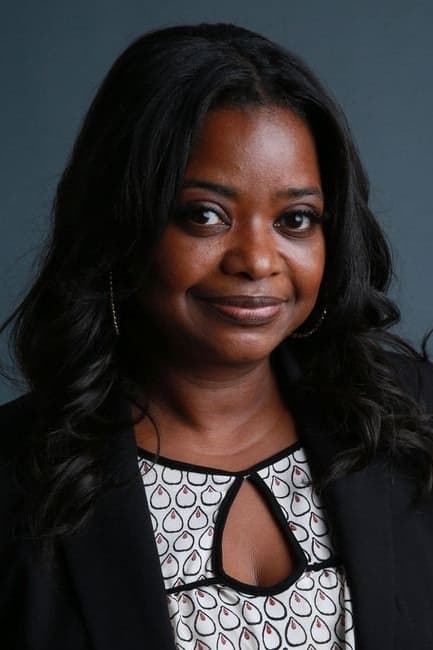
Octavia Spencer shared a story about how Jessica Chastain helped her secure five times her initial salary for a project. She explained that actresses of color often start at a lower baseline when negotiating contracts. Spencer used this platform to advocate for transparency and collective bargaining among costars. Her experience highlights the importance of allies within the industry speaking up for marginalized groups.
Tracee Ellis Ross
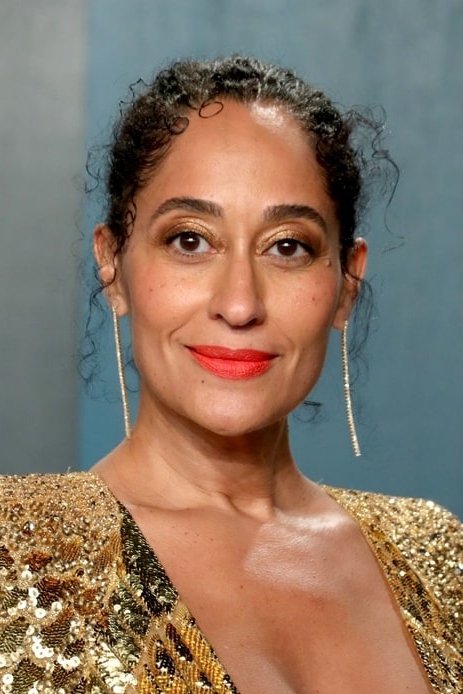
Tracee Ellis Ross engaged in public negotiations regarding her salary for the television series ‘Black-ish’. Reports surfaced that she was being paid significantly less than her male costar Anthony Anderson. She leveraged her position to ensure her compensation reflected her role as a lead character and executive producer. Ross eventually reached a deal that addressed these disparities and set a precedent for other actresses.
Mo’Nique
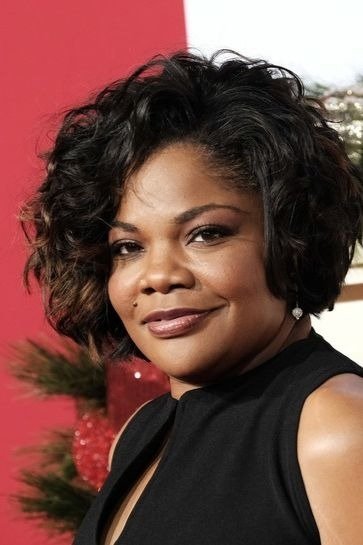
Mo’Nique has been a vocal critic of how streaming services and studios compensate Black performers. She famously called for a boycott of Netflix after being offered a lower amount for a comedy special compared to other comedians. Her public stance focused on the concept of precalculated offers that she felt were based on race and gender bias. The situation prompted discussions about how talent is valued in the digital age.
Daniel Dae Kim
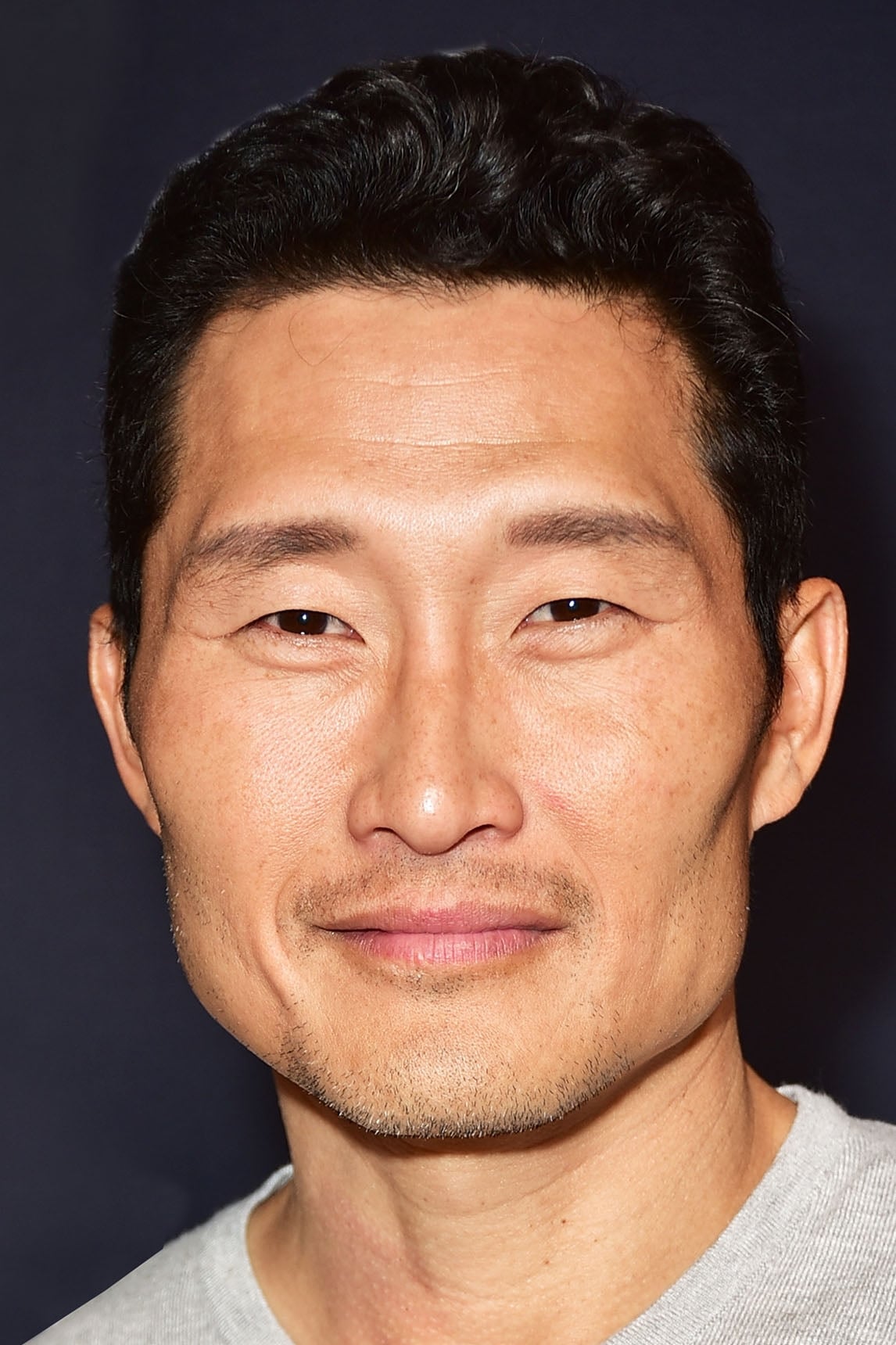
Daniel Dae Kim left the series ‘Hawaii Five-0’ after he and costar Grace Park were unable to reach pay parity with their white male leads. He explained his decision on social media by stating that the path to equality is rarely easy. Kim emphasized that his departure was a matter of professional respect and self valuation. He continues to advocate for better representation and fair treatment of Asian American actors.
Grace Park
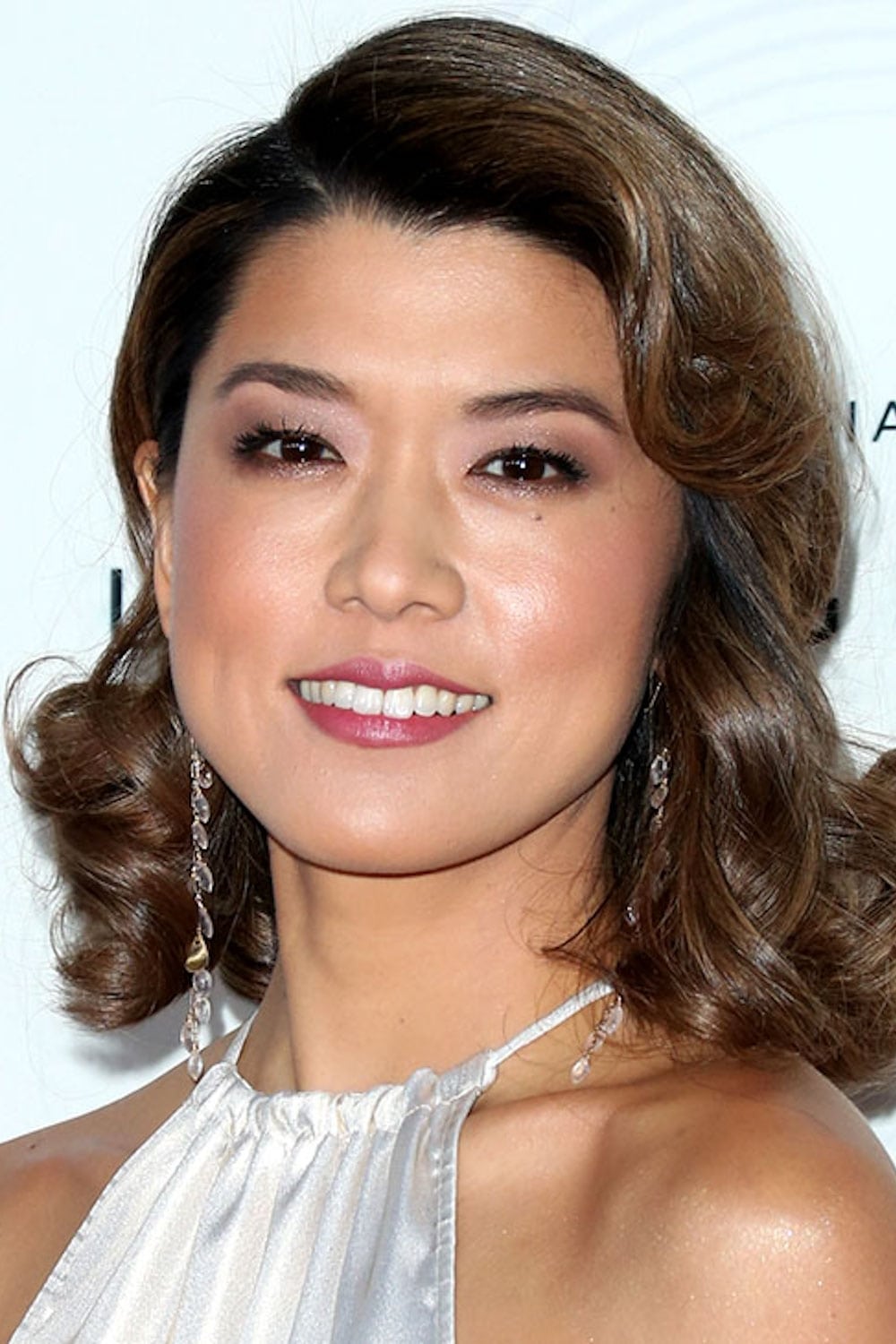
Grace Park exited ‘Hawaii Five-0’ alongside Daniel Dae Kim due to the refusal of the network to match the salaries of the show’s white stars. She sought a salary that reflected her equal status as a primary member of the ensemble cast. Her departure signaled a significant moment for Asian American performers fighting for financial recognition. Park remains a symbol of standing firm against systemic pay inequality in television.
Constance Wu

Constance Wu has spoken about the challenges Asian American actors face when negotiating for leading roles and fair pay. She addressed these issues during the success of ‘Crazy Rich Asians’ and her television work on ‘Fresh Off the Boat’. Wu mentioned that the scarcity of roles often makes it difficult for actors of color to demand higher salaries. She uses her platform to encourage others to know their value and push back against low offers.
Gabrielle Union
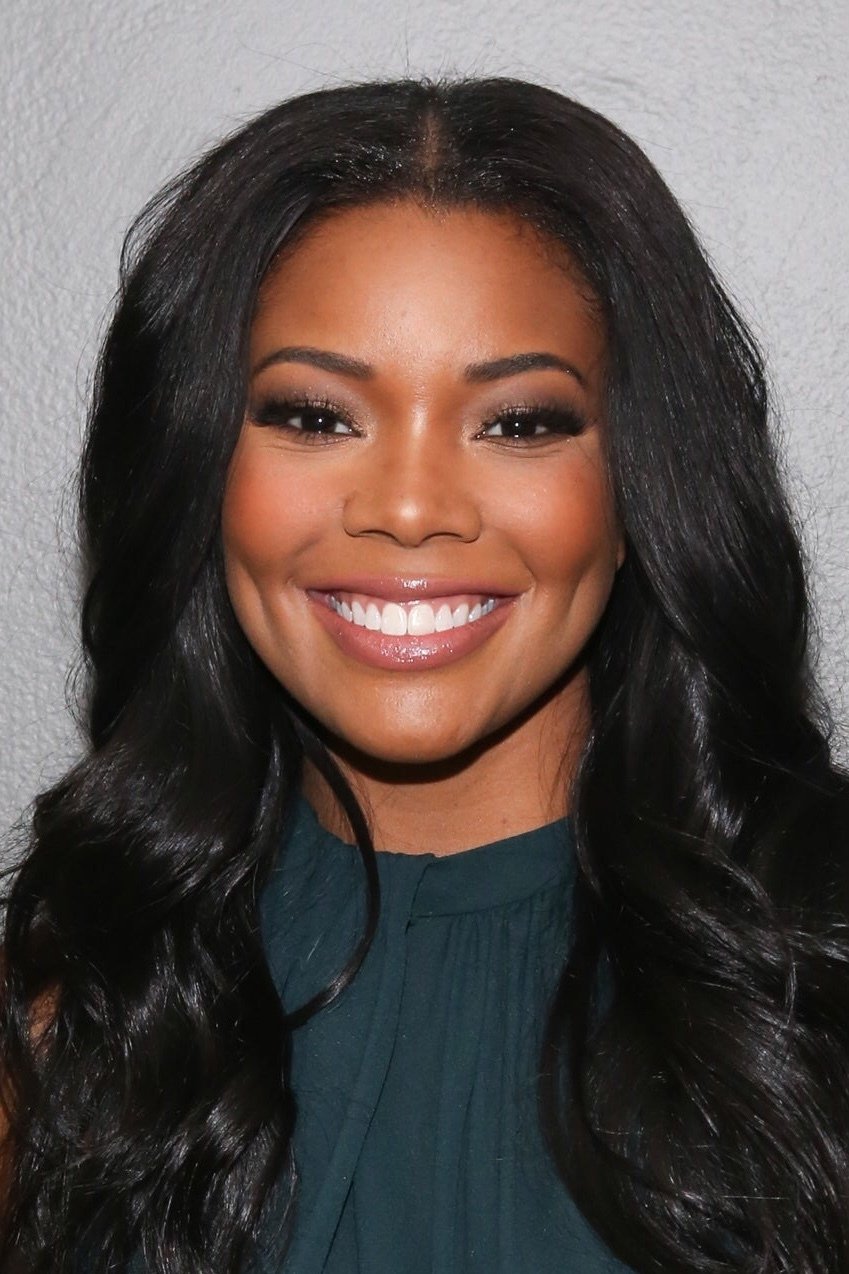
Gabrielle Union has been outspoken about the pay disparities she experienced throughout her career in television and film including her work on ‘Being Mary Jane’. She highlighted the differences in how Black actresses are treated during contract negotiations compared to their peers. Union often discusses the intersection of race and gender when it comes to financial compensation. Her advocacy extends to creating safer and more equitable workplaces for all marginalized groups.
Mindy Kaling
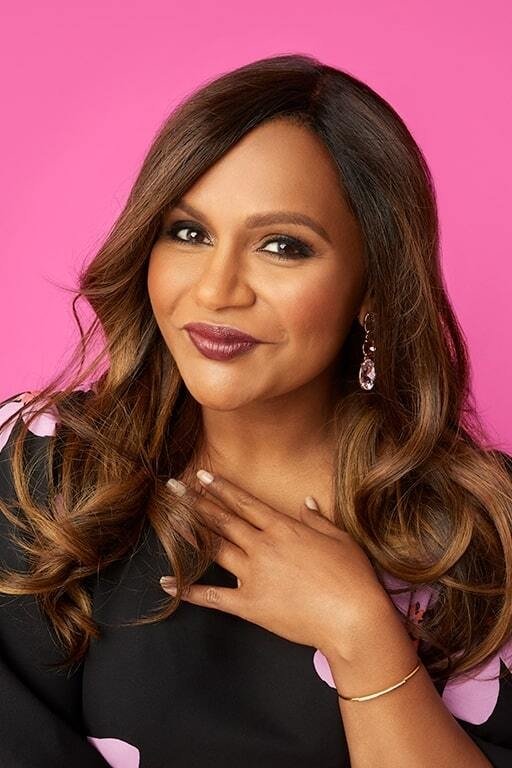
Mindy Kaling shared a story about being the only person of color on the writing staff of ‘The Office’ who was forced to apply for an academy program to keep her job. She noted that she was frequently paid less and given fewer benefits during the early stages of her career. Kaling has since used her position as a producer to ensure diverse writers and actors are paid fairly. She emphasizes that financial equity is a crucial part of true representation.
America Ferrera
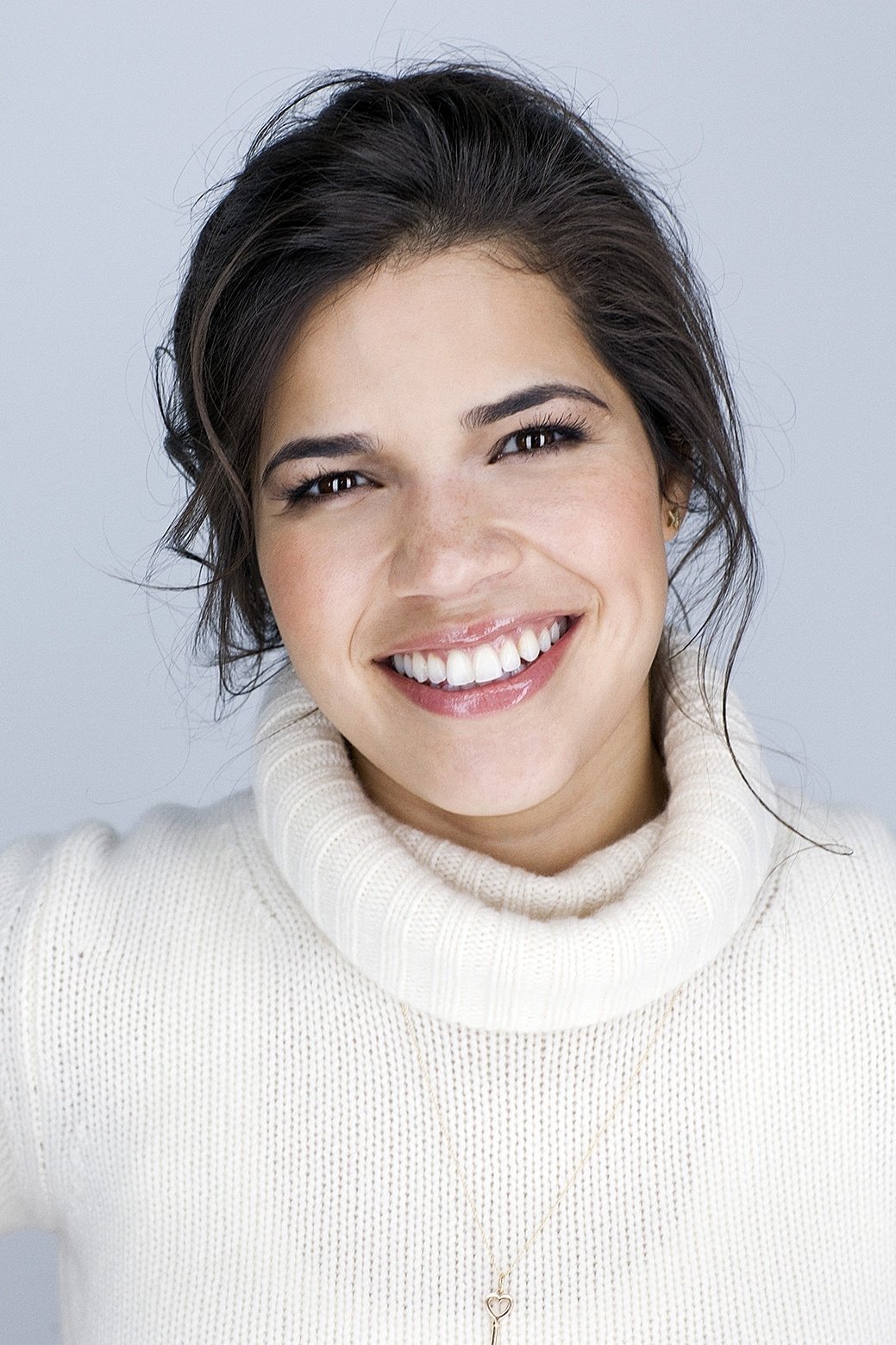
America Ferrera has used her platform to discuss the wage gap that Latinx performers face in Hollywood. She often points out that Latinas are among the lowest paid groups in the United States workforce and the entertainment industry is no exception. Ferrera advocates for systemic changes that go beyond individual negotiations. She believes that transparency in salary data is necessary to close the gap for good.
Priyanka Chopra Jonas

Priyanka Chopra has addressed the pay gap she faced when transitioning from Indian cinema to Hollywood. She stated that she was often paid significantly less than her male costars even when she had more screen time. Chopra noted that it took many years of work in the United States to finally achieve pay parity on the series ‘Citadel’. She continues to speak out about the need for global standards of fair compensation.
Ruth Negga
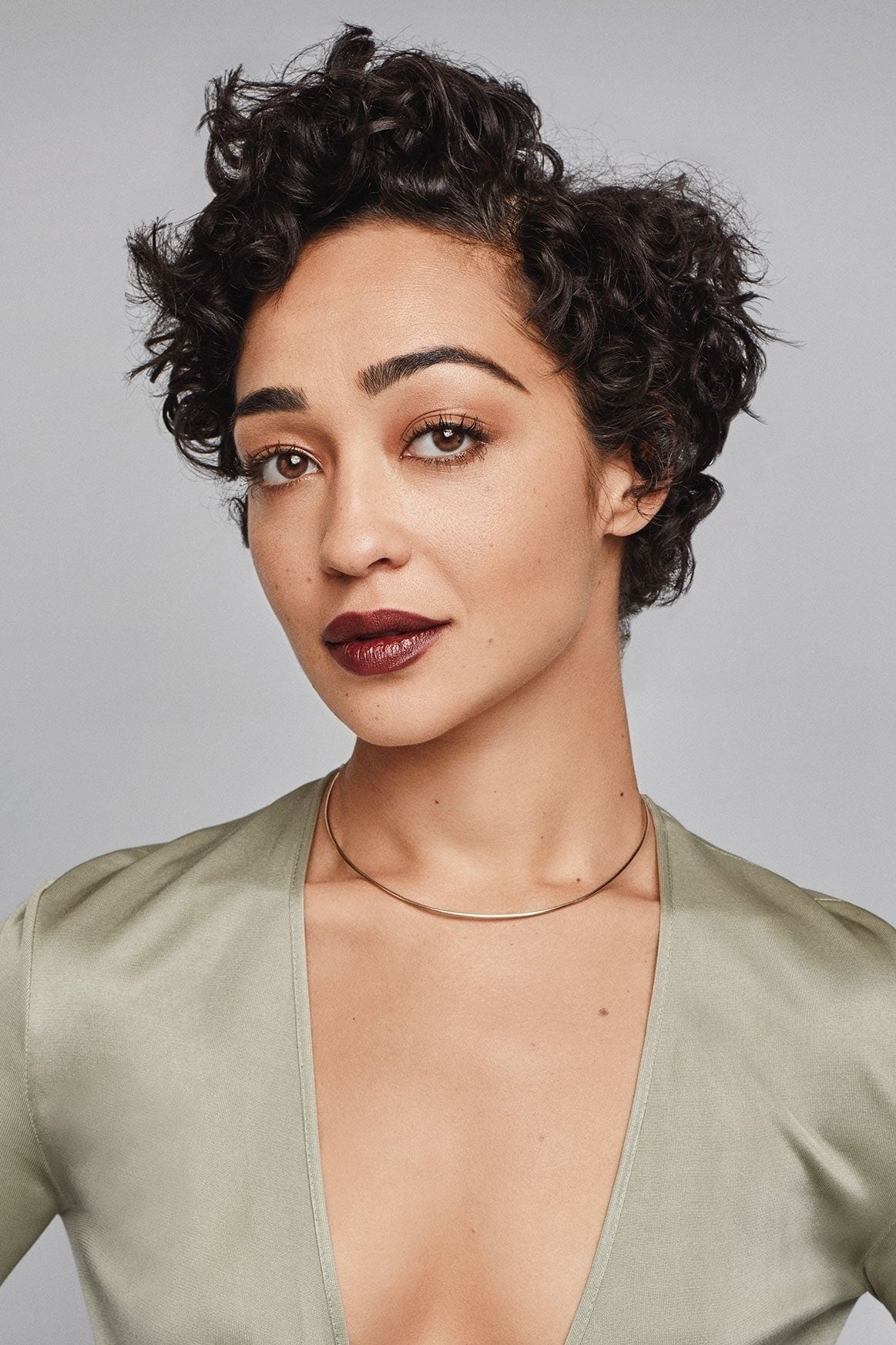
Ruth Negga has spoken about the ways that pay disparity manifests for actors of color particularly after her role in ‘Loving’. She pointed out that while some progress is being made the baseline offers for diverse talent remain lower than average. Negga emphasizes the importance of having representatives who are willing to fight for higher wages. She views fair pay as an essential component of professional dignity.
Gemma Chan

Gemma Chan has advocated for more Asian representation and fair pay within the British and American film industries especially following her role in ‘Captain Marvel’. She noted that actors of color are often expected to be grateful for any role rather than demanding fair compensation. Chan uses her interviews to highlight the lack of transparency in how salaries are determined. She supports collective action to ensure all performers receive what they deserve.
Riz Ahmed
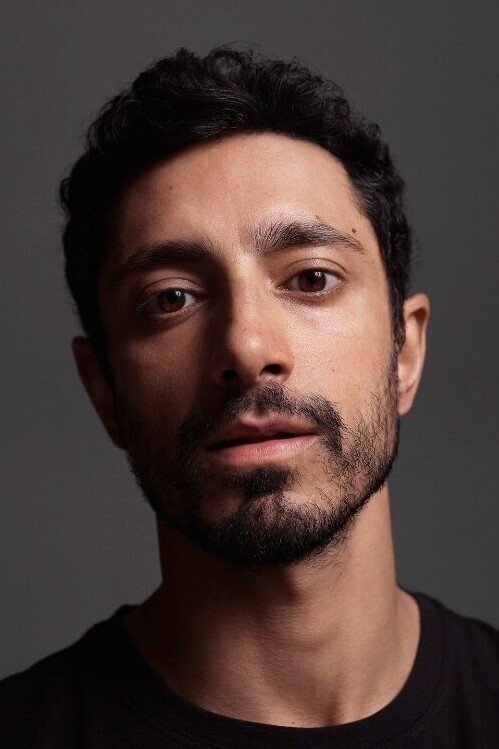
Riz Ahmed has addressed the systemic issues that lead to pay disparities for Muslim and South Asian actors. He discussed how typecasting can limit the earning potential of diverse performers. Ahmed argues that when actors are relegated to stereotypical roles their market value is artificially suppressed. He continues to push for complex characters and the financial rewards that come with them.
Sterling K. Brown
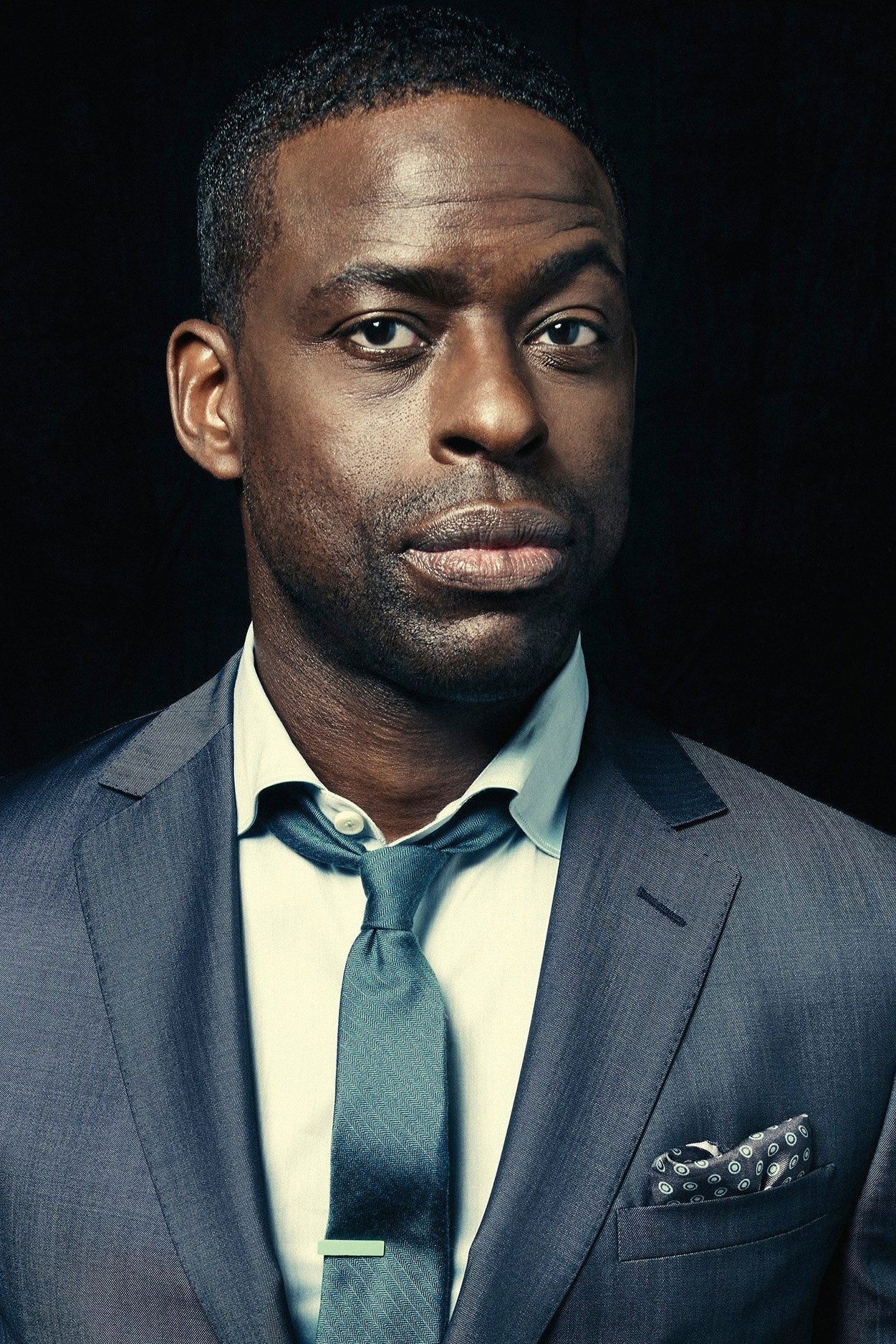
Sterling K. Brown has used his award acceptance speeches and interviews to talk about the importance of being paid his worth. He acknowledges that his success on ‘This Is Us’ provided him with the leverage to negotiate better deals for future projects. Brown often mentions that he feels a responsibility to use his platform to help other actors of color achieve financial security. He believes that visibility must be accompanied by economic equality.
John Boyega
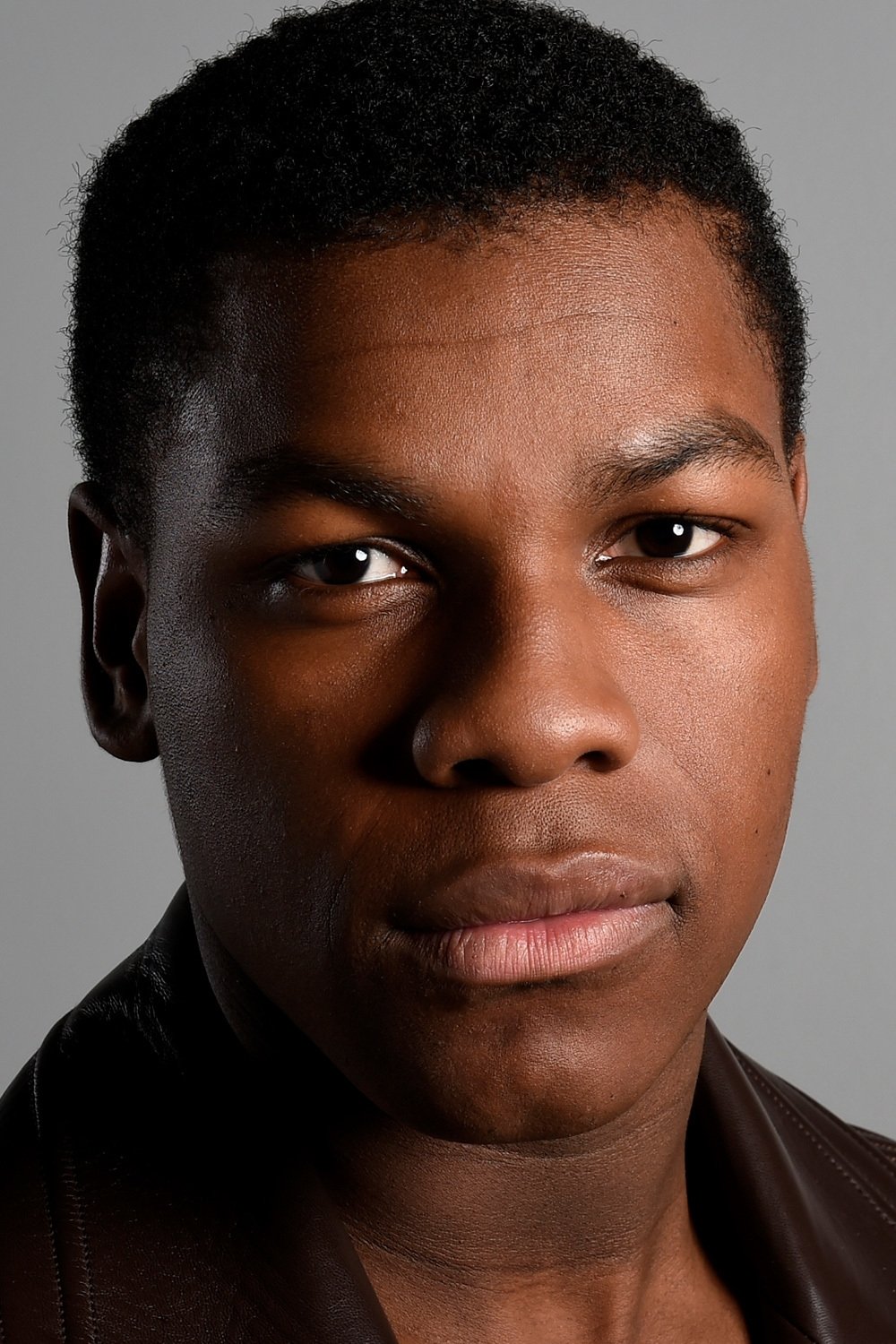
John Boyega spoke out about the way his character was sidelined in the later ‘Star Wars’ films compared to his white costars. He linked this narrative diminishing to the broader issue of how Black actors are valued by major studios. Boyega argued that if a character is treated as less important the actor’s pay and career opportunities suffer. His vocal criticism prompted a larger discussion about how franchises handle diverse talent.
Anthony Mackie
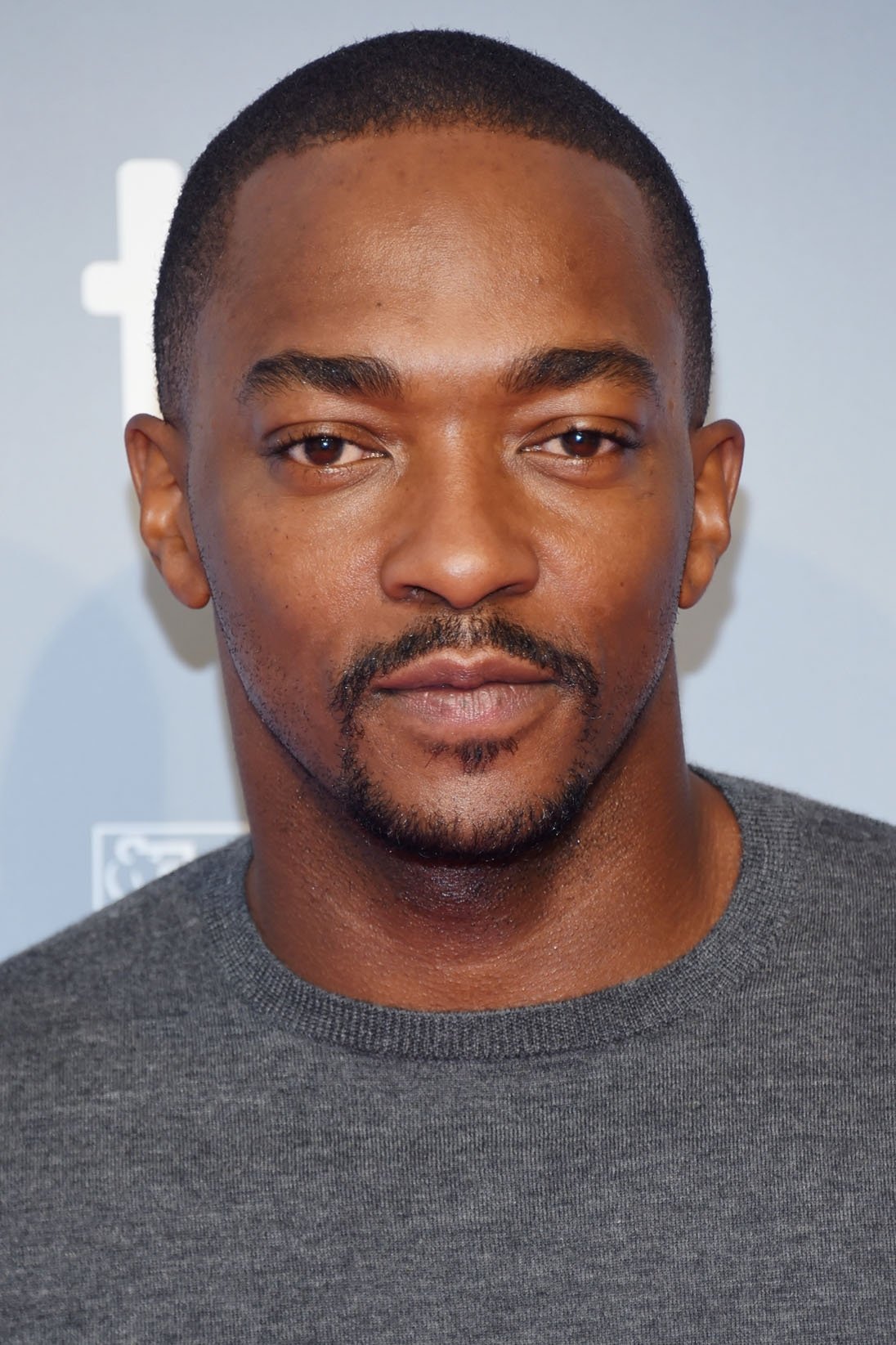
Anthony Mackie has commented on the lack of diversity in film crews and the financial implications for actors of color. He pointed out that systemic inequality affects every level of production from the actors to the technicians. Mackie advocates for a more inclusive industry that naturally leads to fairer pay for everyone. He believes that true change requires a complete overhaul of the current studio system.
Halle Berry
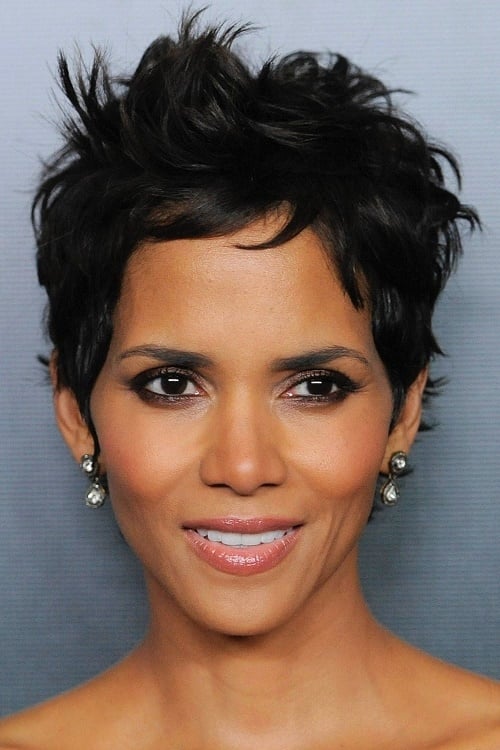
Halle Berry has reflected on being the first Black woman to win the Oscar for Best Actress and how it did not immediately solve her pay struggles. She revealed that she still had to fight for fair compensation on subsequent projects despite her historic win. Berry uses her experience to show that even the highest accolades do not guarantee financial parity for women of color. She remains a strong voice for economic justice in the arts.
Jessica Chastain
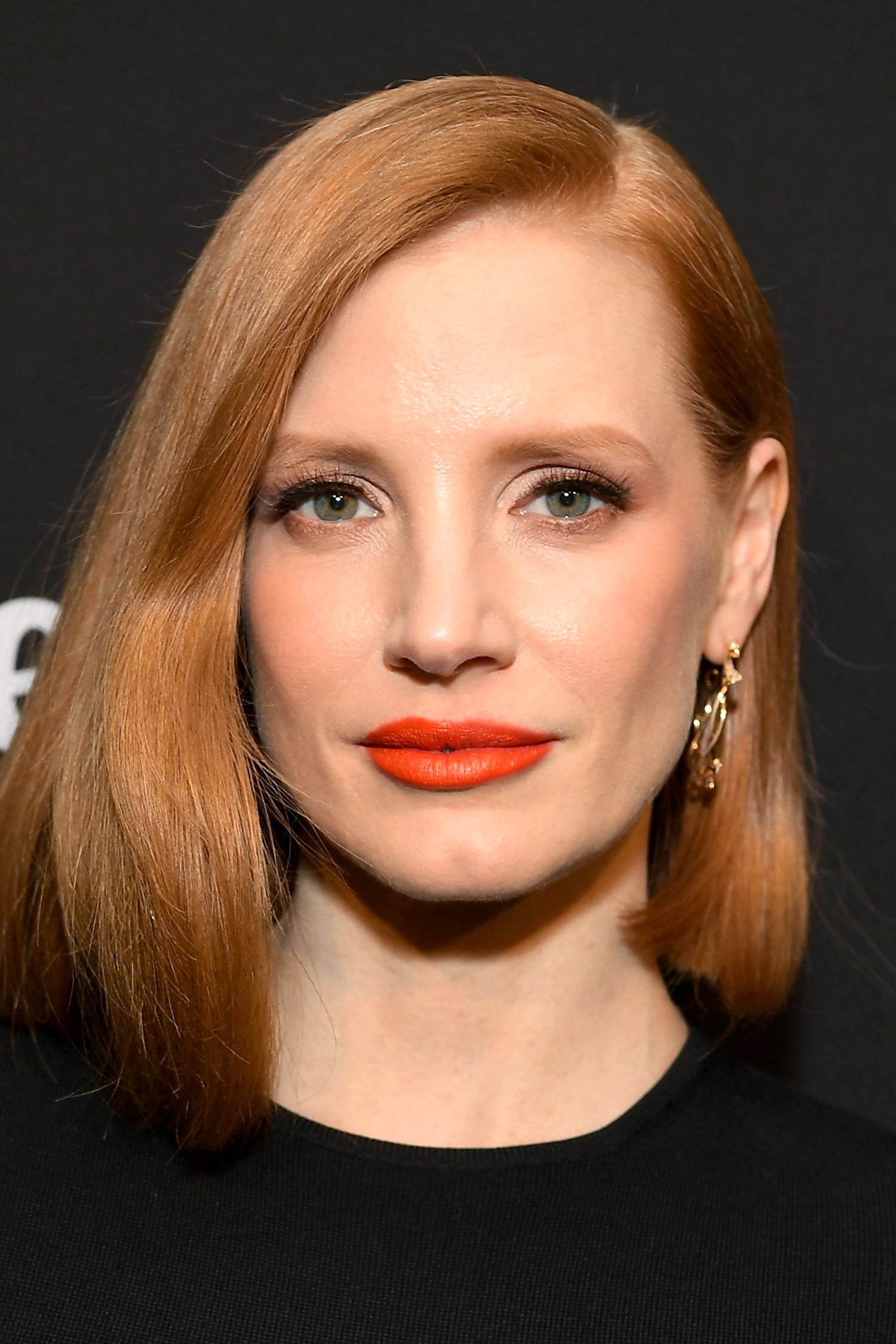
Jessica Chastain has become a notable ally by using her leverage to ensure her costars of color are paid fairly. She famously insisted on being part of a joint negotiation with Octavia Spencer to guarantee they received equal pay. Chastain believes that those with more power in the industry have a duty to stand up for those who are marginalized. Her actions demonstrate how intentional collaboration can effectively dismantle the wage gap.
Share your thoughts on the ongoing fight for pay equity in the comments.