


Celebs Who Were Forced Out of the Industry for Their Political Views

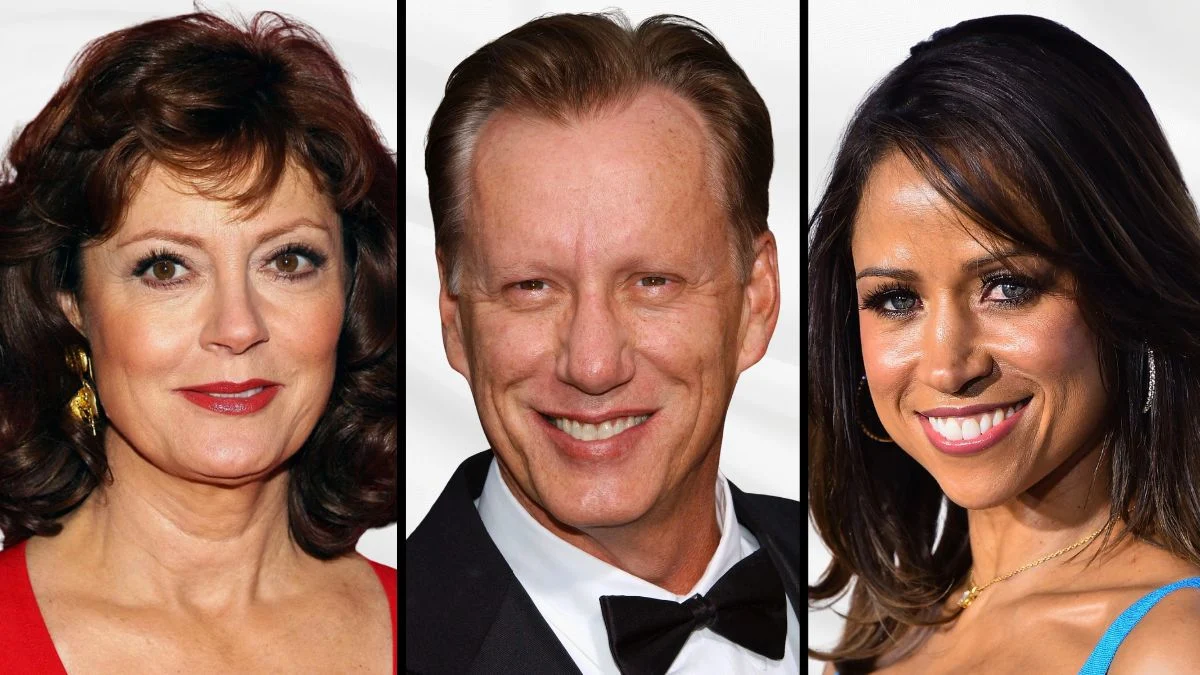


The intersection of politics and entertainment has often led to professional consequences for figures in the public eye. Throughout Hollywood history various actors and performers have faced significant career setbacks or total exclusion due to their expressed beliefs. These individuals frequently encountered industry blacklists or public backlash that resulted in the termination of contracts and the loss of future opportunities. While some were able to stage late career comebacks others found their time in the spotlight permanently extinguished by the prevailing climate of their era. This list examines the notable celebrities who saw their professional trajectories altered by their political stances.
Roseanne Barr
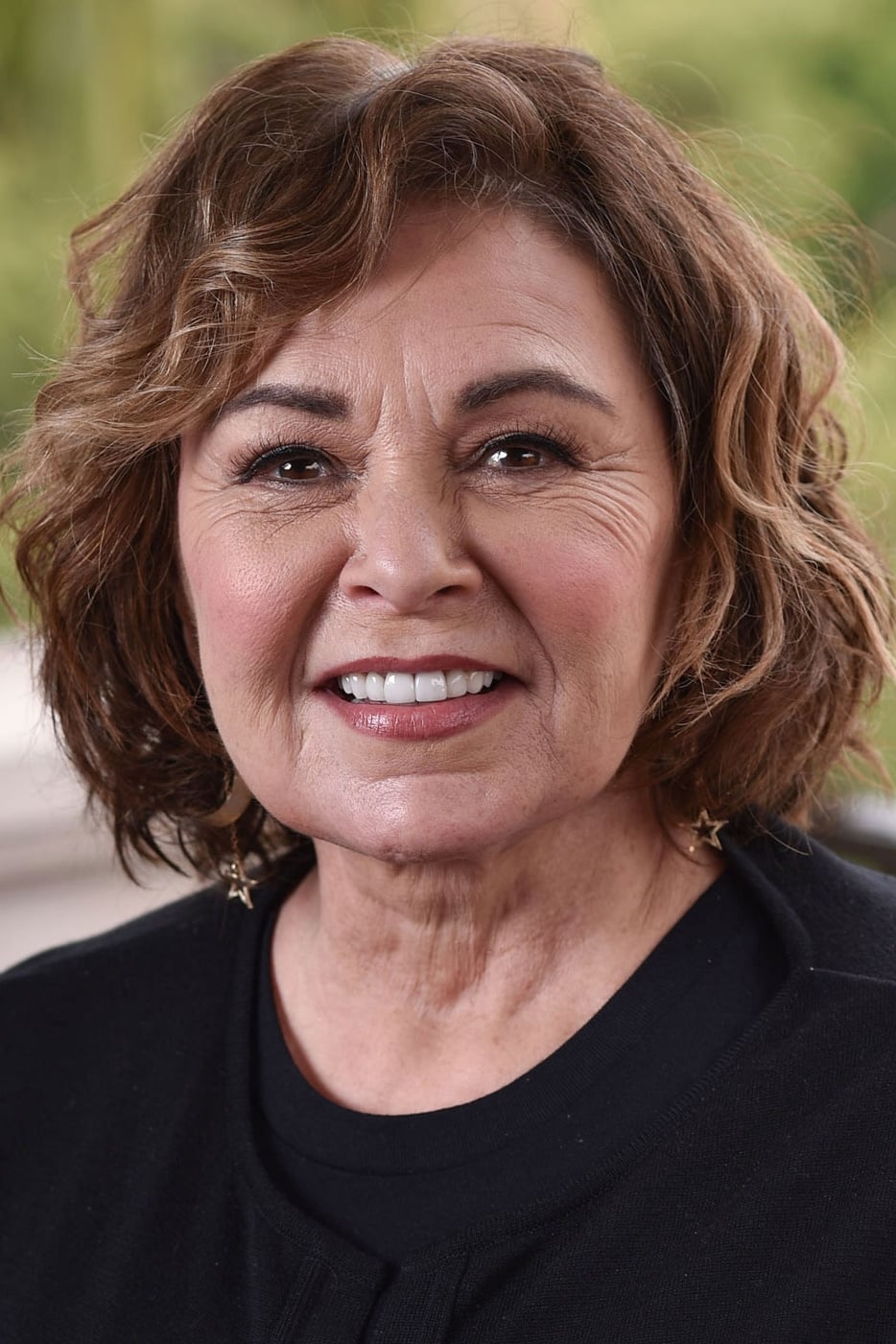
The comedian experienced a major career collapse in 2018 following a controversial post on social media regarding a political figure. ABC promptly cancelled the successful revival of her sitcom ‘Roseanne’ despite its high ratings at the time. The network eventually rebranded the show as ‘The Conners’ and removed her character from the storyline entirely. She has since largely focused on stand up comedy and independent projects away from major television networks. This incident remains a significant example of how modern studios react to political controversies involving lead talent.
Gina Carano
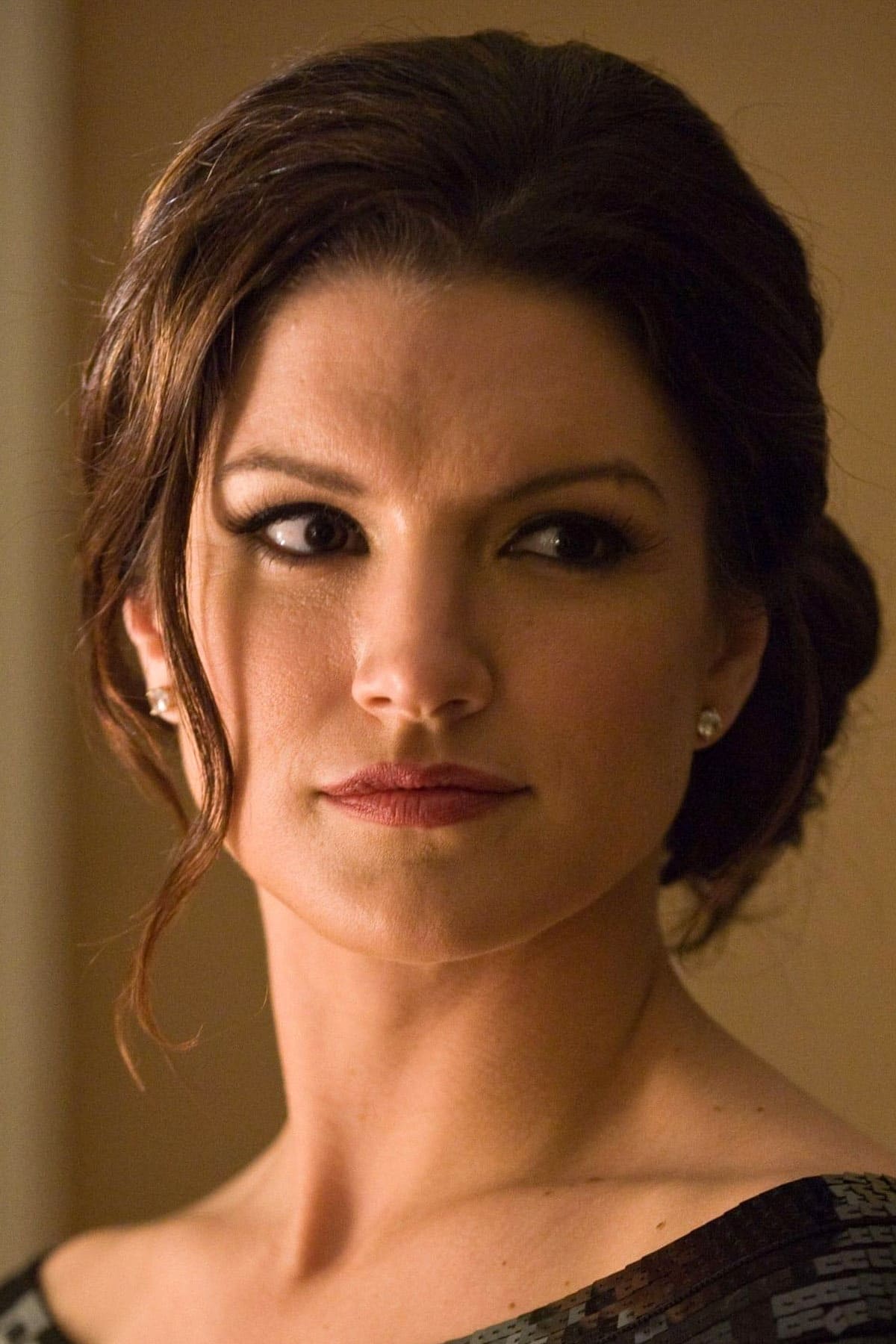
Lucasfilm parted ways with this actress and former mixed martial artist after she shared several controversial posts on social media platforms. The studio released a statement clarifying that she was no longer employed by them and had no future roles in the ‘Star Wars’ universe. Her character in the popular series ‘The Mandalorian’ was written out of the show following the public outcry. She later transitioned to working on projects with independent media outlets that cater to specific political demographics. The situation sparked a widespread debate about the boundaries of professional conduct for actors in the digital age.
Melissa Barrera

This rising star was removed from the cast of ‘Scream VII’ following her social media comments regarding international conflicts. The production company stated that they have zero tolerance for speech they perceive as harmful or inciting. Her departure led to a significant shift in the direction of the horror franchise since she was a central character in the previous installments. Many fans and fellow actors debated whether the dismissal was a justified business move or an infringement on personal expression. She has continued to work on independent films while maintaining her public stance.
Susan Sarandon
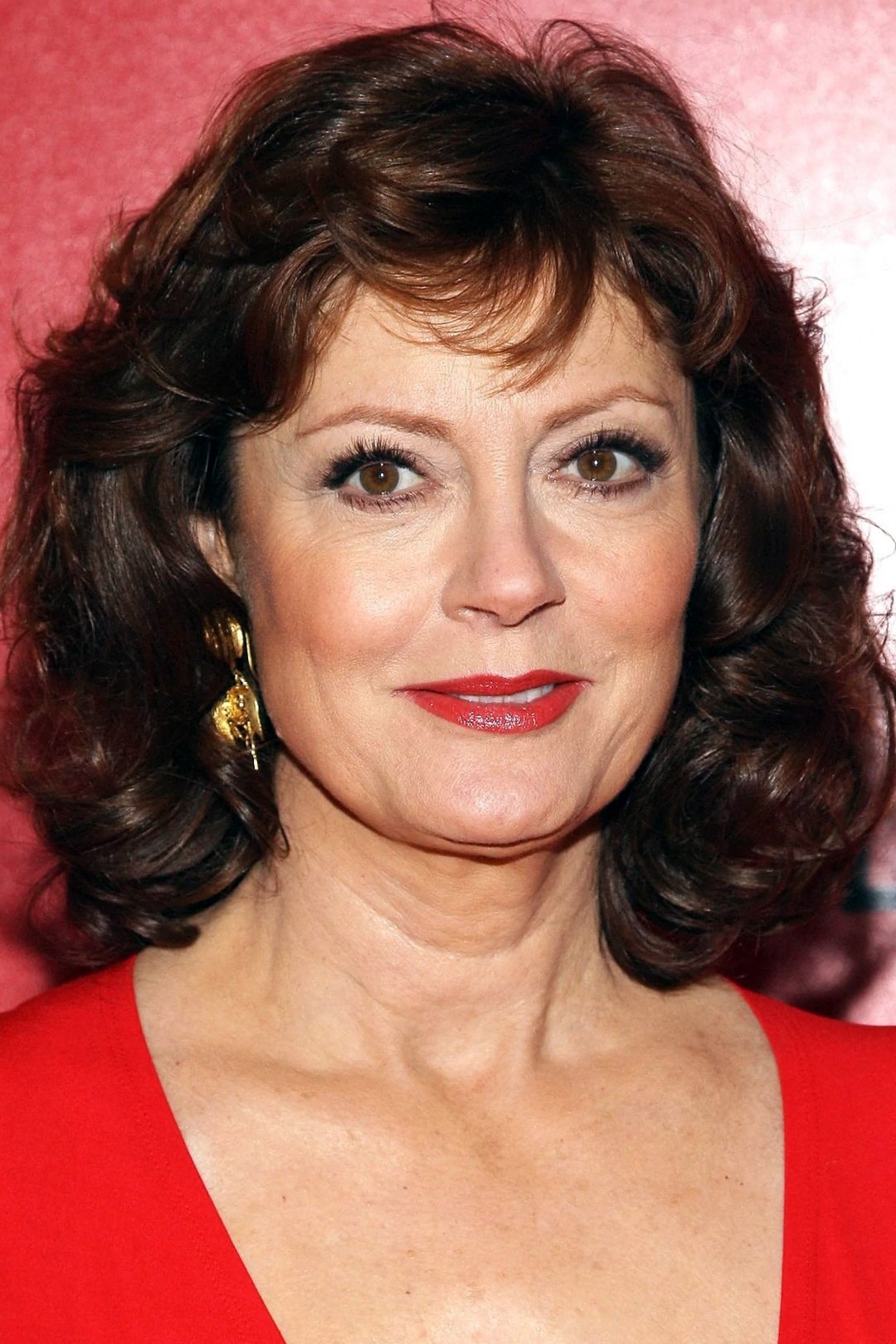
The Academy Award winning actress faced professional repercussions after speaking at a political rally in late 2023. Her talent agency United Talent Agency reportedly dropped her as a client following her remarks at the event. While she remains a high profile figure her schedule has seen fewer mainstream Hollywood projects since the incident occurred. She has a long history of activism and has often faced criticism for her outspoken nature regarding global affairs. This latest development highlights the ongoing tensions between political activism and industry representation.
Stacey Dash
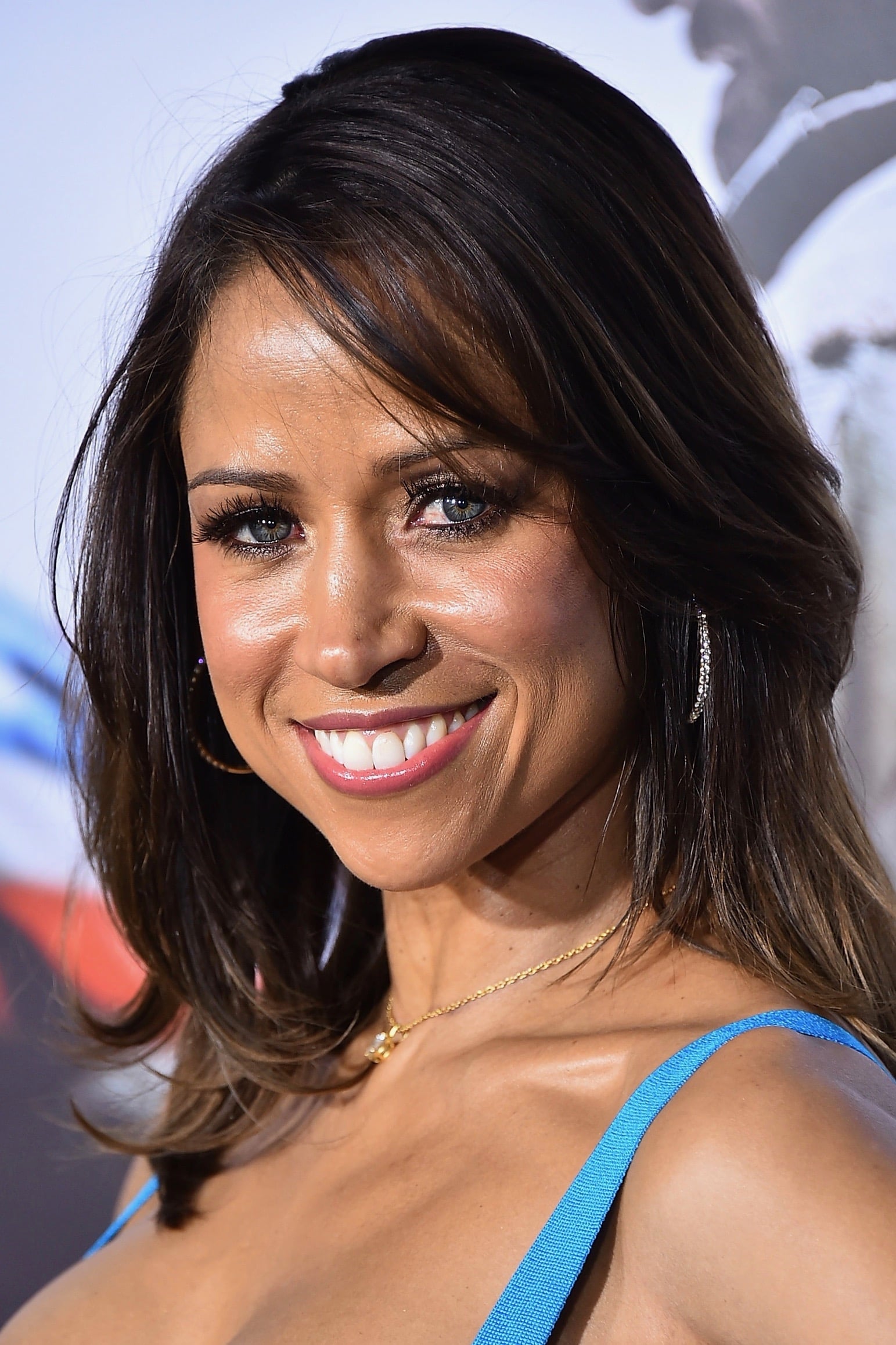
Known for her role in the classic film ‘Clueless’ this actress saw her acting opportunities dwindle as she transitioned into political commentary. She became a regular contributor on news networks where she expressed views that were often at odds with the majority of the entertainment industry. Many industry insiders suggested that her vocal support for certain political movements made it difficult for her to secure traditional acting roles. She briefly attempted a run for public office before returning to various media appearances. Her career path illustrates the shift from mainstream entertainment to partisan media advocacy.
James Woods
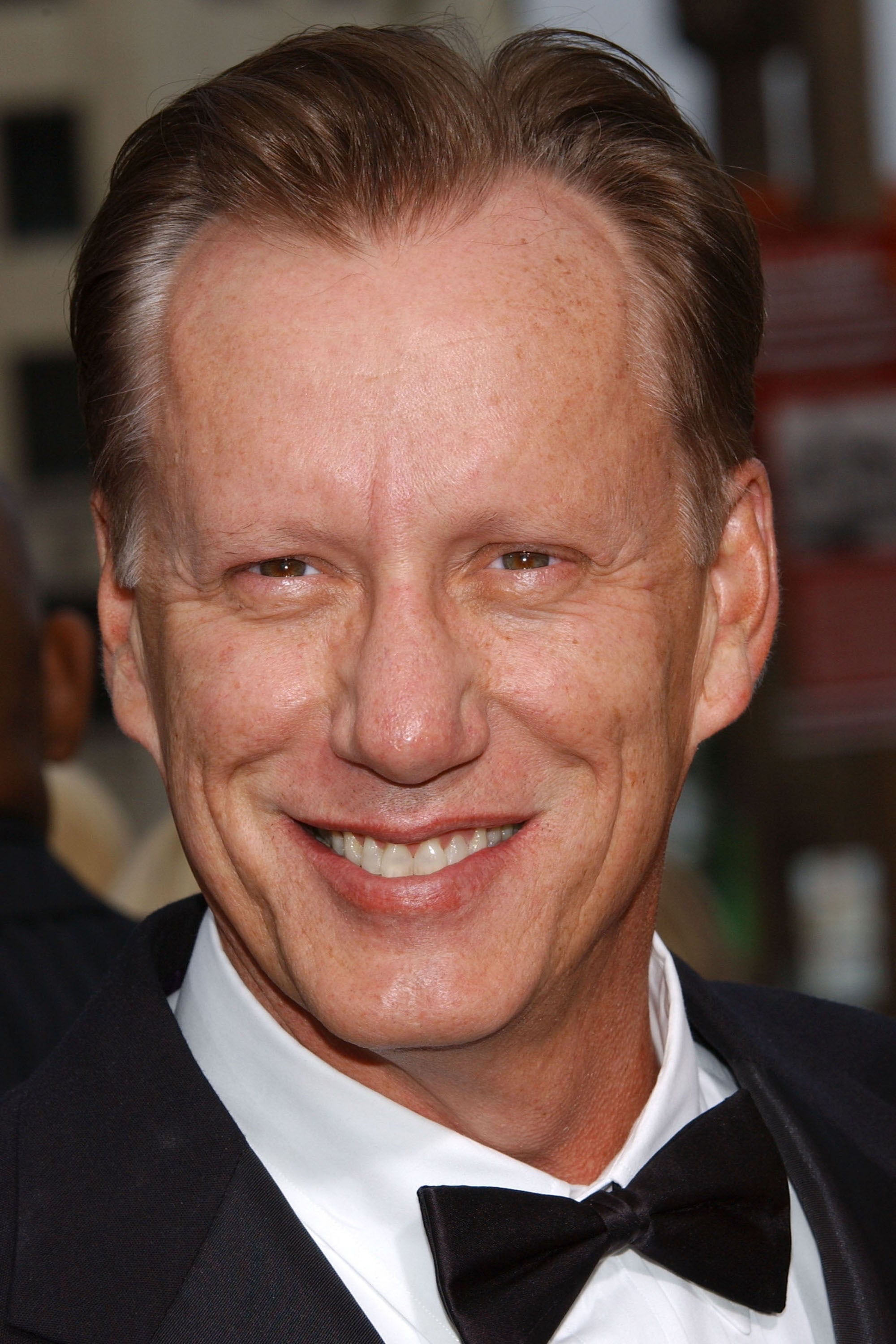
This veteran actor has been very vocal about his belief that his conservative political views have cost him work in the film industry. He famously announced his retirement from acting while citing the difficulty of finding roles due to his public statements. Despite a long career filled with acclaimed performances his presence in major studio films has decreased significantly over the last decade. He frequently uses social media to engage in political discourse and criticize industry standards. His experience reflects the ideological divide that can impact even established veterans in Hollywood.
Victoria Jackson
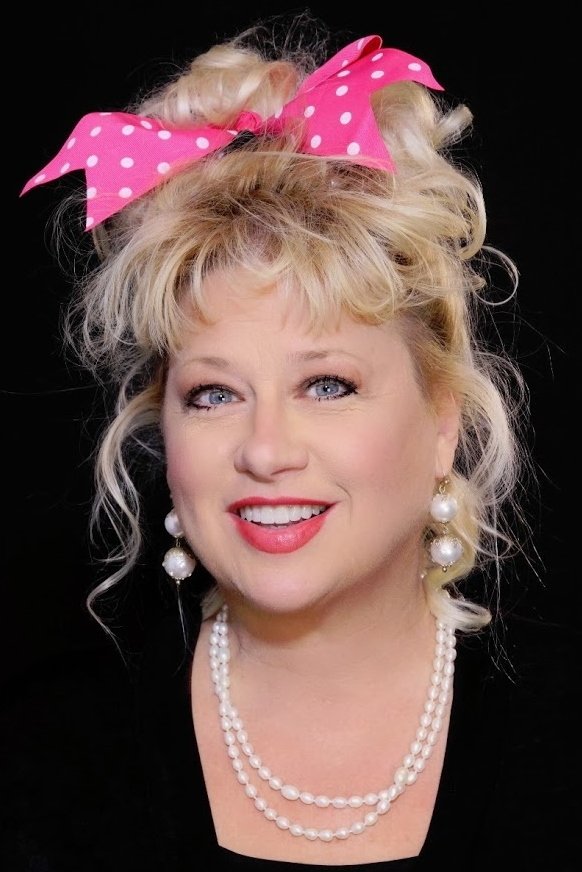
A former cast member of ‘Saturday Night Live’ this performer saw her mainstream career change after becoming an outspoken political activist. She frequently appeared on talk shows to discuss her conservative viewpoints and critiques of the government. Many observers noted that her comedic opportunities in film and television decreased as her political profile grew. She eventually pivoted toward creating her own content and appearing in niche media productions. Her transition highlights the challenges of balancing a comedy career with high profile political commentary.
Isaiah Washington
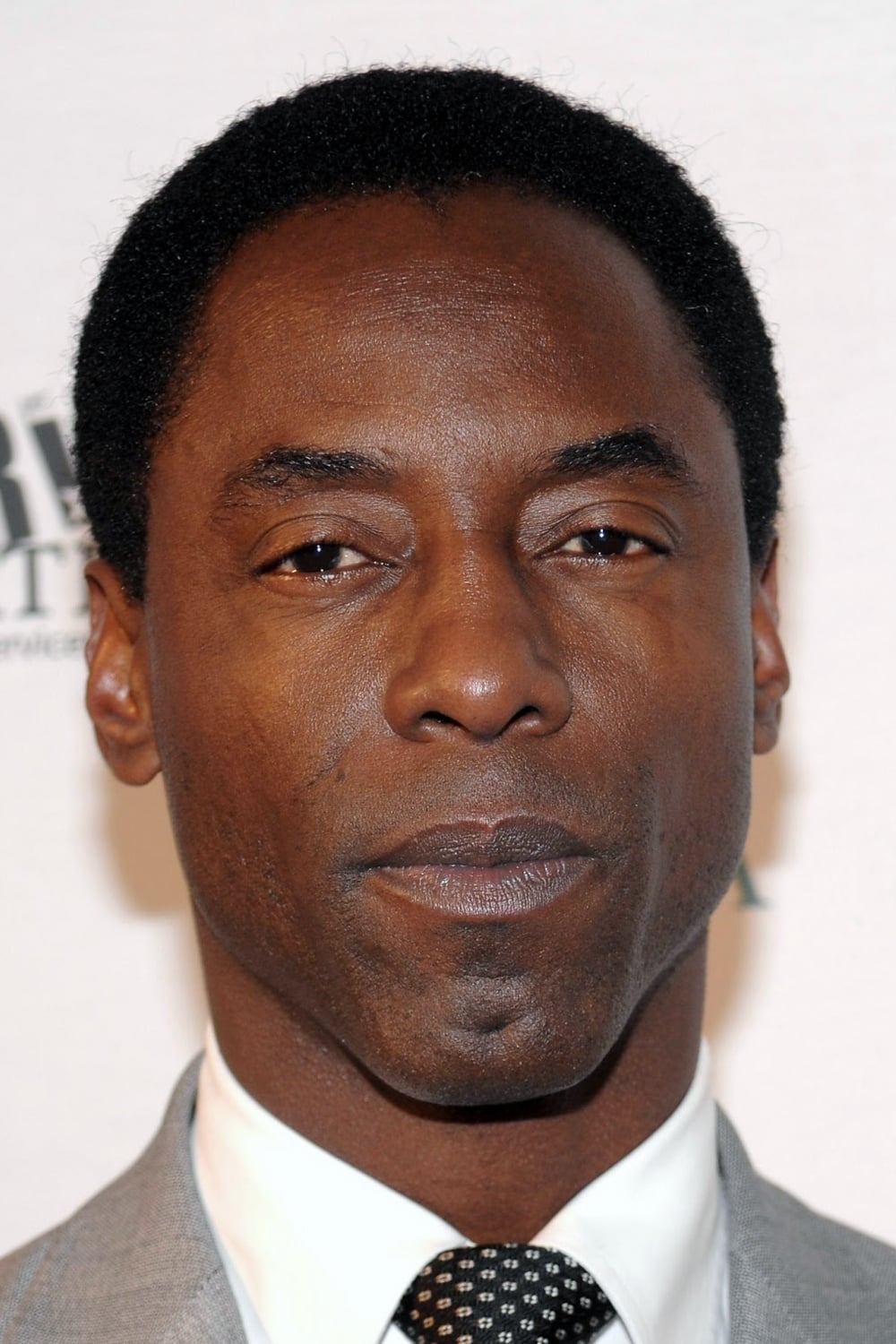
While his departure from the series ‘Grey’s Anatomy’ involved internal cast conflicts he has often attributed his subsequent career struggles to his political and social perspectives. He claimed that the industry marginalized him after the highly publicized incident on the set of the hit medical drama. The actor later became more vocal about his shifting political affiliations and critiques of the entertainment establishment. He eventually left the Democratic Party and began supporting alternative political movements which he says further distanced him from Hollywood. He now focuses on independent projects and documentary work.
John Schneider
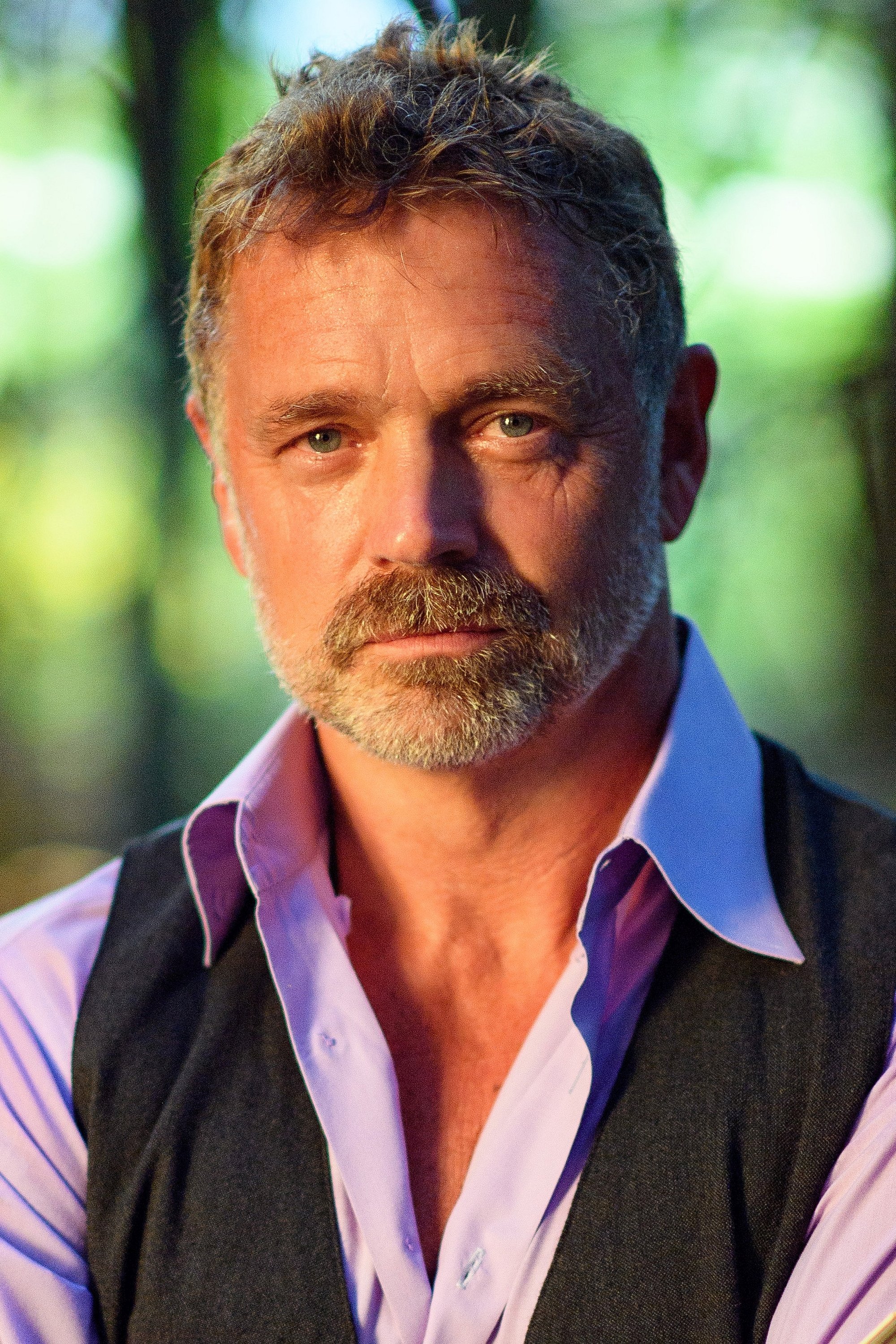
The ‘Dukes of Hazzard’ star faced significant backlash and professional scrutiny after making comments directed at a high ranking government official. His remarks led to investigations and a loss of standing with various media partners and industry circles. He has often spoken about the challenges conservative actors face when expressing their opinions in a predominantly liberal environment. Despite the controversy he has managed to maintain a career by producing his own films and engaging directly with his fanbase. His situation underscores the risks associated with modern political rhetoric for public figures.
Eartha Kitt
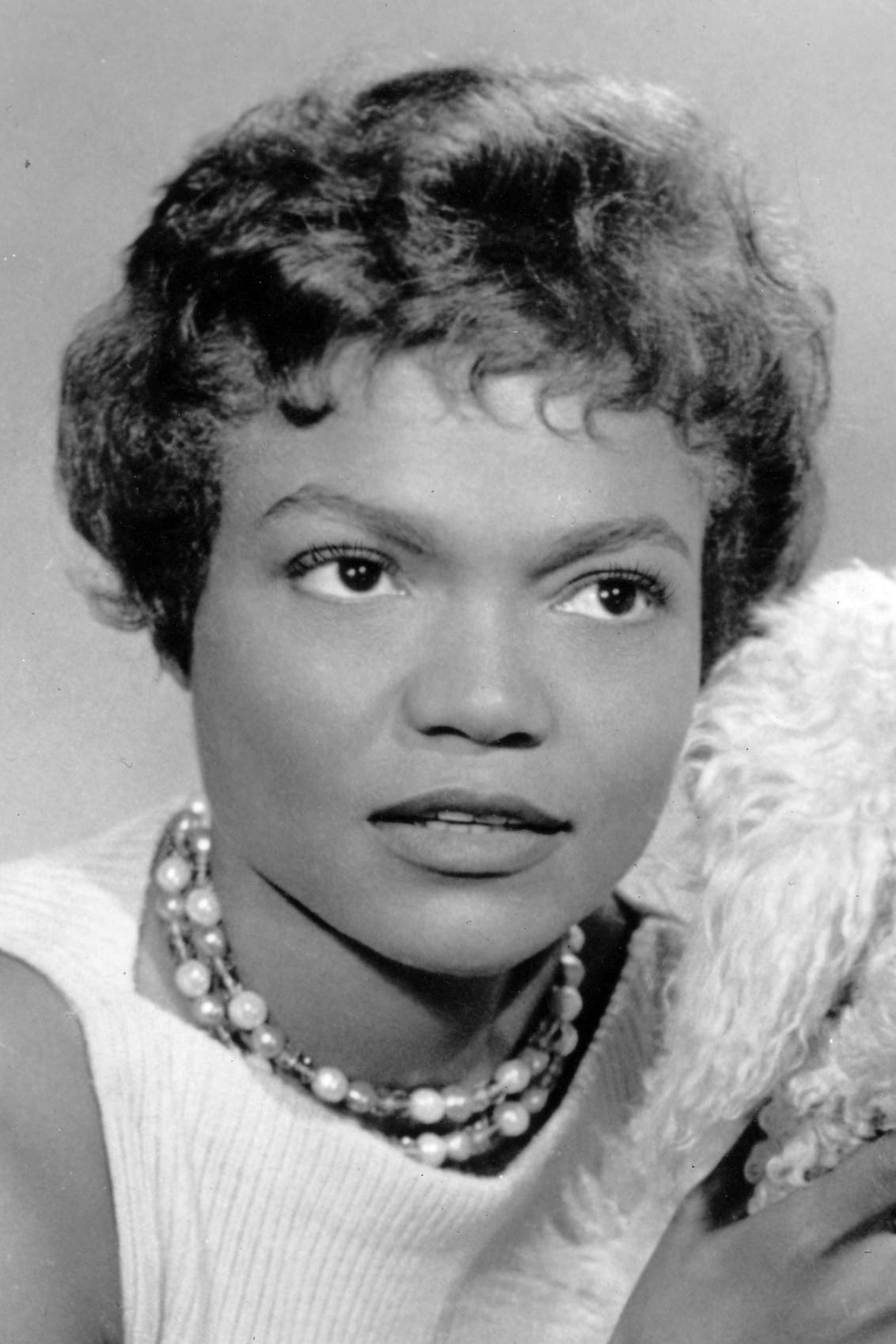
The iconic singer and actress faced a sudden career halt in the United States after making critical remarks about the Vietnam War during a White House luncheon. Her comments reportedly infuriated the administration and led to her being professionally sidelined by major domestic venues. She was forced to spend several years performing almost exclusively in Europe to maintain her career and livelihood. It took nearly a decade for her to be welcomed back into the American mainstream entertainment circle. Her experience serves as a reminder of the personal cost of speaking truth to power in a public forum.
Paul Robeson
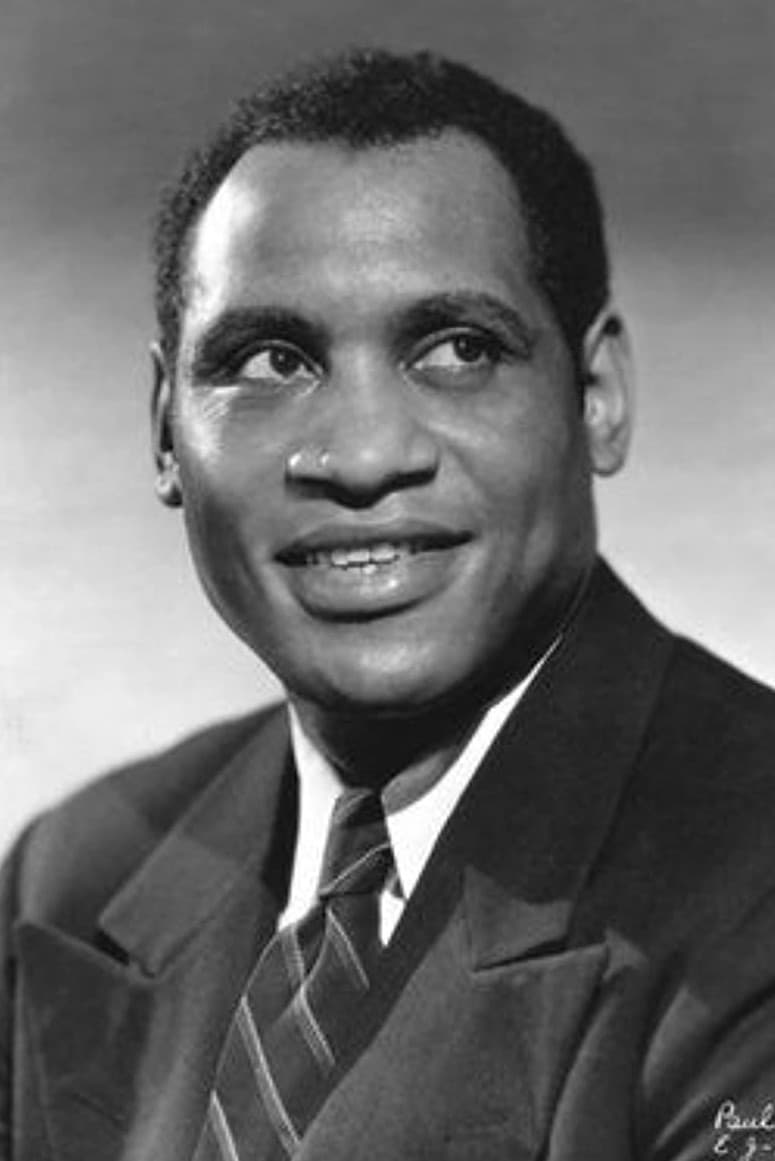
This talented actor and singer was blacklisted during the Cold War era for his outspoken support of civil rights and international labor movements. The government revoked his passport which prevented him from performing abroad and earning a living as a world class artist. His domestic career also suffered as venues refused to host his performances and studios avoided hiring him. He spent years fighting for his right to travel and speak freely while facing immense pressure from federal authorities. His legacy is remembered today as both a brilliant artist and a martyr for political expression.
Charlie Chaplin
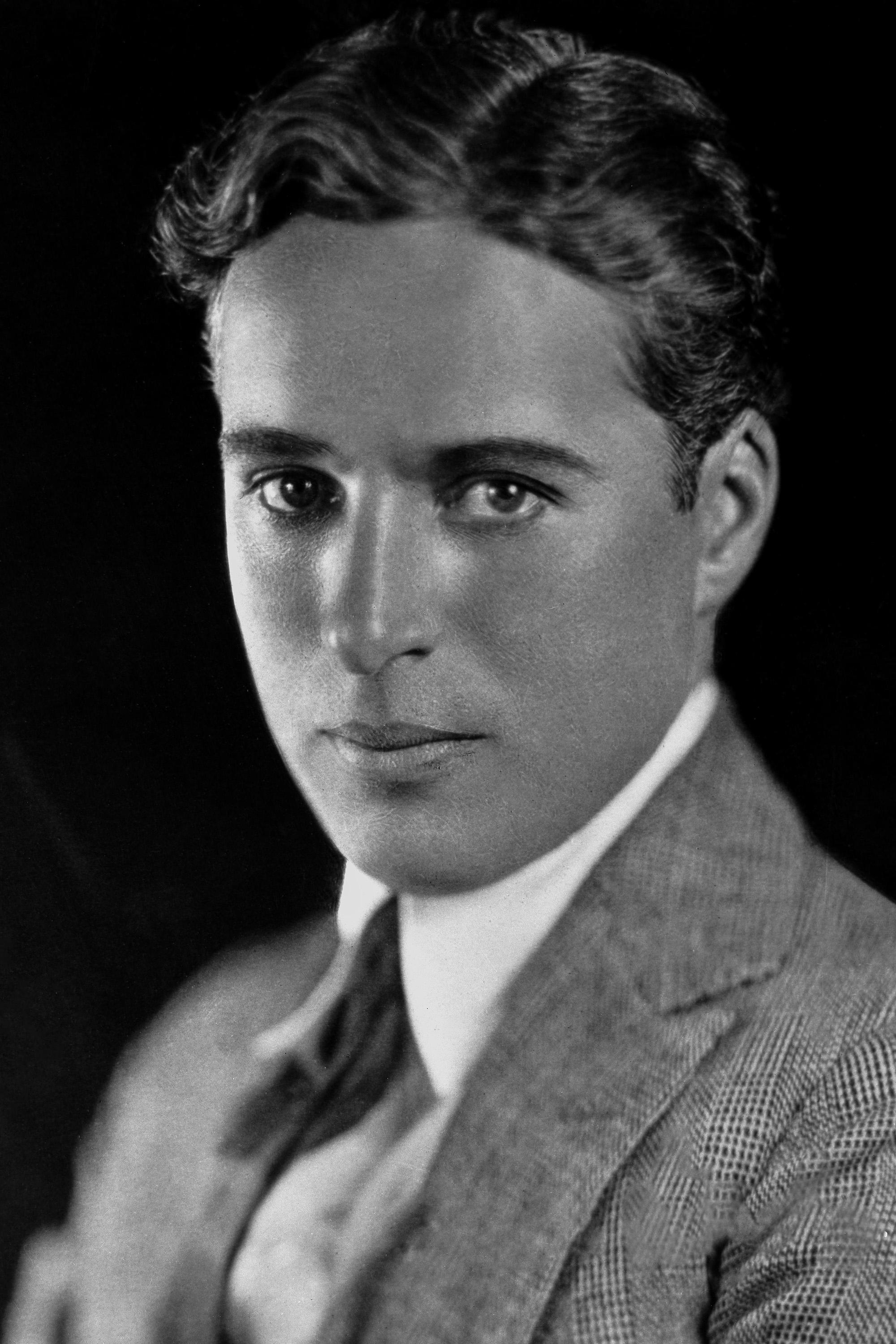
The legendary silent film star was effectively forced out of the United States during the height of the Red Scare in the early 1950s. His perceived sympathies for leftist causes and his refusal to cooperate with political investigations led to the revocation of his reentry permit. He spent several decades in exile in Switzerland and only returned to Hollywood briefly to accept an honorary award. His departure marked a significant loss for the American film industry during a period of intense political tension. This remains one of the most famous examples of political exile in entertainment history.
Dalton Trumbo
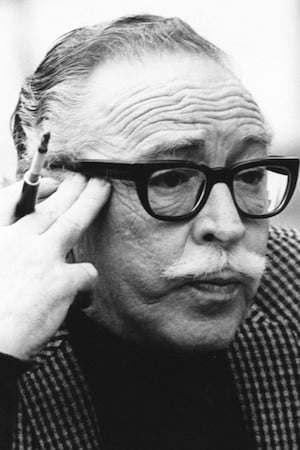
As one of the most prominent members of the Hollywood Ten this screenwriter was imprisoned and blacklisted for refusing to testify before a congressional committee. He was forced to write under various pseudonyms for many years to continue working in the film industry. He famously won two Academy Awards under assumed names before he was eventually given proper credit for his work. His struggle was a central part of the movement to end the Hollywood blacklist during the late 1950s. The eventually public restoration of his name marked a turning point for political freedom in Hollywood.
Lena Horne
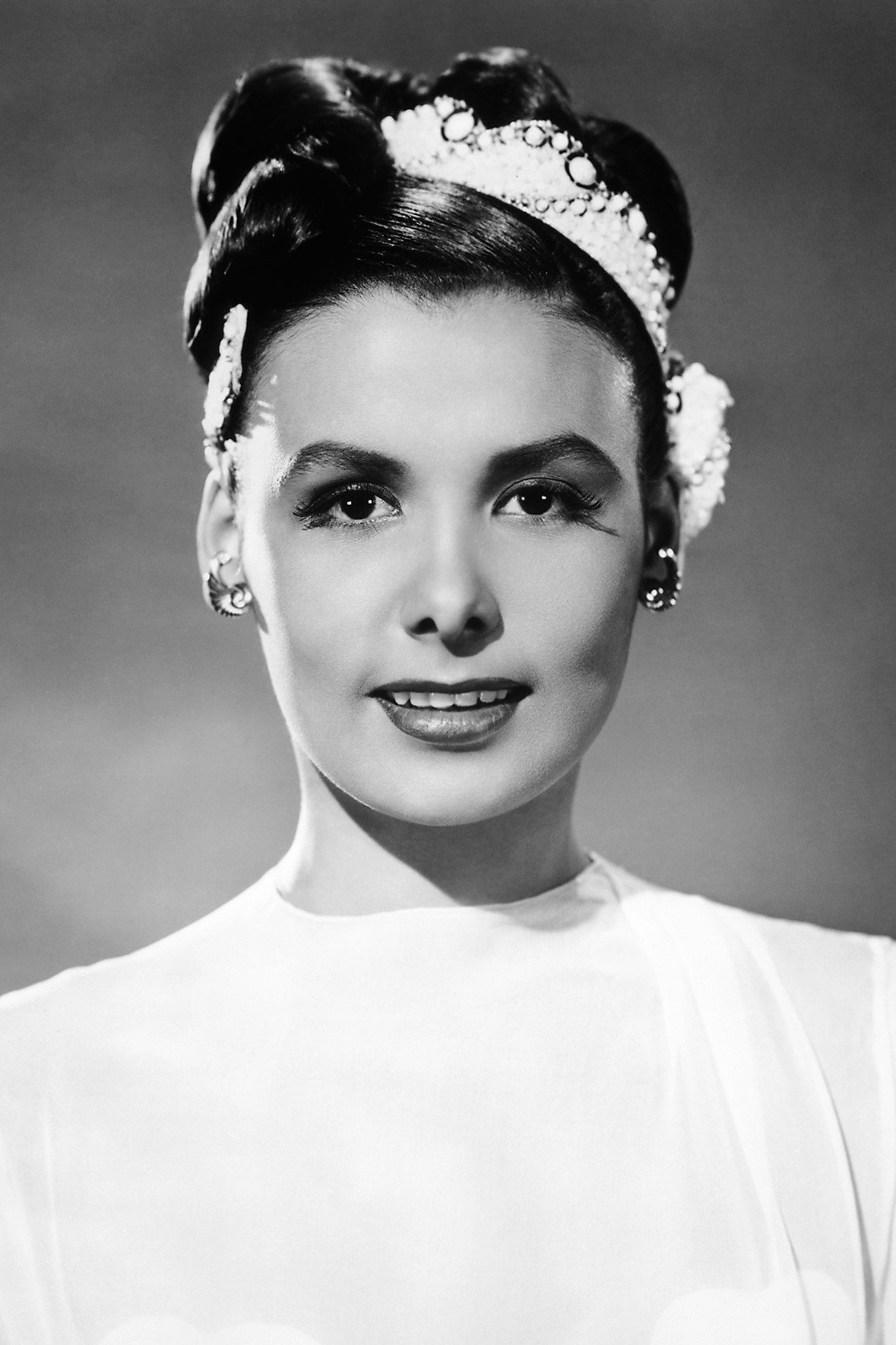
This groundbreaking actress and singer was blacklisted during the 1950s due to her involvement in various progressive and civil rights organizations. Her ties to prominent activists caused her to be viewed with suspicion by government investigators and industry executives alike. She found it difficult to secure film roles and television appearances for a significant portion of her career. Despite these obstacles she continued to use her platform to advocate for social change and racial equality. She eventually overcame the blacklist to become one of the most respected performers of her generation.
Zero Mostel
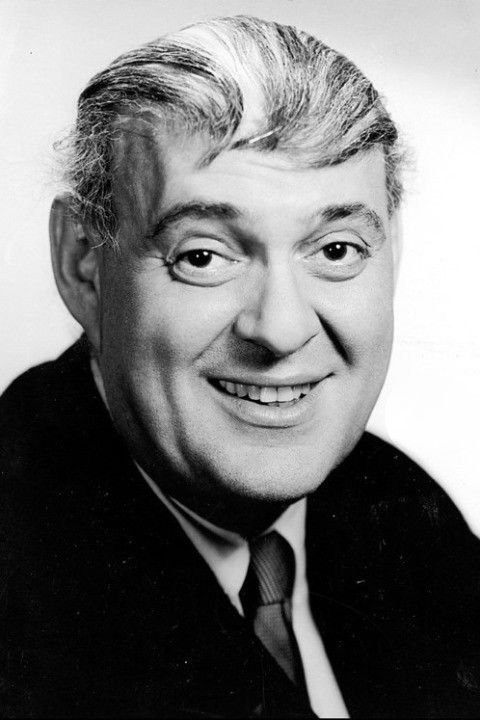
The celebrated stage and screen actor was blacklisted for several years after he refused to identify colleagues during political hearings. His refusal to cooperate with the House Un-American Activities Committee led to a period where he could not find work in major productions. He spent much of this time focusing on his painting and smaller theatrical projects outside of the mainstream eye. He eventually made a triumphant return to the industry with iconic roles in ‘Fiddler on the Roof’ and ‘The Producers’. His resilience during the blacklist era is often cited as an inspiration by other performers.
Lloyd Bridges
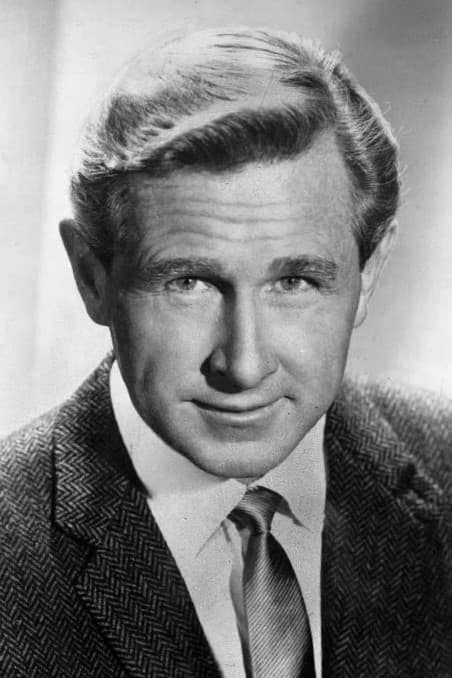
This actor was briefly blacklisted during the early 1950s after he admitted to having past associations with political groups deemed subversive. He cooperated with investigators to clear his name but the stigma of the investigation still impacted his career for a period of time. He eventually managed to rebuild his reputation and became a staple of American television with the series ‘Sea Hunt’. Many actors of his era faced similar professional hurdles as they navigated the complex political climate of the time. His ability to return to prominence was a rare success story during the Red Scare.
Burl Ives
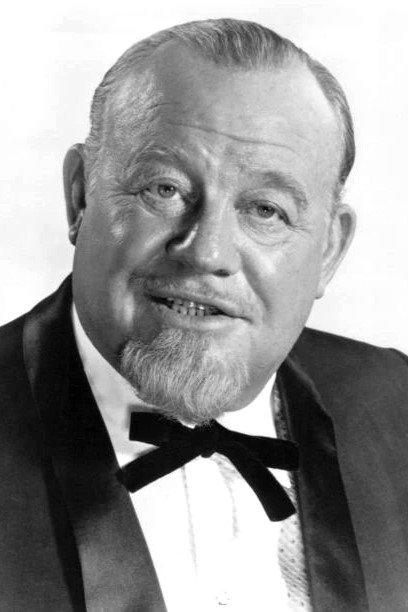
The folk singer and actor faced intense professional pressure when his name appeared in a publication that listed suspected political sympathizers. To save his career he chose to testify and identify others which led to a permanent rift with many of his colleagues. While he was able to continue working in films like ‘Cat on a Hot Tin Roof’ he remained a controversial figure within the artistic community. Some saw his actions as a necessary survival tactic while others viewed it as a betrayal of his peers. His story illustrates the impossible choices forced upon entertainers during the blacklist years.
Harry Belafonte

Known for his activism as much as his music this performer was targeted during the McCarthy era for his political associations. He faced regular surveillance by the government and found his television opportunities limited due to his civil rights work. Despite the pressure he refused to back down from his principles and continued to fund various social movements. His commitment to justice often put him at odds with industry executives who feared political controversy. He remained a powerful voice for change throughout his long and distinguished career in the public eye.
Will Geer
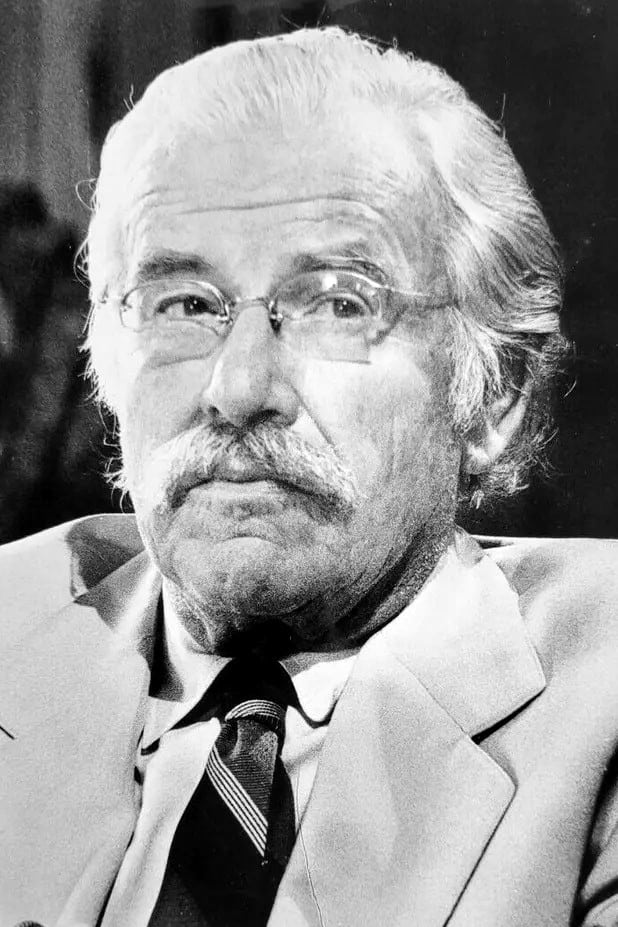
This character actor best known for his later role in ‘The Waltons’ was blacklisted for over a decade after refusing to testify. He was an active member of political labor movements and refused to provide names of his associates to government committees. During the years he was barred from acting he established a garden and theater colony to support himself and other struggling artists. He eventually returned to the screen as the political climate shifted in the 1960s and 1970s. His later success was a testament to his enduring talent and personal fortitude.
Anne Revere
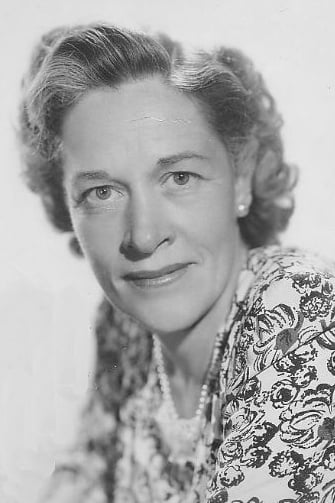
The Oscar winning actress was blacklisted after she invoked her constitutional rights to remain silent during a political hearing. She was a prominent board member of the Screen Actors Guild and had a very successful career before the investigation. Her refusal to cooperate led to a twenty year absence from the film industry at the height of her fame. She eventually returned to the stage and screen in the 1970s after the blacklist had finally collapsed. Her case is often cited as a prime example of the professional destruction caused by political intolerance.
Gale Sondergaard
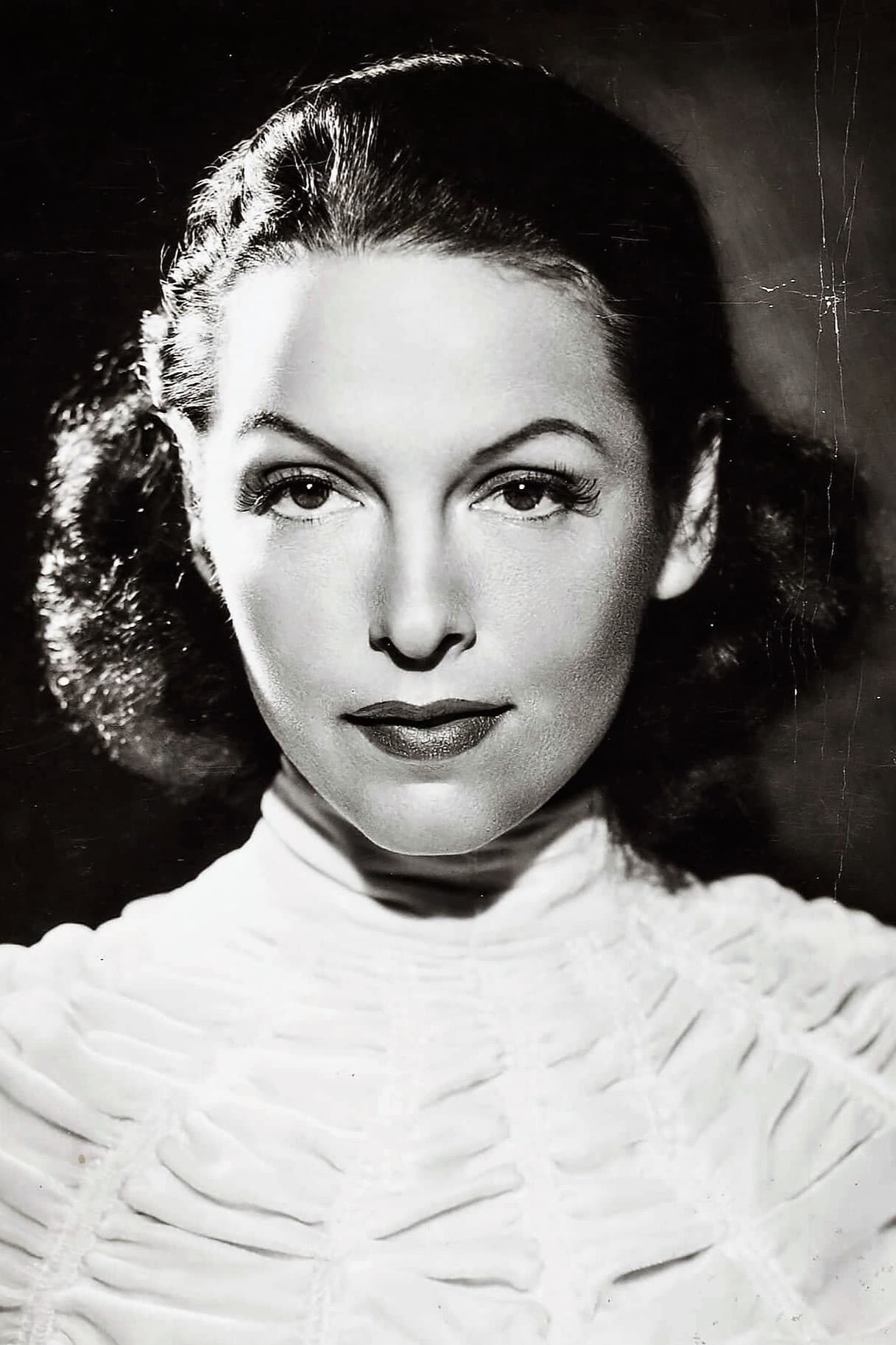
This talented actress was the first recipient of the Academy Award for Best Supporting Actress but her career was halted by the blacklist. She was married to a blacklisted director and refused to testify about her own political affiliations or those of her friends. For many years she was unable to find any work in Hollywood and was forced to seek opportunities elsewhere. She eventually made a return to acting in her later years but she never fully regained her previous status. Her story reflects the impact of political associations on the careers of talented performers.
Larry Parks
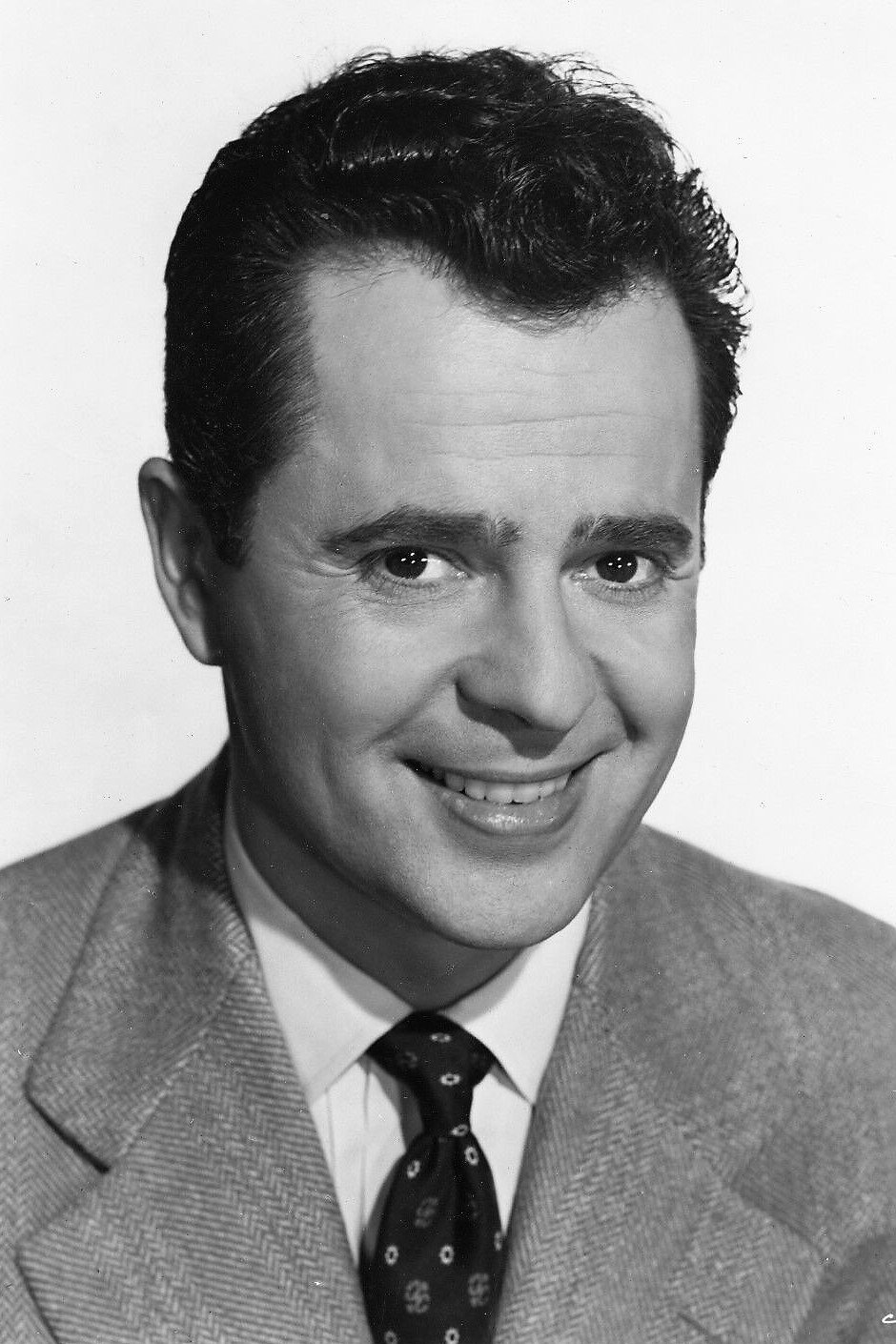
This actor rose to fame playing Al Jolson but his career was effectively destroyed when he became the first to testify before a political committee. He admitted to past political associations and pleaded with the committee not to force him to name others. Despite his cooperation he was still blacklisted by the major studios and found it impossible to secure new roles. He spent much of his remaining career working in real estate and small theater productions away from the limelight. His experience remains a cautionary tale about the consequences of the Red Scare on individual lives.
Marsha Hunt
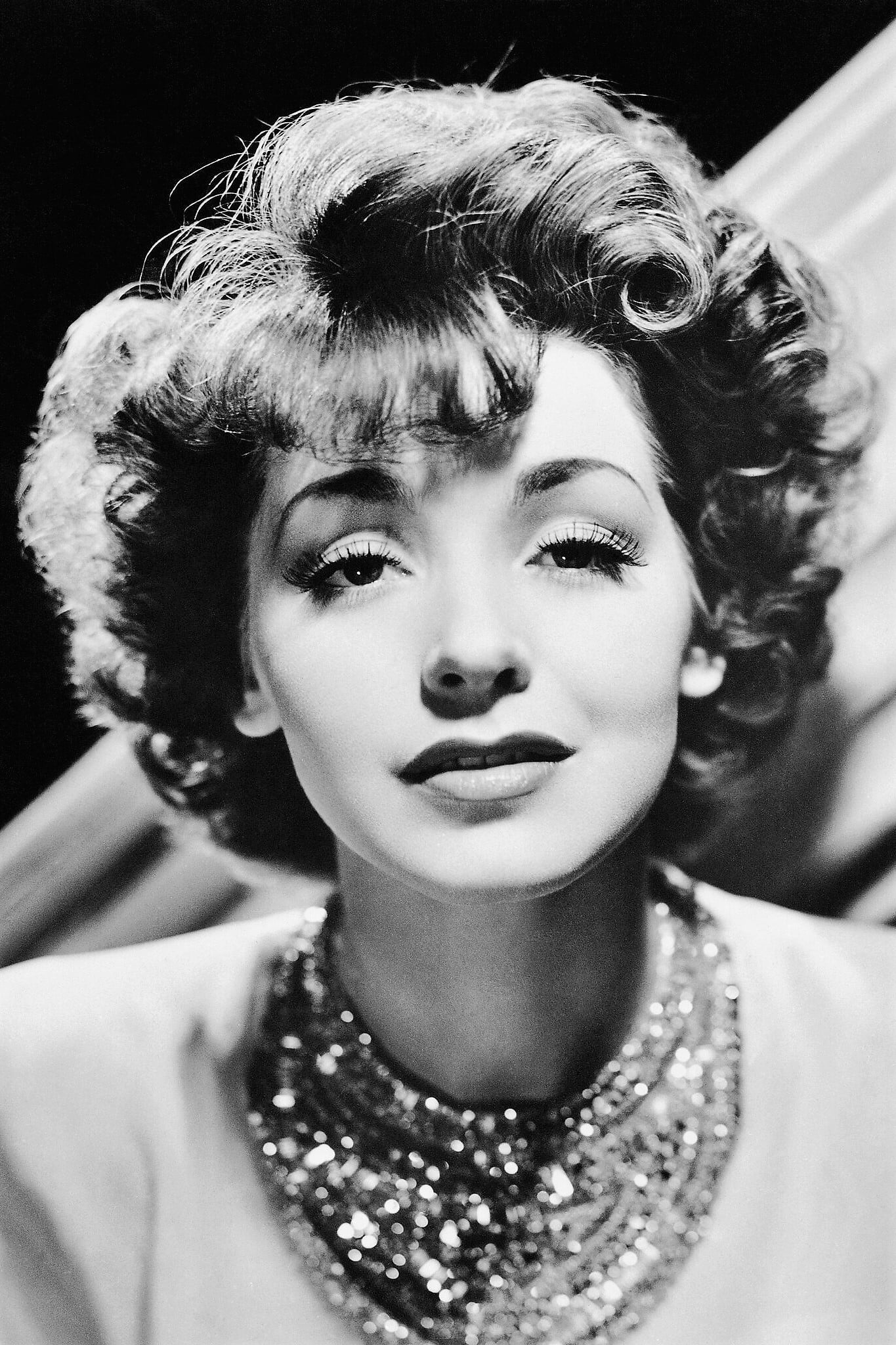
A promising young star in the 1940s this actress was blacklisted after she joined a group of actors protesting the investigation of Hollywood. Her name was placed in a publication that listed individuals with suspected leftist leanings which led to a sudden drop in job offers. She refused to sign loyalty oaths or renounce her political beliefs to appease the studios. While she continued to work in minor roles she never achieved the stardom that many had predicted for her. She remained an active humanitarian and activist throughout her long life.
Jean Muir
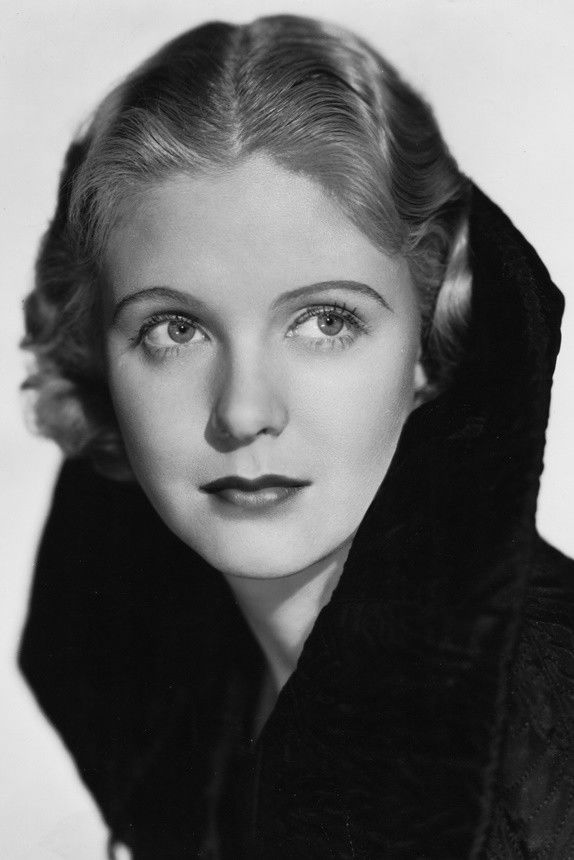
This actress became the first person to be removed from a television show due to political allegations in the early 1950s. She was cast in ‘The Aldrich Family’ but was fired just hours before the first episode aired because her name appeared in a controversial directory. The network claimed her presence would cause a boycott of the products advertised during the broadcast. This incident marked a significant moment in the history of television blacklisting and corporate censorship. She struggled to find consistent work in the industry for many years following the dismissal.
Kim Hunter
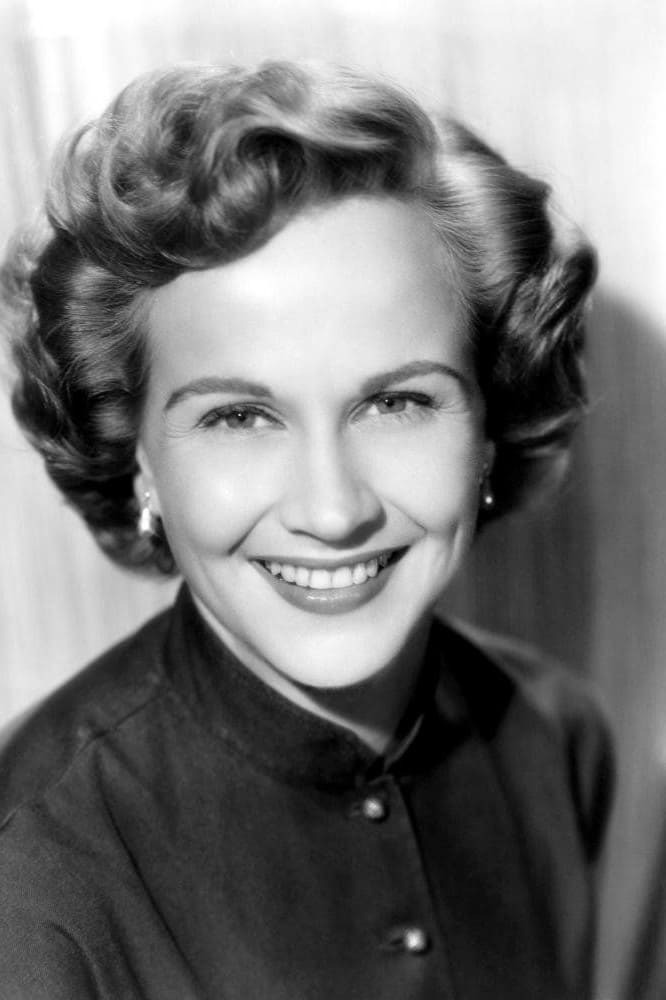
The Academy Award winning actress for ‘A Streetcar Named Desire’ faced professional exclusion during the McCarthy era. Her name was listed in a political pamphlet which caused her to be barred from several television and film projects. She had to undergo a complex process to clear her name and return to the mainstream entertainment industry. While she eventually resumed her career the interruption occurred at a pivotal moment in her professional development. Her resilience allowed her to continue working for many decades in both film and theater.
Sam Jaffe
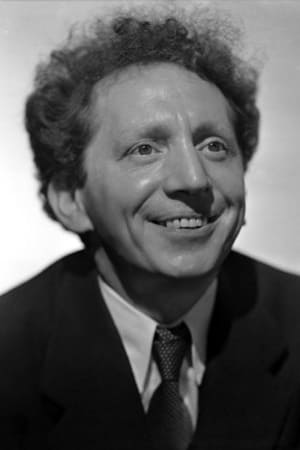
This distinguished character actor was blacklisted for several years during the 1950s after he was accused of having radical political views. He was forced to leave the country to find work in European productions while he was barred from Hollywood. He eventually returned to American television in the 1960s with a leading role in the series ‘Ben Casey’. His experience highlights the global nature of the blacklist and the lengths to which actors went to sustain their careers. He remained a respected figure in the acting community despite the political challenges he faced.
Howard Da Silva
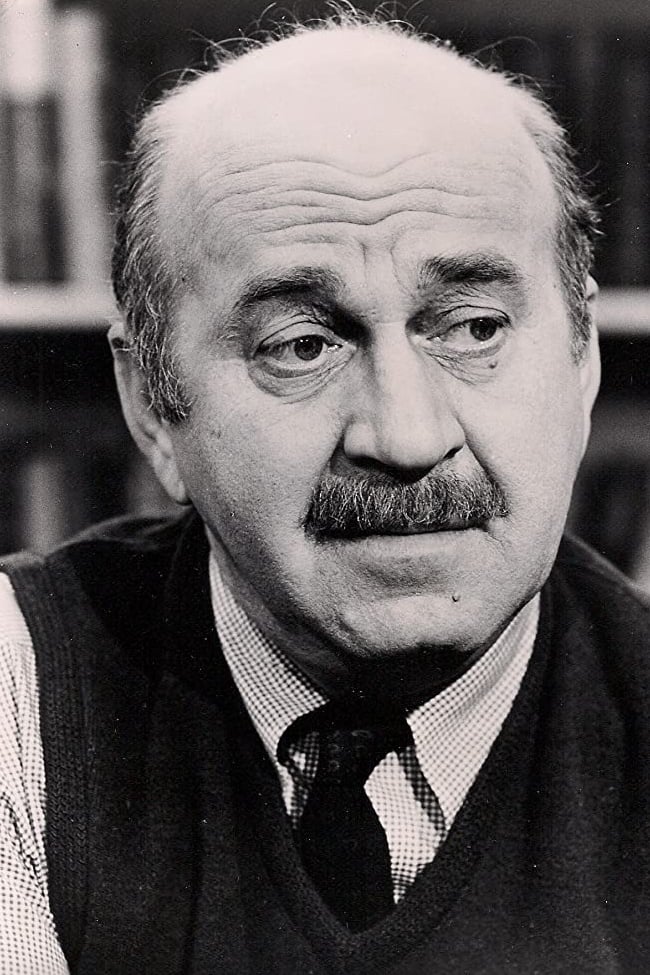
Known for his roles on Broadway and in films this actor was blacklisted after he refused to answer questions from a congressional committee. His professional life in Hollywood came to an abrupt end and he was forced to focus on stage work in New York. He remained out of the film industry for over a decade until the political climate began to change. He eventually found success again in films like ‘1776’ where he played Benjamin Franklin. His long absence from the screen was a direct result of his commitment to his political principles.
Lee J. Cobb
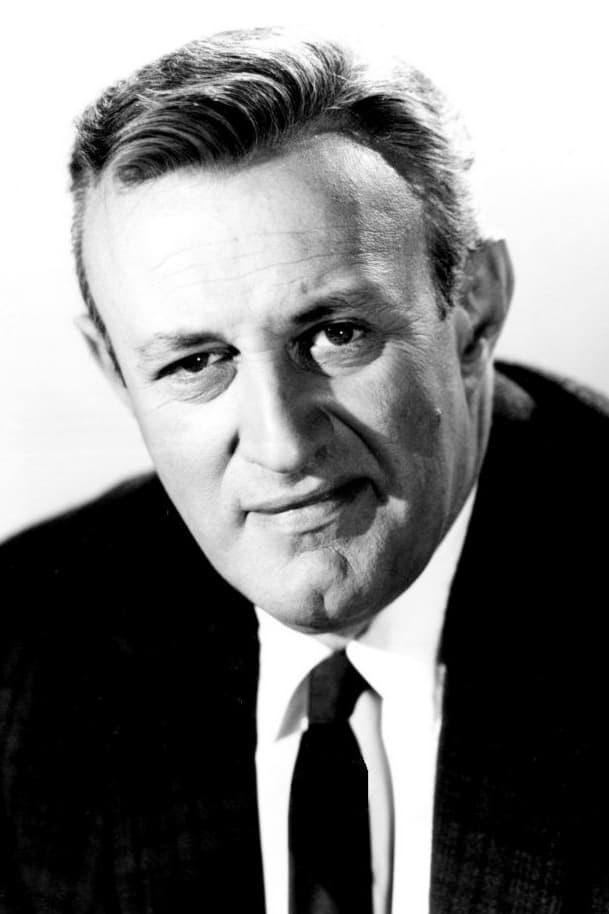
This acclaimed actor was blacklisted for several years before he ultimately decided to testify and name former associates. He spoke of the immense emotional and financial pressure that led him to cooperate with the authorities. While his testimony allowed him to return to major film roles it caused permanent damage to his relationships within the artistic community. He went on to give iconic performances in films like ‘On the Waterfront’ and ’12 Angry Men’. His journey illustrates the profound personal toll of the political pressures during that era.
Lionel Stander
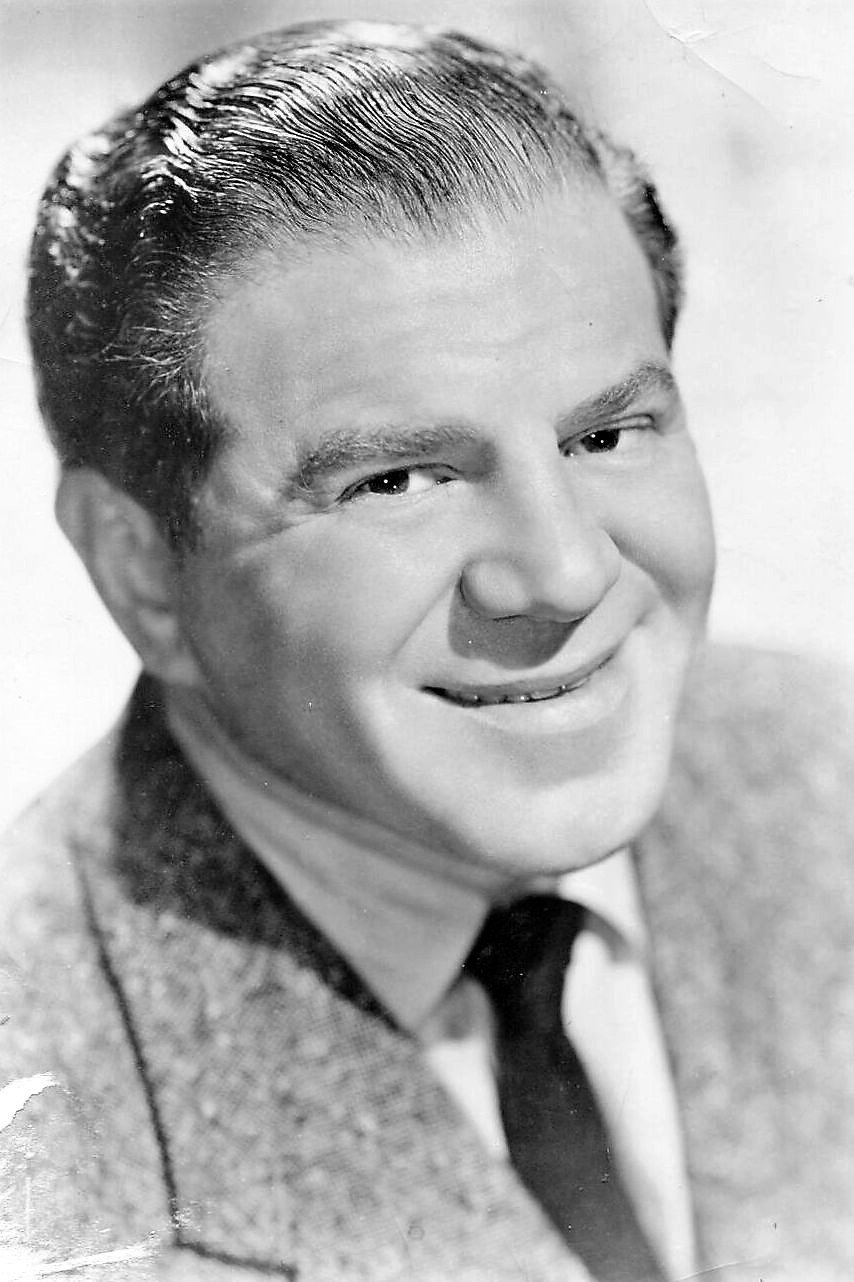
This character actor was known for his gravelly voice and was blacklisted twice during his career for his leftist political views. He was an outspoken supporter of labor unions and civil rights which made him a target for government investigators. After being barred from Hollywood he moved to Europe and built a successful career in Italian cinema for many years. He eventually returned to the United States and found a new generation of fans in the television series ‘Hart to Hart’. His career path demonstrates the persistence required to overcome institutional blacklisting.
John Garfield
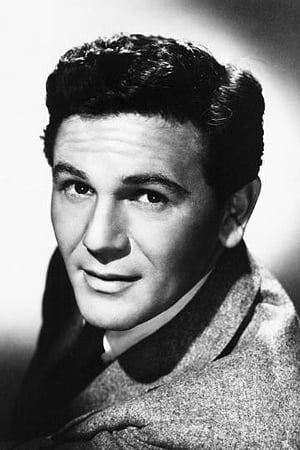
A major star of the 1940s this actor saw his career and health decline rapidly after he was targeted by political investigators. He refused to name names during his testimony and was subsequently blacklisted by all the major movie studios. The stress of the investigation and the loss of his career are often cited as contributing factors to his untimely death at a young age. He was a pioneer of the gritty method acting style that would later become popular in Hollywood. His tragic end remains a somber chapter in the history of political censorship in film.
Canada Lee
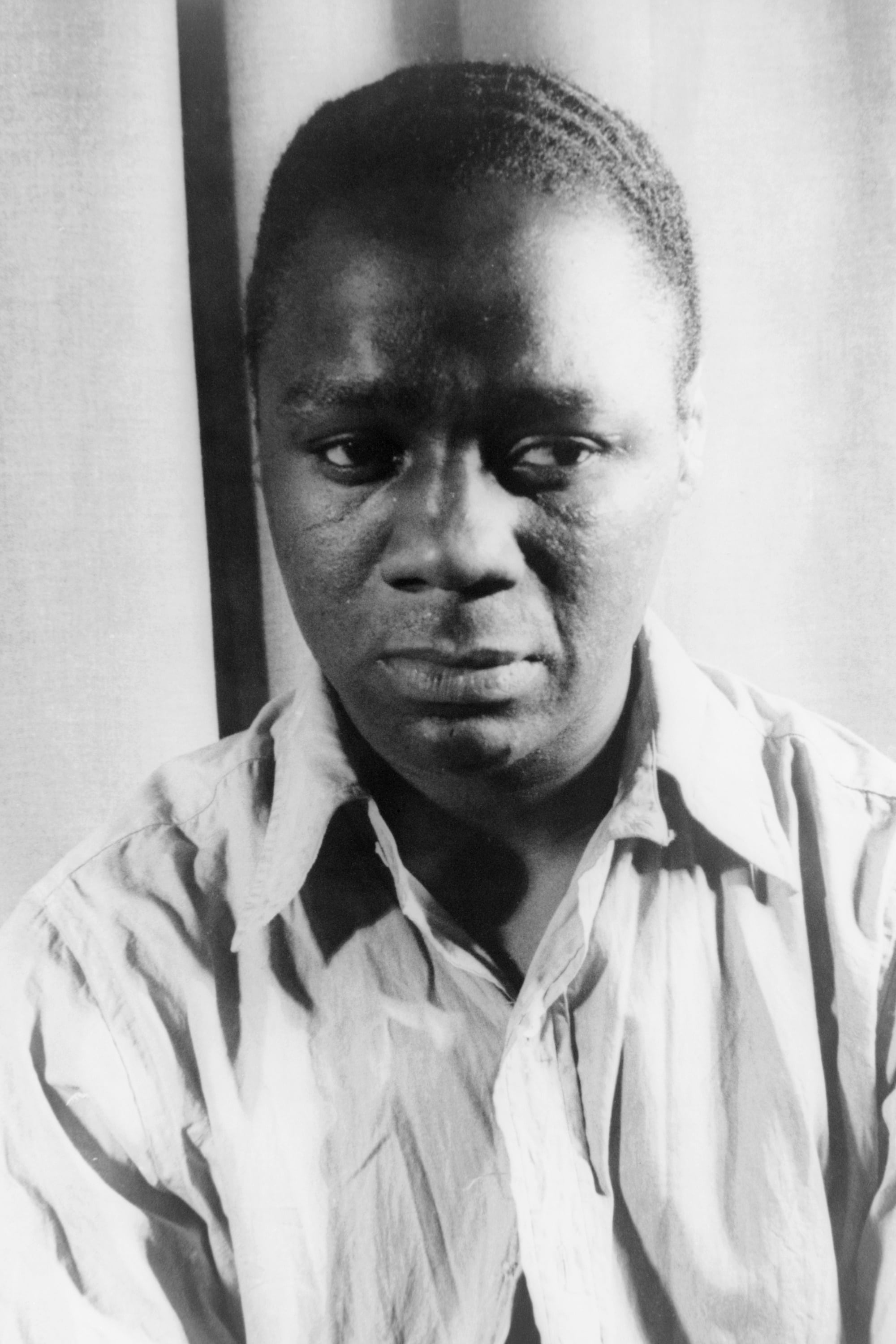
This African American actor and pioneer was blacklisted during the Cold War because of his advocacy for civil rights and economic justice. His professional opportunities in both film and radio disappeared as he was labeled a political subversive. He was barred from appearing in a major film adaptation of ‘Cry the Beloved Country’ due to the pressure on the production. He faced significant financial hardship and passed away shortly after the blacklist took effect. His legacy continues to be honored for his bravery in both his art and his activism.
Mady Christians
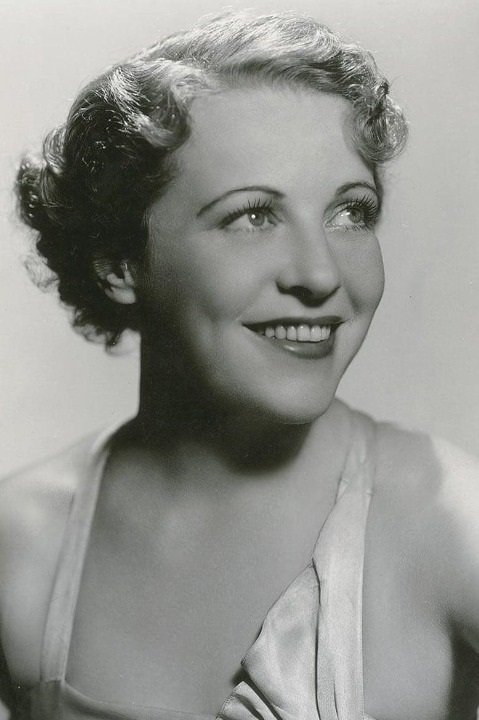
This European born actress was a star on Broadway and in film until her career was cut short by political allegations. She was blacklisted during the early 1950s after being accused of supporting organizations deemed subversive by the government. The sudden loss of work and the constant surveillance by authorities took a heavy toll on her mental and physical well being. She passed away shortly after her career was derailed by the investigation. Her story is often used to illustrate the human cost of the political atmosphere during the Red Scare.
Morris Carnovsky
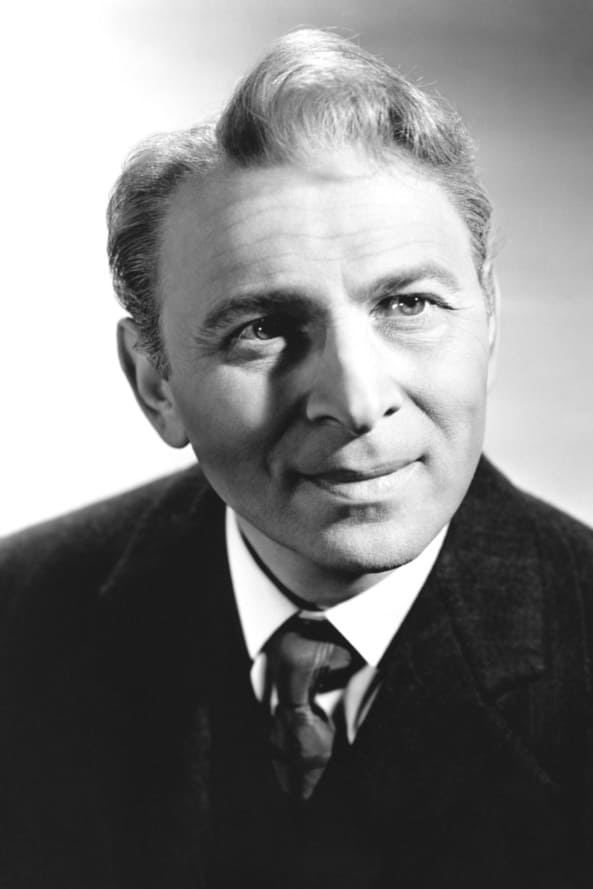
A founding member of the Group Theatre this actor was blacklisted for several years after he refused to cooperate with political investigators. He was a dedicated artist who believed that performers should not be forced to disclose their political beliefs. During the period he was barred from film and television he dedicated himself to classical theater and teaching. He eventually returned to the screen in his later years but the prime of his film career was lost to the blacklist. He is remembered as a man of great integrity who prioritized his values over his career.
Dorothy Comingore
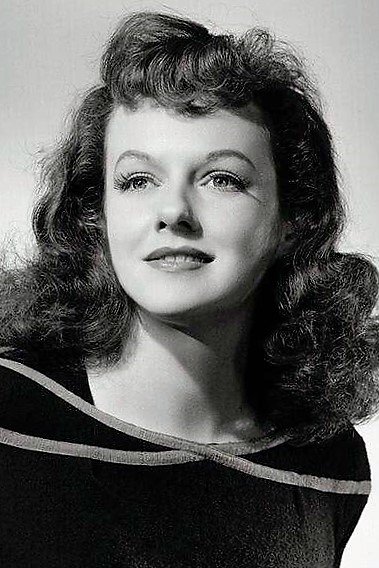
She is best known for her role as Susan Alexander Kane in ‘Citizen Kane’ but her career was destroyed by the blacklist. Her political activism and associations with leftist groups led to her being targeted by investigators and ignored by studios. She was unable to find work in the industry for the remainder of her life despite her talent and early success. The pressure of the blacklist also had a significant impact on her personal life and health. Her experience serves as a clear example of how political blacklisting could extinguish a promising career.
J. Edward Bromberg
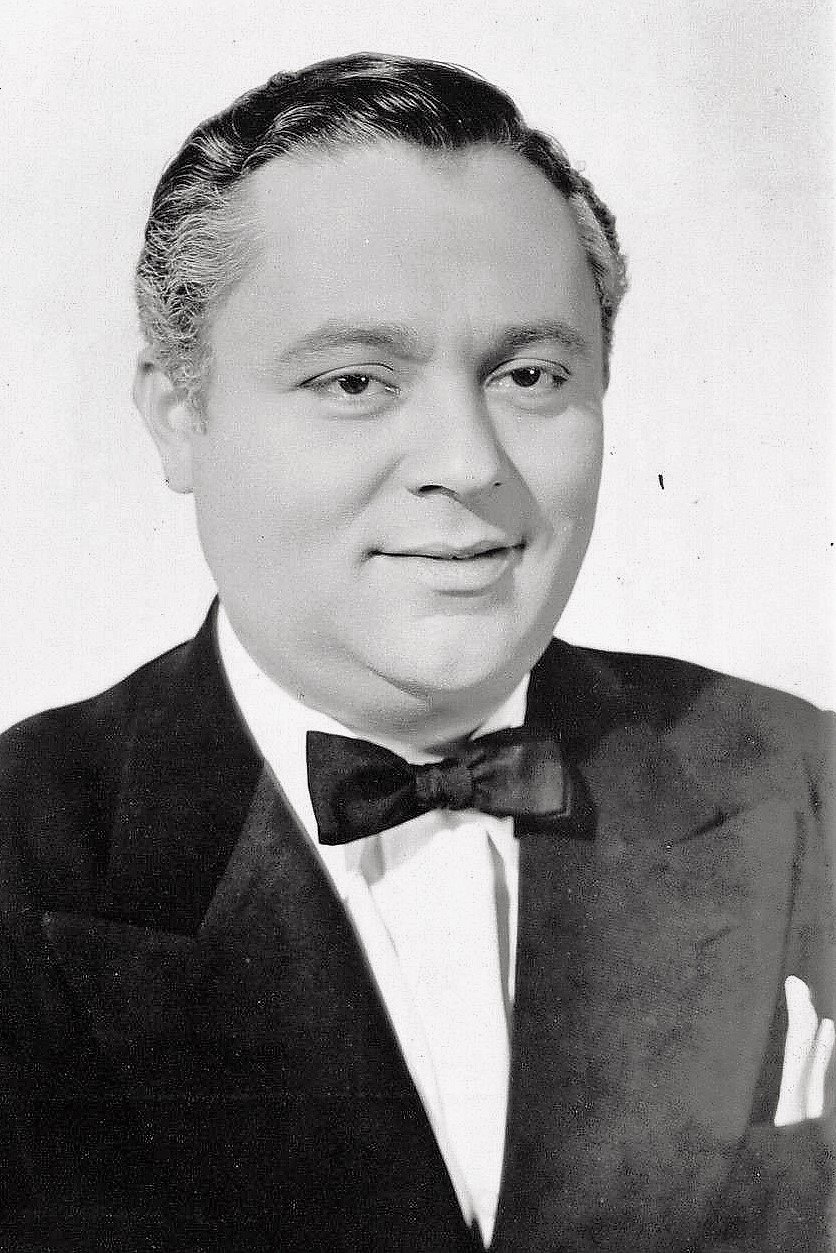
This respected character actor was blacklisted after he refused to identify colleagues during a hearing in the early 1950s. He faced intense questioning and was publicly labeled as a security risk by members of the committee. The loss of his livelihood and the stress of the public investigation contributed to his early death from a heart attack. Many of his peers believed that the political pressure he faced was directly responsible for his physical decline. He remains a symbol of the devastating effects that institutionalized political persecution can have on individuals.
Ruth Gordon
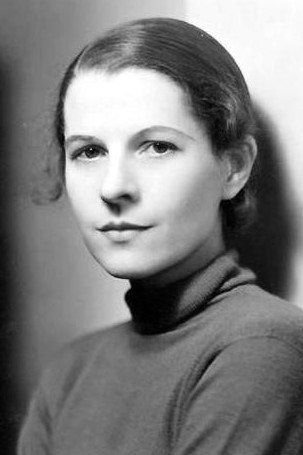
While she eventually became an Oscar winning legend this actress and screenwriter faced a period of professional difficulty during the blacklist era. Her name was included in political lists which led to a decrease in film and television offers for several years. She focused on her work in the theater and writing to maintain her career during the height of the political tension. She eventually overcame the stigma and enjoyed a major career resurgence in the late 1960s with ‘Rosemary’s Baby’. Her longevity in the industry proved that some performers could survive the political storms of their time.
Philip Loeb
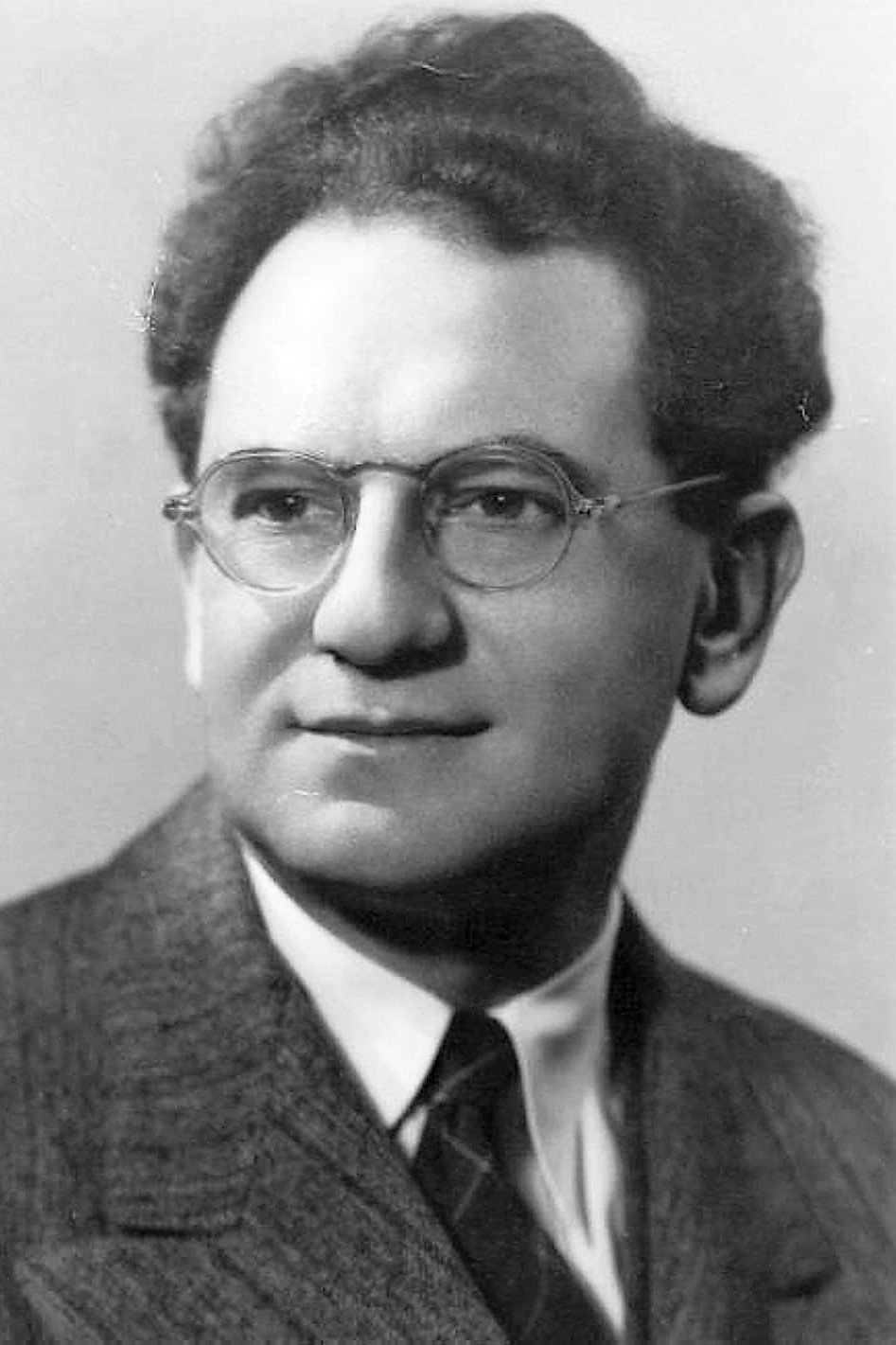
The actor was a regular on the popular television show ‘The Goldbergs’ but was fired after he was blacklisted for his political views. The show sponsor demanded his removal and the network complied despite protests from his fellow cast members. He found it impossible to find work elsewhere in the industry and faced severe financial and emotional distress. His tragic death shortly after his dismissal became a rallying point for those fighting against the blacklist in entertainment. He is remembered as a victim of the era of corporate and political censorship.
Jeff Corey
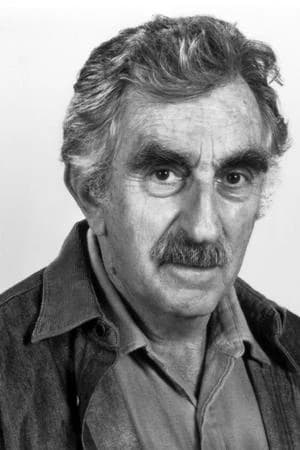
After being blacklisted for refusing to name names this actor turned to teaching and became one of the most famous acting coaches in Hollywood. He spent over a decade away from the screen while he trained a new generation of stars in his backyard studio. He was eventually able to return to acting in the 1960s and appeared in many popular films and television series. His second career as a teacher allowed him to maintain his influence on the industry even when he was barred from performing. He proved that an artist could find new ways to contribute even during a professional exile.
Herschel Bernardi
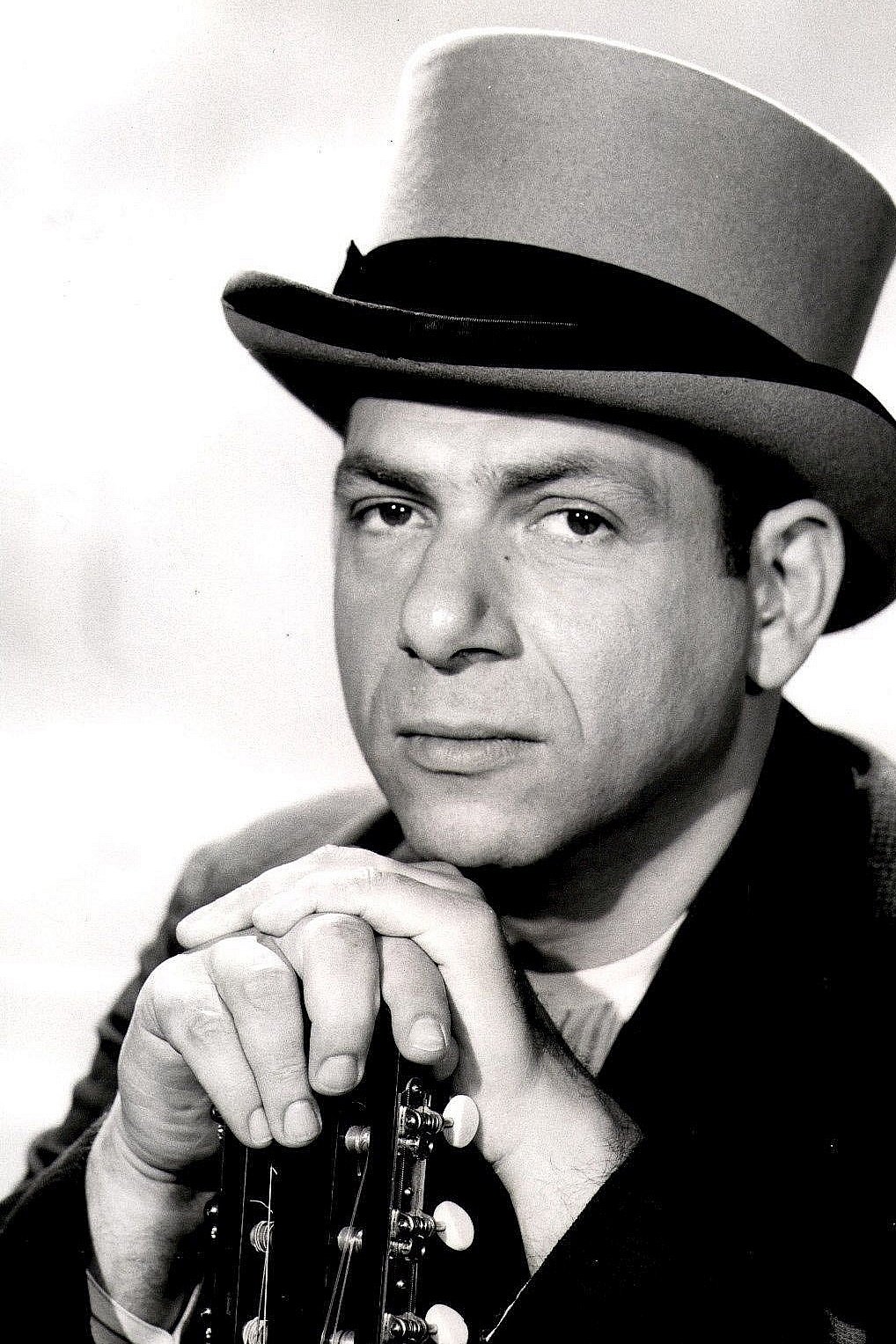
This versatile actor was blacklisted for several years during the 1950s due to his past political associations. He had been a child star in Yiddish theater and had a promising career in film before the investigation. During the years he was barred from major roles he worked extensively in voiceovers and commercials under various names. He eventually returned to the mainstream with roles in ‘Peter Gunn’ and the musical ‘Fiddler on the Roof’. His ability to adapt and find work in alternative media helped him survive the blacklist years.
Jack Gilford

Known for his comedic talent this actor was blacklisted for ten years after he refused to testify before a political committee. He and his wife both faced a total lack of job opportunities in film and television during this period. He spent the decade working in night clubs and off Broadway theater to support his family. He eventually made a successful return to the industry and received an Academy Award nomination for his role in ‘Save the Tiger’. His persistence and talent allowed him to reclaim his place in Hollywood after a long and difficult absence.
Judy Holliday
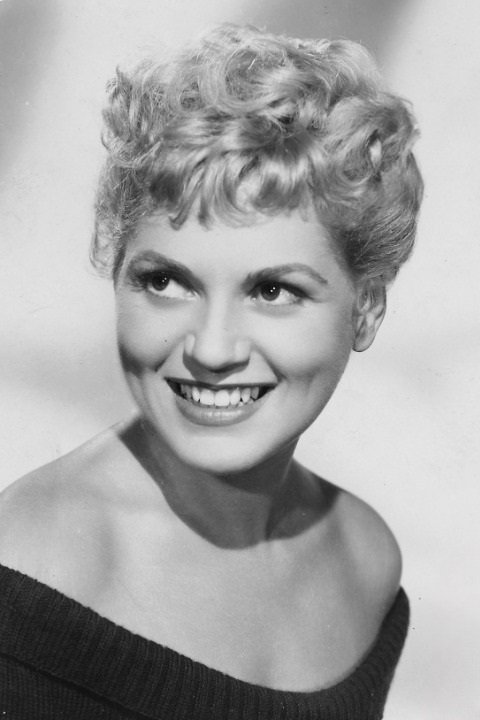
The Academy Award winning actress was targeted by political investigators who questioned her associations and beliefs. She was forced to undergo a series of interviews and public hearings to clear her name and keep her career. While she was not fully blacklisted she faced intense scrutiny and a significant amount of stress that impacted her professional life. She managed to continue working but her career was cut short by her early death. Her experience highlights the climate of fear that existed even for the most successful and popular stars of the time.
Lee Grant
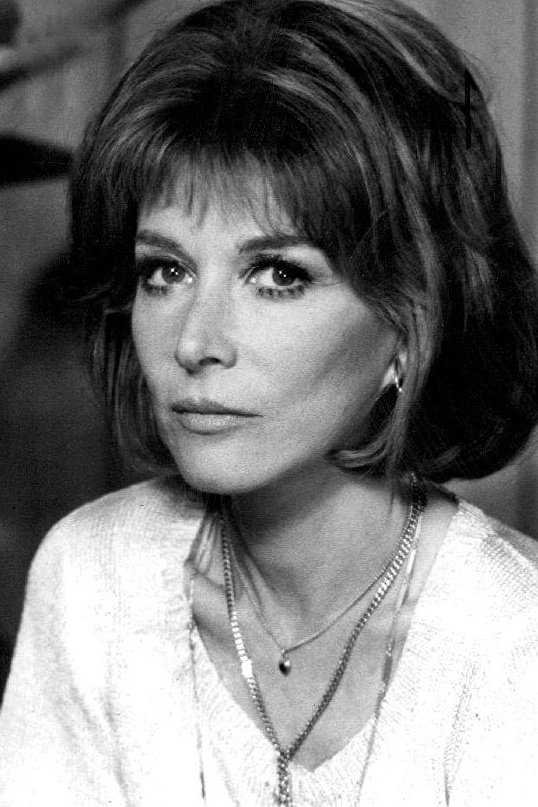
After refusing to testify against her husband this actress was blacklisted for twelve years at the beginning of her career. She had just won an award at the Cannes Film Festival when her professional life in Hollywood came to a sudden stop. She spent over a decade working in theater and studying her craft while she was barred from television and film. She eventually returned to the industry and won an Academy Award for her performance in ‘Shampoo’. Her journey from the blacklist to Oscar glory is one of the most remarkable comebacks in Hollywood history.
Kevin Sorbo
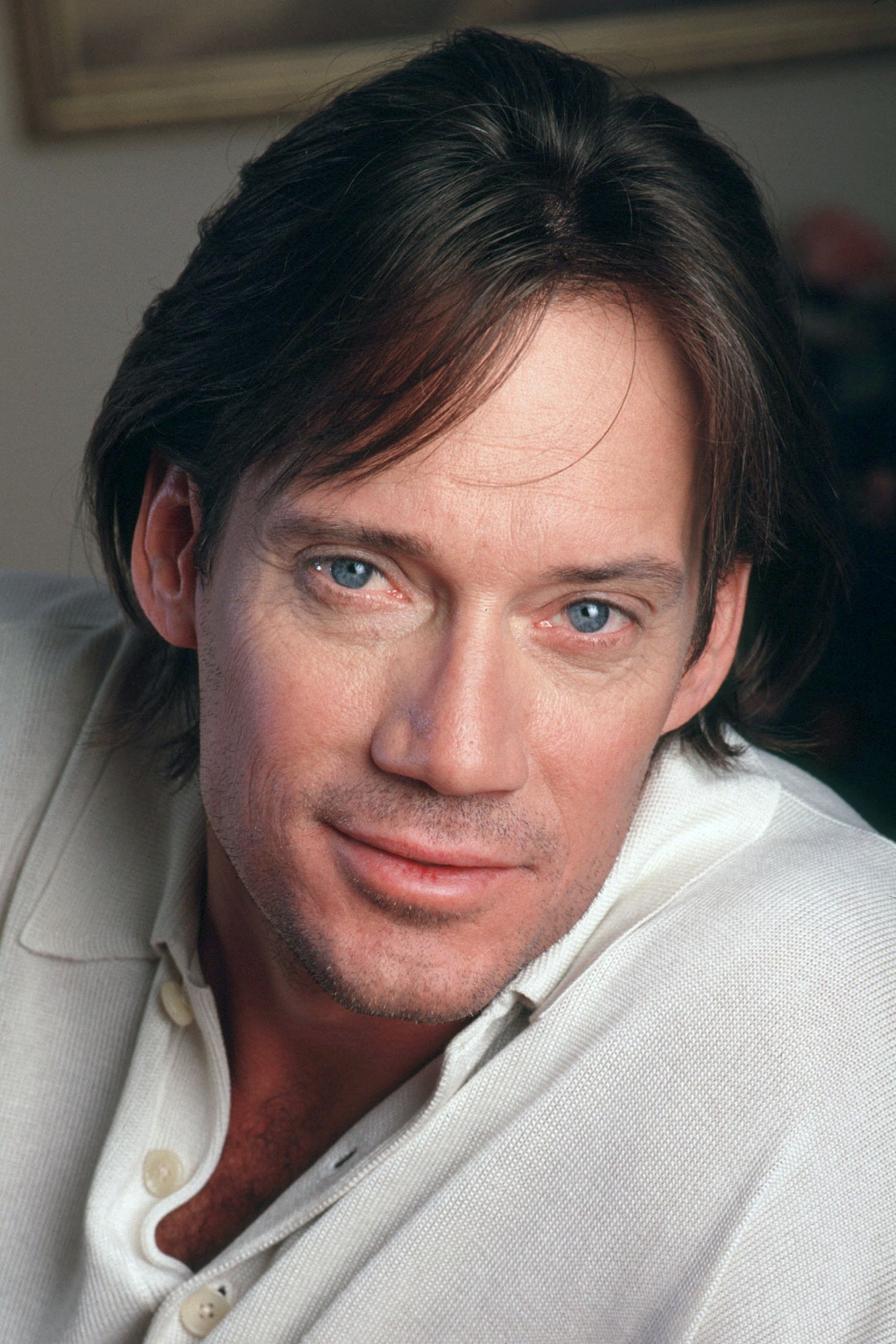
The star of ‘Hercules’ has stated in numerous interviews that his career took a hit due to his conservative and religious views. He believes that he was gradually phased out of mainstream Hollywood projects after he became more vocal about his politics. He transitioned into the faith based film industry where he has found a consistent and dedicated audience. While he continues to work he often critiques the industry for what he perceives as a bias against certain viewpoints. His career shift reflects a broader trend of actors finding success in specialized media markets.
Scott Baio
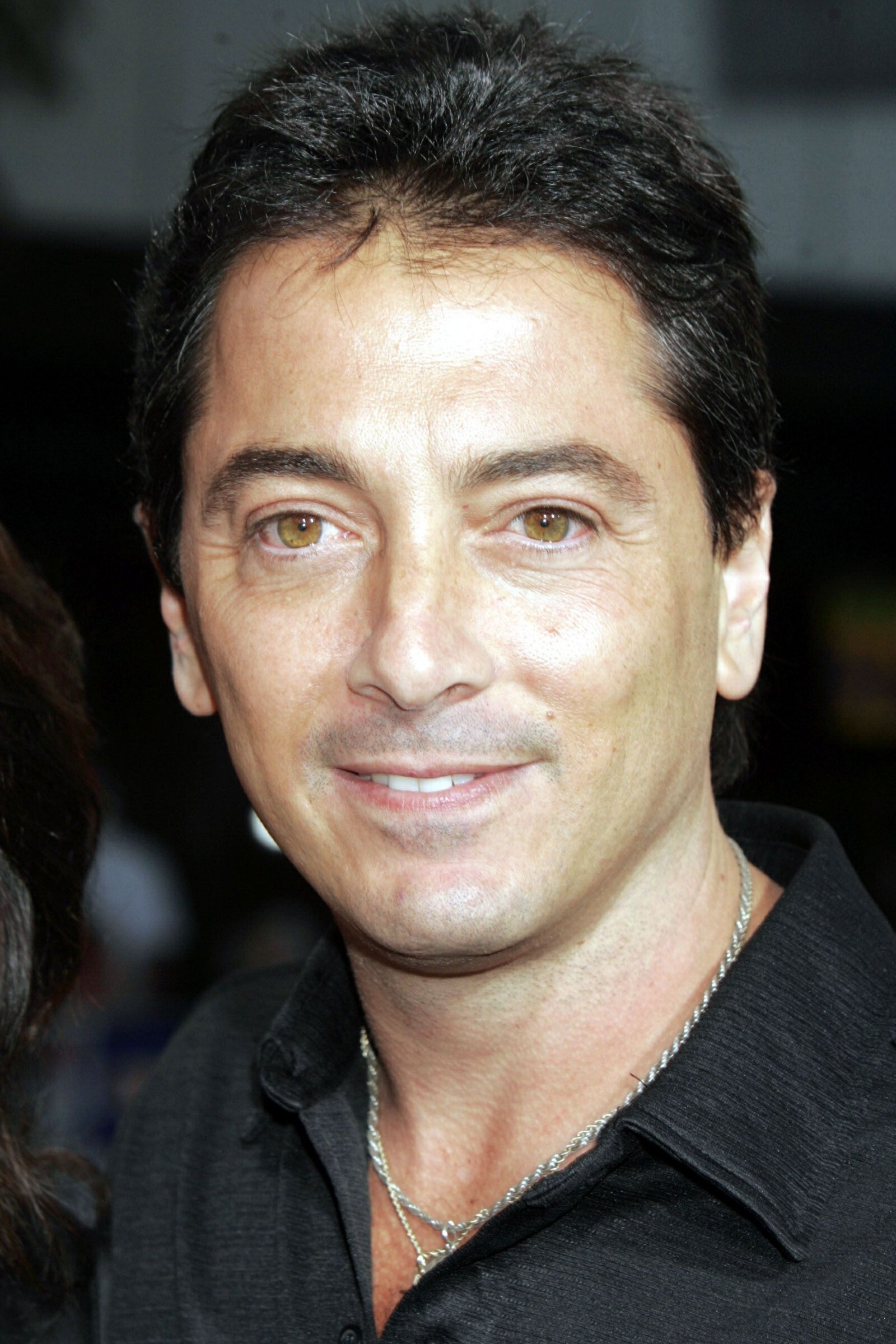
Best known for his roles in ‘Happy Days’ and ‘Charles in Charge’ this actor has spoken about the professional cost of his political outspokenness. He has claimed that his support for specific political candidates led to a decrease in acting opportunities in major television and film. He has since become a frequent guest on news programs to discuss his political views and experiences in the industry. He has also appeared in various independent projects and reality television shows over the last decade. His public persona is now largely defined by his political advocacy rather than his acting career.
Kirk Cameron
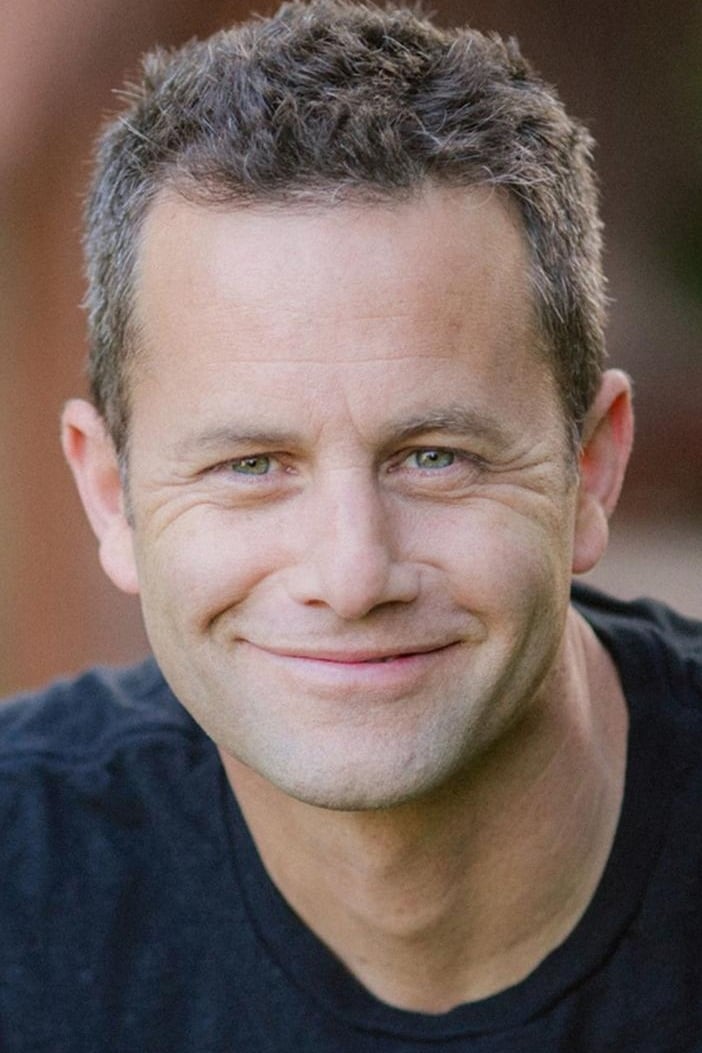
This former teen idol from ‘Growing Pains’ moved away from mainstream Hollywood as he became more focused on his religious and political activism. He has stated that his beliefs made it difficult to continue working in an environment that he felt was increasingly hostile to his values. He now produces and stars in films that align with his worldview and reaches his audience through independent distribution channels. He frequently organizes public events and media campaigns to promote his perspectives on social and political issues. His career represents a deliberate exit from the traditional studio system in favor of independent advocacy.
Randy Quaid
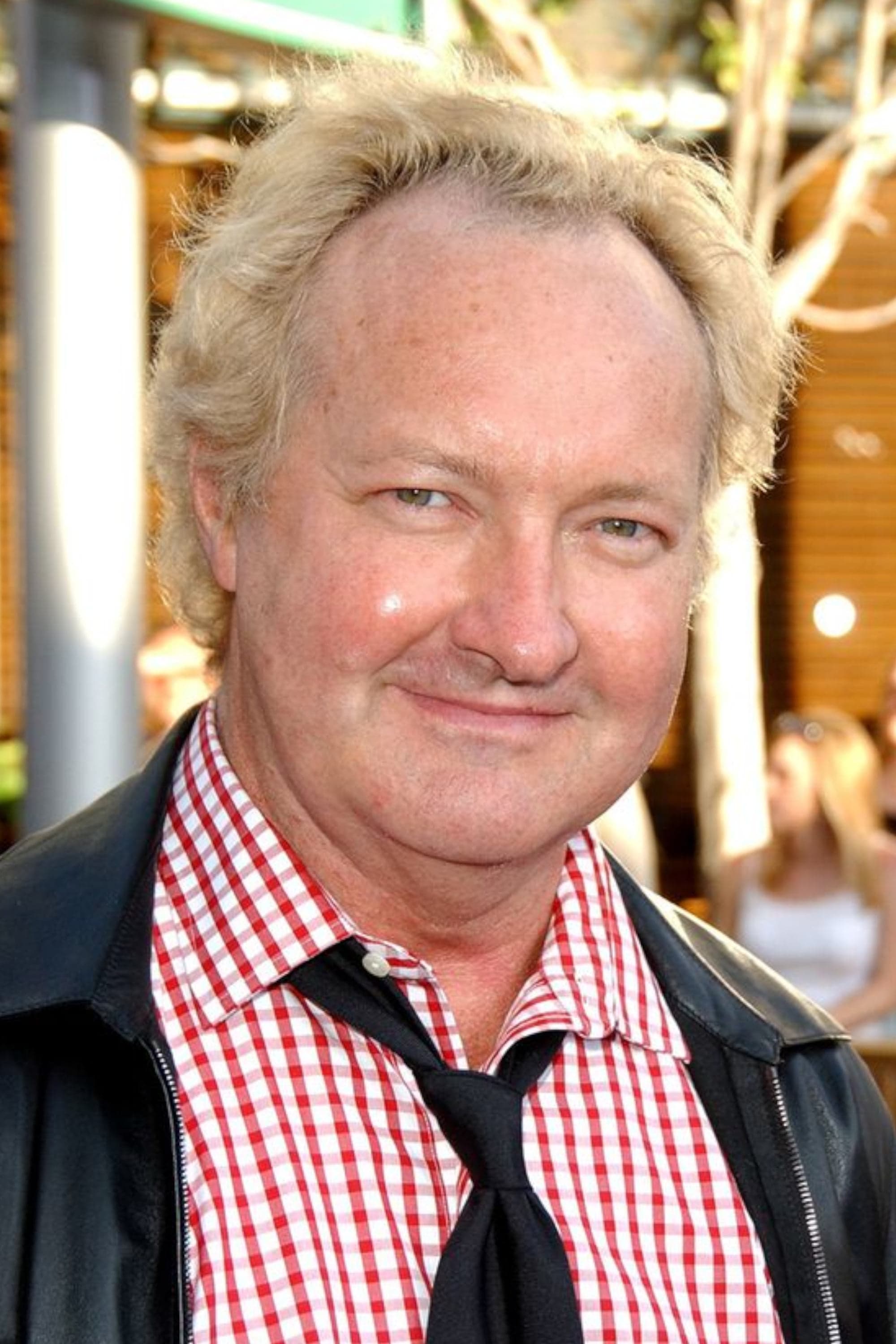
The Academy Award nominated actor and his wife claimed that they were being targeted by a mysterious group which they linked to political and industry corruption. This led to a series of legal troubles and their eventual departure from the United States to seek asylum in Canada. While his situation involved various complex factors he often framed his struggles as a result of standing up to powerful interests. He has been absent from mainstream film roles for many years as he continues to live outside the Hollywood circle. His erratic public behavior and political claims have made him a controversial figure in the entertainment world.
Janine Turner
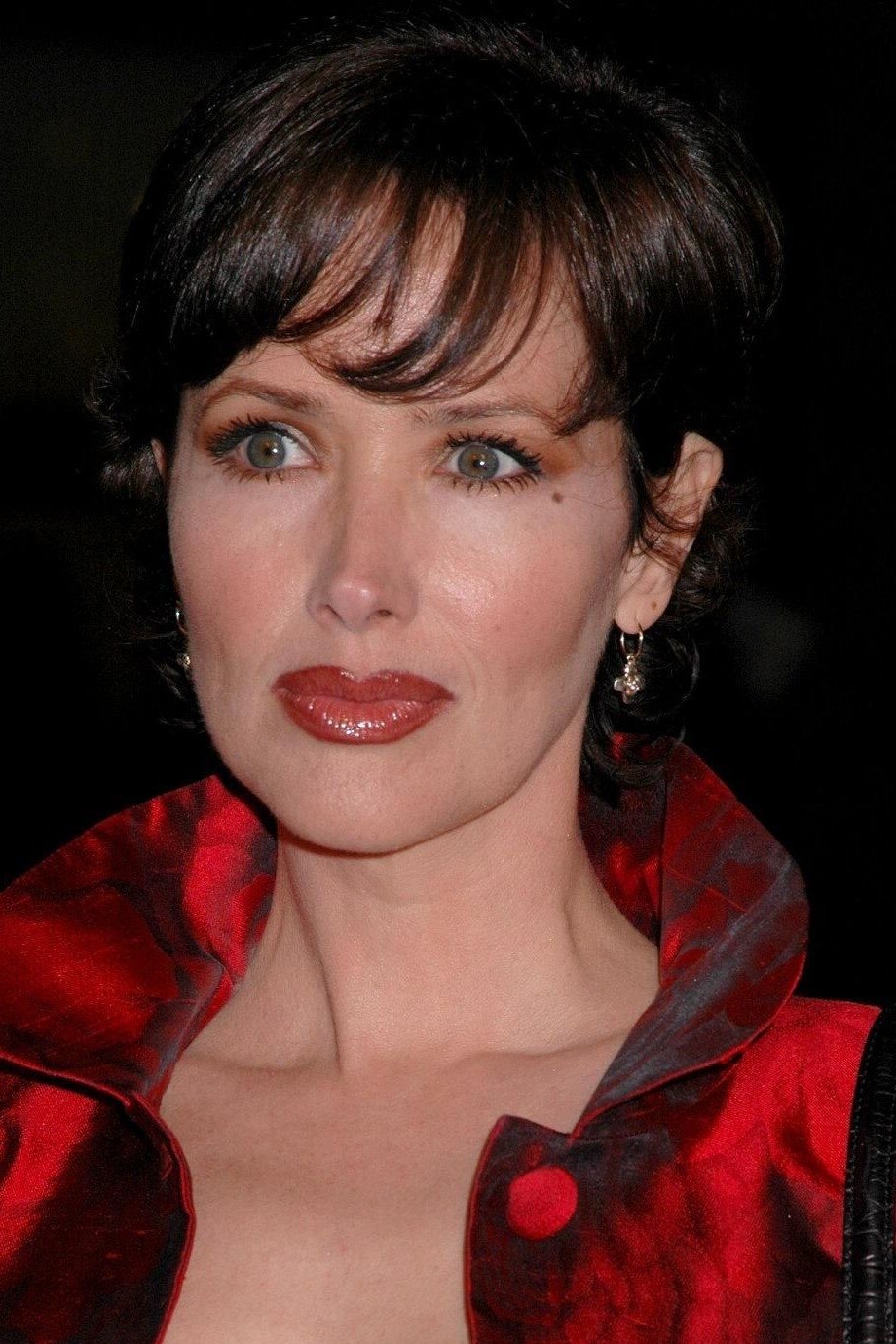
The star of ‘Northern Exposure’ has spoken about the difficulty of maintaining a mainstream acting career while being an outspoken conservative. She founded an organization to promote constitutional literacy and became a regular political commentator on various media platforms. She noticed a significant drop in acting offers as her political profile became more prominent in the public eye. She has since focused on writing and speaking engagements while occasionally taking roles in independent productions. Her career transition illustrates the choice many actors face between professional silence and public advocacy.
Please share your thoughts on these career shifts in the comments.