


Celebs Who Were Forced to Publicly Apologize for Blatant Cultural Appropriation



Cultural appropriation remains a recurring issue within the entertainment industry as celebrities often face backlash for adopting elements of marginalized cultures. These instances frequently involve traditional clothing religious symbols or hairstyles that hold significant meaning to specific communities. When public outcry reaches a certain level many stars issue formal apologies to address the harm caused by their choices. This process highlights the ongoing conversation regarding the difference between cultural appreciation and insensitive appropriation in global media.
Kim Kardashian
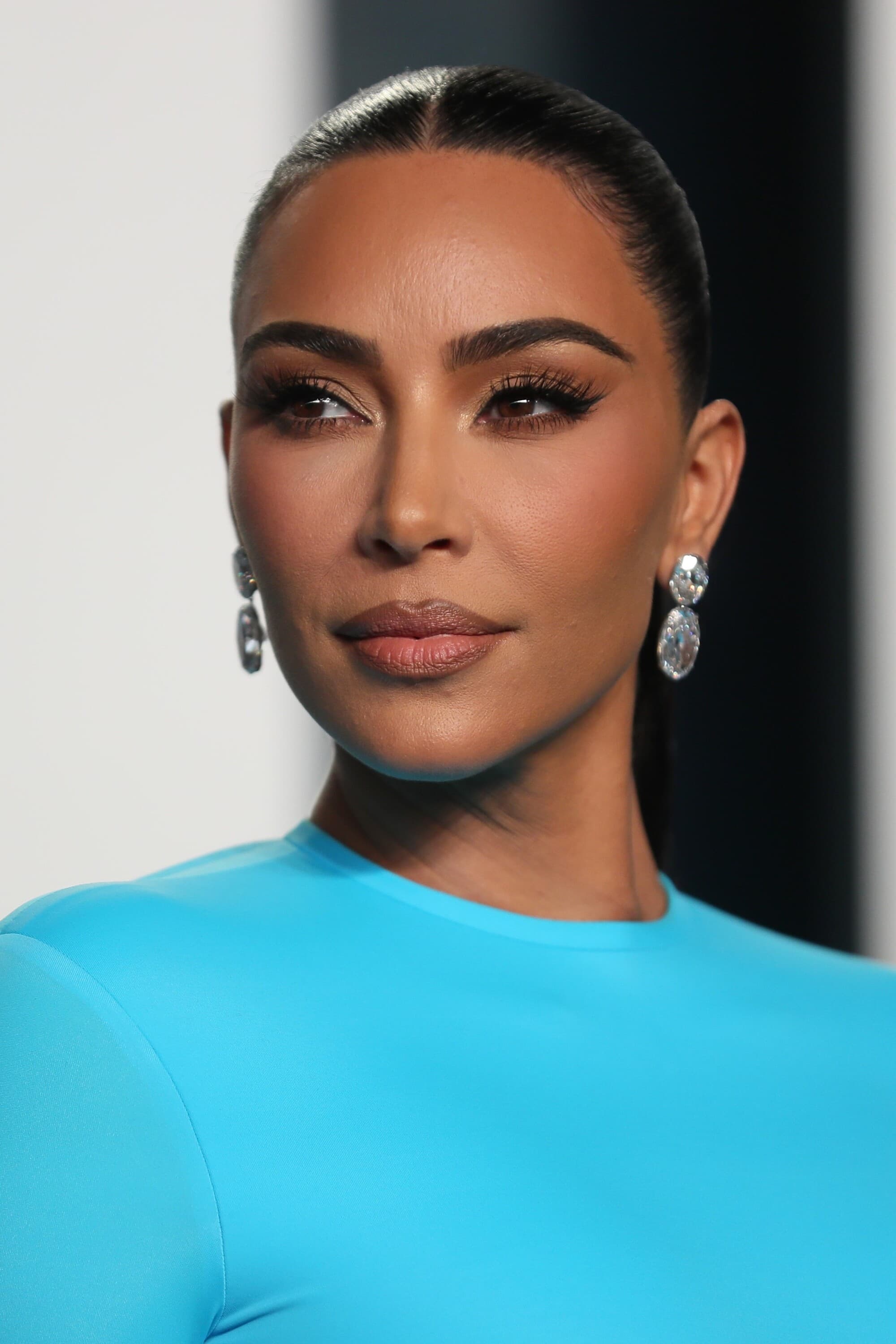
The reality star faced intense criticism after naming her shapewear brand Kimono which many felt disrespected Japanese culture. She initially defended the choice but eventually changed the name to Skims following a letter from the mayor of Kyoto. This was not her first time facing such accusations as she has also been called out for wearing Fulani braids and Bo Derek braids. She issued a statement explaining that her intentions were never to offend or dehumanize any culture. Her public apology emphasized her respect for the heritage of the traditional Japanese garment.
Rihanna
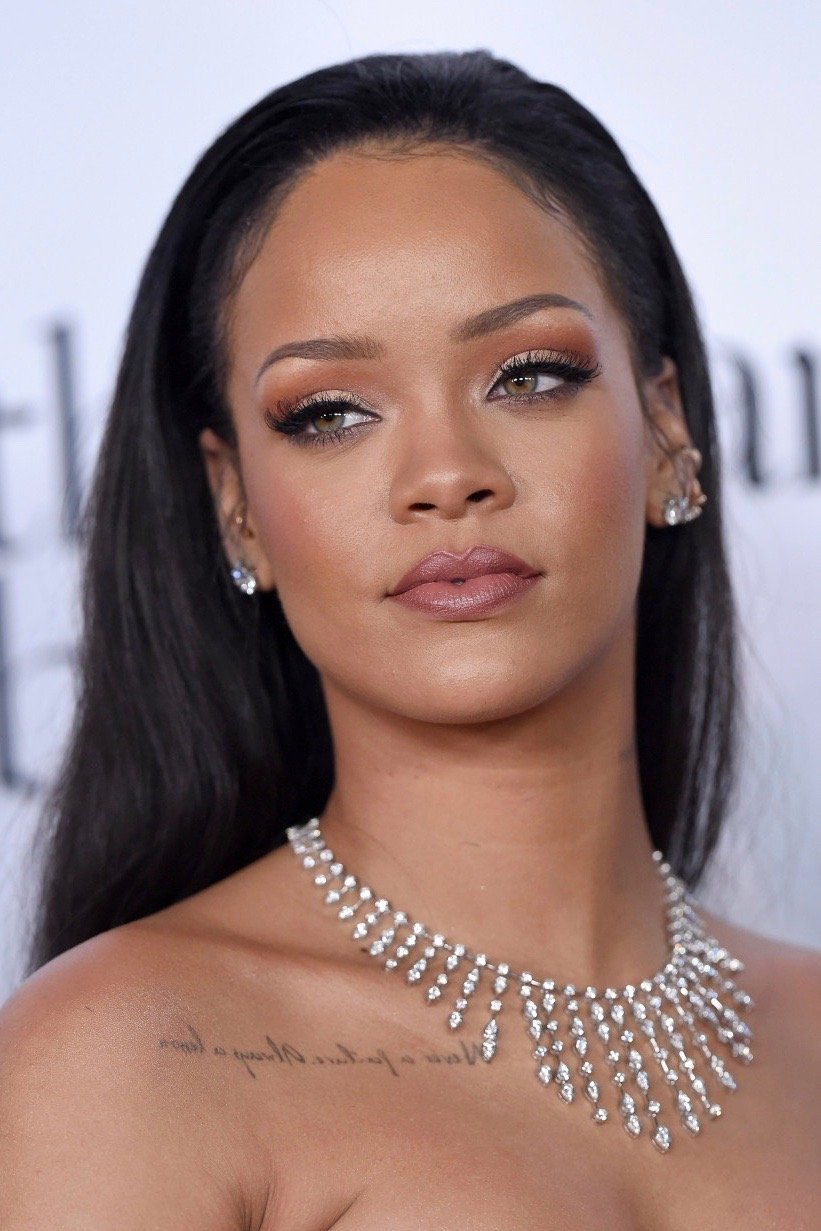
The singer and business mogul issued a public apology after using a song that included a narration of an Islamic Hadith during a fashion show. Many fans expressed their disappointment over the use of sacred religious texts in a commercial setting for her Savage X Fenty brand. She described the inclusion of the track as a huge mistake and took full responsibility for the oversight. Rihanna thanked the Muslim community for pointing out the error and promised to ensure such a mistake would not happen again. The incident sparked a wider conversation about religious sensitivity in the fashion industry.
Katy Perry
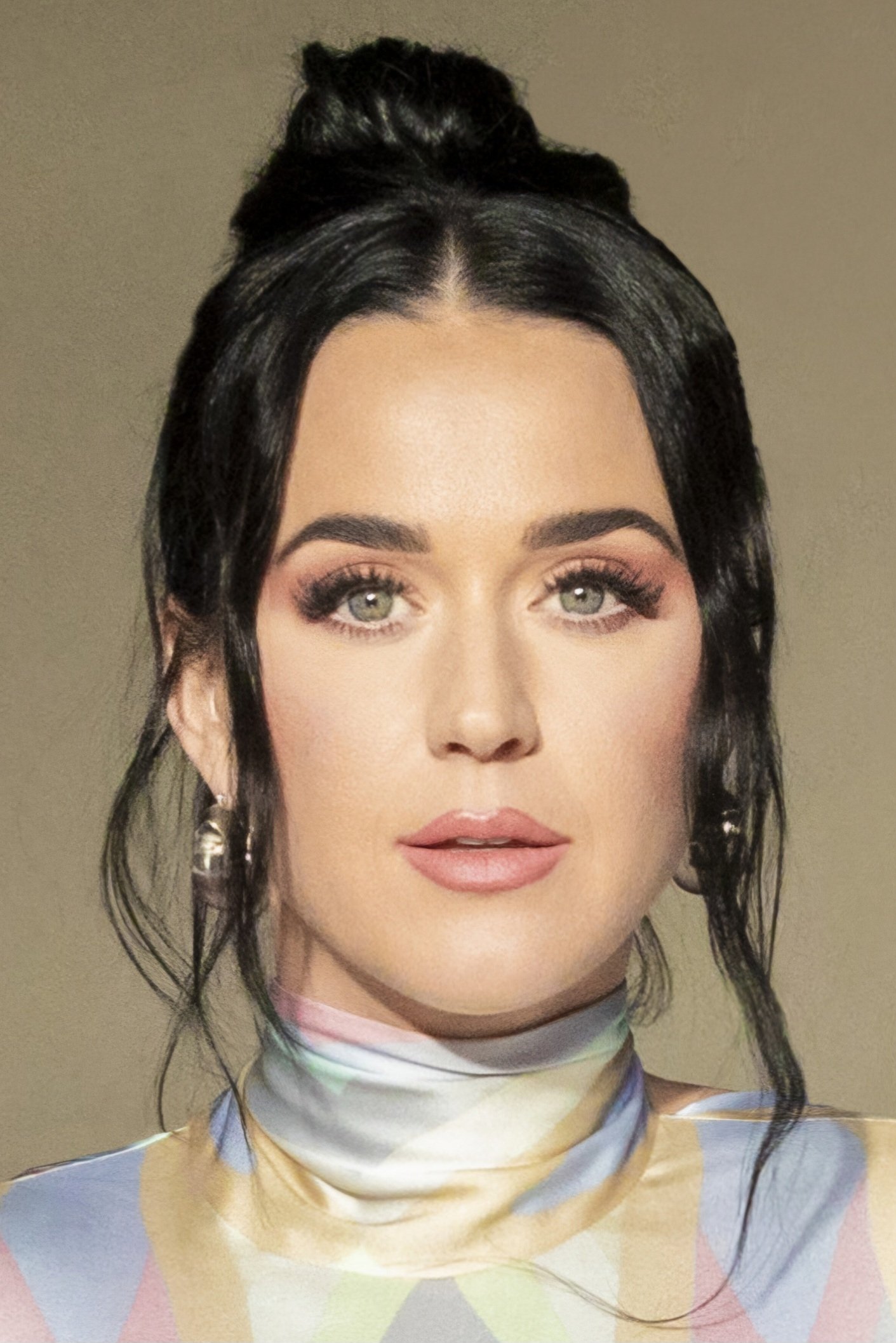
This pop star apologized for her performance at the American Music Awards where she dressed as a geisha while surrounded by Japanese imagery. She later admitted that she appreciated the feedback regarding how her costume and stage design were offensive to Asian cultures. In a separate incident she faced backlash for wearing cornrows in a music video and spoke about her journey toward understanding cultural sensitivity. She acknowledged that her privilege allowed her to wear these styles without facing the same consequences as the communities they originated from. Her apologies focused on her desire to learn and do better in the future.
Justin Bieber

The Canadian singer has been criticized on multiple occasions for wearing dreadlocks which many viewed as cultural appropriation of Black culture. He first debuted the hairstyle in two thousand sixteen and then again several years later despite previous backlash. After the second instance he acknowledged the criticism and expressed his commitment to learning from his mistakes. He stated that he wanted to use his platform to speak out against injustice and acknowledged his past ignorance. His public comments addressed the need for greater awareness of the history behind certain hairstyles.
Selena Gomez
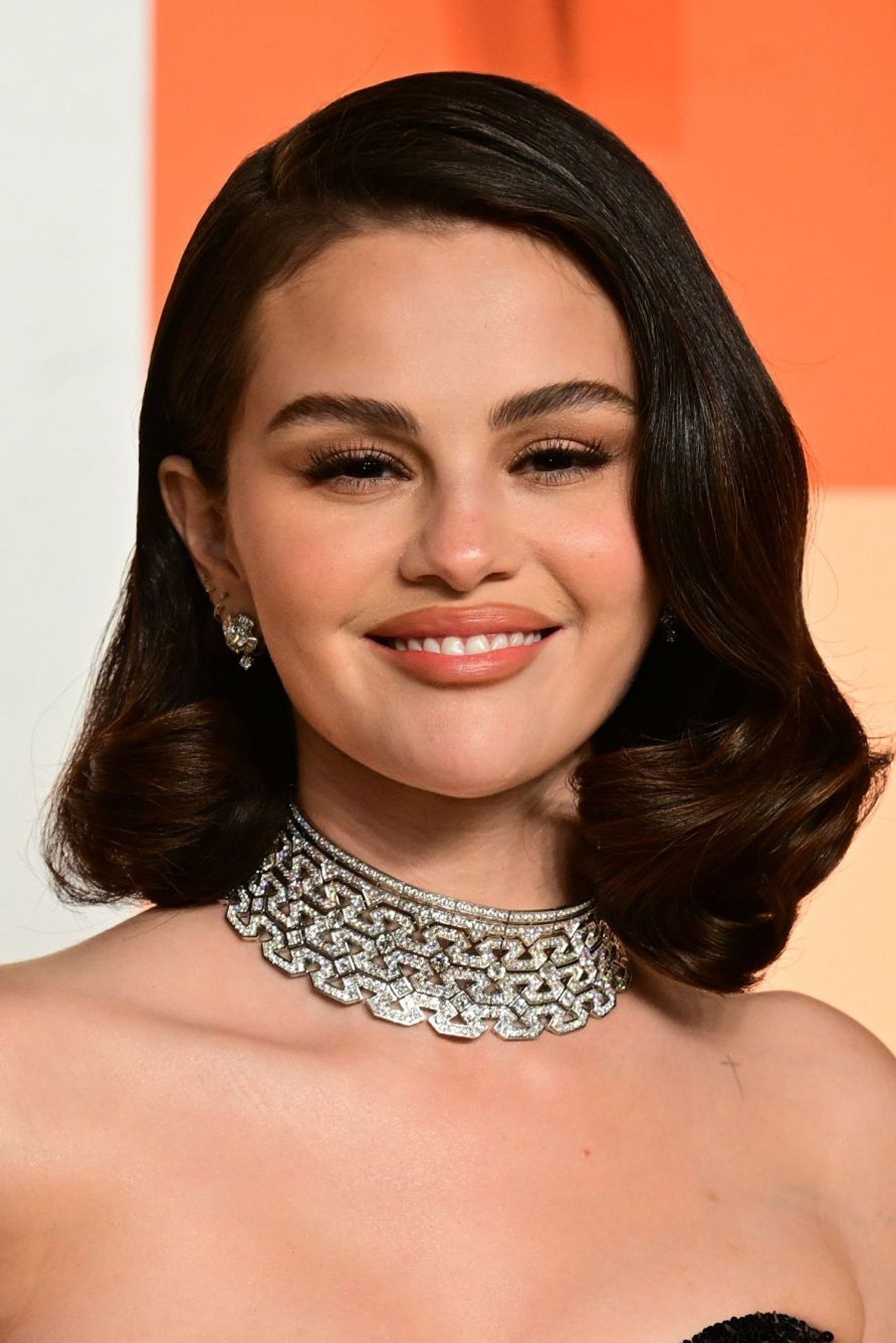
During her promotional cycle for the song ‘Come and Get It’ this artist frequently wore a bindi as part of her costume. Hindu leaders and fans requested that she stop using the sacred religious symbol as a mere fashion accessory. She initially continued to wear the bindi for several performances before eventually addressing the concerns. She later apologized for any offense caused and explained that she was trying to embrace a different culture through her art. This situation led to a broader discussion about the commercialization of religious symbols in pop music.
Miley Cyrus
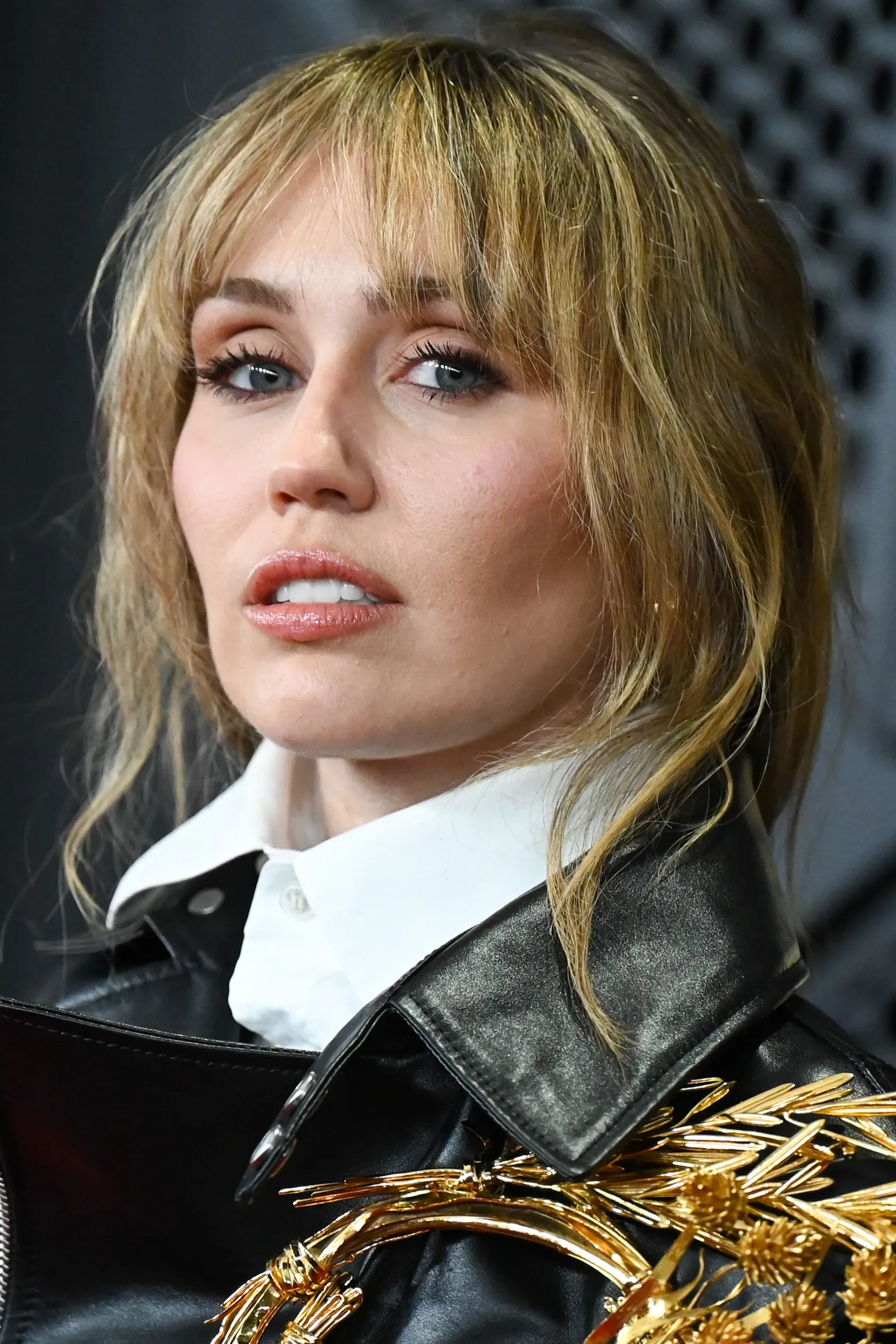
This artist faced significant backlash for her use of Black culture and aesthetics during her ‘Bangerz’ era. Critics pointed out that her use of twerking and backup dancers as props constituted a form of cultural appropriation. She eventually addressed the controversy years later by acknowledging that she had benefited from a culture she did not belong to. She expressed regret for the way she navigated that period of her career and her lack of understanding at the time. Her comments reflected a realization of how her actions contributed to the marginalization of the very culture she was emulating.
Pharrell Williams
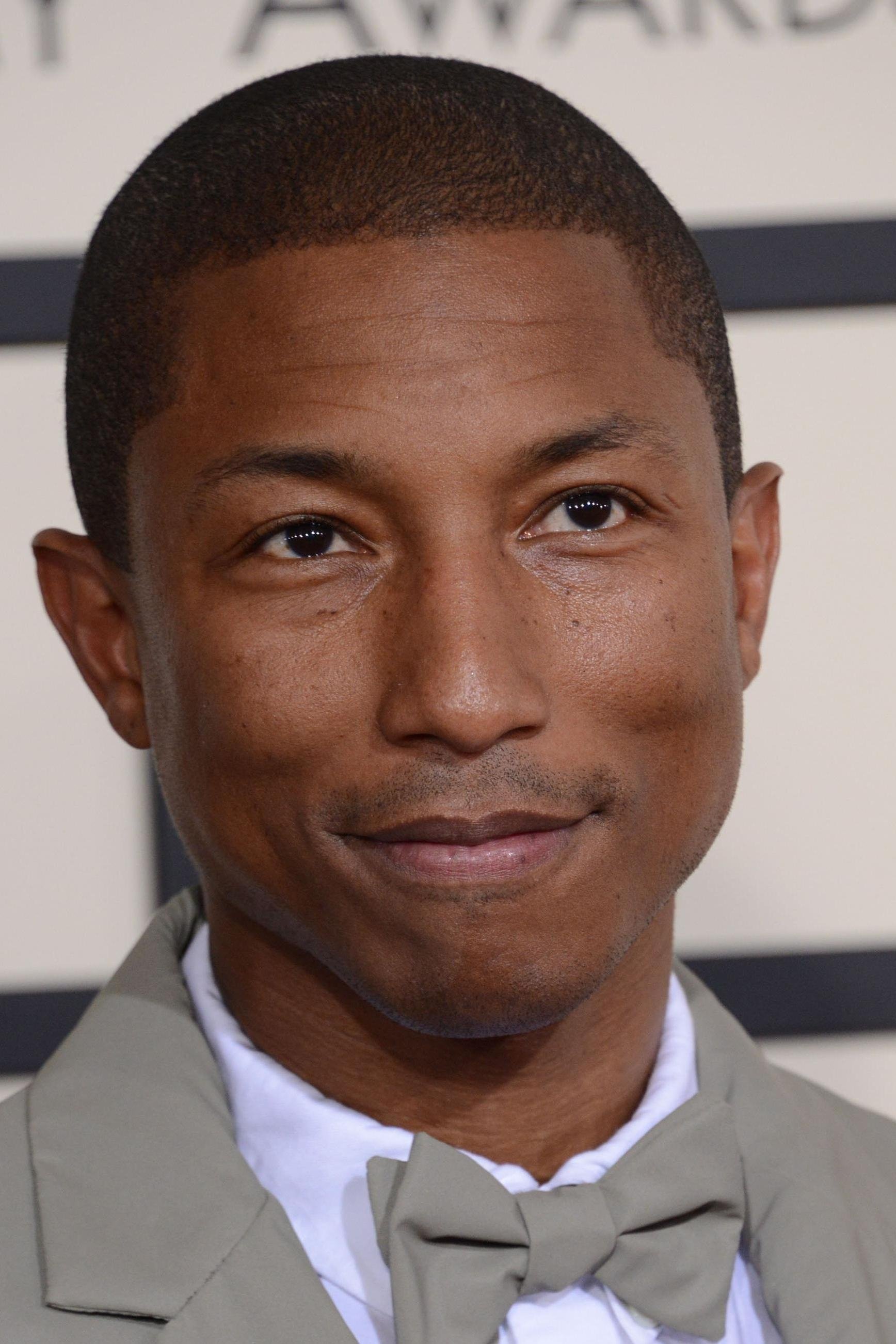
The musician apologized after appearing on the cover of Elle UK wearing a traditional Native American war bonnet. He issued a statement expressing his deep regret for wearing the sacred item and acknowledged the significance of the headdress. He explained that he has Native American heritage but realized that wearing the bonnet was still disrespectful to the culture. The apology came after a phrase about heritage trended on social media in response to the cover. This incident highlighted the specific sensitivities surrounding the use of Indigenous ceremonial regalia in fashion.
Adele
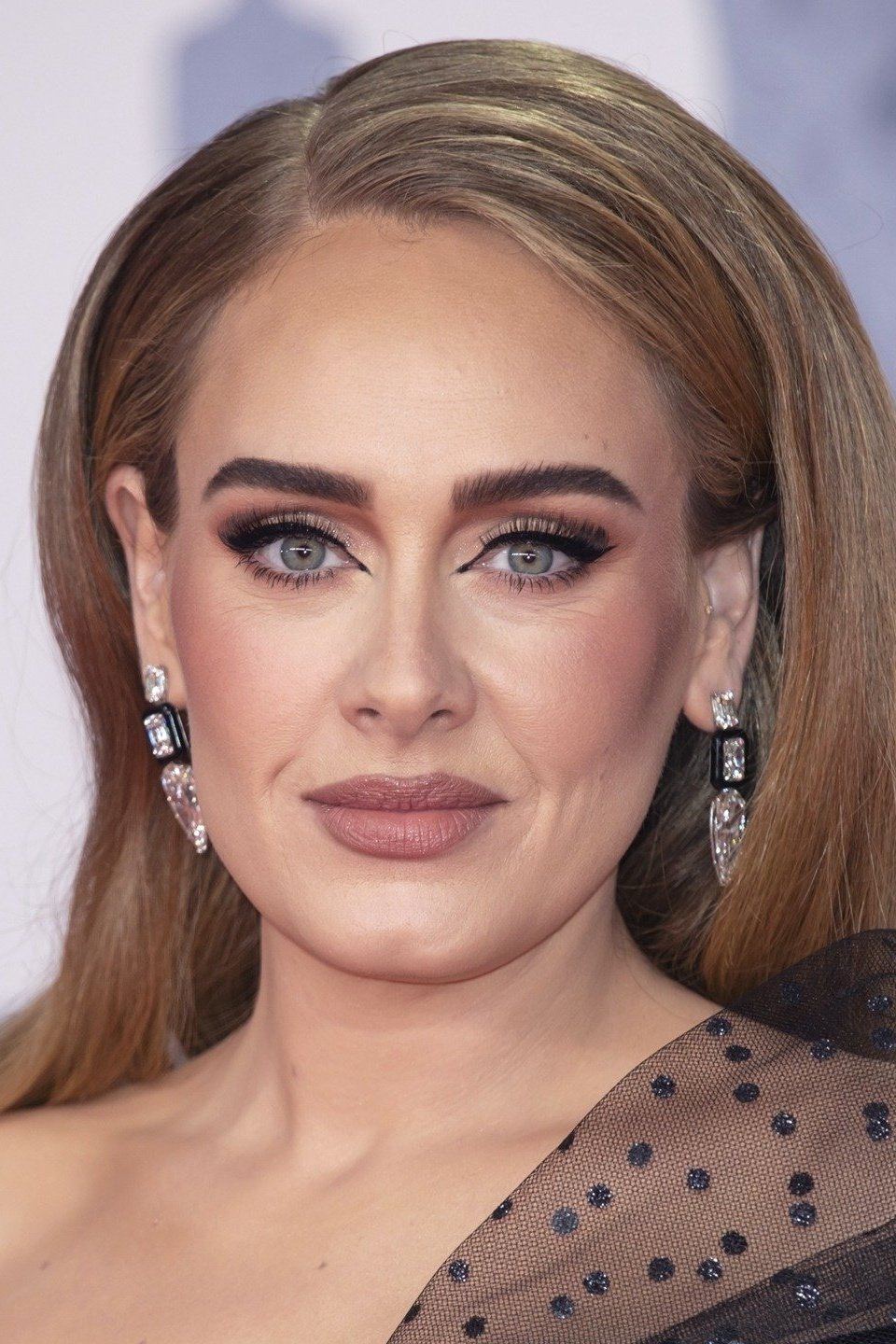
The British singer sparked a viral debate after posting a photo of herself wearing Bantu knots and a Jamaican flag bikini top. She was attending the virtual Notting Hill Carnival and intended the look as a tribute to the event and the Caribbean community. While some defended her others felt the hairstyle was an inappropriate use of Black culture by a white woman. She later addressed the controversy in an interview where she admitted she had not considered the impact of her choices. She stated that she had failed to see how the look could be perceived as offensive.
Gwen Stefani
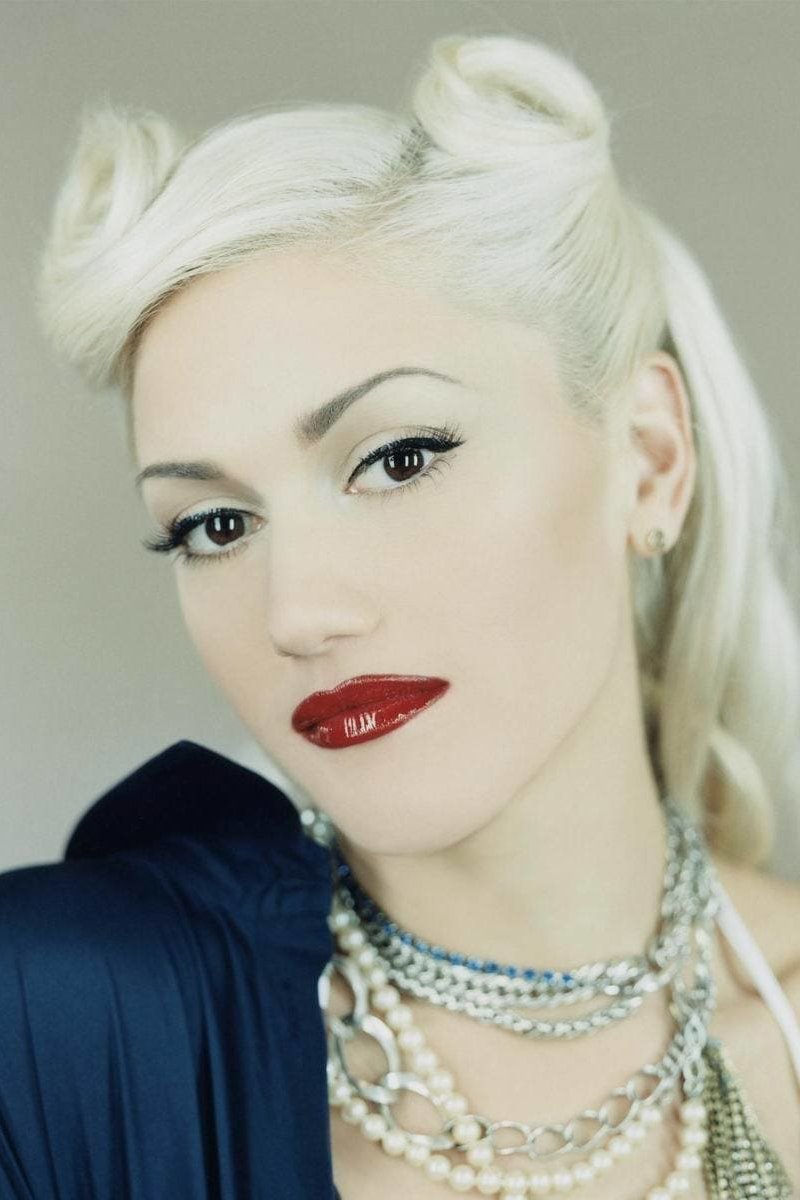
This singer has faced decades of criticism for her use of the Harajuku Girls and various Native American aesthetics in her videos and branding. She often defended these choices as cultural appreciation but eventually addressed the harm caused by her ‘Looking Hot’ music video. The video featured her in traditional Native American attire and was pulled from the internet shortly after its release. Her band No Doubt issued a collective apology stating they never intended to offend or diminish the culture. This moment marked a shift in how the artist engaged with diverse cultural themes in her work.
Ye
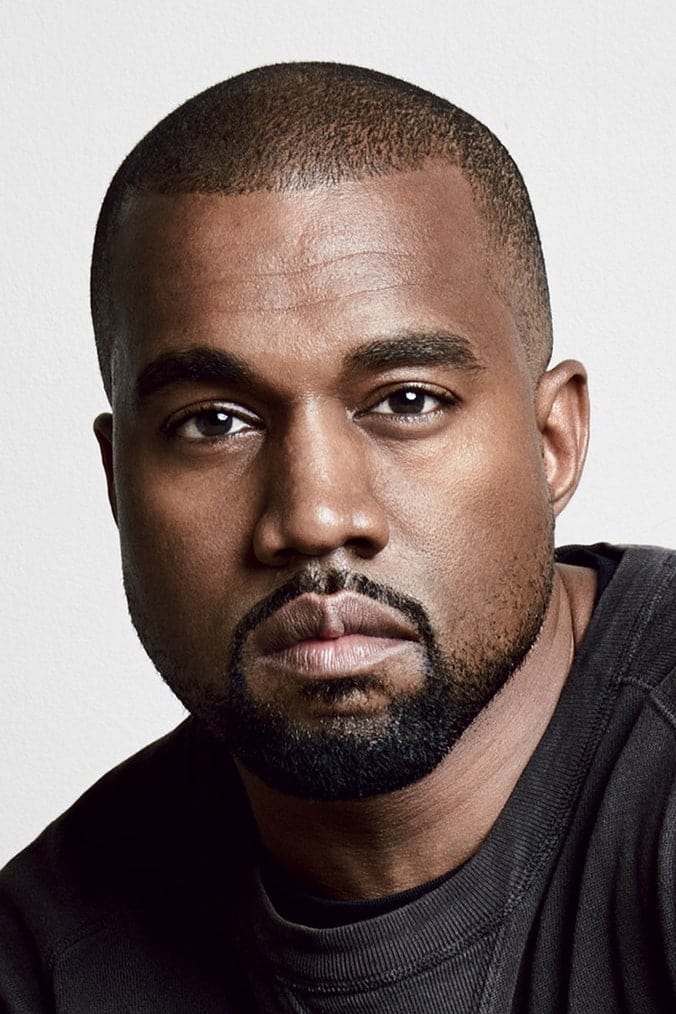
The artist formerly known as Kanye West has faced criticism for incorporating various cultural symbols and themes into his fashion and music. One notable instance involved his use of the Confederate flag on tour merchandise which he claimed was an attempt to reclaim the symbol. He later addressed the hurt this caused and the controversy surrounding his approach to sensitive historical imagery. His public apologies have often been part of larger conversations regarding his artistic intentions and the impact on marginalized communities. He has frequently engaged in public discourse about the intersection of race and fashion.
Gigi Hadid
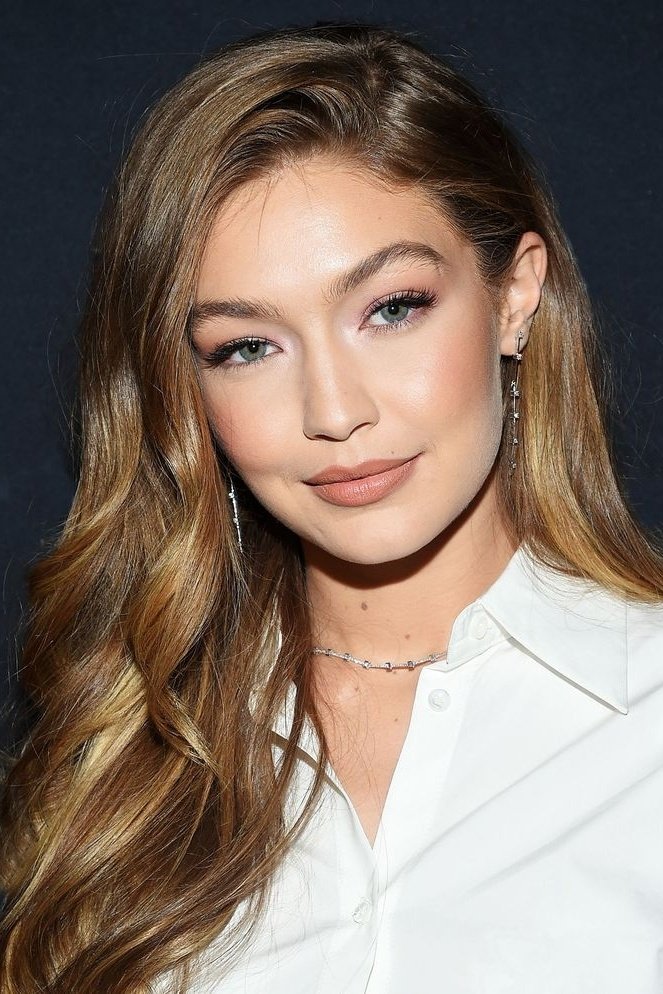
The model faced significant backlash for a Vogue Italia cover where she appeared with darkened skin and a blue crown. Many social media users accused the publication and the model of using blackface or bronzing her skin to appear as a different ethnicity. She issued a lengthy apology on her social media platforms explaining that she does not have control over the creative direction of shoots. She acknowledged that the end result was not representative of her and apologized to those who were offended. Her statement emphasized the need for more diversity and representation within the fashion industry.
Awkwafina

The actress and rapper addressed the long standing criticism regarding her use of a blaccent and African American Vernacular English in her early career. She posted a detailed statement on social media acknowledging the historical context of the language she used. She explained that as an Asian American she was still navigating her identity and the influence of hip hop culture on her life. She apologized for any pain caused by her speech patterns and expressed a commitment to using her platform more responsibly. This apology came after years of public debate about her persona in films like ‘Ocean’s 8’ and ‘Crazy Rich Asians’.
Iggy Azalea
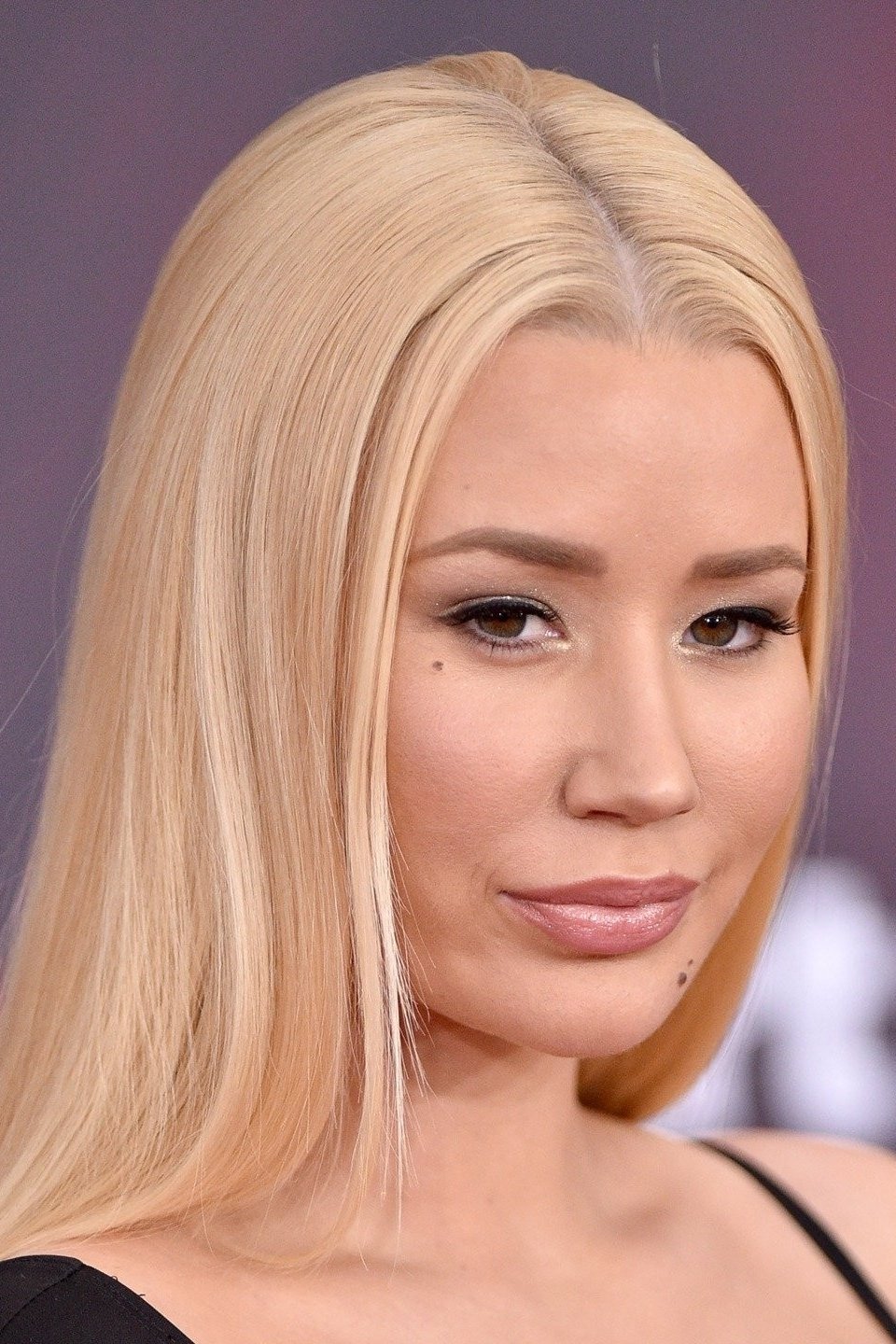
This Australian rapper has been a frequent subject of debate regarding cultural appropriation in the hip hop industry. Critics have pointed to her use of a blaccent and her adoption of aesthetics from Black culture as problematic. While she defended her art for many years she eventually addressed the criticisms in various interviews. She acknowledged the privilege she holds as a white woman in a genre created by Black artists. Her comments reflected an evolving understanding of the power dynamics at play within the music industry.
Hilaria Baldwin
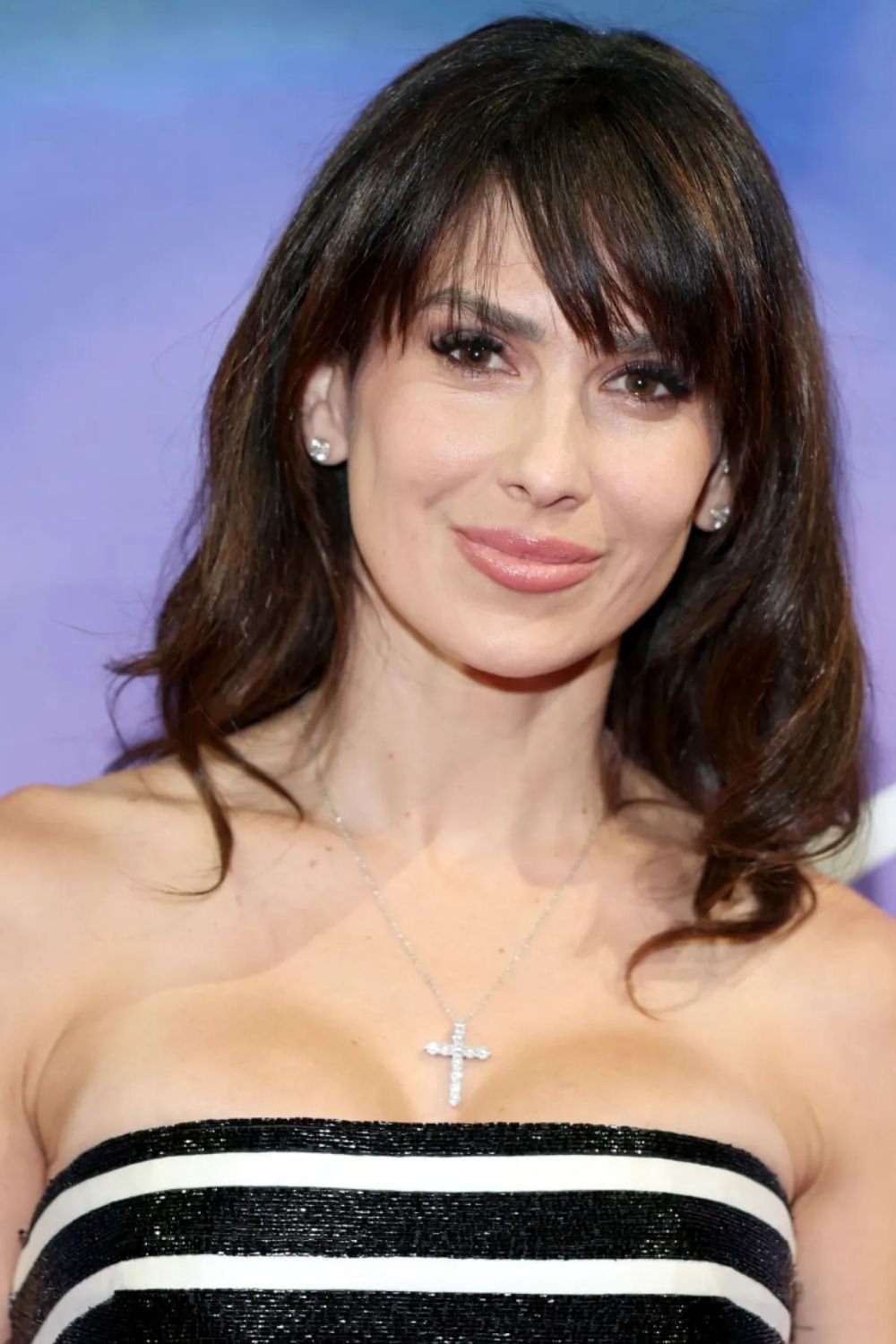
The lifestyle influencer and wife of Alec Baldwin faced a massive public controversy regarding her claims of Spanish heritage. It was revealed that she was born in Boston and her real name is Hillary rather than Hilaria. She issued a public apology for not being more clear about her background and the way her story was presented. She explained that she grew up between two cultures but acknowledged that she should have been more transparent. The situation sparked a global conversation about cultural identity and the ethics of adopting a different persona.
Camila Cabello
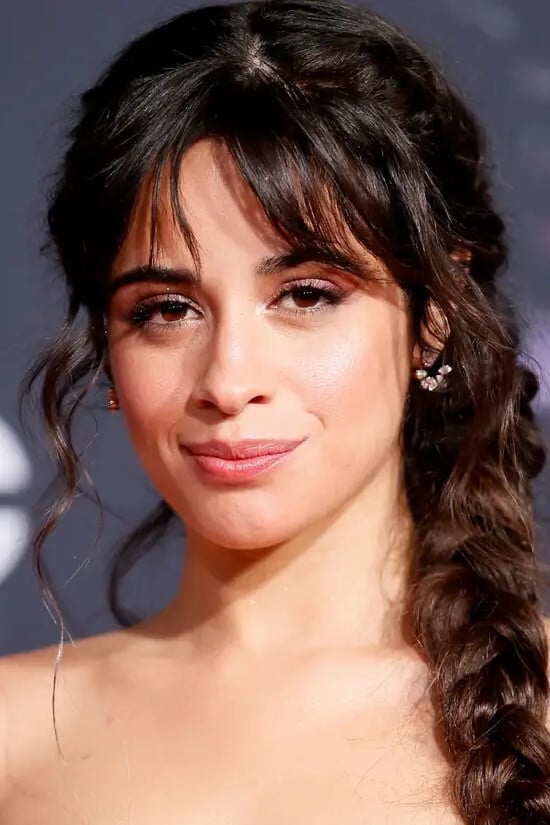
The singer issued a public apology for insensitive language and racially charged posts she had shared on social media as a teenager. These posts included memes that utilized cultural stereotypes and offensive imagery. She expressed deep shame for her past behavior and stated that she was uneducated and ignorant at the time. She has since participated in racial justice training and sought to make amends through her public platform. Her apology emphasized that she has grown as a person and is committed to being allyship to all communities.
Salma Hayek Pinault
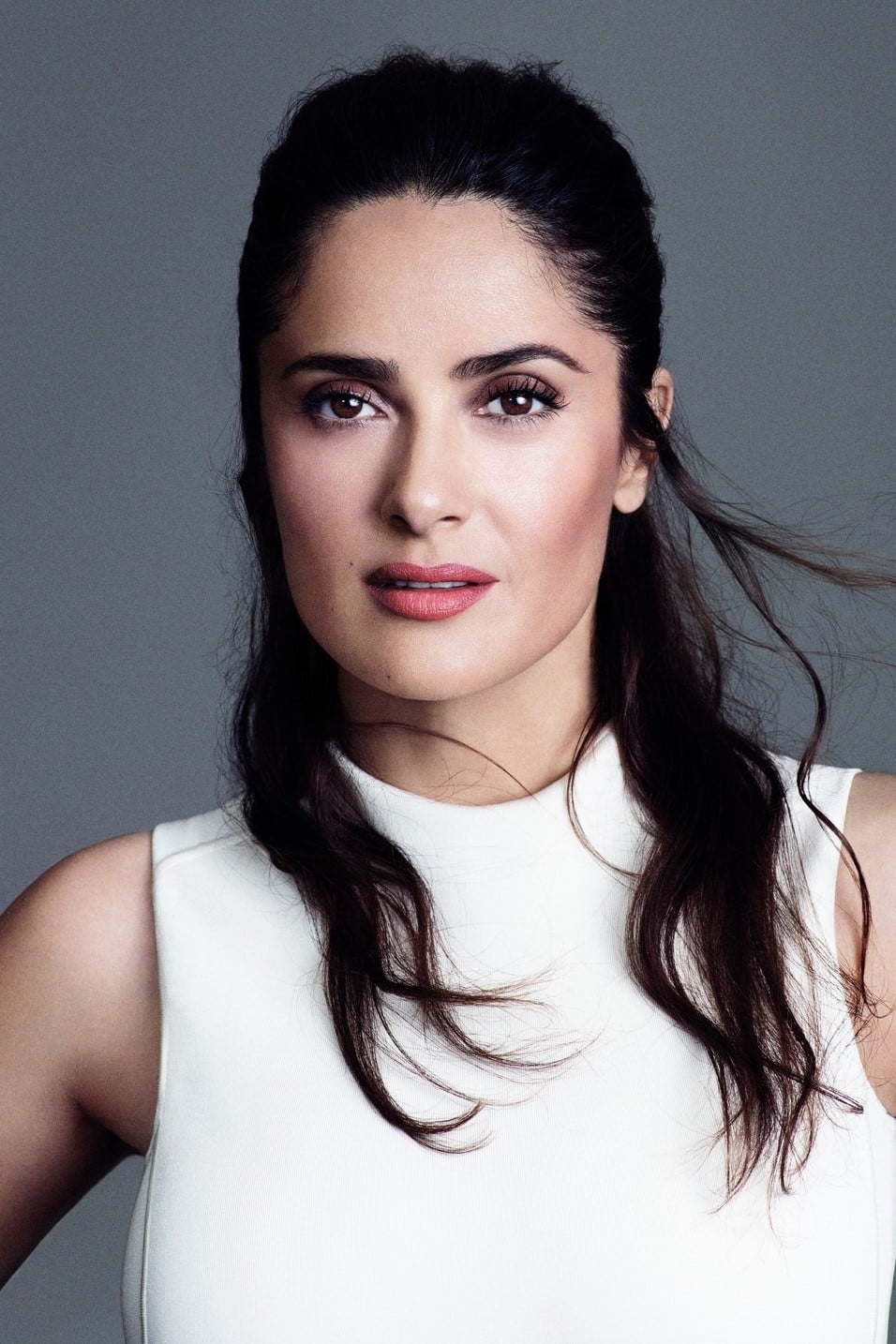
The actress faced criticism after sharing a photo of herself with a statue of a Hindu deity which some felt was disrespectful. She quickly addressed the situation by expressing her admiration for the culture and clarifying her intentions. She explained that she often finds inspiration in different spiritual traditions and did not mean to offend anyone. Her apology was well received by many who appreciated her swift response and willingness to listen. She continues to share her appreciation for global cultures while remaining mindful of the feedback she receives.
Priyanka Chopra Jonas
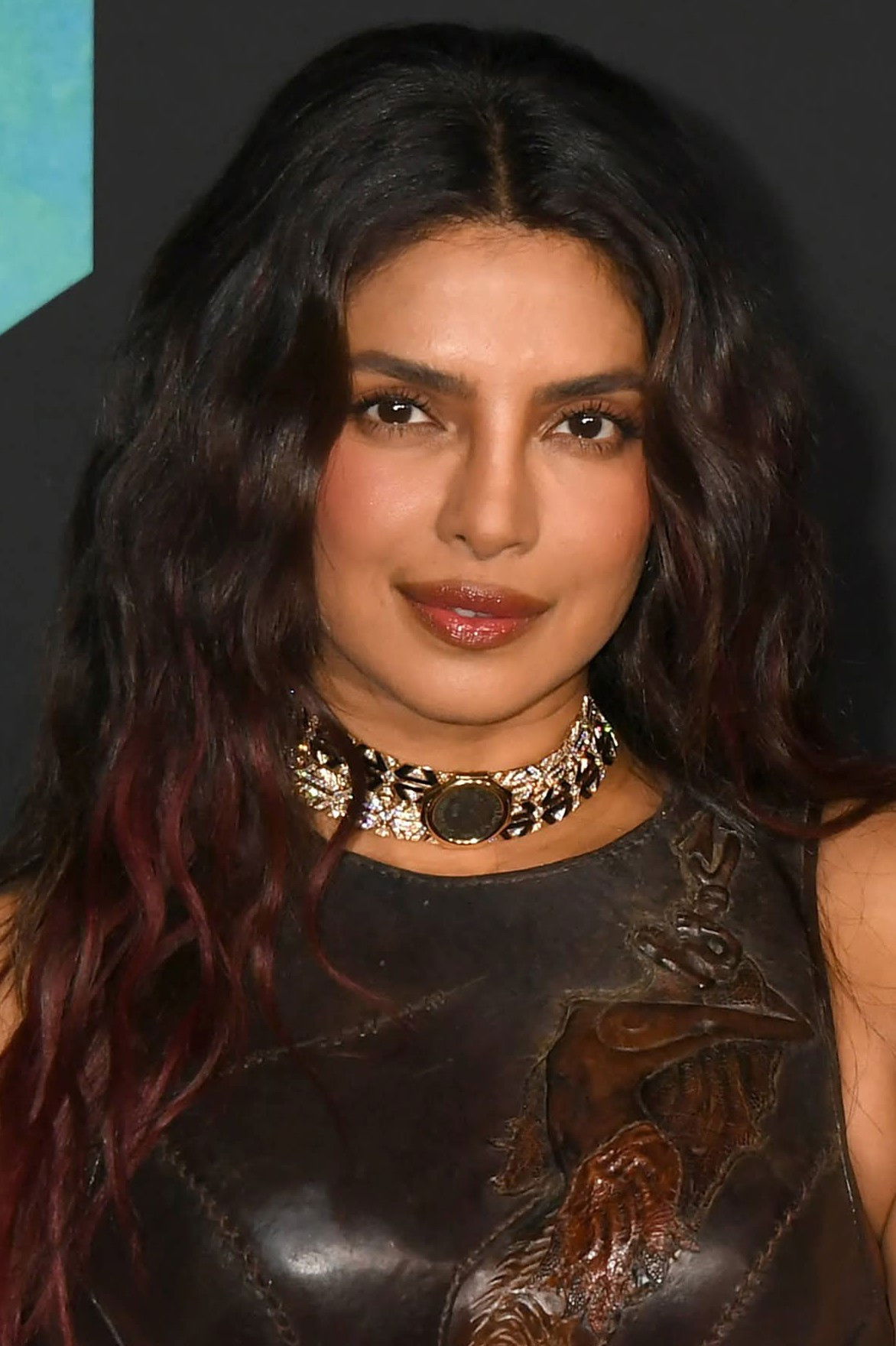
The actress faced backlash for her involvement in a reality competition show titled ‘The Activist’ which many felt trivialized social justice movements. She issued a formal apology acknowledging that the format of the show was misguided and hurtful to real world activists. She stated that her intention was always to highlight the work of those making a difference but she recognized the concerns raised by the public. She also faced past criticism for her use of bindis and traditional attire in Western media contexts. Her statement reflected a commitment to ensuring her future projects are more culturally sensitive.
Ariana Grande
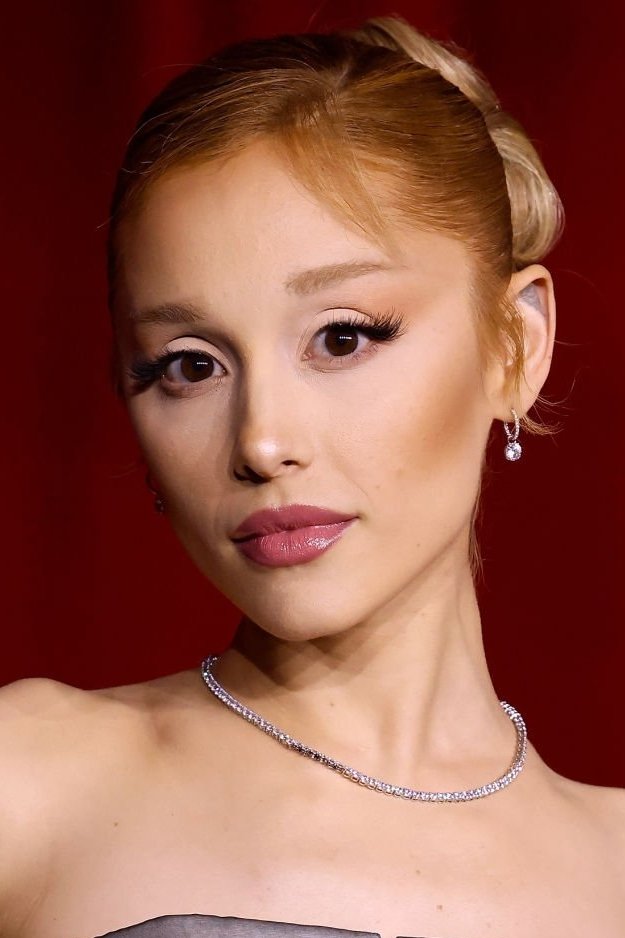
This singer has been accused of blackfishing and appropriating Japanese culture through her tattoos and merchandise. She faced significant backlash for a tattoo that was intended to say 7 Rings in Japanese but actually translated to a small charcoal grill. She eventually apologized for the error and attempted to fix the tattoo while acknowledging the cultural insensitivity. She also addressed concerns about her skin tone and aesthetics in various music videos. Her apologies have focused on her desire to learn from her mistakes and respect the cultures that inspire her music.
Zac Efron
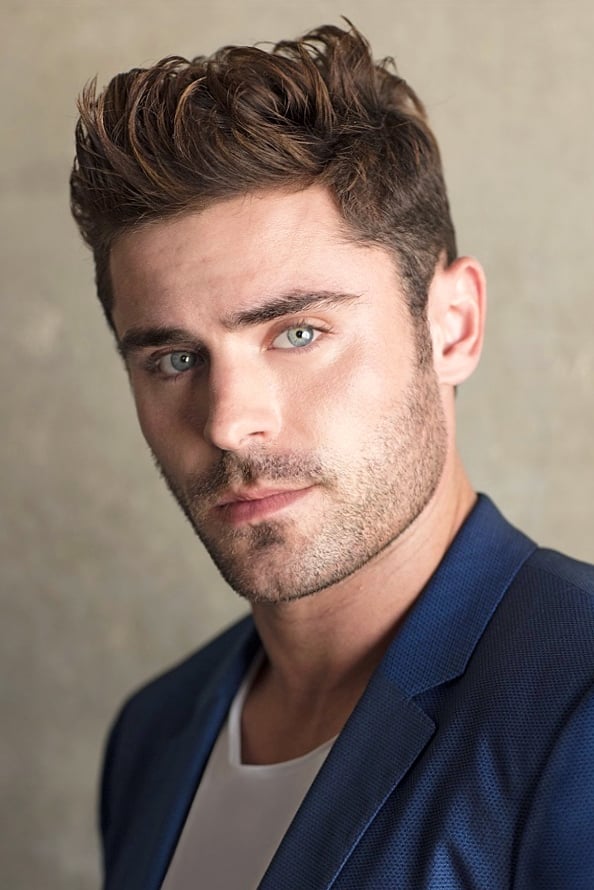
The actor faced criticism after posting a photo of himself with dreadlocks on social media with a caption about doing things for fun. Many fans pointed out that the hairstyle has deep cultural and historical significance for the Black community and should not be treated as a costume. He eventually removed the post and addressed the feedback regarding his choice. He expressed regret for any offense caused and acknowledged the importance of understanding the history behind different styles. This incident served as a reminder of the scrutiny celebrities face when adopting cultural markers.
Harry Styles
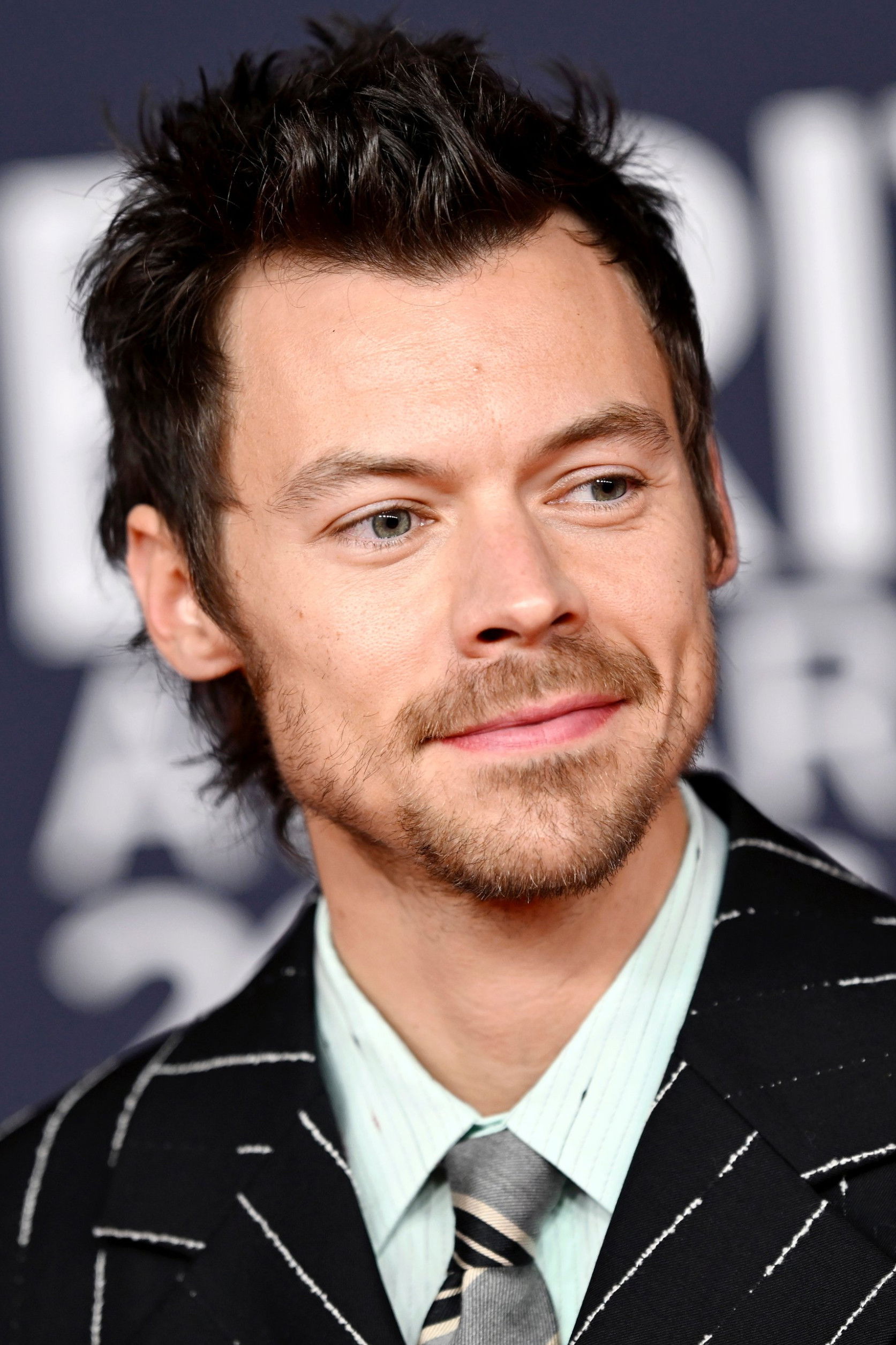
The singer faced backlash early in his career for wearing a Native American headdress in a photo shared online. He later addressed the incident in an interview where he expressed his regret and stated that he would never do it again. He acknowledged that he was young and did not understand the significance of the item at the time. He has since become known for his advocacy for various social causes and his more thoughtful approach to fashion. His apology was seen as a sincere effort to take responsibility for a past mistake.
Heidi Klum
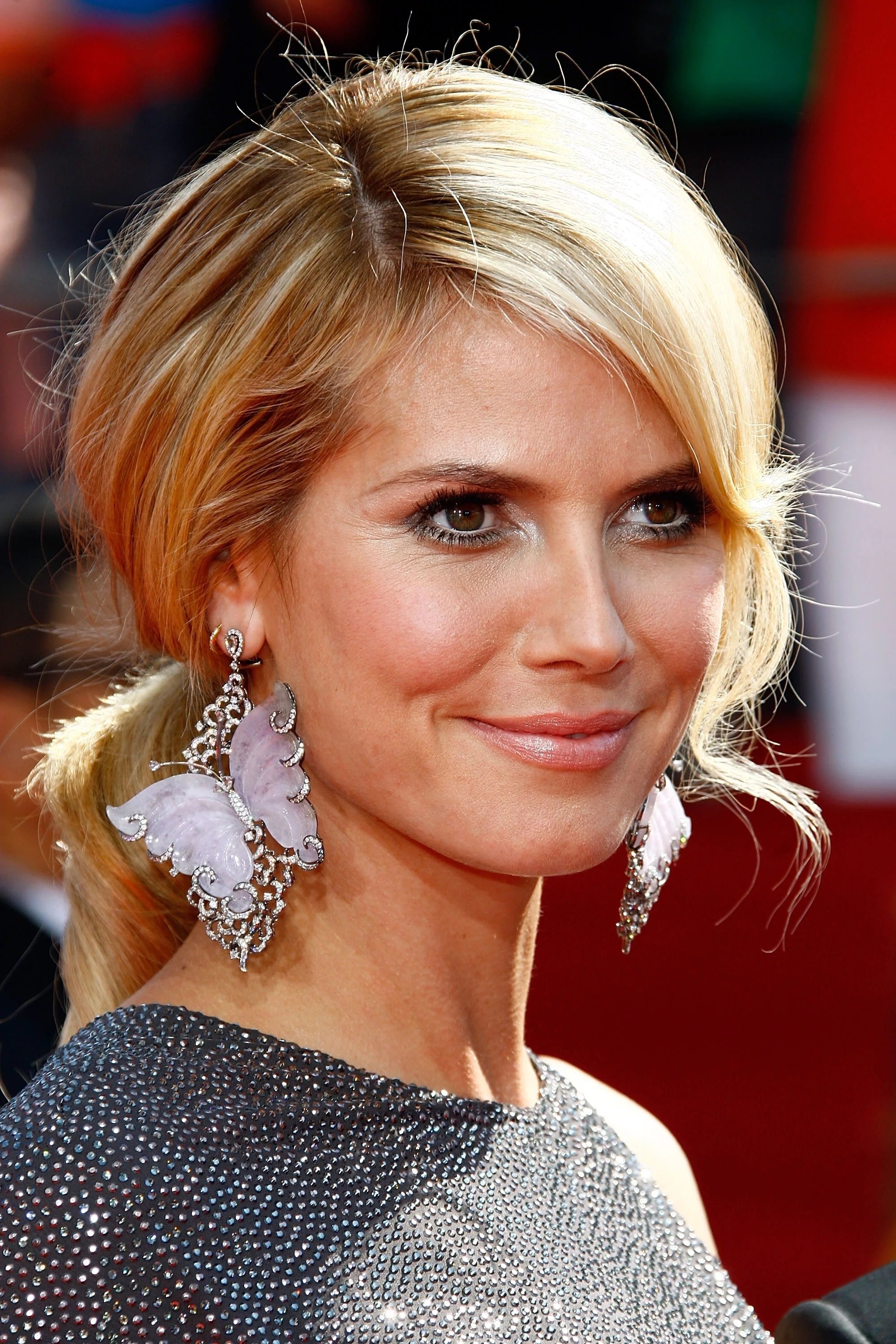
The model and television host faced intense criticism for her choice of a Halloween costume where she dressed as the Hindu goddess Kali. Hindu leaders called the costume blasphemous and requested a public apology for the trivialization of their religion. She eventually addressed the controversy by acknowledging that she did not mean to cause offense with her creative choices. She explained that she enjoys pushing boundaries with her costumes but realized she had gone too far in this instance. The incident remains a frequently cited example of religious appropriation in celebrity culture.
Vanessa Hudgens
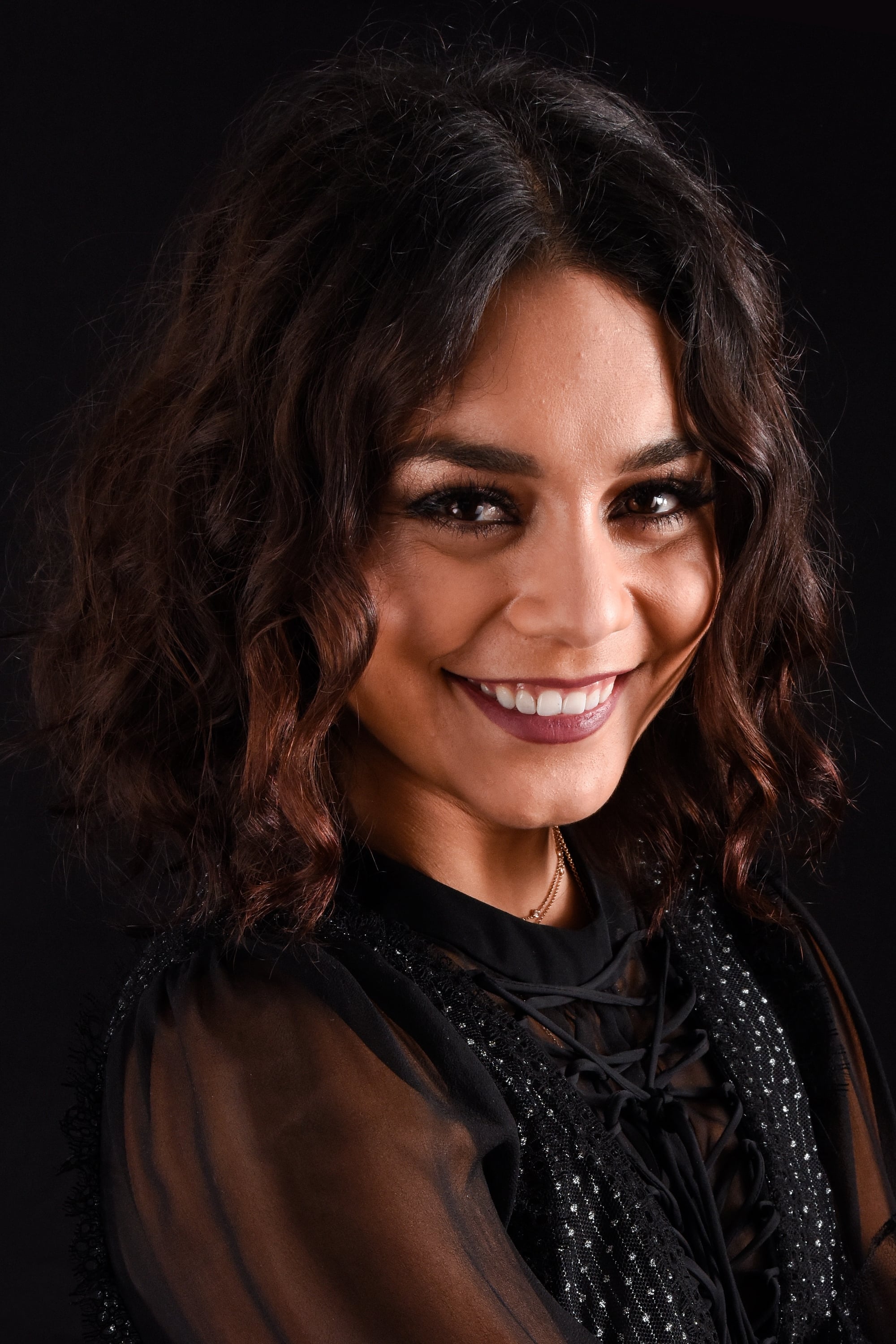
This actress has been criticized multiple times for wearing bindis and dreamcatchers at music festivals like Coachella. Many fans pointed out that these items are sacred symbols and should not be used as bohemian fashion accessories. She eventually addressed the recurring criticism by expressing her desire to be more mindful of the items she chooses to wear. She acknowledged that she has learned a lot about cultural sensitivity through the feedback of her followers. Her comments reflected a shift toward a more informed approach to festival fashion.
Jesy Nelson
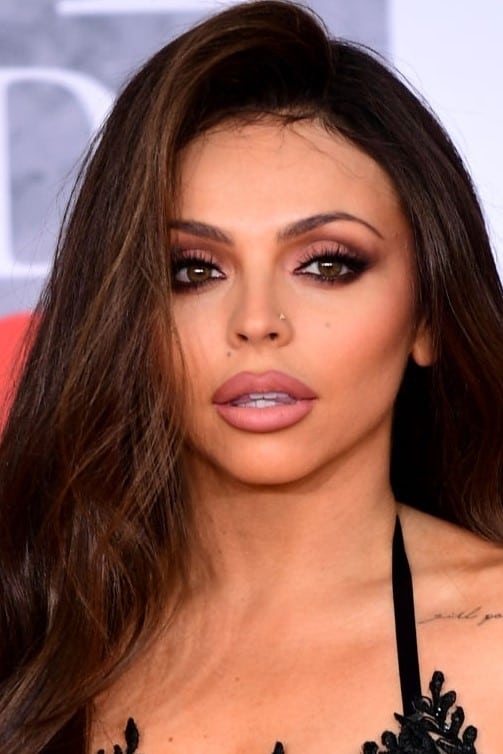
The former member of Little Mix faced significant accusations of blackfishing following the release of her debut solo single. Critics pointed to her darkened skin tone and hair texture in the music video as an attempt to appear as a woman of color. She addressed the backlash in an interview where she stated that she never intended to offend anyone and was simply trying to achieve a certain look. She acknowledged that she was unaware of the term blackfishing before the controversy began. Her response sparked further debate about the accountability of white artists using Black aesthetics.
Rita Ora
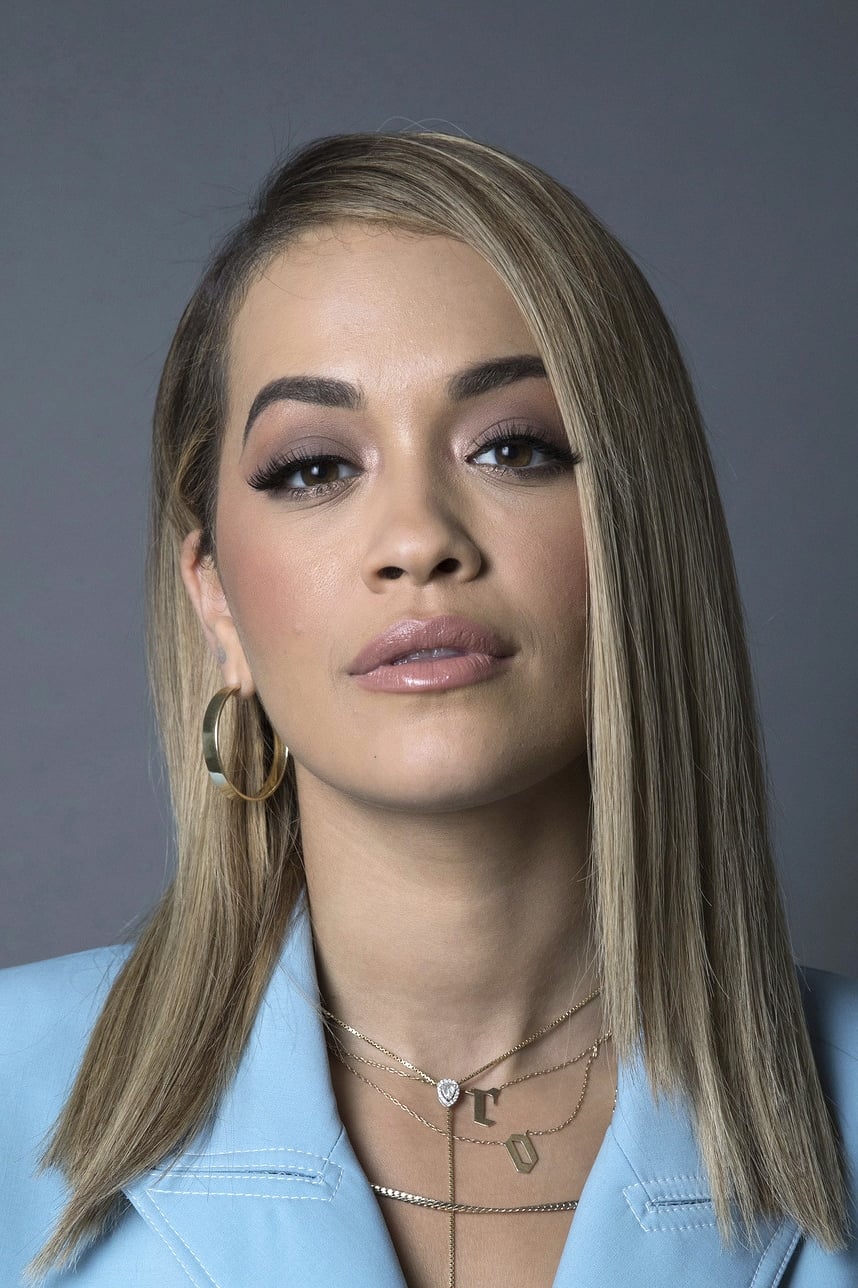
The singer has frequently been mistaken for being Black or biracial due to her choice of hairstyles and skin tone. When it was widely publicized that both of her parents are Albanian many fans accused her of blackfishing to further her career. She addressed the confusion in various interviews and acknowledged that she has been influenced by Black culture throughout her life. She expressed regret if her aesthetic choices were perceived as an attempt to mislead the public about her heritage. Her apology focused on her appreciation for the cultures that have shaped her musical style.
Bruno Mars
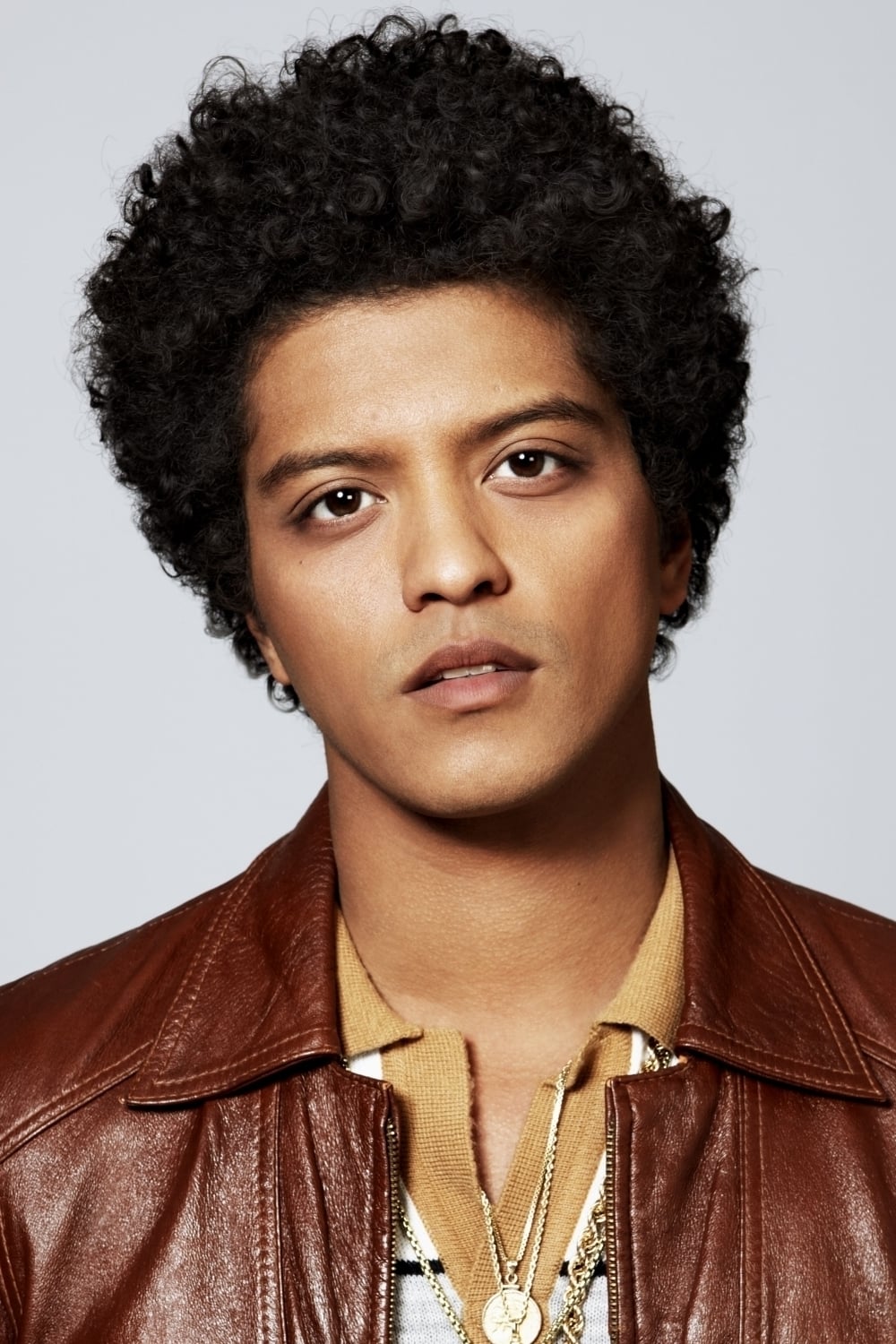
The singer has faced accusations of being a cultural thief who profits from Black music genres like funk and R and B. Critics argued that as a person of mixed heritage he should be more vocal about the origins of the music he performs. He eventually addressed these claims in a radio interview where he gave credit to the Black artists who paved the way for his success. He explained that his music is a tribute to his idols and that he never intended to claim the culture as his own. His response was praised by many for its humility and historical awareness.
Florence Pugh
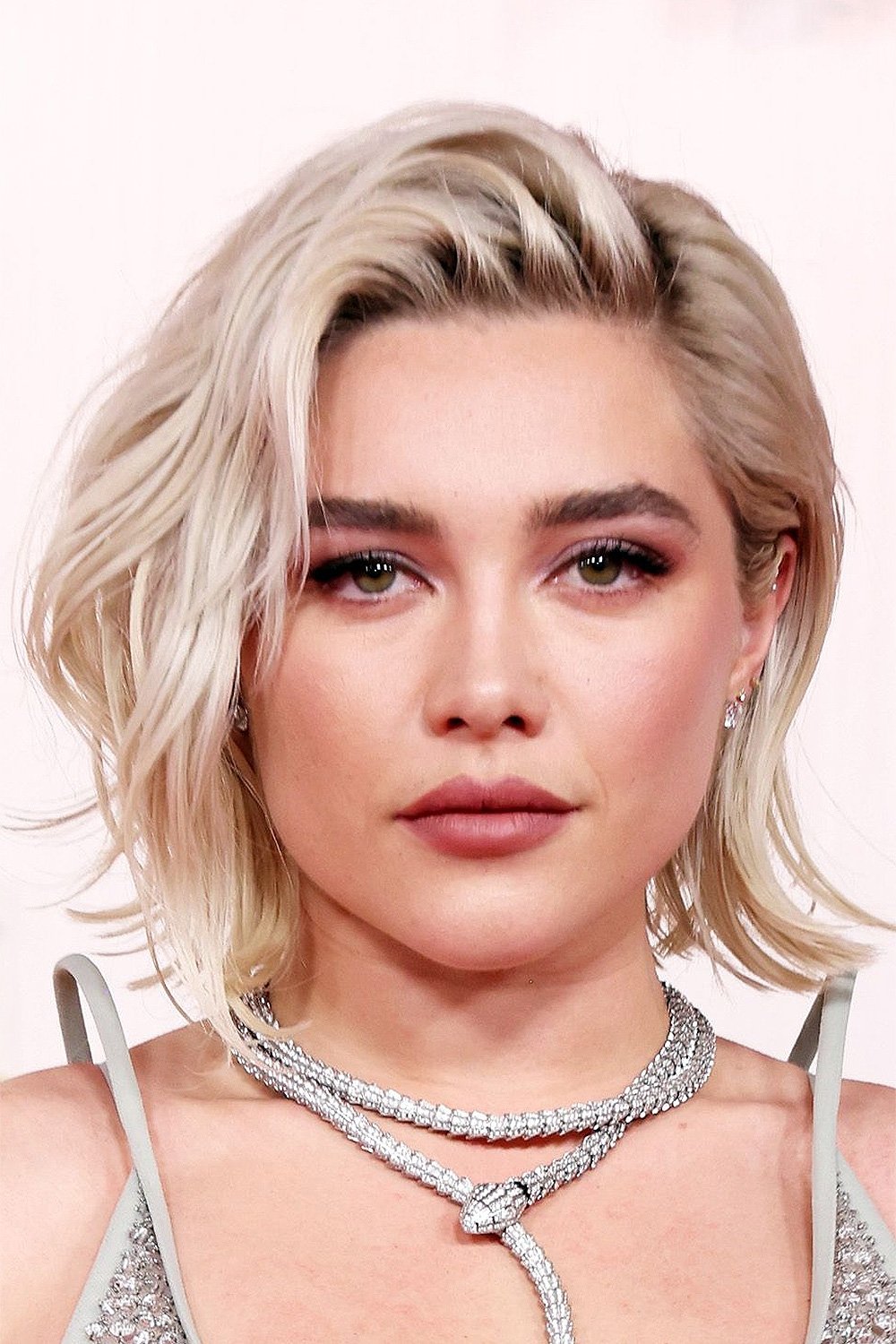
The actress issued a lengthy and detailed apology for her past use of henna and cornrows which she acknowledged as cultural appropriation. She explained that she was uneducated about the history of these practices when she was younger. She expressed deep regret for the ways she had contributed to the marginalization of other cultures through her fashion choices. She also thanked her fans for holding her accountable and providing the education she needed to grow. Her apology was noted for its sincerity and its refusal to make excuses for her past actions.
Prince Harry, Duke of Sussex
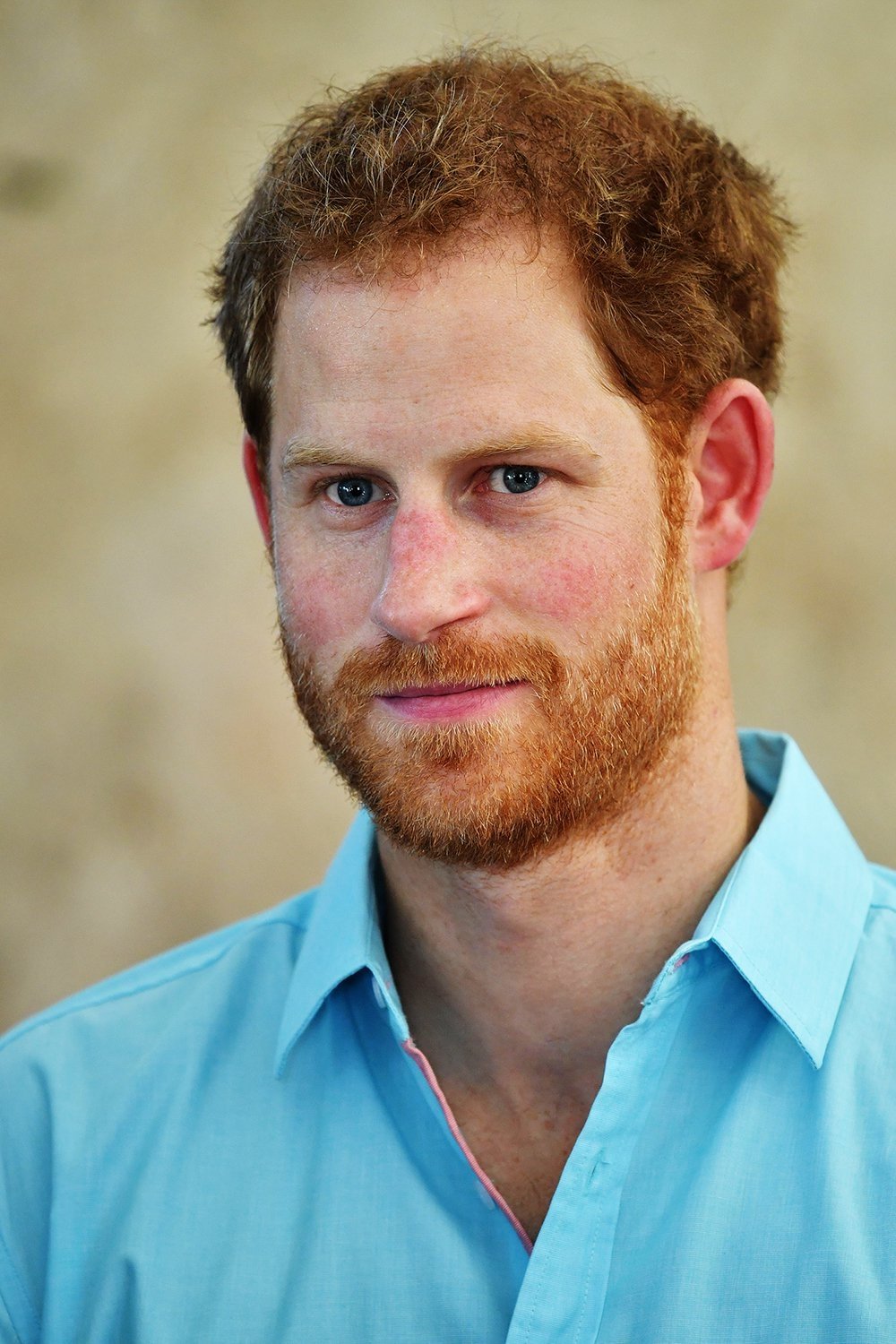
The member of the British royal family faced global condemnation as a teenager for wearing a Nazi swastika armband to a costume party. He issued a formal statement expressing his deep regret for the offensive choice and acknowledging the pain it caused. In recent years he has spoken more extensively about the incident and his lack of understanding regarding historical trauma at the time. He described the mistake as one of the biggest of his life and detailed the steps he took to educate himself. His ongoing work in social justice reflects a commitment to learning from his past errors.
David Beckham
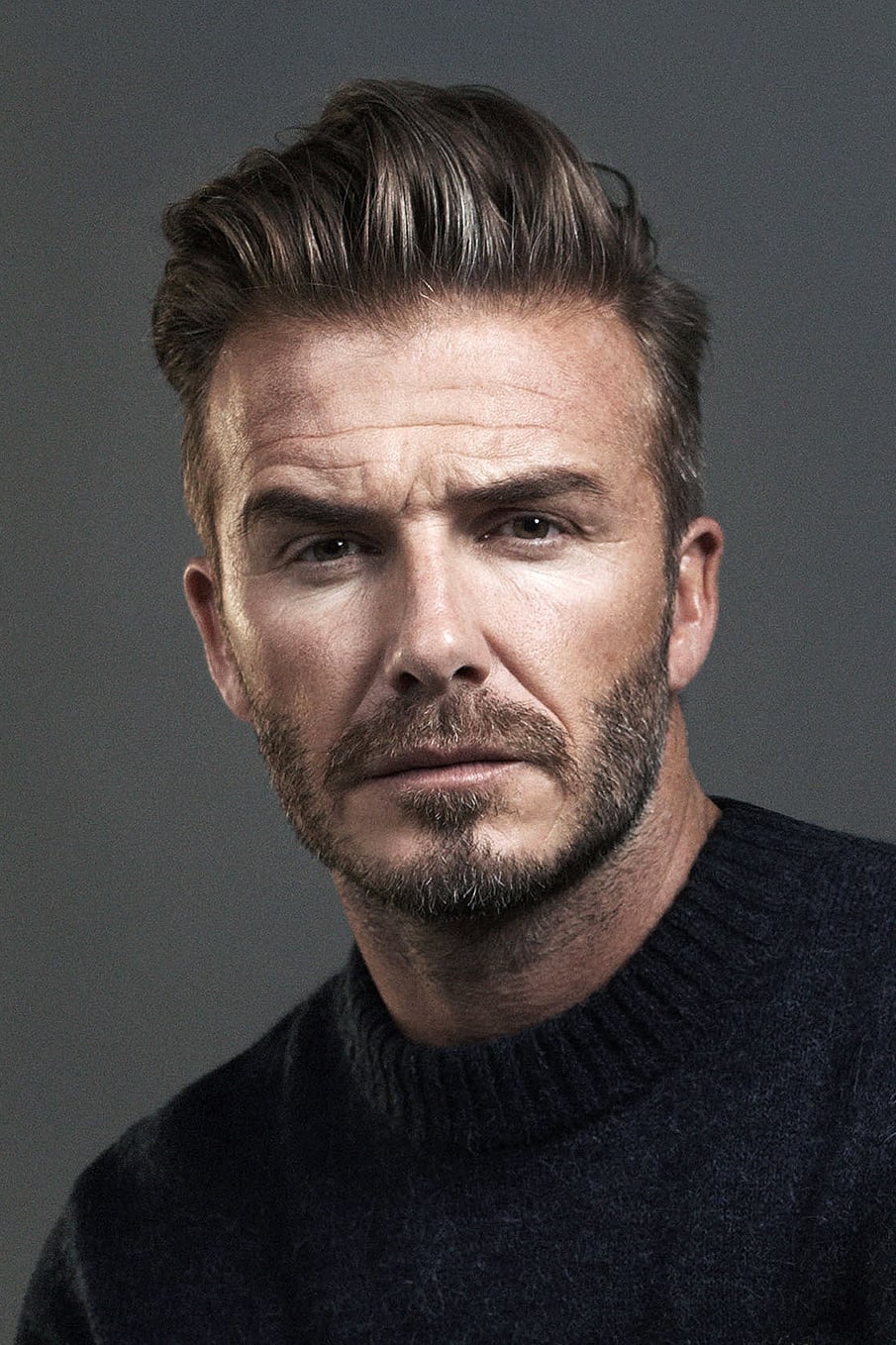
The former professional athlete faced criticism for wearing cornrows during a meeting with Nelson Mandela in two thousand three. He later admitted in his autobiography and interviews that the choice was a mistake and that he did not think through the cultural implications. He explained that he was simply trying out a new look and did not realize it would be seen as offensive. He has since spoken about the importance of being aware of the history behind different styles and traditions. His apology was seen as an honest reflection on a high profile fashion choice.
Karlie Kloss
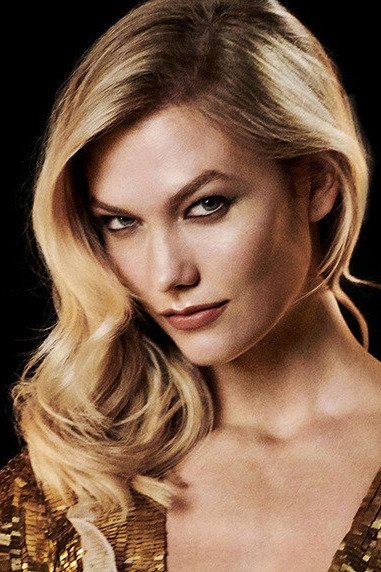
The fashion model apologized after appearing in a Vogue photo shoot dressed as a geisha with her face painted white. She expressed regret for participating in a shoot that was not culturally sensitive and acknowledged the hurt it caused. She stated that her goal is always to celebrate women and diverse cultures but she realized this project missed the mark. She promised to be more selective about the creative projects she takes on in the future. The incident led to Vogue also issuing a statement regarding the choice of styling for the editorial.
Julianne Hough
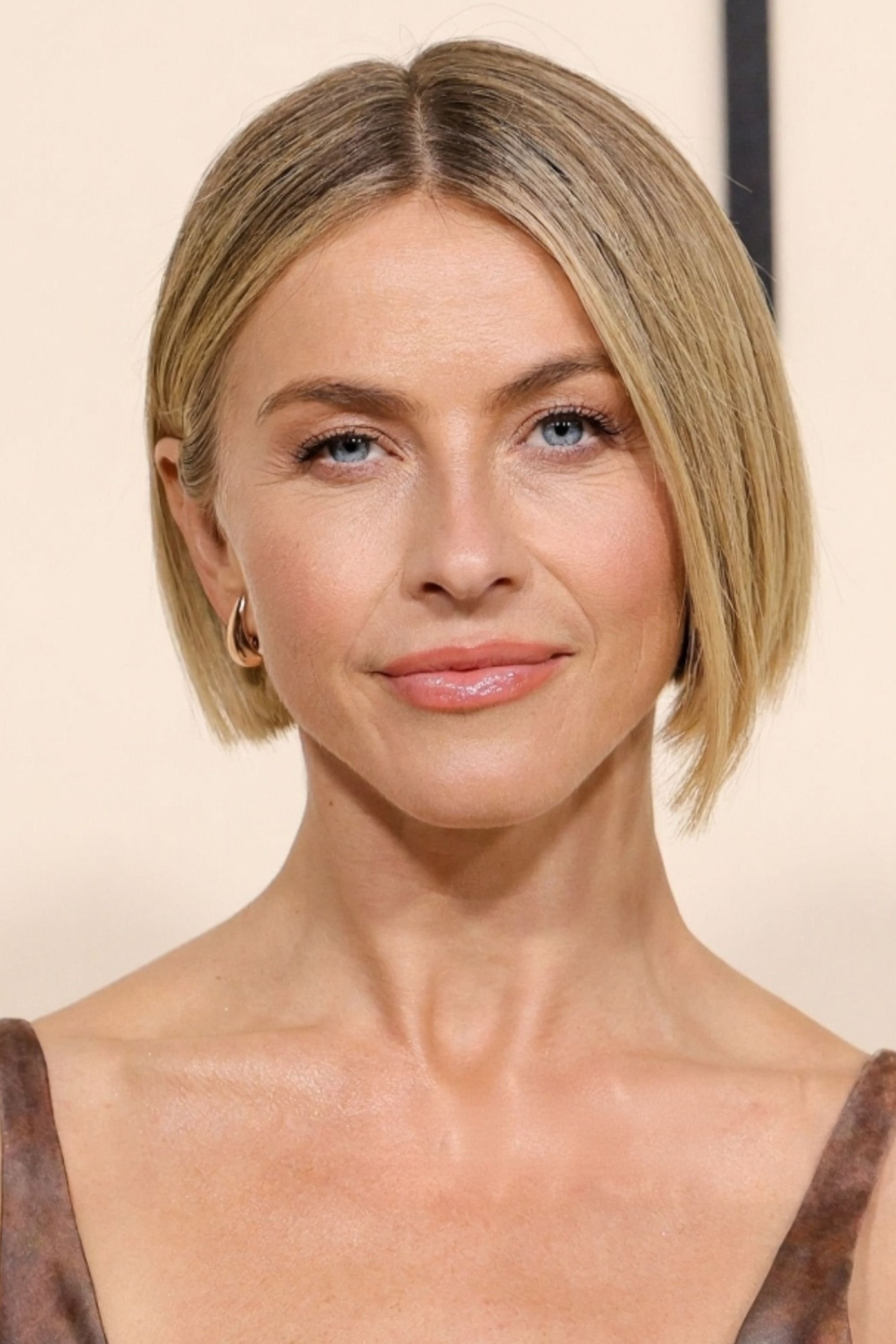
The dancer and actress faced immediate backlash for wearing blackface as part of an ‘Orange Is the New Black’ Halloween costume. She issued a public apology the following day stating that she is a huge fan of the show but realized her choice was insensitive. She expressed deep regret for the pain she caused and acknowledged that it was a poor lapse in judgment. She has since used her platform to speak about the importance of understanding racial history and the harmful nature of blackface. Her apology is often cited as a direct response to a clear instance of cultural insensitivity.
Saweetie
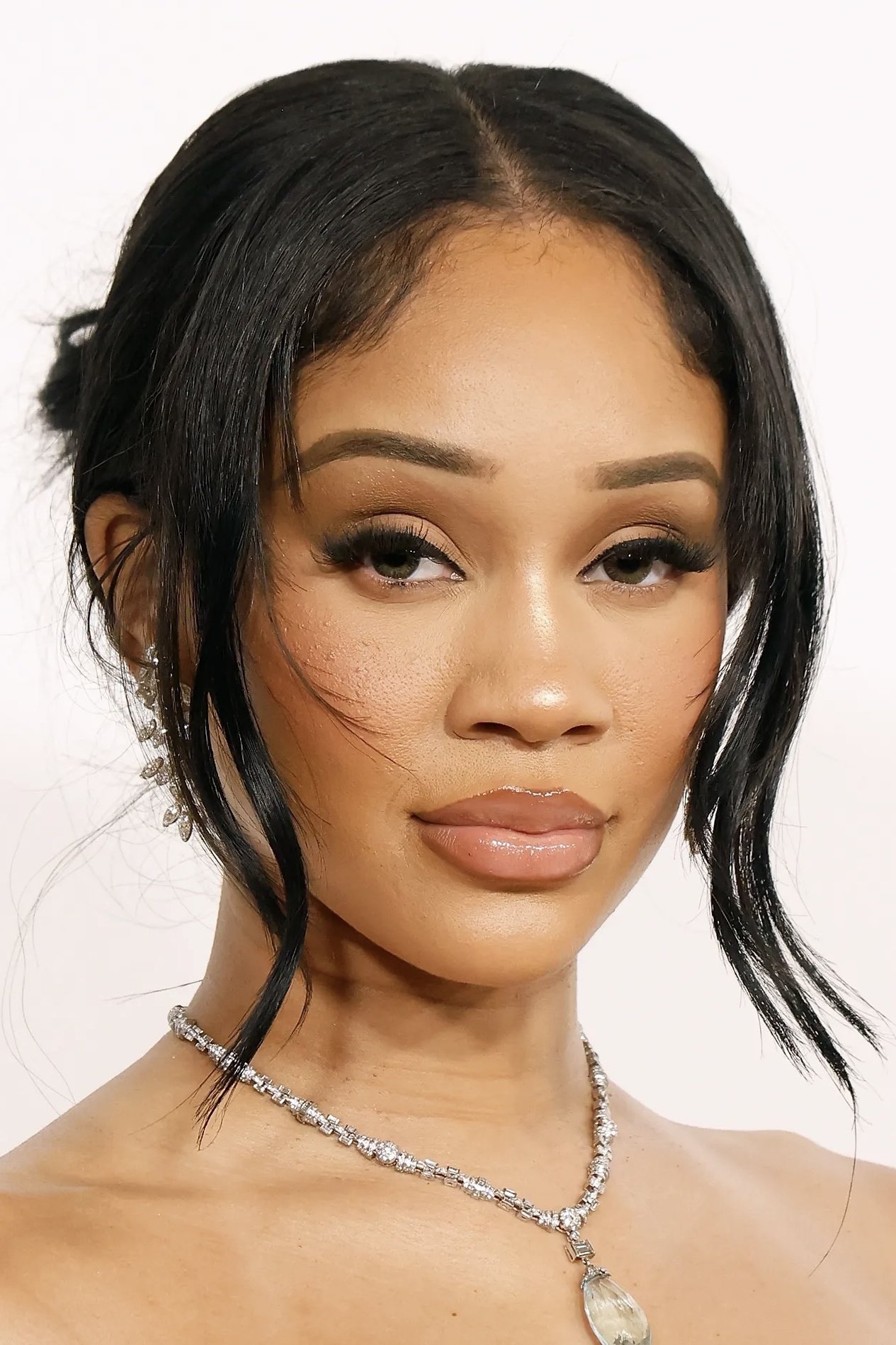
The rapper faced criticism for her use of certain cultural aesthetics and language in her music and public persona. She addressed the feedback by explaining her mixed heritage which includes Filipino and Chinese background alongside her Black identity. She apologized for any instances where her presentation may have felt like appropriation rather than appreciation. She emphasized her pride in her diverse roots and her desire to represent all parts of her heritage accurately. Her comments were part of a larger discussion about the complexities of identity for multiracial artists.
Halsey
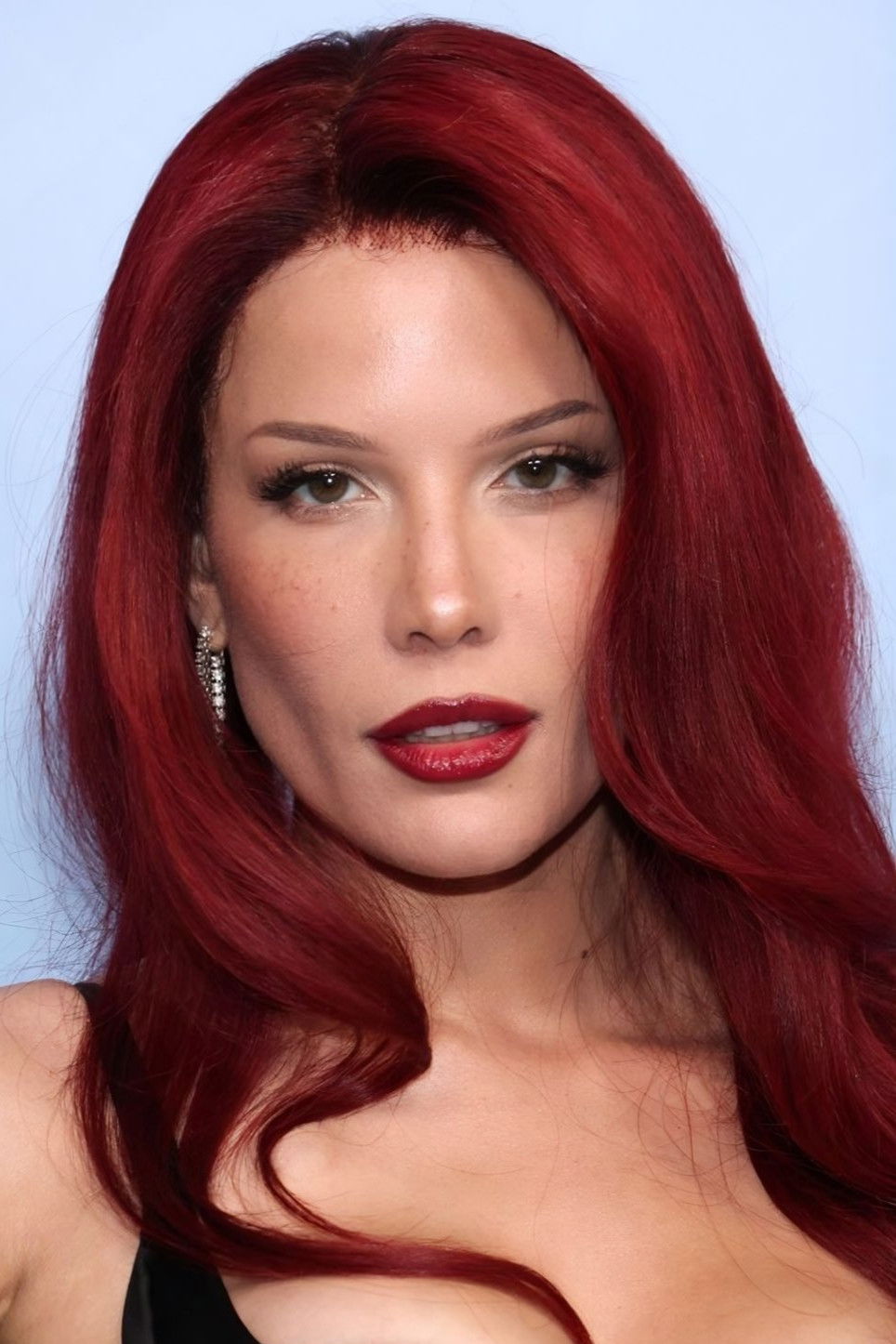
The singer has faced criticism for her choice of hairstyles including braids and other styles associated with Black culture. As a biracial woman she has often spoken about the nuances of her identity and the ways she navigates the world. She addressed the appropriation claims by acknowledging the privilege she has as a white passing person. She apologized for the times she failed to recognize how her choices could be perceived as insensitive to the Black community. Her statements focused on her commitment to being an ally and understanding the impact of her platform.
Shay Mitchell
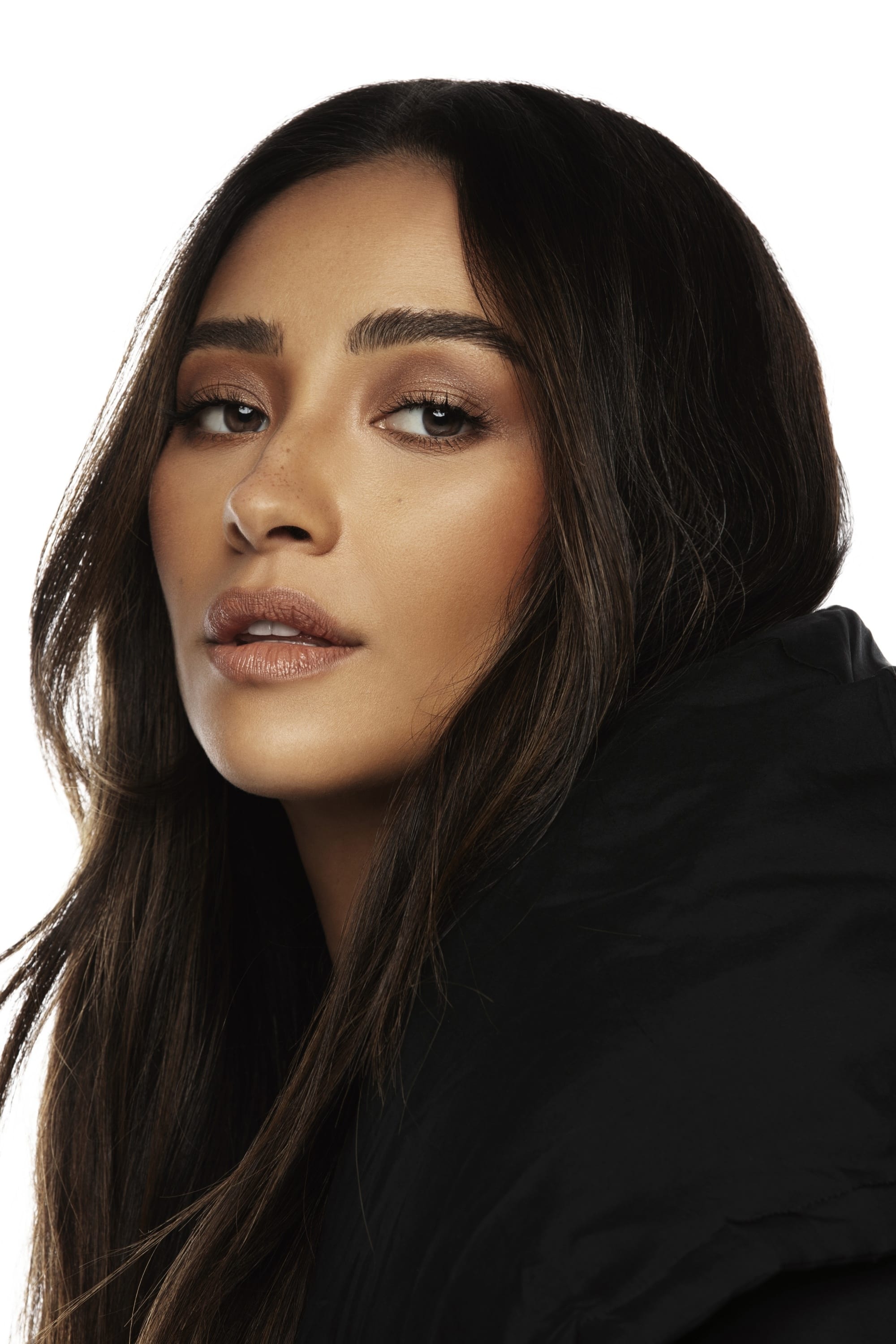
The actress faced backlash for wearing cornrows and was accused of appropriating Black culture for a fashion statement. She addressed the criticism by stating that she was inspired by the beauty of the style but realized she had not considered the cultural context. She apologized for the oversight and expressed a willingness to learn more about the history of the hairstyles she chooses. Her response was seen as an acknowledgment of the need for greater cultural awareness among influencers and celebrities. She has since been more mindful of the styles she showcases on her social media channels.
Lucy Hale
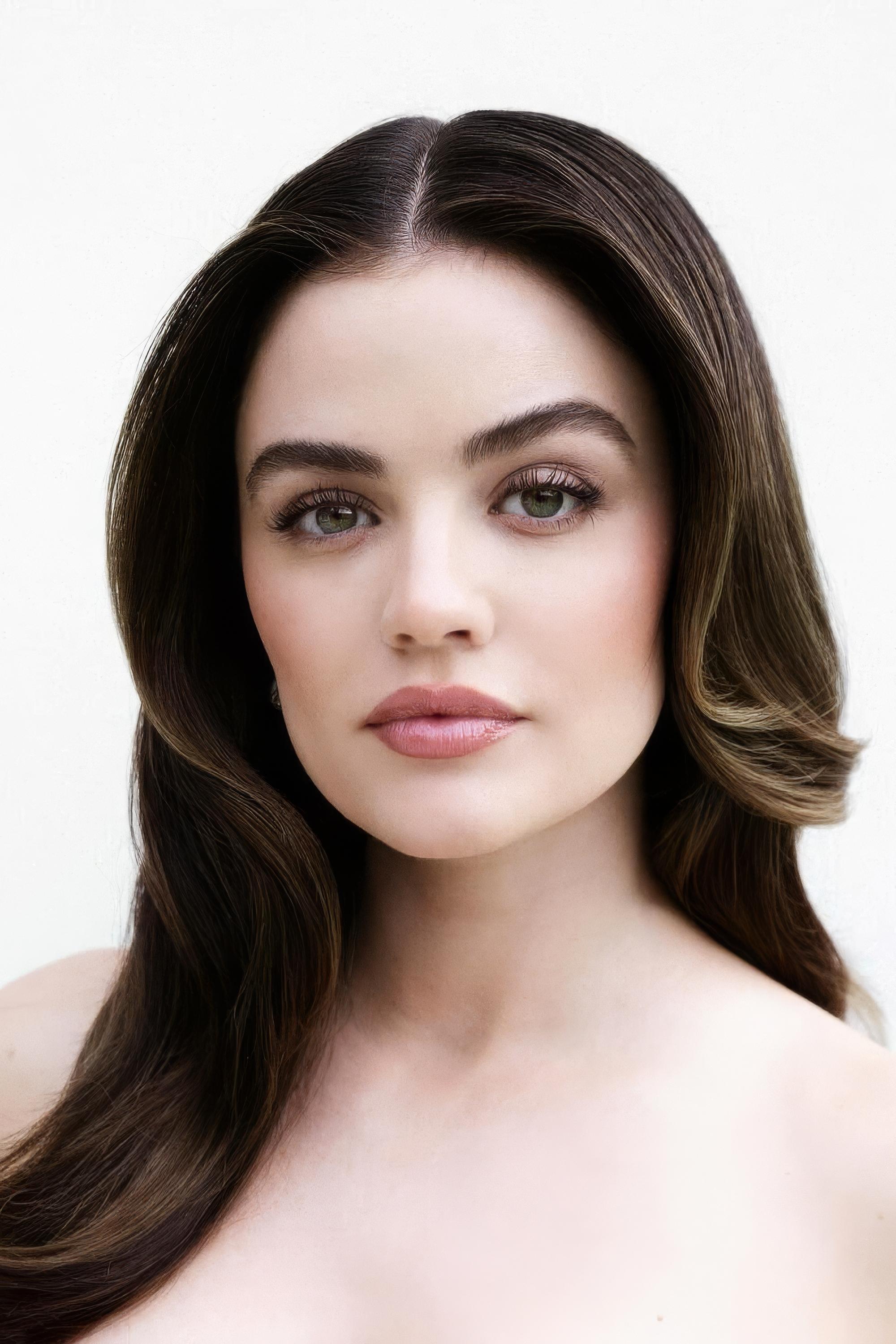
This actress apologized after receiving criticism for a social media post where she wore a hairstyle that many felt was an appropriation of Black culture. She quickly removed the image and issued a statement expressing her regret for the choice. She explained that she never intended to be disrespectful and thanked her followers for educating her on the matter. She acknowledged that it is important to understand the significance of cultural markers before adopting them for fashion. Her apology was noted for its promptness and her willingness to engage with the criticism.
Scott Disick
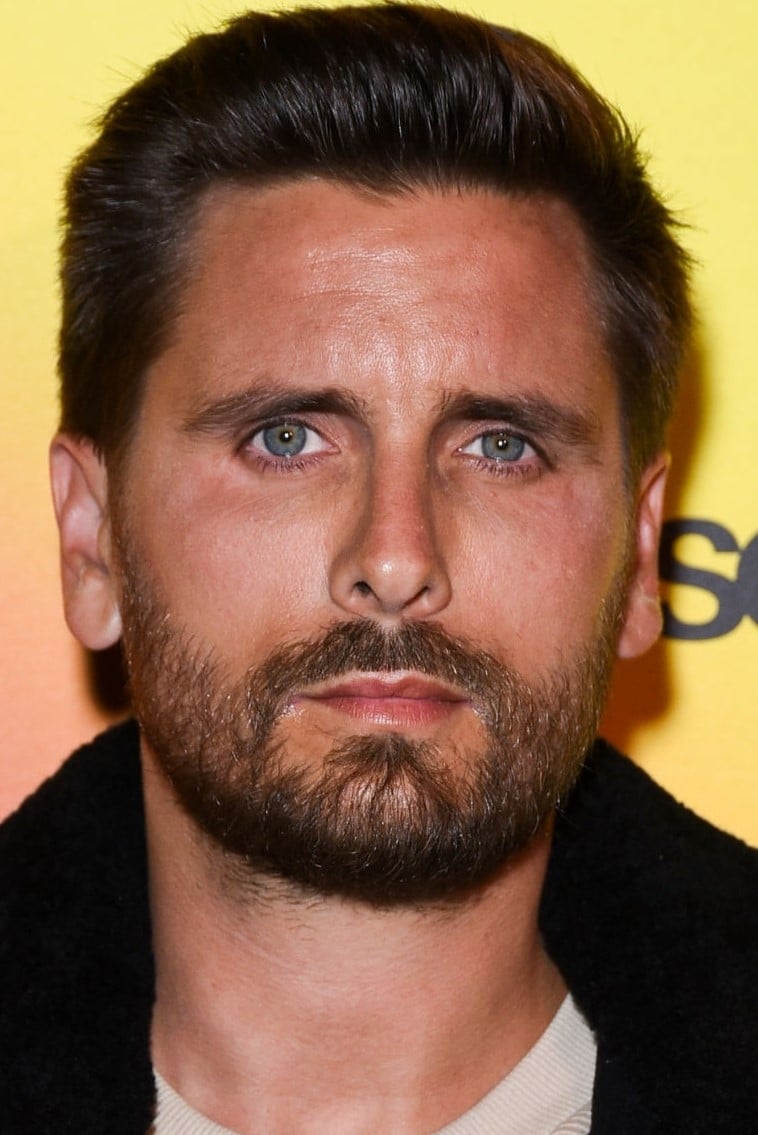
The reality television personality faced significant backlash for dressing as a stereotypical Native American for a Halloween party. He shared photos of the costume on social media which led to immediate calls for an apology from fans and Indigenous groups. He later addressed the incident by acknowledging that the choice was insensitive and offensive. He expressed regret for the impact of his actions and the way he trivialized a sacred culture. This instance was part of a broader pattern of members of the Kardashian inner circle facing similar accusations.
Jennifer Lopez
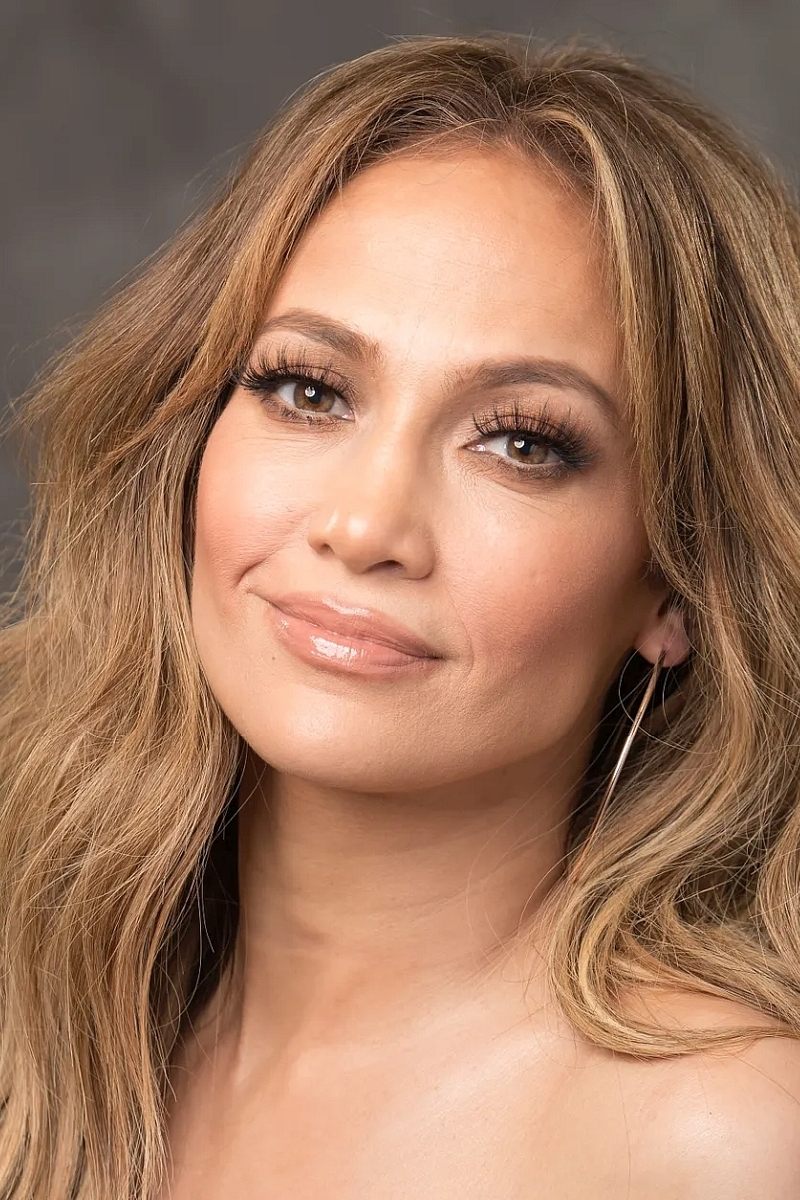
The singer and actress faced criticism for her Motown tribute performance which many felt should have been led by a Black artist. While she did not apologize for the performance itself she did address the backlash by emphasizing her love and respect for the music. She later faced further scrutiny for her use of African aesthetics in music videos which some felt was appropriative. She addressed these concerns by stating that her intention is always to celebrate the cultures that inspire her. Her comments reflected the ongoing debate about which artists are best suited to represent specific cultural legacies.
Lana Del Rey
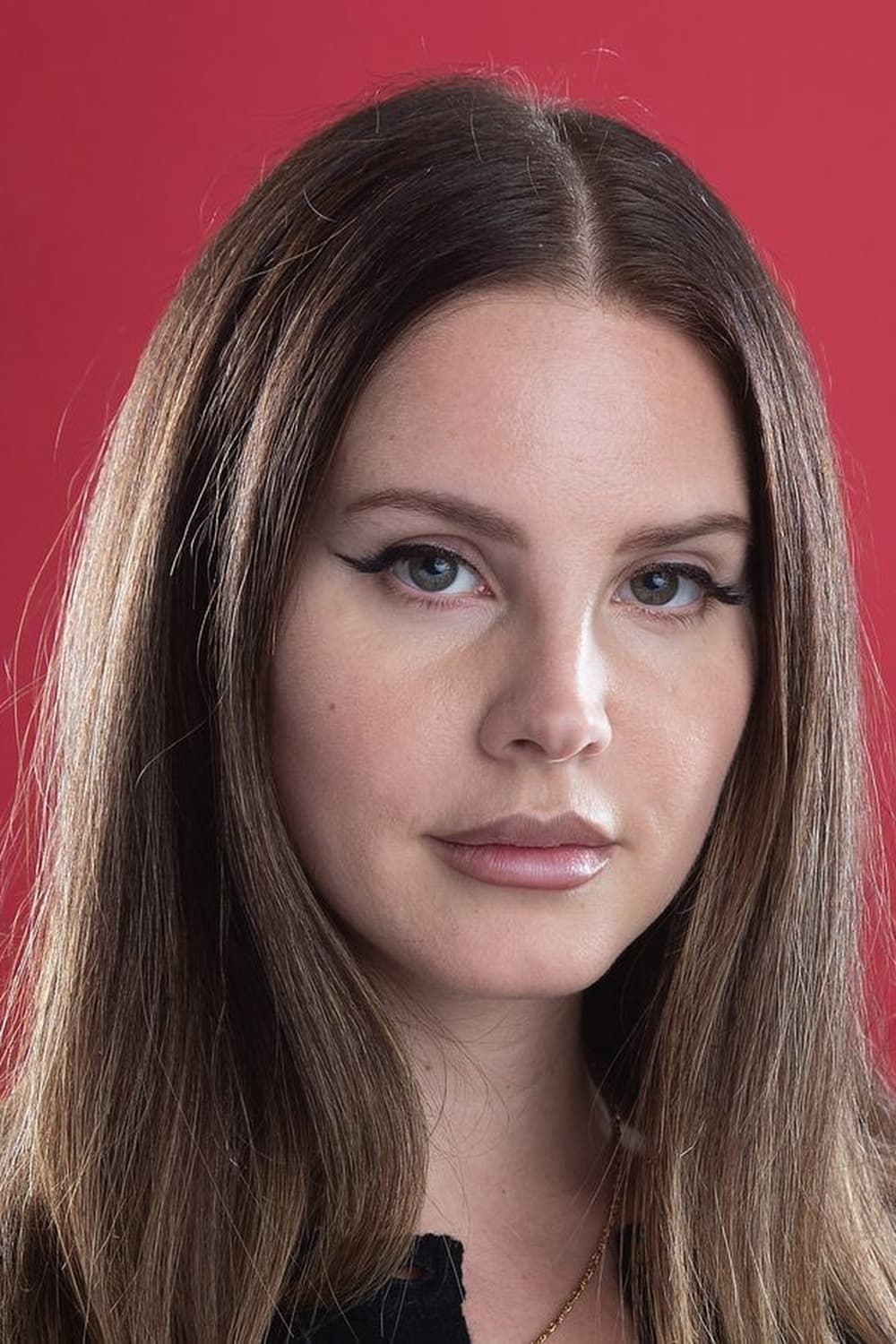
The singer faced backlash for wearing a Native American headdress in her ‘Ride’ music video and in promotional materials. She eventually addressed the controversy by acknowledging the sensitivity of the item and the historical context behind it. She expressed her regret for the choice and has since moved away from using such imagery in her work. She has also faced criticism for other aesthetic choices that fans felt were culturally insensitive. Her responses have often focused on her artistic vision while acknowledging the need for greater cultural awareness.
Lorde
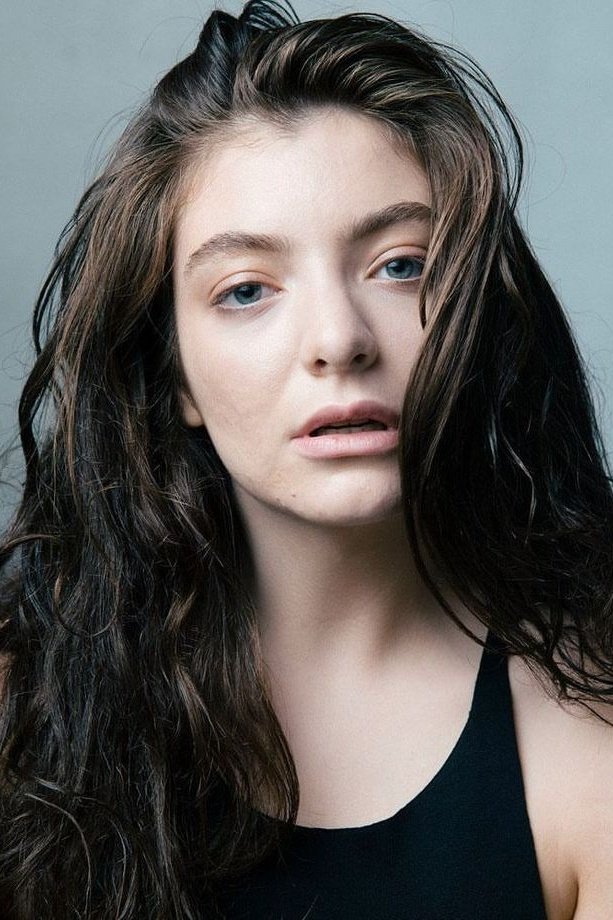
The singer from New Zealand faced criticism early in her career for wearing a Native American headdress in a photo shoot. She quickly addressed the backlash and expressed her regret for the choice acknowledging that she was young and uneducated. She has since become known for her thoughtful approach to her art and her respect for diverse cultures. Her apology was seen as a sincere moment of growth for the young artist. She has continued to use her platform to advocate for social justice and environmental causes.
Avril Lavigne
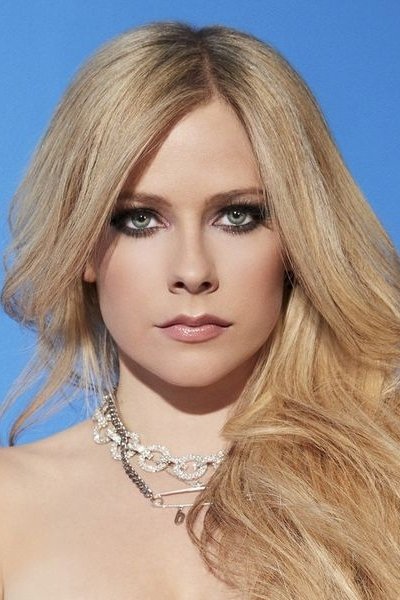
The singer faced significant accusations of cultural appropriation following the release of her ‘Hello Kitty’ music video which featured Japanese culture. Many critics felt the video utilized Japanese people and culture as one dimensional props. She initially defended the video by stating she loves Japan and its culture but later addressed the concerns of those who were offended. She expressed that her intention was to create a fun tribute to her fans in Japan. The incident sparked a conversation about the line between being a fan of a culture and appropriating it for commercial gain.
Khloé Kardashian
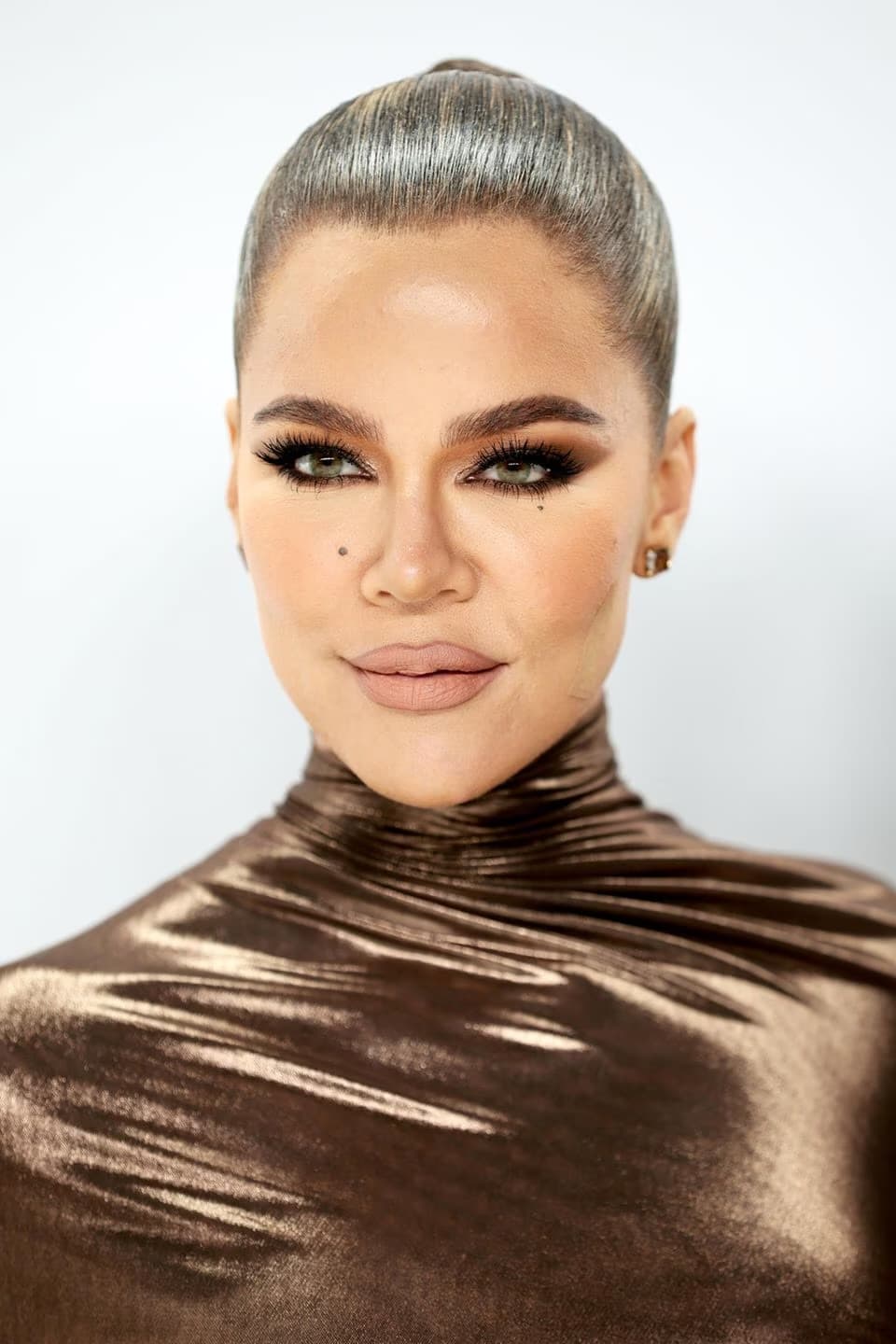
The reality star faced backlash after posting a photo of herself wearing a niqab during a trip to Dubai. Many social media users felt the choice was disrespectful to the religious and cultural significance of the garment. She also received criticism for wearing a Native American headdress at a birthday party for her niece. She later addressed the controversies and expressed her regret for any offense caused to the Muslim and Indigenous communities. Her apology emphasized that she is constantly learning and strives to be more respectful in the future.
Kendall Jenner
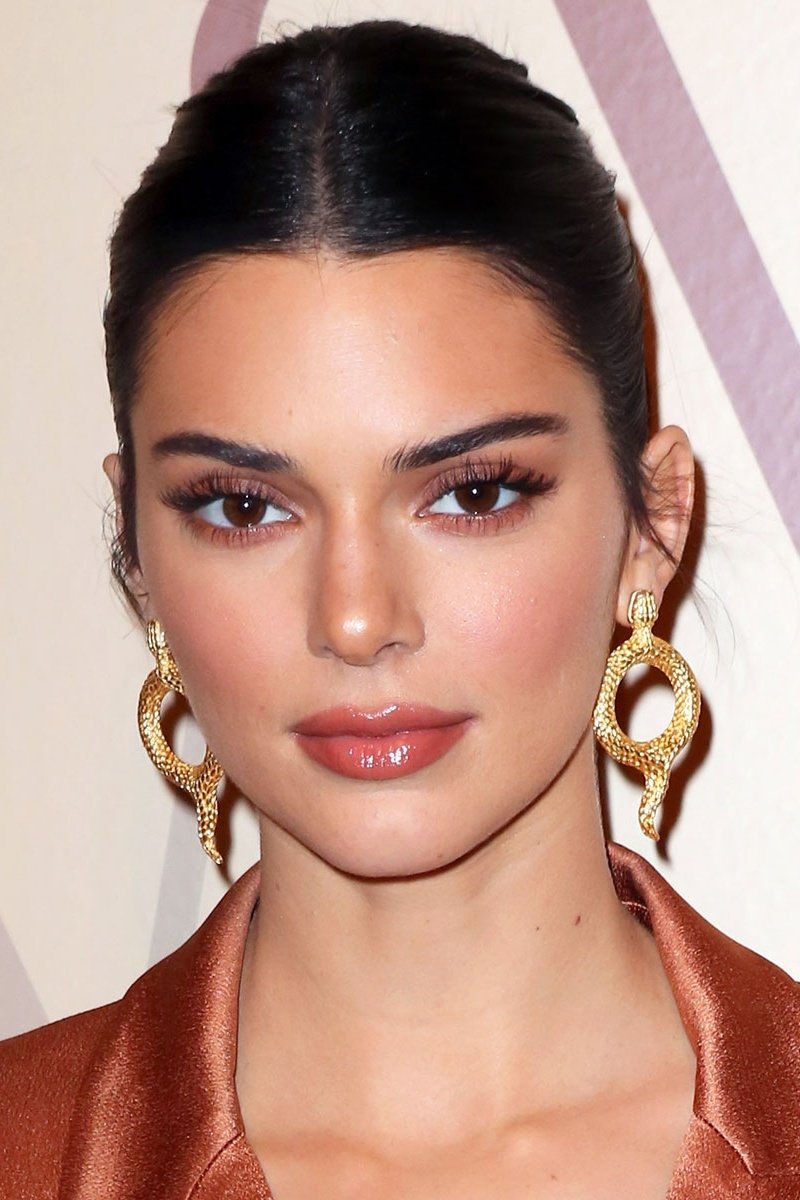
This model faced global criticism for a Pepsi advertisement that many felt trivialized the Black Lives Matter movement and protest culture. While the company eventually pulled the ad she addressed the situation in an episode of her reality show. She tearfully apologized and stated that she felt like her life was over after the backlash. She explained that she never intended to hurt anyone and felt uneducated about how the imagery would be perceived. This moment became a significant example of how corporate branding can lead to cultural insensitivity for the celebrities involved.
Please share your thoughts on these instances of cultural appropriation in the comments.