


Celebs Who Won Awards for “Brave” Cross-Race Roles (But Faced Criticism)

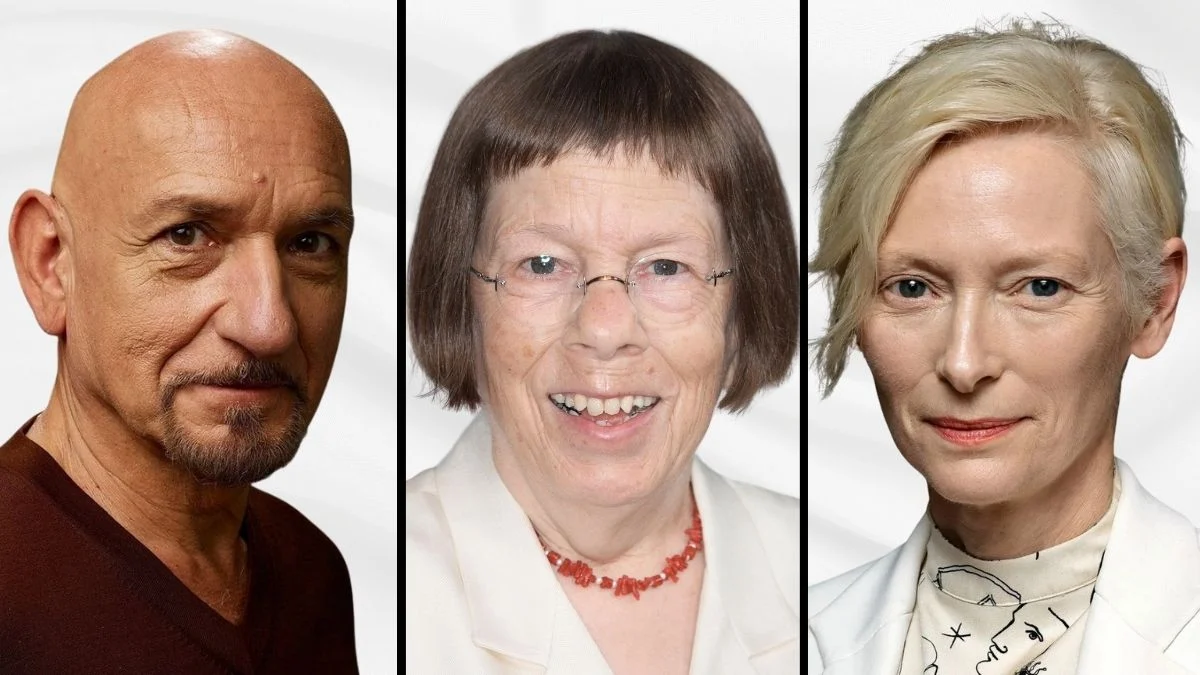


The history of cinema includes many instances where actors took on roles portraying ethnicities different from their own heritage. While these performances often earned prestigious accolades such as Academy Awards or Golden Globes at the time, they have since faced significant scrutiny and criticism from modern audiences and critics. Many of these casting choices were celebrated as brave transformations during their era but are now viewed through the lens of whitewashing or cultural appropriation. This collection explores prominent actors who received industry honors for these controversial roles while navigating the evolving discourse on representation in film.
Linda Hunt
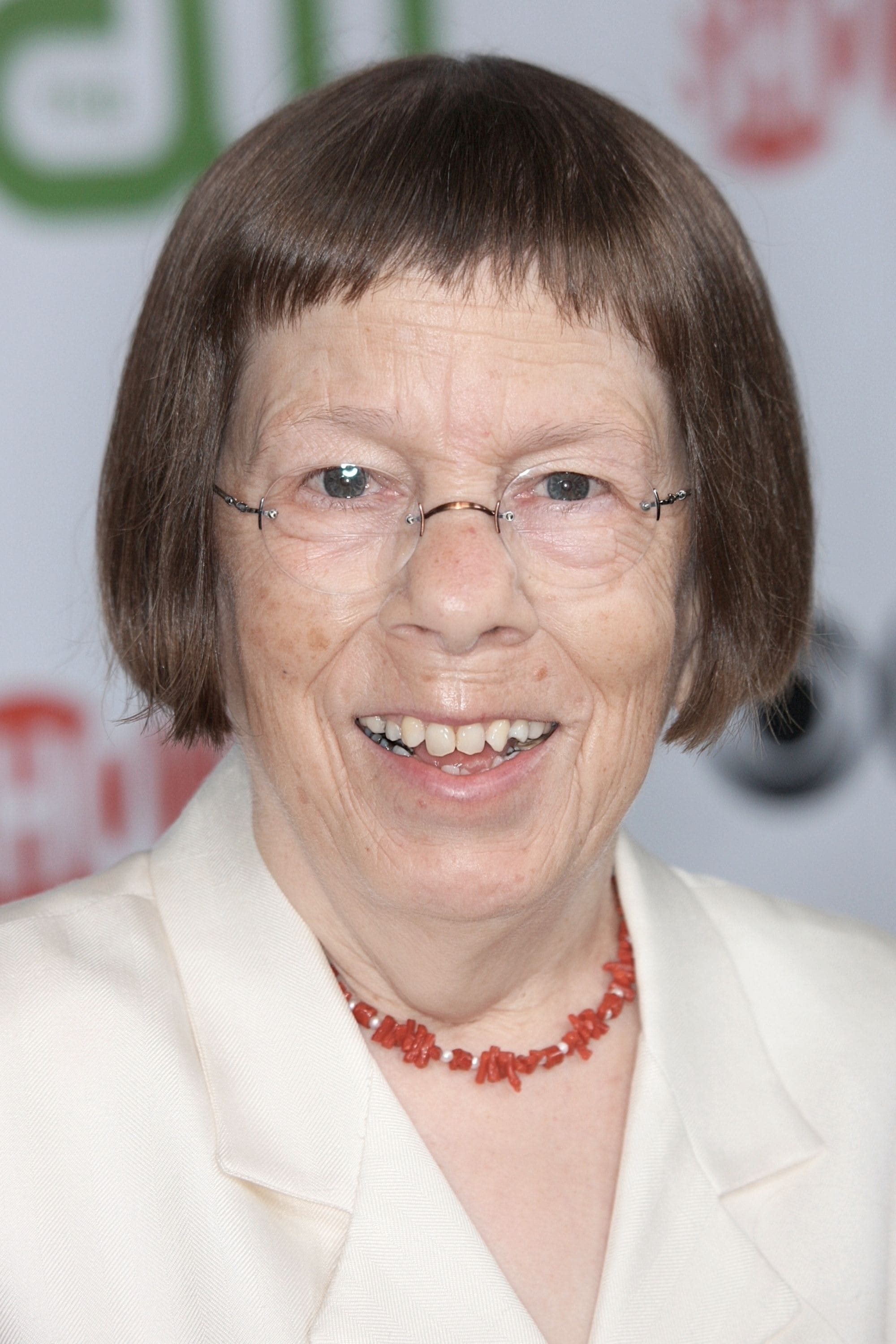
Linda Hunt won the Academy Award for Best Supporting Actress for her role in ‘The Year of Living Dangerously’. She portrayed Billy Kwan who was a male Chinese Australian photographer living in Jakarta. This casting choice was considered a bold creative move in the early eighties because it involved both cross gender and cross racial performance. While her acting was praised for its depth and sensitivity, the decision to cast a white woman as an Asian man has been criticized in later decades. The film remains a notable example of the industry prioritizing established talent over authentic ethnic representation.
Ben Kingsley
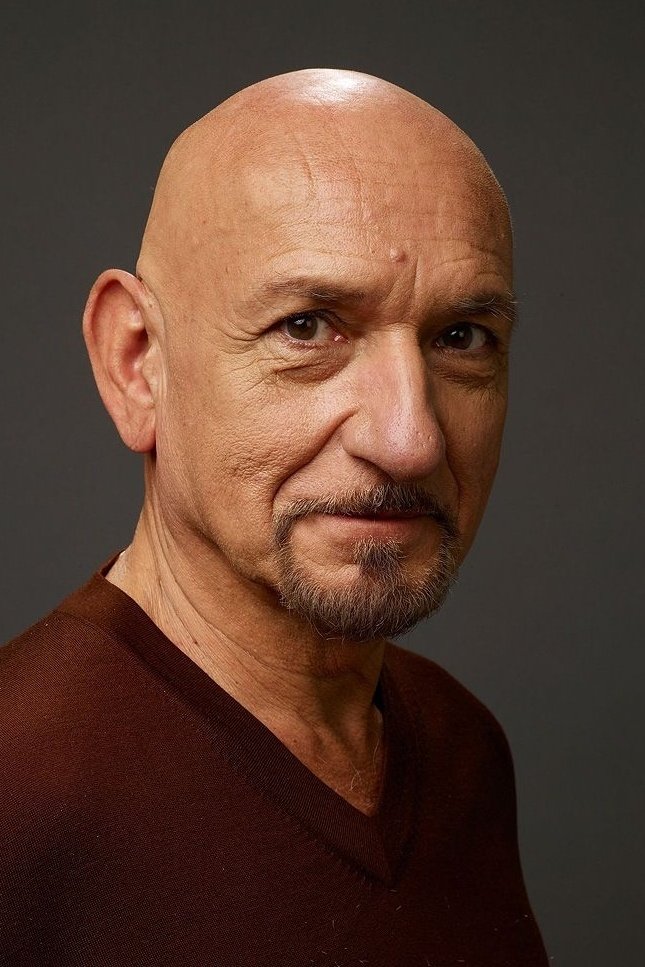
Ben Kingsley received the Academy Award for Best Actor for his portrayal of the legendary Indian leader in ‘Gandhi’. Although the actor has Indian ancestry through his father, his casting sparked debate regarding the representation of South Asian people on screen. Critics at the time praised his meticulous performance and physical transformation into the historical figure. However, modern discussions often highlight the complexities of casting biracial actors in roles that might have gone to actors of full Indian descent. The film remains a monumental achievement in biographical cinema despite these ongoing conversations about casting ethics.
Luise Rainer

Luise Rainer won her second consecutive Academy Award for her performance in ‘The Good Earth’. She played O Lan who was a Chinese peasant woman struggling through famine and poverty. The production utilized heavy makeup and prosthetics to alter her European features for the role. While the film was a critical success at the time, it is frequently cited today as a prominent example of yellowface in Hollywood. This casting choice prevented actual Chinese actors from portraying characters from their own culture on a global stage.
Yul Brynner
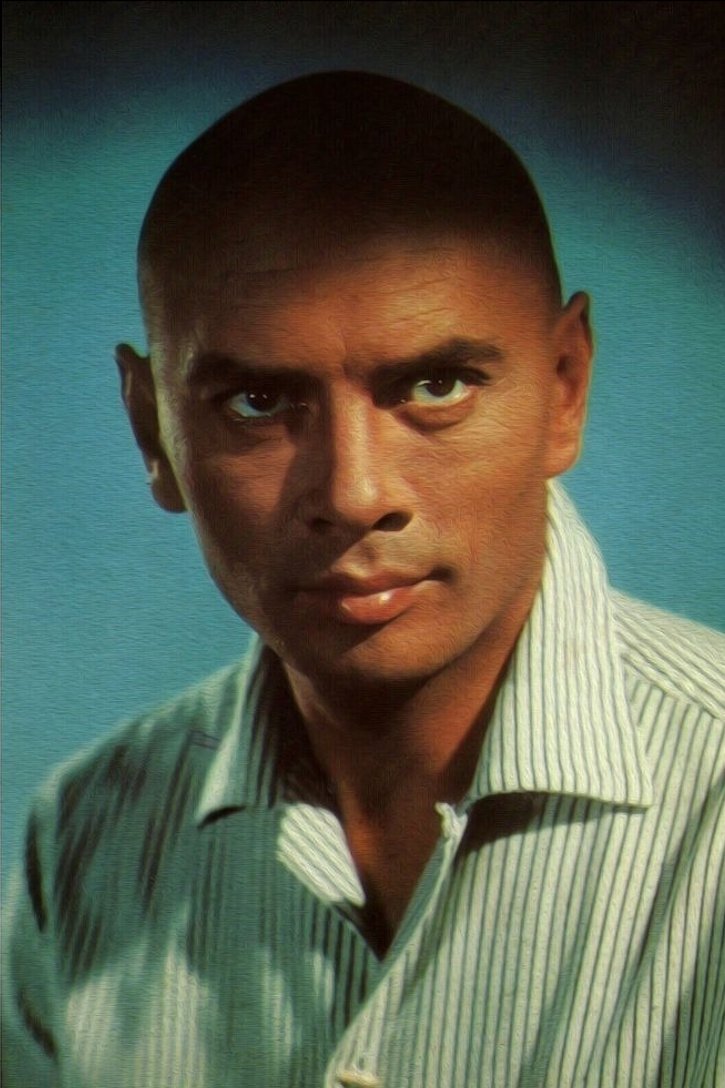
Yul Brynner won an Academy Award for Best Actor for his iconic performance in ‘The King and I’. He portrayed King Mongkut of Siam in the musical adaptation that explored the relationship between the monarch and a British schoolteacher. Though Brynner claimed various ethnic origins throughout his life, his portrayal of a Thai king became his most famous role. The performance was celebrated for its charisma and commanding stage presence across both theater and film. Modern critics often point to the role as a missed opportunity for authentic Thai representation in a major studio production.
Jennifer Jones
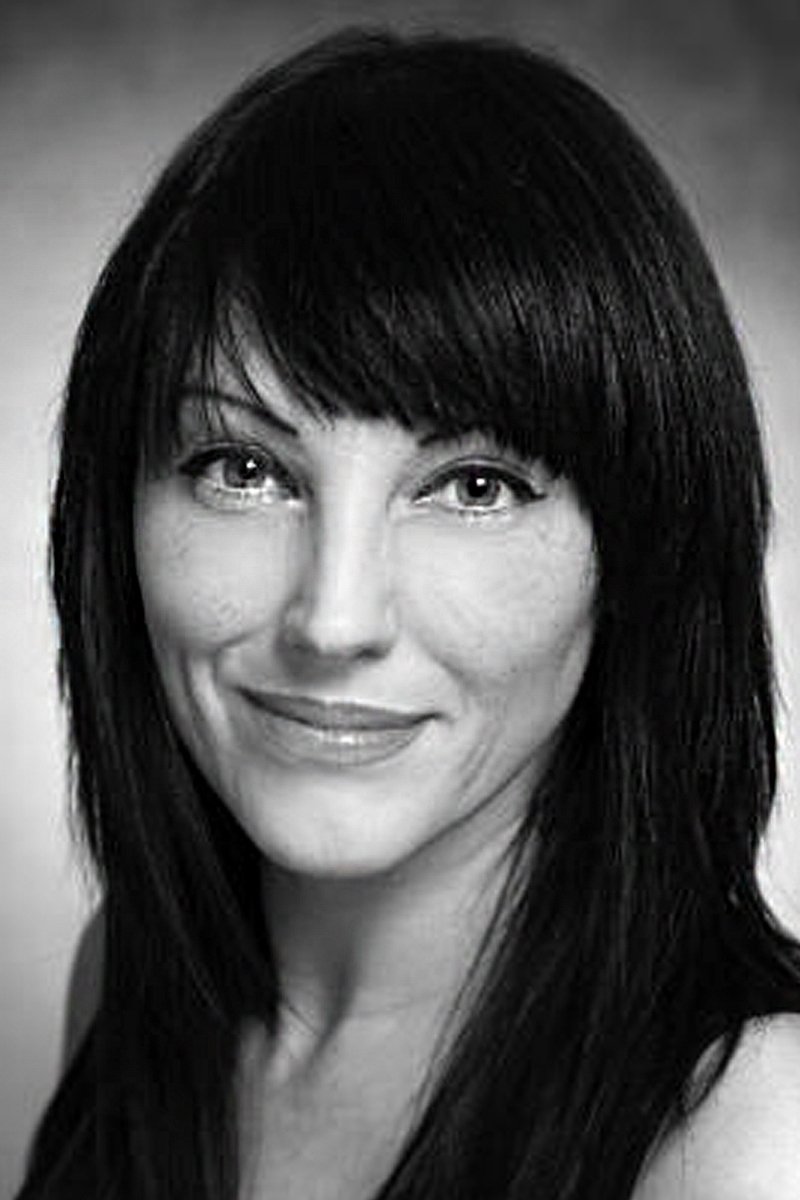
Jennifer Jones starred as Han Suyin in the romantic drama ‘Love is a Many-Splendored Thing’. She won a Photoplay Award and received an Academy Award nomination for her portrayal of the Eurasian doctor. The film tells the story of a forbidden romance set against the backdrop of the Chinese Civil War. Critics of the era lauded the chemistry between the leads and the emotional weight of the story. In recent years the film has been criticized for its reliance on a white actress to play a character of mixed Asian heritage.
Natalie Wood
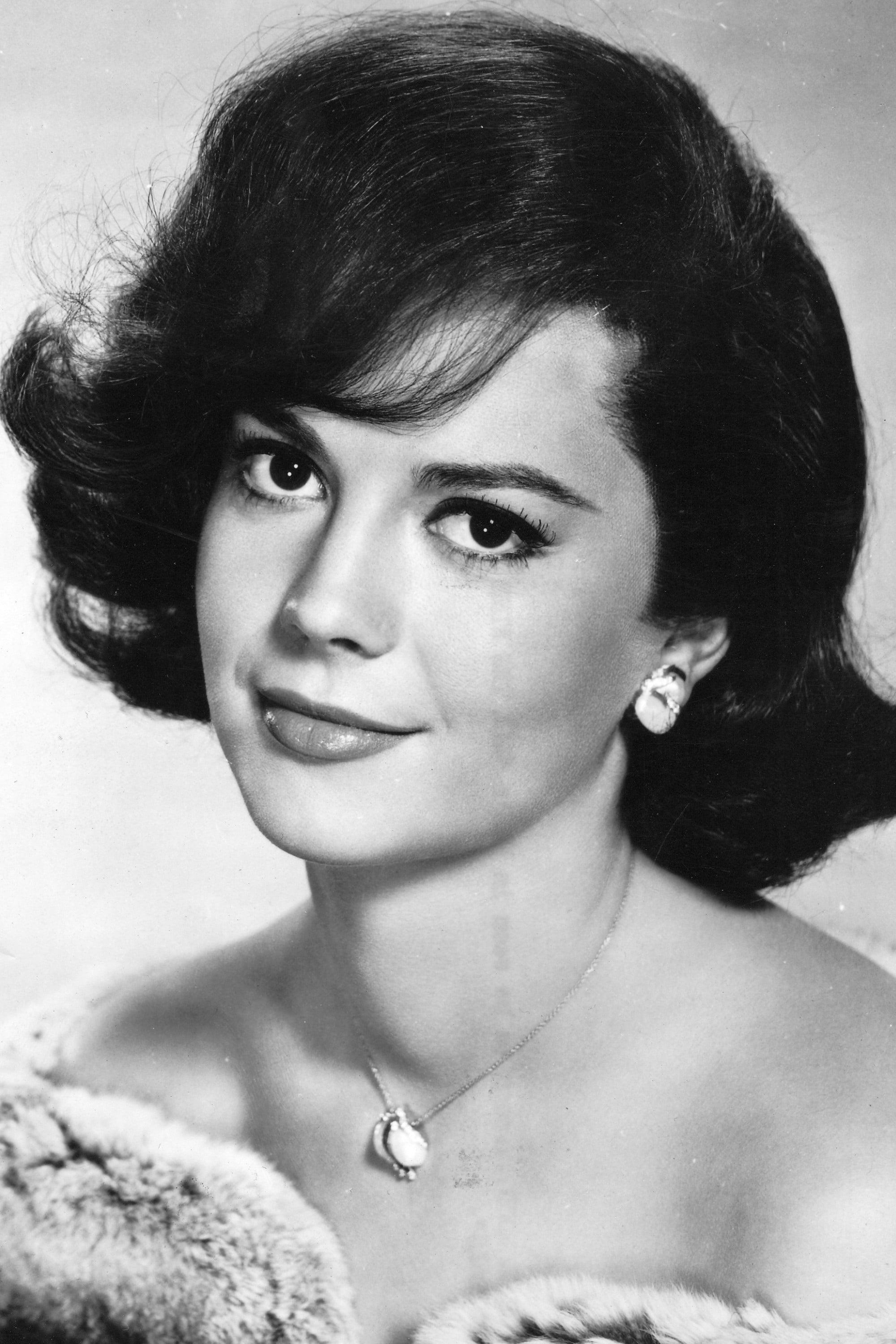
Natalie Wood portrayed Maria in the cinematic masterpiece ‘West Side Story’ which won ten Academy Awards. She played a young Puerto Rican woman who falls in love with a member of a rival gang in New York City. The production used dark makeup to make the actress appear Latina which was a common practice in the industry at the time. While the film is considered one of the greatest musicals ever made, the casting of Wood over a Latina actress remains a point of contention. Her performance was highly recognized by critics and audiences even as it bypassed authentic cultural representation.
Tilda Swinton
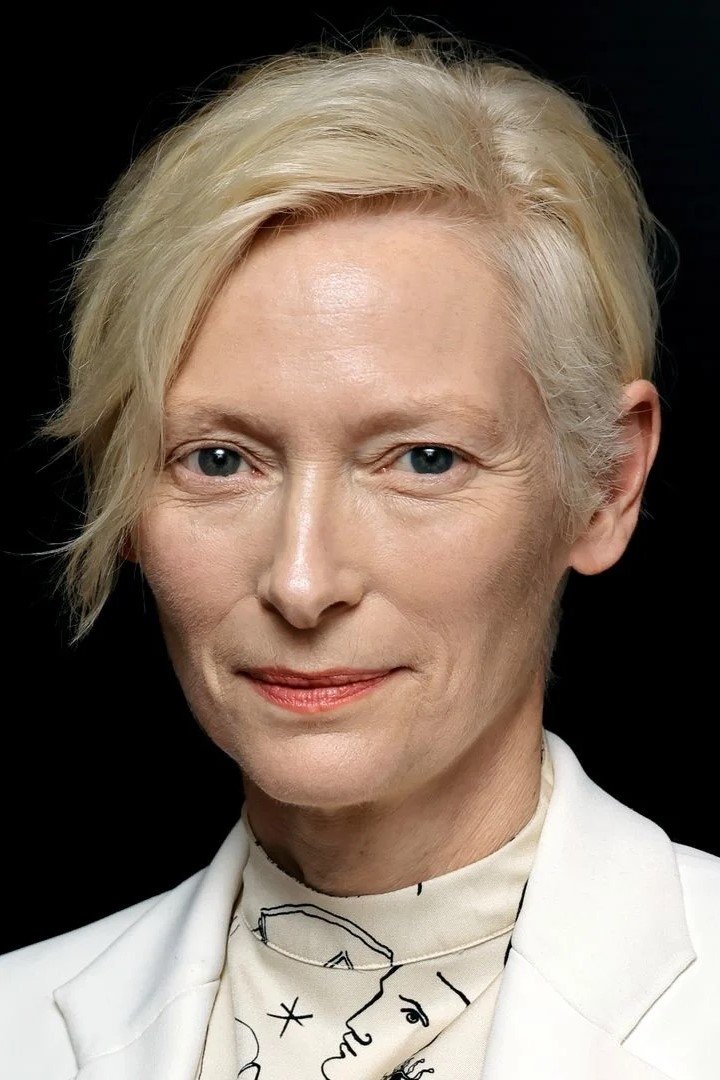
Tilda Swinton won a Saturn Award for her role as the Ancient One in the superhero film ‘Doctor Strange’. The character was originally a Tibetan man in the comic books but was reimagined as a Celtic woman for the big screen. This decision was intended to avoid certain stereotypes but instead led to accusations of whitewashing an Asian role. Swinton defended the creative choice by highlighting the mystical nature of the character. The controversy highlighted the ongoing tension between creative reimagining and the need for diverse representation in blockbuster films.
Robert Downey Jr.
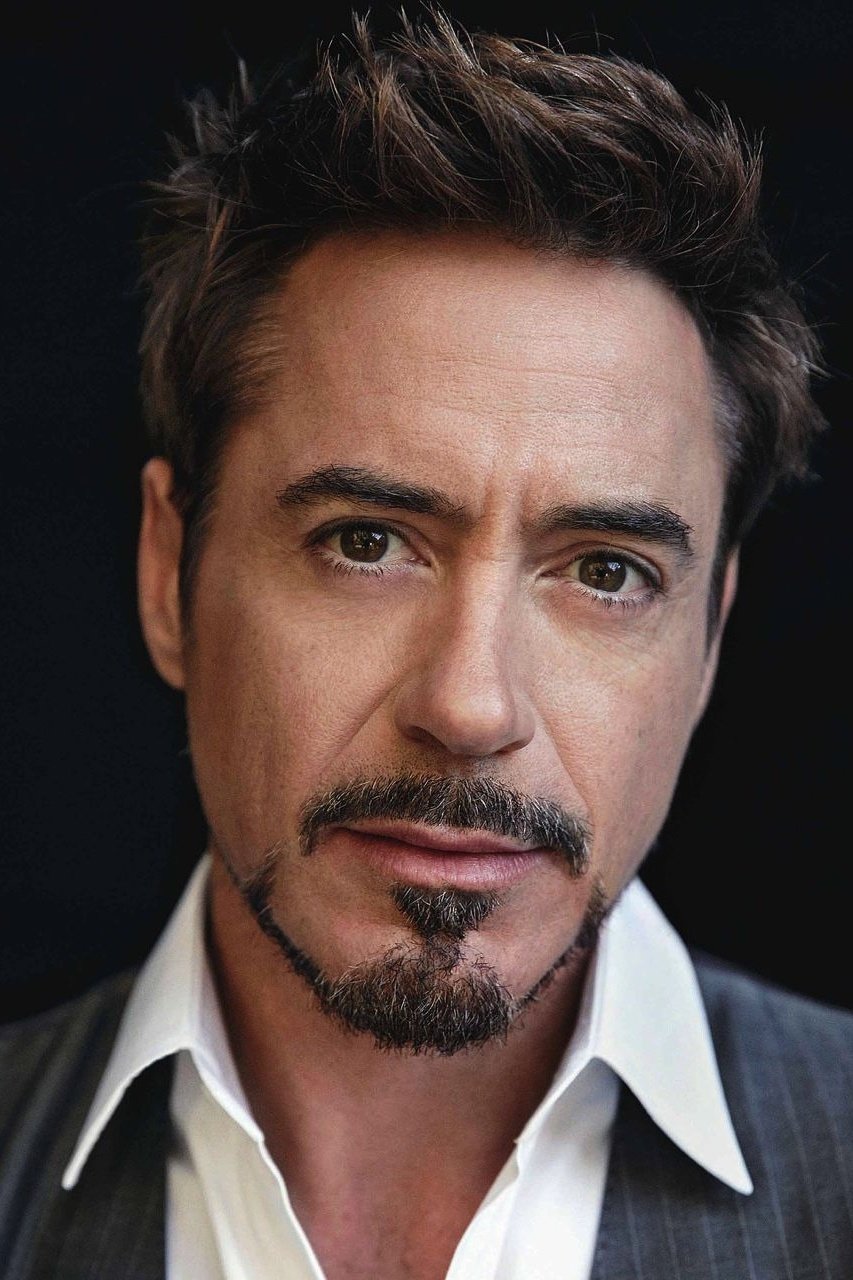
Robert Downey Jr. earned an Academy Award nomination for his role as Kirk Lazarus in ‘Tropic Thunder’. He portrayed a white Australian method actor who undergoes a controversial procedure to play a Black soldier. The performance was intended as a satire of Hollywood overacting and the lengths performers go to for awards. While the role received acclaim from many critics and some civil rights groups for its satirical intent, it still faced significant backlash for the use of blackface. The actor has frequently discussed the risks and criticisms associated with taking on such a provocative character.
Angelina Jolie
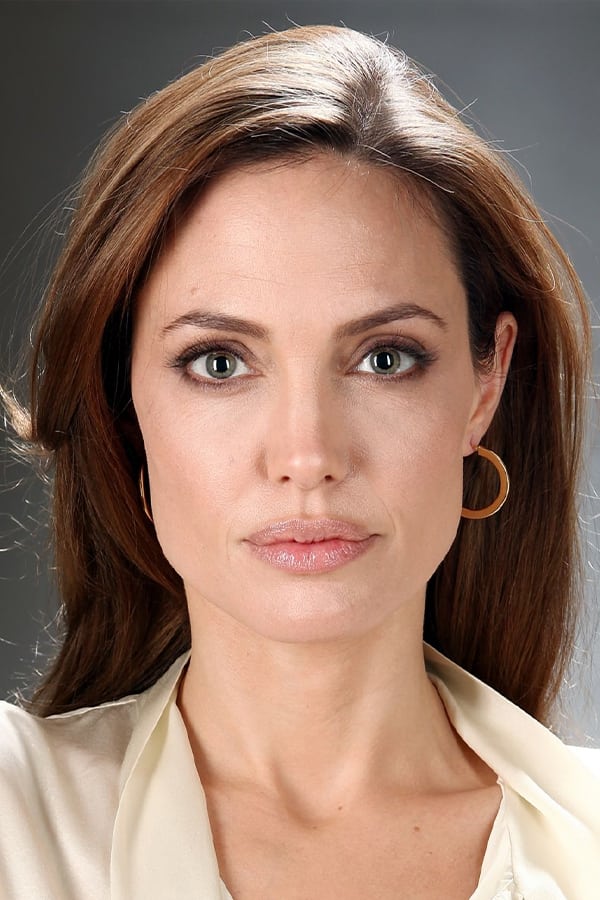
Angelina Jolie played Mariane Pearl in the biographical drama ‘A Mighty Heart’. She received a Golden Globe nomination and won various critics awards for her portrayal of the French journalist of Afro-Chinese-Cuban descent. To achieve the look of the real-life subject, the actress wore darkened makeup and textured hair. The film was praised for its emotional intensity and Jolie was lauded for her commitment to the performance. However, many viewers and critics questioned why an actress of color was not cast to represent Pearl’s diverse background.
Laurence Olivier
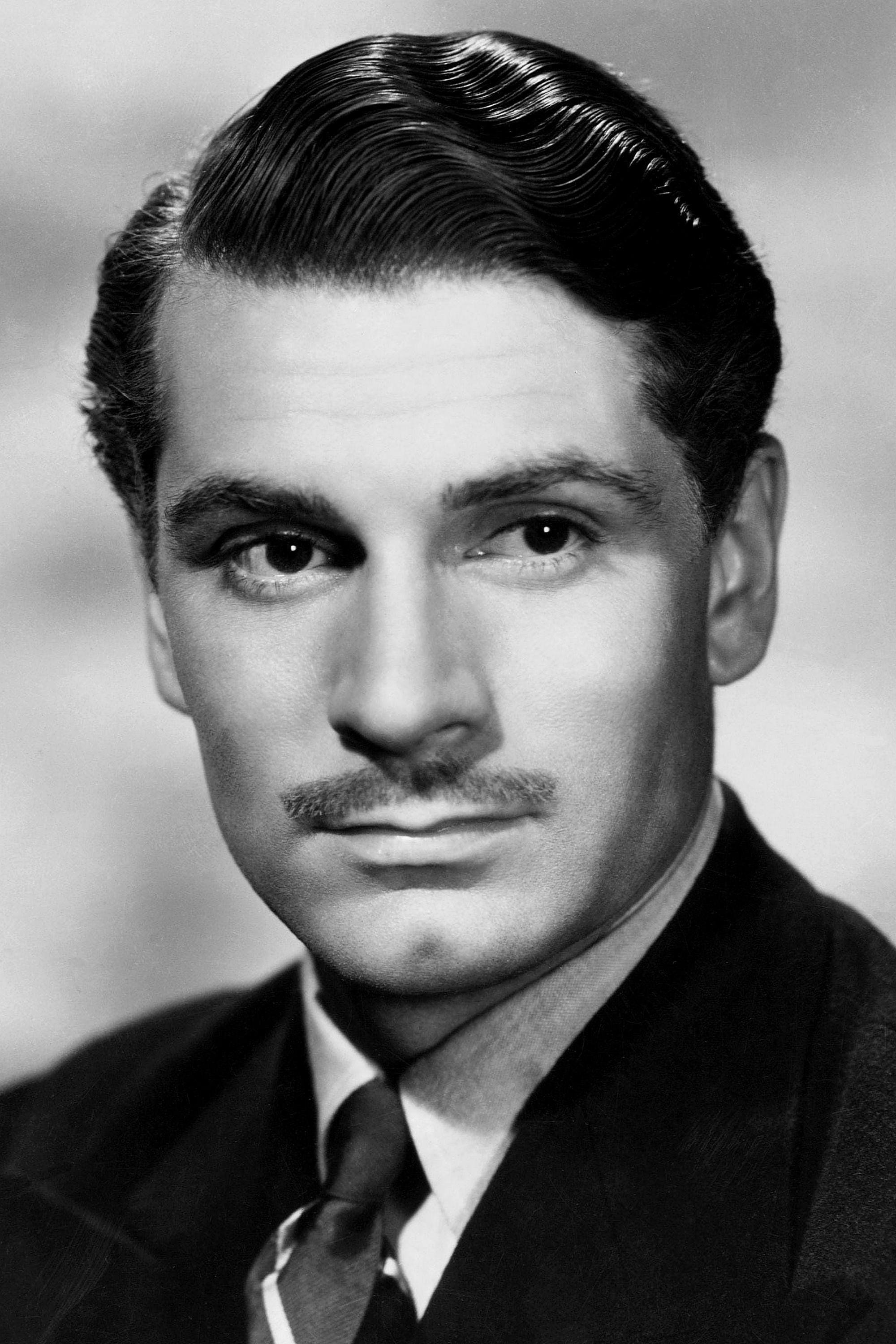
Laurence Olivier received an Academy Award nomination for his performance in the film version of ‘Othello’. He played the titular Moor of Venice and utilized heavy dark makeup and vocal changes for the role. This portrayal followed a long tradition of white actors playing the character in theatrical history. While the performance was seen as a masterclass in acting technique by some contemporaries, it has since been widely condemned. The use of blackface in this production is often cited as a troubling example of racial caricature in high art.
Emma Stone
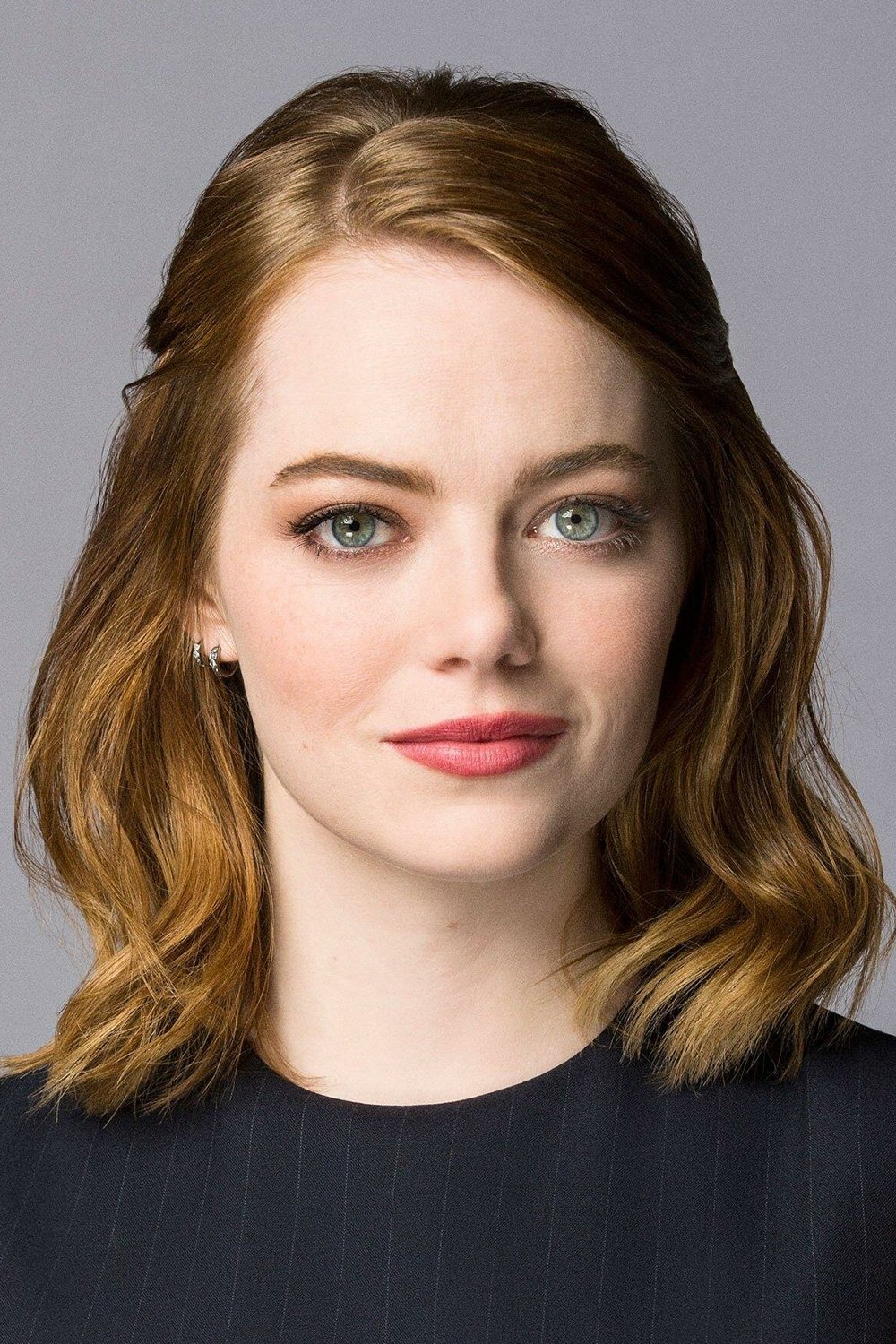
Emma Stone played Allison Ng in the romantic comedy ‘Aloha’ and received a Teen Choice Award for her performance. Her character was described as being of quarter Chinese and quarter Hawaiian descent which led to immediate public backlash. The director later apologized for the casting choice and explained that the character was based on a real person who did not look typically Asian. Stone also expressed regret over the controversy and acknowledged the importance of authentic casting. The incident became a major talking point regarding the lack of opportunities for Asian American actors in Hollywood.
Scarlett Johansson
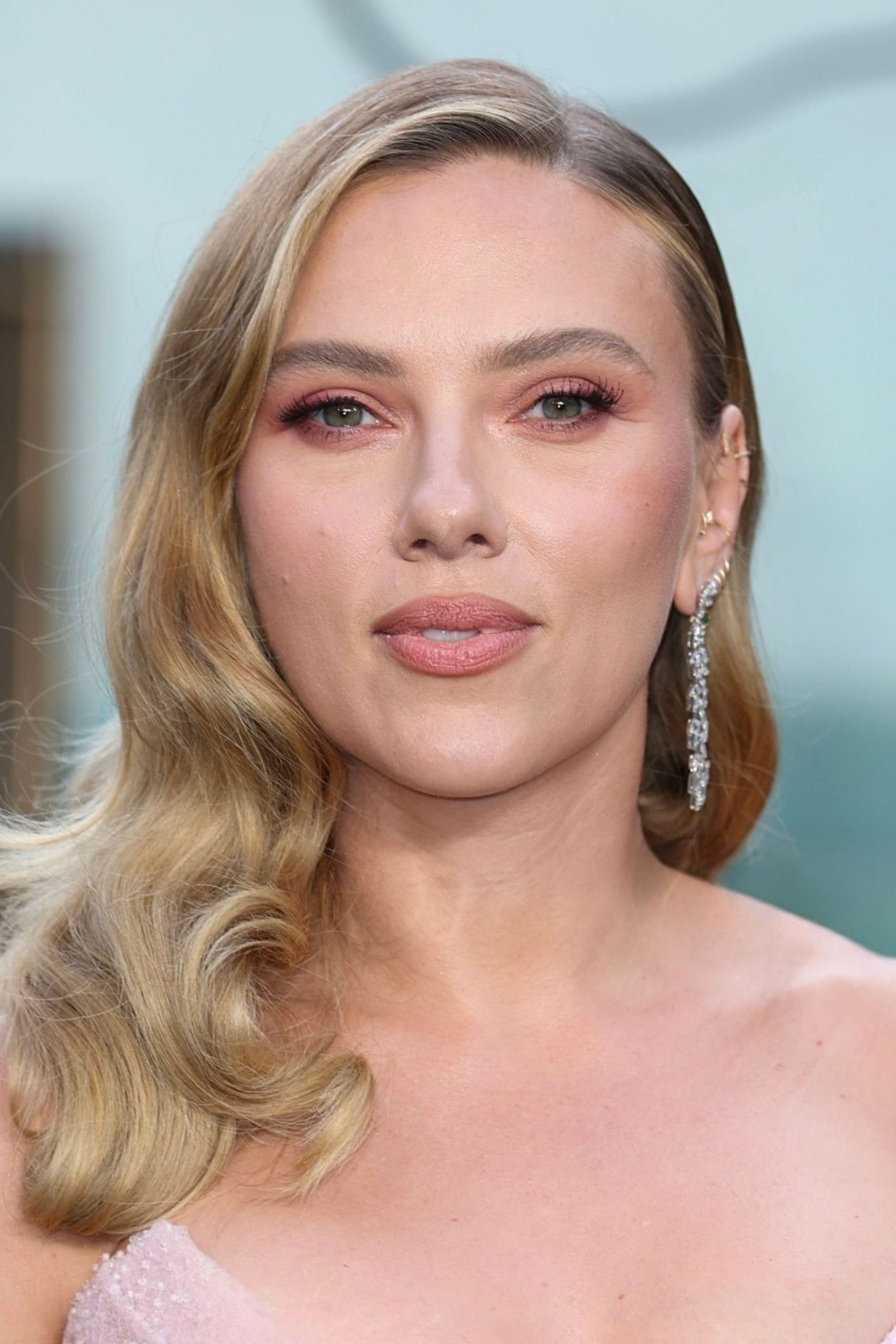
Scarlett Johansson starred as Major Mira Killian in the live action adaptation of ‘Ghost in the Shell’. She won a People’s Choice Award for her work in action films during the year of its release. The casting of a white actress in a role originally depicted as Japanese in the source material sparked a global conversation about whitewashing. Proponents of the film argued that the character’s robotic nature made her ethnicity flexible but fans of the original anime disagreed. The film underperformed at the box office with many attributing its failure to the casting controversy.
Rooney Mara
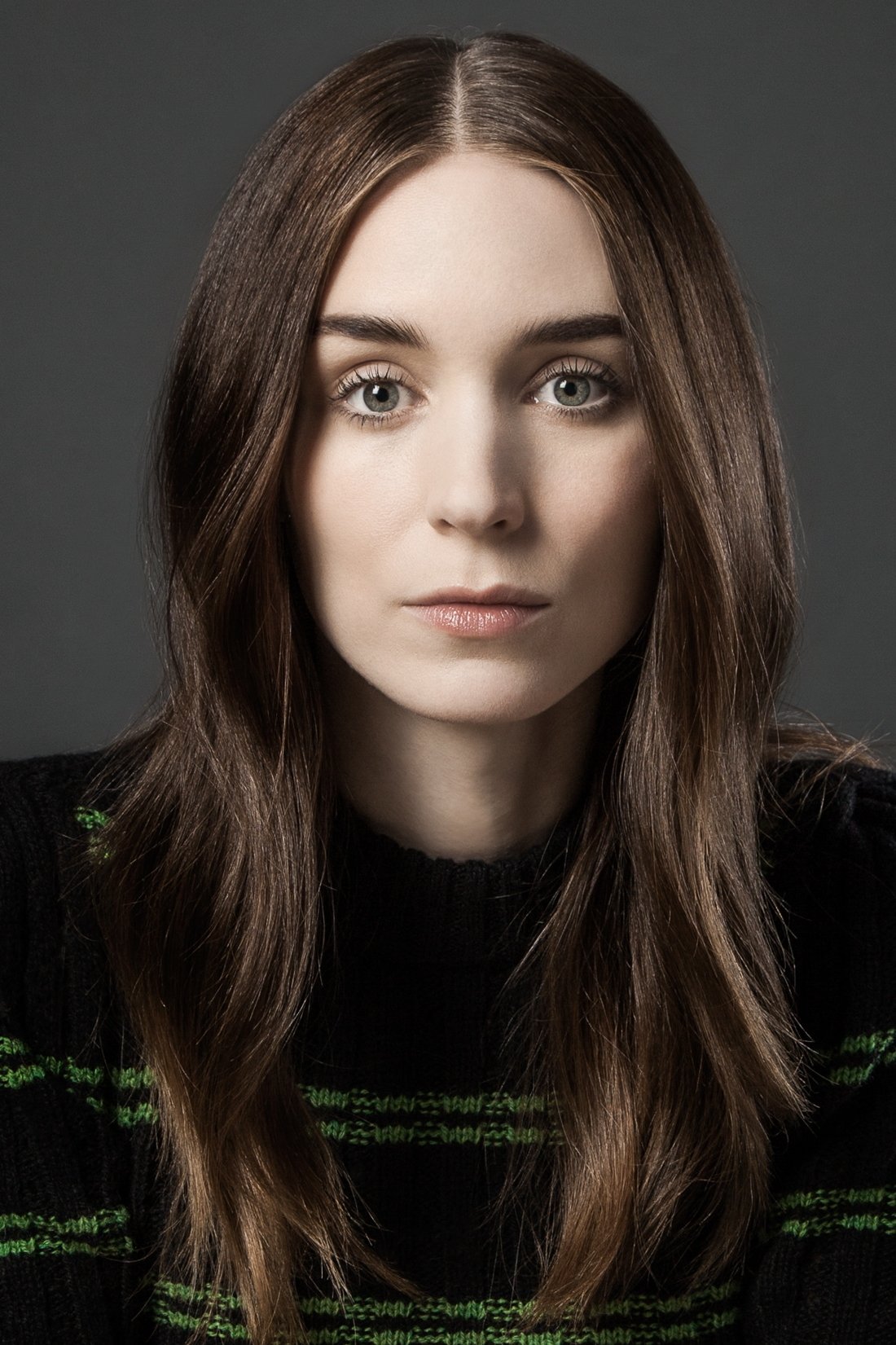
Rooney Mara played Tiger Lily in the fantasy film ‘Pan’ which reimagined the origins of Peter Pan. The character was traditionally depicted as a Native American princess in previous versions of the story. Mara’s casting led to petitions and protests from activists demanding better representation for Indigenous people. Despite the criticism the actress received nominations from several smaller award bodies for her performance. She later admitted to feeling regret over the casting and understood the frustrations of the audience.
Johnny Depp
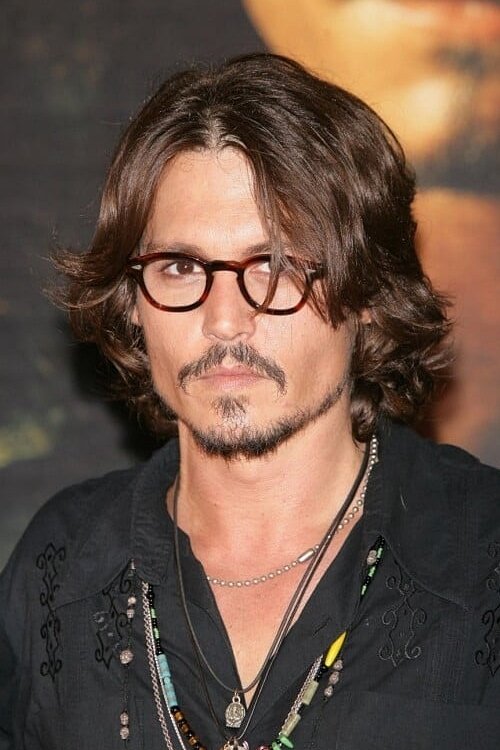
Johnny Depp portrayed Tonto in the big screen adaptation of ‘The Lone Ranger’. He received a Kids Choice Award nomination and won a Teen Choice Award for his role as the Native American warrior. Depp claimed to have Native American ancestry and worked with members of the Comanche Nation during production. However, many critics argued that the performance relied on outdated stereotypes and caricatures. The film was a financial disappointment and sparked intense debate about the ethics of non-Indigenous actors playing such culturally specific roles.
Flora Robson
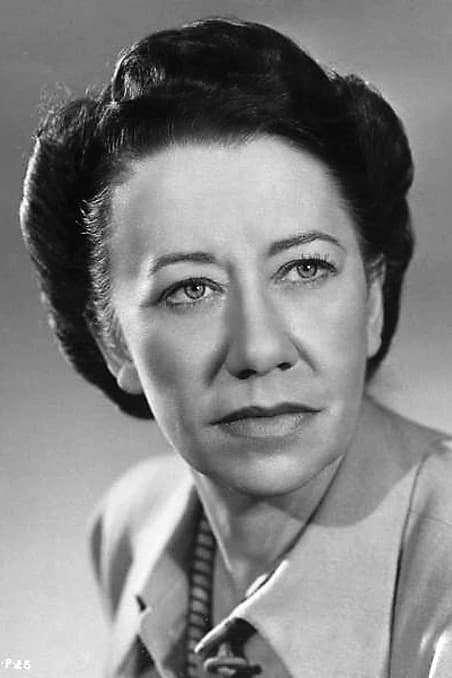
Flora Robson received an Academy Award nomination for her role in ‘Saratoga Trunk’. She played Angelique Boudreaux who was a Haitian servant of mixed racial heritage. The British actress wore dark makeup to portray the character alongside Ingrid Bergman. Her performance was considered a highlight of the film by critics in the nineteen forties. Today the casting is viewed as an example of the era’s practice of excluding Black actresses from significant supporting roles.
Paul Muni
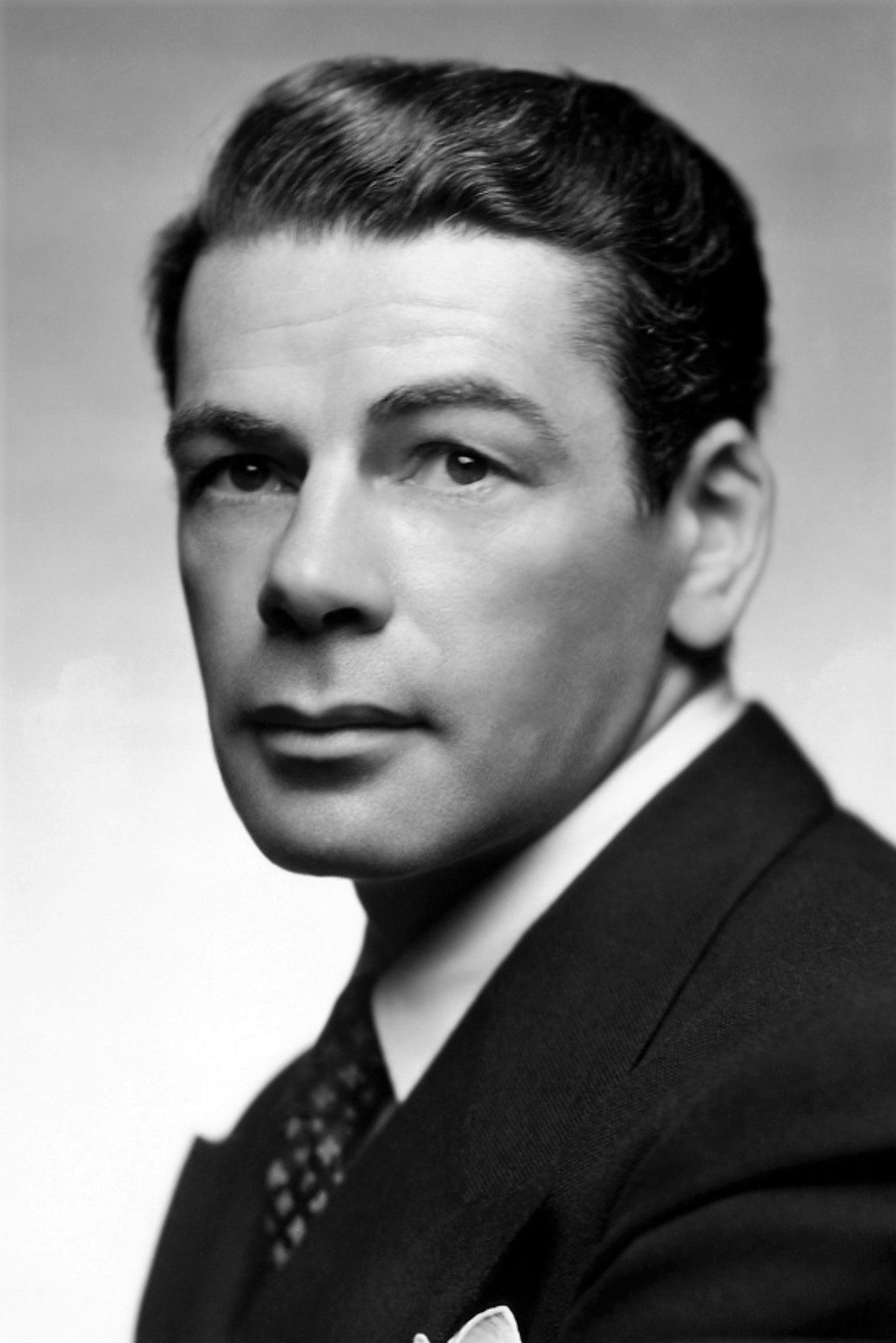
Paul Muni starred as Wang Lung in the film ‘The Good Earth’ and received an Academy Award nomination for Best Actor. He played a Chinese farmer alongside Luise Rainer in this high profile adaptation of Pearl S. Buck’s novel. The production used extensive makeup and eyelid tape to give the white actors an Asian appearance. Muni was known for his transformative acting style and was one of the most respected stars of his time. The film is now a central part of discussions concerning the history of yellowface in American cinema.
Alec Guinness
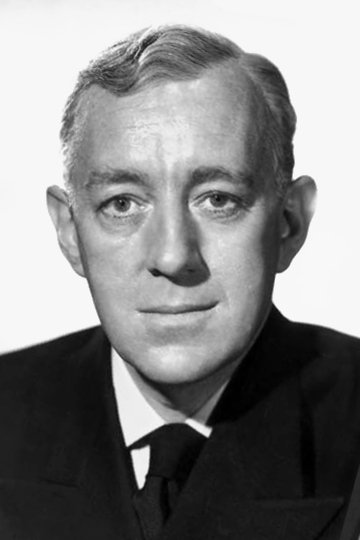
Alec Guinness played Professor Godbole in the acclaimed drama ‘A Passage to India’. He received a nomination for a London Film Critics Circle Award for his performance as the Hindu scholar. The actor used darkened makeup and a specific accent to portray the Indian character. While Guinness was a celebrated character actor known for his versatility, his casting in this role was met with mixed reviews even at the time. Modern audiences often find the performance distracting and emblematic of systemic casting issues in British cinema.
Anthony Quinn
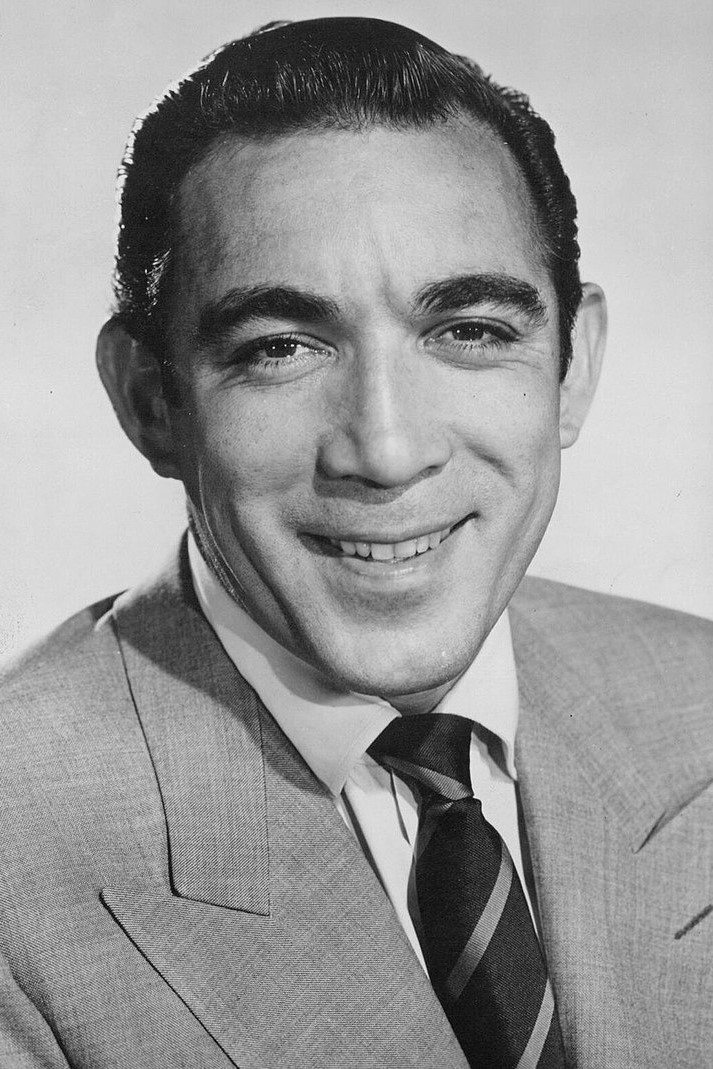
Anthony Quinn portrayed Auda Abu Tayi in the historical epic ‘Lawrence of Arabia’. He won a Golden Globe nomination for Best Supporting Actor for his role as the leader of a Bedouin tribe. Quinn was of Mexican and Irish descent but frequently played a wide variety of ethnicities throughout his career. His performance was praised for its energy and power in one of the most famous films ever made. However, his casting over an actor of Arab descent is a point of modern critique regarding historical accuracy and representation.
Jim Sturgess
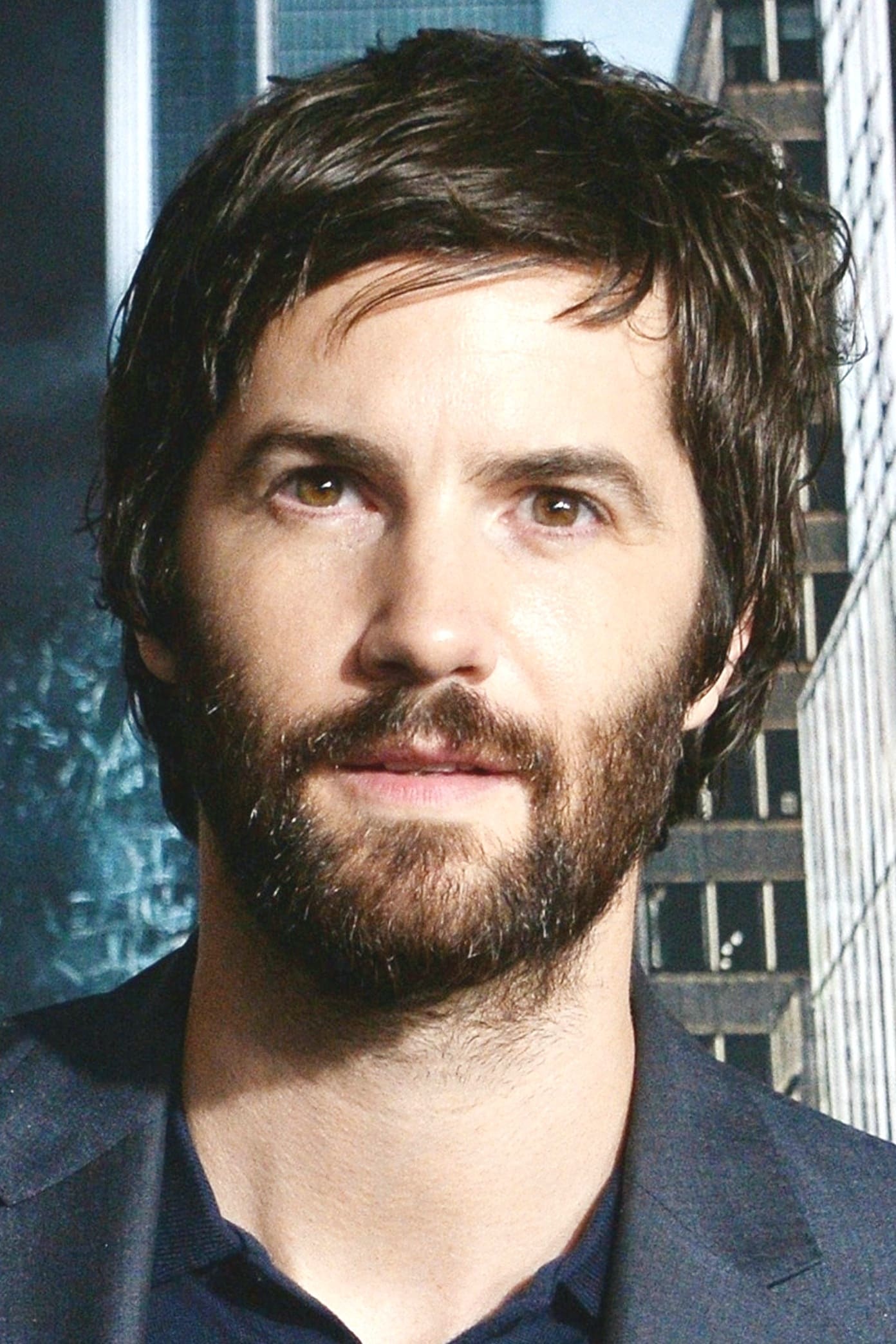
Jim Sturgess starred in the science fiction epic ‘Cloud Atlas’ where he played multiple roles across different time periods. One of these roles was Hae Joo Chang who was a futuristic Korean rebel. The production used prosthetics and makeup to make the British actor appear Asian. The film’s directors argued that the casting reflected the theme of souls evolving across lifetimes regardless of race. This creative choice was heavily criticized by advocacy groups for repeating harmful tropes associated with yellowface.
Peter Sellers
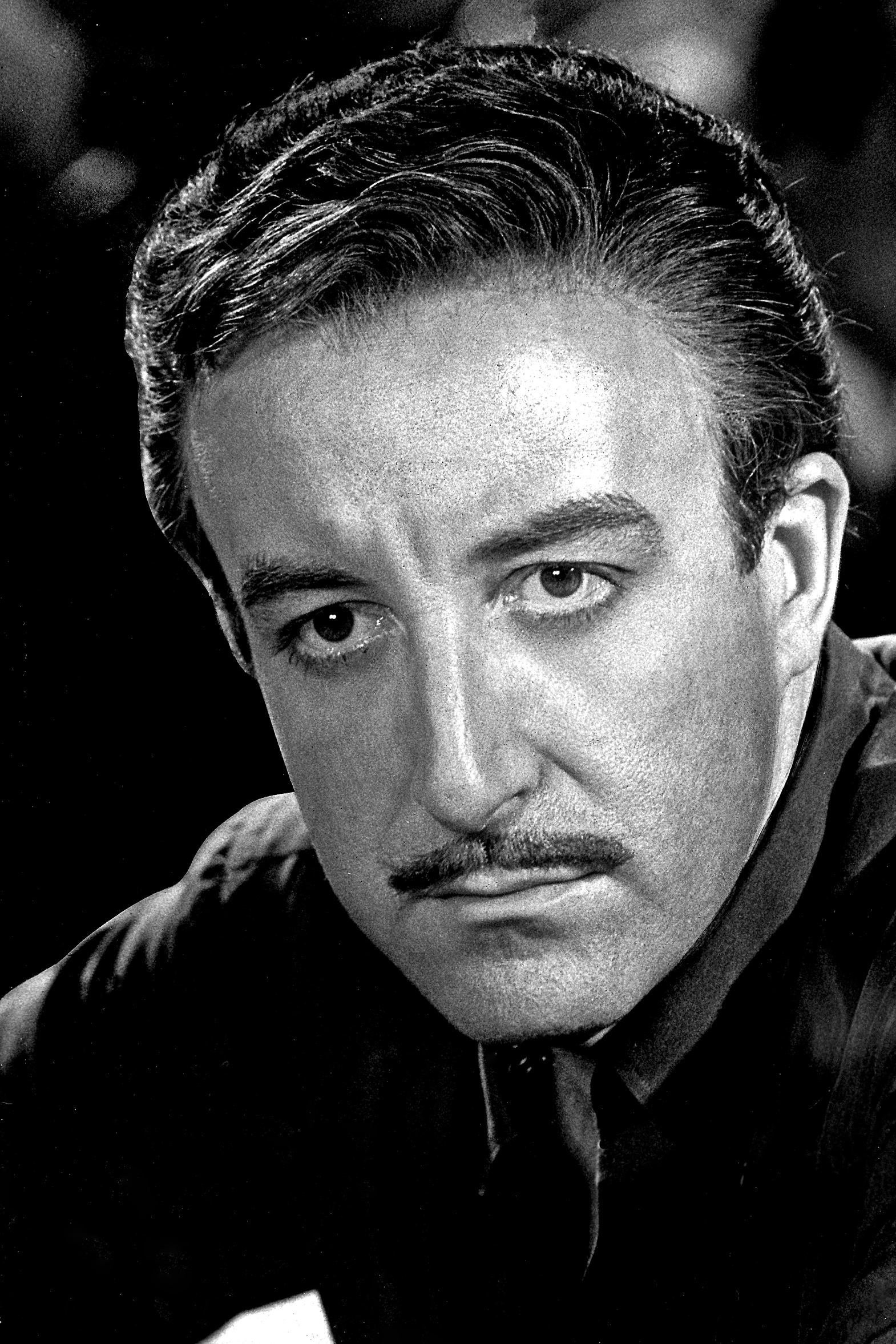
Peter Sellers played Hrundi V. Bakshi in the comedy film ‘The Party’. He received a Golden Laurel nomination for his comedic performance as the accident prone Indian actor. Sellers used brownface makeup and a heavy accent to create the character who was the center of the film’s physical comedy. While the character was portrayed as a sympathetic underdog, the reliance on racial caricature remains highly controversial. The film is often studied as an example of the complex relationship between comedy and racial representation.
Gale Sondergaard
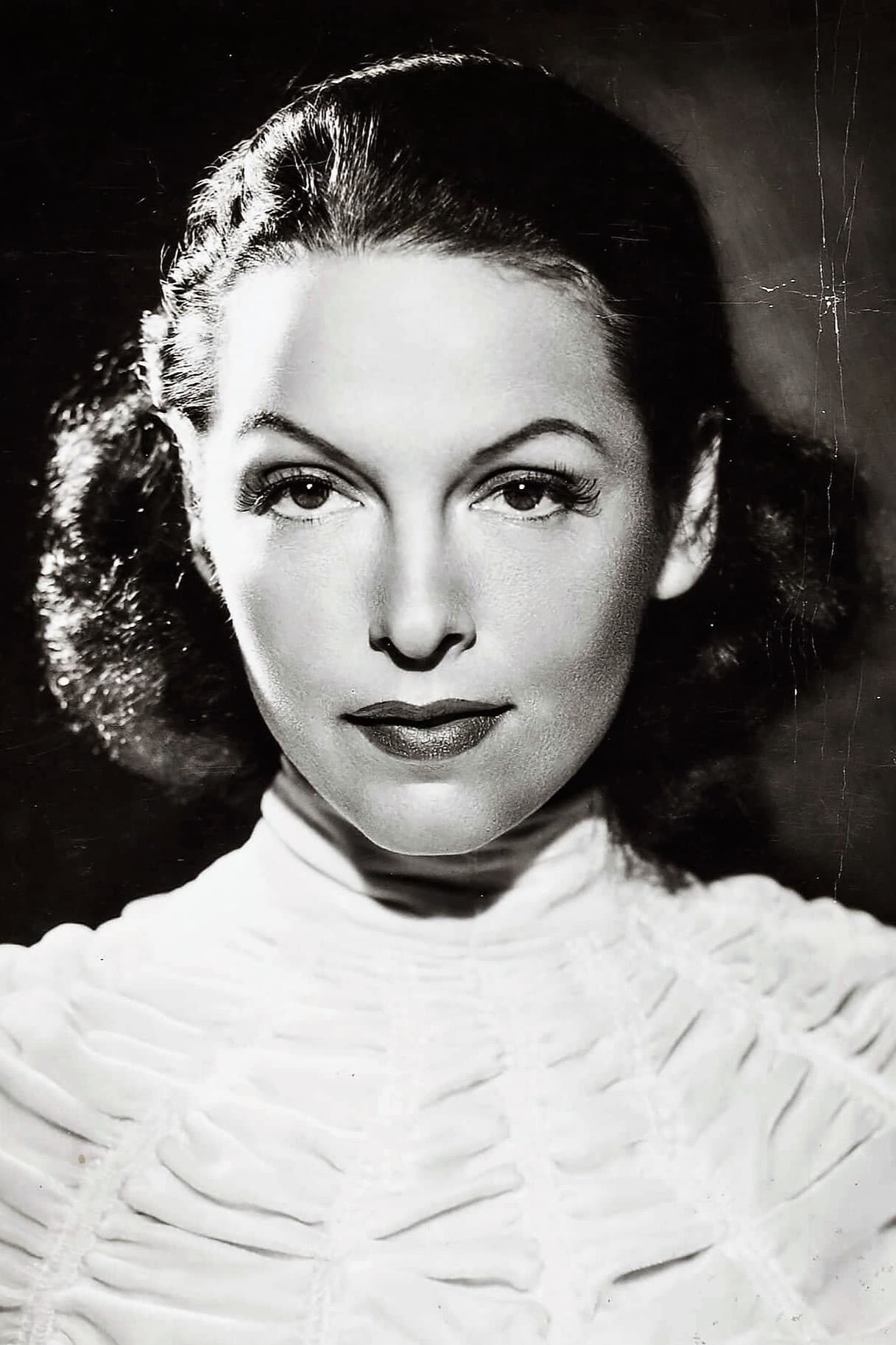
Gale Sondergaard played Mrs. Hammond in the noir drama ‘The Letter’ and received an Academy Award nomination. She portrayed the Eurasian wife of a plantation owner in Singapore and wore dark makeup and stylized costumes. The actress was known for her villainous and exoticized roles during the Golden Age of Hollywood. Her performance was considered effective and chilling by contemporary audiences. Modern critics view the role as a missed opportunity for a performer of actual Asian descent to take the stage.
Richard Barthelmess
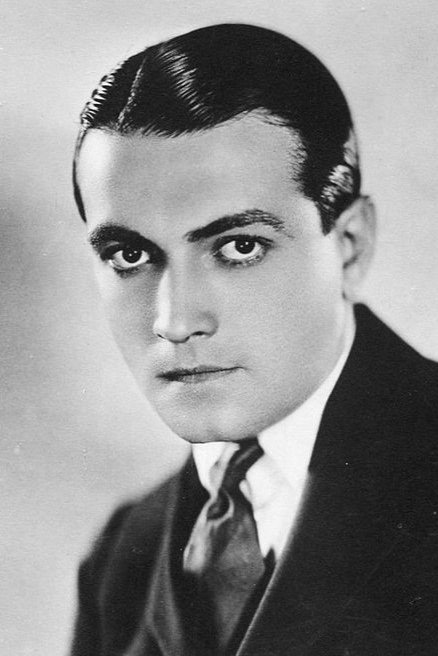
Richard Barthelmess starred in the silent film ‘Broken Blossoms’ as a Chinese man named Cheng Huan. He was recognized for his sensitive and poetic performance in this early cinematic classic. The film was directed by D.W. Griffith and dealt with themes of interracial love and prejudice. Barthelmess used makeup to alter his features to appear East Asian for the role. Although the film was groundbreaking for its time, it is now remembered as a primary example of the long history of cross racial casting.
Warner Oland
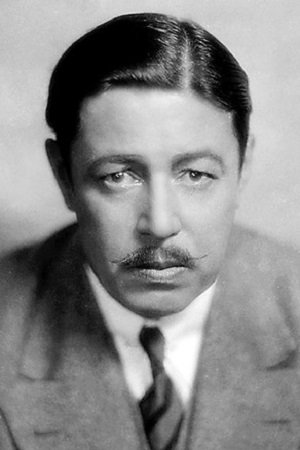
Warner Oland became famous for his portrayal of the fictional detective ‘Charlie Chan’ in a long running film series. He was of Swedish descent but played the Chinese character in sixteen different films. Oland received praise from audiences and even some Chinese communities for bringing a positive Asian character to the screen. However, his casting prevented Chinese actors from taking the lead in a popular franchise. The series remains a controversial part of film history due to its reliance on white actors in yellowface.
Myrna Loy

Myrna Loy played Fah Lo Suee in ‘The Mask of Fu Manchu’ and was celebrated for her early career roles as exotic characters. She portrayed the daughter of the titular villain and used stylized makeup to appear Asian. The actress was often marketed as an exotic beauty before she transitioned into more mainstream roles. This film is frequently cited for its use of racial stereotypes and its depiction of the Yellow Peril trope. Loy’s performance helped establish her as a star even though it is viewed critically today.
Boris Karloff
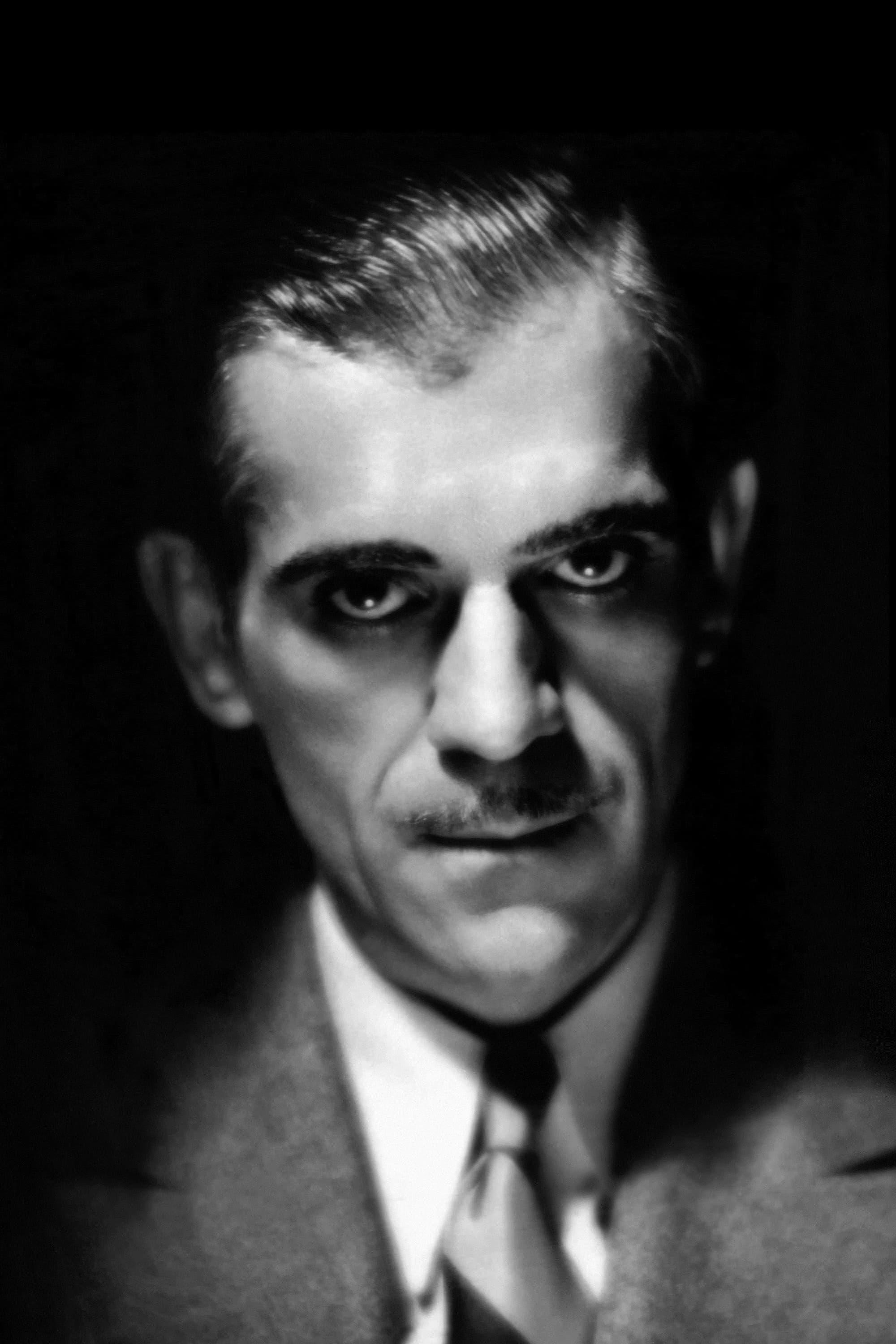
Boris Karloff played the lead role in ‘The Mask of Fu Manchu’ and was known for his ability to transform into various characters. He portrayed the Chinese mastermind with heavy makeup and long fingernails to emphasize the character’s perceived deviousness. Karloff was a major horror icon and his performance was a significant part of the film’s marketing. The portrayal is now seen as a quintessential example of the harmful caricatures common in early twentieth century cinema.
Loretta Young
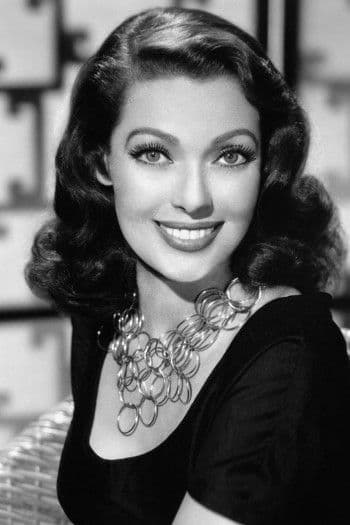
Loretta Young starred in ‘The Hatchet Man’ as Sun Toya San who was a Chinese woman caught in a conflict between gangs. She received positive reviews for her dramatic performance in this early talkie. The actress was a popular leading lady who often took on diverse roles to show her range. Like many of her contemporaries she used makeup to achieve an Asian appearance for the production. This casting choice reflected the studio system’s reliance on established stars rather than authentic cultural casting.
Edward G. Robinson
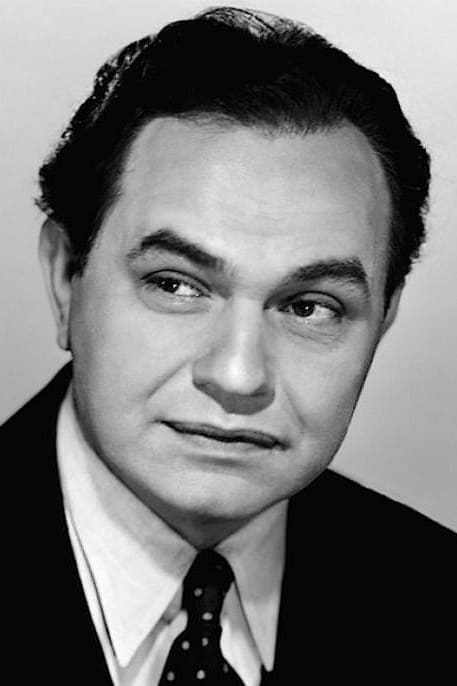
Edward G. Robinson played Wong Low Get in the crime drama ‘The Hatchet Man’ alongside Loretta Young. He was a prominent star known for his tough guy personas in gangster films. In this role he portrayed a Chinese hitman who struggles with loyalty and honor. The use of yellowface makeup was standard for the production and was not widely questioned at the time. Robinson’s performance was seen as a bold departure from his usual roles even though it is now viewed as culturally problematic.
Christopher Lee
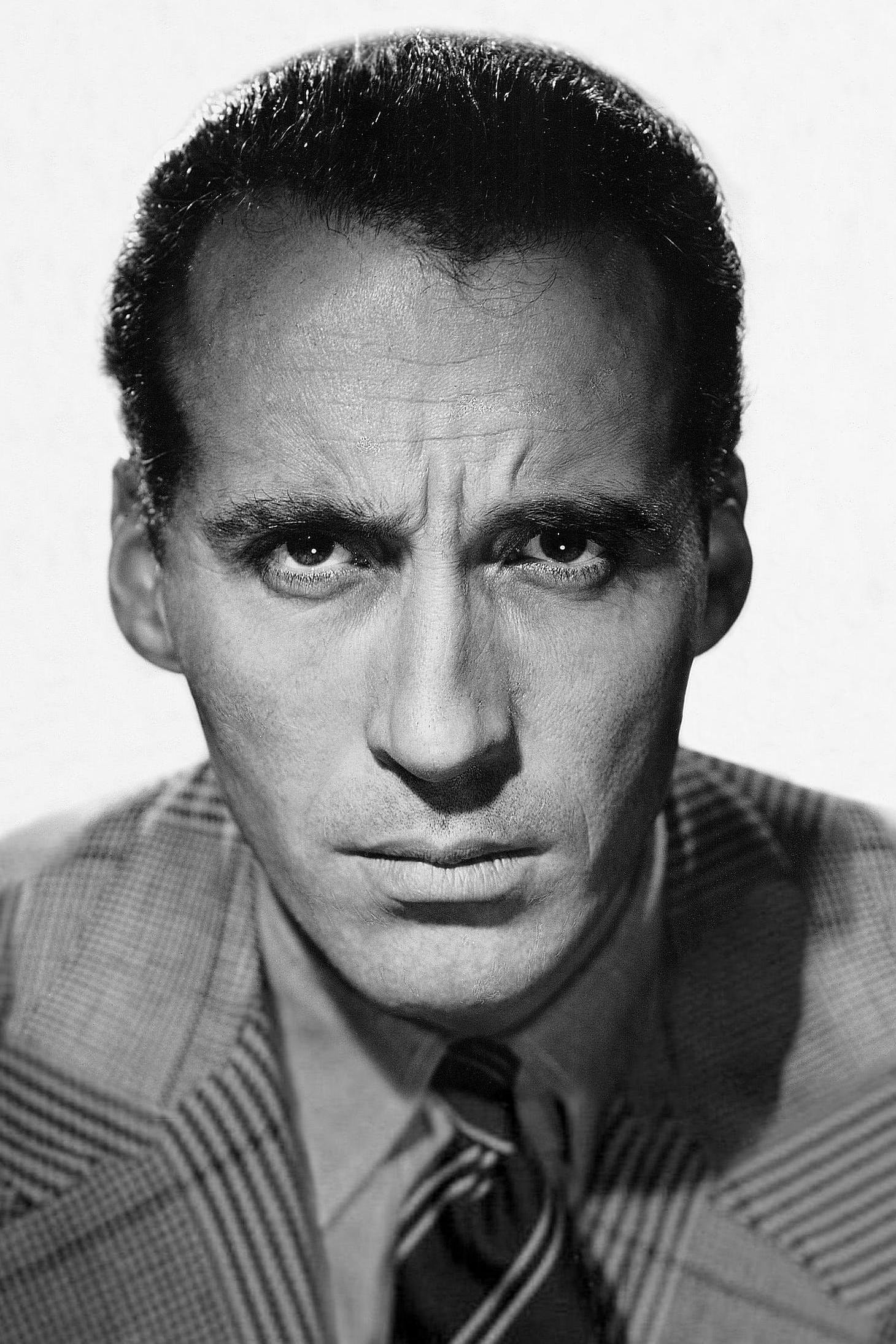
Christopher Lee played the title character in a series of films starting with ‘The Face of Fu Manchu’. He was a British actor who used makeup to portray the Chinese villain across five different movies. Lee was known for his tall stature and commanding voice which he used to make the character more menacing. The series was successful in the nineteen sixties and helped maintain the actor’s status as a horror legend. Today these films are criticized for their continued use of yellowface decades after other industries had begun to change.
Elizabeth Taylor
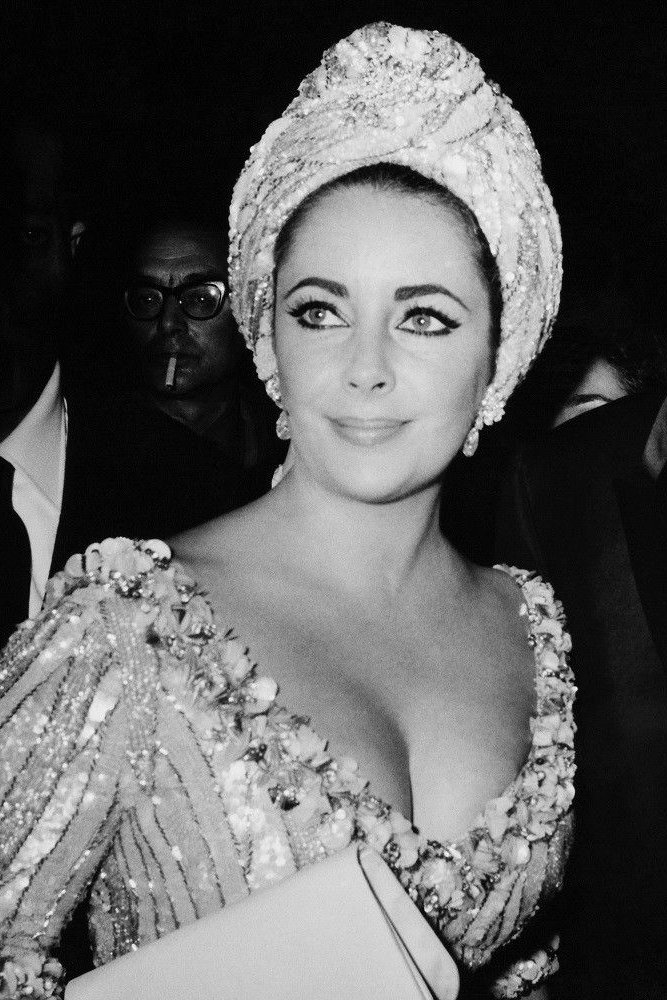
Elizabeth Taylor played the titular Egyptian queen in the historical epic ‘Cleopatra’. She received a Golden Globe nomination for her performance in the film which was one of the most expensive productions in history. While the real Cleopatra was of Ptolemaic Greek heritage, her portrayal by a white actress has often been used as a point of discussion regarding the exclusion of North African or Mediterranean performers. Taylor’s beauty and star power were the primary draws for the massive production. The film remains a spectacle of Hollywood’s Golden Age despite modern debates about its casting decisions.
Share your thoughts on these controversial casting choices in the comments.