


Celebs Whose Endorsements Sparked National Boycott Movements




Celebrity endorsements are a powerful marketing tool used to connect brands with their target audiences through familiar faces. However these partnerships can backfire when the public disagrees with the actions or values of the representative involved. This often leads to widespread boycott movements that can impact sales and corporate reputation for years to come. These historical and modern examples demonstrate the volatile nature of celebrity and brand alignment.
Dylan Mulvaney

The influencer appeared in a social media promotion for Bud Light in 2023 that featured a personalized beer can. This marketing move triggered a massive national boycott among conservative consumer groups across the country. Sales for the brand plummeted and the parent company faced significant stock market fluctuations. The event sparked a long lasting debate about corporate involvement in social and political issues.
Kendall Jenner
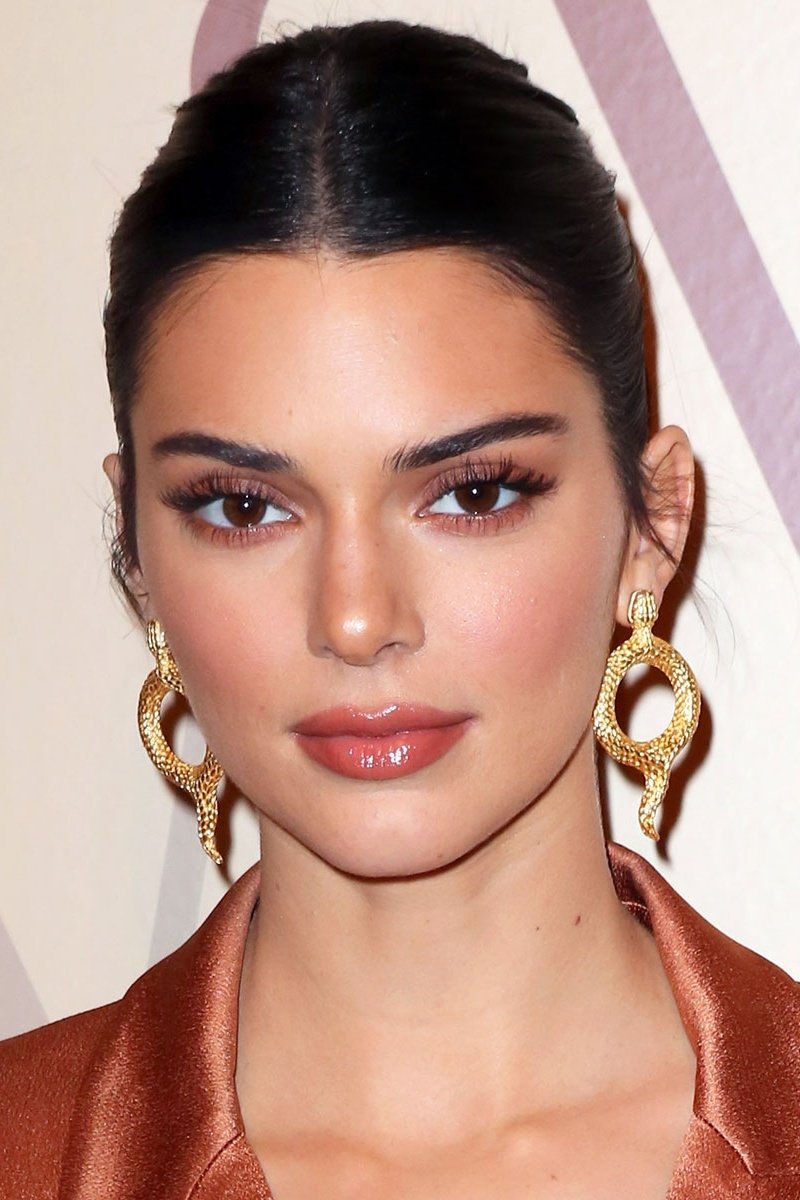
The model starred in a 2017 Pepsi commercial that depicted her joining a protest and handing a soda to a police officer. Critics accused the brand of trivializing social justice movements and the Black Lives Matter protests. The resulting backlash led to a nationwide boycott and calls for the brand to apologize. Pepsi pulled the advertisement within forty eight hours and issued a public statement regarding the oversight.
Colin Kaepernick
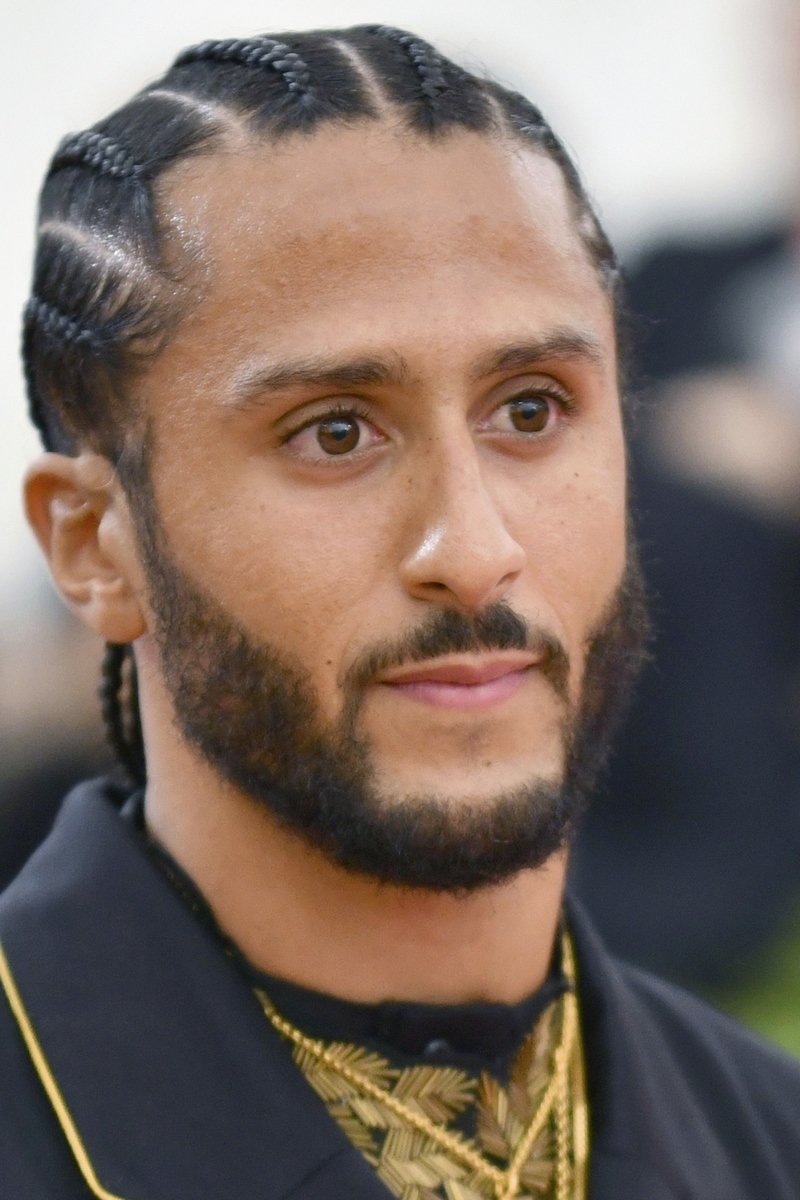
The athlete became the face of a 2018 Nike campaign celebrating his history of kneeling during the national anthem. This partnership sparked an immediate national boycott movement where critics burned their apparel in protest. Despite the controversy the brand saw a significant increase in sales and stock value following the initial backlash. This case remains a primary example of a brand taking a deliberate stance on a polarizing social issue.
Ye
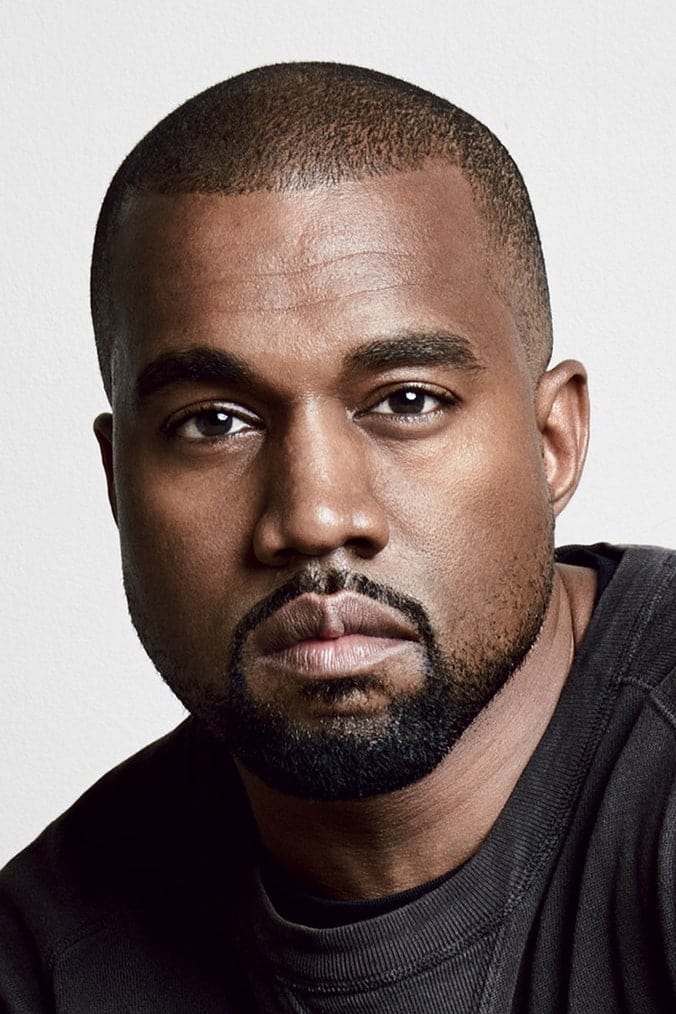
The artist and designer collaborated with Adidas for years on his popular footwear line before making several antisemitic remarks in 2022. These comments led to a massive boycott of his products and pressure on the brand to terminate the partnership. Adidas eventually ended the deal and faced a significant loss of revenue due to unsold inventory. The movement highlighted the speed at which corporate sponsors must act when a spokesperson faces public condemnation.
Kim Kardashian
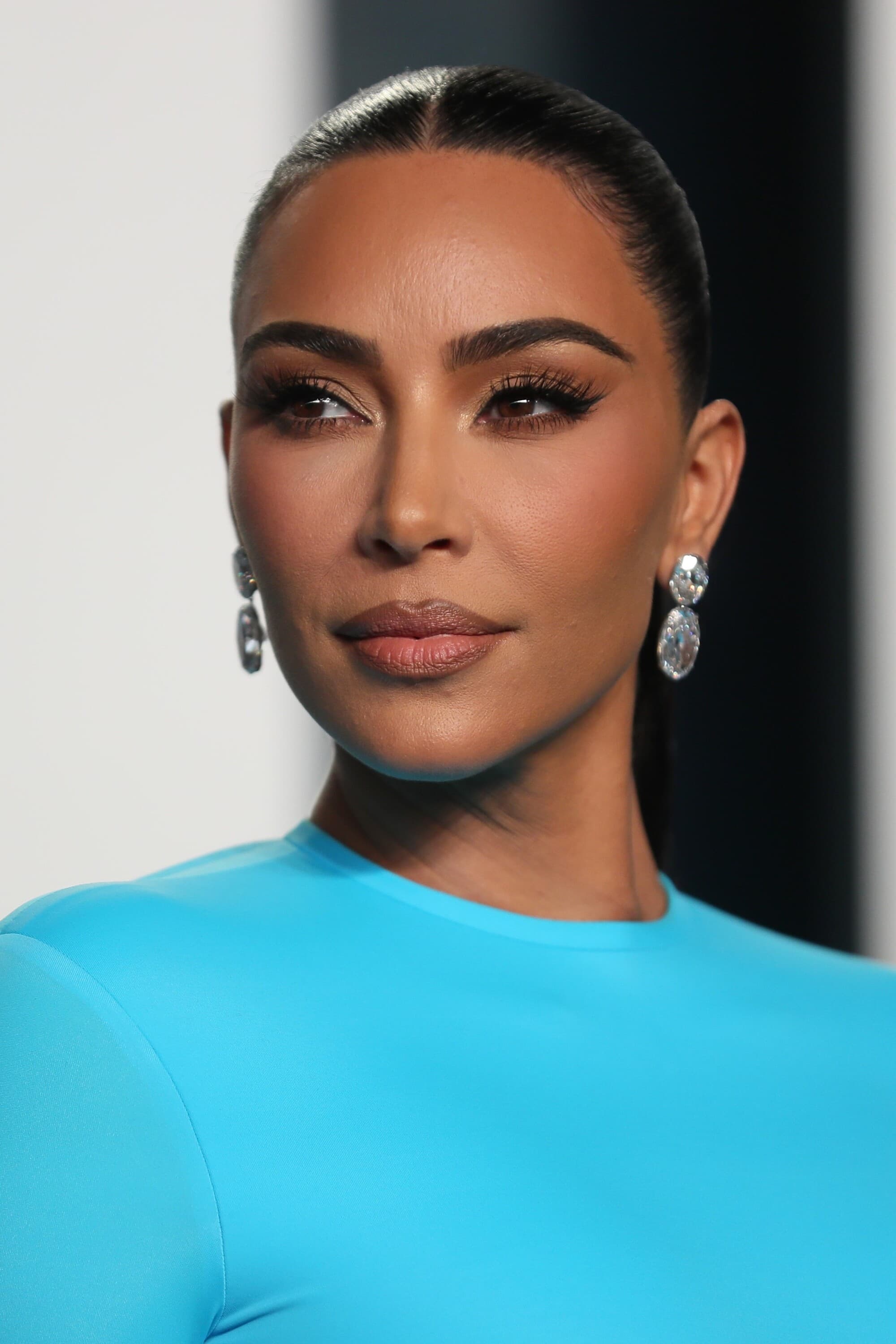
The reality star faced intense pressure to distance herself from the fashion house Balenciaga after its controversial holiday ad campaign in 2022. Many consumers boycotted her products and demanded she speak out against the brand due to her long history as their primary ambassador. She eventually released a statement saying she was reevaluating her relationship with the company. This situation showed how a celebrity brand is deeply intertwined with the reputation of their corporate partners.
Gina Carano
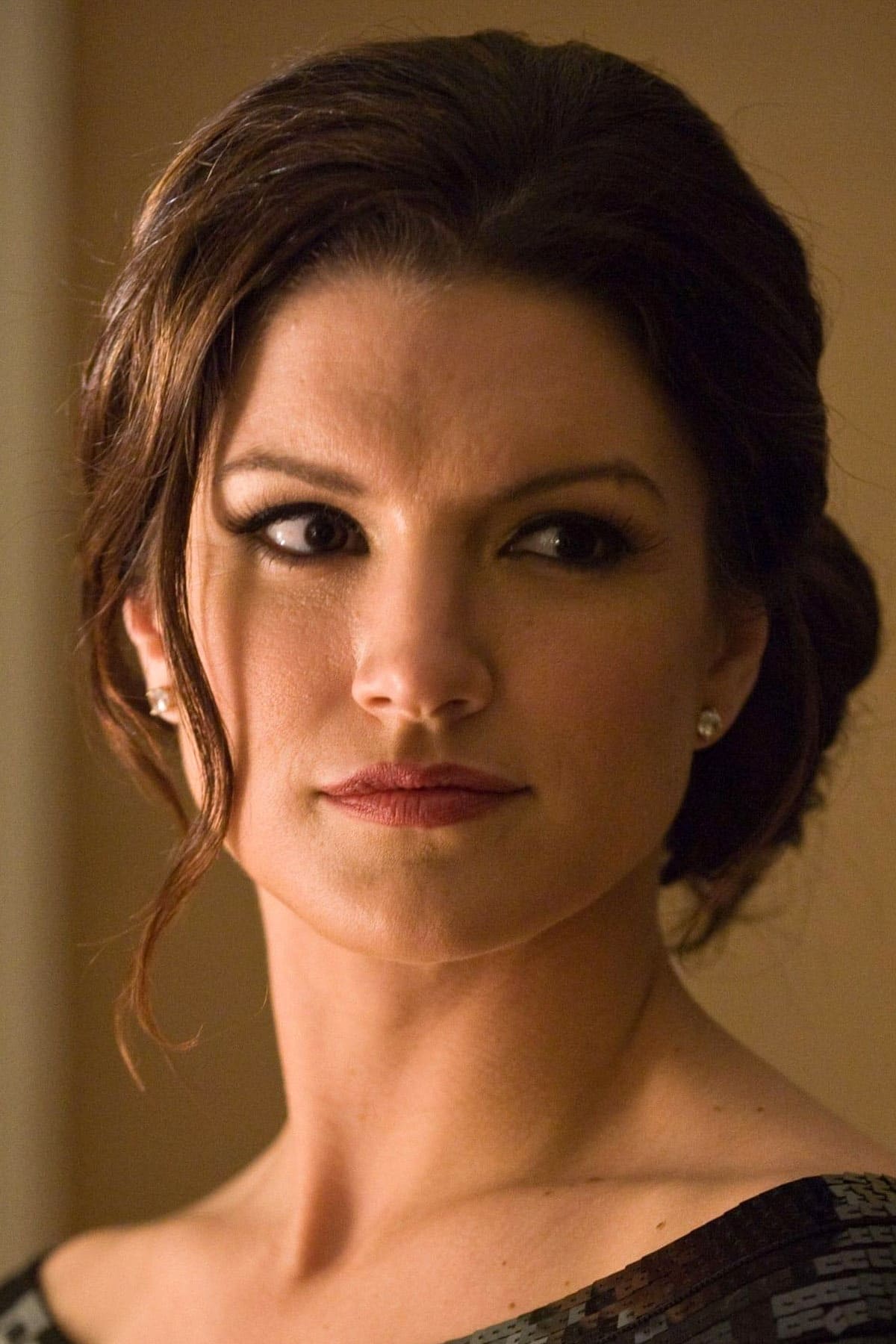
The actress was a prominent figure in the cast of ‘The Mandalorian’ before her social media activity sparked a major controversy. Her posts compared political disagreements to historical atrocities which led to a widespread call for her removal. Fans of the franchise organized a boycott of the streaming service while supporters of the actress pushed back with their own campaigns. The production company eventually cut ties with her to protect the brand from further negative publicity.
Munroe Bergdorf

The model was hired by L’Oreal as their first transgender representative before being fired over comments she made about systemic racism. This decision led to a national boycott movement by activists who accused the brand of being hypocritical. The brand later rehired her and formed a diversity advisory board to address the concerns of the community. This incident illustrated the complexities of navigating brand messaging in the social media era.
The Weeknd
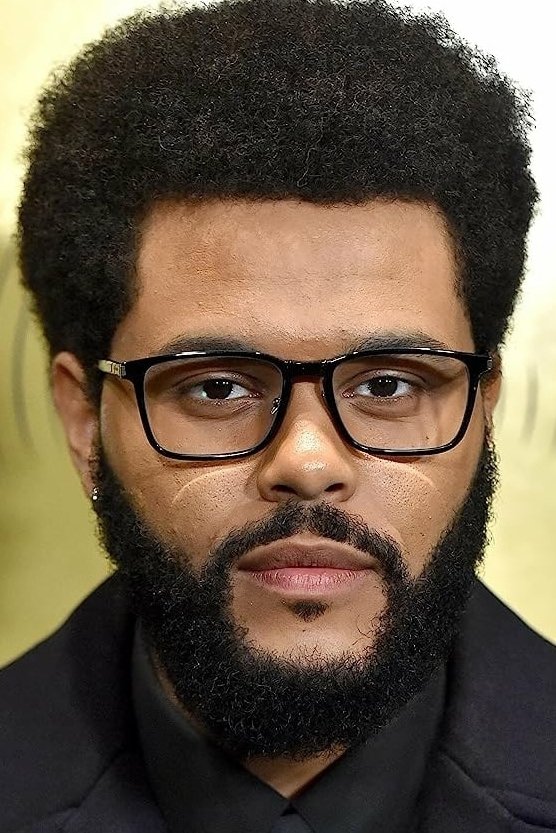
The musician ended his partnership with H&M in 2018 after the brand featured a young Black boy wearing a sweatshirt with a controversial slogan. He expressed his shock and embarrassment on social media which encouraged a global boycott of the retail chain. The brand apologized and removed the image from all platforms but still suffered significant reputational damage. This response showed how quickly a high profile celebrity can mobilize a movement against a corporate mistake.
Stefano Gabbana
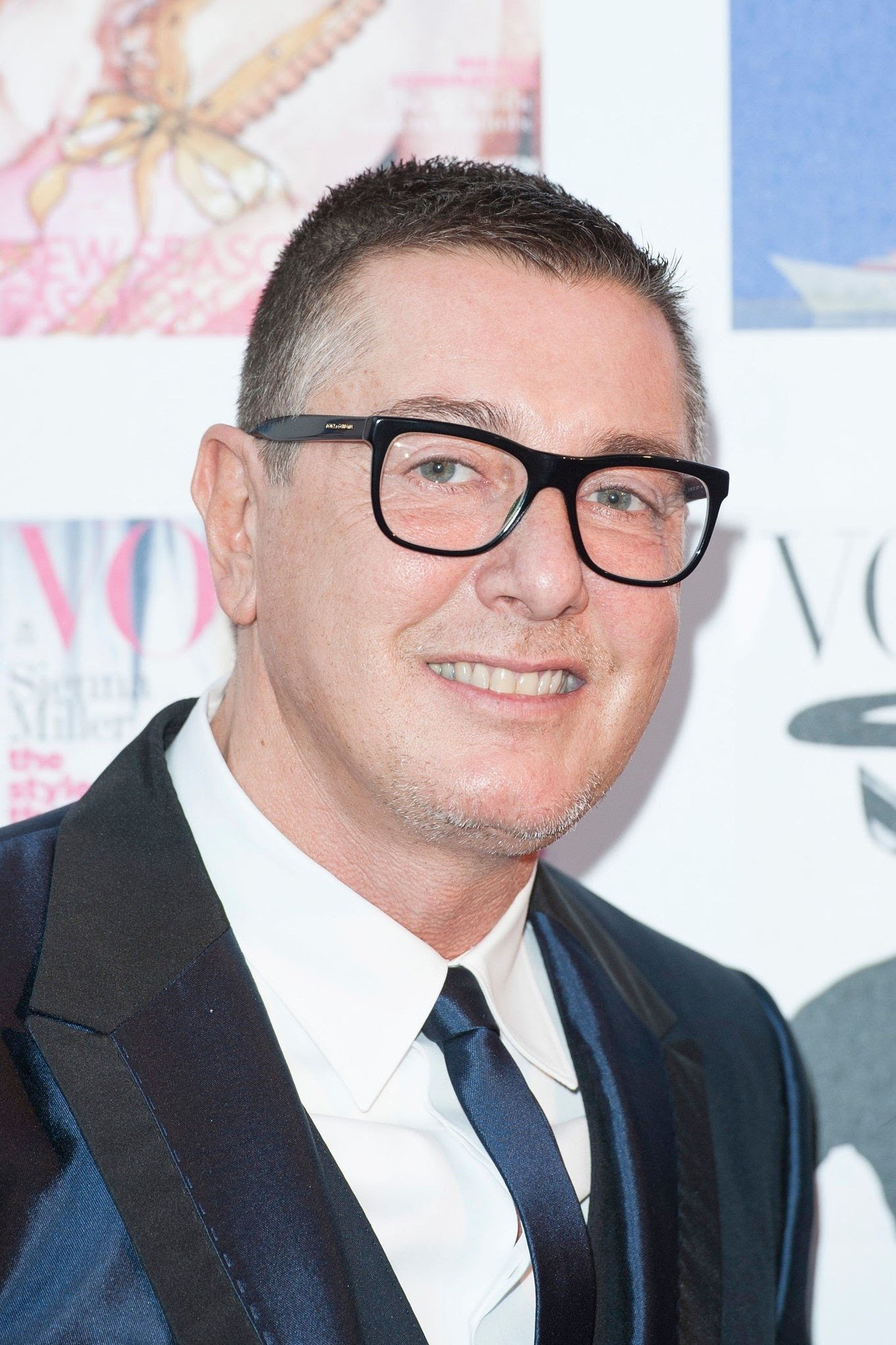
The co-founder of Dolce and Gabbana caused a massive boycott in China after he made derogatory remarks on social media. His comments insulted the culture and led to the cancellation of a major fashion show in Shanghai. Retailers pulled the brand from their shelves and celebrities across the nation publicly cut ties with the house. The company issued a formal apology video but struggled to regain its footing in the region for years.
Chrissy Teigen
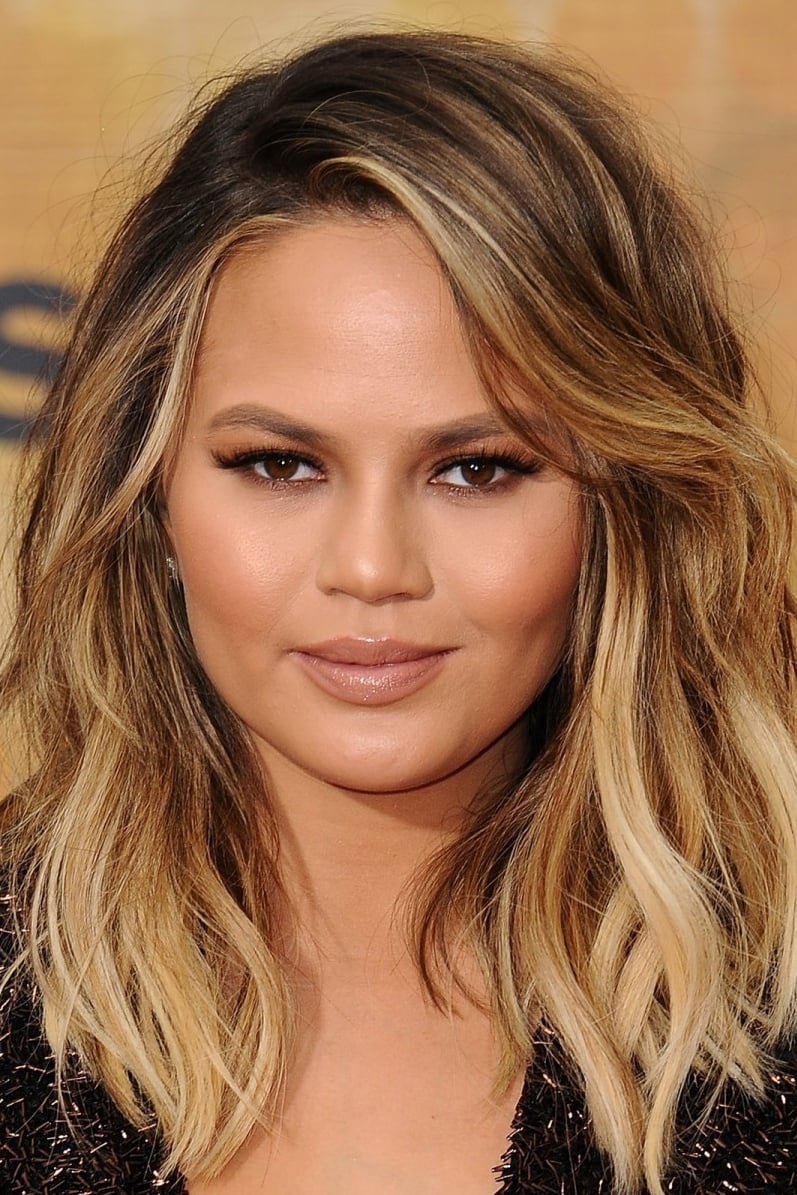
The television personality faced a national boycott of her cookware line and books after past social media interactions surfaced online. Major retailers like Target and Macy’s removed her products from their websites following the public outcry. She issued multiple apologies for her past behavior while the boycott continued to affect her commercial partnerships. This event highlighted how past digital history can impact current professional endorsements.
Aaron Rodgers
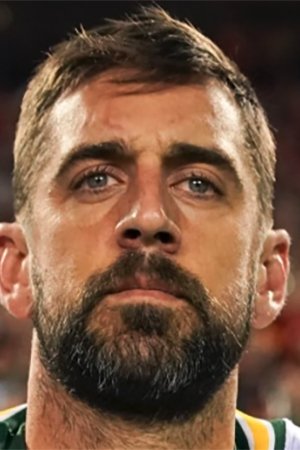
The professional football player faced backlash and calls for a boycott of State Farm after he shared misleading information about his vaccination status. Many consumers expressed their anger toward the insurance company for continuing to air his commercials. The brand reduced the frequency of his advertisements but did not immediately terminate the relationship. This situation reflected the difficulty brands face when their representatives become central figures in national health debates.
Travis Scott
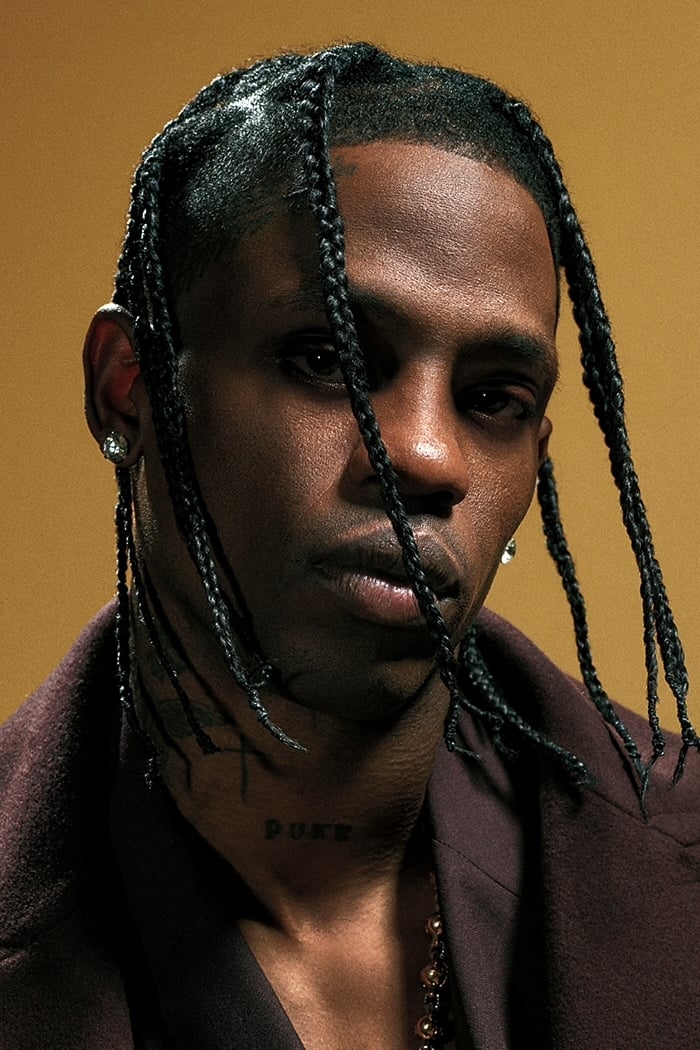
The rapper faced a boycott of his brand collaborations following the tragic events at his music festival in 2021. Major partners like Nike and McDonald’s paused or delayed their planned releases involving the artist. Families of victims and the general public called for a total cessation of his commercial endorsements. This moment demonstrated the immediate corporate freezing that occurs during a national tragedy.
Beyoncé
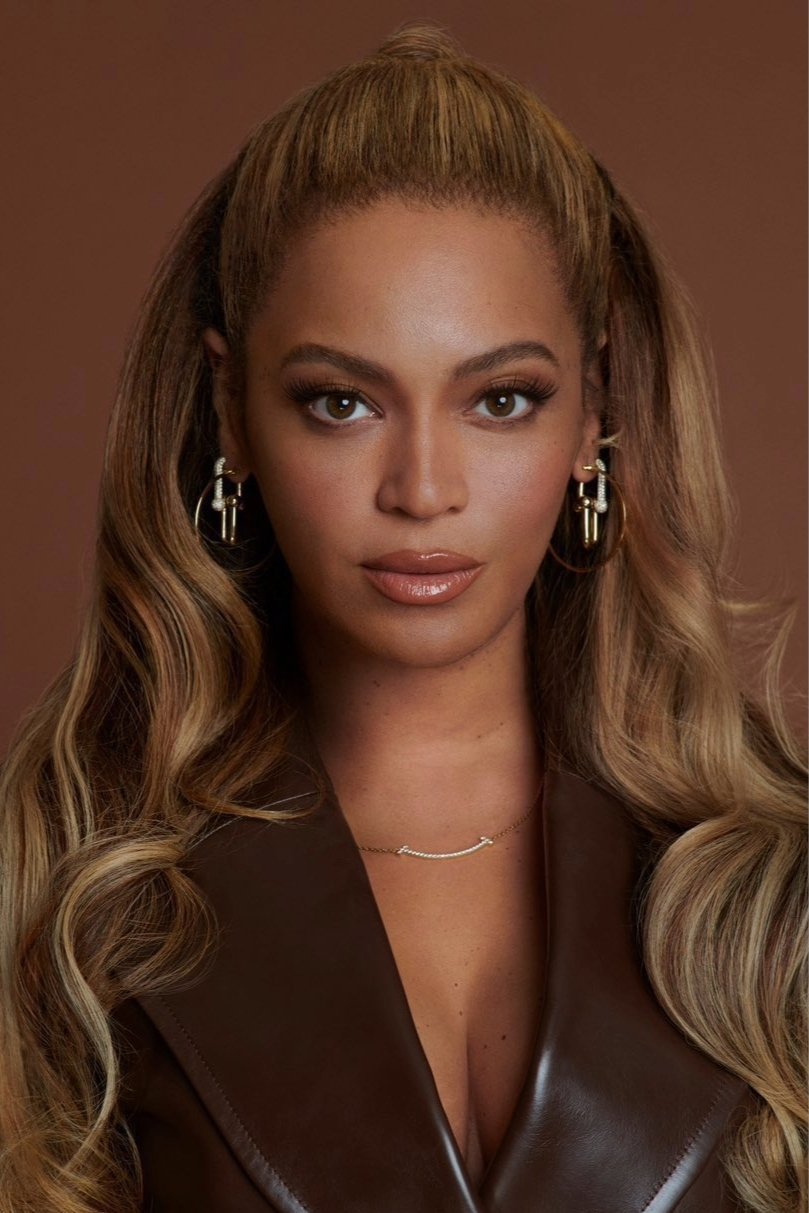
The singer faced criticism and calls for a boycott of her Tiffany and Co campaign which featured a rare yellow diamond. Critics pointed to the history of the gemstone and its origins in colonial era mines. The movement focused on the ethical implications of luxury brand marketing and its connection to historical exploitation. This controversy forced a conversation about the provenance of luxury items endorsed by modern icons.
Jared Fogle
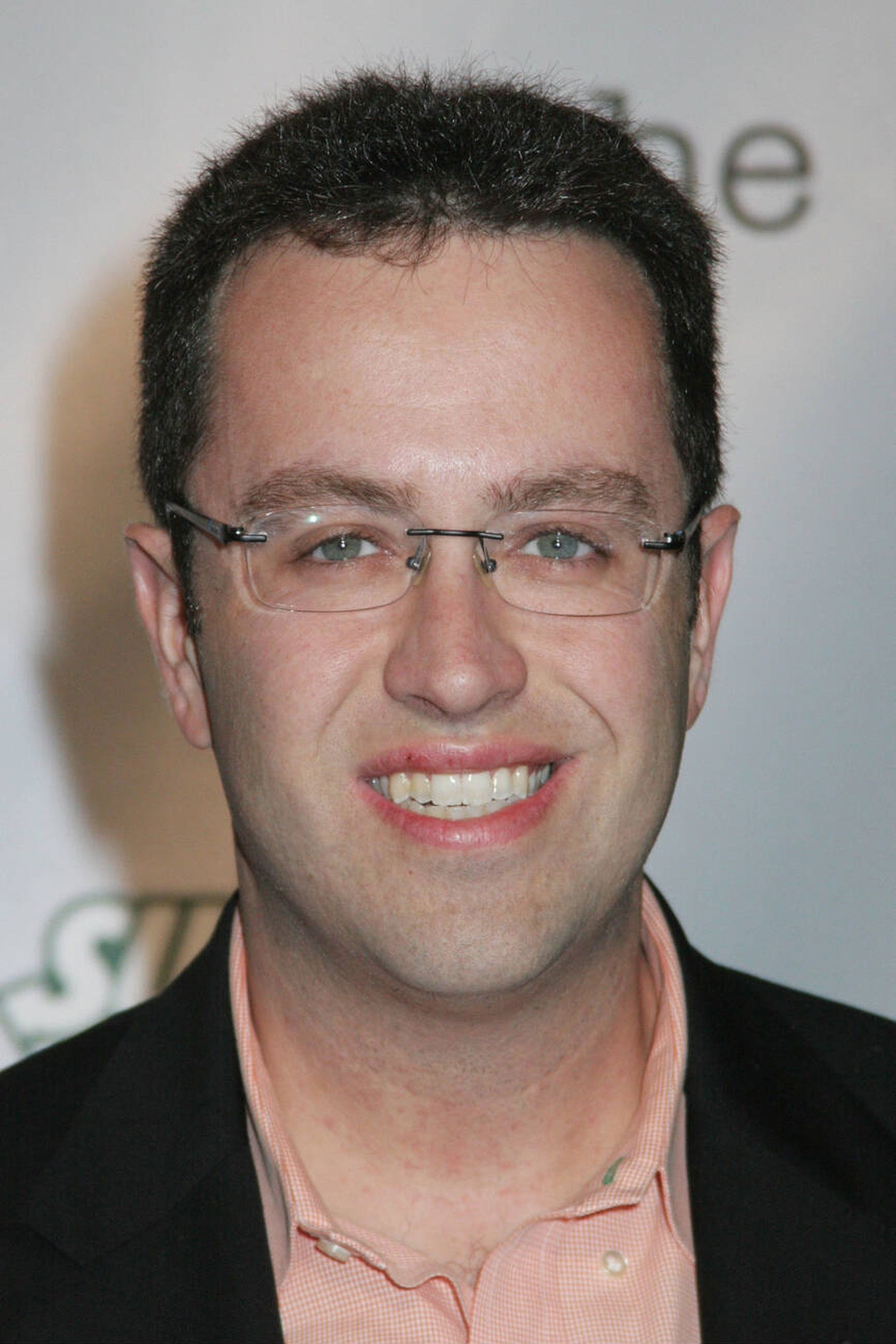
The former spokesperson for Subway became the center of a national scandal that led to a massive boycott of the sandwich chain. His criminal charges caused an immediate and permanent rift between the brand and its long time face. The company worked extensively to rebrand itself and move away from the identity he had helped create. This remains one of the most extreme examples of a personal scandal destroying a brand relationship.
Gal Gadot

The actress faced a boycott movement in several countries after she shared a post during a period of intense Middle Eastern conflict. Consumers called for retailers to stop selling the Revlon products she endorsed as a way to protest her stance. The backlash spread across social media platforms and affected the marketing of her films. This highlighted how international political tensions can directly impact a celebrity global commercial appeal.
Madonna
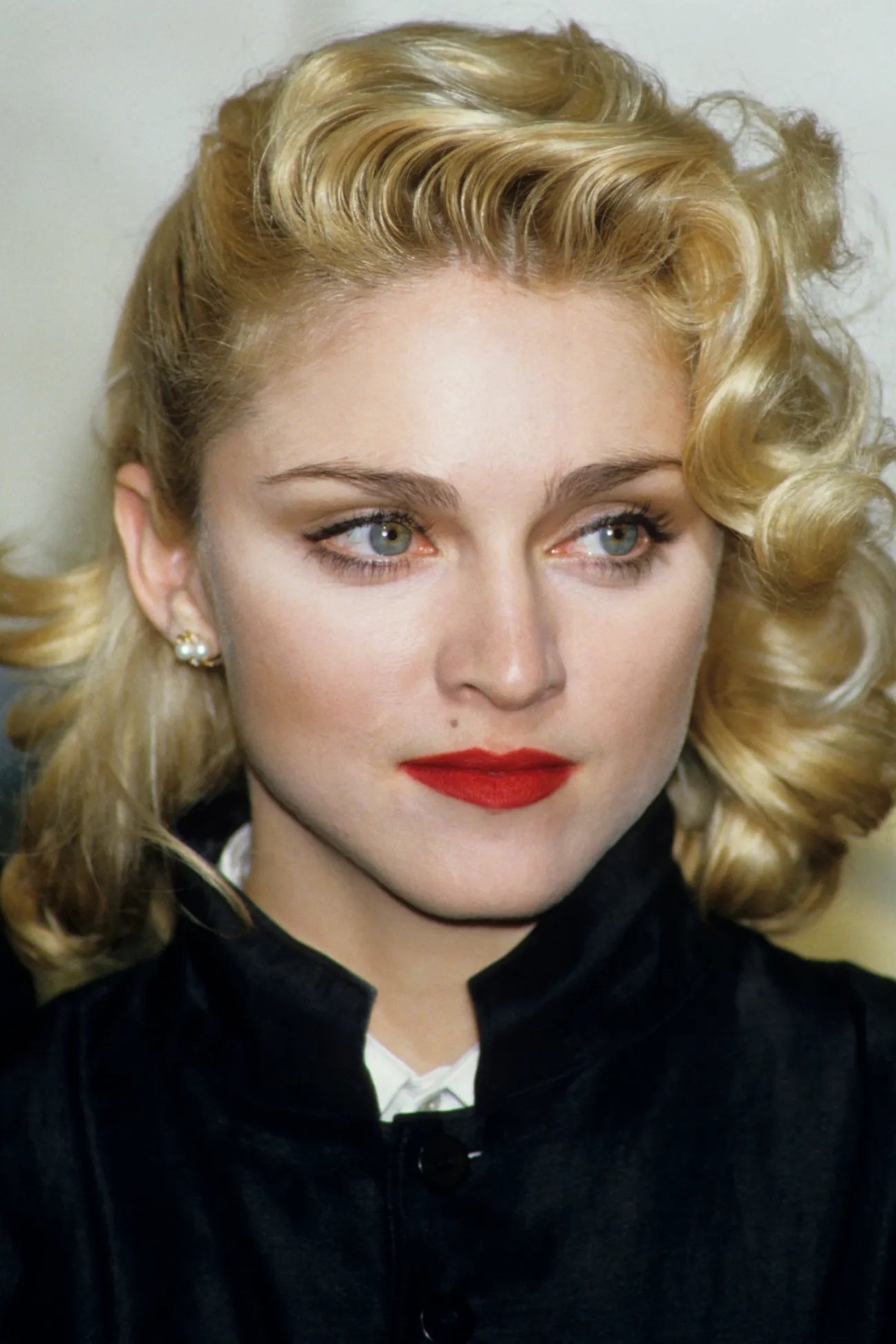
The singer starred in a 1989 Pepsi commercial that coincided with the release of her music video for ‘Like a Prayer’. The religious imagery in the video sparked a national boycott movement organized by religious groups against the soda brand. Pepsi eventually decided to pull the commercial and cancel her tour sponsorship to appease the protesters. This incident showed the power of religious organizations to influence corporate decisions.
Pharrell Williams
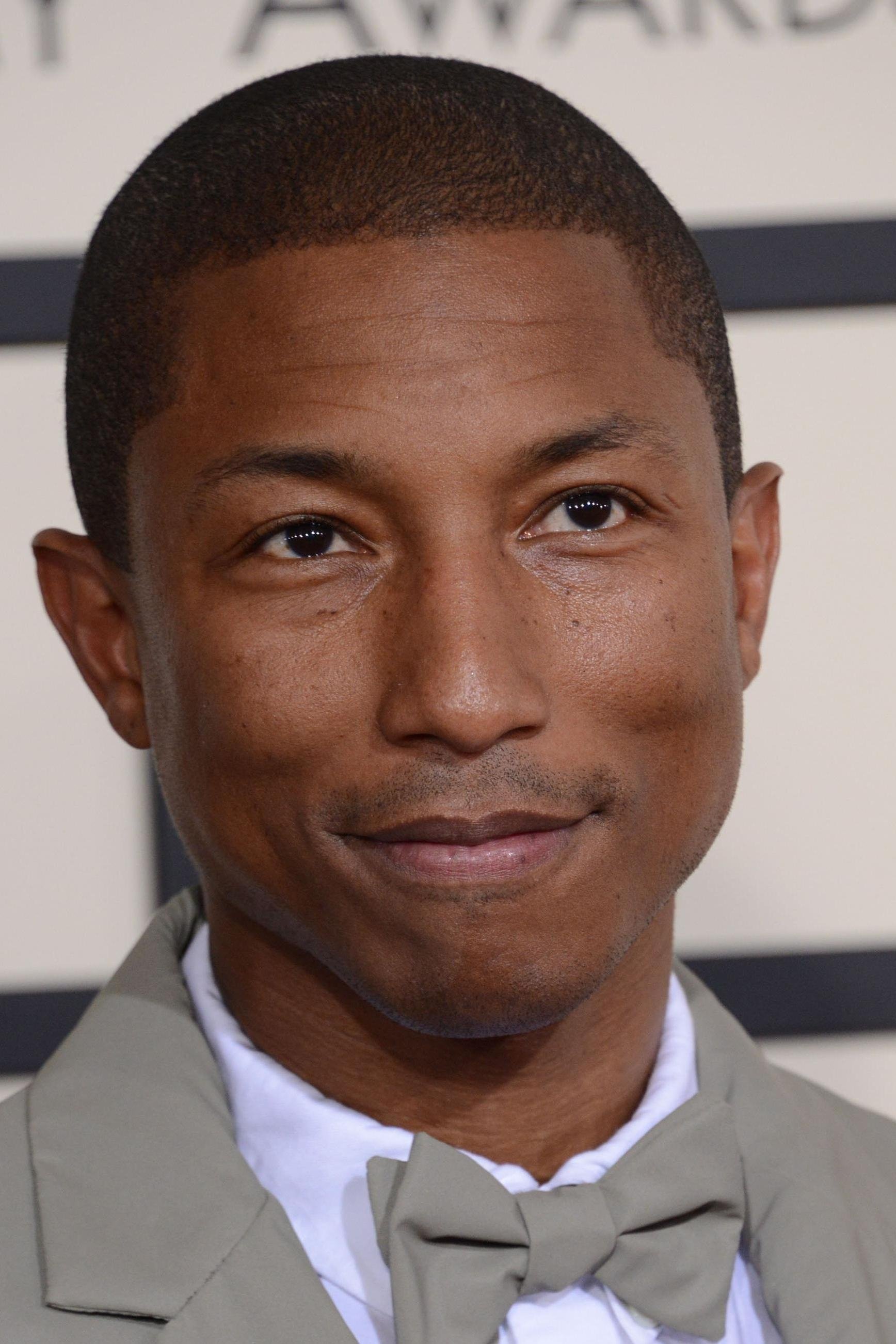
The musician faced backlash for his collaboration with Adidas on a collection inspired by a traditional Indian festival. Critics accused the brand and the artist of cultural appropriation for using sacred symbols for commercial profit. This led to a targeted boycott in several regions where the culture is prominent. The brand had to address the concerns through public statements to mitigate the damage to its international reputation.
Rihanna
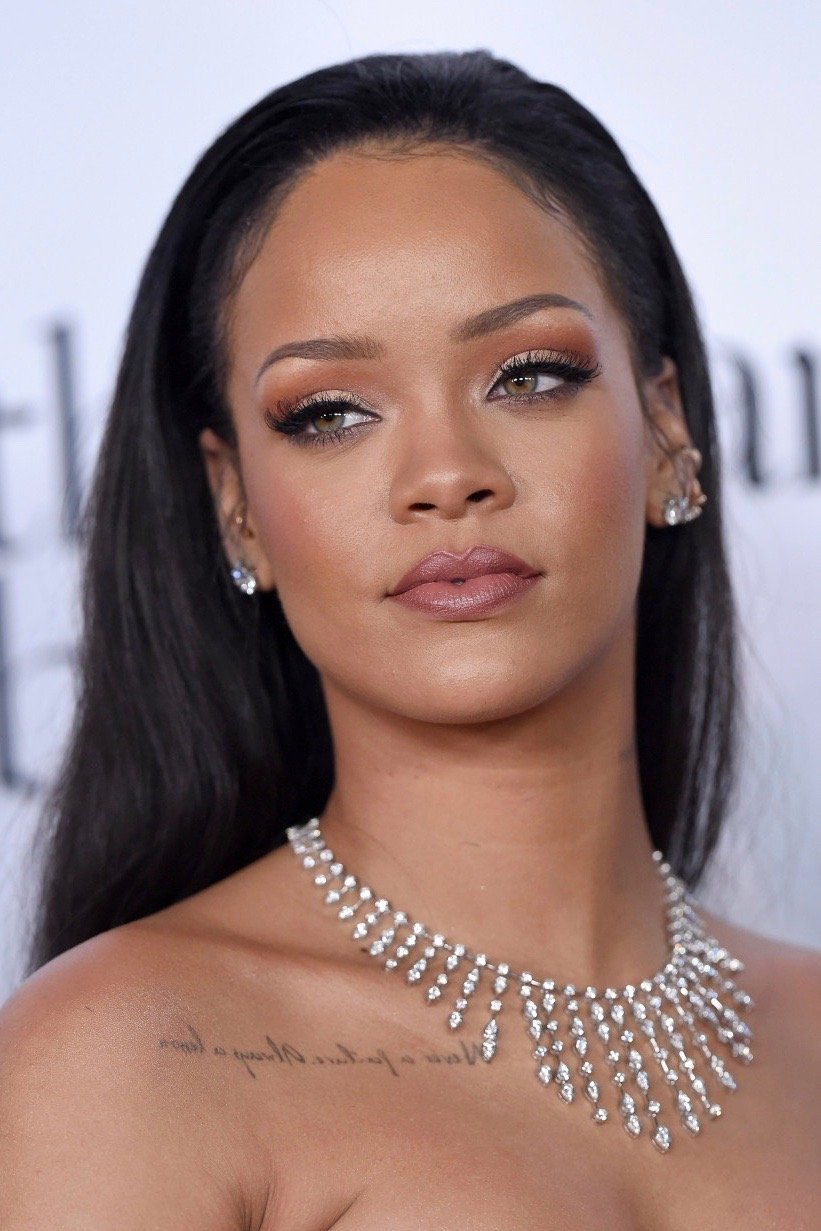
The singer and her brand Savage X Fenty faced a boycott after using a song that contained sacred Islamic texts during a fashion show. The Muslim community called for a worldwide boycott of her brands until a formal apology was issued. She quickly responded with a message explaining the oversight and expressing her deep respect for the faith. This event showed the importance of cultural sensitivity in global brand marketing.
James Charles
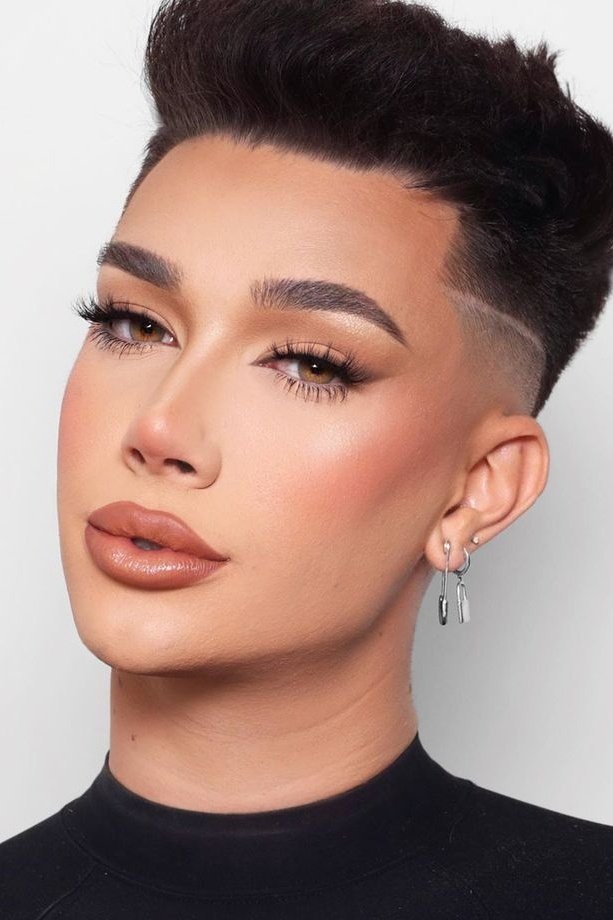
The beauty influencer was dropped by the brand Morphe after multiple controversies led to a widespread boycott of his makeup products. Consumers pressured the company to cut ties after allegations regarding his personal conduct were made public. The brand eventually removed his collection from their stores to avoid further association with the scandal. This demonstrated the vulnerability of the influencer marketing model when personal reputation fails.
Stephen Curry
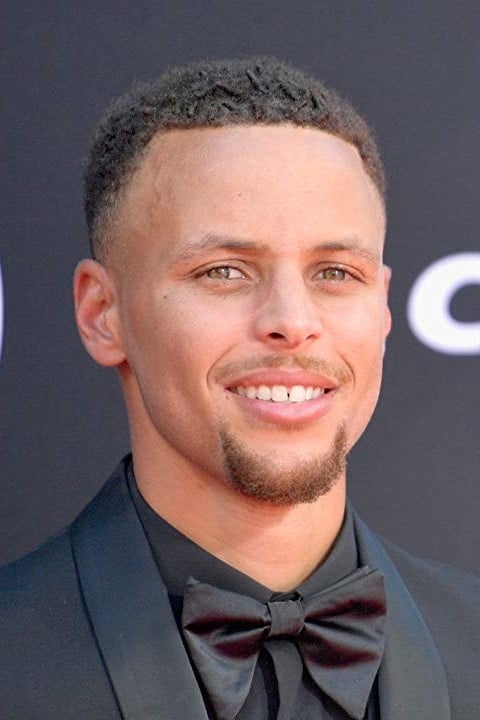
The basketball star faced pressure to leave his deal with Under Armour after the company CEO made positive comments about the United States president. Fans of the athlete threatened to boycott the brand unless he clarified his position or ended the partnership. He stayed with the brand but publicly disagreed with the executive to maintain his own image. This highlighted the friction that can occur between an athlete and the political views of a corporate leader.
Jennifer Lawrence

The actress was criticized for her involvement in a Dior campaign that celebrated Mexican heritage while being shot in California with a mostly white crew. This led to a boycott of the brand by those who felt the campaign was an example of cultural erasure. Critics argued that the brand should have hired Mexican creators and models to represent the culture properly. The backlash forced the brand to defend its artistic choices against accusations of insensitivity.
George Clooney
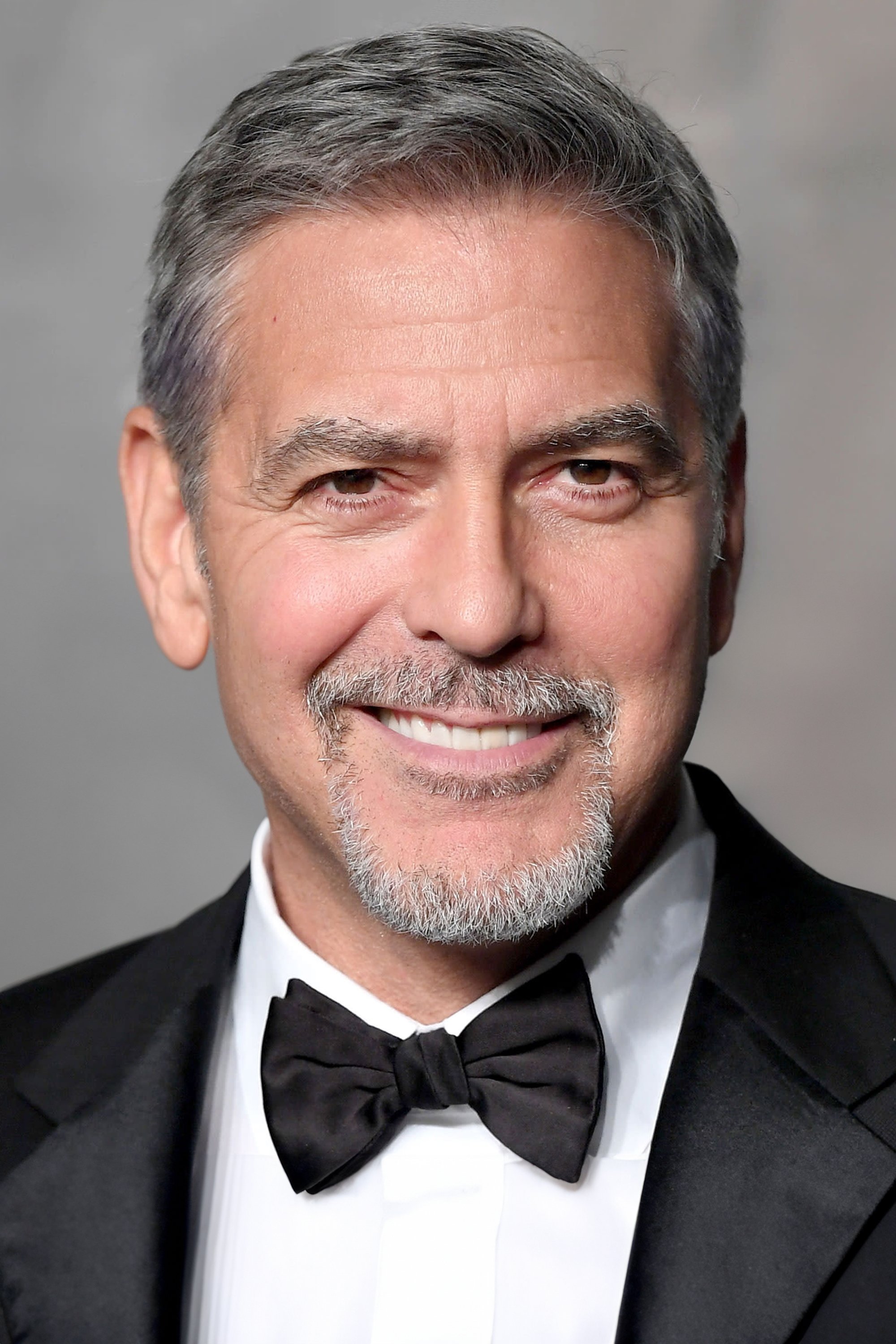
The actor faced calls for a boycott of Nespresso after reports surfaced regarding child labor in the company supply chain. As the long time face of the brand he was personally targeted by activists who wanted him to take a stand. He issued a statement saying he was saddened by the news and urged the company to improve its oversight. This incident showed how a celebrity can be held accountable for the operational practices of the brands they endorse.
Selena Gomez
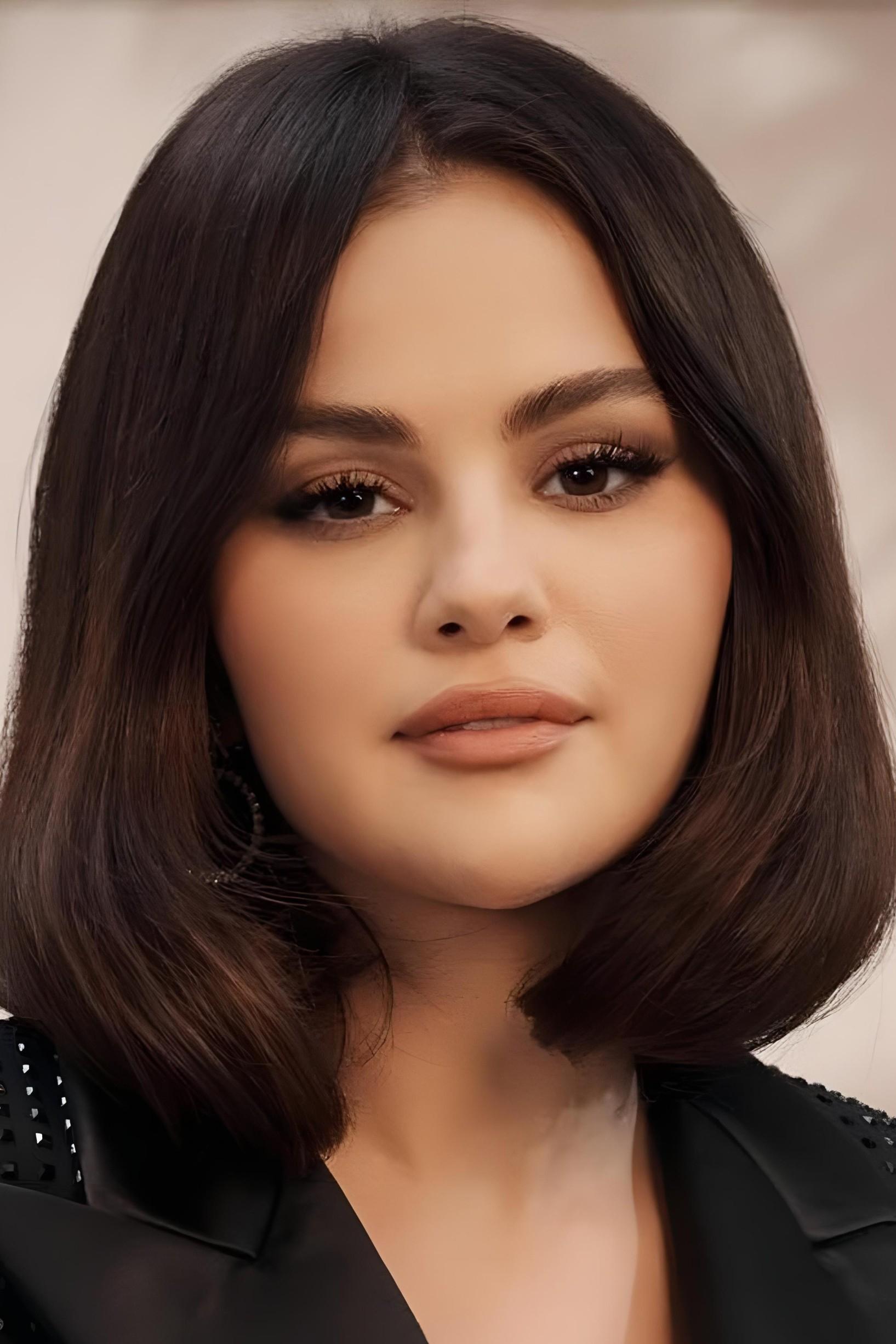
The singer and actress faced a boycott movement related to her partnership with Puma due to her silence on certain international human rights issues. Protesters used social media to demand she use her platform to influence the brand manufacturing policies. The movement sought to leverage her massive following to force corporate change. This reflected the growing trend of holding celebrities responsible for the ethics of their sponsors.
Kris Wu
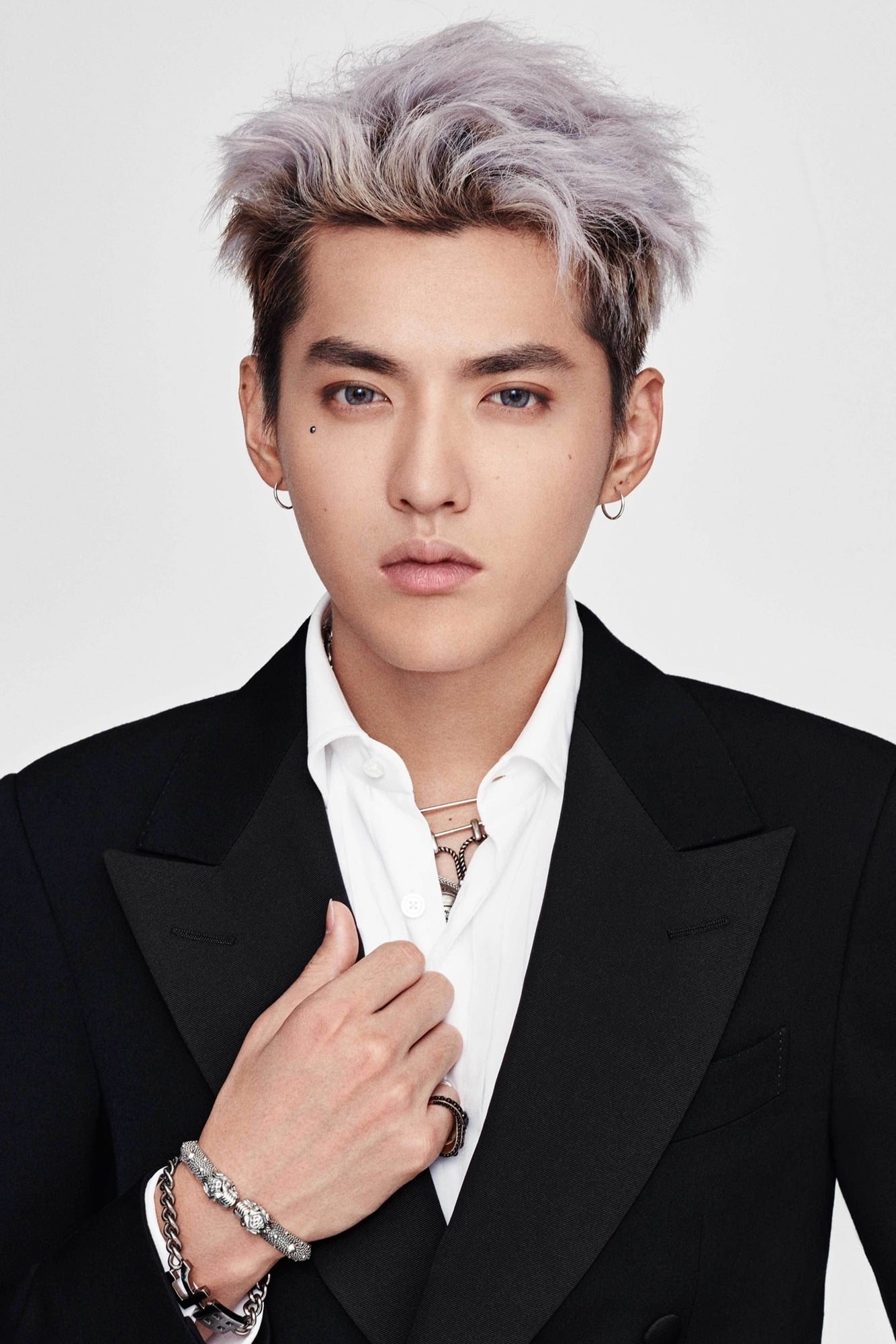
The star was dropped by numerous luxury brands including Louis Vuitton and Bulgari after serious legal allegations surfaced in China. The national boycott of his work and endorsed products was swift and absolute across the country. Brands immediately removed all marketing materials featuring his likeness to avoid public anger. This case showed the efficiency of the Chinese market in purging controversial figures from the commercial space.
Zheng Shuang

The Chinese actress faced a total boycott after a personal scandal involving her family and legal issues became national news. Luxury brand Prada terminated its relationship with her just eight days after she was announced as an ambassador. The public backlash led to her being blacklisted from the entertainment and advertising industries. This event underscored the high stakes for luxury brands operating in sensitive international markets.
Fan Bingbing

The prominent actress disappeared from public life for months during a tax evasion scandal that led to a massive boycott of her endorsed products. Brands like Guerlain and Montblanc had to navigate the public disappearance of their primary face in the region. She eventually returned and paid significant fines but her commercial standing was permanently altered. This situation highlighted the risks for global brands when their local ambassadors face government scrutiny.
Scarlett Johansson
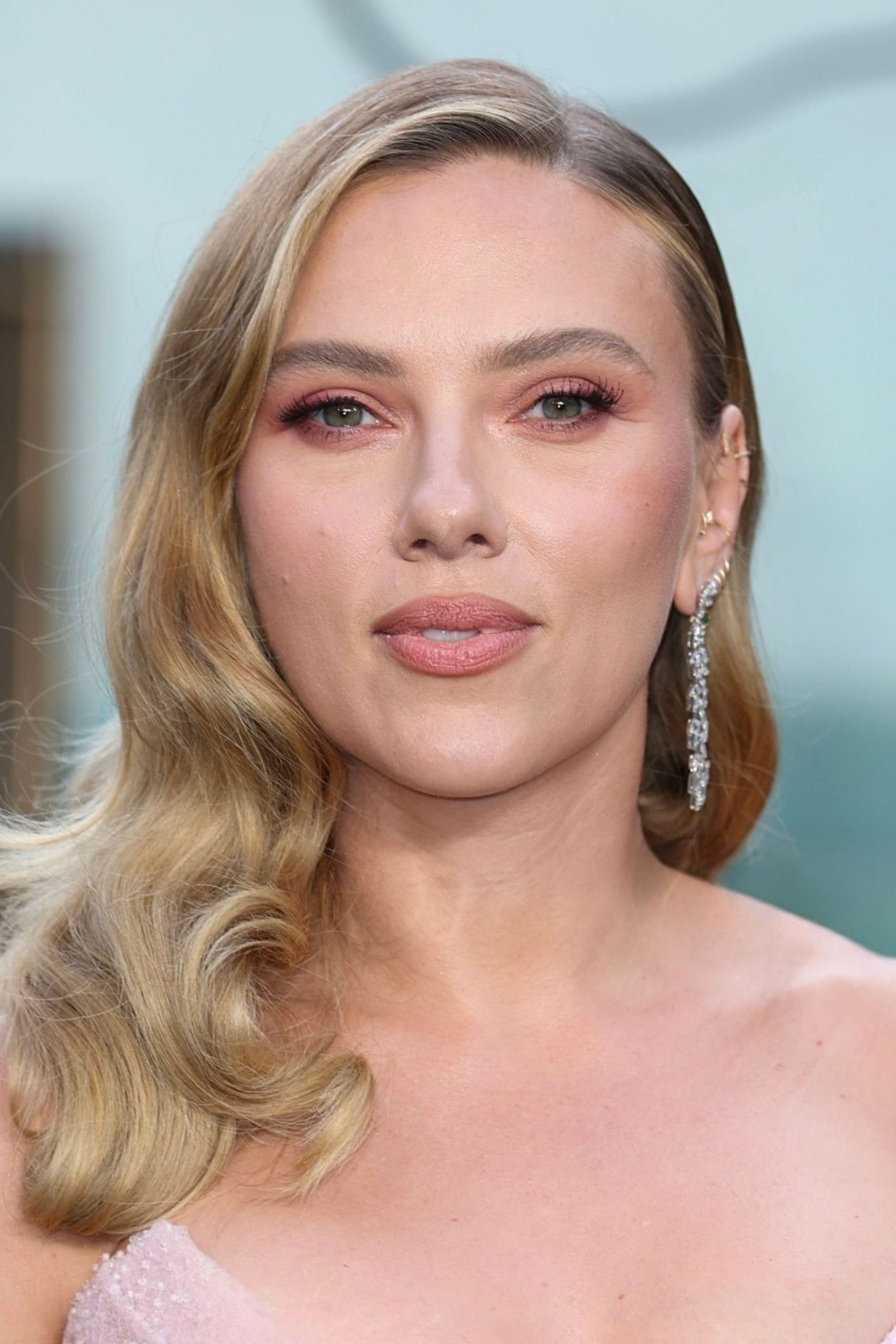
The actress faced a major boycott movement when she became the spokesperson for SodaStream while also serving as an ambassador for Oxfam. The conflict arose because the brand operated a factory in a disputed territory which went against the charity policies. She chose to leave her role with the charity to continue her endorsement deal with the company. This decision sparked a national conversation about the ethics of celebrity brand choices in geopolitical conflicts.
Justin Bieber
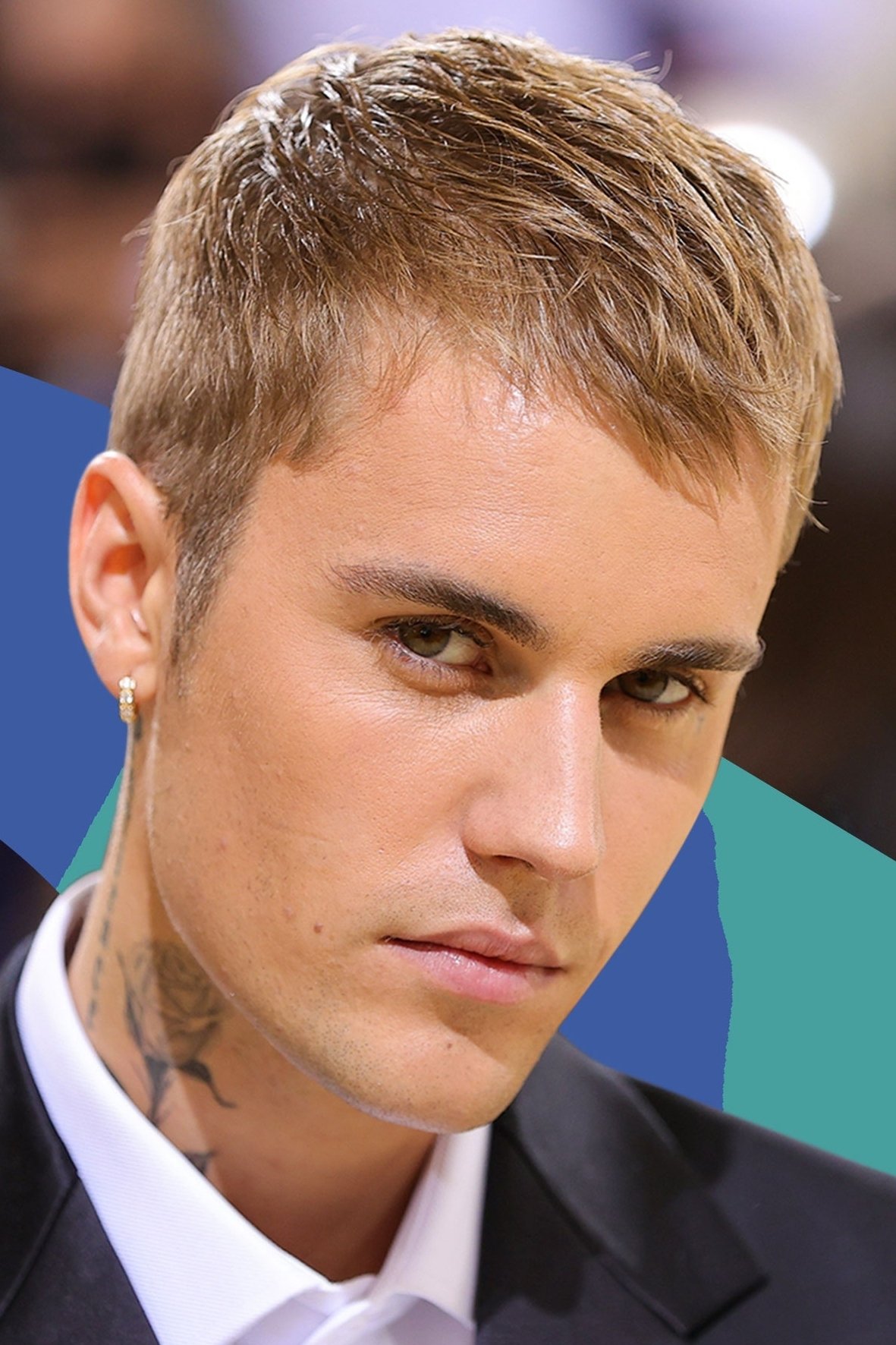
The singer faced a boycott in 2023 after he claimed that H&M released a collection of his merchandise without his approval. He urged his fans not to buy the products and called the collection trash on his social media accounts. The retail chain eventually pulled the items from their stores to avoid further conflict with the artist and his fan base. This event showed how an artist can turn their own followers against a brand they previously worked with.
Brooke Shields
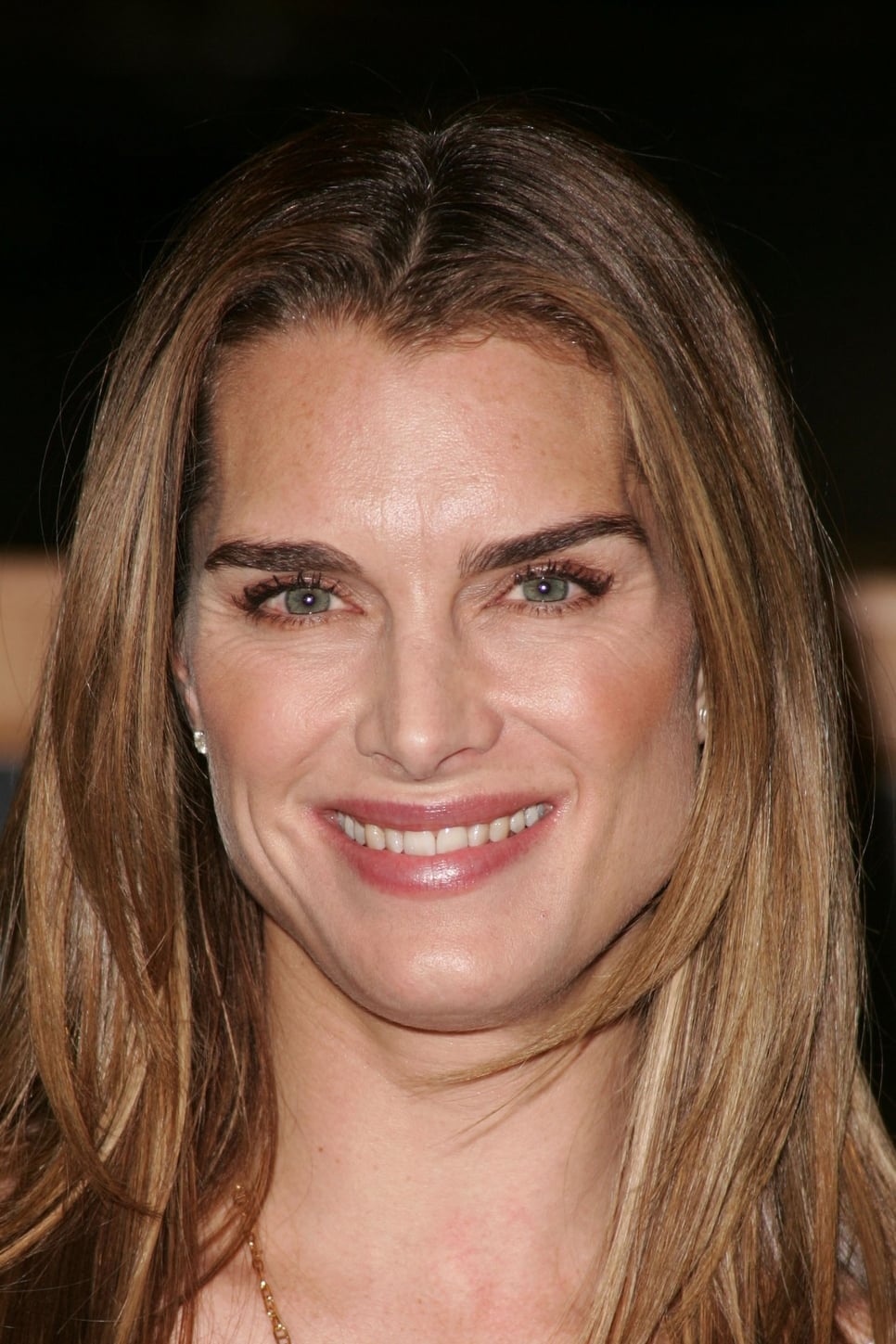
The actress starred in a series of Calvin Klein commercials in the 1980s that were considered too provocative for the time. This led to a national boycott by parents and religious organizations who wanted the ads removed from television. The controversy actually helped propel the brand to new heights of fame and sales despite the protests. This remains a classic example of how a boycott can sometimes create more interest in a product.
Peyton Manning
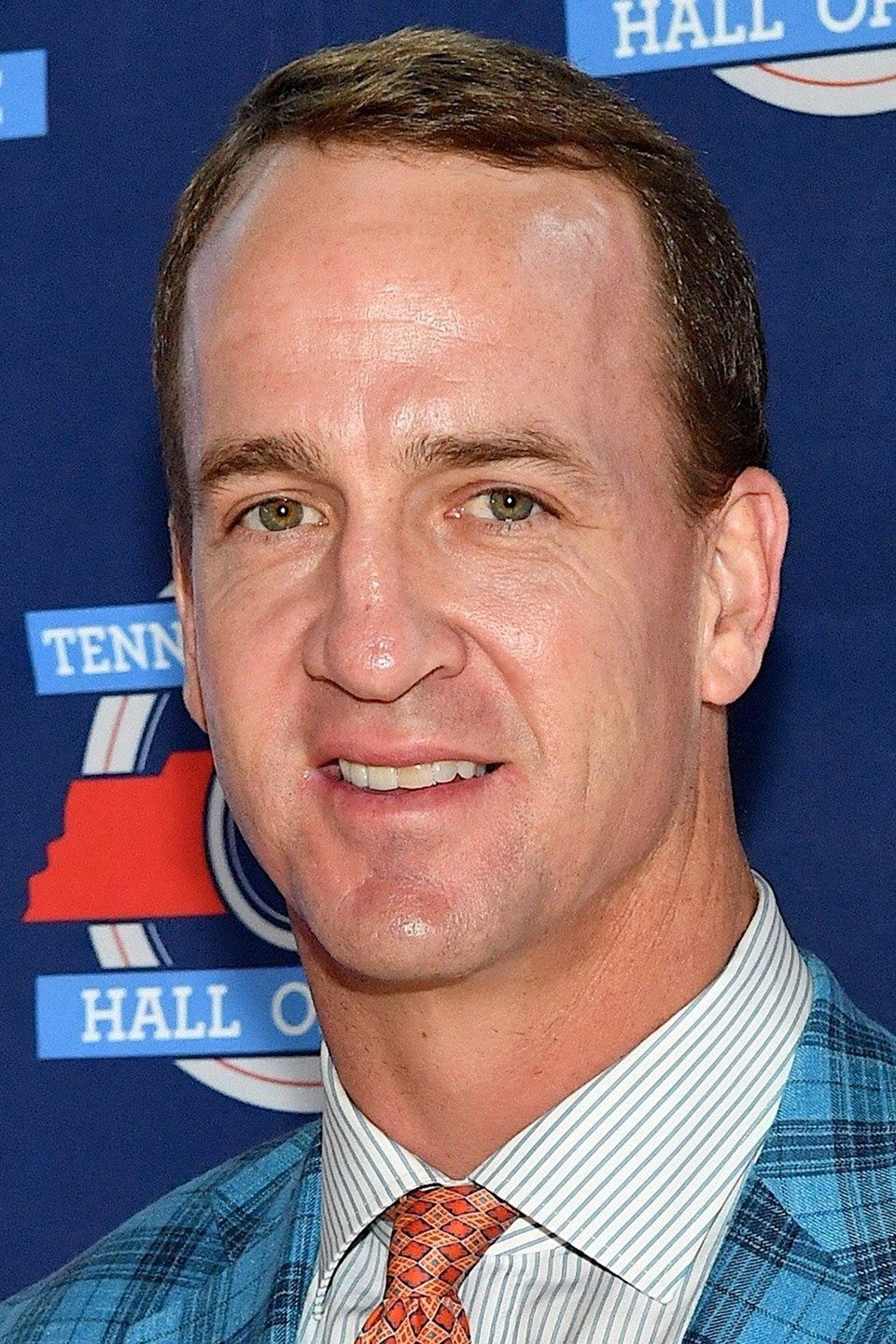
The former quarterback faced calls for a boycott of Papa John’s because of his close association with the founder during a period of controversy. Consumers who were unhappy with the political and social comments made by the company leadership targeted its most famous endorser. He eventually sold his stakes in the company locations shortly before the brand underwent a major overhaul. This showed how celebrity owners can be impacted by the actions of their corporate partners.
Danica Patrick
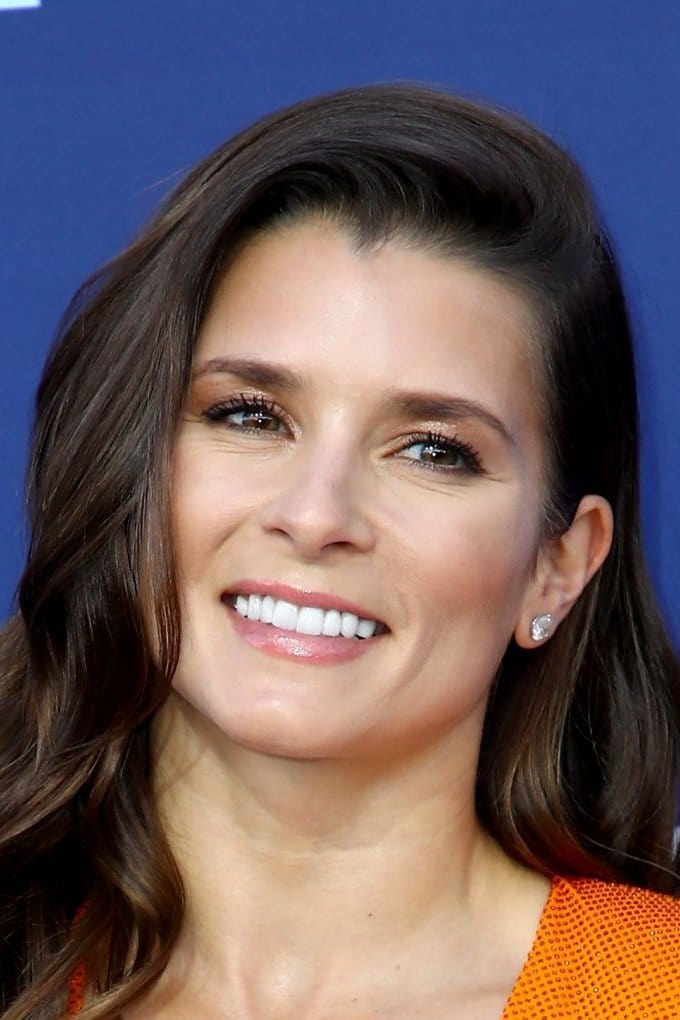
The racing driver was the face of GoDaddy for many years during a time when their commercials were criticized for being sexist. This led to multiple boycott movements by organizations that felt the marketing was demeaning to women. The brand eventually shifted its strategy toward more professional and inclusive messaging to repair its image. This transition marked a significant change in how the company utilized celebrity representatives.
Oprah Winfrey
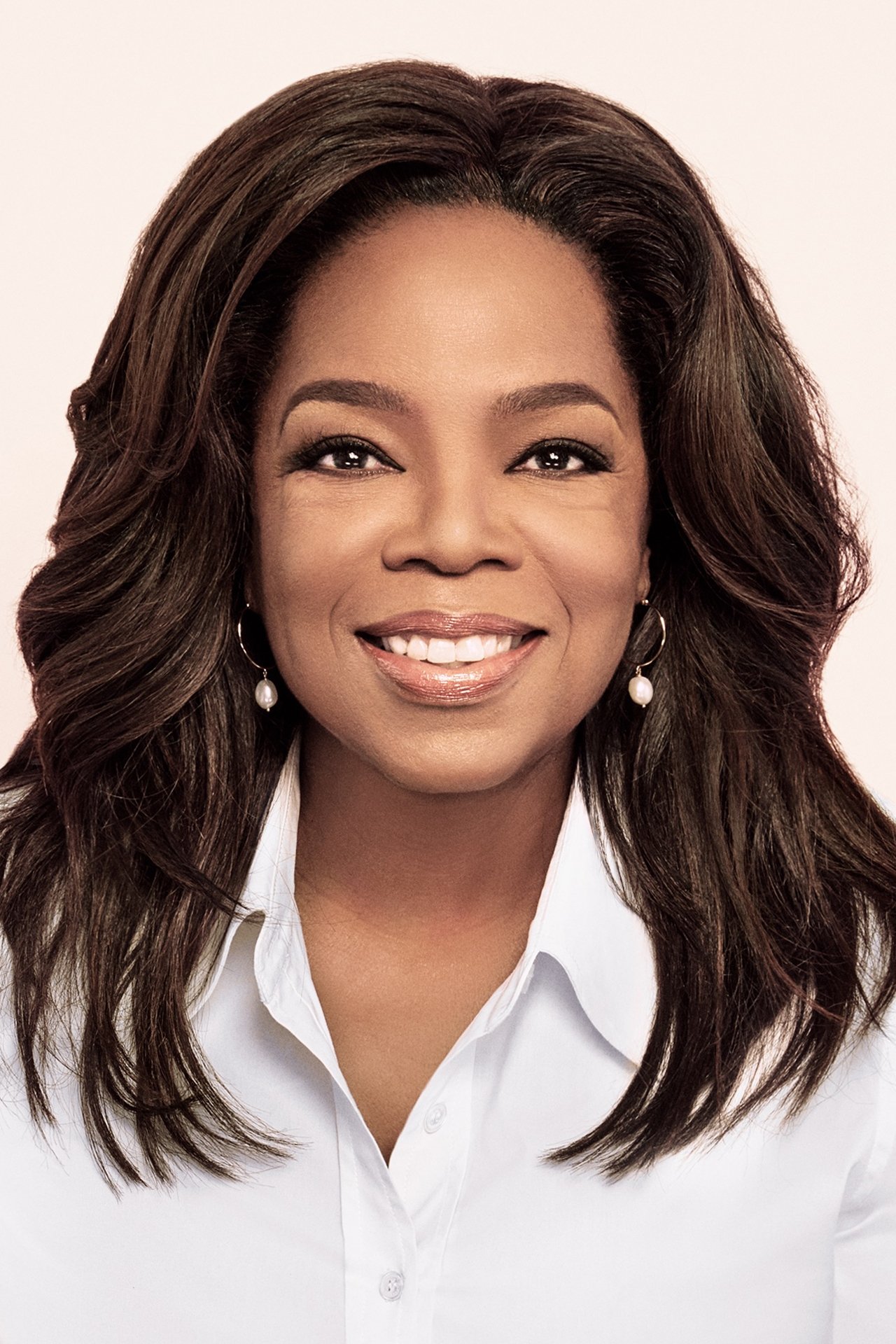
The media mogul faced a boycott and legal threats from the cattle industry after she made comments about beef on her television show. While she was not an endorser of a specific brand the industry felt her influence was powerful enough to cause a national decline in sales. She won the resulting court case but the event showed the massive impact a celebrity voice can have on entire sectors of the economy. This remains a landmark case for free speech and celebrity influence.
Bella Hadid
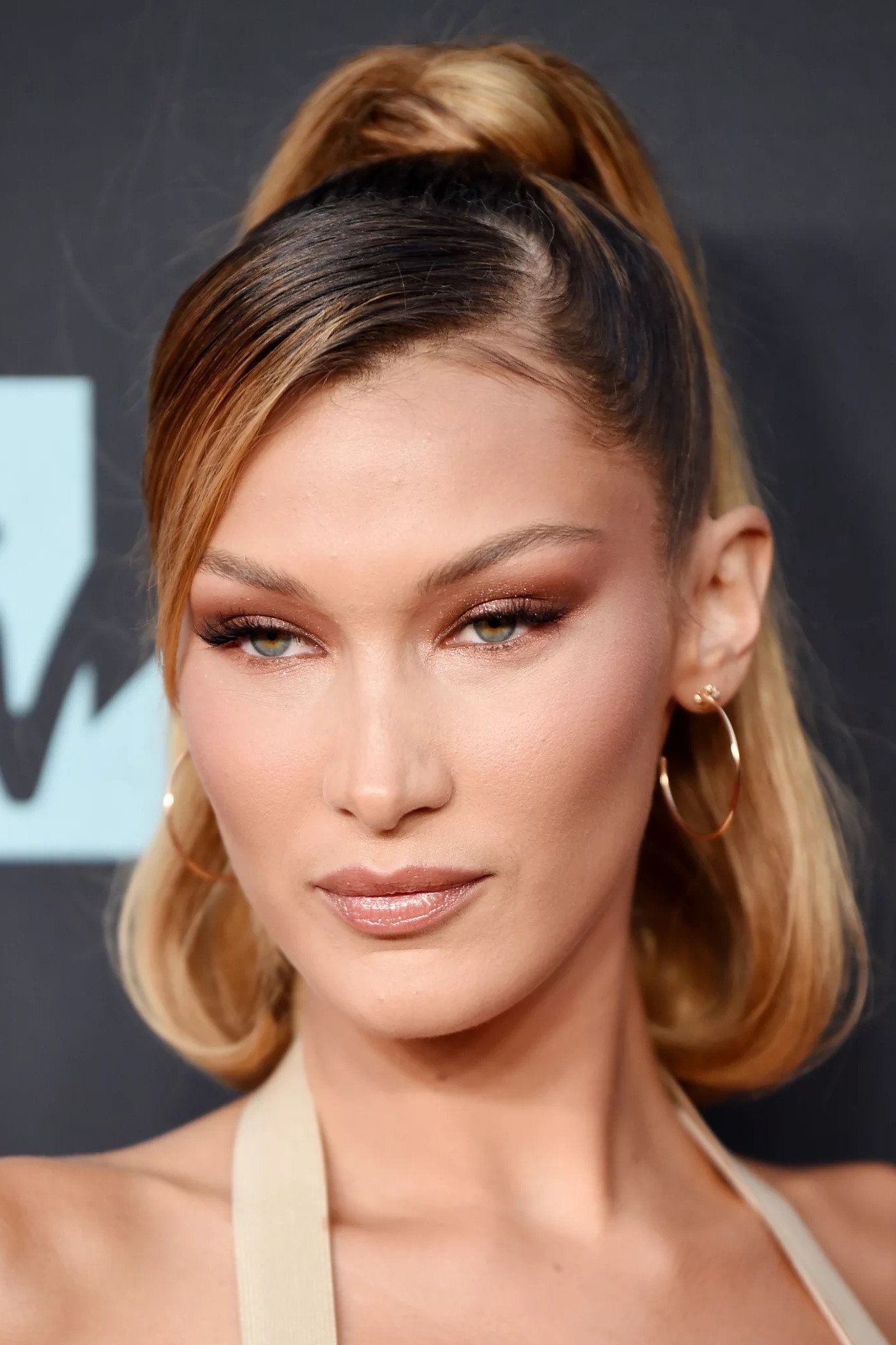
The model was featured in an Adidas campaign for a retro shoe that was originally released during the 1972 Olympics. The choice of the model for this specific shoe sparked a national boycott from groups who pointed to the tragic events of those games. Adidas eventually apologized and removed her from the campaign to address the sensitivities of the public. This reflected the need for brands to research the historical context of every marketing decision.
Nicole Kidman
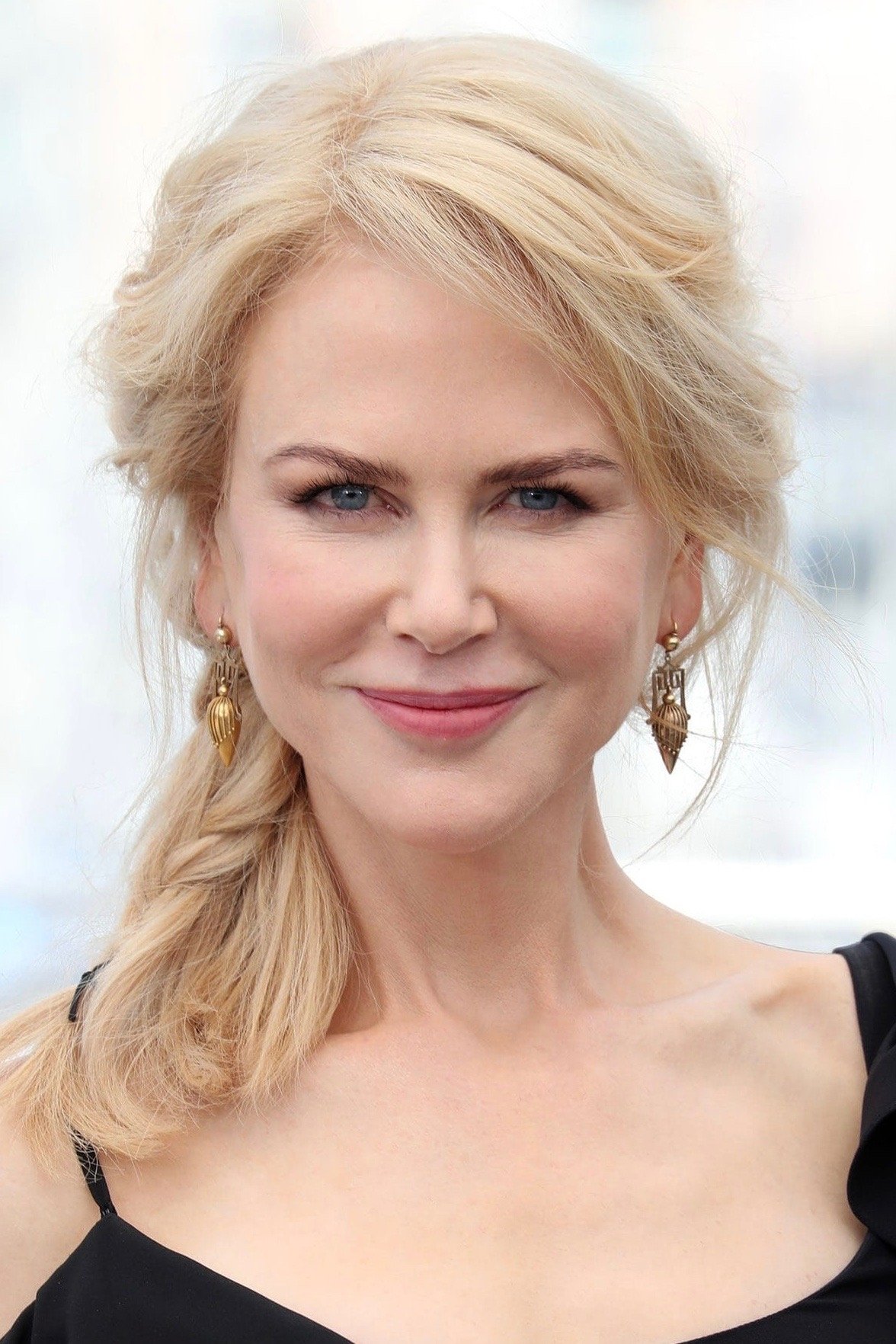
The actress faced a boycott from flight attendant unions after she became the face of Etihad Airways. The unions argued that the airline labor practices were inconsistent with the values the actress claimed to support. This movement sought to pressure her into ending the partnership to support workers rights. This incident showed how labor organizations can use celebrity visibility to highlight workplace issues.
David Beckham
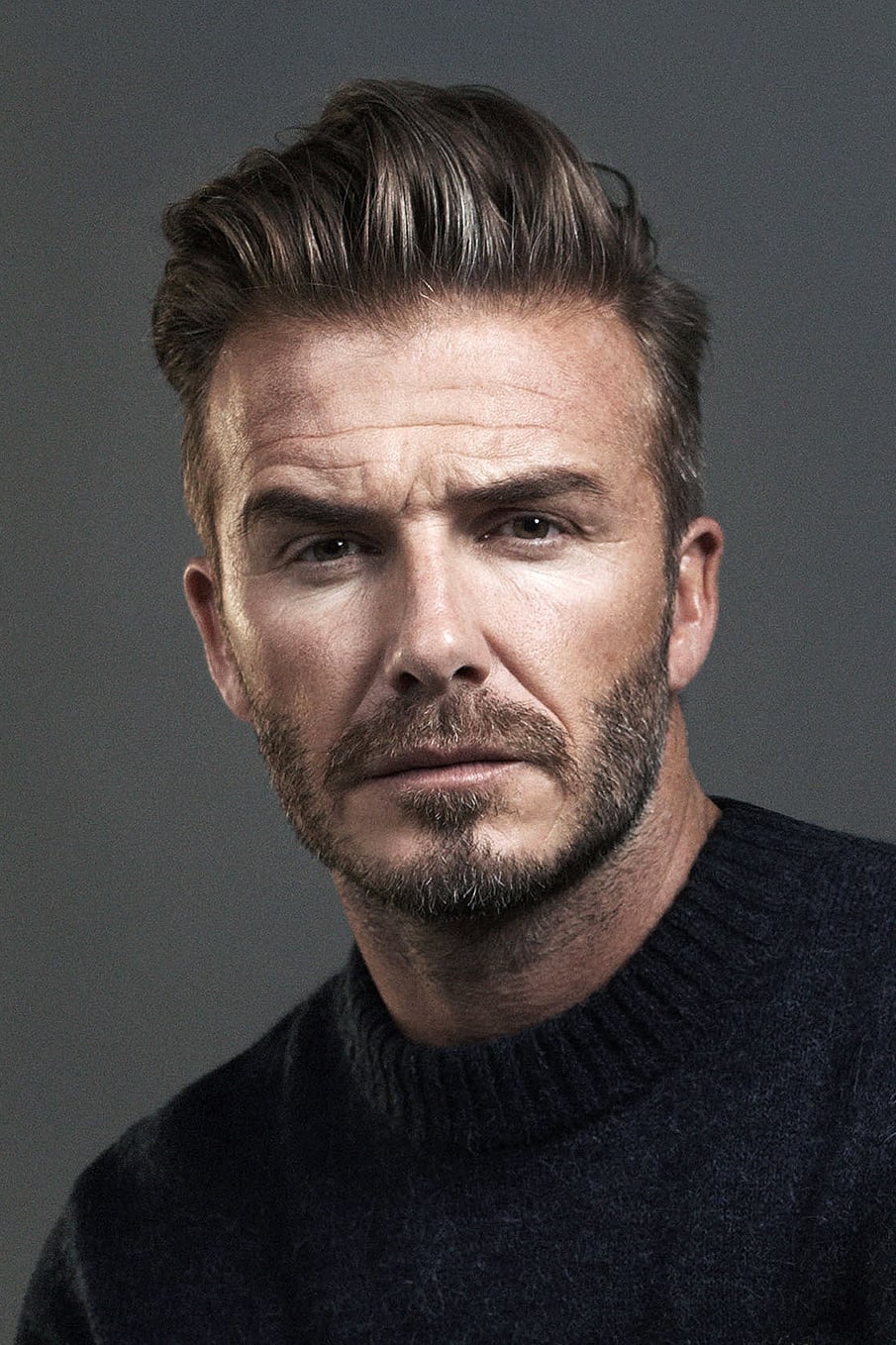
The former soccer star faced a significant boycott movement in the United Kingdom after he signed a massive deal to promote tourism in Qatar. Critics pointed to the human rights record of the country and accused the athlete of choosing money over his personal values. The controversy followed him throughout the World Cup and led to public protests by activists. This highlighted the reputational risk for retired athletes who take on controversial international endorsements.
Priyanka Chopra Jonas

The actress faced a boycott movement in India after she was featured in advertisements for a jeweler involved in a massive financial scandal. Consumers felt that her endorsement gave the brand a sense of legitimacy that misled the public. She eventually terminated the contract through her legal team to distance herself from the legal proceedings. This event demonstrated the importance of due diligence for celebrities before signing long term deals.
Alicia Keys
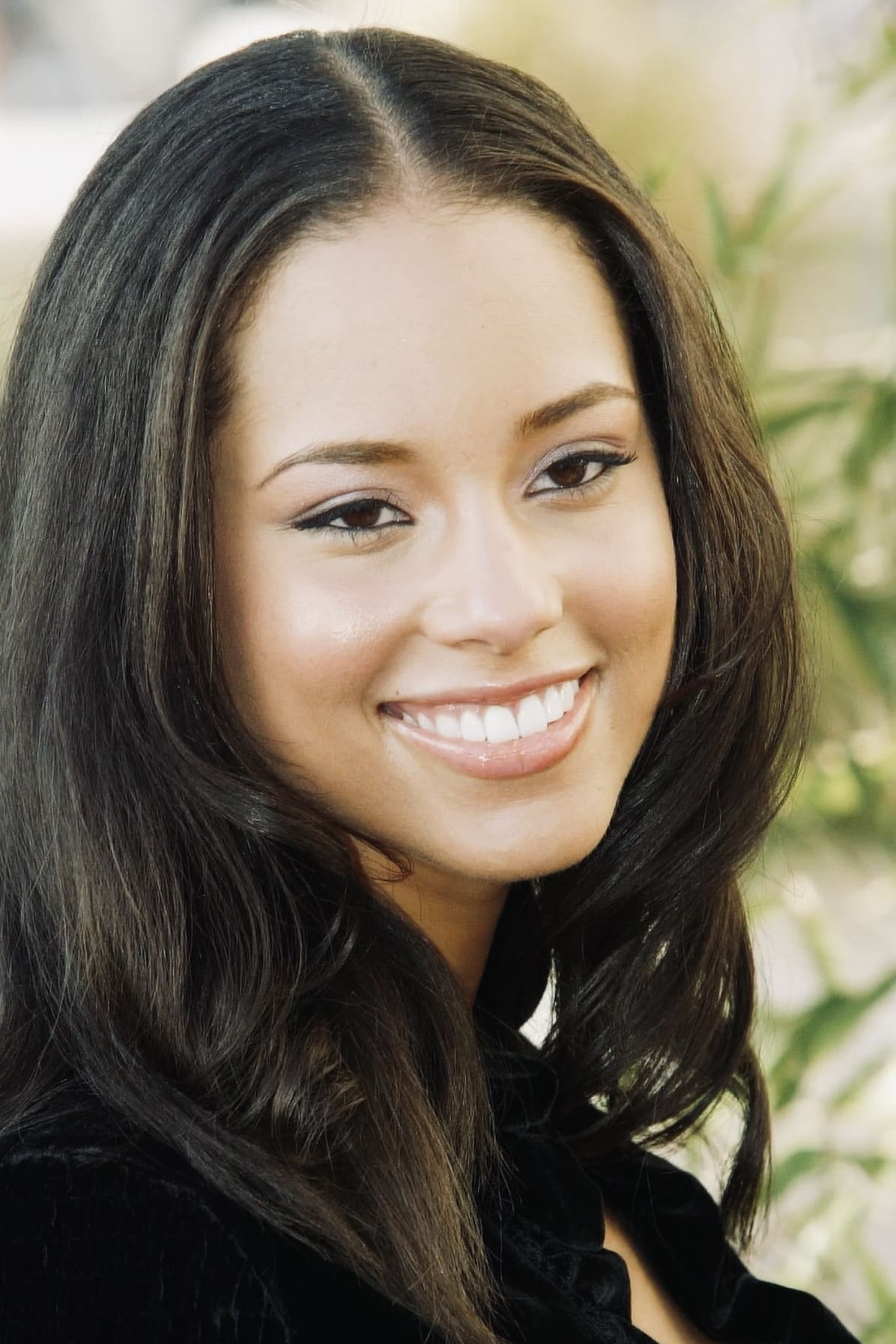
The singer was appointed as a creative director for BlackBerry but faced a boycott after she was caught tweeting from an iPhone. Critics and fans mocked the lack of authenticity in the partnership which led to a decline in consumer trust. The brand and the artist eventually parted ways as the company struggled to maintain its market share. This incident became a textbook example of the need for genuine product use in celebrity endorsements.
Julia Roberts
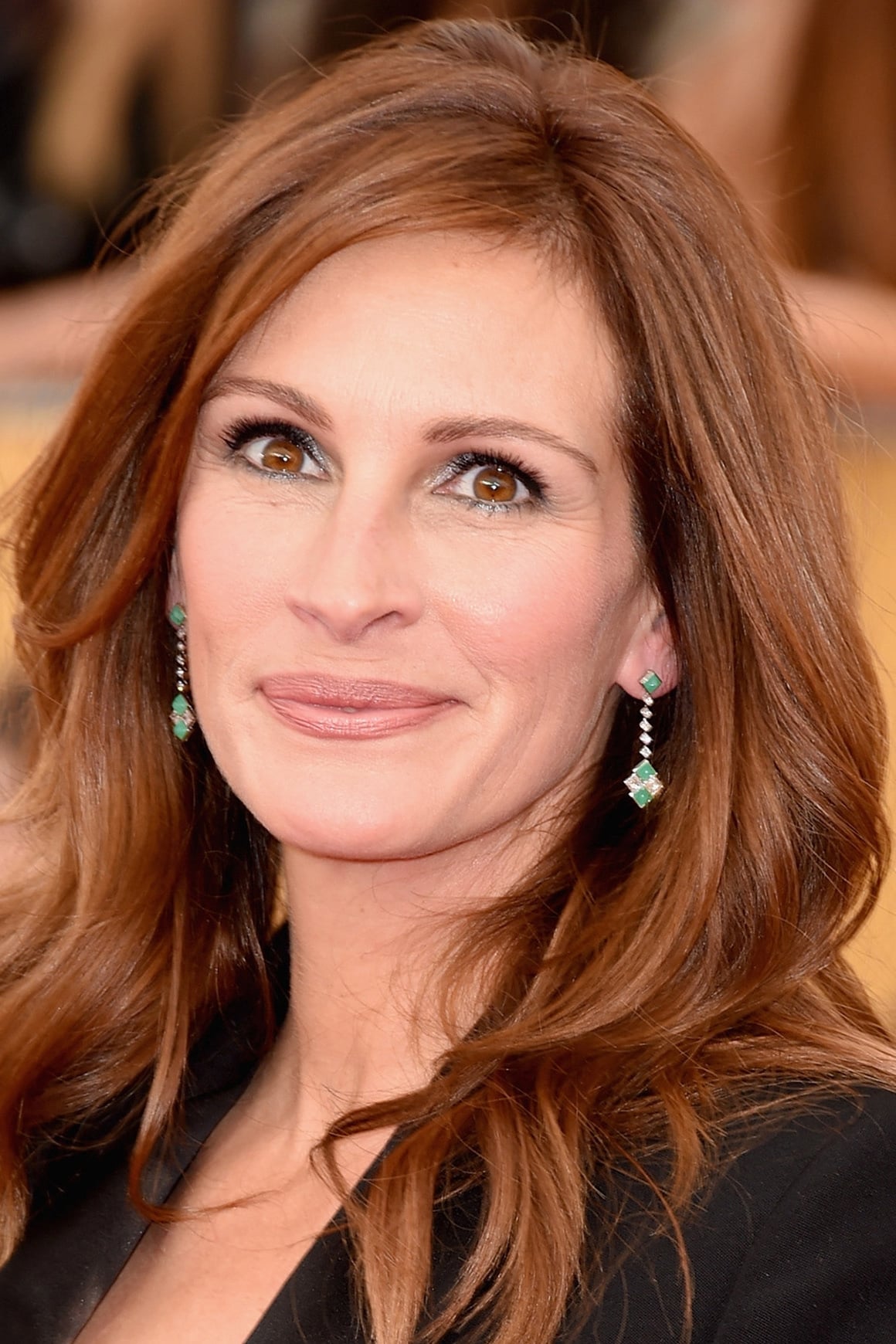
The actress was the face of a Lancôme advertisement that was banned in the United Kingdom for being overly airbrushed. This led to a minor boycott movement by advocates for realistic beauty standards who felt the ads were deceptive. The brand had to defend its use of digital editing in court against the standards of the advertising authority. This situation changed how beauty brands handle the post production of celebrity images.
Brad Pitt

The actor starred in a Chanel No 5 commercial that was widely mocked and led to a temporary boycott by some luxury consumers. The abstract nature of the advertisement was seen as pretentious and disconnected from the product. The brand eventually moved in a different creative direction for its future campaigns to recover its prestige. This showed that even the most famous actors cannot save a poorly conceived marketing concept.
Emma Watson
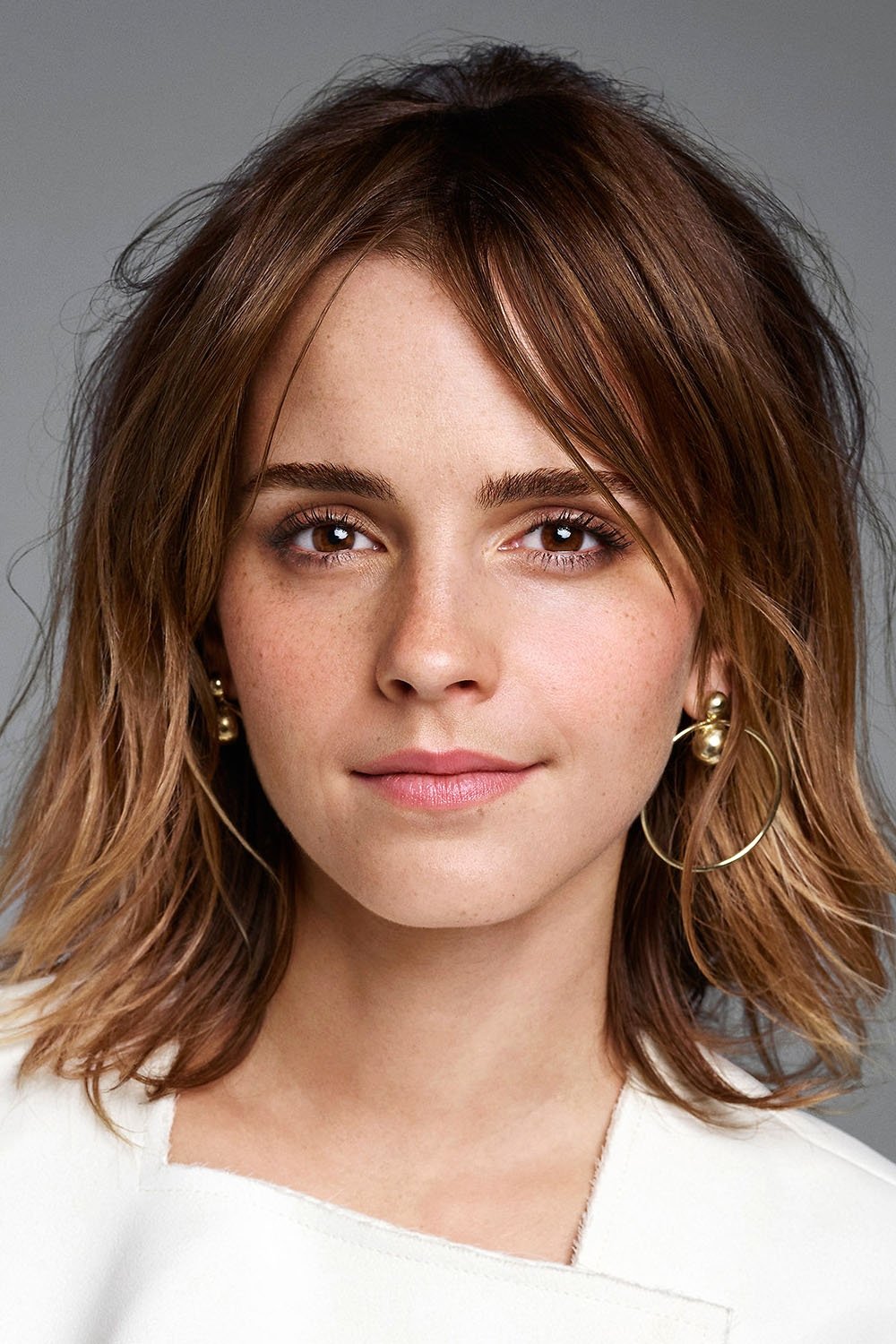
The actress faced a boycott movement on social media after she appeared in an advertisement for a skin lightening product in Asia. Fans who admired her for her feminist and human rights work felt the endorsement was contradictory to her message. Her representatives clarified that she had stopped doing such advertisements years prior but the old images continued to cause friction. This highlighted the global reach of advertising and the longevity of celebrity images.
Tiger Woods
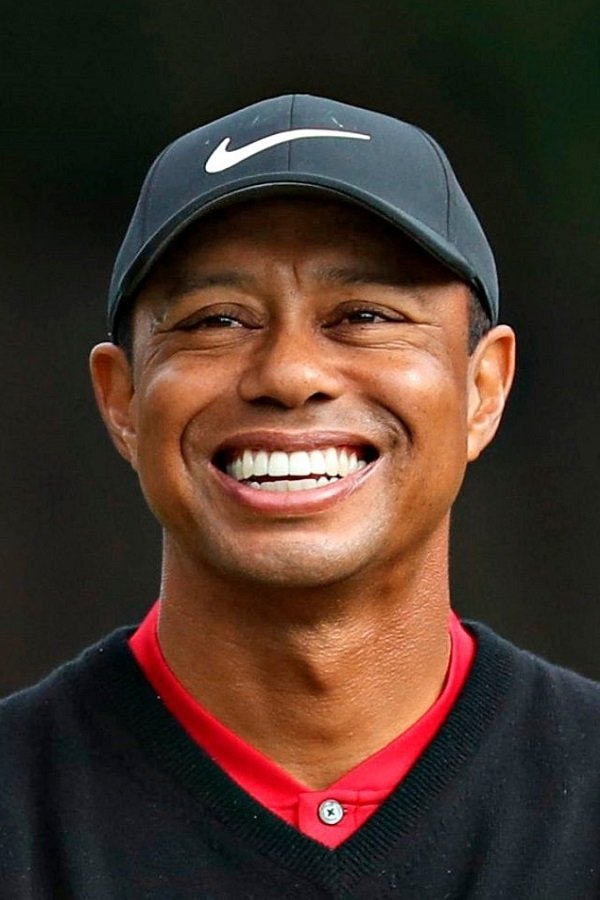
The golfer lost several major endorsements including Accenture and Buick following a series of personal scandals that shocked the nation. The public boycott of his sponsors forced many of them to cut ties to protect their own corporate reputations. He eventually returned to the sport but many of his original brand relationships were never fully restored. This remains one of the most high profile falls from grace in the history of sports marketing.
Kate Moss
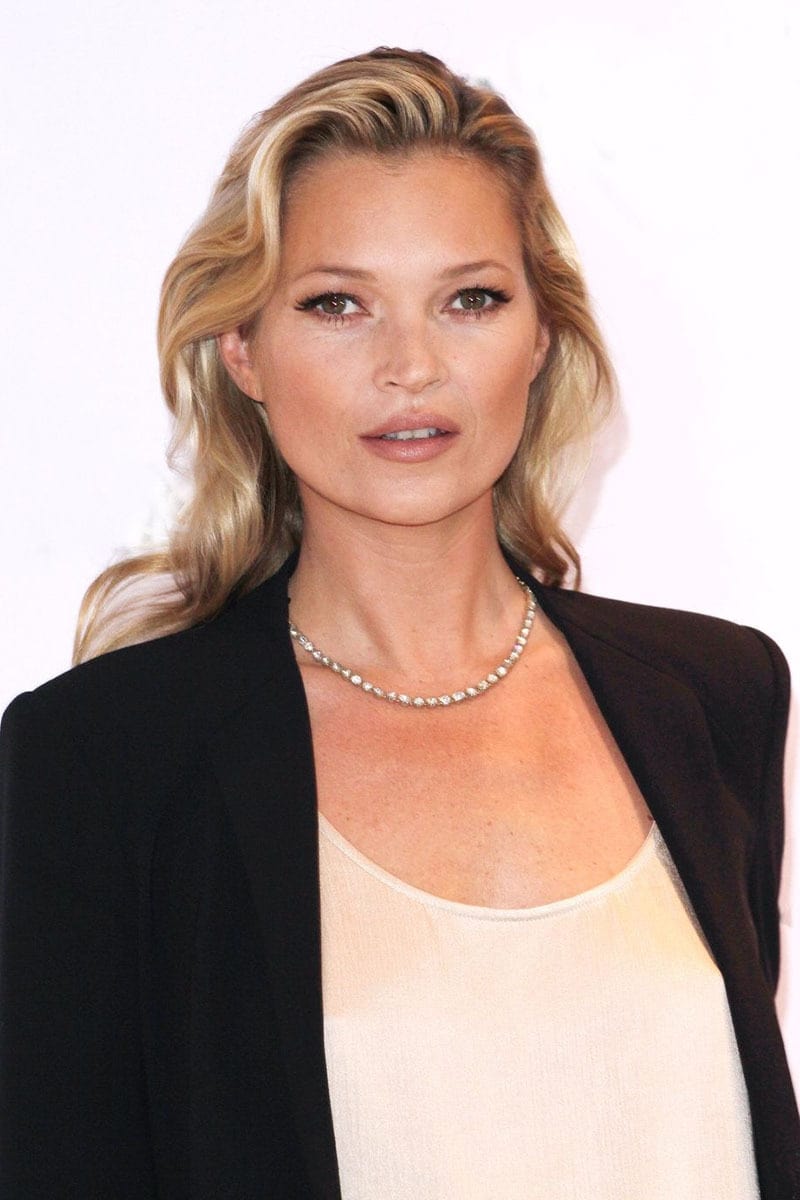
The model was dropped by several major fashion houses including Burberry and Chanel after photos of her personal life were published by the press. A national boycott of the brands she represented was threatened if they did not take action against her. She managed to rebuild her career after a short period of time and returned to the top of the industry. This case showed the resilience of certain icons despite intense public scrutiny.
Lance Armstrong
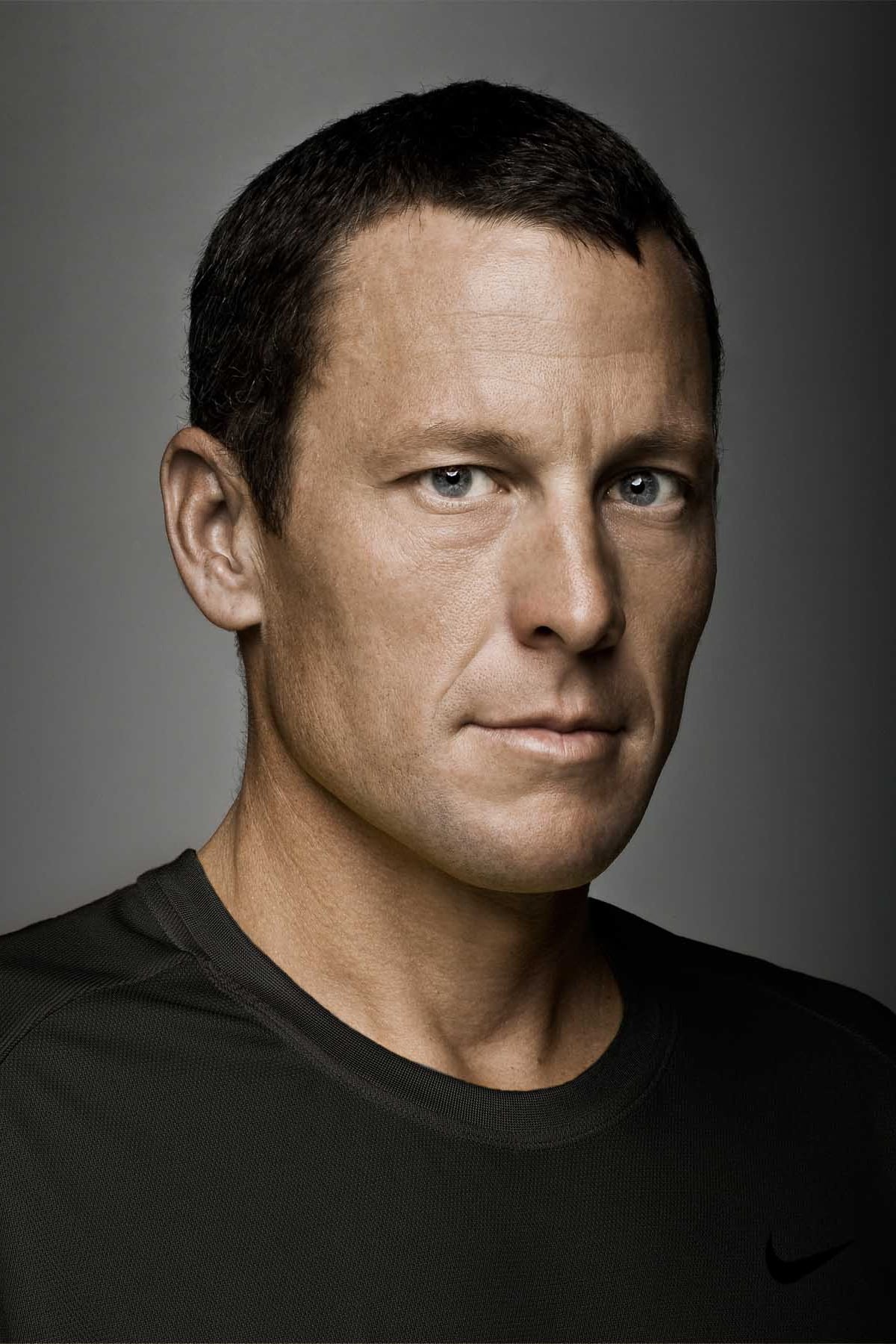
The cyclist was the center of one of the largest boycott and endorsement collapses in history following his admission of using performance enhancing drugs. Nike and other major sponsors immediately terminated their contracts and distanced themselves from his charitable foundation. The betrayal felt by the public led to a total rejection of his brand for many years. This event illustrated how the integrity of an athlete is the foundation of their commercial value.
Michael Phelps
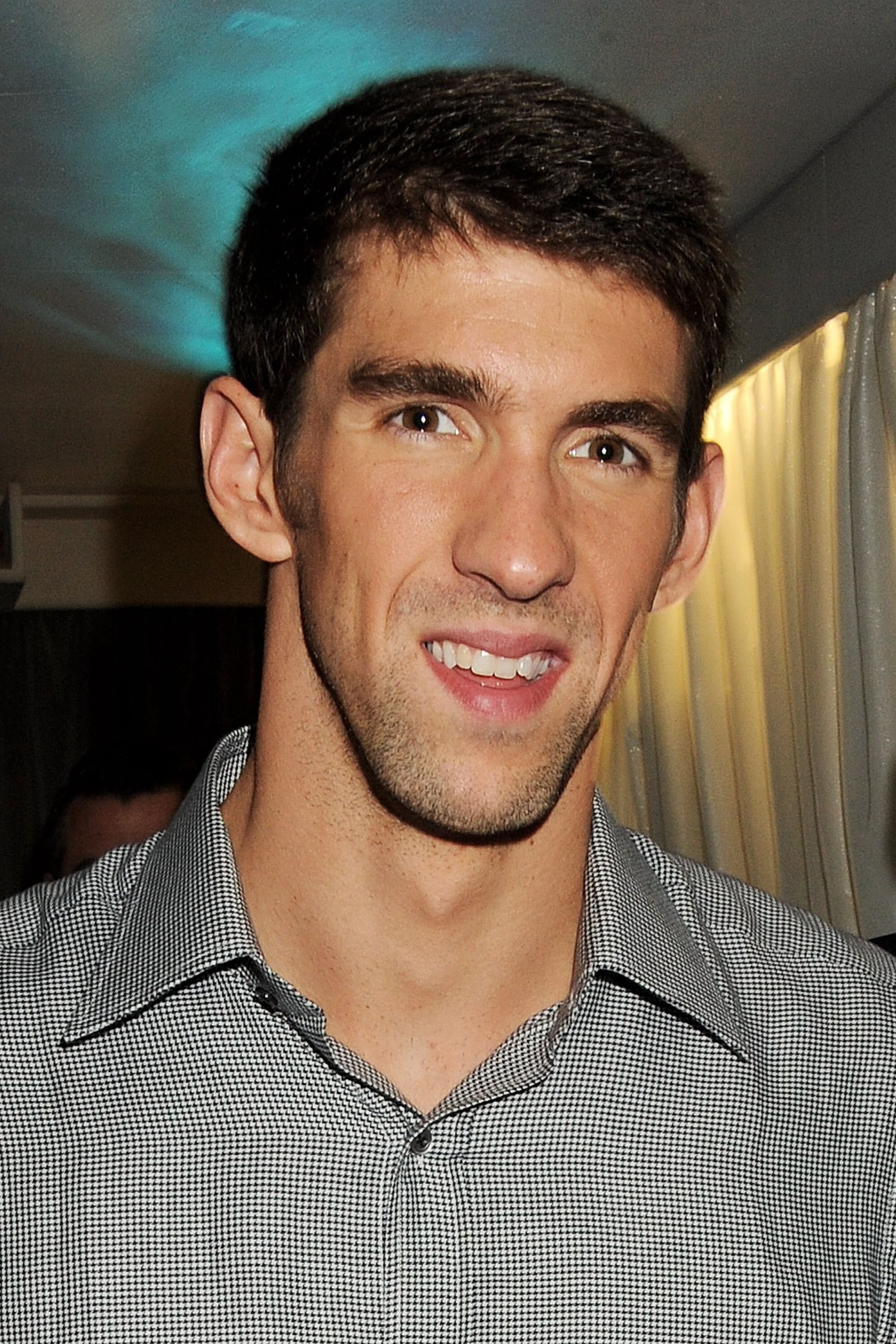
The Olympic swimmer lost a major endorsement deal with Kellogg when a photo of him using a glass pipe surfaced online. Many consumers called for a boycott of the cereal brand if they continued to support the athlete. The company eventually decided not to renew his contract following the public outcry. This incident served as a cautionary tale for brands regarding the personal lives of their representatives.
Whoopi Goldberg
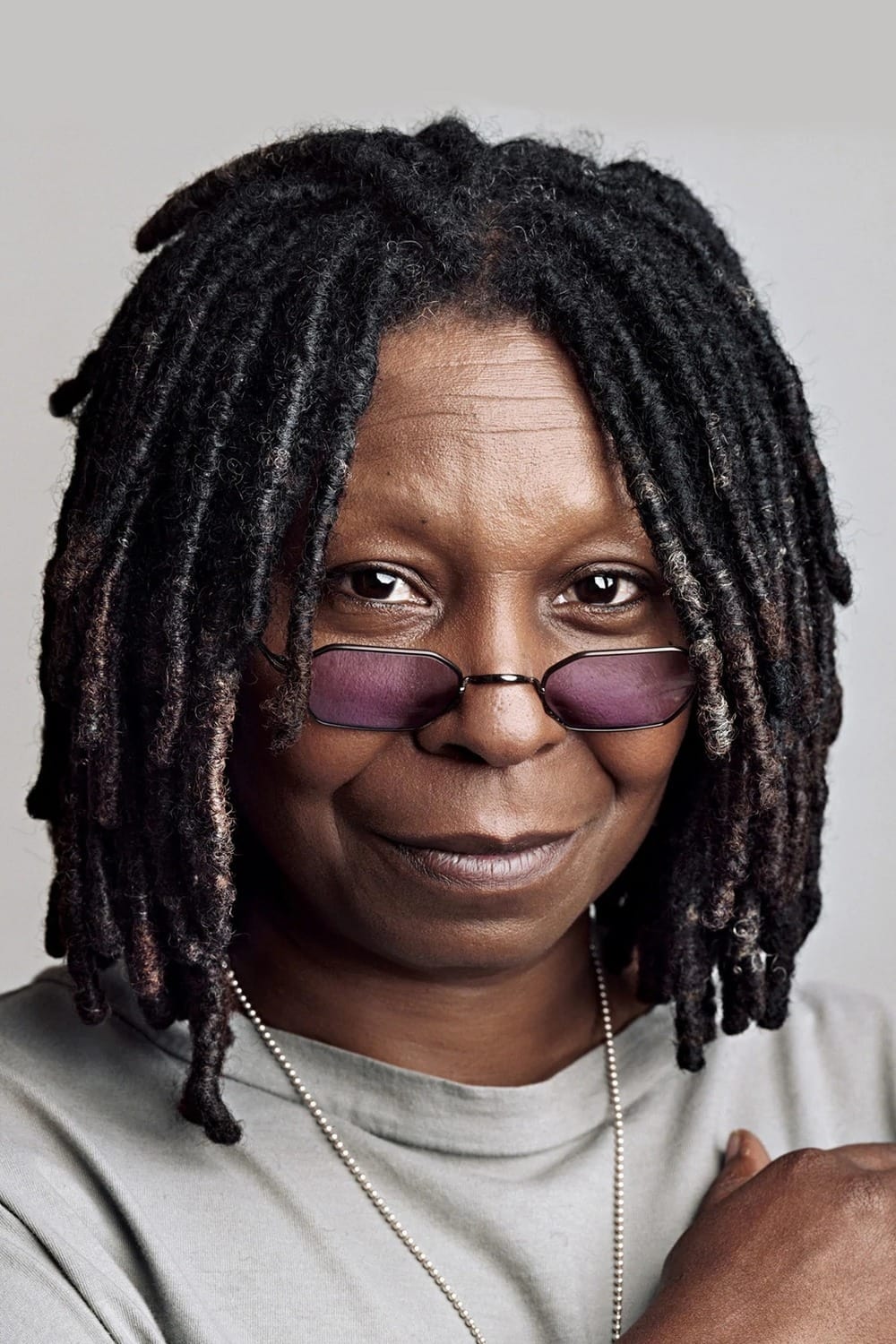
The actress and television host faced a boycott of SlimFast after she made controversial jokes about a political figure at a fundraiser. The brand decided to pull her commercials and end the partnership to avoid alienating a large portion of their customer base. She defended her right to express her opinions but the commercial consequences were immediate. This showed how political humor can directly impact a celebrity ability to represent mainstream consumer brands.
Tell us which of these celebrity endorsement controversies surprised you the most in the comments.