


15 Celebs You Didn’t Know Had FBI Files




The FBI’s public reading room, known as The Vault, includes thousands of pages on famous figures whose names surfaced in federal case files. Entries range from routine background checks to investigations into threats, extortion attempts, or tips tied to the politics and security concerns of the day. Many files were released through the Freedom of Information Act and can be read in heavily redacted form.
A file does not mean a person was accused of a crime. In many cases agents documented threats against the celebrity or tracked contacts that were already under scrutiny for unrelated reasons. The summaries, memos, and correspondence offer a paper trail that records how federal offices handled leads connected to public figures.
Marilyn Monroe

The Monroe file centers on Cold War era security memos that tracked her associations and travel. Reports reference acquaintances who were already of interest to federal agencies and note monitoring during periods of heightened political sensitivity.
Additional pages describe trips that drew attention and include background notes collected from informants and open sources. The paperwork focuses on contacts and political context rather than criminal allegations.
Frank Sinatra
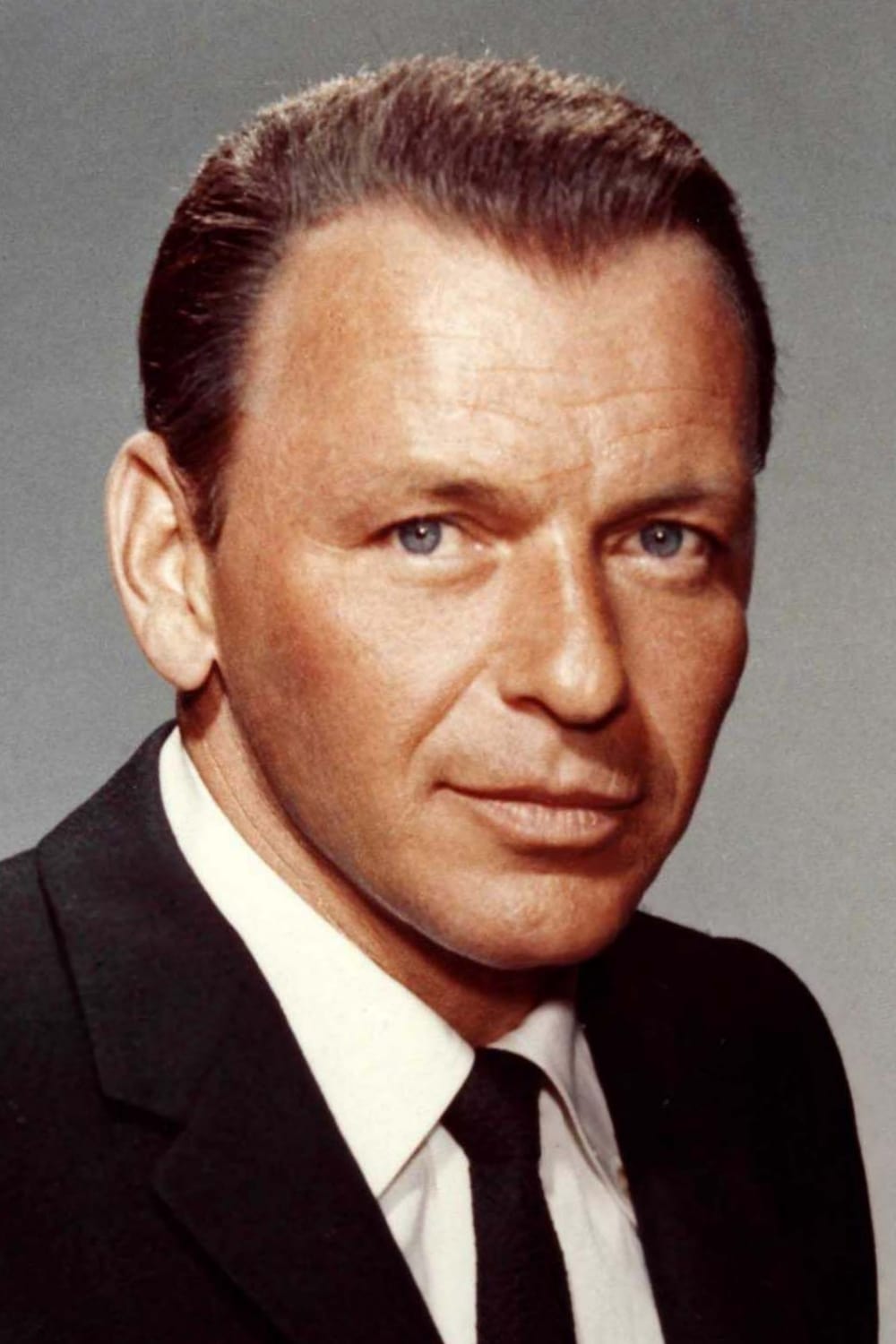
Sinatra appears in multiple investigations that documented extortion schemes aimed at extracting money from him. Agents also logged tips that mentioned his proximity to individuals who were the subjects of separate racketeering probes.
The materials span several decades and include interviews, summaries of threatening communications, and administrative notes. Much of the file records how the Bureau evaluated leads tied to a high profile entertainer.
Charlie Chaplin

Chaplin’s file combines a Mann Act inquiry with domestic security material that examined his political associations. The documents cover activity from the silent era into the postwar years and include immigration related entries.
Pages outline interviews, informant reports, and correspondence among field offices. The file captures repeated checks on affiliations that government officials considered sensitive during the early Cold War.
Whitney Houston

Houston’s file records three separate matters that involved threatening letters and an extortion attempt. Investigators interviewed involved parties and reviewed correspondence to determine whether federal crimes had been committed.
The documents provide timelines of contacts, descriptions of communications sent to her representatives, and the steps taken to close the cases. No federal charges followed the extortion inquiry.
John Lennon

Lennon’s file includes surveillance reports tied to his anti war activism and public appearances with political groups. The material coincides with immigration proceedings that unfolded while officials monitored his activities.
The file contains summaries of events, references to organizers, and notes about concerts and rallies. Declassified sections show how multiple agencies coordinated information during the early 1970s.
Elvis Presley

Presley’s name appears in federal records because of threats, fan complaints, and extortion attempts reported during his rise. The file also contains administrative correspondence about public interest in his performances.
Agents collected letters, evaluated claims, and shared updates with local offices. Entries emphasize protective work rather than investigative focus on Presley himself.
Aretha Franklin
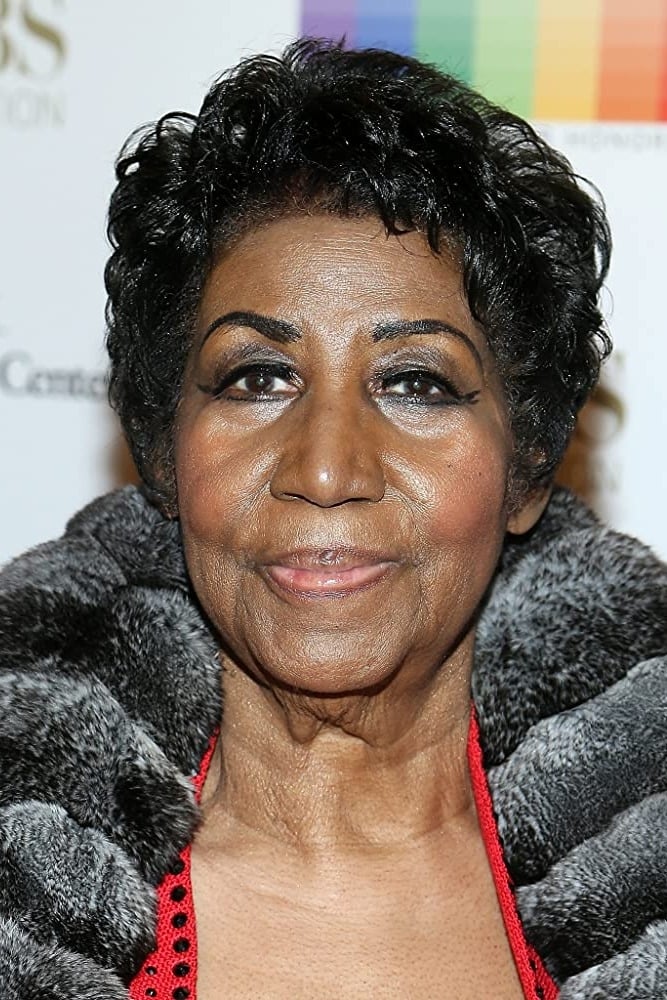
Franklin’s declassified records document decades of monitoring that intersected with civil rights events where she performed. Agents tracked threats and scheduled appearances that involved prominent movement figures.
The file includes itinerary notes, venue contacts, and summaries of risk assessments. Much of the attention related to security around large public gatherings during periods of unrest.
Jimi Hendrix
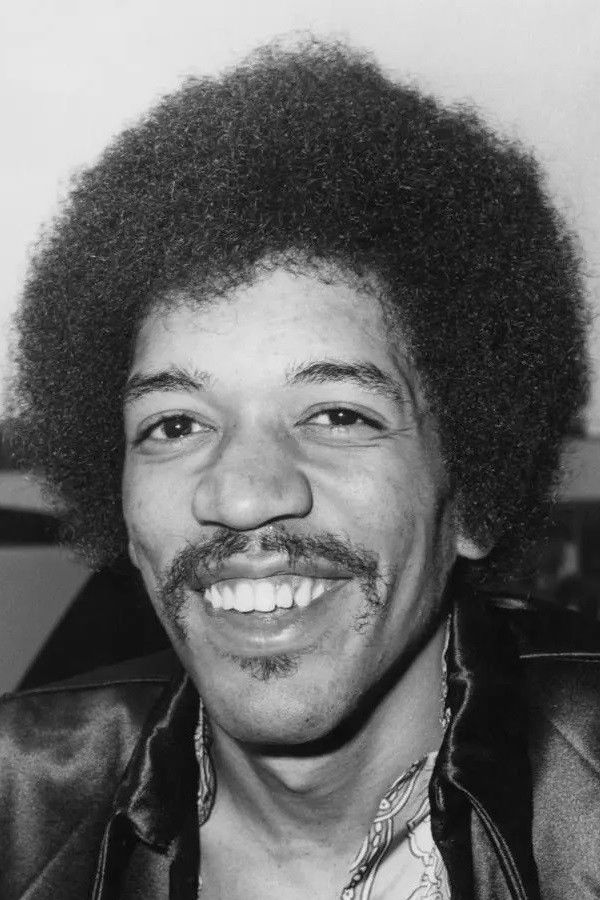
Hendrix has a relatively small file that preserves notes about legal incidents and later security references. The material reflects routine checks that followed high profile travel and performances.
The pages include memoranda, routing slips, and brief summaries of interviews. The file shows how local matters could trigger federal entries when interstate issues or customs questions arose.
Tupac Shakur
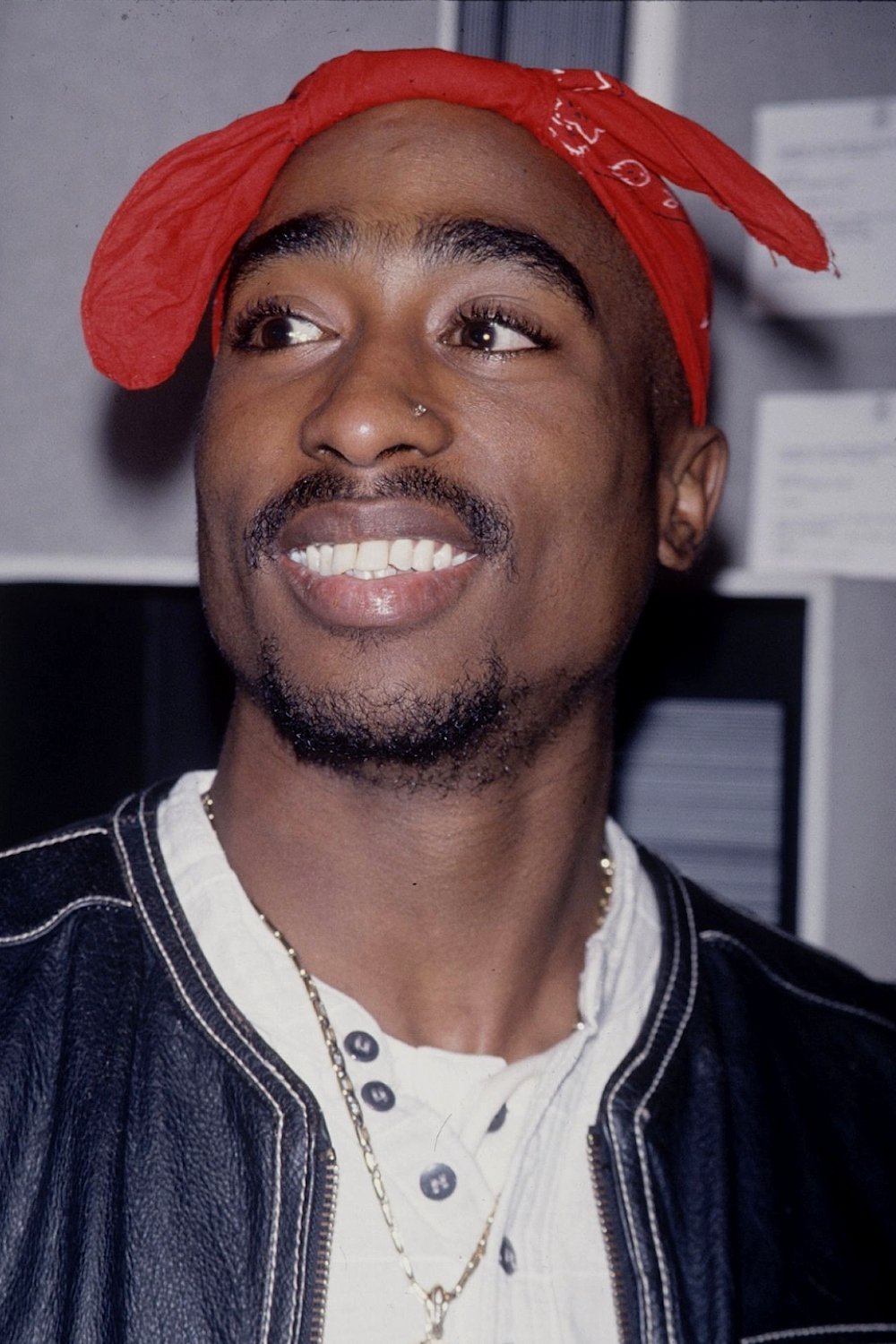
Shakur’s file centers on an investigation into violent threats that targeted hip hop artists in the late 1990s. Agents pursued leads on messages that demanded payment and included claims of imminent harm.
The records outline the basis for federal jurisdiction and document interviews with industry figures. The case concluded without public charges tied to the threats detailed in the file.
The Notorious B.I.G.
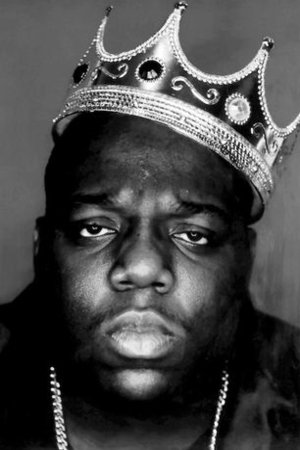
The file for Christopher Wallace documents a civil rights inquiry into his 1997 murder. Agents reviewed possible color of law violations and coordinated with local authorities while assessing leads.
Released sections include case summaries, evidence logs, and interagency correspondence. The paperwork reflects investigative activity that continued for years after the homicide.
Lucille Ball

Ball’s file relates to questions about a voter registration from the 1930s and testimony during the McCarthy era. Bureau memoranda compiled background details that were requested by congressional investigators.
The release condenses hearing references, interview notes, and administrative routing pages. The entries show how political inquiries brought entertainment figures into federal files during that period.
Ernest Hemingway
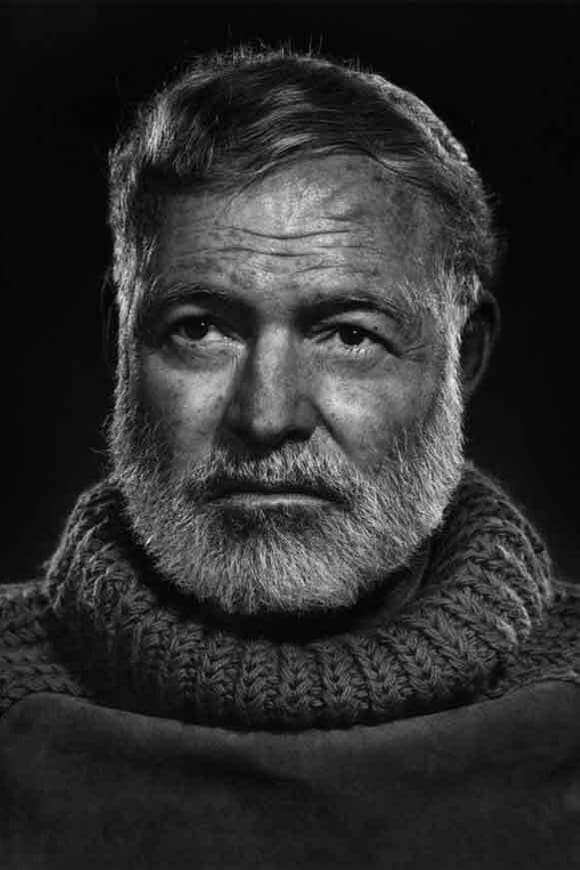
Hemingway’s records describe his wartime assistance to the United States Embassy in Havana. The file references his informal intelligence network, sometimes called the Crook Factory, and the communication that followed from it.
The pages preserve cables, contact lists, and assessments of the group’s value to ongoing operations. Most of the documentation centers on the early 1940s and the coordination required during the war.
Walt Disney
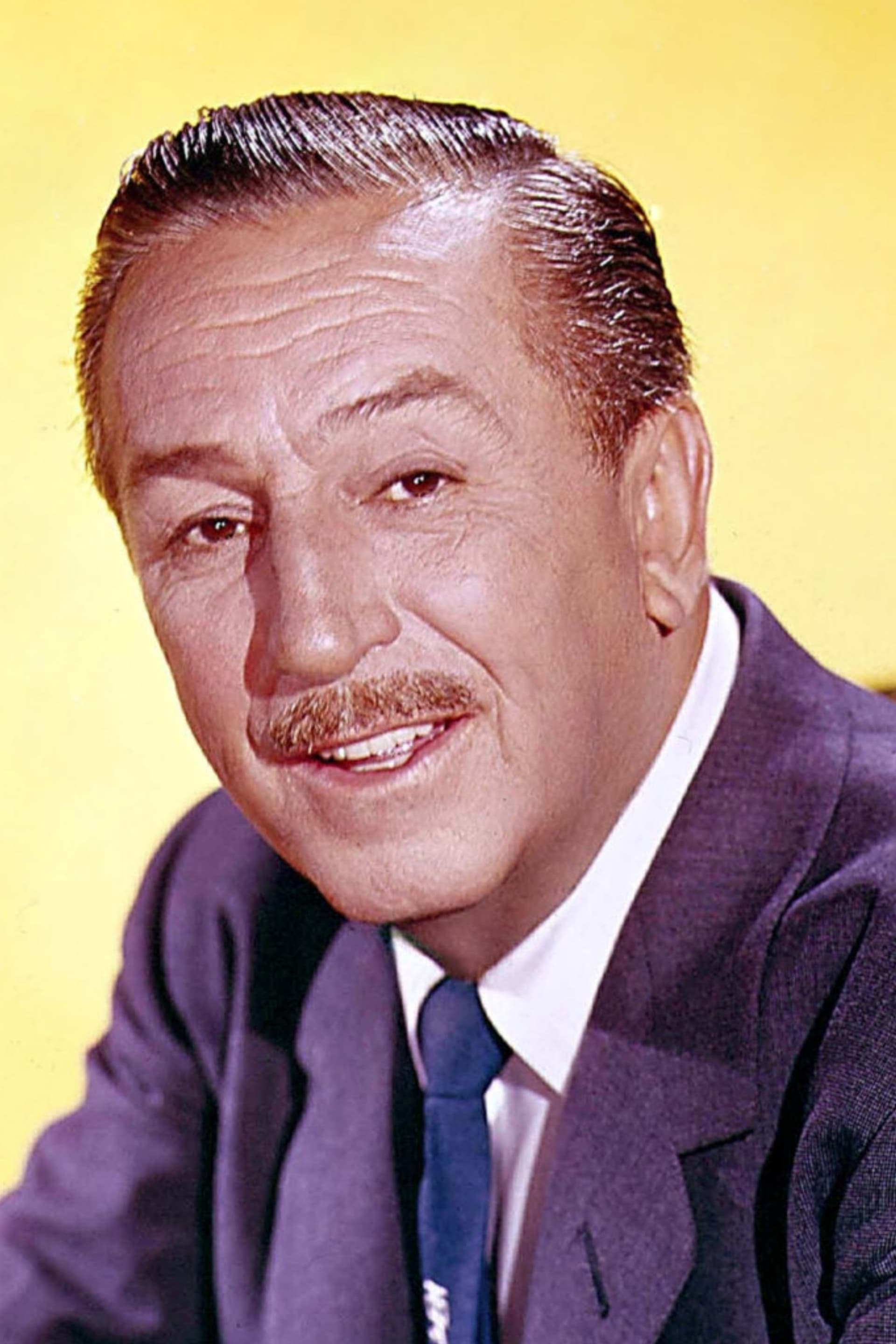
Disney’s file shows routine contacts between his company and federal offices from the postwar years onward. Notes document visits, security checks, and communication related to facilities and projects.
The material includes meeting summaries and correspondence that reflect recurring interactions with field agents. The records track how a growing studio intersected with federal interests in culture and security.
Muhammad Ali
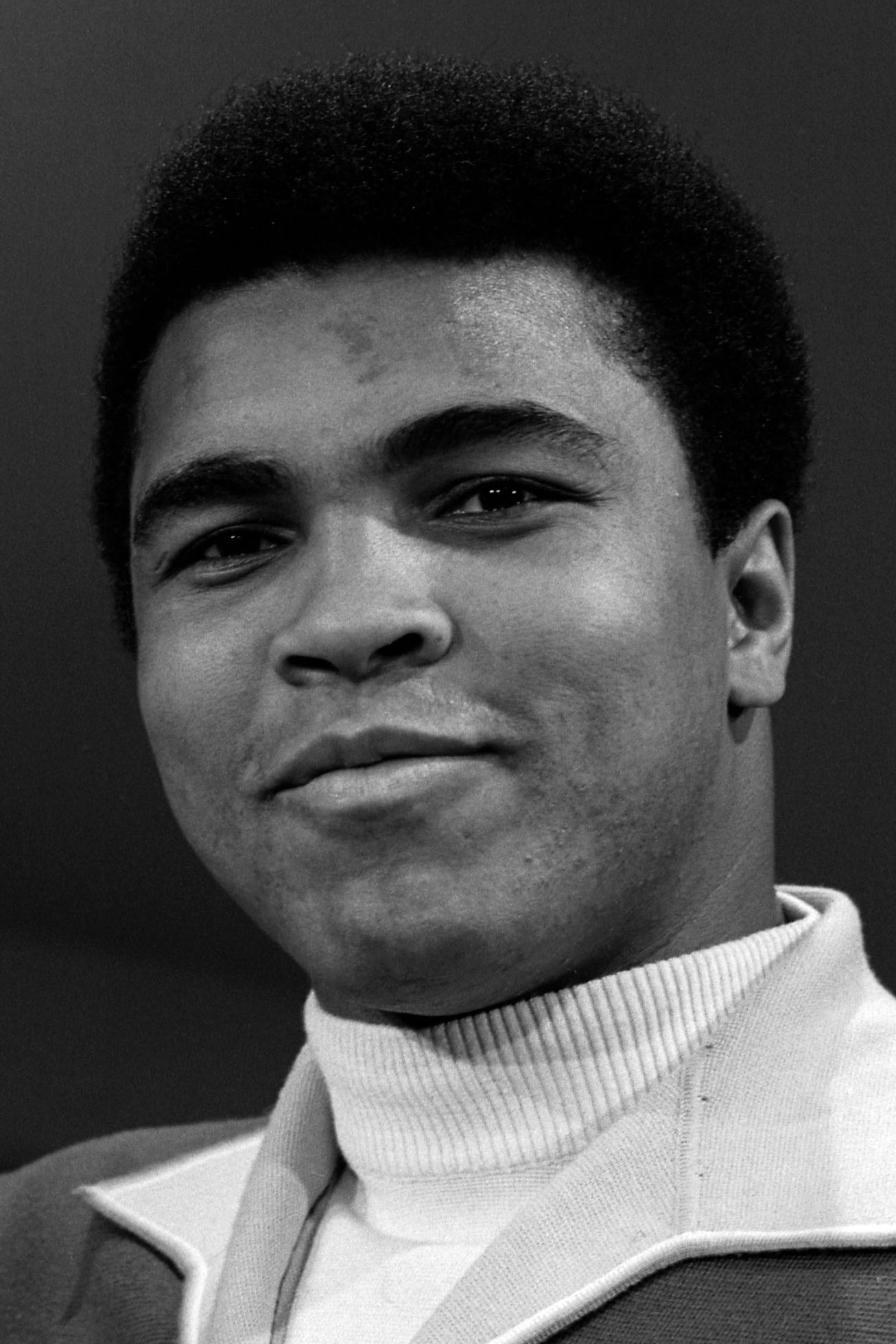
Ali’s file spans his high profile years and includes entries related to the Nation of Islam and his draft case. The documents capture monitoring that accompanied his prominence during a period of political and social conflict.
The release contains transcripts, event summaries, and references to court proceedings. Much of the attention focused on public activities and organizations already under federal review.
Micky Dolenz

Dolenz sought access to Bureau records about the Monkees after earlier partial releases referenced their concerts. The documents that surfaced described informant reports about political imagery at shows in the late 1960s.
The file includes internal notes about complaints and the handling of materials submitted to field offices. His later legal action aimed to obtain a complete set of records for public review.
Share the names that surprised you most in the comments and add any other celebrities whose files you want covered next.