


Celebs You Had No Idea Battled Addiction



Addiction often hides behind red carpet photos and box office numbers, yet many famous names have lived through it and talked about what recovery looks like in real life. Some entered treatment early in their careers while others faced life threatening wake up calls before turning a corner. Their stories cover everything from alcohol and opioids to stimulants and prescription medications, and many have used their platforms to explain what helped them get better.
These accounts include rehab stays, long stretches of sobriety, relapses, and support from family and peers. They also include concrete steps like therapy, recovery programs, and lifestyle changes that made day to day stability possible. Reading what they have shared can help people understand how treatment works and why ongoing support matters long after the headlines fade.
Robert Downey Jr.

Robert Downey Jr. spent the late nineties and early two thousands moving through arrests, incarceration, and court ordered treatment as drugs and alcohol derailed his career. He has described getting clean as a full reset that involved residential rehab, strict routines, and cutting ties with people and places tied to substance use.
He returned to sets after years of consistent sobriety and built a demanding work schedule that kept him accountable. Projects like ‘Iron Man’ arrived only after he proved to insurers that he could stay on track, which required frequent testing and tight contracts that rewarded reliability.
Demi Lovato

Demi Lovato has spoken openly about addiction and an overdose that led to hospitalization and long term medical care. Their recovery included detox, inpatient treatment, outpatient therapy, and a reevaluation of touring schedules and work commitments to reduce stressors that had fed into substance use.
Lovato has used documentaries and interviews to outline harm reduction choices and relapse prevention tactics that they apply daily. That includes sober supports on the road, honest communication with their team, and medical monitoring that keeps their physical and mental health front and center.
Ben Affleck
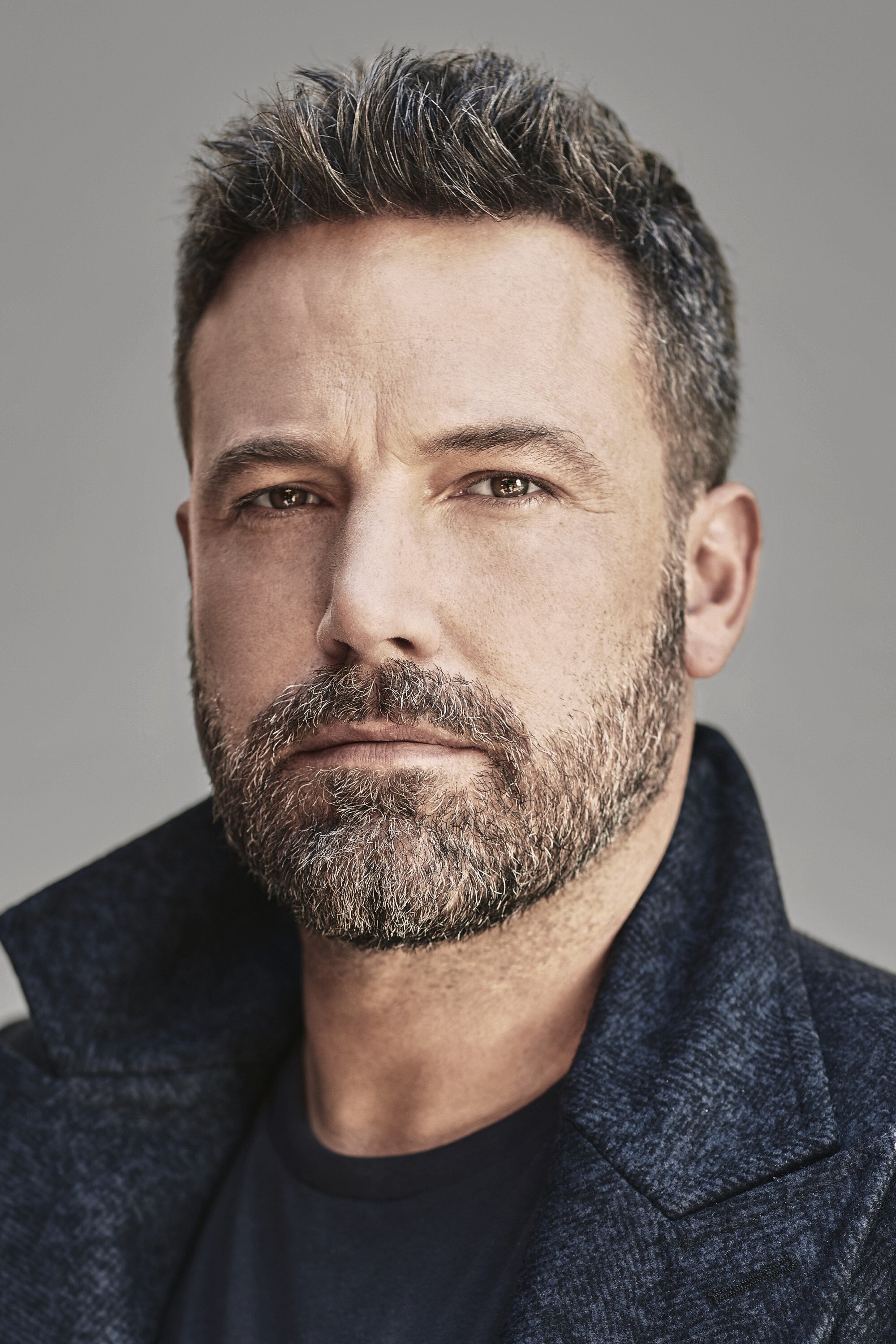
Ben Affleck has addressed alcohol addiction and multiple rehab stays, including extended treatment followed by structured aftercare. He has explained that recovery for him means regular therapy, participation in peer support, and clear boundaries around work and family time to manage triggers.
Affleck has also described relapse as part of his experience and emphasized returning to treatment quickly when warning signs appear. He credits routines like exercise, time with his children, and professional counseling with maintaining stability through busy filming periods.
Jamie Lee Curtis
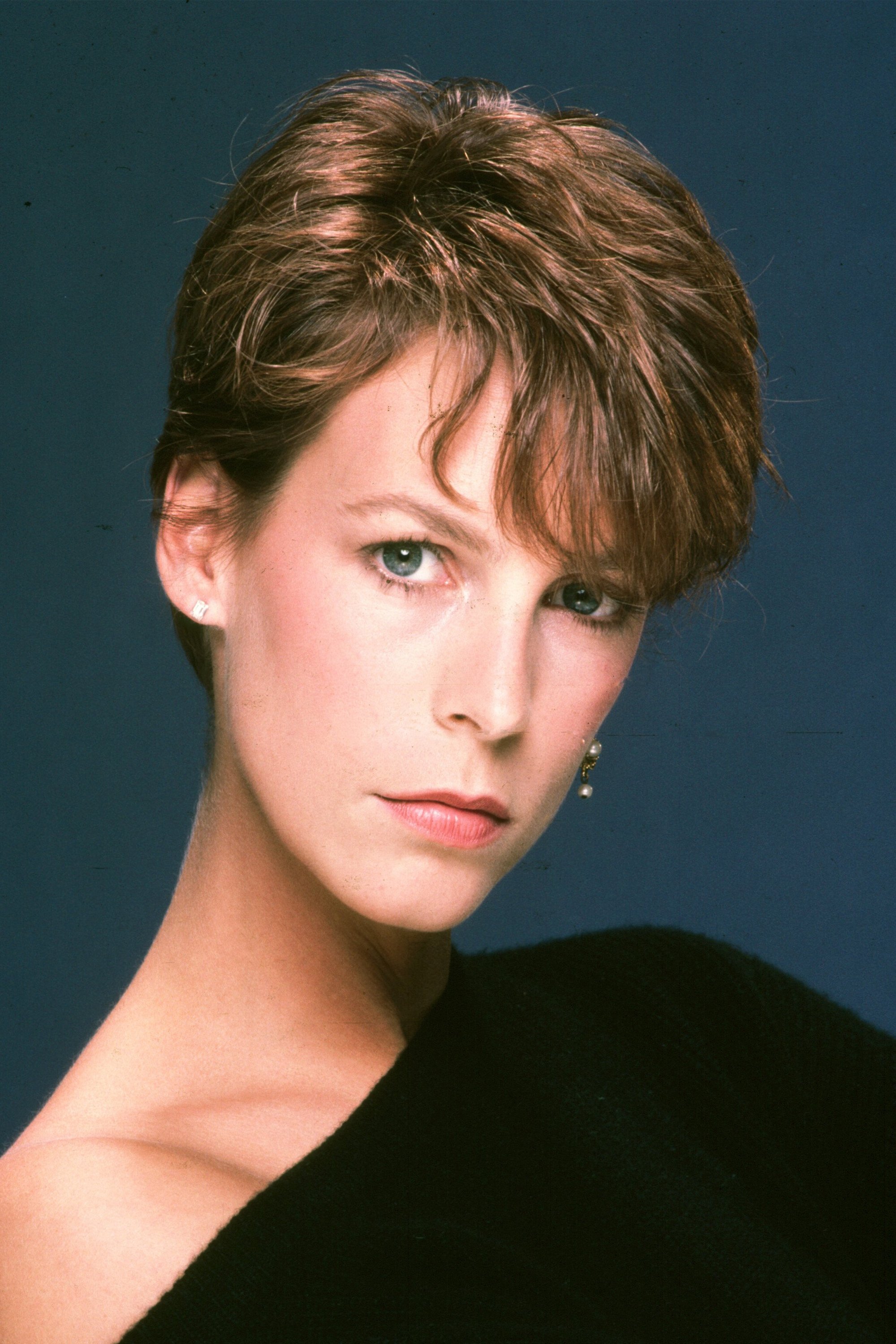
Jamie Lee Curtis revealed that a prescription for pain medication after a medical procedure led to a secret opioid addiction in the nineties. She sought help, began recovery, and has maintained long term sobriety by keeping health care providers informed and avoiding medications that could reignite dependence.
Curtis mentors others and supports recovery organizations, explaining practical steps like disposing of unused pills and asking pharmacists about non opioid options. She keeps her home and travel routines free of triggers and builds accountability into her schedule.
Bradley Cooper
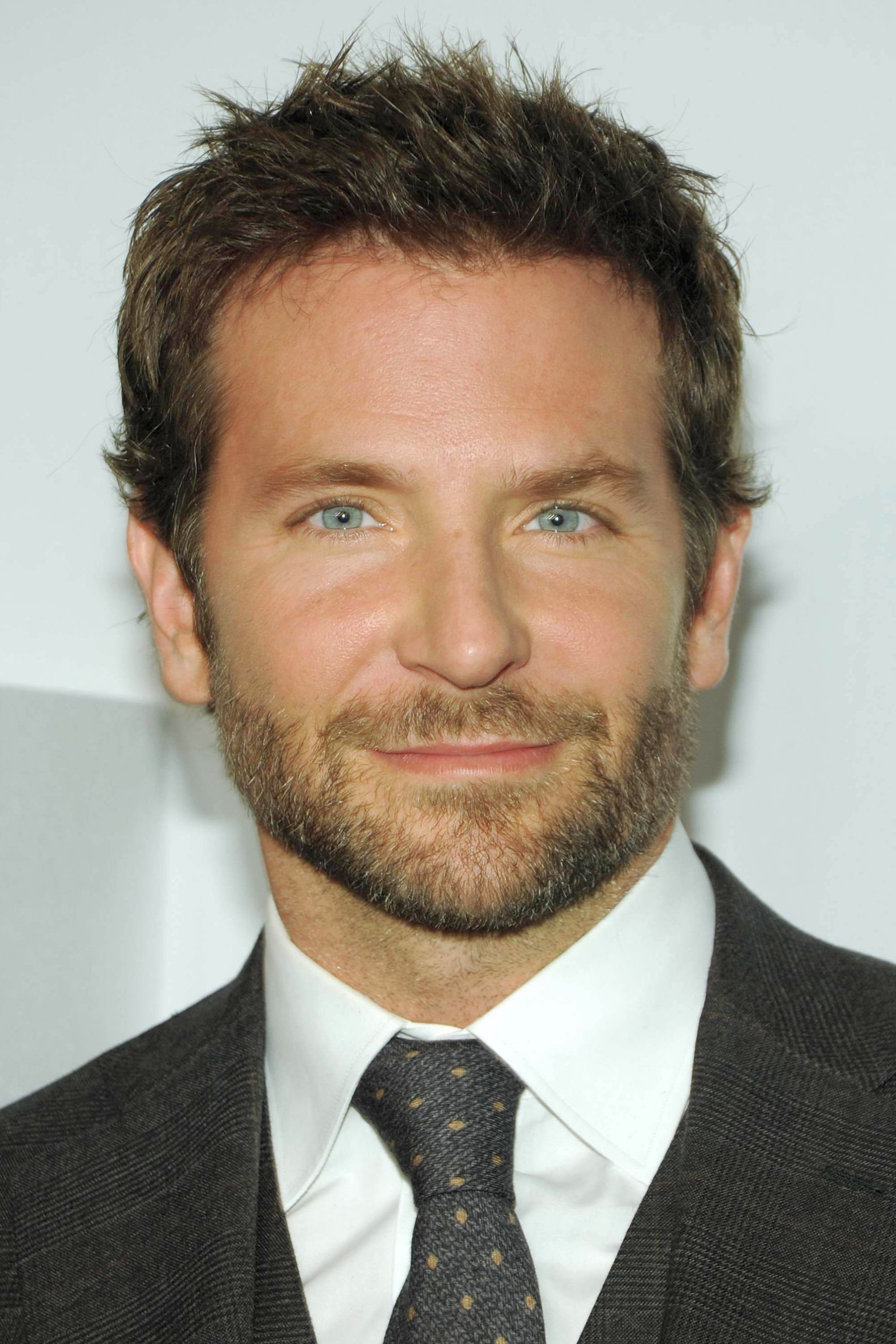
Bradley Cooper has said he stopped drinking in his late twenties after recognizing the impact alcohol had on his life. He credits early intervention, steady mentorship from sober friends, and a strict fitness and sleep routine that made cravings easier to manage.
Cooper structures demanding shoots with recovery in mind, limiting late nights and keeping a consistent call time when possible. He has discussed how portraying addiction on screen, as in ‘A Star Is Born’, required separate personal safeguards so performance stress did not interfere with sobriety.
Daniel Radcliffe

Daniel Radcliffe has described how drinking escalated during and after his early fame. He chose sobriety in his early twenties and leaned on close friends, therapy, and extended breaks between projects to reinforce the change.
He keeps alcohol away from work settings and chooses roles with schedules that support a predictable routine. Radcliffe has explained that staying busy with theater and film helps when combined with counseling and non drinking social circles.
Eminem
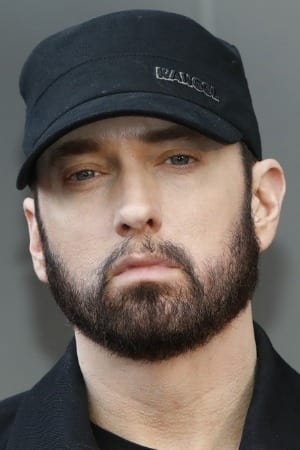
Eminem developed a dependence on prescription medications during years of heavy touring and studio work and nearly died after an overdose. His recovery involved detox, inpatient treatment, and a long rebuilding period focused on nutrition, exercise, and strict daily structure.
He returned to recording only after establishing firm limits around travel and studio hours. He has shared how tracking sleep, monitoring prescriptions with doctors, and using fitness as a substitute for old habits became core parts of staying sober.
Elton John
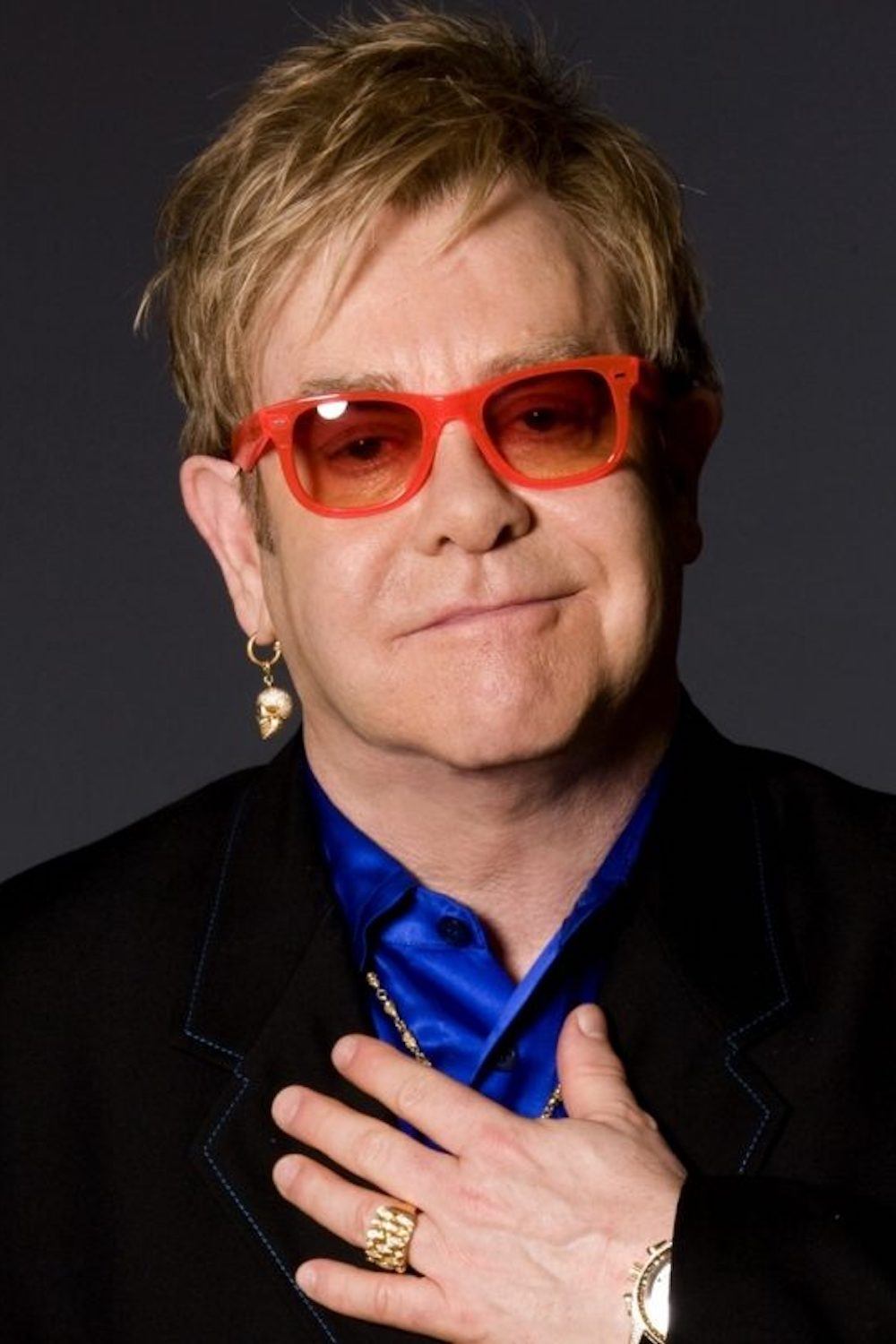
Elton John has spoken about years of cocaine and alcohol use and the toll it took on his health and relationships. He entered treatment, embraced sobriety, and reframed touring schedules to reduce risks tied to fatigue and isolation.
His advocacy includes fundraising and public conversations that highlight the medical and social supports people need to recover. He has described how routines on the road, including sober companions and planned downtime, help maintain consistency from show to show.
Drew Barrymore
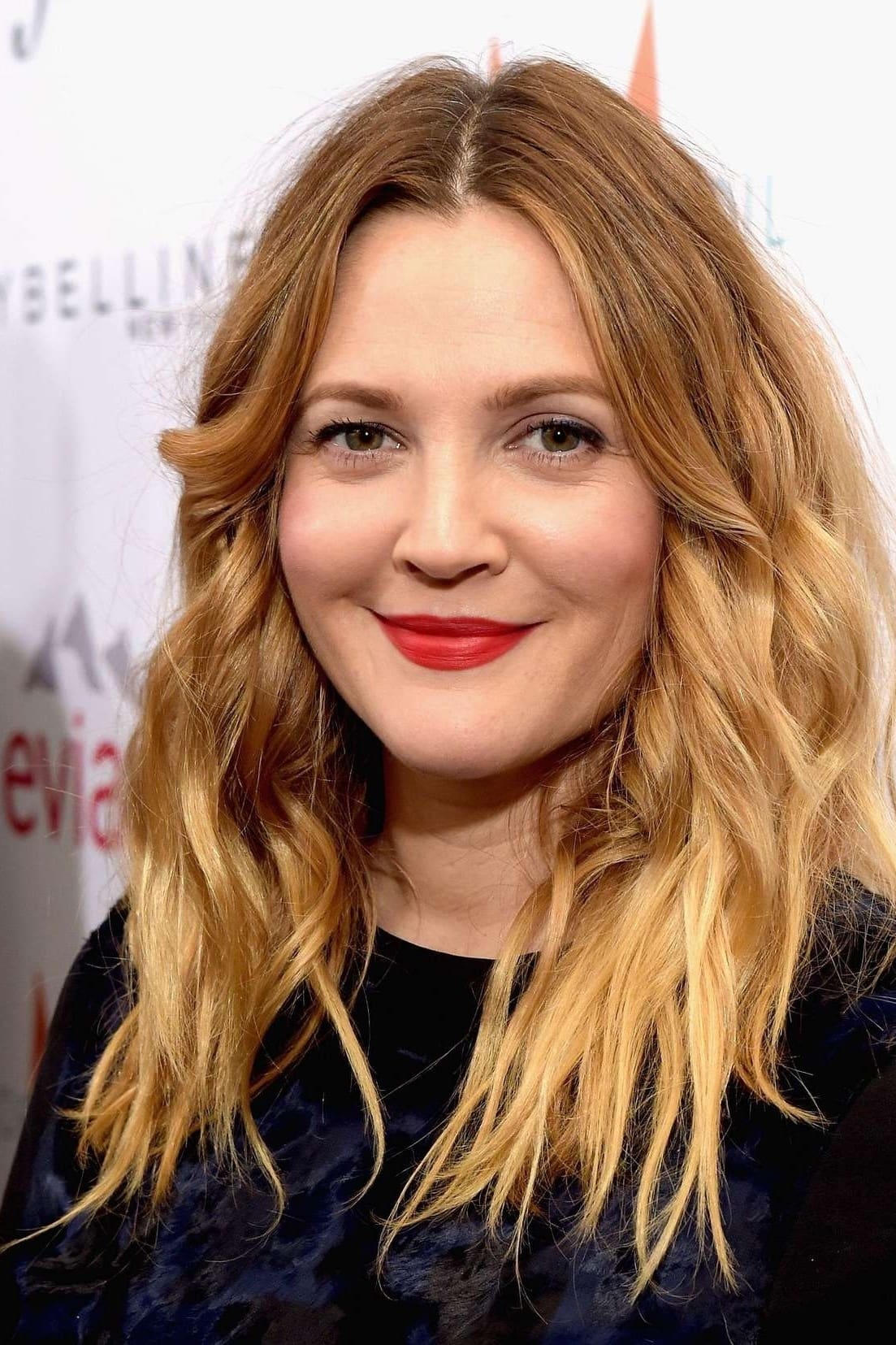
Drew Barrymore entered rehab as a young teenager after early exposure to nightlife and substances. She completed treatment and later outlined how family therapy, recovery groups, and distance from party environments helped her avoid old patterns.
As an adult she has talked about adjusting to long workdays while prioritizing sleep and healthy food to protect her progress. She also builds production schedules that let her be present for her children, which she credits with keeping her grounded.
Dax Shepard
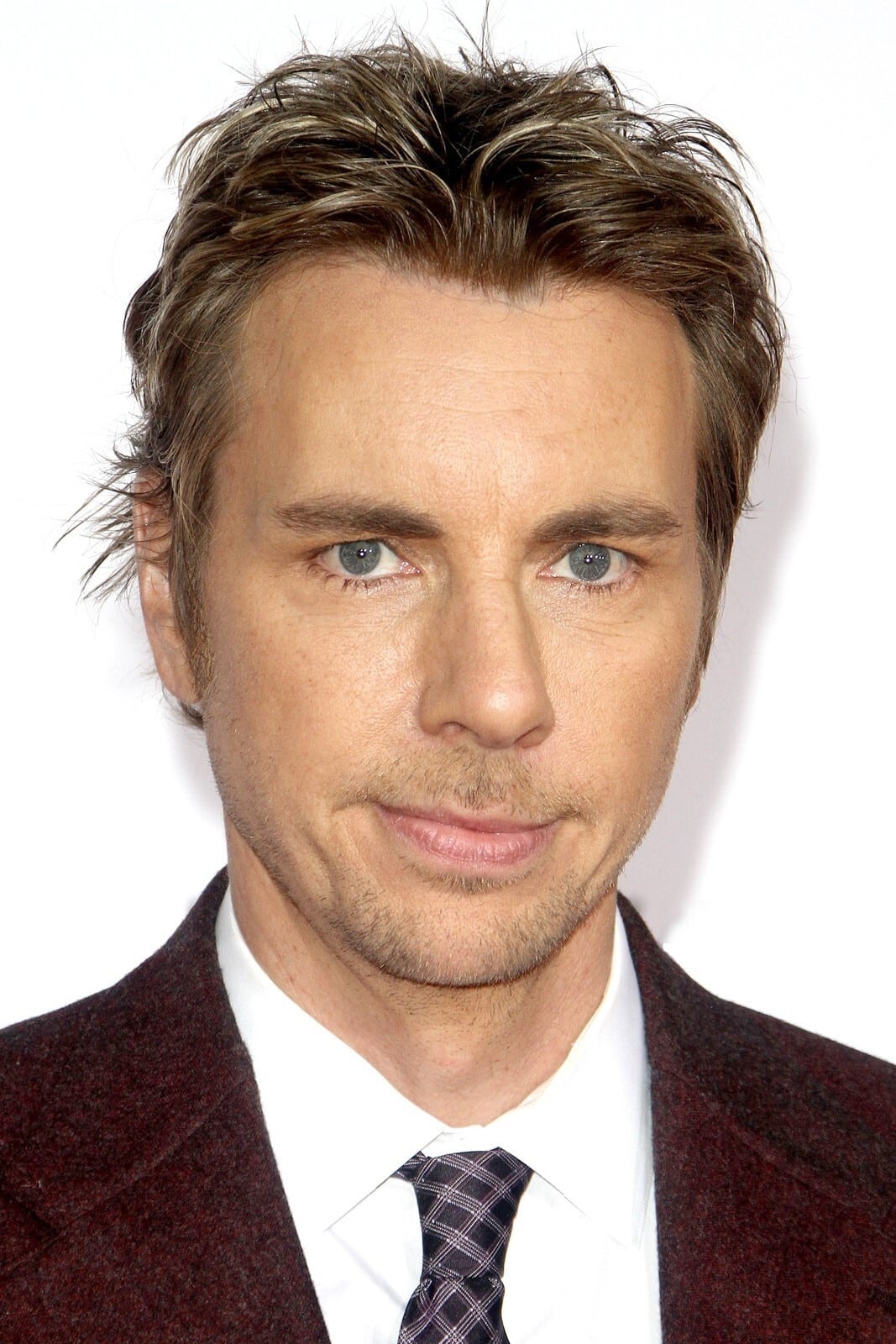
Dax Shepard got sober in his twenties after a history with alcohol and drugs, then experienced a relapse with prescription painkillers following injuries. He disclosed the setback, restarted recovery work, and added new layers of accountability that included daily check ins and complete transparency with his family and medical team.
Shepard continues to host a demanding show while putting safeguards in place, like having non addictive pain plans and a therapist aligned with his physicians. He has detailed how changing pharmacy practices and locking medication access reduced risk in his home.
John Mulaney
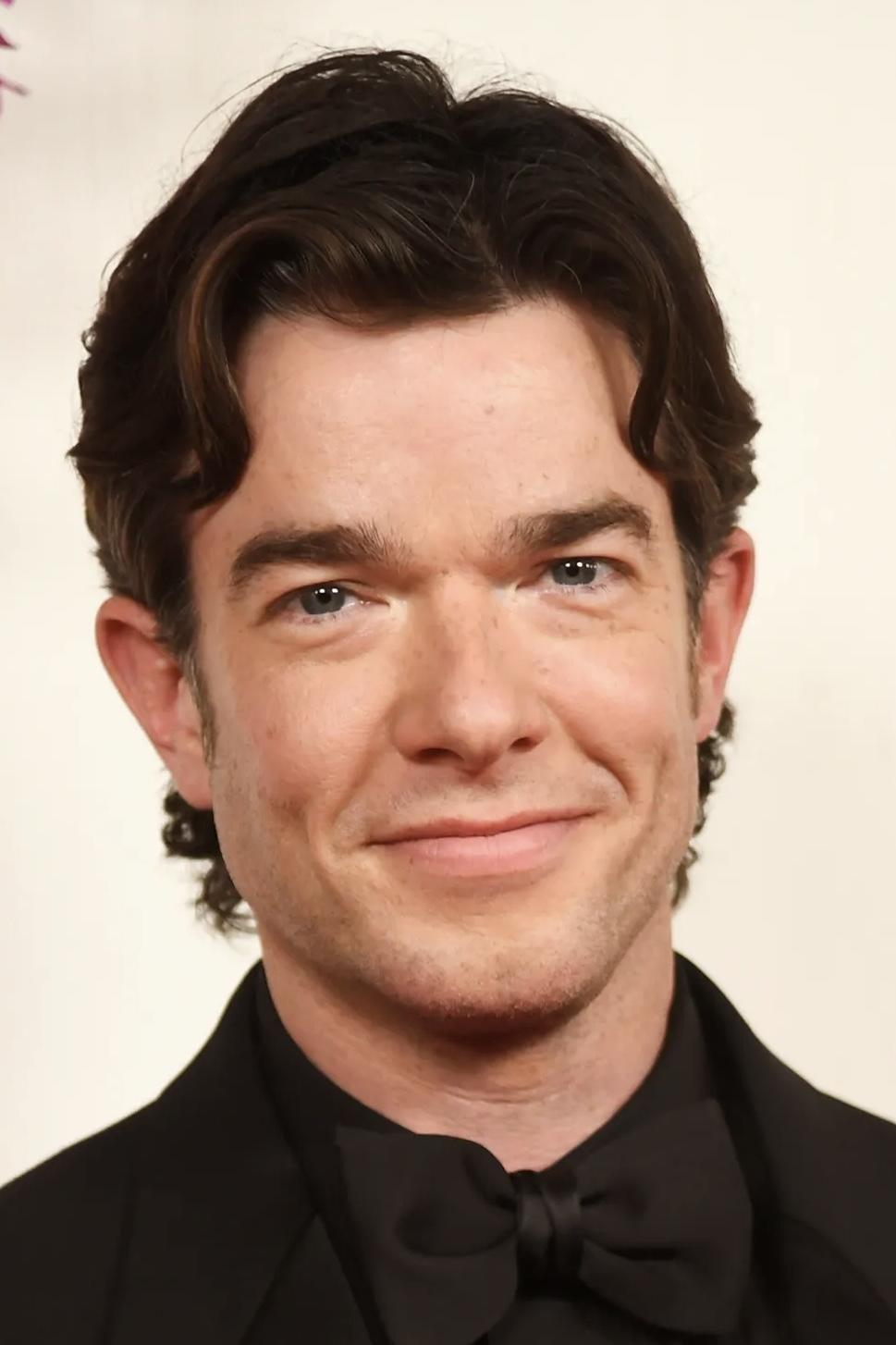
John Mulaney described a long struggle with alcohol and cocaine that culminated in an intervention and inpatient rehab. He returned to work only after a period of stability that involved outpatient care, medication management where appropriate, and a deliberate pace for touring.
His stage material documents the timeline while highlighting choices that support recovery, such as sober green rooms and set lists built to avoid unnecessary stress. He keeps close ties with friends from treatment and maintains regular therapy between shows.
Anthony Hopkins
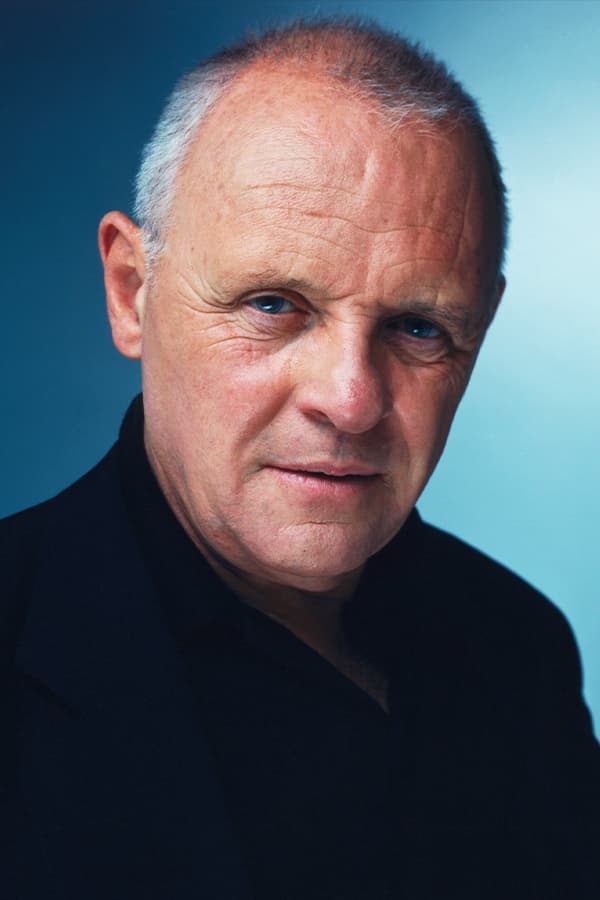
Anthony Hopkins has said he stopped drinking in the mid seventies after recognizing how alcohol affected his life and work. He credits a decision to get help, along with sustained participation in recovery support, for decades of sobriety.
Hopkins schedules his creative projects around routines that include daily exercise, painting, and music to manage stress. He often marks sobriety milestones and uses them as checkpoints to review habits and recommit to practices that work.
Zac Efron
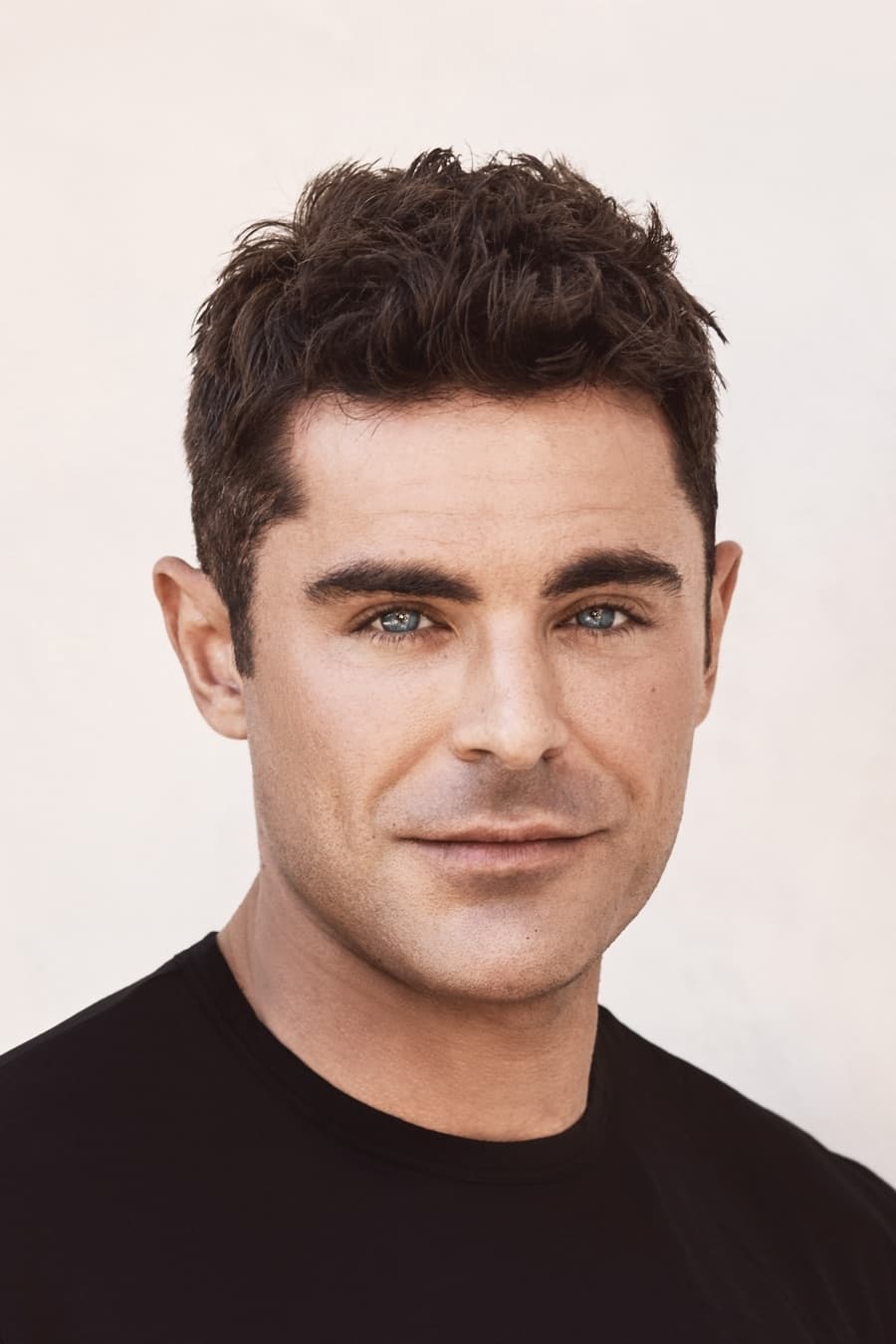
Zac Efron entered treatment in his mid twenties after alcohol and drug use escalated during a heavy travel and filming period. He has said that therapy, a change in social circles, and a stronger focus on fitness created a foundation for long term change.
He shapes training and filming blocks to limit idle time and keeps a small trusted team on location. Efron has explained that staying off social scenes and prioritizing recovery friendly hobbies helps him maintain balance between projects.
Keith Urban
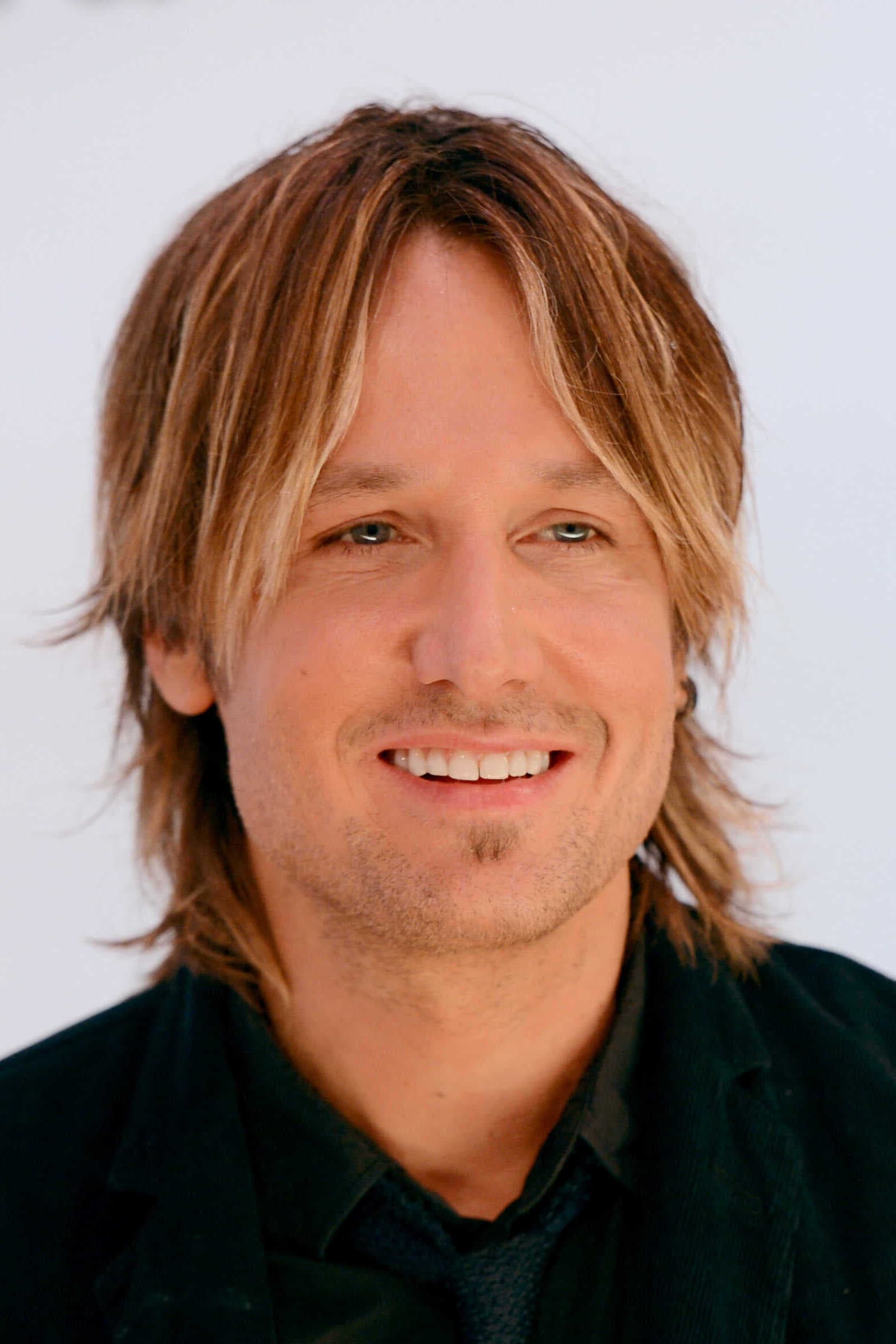
Keith Urban sought treatment for addiction more than once, including a return to inpatient care after a public setback. He credits medical supervision, counseling, and support from family for sustained progress.
On tour he structures days to reduce downtime and builds in exercise and vocal work as anchors. He has said that constant communication with his crew and clear travel plans keep stress lower and reduce triggers while moving from city to city.
Naomi Campbell

Naomi Campbell has talked about entering rehab to address drug dependence during the height of her modeling career. She has described the physical and mental recovery that followed, including nutrition support and consistent sleep to repair the damage from years of use.
She continued working with a smaller circle and set boundaries around events where substances were present. Campbell has shared that ongoing therapy and mindfulness practices remain part of her routine, especially during fashion seasons with intense schedules.
Lindsay Lohan

Lindsay Lohan spent years cycling through court cases and rehab before rebuilding a steadier life. Treatment plans included residential care, sober coaching, and gradual returns to work with supervision and testing.
She later moved overseas and took roles with manageable hours while maintaining therapy. She has spoken about how low key living and tight control over her calendar support her ability to stay on track.
Shia LaBeouf
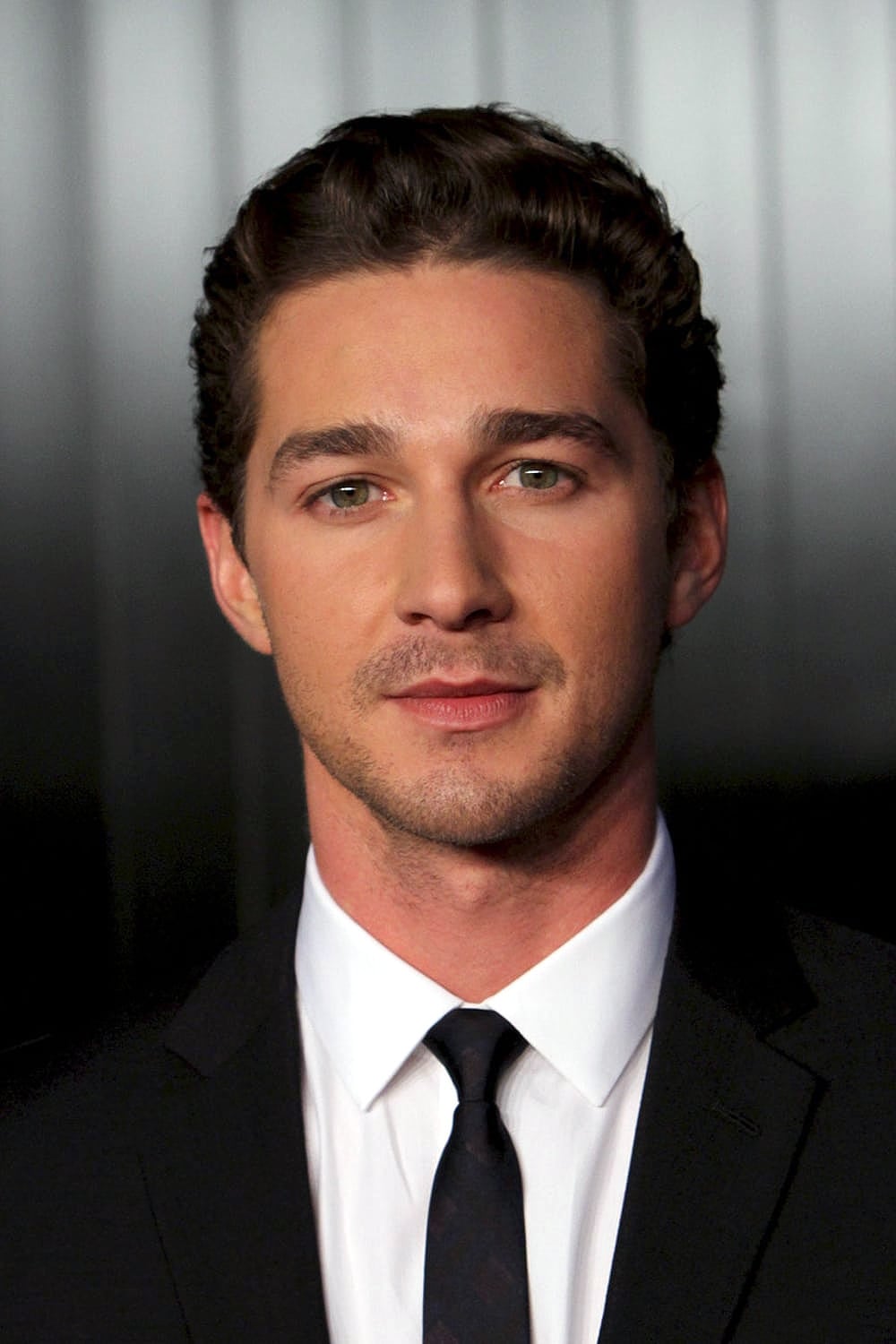
Shia LaBeouf entered treatment for alcohol use after legal issues connected to public intoxication. He continued with therapy that addressed underlying trauma and adopted routines that removed alcohol from his work and personal spaces.
LaBeouf has taken extended breaks between films to focus on recovery and family. He credits spiritual practices and service work as ongoing tools alongside professional counseling.
Macklemore
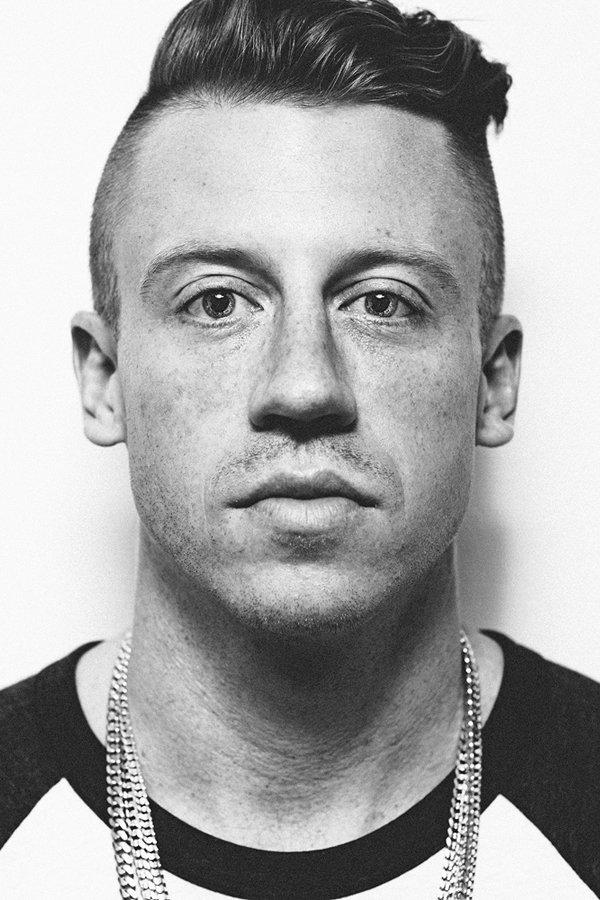
Macklemore entered rehab for addiction in his early career and later discussed relapses that followed periods of stress. He returned to treatment, reconnected with sober mentors, and rebuilt daily practices like step work and therapy.
Touring now includes clear rules for venues and travel days, with family involvement where possible to keep routines steady. He uses his music to talk about recovery and directs fans to resources that explain how to seek help.
Sia
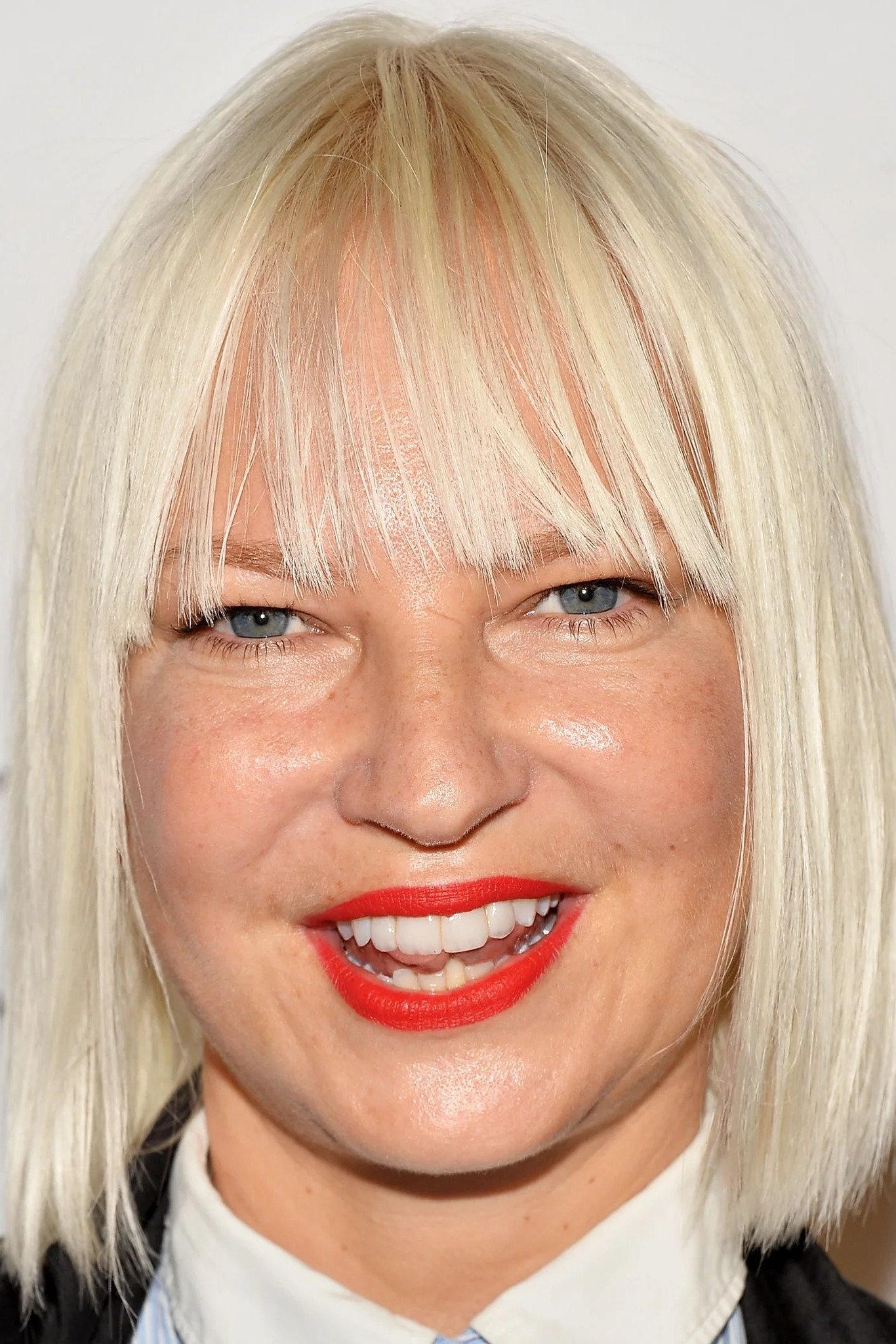
Sia has said she became dependent on painkillers and alcohol and chose sobriety after recognizing the risks. She worked with doctors to taper medications safely and built a support network that included therapy and recovery groups.
Her creative process shifted to protect sleep and reduce pressure around deadlines. She limits appearances that conflict with her recovery routine and delegates tasks that once led to burnout and cravings.
Samuel L. Jackson
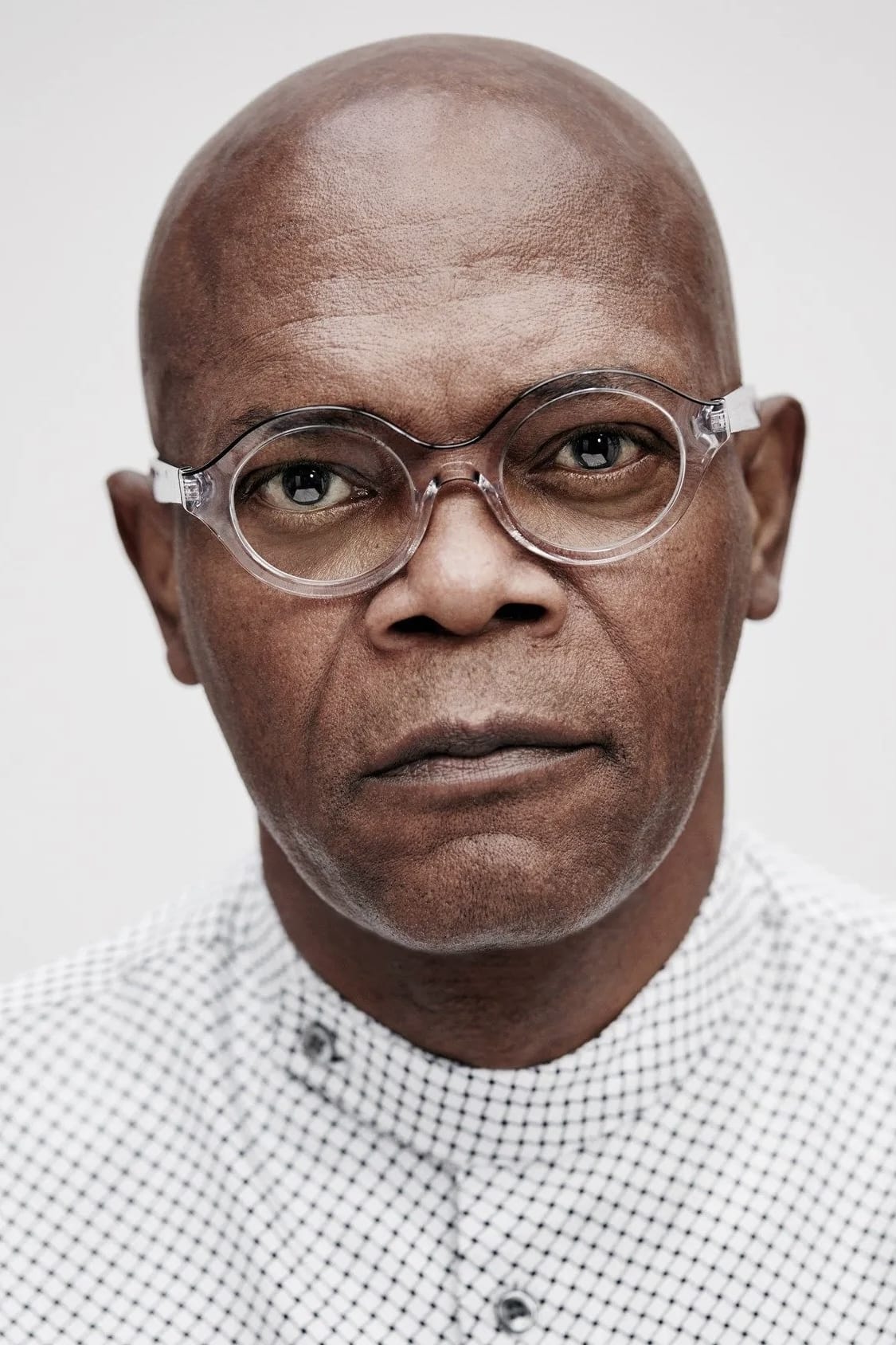
Samuel L. Jackson has described addiction that nearly ended his career before he entered rehab in the early nineties. Treatment helped him stabilize and return to sets with a clear plan to stay sober.
He structured filming around accountability, with early call times and fitness work that anchored each day. Roles in films like ‘Pulp Fiction’ arrived after sustained sobriety, and he has continued to credit consistent recovery practices with keeping his work on track.
Share your thoughts or add other names you think belong on this list in the comments.