


Child Actors Who Scored Oscar Nominations

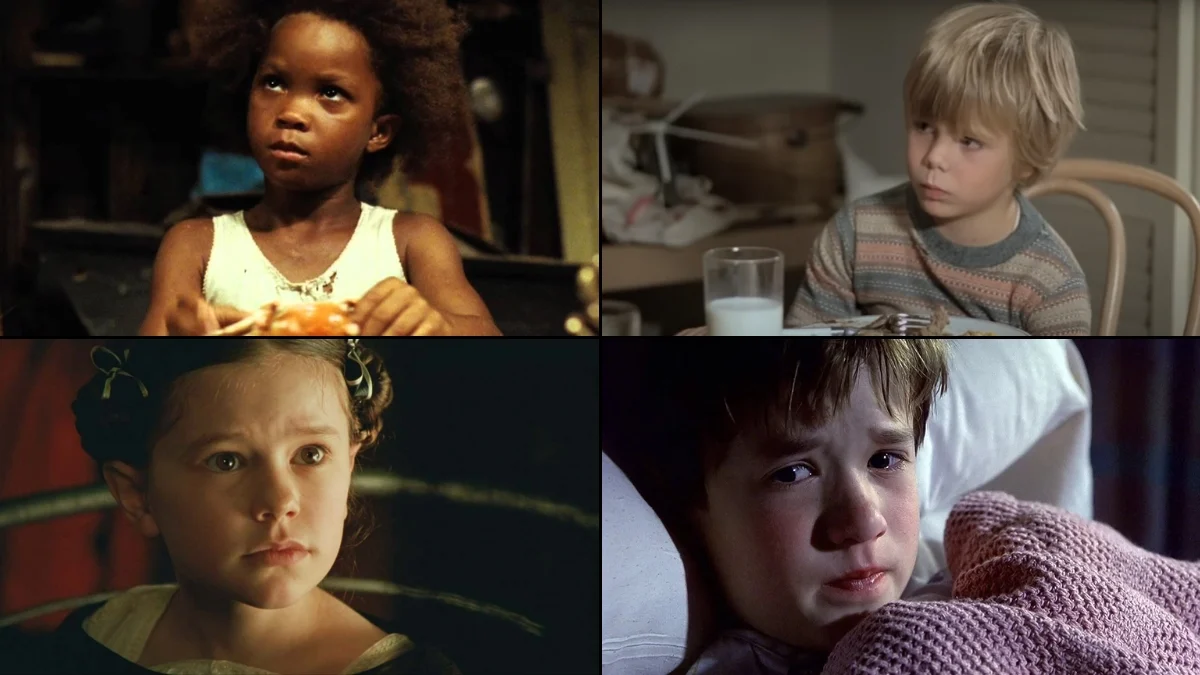


Landing an Academy Award nomination is a career milestone, and a rare few performers achieve it before they’re old enough to vote. These young nominees broke through with roles that met the industry’s strict rules for minors on set while still delivering fully shaped characters that awards bodies recognized across acting categories. Many set age records that still stand and became touchstones for how the Academy assesses youth performances.
This roundup focuses on child actors who were under eighteen when they received competitive Oscar nods. You’ll find what they were nominated for, how old they were at the time, and the roles and productions that put them on the ballot, plus brief context about what each recognition meant in Academy history and in their subsequent careers.
Justin Henry
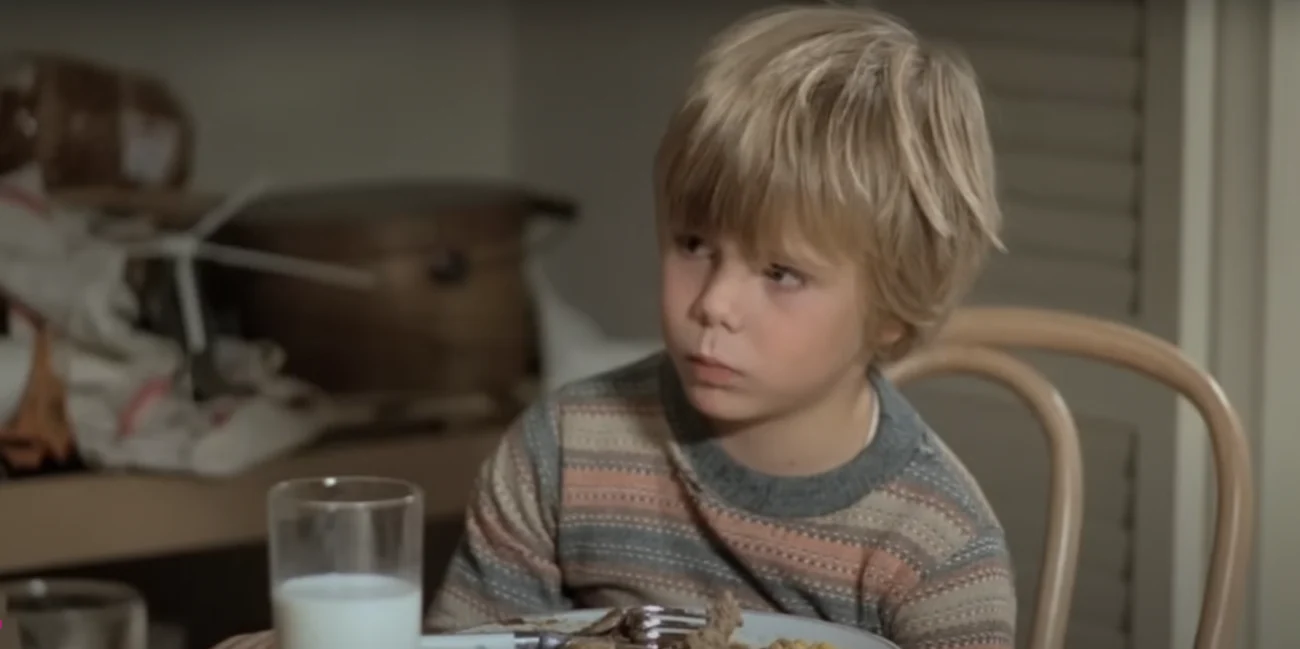
Justin Henry earned a Best Supporting Actor nomination for his portrayal of Billy Kramer in ‘Kramer vs. Kramer’, becoming the youngest Academy Award nominee in any category at just eight years old. The role placed him opposite Dustin Hoffman and Meryl Streep in a story centered on a custody battle, and his performance was singled out for its integral place in the film’s emotional arc.
His nomination established a benchmark for child contenders that has not been surpassed for overall youth. Henry continued to act in film and television projects, including a part in ‘Sixteen Candles’, and remains a reference point in discussions about how the Academy evaluates performances by elementary-school-aged actors.
Jackie Cooper
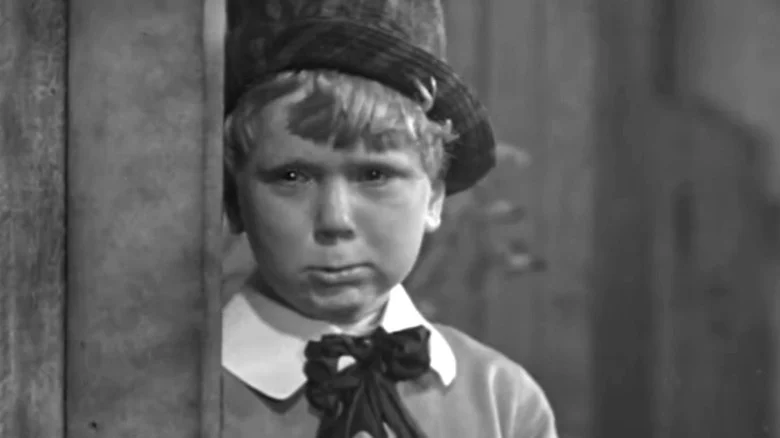
Jackie Cooper received a Best Actor nomination for ‘Skippy’ at nine years old, making him the youngest nominee ever in that leading category. He played the title character, Skippy Skinner, in an adaptation directed by Norman Taurog, whose work with Cooper drew widespread industry attention.
The nomination positioned Cooper as a pioneering child lead within the Academy’s recognition patterns. He later shifted successfully into adult roles and behind-the-camera work, including directing television and appearing as Perry White in the ‘Superman’ film series, illustrating a long career that began with that unusually early nod.
Tatum O’Neal
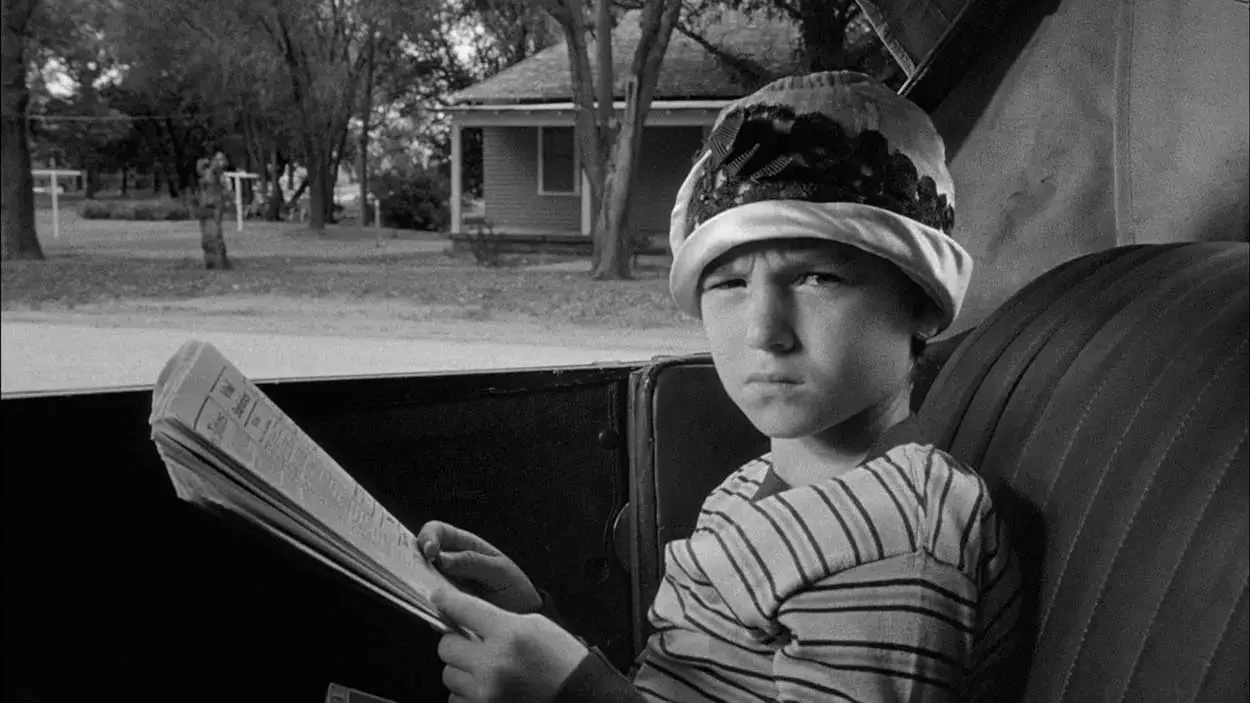
Tatum O’Neal won Best Supporting Actress for ‘Paper Moon’ after being nominated at age ten, the youngest competitive Oscar winner on record. Acting alongside Ryan O’Neal under director Peter Bogdanovich, she played Addie Loggins, a sharp-witted orphan whose partnership with a con man drives the story.
Her win set a durable age record and underscored how a supporting category can recognize a youthful co-lead when the role anchors a film’s narrative. O’Neal went on to headline additional projects such as ‘The Bad News Bears’ and to work across film and television, maintaining a screen presence rooted in that breakthrough performance.
Anna Paquin
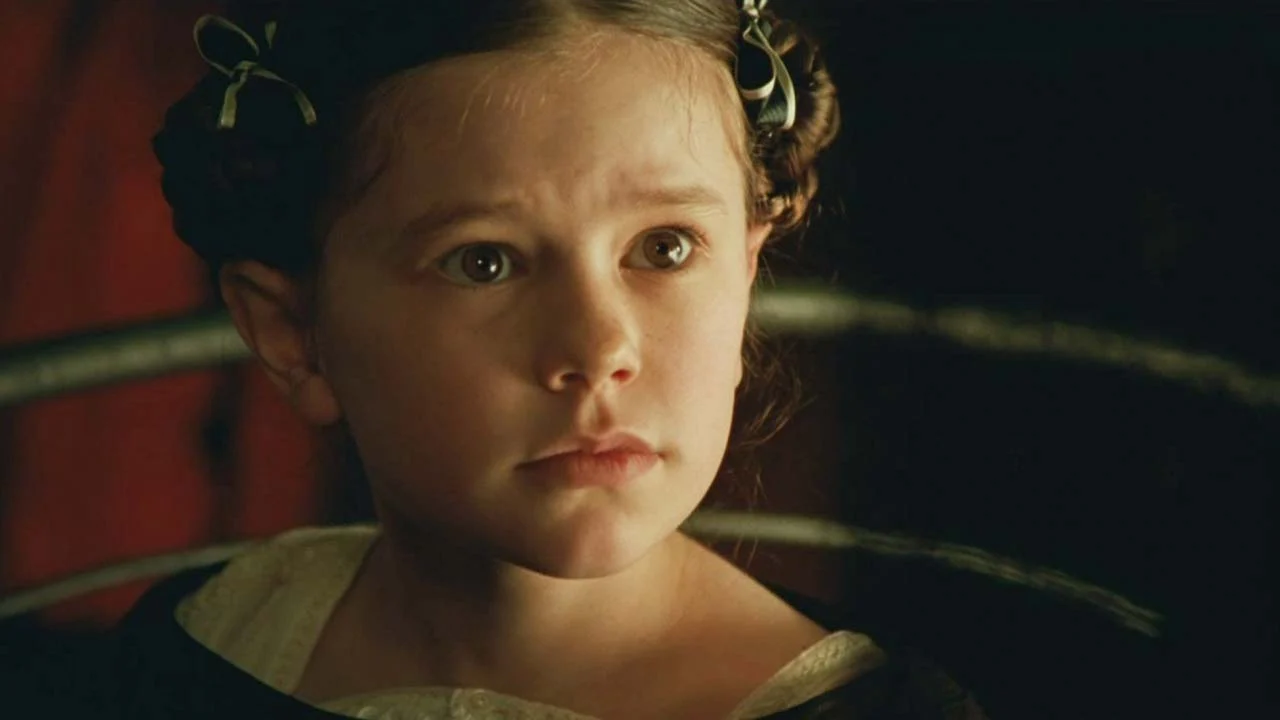
Anna Paquin captured a Best Supporting Actress nomination and win for ‘The Piano’ at eleven. She played Flora McGrath in Jane Campion’s drama, communicating her character’s perspective through a blend of dialogue and nonverbal choices that the Academy acknowledged with top honors.
Paquin’s recognition placed her among the youngest competitive Oscar winners. She subsequently built a varied career that includes ensemble work in ‘Almost Famous’, franchise roles in ‘X-Men’, and an award-winning turn on the series ‘True Blood’, marking a sustained trajectory after a childhood Oscar triumph.
Quvenzhané Wallis
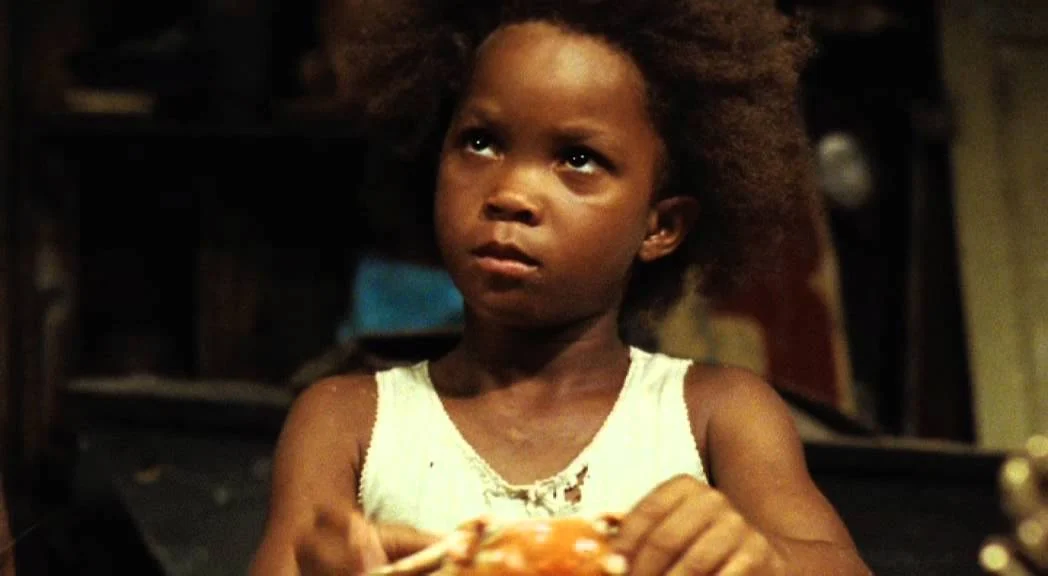
Quvenzhané Wallis received a Best Actress nomination at nine for portraying Hushpuppy in ‘Beasts of the Southern Wild’, the youngest nominee ever in that leading category. Cast by director Benh Zeitlin after an open audition, she anchored a film that blended naturalistic performance with a lyrical storytelling approach.
Her nomination also made her the first person born in the twenty-first century to receive an Academy nod. Wallis continued working across film, starring in ‘Annie’, authoring children’s books, and appearing in additional screen projects that followed her landmark recognition.
Keisha Castle-Hughes
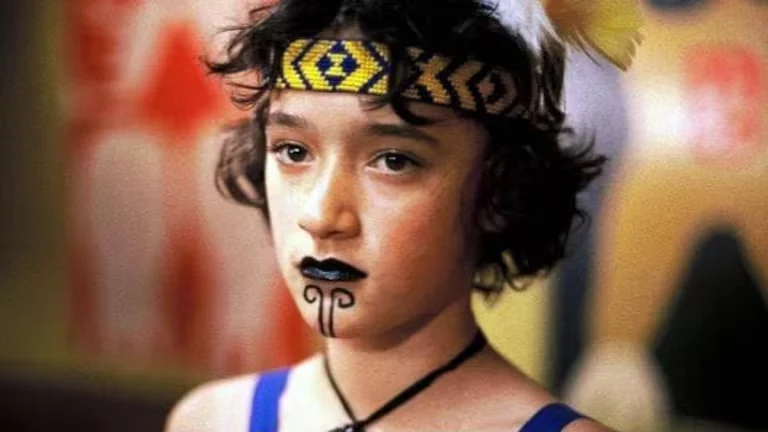
Keisha Castle-Hughes earned a Best Actress nomination at thirteen for her role as Pai in ‘Whale Rider’, directed by Niki Caro. The performance centered on a young girl asserting her place within cultural tradition, and Academy voters recognized the lead work from a newcomer in an independently produced feature.
At the time, Castle-Hughes became the youngest Best Actress nominee and the first New Zealander recognized in that category. She later appeared in franchise and television projects including ‘Star Wars: Episode III – Revenge of the Sith’ and ‘Game of Thrones’, extending her profile beyond the breakout film.
Haley Joel Osment
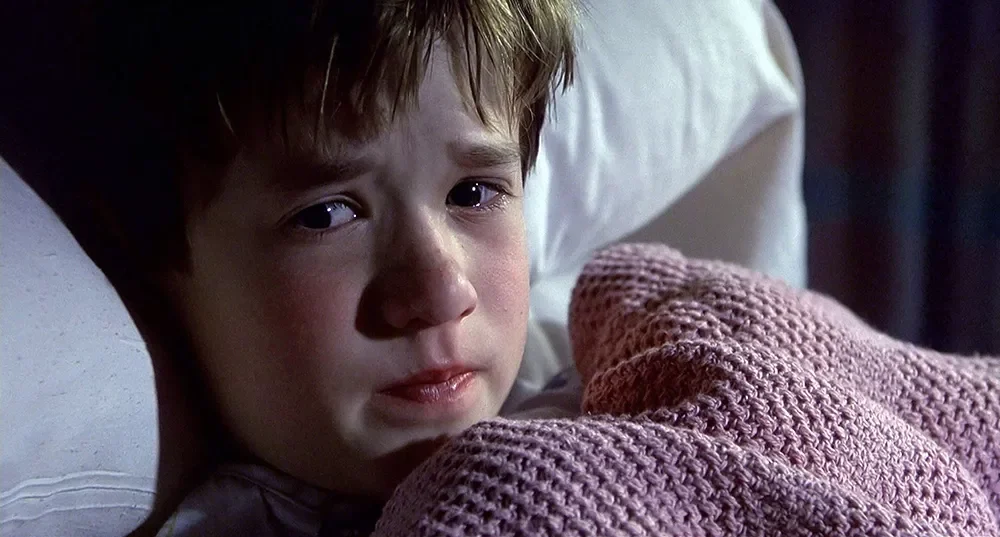
Haley Joel Osment received a Best Supporting Actor nomination at eleven for playing Cole Sear in ‘The Sixth Sense’. Directed by M. Night Shyamalan, the film paired him with Bruce Willis and Toni Collette, and his performance was central to the story’s structure and emotional reveal.
His inclusion placed him among a small group of boys cited in the supporting category for contemporary dramas. Osment followed with prominent roles such as ‘A.I. Artificial Intelligence’ and has continued to work in live-action and voice projects, reflecting career continuity after an early nomination.
Abigail Breslin
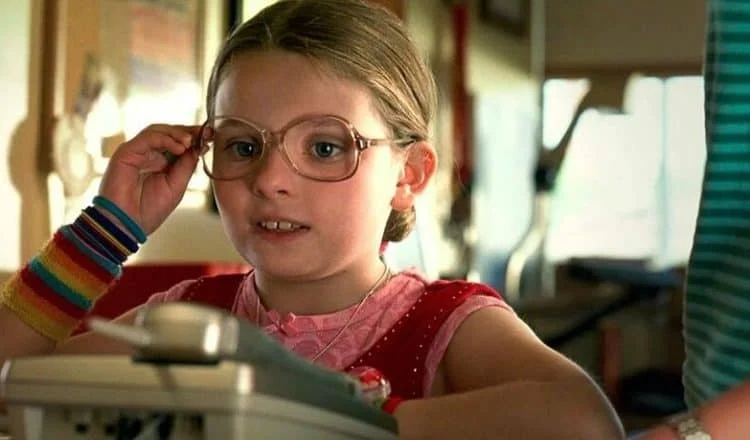
Abigail Breslin secured a Best Supporting Actress nomination at ten for portraying Olive Hoover in ‘Little Miss Sunshine’. The ensemble feature saw her character’s family embark on a cross-state trip, and her work was highlighted alongside performances from Greg Kinnear, Toni Collette, Steve Carell, and Alan Arkin.
Her nomination added her name to the roster of the youngest contenders in the supporting field. Breslin went on to roles in films including ‘August: Osage County’ and to television work such as ‘Scream Queens’, demonstrating ongoing activity following early awards attention.
Saoirse Ronan
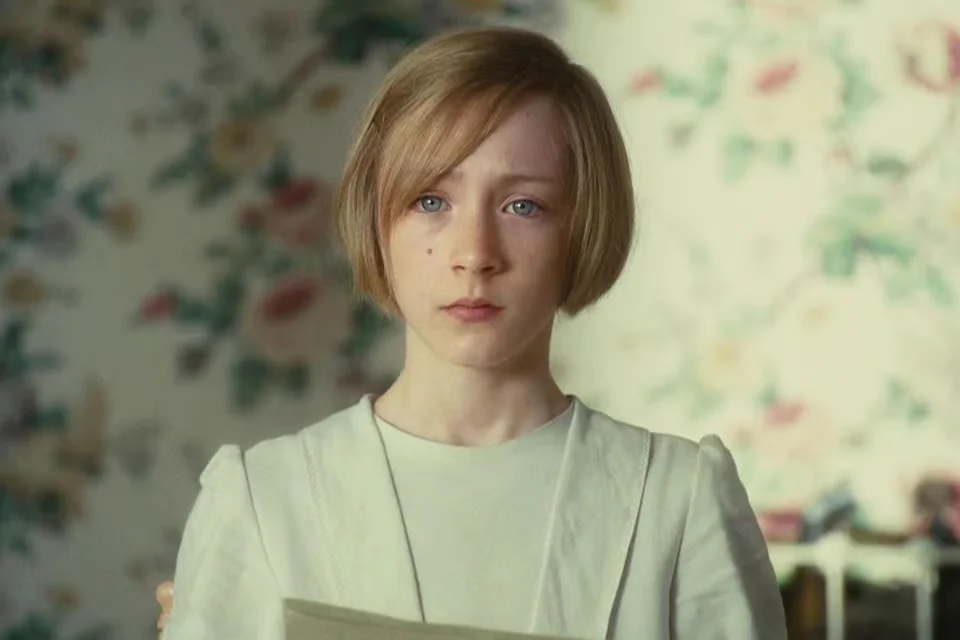
Saoirse Ronan earned a Best Supporting Actress nomination at thirteen for playing Briony Tallis in ‘Atonement’, directed by Joe Wright. The role required charting a character across shifting timelines, and her performance was recognized for its narrative importance within the adaptation.
That first nomination marked the beginning of a multi-nomination career. Ronan later received further Academy nods for lead roles in ‘Brooklyn’, ‘Lady Bird’, and ‘Little Women’, placing her among the most frequently recognized performers of her generation after starting with a citation as a young teenager.
Mary Badham
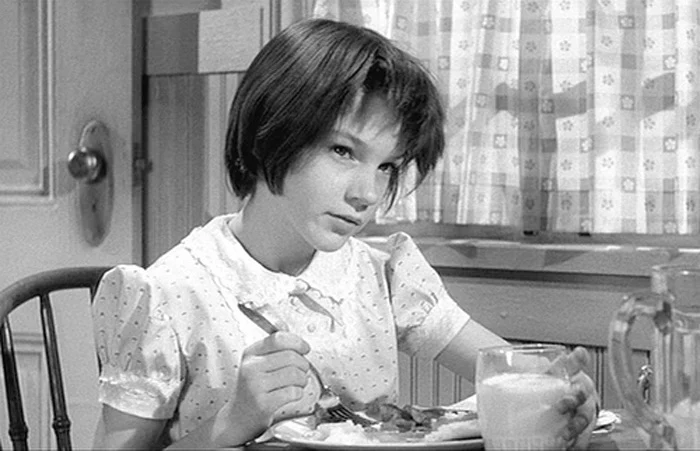
Mary Badham was nominated for Best Supporting Actress at ten for her portrayal of Scout Finch in ‘To Kill a Mockingbird’. Acting opposite Gregory Peck, she brought the novel’s perspective of childhood to the screen in a production that drew extensive recognition across categories.
Her nomination made her one of the youngest actors cited in the supporting field at the time. Badham remained associated with literacy and preservation efforts connected to ‘To Kill a Mockingbird’ and made occasional returns to screen and stage, keeping a link to the role that earned her Academy attention.
Jodie Foster
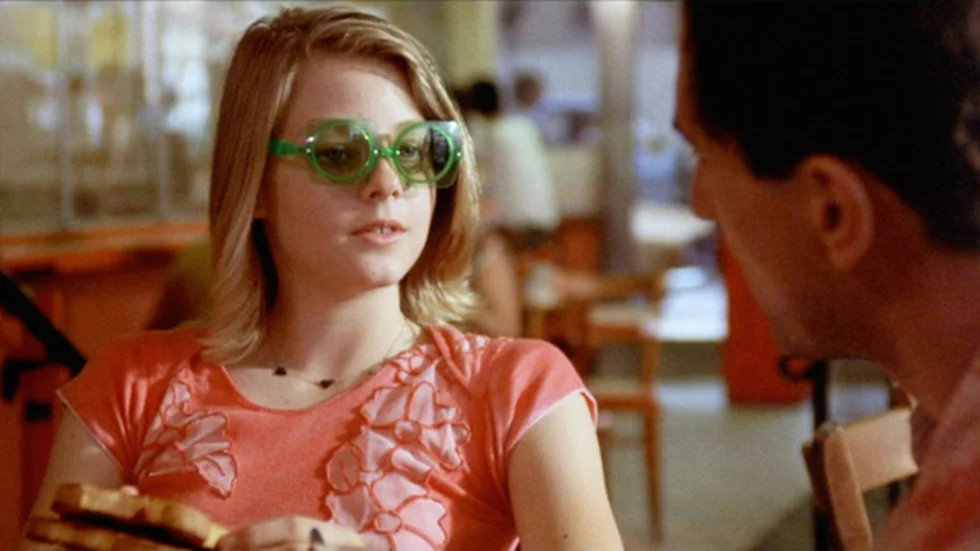
Jodie Foster received a Best Supporting Actress nomination at fourteen for her role as Iris in ‘Taxi Driver’, directed by Martin Scorsese. Due to her age, the production implemented strict guidelines, including the use of a stand-in for certain material and on-set tutoring, in line with industry standards for minors.
The recognition preceded Foster’s later Best Actress wins for ‘The Accused’ and ‘The Silence of the Lambs’. It also stands as an example of how the Academy has acknowledged challenging subject matter performed by a minor under carefully monitored working conditions.
Patty McCormack
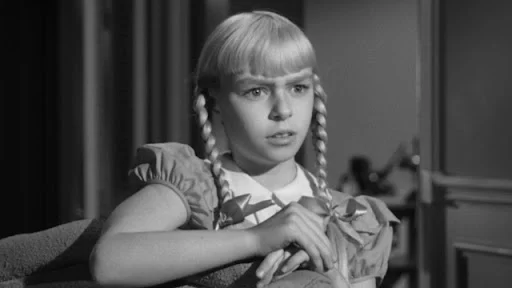
Patty McCormack was nominated for Best Supporting Actress at eleven for playing Rhoda Penmark in ‘The Bad Seed’. She carried the role over from the stage production, bringing continuity between mediums that helped translate the character’s dynamics to film.
Her nomination placed her among the earliest child performers recognized in the supporting category. McCormack continued acting across decades in film and television, including an appearance in ‘Frost/Nixon’, evidencing sustained professional activity following the early acclaim.
Linda Blair

Linda Blair earned a Best Supporting Actress nomination at fifteen for portraying Regan MacNeil in ‘The Exorcist’. The production credited Mercedes McCambridge with providing the demonic vocal effects, while Blair’s physical and dramatic performance formed the on-screen centerpiece of the possession narrative.
Blair’s work contributed to a film that amassed multiple nominations across artistic and technical categories and secured several wins. She received significant additional recognition in the same awards season, including a major film-acting prize, reinforcing the industry’s response to her breakout role.
Sal Mineo
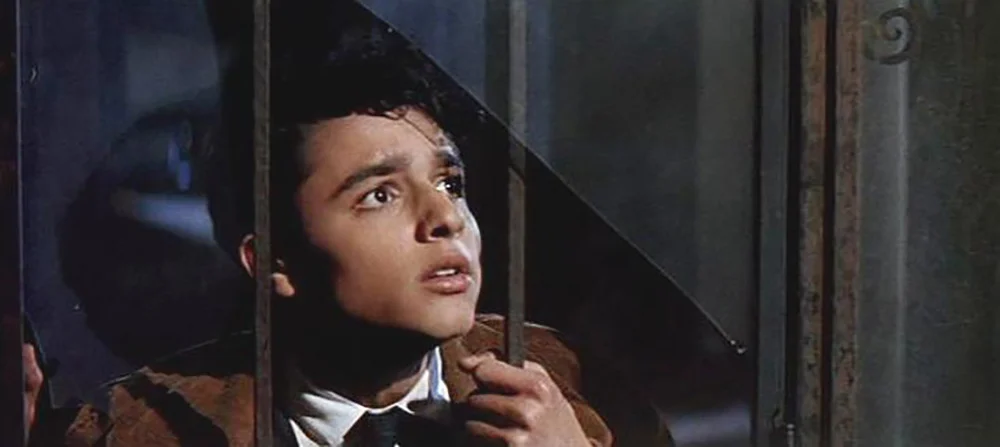
Sal Mineo was nominated for Best Supporting Actor at seventeen for his performance as John “Plato” Crawford in ‘Rebel Without a Cause’. Acting alongside James Dean and Natalie Wood under Nicholas Ray’s direction, he portrayed a key figure in the film’s depiction of adolescent alienation.
He later received a second Academy nomination for ‘Exodus’, making him one of the relatively few performers to collect two supporting citations early in his career. The pair of nominations bracketed a period in which Mineo worked in major studio dramas and maintained a strong presence on stage and screen.
Brandon deWilde
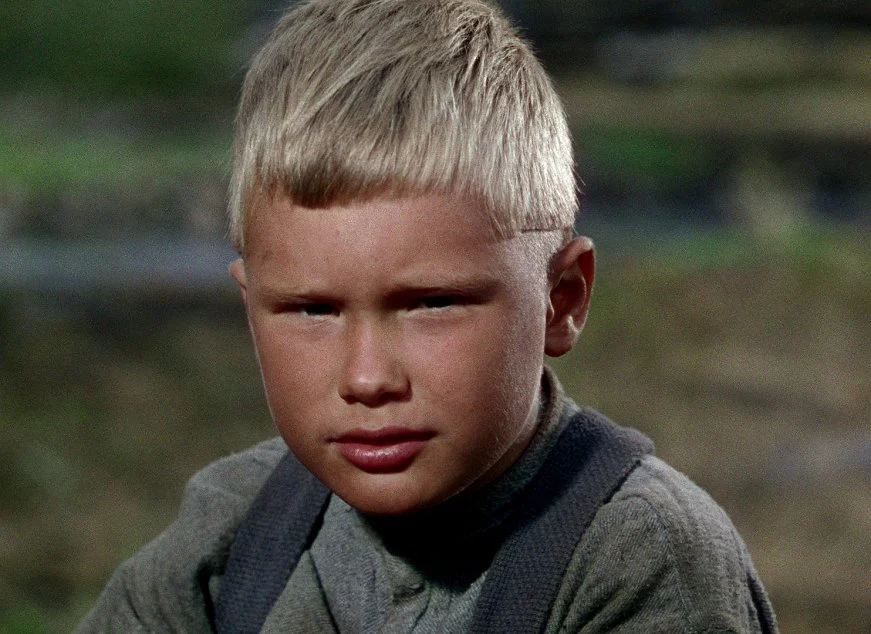
Brandon deWilde earned a Best Supporting Actor nomination at eleven for his role as Joey Starrett in ‘Shane’. His on-screen relationship with the title character helped frame the narrative, and the performance was widely noted within the ensemble directed by George Stevens.
Before the nomination, deWilde originated a celebrated stage role in ‘The Member of the Wedding’, reflecting an early foundation in theater. He continued acting in film and television into adulthood, with the ‘Shane’ citation standing as a defining moment in his youth career.
Share your favorite performances by young Oscar nominees in the comments and tell us which roles you think belong on future lists.