


Christopher Nolan Names the 1990s Action Movies He Considers the Best of the Era

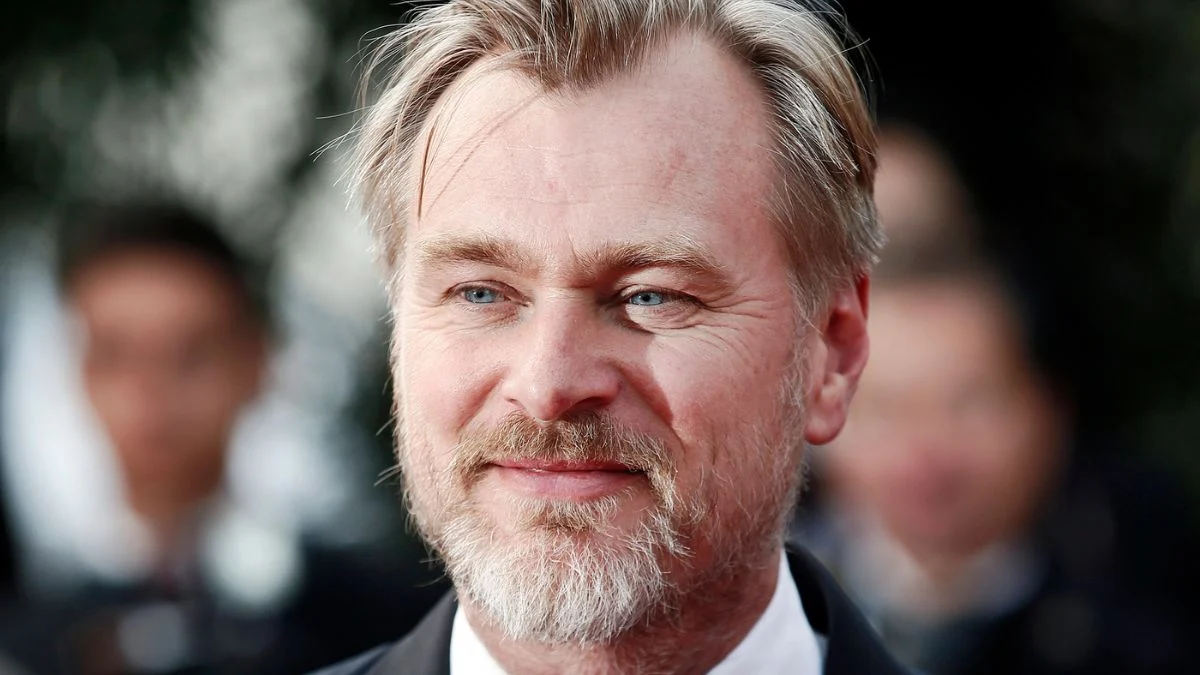


Rising to prominence at the dawn of the 21st century, Christopher Nolan quickly carved out a niche as a director who relishes dismantling traditional narrative structures. His breakout 2000 indie hit Memento showcased this early on, utilizing a reverse chronological order that challenged audiences to piece together a fragmented mystery.
Years later, he would redefine the superhero landscape with his Dark Knight trilogy, replacing camp with a grounded, gothic aesthetic that the character of Batman had long lacked on the big screen.
While he is often associated with high-concept intellectual puzzles, Nolan’s filmography is equally defined by its breathtaking, meticulously paced action sequences. From the high-altitude mountain fortress assault in 2010’s Inception to the visceral opening heist of 2012’s The Dark Knight Rises, his work often reflects the kinetic energy of classic genre cinema.
This sense of rhythm and mounting tension is no accident, as the director has long credited the adrenaline-heavy action movies of the 1990s as his foundational influences. Nolan has been particularly vocal about his admiration for two specific films from that decade, the first being Michael Mann’s 1995 crime masterpiece Heat.
Starring Al Pacino and Robert De Niro as opposing forces in a high-stakes game of cat and mouse, the film is legendary for its tactical realism and emotional depth. Nolan has admitted that Heat is an absolute classic that he has been discussing for years, even noting that he kept ripping it off when developing the atmosphere for The Dark Knight.
His second essential pick is the 1994 high-concept thriller Speed, which features Keanu Reeves and Sandra Bullock trapped on a bus rigged to explode if it drops below fifty miles per hour. Nolan described the film as a ticking-clock nail-biter, a testament to its relentless pacing and mastery of sustained tension.
This “ticking-clock” motif has since become a hallmark of his own work, most notably in the overlapping timelines of Dunkirk and the high-pressure stakes of Oppenheimer. As of February, Christopher Nolan is currently in the final stages of post-production for his most ambitious project to date, The Odyssey.
Scheduled for a global IMAX release on July 17, the $250 million “mythic action epic” marks Nolan’s first foray into the world of ancient Greek mythology. The film reunited him with Matt Damon, who underwent a rigorous physical transformation to portray the wily strategist Odysseus as he navigates a perilous decade-long journey home.
The ensemble cast for The Odyssey is arguably the most star-studded of Nolan’s career, featuring Tom Holland as Odysseus’s son, Telemachus, and Anne Hathaway as his ever-faithful wife, Penelope.
They are joined by a massive supporting cast that includes Robert Pattinson, Lupita Nyong’o, Charlize Theron, and Zendaya, with rapper Travis Scott also making a widely reported minor appearance. Filming took place throughout 2025 across diverse global landscapes, from the volcanic fields of Iceland and the deserts of Morocco to the ancient ruins of Greece and Sicily.
Always an advocate for technical innovation, Nolan reportedly used over two million feet of film to shoot The Odyssey, making it the first feature film ever captured entirely on IMAX 70mm cameras.
By using a newly developed lighter camera rig, Nolan was able to bring his massive production to real-world locations, including shooting on the open sea to capture the vast and terrifying nature of the voyage.
Do you think Christopher Nolan’s decision to move into the realm of ancient mythology with The Odyssey will result in a more fantastical departure for the director, or will his signature focus on “tactile realism” turn the story of Odysseus into a gritty, modern survival epic? Share your thoughts in the comments.