


20 Cinematic Disasters: The Worst Movie Sequels Ever Made




Sequels are a gamble. When the first film sets a high bar, the next chapter has to match that excitement while building something new. Sometimes the result lands with a thud and leaves audiences wondering how a sure thing went sideways. That is where this list comes in.
Here are twenty follow ups that stumbled for all kinds of reasons. You will see cast shake ups, rushed productions, budget cuts, and big creative pivots that left moviegoers cold. Each entry lays out what the sequel tried to do and what happened behind the scenes or at the box office that sent it off course.
‘Jaws: The Revenge’ (1987)
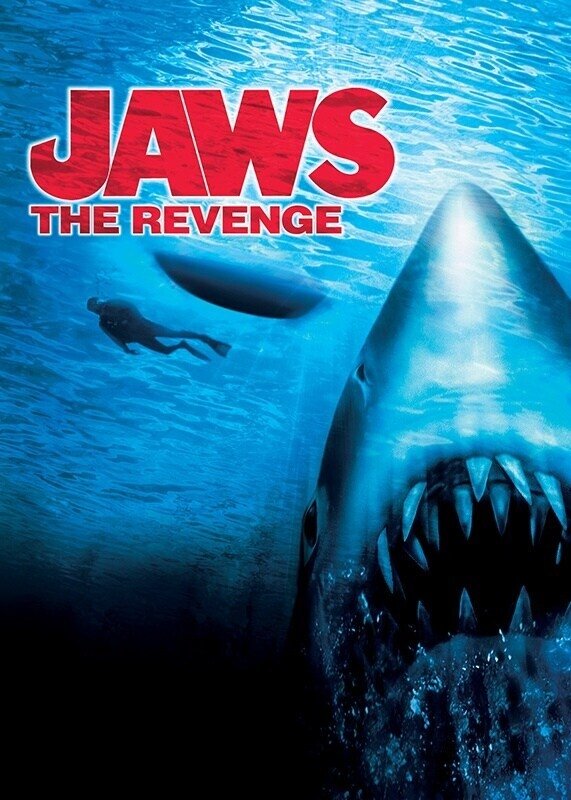
Directed by Joseph Sargent, this fourth entry brings back Lorraine Gary as Ellen Brody and sends the action to the Bahamas with Michael Caine joining the cast. The story follows the Brody family again after another shark attack in Amity and then shifts to warm waters for a final confrontation.
The production moved quickly to meet a summer release and created two different endings for different territories. Michael Caine famously missed an awards show appearance due to shooting commitments. The film earned several Golden Raspberry Award nominations and posted the weakest box office of the series.
‘Batman & Robin’ (1997)
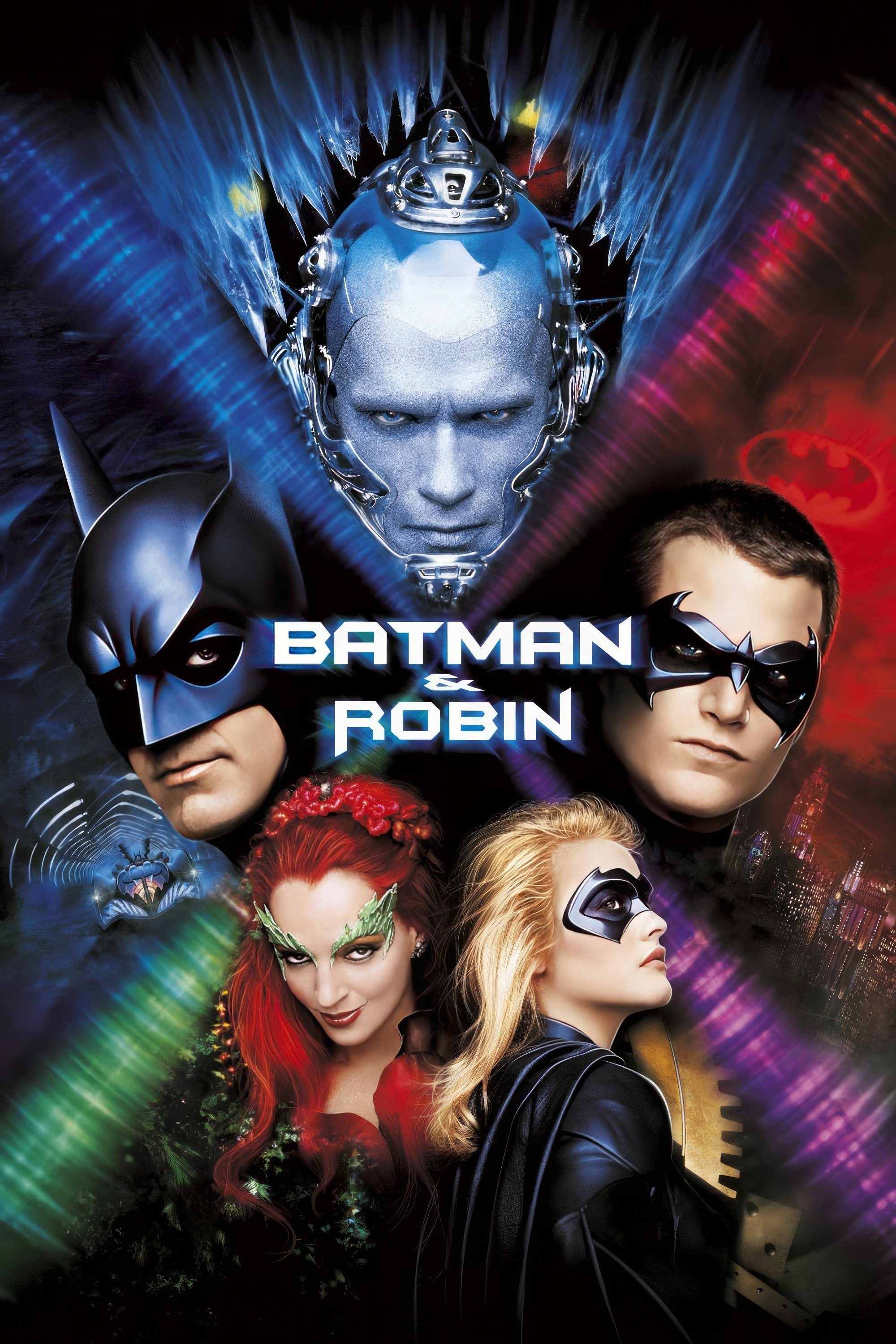
Joel Schumacher returned to helm this neon bright installment with George Clooney stepping into the cape alongside Chris O’Donnell, Alicia Silverstone, Uma Thurman, and Arnold Schwarzenegger. The movie introduced Batgirl and leaned into a more playful tone with elaborate sets and costumes.
Released in June 1997, it opened strong but could not hold audiences in later weeks. Merchandise was everywhere yet ticket sales fell well below the previous film. Warner Bros. abandoned immediate sequel plans and the franchise shifted to a full reboot with ‘Batman Begins’ eight years later.
‘Speed 2: Cruise Control’ (1997)
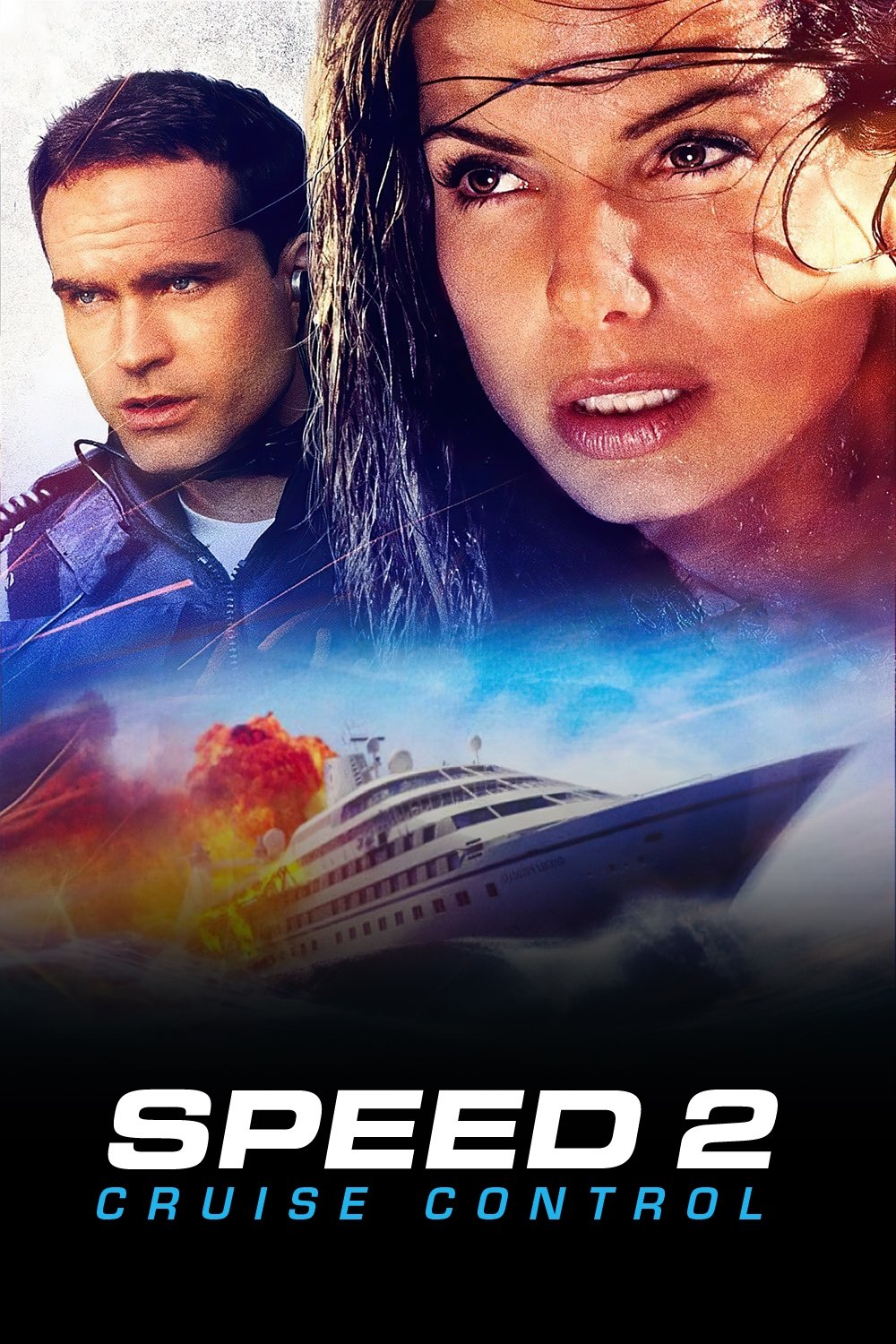
Jan de Bont followed his hit with a new setting at sea as Sandra Bullock returned and Jason Patric took over as the lead opposite Willem Dafoe. The plot centers on a luxury cruise ship hijacked by a vengeful hacker who sets the vessel on a collision course.
Keanu Reeves declined to return and the shoot required large scale water work and complex stunts. Despite the scope, domestic turnout was weak and the studio’s expectations were not met worldwide. The film picked up multiple Razzie nominations and the series ended there.
‘Highlander II: The Quickening’ (1991)
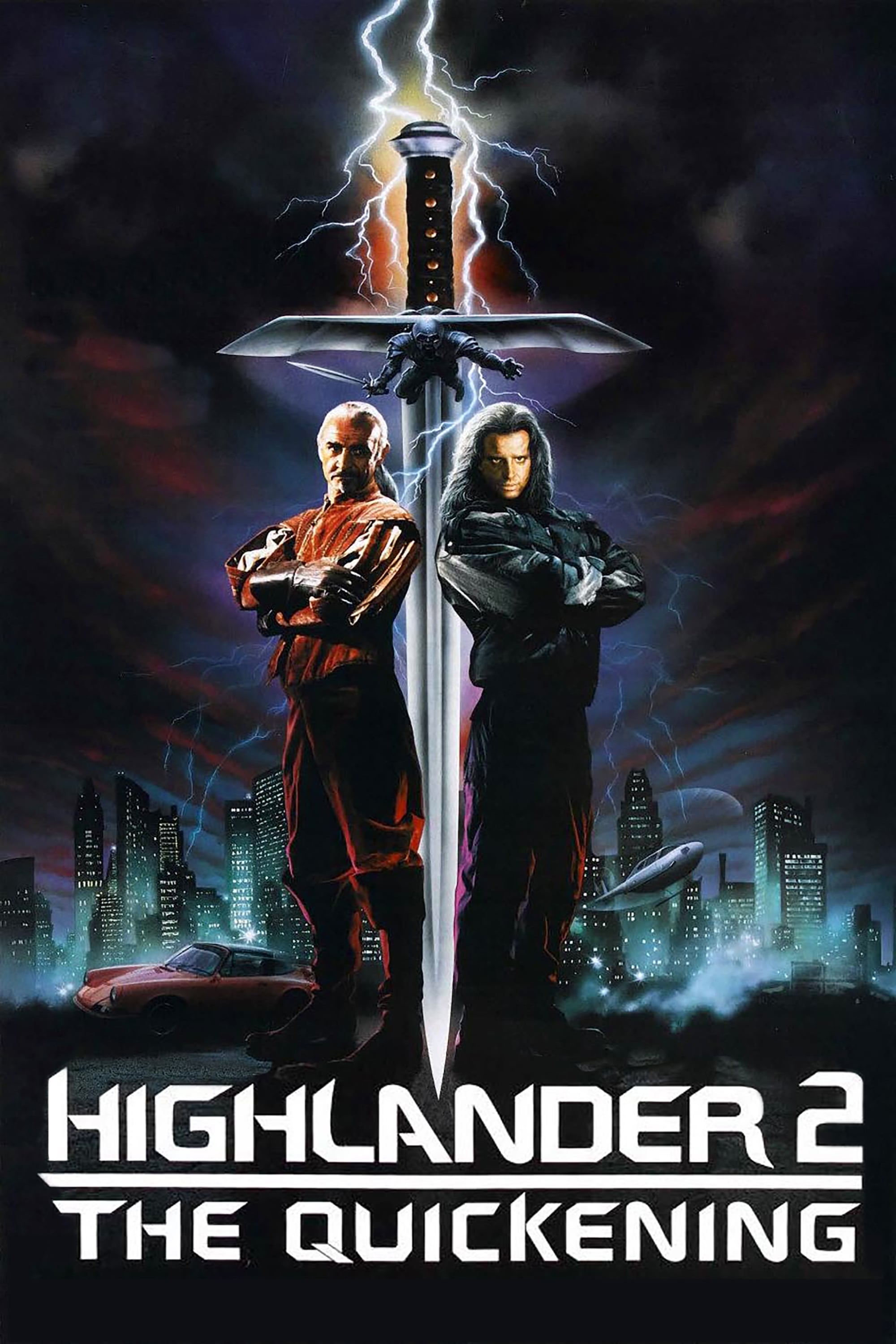
Russell Mulcahy brought back Christopher Lambert and Sean Connery for a sequel that radically rewrote the mythology. The story jumps to a future with an artificial shield around Earth and explains the immortals with a controversial origin that clashed with the first film.
Financing and production turmoil in Argentina led to the director losing control of the edit. Several different cuts emerged later, including a Renegade Version that removed key plot points from the theatrical release. Box office returns were poor and later entries tried to steer the franchise back toward the original premise.
‘Caddyshack II’ (1988)
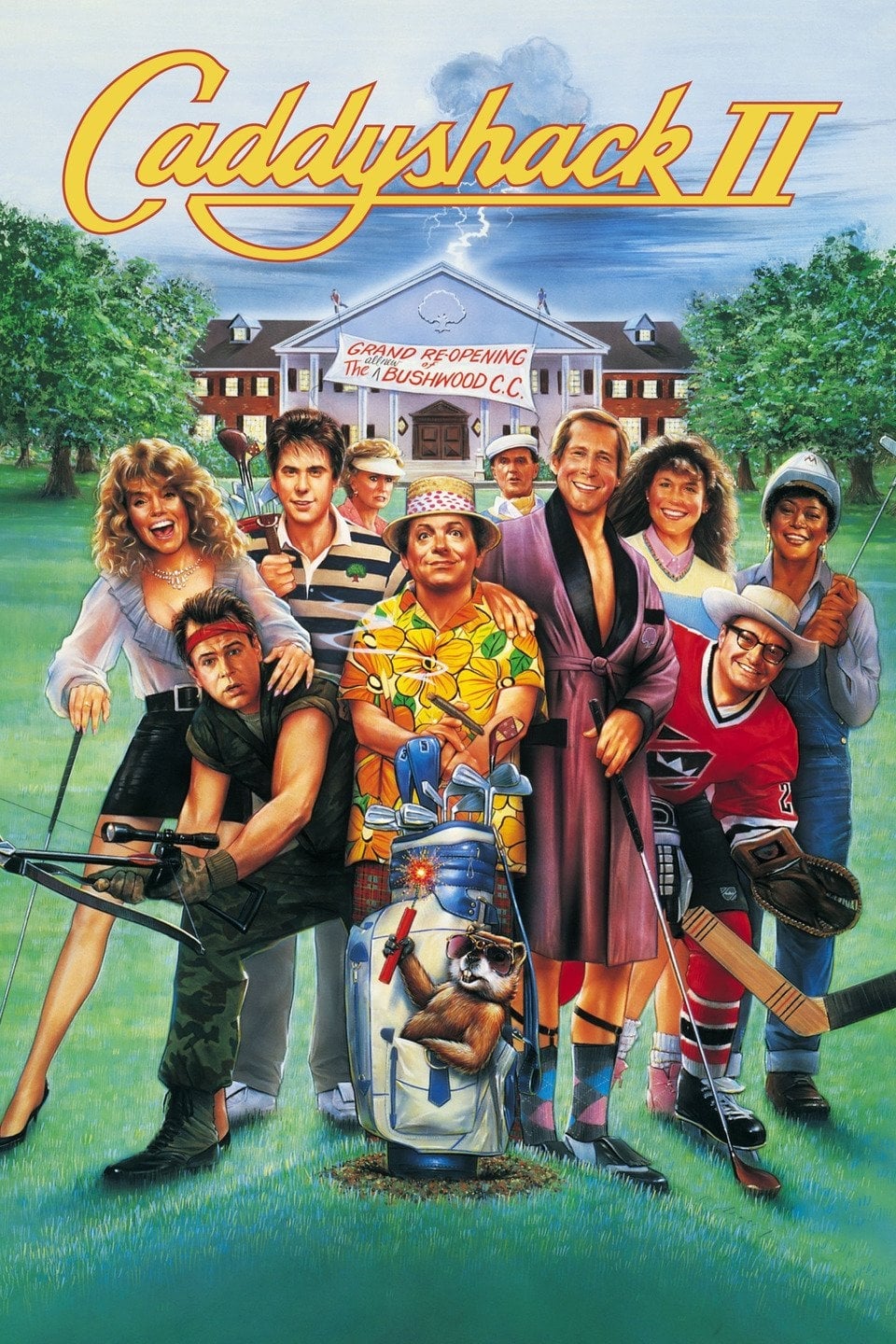
This follow up arrived with Allan Arkush directing and Chevy Chase in a small returning role while most of the original cast was absent. Jackie Mason and Dan Aykroyd joined a new country club feud that aimed for a broader family friendly tone with a PG 13 rating.
The project was rewritten after Rodney Dangerfield exited and the production replaced edgier jokes with gentler humor. The film sold far fewer tickets than ‘Caddyshack’ and quickly disappeared from theaters. No further theatrical sequels followed.
‘Blues Brothers 2000’ (1998)
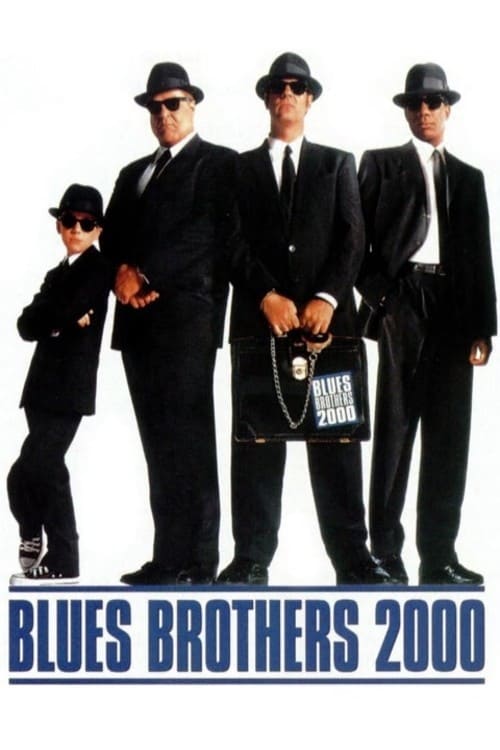
John Landis reunited with Dan Aykroyd and filled out the new band with John Goodman and Joe Morton. The sequel honored the original with a parade of blues and R&B legends in musical cameos and revived the tradition of epic car pileups.
It arrived nearly two decades after the first film, which made the generational handoff a challenge. North American grosses were low and could not justify a continuation. The soundtrack found some fans, but the series ended on this chapter.
‘Son of the Mask’ (2005)
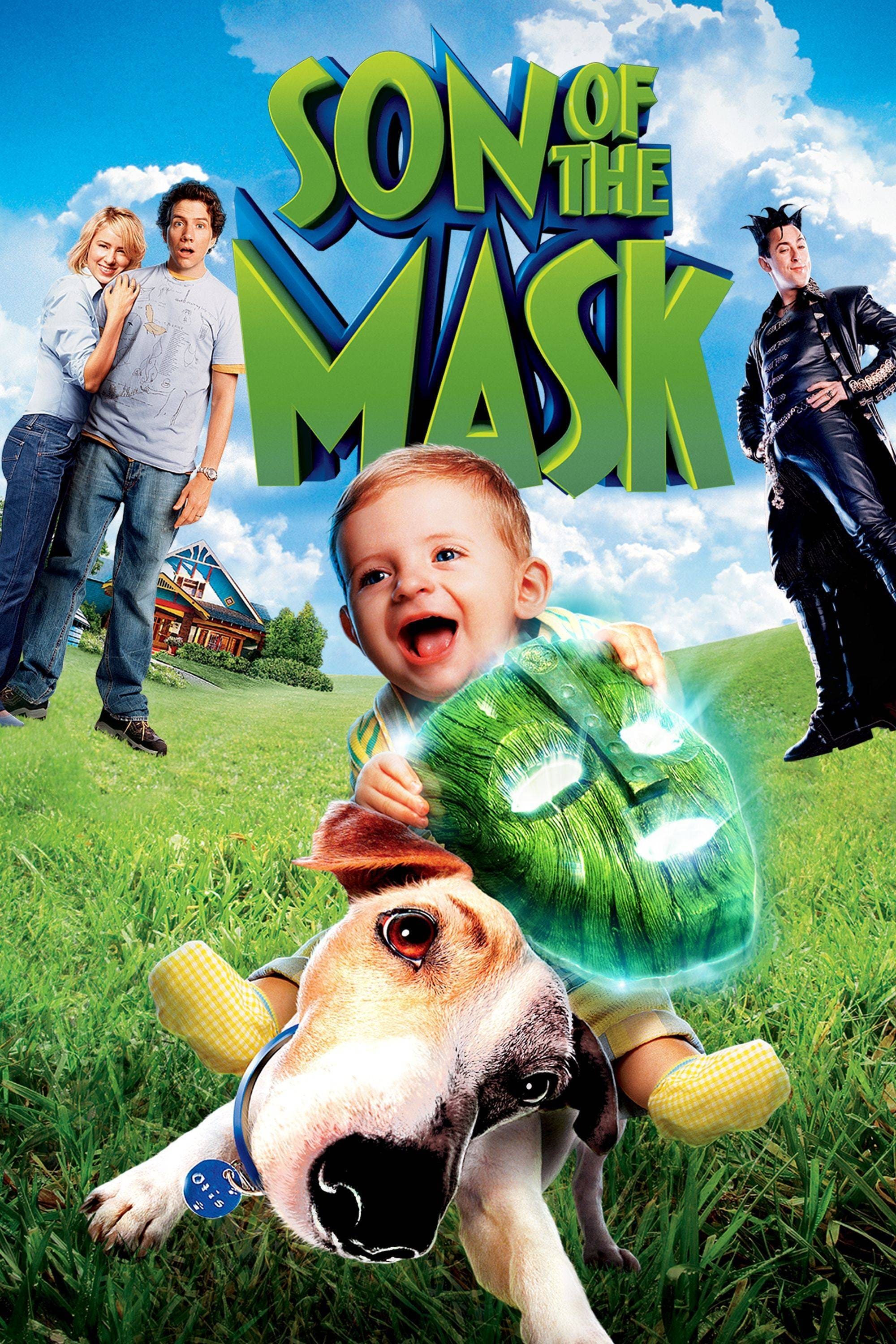
Lawrence Guterman directed this effects heavy comedy with Jamie Kennedy and Alan Cumming after Jim Carrey declined to return. The story follows a cartoonist whose newborn inherits the mask’s chaotic powers, leading to a barrage of live action slapstick.
The production leaned on extensive computer animation and a lengthy post pipeline. The movie opened below expectations and finished well under its reported budget globally. It earned Golden Raspberry Awards including Worst Prequel or Sequel and closed the book on the franchise.
‘Superman IV: The Quest for Peace’ (1987)

Sidney J. Furie directed with Christopher Reeve back in the suit alongside Gene Hackman and Margot Kidder. The plot centers on Superman’s decision to rid the world of nuclear weapons and introduces Nuclear Man as a new adversary.
Budget cuts at Cannon Films forced scaled back sets and repeated effects shots, which limited the scope compared to earlier entries. Audiences noticed the drop in production value and turnout was the lowest of the original run. The character did not return to the big screen again until ‘Superman Returns’ many years later.
‘Exorcist II: The Heretic’ (1977)
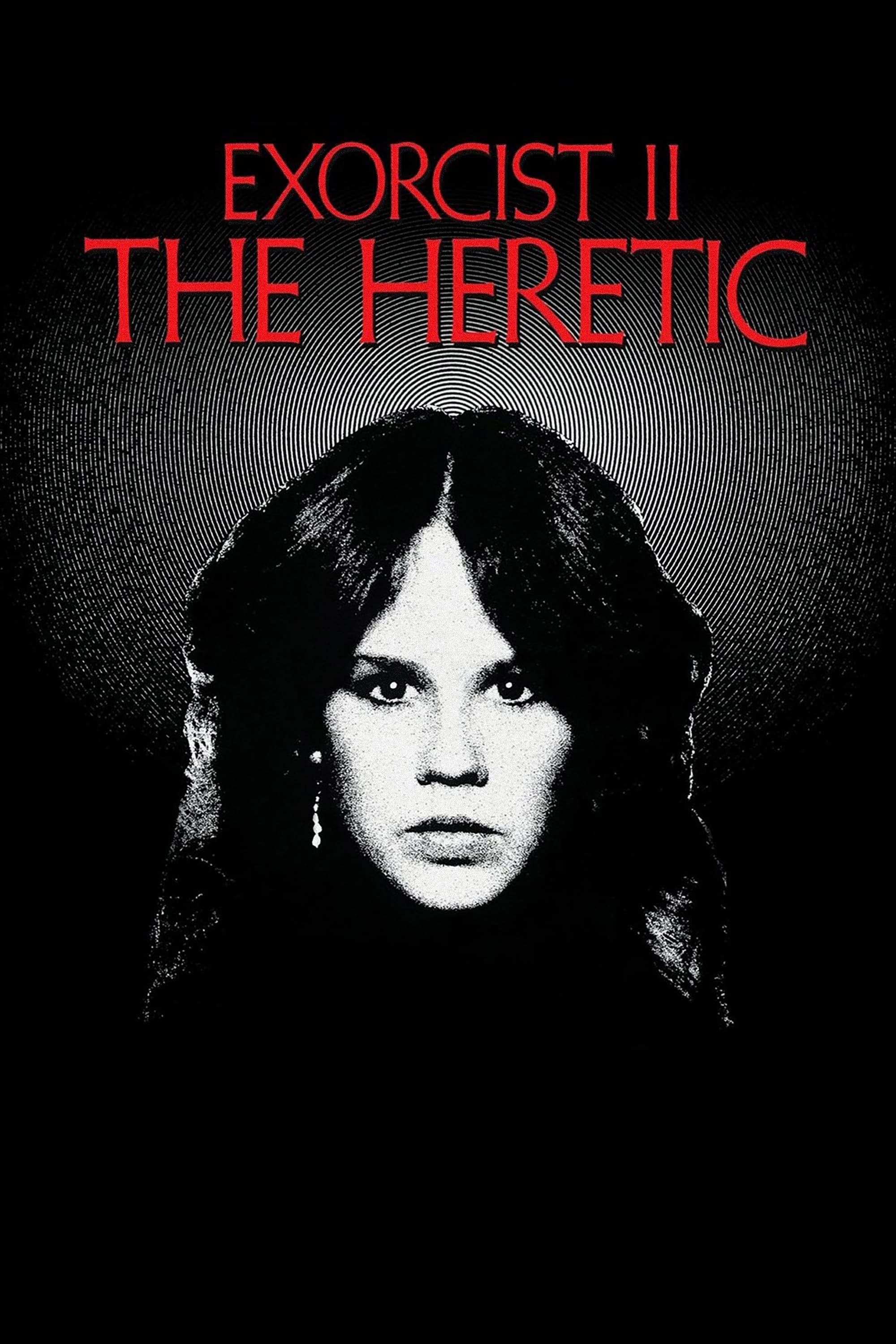
John Boorman’s sequel brings back Linda Blair as Regan and adds Richard Burton and Louise Fletcher for a story that explores psychology and spiritual connections. The narrative shifts from a single possession to broader ideas about faith and shared consciousness.
The film went through rewrites and sound mix changes around release. Curiosity produced a big opening, then word of mouth triggered a steep fall in attendance. The franchise later course corrected with ‘The Exorcist III’, which followed the original novel’s sequel more closely.
‘Basic Instinct 2’ (2006)
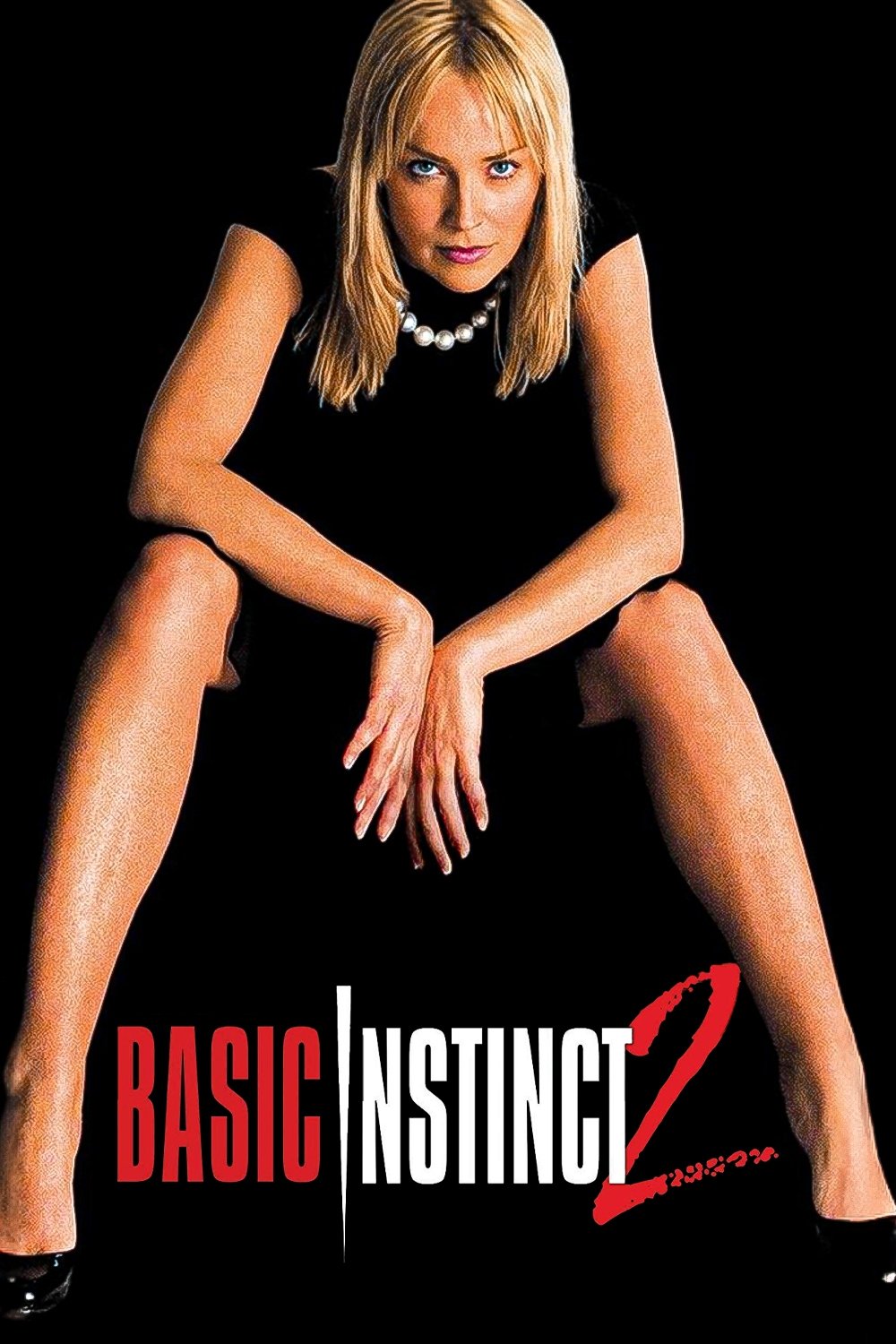
Michael Caton Jones moved the series to London with Sharon Stone returning as Catherine Tramell and David Morrissey playing a psychiatrist drawn into her orbit. The production chased a glossy European noir style with high end locations and fashion.
Development stretched across years with multiple rewrites, legal disputes, and casting changes. Ratings issues led to trims for release. The movie underperformed worldwide relative to its cost, and plans for another film were dropped.
‘The Crow: City of Angels’ (1996)

Tim Pope directed this second entry with Vincent Perez taking on the mantle of a new avenger in a story set in Los Angeles. The production aimed for a distinct mood with gold tinted visuals and a new mythology separate from the original tragedy.
Studio mandated edits shortened key character beats and changed the tone from the assembly cut. The theatrical version drew mixed responses and modest ticket sales. Later sequels bypassed theaters and went direct to video.
‘Grease 2’ (1982)
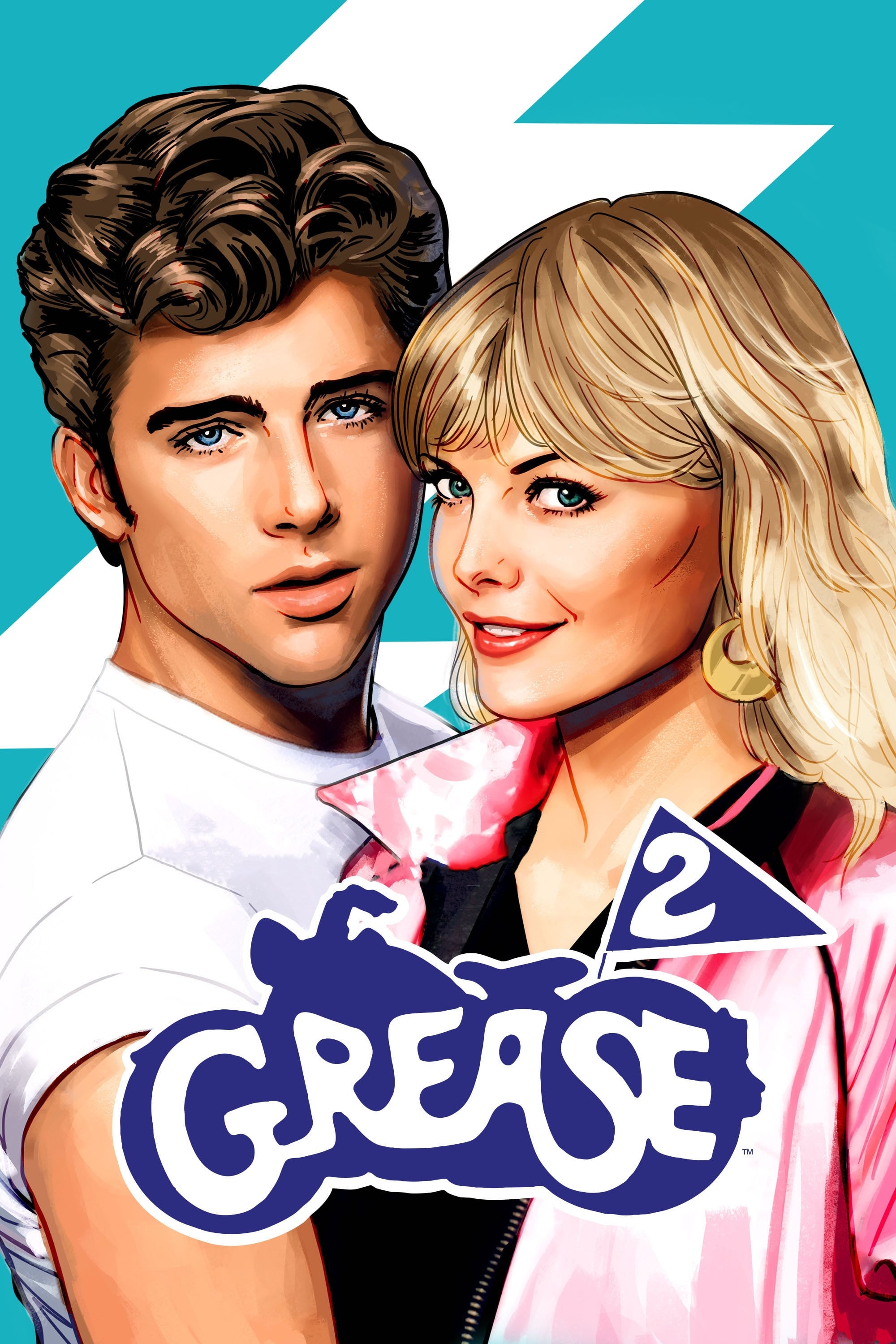
Choreographer Patricia Birch stepped up to direct with Michelle Pfeiffer and Maxwell Caulfield leading a new group at Rydell High. The movie introduced fresh songs and centered on a romance that flips the outsider narrative from the first film.
Released four years after ‘Grease’ and without its original stars, the sequel struggled to match the earlier phenomenon. The soundtrack found limited radio play and the film made a fraction of the original’s box office. Pfeiffer used the visibility to springboard into major roles soon after.
‘The Sting II’ (1983)
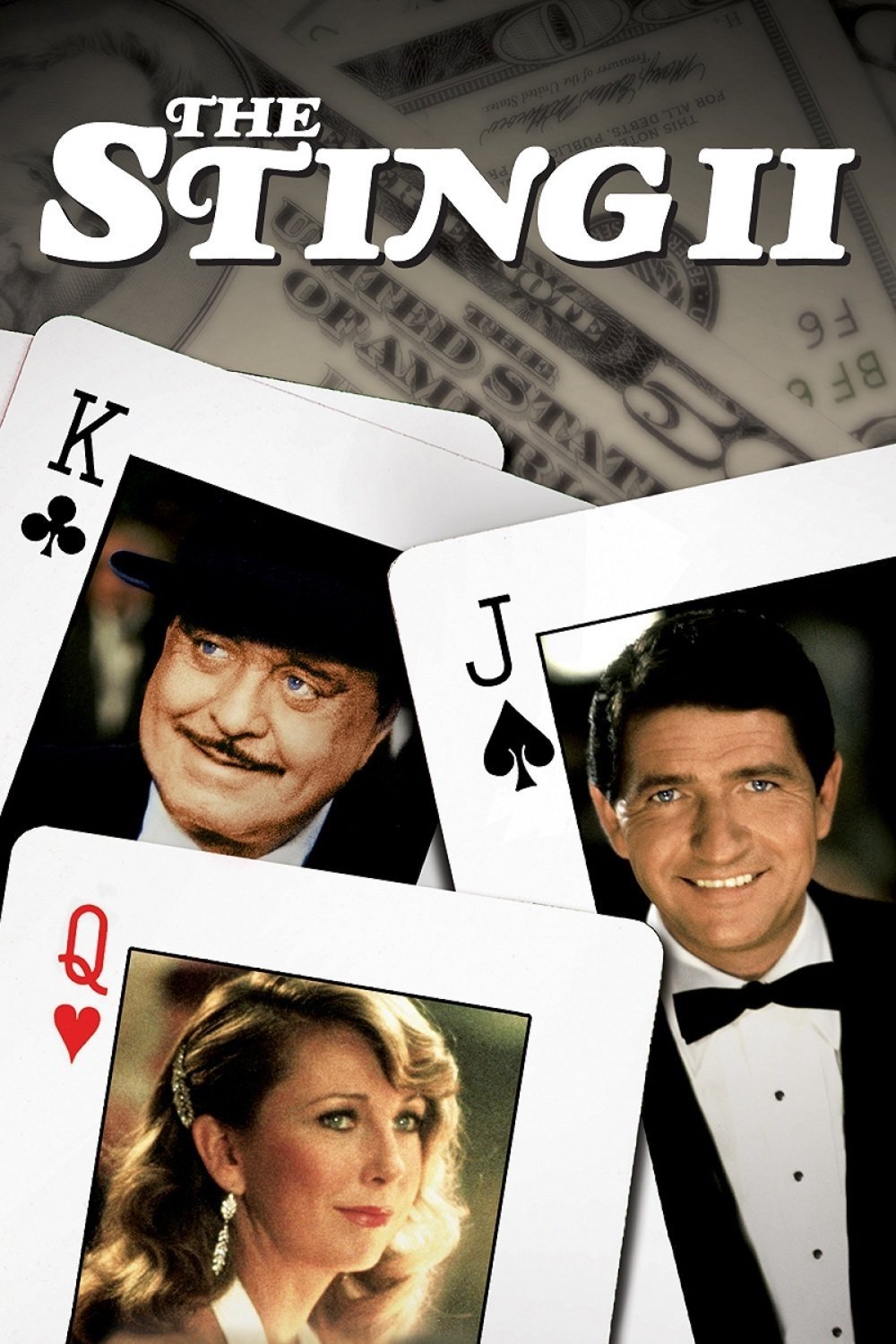
Jeremy Paul Kagan directed a follow up that swapped in Jackie Gleason and Mac Davis for a new con set in the world of 1930s rackets. The script created different character names and scenarios rather than continuing the first film’s story directly.
Without the original team of George Roy Hill, Paul Newman, and Robert Redford, audience interest was muted. Marketing leaned heavily on name recognition but competition and lukewarm reception kept grosses low. Awards and critical attention did not materialize and the sequel left theaters quickly.
‘Book of Shadows: Blair Witch 2’ (2000)
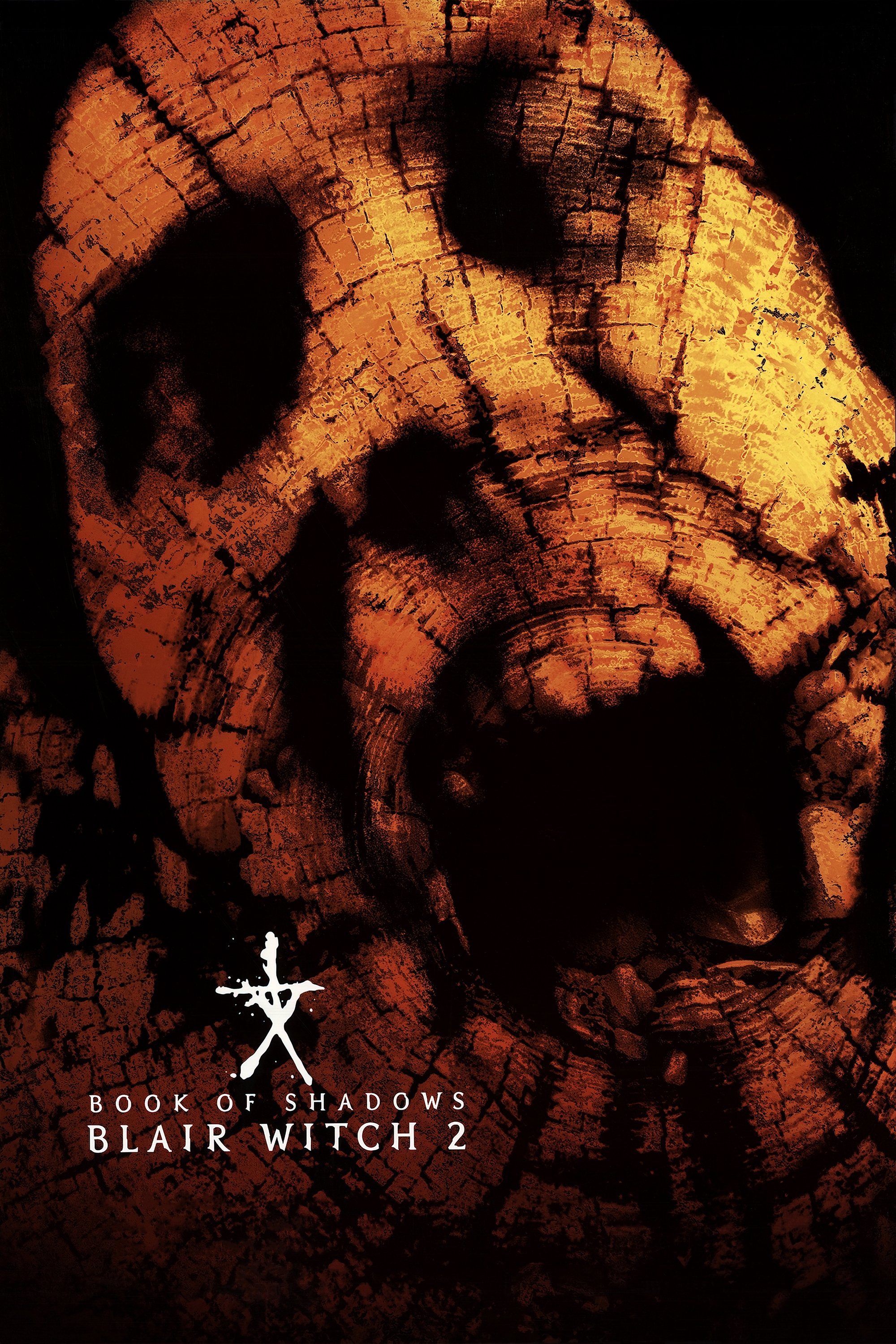
Documentarian Joe Berlinger took a meta approach in which fans of the first movie visit the real world locations and experience strange events. The choice to abandon found footage for a more conventional thriller marked a major shift.
After test screenings, the studio ordered reshoots that added gore and rapid fire montages. The final cut diverged from the director’s initial vision. The film opened well near Halloween and then slid sharply in week two as expectations for another faux documentary were not met.
‘Teen Wolf Too’ (1987)
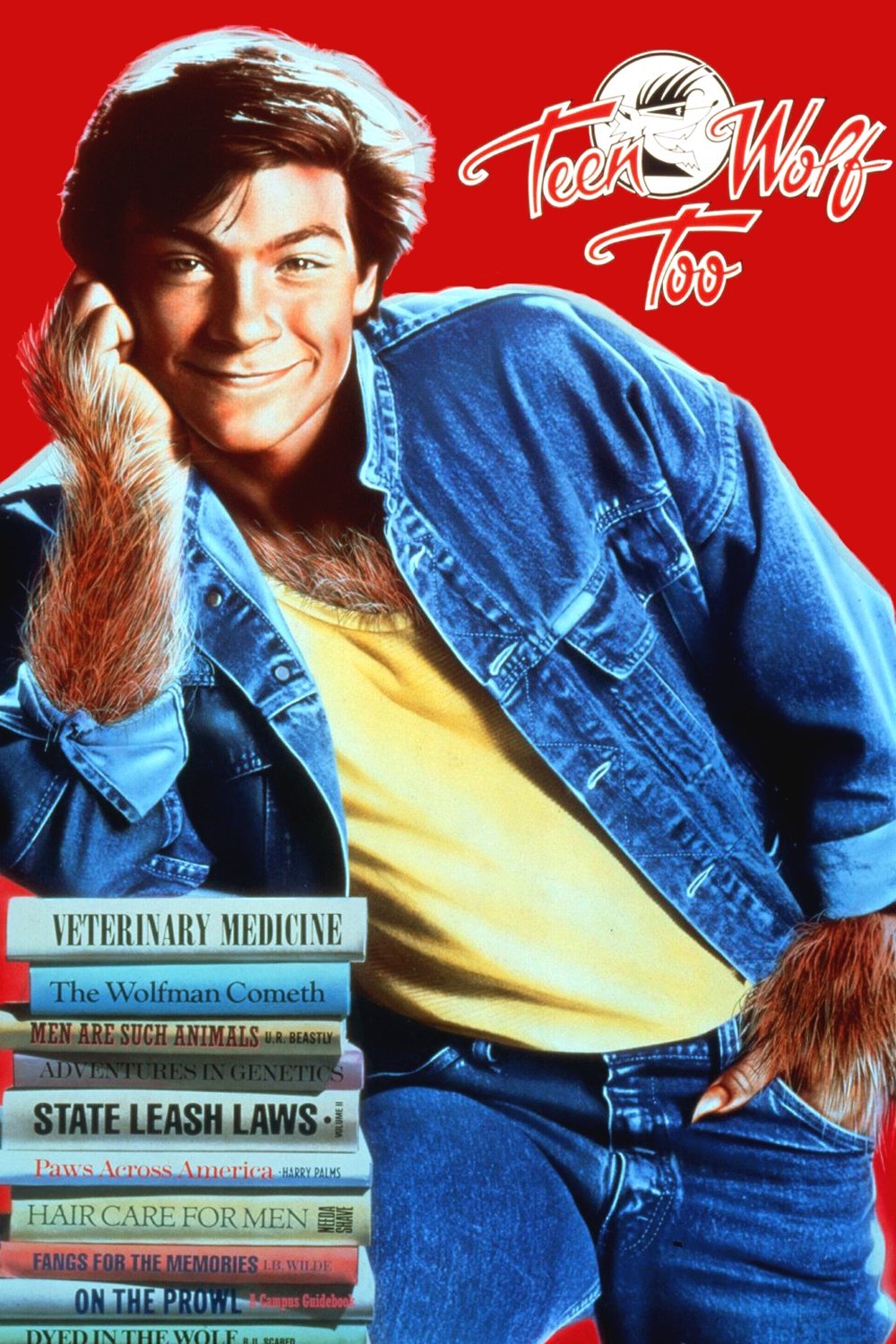
Christopher Leitch’s sequel sends Jason Bateman’s Todd Howard to college where he learns the family secret and becomes the star athlete. The setting moves to a campus sports program that trades basketball for boxing.
Key players from the first film did not return, and the production reused makeup and gag structures on a smaller budget. Audience interest was limited and the film posted weak numbers on release. No further theatrical entries followed.
‘American Psycho II: All American Girl’ (2002)
Morgan J. Freeman directed this thriller with Mila Kunis as a criminology student whose past connects to the original film in an opening prologue. William Shatner appears as a professor whose class becomes the center of a deadly rivalry.
The project began life as a separate script and was retrofitted to link to ‘American Psycho’ during production. It was released direct to video in North America. Reviews were poor, and the lead later disowned the film in interviews.
‘S. Darko’ (2009)
Chris Fisher directed this continuation with Daveigh Chase returning as Samantha Darko on a road trip that spirals into visions and time loops. The story picks up years after the events of ‘Donnie Darko’ and borrows its apocalyptic imagery.
Creator Richard Kelly did not participate and criticized the project publicly. The movie went straight to the home video market and drew negative reactions from fans. No additional films followed and the property returned to dormancy.
‘Independence Day: Resurgence’ (2016)
Roland Emmerich revived the alien invasion saga with Jeff Goldblum, Bill Pullman, and Judd Hirsch returning while Liam Hemsworth and Maika Monroe joined as new heroes. The plot expands the universe with advanced human tech built from alien remnants.
The film leaned on large scale effects and set up further adventures that did not proceed. Domestic interest was noticeably lower than in 1996 and overseas receipts could not fully offset the cost. Plans for another sequel were shelved after the global total underperformed expectations.
‘Zoolander 2’ (2016)
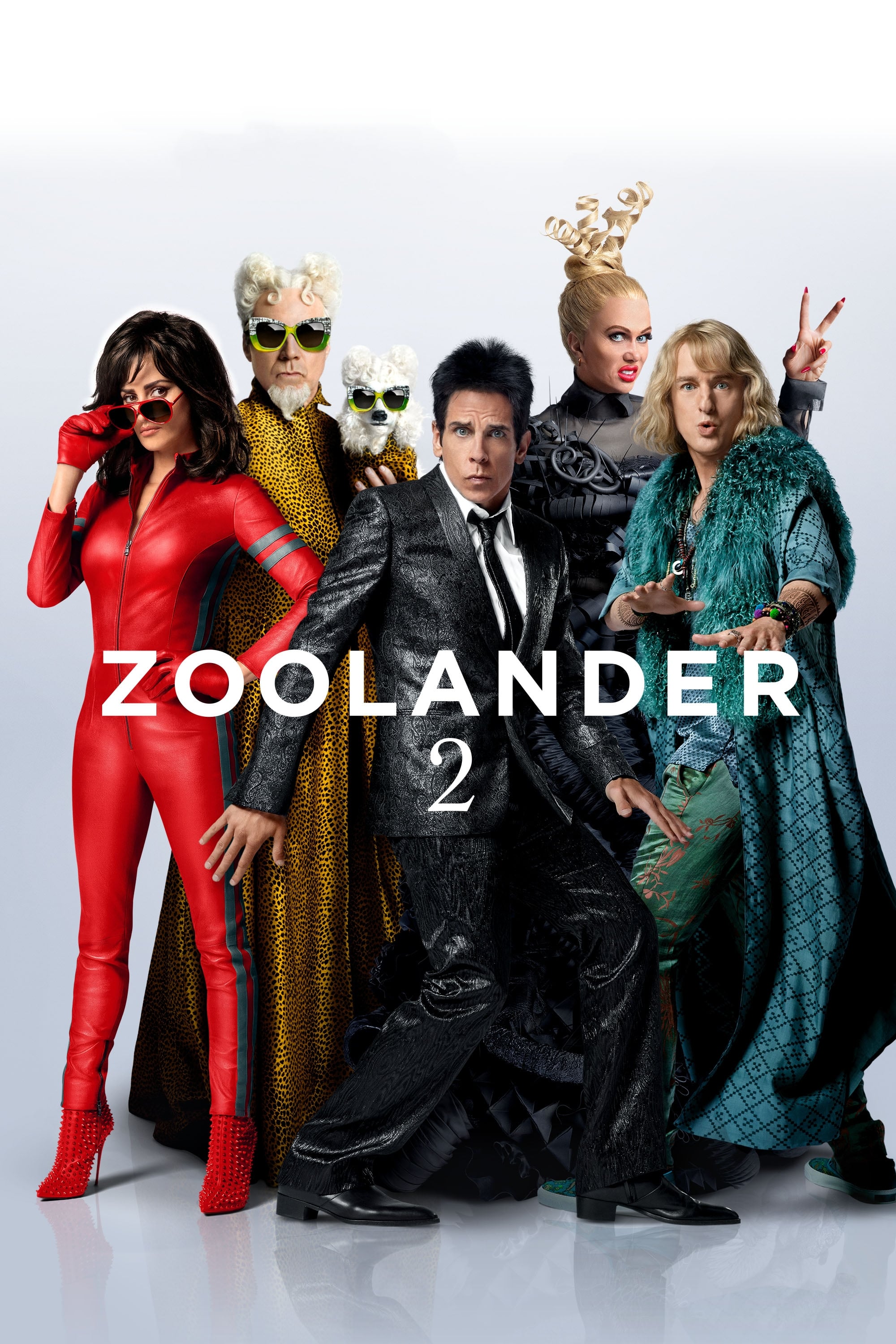
Ben Stiller returned to direct and star with Owen Wilson and Penélope Cruz, stacking in a long list of fashion world cameos. The story brings aging models back into a conspiracy that plays off celebrity culture.
Paramount built buzz with fashion week stunts and surprise runway appearances. The movie arrived fifteen years after the original and struggled to draw repeat business. Worldwide grosses were modest and talk of a third entry faded.
‘Jaws 3-D’ (1983)
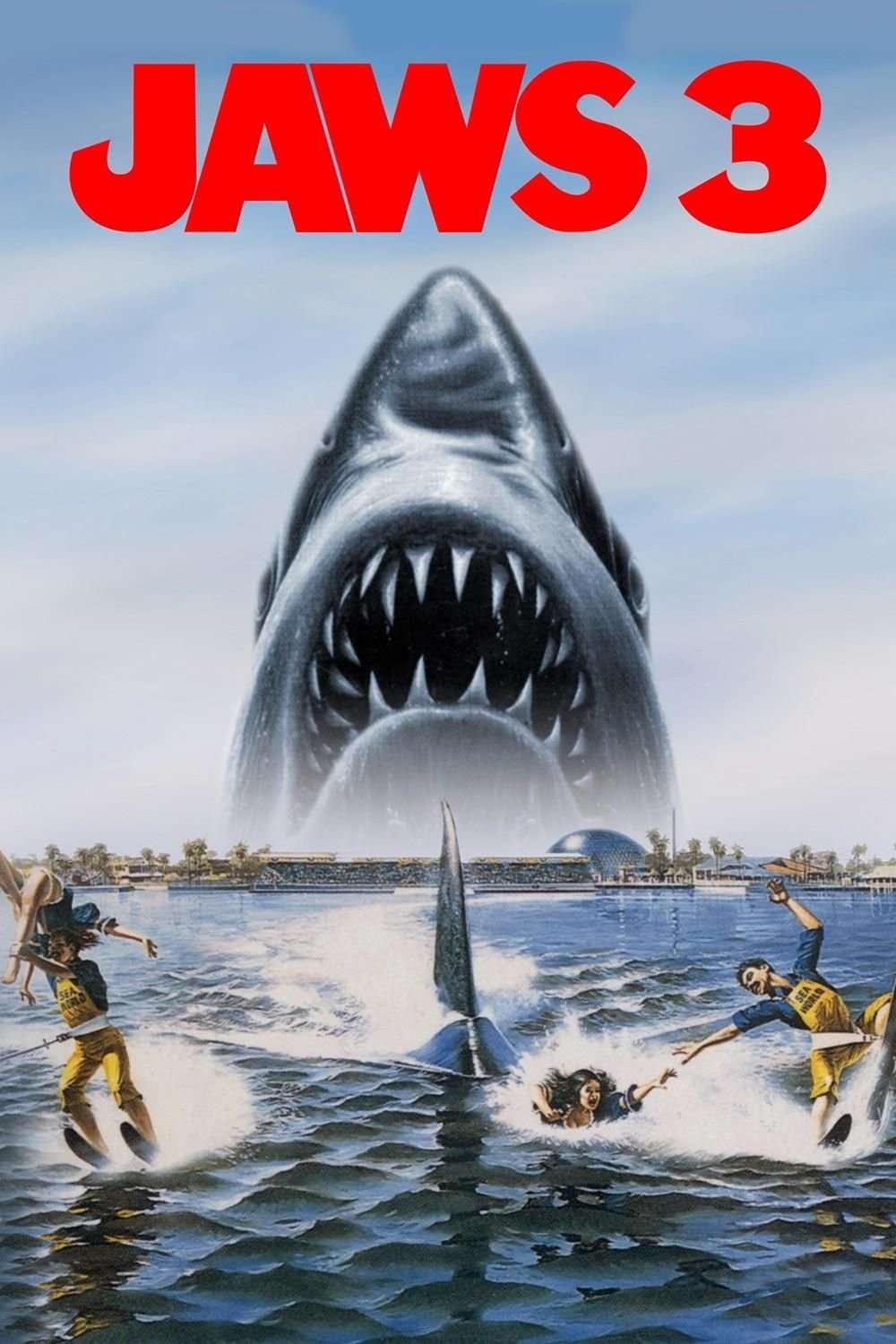
Joe Alves directed this third chapter set at a Florida marine park where a great white infiltrates new attractions. The film used stereoscopic photography to ride a revival of 3D exhibition in early eighties theaters.
Effects relied on optical composites that looked rough when projected flat in later home video releases. It opened well then saw attendance drop as word spread. The franchise concluded four years later with ‘Jaws: The Revenge’.
Share your picks for the most painful follow ups and tell us which sequel disappointed you the most in the comments.