


Comedians Who Can’t Be Funny (But Somehow Keep Getting Specials)

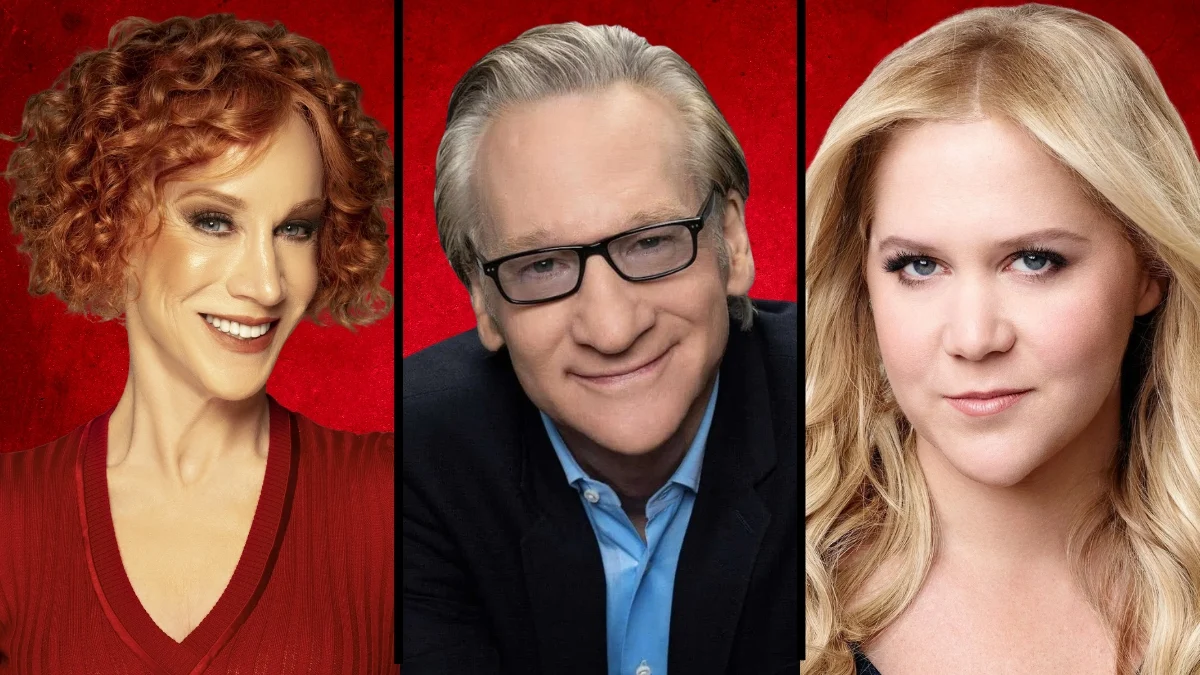


The landscape of stand-up comedy has shifted dramatically with the rise of streaming platforms, leading to an unprecedented number of hour-long specials. While many of these releases receive critical acclaim, others spark intense debate regarding the quality of the material and the merit of the performer. Critics and audiences often find themselves at odds over comedians who maintain high visibility and lucrative contracts despite receiving consistently poor reviews. This phenomenon highlights the divide between commercial viability and critical reception in the modern entertainment industry.
Amy Schumer
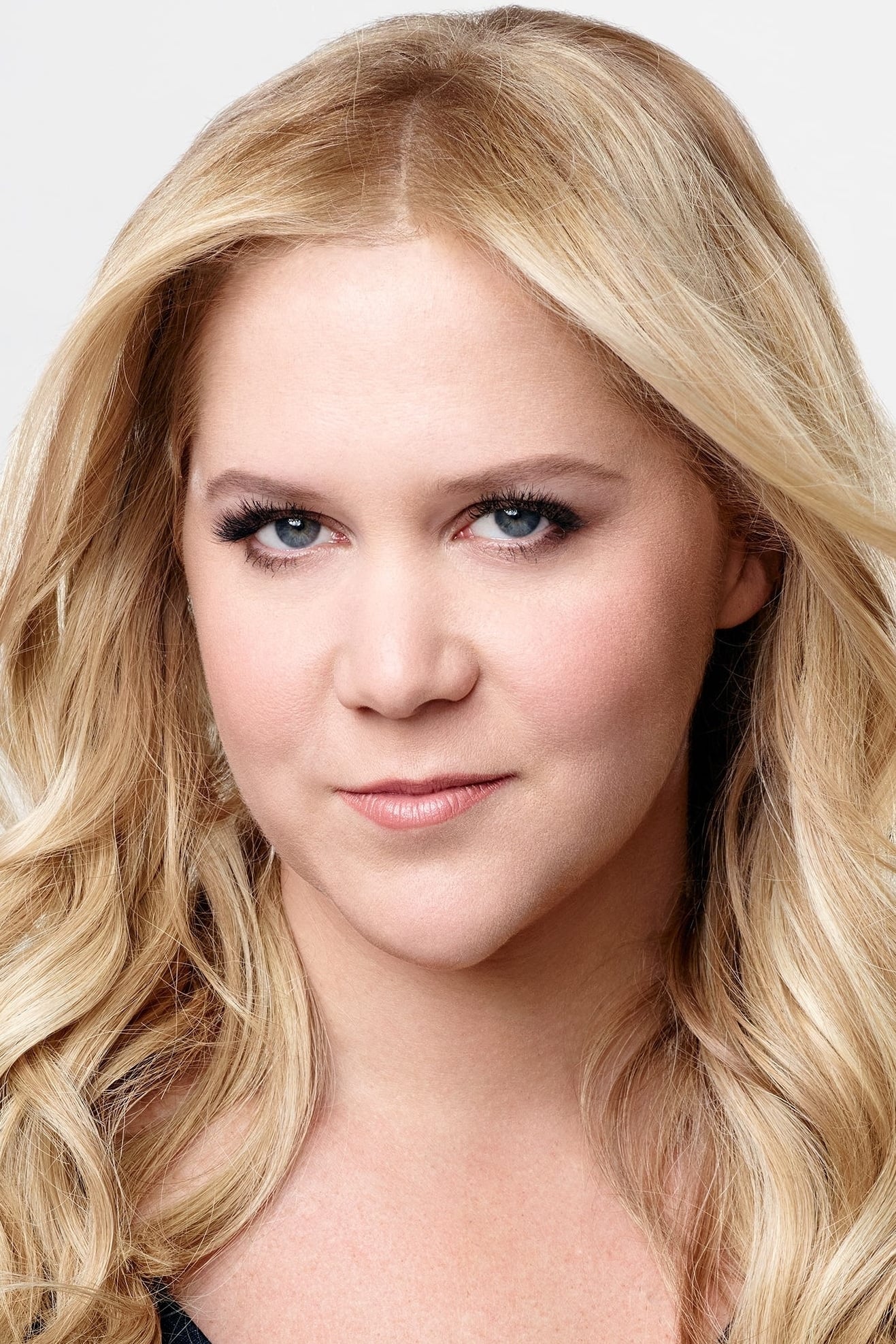
Amy Schumer rose to prominence with her sketch show ‘Inside Amy Schumer’ before securing major stand-up deals with Netflix. Her 2017 release ‘The Leather Special’ became a focal point of controversy due to its overwhelmingly negative audience ratings and accusations of joke theft. Critics argued that the material relied too heavily on shock value rather than clever observational writing. Despite the backlash, she followed up with specials like ‘Growing’ and ‘Emergency Contact’.
Brendan Schaub
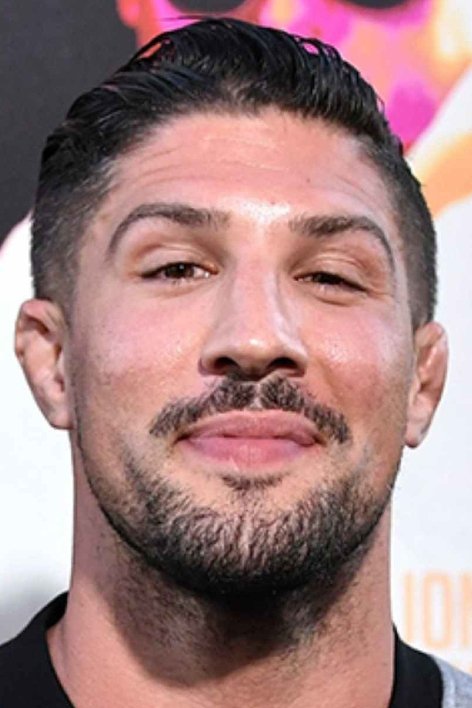
Brendan Schaub transitioned from a career in mixed martial arts to stand-up comedy, releasing his first special ‘You’d Be Surprised’ in 2019. The special received historically low ratings on major review aggregators, with critics citing a lack of timing and polished material. His 2022 follow-up, ‘The Gringo Papi’, faced similar scrutiny for its short runtime and reliance on cultural stereotypes. Schaub continues to produce content and tour, maintaining a presence in the comedy podcasting sphere.
Dane Cook
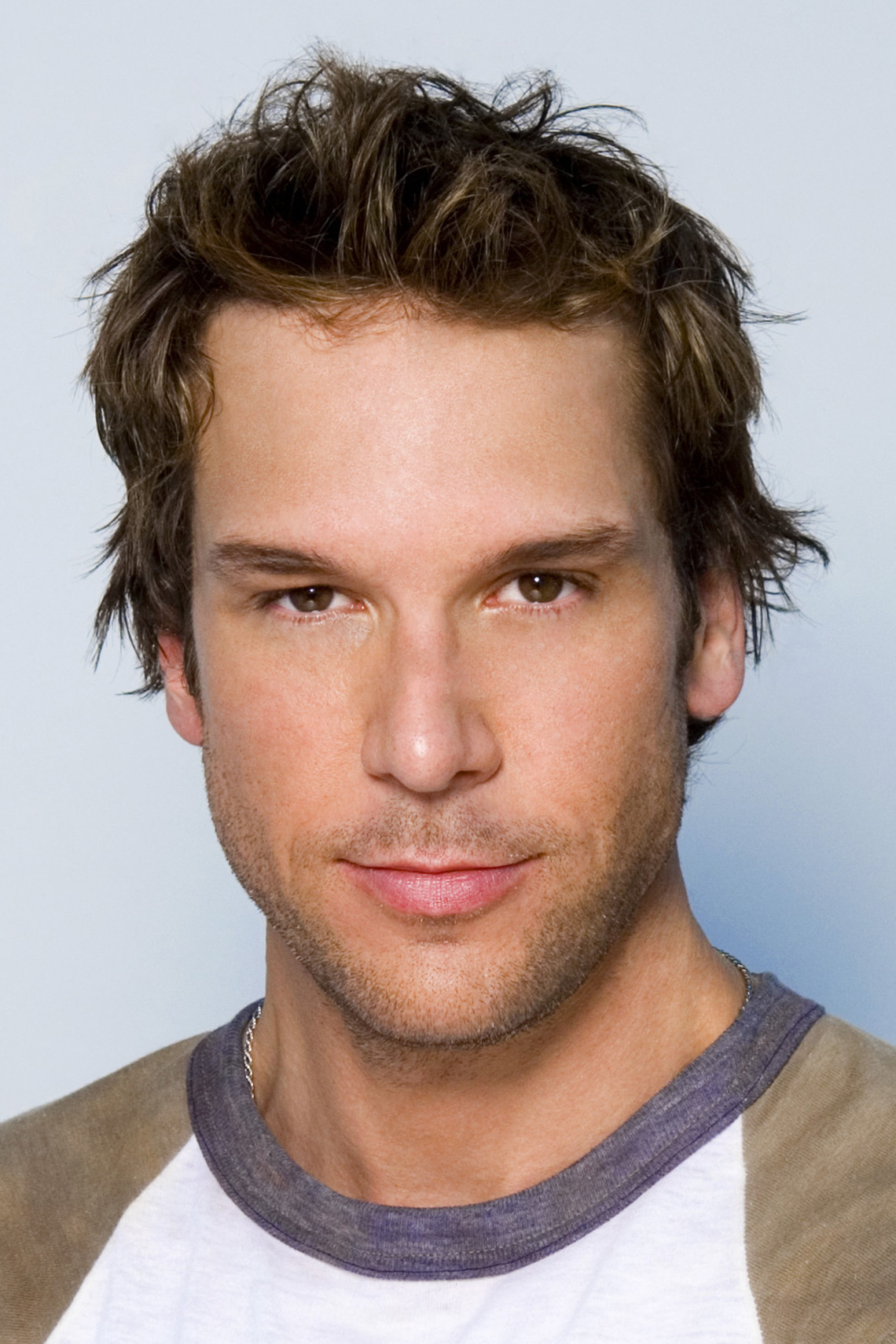
During the mid-2000s, Dane Cook became one of the most successful comedians in the world, selling out Madison Square Garden and releasing ‘Retaliation’. However, his career has been marked by persistent criticism from peers and comedy enthusiasts who claim his high-energy delivery masks a lack of substance. He has faced multiple allegations of joke theft over the years, most notably involving Louis C.K. Cook’s more recent specials, such as ‘Above It All’, have struggled to recapture his initial mainstream momentum.
Jeff Dunham
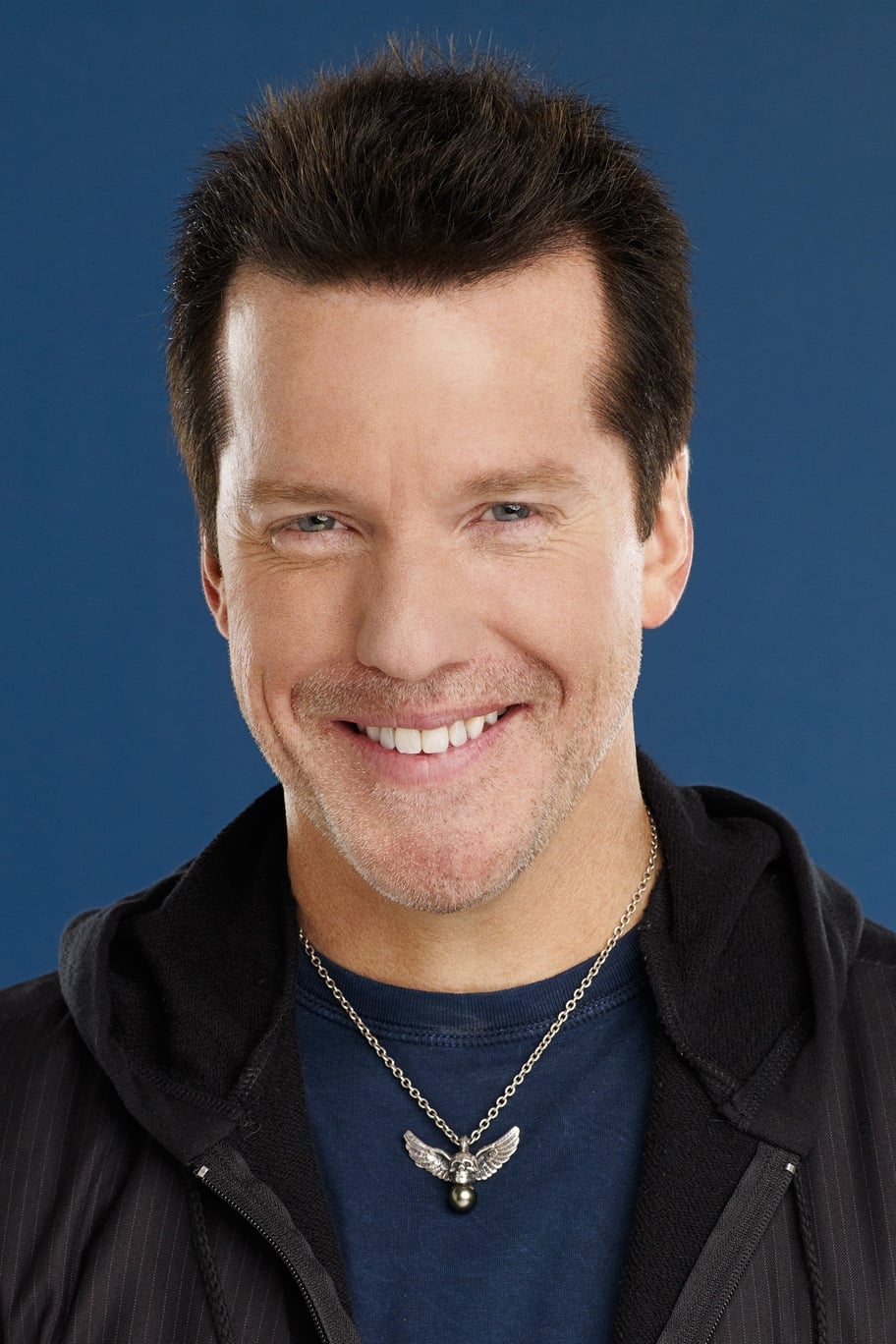
Jeff Dunham is a ventriloquist who has built a massive commercial empire through specials like ‘Spark of Insanity’ and ‘Controlled Chaos’. While he is one of the highest-grossing comedians globally, his work is frequently panned by critics for its use of racial and ethnic stereotypes. Characters like Achmed the Dead Terrorist have been described as reductive and offensive by various cultural commentators. Despite these critiques, he remains a staple on networks like Comedy Central and Netflix.
Carlos Mencia
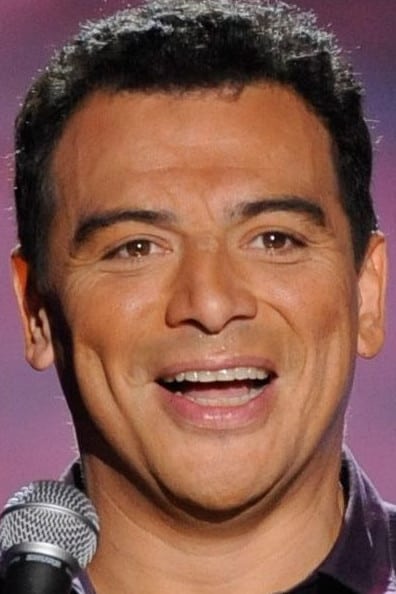
Carlos Mencia was once a dominant force on Comedy Central with his show ‘Mind of Mencia’ and several stand-up specials. His reputation suffered a severe blow when high-profile comedians, including Joe Rogan, publicly accused him of systemic joke theft. This controversy led to a significant decline in his industry standing, yet he has continued to release independent specials and tour. Critics often point to his career as a cautionary tale regarding original content in the comedy world.
Matt Rife

Matt Rife gained viral fame on TikTok, which propelled him to a massive Netflix deal for his 2023 special ‘Selection Requirement’. The special immediately drew heavy criticism for an opening joke regarding domestic violence, which many felt was a poor attempt at “edgy” humor. Critics have argued that his success is driven more by social media algorithms and physical appearance than by comedic craft. His subsequent work continues to be a subject of debate among traditional comedy fans.
Jo Koy
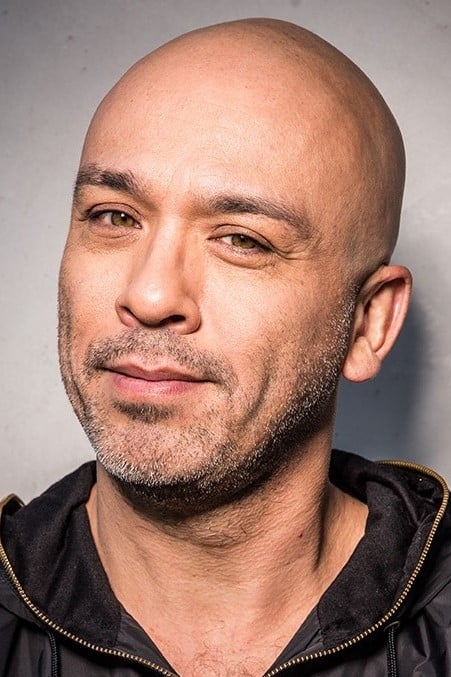
Jo Koy has released several successful specials on Netflix, including ‘Comin’ In Hot’ and ‘Live from the Los Angeles Forum’. However, his reputation took a hit following his stint as the host of the 2024 Golden Globes, where his monologue was widely panned. During the performance, he blamed his writers for the jokes that failed to land, a move that was heavily criticized by the industry. Critics often argue that his stand-up relies too heavily on repetitive tropes about his family life.
Hannah Gadsby
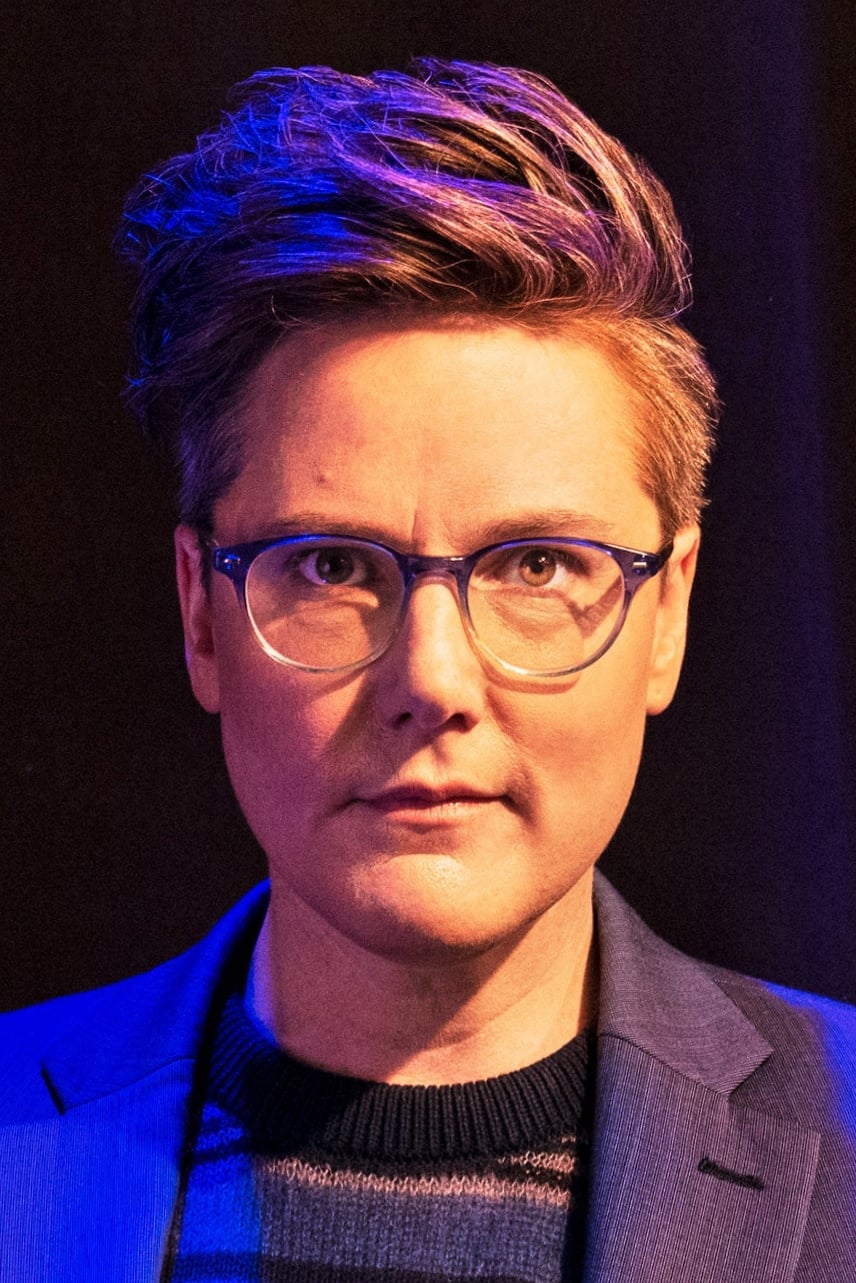
Hannah Gadsby achieved international fame with the Netflix special ‘Nanette’, which challenged the traditional structure of stand-up comedy. While the special won numerous awards, it sparked a polarized debate over whether it should be classified as comedy or a lecture. Critics of her later work, such as ‘Douglas’, argue that the emphasis on social commentary often comes at the expense of humor. Some audiences feel her approach alienates those looking for traditional joke-driven performances.
Bill Maher
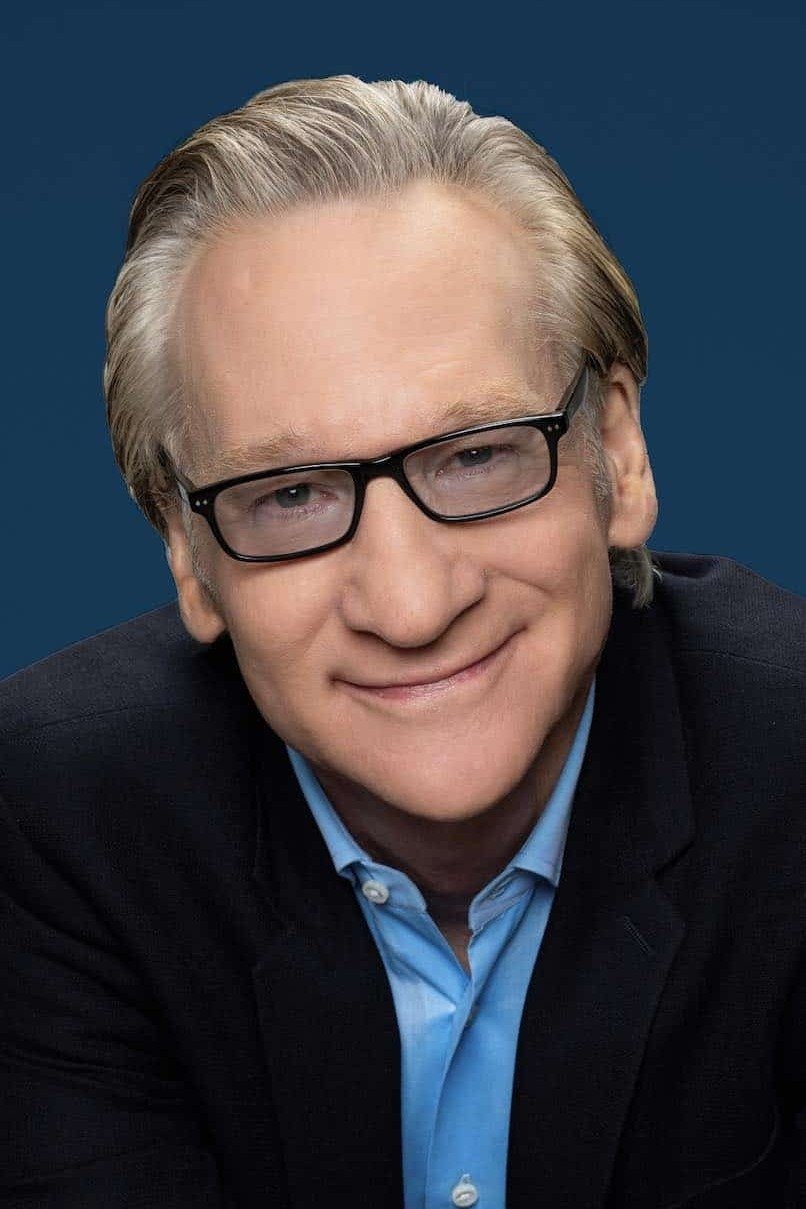
Bill Maher has maintained a long-running career with his HBO show and various stand-up specials like ‘#Adulting’. In recent years, critics have noted that his stand-up has become increasingly indistinguishable from his political monologues. Many reviews suggest that his material focuses more on personal grievances and “get off my lawn” style rants than on structured comedy. Despite these criticisms, he remains a consistent draw for audiences interested in his specific brand of political satire.
Ricky Gervais
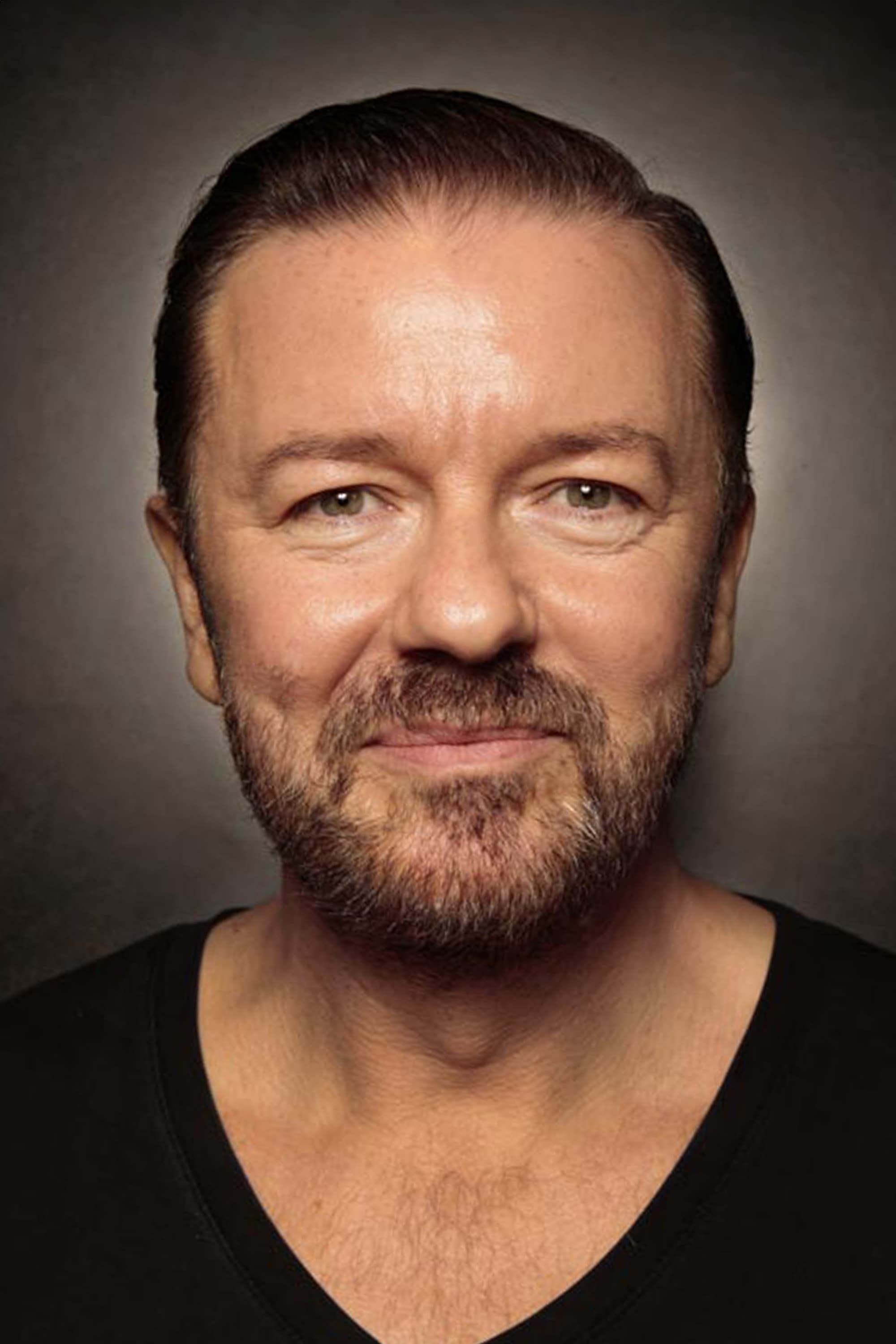
Ricky Gervais is known for his work on ‘The Office’ and his provocative hosting of award shows. His recent Netflix specials, such as ‘SuperNature’ and ‘Armageddon’, have been criticized for relying on “anti-woke” themes that critics describe as repetitive and lazy. While these specials perform well in terms of viewership, reviewers often point out a lack of the nuanced wit found in his earlier television work. He continues to lean into controversial topics, citing his right to freedom of speech.
Dave Chappelle
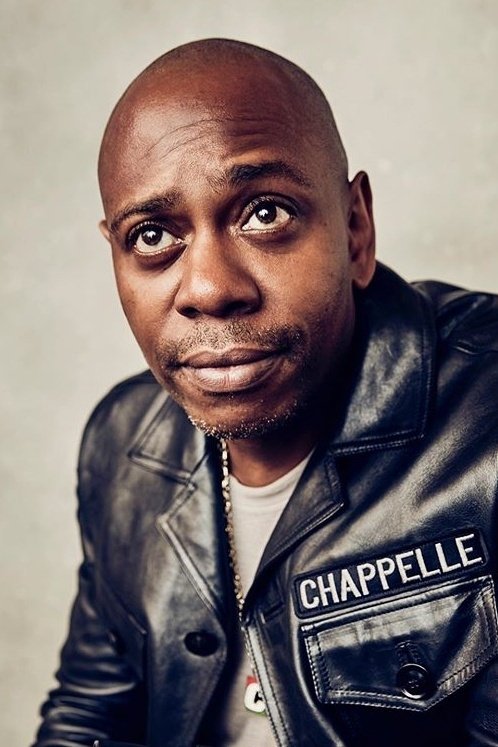
Dave Chappelle is widely considered a comedy legend, but his post-2020 specials for Netflix have become lightning rods for controversy. Reviews of ‘The Closer’ were heavily divided, with many critics arguing that he moved away from comedy and toward a defensive lecture format. Large segments of the audience felt the focus on transgender issues was obsessive and lacked the comedic insight of his previous work. Nevertheless, Chappelle continues to receive massive payouts for his specials and remains a top-tier headliner.
Ellen DeGeneres
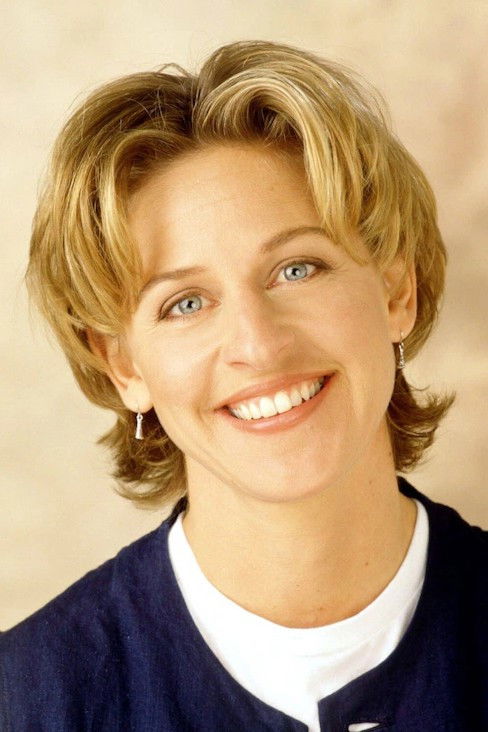
Ellen DeGeneres returned to stand-up with ‘Relatable’ in 2018 and later released ‘For Your Approval’ in 2024. The latter special was intended to address the allegations of a toxic workplace at her talk show, but critics found the material to be self-serving and out of touch. Many reviewers noted that her shift from “nice” comedy to addressing her downfall felt awkward and lacked genuine humor. The special received a tepid response from those expecting a more traditional return to form.
Russell Brand
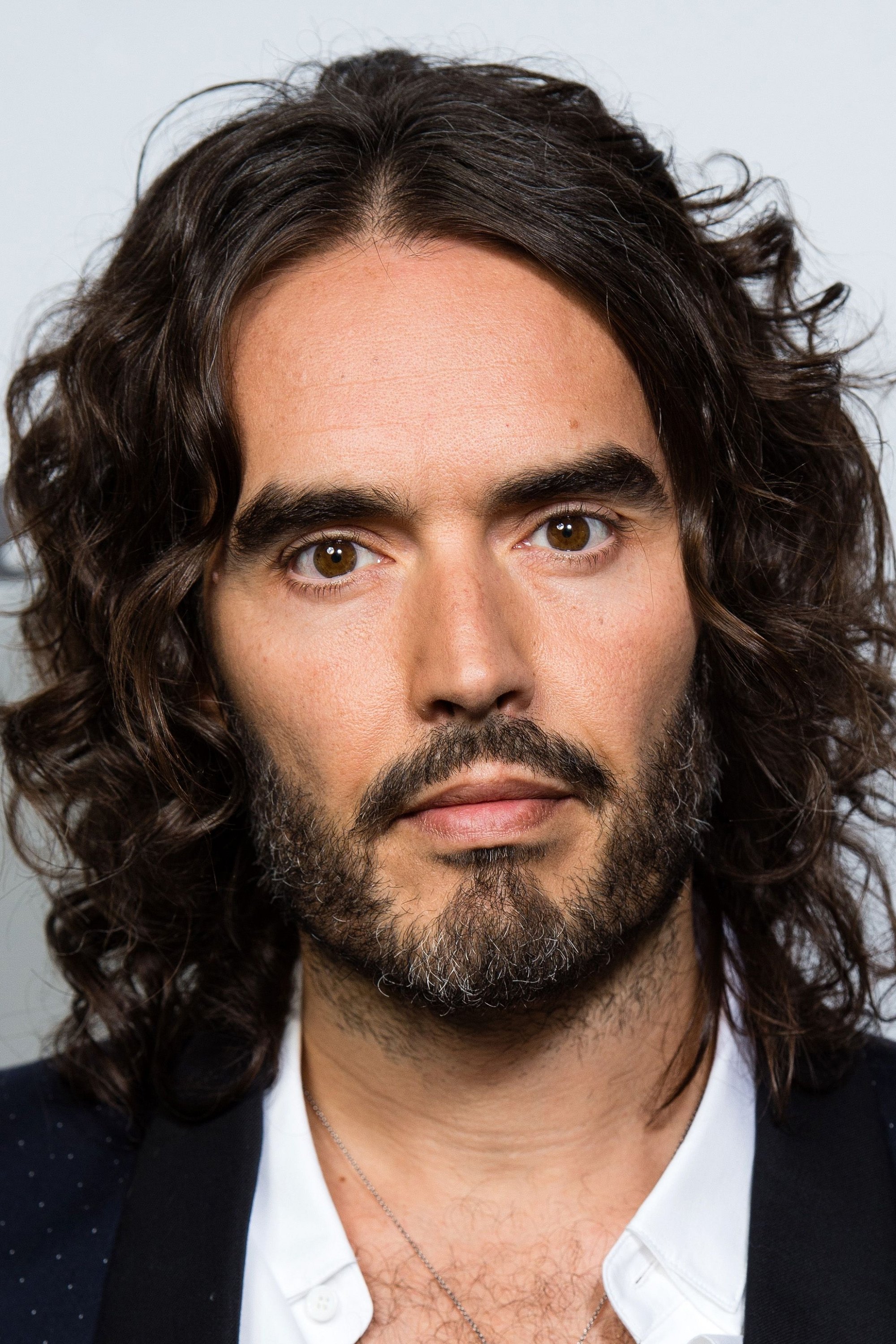
Russell Brand’s early comedy specials like ‘Ponderland’ were praised for their manic energy and unique vocabulary. However, his later specials and public persona have shifted toward political activism and conspiracy theories. Critics argue that his more recent comedic output, such as ‘Brandemic’, is more of a manifesto than a comedy set. This shift has alienated a large portion of his original fan base while attracting a different, more politically charged audience.
Iliza Shlesinger

Iliza Shlesinger has released five Netflix specials, including ‘War Paint’ and ‘Unveiled’. While she has a dedicated following, some critics argue that her “elder millennial” perspective has become formulaic over time. Her use of high-pitched voices and physical mannerisms is often cited as a distraction from the actual writing. Reviewers have noted that her later specials struggle to find new ground, often retreading themes of dating and wedding planning.
Bert Kreischer
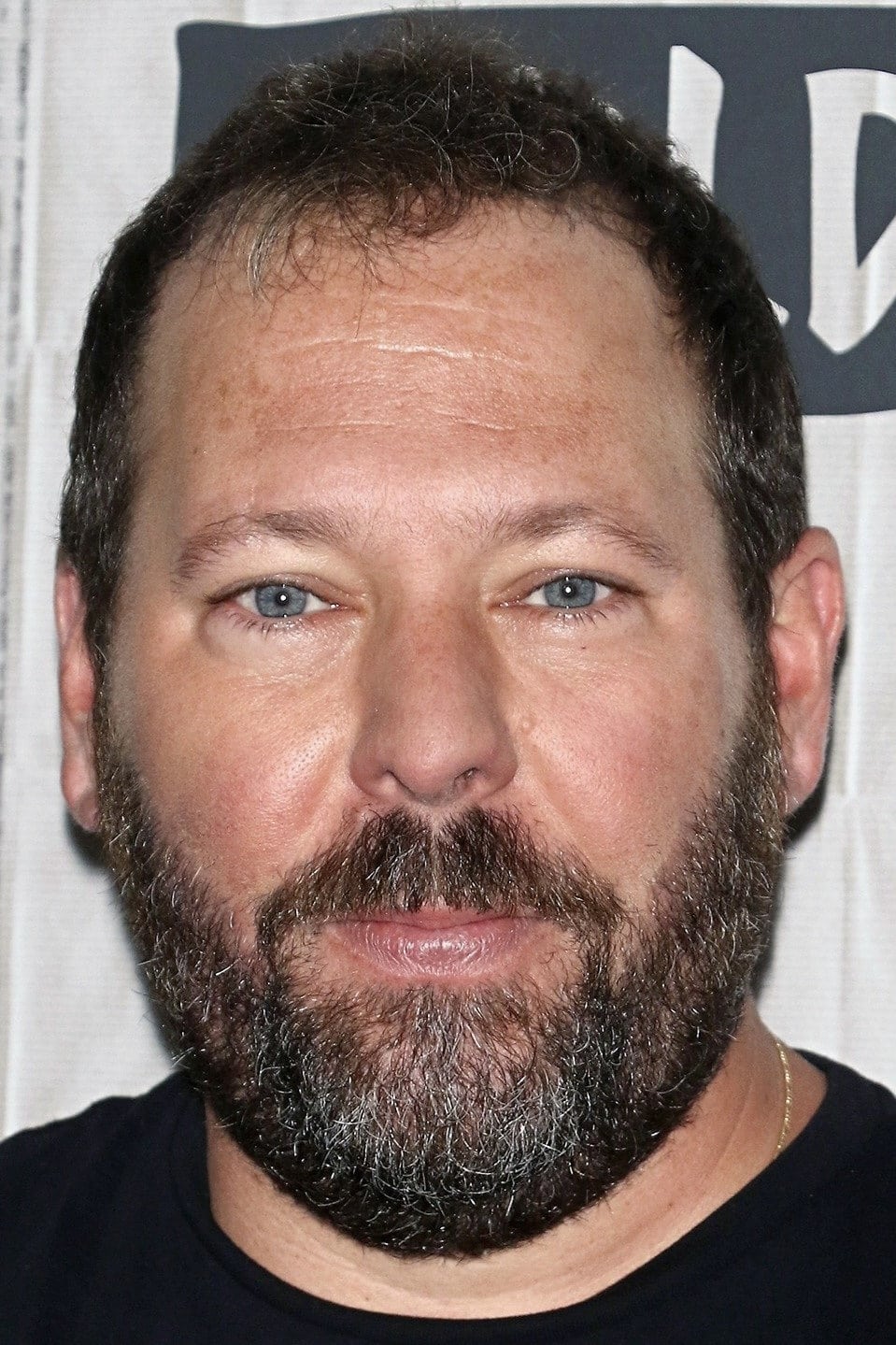
Bert Kreischer is famous for his “Machine” story and his habit of performing shirtless. His specials, such as ‘Hey Big Boy’ and ‘Razzle Dazzle’, focus heavily on his lifestyle as a hard-partying father. Critics often argue that his comedy relies more on his personality and the spectacle of his performance than on the quality of his jokes. While he is immensely popular on the touring circuit, his specials frequently receive mixed reviews for their lack of narrative depth.
Gabriel Iglesias
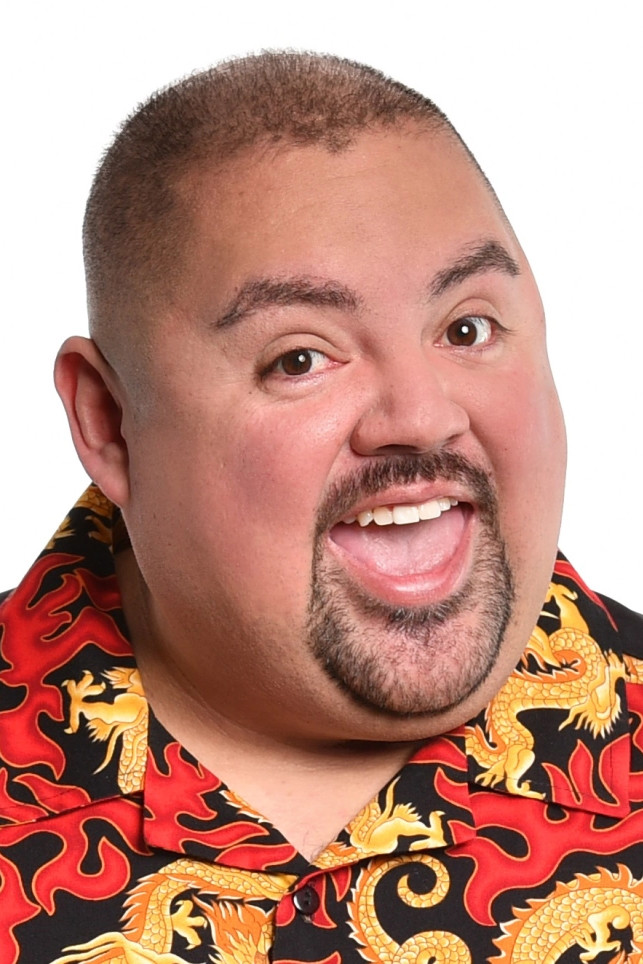
Gabriel Iglesias, also known as “Fluffy,” is one of the most successful touring comedians in the world. His specials, including ‘Stadium Fluffy’, rely heavily on his ability to produce sound effects and character voices. Critics have pointed out that while his act is family-friendly and technically impressive, the actual comedic writing is often thin. Some reviewers find his reliance on “fluffy” tropes to be repetitive across his extensive catalog of specials.
Larry the Cable Guy
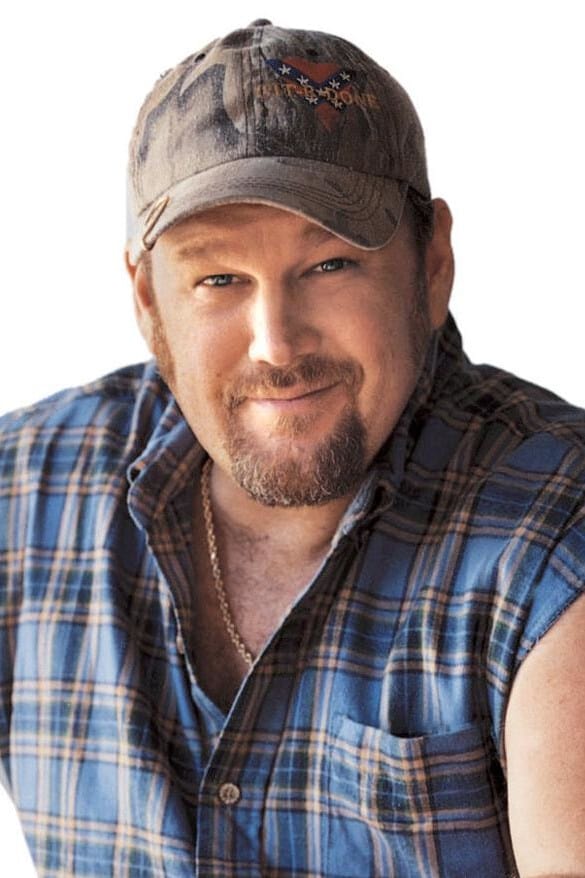
Dan Whitney, performing as Larry the Cable Guy, became a cultural phenomenon as part of the Blue Collar Comedy Tour. His character-driven specials like ‘The Right to Bare Arms’ were massive commercial hits but were frequently dismissed by critics as low-brow. Over time, the “Git-R-Done” catchphrase and the reliance on regional stereotypes led to a perception of the act being stagnant. Despite the critical cold shoulder, he remains one of the most recognizable figures in rural American comedy.
Chris D’Elia
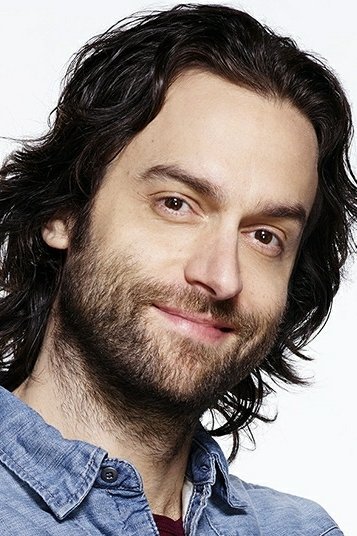
Chris D’Elia gained a large following through specials like ‘Man on Fire’ and ‘No Pain’. His style, characterized by a “cool guy” persona and repetitive physical bits, has been described by some critics as grating. Following serious public allegations in 2020, his professional standing changed, yet he has continued to release self-produced specials. Critics often note that his material lacks the intellectual depth found in the work of his contemporaries.
Sarah Silverman
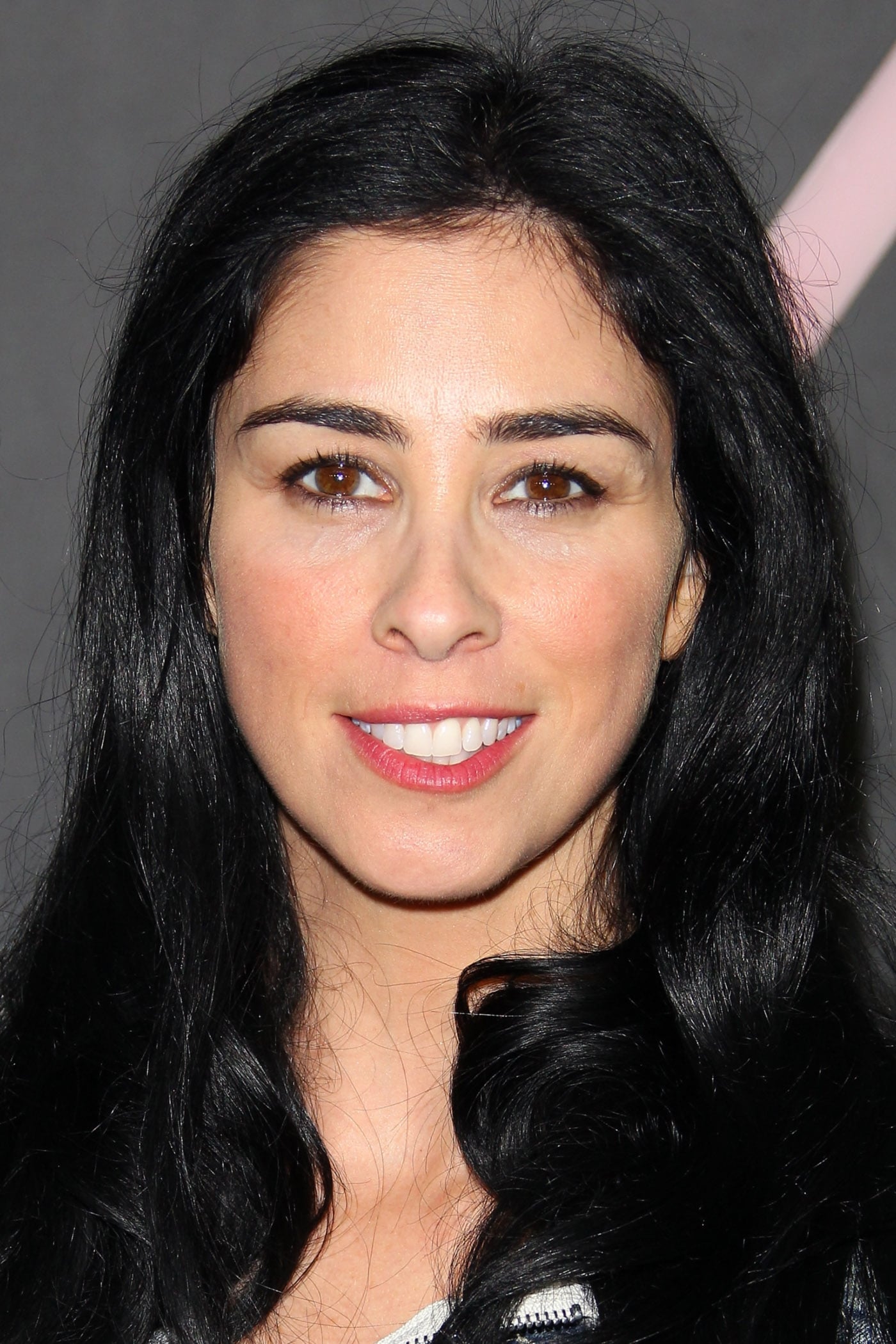
Sarah Silverman was once known for her shocking and subversive humor in specials like ‘Jesus Is Magic’. Her more recent output, including ‘A Speck of Dust’, has been viewed by critics as a move toward a more restrained and introspective style. Some fans and reviewers have argued that this transition has stripped away the edge that made her a standout performer. While she remains a respected figure, her later specials have not achieved the same level of cultural impact as her early work.
David Spade

David Spade is a veteran of ‘Saturday Night Live’ and numerous comedy films, but his foray into Netflix specials with ‘Nothing Personal’ met with mixed reactions. Critics argued that the material felt like a throwback to the 1990s and failed to offer fresh perspectives on modern life. Many reviews noted that while Spade is a talented comedic actor, his stand-up lacks the punch and originality required for an hour-long special. He continues to be a frequent guest on comedy panels and late-night shows.
Jerry Seinfeld
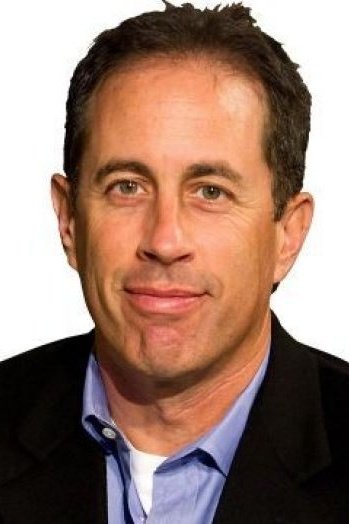
Jerry Seinfeld is a pioneer of observational comedy, but his 2020 special ’23 Hours to Kill’ received a surprisingly lukewarm reception from critics. Many reviewers felt that the material, which focused on the minutiae of everyday life, felt dated and out of touch with the current social climate. Critics pointed out that the billionaire comedian’s complaints about mundane tasks lacked the relatability that once defined his career. Despite this, his status as a comedy icon ensures a permanent platform for his work.
Adam Sandler
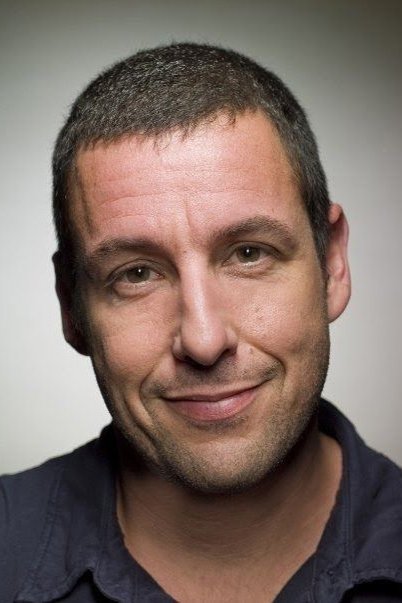
Adam Sandler returned to stand-up with ‘100% Fresh’ in 2018, which was praised by some for its sincerity but criticized by others for its unevenness. The special’s heavy reliance on musical comedy and goofy songs was a point of contention for those looking for traditional stand-up. While Sandler’s charm is undeniable, critics have argued that his stand-up often feels like a collection of ideas rather than a cohesive hour. He remains a cornerstone of Netflix’s original content strategy.
George López
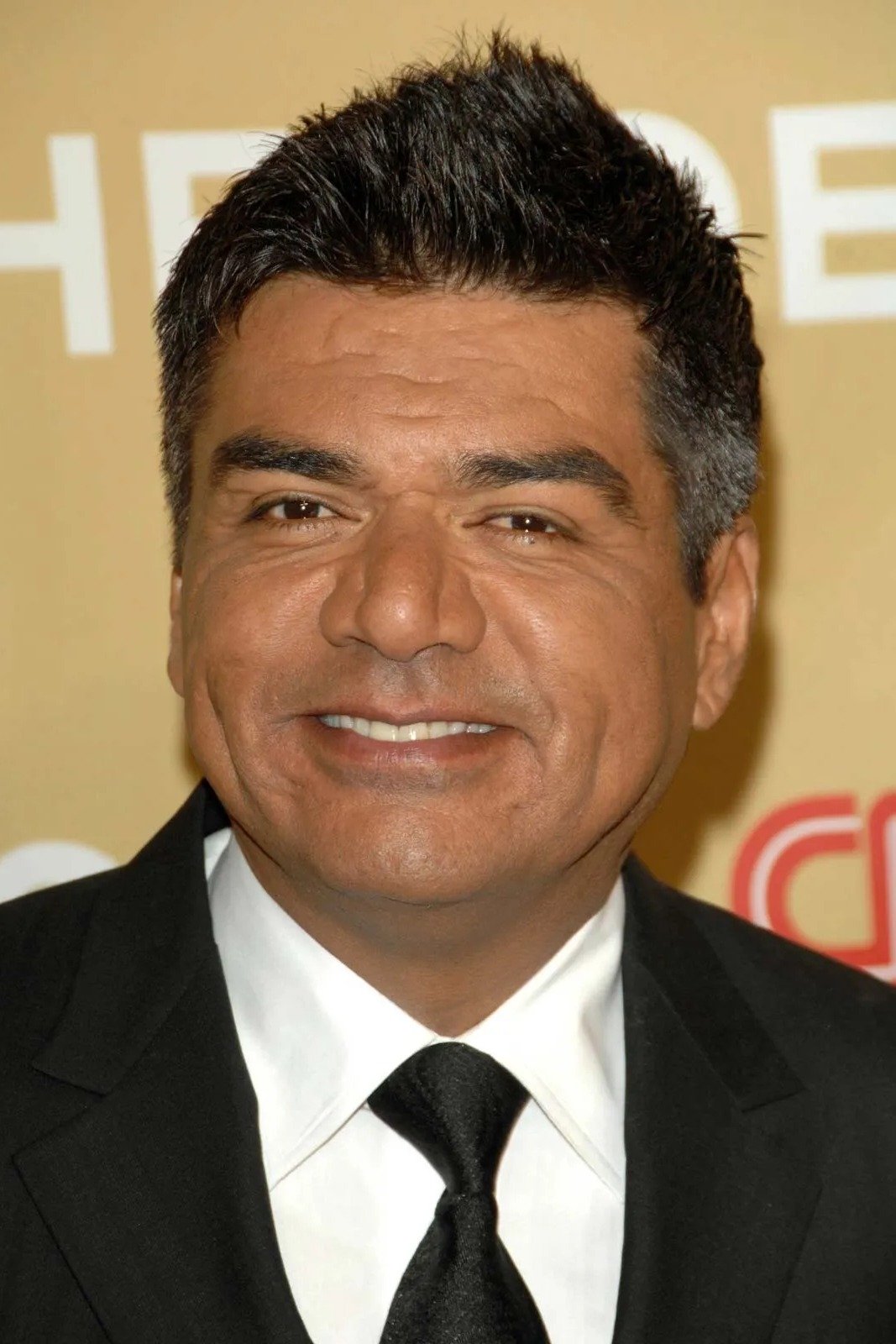
George Lopez has been a prominent voice in Latino comedy for decades, with specials like ‘Tall, Dark & Chicano’. His more recent work, such as ‘We’ll Do It For Half’, has been critiqued for recycling themes and jokes from his earlier career. Reviewers have noted a lack of evolution in his material, which often focuses on the same cultural observations he made in the early 2000s. Lopez continues to tour extensively, relying on his established fan base to sustain his career.
Sebastian Maniscalco
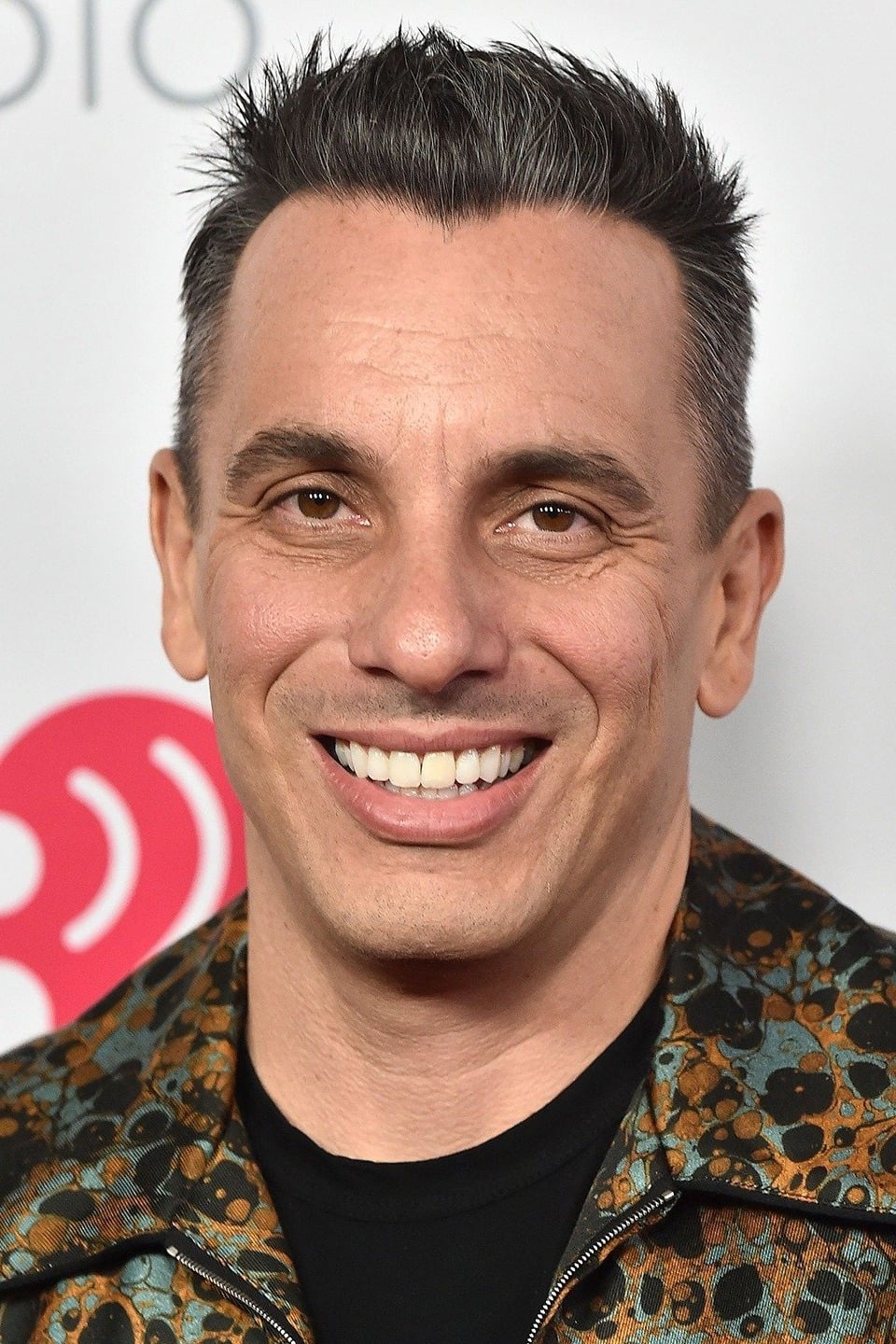
Sebastian Maniscalco is known for his extreme physical comedy and exaggerated facial expressions in specials like ‘Stay Hungry’. While this style has earned him sold-out arena tours, some critics find his performance to be a distraction from the writing. Reviewers often point out that his material relies on a “traditional values” persona that can feel repetitive over multiple specials. His success represents a divide between massive audience popularity and more skeptical critical analysis.
Chelsea Handler
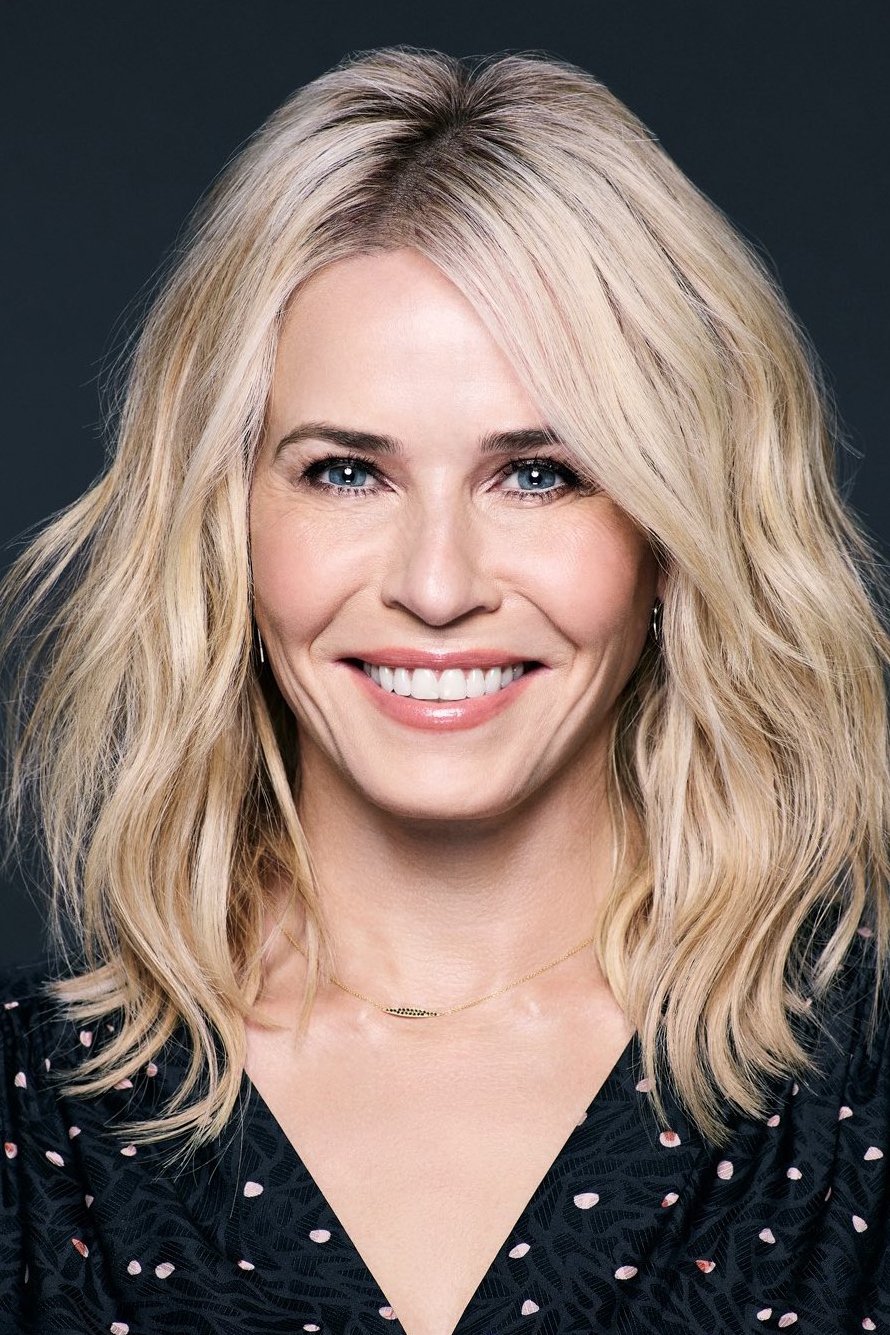
Chelsea Handler’s stand-up specials, such as ‘Evolution’ and ‘Revolution’, often blend her personal life with social commentary. Critics have argued that her later work lacks the sharp wit of her early talk show days and instead feels like a series of anecdotes about her lifestyle. Some reviewers have found her delivery to be detached, making it difficult for the audience to connect with the material. She remains a prominent figure in the industry, frequently hosting and producing new content.
Kathy Griffin
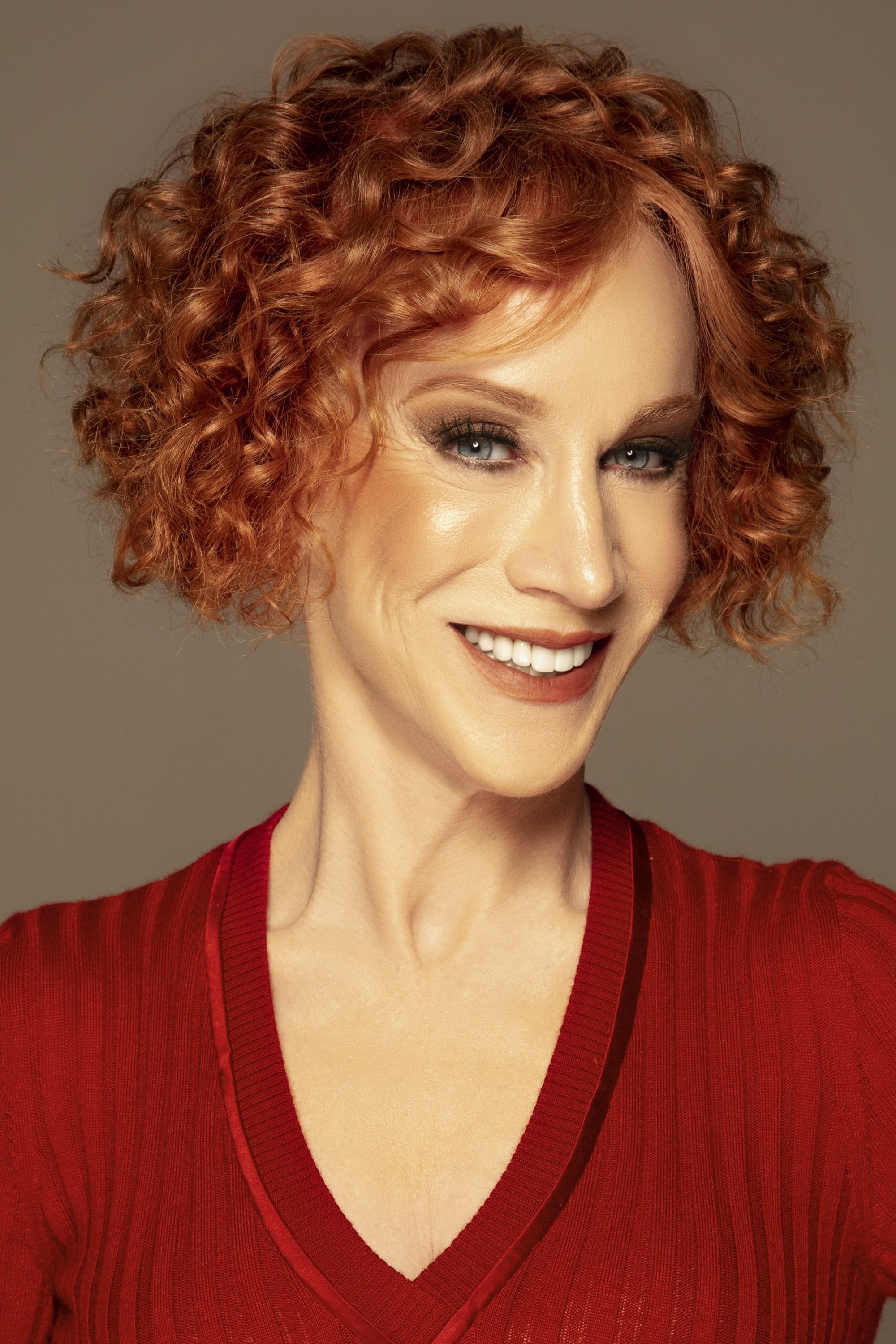
Kathy Griffin’s career has been defined by her “D-List” persona and celebrity gossip-driven humor. Following a major political controversy in 2017, her specials, such as ‘A Hell of a Story’, became almost entirely focused on her blacklisting and legal struggles. Critics argued that this shift made her act feel more like a documentary than a comedy special. While her resilience is noted, the comedic quality of her later performances has been a point of debate.
Pauly Shore
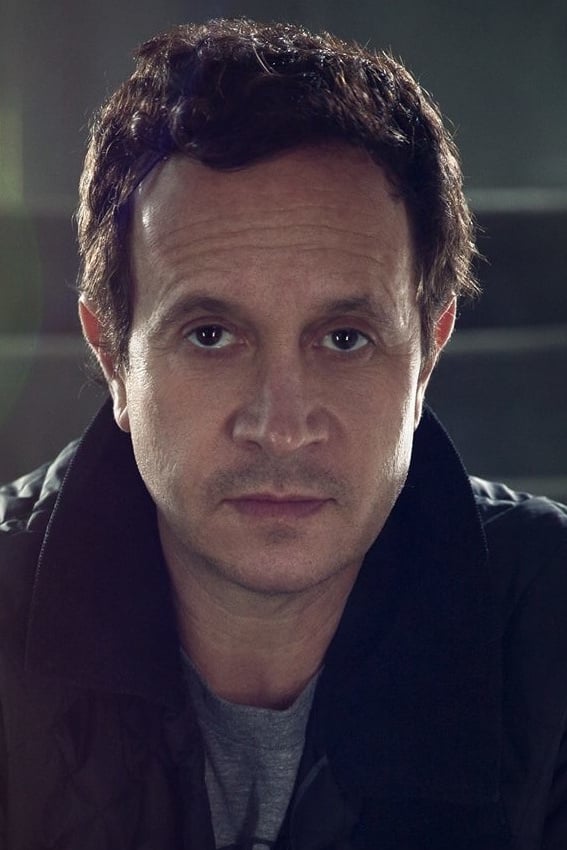
Pauly Shore was a staple of 1990s comedy, but his transition into the modern era has been met with significant resistance. His self-produced specials and documentary-style comedy projects often struggle to find a mainstream audience or critical approval. Critics frequently point to his reliance on his old “Weasel” persona as a sign of an inability to evolve with the times. Despite the lack of critical success, Shore maintains a presence through frequent touring and social media content.
Kevin Hart
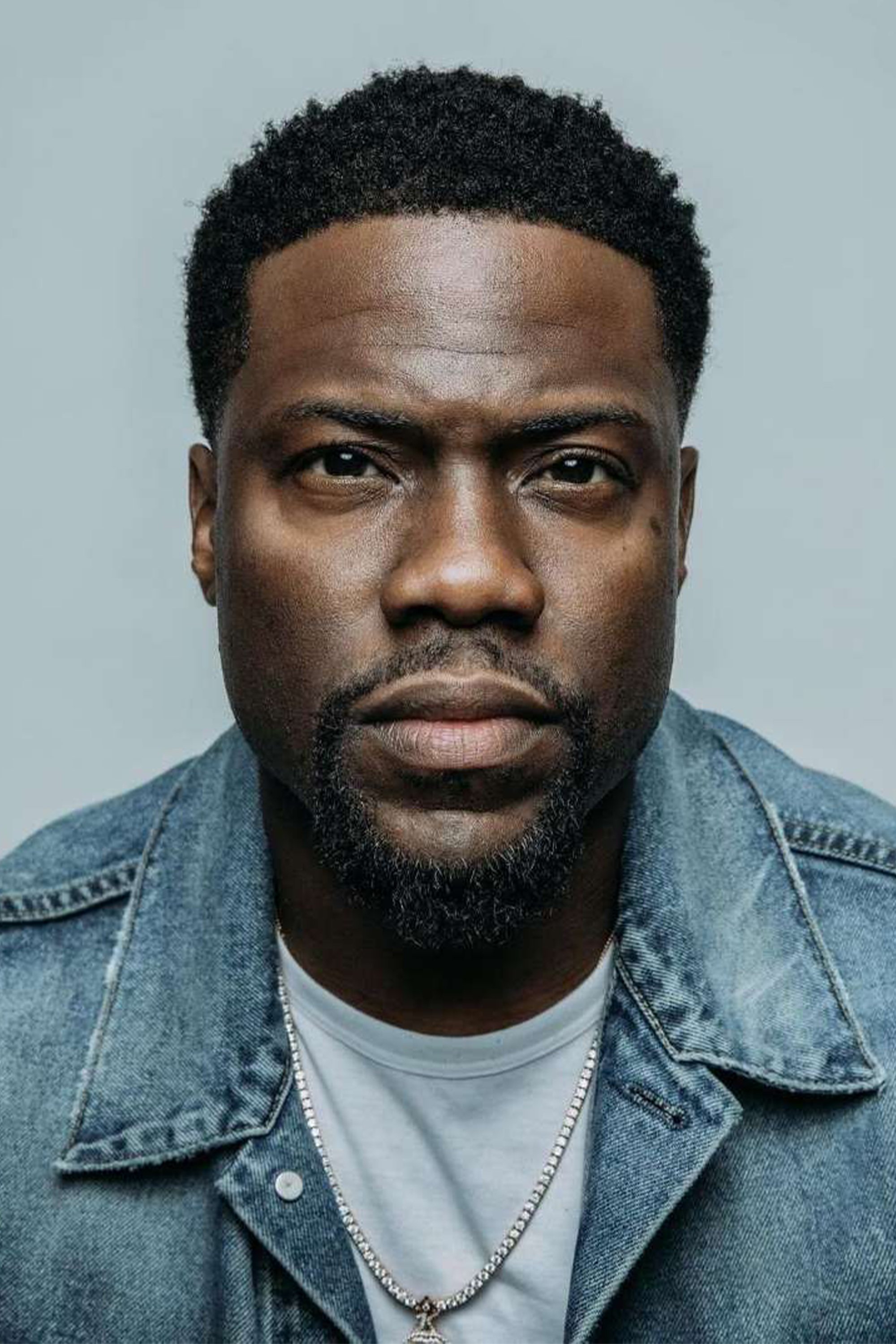
Kevin Hart is one of the most commercially successful comedians in history, but his recent specials like ‘Reality Check’ have faced critical scrutiny. Reviewers have noted that as Hart’s wealth has grown, his material has become less relatable and more focused on his status as a global superstar. Critics often argue that his high-energy delivery is used to compensate for jokes that are not as strong as his earlier work in ‘Seriously Funny’. His popularity, however, remains unaffected by these critical assessments.
Joe Rogan
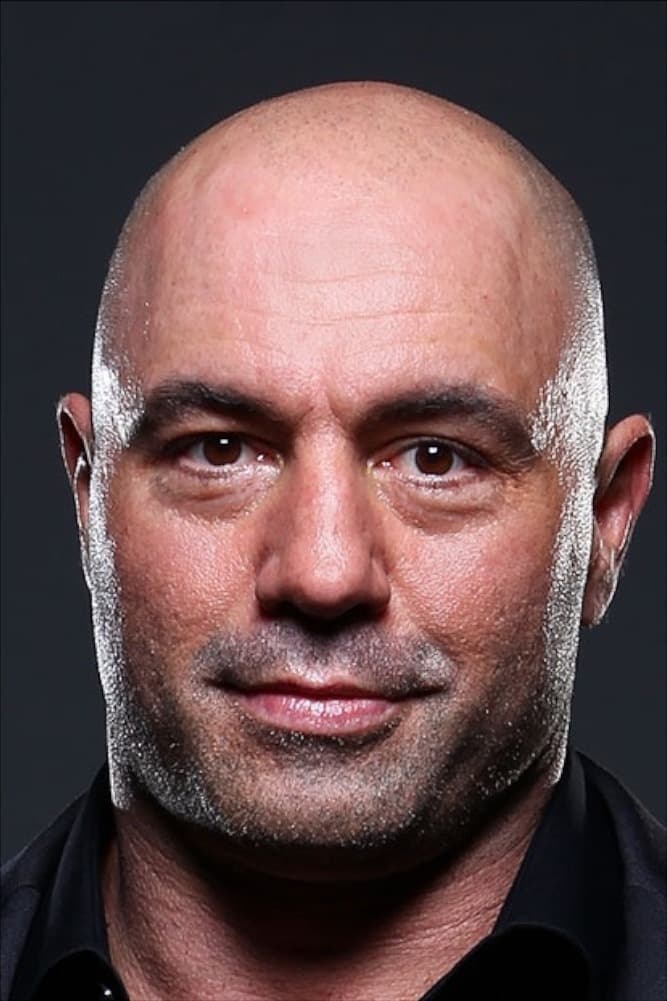
Joe Rogan’s stand-up career is often overshadowed by his podcast, but he has released several specials including ‘Triggered’ and ‘Strange Times’. Critics frequently describe his comedy as loud and overly aggressive, with a reliance on physical histrionics rather than clever writing. Many reviewers have noted that his fans from the podcasting world form the bulk of his comedy audience, while traditional comedy critics remain unimpressed. His 2024 special ‘Burn the Boats’ was met with similarly polarized reviews.
Andrew Schulz
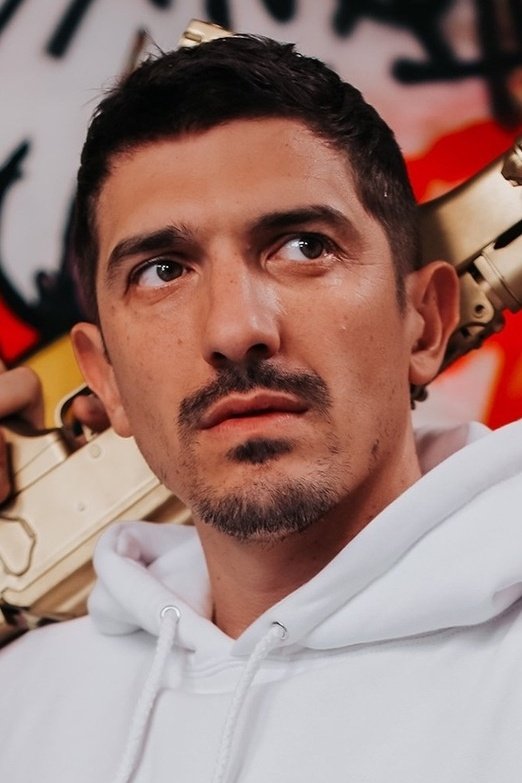
Andrew Schulz gained a following through his YouTube presence and his “crowd work” clips before releasing the Netflix special ‘Infamous’. While he is credited with changing the way comedians use social media, critics have panned his specials for being chaotic and lacking structure. Some reviewers argue that his persona is more about being a “disruptor” than delivering high-quality comedic material. His rapid rise to fame remains a subject of intense discussion within the comedy community.
Share your thoughts on these comedians and who you think deserves a special in the comments.