


20 Comedies Where the Jokes Land Better on a Second Viewing



Great comedies often hide their best material beneath the surface of the main plot. These films utilize rapid dialogue and dense visual gags that move faster than a first-time viewer can process. Directors and writers layer these movies with foreshadowing and subtle callbacks that only reveal themselves once the ending is known. A second viewing transforms these cinematic experiences by allowing the audience to focus on background details and nuanced performances. The following list explores twenty comedies that reward audiences who return for another watch.
‘Airplane!’ (1980)
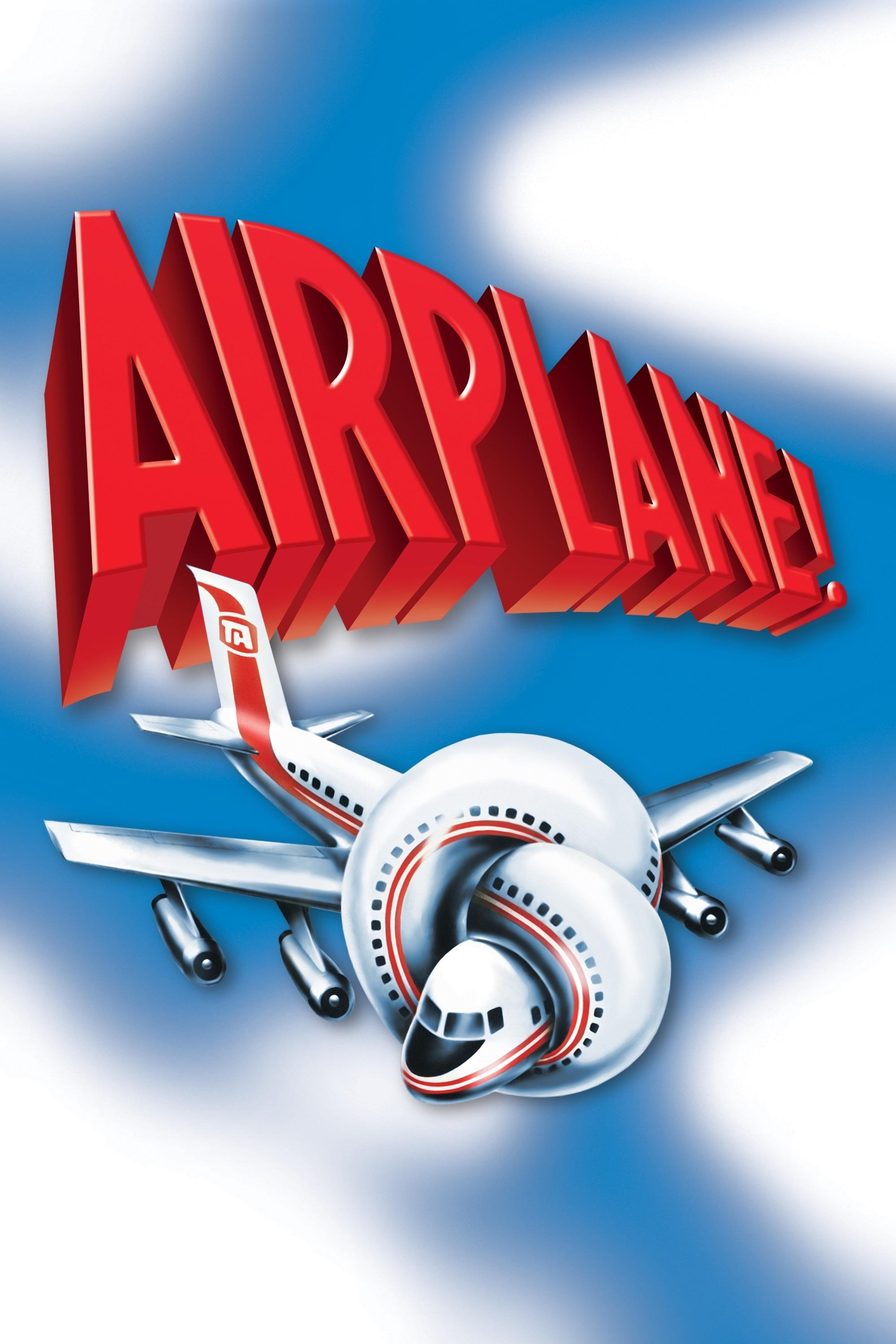
This spoof comedy is densely packed with visual gags and rapid-fire dialogue that move faster than most audiences catch the first time. The background action often contains hilarious details that distract from the main characters. Viewers frequently discover subtle puns or sight gags they missed during their initial watch. The relentless pacing ensures that jokes fly by quickly and reward careful observation.
‘The Big Lebowski’ (1998)
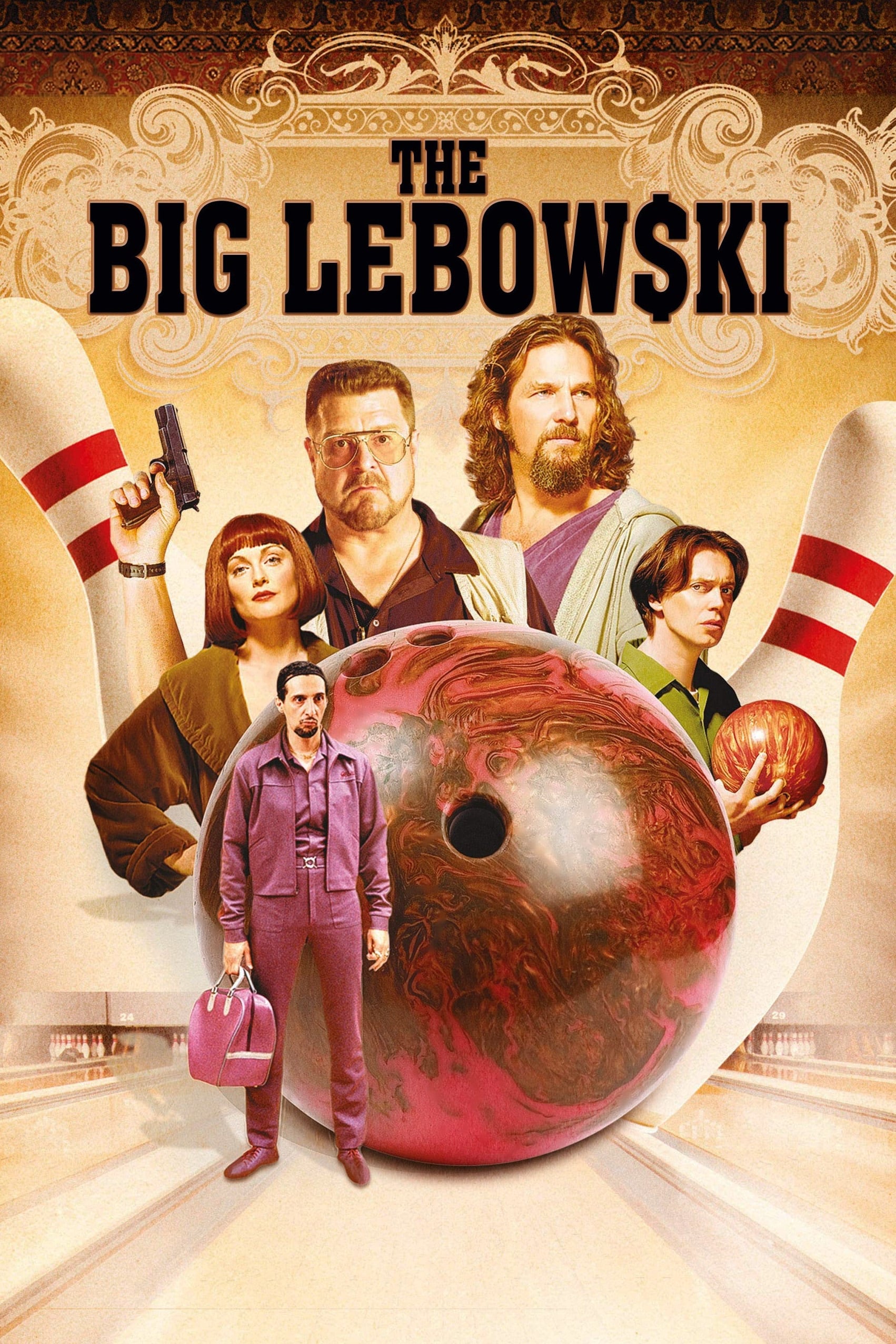
The Coen brothers created a cult classic filled with recurring motifs and idiosyncratic dialogue that becomes funnier with repetition. The Dude finds himself entangled in a complex kidnapping plot that serves mostly as a vehicle for eccentric character interactions. Much of the humor relies on callbacks and the specific cadence of the performances by Jeff Bridges and John Goodman. Fans often memorize the script because the lines gain new context after understanding the absurdity of the plot.
‘Monty Python and the Holy Grail’ (1975)

British surrealism defines this Arthurian parody where King Arthur searches for the Holy Grail. The film layers historical references with absurdity in a way that often requires multiple viewings to fully appreciate. Background characters and quiet mutterings contribute significantly to the comedic atmosphere. The abrupt ending and fourth-wall breaks confuse some first-time viewers but become comedic highlights later.
‘Shaun of the Dead’ (2004)
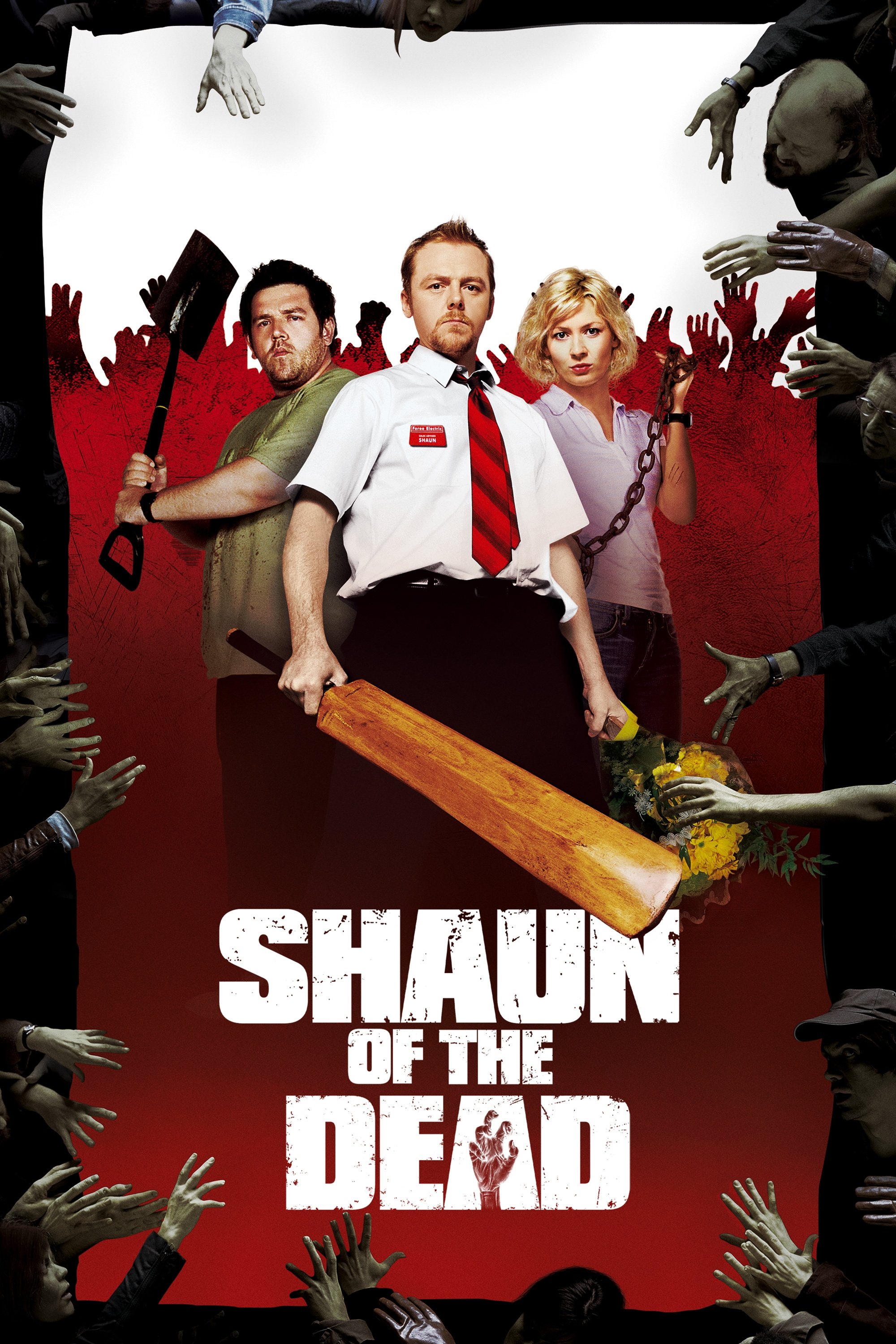
Edgar Wright directs this zombie comedy with a script that foreshadows the entire plot in the opening scenes. Visual transitions and background extras provide jokes that connect to earlier or later moments in the film. The dialogue creates a rhythmic pattern that mirrors the repetitive nature of the protagonist’s mundane life. Rewatching reveals how tightly constructed the screenplay is regarding foreshadowing and callbacks.
‘Hot Fuzz’ (2007)
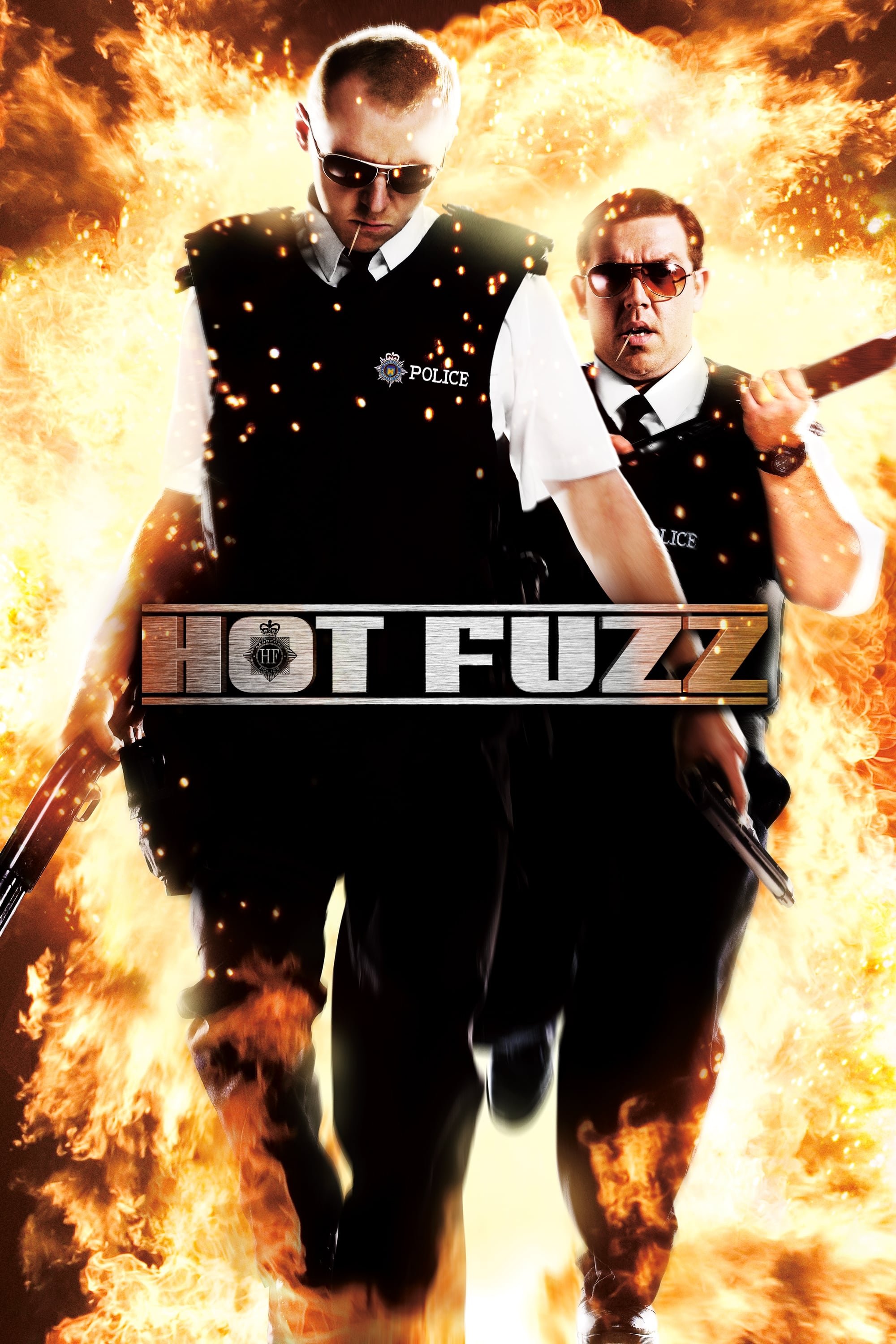
This action comedy parody treats rural village life with the intensity of a high-octane blockbuster. The first half of the movie plants numerous clues and dialogue lines that pay off spectacularly in the second half. Every character introduction serves a specific narrative purpose that becomes clear only upon revisiting the story. The film rewards attentive viewers with visual symmetry and recurring verbal gags.
‘Office Space’ (1999)
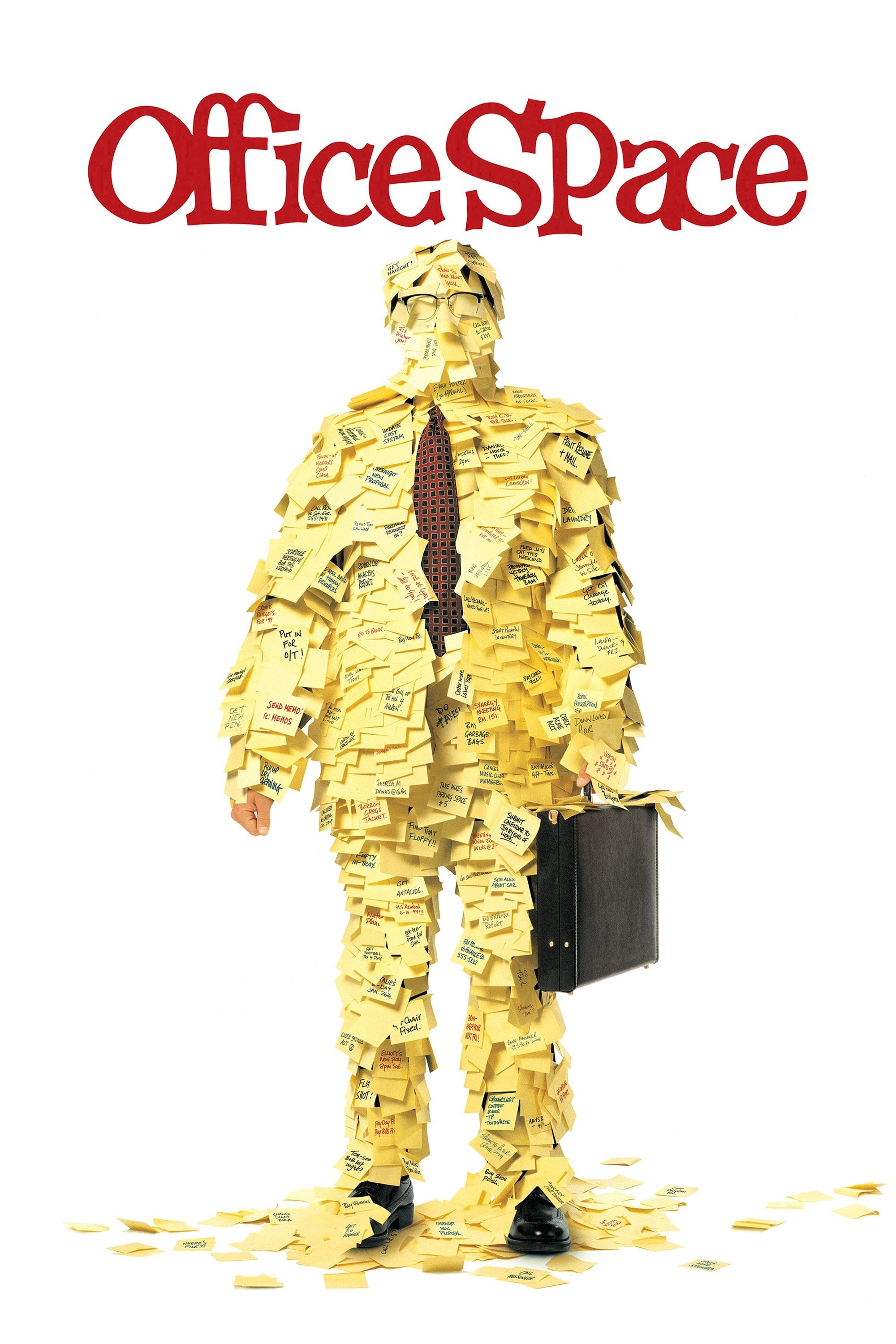
Mike Judge satirizes corporate culture with dry humor that feels painfully relatable to anyone who has worked in a cubicle. The subtle expressions of misery on the actors faces add depth to the spoken jokes. Small details in the background of the office setting highlight the soul-crushing nature of the environment. The comedic timing relies heavily on awkward silences that become funnier once the viewer knows what to expect.
‘Napoleon Dynamite’ (2004)
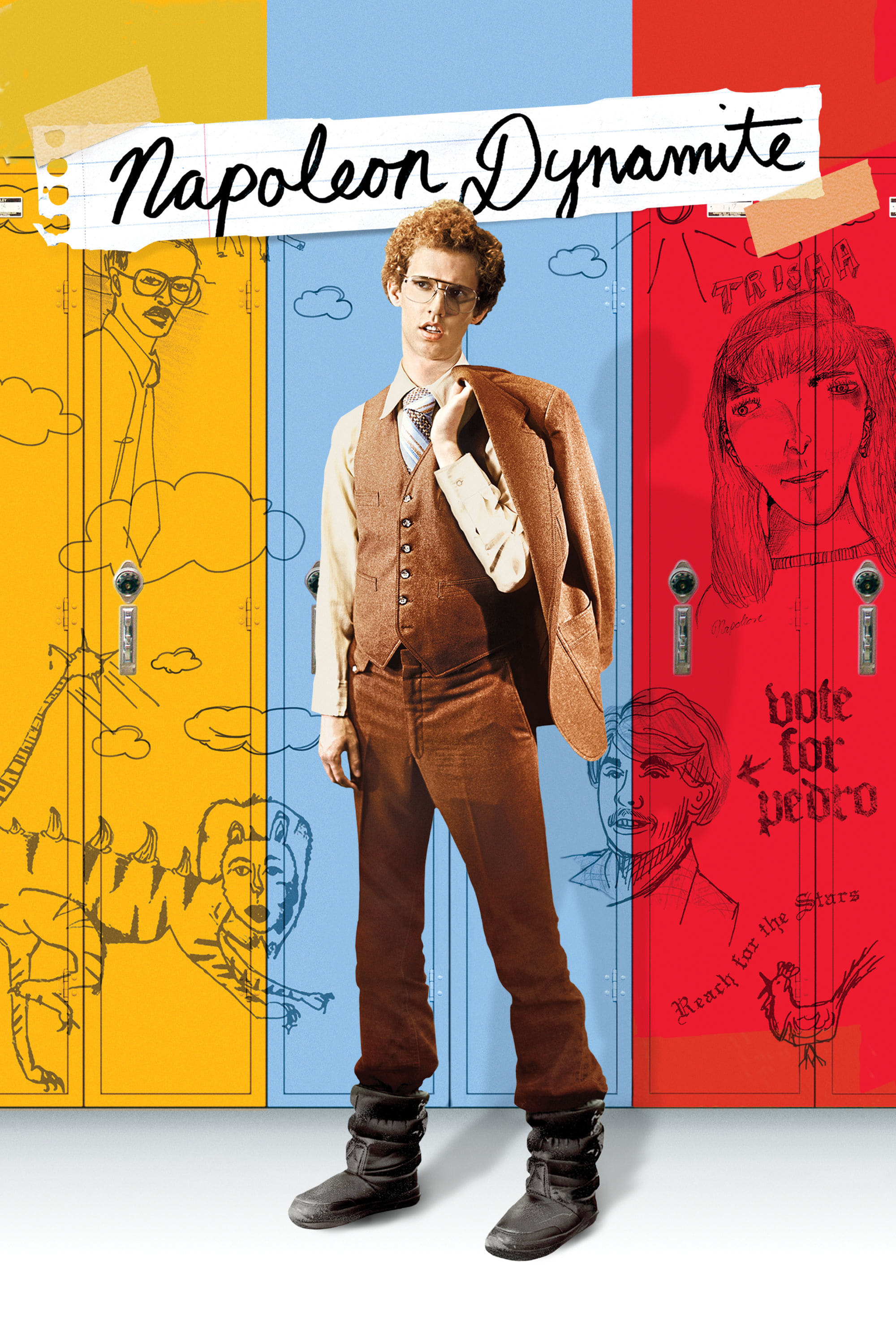
The awkward atmosphere of this teen comedy initially alienated some critics but garnered a massive cult following over time. Jared Hess utilizes static camera shots to emphasize the deadpan delivery of his eccentric characters. Many of the most memorable lines are muttered under breath or delivered with distinct lack of emotion. The unique aesthetic and pacing require an adjustment period that a second viewing provides.
‘Tropic Thunder’ (2008)
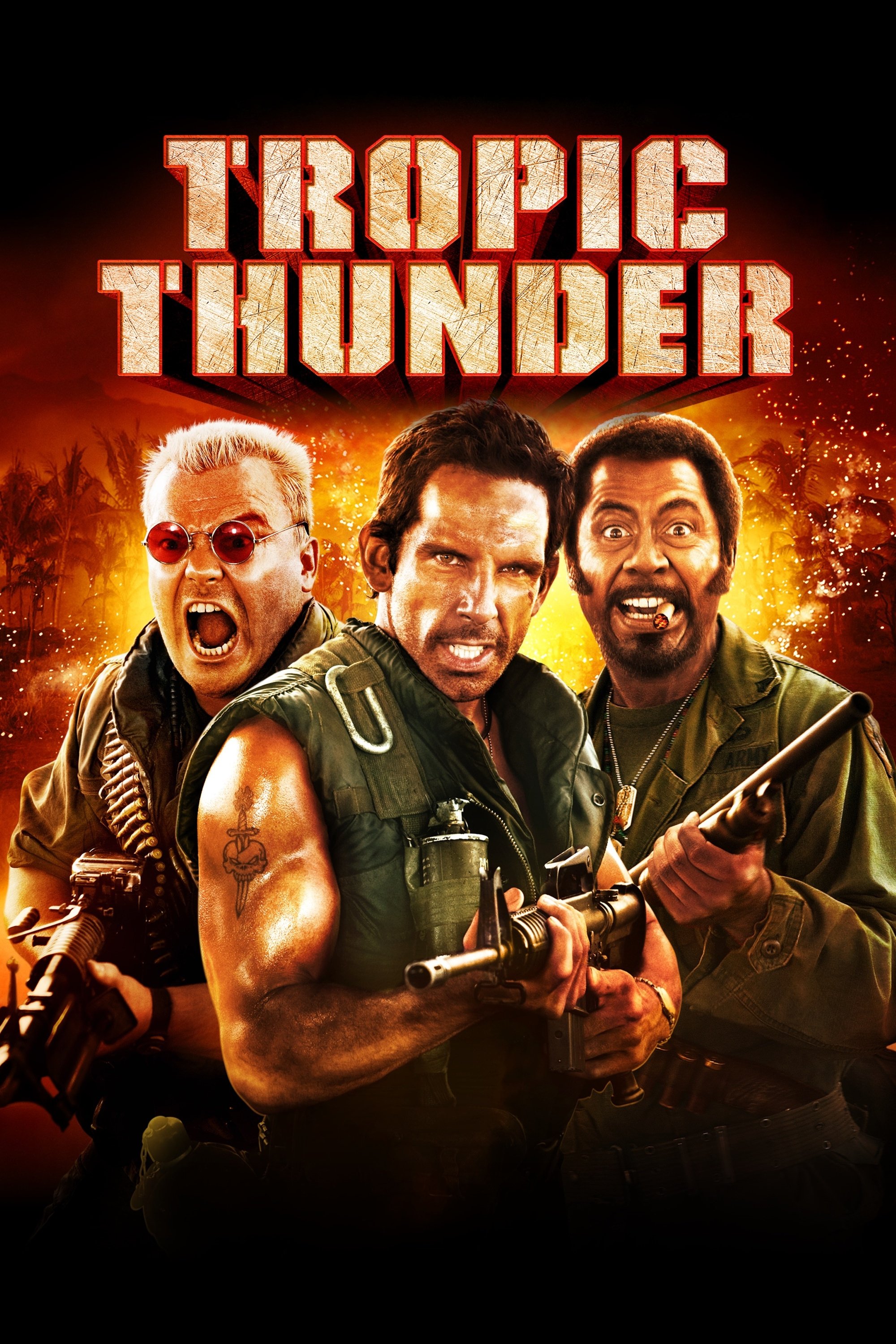
A group of self-absorbed actors finds themselves in a real war zone while thinking they are filming a movie. The satire targets Hollywood method acting and the film industry with layers of meta-commentary. Robert Downey Jr plays a dude playing a dude disguised as another dude in a performance filled with nuanced behavioral ticks. Background conversations often contain scathing critiques of studio politics.
‘Zoolander’ (2001)
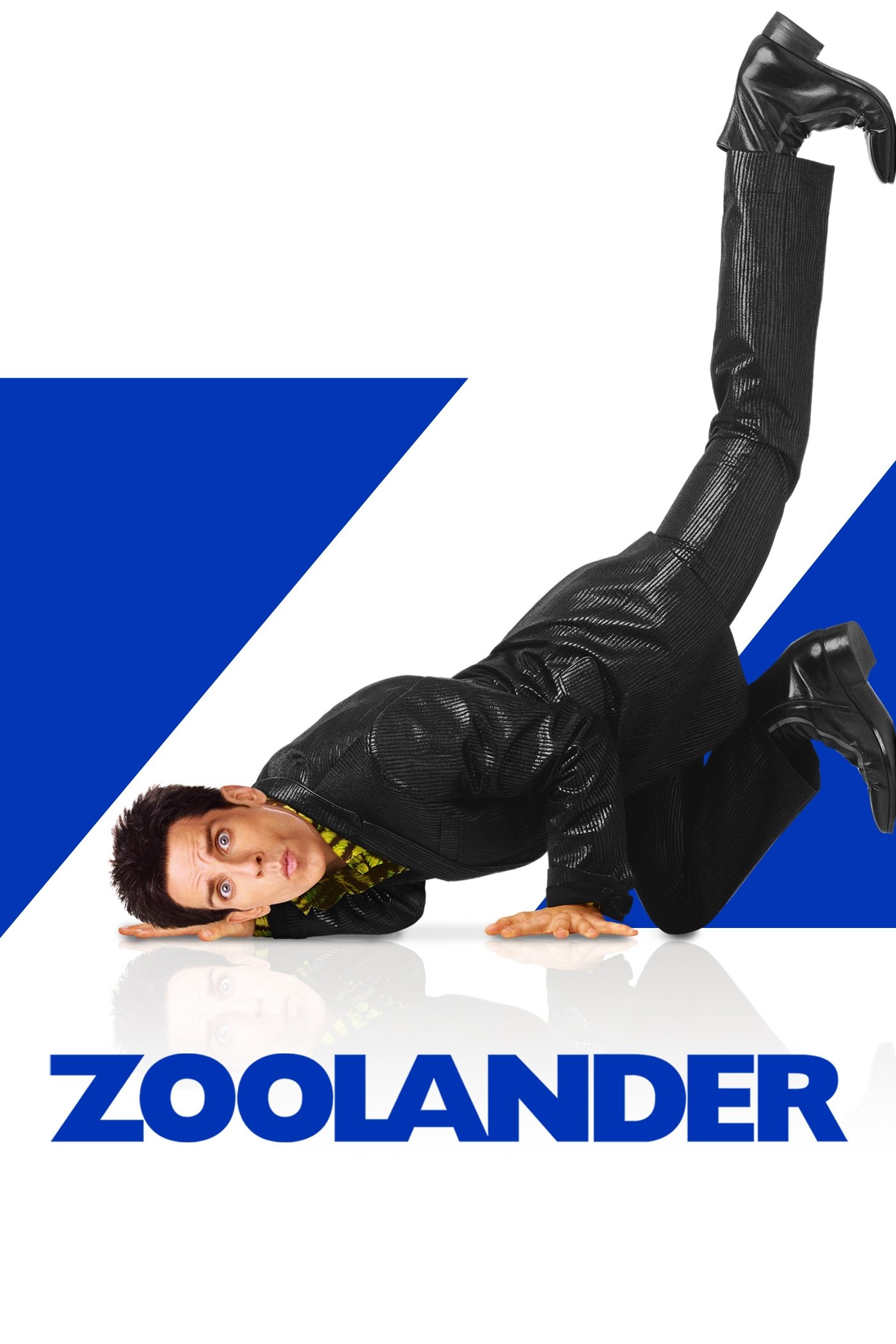
Ben Stiller plays a dim-witted male model who becomes an unwitting pawn in an international assassination plot. The absurdity of the fashion world is exaggerated to such a degree that small visual gags crowd the frame. Cameo appearances and background details often go unnoticed amidst the chaotic main plot. The specific brand of stupidity displayed by the protagonist becomes more endearing and hilarious with familiarity.
‘Anchorman: The Legend of Ron Burgundy’ (2004)
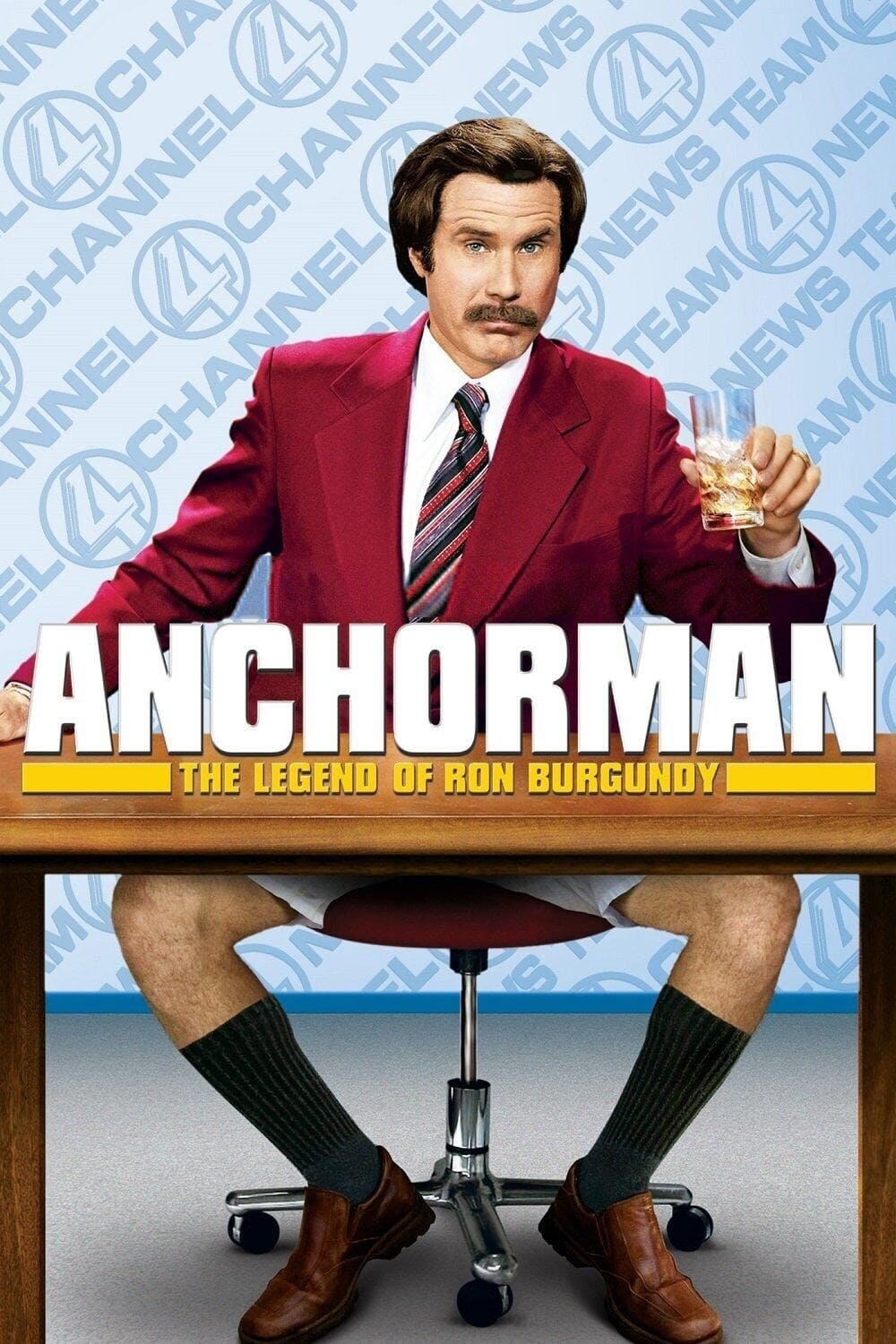
Will Ferrell leads a news team in the 1970s in a film heavily reliant on improvisation and non-sequiturs. The absurdity of the dialogue often catches viewers off guard during the first screening. Many of the funniest moments happen in the margins of the scene where actors react to the chaos. The loose narrative structure allows for surreal tangents that are easier to appreciate once the plot is known.
‘Step Brothers’ (2008)
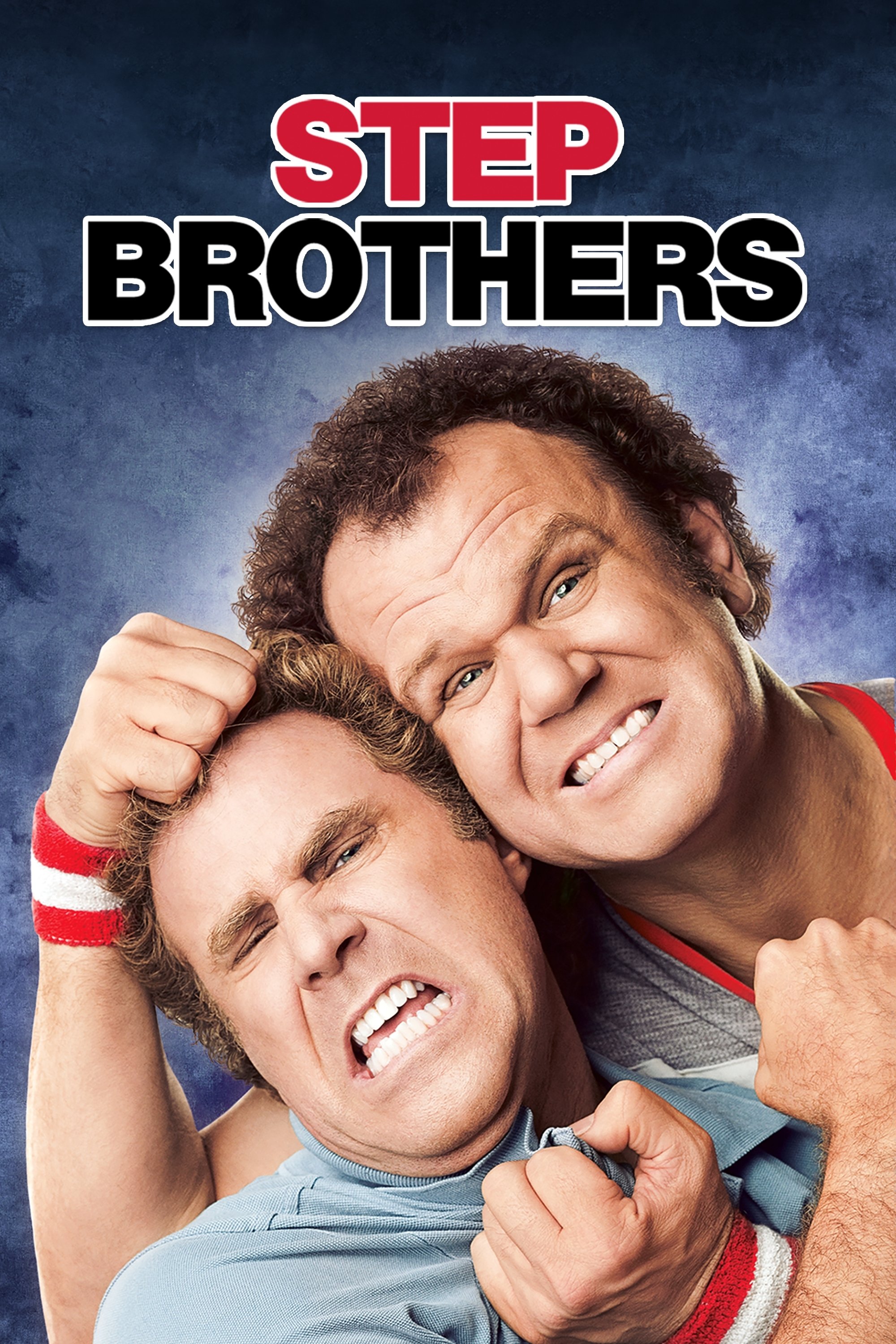
Two middle-aged men act like children when their parents marry and force them to live together. The comedy relies on the intense and often bizarre chemistry between Will Ferrell and John C Reilly. Jokes escalate rapidly from uncomfortable to surreal without warning. A second watch allows the audience to focus on the improvised insults and physical comedy that fill every scene.
‘The Nice Guys’ (2016)
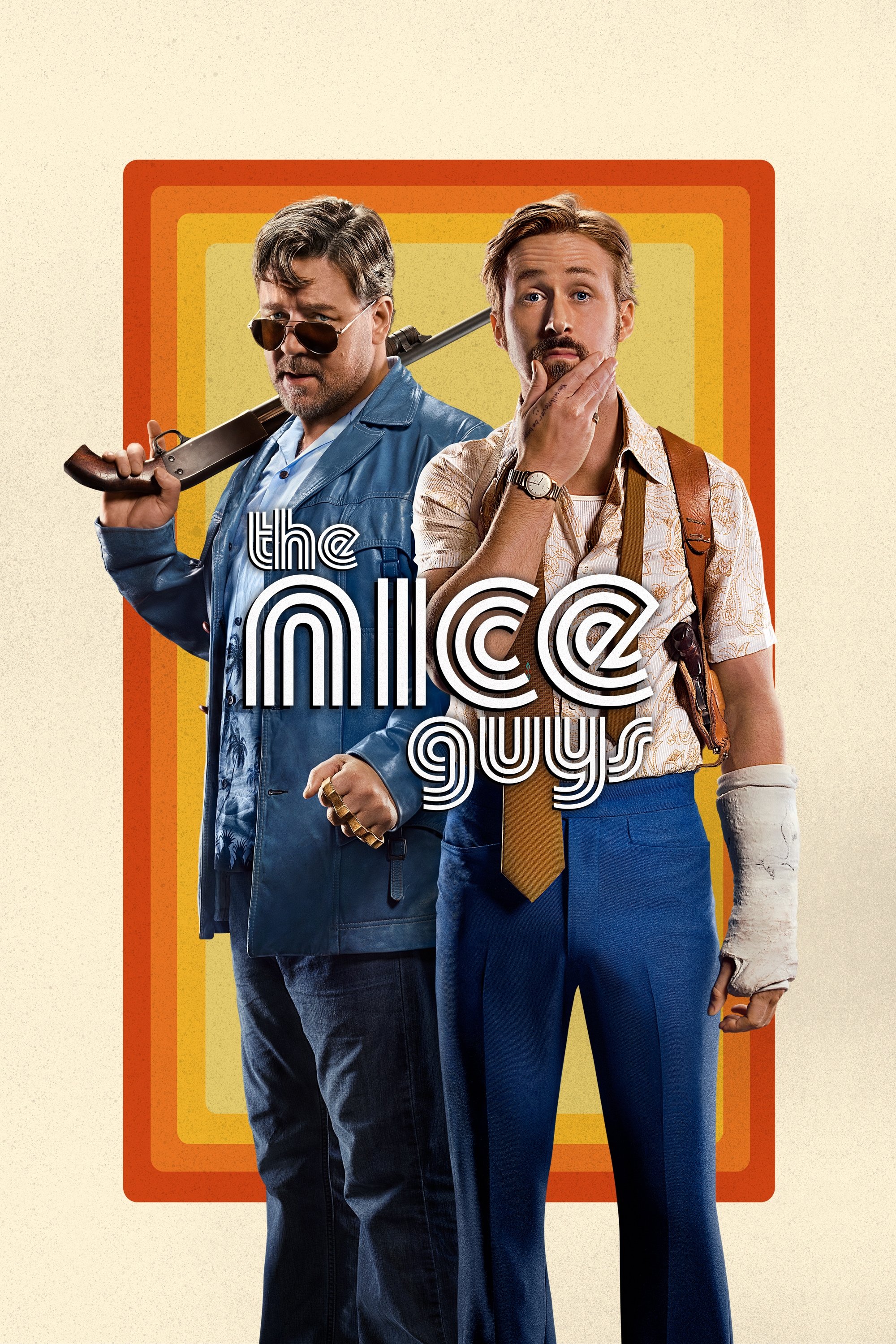
Ryan Gosling and Russell Crowe play mismatched private investigators in 1970s Los Angeles. The script balances a genuine noir mystery with slapstick comedy and sharp verbal wit. Shane Black writes dialogue where characters frequently talk past each other or misunderstand basic concepts. The physical comedy often happens in the background while serious exposition is being delivered.
‘Clue’ (1985)
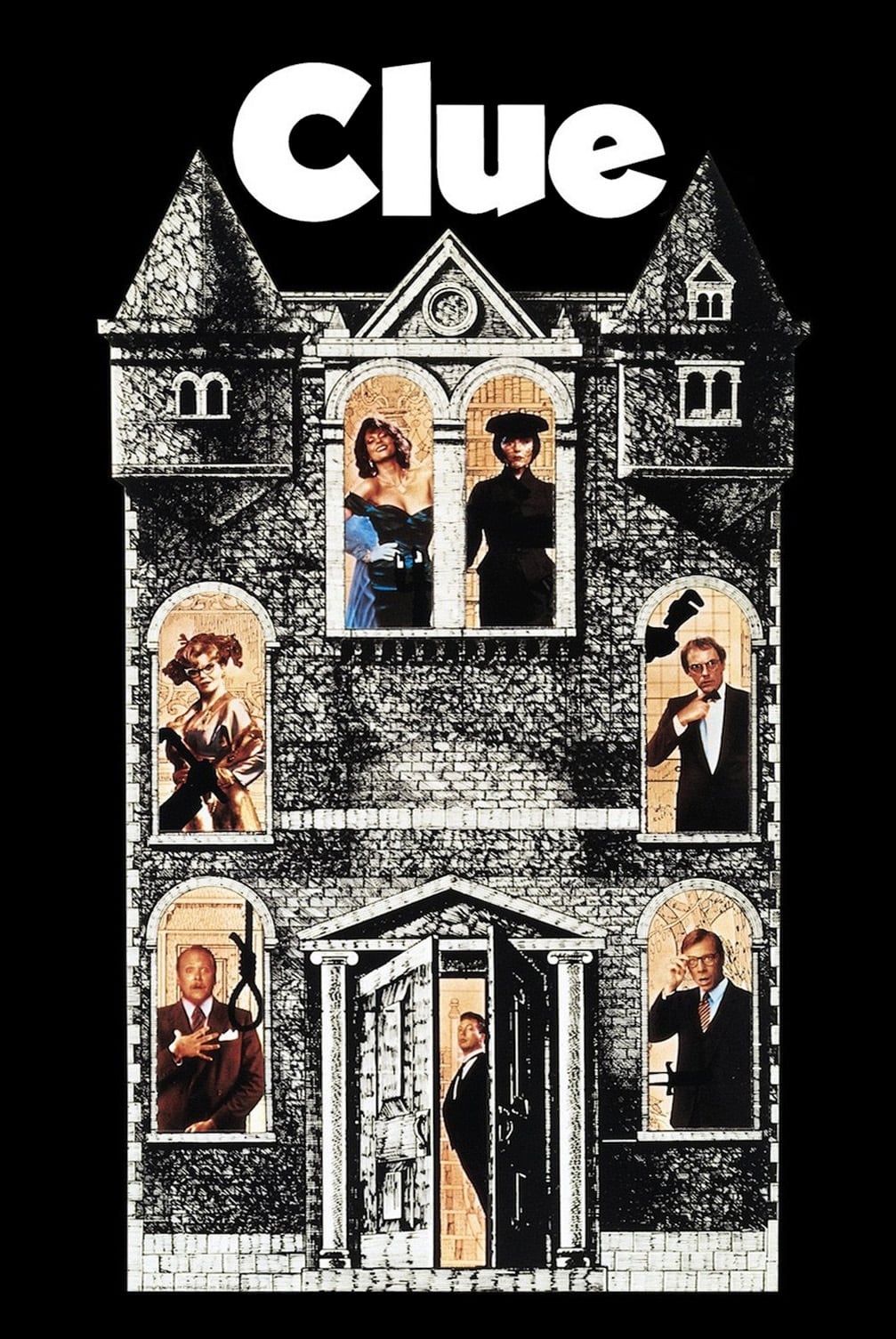
This board game adaptation moves at a breakneck speed with an ensemble cast delivering rapid dialogue. The mystery plot is intricate enough that viewers often miss jokes while trying to track the killer. Tim Curry leads the chaos with physical energy that anchors the frenetic pacing. Multiple endings and overlapping shouts mean that rewatching is essential to catch every line.
‘Wet Hot American Summer’ (2001)
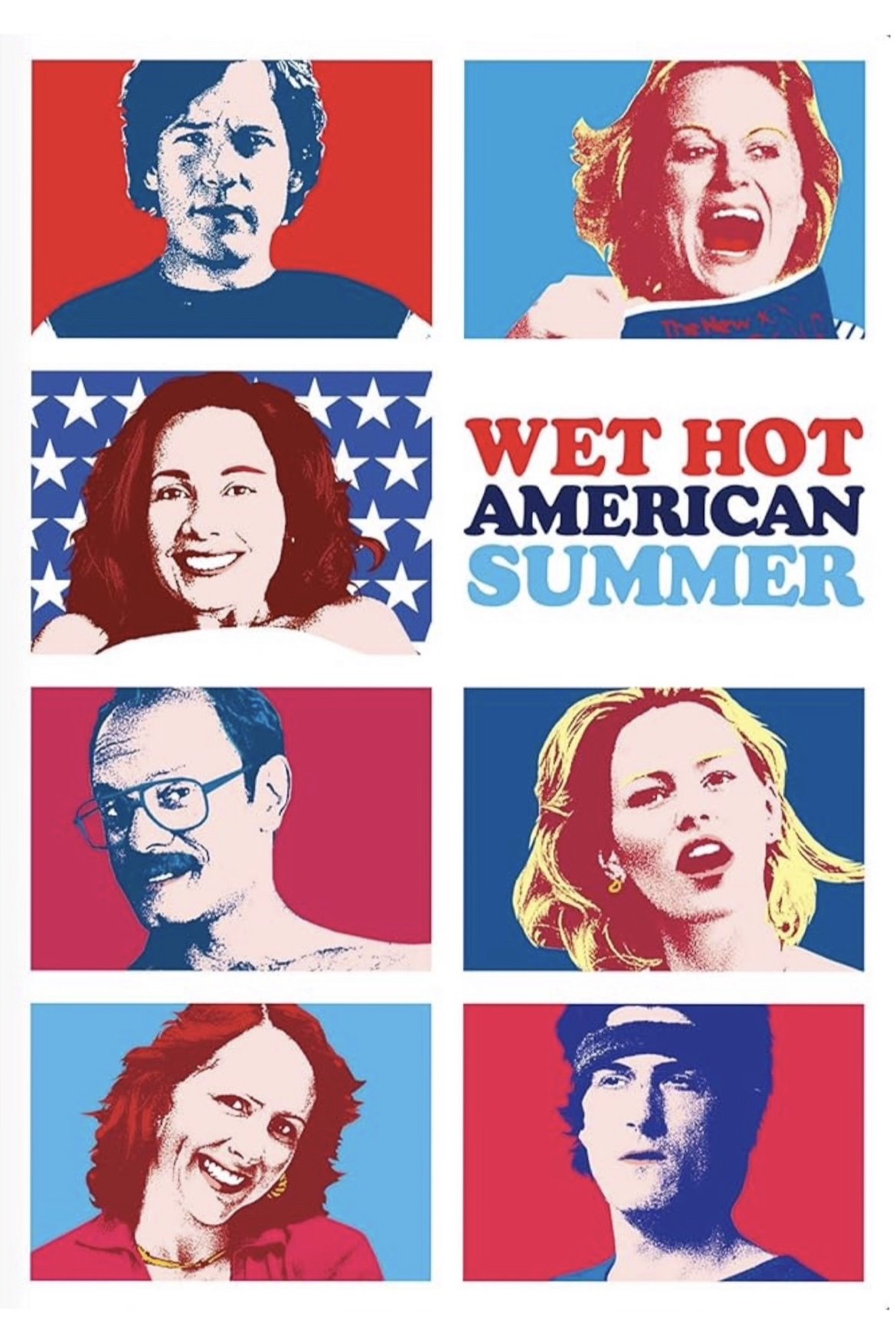
A satirical look at summer camps features actors in their thirties playing teenagers with complete sincerity. The humor ranges from spoofing genre tropes to bizarre surrealist detours like a talking can of vegetables. Every viewing highlights a different background character engaging in strange behavior. The commitment to the bit remains absolute even as the situations become increasingly impossible.
‘Walk Hard: The Dewey Cox Story’ (2007)
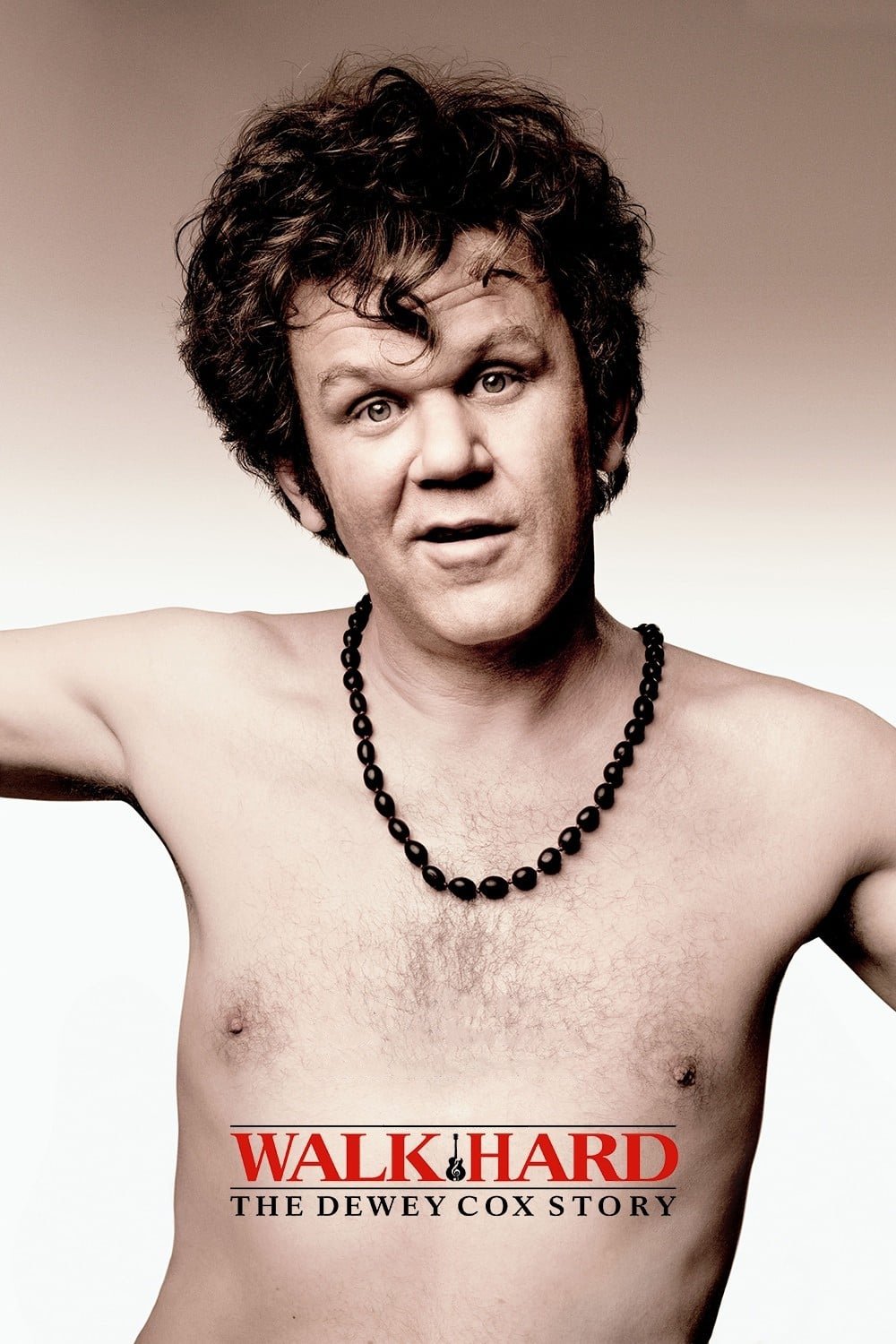
This biopic parody condenses decades of music history into a single narrative about a fictional rock star. The film references specific moments from real musician biographies that might be missed without musical knowledge. John C Reilly performs original songs that are comedic yet genuinely well-composed. The visual style changes to mimic different eras of filmmaking with impressive attention to detail.
‘Popstar: Never Stop Never Stopping’ (2016)
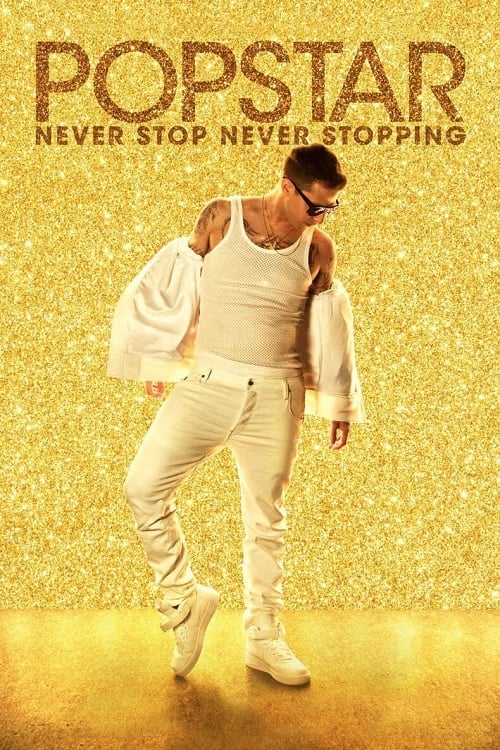
The Lonely Island trio satirizes modern pop stardom with a mockumentary about a oblivious rapper. The songs contain dense lyrical jokes that move too fast to catch in one listen. Cameos from real music industry figures add a layer of meta-humor to the proceedings. The editing style mimics actual documentaries so well that the satire often blends seamlessly with reality.
‘Mean Girls’ (2004)
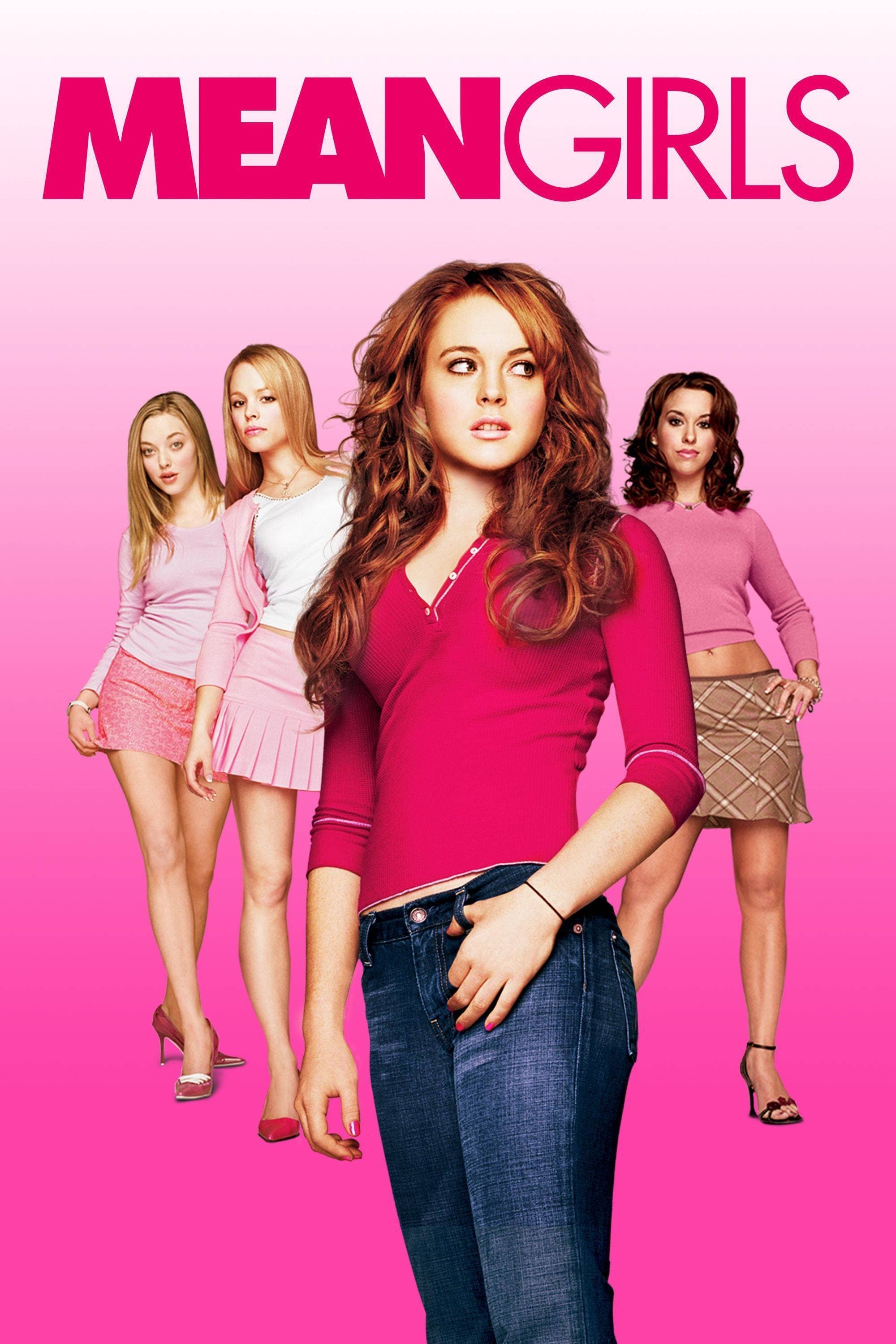
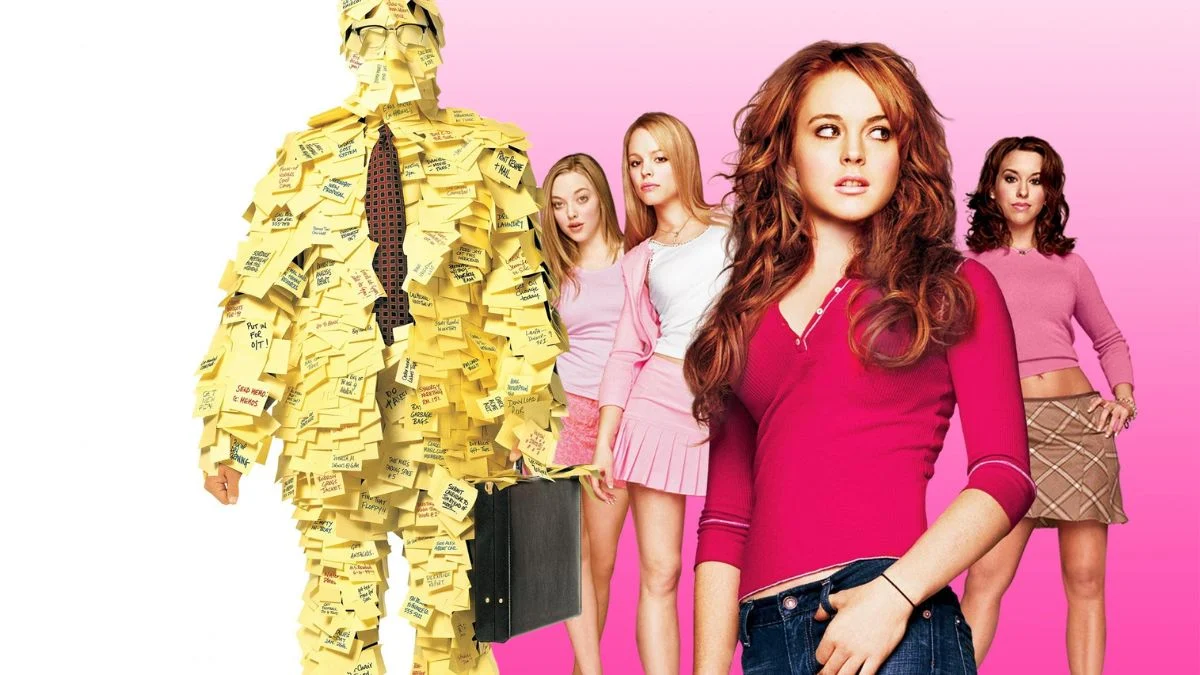
Tina Fey wrote a screenplay that dissects high school social hierarchies with anthropological precision. The dialogue is full of slang and insults that have become embedded in pop culture. Background students often react to the main drama in ways that add to the comedy. The intricacies of the character dynamics become clearer and funnier once the initial drama settles.
‘The World’s End’ (2013)
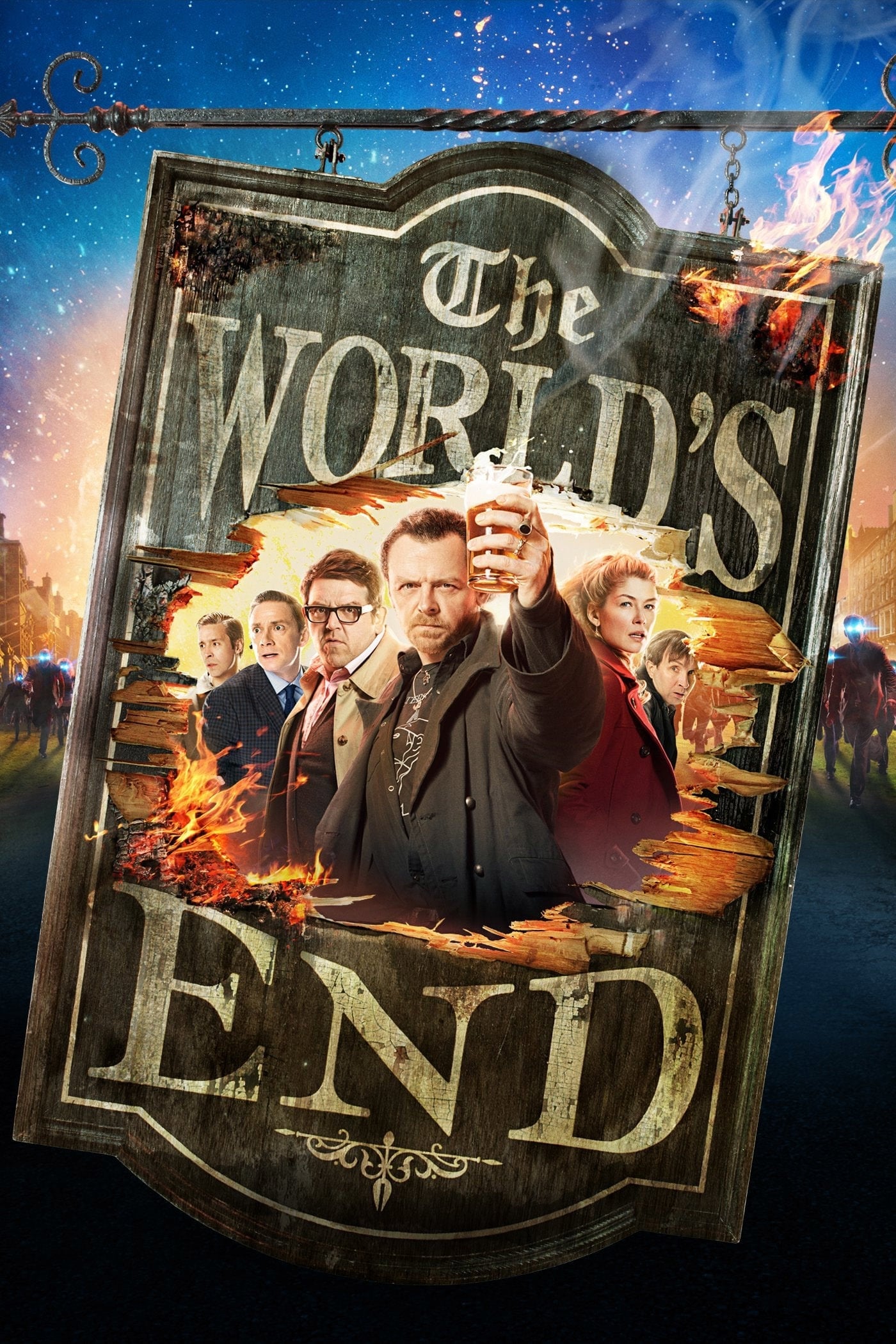
Five friends return to their hometown for a pub crawl that coincides with an alien invasion. The early conversations establish themes and character flaws that pay off during the science fiction elements. Gary King is a protagonist who initially seems fun but reveals tragic depth upon reflection. The action choreography incorporates the pub settings in creative ways that reward close attention.
‘Tucker and Dale vs. Evil’ (2010)
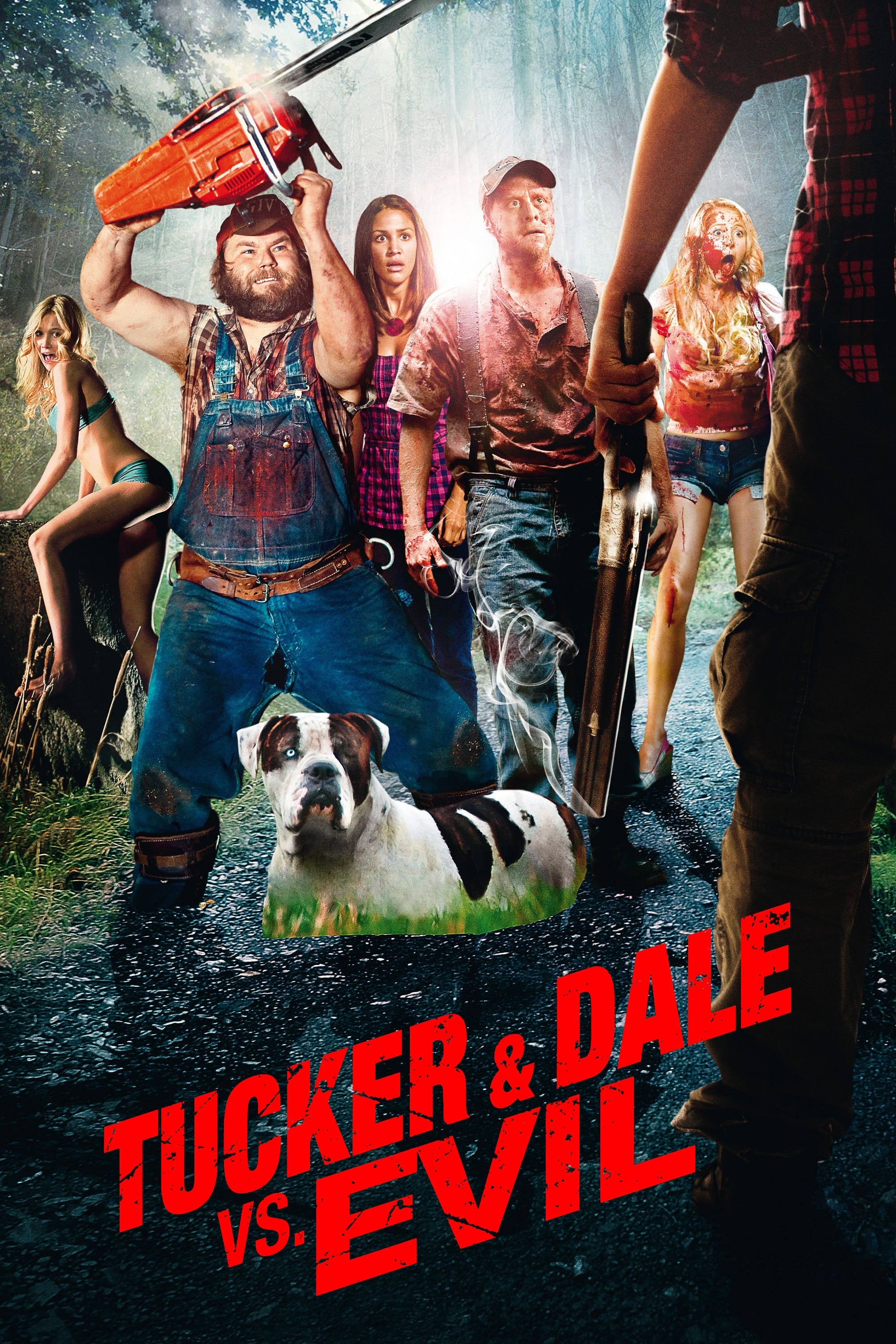
This horror comedy flips genre tropes by making the hillbillies the misunderstood heroes rather than the villains. The misunderstanding grows increasingly absurd as college students accidentally kill themselves in gruesome ways. Viewers can appreciate the innocent perspective of the titular characters better when they know the full context. The script carefully constructs the series of unfortunate events to look like a slasher film from one angle.
‘Game Night’ (2018)
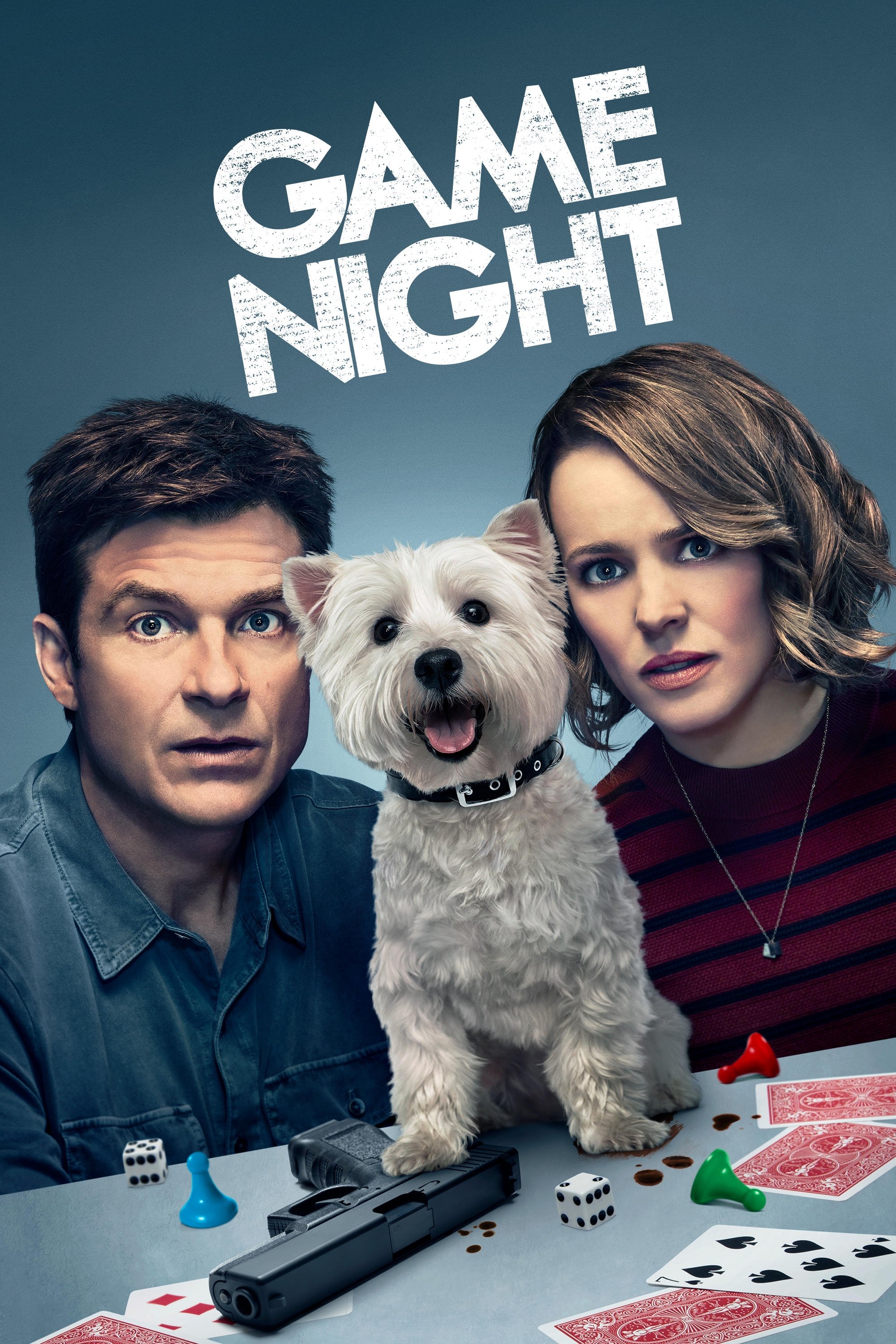
A group of friends finds their weekly game night turning into a real kidnapping mystery. The camera work utilizes tilt-shift photography to make the world look like a game board. Jesse Plemons delivers a standout performance as a creepy neighbor that steals every scene he is in. The script includes subtle callbacks to game mechanics that play out in the action sequences.
Please tell us which comedy films you think improve the most on a rewatch in the comments.