


19 Comedies Where the Laughs Come from Total Silence

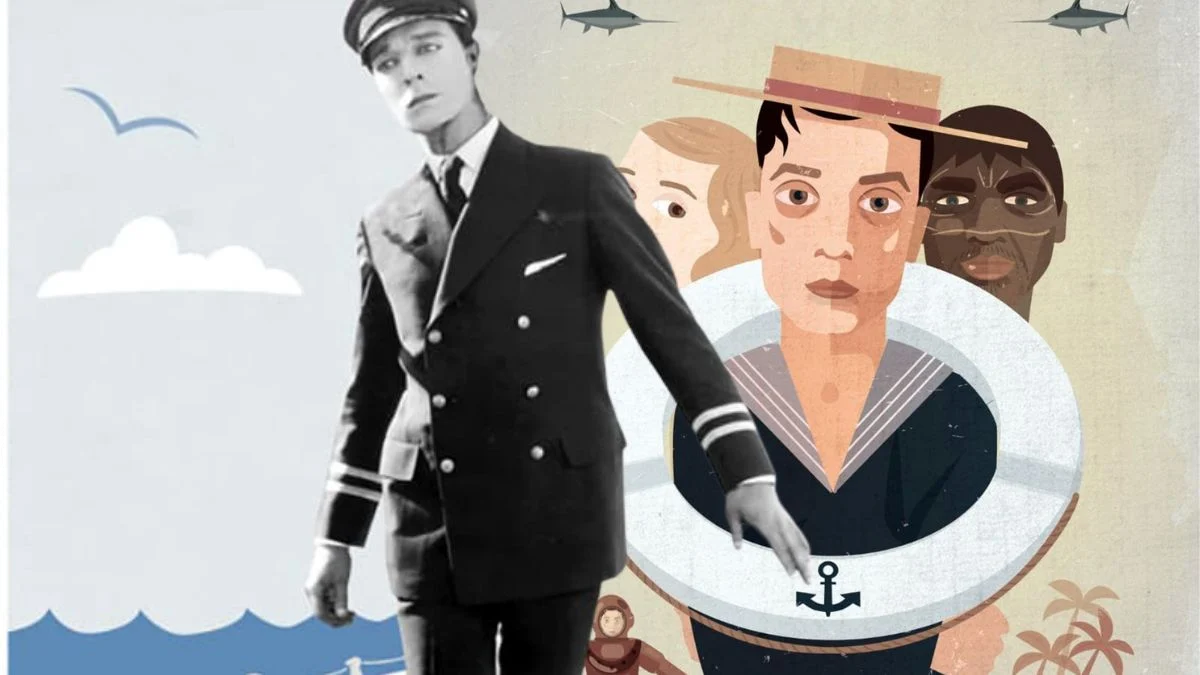


Visual comedy transcends language barriers by relying on physical humor and precise timing rather than witty dialogue. These films utilize pantomime and slapstick to generate laughter through universal human experiences. The absence of spoken words forces the filmmakers to be more creative with visual gags and expressive acting. Audiences from every generation continue to find joy in these masterpieces of silent storytelling.
‘Modern Times’ (1936)
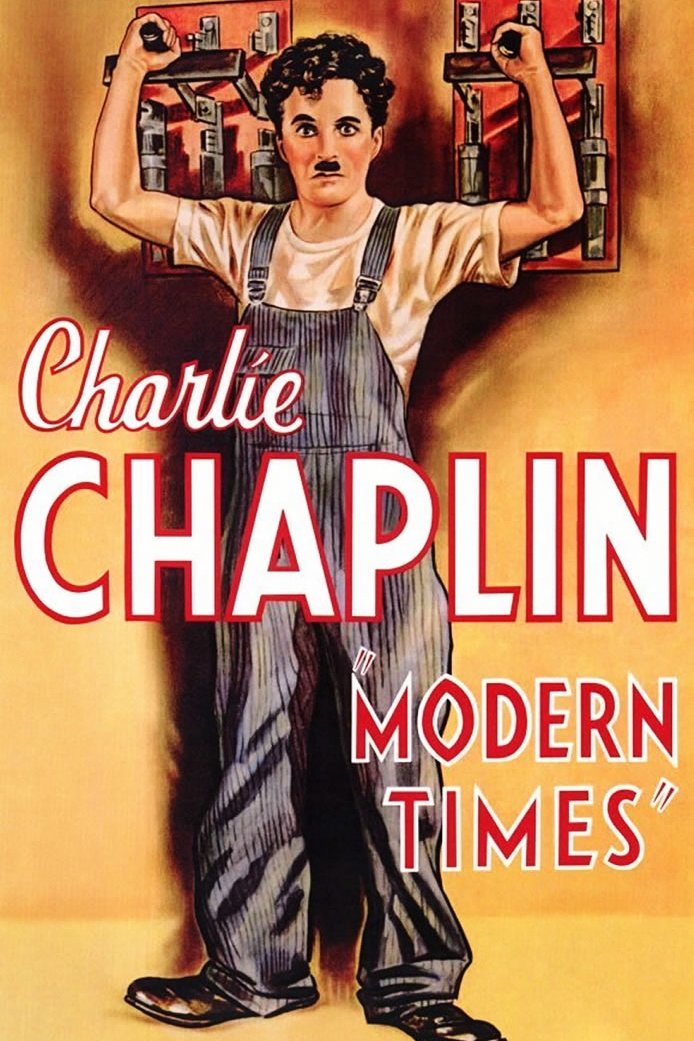
Charlie Chaplin portrays his iconic Tramp character struggling to survive in the modern industrialized world. The film uses visual comedy to satirize the dehumanization of technology and the Great Depression. One famous sequence involves the Tramp getting sucked into the gears of a giant machine while trying to tighten bolts. Chaplin relies entirely on sound effects and pantomime rather than spoken dialogue to convey the narrative. It remains one of the most significant commentary films on the industrial age.
‘The General’ (1926)
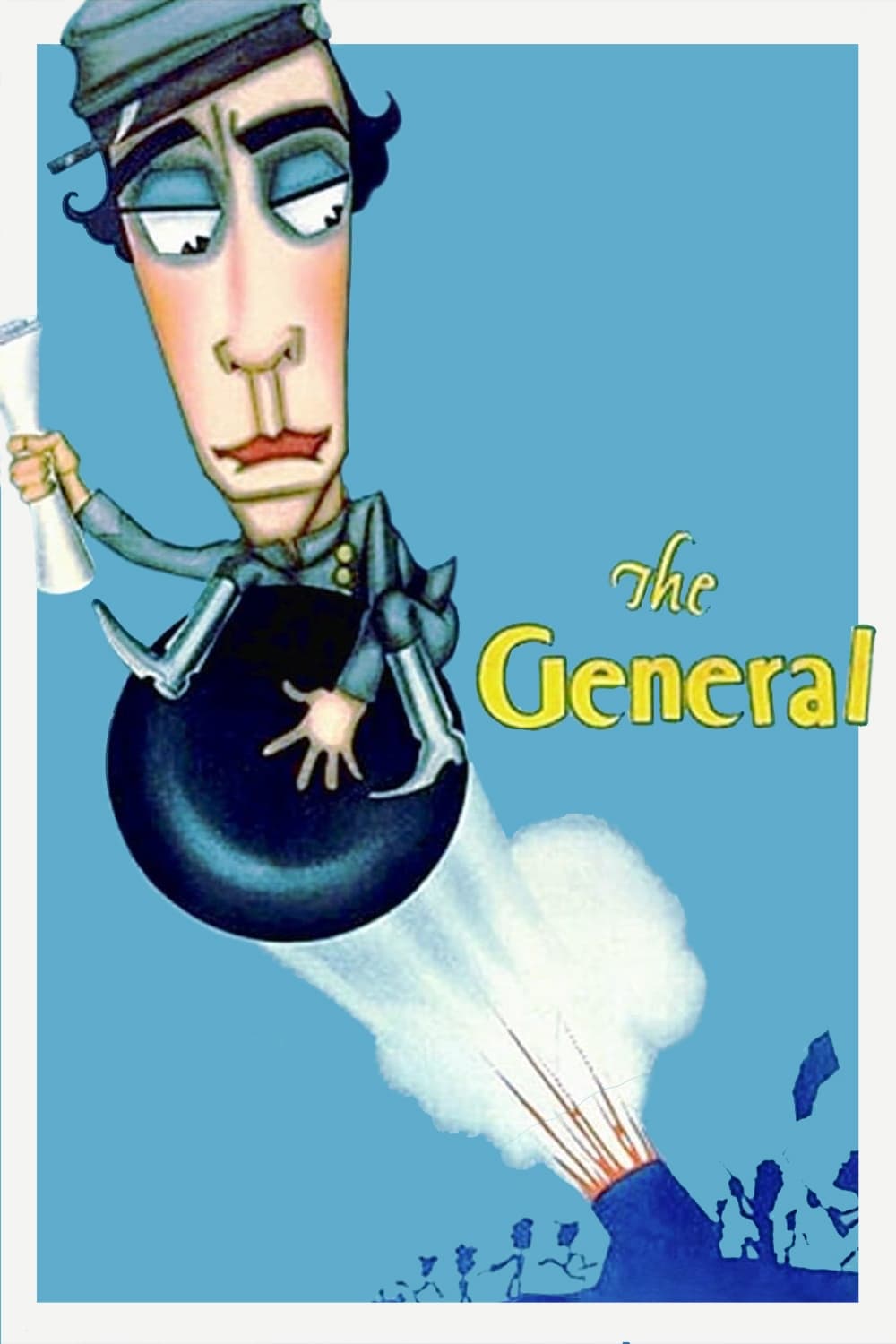
Buster Keaton stars as an engineer who must rescue his beloved train after Union spies steal it during the American Civil War. The movie features some of the most dangerous and elaborate stunts ever performed on camera without visual effects. Keaton displays his trademark stone face while performing acrobatic feats atop a moving locomotive. Critics and audiences regard this picture as a masterpiece of visual storytelling and action comedy. The climactic bridge collapse scene stands as the most expensive shot of the silent era.
‘City Lights’ (1931)
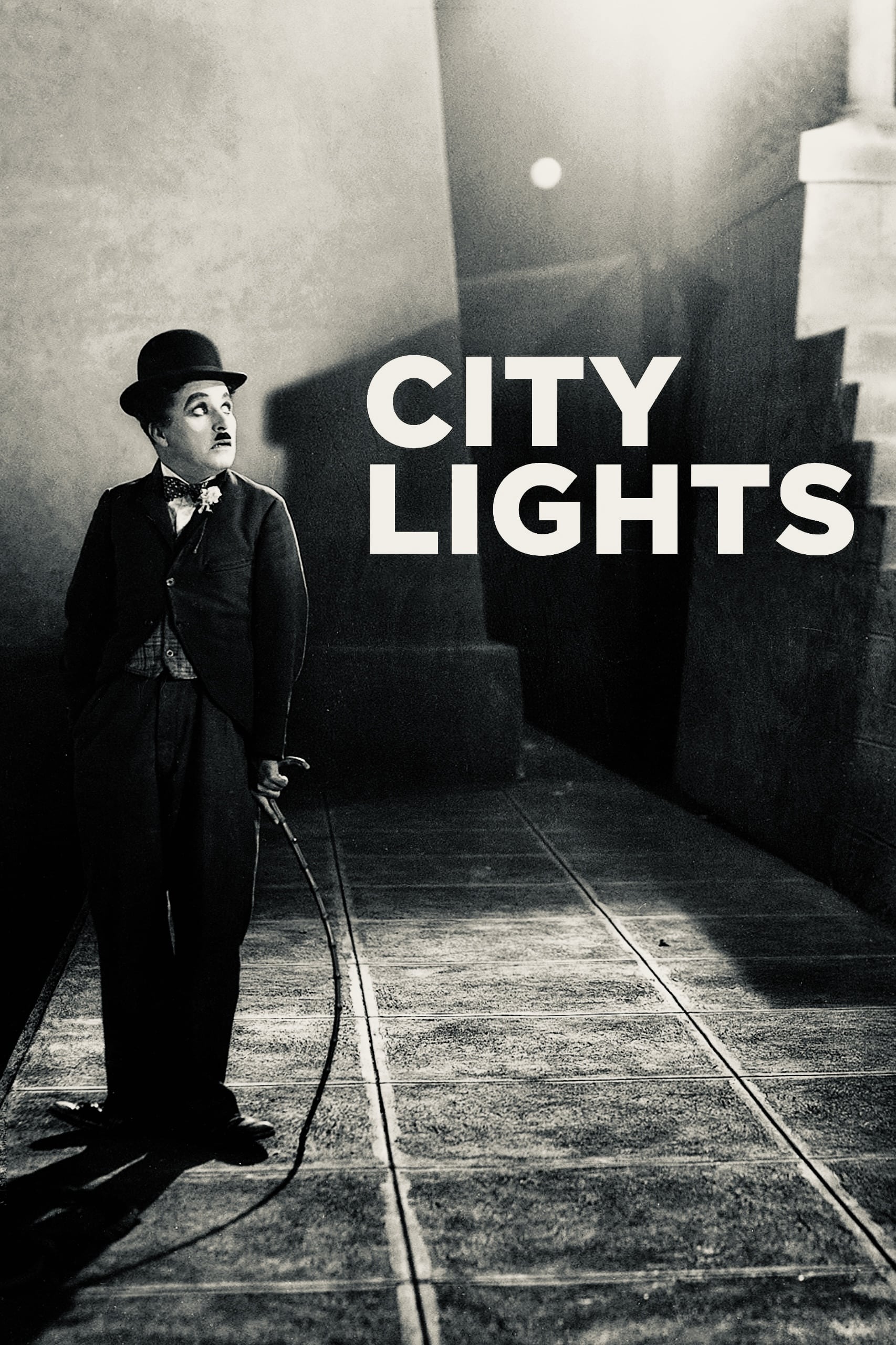
This romantic comedy follows the Tramp as he falls in love with a blind flower girl who mistakes him for a wealthy millionaire. Chaplin creates a perfect blend of slapstick humor and poignant emotional moments throughout the story. The boxing match sequence remains one of the funniest choreographed fights in cinema history. He works odd jobs to pay for an operation that will restore her sight. The final scene delivers an emotional impact that is widely considered one of the greatest endings in film.
‘Safety Last!’ (1923)
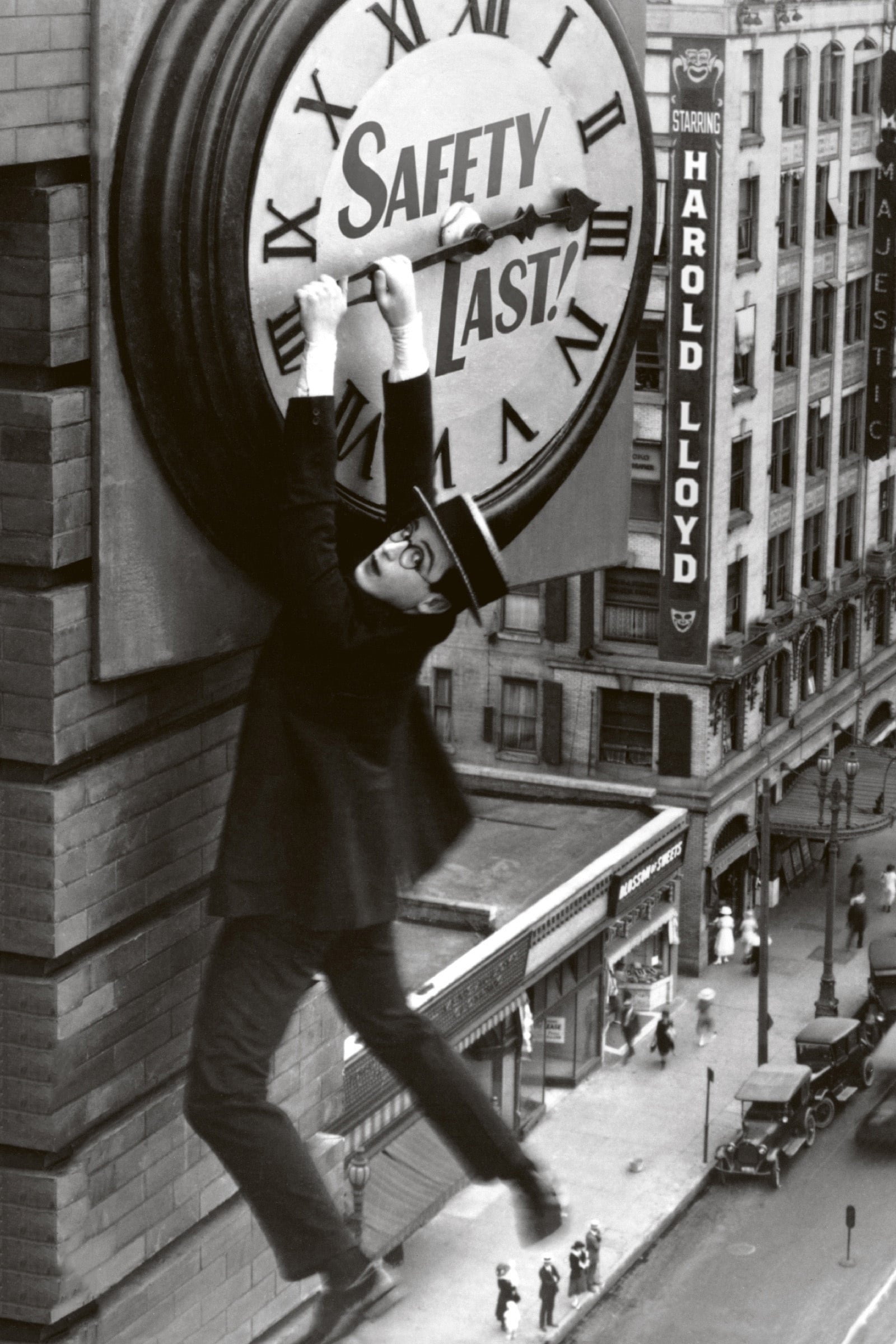
Harold Lloyd plays a small town boy who moves to the big city to make his fortune and marry his sweetheart. He lands a job at a department store and orchestrates a publicity stunt to climb the exterior of the building. The image of Lloyd dangling from a clock face high above traffic is an iconic piece of cinematic history. This thrill comedy combines genuine suspense with laugh out loud physical gags. It captures the frantic energy of the roaring twenties perfectly.
‘Playtime’ (1967)
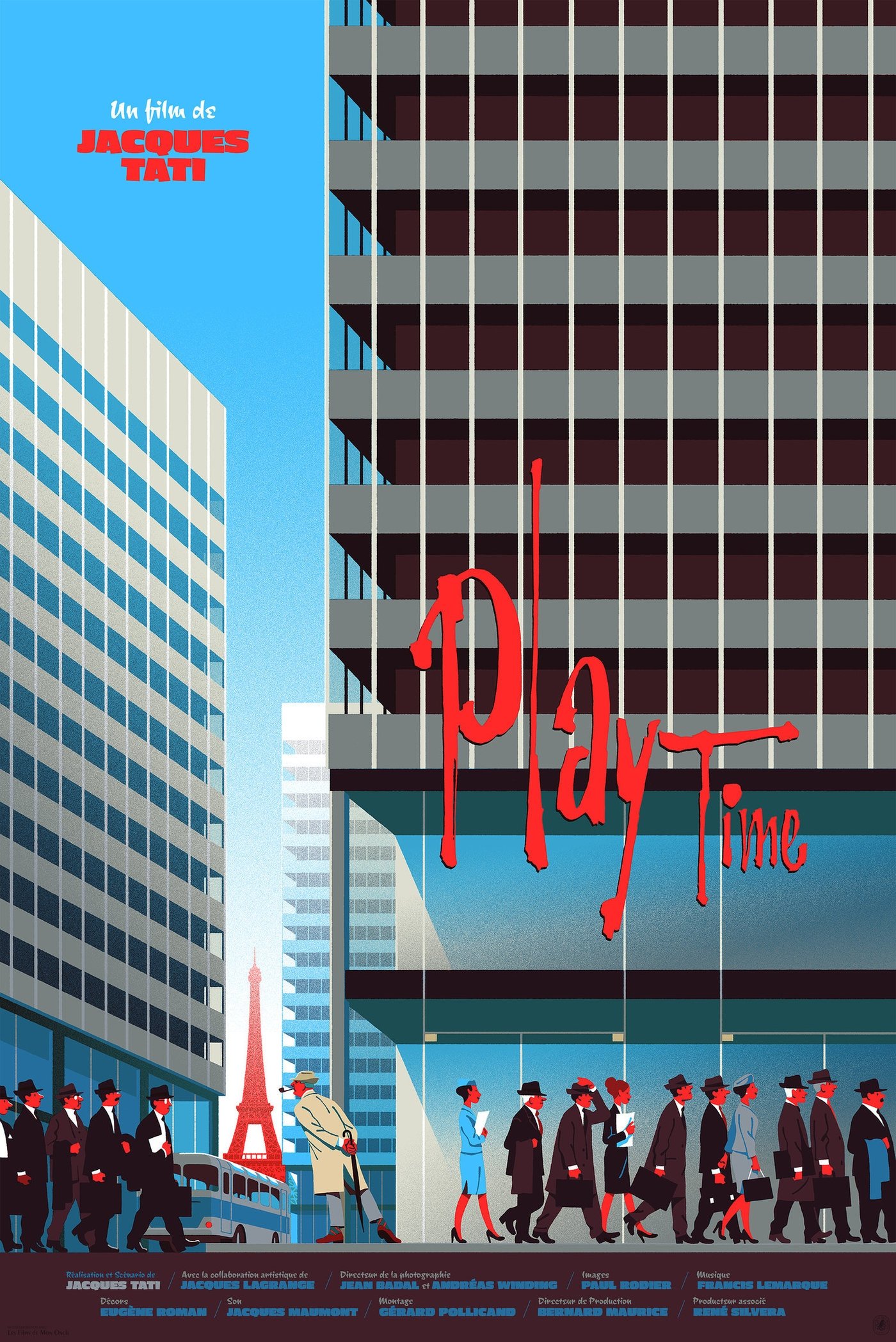
Director Jacques Tati builds an elaborate modernist version of Paris to explore the confusion of the modern world. The character Monsieur Hulot wanders through a maze of glass and steel architecture filled with bewildered tourists. Tati uses wide shots and complex sound design instead of dialogue to create humor. The film functions as a visual ballet where background details are just as funny as the foreground action. It is a monumental achievement in set design and observational comedy.
‘Sherlock Jr.’ (1924)
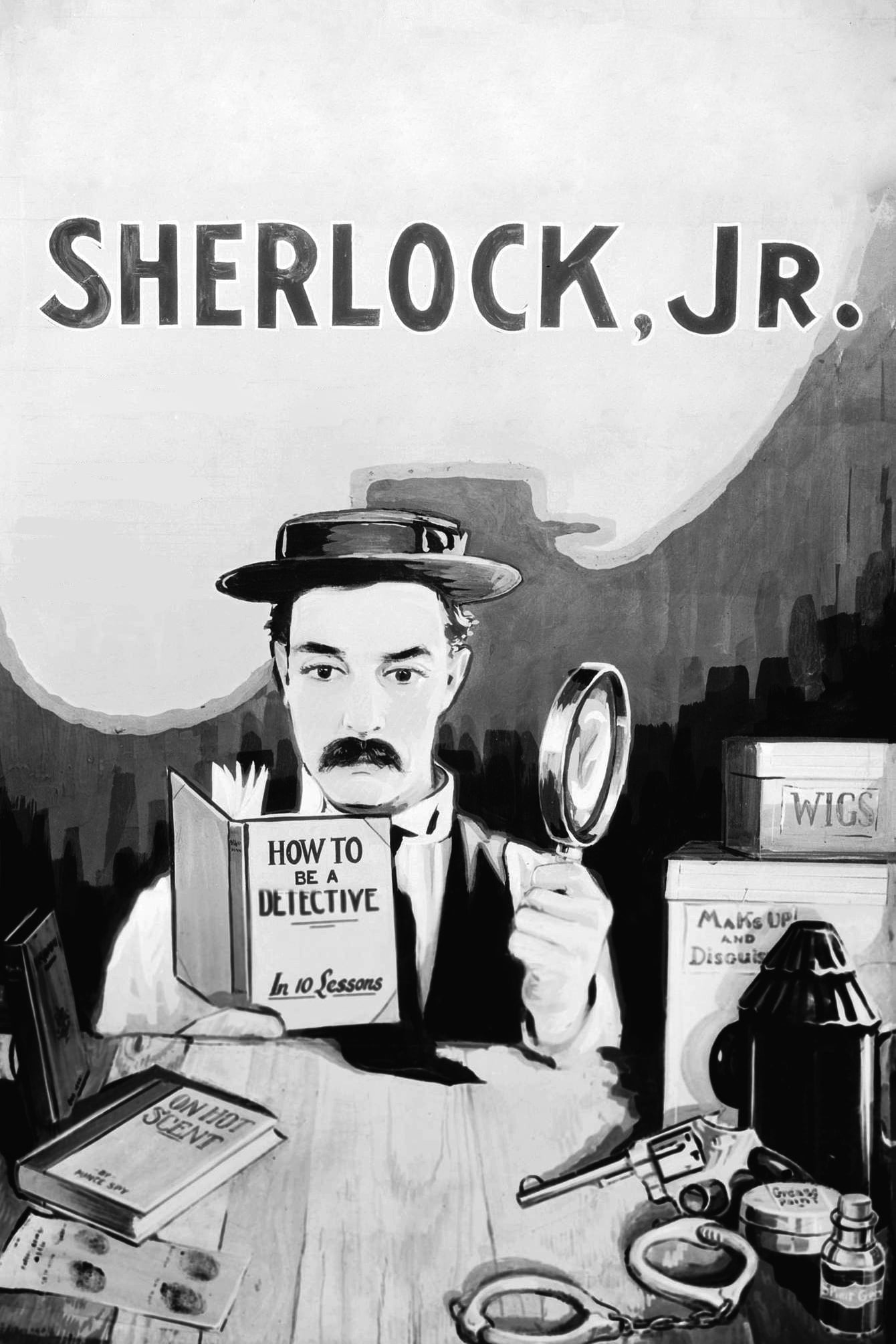
Buster Keaton plays a movie projectionist who dreams of being a great detective. He falls asleep in the projection booth and physically walks into the movie screen to solve a crime. This film pioneered innovative special effects and editing techniques that were decades ahead of their time. The pacing creates a surreal dream logic where the environment changes instantly around the protagonist. It explores the relationship between reality and the fantasy world of cinema.
‘The Gold Rush’ (1925)
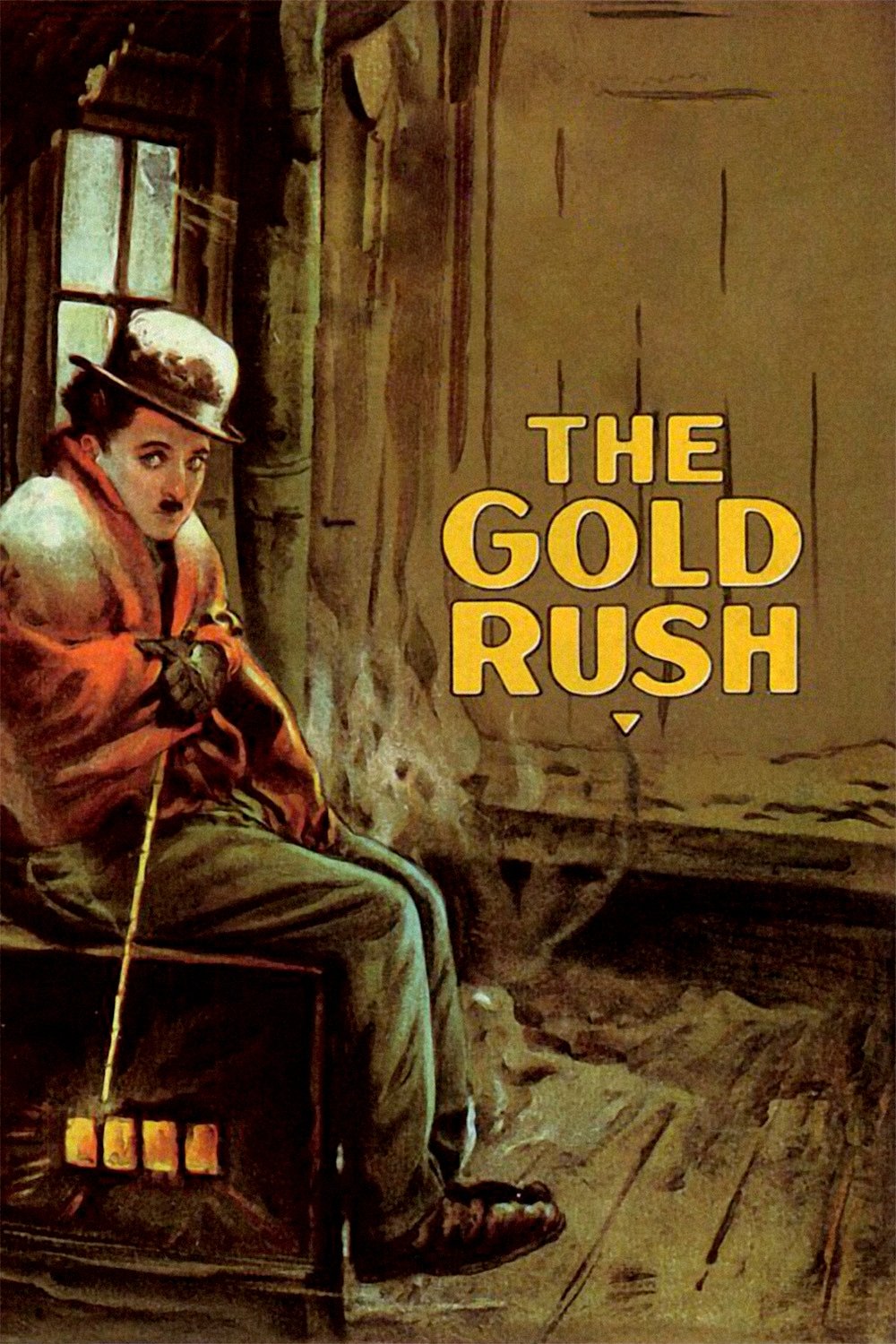
The Tramp ventures into the frozen Klondike in search of fortune during the gold rush era. Chaplin transforms desperate situations like starvation into comedy gold with the famous shoe eating scene. He uses the dance of the dinner rolls to charm a girl in a fantasy sequence. The film balances the harsh reality of the environment with the resilience of the human spirit. It contains some of the most recognizable imagery in the history of silent film.
‘Silent Movie’ (1976)
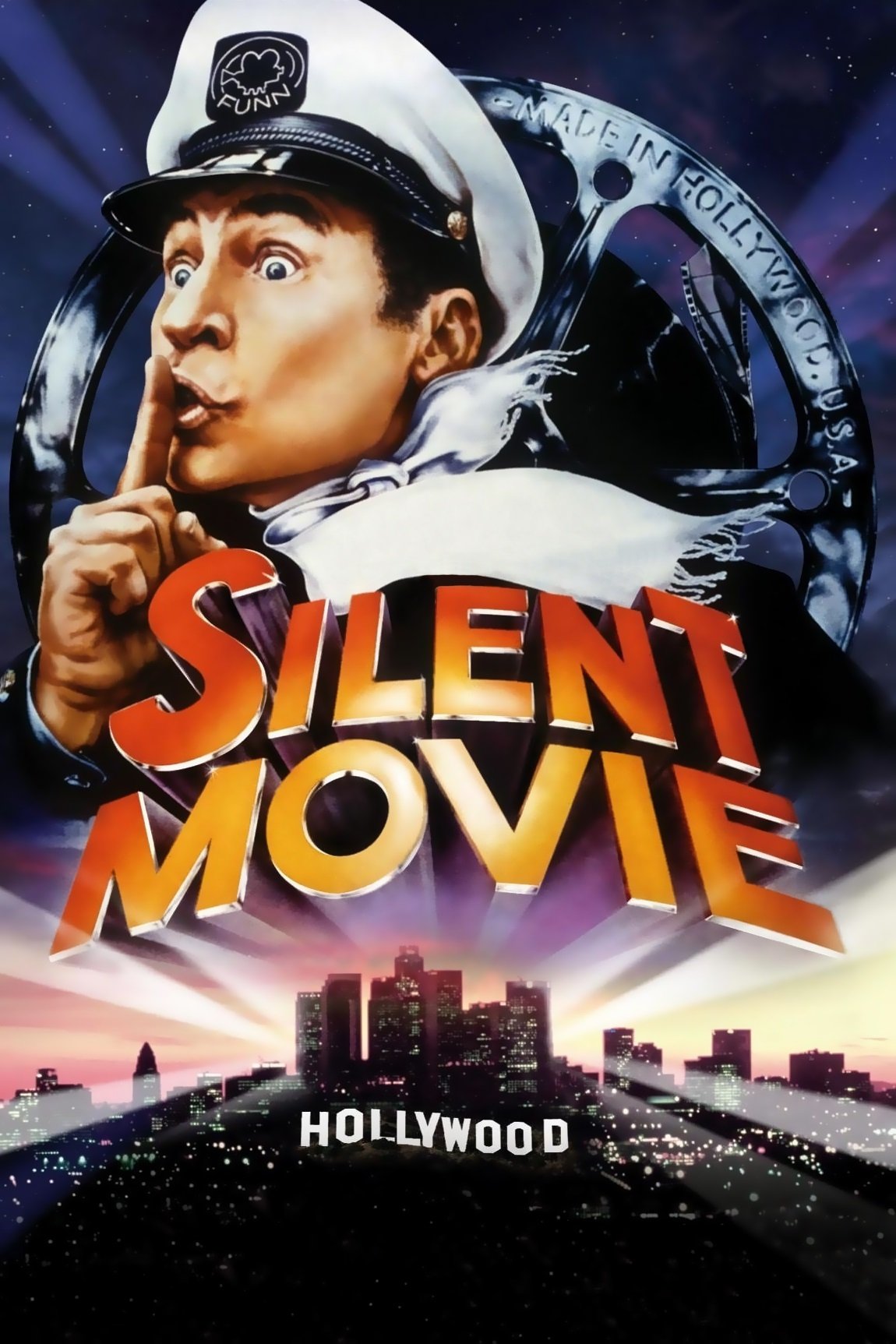
Mel Brooks gathers an ensemble cast to attempt the first silent feature film in decades. The plot follows a washed up director trying to recruit big stars for his silent project to save a studio. Every celebrity plays themselves in this affectionate satire of the Hollywood system. The filmmakers use title cards and slapstick to mimic the style of the 1920s. The only word spoken in the entire production comes from a famous mime in a moment of irony.
‘The Artist’ (2011)
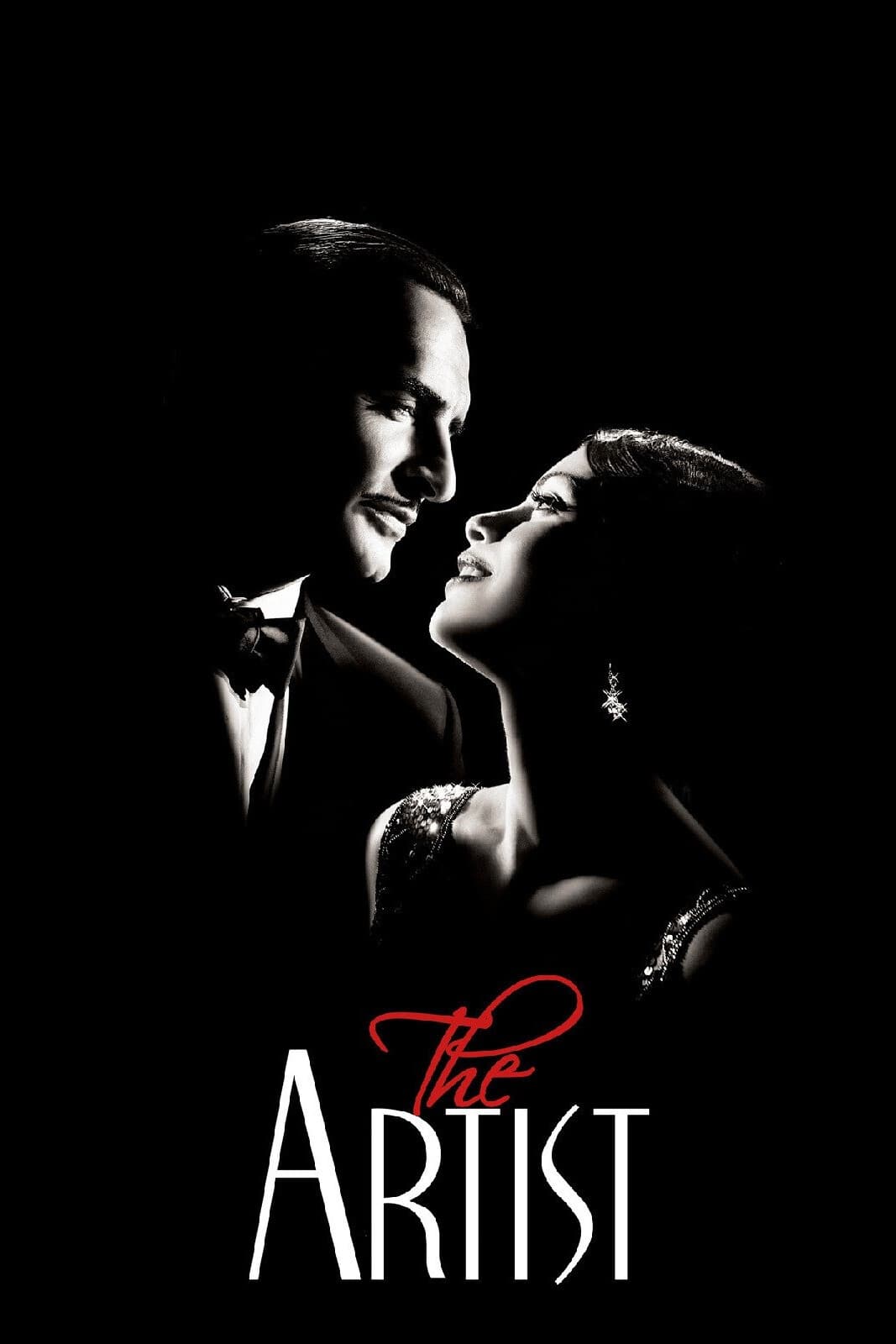
This modern black and white film tells the story of a silent movie star whose career fades with the arrival of talkies. Jean Dujardin delivers an Oscar winning performance that relies solely on facial expressions and body language. The movie pays loving tribute to the transition era of Hollywood cinema. It proved that visual storytelling could still captivate contemporary audiences by winning Best Picture. The chemistry between the leads drives the narrative without the need for spoken exposition.
‘Steamboat Bill, Jr.’ (1928)
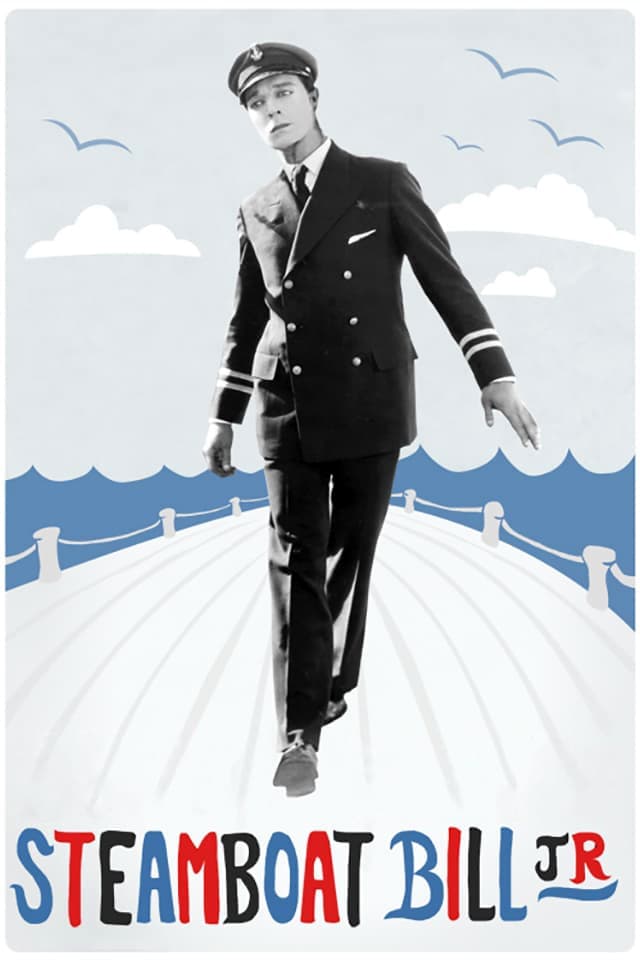
Buster Keaton plays the effete son of a gruff riverboat captain who tries to toughen him up. The film is famous for the hurricane sequence where entire buildings collapse around the actor. Keaton performs a legendary stunt where a house facade falls on him and he passes safely through an open window. The physical comedy highlights the contrast between the small stature of the protagonist and the massive forces of nature. It serves as a prime example of high stakes physical comedy.
‘The Kid’ (1921)

Charlie Chaplin finds an abandoned baby and raises him as his own in this heartwarming comedy drama. The chemistry between Chaplin and child actor Jackie Coogan creates moments of pure joy and heartbreaking sadness. They work together as a team to break windows and repair them for money. The dream sequence involves angels and demons flying through the streets of the slum. It was the first feature length film to combine slapstick with genuine sentiment.
‘Mon Oncle’ (1958)
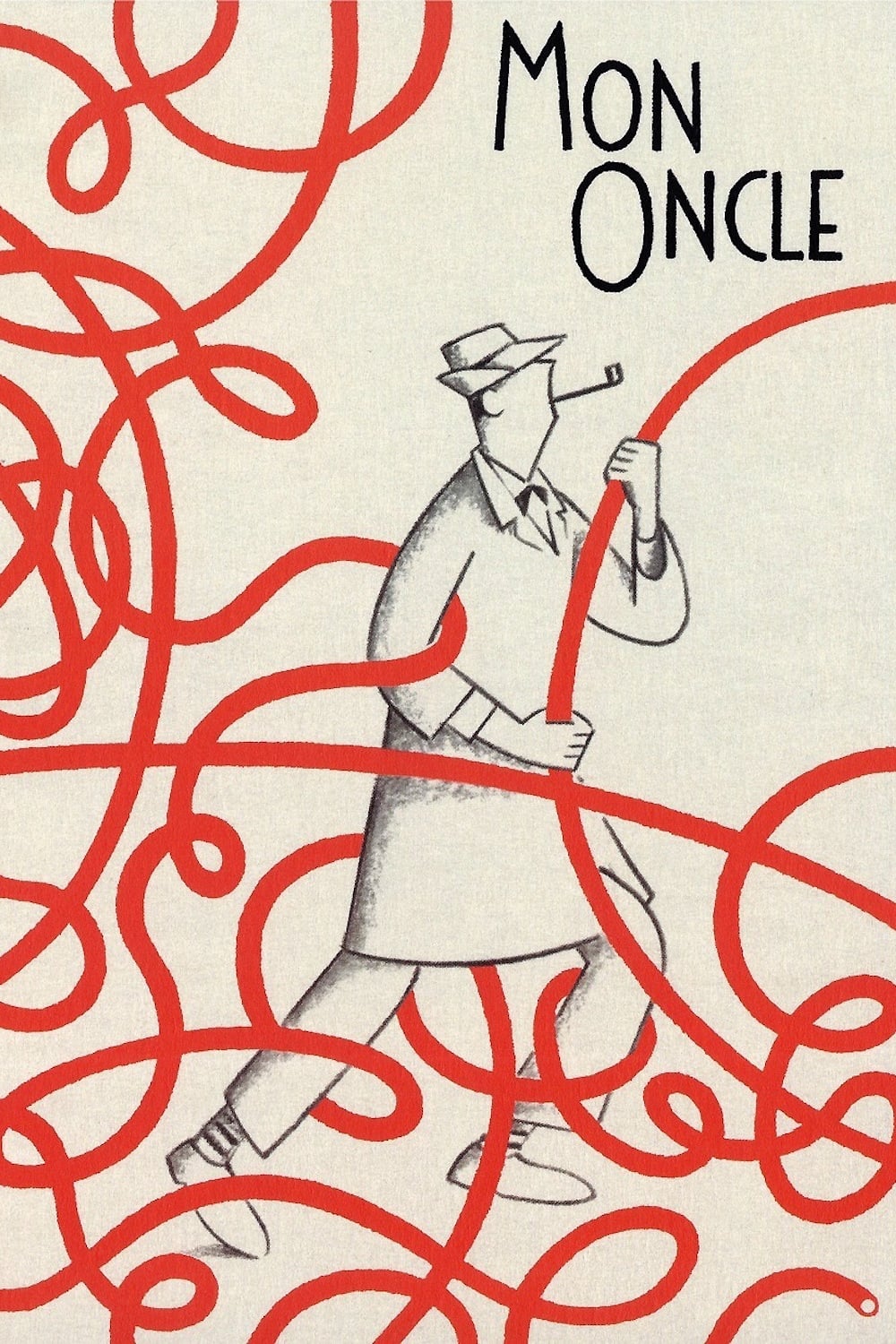
Monsieur Hulot visits his sister and her family in their ultra modern and automated home. Jacques Tati uses the contrast between the sterile technology and the messy old quarter to generate humor. The gadgets in the house constantly malfunction and trap the residents in absurd situations. Tati critiques the obsession with consumerism and efficiency through visual gags. The film uses color and sound to emphasize the artificiality of the modern lifestyle.
‘The Circus’ (1928)
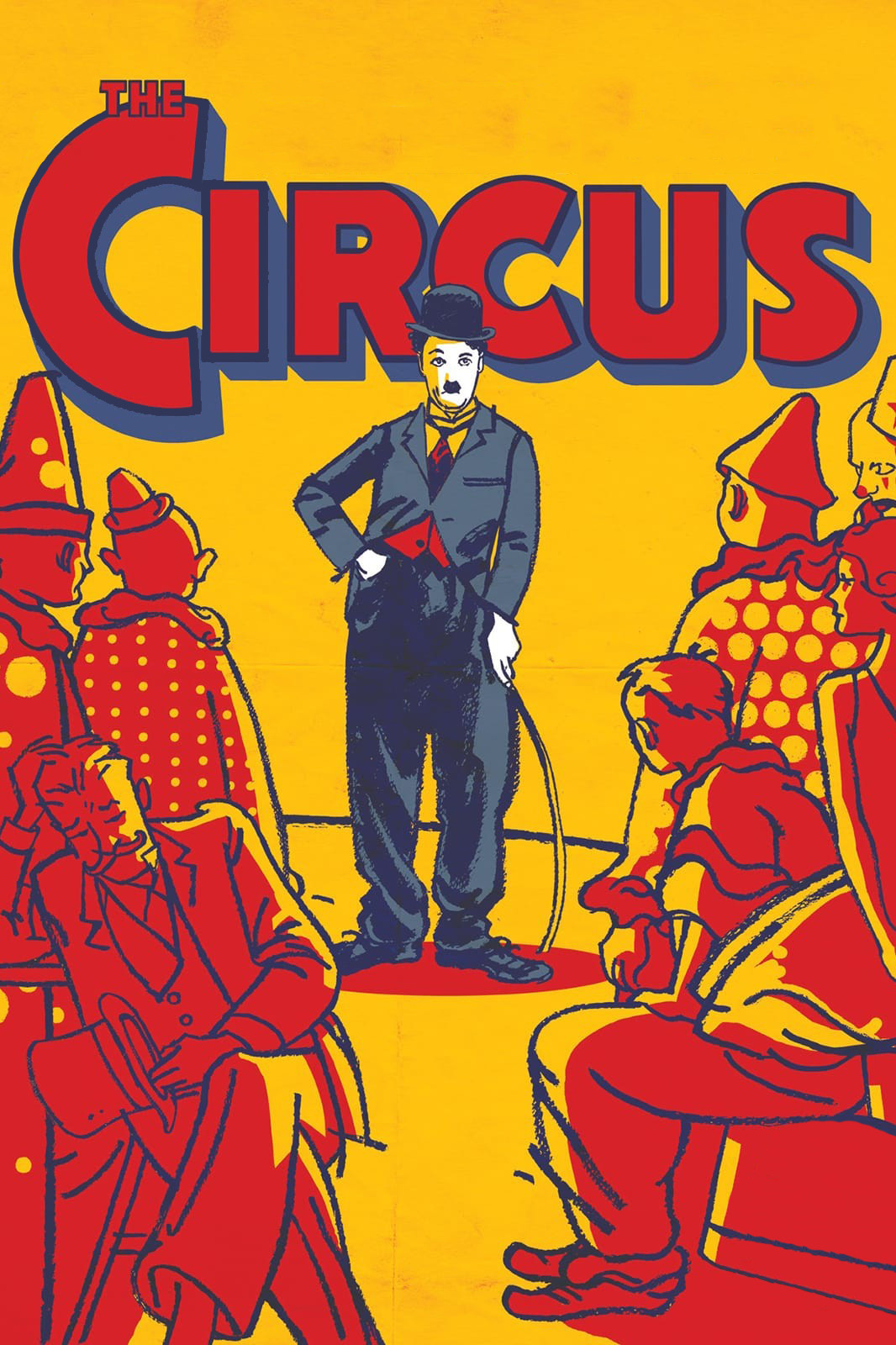
The Tramp accidentally becomes the star attraction of a struggling circus while fleeing from the police. He is only funny when he is not trying to be which frustrates the ringmaster. The film features a harrowing scene where Chaplin is trapped in a lion cage. He also performs a tightrope walk while besieged by escaped monkeys. It won Chaplin a special Academy Award for his versatility as a writer and actor.
‘Seven Chances’ (1925)
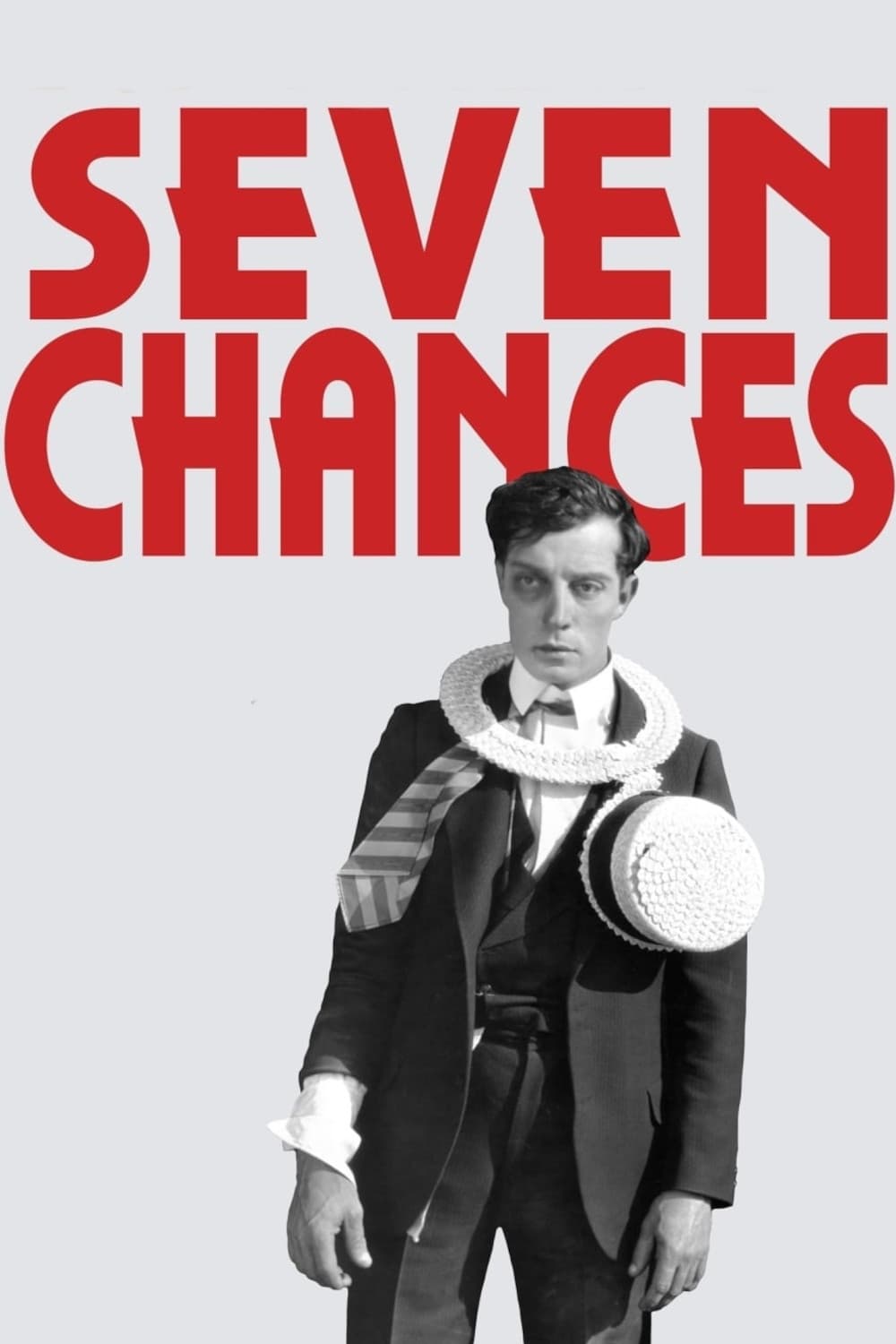
A young man must marry by 7 PM on his birthday to inherit a massive fortune. Buster Keaton proposes to every woman he sees after his girlfriend rejects him. This leads to a frantic chase sequence where hundreds of would be brides pursue him through the city. The climax features an avalanche of rocks chasing Keaton down a steep hill. The escalating chaos creates one of the most energetic finales in comedy history.
‘The Freshman’ (1925)
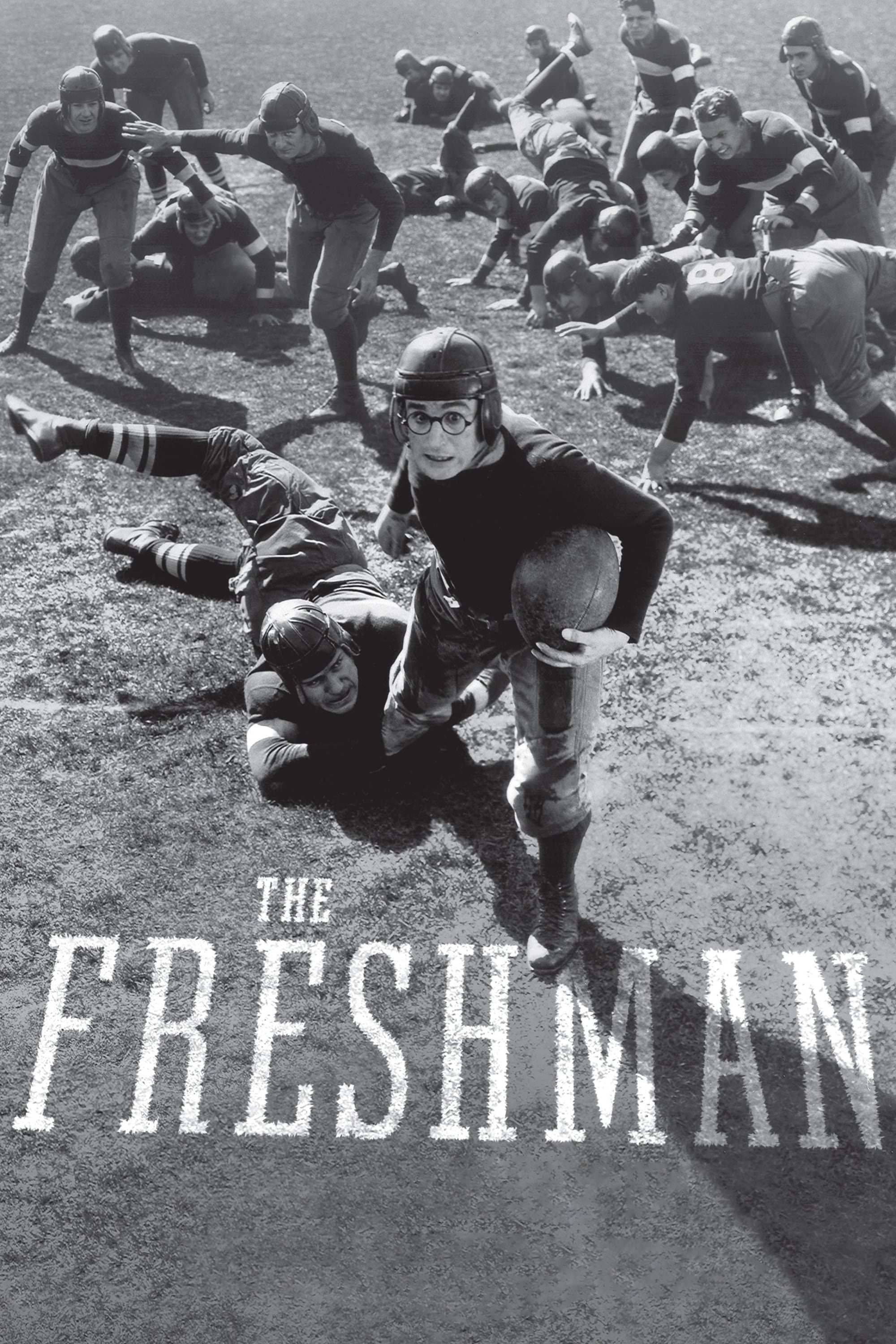
Harold Lloyd plays a college student who tries to become popular by joining the football team. He serves as the water boy and tackling dummy until he gets a chance to play in the big game. The film satirizes the craze for college life and athletics during the 1920s. Lloyd balances his eagerness to please with physical vulnerability. The football finale is a triumphant mix of gag humor and sports action.
‘Shaun the Sheep Movie’ (2015)
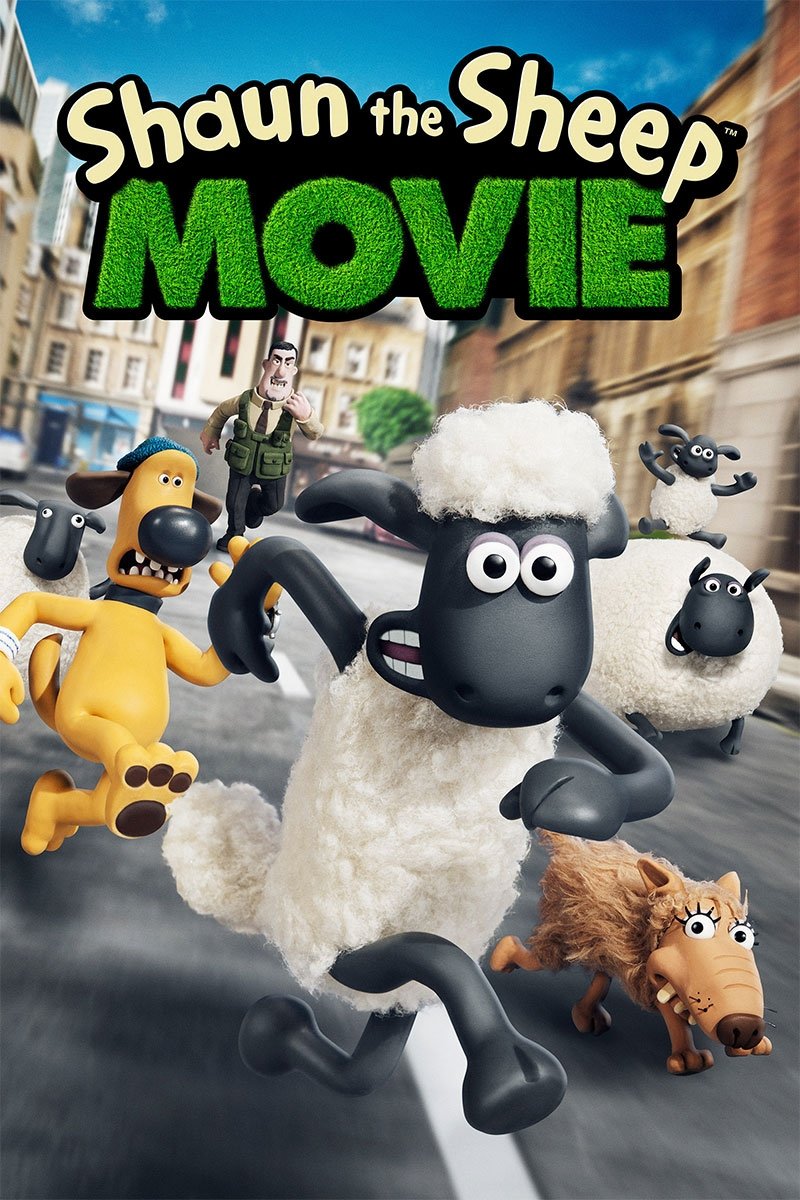
Aardman Animations brings their stop motion TV character to the big screen with zero intelligible dialogue. Shaun decides to take a day off and inadvertently causes the Farmer to get lost in the big city. The flock must work together to navigate the urban environment and bring their owner home safely. The film packs every frame with visual gags that appeal to both children and adults. It demonstrates that claymation can convey complex emotions and humor without words.
‘The Navigator’ (1924)
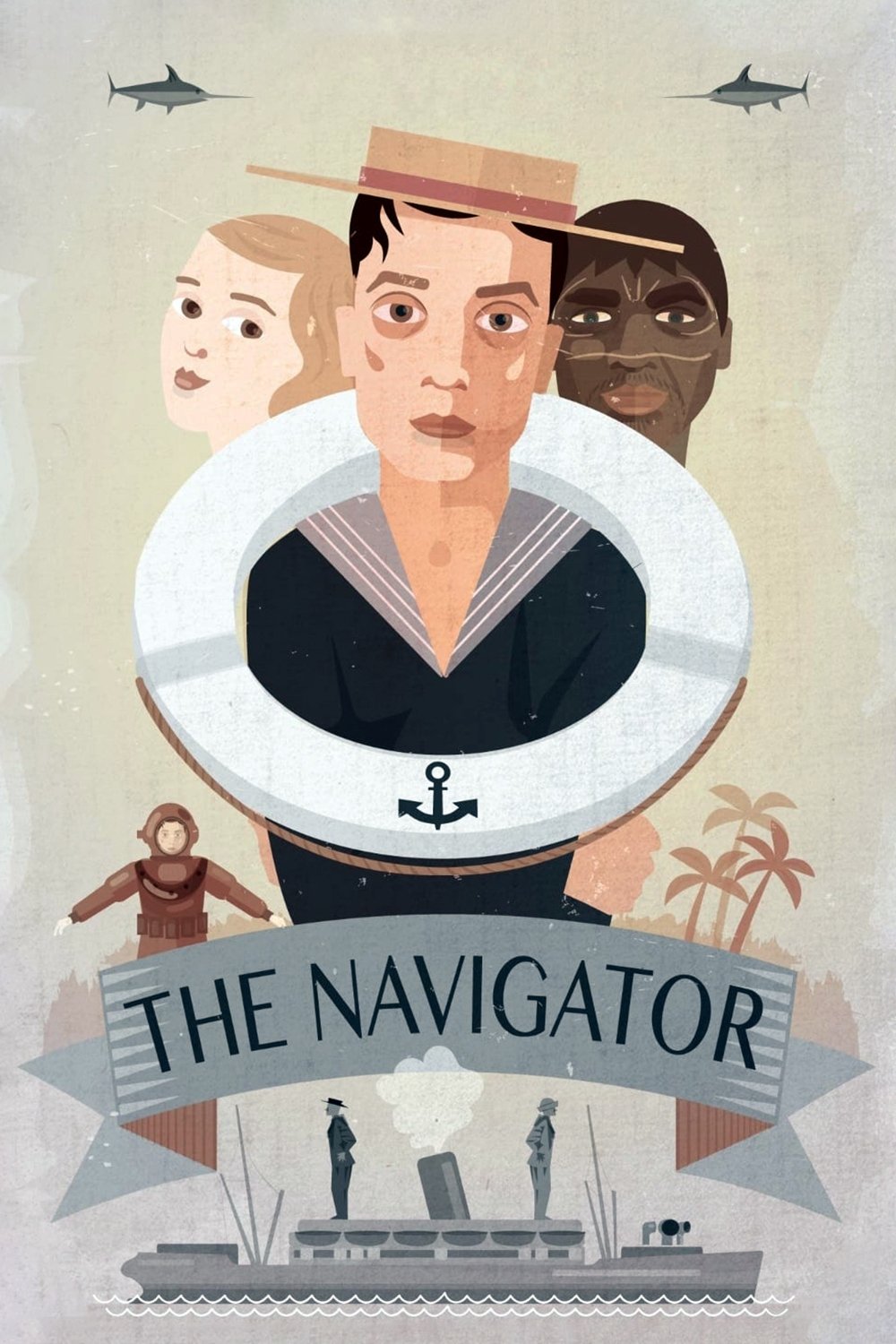
Two wealthy and spoiled individuals find themselves adrift on a gigantic ocean liner with no crew. Buster Keaton and his co-star must figure out how to operate the massive ship and prepare food. The humor stems from their incompetence and their battles with mechanical kitchen equipment. They eventually face an attack by cannibals and have to defend the vessel. Keaton utilizes the sheer size of the ship to create unique visual puzzles.
‘Girl Shy’ (1924)

Harold Lloyd plays a tailor who is terrified of women but writes a guide on how to woo them. He falls in love with a rich girl and must stop her from marrying a bigamist. The film features one of the most exciting chase sequences involving various modes of transport. Lloyd performs dangerous stunts on moving cars and trams to reach the wedding in time. It showcases his ability to mix romantic longing with high speed action.
‘Speedy’ (1928)

Harold Lloyd plays a baseball crazed young man trying to save the last horse drawn streetcar in New York. The film was shot on location and captures the bustling atmosphere of the city in the late twenties. It features a cameo by baseball legend Babe Ruth in a memorable taxi scene. The final chase involves the streetcar racing through the dangerous city streets to secure the franchise. It serves as a fast paced farewell to the silent era from a comedy legend.
Tell us which visual comedy masterpiece is your favorite in the comments.