


Comedy Film Icons Who Have Passed Away

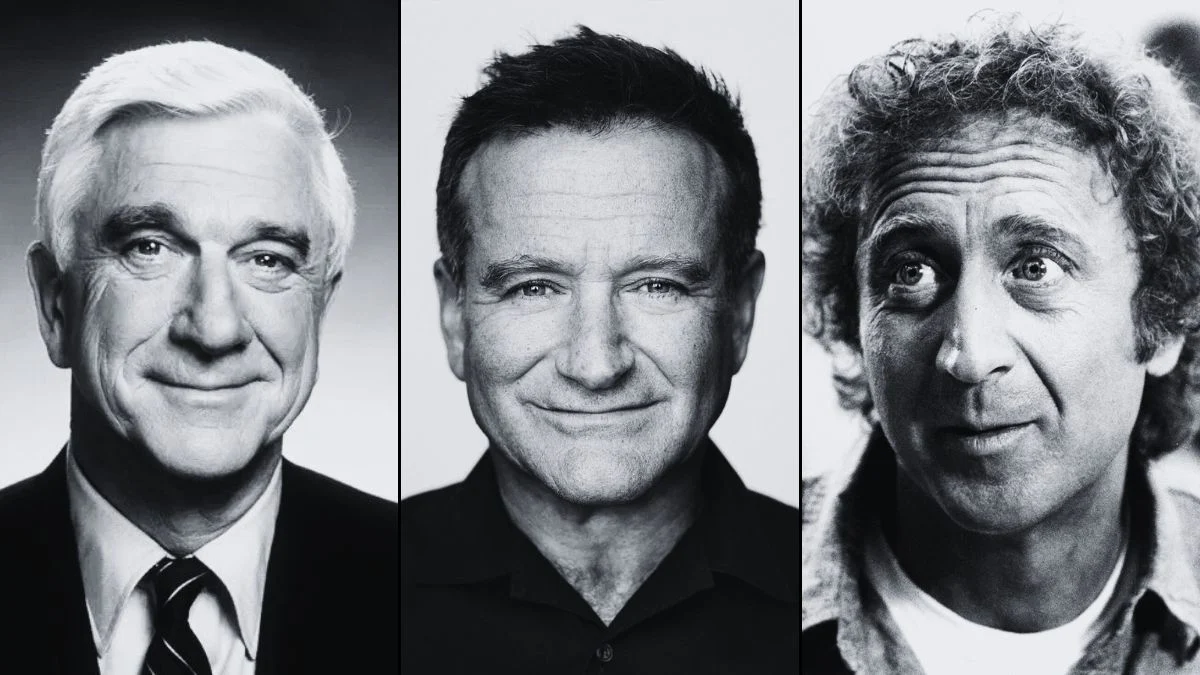


Comedy on film has changed again and again, but the people who built it left work that still gets watched and studied. From the silent era to the blockbuster age, these performers and filmmakers shaped the gags, characters, and rhythms that audiences know by heart. Many of their most famous moments came in films that remain easy to find, and their names still come up whenever people talk about what makes a great screen comedian.
This list gathers comedy film icons who have died, along with the films and milestones that defined their screen careers. For each person you will find key roles, signature projects, and clear details on when they passed away, so the facts are easy to reference and share.
Charlie Chaplin
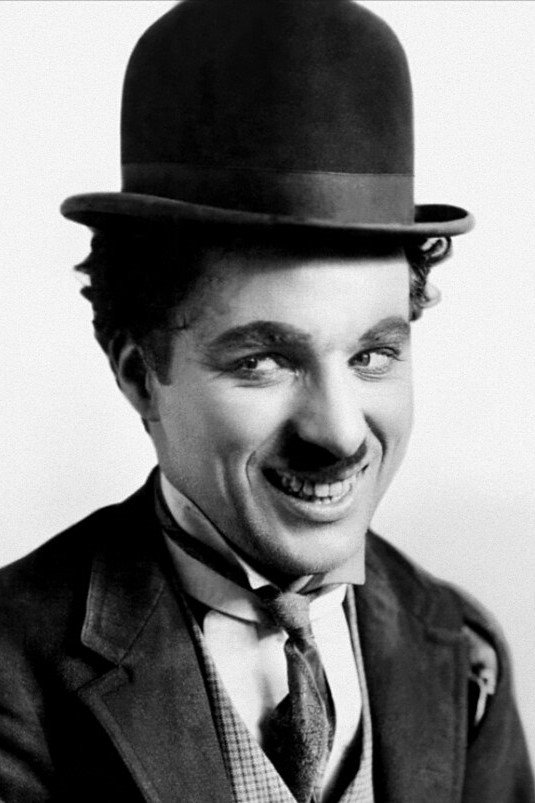
Charlie Chaplin wrote, directed, and starred in classics that defined screen comedy, including ‘The Kid’, ‘City Lights’, ‘Modern Times’, ‘The Gold Rush’, and ‘The Great Dictator’. His Little Tramp character became one of the most recognizable figures in film, and he controlled production through his own studio methods to shape every frame.
He received an Honorary Academy Award in 1972 recognizing his lifetime of work. Chaplin died in 1977 in Switzerland at age 88, and his films continue to be restored and presented by major archives around the world.
Buster Keaton
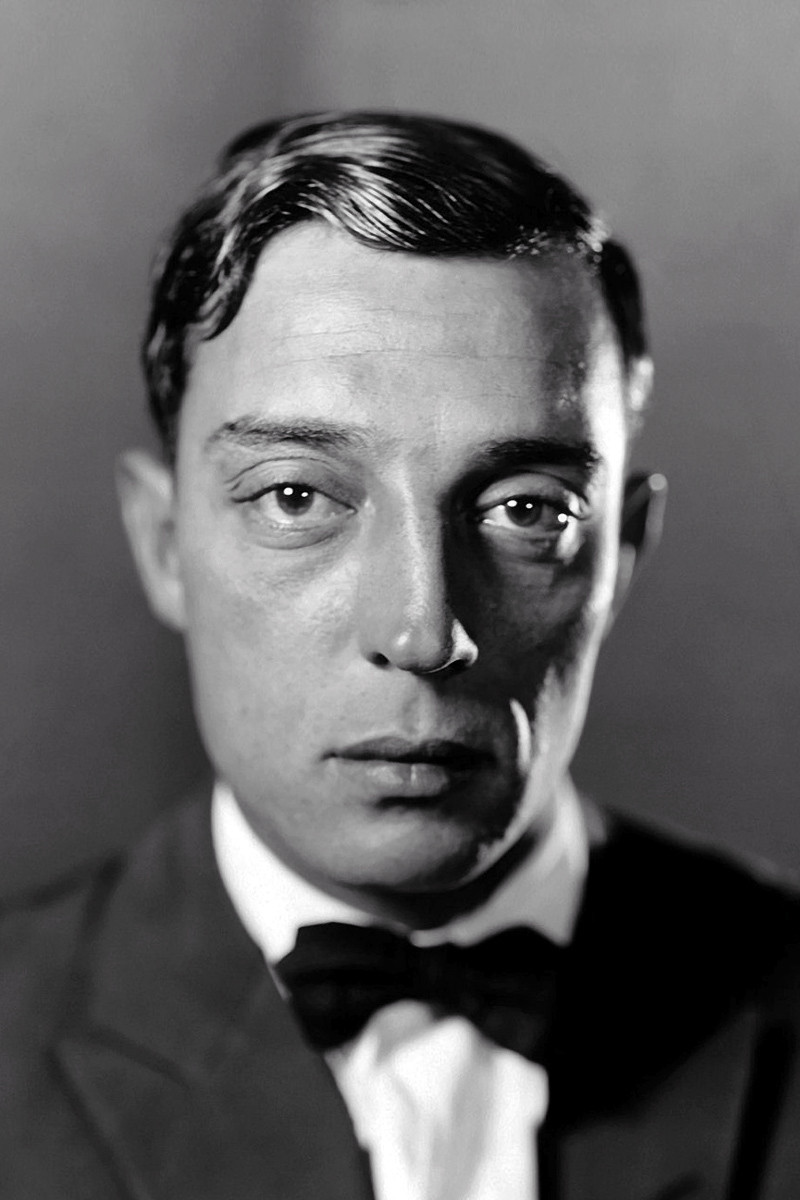
Buster Keaton set the standard for physical precision and inventive sight gags in features like ‘The General’, ‘Sherlock Jr.’, and ‘Steamboat Bill, Jr.’. He often performed dangerous stunts himself and carefully planned sequences that filmmakers still analyze for timing and design.
Keaton died in 1966 at age 70 from lung cancer. Many of his films have been restored in high quality editions, and his staging methods are taught in film programs and used in modern action and comedy.
Harold Lloyd
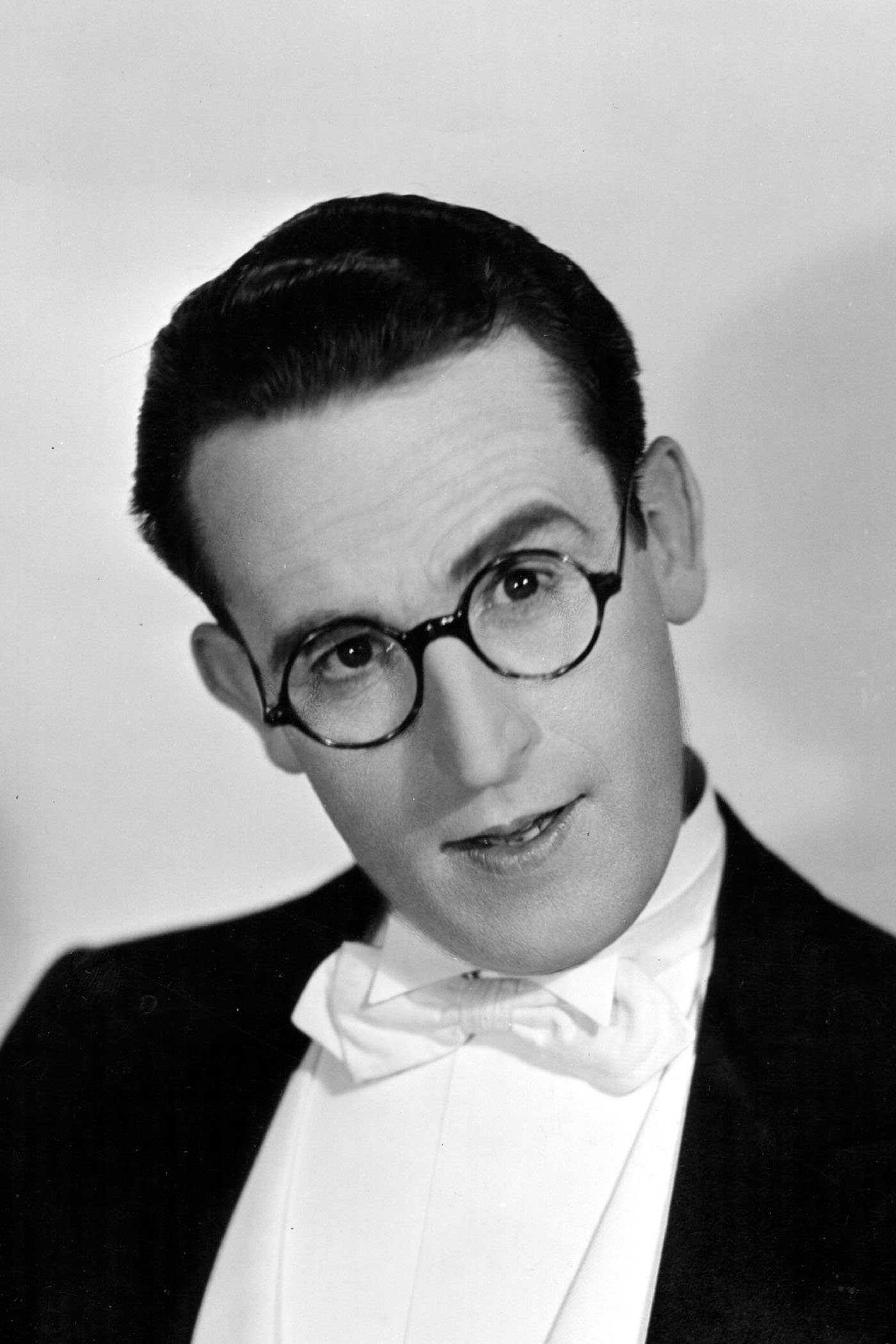
Harold Lloyd specialized in thrill comedies that mixed romance with daredevil set pieces, most famously the clock climb in ‘Safety Last!’. His features such as ‘The Freshman’ and ‘Girl Shy’ were major hits in the twenties and helped define the energetic college and go getter archetypes on screen.
He received an Honorary Academy Award in 1953 for his contributions to film comedy. Lloyd died in 1971 at age 77, and his estate later organized careful restorations that brought his library back to theaters and home video.
Stan Laurel
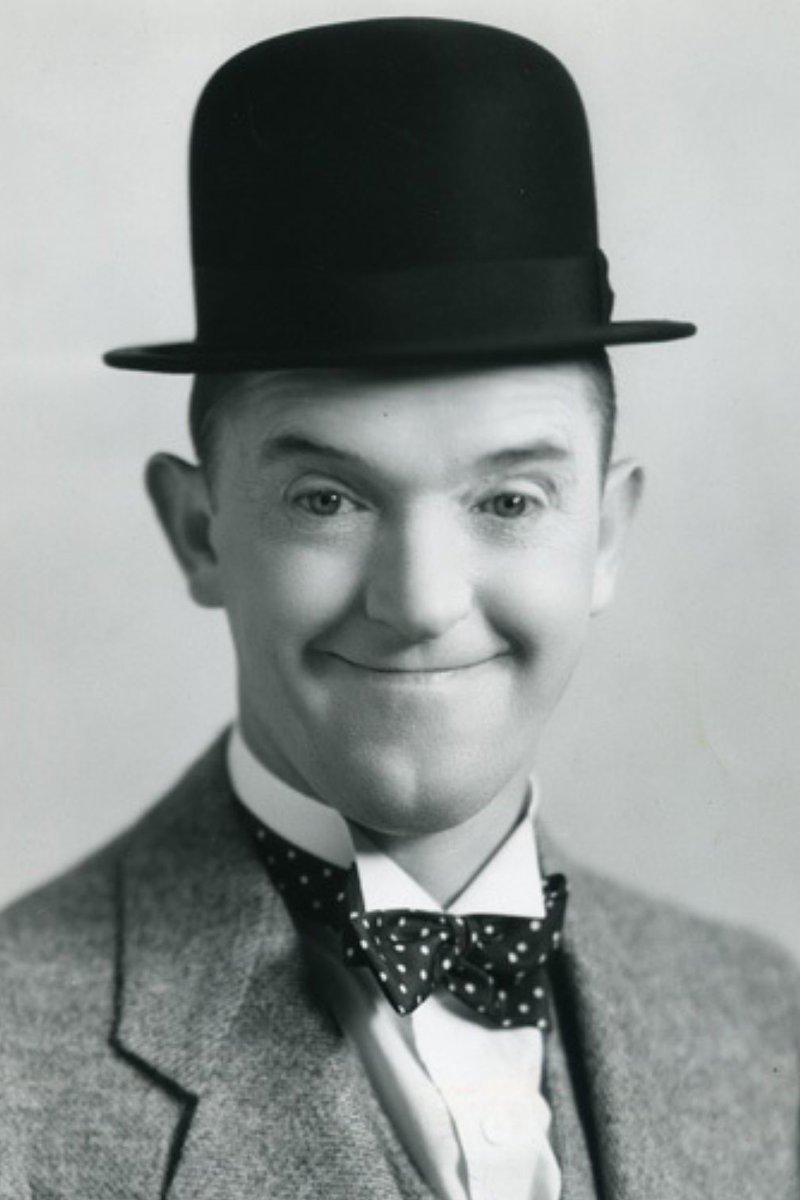
Stan Laurel formed one of the most enduring double acts in film with Oliver Hardy, creating features and shorts including ‘Sons of the Desert’, ‘Way Out West’, and ‘The Music Box’. Laurel also shaped stories and gags behind the scenes, contributing to scripts and editing to refine their routines.
He died in 1965 at age 74 after heart problems. Laurel’s work with Hardy remains widely circulated, and the pair’s films are kept in print by archives and rights holders for broadcast and streaming.
Oliver Hardy
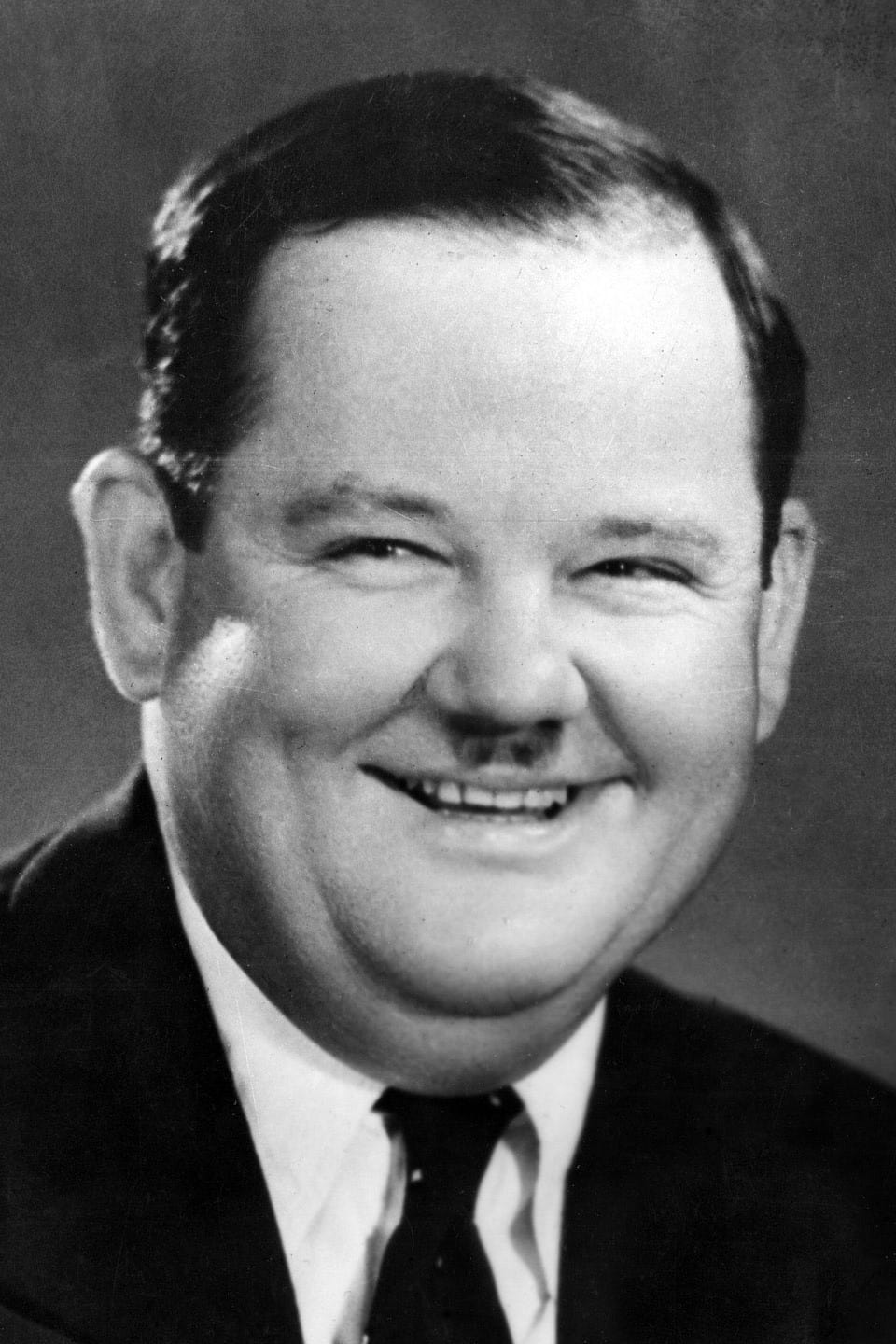
Oliver Hardy partnered with Stan Laurel on dozens of films that balanced character based humor with carefully staged physical comedy. Titles like ‘Sons of the Desert’, ‘Way Out West’, and ‘The Music Box’ show his skill at slow burns and reactions that anchored the duo’s setups.
Hardy died in 1957 at age 65 after complications from a stroke. Their films have been preserved in multiple formats and continue to screen at festivals devoted to classic comedy.
W.C. Fields
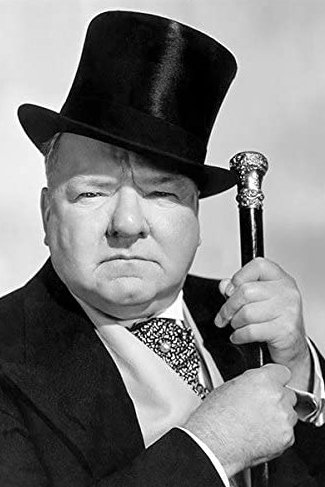
W. C. Fields moved from vaudeville to features with a sardonic style in films such as ‘The Bank Dick’, ‘It’s a Gift’, and ‘My Little Chickadee’. He wrote or co wrote many projects and built characters around grifts, bluster, and precise verbal routines.
Fields died in 1946 at age 66. His major films remain available in studio libraries, and his stage background is documented in biographies and retrospectives on early sound comedy.
Mae West
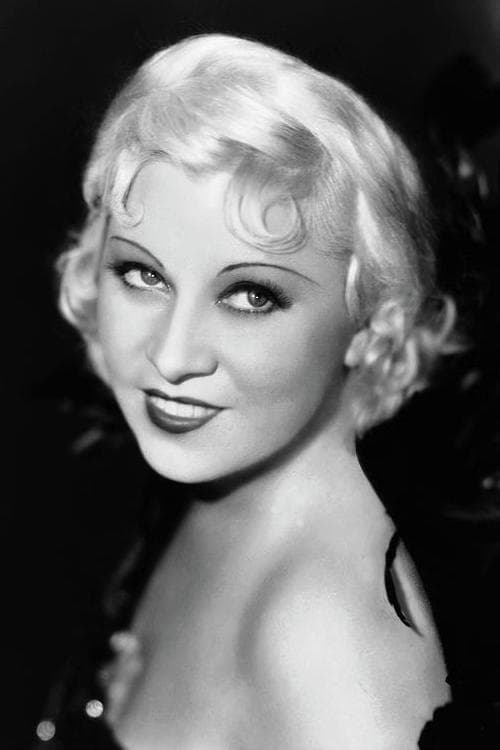
Mae West became a Paramount star with persona driven comedies like ‘She Done Him Wrong’ and ‘I’m No Angel’. She wrote plays and screen material, fought censorship battles, and turned witty innuendo into box office success that helped stabilize her studio during the early thirties.
West died in 1980 in Los Angeles at age 87 following a stroke. Her films are frequently studied for their role in the development of the Production Code era and remain part of classic film rotations.
Groucho Marx
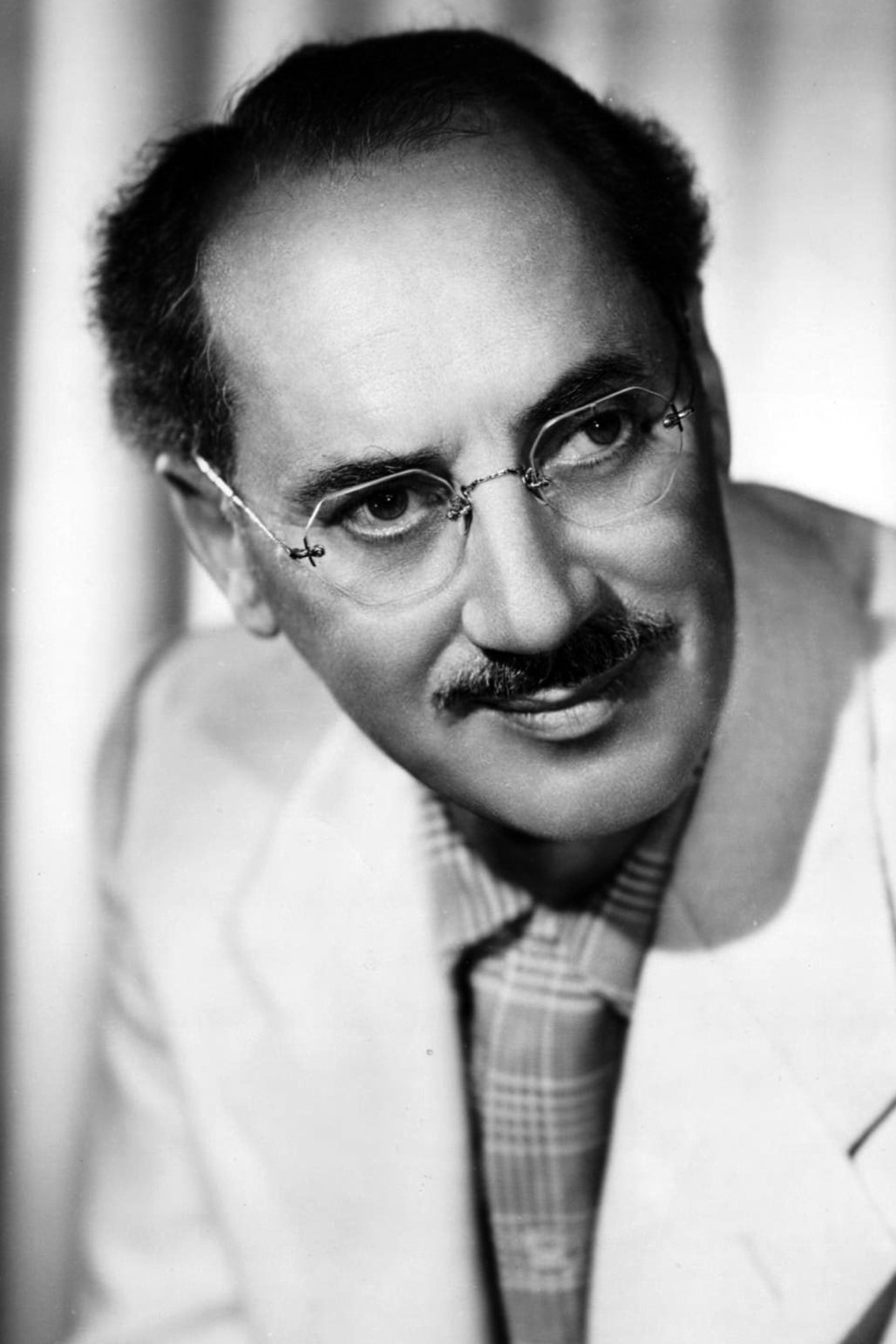
Groucho Marx, with his fast talk and quick put downs, headlined Marx Brothers films including ‘Duck Soup’, ‘Animal Crackers’, and ‘A Night at the Opera’. He also worked in radio and television, but his film work with his brothers anchors his legacy.
Groucho received an Honorary Academy Award in the seventies recognizing the achievements of the Marx Brothers. He died in 1977 at age 86 from pneumonia, and the team’s films remain in active distribution through studio catalogs.
Harpo Marx
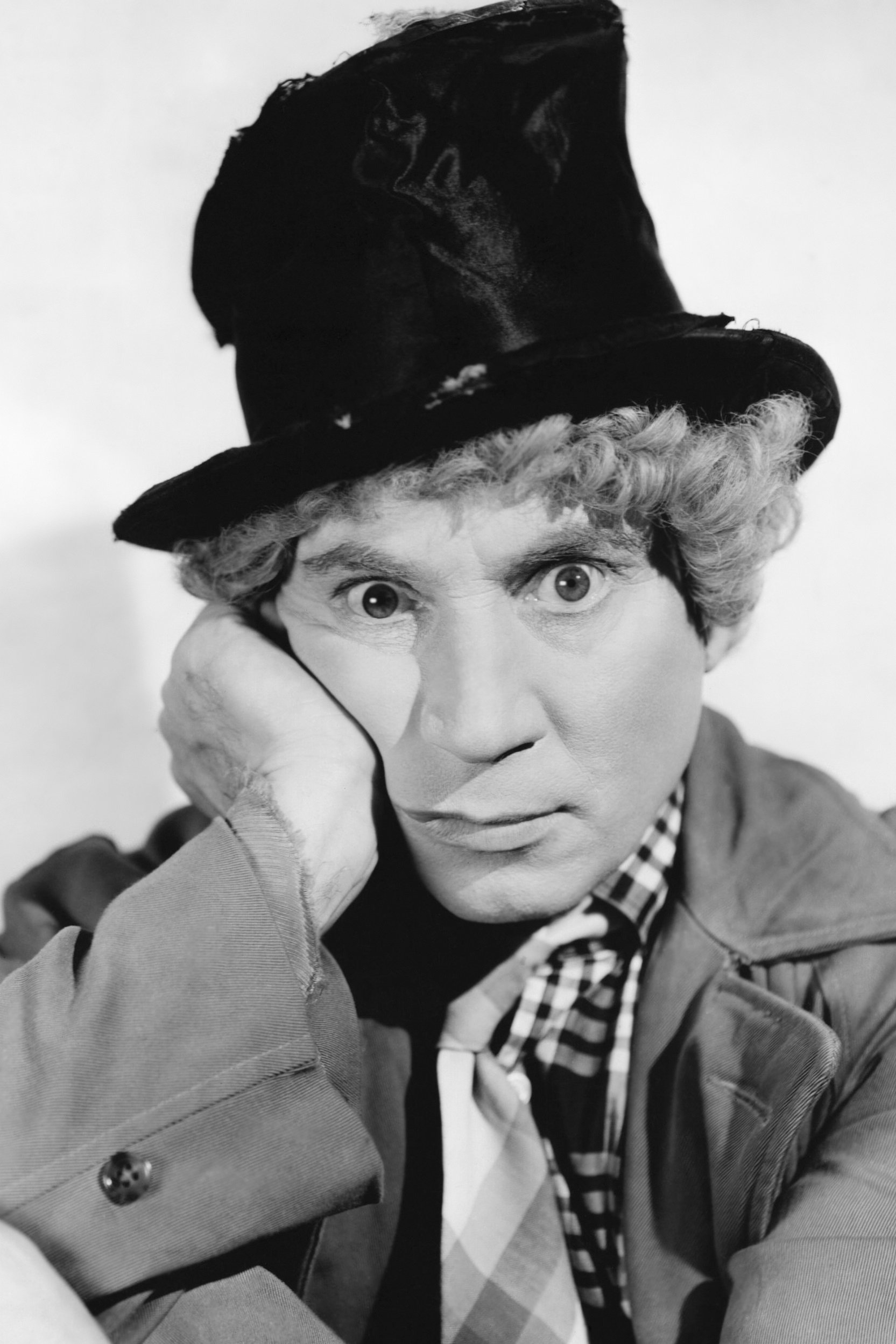
Harpo Marx created silent screen chaos with pantomime, a horn, and extended harp solos in films such as ‘Duck Soup’, ‘Animal Crackers’, and ‘A Night at the Opera’. His physical comedy contrasted with the verbal routines of his brothers, and his musical interludes became a regular feature.
He died in 1964 at age 75 following heart surgery. Harpo’s performances are often excerpted in documentaries on film comedy, and the family has maintained archives of personal papers and memorabilia.
Chico Marx

Chico Marx added piano interludes and wordplay to Marx Brothers features like ‘Duck Soup’, ‘Animal Crackers’, and ‘A Night at the Opera’. His on screen character used sly misunderstandings and musical flourishes to break tension between set pieces.
Chico died in 1961 at age 74 from heart disease. The Marx Brothers library has received restoration work over decades, keeping the films in circulation for new viewers.
Bud Abbott
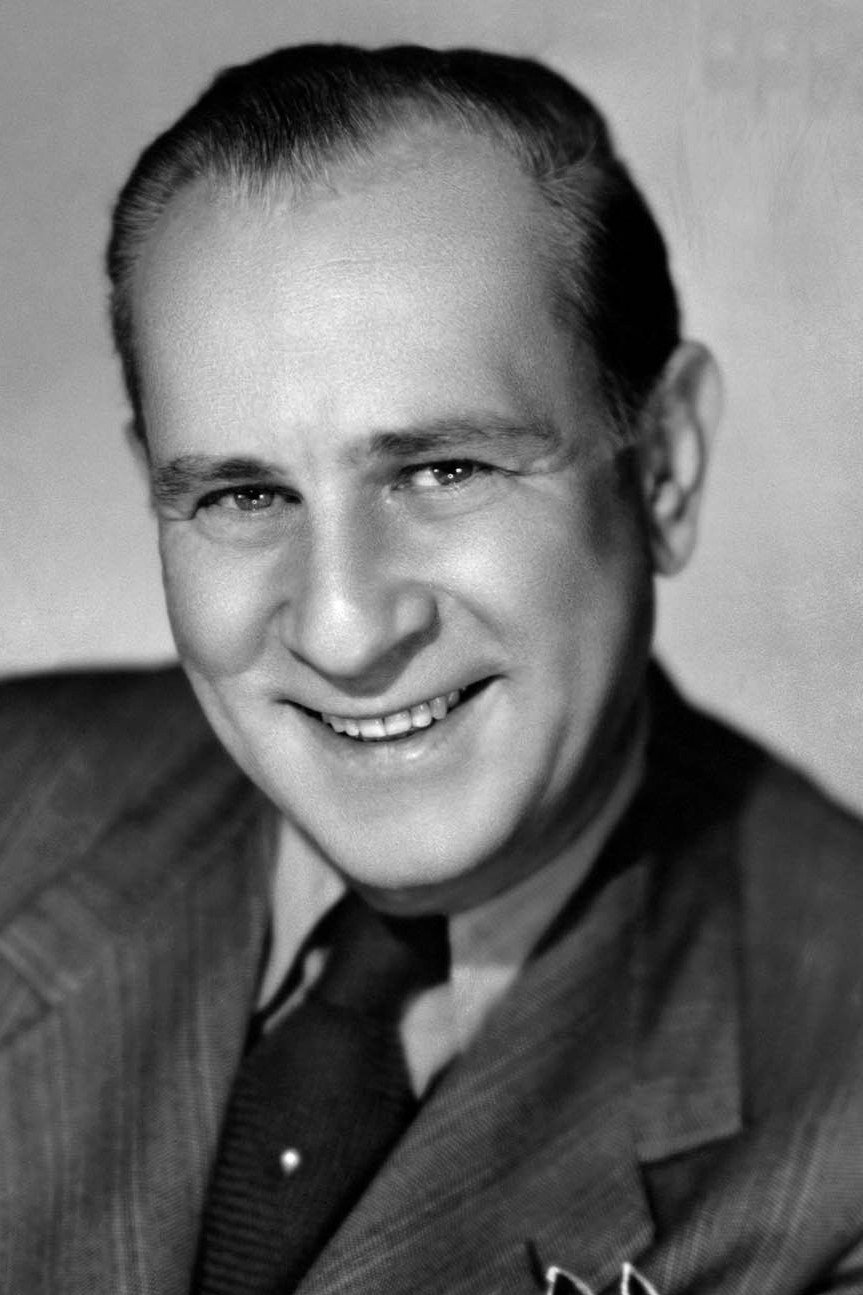
Bud Abbott formed the straight man half of Abbott and Costello, appearing in features such as ‘Buck Privates’, ‘Hold That Ghost’, and ‘Abbott and Costello Meet Frankenstein’. He set up jokes and kept stories on track while Lou Costello delivered wild reactions.
Abbott died in 1974 at age 76 after a long illness related to cancer. The duo’s films remained television staples for years and are still packaged in studio sets for collectors.
Lou Costello
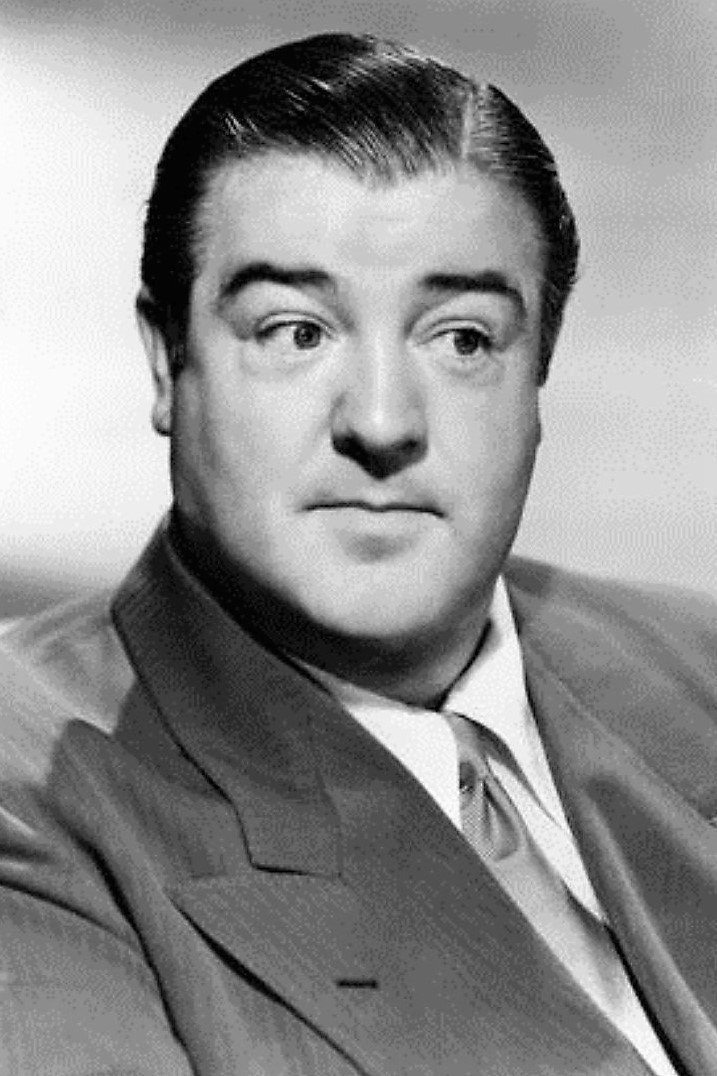
Lou Costello brought rapid reactions and physical bits to the Abbott and Costello films, including ‘Buck Privates’, ‘Hold That Ghost’, and ‘Abbott and Costello Meet Frankenstein’. He also worked on radio and early television, which helped promote their features.
Costello died in 1959 at age 52 after a heart attack. Their routines, including the famous baseball bit from broadcast work, continue to be referenced in film and comedy history.
Bob Hope
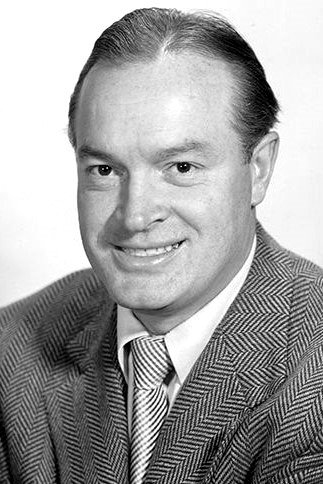
Bob Hope headlined many studio comedies and teamed with Bing Crosby for the popular ‘Road’ films like ‘Road to Morocco’. Other key titles include ‘The Paleface’ and ‘My Favorite Brunette’, and he toured extensively to entertain service members.
Hope received multiple honorary Academy honors across his career for service and achievement. He died in 2003 at age 100 from pneumonia, and his film and television archives are housed with institutional collections.
Jerry Lewis
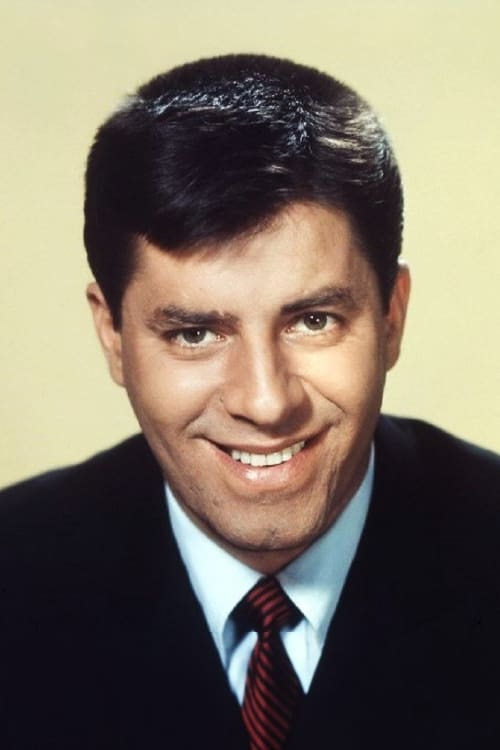
Jerry Lewis moved from a successful partnership with Dean Martin to solo stardom as a director and performer in films like ‘The Bellboy’, ‘The Nutty Professor’, and ‘The Ladies Man’. He also hosted the Muscular Dystrophy Association telethon for many years, raising significant funds for research and support.
Lewis died in 2017 at age 91 in Las Vegas from heart disease. His films have been restored and reissued in box sets that document his methods in both performance and direction.
Peter Sellers
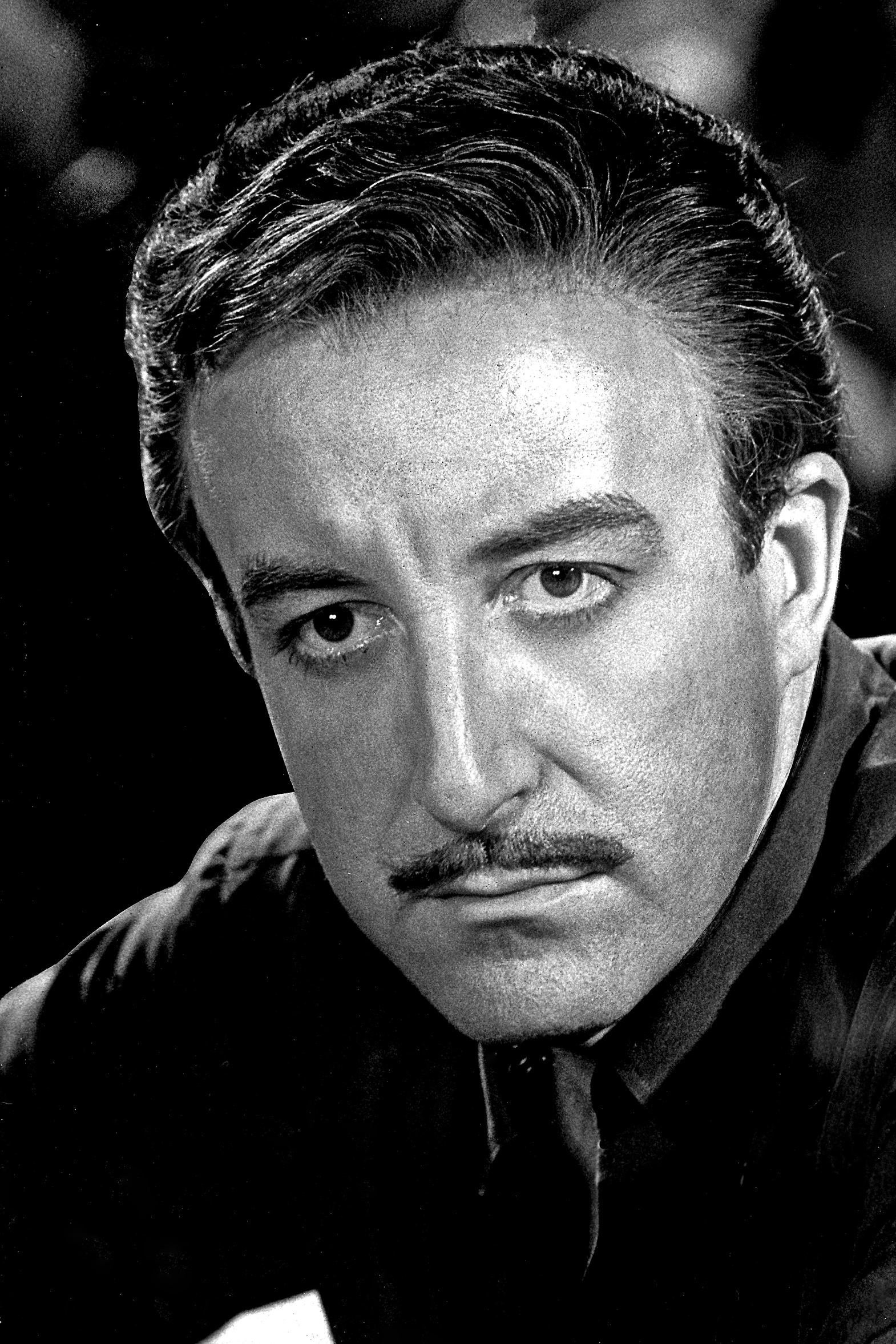
Peter Sellers created multiple signature characters across British and American cinema, including Inspector Clouseau in ‘The Pink Panther’ series. He also starred in ‘Dr. Strangelove’ and ‘Being There’, earning Academy Award nominations for acting.
Sellers died in 1980 at age 54 after a heart attack in London. His work remains central to discussions of character transformation and voice work in film comedy.
Gene Wilder
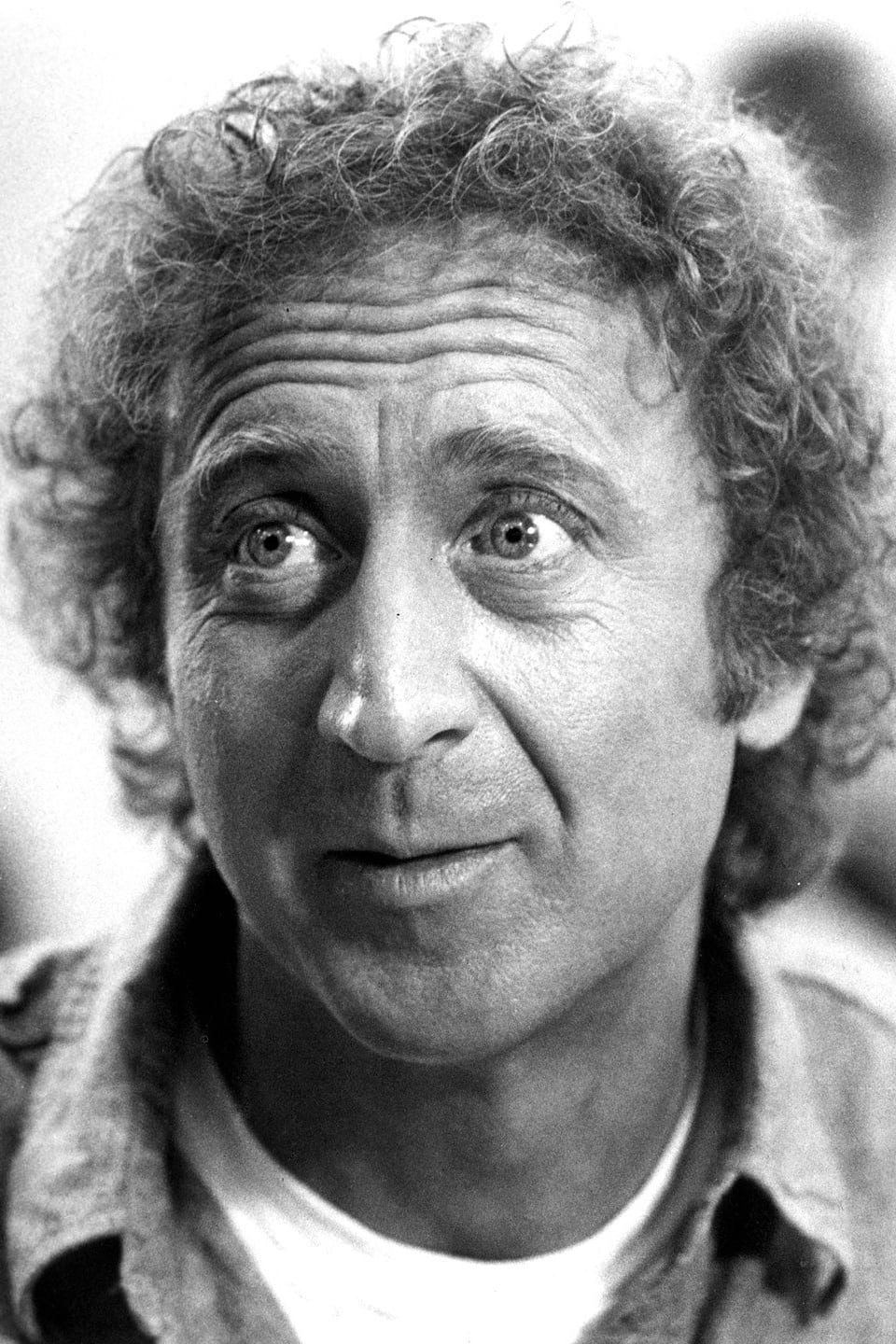
Gene Wilder combined gentle delivery with sharp timing in ‘Willy Wonka and the Chocolate Factory’, ‘Young Frankenstein’, and ‘Blazing Saddles’. He also collaborated with Richard Pryor in successful features such as ‘Stir Crazy’.
Wilder received Academy Award nominations for ‘The Producers’ and for co writing ‘Young Frankenstein’. He died in 2016 at age 83 from complications of Alzheimer’s disease, and his films remain core titles in studio libraries.
Robin Williams
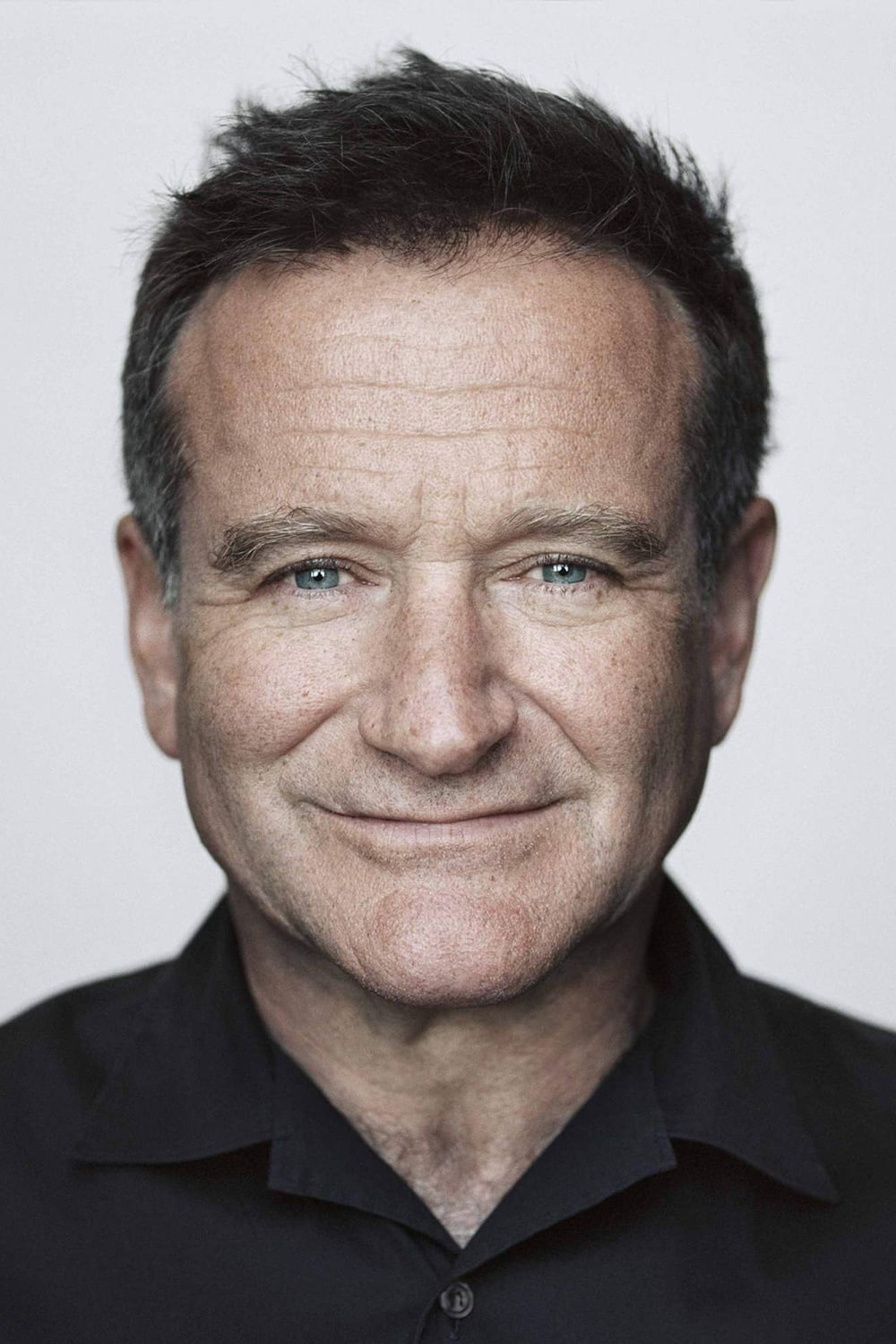
Robin Williams led major comedy hits including ‘Mrs Doubtfire’ and ‘Good Morning Vietnam’, and voiced the Genie in ‘Aladdin’. He also appeared in dramatic roles and won the Academy Award for Best Supporting Actor for ‘Good Will Hunting’.
Williams died in 2014 at age 63. His family later shared that he had Lewy body disease, and his film catalog remains widely available through studios and streamers.
John Candy
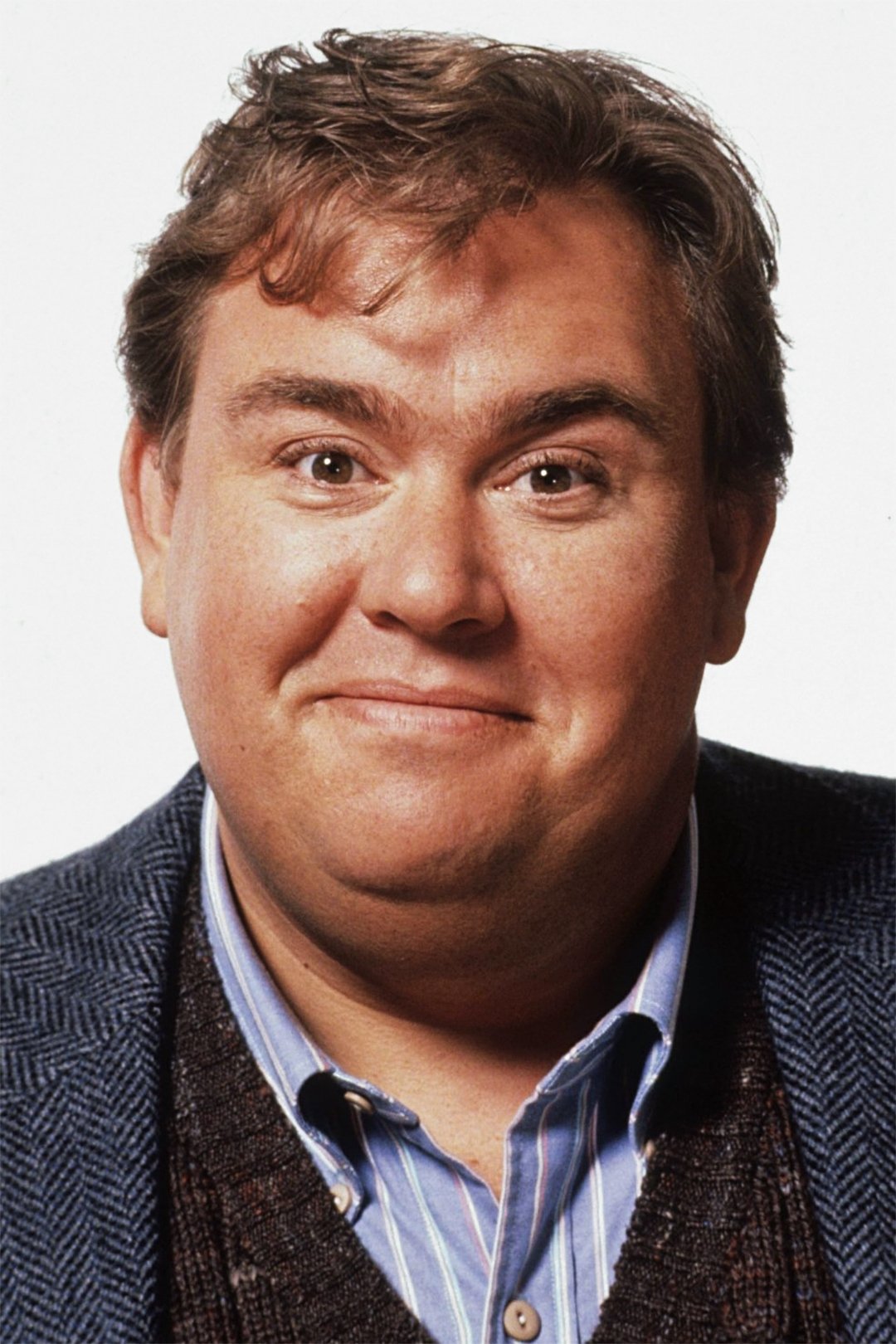
John Candy anchored character driven comedies such as ‘Planes, Trains and Automobiles’, ‘Uncle Buck’, and ‘Spaceballs’. He mixed leading roles with memorable support turns in films like ‘Splash’ and ‘Cool Runnings’.
Candy died in 1994 at age 43 after a heart attack while on location in Mexico during production of ‘Wagons East’. His completed films continued to be released and have maintained strong television and streaming presence.
Chris Farley
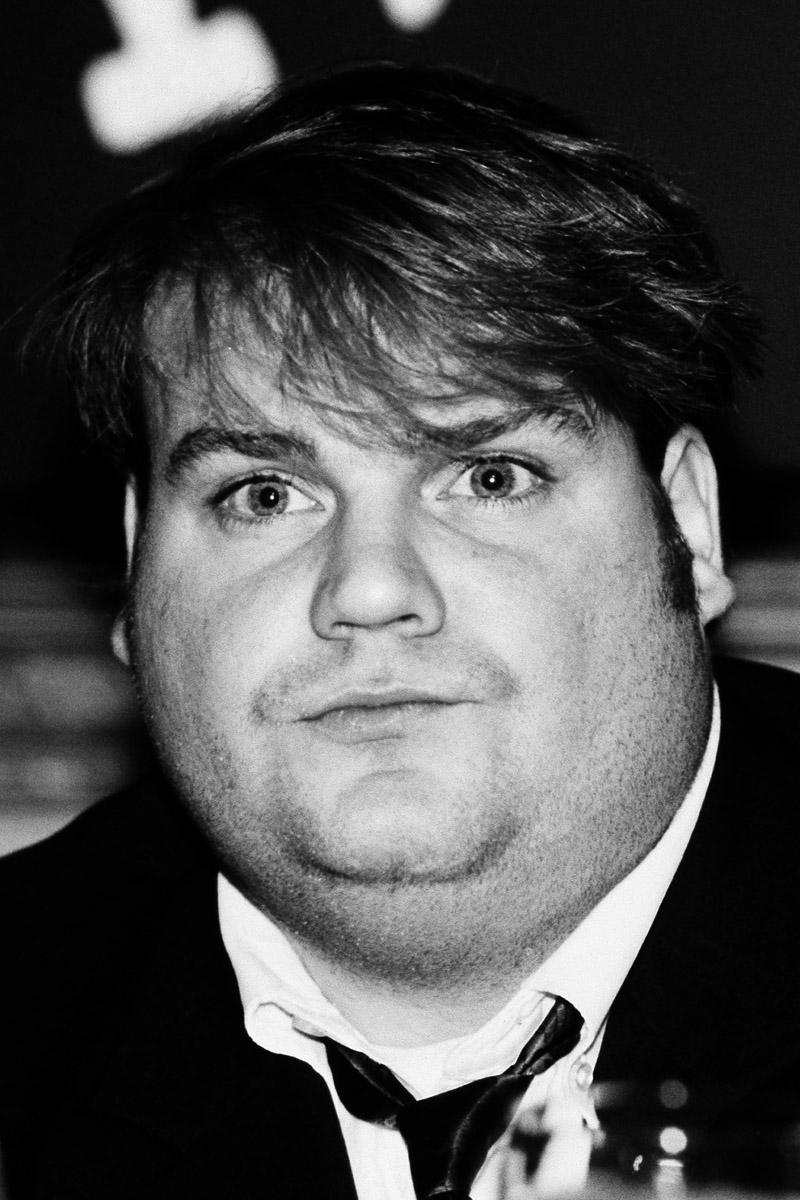
Chris Farley moved from ‘Saturday Night Live’ to features like ‘Tommy Boy’, ‘Black Sheep’, and ‘Beverly Hills Ninja’. His film work expanded sketches into full stories built around physical comedy and buddy dynamics.
Farley died in 1997 at age 33 from drug related causes. Several projects were completed or released around that time, and his films remain part of nineties comedy retrospectives.
Leslie Nielsen
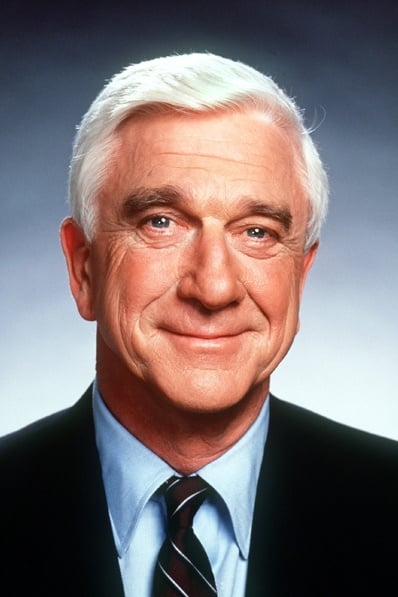
Leslie Nielsen shifted from dramatic roles to parody with ‘Airplane’ and then headlined ‘The Naked Gun’ series. He built a second career phase using a straight faced approach to absurd situations across multiple features.
Nielsen died in 2010 at age 84 from pneumonia in Florida. His parody films still circulate widely and are often discussed in studies of genre spoof techniques.
John Belushi
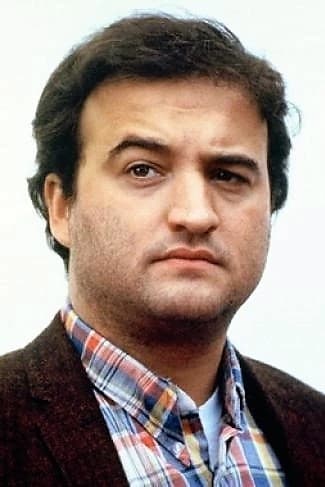
John Belushi starred in ‘Animal House’ and ‘The Blues Brothers’ after gaining national attention on ‘Saturday Night Live’. His film career showed strong box office potential and built a lasting musical brand with his co star Dan Aykroyd.
Belushi died in 1982 at age 33 from drug related causes in Los Angeles. The ‘Blues Brothers’ music and film projects have continued through touring and reissues managed by collaborators and rights holders.
Madeline Kahn
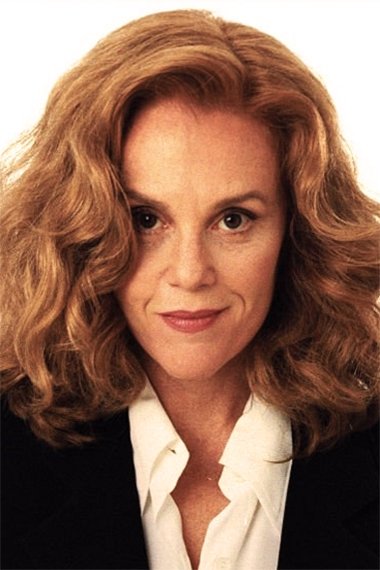
Madeline Kahn gave standout performances in ‘Paper Moon’, ‘Blazing Saddles’, ‘Young Frankenstein’, and ‘Clue’. She earned two Academy Award nominations for acting and appeared in both period pieces and contemporary comedies.
Kahn died in 1999 at age 57 from ovarian cancer in New York. Her film and stage work is often featured in retrospectives on women in comedy and in profiles of collaborators.
Dudley Moore
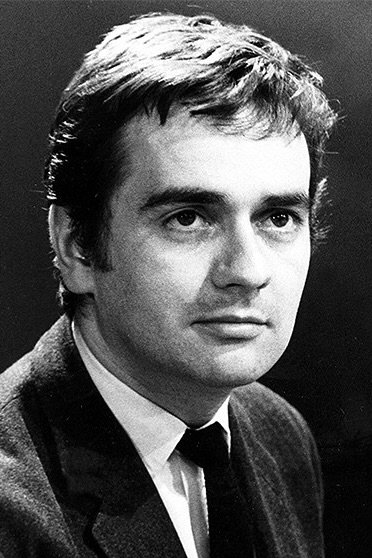
Dudley Moore moved from British satire to international stardom with ‘Bedazzled’, ’10’, and ‘Arthur’. He played piano professionally and used musical timing in many screen moments.
Moore received an Academy Award nomination for Best Actor for ‘Arthur’ and won major acting awards for the role. He died in 2002 at age 66 from complications of progressive supranuclear palsy.
Louis de Funès
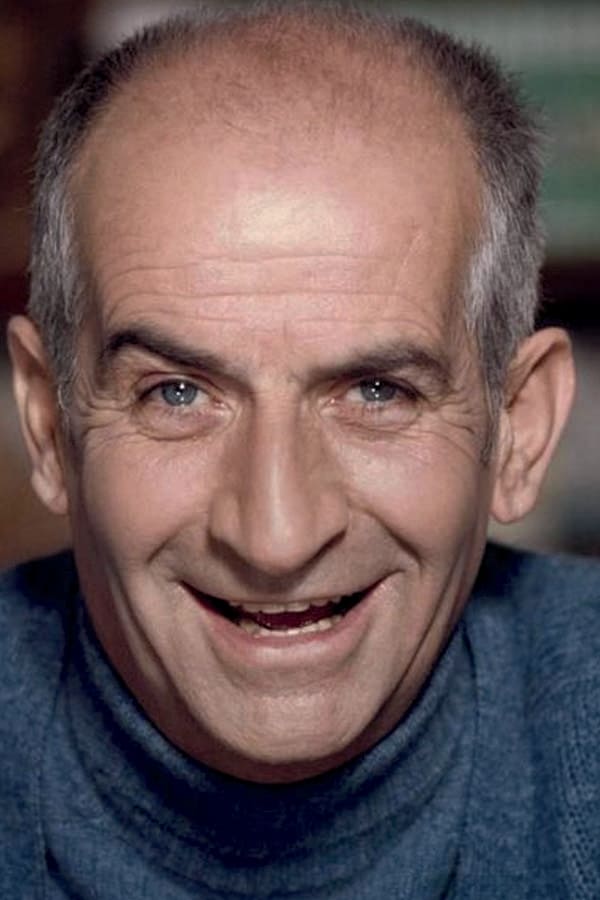
Louis de Funès became a top French box office star with comedies such as ‘La Grande Vadrouille’, ‘Le Corniaud’, and ‘La Folie des grandeurs’. His rapid reactions and expressive face carried farce and chase scenes across Europe.
He died in 1983 at age 68 after a heart attack in France. His films are regularly reissued in France and other countries, and his name appears on lists of the nation’s most popular actors by admissions.
Totò
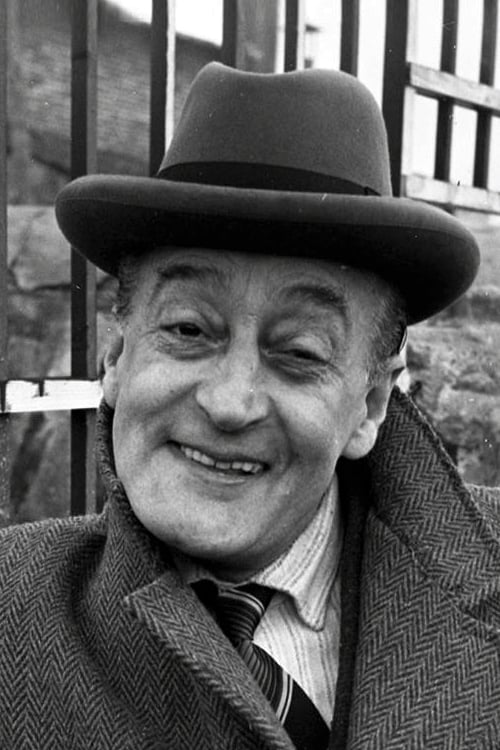
Totò, born Antonio de Curtis, appeared in more than ninety films and became a central figure in Italian screen comedy. Key titles include ‘Guardie e ladri’, ‘Totò, Peppino e la malafemmina’, and collaborations with leading directors and writers of his era.
He died in 1967 at age 68 after a heart attack in Rome. Italy marked his passing with widely attended services, and his films remain staples on Italian television and in retrospectives.
Walter Matthau
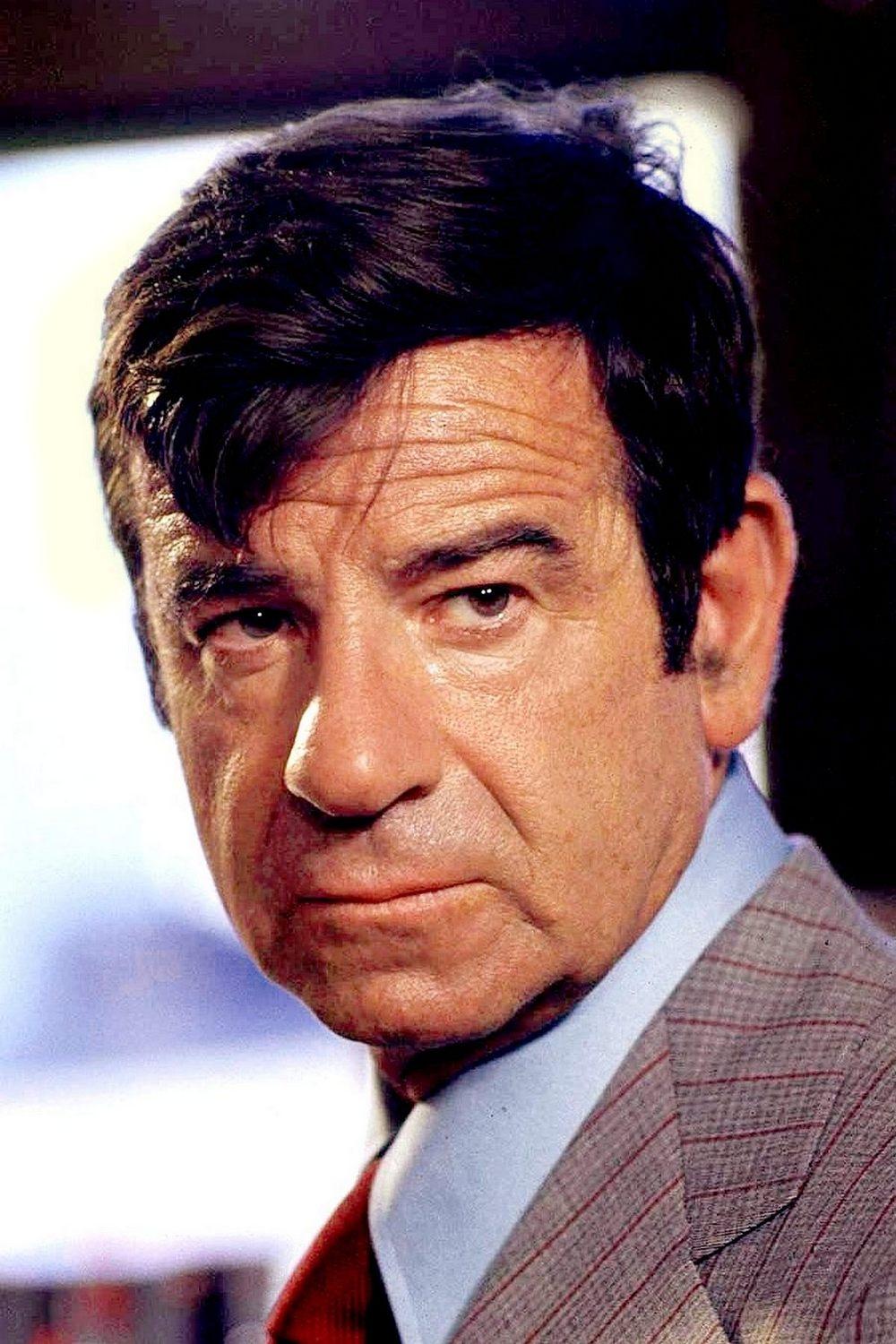
Walter Matthau brought sharp timing to features like ‘The Odd Couple’, ‘The Fortune Cookie’, and ‘Grumpy Old Men’. He worked often with Jack Lemmon and built a film career that stretched from studio comedies to later ensemble hits.
Matthau won the Academy Award for Best Supporting Actor for ‘The Fortune Cookie’. He died in 2000 at age 79 from heart disease, and his films continue to play in repertory screenings and catalog releases.
Share the comedy film icons you would add to this list in the comments.