


Comedy Movies That Would Get Cancelled Immediately If Released Today

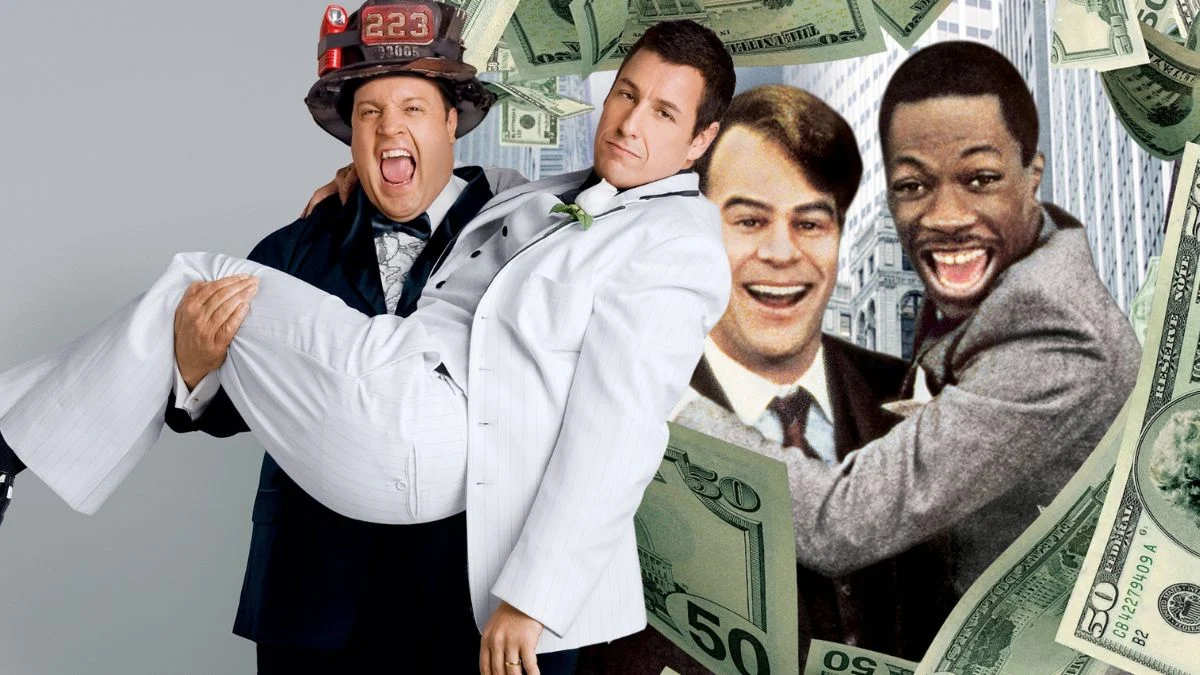


Comedy is a genre that constantly evolves alongside societal standards and cultural sensitivities. Many films that were celebrated as box office hits in previous decades contain premises or jokes that would be considered highly offensive by modern audiences. Scripts featuring racial stereotypes, non-consensual romantic encounters, or mockery of marginalized groups would likely be rejected by major studios today. These movies serve as a time capsule showing how much public perception regarding humor and appropriateness has shifted over the years.
‘Blazing Saddles’ (1974)
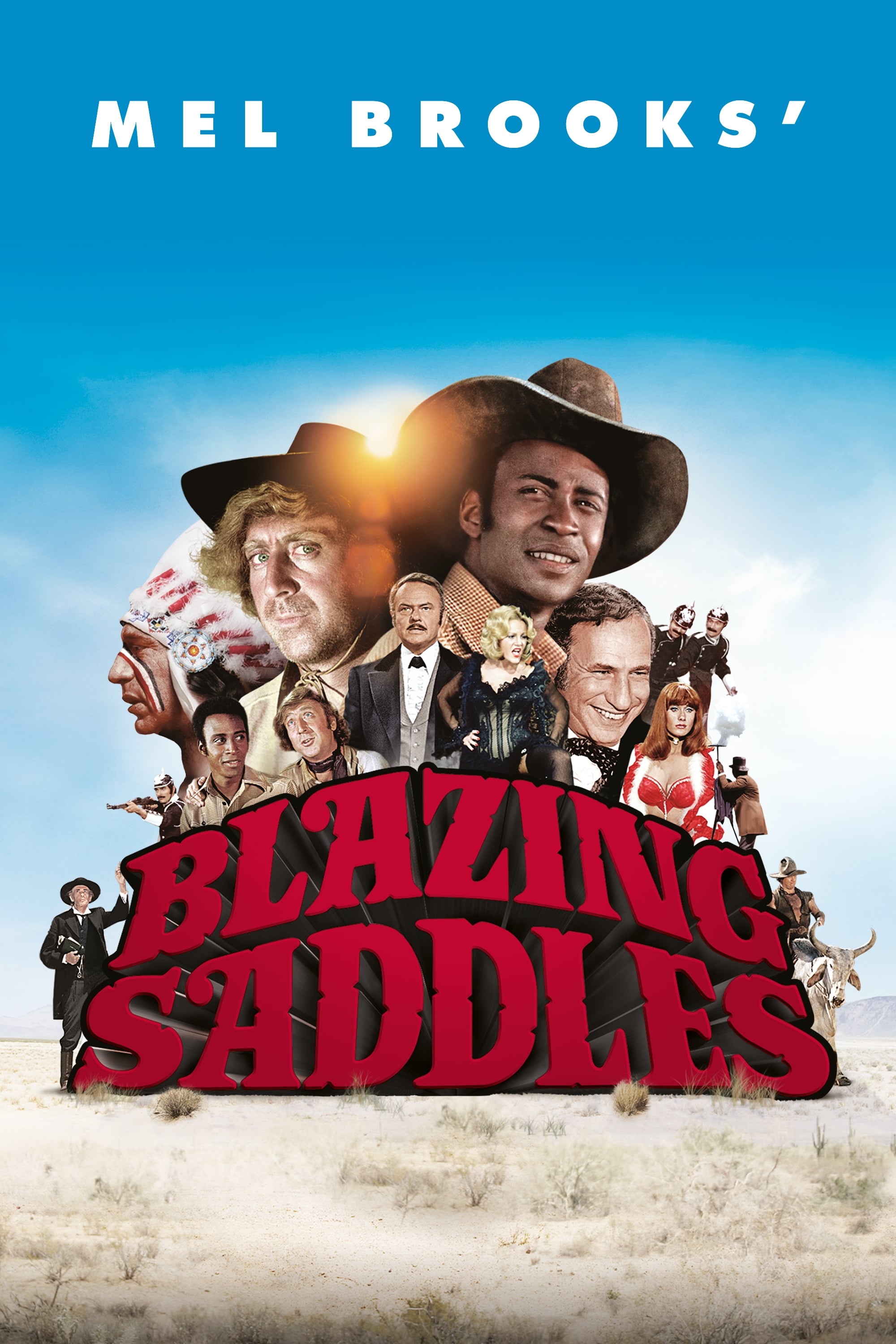
Mel Brooks directed this Western satire that aimed to ridicule racism by making the bigoted characters look foolish. The script contains frequent use of racial slurs and stereotypes that were intended to mock the ignorance of the townspeople. Modern audiences might find the aggressive language and depictions of racial conflict too jarring for a mainstream comedy. While the film is a critique of racism, the method of delivery would struggle to find a green light in the current climate.
‘Revenge of the Nerds’ (1984)
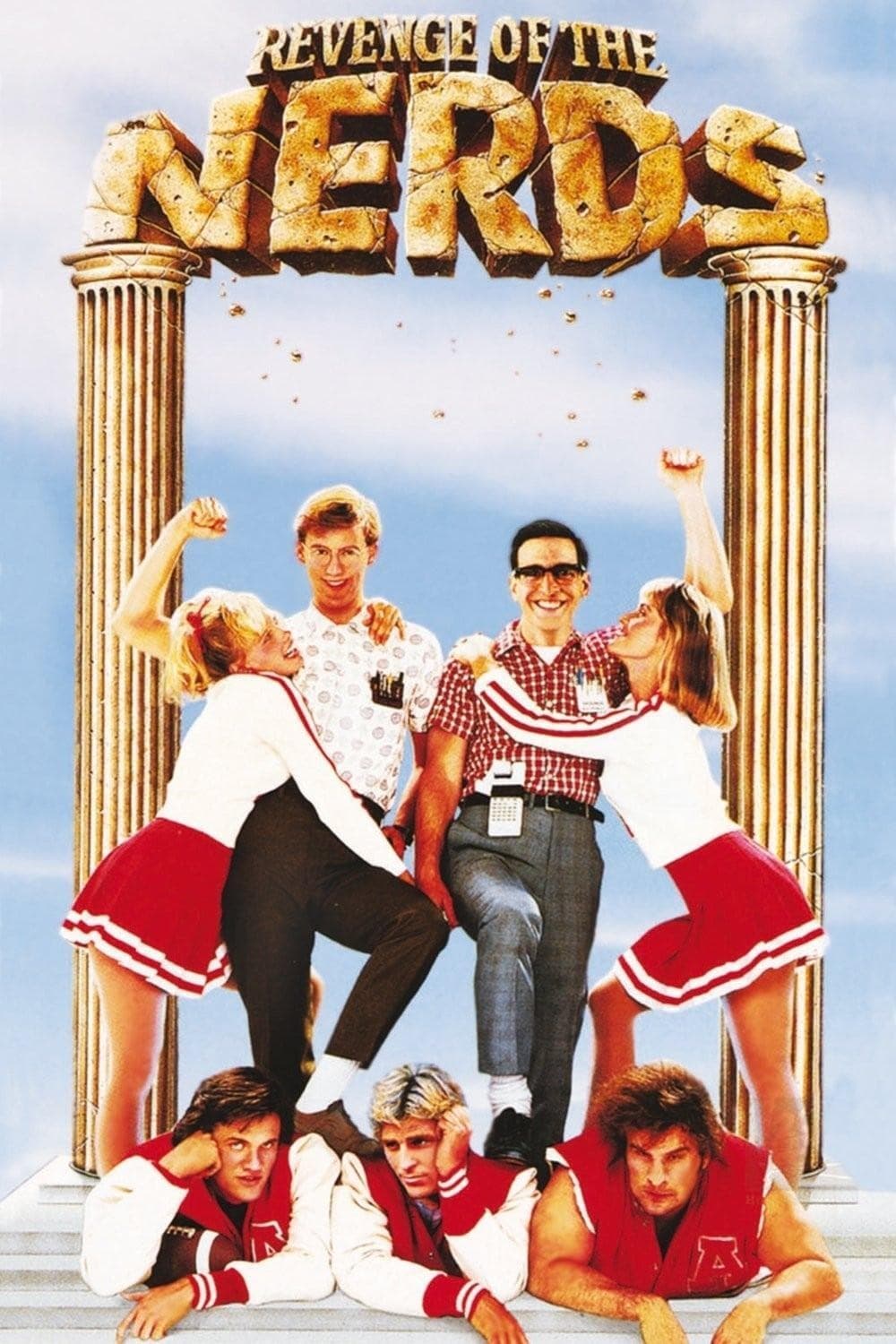
This college comedy centers on a group of outcasts fighting back against the popular jocks and sororities. The film has faced retrospective criticism primarily for a scene where a character disguises himself to have sex with a woman without her knowledge. Another subplot involves the installation of hidden cameras in a sorority house to spy on undressed women. These plot points portray sexual misconduct and voyeurism as heroic acts of rebellion rather than serious offenses.
‘Sixteen Candles’ (1984)
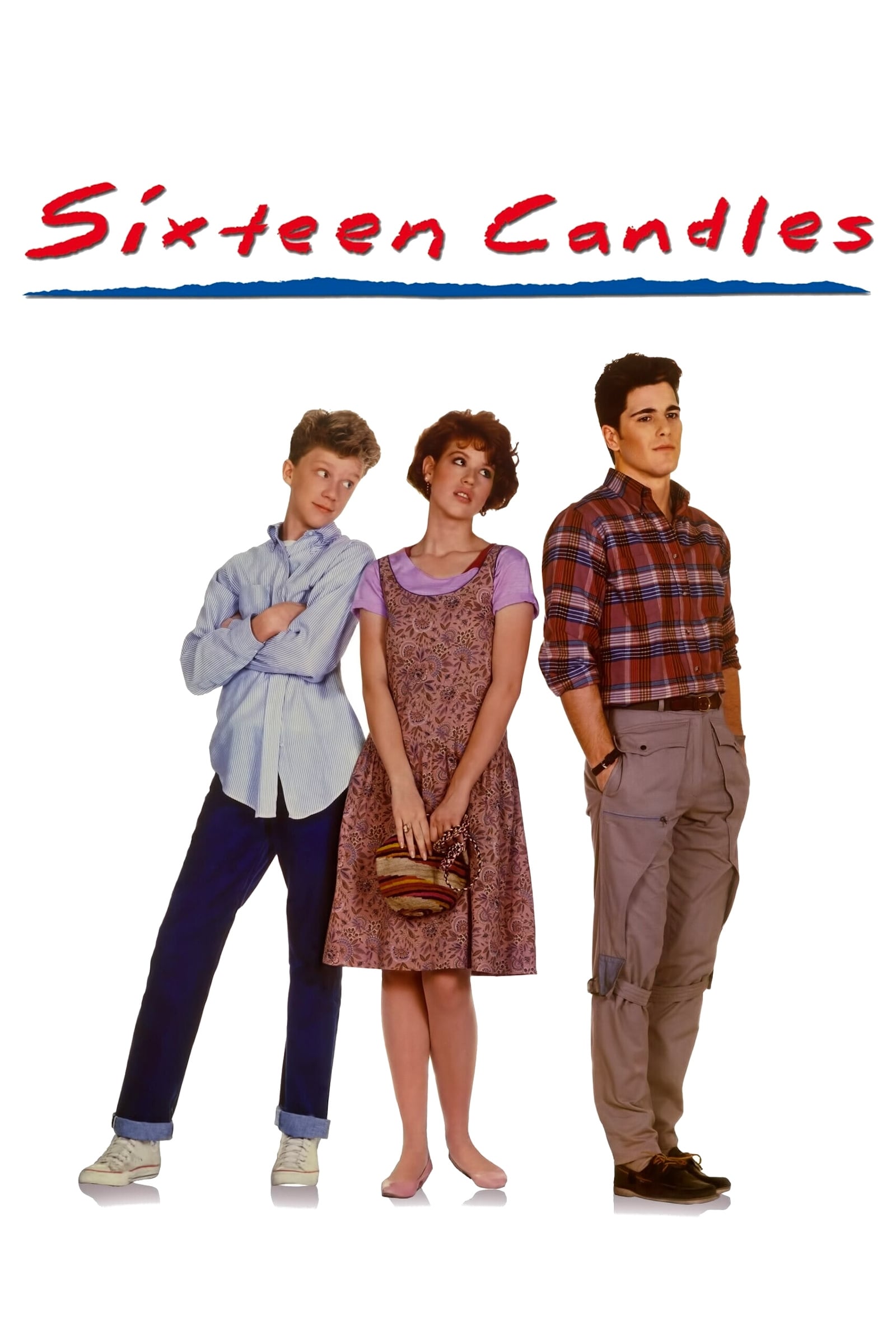
John Hughes created this coming-of-age classic about a teenager whose family forgets her sixteenth birthday. The film includes a character named Long Duk Dong who is presented as a collection of exaggerated Asian stereotypes. Another controversy stems from a subplot involving a character who is passed off to another boy while she is heavily intoxicated and unconscious. These elements overshadow the main romantic storyline when viewed through a modern lens regarding consent and representation.
‘Soul Man’ (1986)
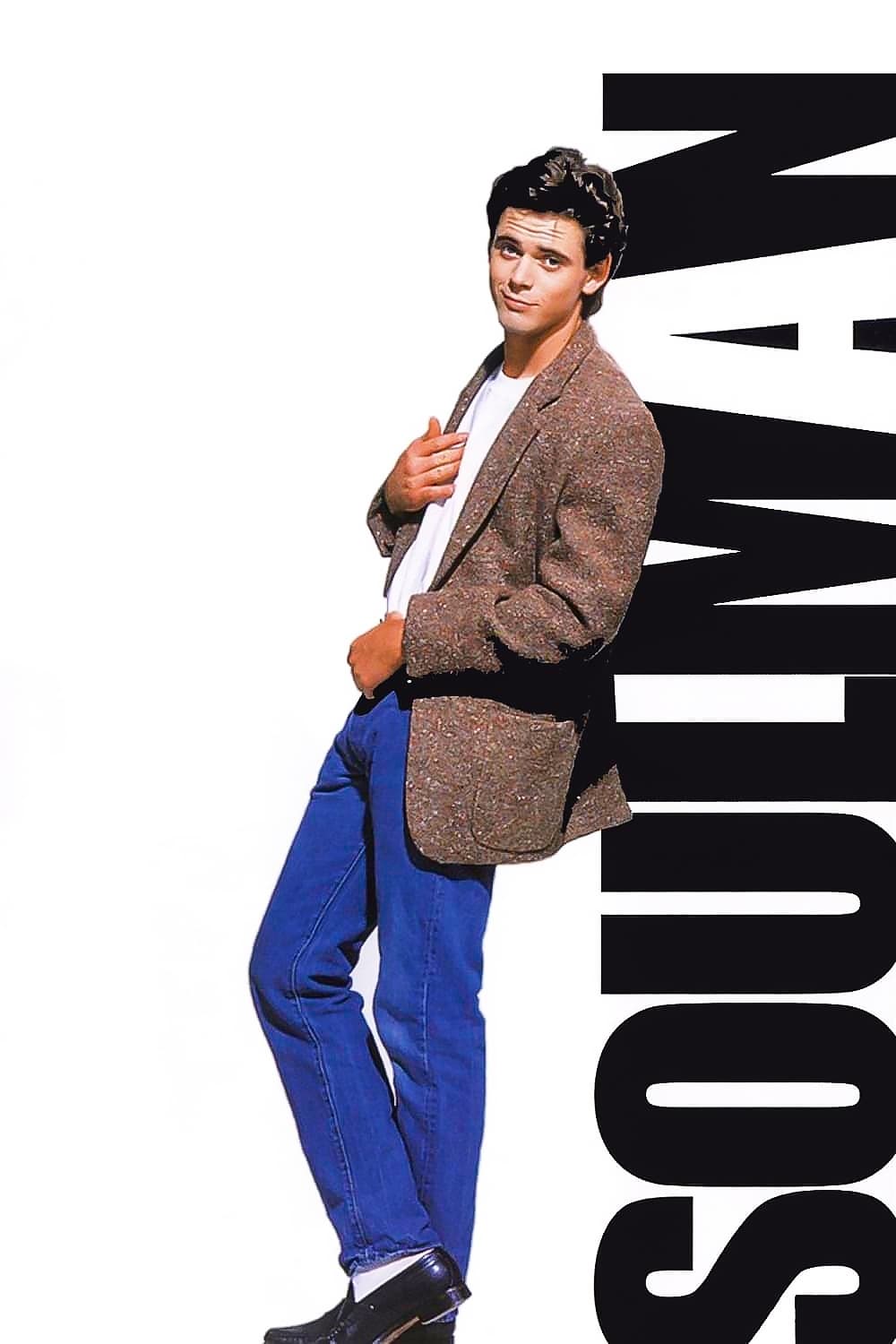
The entire premise of this comedy involves a white student taking extreme measures to qualify for a scholarship intended for African American students. The protagonist uses tanning pills to darken his skin and maintains this deception throughout the film to attend Harvard Law School. While the filmmakers intended to preach a message against racism, the use of blackface acts as the central comedic device. Such a portrayal is universally condemned today and would stop production immediately.
‘Ace Ventura: Pet Detective’ (1994)
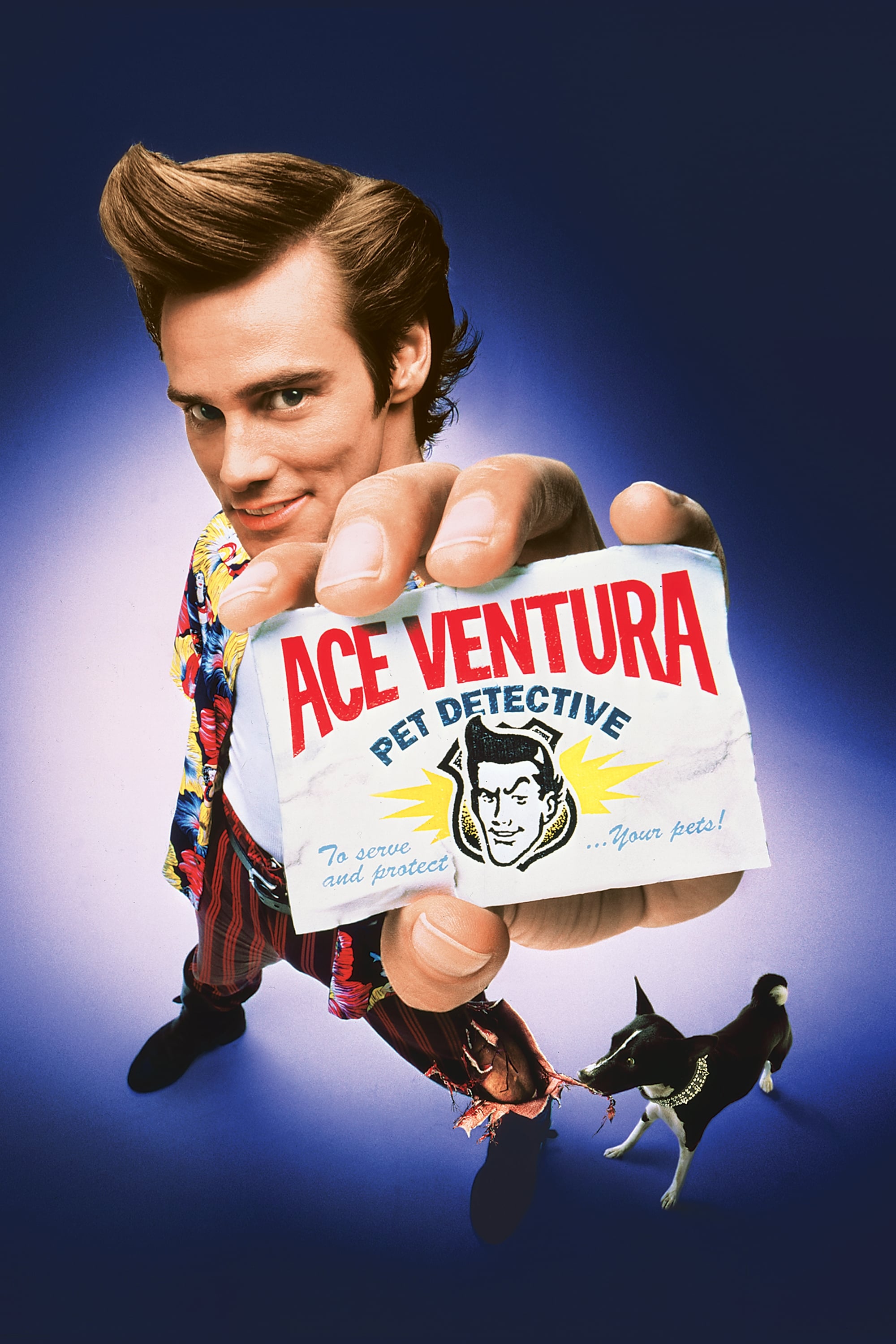
Jim Carrey stars as an eccentric animal detective investigating the disappearance of the Miami Dolphins’ mascot. The climax of the film hinges on the reveal that a female character is transgender. The protagonist and other characters react to this discovery with extreme disgust and physical vomiting. This dehumanizing depiction of a transgender individual is viewed as harmful and transphobic by contemporary standards.
‘Tropic Thunder’ (2008)
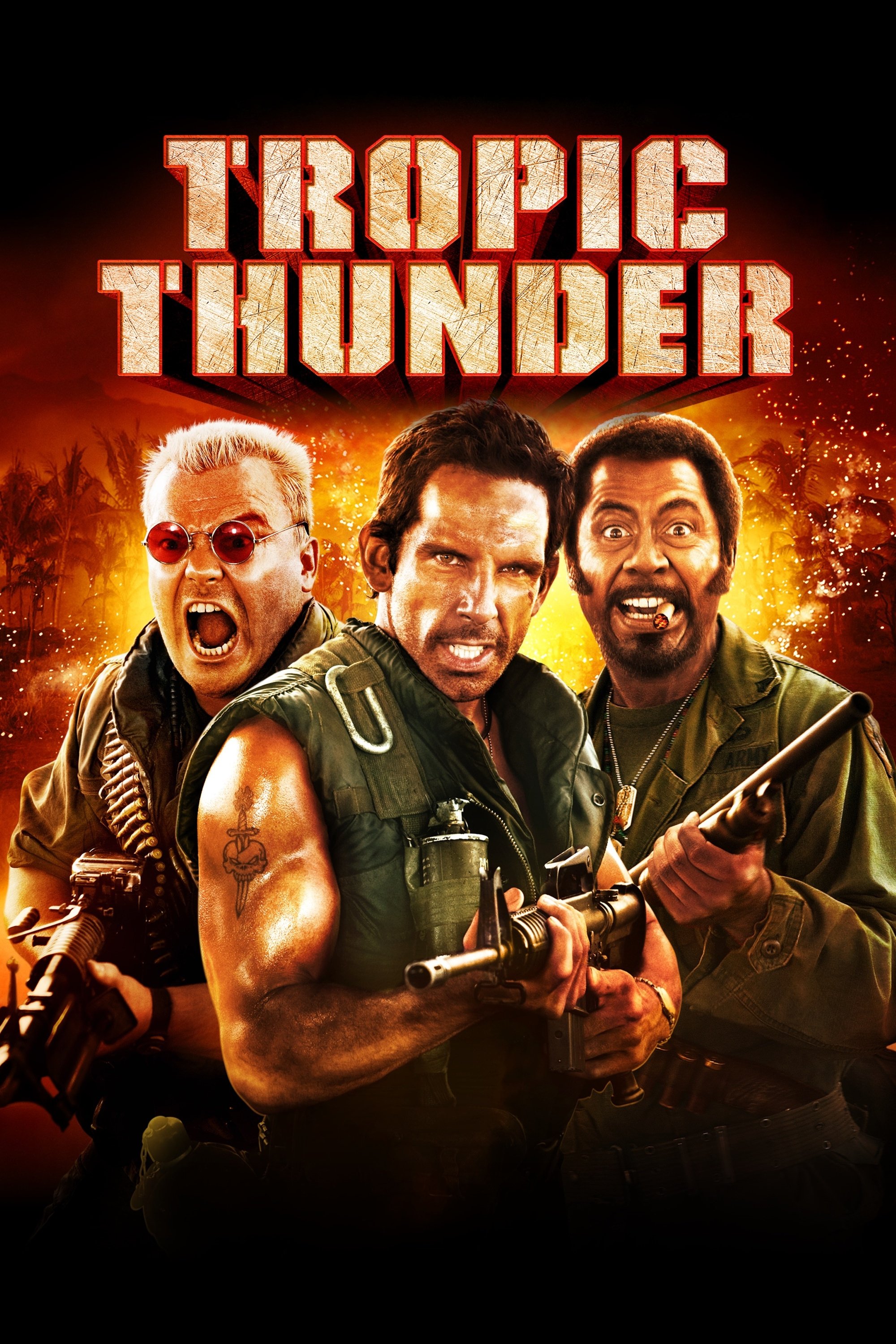
This film satirizes the Hollywood industry and method acting with a plot about actors lost in a real war zone. Robert Downey Jr. plays a character who undergoes pigmentation surgery to play a Black soldier. While the performance is a meta-commentary on actor arrogance, the use of blackface remains a highly volatile subject. Another subplot involves a character named Simple Jack which drew criticism from disability advocacy groups for its use of slurs.
‘Breakfast at Tiffany’s’ (1961)

Although primarily a romantic comedy-drama, this film is infamous for Mickey Rooney’s performance as Mr. Yunioshi. The character is played by a white actor using prosthetic teeth and heavy makeup to enact a caricature of a Japanese landlord. This portrayal is cited as one of the most prominent examples of yellowface in American cinema history. The extreme stereotyping stands in stark contrast to the sophisticated tone of the rest of the film.
‘Animal House’ (1978)
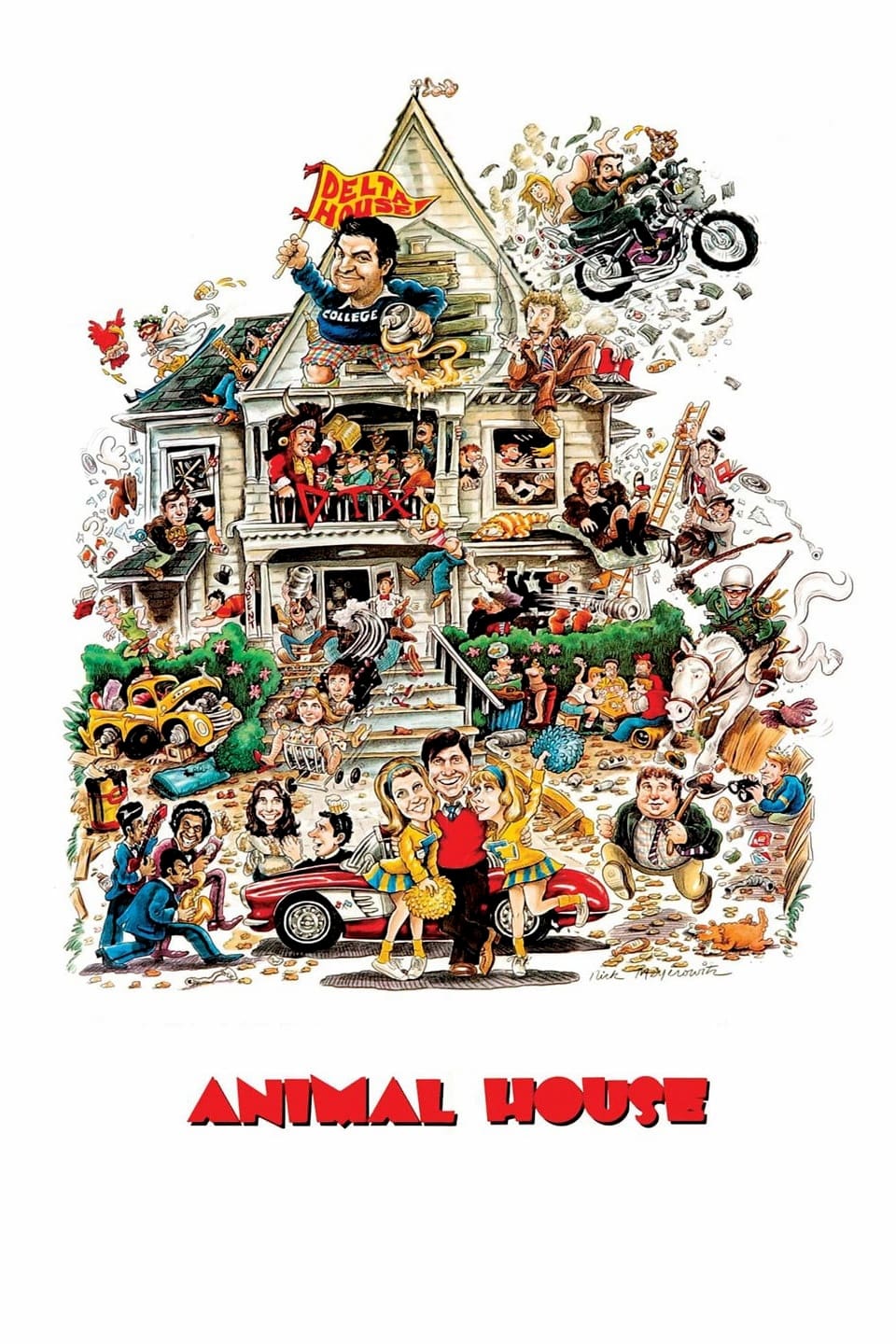
This college fraternity movie set the standard for the gross-out comedy genre for decades. The humor relies heavily on the objectification of women and disregard for authority. One specific scene involves a character debating whether to take advantage of an unconscious young woman he has just met. The film also features a sequence where fraternity brothers spy on undressed women through a window for entertainment.
‘Porky’s’ (1981)
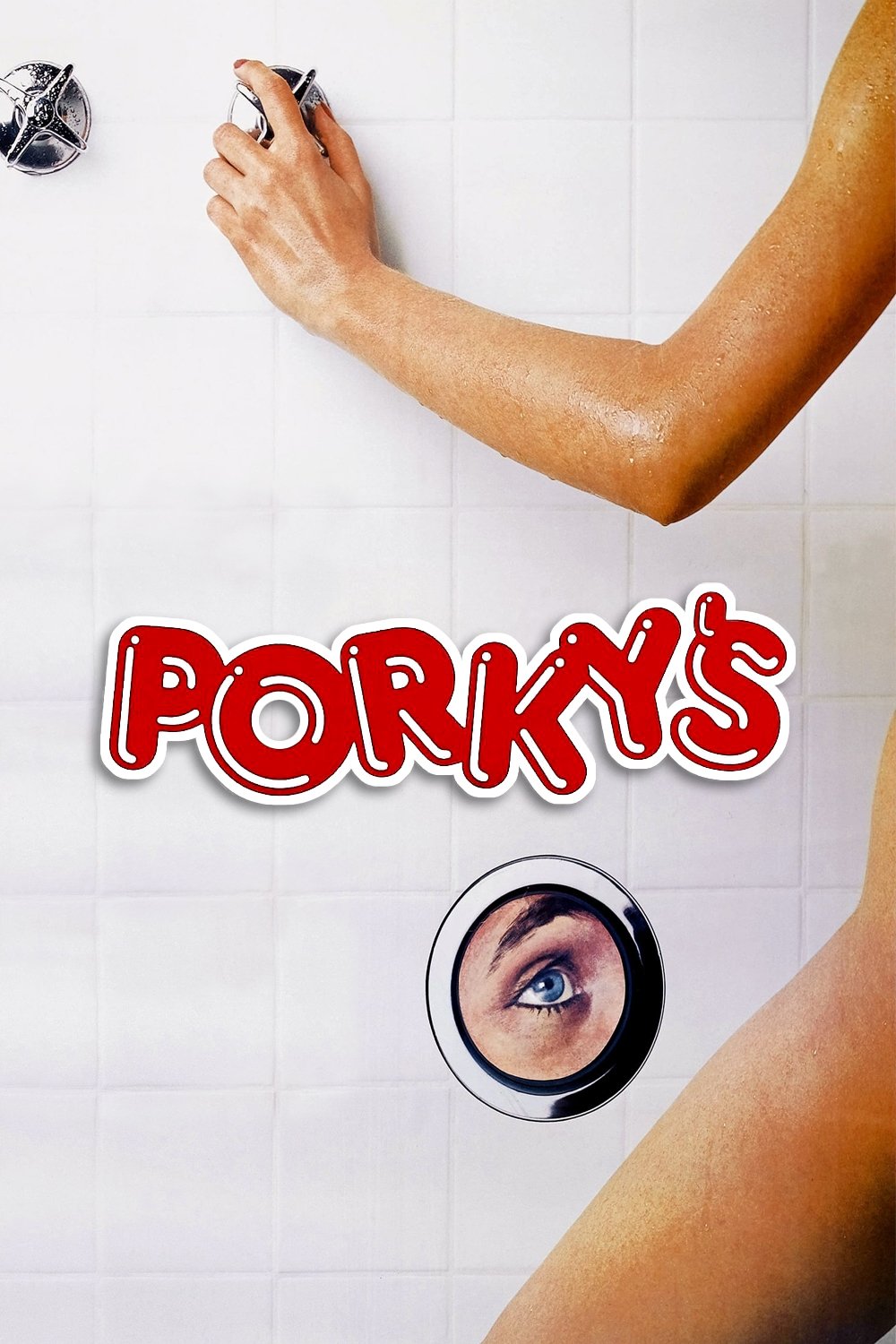
This teen sex comedy focuses on a group of high school students attempting to lose their virginity. The script is filled with aggressive bullying, homophobia, and voyeurism presented as harmless fun. A famous scene depicts the male characters spying on female students in a locker room shower. The relentless pursuit of sex without regard for the women involved would be flagged as predatory in a modern script.
‘The Toy’ (1982)
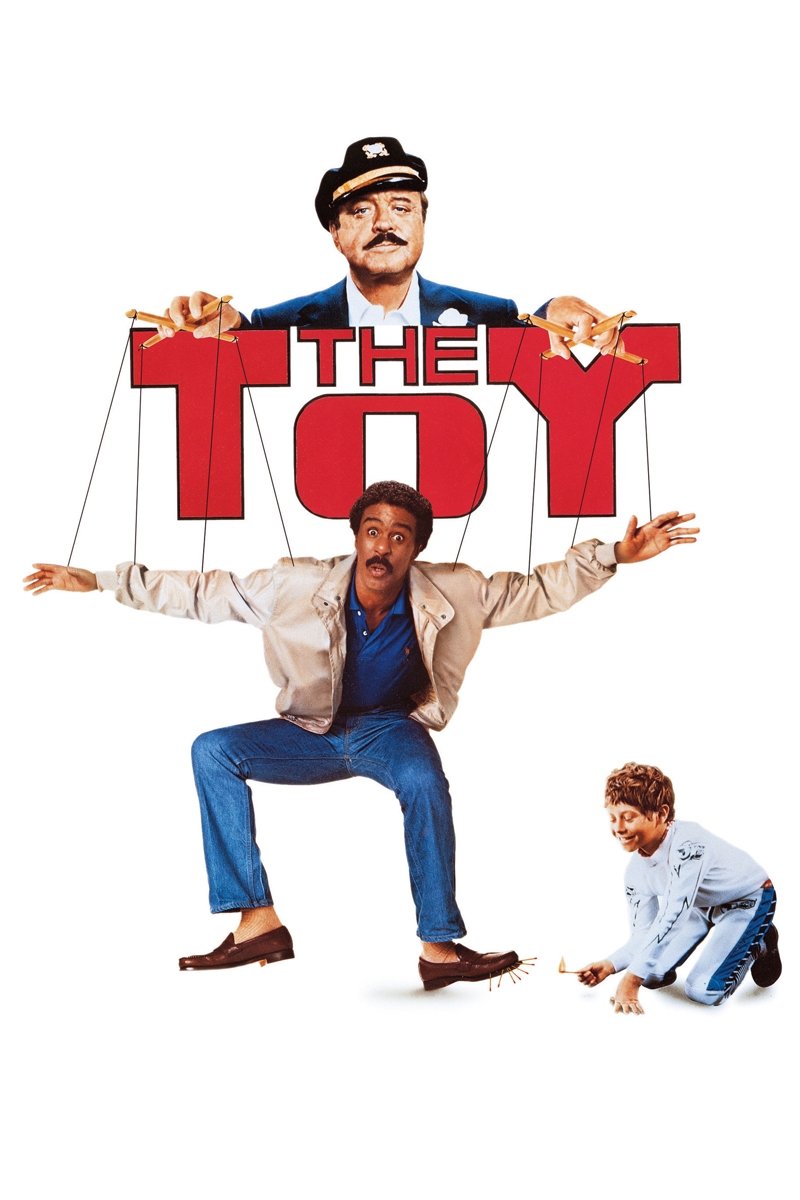
Richard Pryor stars in this comedy about an unemployed journalist who is hired to be the plaything for a wealthy man’s son. The narrative involves a Black man being essentially purchased and shipped in a crate to entertain a white child. The racial implications of buying a human being for amusement are impossible to ignore. Even with Pryor’s comedic talent, the underlying concept echoes themes of slavery that render the premise unacceptable.
‘Crocodile Dundee’ (1986)
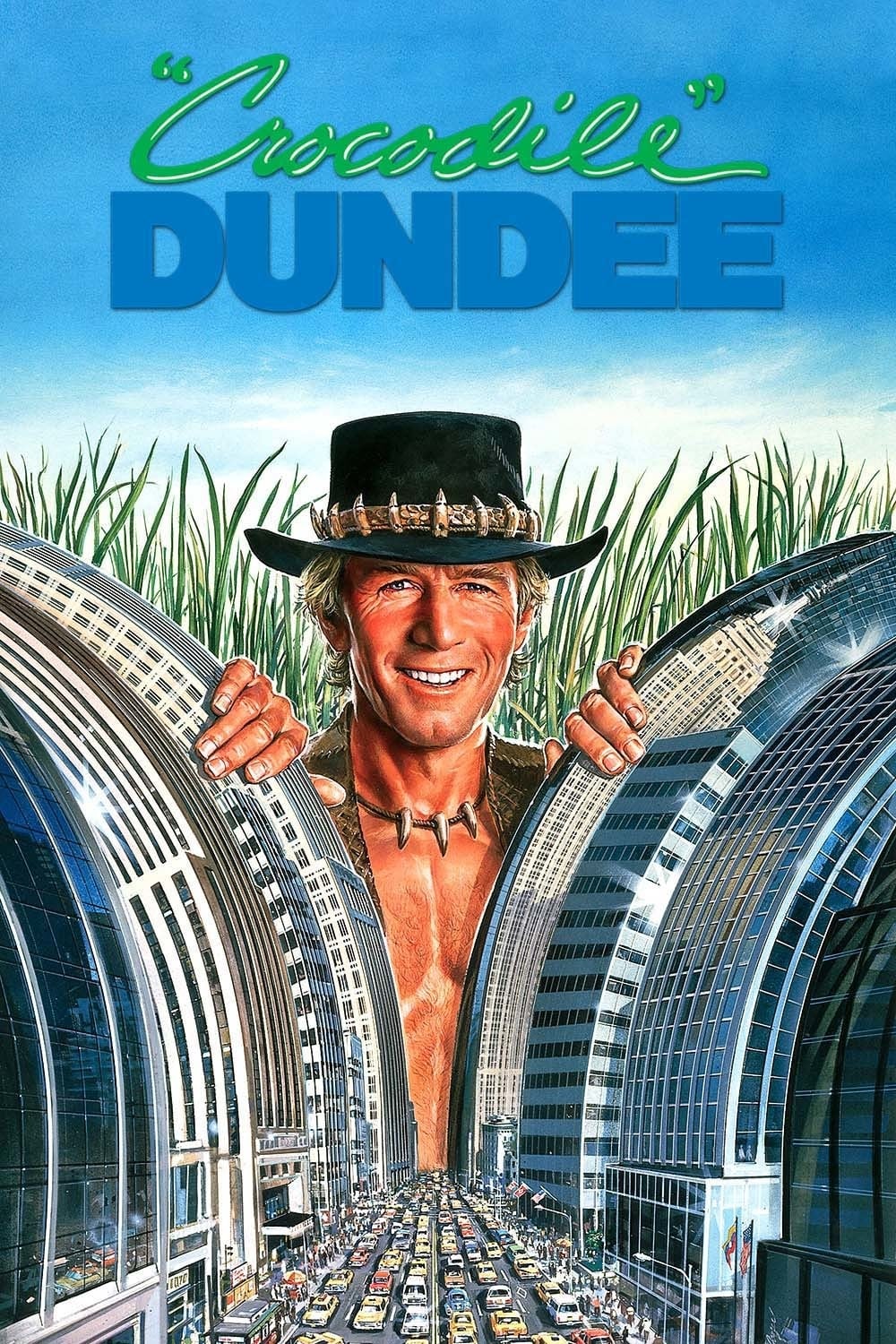
Paul Hogan plays a rugged Australian bushman navigating the complexities of New York City. A scene that generates controversy involves the protagonist grabbing a transgender woman in a crowded bar to verify her gender. He does this forcefully to prove a point to his friends while the crowd cheers. This physical assault played for laughs would be categorized as a hate crime in a modern narrative.
‘I Now Pronounce You Chuck & Larry’ (2007)
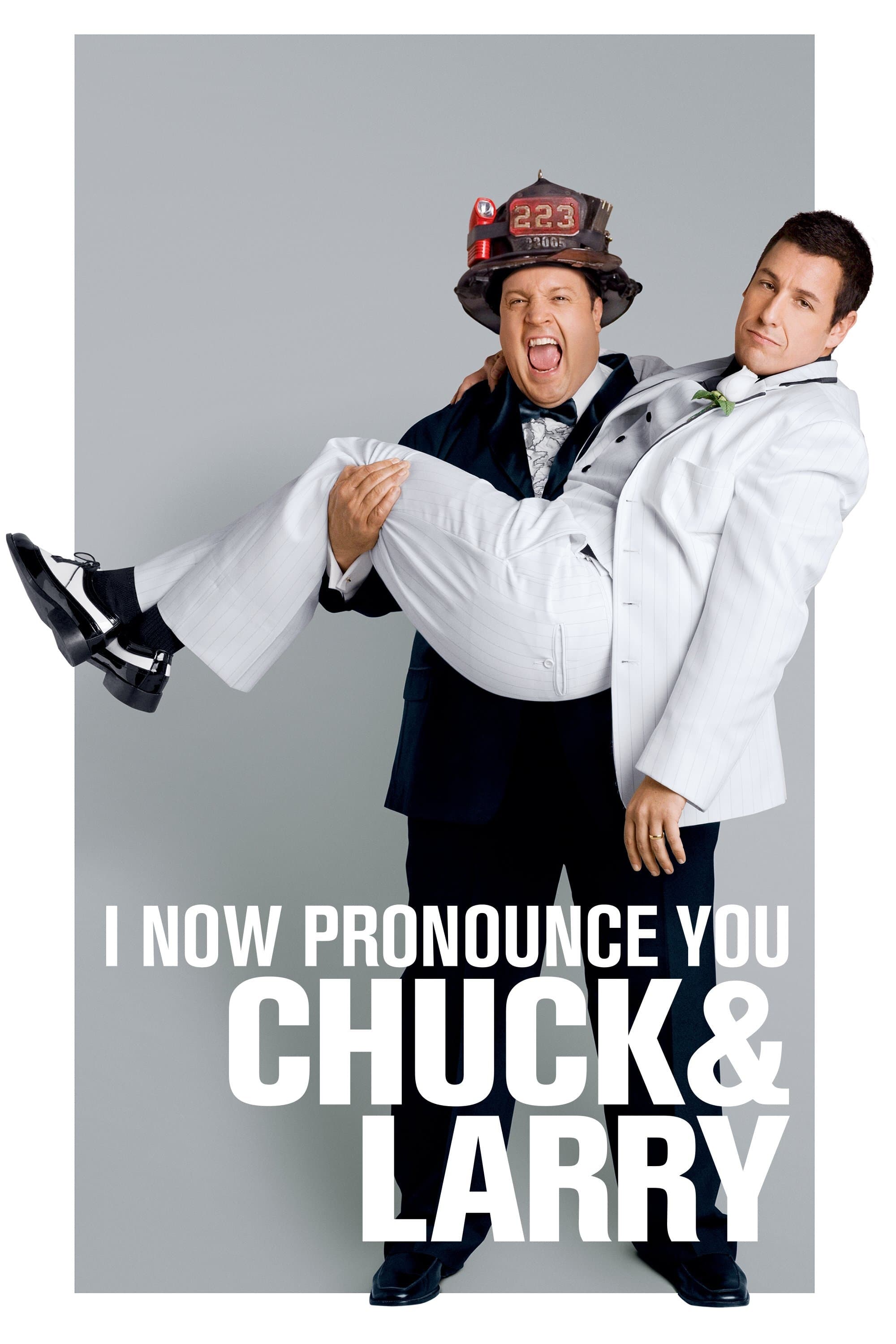
Adam Sandler and Kevin James play two firefighters who pretend to be a gay couple to secure pension benefits. The film relies heavily on stereotypes about gay men to generate humor while the leads constantly reassure the audience of their heterosexuality. Critics argue that the movie treats homosexuality as a punchline rather than a genuine identity. The fraudulent exploitation of domestic partnership laws also strikes a sour note today.
‘Me, Myself & Irene’ (2000)
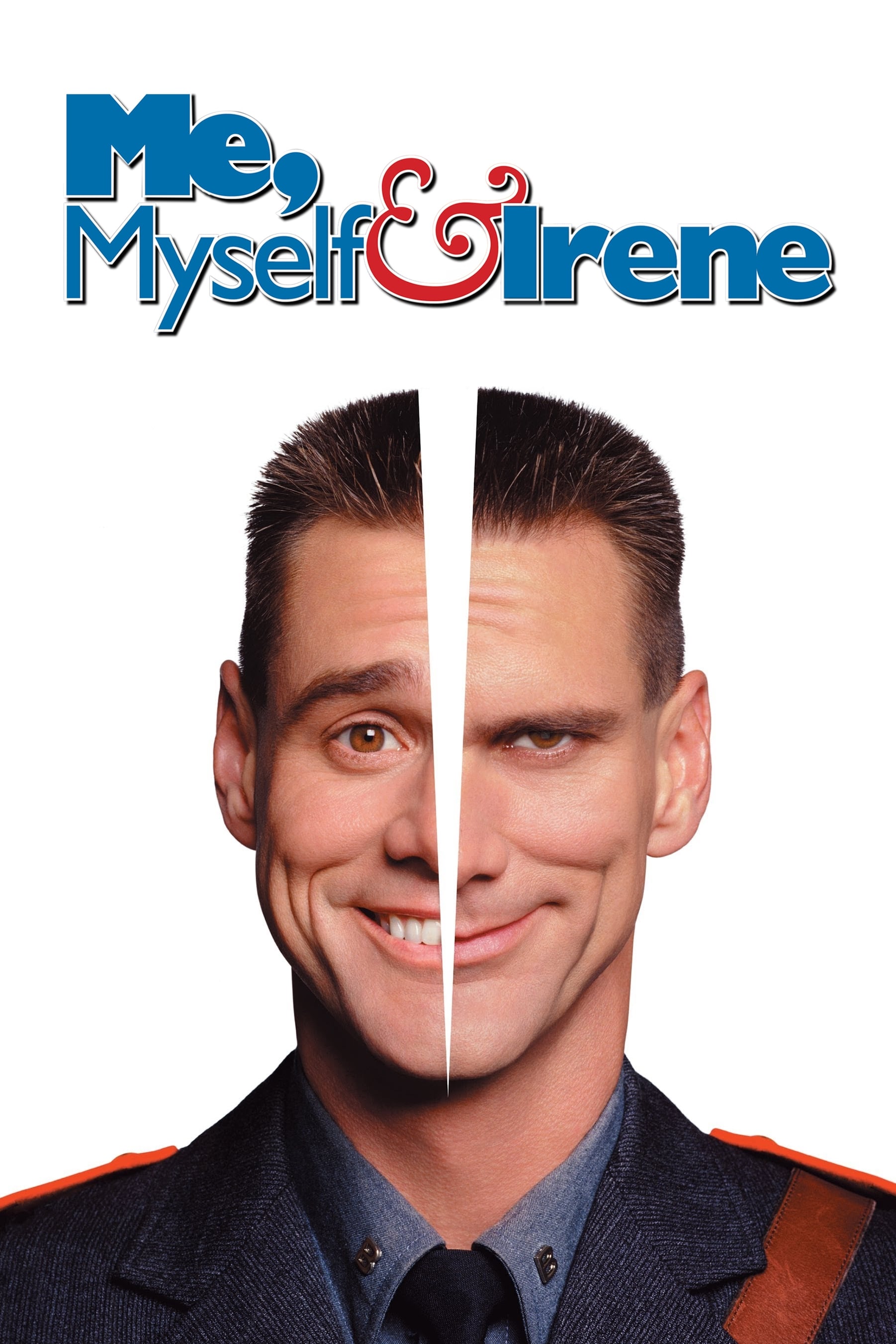
The Farrelly brothers directed this comedy about a state trooper with a split personality. The film draws humor from the violent and aggressive behavior of the protagonist’s alter ego. It also features three sons who are the product of an affair, utilizing their race and high intelligence for various stereotypical jokes. Mental health advocates have criticized the film for its inaccurate and mocking portrayal of Dissociative Identity Disorder.
‘Shallow Hal’ (2001)

Jack Black plays a superficial man who is hypnotized to see people’s inner beauty manifested physically. The movie constantly uses a fat suit on Gwyneth Paltrow to create visual gags about her character’s weight. While the intended message is about looking past appearances, the humor is derived almost entirely from fat-shaming. The reliance on physical size as a source of comedy is considered derogatory and outdated.
‘Overboard’ (1987)
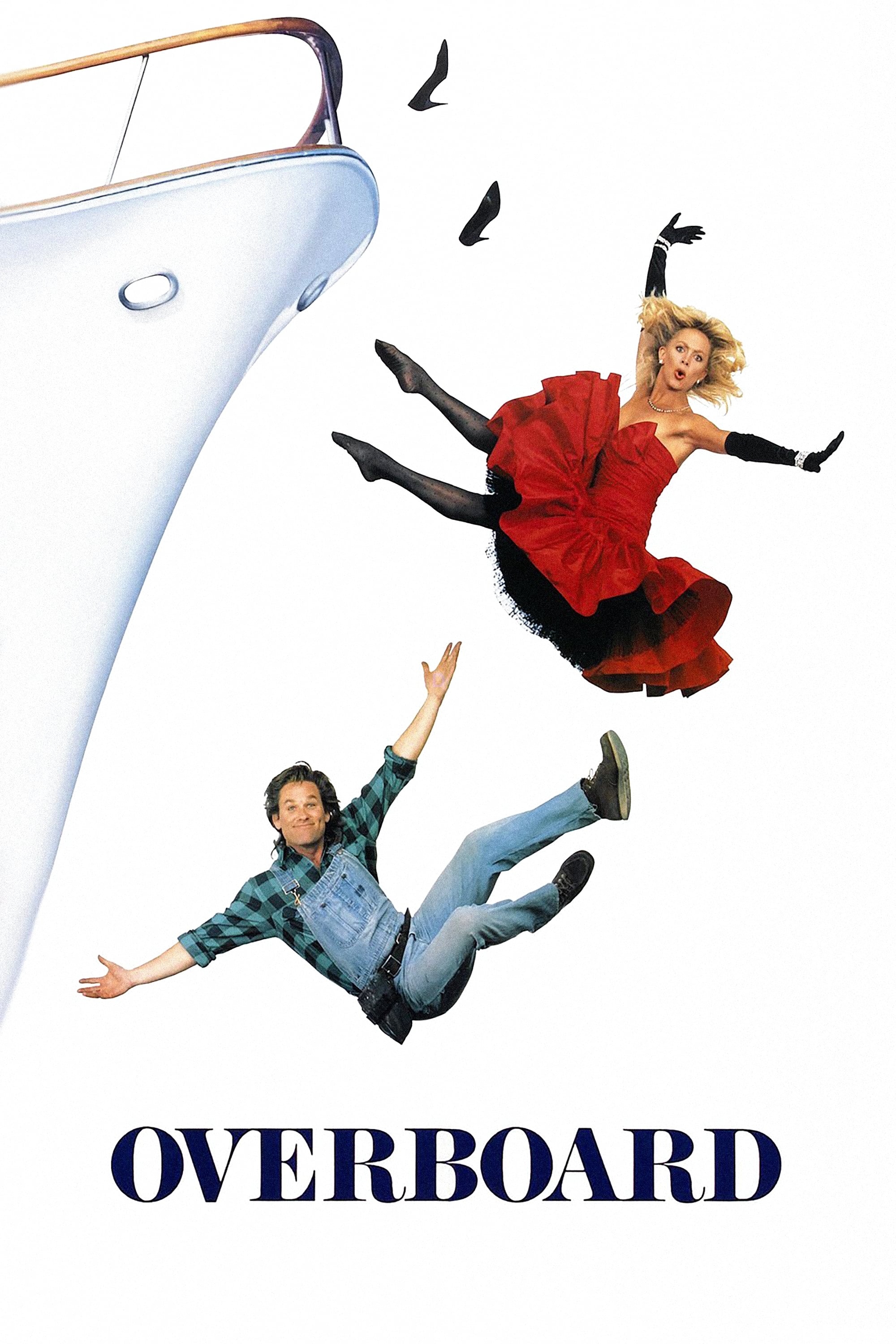
Goldie Hawn plays a wealthy heiress who develops amnesia after falling off her yacht. A carpenter played by Kurt Russell claims she is his wife and takes her home to clean his house and raise his children. The plot essentially involves kidnapping and gaslighting a vulnerable woman into servitude. Romanticizing this level of manipulation and deceit would be rejected by modern audiences.
‘Weird Science’ (1985)
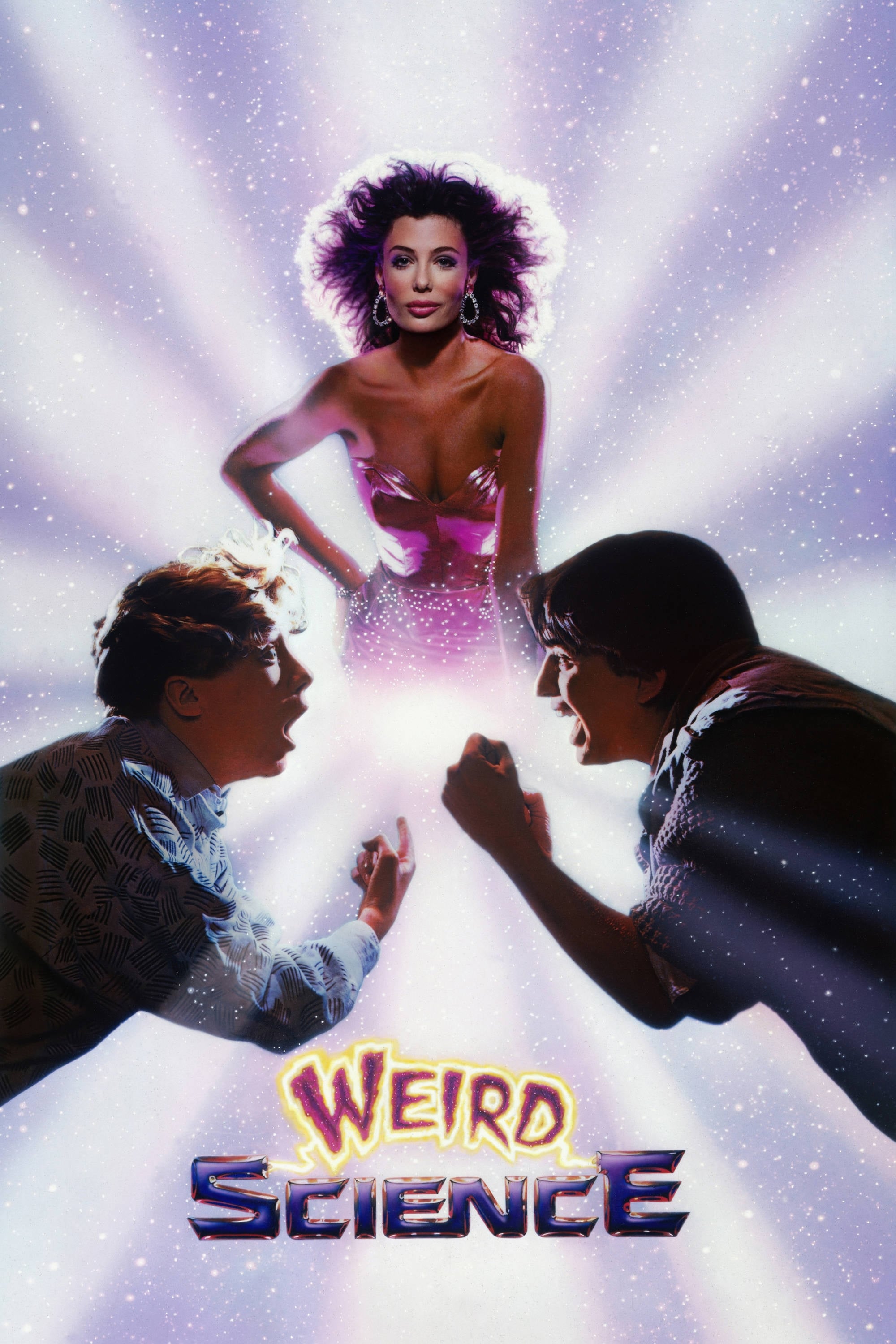
Two teenage boys use a computer to create their ideal woman who possesses magical powers. The woman is designed solely to serve the fantasies and boost the social status of the young protagonists. This premise treats women as programmable objects rather than autonomous human beings. The objectification inherent in the plot reflects a specific era of teen comedy that has since passed.
‘Police Academy’ (1984)
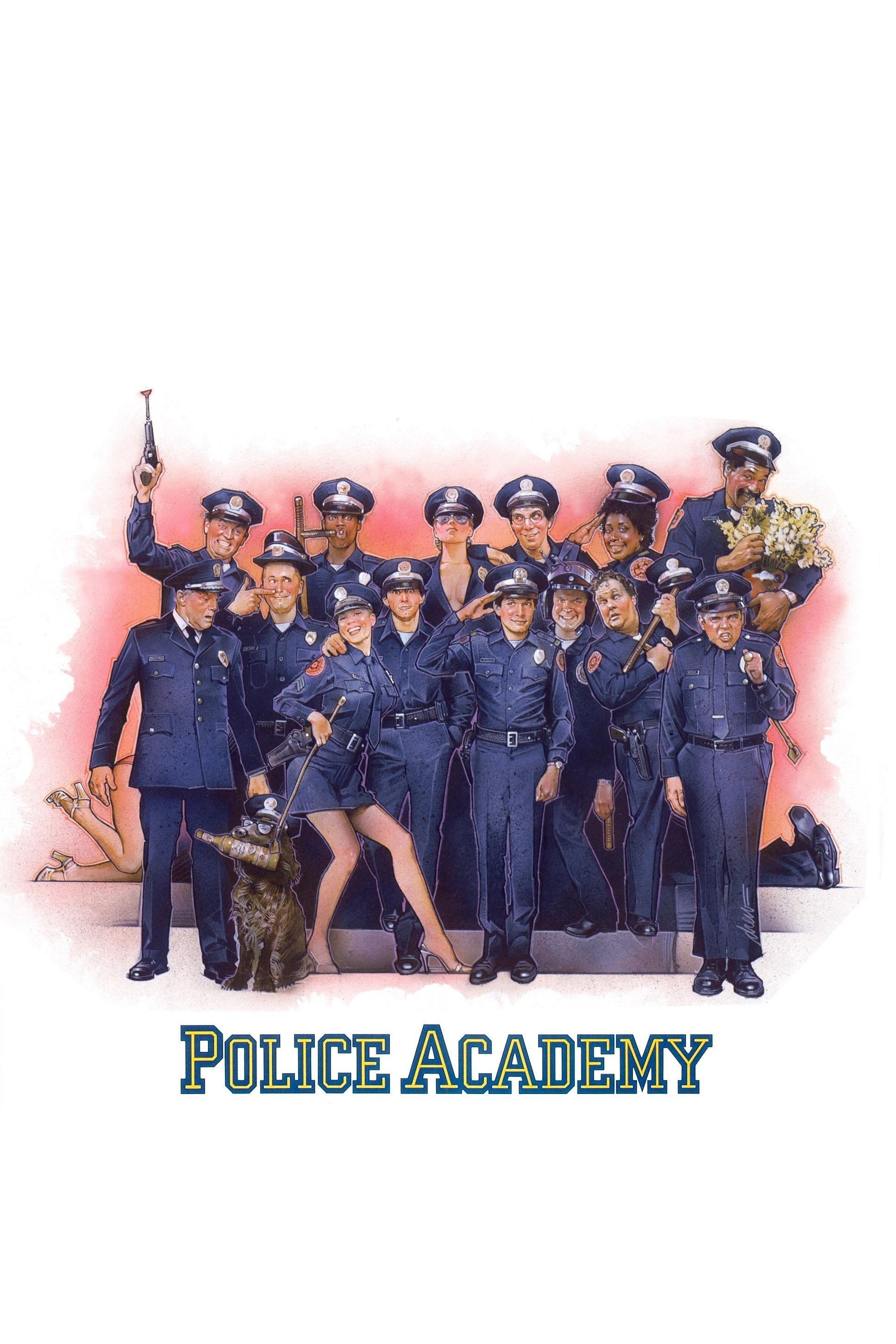
This ensemble comedy follows a group of misfit recruits joining the police force. The film utilizes a recurring joke involving a leather bar called The Blue Oyster where characters are sent as a punishment. These scenes rely on panic regarding gay culture to induce laughter. Additionally, the film treats police misconduct and incompetence with a lightheartedness that contradicts current conversations about law enforcement.
‘The Ringer’ (2005)
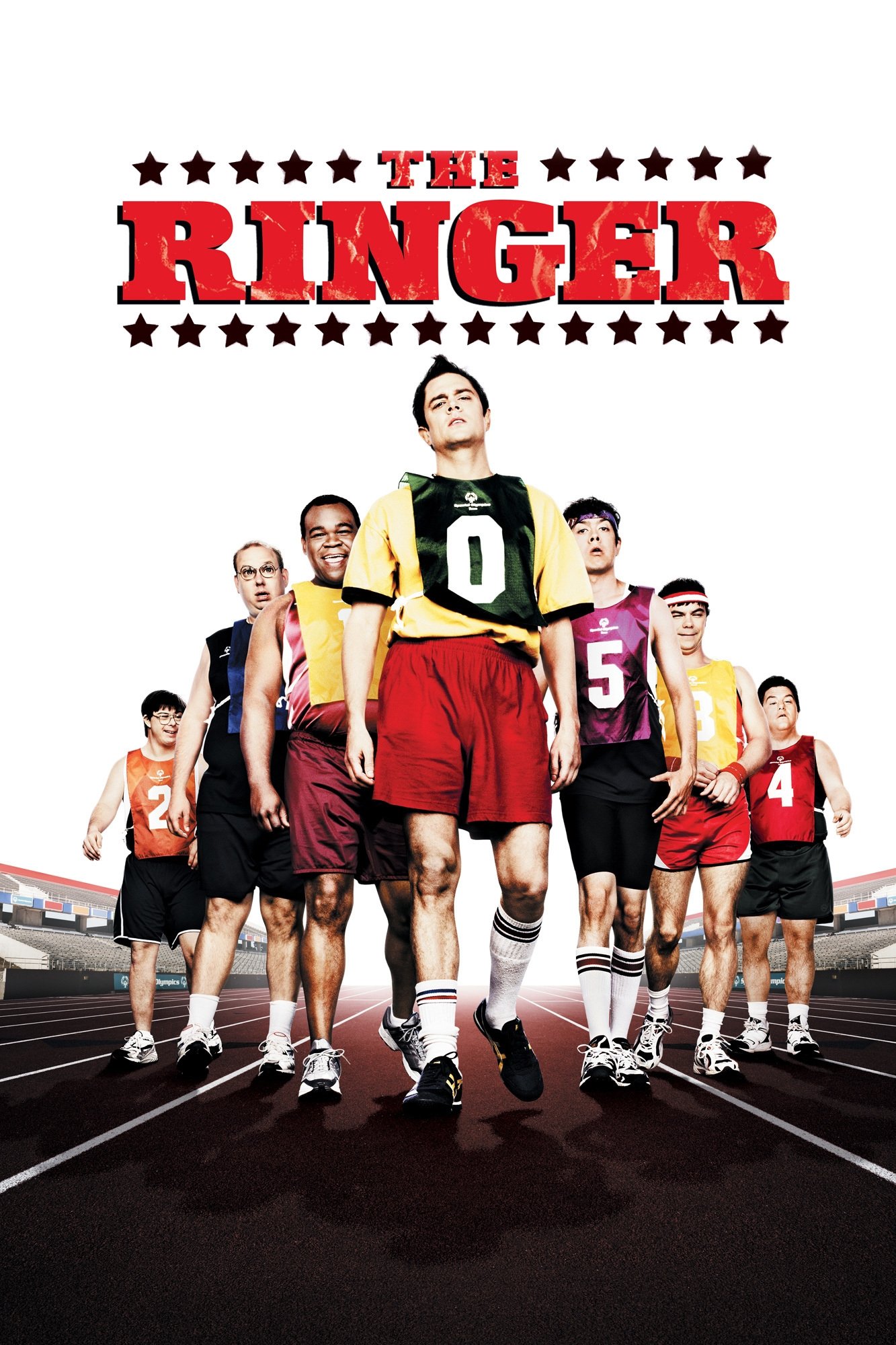
Johnny Knoxville stars as a man who pretends to have an intellectual disability to fix the Special Olympics. The movie attempts to be inclusive by casting actors with disabilities, but the premise itself is deceptive. The protagonist mocks the mannerisms of the community he is infiltrating to win a bet. Using the Special Olympics as the backdrop for a fraud scheme is a concept that would face immense backlash.
‘Silver Streak’ (1976)
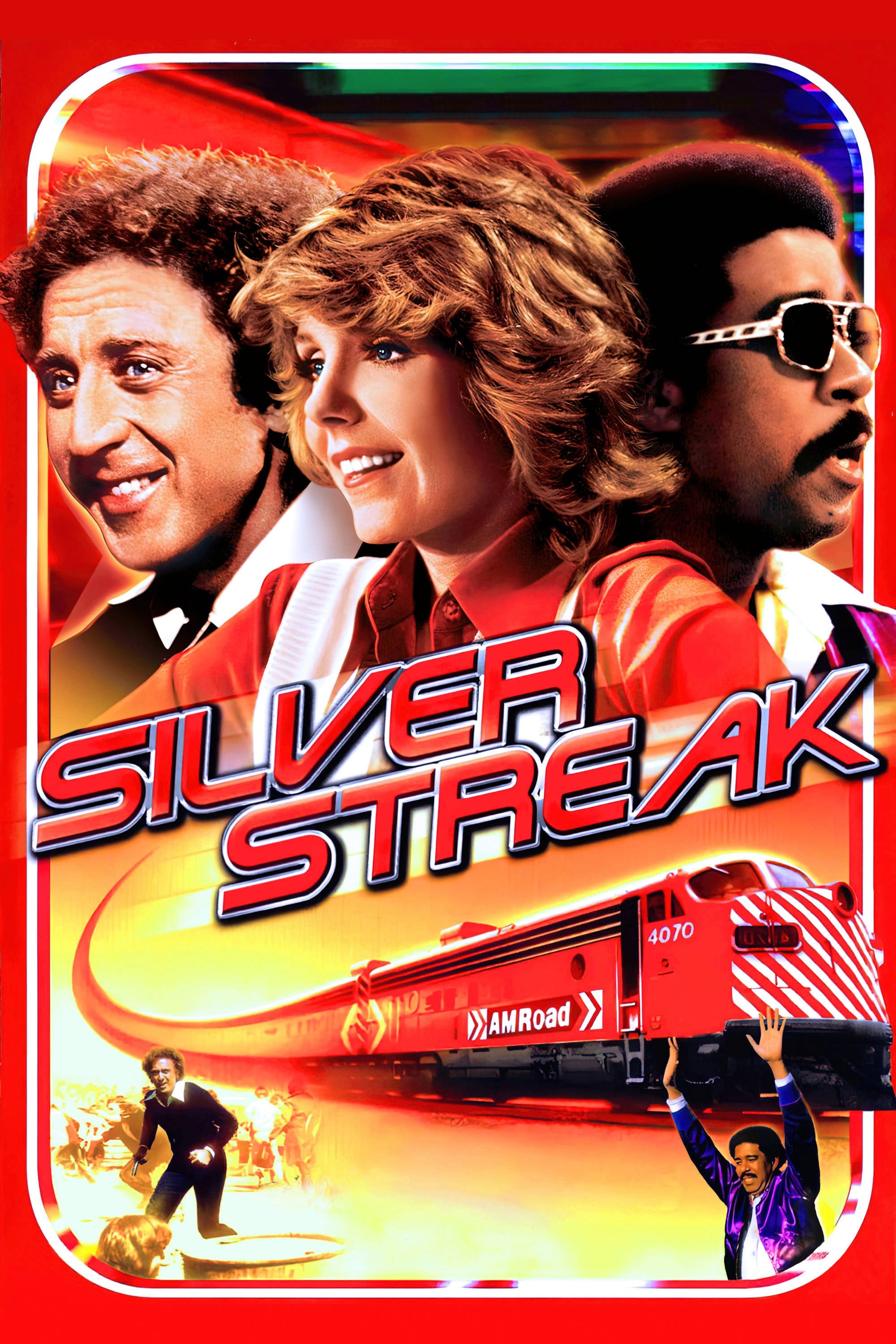
Gene Wilder and Richard Pryor team up for this comedy thriller set on a long-distance train. In one sequence, Wilder’s character darkens his face with shoe polish to blend in and avoid the police. He adopts an exaggerated walk and dialect in an attempt to pass as a Black man. This use of blackface by a protagonist is a clear violation of modern standards for racial representation.
‘Trading Places’ (1983)
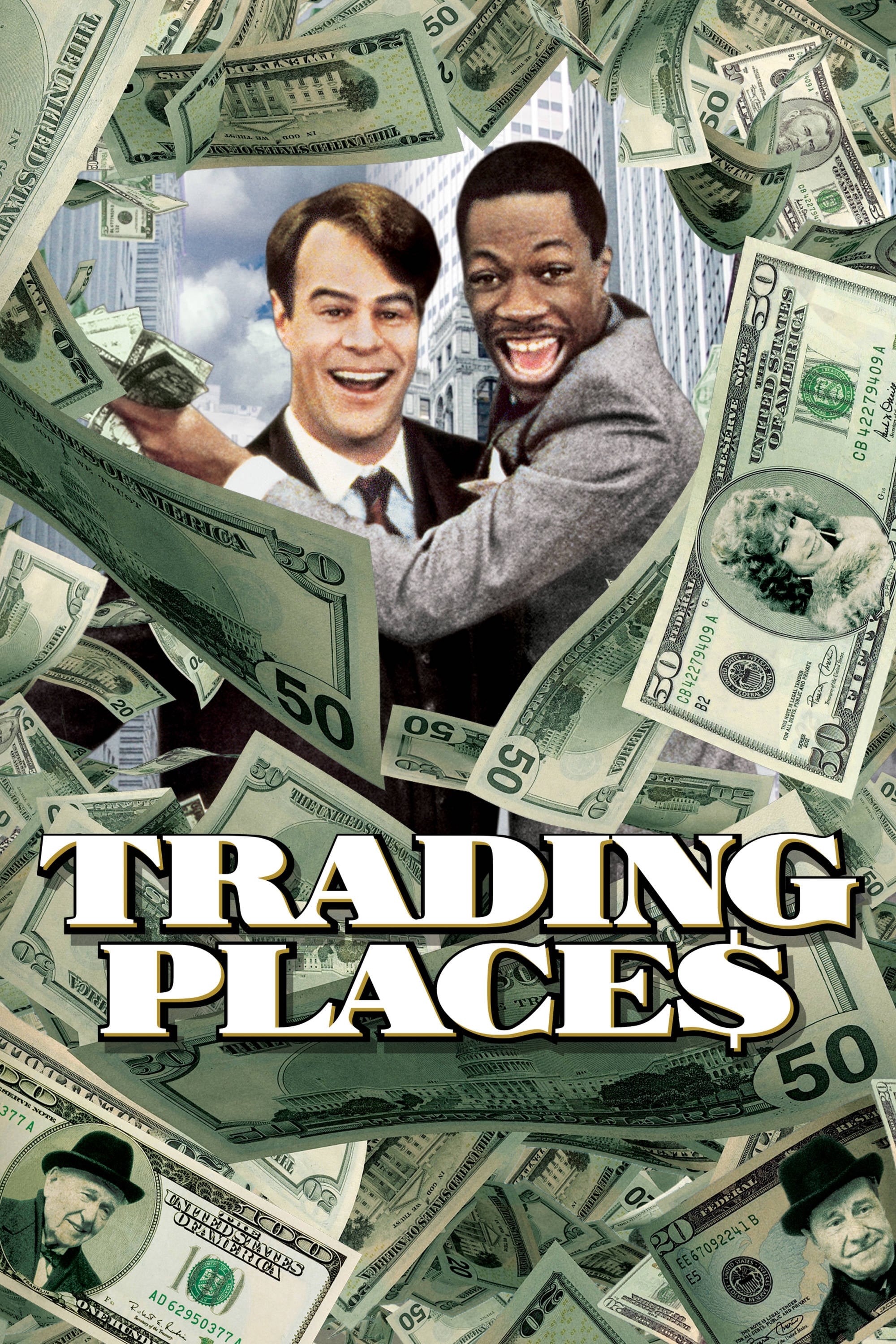
This comedy about nature versus nurture features a scene where Dan Aykroyd disguises himself as a Jamaican exchange student. He wears dark makeup and dreadlocks while using a stereotypical accent during a New Year’s Eve train ride. The use of blackface is a brief but significant moment in an otherwise beloved film. Modern casting directors would not permit a white actor to perform a caricature of a Black character.
‘Short Circuit 2’ (1988)

Fisher Stevens plays an Indian robotics engineer named Ben Jabituya in this sci-fi comedy sequel. The actor is white and wore brown makeup to change his skin tone for the role. He also employed a heavy, stereotypical accent that was intended to be humorous. This is a textbook example of “brownface” that denies opportunities to actors of the actual ethnicity being portrayed.
‘Boat Trip’ (2002)
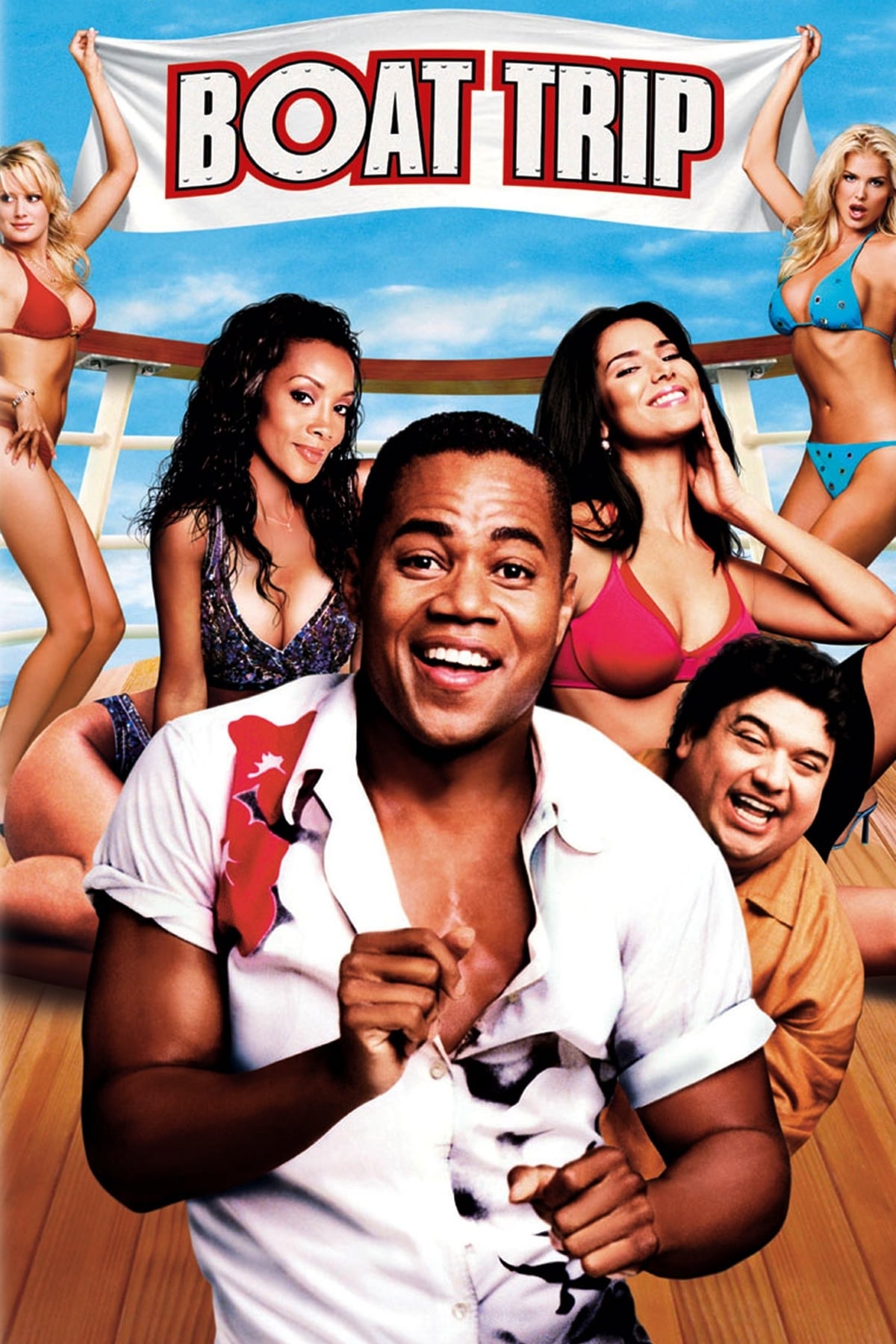
Two straight men accidentally book a cruise intended for gay men and spend the movie panicking. The humor is derived almost exclusively from the protagonists’ fear of being perceived as gay. The gay characters on the ship are depicted using flamboyant stereotypes. The film is often cited as homophobic for its reliance on “gay panic” as the primary source of comedy.
‘Juwanna Mann’ (2002)
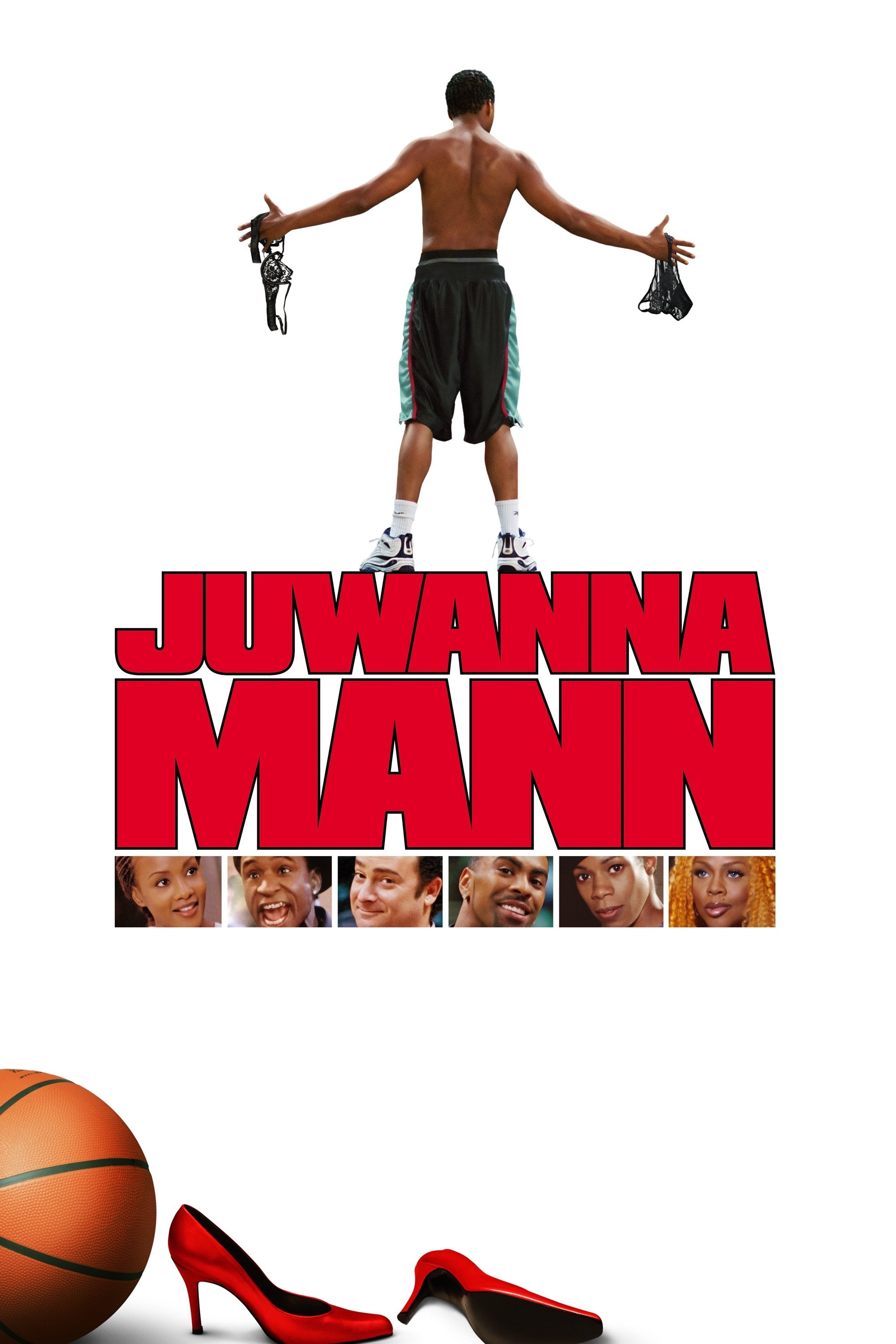
A disgraced male basketball player dresses as a woman to join a professional women’s team. The humor comes from his deception and his physical dominance over the female players. The film trivializes the female experience and relies on the trope of a man in a dress being inherently funny. This premise would be criticized today for misogyny and making light of gender identity.
‘Sorority Boys’ (2002)
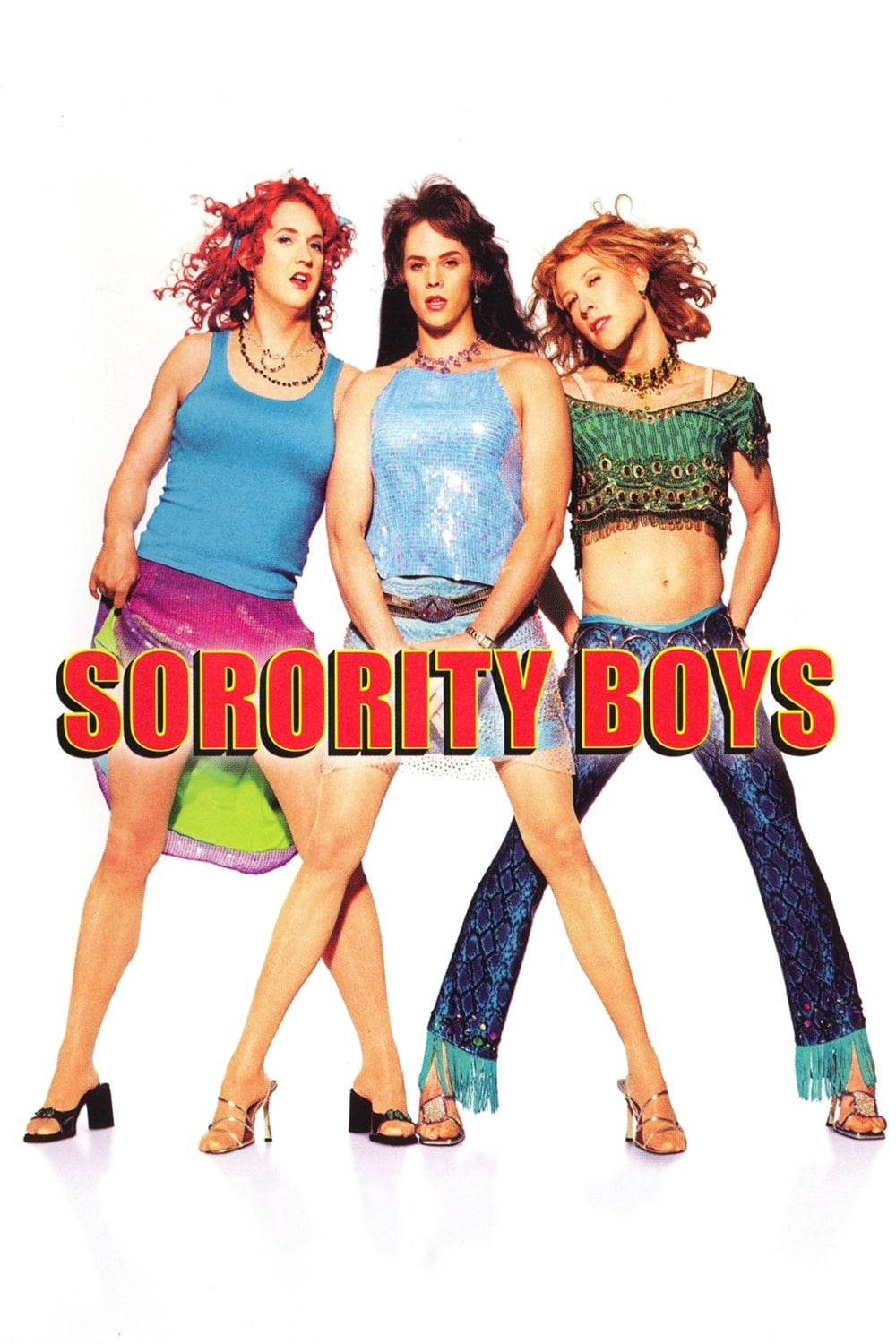
Three college students expelled from their fraternity dress as women to hide in a sorority house. Like other films in this subgenre, the comedy relies on cross-dressing tropes and the invasion of women’s private spaces. The characters deceive the women around them while mocking feminine behaviors. The concept of men infiltrating female safe spaces for personal gain is no longer viewed as comedic material.
‘Get Hard’ (2015)
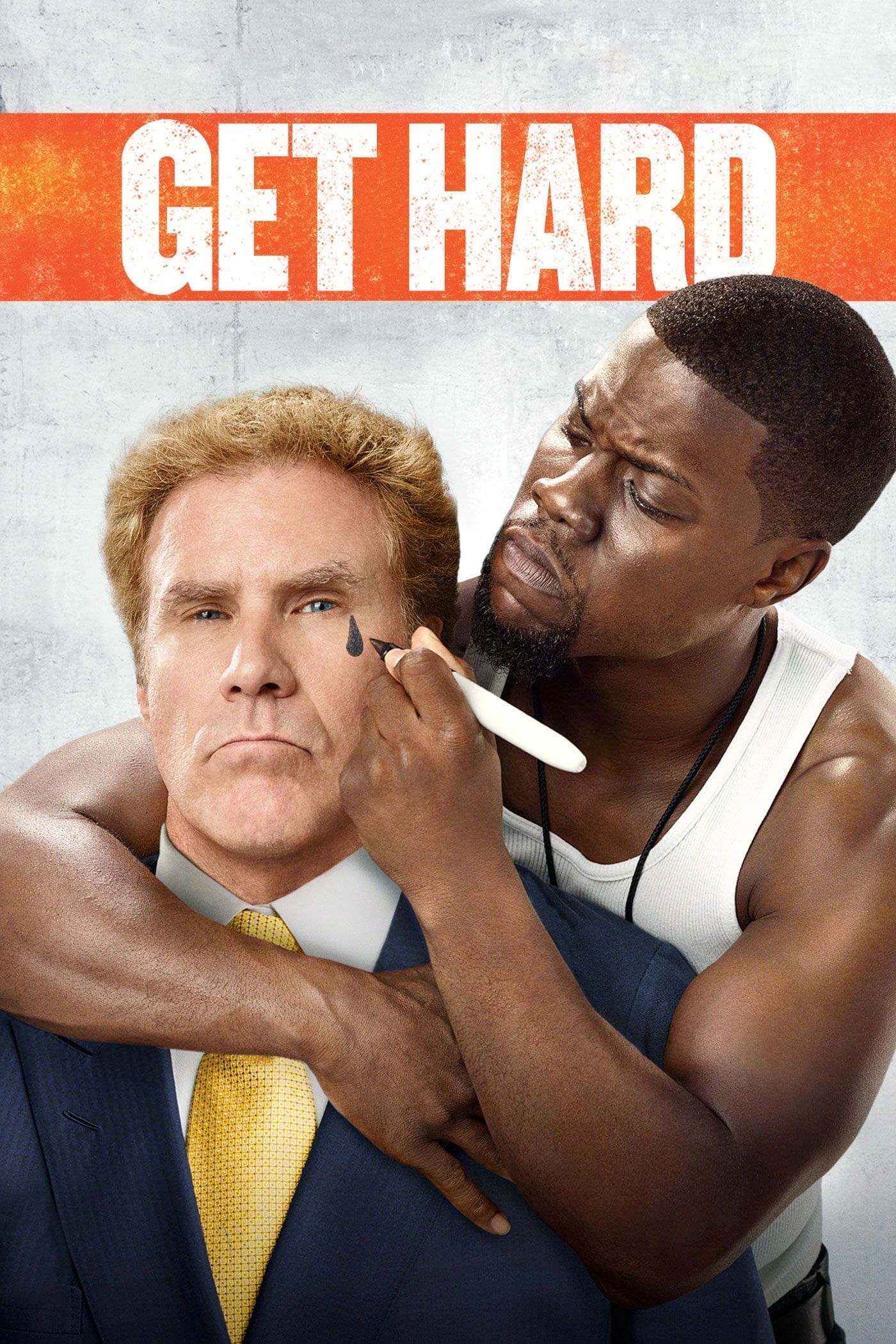
Will Ferrell plays a wealthy hedge fund manager sentenced to prison who hires a Black man to prepare him for incarceration. The joke is that the man he hires, played by Kevin Hart, is a law-abiding business owner who knows nothing about prison. However, the film leans heavily on stereotypes about Black men and prison culture. It also contains extensive jokes about prison rape that many critics found tasteless and offensive.
‘Norbit’ (2007)
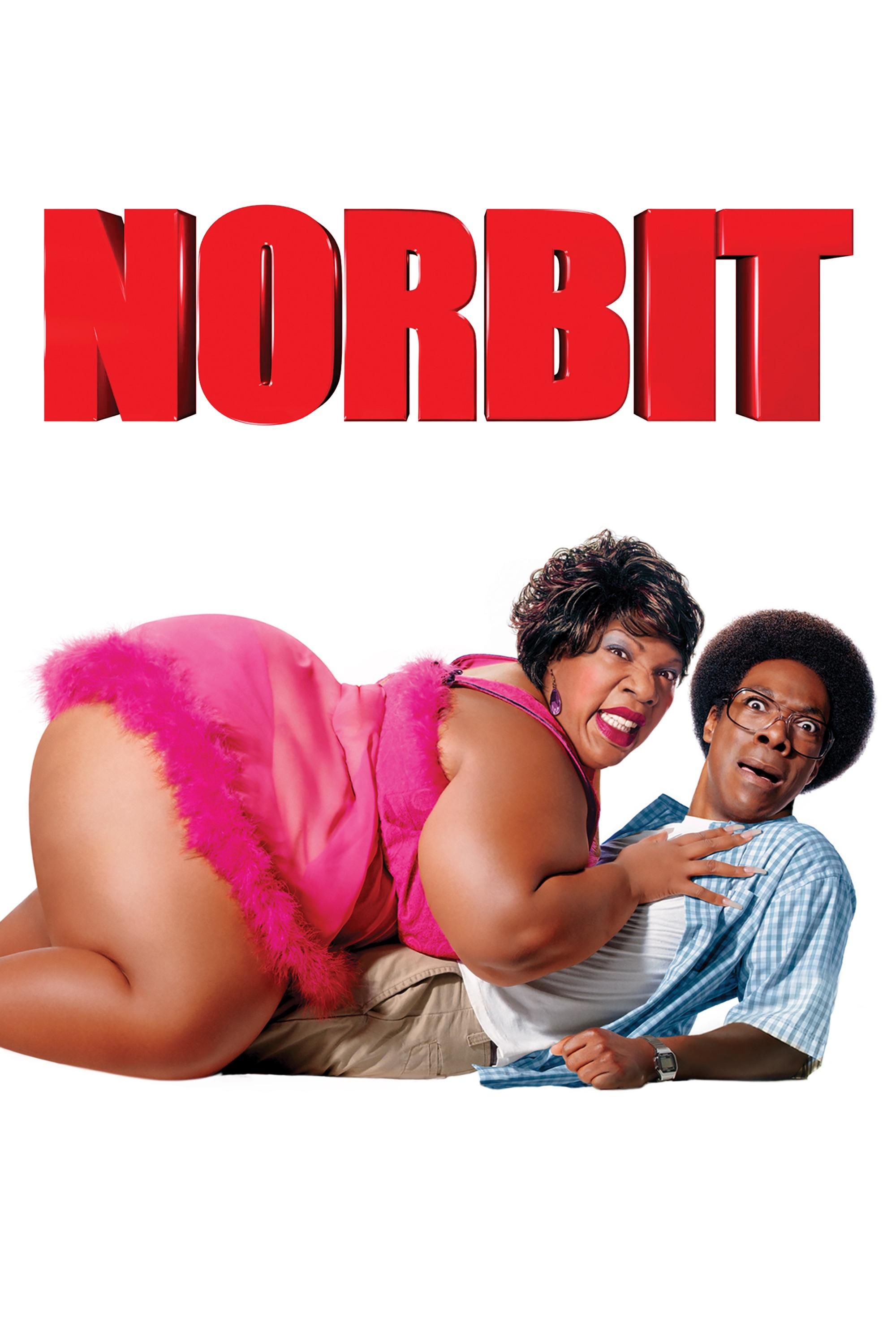
Eddie Murphy plays multiple roles in this comedy, including a mild-mannered man and his abusive, overweight wife Rasputia. The character of Rasputia is a collection of negative stereotypes regarding aggressive Black women. The humor centers on her physical size and abusive behavior toward her husband. The portrayal was criticized for being misogynistic and relying on a “fat suit” for easy laughs.
‘Bringing Down the House’ (2003)
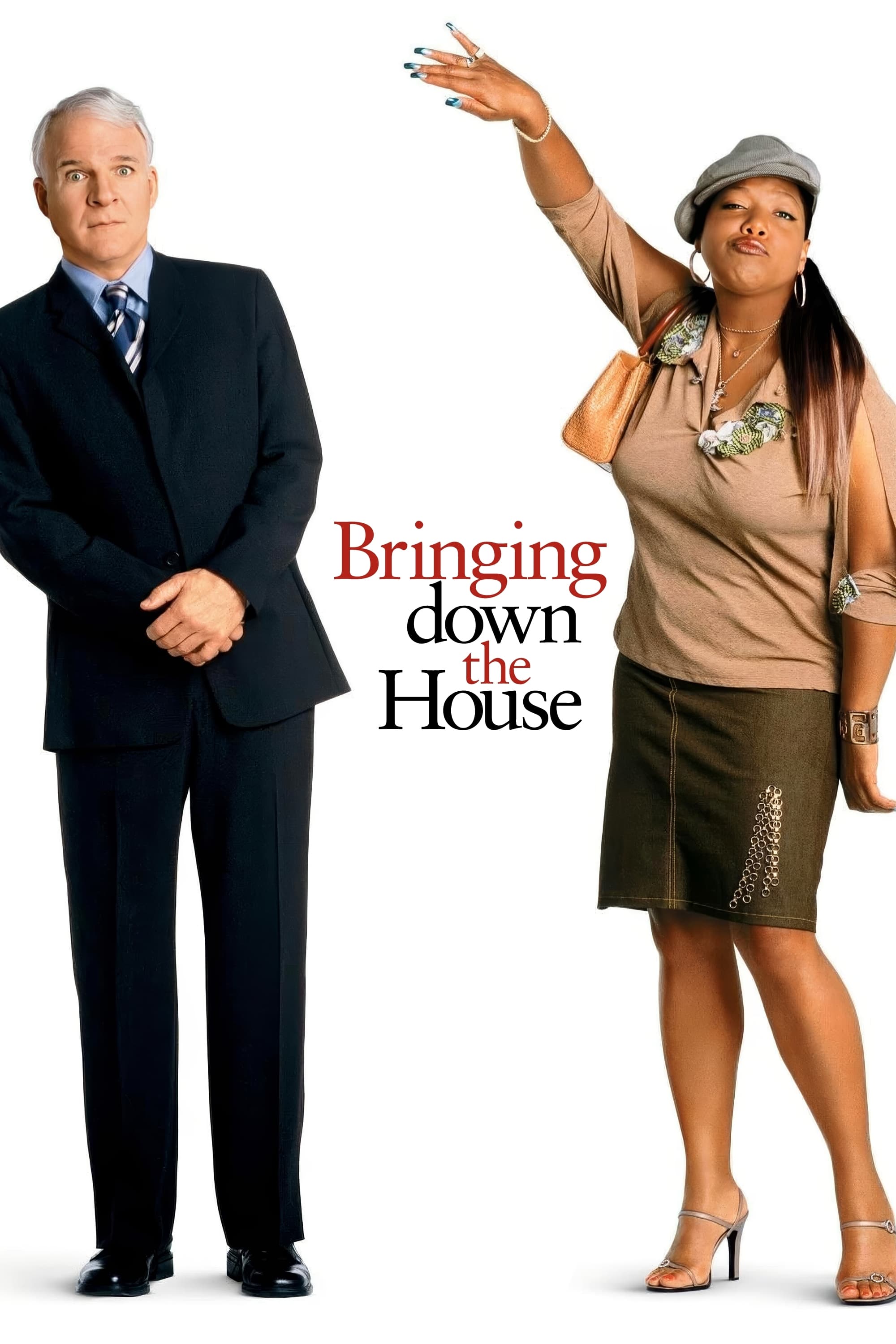
Steve Martin plays a buttoned-up lawyer who meets a woman played by Queen Latifah who has just escaped from prison. The film relies on “fish out of water” jokes that emphasize racial stereotypes and cultural clashes. Many of the jokes hinge on the contrast between the white upper class and the “ghetto” persona attributed to Latifah’s character. The racial dynamics presented in the film are often considered reductionist and cringeworthy.
‘Observe and Report’ (2009)
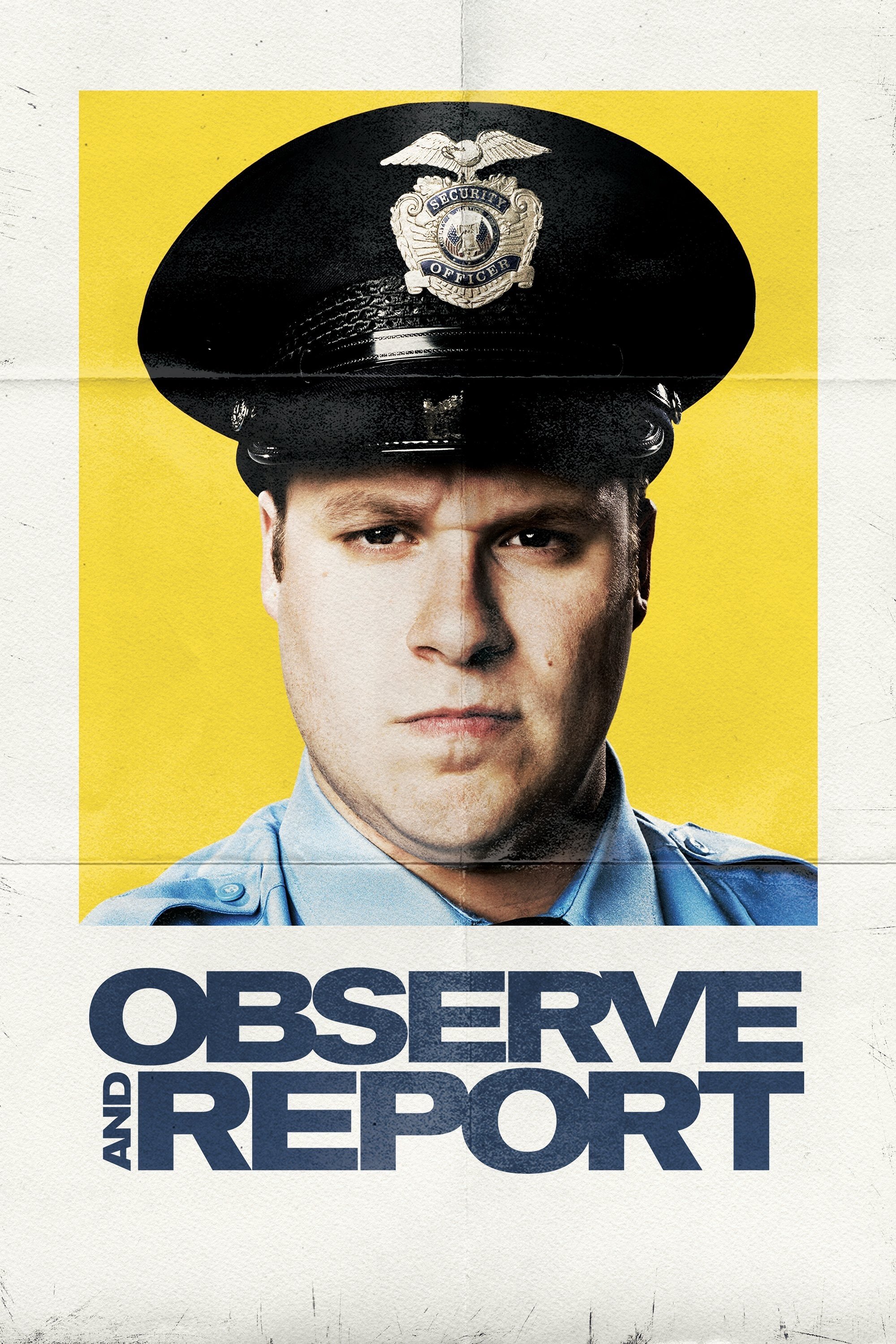
Seth Rogen plays a mentally unstable mall security guard who is obsessed with a cosmetic counter clerk. In one controversial scene, the protagonist has sex with the clerk while she is intoxicated and vomiting. The film presents this interaction without clearly addressing the lack of consent involved. This depiction of date rape as a plot progression is widely condemned in retrospect.
‘Wedding Crashers’ (2005)
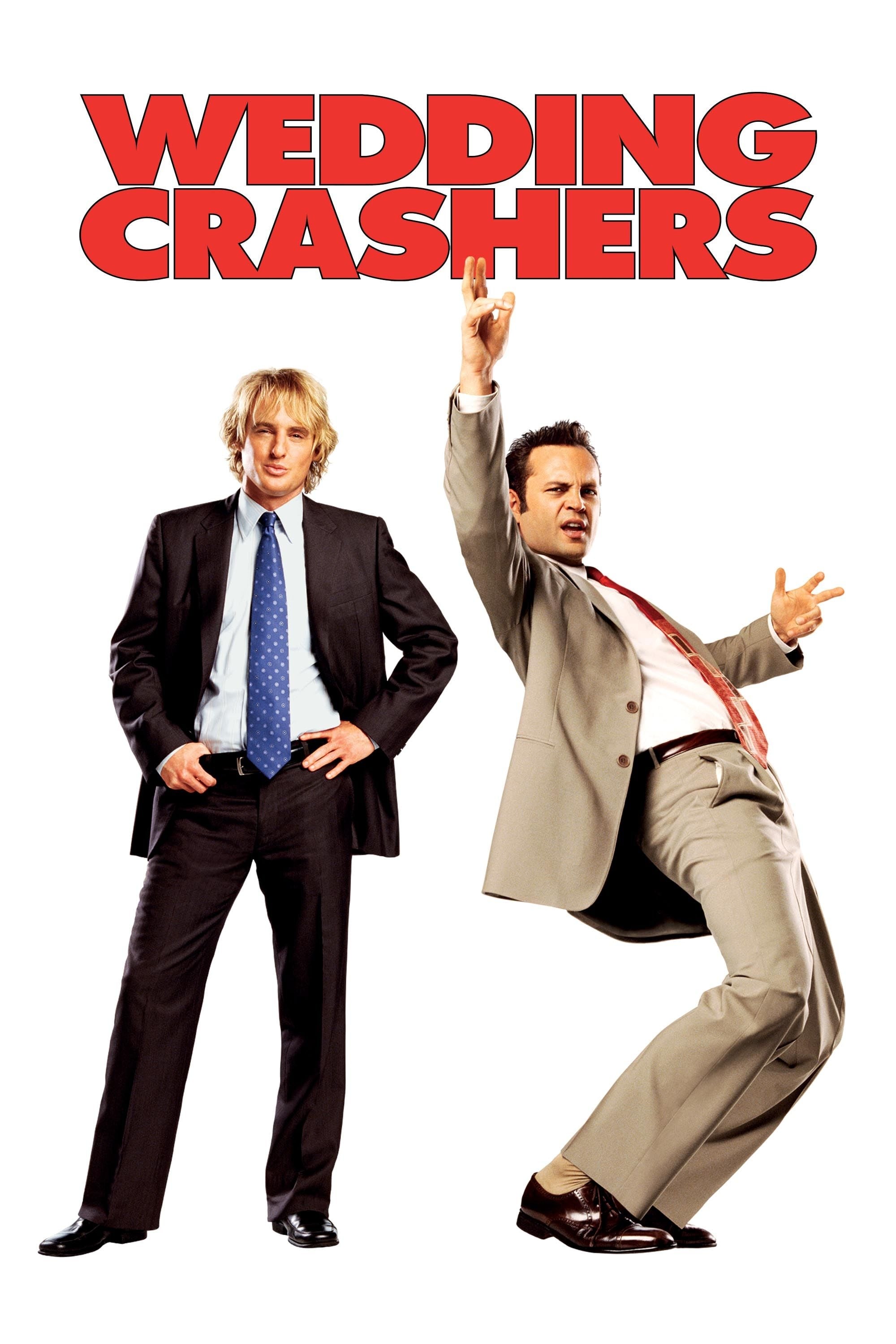
Two divorce mediators spend their free time crashing weddings to sleep with vulnerable women. In one specific scene, a character ties a man to a bed and assaults him while he is asleep. The movie plays this male-on-male assault as a comedic punishment for the character. The trivialization of sexual assault, regardless of gender, is a major issue for modern viewers.
‘EuroTrip’ (2004)
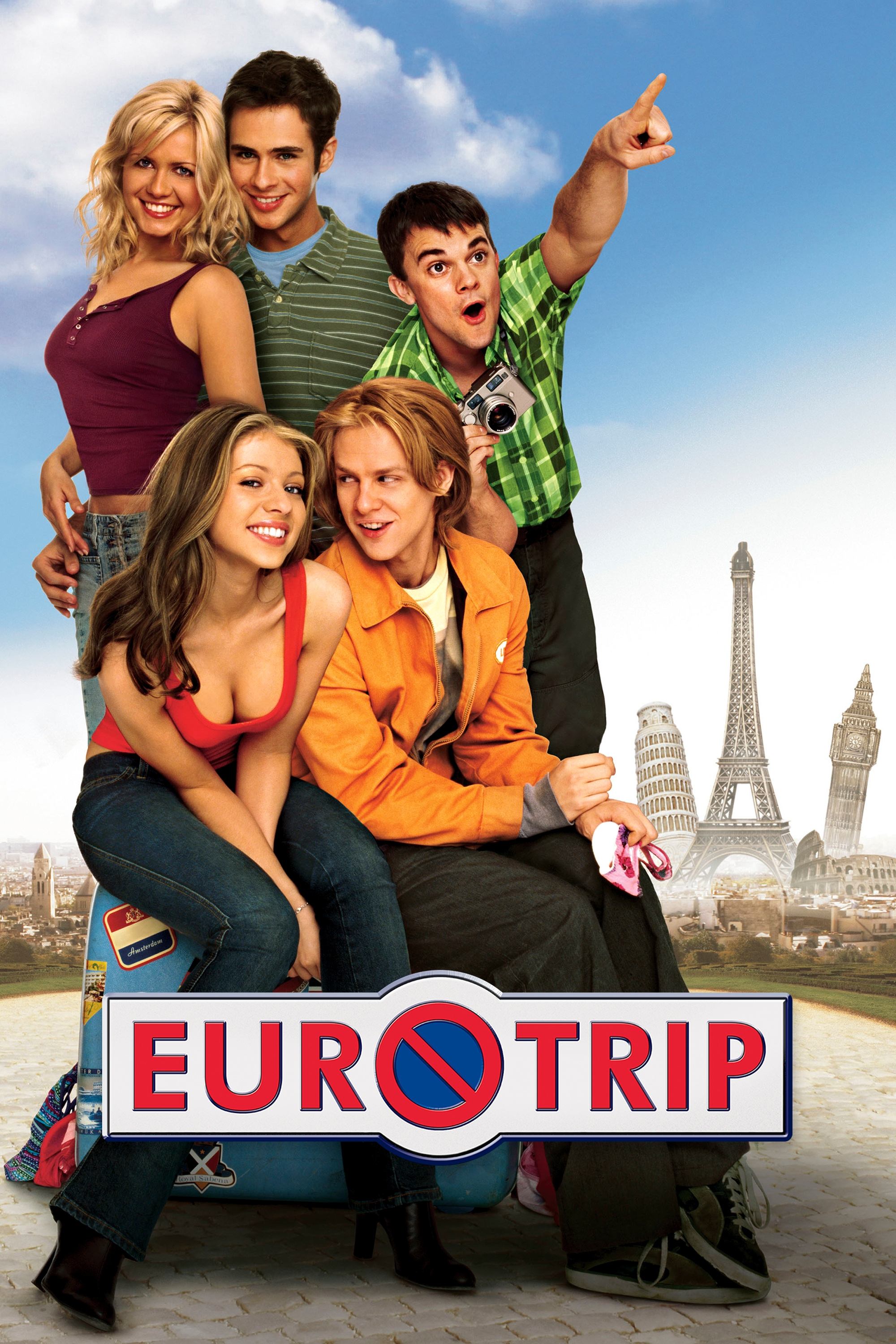
A group of American teenagers travels across Europe and encounters various national stereotypes. One storyline involves a pair of siblings who accidentally make out after consuming alcohol. Another scene features a young child marching like Hitler, which is played for shock value. The casual use of incest and Nazi imagery for comedy makes this film a difficult sell for today’s market.
‘Dude, Where’s My Car?’ (2000)
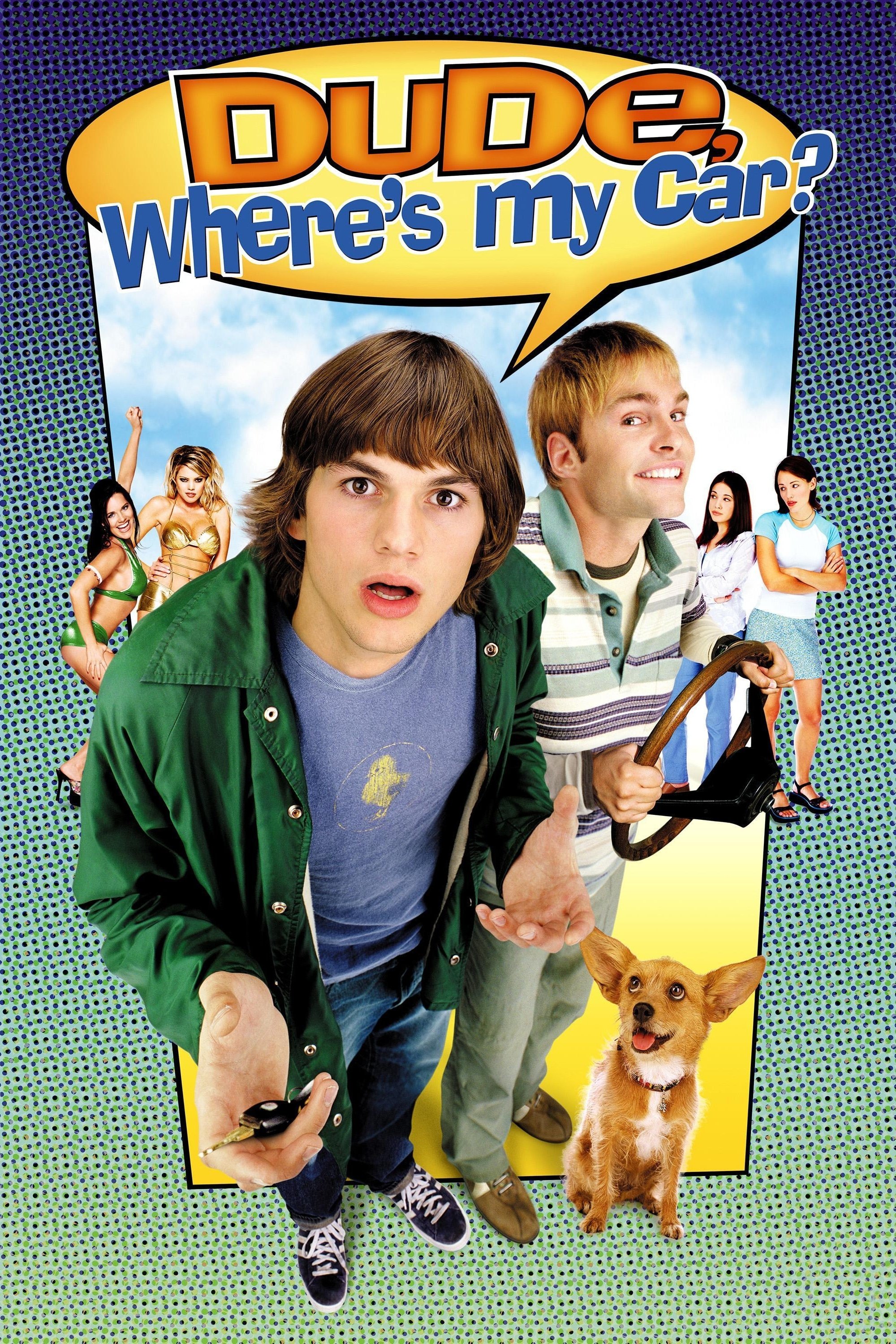
Two stoners wake up with no memory of the previous night and try to retrace their steps. The film includes a scene involving a trans stripper that relies on shock and disgust for laughter. The protagonists react with horror upon realizing the gender identity of the character. This transphobic trope was common in the early 2000s but is unacceptable in modern storytelling.
‘Scary Movie’ (2000)
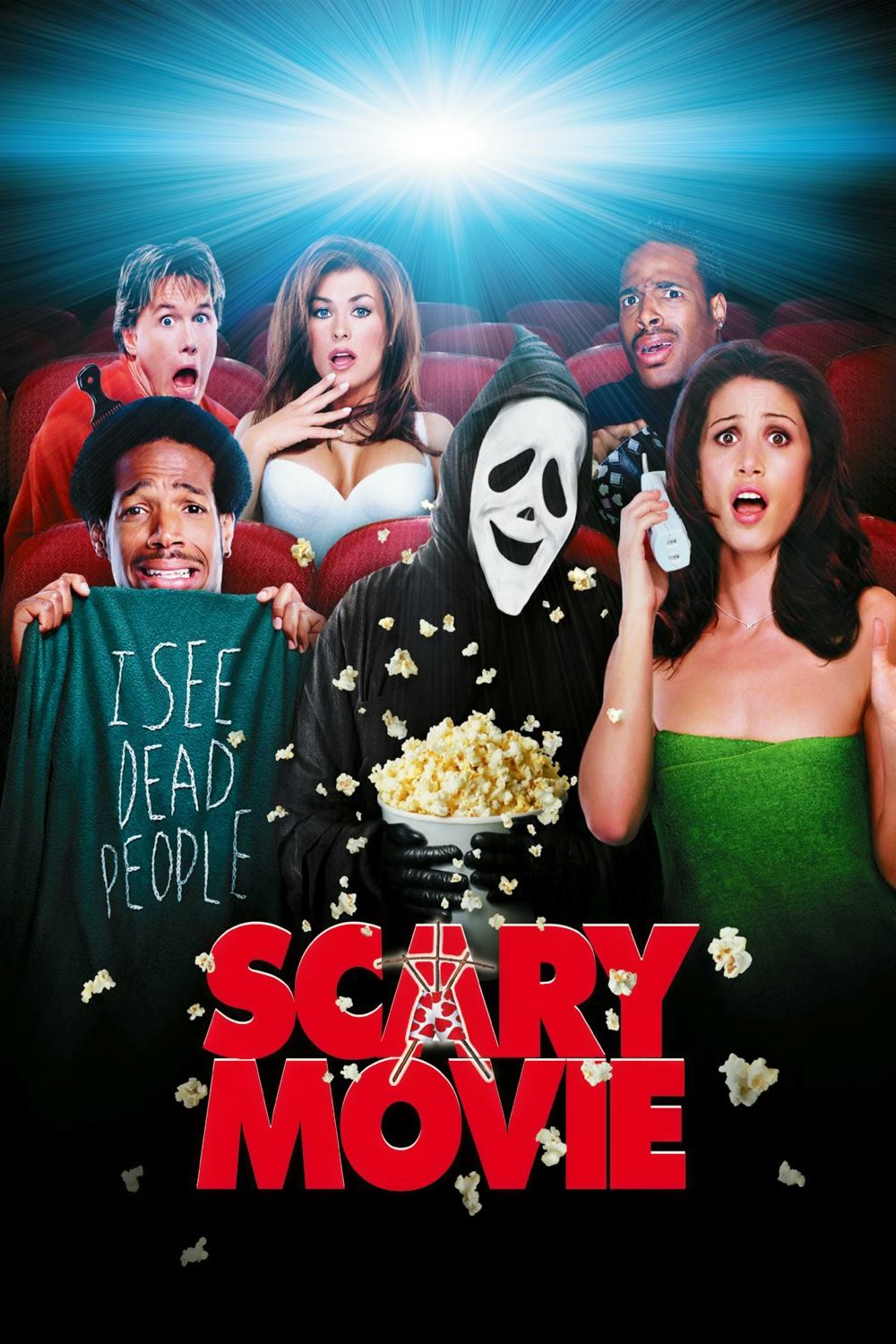
The Wayans brothers created this parody film that mocks popular horror movies of the era. The script is packed with jokes about disabilities, sexual assault, and racial stereotypes. One recurring character is a gym teacher with a physical deformity that is used constantly as a visual gag. The reliance on offensive shock humor targets marginalized groups in ways that would be rejected today.
’40 Days and 40 Nights’ (2002)
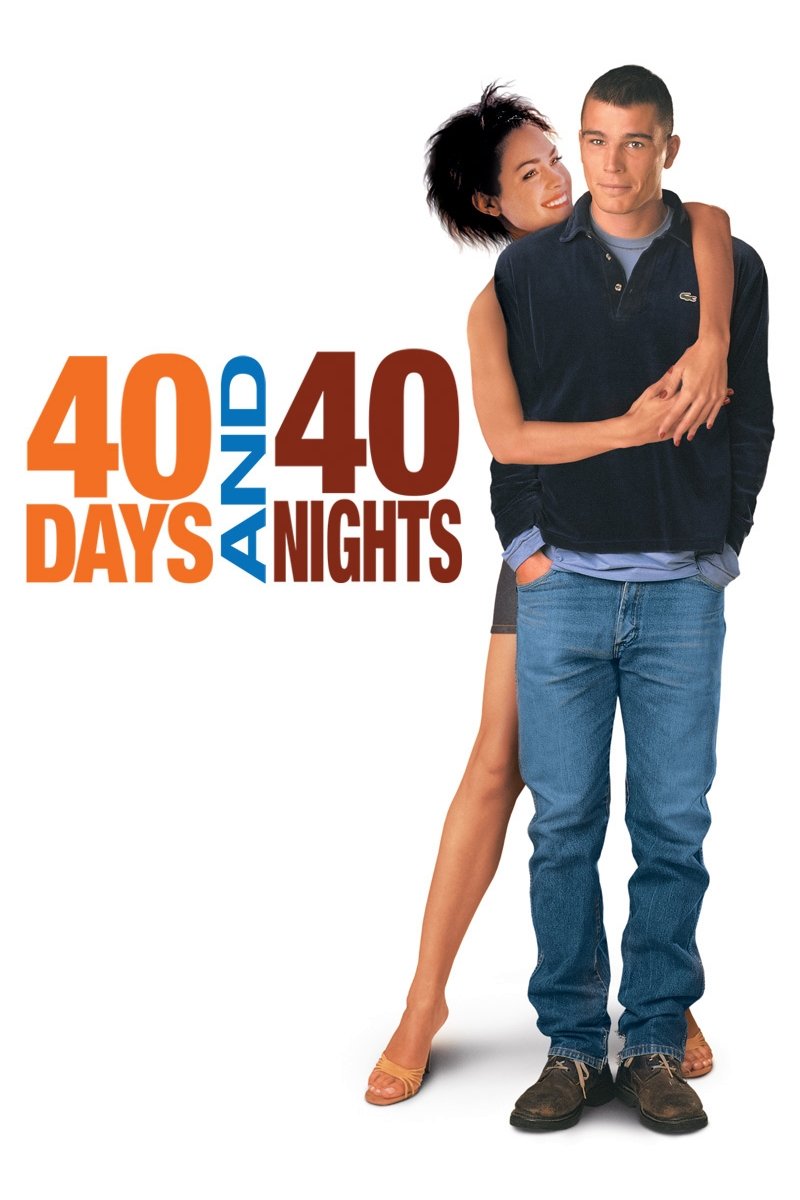
Josh Hartnett plays a man who vows to remain celibate for the duration of Lent. His ex-girlfriend attempts to sabotage his vow, eventually raping him while he is handcuffed to a bed. The film treats this sexual assault as a failure of his willpower rather than a crime committed against him. The double standard regarding male victims of sexual violence is a glaring issue in the narrative.
‘Teen Wolf’ (1985)
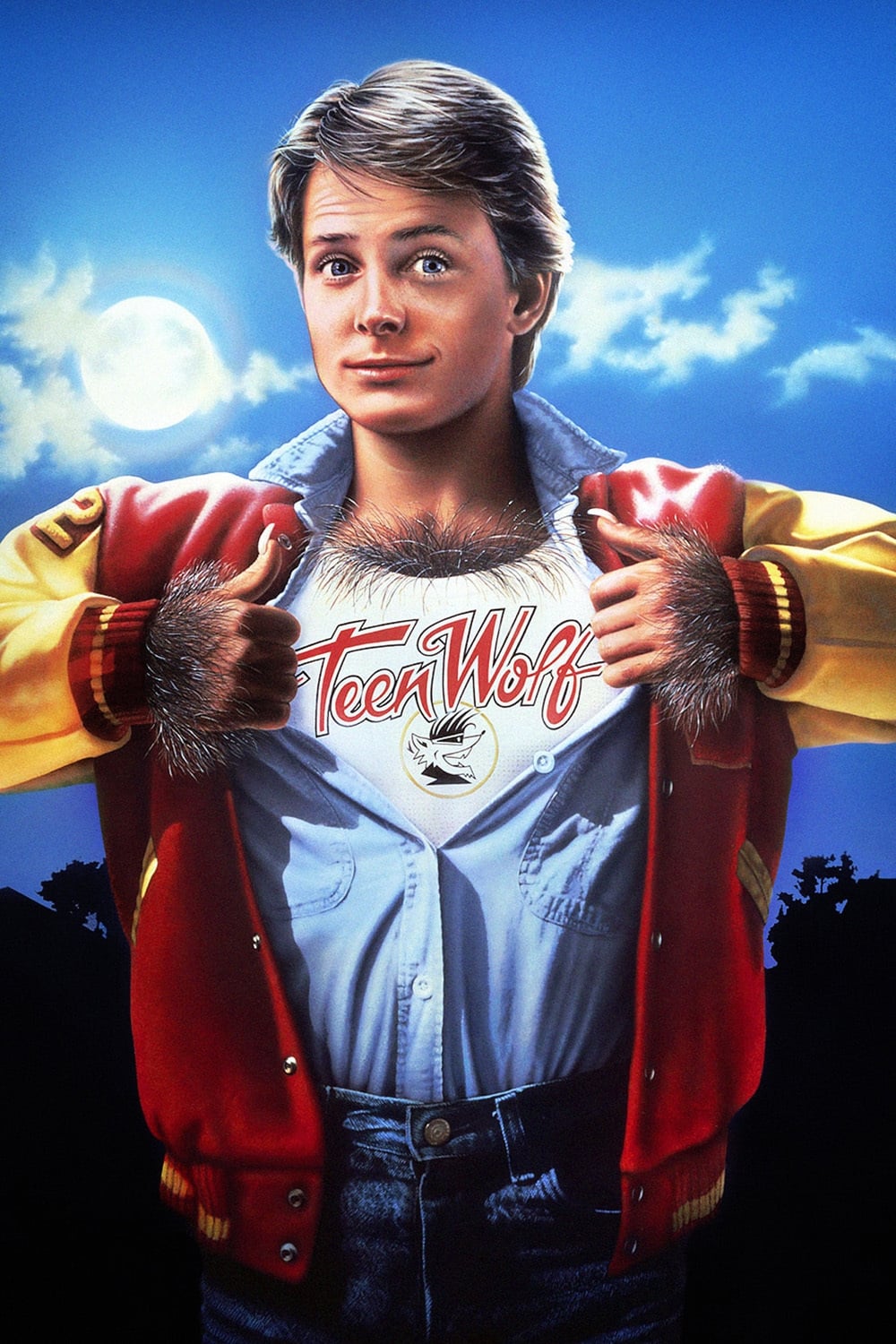
Michael J. Fox stars as a high school student who discovers he is a werewolf. The casual dialogue between friends includes homophobic slurs that were commonplace in the 80s but are jarring now. These terms are used as general insults without any challenge from other characters. The presence of hate speech in a lighthearted family comedy would result in immediate cancellation.
‘Bill & Ted’s Excellent Adventure’ (1989)
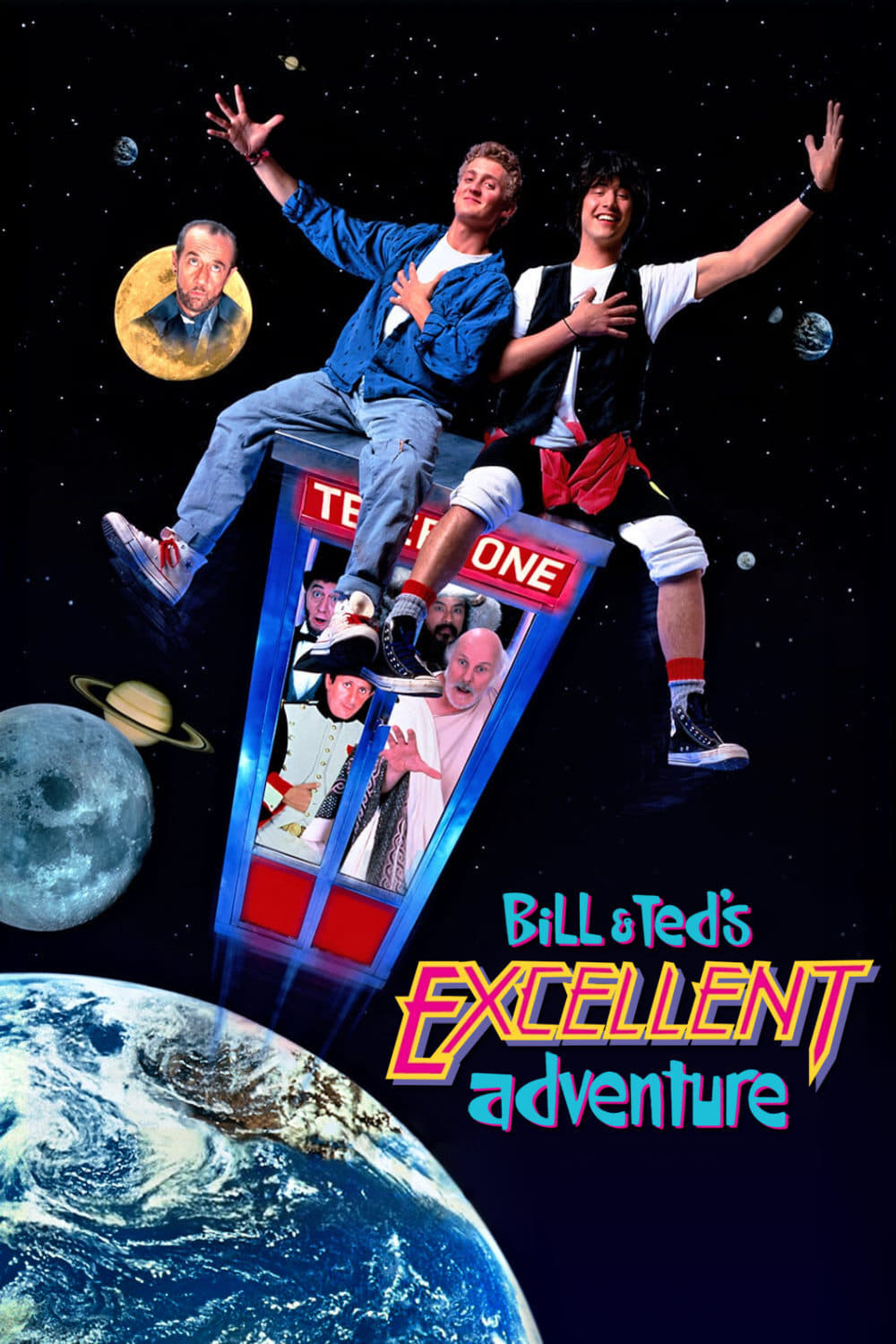
Two slacker friends travel through time to collect historical figures for a history report. In a moment of bonding, the two leads hug before quickly pulling away and using a homophobic slur to describe the interaction. This “gay panic” moment mars the otherwise innocent tone of the film. Such casual homophobia is no longer tolerated in scripts aimed at young audiences.
‘Airplane!’ (1980)
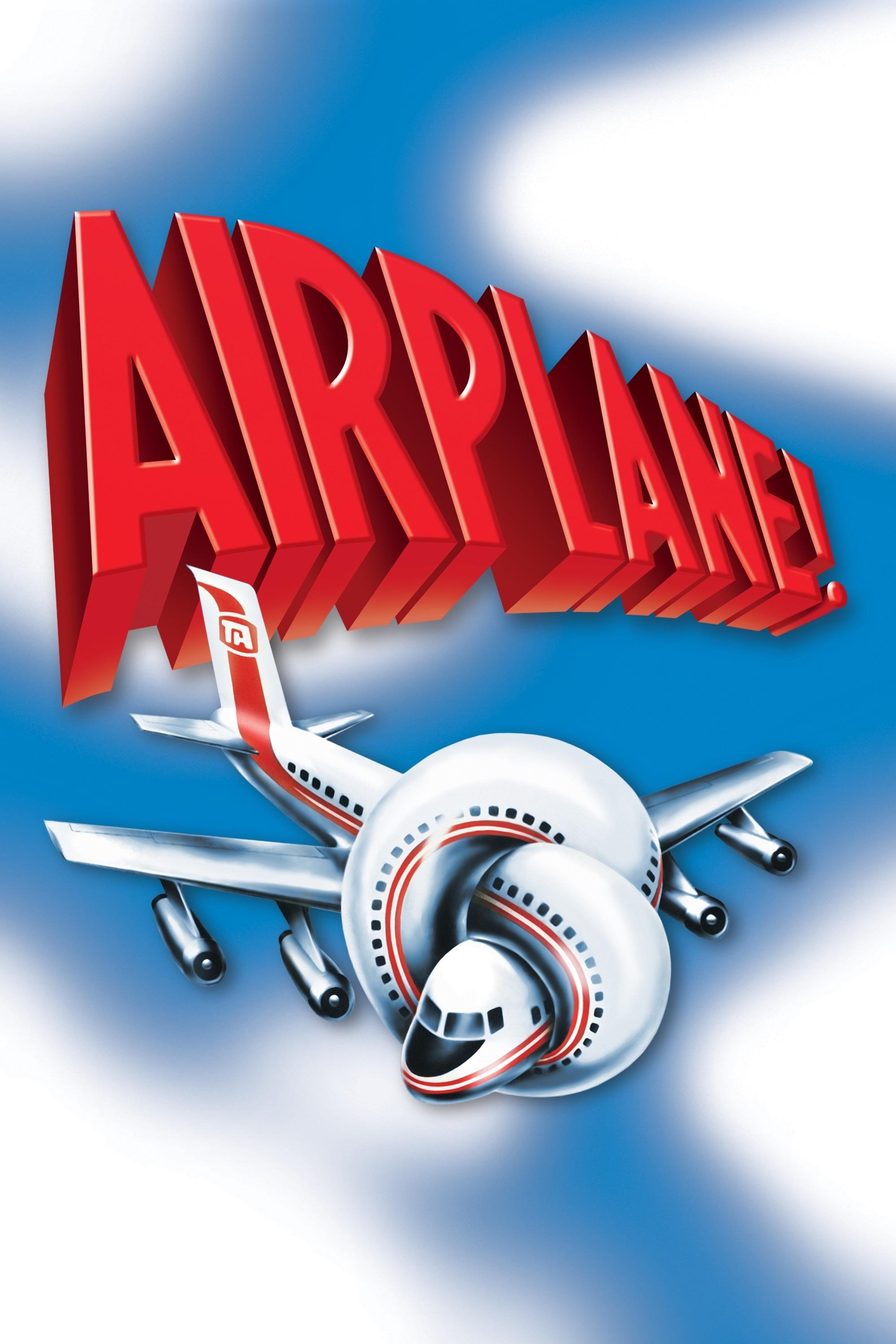
This parody film is famous for its rapid-fire jokes and visual gags set aboard a troubled flight. Two characters speak in a dialect labeled “Jive,” which requires subtitles for the white characters to understand. This gag relies on a caricature of African American vernacular English. While often defended as satire, the racial humor would be scrutinized heavily by modern studios.
Share your thoughts on which of these movies you think has aged the worst in the comments.