


18 Coming-of-Age Stories Told Entirely from a Child’s Perspective

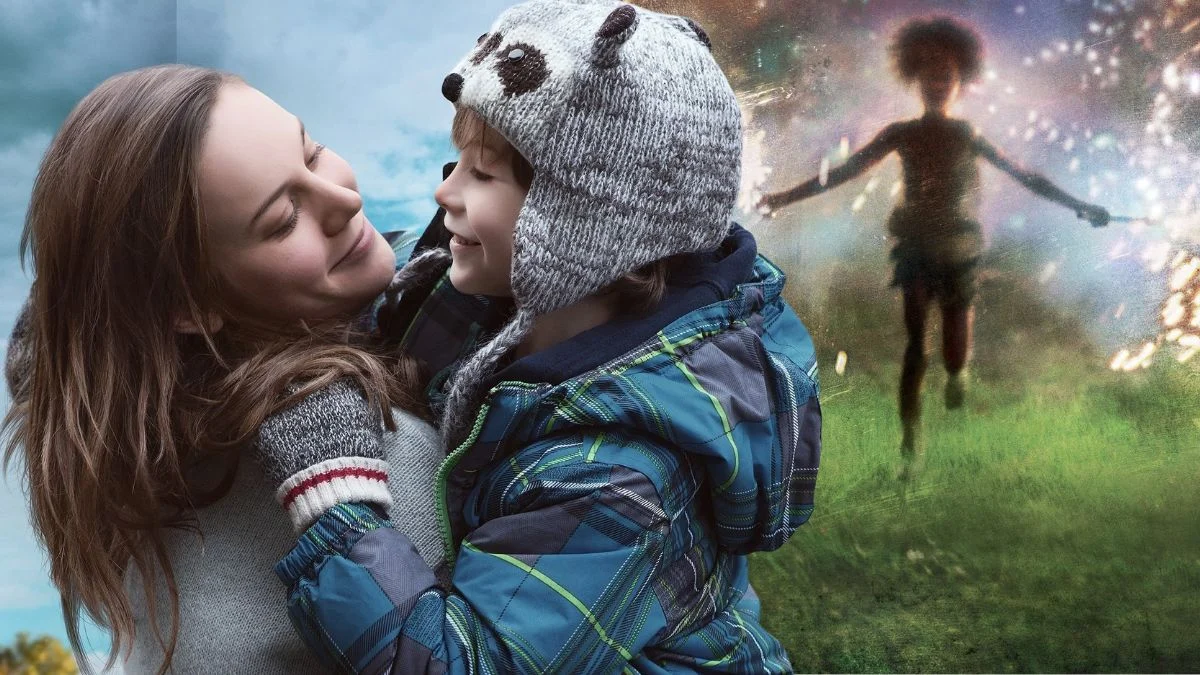


Cinema often tries to recapture the innocence and confusion of youth by placing the camera strictly at a child’s eye level. These films reject the wisdom of hindsight to immerse the audience in the immediate and often overwhelming emotions of growing up. By limiting the narrative scope to what a child sees and understands, filmmakers create unique portrayals of the world where magic and reality frequently blur. The following titles demonstrate the power of storytelling when it is filtered through the vivid imagination and inherent limitations of youth.
‘Room’ (2015)
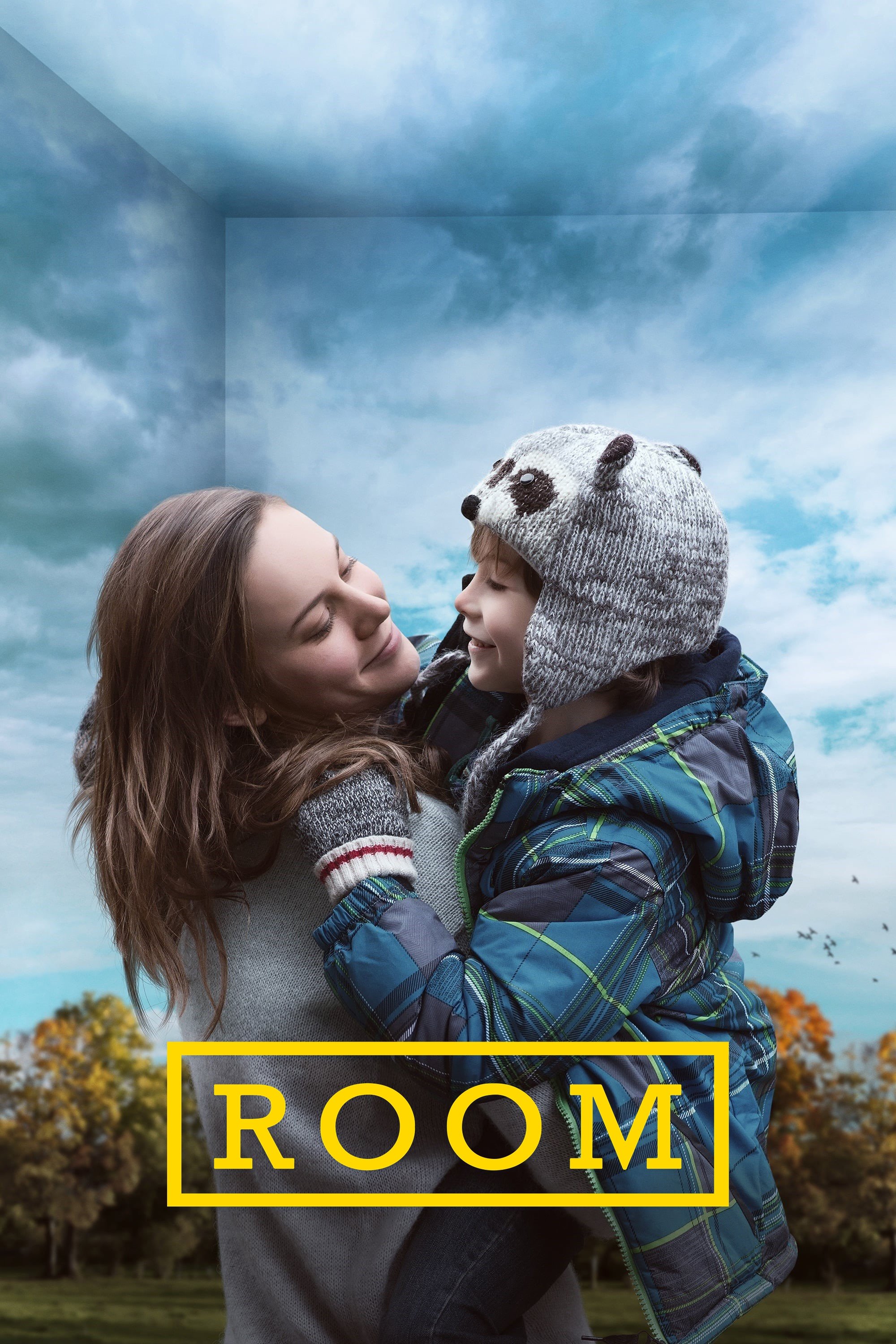
Five-year-old Jack lives in a confined space he believes encompasses the entire world. His mother creates a safe environment for him despite their traumatic imprisonment by a kidnapper. Jack interprets the limited objects and skylight as the sum of all existence until an escape plan changes everything. The film utilizes intimate cinematography to reflect his disorientation upon entering the vast outside world. Viewers experience his terrifying and wondrous expansion of reality through his innocent eyes.
‘The Florida Project’ (2017)

Six-year-old Moonee spends her summer exploring the pastel slums surrounding Walt Disney World. She views her impoverished life through a lens of adventure and mischief while remaining oblivious to her mother’s struggles. The narrative stays grounded in her height and focus to emphasize her detachment from adult consequences. Bright colors and wide shots capture the magic she perceives in mundane or dangerous situations. Her eventual realization of reality marks a heartbreaking conclusion to her innocent worldview.
‘Beasts of the Southern Wild’ (2012)
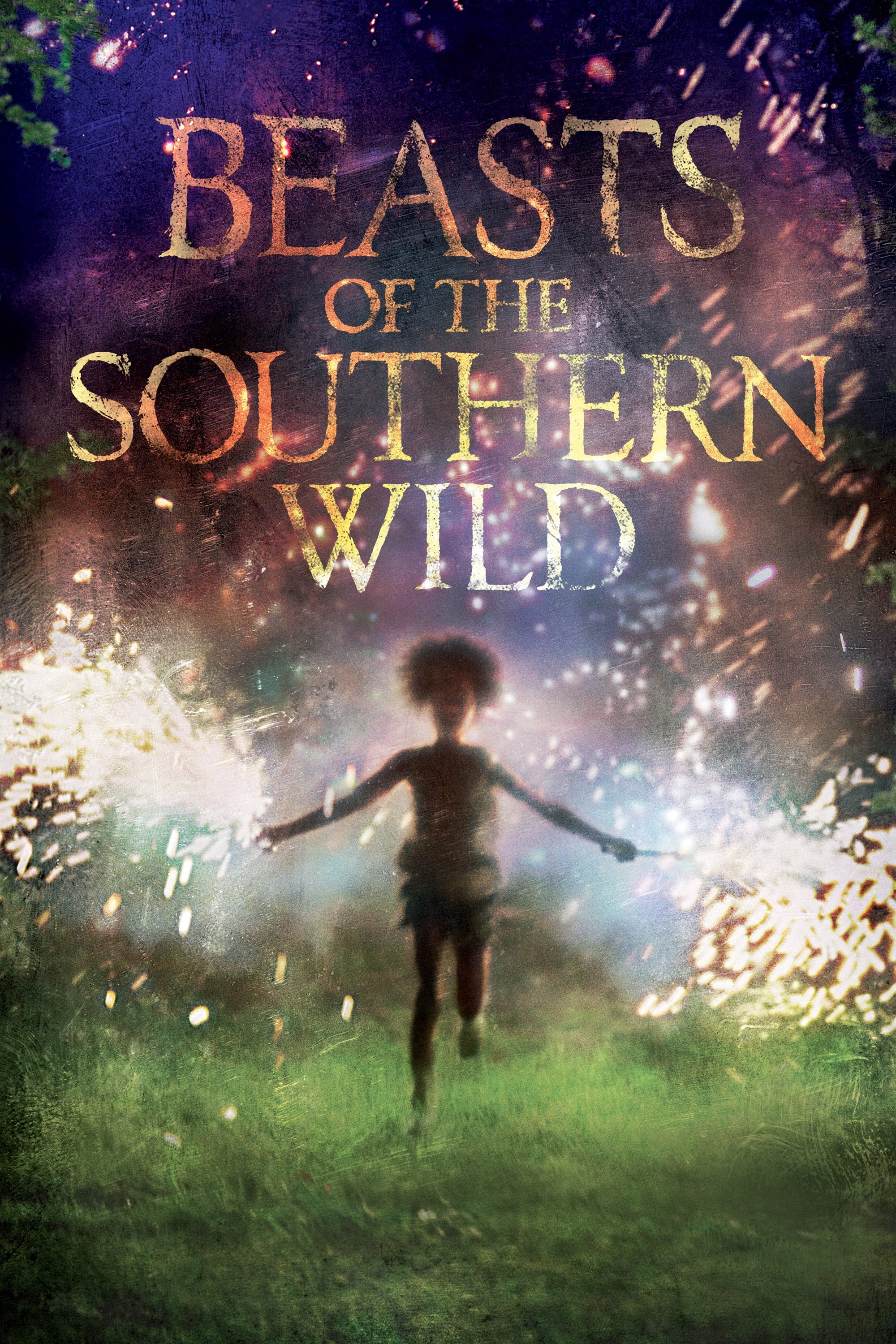
Hushpuppy navigates a sinking bayou community while dealing with her father’s declining health. She interprets the melting ice caps and storms as the release of prehistoric creatures called aurochs. The film visualizes her internal philosophy about the connectivity of the universe and her small place within it. Her journey is one of survival and acceptance regarding the loss of her home and parent. The camera stays low to the ground to mimic her physical perspective throughout the fantastical drama.
‘Pan’s Labyrinth’ (2006)
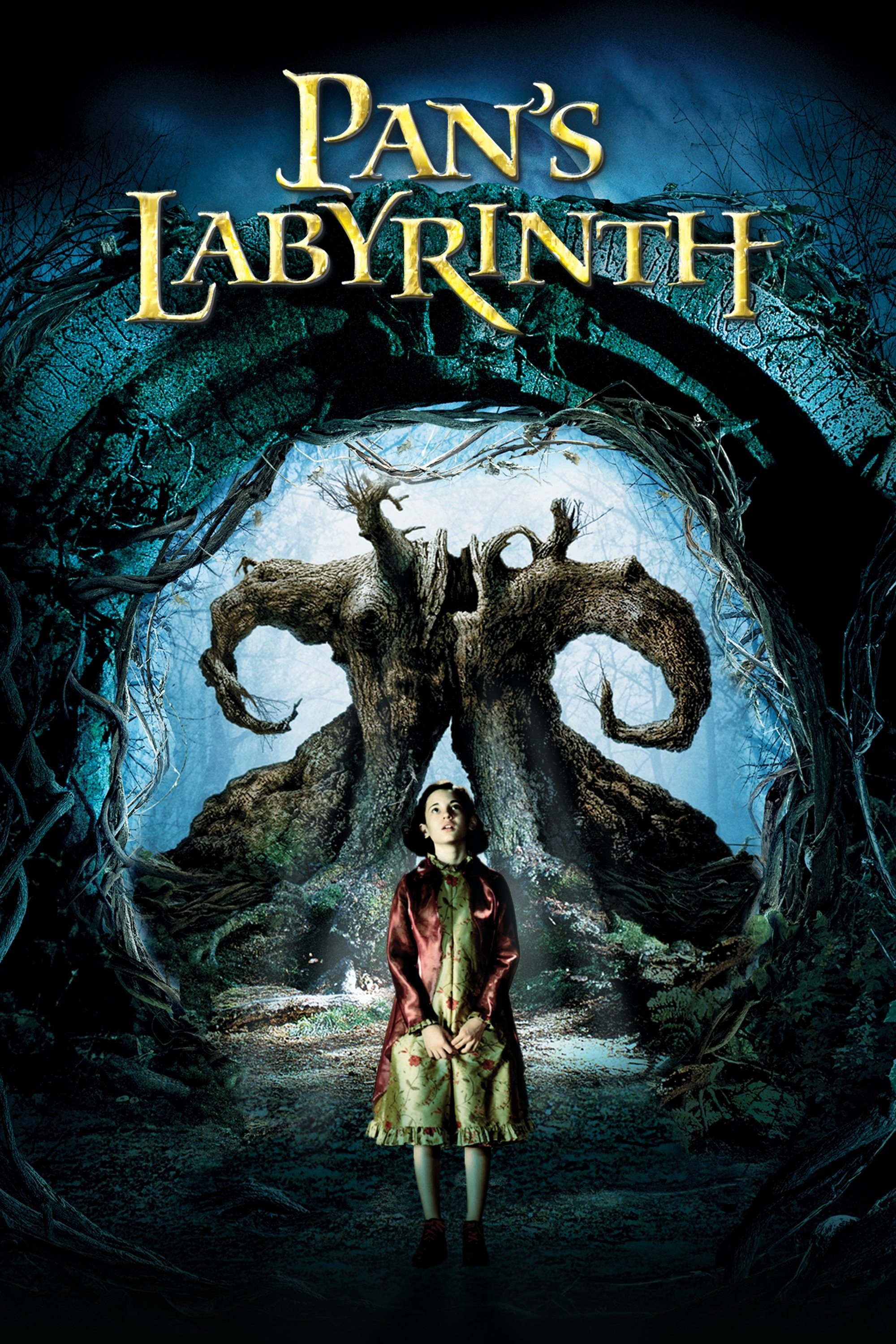
Ofelia escapes the brutality of the Spanish Civil War by retreating into a mysterious fantasy world. She encounters a faun who presents her with three tasks to claim her immortality and return to her kingdom. The magical elements serve as a dark allegory for the real-world violence surrounding her sadistic stepfather. Her innocent belief in magic contrasts sharply with the gritty realism of the war happening above ground. The story validates her perspective by blurring the lines between her imagination and reality.
‘Spirited Away’ (2001)
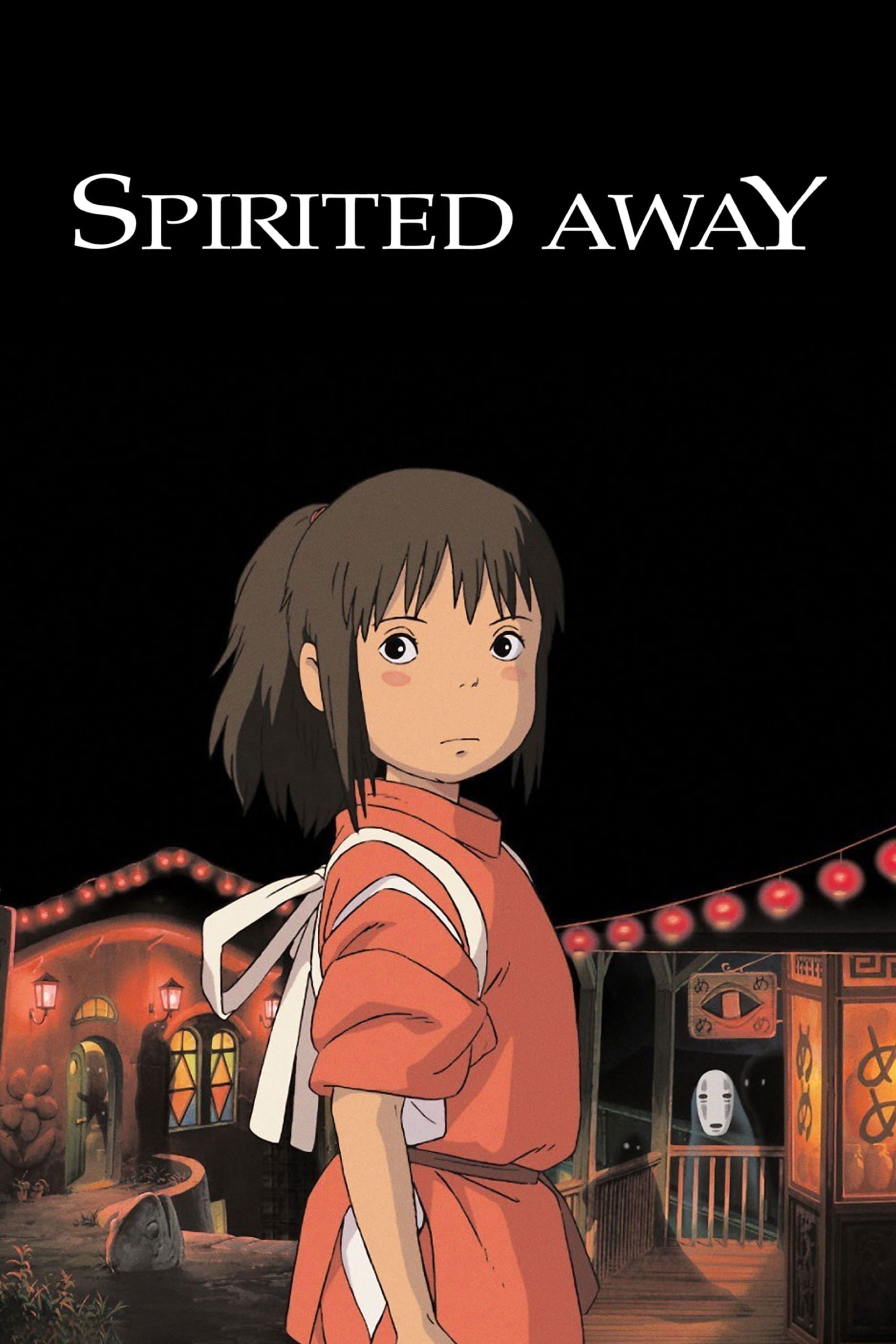
Ten-year-old Chihiro becomes trapped in a supernatural bathhouse for spirits after her parents turn into pigs. She must work for a sorceress while seeking a way to break the curse and return to the human world. The animation captures her initial fear and eventual growth as she navigates a bizarre logic that adults cannot see. Her journey represents a transition from a whiny child to a courageous individual capable of saving others. Every encounter reinforces her distinct viewpoint in a world ruled by gods and magic.
‘Where the Wild Things Are’ (2009)
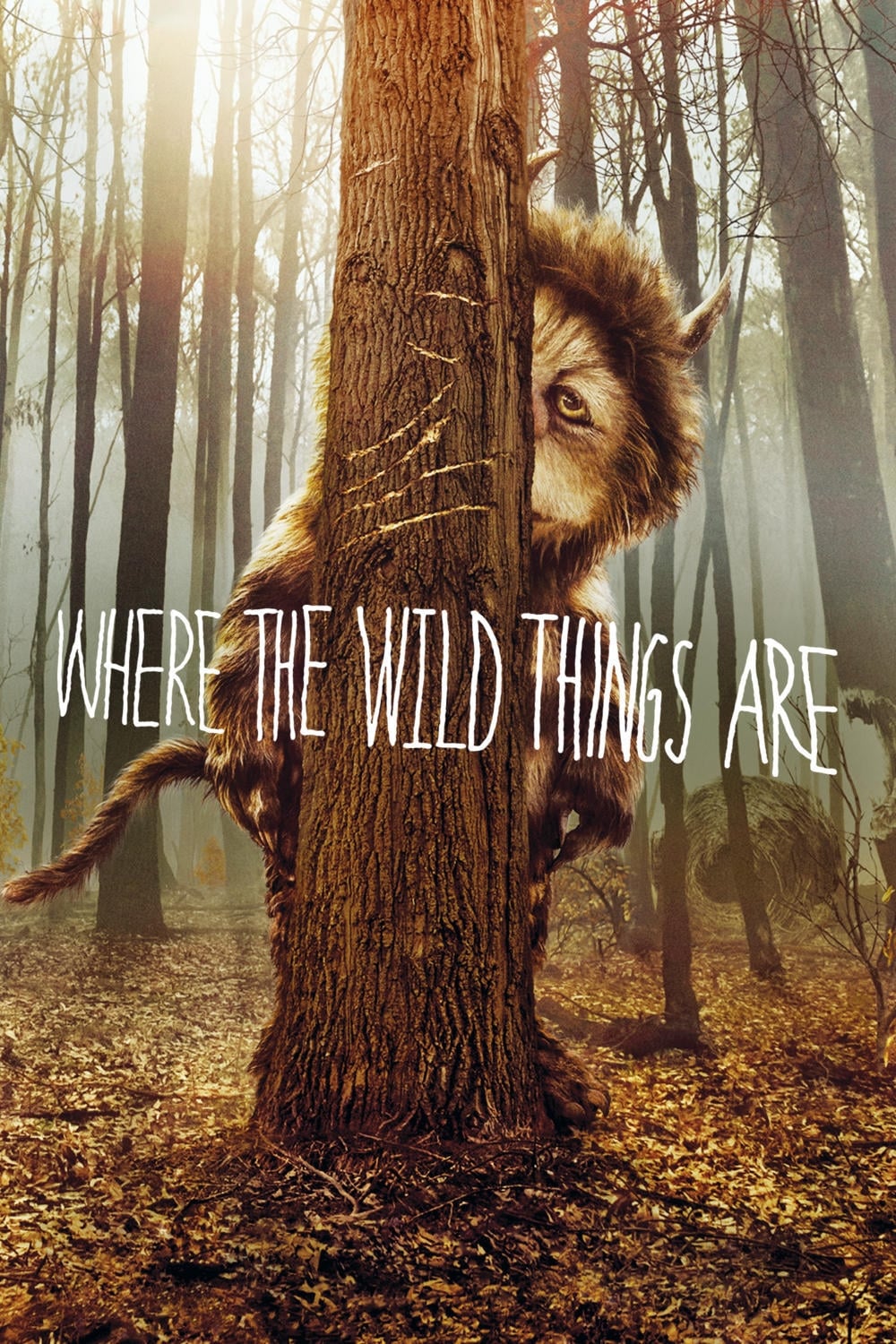
Max flees from home after an emotional outburst and sails to an island inhabited by giant beasts. These creatures represent different facets of his own volatile emotions and childhood anxieties. He declares himself king and attempts to create a utopia where sadness does not exist. The film treats his feelings with immense gravity rather than dismissing them as mere tantrums. His time with the Wild Things helps him understand the complexity of anger and the need for family.
‘My Neighbor Totoro’ (1988)
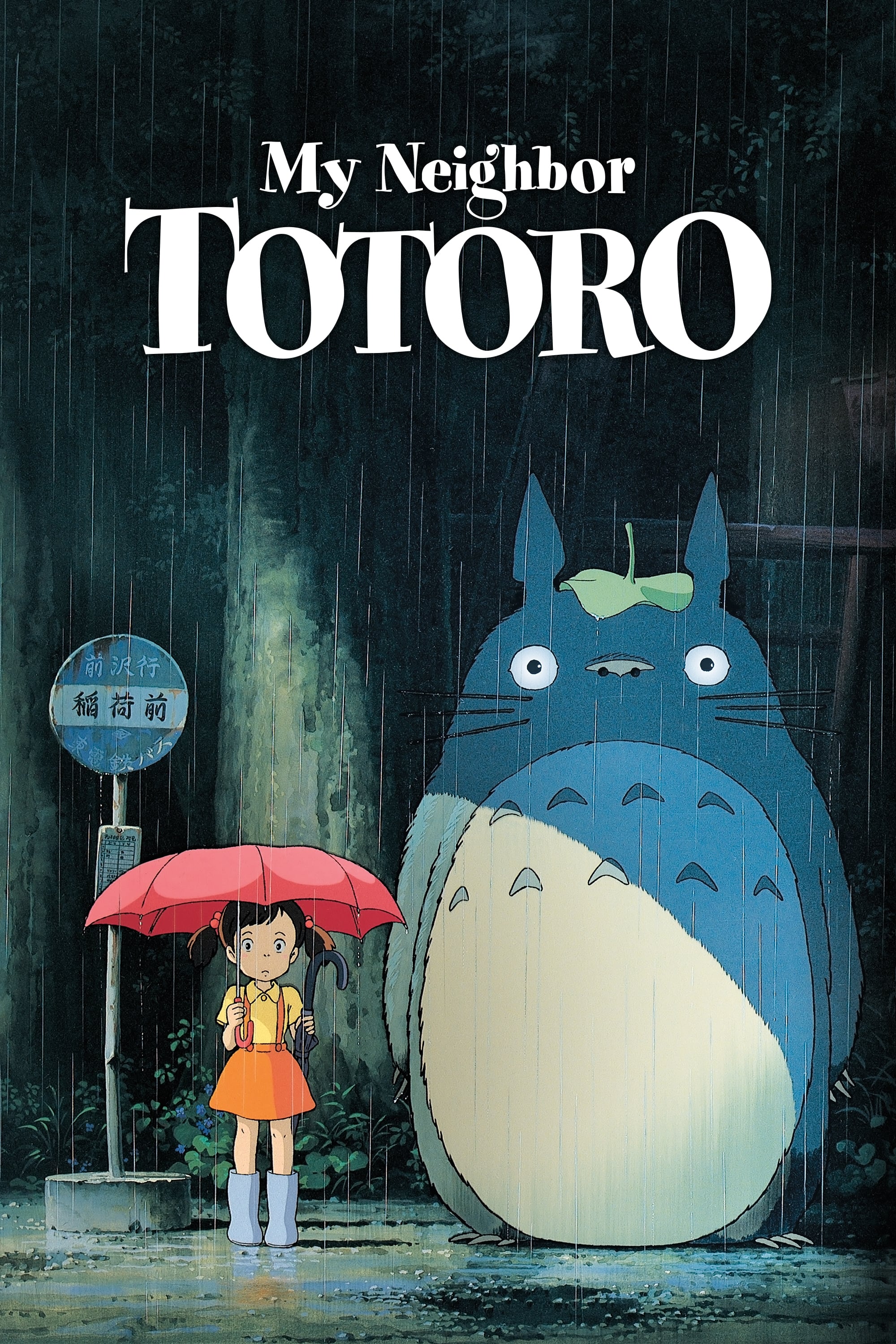
Sisters Satsuki and Mei move to the countryside and discover friendly forest spirits near their new home. The narrative lacks a traditional antagonist and focuses entirely on their exploration and joy. Only the children can see the giant troll Totoro and the Catbus while adults remain unaware. The film captures the specific texture of childhood curiosity and the comfort found in nature during stressful times. It presents a gentle world where fear is fleeting and magic is a natural part of life.
‘E.T. the Extra-Terrestrial’ (1982)
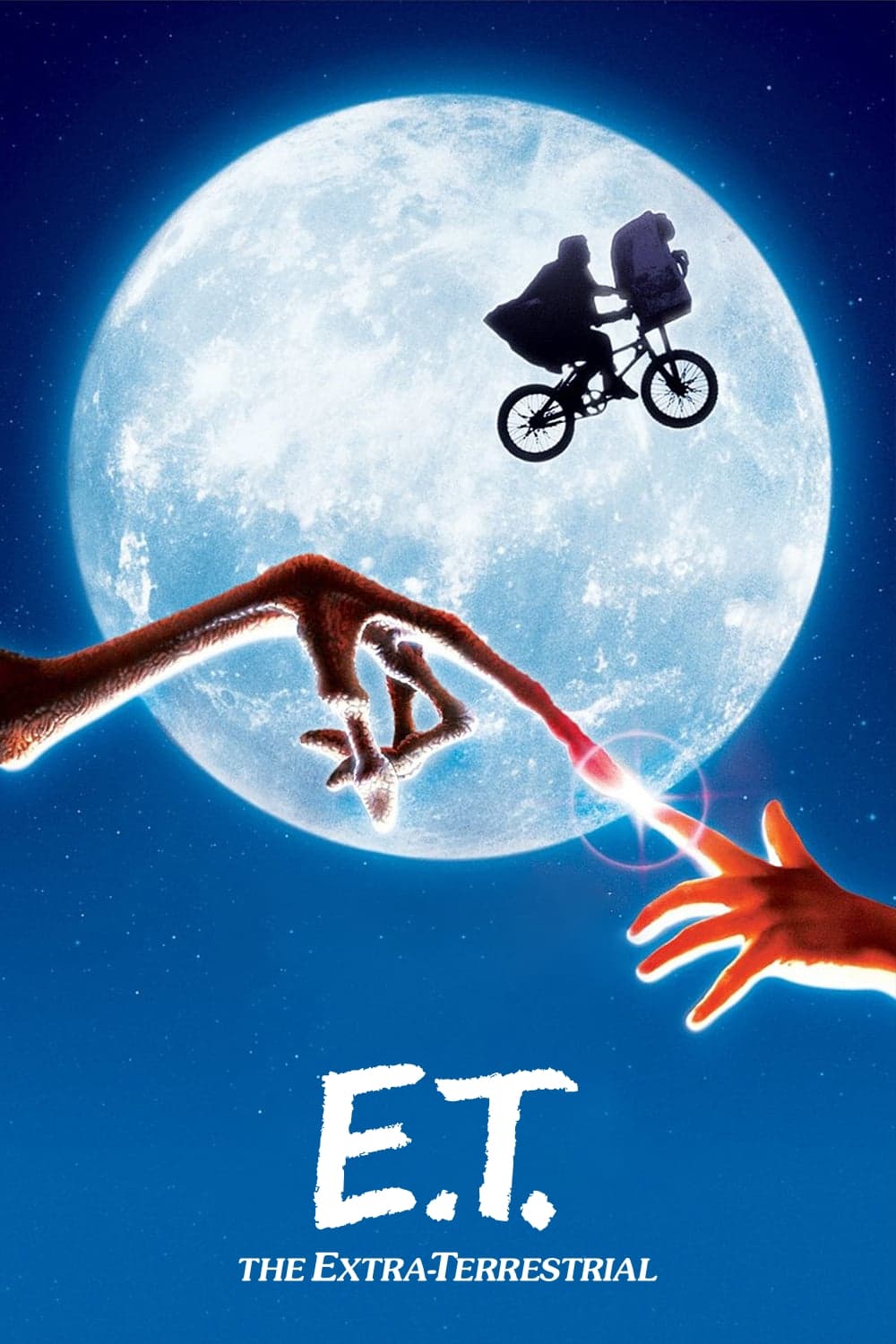
Elliott befriends a stranded alien and forms a psychic connection that allows them to share emotions. The camera is often positioned at the waist level of adults to simulate how Elliott sees authority figures. He hides E.T. from his mother and government agents while trying to help the creature return home. The story serves as a metaphor for dealing with his parents’ divorce through the lens of science fiction. The emotional climax focuses entirely on the bond between the boy and his visitor.
‘The 400 Blows’ (1959)
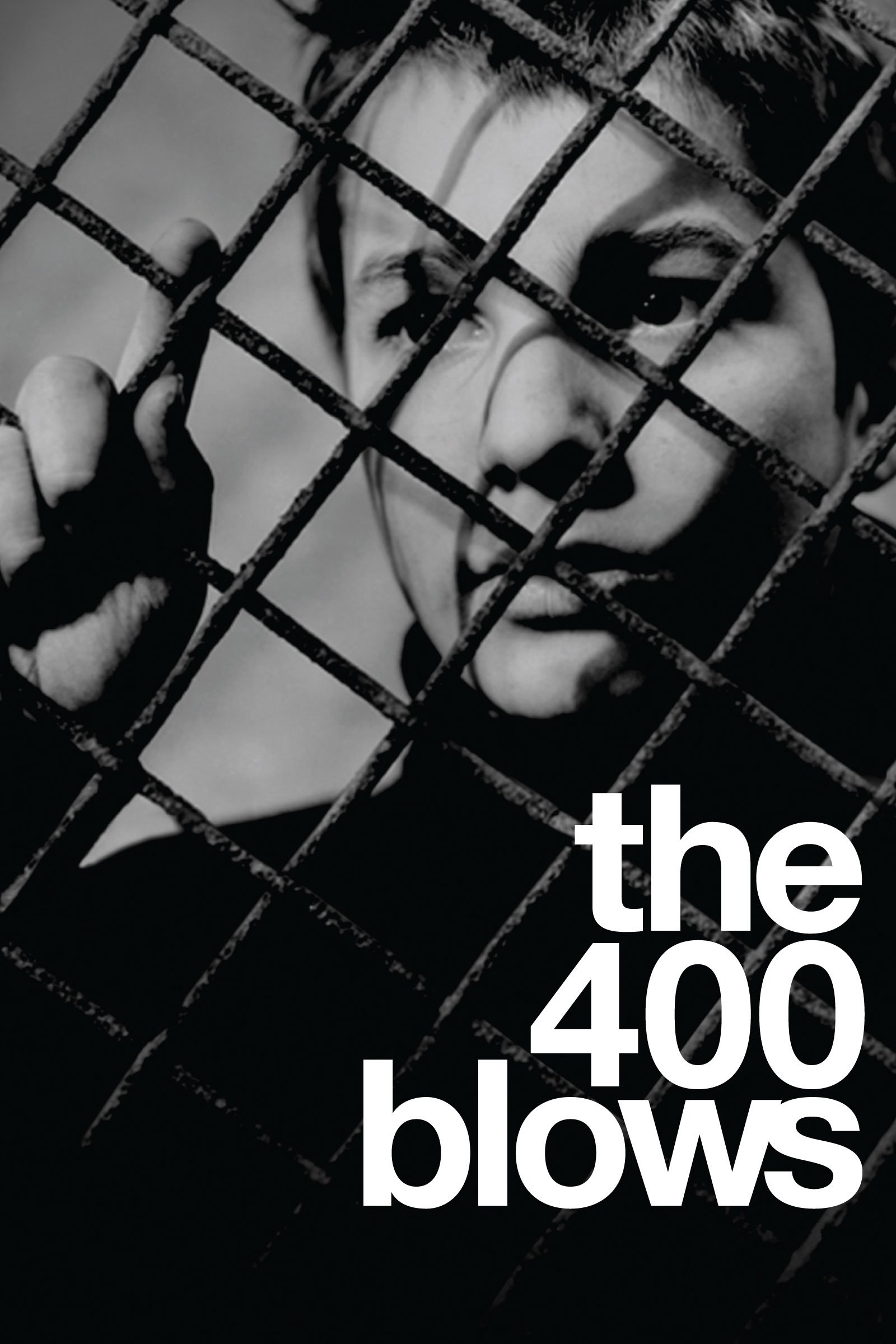
Antoine Doinel struggles against the rigid authority of his parents and teachers in Paris. He seeks escape through cinema and petty crime as a reaction to his neglectful home life. The film observes his minor rebellions without judgment or moralizing from an adult standpoint. His final run toward the ocean represents an ambiguous but necessary step toward independence. The cinematography stays close to Antoine to emphasize his isolation in a crowded city.
‘Empire of the Sun’ (1987)
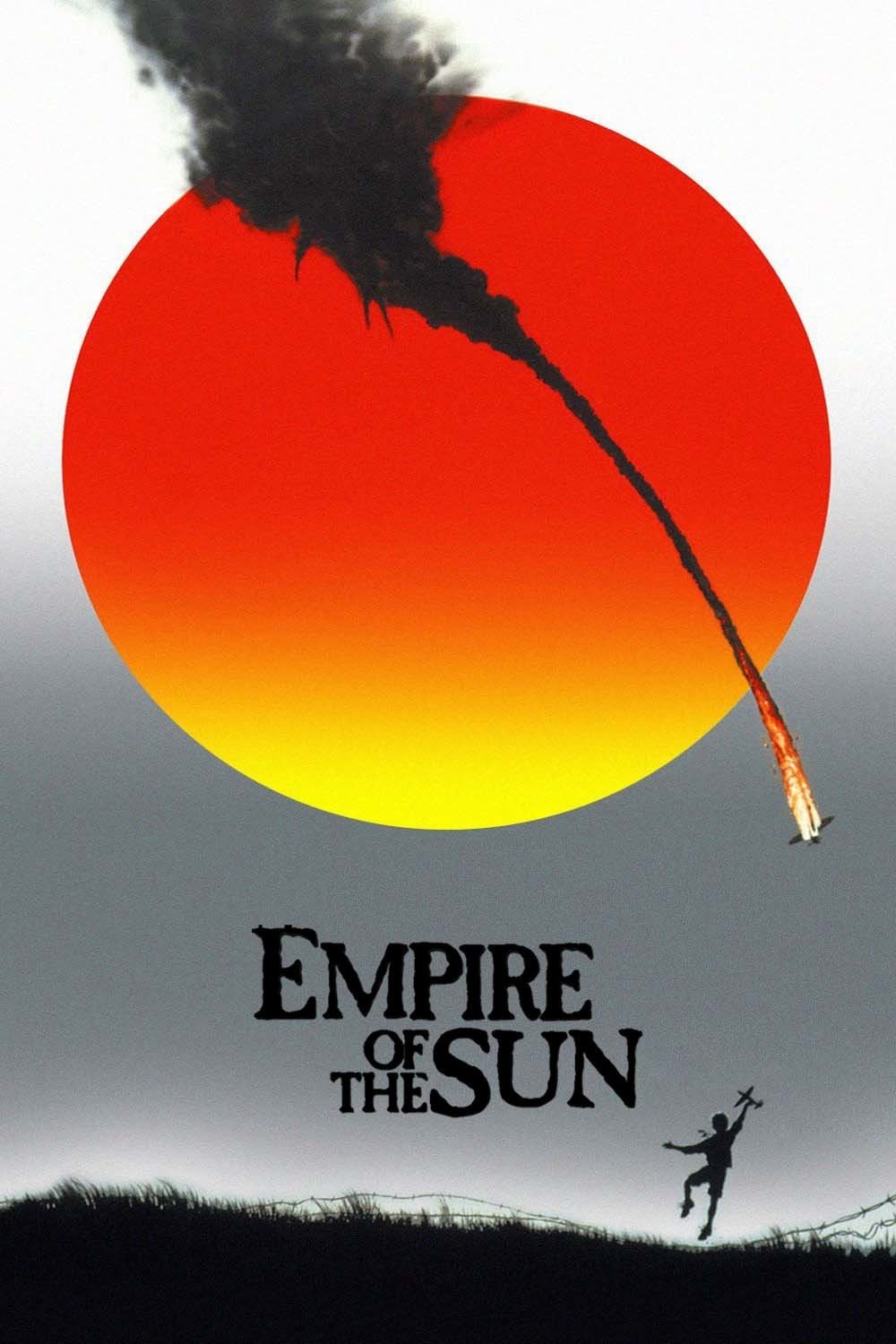
Jim Graham enjoys a privileged life in Shanghai before becoming separated from his parents during the Japanese invasion. He survives in an internment camp by treating the war as a high-stakes adventure game. The destruction and chaos are filtered through his obsession with airplanes and his admiration for the pilots. His loss of innocence occurs gradually as the reality of death eclipses his initial excitement. The film portrays the absurdity of war through the eyes of a boy who does not fully grasp the politics.
‘Ponette’ (1996)
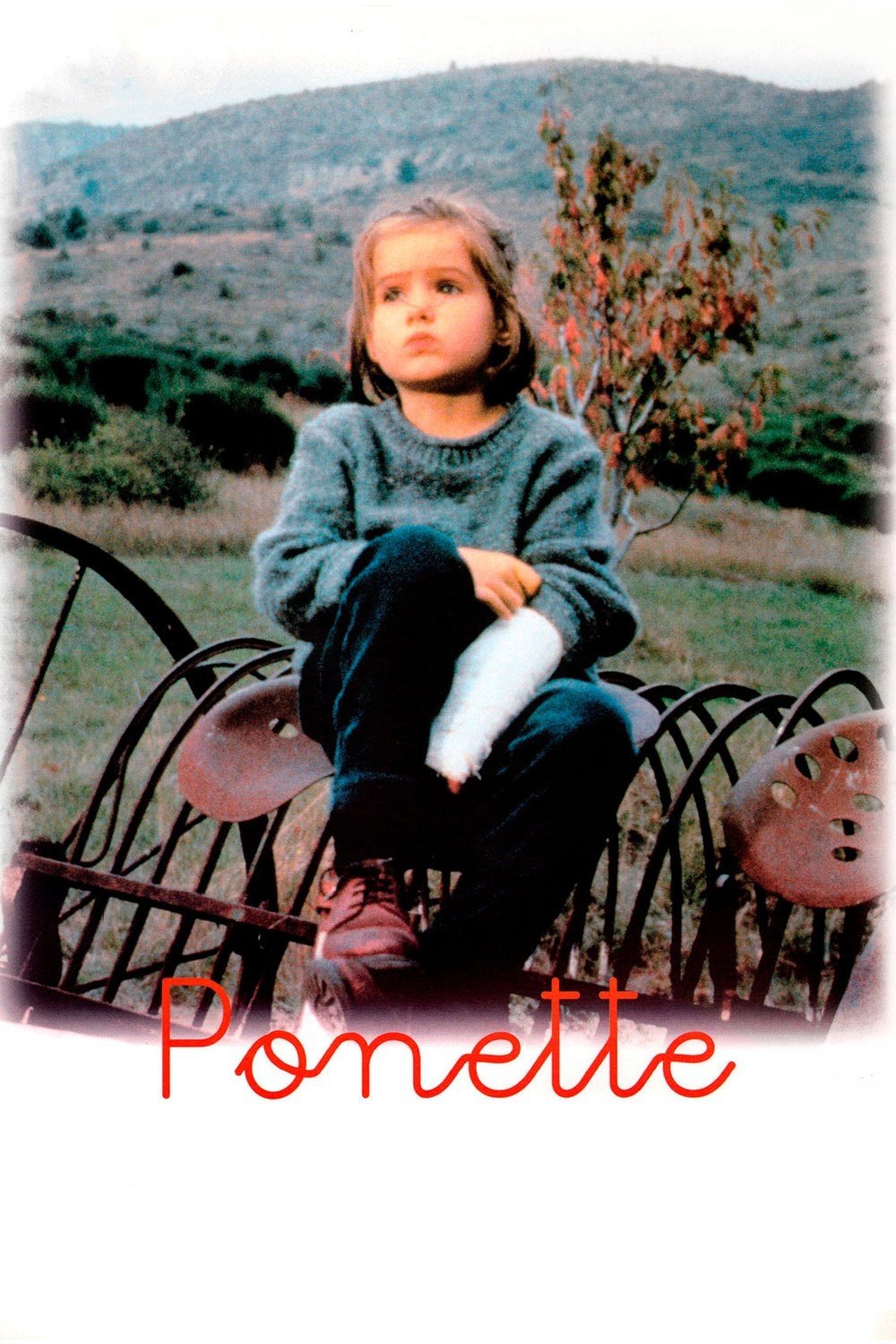
Four-year-old Ponette struggles to understand the sudden death of her mother after a car accident. She withdraws from her father and cousins to wait for her mother to return. The camera captures her micro-expressions and private conversations with God in uncomfortable proximity. It is a rigorous examination of childhood grief that refuses to simplify the emotion for adult viewers. Her persistent belief in resurrection drives the narrative until she finds her own closure.
‘Petite Maman’ (2021)
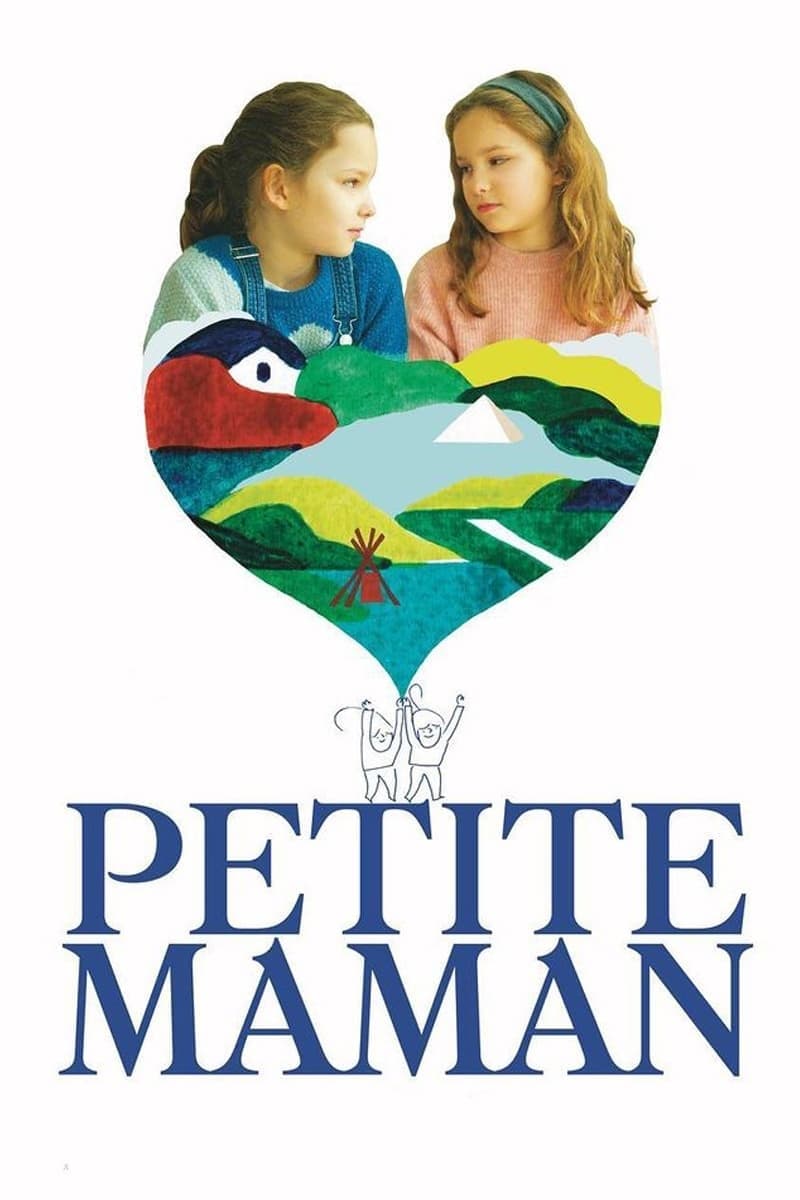
Eight-year-old Nelly explores the woods behind her grandmother’s house and meets a girl who looks exactly like her. She realizes this new friend is actually her mother as a child. The film treats this time travel element with casual acceptance rather than sci-fi exposition. Nelly gains a profound understanding of her mother’s sadness by interacting with her as a peer. The story remains small and intimate while dealing with complex intergenerational connections.
‘The Spirit of the Beehive’ (1973)
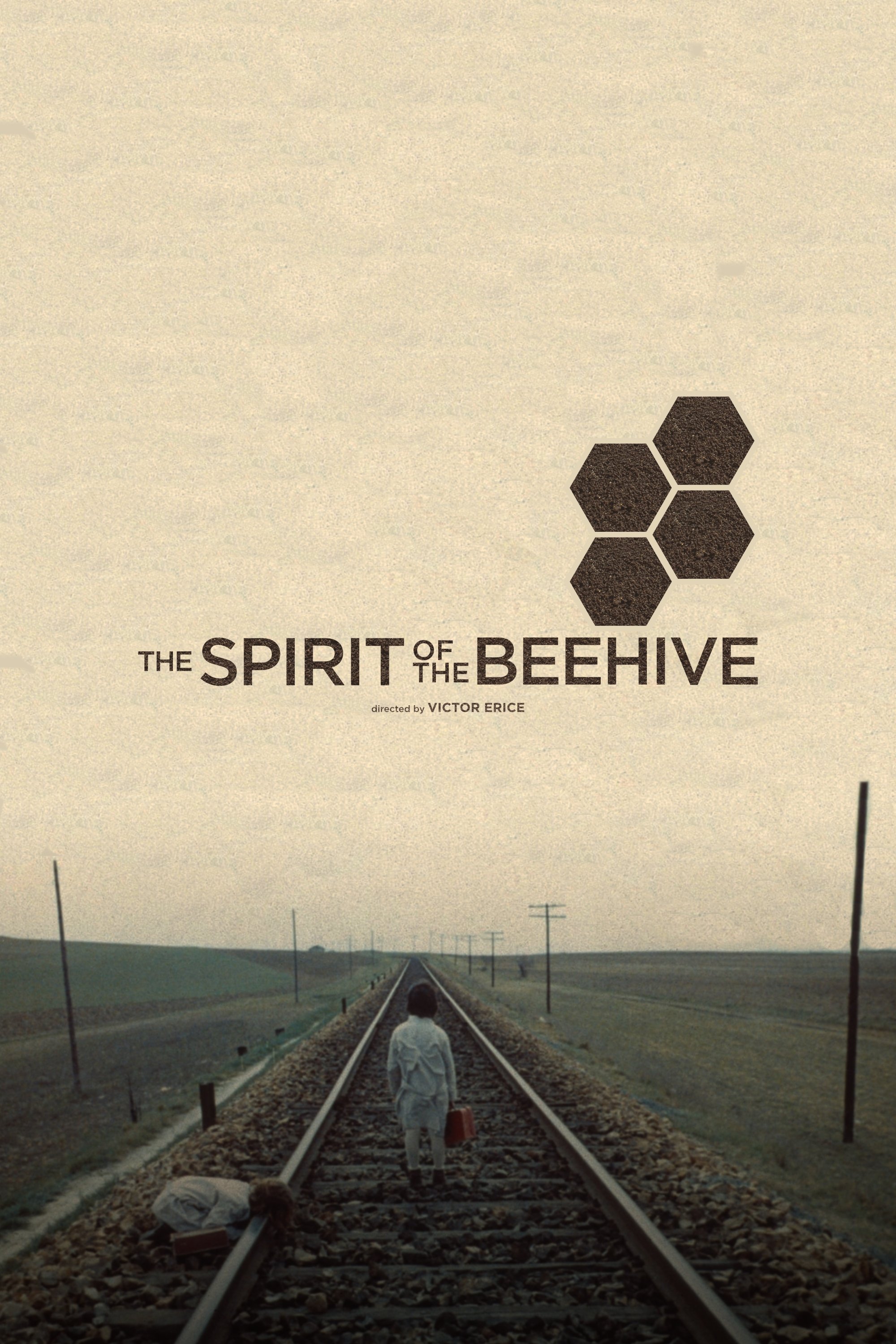
Ana becomes obsessed with the monster from the film Frankenstein after a traveling cinema visits her village. She wanders the Spanish countryside searching for the spirit while navigating the silence of her family home. Her imagination fills the voids left by the unspoken trauma of the Spanish Civil War. The film relies on visual storytelling to convey her internal state rather than dialogue. It is a haunting portrayal of how children process fear and existential mystery.
‘Ratcatcher’ (1999)
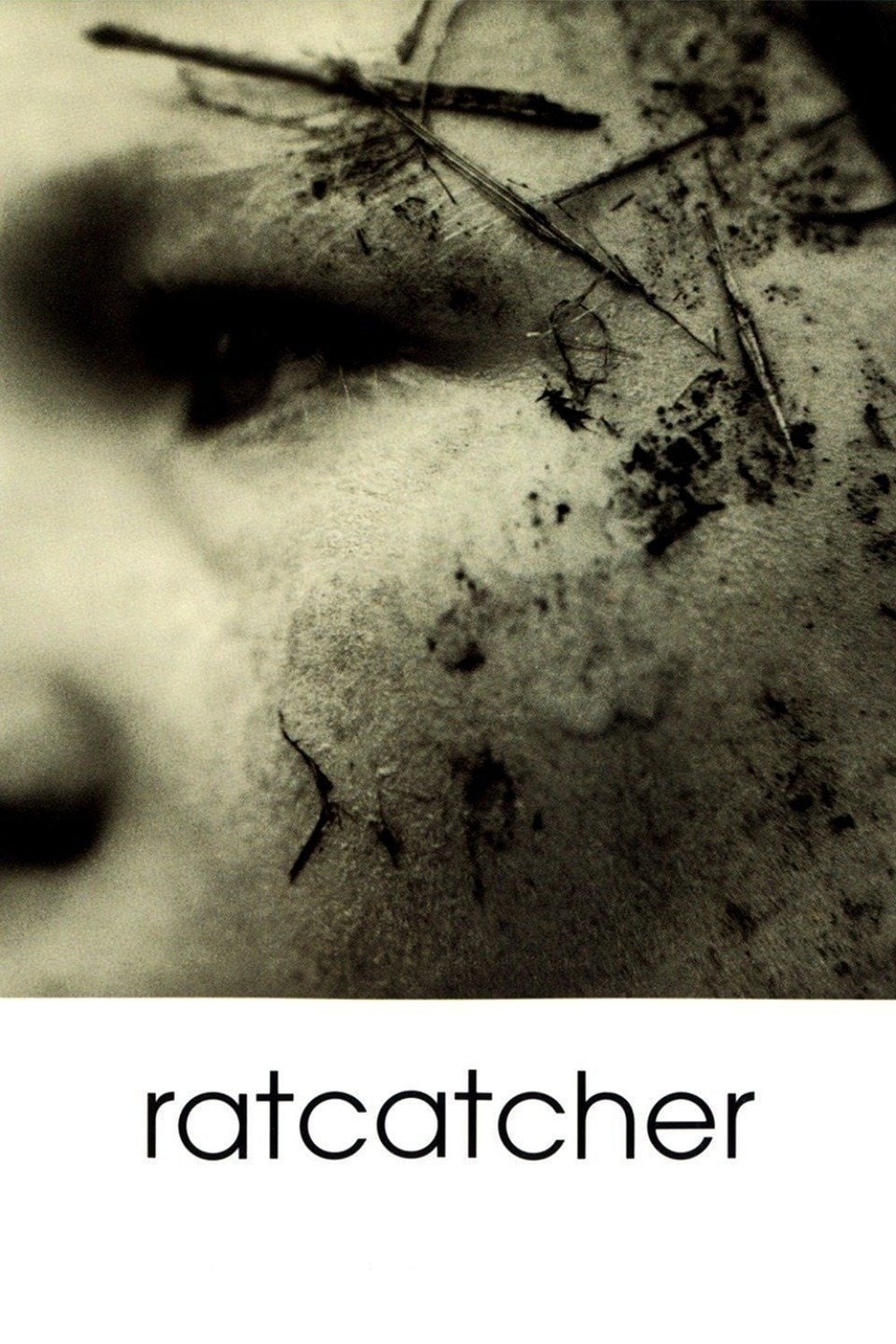
James Gillespie navigates the garbage-strewn streets of 1970s Glasgow during a sanitation strike. He carries the guilt of a tragic accident while trying to find moments of beauty in the squalor. The film contrasts the grim reality of his environment with his quiet moments of play and escape. His perspective renders the decaying city into a surreal playground full of danger and wonder. The narrative refuses to offer easy solutions to his poverty or emotional burden.
‘The Red Balloon’ (1956)
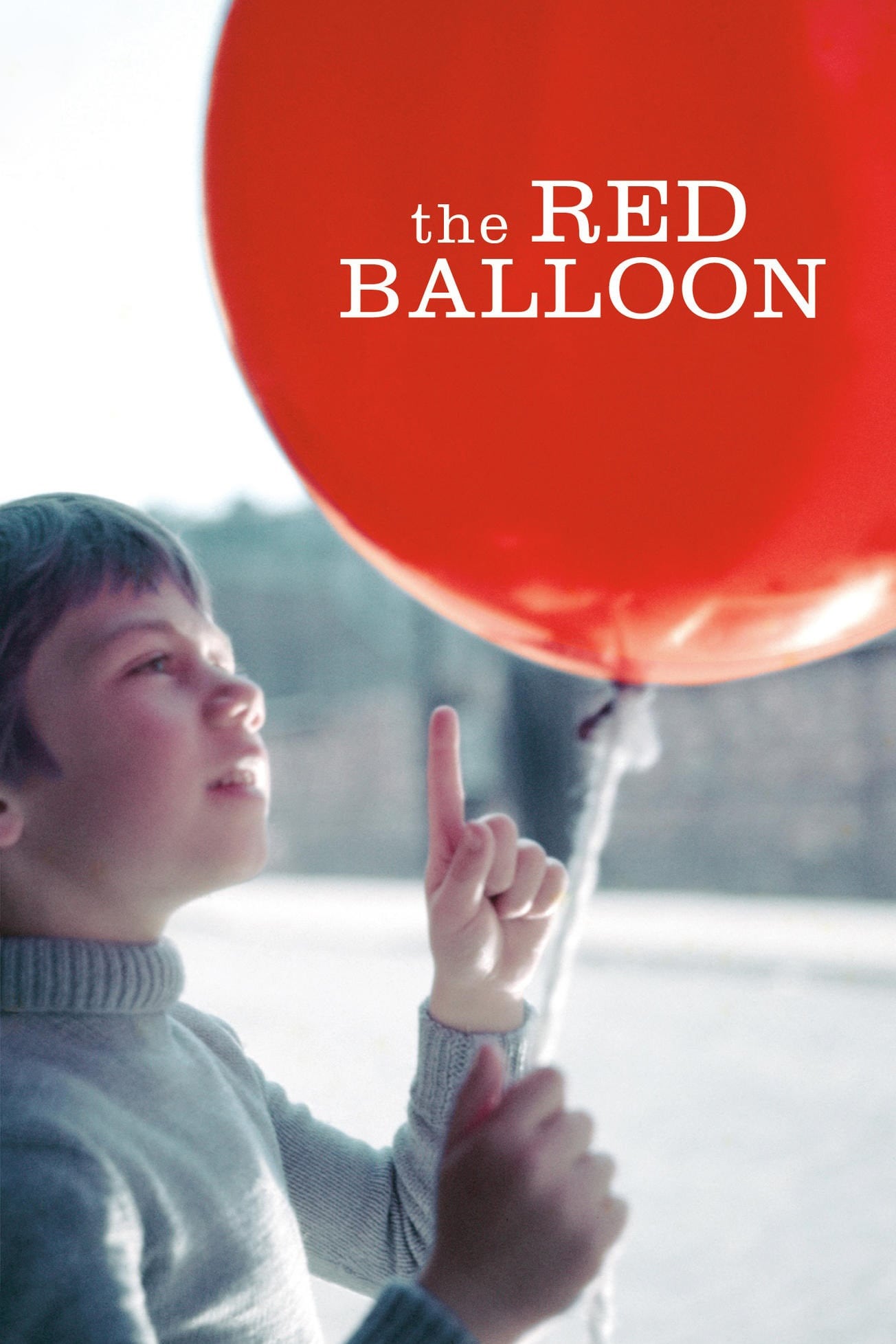
A young boy finds a sentient balloon in the Menilmontant neighborhood of Paris. The balloon follows him through the streets and displays a playful personality of its own. Dialogue is minimal as the story focuses on the visual bond between the child and his floating friend. The boy protects the balloon from gangs of other children who want to destroy it. It is a pure expression of friendship and loss experienced solely through visual actions.
‘Honey Boy’ (2019)
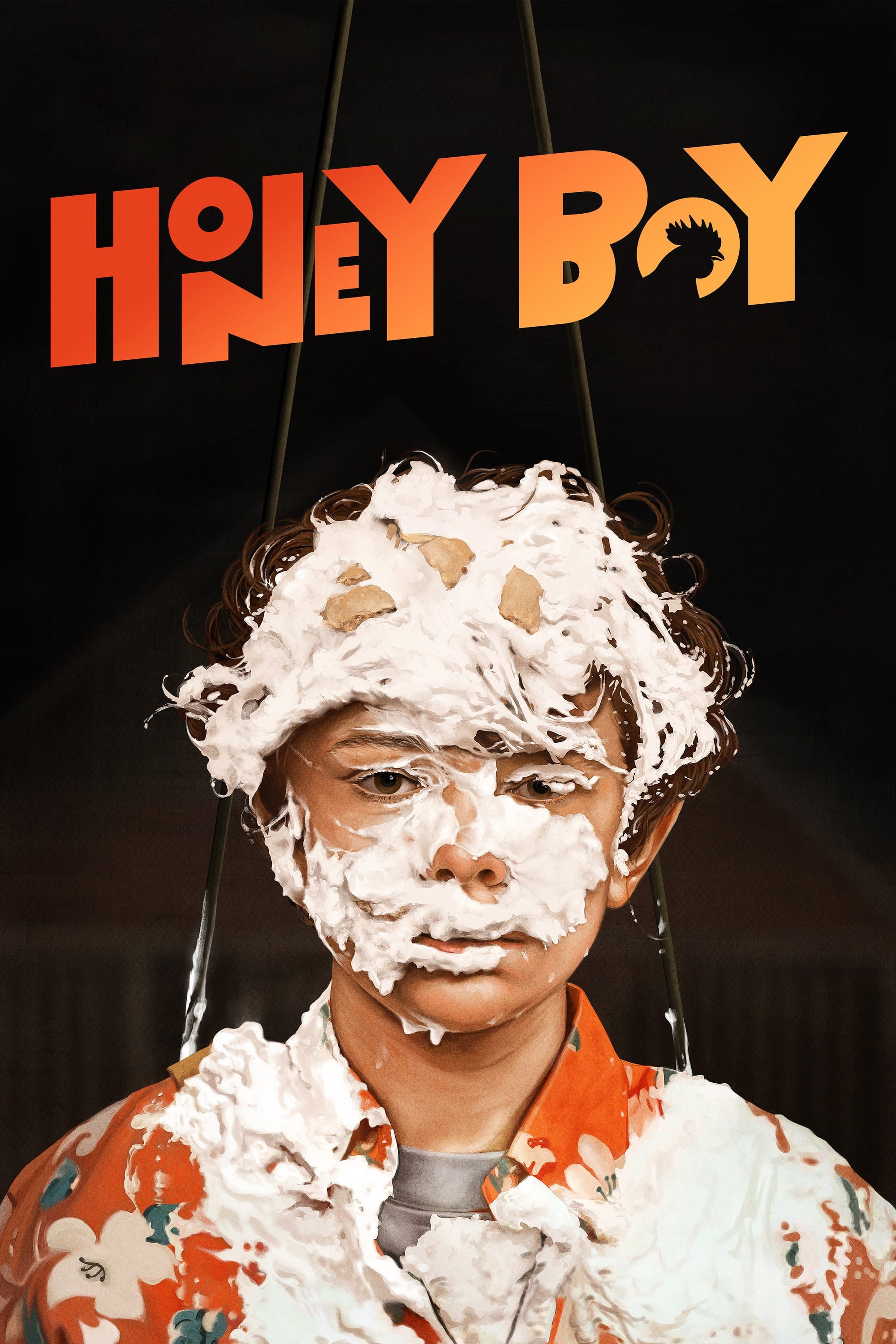
Otis acts as a buffer between his abusive father and the realities of their motel life. He views his father with a mix of fear and professional admiration while working as a child actor. The film explores the confusion of reversing parental roles at a young age. Otis interprets his father’s rage as a form of love or training that he must endure. The narrative stays locked in his trauma response and his desperate need for approval.
‘Hugo’ (2011)

Hugo Cabret lives inside the walls of a Paris train station maintaining the clocks in secret. He views the station as a complex machine and tries to fix an automaton to unlock a message from his father. The film visualizes the world through gears and mechanisms that make sense to his technical mind. His journey connects him with the history of cinema through a child’s sense of discovery. The visual style mimics the wonder of early films as seen through young eyes.
‘A Monster Calls’ (2016)
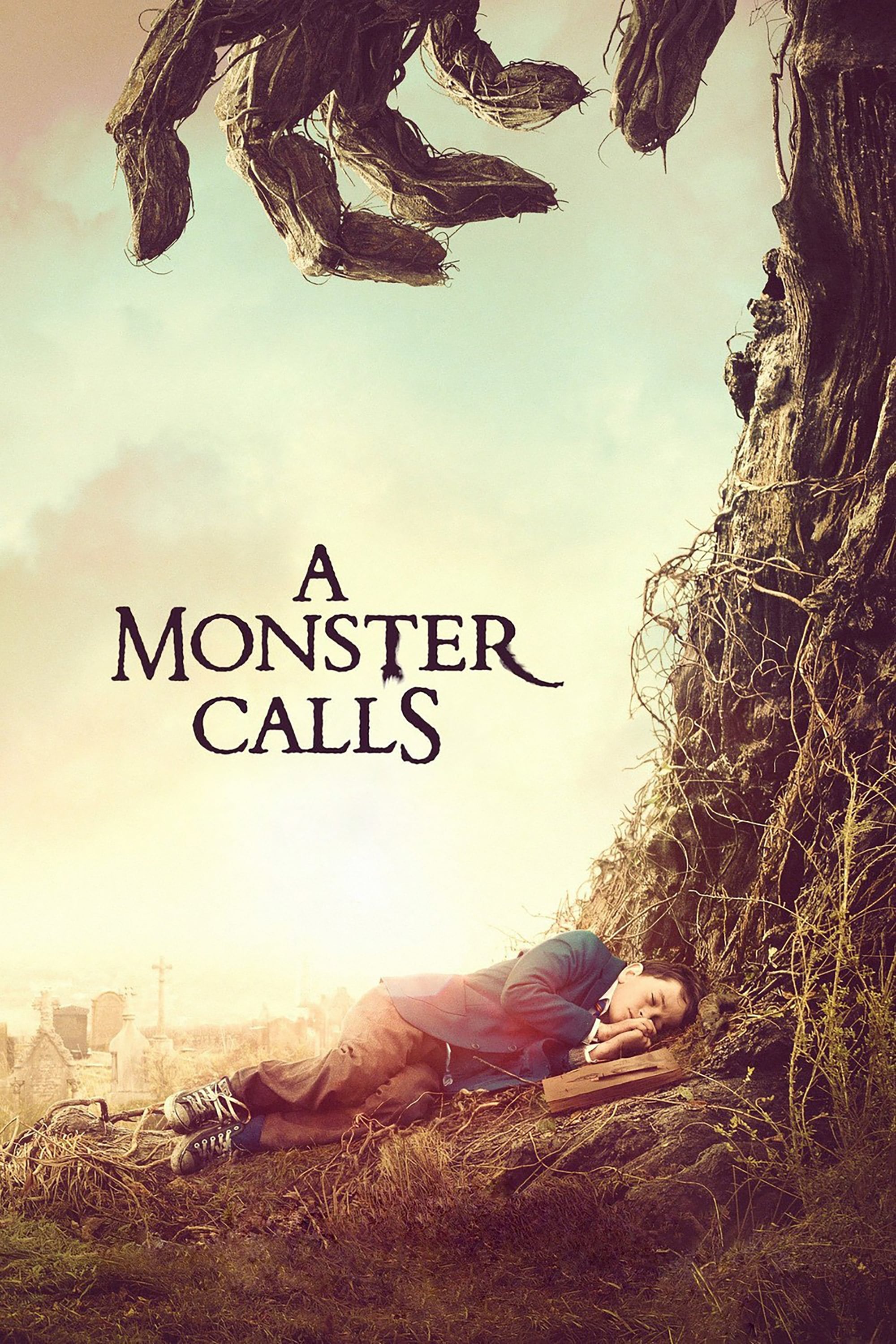
Conor O’Malley deals with his mother’s terminal illness by interacting with a giant tree monster. The monster tells him three stories that challenge his understanding of good and evil. Conor’s internal rage manifests as destruction in the fantasy world while he remains quiet in reality. The film uses animation and special effects to visualize his coping mechanisms for grief. He must eventually confront his own nightmare to find peace.
Tell us which of these childhood perspectives resonated with you the most in the comments.