

20 Console Launch Titles That Killed The Hardware Immediately



A weak or confused launch lineup can sour a new system before it has a chance to grow, and history is full of examples where the pack-in or headline game failed to make the right case for the hardware. The titles below were positioned as day-one showpieces or bundled experiences, yet they arrived with limitations or messaging that did little to communicate clear value to buyers. In many cases they were ports that did not showcase new features, or early builds that highlighted technical quirks. Paired with high prices, awkward hardware design, or tiny libraries, these introductions left their consoles struggling to win attention. Here are twenty launch titles that met the spotlight but could not keep the lights on for their systems.
‘Cybermorph’
Atari positioned ‘Cybermorph’ as the pack-in for the Jaguar in North America, putting its new 64-bit branding front and center. The game used flat-shaded 3D and voice prompts to show off the hardware’s capabilities. It shipped alongside a small lineup and was the default first impression for most buyers. The Jaguar’s early library remained thin while this pack-in defined its public image.
‘Mario’s Tennis’

Nintendo shipped ‘Mario’s Tennis’ as a key launch title for the Virtual Boy in multiple regions. It demonstrated head-tracked stereoscopic visuals and simple, fast matches designed for short sessions. The software did not require the peripheral stand or link cable to appreciate the core idea. With limited color output and a minimal library around it, the system struggled to build momentum.
‘Star Wars Arcade’

Sega led the 32X launch with ‘Star Wars Arcade’ to showcase 3D polygon performance on top of the Genesis base. It brought a recognizable license and flight combat that leaned on the new add-on’s geometry. Retailers faced confusion around the add-on’s purpose and install steps while the standalone game could not answer broader questions about long term support. The 32X quickly saw reduced shelf space as upcoming titles shifted elsewhere.
‘Crash ‘n Burn’
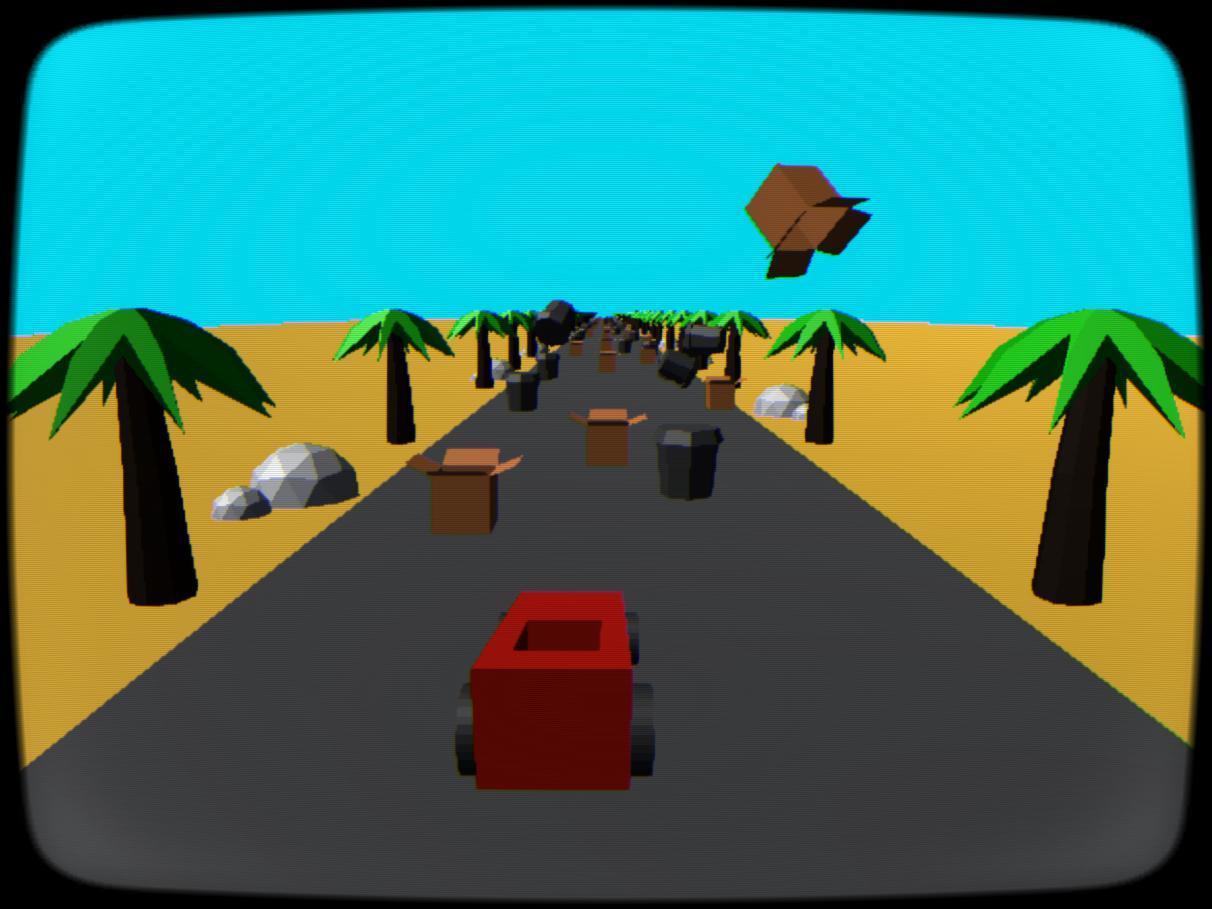
The 3DO arrived with ‘Crash ‘n Burn’ as its primary pack-in through certain manufacturers. The title highlighted full motion video presentation alongside futuristic racing. With a premium entry price and a decentralized hardware strategy, early buyers encountered a small lineup beyond this showcase. The game became the default demo in stores while the platform waited for a broader catalog.
‘Keith Courage in Alpha Zones’
‘Keith Courage in Alpha Zones’ shipped as the TurboGrafx-16 pack-in for the North American rollout. The side-scrolling action emphasized bright color and quick transitions into mech combat. It arrived without a familiar brand in that market and often served as the only included software at purchase. The system’s early value proposition depended on how this one cartridge landed with new owners.
‘Genji: Days of the Blade’

Sony positioned ‘Genji: Days of the Blade’ as one of the PlayStation 3’s day-one technical showcases. The title presented large battle scenes and detailed character models to underline the jump to new hardware. Its early presence placed attention on visual spectacle over a broader range of launch genres. As supply, price, and development tools matured, later releases redefined the console’s identity.
‘Ryse: Son of Rome’
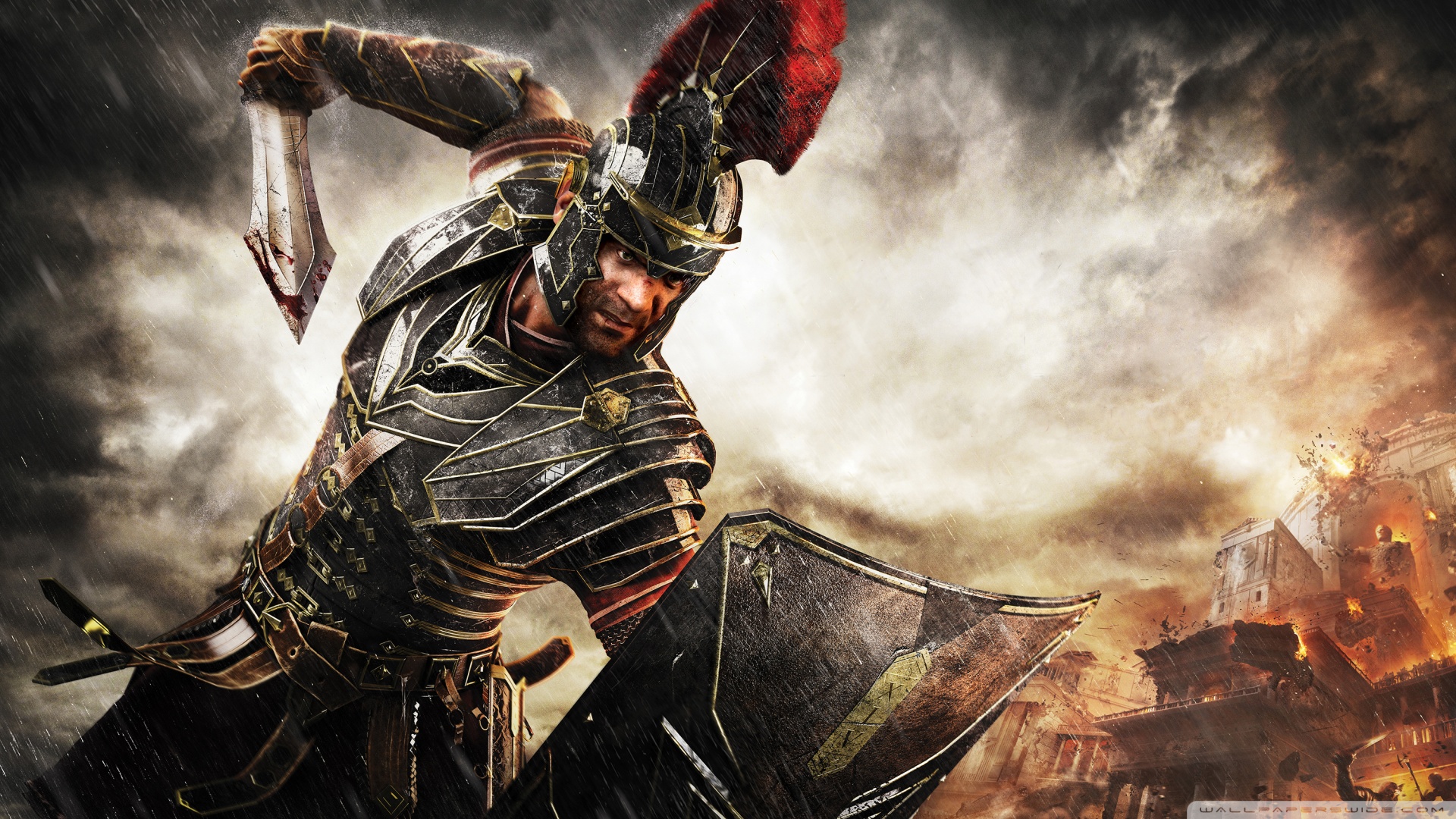
Microsoft used ‘Ryse: Son of Rome’ as a centerpiece for the Xbox One introduction. It featured cinematic set pieces and extensive voice and camera integration with the system. The launch slate concentrated on media features while this game served as the most prominent first party action title. Retail messaging evolved in the following year as the platform refocused on software libraries.
‘Tomb Raider’
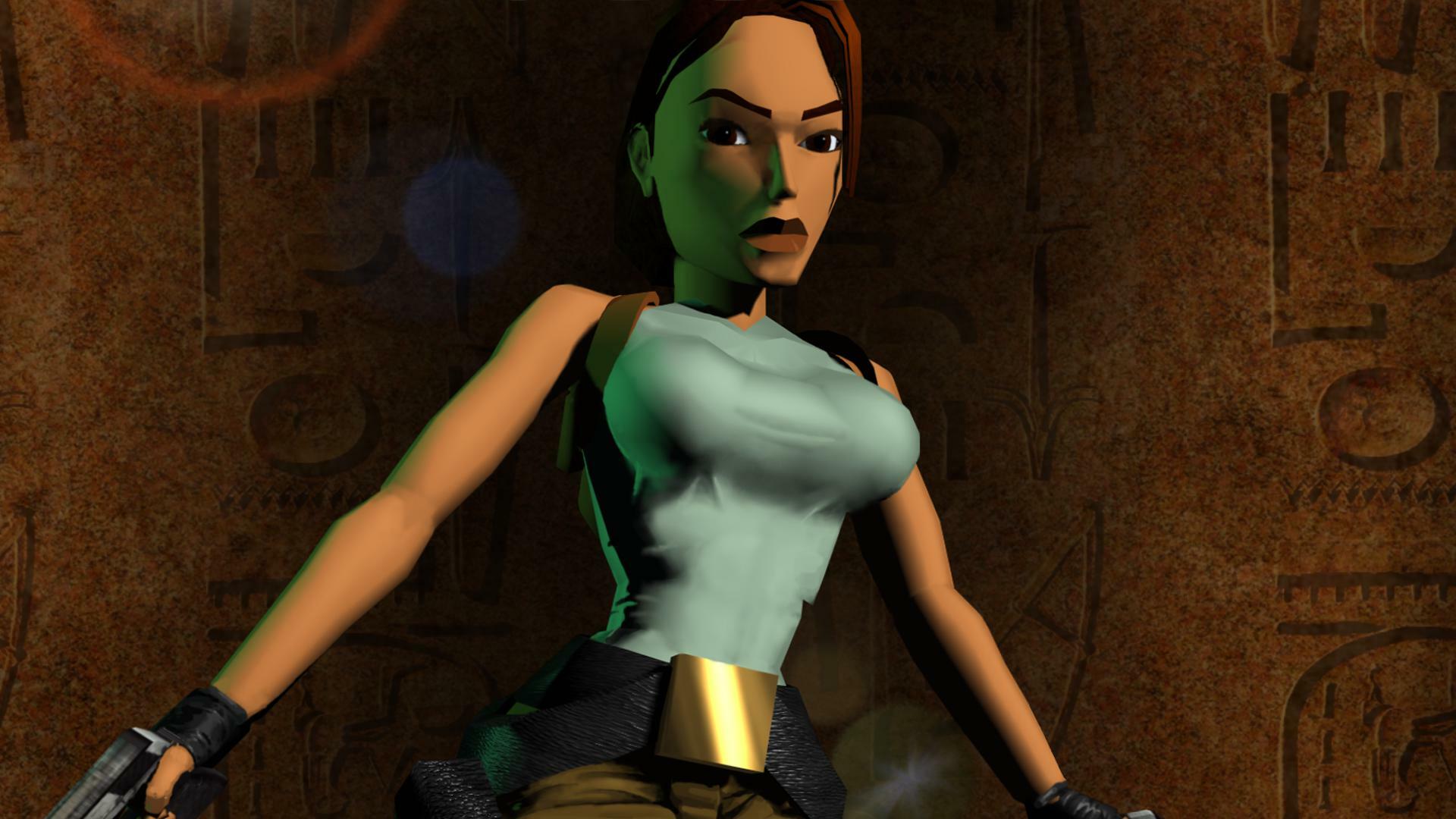
Nokia brought ‘Tomb Raider’ as a headline game for the N-Gage phone and game hybrid at release. The version targeted the device’s vertical screen and keypad inputs while aiming for a recognizable brand. Buyers encountered side-talking ergonomics and a small early catalog around this port. The device’s retail presence shifted toward phone use cases as software support thinned.
‘Fathammer Stunt Arena’
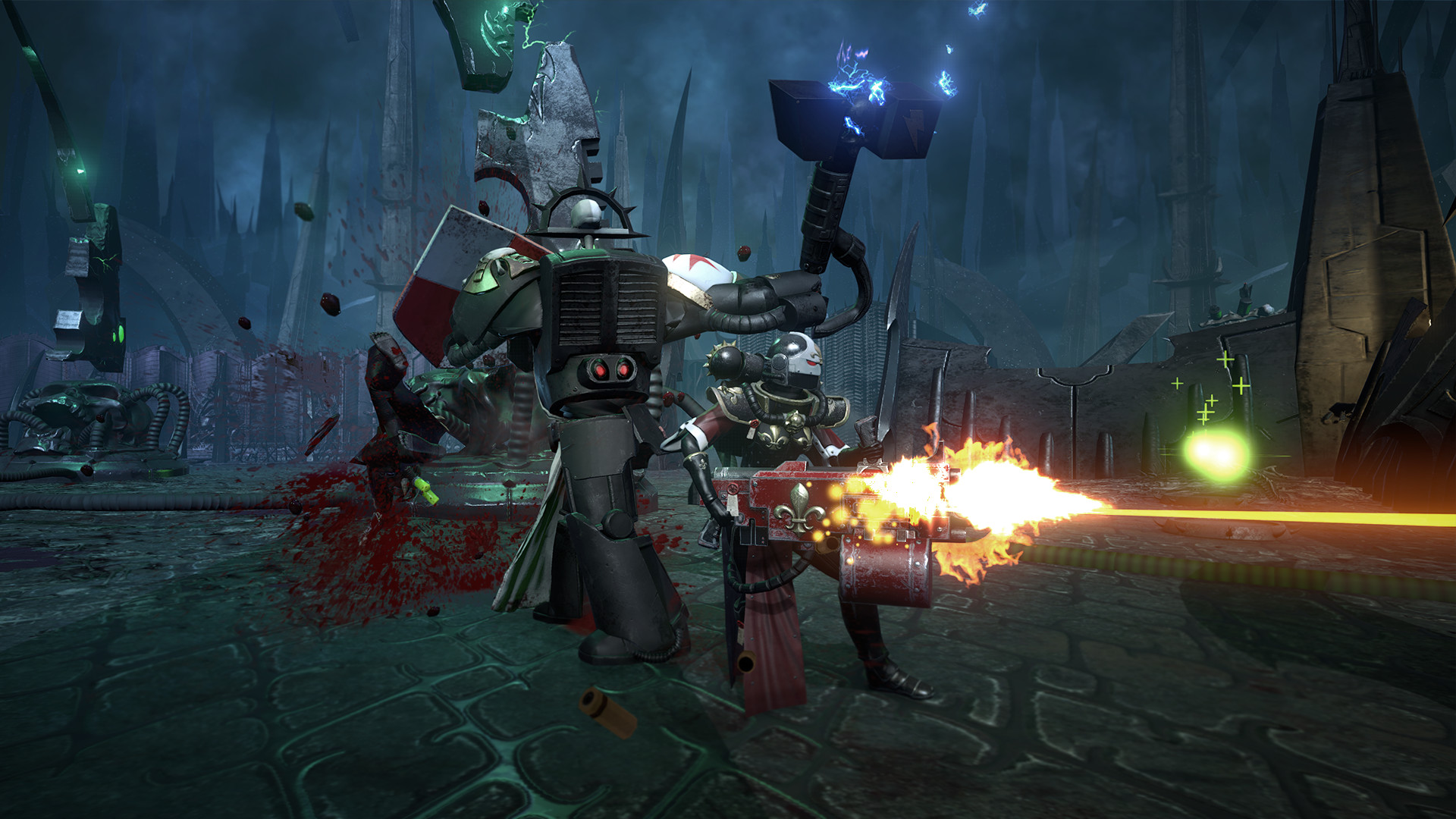
Gizmondo launched in select markets with ‘Fathammer Stunt Arena’ among its most visible day-one games. The title showcased basic 3D driving and physics on the handheld. Distribution was limited and the storefront featured few high profile releases beyond this early piece. The platform’s short commercial life left the game as a snapshot of its ambitions.
‘Final Fantasy III’
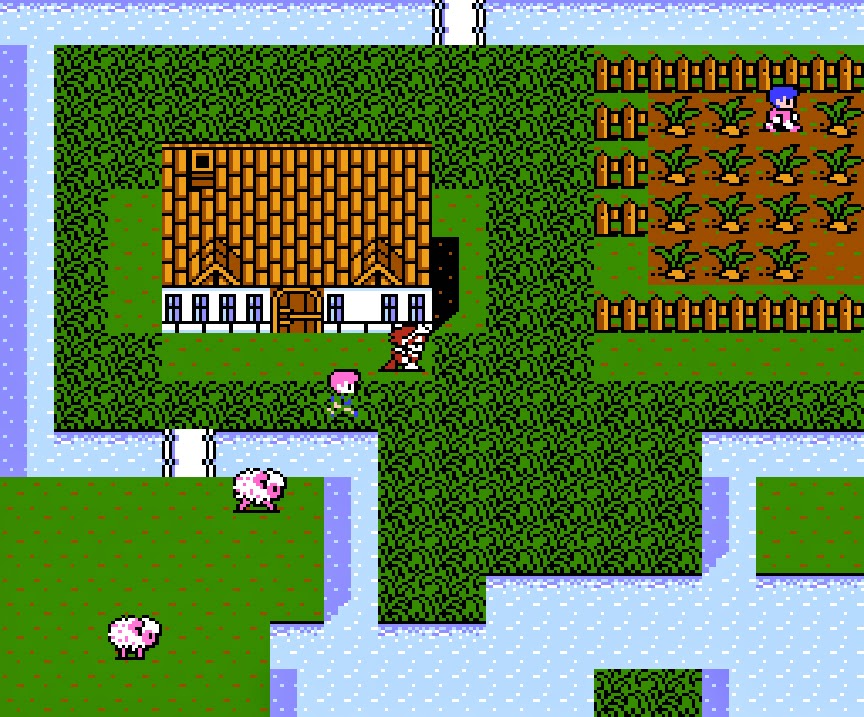
Ouya’s retail debut leaned on ‘Final Fantasy III’ as a recognizable name to anchor its store. The release adapted a mobile remake rather than a bespoke console project and highlighted the platform’s Android roots. Early units promoted a try-before-you-buy model that depended on a deep flow of new apps. The system’s storefront soon centered on ports while larger developers looked elsewhere.
‘Burnin’ Rubber’
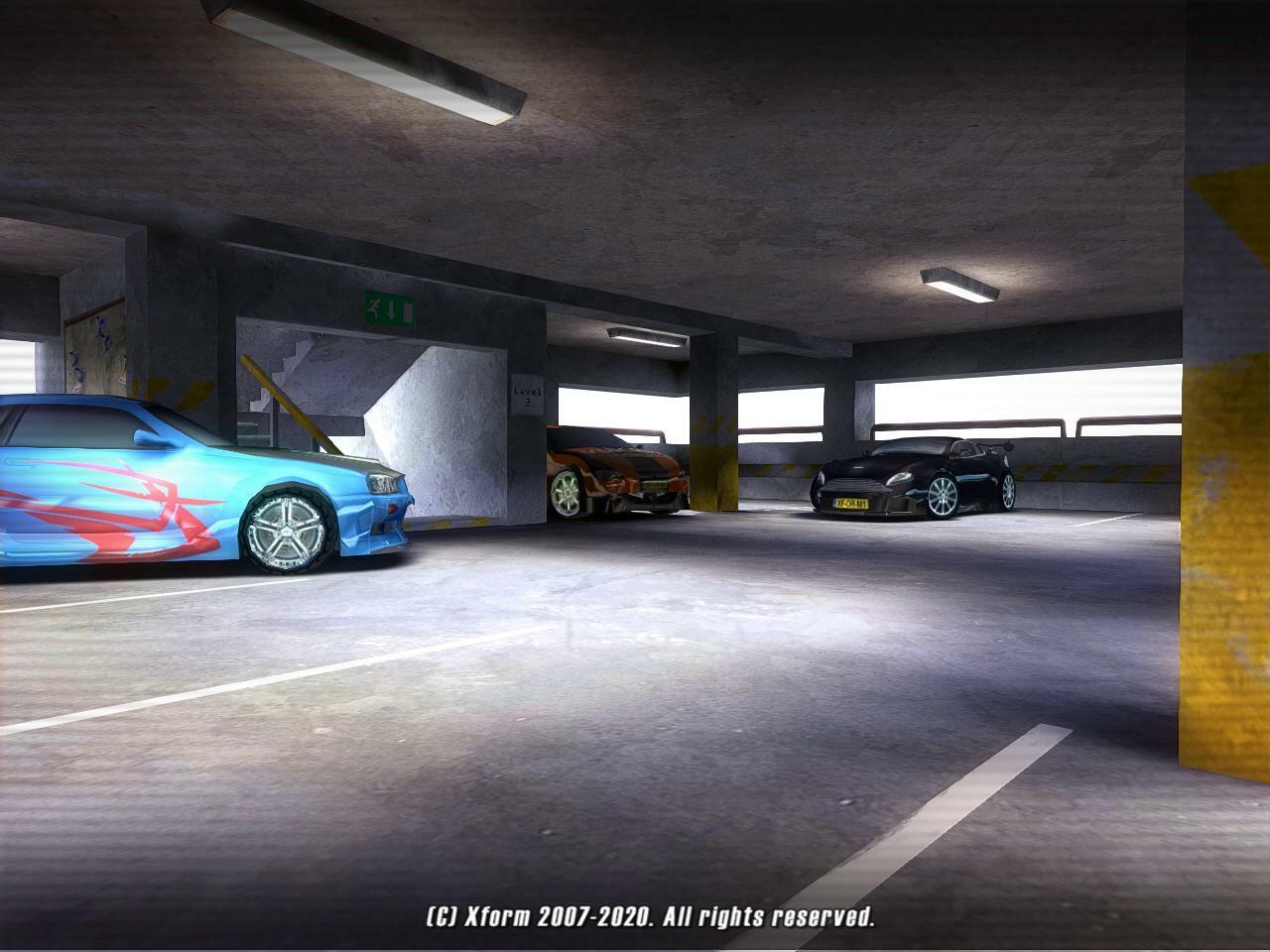
Amstrad bundled ‘Burnin’ Rubber’ with the GX4000 to ensure buyers had a cartridge out of the box. The racer ran on hardware closely related to the company’s home computer line. Retailers stocked limited supporting titles during the launch window outside of this pack-in. The console’s market presence faded as software shipments slowed.
‘International Tennis Open’
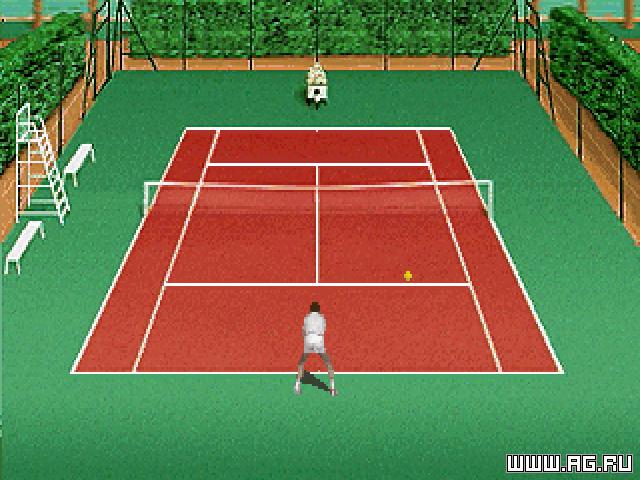
Philips used ‘International Tennis Open’ as an early CD-i showcase with broadcast-style commentary and video segments. The title emphasized the system’s multimedia pitch over traditional console features. Many buyers encountered it at in-store demo kiosks as a representative experience. The broader lineup focused on education and video content, leaving the game as the primary interactive example.
‘Super Marathon’
Bandai’s Pippin platform highlighted ‘Super Marathon’ to connect with Macintosh software heritage. The release aimed to demonstrate mouse-style input and higher resolution output on television displays. Distribution centered on specific regions and channels which kept the audience small. The library’s mix of ports and educational titles limited follow-up momentum after this introduction.
‘Battle Heat’
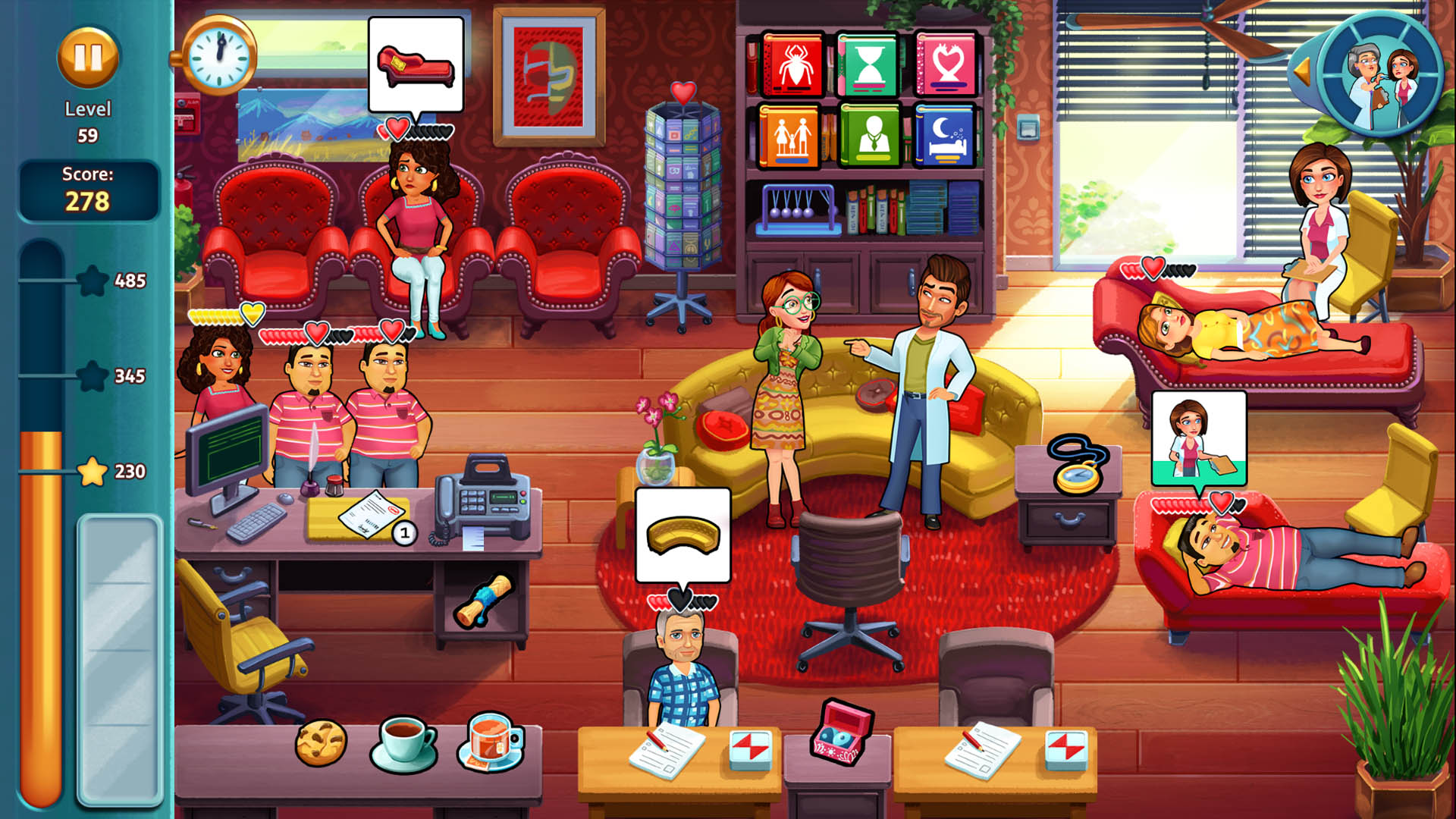
NEC launched the PC-FX with video-driven titles such as ‘Battle Heat’ to show its focus on animated playback. The system traded polygonal 3D for high quality cutscene presentation at release. Retailers stocked a lineup that leaned heavily on anime properties across early months. The absence of a flagship 3D showcase left this launch piece carrying expectations the hardware was not built to meet.
‘Lights Out’

Tiger shipped the Game.com with ‘Lights Out’ as its included cartridge in many packages. The selection aimed to offer quick handheld sessions that matched the device’s power profile. The unit’s key features like a touch screen and basic connectivity arrived with few games to exploit them. The pack-in became the default experience while the library remained small.
‘Dangerous Streets’

Commodore’s CD32 saw ‘Dangerous Streets’ included in certain bundles close to its window of release. The game represented the system’s CD-based storage through digitized audio and large assets. Market availability was uneven due to company headwinds and regional constraints. The title’s presence in retail packs meant many owners sampled it before exploring the rest of the catalog.
‘X-Men’
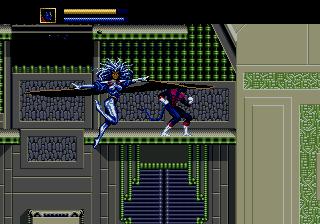
Mattel introduced the HyperScan with ‘X-Men’ to spotlight its card-scanning mechanic. The game relied on physical booster packs that unlocked characters and moves through the base unit’s reader. Early shelf space focused on this tie-in while follow-up software arrived slowly. The hardware’s unique workflow kept this launch title as its most visible demonstration.
‘Raiden’
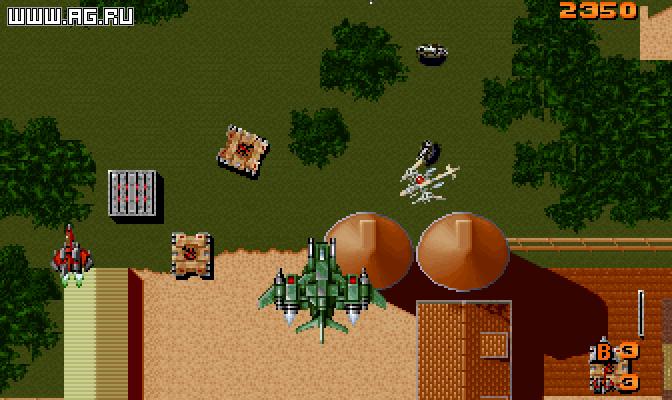
Fujitsu released the FM Towns Marty in Japan with arcade-style conversions including ‘Raiden’ near launch. The game showed fast scaling sprites and crisp audio that mirrored its computer lineage. Retail distribution remained limited to the domestic market with a modest lineup. The console’s short window left this shooter as a key reference point for buyers.
‘Speedway/Tag’
RCA packaged ‘Speedway/Tag’ with the Studio II to provide immediate play on day one. The cartridge combined simple racing and chase modes designed around built-in numeric keypads. The system targeted a budget audience in the programmable console’s early era. A small catalog and rapid competition kept this pack-in as the primary experience for many owners.
‘Magician Lord’
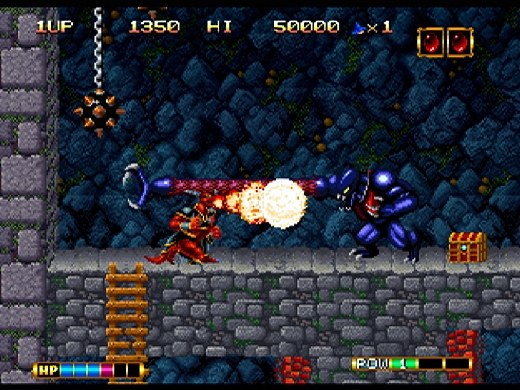
The Neo Geo X arrived as a modern plug-and-play unit with ‘Magician Lord’ among its included titles. The selection connected the device to classic AES roots through a recognizable action platformer. Distribution was focused on specialty retailers and online channels with a curated list of built-in games. The hardware’s brief run left this inclusion as the main hands-on sampler for many buyers.
Share your own picks for launch games that sank their systems in the comments.