


Controversial Casting of White Actors in Historically Non-White Roles

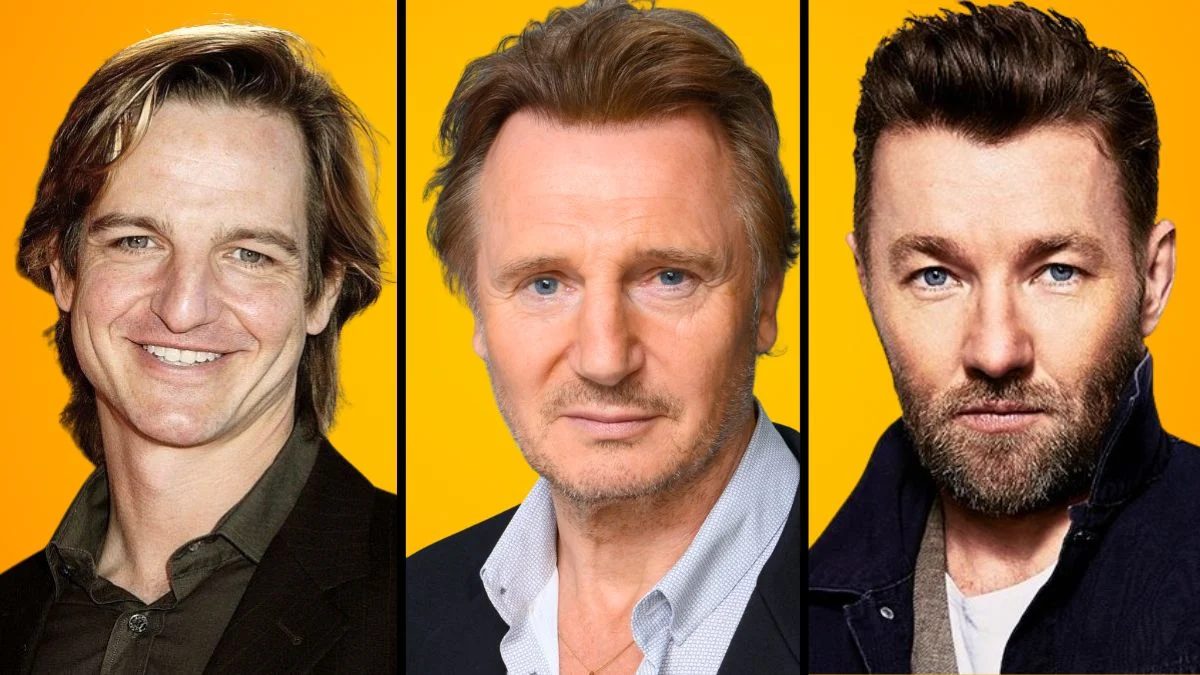


The history of cinema contains numerous instances where white actors were hired to portray characters of color. This practice has affected historical figures and fictional heroes alike across many decades of filmmaking. Studios frequently cited the need for established stars to secure financing as the primary reason for these contentious decisions. Critics and advocacy groups have long argued that this trend limits opportunities for minority actors to tell their own stories. These casting choices remain a significant point of discussion regarding representation and authenticity in the entertainment industry.
Jake Gyllenhaal

Gyllenhaal starred as Dastan in the video game adaptation ‘Prince of Persia: The Sands of Time’. The casting drew significant criticism because the character is of Persian descent while Gyllenhaal is white. Disney faced backlash for whitewashing a role that explicitly originates from the Middle East. The actor later expressed regret over the decision and acknowledged the validity of the controversy.
John Wayne
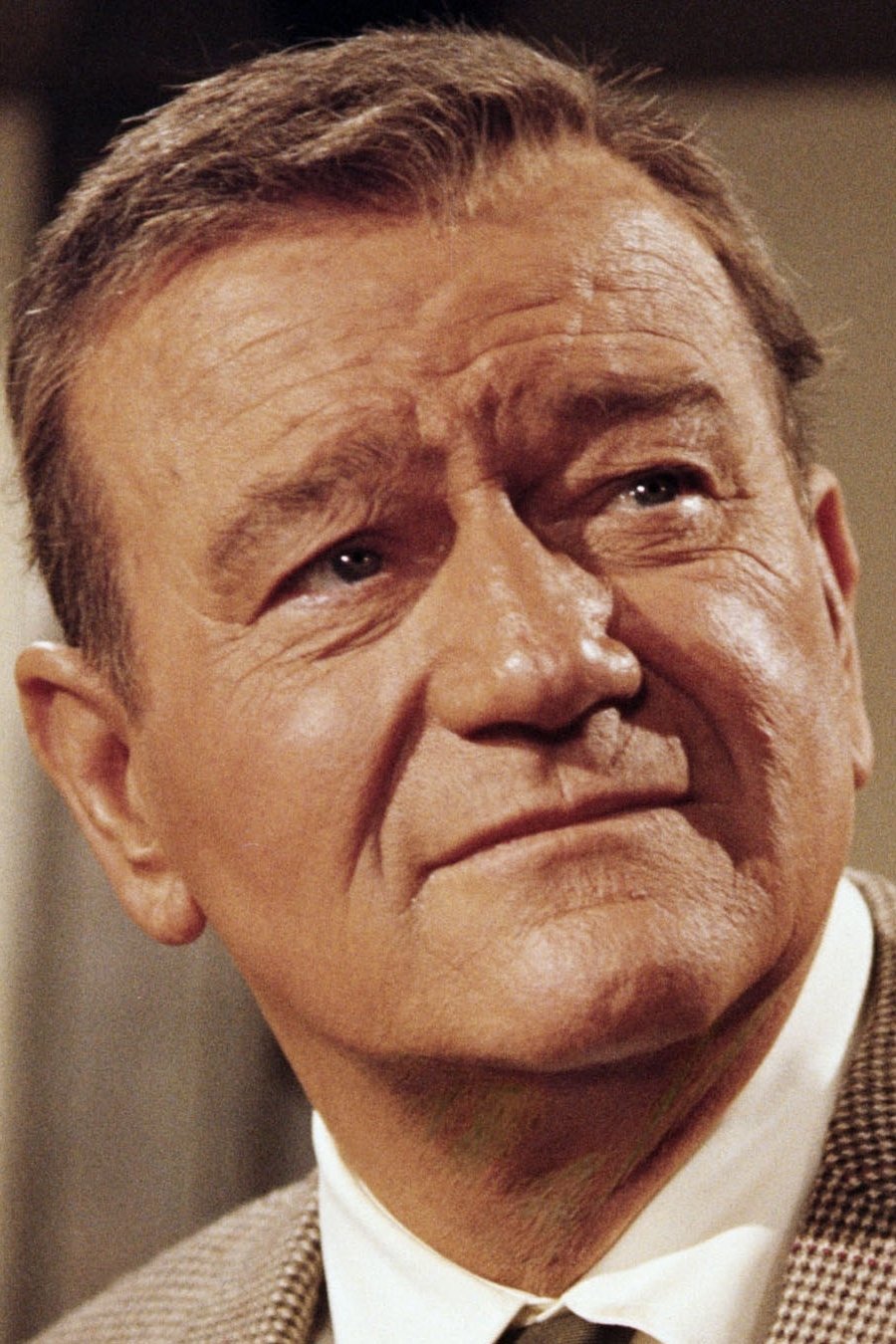
Wayne played the Mongol emperor Genghis Khan in the historical epic ‘The Conqueror’. Critics and audiences universally panned the casting as one of the most misguided in Hollywood history. The iconic American western star wore heavy makeup and utilized taped skin to alter his eyes. This performance remains a notorious example of studios ignoring ethnic accuracy for star power.
Mickey Rooney
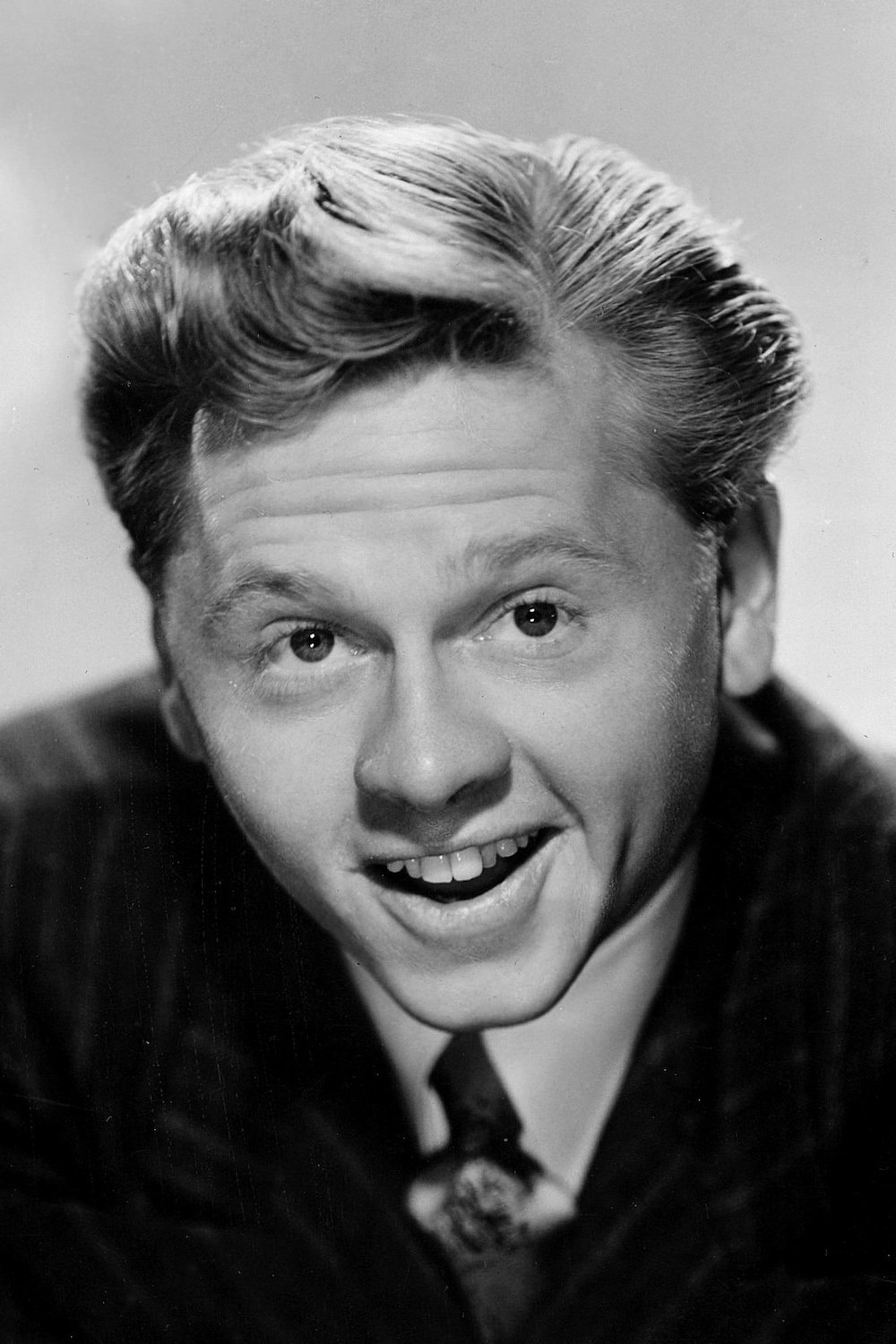
Rooney portrayed the Japanese landlord Mr. Yunioshi in the classic film ‘Breakfast at Tiffany’s’. The performance relied heavily on offensive stereotypes regarding teeth and accent that have aged terribly. Asian American groups and film critics have condemned the portrayal as a caricature rather than a character. It stands as a stark reminder of the casual racism prevalent in the industry during that era.
Christian Bale
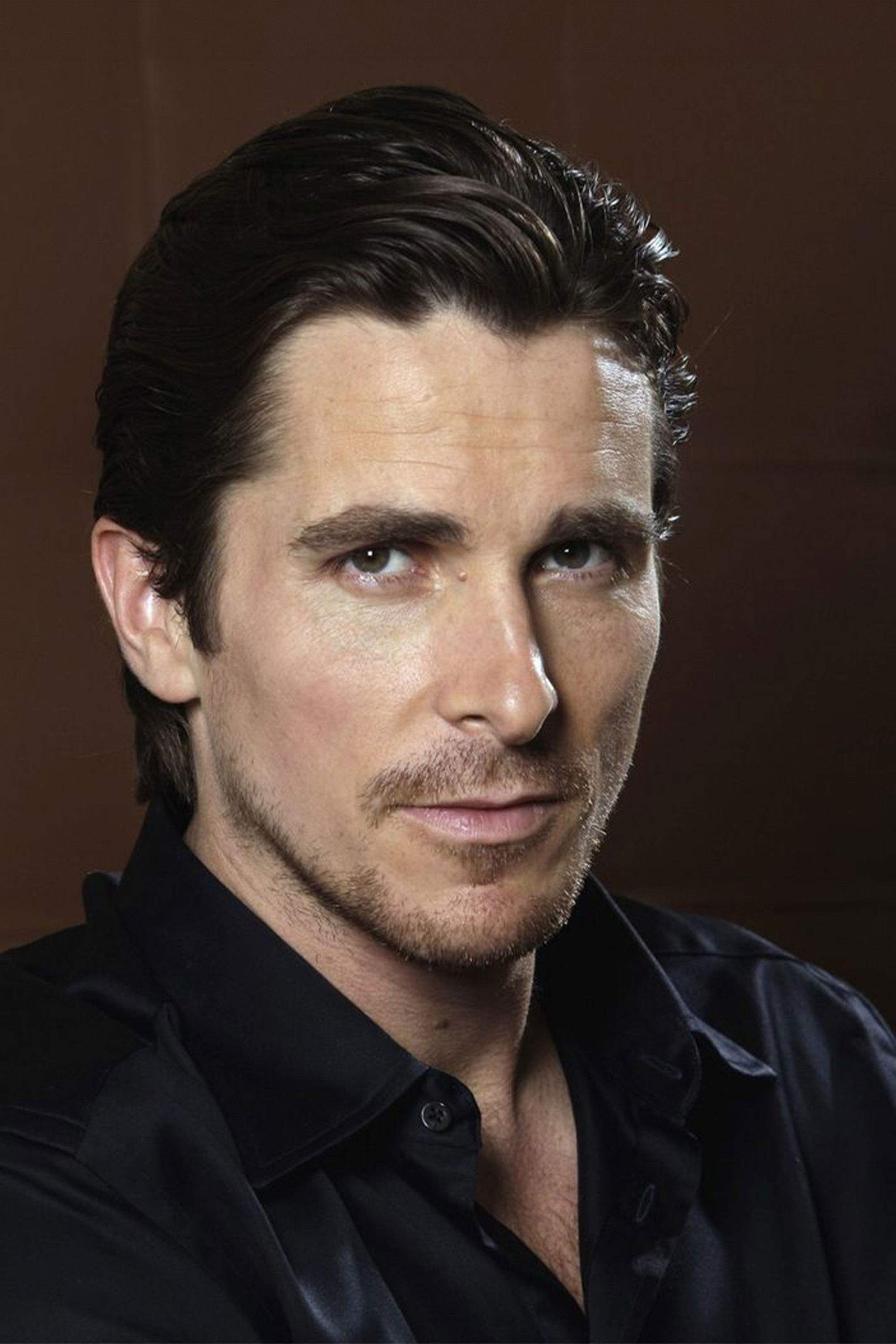
Bale was cast as the biblical figure Moses in Ridley Scott’s ‘Exodus: Gods and Kings’. The director defended the choice by citing the necessity of financing the film with famous actors. This explanation did little to quell the outrage over casting white actors as Egyptians and Middle Eastern figures. The film sparked a boycott movement due to its perceived erasure of African and Middle Eastern history.
Joel Edgerton
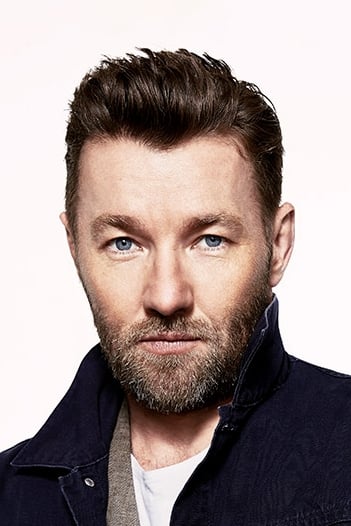
Edgerton played the Egyptian pharaoh Ramses II alongside Bale in ‘Exodus: Gods and Kings’. He appeared with bronzed skin and heavy makeup to portray the African monarch. The actor later admitted he understood the criticism regarding whitewashing in Hollywood blockbusters. His casting highlighted the systemic issue of excluding actors of color from historical epics set in their own regions.
Gerard Butler
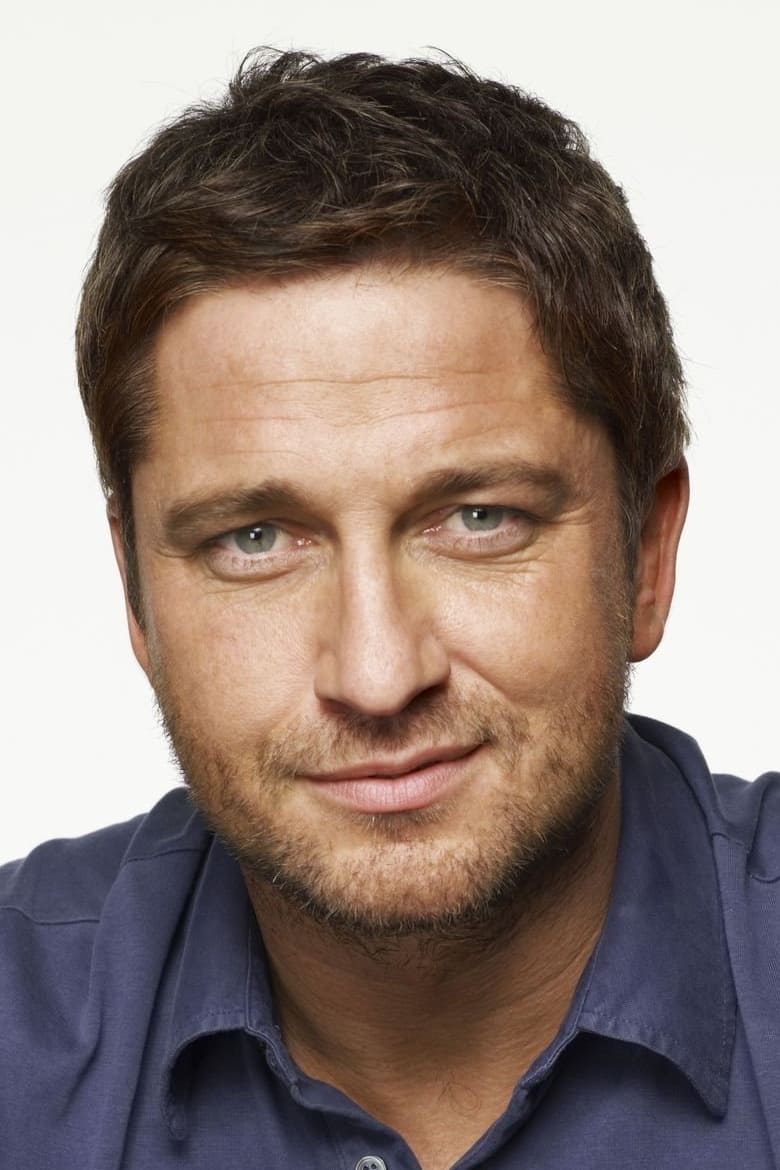
Butler starred as the Egyptian deity Set in the fantasy action film ‘Gods of Egypt’. The movie faced immediate backlash after the trailer release revealed a predominantly white cast playing African gods. Butler kept his natural Scottish accent despite playing a character from ancient Egyptian mythology. The director and studio eventually issued apologies for the lack of diversity before the film even premiered.
Nikolaj Coster-Waldau
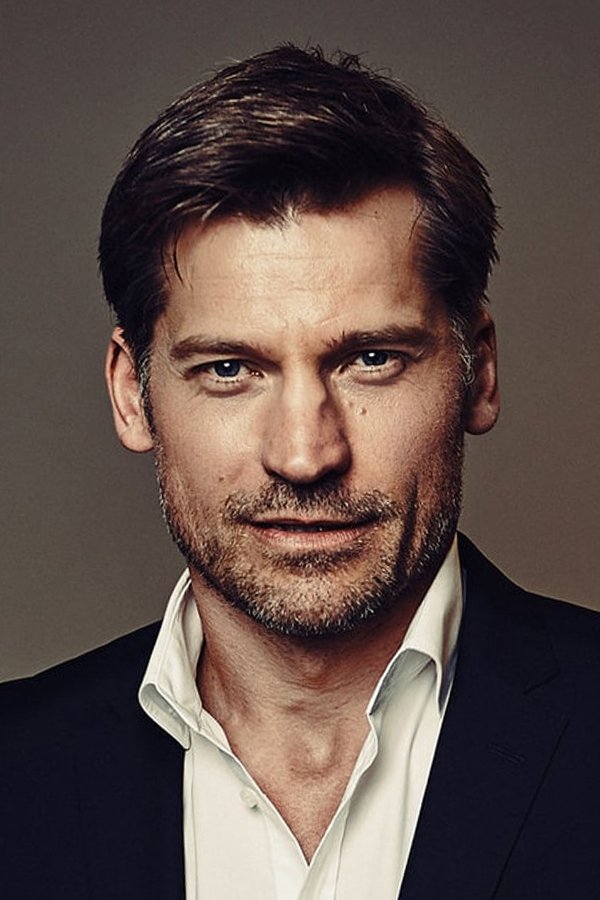
Coster-Waldau portrayed the sky god Horus in the controversial film ‘Gods of Egypt’. His casting as a major Egyptian deity contributed to the accusation that the film whitewashed African history. Critics noted the stark contrast between the setting and the European actors leading the production. The financial failure of the movie was partly attributed to the negative press surrounding these casting choices.
Johnny Depp
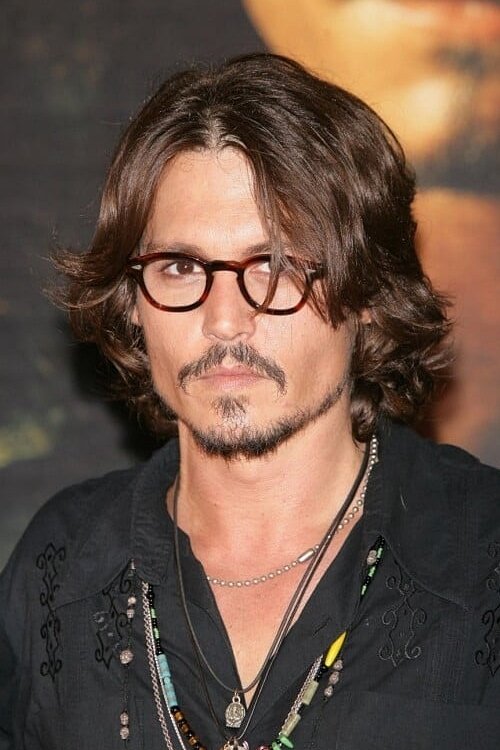
Depp played the Native American character Tonto in the Disney reboot of ‘The Lone Ranger’. While the actor claimed to have some Native American ancestry the casting was widely criticized by indigenous advocacy groups. The portrayal involved a mishmash of tribal paints and costumes that many found disrespectful. Critics argued that a Native American actor should have been hired to bring authenticity to the role.
Benedict Cumberbatch
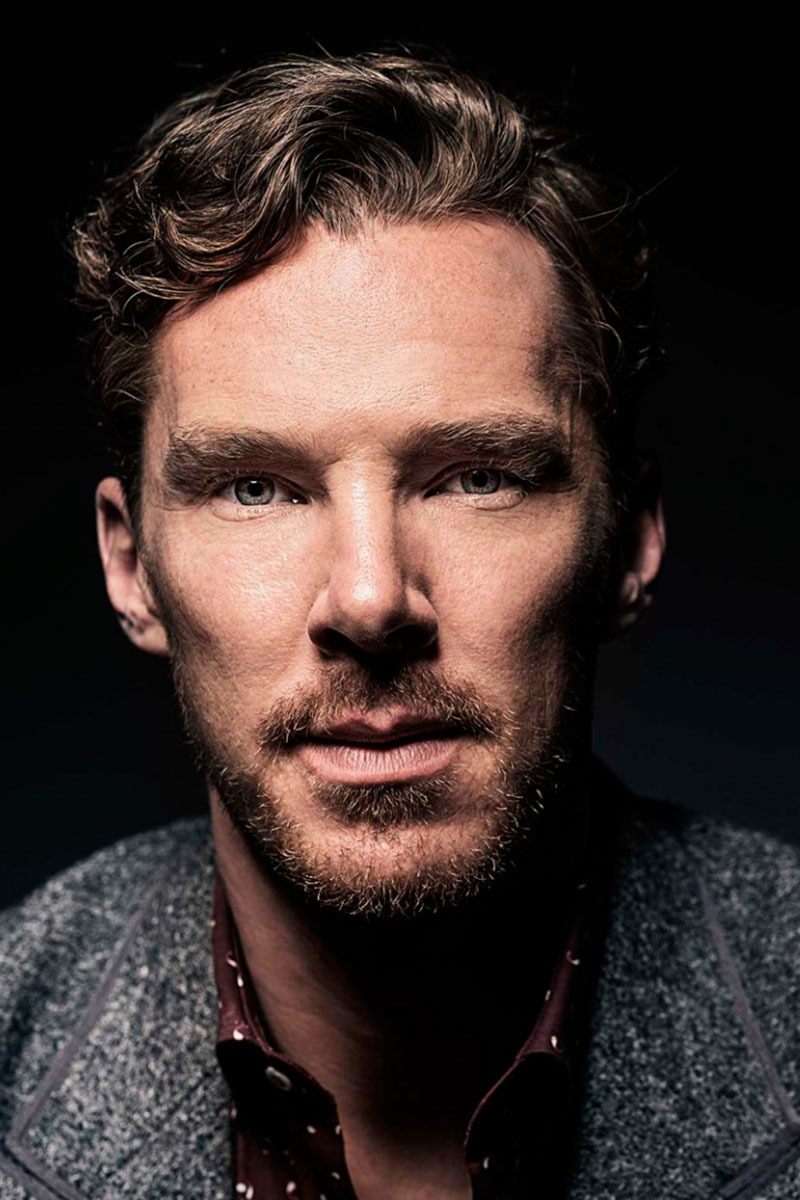
Cumberbatch played the iconic villain Khan Noonien Singh in ‘Star Trek Into Darkness’. The character was originally established as a Sikh genetic superman from northern India in the original series. Fans expressed disappointment that the studio erased the character’s ethnic identity to cast a white British actor. The filmmakers attempted to keep the identity of the character a secret until the release which delayed the backlash.
Ben Affleck
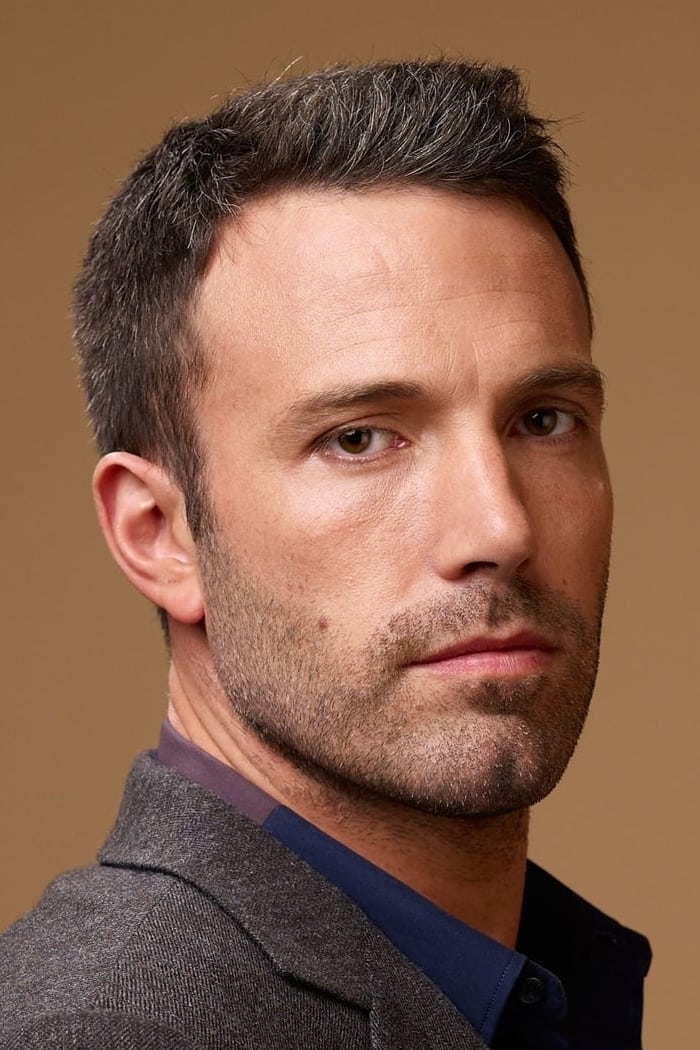
Affleck directed and starred as Tony Mendez in the Oscar-winning film ‘Argo’. The actual CIA operative Mendez was of Mexican descent and the operation relied on his heritage. Affleck chose to play the role himself rather than casting a Latino actor to reflect the historical figure. While the film was acclaimed the casting choice was noted as a clear example of Hollywood minimizing Latino contributions to history.
Justin Chatwin
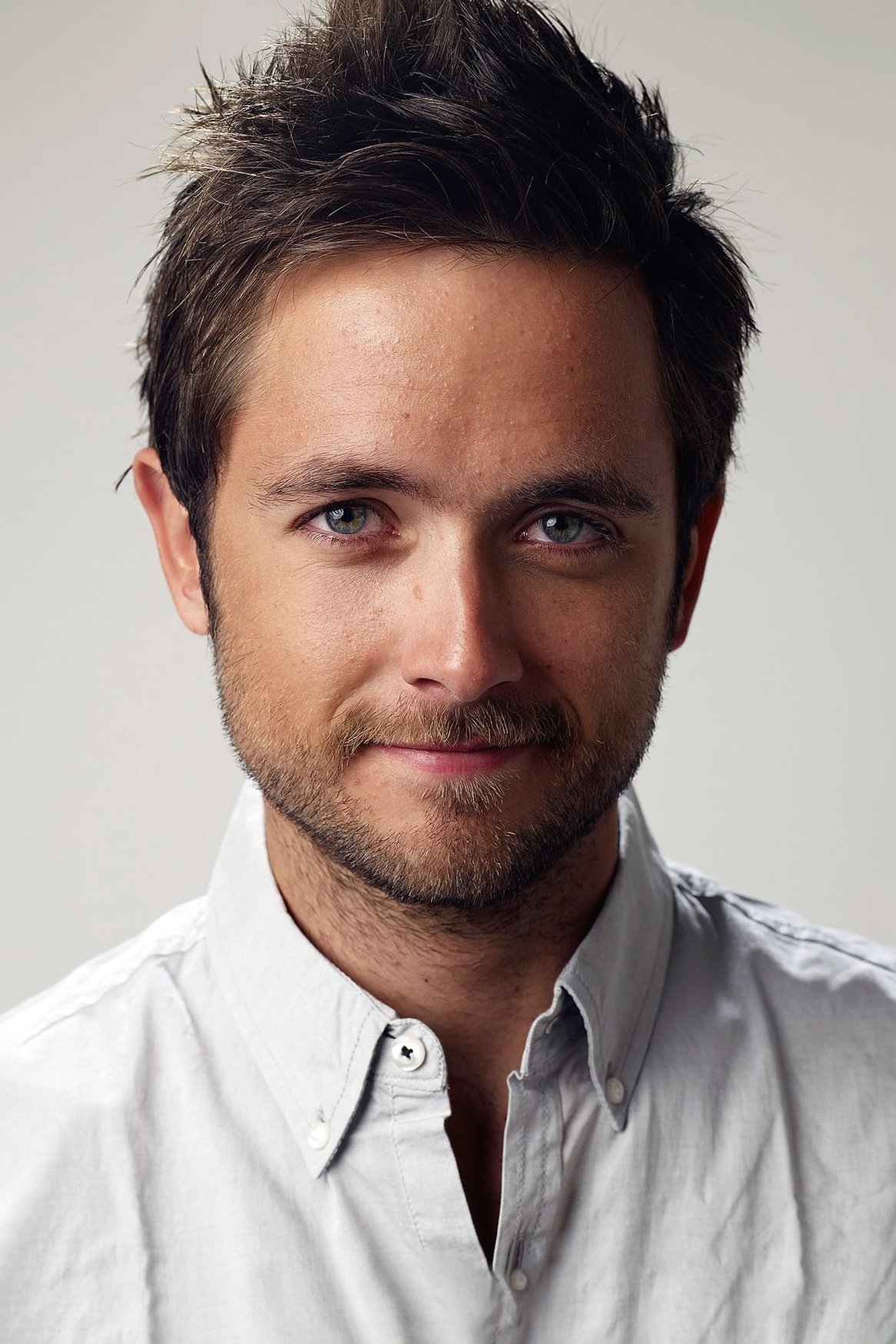
Chatwin was cast as Goku in the live-action adaptation ‘Dragonball Evolution’. The source material is a Japanese manga featuring a protagonist who is widely accepted as Asian. Fans of the series were outraged that the studio chose a white actor for the lead role. The film is often cited as one of the worst adaptations of all time partly due to its disregard for the source material’s cultural roots.
Noah Ringer
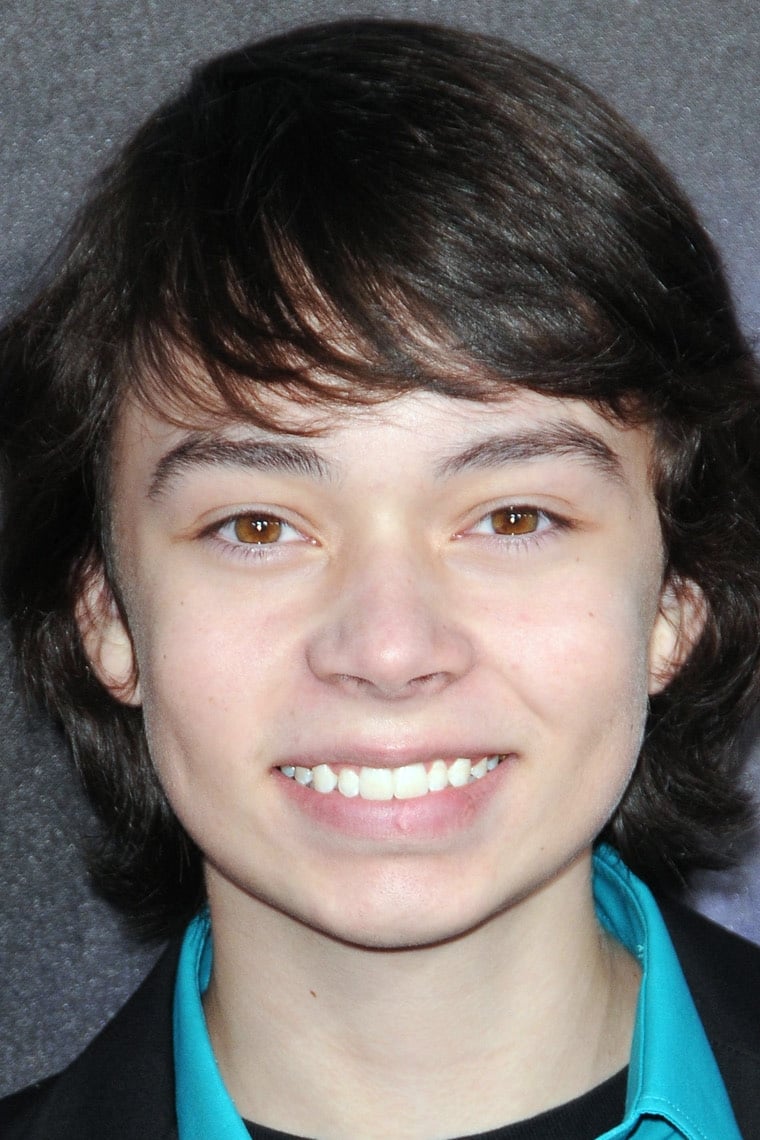
Ringer played the lead character Aang in M. Night Shyamalan’s ‘The Last Airbender’. The animated series was heavily influenced by Asiatic and Inuit cultures with characters of corresponding ethnicities. Casting a white actor as the hero while casting actors of color as villains caused significant controversy. The decision sparked a massive letter writing campaign demanding fairer representation in the adaptation.
Jackson Rathbone
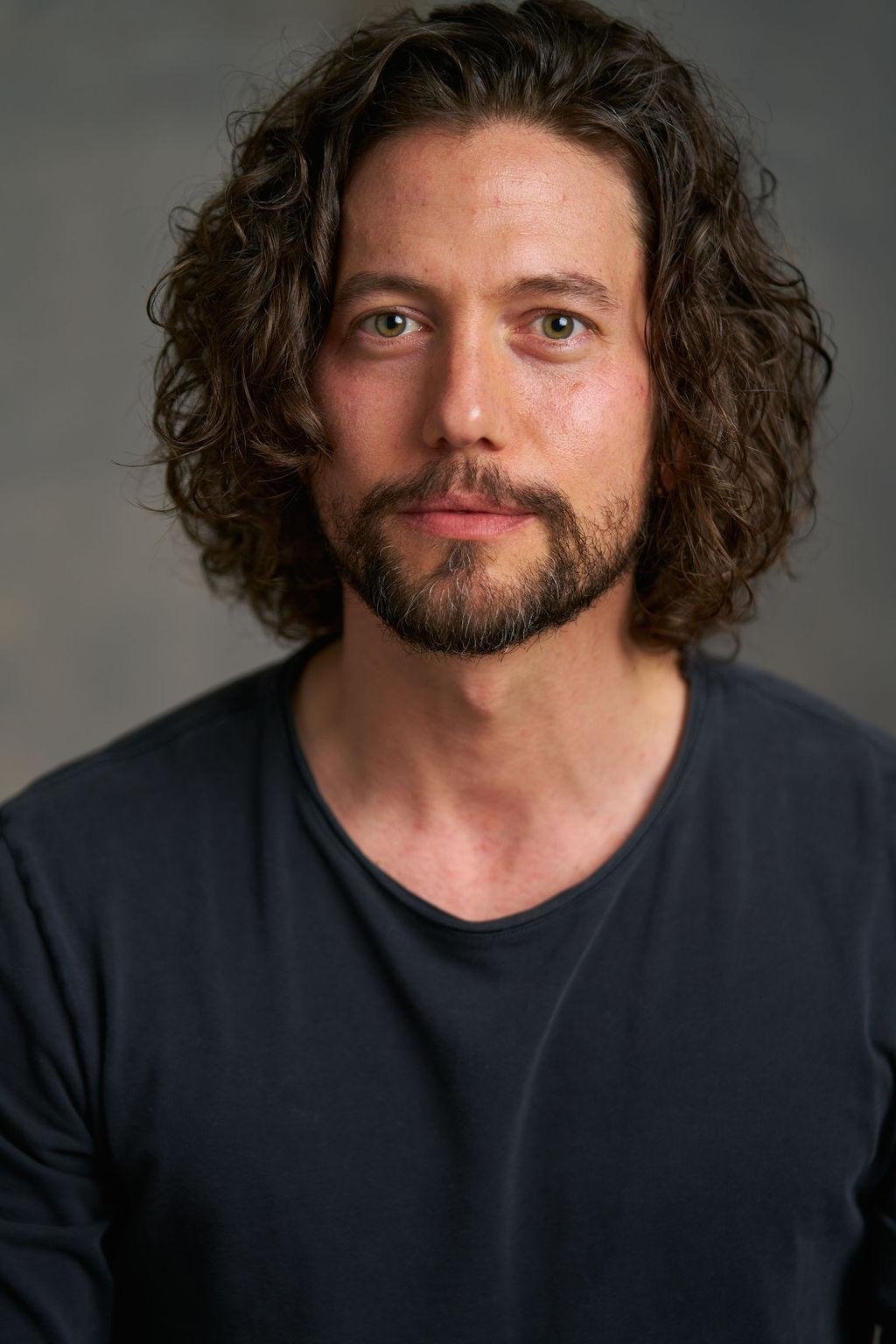
Rathbone was cast as Sokka who is a member of the Water Tribe in ‘The Last Airbender’. The Water Tribe in the original show is based on Inuit and Yupik cultures. Replacing these indigenous characters with white actors was seen as cultural erasure. The backlash against this casting overshadowed much of the film’s release and box office performance.
Jim Sturgess
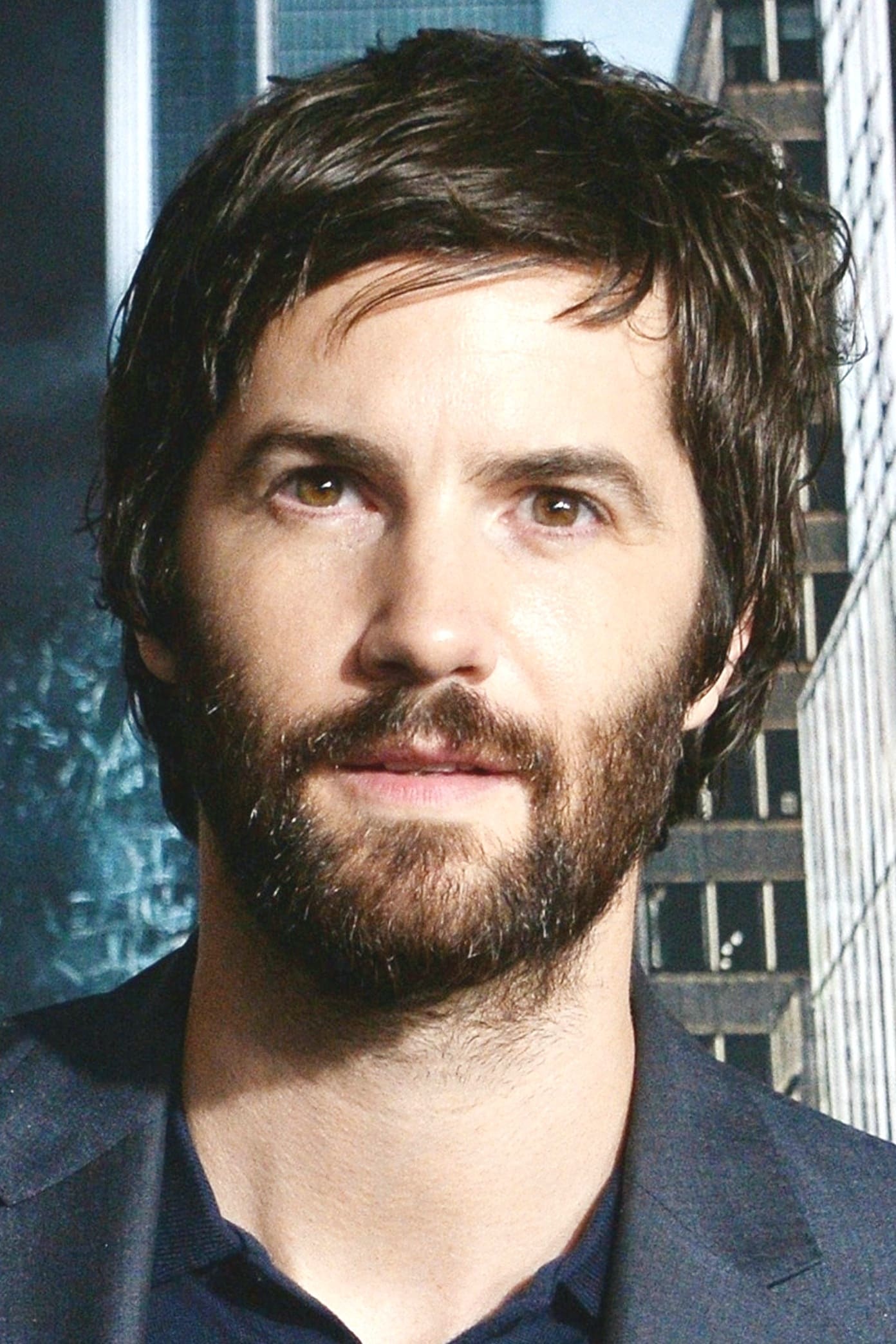
Sturgess played the lead role in ’21’ which was based on a true story about MIT students. The real individual Jeff Ma was an Asian American student who used card counting to win millions. The film changed the character’s race to white and relegated the real Jeff Ma to a cameo appearance. This change drew criticism for reinforcing the idea that Asian American stories are not marketable without a white lead.
Liam Neeson
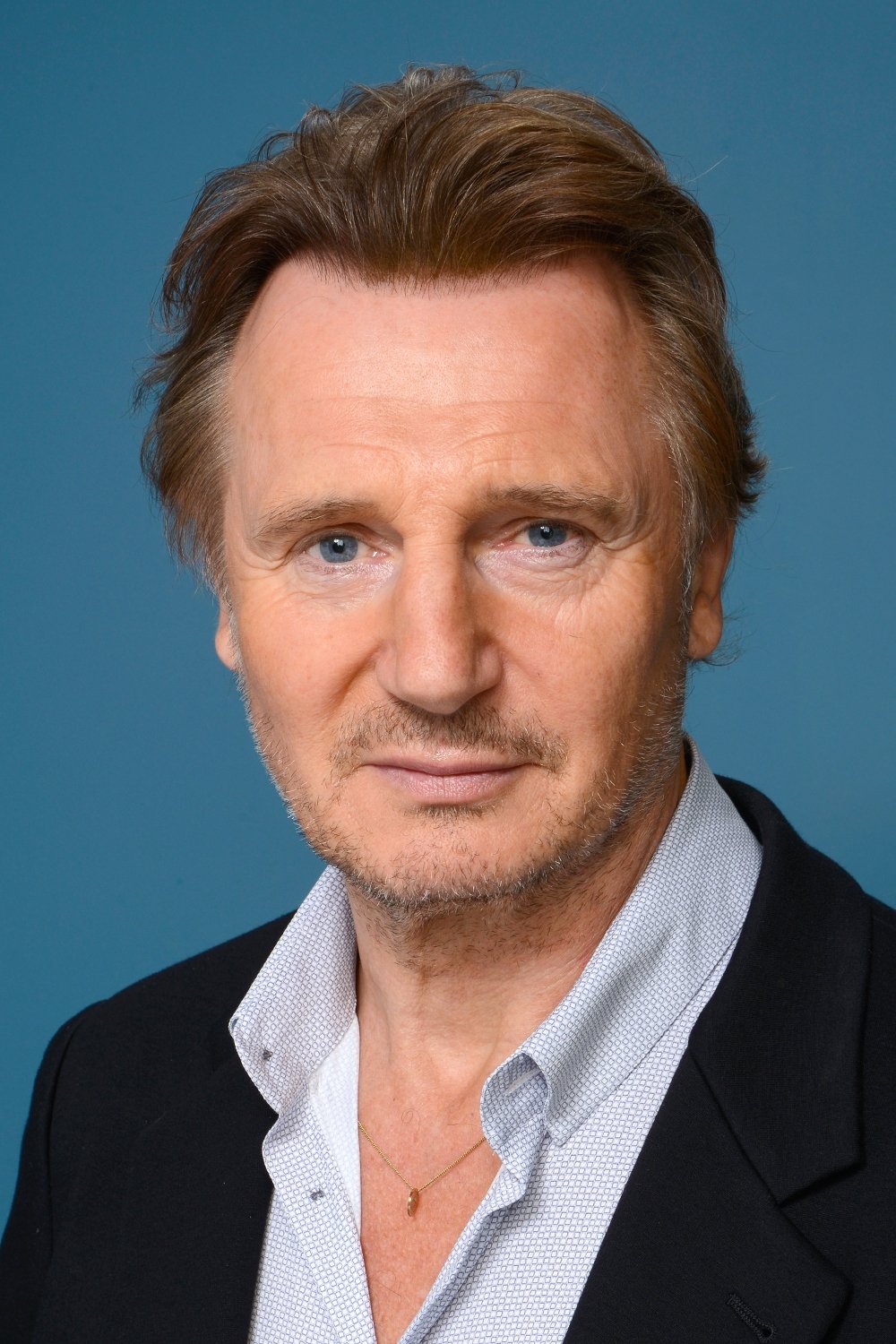
Neeson portrayed the villain Ra’s al Ghul in Christopher Nolan’s ‘Batman Begins’. In the comic books Ra’s al Ghul is of Arab descent and his name translates from Arabic. The film revealed the white actor as the true villain despite the character’s Middle Eastern origins. While the performance was praised the casting continued a trend of whitewashing established comic book characters.
Fisher Stevens
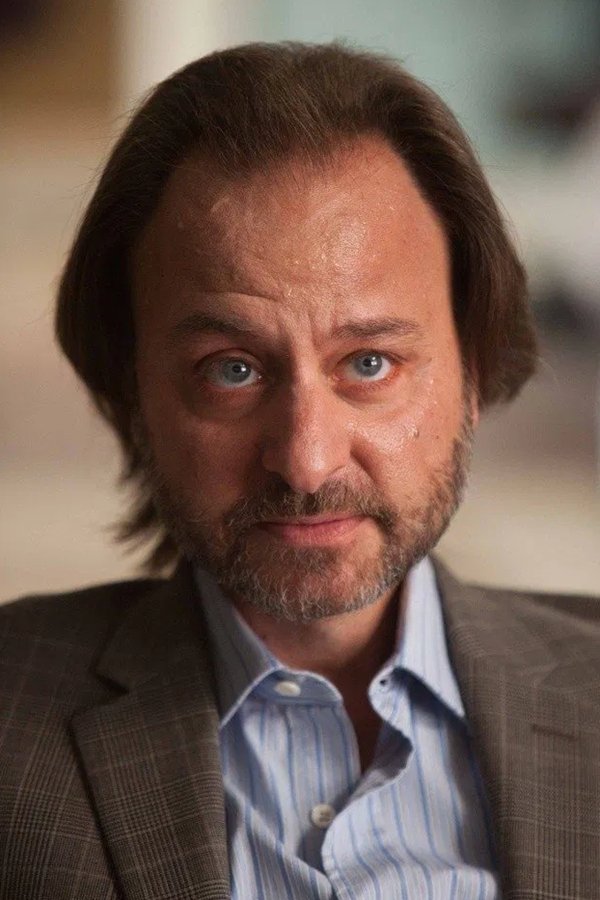
Stevens played an Indian scientist named Ben Jabituya in the science fiction comedy ‘Short Circuit’. The actor is white and wore brown makeup while adopting a heavy accent for the performance. Stevens has since expressed regret and stated that the role would never be cast that way today. The character remains a prominent example of brownface in 1980s cinema.
Josh Hartnett
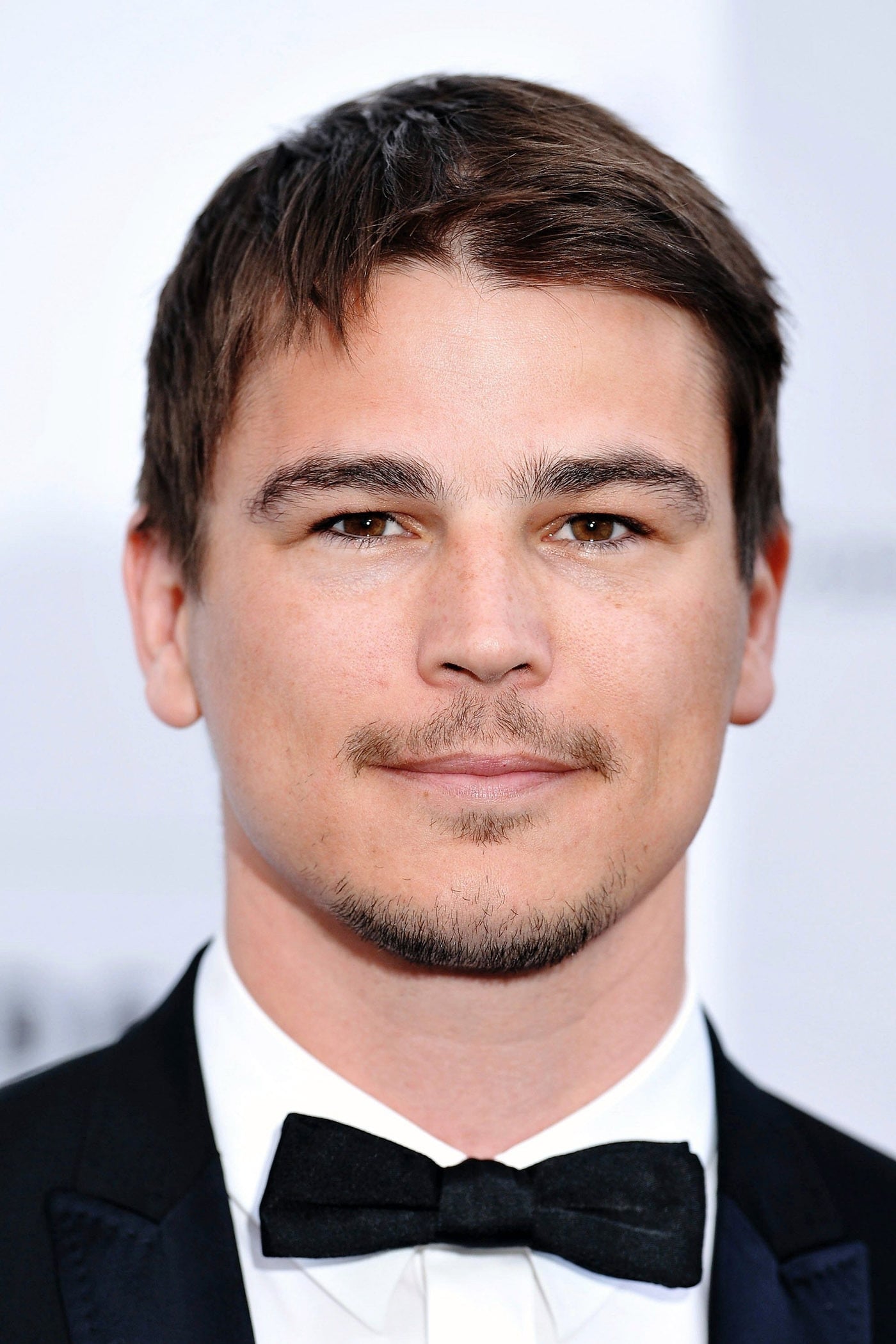
Hartnett starred as the sheriff in the vampire horror film ’30 Days of Night’. The graphic novel upon which the film is based featured a protagonist named Eben Olemaun who was Inuit. The film adaptation changed the character’s last name and cast a white actor in the lead role. This decision removed a rare instance of an indigenous hero leading a horror story.
Nat Wolff
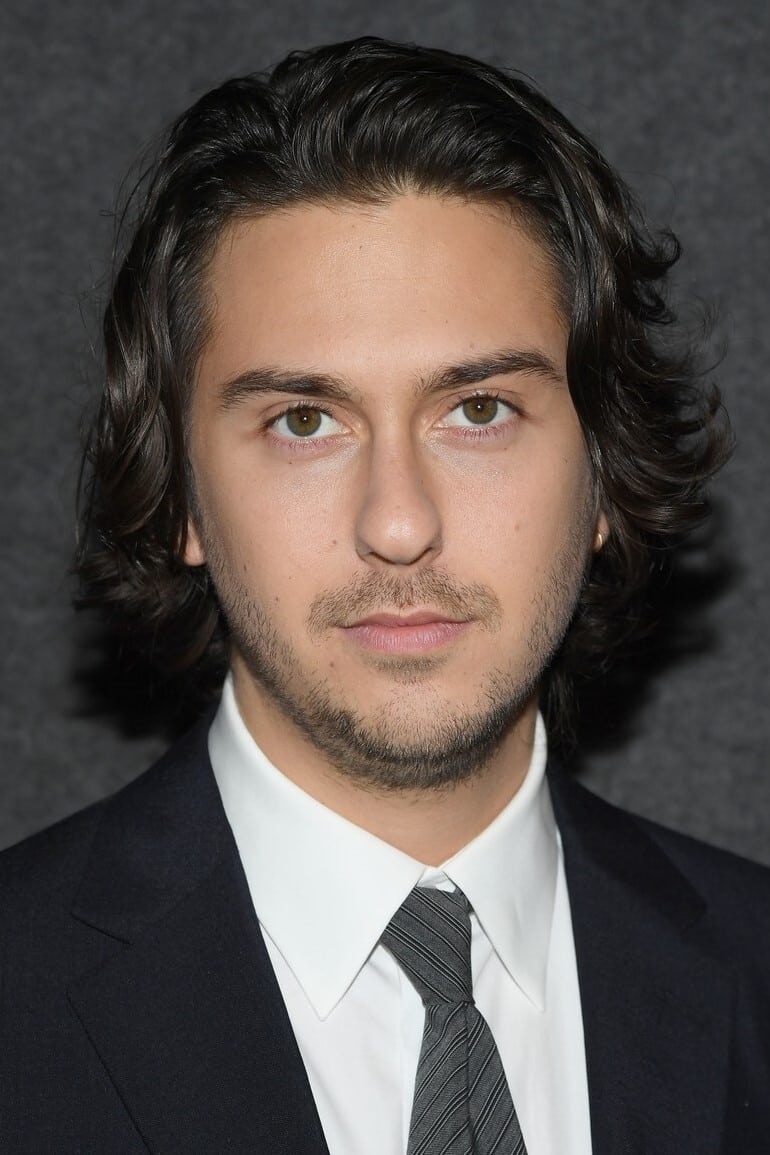
Wolff played the lead character in the American adaptation of the manga ‘Death Note’. The original story is set in Japan and centers on a Japanese student named Light Yagami. Relocating the story to Seattle and casting a white lead was accused of stripping the story of its cultural context. Critics argued that the adaptation failed to capture the essence of the source material by ignoring its Japanese roots.
Marlon Brando
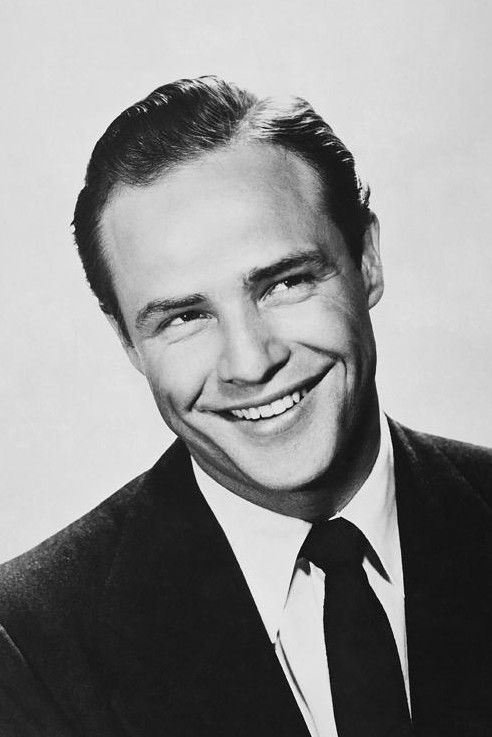
Brando played an Okinawan local named Sakini in ‘The Teahouse of the August Moon’. He underwent a makeup process to alter his eyes and skin tone to appear Asian. The performance is considered a caricature that relies on stereotypes common in the 1950s. Despite his status as an acting legend this role is often viewed as a blemish on his filmography due to the racial impersonation.
Alec Guinness
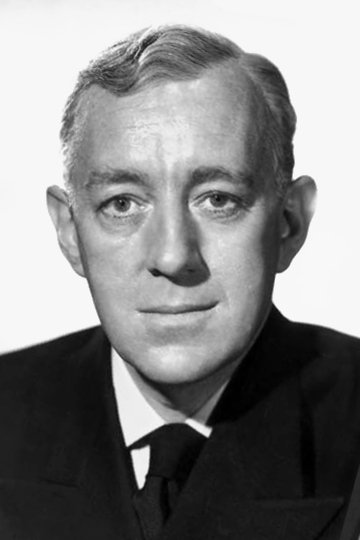
Guinness portrayed the Arab leader Prince Faisal in the epic ‘Lawrence of Arabia’. While the film is a cinematic masterpiece it utilized a white British actor to play a significant Middle Eastern historical figure. Makeup was used to darken his skin to match the ethnicity of the character. This casting reflects the era’s practice of prioritizing established British stage actors over authentic representation.
Laurence Olivier
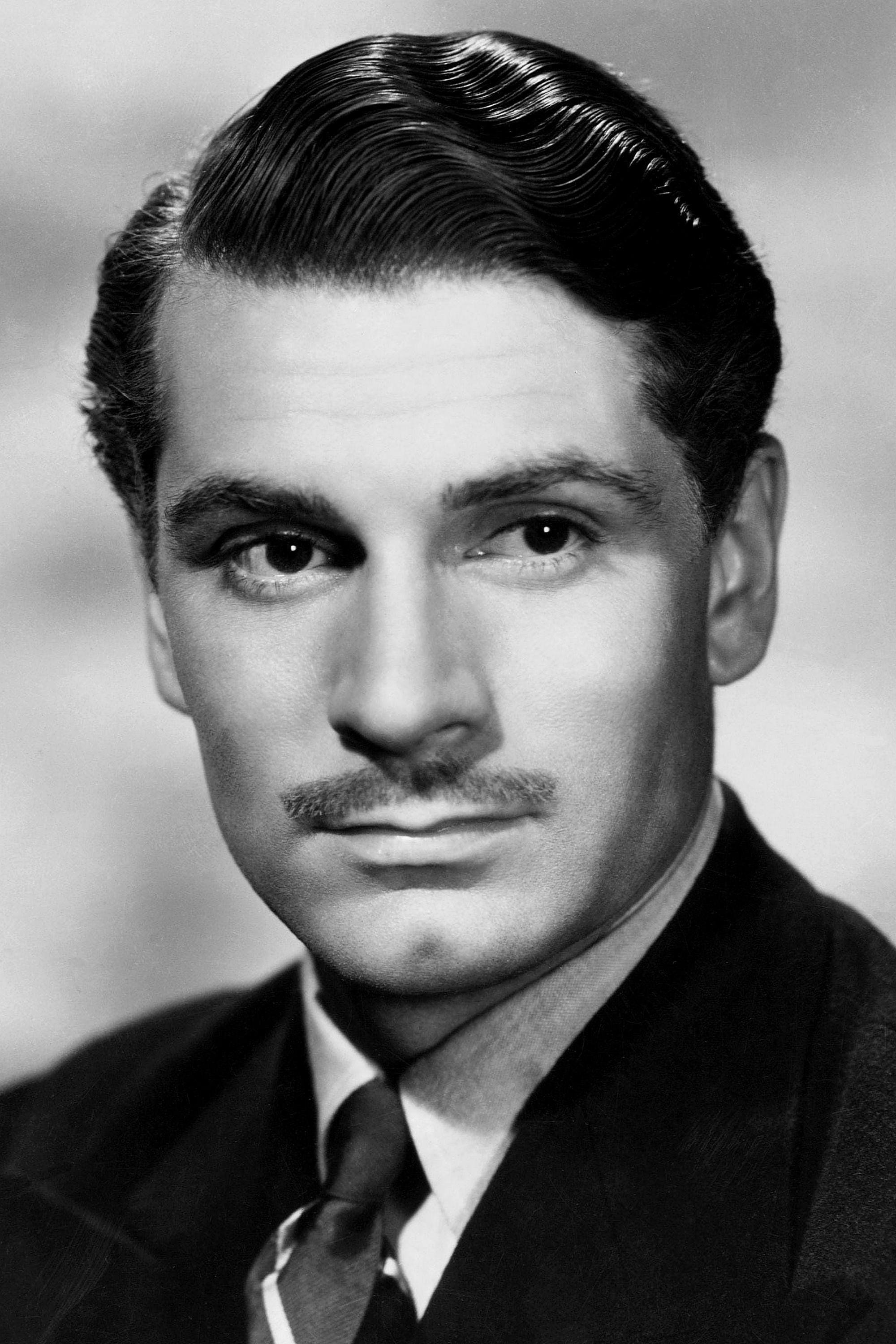
Olivier played the title character in the 1965 film adaptation of Shakespeare’s ‘Othello’. He wore controversial blackface makeup and adopted an exaggerated voice to play the Moorish general. The performance was praised at the time but is now viewed as offensive and theatrically outdated. It serves as a historical record of how black roles were routinely denied to black actors in prestigious productions.
Charlton Heston
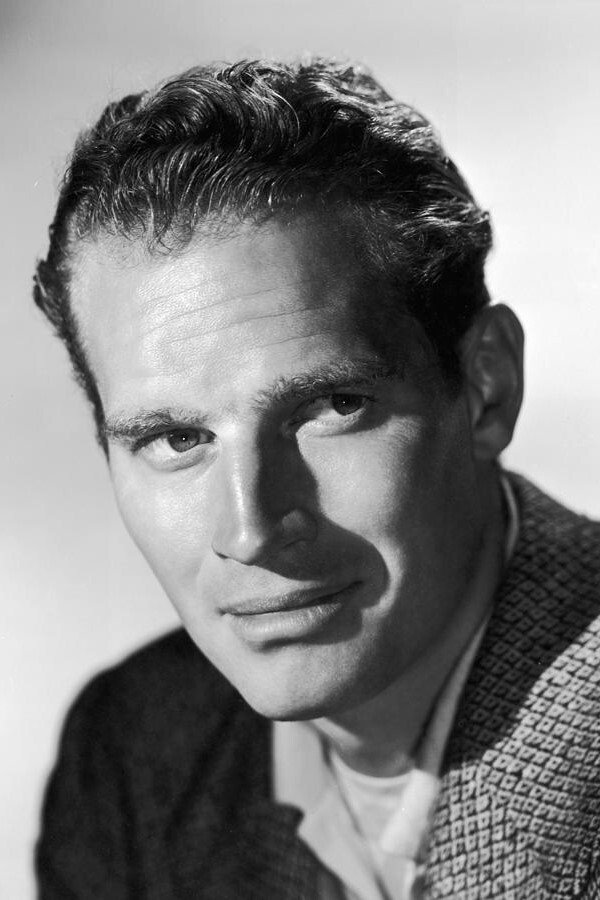
Heston starred as a Mexican drug enforcement official in Orson Welles’s ‘Touch of Evil’. The actor wore dark makeup and dyed his hair black to play the Latino character. Heston later explained that the role was originally written for a white actor but changed without recasting. The film is a noir classic but the casting remains a point of confusion and criticism for modern audiences.
Boris Karloff
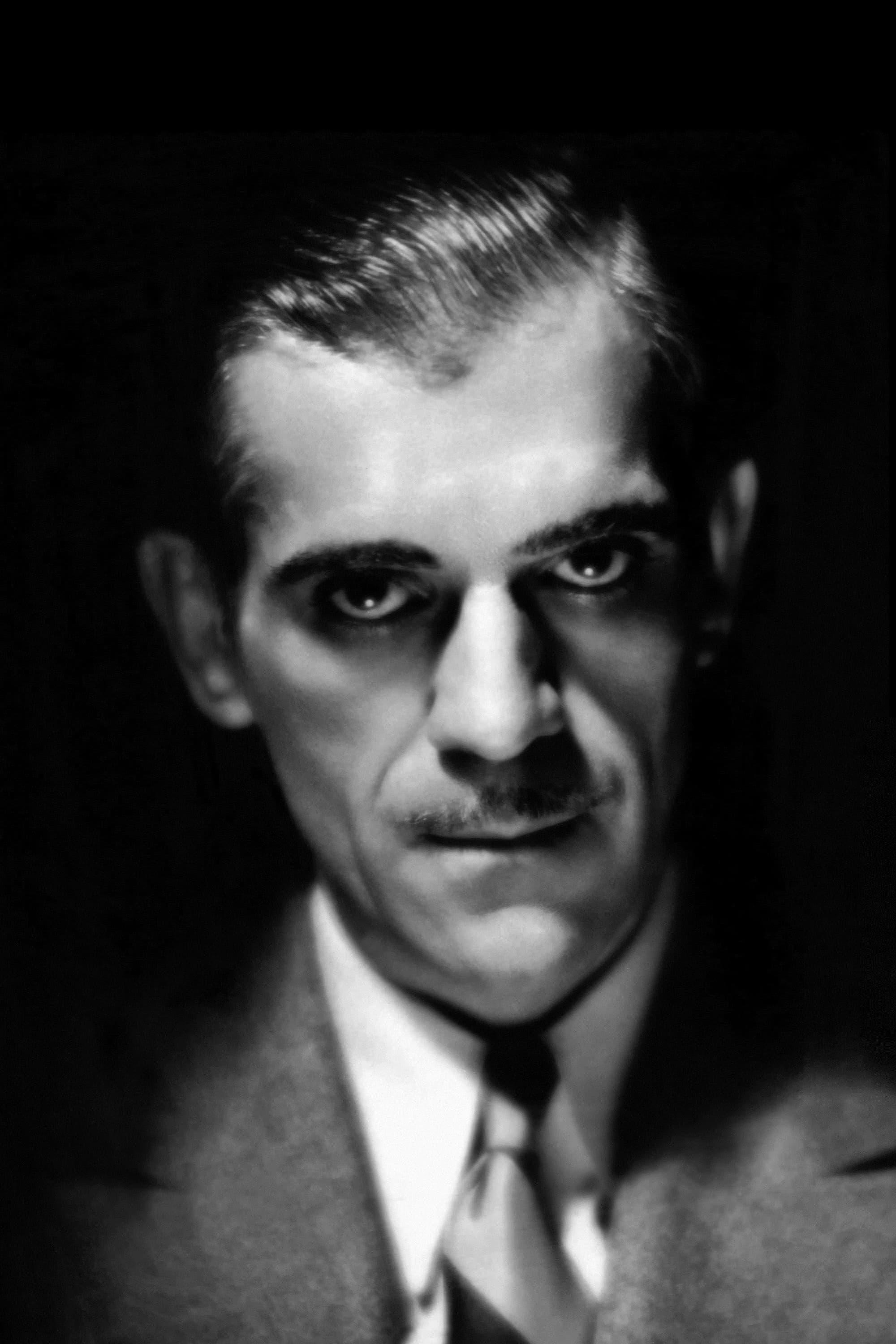
Karloff played the Asian villain in the adventure film ‘The Mask of Fu Manchu’. The character embodied the Yellow Peril archetype which stoked fears of Asian influence in the West. Karloff wore elaborate makeup and long fingernails to portray the Chinese antagonist. The film and the performance are now studied as examples of xenophobia in early Hollywood cinema.
Christopher Lee
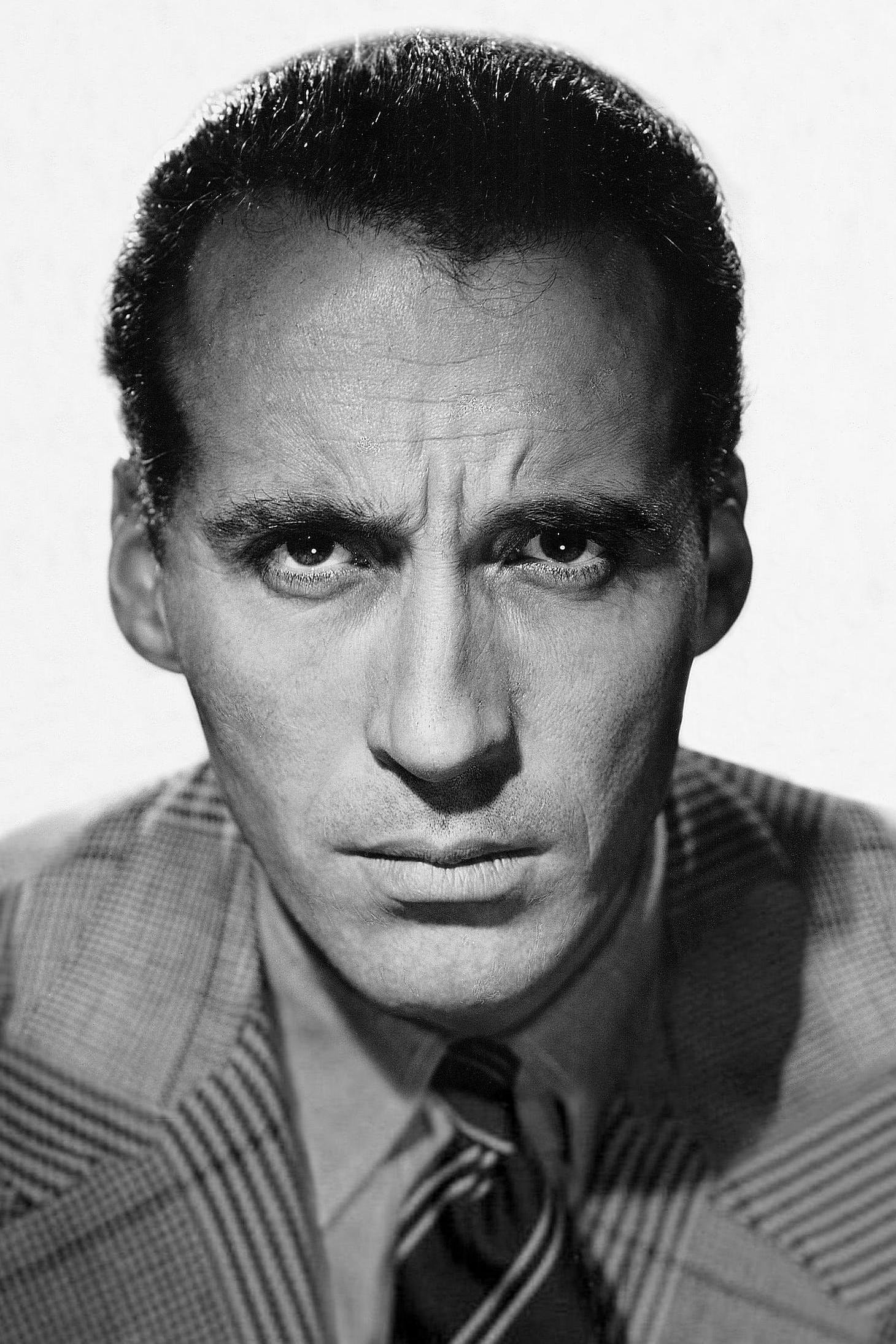
Lee took on the role of the Chinese criminal mastermind in a series of films starting with ‘The Face of Fu Manchu’. Like Karloff before him Lee wore prosthetics to appear Asian for the role. The films were popular but perpetuated harmful stereotypes about Asian people. Lee played the character several times despite having no Asian ancestry.
Warner Oland
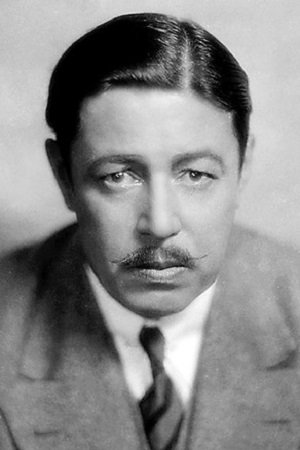
Oland was a Swedish actor who became famous for playing the Chinese detective Charlie Chan. He starred in over a dozen films as the character and used heavy makeup to alter his appearance. While Oland claimed to have Mongolian ancestry to justify the casting he was essentially performing in yellowface. The films were hugely successful but kept actual Asian actors from playing the lead role.
Paul Muni
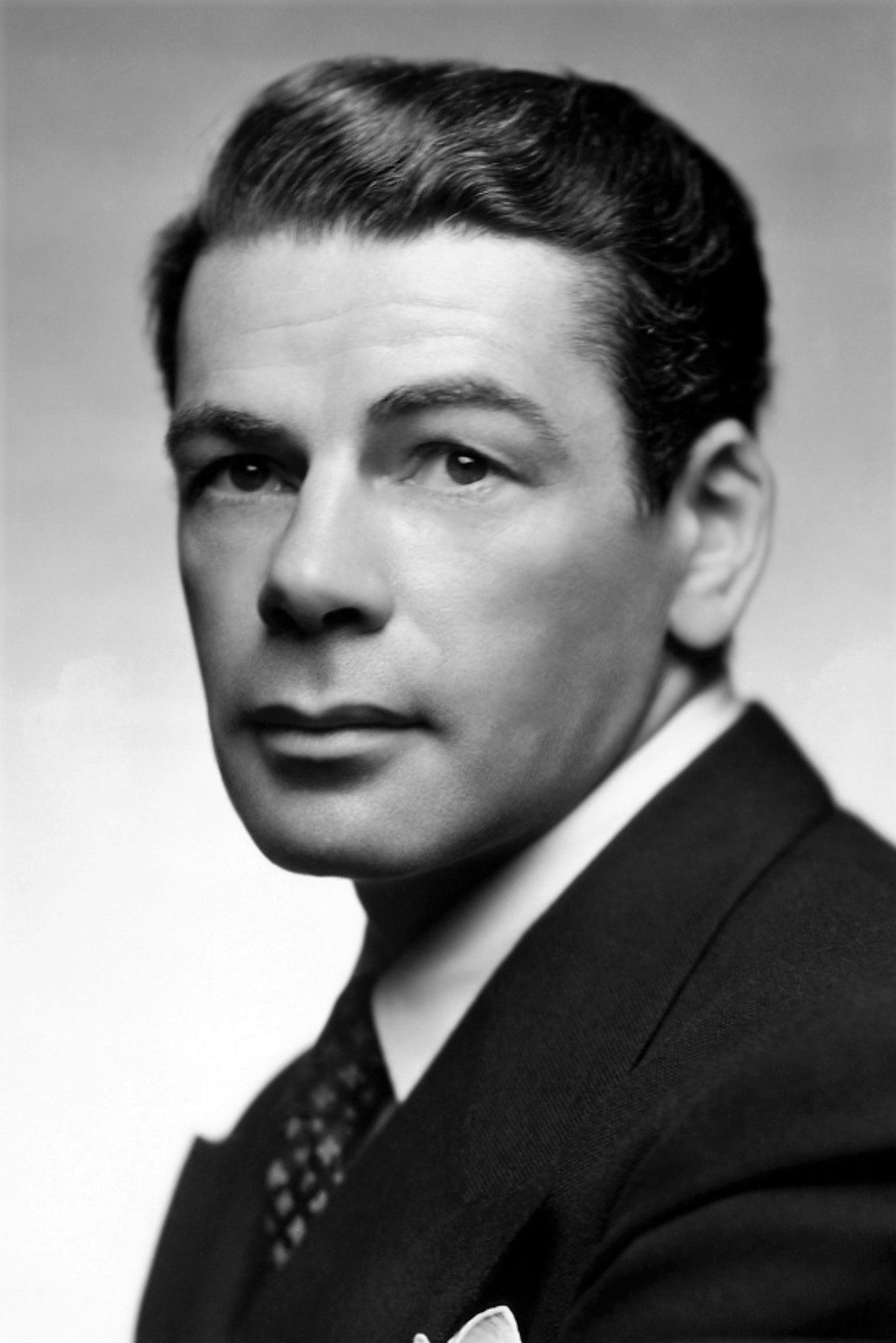
Muni played the Chinese farmer Wang Lung in the adaptation of Pearl S. Buck’s ‘The Good Earth’. The studio refused to cast Anna May Wong as the wife because of anti-miscegenation codes so they cast white actors for both leads. Muni won accolades for the role despite the use of yellowface makeup. The film is a prime example of the studio system’s exclusion of Asian actors from their own narratives.
Yul Brynner
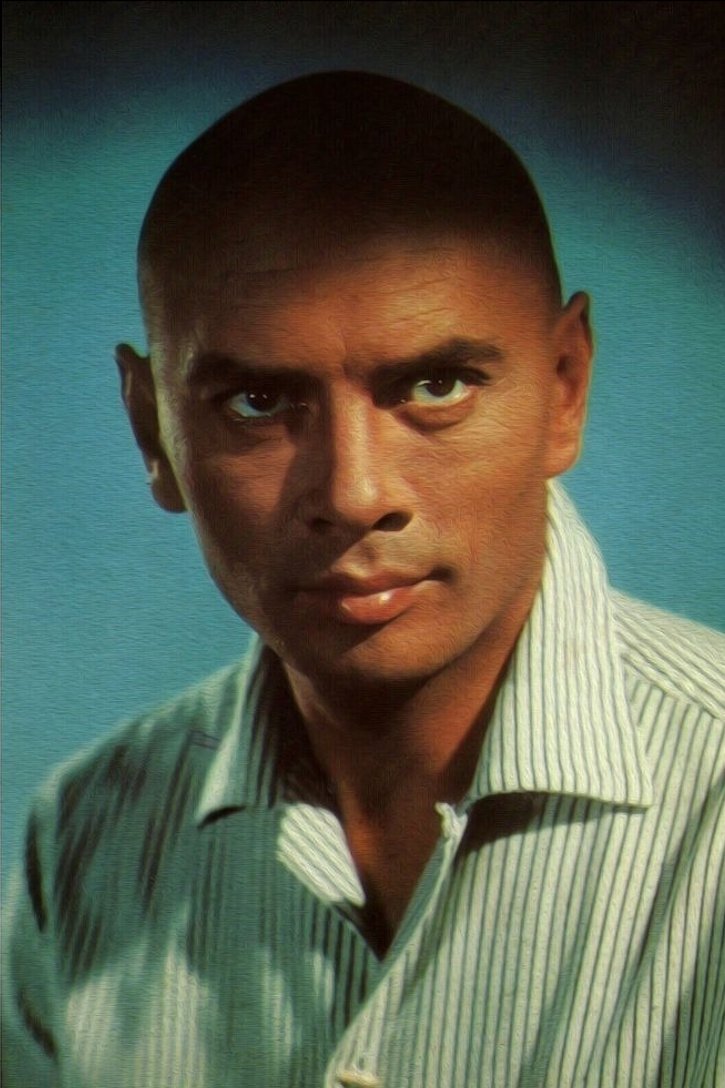
Brynner is most famous for playing the King of Siam in the musical ‘The King and I’. The actor was of Russian and Swiss descent but played the Thai monarch on stage and screen for decades. While his performance is iconic it represents a time when exoticism was prioritized over accuracy. The role defined his career but also blocked Thai actors from portraying their own history.
George Chakiris
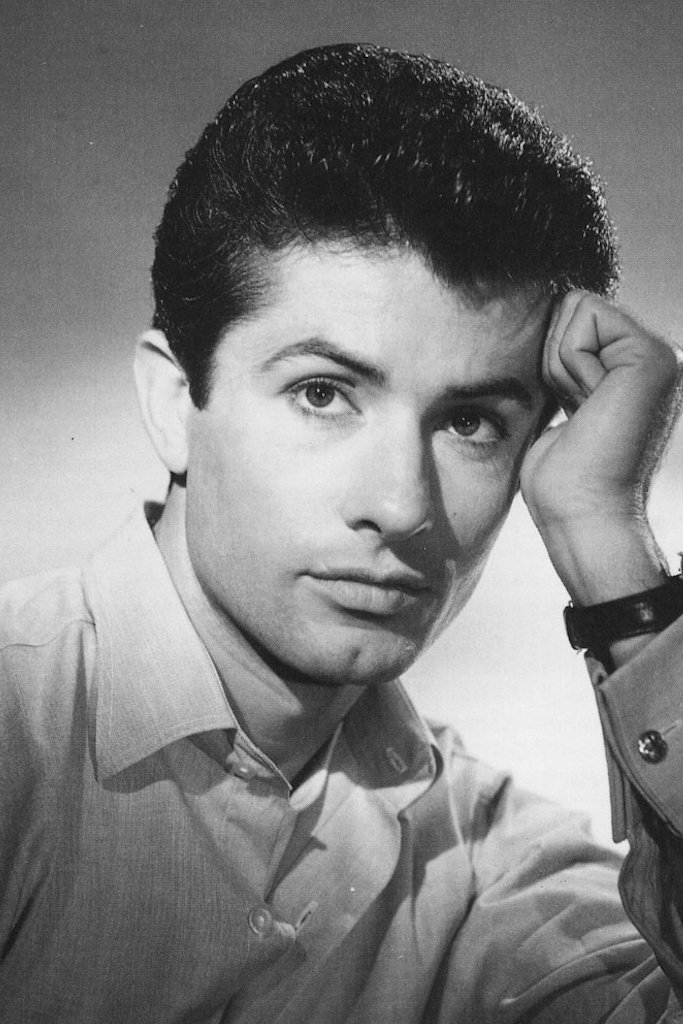
Chakiris played the leader of the Puerto Rican gang the Sharks in the 1961 version of ‘West Side Story’. The actor is of Greek descent and wore skin darkening makeup for the role. He won an Academy Award for the performance despite the lack of authentic casting. The 2021 remake corrected this by casting actual Latino actors for the Shark roles.
Al Pacino
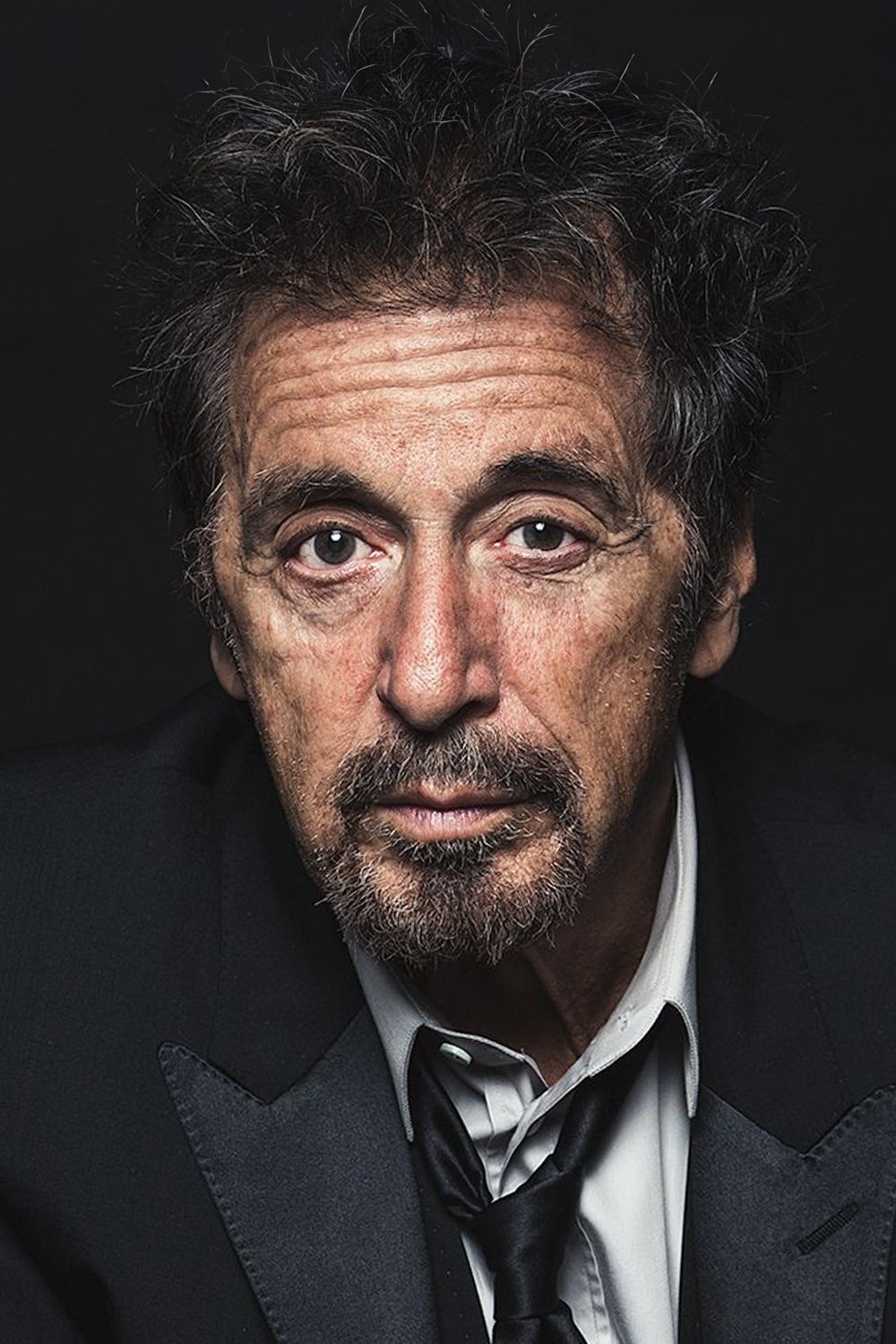
Pacino starred as the Cuban refugee Tony Montana in the crime drama ‘Scarface’. The Italian American actor adopted an exaggerated accent to play the Latino drug lord. While the film became a cult classic the casting ignored the availability of Cuban actors. The portrayal is often criticized for reinforcing violent stereotypes about Cuban immigrants.
Burt Lancaster
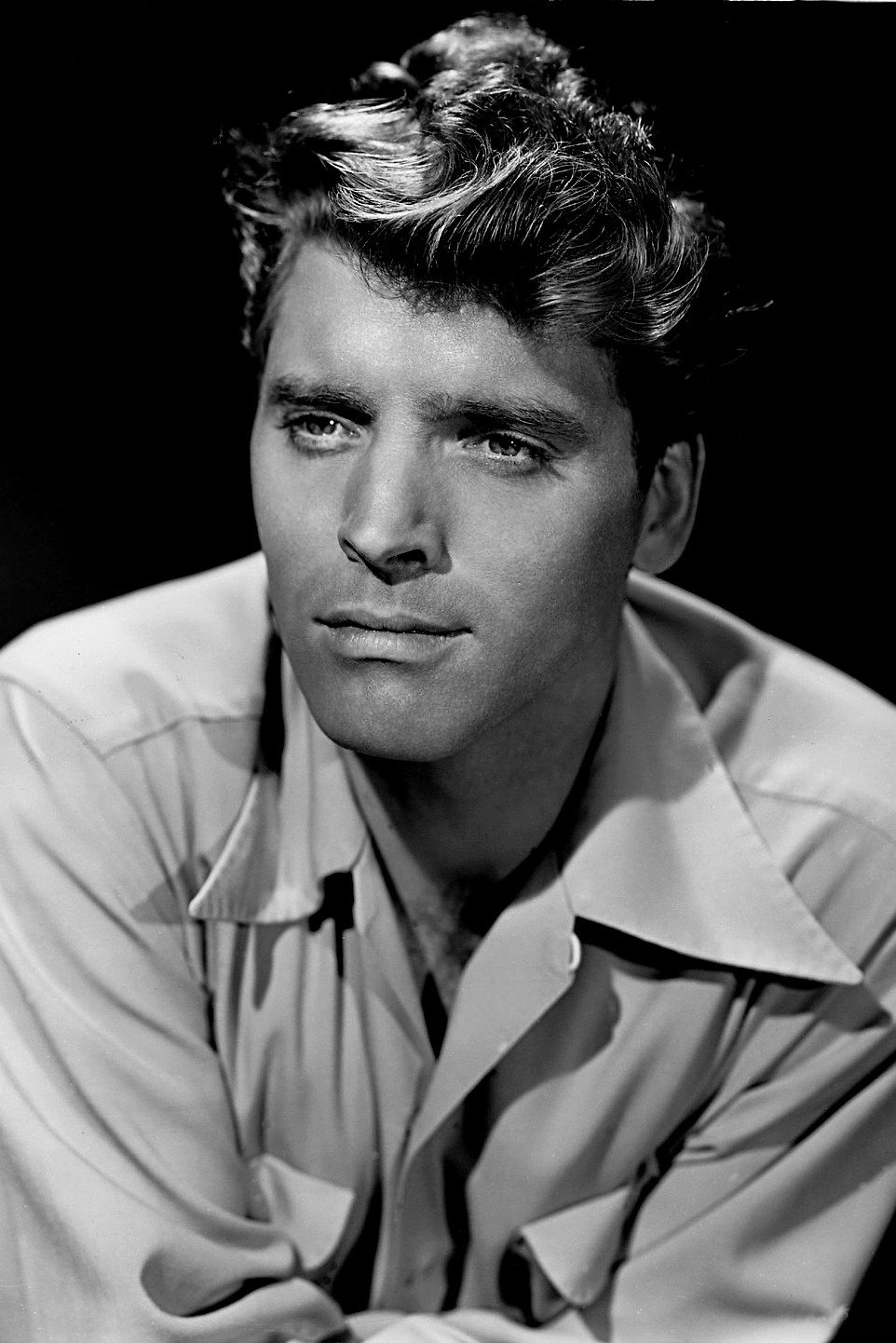
Lancaster played the Apache warrior Massai in the western film ‘Apache’. The actor appeared with blue eyes and darkened skin to play the Native American protagonist. The film attempted to be sympathetic to the Apache cause but still centered a white star. It highlights the contradiction of Hollywood trying to tell indigenous stories without indigenous people.
Chuck Connors
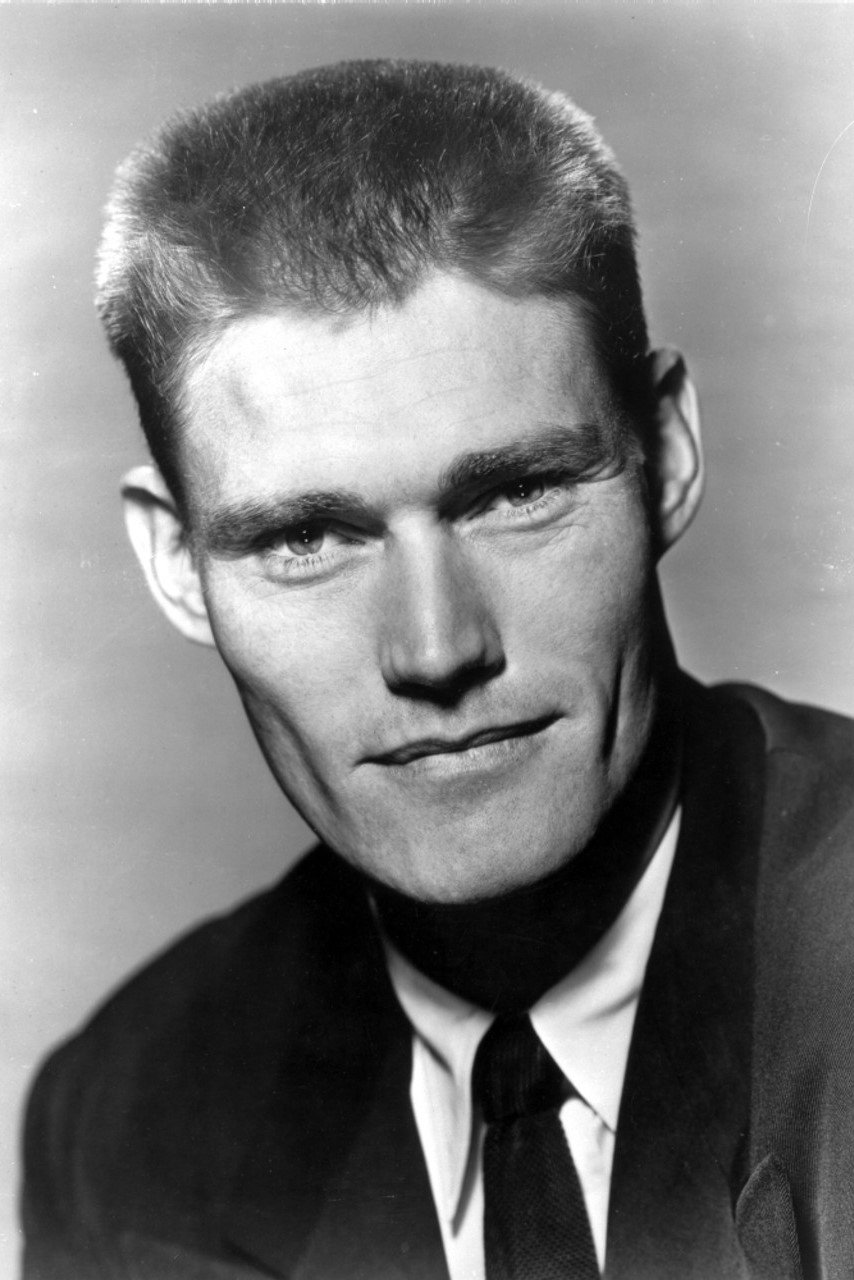
Connors played the legendary Apache leader in the 1962 film ‘Geronimo’. The actor was blue eyed and over six feet tall which required significant makeup to fit the role. The film was marketed as a historical tribute but failed to cast a Native American in the title role. This casting choice is considered disrespectful to the legacy of the real historical figure.
Anthony Hopkins
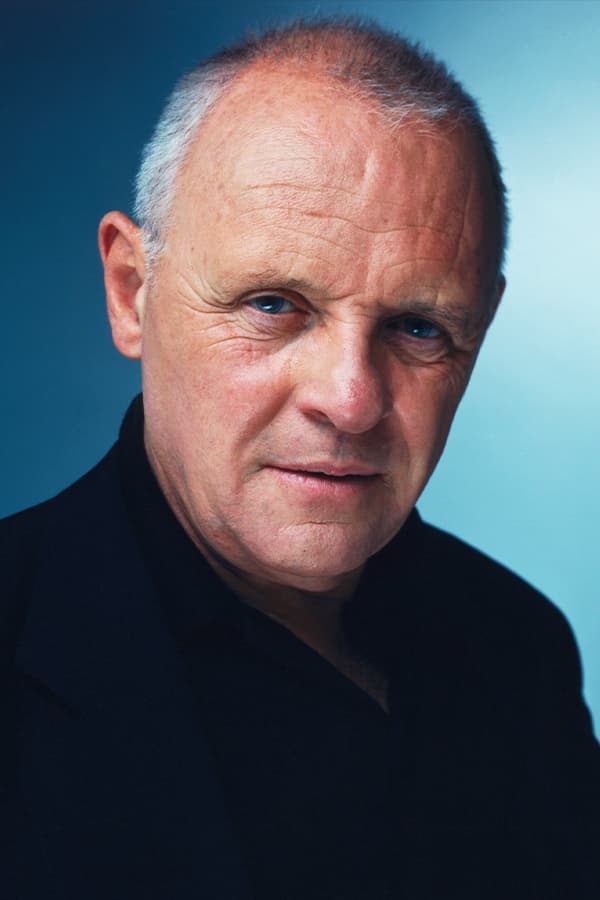
Hopkins played a light skinned black man who has been passing as white in ‘The Human Stain’. The character’s secret African American heritage is the central twist of the story. Casting a white actor to play a black man passing as white undermined the thematic weight of the narrative. Critics felt the film missed an opportunity to explore racial identity with a black actor in the lead.
William Mapother
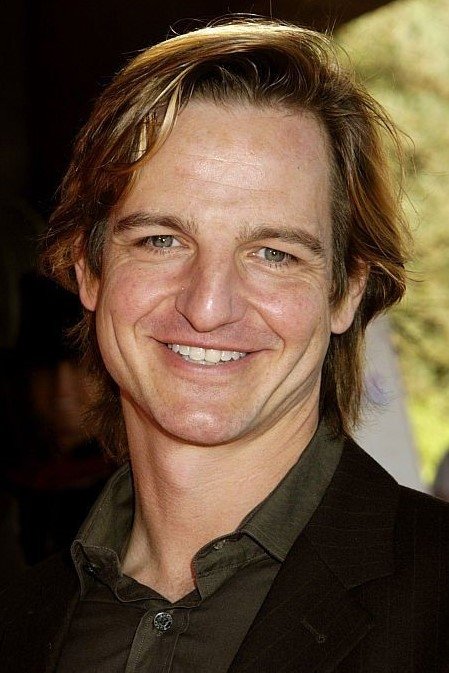
Mapother played the real Marine Sergeant Jason Thomas in Oliver Stone’s ‘World Trade Center’. The actual Jason Thomas is a black man who helped rescue survivors from the rubble. The filmmakers claimed they were unaware of his race until after production had begun. The error resulted in the erasure of a black hero’s contribution to the historical event.
Kevin Spacey
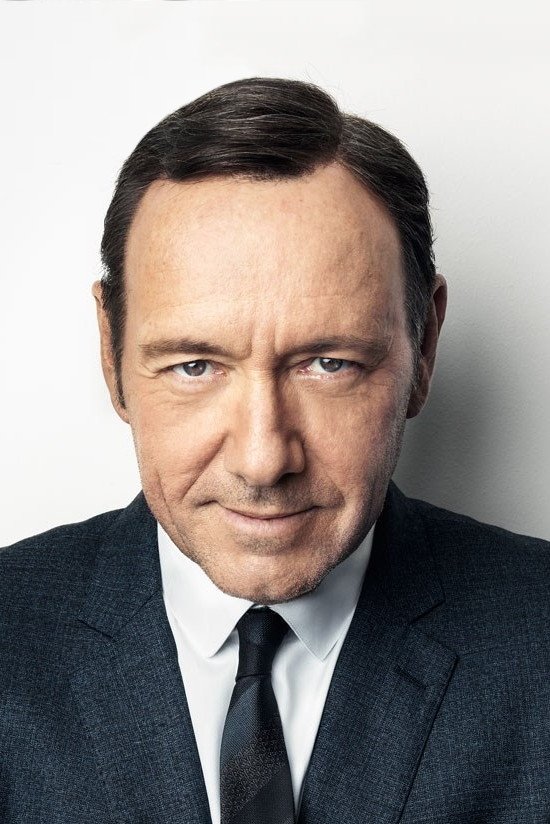
Spacey played the social studies teacher Eugene Simonet in the drama ‘Pay It Forward’. In the original novel the character is a black man named Reuben St. Clair. The film adaptation changed the character’s name and race to cast a white actor. This change removed a positive representation of a black educator from the story.
Joseph Fiennes
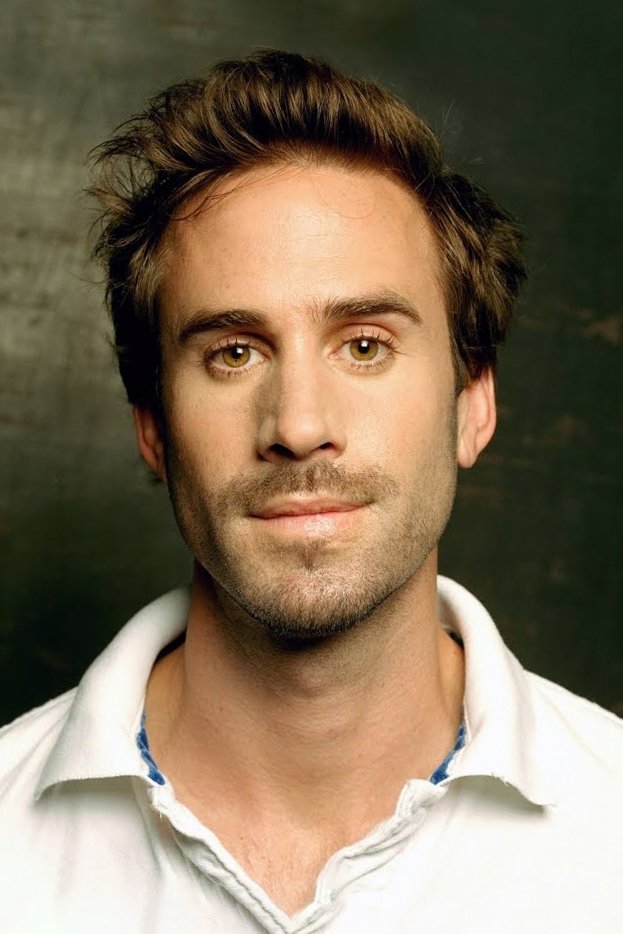
Fiennes was cast as Michael Jackson in an episode of the British series ‘Urban Myths’. The casting caused an immediate public outcry and condemnation from the Jackson family. The episode was pulled from broadcast before it ever aired due to the intensity of the backlash. It stands as a rare example where public reaction successfully prevented a whitewashed performance from being shown.
Max Minghella
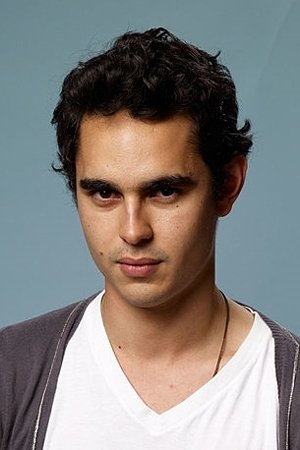
Minghella played the Harvard student Divya Narendra in the Facebook origin film ‘The Social Network’. The real Narendra is an Indian American but Minghella is of Italian and Chinese descent. The actor used dark makeup to appear to have a darker complexion for the role. This casting decision was criticized for bypassing Indian American actors for a role based on a living person.
Peter Sellers
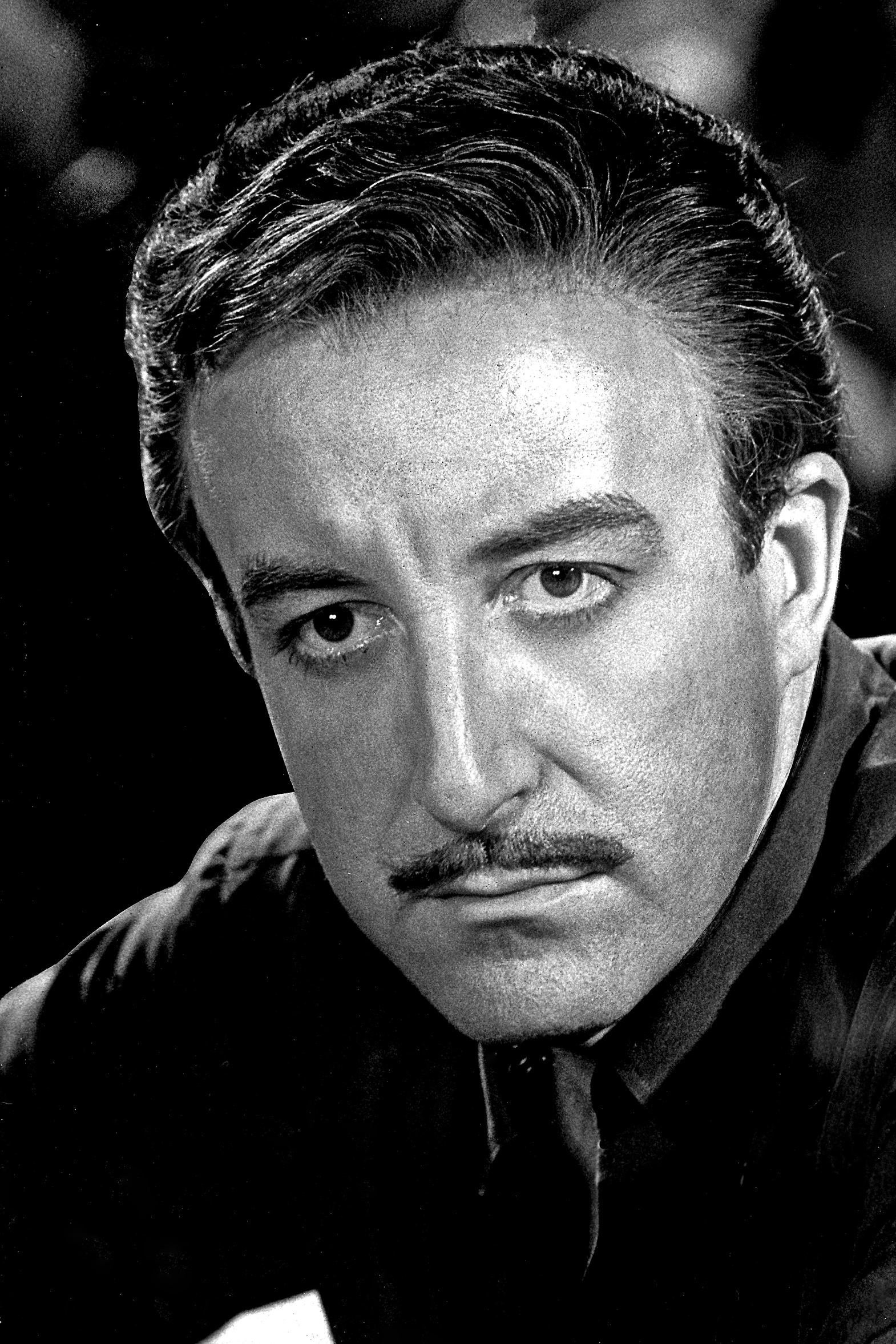
Sellers played an Indian actor in the comedy film ‘The Party’. He wore brown makeup and used a stereotypical accent throughout the movie. The film is a cult favorite for its physical comedy but relies entirely on brownface for its premise. The portrayal has been criticized for popularizing mockery of Indian accents in Western media.
Alfred Molina
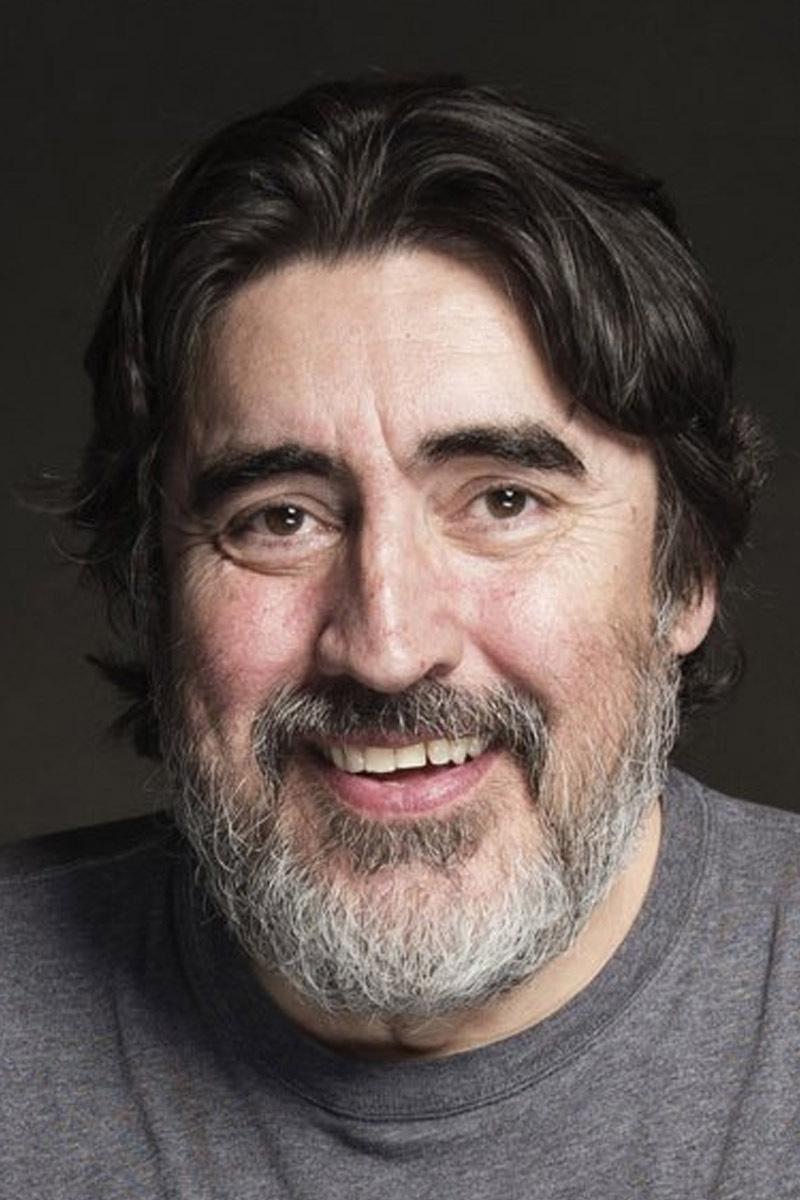
Molina played an Iranian doctor in the drama ‘Not Without My Daughter’. The actor is of Spanish and Italian descent but played the Iranian character with a menacing demeanor. The film was criticized for its demonization of Iranian culture and the casting reinforced this. It is often cited in discussions about the negative representation of Middle Eastern men in Hollywood.
Christopher Abbott
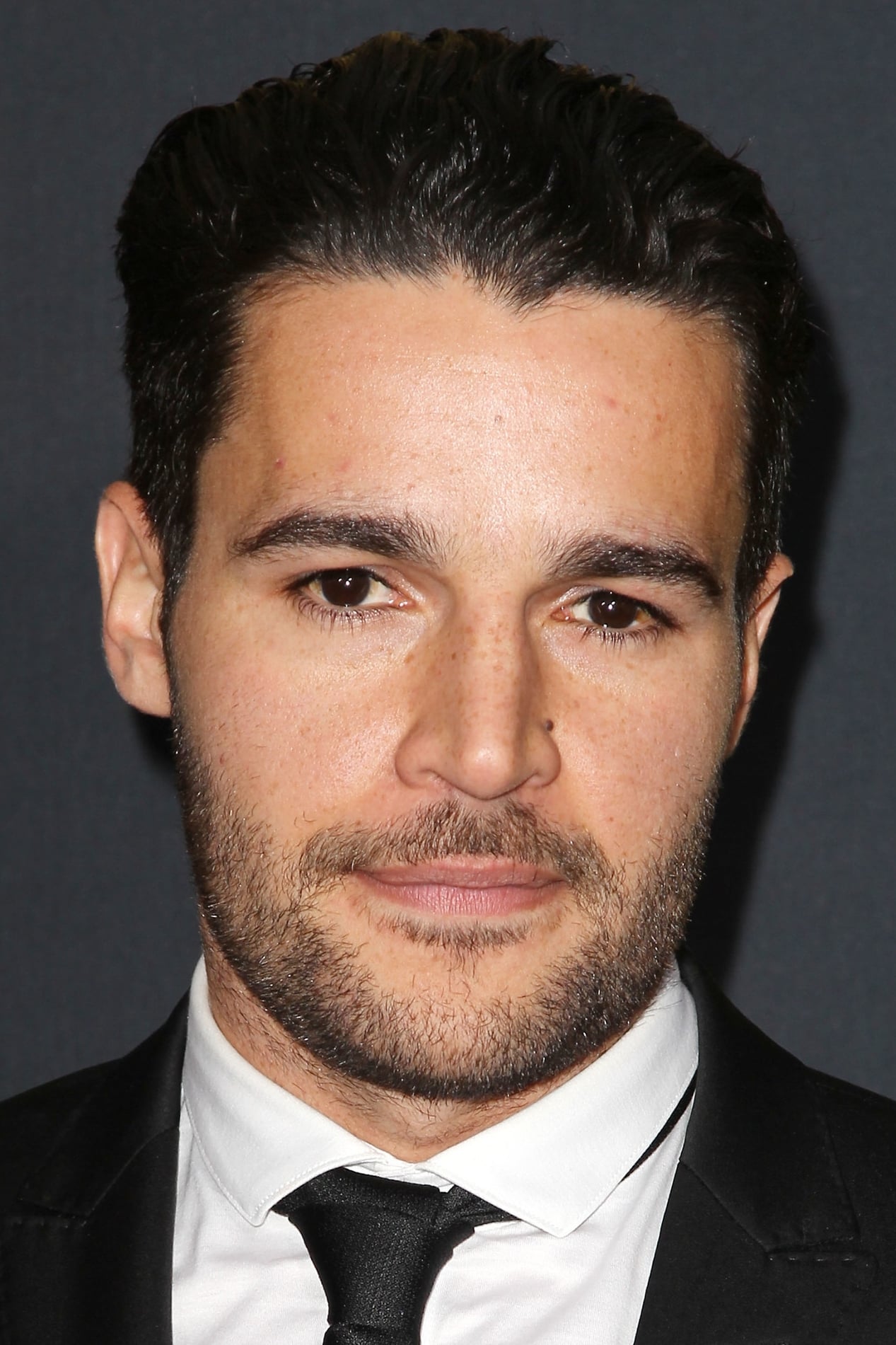
Abbott played an Afghan fixture named Fahim Ahmadzai in the war comedy ‘Whiskey Tango Foxtrot’. The American actor used a beard and an accent to portray the local Afghan character. Critics questioned why an actor of Middle Eastern or South Asian descent was not hired for the significant supporting role. The casting appeared unnecessary given the availability of actors with the correct background.
Fred Astaire
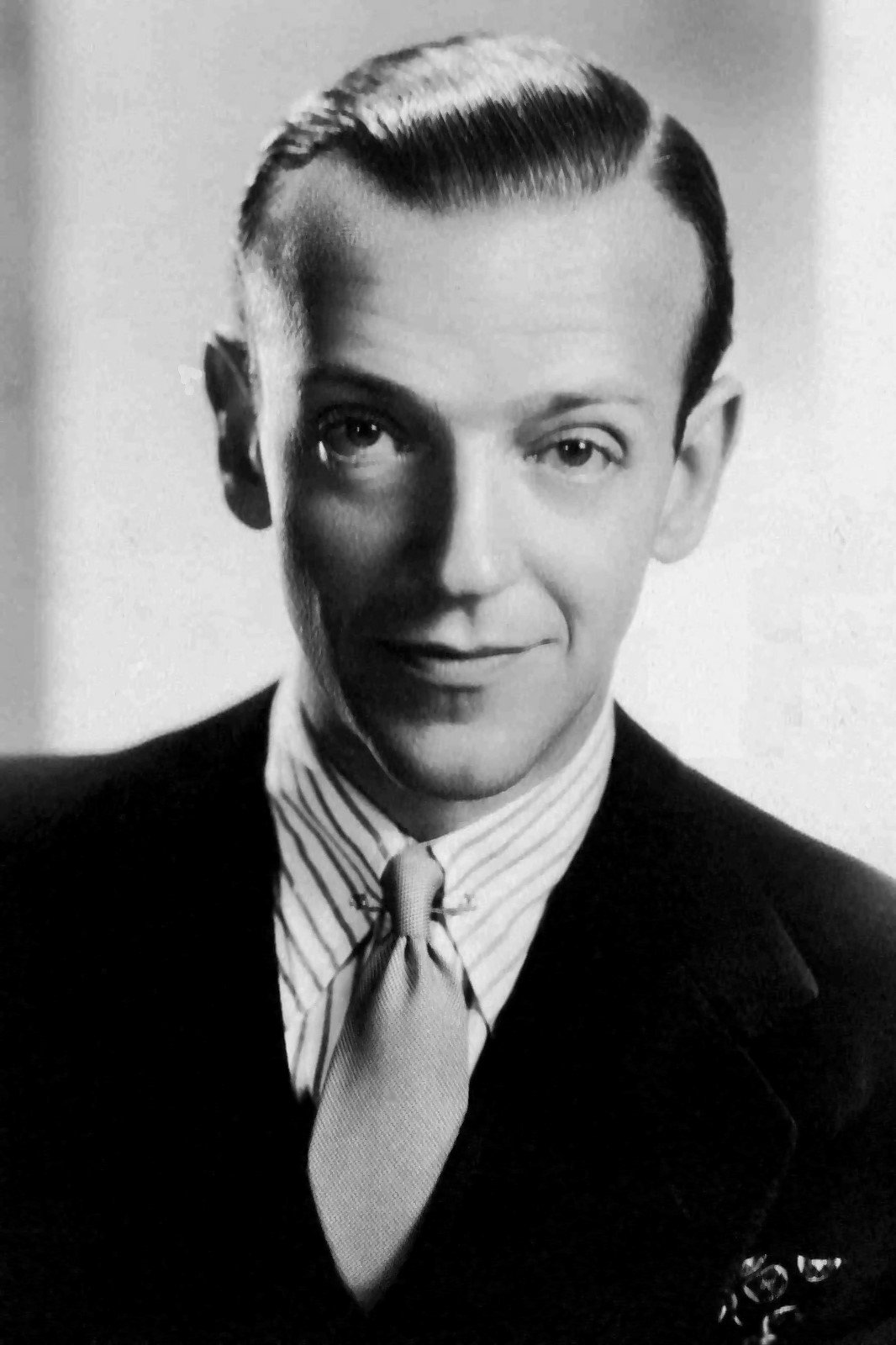
Astaire performed a dance number in blackface titled “Bojangles of Harlem” in the musical ‘Swing Time’. The sequence was intended as a tribute to dancer Bill “Bojangles” Robinson but utilized offensive makeup. It remains a jarring moment in the career of a beloved Hollywood icon. Modern screenings often contextualize or criticize this specific number for its racial insensitivity.
Tell us which of these casting choices you found the most surprising or egregious in the comments.