


Controversial Decisions to Age Up Characters in Live-Action Adaptations

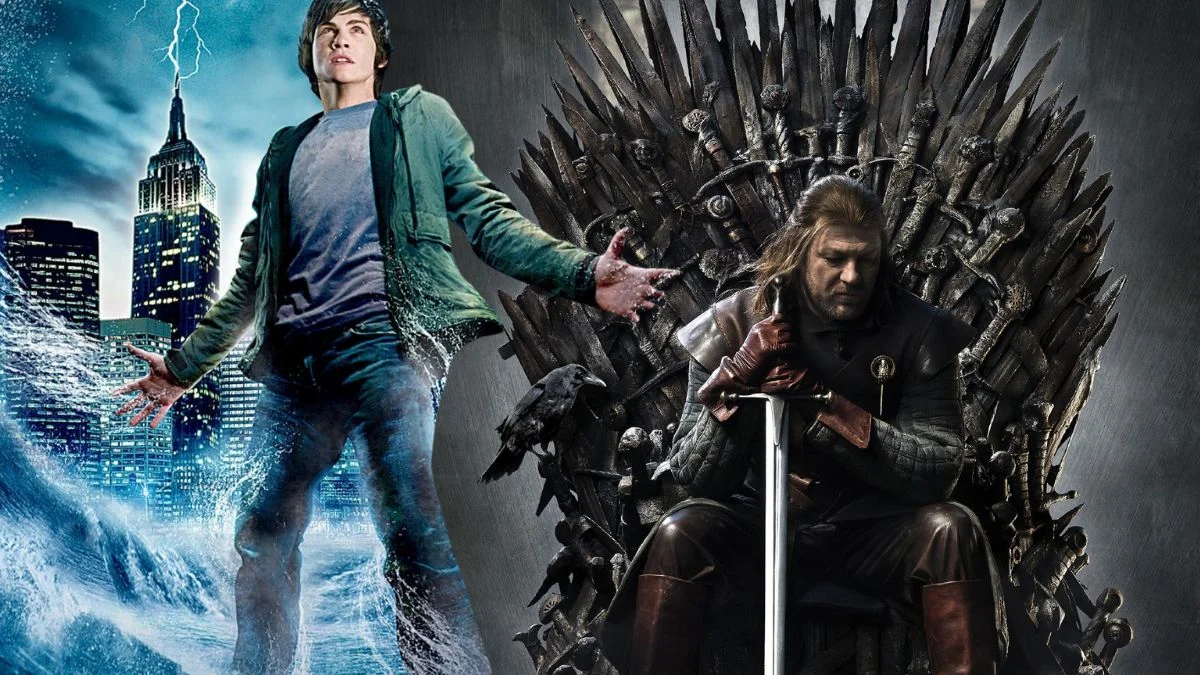


Adapting beloved source material for live-action audiences often involves significant changes to character biographies and timelines. One of the most frequent and contentious alterations is the decision to age up protagonists, shifting them from childhood or early adolescence into young adulthood. Studios often justify these changes to reach wider demographics, avoid child labor restrictions, or introduce mature themes that were absent in the original works. This list explores notable instances where characters were aged up, altering the dynamics and reception of the adaptation.
‘Game of Thrones’ (2011–2019)
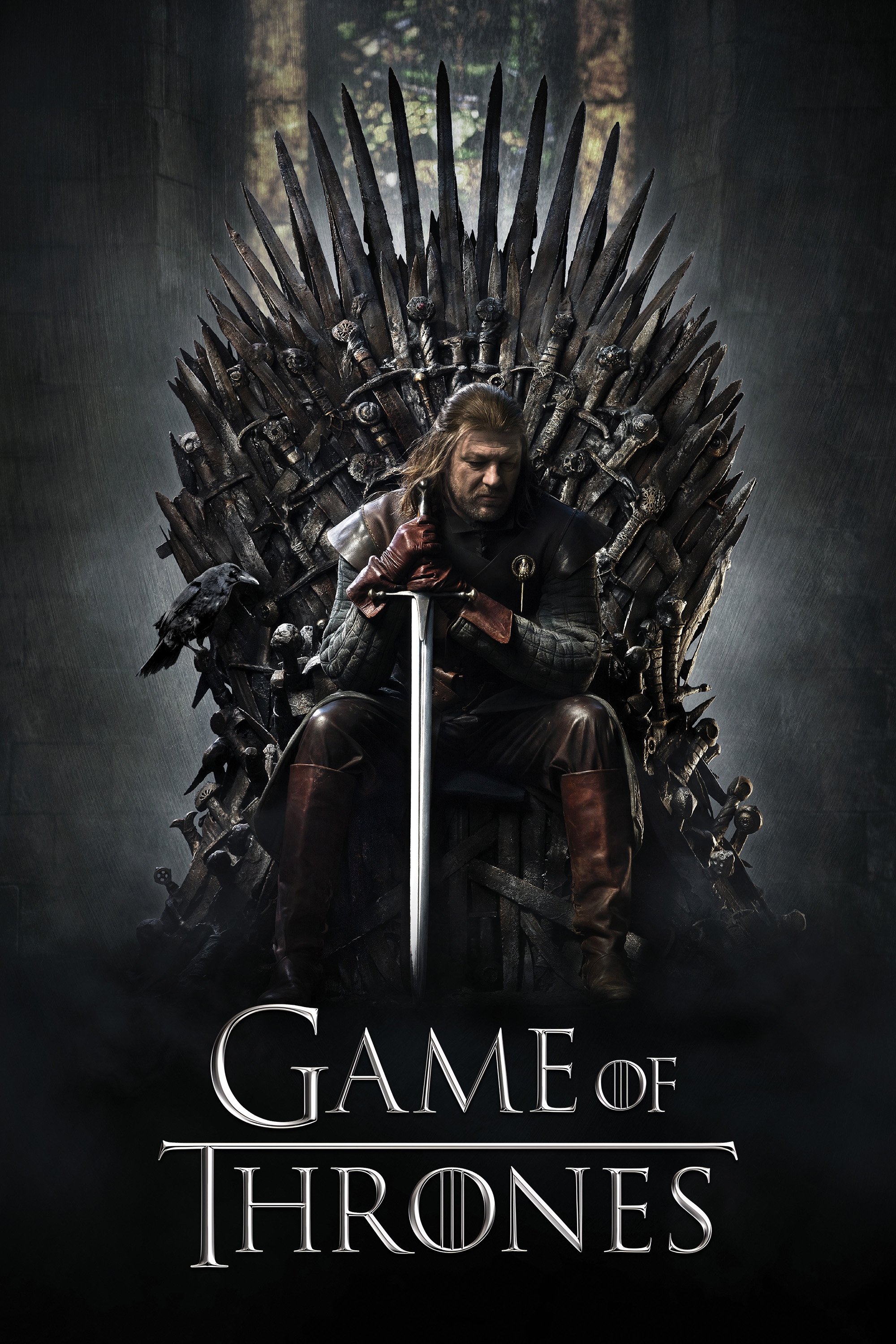
George R.R. Martin wrote the Stark children and Daenerys Targaryen as significantly younger in his novels, with Daenerys starting her journey at only thirteen. The showrunners made the decision to age all the younger characters up by several years to make the explicit violence and sexual content palatable for television audiences. Robb Stark and Jon Snow were aged up from fourteen to late teens, while Sansa and Arya were also made older to handle their traumatic storylines. This shift allowed the series to depict mature political drama but altered the tragic element of children being forced to lead wars.
‘Percy Jackson & the Olympians: The Lightning Thief’ (2010)
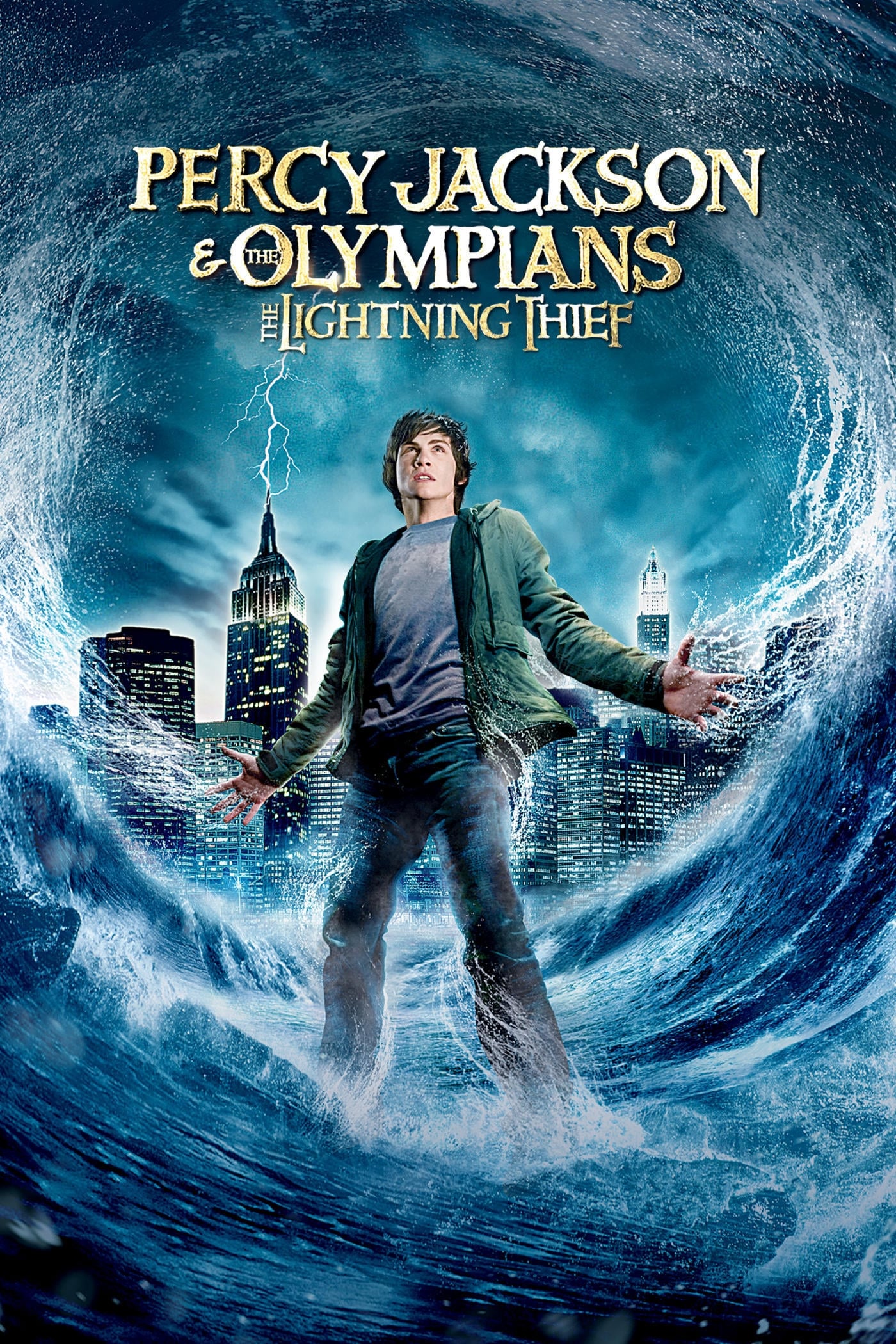
In Rick Riordan’s novels, Percy Jackson discovers his demigod heritage at the age of twelve, which is crucial for the timeline of the Great Prophecy that occurs when he turns sixteen. The film adaptation cast Logan Lerman and aged the character to sixteen immediately, effectively removing the urgency of the coming-of-age timeline. Fans criticized this change because it fundamentally altered the dynamic of the Camp Half-Blood campers from children discovering their powers to young adults. The aging up also disrupted the potential for a long-running franchise that followed the actors’ natural growth.
‘Ender’s Game’ (2013)
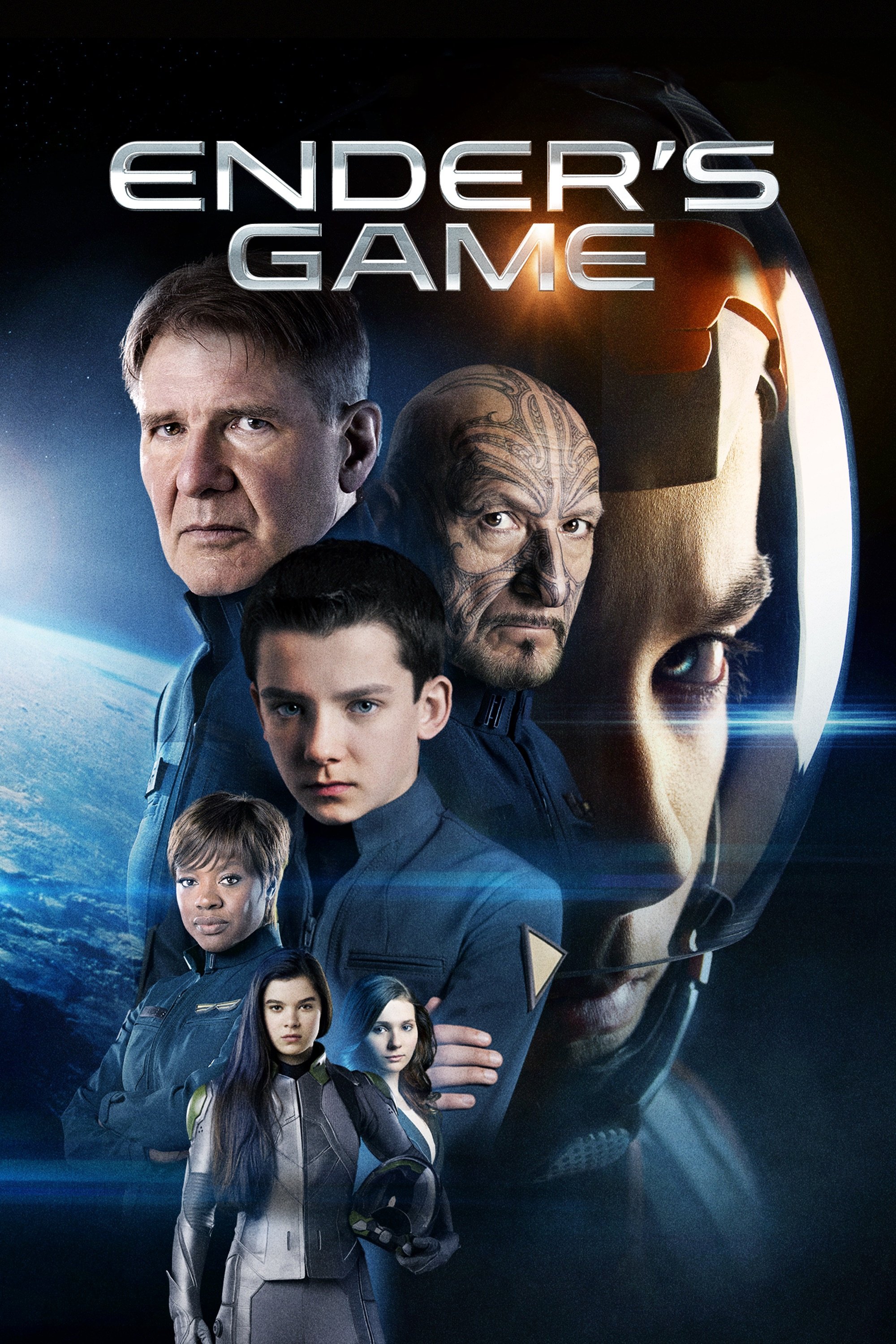
The protagonist Ender Wiggin is a six-year-old tactical genius in Orson Scott Card’s novel, a detail that highlights the brutality of the military using children as commanders. The film cast Asa Butterfield and aged Ender to twelve, diminishing the stark contrast between his small stature and his immense intellect. While filming combat scenes with six-year-olds would have been logistically impossible, the age jump lessened the emotional impact of Ender’s isolation and vulnerability. Viewers noted that the strategic brilliance seemed less prodigious coming from an adolescent compared to a small child.
‘The Giver’ (2014)
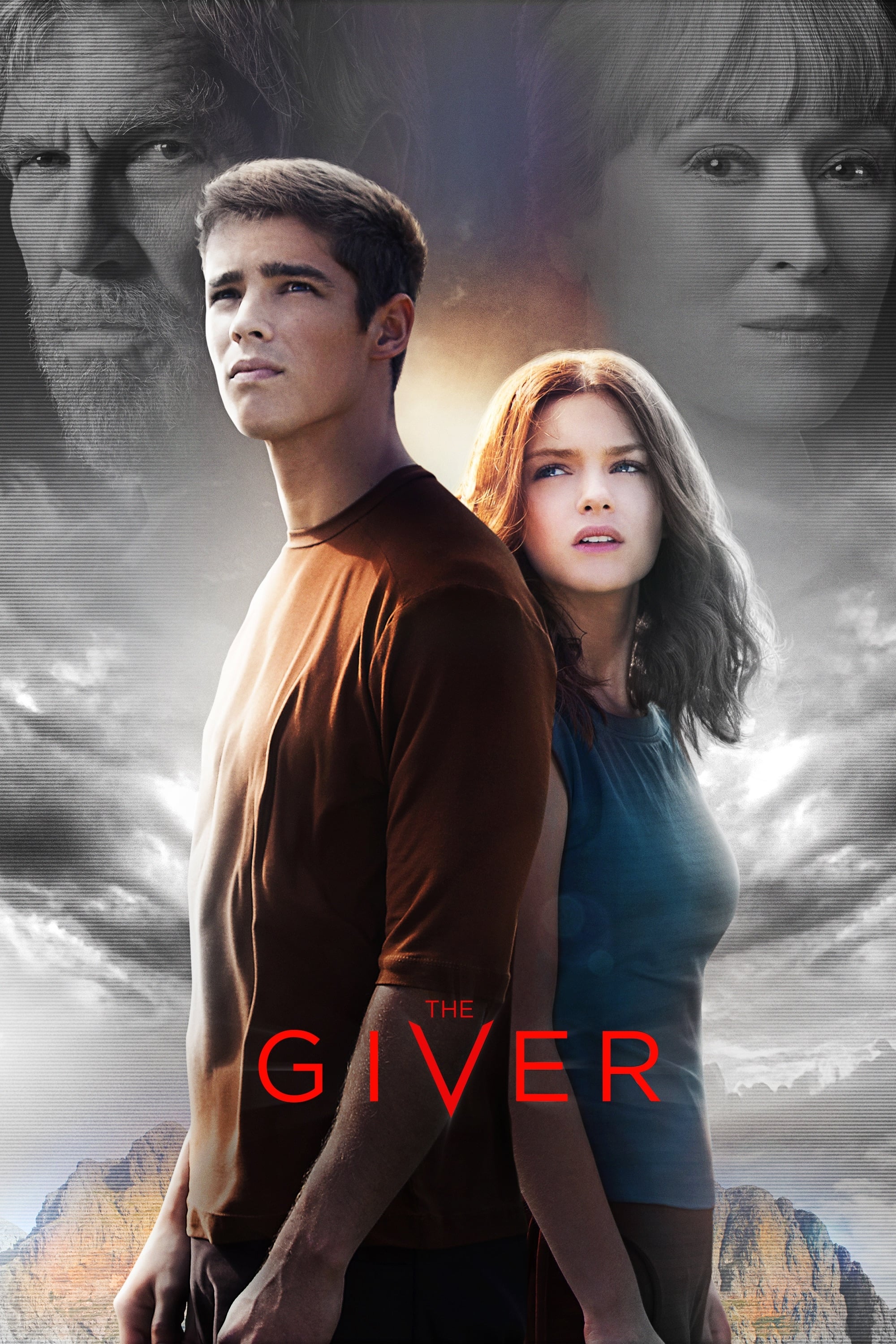
Lois Lowry’s dystopian novel follows a twelve-year-old boy named Jonas who is selected to receive the memories of the past. The film adaptation aged Jonas and his friends to sixteen, introducing a young adult romance subplot that was entirely absent from the source material. Critics felt this decision transformed a unique philosophical story about childhood innocence into a generic teen dystopian action movie. The age increase shifted the focus from a child awakening to the world’s pain to a teenager rebelling against a system.
‘Dragonball Evolution’ (2009)
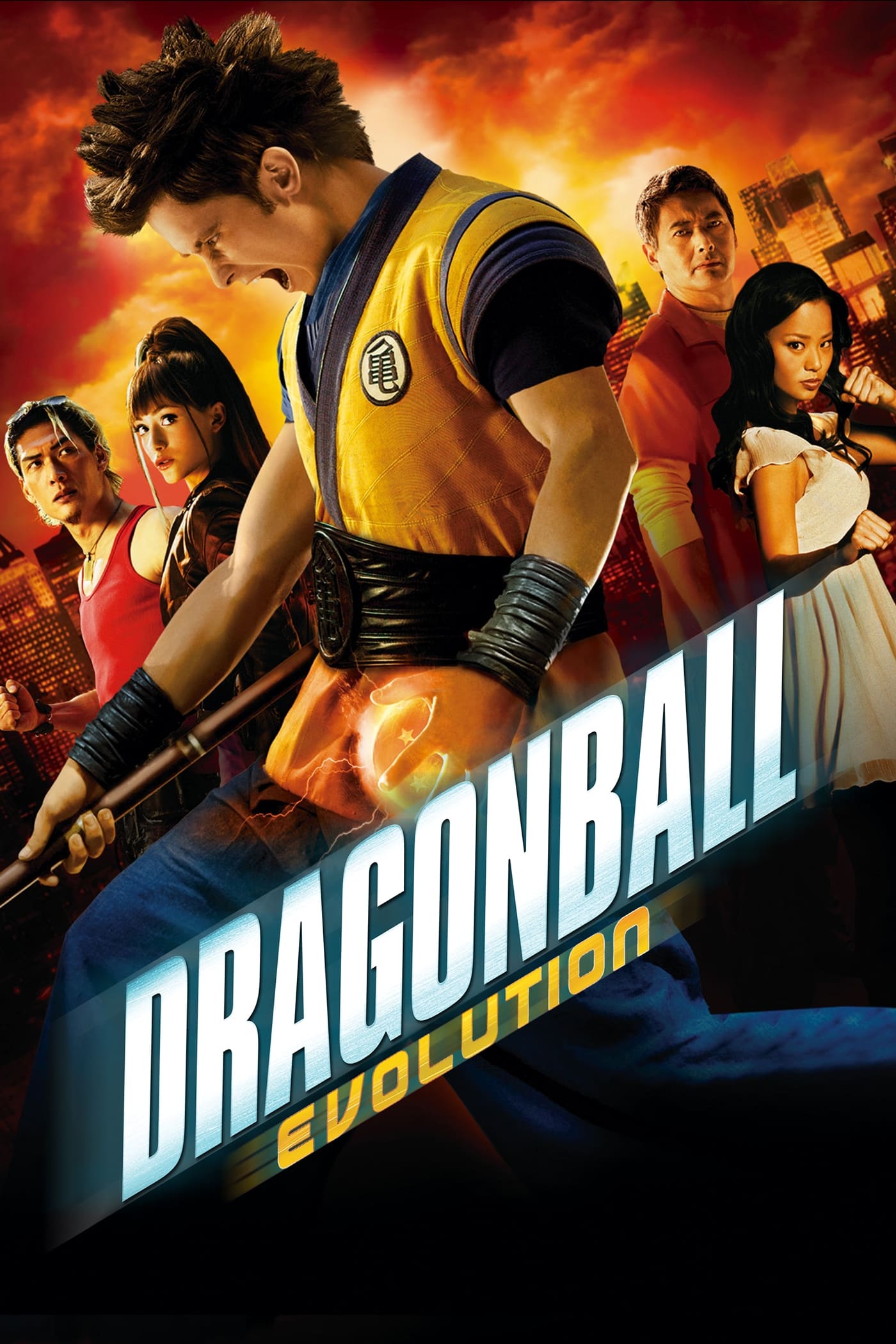
Goku is introduced as a young boy in the original manga and anime, living in isolation before embarking on his martial arts journey. The live-action adaptation reimagined Goku as a high school student dealing with teenage angst and bullying, a drastic departure from his pure-hearted and naive origins. Aging him up to eighteen stripped away the charm of his early adventures and forced the story into a cliché American high school setting. This fundamental misunderstanding of the character contributed to the film’s reputation as one of the worst adaptations ever made.
‘Seventh Son’ (2014)
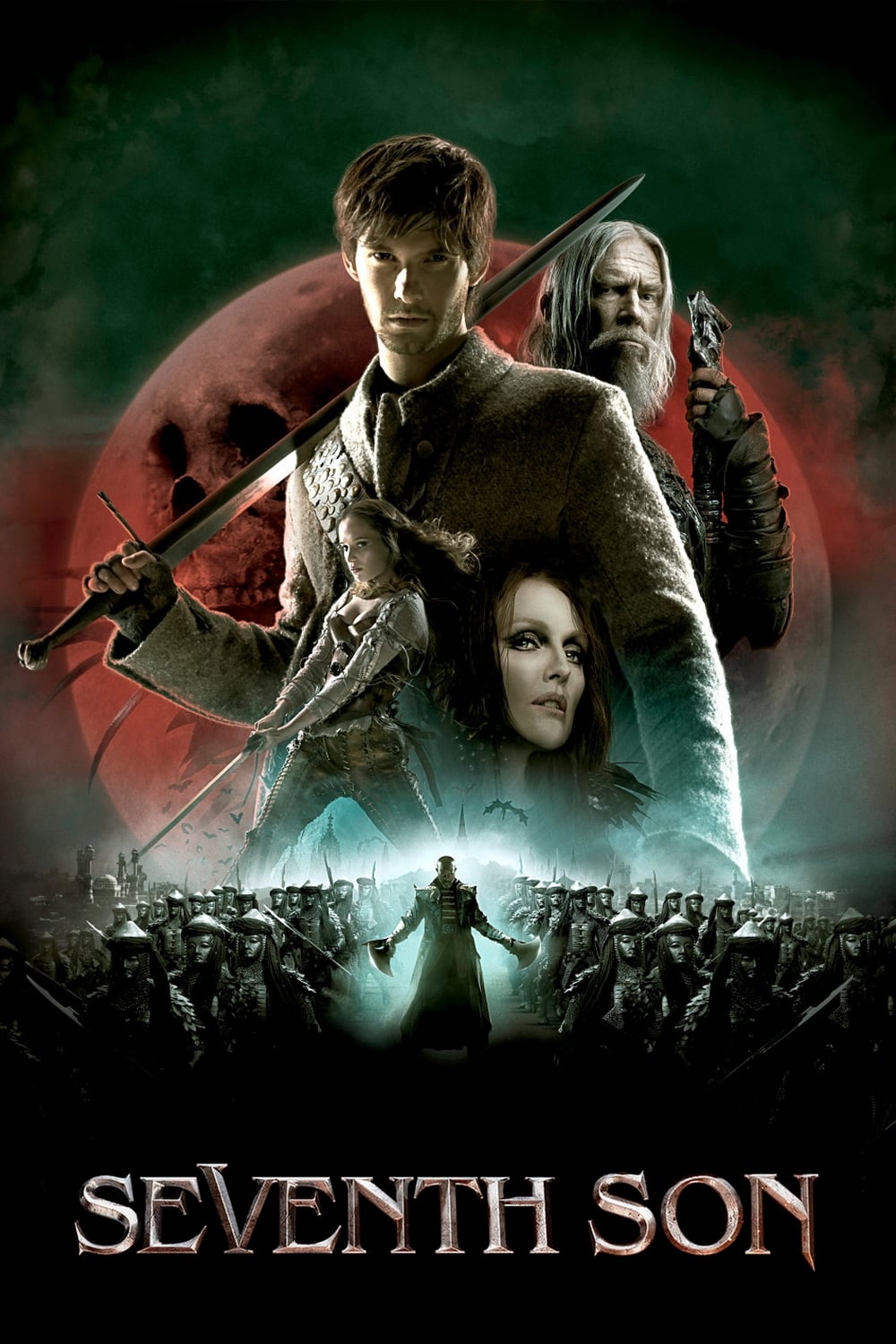
Based on ‘The Spook’s Apprentice’, this film aged the protagonist Tom Ward from a twelve-year-old boy into a grown man played by Ben Barnes. The book focuses on the terrifying nature of a young child being trained to fight darkness, whereas the film turned it into an action-adventure with a romance subplot. The mentorship dynamic changed from a father-son relationship to a buddy-cop dynamic due to the reduced age gap between Tom and his mentor. This alteration alienated fans of the book series who missed the vulnerability of the young protagonist.
‘Death Note’ (2017)

The original manga features Light Yagami as a genius high school student in Japan, but the Netflix adaptation moved the setting to Seattle and reimagined him as an edgier, older teenager named Light Turner. While the age difference was not drastic in years, the character was written with a maturity level and independence that felt more akin to a college student or young adult. The adaptation used this shift to include a Prom setting and a more sexualized relationship with Mia. Fans argued this Americanized version lacked the disciplined, cold intellect that defined the original character.
‘Riverdale’ (2017–2023)
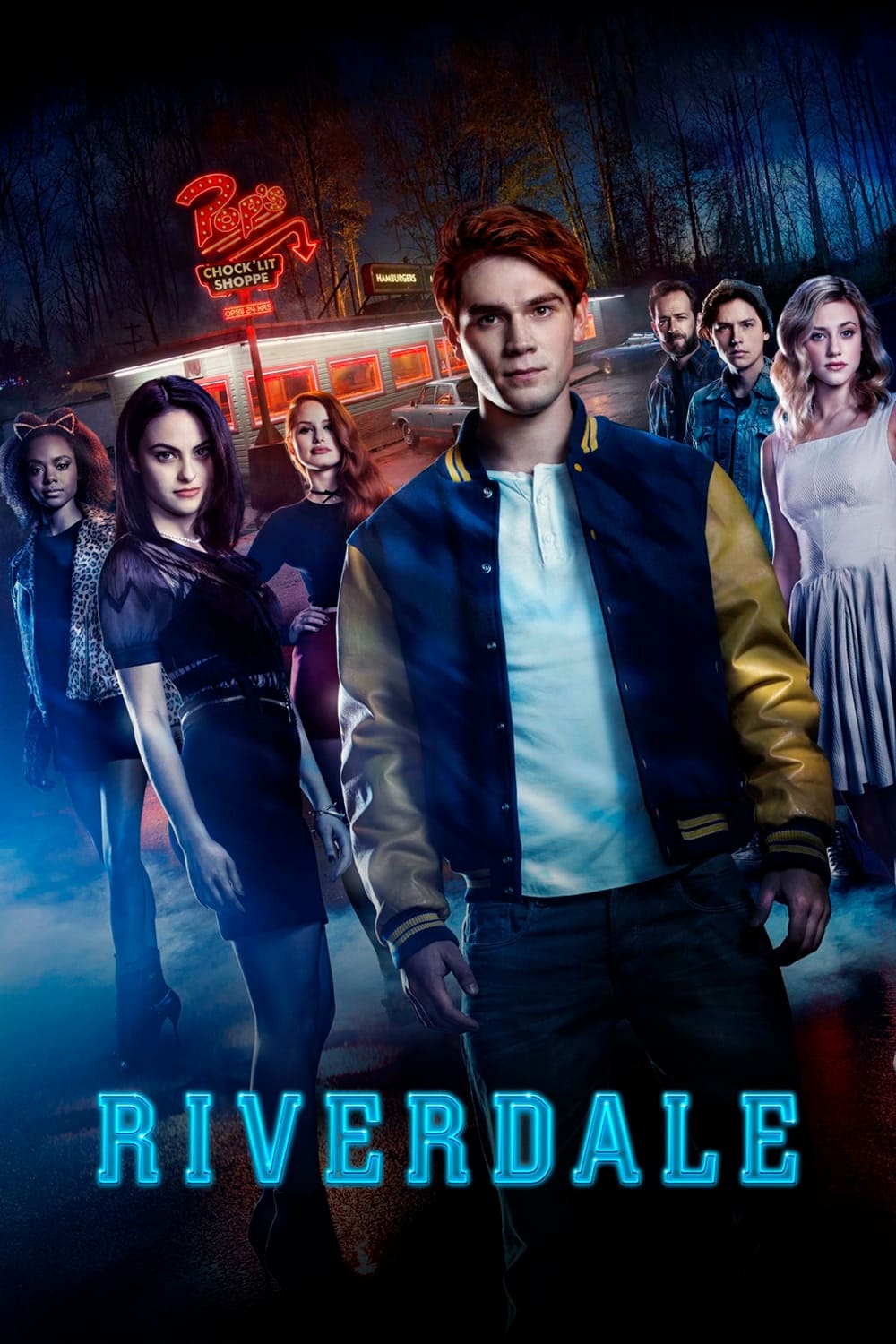
The characters of Archie Comics are timeless teenagers who perpetually exist in high school, but the TV adaptation cast actors in their twenties to play the roles. While the characters were technically still high school students, the show sexualized them and introduced adult storylines involving gangs, murder, and illicit affairs that clashed with their supposed ages. The “sexy Archie” trope became a point of discussion, as the innocent boy next door was transformed into a ripped vigilante. This tonal shift defined the show but marked a permanent departure from the wholesome source material.
‘Fate: The Winx Saga’ (2021–2022)
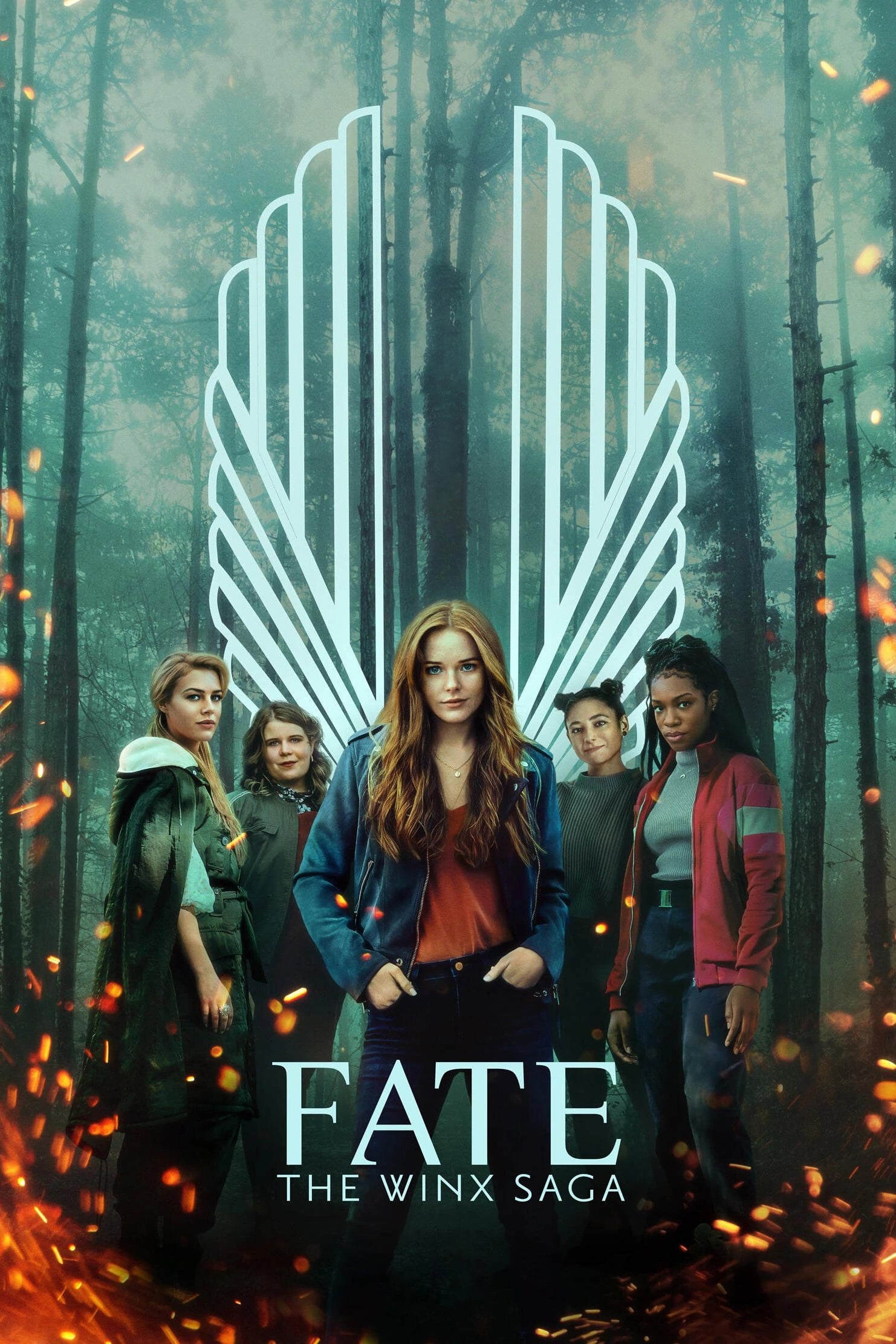
The original ‘Winx Club’ cartoon featured colorful fairies attending a magical school, targeting a younger demographic with themes of friendship. The live-action Netflix series aged the characters up and darkened the tone to target a young adult audience familiar with shows like ‘The Vampire Diaries’. Characters discussed drug use and sexual relationships, which felt jarring to those who grew up with the innocent animated version. The decision to age up the cast also led to the exclusion of certain younger-skewing aesthetic elements from the cartoon.
‘Titans’ (2018–2023)
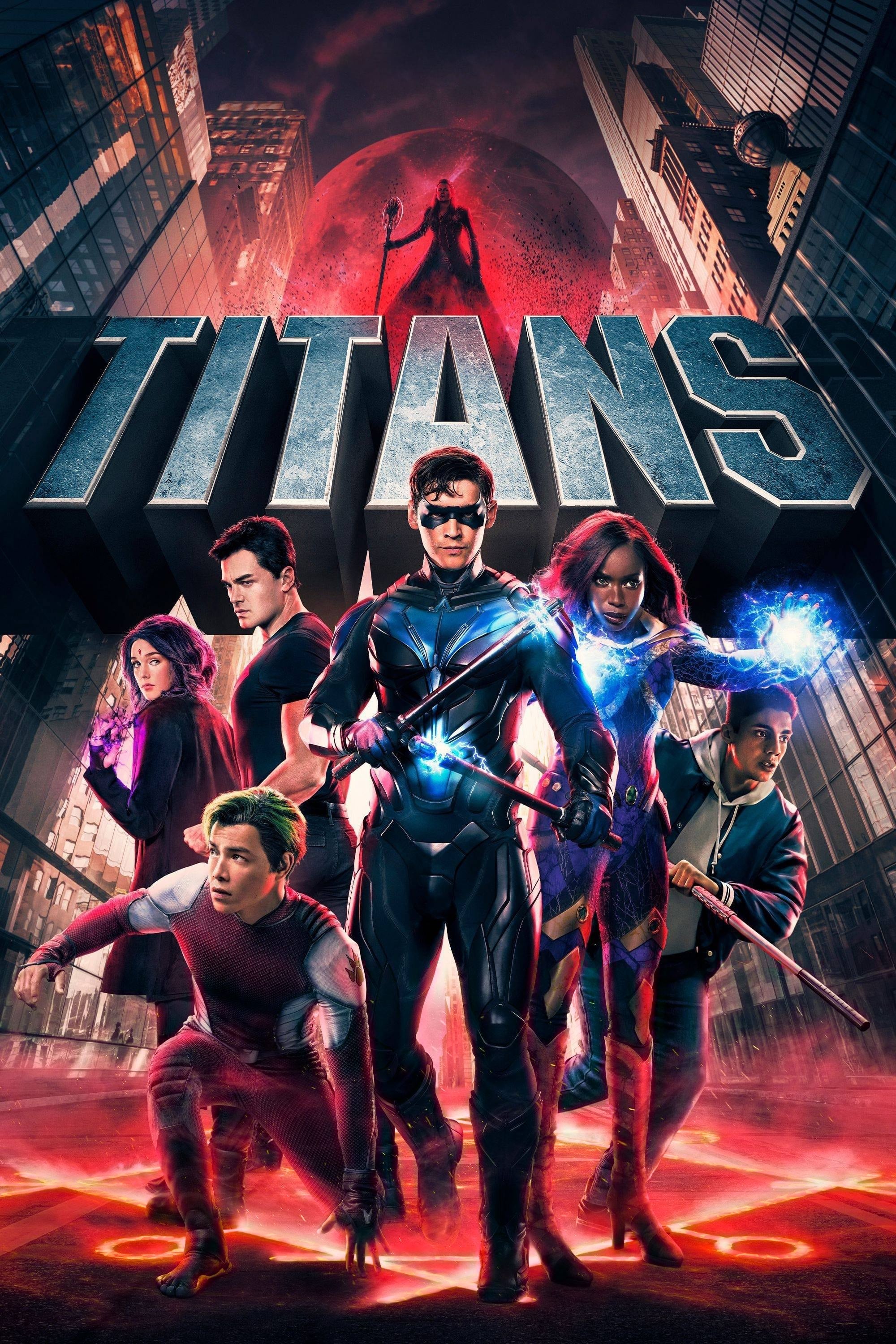
The ‘Teen Titans’ animated series and comics generally focus on the team during their formative teenage years, but the live-action series opted for a grittier, older ensemble. Dick Grayson was depicted as a disillusioned adult trying to step out of Batman’s shadow, rather than a teen leader finding his way. Raven was kept relatively young, creating a noticeable age gap between her and the other team members that altered the group dynamic. The show’s mature rating and violence required the characters to be older, distancing the project from its younger fanbase.
‘Shadowhunters’ (2016–2019)
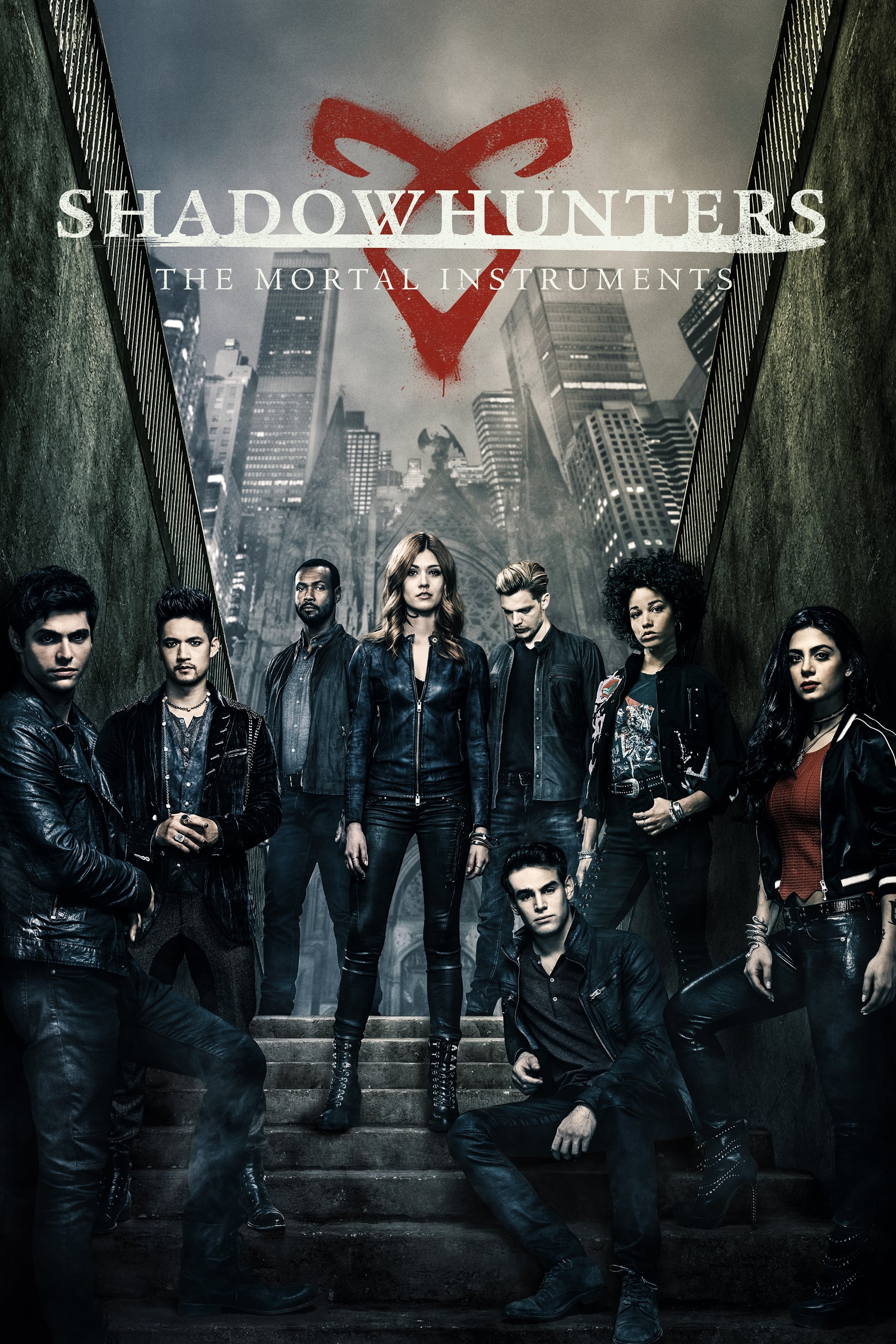
In ‘The Mortal Instruments’ novels, Clary Fray is fifteen when she discovers the Shadow World, but the TV series aged her and the other characters to around eighteen. This allowed the show to bypass child labor laws and lean into steamier romantic subplots that were more implicit in the books. The decision also changed the setting from high school to an art academy and police precincts, giving the characters more autonomy. While the core story remained, the characters acted with an independence that is rare for fifteen-year-olds.
‘The Chronicles of Narnia: Prince Caspian’ (2008)

Prince Caspian is a young boy of roughly thirteen in C.S. Lewis’s novel, creating a dynamic where the Pevensie children are his peers or elders. The film cast Ben Barnes, who was significantly older, changing Caspian into a handsome young adult and introducing a romance with Susan. This age difference altered the power struggle for the throne, as it became a fight between a grown man and his uncle rather than a vulnerable child and a tyrant. The romance subplot was entirely an invention of the film to utilize the actor’s age.
‘Eragon’ (2006)
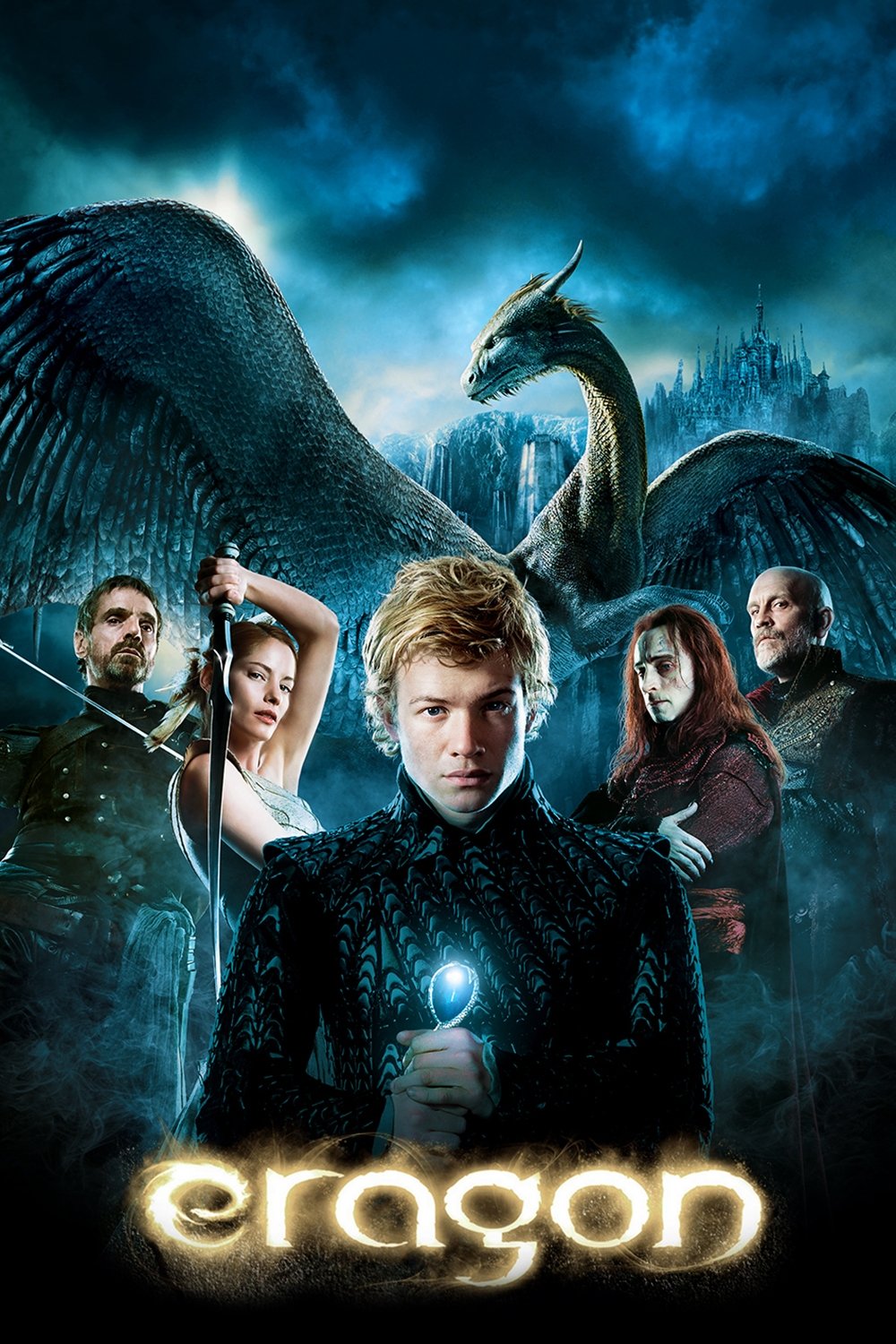
Christopher Paolini’s novel introduces Eragon as a fifteen-year-old farm boy, but the film adaptation cast Edward Speleers, who appeared significantly older. The movie accelerated his mastery of sword fighting and magic, skipping the slow maturation process found in the book. Aging up the character simplified the narrative but lost the essential coming-of-age struggle of a boy burdened with the fate of a kingdom. The rushed development made his victory over seasoned enemies feel unearned compared to the literary version.
‘Divergent’ (2014)

Tris Prior is sixteen in the book when she chooses her faction, a metaphor for making life-altering choices at a young age. The film cast Shailene Woodley and Theo James, forcing the visual narrative to look more like a story about twenty-somethings than teenagers. The character of Four, in particular, was aged up to twenty-four in the film, widening the age gap between him and the initiates. This cast maturity gave the film a polished action aesthetic but somewhat diluted the theme of adolescents rebelling against societal categorization.
‘The Maze Runner’ (2014)

The Gladers in James Dashner’s novel are a mix of boys ranging from twelve to seventeen, emphasizing the horror of children trapped in a lethal experiment. The film cast actors primarily in their early twenties, making the group look like a college-aged survival team rather than lost children. This visual aging up reduced the disturbing nature of the premise, as watching adults fight mechanical monsters is less harrowing than watching children do it. Despite the age change, the film was successful, though it changed the atmosphere of the Glade.
‘The Vampire Diaries’ (2009–2017)
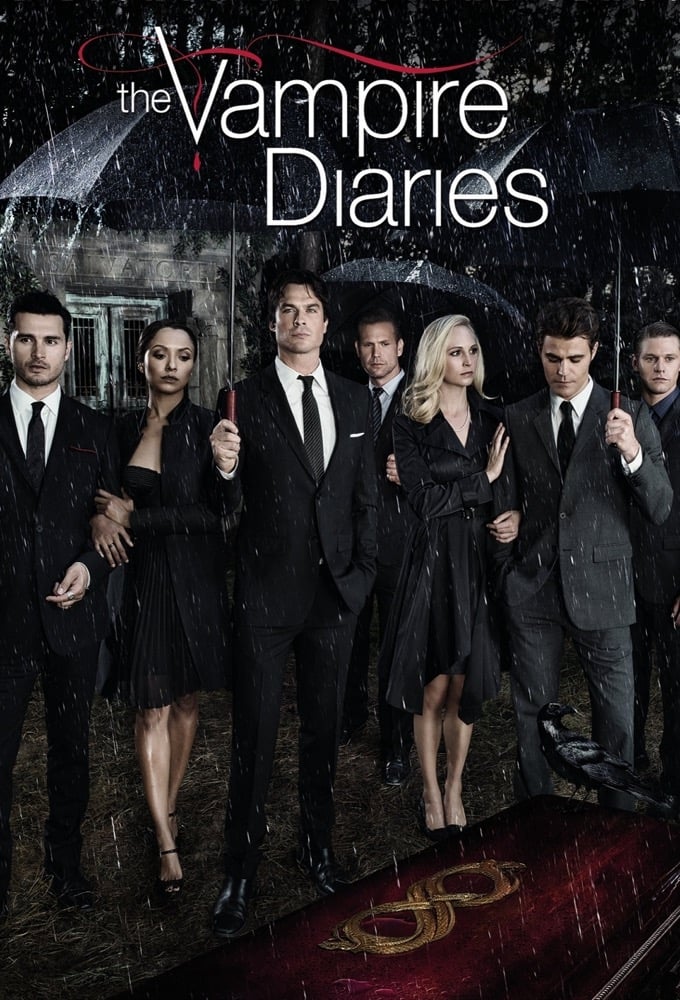
In the original book series, Elena Gilbert is a popular high school senior, but the casting of actors in their twenties gave the show a distinctly adult feel from the pilot. While the characters attended high school, their independence, access to alcohol, and lack of parental supervision aligned more with the actors’ real ages. This is a common trope in the CW network’s adaptations, but it creates a disconnect between the setting and the characters’ behavior. The show leaned heavily into the mature romance aspect, moving away from the high school drama of the early books.
‘Pretty Little Liars’ (2010–2017)
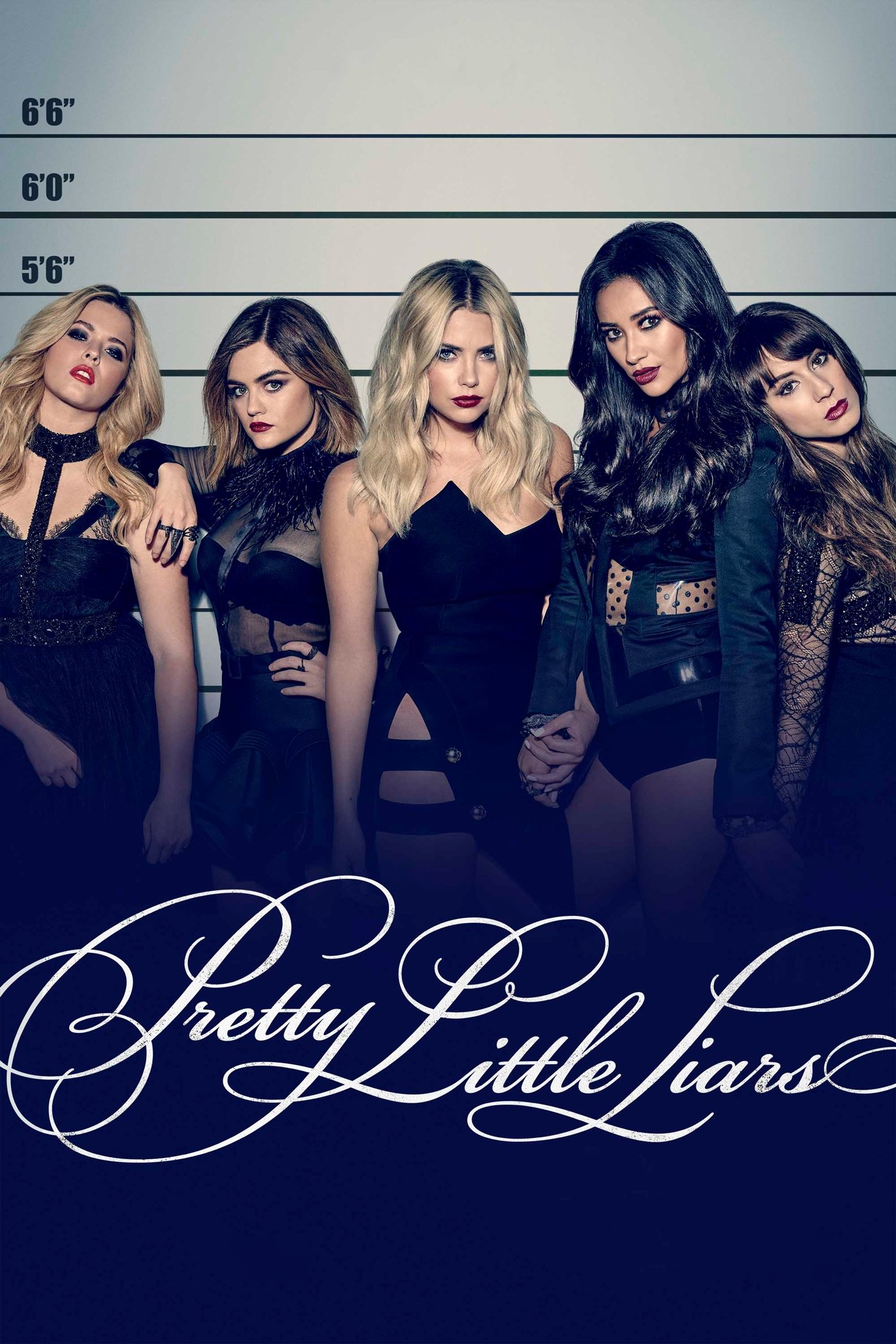
The protagonists of the book series are introduced as junior high students in flashbacks and high schoolers in the main timeline, but the show cast women in their mid-twenties. The stylized fashion and mature storylines made it difficult for audiences to believe these women were worried about geometry tests. The decision to age up the visual presentation allowed for darker plotlines involving teacher-student relationships and murder. It became a hallmark of the show that the “Liars” looked and acted like adults despite their sophomore status.
‘The Wheel of Time’ (2021–Present)
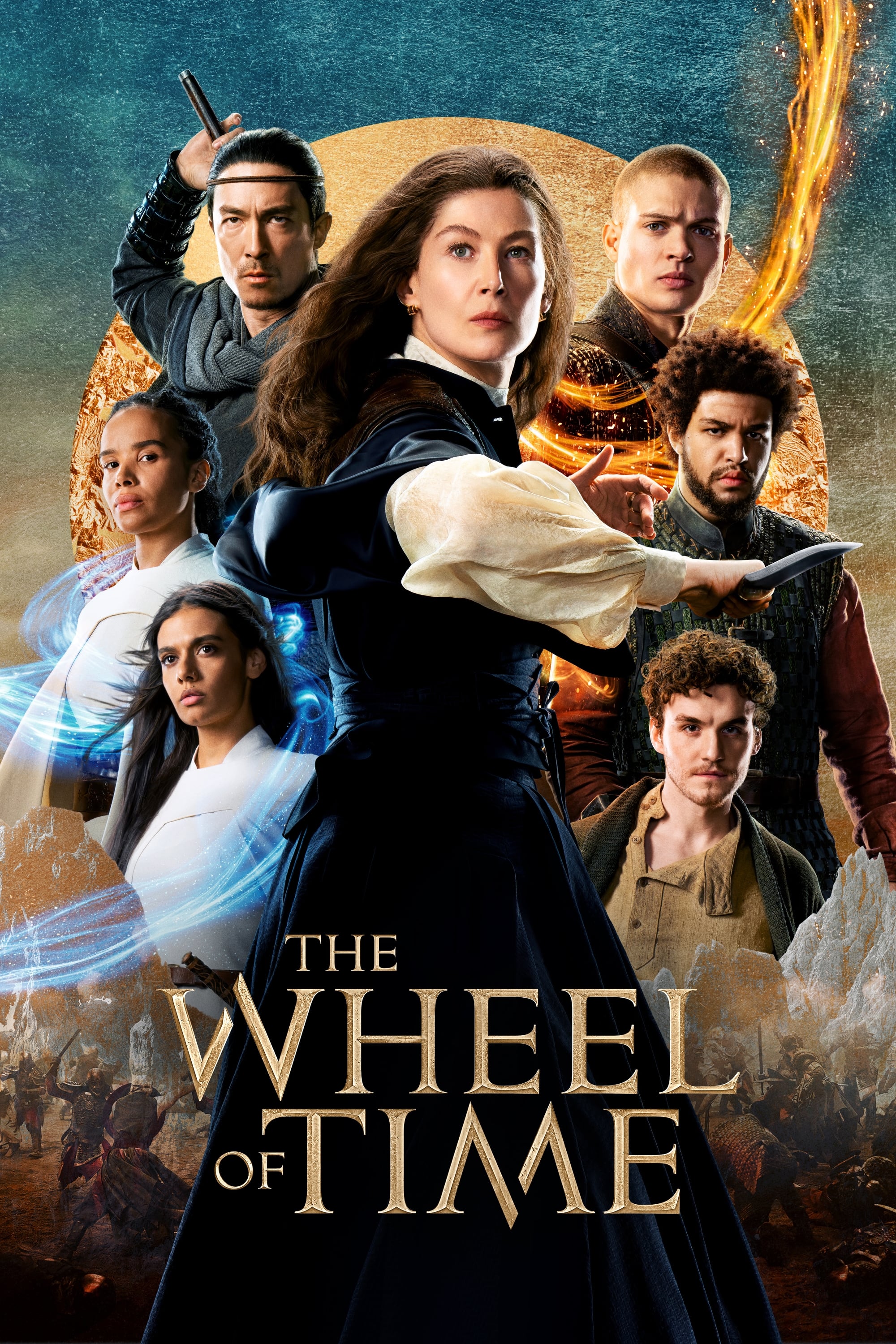
In Robert Jordan’s novels, the “Emond’s Field Five” are roughly seventeen to twenty, effectively entering adulthood but still naive village youths. The Amazon series aged the characters up slightly to their twenties to accelerate the romantic subplots and justify a grittier tone. Egwene and Rand were depicted as having a sexual relationship from the start, which was not the case in the innocent opening of the books. This aging up was intended to make the series appeal to ‘Game of Thrones’ fans rather than the Young Adult demographic.
‘Interview with the Vampire’ (2022–Present)
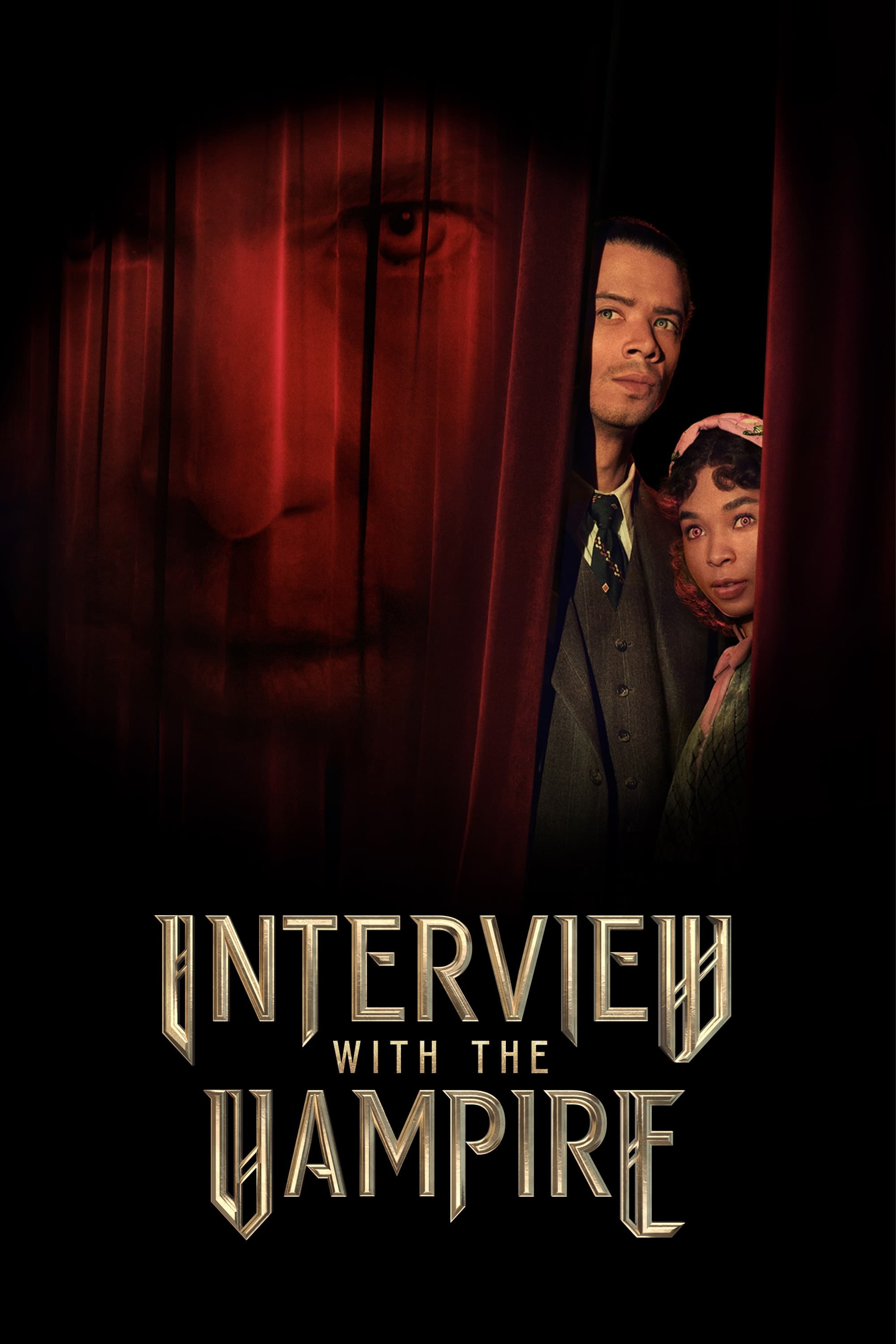
The character of Claudia is a five-year-old child in Anne Rice’s novel, trapped eternally in a small body with a maturing mind. The AMC series aged her to fourteen, played by Bailey Bass, to avoid the logistical and ethical nightmare of a toddler acting out violent and sexualized themes. This change altered the tragedy of the character, as a frozen teenager faces different societal challenges than a frozen toddler. The showrunners utilized this age jump to explore themes of race and adolescent angst that were not present in the original character’s arc.
‘Nancy Drew’ (2019–2023)
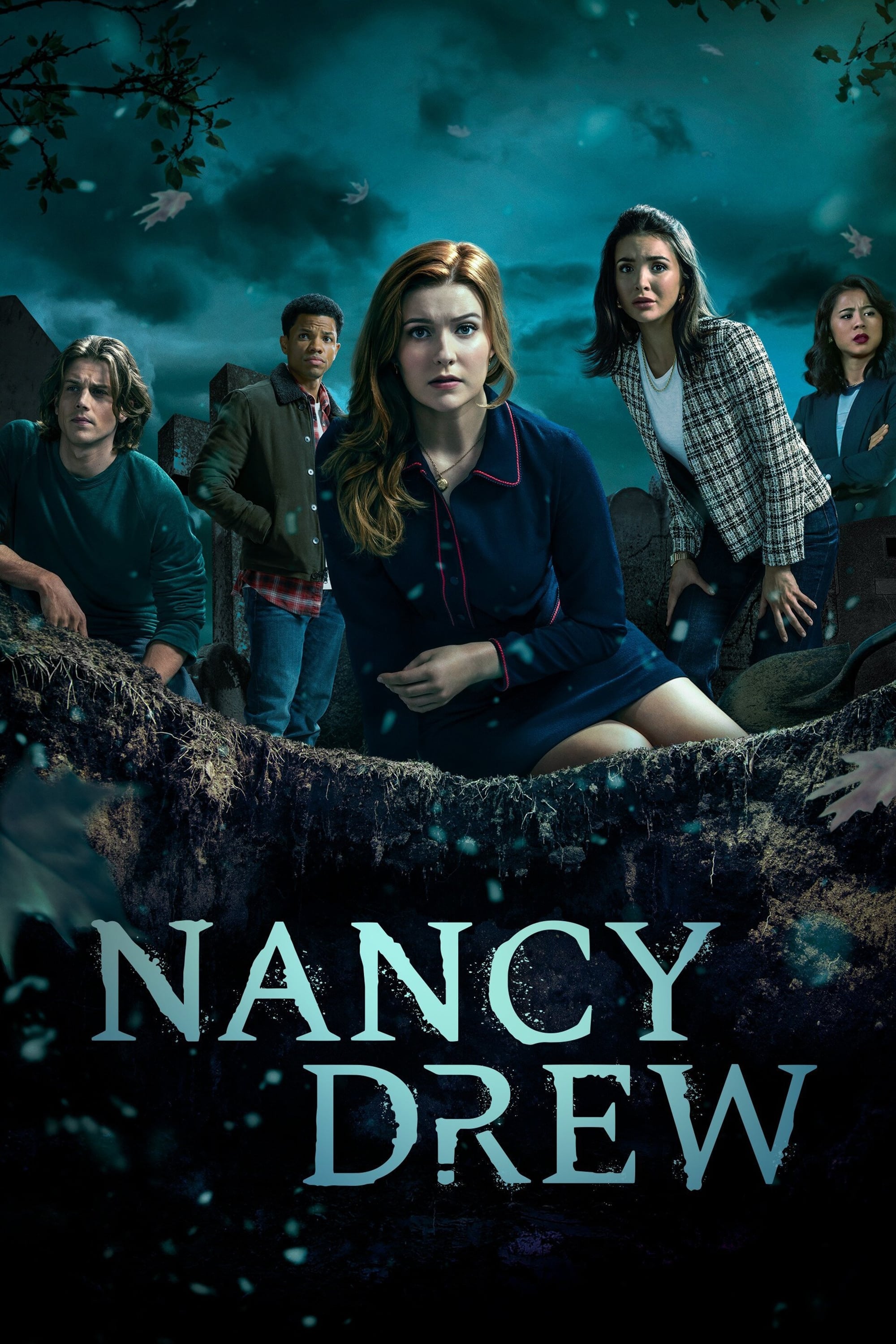
The classic literary version of Nancy Drew is a brilliant teen detective, usually sixteen or eighteen, who solves mysteries with her friends. The CW adaptation aged Nancy to nineteen and placed her in a gap year before college, dealing with the death of her mother. This slight age bump allowed the show to include supernatural horror elements and sexual content that would be inappropriate for a faithful adaptation. The character was transformed from a wholesome icon into a gritty, modern young adult facing existential dread.
‘Bel-Air’ (2022–Present)

While not a book adaptation, this reimagining of ‘The Fresh Prince of Bel-Air’ took the sitcom premise and applied a serious, dramatic tone. Will Smith’s character, while still high school age, plays with a hardened maturity and faces legal trouble that feels far more adult than the original show. The supporting cast, particularly Carlton, deals with drug abuse and anxiety that elevates them beyond typical teen portrayals. The show treats the characters as young adults facing real-world consequences, rather than sitcom teens.
‘Cowboy Bebop’ (2021)
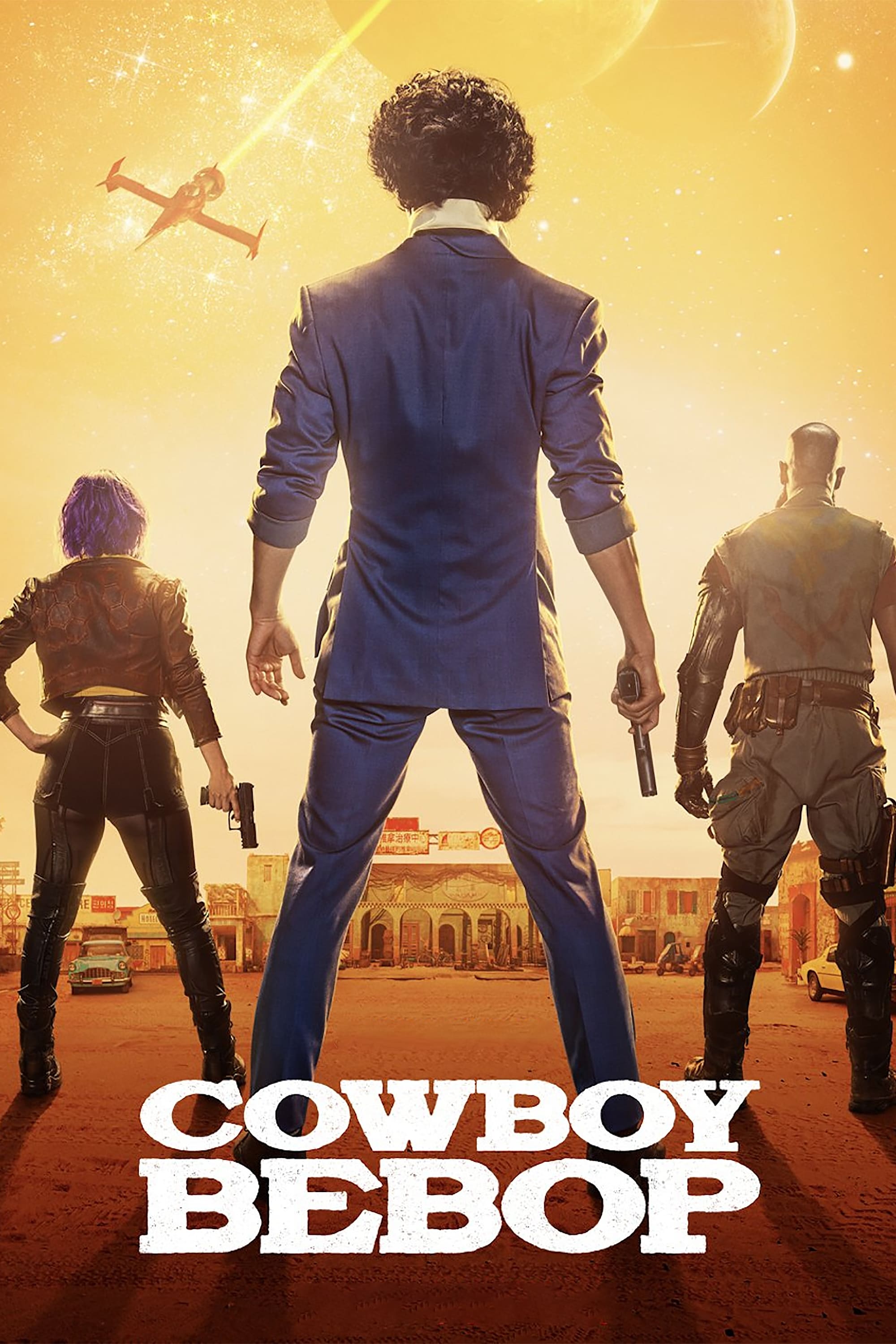
Faye Valentine is physically twenty-three in the anime (though chronologically older due to cryosleep), but the live-action series cast Daniella Pineda and wrote the character with a more grounded, cynical maturity. The original anime characters had a specific chaotic youthfulness despite their trauma, whereas the live-action cast felt like weary veterans. The age and tonal shift contributed to the criticism that the show lacked the effortless cool and energy of the original animation. The adaptation tried to ground the space western, but in doing so, aged out the playfulness.
‘Alice in Wonderland’ (2010)
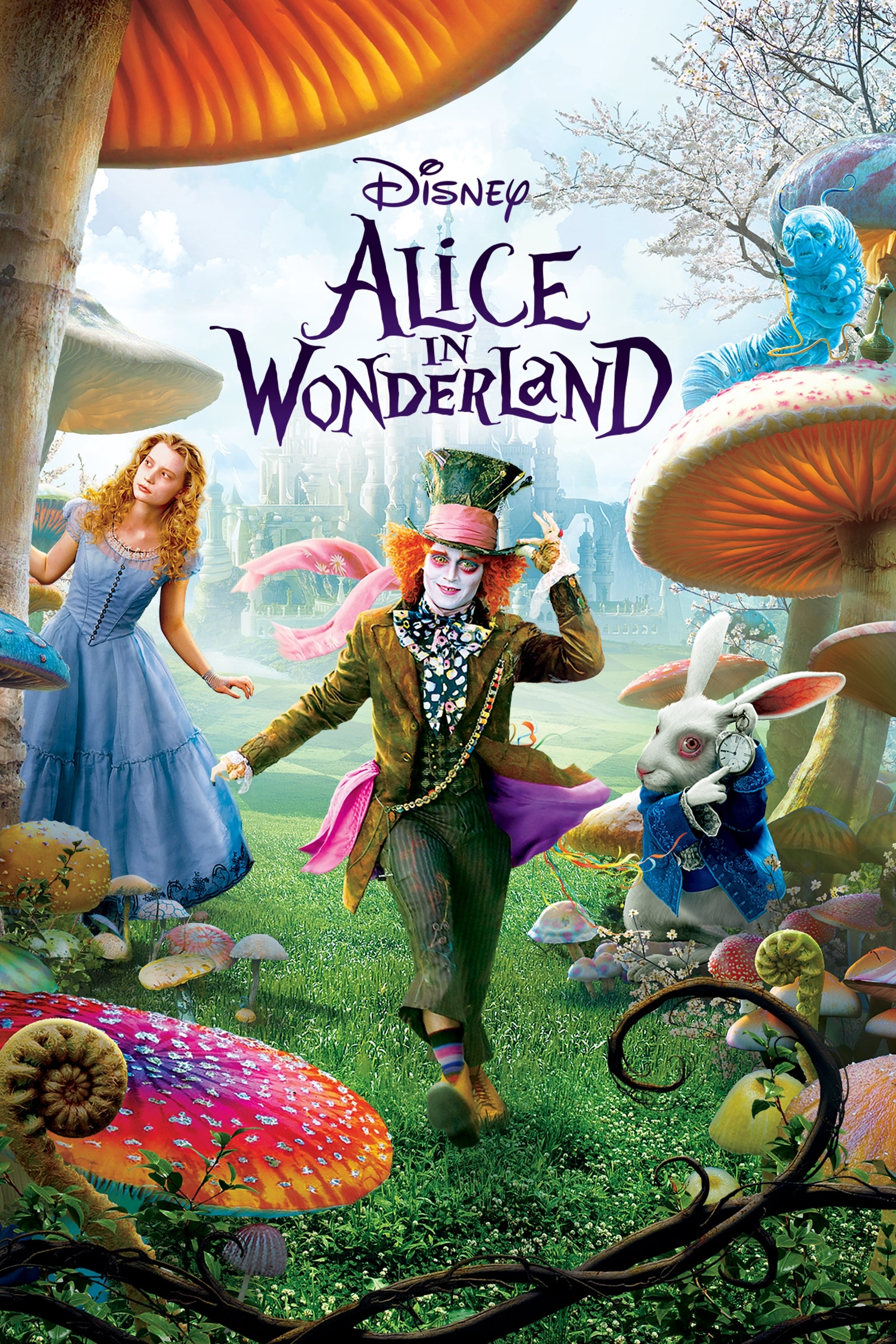
Tim Burton’s adaptation serves as a sequel to the original Lewis Carroll stories, aging Alice from a child to a nineteen-year-old woman. This decision was made to structure the film as a “chosen one” fantasy epic rather than a nonsensical dream journey. Alice is depicted facing an unwanted marriage proposal, giving her a very adult motivation to escape to Underland. Purists felt this imposed a conventional hero’s journey structure on a story that was famously devoid of logic or traditional purpose.
‘Valerian and the City of a Thousand Planets’ (2017)

In the French comic series ‘Valérian and Laureline’, the titular character is a seasoned, muscular time-traveling agent. The film cast Dane DeHaan, who looked significantly younger than the comic portrayal, but the script treated him as a veteran major with a long service history. Ironically, while the actor looked young, the movie attempted to portray a seasoned operative, creating a visual disconnect where the character felt like a child playing dress-up. This reverse-aging visual with a retained “experienced” biography confused audiences and hurt the film’s credibility.
‘Wanted’ (2008)

The comic book protagonist Wesley Gibson is a twenty-something loser who looks like Eminem, but the film cast James McAvoy, who played the character with a slightly older, weary office-drone energy. The film skipped the raw, youthful nihilism of the comic in favor of a more structured action-hero progression. While the age was not drastically changed, the shift from a punk-rock anti-hero to a tired corporate slave altered the target demographic. The adaptation focused on professional assassination rather than the super-villain anarchy of the source material.
‘I Am Number Four’ (2011)
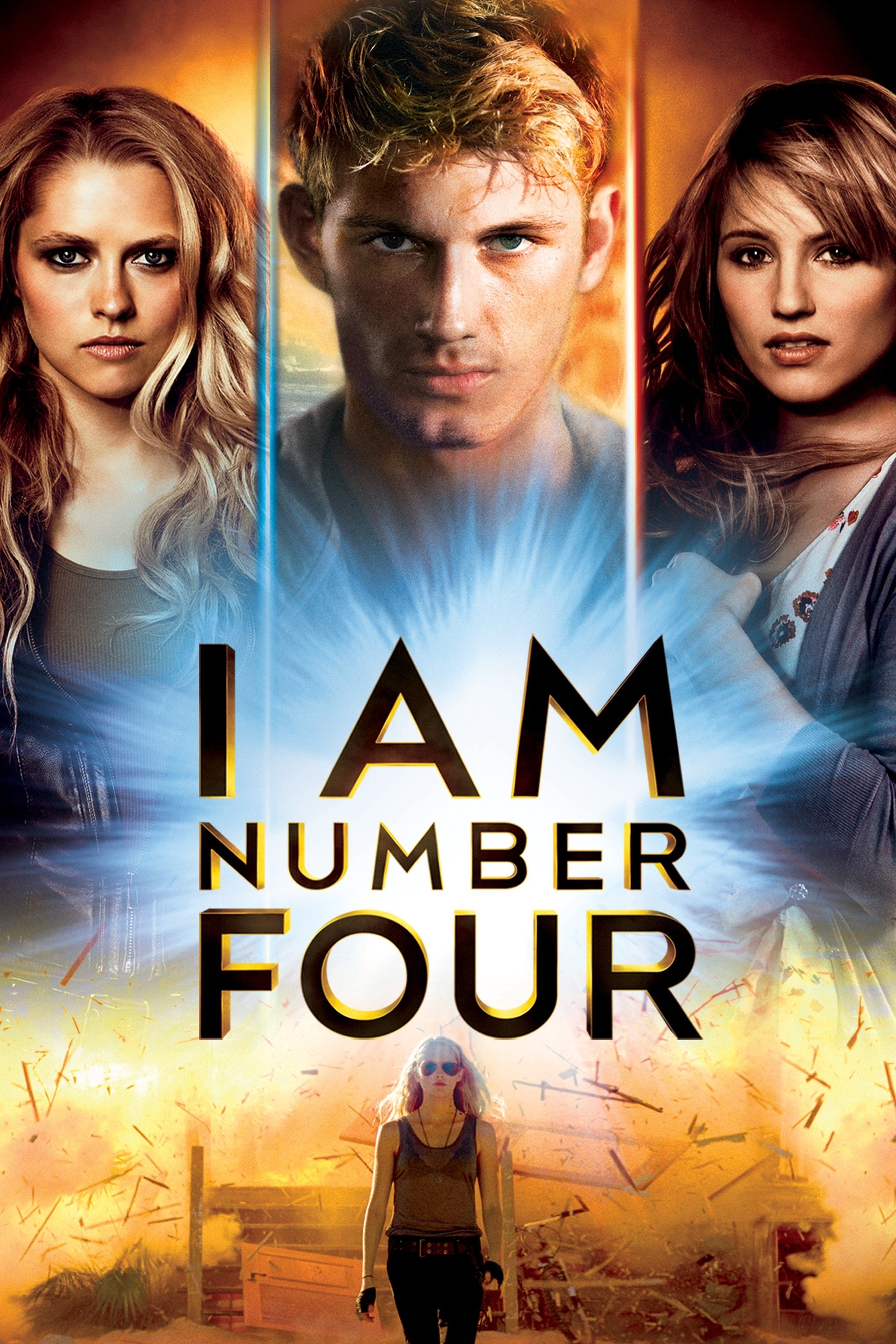
Based on the Young Adult novel, the film features alien refugees hiding on Earth as high school students. The casting of Alex Pettyfer and Teresa Palmer, who appeared to be in their mid-twenties, strained the credibility of the high school setting. The characters possessed a physical maturity that made their attempts to blend in with teenagers feel awkward and forced. The adaptation focused heavily on action and romance, leaning on the actors’ mature looks to sell the blockbuster elements.
‘The 5th Wave’ (2016)

Cassie Sullivan is sixteen in the novel, navigating an alien invasion while trying to save her younger brother. The film cast Chloë Grace Moretz, who was age-appropriate, but the male leads and the general tone felt significantly aged up to cater to the ‘Hunger Games’ crowd. The grit of the survival story was polished into a Hollywood romance, making the characters feel like action stars rather than terrified children. This gloss over the age-appropriate trauma resulted in a film that felt disconnected from the book’s desperate tone.
‘Beautiful Creatures’ (2013)
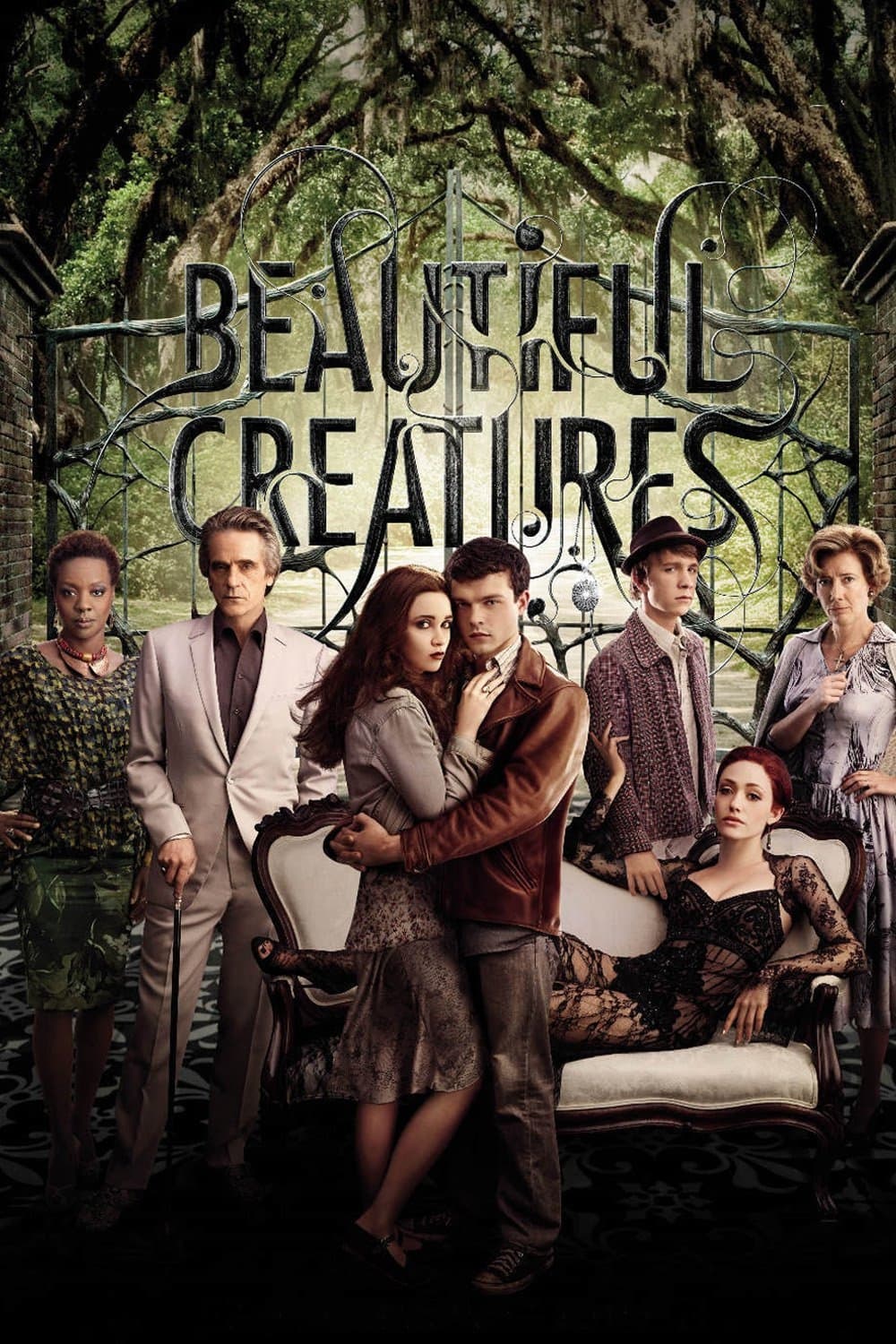
Ethan Wate and Lena Duchannes are high school sophomores in the book, dealing with a curse that activates on Lena’s sixteenth birthday. The film cast actors who looked college-ready, altering the “southern gothic high school” atmosphere into something more akin to a distinct adult melodrama. The age of the actors made the “sixteenth birthday” plot point visually confusing, as they appeared well past that milestone. The adaptation struggled to capture the specific anxieties of being a sophomore in a small town.
‘The Host’ (2013)

Stephenie Meyer’s sci-fi novel features a parasitic alien soul named Wanderer inhabiting the body of a young woman named Melanie. While the character ages were generally respected in the script, the casting of Saoirse Ronan and Max Irons leaned into a more mature visual style than the text suggested. The complex internal dialogue of the book was translated into a standard young adult love triangle, utilizing the actors’ maturity to sell the romance. The film failed to capture the philosophical nuances of the book, focusing instead on the physical relationships.
‘Foundation’ (2021–Present)

Isaac Asimov’s novels span centuries and often feature older, intellectual protagonists discussing psychohistory. The Apple TV+ series reimagined the character Gaal Dornick, originally a male mathematician, as a young woman and aged down the visual feel of the story to include action-heavy youth elements. However, the character of Salvor Hardin was reinterpreted into a young action hero “Warden,” shifting the focus from political maneuvering to physical combat. These changes were made to provide an emotional anchor for the audience, replacing the dry academic tone of the books with youthful vigor.
‘Halo’ (2022–2024)

The character Kwan Ha was created for the TV series as a teenage insurrectionist to provide a human perspective alongside the super-soldier Master Chief. While not a direct adaptation of a game character, her inclusion forced a “protective father figure” dynamic onto Master Chief that required him to act with a maturity and emotional openness not found in the games. The show aged up the emotional stakes, trying to turn a faceless shooter protagonist into a complex man dealing with a surrogate daughter. This shift was highly controversial among gamers who wanted a war story, not a family drama.
Tell us which character age change you found most jarring in the comments!