


Controversial Franchise Reboots That Divided Loyal Fanbases



Reboots provide studios with an opportunity to modernize classic stories for contemporary audiences. These projects often aim to capture the nostalgia of original fans while attracting a new demographic of viewers. However, altering beloved characters or shifting the tone of a franchise frequently leads to intense debate within the pop culture community. The following titles represent some of the most polarizing attempts to restart established properties.
‘Ghostbusters’ (2016)
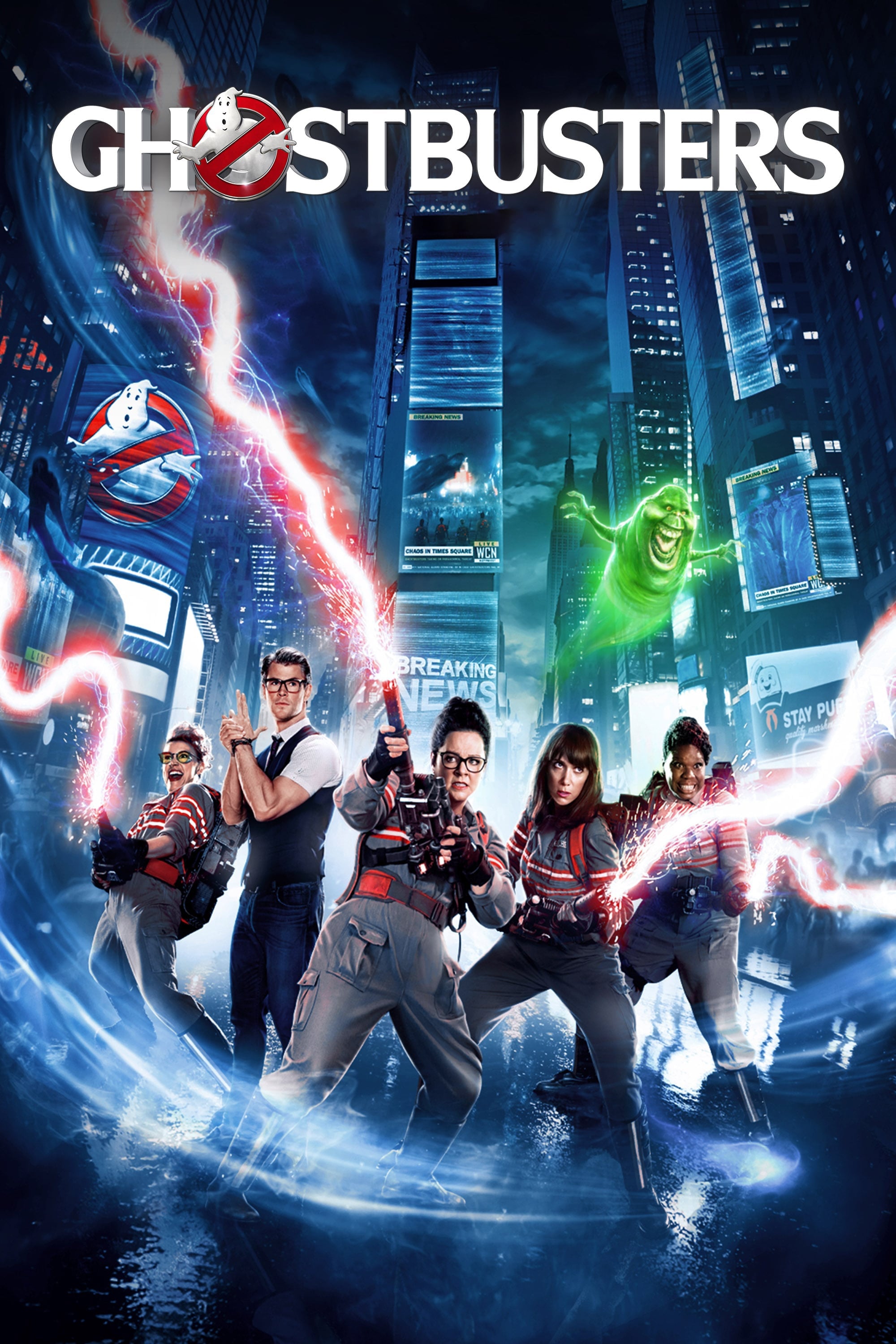
Paul Feig directed this fresh take on the paranormal comedy franchise with an all-female lead cast. Melissa McCarthy and Kristen Wiig starred as scientists who formed a ghost-catching business in New York City. The film generated immense polarized discourse regarding the gender-swapped casting choices long before it arrived in theaters. Critics generally praised the chemistry of the cast while detractors felt the humor did not match the spirit of the original.
‘Star Trek’ (2009)
J.J. Abrams revitalized the long-running science fiction saga by establishing an alternate reality known as the Kelvin timeline. The narrative followed a young James T. Kirk and Spock as they met at Starfleet Academy to combat a time-traveling Romulan. This plot device allowed the filmmakers to recast iconic roles without erasing the history of the previous television series. Many viewers embraced the high-energy action but some purists argued it sacrificed the philosophical depth of the franchise.
‘Man of Steel’ (2013)
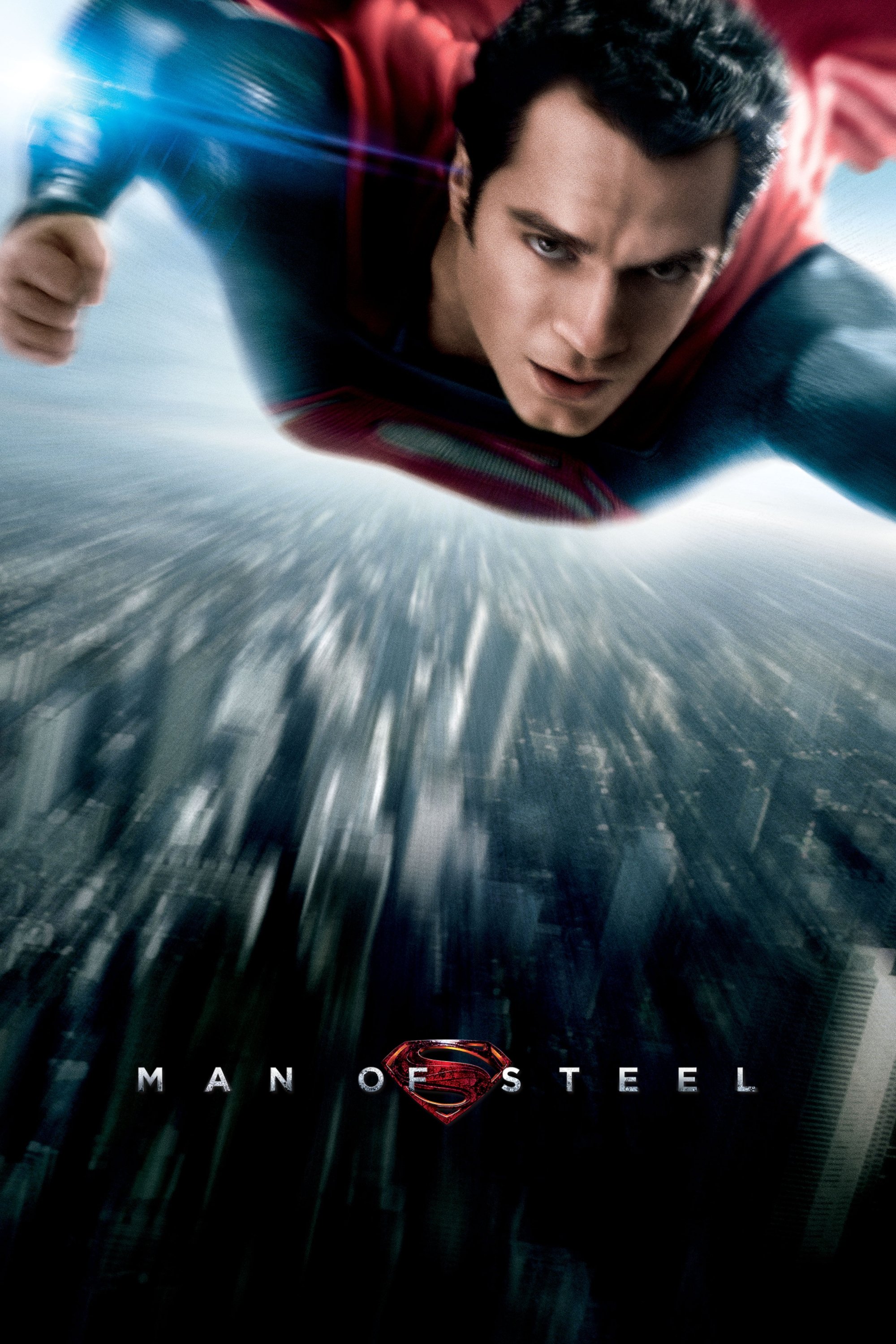
Zack Snyder launched the DC Extended Universe with a somber and grounded interpretation of the Superman origin story. Henry Cavill portrayed the Kryptonian hero as he discovered his heritage and protected Earth from General Zod. The film sparked debate over its bleak tone and the massive collateral damage depicted during the finale. Audiences remained divided on whether the character should resort to lethal force to save humanity.
‘RoboCop’ (2014)
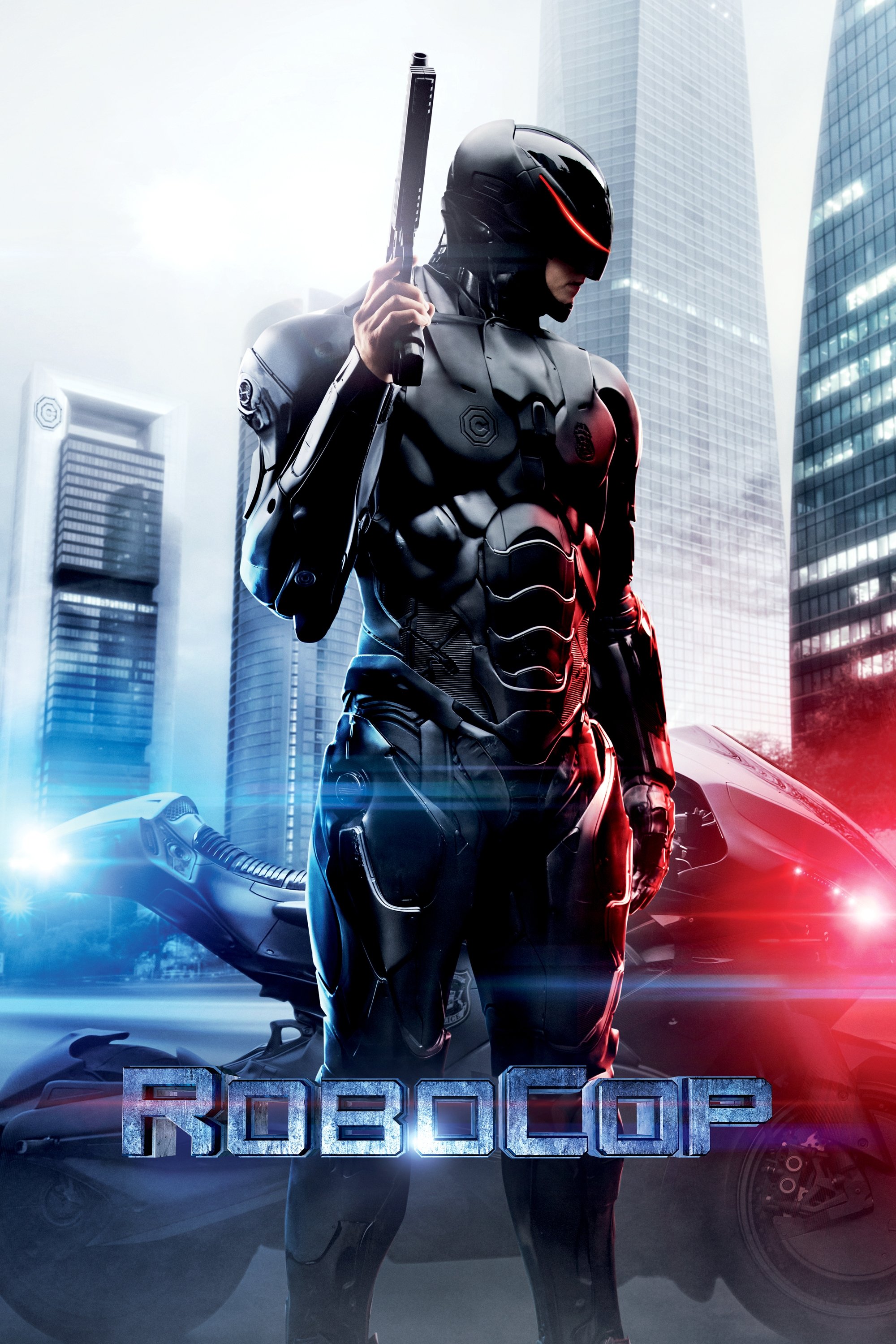
José Padilha updated the satirical action classic with a PG-13 rating and modern visual effects. Joel Kinnaman starred as Alex Murphy in a version that focused heavily on body horror and the ethics of drone warfare. The film removed much of the biting social commentary and excessive violence that defined the 1987 original. Fans often felt the sanitized approach lost the gritty edge director Paul Verhoeven had originally established.
‘Fantastic Four’ (2015)
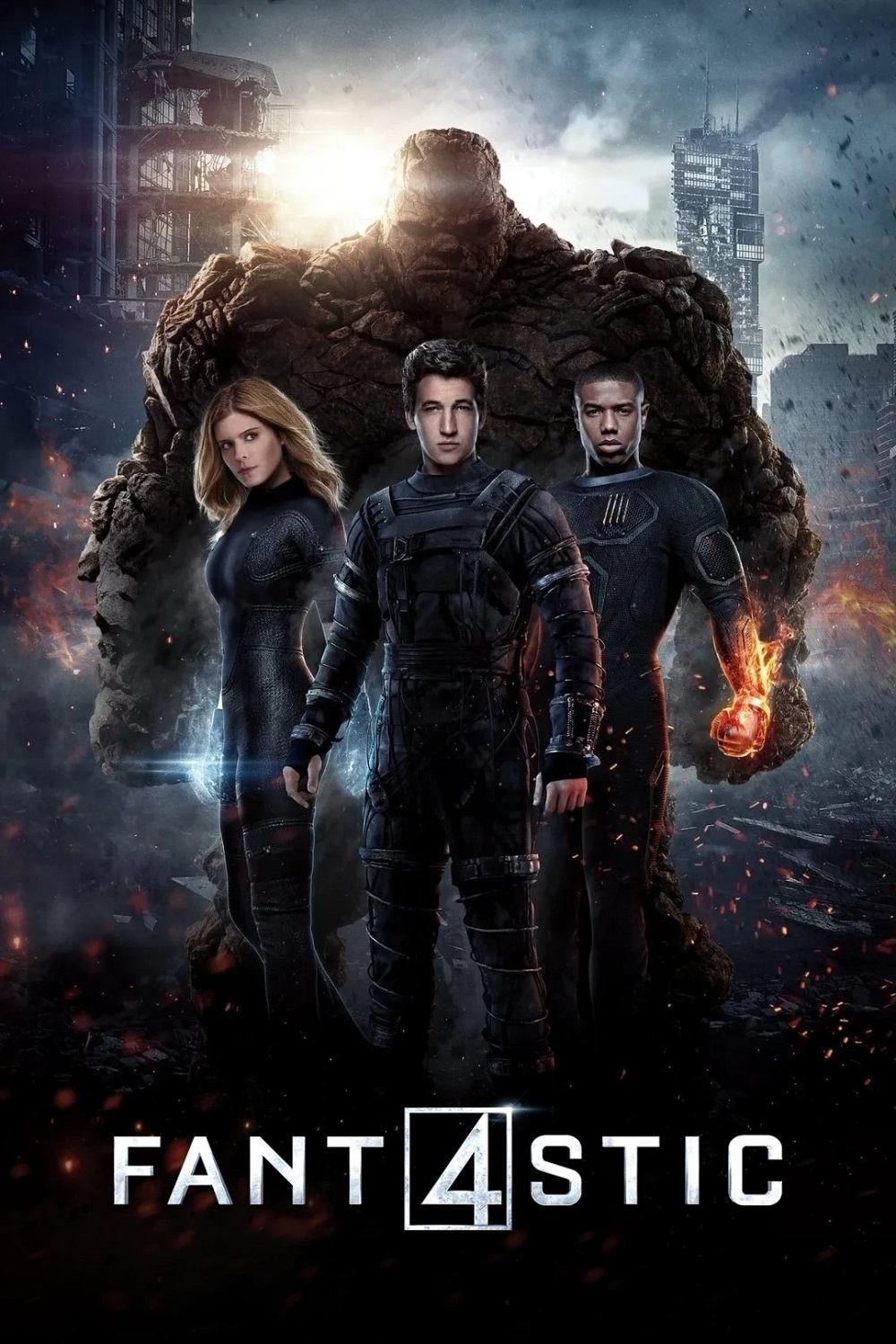
Josh Trank attempted to deliver a gritty and grounded origin story for Marvel’s first family of superheroes. The production suffered from well-publicized behind-the-scenes conflicts and extensive studio mandated reshoots. The narrative focused heavily on sci-fi horror elements rather than the traditional superhero adventure beats fans expected. The final product was rejected by both critics and audiences for its uneven tone and slow pacing.
‘Teenage Mutant Ninja Turtles’ (2014)
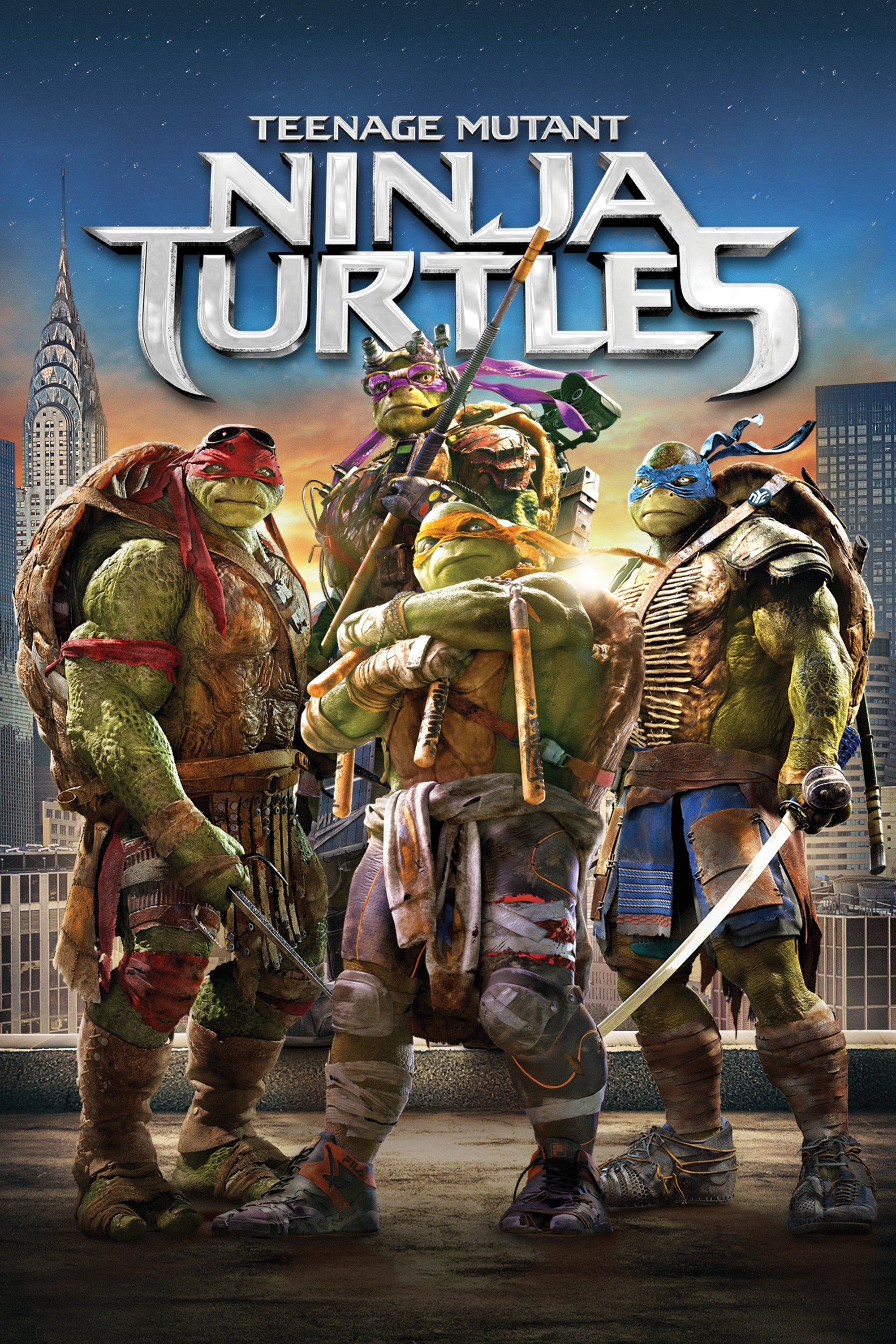
Michael Bay produced this live-action reboot that featured computer-generated turtles with a hulking and realistic appearance. The story involved a convoluted origin connection between April O’Neil and the mutagen that transformed the heroes. Many fans took issue with the character designs that gave the turtles nostrils and lips. The film was a financial success but was criticized for its chaotic action and lack of charm.
‘The Mummy’ (2017)
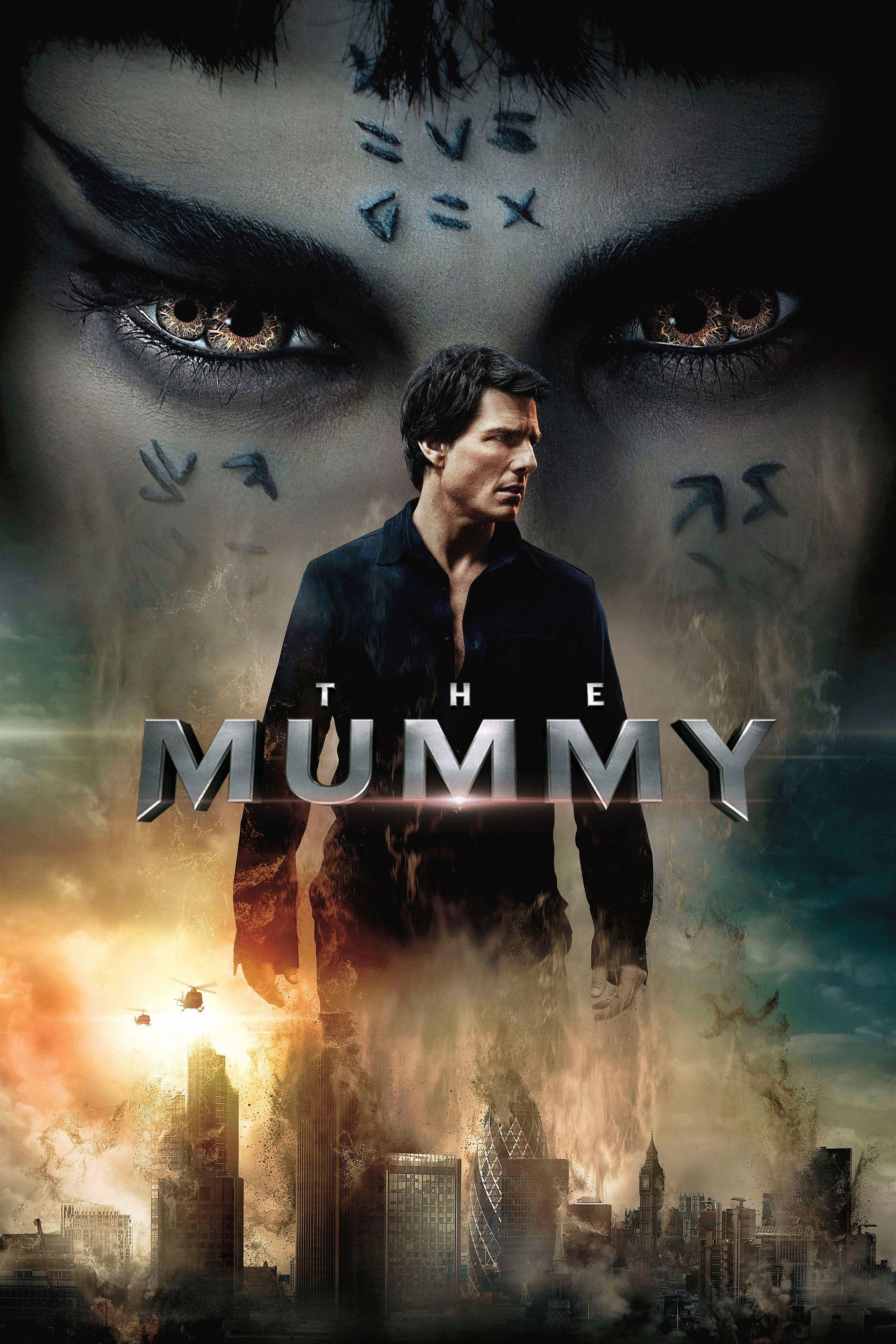
Tom Cruise starred in this action-heavy reimagining intended to launch the Dark Universe franchise for Universal Pictures. The plot centered on a soldier of fortune who accidentally awakened an ancient Egyptian princess. The movie prioritized setting up future spinoffs over telling a coherent standalone story. Viewers criticized the casting of Cruise and the departure from the horror-adventure tone of the Brendan Fraser films.
‘Hellboy’ (2019)
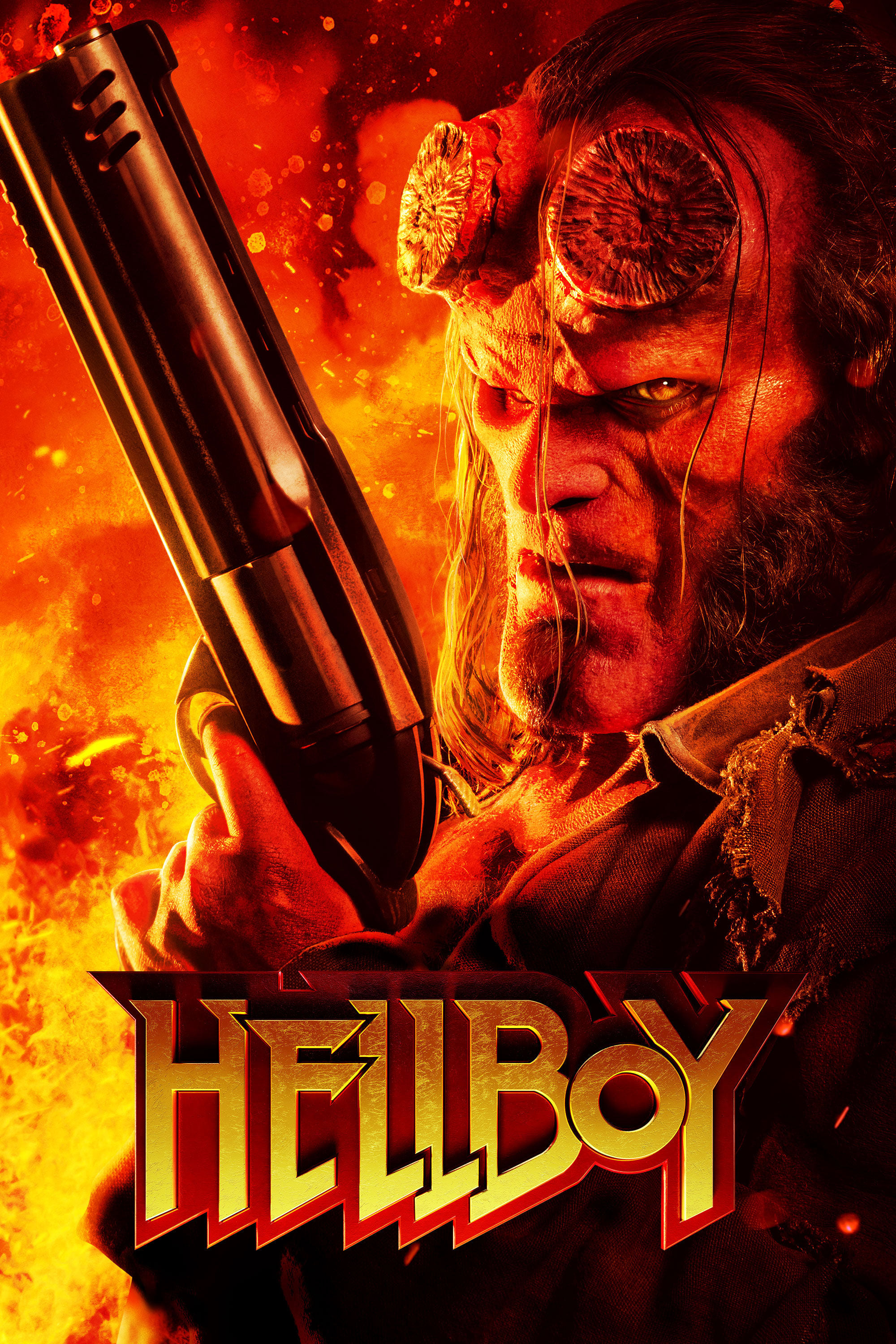
Neil Marshall directed this R-rated reboot that aimed to be more faithful to the dark comic book source material. David Harbour took over the title role from Ron Perlman with a more gruesome makeup design. The film suffered from a disjointed narrative and an overreliance on shock value gore. Fans of the Guillermo del Toro movies expressed disappointment that his vision for a trilogy conclusion was abandoned for this restart.
‘Charlie’s Angels’ (2019)
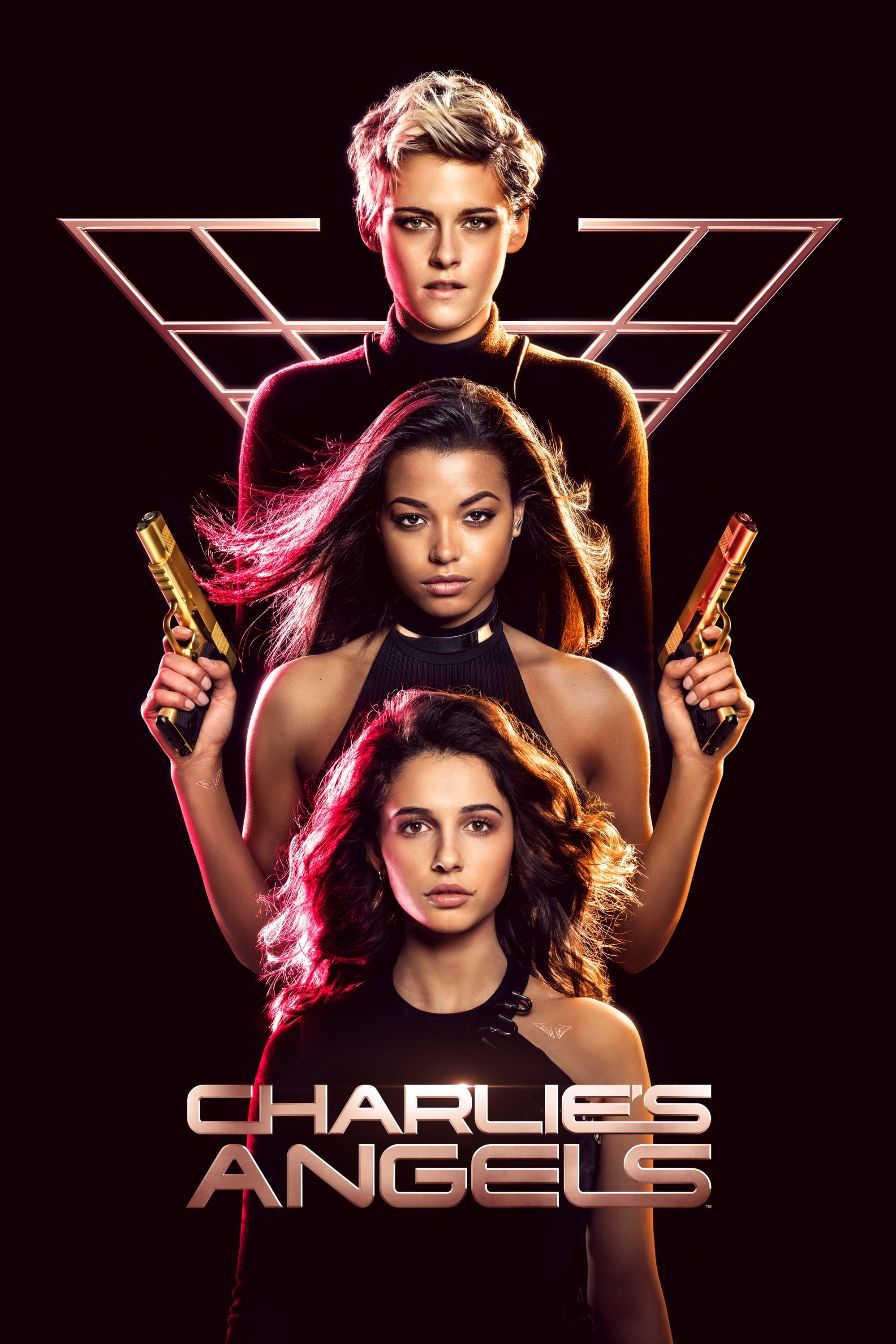
Elizabeth Banks wrote and directed this continuation that functioned as a soft reboot of the franchise. The film introduced a new generation of spies working for the Townsend Agency on a global scale. Marketing for the movie emphasized feminist themes that some audiences found heavy-handed. The box office performance was poor as the film failed to connect with both new viewers and fans of the previous iterations.
‘Men in Black: International’ (2019)
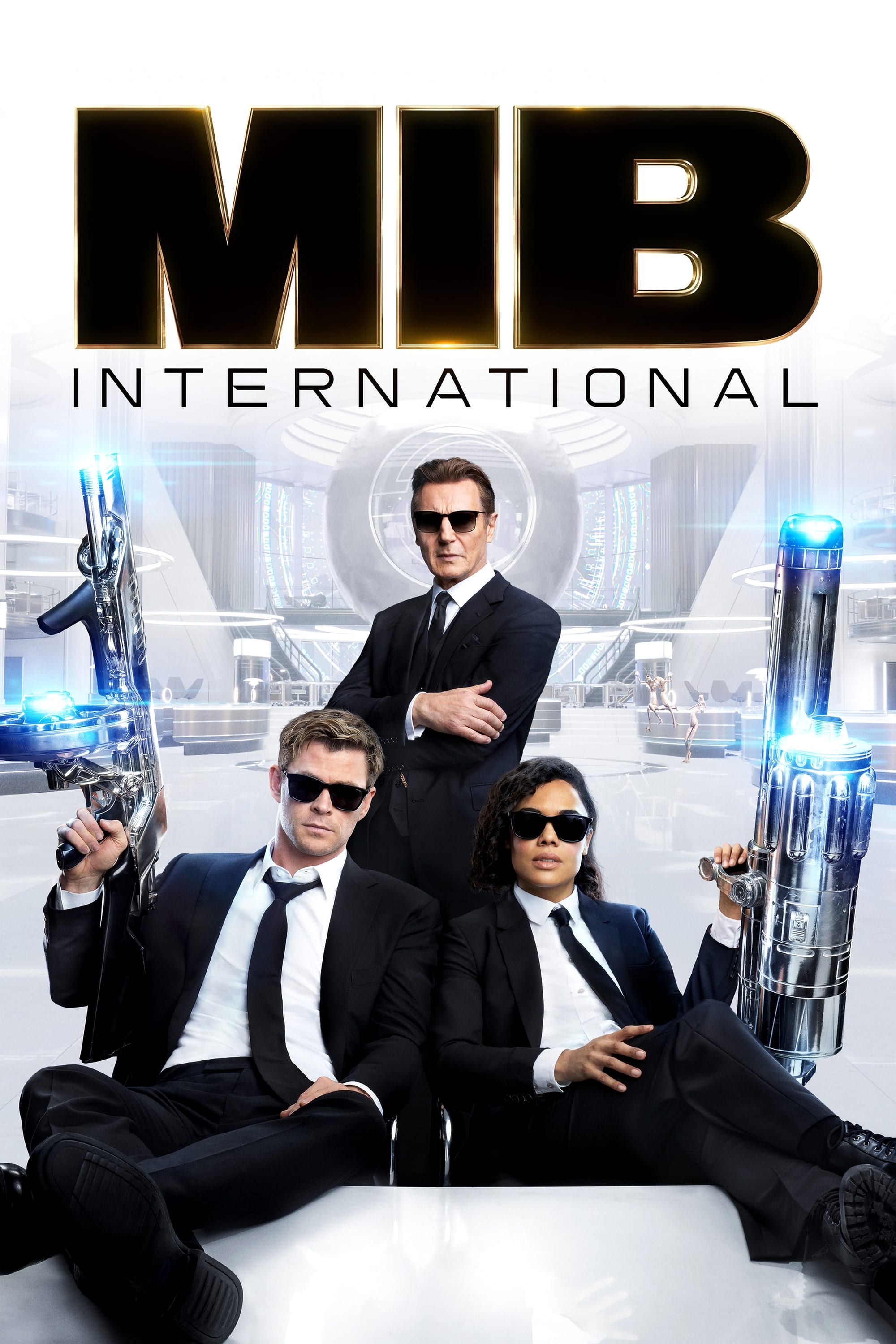
Chris Hemsworth and Tessa Thompson reunited to lead this spinoff that expanded the alien-policing organization to London. The plot followed a new recruit partnering with a top agent to uncover a mole within the agency. The film lacked the sharp wit and unique chemistry that Will Smith and Tommy Lee Jones provided in the original trilogy. Critics and audiences found the story generic and the humor largely forgettable.
‘Ghost in the Shell’ (2017)
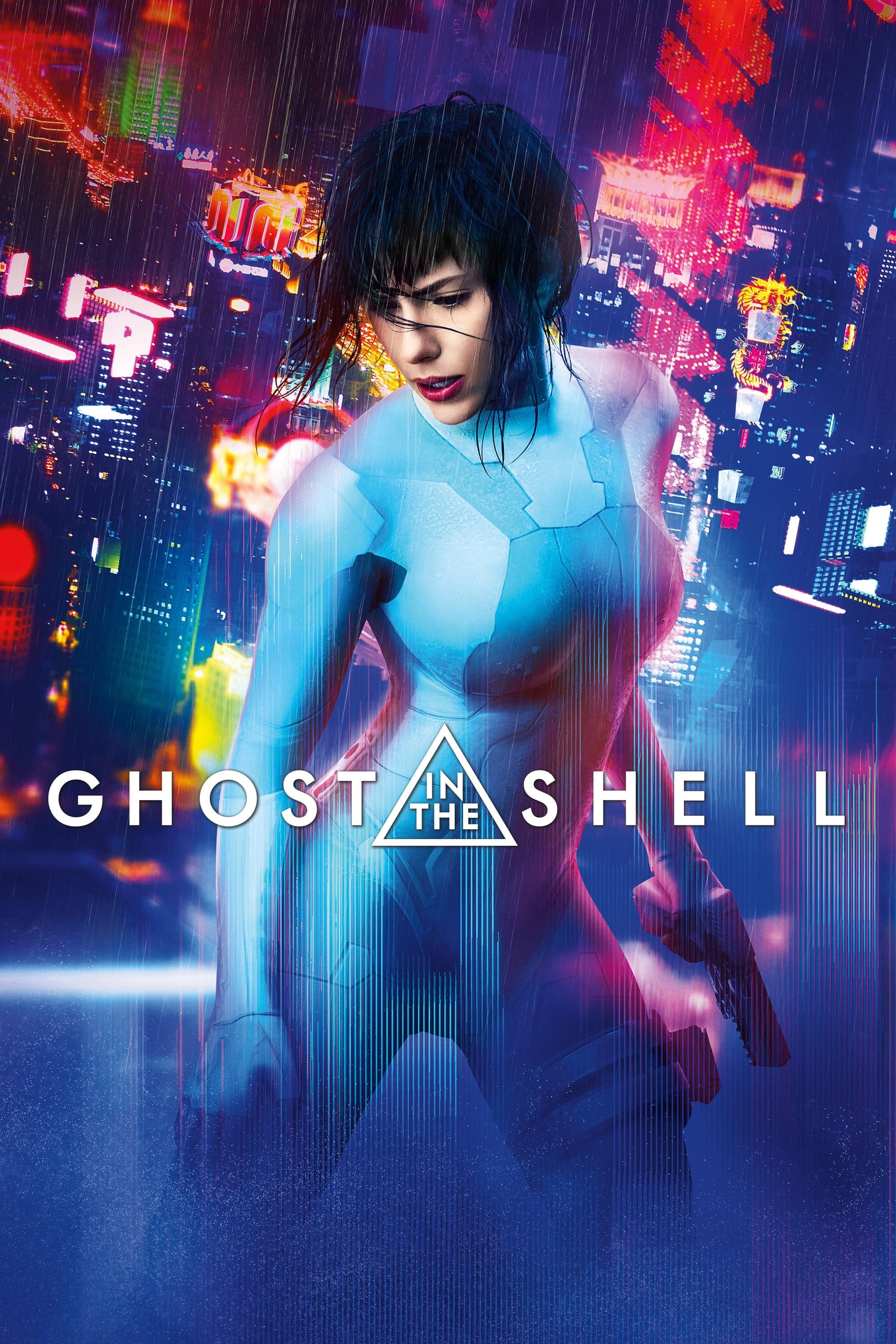
Rupert Sanders directed this live-action adaptation of the seminal Japanese manga and anime. Scarlett Johansson starred as the cyber-enhanced soldier known as the Major in a futuristic city. The casting of a white actress in the lead role sparked immediate controversy regarding Hollywood whitewashing. Visuals were praised for their accuracy to the source material but the simplified plot failed to capture the philosophical complexity of the original.
‘Death Note’ (2017)
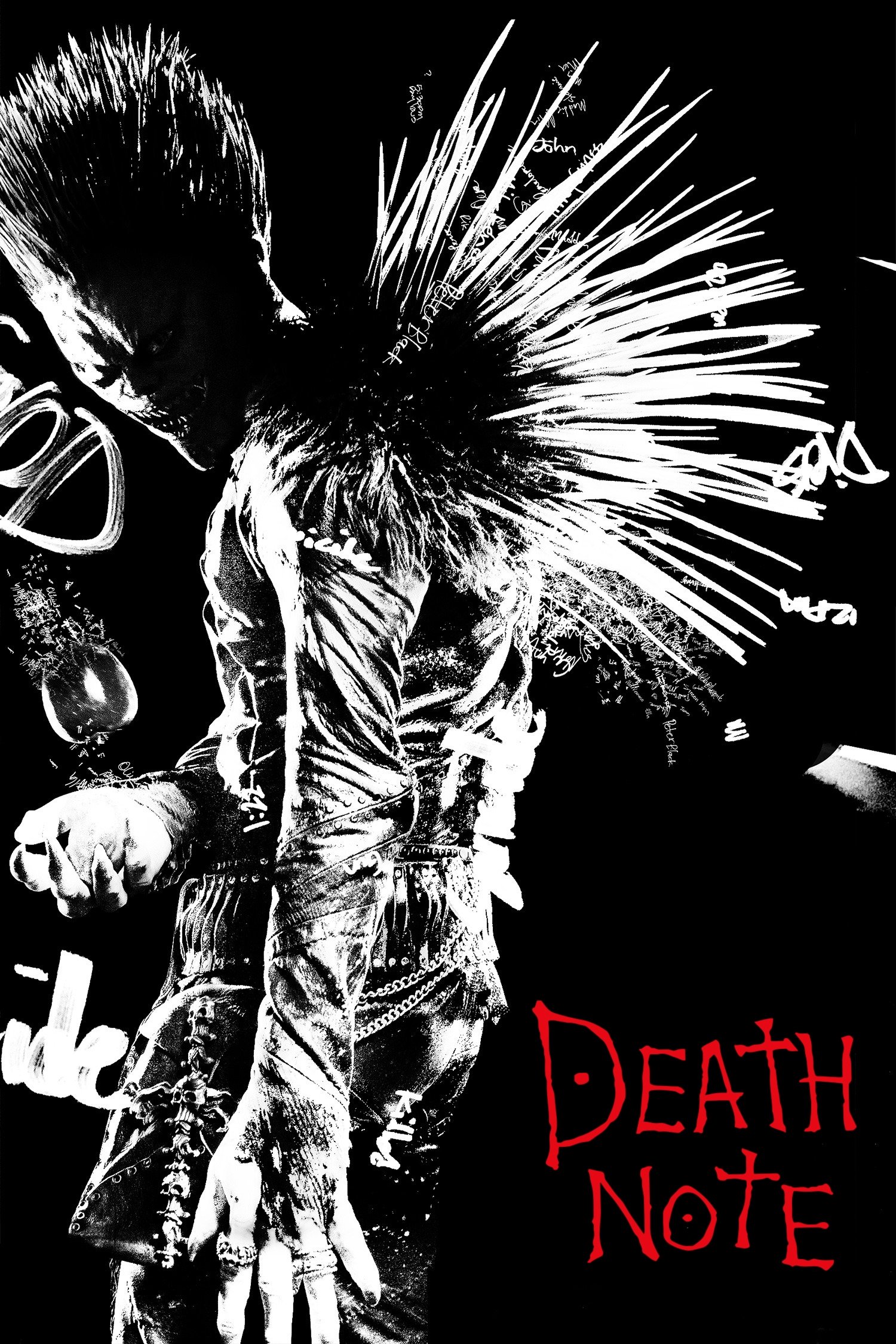
Adam Wingard moved the setting of the popular manga from Japan to Seattle for this Netflix adaptation. The story followed a high school student who found a supernatural notebook that allowed him to kill anyone by writing their name. Changes to the character motivations and the rules of the notebook angered dedicated fans of the source material. The film was criticized for turning a psychological thriller into a generic teen horror movie.
‘Cowboy Bebop’ (2021)
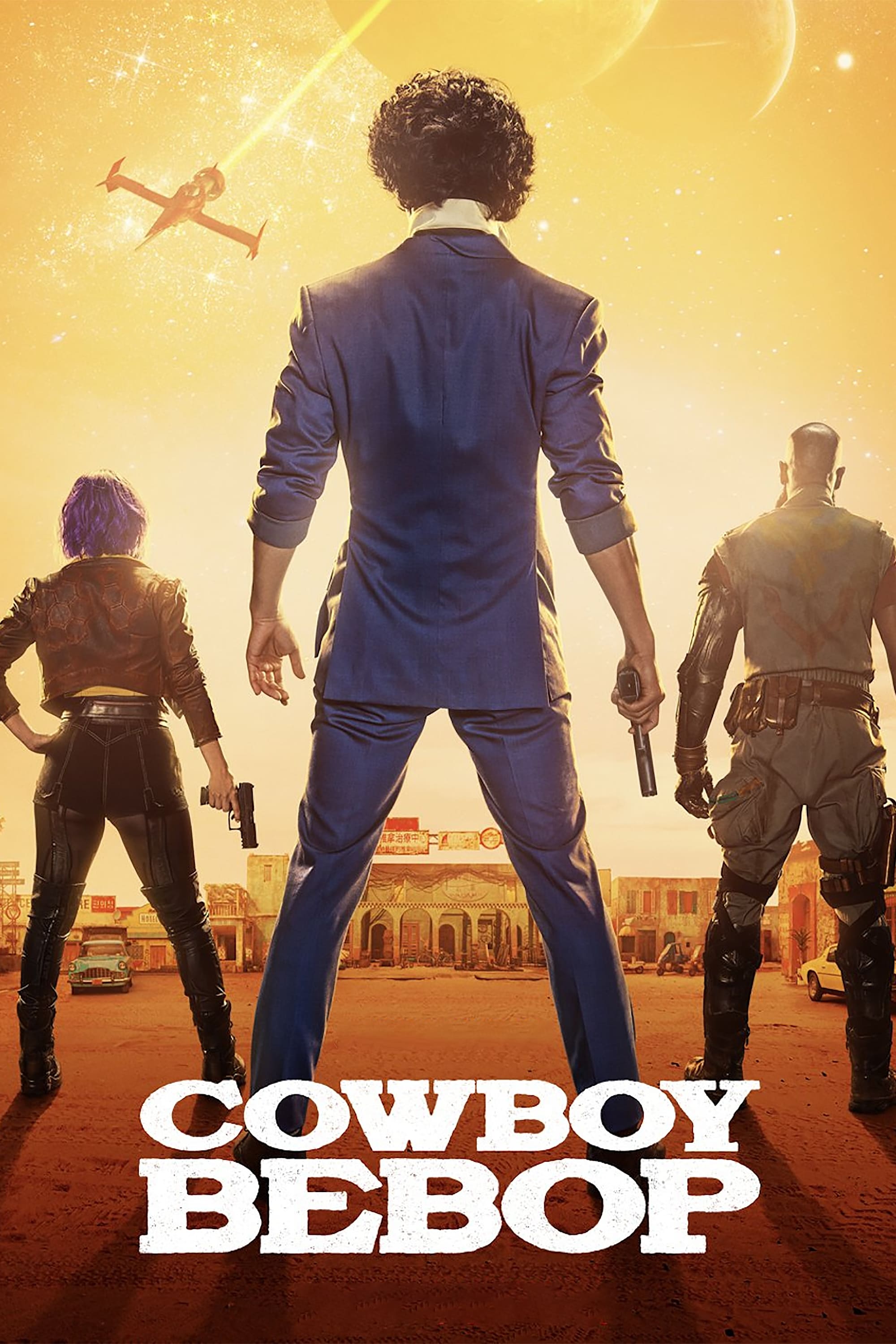
Netflix produced this live-action series based on the beloved anime about a group of bounty hunters in space. John Cho starred as Spike Spiegel in a show that recreated specific scenes with high production values. The writing struggled to balance the noir atmosphere and slapstick humor that the anime blended effortlessly. The show was canceled shortly after release due to a mixed reception from fans and high production costs.
‘Dragonball Evolution’ (2009)
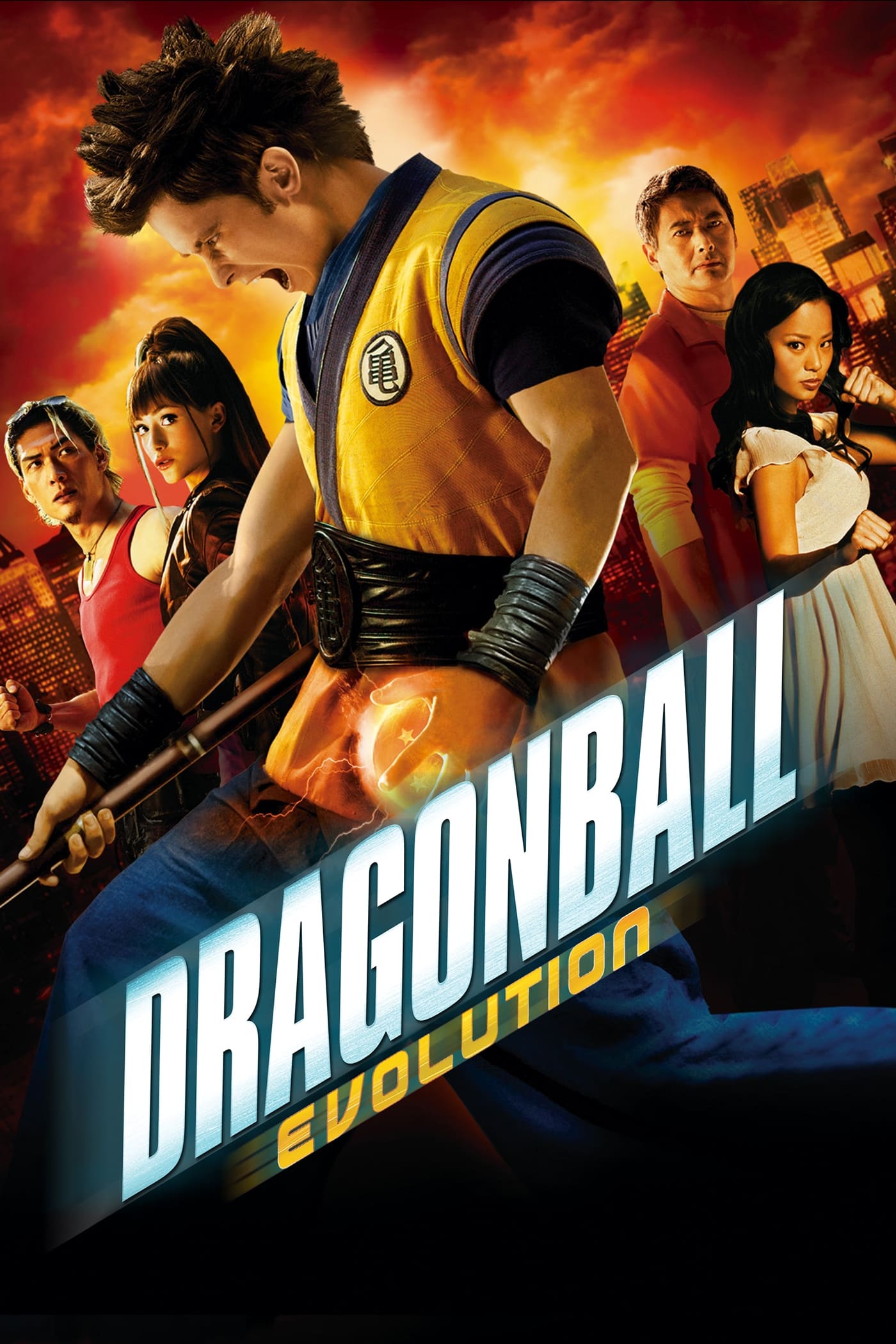
James Wong directed this loose adaptation of the iconic manga and anime series by Akira Toriyama. Justin Chatwin played Goku in a story that reimagined the martial arts epic as an American high school drama. The film changed the lore and character designs so drastically that it is almost universally disliked. It remains one of the most cited examples of how not to adapt an anime property.
‘A Nightmare on Elm Street’ (2010)
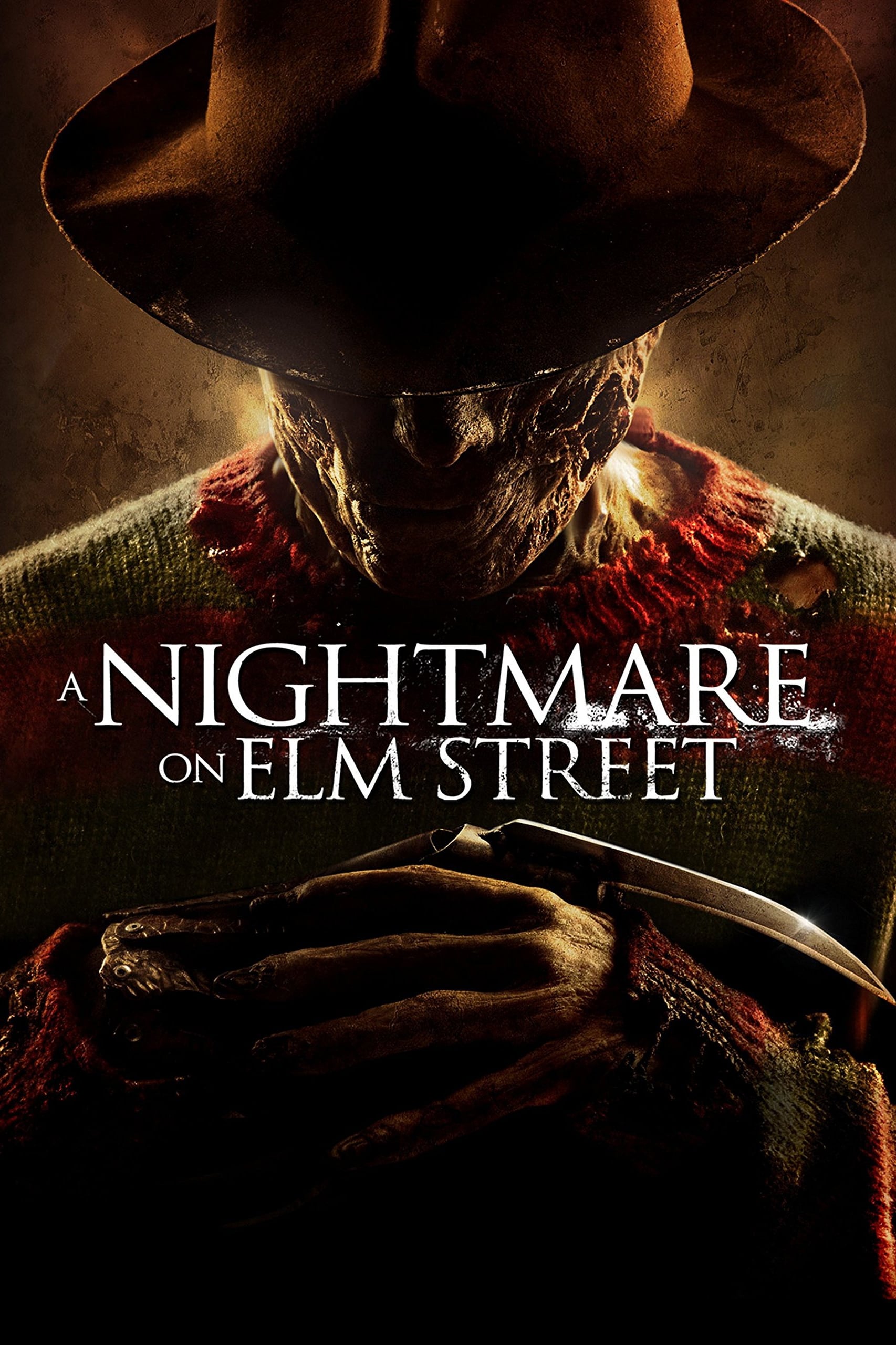
Jackie Earle Haley took over the role of Freddy Krueger in this darker update of the slasher franchise. The filmmakers attempted to return the character to his scary roots by removing the comedic personality he developed in later sequels. The makeup design used realistic burn victim imagery that many viewers found off-putting rather than frightening. Fans felt the movie lacked the imaginative dream sequences that made the original Wes Craven film special.
‘Halloween’ (2007)
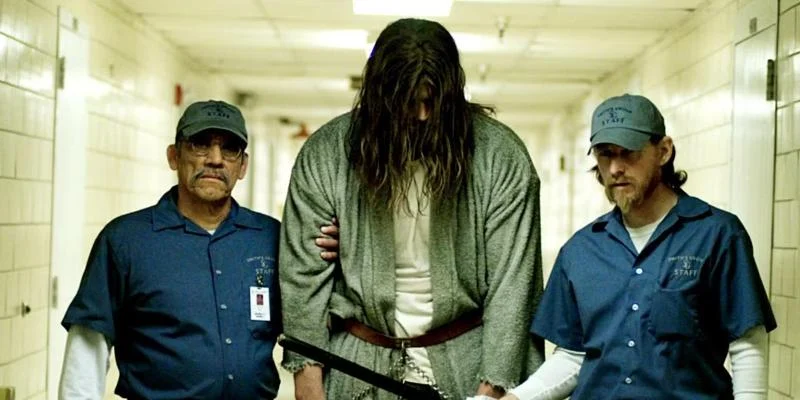
Rob Zombie wrote and directed this reimagining that provided an extensive backstory for the killer Michael Myers. The first half of the film explored the abusive childhood that led to the character’s descent into madness. Purists argued that explaining the evil removed the mystery that made The Shape terrifying. The film is known for its extreme violence and grimy aesthetic which alienated fans of the suspenseful original.
‘Friday the 13th’ (2009)
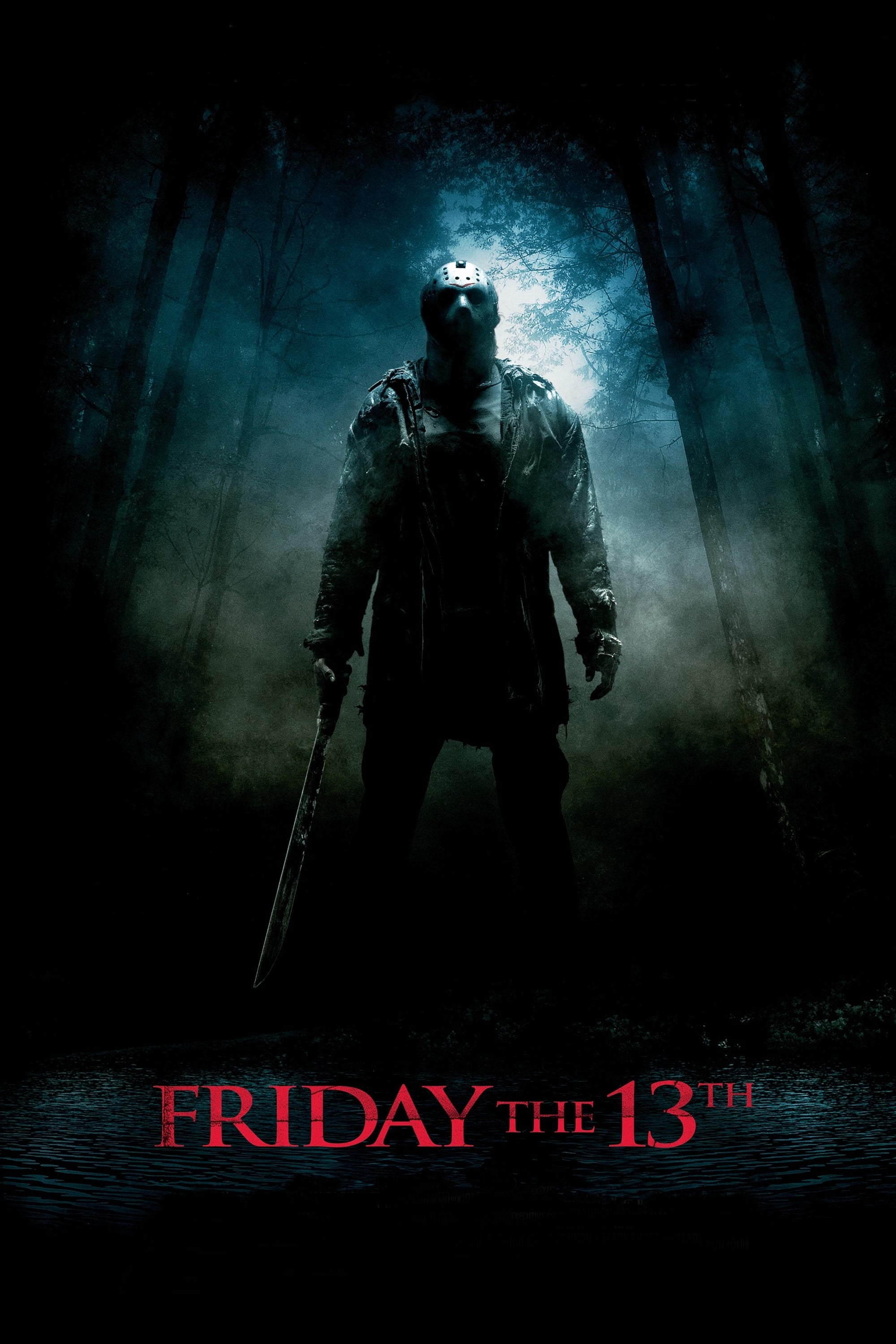
Marcus Nispel directed this reboot that condensed elements from the first three films into a single narrative. Jason Voorhees was depicted as a fast and tactical hunter rather than a lumbering zombie. The movie featured a high kill count and plenty of quintessential slasher tropes. While it was financially successful it was criticized for having unlikable characters and lacking suspense.
‘Child’s Play’ (2019)

Mark Hamill voiced the killer doll Chucky in this modernization that changed the origin from voodoo magic to malfunctioning AI. The story commented on the dangers of smart home technology and consumerism. Fans of the original continuity were split because the creator Don Mancini was simultaneously working on a television series that followed the original timeline. The robotic design of the doll was also a point of contention for horror enthusiasts.
‘Poltergeist’ (2015)
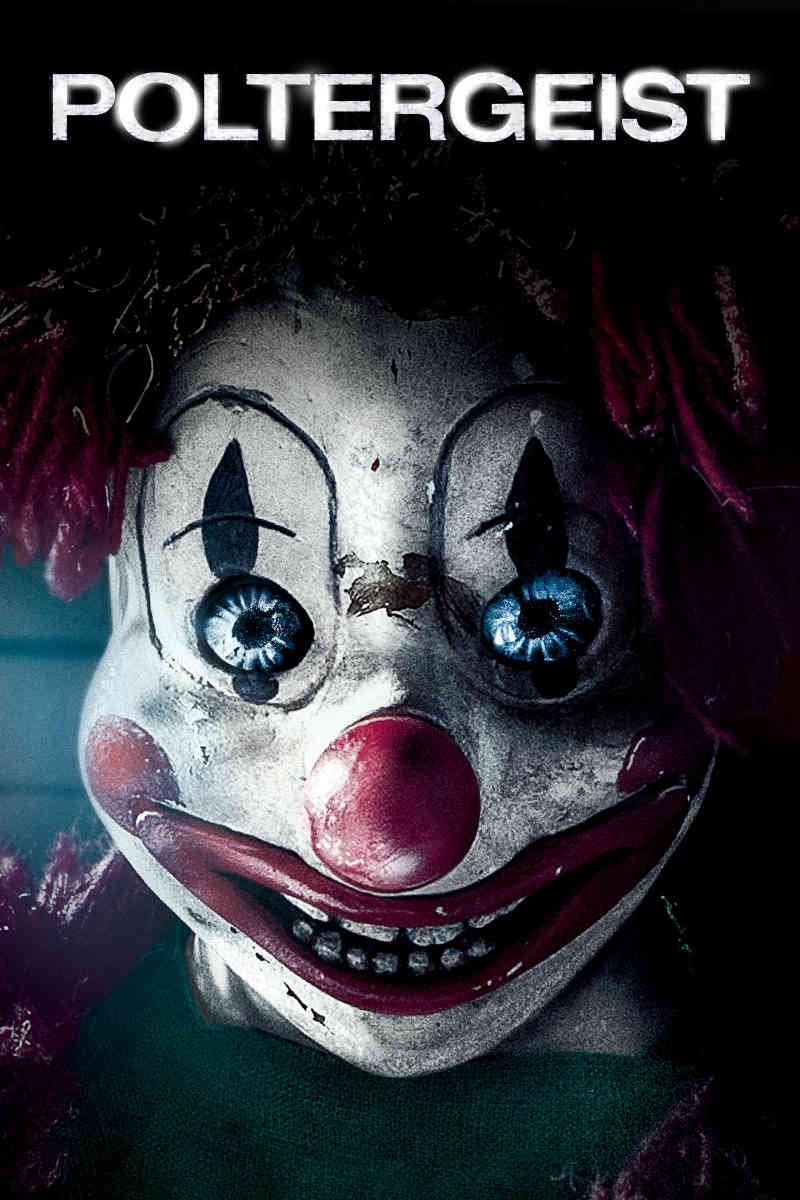
Gil Kenan directed this update of the classic haunted house film with a focus on modern technology. The Bowen family moved into a suburban home where angry spirits abducted their youngest daughter. The remake followed the beats of the original closely but relied heavily on computer-generated scares. Audiences felt it lacked the emotional heart and genuine terror that Steven Spielberg and Tobe Hooper achieved.
‘Point Break’ (2015)
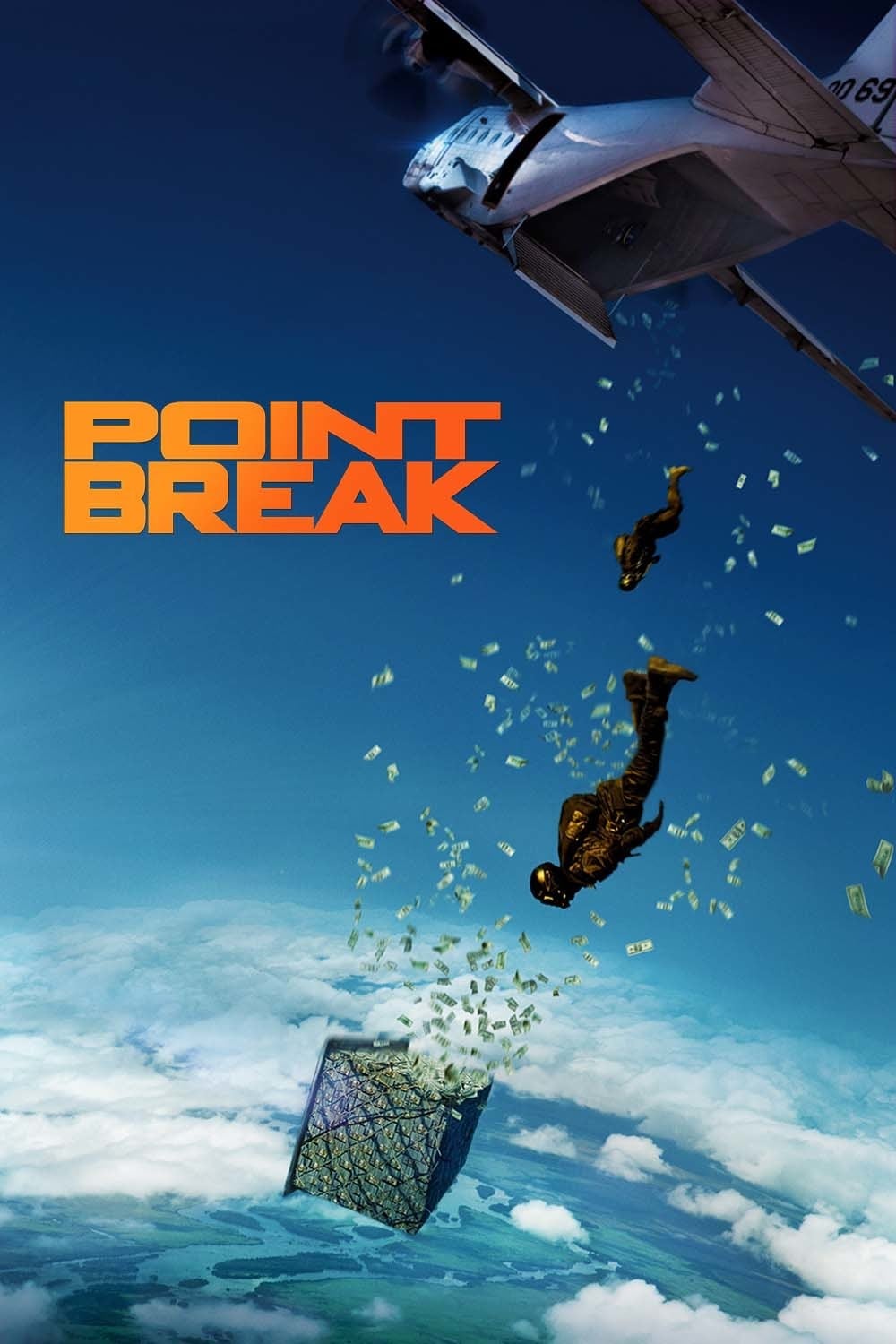
Ericson Core directed this action thriller that replaced surfing with a variety of extreme sports. Edgar Ramírez and Luke Bracey took over the roles originally played by Patrick Swayze and Keanu Reeves. The film featured impressive stunt work but failed to replicate the philosophical bond between the two leads. It was criticized for being a hollow spectacle that misunderstood the charm of the 1991 cult classic.
‘Red Dawn’ (2012)

Chris Hemsworth and Josh Hutcherson starred in this remake where North Korean forces invaded the United States. The studio digitally altered the antagonists from Chinese to North Korean in post-production to maintain access to the Chinese box office. The plot followed a group of teenagers waging guerilla warfare against the occupying army. Critics dismissed the film as jingoistic and lacking the emotional weight of the Cold War era original.
‘Ben-Hur’ (2016)
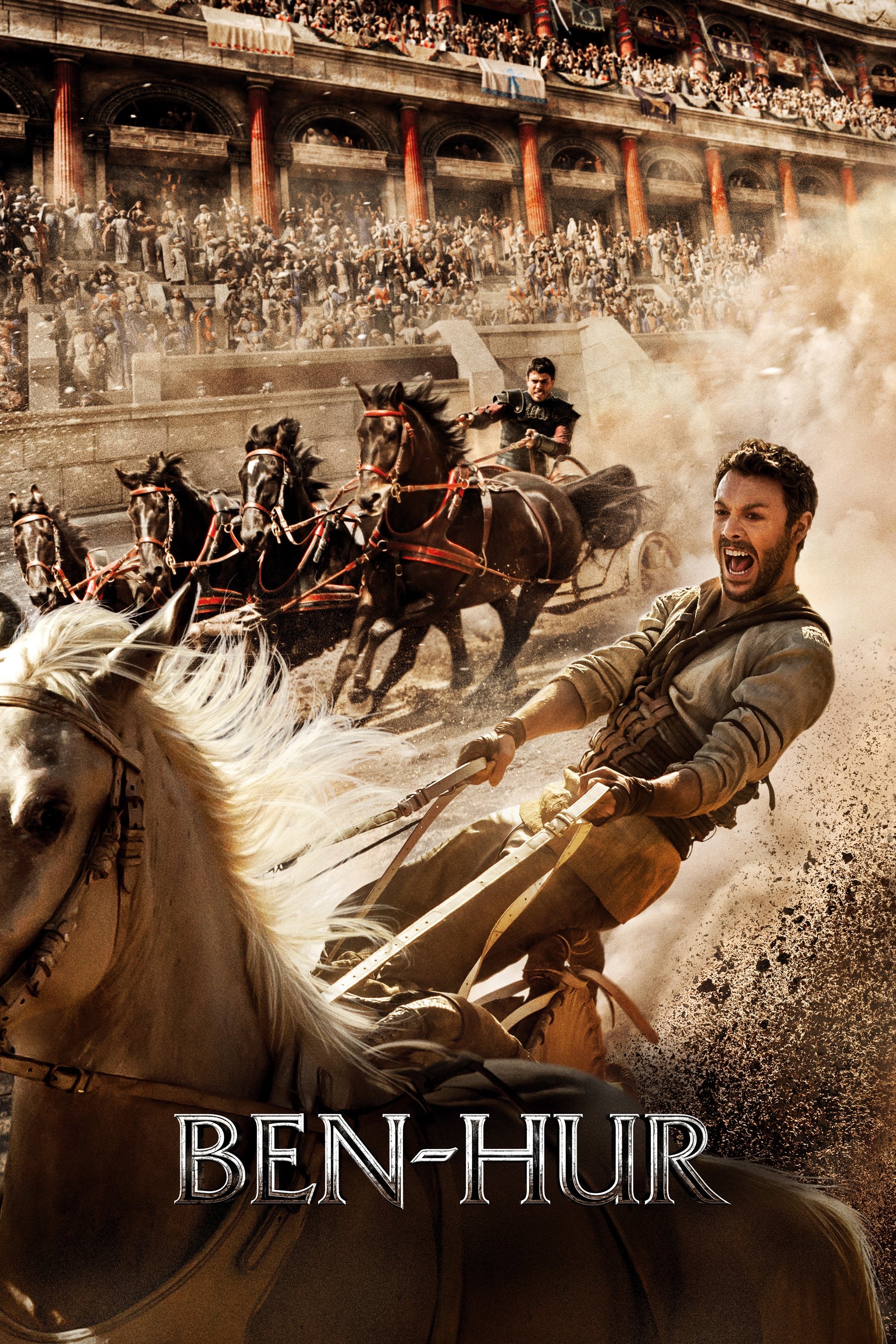
Timur Bekmambetov directed this new adaptation of the novel that had previously inspired the record-breaking 1959 film. The story focused on the conflict and eventual reconciliation between two brothers in Roman-occupied Jerusalem. The movie utilized heavy CGI for the chariot race sequence which drew unfavorable comparisons to the practical stunts of the classic. It was a major box office bomb that failed to justify its existence to audiences.
‘Conan the Barbarian’ (2011)

Jason Momoa took on the role of the Cimmerian warrior in this violent fantasy action film. The movie aimed to be closer to the original Robert E. Howard stories than the Arnold Schwarzenegger films. Despite the committed performance by Momoa the film was criticized for a weak script and muddy visuals. Fans of the 1982 film missed the epic score and the distinct directorial style of John Milius.
‘Planet of the Apes’ (2001)
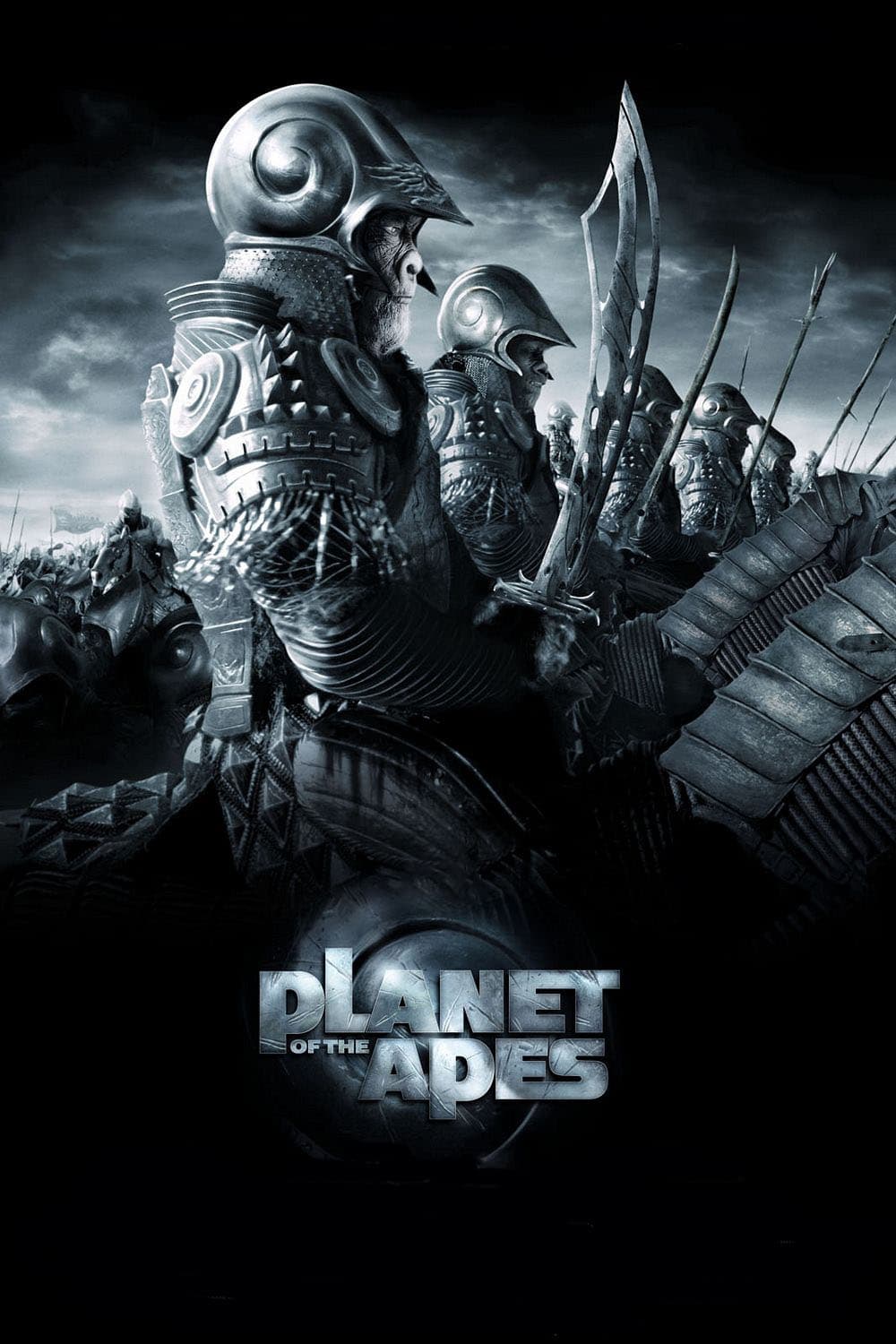
Tim Burton directed this “reimagining” that featured impressive prosthetic makeup by Rick Baker. Mark Wahlberg played an astronaut who crash-landed on a world dominated by intelligent apes. The film is infamous for its confusing twist ending that deviated significantly from the 1968 classic. While the makeup effects were praised the storytelling and tone were widely considered a misfire.
‘Godzilla’ (1998)

Roland Emmerich brought the King of the Monsters to New York City in this disaster movie blockbuster. The creature design was drastically changed to resemble a giant iguana that lacked the durability of the Japanese original. Fans were outraged that the monster was killed by conventional military weaponry. The backlash was so severe that the Japanese rights holders later rebranded this creature as Zilla.
‘Mulan’ (2020)

Niki Caro directed this live-action adaptation that removed the musical numbers and the dragon character Mushu. The film aimed for a more serious tone inspired by wuxia cinema and the original Chinese ballad. Controversy arose regarding filming locations and comments made by the lead actress Liu Yifei. Many fans missed the songs and humor that defined the animated Disney classic.
‘The Little Mermaid’ (2023)

Rob Marshall directed this live-action update featuring Halle Bailey as Ariel. The casting choice ignited a racially charged debate across social media platforms long before the film premiered. Visuals were also criticized for the realistic but emotionless design of the animal sidekicks Flounder and Sebastian. The film performed decently but struggled to match the universal acclaim of the animated original.
‘Jem and the Holograms’ (2015)
Jon M. Chu directed this live-action adaptation of the colorful 1980s animated series. The movie reimagined the sci-fi rock band story as a grounded YouTube fame drama. It removed the holographic computer character Synergy and the rival bands that were central to the show. The film was pulled from theaters after two weeks due to historically low box office numbers and fan rejection.
‘Baywatch’ (2017)
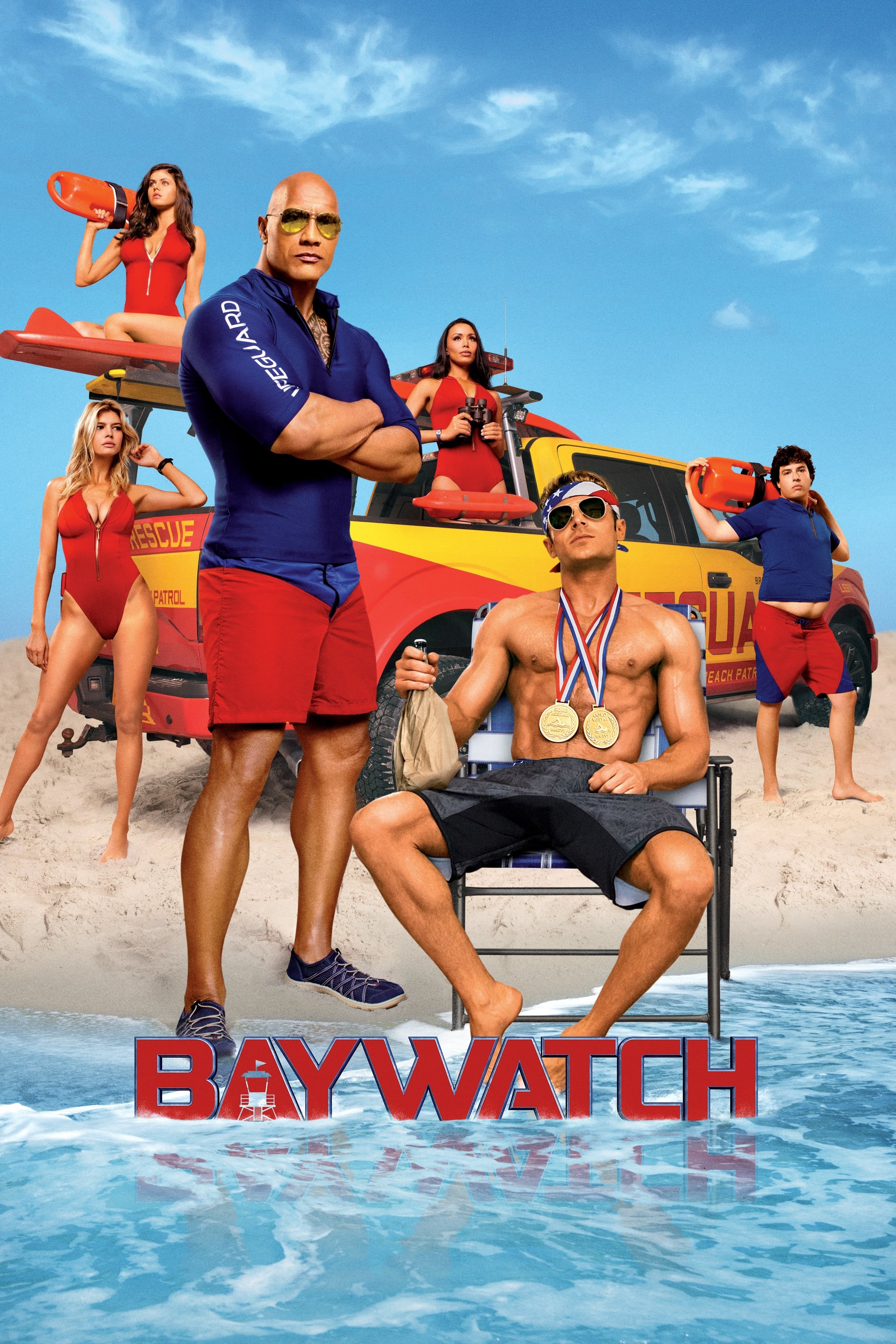
Dwayne Johnson and Zac Efron starred in this R-rated action comedy based on the popular television show. The film adopted a self-aware and parodying tone similar to the Jump Street films. Fans of the original series felt the crude humor undermined the earnest cheesiness of the source material. The plot involving a drug ring was considered generic and the visual effects were criticized as poor.
‘CHiPs’ (2017)
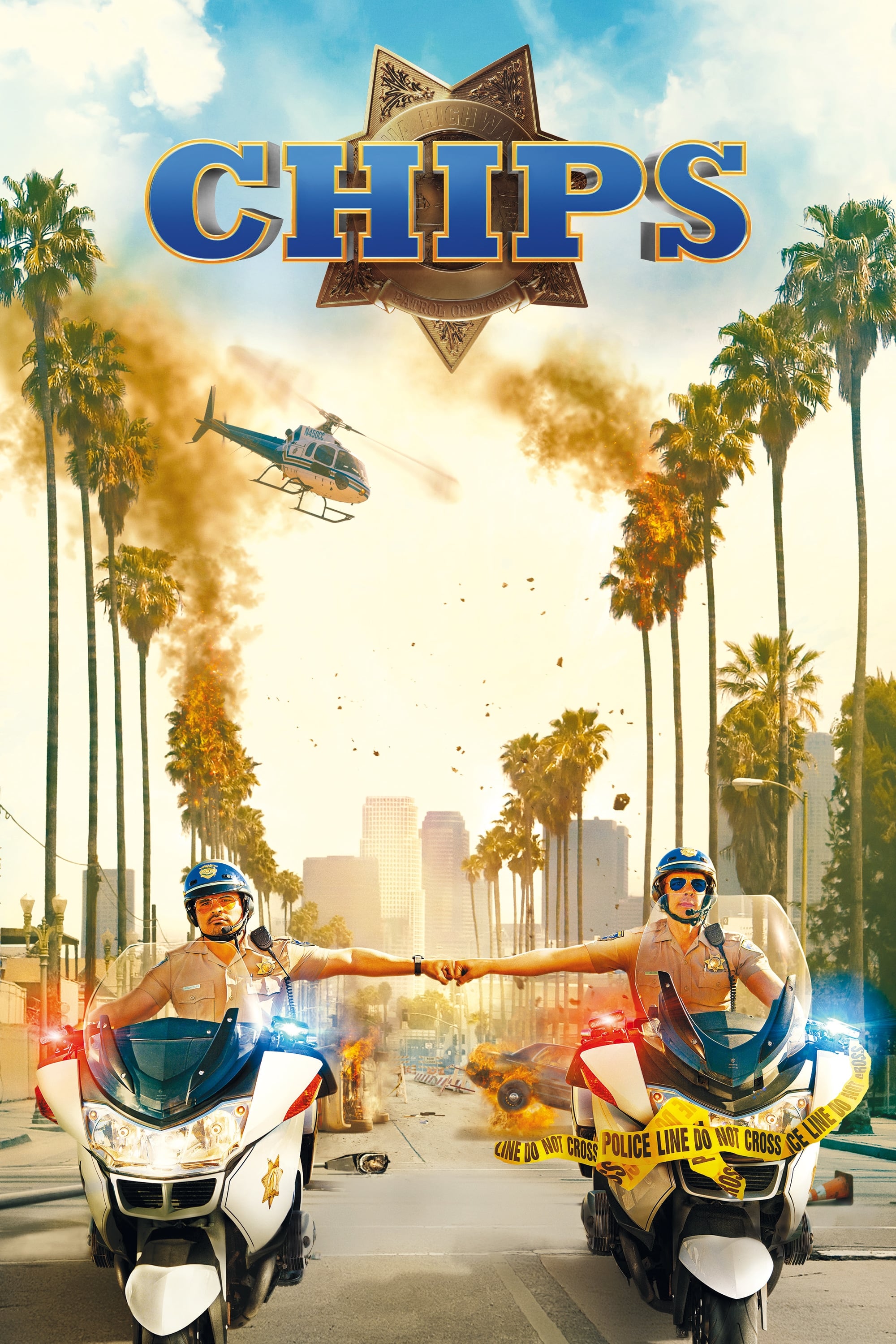
Dax Shepard wrote directed and starred in this buddy cop comedy based on the family-friendly TV show. The movie turned the property into a raunchy R-rated comedy with little resemblance to the original. Larry Wilcox who starred in the original series openly criticized the film for ruining the brand. Audiences largely ignored the release and it failed to recoup its budget.
‘Velma’ (2023–Present)
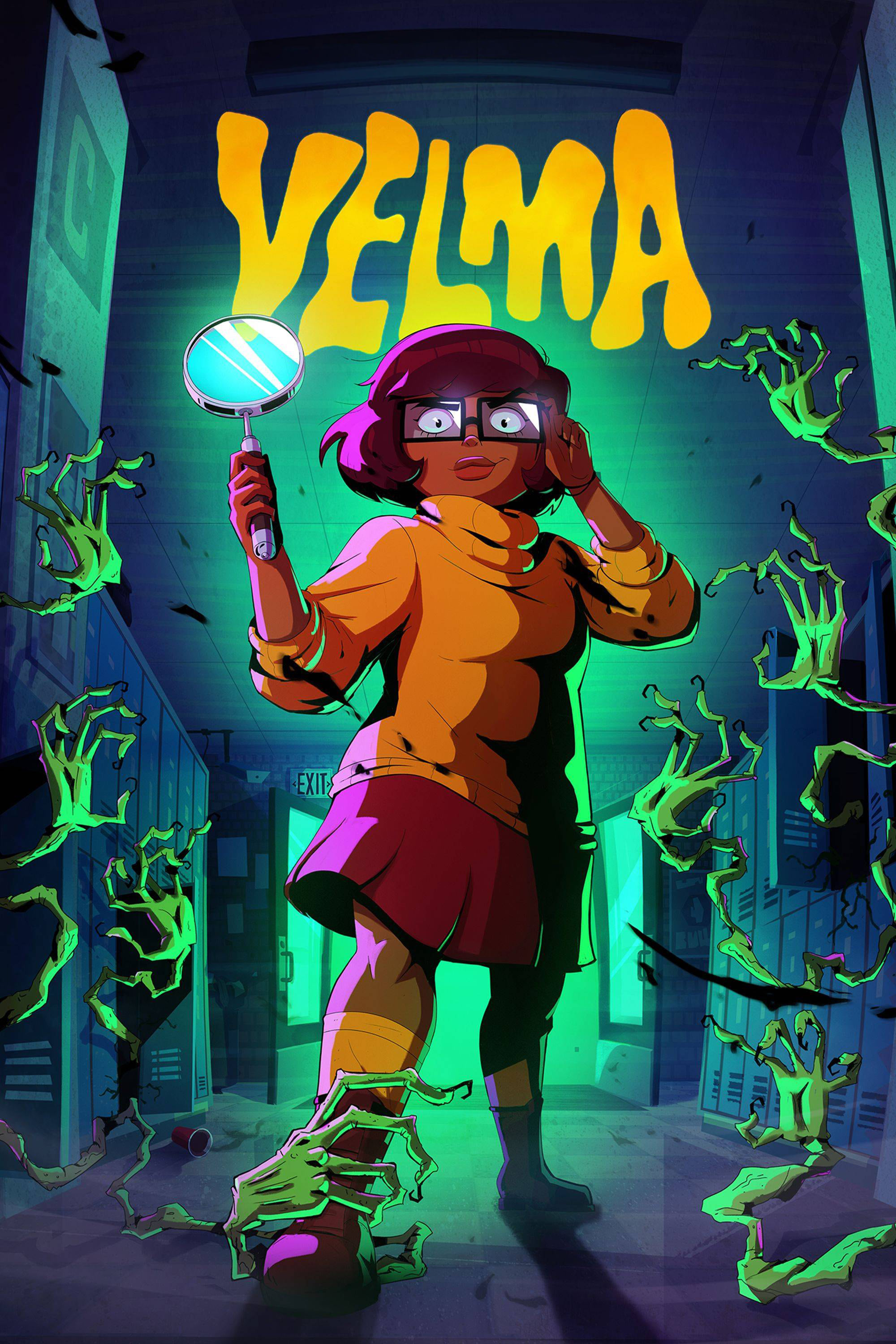
Mindy Kaling developed this animated prequel series for HBO Max intended for adult audiences. The show reimagined the Scooby-Doo gang with diverse backgrounds and cynical personalities while excluding the dog entirely. The writing relied heavily on meta-humor that mocked the tropes of the franchise and its fanbase. It received historically low audience scores due to the unlikable depiction of the titular character.
‘She-Ra and the Princesses of Power’ (2018–2020)
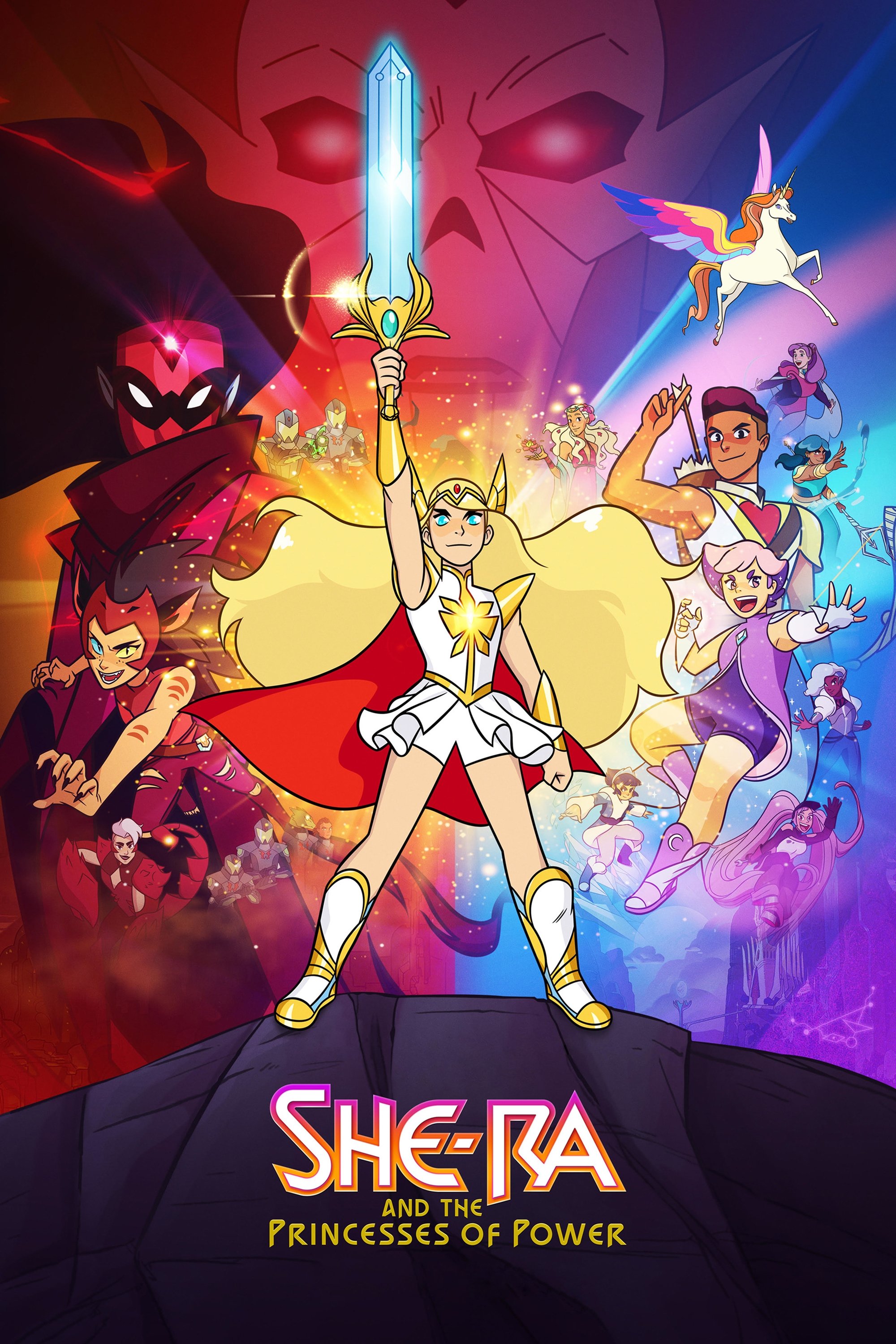
Noelle Stevenson developed this animated reboot for Netflix with a distinct modern art style. The show focused on the complex relationship between Adora and her former friend Catra. Critics praised the diverse representation and character depth throughout the series run. However a vocal subset of fans disliked the departure from the glamorized character designs of the 1980s original.
‘Teen Titans Go!’ (2013–Present)
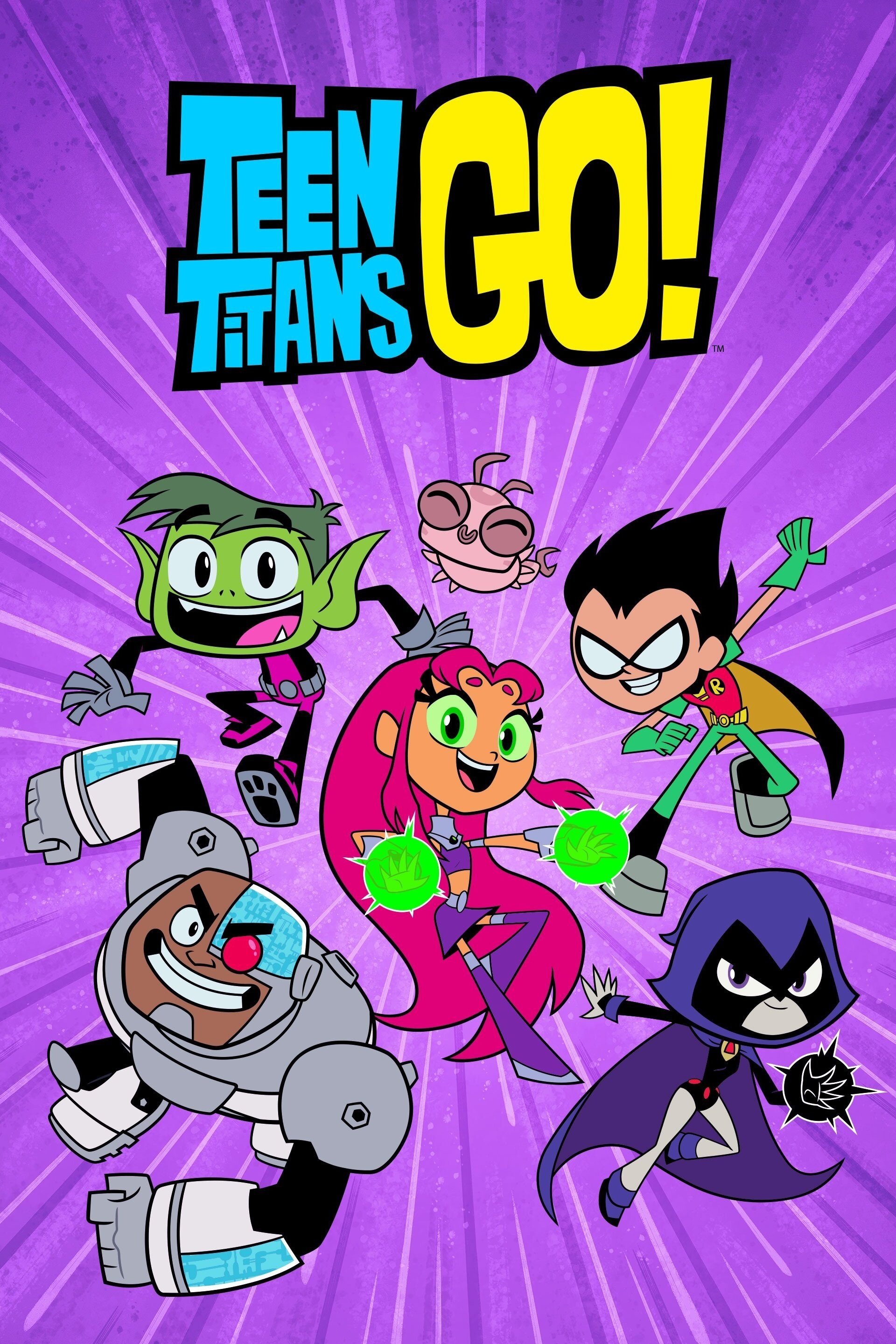
This animated series shifted the franchise from dramatic storytelling to manic episodic comedy. The characters were redesigned with chibi aesthetics and exaggerated negative traits. Episodes often featured meta-commentary that directly addressed the anger of older fans who missed the previous serious iteration. It became a massive ratings hit for Cartoon Network despite the persistent outcry from vocal detractors.
‘Thundercats Roar’ (2020)
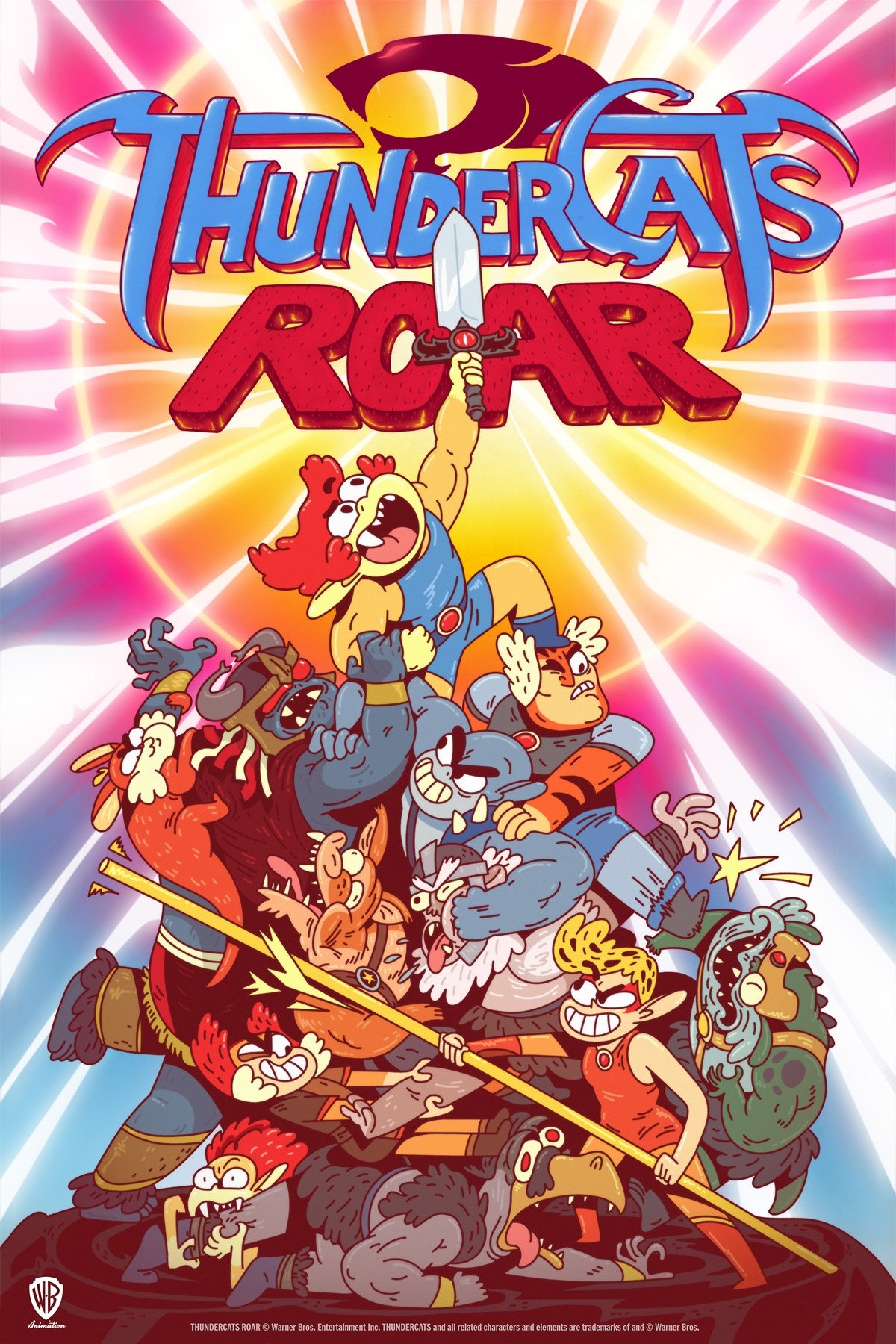
Cartoon Network rebooted the classic action series with a simplified “calarts” animation style and a comedic tone. The opening title sequence was the only element that retained the energy of the original show. Long-time fans expressed immediate disdain for the goofy character designs and lack of serious stakes. The series was cancelled after just one season due to the overwhelming negative reception.
‘Power Rangers’ (2017)
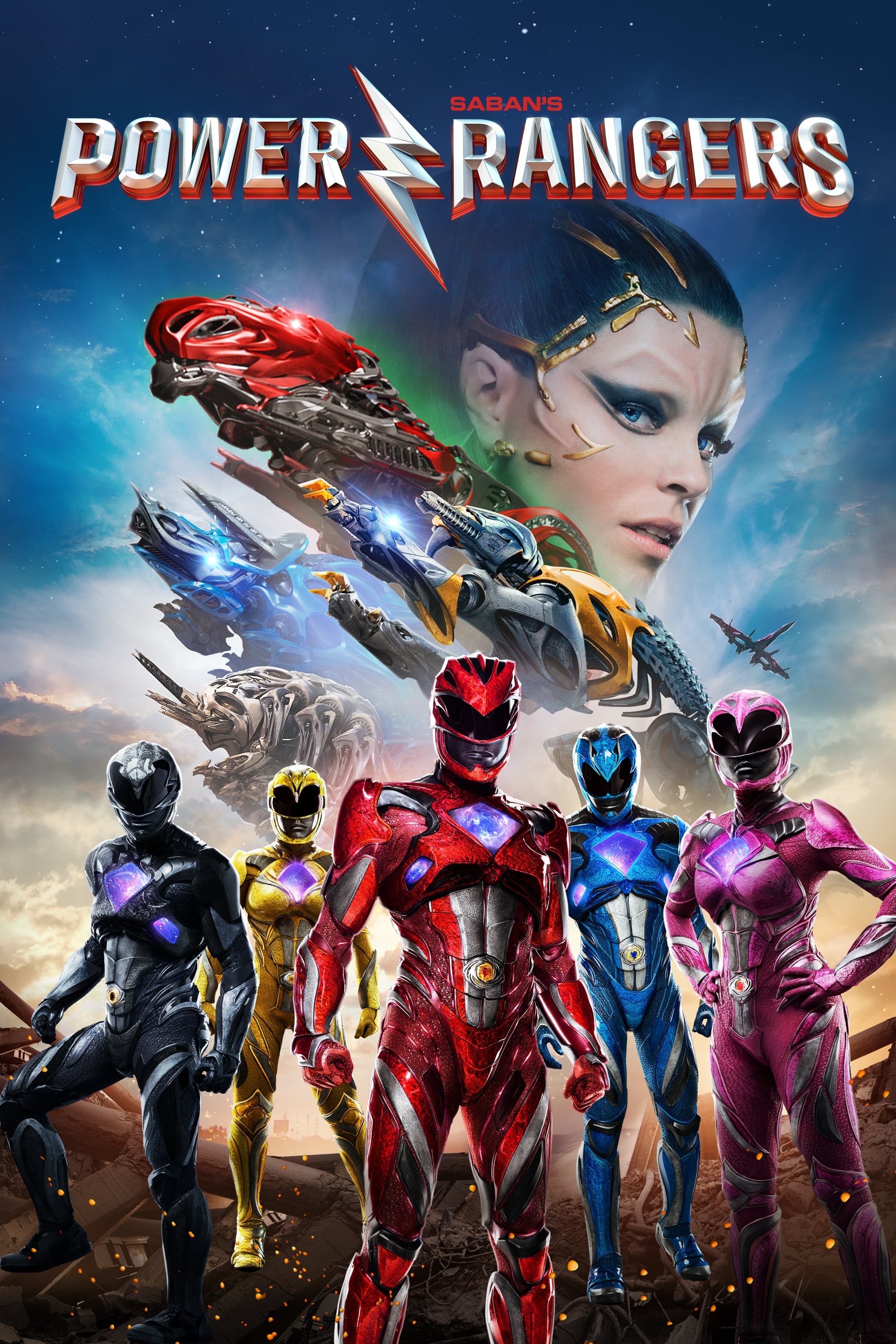
Dean Israelite directed this film that gave the colorful heroes a moodier young adult sci-fi treatment. The story spent the majority of the runtime on character development and teen angst before the team finally suited up. The suits and Zords featured a bio-organic alien design that divided opinion. While some appreciated the character depth others felt it lacked the fun martial arts action of the TV show.
‘Tomb Raider’ (2018)

Alicia Vikander starred as Lara Croft in this adaptation based on the 2013 video game reboot. The film grounded the character in reality and removed the dual pistols and acrobatics of the Angelina Jolie era. The plot combined elements from the game but struggled to deliver memorable set pieces. Fans were split on whether the gritty survivalist take was better than the confident action hero version.
‘Resident Evil: Welcome to Raccoon City’ (2021)
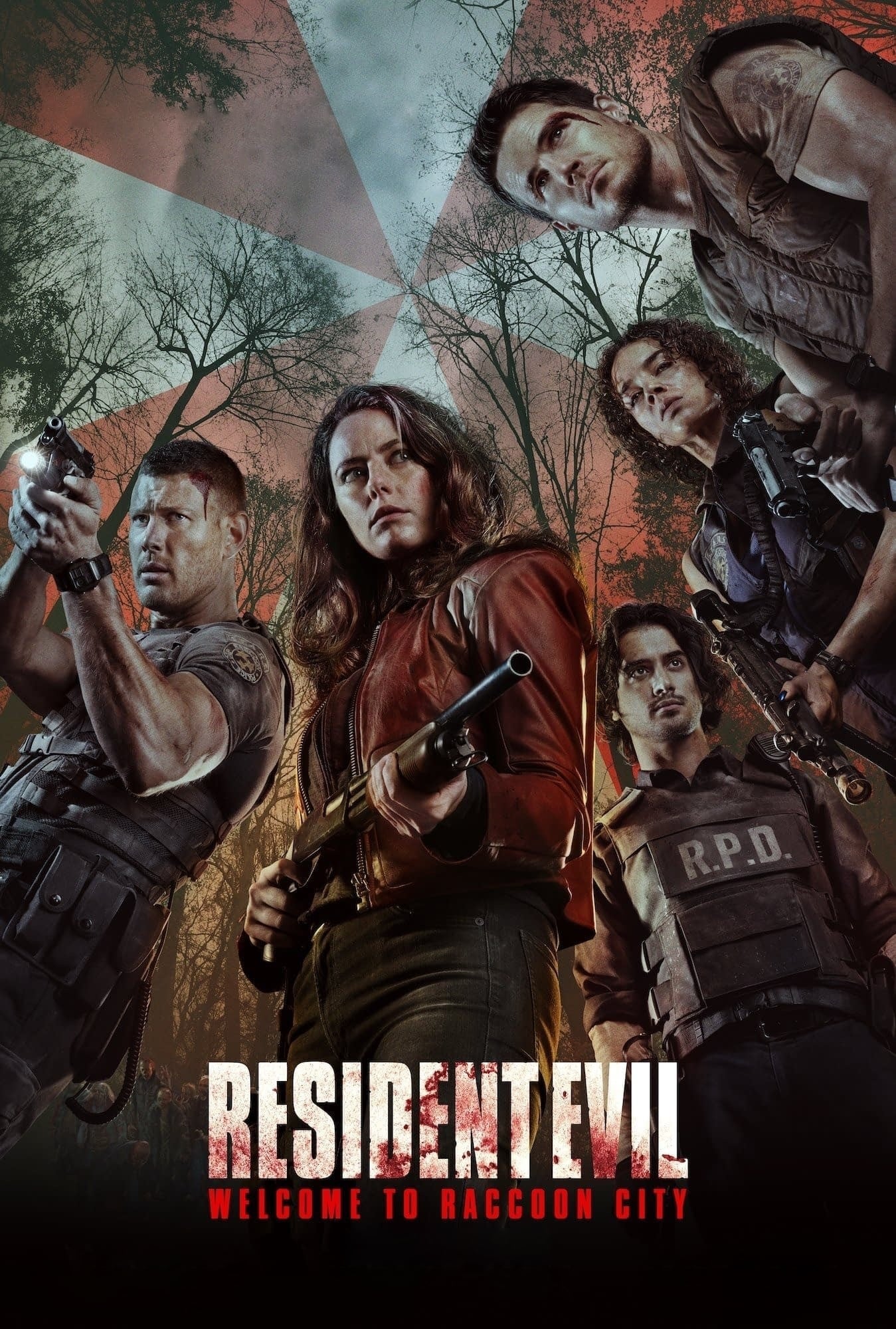
Johannes Roberts directed this reboot that combined the plots of the first two video games. The filmmakers promised a faithful horror adaptation after the action-heavy Paul W.S. Anderson movies. Casting choices and budget constraints led to mixed reactions regarding the portrayal of beloved characters like Leon Kennedy and Jill Valentine. The rushed pacing tried to fit too much lore into a single film.
‘Mortal Kombat’ (2021)
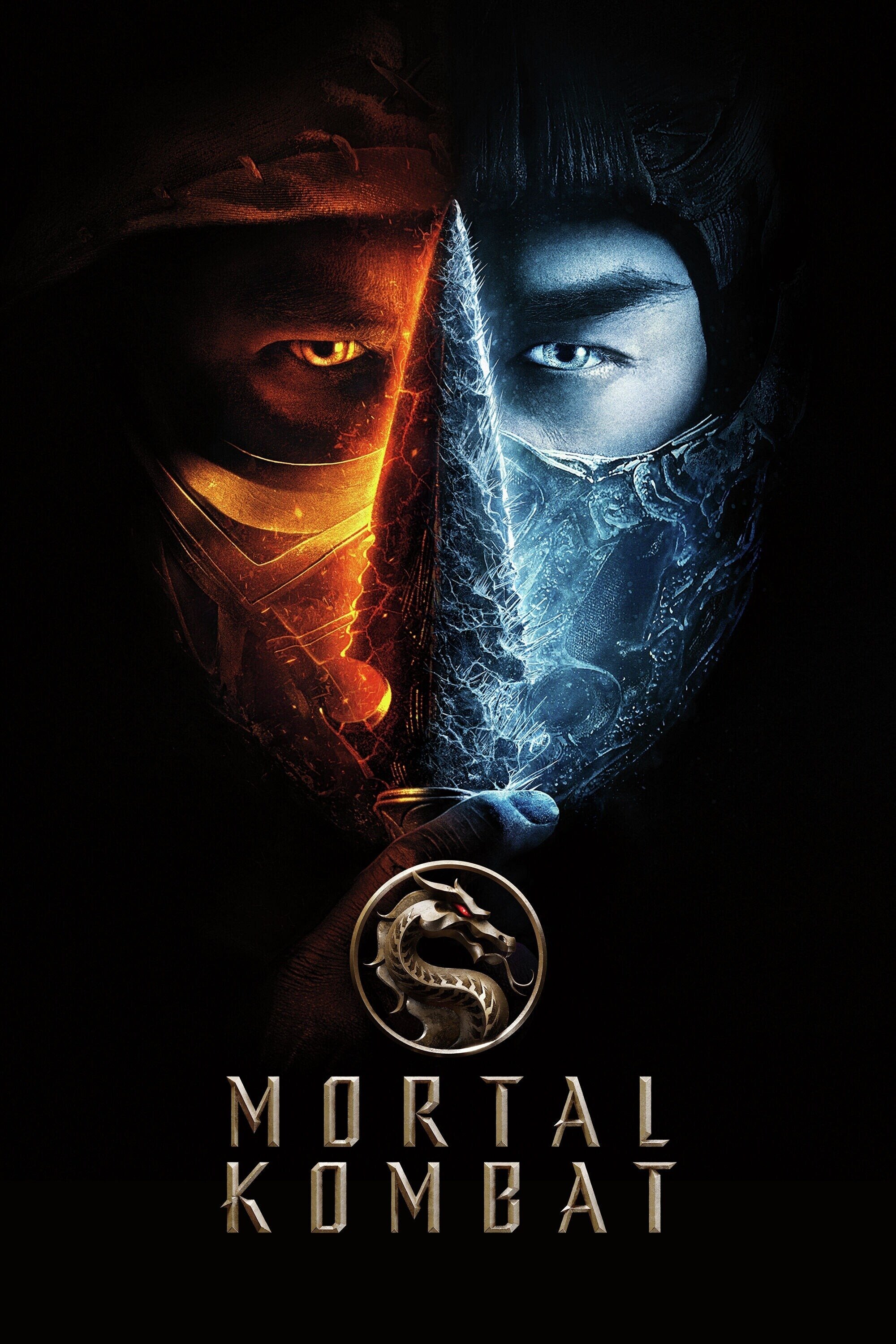
Simon McQuoid directed this R-rated adaptation that introduced a new protagonist named Cole Young. The film delivered the gory fatalities fans expected but frustrated viewers by inventing a new character to lead the story. The plot focused on the setup for a tournament that never actually happened within the movie. Key characters like Johnny Cage were excluded which disappointed long-time devotees of the games.
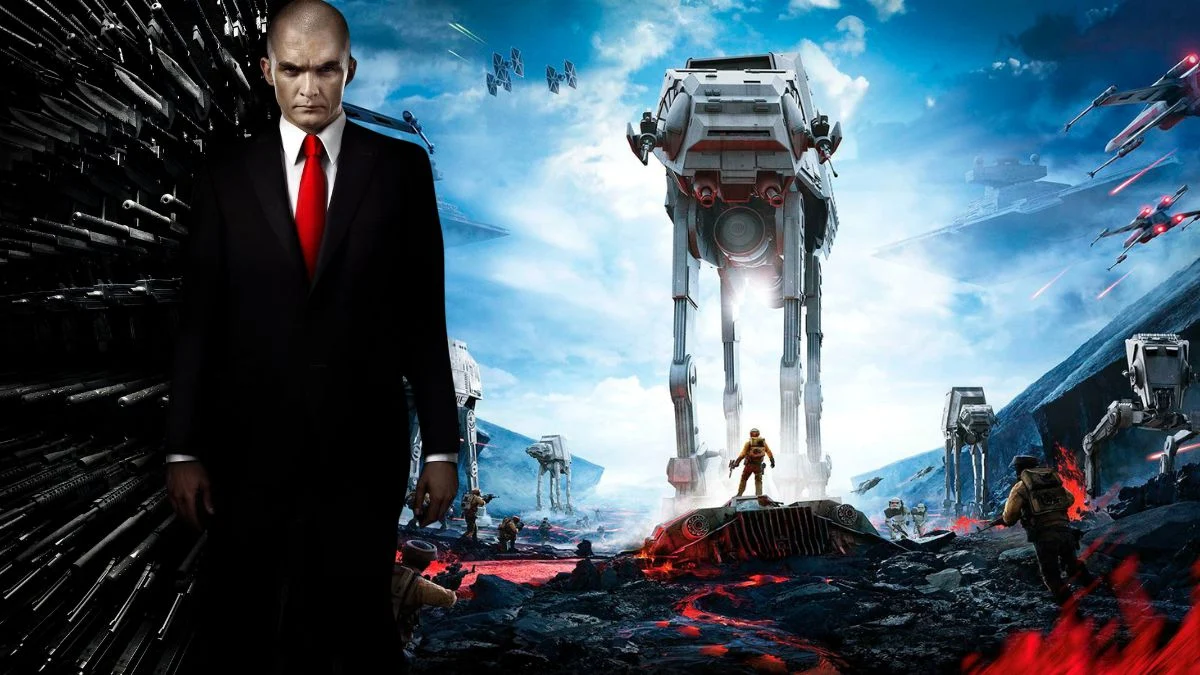
‘Hitman: Agent 47’ (2015)
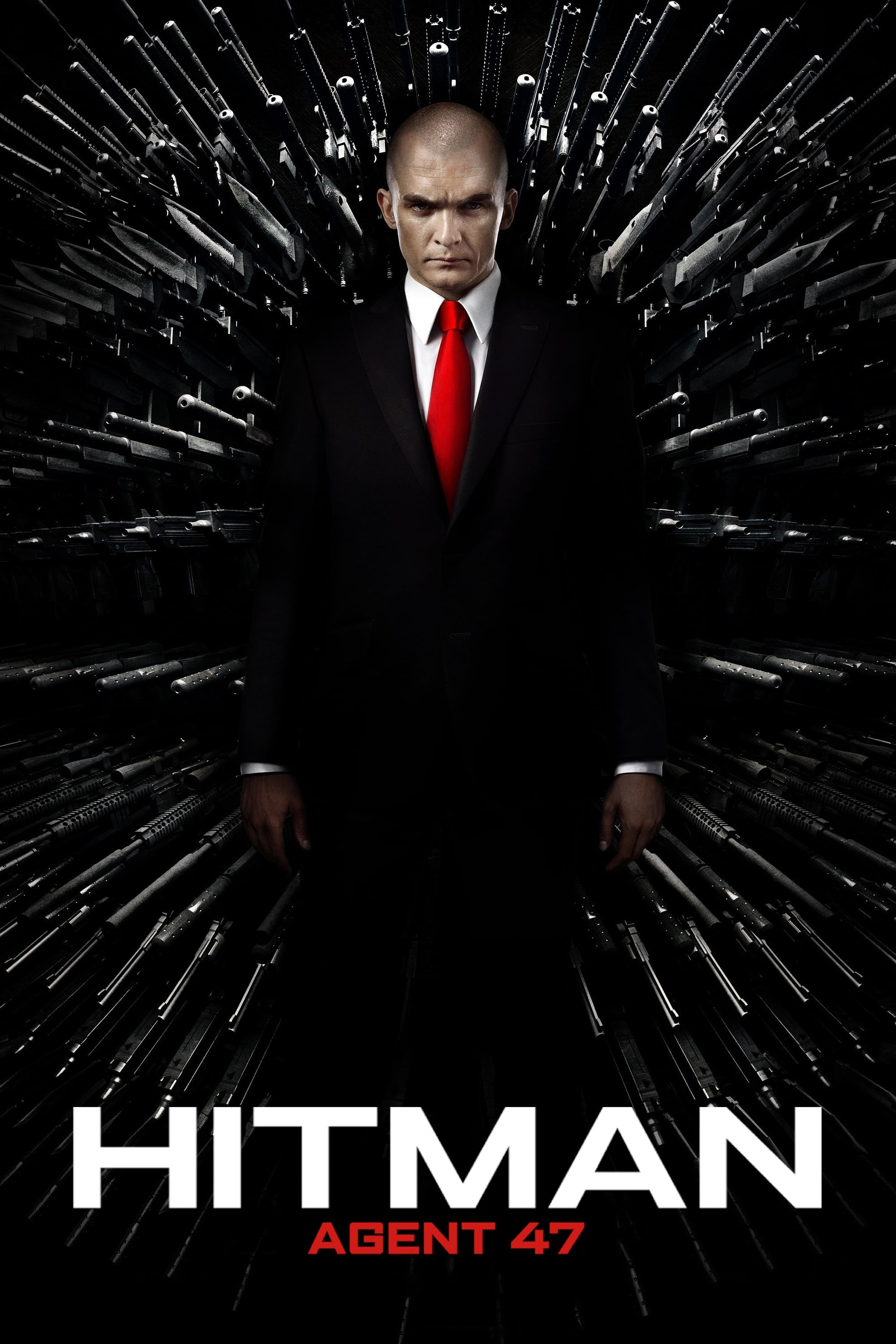
Rupert Friend played the bald assassin in this second attempt to adapt the stealth video game franchise. The movie turned the subtle gameplay concept into a loud and explosion-filled action blockbuster. Critics noted that the film misunderstood the appeal of the source material which emphasizes disguise and patience. It failed to launch a franchise and was quickly forgotten by audiences.
‘Max Payne’ (2008)
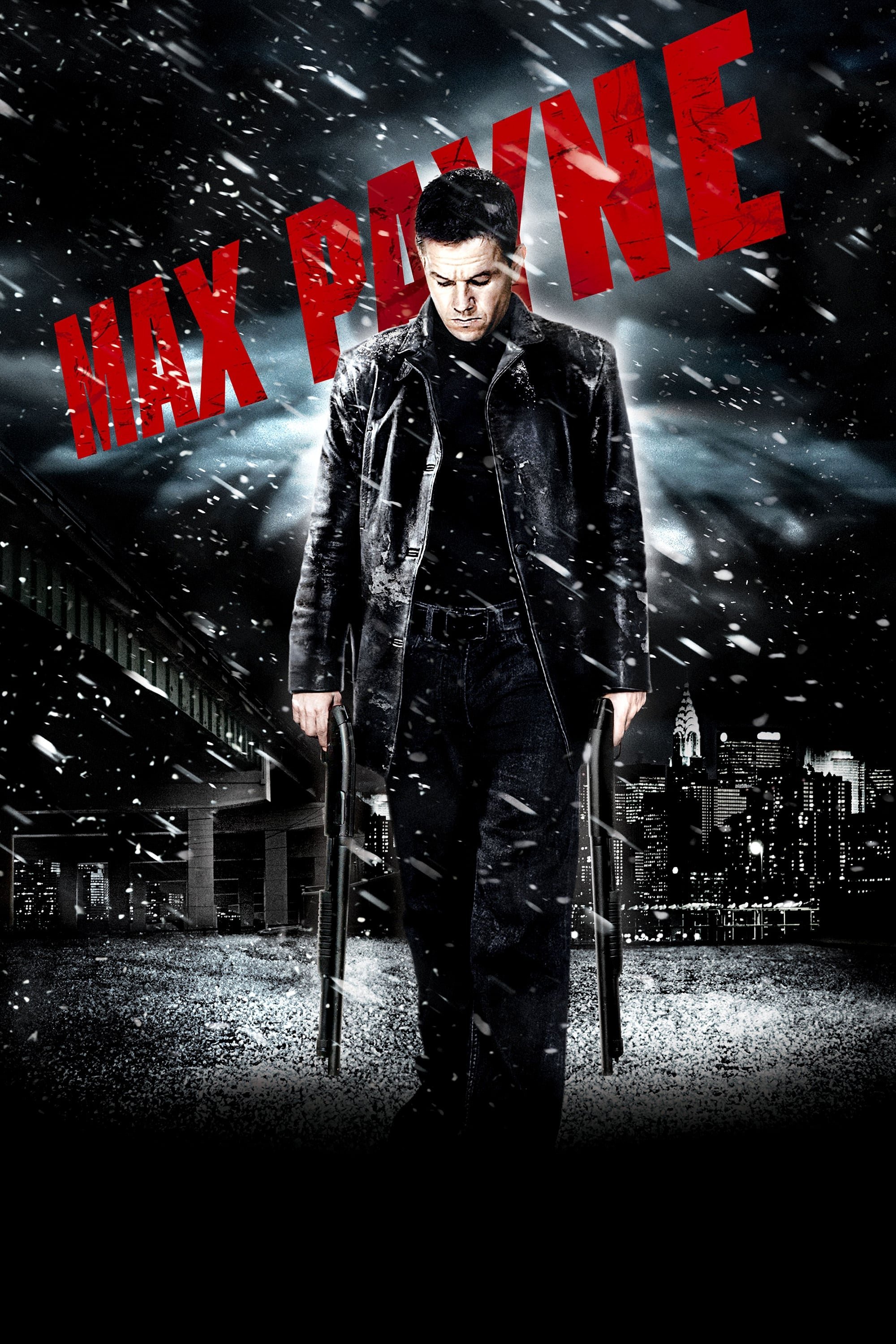
Mark Wahlberg starred as the noir detective in this adaptation of the remedy video game. The film incorporated the visual style of the game’s bullet time mechanic but added supernatural Valkyrie demons. Fans criticized the casting of Wahlberg and the PG-13 rating which sanitized the gritty violence of the game. The story lacked the hard-boiled internal monologue that defined the character’s personality.
‘The Karate Kid’ (2010)
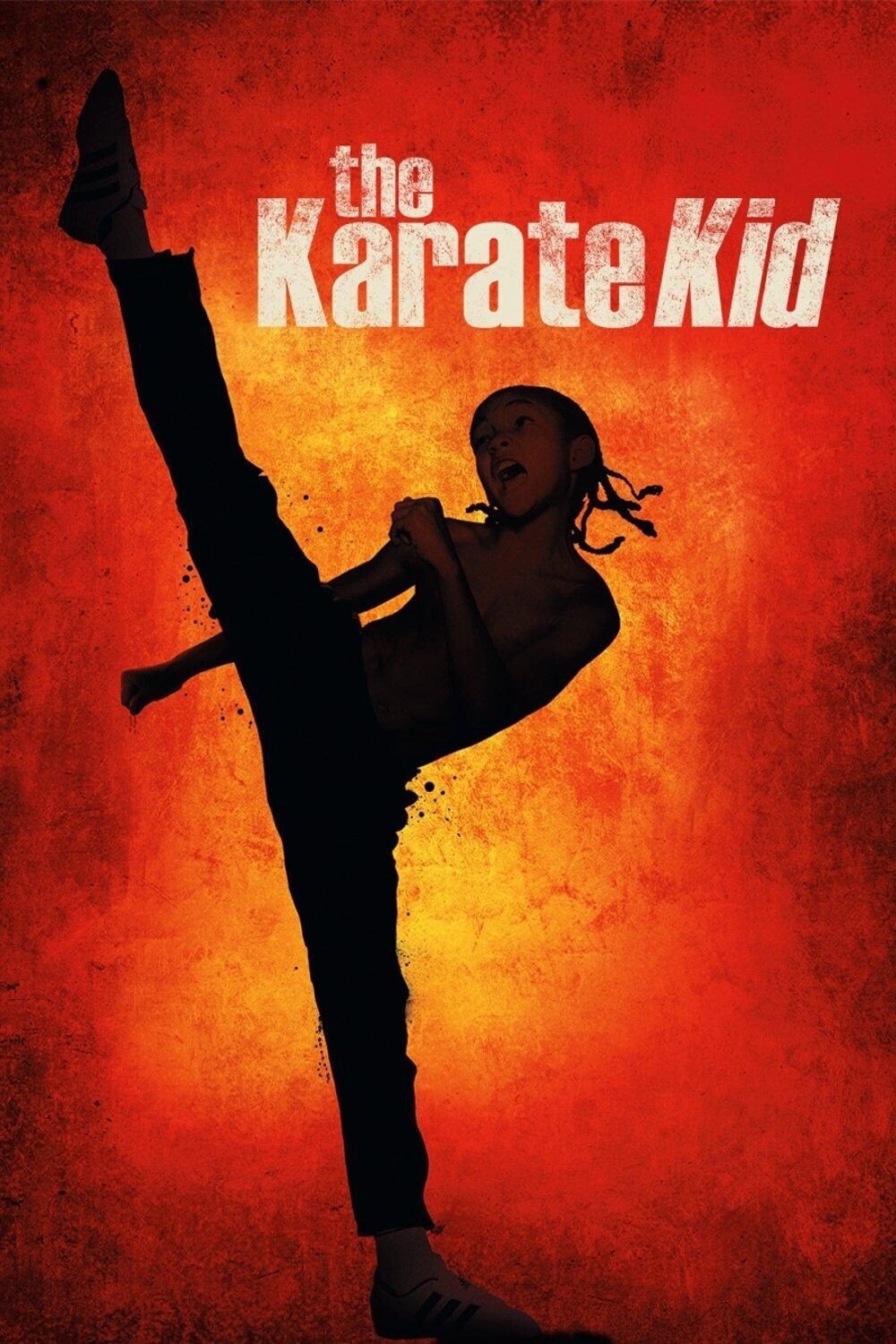
Jaden Smith and Jackie Chan starred in this remake that moved the setting from California to Beijing. The film actually featured kung fu rather than karate despite keeping the original title. It was a box office hit that was praised for the performances of the leads. However nostalgic fans felt it could never replace the iconic relationship between Daniel LaRusso and Mr. Miyagi.
‘Annie’ (2014)
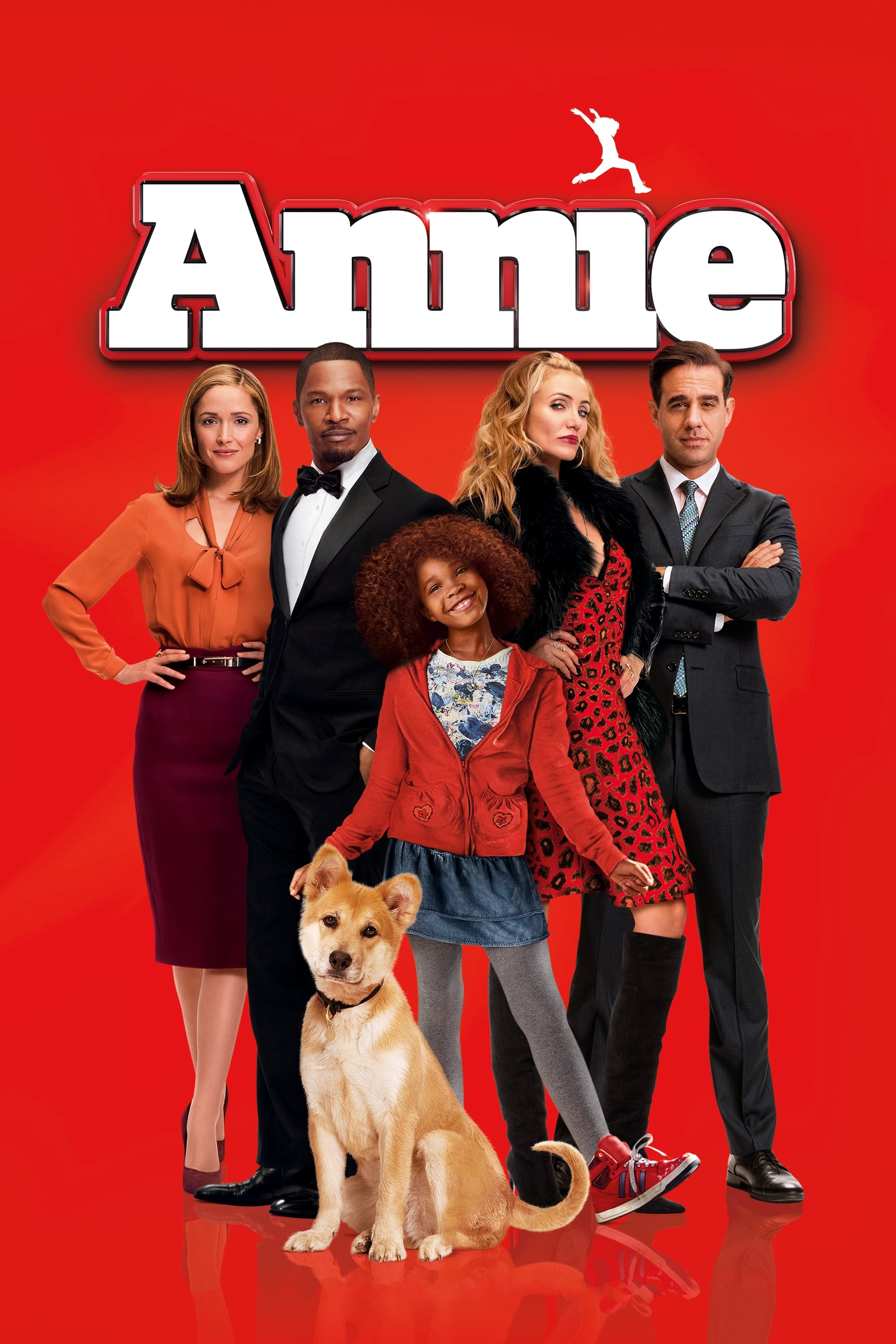
Will Gluck directed this modern update of the classic musical set in contemporary New York. Quvenhané Wallis played the title role with Jamie Foxx as the wealthy benefactor. The soundtrack replaced the orchestral arrangements with auto-tuned pop production. Critics and purists felt the modernization stripped away the charm and emotional resonance of the Great Depression setting.
‘The Powerpuff Girls’ (2016–2019)
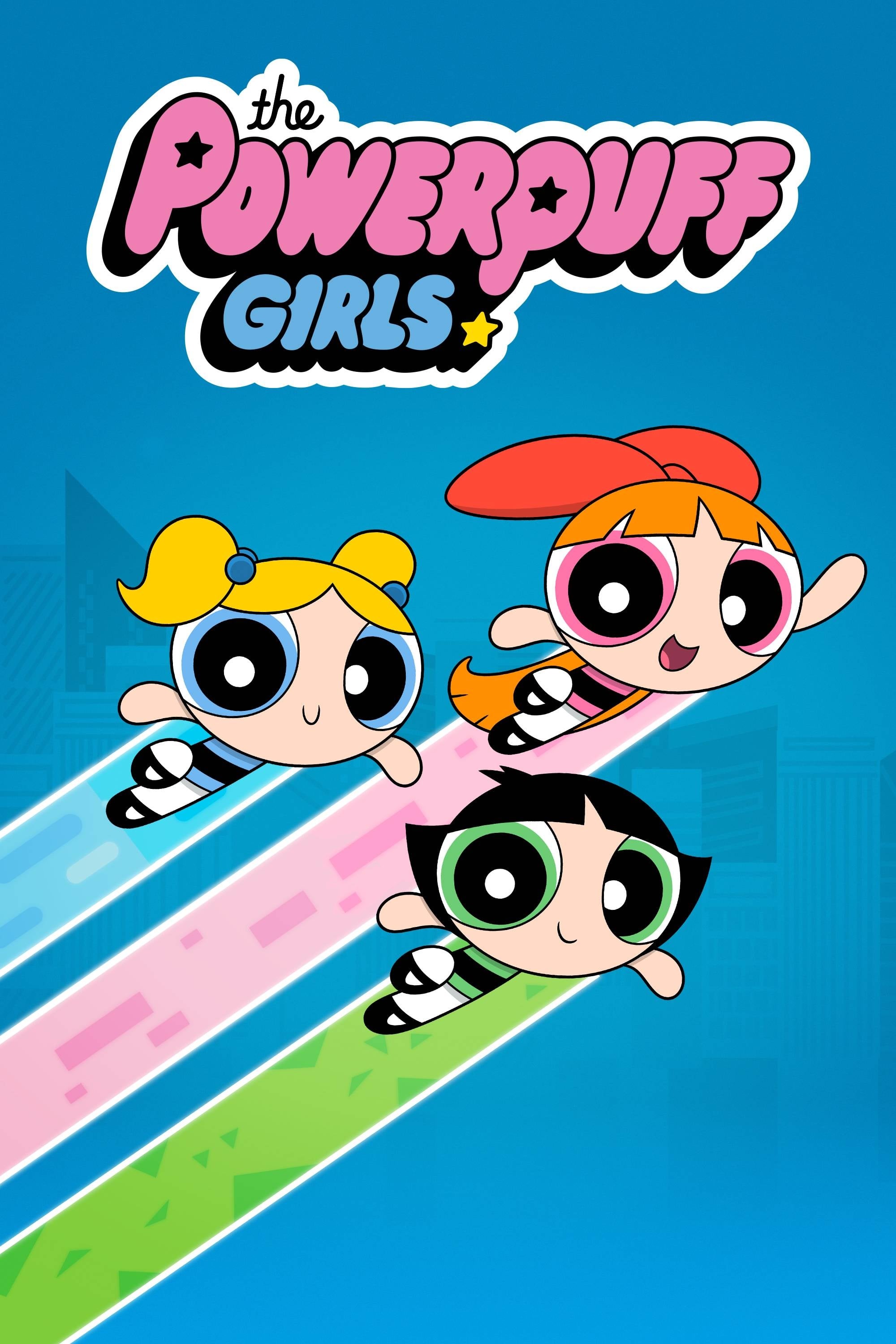
Cartoon Network revived the superhero trio with a new animation style and different voice actors. The show removed the character of Ms. Bellum and toned down the violence of the original series. Controversy erupted over production errors and episodes that were perceived as mishandling sensitive topics. The original creator Craig McCracken was not involved which many fans cited as the reason for the decline in quality.
‘Bob the Builder’ (2015–2018)
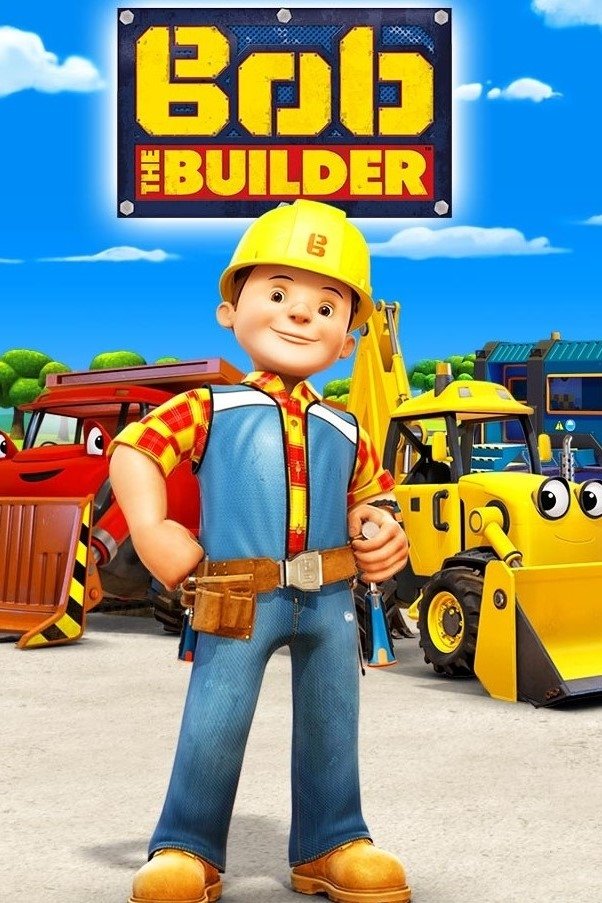
Mattel rebooted the preschool series with computer-generated animation and realistic character proportions. The titular character lost his round face and overalls for a more standard construction worker look. Parents and older fans lamented the loss of the charm provided by the original stop-motion animation. The visual overhaul was seen as generic and unnecessary by those who grew up with the show.
‘Star Wars: Battlefront’ (2015)
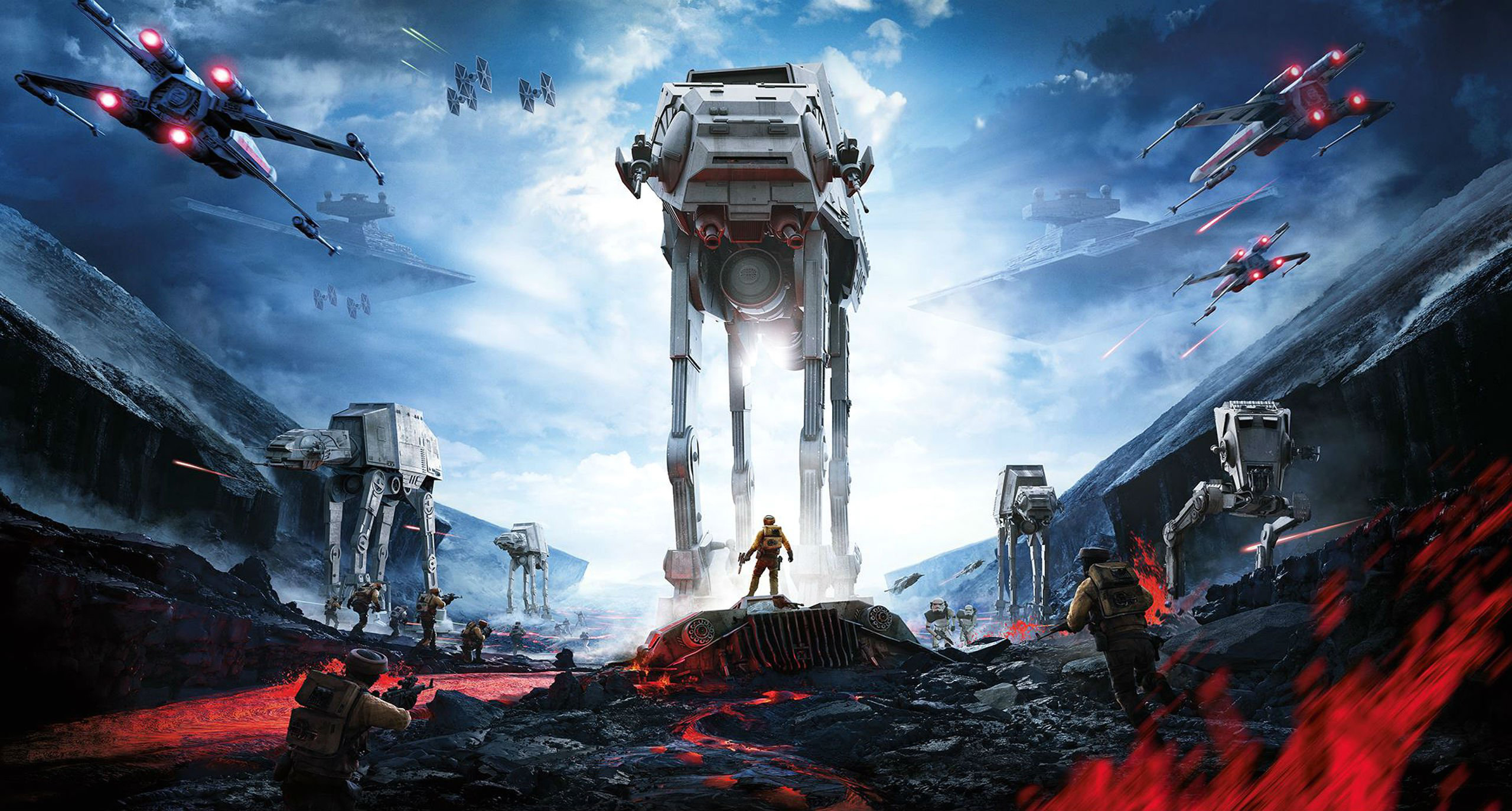
DICE rebooted the beloved shooter series with stunning photorealistic graphics and authentic sound design. The game launched with a limited number of maps and no single-player campaign mode. Players were disappointed by the lack of content compared to the original 2005 game. The subsequent sequel caused even more controversy with its loot box monetization system.
‘DmC: Devil May Cry’ (2013)
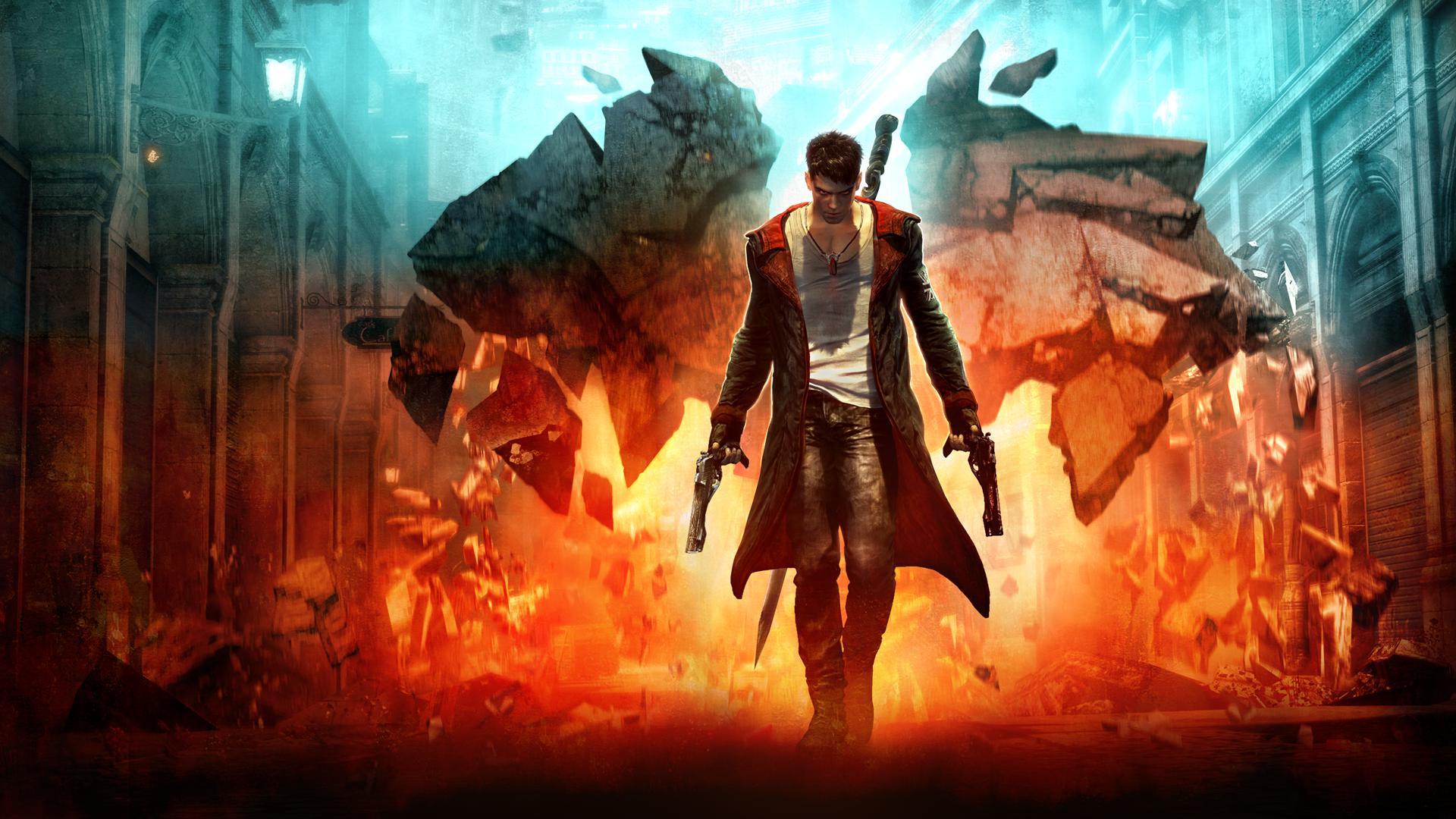
Ninja Theory reimagined the stylish action game franchise with a new look for the protagonist Dante. The character design abandoned his signature white hair for a short dark cut and a punk aesthetic. Gameplay mechanics were streamlined to be more accessible which hardcore players felt lowered the skill ceiling. Fans criticized the drastic shift in tone and the perceived arrogance of the developers toward the original fanbase.
‘Thief’ (2014)
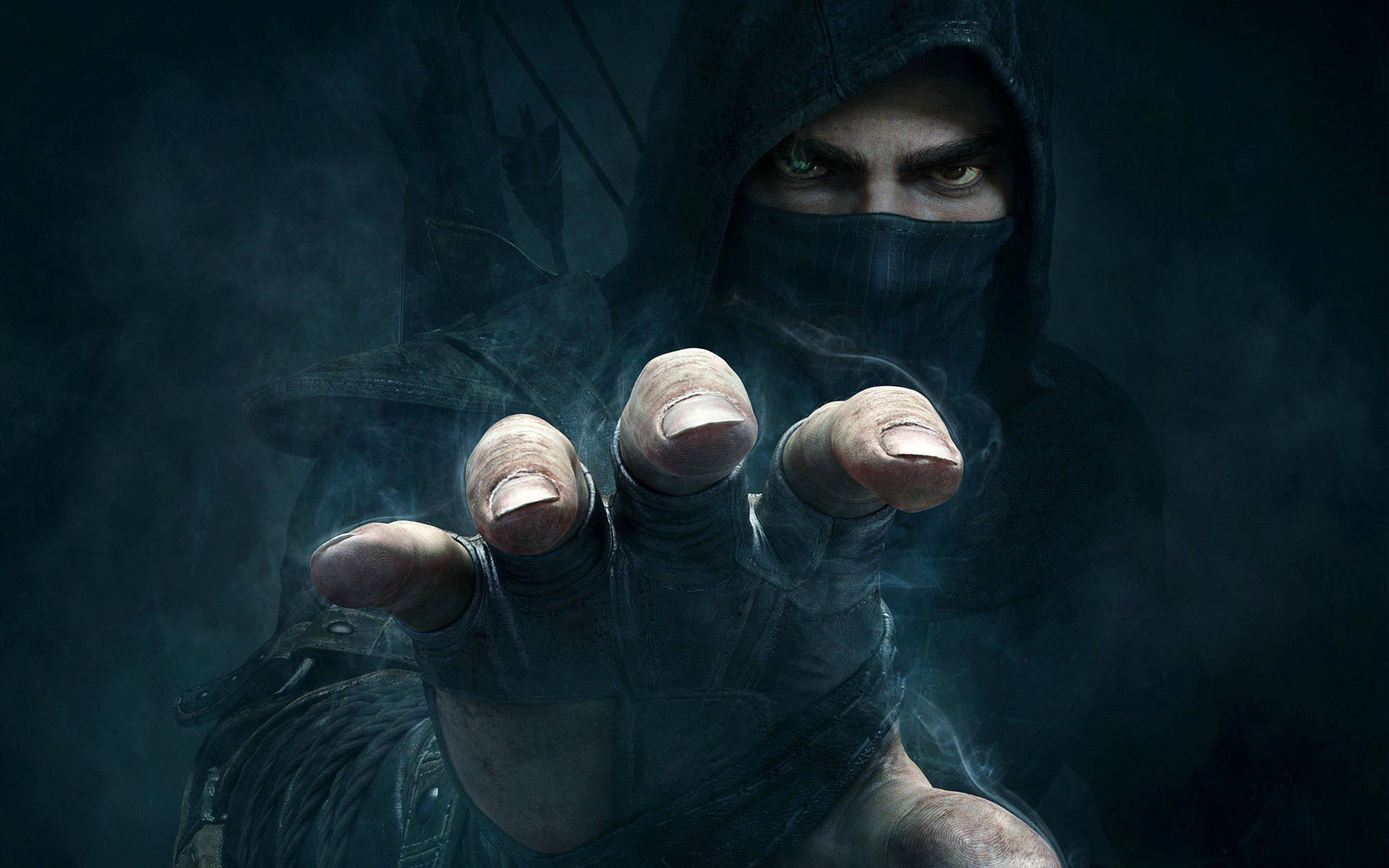
Eidos Montréal revived the seminal stealth franchise after a decade of dormancy. The game replaced the original voice actor Stephen Russell and altered the personality of the protagonist Garrett. Level design was criticized for being linear and restrictive compared to the open-ended maps of the earlier titles. Long-time fans felt the reboot simplified the complex stealth mechanics that made the series legendary.
‘Saints Row’ (2022)
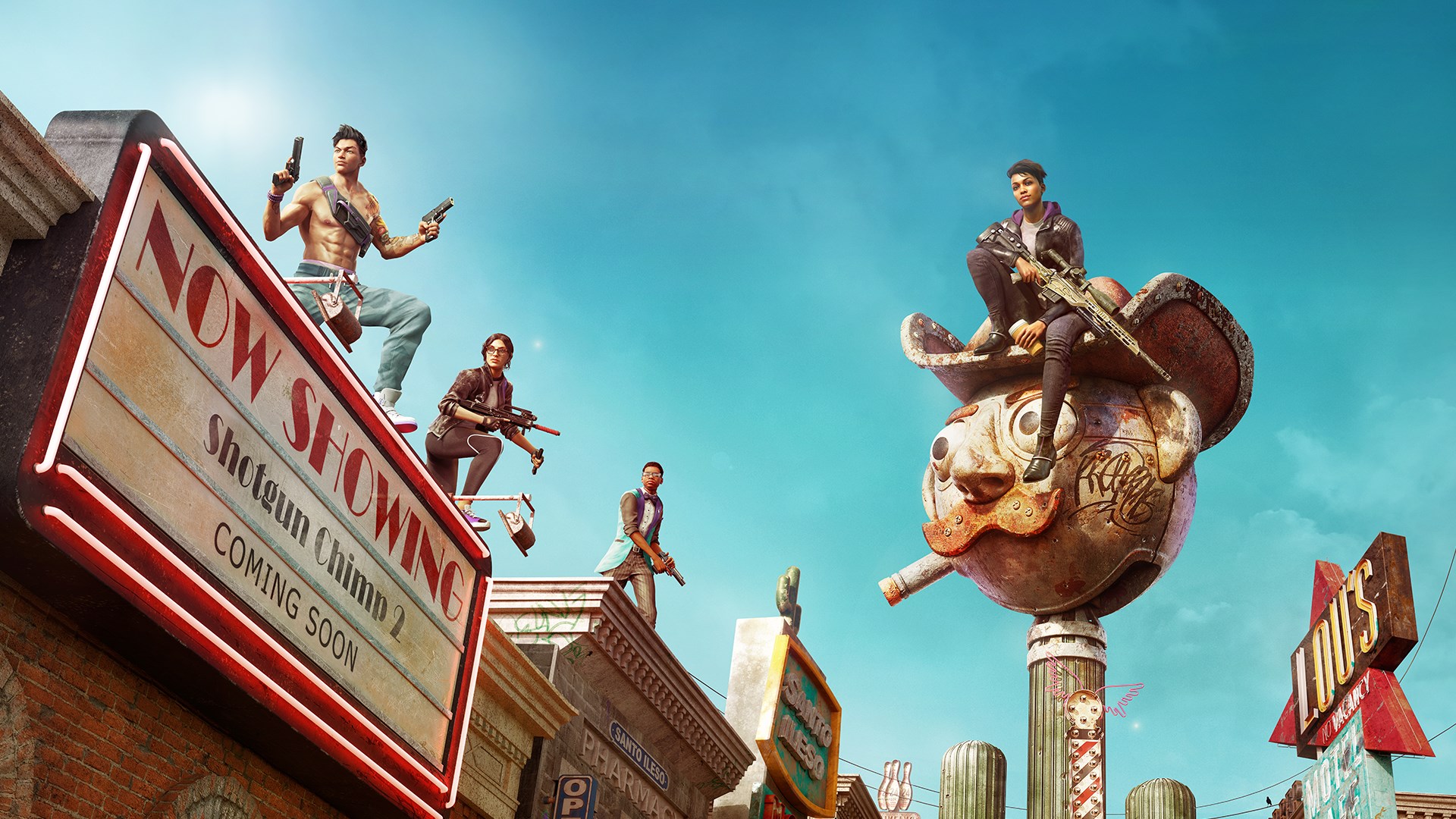
Volition rebooted their open-world crime franchise with a new cast of millennial characters. The tone shifted away from the edgy and over-the-top gangster parody of previous entries to a more grounded story about student loans and friendship. The game launched with significant technical bugs and a script that many players found cringeworthy. The poor reception contributed to the eventual closure of the studio.
Share your opinion on which of these reboots deserved the hate or was unfairly judged in the comments.