


Controversial Movies That Were Heavily Censored Overseas to Appease Authoritarian Regimes

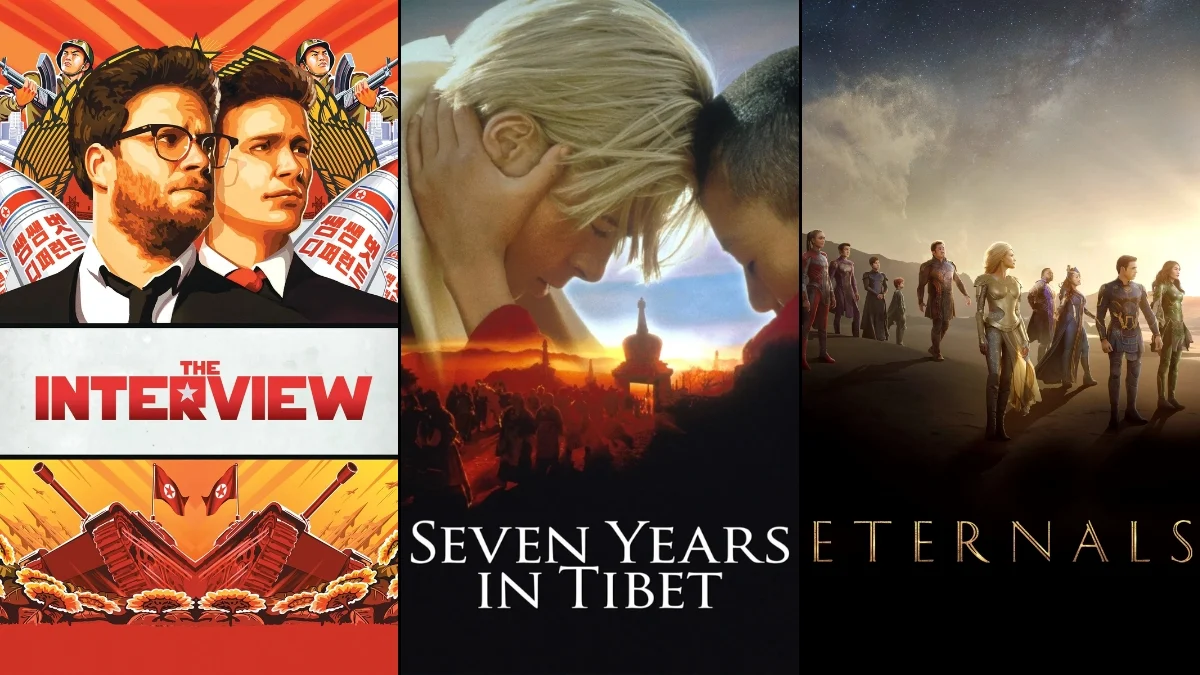


International film distribution often requires major studios to navigate the complex political sensitivities and strict moral codes of foreign governments. To secure access to lucrative markets, many filmmakers and production companies have been forced to alter narratives, remove significant scenes, or even change entire endings. These modifications frequently occur in response to pressure from authoritarian regimes that seek to control social, political, and cultural narratives within their borders. From digital alterations of maps to the removal of specific character identities, censorship serves as a tool for maintaining state ideologies. This list explores notable examples of Western films that underwent significant changes or faced total bans to satisfy governmental demands abroad.
‘Christopher Robin’ (2018)
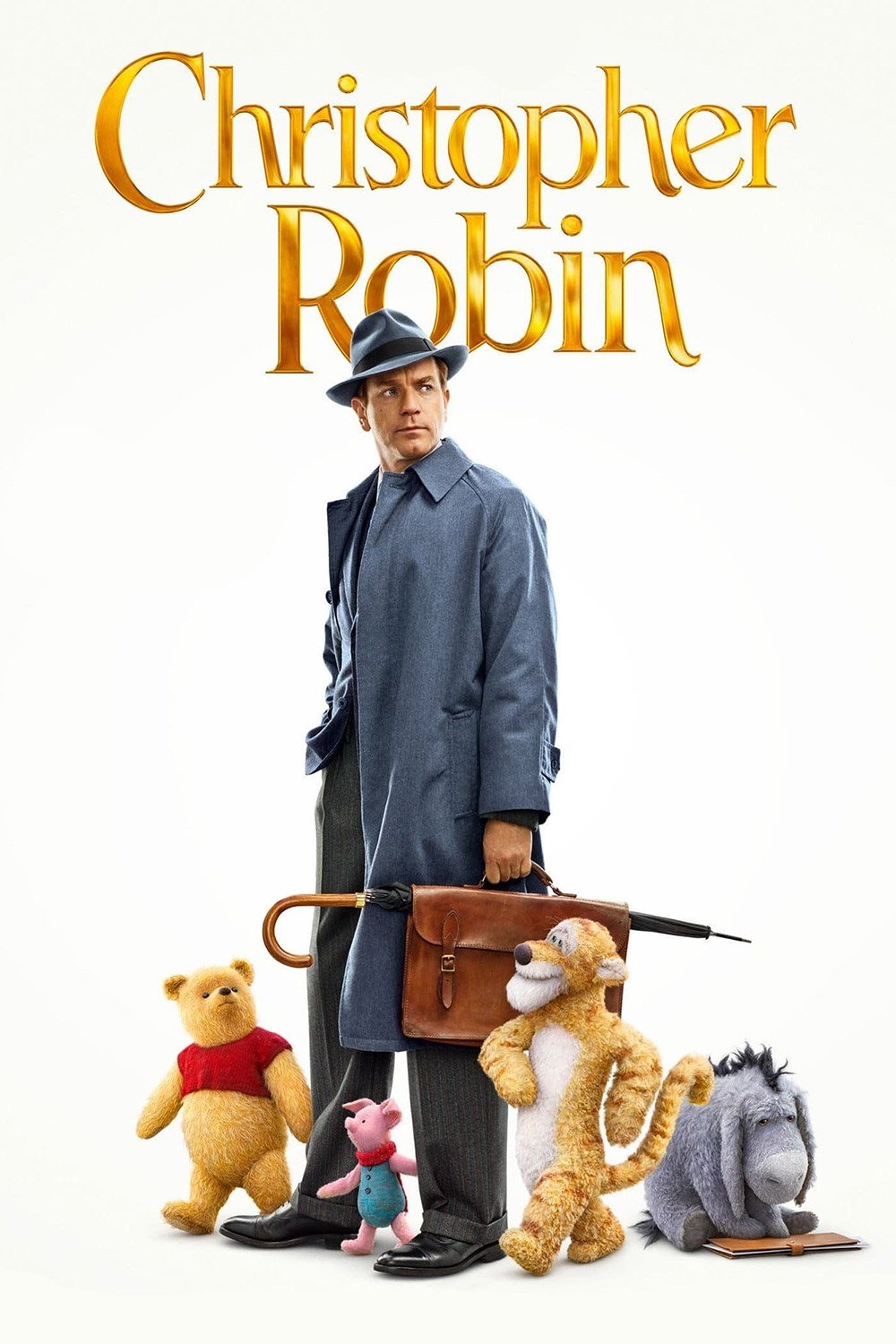
This live-action adaptation of the classic children’s tale faced a total ban in China upon its release. The decision was linked to the Chinese government’s ongoing crackdown on images of Winnie the Pooh, which had become a symbol of political dissent. Internet users frequently compared the appearance of the character to President Xi Jinping, leading to widespread censorship of the bear across social media platforms. By blocking ‘Christopher Robin’, authorities aimed to prevent any further satirical use of the character within the country. This move highlighted the extreme measures taken to protect the image of the nation’s leadership.
‘The Interview’ (2014)
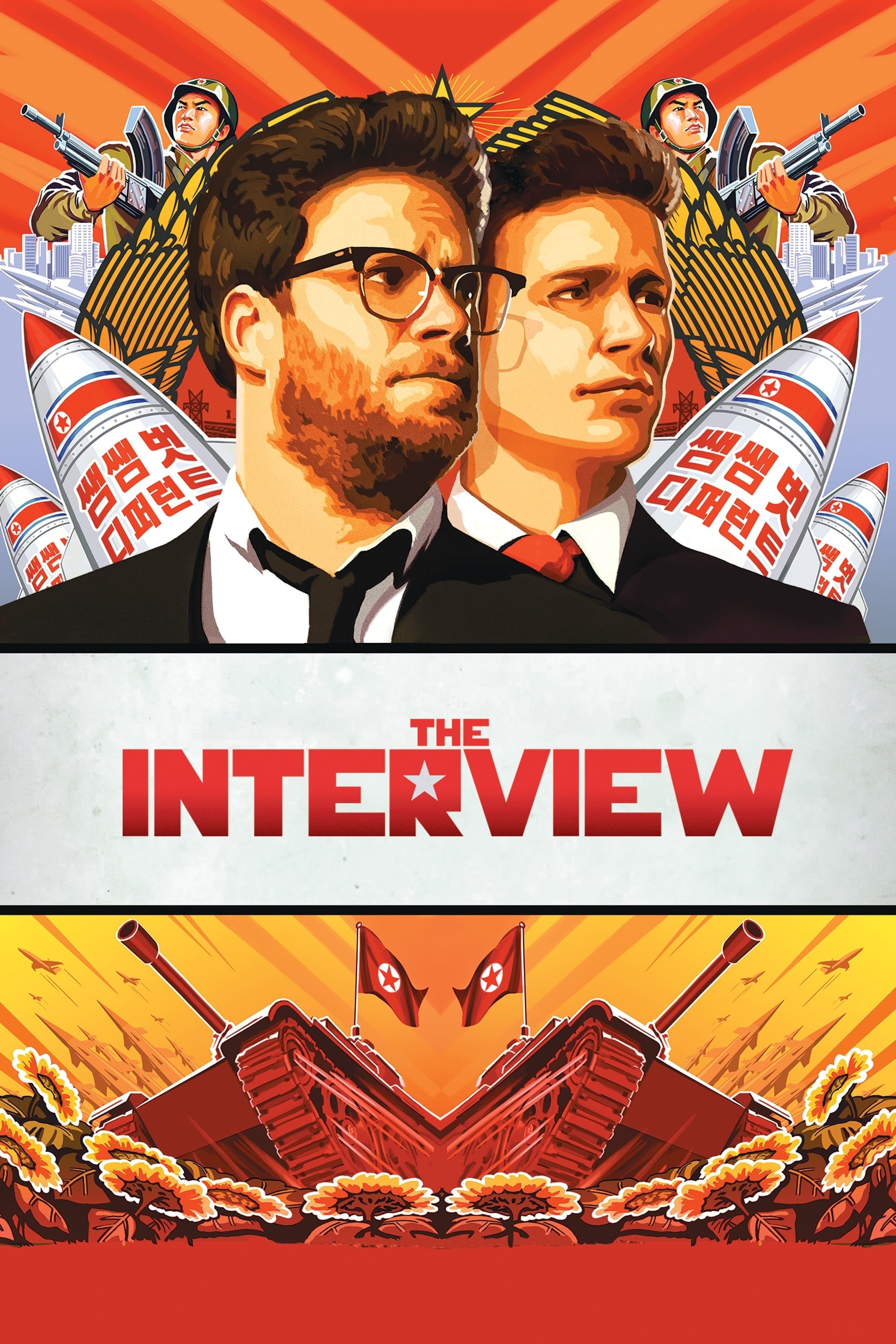
This comedy starring Seth Rogen and James Franco depicts a fictional plot to assassinate North Korean leader Kim Jong Un. The film triggered an international incident, with North Korean officials labeling it an “act of war” and a “blatant act of terrorism.” Following a massive cyberattack on Sony Pictures and threats of violence against theaters, the studio canceled the wide theatrical release. While it eventually saw a limited release and digital distribution, the film remains strictly prohibited in North Korea. The controversy illustrated the immense geopolitical pressure that can be exerted on entertainment media by foreign regimes.
‘Top Gun: Maverick’ (2022)
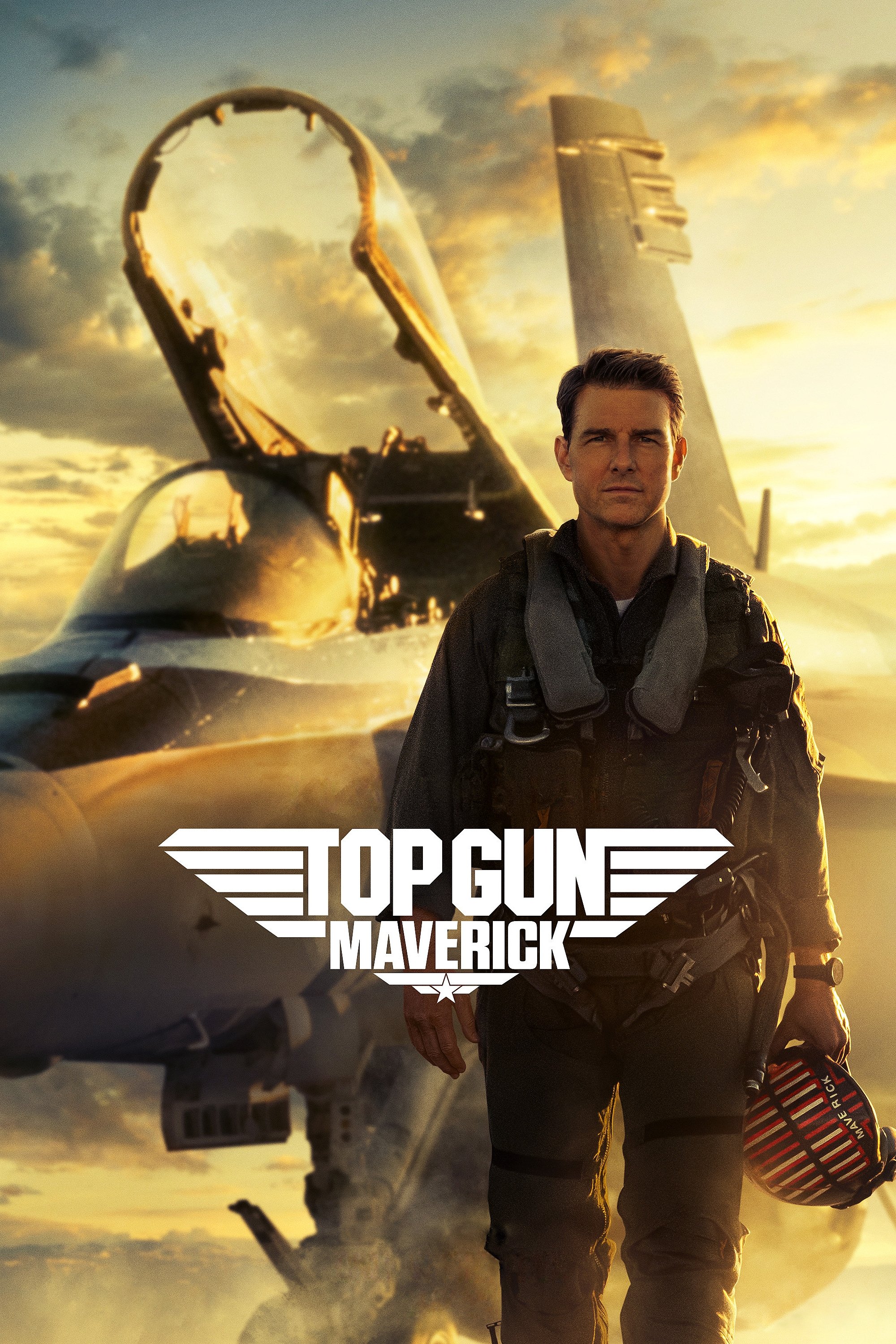
The highly anticipated sequel to ‘Top Gun’ initially faced controversy over the flight jacket worn by the protagonist, Pete Mitchell. In the original trailers, the patches representing the Taiwanese and Japanese flags were removed to avoid offending Chinese authorities. This change was reportedly made to ensure the film could be screened in China, which considers Taiwan part of its territory. However, after public backlash and the withdrawal of Chinese financier Tencent, the flags were restored in the final theatrical version. Despite this restoration, the film did not receive a wide theatrical release in mainland China.
‘Minions: The Rise of Gru’ (2022)

In the version of ‘Minions: The Rise of Gru’ released in mainland China, the ending was fundamentally altered via a series of still images and text. The original conclusion shows Gru and his mentor, Wild Knuckles, escaping justice after a heist to continue their lives of crime. The Chinese version instead claims that Wild Knuckles was caught by police and sentenced to twenty years in prison. It further states that Gru returned to his family and became a father to three daughters, emphasizing a narrative of moral reform. This change was mandated to align with state requirements that criminal behavior must be punished on screen.
‘Fight Club’ (1999)
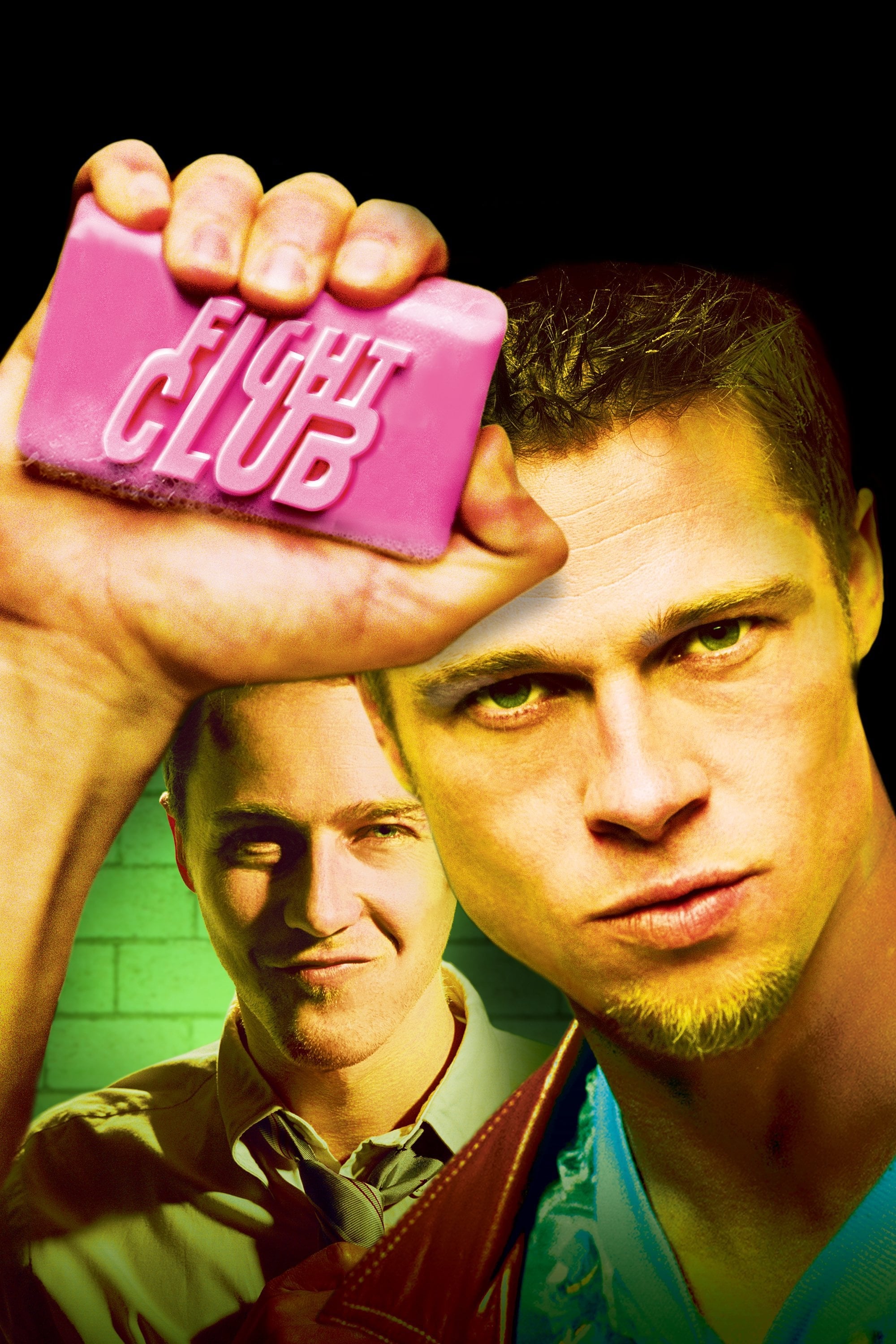
When the cult classic ‘Fight Club’ debuted on the Chinese streaming platform Tencent Video, viewers noticed the iconic explosive finale had been removed. In the original film, the narrator kills his alter ego and watches as several buildings are demolished by bombs. The censored version replaced this scene with a text card stating that the police successfully foiled the plot and arrested all criminals. According to the added text, the narrator was sent to a “lunatic asylum” for treatment and was later discharged. After significant online criticism from global audiences, the platform eventually restored most of the original ending.
‘Seven Years in Tibet’ (1997)
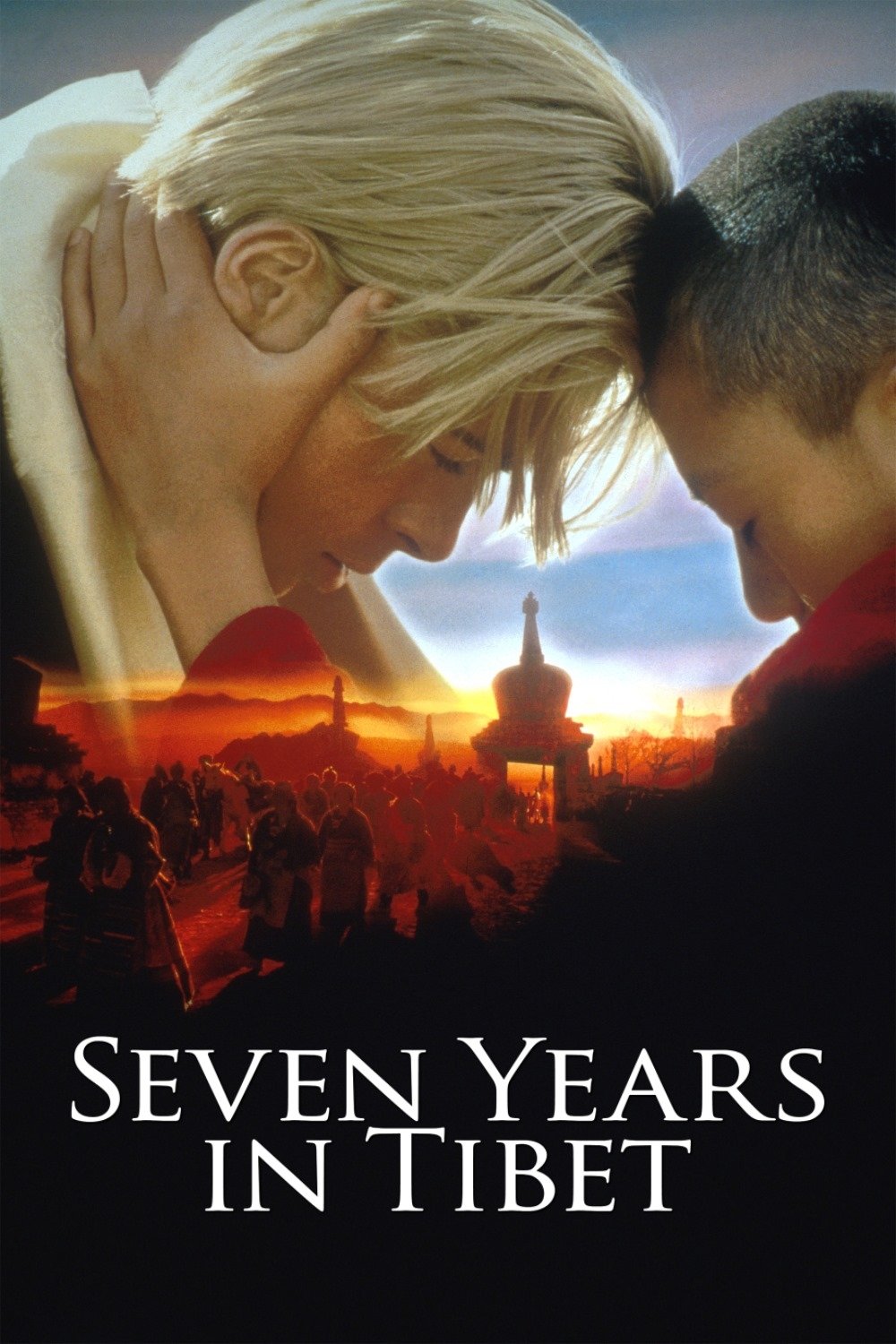
This biographical drama tells the story of Austrian mountaineer Heinrich Harrer and his friendship with the young Dalai Lama. The Chinese government strongly objected to the film’s portrayal of Chinese military officers as hostile and aggressive. As a result, ‘Seven Years in Tibet’ was banned in China, and director Jean-Jacques Annaud and star Brad Pitt were initially barred from entering the country. The film remains a point of contention due to its sympathetic depiction of Tibetan independence and religious leadership. This ban exemplifies the sensitivity surrounding historical narratives and territorial sovereignty in Chinese censorship.
‘Kundun’ (1997)
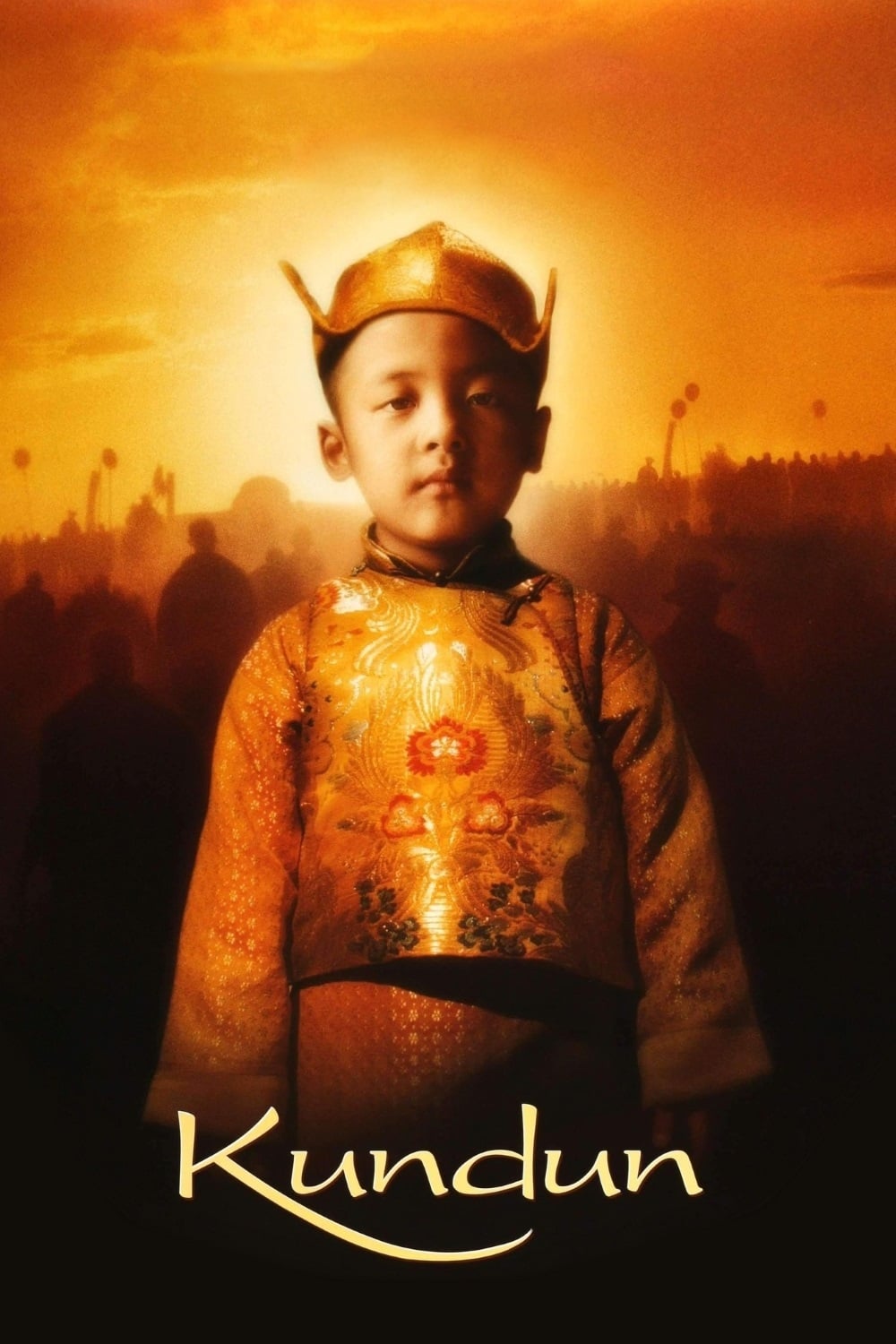
Directed by Martin Scorsese, ‘Kundun’ chronicles the life of Tenzin Gyatso, the 14th Dalai Lama, and the Chinese invasion of Tibet. Disney faced immense pressure from the Chinese government, which threatened to halt future business dealings if the film was distributed. Despite these threats, Disney moved forward with a limited release, leading to a temporary ban on Scorsese and other crew members in China. The studio later apologized for the film’s distribution during negotiations to build a theme park in Shanghai. The incident demonstrated the economic leverage authoritarian regimes use to influence Hollywood’s creative output.
‘Barbie’ (2023)
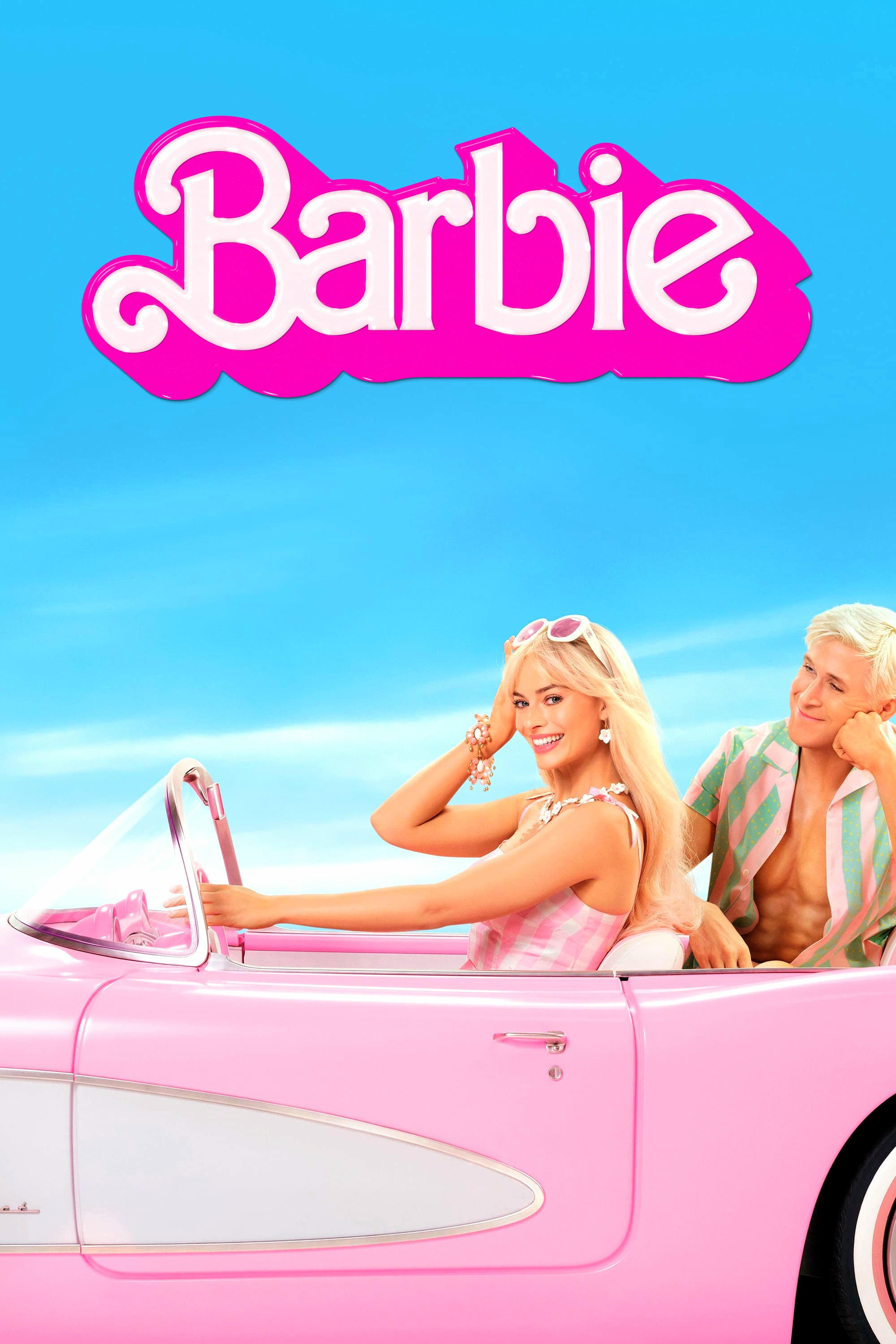
The ‘Barbie’ movie was officially banned in Vietnam due to a scene featuring a map that allegedly depicted the “nine-dash line.” This U-shaped line is used by China to claim vast areas of the South China Sea, including territories claimed by Vietnam. Vietnamese censors argued that the inclusion of the line violated national sovereignty and promoted illegal territorial claims. Warner Bros. defended the map as a “child-like” drawing with no political intent, but the ban remained in place. The Philippines also scrutinized the scene but allowed the film to be screened after requesting that the map be blurred.
‘Uncharted’ (2022)
The action-adventure film ‘Uncharted’ faced a similar fate to other movies featuring disputed territorial markings. It was banned from theatrical release in Vietnam after censors discovered an image of a map showing the “nine-dash line.” The National Council for Film Appraisal and Classification stated that the film contained illegal imagery that offended the nation’s territorial integrity. Consequently, the movie was pulled from all scheduled screenings across the country. This reflects a growing trend of Southeast Asian nations strictly monitoring Hollywood content for pro-Beijing geopolitical symbols.
‘Abominable’ (2019)
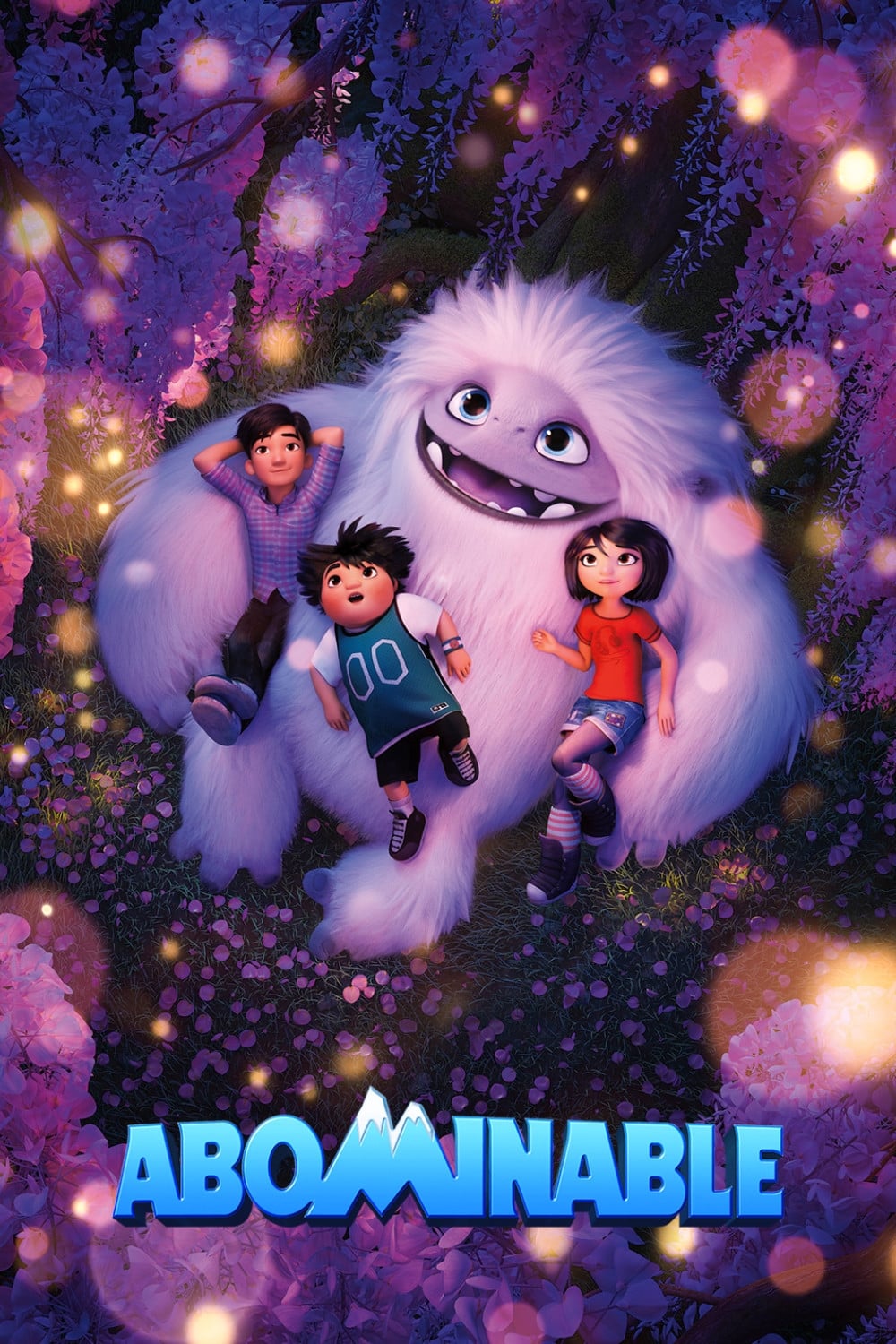
Produced by DreamWorks and Pearl Studio, the animated film ‘Abominable’ features a scene where a map of the South China Sea displays the “nine-dash line.” This inclusion led to the film being pulled from theaters in Vietnam just ten days after its release. In the Philippines, the foreign secretary called for the scene to be cut and urged a boycott of the production company. Malaysia also ordered the scene to be removed, but the studio refused, resulting in the film being banned there as well. The controversy highlighted the difficulties of co-productions between American and Chinese studios when dealing with regional disputes.
‘Bohemian Rhapsody’ (2018)
The biographical film about Queen frontman Freddie Mercury underwent significant editing before it could be shown in Chinese theaters. Authorities removed approximately three minutes of footage, specifically scenes depicting Mercury’s sexuality and his HIV diagnosis. References to the word “gay” were deleted from the subtitles, and scenes of two men kissing were entirely excised. Even Mercury’s iconic performance in drag for the ‘I Want to Break Free’ music video was scrubbed from the cut. These edits were part of a broader crackdown on depictions of “abnormal sexual behaviors” in Chinese media.
‘Rocketman’ (2019)

The Elton John biopic ‘Rocketman’ faced heavy censorship in Russia to comply with the country’s “gay propaganda” laws. Local distributors cut nearly five minutes of footage, including scenes of male intimacy and drug use. The closing credits, which originally mentioned that John found true love and raised children with his husband, were also modified to remove the reference to his family. This censorship was met with condemnation from Elton John and the filmmakers, who argued that the edits distorted the artist’s life story. Similar cuts were made in several Middle Eastern markets to adhere to local religious and social standards.
‘Django Unchained’ (2012)
Quentin Tarantino’s ‘Django Unchained’ was famously pulled from Chinese theaters on its opening day due to “technical reasons.” Industry insiders revealed that the sudden suspension was actually due to the film’s graphic violence and depictions of nudity, which had slipped past initial censors. After a month of additional editing to reduce the blood splatter and hide certain frames, a “cleaner” version was released to the public. However, the momentum of the release had been lost, and the film underperformed significantly at the box office. This incident showed that even after gaining approval, films remain vulnerable to last-minute government intervention.
‘Lightyear’ (2022)
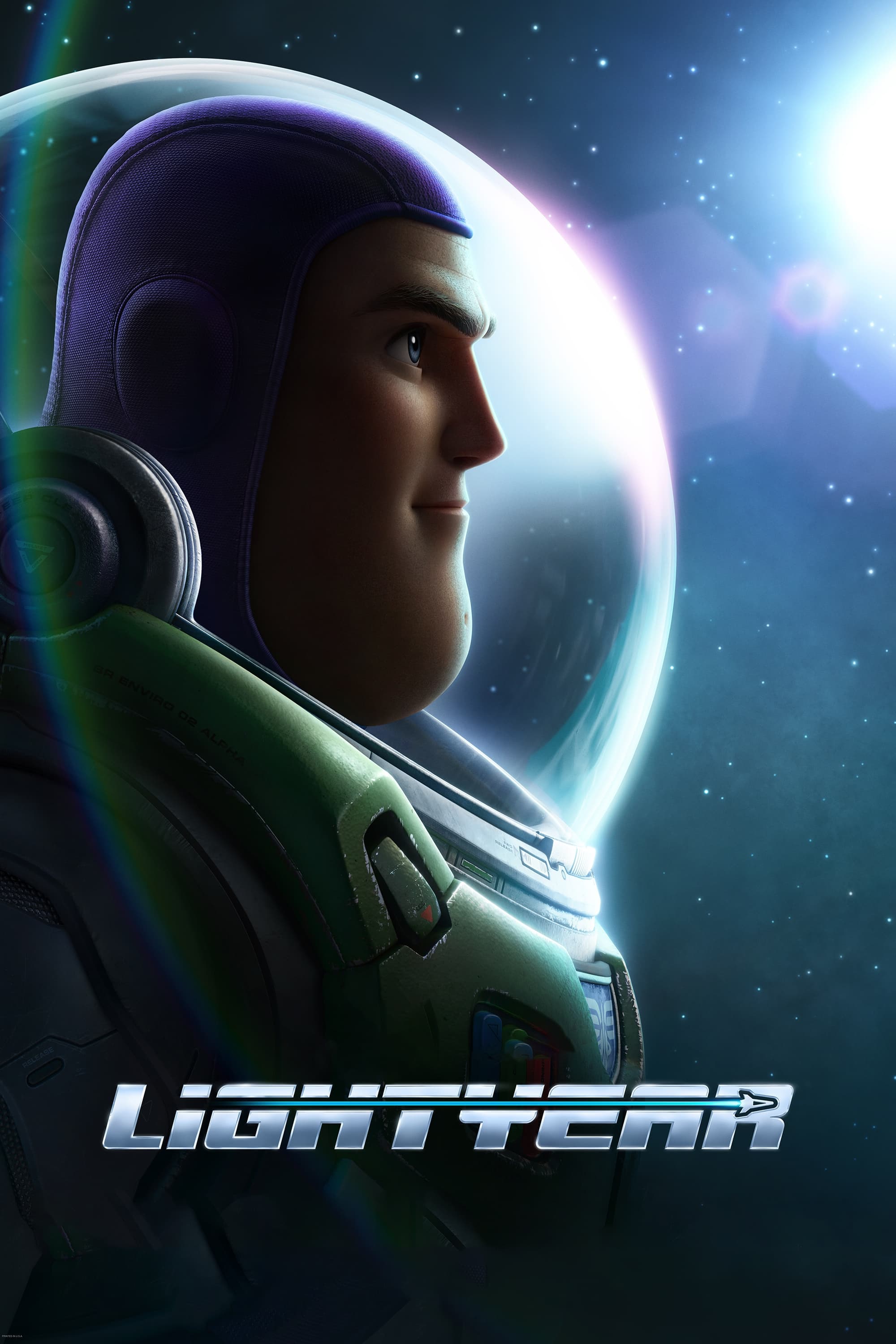
The Pixar film ‘Lightyear’ was banned in 14 countries, including Saudi Arabia, the United Arab Emirates, and Kuwait, over a brief same-sex kiss. Disney refused to remove the scene, which features the character Alisha Hawthorne kissing her female partner. Authorities in these regions stated that the film violated media content standards regarding the representation of LGBTQ+ relationships. The ban was part of a larger pattern of censorship in Middle Eastern markets toward animated films containing diverse family structures. Disney’s decision to keep the scene intact signaled a shift in how major studios weigh global box office potential against creative integrity.
‘Spider-Man: Across the Spider-Verse’ (2023)
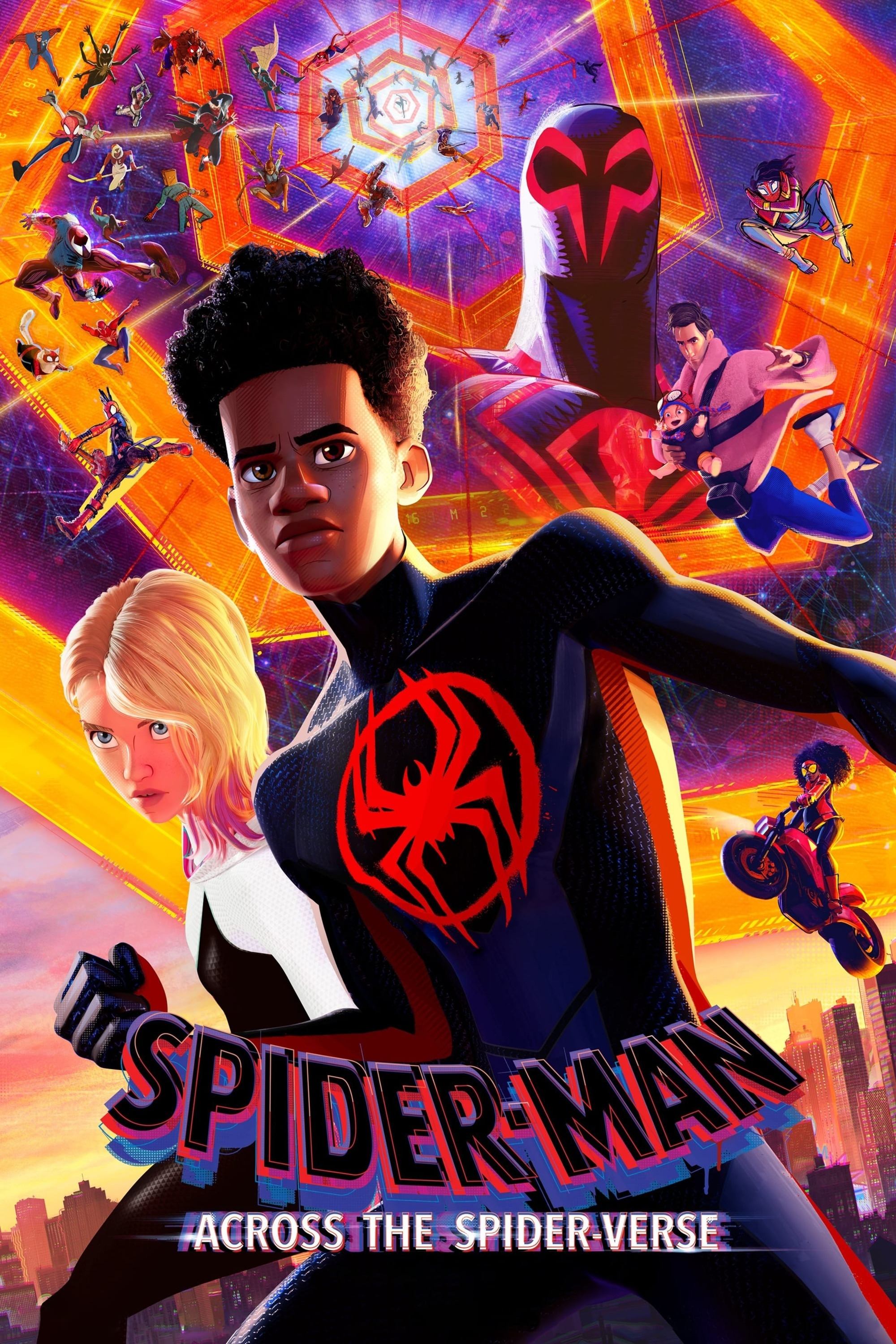
The animated sequel ‘Spider-Man: Across the Spider-Verse’ was abruptly pulled from release schedules in several Middle Eastern countries, including Saudi Arabia and the UAE. While no official reason was given, observers noted a brief scene in the background featuring a “Protect Trans Kids” poster. Local censors reportedly requested the removal of this imagery, but the studio declined to make the edit. Consequently, the film failed to meet the requirements for a screening permit in those territories. This censorship reflects the ongoing tension between Western social themes and the conservative policies of authoritarian and religious regimes.
‘Eternals’ (2021)
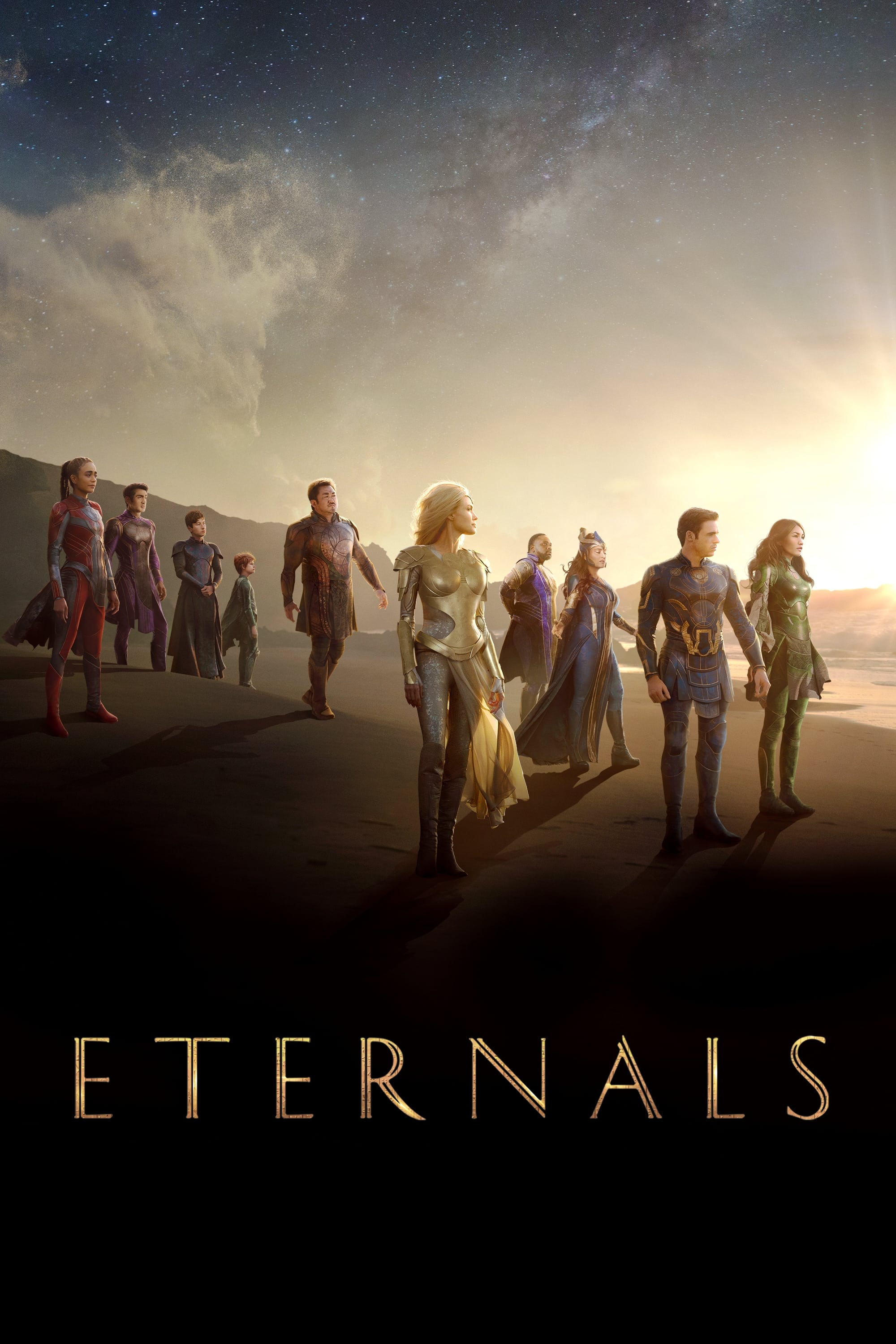
Marvel Studios’ ‘Eternals’ faced bans in Saudi Arabia, Qatar, and Kuwait after Disney refused to cut scenes featuring a same-sex couple. The film introduced Phastos, the first openly gay superhero in the Marvel Cinematic Universe, and included a scene of him kissing his husband. Censors in these nations requested several edits to remove these moments of intimacy, which the studio ultimately denied. While a censored version was released in the United Arab Emirates, other Gulf nations chose to block the film entirely. This case highlighted the difficulties of maintaining a singular global brand identity in the face of local moral laws.
‘Doctor Strange in the Multiverse of Madness’ (2022)
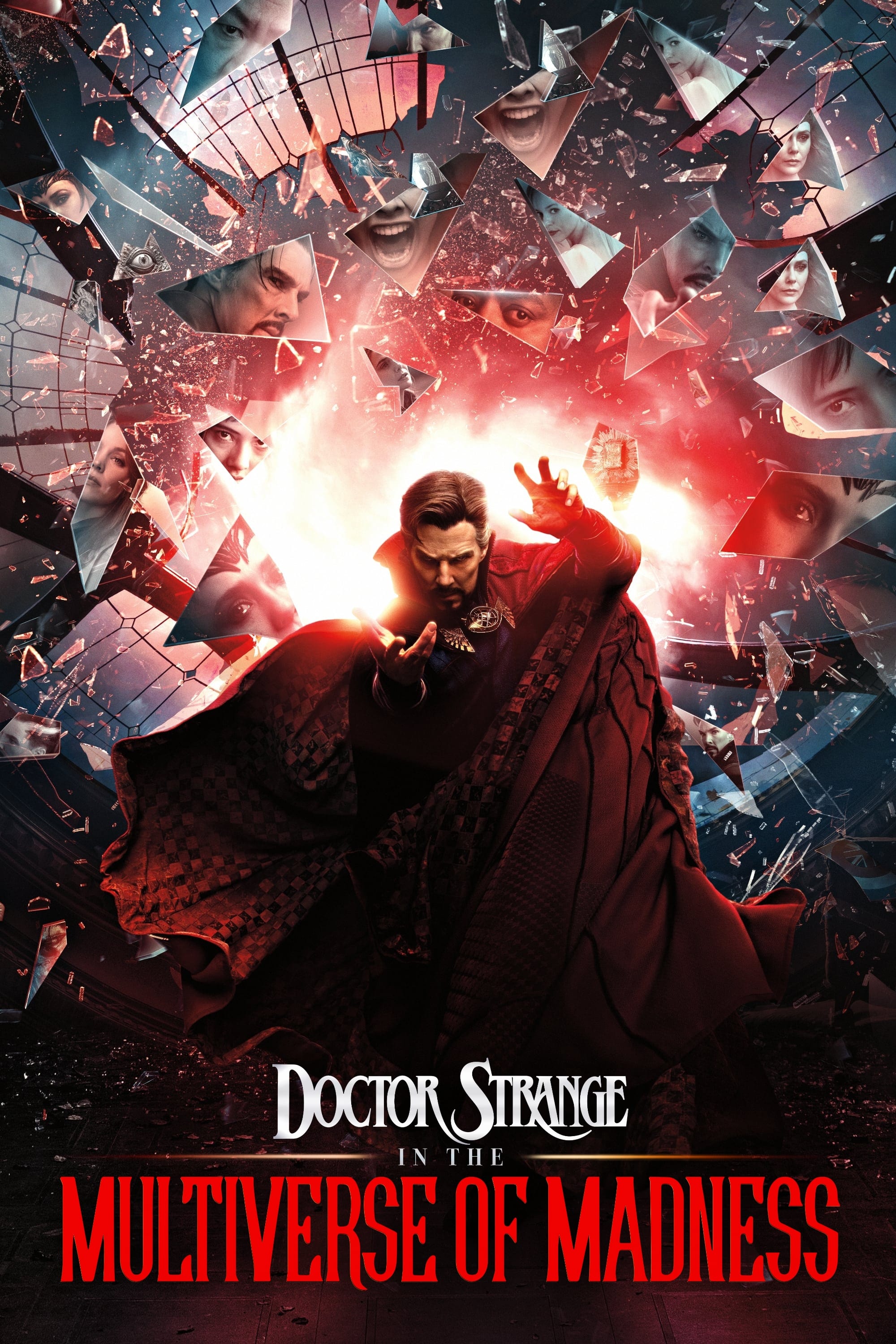
The ‘Doctor Strange’ sequel was banned in Saudi Arabia and Egypt because of a minor reference to a character’s LGBTQ+ background. The character America Chavez mentions having “two moms” in a scene lasting approximately twelve seconds. Saudi officials asked Disney to cut this reference, but the studio refused to comply with the request. As a result, the film was denied a release permit in several markets across the Middle East. The incident reaffirmed that even fleeting mentions of LGBTQ+ identities can trigger total bans in regimes with strict traditionalist codes.
‘The Wolf of Wall Street’ (2013)
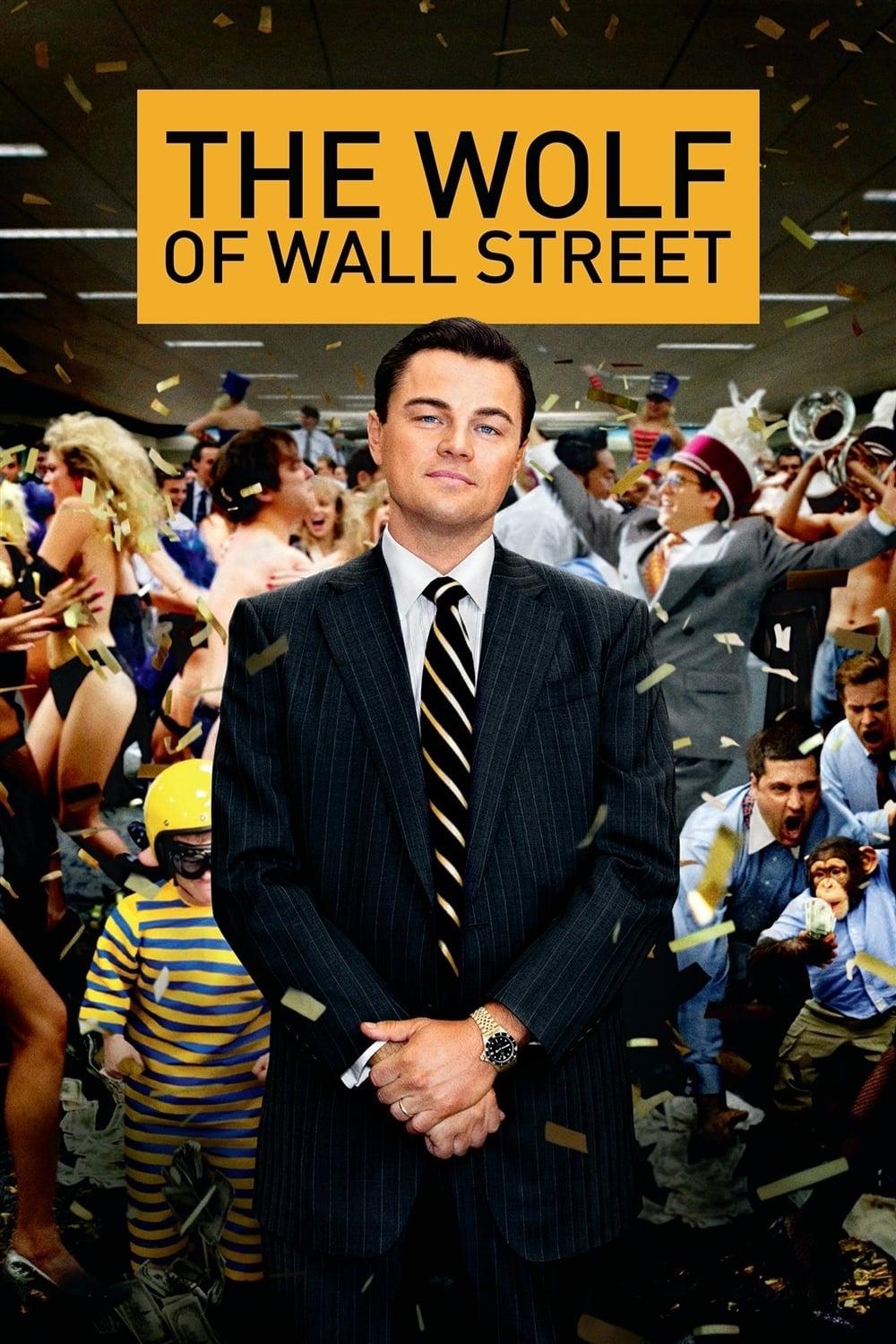
Martin Scorsese’s ‘The Wolf of Wall Street’ faced massive cuts in several countries due to its excessive depictions of drug use, profanity, and sexual content. In Malaysia, the film was banned outright because its themes were deemed “unsuitable” for the public. In India, censors demanded the removal of several key scenes and the bleeping of hundreds of expletives before allowing a limited release. Middle Eastern versions of the film were trimmed by nearly 45 minutes to remove almost all instances of nudity and drug consumption. These drastic edits often left the plot feeling disjointed and confusing for local audiences.
‘Beauty and the Beast’ (2017)
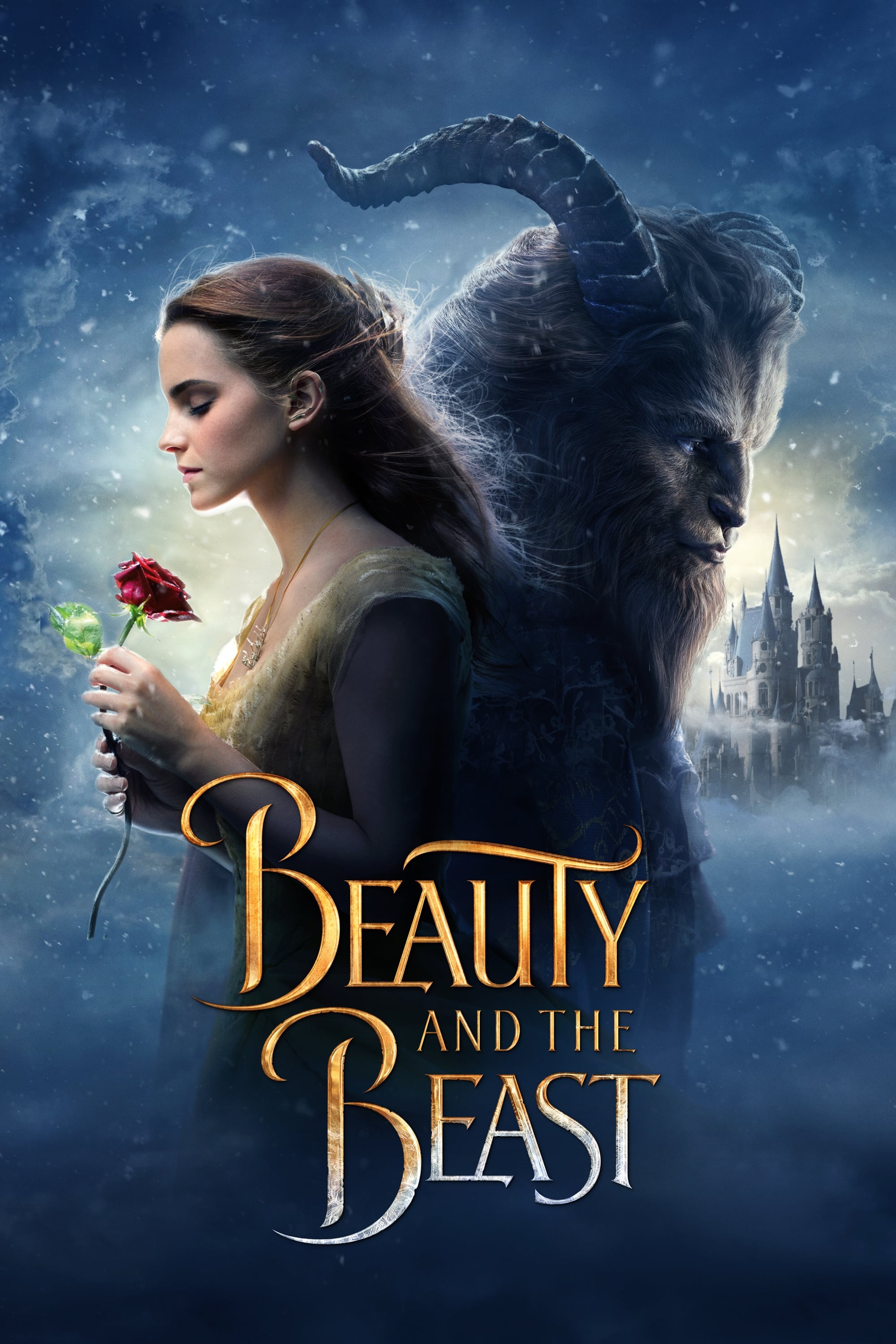
The live-action remake of ‘Beauty and the Beast’ sparked controversy in several countries over what director Bill Condon described as a “gay moment.” The scene involves the character LeFou dancing with another man during the film’s finale. In Malaysia, censors requested the scene be cut, but Disney refused and pulled the film from release until the government eventually backed down. In Russia, the film was given an “adults only” rating to comply with laws prohibiting the promotion of non-traditional sexual relationships to minors. The small scene became a focal point for international debates on media representation and state control.
‘Brokeback Mountain’ (2005)
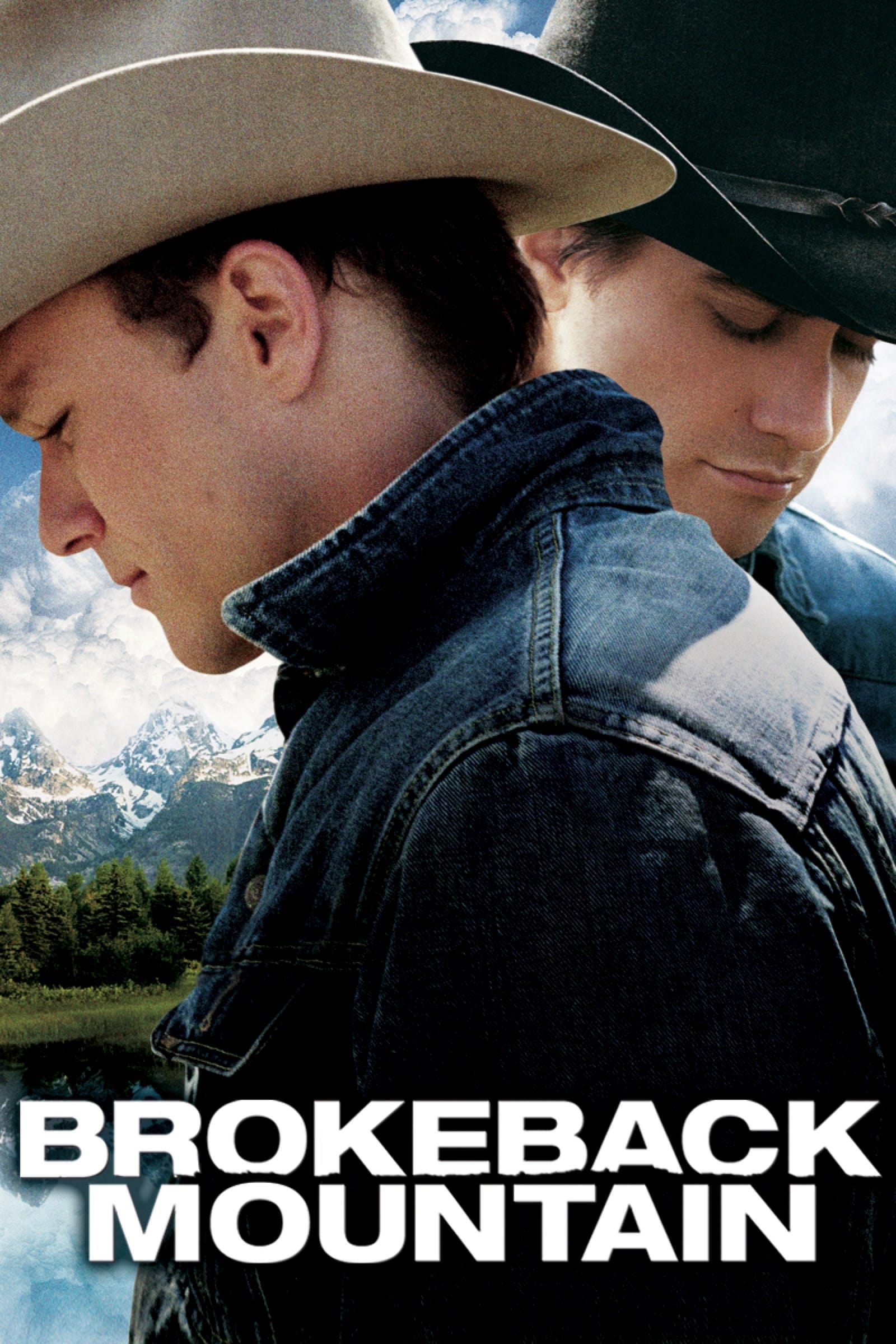
Ang Lee’s ‘Brokeback Mountain’, which explores a clandestine romance between two cowboys, was banned in mainland China and several Middle Eastern countries. Chinese authorities did not provide a specific reason, but the film’s themes of homosexuality were widely understood to be the cause. Despite director Ang Lee’s high profile in his home region, the film never received a theatrical release in the mainland market. In the Middle East, the film was blocked for violating religious and social taboos. The ban demonstrated the consistent resistance of certain regimes toward stories centered on same-sex relationships.
‘Iron Man 3’ (2013)
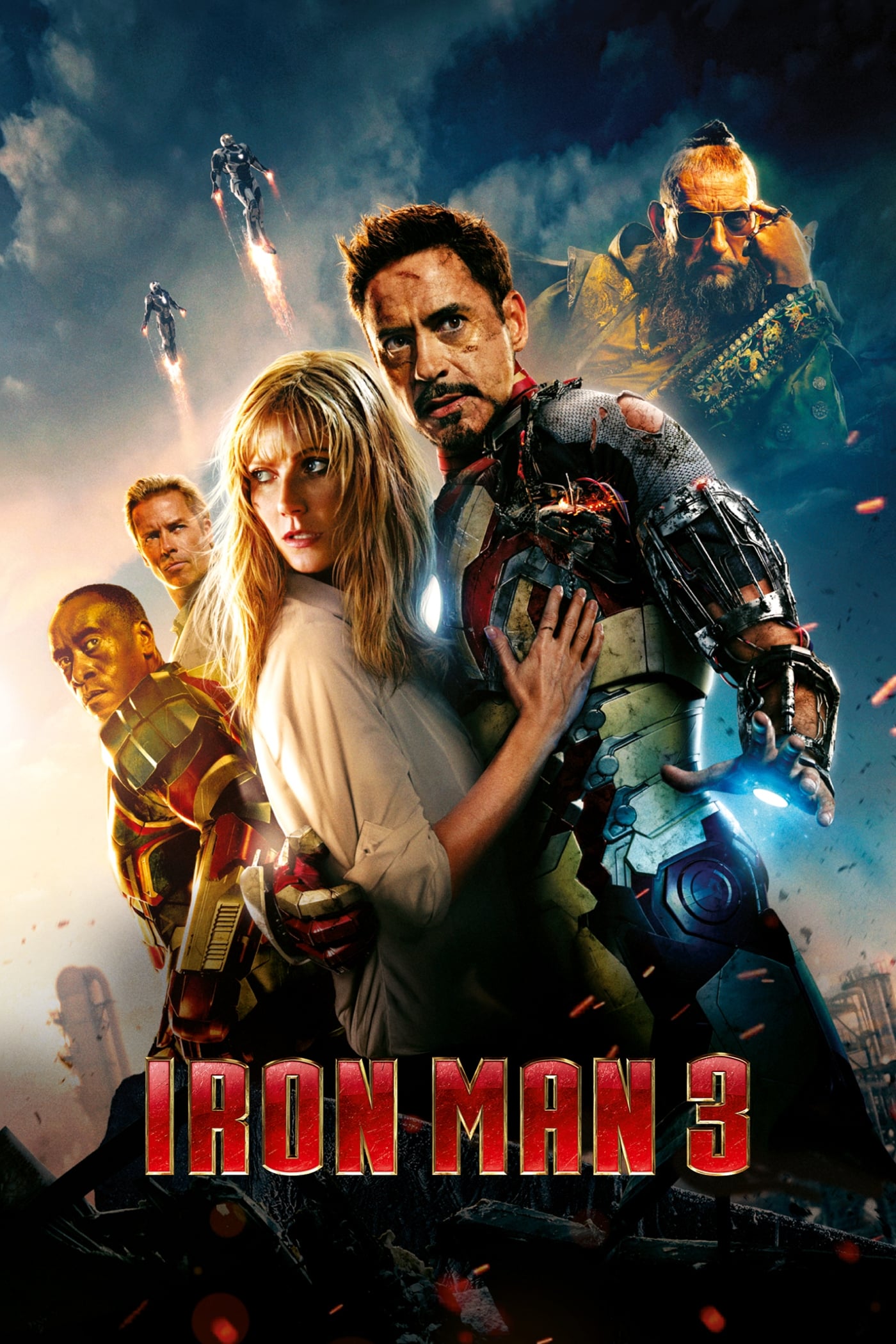
To ensure a smooth release in China, Marvel Studios collaborated with the Chinese company DMG Entertainment to produce a special version of ‘Iron Man 3’. This version included four minutes of additional footage featuring Chinese actors Fan Bingbing and Wang Xueqi. The extra scenes depicted Chinese doctors helping Tony Stark, presenting the nation in a heroic and technologically advanced light. This “Chinese cut” was criticized by audiences for being awkwardly integrated and feeling like blatant propaganda. The move was a strategic attempt to satisfy local censors and appeal to the patriotic sentiments of the Chinese audience.
‘Skyfall’ (2012)
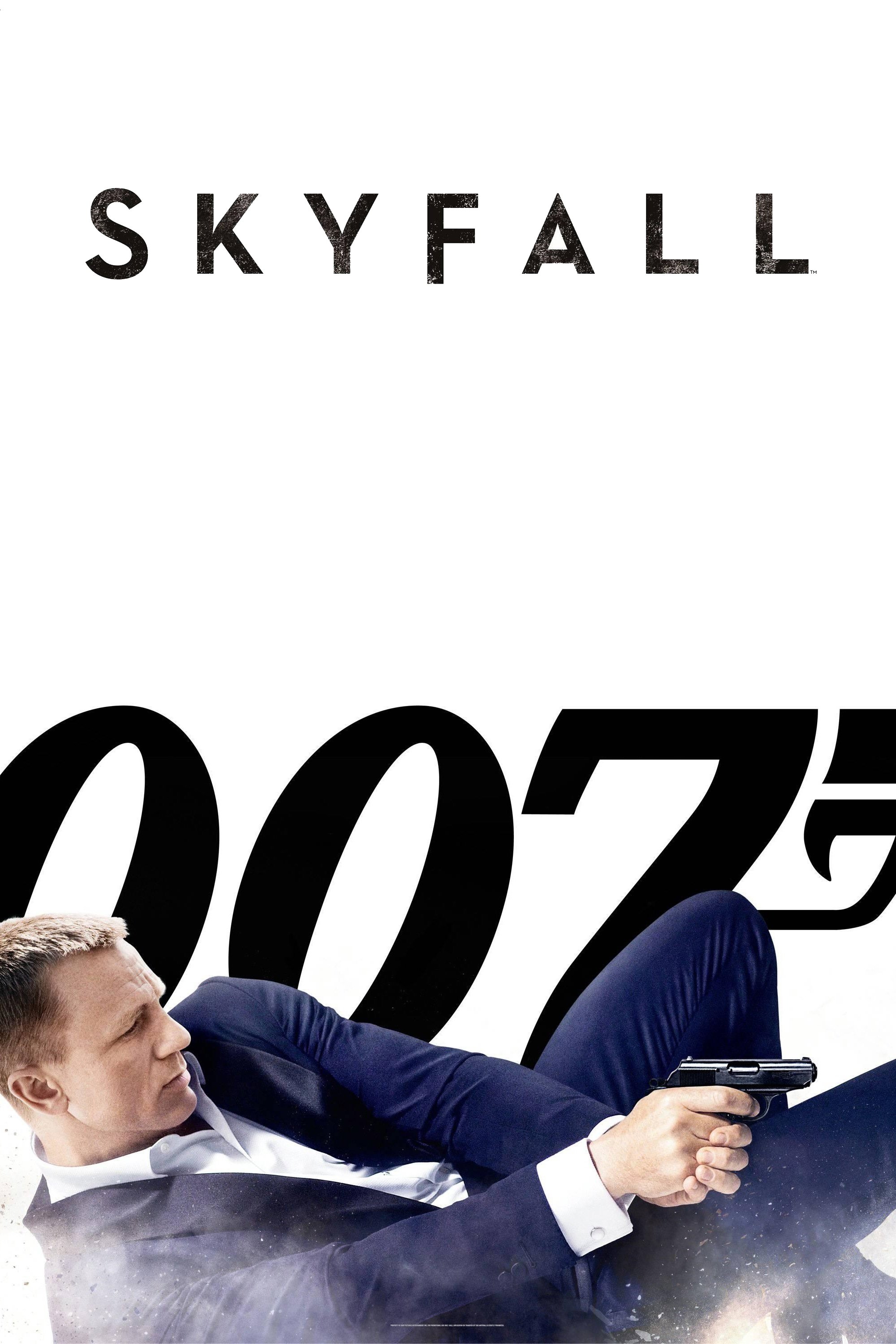
The James Bond film ‘Skyfall’ underwent significant changes for its release in the Chinese market to avoid portraying the state or its citizens in a negative light. Censors removed a scene in which a French assassin kills a Chinese security guard in a Shanghai skyscraper. Additionally, the Chinese subtitles were altered to change a dialogue sequence about Bond’s past experience with torture by Chinese agents. References to prostitution in Macau were also modified to suggest different criminal activities. These edits ensured that the film did not imply any weakness or corruption within the Chinese security apparatus.
‘Men in Black 3’ (2012)
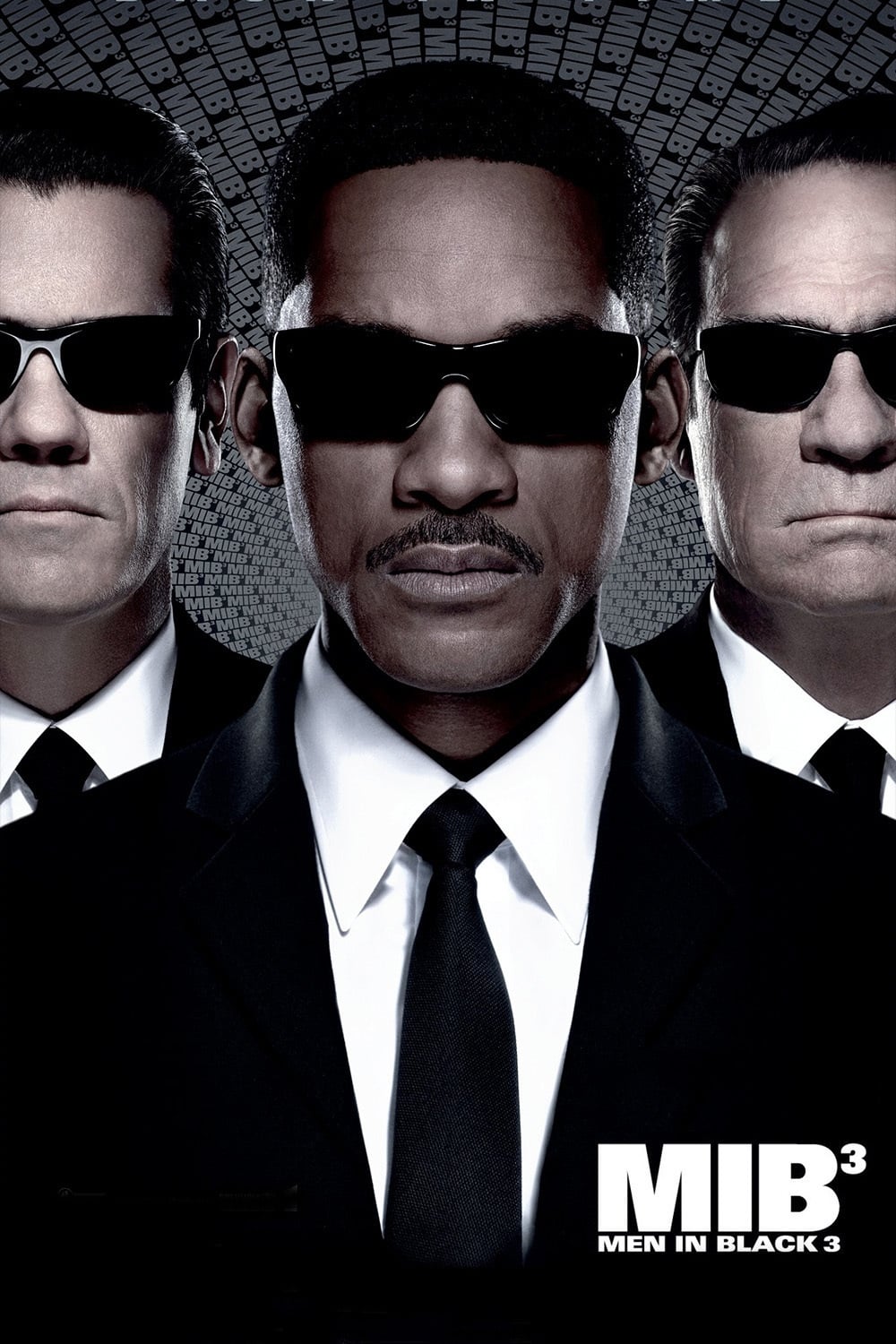
In ‘Men in Black 3’, several scenes set in New York City’s Chinatown were edited out for the Chinese theatrical release. The removed footage included a battle in a Chinese restaurant where aliens were disguised as restaurant staff and a scene where Will Smith’s character uses a “neuralyzer” on a crowd of Chinese bystanders. Censors felt that depicting Chinese-Americans as aliens or as a confused, memory-wiped crowd was insulting to the national image. The removal of these scenes caused minor plot holes but allowed the film to pass government review. This highlights how even lighthearted sci-fi is scrutinized for potential cultural slights.
‘Cloud Atlas’ (2012)
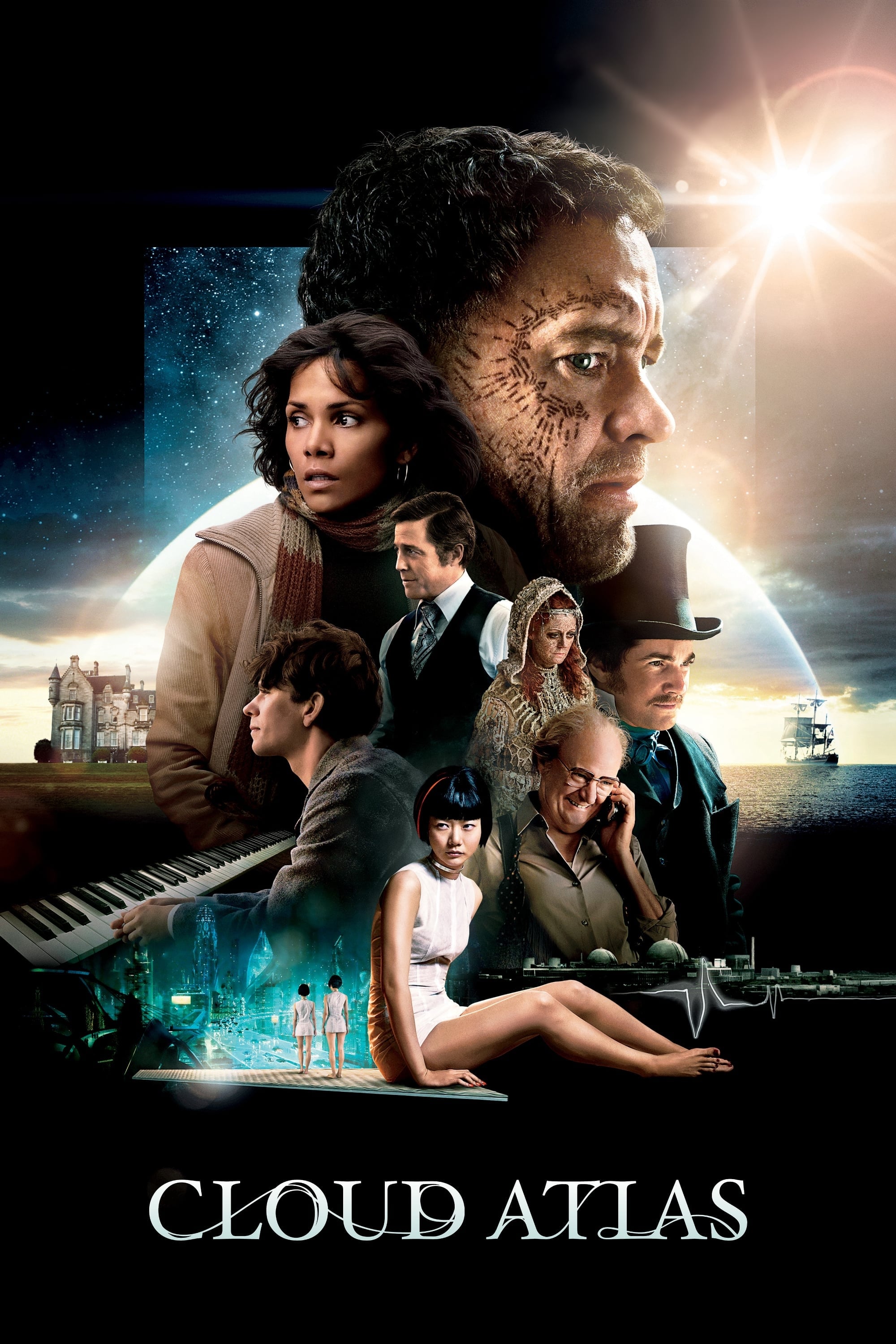
The ambitious sci-fi epic ‘Cloud Atlas’ lost nearly 40 minutes of its runtime when it was released in China. The state-run media regulator ordered the removal of numerous scenes involving sexual intimacy and several philosophical dialogues deemed “too complex” or potentially subversive. Many of the cuts focused on the relationship between the characters Sonmi-451 and Hae-Joo Chang in a futuristic Neo Seoul. The directors expressed disappointment, stating that the edits fundamentally changed the rhythm and meaning of the film. Despite the heavy cuts, the film was a modest success in the region, partly due to the involvement of Chinese investors.
‘World War Z’ (2013)
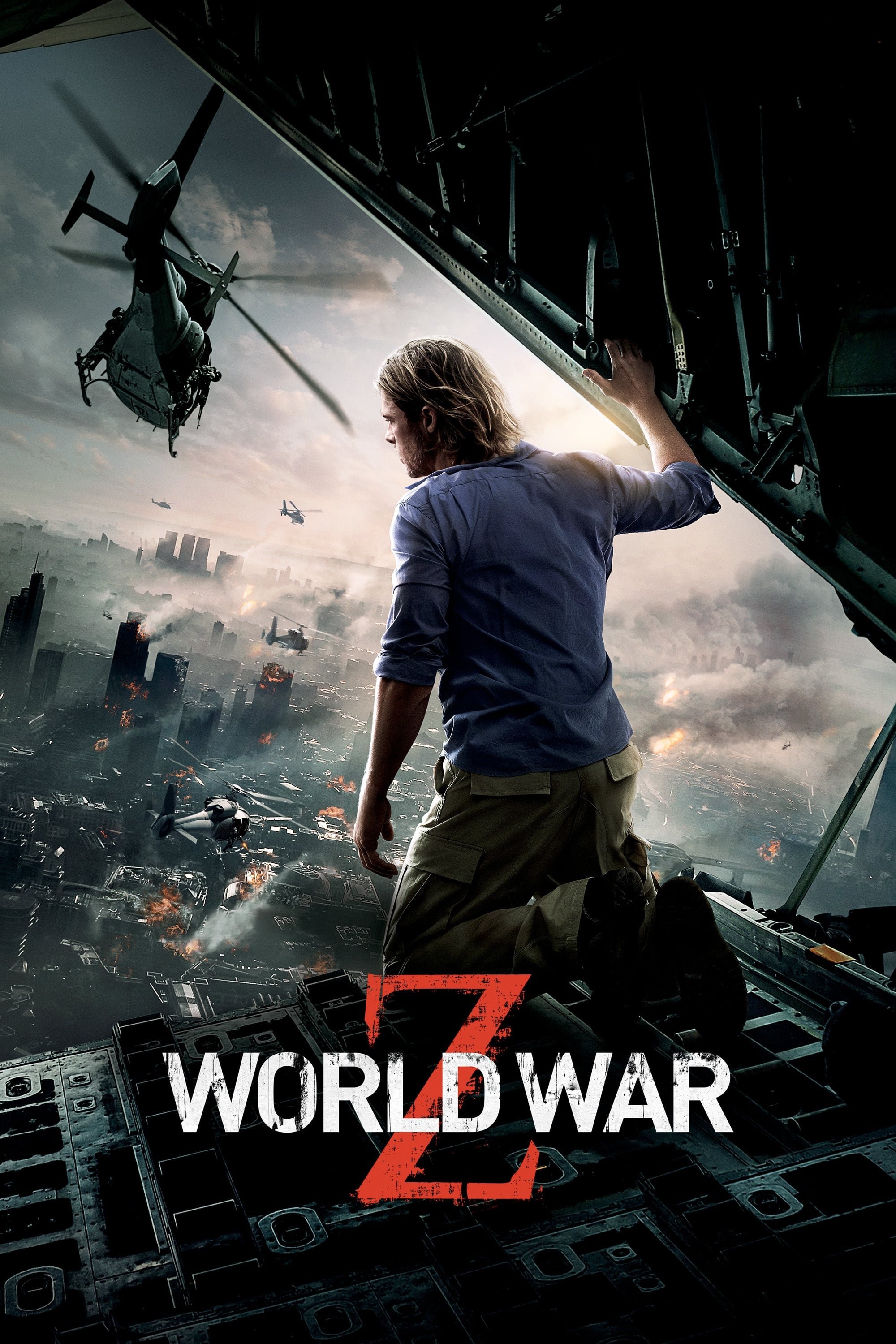
In the original script and early cuts of ‘World War Z’, characters speculate that the zombie virus originated in China. To avoid a ban and secure a release in the Chinese market, Paramount Pictures ordered the dialogue to be changed to suggest a different origin. Despite these proactive changes, the film was still denied a theatrical release in China without an official explanation. Some analysts suggested that any depiction of a global collapse remains a sensitive topic for the country’s censors. This case shows that even preemptive self-censorship by studios does not always guarantee access to restricted markets.
‘The Da Vinci Code’ (2006)

Based on the controversial novel by Dan Brown, ‘The Da Vinci Code’ faced bans and heavy censorship in several countries with influential religious or authoritarian structures. In Egypt, the film was banned after Coptic Christian leaders complained that it insulted their faith. Authorities in Jordan and Lebanon also blocked the film to prevent potential civil unrest or offense to religious sensibilities. In China, the film was initially allowed but then abruptly pulled from theaters after a few weeks, reportedly due to protests by local Catholic groups. The film’s exploration of religious history was seen as a threat to social harmony in these regions.
‘Borat: Cultural Learnings of America for Make Benefit Glorious Nation of Kazakhstan’ (2006)
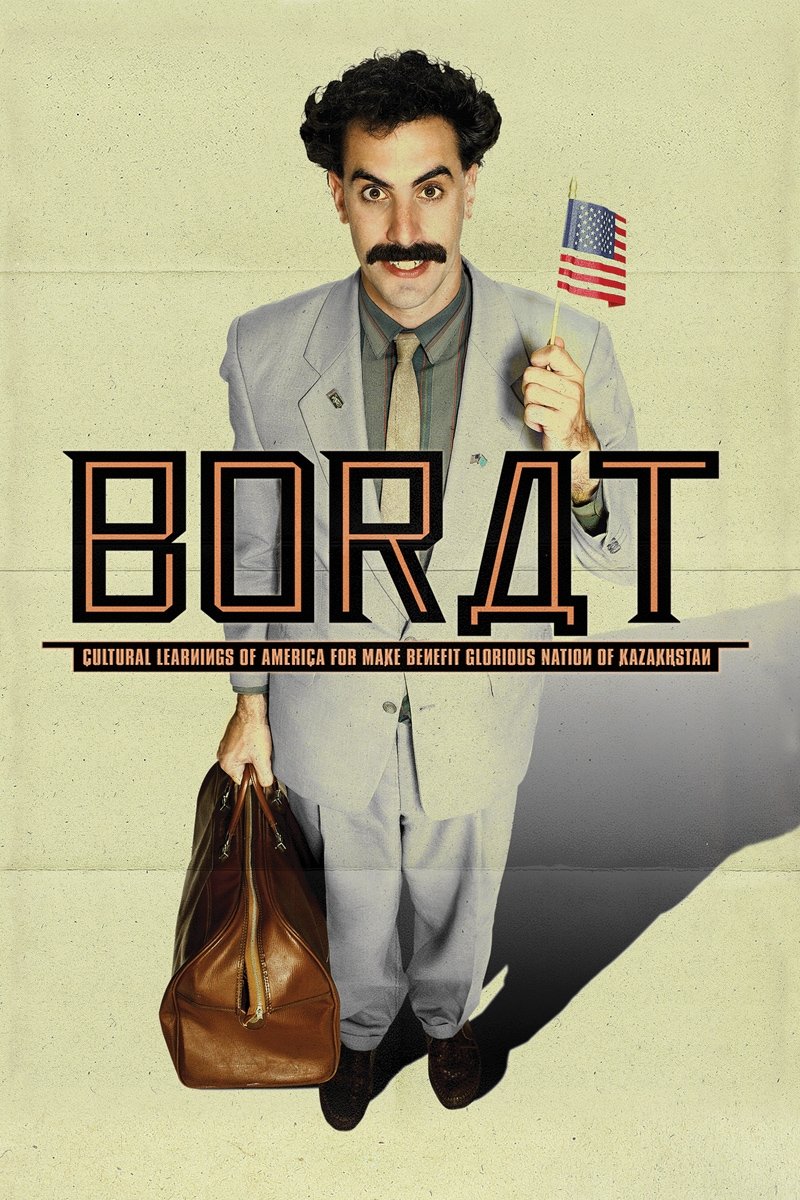
Sacha Baron Cohen’s satirical film ‘Borat’ was banned in almost every Arab country except for Lebanon. The government of Kazakhstan also initially banned the film and its website, viewing the portrayal of the country as offensive and inaccurate. Officials claimed the movie misrepresented Kazakh culture and social norms to a global audience. However, years later, the Kazakh government reversed its stance, even using the “Very Nice!” catchphrase in a tourism campaign. The initial ban reflected a classic authoritarian response to satire that challenges a nation’s curated international image.
‘Deadpool’ (2016)
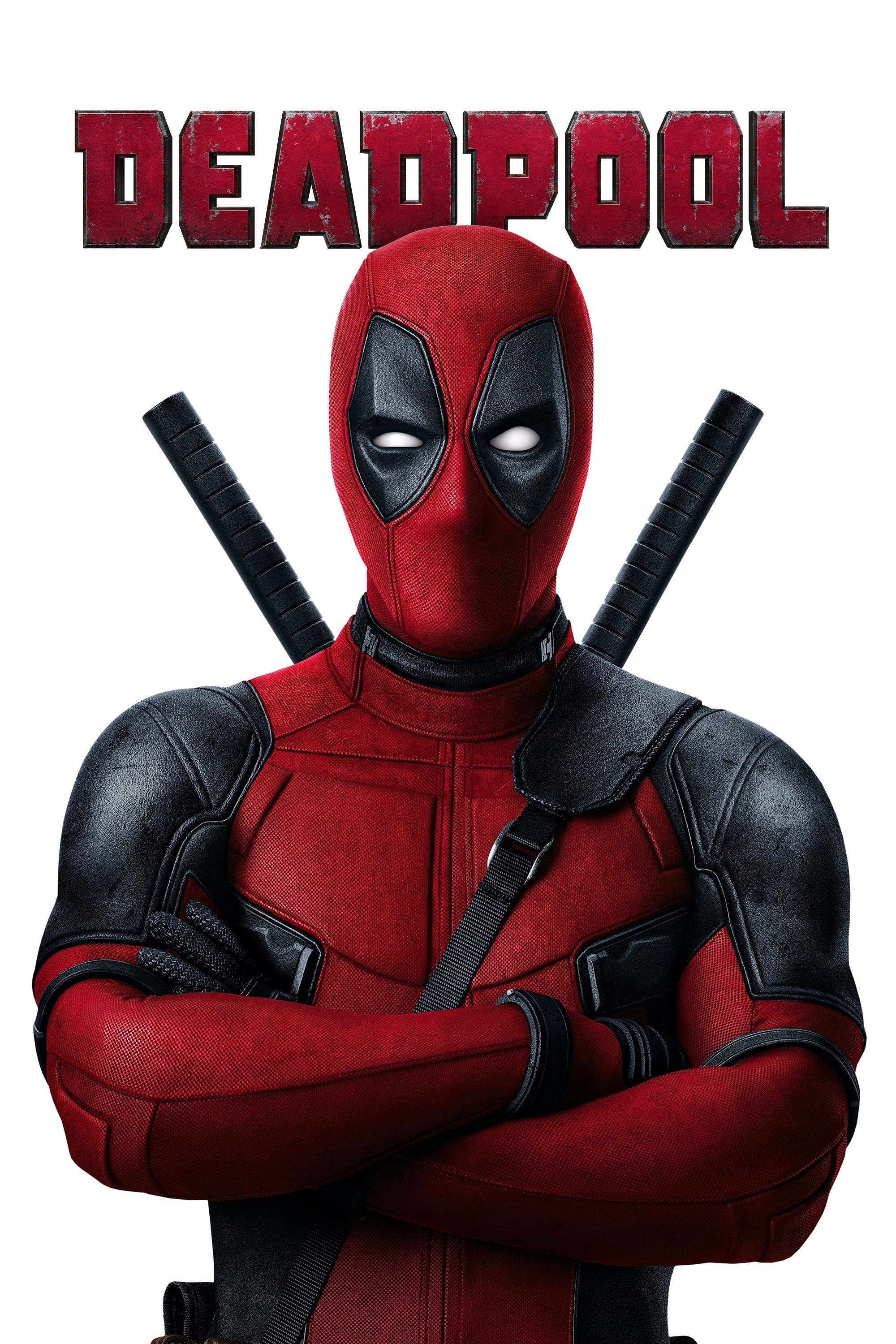
The R-rated superhero film ‘Deadpool’ was denied a release in China due to its extreme violence, profanity, and graphic content. Chinese censors, who do not have a formal rating system, determined that the film could not be edited enough to make it suitable for a general audience without ruining the plot. While most Marvel films are massive hits in China, ‘Deadpool’ remained inaccessible through official theatrical channels. This forced the studio to wait until the more family-friendly, re-edited ‘Once Upon a Deadpool’ was released years later to enter the market. The ban underscored the rigidity of censorship when it comes to graphic Western counter-culture.
‘Fifty Shades of Grey’ (2015)
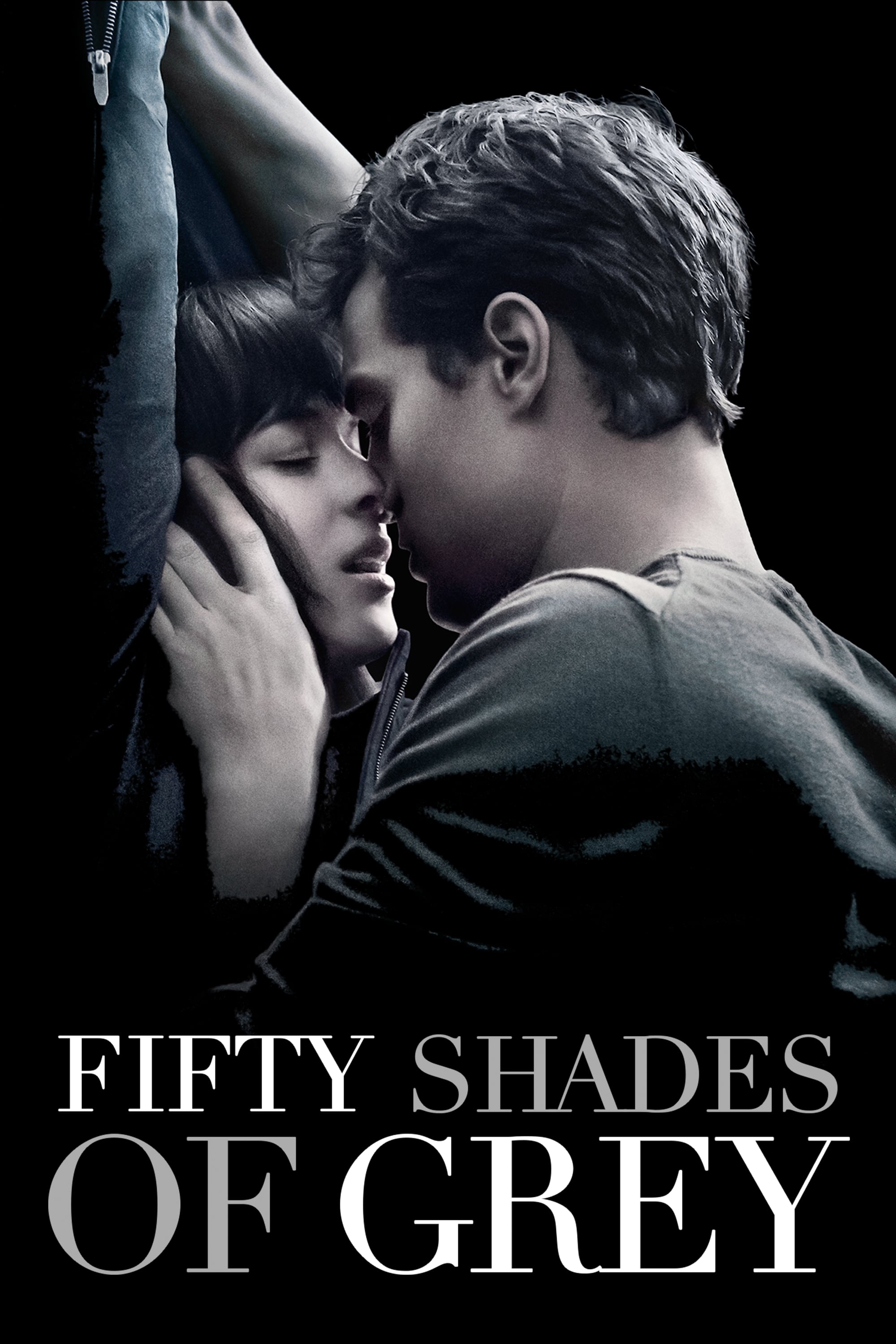
The film adaptation of ‘Fifty Shades of Grey’ was banned in several countries across Asia and the Middle East, including Indonesia, Kenya, and the United Arab Emirates. Censors in these regions cited the film’s explicit sexual content and themes as the primary reason for the prohibition. In Vietnam, the film was released but only after being heavily edited to remove almost all scenes of physical intimacy, leaving it significantly shorter. These bans are common for films that focus on sexual themes that conflict with the conservative moral codes of authoritarian regimes.
‘Alien: Covenant’ (2017)
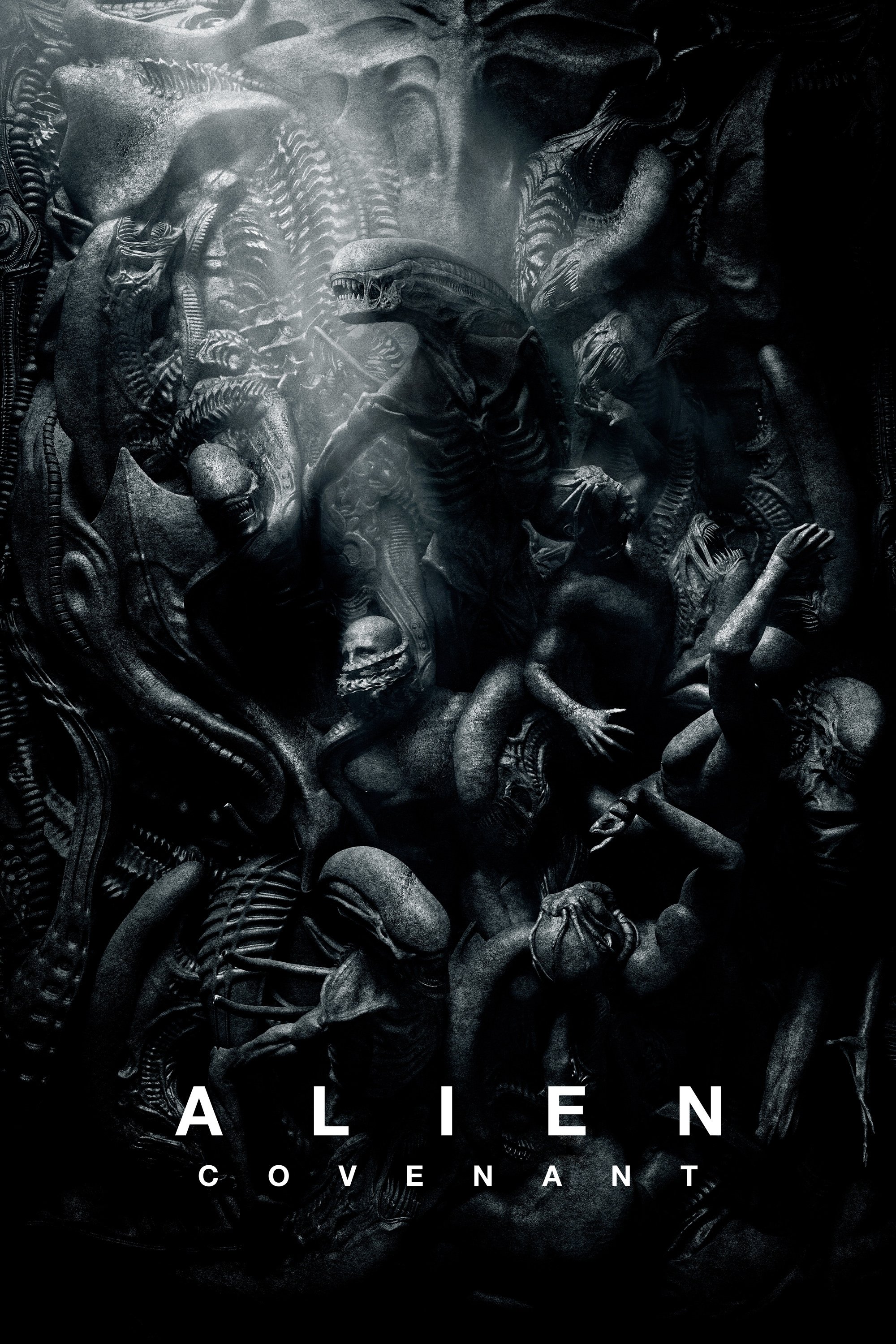
Ridley Scott’s ‘Alien: Covenant’ saw a notable piece of footage removed for its Chinese release. Censors cut a scene where two versions of the android David, both played by Michael Fassbender, share a brief kiss. This edit was consistent with China’s policy at the time of removing all depictions of same-sex affection from mainstream cinema. The removal of the scene also excised some of the philosophical and psychological tension between the two characters. Despite this and other small cuts to reduce gore, the film was allowed a theatrical run.
Share your thoughts on these instances of international film censorship in the comments.