


Controversial Recasts That Ignored Original Ethnicities



The controversy surrounding casting choices in major Hollywood franchises often centers on the practice of altering the original ethnicity of characters. This list examines 30 instances where film and television productions chose actors whose backgrounds differed from the source material or historical figures. These decisions frequently sparked public debate regarding representation and the erasure of cultural identities in media. Industry experts and audiences alike have scrutinized these examples to understand the impact of casting on storytelling and diversity.
‘The Last Airbender’ (2010)
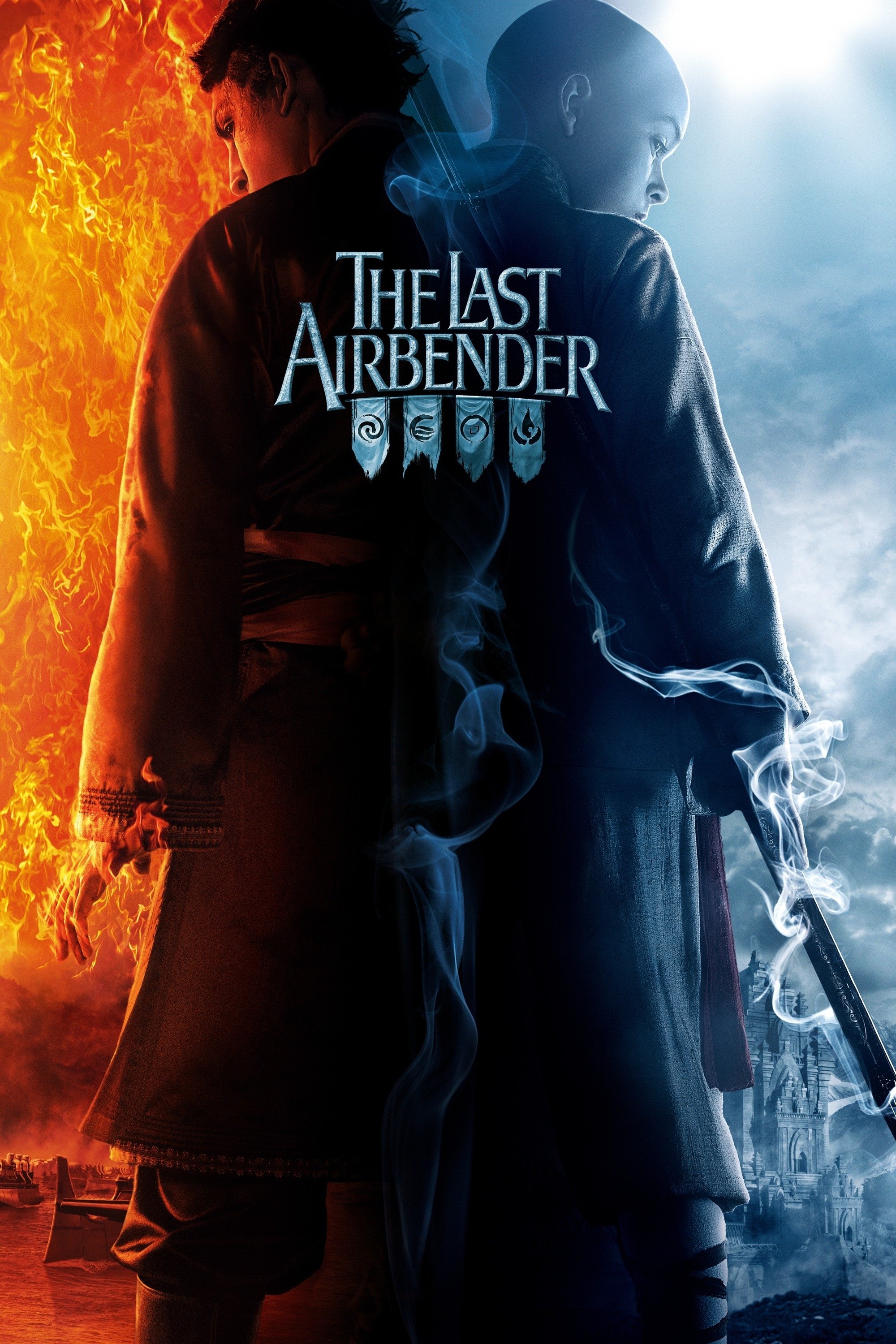
The live action adaptation of the beloved Nickelodeon animated series sparked significant backlash for its casting choices. While the original source material features characters of East Asian and Inuit descent the film cast white actors Noah Ringer and Nicola Peltz as Aang and Katara. Fans organized protests under the banner of Racebending to express their disappointment with the erasure of the show’s cultural roots. Director M. Night Shyamalan defended the choices by stating that the film was intended to be a multicultural representation of the story.
‘Ghost in the Shell’ (2017)
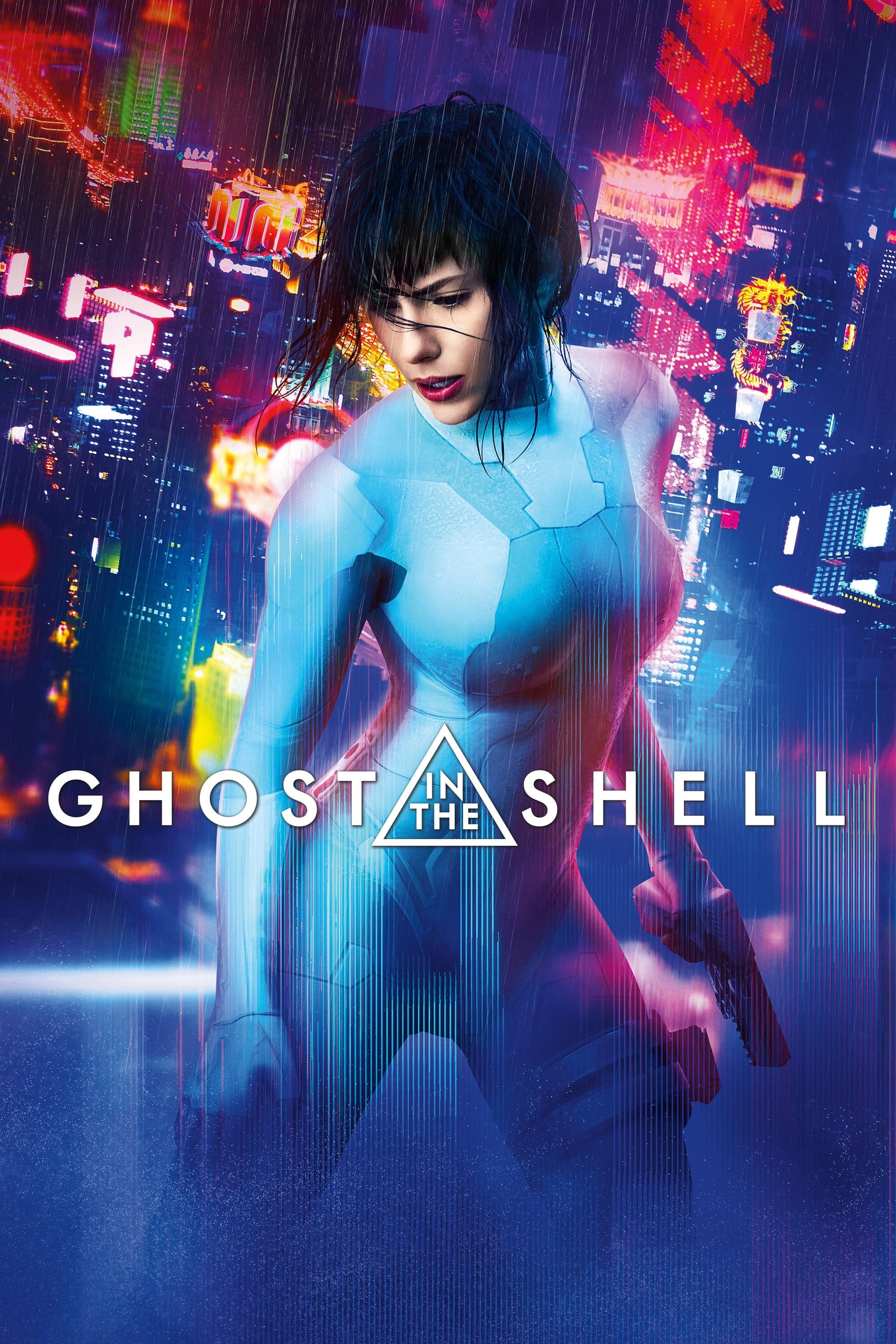
Scarlett Johansson took on the role of Major Motoko Kusanagi in this adaptation of the iconic Japanese manga and anime series. The decision to cast a white actress as a character originally depicted as Japanese led to widespread accusations of whitewashing. Producers argued that the character’s cybernetic body was intended to be ethnically ambiguous even as the story remained set in Japan. The film’s narrative eventually attempted to explain the character’s appearance through a controversial plot twist involving a brain transplant.
‘Prince of Persia: The Sands of Time’ (2010)
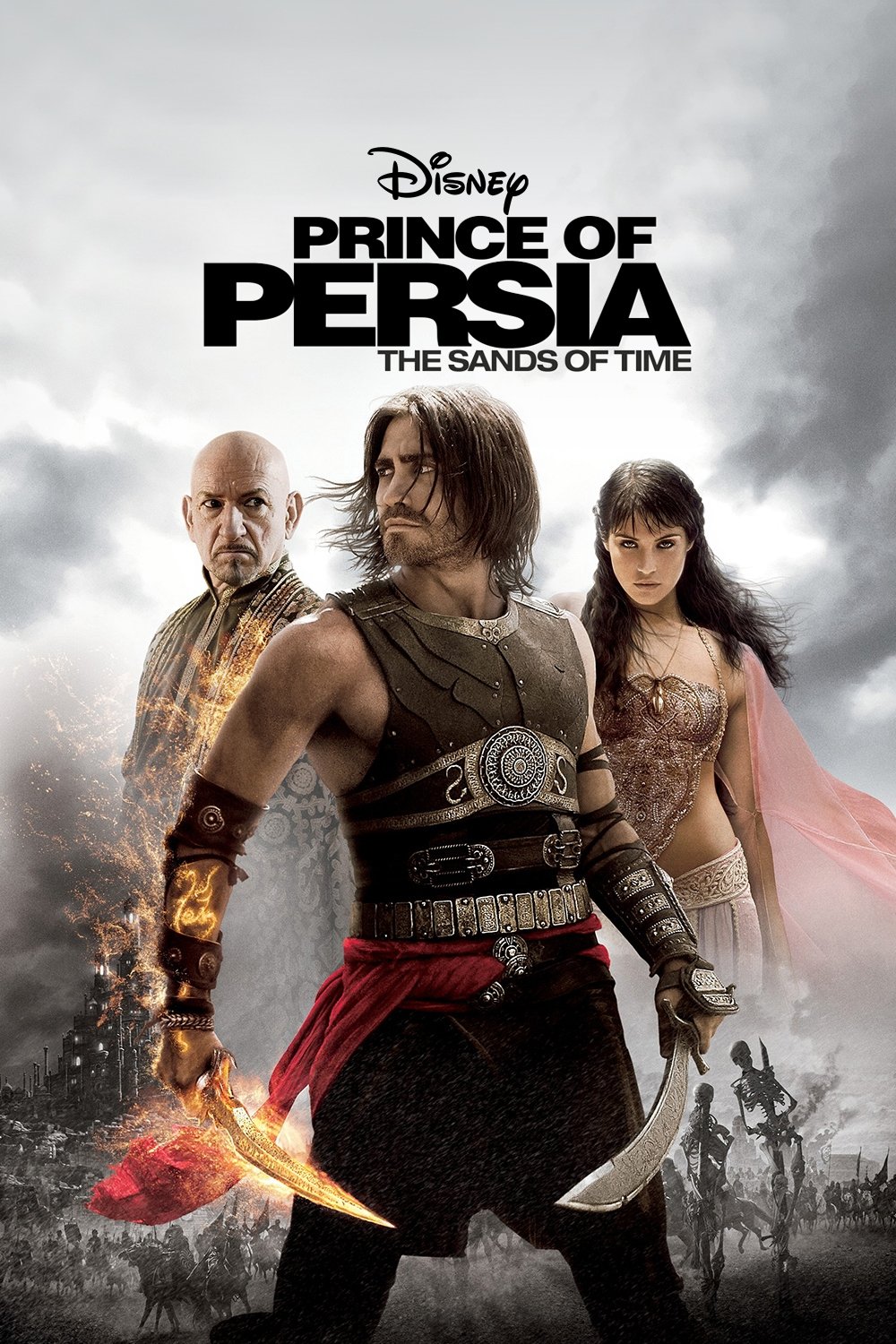
Jake Gyllenhaal played the lead role of Dastan in this big budget adaptation of the popular video game franchise. Despite the story taking place in sixth century Persia the majority of the main cast consisted of white actors. Critics and audiences noted the irony of a film titled ‘Prince of Persia’ featuring a lead actor with no Middle Eastern heritage. Disney defended the casting by emphasizing Gyllenhaal’s physical transformation and star power to carry a potential franchise.
‘Exodus: Gods and Kings’ (2014)
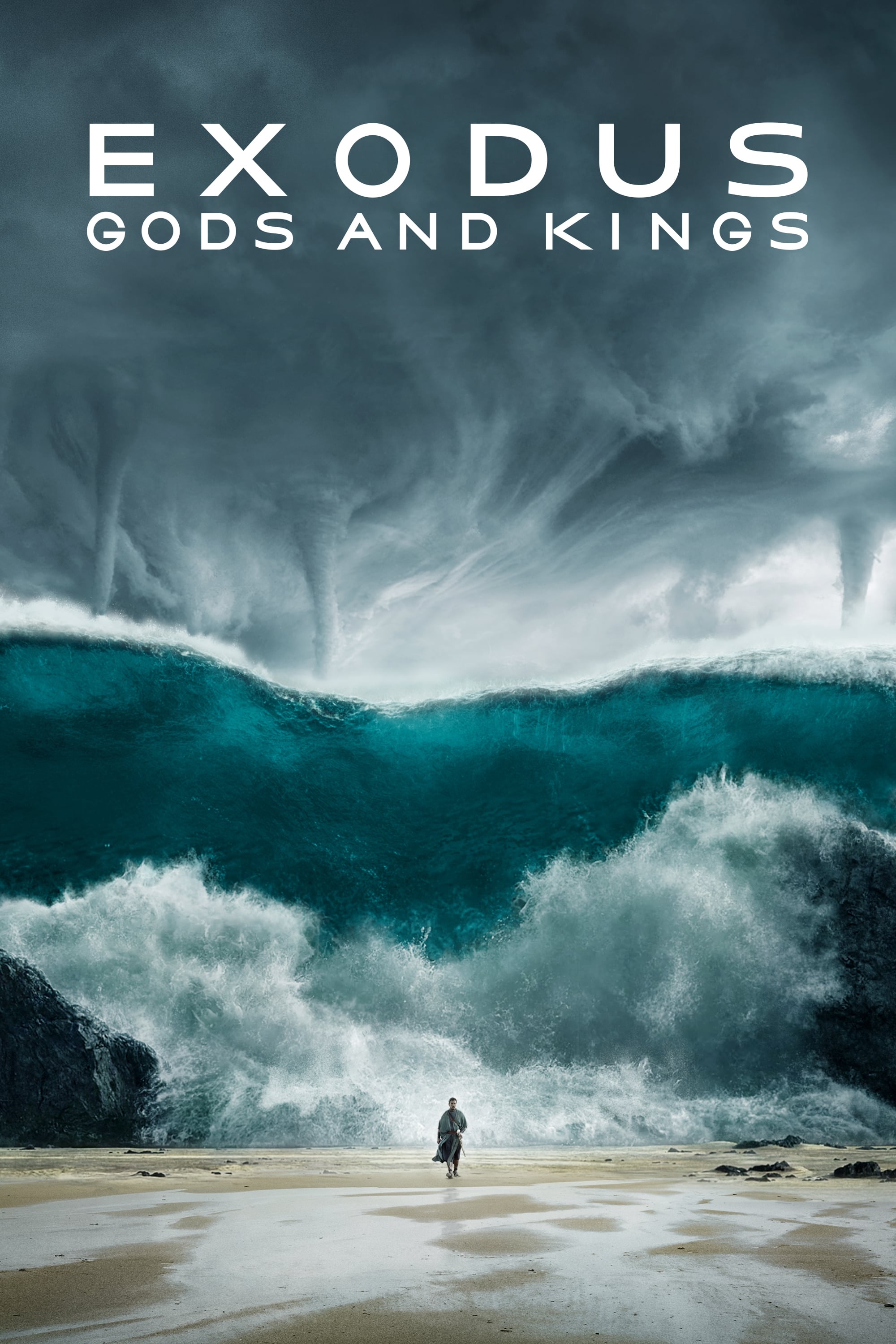
Director Ridley Scott faced criticism for casting Christian Bale and Joel Edgerton as Moses and Ramses in this biblical epic. The story is set in ancient Egypt and involves characters of North African and Middle Eastern descent. Scott defended the casting choices by citing the financial requirements of securing a large budget for the production. The director stated that the film would not have been funded if the lead actors were not internationally recognized stars.
‘Gods of Egypt’ (2016)
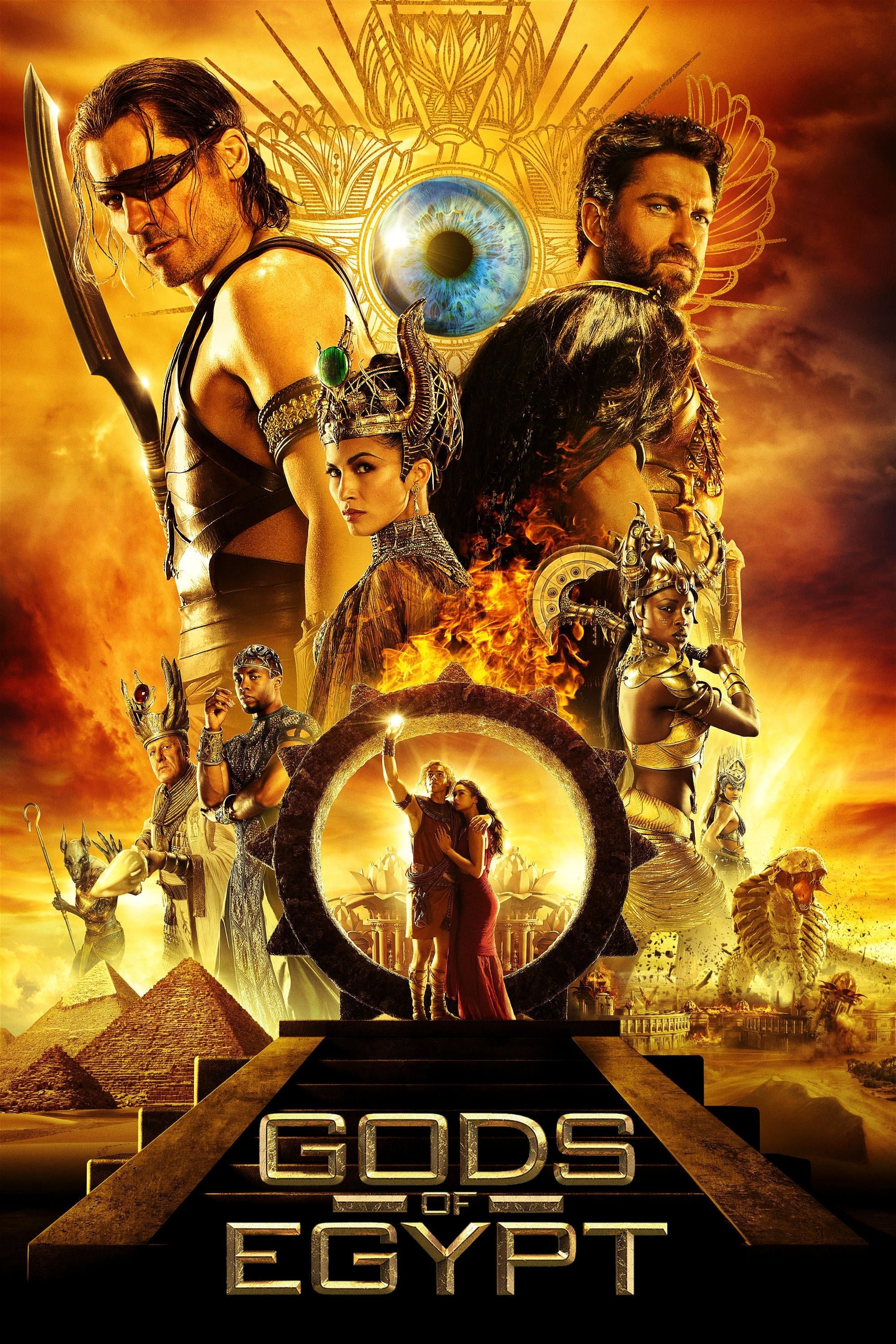
This action film based on ancient Egyptian mythology featured a predominantly white lead cast including Nikolaj Coster Waldau and Gerard Butler. The casting of European actors as Egyptian deities sparked an immediate public outcry and led to official apologies from both the director and the studio. Director Alex Proyas admitted that the casting process failed to reflect the diversity of the historical and mythological setting. The film’s financial performance was negatively impacted by the controversy surrounding its lack of ethnic representation.
‘Doctor Strange’ (2016)

Tilda Swinton was cast as the Ancient One in the Marvel Cinematic Universe film ‘Doctor Strange’. The character in the original comics is a Tibetan man who serves as the mentor to the titular hero. Marvel Studios defended the decision by stating they wanted to avoid the stereotypical tropes associated with the character’s origins. However the choice was criticized for erasing a significant Asian character from the franchise’s history.
‘Dragonball Evolution’ (2009)
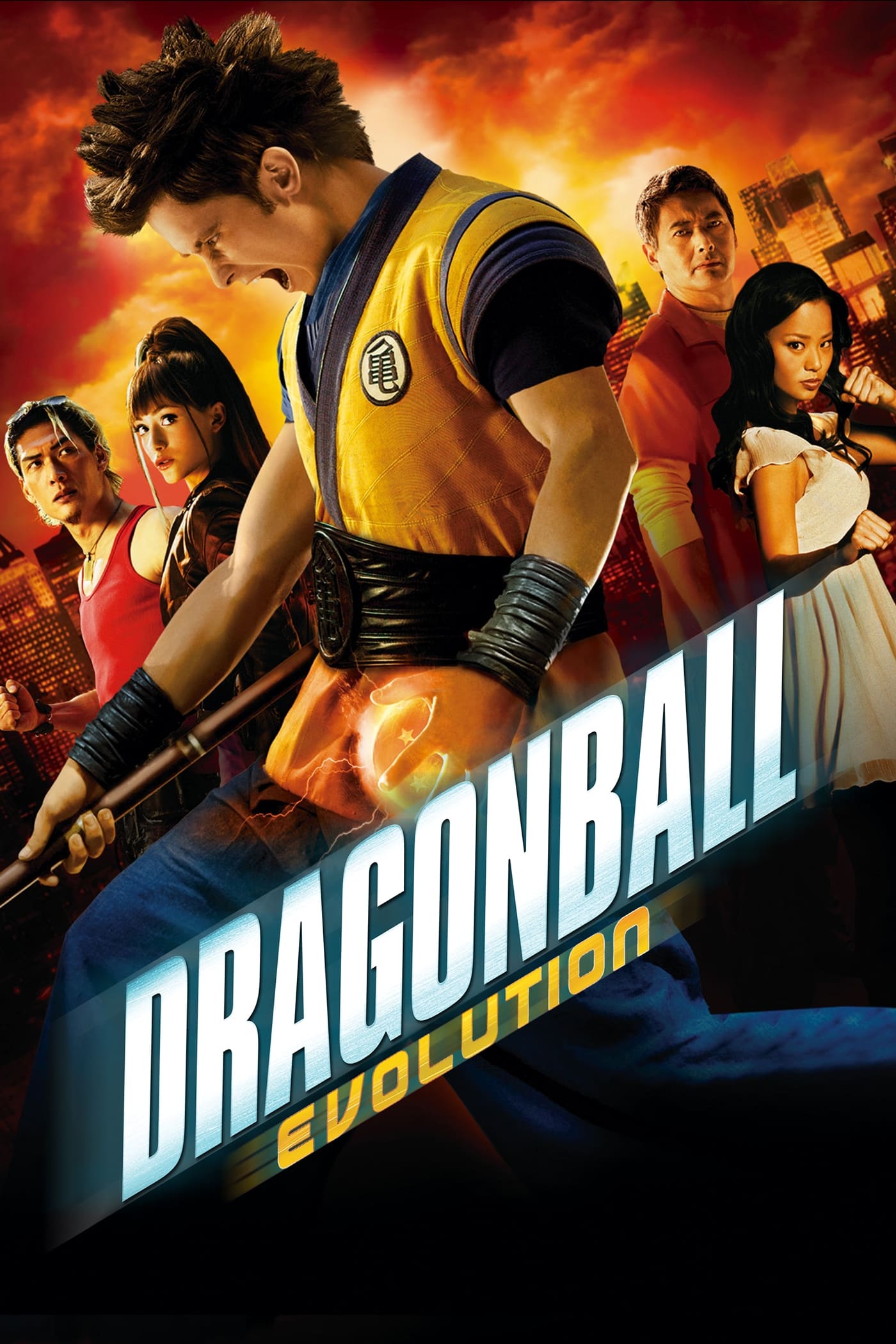
The live action adaptation of the massive Japanese franchise ‘Dragon Ball’ cast Justin Chatwin as the lead character Goku. While Goku is an alien in the source material he is traditionally depicted with East Asian features and cultural ties. Fans of the original manga and anime were vocal in their disapproval of the casting and the overall direction of the film. The movie was a critical and commercial failure and is often cited as a cautionary tale for anime adaptations.
‘Aloha’ (2015)

Emma Stone played the character Allison Ng in the romantic comedy ‘Aloha’ directed by Cameron Crowe. The character was written as being of one quarter Chinese and one quarter Hawaiian descent. Stone’s casting as a person of color led to widespread criticism and public apologies from the director. Crowe explained that the character was based on a real person who did not outwardly show her diverse heritage but the film became a symbol of Hollywood whitewashing.
‘Pan’ (2015)

In this Peter Pan origin story Rooney Mara was cast as Tiger Lily a character traditionally depicted as Native American in the original play and book. Thousands of people signed a petition protesting the casting of a white actress for the role. The production team argued that the film’s version of the Neverland tribe was intended to be a multicultural community. Despite these claims the decision remained controversial and contributed to the film’s struggles at the box office.
‘The Lone Ranger’ (2013)

Johnny Depp took on the role of Tonto the Native American companion to the Lone Ranger in this big budget reboot. Depp claimed to have Native American ancestry but his casting was met with mixed reactions from Indigenous communities. The film’s portrayal of Tonto included a dead crow headpiece and elaborate face paint which some viewed as a collection of stereotypes. The production worked with Comanche consultants to attempt to bring authenticity to the role but the central casting choice remained a point of debate.
‘Breakfast at Tiffany’s’ (1961)

Mickey Rooney played the role of Mr. Yunioshi in ‘Breakfast at Tiffany’s’ using prosthetic makeup and a caricatured accent. The character was originally written as a Japanese neighbor in the novella by Truman Capote. This performance has since been widely condemned as one of the most offensive examples of yellowface in cinematic history. Modern screenings of the film often include introductions or discussions regarding the problematic nature of the portrayal.
‘Death Note’ (2017)
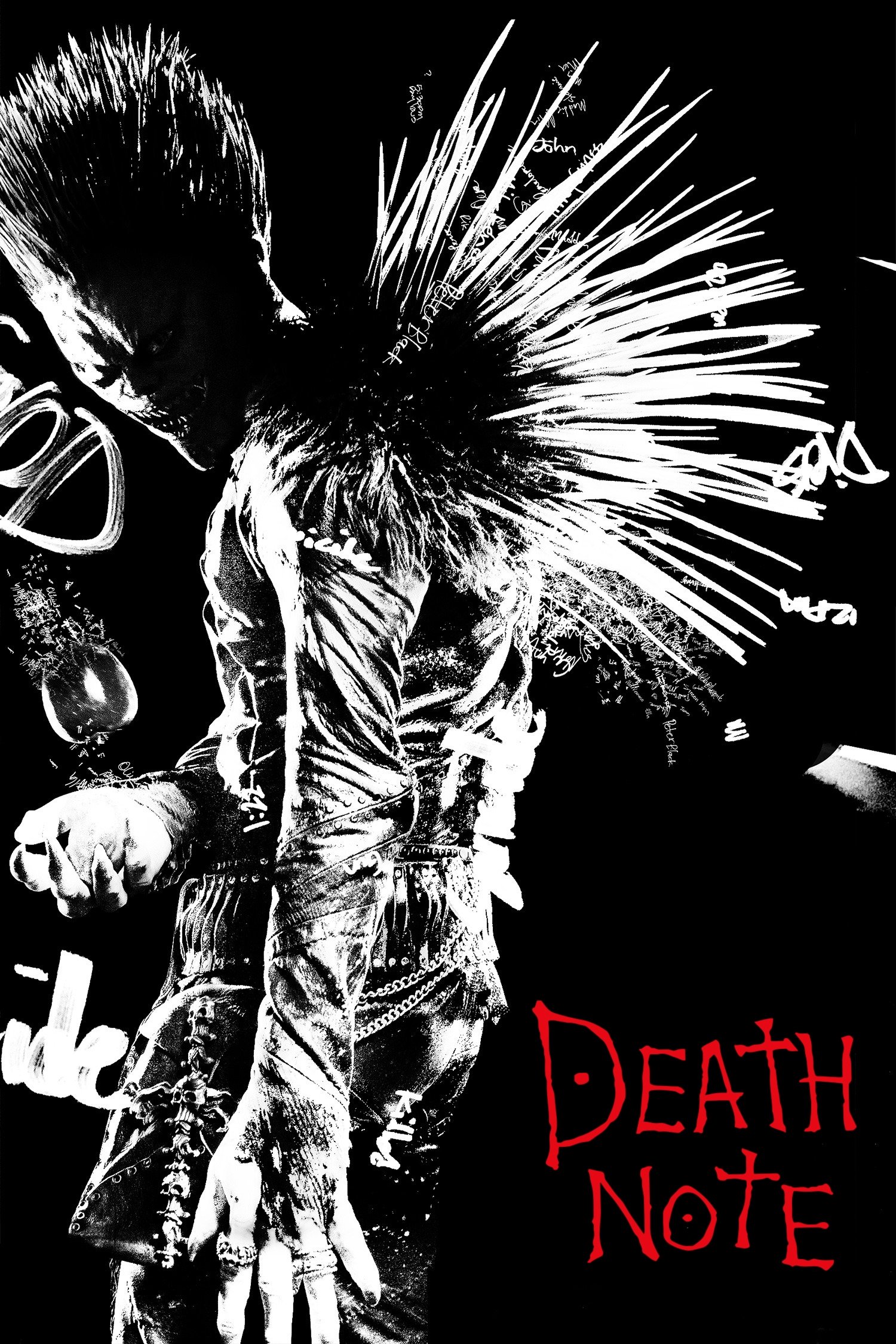
Netflix’s adaptation of the Japanese manga series ‘Death Note’ moved the setting from Tokyo to Seattle and cast Nat Wolff as the lead character. The original protagonist Light Yagami was reimagined as Light Turner which drew criticism for the lack of Asian representation in the main cast. Producers argued that the film was a new interpretation of the story designed for a global audience. Fans and critics countered that the change ignored the cultural and philosophical roots that made the original series successful.
‘Star Trek Into Darkness’ (2013)
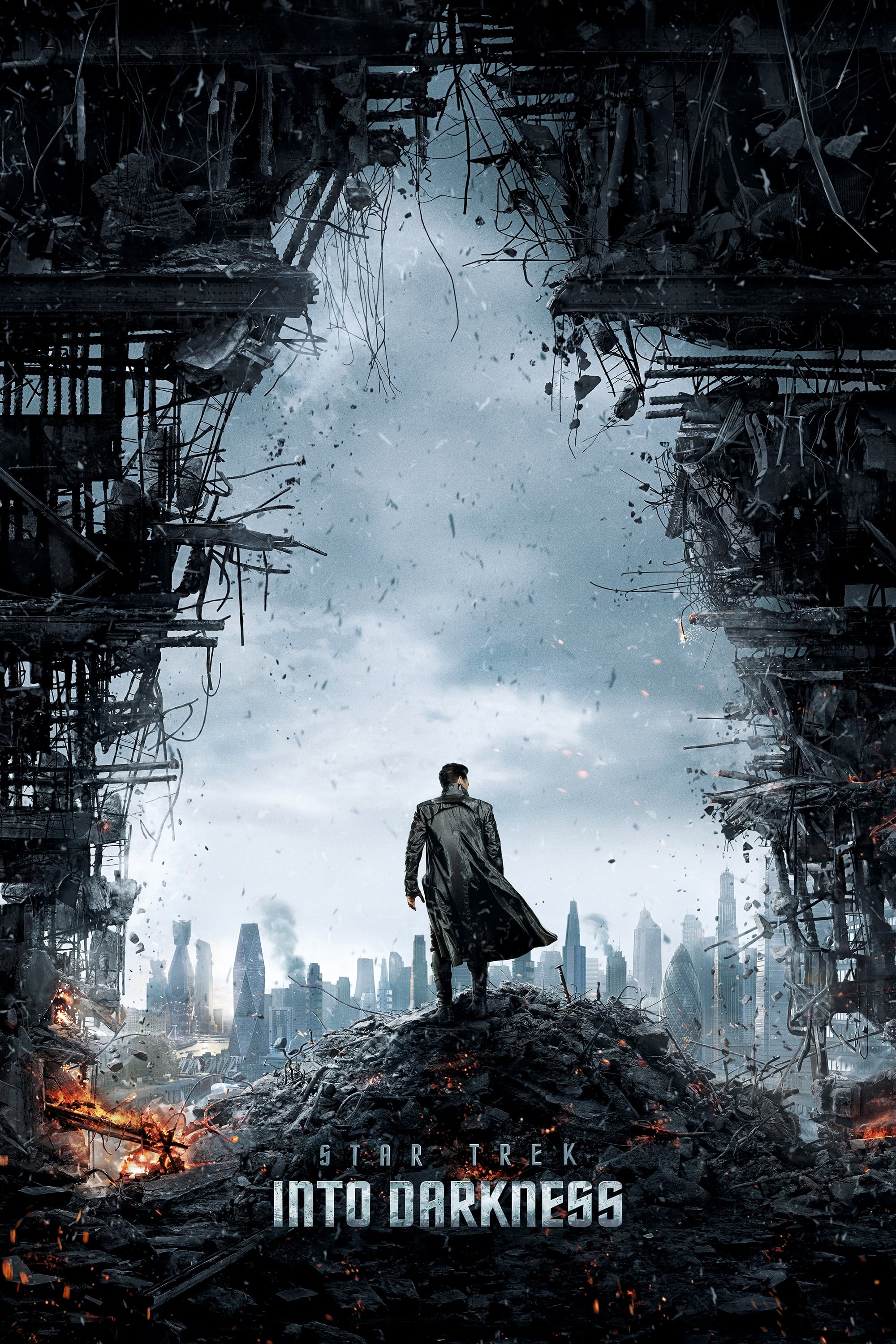
Benedict Cumberbatch portrayed the iconic villain Khan Noonien Singh in this ‘Star Trek’ sequel. The character was originally established in the television series as a genetically engineered man of Indian heritage played by Ricardo Montalban. The decision to cast a white British actor was met with significant backlash from fans and diversity advocates. Director J.J. Abrams later expressed regret over the lack of transparency during the film’s marketing regarding the character’s true identity.
’21’ (2008)
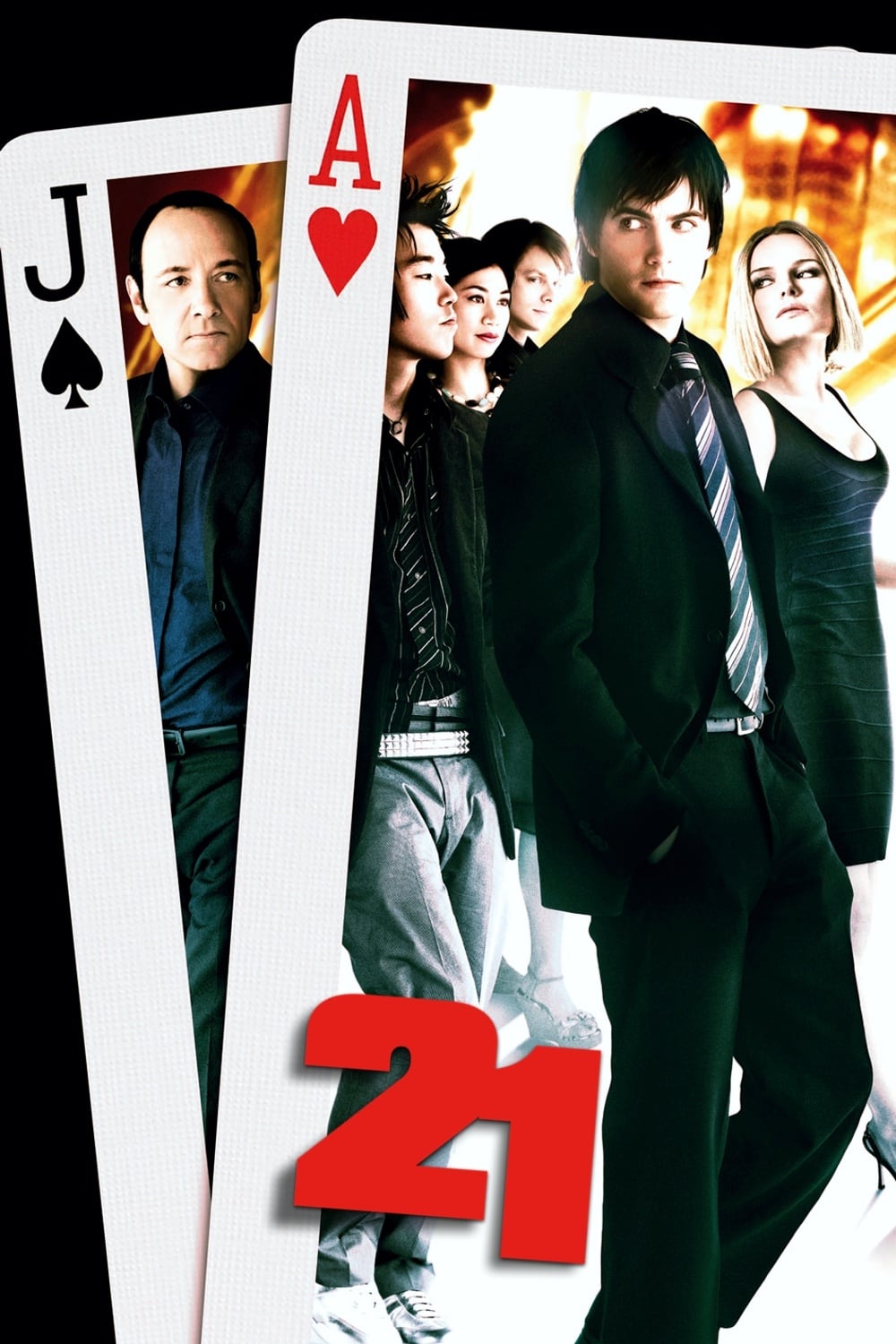
The film ’21’ is based on the true story of the MIT Blackjack Team which consisted primarily of Asian American students. In the movie adaptation the lead roles were given to white actors Jim Sturgess and Kate Bosworth. This decision drew sharp criticism for erasing the Asian American identities of the real life individuals involved in the events. The studio stated that the casting was intended to maximize the film’s commercial appeal to a broad audience.
‘Argo’ (2012)
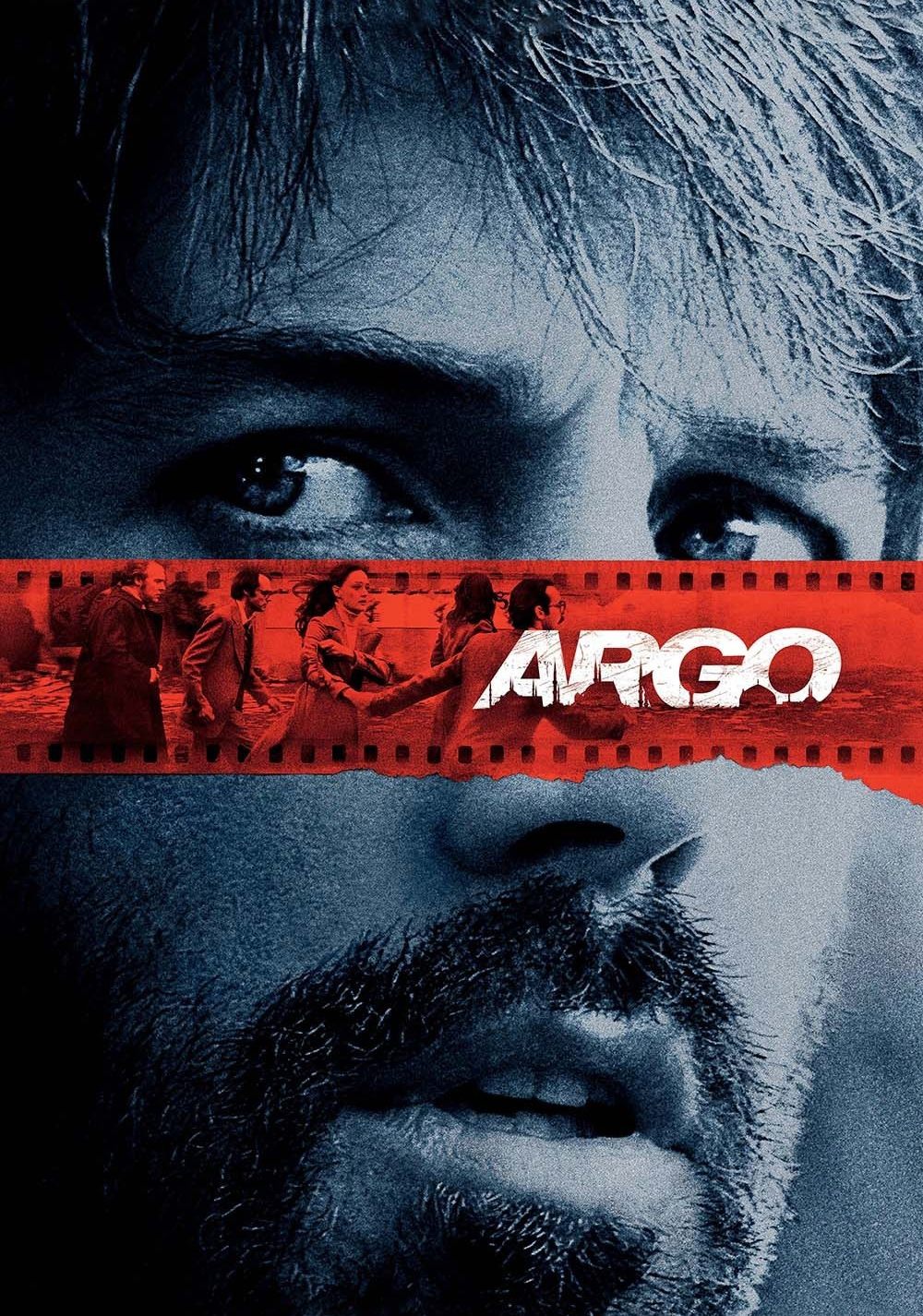
Director and actor Ben Affleck portrayed CIA operative Tony Mendez in the Academy Award winning film ‘Argo’. Mendez was a real life Mexican American intelligence officer who orchestrated the rescue of American diplomats from Iran. The film received criticism for casting a white actor in a role that belonged to a person of Latino heritage. Despite the controversy the real Tony Mendez stated he did not view himself as a Hispanic hero and supported the casting.
‘The Conqueror’ (1956)

John Wayne famously played the role of the Mongol conqueror Genghis Khan in this historical epic. The film is often remembered as one of the most glaring examples of miscasting in Hollywood history. Wayne utilized heavy makeup and a stilted delivery to portray the legendary Asian leader. The production did not attempt to find an actor of Mongolian or Asian descent for the part which was common practice in the industry during that era.
‘A Mighty Heart’ (2007)
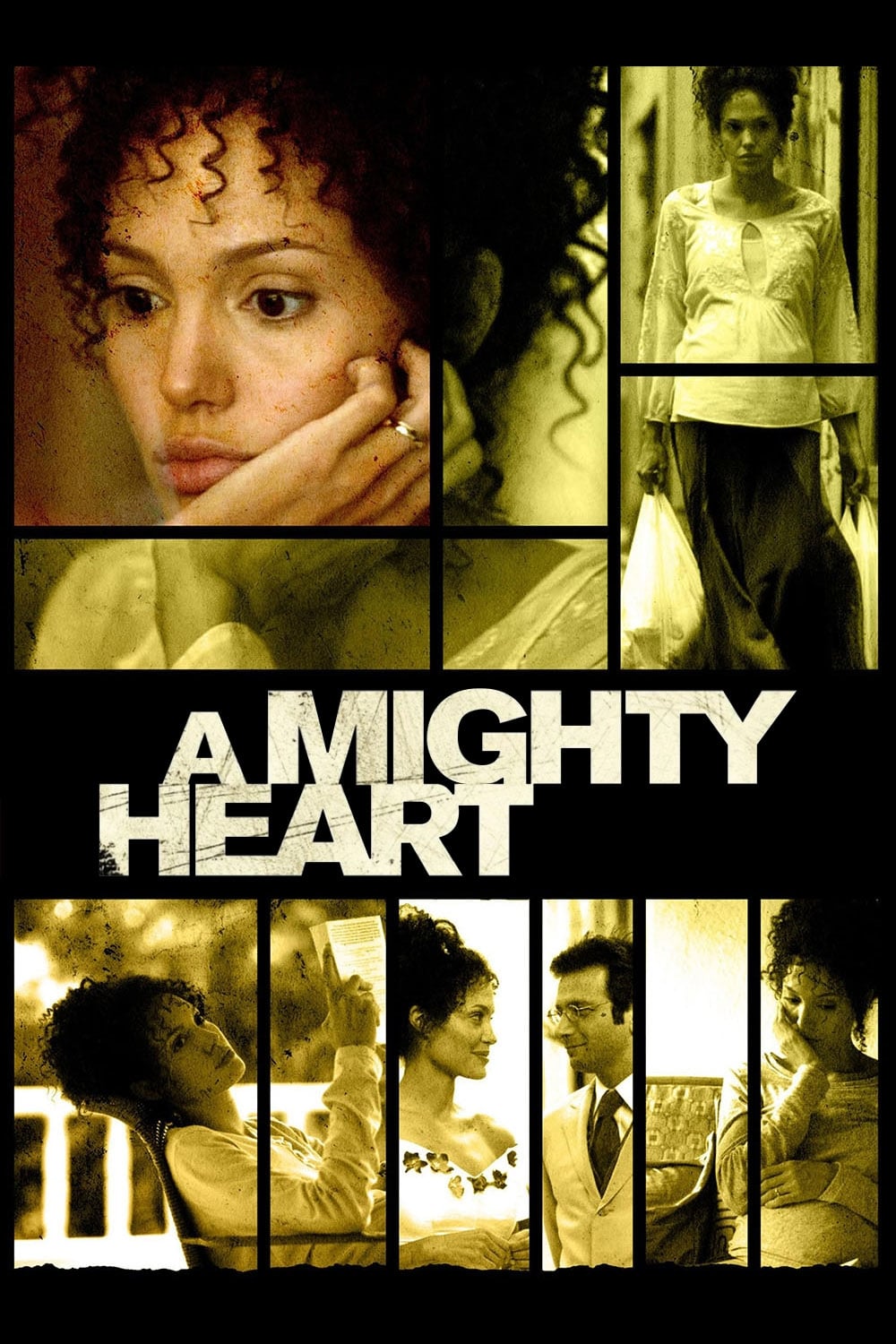
Angelina Jolie starred as Mariane Pearl in this biographical drama about the search for kidnapped journalist Daniel Pearl. Mariane Pearl is of Afro Chinese Cuban and Dutch descent and possesses a darker complexion than the actress. The production used skin darkening makeup and hair styling to make Jolie resemble the real life figure. This choice sparked a debate about the ethics of using makeup to change an actor’s race for a biographical role.
‘Bullet Train’ (2022)
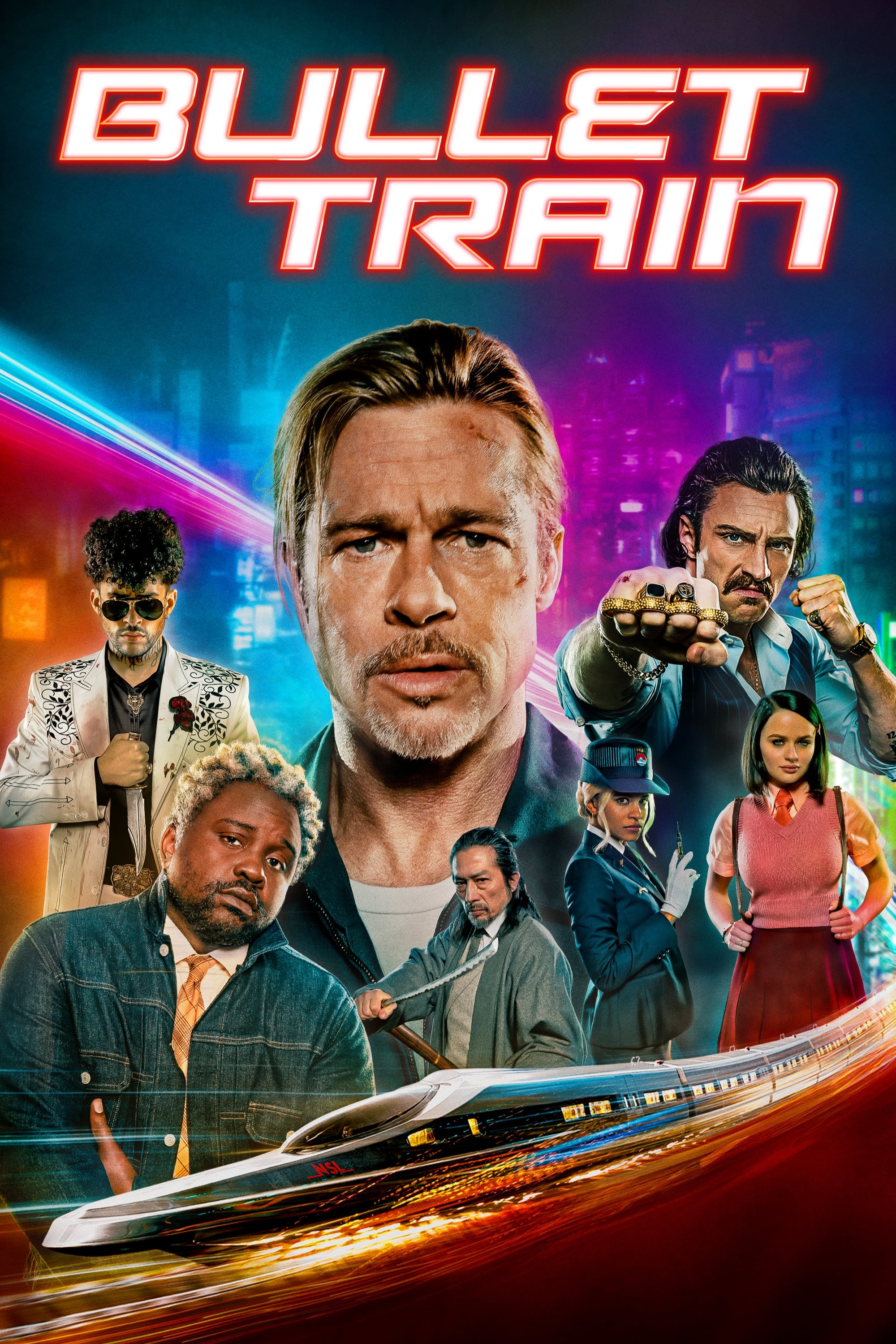
The film ‘Bullet Train’ is based on the novel Maria Beetle by Japanese author Kotaro Isaka which features an entirely Japanese cast of characters. For the Hollywood adaptation the production cast a diverse group of actors including Joey King and Brad Pitt in roles originally written as Japanese. While the author approved of the casting many critics argued that the change erased the specific cultural atmosphere of the source material. The film was a commercial success but remained a point of contention regarding the localization of international stories.
‘Batman Begins’ (2005)

In ‘Batman Begins’ Liam Neeson portrayed the character Ra’s al Ghul who is depicted in DC Comics as being of Middle Eastern or North African origin. The character serves as the leader of the League of Shadows and the mentor to Bruce Wayne. The film’s decision to cast a white Irish actor for the role was seen by some as a missed opportunity for ethnic representation. Neeson reprised the role in later installments of the trilogy maintaining the character’s redesigned background.
‘The King and I’ (1956)
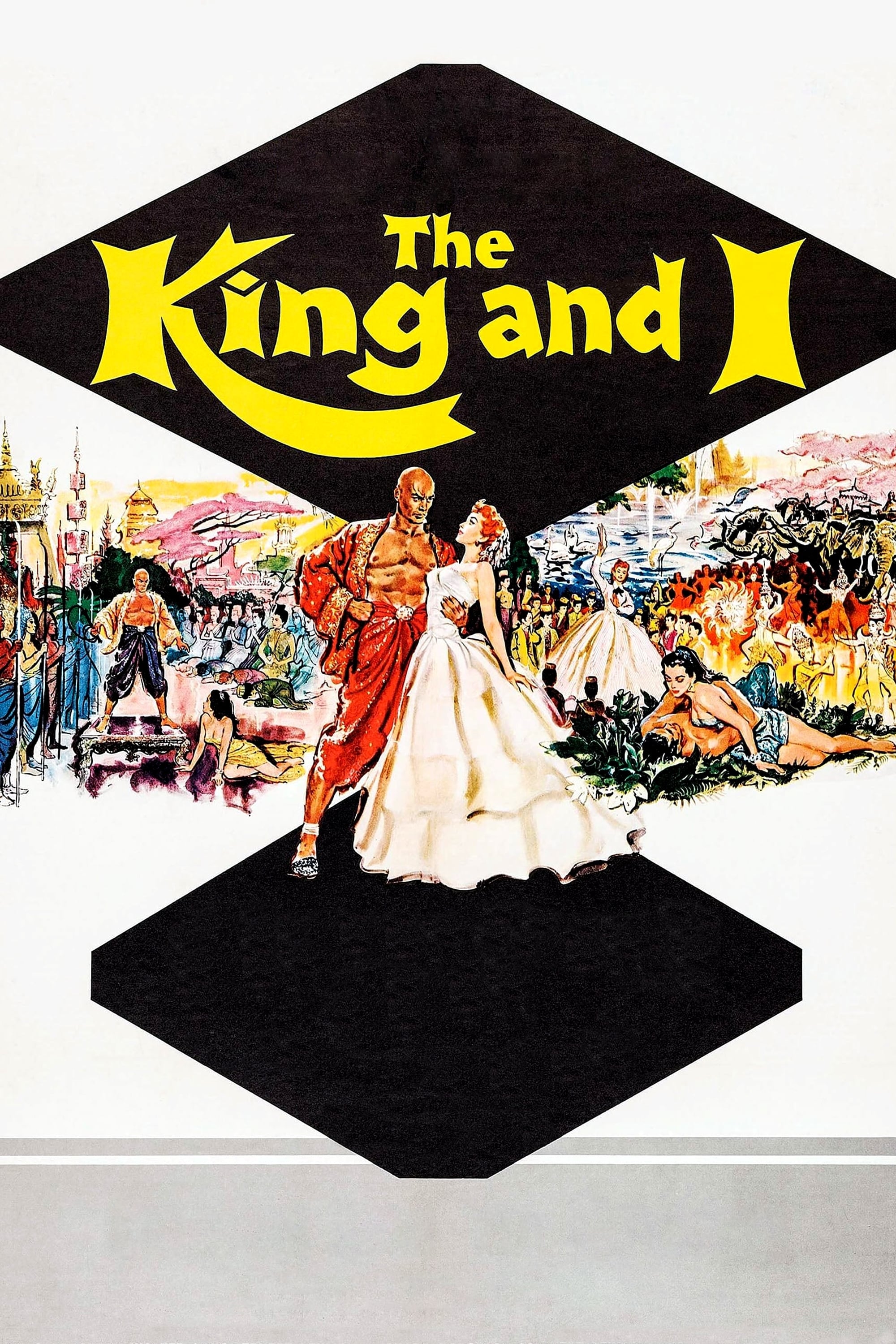
Yul Brynner won an Academy Award for his portrayal of King Mongkut of Siam in this classic musical adaptation. While Brynner claimed various ethnic backgrounds his portrayal of the Thai monarch involved stylized makeup to appear Asian. The film remains a landmark in Hollywood history but is frequently cited in discussions regarding the history of yellowface. Modern productions of the stage play have transitioned to casting actors of Asian descent to respect the historical context.
‘A Beautiful Mind’ (2001)
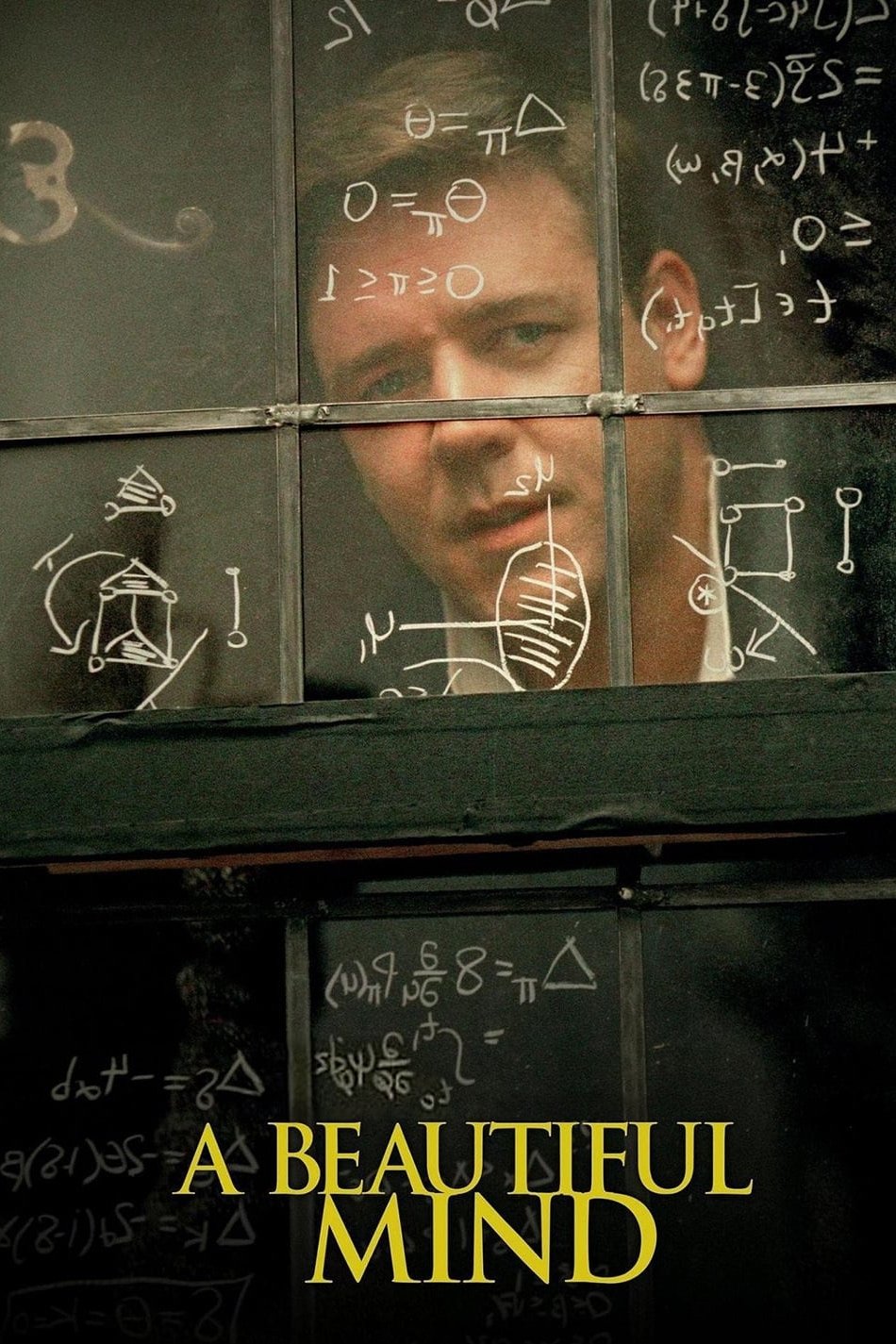
Jennifer Connelly portrayed Alicia Nash in the biographical film ‘A Beautiful Mind’ which earned her an Academy Award. The real Alicia Nash was an immigrant from El Salvador but her Central American heritage was not depicted in the movie. Connelly is of Irish and Jewish descent and her casting was seen by some as an erasure of Nash’s ethnic background. The film focused primarily on the relationship between Alicia and John Nash rather than her personal origins.
‘Memoirs of a Geisha’ (2005)
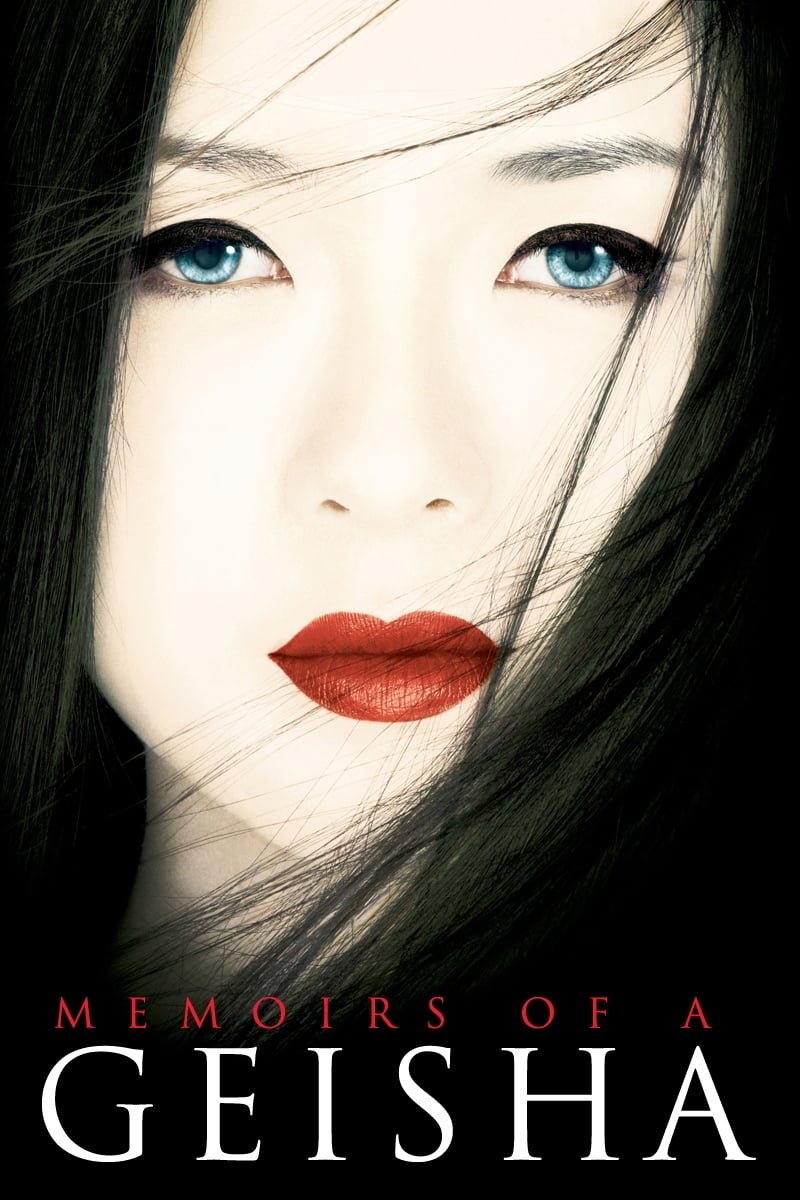
The film ‘Memoirs of a Geisha’ faced criticism for its casting of Chinese actresses Zhang Ziyi and Michelle Yeoh as Japanese geisha. While the production was praised for its visual beauty many in both Japan and China felt the casting ignored the distinct cultural differences between the two nations. Director Rob Marshall stated that he chose the actresses based on their talent and ability to carry the film’s emotional weight. The controversy highlighted ongoing tensions regarding the treatment of diverse Asian cultures as interchangeable in Western cinema.
‘Othello’ (1965)
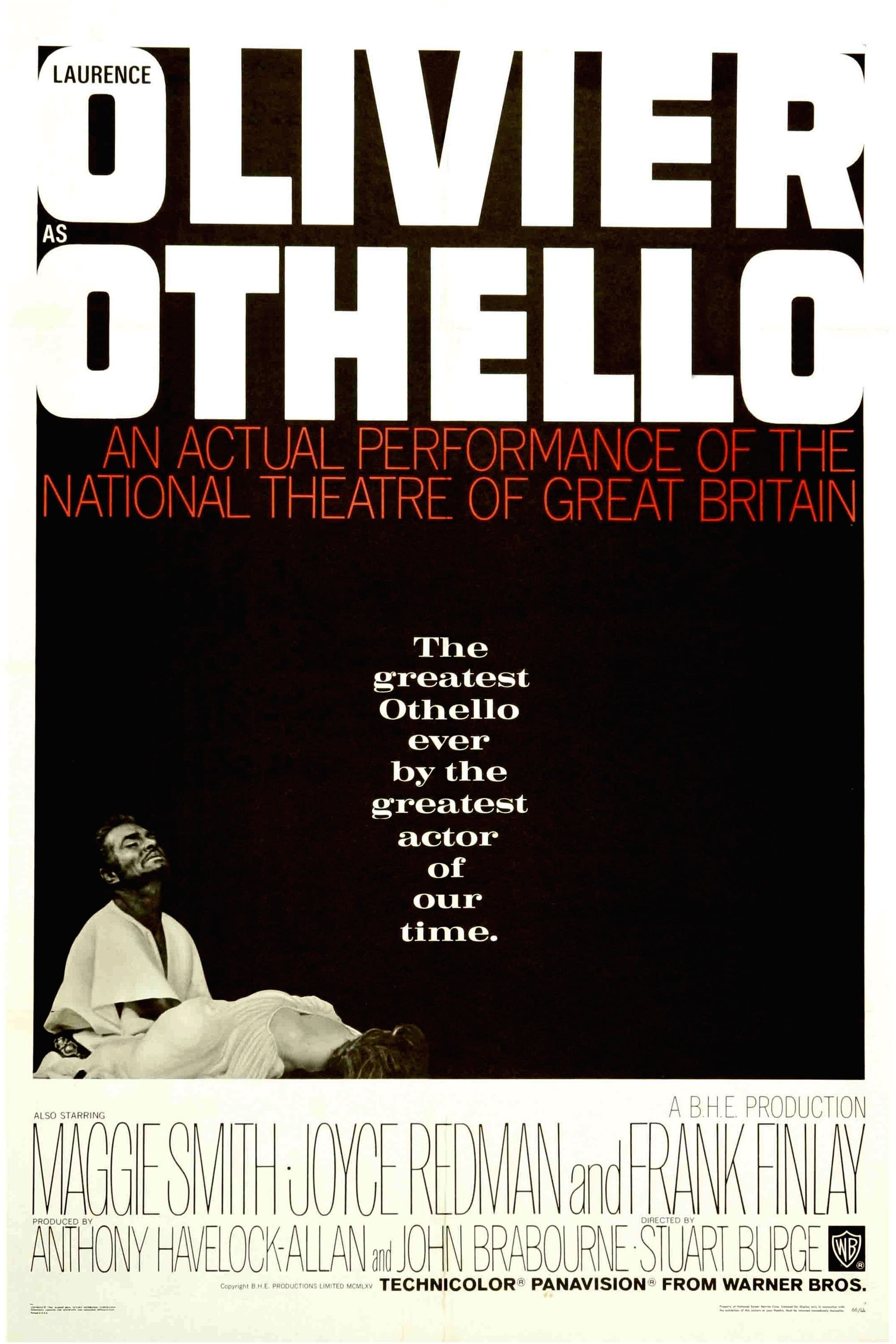
Laurence Olivier famously played the lead role in the 1965 film version of ‘Othello’ using dark brown makeup and altered vocal tones. The character of Othello is a Moorish general in the Venetian army and is traditionally understood to be of North African or Sub Saharan descent. Olivier’s performance is often studied today as a prominent historical example of blackface in mainstream British film. While the performance was critically acclaimed at the time of its release it is now viewed as a deeply problematic casting choice.
‘Speed Racer’ (2008)

The 2008 live action film ‘Speed Racer’ was directed by the Wachowskis and based on the classic Japanese anime and manga. Emile Hirsch played the titular character who was originally a Japanese boy named Go Mifune in the source material. Although the film featured a diverse international cast the decision to make the central family white was a point of discussion among fans. The production sought to create a colorful and surreal world that transcended specific geographical locations while retaining the spirit of the original show.
‘Cloud Atlas’ (2012)
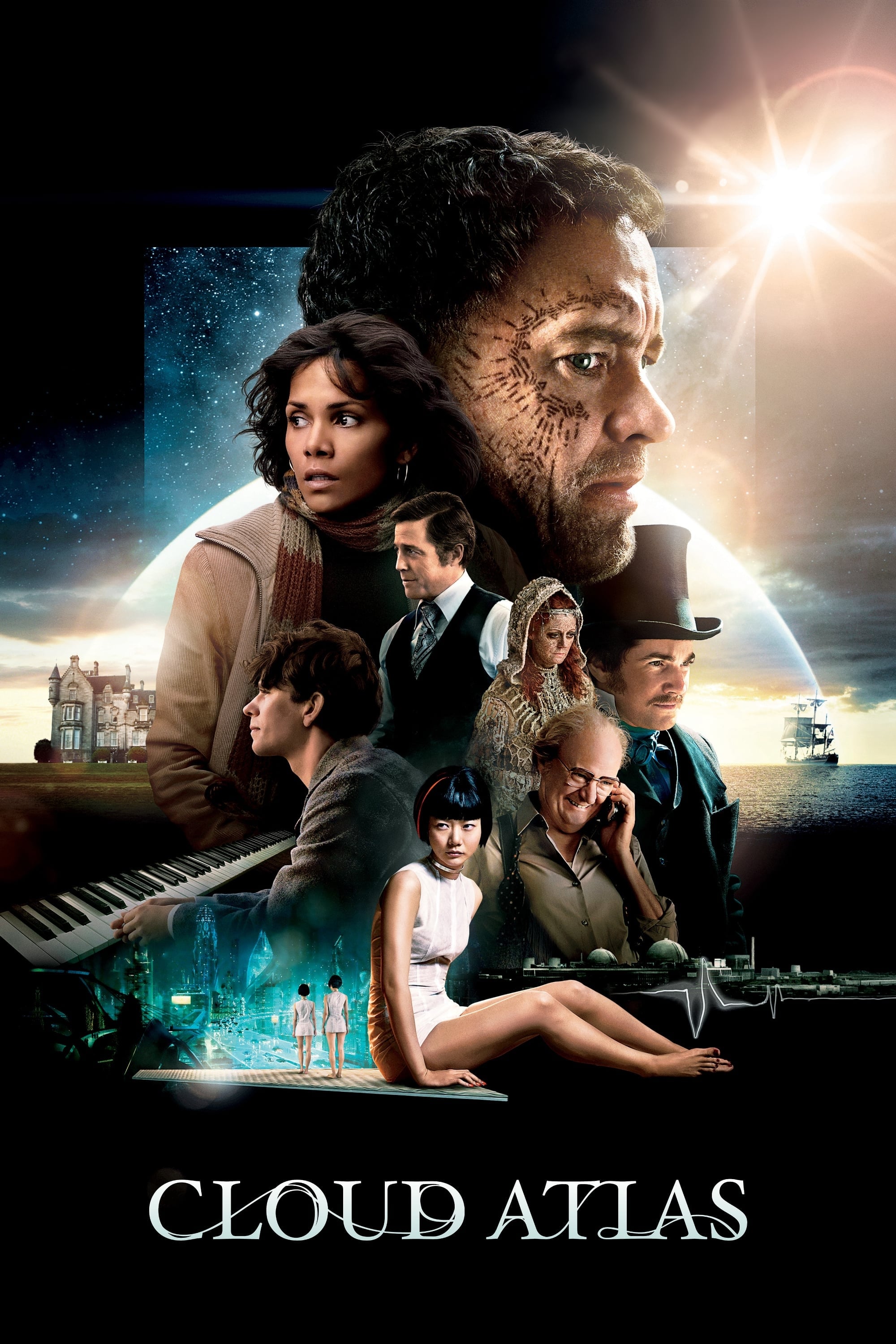
The film ‘Cloud Atlas’ featured several actors playing multiple roles across different time periods and ethnicities. Jim Sturgess was one of several white actors who used prosthetic makeup to appear Asian in the Neo Seoul segment of the film. This creative choice was heavily criticized by advocacy groups for relying on outdated and offensive yellowface techniques. The directors argued that the casting was essential to the film’s theme of soul reincarnation across different bodies and races.
‘Stonewall’ (2015)

The 2015 film ‘Stonewall’ centered on a fictional white protagonist named Danny Winters during the 1969 Stonewall riots. Critics and activists pointed out that the film marginalized the roles of real life transgender women of color like Marsha P. Johnson and Sylvia Rivera. Many felt that the production chose a white lead to make the story more palatable to a mainstream audience at the expense of historical accuracy. The film’s director Roland Emmerich defended the choice as a way for the audience to enter the story through a relatable character.
‘The Unforgiven’ (1960)
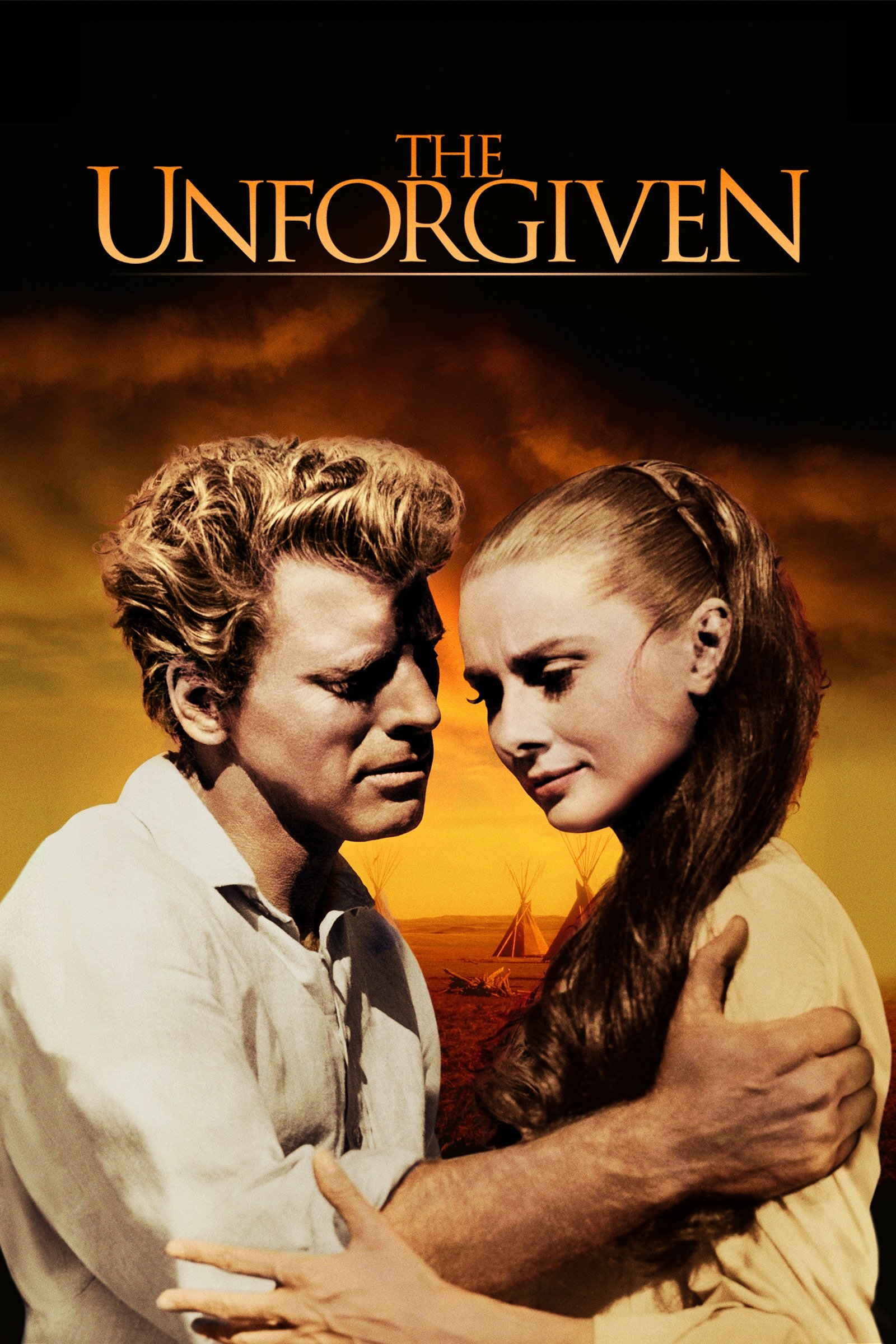
Audrey Hepburn starred as Rachel Zachary in the 1960 Western ‘The Unforgiven’ which tells the story of a woman who discovers she was born into a Kiowa tribe. The plot revolves around the racial tensions that arise when her Native American heritage is revealed to her adopted community. Hepburn who was of Belgian and British descent played the character with no physical changes to her appearance. The film explored themes of prejudice but did so without casting a Native American actress in the central role.
‘Drive’ (2011)
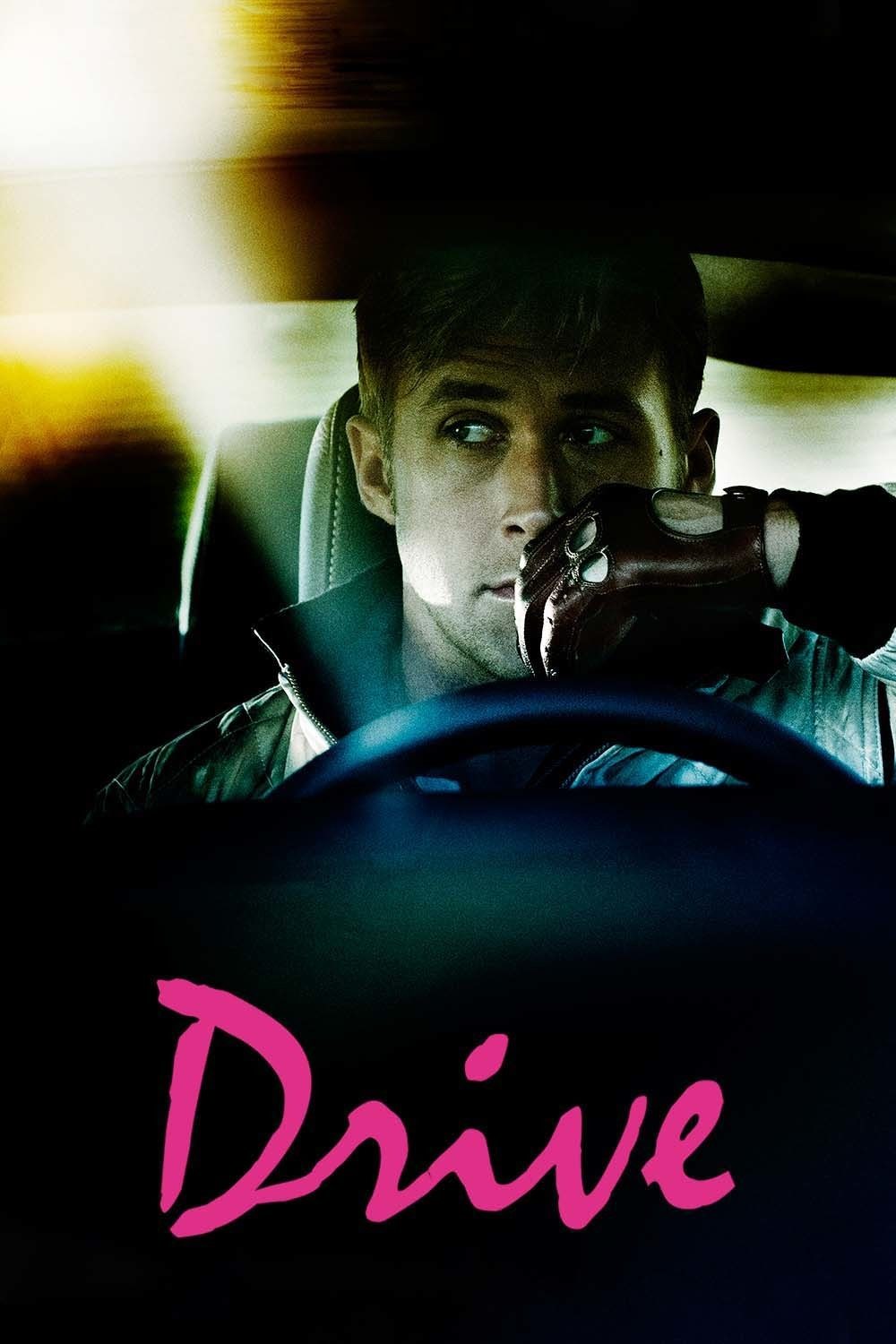
In the novel ‘Drive’ by James Sallis the character of Irene is described as a young Latina woman. For the 2011 film adaptation the role was renamed and played by British actress Carey Mulligan. Director Nicolas Winding Refn stated that he chose Mulligan because he wanted a character that the protagonist felt a strong need to protect regardless of ethnicity. This change was noted by critics as another example of a character of color being replaced by a white actor during the transition from book to screen.
‘Cleopatra’ (1963)
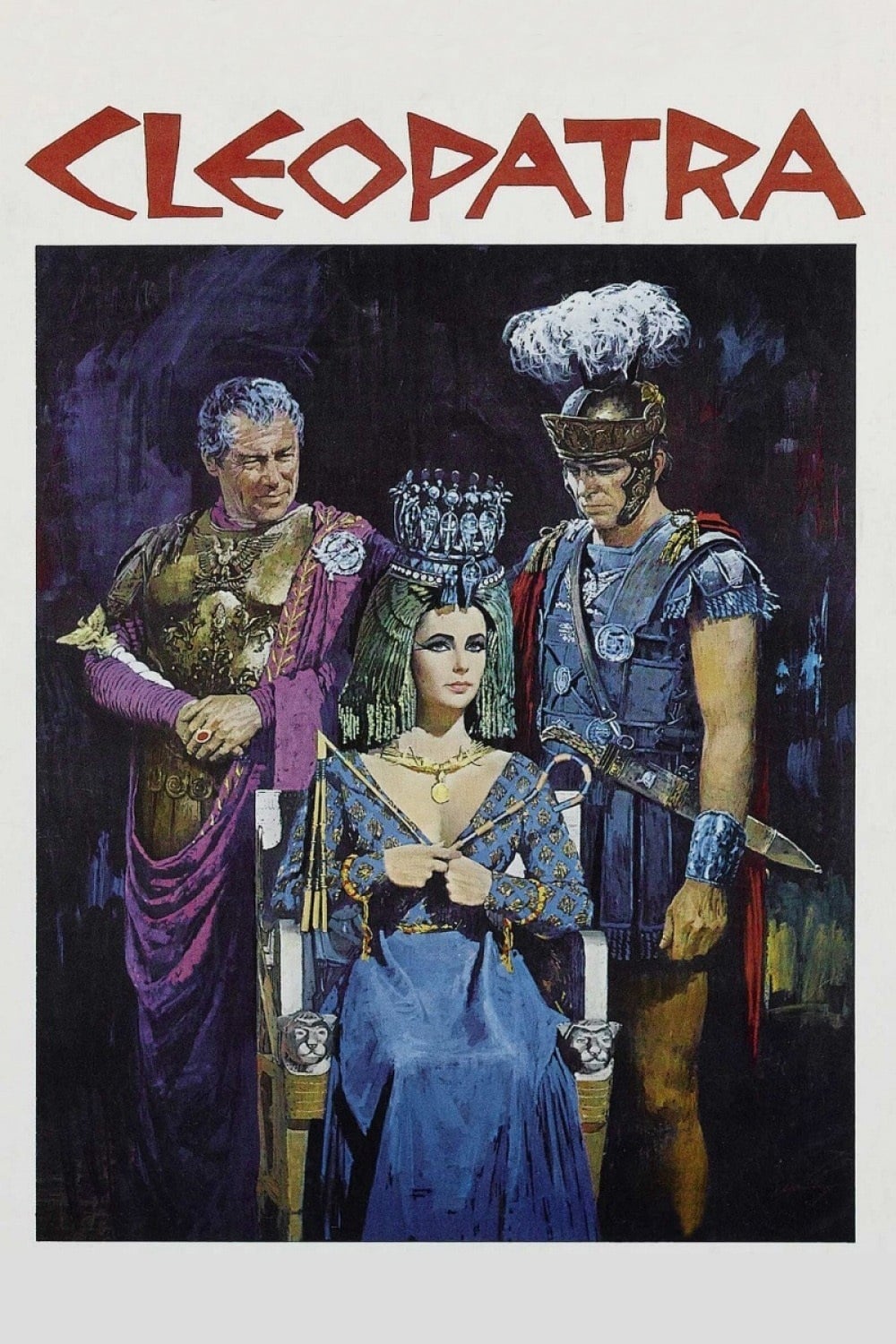
Elizabeth Taylor’s portrayal of the Egyptian queen in the 1963 film ‘Cleopatra’ is one of the most famous roles in Hollywood history. While the historical Cleopatra was of Macedonian Greek descent the film’s portrayal focused on a Westernized aesthetic that largely ignored the character’s Mediterranean roots. The production was one of the most expensive ever made and helped cement the image of the queen in the popular imagination as a white woman. This casting has since been the subject of long standing debates regarding the racial identity of historical figures in North Africa.
‘The Witcher’ (2019–)
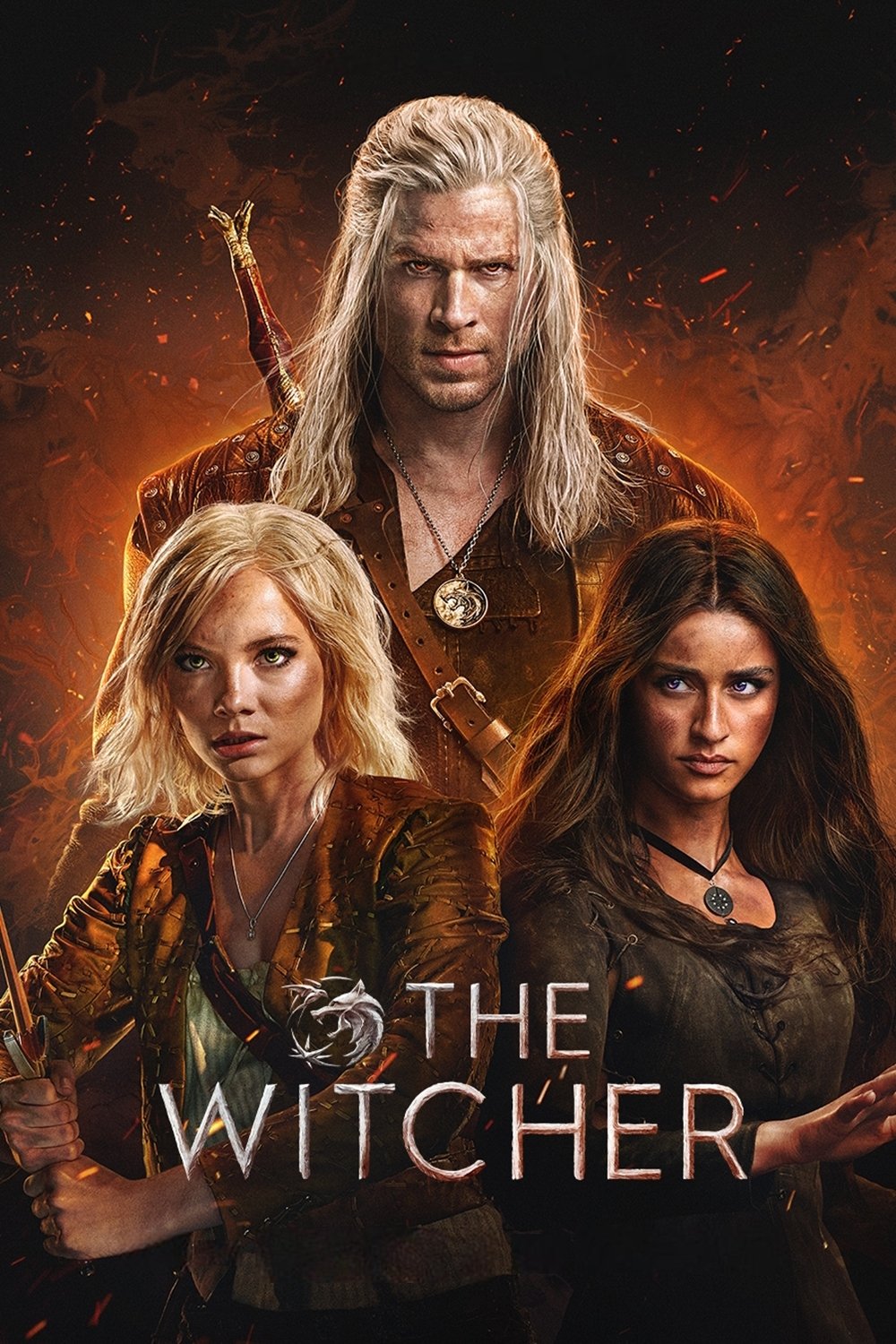
The Netflix series ‘The Witcher’ based on the fantasy novels by Andrzej Sapkowski featured several casting choices that diverged from the source material’s descriptions. The character Fringilla Vigo is described in the books as having a physical resemblance to Yennefer of Vengerberg who is depicted as white. For the television adaptation the role was cast with Mimi Ndiweni a British actress of African descent. This decision sparked a debate among fans regarding the importance of physical accuracy versus the benefits of diverse representation in fantasy settings.
Share your thoughts on these controversial casting decisions in the comments.