


15 Coolest Movie Characters of All Time



Some movie characters step into a scene and instantly reshape the story around them. They come with a clear purpose, a recognizable look, and a presence that keeps showing up in new generations of films. You can trace trends in action, sci fi, and adventure back to how these figures were written, performed, and presented on screen.
What makes them stand out are the details that audiences remember long after the credits. Signature gadgets, carefully built backstories, and defining choices all play a part. Many of these characters also traveled across sequels and spin offs, which means different directors and studios kept refining what worked while keeping the essential core the same.
James Bond

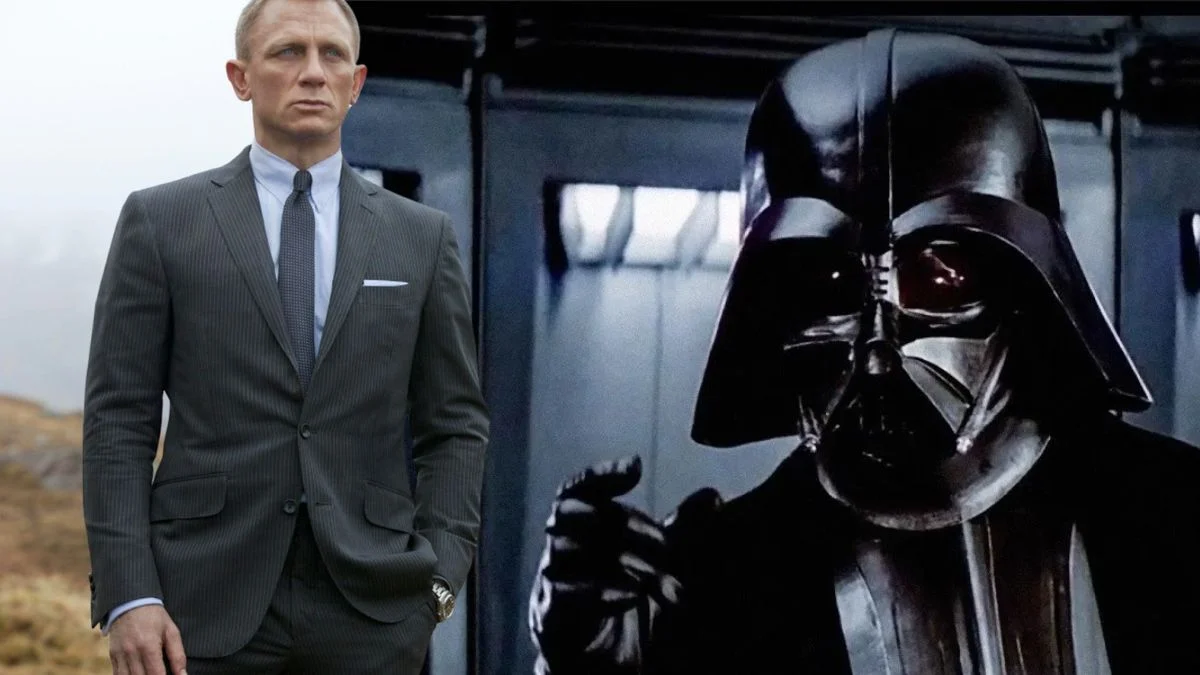
James Bond first appeared on screen as a British secret agent with a license to use any tool needed to complete the mission. Across many entries like ‘Goldfinger’ and ‘Skyfall’, the series standardized elements such as the pre title sequence, the Q Branch technology, and the recurring intelligence hierarchy at MI6. The on screen identity stayed consistent even as multiple actors took on the role, which helped the character move through new settings and political eras without losing continuity.
The films came from Eon Productions with distribution that shifted over time. Releases moved through United Artists and MGM, then to partners like Columbia Pictures and later Universal for ‘No Time to Die’, which shaped global rollout strategies while keeping the established franchise format intact.
Indiana Jones

Indiana Jones arrived as an archaeologist who balances academic work with field expeditions that escalate into peril. The films like ‘Raiders of the Lost Ark’ built a template around historical myths, practical set pieces, and a well mapped rhythm of discovery, chase, and showdown. The character’s gear and academic cover provide a repeatable framework for new locations and artifacts.
The original run of films reached theaters through Paramount Pictures, which helped position the series as a marquee summer event. Later, ‘Indiana Jones and the Dial of Destiny’ moved through Walt Disney Studios for distribution, bringing the character to new audiences with updated production scale.
Darth Vader

Darth Vader entered ‘Star Wars’ as a central figure in the conflict that drives the saga. His role connects to the political and spiritual structures of the galaxy, tying in the Jedi Order, the Sith, and the Empire’s chain of command. The character’s armor, voice, and theme music established a lasting identity that threads through prequels and spin offs.
The original trilogy reached moviegoers through 20th Century Fox, which set up a massive theatrical footprint for the franchise. Later releases came under the Walt Disney Studios banner, keeping the character present through carefully managed releases and curated story arcs.
Ellen Ripley

Ellen Ripley emerged in ‘Alien’ as a warrant officer who follows procedure while facing an unknown life form. The character’s choices are grounded in ship protocols, quarantine rules, and survival tactics that respond to each new crisis. Later installments like ‘Aliens’ expanded her story with colonial operations and military hardware, which gave the role new space to grow.
The series launched through 20th Century Fox, which supported both the slow burn horror approach and the larger scale action follow up. That distribution kept the character’s journey in front of wide audiences as different directors explored new settings and tones.
John McClane

John McClane appears in ‘Die Hard’ as an off duty detective who adapts standard police training to an enclosed high rise takeover. The film structures the action around limited resources, radio chatter, and floor by floor tactics. Follow ups riff on the same core idea with airports and citywide setups that keep the tactics grounded in recognizable procedure.
The ‘Die Hard’ series reached theaters through 20th Century Fox, which placed each release into a prime action slot on the calendar. That consistent rollout helped the character become a recurring presence with a familiar playbook and escalating stakes.
Neo

Neo steps into ‘The Matrix’ as a hacker drawn into a resistance against a simulated reality. The films outline clear rules for the system, training programs, and operator support, which define how each action scene works. Bullet time, wire work, and encoded visuals built a vocabulary that the character uses to progress from recruit to key asset.
Warner Bros. Pictures distributed the series, giving it a global platform and the resources for large scale visual effects. That support allowed later installments to revisit and expand the system logic while maintaining the visual identity that made the character stand out.
The Joker

The Joker appears across multiple Batman films with a profile that changes to fit the story’s version of Gotham. Whether presented as an organized crime disruptor or an agent who exploits social fractures, the character’s methods are laid out through meticulous planning, symbolic calling cards, and public displays that test the city’s response systems. Each iteration keeps the focus on how institutions handle a threat that targets morale and order.
Warner Bros. Pictures handled distribution for entries like ‘The Dark Knight’ and ‘Joker’, putting each version in front of different audience segments without breaking continuity for the character’s core idea. That approach let directors frame the role with distinct tones while staying within a familiar release framework.
Han Solo

Han Solo enters ‘Star Wars’ as a pilot who runs independent freight operations before aligning with a larger cause. The films map out his ship specifications, smuggling routes, and debts, which create real stakes when factions collide. His arc ties into the Rebel Alliance logistics and the shifting balance of power across key systems.
The original trilogy rolled out through 20th Century Fox, which introduced the character on a large canvas alongside the wider ensemble. Later films under Walt Disney Studios revisited the backstory in ‘Solo: A Star Wars Story’, connecting ship upgrades, crew recruitment, and early underworld contacts.
Sarah Connor

Sarah Connor begins in ‘The Terminator’ as a target identified by time traveling intelligence. The follow up in ‘Terminator 2: Judgment Day’ details training, preparation, and tactical changes built on lessons from the first encounter. The character evolves from reacting to events to shaping the response, which creates a bridge between individual survival and broader resistance planning.
TriStar Pictures distributed the early films, pairing the character’s progression with high profile theatrical runs. That exposure helped cement her transition from civilian to strategist in a series defined by cause and effect across timelines.
Tony Stark
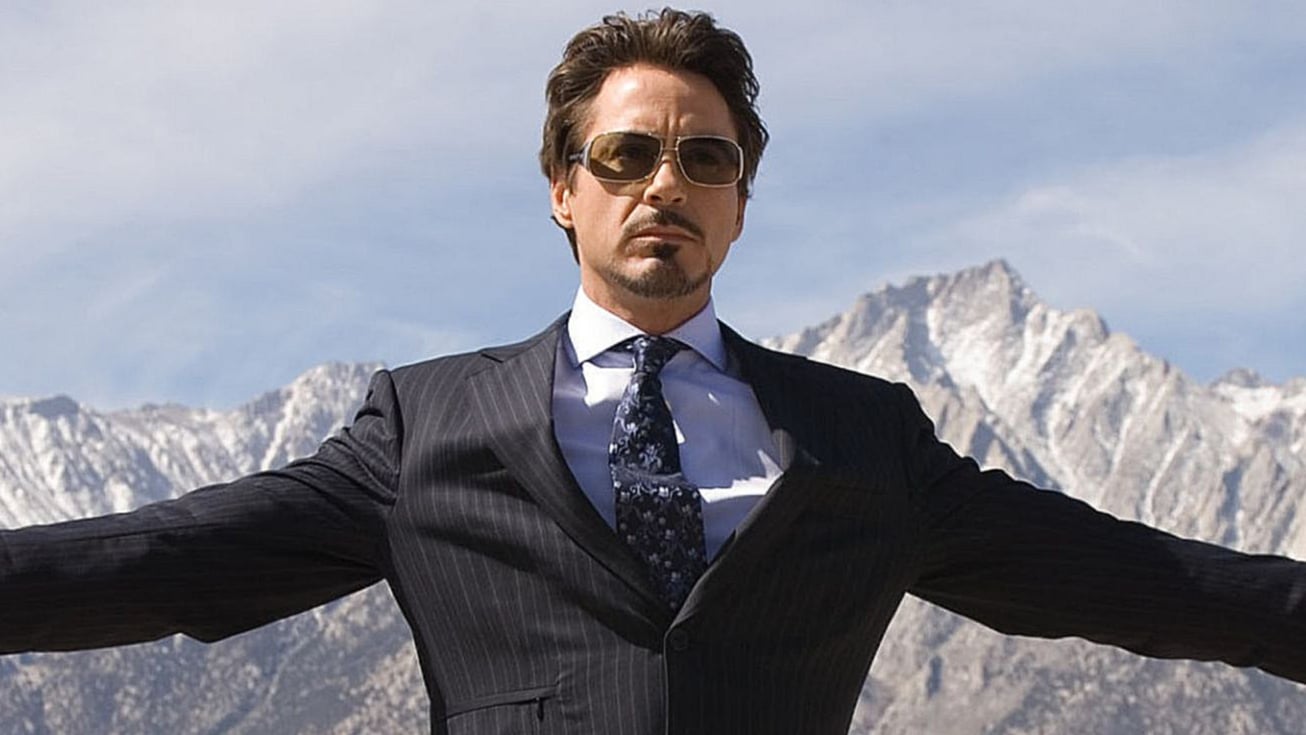
Tony Stark launches the Marvel Cinematic Universe on screen with ‘Iron Man’. The films outline the design pipeline for the suit, from prototyping and materials to power management and flight stabilization. They also document how public disclosure affects regulatory oversight, corporate control, and international response.
The first film reached theaters through Paramount Pictures before later Marvel entries moved under Walt Disney Studios for distribution. That shift supported a growing interconnected slate where the character’s technology influences other teams and operations.
Black Panther
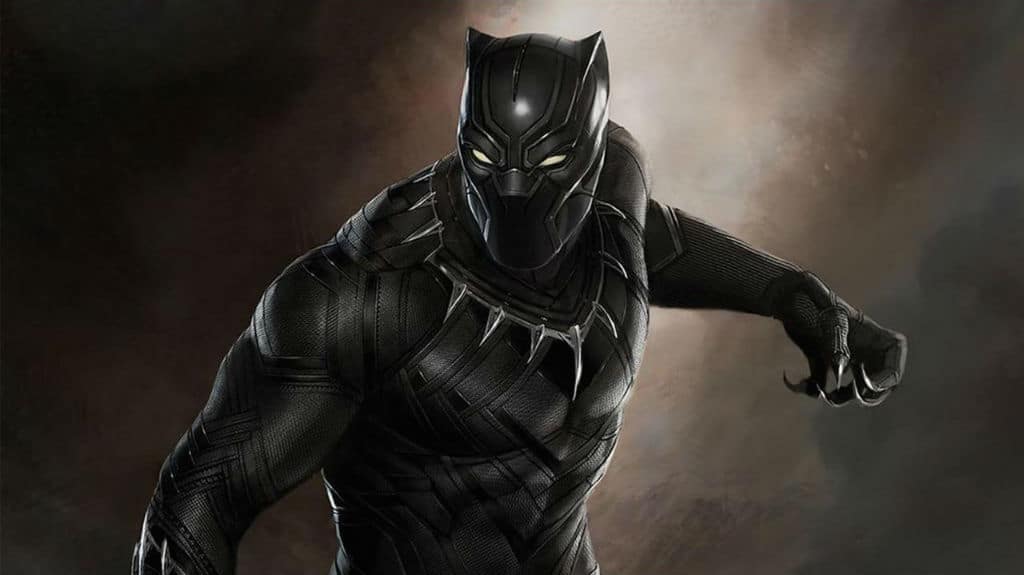
Black Panther steps into ‘Black Panther’ with a monarchy that balances tradition and advanced science. The film explains the governance of Wakanda, the role of the Dora Milaje, and the distribution of vibranium technology through secure channels. It also sets clear borders for engagement with the outside world and shows how those borders change under new leadership.
Walt Disney Studios distributed the film as part of the broader Marvel lineup, aligning its release with a global campaign and coordinated premium formats. That reach brought the character’s cultural and technological frameworks to wide audiences with consistent presentation.
John Wick

John Wick enters ‘John Wick’ with a well defined network of services for contract work. The films map out the Continental rules, marker obligations, and the currency that supports the underworld economy. Each chapter expands the infrastructure with new branches, governance layers, and enforcement mechanisms.
Lionsgate distributed the series, which kept the releases focused on tight choreography and clear world building. The consistent rollout allowed the character to navigate new cities while maintaining the code that drives every confrontation.
Captain Jack Sparrow

Captain Jack Sparrow sails into ‘Pirates of the Caribbean: The Curse of the Black Pearl’ with a ship history, a crew roster, and a web of maritime codes that define each alliance. The films explain cursed artifacts, privateer arrangements, and naval authorities, which frame the character’s moves across sea routes and ports.
Walt Disney Studios distributed the series, aligning the releases with large scale summer schedules and extensive worldwide bookings. That consistent placement helped the character return for multiple voyages with expanding lore and returning ships.
The Bride

The Bride leads ‘Kill Bill: Vol. 1’ and ‘Kill Bill: Vol. 2’ with a mission built on a list, training sequences, and a path through distinct regional styles. The films itemize weapons, dojos, and rival groups, which organize the story into clear objectives. The structure makes each encounter a checkpoint with its own rules and techniques.
Miramax distributed the two volumes, ensuring a coordinated release that highlighted each chapter’s specific influences. The approach presented the character’s progression as a documented sequence of skills and opponents that builds to a planned conclusion.
Max Rockatansky
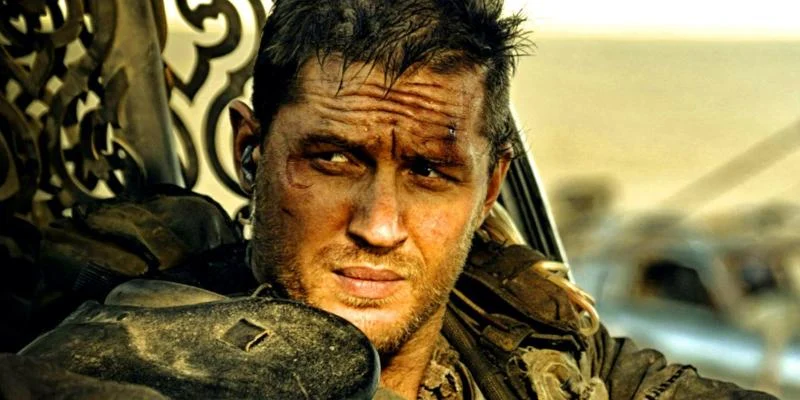
Max Rockatansky returns in ‘Mad Max: Fury Road’ with a desert logistics map that centers on fuel, water, and trade routes. The film lays out the Citadel’s resource control, the War Rig’s configuration, and the mechanics of pursuit across open terrain. The character’s choices respond to vehicle capabilities and road conditions that can be measured and tracked.
Warner Bros. Pictures distributed the film, pairing its large scale practical stunts with a wide global release. That support kept the franchise’s road warfare format intact while introducing new factions and survival systems that the character must navigate.
Share your picks for the coolest movie characters in the comments so everyone can compare favorites.