

15 Coolest Transformation Sequences In Anime

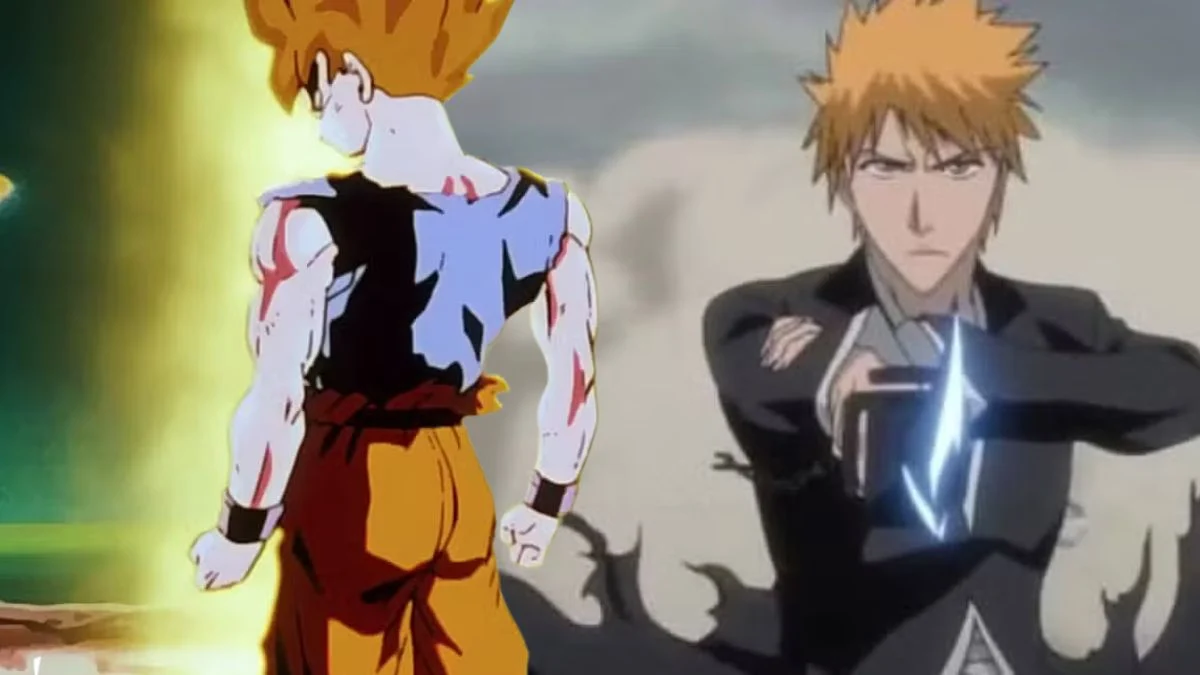


From power surges that change the tide of a battle to sudden awakenings that redefine a character, anime transformations often mark the moments fans revisit again and again. These sequences usually arrive at emotional peaks, tie directly to story stakes, and unlock abilities with clear rules inside each world. They also showcase the best of each show’s production values, from layout to music to color design. Here are standout examples and the key details that make them memorable.
Goku Super Saiyan on Namek in ‘Dragon Ball Z’
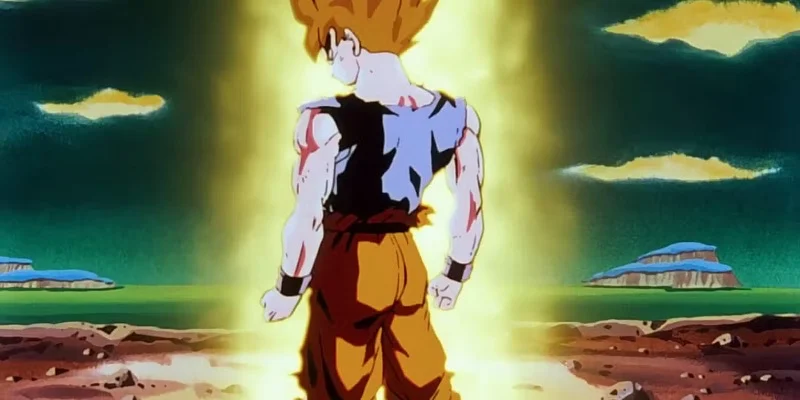
This first Super Saiyan awakening follows Krillin’s death and happens during Goku’s climactic fight with Frieza on Planet Namek. The form increases speed, strength, and ki control while changing Goku’s hair and aura. The sequence set a template for later forms with a long build and a clear power threshold. The episode is animated by Toei Animation with emphasis on lightning effects and heavy shadows.
Gohan Super Saiyan 2 at the Cell Games in ‘Dragon Ball Z’
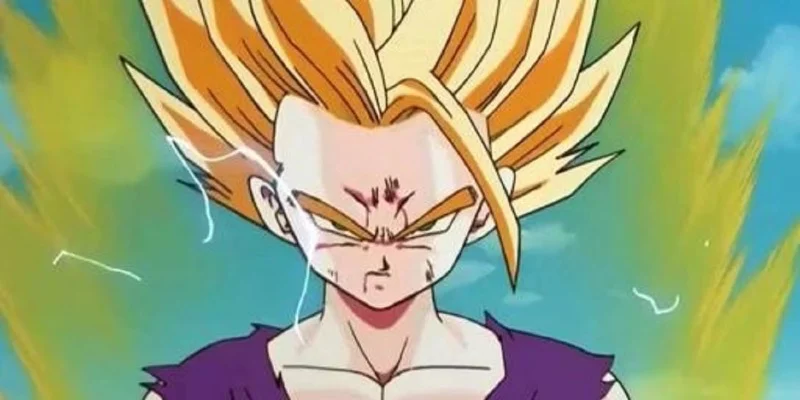
Gohan’s breakthrough comes after Android 16’s destruction and the threat to his friends, which unlocks an advanced state beyond Super Saiyan. The transformation introduces an electrical aura and sharper hair spikes and it dramatically raises his attack power. It sets up Gohan’s one handed Father Son Kamehameha against Perfect Cell. Toei Animation frames the turn with quiet beats before the energy spike to underline the emotional trigger.
Goku Ultra Instinct in ‘Dragon Ball Super’
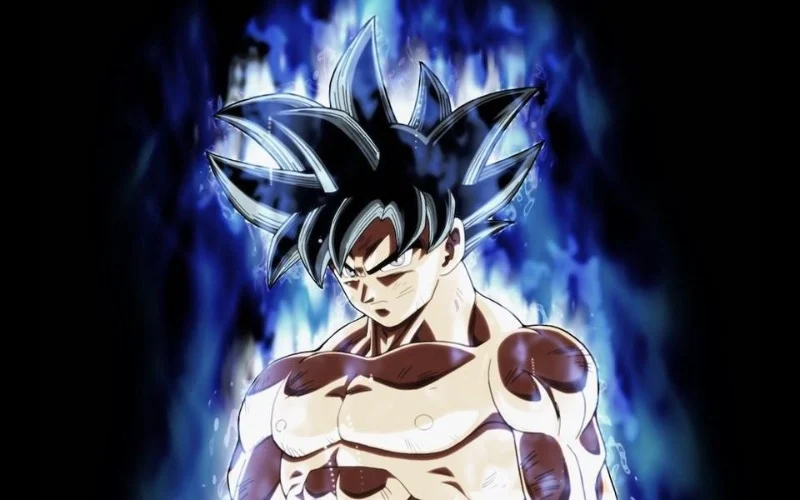
Ultra Instinct appears during the Tournament of Power when Goku survives a Spirit Bomb clash and enters a state where his body moves without conscious thought. The form splits into the initial omen and a perfected version, each with distinct visual cues and combat flow. It emphasizes reaction speed and evasive movement rather than raw power alone. Toei Animation uses monochrome flashes and percussion hits to sell the instinctual rhythm.
Monkey D. Luffy Fifth Gear in ‘One Piece’
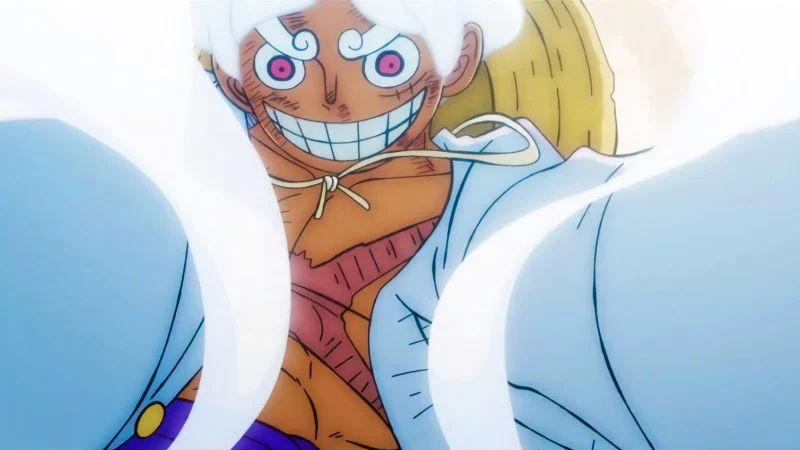
Luffy activates Gear Five in the fight with Kaido by fully awakening his Devil Fruit, which changes his body’s properties and the environment around him. The form allows cartoonish elasticity, exaggerated size changes, and reality bending attacks. It brings back the playful tone of his earlier fighting while raising the ceiling on what his rubber powers can do. Toei Animation leans into bold shapes and squash and stretch to match the new tone.
Wargreymon and MetalGarurumon into Omnimon in ‘Digimon Adventure’
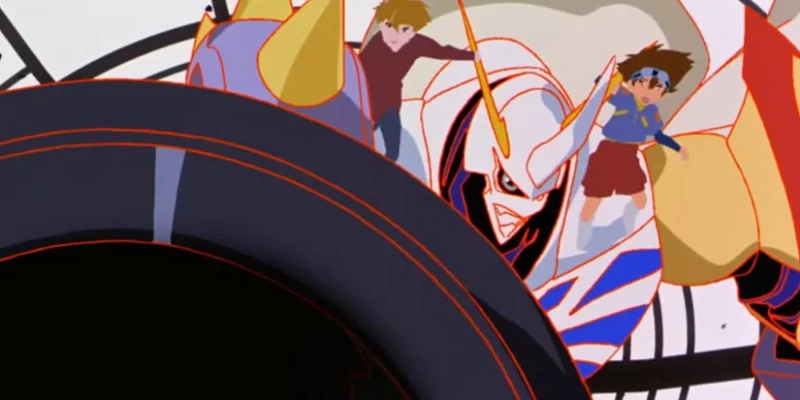
During the battle with Diaboromon, Wargreymon and MetalGarurumon combine to form Omnimon after a surge of support from children across the network. The fusion yields a knight like Digimon with dual weapons that counter Diaboromon’s speed and replication. The moment hinges on synchronized timing across the digital world and the real world. Toei Animation stages the merge with layered composites and stark white backgrounds to signal a higher class evolution.
Ichigo Kurosaki Bankai in ‘Bleach’
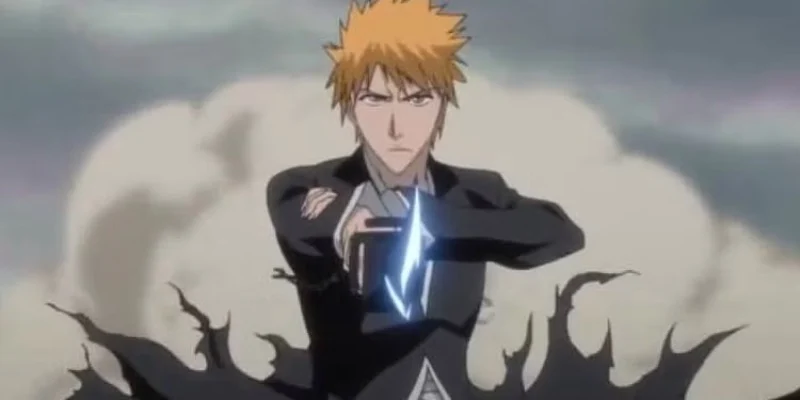
Ichigo achieves Bankai during his Soul Society training and reveals Tensa Zangetsu in the duel with Byakuya. The form compresses spiritual pressure into a compact blade and grants a massive boost in speed. Visual language shifts to black attire and a minimal silhouette to highlight motion. Studio Pierrot keeps the staging clean to track high speed footwork and afterimages.
Adult Gon in ‘Hunter x Hunter’
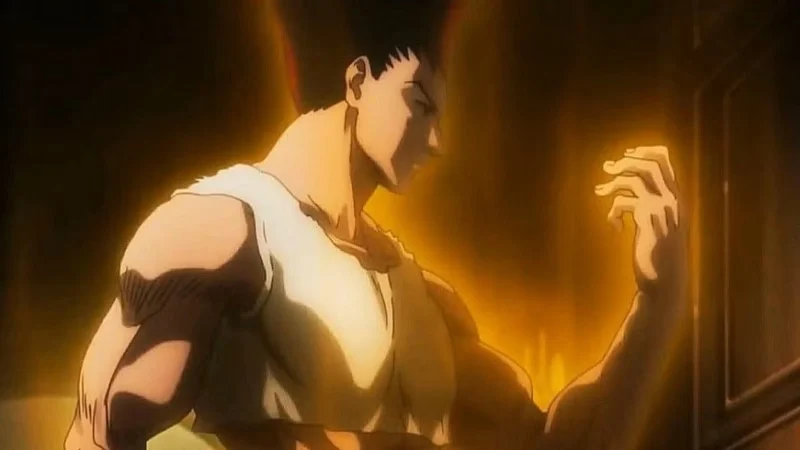
Gon sacrifices all future potential to force his body into an adult state in the fight against Neferpitou. The change condenses years of hypothetical training into one moment and lets him use a devastating version of Jajanken. The sequence is framed as a trade rather than a sustainable power up and it carries narrative consequences after the battle. Madhouse presents the scene with stark lighting and deep shadows to stress the cost.
Kafka Hibino Kaiju Form in ‘Kaiju No. 8’
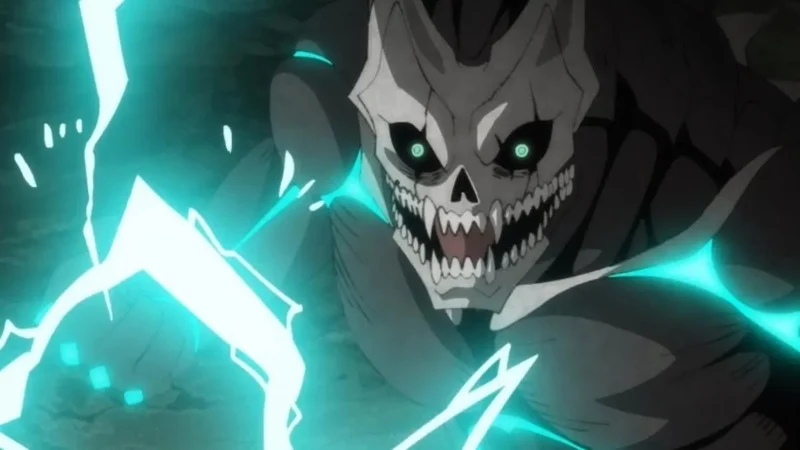
Kafka partially transforms under stress several times before revealing a full numbered Kaiju body during major engagements. The form provides overwhelming strength, regeneration, and sensor readouts that work like a combat HUD. Military protocols adapt around his identity as he becomes both asset and risk. Production I.G balances hard mecha textures with organic muscle lines to define the hybrid look.
Eren Yeager First Titan Transformation in ‘Attack on Titan’
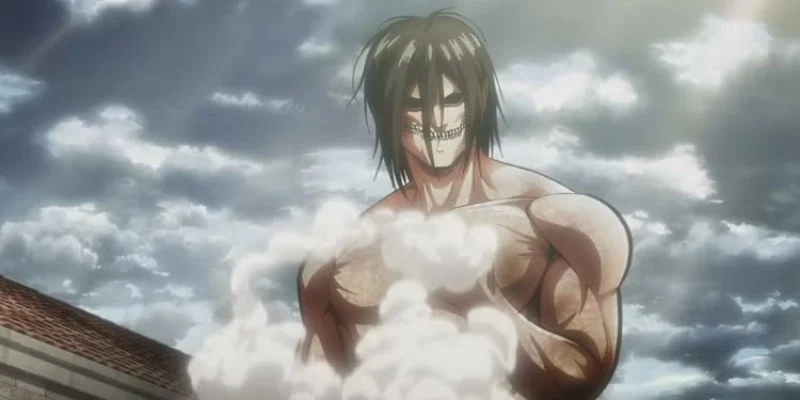
Eren’s initial change occurs after a near death experience and is triggered by a clear goal to protect his friends. The Titan form brings rapid regeneration, raw strength, and limited stamina tied to heat output. It becomes a tactical tool for breaching and combat within urban spaces. WIT Studio uses smoke, steam, and debris to track energy expenditure and conceal form transitions.
Naruto Nine Tails Chakra Mode in ‘Naruto Shippuden’
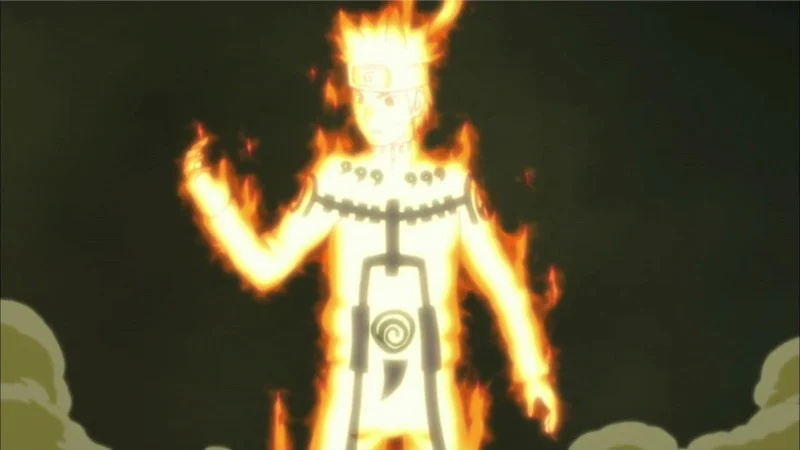
Naruto gains control of the Nine Tails chakra through training and a tug of war with the beast’s will. The mode cloaks him in a glowing pattern, improves sensory range, and enables high speed collaboration techniques. It later evolves with new patterns as his bond deepens. Studio Pierrot layers bright line work over motion blur to show both velocity and warmth.
Kaneki Ken White Hair Awakening in ‘Tokyo Ghoul’
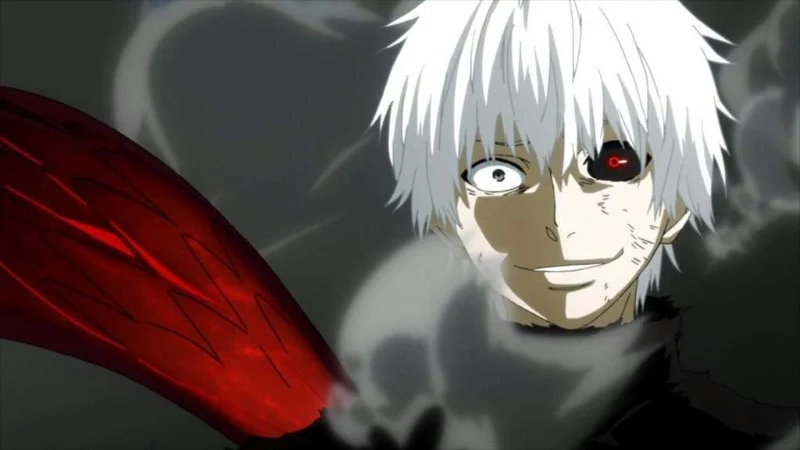
Kaneki’s hair turns white after prolonged torture, marking a psychological shift that unlocks greater control of his kagune. The change brings enhanced speed, precision, and a colder combat approach. It reshapes relationships around him as he embraces his ghoul identity. Studio Pierrot emphasizes high contrast palettes and sharp cuts to mirror the mental break.
Izuku Midoriya One For All at 100 percent with Eri in ‘My Hero Academia’
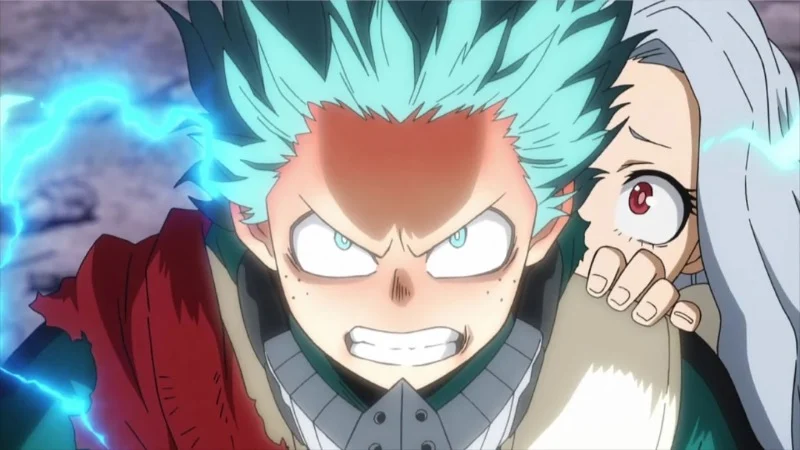
During the Shie Hassaikai raid, Deku taps into One For All at full power by relying on Eri’s rewind ability to repair damage as it occurs. The pairing lets him fight at a level otherwise impossible for his body. It introduces a practical workaround for a quirk’s drawback through teamwork. Bones highlights continuous motion and clear silhouettes to keep readability at top speed.
Ryuko Matoi Senketsu Kisaragi in ‘Kill la Kill’
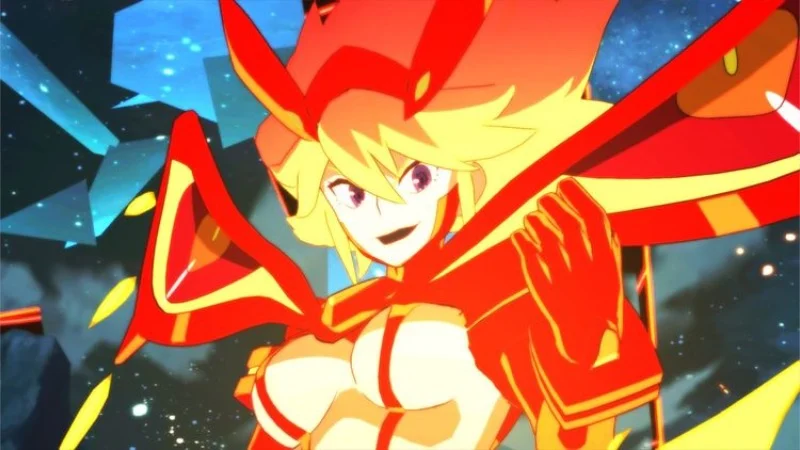
In the finale Ryuko and Senketsu reach a final synchronized form that counters the life fiber threat in orbit. The upgrade stacks earlier abilities and removes remaining restraints on output. It also recontextualizes Ryuko’s connection to clothing based powers. Trigger drives the rush with bold color blocks and sharp perspective swings.
Sailor Moon First Transformation in ‘Sailor Moon’
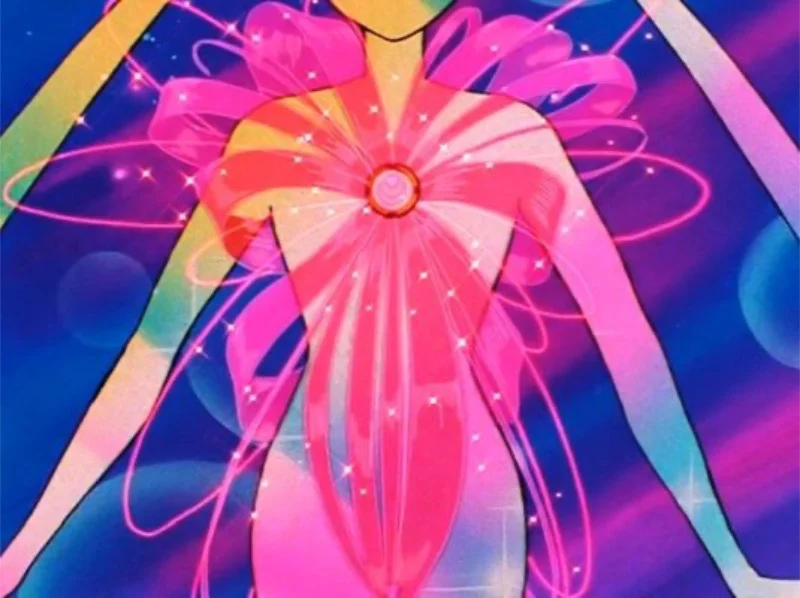
Usagi’s first henshin establishes the full ritual for later episodes, from the brooch activation to the pose finish. The sequence telegraphs identity, weapon access, and the rules of magical girl combat. It becomes a repeatable grammar that signals a shift from daily life to battle mode. Toei Animation refines the ribbons and jewel highlights to keep loops fresh across episodes.
Giorno Giovanna Gold Experience Requiem in ‘JoJo’s Bizarre Adventure’
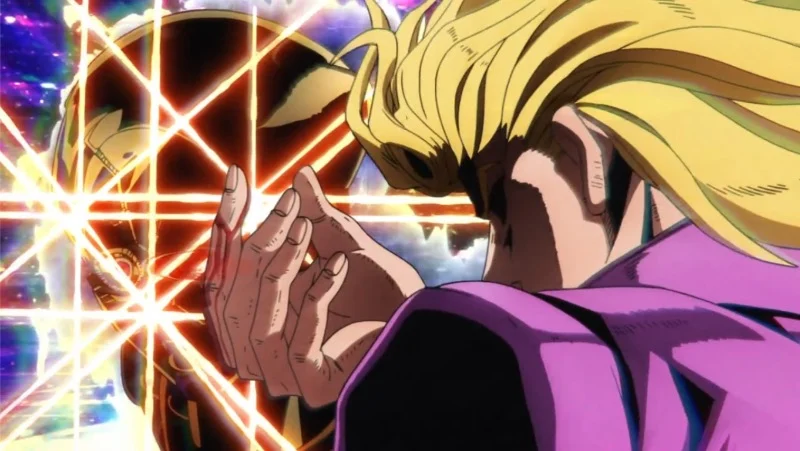
Giorno upgrades Gold Experience with the Requiem arrow during the clash with Diavolo, rewriting cause and effect in combat. The stand nullifies an opponent’s actions by returning outcomes to zero, which changes how threats can escalate. It concludes a chain of stand evolutions tied to the arrow’s properties. David Production stages the reveal with layered motifs and rhythmic cuts to sell the metaphysical shift.
Share your favorite transformation moments in the comments and tell us which ones we should spotlight next.