

20 Crafting Systems That Actually Feel Good




Crafting can power a whole game loop when it ties gathering, recipes, and progression into one smooth flow. The most effective systems teach through play, surface what you can build next, and reward experimentation with meaningful upgrades or tools. Smart interfaces, clear resource hierarchies, and flexible recipes help players plan and improvise without feeling lost. These games show how blueprints, workbenches, and discovery can weave into exploration, combat, and base building in a way that keeps momentum.
Minecraft
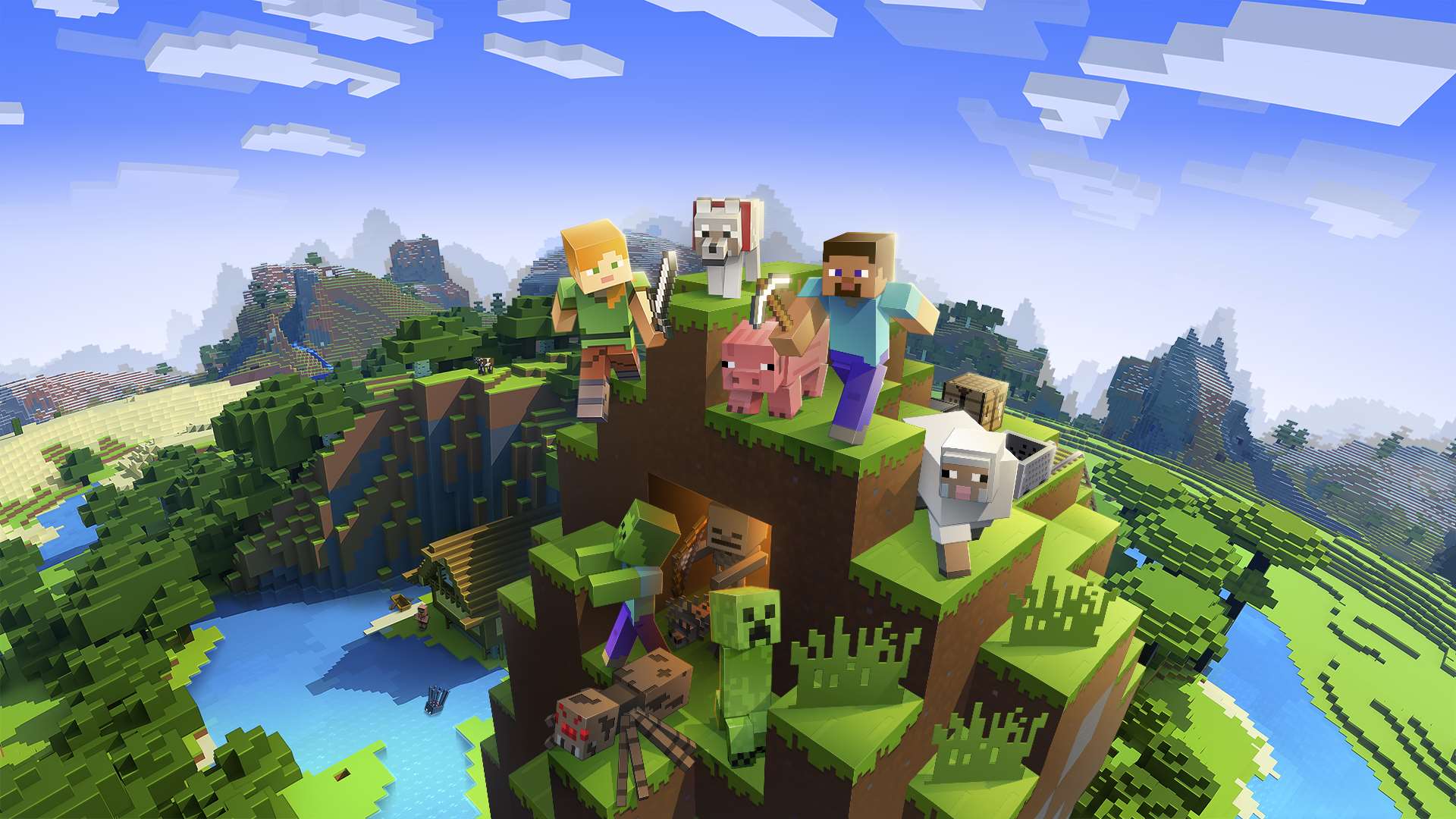
Crafting uses a grid that turns raw blocks into tools, machines, and decorative items through pattern based recipes. A recipe book records discoveries and lets you autofill layouts once you have the ingredients. Workstations like the furnace, anvil, and brewing stand add tiers that move you from stone tools to enchanted gear. Redstone components introduce logic parts that power farms, doors, and contraptions across your world.
The Legend of Zelda: Tears of the Kingdom

Fuse lets you attach monster parts and materials to weapons, shields, and arrows to change damage types and behavior. Ultrahand snaps parts together into vehicles and devices using batteries, wheels, fans, and steering handles. Zonai devices consume energy that you can expand through cell upgrades, which defines how long builds run. Device dispensers and schematic stones steadily widen what you can assemble across the map.
Monster Hunter: World

Monsters drop carves and rewards that slot into weapon trees and armor sets at the smithy. Each upgrade path lists required parts and the exact stats you gain, so hunts become targeted farming runs. Decorations and armor skills combine to shape builds for specific elements and statuses. Augmentation and rarity tiers extend gear longevity as you push into tempered and master rank hunts.
Subnautica

Fabricators convert gathered ores, flora, and fauna into tools, food, and base modules. Blueprint fragments scanned with the Seaglide and Seamoth unlock new craftables in a clear tech ladder. Habitat builders place rooms, corridors, and power systems that need oxygen and energy management. Biomes gate certain resources, which nudges exploration outward to expand your crafting options.
Valheim
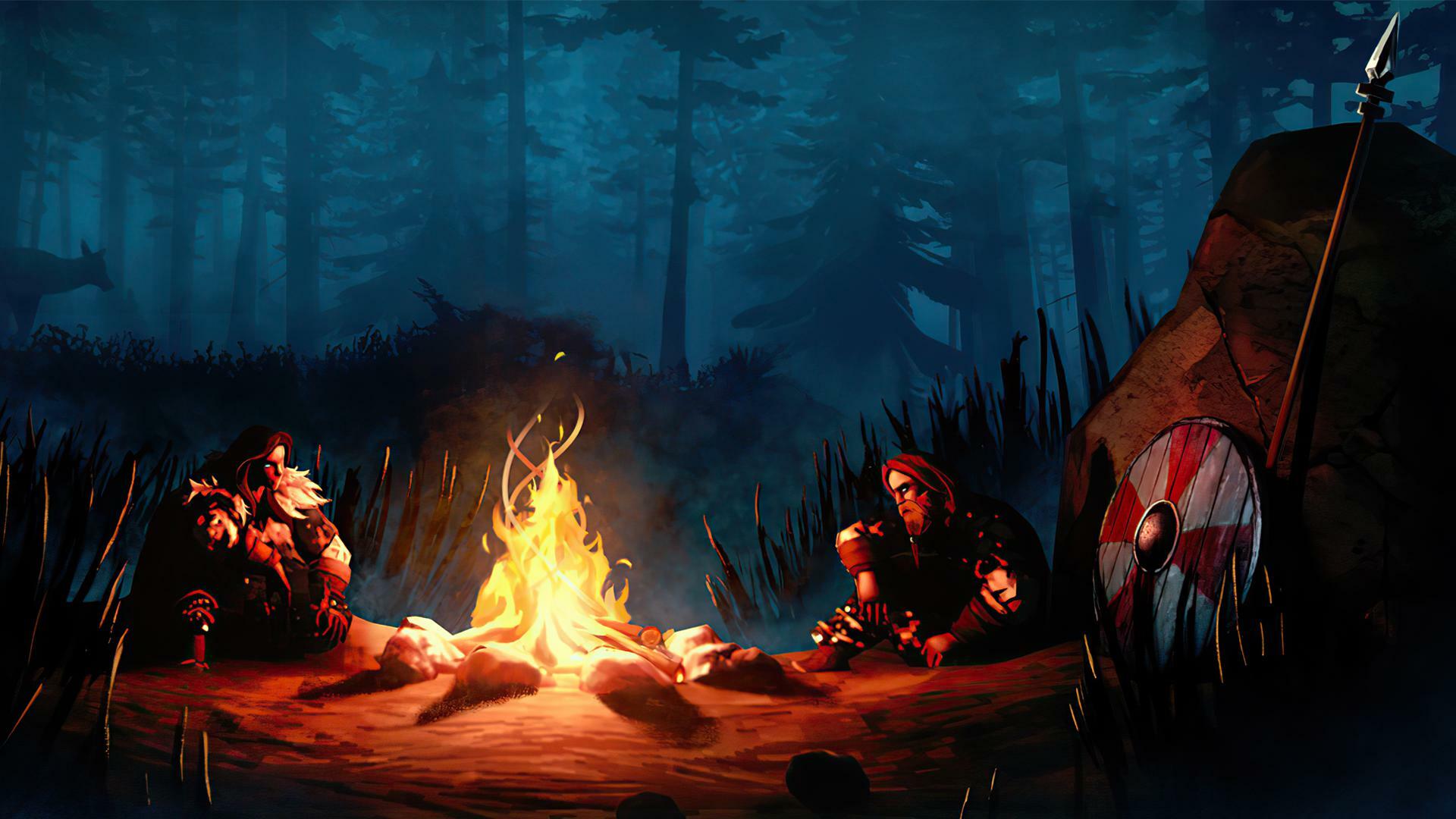
Recipes appear the moment you pick up a new resource, so discovery naturally expands your menu. Workbenches and forges set build radii and upgrade tiers that gate higher quality tools and weapons. Boss drops unlock new materials and stations that move you through age like progress. Building pieces snap cleanly, and structural integrity determines how far you can expand a base.
Factorio
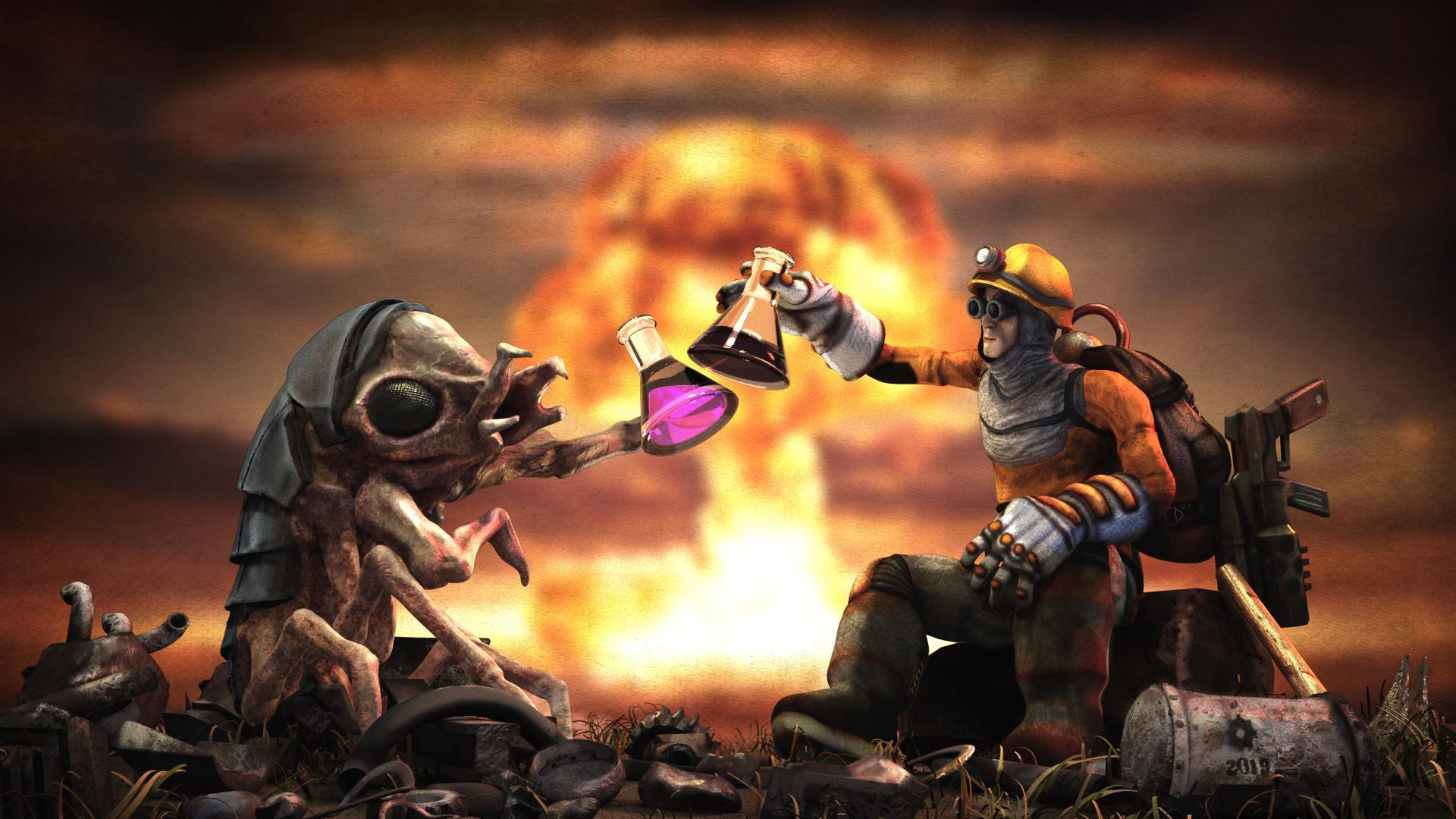
Assemblers, furnaces, and chemical plants turn raw ore into complex components through production chains. Belts, inserters, and logistics bots automate throughput, while research unlocks faster machines and new recipes. Blueprint books copy entire factory sections, which makes scaling efficient lines straightforward. Pollution and biter attacks create a defensive layer that reacts to your industrial footprint.
Satisfactory
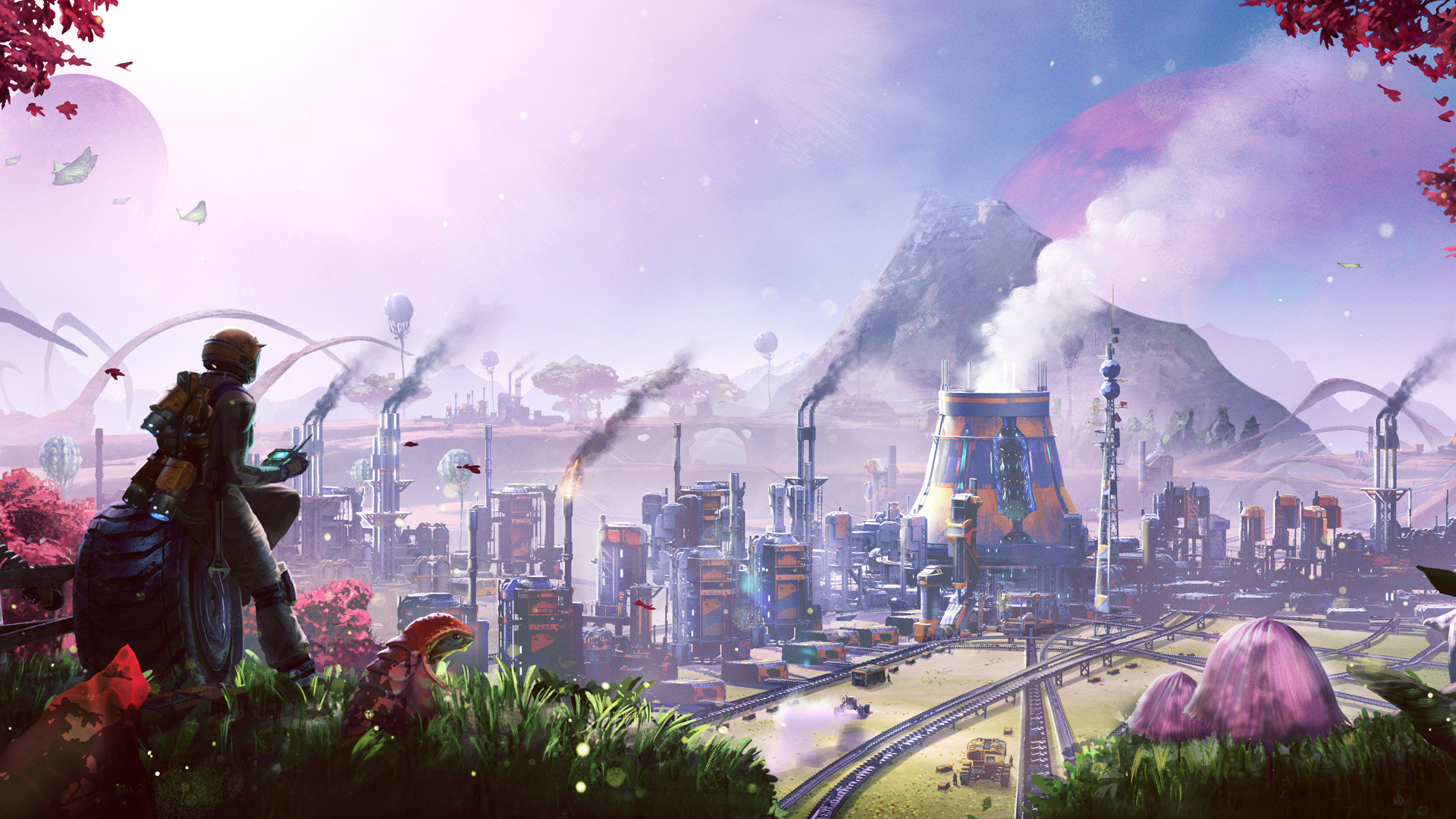
Production lines route ore through miners, smelters, constructors, and assemblers toward milestone unlocks. Power management creates a planning challenge as you expand from biomass to coal and beyond. Conveyor lifts, hypertubes, and trains handle verticality and long distance logistics across large maps. Alternate recipes from hard drives let you reconfigure chains for better ratios and resource flexibility.
Terraria

Multiple crafting stations and anvils produce tiered tools, weapons, and accessories from biome specific drops. Bosses and events introduce new material sets that open the next progression tier. Accessory reforging and modifiers add stat tuning on top of base crafting. The Guide NPC previews anything you can make from a material, which helps you plan upgrades.
Stardew Valley
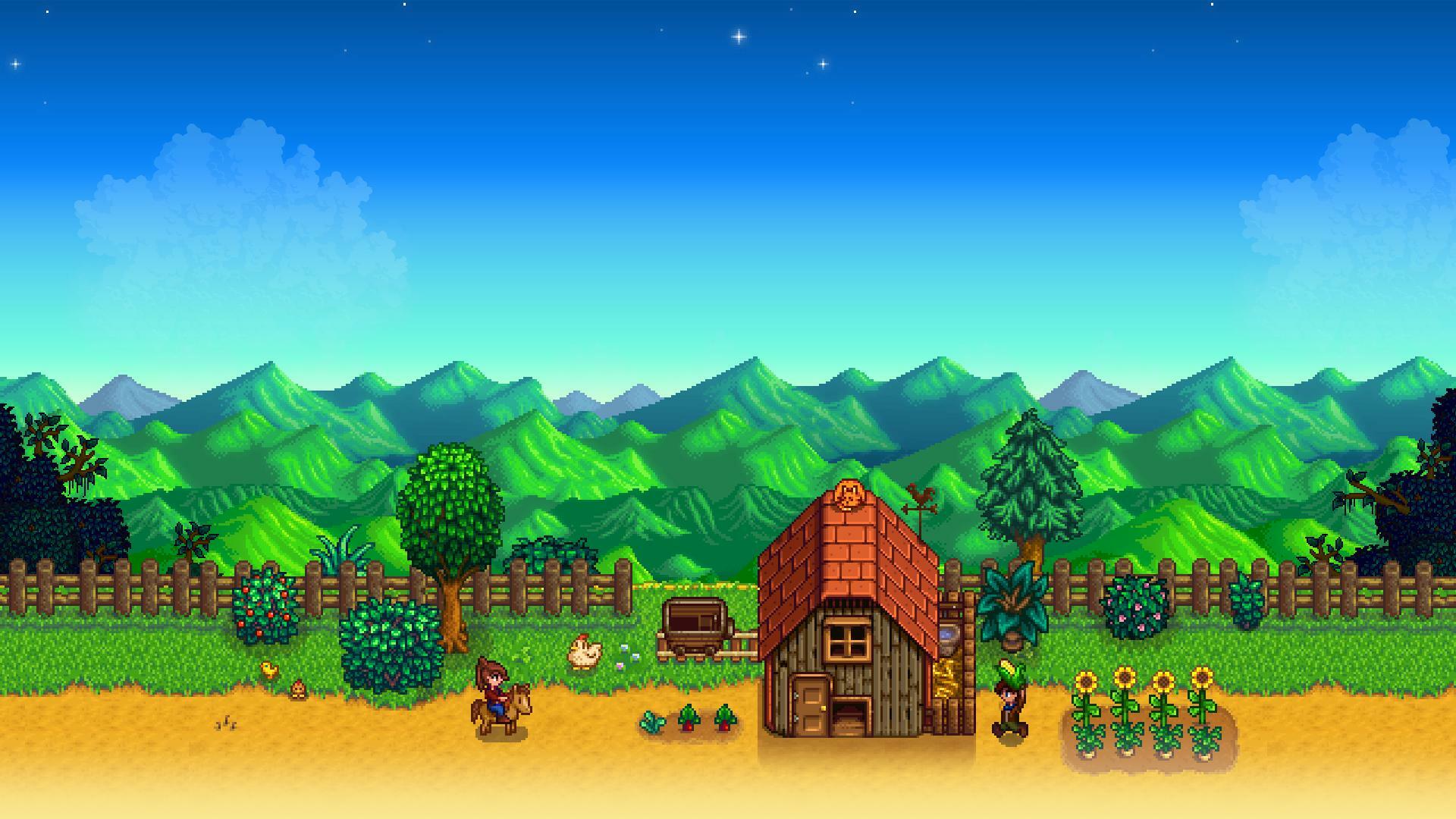
Crafting ties to farming, mining, and foraging levels that unlock machines like kegs, preserves jars, and sprinklers. Artisan equipment turns crops into high value goods that reshape daily routines. Tool upgrades at the blacksmith gate access to new areas and faster farm work. Seasonal resources and community bundles create a gentle roadmap for what to make next.
Horizon Forbidden West
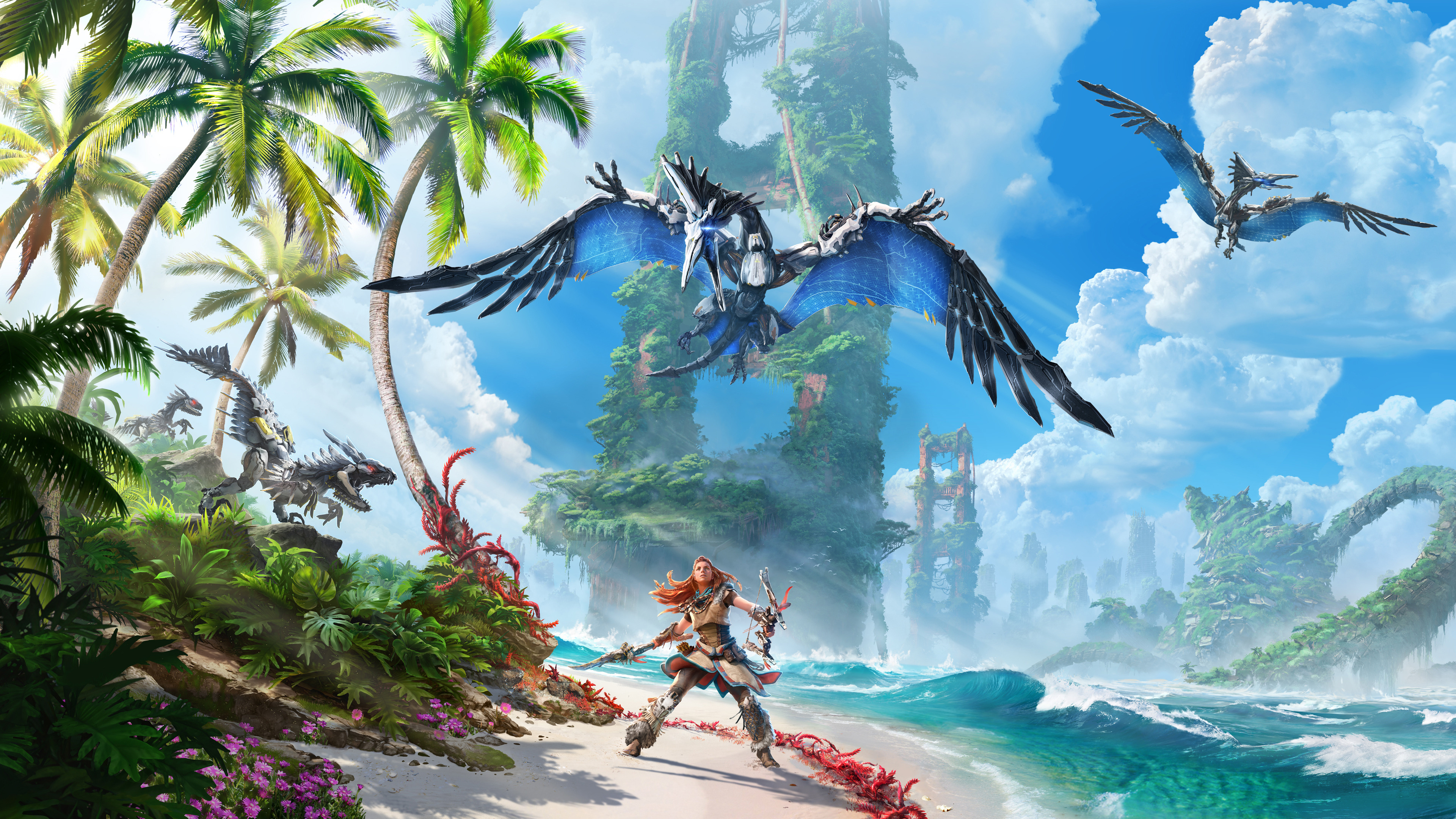
Workbenches upgrade weapons and outfits using machine parts harvested via targeted component breaks. Coils and weaves socket into gear for elemental and damage specializations. Ammo crafting pulls from common resources in the field, keeping combat flowing without long pauses. Salvage contracts and quests highlight specific materials and reward advanced blueprints.
No Man’s Sky
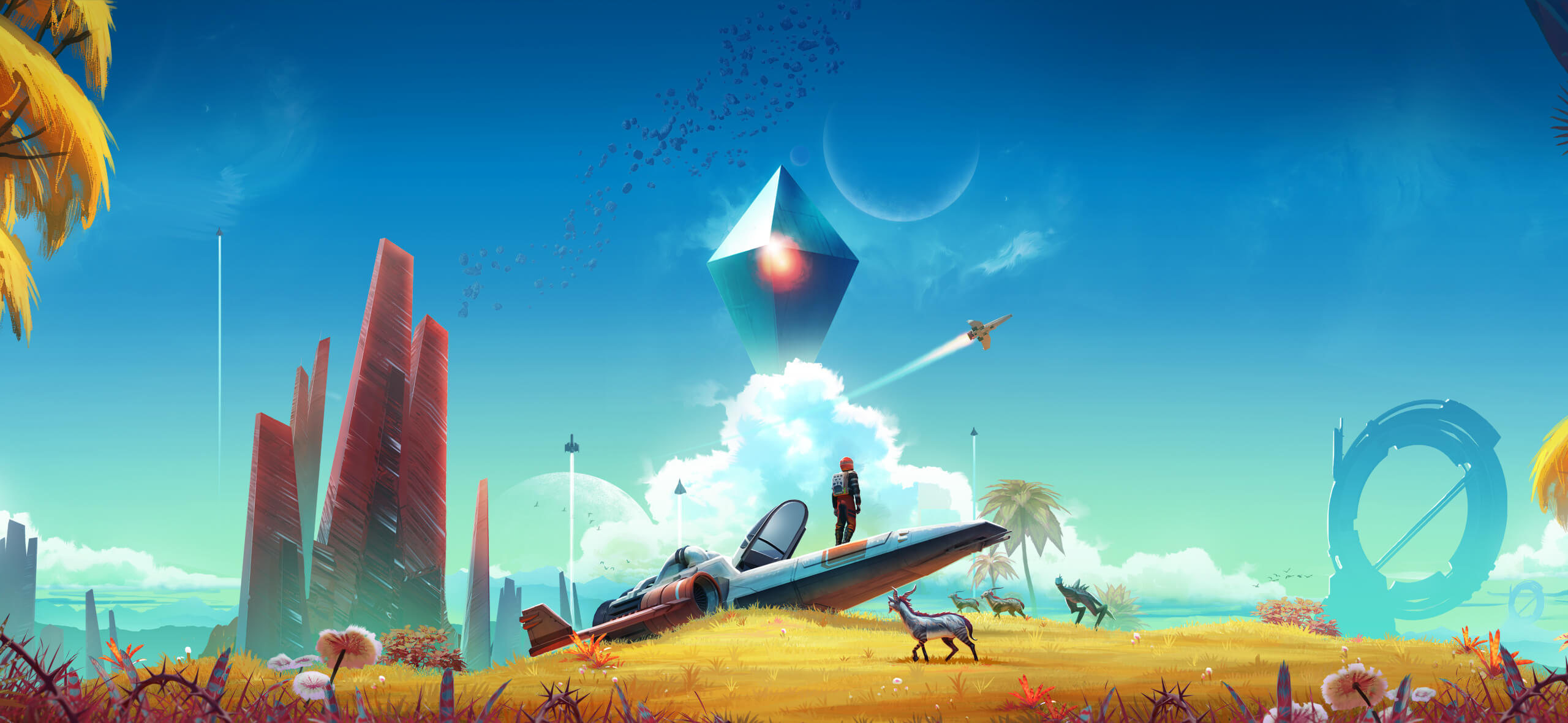
Refiners process elements into new substances across a clear crafting tree. Portable and base refiners let you scale production from quick conversions to automated loops. Base parts, exosuit tech, and starship modules use blueprints that grow through missions and vendors. The nutrient processor and cooking system add parallel recipes for trade and survival buffs.
Fallout 4
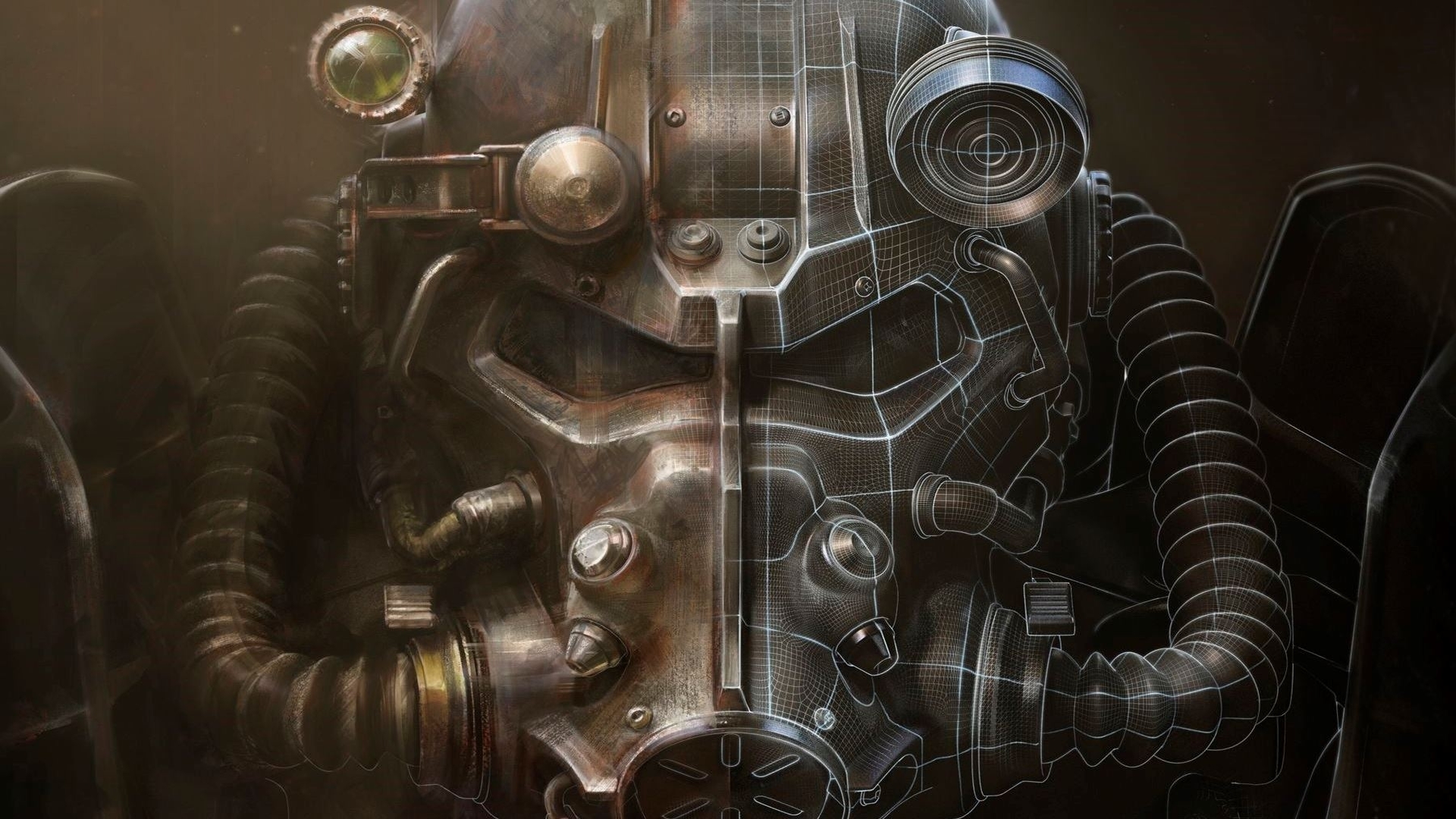
Weapon benches let you swap receivers, barrels, and stocks to alter damage and handling. Armor and power armor stations use adhesive and rare components to add pockets, lining, and resistances. Settlement crafting turns junk into structures and defenses with clear resource costs. Perk ranks like Gun Nut and Science open higher modification tiers and experimental parts.
The Witcher 3: Wild Hunt

Diagrams at craftsmen produce swords, armor, and crossbow bolts from smelted ingots and monster parts. Alchemy uses herbs and mutagens to brew potions, oils, and bombs that replenish with alcohol at rest. Master and grandmaster sets require specific craftsmen and regional scavenger hunts. The best gear unfolds through questlines that deliver diagrams in a structured path.
Don’t Starve

Prototyping at the Science Machine and Alchemy Engine permanently unlocks items for future crafting. Recipes consume gathered flora, fauna, and rare drops within strict survival constraints. Sanity, hunger, and seasons impact what you should craft and when. Character perks alter options, with some unlocking exclusive stations and items.
RimWorld
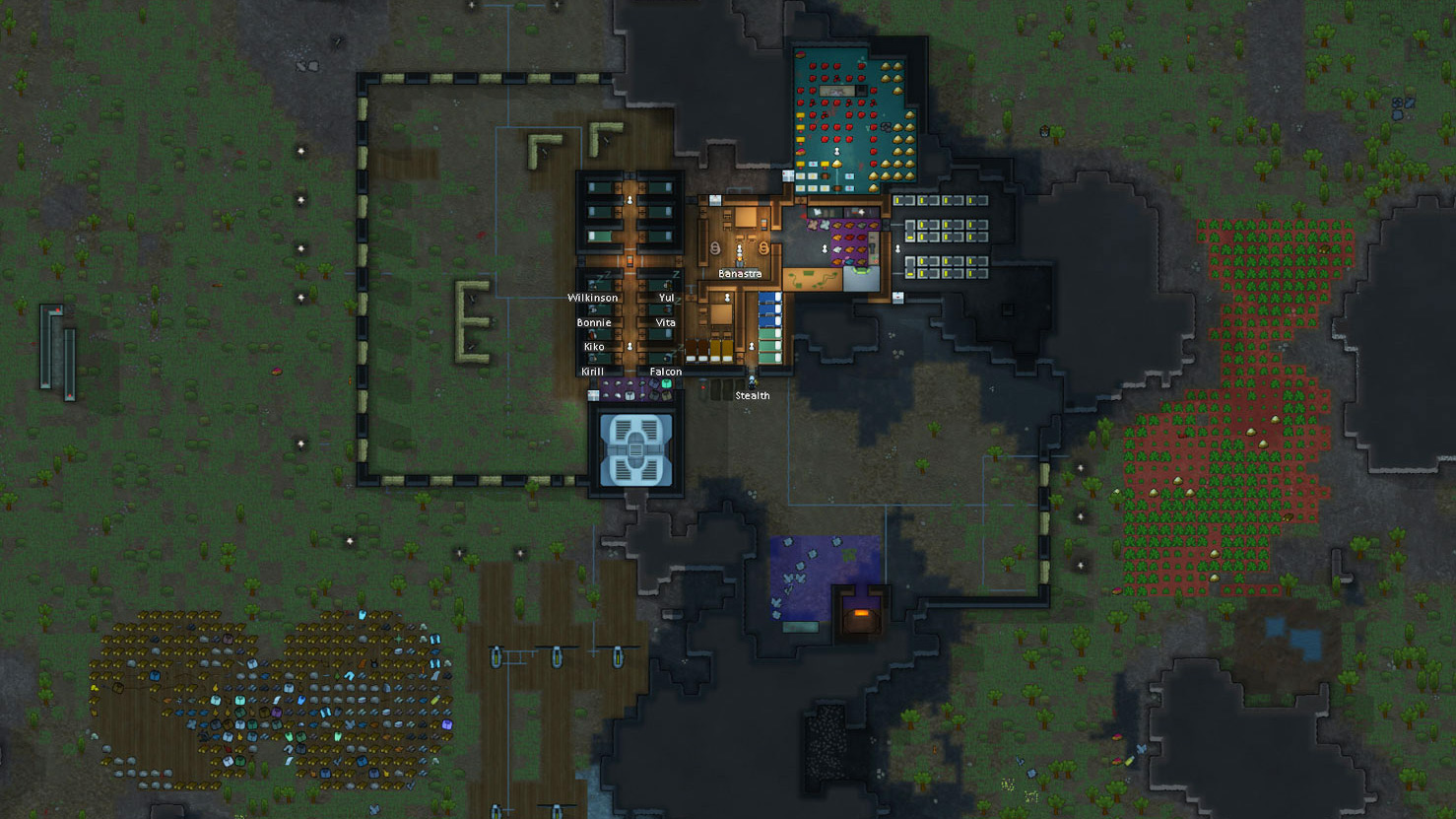
Bills at benches define repeatable jobs like stone cutting, tailoring, and drug production. Work priorities and skill levels determine who crafts what and how quickly they improve. Material qualities and storyteller events affect gear stats and availability. Research nodes add benches and recipes that extend colonies from tribal starts to high tech fabrication.
V Rising

The Castle Heart governs territory and powers crafting stations that convert resources into refined materials. V Blood bosses unlock new structures, recipes, and vampiric abilities in a clear progression. Servants and production rooms automate gathering and refinement once set up. Gear tiers and jewel customization provide distinct build paths tied to your crafting base.
Ark: Survival Evolved

Engrams unlock craftables as you level, covering tools, weapons, saddles, and structures. Crafting speeds and resource yields can be tuned through character stats and server settings. Saddles and saddlebags link crafting to tamed creatures and mobility. Industrial stations like forges and fabricators support large scale production for late game tech.
Grounded

Workbenches and ovens turn backyard materials into armor sets, weapons, and meals with status effects. Analyzers grant raw science that unlocks recipes when you scan new items. Tiered tools gate higher level resources like brittle and sturdy materials. Milk Molars and mutation systems complement crafting by expanding capacity and survivability.
7 Days to Die
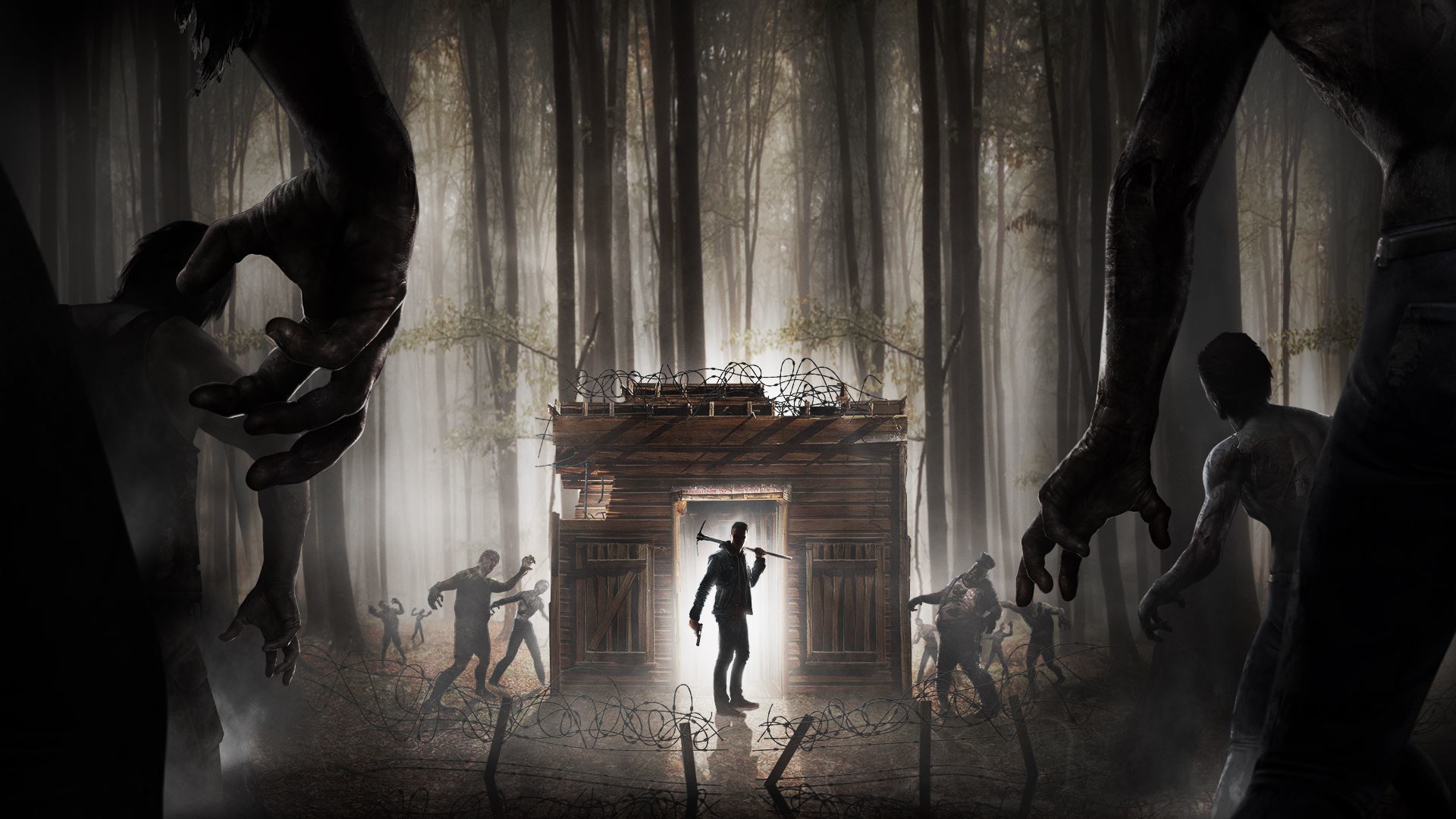
Skill books and magazines unlock recipe perks that expand what you can build. Workstations like the forge, workbench, and chemistry station accelerate production and repair. Quality tiers and mods let you tune weapons and tools to specific roles. Horde nights push you to craft traps and base reinforcements on a reliable cadence.
The Long Dark

Crafting focuses on survival tools, clothing, and medicine built from hides, guts, and foraged plants. Work requires warmth, light, and time, which ties production to shelter choices. Curing and drying introduce delays that you plan around during long storms. Region specific resources like maple and birch saplings guide where you travel for upgrades.
Share the crafting systems you think belong on this list in the comments and tell us which recipes carried your run.